

Business RadioX ®

  • Home
  • Business RadioX ® Communities
    • Southeast
      • Alabama
        • Birmingham
      • Florida
        • Orlando
        • Pensacola
        • South Florida
        • Tampa
        • Tallahassee
      • Georgia
        • Atlanta
        • Cherokee
        • Forsyth
        • Greater Perimeter
        • Gwinnett
        • North Fulton
        • North Georgia
        • Northeast Georgia
        • Rome
        • Savannah
      • Louisiana
        • New Orleans
      • North Carolina
        • Charlotte
        • Raleigh
      • Tennessee
        • Chattanooga
        • Nashville
      • Virginia
        • Richmond
    • South Central
      • Arkansas
        • Northwest Arkansas
    • Midwest
      • Illinois
        • Chicago
      • Michigan
        • Detroit
      • Minnesota
        • Minneapolis St. Paul
      • Missouri
        • St. Louis
      • Ohio
        • Cleveland
        • Columbus
        • Dayton
    • Southwest
      • Arizona
        • Phoenix
        • Tucson
        • Valley
      • Texas
        • Austin
        • Dallas
        • Houston
    • West
      • California
        • Bay Area
        • LA
        • Pasadena
      • Colorado
        • Denver
      • Hawaii
        • Oahu
  • FAQs
  • About Us
    • Our Mission
    • Our Audience
    • Why It Works
    • What People Are Saying
    • BRX in the News
  • Resources
    • BRX Pro Tips
    • B2B Marketing: The 4Rs
    • High Velocity Selling Habits
    • Why Most B2B Media Strategies Fail
    • 9 Reasons To Sponsor A Business RadioX ® Show
  • Partner With Us
  • Veteran Business RadioX ®

Grants, Guidance, and Growth: The TAG Invest Connect Experience for Entrepreneurs

August 15, 2025 by Jacob Lapera

Atlanta Business Radio
Grants, Guidance, and Growth: The TAG Invest Connect Experience for Entrepreneurs
Loading
00:00 /
RSS Feed
Share
Link
Embed

Download file

In this episode of Atlanta Business Radio, Lee Kantor interviews Larry McHugh, co-chair of TAG Invest Connect. They discuss the upcoming event on October 23rd at Comcast Headquarters, designed to support underserved entrepreneurs—especially women and minorities—by connecting them with corporate buyers and investors. The event features a buyers brunch, a pitch competition with $10,000 and $5,000 grants, and mentoring for participants. McHugh highlights Atlanta’s collaborative tech ecosystem and shares how TAG Invest Connect helps entrepreneurs gain funding, exposure, and valuable connections. Applications are open until the end of September.


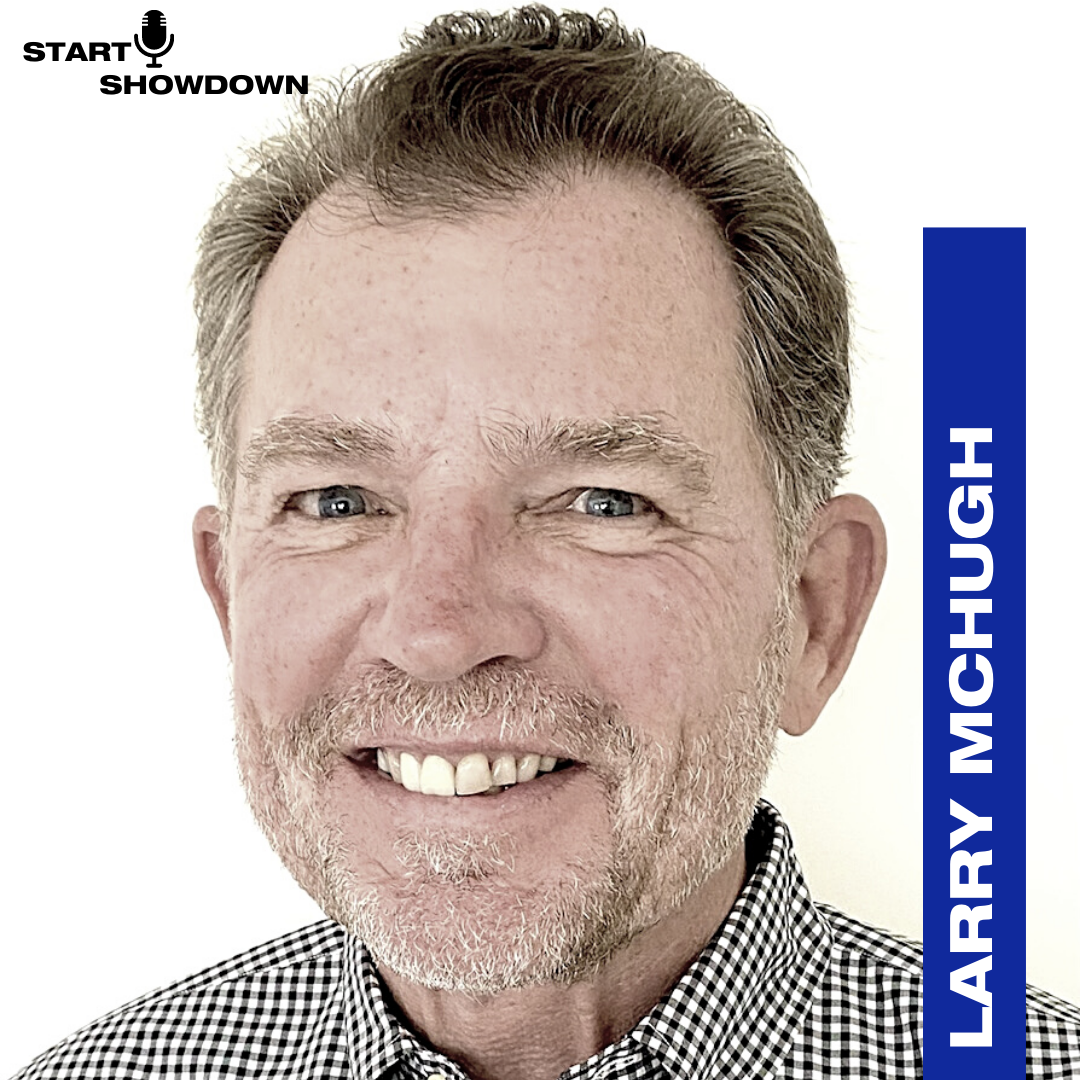
Larry McHugh had a successful career in marketing, advertising and sales before ‘retiring’ ten years ago. He helped build the business of well known companies such as Procter & Gamble, Ogilvy & Mather, and The Art Institutes – as well as here with The Weather Channel.

Born in Pittsburgh, he grew up in a small town, raised by a single mother, along with his three siblings. Thanks to generous federal and state grants, he was able to get a good education in business and psychology at private liberal arts college.

For the past ten years, Larry has been focused on ‘paying it forward’ – grateful for what he has been given. He has supported entrepreneurship with organizations such as the Urban League, KSU, GSU, TAG, Georgia Tech’s ATDC, Venture Atlanta, and Startup Atlanta – he now also serves on several non-profit Boards.

Larry and his wife of 39 years have moved to Atlanta three different times – and now live happily and actively in Vinings.

Connect with Larry on LinkedIn and Facebook.

What You’ll Learn In This Episode

  • Association of Georgia (TAG)
  • TAG Invest Connect
  • Resources for entrepreneurs in Atlanta’s thriving innovaton ecosystem

Transcript-iconThis transcript is machine transcribed by Sonix.


TRANSCRIPT

Intro: Broadcasting live from the Business Radio studio in Atlanta, Georgia. It’s time for Atlanta Business Radio. Brought to you by Kennesaw State University’s Executive MBA program, the accelerated degree program for working professionals looking to advance their career and enhance their leadership skills. And now, here’s your host.

Lee Kantor: Lee Kantor here, another episode of Atlanta Business Radio. And this is going to be a good one. But before we get started, it’s important to recognize our sponsor, CSU’s executive MBA program. Without them, we couldn’t be sharing these important stories. Today on the show, we have Larry McHugh. He is the co-chair of Tag Invest. Connect. Welcome, Larry.

Speaker3: Glad to be here, Lee.

Lee Kantor: Uh, for folks who aren’t familiar, can you share a little bit about tag invest connect. Can you talk about it a little bit?

Speaker3: Sure. Technology Association of Georgia is a member organization with 30,000 members. They do like 150 events a year. One of which is tag invest connect, which is part of their Bridge Builders program. And that will be coming up for the, I believe, the third year on October 23rd at Comcast headquarters in the battery. And it will start at 11 a.m. with chance for entrepreneurs to meet buyers from corporations in Atlanta like Home Depot, Cox Enterprises, BlackRock’s and major players in the community. And that will be followed by an Investor Connect session, where many individual investors from the Atlanta area will judge them, judge the entrepreneurs and their products, and the winner will get a $10,000 grant, not equity And the second place will be $5,000. So it’s a full day on October 23rd at Cox. I’m sorry. At Comcast headquarters.

Lee Kantor: So what was the genesis of the idea? There were so many pitch competition going on throughout the city. Why was it important for Tagg to do one?

Speaker3: Tagg is focused on entrepreneurship and inclusivity, and this is focused on underserved entrepreneurs, female and minority entrepreneurs, which get a fraction of investments from venture capitalists and even angel investors. So it’s an outreach to underserved entrepreneurs, and it’s been very successful. In fact, of the 1500 or so people who have participated in this program over the years. 62% of them have actually gotten some funding through the program. So it’s it’s very successful. It’s very focused. And the great community involvement is other people say Atlanta’s secret sauce is collaboration. And while there are 12 serious investors judging the presentations, I’m going to be reaching out to many more. So there will be a lot of capable investors in the room.

Lee Kantor: So what was kind of the criteria in order to be able to pitch.

Speaker3: Its beyond a minimum viable product? It has to have. The entrepreneurs have to have some paying customers some revenue and scaled for growth. And that’s what usually the investment is for, to do some outreach for marketing and promotion and production. Pretty basic stuff, but it’s not investing in ideas or individuals. It’s actual experienced entrepreneurs that have experience in their field and a product that’s up and running and some happy customers.

Lee Kantor: Now, what was kind of for you, the impetus to get involved at the co-chair level.

Speaker3: Um, that’s a fair question. I’ve been very involved in Atlanta’s startup ecosystem for about 13 years now, starting with Georgia Tech’s advanced Technology Development Center, the ATC. I’ve also served on the board of the Urban League of Greater Atlanta and supported their entrepreneurship program as well as development. And you mentioned that Kennesaw State Executive MBA program is the sponsor of this program. They all. Kennesaw also has a well funded entrepreneurship program sourced by Doug Shaw. And that that program is expanding on both campuses. Emory has a program. Uh, Georgia State has a program on the board there as well. So for the last ten years, exclusively, I’ve been volunteering to support entrepreneurs in several organizations around town. And it’s very personally rewarding, frankly, to to work with motivated, determined, smart people, and I learned stuff every day.

Lee Kantor: Now, you mentioned the criteria for pitching is to have sold somebody something. Um, is there kind of any niches or is it just kind of if they’re in technology, then this is the right place for them to consider participating.

Speaker3: Fair question. Um, yes. Technology. Uh, and that can be software as a service. That can be fintech. Uh, it can be medtech. Uh, put tech at the end of anything and you’ve got it. But, uh, edtech. Um, Atlanta’s ecosystem is thriving. Um, for example, the the startup awards are happening on October 9th. Recognize some of the key players in town. And it’s just a it’s just a great community with a lot of different people involved and a lot of collaboration as opposed to competition. I’ve lived in other places where it’s kind of a zero sum game, where the only time I can win is for you to lose. And it’s just not that way in Atlanta. I’ve seen multiple cases where direct competitors are very supportive of each other.

Lee Kantor: Now, how does the. So let’s walk me through kind of the day of the event. What’s going to occur on the day of the event on October 23rd?

Speaker3: Uh, very good. There’s a buyers brunch. Where, um, at 11:00, representatives from companies, um, like UPS, uh, Comcast, Home Depot, Georgia government, Blackrock, Honeywell, these, uh, enterprise companies will have people there to share what they look for in a product when they buy. And then the entrepreneurs will have an opportunity to ask questions and, uh, pitch their product to these buyers. So it’s it’s it’s not hypothetical. It’s real buyers from real companies. That’s at 11:00. And then, uh, later in the afternoon, probably around 1:00, we’ll start the pitch event, where they will get a chance to pitch to active investors, both B2B and B2C. And like I said, there’s a $10,000 first prize to that and a lot of capable investors in the room beyond the actual prize. So it’s really a great opportunity for a small group of entrepreneurs to meet with several different investors, both angel investors and venture capital investors.

Lee Kantor: Now, so when you apply to pitch and then you pitch, is there any mentoring that goes on prior to that to give them kind of a leg up when it comes to pitching, or is this. Is that not included in this competition?

Speaker3: Well, just like Adventure Atlanta, it’s a competitive process where people submit an application to participate and they will be prescreened for selection there and then those that are accepted will get active mentoring and coaching right down to their their their PowerPoint deck and presentation skills. So yes, there’s direct mentoring of the people before they present.

Lee Kantor: And then you mentioned October 23rd is the day of the event. Is is it already kind of locked down of is it too late to to apply or is it still a.

Speaker3: No go on? Uh, Technology Association of Tours website, which is tag online and follow the event for Bridge Builders program and then tag invest connect application online.

Lee Kantor: So there’s still time to um, apply to pitch.

Speaker3: Absolutely, yes.

Lee Kantor: Now, um, have you been involved like you mentioned, this is just I think you said the third year of the event.

Speaker3: It’s. Yes.

Lee Kantor: Have you been involved in all three years I have.

Speaker3: Um. It’s been a great event. You know, it’s fun. You know, Larry Williams, the CEO of a tag he’s very involved in. Doctor Loretta Daniels is the executive director, and she’s in charge of all the education programs, this being one. And, uh, it’s a great program. I’m not sure where the genesis of it came, but I joined it in the early stages. And it’s it’s a very worthwhile organization and event.

Lee Kantor: Now, um, the are the judges, um, kind of VCs and investors. Is that who you have judging? So there are actual people that would put or could put kind of their money on the line?

Speaker3: Absolutely. Um, people like Aaron Hurst from Dogwood Ventures, LaVar Hassani from Bendy Capital Group, Junior Gaspard from Fulcrum Equity, Stig Mosley, the godfather of angel investing, Scott Lappin, who’s with uh, Tech Square Ventures and some others. So it’s a it’s a highly respected group of actual investors.

Lee Kantor: Now, are you finding that Atlanta is becoming a more hospitable place for VCs? Are you seeing some folks who exited, staying around to keep the flywheel going and keep investing in Georgia based companies?

Speaker3: Well, absolutely. Absolutely. Um, the people that have come out of the ATC and, uh, the Atlanta Tech Village, David Cummings was a successful entrepreneur who reinvested in starting, uh, Atlanta Tech Village. And he’s also invested in several of the companies that are unicorns. Um, you know, now worth over $1 billion. One example might be flock safety, which I think is worth $7 billion now. And I can remember when they were looking for their first round of seed funding with the Atlanta Technology Angels. So, um, Atlanta’s you know, it’s not exactly Silicon Valley by any means or New York. Um. That’s where the serious money is. But it’s a thriving tech ecosystem with some well-established investors and very successful companies. There’s numerous companies that started from nothing and are now worth billions of dollars, and they’re paying it back like like clock safety. Started a program, um, to invest in brick and mortar businesses.

Lee Kantor: So you’re seeing kind of that, um, successful exit and not just kind of leaving and going, you know, to retire somewhere in a yacht, but to actually stick around and, um, and, and kind of help the community, uh, grow and thrive.

Speaker3: Absolutely. It’s like I said, it’s a it’s a collaborative community. And I’ve reached out to numerous people to participate in events, not just, for example, the Startup Atlanta Awards. Um, the deadline has been extended to Thursday night and people can go on Startup Atlanta dotcom and apply there. And just last night I sent a note to 28 people very involved in the community. I heard back from many of them, several of whom have said they’re going to submit companies for recognition. And, uh, Hieronymus is going to do another plug, uh, Wednesday to promote the, the the extended deadline. Yeah, there’s, there’s there’s a real community of people that are willing to help each other and often, uh, without reward.

Lee Kantor: Now, you mentioned that you’ve been involved with this event, um, since its inception. Has there been a company that came out of one of the early, um, competitions that has gotten some traction?

Speaker3: You know, I can’t come up with any names for you right now, but I do believe that, uh, just last year, two companies got got funding, uh, from the actual event the day of the event, because there are a lot of investors in the room. And if there’s a Resonance with one of the investors. I know that at least two companies last year did. And, um. And on the other hand, the people that have participated. Uh, 98% were very satisfied with the program. So it’s done a lot of good.

Lee Kantor: Now, out of the people who apply, how many make it to the kind of the pitch competition on the 23rd.

Speaker3: I think we had over 40 applications and 5 or 6, uh, will be presenting on the 23rd.

Lee Kantor: So what do you need more of? How can we help you?

Speaker3: Um, people with a tech company that has, uh, a minimum viable product, some at least a handful of happy paying customers and are scalable. Ideally, an experienced entrepreneur that’s started another company, even if it wasn’t successful. Um, we have found that experienced entrepreneurs, uh, are more successful and in many cases. I know investors that say we’re betting on the the jockey, not the horse. In other words, the team, the entrepreneurs are more critical than the actual product in some cases.

Lee Kantor: And then the event is October 23rd. Do you know the deadline to apply to pitch?

Speaker3: I believe it’s the end of September.

Lee Kantor: All right. And then if they want to learn more, they go to tag online and then look for, uh, invest. Connect.

Speaker3: Yes. Under the Bridge Builders program then tag invest. Connect.

Lee Kantor: Well, Larry, thank you so much for sharing your story today. You’re doing such important work and we appreciate you.

Speaker3: It’s my pleasure. Lee, it’s always a pleasure talking to you.

Lee Kantor: All right. This is Lee Kantor. We’ll see you all next time on Atlanta Business Radio.

Tagged With: Larry McHugh, TAG

Larry McHugh With Atlanta Technology Angels

September 22, 2022 by Jacob Lapera

Larry-McHugh
Startup Showdown Podcast
Larry McHugh With Atlanta Technology Angels
Loading
00:00 /
RSS Feed
Share
Link
Embed

Download file

Larry MchughLarry McHugh, Executive Committee at Atlanta Technology Angels.

After over four decades of a successful career in marketing, advertising and sales, it’s time to pay it forward. Larry McHugh now focuses on supporting startup entrepreneurs with mentoring, leading seminars, making connections, and facilitating angel investments.

His professional career demonstrated a consistent record of achievement in dynamic organizations, primarily in the business of advertising and higher education. He has experience in strategic planning, business development, sales training, marketing, and staffing with P&L responsibilities.

He has a solid record of analytical thinking and creating innovative solutions that benefit both employers and clients.

Connect with Larry on LinkedIn and follow him on Facebook

What You’ll Learn In This Episode

  • Resources for entrepreneurs (startupatlanta.com)
  • ATA fund entrepreneurs
  • The Entrepreneurship Center at the Urban League
  • Venture Atlanta (applications open)

This transcript is machine transcribed by Sonix

TRANSCRIPT

Intro: [00:00:04] Welcome back to the Startup Showdown podcast, where we discuss pitching, funding and scaling startups. Join us as we interview winners, mentors and judges of the monthly $120,000 pitch competition powered by Panoramic Ventures. We also discuss the latest updates in software Web three, health care, tech, fintech and more. Now sit tight as we interview this week’s guest and their journey through entrepreneurship.

Lee Kantor: [00:00:39] Lee Kantor here another episode of Startup Showdown, and this is going to be a good one, so I hope you get your pencil and paper ready. You’re going to learn a lot from this guest today. But before we get started, it’s important to recognize our sponsor Panoramic Ventures. Without them, we couldn’t be sharing these important stories. Today on Startup Showdown, we have Larry McHugh and he is with Atlanta Technology Angels. Welcome, Larry.

Larry Mchugh: [00:01:04] Glad to be here, Lee. Well.

Lee Kantor: [00:01:07] For those who aren’t familiar, can you share a little bit about Atlanta Technology Angels? How you serving folks?

Larry Mchugh: [00:01:13] Sure. I joined them several years ago and have been on the board for a little over five years, the Atlanta Technology Angels or ATA, it’s a nonprofit organization run by its members. The individual members are accredited investors. And what we do is we connect early stage startups to capital.

Lee Kantor: [00:01:34] And then can you explain for people maybe that aren’t super clear the difference between like an angel, a VC, private equity? Can you explain kind of the stages?

Larry Mchugh: [00:01:45] Stages is a good word. The first stage when an entrepreneur is getting started, it’s usually backed by friends and family because they have so little traction generally. And when they do get some traction, meaning some paying customers, that’s a good time to go look for angel investors when they need some revenue to scale. They’ve got something, they’ve got a minimum viable product, they’ve got it in the market. They’ve identified the problem, they have a solution and they need some revenue to scale. So that’s where angels usually come in. And then as they progress into what’s often called a Series A, that’s when the venture capitalists get involved. A typical angel investment might be 102 hundred and 300,000, where venture capitalists will start in the millions, usually around 3 to $5 million. So the the valuation of the company has increased dramatically, as is the funding levels.

Lee Kantor: [00:02:43] And then the reason a person decides to become an angel versus a VC is is it just they like early stage companies more the the, you know, formation foundation building blocks of those companies more than something that’s kind of ongoing and already kind of passed a certain test.

Larry Mchugh: [00:03:02] That’s a good way to put it. Lee I got involved after being a mentor at Georgia Tech’s ATC for several years, and I supported the entrepreneurs there as a mentor. And then there are several Atta members who are mentors at the DC, and one of them asked me to come to a meeting about with the Atta and I went to a couple of meetings, checked them out, which anybody else can do as well, and then got involved. I’d say about seven years ago. And the attraction to me was supporting entrepreneurs is something I’ve been doing for over ten years and the investment part is just the ability to help support them a little financially. With the Atta and most other angel groups, it’s the individual members decide if they want to invest in a company, and if so, for how much? So our average investment this year we’ve done let’s see, we’ve done six deals this year so far with an average investment of about $100,000. And generally speaking, there’s more than one group that invests in a round for an angel in the startups.

Lee Kantor: [00:04:21] And your background a little bit. You came from a startup or did you come from Enterprise and then kind of got into startups later?

Larry Mchugh: [00:04:30] That’s more, more like Enterprise. I joined the Weather Channel back when cable television was disruptive technology disrupting broadcast, and they brought me to Atlanta to be advertising sales manager in 1989, and things were growing very well. We had very rapid growth, good profitability early on, and this thing called the Internet came along in the mid nineties and literally nobody knew what to do with that. Weather.com became one of the significant players in the early days and the next technology to jump in was mobile technology. And if you look at your phone, the Weather Channel is the number one or at least it was the number one app on phones, usually preloaded on both Android and Apple phones. So I moved with the technology as it started, but it was a fun ride. I was with the Weather Channel for about 13 years in their high growth era.

Lee Kantor: [00:05:32] Now, when you’re working today, when you’re working with these founders, a lot of them are first time founders or they’re new entrepreneurs that maybe they don’t have kind of a family background of coming from other entrepreneurs. How do you kind of work with them? What is the like what’s an example of a meeting you would have with a founder? What are some of the questions you ask and what do you expect them to be prepared with?

Larry Mchugh: [00:05:59] There’s actually courses to teach entrepreneurs to get ready. In fact, the Atta leads a seminar at the ATC called Investor Readiness, which is a two hour seminar that helps entrepreneurs with what they need to know, how they need to be organized right down to how big the type on their pitch deck should be. So there’s a lot of preparation that goes into it. And one of the first things there are several key things that we look for. Number one is A is as my friend Nelson Chu would say, a hair on fire kind of problem. And oftentimes the entrepreneur has personally dealt with that particular problem and knows it may be from a family member or from their corporate experience, whatever. But the you start with the problem and then you get into the technology, which is the solution. And if I can understand the problem and the solution, not necessarily the technology, I’m not a technologist, but if I can understand those two things, then we look at the team. Do they have a strong team that knows what they’re doing, knows the industry has appropriate experience, appropriate balance, not just engineers, not just MBAs, but a good balance of skills. And the cliche is often that investors are betting on the jockey, not on the horse. In other words, the team is more important than the company in many cases.

Lee Kantor: [00:07:29] So if somebody is a founder and they’re going about it and they went the first step, they got their friends and family to invest, or maybe they’ve invested all of their money. Or they have customers. Maybe they have. A little bit of traction. Is there any resources here in Atlanta that you could recommend for that person so they can be prepared to take those next steps?

Larry Mchugh: [00:07:53] Absolutely. In fact, for years I would meet with entrepreneurs and I would tell them, write this down. Start up Atlantic.com. I’m on that board of directors as well. And Startup Atlantic.com has an ecosystem guide, which is invaluable resource. It breaks down everything from co-working spaces to incubators, accelerators, angel capital groups, venture capital groups. Even what you should be reading, like Atlanta, Eno and Hippopotamus are critical. Must-read As I say, for both entrepreneurs and investors, they both do a great job of covering the ecosystem itself. So Startup Atlanta is a wonderful guide, and this year we’ve done a few things to improve it. First, up until this year, if you went on there and asked to see the guide, what you got was a PDF which was not very user friendly. And what we’ve done this year is digitize it still in those categories, all those different resources to the best of our ability that are available. And if you see something you’re interested in, you just click on it and you go right to that organization’s homepage. The second thing we did in the spirit of diversity, equity and inclusion is we developed a separate section for underserved entrepreneurs. And the headline there is Inclusive Innovation. So it’s resources organizations that focus on supporting entrepreneurs who are either female or minorities. And the third thing we did is we actually added one just for women called female founders. So when I would meet entrepreneurs, I would say, write this down. And it just breaks down the ecosystem and is a great organization to make those resources available, most of which are free or at minimal cost to the entrepreneur. And as you’ve done in past episodes, there’s an awful lot of resources in Atlanta for entrepreneurs.

Lee Kantor: [00:10:02] Now, how do you think Atlanta is doing when it comes to serving this maybe underserved community of entrepreneurs?

Larry Mchugh: [00:10:12] Well, panoramic does start with them. They have shifted their focus from Buckhead Investment Partners to renaming it panoramic, and they are now focused its not exclusively primarily on underserved entrepreneurs and the program that they they run. The startup showdown is a great indication of that. But there’s plenty of other organizations like Startup Runway. You’ve had people from the tech village on. They have It Takes a Village program. The Russell Center is an incredible resource. It’s going to revitalize the west side of Atlanta, run by Jay Bailey. It’s a great organization. Another one that I’m involved with is the Entrepreneurship Center at the Urban League of Greater Atlanta. We’ve helped literally hundreds of entrepreneurs and not just in technology, but anybody that wants to start a business. The Urban League’s Entrepreneurship Center has programs for that and things like Launchpad two X, which supports female entrepreneurs and new very new resources like Greenwood Banking System, which just bought the gathering spot. So there are numerous resources for underserved entrepreneurs. And again, in Startup Atlantic.com, there’s a section specifically targeting those folks. So I think Atlanta is way ahead of the curve in supporting, you know, you hear numbers of 1% female or 3% black or whatever. But my experience in Atlanta is it’s very, very different. In fact, the Atta tracked our investments from 2015 to 2020, and literally 48% of the investments we made were in companies led by either women or minority entrepreneurs. So I think Atlanta might be leading the country in support in that area.

Lee Kantor: [00:12:14] Yeah, I think Atlanta’s unique in that, you know, not only do we have investors now that are willing to support these underserved, but also the robust university system you mentioned at D.C. a little bit. We’re also involved with GSA’s Entrepreneurship and Innovation Institute that’s hitting it. You know, another group of people that are typically not served by this chair.

Larry Mchugh: [00:12:40] Does a good job there. I’ve been a mentor. There as well. And beyond Georgia Tech, Georgia State Emory has an entrepreneurship center, the HBCUs. Right. Yeah. Morehouse has a tremendous program run by Tiffany Bussey. She does a great job. And one of the things that I’ve noticed in Atlanta, as well as just the focus, is that all these disparate organizations, even if they could be considered competitive, the degree of cooperation and collaboration is nothing like you’d see in like Philadelphia or New York, where in my opinion, it’s often a zero sum game where the only way I can win is for you to lose. So I’ve been amazed at the degree of support and cooperation, volunteer efforts that are that are out there and all the other mentors that do. The start up showdown with panoramic is just one example.

Lee Kantor: [00:13:43] Now you’ve had the opportunity to live and travel around the country in some of the largest cities in America. How would you, if you were kind of starting from scratch and trying to build an Atlanta type ecosystem? How would you recommend some of these, maybe not the larger cities, but maybe even secondary sized cities do that to create that that ecosystem of collaboration and cooperation amongst a variety of businesses and business associations.

Larry Mchugh: [00:14:16] I think every significant city has in Dallas, Austin, New York, Boston, obviously Silicon Valley with Y Combinator and all the resources out there. But even I spent a couple of years in Chattanooga and they have an under the. The the league the Chamber of Commerce excuse me. They have an organization, a building called the Incubator, which provides subsidized rent and mentorship for entrepreneurship of all levels. And some tremendous successes have come out. While I was there, I also was a mentor at what’s called the co lab or the company lab. Again, it’s a great facility in the heart of the city that offers free resources for entrepreneurs so that entrepreneurship is alive and well. I believe everywhere in the country and maybe just a different degrees. But again, with like for example, with Venture Atlanta coming up here in October, there will be investors and entrepreneurs coming not just from the southeast, but some investors will come from San Francisco and New York and other places. So it’s compared to what the universe for entrepreneurship was, let’s say just ten or 15 years ago. It’s a different world. Colleges like. Georgia State, for example, and Georgia Tech. They both you can major in entrepreneurship as a major and of course is targeting to that. Georgia Tech has the Create X program, which has very active support and financing for entrepreneurs. So there is a tremendous amount and it’s very it’s very much more evident than it was several years ago.

Lee Kantor: [00:16:07] Yeah. It’s so important in today’s world to even if they decide not to become an entrepreneur, but just to have that entrepreneur mindset of, you know, experimenting, iterating, you know, selling something, you know, networking, building relationships, all of these skills that you use as a founder are things that are transferable whether you stay in the startup world or get a real corporate job.

Larry Mchugh: [00:16:36] Absolutely. In fact, there was an article recently interviewing Sig Mosely considered the godfather of Angel Investing, and he’s also now a venture capitalist, as you know well. But Sig says it all starts with sales. And one of the courses that I do lead a seminar at the ATC is Sales Skills for Entrepreneurs. And I start with the headline that no sales, no business, and my background is in advertising, marketing and sales. So that’s, that’s where I try to help the entrepreneurs like for example, at Georgia Tech or they’re mostly engineering or computer science of different types. And I could name some cases where they had a great product but couldn’t present to prospective customers at all. And fortunately, most of them are coachable. And one example that turned their sales around that came out of Georgia Tech’s dorms literally is the fixed app guy by the name of John Gattuso. Started that. And last I heard he was doing and he struggled in the beginning to get sales. And I last I heard he was doing about $125 Million a year. So it’s a process and it can be learned. It’s no one’s born knowing how to sell. And the cliche about the fast talking salesman is just that it’s a cliche. It’s it’s it’s not the reality.

Lee Kantor: [00:18:08] Right? It’s one of those things that a lot of people just kind of self-sabotage themselves because they have a almost a bias against selling. They don’t want to be seen as a sales person or they have a negative connotation associated with selling. But like you said, I.

Larry Mchugh: [00:18:24] Can tell you a story personally. When I was in college, I was asked to interview by Procter and Gamble and I did no homework. I showed up, I bummed a cigaret off the interview and I said, Oh, what are you interviewing for? And he said, Sales. And I said, I don’t want to be in sales. And we had a nice chat. And long story short, after about five more interviews, I wound up working for Procter and Gamble in advertising.

Lee Kantor: [00:18:50] Yeah, which is I mean, that sale, I didn’t.

Larry Mchugh: [00:18:53] Want to be in sales even though my entire career.

Lee Kantor: [00:18:56] Is in sales. Right. And like you said earlier, like nobody eats unless you sell something. So sales is at the heart of every organization whether you want to want it or not. Right. So now any advice for that kind of first time founder, maybe somebody going through this process if they were preparing for a start up showdown or one of these type events, what kind of advice would you give them in order to kind of make the most of that opportunity?

Larry Mchugh: [00:19:23] I would strongly suggest they start with an incubator like Atlanta Tech Village, like ATC, like the Russell Center, like Launchpad two X. We all don’t know what we don’t know. And these organizations exist to support entrepreneurs, to help them learn what they need to do to start a good, thriving business. And having been involved with with several of them, they’re all good. What I would encourage entrepreneurs is to go to Startup Atlanta and look at the learning sources, the section there, and check them out there. There are lots of resources. And like I said earlier, most of them are free and or like for example, ATC, DC charges, I believe $25 a quarter, $100 a year, paid in four installments. So most anybody can afford that. And and candidly, that’s just so people have skin in the game. I learned when I had a big expense account that clients if there was no cost involved, there was no value and people would just blow off great opportunities for entertainment, meals, travel. Whatever. So most of this stuff is is free or at minimal cost. And again, start with start up atlantic.com.

Lee Kantor: [00:20:51] So what’s your favorite part of working with and mentoring startups and entrepreneurs?

Larry Mchugh: [00:20:58] I get a jazz out of helping people succeed. Most recently with the panoramic start up showdown there last group I had a chance to mentor a woman by the name of Ani Rodriguez in Miami, who has a company called Journey Track, which is basically helping user experience in HR kind of issues. And I’m not going to say that it was because of my coaching, but when they had I coached her in the semifinal round and she made it to the finals and then she won the 120,000. Most recently, that was on the 15th of June. So to see someone go from struggling to having a real good start, it’s, it’s it’s very rewarding to me. I haven’t had a real job for about seven years, and it’s my time to give back, which I really enjoy, and mentoring other companies, helping them with some stuff that they don’t know. It’s very rewarding.

Lee Kantor: [00:22:02] Well, Larry, thank you so much for sharing your story today. You’re doing important work and we appreciate you. You mentioned start of Atlantic.com as somebody who’s interested in Atlanta Technology Angels. Is there a website for them as well?

Larry Mchugh: [00:22:14] Yes, that’s Angel Atlanta or Dot org. And one more plug for Startup Atlanta. The applications for Startup Atlanta annual awards is now open until the 29th, and those awards will be held on October 12th. So recognizing the people in the community that have done well and the people being honored this year is Entrepreneurs of the Year are Ben Ben Chestnut, who started MailChimp and Andrew Young, who is one of the principals in Greenwood and obviously a former mayor of Atlanta. Right.

Lee Kantor: [00:22:56] Well, thank you again for sharing your story, doing important work. And we appreciate you.

Larry Mchugh: [00:23:01] My pleasure, Lee. Glad to be here.

Lee Kantor: [00:23:03] All right. This is Lee Kantor. We’ll see you all next time on Startup Showdown.

Intro: [00:23:09] As always, thanks for joining us. And don’t forget to follow and subscribe to the Startup Showdown podcast. So you get the latest episode as it drops wherever you listen to podcasts to learn more and apply to our next startup Showdown Pitch Competition Visit Showdown VC. That’s Showdown Dot VC. All right, that’s all for this week. Goodbye for now.


Tagged With: Atlanta Technology Angels, Larry McHugh

Business RadioX ® Network


Our Most Recent Episode

CONNECT WITH US

  • Email
  • Facebook
  • LinkedIn
  • Twitter
  • YouTube

Our Mission

We help local business leaders get the word out about the important work they’re doing to serve their market, their community, and their profession.

We support and celebrate business by sharing positive business stories that traditional media ignores. Some media leans left. Some media leans right. We lean business.

Sponsor a Show

Build Relationships and Grow Your Business. Click here for more details.

Partner With Us

Discover More Here

Terms and Conditions
Privacy Policy

Connect with us

Want to keep up with the latest in pro-business news across the network? Follow us on social media for the latest stories!
  • Email
  • Facebook
  • Google+
  • LinkedIn
  • Twitter
  • YouTube

Business RadioX® Headquarters
1000 Abernathy Rd. NE
Building 400, Suite L-10
Sandy Springs, GA 30328

© 2025 Business RadioX ® · Rainmaker Platform

BRXStudioCoversLA

Wait! Don’t Miss an Episode of LA Business Radio

BRXStudioCoversDENVER

Wait! Don’t Miss an Episode of Denver Business Radio

BRXStudioCoversPENSACOLA

Wait! Don’t Miss an Episode of Pensacola Business Radio

BRXStudioCoversBIRMINGHAM

Wait! Don’t Miss an Episode of Birmingham Business Radio

BRXStudioCoversTALLAHASSEE

Wait! Don’t Miss an Episode of Tallahassee Business Radio

BRXStudioCoversRALEIGH

Wait! Don’t Miss an Episode of Raleigh Business Radio

BRXStudioCoversRICHMONDNoWhite

Wait! Don’t Miss an Episode of Richmond Business Radio

BRXStudioCoversNASHVILLENoWhite

Wait! Don’t Miss an Episode of Nashville Business Radio

BRXStudioCoversDETROIT

Wait! Don’t Miss an Episode of Detroit Business Radio

BRXStudioCoversSTLOUIS

Wait! Don’t Miss an Episode of St. Louis Business Radio

BRXStudioCoversCOLUMBUS-small

Wait! Don’t Miss an Episode of Columbus Business Radio

Coachthecoach-08-08

Wait! Don’t Miss an Episode of Coach the Coach

BRXStudioCoversBAYAREA

Wait! Don’t Miss an Episode of Bay Area Business Radio

BRXStudioCoversCHICAGO

Wait! Don’t Miss an Episode of Chicago Business Radio

Wait! Don’t Miss an Episode of Atlanta Business Radio














