Business RadioX ®

  • Home
  • Business RadioX ® Communities
    • Southeast
      • Alabama
        • Birmingham
      • Florida
        • Orlando
        • Pensacola
        • South Florida
        • Tampa
        • Tallahassee
      • Georgia
        • Atlanta
        • Cherokee
        • Forsyth
        • Greater Perimeter
        • Gwinnett
        • North Fulton
        • North Georgia
        • Northeast Georgia
        • Rome
        • Savannah
      • Louisiana
        • New Orleans
      • North Carolina
        • Charlotte
        • Raleigh
      • Tennessee
        • Chattanooga
        • Nashville
      • Virginia
        • Richmond
    • South Central
      • Arkansas
        • Northwest Arkansas
    • Midwest
      • Illinois
        • Chicago
      • Michigan
        • Detroit
      • Minnesota
        • Minneapolis St. Paul
      • Missouri
        • St. Louis
      • Ohio
        • Cleveland
        • Columbus
        • Dayton
    • Southwest
      • Arizona
        • Phoenix
        • Tucson
        • Valley
      • Texas
        • Austin
        • Dallas
        • Houston
    • West
      • California
        • Bay Area
        • LA
        • Pasadena
      • Colorado
        • Denver
      • Hawaii
        • Oahu
  • FAQs
  • About Us
    • Our Mission
    • Our Audience
    • Why It Works
    • What People Are Saying
    • BRX in the News
  • Resources
    • BRX Pro Tips
    • B2B Marketing: The 4Rs
    • High Velocity Selling Habits
    • Why Most B2B Media Strategies Fail
    • 9 Reasons To Sponsor A Business RadioX ® Show
  • Partner With Us
  • Veteran Business RadioX ®

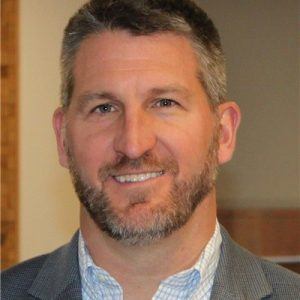
Learning Insights featuring Joe Ilvento with CommVault Systems

September 28, 2018 by angishields

Learning Insights
Learning Insights
Learning Insights featuring Joe Ilvento with CommVault Systems
Loading
00:00 /
RSS Feed
Share
Link
Embed

Download file

Joe Ilvento is the Chief Learning Officer and WW Director of Talent Development for CommVault Systems. Joe is receiving an award at the CLO Symposium in October based on Job Role profile, assessment and the creation of a 70-20-10 development plan. Joe supports the leadership and development of CommVault employees worldwide. Since coming on board, Joe has built and delivered a comprehensive leadership development program, selected & implemented a global learning management system, and built and delivered various elearning and virtual classroom solutions. As Director of Talent, he is helping develop a world class performance management model that is both effective and actionable to include individual development plans & learning and career paths. Prior to coming to CommVault in 2011, Joe was with Citi for 12 years. He served as the Director of L&D for Citi’s Global Functions & supported 20,000+ Citi employees in the Finance, Risk, Compliance & Audit depts. Joe started with Citigroup in 1998 as e-Citi’s Professional Development Mgr. Prior to Citi, Joe lived in Wash D.C. area for 14 years & worked as a mgmt. consultant training 25,000+ people that included the Fortune 200 & Fed Gov’t Agencies. He served as a Master Trainer for Learning International (formally Xerox Learning Systems) & Fred Pryor Seminars & prior to that was the National Sales Trainer for Cable & Wireless Communications. Joe is the author of 3 books, Nobody to Somebody in 63 Days or Less License to Sell License to Serve.

learninginsights092618.mp3

: Broadcasting live from Business Radio Studios in Atlanta, Georgia, it’s time for Learning Insights, featuring learning professionals improving performance to drive business results.

: Welcome to another exciting and informative edition of Learning Insights. Stone Payton and Lee Kantor here with you this afternoon. Lee, this is going to be a fantastic show. Please join me in welcoming to the broadcast. Chief Learning Officer with CommVault, Mr. Joe Ilvento. How are you, man?

: Good, good. Hello, Stone. How are you? Hello, Lee.

: We are doing great, Joe. Before we get too far into things, can you share a little bit about CommVault? How are you serving folks?

: Yeah, sure. So, CommVault is a leader at enterprise backup, and recovery, data management. And what we do is we work with companies across any kind of a hybrid environment. So, not just any particular type of backup but any of their equipment, we can work with. And founded in 1996. We’re publicly traded, and were headquartered in Tinton Falls, New Jersey.

: And so, your clients are in a variety of industries?

: Variety of industries across the board and around the world.

: Wow. So, as Chief Learning Officer, you must — That’s a pretty big challenge.

: It’s a big challenge, it’s lots of fun, and it’s some travel along the way. I had the opportunity to be with our Singapore team just a couple of weeks ago. Earlier in the year, I was with our UK team. And throughout the year, of course, visiting folks around the country and around the world.

: Now, how do you design your learning for the different cultures and the different groups around the world?

: Yeah. So, one of the things we take a look at is we start really with the business drivers. We look at what they’re looking to achieve, and how they’re — what some of their objectives are.

: With our Singapore team, we have a new VP installed, and they’re looking to craft a vision. So, I was just talking about some of the consulting work. So, sometimes, we’ll put on our consultants’ hat, and work with creating vision statements, and identifying the big rocks, and the goals, and the objectives for the tier or the region, and helping the VP and his team kind of action that and what that looks like for the next 30, 60, 90 days, and, of course, throughout the year.

: In other instances, we’ll be working with our managers and our leaders. And we have a variety of programs there from a transitioning into management program to a CommVault manager program. And we’re in the process now of developing a director level program to help more of the senior leaders work. And then, there will be kind of micro learning along the way. So, right now, we have a lot of emphasis on coaching, and coaching others, and also around change, leading change and change management.

: So, you developed kind of an overarching corporate policy, and then you deploy it as needed around the world?

: That’s correct. And so, those would be some examples of classroom or face-to-face type learning. We layer in a virtual component, so it can always be there, both pre and post. So, we’ll offer up e-learning, we’ll offer up virtual training, either as pre-learning or post-learning in that process.

: And then, we’ve also crafted a university. So, we have a learning at CommVault website that offers up to about 1500 or so either CommVault-created or off-the-shelf type short micro learning sessions. A lot of video, a lot of audio, a lot of engaging type content where an end user, a learner, can go in and type in a particular topic of interest, whether it’s communication skills, or project management, or whatever it might be, and see what’s out there.

: Now, how long have you been in the CLO role?

: With CommVault, going on seven years. Prior to CommVault, I’m just one of the learning folks, up and learning folks, one of three at Citigroup for about 12 years.

: Now-

: Prior to that, I was an independent consultant. I did a lot of work for the Fortune 200.

: Now, prior to you at CommVault, did they have a chief learning officer or were you the first one?

: I was the first. So, part of this process was, I think, they were looking for a learning professional. And as I was going through my interview process, they saw what I brought to the table was much bigger than what they were originally looking for. But it was a headhunter who brought me to the table, and they said, “You got to meet this guy. He really does do a lot of things, not only in the learning space, but also in the talent management space and the strategic HR space.” So, as we went through the interview process, it was kind of a larger turnkey solution. And so, they created the role for me.

: So, now, when you had this role and you got to, I guess, kind of create it from scratch, has it evolved in the manner that you envisioned?

: Yeah, it certainly has evolved. When you think about where we were and where we are today, it certainly is and continues to be a very fun, and exciting, and innovative environment. One of the nice things about creating the role was that it was really a blank slate opportunity, and that was what excites me. I’m an entrepreneur at heart, and I love to build and create things.

: And so, CommVault, one of our core values is innovating an innovation. And one of those, that opportunity certainly exists here. So, really have the opportunity to build out a learning function, a talent function, and build some frameworks and models that have really received both national and international attention.

: And in your career, you’ve had the opportunity to write several books, right?

: That’s correct. So, I started way back when. My background is Psychology and a Masters in Distance Education. And my first role out of college, out of Syracuse, was with a company called Cable & Wireless Communications down in Vienna, Virginia. And at that time, I was salesperson for them. I became their top salesperson.

: And so, they said, “You’re doing so well. Why don’t we have you train the other salespeople in the company?” And so, I migrated from a sales environment into sales training. And that sparked the first book called License to Sell. I’m also a big James Bond fan. So, we borrowed from the title there. License to Sell was a great book.

: And I’ve met another co-author at the time who is a 20-year Marriott executive. And I was presenting at the Speakers Association down in Washington DC about how to get published, and how to get recognized, and I said that you got to find a co-author any time you get to write a book. It doubles the effort. It doubles the marketing that you put around a particular book. And he approached me, and he was a 20 plus year Marriott executive, and we wrote License to Serve. So, he came out of the hotel industry and the restaurant industry, and we wrote another book on servicing.

: And then, the third book is around networking. And this is old school networking. This is pre-Facebook, pre-LinkedIn, old school Rolodex type of networking, press to flesh, word of mouth. And that one was called Nobody to Somebody in 63 Days or Less.

: Now, did that activity inform your chief learning officer ability, like being an author and going through that process?

: Yeah. I think, part of it is the ability to create content. So, one of the things that I like to do is not just be the thinker or the strategy but actually to doer. So, oftentimes, from an instructional design perspective, you not only have to conceptually come up with the idea. Part of the sale is understanding the needs analysis and understanding what the customer’s looking for. In this case, my managers, or my leaders, or my learners.

: And then, the ability to write and craft the content. So, it’s not that you’re handing this off to other people because you can do it all yourself. It really helps you see the end-to-end design both from the initial need and the driver behind it to actually outlining and creating the instructional design. And then, right on following through to the delivery and the support of pre and post program.

: So, in your process, do you lean on the experts and the subject matter experts throughout your system, or are you saying that you’re doing most of the content creation?

: No, absolutely. One of the, I guess, trends that I’ve leveraged over the last 10 or so years is really taking a leaders teach concept. So, rather than playing that role of a subject matter expert, I like the idea of using instructional design to leverage the existing leaders, the existing business head in the function to share their perspective and share their insights.

: So, as a learning professional and as an instructional designer, you certainly can help tee that up. So, you might tee up the exercise. You might tee what the actual breakouts might look like, and help them understand it, and capture those ideas. You really want to give the opportunity for the business lead or some leader in the room to be able to share their expertise, share their own experiences, get that buy-in from the rest of the table and the rest of the team around the room, and then help that person through instructional design or facilitation to carry that through to the conclusion of whatever their learning objective happens to be.

: Now, when you’re capturing the content, are you, right now, leaning a lot on video or how is the content captured?

: Well, we’ll certainly do video. So, we love micro learning. We love short videos. So, we will look for opportunities to capture our leaders’ perspectives in short small videos. We’ll look for ways to tee it up live in the classroom, or we’ll use subject matter experts in just getting some feedback, whether it’s anecdotes, or case studies, or examples that the folks facilitating the other programs can leverage during the program.

: Joe, this is Stone talking here. How do you make your curriculum decisions? How do you land on what to create and distribute in a given year or season?

: That’s a great question. I think, again, it goes back to the overarching strategic goals of the organization. I’m a big believer in cascading. So, we will look for what those strategic objectives look like, and then kind of follow that progression down the line to understand what does that impact look like from an HR perspective.

: And then, from within an HR perspective, what might that look like from an L&D perspective. In my case, L&T reports up to the HR function. So, I work closely with by human resource business partners to align with the business leads to help understand what it is they’re looking for and how we can help support their efforts.

: So, right now we’re undergoing a big change strategy in how we are marketing our products and services. And as a result, we’re supporting that change and helping manage that change in the field, helping people understand how they’re getting, — you know, how their roles might change, how their deliverables might change, how their day-to-day actions might change on a daily basis, and help them with that transformation from maybe what they did yesterday to what they’re going to be doing tomorrow.

: Well, I absolutely love it that you have business leads intimately involved in design and delivery. And I’m operating under the impression, maybe even in strategic direction, assessment, and so many of the other disciplines, and I have to believe that when it comes to planning and executing large-scale, truly transformational change of the nature that, I think, I hear you describing, having business leads that intimately involved has to make for better, faster, more cost-effective change. Is that accurate?

: Yes, certainly. I mean, any time we can get an opportunity to have a business lead share their perspectives, especially in an area or in an industry that has a very rapid change associated with it, to get — By the time — If you were to take a traditional approach, and try to do interviews, and capture that content into some type of formal learning, and then formally create that into some type of e-learning or classroom-based learning, and then cascade that within the organization, then, probably, the strategies change, the markets change, the environments change.

: So, what we do is we’ll often ask either virtually or live in person. If we’re doing an offsite, if we’re doing a meeting, we’ll invite leaders to come and present. And we’ll take, if it’s a 90-minute session, we’ll carve out 20-30 minutes to invite a guest speaker from the business to come share and speak to us, whatever their group is, to help gain some insight and always allow time for Q&A at the end.

: Now, are these micro learning opportunities, are they in that 20-minute chunks or are they more micro than that?

: So, our micro learning within our Learning at CommVault website, we offer off-the-shelf, third-party vendor content that ranges in the two to five-minute range. We’ve launched our own internal and crafted our own videos around our talent management framework, a.k.a. performance management, or our coaching framework, or our priorities framework. And we’ve leveraged and built in-house content that ranges, again, four to five minutes in length. And in the end, sometimes, when we’ll invite speakers to speak, typically, we’ll keep that in the 15 to 20, you know, max of 30-minute range, and allow Q&A to build off of that as well. So, it really ranges, but definitely on the shorter side versus the longer side.

: Are you finding that you’re getting better engagement and people are listening and comprehending in those small chunks?

: I think, the small chunks really do help. It allows people to craft a learning path that works for them. So, you’ve heard of the “Just in time, just enough, just wait,” kind of model associated with bite-size learning or micro learning. And what it does is it allows people to have a beginning, a middle, and an end all in a very short time frame, And then, tee up the next program behind it. So, they can decide, based on the time available, how much they want to invest in a particular topic, or honing a particular skill, or possibly just prior to a meeting.

: The other option that we’ve done is we’ve actually created curriculum. So, we’ve curated multiple learning modules, these small micro learning, into a learning path that can sometimes exceed 60 or 90 minutes. But it’s a series of modules. So, a module might consists of four or five of these three-minute type programs, and a curriculum might have three or four modules associated with it. So, all in, it might be 60 or 90-minute program, but it’s all curated. So, it tees up the next program for you once you’re finished with the one prior.

: Now, are you doing assessments too, so you can tell what’s working, what’s not, and what needs to be tweaked, or where there needs to be some remedial help or things like that?

: Yeah. So, one of the things that we’re doing, so the micro learning that we leveraged has a built-in kind of knowledge test, knowledge quiz, knowledge transfer option at the end. So, you do have that ability. We can, in some instances, we do pre-test and post-test. So, we’re able to get some level two data. All of our e-modules that we craft in-house, we have a level one follow up that’s built-in. And then, in some instances, we’ll actually look for some anecdotal level three type application of the content.

: As, you know, it gets a little bit more challenging, and it gets a little bit — It’s a lot more rigor that goes into that type of pre and post. Ultimately, we use the business to be our gauge and our guide. And we look at our usage and our learners coming back for more to be our primary driver as to whether we’ve been successful or not. And the answer over the years has been an overwhelmingly yes.

: Now, are you directly involved in, I don’t know what the right term would be, structuring the job or creating job profile descriptions? Is that part of your domain and the area of responsibility there, you and your team?

: So, yes, I have been asked to help craft what we call success profiles. And by doing that, what we do is we go back. We will identify, we interview a particular group of people, and find out what makes them successful. So, we look for best-in-class folks that are succeeding in their roles. We’ll help identify, and we’ll tease out of them through those interviews what are the required skills, what does their background and experience look like, and what are some core competencies associated with that role.

: And then, from that, we’ll actually build a profile. And we can, then, leverage that profile to cover everything from recruiting. So, when we’re actually posting a role out externally as to what that descriptor role might look like, what the recruiters might use to screen those candidates, to interview guides. So, when the hiring manager is sitting in front of those candidates, behavioral interview questions, they can ask to truly and genuinely make sure that those skills and that knowledge exists against that particular role and with those individuals.

: We’ll carry it right on through to what we call a learning path or a career development opportunity. We have new hires or existing people in role self-assess against an assessment. And we’ve recently been awarded an innovation award on a tool that will actually allow for that assessment to occur, and it will dynamically craft a 70/20/10 split development plan for that individual both closing the gaps that might exist for a role or allowing them to look at their current goal, and what our future role might look like, and close those gaps. So, some pretty cool stuff in that regard.

: Well, congratulations. Congratulations on being up for that award. Can you describe, what is this 70/20/10 about? What does that mean?

: So, 70/20/10 for the learning folks out there, certainly they’ve heard that before. 70/20/10 is a way of looking at learning that if you think about what you’ve learned in the past, and everything you’ve learned to date, probably 70% of it falls into on-the-job experiential type exercises.

: Yeah.

: What we refer to sometimes as stretch assignments or on-the-job assignments, we’re learning in the role itself. But the 20 is the coaching and the feedback. It’s the mistakes. It’s the feedback loops that you get as to learning how not to do something or how to improve on something based on feedback.

: And then, the 10% is the structure of learning. It’s the classroom learning. It’s the Learning at CommVault website type structured learning or e-learning that you might take or book learning. And so, when you think about that mix, it creates a hybrid learning environment where 70%, 20% and 10% of that, when put together, creates your ideal learning atmosphere.

: What you’re describing makes perfect sense. I don’t guess I ever framed it that way and didn’t think about it, but all three are important. But such a great deal of this really is happening on the job, which, again, for me, underscores the value and the importance of having your business leads intimately evolve throughout the process. And that way, they don’t untrain them quicker, and you can train them, right?

: Absolutely. When you think about that model, and this is one of the things that we talk about at our manager and our leadership training, is if you think about that model, the manager owns about 90% of that person’s success from a development perspective.

: But, oftentimes, what happens is the manager will say, “What training do you have to fix this issue or fix this person?” And we’ll often go into that 70/20/10 kind of model, and talk to them, and say, “We can certainly provide training, but understand that 90% really rests in your environment and what you can bring to the table as a leader.”

: So, as you are thinking about delegating assignments, as you think about the work that has to be done, and in the function, look across your team and say to yourself, “Who would benefit most from those types of stretch assignments? Who would benefit most from, maybe, cross-functional assignments?” So, you might, rather than give it to the person who has always done that particular role in the past, look for opportunities to cross train or to provide new opportunities and stretch opportunities for other members of your team.

: Now, how has CommVault been able to kind of make learning just really part of the culture. Do you have any suggestions for other CLOs out there?

: Well, part of that culture, certainly, is the opportunity to to learn and to provide the learning to everyone. So, we have an open door policy. There is really any content that we loaded our Learning at CommVault website, I mean, I could probably count on one hand the number of programs that are not available to every single person in the company. So, we do not limit on who could see what content.

: So, if you’re in customer support, you get the sales training program, or get up to speed on what the sales field is seeing, you absolutely have that ability and vice versa. So, that’s a big part of the culture is just being open with that, with the content and the environment.

: I think a big part of it also is innovation. And in the technical space, I think, technical professionals know that their learning curve is a steep one, that if they cannot kind of rest for too many months or let alone years, and not have skills bypass that.

: I’ll give you a good example. Five years ago, only a few people were really talking about cloud. But now, that’s all you hear. So we were putting content around cloud and serving it up into the system. And, now, it’s just a given. That’s part of the market and part of the offerings that are out there.

: So, I think, it’s that innovation, it’s that drive for results that certainly comes through in our values. It’s giving the tools and the opportunities for anyone in the company to attend the various training programs that exist is a big opportunity and a big driver of engagement and culture that we could support learning here CommVault.

: And it sounds like you’re investing in all the employees to really get the most out of their skills and give them the most opportunity to learn a variety of things, not just where they are involved. It gives them a chance to grow.

: Yeah, absolutely. We’re we’re big on that. So, from an onboarding perspective, we’re starting early, and getting folks on board, and giving them an opportunity to kind of be exposed, and what’s available to them. Certainly from that perspective, the one area of manager training that we’re moving into, we’re in the process of developing now is what we call an individual leadership program. So, again, exposing folks that are not as leaders and managers but those from an individual perspective, what are all the training and the opportunities that exist there?

: Last year or I should say over the last couple of years, we’ve put over a thousand people through what we call an unlocking potential workshop. And that really gave them the opportunity to explore their career aspirations. What is it that they want to get out of that? And gave them the opportunity to participate in a career anchors assessment, to do a strength’s assessment, to understand what their strengths are and their personal strengths are.

: We gave them the opportunity to craft a development plan to kind of hone those strengths, and then to have a conversation with their manager to mutually come up with a great development plan that’s going to help them both expand in role but also prepare them for future roles here at CommVault.

: Now, has that initiative kind of bubbled up some people that maybe surprised people there that, you know, you’re making this available to a lot of people that aren’t typically getting that kind of leadership training. And, now, since anybody can do it, have you been surprised that anybody has taken advantage of it?

: Well, some of the metrics, you go back to metrics and things that we’ve measured. So, we had some really, really great success. Actually, we do a voice of the employee, what we call a Vulture’s Voice Survey. So, it’s an annual employee survey. Many companies do this on an annual basis. And one of those scores that they look at is engagement, and this is a series of questions that measure engagement.

: And what we found is that those managers, and those employees that were having those unlocking potential conversations, talking about career, talking about development, giving them permission to participate in training that those managers that had one or more conversations over the course of the year versus those that didn’t have those conversations had a 20% jump in engagement scores across the board.

: Corporate Executive Board, now Gartner, actually came in and did a case study on our work and the work that we’ve done. And they have it as a case study within the CEB environment. So, really, powerful stuff that it really helps underscore the power that the unlocking potential workshop or just really getting managers and employees talking to one other can do with regards to getting your employees engaged within the company.

: And it’s amazing that it doesn’t take a lot. I mean, just one or two times, it causes a significant improvement.

: Yeah, exactly. I mean, when you start to ask, you know, simple questions, you know, are we leveraging your strengths? What was the best part of your quarter last quarter? What was the worst part of your quarter last quarter? Now, sometimes, you’re afraid to ask the questions, you know, some negative question. Sometimes, as managers or leaders, you may not want to hear the answers.

: This is tried. If you have those conversations, you can learn a lot about your team, and you learn a lot about the way you might be delivering or doing your work within your function that you could modify and change. And as a result, not only increase individual engagement and really develop the culture, but, also, from a team perspective, to, you know, build the team engagement and the team culture.

: And I’m sure having that type of program, it helps on multiple fronts. It helps in recruiting new talent. It nurtures existing talent. And then, it provides a wealth of knowledge to share throughout the entire company.

: Absolutely. We will often ask new hires or folks coming into the organization, vaulters as we call them, to, you know, do some testimonials or, you know, ask them what they like best about becoming a CommVault employee. And, oftentimes, they’ll cite the learning opportunities, or they’ll look back and they’ll say, “You know, what we’re doing here is a great opportunity, and much more than what’s offered at our previous company.” So, that’s a great kind of testimonial. We love to hear that all the time.

: Well, this is Stone again. I got to tell you, I think I can take you a step further than that. You guys are having a marvelous learning talent development conversation here. But as a marketing person, I want Joe Ilvento on my side helping me think through how to frame up, articulate, and deliver messaging even to my market. I mean, are your marketing guys like knocking on your door wanting to work with you too?

: So, it does help to have a little sales background when it comes to putting together your learning, for sure. One of the things, I go back to my consulting days. So, not only do we deliver, say, a leadership program, but we’ll do one sheets. So, those of you who sell learning for a living, you know what these one sheets are there. They’re kind of the one-pager that talks at the highlights, what are the key benefits, what are the key tools, what am I going to walk away with, you know, how is the tending, how to find that spend time in this particular program that will help me personally, or help my the team, or help me as a leader or make my job easier. So, that sales side of things is important because you have to get the learners’ mindshare first to get them to invest into the session and, ultimately, absorb the materials and the content, and then apply it.

: Now, I think you briefly mentioned this earlier, but you’re being honored with an award from CLO Magazine. Can you talk a little bit about how that came about?

: Absolutely. So, I am fortunate. We are doing this session on Sunday. I get on a plane to go down to Houston for the CLO Magazine Awards. It’s an award in innovation. And in this particular award, it’s an innovation award for the work that we were doing in this dynamic development plan tool that we’ve crafted around the success profiles.

: So, I mentioned earlier, we give the — Oftentimes, when it comes to career conversations, managers, employees they fall flat. Employees want to have a clear conversation. Managers don’t always know what to say and how to kind of point to and say, “This is what you’re going to need to do that kind of close gaps or advance your career.”

: So, what we’ve done is we take that success profile, we’ve crafted, broke it down into the competencies and sub-competencies. So, not to get too technical, but for the most part, we try to chunk it into manageable questions that are progressive. So, you know, both the employee and the manager both answer these questions. It’s weighted a little bit heavier on the manager’s sides. Whatever the manager says, that’s a little bit more weight than what the individual might be saying just because sometimes we tend to, as humans, over-inflate our own abilities and skills at times.

: And what it does is it will instantly, as you complete the assessment, it will instantly craft an assessment. You’ll see red bars and green bars patterned against the core competencies of the role. So, you’ll know where you meet expectations for that role and where there might be some shortcomings.

: And then, instantly, it will serve up suggested training. Again, going back to that 70/20/10 split. So, stretch assignments, on-the-job assignments, things you can do today in that role, very specific to that role. The actual behaviors that you’re assessed against become the coaching tool part of it. And then, we add in the structured learning that might exist within the Learning at CommVault website to help supplement that.

: And then, the manager sees that for this. He can then push a button. It tees it up for the employees. They get together, get a face-to-face or virtually. And then, together, they decide what would be the priority in terms of what that learning might look like or what that career path or learning path might look like for that particular learner or employee.

: The nice thing about it is the manager just has a read-only version. It’s the employee that owns checking the boxes or identifying and crafting the plan. So, the employee owns their career. And that’s an important part of the takeaway of the program. So, within minutes, practically, I mean, if you strung everything together quickly, it can be done probably in about an hour, an hour and a half. But, usually, over a series of days, people will do this. We’ve had hundreds of people complete it.

: And the results are our development plans that are built. And then, furthermore, we could roll that off into a heat map and see from a team perspective where the team might require some team development around a particular scale or area. And then, the entire function can roll it up into a heat map that, actually, see where maybe the function might need work. And that helps us, again, go back to targeting business-specific training around a particular area to close that gap that might exists across the board.

: Well, Joe, I can certainly see why you’re winning the award. Congratulations again. Keep up the good work. Thank you so much for investing time to to visit with us a little bit this afternoon. This has been a great deal of fun. Thanks, man.

: Well, thank you. Thank you, Lee. Thank you, Stone.

: All right, until next time. This is Stone Payton for Lee Kantor, our guest today Joel Vento, Chief Learning Officer with CommVault, and everyone here at the Business RadioX family saying we’ll see you next time on Learning Insights.

Automatically convert audio to text with Sonix


Tagged With: Learning Insights, Training Pros

Learning Insights featuring David Amborski with Training Pros

August 15, 2018 by angishields

Learning Insights
Learning Insights
Learning Insights featuring David Amborski with Training Pros
Loading
00:00 /
RSS Feed
Share
Link
Embed

Download file

As the TrainingPros Vice President of Enterprise Learning Solutions, David Amborski serves markets and clients throughout the United States. Over his long career, he has developed extensive experience in the information technology, manufacturing, oil & gas, utilities, financial services, healthcare, higher education, pharmaceuticals, mining & metals, transportation, and retail sectors. David’s primary areas of learning & development expertise are leadership development, executive & career coaching, project management, change management, performance consulting, Six Sigma quality, Business Process Improvement and Enterprise Resource Planning (ERP) systems.

Prior to joining TrainingPros, David worked for Union Carbide Corp, IBM, Deloitte Consulting, Bank of America, Ciber Consulting, and Virtual Consulting Solutions. He is active in the American Society for Quality (ASQ), Association for Talent Development (ATD), Lean Process Improvement, Six Sigma, Certified Master Training, and American user groups for SAP, Oracle, PeopleSoft, and Infor. David’s passions are spending time with his family and friends, classic car restoration, traveling, and enjoying good food, a cigar, and a Scotch. With his prowess in ensuring organizations get the most out of their ERP investments, TrainingPros is delighted to have David on board to serve our clients’ needs.

Follow Training Pros on Facebook, LinkedIn, and Twitter.


DavidAmborski081418.mp3

: Broadcasting live from Business RadioX Studios in Atlanta, Georgia, it's time for Learning Insights, featuring learning professionals improving performance to drive business results.

: Welcome to another exciting and informative edition of Learning Insights brought to you by our good friends at TrainingPros. Stone Payton and Lee Kantor here with you this afternoon. Lee, you ready for this?

: I am. It's exciting.

: Hey, this really is going to be a lot of fun. Please join me in welcoming to the broadcast VP of Enterprise Learning Solutions for TrainingPros, Mr. David Amborski. Good afternoon, sir.

: Good afternoon. How are you guys doing?

: We are doing well. We're excited to have you in the studio because it has come to our attention that you are spearheading a brand-new initiative for the folks at TrainingPros called Training as a Service.

: That's correct.

: Can you tell us a little bit about your vision of that? What exactly is Training as a Service?

: Training as a Service is an answer to a lot of the activity in the enterprise resource planning space where people have put in large scale computer systems, and everybody did all the preparatory work to go live and getting the system live. And then, after the system is live, people kind of drift back to their normal jobs, and things kind of slip away. And, unfortunately, training is one of the things that slips away the quickest because there's not as much emphasis on it after go live.

: Because, sometimes, they think that just by implementing the ERP system, then their work is done.

: Yeah, that's correct. And, certainly, with the onset of some of the new approaches that these systems developers are providing, like moving to the cloud, that means that there's going to be many more changes that are going to be coming at a more rapid pace. And when those changes occur, of course, that trickles down to changing someone's job, which means they have to change the training that they're going to prepare people with.

: And then, when they're buying the system, training isn't included usually, right? It's the system implementation that's included.

: Yeah. Normally, there's really three components. There is the system software itself. There's the integration of the software into the business process, which can be done either by the software company or an outside consultant. And then, there are the change management and training aspects to prepare people to be users of the software.

: And then, like, back in the day, before the cloud, pre-cloud, the software would physically be there. And then, an update would be actually more software. You would just kind of replace, and plug in, and it would update. Now, like you said, it's in the cloud. So, those changes happen instantly.

: Really automatically.

: In real time, right?

: Yeah.

: They're happening constantly.

: Yup. That's the interesting part. And some of the misunderstanding that people have with the movement to cloud is that back in the initial implementation days, things would show up on a disk, and that people would read it, and you see what the changes were that the software companies were proposing. And they had a choice whether they wanted to load it or not load it in the cloud. There's not a choice for that.

: It's happening. It's happening.

: It comes whether you want it or not.

: So, when these changes come, does it often mean that my job is changing as well? Why the emphasis on the whole people side of things?

: Well, yeah. Yeah, definitely. It's the job is changing because if the software changes in how you — and I'll make something up here. If how you prepare a purchase order, or something gets modified in the system to make it different, then that trickles down to what somebody is going to be doing on their job, and how they have to retrain themselves or re-skill themselves to be able to do work in the new environment.

: And they love that, right?

: Yeah, yeah. Occasionally, they love it. We try to make them love it because that's the beauty of what we do.

: So, now, this Training as a Service initiative, is it going to be for every ERP system primarily, or like what are the main ones that it's going to focus on?

: Yeah, we're going to focus on, really, the four main systems. And that's SAP, Oracle, PeopleSoft, which is now a combined system, Infor, and a couple of other smaller ones, but those are really the main ones.

: Those are the main ones.

: Yeah.

: And then, what are the areas of learning that it's going to cover?

: It will cover the full spectrum of what somebody has to know to do their job. What we do is we really prepare training to be an activity-based training event. So, it's really based on what you need, not just what keys do I have to press to make things happen, but what's happening in my job that when I press those keys, where's the data going, what's it doing, how does the process work. So, it's really activity-based training.

: So, this whole change management human thing, it fascinates me, right?

: Mmhmm (affirmative).

: As a kid, my dad was a basketball coach. Coach Pete Payton, at home, his change management leadership methodology was because I said so.

: Right, right.

: He eventually became superintendent of schools for a pretty large school system. I suspect that in that role, he probably had to employ some different strategies and tactics, you know, for however many thousand employees to get them all going in the right — But it seems like a very involved endeavor because, again, I really don't know but I can imagine that it's not even like everyone is reacting the same way at the same time to whatever the changes are, right. They're all over the map, yeah?

: Right. Yes, yes. And it's interesting because as the ERP software has evolved and moved to this new place called cloud, in the very beginning, it was exactly what you said, executives would look at this process and say, "We don't have to spend a lot of money or do a lot of things because they have to do it, or else, they can't get their job done, and they'll do it because we're gonna make them do it."

: And that made, initially, for lots of unhappy people and a very difficult time because we know the technology works because thousands of companies use it around the world. We know that we can put the best business process in place. But unless the people embrace it, and really adopt it, and make it their own, then they're the ones that breathe life into the software. Otherwise, it's just processes and technology.

: And they cannot embrace it and not tell you that they're not embracing it, right?

: Yeah.

: So, that could be fun to deal with. Like you don't even see it, or you'd really rather, if they're not embracing it, at least, tell you, right. At least, you got something you can deal with.

: Yeah. As a matter of fact, through many of the projects that I worked on, I had a term, and people used to chuckle at it when I said it, but I really meant it. There is such a thing as a covert agreer. And a covert agreer on these projects says, "Oh, yes. I embrace it. I love it. I'm going to do it." They smile at you when they walk out of the conference room. They just look at you, look back, and say, "I'm not doing that." And those are the worst kind of people to deal with because they'll scuttle a project faster than anybody.

: Okay. So, with those kinds of dynamics at play and with the stakes so high, is some of your training or your methodology focused toward the on-site, I don't know, manager, supervisor, leader because they got to-

: Oh sure, oh sure.

: They got to be cognizant of all these things and factored into their day-to-day leadership.

: Well, actually, they're the lead group. I mean, if you don't — The whole premise of the training and change movement in these projects is that the leadership has to buy in. They have to not only buy in, but they have to demonstrate that they're going to help, and they're going to reward people for doing the right behaviors.

: And so, you've got to get what they call leadership alignment done first. And then, you start working on the middle managers and the lower level managers. And then, finally, you get to the end users that are really going to be doing the physical work, and they'll see that leadership is behind them, and that they're leading the charge.

: Now, how does Training as a Service to integrate into the learning department of the client?

: That's an interesting question because my vision for that is that many companies, over the last few years, have really downsized their training activities and have used outsourcing for other kinds of training. For example, HR classes and, you know, sexual harassment classes, you know, how to do payroll, some of those kinds of things, management leadership classes, some of those things are online now.

: What we're trying to do with the ERP classes is do the same type of thing is to say, "Look, we can outsource those things. Even though you have a custom system, we'll provide people that will come back on a routine basis, and check your system, make sure that all look — the courseware and the things that you're training people on are gonna match what your system is for the present day and make those changes. And either give it to you to teach it to some of your resident experts, or we'll teach it for you."

: So, you're going to just flex to whatever outcome that they desire.

: Yeah, exactly. And it's a pretty open format. There are some companies that have a very strong training and a group. And they're usually attached to the HR organization. Very rarely are these training activities conducted by IT. And so-

: I think maybe that's good. Yeah?

: Yeah. Oh, yeah.

: Is that unfair to say?

: Yeah. No, it isn't. Yeah, actually, it's right on point because with the onset of ERP, that was the transition point from people having an IT shop that would come in, and listen to what the business had to say, and say, "Oh, yeah. We can make a custom piece of software to do all these different things."

: And then, they were kind of in charge of everything, and its role reversal these days because the business people now say, "I'm going to buy this piece of software, and I want it configured in this manner, so that I can conduct my business the way I want to do it." And so, it's kind of a reversal of roles, which, in essence, really changes the job description quite readily of the IT people as well.

: Vetted. Well, let's talk about business case for a moment because it strikes me that establishing and articulating business case for what I would call compliance training, right. You've got to have the sexual harassment training. You've got to check that box. You got to do the diversity training. You got to do the safety training.

: Exactly.

: I suspect capturing, documenting, articulating the business case for that, easy enough, straightforward, but there's probably little more art than science to crafting the business case for some of these things that you're talking about, right.

: Yeah.

: And the ROI. Can you speak to that a little bit?

: Yeah. You bring up a great point because calculating the business case for the things that you outlined is pretty easy because trying to avoid fines and –

: Right, screwed up math.

: … many things are pretty easy to change, but when it comes to the business aspect of things, you know, there are some clients that I've talked to recently that they say that, "Well, gee. You know, after go live, we've added to people's job descriptions that they have to do training editing or documentation editing. And, number one, they don't like it because it's not part of their main job description. So, they're unhappy about it. And, secondly, they're not really trained professionals at doing that. So, they don't do as good a job as maybe somebody that's a professional instructional designer, for example, would do.'

: And so, it's kind of easy to ROI some of that because of the cost avoidance that you can get on taking people away from their normal job. And I'll say normal kind of in quotes. The job that they do on a routine basis, and take them away from doing the training work, and give the training to a training professional that can do it, number one, faster most likely, and also the quality of work is usually higher where it doesn't have to be reworked or reedited.

: And so, everybody, it's really a win-win-win because the people that don't like doing it don't have to do it, and the people that want the work done correctly are going to get it done correctly. And then, it's going to be cost-effective because we'll do it in less time.

: And then, haven't you found that by, in the past, implementing this kind of Training as a Service for other groups that the company gets the most out of the software. They're really kind of getting more out of the investment, the multimillion dollar investment they made in this software to begin with.

: Yeah. Yeah, that's true. And, of course, everything revolves. Once the go live happens on the software, then everything really reverts to a business case of what's the cost of ownership of this over a long period of time. And if you can diminish that cost of ownership for the training piece of it, that's a big piece because that's an ongoing thing that's never going to go away because changes are going to be there forever, right.

: I mean, the definition of going live is you're just beginning the change journey, right, because there's going to be new things, new functionality, new ways of doing business. You're going to add businesses. You're going to add people. You're going to do a lot of different things. And the training aspect of it is so important because you need to meet all those goals along the way.

: And so, having this kind of flexibility where we can bring people with the right skills at the right time to bear on fixing some of these things is really the essence of the value of Training as a Service.

: Now, for the companies that are thinking about Training as a Service is something for them, like, is there a way, a baby step to get in there to try it out? Like what's that process look like from an onboarding standpoint?

: Yeah. I think, what we're looking at right now is offering some clients an assessment phase where we come in and really do a look. So, you kind of look under the hood a little bit of their system, and see how they're running, and what they're doing, and where there may be some mismatches in some things.

: And then, getting at the heart of asking some questions of the management team. You know, are you having some heartburn over this aspect of the business not running well, or are there some problems? And that will stimulate us, at least, starting the ROI business case process to tell them what we can do for them and at what cost.

: And then, what are some symptoms that they might be having that Training as a Service might be the solution for? What are some of the, you know, pains that might have bubbled up that this might be a good fit to solve?

: If there were some changes in the software that have been made where certain things needed to be done in a certain sequence, and then the process changed, and it wasn't — And we find this to be many times is that's not well-communicated across the organization, we end up having to go in in what we call delta training or do a delta to the original training package to make sure that the training really demonstrates what's going on in the system today.

: And so, the advantage that you have is that because we're going to be doing periodic reviews because we come back every three months or every six months to review your system to make sure the training matches it, we're going to catch these things, and where and catch them quicker and/or a company can say, "Hey, I'm having a big problem. You know, my payables department is not paying things out at the right rate, or we're slipping behind. Maybe we need some help, and have people reeducated on some of that stuff." And we can go in and do that.

: This assessment that you're describing, it seems like it has standalone value in its own right. I mean, even if I were on the back side of that to hire my brother-in-law to do the Training as a Service or try to pull it off on my own, it just seems like that would be a good foundation in and of itself. And then, you would certainly want that as foundation going forward if you're going to do the work. Is that accurate? It would have standalone value, wouldn't it?

: Absolutely, it does have standalone value. As a matter of fact, we think it's so important that it's the cornerstone for the ongoing work. So, you know, it's not a one-and-done assessment. You can go in the first time and say, "Hey, here's what the courses look like versus what the system looks like." But on a period of every three to six months, because of the way cloud is changing, you have to go back in and see what has changed in the system. And so, you really have to do a mini assessment, if you will, you know, every time you put in-

: Periodically, yeah.

: Periodically just to make sure that everything matches.

: All right. I'm going to shift gears on you because I'm getting kind of curious. I want to know the back story. How in the world does someone end up being the grand poobah of whatever it was I said, enterprise learning solutions now for, like, TrainingPros. Obviously, you must have some background in this arena. Walk us through your career path a little bit, if you would.

: Yeah, I started out a long time ago with the IBM company. I worked for them for 18 years.

: I've heard of them.

: Yeah, they're a little computer company. And I was fortunate enough to be trained in SAP software at the very beginnings of the whole ERP movement back in the early '90s.

: Before it was cool.

: Before it was cool and before everybody wanted it, and before Y2K, right. And so, I got involved with SAP software. And I have a pretty deep manufacturing background because I did some plant work for the IBM company in semiconductor plant.

: And so, I have always been very pro making sure that people know what to do, right, because what I learned in a manufacturing plant is people might not have known, you know, why things happened in the manufacturing process, but they could sense that something smelled funny, sounded funny, you know, looked funny, and to talk to engineers like myself was very important.

: So, I really respected people very early in my career. And that's what got me involved in doing change management training as I moved into this ERP world because I felt it's the people that really have to know what the software is capable of doing and how to do it. Otherwise, it's not going to work.

: That's where it always comes off the rails, right, with the people?

: Yeah. Yeah, exactly.

: Or it sticks very nicely if managed properly.

: Yeah. Yeah, it's an important aspect of it. And many times, when you go to talk to clients, they say, "Oh, yeah. You know, technology guys were here, and the software guys were here. Well, what do you do?" Well, we work with the people side of it, right. I mean, that's what we're all about. So, it's really important.

: And then, after I left the IBM company, I went to work for Deloitte & Touche. And I was a director for Deloitte & Touche, partner director. And I ran the training and change management practice for Deloitte for the US for a number of years. And, again, that just reinforced the things that I knew were important as far as dealing with people.

: And so, we developed many, many techniques. And I worked on probably 23 plus projects that have implemented this stuff. So, I know some of the pains and some of the joys that people get out of this. Sometimes, more pains than joys, but I know how some of those things work.

: And I've talked to — I've done a lot of research in the last two years around clients that I have worked on and have implemented in the last five to seven years. And one of the things they always talk about is, you know, we never spend enough money on our people. We didn't do enough change management. We didn't do enough training. I wish we could have done more. And, now, we're faced with how do we not fall into the same trap in maintenance of this system.

: And so, I've had people come up to me at trade shows and stuff and say, "Hey, do you guys do upgrades of training? Will you come in and help us do that kind of stuff?" So, a couple of years ago, the whole Training as a Service idea kind of blossomed in my head. And this is really the finale of it. It's working with TrainingPros to get this thing launched.

: And it works hand-in-hand with the Software as a Service that these ERP are utilizing. So, it makes perfect sense to have training aligned with the software.

: Exactly.

: So, if the software is going to be updated and changed regularly, doesn't it make sense that the training should be as well?

: Yeah, absolutely. And it's kind of interesting because as the whole service economy has kind of blossomed, right, with people outsourcing things and going to outsourcing ways of doing business, it's becoming more normal, if you will, to do it with the training aspect of things because, frankly, when there were downturns in the economy, and there were things that were going badly, and I hate to say this because I was part of the old training world back then, but we were the first ones not to be around because people thought that, "Well, it's just training. Let's cut them right."

: Right.

: Right. And then, they put themselves in a hole by doing that.

: There's a cost.

: Yeah, absolutely.

: The timing just seems perfect. It seems like the market is probably as coachable, if that's the right word, as they've ever been right now, right, because they've lived through it, they've skinned their knee. Some of them are coming out and asking you. And you're out there letting folks know, and framing this up for them. Is that accurate?

: Oh yes, absolutely.

: The timing is good right now. So, how are you going to the market? Or is it really, are they just coming to you, or you have some grand, I don't know, plan to get out there and have these conversations?

: Yeah, there's two things there. I think, you hit it right on the head. I mean, the whole aspect of doing, not only just training, but skills management of people and the retainment of people in today's world, people are finally figuring out it's cheaper to retain people and re-skill them than it is to go out and hire new ones.

: Than to find a new one. Right, absolutely.

: Amen.

: Yeah. And so, we're — And I've always been a proponent of that. And so, we're going out, and we're doing some things around that. But, also, it's important to know that, you know, this is top of mind in a C level office. I mean, I have had CEOs, CFOs, CTOs come to me and say, you know, "I get all that technology stuff, and I get all that implementation jargon that these guys are babbling, but what are you going to do to help my people learn that stuff? How are you going to help me?"

:  And I literally, in a couple of instances, and I chuckle about it once in a while, but when I think about it, but I have had the opportunity to hijack a couple of orals presentations when we were trying to win some business because they would ask the right question, and then I would get up and talk about it. And the technology guys would all be sitting down going, "Why are they talking about this stuff? We're here to sell software, you know." But if they don't know how to work it, it's not of any value. So, that's why we're talking about it.

: So, now, your vision of Training as a Service, what is going to be the deliverable to the client then?

: So, the deliverable to the client is, number one, in the first phase, we're going to do the assessment. So, there'll be, obviously, a written report and a whole outline of the assessment of what we find, and where the holes are, if you will, between the training and the system.

: And then, we'll give them — take a look at how are they remedying that today. And if they build their own stuff, we'll give them a business case to take a look at to say, "Okay, do we build, buy, or modify, the courses that are required?" because you can buy some standard stuff on the market, and we wouldn't be wanting to reinvent the wheel. So, we would do a build, buy, or modify strategy.

: And then, we'll do a run strategy that says, "Okay, if you buy into that, and you want us to work with you, we can both build it and teach it. And in an ongoing basis, we'll send the same team to you that knows your system and knows as much as we can. Of course, in a consulting environment, people move around a little bit but-

: Yes, they do.

: … I'm used to that. But we're going to try and put a team together that's going to have the responsibility for specific clients, so that they know the system, they know the people, and they can come in. And that will speed up the assessment process on the follow-on.

: Now, what you're describing right there, putting a team together, deploying seasoned people with specialized expertise, I mean, this is TrainingPros. That is their wheelhouse. I mean, that, they're already good at that.

: Yeah, absolutely.

: That's fantastic. What an exciting time for you.

: I know. This has just been a dream come true to start working on this. So, I'm thanking Steve and the team there for all the support they're giving me because we're getting this launched. And I'm just really, really, really happy at the way things are going. It's progressing very well.

: So, now, the ideal client for you are somebody who has just implemented a new ERP, or, like, where are they in the ERP kind of life cycle?

: Well, the beauty of it is that this whole process is very adaptable and can be adapted in both directions. So, obviously, our initial target base is going to be because there are so many people that have implemented and have implemented since the Y2K effort, right, there's lots of people that are 10-15 years into the process, and some of them are the worst ones as far as the training world goes, right.

: Yeah.

: And so, our target market is really people that have already implemented, and go in, and say, "Here's the ROI. Here's how we can save you money by you doing it yourself." But it doesn't preclude us from going into even a company that, say, wants to implement for the first time. Our people are seasoned enough and know enough about how to do this type of work that they can work on either side of the ball.

: All right. So, where can our listeners go if they want to speak with you or someone on your team about these topics, maybe set up one of these assessments? What's the best way for them to connect with you?

: They can either go out to the TrainingPros website, and there's a way for them to contact us through the website.

: Right. It's Training-Pros.com.

: Yeah. And they could also give me a call. And my direct contact information is at 770-335-9061. And I'd certainly be happy to answer any questions that anybody has or any of those activities. And they can, also, contact me via email at DavidAmborski@TrainingPros.com.

: Well, congratulations on the momentum, man. Keep up the good work and keep us posted. And I think there's probably some wisdom in maybe sitting down with you periodically and sort of tracking your progress. I think that would be interesting to do that. You'd be up for that?

: I would be very happy to do that.

: Fantastic. All right. Until next time, this is Stone Payton for Lee Kantor, our guest today, David Amborski with TrainingPros, and everyone here at the Business RadioX family saying we'll see you next time on Learning Insights.

Automatically convert audio to text with Sonix


Tagged With: Learning Insights, Training Pros

Learning Insights Radio featuring Paul Tannahill with Linn-Benton Community College

August 12, 2018 by angishields

Linn-Benton Community College
Learning Insights
Learning Insights Radio featuring Paul Tannahill with Linn-Benton Community College
Loading
00:00 /
RSS Feed
Share
Link
Embed

Download file

Linn-Benton Community College

In addition to the full range of eLearning Systems Administrator functions, Paul Tannahill specializes in designing, developing, and deploying creative learning solutions through multimedia. He has more than 15 years of experience in instructional video and audio, and has produced a wide variety of learning pieces for government, private sector, and academic clients. He strives to contribute to the success of a dynamic training/education organization that values hard work, innovation, creativity, initiative and integrity, through the use of exceptional communication skills, extensive experience as a trainer, and 15+ years of marketing and graphic design experience.

Connect with Linn-Benton on Twitter.

Tagged With: Learning Insights, Linn-Benton Community College

Kevin Clancy with Gilbane Building Company

April 10, 2018 by angishields

Learning Insights
Learning Insights
Kevin Clancy with Gilbane Building Company
Loading
00:00 /
RSS Feed
Share
Link
Embed

Download file

Kevin Clancy

Kevin Clancy with Gilbane Building Company is a seasoned learning and HR leader with 20+ years driving business results by creating a strong development culture that optimizes employee performance in dynamic, global companies. He has a successful track record building and managing highly-skilled teams to create engaging, relevant and scalable learning solutions. Kevin is adept at positioning learning as a function as a strategic partner and influencing senior leadership to invest in learning and career development to attract, retain, and develop talent. Connect with Kevin on LinkedIn.

Tagged With: Gilbane Building Company, Learning Insights

Kathleen Gallo with Northwell Health

April 9, 2018 by angishields

Kathleen Gallo
Learning Insights
Kathleen Gallo with Northwell Health
Loading
00:00 /
RSS Feed
Share
Link
Embed

Download file

Kathleen Gallo

Dr. Kathleen Gallo, RN, PhD, is senior vice president and chief learning officer for Northwell Health. Under her leadership, the Center for Learning and Innovation, Northwell Health’s corporate university, and the Patient Safety Institute were created to transform the health system into a learning organization by strategically focusing on workforce development. Dr. Gallo is also the founding dean of the Hofstra Northwell School of Graduate Nursing and Physician Assistant Studies. Dr. Gallo is responsible for leadership development throughout the organization as well as the creation and implementation of a comprehensive learning strategy. She has more than 25 years experience in emergency nursing, having held a variety of clinical and administrative positions in tertiary care hospitals on Long Island. A noted author and speaker, Dr. Gallo has collaborated in a Springer publication entitled, Building a Culture of Patient Safety Through Simulation: An Interprofessional Learning Model. She also speaks on a wide range of topics including “Future Workforce Requirements,” “Preparing Tomorrow’s Clinicians for Tomorrow’s Healthcare System,” “Enhancing Patient Safety Through Interprofessional Education and Collaboration,” “Heralding in a New Era: Patient Safety at the Forefront,” “Transforming Healthcare into Higher Reliability Organizations,” and “Creating a Culture of Safety: Lessons Learned from Aviation.” Dr. Gallo is a board member of the American Association of Colleges of Nursing Futures Task Force, the American Nurses Foundation Board of Trustees, the National Advisory Council for the National Center for Interprofessional Practice and Education, the Advisory Council for Career and Technical Education for the New York City Department of Education and the Commission on Accreditation of Healthcare Management Education. She previously served on the National Advisory Council on Nurse Education and Practice for the US Department of Health and Human Services. She is a Fellow of the American Academy of Nursing and the New York Academy of Medicine, and is a distinguished scholar and fellow of the National Academies of Practice. In 2005, she was inducted into Adelphi University’s College of Nursing and Public Health and she received the Distinguished Alumni Award from Stony Brook University. Dr. Gallo received her Bachelor of Science in Nursing from Excelsior College, a Master of Science in Nursing from Stony Brook University; and a PhD in Nursing and MBA from Adelphi. Connect with Kathleen on LinkedIn.

Tagged With: Learning Insights, North Well Health

Jason Holland with NCR

July 20, 2016 by angishields

Learning Insights
Learning Insights
Jason Holland with NCR
Loading
00:00 /
RSS Feed
Share
Link
Embed

Download file

IMG_1230

Jason Holland / NCR

Jason Holland is the services technical learning leader for NCR Corp., the  global leader in consumer transaction technologies. Processing more than  485 million transactions a day and with more than 30,000 employees globally,  NCR is one of the largest technology companies in the world. Jason has  more than 10 years’ experience in NCR’s learning division. In his current role,  he is responsible for leading the global services technical learning team,  focusing on field-based service technicians, service operation centers, and  other critical technical roles. Jason originally joined NCR in 2000 as a service  technician. He then moved into learning. Over the past 15+ years with NCR,  he has served as a technician, instructor, course developer, and learning  business partner. His primary focus has been on process improvement,  NCR’s financial and retail products, and mobile-enabled performance support  tools.

LinkedIn


Tagged With: Learning Insights, Learning Insights Radio, Lee Kantor, Leigh Anne Lankford, NCR, Stone Payton, Training and Development, Training Pros

Shawn Minard with Ultimate Software

June 8, 2016 by angishields

Learning Insights
Learning Insights
Shawn Minard with Ultimate Software
Loading
00:00 /
RSS Feed
Share
Link
Embed

Download file

LeadUS – Leadership Development at Ultimate Software


Shawn Minard  / Ultimate Software 

Director of Talent Development


Shawn has over 12 years’ experience in the field of Talent Development.  He specializes in designing professional development courses and large-scale talent programs for corporations. Previously, as a learning professional at E*TRADE Financial, Shawn held a wide range of roles including Corporate Trainer, Project Manager, Manager, and then Director of Talent Management.    Currently Shawn serves Ultimate Software as the Director of Talent Development where he drives company values, culture, and philosophy through the creation of strategic Talent Management and Leadership programs.

LinkedIn


IMG_0546
Lee Kantor, Leigh Anne Lankford, Kelly Payton, Stone Payton, Shawn Minard


– 


IMG_0551
Also joining us from TrainingPros is Leigh Anne Lankford.


Tagged With: Learning and Development, Learning Insights, Learning Insights Radio, Lee Kantor, Leigh Anne Lankford, Shawn Minard, Stone Payton, Training and Development, Training Pros, Ultimate Software

Julie Johnson with Xerox and Brett Rose with Delta

June 1, 2016 by angishields

Learning Insights
Learning Insights
Julie Johnson with Xerox and Brett Rose with Delta
Loading
00:00 /
RSS Feed
Share
Link
Embed

Download file

IMG_1589
Leigh Anne Lankford, Brett Rose and Julie Johnson


Julie Johnson is a Service Delivery Leader at Xerox Learning. Driving service  delivery and ensuring client satisfaction, she is a trusted advisor to client  executives. Julie manages day to day internal operations including resource  management, revenue and cost; provides learning strategy, innovation and  thought leadership consultation; and builds relationships to drive strategic  learning initiatives in alignment with client business strategy and goals.  Julie came to Xerox as an accomplished professional with extensive  experience in the development, implementation, and management of  organizational, leadership and human resource strategies for the private and  non-profit sectors. She has an impressive track record of innovation and  results during 15+ years in leadership and consultative roles to support  organizational and individual capacity building. She is an expert in building  collaborative relationships, gaining buy-in for new ideas, advancing  technology engagement, and driving strategic projects through complex  organizations with cross-functional teams. Julie is experienced in managing  multimillion-dollar budgets; and leading and managing staff to deliver best  practices for workforce transformation.  Julie is PMP certified and a member of the Project Management Institute,  Alpha Kappa Alpha Sorority, and the Association for Talent Development.


Brett Rose is a Program Manager on the Integrated Learning Team at Delta Air Lines. This team, as part of the corporate HR function, works with various  departments and the operational divisions of Delta to drive strategy and  adoption of training technology, manage vendor relationships and provide  design and development services.  Brett manages the training design and development relationship with Xerox;  coordinates instructional design project resources; and, most recently,  provides training and support for a new Learning Content Management  System (LCMS).  He has successfully worked with and led teams in higher education,  government, military, and corporate settings. Brett has over 15 years of  experience in distance education, media development, and elearning, and  project management, along with a passion for creative problems solving,  collaboration, and process improvement.


Tagged With: Delta, Deltoa, Learning Insights, Learning Insights Radio, Leigh Anne Lankford, Training Pros, TrainingPros

Michele Shauf with eVestment

May 12, 2016 by angishields

Learning Insights
Learning Insights
Michele Shauf with eVestment
Loading
00:00 /
RSS Feed
Share
Link
Embed

Download file

Learning Insights Radio provides case studies, lessons learned, and leading-edge business practices from learning leaders and TrainingPros Relationship Managers across the country.


IMG_0969 (1)
David Adelman & Michele Shauf


Michele Shauf / evestment

Director of Learning and Development


Tagged With: evestment, eVestments, Leaders, Learning and Development, Learning Insights, Learning Insights Radio, Michele Shauf, Training Pros

  • 1
  • 2
  • Next Page »

Business RadioX ® Network


Our Most Recent Episode

CONNECT WITH US

  • Email
  • Facebook
  • LinkedIn
  • Twitter
  • YouTube

Our Mission

We help local business leaders get the word out about the important work they’re doing to serve their market, their community, and their profession.

We support and celebrate business by sharing positive business stories that traditional media ignores. Some media leans left. Some media leans right. We lean business.

Sponsor a Show

Build Relationships and Grow Your Business. Click here for more details.

Partner With Us

Discover More Here

Terms and Conditions
Privacy Policy

Connect with us

Want to keep up with the latest in pro-business news across the network? Follow us on social media for the latest stories!
  • Email
  • Facebook
  • Google+
  • LinkedIn
  • Twitter
  • YouTube

Business RadioX® Headquarters
1000 Abernathy Rd. NE
Building 400, Suite L-10
Sandy Springs, GA 30328

© 2025 Business RadioX ® · Rainmaker Platform

BRXStudioCoversLA

Wait! Don’t Miss an Episode of LA Business Radio

BRXStudioCoversDENVER

Wait! Don’t Miss an Episode of Denver Business Radio

BRXStudioCoversPENSACOLA

Wait! Don’t Miss an Episode of Pensacola Business Radio

BRXStudioCoversBIRMINGHAM

Wait! Don’t Miss an Episode of Birmingham Business Radio

BRXStudioCoversTALLAHASSEE

Wait! Don’t Miss an Episode of Tallahassee Business Radio

BRXStudioCoversRALEIGH

Wait! Don’t Miss an Episode of Raleigh Business Radio

BRXStudioCoversRICHMONDNoWhite

Wait! Don’t Miss an Episode of Richmond Business Radio

BRXStudioCoversNASHVILLENoWhite

Wait! Don’t Miss an Episode of Nashville Business Radio

BRXStudioCoversDETROIT

Wait! Don’t Miss an Episode of Detroit Business Radio

BRXStudioCoversSTLOUIS

Wait! Don’t Miss an Episode of St. Louis Business Radio

BRXStudioCoversCOLUMBUS-small

Wait! Don’t Miss an Episode of Columbus Business Radio

Coachthecoach-08-08

Wait! Don’t Miss an Episode of Coach the Coach

BRXStudioCoversBAYAREA

Wait! Don’t Miss an Episode of Bay Area Business Radio

BRXStudioCoversCHICAGO

Wait! Don’t Miss an Episode of Chicago Business Radio

Wait! Don’t Miss an Episode of Atlanta Business Radio