Business RadioX ®

  • Home
  • Business RadioX ® Communities
    • Southeast
      • Alabama
        • Birmingham
      • Florida
        • Orlando
        • Pensacola
        • South Florida
        • Tampa
        • Tallahassee
      • Georgia
        • Atlanta
        • Cherokee
        • Forsyth
        • Greater Perimeter
        • Gwinnett
        • North Fulton
        • North Georgia
        • Northeast Georgia
        • Rome
        • Savannah
      • Louisiana
        • New Orleans
      • North Carolina
        • Charlotte
        • Raleigh
      • Tennessee
        • Chattanooga
        • Nashville
      • Virginia
        • Richmond
    • South Central
      • Arkansas
        • Northwest Arkansas
    • Midwest
      • Illinois
        • Chicago
      • Michigan
        • Detroit
      • Minnesota
        • Minneapolis St. Paul
      • Missouri
        • St. Louis
      • Ohio
        • Cleveland
        • Columbus
        • Dayton
    • Southwest
      • Arizona
        • Phoenix
        • Tucson
        • Valley
      • Texas
        • Austin
        • Dallas
        • Houston
    • West
      • California
        • Bay Area
        • LA
        • Pasadena
      • Colorado
        • Denver
      • Hawaii
        • Oahu
  • FAQs
  • About Us
    • Our Mission
    • Our Audience
    • Why It Works
    • What People Are Saying
    • BRX in the News
  • Resources
    • BRX Pro Tips
    • B2B Marketing: The 4Rs
    • High Velocity Selling Habits
    • Why Most B2B Media Strategies Fail
    • 9 Reasons To Sponsor A Business RadioX ® Show
  • Partner With Us
  • Veteran Business RadioX ®

Learning Insights Radio featuring Tom Bradbury with WorkplaceUX

November 8, 2018 by angishields

Learning Insights
Learning Insights
Learning Insights Radio featuring Tom Bradbury with WorkplaceUX
Loading
00:00 /
RSS Feed
Share
Link
Embed

Download file

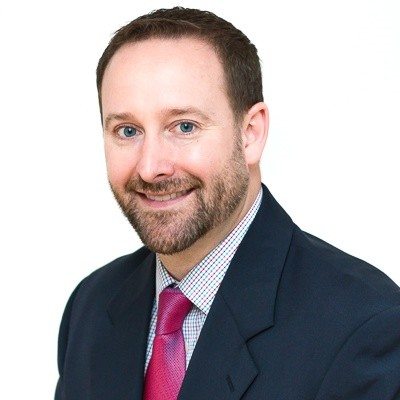
Tom Bradbury is a leader/entrepreneur focused on the enhanced productivity and, in turn, profitability of the workplace. Highly experienced in the correlation of technology, human resources and corporate real estate, Bradbury’s firm—WorkplaceUX—utilizes a tech-based model for transforming fractured environments into a frictionless home for unparalleled collaboration. Tom’s in-depth knowledge of the industry and his close attention to client needs over his two decades of experience, including 18 years as founder and CEO of Labrador Technology, led him to the creation of WorkplaceUX, an innovative approach to helping clients understand how to improve their work experience and maximize efficiency and output. A deeply strategic and entrepreneurial thinker adept at problem solving, lifecycle planning, and business process optimization, Tom created an original framework to discover these needs through the eyes of the users by leading them through six major pillars of a company environment, to ensure that companies will get the most out of their investments.

Follow Tom Bradbury on LinkedIn.


learninginsights11118.mp3

: Broadcasting live from the Business RadioX Studios in Atlanta, Georgia, it’s time for Learning Insights, featuring learning professionals improving performance to drive business results.

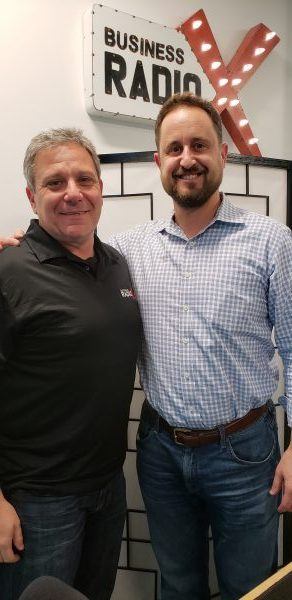
: Welcome to another exciting and informative edition of Learning Insights, brought to you by our good friends at TrainingPros. Lee, this is going to be a fantastic segment. Please join me in welcoming to the broadcast, CEO with WorkplaceUX, Mr. Tom Bradbury. How are you, man?

: Good. Thanks for having me, guys. Excited to be here.

: Well, Tom, before we get too far into things, can we talk a little bit about WorkplaceUX? How are you serving folks?

: Sure. WorkplaceUX is a consulting business that I started earlier this year. And we focus on Fortune 2000 clients, helping CEOs change the tech culture and their business, improve their business, and through ways making technology more efficient, effective, and promoting productivity and collaboration.

: Now, were you always in this industry?

: I was, but it was a bit of a pivot. For 18 years before WorkplaceUX, I had Labrador Technology, an IT audiovisual design and project management firm. And for 18 years, we helped sophisticated corporations relocate or renovate their work spaces, their workplaces. So, we saw all the innards and guts of what had to be thought through, and then designed and built.

: So, we would understand a corporate’s IT needs, audiovisual needs, and then design all the connectivity and systems, and represent those requirements in blueprints and drawings that had to be integrated with the architects’ drawings, the engineers’ drawings that would be “bought” by a general contractor. And they would be responsible for building out everything. And we had to make sure that, later on, the IT vendors would be able to kind of come in, and plug their stuff in, and everything would work.

: And it would be a good experience for the users of all the technology.

: Well, it’s funny you say that. Early on, we spent a lot of time providing value in that space where we had a lot of access to clients. And as technology really evolved more and more, like impacted by the consumerization of IT, things really changed. And what we did kind of got lower on the totem pole, so to speak. And we were very much commoditized, less interviews for projects, more bidding.

: Like more RFP.

: More RFP. And even in the latter stages of RFP decisions being made on the price per square foot et cetera, et cetera.

: Wow. So, that was a big shift then?

: Huge shift, huge shift.

: Because, initially, it was very relationship-driven, and you were kind of understanding what they were trying to accomplish, and things like that. And then, at some point, it became like, “How much is the cost?” This is just-

: Right, absolutely. And the attention shifted very much to applications and what was happening in the progression of technology in the workplace.

: Did the decision maker change?

: When you say decision makers, can you-

: Like, who would hire you?

: Yeah, they did. What would happen is people in and around the design and construction community would very much have input, whether it was the construction firm, or the architects being hired, or real estate and facilities professionals within the firms who were in charge of these great big important projects.

: So, you did that for 18 years?

: 18 years, yes.

: And then, you sold the business?

: I did sell it to a competitor in the space, the Clarient Group, a wonderful organization also based in New York City. And prior to selling it, for the last maybe 2.5 – 3 years, what I had noticed or started to believe with that commoditization and with the advances of technology, I noticed that many of these very sophisticated global brands were making decisions about the technology they were investing in based on the construction, schedule, and budget because these are really big important projects. They cost a ton of money. The CEO and the C-suite, all eyes are on this, “Are we going to hit our timeline?” because the catalyst event is the lease, right.

: Right.

: And when you have to be out and the penalties. And now, you’re building the space of the future, and you’re hiring people, carpet, furniture never mind the space that you pick and how much you’re paying for it. And there’s a lot of changes. And there’s so much gravitational pull to that process that it pulled all of the decision making was about this window. And I’m sitting here saying, as my space was getting commoditized and this process was changing, it was very much about, “Who’s seeing if these are the right things for this company? How are we connecting what we’re investing in as a business for my clients’ sake with what they want out of their business? What are the goals of the business?”

: Right. That’s kind of getting kind of pushed aside because somebody else is driving another part.

: Absolutely.

: Wow.

: So, I started to notice this. And within my former business, Labrador Technology, I started to market myself a little bit more. Like, to beat the commoditization, how can I come across better and in a way that’s more enticing to the end users and the people who are thinking about these things?

: So, it’s kind of you’re going back to the beginning or the roots?

: Yeah, I think there’s-

: Are you having those kinds of conversations that you have gone commoditized, you’re now bringing those back to the fore?

: Yes. I’ll tell you, and they’re not the same conversations necessarily-

: Right, but it’s more strategic and wanting more-

: Much more strategic.

: Right, than like let me save a nickel on this and a dime on this.

: 100%. And just earlier this week or actually last Friday, I was with a new client, pretty big client moving in New York City, and I felt that. I felt back in a position of being able to add value directly to a client situation, directly with the CFO and COO in a meeting, which was very different than where my place had pivoted, not by my choice, but by the changing nature-

: Of the industry, right.

: … of the industry, yeah.

: So, now, for you, the people you deal with are who in an organization?

: So, I’ll say, traditionally, through Labrador and into today, there are some pretty prominent roles still around these projects, big workplace projects. And by the way, a catalyst event could be that real estate. It could be workplace transformation. And we’re revisiting our culture and how we do things on itself. But a lot of times, they do come as part of that lease expiration in the place. It’s head of IT, head of real estate, head of HR are all involved, very involved, in these workplace-oriented projects. CFOs will get involved. Sometimes, you’ll get a glimpse of the CEO.

: But what I realized, even as I started to get to a point where I was ready and saw how to have more sophisticated, more valuable conversations for the end user, for the client, I said to myself there are these swim lanes, really HR, IT, and real estate that have the most profound effect day to day on the workplace, but all of these people were only looking at their own agendas. That’s why I call them swim lanes. They’re all really sophisticated and successful people. They’re looking right down at the bottom of the pool just between their lines. No one’s working together.

: And coming from tech, I started to have these conversations as part of my engagements with end users and really starting to see where all the misses were, where people were launching different applications and tools, but it wasn’t having the effect on the organization that was the original intent behind the investment because these swim lanes weren’t talking to each other.

: Because they’re kind of siloed, and no one’s kind of looking holistically at the whole organism?

: Right. That’s right.

: I love the imagery. And what you’re describing to me is kind of a sales and marketing practitioner with a little bit of experience on the periphery of providing specialized knowledge and content to senior level executives. What I hear you saying is you’re having conversations with the head of this and the head of that. How in the world does the whole sales and marketing thing work for you? Because as a salesperson, that sounds like nirvana. If I can actually have a meaningful substantive conversation with these senior level people, how are you even getting to have those conversations?

: Well, I get to have those conversations. It’s whether they get traction or not. So, what I’m really finding is that the bottom line is the workplace — and this is me saying this — the workplace is broken. The traditional corporate workplace globally is broken because of these silos. On one hand, these silos exist so that a business can operate efficiently and effectively. But on the other hand, they get so siloed. And even at their leadership, the top of each silo, that unless there’s some sort of convergence, ideas, and intentions, and innovation gets fragmented, where intent gets lost at the door.

: So, really, the only person who can fix the broken workplace is the CEO. And that’s my primary target because that’s the person who looks over the entire organization and has a great feel for the value of changing the organization, how it has to happen throughout.

: So, when you enter into an organization, your first conversation is in one of those swim lanes, right?

: That’s right.

: So, what I’m trying to get my arms around because, I mean, I fought this battle my whole life, how do you get up the chain and get to talk further up the chain? Is it just you have that good of a reputation or they’re reaching out to you?

: I think, I certainly have history, and I’m working on building the momentum, so that leaders who want the change and are ready to oversee the change holistically are contacting me. And, obviously, through my marketing sales efforts, I’m directing my attention towards the CEOs and the people that I think I’m going to have the most effective mode to produce value for them as a business.

: All right, okay. And this, I’m going to say it like I know what I’m talking about, it’s really more of a theory or a hypothesis. I’m operating under the impression that although you may start in that swim lane, the middle level HR transformation type person or whatever, you must be very good about exercising the discipline, in no uncertain terms, communicate to that person, “Look, we’ve got to take this conversation deeper, wider, and higher.” You have to have the willingness, as opposed to just get caught up in a-

: Yes, where I have multiple — I’m trying to serve multiple masters because they each-

: Yeah. I mean, can you speak to that dynamic?

: Yeah, it’s tough, but a lot of these folks, very senior sophisticated people, their role and the way they’re compensated and incentivized is based on fulfilling their silo, their swim lane. So, answering to them, to multiple of them, is very difficult. And trying to get to the CEO, in many cases, the CEO is looking at this as, “I don’t want to be in the weeds.”

: “Yeah, that’s your job, Bill.”

: “I have these people who do that that work for me, and they’re all smart, and capable.”

: So, you got to stick to your guns though because-

: I have to stick to my guns.

: But isn’t that easy to — I think, it would be easy to cave in. And, just, it would be easy for me, I think, to just cave in and keep the conversation much lower than it needs to be if I’m going to provide real value and candidly command the fees I should command.

: That’s right. You have to stand your ground because I’m providing value. I’m looking at a business in a way that no one else is looking at a business right now. And in evaluating how a business is communicating, collaborating, and getting a gauge on their productivity. Because you can go in and you can see some fascinating things about what’s working and not working by understanding what the reality is of using all of these tools to communicate and collaborate at a business.

: And the good news is it only takes, sometimes, a couple of small tweaks to make some really big changes, but leadership doesn’t always understand the reality of the things that are just missing the mark. They understand what was launched. They understand what projects went well, where you stayed to budget, where you went over budget. And we have to be able to go to leadership and explain to them why something is needed and what’s the business value.

: When a CEO is in a boardroom with a board of directors at the biggest, the most sophisticated business in the world, and they’re saying, “We need to attract this type of talent, and we need to retain that type of talent that’s already here.” That’s the case. And someone starts at the business as a new employee, and it takes some two weeks to get their laptop and email. How does that match what’s-

: Right. Well, I find it fascinating that the name of your firm, WorkplaceUX, each of the silos sees workplace and they’re like, “Yeah, that’s me,” right?

: Totally.

: Because the workplace for the guy that’s the tech guy, there’s a workplace for him. There’s a workplace for the HR person. They see workplace as the people maybe, and maybe the tech people see it as stuff, not people.

: That’s right.

: Right?

: Yup.

: So, they’re all hearing the name “workplace” and defining it themselves in a slightly different way. And you’re trying to say, “Hey, everybody, the workplace is bigger and broader. It’s all of us together. And it’s all got to work altogether in order for it to really move the needle for the business to have the impact they desire.”

: That’s right. And-

: And I’m sure that wasn’t an accident, right? You did that on purpose to define, so that each person sees workplace and says. “Yeah, he’s talking to me,” but, ultimately, the CEO has to be in charge of the whole workplace. That is the stuff, the people, the culture, the tangible and the intangible.

: Yeah, I want to match three perspectives or try to understand where the gaps are and better align them. That’s the CEO and leadership where they take in this business. That’s the builders, IT, real estate, and HR. How do they look at it? Is the budget what they feel is the most important thing? Are they getting that signal from the CEO or CFO? And then, of course, the reality of the end users. The stuff actually doesn’t work.

: And those are the humans.

: Those are the humans. right. So, everyone’s investing in technology and thinks it’s going to kind of take care of itself, but it’s not. And one perspective I like to bring is that if you were going to hire someone to create a game for Xbox, you wouldn’t just trust your guy in the back room to come up with it, and then put it on the shelf at Target. You’d understand what people like or don’t like about the game before it’s out on the shelf at Target.

: We need to be doing the same thing looking at our business, and understanding how technology, and using the tools is. The user experience for the workplace is the kitchen for the person who works at home sometimes or all the time. The road for the sales road warrior, it’s in the office, it’s in the cubes, it’s in the meeting spaces, the shared spaces. It’s in all that. What’s it like to work at any one of these organizations?

: Right. And no one typically is thinking of that in kind of that holistic manner?

: No one’s looking at it the way I’m looking at it from, “How are all the tools to communicate, and collaborate, and being productive work?” Because if you ask any board member, or CEO, or anyone in the C-suite, “Tell me about the people you want to hire that you need at your business for it to be successful,” they’re going to give you a list of attributes. What’s ironic is much of what’s outfitted from a communication and productivity perspective with IT doesn’t support those same very attributes.

: Wow.

: They just think it does, but, in actuality, it doesn’t.

: It doesn’t, correct.

: So, now, what’s the pain that they’re having where they’re like, “You know what, we should be hiring or talking to the WorkplaceUX folks”? Like what’s typically that symptom or the pain where they start even considering bringing you in?

: They’ll get a sense of it. Some of the signs might be we don’t have enough meeting spaces.

: It could be something that simple?

: It could be something really that simple, but, really, it’s, “What are our business goals, and is how we’re working every day connecting with those business goals?” And every CEO is looking at their business and where it’s going forward, but it has to look under the hood. It has to not be under the hood, but it has to be aware of how this car — You can say you have a Mercedes, and it’s got a beautiful paint job and everything, but if you’re putting $10 hoses underneath the hood to support that engine, it’s only going to last so long.

: Right. It may work today, but it’s not going work next month.

: Or it’s not working to capacity.

: And what happens in those cases? I can remember hearing the consultants from my change management days years and years ago, the first crowd that leaves is your high marketables. Your very best are the ones that are going to get fed up, and can, and do leave under those. When they find out the hoses are $10 hoses, they may go somewhere where they’ve got better hoses because they can. And so, it’s your best people that you lose in those situations, right?

: Absolutely. You want great talent to come, and you want them to stay.

: And you want them to stay. I loved your example about Xbox. It hit home for me. My youngest has an Xbox. One of the games does a driving game and there’s fishing. It’s got a toggle. There’s two views to it. One, you’re sitting in the car and looking through the windshield. And then, they have something called sky view. And when you hit the button — I never know what button to hit, but one of the buttons you hit, then, now, you’re looking at all the cars on the entire track, and you get a completely different view. And that’s what I was thinking of when you talked about broadening the view for people.

: And you bring up that it’s almost like a CEO talks about the business they run, how do you get that other look, right?

: Right.

: But if you’re a CEO, and you go give a speech, there’s how it’s occurring in your mind and through your own set of eyes. When someone gives you back that recording, and you watch it, how does your voice sound? How do you think you’re coming across? How many times are you saying “um”? That kind of stuff? So, similarly to what you just said, getting that other perspective is huge. And once you get that other perspective, and you start to make those small adjustments, which can have profound impact on productivity, there’s a whole different mode of operating today where, traditionally, you have something like the help desk that supports the workplace, total break fix, but we have to change that.

: Now, with how technology exists, and what people are used to, and how they want to operate and exist at work, it’s continuous enablement. So, the analogy I like to use is like a gym. The gym, it depends on you. You go to the gym, and you decide that you’re going to get in shape. You hire one of the trainers to work with you for an hour. And then, that trainer works with you as long as you want to, kind of like a break fix.

: Like I’m feeling not great, or I’m overweight, or whatever it is, I want to — boom. And they work on fixing you; whereas, opposed to what about a gym where there’s just trainers walking around, and those trainers are in charge of just getting everybody in shape and staying in shape? So, it’s not here’s how you use this tool, or here’s how you communicate or collaborate with people, and you show them once. Way too many organizations rely on that where I told them, they know, they have it.

: Now, you’re hurting me because I’ve said those exact words.

: Right, but it’s not.

: Ouch, but you’re right. You’re right.

: It’s a marketing thing, it’s a branding thing internally at any organization.

: Because you have to truly want to help them get the outcome they desire.

: That’s right, continuously.

: And then, you have to be building in systems that enable that to happen.

: That’s right.

: All the time, not just when they raise their hand, or it’s not working, or they point to them and say, “Hey we’ve got to fix Bill.”

: That’s right. That’s right. And we were talking about change management before, your experience. And I think this enablement — I know this enablement is the new future. It’s not just change management where there’s an event, and then there’s X amount of time where I help them get to where they need to be. Now, it’s enabled.

: And it’s all on-demand, and it’s all real time.

: That’s right.

: It’s not every six months or every year, we’re checking in. Like you can’t operate in that manner anymore. Things move too quickly.

: That’s right. And then, getting back to the swim lane stuff, you can’t, as CEO, someone might hear this and call in their CIO or somebody, one of the swim lane leaders and say, “I need you to do this. This makes sense,” but they’re going to do it in the context of just that swim lane.

: Just that lane, right.

: Right? So, it’s I got three people on the enablement desk.

: Problem solved. They’re able to check that out.

: And they’ve enabled five people today within eight minutes each. Everybody has to work together. Like HR has to help develop the policies that support the systems. Real estate has to build out the facilities to be able to support. All that stuff has to integrate.

: They all got to work together.

: That’s right.

: All right. So, this makes for a fantastic article. I mean, having the transcript of this audio or listening to this audio is insightful. I think it could be invigorating and inspiring. And I’m trying to envision real world walking through those big doors and, actually, trying to pull this off in a company of any size and complexity. Can you break it down a little bit, at least, on the front end of an engagement, what are some of the first few things that might happen when a company engages you?

: My initial engagement is getting time with the C-suite and leadership, either in person, or I delivered the package that they presented to the board on where they’re going as an organization. Then, I want to interview the builders, IT, real estate, HR, CFO.

: So, you’re going to all these, sort of the all lane leaders?

: Right, but this is back to the the perspective. The leadership’s perspective, this is where the business is going. The swim lane leaders to understand how they’re approaching their swim lanes with their agendas. What’s driving their work? And then, I want to go and run a bunch of workshops where I created a methodology that’s asking them about how they use technology, but I’m flipping it a little bit where we used to ask them about the — Most organizations will talk about this from a technical perspective. Does your computer work? Does your wireless work? It’s worky, no worky kind of stuff. Like, what’s going on? And, really, we have to ask them what’s it like.

: So, I’ve developed a methodology where I take them through about six prisms of experience where I have a number of questions that I interview them on and just to understand what’s it like. I’ll start these interviews off of something like this to give you a taste. “The light go bulb goes off, you have to meet with three or four people in your team, in your department, in your business, what do you do?” “Well, what do you mean?” “Well, what do you do?” “Oh, well, I have to find a room, and reserve a room, and make sure I’m blah, blah, blah.” And I start to understand what it’s like to be them doing that-

: Right.

: It’s great.

: … whether it’s using a space, or how they’re informed by their business, or how they received received training or support, or what onboarding is like at the business. And when you start to match those day-to-day realities of experience up with how the swim lane leaders are approaching their job, and then overlay where the business is trying to go, you’ll see some pretty silly things that happen in most sophisticated organizations.

: And, sometimes, you’re talking to the CEO, and then you go to the lane leaders. And then, you go back to the CEO, and you tell him what you found. Are they shocked? I mean, are they like, “That’s impossible. That can’t be true”? Do they push back? I know you have all the evidence to kind of-

: Most of them to kind of hold their cars to the vest on whether they knew or not. Some are a little bit more forthcoming about it, forthright about being surprised or not. But what I’ll say is the sense I get is that most of them know all the silly stuff is happening in their organization. Their attention is divided up into many things, and they’re looking for a vehicle or some impetus to go and take care of it, and/or they’re looking for ways to kind of find a vehicle to get their direct reports to help them take care of it, to help them change it.

: I’ve had one CEO tell me, “Oh, I love this. I want to use it as like a-” He said weapon. “It’s a weapon to keep my people from getting too comfortable in how they look at things and how they’re approaching.” Like this kind of will help them adjust and help them pay attention. And part of that is if it’s no more than sponsored, if it’s believed in, and it’s asked about by the CEO, she is going to get results because people are going to respond in that way.

: Now, once it’s implemented, now, you’re doing a lot of identifying problems. Do you take it to the next step where you’re fixing the problems or is that somebody else?

: Once we identify the problems, and we want to help them understand options for them from both a strategic perspective, as well as a tactical perspective, we might go in. And whatever the impetus might be, we’ll always identify some low-hanging fruit. Here’s how we can make some changes, which tells your employees, right now, you’re invested in making this a better business. And let’s do the things that connect to your business outcomes, the desired outcomes. But it’s also understanding what’s right. Every business is different.

: Sure.

: It might be budget. It might be culture. You could be a very traditional wealth management business. You might be a tech firm. But the wealth management firm, although, a lot of times different vendors might want to take, “I did the Facebook. Come and see Facebook,” the only thing they should be learning about Facebook is why Facebook did things they did. And let’s find out why we should do the things we should consider, not doing what Facebook did. It’s very different.

: Right. So, it’s not cookie-cutter thing that it’s for everybody.

: That’s right.

: Everything’s custom to the outcomes that each of your clients’ desire. But you help them actually kind of roll out some of these things, so they can shore up some of these weaknesses.

: Yeah. Look at these options. Help them understand what the implications might be.

: And prioritize.

: Prioritize based on what they want to do as a business and talk through what could leave them — where can we get the best results? What tweaks or small adjustments do we have to make to get the best results?

: Right, so that we can that moving the needle.

: And then help them through. And the biggest thing that happens at all these organizations, I always think of it like an idea or an innovation happens like an egg. And then, we break it up and we shove it down each silo. And it comes out it. It doesn’t look like an egg on the other side. So, how do we maintain that intent throughout that process? And that’s a program management. That has the ear of the people who know what the goals and outcomes, how they need to match.

: Now, can you share any success story where somebody kind of went through the system? You don’t have to mention any company names or anything, but they went through, and they had some change, and it made some impact.

: Yeah. Let’s see. We’ve worked with a couple of firms that actually went and hired based on our recommendation a Director of Enablement that-

: And that was the first time? They had never had that role before?

: Right.

: Wow, cool.

: I mean, just thinking and understanding how the help desk isn’t that — They’re stuck in that break fix. People who are awesome at help desk aren’t the people that typically are going to say, “You know what, I know your role. And I think this other tool might help you communicate with these people.” They’re there to fix whatever’s broken or tell them what they need to know on a tool, not what else might.

: And a director of enablement can be that dichotomy because a CIO has many responsibilities. Help desk is one important, security is very important, on, and on, and on. But this enablement piece is another thing. And you don’t want it — You want it to be almost like bringing a consultant in, someone who’s not connected to the infrastructure level projects that doesn’t get that pulled away from what’s best for the user. So, that would be a great example of where we had influence on what could be better the organization.

: And another client that just swore up and down they didn’t have enough rooms. Mapping back to some simple tools where it wasn’t that they didn’t have enough rooms. It was that they weren’t monitoring how people reserve rooms.

: Some people work like, “I’m going to block it for five, but I only need it for 30 minutes.”

: Or “This is great. Let the three of us meet every Tuesday morning from 10:00 to noon for the next six months.” It happens three times. And then, you’re out sick, and you go on. And then, we just stopped doing it.

: But it’s been locked down.

: Still on the books.

: That’s right.

: Yeah, yeah. But so many of these answers, I suspect, the fix, if you will, the answer, it’s a moving target. It’s the answer now, today. So, in keeping with this whole continuous enablement thing, that’s how and why you — I don’t know what’s right word. You need a maintenance mode, or you can’t just do this one time and be done.

: That’s right.

: This has got to be a mindset. You got to put energy.

: And we’re putting some cool ideas into more product mode on how we go in, and check in, and take their temperature, whether it’d be quarterly, a couple of times a year, to go in and help them understand where things are progressing, and where they’re not, and they need to shed more light because one important thing is I gave a couple of in-the-weeds examples of what has profound-

: Think about, I use that audiovisual example of the rooms, but if a goal is more collaborative work and bringing in people who work that way because that’s how they’re going to change their company, and that’s what their industry really needs, then it’s not an AV discussion. It’s a business discussion. And too often, when you’re in the swim lane, it’s just AV. Why are we spending $2 million on AV? Well, how we map. So, it’s really important to be able to constantly-

: And to help them connect the dots of how everybody is working.

: Well, I’ll tell you how my wheels are turning. I don’t have the work ethic or the IQ to be a change management consultant, but if I were, I think, I would want to be WorkplaceUX-certified. Almost like, “Here’s what I can do for your organization. And, oh, by the way, I’m Workplace-UX certified.” Any design on maybe taking the methodology to that level some day?

: Yeah. Different people have asked me about-

: Something like that?

: The F word that you wanted to avoid before.

: Franchise, yeah, yeah.

: Franchise. They have talked about some sort of franchise.

: Yeah, I think it can be franchised, yeah. Certification.

: I am very intrigued by that, and how we can spread this because, I think, it’s really important that I want to — I’m focused more on training my clients to think this way, but, I think, definitely on my agenda is how can I train other people whether they work for me-

: Or internally, yeah.

: Or there’s another business that finds this very useful in reaching their clients, and we train them.

: Good stuff. So, if somebody wanted to learn more and have more substantive conversation, where can they go? Website?

: They can go to work WorkplaceUX.com, or they can look me up on LinkedIn, Tom Bradbury.

: And then on your website, you have tons of blog posts, and articles, and white papers. There’s a ton of information.

: There’s a good amount, a couple to a few handfuls of articles I’ve written. There’s a white paper that if anyone wanted to have access to, they should just message me on LinkedIn. I’d be happy to share a white paper with them on something that I put together on the broken workplace, and some evidence, some more evidence and data that we gathered during a bunch of engagements that show us why we need the CEO involved to change the conversation.

: Yeah, absolutely.

: So, it’s cool.

: Well, it has been an absolute delight having you on the show this afternoon. Thanks so much for coming to join us. And keep up the good work, man.

: Thanks, man. And thanks for having me.

: Absolutely, our pleasure. And keep us posted. Maybe we’ll do this again. Maybe Lee and I will travel up your way.

: I’d love to.

: Or next time you come to town.

: Yeah, come to New York.

: Yeah, it sounds like fun. All right. Until next time, this is Stone Payton for Lee Kantor, our guest today, Tom Bradbury with WorkplaceUX, and everyone here at the Business RadioX family saying we’ll see you next time on Learning Insights.
Automatically convert audio to text with Sonix


Tagged With: Learning Insights Radio, TrainingPros

Learning Insights Radio featuring Edgar and Peter Schein with Organizational Culture and Leadership Institute

October 18, 2018 by angishields

Learning Insights
Learning Insights
Learning Insights Radio featuring Edgar and Peter Schein with Organizational Culture and Leadership Institute
Loading
00:00 /
RSS Feed
Share
Link
Embed

Download file


Edgar H. Schein
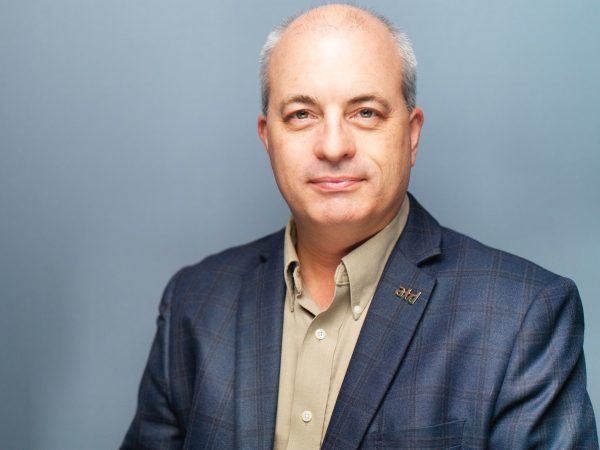
is the author of numerous bestselling books, including the recent Humble Inquiry and Humble Consulting. Schein recently retired from the position of the Society of Sloan Fellows Professor of Management Emeritus at the MIT Sloan School of Management. He has received ample recognition for his work, with multiple lifetime achievement awards from associations such as the American Society of Training Directors (2000), the Academy of Management (2009), and the International Leadership Association (2012). Edgar Schein is renowned as the father of organizational cultural studies.

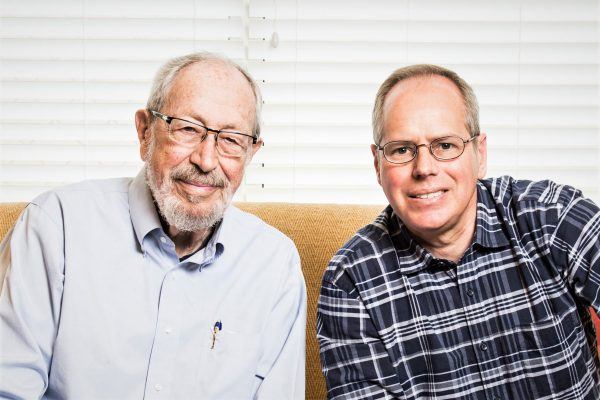
Peter A. Schein is a Silicon Valley innovator with 30 years of business experience at large and small technology companies, including Apple, SGI, and Sun Microsystems, in corporate development and M&A. He has an undergraduate degree in anthropology from Stanford, an MBA from the Kellogg Graduate School of Management at Northwestern, and an OD certificate from the USC Center for Effective Organizations. Humble Leadership is his second writing collaboration with his father, Ed.


learninginsights101618_v2.mp3

: Broadcasting live from Business RadioX Studios in Atlanta, Georgia, it’s time for Learning Insights, featuring learning professionals improving performance to drive business results.

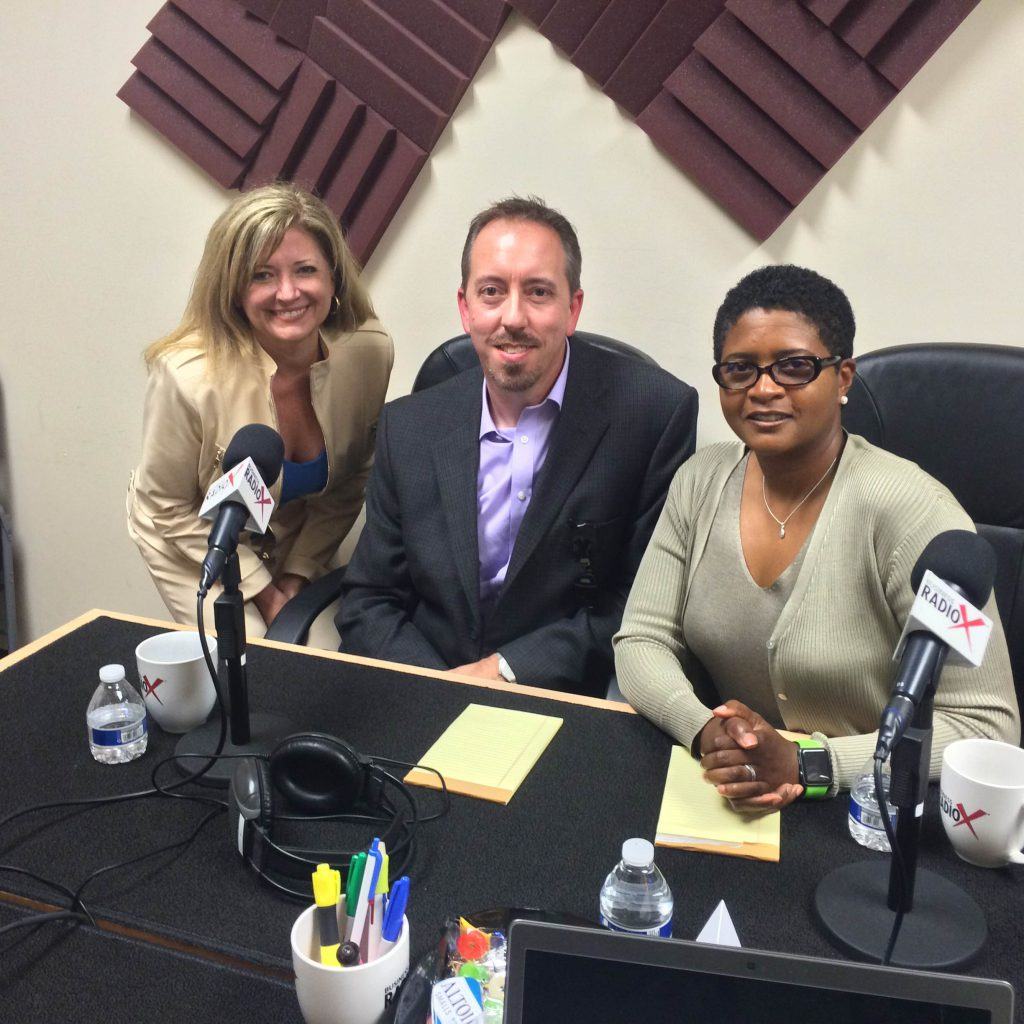
: Welcome to another exciting and informative edition of Learning Insights. Stone Payton and Lee Kantor here with you this afternoon. Lee, I love doing this show. It’s brought to you by our good friends at TrainingPros. And I believe, without exception, every time we do one of these segments, we get a chance to talk to bright, passionate people, absolutely committed to their craft. And this is no exception. Please join me in welcoming to the broadcast with Organizational Culture and Leadership Institute, Ed Schein and Peter Schein. Welcome to the show, gentlemen.

: Glad to be here.

: Well, before we get too far into things, do you mind just sharing the mission of the Organizational Culture and Leadership Institute? How are you serving folks?

: Sure. Well, we got together about three years ago. We’re both out here in Silicon Valley. This is Peter. I’ve had about a 30-year career at a number of different technology companies. And I was, sort of, at a interesting pivot point in my career. So, Ed and I felt like, you know, for all of the years that, as father and son, we’ve had to talk about, you know, what we see and what we experience at work, we had more that we wanted to do and more that we wanted to say. And so, we formed a little venture, the OCLI.org, to sort of formally work together as partners.

: And, also, you know, partly for me as the son of somebody who’s been doing this, you know, since the early ’60s, a chance to sort of give him a better platform online. So, OCLI.org represents that platform. And we’re writing books and consulting with companies in different fields, particularly, these days, doing a lot of work in healthcare and safety.

: Now-

: For me, it’s the greatest gift in my retirement that I could have gotten is to get to work on stuff that interests me and, now, interests Peter. So, we’re writing together and working together. And it’s just great.

: Now, you guys are recently are putting together a new paradigm in leadership called Humble Leadership. Can you talk a little bit about that?

: Okay, I’ll start on that. I wrote a book a couple years back called Humble Inquiry, which was a rant because I was sick and tired of, in our culture, everybody thinking that the way to be is to tell people things. And so, we’re always telling. You’re never asking. You’re never listening.

: And as I work more and more in the safety arena where things get complicated, particularly, in the nuclear industry or in a public utility where I was consoling, I noticed that this approach to leadership, being the lone hero and telling people what to do, was cutting off critical information from the direct reports and the teammates. And that’s how a lot of accidents happen. People knew stuff that never got out into the open.

: And so, I realized that leadership itself has to be a relationship in which the other people who are going to be the followers or the teammates have to feel completely psychologically safe, so that they can tell a leader what might be missing that he or she is not paying attention to, why some of the proposals that the leader might make might not work. All this information gets lost in the traditional bureaucratic machine model, organizational leadership model.

: And so, we need a new model that’s really built on what we’re calling personalizing. The leader has to build a personal relationship with the people who are the potential followers, or they won’t to tell him or her what is needed to really come out with the right answer. That’s the essence of build personal relationships with the people who are going to have to implement and together figure out what it is you’re going to do.

: And I just want to add, in August, we published a book, Humble Leadership, that, as Ed mentioned, it followed on some of the themes of Humble Inquiry. And it, also, built on something that was in another book called Humble Consulting from a couple years ago that developed a relationship theory that’s very important and, sort of, the theoretical foundation for this book.

: And that theory, basically, you know, in action compels us to think about the relationships that we have at work. And that provides a four-layer, sort of, type policy for thinking about those relationships where a level -1 relationship is exploitative. A level 1 relationship is transactional. A level 2 relationship is personal and built on openness and trust. And then, a level 3 relationship is intimacy. And much of the book is oriented around this model that, in the future, companies that are going to be successful are going to recognize that leadership happens when leaders and followers develop level 2 relationships with each other.

: Now, do you think that this model also translates into sales because that sounds like relationships you want with your clients?

: Well, I think, when I have observed good salesmanship, it’s always a case that the salesman gets to know the customer well enough to know how the sale can be helpful to the customer and produce a good solution. I learned this from Ken Olson, the Founder of Digital Equipment Corporation, who told his engineers and salespeople, “Solve the customer’s problem. And if that means not selling DEC products, so be it. But solve the problem, be helpful, get to know them.”

: The other point there is that we’ve defined leadership in, sort of, more as a verb than a noun in this book as wanting to do something new and better. And in many respects, you can think about the selling process as trying to bring along your customer to do something new and do something better. That’s why we sell new products. It’s why we buy new products.

: And so, that establishment of credibility to do that, they’ll build on openness and trust. If you don’t have that trusting open relationship with your customer, you know, their inclination to buy is going to be as low as the trust they feel from you as the person selling something. Selling and leadership are very closely related in this sense.

: Now, I’m sure that this model fits nicely amongst your work in Silicon Valley where organizations tend to be flatter, and there’s less hierarchy. Is this kind of a message you’re trying to send to the rest of the country to maybe that model of the the all-American hero that’s coming to save the day that that model of leadership is for another time; that this humble leadership is going to work better and flatter more chaotic organizations?

: Well, one quick answer to that as it always has worked better. You know, when you look back in history and look at how the great companies and the great systems have worked, you discover that they’ve always had leadership rather than a hero leader or if there was one person whom history singled out as the hero, and you examine what that hero actually did in building his or her organization. It always turns out, they created a team, they created openness, they created trust, and that the way in which they led was what we’re describing as humble leadership.

: So, of course, it’s the model of the future because the more complicated the tasks are, the more dependent the person who see something new and better has to get the information from others, how it would look, whether it would work, how it would be implemented. And that’s what you see in some of the well-run young startups.

: I think it gets a good observation that you make that what we’re seeing out here in startups or, you know, in teams at Google do have a, sort of, forward-looking view about this. And, you know, they’ve all read the books about, you know, how the ego is the enemy. You know those books. That was why there it’s some real, sort of, philosophical classics that are adopted widely in Silicon Valley.

: But, I also, think that we’ve seen a lot of examples recently in healthcare — and Ed can comment on this more — where, you know, our local one is Stanford Healthcare, which is attached to the Stanford Medical School. And the complexity and the volatility in that market, whether it’d be, you know, keeping up with, you know, the rapid pace of disease discovery and intervention approaches or, you know, the changing nature of funding for healthcare, or there couldn’t be a much more complex business than a medical school, big, open healthcare system that’s trying to grow. It’s trying to manage itself as a profitable enterprise. I think, technically a nonprofit, but that’s an accounting thing. The truth is they have to grow, and they have to pay their people, and they have to, you know, generate net income.

: So, a lot of it looking forward — And, again, being in Silicon Valley, we get to see this, but it’s this acknowledgment of how the pace of change is increasing, the rate at which markets are disrupted is increasing, and the fickleness of consumers is increasing.

: And so, part of what motivated this was that recognition of this. You know, we use the term VUCA, but, you know, the volatility, uncertainty, complexity, and ambiguity that we’re all facing, and how are companies going to start to, sort of, organize themselves, organize their teams, so that they don’t be caught kind of static when their marketplace around them is so volatile.

: And so, your comment about the hero, we we make the point that we think that, sort of, heroic, hierarchical, transactional model ends up leading a little bit slow in the phase of, you know, the pace that’s happening around you. That static model just doesn’t allow you to respond with the dynamism that the market’s requiring.

: Peter gave sort of the big picture version. Let me give the micro system version. The doctors doing surgery now cannot afford to have the kind of bad transactional relationship that was, sort of, talked about in the OR where you get mad at the nurse and throw things out or whatever. Surgery today is a team sport that has to have very high levels of trust. And doctors have to realize and do realize that if they don’t create an open environment, the people in the team aren’t going to tell them when they’re about to make a mistake or leave a sponge in there before they sew up.

: And then, you get the whole patient safety stuff, and you discover that almost all the cases where patients died inappropriately or got infections were cases where there was a communication breakdown between nurses and doctors, or nurses and nurses, or nurses and pharmacy where someone didn’t speak up.

: So, in healthcare, we see very clearly the micro system level, trust and openness has to be established. And that can only really be established by more adoption of this humble leadership concept and model that you’ve got to get to know your people. It’s not good enough to know them as roles, “Oh, yeah. He’s the pharmacy guy.” That’s not good enough. “He’s John or Mary with whom I’m negotiating for the next cocktail for my chemotherapy patients.” Those have to be very open trusting relationships, and we won’t get there unless we personalize more and get to know the people with whom we work.

: And just to connect the dots of what we were saying, the point is that decision making is a function of quality of information. And our basic premise here is that you, more and more with the pace of change we’re all facing, need information to flow unimpeded. You can’t have information be held back because because that’s better for your ability to climb up the hierarchy.

: I mean, that’s still going to exist in organizations in certain kinds of market, but our view is that because the market is changing or the situation in the OR is so dynamic, you have to have information’s falling unimpededly. And level 2, what we’re calling personalizing, is our view of how that happens.

: Now, how do you implement personalization in a fast-scaling business? How do you kind of bring the right people on board, so that you know that you’re hiring people that are going to be open to this new paradigm?

: Well, there’s a paradox or an irony in that personalizing is something we already know how to do. It’s not a case of finding people who can personalize, but rather getting people to realize that what I do at home with my family, what I do when I’m trying to build a friendship with someone new whom I’ve met, what I do with my buddies in my off-work times is normally personalizing, and we’ve all learned how to do that.

: But somewhere along the line, someone said, “Oh, that’s not appropriate to work. Work, you should be professionally decent. You should stay in your role. Don’t get too intimate. It might lead to favoritism and so on.” So, we bring ourselves to work in a very tight role cocoon, and what we’re saying is, “Hey, relax. Be more yourself at work, and marvelous things will happen. Don’t overdo it. Don’t get into personal stuff that has nothing to do with work, but allow yourself to be your normal, friendly, relationship-building self that you already can be in other situations, and allow some of that to come out at work.” That’s the proposition. That’s not a selection issue. It’s a mindset to shift what you already know how to do into the work situation.

: And we described, sort of, at the social psychological level in the book how there’s sort of the two processes in that relationship forming process of revealing more about yourself and inquiring more about others. And, really, it’s an emphasis thing. Again, as Ed said, we know how to do this. We do it all the time. The question now is, will you do that at work? Will you take five minutes at the beginning of a meeting to try to establish that? You know, we have historically called it, you know, building a rapport, but we’re trying to be a little bit more blunt about what we mean. We mean building a personal connection because, down the road, that personal connection is going to be critical for information to flow now.

: Now, but some of the challenges are a lot of these people have grown up in an environment where they’ve been, or they have a fear of being penalized for being vulnerable, or, you know, maybe there’s an insecurity about it that they don’t want to share. And, you know, like you said, that they’ve historically not been that way. How do you implement this in an organization that may be because of their history is just not behaved in that manner?

: Well, one point of view is somebody has to have the idea and start. It’s amazing how when you get personal yourself how that triggers personalness in other people. So, one view would be, though I hesitate to make that the rule, is it, sort of, has to start with some of the senior executives deciding on their own behalf that they can get better information and make better decisions if they treat their immediate reports in this more personal way, and even set up a reward system that would encourage those immediate reports to get more personal with their immediate reports, so that, slowly, it cascades down through the system.

: On the other hand, we’ve seen in the healthcare improvement staff, people in the middle just starting. A nurse leader just decides she’s going to run her nursing department differently and starts getting personal. And that cascades through her whole unit and other people begin to see it. So, I think, someone has to have the insight and the mindset to start this process. And, ideally, that would be near the top or at the top, but I don’t want to make the necessary condition.

: The other thing I’d add is that, you know, consider this maybe a part of your training calendar for the year, you know. We’re sort of big believers in the T-group because Ed is one of the, sort of, early members of the National Training Laboratories and the meetings in Bethel Maine in the 1960s, but that T-group methodology is still widely adopted, and NTL is still around.

: And, you know, you may have that training, you know, objective set for the year and a training calendar. We might suggest that you consider some form of T-group training for everybody in the organization because it’s incredibly enlightening. It seems trivial, but if you use that format, it is very effective at training you how to be open, vulnerable, and training you how to listen better.

: So, when you guys set out to do this, and actually commit these ideas to paper, and begin to start to socialize the idea of the book and this set of work disciplines, if you will, were people just immediately embracing them, or did you get some raised eyebrows and some funny looks when you first started talking about this at the club?

: Well, one reaction is the eyebrows get raised around the title, around the word “humility” because that’s so counterintuitive. But when people actually read what we mean about humility being humility in the face of difficult tasks, not in the face of other higher status people, that’s not what the word means.

: When they see it, “Oh, you mean you’re helping me figure out how to be a leader in these white water or tsunami type situations that we find ourselves in?” Then, they say, “Yeah, this is right. This makes sense.” When people actually look at what the book says, we’ve gotten very positive responses that this is the way to think in the modern world.

: So, it’s a problem of getting past that title, and then those has stereotypes about it, and seeing that we already do some of this, we know how to do it, and we’ve got to do more of it in our organizational life.

: I think, we also get that, “Gee, you’re talking about something that takes so much time. How could this possibly scale across an organization?” And, you know, I would just say that there are a number of examples in the book from the US military, which is the biggest hierarchy on the planet. And these are stories from the Navy, from the Air Force.

: And so, we, sort of, view this conceptually maybe at a micro level, but it also taps into our model for organizations as being a collection of dynamic systems of it’s sort of a more of a living system model than a vertical hierarchy model. So, if you think of organizations as vertical hierarchies, then the idea of humble leadership scaling in the way we’re proposing it might seem a little far-fetched, but we don’t really think organizations of the future are going to be designed that way anyway.

: And, ironically, all you have to do is look at the US military because, you know, they know how to run teams. And we’re talking about, you know, how having a collection of teams — as you know, McChrystal calls a team of teams — is what a big organization of the future is.

: Now, do you have any mistakes that you’ve seen when people are trying to implement this that people make and that our listeners can avoid?

: Well, I mean, there’s one that’s, sort of, a micro level, which is, you know, we all have that experience at work. This is sort of TMI, too much information. There is a very fine line between creating productive, you know, open trusting relationships that work and, you know, impropriety at work. That’s a really tricky thing where we don’t have an answer to that. It’s sort of we all have to be aware of that, particularly, in the modern environment where we’re now asking people to, and we think it’s required that people absolutely abandon any unconscious biases or microaggression at work. I mean, that’s just not okay anymore.

: But, at the same time, too much intimacy can be problematic. And it is interesting, we get a lot of people asking us, “Well, gee, is there a level? You talked about level 2 and level 3. Is there a level 2.5?” And at that point, we think, “Okay. Now, somebody is really getting what we’re talking about,” because it is a level of connectedness that just approaches the threshold of intimacy that is no longer appropriate in the work environment. But it’s a delicate balance. And we’re very wary of that.

: The key to that is teams learning together, leaders and the followers learning together. I don’t think it’s possible in a complex world to get it right the first time. So, all the research we’ve seen recently in medicine and in complex organizations emphasizes how when the team first gets together, they will make mistakes, and that the effective teams are the ones that hang in there and learn how to overcome. And that’s where the T-group training, and process training, and learning becomes so relevant that we have to stop looking for one-shot solutions and recognize that joint learning is really the key to better solutions, better adaptations in the future. Heavy emphasis on learning and training.

: Now, Peter, when you were growing up, was Ed a humble leader?

: Yeah, absolutely. You know, here’s my example of why. Lots of conversations, but when I went to Stanford undergrad, I went with the intention of majoring in Psychology. And all of our, sort of, back and forth gave me the, sort of, the — And, you know, Ed was a psychologist, and it was sort of honoring my father, but I didn’t see it. And so, I ended up majoring in social anthropology, which, you know, I found to be more relevant to me. You know, as it turned out, that ended up — We joked that it’s, sort of, the family business because Ed considers himself as much of a social anthropologist as a social psychologist. And my oldest sister is an anthropology professor.

: But I think the point being, he was very supportive and open to what I was encountering, you know, at the time, and supporting me and my adaptation. And that’s what is important. I had to communicate to him what I was discovering, sort of, on the ground at the time. And then, we could, sort of, work out what the right answer for me would be.

: This is very much in line with how we wrote the book together because I discovered that by not asserting myself too much as to how those books should look, I discovered the things that Peter knew that I didn’t know he knew, and that provided a different perspective. And I’m glad, in retrospect, that I didn’t push too hard. And in that process overrides some good ideas that came from my partner.

: And just the other comment is, you know, we talked throughout the book about openness and trust. And, you know, we’ve been asked, you know, “Gee, was it hard to write a book with your father?” or “Hard to write the book with your son?” And the answer is not really because of that foundation of openness and trust.

: Before we wrap, can we take a look at this through a practitioner’s lens for just for just a moment? What I’m getting at is in reading the book, you get the ideas. And, I think, individually, you know, maybe we’re all a little bit better for it. But I wonder if maybe you have a success story you might share and/or some counsel to those of us out in the marketplace trying to provide counsel to our own set of clients, and bring this mindset, and bring some of these disciplines, and rigor, a new approach to their work? Have anything you can offer on that front?

: Do you have one now?

: Maybe the Virginia mason.

: Yeah.

: I’m not sure I understand the issue you’re raising because what we’re advocating is not rigorous. It’s truly relaxed, except what you already know how to do, don’t let your own stereotypes of what leadership is supposed to be get in your way. I don’t think we have a system of theory. We have a way of looking at things that we think will make life easier.

: Yeah. Just on that point, there’s this idea that there are so many, you know, programs, so many, you know, multi-step approaches to how to become a better leader. And those things can be awesome. They can also be a little bit oppressive.

: Yeah.

: And end up maybe that that you spend too much time worrying about yourself and not enough time worrying about the relationships and the reality of the people that you work with. And so, in a way, you know, we started to joke, maybe step away from the mirror, and take the pressure off yourself. Go to work saying, “I want to think about what other people, where other people are at, and be less worried about, am I doing all the five things that I need to do today to be a better leader?”

: You know, it makes perfect sense that we have these systems, and these programs, and these prescriptions for individuals to internalize to be better leaders. Those things are great, and they’re necessary, but we’re also saying maybe on the fifth day, do that for four days a week. And then, on the fifth day, say, “I’m going to forget all of that, and I’m going to go to work and think about, you know, where the other people are at, and less concerned about where I’m at.”

: This means that leadership is automatically potentially distributed throughout the group. We are against the idea that leadership has to be associated with positions, positions of being the head of something. Leadership in a good working group arises from all sorts of people at all sorts of times, and rarely from the convener or the person who’s titular of the head. So, it’s very important to realize that if you could relax, you’re going to get some good ideas. Sometimes, those good ideas are going to make you, at that moment, a potential leader. But to try to be that all the time is too heavy a burden.

: Well, that’s a marvelous point. And it’s encouraging to hear you frame it up that way. And, I think, it’s helpful for me personally just to be a little introspective for a moment and recognize that, yeah, my default is I’m looking for that five-step process, right, so that I can now go out to the field and practice this with my team. So, that’s helpful.

: Can we leave the listeners with — You don’t have to name any names if you don’t want, but maybe just by example or illustration maybe something of a success story where you’ve actually seen an organization begin to adopt some of this, and you’ve seen it yield some real fruit.

: Well, this this is maybe not exactly the kind of organization you’re thinking about, but a success story that I value very much happened when I was made the chair of a committee of the board of Massachusetts Audubon to see whether or not we could start a major capital fund drive. So, I was to meet with 10 board members, and have a task force set of meetings to see whether or not, you know, we were ready.

: And the president wanted to tell about all previous times when they had made mistakes or what they had done well. And I said, “I’d like to start differently. I don’t want you to tell about the history. I ask that we start with the dinner.” and at that, at dessert, I said, “Now, folks, I want to go around the room just once in a dialogue format, each of us telling exactly why we belong to Massachusetts Audubon, and we’re going to do this in an uninterrupted fashion. Each person is going to get to say that. And when we’re all done, then we can begin to run a regular kind of meeting.”

: So, they hummed and hawed, and said, “All right. Well, you’re the chair. We better go along.” And so, they started. And they each told why they valued this organization. By the time the 10 of us had spoken, the atmosphere was magical. We suddenly discovered we all loved this organization.

: From that moment on, everything was different. And they decided when we take the next step with all the heads of all the divisions of the organization, “Let’s do the same thing. Let’s have each of them tell why they love this organization.” That became the whole — It transformed the organization. And all I had done was to say, “Let’s start with something very personal.”

: That, I think, is a perfectly appropriate story. And I appreciate you sharing it with us. Okay. The book’s out, right? You’ve got the book. What’s next for you guys?

: The next book. We’re in the process of revising the Corporate Culture Survival Guide, which was a book that kind of came out as a business equivalent of the Organizational Culture and Leadership textbook that is in its fifth edition. We published the fifth edition in 2016. And so, the Corporate Culture Survival Guide will be focused on culture, and leadership, and change. And it should be out next year.

: Well, Peter, it has been an absolute delight having you on the show this afternoon. Thank you so much for visiting with us. And keep up the good work, man.

: All right. Thank you.

: We appreciate the opportunity.

: Love the conversation.

: All right. Until next time, this is Stone Payton for Lee Kantor, our guest today, Peter Schein and Ed Schein, authors of Humble Leadership: The Power of Relationships, Openness, and Trust, and everyone here at the Business RadioX family saying we’ll see you next time on Learning Insights.
Automatically convert audio to text with Sonix


Tagged With: Humble Leadership, Learning Insights Radio

Learning Insights Radio featuring John A. Dues with School Performance Institute/United Schools Network

September 30, 2018 by angishields

John Dues
Learning Insights
Learning Insights Radio featuring John A. Dues with School Performance Institute/United Schools Network
Loading
00:00 /
RSS Feed
Share
Link
Embed

Download file

John Dues

John A. Dues is the founding Director of the School Performance Institute (SPI), the social enterprise division of the United Schools Network (USN). He also serves as the Chief Learning Officer of USN, a network of high-performing public charter schools in Columbus, Ohio. Previously, he has served as a School Director and Dean of Academics at USN. Under John’s leadership, USN schools have regularly been among the state and nation’s highest performing urban schools. In 2013, John was recognized as the Ohio School Leader of the Year by the Ohio Alliance for Public Charter Schools.

Follow SPI on Facebook and Twitter.

learninginsights092718.mp3

: Broadcasting live from RadioX Studios in Atlanta, Georgia, it’s time for Learning Insights, featuring learning professionals improving performance to drive business results.

: Welcome to another exciting and informative edition of Learning Insights. Stone Payton and Lee Kantor here with you. Lee, I loved doing this show. It’s brought to you by our friends at TrainingPros. And each and every time that we do this, we just seem to make really good friends and learn so much. I don’t think this is going to be any exception. Please join me in welcoming to the broadcast, Director of School Performance Institute and the Chief Learning Officer of the United Schools Network, Mr. John Dues. How are you, sir?

: I’m great. I’m great. Stone, thank you for having me.

: Well, John, can you share a little bit about the School Performance Institute and the United Schools Network? How are they related and how are you serving folks?

: Sure. So, United Schools Network is a nonprofit, an education nonprofit here in Columbus, Ohio. And, basically, what our nonprofit does is we are a network hub for four public charter schools here in Columbus. And sort of along the way, as we started the four schools in the USN organization, we also built a social enterprise within the United Schools Network called The School Performance Institute. And, really, what SPI is sort of the learning and improvement arm of our nonprofit organization.

: And then, so, the mission of that is to help learning. And who are the learners?

: Yeah, sure. So, at USN, sort of the mission is transforming the neighborhoods that we’re in by providing excellent schools to students and families in Columbus. And then, SPI has a related purpose, which is to sort of spread the best of what we’ve seen in the school visits across the country, as well as what we’ve seen worked in our own schools, to spread those ideas both within the schools that we have, and then also to other folks through workshops, and consulting services, and those types of things. And so, what we’re really trying to do is study what works, especially in high-poverty schools, and spread those best practices and lessons to as many other folks as we can through SPI.

: So, you’re teaching the leadership of schools, how to run their school better?

: Well, I think, what we’re doing is, for example, we have a workshop where we invite external participants in during a live school day, and they’re sort of learning techniques and observing them in classrooms. And then, throughout the day, they’re also sort of breaking those things down and talking about how they can apply them in their own schools.

: And it typically works best if a team of folks from another school come. So, a lot of times, you’ll have, you know, two teachers, and an assistant principal, and principal from the school building, and they will come to one of these workshops. And so, you have sort of a critical mass of people learning the same thing.

: And then, there’s, you know, multiple people on a building, the leadership team that can take that back to their own school and try to make, you know, what they thought would work in their own school work back in that setting. So, it’s teachers, it’s principals, and then, we also have district and network leaders that come with those teams as well.

: Now, are these people hungry for this type of learning?

: Yeah, I think so. You know, I think educators. in general, are hungry for this type of learning. I think, you know, by the very nature of being a teacher or a principal, you’re sort of tied to a building. And, you know, you have to be really diligent about getting outside, and seeking out that learning when you can. And I think that was true for me when I was a teacher and a principal. And, I think, it continues to be true that, you know, educators are really hungry to see things that they can use back in their own schools. And, I think, by the very nature of their profession, they are sort of continuous learners.

: So, we’ve had so far through the last 15 months or so coming to our schools for these workshops have been great, great participants, hungry for learning. They are great as, sort of, idea exchangers amongst themselves. And we have really great healthy discussion on sort of what works, what they’re seeing, and how can they make it work back in their own setting.

: Now, do you find that they’re jaded by just having seen so much, you know, great ideas that maybe you haven’t bared fruit and like-

: I mean, I think, there could be some of that. I mean, I think, even, you know, really good people, if you sort of are in a setting where, you know, there’s sort of a series of reforms, and one after the other to sort of try it out, you don’t really fully understand like how it’s supposed to work in practice. And then, it’s sort of abandoned in a couple of years. And if you’ve been through that cycle, you know, you’re 15 years in your career, you’ve been through that cycle four or five times, there can definitely be some initiative or some reform fatigue that happens.

: I think, the feedback that we’ve gotten so far has been extremely positive. And we’ve had some 15 and 20-year veterans say, “Oh, wow. Like some of the things that I saw today just really refreshed me, and I’m hungry to take this back to my own classroom, my school, and try to make them work.”

: So, I think, that certainly can happen. And, sometimes, it’s for good reason. But I think what we’re seeing is because folks are interacting with people from, you know, across the state, and we’ve gotten people actually from from Atlanta and Memphis come as well. And so, you know, I think, you know, just seeing something new just sort of refreshes people and energizes people. We’ve got the early feedback we’ve gotten.

: Can you share some of the initiatives that have worked?

: Yeah. I mean, I think, you know, in that particular workshop series, it’s called Study the Network. And, basically, what we’re doing is we’re sort of outlining in five areas our key systems and procedures. And it’s, you know, grounded in research, sound research. And it’s not really rocket science type stuff, but it is stuff, especially in a high-poverty setting, that is really hard to get right and to keep right.

: And so, we’re talking about things like how do you design a purpose for curriculum, how do you deliver that curriculum purposely, how do you gather data on that teaching to make sure that, you know, what you think kids are learning is actually being learned by kids.

: We also get into some things that are, sometimes, overlooked by schools that are really important things, like how do kids come into the building first thing in the morning. We have a really sort of strong entry routine. And, you know, if you don’t have that as a school, that can lead to lots of lost time both at the beginning of the day, and then sort of throughout.

: So, we go over sort of one of the system and the procedures that we have in place, at both the classroom level and the school level, that allow kids to enter the building safely, and efficiently, and move between their classes, and exit the building safely and efficiently. So, we’re going over all of those things.

: We also talk a lot about our school culture. How do we build it, how do we maintain it, how do we keep both the adults and the students engaged in their classrooms and their school community. And then, sort of, we wrap up the day with a focus on, you know, the importance of, you know, very clear mission, and vision, and values, and how do you get people that are an add to those missions or are aligned with the mission, vision, and values. So, those are sort of the five main areas that we’re tackling across that workshop day.

: And then, you developed this while dealing with like super high-risk kids right and super high-risk environments?

: Yeah. I mean, I think I would probably frame it as kids that have been traditionally underserved. All of our schools, our four schools, our network, 100% of the students are economically disadvantaged. Meaning, they qualify for free-and-reduced lunch. You know, there are challenges in Columbus in terms of providing an outstanding education. And that’s sort of what we’re trying to do. We certainly do not know everything in the space, and we are continuous learners ourselves.

: And so, part of what we open our doors to others is to sort of learn from them as well because before launching this particular workshop series, myself and our superintendent, between the two of us, we went on about a 120 school visits across the country to mostly high-poverty schools to learn from them. And, sort of, we’ve brought those lessons back to our own schools, the oldest of which is 10 years old. And then, we’ve been continuously studying those things and trying to spread them to other folks through this launch of the School Performance Institute.

: John, you talked about addressing these five areas or five pillars in the course of a workshop day. Sounds like an awful lot. That’s a live face-to-face instruction day. Is that accurate? This is person-to-person, in-person training. Yes?

: Yeah, it is. So, it’s an all-day workshop. You know, typically 8:00 to 4:30. And we spend about 75 to 90 minutes on each of those modules, each of the areas. And that time is always split up between sort of learning about the area. Also, there’s time within a module to go into a classroom and observe. And then, come back and break down what they saw. So, yeah, it’s definitely an intense workshop. And then, we also offer workshops where we spend a whole day with folks just on each of those five areas as well.

: Well, it does sound like a very intensive day. And part of my purpose in asking, I was wondering if you have some designs toward or maybe you’re already doing,this blending the medium, blending the platform, and maybe providing some sort of support, or follow-up instruction, or material before and after this in-person experience.

: Yes. What’s been typical is one, you know, for example, we had a district last year that was very interested in the workshops. And so, across we had six of these workshops. Three in middle schools, three and elementary schools last year. And across the course of the year, this particular district superintendent and the chief academic officer each came to two or three workshops themselves. And every time they came, they brought a team of like five to seven people. So, they were coming repeatedly throughout the year. So, that’s one thing. A lot of people will bring various members of their team either at the building or district level, so that there is a repeat experience. And more and more people also experience it.

: And they also get a drive with the various materials. So, for each of the five, sort of, the core areas that I talked about that we discuss during the workshop day, there’s also an internally written manual that explains, sort of, all of our practices in that particular area. So, for example, we have a culture manual that explains all of our culture systems and procedures school-wise. So, they get that manual. They walk away with that manual.

: And then, a lot of times what happens is, for example, a teacher will be here participating in the workshop, and you know, they’ll see something that they think they want to know more about, or they see an artifact that they’d like to have. And so, then, they reach out to me afterwards, and I often connect them to one of our teachers that can sort of work with them, at least, on an informal basis, and share, and provide some insight into how they got their classroom looking like they did that day, or if they have, you know, a specific question about, let’s say, a math lesson that they observe that they can follow up with the teacher to sort of learn more about that.

: It sounds like the ideal habitat, or breeding ground, or environment for a group of people with common mission and purpose that I bet there are a lot of new relationships forged from the people participating in this process and the alumni coming back through and adding their experiences. I bet you’ve built one heck of a really strong community in doing all this, huh?

: Yes. That part’s been probably the best part of doing this.

: Yeah,

: You know, I’ve been fortunate to be a part of, at least, a loose network of schools across the country that are sort of like-minded and mission-oriented. And I’ve learned a lot from going to those places. And they’ve tended to be schools in urban areas. That’s just where I’ve spent my career in Atlanta, and Denver, and now in Columbus.

: And one of the interesting things is that one of the leaders that, he’s very reform-minded that I connected with very early on last year and came into a number of the workshops with his team with the superintendent from a rural area, and what I learned pretty early on was that we are dealing with a lot of the same issues. We have kids in high-poverty situations. They’re coming, you know, significantly below grade level. And so, because of those conditions, we deal with a lot of the same things.

: Now, we have, you know, problems that are unique to our, you know, urban environment. And they have are problems that are unique to the rule environment, but very quickly, you know, this idea that what we were dealing with was totally different was sort of put to the side, and we’ve developed a relationship, and been able to share back and forth over the course of the last 12 or 15 months. That part has been pretty cool to see sort of the similarities between different types of schools.

: Also, you know, there can be — You know, in our world, there can be sort of sometimes a divide between traditional public schools and public charter schools. And we’ve actually seen sort of an equal split between those two camps, those two groups coming to our workshops. And we’ve also had actually some private school principals that have come, especially if they’re dealing with sort of a similar student population. So, it’s been really interesting to bring all those types of people and all those groups of people from different settings together. And lots of shared issues and lots of shared ideas for how to move forward.

: Now, do you have any data? I know it’s kind of new in this area, but do you have any data that supports like how quickly they see improvement if they institute some of these initiatives?

: I think, you know, most of our data in that respect would be anecdotal. You know, we definitely did, you know, a survey to see how our materials and our workshops were being received. And, you know, that data was extremely positive. So, we asked, you know, what your overall workshop experience? You know, they’re giving it a 9.5 out of 10. You know, would you recommend our workshop to others? 100% of people said they would. And 7 out of 10 of those people said they would actually go out of their way to make that recommendation.

: So, people are definitely latching onto the idea, They think the workshops are well received. I think we’re a little early in the game in terms of knowing how much we’re pushing the needle in other places, but that’s something we’re definitely interested in exploring more.

: And I think, you know, one part of that is expanding our work to be also in schools and not just bringing people to us because we know the research is pretty clear on, you know, you can get a lot out of professional learning, but unless it’s something that’s done on an ongoing basis, it’s really hard to move the needle on results.

: And the other part of that would be, you know, checking for fidelity, of doing, you know, whatever the techniques are. You’d have to be doing those in the right way to sort of tie it back to what they learned during the workshop day. But that’s something we’re definitely exploring, and we get asked that question a lot. And I think it’s something, especially in such a human-centric sector like education, that’s something that’s sort of hard to parse out, but it’s something that we’re working on right now.

: Now, this started in Ohio. So, you have future plans to expand this to people all over the United States? That’s the overarching mission?

: Yeah. I mean, I think. you know, we started in Ohio, obviously, because that’s where our schools are and, you know, our networks are sort of most dense here in Ohio. What we’d ultimately like to be, our sort of vision for the future, is a true school improvement institute. So, a place where people come and share ideas on moving this work forward.

: And we have a couple different ideas for what that would look like. A lot of those ideas are borrowed from the healthcare world. And, you know, sort of, all of that is couched in doing this work through a specific methodology called improvement science. So, that’s one of the things that we’re learning how to do right now. And what we’d like it to do or what we would like it to become is, sort of, the foundation for this Improvement Institute.

: And so, we’d like to work on improvement projects with schools which whether they’re in Ohio or elsewhere. We’re certainly open to that. And we’d also like to be an institute where people come to both learn the science and to, sort of, spread the lessons they’ve learned on the improvement front, especially if they’re working in, you know, high-poverty settings where there’s a lot of need and a lot of urgency for schools to get better.

: This improvement science methodology, is it pretty closely tied with a, I don’t know, change management, architecture, framework as well. Do you find that you need to employ some sort of change management methodology as well when you’re doing this work?

: Yeah. I think, change management would — You know, implementation science, change management, sort of the lean six sigma work, there’s a lot of similarities between those things and improvement science. Improvement science really boiled down to sort of the scientific method basically. So, you’re just doing improvement. You know, you’re asking sort of three core questions. You know, what’s our problem? Why are we getting it? You know, how are we going to know if whatever we’re doing is going to make that thing better? And what are some of those things that we could do to try to change the results that we’re getting?

: The methodology and the framework itself is is fairly simple. Getting the people that are undergoing the change to actually change their behavior. That’s the tricky part. There’s psychological, sort of, techniques, I think. There’s change management, there’s knowledge management, there’s learning how to work in sort of a networked team environment. And doing that, thinking about very early on in the work how are going to spread and scale the lessons that you learn.

: So, it’s sort of a combination of a number of things in different industries that’s called different things, but really, it’s sort of a scientific method to approach to problem solving.

: Now, does this methodology, is it kind of Russian nesting dolls in the sense that what you’re doing to reach the children, are you using similar approaches or anything alike in reaching the adults? Like are some of the way that you teach children, are you using any of that to teach the adults, so they can teach children?

: Yeah. I think, you know, in thinking about improvement science methodology, one of the keys is that you are starting with a problem that you surface in your organization, and you spend a significant amount of time trying to understand what that problem is and how it came to be.

: And I think, the point there that, I think, in education that we we, often, sort of, have a problem that we loosely understand, and we often very quickly jump to solutions. But the solutions, a lot of times, may not actually match, sort of, the the root causes of the problem because we didn’t explore that deep enough, or, you know, there’s just sort of — We have a lot of fads, be it curriculum, or technology platforms, or whatever in education. Then, we sort of latch onto these ideas. But, actually, knowing how to get those things to work under the conditions in which people are working, many times, those sort of ideas are way under specified.

: And so, that’s sort of links back to the fatigue that teachers often feel when the district adopts some new thing. And then, that new thing doesn’t produce the results that the district wanted, and they abandon it. And then, there’s another new thing. And, you know, people may or may not be trained on it. People may or they may not buy into it. People may or may not know how to make that thing work. It may not even be the right thing for that environment in the first place. And then, you sort of go through that cycle.

: So, in improvement science, you really spend a lot of time with the problem identifying the root causes. And in small test, iterate your way to changes that will work in your context because you’re doing the test in the very context where they would need to work. So, I think, that’s a long answer to your question but the answer is definitely yes.

: And so, one of the things I’m doing right now is actually running one of these improvement projects internally. And the out or the goals are twofold. One, we want to solve the problem that we’re tackling, the problem that we surfaced, but we also want to build this capability for more and more people in our network of schools to do improvement through this disciplined lens, so that more and more people have this capability basically.

: And in this, we think we create that virtual sort of cycle of improvement. And, you know, instead of admiring the problems and sort of talking about them cathartically. We’re actually working in a systematic way to address them and test changes. And in doing so, get better.

: And so, yeah, a lot of the problem that we would address would definitely be teaching problems. It could be attendance problems. Really, it could be discipline problems. So, anything that’s sort of getting in the way of you achieving your ultimate goal as a school, which is educating kids could be a problem for study within this methodology.

: It sounds like a marvelous and noble pursuit to me. And I think it’s going to be fantastic if you believe you can consistently continue to pull this off. And it sounds like you’ve made some great strides. You have, what I’ll characterize as an added dimension that I think is maybe the brave among us would find interesting and intriguing. But I don’t know. I might find it downright scary, I think, if I were involved in this.

: And that you’ve got this whole population that is so critical to this that doesn’t work for you. It’s almost like I’ve seen this in some volunteer-run organizations, but what are the key components to pull this off is the home life, right, having these involved families? Can you speak a little bit to to managing that piece of the puzzle, the home side, the family side?

: Yeah. I mean, I think, unfortunately, you know, in our society, certainly, we have lots of systemic barriers to success and inequities, for sure. I think, my experience has been that, by and large, across all kinds of lines, be it economic lines or whatever, almost every parent I’ve ever met wants the same thing for their kid. They want their kids to go to school. They want them to be safe. They want them to have friends. They want them to learn.

: So, while there may be some additional challenges in a high-poverty setting, I think what parents want ultimately is the best for their kids. And so, you know, our job is to find ways to make that happen. And that can be a little more challenging sometimes in high-poverty settings. So, you know, one way this plays out is, let’s say, we know have parent conferences, we know that many of our parents have work schedules that are less flexible than maybe other parents would have, right.

: So, we have recognized that and created systems where parent conferences are just not from 5:00 to 7:00 in the evening. So, we’ll have parent conferences in the morning. We’ll have parent conferences in the afternoon. Then, we also will do sort of one-off parent conferences for parents that can’t make either the slots.

: So, yeah, there’s additional challenges, for sure. And sort of part of our job is to figure out how to design our system, so that it is, you know, reflective of the needs of the folks that we’re here to serve. So, yup, additional challenges, for sure.

: One thing that we have talked about for the last couple of years is this idea of getting proximate. And that means to us that we are in close contact with our families to make sure we know how to best serve them basically. So, that’s sort of our approach to what can be some challenges, for sure, in a high-poverty setting.

: Can you share any lessons learned in this year that you’ve been doing this?

: Yeah. I mean. I think — So, School Performance Institute is part of an existing organization, but it is a startup. And, you know, startups are a big lift. I think, maybe that’s not a lesson learned this year because this is the seventh startup that I’ve done. But it’s when you start a new one, you quickly are reminded of what the lift is like when you start something with scratch. That’s fresh on my mind, for sure.

: I think, always on our mind is how to find the right people that are mission-aligned. It takes a significant amount of time, and it’s well worth the front-end investment to find the right people. And it’s really critical right from the get go to have a very clear purpose. What do you call that? Mission, Vision, core purpose, or whatever, and a set of core values that you stick to, and that you’re really clear about, especially as you bring on new folks to your organization. I think that’s really important.

: I think, you know, in some ways I had to have sort of more of an appetite for failure with this startup than the other startups that I’ve done. The other startups have all either been USN non-profit that we started as a hub for our organization. And then, the five schools, four here and one in Denver, that I started up.

: The one thing, those are all hard. When I say stomach for failure, I mean, as an enterprise I am trying to sell things to people. And so, there is sort of more frequent rejection whether it’s, you know, we’re going after grant funders that are turning us down or we’re going after — you know, I have, you know, an email list that I send workshop notices to and people unsubscribe. So, there’s sort of failure all around in this world, and you have to have you have to be willing to say, “Yeah, that’s fine. I’m going to keep at this, I’m going to keep working no matter what.”

: We always talk about sort of you’re going to be in the startup world, and you’re going to be in the — Especially in the urban school world, you got to be willing to sort of run through walls to accomplish your mission. And so, that’s sort of the mindset that you have to take at the beginning, but you also have to keep it and sustain it. And that can be really hard.

: And then, I think, you know, you have to definitely love and believe in what you’re building because you’re spending so much time on on whatever that thing is. In my case, it’s this institute. And so, it happens to be something I love. So, the thing that I’m reading, the things that I’m studying, the things that I talk about with people, I love to do it because it all is stuff that I’m pretty passionate about.

: Well, what can we do to help, man? What do you need more of right now? What do you what are you in search of right now?

: You know, I think, one big thing is that we are sort of pursuing some funding, grant funding mostly since we’re a non-profit, to be able to fund sort of an approach to the work that has to do with improvement science. It also has to do with taking improvement science and doing it in a collaborative fashion.

: And they do this in healthcare, but we don’t really do this in education where there’s sort of this learning system where it happens over the course of time. Instead of coming for a one-off workshop, there’s a system that we’d like to put together that would tackle, you know, a significant problem in education that the learning plays out over the course of 6 to 18 months.

: So, we’d love to get the funding to sort of test out that idea to see if it is sort of a new approach to educational professional development that would really benefit people. That’s something that we’re really looking for and always looking for people to sort of spread the message that, you know, a lot of it is this divide between traditional and public and public charter schools that no matter where you are on that, we would encourage you to just actually sit down and have a conversation with somebody that’s on the other side of the issue. Maybe it’s even something you disagree with.

: And you can go further to take a step into one of those public charters that you maybe heard negative things about charters or something like that, but, maybe, you’ve never actually been there or talked to somebody that’s worked in one. We always love people to come, and visit us, and be willing to sit down and have that conversation. So, those are two big things for us.

: So, if you do get that funding, and I have no doubt that you will, do you think you may invest some of those dollars in a more robust, more ubiquitous, maybe with the aid of e-learning or whatever distribution of this learning, and these workshops, and these trainings? Is one of the places you might invest some of that money?

: Yeah. We absolutely would. And especially with the improvement science methodology, part of how the leader, the thought leaders in this area are doing this work is through these things called a networked improvement community, which often requires a group that is spread out across the country that can work on a common problem.

: And so, technology certainly plays a role in being able to make those communities, those collaborative work. Technology for sharing information, technology for the workshops, technology for knowledge management. So, I don’t think you can do this work through this improvement methodology without a technological component. So, we would absolutely be interested in that type of investment.

: Well, John, thank you so much for sharing your story today. If somebody wanted to learn more about School Performance Institute or United Schools Network, what’s the best way to get a hold of you?

: Yeah, the best way is my e-mail, which is JDues@UnitedSchoolsNetwork.org or feel free to call me on my cell phone. Should I give that or?

: Well, I think let’s do the e-mail. And if you have a website, that would probably be good.

: Yeah, sure. Website is www.SchoolPerformanceInstitute.org.

: Well, John Dues, Director of the School Performance Institute and Chief Learning Officer of the United Schools Network, it has been an absolute delight visiting with you this afternoon. Thank you so much.

: Yeah. Thank you, guys. And I really appreciate the opportunity.

: All right. Until next time, this is Stone Payton for Lee Kantor, our guest today, John Dues, and everyone here at the Business Radiox family saying we’ll see you next time on Learning Insights.

Automatically convert audio to text with Sonix


Tagged With: Learning Insights Radio, SPI

Paul Smith with The Waldinger Corporation

June 5, 2018 by angishields

Paul-Smith
Learning Insights
Paul Smith with The Waldinger Corporation
Loading
00:00 /
RSS Feed
Share
Link
Embed

Download file

Waldinger

Paul Smith has spent nearly 30 years coordinating the deployment of learning resources to support organizational initiatives and individual improvement. He has designed, implemented and evaluated instruction in public, private and nonprofit sectors; as well as for all career levels, learning styles and age ranges. Paul currently serves as Talent Development Manager for The Waldinger Corporation. Under his guidance, Waldinger has developed industry-leading professional development programs in the areas of structured experiential learning, pre-boarding of interns, efficient acquisition training, microlearning solutions, and built a curated central repository of developmental resources. Paul has become a recognized leader on the topic of structured on-the-job training (SOJT). He presents at conferences (including multiple years at ATD’s International Conference & Expo), has written trade articles, and is author of the book Learning While Working: Structuring Your On-the-Job Training, published by ATD Press. Paul is active within the workplace learning and performance profession, including long-standing membership in the Association for Talent Development (ATD) on both the local and national/international levels. He served on the Central Iowa ATD Chapter Board for eight years and has served on several ATD national-level committees including a term as chair of ATD’s Chapter Recognition Committee and as a member of ATD’s National Advisors for Chapters. Currently Paul serves on ATD’s Public Policy Council, he co-facilitates the Central Iowa ATD Chapter’s Leadership Special Inter-est Group, and he continues to have responsibility for selecting winners of both ATD’s Excellence in Practice and the ATD B.E.S.T. awards each year. Paul’s volunteerism also includes 10 years as a selection committee member for the annual Iowan of Character Awards and membership in the Master Builders of Iowa, serving on its Educational Advocacy Committee. Paul was appointed by the Governor of Iowa as a Business Sector Representative on the Central Iowa Workforce Development Board, and he chairs its Planning and Operations Committee. Paul regularly meets with public officials to promote greater awareness of legislation beneficial to the workplace learning and performance profession.

Follow Paul and The Waldinger Corporation on Facebook and Twitter.

You can also get Paul’s book today: “Learning While Working: Structuring Your On-the-Job Training”.

Tagged With: Learning Insights Radio, The Waldinger Corporation

Amy Geltner with American Hotel Register

May 2, 2018 by angishields

Amy Geltner
Learning Insights
Amy Geltner with American Hotel Register
Loading
00:00 /
RSS Feed
Share
Link
Embed

Download file

Amy Geltner

Amy Geltner with American Hotel Register is a Leadership Development, Training and Organization change Leader with large company experience supporting multiple employee populations including sales, service, operations, and administration. She is a true business partner and coach to managers including President, SVPs, VPs, Sr. Directors, Directors and Managers in multiple states. Her Leadership Development experience includes creation of succession planning program for high potentials; needs assessment, design, development, implementation and sustainability of leadership and coaching programs for management; and execution of distance-learning events and direction of legacy learning tools to sustain program content and learning objectives. She also has Learning Management System implementation and administration experience. She is a well rounded generalist with proven skills in program development, key initiative implementation, training and presentations, staff development and motivation, budgeting and expense control, organizational development, employee relations, recruiting, planning and administration at the corporate level.


AmyGeltner042018.mp3

Broadcasting live from the Business RadioX Studios in Atlanta, Georgia, it’s time for Learning Insights, featuring learning professionals improving performance to drive business results.

: Welcome to another exciting and informative edition of Learning Insights, brought to you by our good friends at Training Pro. Stone Payton and Lee Kantor here with you this morning. Lee, this going to be a fantastic segment. Please join me in welcoming to the broadcast, Director of Organizational Development with American Hotel Register, Ms. Amy Geltner. Good morning.

: Good morning. Thanks for having me.

: Sure. Well, Amy, can you share a little bit about American Hotel Register before we get too far into this to set some kind of context?

: Absolutely. So, this is a good analogy that I’ve given for American Hotel Register. So, if you cut the roof off of a hotel, and you turn it upside down, and you shake it, everything that falls out is what we sell and distribute. And we do that in the hospitality industry primarily and beyond. So, from soaps, and shampoos, to towels, to linens, so furniture, equipment, all those things that we sell and distribute.

: So, now, that’s hotels all over America or it’s all over the world?

: All over the globe because a customer goes to a Marriott in New York have the same experience when they go to Marriott in Singapore. So, we distribute throughout the world.

: So, now, we’re here to talk about the leadership development program that you guys have implemented.

: Yeah.

: Now, when you’re implementing a program like that, what was the rationale behind it?

: So, leadership development, absolutely, helps drive long-term success. I mean, there are studies that are saying just linking leadership practices to your percentage of sales, your bottom line. It can be linked to decrease to turnover and increase in productivity. So, it’s a no-brainer that there is a cost to not providing leadership development. So, we definitely want to create a program and have it here in American Hotel.

: Now, was that … Had there not been a program previously, and then you spearheaded it, or had there been one before, and you were just kind of tweaking it?

: There had not been one. Prior to myself joining, they had just started one. So, there was some participants selected, and the program was in its infancy. And then, they said, “We have this group of people. We have them starting a program. Here you go.” So, from there, I got to really be creative and kind of create what exists today from that.

: So we’re kind of building it from scratch. There was some beginnings, but you had … It was kind of in that, you got to implement your vision?

: Absolutely. It’s kind of combining it with what they had already started, knowing what they had told participants, and then kind of took it to where my vision was.

: And then when you’re deciding that kind of at a strategic level, the why behind it is, you know, you mentioned there are some bottom line reasons why, but is it also part of the company’s culture that elevate learning and leadership? And then, that was also behind it?

: Yeah, absolutely. So, American Hotel braces it. It is kind of supported from the top, all the way down throughout the levels of the organization. And, I mean, we spend more of our time at work sometimes than we do at home, so why not make it a really great place to be where you can grow and develop.

: And then, you mentioned there’s some specific, like an ROI attached to leadership development that’s been established, I guess, and best practices throughout the industry. Have you started to see some of those results or is it pretty soon?

: We have. We’ve seen people that go through the program that have been elevated, either an expansion of their role and a promotional opportunity who really made an impact on the business through some of our strategic initiatives.

: And then, in this case, I would imagine that even a small increase could have a large impact for the company.

: Yeah, absolutely. It’s exponential.

: When you’re doing a program like this, it starts at the top. Is there an opportunity for people maybe at lower levels to participate in some manner as well?

: We have programs that we’ve created that focus really kind of on that director level, on the management level, but also at the associate level. So, associates that just have an interest in management finding out, “What is it. I think I want to do it. I want to learn more,” we developed a program for that level as well.

: And then, how did that come about? Like, can you talk a little bit about that?

: Sure. That was actually a project that came out of our manager level class. So, we had that group bond together to determine, “Hey, we need … We have this gap. We want to deliver a program to our associate level. What would that program entail? What content do you think they need to know about in order to get to a manager role?” Because they work closest, they developed all the content. They helped deliver the program. And I helped. And I facilitate the overall program to make sure that it came about.

: And then, when you’re implementing it at the associate level, the deliverable for the associate, like, how did how do they interact with it?

: It’s always a blended learning approach. And we try and get people together to network because that’s always a cross-functional group. We would never just do it for one specific area of the business. We’d call leaders or potential leaders from all areas of the business to foster that kind of cross department networking.

: And from there, they’ll meet and do classroom sessions, but also get to do job shadowing and interviewing of the different levels above theirs. They will have what-would-you-do type scenarios that they need to solve business cases, team project, individual projects. So, whole host of things, so that it’s not just ingot. It’s very interactive, and it takes a lot of commitment and engagement among the participants.

: Amy, this is Stone here. Where do you get all of this content? Because, I mean, you … I’m sure you’re very bright and very well versed in a lot of these domains, but you can’t possibly know all of this, right? You have to source so much of this material inside and out, right?

: We try to do everything internally. So, we’ve leveraged a lot of the brain power within the organization. Now, yes, I do a lot of research, and have some good outline, but I leveraged a lot of our subject matter experts and a lot of our great leaders throughout our own organization to help develop the content. So, our senior leadership team has been very, very involved and has delivered sessions for me.

: Well, for me, that sounds like the ideal scenario. And I’m trying to envision myself in a similar role walking down the hall in the C suite, and telling senior executives, “Hey, I need you to do this. Will you sit down with me?” How do you … How have you been able to build a kind of environment where they embrace that opportunity, and they’re willing to invest the time and energy to do that?

: It’s part of our culture. American Hotel is third generation family-owned. And our owner is frequently seen sitting in the cafeteria, eating lunch with our associate. But our entire senior leadership team is just … They embrace learning. It’s embodied in our culture. Every single person kind of walks around and embodies our culture. And it’s just kind of a minute when you here.

: And do you have them actually involved in direct instruction, or is it more you’re drawing the subject matter expertise out of them, and then packaging it and redelivering?

: No. They actually come and deliver the session. So, they are speaking directly to our leadership program participants. They’re also the ones being job-shadowed a lot of the time. So, it gives them deep exposure to the people in the program and some of our high-potential associates. It gives those associates really nice personal connection with our senior leadership team and just leaders throughout the organization.

: And then, the information flow regarding the content that you want to provide in your curricula. So, now, if they’re that involved in the program, I would think they’ve got ideas on that, and they’re going to, at least, have an open mind to entertaining ideas that that flow from the other sources. Is that accurate?

: Yeah, absolutely. It works both ways.

: Now, what are some of the challenges? You mentioned that your company works globally. Is there any challenges dealing with the global workforce when it comes to this?

: Oh sure. First of all, I mean, just time zone differences. So, if we are partnering on delivering, say, presentation skills to our partners in AMIA, I better get here super early, so that at the end of their workday, they still have time to digest the information. So, the time zone difference, just cultural differences, language differences, all of those things are challenges, but we’ve been able to navigate those so far, and it’s been exciting to go global now.

: Now, I would imagine cultural differences would have to come into play. Like in some cultures, maybe a leader behaves differently than they do in a different culture. How do you kind of make that translation?

: Our leadership development programs here haven’t really expanded. We’ve done kind of soft skills training and other competency development training and offerings, but the leadership development is usually handled at the local level where they can leverage some of our content if they want, but it’s because of those cultural differences and just differences in approach and leadership that, then, locally, they’ve kind of been asked.

Now so far since you’ve been implementing this do you have any stories you can share or maybe some person that’s really gotten a lot out of the program or has risen to the occasion or some intended things that have occurred.

Sure.

So without getting into that particular quirks of the past was in manager level program and wholeheartedly 100 percent engaged right and did every assignment really kind of went above and beyond and was asking for you know kind of like a sponge. Anything else you can give me what else can I do. And just was one of the stellar participants in that regard and got a lot out of it. So at the end of the program we said okay what what was kind of your biggest takeaway. What did you.

What did you appreciate about being a participant in the leadership development program. And he said Well as I have more relationships across the business than I ever thought I would I thought I could call up.

I’m not in this area of the company and I can call a manager who is in this office that area the company across the United States for me just to have a leader to leader conversation about how I’m doing with an associate and I’ve got her into it. And I was able to have a really good discussion with my associate just because I was able to have that peer level connection. He was able to get an expansion of role after that after he completed the program. He had kind of more responsibility and needs additional special projects that came out of it because of his cross-functional exposure his development work on himself and being able to kind of promote some of the good qualities that he had. So it was kind of a success story it makes it makes you feel good as a facilitator of a program.

So tell us a little bit about the assessment. If you needed to do employee on the front in the back in have you found that the term egregiousness kids and really helps facilitate this whole process.

Yeah that’s another big takeaway. So when one’s you know kind of a big focus of our programs is self awareness or to get some of that self awareness. We partnered with an outside organization to help deliver some assessments for our programs to some level programmable to 360 degree reviews and those are super valuable where you know you self-assessed your boss assesses you you’ve got peer level assessment as well as direct support level assessment. And they’re all giving you feedback and it’s great great to understand kind of where you see yourself and then how others view you. So we always incorporate a 360 degree review and then we also couple that with the Myers Briggs type indicator which is a personality assessment personality style. They kind of understand it you know from a self-awareness perspective how you behave what your tendencies are and how that couples with maybe the perceptions that are formed in the 360 degree are you. And then in certain levels of the program will also implement an emotional intelligence. So we’ll take the emotional intelligence and that self-awareness piece with the Myers Briggs personality as well as a 360 so you get a really robust assessment of your self your qualities your characteristics.

And then the part the company that we partner with the help and administer those assessments from then it helps each participant in a coaching session delineate out what are the themes that we’re seeing. What are the areas of opportunity and what are the areas of strength. And then from that they develop their individual development plans. So it’s it’s a really robust look and assessment of yourself to determine kind of what areas that you watch will work on as part of this program as part of your individual development.

Lou that sounds dangerously close to personal accountability to me. No I think that’s fantastic and would a more balanced foundation that must set for the world taking some responsibility for their own learning and being equipped to fully capitalize on everything that you’re that you are providing.

Yeah that is more was. What do you like the most about this. What do you find the most rewarding about getting a chance to do this every day.

Watching the aha moment at various moments of the program at various stages for various participants at different times and each time that I can make someone a better professional period for anything that we share or provide or facilitate that is success to me. So watching an aha moment because they have connected with a senior leader on some level they had and built a relationship they hadn’t had before learning something in the class. So like I’m going to use that that makes a lot of sense to me or I have done all these assessments and I never realized X about my personality. And I’m working on it and here’s my plan to do that. Those aha moments happen. All throughout the program at various times. And that that’s the biggest reward for me is seeing those now.

Can you share some may be best practices for the different constituents like what would be best practice if somebody’s going through the program want to get the most out of it. What are some of the things they can do to get the most out of a leadership program.

So 100 percent engage with all the various things that will approach them. So we are police saying we’re not babysitting they’re all there in the program. And as long as they put in the effort they’ll get you know a lot out of it. So some of the things that they can do is beginning every session. We facilitate a fun quick team building exercise. Now a lot of rebuilding but we do ones that aren’t and that aren’t easy at all the participants are like OK I like your symbolic effect but it really if you take it for what it is really learn to extend yourself and connect with somebody else. The groups have jelled really quickly just by hosting some of these things are just you know go with I am here to learn absorb and make connections and they’ll get a lot out of it. So if they leverage that if they take the assignments that week they get assignments after every classroom session that they have to do. And they again wholeheartedly embrace them and say OK how can I take this and apply it to my every day. They’re only going to become a better leader for it. So you’re only helping themselves if they do that 100 percent engagement with all the various activities that they’ll be exposed to and have had the opportunity to leverage as part of these programs.

Now what about from the standpoint of leadership when they’re thinking about doing this and implementing it. What are some of the best practices they can do from you know when they’re kind of leading the entire program.

So they all the assignments are action assignments. So nothing is out there and there might be some reflection part of it but there’s always a OK Go test this out in the real world. You are all in leadership roles are you. As a leader so this action assignment is something that you have to actually do. So they they all have to kind of do these actionable implementations throughout the program.

Amy back in the day when I heard something much more like a real job I had an opportunity to participate in various training programs. And I can remember I almost always initially felt a little bit exposed.

And I know and I really appreciate this. You know this action oriented approach. But I can tell you in some cases I felt exposed in many cases I felt exposed initially and I know that in some of those training sessions very quickly I just felt like it was a very safe environment to practice my skills. And in other cases I didn’t feel that same level of safety and comfort. And I don’t know what they did differently. But you may I just wonder if there are some things that we can do. Leadership can do. Trainers can do to make it truly a safe place to practice new new skills.

And so we talk about that from the get go senior leadership teams that are ready to welcome all of the probe into the participants during our kickoff.

And in that kickoff the first thing we do is a icebreaker activity.

And one of the things that we can say this is an environment to learn it say anything that says that within these four walls that this team because we’re all leaders we expect that we all treat it as such. And you don’t leave us in this room and speak about anything that might be confidential that we talk about in here as a leadership team. And so you kind of can see all the practices you know that you know relief. OK so we can just have an open honest good conversation learn from each other knowing that it’s completely safe and we just posture that remind them every time we get together.

Well I’ll tell you my experience when that has happened when the person running the Sessions has done that there’s there’s a degree of intimacy in this bond that that group for at least that was my experience. I’m talking lifelong friends it was it was like we all jumped on that scary rollercoaster together right. And then we got to the other end of it. It’s just a different level of relationship. It sounds like you can do that on purpose. If you invest the time energy to do the kinds of things you’re talking about front yeah or not.

My last crew they said I think it was stuck in session and they said Can we please just hang out in this room and have lunch together with a program just to continue the network. Absolutely. We will bring lunch Jane will extend the room time. And we’ll keep the group together for every they’re out.

And I saw groups that meet for lunch that we’re in the very very first program that we did that didn’t have you know each other very well before it started in the program.

So well sidewall aside from sleeping really well at night knowing that you and I mean that kind of impact all the way back to the early conversation you were having about horror. Why.

Imagine the horror you’re doing for the organization when your business groups and Southern organizations that are interacting at that level have those kind Baret especially if it’s cross-functional and you now you’re just deepening your really it’s a cultural thing you come to a part of the culture of the company culture breaking down barriers.

I mean it just got to connect people.

All right. I got an A because you have you have the coolest job on the planet. It sounds thrilling but I guess I got to know the backstory. How do you get when you get to hear her.

Ok so my background. Well I grew up and family on Passionist so learned really. You know the value of a dollar and working hard at that ethic. So I think growing up in that me and then graduating college I got to experience a company that was more of navigating bigger corporate politics and navigating just a larger organization but still being able to kind of affect a subsidiary of that bigger corporation. And then when I found an American hotel register being a family owned organization willing to take risks allowing people to be creative and try new things was just kind of a great marriage. So it was if it was meant to be be cliche. It was meant to be and things happen for a reason. So I think we found each other at the right time and in my career as well.

And if what they were looking for and it’s been a fun ride so far can you share a little bit for the people who do not work in family owned businesses maybe something that’s special about working in a family owned business that maybe is different than a non-family business.

Yeah I think it’s there. Being able to feel I’m going to say it like love from the family members they really truly care about it so yes. And it’s it’s felt in our culture and it’s a very unique and people say well describe their culture. It sounds so cool. It’s hard to put words to but it all comes down to family. There are prominent throughout the business they’re walking around there and ball there. They’re so warm and they’re so caring. And that I think when you hire people who embrace that as well then it just continues to foster.

Yet while you’re seeing we’re talking about culture a lot in this conversation and we talked about leadership obviously but how do they help kind of create that environment where they’re encouraging this lifelong learning because that’s part of the culture as well.

It sounds like over there did the owners do that.

Yeah. Like how did how do you as an organization kind of encourage learning. And you know throughout maybe in a more informal way than structure way or do you kind of both so as part of our performance management process.

There’s always this element of personal development. And so we’re always having conversations and trying to have more frequent conversations with our associates about what is it that you want to do. Where do you want to go out. Do you want to grow. And not necessarily you have to be promoted but how is it that you want to expand your skills. How do you want to try new things. And we’re in that culture that allows us to experiment and try new things and think outside the box and that’s embraced here when you’re given that kind of civility and leniency and that the place that people want to stay well I think we’ve done a pretty successful job here Amy of creating leadership development program in the.

Any of those folks that maybe don’t have their program off the ground yet would kill us all if any might you offer someone in a similar rule in an organization who is now being tasked with or is in the process of at least beginning to craft the concept of a leadership development program. Is there the Aimi methodology. You know the Aimi check list of Make sure you do these things or don’t do these things get off the ground.

Sure it doesn’t take much time and research that everyone thinks that it does and it can kind of be that’s like big butts he met. Oh my goodness. I have to develop this entire program. But I would say words of advice. It takes a village. Don’t try to create it in a vacuum by yourself leverage either are great leaders you have in your organization or the expertise throughout your organization to help develop it. Have your top leadership support. That’s critical. They’ll they’ll help you drive it. Talk about it. Advertise it and then they’ll help. The kind of the fruits of all of that labor and then to safety. Be creative and be flexible. Try saying that it doesn’t work and just we kind of do constant check ins and I say you know feedback’s a two way street and I think I can deliver a program I think that participants are getting a lot out of. But I want to hear from them. So throughout the program are checking in. Is this working. Are you getting what you need. It’s your development. You want to make sure that you’re getting something out of it. So you know leverage the expertise and leadership within your organization. He created kissable and and get feedback.

I think you just rattled off the 12 chapters of your book on this topic.

You know that’s fair. Is there a book in you on this or another topic you think I don’t know what you think of her. Right exactly. If you don’t read the book you know at least turn this into an across dick or something for us learn.

Right now when you started this did you start with this large vision or were you kind of beta test this in a smaller way.

I’m a big picture thinker so I think the end goal of where you kind of want to go and I would take every single program we start with that program and just get feedback along the way and the next program seems to be a little bit better than the next program we’ll get better. So I just continue to build throughout the years as we continue to roll it out. And I don’t even know where it’s going to go now. I keep listening to purchase. So you eyes in one ear for a reason. I’m sorry to hear that one reason I listen to try and get from the purchase spends how we can keep making it better and tweaking it and to a lot of research and a lot of networking and who knows where it will go.

I’ve got a couple of tactical questions. Before we wrap because I happened to be the director of organizational development at business radio for all six of us. But what is learning to be done in that kind of thing.

So sometimes it does for me because I I’d marry someone in the tricky business. My first question is when you’re wrapping up the session you’ve had some some good learning. I struggle with how to kind of tie a bow on it and feel like they’re equipped to go out and apply or are there just some good best practices. I don’t know how to help them. Let them know that they know and urge them to take some action on it on the on the other side.

Yes. Those individuals have a plan that they create at the onset throughout the program.

They’re encouraged to continue those conversations with their managers after a lot of the relationships that they built or shadows that they’ve done waiting years leaders most sessions continue they are informal mentors they thinking they can leverage that the projects that we have Mindo extend beyond the program length so we’ll conduct about them on a project in the program. But even though the programs kind of their graduate and wrapped up structured program they continue on with that project and it’s usually tied to one of our strategic initiatives that takes on a whole life of its own. So that learning doesn’t stop with the programmer learning doesn’t stop in the classroom it’s just kind of a continual thing.

Well and that’s real world when it is tied to those kinds of projects right.

So yeah right. Yeah. So my second question actually I have a thousand but we have time for one more question Is it not. I’m I’m very easily distracted by shiny objects. So run this question through the tilter but there seems to be all these cool tools and apps and different ways that you can share little chunks of information. Have you had some experience with success. I don’t know. Like putting pieces of the learning after the like in an audio or video or whatever in order to provide some reinforcement on the back side of what’s been your experience with our on.

Yeah I think there’s no single best way for all participants to learn. So we want to leverage as many different audience as possible. Where we haven’t learned early on we did experiment too much with that. Now I mean we’ve got people who are that art or traveling for a big part part of their job. So if they’re not here for a live session we are looking at know that mean for the parts that make sense that they can still leverage and get content in the collection even though it might be via video conference. So we’ll leverage that. We’ve also used a tool that was an online tool that was an assignment they did outside of class that was really focused on their professional presence. So they had challenged in this online tool to kind of read a bunch of things about presence and authenticity and then they had to go into action assignments from that. So they leveraged an app but an online learning platform to do that. And that was outside of the classroom. So I think their technology is great and I would love to have a you know unlimited budget in order to know truth. So I think you got to find a way out. But there’s a ton of great opportunities to leverage technology as part of the program not just face to face connections.

Now do you do anything at the end to celebrate them go through the program or is this just an ongoing thing that doesn’t really have an end.

We do. So when the kind of formal classroom sessions wrap up we have a graduation celebration and it’s something different every time we try to do something outside the box we’ll find very memorable. We’ve done a senior leaders all come and attend this graduation. We’ve had a cooking demo where they cooks the food that they were that we were seeing as part of the program we’ve done a scavenger hunt locally. But they had to kind of take photos of their teams and then meet back for a wrap up and there’s always something fun and extracurricular but we did do some sort of celebration with senior leadership.

I feel like that kind of thing is really important and fundamental top of my game. Someone who would be walking in your office right now with balloons celebrating a more Ballou’s conversation.

I know it has been an absolute delight having you on the show. So much for joining us.

Thank you so much for having me.

And you are right. Until next time this is stone Payton for Lee Kanter our guest today Miss Amy Gellner with American hotel register and everyone here at the business review family say and we’ll see you next time on learning insight.

Also down the.

Automatically convert audio to text with Sonix


Tagged With: Learning Insights Radio

Marc Zao-Sanders with Filtered

May 2, 2018 by angishields

MarcZao-Sanders
Learning Insights
Marc Zao-Sanders with Filtered
Loading
00:00 /
RSS Feed
Share
Link
Embed

Download file

MarcZao-Sanders

Marc Zao-Sanders is the CEO of Filtered (Artificial Intelligence), a leading artificial intelligence learning platform. After graduating from Oxford in Maths & Philosophy, Marc started his career in strategy at Mars & Co and founded Pure Potential in 2005 and the online charity accessprofessions.com in 2010.


MarcZaoSanders043018.mp3

Broadcasting live from Business RadioX Studios in Atlanta, Georgia, it’s time for Learning Insight, featuring learning professionals improving performance to drive business results.

: Welcome to another exciting and informative edition of Learning Insights. We are delighted to announce that today’s interview with Mark Zao-Sanders, Founder and CEO of Filtered, is sponsored by Training Pros and broadcast live from the Common Vines and Taste Wine Bar in Boston, where we also want to thank Jennifer Scott, the owner and general manager, for allowing us to have this wonderful event at her beautiful restaurant and function facility right in the heart of Boston. Hello, Marc. How are you?

: Yeah, I’m very well. Hi, guys. Good afternoon. It is a very nice restaurant here.

: Well, Marc, can you share a little bit about Filtered. How are you serving folks?

: Yes, cool. So, Filtered is called Filtered because we are about putting in front of learners just the stuff that they need to see, that they need to learn. So, we use some AI to strip out any material that’s unlikely to be useful for them, just make recommendations, which are relevant to them and their role. So, that’s that in a nutshell. It’s the opposite of the sheep dip approach to learning whereby everyone goes through the same thing.

: So, now, you’re leveraging some artificial intelligence in your learning platform. Is that right?

: Leveraging, yeah. I mean, we’re creating and we’re booting it first. And we’re booting it because we see a problem that we think that can be solved or partly solved by AI. AI could resolve all of it. The problem that we see is a potentially soluble or part soluble by AI is getting those recommendations to learners.

: And so, if we understand the learner well enough, we use a chatbot to get information about the learner and find out about them. If we understand the learning well enough, and as we look at the material in the learning, and we adapt the algorithms to entire data, then we can match the two up with some prioritization within.

: It’s really much like the Spotify algorithm, or the Netflix, or Facebook, or LinkedIn, or Twitter, or any of these guys. They are trying to match up with individuals the content from how that … you know, from all the different contents listing there are, the most relevant material, and we take that with corporate learning.

: So, now, when you’re communicating that to your clients, are they embracing this, or are you, right now, at the stage where the most forward-thinking people are the ones that are dipping their toe into this world?

: Yeah. Well, the clients are embracing it because they bought it. And with some of the other guys that we’re targeting, yeah, we are looking at the most progressive individuals, but also the organizations that are in a position to be able to embrace, you know, or experiment with newer technologies, find newer solutions. And that isn’t everyone just yet. We are at the start of this journey.

: I mean, in learning, it’s not like maybe you can sort it all that day throughout. A lot of companies are still using technologies like XCore that are a couple of decades old. So, it will be a journey for a lot of us to get into AI whether you’re doing it with Filtered or not. And, yeah, for now, you have to rely with looking to the guys that are in a position to look ahead a little bit more.

: Now, is your background from learning and training, or is it more from AI?

: Neither really. My background is … What’s my background? My background, I started my career anyway in strategy consulting. And in strategy, as you may know, there’s not a spreadsheet thing and analysis. The insight that I had when I started my career was just the training involved to get me through then that could be useful for the firm was relatively limited. So, if you could find a way to get the most relevant learning and present that to a learner, you’d really significantly uplift productivity for the company and a sense of for fulfillment for the individual.

: So, we came in. I mean, I came in and with the other co-founders from that angle. The problem here, we weren’t thinking in terms of terminology like learning, or development, or school, or LMSs, or anything like that. I mean, we had to develop our knowledge in those areas. But it was … Yeah, we came in with a typical set of entrepreneur roots of, “Yeah, there’s a problem here. We think that we can do something about it. Let’s make that happen.” And then, of course, we got to know all these wonderful things like school, LMSs, and the virtual learning environment more heavily.

: So, now, can you share some best practices?

: I’m sorry. Say that again. Share some?

: Can you share some best practices if a company is going to kind of dabble in AI?

: Yes, of course. Well, one thing … Okay, I’ll share a couple of things. One is to be sure that you’re ready for an AI journey. And that means partly that the culture, and, you know, having enough of a groundswell of influences at the company that the top in AI solution is going to be attracted.

: Another part of that is having the infrastructure to do it. And I’m not talking about just money because, actually, to make an initial throw-in into AI, it’s not necessarily expensive. It’s potentially expensive. But what you do need to is have the data in order to be able to feed the algorithm. If you don’t have the data, then algorithm is paralyzed, and they can’t do anything. It’s going to be particularly special for you. So, make sure that your company is well inclined for this move both from a people perspective, and also from a from a data perspective. Those two things I have done.

Actually, I mean, another one would be they’re really critical of those organizations that are trying to sell an AI solution. They will often be able to point a marketing literature. But first, we’ll be sure that the solution that they bring is that they solve … that they are … the problem that they’re solving with AI really is a problem that needs AI. Maybe a manual job will do. Maybe an automation job will do. Maybe a semi-automated job will do instead.

: Also, find out whether the AI is owned by the company, and make sure that it’s real AI. So, what I mean by that is if it’s AI and if it’s machine-learning, then the system will get better at a certain task, performing whatever the task is over time. And if it’s not actually going on, then you’re perfectly within your rights to ask that vendor, “Well, how much better did they get over time? And can you quantify that?” The best vendors will be able to do that.

: Now, when you say-

: That should be there.

: When you say, “Can you quantify that?”, what are some metrics to quantify?

: For example, the AI thing I’m using AI for. So, one of the … I mean, for example, one of the things that we use AI for is the text learning asset. So, this means looking at a given learning asset, looking at some of the data that we do have for it, like type and description, and then assigning text to that asset, so that we can make recommendations to individual.

: Now, that’s the task. With data, AI should get better at that task over time. And you conclude that if you have some sort of measure of what good performance is. So, that might be maybe a scorecard versus a human user. That might be how many times you’re getting it correct according to some definition. As long as you have that, and then you have some sort of baseline, and then, with data, you know, should be improving it. And maybe it’s something small, but the improvement should be there over time. So, that is the whole point of machine learning. You’re creating a task over time with data, working on and under the experience.

: And, actually, that’s what human beings do. They get better at a stuff over time because, you know, we’ve evolved to be adaptive. So, you are natural in your networks. Obviously, our brain adapts and improves how we respond to the world, to the environment. And you want a human machine learning to do that for you.

: Now, what is a reasonable amount of time to implement an AI program platform?

: Okay. Well, it depends again on what you’re asking AI to do. Actually, it could be a project that might take a number of years if it’s super complex and involves a lot of people, different countries, different departments, and what have you.

: But a lot of … For a lot of companies, they just want to make a start, and maybe even learn themselves that they’re closer to AI. There are stations that come out of the box from, you know, from vendors. There will be things it will do with you, or with some of the tasks, some of the … bring some of the benefits that I described earlier.

: And don’t forget that we’re all using AI all the time anyway. I mean, every time you go on to YouTube, or use Spotify, or use Twitter, you’re feeding a series of algorithm data to make better recommendations, provide a better learning or better experience for you in the future.

: So, I’m sorry. To come back to question on how long, it might be within a few weeks if it’s an out-of-the-box solution. I mean, you know, what we provide, where there’s minimal customization, that can be done in a few weeks.

: Now, let’s-

: It should be that quick.

: Let’s talk about Filtered specifically. What is kind of that pain point that your customer is having where they go, “You know what, we should call those folks over at Filtered”?

: Okay. Well, it’s … Of course, it’s a range of things. They sure are talking differently. But, essentially, it’s that there is so much content that our clients’ staff have access to. And that comes from libraries that they bought for their staff. It comes from materials that they’ve created themselves in their proprietary material. It also comes from, you know, the internet, the world wide web. So, there’s just so much material. There’s an absolutely monstrous content overwhelm, and that’s getting worse if it were by the day.

: And at the same time, there will be skills gaps. It’s not like they have a workforce that goes around. They’re optimally scaled up. So, there are challenges that lie ahead. So, the training and the learning is there. The problem that companies report, and the ones that they feel the vast need, and the problems they see, getting back to that, is how to get better utilization. I mean, there are, ultimately, better productivity and sense of fulfillment from their staff using the training that they have invested in, in most cases, over a number of years. There’s content overwhelm will be how I would summarize that.

: Now, since you’ve been doing this, have you had some stories you can share people that have tangibly benefited from your platform?

: Yeah. There’s probably. Yeah, we’ve been around almost 10 years. And with the new product, it’s been … We launched it in the start of last year. We got a consultancy that has 100% utilization of learning materials in the professional services firm. They’ve found literally thousands of hours. And for guys like that, that’s a huge cost saving, hundreds of thousands of dollars or pounds. But, also, particularly from work with consumers directly since our inception, we’ve seen a lot of nice stories about learners getting learning that they wouldn’t have otherwise giving themselves time and hearing about that directly from them.

: And the stats, one that I particularly like is that you’re learning the right stuff. And you’re … So, intelligent learning recommendation that’s coming to the individual, and that’s being seen by that individual. We see improvements in proficiency of 5% per hour. Now, 5% per hour of a skill that you use daily has a huge cumulative effect at the course of a career, which will drop tens or hundreds of thousands of dollars.

: So, the company will feel, then, that the individual benefit from as well. So, we see that … We see big changes, improvement in productivity, and measurable effect of that belonging to big numbers. I mean, it’s just, in a sense, a nice and lovely company be involved in things seeing these benefits for both individuals and companies.

: Now when you’re working with some companies that have multi-generations in the companies, is this something that the millennial workforce is adopting quickly, and the older people are kind of slower to adopt, or are you finding that everybody is embracing this?

: Yeah, interesting question. I don’t really see a huge difference between the millennials, to use that term, and everyone else. I know what we can’t deny is that … Well, for one thing, millennials aren’t just in one block. No offense. They’re not even a very well-defined group of sub-population anyway. But whoever they are, that age range, admits that it created itself, but there’s all sorts of variation within that block,

: And then, the other side of millennials as well, we who are way up 38, I’m not a millennial, but my own technological understanding has improved significantly through the last 20 years. I think it’s more that the workforce genuinely has enjoyed … It’s not the right term, but, anyway, benefited from and responded to changes in technology over the last few years. And that’s the incremental thing.

: I don’t think that the divide between millennials and the rest. It’s helpful to us in forming our statute. It’s more thinking about all the workforce is changing. These technological changes mean that there are going to be more of them, remote workers. Okay. So, how do you tackle that? Attention span is maybe shorter. Consumer base, software and services that people enjoy have an implication for how learning needs to be provided in the corporate environment. These are all changes that affect everyone. I think that’s a more important perspective than just the age cutoff.

: Now, as technology advances and the speed of computing power increases, are you seeing … are there things outside of artificial intelligence? Like what are some of the things that are on your road map to really leverage all of that?

: Well, I mean, first, it’s really, like I said at the time, it’s not just about artificial intelligence. We see AI as a means to an end. The end is to make useful, relevant recommendations.

: And to give an example of one other method that’s really important with that is curation. So, if you can make the best recommendations with the most populous algorithm, but if that … If they’re only going to ever be drawn from a pool of content that isn’t high quality or relevant for that workforce, the best the algorithm can do is not going to be very good.

: So, that sort of curation at the start, which can be algorithmically enabled, or enhanced, or augmented, we’re still at a point with AI where humans need to be in the loop. So, with curation, that final decision about whether or not, say, it’s going to be relevant to this population, probably the decision is best made by human being still.

: So, for us, yes, AI is going to be part of the future, but it’s not going to be a pure AI future any time in the next 50 years, I would say and probably not in the next 10. So, yeah, there are other facets to our solution, which are non-AI. I think you asked about advice, like on this initially, that are just as important. And in certain situations, that’d be more important than AI.

: If you asked me about the technologies that I think are going to be important and influential, well, I think possibly more even than AI is, first, a well-chosen automation. So, there’ll be more and more tasks that require or that can be automated. They don’t necessarily need artificial intelligence. They didn’t necessarily need to get better and better at those tasks over time but picking which those are and getting the benefit to be felt and enjoyed by a human being is going to continue to be a really important part of business. And I think that’s it. That’s certain over the next decade.

: And the other thing is immersive technologies, VR, and AI, AR. I share the predictions for those markets. They’re just as bullish as they are for AI.

: Now, for you, as a company, how difficult is it for you to have trained people to work there?

: Change it’s hard. It is hard because if you’re selling something sophisticated, and that needs to be relayed internally and then externally. And in some cases, you’re working with partners that need to tell the story themselves. I mean, the tough stuff that were led externally for them to try the relay, it is hard.

: So, that means to the hiring process, which is still hugely an entirely human process, is all the more important. And so, it’s timing. It’s just training. And then, it’s that ongoing support, coaching, and learning. I mean, it comes back to learning for everyone that works at the company and me included.

: I spent most of my knowledge of AI, which is still naissance, but I really enjoyed the last two and a half years with my job as CEO of Filtered. You bring all these on that journey with me. And I think we’ve got that culture. So, if you have that as a company, then, yeah, with any company, if you were … there’s some …it’s easier than for self-directed learning, and most of the time in careers. And a lot can come from that. It’s hard to put it, but AI is going to good.

: Well, Mark Zao-Sanders, Founder and CEO of Filtrate. It has been an absolute delight having you on the show this afternoon. I won’t keep you from the wine bar, but you have to earn your tip a little bit. You’re going to go to a talk here and just a little bit, aren’t you?

: Uh-huh. Yeah, another talk. Yeah. It’s been a real delight for me as well. Thanks so much, guys.

: Absolutely. Our pleasure. Okay. Until next time, this is Stone Payton for Lee Kantor. Our good friends at Training Pros, our guest today, Marc Zao-Sanders, and everyone here at the Business RadioX family saying we’ll see you next time on Learning Insights.
Automatically convert audio to text with Sonix


Tagged With: Filtered, Learning Insights Radio

Jason Holland with NCR

July 20, 2016 by angishields

Learning Insights
Learning Insights
Jason Holland with NCR
Loading
00:00 /
RSS Feed
Share
Link
Embed

Download file

IMG_1230

Jason Holland / NCR

Jason Holland is the services technical learning leader for NCR Corp., the  global leader in consumer transaction technologies. Processing more than  485 million transactions a day and with more than 30,000 employees globally,  NCR is one of the largest technology companies in the world. Jason has  more than 10 years’ experience in NCR’s learning division. In his current role,  he is responsible for leading the global services technical learning team,  focusing on field-based service technicians, service operation centers, and  other critical technical roles. Jason originally joined NCR in 2000 as a service  technician. He then moved into learning. Over the past 15+ years with NCR,  he has served as a technician, instructor, course developer, and learning  business partner. His primary focus has been on process improvement,  NCR’s financial and retail products, and mobile-enabled performance support  tools.

LinkedIn


Tagged With: Learning Insights, Learning Insights Radio, Lee Kantor, Leigh Anne Lankford, NCR, Stone Payton, Training and Development, Training Pros

Shawn Minard with Ultimate Software

June 8, 2016 by angishields

Learning Insights
Learning Insights
Shawn Minard with Ultimate Software
Loading
00:00 /
RSS Feed
Share
Link
Embed

Download file

LeadUS – Leadership Development at Ultimate Software


Shawn Minard  / Ultimate Software 

Director of Talent Development


Shawn has over 12 years’ experience in the field of Talent Development.  He specializes in designing professional development courses and large-scale talent programs for corporations. Previously, as a learning professional at E*TRADE Financial, Shawn held a wide range of roles including Corporate Trainer, Project Manager, Manager, and then Director of Talent Management.    Currently Shawn serves Ultimate Software as the Director of Talent Development where he drives company values, culture, and philosophy through the creation of strategic Talent Management and Leadership programs.

LinkedIn


IMG_0546
Lee Kantor, Leigh Anne Lankford, Kelly Payton, Stone Payton, Shawn Minard


– 


IMG_0551
Also joining us from TrainingPros is Leigh Anne Lankford.


Tagged With: Learning and Development, Learning Insights, Learning Insights Radio, Lee Kantor, Leigh Anne Lankford, Shawn Minard, Stone Payton, Training and Development, Training Pros, Ultimate Software

Julie Johnson with Xerox and Brett Rose with Delta

June 1, 2016 by angishields

Learning Insights
Learning Insights
Julie Johnson with Xerox and Brett Rose with Delta
Loading
00:00 /
RSS Feed
Share
Link
Embed

Download file

IMG_1589
Leigh Anne Lankford, Brett Rose and Julie Johnson


Julie Johnson is a Service Delivery Leader at Xerox Learning. Driving service  delivery and ensuring client satisfaction, she is a trusted advisor to client  executives. Julie manages day to day internal operations including resource  management, revenue and cost; provides learning strategy, innovation and  thought leadership consultation; and builds relationships to drive strategic  learning initiatives in alignment with client business strategy and goals.  Julie came to Xerox as an accomplished professional with extensive  experience in the development, implementation, and management of  organizational, leadership and human resource strategies for the private and  non-profit sectors. She has an impressive track record of innovation and  results during 15+ years in leadership and consultative roles to support  organizational and individual capacity building. She is an expert in building  collaborative relationships, gaining buy-in for new ideas, advancing  technology engagement, and driving strategic projects through complex  organizations with cross-functional teams. Julie is experienced in managing  multimillion-dollar budgets; and leading and managing staff to deliver best  practices for workforce transformation.  Julie is PMP certified and a member of the Project Management Institute,  Alpha Kappa Alpha Sorority, and the Association for Talent Development.


Brett Rose is a Program Manager on the Integrated Learning Team at Delta Air Lines. This team, as part of the corporate HR function, works with various  departments and the operational divisions of Delta to drive strategy and  adoption of training technology, manage vendor relationships and provide  design and development services.  Brett manages the training design and development relationship with Xerox;  coordinates instructional design project resources; and, most recently,  provides training and support for a new Learning Content Management  System (LCMS).  He has successfully worked with and led teams in higher education,  government, military, and corporate settings. Brett has over 15 years of  experience in distance education, media development, and elearning, and  project management, along with a passion for creative problems solving,  collaboration, and process improvement.


Tagged With: Delta, Deltoa, Learning Insights, Learning Insights Radio, Leigh Anne Lankford, Training Pros, TrainingPros

  • 1
  • 2
  • Next Page »

Business RadioX ® Network


Our Most Recent Episode

CONNECT WITH US

  • Email
  • Facebook
  • LinkedIn
  • Twitter
  • YouTube

Our Mission

We help local business leaders get the word out about the important work they’re doing to serve their market, their community, and their profession.

We support and celebrate business by sharing positive business stories that traditional media ignores. Some media leans left. Some media leans right. We lean business.

Sponsor a Show

Build Relationships and Grow Your Business. Click here for more details.

Partner With Us

Discover More Here

Terms and Conditions
Privacy Policy

Connect with us

Want to keep up with the latest in pro-business news across the network? Follow us on social media for the latest stories!
  • Email
  • Facebook
  • Google+
  • LinkedIn
  • Twitter
  • YouTube

Business RadioX® Headquarters
1000 Abernathy Rd. NE
Building 400, Suite L-10
Sandy Springs, GA 30328

© 2025 Business RadioX ® · Rainmaker Platform

BRXStudioCoversLA

Wait! Don’t Miss an Episode of LA Business Radio

BRXStudioCoversDENVER

Wait! Don’t Miss an Episode of Denver Business Radio

BRXStudioCoversPENSACOLA

Wait! Don’t Miss an Episode of Pensacola Business Radio

BRXStudioCoversBIRMINGHAM

Wait! Don’t Miss an Episode of Birmingham Business Radio

BRXStudioCoversTALLAHASSEE

Wait! Don’t Miss an Episode of Tallahassee Business Radio

BRXStudioCoversRALEIGH

Wait! Don’t Miss an Episode of Raleigh Business Radio

BRXStudioCoversRICHMONDNoWhite

Wait! Don’t Miss an Episode of Richmond Business Radio

BRXStudioCoversNASHVILLENoWhite

Wait! Don’t Miss an Episode of Nashville Business Radio

BRXStudioCoversDETROIT

Wait! Don’t Miss an Episode of Detroit Business Radio

BRXStudioCoversSTLOUIS

Wait! Don’t Miss an Episode of St. Louis Business Radio

BRXStudioCoversCOLUMBUS-small

Wait! Don’t Miss an Episode of Columbus Business Radio

Coachthecoach-08-08

Wait! Don’t Miss an Episode of Coach the Coach

BRXStudioCoversBAYAREA

Wait! Don’t Miss an Episode of Bay Area Business Radio

BRXStudioCoversCHICAGO

Wait! Don’t Miss an Episode of Chicago Business Radio

Wait! Don’t Miss an Episode of Atlanta Business Radio