Business RadioX ®

  • Home
  • Business RadioX ® Communities
    • Southeast
      • Alabama
        • Birmingham
      • Florida
        • Orlando
        • Pensacola
        • South Florida
        • Tampa
        • Tallahassee
      • Georgia
        • Atlanta
        • Cherokee
        • Forsyth
        • Greater Perimeter
        • Gwinnett
        • North Fulton
        • North Georgia
        • Northeast Georgia
        • Rome
        • Savannah
      • Louisiana
        • New Orleans
      • North Carolina
        • Charlotte
        • Raleigh
      • Tennessee
        • Chattanooga
        • Nashville
      • Virginia
        • Richmond
    • South Central
      • Arkansas
        • Northwest Arkansas
    • Midwest
      • Illinois
        • Chicago
      • Michigan
        • Detroit
      • Minnesota
        • Minneapolis St. Paul
      • Missouri
        • St. Louis
      • Ohio
        • Cleveland
        • Columbus
        • Dayton
    • Southwest
      • Arizona
        • Phoenix
        • Tucson
        • Valley
      • Texas
        • Austin
        • Dallas
        • Houston
    • West
      • California
        • Bay Area
        • LA
        • Pasadena
      • Colorado
        • Denver
      • Hawaii
        • Oahu
  • FAQs
  • About Us
    • Our Mission
    • Our Audience
    • Why It Works
    • What People Are Saying
    • BRX in the News
  • Resources
    • BRX Pro Tips
    • B2B Marketing: The 4Rs
    • High Velocity Selling Habits
    • Why Most B2B Media Strategies Fail
    • 9 Reasons To Sponsor A Business RadioX ® Show
  • Partner With Us
  • Veteran Business RadioX ®

Revisiting Skin Cancer

May 12, 2021 by John Ray

Skin Cancer
North Fulton Studio
Revisiting Skin Cancer
Loading
00:00 /
RSS Feed
Share
Link
Embed

Download file

Skin Cancer

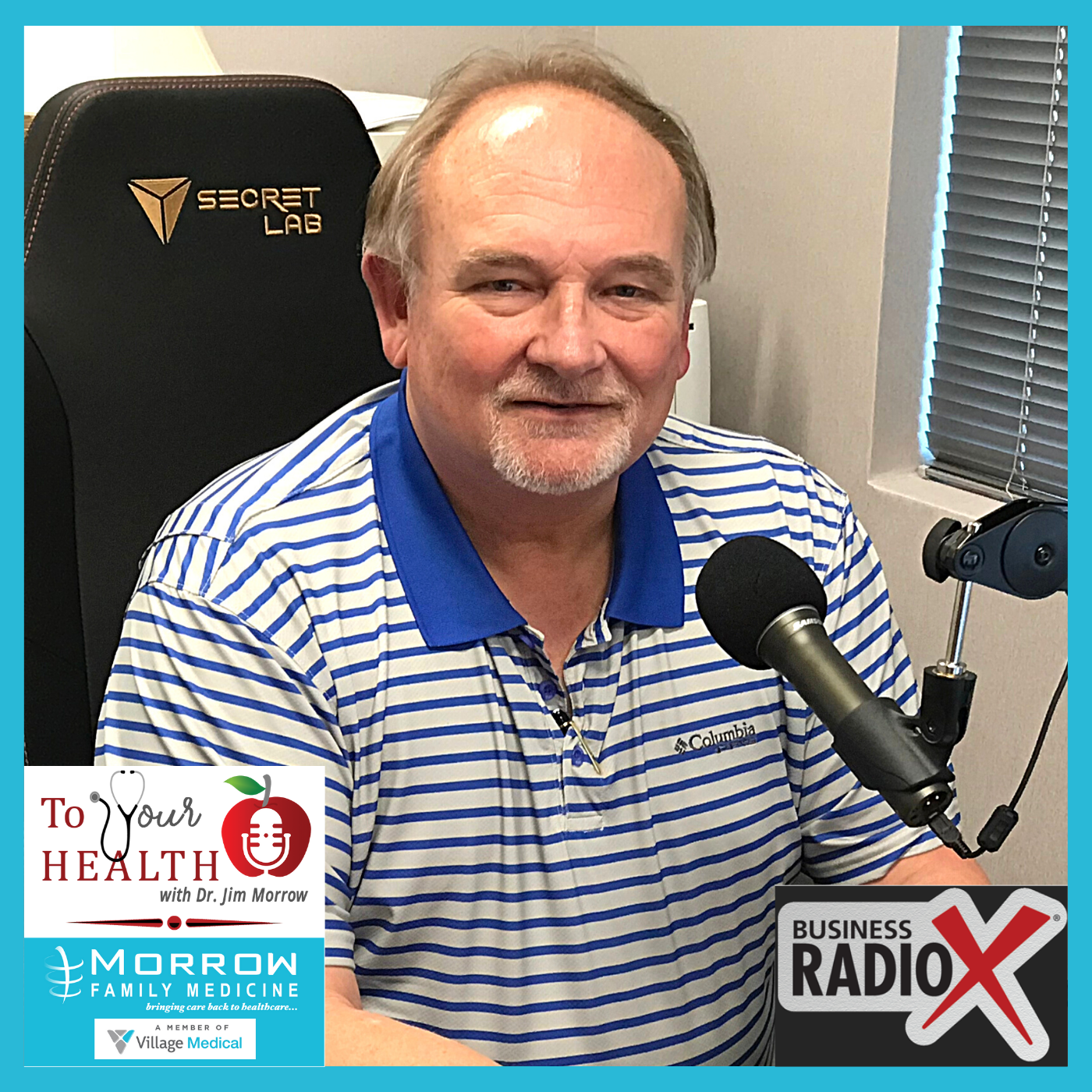
Revisiting Skin Cancer (Episode 56, To Your Health with Dr. Jim Morrow)

As the summer months approach, Dr. Jim Morrow revisited the topic of skin cancer, including visible signs in bumps and moles which should prompt a checkup by dermatologist, the dangers of tanning beds and sunlamps, and much more. He also answered listener-submitted questions. “To Your Health” is brought to you by Morrow Family Medicine, which brings the care back to healthcare.

About Morrow Family Medicine, A Member of Village Medical

Morrow Family Medicine, a Member of Village Medical, is an award-winning, state-of-the-art family practice with offices in Cumming and Milton, Georgia. The practice combines healthcare information technology with old-fashioned care to provide the type of care that many are in search of today. Two physicians, three physician assistants, and two nurse practitioners are supported by a knowledgeable and friendly staff to make your visit to Morrow Family Medicine, A Member of Village Medical one that will remind you of the way healthcare should be.  At Morrow Family Medicine, a Member of Village Medical, we like to say we are “bringing the care back to healthcare!”  The practice has been named the “Best of Forsyth” in Family Medicine in all five years of the award, is a three-time consecutive winner of the “Best of North Atlanta” by readers of Appen Media, and the 2019 winner of “Best of Life” in North Fulton County.

Village Medical offers a comprehensive suite of primary care services including preventative care, treatment for illness and injury, and management of chronic conditions such as diabetes, congestive heart failure, chronic obstructive pulmonary disease (COPD), and kidney disease. Atlanta-area patients can learn more about the practice here.

Dr. Jim Morrow, Morrow Family Medicine, and Host of “To Your Health with Dr. Jim Morrow”

Covid-19 misconceptionsDr. Jim Morrow is the founder and CEO of Morrow Family Medicine. He has been a trailblazer and evangelist in the area of healthcare information technology, was named Physician IT Leader of the Year by HIMSS, a HIMSS Davies Award Winner, the Cumming-Forsyth Chamber of Commerce Steve Bloom Award Winner as Entrepreneur of the Year and he received a Phoenix Award as Community Leader of the Year from the Metro Atlanta Chamber of Commerce.  He is married to Peggie Morrow and together they founded the Forsyth BYOT Benefit, a charity in Forsyth County to support students in need of technology and devices. They have two Goldendoodles, a gaggle of grandchildren and enjoy life on and around Lake Lanier.

Facebook: https://www.facebook.com/MorrowFamMed/

LinkedIn: https://www.linkedin.com/company/7788088/admin/

Twitter: https://twitter.com/toyourhealthMD

The complete show archive of “To Your Health with Dr. Jim Morrow” addresses a wide range of health and wellness topics, and can be found at www.toyourhealthradio.com.

Dr. Morrow’s Show Notes

What is skin cancer?

  • Skin cancer is the most common form of cancer in the United States.
    • Almost all skin cancers are the result of too much exposure to ultraviolet light.
      • This is found in sunlight,
      • tanning booths,
      • and sunlamps.
      • Skin cancer is usually one of the most curable types of cancer.
    • Basal cell carcinoma and squamous cell carcinoma are two of the most common forms of skin cancer.
      • They are very curable.
      • These cancers occur in the basal and squamous cell layers at the top of the skin.
      • They are almost always slow-growing.
        • If found early, they are easy to treat and do not spread.
      • Melanoma is a less common
        • but aggressive form of skin cancer.
        • It occurs in skin cells that make a skin color pigment called melanin.
          • If it is not found early, it will likely spread to other tissues.
            • It can spread through the whole body and may cause death.
            • Only 2% of skin cancer cases are melanoma.
            • But it causes the most deaths from skin cancer.

Symptoms of skin cancer

  • The main symptom of skin cancer is a new or changing
    • bump,
    • growth,
    • lesion,
    • mole,
    • or rough patch of skin.
      • Not all skin cancers look alike.
    • A normal mole is solid tan, brown, dark brown, or flesh-colored.
      • Its edges are well defined.
      • It’s usually smaller than 1/4 inch in diameter.
      • It has a round or oval shape.
      • It is flat or dome-like.
    • The ABCDE rule can help you remember what to look for when you’re checking for moles.
      • If you notice any of these signs, talk to your doctor right away.
    • A for asymmetry – Mole is not symmetrical.
      • This means it’s not the same on both sides.
        • If it was folded in half, the two halves wouldn’t match.
      • B for border –
        • Edges of the mole are blurry or jagged.
      • C for color –
        • Changes in the color of a mole.
          • This could be darkening, loss of color, spreading color, or multiple colors.
        • D for diameter –
          • A mole more than ¼ inch in diameter.
        • E for evolving –
          • Mole looks different from others or is changing in shape, size, or color.
  • Other signs of cancer could include:
  • A mole that itches or bleeds.
  • A fast-growing mole.
  • A scaly or crusted growth on the skin.
  • A sore that won’t heal.
  • A patch of skin that has changed color.
  • Most skin cancers occur on parts of the body that are repeatedly exposed to the sun.
  • For men, these areas include the
    • head,
    • neck,
    • face,
    • tips of the ears,
    • hands,
    • forearms,
    • shoulders,
    • back,
    • and chests.
  • For women, they occur most commonly on the back and the lower legs.
  • Melanomas can be anywhere on your body.
  • In men, they are most often on the chest, stomach, or back. In women, they are most often on the lower legs.
  • Moles also can grow in hidden areas of your body.
  • This include between toes, on your scalp, or under a nail.
    • If you notice a mole that has changed,
      • or if you have a new mole that doesn’t look like your other moles, see your family doctor right away.

What causes skin cancer?

Most cases of skin cancer are caused by too much exposure to ultraviolet (UV) radiation.

This comes from the sun, tanning beds, and sunlamps.

  • There are 2 types of UV rays:
  • UVA rays (long-wave) –UVA rays penetrate clouds and glass.
    • They penetrate the skin more deeply and damage the basal layer of the skin.
  • UVB rays (short-wave) –
    • UVB rays damage the upper layers of the skin. They are the main cause of tanning and sunburn.
  • Researchers used to believe that only UVB rays led to cancer.
    • But studies have shown that both UVA and UVB damage the skin and can cause cancer.
  • A tan is the body’s attempt to protect itself from the sun’s harmful rays.
    • Even if you don’t burn, being in the sun too often for too long can lead to skin cancer.
  • Tanning booths are just as dangerous as long periods of sunlight.


  • Some people are more at risk of developing skin cancer.
    • Things that could increase your risk include:
  • Having fair skin, blonde or red hair, and light-colored eyes.
  • Long-term sun exposure, such as working outside.
  • A history of bad sunburns, especially as a child or teenager.
  • Using indoor tanning beds.
  • Having a weakened immune system, including having an organ transplant.


  • Melanoma can occur anywhere on your body.
    • This includes places that aren’t exposed to the sun.
    • So there could be other factors that can cause it.
    • Risk factors for developing melanoma include:
      • Someone in your family has had cancerous moles or a melanoma.
      • You have many moles larger than a pencil eraser.
      • You have more than 50 moles of any size.
      • You got a bad sunburn that caused blisters when you were a child.
      • Your skin usually burns but doesn’t tan.

How is skin cancer diagnosed?

  • The first step to diagnosing skin cancer is usually through regular self-examination.
    • Use a full-length mirror and a handheld mirror to check every inch of your skin.
  1. Learn where your birthmarks, moles, and blemishes are and what they usually look like.
    1. Check for anything new, such as a change in the
      1. size,
      2. texture,
      3. or color of a mole,
      4. or a sore that doesn’t heal.
    2. Look at the front and back of your body in the mirror.
      1. Raise your arms and look at your left and right sides.
    3. Bend your elbows and look carefully at your palms and forearms,
      1. including the undersides, and your upper arms.
    4. Check the back and front of your legs.
    5. Look between your buttocks and around your genital area.
    6. Sit and closely examine your feet,
      1. including the bottoms of your feet and the spaces between your toes.
    7. Look at your face, neck, and scalp.
      1. You may want to use a comb or a blow dryer to move hair so you can see better.
  • By checking yourself regularly, you are familiar with what’s normal for your skin.
    • If you find anything unusual, see your family doctor.
      • The earlier skin cancer is found, the better.
    • Your doctor will examine your skin.
      • He or she will look at the size, shape, color, and texture of any concerning areas.
      • If you have skin changes that might be skin cancer, your doctor will do a biopsy.
      • During a biopsy, a small piece of your skin is removed and sent to the lab for testing.
        • If skin cancer is diagnosed, you may undergo more tests to see if the cancer cells have spread.
        • These tests could include a CT scan, MRI, or lymph node biopsy. 

Can skin cancer be prevented or avoided?

  • The key to preventing skin cancer is to avoid being in the sun or using sunlamps.
    • If you’re going to be in the sun for any length of time,
      • follow safe-sun guidelines.
      • These are ways to protect your skin and reduce your risk of skin cancer.
      • For the best protection, follow all of these guidelines every time you’re outside.
  1. Avoid the sun.
    • Avoid being in the sun in the middle of the day, between 10 a.m. and 4 p.m.
    • The sun is the strongest during these hours.
    • That’s when the most damage to your skin occurs.
    • Sunburns and suntans are signs that your skin is damaged.
    • The more damage, the more likely you are to have complications.
    • These include early wrinkles, skin cancer, or other skin problems.
  2. Use sunscreen.
    • Use a broad-spectrum sunscreen with an SPF of at least 15.
      • Use it on cloudy days, too.
      • Check the expiration date.
      • Some ingredients break down over time.
      • Use plenty of sunscreen.
        • Rub it in well.
        • Apply sunscreen at least 15 minutes before you go into the sun.
        • Apply the sunscreen everywhere your skin is exposed.
          • This includes your ears, the back of your neck, and any bald areas on the top of the head.
          • Apply more sunscreen at least every 2 hours and after swimming, sweating, or toweling off.
  • Remember, you’re not completely safe just because you’re wearing sunscreen.
    • Sunscreen cannot give you 100% protection against the sun’s harmful UV radiation.
  1. Wear a wide-brimmed hat, protective clothing, and sunglasses.
    • If you have to be out in the sun, cover up your skin.
      • A wide-brimmed hat will help protect your face, neck, and ears.
      • A hat with a 6-inch brim all around is the best.
      • Baseball caps don’t protect the back of your neck or the tops of your ears.
    • Wear protective clothing, such as long-sleeved shirts and long pants made of tightly woven fabric.
      • If the clothes fit loosely, you will feel cooler.
      • Special sun-protective clothes are available from several companies.
    • Wear sunglasses to protect your eyes.
    • Sun exposure increases your risk of getting cataracts.
      • Choose sunglasses that protect the sides of your eyes and block both UVA and UVB rays.
    • Remember that you are exposed to the sun while driving, especially your hands and arms.
      • Clouds and water don’t protect you.
      • UV rays can reach swimmers at least 1 foot below the surface of the water,
        • and 60% to 80% of the sun’s rays go through clouds.
        • The sun’s rays also can reflect off water, snow, white sand, and concrete.
  1. Don’t try to get a tan.
    • Don’t use tanning beds or sunlamps.
      • They damage your skin just like natural sunlight does.
  1. Protect your kids.
    • Sunburns in childhood are the most damaging.
      • Children younger than 6 months of age should never be outside in direct sunshine.
      • Children 6 months of age or older should wear sunscreen every day.
      • Getting numerous bad sunburns as a child increases your risk of developing skin cancer later in life.
    • The American Academy of Family Physicians (AAFP) advises talking to children, teens, and young adults, who are 10 to 24 years of age, about the dangers of too much sun exposure.
      • Teach them how to protect themselves and reduce their risk of skin cancer.

Skin cancer treatment

  • Treatment for skin cancer depends on several factors.
    • These include the
      • type of cancer,
      • where it is located,
      • how big it is,
      • how far it has spread,
      • and your general health.
      • Most cases of nonmelanoma cancers can be taken care of with surgical removal of the mole or lesion.
      • Other options include freezing, medicated creams, or laser therapy.
    • Treatment for melanoma is more complex.
      • When caught early, the cancerous tissue can be removed with surgery.
        • If it has spread beyond the skin, treatments could include:
          • Radiation – High-energy rays like X-rays shrink or kill the cancerous cells.
          • Chemotherapy – Powerful medicines, in pill form or injected into the veins, shrink or kill the cancer.
          • Biological therapy – Uses substances produced by living organisms. These can be made in the body or in a lab. They are used to boost your immune system to help your body fight the cancer. Some may suppress your immune system. This means you could more easily get sick.
          • Targeted therapy – Uses medicines that are designed to target specific weak spots in cancer cells.

Living with skin cancer

  • Skin cancer is treatable, especially when caught early.
    • Cancerous tissue can be removed with a minor surgical procedure.
      • In many cases, that is all the treatment needed.
      • Future lesions may occur.
      • You will need to continue checking your skin.
      • Call your doctor if you see changes.
    • For more advanced cases, living with cancer during treatment can be stressful.
      • Each treatment can have different side effects on your body.
      • Take good care of yourself.
      • Eat a healthy diet, get plenty of sleep, and try to keep your energy up by staying active.
    • Even after your cancer goes into remission, you are at higher risk of cancer returning to your body.
      • You will need to get regular follow-up care and check-ups for years after your treatment.


www.familydoctor.org
Tagged With: ABCDE Rule, Dr. Jim Morrow, Forsyth BYOT, melanoma, Morrow Family Medicine, skin cancer, sunburn, To Your Health, Village Medical

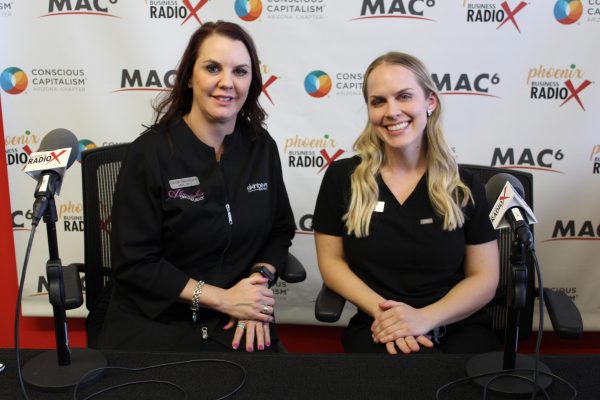
Sarah Neumann and Brittany Kasprzyk with Ahwatukee Skin and Laser and Sun City Dermatology

October 17, 2019 by Karen

Sarah-Neumann-and-Brittany-Kasprzyk-with-Ahwatukee-Skin-and-Laser-and-Sun-City-Dermatology
Phoenix Business Radio
Sarah Neumann and Brittany Kasprzyk with Ahwatukee Skin and Laser and Sun City Dermatology
Loading

00:00 /
RSS Feed
Share
Link
Embed

Download file

Sarah-Neumann-and-Brittany-Kasprzyk-with-Ahwatukee-Skin-and-Laser-and-Sun-City-Dermatology1

Sarah Neumann and Brittany Kasprzyk with Ahwatukee Skin and Laser and Sun City Dermatology

ASLLogo2

Ahwatukee Skin & Laser provides both general and cosmetic dermatology services to patients of all ages. They pride themselves on providing premium skin care with an honest attentive approach. They are leaders in skin cancer surveillance and in designing preventative skin care regimens.

ASL provides a full complement of clinical and esthetic services and treatments including skin cancer surveillance exams, acne evaluations including natural alternatives to oral antibiotics and topical medications, anti aging skin care regimens and a focus on skin health mirroring overall health and well being.

Sarah-Neumann-on-Phoenix-Business-RadioXSarah Neumann has been a practicing dermatology PA since 2000. She grew up in a small town in Wisconsin and learned early on the importance of hard work and determination to achieve success. After completing her undergraduate degree in Community and Medical Dietetics and Psychology and receiving her Registered Dietitians (RD) license, she traveled and found her true passion for medicine. While completing a medical mission in Belize, Central America, where she worked at the local hospital, she found herself needing and wanting more advanced training in medicine to better serve the people. Sarah wanted to treat the entire person.

After returning to the United States and moving to Arizona, Sarah received her Master’s of Medical Science in Physician Assistant Studies from Midwestern University.
Sarah’s passion for skin started as a teenage girl who battled severe acne for many years and it shaped how she felt about herself. Her practice style is one of compassion, understanding and commitment to quality care. Sarah takes pride in developing meaningful relationships with her clients and strives to create a positive welcoming environment in her office and practice style.

Follow ASL on Facebook and Twitter.

Brittany-Kasprzyk-on-Phoenix-Business-RadioXBrittany Kasprzyk is a board certified Physician Assistant. Born and raised in Arizona, she attended Arizona State University where she received a Bachelor’s of Science in Dietetics. She initially started her medical career at Ahwatukee Skin and Laser as a CNA, only to later attend Northern Arizona University where she completed her masters in Physician Assistant Studies.

Brittany then went on to complete a fellowship in Emergency Medicine in Sun City West, where she grew to love the community and reconnect with her passion for dermatology. In her free time she enjoys hiking, biking, reading, and spending time with her dog Ollie.

Tagged With: dermatology, melanoma, Non surgical rejuvenation techniques, organic skin care products, Remove term: Ahwatukee Skin & Laser Ahwatukee Skin & Laser, skin cancer, spray tanning safety, Sun City Dermatology, Sunscreen, tanning, vitamin D deficiency

To Your Health With Dr. Jim Morrow: Episode 14, Skin Cancer

August 14, 2019 by John Ray

North Fulton Studio
North Fulton Studio
To Your Health With Dr. Jim Morrow: Episode 14, Skin Cancer
Loading
00:00 /
RSS Feed
Share
Link
Embed

Download file

Dr. Jim Morrow, Host, “To Your Health With Dr. Jim Morrow”

Episode 14, Skin Cancer

One in six Americans develop skin cancer at some point in their life, and skin cancers account for one-third of all cancers in the country. On this edition of “To Your Health With Dr. Jim Morrow,” Dr. Jim Morrow addresses the prevention of and screening for skin cancer, as well as specific skin cancers to be aware of. “To Your Health” is brought to you by Morrow Family Medicine, which brings the CARE back to healthcare.

About Morrow Family Medicine and Dr. Jim Morrow

Morrow Family Medicine is an award-winning, state-of-the-art family practice with offices in Cumming and Milton, Georgia. The practice combines healthcare information technology with old-fashioned care to provide the type of care that many are in search of today. Two physicians, three physician assistants and two nurse practitioners are supported by a knowledgeable and friendly staff to make your visit to Morrow Family Medicine one that will remind you of the way healthcare should be.  At Morrow Family Medicine, we like to say we are “bringing the care back to healthcare!”  Morrow Family Medicine has been named the “Best of Forsyth” in Family Medicine in all five years of the award, is a three-time consecutive winner of the “Best of North Atlanta” by readers of Appen Media, and the 2019 winner of “Best of Life” in North Fulton County.

Dr. Jim Morrow, Morrow Family Medicine, and Host of “To Your Health With Dr. Jim Morrow”

Dr. Jim Morrow, Morrow Family Medicine, and Host of “To Your Health With Dr. Jim Morrow”

Dr. Jim Morrow is the founder and CEO of Morrow Family Medicine. He has been a trailblazer and evangelist in the area of healthcare information technology, was named Physician IT Leader of the Year by HIMSS, a HIMSS Davies Award Winner, the Cumming-Forsyth Chamber of Commerce Steve Bloom Award Winner as Entrepreneur of the Year and he received a Phoenix Award as Community Leader of the Year from the Metro Atlanta Chamber of Commerce.  He is married to Peggie Morrow and together they founded the Forsyth BYOT Benefit, a charity in Forsyth County to support students in need of technology and devices. They have two Goldendoodles, a gaggle of grandchildren and enjoy life on and around Lake Lanier.

Facebook: https://www.facebook.com/MorrowFamMed/

LinkedIn: https://www.linkedin.com/company/7788088/admin/

Twitter: https://twitter.com/toyourhealthMD

Dr. Morrow’s Show Notes on Skin Cancer

  • One in six Americans develops skin cancer at some point.
    • Skin cancer accounts for one third of all cancers in the United States.
    • Most patients with skin cancer develop non-melanoma skin cancer.
      • This group of cancers includes basal cell carcinoma, the most common neoplasm worldwide, and squamous cell carcinoma.
      • Fortunately, mortality associated with non-melanoma skin cancer is unusual.
    • However, malignant melanoma accounts for 75 percent of all deaths associated with skin cancer.
  • Melanoma, the eighth most common malignancy in the United States, is the cancer with the most rapidly increasing incidence.
    • 1 of 1,500 Americans born in 1935 were likely to develop melanoma, compared with 1 of 105 persons born in 1993.
    • Non-melanoma skin cancer typically affects older persons; the frequency of melanoma peaks between 20 and 45 years of age.
    • Mortality rates are higher in men than in women.
    • This higher rate may occur because lesions tend to develop in less easily observed areas, such as the back, in men.
    • Mortality is also increased in blacks for this reason, as is the propensity to develop more aggressive tumors and to be diagnosed at later stages.
    • The rising incidence of skin cancer over the past several decades may be primarily attributed to increased sun exposure associated with societal and lifestyle changes and to depletion of the protective ozone layer.

Prevention of Skin Cancer

  • Avoid the sun during peak hours.
    • Generally, this is between 10 a.m. and 4 p.m.
    • Water, snow, sand and concrete reflect light and increase the risk of sunburn.
  • Wear sun protective clothing.
    • This includes pants, shirts with long sleeves, sunglasses and hats.
  • Use sunscreen.
    • Look for water-resistant, broad-spectrum coverage with an SPF of at least 30, which blocks 97 percent of the sun’s UVB rays.
    • Apply sunscreen generously, and reapply every two hours — or more often if you’re swimming or sweating.
    • Higher-number SPFs block slightly more of the sun’s UVB rays, but no sunscreen can block 100 percent of the sun’s UVB rays.

Screening for Skin Cancer

  • While early detection and treatment of skin cancer can improve patient outcomes, convincing data regarding the benefit of mass screening programs are lacking.
    • In addition, the ability to identify potentially malignant lesions varies with physician training.
    • So, except for very high-risk persons with a history of skin cancer or atypical mole syndrome, for whom periodic screening is universally recommended, there is considerable debate about who should be screened, who should perform the screening and how often screening should be performed.
    • Part of the screening process should include an assessment of patient risk.
  • Basically,
    • Age 20 to 39 years: complete skin examination every three years
    • Age 40 years and older: annual complete skin examination
  • When screening is performed, the examiner must systematically inspect the entire skin surface.
    • The patient should completely disrobe and remove concealing cosmetics.
    • Daylight is the ideal light source
    • Photographs may improve the quality of documentation and detection of lesion changes over time.
  • ABCDE Rule:
    • Asymmetry (one half of the mole doesn’t match the other),
    • Border irregularity,
    • Color that is not uniform,
    • Diameter greater than 6 mm (about the size of a pencil eraser), and
    • Evolving size, shape or color.

Specific Skin Neoplasms

ACTINIC KERATOSES

  • Actinic keratoses, sometimes called solar keratoses, often arise on chronically sun-damaged body areas such as the face, ears, arms and hands.
    • They may provide an indication of a person’s cumulative ultraviolet light exposure and, therefore, that person’s risk for all types of skin cancer.
    • Actinic keratoses are often ill-defined and irregular, ranging from 1 mm to several centimeters in size.
    • They may be lesions that can be seen or felt, and generally have a scaly appearance.
    • Patients often have multiple lesions.
  • The lesions are usually pale brown or flesh-colored but may be yellow, reddish-brown or even dark brown or black following trauma.
  • The rate of malignant transformation of individual actinic keratoses to squamous cell carcinoma is less than one per 1,000 per year,
    • but treatment of lesions is indicated to decrease the chance of progression to squamous cell carcinoma.
  • Skin biopsy is occasionally required to rule out squamous cell carcinoma.
  • Cryotherapy with liquid nitrogen is the treatment of choice for most cases of actinic keratosis.
    • Curettage, or scraping away the lesion, may also be used and may be used in conjunction with cryosurgery or electrodessication (burning).
    • Surgical excision is rarely required but may be useful in excluding squamous cell carcinoma as a possible cause in lesions that are larger than 0.5 cm in diameter.
    • Chemical destruction of superficial lesions may be used when there are many lesions, particularly on the face and head.
      • 5-fluorouracil (5-FU), is most commonly used.
      • Areas other than the head and neck require the higher concentrations because of greater skin thickness.
      • In conventional regimens, 5-FU is applied twice daily for two to five weeks.
      • Adverse effects include true hypersensitivity, secondary bacterial and herpetic infection, and post-inflammatory pigmentation changes.
      • This therapy is often associated with significant discomfort related to an intense inflammatory response.
      • Pulsed dosing regimens aimed at reducing skin irritation have met with mixed success.
      • Topical corticosteroids may reduce inflammation but also make the treatment end point difficult to discern.
    • Other therapies used occasionally for treatment of actinic keratoses include laser, topical Retin-A, chemical peeling and facial dermabrasion.

BASAL CELL CARCINOMA

  • Basal cell carcinoma is the most common skin neoplasm.
    • Basal cell carcinomas
      • are usually located on the face or the backs of the hands.
      • They typically grow slowly and generally spread only locally.
      • Metastasis is quite rare.
    • While a preliminary diagnosis of basal cell carcinoma may be made on the basis of appearance, incisional or excisional biopsy is required for definitive diagnosis.
    • Cure rates of 95 to 99 percent can be achieved for low-risk lesions using simple excision with margins of 2 to 5 mm.
    • A lesion is considered low risk if it is less than 1.5 cm in diameter; has not previously been treated; is not in a difficult-to-treat area, like the H zone of the face; and is nodular or cystic.
    • Treatment of basal cell carcinomas with cryotherapy can also be successful, but healing may take weeks, and success depends on the skill of the cryotherapist.
      • Mohs’ micrographic surgery is the treatment of choice for most sclerosing basal cell carcinomas, as well as for large tumors and those located in areas that are difficult to treat.
      • Radiation therapy produces cure rates of 90 to 95 percent but has the same limitations as those outlined for squamous cell carcinoma treatment.
    • Other therapies used occasionally include topical Retin-A.

 SQUAMOUS CELL CARCINOMA

  • Squamous cell carcinoma is the second most common skin cancer, comprising 20 percent of all cases of non-melanoma skin cancer.
    • This is the most common tumor in elderly patients, and it is usually the result of a high lifetime cumulative dose of solar radiation.
      • A new study finds that some types of human papillomaviruses, or HPVs, may increase the risk of squamous cell skin cancers.
    • However, other irritants and exposures may lead to squamous cell carcinoma.
    • Up to 60 percent of squamous cell carcinomas occur at the site of a previous actinic keratosis.
    • Changes in an actinic keratosis that suggest evolution to squamous cell carcinoma include pain, erythema, ulceration, induration, hyperkeratosis and increasing size.
    • As many as 50 to 60 percent of squamous cell carcinomas occur on the head and neck.
    • Other common sites include the hands and forearms, upper trunk and lower legs.
    • Squamous cell carcinomas typically appear as small, palpable tumors that may grow moderately rapidly over a period of months and range from a few millimeters to centimeters in size.
    • They may appear nodular, and may be reddish-brown, pink or flesh-colored.
    • Larger squamous cell carcinomas may appear crusted, erythematous or eroded. In contrast to basal cell carcinoma, a definitive edge is difficult to demonstrate when a squamous cell carcinoma lesion is stretched.
  • Histologic confirmation by a full-thickness skin biopsy (incisional or excisional) is mandatory before definitive treatment.
    • Well-differentiated lesions less than 2 cm in diameter can be treated with surgical excision, with a cure rate approaching 99 percent.
  • Squamous cell carcinomas may grow aggressively and are associated with a 2 to 6 percent risk of metastasis.
    • Risk factors for metastasis include increasing lesion depth and location on the lip or ear.
    • The most common locations for metastatic spread are the regional lymph nodes, lungs and liver.
    • Once metastasis occurs, the five-year cure rate for squamous cell carcinoma is 34 percent.
    • Recurrence and metastasis typically occur within three years of initial treatment.
  • Mohs’ micrographic surgery involves gradual lesion excision using serial frozen section analysis and precise mapping of excised tissue until a tumor-free plane is reached.
    • Mohs’ micrographic surgery is used when tissue removal must be kept to a minimum for cosmetic reasons or to maximize function.
    • It is the treatment of choice for difficult and high-risk squamous cell carcinomas, including lesions that are:
      • larger than 2 cm in diameter;
      • located in areas where deep invasion is more likely or tumor extent is hard to assess, such as the nasolabial folds, eyelids and periauricular areas (facial “H zone”);
      • rapidly growing;
      • recurrent or incompletely excised;
      • ill-defined;
      • located in an area of previous irradiation; or
      • Cure rates of 99 percent have been reported.
    • Cryotherapy and the combination of curettage and desiccation are reserved for treatment of superficial tumors, lesions less than 2 cm in diameter and lesions located on the trunk and extremities.
    • Radiation therapy may be employed when preservation of function and cosmesis are critical, when patients refuse surgery, when metastasis is present or when an adjunct to surgery is required for high-risk tumors.
    • Because of the long-term risk of radiation-induced carcinoma, radiation therapy is used only in patients older than 60 years.

MALIGNANT MELANOMA

  • There are four types of malignant melanoma.
  • The two most common ones are:
    • The superficial spreading type is the most common among whites and accounts for 70 percent of all melanomas.
      • It usually occurs in adults and may develop anywhere on the body but appears with increased frequency on the upper backs of both men and women and on the legs of women
  • Nodular melanoma (accounting for 15 to 30 percent of all melanomas) is a dome-shaped, pedunculated or nodular lesion that may occur anywhere on the body.
    • It is commonly dark brown or reddish brown but may occasionally be uncolored.
    • Nodular melanomas tend to rapidly invade the dermis from the onset with no apparent horizontal growth phase.
    • These tumors are frequently misdiagnosed, because they may resemble blood blisters, hemangiomas, dermal nevi or polyps

Bottom Line on Skin Cancer

  • The incidence of skin cancer is increasing by epidemic proportions.
    • The use of tanning beds the risk of basal cell carcinoma by 1.5 times and squamous cell carcinoma by 2.5 times.
    • Basal cell cancer remains the most common skin neoplasm, and simple excision is generally curative.
    • Squamous cell cancers may be preceded by actinic keratoses – premalignant lesions.
      • While squamous cell carcinoma is usually easily cured with local excision, it may invade deeper structures and metastasize.
  • Aggressive local growth and metastasis are common features of malignant melanoma, which accounts for 75 percent of all deaths associated with skin cancer.
    • Early detection greatly improves the prognosis of patients with malignant melanoma.
    • The differential diagnosis of pigmented lesions is challenging, although the ABCD (Asymmetry, Border, Color, Diameter) checklists are helpful in determining which pigmented lesions require excision.
    • Sun exposure remains the most important risk factor for all skin neoplasms.
    • Thus, patients should be taught basic “safe sun” measures: sun avoidance during peak ultraviolet-B hours; proper use of sunscreen and protective clothing; and avoidance of sun tanning.

[Thanks to the American Academy of Family Physicians for much of the information provided in this episode.]

Tagged With: cryotherapy, Cumming doctor, Cumming family care, Cumming family doctor, Cumming family medicine, Cumming family physician, Cumming family practice, Cumming md, Cumming physician, cyrotherapy, Dr. Jim Morrow, malignant melanoma, melanoma, Milton doctor, Milton family care, Milton family doctor, Milton family medicine, Milton family physician, Milton family practice, Milton md, Milton physician, Morrow Family Medicine, skin cancer, solar keratoses, sun exposure, Sunscreen

BEST OF HEALTH Sarah Neumann and Brittany Kasprzyk with Ahwatukee Skin and Laser and Sun City Dermatology

May 24, 2019 by Karen

BEST-OF-HEALTH-Sarah-Neumann-and-Brittany-Kasprzyk-with-Ahwatukee-Skin-and-Laser-and-SunCity-Dermatology
Best Of Health
BEST OF HEALTH Sarah Neumann and Brittany Kasprzyk with Ahwatukee Skin and Laser and Sun City Dermatology
Loading
00:00 /
RSS Feed
Share
Link
Embed

Download file

BEST-OF-HEALTH-Sarah-Neumann-and-Brittany-Kasprzyk-with-Ahwatukee-Skin-and-Laser-and-SunCity-Dermatology1

BEST OF HEALTH Sarah Neumann and Brittany Kasprzyk with Ahwatukee Skin and Laser and Sun City Dermatology

ASLLogo2

Ahwatukee Skin & Laser provides both general and cosmetic dermatology services to patients of all ages. They pride themselves on providing premium skin care with an honest attentive approach. They are leaders in skin cancer surveillance and in designing preventative skin care regimens.

ASL provides a full complement of clinical and esthetic services and treatments including skin cancer surveillance exams, acne evaluations including natural alternatives to oral antibiotics and topical medications, anti aging skin care regimens and a focus on skin health mirroring overall health and well being.

Sarah-Neumann-on-Phoenix-Business-RadioXSarah Neumann has been a practicing dermatology PA since 2000. She grew up in a small town in Wisconsin and learned early on the importance of hard work and determination to achieve success. After completing her undergraduate degree in Community and Medical Dietetics and Psychology and receiving her Registered Dietitians (RD) license, she traveled and found her true passion for medicine. While completing a medical mission in Belize, Central America, where she worked at the local hospital, she found herself needing and wanting more advanced training in medicine to better serve the people. Sarah wanted to treat the entire person.

After returning to the United States and moving to Arizona, Sarah received her Master’s of Medical Science in Physician Assistant Studies from Midwestern University.
Sarah’s passion for skin started as a teenage girl who battled severe acne for many years and it shaped how she felt about herself. Her practice style is one of compassion, understanding and commitment to quality care. Sarah takes pride in developing meaningful relationships with her clients and strives to create a positive welcoming environment in her office and practice style.

Follow ASL on Facebook and Twitter.

Brittany-Kasprzyk-on-Phoenix-Business-RadioXBrittany Kasprzyk is a board certified Physician Assistant. Born and raised in Arizona, she attended Arizona State University where she received a Bachelor’s of Science in Dietetics. She initially started her medical career at Ahwatukee Skin and Laser as a CNA, only to later attend Northern Arizona University where she completed her masters in Physician Assistant Studies.

Brittany then went on to complete a fellowship in Emergency Medicine in Sun City West, where she grew to love the community and reconnect with her passion for dermatology. In her free time she enjoys hiking, biking, reading, and spending time with her dog Ollie.

WHY BEST OF HEALTH?

I am a Physician Assistant who has been caring for patients for over 20 years and Family Practice (cradle to grave) is my specialty.

Following the footsteps of three generations of family practice physicians (my father, grandfather and great grandfather) this was a natural and genetic calling that I do not regret.

Given this, I have a unique perspective and it’s time to share that perspective through Ask the PA. As a health care provider, teacher, business owner, patient, and advocate for my family and friends throughout the years, it has been painfully apparent there are disconnects within the current state of health care in the US and throughout the world. It can be confusing and frankly very scary.

It is my goal though this series, Best of Health, to bring people together that are passionate about their roles in the business of health care… and yes, whether or not you want to hear that it’s a business, it is — and that’s the fact. I will introduce to you great, dedicated practitioners and people with a passion for getting the word out about their personal journeys and causes. I will provide information about navigating through a confusing system, asking the right questions and share ways for saving money and time along the way.

It’s time to create change by partnering, empowering, and focusing on the patient, their families and their providers of care. It’s time for you to take the driver’s seat rather than leave your health care solely in the hands of entities such as insurance companies and the pharmaceutical industry.

Stay tuned. Here’s to your Best of Health.

~ Barb 

ABOUT BARB

Barb is a Physician Assistant (PA) and a primary care provider with a passion for education and advocacy. Prior to becoming a Physician Assistant (PA), Barb was an accomplished musician and teacher.  In 1992, Barb made the conscious decision to leave teaching and her musical career in pursuit of a career in medicine. She graduated from AT Still University’s first PA class in 1997 with a Masters of Science in Physician Assistant Studies.

Barb has spent several years working in clinics and family practices. Currently, Barb works for Premise Health at Insight Enterprises in Tempe, AZ as a solo practitioner providing primary care to employees and families on campus. She was also a partner in Renaissance Medical Group and Renaissance Medical Properties in Chandler and Maricopa, AZ and had a dual role of Chief Operations Officer and practicing PA for 14 years.

Along with being a PA, Barb is the author of the book Surviving the “Business” of Healthcare, Knowledge is Power! She is a certified Medical Professional Legal Consultant and Patient Advocate, speaker and influencer for change in healthcare for the patient, provider and family members. Barb is also certified by the National Commission of Certification of Physician Assistants and is an active member of the American Academy of Physician Assistants.

In her spare time, she loves to travel, maintaining an active lifestyle that includes running, biking, swimming. She loves to spend time outdoors with her family and friends, whether it’s walking on the beach or hiking in the desert.

For more information about Ask the PA and to connect with Barb:

Askthepa.com
Facebook: Ask the PA
LinkedIn: Barb Regis, M.S.,PA-C

Tagged With: dermatology, melanoma, skin cancer, Sun City Dermatology, Sunscreen, tanning

BEST OF HEALTH from Practitioner to Cancer Patient

May 8, 2018 by Karen

BestofHealthfromPractitionertoCancerPatientBarbRegis2
Best Of Health
BEST OF HEALTH from Practitioner to Cancer Patient
Loading
00:00 /
RSS Feed
Share
Link
Embed

Download file

BEST OF HEALTH from Practitioner to Cancer Patient

BestofHealthfromPractitionertoCancerPatientBarbRegis

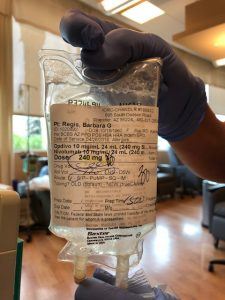
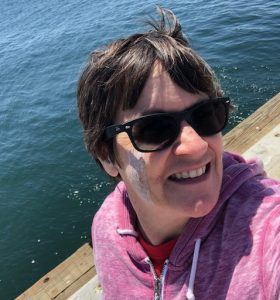
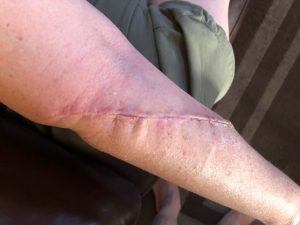
Many of us think, especially with no family history, that Melanoma won’t happen to us. Well it can. Barb Regis, a health provider, advocate and host of Best of Health Radio, shares her story as it unfolds.. Take a listen to what she has experienced in the last 30 days and how one phone call has changed her life forever. Barb is grateful for the ability to still practice medicine and most importantly, enjoy her family and friends. She discusses her vulnerabilities and fears openly and honestly! Barb stays firm that it’s all about making a difference! Your Health / Your life. Let’s get the word out in honor of Melanoma Awareness Month. 

BestofHealthfromPractitionertoCancerPatientBarbRegis2

BestofHealthfromPractitionertoCancerPatient

WHY BEST OF HEALTH?

I am a Physician Assistant who has been caring for patients for over 20 years and Family Practice (cradle to grave) is my specialty.

Following the footsteps of three generations of family practice physicians (my father, grandfather and great grandfather) this was a natural and genetic calling that I do not regret.

Given this, I have a unique perspective and it’s time to share that perspective through Ask the PA. As a health care provider, teacher, business owner, patient, and advocate for my family and friends throughout the years, it has been painfully apparent there are disconnects within the current state of health care in the US and throughout the world. It can be confusing and frankly very scary.

It is my goal though this series, Best of Health, to bring people together that are passionate about their roles in the business of health care… and yes, whether or not you want to hear that it’s a business, it is — and that’s the fact. I will introduce to you great, dedicated practitioners and people with a passion for getting the word out about their personal journeys and causes. I will provide information about navigating through a confusing system, asking the right questions and share ways for saving money and time along the way.

It’s time to create change by partnering, empowering, and focusing on the patient, their families and their providers of care. It’s time for you to take the driver’s seat rather than leave your health care solely in the hands of entities such as insurance companies and the pharmaceutical industry.

Stay tuned. Here’s to your Best of Health.

~ Barb 

ABOUT BARB

Barb is a Physician Assistant (PA) and a primary care provider with a passion for education and advocacy. Prior to becoming a Physician Assistant (PA), Barb was an accomplished musician and teacher.  In 1992, Barb made the conscious decision to leave teaching and her musical career in pursuit of a career in medicine. She graduated from AT Still University’s first PA class in 1997 with a Masters of Science in Physician Assistant Studies.

Barb has spent several years working in clinics and family practices. Currently, Barb works for Premise Health at Insight Enterprises in Tempe, AZ as a solo practitioner providing primary care to employees and families on campus. She was also a partner in Renaissance Medical Group and Renaissance Medical Properties in Chandler and Maricopa, AZ and had a dual role of Chief Operations Officer and practicing PA for 14 years.

Along with being a PA, Barb is the author of the book Surviving the “Business” of Healthcare, Knowledge is Power! She is a certified Medical Professional Legal Consultant and Patient Advocate, speaker and influencer for change in healthcare for the patient, provider and family members. Barb is also certified by the National Commission of Certification of Physician Assistants and is an active member of the American Academy of Physician Assistants.

In her spare time, she loves to travel, maintaining an active lifestyle that includes running, biking, swimming. She loves to spend time outdoors with her family and friends, whether it’s walking on the beach or hiking in the desert.

For more information about Ask the PA and to connect with Barb:

Askthepa.com
Facebook: Ask the PA
LinkedIn: Barb Regis, M.S.,PA-C

Tagged With: Health, melanoma

Talking Skin Cancer – Top Docs Radio

September 24, 2014 by angishields

Top Docs Radio
Top Docs Radio
Talking Skin Cancer - Top Docs Radio
Loading
00:00 /
RSS Feed
Share
Link
Embed

Download file

Northside Cancer Institute


Skin Cancer

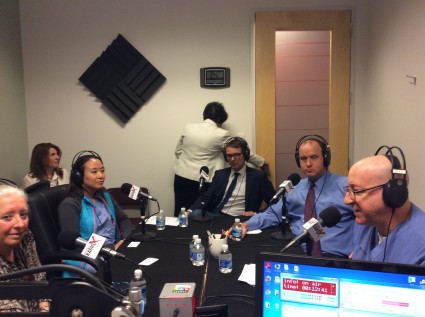
According to skincancer.org, more than 2 million persons per year are diagnosed with skin cancer.  There are more cases than breast, lung, prostate, and colon cancers combined.  Left undiscovered or untreated for too long, these cancers can spread to other parts of the body, leading to serious illness and death.  1 in 5 Americans will develop skin cancer in their lifetime.  It’s a problem we can reduce in frequency with which it occurs.  When skin cancer does occur it is ideally treated by a team of physicians from a variety of specialties to most effectively eliminate the cancer and reduce the risk for it returning.  On this week’s show I sat down with 5 of Atlanta’s top physicians who make up the multi-specialty team who treat skin cancer at the Northside Cancer Institute.  We discussed expert-recommended ways to limit the likelihood of developing skin cancer as well as how to get thoroughly checked for the presence of worrisome lesions that could potentially be or that could become cancers.  In this way, patients who do develop cancerous skin lesions can catch them at an early stage, making it possible to successfully eliminate the cancer with less aggressive treatments.  In addition to a dermatologist who frequently works with skin cancer patients we had a chance to learn what the treatment options are for the various stages of skin cancer.  And we discussed what a patient can expect as they progress through the course of care from a surgical oncologist, medical oncologist, reconstructive plastic surgeon, and radiation oncologist.

Northside Cancer Institute

Special Guests :

Dr. Alexander Gross, MD of Georgia Dermatology Center  google-plus-logo-red-265px  twitter_logo_small  youtube logo  facebook_logo_small3 

Georgia Dermatology Center

  • Doctorate of Medicine, University of South Florida College of Medicine
  • Residency, Dermatology, Vanderbilt University
  • Fellow, American Academy of Dermatology, American Society for Laser Medicine and Surgery, American Society for Dermatologic Surgery and American Academy of Cosmetic Surgery

Dr. Jenny Chang, MD of Artisan Plastic Surgery  facebook_logo_small3  linkedin_small1

Jenny Chang

  • MD, Universidad de Buenos Aires with Honors
  • w Residency, General Surgery, Providence Hospital and Medical Center
  • w Faculty, Department of Surgery, Providence Hospital and Medical Center
  • w Fellowship, Plastic Surgery, Detroit Medical Center/Wayne State University
  • w Board Certified, Plastic Surgery and General Surgery

Dr. Sahar Rosenbaum, MD of Northside Hospital Radiation Oncology Care  

Northside Radiation Oncology Care

  • Doctorate of Medicine, Medical College of Pennsylvania
  • Residency, Radiation Oncology, Cooper Hospital/UMC
  • Board Certified, Radiation Oncology
  • Also holds degrees in Speech Pathology/Audiology and Masters in Psychology

Dr. Scott Davidson, MD of Melanoma Specialists of Georgia    

Melanoma & Sarcoma Specialists of Georgia

  • Doctorate of Medicine, University of Florida School of Medicine
  • Residency, General Surgery Orlando Regional Medical Center
  • Residency, Surgical Oncology, MD Anderson Cancer Center
  • Board Certified, American Board of Surgery
  • Fellowship, Surgical Oncology, MD Anderson Medical Center

Aaron Alizadeh, MD of Georgia Cancer Specialists    Pinterest-logo  instagram-logo-transparent-png-i11 (16x16)  youtube logo  facebook_logo_small3

Georgia Cancer Specialists

  • Doctorate of Medicine, Wayne State University
  • Residency, Oncology, Emory University
  • Fellowship, Hematology/Oncology, Emory University
  • Board Certified, Medical Oncology/Hematology, and Internal Medicine

Tagged With: CW Hall, Dr. Aaron Alizadeh, Dr. Alexander Gross, dr. jenny chang, Dr. Sahar Rosenbaum, Dr. Scott Davidson, Dr. Yeon-Jeen Chang, Health Care Radio, health radio, Healthcare, healthcare radio, Lower Extremity Amputation, melanoma, Sahar Rosenbaum, sarcoma, Scott Davidson, skin cancer, skin cancer treatment, sunburn, Sunscreen, tanning, tanning bed, UV, UV radiation, Yeon-Jeen Chang

An Introduction to Oculoplastic Surgery

May 9, 2013 by angishields

The Doctors Roundtable
An Introduction to Oculoplastic Surgery
Loading
00:00 /
RSS Feed
Share
Link
Embed

Download file

Oculoplastic surgery is an evolving subspecialty that encompasses a variety of surgical procedures involving the orbit (eye socket), eyelids, tear ducts and the face. This type of specialized surgery can help correct droopy eyelids, orbital tumors, skin cancers, eye watering problems, eyelid malpositions, and facial rejuvenation. Patients often receive functional and aesthetic benefits.  Join us in this segment as Dr. Kenneth Neufeld from the Thomas Eye Group shares information on his specialty.

Dr.  Neufeld is a board certified ophthalmologist who has also completed advanced training in oculoplastic,  reconstructive and laser surgery from Duke University Medical Center. He is in private practice  with the Thomas Eye Group and his special areas of interest include treatment of droopy eyelids, orbital tumors, skin cancer, eyelid malpositions and facial rejuvenation. He is on staff at Northside Hospital in Atlanta, GA.


Tagged With: dermatology, dramaticolasis, droopy eyelids, eye aging changes, eye defects, eye tumors, Eyecare, eyelid surgery, fat vaporization, fillers, Health, laser resurfacing, lasers in eye surgery, lower eyelid surgery, malpositioning of eyes, melanoma, oculoplastic surgery, opthalmology, orbital fracture, orbital fractures, repositioning, skin cancers, tear duct drainage, topical eye cream, upper eyelid surgery

Business RadioX ® Network


Our Most Recent Episode

CONNECT WITH US

  • Email
  • Facebook
  • LinkedIn
  • Twitter
  • YouTube

Our Mission

We help local business leaders get the word out about the important work they’re doing to serve their market, their community, and their profession.

We support and celebrate business by sharing positive business stories that traditional media ignores. Some media leans left. Some media leans right. We lean business.

Sponsor a Show

Build Relationships and Grow Your Business. Click here for more details.

Partner With Us

Discover More Here

Terms and Conditions
Privacy Policy

Connect with us

Want to keep up with the latest in pro-business news across the network? Follow us on social media for the latest stories!
  • Email
  • Facebook
  • Google+
  • LinkedIn
  • Twitter
  • YouTube

Business RadioX® Headquarters
1000 Abernathy Rd. NE
Building 400, Suite L-10
Sandy Springs, GA 30328

© 2025 Business RadioX ® · Rainmaker Platform

BRXStudioCoversLA

Wait! Don’t Miss an Episode of LA Business Radio

BRXStudioCoversDENVER

Wait! Don’t Miss an Episode of Denver Business Radio

BRXStudioCoversPENSACOLA

Wait! Don’t Miss an Episode of Pensacola Business Radio

BRXStudioCoversBIRMINGHAM

Wait! Don’t Miss an Episode of Birmingham Business Radio

BRXStudioCoversTALLAHASSEE

Wait! Don’t Miss an Episode of Tallahassee Business Radio

BRXStudioCoversRALEIGH

Wait! Don’t Miss an Episode of Raleigh Business Radio

BRXStudioCoversRICHMONDNoWhite

Wait! Don’t Miss an Episode of Richmond Business Radio

BRXStudioCoversNASHVILLENoWhite

Wait! Don’t Miss an Episode of Nashville Business Radio

BRXStudioCoversDETROIT

Wait! Don’t Miss an Episode of Detroit Business Radio

BRXStudioCoversSTLOUIS

Wait! Don’t Miss an Episode of St. Louis Business Radio

BRXStudioCoversCOLUMBUS-small

Wait! Don’t Miss an Episode of Columbus Business Radio

Coachthecoach-08-08

Wait! Don’t Miss an Episode of Coach the Coach

BRXStudioCoversBAYAREA

Wait! Don’t Miss an Episode of Bay Area Business Radio

BRXStudioCoversCHICAGO

Wait! Don’t Miss an Episode of Chicago Business Radio

Wait! Don’t Miss an Episode of Atlanta Business Radio