
In this episode of High Velocity Radio, Lee Kantor interviews Matt Meredith, Founder and CEO of Meridian Legal Advisors. Matt shares how his firm integrates legal, tax, financial, and estate planning services into a single, coordinated strategy, helping business owners protect assets, reduce risk, optimize taxes, and create long-term plans for their businesses and families. He also discusses the importance of holistic advisory services and the value of having a trusted professional oversee all aspects of a client’s financial and legal affairs.
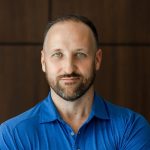 Matt Meredith, Esq., CFP®, is an Attorney and Wealth Strategist who founded Meridian Legal Advisors, a one-stop shop for asset protection, estate planning, and tax strategy. He is known for creating estate plans that go beyond cookie-cutter approaches, building strategies that protect wealth from lawsuits, creditors, and unnecessary taxes.
Before founding Meridian, he led his own law practice for four years and held leadership roles at J.P. Morgan Securities and Capital One Investing.
Today, he combines law, tax, and investment strategy to help clients safeguard what they’ve built and ensure it lasts for generations.
Connect with Matt on LinkedIn, Facebook and X.
What You’ll Learn In This Episode
- Benefits of integrating legal, tax, financial, and estate planning under one advisory framework.
- Common risks business owners face when operating without coordinated legal and financial strategies.
- The importance of aligning business structures, estate plans, and asset protection measures.
- How business owners can safeguard personal and business assets from potential liabilities.
- Key differences between tax preparation and proactive tax strategy.
- Estate planning considerations for entrepreneurs and high-net-worth individuals.
- Challenges of relying on siloed advisors and the value of a holistic approach.
- The role of a trusted advisor in coordinating legal, financial, and tax decisions.
- Risks and limitations of using AI-generated legal documents without professional review.
- Practical insights for business owners looking to protect wealth, reduce taxes, and build a long-term legacy.
 This transcript is machine transcribed by Sonix.
TRANSCRIPT
Intro: Broadcasting live from the Business RadioX Studios in Atlanta, Georgia. It’s time for High Velocity Radio.
Lee Kantor: Lee Kantor here. Another episode of High Velocity Radio and this is going to be a good one. Today on the show, we have the founder CEO with Meridian Legal Advisors, Matt Meredith. Welcome.
Matt Meredith: Thank you Lee, it’s a pleasure to be here.
Lee Kantor: Well, I’m excited to learn what you’re up to. Tell us about your practice, Meridian Legal Advisors. How are you serving folks?
Matt Meredith: Definitely. Meridian is a one stop shop for legal and financial issues with that. What we do is we we take things that are normally siloed and we bring them all together. And so the easiest way to explain it was I used to do investment management. I was a financial advisor. I went and got a law degree up to that point. People would come in, they’d say, hey, I need, I need help with the financial planning. I would do that. Then they say, hey, I need help with the tax or the legal. And I wasn’t qualified, so I’d have to send them out. And the problem was everything would come back. You know, it wasn’t wrong. It just wasn’t aligned. And so my thought was, I’m going to go to law school. I’m going to study tax. I’ll study estate planning, I’ll study business. And that’s what Meridian is. You come in, you have one advisor you’re talking to, but you have a whole team. And so now we’re analyzing every aspect of it, making sure everything’s in lined. And in addition, you’re not paying five people. You’re not going to five meetings. You’re it’s just one meeting. And so that’s what we do basically.
Lee Kantor: Now, the word I heard, and I think it’s a critical word is aligned. If people aren’t using a firm like yours, a lot of times they are going to multiple people and each person has an opinion and thoughts on how you should do things. And no one really talks to each other, but can you explain to the listener why that’s a problem?
Matt Meredith: Yes, definitely. And that is one of the largest problems in the financial and legal industry is that these aren’t incompetent people. They’re very good at what they do. But you may have a CPA who says, hey, let’s do an S Corp election, but you have an attorney building out the company saying, oh, no, we don’t need to do that. Why? Because the the attorney isn’t looking at it from the tax point of view. And so what the difference becomes is you’ve got good advice. It’s just what is the overall picture? What are you really doing. There’s nobody sitting there that says, hey, I see everything you want to do. I’m going to help build it out for you because most of these people are just viewing it from the legal standpoint. Most people are just viewing it from the tax standpoint or the financial or the how do we protect you through asset protection aspects or just the estate planning. No one’s seen the overall picture, which is, well, you have an estate plan. It needs to connect to your business plan. You need your business plan and your business to be protected. So we need to build it out so it is protected. And from that point, how do we taxes work and so forth. And so it’s not that it’s bad advice. It’s just is it a lime. And a lot of times I’ve found out that, hey, great, you have a business. It’s it’s functioning, you have a trust, but the business isn’t owned by the trust. So what happens when you die? Well, now your business has to go to probate. Now your business comes to a complete stop because there’s nobody that steps in and says, oh, hey, this is owned by this, and there’s a contingency that moves forward.
Lee Kantor: So if folks aren’t working with a firm like yours and they have all these, you know, kind of trusted advisors, and each one probably came to them at a different point in their lives, and eventually now they have a team. If who, who should be the quarterback of that team? If you’re dealing with kind of siloed experts like you described.
Matt Meredith: Well, and that’s the problem. Who who is it that becomes who steps up into that role at that point, who really coordinates it? But here’s the reality that that is in this industry and, and what 20 plus years of being in the financial service industry, working as a financial advisor for probably what is it now, 15, 16 years? There’s only one time ever that I sat in a room with the actual client. It’s themselves where I was with their CPA, I was with their attorney and me representing them on the financial side, and nobody really took the lead. It was all, hey, you know, this is what we’re doing. You go do that, you go do that, you go do that, We’ll come back to the client. And that was more effective, I think, than what really happens is most people don’t even meet. And so who takes the role? I don’t know, that’s why I built a firm where I took the role no matter what. So.
Lee Kantor: Right. But if you don’t have you, I mean, what how would you recommend somebody? Is it the is it the lawyer that takes the role? Is it the wealth manager or is it the CPA who is the appropriate person to be kind of having this holistic view of, of all the accounts?
Matt Meredith: Well, and in that case, it’s going to have to be somebody who does have the holistic view. So I really, it depends on each time you’re meeting this group of people who has the complete understanding of the client and what the overall picture is. If, if I have to pick one, it’s normally going to be the person who is bringing it. And in most times, and even at Meridian, most times, I’m meeting clients of a financial advisor. The financial advisor says, hey, you know, I’m handling your money. Let’s get you with a tax guy as well as a legal person so that we can all come together and we can make sure everything’s well. The problem is, is the financial advisor usually has no understanding of the tax side or the legal side. And so it becomes, all right, I’m not comfortable with this. So that’s fine. But the attorney is sitting there saying, well, I have no idea really how the tax works or the financial side works. And so you have three different people who steps into that role is really up to the client and maybe the the initiator. And that is what I’m really trying to convey is most times no one steps up into that role. They stay in their silo. They do exactly what they’re good at, and they hand the finished product to the client. Family offices are a little bit different, and that’s why they’re becoming more popular because they have teams. So everybody’s in the room together. And that’s really kind of how Meridian is. We’re a family office in a sense.
Lee Kantor: So what’s it like to work with Meridian? So the person comes a lot of times you mentioned that they come to you via a wealth manager. So how do you kind of inject yourself into the relationship? And how do you kind of become that quarterback that they need that is, you know, you’re speaking for everyone and everyone’s on the same page.
Matt Meredith: Great question. A lot of times the first meeting, the first couple meetings is really just discovery. We’re figuring out a what all is there. And so when people meet with me the first time, it’s more, tell me about yourself. What all do you do? What do you have? What businesses. And we’re really discovering, hey, do we get along? Can we work together? And from that point, it really comes back down to, all right, what is our goal? What are we trying to solve here? And from there, how do we get there? And so here is a very typical client that I meet. Often I’ll meet a client. And this is a typical person. They started a business some time ago, years ago. They just kind of formed it. They started working and they they built it out and now they’ve become very successful. But there’s a problem with it. And they know there’s a problem with it because the way the business is set up, if they are sued, if something goes wrong, everything they’ve built is at risk. So they come to me and they say, hey, we I need to protect my business. I need to protect what I’ve worked for. And so what does that usually mean? Well, all right, we need to break the business apart.
Matt Meredith: Separate assets, separate inventory, separate the operations and put them into separate little buckets so that if something happens, you’re now more protected. But to do that, we also need to make sure that its own problems. So now we have to go and look at how their estate plan is. A lot of times people might have this generic estate plan. They may or may not have a trust, but does the trust that they do have one operate the way it should? Because you can have a trust, you can put a business in it, but it doesn’t mean that the trust can actually operate the business. And so that has to be done. And then from there, the natural move becomes how do we make sure that the business is compliant? So we do make sure there’s operating agreements, make sure there’s agreements. All of these companies need to have some kind of affiliated agreement with it. So that’s built out. And then last it comes down to tax. So the the initial meetings are really just, hey, how, who are you? What have you done? How, how do you want things to be? And then each meeting after that starts, here’s the problem. How do we solve that? And it starts growing from there.
Lee Kantor: And you’re building all this infrastructure. You haven’t even mentioned kind of the growth of their financial portfolio.
Matt Meredith: No, actually, that’s usually the last thing. Um, because most of the time with the financial stuff, it’s already invested. It’s already doing what it needs to do. So when we finally get to the tax aspects of it, we’re looking at, okay, where is all the money coming from? We’ve got these brokerage accounts over here. Let’s start doing financial planning on your actual retirement on on your money sitting there. And so we start looking into how do we build things out for you that make sure that your actual money is working for you and that you’re diversified in a way that, hey, we don’t put all our eggs in one basket because if the market crashes, well, that’s no good. But in addition, tax strategy itself is really in order to do proper tech strategy. What people don’t really realize is it’s not just, hey, do something on my tax return so that I save money. That’s more accounting. Yeah, you can save some money if it’s done correctly, but real tax strategy is let me go, for example, buy into private equity deals that have depreciation plays. I’ll come in as a general partner. I’ll have this huge depreciation allocation that I can take in year one. So now I’ve moved money out of stocks and bonds. I’ve gone into some type of play that gives me depreciation. It’s still an investment. What I’m doing is I’m spending money to save money, because now I have $100,000 less on my AGI than I did before. And instead of giving that money to the government, I’ve now put my money into another vehicle that allows me to take a depreciation so I don’t pay the government. I basically invest into something for myself Now.
Lee Kantor: When you’re working with your client, who is that ideal client for you? Have you got an avatar of who this perfect client is? Are they nearing, are they in retirement and are they approaching like, where are they at? And what do they typically look like?
Matt Meredith: So it’s very broad and it’s broad because I’m able to do quite a bit as a coach, understanding and having attorneys who work for Meridian as well, that can come in and do different types of things. And so I may have the retired, you know, the retired married couple who wants to retire. They want to make sure they have enough money or are about to retire. They want to make sure that they have a setup so that if they do pass away, everything transfers properly. So that’s the estate planning aspect of it. A lot of other people, like I us said, hey, I just I need to protect my assets. I built them very large. I need to protect them. How do I do that? And so we’ll do those type of things. Um, again, when we’re getting into what I really like, the, the fun for me is I like that client who has built a business over the course of his life and he’s sitting there saying, hey, I need you to kind of do everything like I have nothing. I started on a, on an LLC filing and a prayer and look how well I’ve done. I have no estate plan. I am paying a ton of taxes. My business is really well, but I’ve got something that I could lose. And I need you to do all of this now. That’s what makes me all excited because it’s more complex. And of course I like the more complex things, but we do everything for for people all the time. Businesses, for example, you’ll have somebody that, hey, I created a business. I need an operating agreement or I need contracts, I need vendor agreements, these type of things. And so we’re able to do all of that. And so we have such a wide, I guess you would call it clientele spectrum that we’re able to do the do these things. But what really gets me excited is successful business. Help me out. I need, I need it all.
Lee Kantor: But when a person like that is successful, don’t they already have CPAs? Don’t they already have some legal representation? You’re replacing somebody and they must have done something to be replaced.
Matt Meredith: You would think that, but no, I, I need business owners all the time. They have a CPA who just really does their violence for them. They don’t give them actual strategy. A lot of times they’ll have a financial planner for their investments that they have, but that’s all they have. They’ve gone years with the mentality of, I’ll do it later. And so I meet business owners all the time who are worth significant money with absolutely no plan in place for anything.
Lee Kantor: Wow. That’s that’s amazing. And then so the, the legal actually is a good point of entry because they need business, legal stuff. So that’s a great way to meet them. And then you can build, uh, out the relationship and, and give them more value in other areas that they’re probably underserved in.
Matt Meredith: 100%. And that’s, I think the success of the company has, has grown is because I meet somebody where, hey, I just need an estate plan. I need a trust for my wife. And then I find out, well, you have a business to tell me about your business. Oh, well, you know, I’m doing phenomenal in it. And then we start having conversations about it. What are you concerned about? Well, I’m afraid somebody’s going to get hurt on the job, and then I’m gonna get sued and lose everything. Well, you have insurance. Well, yeah, I have insurance. But what if insurance won’t cover it? Things like that. And so it starts becoming, well, we can fix that too. And then it becomes, hey, I heard you were a tax attorney as well. What do you know about paying taxes? At that point it’s all right. Let’s have the tax conversation. So it’s really it all kind of starts at that single point. Most people don’t know exactly what they need when they reach out the first time. A lot of times, especially with referral types, is, hey, you helped out my friend who runs this successful company. Can you help me out as well? And we go from there. The funniest thing though, is that the the investment aspects of it really never come until the end. Most people think that’s the most important aspects. But now getting the plan in place, making sure that, hey, everything I’ve built is protected. If something happens to me, it goes out the way I want. It continues. My family’s taken care of. And then finally we get around to, hey, is there a better way to make some passive income off of these type of investments?
Lee Kantor: Yeah, I mean, it’s a brilliant strategy to, I think, leading with the legal. And that opens the door to conversations around all the other aspects. Um, I think that’s a great strategy and it obviously is working well for you. Is there a story you can share that maybe illustrates how this works? Obviously don’t name their name, but maybe share the challenge they came to you with and how you were able to help them get to a new level.
Matt Meredith: Definitely. And that’s kind of what what I’ve been saying the whole time are real case scenarios. I, I have a client I’m working with now. She, she built out this beautiful company and she did it quick. And I mean, within a matter of a year, she started having phenomenal success. And it became, hey, I need help with this. And so we met. And at first it was really just I need help with taxes. I can I be a have an escort tax election? So we reviewed it. It was yes, you definitely can have S Corp taxation. But tell me more like we we figured that out in five minutes. We’re sharing coffee. We scheduled an hour. Let’s talk more. And then understanding the company was along the lines of she want to do other things. So she needed other companies. And so then it becomes, well, how do we structure all of this? You’ve got all these separate companies. How do we structure them so that we’re able to a consolidate everything, but continue protecting you so that if your main company is hit, all these other companies stay protected. And a lot of her concern is protecting her assets in a manner that is more than just, hey, I have an LLC. It’s contained Because what a lot of people don’t understand is that, yes, you have an LLC, but as a plaintiff attorney, I’ve seen where there’s mistakes that are made.
Matt Meredith: People create that LLC, but they don’t do an operating agreement. They don’t do these agreements between the companies. They may commingle funds. They may just kind of treat it as though it’s themselves. And what happens is something goes wrong. They get sued. Well, then all of a sudden the the plaintiff attorney is stepping over saying, hey, I’m piercing the corporate veil because you’re clearly operating this company under your own name. And now I’m going after you personally. And that becomes one of the major issues. Another thing that for this client, the concern is, is, hey, if I get sued personally, I don’t want all my businesses taken. And that’s something nobody really thinks about is these membership interests. No, they can’t come in and start saying, hey, you know what? I run this company now. That doesn’t happen. It’s more like the income coming out of these companies and things like that. So how do you protect that? Well, asset protection really starts adding layers to things. So hey, you may get me here, but now you’re going to have to get me here on the second level, and it’s going to be a lot more difficult for you. So I just, you know, yeah, you might have it, but there’s ways that I don’t have to pay you. I don’t have to pay myself. And so a lot of this was building out this type of structure for her.
Matt Meredith: But again, she had absolutely no estate plan has multiple children. It became we need to make sure that everything you’re building is taken care of. At the same time, if something happens for you. And so then that was the estate plan building out. And in the future, we’re bringing in tax strategy as she starts bringing in more and more money. It’s also, hey, do we start buying real estate? Do we do investment vehicles, things like that. And so there’s so many different levels. We’re reaching her and here’s what she’s happy about. And she’s told me multiple times like, this is so easy. If I have a problem, I call you and you’ll handle it. And that has always been my dream for Meridian is I want to be, as I say, with the godfathers, I’m the consiglieri of the family. I may not do it all, but I’ll have an attorney who can do it. You just have to call me. And so that’s the type of phone calls I get. Hey, I want to make a contract with this person. Filled out a contract for us. No problem. Hey, my son, he’s now older. I need to update the will so that he can be executor. No problem. And it’s all these different types of things and it’s just one phone call away. Now, instead of I’ve got to call all these people and make sure they coordinate.
Lee Kantor: And I think that it’s the holistic kind of conversation that is the most meaningful. Because if they say, you know what I heard about this thing and you can be like, well, you know, the ramification of that over here, you might not have thought about. Like you’re seeing the whole picture. It’s what may make sense in one silo may not make sense holistically. And you.
Matt Meredith: 100%.
Lee Kantor: Like you save them so much time of going down these rabbit holes that a buddy tells them about, and all of a sudden they’re making moves when that’s not really going to serve them holistically.
Matt Meredith: And that, to me, is one of the things that I really find to be the biggest advantage. And the reason I see it a little bit different is because I spent 20 years, you know, started as an equities trader, built out financial advisory, then decided, hey, I’m going to add law degree to this because I want to expand into these other areas. It’s not that, hey, I didn’t know it. It was. I kept being told, hey, you’re not an attorney. He stopped giving advice to people. So it was my here, hold my beer moment. I’ll be right back. And that that was the advantage I had because I was able now to view the thing not just through the legal side, but the tax side as well as the financial side. And so I can see the whole picture where most of the time, like I said, it’s it’s a phenomenal professional doing a great job, but they don’t see the whole picture. And so often what will happen is the business side doesn’t connect with the, the estate planning side, because those two people aren’t the same and they’re not communicating. The client has gone to see different people and that’s fine. You can go see different people, but you need to kind of what we were saying before you need somebody quarterbacking this. Who’s the guy in charge of all these other people. And that is really kind of how Meridian was built, is you’ve got somebody looking over the whole structure and we happen to do the work for you.
Lee Kantor: Yeah. I think that’s um, I mean, to me that makes perfect sense on, on how to handle all of this because it’s so complex, the client can’t possibly know everything. And to put it on them to be the quarterback has just really, I mean, obviously it’s, they’re ultimately responsible for whatever happens. But for them to have those kind of expertise in those areas and to be able to leverage opportunities and take advantage of opportunities and not make a kind of catastrophic mistake. You’re asking a lot from a layperson who isn’t in the weeds in all this stuff every day.
Matt Meredith: Yes. And here’s the bigger thing that I noticed years ago. And I tell my clients all the time, you’re really, really good at making money. Like you have built a business that’s phenomenal. And then I’ll tell him, you know what you’re not good at. And then what? Matt making contracts because you’re the the little contract you made is terrible. And if you use this like. No. And so why don’t you let me handle these things? And what you do is you go make yourself money. And that that gets people back to the reality. Stick to what you’re good at. If you’re really good at running your business, run your business. Let somebody else who understands it, who not only understands your business, but understands your actual life, your state, your, your family connection, the amount of taxes you’re paying. Let him come in and handle those things. And you go make money because it’s never, hey, I, I, what do I do? I want to, I want to connect with this company. It’s always, hey, I need a contract. I don’t want to get, you know, proverbially said screwed in this deal. Build out the contract for me. And now they have that person in the back who understands everything that’s happening and making sure it connects in the proper route.
Lee Kantor: Yeah, I just think that so many people think that, that a lot of this stuff is do it yourself or do it with AI, and they’re just kind of missing the boat in, in having a human kind of oversee some of these things because you need somebody who’s kind of been there, done that in these variety of places that you really don’t have the expertise to know what you don’t know.
Matt Meredith: Oh, yes. And that that is often what I see now is, hey, I made a contract using AI. Will you review it for me? Most times I tell them, no, I already know it’s wrong, but sometimes I humor them and I give them this huge breakdown of why this doesn’t even pertain to you. Here’s a perfect example. Somebody sent me a contract that they had built out. A client of mine said, hey, will you, will you just check to make sure before I send it? And so I reviewed and I reached back out to him. I said, this is this is kind of a problem because your contract is actually built for the person that you’re doing business with. Like you’ve, you’ve put a, do not compete on yourself and yourself as the consultant. And I said, this is completely backwards. And I said, do you understand what I’m saying is like, no, I said, you made a contract in favor of the person that you’re going to do business with. He says, oh, oh, that’s not good. I said, no, and so then we built out a real contract and it was much more complex. And it had all the things that are missing because here’s how the AI works. Hey, I need, I need a contract built. Okay, here’s a contract. Give me some details. It builds it up. But if you don’t understand law, if you don’t understand breach of contract, the actual claim against somebody and you haven’t taken them into court and realized what the arguments people make, and you’re not going to know what to put into your contract to defend yourself before that ever happens. And that’s why it’s still important to consult with people. This isn’t something as simple as, you know, I joke about. You can go on YouTube and learn how to change your brake pads. I that’s how I learned. But you can’t really get a law degree on YouTube. You can get a lot of bad information and some interesting information. But how does it all work overall? People have spent years learning this.
Lee Kantor: So Matt, if somebody wants to learn more, have a more substantive conversation with you or somebody on the team, what is the website? What’s the best way to connect?
Matt Meredith: Definitely website is meridian.com. That’s MER I’d IAN lg.com. You can always find me on LinkedIn as, um, Matthew Meredith. Uh, we have Facebook under Meridian. We have LinkedIn under on, right? You know, Lee, I’m learning to get all over the place. You can probably just Google me too. So, so find, find us, reach out to us. We’re happy to, uh, set up a call, an initial meeting to see what’s going on and talk to you. Um, like I said, I, I’m more interested in learning your story at first before we ever even talk about what you need. And so it’s. I’m not a salesman. I’m a terrible salesman. And I’m not there to sell anything.
Lee Kantor: Well, Matt, thank you so much for sharing your story today. You’re doing such important work and we appreciate you.
Matt Meredith: Oh, it was a pleasure to be here. And thank you for the conversation.
Lee Kantor: All right. This is Lee Kantor. We’ll see you all next time on High Velocity Radio.















