


Business RadioX ®

  • Home
  • Business RadioX ® Communities
    • Southeast
      • Alabama
        • Birmingham
      • Florida
        • Orlando
        • Pensacola
        • South Florida
        • Tampa
        • Tallahassee
      • Georgia
        • Atlanta
        • Cherokee
        • Forsyth
        • Greater Perimeter
        • Gwinnett
        • North Fulton
        • North Georgia
        • Northeast Georgia
        • Rome
        • Savannah
      • Louisiana
        • New Orleans
      • North Carolina
        • Charlotte
        • Raleigh
      • Tennessee
        • Chattanooga
        • Nashville
      • Virginia
        • Richmond
    • South Central
      • Arkansas
        • Northwest Arkansas
    • Midwest
      • Illinois
        • Chicago
      • Michigan
        • Detroit
      • Minnesota
        • Minneapolis St. Paul
      • Missouri
        • St. Louis
      • Ohio
        • Cleveland
        • Columbus
        • Dayton
    • Southwest
      • Arizona
        • Phoenix
        • Tucson
        • Valley
      • Texas
        • Austin
        • Dallas
        • Houston
    • West
      • California
        • Bay Area
        • LA
        • Pasadena
      • Colorado
        • Denver
      • Hawaii
        • Oahu
  • FAQs
  • About Us
    • Our Mission
    • Our Audience
    • Why It Works
    • What People Are Saying
    • BRX in the News
  • Resources
    • BRX Pro Tips
    • B2B Marketing: The 4Rs
    • High Velocity Selling Habits
    • Why Most B2B Media Strategies Fail
    • 9 Reasons To Sponsor A Business RadioX ® Show
  • Partner With Us
  • Veteran Business RadioX ®

Mary Ellen Garrett With Merrill Lynch Wealth Management

March 20, 2024 by Jacob Lapera

Atlanta Business Radio
Mary Ellen Garrett With Merrill Lynch Wealth Management
Loading
00:00 /
RSS Feed
Share
Link
Embed

Download file

Mary Ellen Garrett, Senior Vice President, Wealth Management Advisor at Merrill Lynch Wealth Management.

Her financial and civic life has been a profile of influence and devotion since she joined Merrill in 1985. Highly regarded in the industry and among a loyal and growing clientele, she has built a reputation for caring deeply and sharing important life lessons with generations of clients and their families.

Her skills and ability to provide outstanding wealth management have been recognized repeatedly. She has been named to:

  • Forbes “Best-In-State Wealth Advisors” List (2018-2022) (Published annually Jan – April. Rankings based on data as of June 30 of prior year.)
  • Forbes “America’s Top Women Wealth Advisors Best in State” List (2022-2024) (Published annually in February. Rankings based on data as of Sept 30 of prior year.)
  • Forbes “Top Women Advisors” List (2017, 2018, 2020 and 2021) (Published annually Feb – April. Rankings based on data as of June 30 –September 30 of prior year.)

She was also recognized by Merrill – from among more than 50,000 employees worldwide – as a recipient of the 2015 Bank of America Corporation’s David Brady Community Service Award. An active listener, she has long facilitated thoughtful discussions with clients and sought to empower their confidence in making informed financial decisions – educating whenever possible and meeting with entire families to explain how each stakeholder can contribute to positive outcomes.

Known for her candor, she often tells clients “yes” to sensible ways of saving, investing and savoring meaningful outcomes – and “no” to excessive spending that may seem extravagant or short sighted. Encouraging families to ask questions and share any circumstance that could have financial implications, she looks to educate, so that clients are able to develop and sustain wise financial habits.

In the Atlanta community, she currently serves as a Trustee & Vice Chair of Emory St. Joseph Hospital Board, as Chair of the Atlanta Catholic Archdiocese – Finance and Advisory Council, and as Trustee of The Parkinson’s Foundation.  She also speaks at seminars on many topics including wealth & estate planning strategies.

Mary Ellen and her husband, Scott, have been married for more than 40 years. They have three children and three grandchildren.

Connect with Mary Ellen on LinkedIn.

What You’ll Learn In This Episode

  • Teach them while they’re young about saving, spending, and budgeting.
  • Discuss finances with your partner to understand each other’s perspectives
  • Close the gender wealth gap
  • Financially bouncing back post-divorce
  • Diapers, Decisions, and Dollars: Plan for financial stability by creating a financial plan before a career break can help ensure long-term stability.

Transcript-iconThis transcript is machine transcribed by Sonix


TRANSCRIPT

Intro: [00:00:04] Broadcasting live from the Business RadioX studios in Atlanta, Georgia. It’s time for Atlanta Business Radio. Brought to you by On pay. Atlanta’s new standard in payroll. Now, here’s your host.

Lee Kantor: [00:00:24] Lee Kantor here, another episode of Atlanta Business Radio, and this is going to be a good one. But before we get started, it’s important to recognize our sponsor, Onpay. Without them, we couldn’t be sharing these important stories. Today on Atlanta Business Radio, we have Mary Ellen Garrett with Merrill Lynch Wealth Management. Welcome.

Mary Ellen Garrett: [00:00:44] Thank you very much. Happy to be here today.

Lee Kantor: [00:00:46] Well, I am so excited to get caught up with you. But for those who don’t know, can you tell us a little bit about Merrill Lynch Wealth Management? How you serving folks?

Mary Ellen Garrett: [00:00:55] Oh, absolutely. Happy to talk about this. Merrill Lynch Wealth Management is a global partner, but also at the local level. We service our clients individually. We work with many families in the Atlanta area and all over. And in addition, we also do quite a bit of corporate work in that corporate work. Uh, we include 401 K’s in the nonprofit sector. We deal with many nonprofit organizations as well from an investment management standpoint. And just we cover it all.

Lee Kantor: [00:01:34] Uh, we’re here to talk about a recent a report, I guess, that Merrill was involved with regarding women investing for women and women’s finances, I guess specifically in concert with Women’s History Month. So, Mary Ellen, do you mind sharing a little bit about what was learned?

Mary Ellen Garrett: [00:01:51] Oh, happy to do that. So according to a recent poll, Merrill Lynch Wealth Management discovered that 62% of women have learned about money and financial topics already, and with an additional 21% reporting that they would like to learn. But they haven’t gotten around to it. But these there are so many areas that we talk about with our clients and with people who are interested in the markets. And one of the things we tell them is to teach them all when they’re young. And the younger you can learn about this topic, the better it will be for all of you. So, for example, having discussions about finances with children from a young age helps them grasp the concepts of saving and spending and budgeting. Also understanding how money works. Very important. Also, we talk to individuals about having the investment discussion with your partner, and that would be including items such as up talking about questions about your upbringing, your spending patterns, your work history to understand each other’s perspectives. It really starts with communication and being able to talk about how did your family talk about money, but having that discussion with your spouse, with your partner is so important to get that communication started properly.

Lee Kantor: [00:03:28] Now, why do you think that more people don’t learn about finance and money and growing wealth earlier? Um, you know, we live in a country that’s among the most wealthy and affluent in the planet. And we, you know, we see successful people all the time. You know, at least it looks they look successful to us. Um, but why do you think there’s a disconnect between so many folks who really don’t grasp some of the basics when it comes to growing their wealth?

Mary Ellen Garrett: [00:04:03] Well, I think that percentage of people who think like that is really going down, because I do think that more and more people are learning about it and are, uh, comfortable with handling things on their own. But I think it really goes back to, um, a question of who took care of things for them and if they weren’t involved with the discussion from a younger age, or they weren’t included in that discussion in their family or in their new family, maybe when they marry, um, it’s just that somebody else has always done always done that for them. Um, but really, statistics tell us that the majority of women at some point in their lives are going to have to take care of the money for themselves, and they may be divorced, they may be widowed, and at some point they need to learn. Um, so when clients come in to us, we really take it upon ourselves to teach that client what it’s all about, teach them to look for certain things and to be able to have that open communication with their advisor. Um, and so I think that these are some of the very important things to have part of this statistic. Um, we have uncovered that 69% of people have of women have created a financial plan where 68% of them actually have a financial advisor. Um, so we love to hear that because those numbers are going up. And it means that people are they are taking charge of their own finances. And we like to see that.

Lee Kantor: [00:05:57] Now, you mentioned kind of addressing some of this as when people are young, how would you recommend a family have kind of a financial discussion when there are children involved? Like how much of kind of the finances should be transparent amongst everybody? Um, while you want to protect everybody from fearing being fearful, but how much should they know about, you know, this is how much money comes in, this is how much money goes out. We save this amount like some of the kind of the basic blocking and tackling of finance, like how would you recommend it, the different stages in life, you know, as a child, maybe as you’re going to college or turning into an adult and, you know, as you kind of progress?

Mary Ellen Garrett: [00:06:42] Well, every family is different and every child is different too. I’m having three of my own. And, um, having those discussions when they were younger, and it’s the amount of information that you feel they can understand. Um, but giving them chores, giving them tasks, giving them things, um, opportunities to make money. And then what do you do with that money? Um, how do, um, how do Mom and dad, um, take care of things in the home? Um, and then that stretches out to the independence of the, of the younger child to be able to take care of things for themselves when they get a little bit older. Um, and then having those discussions with their own family. I know my husband and I have been married a long time, and the first couple of years are a little awkward. I think that’s true of just about everybody. But the more open you can be about your communication, about what you make, what you save, what you spend, those are everyday questions that should be addressed. And then when you’re getting to the period where you’re working so hard, both of you and, um, you want to have that, uh, discussion between the two of you, and you want to have a plan. Um, the planning part of the business of saving and investing is so important because it’s that plan that’s going to take you to the levels and the goals that you have set out for yourself. You’re so busy working that you want to make sure that plan is in place, that you’re taking advantage of what your, um, what your job has to offer you. Participating in your company’s 401 K, most offer 401 S, most have a match. Um, and to make sure that you’re taking advantage of that and taking advantage of everything that, um, that is to be offered in the working world. Um, so lots of different points there. If you want me to focus in on one or more of those, I’m happy to do so.

Lee Kantor: [00:09:03] Yeah, well, I’d like to get into the, uh, to me, one of the most important tenets when it comes to wealth. Uh, growing wealth is the concept of compounding. And I don’t think that that’s taught well for children at a young age. And when, when you can really benefit from it the most. How do you kind of explain compounding to a young person, and how do you explain it to maybe your clients later on? Because obviously, the sooner you start on any plan, forgetting about really the allocations, but just on the just the habit of of saving and leveraging compounding, how do you have those conversations?

Mary Ellen Garrett: [00:09:43] Well, you talk about um, almost it’s like a, an investing 101 course is the longer your money, um, sits and is invested according to an appropriate strategy for you, the power of compounding helps to continue to increase the value of your money a lot faster than if it was just sitting in a savings account. Um, but it’s something that you really do have to spend a little bit of time, um, going over that and making sure that you understand that when the light bulb goes off and you’re saving and all of a sudden you get your monthly statement and you see what kind of returns you’re getting from the investment of your, uh, your overall strategy. Younger people will start to understand that if their families teach them at a young age and they review their statements with them, when most usually get it, is when they are out in the working world for the first time and they’re taking money from their paycheck and they’re putting it into the company retirement plans that are offered to them, and they start to see those monthly, um, savings add up. And and it really comes over time. Um, so I think that the importance of starting early, I can’t emphasize that enough. But I’ll also tell you, it’s never too late either. I know some people may be in their mid 40s or mid 30s and say, oh my gosh, it’s too late, I’ve missed it. No you haven’t. Um, I think it’s for every age, just the desire to want to know, um, and the desire to partner with somebody professionally. So you’re checking your work. And I think that that’s a very good point to make for those people who are, um, who are considering working with an advisor for the first time.

Lee Kantor: [00:11:51] Now, is there anything that you use to really kind of drive the point home? Because it compounding is one of those things where it looks like nothing’s happening for a long period of time, and then all of a sudden it’s like, wow, how did this happen? Like it just starts becoming more noticeable and more dramatic. And a lot of people, you know, they. When things are gradually improving, you don’t really see it. But when something shocking happens, it gets your attention. And, um, well, how do you kind of illustrate that to people so that, you know, that light bulb does go off like this is, uh, worth doing? Putting a little bit aside, every month is going to pay off.

Mary Ellen Garrett: [00:12:36] Well, I think you just hit on the key fact of that is that it it doesn’t happen overnight. It does happen over time. And you do have to be patient. Um, and you have to be disciplined. The discipline of putting monies away, um, whether it’s on your own as an after tax savings or an after tax investment or a pretax savings or pretax investment that you may be able to do with a retirement account, and it is that time and discipline to be able to continue to make, um, in the ups and the downs of the market. Um, you hear so much, uh, buzz about the markets when everything is going great. Oh, gosh, the stock market’s up. I must be making a ton of money. And and it truly is the discipline of having that strategy and being able to continue to make those deposits on a disciplined basis, um, every single time. And it might be monthly. It might be quarterly, but continuing to do it don’t stop when you hear that the markets are down. You have to continually make those deposits because on average an over time, the compounding of your deposits plus interest, plus the returns that you get when the market is appreciating, you will see those funds continue to rise and periodically check in, um, on your strategy to see if you should maybe be saving more, maybe to be a little more aggressive or maybe more conservative with your portfolio strategy. Um, there’s a lot that can be done, and I would encourage your listeners to, um, go and check what they’re doing right now if they are investing with their company. Um, do a check on your accounts, talk to your HR person to make sure that you are taking advantage of everything that’s available to you. And if you’re working with an advisor, um, check with him or with her to be able to make sure that your strategy is appropriate for you. Um, are you, uh, goals based? Uh, do you have some things that you’re saving for and making sure that you are invested appropriately and taking the proper risk that you’re comfortable with?

Lee Kantor: [00:15:22] Something that helped me, uh, early on when I started saving was somebody told me this. And this reframing helped me is when the market’s going down, you’re buying things on sale. Like, if you if if you believe, uh, in kind of an optimistic manner that the economy is going to grow and, and we’re going to keep improving over time. If you believe that, then you’re going to, you know, be invested, stay invested, and, um, just be disciplined in knowing that it’s going to go up and down. It doesn’t go up in a straight line, but it goes up and down. And when it goes down, that’s an opportunity to buy more shares that it over time, hopefully that’s going to benefit you even more. And that’s where the gains really come in.

Mary Ellen Garrett: [00:16:08] That’s exactly right. And um and again that points back down to the discipline of being able to get used to the routine of investing. Um, I know many people who are in the savings, um, part of their lives. They are making a sacrifice, um, to take some of their paycheck, to put it away. Um, and to be able to create that routine and discipline. It’s just like a routine and discipline of anything that is good for you. Anything that’s worthwhile is is worthwhile to create that discipline and routine of doing so. Um, but it is true, just like you said. And when the markets are down, you want to continue to make those investments, because when they’re down, you’re buying a little bit more. Um, when the markets are up, you might be buying a little bit less. But over time, as the markets continue to provide that return to you. Um, also make sure that your portfolio is diversified, um, that you have a position of stock that is including the areas of, um, investing in the equity markets and that is investing into large cap companies, midcap and smallcap as well as international, and a growth in a value side of each of those areas. Um, when you try to hone in and to just bet on one particular area or a handful of stocks that may work for you for a short period of time. But over time, it’s the discipline of that diversification strategy, um, that you need to be invested into.

Lee Kantor: [00:18:04] Now, isn’t this where having a partnership with a professional like yourself and your team is really important? Because most individual people have their own lives that they’re dealing with, and it’s hard for them to stay on top of all of this stuff that your organization is doing 24 over seven. That’s all you’re thinking about. And, uh, you can, you know, you know, kind of get an idea of my risk tolerance and what is important to me and my objectives. And you can kind of create a customized approach for me to help me achieve whatever outcome I desire, rather than me. Like you said, hearing, you know, somebody say, oh, this company ABC is that’s the one you should be investing in. Look, it’s hot. And then I’m spending money there and it goes up or goes down and then like, I can’t react as nimbly as somebody like you or your team when it comes to, you know, over the long haul, making the right choices, I think.

Mary Ellen Garrett: [00:19:04] Well, the first thing that someone should do when they are considering investing, whether they are investing at their company or on their own, um, is to find an investment advisor that you can partner with, someone that you’re comfortable with, someone that you communicate, uh, that you can communicate with, ask any questions. I know when someone comes in here for the first time and they say, oh, gosh, you know, I’m I’m embarrassed. I don’t know this or I hate to ask a dumb question. And we try to put our clients and our, our people who are coming in to talk to us for the first time, at ease, because this isn’t something that you do every day, but it is something that we do every day. And, um, creating that plan first is so important. Knowing what someone is saving for. Knowing what their overall financial situation is, and to have someone like us make the proper recommendations for you with your best interest at heart. Um, that’s a partnership. That’s gold. Uh, somebody that you can find and to grow with you over the years. Um, to be able to be a partner for all financial decisions.

Lee Kantor: [00:20:35] So if somebody wants to learn more, have a more substantive conversation with you or somebody on the team, what is the website? What’s the best way to get Ahold of you or learn more?

Mary Ellen Garrett: [00:20:44] Oh, the best way to, uh, to get Ahold of us is to, uh, look at our website or go to, um, uh, send us an email, um, or our main number. Um, our. May I give that information? Yeah.

Lee Kantor: [00:20:59] Please start with the website because. Okay.

Mary Ellen Garrett: [00:21:02] Uh, so our website, um, if you’ll bear with me just one moment, I should have this right in front of me. Beverly, do you by any chance.

Lee Kantor: [00:21:11] I have the I have Wfan, MLB.com slash the Garrett group?

Mary Ellen Garrett: [00:21:18] Yes, that’s the one. I guess I don’t look at my website as much as I should. Um, and then, uh, our email email directly is m underscore Garrett Garrett at MLB.com.

Lee Kantor: [00:21:35] And MLB.com is the Merrill Lynch kind of, uh, main website. Yes.

Mary Ellen Garrett: [00:21:40] Correct. Um, and then our direct number here is 404 2312506.

Lee Kantor: [00:21:48] Well, Mary Ellen, thank you so much for sharing your story today. You’re doing such important work and we appreciate you.

Mary Ellen Garrett: [00:21:54] Well, thank you very much. I appreciate being asked today. Hope you all have a wonderful afternoon.

Lee Kantor: [00:21:59] All right. This is Lee Kantor. We’ll see you all next time on Atlanta Business Radio. Thank you.

About Our Sponsor

OnPay’sOnPay-Dots payroll services and HR software give you more time to focus on what’s most important. Rated “Excellent” by PC Magazine, we make it easy to pay employees fast, we automate all payroll taxes, and we even keep all your HR and benefits organized and compliant.

Our award-winning customer service includes an accuracy guarantee, deep integrations with popular accounting software, and we’ll even enter all your employee information for you — whether you have five employees or 500. Take a closer look to see all the ways we can save you time and money in the back office.
Follow OnPay on LinkedIn, Facebook, and Twitter

Tagged With: Mary Ellen Garrett, Merrill Lynch Wealth Management

Mary Ellen Garrett, Merrill Lynch Wealth Management

February 14, 2023 by John Ray

Mary Ellen Garrett, Merrill Lynch Wealth Management
North Fulton Business Radio
Mary Ellen Garrett, Merrill Lynch Wealth Management
Loading
00:00 /
RSS Feed
Share
Link
Embed

Download file

Mary Ellen Garrett, Merrill Lynch Wealth Management

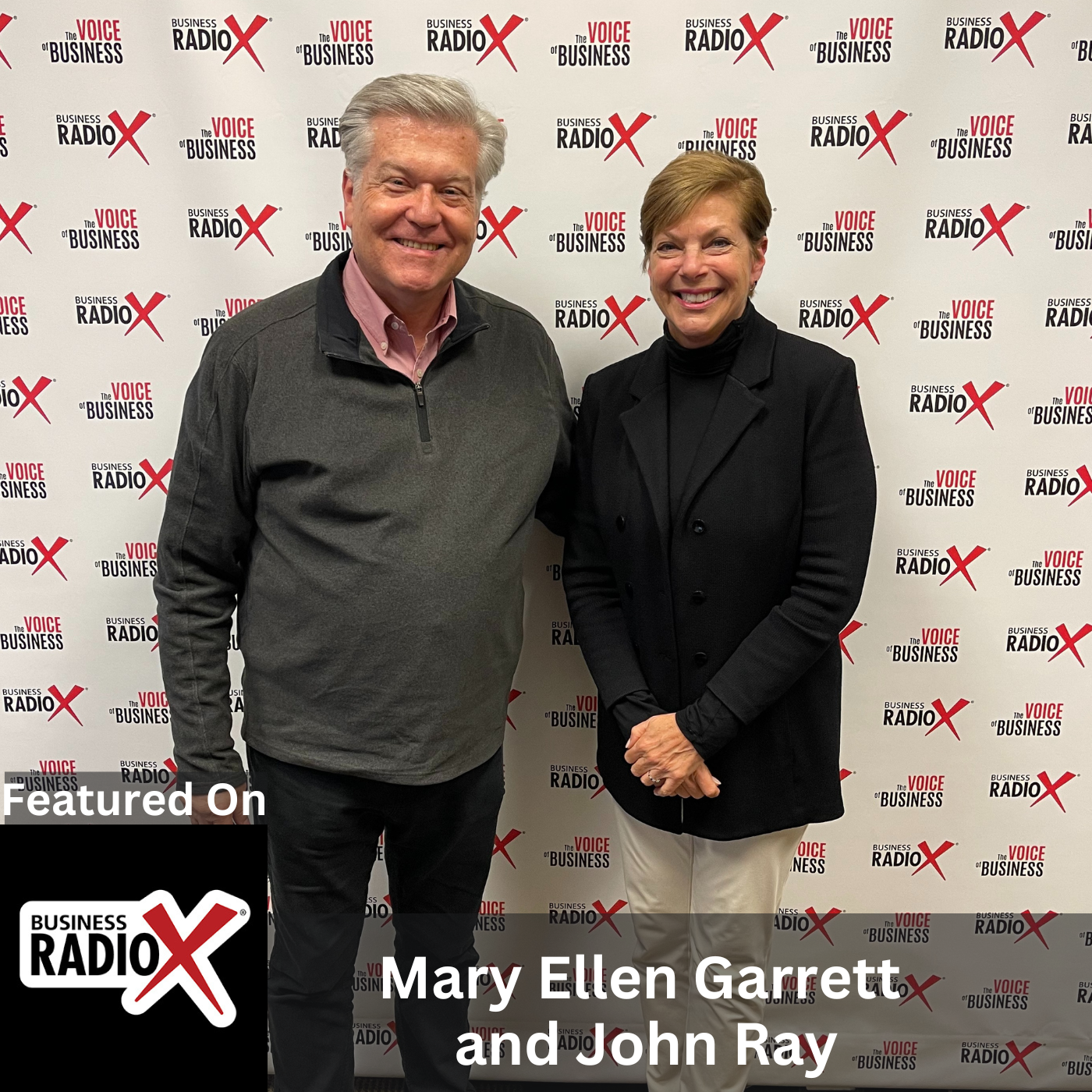
Mary Ellen Garrett, Merrill Lynch Wealth Management (North Fulton Business Radio, Episode 608)

On this edition of North Fulton Business Radio, Mary Ellen Garrett, Senior Vice President, Wealth Management Advisor with Merrill Lynch Wealth Management and The Garrett Group, joined host John Ray to discuss her work helping families reach their financial goals. She talked about how she got into the investment business, what investors can expect this year, advice to women seeking to enter her industry, the strong ethic she exhibits in giving back to the community, award recognitions she has received, and much more.

North Fulton Business Radio is broadcast from the North Fulton studio of Business RadioX® inside Renasant Bank in Alpharetta.

Merrill Lynch Wealth Management / The Garrett Group

The Garrett Group believes that good client relationships are built through teamwork and client involvement, delivered through our advisors, client associates and access to the global resources of Merrill.

Their goal is to be your primary source for financial advice and guidance. The Garrett Group wants you to value the dedication and diligence we provide at each step of the wealth management process.

Website

Mary Ellen Garrett, Senior Vice President Wealth Management Advisor, Merrill Lynch Wealth Management

Mary Ellen Garrett, Senior Vice President Wealth Management Advisor, Merrill Lynch Wealth Management

Under the direction and leadership of Mary Ellen Garrett, Senior Vice President–Wealth Management Advisor, The Garrett Group provides clients with consecutive decades of solid industry experience at Merrill Lynch. Within Merrill Lynch, The Garrett Group is a leader in the firm’s wealth management line of business, striving to offer exceptional capabilities in wealth planning and investment and financial management to high-net-worth individuals, families, family offices, corporations, charitable gift programs, endowments, and foundations.

Mary Ellen is a frequent guest speaker at seminars and is recognized for her commitment to professional excellence, client trust and community service. For the past six consecutive years, she has been named Forbes “Best-In-State Wealth Advisors,” Forbes “America’s Top Women Wealth Advisors,” and Forbes “Top Women Advisors” list, as well as being recognized out of close to 60,000 Merrill Lynch employees worldwide as a recipient of the 2015 David Brady Award.

In the Atlanta community, Mary Ellen serves as Trustee of Emory St. Joseph Hospital Board, Chair of the Atlanta Catholic Archdiocese–Finance and Advisory Council, and Trustee of The Parkinson’s Foundation.

Mary Ellen has been married to Scott for 40 years and has three children and three grandchildren.


Questions and Topics in this Interview:

  • What can investors expect this year?
  • How likely are investors to move out of assets, such as equities, and seek other safe harbors?
  • What is the probability the market could see a substantial pullback?
  • What else should investors keep in mind in today’s markets?

North Fulton Business Radio is hosted by John Ray and broadcast and produced from the North Fulton studio of Business RadioX® inside Renasant Bank in Alpharetta. You can find the full archive of shows by following this link. The show is available on all the major podcast apps, including Apple Podcasts, Spotify, Google, Amazon, iHeart Radio, Stitcher, TuneIn, and others.

RenasantBank


Renasant Bank has humble roots, starting in 1904 as a $100,000 bank in a Lee County, Mississippi, bakery. Since then, Renasant has grown to become one of the Southeast’s strongest financial institutions with over $13 billion in assets and more than 190 banking, lending, wealth management and financial services offices in Mississippi, Alabama, Tennessee, Georgia and Florida. All of Renasant’s success stems from each of their banker’s commitment to investing in their communities as a way of better understanding the people they serve. At Renasant Bank, they understand you because they work and live alongside you every day.

Since 2000, Office Angels® has been restoring joy to the life of small business owners, enabling them to focus on what they do best. At the same time, we honor and support at-home experts who wish to continue working on an as-needed basis. Not a temp firm or a placement service, Office Angels matches a business owner’s support needs with Angels who have the talent and experience necessary to handle work that is essential to creating and maintaining a successful small business. Need help with administrative tasks, bookkeeping, marketing, presentations, workshops, speaking engagements, and more? Visit us at https://officeangels.us/.

Tagged With: emory st. joseph's hospital, John Ray, Mary Ellen Garrett, Merrill Lynch Wealth Management, North Fulton Business Radio X, Office Angels, Parkinson's Foundation, renasant bank, The Garrett Group, Wealth Management Advisor

John Inhouse With Merrill Lynch Wealth Management

April 29, 2022 by Jacob Lapera

JohnInhouse
Atlanta Business Radio
John Inhouse With Merrill Lynch Wealth Management
Loading
00:00 /
RSS Feed
Share
Link
Embed

Download file

MerrillLynch

JohnInhouseJohn Inhouse serves as the Senior Market Executive of the Atlanta Buckhead & Associates Market headquartered in Atlanta, Georgia. The Market includes offices in Buckhead, Atlanta Galleria, and Alpharetta, and is comprised of over 300 partners.

John began his career with Merrill Lynch in Akron, Ohio in 1990 as a Financial Advisor and was a Circle of Excellence Financial Advisor and Resident Director from 1994-1998.  John became a member of the leadership team in MerrillLynch’s Global Private Client Group in 1998 and served as the AssociateRegional Director for the Mid-America Region from 1998 – 1999.

Prior to leading Merrill’s Private Banking and Investment Group in the Pacific Northwest, John was the Director of the Akron and Cleveland Complex from 1999-2006. He was nominated to the Director’s Advisory Council to Management in 2006 and became the Chairperson in 2008. In 2009, John assumed the role as Regional ManagingDirector of the Mid-South Region based in Atlanta, GA.

John attended Youngstown State University and is a Board Member of Clark Atlanta University Financial Planning Advisory Board and Morehouse College’sExecutive Committee. John recently completed his board tenure with the AtlantaPolice Foundation. John serves as an Executive Sponsor with LEAD (Leadership, Education, Advocacy and Development) for Women, the Executive Advisor for the Atlanta Black Executive Leadership Team (BELT) as well as the Executive Sponsor of Bank of America’s Black Professionals’ Group.

He also is an Executive Member of Merrill’s National Black/African American Financial Advisor Council.  John recently accepted the position of leading the Southeast Division’s Market Executive Leadership Academy (MELA-Readiness).  Additionally, John is a 2019 recipient of the Bank of America/Merrill Global Diversity & Inclusion Award.

John resides with his family in Sandy Springs, GA and enjoys traveling, boating and spending time with his wife, two sons and daughter.

Connect with John on LinkedIn.

What You’ll Learn In This Episode

  • Unique trends driving wealth creation in Atlanta, including younger and more diverse clients
  • Wealth management needs of Atlanta residents
  • How clients are embracing financial technology over the last year
  • How Merrill is meeting the new demands in the Atlanta Market
  • How Merrill is developing local talent
TRANSCRIPT

Intro: [00:00:04] Broadcasting live from the Business RadioX studios in Atlanta, Georgia. It’s time for Atlanta Business Radio brought to you by on pay Atlanta’s new standard in payroll. Now here’s your host.

Lee Kantor: [00:00:24] Lee Kantor here. Another episode of Atlanta Business Radio. And this is going to be a good one. But before we get started, it’s important to recognize our sponsor on pay. Without them, we couldn’t be sharing these important stories today on Atlanta Business Radio. We have John Inhouse and he is with Merrill Lynch Wealth Management. Welcome, John.

John Inhouse: [00:00:43] Welcome. Good afternoon, Leigh. It’s a pleasure to be here.

Lee Kantor: [00:00:45] Well, before we get too far into things, tell us a little bit about Merrill Lynch wealth management, you know, mission purpose, like the type of people that you serve.

John Inhouse: [00:00:55] Thank you, sir. So we we serve, you know, investors and families as well, as well as businesses across the Atlanta metropolitan area. And our mission is really to be five things to our clients. Number one was to be a wealth management planner to articulate each financial decision with a financial plan. Number two, more traditionally provide all of the investment advisory services and advice, but doing that based on financial goals and a financial plan, you know, kind of what we call goals based wealth management. You start with goals and dreams and then you plug in the investments. We also do personal banking and in terms of credit, balance sheet management, mortgages, credit cards, which has been made easier with our obviously the relationship we have with with Bank of America part of the enterprise. We’re also philanthropic consults. We help our clients and families with their philanthropic pursuits. Family, legacy, wealth transfer. And really the last thing is we’re a friend. Know when you’re in the weeds with somebody on trying to get their family goals and their and their most important goals in their one lifetime. You become friends and you help them with all things that involve money.

Lee Kantor: [00:02:06] Now, how does Merrill differentiate themselves in the marketplace with so much competition among, you know, kind of these robo advisors with these boutique firms? Why is a client better served at Merrill?

John Inhouse: [00:02:22] So the first I’ll take the robo advisor is a little bit of a different scenario. Right. And we do have Merrill Lynch edge, which does have we do it’s not so much a robo advisor, but you could do it yourself or you could use sort of a computer driven model of investing. But there comes a time when there’s a tipping point or a line in the sand where a family or a client says, you know, I really want a person, right? I want to have a financial plan. I want someone to walk me through it. I want someone to tell me how much money I’ll be able to spend when I retire at 65, how much money I need to send my children to school. And I would say what sets us apart the most is delivering financial planning. And by the way, we deliver financial plans at no additional cost. It’s part of what we do. So it doesn’t matter who you meet, whether it’s a neighbor, it’s the wealthiest family on the block or the wealthiest family, you know, the vast majority of people. They do not have a financial plan. They might have an investment plan. So they might say, oh, yeah, I have a plan. But their plan is what percentage? Stocks and bonds. They can’t tell you what percentage probability they’ll have of reaching their dreams of, let’s say I want to have after tax income of $9,000 a month, you know, inflation adjusted when I hit 62. We deliver that and we based our investments off that. That’s the difference.

Lee Kantor: [00:03:49] Now, is that becoming more and more relevant to folks as the market is kind of in a downturn now where you have when it’s a bull market and everything’s going up, then, you know, all these people that are doing it themselves feel like they figured something out. But when the market kind of goes sideways or goes down, all of a sudden, you know, people are exposed and then they might start panicking. Is this where kind of the value of having a trusted adviser comes into play to help you kind of off that ledge so you don’t make kind of a monumental mistake during this time?

John Inhouse: [00:04:23] Lee, what a great question. You’re absolutely right. I would absolutely agree with you. I would add to that you need a financial plan all the time, right? Because, you know, I don’t know what my advisors would say. Lee, if you were a client and I’m an advisor of Merrill Lynch, which I was for eight years and loved it, if you call me yesterday when the market was down again and said, John, you know what’s going on, you know, I could go through a myriad of philanthropic or I’m sorry, but, you know, sort of what’s going on with globally, right? Geopolitically, I could go on about the recession. I can go on about is there going to be a recession, talk about inflation and rising rates or. Right. I can say that and then say, hey, by the way, Lee, I just updated your plan and you’re still on goal to retire in six years. Right. So, you know, that’s when the planning is needed the most. But I’d argue that planning is needed all the time. And that’s the difference in goals based wealth management where we lead with planning, we it all ties, but especially when it’s volatile. Right. That’s when you want to rerun the plan to say and that. And so if I could you know you made a really good point, like when people would call and and make an emotional decision if you call me and said, oh, my God, John, the market’s down again, I want to get out. I would say, well, Lee, you know, let me just share with you. We’re still on goal. We plan for this, right? That’s why we have the asset allocation we have in case there is a market pullback. So there’s no reason to do that. So great question. And planning is is needed every day of every client’s life. But but most importantly, as you put it, when it’s volatile and when it’s going down or sideways.

Lee Kantor: [00:05:59] And I think planning is critically important at the different stages you are and you’re kind of investment life cycle. You know, when you’re accumulating wealth and it’s going down, you’re almost high fiving like, Oh, I’m buying things on a discount today. But when you’re retired and you don’t have kind of an influx of money coming in and it goes down, you’re feeling a little differently.

John Inhouse: [00:06:23] I would agree 1,000%. And you know, what we we call those accumulators are saving money and accumulating. And just like you describe, they almost want to buy when it’s down and there’s the transition into retirement. And then you become an accumulator where you don’t have the steady income of a job coming. And then you need to live off the investments you have and make sure you don’t run out of money. And that’s when it becomes critically important. But I would say that having a plan the entire time is important. But as you approach retirement, it’s it’s even more important.

Lee Kantor: [00:06:54] So now, is there a niche that Merrill serves more than others, or is this kind of anything goes? Anybody anywhere along their career, anywhere in their wealth kind of life cycle that is a is a good fit for Merrill folks.

John Inhouse: [00:07:11] So typically people that just start out investing that might have a few thousand would would use Merrill Lynch edge. So we have Merrill Edge which provides you with an advisor a little bit different than what you do when you’re in normal Merrill Lynch wealth management. We do have planning tools. We do help you with guided investments. And then then there comes the point where you, as you said, as you go through the different stages, then you really need an advisor, right? Then you need that one on one advisor to have that monthly contact, the quarterly reviews, update your plan on a quarterly basis so we can help along the way. And it’s just what channel best serves the clients and families we we meet.

Lee Kantor: [00:07:53] So now are you seeing anything, any kind of surprising trends that you’re seeing? Like, is there more interest now for young folks than maybe there has been historically? Is there, you know, are people asking for more types of alternative investment options? Like, are you seeing anything interesting out there in the market nowadays?

John Inhouse: [00:08:15] Well, you know, I think with the financial uncertainty that we’ve had the last two years with jobs, the market, the economy, the pandemic, there has been an unprecedented interest in financial advice overall. People want to know. Right. People you know, you remember March during when the pandemic first hit, when the markets were I think it was right around March 23rd when the market really capitulated. That’s when everyone really was saying, my gosh, how long will this take to recover? And I have experienced that firsthand in Atlanta, which is, of course, a growing market. And we’ve been able to acquire more clients. You know, we we’re at an all time high and client acquisition where an all time high and client satisfaction and an all time high on client financial planning. So I think through the pandemic, our advisor teams and leaders have been really focused on client engagement and making sure that every client is aware that the full capabilities that Merrill and Bank of America have to meet their financial needs. So, yes, there has been definitely there’s been more interest, especially over the last few years with the pandemic, etc..

Lee Kantor: [00:09:18] Now, are young people looking towards financial advising as a career path? Are you seeing more and more people interested in that?

John Inhouse: [00:09:27] We do we do see a lot of interest in financial you know, financial planning is, you know, it’s a noble cause when done correctly. And, yes, there’s always a we have a phenomenal training program. We’ve never, ever had a year when we didn’t have our training program. We’re really proud of it and we’re really proud of what we can deliver to, you know, to our clients and future clients. So so, yes, there is it’s a very popular career vocation to say, I want to help people plan their their these are it’s so important when you think about especially as people get closed in on retirement, it’s so important that people have that peace of mind when they put their head on their pillow at night to know they’re going to be able to live in dignity or live the retirement that they always dreamed of. And they’ll do that by having a plan. So there are a lot of college graduates that are interested or second career, early second career people that follow this path.

Lee Kantor: [00:10:22] Now let’s talk a little bit about the people at the different kind of stages of their career. So if you’re a brand new, you just started working a recent grad, you got your first job and maybe you’re putting things away for retirement for the year, even just thinking about it for the first time. You said that there are some tools that you can use through Merrill. That’s still that’s somebody that could still engage with Merrill and and create a relationship that might they might not use it to the fullest degree today. But down the road, it might be something that they evolve into a deeper relationship.

John Inhouse: [00:11:01] Absolutely. And that’s Merrill Edge. And by the way, Merrill Edge would also offer them the full suite of all of our Bank of America banking advantages. Right. So they would have both of those. And then as as they continued along, there might be a point where their Merrill Lynch Edge advisor might say, look, you might want to meet a merrill Lynch wealth management advisor, you know, to go to that next step. But but truly from I mean, my 16 year old son has had a merrill Lynch account for for a few years. Right. I mean, and he understands investing and understands companies and what works. And he has a say. And then we use some of the models that Merrill Lynch has. So it’s a great way to teach financial literacy. And, you know, it’s kind of fun to watch people cross from being a saver to an educated, savvy investor. And in the earlier that happens, in the earlier they start, you know, I’ve got a 22 year old that’s you know, he’s got a Roth, right. And because he’s worked. And so it’s fun to watch those younger individuals, you know, start early because it’s amazing what could be done over time, as you know.

Lee Kantor: [00:12:09] Lee And then if you’re a business owner or an entrepreneur, there’s a place for you here as well. Like you don’t have to it doesn’t have to be through your company, right? You can still engage with Merrill if you’re an entrepreneur or solopreneur or somebody like that.

John Inhouse: [00:12:24] Absolutely. And of course, we have incredible business bankers across Atlanta. We’ve got 5000 partners across Atlanta that are Bank of America merrill Lynch across lines of businesses. And not only the consumer bank, which is when you hear Bank of America, you think of the most. But I think the business banking that we have is incredible, where we can really help a business owner, whether it’s with cash management, it’s lending. It’s we have amazing practice management around medical professionals to help them lease equipment. It’s amazing what we can do when we kind of put the power of Bank of America with Merrill Lynch. It’s truly exciting. I’ve been here for 32 years and it’s really fun to watch the number of solutions that we have now. All we need to do, though, is start with goals based, right? It doesn’t matter how many solutions you have if they’re not the right ones. That’s why we always start with goals based. Really understand the client. If they’re a business owner, that’s a whole nother nuance, right? If there’s needs of the business that will help in their in their individual wealth management, we have the banking team that can do that as well.

Lee Kantor: [00:13:30] And then if you are a corporate person, you can still tap into the advisors and the planners. And especially as you approach retirement. This is I think this is a must have conversation with somebody to help make sure that you’re on the right track to get to where you want to go. And I agree with you that this goal is based. I mean, you have to know where you’re aiming or else you’re never going to get there.

John Inhouse: [00:13:56] Lee. I agree. Again, I mean, just because this is what I do and it’s one of the most passionate about from a career perspective, it’s the only thing I’ve really done. It’s amazing how many people you meet. It doesn’t matter. They could be a top position, a top attorney, a top business owner. They don’t have a financial plan and the things they own, they just bought for through happenstance or someone sold it to them and they never took the time to put it all together to say, you know, do I have too much in stock? I mean, if you’re if you’re if you’ve done really well and you don’t need a ton of money when you retire, why own 90% stocks? There’s no reason people take too much risk. And once they understand that, wow, you know, I don’t need to do that, right? I don’t need to have everything I own in stocks. I could actually have short term fixed income or whatever is the most appropriate or, you know, more dividend yielding investments that are that are a bit more stable. It’s amazing the peace of mind. First of all, it’s an aha moment. They’re like, wow, I didn’t realize that. I didn’t. Or, you know, it’s really the three questions that we ask. And the first question is, what’s the primary intent for your wealth? Right? Or in other words, you have money, you have savings, you have an investment, you have a41k, tell me the jobs that money has to do.

John Inhouse: [00:15:11] And typically people will say, get me through retirement, get my kids through college. I have a family member that I need that needs some of my financial support. I have a couple of favorite charities. And then you ask them the second question and that’s do you feel like you have enough, not enough or more than enough? And they always say, I don’t know. And when they say I don’t know, it’s when we say, you know, have you ever talked about this with a financial professional? No, I have it. We need to do that. And that’s the first thing we do and we’re happy to do it. We don’t care what they do. If you can do it yourself, you can do it with us. But we want everyone to have a plan because once they have that plan, as you said, they’re going to make better educated decisions regardless of what the market’s going to do. They’re going to have peace of mind and their lives are going to be much better and we’re going to greatly increase the probability of their success.

Lee Kantor: [00:15:57] And this is a very complex problem. I mean, you don’t know when you’re going to die. You don’t know what your health is going to be as you age. There’s a lot of unknowns that you’re making assumptions with. And if you don’t have somebody kind of guiding and playing out scenarios, it’s just really difficult for the layperson to understand all of the kind of ramifications of certain actions.

John Inhouse: [00:16:23] Absolutely. You know, and even when it comes to disability or life insurance, it doesn’t have to be even with their employer. Right. I mean, people don’t they don’t really know how much life insurance to buy through their employer. Right. Or or should I have this ability? And the best part of what we do and the best part of the three plus decades I’ve been with Merrill and now Merrill, Bank of America is watching people’s eyes light up when they realize, Wow, I now know what I’m doing. I, I now understand whether I’m in good shape, bad shape or great shape, but I know where I am and now I can plan for it. And I could get into the point where I land at age 65. I land on that island with this much money after taxes. You know, my my kids are going to college. Maybe they’re lucky enough or they can help their grandchildren. All those things. When you ask people, what is your retirement look like, what is what are the goals you’d like your money to accomplish? And you build a plan and accomplish those. There’s nothing, nothing at least better for me and my team than to watch that come to fruition.

Lee Kantor: [00:17:24] Well, if somebody wants to learn more, have a more substantive conversation with you or somebody on the team, what’s the best way to do that?

John Inhouse: [00:17:31] Well, sure you could obviously Merrill Lynch. My name is John in-house I ion USA where I’m here in Atlanta, Buckhead and I’m the senior market executive and managing director. I could also be reached in my office where I’m sitting right now, which is 4042312500. And the one thing I just impress upon everyone is, please take the time to do a financial plan. And by the way, we do not charge for our financial plans. So this is no, we’re not looking for people to call us for 5000. No, let us do a financial plan for you. You can decide what to do with your money later, but let us do the plan for you. You’ll feel so much better.

Lee Kantor: [00:18:09] Good stuff. Well, John, thank you so much for sharing your story today. You’re doing important work and we appreciate you.

John Inhouse: [00:18:16] It’s a pleasure and an honor to be on your on your program, sir. Have a great rest of the afternoon and stay safe.

Lee Kantor: [00:18:20] All right. This is Lee Kantor. We’ll see you all next time on Atlanta Business Radio.

About Our Sponsor

OnPay’sOnPay-Dots payroll services and HR software give you more time to focus on what’s most important. Rated “Excellent” by PC Magazine, we make it easy to pay employees fast, we automate all payroll taxes, and we even keep all your HR and benefits organized and compliant.

Our award-winning customer service includes an accuracy guarantee, deep integrations with popular accounting software, and we’ll even enter all your employee information for you — whether you have five employees or 500. Take a closer look to see all the ways we can save you time and money in the back office.

Follow OnPay on LinkedIn, Facebook, and Twitter

Tagged With: John Inhouse, Merrill Lynch Wealth Management

Business RadioX ® Network


Our Most Recent Episode

CONNECT WITH US

  • Email
  • Facebook
  • LinkedIn
  • Twitter
  • YouTube

Our Mission

We help local business leaders get the word out about the important work they’re doing to serve their market, their community, and their profession.

We support and celebrate business by sharing positive business stories that traditional media ignores. Some media leans left. Some media leans right. We lean business.

Sponsor a Show

Build Relationships and Grow Your Business. Click here for more details.

Partner With Us

Discover More Here

Terms and Conditions
Privacy Policy

Connect with us

Want to keep up with the latest in pro-business news across the network? Follow us on social media for the latest stories!
  • Email
  • Facebook
  • Google+
  • LinkedIn
  • Twitter
  • YouTube

Business RadioX® Headquarters
1000 Abernathy Rd. NE
Building 400, Suite L-10
Sandy Springs, GA 30328

© 2025 Business RadioX ® · Rainmaker Platform

BRXStudioCoversLA

Wait! Don’t Miss an Episode of LA Business Radio

BRXStudioCoversDENVER

Wait! Don’t Miss an Episode of Denver Business Radio

BRXStudioCoversPENSACOLA

Wait! Don’t Miss an Episode of Pensacola Business Radio

BRXStudioCoversBIRMINGHAM

Wait! Don’t Miss an Episode of Birmingham Business Radio

BRXStudioCoversTALLAHASSEE

Wait! Don’t Miss an Episode of Tallahassee Business Radio

BRXStudioCoversRALEIGH

Wait! Don’t Miss an Episode of Raleigh Business Radio

BRXStudioCoversRICHMONDNoWhite

Wait! Don’t Miss an Episode of Richmond Business Radio

BRXStudioCoversNASHVILLENoWhite

Wait! Don’t Miss an Episode of Nashville Business Radio

BRXStudioCoversDETROIT

Wait! Don’t Miss an Episode of Detroit Business Radio

BRXStudioCoversSTLOUIS

Wait! Don’t Miss an Episode of St. Louis Business Radio

BRXStudioCoversCOLUMBUS-small

Wait! Don’t Miss an Episode of Columbus Business Radio

Coachthecoach-08-08

Wait! Don’t Miss an Episode of Coach the Coach

BRXStudioCoversBAYAREA

Wait! Don’t Miss an Episode of Bay Area Business Radio

BRXStudioCoversCHICAGO

Wait! Don’t Miss an Episode of Chicago Business Radio

Wait! Don’t Miss an Episode of Atlanta Business Radio