
Business RadioX ®

  • Home
  • Business RadioX ® Communities
    • Southeast
      • Alabama
        • Birmingham
      • Florida
        • Orlando
        • Pensacola
        • South Florida
        • Tampa
        • Tallahassee
      • Georgia
        • Atlanta
        • Cherokee
        • Forsyth
        • Greater Perimeter
        • Gwinnett
        • North Fulton
        • North Georgia
        • Northeast Georgia
        • Rome
        • Savannah
      • Louisiana
        • New Orleans
      • North Carolina
        • Charlotte
        • Raleigh
      • Tennessee
        • Chattanooga
        • Nashville
      • Virginia
        • Richmond
    • South Central
      • Arkansas
        • Northwest Arkansas
    • Midwest
      • Illinois
        • Chicago
      • Michigan
        • Detroit
      • Minnesota
        • Minneapolis St. Paul
      • Missouri
        • St. Louis
      • Ohio
        • Cleveland
        • Columbus
        • Dayton
    • Southwest
      • Arizona
        • Phoenix
        • Tucson
        • Valley
      • Texas
        • Austin
        • Dallas
        • Houston
    • West
      • California
        • Bay Area
        • LA
        • Pasadena
      • Colorado
        • Denver
      • Hawaii
        • Oahu
  • FAQs
  • About Us
    • Our Mission
    • Our Audience
    • Why It Works
    • What People Are Saying
    • BRX in the News
  • Resources
    • BRX Pro Tips
    • B2B Marketing: The 4Rs
    • High Velocity Selling Habits
    • Why Most B2B Media Strategies Fail
    • 9 Reasons To Sponsor A Business RadioX ® Show
  • Partner With Us
  • Veteran Business RadioX ®

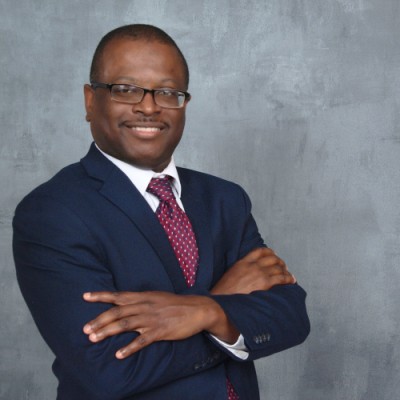
Michael Williams With Bank of America

October 18, 2023 by Jacob Lapera

Atlanta Business Radio
Michael Williams With Bank of America
Loading
00:00 /
RSS Feed
Share
Link
Embed

Download file

Michael Williams holds the corporate title of Senior Vice President and a Small Business Banker Manager for Bank of America. He is responsible for leading 13 Small Business Bankers across Greater Atlanta. This team is responsible for delivering the full capabilities of our company to small business owners.

He joined Bank of America in July of 2011 as a Consumer Market Manager in Augusta, Georgia. During his 12 years, he has held multiple leadership roles in different markets and segments across our consumer, advance client solutions and small business enterprise prior to his current assignment.

He has championed various region and divisional initiatives and takes pride in being a change agent. Prior to joining Bank of America, he successfully held such positions as Regional Service Director, District Manager and Community Bank President during his ten-year career with another Top 5 Financial Services Institution.

During this time he received a great deal recognition for his success in sales, service, operations and team member development. He is committed to building high performing teams through the coaching and development of others by consistently and effectively executing trend based and real time coaching sessions with direct reports.

Michael defines success by his ability to make himself available to all team members as a sounding board as well as mentor, coach and to provide career developmental advance. He is an active leader within the community, volunteering and supporting organizations such as Cystic Fibrosis Foundation, Autism Society and Special Olympics.

Connect with Michael in LinkedIn.

What You’ll Learn In This Episode

  • What’s driving business owners’ positive outlook towards revenue expectations despite the threat of inflation
  • The economic factors small business owners are most concerned about
  • How women business owners’ recent experiences over the past 12 months have differed from those of male business owners
  • How women business owners have fared gaining access to capital
  • Factors that can create additional challenges unique to women business owners

This transcript is machine transcribed by Sonix

TRANSCRIPT

Intro: [00:00:04] Broadcasting live from the Business RadioX studios in Atlanta, Georgia, it’s time for Atlanta Business Radio. Brought to you by On pay. Atlanta’s new standard in payroll. Now, here’s your host.

Lee Kantor: [00:00:24] Lee Kantor here, another episode of Atlanta Business Radio, and this is going to be a good one. Today on the show, we have Michael Williams. He is the senior vice president, small business banking manager, Atlanta with Bank of America. Welcome, Michael.

Michael Williams: [00:00:42] Good afternoon and thanks for having me. Good to be here with you again.

Lee Kantor: [00:00:45] I am so excited to get caught up with you regarding some of the things that are happening in the business world here in Atlanta, and you have kind of a unique lens to all of the activity. Can you talk a little bit about your role?

Michael Williams: [00:00:58] Yes. Well, my role as a small business banking manager is I lead a team of small business bankers who are active in our local community, out in the field meeting with business owners, entrepreneurs, making sure that we’re providing access to capital, finding ways to help simplify their business, streamline productivity, as well as optimize overall cash flow.

Lee Kantor: [00:01:27] Now in your career, you’ve worked in a variety of roles in banking, including some work with community banks. Can you share a little bit about how a small business person should choose their banking partner? Like, what are some of the trade offs of going with a large enterprise bank like Bank of America versus a community bank?

Michael Williams: [00:01:48] Yeah. Listen, I will tell you that banking, just like anything else in life, is about connections, right? You want to get a team of good people around you. And so my personal recommendation is, you know, almost like an interview process, get to know your local bankers, whether that be through networking events, whether that be through Chamber of Commerce or just going in to some of your local institutions and, and really find out who’s listening to you and providing advice based on where you’re looking to take your organization and some of the specific challenges you may be facing.

Lee Kantor: [00:02:24] So what are some of the questions that small business owners should be asking of that banker?

Michael Williams: [00:02:30] You know, it’s always good to know a little bit about person’s professional background, the different programs and services that the institution provides. But I would tell you, it’s probably more about having someone who’s very interested in you and your business. How did your business get started? Right? Why are you passionate about what you do and what are some of the challenges you faced? And where do you want to take your business in the next 12 months, 3 to 5 years? So I would tell you more so than, you know, someone giving you their credentials. From a banking solutions perspective, it’s good to be with a true advisor, someone who’s going to take the time to understand your priorities, where you’ve been, where you are, and where you’re looking to take your organization.

Lee Kantor: [00:03:19] So if you’re not getting that kind of relationship with your banker, you should probably shop around a little bit then.

Michael Williams: [00:03:27] Yeah. Or let the person know also. Right. Hey listen, feedback is a is a gift. And so, you know, if I’m in a situation where, you know, I’m not getting exactly what I need or I don’t feel heard, I think one of the first things to do, especially if you vote both both parties have invested time in those relationships, is the first. Share that feedback. But definitely there’s nothing wrong with getting a second opinion.

Lee Kantor: [00:03:54] Now, because you do work for one of the largest banking institutions in the country, probably, probably in the world. I would think you have an interesting kind of lens into the small business community, and you’ve done a lot of work with surveys and and a lot of communication with a lot of people in the market here in Atlanta. What are you kind of sensing from the business community here in Atlanta?

Michael Williams: [00:04:22] Yeah, I will tell you, some of our recent surveys have shown that business owners overall are still very optimistic about the next 12 months. They are expecting revenues to increase. That’s down slightly from our last survey. But overall they’re expecting revenues to increase. And a number of businesses are expecting to expand and continue to hire.

Lee Kantor: [00:04:53] Now is it something just because entrepreneurs and business owners tend to be optimistic and look at the glass as half full? You know a lot, if not most of the time. Is it a function of that, or is there really kind of a true belief that, hey, that things aren’t as bad as maybe some of the headlines are saying they are?

Michael Williams: [00:05:14] Yeah, I would tell you that to your point, right? Small business owners, entrepreneurs are typically very optimistic. They’re courageous group. And so that’s a part of it. But the other part is listen, we’ve gone through some some major events. When you think about a global health crisis and being able to manage through that, and those things are also bleeding into the confidence that our small business owners are feeling as well. When you think about 67% of those business owners overall say they expect revenues to increase over the next 12 months.

Lee Kantor: [00:05:54] Now, is there anything that you’re seeing when you kind of parse through the data, like maybe break it down between male business owners versus female business owners, or maybe a minority business owners versus non minority business owners? Or is this just across the board.

Michael Williams: [00:06:12] It is across the board. But there are some things that are unique based on different factors. Right. So for example women entrepreneurs, business owners that were surveyed 63% of them expect revenues to increase. When you look at their male counterparts, the males are about 70%. If you go into some of the ethnic groups as well, Hispanic Latino business owners, 91% say they expect revenues to either increase or remain flat, with 63% of those surveyed saying they expect revenues to increase. Right. And you’re seeing that also increase in the African-American community as well, with 86% of black business owners saying they expect revenues to increase and three of four expecting to expand their business. And I’ll give you some examples of those just here locally. I think about we just helped a. A woman dentist opened up her practice, right? She’s been in the industry for quite a few years, has a great brand within the local community, and we were able to work with our Practice Solutions team that specializes in doctors, dentists, vets and help with accessing gaining access to capital to. Identify and open up a facility, as well as get the equipment she needed, and also cash flow for the staffing until the business can start generating enough revenue to sustain itself in a few months.

Lee Kantor: [00:08:02] Now we do hear a Business RadioX. We do a lot of work with women owned business businesses and the organizations that serve them. A lot of times you hear women business owners have a harder time accessing capital. Is that something that’s changing? Is there some tips you can recommend for a women business owner to get access to some of that needed capital?

Michael Williams: [00:08:31] When you think about women, business owners and access to capital of about 78%, right? Say that they. Plan to obtain financing. 1 in 3. Still feel like it’s very difficult for women to obtain access to to capital. Um, and so a lot of that has to do with, you know, access to advice. So once again, you know, having a relationship with a lender, right? 42% of women owned businesses said they didn’t have a relationship with the lender. So that would be one of the steps, right? Making sure that like we spoke about earlier, you develop a relationship with a local business advisor who understands what your business priorities are and can be a part of advising and helping you build a roadmap to get that access to capital. And then 31% felt they didn’t have the proper information or qualifications that made them feel confident. Would applying for access to capital. So, you know, really having your financials in order, right, 2 to 3 years of business and personal tax returns, being able to speak to your personal and business debts, having an advisor and an accountant or a CPA who understands what your long term goals are for the business. And taking that into consideration as they’re working on your financial documents as well, and advising you. But I would say the number one thing, there was an access or relationship with a lender.

Lee Kantor: [00:10:18] Now, in any business relationship with an advisor, are you and especially when it comes to banking, is it reasonable to ask of the banker for advice for, hey, what do you think I should do? Or is it something that you’re just presenting the banker with information like, here’s my tax returns, here’s my, you know, the bookkeeping information, and you know, you’re telling me, okay, maybe you could get a loan here, or if you did this, that would, you know, help you maybe make more money next year. Like, where is the consulting line as opposed to just, hey, we have access to capital. And if you bring me these documents, I check I have a checklist here and I check them all off and I have that. Then I can present this and then I can help you get a loan or, or help you kind of grow your business. Like where is consulting, advising? How do you kind of discern all of this?

Michael Williams: [00:11:21] Yeah. Listen, I will tell you, I think back to Hispanic and Latino business owners, and 84% of them who surveyed said they wish they had more educational resources, right, centered around their small business. And so, to your point, you know, um, a banking financial professional is a part of that. But sometimes it’s also about access to resources, educational resources, whether it be online or in person or courses or different websites. At Bank of America, we have our Bank of America forward slash small business site, and there are a lot of resources on there, including feedback and and best practices from other business owners. And so, you know, I would start leveraging additional resources. Your advisor is there to provide some level of direction and support. But at the end of the day, you are the quarterback of your business, right? Nobody’s going to care as much about that business as the owners and the people who are putting their blood, sweat and tears into it every day. And so just continue to do your research. Definitely leverage your banking professional. Right. But they can’t discourage you, nor should they discourage you from applying and leverage your different educational resources, whether it be through our site that has a multitude or some other resources out there, and then make sure you do your homework to make sure you’re aware of the different government programs and resources that are available as well.

Lee Kantor: [00:13:04] Right. But when you’re like most business owners obviously aren’t as knowledgeable about finance as a banker. Like this is what bankers do every day. This is all they’re thinking about 24 over seven, where a business owner comes in and they might be good at, you know, cutting hair, or they could be good at fixing a car, or they could be good at, you know, marketing programs. But to have somebody in your corner that’s kind of watching your back and then guiding you a little bit or encouraging you to to proceed, like you said, with government, there might be government money available, but you don’t even know what you don’t know. But the banker might see 50 applications of this in a week, and then they can say, hey, have you considered this? Is that reasonable?

Michael Williams: [00:13:52] That is reasonable to expect your banker to provide at, you know, point you in the right direction of different resources that you may be able to take advantage of, even things like community development programs as well, that that may be available that a lot of banks support. Bank of America, number one is a is a big supporter of community development, financial support that’s out there. So but everything is about having a team of advisors, right. No one person is the the keeper of of all answers. But between your team of advisors, I would say to any business owner, you know, get a team, a good team of advisors, who’s your banker? Um, who’s your your CPA or accountant, who’s your trusted person in the industry or mentor that you can work with as well? So I definitely agree with you. You should be able to lean on all of your advisors to make you aware of different resources that they’ve come in contact with, with their years of experience or resources that are available through that organization.

Lee Kantor: [00:15:06] Well, I think that that’s at the heart of what a good, trusted advisor is, because if. Are not helping you grow your business in tangible ways, not just executing whatever their job is. If they’re not kind of watching your back and letting you know, hey, there’s an opportunity here. Or, hey, you should meet this person here that I just met. Like, if they’re not actively helping you grow, then you better find a different trusted advisor because they’re not. It’s too hard to do this on your own. And you can’t just have vendors or service providers like bankers. Just do the minimum of just, you know, putting deposits in the bank and, you know, sending you a statement every month.

Michael Williams: [00:15:51] Yeah, exactly. We got to be thinking, like, as I said earlier, how do we help you streamline your business? How do we help you simplify your business, if you can, or how do we allow you to hold on to cash longer so you can invest in other areas? I met with a client earlier this year who was really right, starting to have a few issues when it comes to labor, right? And so they were thinking about ways that they can run their business more efficiently. And we were all able to get together and they connected with some folks and research and development, and we were able to help them finance a new piece of equipment that did not take jobs away. It actually allowed them to be more efficient with the staff that they had, and to invest in those employees in a way that they were able to build a different and even more complex skill set, which would serve them better in the future as far as higher wages. But all that started from a tour of her plant, right? And understanding the different challenges and where the business was growing and some of the challenges that the business was facing when it comes to talent, access to talent as a resource. Right.

Lee Kantor: [00:17:16] And that’s not an obvious place where a banker would help. But it was critical in the growth of this company. And that’s that’s a true trusted advisor.

Michael Williams: [00:17:25] Yes, sir.

Lee Kantor: [00:17:27] So if somebody wants to learn more, have a more substantive conversation with you or somebody on your team, what is the coordinates?

Michael Williams: [00:17:35] Um, go to Bank of America, backslash small business. That’ll be our resource site, which also allows you to set appointments with your local small business specialists, either in the financial center or one of our small business bankers that could come out to your place of business as well.

Lee Kantor: [00:17:56] And then when you have a banker and you are working with somebody, a Bank of America, is it something you should check in with them in person every quarter, every six months, every year? How often do you recommend having these kind of human to human conversations?

Michael Williams: [00:18:12] Yeah. Listen, I would definitely say at a minimum, um, every six months, but ideally about every 90 days. I was looking at one of our prior surveys, and it said that over 80% of the business owners had an action plan and were looking to adjust or revisit their action plan on a monthly, quarterly or semiannually basis. So a lot of business owners are starting to see the value of not only having an advisor, but to your point, meeting with them on a regular basis. So definitely every six months and ideally at least once a quarter, even if it’s just a touch base, um, to make sure things are still the same and folks move, right, folks? Folks get promoted or they go and follow other passions. And so you want to make sure that you and your advisor are still connected.

Lee Kantor: [00:19:10] Good stuff. Well, Michael, thank you so much for sharing your story today. You’re doing such important work and we appreciate you.

Michael Williams: [00:19:16] Oh, thanks for having me. And you guys do a wonderful job informing and advising the local community as well. So keep up the great work.

Lee Kantor: [00:19:25] All right. This is Lee Kantor. We’ll see you next time on Atlanta Business Radio.

About Our Sponsor

OnPay’sOnPay-Dots payroll services and HR software give you more time to focus on what’s most important. Rated “Excellent” by PC Magazine, we make it easy to pay employees fast, we automate all payroll taxes, and we even keep all your HR and benefits organized and compliant.

Our award-winning customer service includes an accuracy guarantee, deep integrations with popular accounting software, and we’ll even enter all your employee information for you — whether you have five employees or 500. Take a closer look to see all the ways we can save you time and money in the back office.
Follow OnPay on LinkedIn, Facebook, and Twitter

Tagged With: Bank Of America, Michael Williams

Michael Williams With Bank Of America

May 15, 2023 by Jacob Lapera

Atlanta Business Radio
Michael Williams With Bank Of America
Loading
00:00 /
RSS Feed
Share
Link
Embed

Download file

Michael Williams holds the corporate title of Senior Vice President and a Small Business Banker Manager for Bank of America. He is responsible for leading 13 Small Business Bankers across Greater Atlanta. This team is responsible for delivering the full capabilities of our company to small business owners.

Williams joined Bank of America in July of 2011 as a Consumer Market Manager in Augusta, Georgia. During his 12 years, he has held multiple leadership roles in different markets and segments across our consumer, advance client solutions and small business enterprise prior to his current assignment. He has championed various region and divisional initiatives and takes pride in being a change agent.

Prior to joining Bank of America he successfully held such positions as Regional Service Director, District Manager and Community Bank President during his ten year career with another Top 5 Financial Services Institution. During this time he received a great deal recognition for his success in sales, service, operations and team member development.

He is committed to building high performing teams through the coaching and development of others by consistently and effectively executing trend based and real time coaching sessions with direct reports. He defines success by his ability to make himself available to all team members as a sounding board as well as mentor, coach and to provide career developmental advance.

Michael is an active leader within the community, volunteering and supporting organizations such as Cystic Fibrosis Foundation, Autism Society and Special Olympics.

Connect with Michael on LinkedIn.

What You’ll Learn In This Episode

  • What economic factors are small business owners most concerned about
  • How are entrepreneurs managing their business as a potential recession looms
  • Labor shortages
  • Implementing sustainable practices
  • Concern over rising interest rates is growing for small business owners, and they’re split when evaluating how this will impact their decision to seek financing this year – how is Bank of America helping to ease those concerns as a potential lender

This transcript is machine transcribed by Sonix

TRANSCRIPT

Intro: [00:00:04] Broadcasting live from the Business RadioX Studios in Atlanta, Georgia. It’s time for Atlanta Business Radio. Brought to you by on pay. Atlanta’s New standard in payroll. Now, here’s your host.

Lee Kantor: [00:00:24] Lee Kantor here another episode of Atlanta Business Radio, and this is going to be a good one. But before we get started, it’s important to recognize our sponsor, Onpay. Without them, we couldn’t be sharing these important stories. Today on Atlanta Business Radio, we have Michael Williams with Bank of America. Welcome, Michael.

Michael Williams: [00:00:43] Good morning. Thank you for having me.

Lee Kantor: [00:00:45] Well, you are the senior vice president, small business banking manager, Atlanta North. And your firm has recently released a survey about small business. Can you share a little bit about some of the findings?

Michael Williams: [00:00:59] Yeah, it was. You know, we typically have a spring small business owner survey and we’re very excited about the results. One of the one of the key themes that came through is that despite the ever changing economic landscape, our small business owners have a positive business outlook. When you look at the data, two thirds believe that their revenue will increase over the next 12 months. So that’s pretty exciting to see. Our small business owners and entrepreneurs are still very bullish about the upcoming year.

Lee Kantor: [00:01:36] Now, how are you defining small business? Because a lot of different entities define it in a lot of different ways. And for the mom and pop person that’s running a store downtown versus, you know, a $50 Million business, $100 million business, sometimes that’s categorized as small business. Can you tell us how your firm defined it?

Michael Williams: [00:01:59] Yeah. So small business is defined as anyone with one employees to typically under 50 employees revenues no more than $5 Million. So what you’ll find is in our survey of a thousand small business owners, a good portion of those across the US would be defined as what we consider our mom and pop small businesses as well. So we’re well represented demographics here.

Lee Kantor: [00:02:29] Now, were there any surprises or is that a surprise to you to see that level of optimism? I talked to small business owners every day. So, I mean, it’s hard to be in a small business without being optimistic. So that didn’t shock me. But were there any surprises other than that for you?

Michael Williams: [00:02:46] What I think about surprises, no, that didn’t surprise me because, you know, our small business owners have success and they’re confident in their ability to manage their business. Right. And so that optimism comes from things that they can control. Right. Certain things within the business that they can control outweigh in some situations some of the challenges that they feel they’ll have to overcome, especially when you think about the last few years and having to really deal with a global health crisis as well as a rising interest rate environment. Small business owners have, you know. Come up with a new set of skills that allow them to quickly adapt and learn from situations and challenges within the environment. So I wasn’t surprised by that at all.

Lee Kantor: [00:03:41] Now, you mentioned some of the challenges that are facing small business like interest rates raising for credit. You know, there’s inflation. A lot of folks during the pandemic especially were dealing with supply chain. How does a small business owner kind of manage these large economic issues that are out of their control for the most part? Have you have you learned anything from that?

Michael Williams: [00:04:12] Yes. When it comes to, you know, things like inflation, you know, small business owners, you know, tell us that inflation and supply chain, as you mentioned, remain a challenge for the business owner as they adapt. 88% of small business owners say inflation is currently impacting their business, and that’s holding steady from what we saw last spring in the survey as well. And so this is forcing small business owners to increase prices. About 60% of the folks who had concerns about inflation shared that one of the ways they were dealing with it as they were increasing prices, another a little over 40% stated that they were reevaluating their business spending over the next year. And they’re also starting to reduce some business costs and a little over 25% even reported some sales being lost, you know, as the impact of inflation.

Lee Kantor: [00:05:22] Now, what are you hearing about kind of these issues regarding talent? Talent challenges are impacting businesses of all sizes. I would imagine that small businesses are no exception to this, as there’s a help wanted sign out. You know, if you go down the street, almost every business has one.

Michael Williams: [00:05:42] Yes, right. It’s a very competitive market when it comes to labor. And the labor shortage continues to be a concern across the country. And so small business owners recognize that overcoming this challenge and and the importance of remaining competitive in the marketplace requires listening to and acting based on the needs of their employees. Many say that they’re taking action to improve their labor outlook for the long term. For example, over the next 12 months, over half of the small business owners have implemented additional perks and benefits to attract new talent. Right? Starting with increasing base pay for new employees, allowing one of the things we learned from the health crisis, right, allowing remote and hybrid work environments, introducing new employee training programs, as well as providing additional health care benefits as well.

Lee Kantor: [00:06:51] Now, are you finding any interest for small businesses to lean on technology regarding automation or robotics? Even this chatgpt I’m seeing involved is in customer service and even order taking in some places. I recently was at a totally robotic automated pizza kiosk that exists now and is operational here in Atlanta, where you can buy a freshly made pizza through a vending machine. Are you seeing any of those kind of, you know, as that being part of the talent solution is to automate or create robotics around, you know, tasks that had been previously done by humans?

Michael Williams: [00:07:39] I definitely think so. What we’re seeing that, like you said, right in different, you know, pop up coffeehouses and things I think about around town as well. But it’s amazing how innovative the business owners are right there looking ahead to the future to find ways to implement new technologies that will help not only differentiate their business from competitors, but also find new ways to optimize their staffing and their overall strategy. So, you know, when I think about digital as well and just how technology’s going to impact their ability to take care of clients, 80% of small business owners have digitally optimized their business right. Most are using it not only to expand their profits, but also to reach out to new customers. So, you know, some of the things in the survey, 60% of small business owners have been able to accept more forms of. Cashless payment and 52% of conducted business banking online to add convenience as well. So we’re seeing that in our industry also.

Lee Kantor: [00:08:58] Now, are you finding that a larger and larger percentage of businesses are becoming cashless and that once you make that leap to cashless, that becomes another person you can automate away because you can have a kiosk, just deal with the transaction.

Michael Williams: [00:09:15] Yeah, you know, I don’t know if it’s necessarily about automating away. I do think there’s some benefit to being cashless when there’s a labor shortage, definitely 100%. But most of the businesses are, you know, from people I’m meeting with out in the field. And just the overall theme I’m hearing in the survey are just trying to find more convenient and safer ways to do business and allow clients their customer base to interface with them.

Lee Kantor: [00:09:50] Well, I mean, the the reality is the reality, right? So are more and more businesses cashless today than they were last year or five years ago?

Michael Williams: [00:10:01] Yeah, I would definitely say more are right. You know, going back to it, you know, 60% of the business owners have been able are now, you know. Accepting some form of cashless payment. So that definitely has increased even over the last 2 to 3 years.

Lee Kantor: [00:10:22] Now, is that when they say cashless, is that exclusively cashless? Because I’m finding more and more places exclusively cashless.

Michael Williams: [00:10:31] You know what? Our survey didn’t get that deep into it. But I would tell you that overall it was they’re doing some form of cashless. That 60% may not be, you know, strictly cashless, but they are doing more than they did a few years ago.

Lee Kantor: [00:10:50] Are you seeing in the places that have clients that want to use cash, these reverse ATMs where they you put cash in and like a gift card comes out to the store?

Michael Williams: [00:11:03] Yeah, definitely. Harry Clients look into that technology, work closely with different firms and IT areas to provide that option as well. So that’s definitely an increase that you’re seeing businesses go to.

Lee Kantor: [00:11:21] Also now having a partner like Bank of America banker that they can trust is to me, critical in the growth of any small business. You need to have somebody that’s out there paying attention to all these kind of macro events that are happening to see how they might impact you in a micro level. Can you talk about how Bank of America works with their small business clients to help them either leverage a new technology or just give them the heads up that, hey, pay attention to this because this is coming and it’s impacting a lot of folks and you might be next.

Michael Williams: [00:11:58] Yeah. Listen, we have an ad for 2023. We will continue to continue to partner with small businesses to provide tools and guidance on their path to growth as they’re starting up a business or even as we work through recovery. As we think about possible recession looming, we are always looking for ways to deepen relationships with our clients through enhanced offers and engagement. And to your point, our technology, right, our powerful technology tools are a part of that. Bank of America small business clients can manage their business effectively through customizable, customizable digital tools like our cash flow monitoring, our connected app, our mobile check deposits, as well as Zelle. So there’s this transactions can be more convenient. We’re also looking at different technology that will allow client business clients to have access to their business credit scores, right? So they’re able to monitor the credit health through free access to their business credit score via our Bank of America or Business Advantage 360 online banking. So being able to just leverage the tools for convenience, have someone there on a day to day basis locally giving you advice, and then also being able to monitor your overall credit Health will really help our clients as they look to expand over the next 12 months and beyond and also as they look to think about getting access to additional working capital. Billy, what I’ll tell you most I’m proud of is our small business specialists, right? At Bank of America. We have a small business team that’s ready and equipped to help our business owners with the unique challenges that they face day to day.

Lee Kantor: [00:14:06] So if you were advising a small business owner, how often would you have them meet with one of the Bank of America small business specialists and have a conversation about their business and, you know, just maybe just kind of develop that personal relationship so that when the time is needed, they are there for them to help them grow their business.

Michael Williams: [00:14:34] Yeah.

Michael Williams: [00:14:35] I would I would answer that question a couple of ways. Right. First, it depends on the needs of the business overall. Sometimes you may have unexpected events come up, and that’s why we’re so proud of the local presence we have and all of the communities we serve. We also have our small business resources through Bank of America, dotcom small business resources. But to directly answer your question, I would say at least every 90 days at the top end of that, maybe six months, but I would say about every 90 days is a good time to connect with a with your local small business specialist just to let him or her know a little bit more about what’s going on in your business so we can. Stay up to date on the business priorities. Any life priorities that may be going on, as well as keep the client up to date on technology advances and different offers and promotions that we may have available as well.

Lee Kantor: [00:15:41] Well, Michael, if somebody wants to learn more about your survey or connect with one of the small business specialists, what’s the website? What’s the best way to get ahold of somebody on your team?

Michael Williams: [00:15:52] Yeah, the best way to get a hold of someone on our team is Bank of america.com/small business. From there you’ll be able to make appointments. You’d also be able to get a link to our resource site and within that resource site is also the a lot of the data we’re referencing here as it relates to our small business owner report.

Lee Kantor: [00:16:18] Well, thank you so much for sharing your story. You’re doing important work and we appreciate you.

Michael Williams: [00:16:23] Hey, I appreciate you as well. And I got to tell you, I really enjoyed one of your recent podcasts where you talked about the top three tips for overcoming sales objections.

Lee Kantor: [00:16:34] All right. Well, thank you for that. Michael Williams, Bank of America, Lee Kantor. This is it for Atlanta Business Radio for today. We will see you all next time.

About Our Sponsor

OnPay’sOnPay-Dots payroll services and HR software give you more time to focus on what’s most important. Rated “Excellent” by PC Magazine, we make it easy to pay employees fast, we automate all payroll taxes, and we even keep all your HR and benefits organized and compliant.

Our award-winning customer service includes an accuracy guarantee, deep integrations with popular accounting software, and we’ll even enter all your employee information for you — whether you have five employees or 500. Take a closer look to see all the ways we can save you time and money in the back office.

Follow OnPay on LinkedIn, Facebook, and Twitter

Tagged With: Bank Of America, Michael Williams

Michael Williams, Vice President, Delta Global Staffing visits Booth 61 at the 2015 Techbridge Digital Ball

May 13, 2015 by angishields

Michael-Williams-in-Booth-61-at-2015-Digital-Ball-5-09-2015-2
Booth 61 with Ricky Steele
Michael Williams, Vice President, Delta Global Staffing visits Booth 61 at the 2015 Techbridge Digital Ball
Loading
00:00 /
RSS Feed
Share
Link
Embed

Download file

Michael-Williams-in-Booth-61-at-2015-Digital-Ball-5-09-2015-2My first guest for the 2015 Techbridge Digital Ball was Michael Williams, Vice President, Delta Global Staffing. In addition, I was pleased and honored to introduce Michael as my new Boss! I am thrilled to be the new Chief Development Officer for Delta Global Staffing.

Michael is an industry veteran having been a senior executive with the World’s largest IT Staffing firm. Michael may once again be part of the World’s largest staffing firm as we grow Delta Global Staffing. Much more importantly, Michael is Vice President of the staffing firm that is Passionate about our clients, our candidates and one another. That is why I am honored to be part of this great team.


Tagged With: Delta Global Services, Delta Global Staffing, Michael Williams, Ricky steele, TechBridge, Techbridge Digital Ball

Business RadioX ® Network


Our Most Recent Episode

CONNECT WITH US

  • Email
  • Facebook
  • LinkedIn
  • Twitter
  • YouTube

Our Mission

We help local business leaders get the word out about the important work they’re doing to serve their market, their community, and their profession.

We support and celebrate business by sharing positive business stories that traditional media ignores. Some media leans left. Some media leans right. We lean business.

Sponsor a Show

Build Relationships and Grow Your Business. Click here for more details.

Partner With Us

Discover More Here

Terms and Conditions
Privacy Policy

Connect with us

Want to keep up with the latest in pro-business news across the network? Follow us on social media for the latest stories!
  • Email
  • Facebook
  • Google+
  • LinkedIn
  • Twitter
  • YouTube

Business RadioX® Headquarters
1000 Abernathy Rd. NE
Building 400, Suite L-10
Sandy Springs, GA 30328

© 2025 Business RadioX ® · Rainmaker Platform

BRXStudioCoversLA

Wait! Don’t Miss an Episode of LA Business Radio

BRXStudioCoversDENVER

Wait! Don’t Miss an Episode of Denver Business Radio

BRXStudioCoversPENSACOLA

Wait! Don’t Miss an Episode of Pensacola Business Radio

BRXStudioCoversBIRMINGHAM

Wait! Don’t Miss an Episode of Birmingham Business Radio

BRXStudioCoversTALLAHASSEE

Wait! Don’t Miss an Episode of Tallahassee Business Radio

BRXStudioCoversRALEIGH

Wait! Don’t Miss an Episode of Raleigh Business Radio

BRXStudioCoversRICHMONDNoWhite

Wait! Don’t Miss an Episode of Richmond Business Radio

BRXStudioCoversNASHVILLENoWhite

Wait! Don’t Miss an Episode of Nashville Business Radio

BRXStudioCoversDETROIT

Wait! Don’t Miss an Episode of Detroit Business Radio

BRXStudioCoversSTLOUIS

Wait! Don’t Miss an Episode of St. Louis Business Radio

BRXStudioCoversCOLUMBUS-small

Wait! Don’t Miss an Episode of Columbus Business Radio

Coachthecoach-08-08

Wait! Don’t Miss an Episode of Coach the Coach

BRXStudioCoversBAYAREA

Wait! Don’t Miss an Episode of Bay Area Business Radio

BRXStudioCoversCHICAGO

Wait! Don’t Miss an Episode of Chicago Business Radio

Wait! Don’t Miss an Episode of Atlanta Business Radio