Business RadioX ®

  • Home
  • Business RadioX ® Communities
    • Southeast
      • Alabama
        • Birmingham
      • Florida
        • Orlando
        • Pensacola
        • South Florida
        • Tampa
        • Tallahassee
      • Georgia
        • Atlanta
        • Cherokee
        • Forsyth
        • Greater Perimeter
        • Gwinnett
        • North Fulton
        • North Georgia
        • Northeast Georgia
        • Rome
        • Savannah
      • Louisiana
        • New Orleans
      • North Carolina
        • Charlotte
        • Raleigh
      • Tennessee
        • Chattanooga
        • Nashville
      • Virginia
        • Richmond
    • South Central
      • Arkansas
        • Northwest Arkansas
    • Midwest
      • Illinois
        • Chicago
      • Michigan
        • Detroit
      • Minnesota
        • Minneapolis St. Paul
      • Missouri
        • St. Louis
      • Ohio
        • Cleveland
        • Columbus
        • Dayton
    • Southwest
      • Arizona
        • Phoenix
        • Tucson
        • Valley
      • Texas
        • Austin
        • Dallas
        • Houston
    • West
      • California
        • Bay Area
        • LA
        • Pasadena
      • Colorado
        • Denver
      • Hawaii
        • Oahu
  • FAQs
  • About Us
    • Our Mission
    • Our Audience
    • Why It Works
    • What People Are Saying
    • BRX in the News
  • Resources
    • BRX Pro Tips
    • B2B Marketing: The 4Rs
    • High Velocity Selling Habits
    • Why Most B2B Media Strategies Fail
    • 9 Reasons To Sponsor A Business RadioX ® Show
  • Partner With Us
  • Veteran Business RadioX ®

The Rapidly-Evolving Landscape of Employment Law in 2025

February 12, 2025 by John Ray

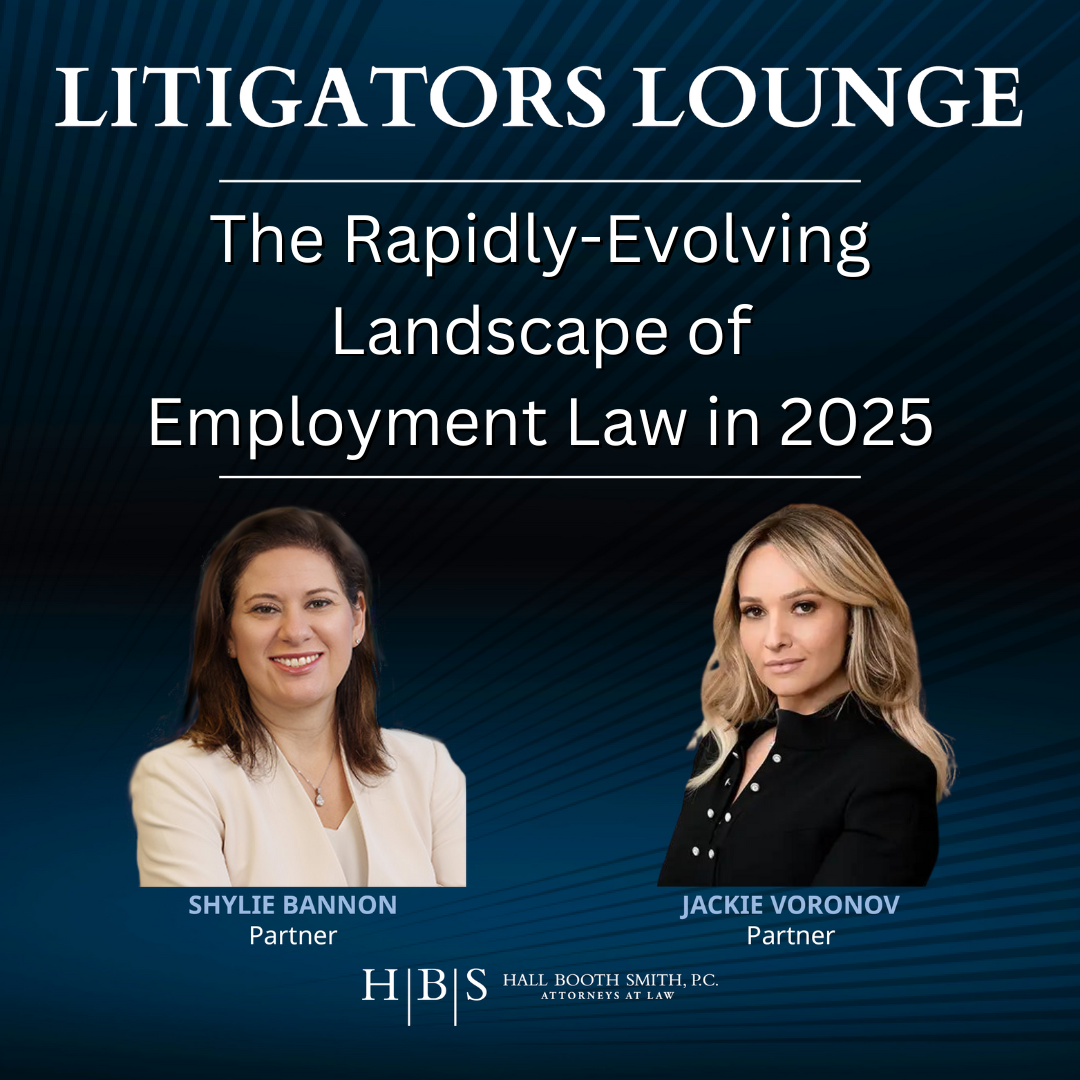
The Rapidly-Evolving Landscape of Employment Law in 2025, the Litigators Lounge podcast, Jackie Voronov and Shylie Bannon, Hall Booth Smith
Hall Booth Smith Podcast Network
The Rapidly-Evolving Landscape of Employment Law in 2025
Loading
00:00 /
RSS Feed
Share
Link
Embed

Download file

The Rapidly-Evolving Landscape of Employment Law in 2025, the Litigators Lounge podcast, Jackie Voronov and Shylie Bannon, Hall Booth Smith

The Rapidly-Evolving Landscape of Employment Law in 2025 (Litigators Lounge, Episode 13)

In this episode of Litigators Lounge, hosts Jackie Voronov and Shylie Bannon discuss the major shifts in employment law for 2025. They tackle critical topics including the surge in pay transparency laws, the implications of AI in hiring, the rollback of the Department of Labor’s overtime rule, the ongoing issue of non-competes, and the growing importance of mental health accommodations in the workplace. The episode also explores the dynamic changes within the National Labor Relations Board (NLRB) and the Equal Employment Opportunity Commission (EEOC). Jackie and Shylie predict significant shifts in enforcement and compliance landscapes based on new leadership and revised priorities.

Litigators Lounge is underwritten and presented by Hall Booth Smith. The show is produced by John Ray and the North Fulton affiliate of Business RadioX®.

Topics Discussed in this Episode

00:00 Introduction to Litigators Lounge
01:50 Setting the Stage for 2025
04:15 Pay Transparency Laws Explained
08:56 Workplace Privacy and AI in Hiring
17:38 Overtime Rule and Salary Thresholds
21:31 FTC’s New Commissioner and Non-Compete Agreements
22:47 State-Specific Non-Compete Regulations
23:41 Personal Views on Non-Compete Agreements
26:14 Mental Health Accommodations in the Workplace
28:09 Remote Work and Mental Health
29:54 Independent Contractor Classification
32:32 NLRB and EEOC Leadership Changes
35:49 EEOC’s New Priorities
41:19 Employer Takeaways for 2025
42:29 Listener Engagement and Contact Information

Jackie Voronov, Partner, Hall Booth Smith

Jackie Voronov, Partner, Hall Booth Smith

Jackie Voronov is a Partner in Hall Booth Smith’s office in Paramus, New Jersey, and she represents management in a wide variety of employment matters and litigates employment claims before administrative agencies and state and federal courts. Her clients include major hotels, retailers, shipping companies, assisted living facilities and nursing homes, manufacturers, and national fast-food franchisees.

Jackie’s litigation experience includes the defense of employers in single and multi-plaintiff actions on claims of wrongful discharge, sexual harassment, race, national origin, gender, disability and age discrimination, breach of contract, family medical leave, failure to accommodate, retaliation, wage/hour laws, and related tort claims.  Jackie also works with her clients to prepare various employment agreements (including non-compete, confidentiality, independent contractor, and separation agreements). She has extensive experience before various administrative tribunals, including the Equal Employment Opportunity Commission (EEOC), the State Division of Human Rights (SDHR), the Division of Civil Rights (DCR), and other state, federal, and local agencies.

In addition, Jackie frequently conducts management training for employers on a wide variety of employment law topics, such as:

  • EEO/anti-harassment
  • employee recruiting and hiring practices
  • family and medical leave
  • reasonable accommodations for disabilities and religion
  • preventing and investigating harassment, discrimination, and whistleblower claims
  • wage and hour compliance
  • discipline and termination of employees
  • privacy in the workplace

Jackie is regularly invited to speak nationally on best practices and other employment-related issues. Before joining Hall Booth Smith, she worked for one of the country’s largest law firms, where she defended employers in a wide range of labor and employment matters, including wage and hour class actions under the Fair Labor Standards Act (FLSA), claims related to the New York State Human Rights Law (NSHRL), the New Jersey Law Against Discrimination (LAD), the Americans With Disabilities Act (ADA), the New Jersey Conscientious Employee Protection Act (CEPA), and Title VII.

Jackie was selected for inclusion as a New Jersey Rising Star by Super Lawyers® for six consecutive years (2010-2016), which honors the top 2.5% of young lawyers in New Jersey.

LinkedIn

Shylie Bannon, Partner, Hall Booth Smith

Shylie Bannon, Partner, Hall Booth Smith

Shylie Bannon is a Partner in Hall Booth Smith’s Jacksonville, Florida, office. She also serves as Hiring Partner for the region of Florida, where she oversees associate attorney hiring endeavors. Prior to joining Hall Booth Smith, Shylie was a partner in both a multi-state, multi-specialty firm and a boutique practice.

At Hall Booth Smith, Shylie continues to represent physicians, mid-level providers, and health care providers in high-exposure medical negligence claims and in administrative proceedings before the Florida Department of Health. She also represents national retailers in high-exposure premises liability, negligent security, and transportation litigation with our National Trial Counsel team.

In addition to litigating matters involving personal injury and negligence, Shylie also represents management in all aspects of employment-related litigation arising from allegations of sex, disability, race, and pregnancy discrimination; whistleblower actions; and alleged violations of the National Labor Relations Act and Fair Labor Standards. She does so in administrative proceedings before both the Florida Commission on Human Relations and the US Equal Employment Opportunity Commission, as well as in all of the state and federal courts in Florida. She also provides employment-related counsel to clients, helping them avoid employment-related litigation through the implementation of best employment, investigation, and risk management practices.

Shylie earned a Juris Doctor from the University of Florida Levin College of Law, cum laude, and graduated magna cum laude from Tulane University with a Bachelor of Arts in Political Science and History.

Shylie volunteers with the Guardian Ad Litem program and supports child welfare advocacy efforts in Northeast Florida. She is also a Member of the Board for the Jewish Federation & Foundation of Northeast Florida.

LinkedIn

About Hall Booth Smith, P.C.

Established in 1989, Hall Booth Smith, P.C. (HBS) is a full-service law firm headquartered in Atlanta, Georgia, with regional offices strategically located throughout Georgia and the United States. Experienced across a wide range of legal disciplines, HBS prides itself on providing knowledgeable, proactive, client-specific counsel to individuals, domestic and international corporations, state and federal agencies, and nonprofit organizations.

HBS possesses the legal knowledge, skill, and experience to meet their clients’ needs wherever they do business. HBS maintains the highest commitment to ethically and professionally serving their clients by providing the highest quality legal representation.

They deliver quality legal services in a variety of service areas. Experience across legal disciplines combined with a focus on the unique business or personal requirements of the client is the hallmark of the firm. Their clients receive the attention, expertise, and cost-effectiveness of a smaller law firm with the full service and strong regional presence typical of a larger one.

Company website | LinkedIn | Facebook | Instagram

Disclaimer

Litigators Lounge is a production brought to you by Hall Booth Smith, PC. This podcast is published for the purposes of providing general information and education on topics that include those related to the law and legal issues, but the contents of the podcast do not constitute legal advice. Listening to this podcast or utilizing the information contained in it in any way does not constitute nor does it create an attorney-client relationship between you and Hall Booth Smith or its lawyers. The contents of this podcast should not be used as a substitute for competent legal advice from a professional attorney licensed in your jurisdiction.
Tagged With: employment law, Hall Booth Smith, Jackie Voronov, Litigators Lounge, mental health, non-compete agreement, overtime, pay transparency, remote work, Shylie Bannon, workplace privacy

FTC Proposed Ban on Non-Compete Agreements

February 17, 2023 by John Ray

FTC Proposed Ban on Non-Compete Agreements
Advisory Insights Podcast
FTC Proposed Ban on Non-Compete Agreements
Loading
00:00 /
RSS Feed
Share
Link
Embed

Download file

FTC Proposed Ban on Non-Compete Agreements

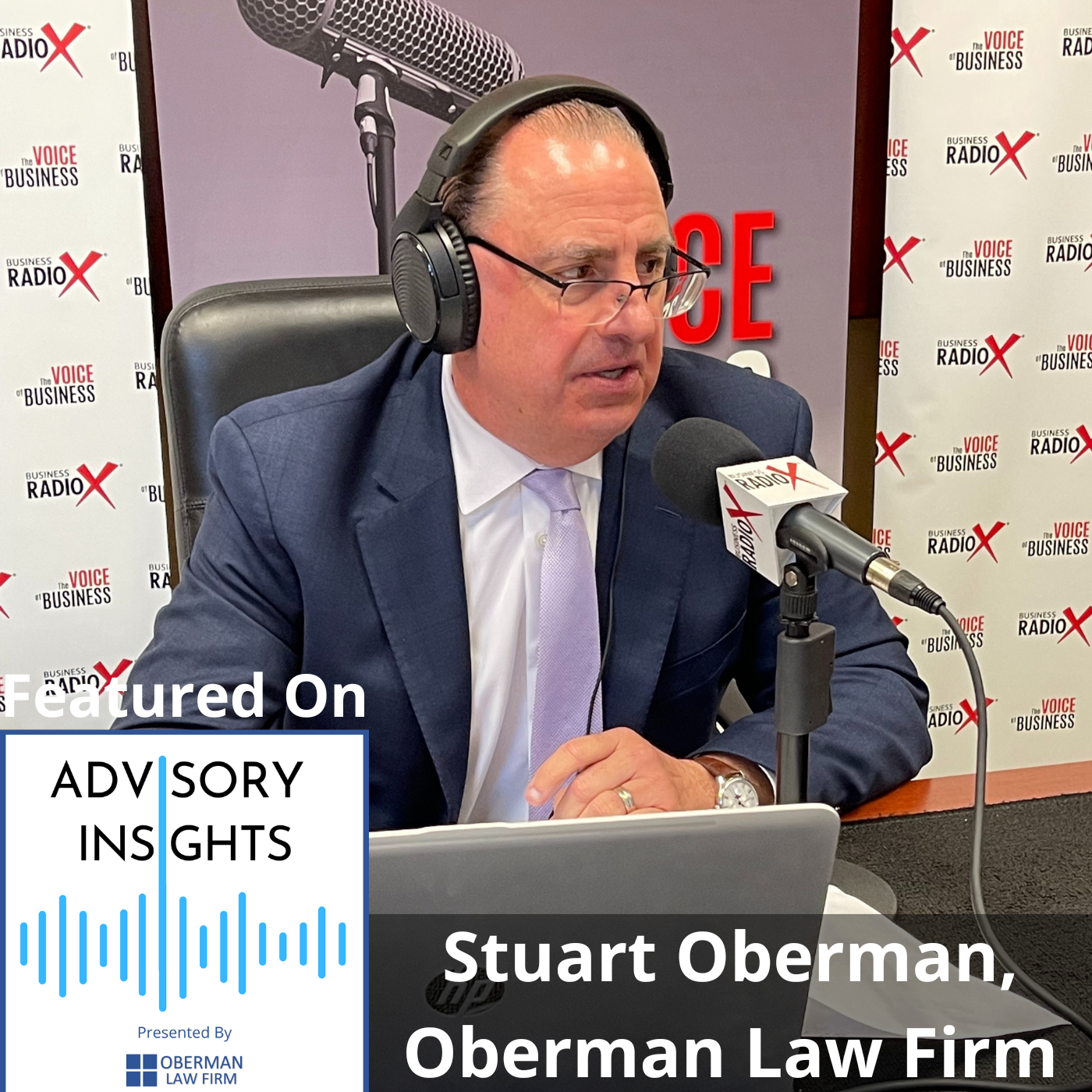
FTC Proposed Ban on Non-Compete Agreements (Advisory Insights Podcast, Episode 31)

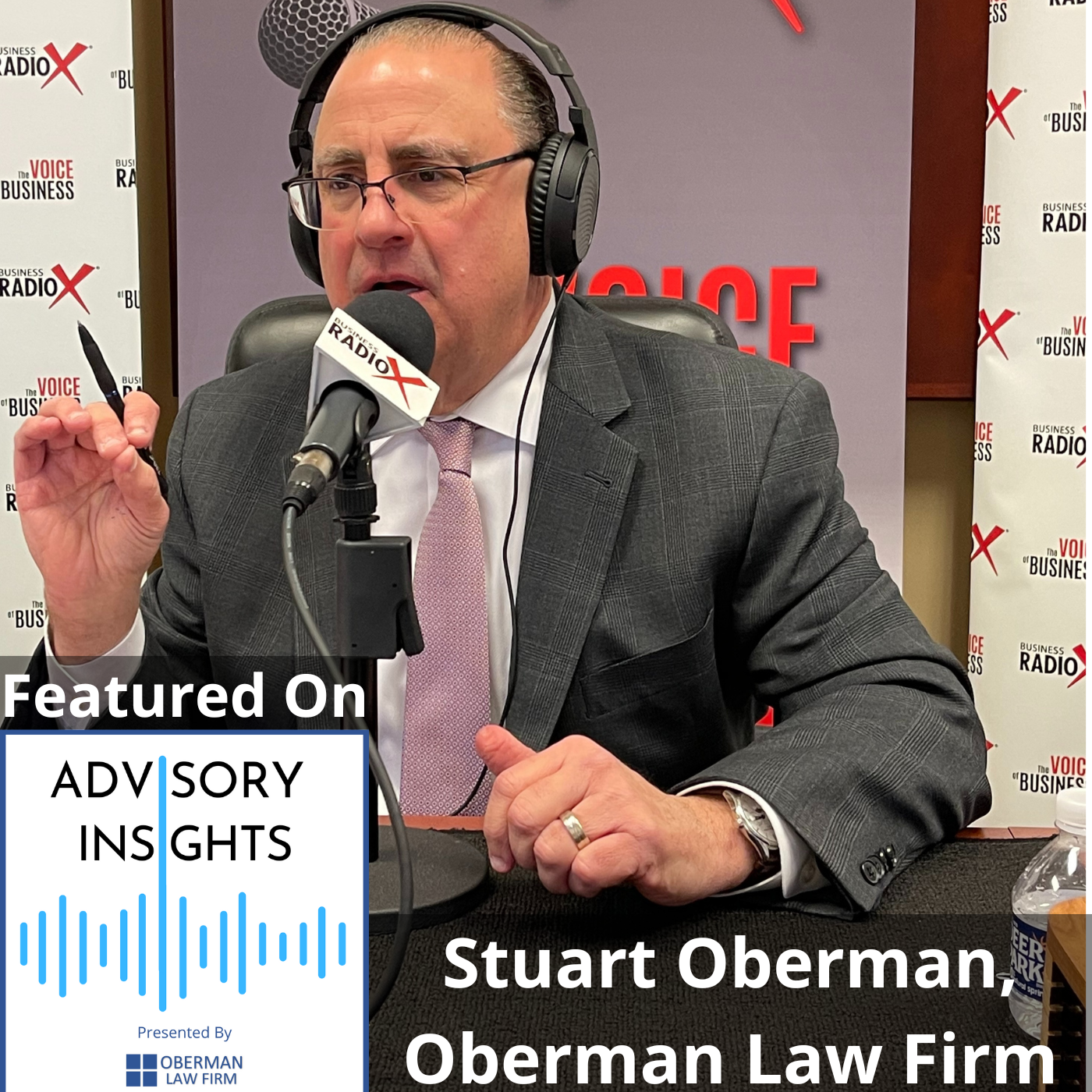
On this episode of Advisory Insights, Stuart Oberman of Oberman Law Firm discussed the Federal Trade Commission’s (FTC) proposed ban on non-compete agreements. Stuart talked about how this ban, if enacted, would extend to nearly all work arrangements, including unpaid or volunteer positions, apprentices, and independent contractors, in addition to regular employees.

Advisory Insights is presented by Oberman Law Firm and produced by the North Fulton studio of Business RadioX®. The series can be found on all the major podcast apps. You can find the complete show archive here.

TRANSCRIPT

Intro: [00:00:01] Broadcasting from the Studios of Business RadioX, it’s time for Advisory Insights. Brought to you by Oberman Law Firm, serving clients nationwide with tailored service and exceptional results. Now, here’s your host.

Stuart Oberman: [00:00:20] Hello everyone, and welcome to Advisory Insights. Your host, Stuart Oberman, here. All right. Folks, we’re going to gear it up pretty quick on this one. As a firestorm continues, this episode, FTC Proposed Ban on Non-competes.

Stuart Oberman: [00:00:37] So, on our previous episode, we talked about some companies the FTC sort of slapped a little bit, if you will, in relation to their January 4, 2023 press release from the FTC. But now, I want to talk about the Biden Administration’s proposed ban on non-competes.

Stuart Oberman: [00:00:58] Look, I don’t care what your politics is. It doesn’t matter to me. I don’t care who you vote for. I don’t care what you do behind closed doors. It doesn’t matter to me. But what I’m looking at is we have to look at the cards that are on the table. Again, this is not politics. This is purely, purely law.

Stuart Oberman: [00:01:22] So, under the Biden Administration’s request, the FTC is looking into banning non-compete agreements. So, what does that mean? I’m going broad scope here. The FTC’s proposal would extend to nearly all work arrangements, including – got to get this, including -unpaid or volunteer positions, apprentices, independent contractors, in addition to regular employees. Now, that is extremely broad-based.

Stuart Oberman: [00:01:58] So, I don’t want to go too far in detail because there’s a lot of things that are going to go into this. There’s a lot of public notices that have to go out. But what I want to do is point out the extreme necessity that our employers need to look at regarding this non-competes.

Stuart Oberman: [00:02:15] So, under the rule, under the proposed rule, employers would be required – not optional, required – to rescind previously entered non-compete provisions and – get this – inform workers in writing via letter, email, text message that their agreement is no longer in effect or even enforceable.

Stuart Oberman: [00:02:45] Now, if you’ve got a large company with thousands and thousands of employees, under this rule – again, nothing’s etched in stone. There’s a lot of commentary. There’s a lot of things that we’re looking at. You got to look at the executive order and what that is exactly directing the FTC to do – employers would be required to rescind previously non-compete provisions and inform workers in writing, via letter, email, text message – assuming that everyone reads their emails and gets the emails – that the agreement is no longer enforceable.

Stuart Oberman: [00:03:25] So, a couple of carve outs. The proposed rule could potentially not apply to franchisee or franchise agreements or – and this is critical. This goes to the M&A field, mergers and acquisitions – agreements between buyers and sellers of a business. That’s a carve out, because if you look at what those buy-sell agreements are, they’re actually valuable consideration for those. So, if you’re paying someone $50 or $50 million to buy it out, you’ve got some kind of consideration. That’s a whole nother legal issue.

Stuart Oberman: [00:04:05] But both of these agreements would be continued to remain subject to, of course, antitrust laws, but wouldn’t necessarily affect the rule. So, I think those are two extremely carve outs, especially when we’re looking to buy-sell agreements. Now, that can be businesses, professional mergers and acquisitions.

Stuart Oberman: [00:04:27] So, last year, as a firm, we did about 135 transactions with about 350 million total dollar amount. So, I can see why that would be a carve out exception. But one thing to look at is, first and foremost, this rule doesn’t go into effect for many, many months. There’s a lot of commentary. And I don’t know that we want to waste a whole lot of time on what-could-be’s and a whole lot of Sunday morning talk show it matters. But what I want to do is put this in forefront of you’ve got to look at what you’re doing on a daily basis going forward.

Stuart Oberman: [00:05:04] So, first, I will guarantee you that if this law goes into effect, there’s going to be numerous legal challenges. There’s just going to be legal challenges. First, does this, in fact, exceed the FTC’s permission – I mean, authority within rulemaking authority under the Federal Trade Commission Act, first and foremost? That’s an issue. Then, under that act, you’ve got, of course, potential delegation clause. What does that look like?

Stuart Oberman: [00:05:30] And second, the rule making may very well invade the state’s province of contract law. So, we’ve got state issues to look at. And then, under the third provision, it may trigger major question doctrine, whether or not the ban would have to be something that would undertake by Congress, and not the FTC, as an executive rule.

Stuart Oberman: [00:06:03] Again, I’m going to repeat that. We have to look at whether or not this action, the ban would actually come under Congress’s authority and not the FTC. Again, a couple issues. So, we’ve got to look at what’s going on with the ban months away, a lot of commentary. I’m sure there’s going to be tweaks and challenges along the road.

Stuart Oberman: [00:06:30] Again, I don’t want to get into politics here, but we’ve got to look at what we have to look at. Then, we’re going to look into three areas that we say that it may not be enforceable. So, again, I want to put this on the forefront of our employers on state, local, national, and international level as to what’s to be expected.

Stuart Oberman: [00:06:50] Folks, that’s all I’m going to comment today – maybe not tomorrow, but today on non-compete agreements and the FTC ban. Folks, Stuart Oberman here, your host. Thanks again for joining us on Advisory Insights. If you have any questions, give us a call, 770-886-2400. Or send me an email, stuart, S-T-U-A-R-T, @obermanlaw.com. Folks, thanks for joining and have a fantastic day.

Outro: [00:07:16] Thank you for joining us on Advisory Insights. This show is brought to you by Oberman Law Firm, a business-centric law firm representing local, regional, and national clients in a wide range of practice areas, including health care, mergers and acquisitions, corporate transactions, and regulatory compliance.

About Advisory Insights Podcast

Presented by Oberman Law Firm, Advisory Insights Podcast covers legal, business, HR, and other topics of vital concern to healthcare practices and other business owners. This show series can be found here as well as on all the major podcast apps.

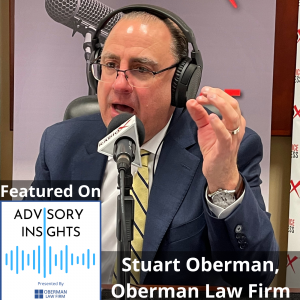
Stuart Oberman, Oberman Law Firm

Oberman Law Firm

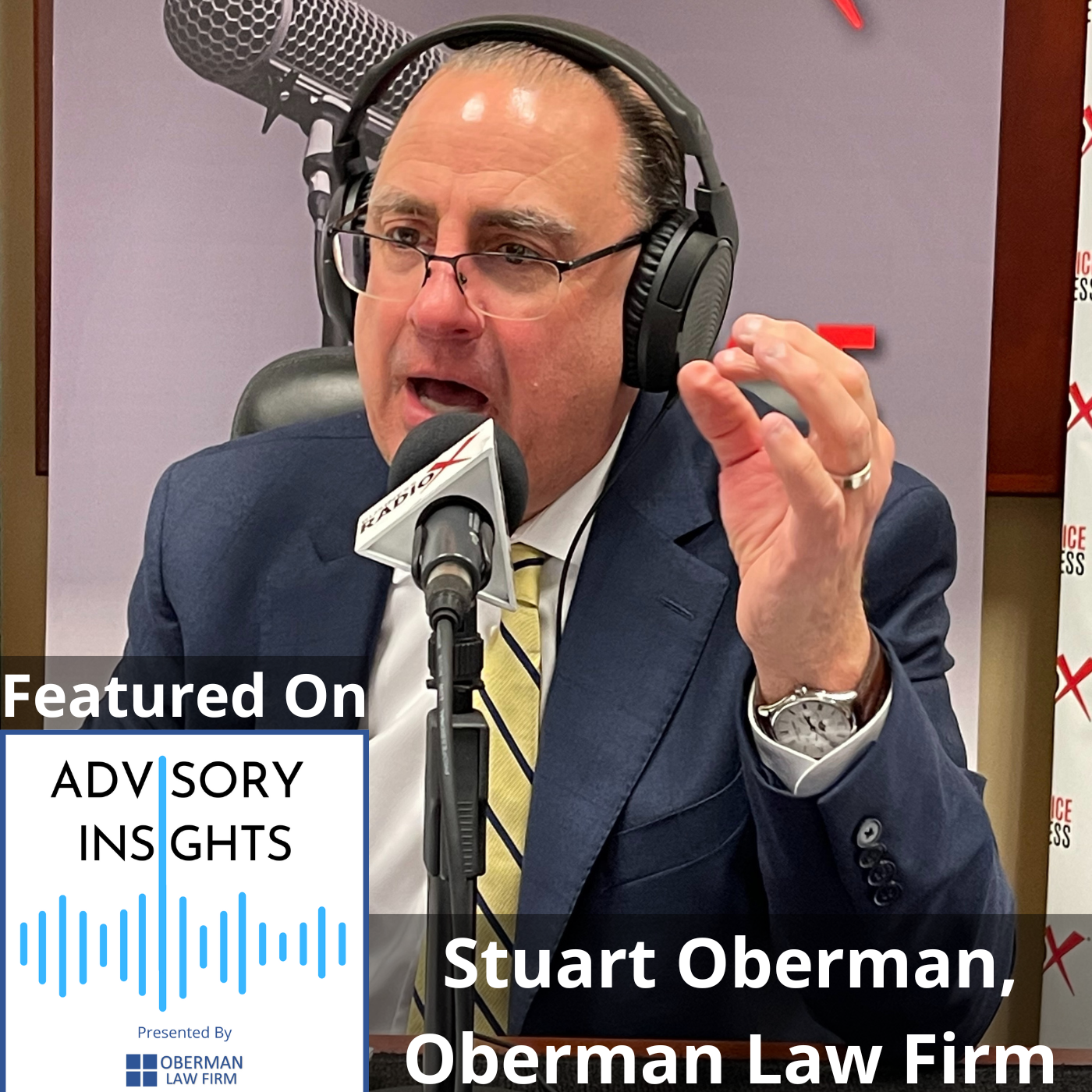
Stuart Oberman is the founder and President of Oberman Law Firm. Mr. Oberman graduated from Urbana University and received his law degree from John Marshall Law School. Mr. Oberman has been practicing law for over 25 years, and before going into private practice, Mr. Oberman was in-house counsel for a Fortune 500 Company. Mr. Oberman is widely regarded as the go-to attorney in the area of Dental Law, which includes DSO formation, corporate business structures, mergers and acquisitions, regulatory compliance, advertising regulations, HIPAA, Compliance, and employment law regulations that affect dental practices.

In addition, Mr. Oberman’s expertise in the healthcare industry includes advising clients in the complex regulatory landscape as it relates to telehealth and telemedicine, including compliance of corporate structures, third-party reimbursement, contract negotiations, technology, health care fraud, and abuse law (Anti-Kickback Statute and the State Law), professional liability risk management, federal and state regulations.

As the long-term care industry evolves, Mr. Oberman has the knowledge and experience to guide clients in the long-term care sector with respect to corporate and regulatory matters, assisted living facilities, continuing care retirement communities (CCRCs). In addition, Mr. Oberman’s practice also focuses on health care facility acquisitions and other changes of ownership, as well as related licensure and Medicare/Medicaid certification matters, CCRC registrations, long-term care/skilled nursing facility management, operating agreements, assisted living licensure matters, and health care joint ventures.

In addition to his expertise in the health care industry, Mr. Oberman has a nationwide practice that focuses on all facets of contractual disputes, including corporate governance, fiduciary duty, trade secrets, unfair competition, covenants not to compete, trademark and copyright infringement, fraud, and deceptive trade practices, and other business-related matters. Mr. Oberman also represents clients throughout the United States in a wide range of practice areas, including mergers & acquisitions, partnership agreements, commercial real estate, entity formation, employment law, commercial leasing, intellectual property, and HIPAA/OSHA compliance.

Mr. Oberman is a national lecturer and has published articles in the U.S. and Canada.

LinkedIn

Oberman Law Firm

Oberman Law Firm has a long history of civic service, noted national, regional, and local clients, and stands among the Southeast’s eminent and fast-growing full-service law firms. Oberman Law Firm’s areas of practice include Business Planning, Commercial & Technology Transactions, Corporate, Employment & Labor, Estate Planning, Health Care, Intellectual Property, Litigation, Privacy & Data Security, and Real Estate.

By meeting their client’s goals and becoming a trusted partner and advocate for our clients, their attorneys are recognized as legal go-getters who provide value-added service. Their attorneys understand that in a rapidly changing legal market, clients have new expectations, constantly evolving choices, and operate in an environment of heightened reputational and commercial risk.

Oberman Law Firm’s strength is its ability to solve complex legal problems by collaborating across borders and practice areas.

Connect with Oberman Law Firm:

Company website | LinkedIn | Twitter

Tagged With: Advisory Insights, Advisory Insights Podcast, employees, Federal Trade Commission, FTC, Non-Compete, non-compete agreement, non-compete ban, Oberman Law, Oberman Law Firm, Stuart Oberman

FTC Cracks Down on Companies Non-Compete Restrictions

February 10, 2023 by John Ray

non-complete restrictions
Advisory Insights Podcast
FTC Cracks Down on Companies Non-Compete Restrictions
Loading
00:00 /
RSS Feed
Share
Link
Embed

Download file

non-complete restrictions

FTC Cracks Down on Companies Non-Compete Restrictions (Advisory Insights Podcast, Episode 30)

On the episode of Advisory Insights, Stuart Oberman of Oberman Law Firm discussed how the Federal Trade Commission (FTC) is cracking down on companies that have non-compete restrictions. Stuart gives a quick update on the current state of non-compete agreements, noting that there is a lot of uncertainty and that this could have a chilling effect on the professional fields.

Advisory Insights is presented by Oberman Law Firm and produced by the North Fulton studio of Business RadioX®. The series can be found on all the major podcast apps. You can find the complete show archive here.

TRANSCRIPT

Intro: [00:00:01] Broadcasting from the Studios of Business RadioX, it’s time for Advisory Insights. Brought to you by Oberman Law Firm, serving clients nationwide with tailored service and exceptional results. Now, here’s your host.

Stuart Oberman: [00:00:20] And welcome everyone to Advisory Insights. Stuart Oberman here, your host. All right. Folks, we’re going to be off and running today on the podcast. An enormous topic that is taking the business world by extreme uncertainty. We’ve got fires going everywhere. I want to talk about the FTC cracks down on company’s non-compete restrictions.

Stuart Oberman: [00:00:44] So, I want to briefly review this particular matter because this is a prelude to what I think the Federal Government is going to do down the road. So, I want to review a release dated January 4, 2023 that the FTC released. And I want to look at some broad things on this.

Stuart Oberman: [00:01:07] So, what happened is the FTC has taken action against three companies, two individuals – get this – forcing them to drop non-compete restrictions that would have imposed thousands and thousands of workers with restrictions. So, what does this mean?

Stuart Oberman: [00:01:27] So, according to the FTC, each of the companies and individuals illegally – illegally – impose non-compete restrictions on workers in positions that range from low level security guards to manufacturing workers to engineers that just stepped into the professional markets – engineers – which barred them from seeking or accepting another employer or operating a competing business after they left the company. Folks, that is extremely, extremely problematic going down the road.

Stuart Oberman: [00:02:13] Now, one of the things we need to look at in this particular order – and you’ve got to sort of read between the lines on this, what the FTC said – they issued a statement that they are going to vigorously – cannot just enforce, but vigorously – enforce Section 5, which prohibits unfair methods of competition. Which, from all indications is going to be non-compete agreements.

Stuart Oberman: [00:02:44] So, in each these cases – and I’m not going to go into names because it’s all public record, but I want to look at the ramifications – the FTC ordered the companies to cease enforcing, threatening to enforce, or imposing non-compete restrictions on relevant workers. Now, understand that. The FTC said, the government said you are not going to enforce these. You’re not going to threaten employees – which means you cannot allegedly send a letter of a cease and desist that if you do this, you’ll have this penalty, your contract says this, you’re going to be sued, whatever – or impose non-compete restrictions on relevant workers. So, they’ve also required – again, far reaching effect – the employer should notify the infected employees that they are no longer bound by the restrictions.

Stuart Oberman: [00:03:51] So, you got to understand this. They said, “Oh, by the way, three companies, two individuals, we’re nullifying your non-compete agreements.” And not only that, but now you’ve got to notify the employees that, “Oh, by the way, we’re not enforcing your non-compete.”

Stuart Oberman: [00:04:08] So, I want to go through some things that the FTC, in this order – which I’m going to give you my opinion. It’s going to be a prelude of what’s down the road. There’s a lot of things going on we need to look at, but this is the prelude – they have banned in the order the company from communicating to any relevant employee or other employer that the employee is subject to a non-compete – which means you’ve cut off communication to third parties – requiring them to void and nullify the challenge non-competes without penalizing the infected employees – without penalizing the infected employees.

Stuart Oberman: [00:04:56] Require them to provide copies of the order to current and past employees who are subject to the challenges non-compete. Again, get that, current and past employees. Require them to provide a copy of the complaint and order to current and future directors, officers, employees of the companies who are responsible for hiring and recruiting. That’s H.R., folks. That’s H.R. So, now this is their H.R. responsibility.

Stuart Oberman: [00:05:34] So then, here’s the interesting part, again, far reaching. Requires them for the next ten years – ten years, not ten days, but ten years – to provide a clear and conspicuous notice to any relevant employees that they may freely seek or accept a job with any company or person, run their own business, or compete with them at any time following their employment.

Stuart Oberman: [00:06:05] Folks, you understand what that is and how far reaching that is to these three businesses and two individuals? So, again, there’s been a lot of discussion as to what is going to take place as far as non-competes go. But what I’m giving you right now is an actual FTC release as to what occurred to these three companies and two individuals.

Stuart Oberman: [00:06:33] So, what do we do from here? I think that knowing what we know now, I think every, every, every company has got to look at their H.R. top to bottom. They’ve got to look at their non-competes. Now, are we non-solicitations, trade secrets. No. That’s non-competes. I think we’ve got to take a look at every contract. I don’t care what business you’re in, whether you’re in dental or manufacturing or global and you’ve got business in the United States. I think we need to look at every contract that has a non-compete agreement in it, and determine what the ramifications are and how broad this is.

Stuart Oberman: [00:07:11] First and foremost, we’ve got to determine, one, forget about the FTC, whether or not you’re non-compete, is it even enforceable? There’s very specific guidelines for that. It’s got to be geographically specific. It can’t be overly broad. So, there’s some very specifics. So, once we get through that that hurdle and say, “Yeah. It’s enforceable,” on a general basis, then we need to take a look at these these non-competes as a whole and figure out how as a company you’re going to approach this.

Stuart Oberman: [00:07:36] Folks, it is some Wild Wild West stuff going out there on non-compete agreements and in business environments. And I think this may have a chilling effect on, especially, the professional fields. Folks, that’s a quick update on a very, very broad topic that I could spend probably three hours on a whole event on.

Stuart Oberman: [00:07:55] But thank you again, folks, for joining us on the podcast for Advisory Insights. My name is Stuart Oberman. If you have any questions, please feel free to give us a call, 770-886-2400. Or send me an email, stuart, S-T-U-A-R-T, @obermanlaw.com Thanks, folks, and have a fantastic day.

Outro: [00:08:16] Thank you for joining us on Advisory Insights. This show is brought to you by Oberman Law Firm, a business-centric law firm representing local, regional, and national clients in a wide range of practice areas, including health care, mergers and acquisitions, corporate transactions, and regulatory compliance.

About Advisory Insights Podcast

Presented by Oberman Law Firm, Advisory Insights Podcast covers legal, business, HR, and other topics of vital concern to healthcare practices and other business owners. This show series can be found here as well as on all the major podcast apps.

Stuart Oberman, Oberman Law Firm

Oberman Law Firm

Stuart Oberman is the founder and President of Oberman Law Firm. Mr. Oberman graduated from Urbana University and received his law degree from John Marshall Law School. Mr. Oberman has been practicing law for over 25 years, and before going into private practice, Mr. Oberman was in-house counsel for a Fortune 500 Company. Mr. Oberman is widely regarded as the go-to attorney in the area of Dental Law, which includes DSO formation, corporate business structures, mergers and acquisitions, regulatory compliance, advertising regulations, HIPAA, Compliance, and employment law regulations that affect dental practices.

In addition, Mr. Oberman’s expertise in the healthcare industry includes advising clients in the complex regulatory landscape as it relates to telehealth and telemedicine, including compliance of corporate structures, third-party reimbursement, contract negotiations, technology, health care fraud, and abuse law (Anti-Kickback Statute and the State Law), professional liability risk management, federal and state regulations.

As the long-term care industry evolves, Mr. Oberman has the knowledge and experience to guide clients in the long-term care sector with respect to corporate and regulatory matters, assisted living facilities, continuing care retirement communities (CCRCs). In addition, Mr. Oberman’s practice also focuses on health care facility acquisitions and other changes of ownership, as well as related licensure and Medicare/Medicaid certification matters, CCRC registrations, long-term care/skilled nursing facility management, operating agreements, assisted living licensure matters, and health care joint ventures.

In addition to his expertise in the health care industry, Mr. Oberman has a nationwide practice that focuses on all facets of contractual disputes, including corporate governance, fiduciary duty, trade secrets, unfair competition, covenants not to compete, trademark and copyright infringement, fraud, and deceptive trade practices, and other business-related matters. Mr. Oberman also represents clients throughout the United States in a wide range of practice areas, including mergers & acquisitions, partnership agreements, commercial real estate, entity formation, employment law, commercial leasing, intellectual property, and HIPAA/OSHA compliance.

Mr. Oberman is a national lecturer and has published articles in the U.S. and Canada.

LinkedIn

Oberman Law Firm

Oberman Law Firm has a long history of civic service, noted national, regional, and local clients, and stands among the Southeast’s eminent and fast-growing full-service law firms. Oberman Law Firm’s areas of practice include Business Planning, Commercial & Technology Transactions, Corporate, Employment & Labor, Estate Planning, Health Care, Intellectual Property, Litigation, Privacy & Data Security, and Real Estate.

By meeting their client’s goals and becoming a trusted partner and advocate for our clients, their attorneys are recognized as legal go-getters who provide value-added service. Their attorneys understand that in a rapidly changing legal market, clients have new expectations, constantly evolving choices, and operate in an environment of heightened reputational and commercial risk.

Oberman Law Firm’s strength is its ability to solve complex legal problems by collaborating across borders and practice areas.

Connect with Oberman Law Firm:

Company website | LinkedIn | Twitter

Tagged With: Advisory Insights, Advisory Insights Podcast, employment law, Federal Trade Commission, FTC, Non-Compete, non-compete agreement, Non-Compete Restrictions, Oberman Law, Oberman Law Firm, Stuart Oberman

Kimberly DeCarrera, DeCarrera Law

January 30, 2023 by John Ray

Kimberly DeCarrera, DeCarrera Law
North Fulton Business Radio
Kimberly DeCarrera, DeCarrera Law
Loading
00:00 /
RSS Feed
Share
Link
Embed

Download file

Kimberly DeCarrera, DeCarrera Law

Kimberly DeCarrera, DeCarrera Law (North Fulton Business Radio, Episode 604)

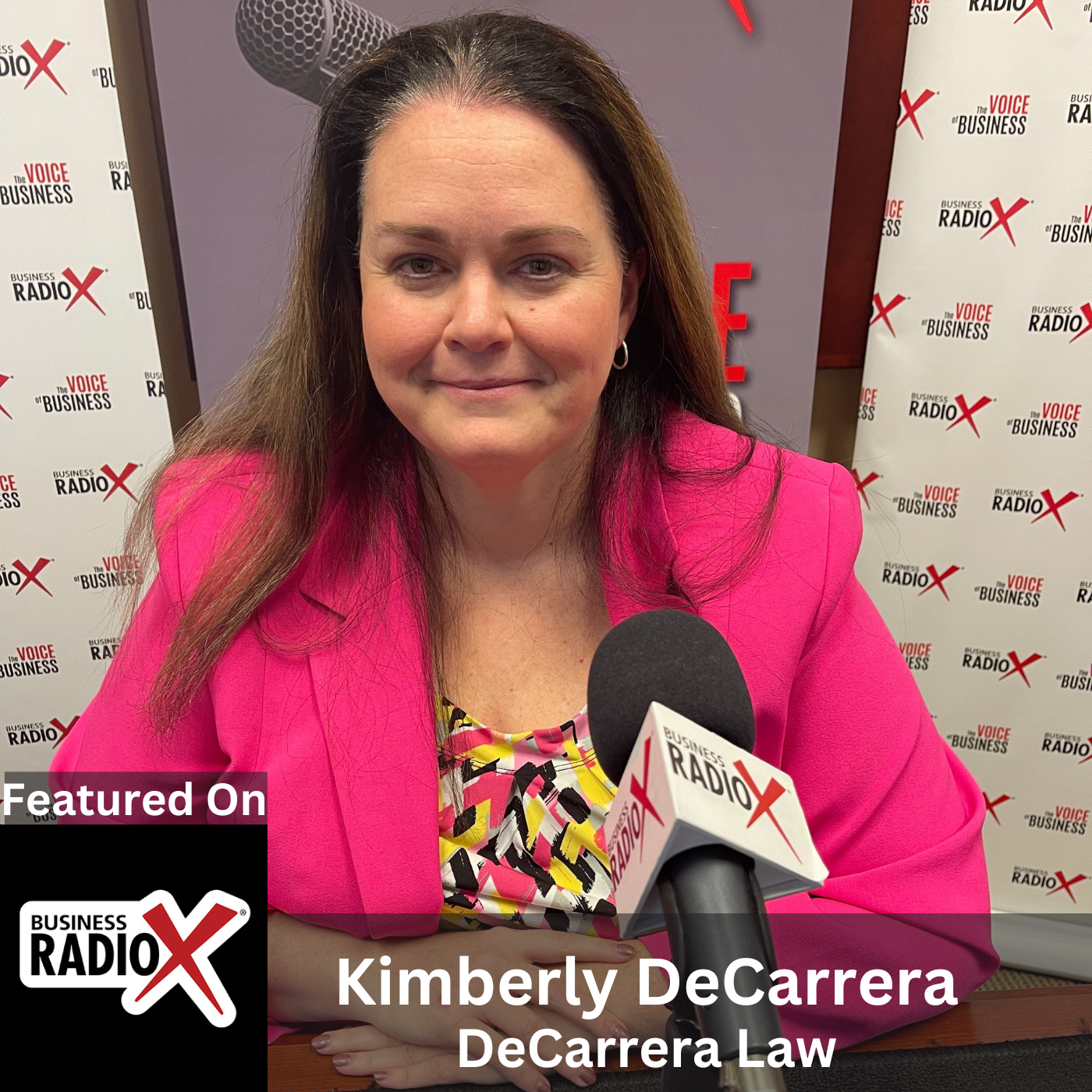
If you have questions about the FTC proposed regulation to ban non-compete agreements, this episode is for you. Kimberly DeCarrea, Founder and Principal at DeCarrera Law, joined host John Ray on this episode of North Fulton Business Radio to share how she serves as an Outside General Counsel for her business clients. In addition to her perspective on the FTC proposal, Kimberly shared some steps a business should take in response, as well as different legal trends in 2023, the obligations businesses can have regarding unclaimed property, and much more.

North Fulton Business Radio is produced and broadcast by the North Fulton studio of Business RadioX® inside Renasant Bank in Alpharetta.

DeCarrera Law

You are looking for a strategic partnership in a lawyer. Anyone can read and advise on your contracts. But who will tell you whether this contract is a good idea or not?

DeCarrera Law brings together the disciplines of law and accounting to provide clients with customized plans to reduce risk, resolve historical liabilities, and ultimately to be profitable moving forward.

The intersection of law and accounting provides a unique balance between corporate legal and accounting departments to find solutions that might not otherwise be available to practitioners of only one discipline.

Website | LinkedIn

Kimberly DeCarrera, Outside General Counsel, DeCarrera Law

Kimberly DeCarrera, Outside General Counsel, DeCarrera Law

Kimberly DeCarrera is an attorney serving clients as Outside General Counsel at DeCarrera Law, LLC. As Outside General Counsel, she does everything that an in-house general counsel would do, but on a part-time or fractional basis. By serving multiple clients at once, you get insights from other businesses and best practices from across different industries. It also doesn’t cost as much as a full-time attorney in-house, which is great for new startups and high-growth mid-market companies that don’t have a need for full-time attorneys.

She has worked in-house in logistics and professional services firms. She is a graduate of Georgia State Law and Georgia State Robinson College of Business with a Masters in Tax. She also has a degree in Management from Georgia Tech.

When not practicing law and advising clients, Kimberly is a big Georgia Tech fan and can be found at football, baseball, or basketball games. Often tailgating in an RV. She runs RV Tailgate Life – a travel and sports website. She also recently adopted a rescue beagle named Layla.

LinkedIn | Twitter

Questions and Topics in this Interview

  • Non-competes and FTC proposals
  • Starting and growing businesses in 2023
  • Legal trends in 2023
  • Business processes and procedures
  • Unclaimed property
  • Running blogs/online businesses

North Fulton Business Radio is hosted by John Ray and broadcast and produced from the North Fulton studio of Business RadioX® inside Renasant Bank in Alpharetta. You can find the full archive of shows by following this link. The show is available on all the major podcast apps, including Apple Podcasts, Spotify, Google, Amazon, iHeart Radio, Stitcher, TuneIn, and others.

RenasantBank

Renasant Bank has humble roots, starting in 1904 as a $100,000 bank in a Lee County, Mississippi, bakery. Since then, Renasant has grown to become one of the Southeast’s strongest financial institutions with over $13 billion in assets and more than 190 banking, lending, wealth management and financial services offices in Mississippi, Alabama, Tennessee, Georgia and Florida. All of Renasant’s success stems from each of their banker’s commitment to investing in their communities as a way of better understanding the people they serve. At Renasant Bank, they understand you because they work and live alongside you every day.

Since 2000, Office Angels® has been restoring joy to the life of small business owners, enabling them to focus on what they do best. At the same time, we honor and support at-home experts who wish to continue working on an as-needed basis. Not a temp firm or a placement service, Office Angels matches a business owner’s support needs with Angels who have the talent and experience necessary to handle work that is essential to creating and maintaining a successful small business. Need help with administrative tasks, bookkeeping, marketing, presentations, workshops, speaking engagements, and more? Visit us at https://officeangels.us/.

Tagged With: attorney, DeCarrera Law, General Consel, John Ray, Kimberly DeCarrera, non-compete agreement, North Fulton Business Radio, Office Angels, outside general counsel, renasant bank

Plan Ahead! HR National Legislative Update

September 2, 2022 by John Ray

Plan Ahead! HR National Legislative Update
Advisory Insights Podcast
Plan Ahead! HR National Legislative Update
Loading
00:00 /
RSS Feed
Share
Link
Embed

Download file

Plan Ahead! HR National Legislative Update

Plan Ahead! HR National Legislative Update (Advisory Insights Podcast, Episode 7)

Massachusetts is about to become the 18th state in the country to ban discrimination based on hairstyle. It’s just one example of how laws and regulations affecting the workplace can start in one or two states and spread across the country. Stuart Oberman offers an HR national legislative update in this episode of Advisory Insights, and cautions employers to stay alert and plan for changes which might otherwise trip them up.

Advisory Insights is presented by Oberman Law Firm and produced by the North Fulton studio of Business RadioX®. The series can be found on all the major podcast apps. You can find the complete show archive here.


About Advisory Insights Podcast

Presented by Oberman Law Firm, Advisory Insights Podcast covers legal, business, HR, and other topics of vital concern to healthcare practices and other business owners. This show series can be found here as well as on all the major podcast apps.

Stuart Oberman, Oberman Law Firm

Oberman Law Firm
Stuart Oberman, Founder, Oberman Law Firm

Stuart Oberman is the founder and President of Oberman Law Firm. Mr. Oberman graduated from Urbana University and received his law degree from John Marshall Law School. Mr. Oberman has been practicing law for over 25 years, and before going into private practice, Mr. Oberman was in-house counsel for a Fortune 500 Company. Mr. Oberman is widely regarded as the go-to attorney in the area of Dental Law, which includes DSO formation, corporate business structures, mergers and acquisitions, regulatory compliance, advertising regulations, HIPAA, Compliance, and employment law regulations that affect dental practices.

In addition, Mr. Oberman’s expertise in the healthcare industry includes advising clients in the complex regulatory landscape as it relates to telehealth and telemedicine, including compliance of corporate structures, third-party reimbursement, contract negotiations, technology, health care fraud, and abuse law (Anti-Kickback Statute and the State Law), professional liability risk management, federal and state regulations.

As the long-term care industry evolves, Mr. Oberman has the knowledge and experience to guide clients in the long-term care sector with respect to corporate and regulatory matters, assisted living facilities, continuing care retirement communities (CCRCs). In addition, Mr. Oberman’s practice also focuses on health care facility acquisitions and other changes of ownership, as well as related licensure and Medicare/Medicaid certification matters, CCRC registrations, long-term care/skilled nursing facility management, operating agreements, assisted living licensure matters, and health care joint ventures.

In addition to his expertise in the health care industry, Mr. Oberman has a nationwide practice that focuses on all facets of contractual disputes, including corporate governance, fiduciary duty, trade secrets, unfair competition, covenants not to compete, trademark and copyright infringement, fraud, and deceptive trade practices, and other business-related matters. Mr. Oberman also represents clients throughout the United States in a wide range of practice areas, including mergers & acquisitions, partnership agreements, commercial real estate, entity formation, employment law, commercial leasing, intellectual property, and HIPAA/OSHA compliance.

Mr. Oberman is a national lecturer and has published articles in the U.S. and Canada.

LinkedIn

Oberman Law Firm

Oberman Law Firm has a long history of civic service, noted national, regional, and local clients, and stands among the Southeast’s eminent and fast-growing full-service law firms. Oberman Law Firm’s areas of practice include Business Planning, Commercial & Technology Transactions, Corporate, Employment & Labor, Estate Planning, Health Care, Intellectual Property, Litigation, Privacy & Data Security, and Real Estate.

By meeting their client’s goals and becoming a trusted partner and advocate for our clients, their attorneys are recognized as legal go-getters who provide value-added service. Their attorneys understand that in a rapidly changing legal market, clients have new expectations, constantly evolving choices, and operate in an environment of heightened reputational and commercial risk.

Oberman Law Firm’s strength is its ability to solve complex legal problems by collaborating across borders and practice areas.

Connect with Oberman Law Firm:

Company website | LinkedIn | Twitter


Tagged With: dental practices, discrimination, discrimination law, HR, HR Law, legislative update, non-compete agreement, Oberman Law, Oberman Law Firm, Stuart Oberman

Dental Associate Contracts

October 22, 2021 by John Ray

DentalAssociateContractsDLREpisode22Album
Dental Law Radio
Dental Associate Contracts
Loading
00:00 /
RSS Feed
Share
Link
Embed

Download file

DentalAssociateContractsDLREpisode22Album

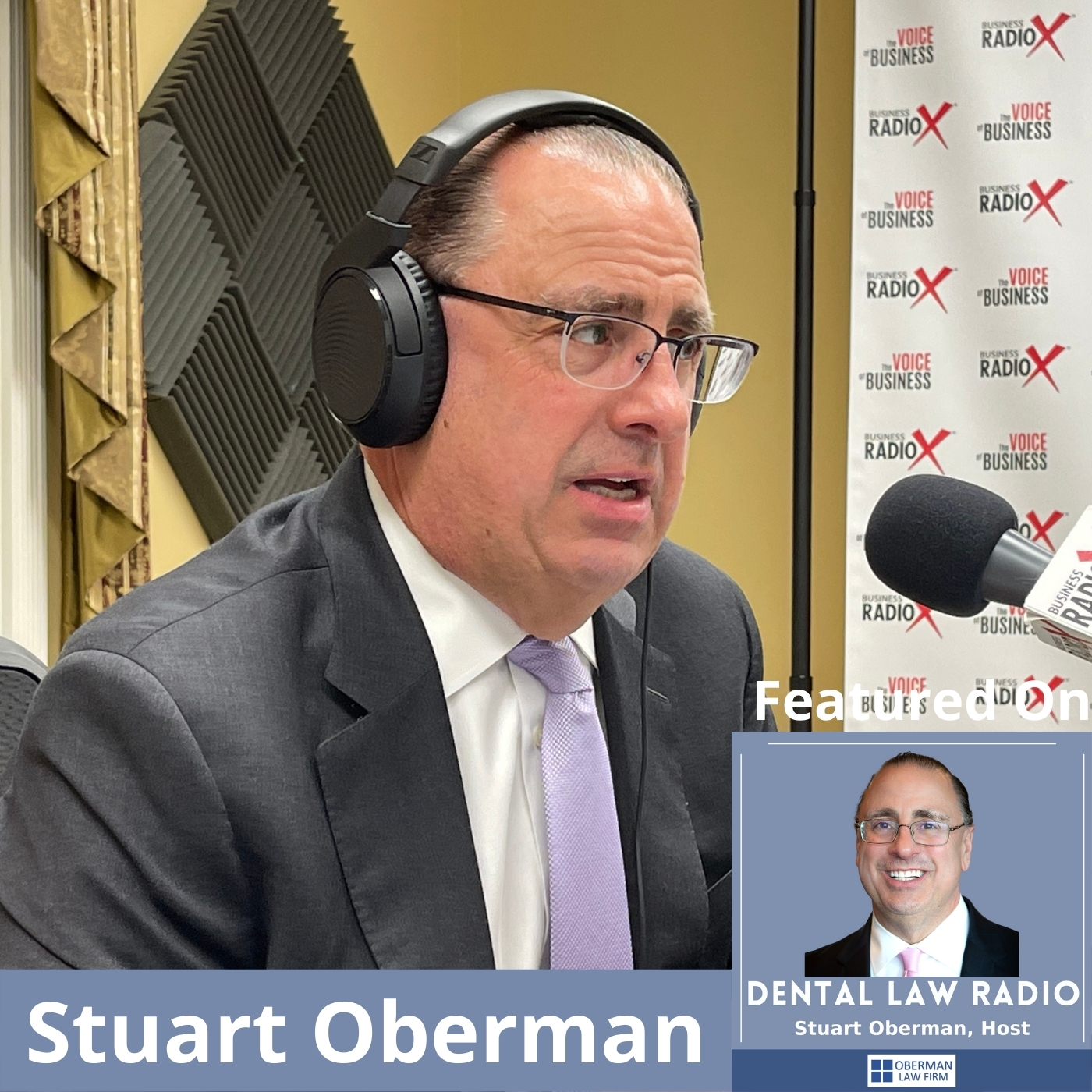
Dental Associate Contracts (Dental Law Radio, Episode 22)

What are some of the key provisions in effective dental associate contracts? What form of non-compete is permissible and defendable? If you’re fresh out of dental school or even a seasoned dentist working for a practice, what are some vital stipulations you should have in any contract to protect yourself in case you leave that practice? Stuart Oberman answers these questions and much more in this episode. Dental Law Radio is underwritten and presented by Oberman Law Firm and produced by the North Fulton studio of Business RadioX®.


TRANSCRIPT

Intro: [00:00:02] Broadcasting from the Business RadioX Studios in Atlanta, it’s time for Dental Law Radio. Dental Law Radio is brought to you by Oberman Law Firm, a leading dental-centric law firm serving dental clients on a local, regional, and national basis. Now, here’s your host, Stuart Oberman.

Stuart Oberman: [00:00:25] Hello everyone and welcome to Dental Law Radio. We’re going to talk about something so near and dear to our hearts if you own a dental practice or if you are a general dentist working for a practice, dental associate contracts. I think what we’re going to discuss today can really apply whether you are a student in dental school – which I personally have the great honor of speaking at, and it’s amazing what the process is in dental school to get to that finish line – and whether you’re a small practice, large practice, whether you’re scaling, whether you have ten practices, 20 practices, one practice. Conceptually, it’s going to be all the same.

Stuart Oberman: [00:01:12] There’s a couple of points that, really, we could spend a whole day on this, but we only have a little bit of time. So, I’m going to touch on some highlights, especially some new regulatory matters regarding independent contractor status. So, the first thing we want to take a look at, you know, when you’re coming into a practice, what is your status, you’re hiring or you’re going into a practice as an employee or even a contractor, or you an associate dentist. One thing you got to consider is the Internal Revenue Service. Are you an independent contractor or are you an employee?

Stuart Oberman: [00:01:44] Now, I believe on some previous podcast, we talked about some regulatory matters regarding independent contractors and how everyone, State and Federal, is cracking down on that. So, again, it’s a key because, if you’re coming in as an employee, your contract will be totally different than if you’re an associate – I mean – excuse me – if you are independent contractor. We’re getting into tax issues. We’re getting into 1099 issues. So, I think we need to take a strong look at data as to what the relationship is. We see contracts that are actually geared towards independent contractor, but yet the wording is all of the contracts as employee, which is a disaster if you are a practice owner.

Stuart Oberman: [00:02:25] So, now, I think, number two – we want to look at a couple of things. Again, I could talk probably an hour on each topic here, but we want to drill this down to very specifics. So, you’ve got to look at your schedule locations. What are the number of days are you going to work? What dental office are you going to work at? If you work for a large group or if you own some practices, where are your associates going to work at? And then, what’s the work schedule? Is it weekdays, weekends, emergency calls? Who’s going to handle, you know, after hours? Who’s going to work on Fridays? Where are those Saturday and Sunday appointments coming in?

Stuart Oberman: [00:03:01] I think all these things are critical because if it’s not explained fully what the expectation is, as far as date, time, and locations, then you run into some issues regarding non-competes.

Stuart Oberman: [00:03:16] Now, we’re going to get into the benefit issues a little bit as to malpractice insurance. One, are you covered under your employer’s coverage? Two, if you are an independent contractor, do you have your own coverage? And then, if you have your own coverage, is it going to cover the practice that you are working in? So, I would never touch a patient with less than a million dollars in coverage. Never.

Stuart Oberman: [00:03:43] What are your deductibles? One thing that comes into play is that, on the risk management side, we will have to put out patient fires. And the first thing I’ll ask our doctors is, what is your deductible? So, if you turn in a malpractice claim – which is a whole another topic – and your deductible is 5,000 but you can resolve a case for 3,000, get it resolved. Do not turn in a malpractice claim. And if you do get it resolved – for goodness sakes – get a release signed before you issue a check.

Stuart Oberman: [00:04:22] So, now, we will look at item number four, duties of an owner and associate, what are their responsibilities? It should be specifically lined out what your responsibility is, what the owner’s responsibility is, staff, billing, collections. Let me say this as far as billing goes, I don’t care whether you work for yourself, own a practice, or you work for a group, or you work for a doctor that owns one practice, you are responsible for your own billing. If billing is fraudulent, if billing is incorrect, if billing is grossly overstated, you have bought that problem. You cannot delegate that problem to a staff member that you work with.

Stuart Oberman: [00:05:08] Next, number five, I would say, would be compensation, which is all over the map. If you’re going to work for a group, you’re going to be around 30, 31 percent. If you’re going to work for an owner, depending on what it is, relationship, you’re going to be around 35 to 40 percent collections. There’s a growing trend to do away with production. We haven’t seen that number in a while.

Stuart Oberman: [00:05:33] Are you working at a flat fee? Do you have a basis? Do you have an upside? Are you looking at 35 percent or the greater of that base pay? So, on a reconciliation, we run into a lot of problems on the associates side, where the doctors who own the practice or group are not reconciling on a monthly basis. If your last days at the end of the month, that should be reconciled, probably within five days, I would say. Sometimes, it’s going 30, 60 days on a reconciliation and that is never good because you don’t know where your numbers are at. So, again, compensation is a huge issue. That’s a whole another day topic.

Stuart Oberman: [00:06:18] But going up to number six, these are items that we see a lot that are excluded. And these are essentially what are the business related expenses. Who’s paying for your license fees? Who’s paying for your associate memberships? Automobile expenses? Are you a 1099? Are you an employee? What’s the entertainment? You’re going to be expected to bring in business.

Stuart Oberman: [00:06:46] Even on the dental side, marketing never stops. I would say that entertainment can be, you know, events. It could be fundraisers, promotional expenses, continuing education. I will tell you that a simple seminar for a general practitioner is a lot different than it is for an oral surgeon who’s doing implants. I think you need to have a defined number as to who is going to pay for the expenses and for how much. Malpractice insurance, are you going to pay that? Health insurance, who is going to be responsible for that? Disability and life insurance?

Stuart Oberman: [00:07:30] These are all basic things that should be absolutely listed in your expense portion of your contract. Again, the more you put in your contract, the less speculation, and the less you will have to call me down the road.

Stuart Oberman: [00:07:48] Charts, a question we get was, “Well, you know, I was with Dr. Smith for ten years and I have an established patient base. I look forward to taking those with me when I leave.” You’re absolutely wrong. Your patients do not go with you when you leave. Your patients will stay with the practice. That is a practice ownership.

Stuart Oberman: [00:08:07] Now, the question is, what do you advertise when you leave? How much do you advertise when you leave? Are you able to advertise when you leave? And if so, does that affect your non-compete? Those are all valid questions. It depends on your agreement.

Stuart Oberman: [00:08:20] We’re going to jump into another section, but one area you want to make sure you have access to is, if a malpractice claim is filed or a board complaint is filed when you leave that practice, you must have stipulated in your contract that you have access to those records to defend the lawsuit and to defend the board complaint. Rule of thumb is you take no charts with you, take no information with you. You take nothing with you except your instruments.

Stuart Oberman: [00:08:53] Number eight, noncompete. I get this question all the time, is my noncompete enforceable as a general rule? Yes. General rule, yes. Now, there are some states where that is not true. You’ve got to look at your specifics on each state. So, the question is, well, what’s fair and reasonable? It’s got to be geographically non- restrictive. It’s got to be fair, reasonable. I will tell you there’s some locations where a 60 mile noncompete is extremely reasonable, where a five mile noncompete is not.

Stuart Oberman: [00:09:31] I know on our contracts that we draft as a firm, we try to push the limit, honestly. I want a noncompete this 10 or 15 miles from my doctor, my owners. Now, when I’m on the other side of the fence and I get an associate, I want a three to five mile radius. So then, you get a question of is it air miles or is it as the crow flies, as we say? Or is it by Google Maps? That is a huge difference because sometimes a practice that you’re looking to buy or you’re looking to move to is within two blocks of your restriction. So, you’ve got to specify, is it air miles as the crow flies or is it a Google Drive Maps. Critical.

Stuart Oberman: [00:10:17] So, again, you want to look at the specific time period. What’s your time period on the noncompete? What’s your geographic area? Is it fair and reasonable? Again, depending on your location, two years, ten miles, maybe unreasonable. Depending on the practice that you’re at, three years, 30 miles, 50 miles, 60 miles may very well be reasonable. We have some clients that, for a variety of reasons, their patient base is 60 miles. So, if they have associates come in, we’re going to draft a 60 mile noncompete radius. Critical, critical, critical.

Stuart Oberman: [00:10:52] Again, going forward, number nine, confidentiality and trade secrets. All information in a practice is deemed confidential. For those practice owners, I would urge you to have every employee that you employ, including all independent contractors, including staff members, including associates, including hygienists, everyone signs a nondisclosure agreement. Everyone signs a nondisclosure agreement.

Stuart Oberman: [00:11:27] Trade secrets, I will tell you the first thing that will leave will be your patient base data. That is all ownership interest in the practice. That information belongs to the practice owner. Work for hire. That’s a whole different world as far as trade secrets go.

Stuart Oberman: [00:11:50] So, let’s take a look at retreatment, number ten. There are some dentists that are better than others. There are some that are a disaster. If you hire a disaster, what are you going to do when that doctor leaves and you have retreatment, redo, after retreatment, after redo for years to follow? Who is responsible for that? For the most part, you’re going to take care of that patient and you’re going to absorb that cost. But that can be thousands and thousands and thousands of dollars later. This is one of the reasons in our Asset Purchase Agreements on the buyer side, we put down the owners responsible for what they do prior to the sale.

Stuart Oberman: [00:12:43] So, let’s take a look at number 11 – and we get this question a lot – associates right to buy in. It’s amazing to me that when we talk to our dental students that are getting their first job, they have not even discussed this matter with the owner. They’ve not even met the team members, the staff members, they have absolutely no idea what the culture is in that practice and they already want to be an owner. They already want to be a buy in partner within a year.

Stuart Oberman: [00:13:19] My strong recommendation is that there is absolutely no discussion whatsoever upfront regarding a buy in. Unless that is a relationship that you’ve known that doctor for years, you have filled in every now and then. But there is nothing worse that will kill a good rollover relationship before you even step one foot into the practice or before you have one hand in someone’s mouth is ownership. If it is a good fit, it will take its course naturally. A lot of our associates are misled, “Well, you know, we’ll have you buy in for a couple of years.” That never happens, unfortunately.

Stuart Oberman: [00:14:06] So, I think you’ve got to gauge the relationship. Now, there’s nothing wrong in there of putting in a contract that you have the first right refusal should the doctor sell the practice. But I think is it a gross mistake to get in there and say, “I want in my contract valuations, buy in options. I want to know what your EBITDA is. I want to know what your numbers are. And I want to buy it within a year and here is the price.” I would throw that out the window and not worry about that.

Stuart Oberman: [00:14:35] So, you know, again, this is a very, very short segment on associate contracts. There are times, you know, we could speak on this for hours at a time. But I think if you look at what we’ve discussed in, you know, these 11 topics, I feel certain that you will take a look at your contract.

Stuart Oberman: [00:14:53] And let me say this about a contract, so do not get contracts off the internet. Do not use what your buddy did. Do not use what your brother-in-law did with his associates. It is ever evolving. Employment laws change. Circumstances change. An interesting part on our side, as a firm, we had dental clients probably in about 30 states or so. And we happen to see different trends, different things coming east, coming west, going north, going south. So, things change, wording changes, relationships change, laws change.

Stuart Oberman: [00:15:32] So, we see contracts that are used over and over and over for five to ten years. And those are absolutely a recipe for disaster, as I often say. So, do not go on the internet, do not download one, do not cut and paste one, because it is so different for each practice.

Stuart Oberman: [00:15:53] That is going to conclude our segment on dental associate contracts. And if you have any questions, any concerns, please feel free to give us a call, 770-886-2400, Oberman Law Firm. And if you want to email me, please feel free to email me, stuart, S-T-U-A-R-T, @obermanlaw.com. Thank you for joining our segment. And we’ll have much more to follow in future podcasts. Have a great day.


About Dental Law Radio

Hosted by Stuart Oberman, a nationally recognized authority in dental law, Dental Law Radio covers legal, business, and other operating issues and topics of vital concern to dentists and dental practice owners. The show is produced by the North Fulton studio of Business RadioX® and can be found on all the major podcast apps. The complete show archive is here.

Stuart Oberman, Oberman Law Firm

Oberman Law Firm
Stuart Oberman, host of “Dental Law Radio”

Stuart Oberman is the founder and President of Oberman Law Firm. Mr. Oberman graduated from Urbana University and received his law degree from John Marshall Law School. Mr. Oberman has been practicing law for over 25 years, and before going into private practice, Mr. Oberman was in-house counsel for a Fortune 500 Company. Mr. Oberman is widely regarded as the go-to attorney in the area of Dental Law, which includes DSO formation, corporate business structures, mergers and acquisitions, regulatory compliance, advertising regulations, HIPAA, Compliance, and employment law regulations that affect dental practices.

In addition, Mr. Oberman’s expertise in the health care industry includes advising clients in the complex regulatory landscape as it relates to telehealth and telemedicine, including compliance of corporate structures, third-party reimbursement, contract negotiations, technology, health care fraud and abuse law (Anti-Kickback Statute and the State Law), professional liability risk management, federal and state regulations.

As the long-term care industry evolves, Mr. Oberman has the knowledge and experience to guide clients in the long-term care sector with respect to corporate and regulatory matters, assisted living facilities, continuing care retirement communities (CCRCs). In addition, Mr. Oberman’s practice also focuses on health care facility acquisitions and other changes of ownership, as well as related licensure and Medicare/Medicaid certification matters, CCRC registrations, long-term care/skilled nursing facility management, operating agreements, assisted living licensure matters, and health care joint ventures.

In addition to his expertise in the health care industry, Mr. Oberman has a nationwide practice that focuses on all facets of contractual disputes, including corporate governance, fiduciary duty, trade secrets, unfair competition, covenants not to compete, trademark and copyright infringement, fraud, and deceptive trade practices, and other business-related matters. Mr. Oberman also represents clients throughout the United States in a wide range of practice areas, including mergers & acquisitions, partnership agreements, commercial real estate, entity formation, employment law, commercial leasing, intellectual property, and HIPAA/OSHA compliance.

Mr. Oberman is a national lecturer and has published articles in the U.S. and Canada.

LinkedIn

Oberman Law Firm

Oberman Law Firm has a long history of civic service, noted national, regional, and local clients, and stands among the Southeast’s eminent and fast-growing full-service law firms. Oberman Law Firm’s areas of practice include Business Planning, Commercial & Technology Transactions, Corporate, Employment & Labor, Estate Planning, Health Care, Intellectual Property, Litigation, Privacy & Data Security, and Real Estate.

By meeting their client’s goals and becoming a trusted partner and advocate for our clients, their attorneys are recognized as legal go-getters who provide value-added service. Their attorneys understand that in a rapidly changing legal market, clients have new expectations, constantly evolving choices, and operate in an environment of heightened reputational and commercial risk.

Oberman Law Firm’s strength is its ability to solve complex legal problems by collaborating across borders and practice areas.

Connect with Oberman Law Firm:

Company website | LinkedIn | Twitter

Tagged With: Dental Associate Contracts, Dental Law Radio, non-compete agreement, Oberman Law Firm, Stuart Oberman

Business RadioX ® Network


Our Most Recent Episode

CONNECT WITH US

  • Email
  • Facebook
  • LinkedIn
  • Twitter
  • YouTube

Our Mission

We help local business leaders get the word out about the important work they’re doing to serve their market, their community, and their profession.

We support and celebrate business by sharing positive business stories that traditional media ignores. Some media leans left. Some media leans right. We lean business.

Sponsor a Show

Build Relationships and Grow Your Business. Click here for more details.

Partner With Us

Discover More Here

Terms and Conditions
Privacy Policy

Connect with us

Want to keep up with the latest in pro-business news across the network? Follow us on social media for the latest stories!
  • Email
  • Facebook
  • Google+
  • LinkedIn
  • Twitter
  • YouTube

Business RadioX® Headquarters
1000 Abernathy Rd. NE
Building 400, Suite L-10
Sandy Springs, GA 30328

© 2025 Business RadioX ® · Rainmaker Platform

BRXStudioCoversLA

Wait! Don’t Miss an Episode of LA Business Radio

BRXStudioCoversDENVER

Wait! Don’t Miss an Episode of Denver Business Radio

BRXStudioCoversPENSACOLA

Wait! Don’t Miss an Episode of Pensacola Business Radio

BRXStudioCoversBIRMINGHAM

Wait! Don’t Miss an Episode of Birmingham Business Radio

BRXStudioCoversTALLAHASSEE

Wait! Don’t Miss an Episode of Tallahassee Business Radio

BRXStudioCoversRALEIGH

Wait! Don’t Miss an Episode of Raleigh Business Radio

BRXStudioCoversRICHMONDNoWhite

Wait! Don’t Miss an Episode of Richmond Business Radio

BRXStudioCoversNASHVILLENoWhite

Wait! Don’t Miss an Episode of Nashville Business Radio

BRXStudioCoversDETROIT

Wait! Don’t Miss an Episode of Detroit Business Radio

BRXStudioCoversSTLOUIS

Wait! Don’t Miss an Episode of St. Louis Business Radio

BRXStudioCoversCOLUMBUS-small

Wait! Don’t Miss an Episode of Columbus Business Radio

Coachthecoach-08-08

Wait! Don’t Miss an Episode of Coach the Coach

BRXStudioCoversBAYAREA

Wait! Don’t Miss an Episode of Bay Area Business Radio

BRXStudioCoversCHICAGO

Wait! Don’t Miss an Episode of Chicago Business Radio

Wait! Don’t Miss an Episode of Atlanta Business Radio