
Business RadioX ®

  • Home
  • Business RadioX ® Communities
    • Southeast
      • Alabama
        • Birmingham
      • Florida
        • Orlando
        • Pensacola
        • South Florida
        • Tampa
        • Tallahassee
      • Georgia
        • Atlanta
        • Cherokee
        • Forsyth
        • Greater Perimeter
        • Gwinnett
        • North Fulton
        • North Georgia
        • Northeast Georgia
        • Rome
        • Savannah
      • Louisiana
        • New Orleans
      • North Carolina
        • Charlotte
        • Raleigh
      • Tennessee
        • Chattanooga
        • Nashville
      • Virginia
        • Richmond
    • South Central
      • Arkansas
        • Northwest Arkansas
    • Midwest
      • Illinois
        • Chicago
      • Michigan
        • Detroit
      • Minnesota
        • Minneapolis St. Paul
      • Missouri
        • St. Louis
      • Ohio
        • Cleveland
        • Columbus
        • Dayton
    • Southwest
      • Arizona
        • Phoenix
        • Tucson
        • Valley
      • Texas
        • Austin
        • Dallas
        • Houston
    • West
      • California
        • Bay Area
        • LA
        • Pasadena
      • Colorado
        • Denver
      • Hawaii
        • Oahu
  • FAQs
  • About Us
    • Our Mission
    • Our Audience
    • Why It Works
    • What People Are Saying
    • BRX in the News
  • Resources
    • BRX Pro Tips
    • B2B Marketing: The 4Rs
    • High Velocity Selling Habits
    • Why Most B2B Media Strategies Fail
    • 9 Reasons To Sponsor A Business RadioX ® Show
  • Partner With Us
  • Veteran Business RadioX ®

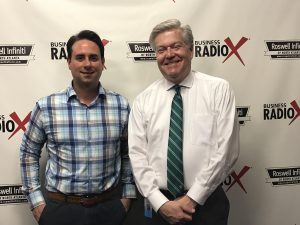
Kim Eickhoff, Kim Eickhoff Coaching

April 26, 2022 by John Ray

Kim Eickhoff
North Fulton Business Radio
Kim Eickhoff, Kim Eickhoff Coaching
Loading
00:00 /
RSS Feed
Share
Link
Embed

Download file

Kim Eickhoff

Kim Eickhoff, Kim Eickhoff Coaching (North Fulton Business Radio, Episode 450)

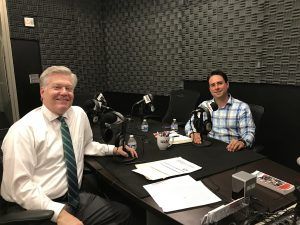
Kim Eickhoff joined North Fulton Business Radio host John Ray to discuss her coaching work with small and medium sized businesses. Kim shared her focus on company culture, the need to set the values and direction upfront, how the strongest personalities will determine it if you don’t, the need for clarity from leadership about the mission and path forward to employees and potential employees, the need for leaders to focus on these strategies, what’s at stake, and much more.

North Fulton Business Radio is broadcast from the North Fulton studio of Business RadioX® inside Renasant Bank in Alpharetta.

Kim Eickhoff, Growth Strategist, Kim Eickhoff Coaching

Kim Eickhoff, Growth Strategist, Kim Eickhoff Coaching

Kim Eickhoff is a growth strategist and motivational speaker. She specializes in working with business leaders who have a deep desire to change the way they run their organizations. She has 20 years of experience in providing guidance and coaching support.
Navigating business challenges is never easy. She coaches leaders and their teams to enhance their self-awareness to improve organizational discipline and create lasting, transformative change.

As a motivational speaker, Kim provides a variety of presentations that guide leaders and their teams to become self-aware and identify their true value, improving interpersonal relationships within an organization.

In addition to coaching, she facilitates workshops and training sessions to support business owners and their leadership teams. Together, they identify gaps in their organization’s alignment, define clear goals and implement effective action plans.

When clients work with Kim, they transform into inspired businesses that have the capability to:

-Define a clear organizational vision -Establish and implement strategies that lead to productivity -Happier, healthier supportive work cultures -Increase sales goals and expand profits.

She believes that none of these goals can become a reality without understanding the essential role that every team member possesses.

In all of her programs, Kim is committed to team members understanding themselves and developing a mindset to support the challenges present in all businesses. When you choose to work with Kim Eickhoff Coaching, your leadership team will be in a state of constant discovery. You will identify your challenges, fears, and anxieties to develop mindset practices supporting a sustainable business. This work is not easy, but it is necessary for your business to have long-term success.

As a lifelong learner, Kim is committed to assisting organizational leaders and team members to get down and dirty and unpack their “stuff”.

In addition to an Executive MBA from the University of Colorado, Denver, and a Master’s Degree in Professional Counseling from Georgia State University, Kim has certifications in:

-Adding Zeros Certification, Team Coaching Certification, IMPACT Management Systems Training, High-Performance Leadership Program  and Certified Soma Yoga Teacher.

Website | LinkedIn | Facebook

Questions and Topics in this Interview:

  • What creates a toxic culture in an organization?
  • What are the components of a toxic culture?
  • How does a toxic culture affect the workplace?
  • Who’s responsibility is it to ensure there isn’t a toxic culture?
  • What steps can an organization take so that they create a healthy culture?
  • How does a healthy culture function in comparison to a toxic culture?  Why is this important?

North Fulton Business Radio is hosted by John Ray and broadcast and produced from the North Fulton studio of Business RadioX® inside Renasant Bank in Alpharetta. You can find the full archive of shows by following this link. The show is available on all the major podcast apps, including Apple Podcasts, Spotify, Google, Amazon, iHeart Radio, Stitcher, TuneIn, and others.

RenasantBank


Renasant Bank has humble roots, starting in 1904 as a $100,000 bank in a Lee County, Mississippi, bakery. Since then, Renasant has grown to become one of the Southeast’s strongest financial institutions with over $13 billion in assets and more than 190 banking, lending, wealth management and financial services offices in Mississippi, Alabama, Tennessee, Georgia and Florida. All of Renasant’s success stems from each of their banker’s commitment to investing in their communities as a way of better understanding the people they serve. At Renasant Bank, they understand you because they work and live alongside you every day.

 

Special thanks to A&S Culinary Concepts for their support of this edition of North Fulton Business Radio. A&S Culinary Concepts, based in Johns Creek, is an award-winning culinary studio, celebrated for corporate catering, corporate team building, Big Green Egg Boot Camps, and private group events. They also provide oven-ready, cooked from scratch meals to go they call “Let Us Cook for You.” To see their menus and events, go to their website or call 678-336-9196.


Tagged With: Kim Eickhoff, North Fulton Business Radio, organizational culture, renasant bank, toxic culture

Greg Sloan, Go Beyond

March 17, 2022 by John Ray

Go Beyond
North Fulton Business Radio
Greg Sloan, Go Beyond
Loading
00:00 /
RSS Feed
Share
Link
Embed

Download file

Go Beyond

Greg Sloan, Go Beyond (North Fulton Business Radio, Episode 442)

Greg Sloan, cofounder of Go Beyond, points to research that shows that the shift from a paycheck to purpose has been going on for years, not just since the pandemic. He joined host John Ray to discuss these trends, as well as how his firm has created the technology and process needed to assist an organization’s people find their purpose and fulfillment in the workplace. North Fulton Business Radio is broadcast from the North Fulton studio of Business RadioX® inside Renasant Bank in Alpharetta.

Go Beyond

Go Beyond helps businesses grow by integrating purpose into your culture and process. Their technology and content, contained in The Purpose Journey, boosts wellness and engagement by helping your people find fulfillment at work.

Company website | LinkedIn | Facebook | Twitter | Instagram

Greg Sloan, Cofounder, Go Beyond

Greg Sloan, Cofounder, Go Beyond

Greg Sloan is a serial entrepreneur with many failures and one exit. He is the co-founder of Go Beyond, a Talent Development platform that combines Science and Technology to Create a more Prosperous Workforce.

Greg spent 25 + years in the financial service industry including launching, growing, and exiting his own boutique wealth management firm. During the first 15 years of his career, Greg relied on spreadsheets, algorithms, and cash flow models, focusing on growing his client base to grow his business. After a few years of running his own firm, he realized that to truly build a great company, he needed to Grow his People to Grow his Business.

This pivot allowed him to triple the value of his firm and exit to a national RIA firm in January 2020. Greg maintains his CERTIFIED FINANCIAL PLANNER ™ and Certified Exit Planning Advisor designations.

He lives in Atlanta, GA with his wife of 29 years and has three adult children.

LinkedIn

Questions and Topics in this Interview:

  • Tell us about your purpose. How did you discover it?
  • How are you integrating your purpose into your life?
  • How are you helping other people discover and integrate their purpose through technology?
  • How are you helping other people through technology mediums?
  • What comes first: identity or purpose?
  • How can people discover and integrate their purpose in their lives?
  • When did you discover you were an entrepreneur?

North Fulton Business Radio is hosted by John Ray and broadcast and produced from the North Fulton studio of Business RadioX® inside Renasant Bank in Alpharetta. You can find the full archive of shows by following this link. The show is available on all the major podcast apps, including Apple Podcasts, Spotify, Google, Amazon, iHeart Radio, Stitcher, TuneIn, and others.

RenasantBank


Renasant Bank has humble roots, starting in 1904 as a $100,000 bank in a Lee County, Mississippi, bakery. Since then, Renasant has grown to become one of the Southeast’s strongest financial institutions with over $13 billion in assets and more than 190 banking, lending, wealth management and financial services offices in Mississippi, Alabama, Tennessee, Georgia and Florida. All of Renasant’s success stems from each of their banker’s commitment to investing in their communities as a way of better understanding the people they serve. At Renasant Bank, they understand you because they work and live alongside you every day.


Special thanks to A&S Culinary Concepts for their support of this edition of North Fulton Business Radio. A&S Culinary Concepts, based in Johns Creek, is an award-winning culinary studio, celebrated for corporate catering, corporate team building, Big Green Egg Boot Camps, and private group events. They also provide oven-ready, cooked from scratch meals to go they call “Let Us Cook for You.” To see their menus and events, go to their website or call 678-336-9196.

Tagged With: Go Beyond, Greg Sloan, North Fulton Business Radio, organizational culture, purpose, renasant bank, The Purpose Solution

R3 Continuum Playbook: Organizational Culture

June 3, 2021 by John Ray

Organizational Culture
Minneapolis St. Paul Studio
R3 Continuum Playbook: Organizational Culture
Loading
00:00 /
RSS Feed
Share
Link
Embed

Download file

Organizational Culture

R3 Continuum Playbook:  Organizational Culture

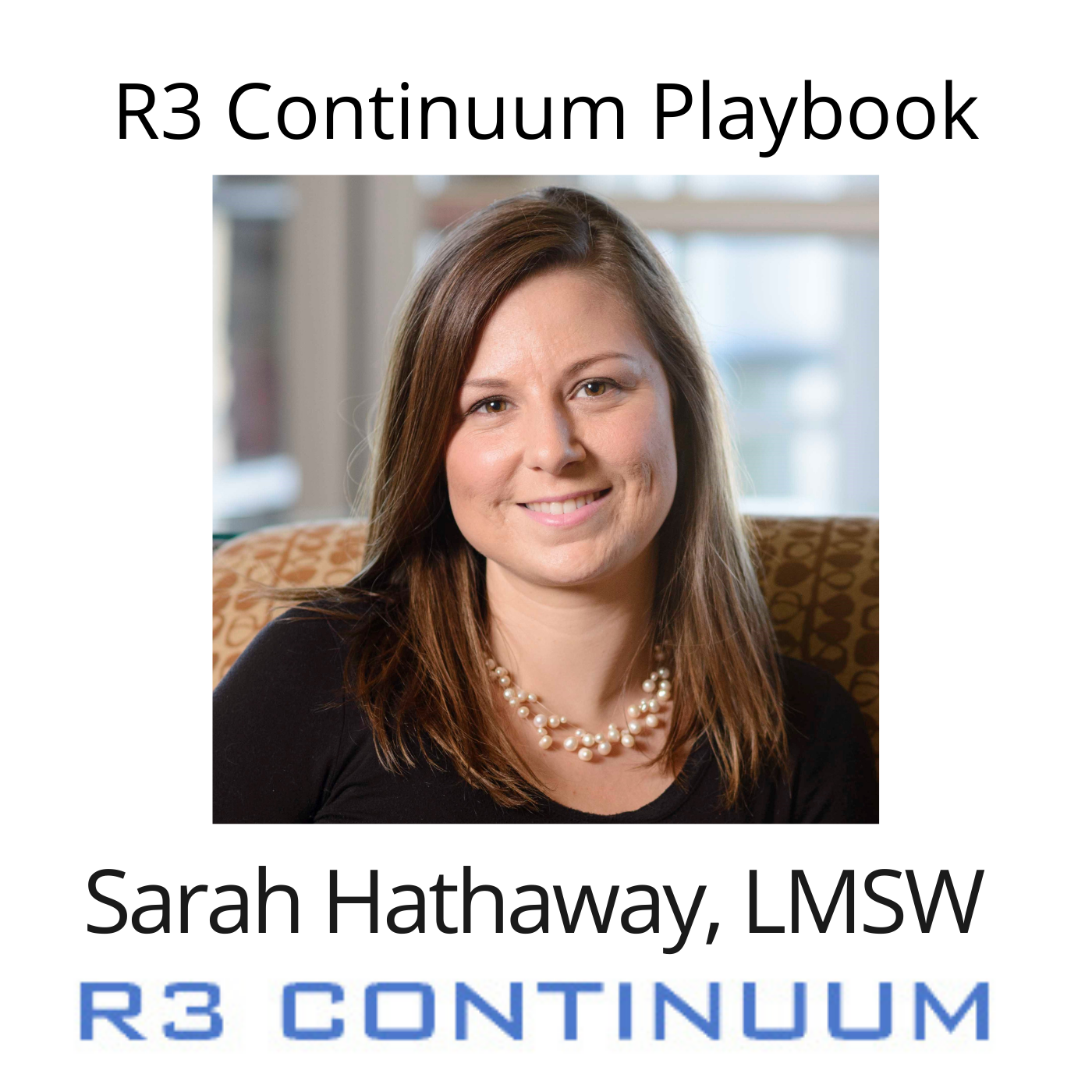
Sarah Hathaway, Associate Director, Strategic Solutions draws parallels between employee well-being and organizational culture. She outlines three ways leaders can support a healthy culture and potentially create a competitive advantage.  The R3 Continuum Playbook is presented by R3 Continuum and is produced by the Minneapolis-St.Paul Studio of Business RadioX®. R3 Continuum is the underwriter of Workplace MVP, the show which celebrates heroes in the workplace.


TRANSCRIPT

Intro: [00:00:00] Broadcasting from the Business RadioX Studios, here is your R3 Continuum Playbook. Brought to you by Workplace MVP sponsor, R3 Continuum, a global leader in workplace behavioral health, crisis, and security solutions.

Sarah Hathaway: [00:00:16] Hi. I’m Sarah Hathaway, Associate Director of Strategic Solutions at R3 Continuum. Today, I want to talk about a topic that has received increasing focus in recent years, and that’s organizational culture. Take a moment to think about what words come to mind when you think about your company’s culture. You might be thinking about its purpose, its values, or maybe some of the daily norms. You might even be thinking about the diversity of the people, the experience and perspectives that each person brings to your organization.

Sarah Hathaway: [00:00:51] Discussions of organizational culture tend to focus on how individual’s team to accomplish a common goal. But if there is too strong a focus on this end goal, this output, we can lose sight of our greatest advantage, the employees themselves. There’s a symbiotic relationship that exists between wellbeing and culture. An inclusive and equitable company culture with diverse skills and perspectives promotes employee wellbeing. While employee wellbeing in turn enhances the culture of an organization.

Sarah Hathaway: [00:01:25] The last year or so has brought a great deal of stress upon many individuals and companies. Throughout the COVID-19 pandemic, organizations have had to adapt their practices and norms significantly for the health and safety of staff and clients. Communication methods have changed. Personal work routines have shifted. And for some, the feeling of connectedness has suffered. During the last year, diversity, equity, and inclusion initiatives have received increased priority for a good reason. Organizations are being influenced by the broader society, and the ongoing polarization and inequity in the community at large pose a risk of the similar issues in the workplace.

Sarah Hathaway: [00:02:08] While these circumstances present challenges to organizations everywhere, this time of transition creates a unique opportunity for growth. So, how do we support a healthy culture during a time of discord and uncertainty? It’s first important to understand that while employees at all levels contribute to the values, identity, and norms of a company, it’s the leaders that are the drivers of culture. And while changes to company policies are sometimes necessary to create an equitable workforce, it’s important that the change begins with the culture itself.

Sarah Hathaway: [00:02:44] As a leader, you can take a proactive approach to enhancing cultural wellbeing through three important approaches. The first step to a healthy culture is to promote learning opportunities for yourself and your organization. You can proactively increase cultural literacy and awareness through specialized trainings. The foundational knowledge offers opportunities to establish common inclusive language through which to discuss cultural issues and removes the ever common burden placed on marginalized individuals to educate others about their identity or life experience.

Sarah Hathaway: [00:03:21] Education forms the lens through which we view our interactions. With this new information, you can take the role of conscientious observer at work, looking at things like daily interactions and company communications to identify opportunities to be more inclusive. Openly look for and acknowledge areas of strength within the culture. Those things that contribute to the wellbeing of your company and staff. Also, seek out those areas in need of growth, instances in which a shift in behavior could better engage employees.

Sarah Hathaway: [00:03:55] When looking for these growth opportunities, the point isn’t to condemn yourself or your colleagues for missteps, but to identify opportunities for change. If you’re finding it difficult to identify these opportunities, which is common when focusing on your day-to-day responsibilities, it can be helpful to put yourself in the shoes of those around you and consider how their experience of the same interaction might be different than yours. Whether they have a different background, personal identity, education, or role, each of these things can color the way in which each person views the situation.

Sarah Hathaway: [00:04:32] Consider those not involved. Are there individuals who should be included? Are there any aspects of the interaction that might be unwelcoming to others? As you assume the role of conscientious observer, you might notice that some people participating in meetings rarely get a chance to give their perspective. Or the individuals in the break room typically past one another without even a hello.

Sarah Hathaway: [00:04:56] Second, enhance engagement by fostering inclusion and connectedness amongst your employees. In the workplace, this begins by ensuring that individuals understand the organization’s purpose, how their role connects to it, and how it connects to their individual values and goals. Incredibly well-written mission, vision, and value statements aren’t meaningful unless they mean something to each person who represents the company. But this is just one piece of the puzzle.

Sarah Hathaway: [00:05:27] While leaders often look at the big picture identity of a company, most frontline employees perceive their employers inclusivity and culture based upon everyday interactions, the chatter over coffee or the quick strategy call. You serve as a model for inclusion in every interaction you have with others. Often, a small step can go a long way to making others feel included, like being sure to say hello to each person as they join a meeting or making space for all voices. You can say things like, “I’d really like to hear Rose’s thoughts on this.” Or, “Can we look back? I’m not sure Sean was able to finish what he was saying.” While these statements might seem quite subtle, they empower staff to be more engaged, to take ownership in activities, and when done often, they can establish a new norm for others to follow.

Sarah Hathaway: [00:06:24] The third approach is to create space for safe open discussion. Often, we’re afraid to talk about things like culture, inclusion, and equity in the workplace because it forces conversations about things like exclusion and inequity. But what tends to happen when we provide this space is that it allows us to address critical issues and acknowledge concerns that may otherwise be overlooked for the purpose of getting the job done. It’s true that the need for job security can cause employees to withhold feedback that may be viewed as critical of their employer. When these concerns go unaddressed, it can lead to decreased employee morale, job satisfaction, and productivity, all of which contribute to turnover and inhibit company success.

Sarah Hathaway: [00:07:14] While this third step can sometimes appear daunting, it can provide a wonderful chance to build empathy, trust, and commitment. This type of progress rarely comes without discomfort or uncertainty, so it’s important to establish ground rules which allow individuals to share without fear of repercussions. Fear of saying the wrong thing sometimes keeps us from saying anything at all. As a leader, you can model open and honest sharing and remove the expectation to do things perfectly by acknowledging your own limitations and intention for development. Because conversations of this nature may involve sensitive topics, consider seeking objective resources for support in this endeavor, such as a trained facilitator or a mental health clinician to allow individuals a chance to debrief.

Sarah Hathaway: [00:08:05] As with any change, cultural shifts can take time and should not be approached with the intent to rush to a fix. By creating space for dialogue and processing, you allow your employees to evolve as individuals and as a whole. Your company’s culture has the potential to be your competitive advantage. Enhance your culture with the assistance of education, support, and consultative resources.

Sarah Hathaway: [00:08:32] You can find additional information about cultural wellbeing on our website, r3c.com. To learn more about our organizational culture training and consultation services, email us at info@r3c.com. We’d love to support your organization.


Show Underwriter

R3 Continuum (R3c) is a global leader in workplace behavioral health and security solutions. R3c helps ensure the psychological and physical safety of organizations and their people in today’s ever-changing and often unpredictable world. Through their continuum of tailored solutions, including evaluations, crisis response, executive optimization, protective services, and more, they help organizations maintain and cultivate a workplace of wellbeing so that their people can thrive. Learn more about R3c at www.r3c.com.

R3 Continuum is the underwriter of Workplace MVP, a show which celebrates the everyday heroes–Workplace Most Valuable Professionals–in human resources, risk management, security, business continuity, and the C-suite who resolutely labor for the well-being of employees in their care, readying the workplace for and planning responses to disruption.

Connect with R3 Continuum:  Website | LinkedIn | Facebook | Twitter

Tagged With: employee well-being, inclusion and equity, organizational culture, R3 Continuum, Sarah Hathaway

Inspiring Women, Episode 15: Being Politically Savvy

November 16, 2019 by John Ray

Inspiring Women with Betty Collins album cover
Inspiring Women PodCast with Betty Collins
Inspiring Women, Episode 15: Being Politically Savvy
Loading
00:00 /
RSS Feed
Share
Link
Embed

Download file

Inspiring Women with Betty Collins album cover

Being Politically Savvy

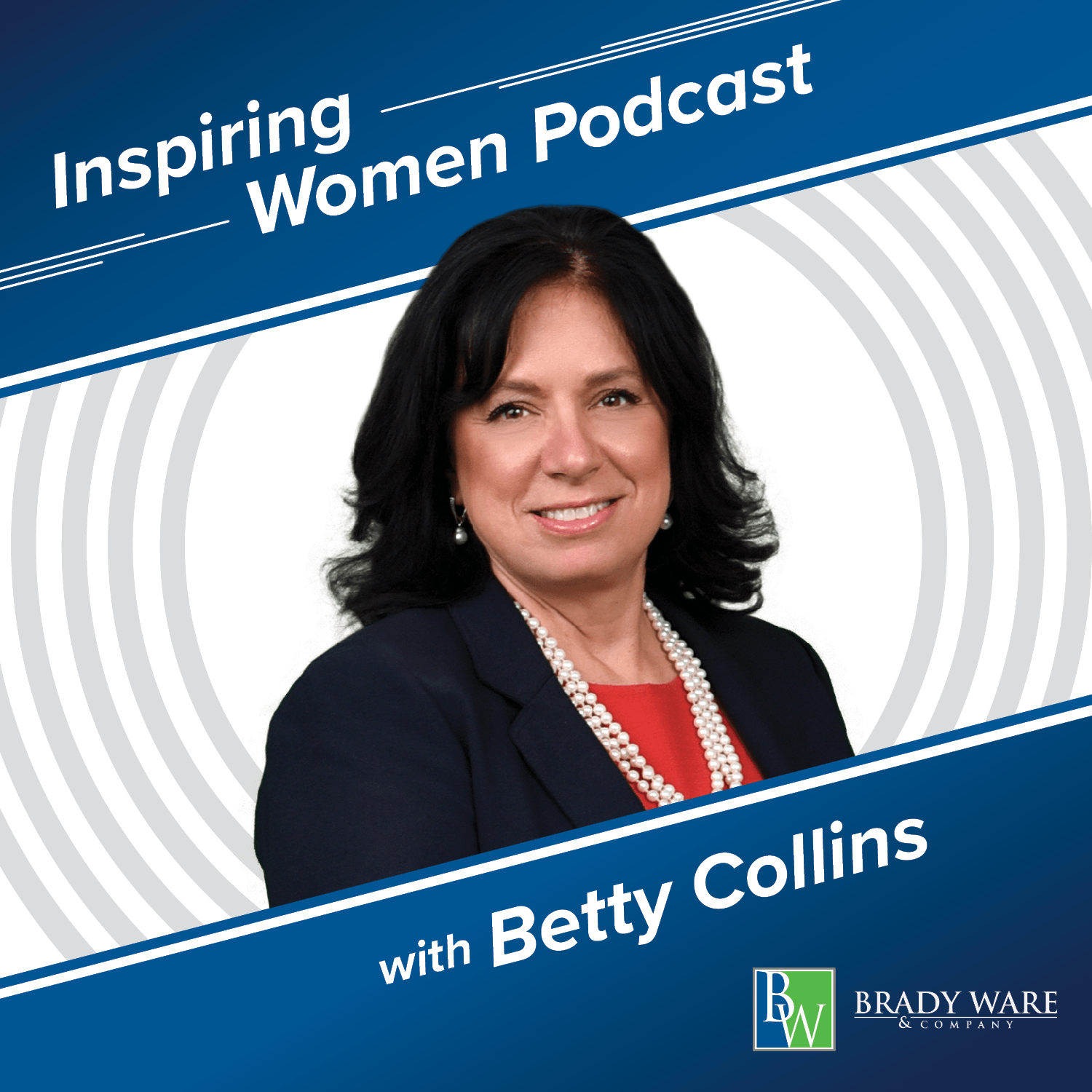
How do you successfully navigate office politics? On this edition of “Inspiring Women,” host Betty Collins discusses the skills needed to be politically savvy. “Inspiring Women” is presented by Brady Ware & Company.

Betty Collins, CPA, Brady Ware & Company and Host of the “Inspiring Women” Podcast

Betty Collins, Brady Ware & Company

Betty Collins is the Office Lead for Brady Ware’s Columbus office and a Shareholder in the firm. Betty joined Brady Ware & Company in 2012 through a merger with Nipps, Brown, Collins & Associates. She started her career in public accounting in 1988. Betty is co-leader of the Long Term Care service team, which helps providers of services to Individuals with Intellectual and Developmental Disabilities and nursing centers establish effective operational models that also maximize available funding. She consults with other small businesses, helping them prosper with advice on general operations management, cash flow optimization, and tax minimization strategies.

In addition, Betty serves on the Board of Directors for Brady Ware and Company. She leads Brady Ware’s Women’s Initiative, a program designed to empower female employees, allowing them to tap into unique resources and unleash their full potential.  Betty helps her colleagues create a work/life balance while inspiring them to set and reach personal and professional goals. The Women’s Initiative promotes women-to-women business relationships for clients and holds an annual conference that supports women business owners, women leaders, and other women who want to succeed. Betty actively participates in women-oriented conferences through speaking engagements and board activity.

Betty is a member of the National Association of Women Business Owners (NAWBO) and she is the President-elect for the Columbus Chapter. Brady Ware also partners with the Women’s Small Business Accelerator (WSBA), an organization designed to help female business owners develop and implement a strong business strategy through education and mentorship, and Betty participates in their mentor match program. She is passionate about WSBA because she believes in their acceleration program and matching women with the right advisors to help them achieve their business ownership goals. Betty supports the WSBA and NAWBO because these organizations deliver resources that help other women-owned and managed businesses thrive.

Betty is a graduate of Mount Vernon Nazarene College, a member of the American Institute of Certified Public Accountants, and a member of the Ohio Society of Certified Public Accountants. Betty is also the Board Chairwoman for the Gahanna Area Chamber of Commerce, and she serves on the Board of the Community Improvement Corporation of Gahanna as Treasurer.

“Inspiring Women” Podcast Series

“Inspiring Women” is THE podcast that advances women toward economic, social and political achievement. The show is hosted by Betty Collins, CPA, and presented by Brady Ware and Company. Brady Ware is committed to empowering women to go their distance in the workplace and at home. Other episodes of “Inspiring Women” can be found here.

Show Transcript

[00:00:01] So today I’ve chosen kind of an interesting topic. Maybe when you hear the title, you’ll understand politically savvy. Oh, yes. Politics. You know, today it’s always had a negative tone. But in today’s environment. Wow. Just not good, right? But, you know, if you take politics in in politically correct or just say politically savvy, maybe I’ll get you to listen. Politically savvy. The why and the how. I will tell you, is it really necessary? Because some people really don’t like that idea of that. I’m going to say a firm. Yes. If you truly want to get where you want to go, you’ve got a you’ve got to learn the art of being politically savvy. So let me set the stage. The term politics is based on words, Polly, and ticks. Poly meaning many and ticks, meaning blood-sucking parasites, totally fits in today’s environment, right? It’s why we don’t like it maybe I don’t know. But whenever people’s priority, their values and their interests come together, chances are some type of politicking is going to take place. So where are your priorities right now? Can you easily define those values? Hopefully it should be quick, you know. What are your interests? So, yeah, you know, it’s necessary if you’re going to make sure that those priorities, values and interests are really going to become reality. Being politically savvy just might have to be in order.

[00:01:36] But no matter where, you know, your office, family, maybe you maybe you volunteer a nonprofit, you’re involved in your local community, talk about politics or politics, politicking. It’s just inevitable. And they involve intentional acts to you and by you to influence and enhance, you know, protect those priorities and those values and interests. So we’re going to talk about today. So, yeah, it’s necessary to be politically savvy to have as the best desired outcomes that you’re looking for. I think the major intention of office politics is about. It’s about positioning yourself. It’s about vested rights that can be dangerous, maybe resources and careers, influence and power. And when all those things are done the right way, it can be really amai amazing. And when it’s done the wrong way with wrong motives, though, it can be pretty dangerous. So be careful when you’re talking in wanting to position yourself, investing yourself and tapping into resources, advancing your career, which can all lead to some good influence and power. Political savvy is the only way to go and it’s a positive connotation. Necessary, my opinion totally the true secret to being politically savvy is that it’s a secret skill. To be successful if the best it’s the best trader ability you have that’s just kind of natural and and you don’t talk about being politically savvy and nobody talks about it.

[00:03:07] e-justice. It’s who you. It’s it’s who you are. It’s how you can can work the room and work the situation to do what you need to do. Navigating an office or, you know, an organization, even your own household. You know, you got to get comfortable with and then duty, you know, those unknowns. Right? You’ve got to get comfortable with some alliances. Not everyone is easy to align with and be authentic with. That’s why you got to be political savvy. By the way, you know, the thing that we don’t really see a lot in today’s politics is, is those things that people are trying to come together with. But with practice, you know, you can decipher what is often unspeakable and not easy. If you decide the right course of action and just a side note, authenticity is not telling the truth without spilling every single. Your gut every single time. That’s not an authenticity. But truth always wins and it doesn’t have to be dramatic. So as we talk about political competence today and being politically savvy. Really, political competence is the ability to understand what you can and cannot control. You’ve got to know when you take action. And you’ve got to figure out who’s going to resist your agenda.

[00:04:25] I remember it being in a class once for CPE and it was a long, long time ago in my career and she was such a dynamic speaker. If you can imagine, all of us really love talking about managing compilations. OK. Not an exciting subject, but she or I never have forgotten this for her. She said Always figure out who’s going to resist what you want to do when you’re managing. Always figure out and be prepared for it because it will happen. So I’ve always remember that advice from this woman. I couldn’t tell you who it is on compilations of how exciting. You have to know who’s on your side. Absolutely. You know, there is that saying out there, keep your friends close, keep your enemies closer. So there’s some truth in that. But you really do have to know who’s on your side, who’s in that circle that will help you through it. And then you have to know about how to navigate through that, the map, the political terrain where you are to get others on your side. So, you know, I’ve said a lot of things that you probably already knew, but being politically savvy is really, you know, for me, I’ve got to make sure that if I’m going to get what I want or I’m going to get what I think the organization needs or do what’s best and align my values and all those things, I’ve just got to learn this skill set. So how do I do that? I’m going to give you some Howse today. Here’s the number one think before you speak. Let me say that again. Think before you speak. You know, to be truly politically skilled. You’ve got to have some impulse control even over this past weekend. I had a situation where I got a a face book message, p_m_, whatever it’s called.

[00:06:01] And it was a very I could have taken that message a hundred ways, but I stepped back and said, nope, I’m going to think about this and try to not hash it over all weekend. But before I speak, I’m going to take my time. It kind of paid off because when I actually had the conversation and step back and wait for a real conversation, not text, it turned into something different.

[00:06:24] So you need to choose your organizational battles wisely. You know, those conversations that size things up before you decide how you’re going to present to others. You have to consider whether or not to voice a thought or a feeling. And timing is everything. Have you ever seen someone try to get something done because they’re passionate. They want to do it. They’re ready. They’re prepared. It’s just not the right time because the person maybe or the situation they’re trying to change. It’s not time. It’s not a good time. You’ve got to think before you speak and you’ve got to think there’s going to be a time when I can do this.

[00:06:58] You have to consider that your communication of yourself, your ideas, your opinions, sometimes look back and see where you said something. And in that prior time, it worked and learned from that. Probably it was the circumstance and the timing that made it work.

[00:07:17] The result that you can have can be pretty ideal if you wait and think before you speak. And chances are you’re probably not going to go off and be real rogue or this situation goes rogue. And you definitely are politicking at that point, but the results are likely be more positive when you think before you speak. Especially when it’s not something simple, especially when it’s something that could be controversial or it could go either way in. So be careful too. You got to manage up to some point. When you are savvy, you must be able to skillfully communicate with the layers above you.

[00:07:52] What does layers mean then? Sound very fun, does it? But it’s your boss, the supervisor. Sometimes I’m referring to even higher up decision makers. Your boss might not be the decision maker, but then you have to look at that layer and say, boy, if I go to his boss or her boss, is that going to be good? So you’ve got to figure out how to manage up to a point. I was just in a meeting where there were two people with the same position and they both had such different approaches. They both managed up, but two to one really did it to the wrong person and one did it to the right person and that person who knew skillfully enough to go, Hey. Think before you say say it, well, that person was making such more headway than the other person over here thinking, I’ve chosen the right person, I’m going to work the room over here and I’m going to. I’m gonna be savvy on this side on the right person to be savvy with. So you have to think about those things.

[00:08:48] Also, political skill involves maintaining good relationships with people, though, in the entire organization. Nearly as good as that team around you. We always hear that.

[00:08:57] So I’m not saying put all your all your energy and your resource in layers above you, because if you don’t have the layer below you, that makes it all work as well. You may end up neglecting that entire team around you. So, you know, when you’re trying to be politically savvy, trying to work through your family organization, your church, your community office, your careers. Think before you speak and manage up to a point. Make sure everyone around you that’s involved is treated well, because those people may they may one day rise up above you. You never know. You have to practice influence. How do you do that? I mean, what does that really mean? Because my next podcast is on influence and becoming that so effective influencers. They build strong interpersonal communication and relationships and they have good rapport with other people. When you are skilled, politically, politically savvy, people are comfortable with those interpersonal communications and skillsets that can be somebody that’s very intimate setting. It can be something that’s one on one. But you have to practice that influence. There’s a really good saying that sometimes influences like a savings account. The more you don’t draw out, the more you have.

[00:10:13] So sometimes throwing influence around doesn’t help you. I really got to witness somebody who’s very good at influence and being politically savvy and having really good impact. And that would be Caroline Warley. She’s an attorney in Columbus, Ohio. She has helped tremendous amounts of women’s organizations start from scratch, get them going. And what she really does well with those things is she connects people to the right people because she is a very connected person. She practices her influence. But you don’t even know it. You know, she’s bringing those people in and she’s she’s making sure that they are connected to the right thing for the greater good, not for Caroline morally necessarily. It’s okay that sometimes it’s for Caroline Worthy. Right. But she practices that influence in all kinds of situations and areas in her life. People who practice influence, they tend to have some good judgment about when they assert themselves and that results in cooperative relationships around them. So skilled influences are not always overly political. They just know how to play the game. Don’t you hate that? But it’s true. There are people out there who really know how to do that.

[00:11:26] Number four, this could be an entire podcast. Hone your power of perception. Don’t you love the person in the room that has no, I dieser just. They think they do, but they don’t. So I love number four. What a statement. Really, it’s an action or trait that is key to being skillfully politically savvy. You have to understand that.

[00:11:52] That when you can know what’s going on and be perceptive, there is power in that can, that’s an entire podcast. One day I was in a meeting and room full of great people and I walk in and they said, Here’s your meeting. I sat down and. And I’m pretty personable. So I start talking to everyone because, you know, I think I am in the right meeting. I have no idea that I’m completely in the wrong meeting until I realized and I said out loud, I’m in the wrong meeting.

[00:12:23] Everybody laughed because there’s a dozen people, but they were very entertained. But it didn’t dawn on me till probably three to five minutes into this meeting. I had no idea I was in the wrong meeting, too. I really then started seeing these people had no clue. I’m hitting out my cards to everybody. The funny part of that story was two years later, somebody hired me from that meeting because I handled it so well. Wish them all a good day. Walked out of there completely humiliated, but I laughed all the way out the door.

[00:12:51] So having the ability to understand now, that was a funny situation, obviously, but people who can hone in and have that perception have some. There’s power in it. And you understand you’ve got to. It’s a skill. This is really a natural characteristic in somebody. I think it’s a hard skill to learn. If you can’t see it, you just can’t. And so if you really have that problem where you’re not being able to work a room, well, get someone to help you with that. You’ve got to know who is around you and what this what the circumstances is. But it really is part of being really good savvy. That’s for sure. You got to learn to network. There’s networking and then there’s networking. Right. Actually, my friend Betty Clark at CPM Media says all the time there’s networking and then there’s connecting. So I could go to lunch three times a day. Sometimes I feel like I have or there’s really where you’re connecting with somebody. And so when you’re being savvy, if you are a person who helps small business, but you are meeting with big time, the large client, middle market bankers, that’s that’s networking. It’s not connecting. So you have to learn the difference a little bit and get in there. And of course, it’s not who you are. It’s who you know. That’s just a fact in life. Effective networking goes well beyond passing out your business cards and smoothing. You know, people who possess a strong networking ability, they build friendships and they see that going to be beneficial for both of you. It’s not about networking with a big name. So you can say you networking the big name. What can you do for them and what can they do for you? Skilled networkers know when to call on others and they’re willing to reciprocate.

[00:14:41] There has to be benefit between the two. The relationships have to benefit. Otherwise, it truly is just having lunch. It’s not networking connecting. So you have to invest in them and they will invest in you. Those are just various things that you can do to get that good politically savvy people are. They think before they speak. They manage up to they manage up to a point, but then they practice influence, they hone the power of perception and then they learn to network. Those are things that you have to take those five subject matters and dive into where you don’t have strength. But really, those who demonstrate political intelligence, they probably have a basic strategy. Of course, I’m a CPA and I’m a practical person. So strategy is great. I love it. If it sits down, if it’s in a book that sits on a shelf, it doesn’t really mean anything.

[00:15:33] So when I talk about they demonstrate political intelligence, they’re actually doing something with this strategy. But these are the things that they do. They partner with their boss. Unless you have a unique and irreplaceable knowledge or skill, which very few people do, actually your boss has much more power than you do. Probably your manager has much more access to those key decision makers. So it’s better to have a boss as a cheerleader than as an adversary. And again, I go back to managing up and you find those relationships. If you really want to get to the CEO of a company or a vice president level. You’re probably not going to find that by partnering with the accounts payable clerk of the company. You know, you’ve got to understand partnering with whether it’s a customer or a prospect or in your own company, partner with the boss. The person who’s up. The person who is the decision person. But at the same time, you’ve got to be a team, a 360 team player, which, you know, what does that really mean? I think it means it’s full circle. You must have a wide network of relationships with in your organization. Missy Heimer, who is a director at Brady, where when she first came to Brady, where which is probably 13, 14 years ago, she was a staff accountant. She kind of had started her career later in life.

[00:16:46] But she was very adamant of wanting to be a director and own a company one day. And one of the people gave her great advice. Young, you know, when she became a senior, she started seeing things happen. Get to know every director of Brady where and not just in the office you work in, but in other offices, because one day you’re in need, all those relationships around you. And so, you know, when it came time to vote for her to be a director, she knew everybody shouldn’t work for them necessarily. She she didn’t have that much interaction, but she definitely had this full circle. And on top of that, she made sure all the managers around staff, everyone, she was a kind of a hub centralized person. The other reason had to be a 360 team player and know kind of everyone within your organization. I mean, our Columbus office has 30 people in it. The more you know and have relationships in and work those rooms, guess what? You’re going a better understand what’s going on in the Columbus office. You’re going to know the things that are happening. And you won’t be maybe surprised then when you get those circles in those teams all collaborating. You can do anything. And that’s part of being politically savvy for sure. Then you have to understand the power map. Organizations are pop power hierarchies, right. And from time to time, those things shift.

[00:18:08] So you might have had the relationship with this person for ever and ever thinking that would hold you there. Well, what happens when that person goes? I learned this early on in my career as I was, you know, trying to know more and more people. And I loved one of my partners, which was with the payroll company. And this person gave me a lot of business and I gave them a lot of business. It was great until all the sudden three into three years. Guess what? They go on to something else, like selling medical something. Well, I had no other contacts at that point to refer to me or me refer to them. And so you have to kind of understand that at sometimes, no, that’s not a hierarchy person, but everywhere you have to. I if I would have known his boss, the boss would’ve probably brought me out one of his better reps if I wouldn’t. You know, CEOs come and go, accountants come and go. And you’re in. Really, you’re working for the owner of the company, not the CFO. You have to make sure that your understanding that power map of who has the influence, where you are and where you want to be and making sure that you will always leverage that things could change. So I’ve got to be able to change along with it.

[00:19:16] Then you have to practice subtle self-promotion. That would not be Betty Collins. I tell people on my podcast all the time. And really, if I don’t mean why wouldn’t I promote that? I mean, I work hard at it. It takes time to do. I was at a lunch and we were with a table, people we didn’t know. And so we’re going around introducing ourselves.

[00:19:38] And so one of the women said, oh, ah. I asked her, actually, I said, so how do you like being in the Narva organization? And she goes, Oh, I love it. And so the person next to her said, Oh, you’re with norvo. And I said, Yeah, you know, I’m on the board and I’m involved. And everyone started laughing at the table that was with me. They said, she’s the president of norvo. I don’t know why she’s not telling you that. And they all kind of laughed about it, you know. But the person I was across the table from actually was a really great connection. And so now I have kind of something she’s going to remember buying. I gave her my card and we talked. I could have just said, yeah, I’m very involved. I love the organization and so much so that I’m on the board and I’m the president right now, blah, blah, blah. And go on into those things. So sometimes you have to do those things and we don’t always do that well. Of course, there are those people that do it way too often and it’s very annoying.

[00:20:29] So politically savvy people can share their information, but chances are they’re going to self-promote and no-one’s. It’s not going to be obnoxious. People are gonna be good with it. OK. Here’s one. And you’ll go, why did you put this in here? Connect with the power people. Well, the big decisions about your career, you know, your company or even in the community will be made by people who endorse you. It’s just true. I mean, it can actually other day with someone because I was a link. She’s a LinkedIn friend. You know, we run in circles, but I’ve never done a business with her until she. She. Person who was trying to get her business said, well, we have a common person that I know. And can you call her? And she will give me a reference. I’m not going to tell her that I’m calling. And she said, we made this connection. And these were pretty high up. Well, I we consider high a powerful people. I up now having. Thank you for giving me a good reference. And by the way, here’s a client for you, because now I learn more about you and the person who I’d really like to get declined that she knows. Now, we had a great conversation about just business in general vs. other things that that I usually talk with her about. So those decision-maker people who endorse you.

[00:21:49] People who will make you happen. That was just a simple thing. But in the case of your company, maybe it’s your boss, you know, in your business, maybe it’s getting to that bigger client or smaller ones. You know, I’d rather have 10 big clients than 100 smaller ones. It depends on what you do. But in your community, you know, it’s one thing to note city council members. It’s another thing to know the mayor. You’re probably going to get a lot more done when you know the mayor. You may not know the mayor to, you know, council, though. So you have to look at both of those politically savvy people. Enjoy talking to folks who have the power, of course. It’s not like sucking up and using their coattails to drag along, but the people who are endorsed, you know, they’re going to help you be politically savvy. Again, remember memory, I started this podcast. I said you don’t really want to be seen as politically savvy. Just wanted to have it be happening. And then you got to commit to the business of the day that you do the passion that you’re doing, the organization that you’re in. Nobody likes an apathetic attitude. No one has ever press with, well, you know, I like the commercial that’s out right now where they say, yeah, my French is just okay. And of course, they interpret French as completely wrong.

[00:22:56] So if you want decision makers to think well of you, you need to be pretty interested and excited in what you do and false cheer will get you. So it will only get you so far. So you have to have some politically savvy. You really got to have the why and the what so that the what is simple in your life. But you’ve got to be committed to whatever it is you’re trying to politically savvy navigate through. So knowing the rules of this unwritten, invisible world politically savviness that no one wants to talk about because no one wants to say they’re political. It will help you gain recognition. It will help you get promotion in. It will get you where you probably want to go. Here’s some other things where you can think of. I’m going to be politically savvy, not sleazy. Right. You find the geek gatekeepers. Keep your eyes and ears open. Who are the real people of influence? Who do you need to get to? Who’s going to really make the difference? Often it’s just like any game you need to connect with the person who shuffles the cards. You have to be careful in that, too, because you can’t just try to get to the top first. I had a very interesting person in my my district ran for mayor. Anybody can run for mayor, but the person had never been on council.

[00:24:04] They’d never even been in the chamber. They had never been in CVB volunteering throughout the city. It was really kind of strange. So politically savvy, you know, when we’re talking about a find the gatekeeper. Sometimes you got a fine before you get there. You got to listen. Listed the coffeemaker. Gossip is a bad thing, right? It’s hard. It should be anyways. But tidbits of information sometimes can get you right to the right person. So sometimes just again, listening, kind of when I talked in the beginning of think before you speak. Right. Know when to be quiet. Tom Cruise is the perfect example of this in Jerry Maguire. So in the beginning, he has this epiphany, right? He writes this big story. Right. He goes in and gives everybody the story. And the whole place is quiet and within, you know, an hour of entering that office. Guess what? He was walking out of that office, had a really lot of good things to say and passion that he wanted to do and influence and change. But, man, he just didn’t know when to be quiet. Really blew it as far as I was concerned. And then building strategic alliances. You know, it’s not all about numbers. It’s not about how many people like you on Facebook. It really is probably gathering up your own board of directors.

[00:25:17] That is about your agenda. Whatever it is to politically savvy, savvy, navigate through. That’s better than well, I know all these people now and you don’t really know them. And they’re liking something good for you.

[00:25:30] And then trust your instincts. You know, learn what pushes your buttons and do it. Do something about it. Navigating office politics means getting comfortable with that ambiguity, the unknowns, alliances and authenticity, I talked about that at first and with practice you can decipher was often pretty unspeakable and decide the right course of action. So gonna end with this statement to be human is to be political. Inspired people help you build the right required skills to navigate, navigate politically in organization. And so make sure that as you start this venture of I’m going to become politically savvy, take hard. Get the transcript, because I just gave you a ton of information about trying to navigate through through being politically savvy, it’s not easy to do, but it’s necessary in the world you live in, probably. I’m Betty Collins. Thanks for listening today.

Tagged With: CPa, CPA firm, Dayton accounting, Dayton business advisory, Dayton CPA, Dayton CPA firm, Influencers, Inspiring Women, Inspiring Women podcast, organizational culture, perception, politically savvy, politics, power hierarchies, power map, woman owned business, women entrepreneurs, Women in Business, women-owned businesses

Jason Moccia, OneSpring LLC

April 9, 2019 by John Ray

North Fulton Business Radio
Jason Moccia, OneSpring LLC
Loading
00:00 /
RSS Feed
Share
Link
Embed

Download file

Jason Moccia, CEO of OneSpring LLC, and John Ray, Host of “North Fulton Business Radio”

Jason Moccia, OneSpring LLC

Jason Moccia, OneSpring LLC

Jason Moccia has over 20 years of experience in the digital strategy and software fields and is the founder and CEO of OneSpring LLC. Jason has worked with numerous Fortune 1000 companies and Federal Agencies including but not limited to Department of Homeland Security (DHS), Ernst & Young, General Electric, Internal Revenue Service (IRS), SAIC, Florida Power & Light, InterContinental Hotels, Deloitte, Veteran Affairs (VA) and SunTrust.

OneSpring is an Alpharetta-based experience design firm focused on helping companies and government agencies understand how design thinking can solve their most complex problems.  Their team is well versed in Human-Centered Design and Customer Experience which they utilize to streamline the way in which software is designed, validated, and launched to market.

“North Fulton Business Radio”

John Ray, Host of “North Fulton Business Radio,” interviews Jason Moccia, OneSpring LLC

Each week, host John Ray interviews the area’s top business leaders, spotlighting companies and entrepreneurs from across the region. Tune in each week, live at 11:30 EST, to hear the live broadcast. An archive of past shows can be found here.


Tagged With: Culture, customer experience, customer experience at Avalon, customer journey, CX, design standards, human-centered design, north fulton business, north fulton business community, North Fulton Business Radio, OneSpring, organizational culture, prototype, software, software applications, software blueprints, software consulting, software design, software functions, software testing, story-telling

Business RadioX ® Network


Our Most Recent Episode

CONNECT WITH US

  • Email
  • Facebook
  • LinkedIn
  • Twitter
  • YouTube

Our Mission

We help local business leaders get the word out about the important work they’re doing to serve their market, their community, and their profession.

We support and celebrate business by sharing positive business stories that traditional media ignores. Some media leans left. Some media leans right. We lean business.

Sponsor a Show

Build Relationships and Grow Your Business. Click here for more details.

Partner With Us

Discover More Here

Terms and Conditions
Privacy Policy

Connect with us

Want to keep up with the latest in pro-business news across the network? Follow us on social media for the latest stories!
  • Email
  • Facebook
  • Google+
  • LinkedIn
  • Twitter
  • YouTube

Business RadioX® Headquarters
1000 Abernathy Rd. NE
Building 400, Suite L-10
Sandy Springs, GA 30328

© 2025 Business RadioX ® · Rainmaker Platform

BRXStudioCoversLA

Wait! Don’t Miss an Episode of LA Business Radio

BRXStudioCoversDENVER

Wait! Don’t Miss an Episode of Denver Business Radio

BRXStudioCoversPENSACOLA

Wait! Don’t Miss an Episode of Pensacola Business Radio

BRXStudioCoversBIRMINGHAM

Wait! Don’t Miss an Episode of Birmingham Business Radio

BRXStudioCoversTALLAHASSEE

Wait! Don’t Miss an Episode of Tallahassee Business Radio

BRXStudioCoversRALEIGH

Wait! Don’t Miss an Episode of Raleigh Business Radio

BRXStudioCoversRICHMONDNoWhite

Wait! Don’t Miss an Episode of Richmond Business Radio

BRXStudioCoversNASHVILLENoWhite

Wait! Don’t Miss an Episode of Nashville Business Radio

BRXStudioCoversDETROIT

Wait! Don’t Miss an Episode of Detroit Business Radio

BRXStudioCoversSTLOUIS

Wait! Don’t Miss an Episode of St. Louis Business Radio

BRXStudioCoversCOLUMBUS-small

Wait! Don’t Miss an Episode of Columbus Business Radio

Coachthecoach-08-08

Wait! Don’t Miss an Episode of Coach the Coach

BRXStudioCoversBAYAREA

Wait! Don’t Miss an Episode of Bay Area Business Radio

BRXStudioCoversCHICAGO

Wait! Don’t Miss an Episode of Chicago Business Radio

Wait! Don’t Miss an Episode of Atlanta Business Radio