

Business RadioX ®

  • Home
  • Business RadioX ® Communities
    • Southeast
      • Alabama
        • Birmingham
      • Florida
        • Orlando
        • Pensacola
        • South Florida
        • Tampa
        • Tallahassee
      • Georgia
        • Atlanta
        • Cherokee
        • Forsyth
        • Greater Perimeter
        • Gwinnett
        • North Fulton
        • North Georgia
        • Northeast Georgia
        • Rome
        • Savannah
      • Louisiana
        • New Orleans
      • North Carolina
        • Charlotte
        • Raleigh
      • Tennessee
        • Chattanooga
        • Nashville
      • Virginia
        • Richmond
    • South Central
      • Arkansas
        • Northwest Arkansas
    • Midwest
      • Illinois
        • Chicago
      • Michigan
        • Detroit
      • Minnesota
        • Minneapolis St. Paul
      • Missouri
        • St. Louis
      • Ohio
        • Cleveland
        • Columbus
        • Dayton
    • Southwest
      • Arizona
        • Phoenix
        • Tucson
        • Valley
      • Texas
        • Austin
        • Dallas
        • Houston
    • West
      • California
        • Bay Area
        • LA
        • Pasadena
      • Colorado
        • Denver
      • Hawaii
        • Oahu
  • FAQs
  • About Us
    • Our Mission
    • Our Audience
    • Why It Works
    • What People Are Saying
    • BRX in the News
  • Resources
    • BRX Pro Tips
    • B2B Marketing: The 4Rs
    • High Velocity Selling Habits
    • Why Most B2B Media Strategies Fail
    • 9 Reasons To Sponsor A Business RadioX ® Show
  • Partner With Us
  • Veteran Business RadioX ®

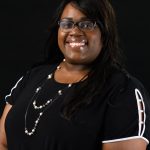
Michelle Gale With Michelle Gale, Ph.D., LLC

July 4, 2025 by Jacob Lapera

High Velocity Radio
High Velocity Radio
Michelle Gale With Michelle Gale, Ph.D., LLC
Loading
00:00 /
RSS Feed
Share
Link
Embed

Download file

Michelle Gale, Ph.D., Managing Director of Michelle Gale PH.D. LLC.

PCC is a life, career, and leadership coach for women with decades of experience in coaching, clinical psychology, and career counseling. She empowers her clients to make tough choices, navigate personal and professional transitions, cultivate a healthy sense of their own authority, manage relationships effectively, and achieve audacious goals.

Dr. Gale is certified by the International Coaching Federation (ICF) and has a doctorate in clinical psychology from Georgia State University in Atlanta, Georgia.

Connect with Michelle on LinkedIn and Facebook.

What You’ll Learn in This Episode

  • Her transition from practicing clinical psychology to coaching
  • How are psychotherapy and coaching different

Transcript-iconThis transcript is machine transcribed by Sonix.


TRANSCRIPT

Intro: Broadcasting live from the Business RadioX studios in Atlanta, Georgia. It’s time for High Velocity Radio.

Lee Kantor: Lee Kantor here. Another episode of High Velocity Radio in this is going to be a good one. Today on the show, we have Michelle Gale, who is the Managing Director of Michelle Gale PH D. Welcome.

Michelle Gale: Thank you Lee.

Lee Kantor: Well, I’m excited to learn about your practice. Tell us a little bit about the work you do.

Michelle Gale: Okay. I think I’m going to tell you the evolution of so that it makes some sense.

Lee Kantor: Okay.

Michelle Gale: Well, I became a clinical psychologist because. Because I grew up in a family with a father who was violent And an alcoholic. And, um, he gave my mother and I a very hard time. And, you know, as a kid, I mean, you don’t have language for this. You don’t. I mean, you can’t even really think about it. You just know something is not right here. And, um, so I grew up, and I learned, you know, that’s called domestic violence. And it’s a huge problem. And it happens around the world. And so, you know, out of the desire to keep other women and children from having to experience the kind of stuff my mother and I experienced, I became a psychologist. So I’m practicing along and I’m doing fine. I like it a lot. It’s a fit and, um, my body goes, goes haywire. I become unable to tolerate the simplest things, the food I’m eating, the, you know, the personal care products I put on my face, the clothes I’m wearing. I mean, you name it, my body went haywire. And it took a little figuring out. I mean, it was some some scary months there. And finally I got a diagnosis. This is called chemical sensitivity. And I’m reacting to chemicals that most of us just, um, will you go through your day and you neutralize these things. But I was reacting to them, which actually goes back to my father and his smoking. That’s that’s another story. So, you know, back then, um, psychology was done only in person. I mean, in order to be able to succeed as a clinical psychologist, you’ve got to be able to invite Strangers into your office and have conversations with them.

Michelle Gale: And all of a sudden. I’m like, um, you know. Do you smoke? Do you wear perfume, Cologne, aftershave? And it becomes impossible, you know? It just becomes impossible. So, um. Well, I mean, I had to spend some time getting a handle on what was going on with me. Physically. I had to calm myself down, um, my body down. And then a friend of mine suggested, what about coaching? And, you know, back then, coaching was often done remotely, whereas psychotherapy, you had to show up in person, you know. So, um, I transitioned to coaching and I have been coaching for, um, years now, like 13 years, 12 or 13 years. And. So at first I didn’t know, okay, what do I do with the skills and the perspective and all that I have as a coach? How does that translate? And um, and really I’m doing I’m working with a very much the same sorts of things as a coach as I did as a psychologist, except instead of working with often with diagnosable mental illness, you’re working with people who are more, you know, um, like, I don’t want to use the word normal. That’s a whole conversation, whether there is a normal. But but people who are functional, you know, highly functional, um, and, um, you know, have have issues to work out in order to be able to achieve their personal and professional goals.

Lee Kantor: So is your approach in helping them similar? Like do you go about the work that you do in a similar way, whether it’s psychology or coaching, or are they totally two different modalities?

Michelle Gale: You know, if you look from the outside, you would say you are doing the same thing, but they are actually very different modalities. One. One is a medical modality. It’s a form of medical treatment, but it uses talking. The other one is a learning modality. Coaching is a learning modality. You’re not treating anything. You don’t have diagnoses, you know. Um, and people sometimes like show up for coaching and they really need therapy or, or vice versa. And so I end up having to explain with some frequency. So in, in psychotherapy, um, you’re going back to the root of the problem, which is invariably in your childhood. And so you’re kind of, you know, your gaze is turned toward the past and you’re sorting out the experiences that you’ve had, who’ve made you you know, who you are today. Um, in coaching, you’re you’re dealing with the present and the future so you can deal with issues from your past as they show up in the present, you know, but but you’re not going back to the roots and of those issues and straightening them out, you know, kind of from the beginning. So, um, it really is two very different methodologies. One another difference is that, um, coaching is very targeted. I mean, people come in and you say, okay, what do you what do you want to accomplish here? You know, and you work toward those goals which sometimes evolve. But you have the the client has goals and you target those goals kind of relentlessly. Um, whereas psychotherapy is much more open ended, you know, and, um, something comes up and, and it seems like there might be something fruitful there. Okay. You go work on that for a while. So, um, the thing about coaching is that it tends to be faster. In other words, the coaching engagement is generally shorter because it’s very targeted. You know, you’re working on one or 2 or 3 very specific things. And when you achieve those things, then you’re done.

Lee Kantor: So are the outcomes kind of similar or are they like like if you spent um six months with a therapist. Would you get a similar outcome of spending six months with a coaching client, or is that probably not?

Michelle Gale: No. Probably not. I mean, six months of psychotherapy. So you’re probably deep in sorting out. Um, the, the, the early issues that you kind of bring with you through your life, um, and that color your perceptions and your responses and reactions wherever you go. Um, you’re probably in that somewhere in six months, you know? Um, six months of coaching. Um, you you’ve set some very specific goals. Like, you know, I want to get a new job. I want to get a promotion. I want to figure out whether I want to stay married to this, to this man or not. Because generally I work with women. Um, but not always. Um, just, you know, targeted goals. And you’ve worked in a focused way on those goals in six months. You know, depending on what the goals are. You you could very well be complete.

Lee Kantor: Now as a practitioner or both. Do you? Or do you still do the psychology or.

Michelle Gale: No. You know, I, I, um I let go of the psychotherapy and of course, now in this post-Covid world, psychotherapy is done remotely, just like coaching. But I’m kind of in a different, you know, I’m in a different world now. And, um, I, I, I just coach now.

Lee Kantor: So.

Michelle Gale: Yeah.

Lee Kantor: Well, I’m just trying to understand now that you’ve, you’ve experienced both and you’ve had success doing both. Is there one that like, are you liking coaching more? Like, is it more fulfilling? Do you like having that? Oh, I help the person solve a problem and then they feel good, I feel good, and I move on to the next person. Or was it more rewarding to spend a lot of time over a long period of time with somebody to get to the heart of the matter?

Michelle Gale: That’s a hard question to answer, and I’m going to say that. Um, each has its pluses and its minuses. Um, I really liked them both. I mean, they’re very similar sorts of things to do. And the way I understand it, I mean, the way I experience it. Michelle Gayle coaching is, is looking through the eyes of a psychologist. I’m a coach who looks through the eyes of a psychologist, which is which is different, you know, than what most than what most coaches do. Um, so I bring. You know, I bring, um, I bring some things with me that that, um, other coaches probably wouldn’t have available to them and gives my work, um, a uniqueness, you know, um, I’m very happy coaching. I was very happy doing psychotherapy. You know, it’s kind of like. Do you do you prefer chocolate ice cream or do you prefer pistachio ice cream? Well, maybe it depends on the day. You know, I like them both.

Lee Kantor: Now, is your work in, um, coaching? Is that one on one? Like, I assume that your work with the clinical psychology with one on one? Or is there also kind of group and, um, cohorts and things like that in coaching?

Michelle Gale: Yeah. Um, well, in both coaching and psychotherapy, you know, um, you can have individual, you can have couples, you can have a group, um, as a coach. Most of my work is individual, but, um, I’m actually, um, working on designing a a small group experience. Now that I’m looking forward to launching in the not too distant future that that I’m excited about. Um, so, um, I do individual and I will soon be doing group and, you know, as, as a psychologist, I did individual couples, I did family, I did group. I mean, um, it’s that’s a fun thing, you know, that that you can do different sorts of things. You don’t have to do the same thing day in and day out.

Lee Kantor: Now, any advice for other coaches that are listening now if they are never done group before? There are some do’s and don’ts of, uh, managing the needs of a group.

Michelle Gale: Absolutely. Solutely. I mean, because you can coach individually. That in and of itself is not necessarily is is is not going to make you a terrific group coach. Um, group. You know, the commonality in both of them, um, is that first and foremost, you have to be able to create a safe space for your client or clients. And this is true in individual and in group. Nobody will open their mouth, you know, if you can’t do that. Um, but group involves, you know, uh, a whole other set of skills about how do you, how do you balance among the people in the group, you know, how do you make sure No one fades into the woodwork and no one dominates that, you know? Um, it’s, um, it’s a whole other skill set, and there’s training and group coaching, just like there is an individual coaching. But before I think out of, you know, out of respect, um, for the work, you would want to get group training before you actually did it.

Lee Kantor: Now when you’re working a group or the is the group typically around a topic or a subject matter rather than just, uh, a general kind of type of coaching, like, are they there because they are all, um, you know, want to work on leadership skills or they’re all trying to get a job or something like that?

Michelle Gale: Um, there’s all different kinds of groups, just like there is all different kinds of Individual engagements. Um, I’m going to be focusing the group that I’m working on, planning, um, around a set of, um, like many lessons at the beginning of each group. And then we do we do individual exercises, and then we come together as a group and talk. Um, that’s the way I’m going to be doing that. But but there’s a lot of room for creativity there.

Lee Kantor: Now, any advice for the individual that maybe has never had a coach before? What are some do’s and don’ts when it comes to starting a new coaching uh, relationship with somebody.

Michelle Gale: Mhm. Mhm. Okay. Well you know item number one with coaching I mean if you go to a psychologist and they really are a licensed Psychologist. You got a whole licensed psychologist there. But if you go to a coach, coaching is a little more of a Wild West at this point. Um, there are coaching credentials, but there are people who coach who don’t have any credentials. So it’s a real good idea to start by making sure the person has a coaching credential. Often, especially in the United States, that would be ICF, the International Coaching Federation. But there are other, um, you know, worthwhile credentials that coaches have. And if you have a coach who’s put up a shingle and they don’t have any credentials, I mean, no, they don’t know what they’re doing. Don’t go to them. Um, that would be the first thing. Uh, the second thing is, you know, these things are very personal. Um, there. Someone could be a very competent coach and just. There’s no chemistry there. You know, like, the two of you don’t like talking to each other very much. Or, uh, the coach really doesn’t have the expertise you seek. So it’s a personal thing. You know, you go, you have a conversation, and you see what you think. I mean, is this a person in whom you think you can place your trust over time? Of course, you don’t start out with trust. You start out with, um, okay, I don’t know. But over time, does this feel like a person that you could come to trust? And if the answer is yes, then that’s a real good place to start.

Lee Kantor: Now, how do you manage the within the coach? Coach, I guess. Relationship. Um, how do you how does the person who’s being coached. Kind of. Decide, okay, this person’s asking me hard questions or is asking me to do things I don’t want to do, and I’m uncomfortable. But maybe that’s in their best interest, and maybe that’s the role of the coach to be pushing them and to, you know, not just being their friend and supporting you, you just but by, you know, if you came here to accomplish this, you’re going to have to do some hard things. And you’re a person who can do hard things. So I’ll, you know, help you get through it. But ultimately you have to do the work in order to get the result you desire. And how do you kind of know that? Oh, I, I don’t like them asking me to do hard things because it makes me I’m nervous about doing this and I’m scared. So how do I know that that coach is the right coach for me, or should I just pull the plug if I’m, you know, not feeling it?

Michelle Gale: Yeah, that’s an interesting question. Um, so, you know, the coach doesn’t really, um, a good coach doesn’t set goals for the client. You know, you don’t ask the client to do stuff. You facilitate the client and deciding what is their next step, and you support them and being able to do it. I mean, you don’t like a good coach does not push clients. And if you did push clients, you would just lose them very quickly. I mean, you know, we it’s a collaboration. You you as a coach, you like walk alongside the client. You enable the client to do things that the client wouldn’t be able to do on his or her own. But it’s the client. It’s the client who decides. Okay, you know, I’m up to this. I’m ready to do this now. This is my next initiative. Not the coach who says, go out there and do that thing.

Lee Kantor: But isn’t there some point? There has to be some accountability. Isn’t some of the coach’s role to be the accountability partner, to say, hey, you said you were going to make these five calls. How many did you make? I made one. It’s like, well, you’re not going to get to where you want to go. If if the goal, you know, you say you’re gonna do five and you did one.

Michelle Gale: Okay. Yeah. I mean, there is certainly accountability and you’re in service of the client. So let’s say you said you were going to do five calls, but you did one. My response to that is not where are the other four calls. You’re never going to succeed like this. My response to that is And how come you didn’t make the other four? You know what all happened there? Unpacking it and looking with the client at what happened. How was it that you got through? One. I mean, was it that bad that you didn’t get to the other four? What? What’s going on? You know, and and you work with the client, you discover, you know, if there’s a block there. What? What’s the block? And how should we deal with it? But you don’t like, um, you know, give the client a scolding because they they didn’t keep all of their agreements. I mean, we do the best we can, you know, and if and people who show up for coaching, well, they need a little help. We all need help, you know, at times.

Lee Kantor: So when you’re working with a client, did you have early on, um, a sign that, hey, I think I’m good at this. I’m going to be able to pull this off. Like, were you getting kind of the positive responses that you were looking for or your clients were getting success quickly? Like, were there certain signals to you that was like, okay, I’m going to be able to make this transition from practicing clinical psychology to coaching. You know, I’m getting a lot of signs that I’m on the right track here.

Michelle Gale: Well, yeah, I mean, I would say the first sign was I knew how to do things they hadn’t taught me how to do yet, you know, and, um, that was acknowledged like by people who were training me. Oh, wow. You know. Um, so that was the first sign. Okay, this you’re going to be able to make this transition, you know? Um, and, and as far as my relationships with clients went, um, you know, I had to learn some things, um, really to transition. Um. So. So you take your cues from your clients, like, what are they needing? Um, but. Yeah, people. It’s an individual thing. I’m not. I’m not the coach for every person on earth. You know, just like you’re not everyone’s cup of tea. Some people really like you, and some people will go work with someone else. But, um. But I, as a psychologist, you know, I learned how to create a rapport with people with whom I had nothing in common. Really? I mean nothing. And because you have to be able to do that in order to help them, you know. And with coaching, um. That’s it’s it’s a little easier in coaching. Um, you know, it’s not that great a range, Perhaps of clients, but, um. Yeah. I mean, that’s an ability that I took from psychology that I, that I transferred over to coaching is knowing how to be with a person, you know, to help them articulate what they’re needing and. To help them, you know, go through a learning and growth process that will enable them to get there. And when people feel like you can do that and it’s something they genuinely want, well, they’re very happy. You know.

Lee Kantor: Now when you have a coaching engagement, how do you know when it’s done? Like do they just like you said, an objective early on and say, okay, I, you know, I’m doing coaching because I want to be promoted. So then you work on that and then they’re promoting you and they just say thank you, bye. Or is it something that, um, is a moving kind or the goalposts, constantly moving as people’s life, you know. Once you achieve something, you’re usually looking for the next mountain to conquer.

Michelle Gale: Mhm. Yeah. You know. Um. So let’s say you come to coaching because you want a promotion and, and you know, however many months were maybe a year later you get that promotion, you feel complete. Um, in you haven’t just gotten a promotion. You’ve also addressed all the issues that you needed to address that were in the way of your getting a promotion. You know, so you’ve you’ve experienced some personal growth alongside, um, achieving this objective that, that you would set for yourself. And at that point, you know, people make a decision mostly if you have achieved your goal in coaching, you feel like you’re done. You know that’s what you came for. And you know, you may circle around a year or 2 or 3 later and say, I’ve got myself another real challenge here. I could use some help or not. Um, uh, usually that’s the case. And on occasion, yeah, other things evolve and you decide, you know, now I’d like to work on this, but generally speaking, when a coaching client achieves his or her or her goal, um, they feel complete, and and they leave.

Lee Kantor: So. And then you’re both kind of good with it, and then you just move on to the next client. Is that it sounds it sounds coaching sounds more transactional than maybe therapy does.

Michelle Gale: Well it isn’t. I mean, it’s shorter lived, you know, and it’s more circumscribed. Um, I but the the the part of your question I really want to address, um, is this business about, you know, are you both good with that? And you go on to the next client. Um, I got some training, um, as a coach early on as a coach that said, basically, you know, don’t relinquish those clients easily. You know, keep them around as long as you can. And and I was confused because that’s not what you do as a, as a psychologist. You know, when when they want to move on, they move on whether they’re finished or not. Your job is to let go. Um, and, um, and I got some training early on as a coach that said, no, you know, that’s not what you do. And so I tried that, you know, a few times and actually it backfired horribly. You when somebody is ready to move on, you support them and moving on. You know, you don’t admonish them. You don’t try to manipulate them into staying. People have to do what they feel is right and what they feel is right in the moment. You know, and if you get in their way, it’s not going to go well.

Lee Kantor: So is there a story you can share? Maybe a success story that don’t name the name of the person, but maybe share an example of what the challenge they had when they started with you, and how you were able to help them get to a new level.

Michelle Gale: Yeah. Um. One of the things I see a lot of I see people who are in mid-career. Who are still behaving as though they’re kind of baby professionals, not full professionals, um, in that, um, they’re low on self-confidence and they look outside them for approval. In other words, they are still trying to prove themselves when actually they already have. You know, they have whatever credentials they need to do the thing they do. Um, they’ve been doing it for a while, you know, they have they have work. They have a boss. Boss isn’t like, oh my gosh, you don’t know what you’re doing. You should leave. Everybody’s happy with them. And they are still there, like exhausting themselves, trying to prove themselves. This this habit that they learned long ago. You know, as kids, as students, um, of kind of, um, putting the authority outside of themselves, um, as opposed to owning it, you know, taking ownership of, um, their own process, um, who they are as a professional and being able to evaluate themselves. And so I see a fair amount of this and I have to say, um, it’s pretty common among women, but I, I see it in men, too. And, um, and it’s not, you know, these are not people who just started doing what they’re doing a few months ago, in which case you probably are still trust yourself, and that’s the best module that makes sense. You know, these are people who’ve been doing something for years and they’re still trying to prove themselves. So, um, so when I work with someone who’s got that kind of, you know, dynamic going on, and I helped them get to a place where they feel like they know who they are as, as professionals, as as adults and as professionals, and they become more capable of evaluating how they’re doing for themselves.

Michelle Gale: And. Some are much less hung up about what other people see in them. You know, how how other people feel like they’re doing. I mean, not that you become cold and callous and uncaring, but that you’re capable of making your own choices. You know that, you know, you’re a competent professional, you know, and you kind of. You get yourself situated in that so that what happens is, um, instead of your attention being divided and part of you is working on whatever issue you’re working on, you know, for the company, for the client, whatever, um, part of you is working on that. And, and the other part of you is working on, oh my goodness, am I doing okay. What does he think of me? What does she think of me? You know, um, and when you let go of and you can be 100% fully present with the work, whatever it consists of. This is, um, you know, this is a real leap in, in what’s professional development, but it’s also personal development. Those things really aren’t divisible. Um, and, and that’s the sort of thing I often do with my clients. It’s one of the issues I work on. There are others, but that’s an example of, you know, when it works, um, that’s what it can look like.

Lee Kantor: And then once you can get through that, then that’s forever. That’s a, you know, once you can have that belief in yourself and then who you are and what you’ve accomplished, that’s a lasting impact, I’m sure.

Michelle Gale: Exactly. And that’s the thing I think, that people don’t always take into account when they enter coaching, but it’s so important, Written, which is I mean, you not only got whatever the specific goal was that you came to, to achieve. You developed yourself to a point where you know you’re playing a different ballgame now. And and as you said, that stays with you wherever you go. That’s going to go with you. And that’s, you know, that’s the thing that’s so compelling about coaching. I mean, that you’re not yes. You’re helping people meet their goals. And in the moment that’s super important to them, you know, but you’re also helping them develop as individuals. And that’s really why I do what I do.

Lee Kantor: So if somebody wants to learn more, have a more substantive conversation with you. Is there a website? Is there a best way to connect?

Michelle Gale: There sure is. Um. It’s Michelle Gale. Um, there’s a contact form on there, and I’m very happy to talk to people who aren’t sure if this is right for them, but are interested.

Lee Kantor: And Gayle is about Gayle.

Michelle Gale: Good point. So Michelle has two L’s. Am I h e l l e and Gayle is g l e shel Gayle p h d.

Lee Kantor: Well, Michelle, thank you so much for sharing your story today. You’re doing such important work and we appreciate you.

Michelle Gale: Thank you so much, Lee.

Lee Kantor: All right. This is Lee Kantor. We’ll see you all next time on High Velocity Radio.
Tagged With: Michelle Gale, Ph.D.

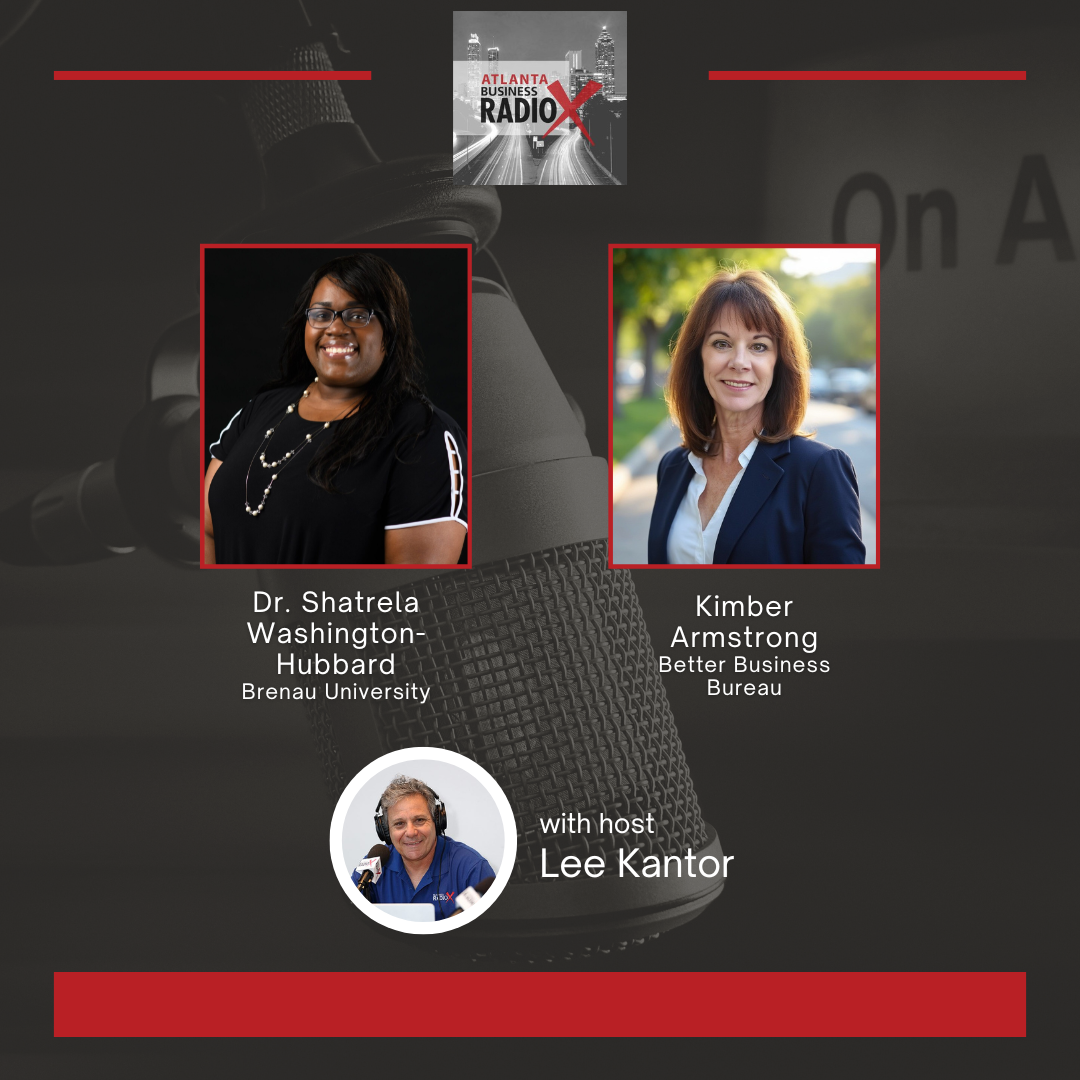
Shatrela Washington-Hubbard, Ph.D. Brenau University And Kimber Armstrong With Better Business Bureau

June 2, 2025 by Jacob Lapera

Atlanta Business Radio
Shatrela Washington-Hubbard, Ph.D. Brenau University And Kimber Armstrong With Better Business Bureau
Loading
00:00 /
RSS Feed
Share
Link
Embed

Download file

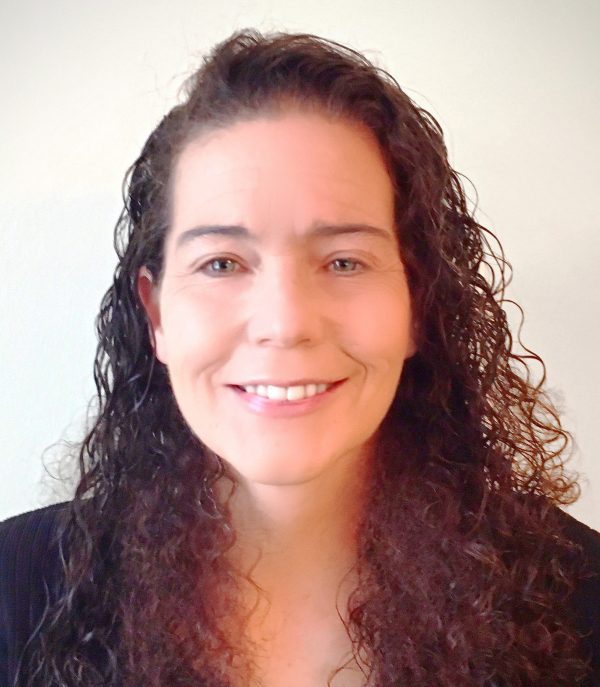
Dr. Shatrela Washington-Hubbard currently serves as the Swinton A. Griffith III dean and program director of human resource management programs for the College of Business & Communication at Brenau University. As dean of the College of Business & Communication, Washington-Hubbard is focusing on building strategic alliances to grow the college, differentiate the program offerings, and create programs that are regionally and nationally recognized.

Prior to her current role at Brenau, she instructed various business courses in the Technical College System of Georgia and served as the director of the Center for Entrepreneurship and Business Development. Washington-Hubbard has also worked as an educator in the Georgia Public School System and in corporate America as a human resources professional.

Washington-Hubbard’s research areas include entrepreneurial mindset, leadership development and women’s career development. She has presented her findings at regional and national conferences. Washington-Hubbard has volunteered for several organizations, including the Atlanta Children’s Shelter, where she facilitated computer training programs for parents seeking employment as they transitioned from homelessness to lifelong stability.

Various boards have also benefited from her membership, with her longest tenure being with NGBC Educational & Community Services Inc. She is actively involved in several professional organizations and provides coaching and consulting services for various companies and professionals.

Connect with Shatrela on LinkedIn.

Kimber Armstrong is a versatile professional with extensive expertise in strategic partnerships, business development, and program coordination. Her impressive career includes pivotal roles at the Better Business Bureau in both Atlanta and Middle Tennessee, where she has been instrumental in developing and managing programs aimed at enhancing business awareness and education.

Kimber’s dedication to supporting business growth is complemented by her passion for motivational speaking, where she collaborates with community and government organizations to strengthen partnerships and outreach initiatives. Her ability to efficiently multitask, swiftly analyze issues, and implement innovative solutions ensures that projects are completed successfully, on time, and within budget.

A motivational leader, Kimber excels in fostering a productive team work environment through her skills in team supervision, training, performance development, and mentoring. She is a certified Life Coach, Everything DiSCCertified Trainer, and Dental Hygiene Board Exam Grader, with ongoing training to become a DEI Trainer. Kimber’s educational background includes an AA in Dental Hygiene from the University of Mississippi School of Health-Related Professions, where she graduated with honors and received the Clinical Excellence Award.

Through her work at Tools for Empowering Women &Armstrong Professional Training Solutions, Kimber has made significant contributions as a published author, motivational speaker, and development trainer, empowering individuals and establishing trusted relationships with boards, donors, staff, volunteers, and community supporters.

Connect with Kimber on LinkedIn.

Transcript-iconThis transcript is machine transcribed by Sonix.


TRANSCRIPT

Intro: Broadcasting live from the Business RadioX studio in Atlanta, Georgia. It’s time for Atlanta Business Radio, brought to you by Kennesaw State University’s Executive MBA program, the accelerated degree program for working professionals looking to advance their career and enhance their leadership skills. And now, here’s your host.

Lee Kantor: Lee Kantor here, another episode of Atlanta Business Radio. And this is going to be a good one. But before we get started, it’s important to recognize our sponsor, CSU’s executive MBA program. Without them, we couldn’t be sharing these important stories. Today on the show, we have Shatrela Washington Hubbard, who is with Brenau University, and we have Kimber Armstrong with the Better Business Bureau. Welcome.

Shatrela Washington-Hubbard: Thank you for having us.

Lee Kantor: Well, why don’t we get started with Kimber? Uh, Kimber. We’re here to talk about this exciting program, bridge. And can you share a little bit about mission purpose? What is bridge doing for folks?

Kimber Armstrong: Yeah, absolutely. So bridge is a 501 C3 non-profit, and we have just launched, um, just in this last month, and our initial launch was at Brunel University. And we are a mobile resource center that goes out into the communities across the whole state of Georgia, providing actionable resources for small business owners. And we do, um, have a focus on minority and women owned businesses because they usually need more help. So our mission is to empower those businesses that are struggling and to help them succeed and to improve the survival rate for for those businesses in the state.

Lee Kantor: So now, why was it important for the Better Business Bureau to partner with them? Him.

Kimber Armstrong: Well, Better Business Bureau is steeped in the small business community, and it was just kind of a natural progression for us to branch out and provide, you know, resources we see up front in the community what the needs are. Customer complaints, customer reviews. We process about 65,000 customer complaints every year and around 26,000 customer reviews. So we have a front row seat to what’s going on in the market and who needs help. And we just we see entrepreneurs. We know that they have a passion and they they hit the ground running from sunup to sundown and they’re wearing all the hats. And while there are many, many great resources in metro Atlanta, we know that small business owners typically don’t have a half day or a whole day to spend chasing down those resources. So that’s why we come up with the idea to come directly to them. And so we partner with experts. Um, we pretty much stick to two main buckets of content that we’re teaching them. So it’s access to capital and financial management and legal and administrative services. So we have a broad network of amazing partners that help us.

Kimber Armstrong: A partner can like host an event. They can sponsor us, they can provide subject matter expertise, or they can help us get the word out to get businesses there. Um, and it is this mobile resource center is an expandable trailer. It’s 53ft long. And once we park it, it expands 15ft wide and it ends up being about 850ft² of Oval Office space. So it’s really cool. And it’s it’s kind of futuristic looking. It’s it’s drawing a lot of attention in the state of Georgia so far. Uh, when we went to the DMV to get our, our title, they said, oops, you’re going to have to come back. We don’t have one of these in the state of Georgia yet, so we’ve got to come up with a number. We’ve got to assign it a number. So it’s it’s new and exciting. And um, like I said, people just seem to be enamored with the whole whole trailer aspect, and there seems to be a great need in the state for it now.

Lee Kantor: Uh, Doctor Washington Hubbard, um, what was the thinking behind Brunel’s involvement with this venture?

Shatrela Washington-Hubbard: So when Kimber initially reached out to me about what bridge was trying to do in communities, it was a natural fit for us. Um, Hall County has been number one in the state of Georgia for small businesses. And so we know that small businesses are growing in the community. However, as Kimber said, there are some small business owners who do not have access to certain resources. And so, as the College of Business and Communication has been trying to infuse experiential learning into our courses and partner with the community more, this seemed like a natural fit for us to support the community as well as the college and that entrepreneurial ventures.

Lee Kantor: So can you tell us a little bit about how the event went?

Shatrela Washington-Hubbard: So for the event, we had a two day event as our kickoff. There was a networking night on Thursday, and that was the arrival of the Mobile Resource unit. During the networking event, we had representatives from bridge from Brunel University as well as community partners, faculty, staff and students in attendance. Individuals were able to network with each other and sign up for the day two um, which was on that Friday, to actually receive um services on the mobile resource unit for day two, which was that Friday. That was when the mobile unit was open, and we had partners here who were able to provide one on one, um, consultations with small business owners to support them with their small businesses. Individuals were also able to tour the mobile unit on that day. So, um, from the statistics that I received, I think that we serviced over 35 individuals on that Friday. So for the initial launch, I would say that this was a very big success. And we’re just appreciative, um, to bridge for having the honor of having the first, um, service date at Brunel University.

Lee Kantor: So now is it touring around other is that the plan to go around to other universities around the state, or are you going to other locales as well?

Kimber Armstrong: Yes we are. So we um, we just got the trailer about a month ago and, um, you know, very quickly have done the kickoff and, um, have been at some other events and, um, we’ve got 25 confirmed events on the calendar so far. And we know that, you know, we’ve heard from, um, some state leaders that there are plenty of communities that need help. And whenever you know we’re ready, there’s a list they’ll give us so that we can go into other communities. We are building this initiative to scale. We plan to serve a thousand businesses within the first 12 months and 3000in the next 12 months. And by year four, we plan to have about five of these mobile resource centers.

Lee Kantor: And then so then, can you share a little bit about what exactly is happening? Say, I’m a small business owner. I see that you’re coming to town. Um, what is what what should I be doing in order to get the most out of this?

Kimber Armstrong: Yeah. So we we have an events page on our website. Um, the, our parent company is called M works m w o r x. Uh, so it’s powered by M works. And if you go check out the events page, there are registration links. We’re going to be in Henry County. Um, we’ve got a commitment with them to go out monthly. Um, we’ve got a commitment with Doctor Washington, Hubbard and Brunel University to provide ongoing resources for their community for three years at least. Um, and so some some of the events we do are like more of a pop up event. Um, but we are providing actionable resources. It’s really important to for us to provide, you know, we don’t just want to we don’t want an entrepreneur to come spend a couple of hours with us and then feel like they’ve just been handed off to someone else. So, like when we were at Brunel, um, the, the individual business owners came on board and they sat down with, um, like access capital for entrepreneurs who actually can offer lending products and can tell them whether they qualify for those loans. And as we progress and, um, you know, build out the programing more, we’ll be very intentional about advising business owners who are coming, like if it is a loan application, they want, you know, you need three months of bank statements and a couple years of tax returns, whatever the requirements, because there’s so many different lending products out there and so many different things that are needed at the time. So, um, and then also we have attorneys that we’re partners with. We know that what we hear is small business owners don’t, you know, it’s kind of intimidating if you don’t know the legalities of maybe it’s contracts with customers or vendors, vendors. Um, so anything like that, if we have an attorney that day, um, and they need to bring anything that they need to have looked over, um, it could also be like their formative documents for their corporation, as a corporation, those kind of things.

Lee Kantor: So they’re actually getting it’s not just like, oh, you need to call a lawyer and here’s my card. And then, you know, this is something they have to purchase. This is actually giving them free consultations and actionable things at the event. It’s not just, like you said, passing them on to somebody who’s going to charge them a lot of money down the road.

Kimber Armstrong: Yes. That’s correct. So we’re actually providing the services there. Um, one of our upcoming events, we have our Department of Revenue partner that will be there with us. And it’s always interesting. She’s done um, some educational programing with us before. And it’s interesting to see this audience of entrepreneurs, their eyes get really big when they when they, they are understanding what is required from them through the Department of Revenue and running their business. They’re like, oh, I didn’t know that. You know, so, um, just a lot of really helpful information like that to steer them in the right direction, to do business the right way so that they can, um, thrive and grow.

Lee Kantor: So you mentioned ace, um, the access to capital for entrepreneurs, folks, are they they’re like actually filling out applications to, you know, help them get some money or funding.

Kimber Armstrong: Yes. So they, they, um, and we have, we have like 18 financial partners. We’ve got an extensive array of, loan products and other type of financing, credit, business credit, those kind of products that ace is very you know, they have their criteria. And so there’s a certain, um, business owner where they are in their business life cycle that fits in with their loan products very well. Um, and then we have other lenders who may offer, um, like equipment loans, you know, small, smaller loans. We have, you know, ones that offer bigger loans. It’s just there’s so many different products out there. So it’s it’s kind of like a little matchmaking game to, um, you know, work with our partners to decide who we’re inviting, who’s going to be there, and exactly what services we’re going to offer. And then also like in what language, because Doctor Washington Hubbard, um, when she and I first started talking about this, she said there’s a large Hispanic small business population. And so that’s, you know, that’s something that we’re factoring in as we’re, planning and building out the programing that we will have Spanish speaking professionals, because we know that they they need that in order to trust the information that they’re getting. So it’s very tailored to the community and the businesses that we serve.

Lee Kantor: Now what stage of an entrepreneur life cycle are you dealing with? Are these folks that have been around for like a year, or are they folks that have been around for ten years, or are they people that have an idea on a napkin?

Kimber Armstrong: It could be all of the above. So, um, our our definition of a small business is a business up to $1 million in gross annual revenue.

Lee Kantor: So up to a million, which is kind of the opposite of what, uh, the, the official government small business description is.

Kimber Armstrong: Well, and we’re so we’re, you know, in private nonprofit. So we, um, it’s, it’s important to us to help the businesses that really need it. And so at this point, that’s our guideline, right?

Lee Kantor: No, that seems that’s the majority of the businesses I would imagine. I think what small business definition, according to the government, is like $50 million or something.

Kimber Armstrong: Oh, wow. Yeah, I didn’t I would I would have had to look that up.

Lee Kantor: But yeah, it’s.

Shatrela Washington-Hubbard: That’s not.

Kimber Armstrong: That’s not very small.

Lee Kantor: Exactly. At least in my experience though, I think you’re going to hit a lot more people.

Kimber Armstrong: Yeah.

Lee Kantor: Now you mentioned.

Kimber Armstrong: Out there that need it.

Lee Kantor: Absolutely. And and the most fragile like this is where this type of information and resources are the things that, you know, make or break an organization. So if you’re really trying to give them the best chance to thrive and survive and grow, you’re doing it at the right time.

Kimber Armstrong: Yeah, I think that sweet spot is kind of somewhere in that 2 to 3 year mark where things are either they’re going to they’re going to figure it out and they’re going to soar with their business or they start really floundering, you know, and they need they need to grow. But they may have, um, maybe on poor advice or just not knowing. They, they report, you know, no earnings to the IRS. They, you know, write everything off. And then they want to go to a bank and get a loan. And you can’t do that. A bank’s not going to loan you money if you’re not showing any income. So it’s really taking those things that we know, um, that they need help with and getting out ahead of it so that we can, you know, help them not get to that point where it’s like, oh my gosh, like, the wheels are falling off and I’m just gonna have to close the doors like there’s so many steps leading up to that. And that’s what we hope to accomplish is to interject at the time that they need it the most.

Lee Kantor: And you’re partnering with, uh, other folks like Doctor Washington Hubbard at universities, but you’re also partnering with chambers of commerce and other kind of business hubs and communities.

Kimber Armstrong: Yes, absolutely. So honestly, like a host partner needs to be able to, um, accommodate a 53 foot trailer number one, which they have the perfect space at Brunel University. And, um, you know, chambers are a great partner too, because they have those networks of small businesses that they can help get the businesses there. Um, so yeah, that’s you’re exactly right.

Lee Kantor: Now, Doctor Washington Hubbard. Um, what was your thinking? Your, um, the dean of the College of Business and Communication, but you were also the first one in and you took action before anybody else. Um, what was so compelling about this, um, organization and this vision that that got you to take action so quickly? And if you have any other advice for other folks out there that should be hosting this type of, uh, an event, uh, what would you tell them?

Shatrela Washington-Hubbard: Well, as a university, um, and specifically as a college, we’ve been working with a lot of organizations, specifically with small business owners. And when they told me the population that they were really targeting, it was really a passion for me. Um, we’ve been servicing small business owners, not just in the United States, but we have been partnering as a university with different municipalities, with, um, different universities and programs in Costa Rica and Panama as well. So this is an expansion of the work that we’ve been doing as a university and a college. And so with Kimber, I’ve actually worked with her on a few other projects, and we serve on a board together with the Georgia Women’s Chamber of Commerce. And so, um, we both have always said that we felt like we would be doing more work together. And so she pitched the idea to me, and I knew that in the Hall County area, there’s a real diverse group of small businesses. And so I brought together a small group of individuals to see if this is something that the community would want and need. And everyone was in agreement that we should move forward with this. So even with being the first, one of the things that I told Kimber is I know we would have hiccups, but I was willing to just power forward. And I think it’s a great initiative. It’s very needed. A lot of businesses are still going through that post pandemic struggle, um, and trying to recover. So I thought that this was the right time. And so I was glad to step in to, um, be the first.

Lee Kantor: So what do you all need more of? And how can we help you? Do you need more sponsors? You need more locations to host the, um.

Kimber Armstrong: Yes, yes we do. Like, as I mentioned, we, um, our intention is to serve thousands of small businesses and to grow, um, you know how many vehicles we have out there across the state. So we we definitely desperately need sponsorships. We, um, we need host partners. Like for now, University. Um, we need other organizations that can help us get people there. So we’re bringing the mobile office space and our network of partners. Although as we’re growing this and building this like it’s very community focused. And Doctor Hubbard has introduced me to leaders in Gainesville with many more to be introduced to. So as we’re going into each of these communities, we’re reaching out to, um, leaders and professionals in those communities so that the small businesses that are there have, you know, have somebody that they know and trust where it’s not like we’re, um, our office is in Alpharetta, but it’s not like we’re bringing in, you know, all these folks from metro Atlanta with their great, great, great resources in metro Atlanta. But we’re unearthing and building those partnerships in the communities that we serve in.

Lee Kantor: Now, are you also building community for the entrepreneurs that are going through this, um, experience? Is there a place for them to connect with each other and to. You know, as a alumni of going through there. Is there a an effort to create community around them as well?

Kimber Armstrong: Yes there is. That’s a great question. And it’s not something that I that’s like completely finalized at this point. But we’ve talked to them about it internally among our team that they absolutely need to have that, um, that core group that they’re, you know, working through these stages with and that they can, um, mentorship is huge. And I hear that from, from small business owners often, like from, um, black female entrepreneur. Like, I don’t even know how my white counterpart is networking at the level that she is. Like, I don’t even have that access. So providing that ecosystem, it’s right now it’s a mobile ecosystem, um, which we know we can address digitally, but we can also address by, um, you know, reconvening at these at these Yeah. Community locations. I foresee that with Grinnell University that as we go along, we talked about having, you know, whether it’s quarterly or bi annually, um, you know, a congregation, a high level networking group where we can go and have leaders present, um, and also these businesses that are, um, committed to, you know, doing what it takes to, to succeed.

Lee Kantor: So let’s, um, help people connect. Um, what is the best way is there a kind of a center point for learning more and getting on a list if they’re coming to a community near them?

Kimber Armstrong: Yes. Um, our website is worksource. And you’ll you can, um, become a member there. There’s no charge for that. You can look at the events page and register for upcoming events. You can reach out through the contact form on the website. And that comes directly to me. So I just encourage, you know, anybody who has a desire to learn more, go to the website and reach out. I’m happy to connect with you. Um, we’re also having a kickoff at State Farm Arena on June 16th. That is, um, there’s a registration link on our website. We do ask people to register, but there’s no charge to attend. And that’s pretty exciting. We’re going to have the trailer actually, um, in the arena, and we’re fingers crossed we’re trying to get Mary Dickens there to speak and some other, um, some leaders from the Hawks and the Atlanta Dream. So, um, check that out on our website, too. We’d love to have a big crowd show up.

Lee Kantor: And then if somebody wants to learn more about brenau, uh, Doctor Washington Hubbard, is there a website you can share? Uh, if somebody wants to learn more about Brenau or connect with you or somebody on your team.

Shatrela Washington-Hubbard: Yes. So Brenau University, our website is brenau b r e a u.edu. We’re also on social media channels so you can look up Renown University and specifically the College of Business and Communication. So we are CBC at Renown on Instagram. And um, you can connect with us on LinkedIn as well.

Lee Kantor: And Kimber, if somebody wants to learn more about the Better Business Bureau or connect with you.

Kimber Armstrong: Yeah. So we’re we’re all over LinkedIn and Instagram and Facebook. So we are um, our handle on LinkedIn is Better Business Bureau Atlanta and Northeast Georgia, I believe that’s kind of our official name for this, um, locale.

Lee Kantor: Good stuff. Well, thank you both for sharing your story. You’re doing important work, and we appreciate you.

Shatrela Washington-Hubbard: Thank you for having us.

Lee Kantor: All right. This is Lee Kantor. We’ll see you all next time on Atlanta Business Radio.

Tagged With: brenau university, Kimber Armstrong, Ph.D., Shatrela Washington-Hubbard

TMBS E78: Katherine Roe, PETA Monkey Testing RMT

May 2, 2020 by angishields

Tucson Business Radio
TMBS E78: Katherine Roe, PETA Monkey Testing RMT
Loading
00:00 /
RSS Feed
Share
Link
Embed

Download file

PETA Urges National Institutes of Health to Halt Inhumane Experiments Katherine Roe Research Associate, PETA Laboratory Investigations Department

Katherine Roe, Ph.D., is a research associate with the LaboratoryInvestigations Department of People for the Ethical Treatment of Animals(PETA), where she liaises with government funding agencies, universities, and corporations to end harmful and ineffective neuroscience and psychological experiments on animals. She helped dissuade the National Institutes of Health from increasing its use of monkeys in biomedical tests and is currently working to end experiments on dogs at Texas A&M University, on barn owls at JohnsHopkins University, and on wild-caught birds at Colorado State University. She graduated magna cum laude from Syracuse University and earned a doctorate in experimental psychology from the University of California–SanDiego. She has been published in numerous peer-reviewed journals and has conducted research at Johns Hopkins University and the National Institute of Mental Health.


Tagged With: Katherine Roe, Ph.D., The Mark Bishop Show

ABR Spotlight Episode Minority Business Radio with Host Kunbi Tinuoye

May 27, 2016 by angishields

Atlanta Business Radio
ABR Spotlight Episode Minority Business Radio with Host Kunbi Tinuoye
Loading
00:00 /
RSS Feed
Share
Link
Embed

Download file


Kumbi6
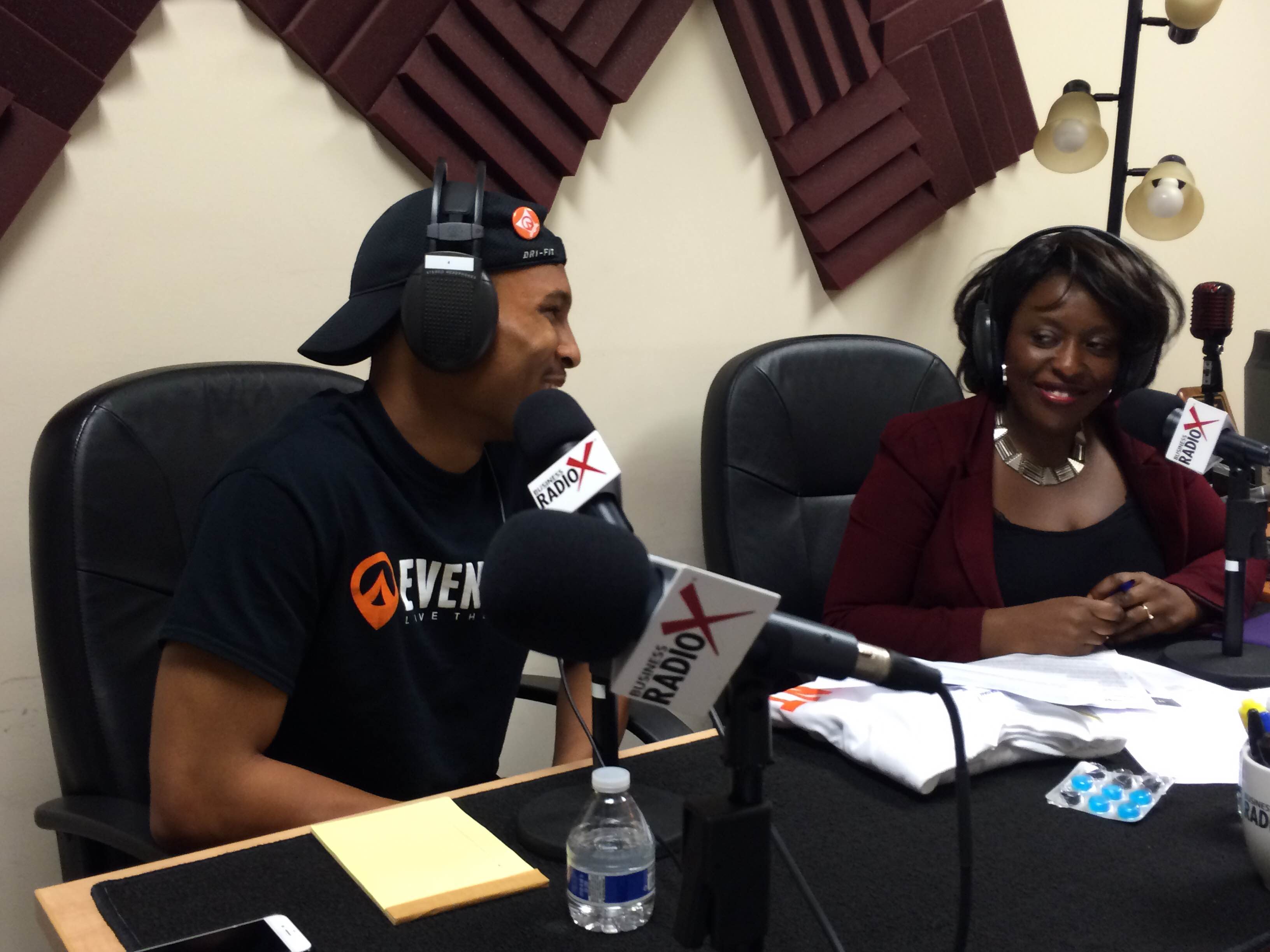
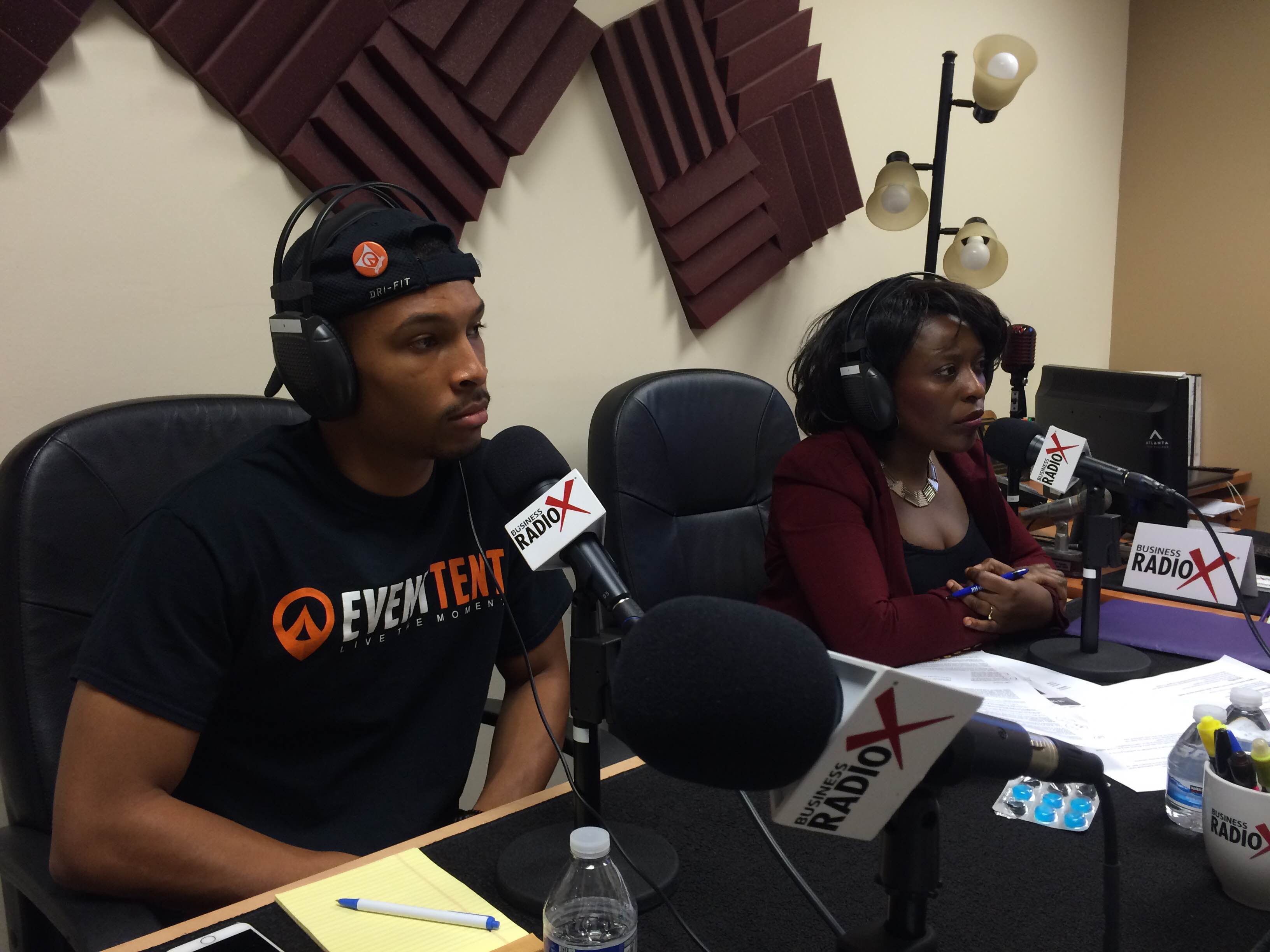
Justin McLeod, Mary H. Parker, Dr. Kelly Burton and Kunbi Tinuoye


Mary H. Parker / ALL (n) 1 Security Services, Inc.

Founder/ President & CEO

” If it is to be it is up to me”

Ms. Mary H. Parker is the Founder, President, and Chief Executive Officer of ALL(n)1 Security Services, Inc. With more than 25 years of management and experience in the security industry, she has held management at General Motors Corporations; Airborne Express; Georgia Dome; and Roger Penske’s Diesel Technology Division. She holds a BS Degree in Criminology and a Masters Degree in Security Management. Mary Parker has extensive training on various security systems and software integration packages and is a graduate of the Tuck Executive Leadership Program at Dartmouth. She is very actively involved in the growth and development of her employees, educating clients and consumers on security awareness and new products and trends within the industry. As President, she is responsible for developing new business relationships for strategic alliance and joint venture opportunities and increasing company’s visibility in national and global markets.

In 2011, Mary Parker founded, The Mary Parker Foundation with a mission of “Raising Other Generations.”   Her plan to achieve this mission is through three initiatives: Education, Entrepreneurship and Re-Entry Programs.   She also partners with Carver Bible College by offering annual support to its base of Haitian students.  Because of her overwhelming heart for the youth, she hosts an annual Back to School Bash. Contributions from friends, colleagues and corporations, The Mary Parker Foundation provided over $30,000 in scholarships to 11 college-bound students and over 300 book bags and school supplies for the 2013-2014 school year.  Her annual Christmas Toy Drive is always a success, providing many families with much needed toys, food and clothing .

As the President and CEO of ALL(n)1 Security Services, Inc., Mary Parker provides annual support and security service for the Hosea Williams Feed the Hungry  and Homeless  and The Trumpet Awards.   She serves as Chair of the Atlanta Business League.  She also is a member of Georgia Women Business Council, National Minority Supplier Development Council, and Metro Atlanta Chamber of Commerce.

As an entrepreneur, mentor and philanthropist, Mary Parker has mentored many women, new business owners, and aspiring security professionals.  Her motivation is faith, commitment to change, and the responsibility to give back. As an ordained minister, she truly understands that to whom much is given, much is required.


The Mary Parker Foundation

@IamMaryHParker


Kimbi1
Justin McLeod and Kunbi Tinuoye

Justin McLeod / Event Tent


Founder

Justin McLeod is a recent Georgia State University Alumnus where he majored in Marketing, minored in Hospitality while obtaining a certificate in Event Management. He has valuable experience in the event services industry from stints as the Special Events Director at Georgia State University, Sales Executive at the Georgia Dome, and Communications Assistant at the Georgia World Congress Center Authority.

Being an ambitious business savvy entrepreneur Justin combines his passion for events, marketing, and creativity in all of his endeavors. He started his first business at the age of 6 selling candy in his neighborhood to now running a tech startup called, Event Tent.

Event Tent is a centralized place to discover and share unique experiences in real-time. Justin and his company, Event Tent, has won multiple awards, contests, and recognitions including the following:

  • 2015 GSU Business Plan Competition Winner

  • John Aderhold Fund for Excellence

  • The Herman J. Russell, Sr. Venture Award

  • The Moses Lee Reid Entrepreneurship Award

  • Collegiate Next Great Consumer Brands Competition Finalist

  • eMerge Americas Startup Competition Finalist

  • Urban Geekz  & Atlanta Tech Village Women + Minority Entrepreneur Contest Winner

Justin’s main objective is to uplift the community in the most positive way possible by exemplifying leadership and encouraging the youth to purse their passions and dreams through entrepreneurship.

Website: http://www.eventtent

http://www.facebook.com/eventtentapp

Kumbi5
Justin McLeod and Kunbi Tinuoye


Kimbi2
Mary H. Parker and Dr. Kelly Burton


Kelly Burton, Ph.D / Nexus Research Group


CEO

Kelly Burton is an accomplished entrepreneur with greater than a decade’s experience launching and scaling start-up companies.

As Founder and CEO of her most recent venture Bodyology, a high-tech apparel company which infuses performance technology into women’s innerwear, Kelly is revolutionizing the way women dress. Since its launch in 2014, Bodyology has been identified as a high-potential apparel line by Macy’s Incorporated and featured in national publications like Inc. and Essence.

Kelly is also a social scientist having earned her PhD from Emory University in 2009.  She went on to work for Emory University as a senior researcher and ultimately left to start her own consultancy, Nexus Research Group.

As the CEO of Nexus Research Group, Kelly advises non-profits, foundations and government agencies on how to improve their social programs and maximize their philanthropic investments. She has served on more than a half-dozen boards and received the Visionary Leadership Award for her efforts to increase access to opportunity for individuals and communities throughout the South.

Kelly Burton is a sought after speaker whose unique life experiences gives her powerful insight into the range of issues and topics relevant to the modern-day business leader. Her love for entrepreneurship is infectious and she is passionate about sharing her story with others looking to blaze their own path. Kelly is a veritable renaissance woman and evidence that women can lead in multiple areas of life, all at the same time.


Social Media:

@iamkellyburton

@bodyologywear

Twitter and IG 

@bodyology

Facebook

Kumbi4
Mary H. Parker and Dr. Kelly Burton


Kunbi Tinuoye / UrbanGeekz

Founder and CEO

Kunbi Tinuoye is an award-winning British-born journalist and broadcaster based in the United States. She is the Founder and CEO of UrbanGeekz.com, a groundbreaking digital news platform focused on technology, science and business.

Tinuoye is a sought after on-air contributor, speaker, panelist, and moderator at conferences across the country. More recently she has appeared on MSNBC & Arise News and facilitated a panel discussion at the Spelman College Leadership and Women of Color Conference.

Tinuoye is a former News Correspondent for NBCs African American digital news platform theGrio.com. In 2013, she provided commentary as an investigative reporter on the Investigation Discovery hit television series Deadline: Crime with Tamron Hall.

Prior to relocating stateside, Tinuoye was a senior broadcast journalist for the BBC in London. She is an international writer whose work has been published in The Daily Mail, Londons Evening Standard, Ebony.com and The Voice newspaper

lShe is one of the original founders of Aspire, a support network for ethnic minority journalists in the United Kingdom. The organization has partnered with and attracted sponsorship from mainstream media outlets, including the BBC, Channel 4, Trinity-Mirror, the Guardian and the Financial Times

Tinuoye graduated from Trinity College, University of Cambridge, with a bachelors and masters degree in Social & Political Sciences. She studied a post-graduate in journalism and is an NCTJ qualified journalist.

Facebook     Twitter    Twitter(Kunbi)


IMG_8215


Tagged With: Event Tent, Kelly Burton, Kunbi Tinuoye, Minority Business Radio, Nexus Research Group, Ph.D., Ryan Redhawk McPherson

David King with VoApps, John Souza with Social Media Marketing University, and Amit S. Jariwala, Ph.D with Georgia Institute of Technology

April 17, 2014 by angishields

Atlanta Tech Leaders
David King with VoApps, John Souza with Social Media Marketing University, and Amit S. Jariwala, Ph.D with Georgia Institute of Technology
Loading
00:00 /
RSS Feed
Share
Link
Embed

Download file

ATL

David King / VoApps

John Souza / Social Media Marketing University Linkedin Facebook Twitter

John Souza is the founder of Social Media Marketing University (SMMU), the largest social media certification program since 2009. The program includes 13 comprehensive programs and has been featured by Fox Business News, Inc., Forbes, and other national media.

SMMU has garnered numerous accolades, earning recognition by The Mashable Awards, International Business Awards, the Tech Marketing Awards and Forbes’ “America’s Most Promising Companies” campaign. Through the company’s offerings, clients such as SAP make a resounding impact on millions of social media users on a daily basis.

Amit S. Jariwala, Ph.D / Georgia Institute of Technology Linkedin Facebook Twitter


Tagged With: David King, Georgia Institute of Technology, Ph.D., Social Media Marketing University, VoApps

Business RadioX ® Network


Our Most Recent Episode

CONNECT WITH US

  • Email
  • Facebook
  • LinkedIn
  • Twitter
  • YouTube

Our Mission

We help local business leaders get the word out about the important work they’re doing to serve their market, their community, and their profession.

We support and celebrate business by sharing positive business stories that traditional media ignores. Some media leans left. Some media leans right. We lean business.

Sponsor a Show

Build Relationships and Grow Your Business. Click here for more details.

Partner With Us

Discover More Here

Terms and Conditions
Privacy Policy

Connect with us

Want to keep up with the latest in pro-business news across the network? Follow us on social media for the latest stories!
  • Email
  • Facebook
  • Google+
  • LinkedIn
  • Twitter
  • YouTube

Business RadioX® Headquarters
1000 Abernathy Rd. NE
Building 400, Suite L-10
Sandy Springs, GA 30328

© 2025 Business RadioX ® · Rainmaker Platform

BRXStudioCoversLA

Wait! Don’t Miss an Episode of LA Business Radio

BRXStudioCoversDENVER

Wait! Don’t Miss an Episode of Denver Business Radio

BRXStudioCoversPENSACOLA

Wait! Don’t Miss an Episode of Pensacola Business Radio

BRXStudioCoversBIRMINGHAM

Wait! Don’t Miss an Episode of Birmingham Business Radio

BRXStudioCoversTALLAHASSEE

Wait! Don’t Miss an Episode of Tallahassee Business Radio

BRXStudioCoversRALEIGH

Wait! Don’t Miss an Episode of Raleigh Business Radio

BRXStudioCoversRICHMONDNoWhite

Wait! Don’t Miss an Episode of Richmond Business Radio

BRXStudioCoversNASHVILLENoWhite

Wait! Don’t Miss an Episode of Nashville Business Radio

BRXStudioCoversDETROIT

Wait! Don’t Miss an Episode of Detroit Business Radio

BRXStudioCoversSTLOUIS

Wait! Don’t Miss an Episode of St. Louis Business Radio

BRXStudioCoversCOLUMBUS-small

Wait! Don’t Miss an Episode of Columbus Business Radio

Coachthecoach-08-08

Wait! Don’t Miss an Episode of Coach the Coach

BRXStudioCoversBAYAREA

Wait! Don’t Miss an Episode of Bay Area Business Radio

BRXStudioCoversCHICAGO

Wait! Don’t Miss an Episode of Chicago Business Radio

Wait! Don’t Miss an Episode of Atlanta Business Radio