Business RadioX ®

  • Home
  • Business RadioX ® Communities
    • Southeast
      • Alabama
        • Birmingham
      • Florida
        • Orlando
        • Pensacola
        • South Florida
        • Tampa
        • Tallahassee
      • Georgia
        • Atlanta
        • Cherokee
        • Forsyth
        • Greater Perimeter
        • Gwinnett
        • North Fulton
        • North Georgia
        • Northeast Georgia
        • Rome
        • Savannah
      • Louisiana
        • New Orleans
      • North Carolina
        • Charlotte
        • Raleigh
      • Tennessee
        • Chattanooga
        • Nashville
      • Virginia
        • Richmond
    • South Central
      • Arkansas
        • Northwest Arkansas
    • Midwest
      • Illinois
        • Chicago
      • Michigan
        • Detroit
      • Minnesota
        • Minneapolis St. Paul
      • Missouri
        • St. Louis
      • Ohio
        • Cleveland
        • Columbus
        • Dayton
    • Southwest
      • Arizona
        • Phoenix
        • Tucson
        • Valley
      • Texas
        • Austin
        • Dallas
        • Houston
    • West
      • California
        • Bay Area
        • LA
        • Pasadena
      • Colorado
        • Denver
      • Hawaii
        • Oahu
  • FAQs
  • About Us
    • Our Mission
    • Our Audience
    • Why It Works
    • What People Are Saying
    • BRX in the News
  • Resources
    • BRX Pro Tips
    • B2B Marketing: The 4Rs
    • High Velocity Selling Habits
    • Why Most B2B Media Strategies Fail
    • 9 Reasons To Sponsor A Business RadioX ® Show
  • Partner With Us
  • Veteran Business RadioX ®

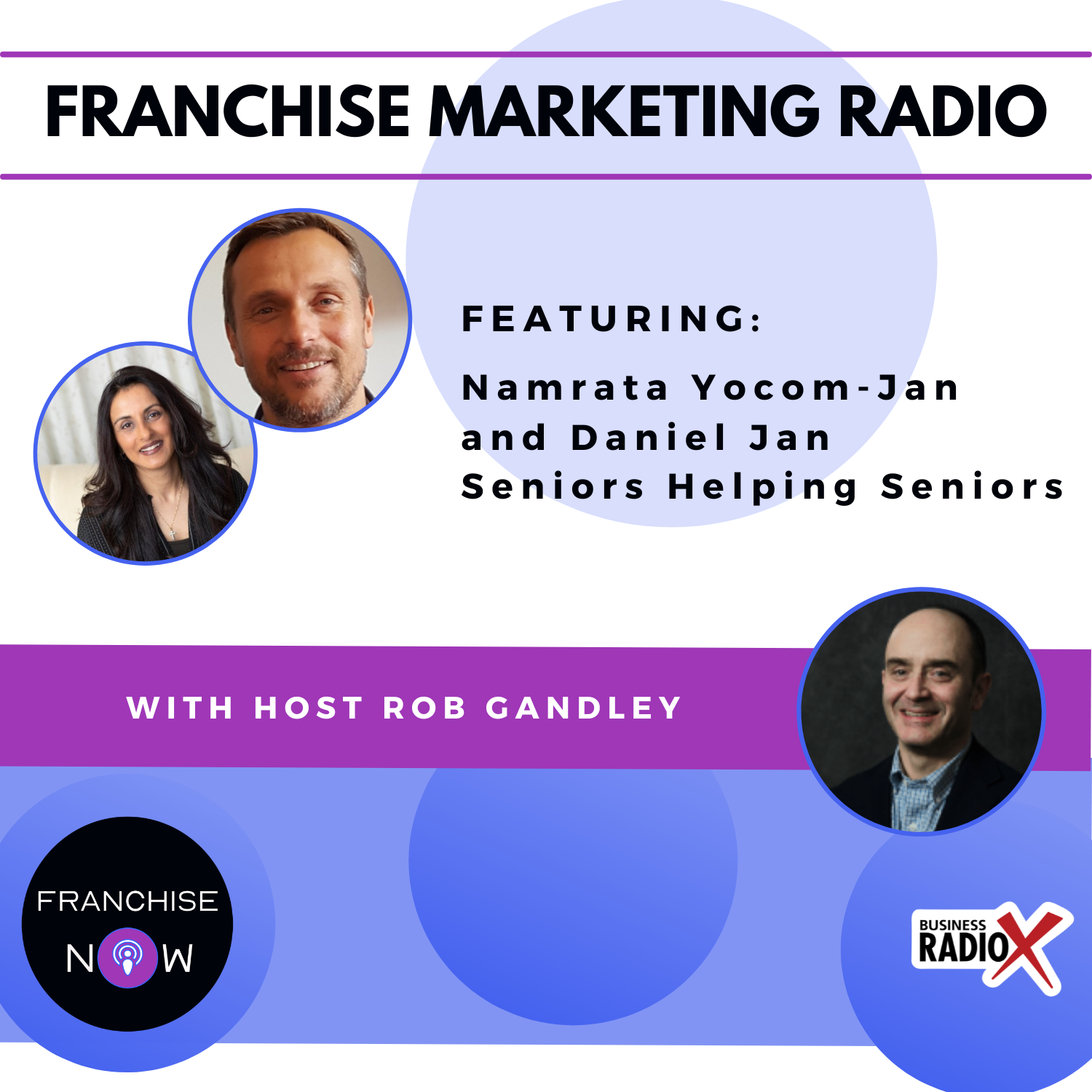
Namrata Yocom-Jan and Daniel Jan with Seniors Helping Seniors

October 3, 2024 by rgandley

FMR-Seniors-Helping-Seniors-Feature
Franchise Marketing Radio
Namrata Yocom-Jan and Daniel Jan with Seniors Helping Seniors
Loading
00:00 /
RSS Feed
Share
Link
Embed

Download file

Namrata-Yocom-Jan-Seniors-Helping-SeniorsNamrata Yocom- Jan has worked in the senior care industry for 14 years. She started her career in Corporate America, with General Electric.

Within General Electric she held many roles and positions over a decade from being a Black Belt in Quality Assurance, to being an Internal Auditor for Company and finally being part of a strategic launch of GE’s first credit card in the Swiss market. She joined Seniors Helping Seniors® in 2007.

Over the years she has been involved in every aspect of the business from franchise sales, to operations, to running the local business, marketing and scheduling. She understands what it takes to start a Seniors Helping Seniors® franchise and where the franchise company needs to go with the growing needs of seniors.

She is well suited for her current role as the President of the Franchise system and to continue the legacy of her family owned business.

Connect with Namrata on LinkedIn.

Daniel-JanDaniel Jan is COO at Seniors Helping Seniors®.

Connect with Daniel on LinkedIn.


Tagged With: seniors helping seniors

Terri Haswell with Seniors Helping Seniors and Robin Reid with Alzheimer’s Association Georgia Chapter

June 4, 2024 by angishields

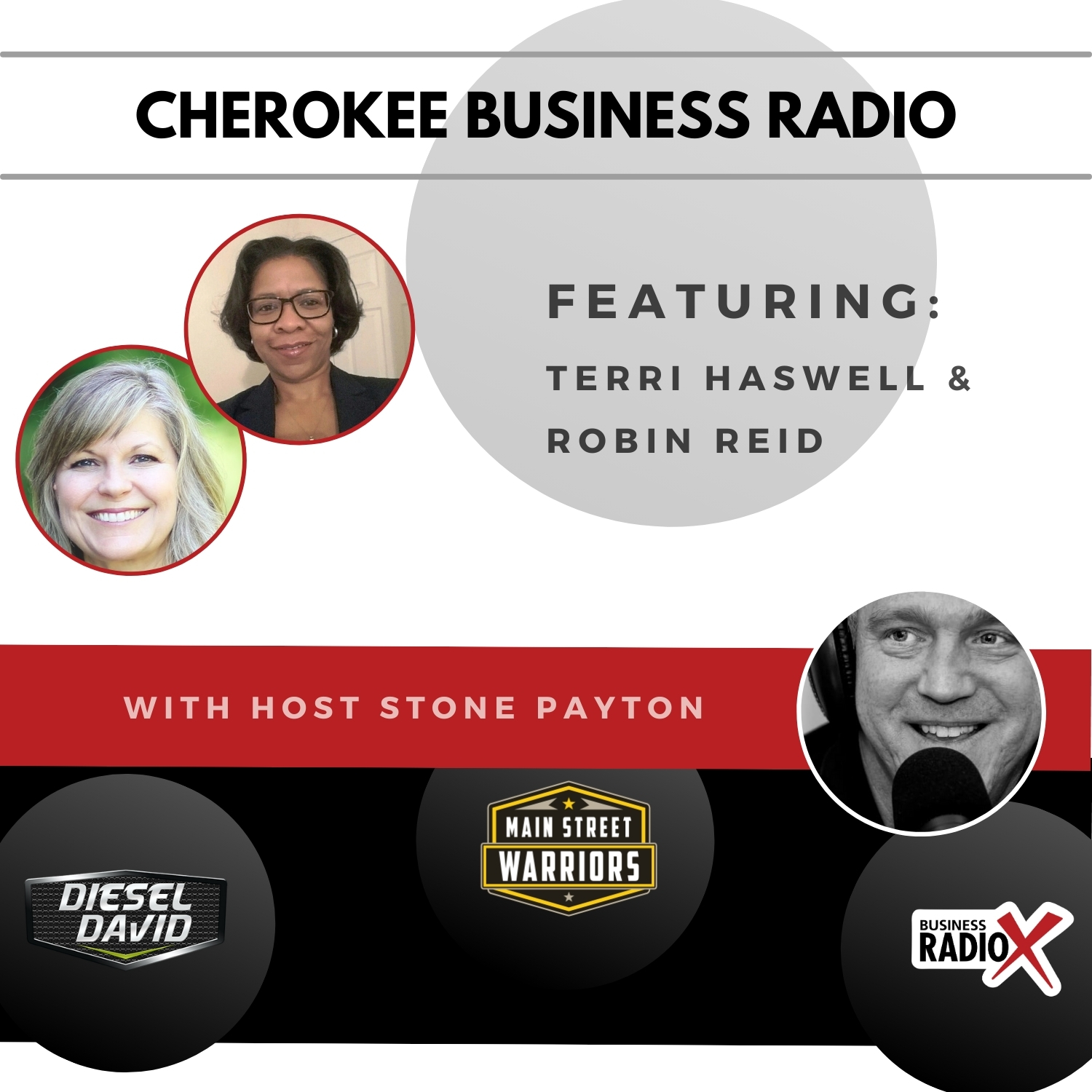
Cherokee Business Radio
Terri Haswell with Seniors Helping Seniors and Robin Reid with Alzheimer's Association Georgia Chapter
Loading
00:00 /
RSS Feed
Share
Link
Embed

Download file

CherokeeBusinessRadio060324banner

Brought to you by Diesel David and Main Street Warriors

CherokeeSponsorImageDieselDavidMSW

Seniors-Helping-Neighbors-logo

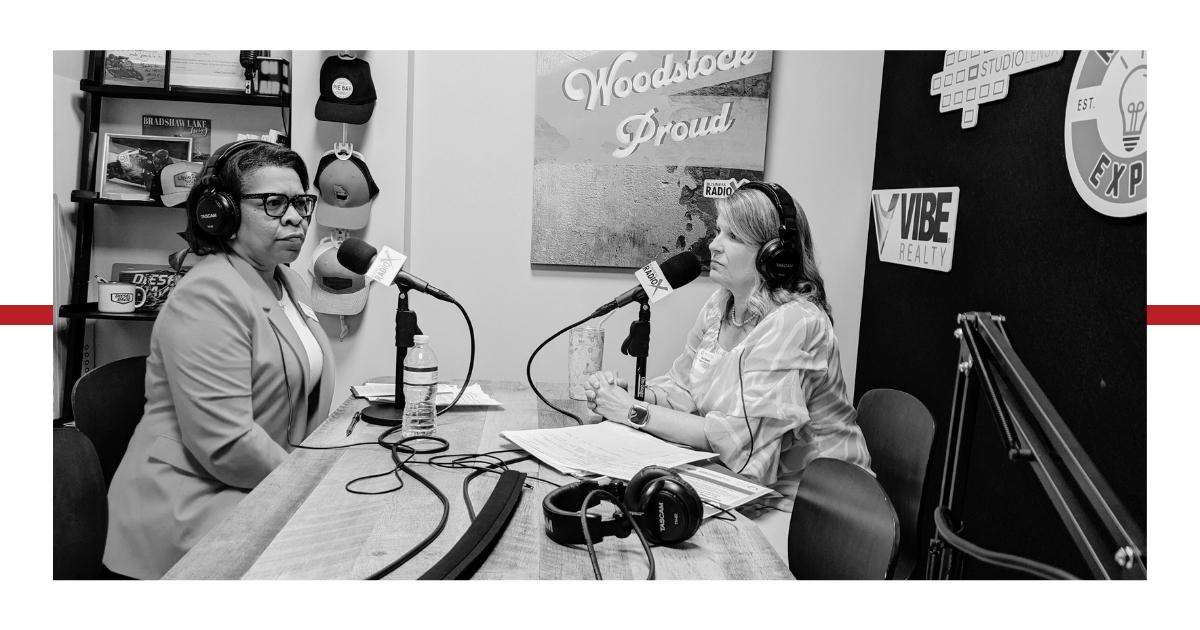
Terri-HaswellAtlanta natives, Kip and Terri Haswell opened the doors of Seniors Helping Seniors Northwest Atlanta on June 1, 2023.
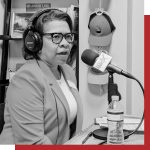
They hire an often-overlooked workforce of active adults, who are looking for meaningful work while also supplementing their income, to come alongside and care for their less active senior counterparts.

They serve Cobb, Cherokee and Pickens counties and have lived in Cobb and Cherokee counties for over 30 years as do many members of their own family.

They both have worked with seniors at various times over the course of their careers.  In 2020, Terri became a primary caregiver for her dad while also juggling the last two years of their only son’s high school years. After losing her dad and then they became empty nesters, eventually looking to start their next chapter.

While Kip still works full time, he supports the business in various ways. Their mission is to provide meaningful connections while also fulfilling the needs of their Caregivers, Clients and Families.

They understand the challenges of being a family caregiver as well as how difficult it is for their aging loved ones to accept care.  Upon learning of the unique concept of Seniors Helping Seniors, they knew this was what they were meant to be doing.

Founder, Kiran Yocom, worked with Mother Teresa for 14 years, learning from one of the greatest humanitarians how to treat others with dignity and respect. By hiring more mature adults to assist seniors in need, the clients feel like they are getting a little help from a friend, rather than from someone who does not understand the aging process.

It is a connection and relationship built on empathy rather than sympathy.  “We get to meet the needs of two sectors of seniors as well as give their adult children peace of mind that their loved ones are receiving quality care,” said Terri.  “It is a win-win-win.”  “We are grateful to be able to take our passion and our personal experience and be able to turn around and help others in our community in such an impactful way.”

Connect with Terri on LinkedIn.

Robin-ReidRobin Reid, Program Manager with Alzheimer’s Association Georgia Chapter, is a mission-driven community relations professional who thrives on being a “connector”.

She enjoys cultivating “win-win” relationships between corporate and community stakeholders to create positive change.

Connect with Robin on LinkedIn.

Transcript-iconThis transcript is machine transcribed by Sonix
 

TRANSCRIPT

Intro: Broadcasting live from the Business RadioX studios in Woodstock, Georgia. It’s time for Cherokee Business Radio. Now, here’s your host.

Stone Payton: Welcome to this very special episode of Cherokee Business Radio. Stone Payton here with you this morning. And today’s program is brought to you in part by our Community Partner program, the Business RadioX Main Street Warriors Defending Capitalism, promoting small business, and supporting our local community. For more information, go to Main Street warriors.org and a special note of thanks to our title sponsor for the Cherokee chapter of Main Street Warriors Diesel David Inc. Please go check them out at dieseldavid.com. And now it is my distinct pleasure to ask you to join us in welcoming back to the Business RadioX microphone with Seniors Helping Seniors. Ms. Terri Haswell. How have you been?

Terri Haswell: I’ve been great, Stone. Thank you so much for having me.

Stone Payton: It is a delight to have you back in the studio every time I’m out and about, whether it’s in the BRX buggy or just walking around town, you are so active. You are in the community. What in the world have you got going on? What’s happened since I’ve seen you last?

Terri Haswell: Goodness gracious. What has happened since I’ve seen you last? Well, we are just continuing to grow. And yes, I have been very busy. I love Woodstock, so of course there’s so many activities going on here. That’s why we probably run into each other so much, because we love this community and we’ve been a part of it for since 2008. So a long time. So we yeah, we enjoy it.

Stone Payton: So I have a personal update for you. I probably mentioned they were coming, uh, when you were in the studio, but since that time my folks have moved here. I grew up in Pensacola, Florida. Mom and dad are up there. They’re 81 and 83. I’ve got them close. They’re two minute drive from my house in downtown Woodstock, over off of Dupree in The Villages at Tanner Lake. And it is such a rich and rewarding time of life. Like, I’ll probably swing by there today and have a cup of coffee. Or if it gets to be midday, I’ll text daddy and say, am I going to have to buy my own lunch today? You know, and we’ll meet at Jekyll. Or, you know, maybe we’ll try out Roberto’s tomorrow, but, uh, it’s a real it’s a real pleasure having them here. So that’s my new personal update for you.

Terri Haswell: That is wonderful. It’s always exciting to just be able to share that time with your parents. You know, and the fact that they moved here is fantastic. It is not everybody’s willing to move so quickly. No. It’s great.

Stone Payton: We feel very blessed. And I know you team up and try to serve so many different constituencies here and organizations, and you partner with them to to serve. Who’d you bring with you?

Terri Haswell: This morning I brought Robin Reid. She is the program manager with the Alzheimer’s Association, the Georgia chapter, and she and I are partnering together to bring some education to this community, um, on dementia caregiving resources and communication strategies. So because I work with so many seniors and their families, I’m finding I went to Robin and I said, you know, I’m looking at these clients and I absolutely love them, but I were walking into a time of struggle for them, because sometimes when you get this dementia diagnosis, it’s overwhelming and people don’t know what to do, you know? So sometimes. So we’re walking into that and being able to come alongside these families and the clients, but I just wanted to give them more support, like let them know that they’re not alone in this journey. Let them know that there are resources out there. And honestly, I don’t want to say this wrong, but just to not be afraid to address what’s happening here, because I know it’s so overwhelming and so emotional that, um, sometimes it’s hard to do that people kind of shut down, you know, until they have to face it and and no judgment at all because we had that diagnosis with my dad. But then we also had the brain tumor diagnosis. So there was a lot going on there. And I understand the emotion. So so me partnering or our our company partnering with, with Robin comes from a place of experience of knowing what those emotions are like. And so I just want to let people know that we’re here. We’ve got resources. You’re not alone. And how can we help? So that’s what this educational, uh, seminar, I guess you would call it, is, is all about next Saturday. So I brought her with me to tell us all about it.

Stone Payton: Well, welcome to the broadcast, Ms. Robin. We are happy to have you. I got a ton of questions, and we probably won’t get to them all, but maybe a good place to start is if you could just, uh, share with us, me and our listeners. Uh, mission. Purpose. What is it that you and your team are really out there trying to do for folks?

Robin Reid: Well, again, thanks for this and for this opportunity. And I thank Terry so much. Um, you know, we have a vision at the Alzheimer’s Association to see a world without Alzheimer’s and all other dementia. So our mission is to really provide care and awareness, um, advocate for people who are dealing with Alzheimer’s, um, and just provide that care and support. So to her point, we want families to know when there’s. A diagnosis that you are not alone. We know that there is a stigma attached to dementia and Alzheimer’s. The unknown is scary. It’s a scary place to be. There are a lot of unknowns, and so we want them to know that there is an organization locally here that has resources. And probably one of the greatest resources we have is our 24 over seven hotline. Our helpline, which is um, 24 over seven 365. You could call it 3:00 in the morning. You could call on a holiday. It is manned by master’s level clinicians. And so they can answer any question you may have in regards to okay, I’ve gotten a diagnosis. My mom has been diagnosed. What do I do now? Where do I go? What’s my next step? And that’s where a lot of families and individuals find themselves. Because number one, we’re not looking to have this diagnosis. Right. Or maybe we’ve been in denial for some time. So we want them to know that there is someone there. There is support, and we want to help you sort of navigate this journey.

Stone Payton: So how did you find yourself in this line of work? What’s the what’s the Robin read back story?

Robin Reid: Well, it was totally unrelated to this field. My background is in television. Believe it or not, I was a producer for about 17 years with the local NBC affiliate here in Atlanta. Um, and so that’s how I got connected to several nonprofit organizations, you know, um, you know, the Red cross, Salvation Army, etc., etc.. So I really found a love for community engagement. And so after I left, um, television, I connected with a couple of other nonprofits. But eventually, I guess God led my steps here because I really wanted to do mission driven work. And because I’m getting older, I’m moving towards this population. Um, you know, I wanted to do work that would help. Um, and I have an affinity for seniors in the community. So, um, it’s been very fulfilling. So I’ve been here about two years.

Stone Payton: Um hum. So now that you’ve been at it a while, what, uh, what are you finding the most rewarding? What’s the most fun about it for you?

Robin Reid: The most rewarding is really when you sort of see that light bulb go off, when you tell people about the disease and you see that they’ve learned something, and then they feel like, oh, okay, I have something that I can take away and I can use as a caregiver, or I have this information that may help me later down the road as I age. You know, there are ways I can maybe be more cognizant of how I can live and be healthier. And then we just want people to know, you know, again, when they see that, oh, wow, I didn’t know that there was a support group in my community, or I didn’t know that there was this education out there. So it’s kind of when people sort of see like, oh, okay, this is very helpful. And you feel like you’ve given them something they can walk away with that will help them later.

Terri Haswell: Empowering. Exactly, I love that.

Stone Payton: So this event and you’re thrust in general seems to have a very strong, uh, educational foundation, right? Educating the the caregiver, educating the person going through this, helping them communicate. So what are some of the the topics or things that that you might be, uh, talking about on this upcoming event? Yes.

Robin Reid: Well, we have a whole menu of topics within our education program. We start with the basics with a lot of, uh, you know, groups. Well, what is Alzheimer’s and dementia? Understanding what it is. First, we have a great, uh, program that talks about the ten warning signs. You know, what’s normal? Forgetfulness with aging and what may be a red flag, and in particular, this, uh, program that we’ll be presenting on June 8th is a new program called the Empowered Caregiver Series. And it really focuses in on grassroots caregiving. So, um, we’re excited to provide this, this really sort of targeted to the average caregiver. Um, this is for someone who may be caring for their mom or their grandparent or whomever. And it really talks about the basics of what is caregiving, how can you make it better for your loved one, and how can you have self-care to help you both get through the process and navigate daily?

Stone Payton: So to my knowledge, which is a dangerous phrase right there because my knowledge is extremely limited, I we’re not there yet. We, my brother and I are not there yet. Russ just came up and we spent some time with with Mom and dad and we, um, but there’s probably some things ought to be looking. I don’t even know what questions to ask or any like, where do you where do you start? Russ and I, you know, we’re obviously grown ourselves. And are there things we should be looking for or things we should be prepared to absolutely do and absolutely not do that come to mind?

Robin Reid: Well, in terms of, you know, all of us are aging and the aging population is growing, which is a good thing because we’re living longer. Yeah. Uh, but, you know, it kind of start thinking now whether there’s a diagnosis or not, if there was one, what are some steps I could take now to prepare myself and my loved one, you know, do you have your, um, you know. Business in order, so to speak, as we all should anyway, as we’re getting older. But if you think about, you know, if one of us were to get a diagnosis, you know, what type of care, because we know this is a progressive disease. So eventually you’re going to need more care than just you probably taking care of your loved one. Um, so kind of think about money matters. Think about, um, you know, if I’m, you know, if I have a loved one who’s diagnosed and I still have a career, if I travel when I work, what are going to be those resources I can call on to make sure that my loved one is taken care of, whether it’s in my home someone comes in, or if I have to place them in a new community. What are those options? So, you know, a lot of families are devastated because they wait to have that conversation.

Stone Payton: Well, everything you’ve just described, I can hear Russ and I saying, you know what? When you come back to town, we ought to sit down and talk about that. And I bet we’ve said that a half a dozen times, but we haven’t we haven’t really dived into. It’s one of those things that you’re like, yeah, we need to we need to have that conversation. You put it off, but you really do need.

Robin Reid: In general, we put it off. I mean, how many people have a will, you know? Right, right. Um, so it’s just those types of things to kind of start being proactive and, and even in terms of just, you know, healthy living, what are some things I could do for myself? Can I eat better, could I exercise? I know I certainly could, certainly in that group, but just those types of things, because we even have one of our education topics is healthy living for your brain and body, you know, so what could I do better? Just little things that may improve, you know? Am I a smoker? Do I drink excessively? Am I eating a little too much sugar? You know, it’s just that general overall health, you know, benefit. What could we do better just to help our overall health?

Stone Payton: So tell us, what is a day in the life of Robin? Like I know, I know you’re going to come, you’re going to do this spot, and we got to get you out of here in time to go do other stuff.

Robin Reid: Um, honestly, I the one thing I enjoy about my job as a program manager. And just so you kind of understand, understand the structure of the organization, we are a voluntary led, you know, national organization. Um, we’re headquartered in Chicago. But here in Georgia, our brick and mortar headquarters is in Atlanta, but we have satellite offices around the state. So in my position as a program manager, we’re all about education and awareness. Um, we recruit volunteers to go out and help educate the community. Um, but we each have a territory. So there are four of us. So we average about 40 counties each. We know Georgia has 159 counties. So, um, I go all the way up to the Tennessee line, and Cobb and Cherokee is more of my populated counties. But we we each have a territory, and we all kind of work together to make sure that we’re covering as much ground as we can. Um, in a day in the life of, you know, me in this position, there is a lot of time on the road, but we’re getting out and we’re creating relationships, which, you know, working with Terry is a perfect example of, you know, what we do? We reach out to the community because, you know, this job is too big. And all of us who are in the service industry and trying to help other people, we have to work together. It’s all about community. So we look for those opportunities to create partnerships and help us get the word out. So.

Stone Payton: So, Terry, say more about the collaboration, your motivation for being so involved in the community in general in this particular situation? Uh, why and how? I mean, because it’s a lot, right? You got this business to run to, right? It is.

Terri Haswell: But I mean, that’s part of what we established as business for in the first place, because like I said before, we’re so ingrained in our community and I feel like we wanted to do this to serve our community anyway. So not only do we go in to partner with clients and their families and give them some of that respite care, give them some of that routine, help them help the families who are working full time, but yet have a loved one that they need to know are taken care of. You know, we we go in and we help with that also. But I feel like we want to do more than just that. We want, like I said, partner with um resources, community resources to be able to help educate, to be able to empower, to be able to love on because caregivers, you know, I was a caregiver, you know, and when you’re going in between your family and your parents and this and that, like you’re and then you have your job and it can get tiring. So I have a real heart for even the, you know, the family caregivers. And so I just want to try to find ways to be able to partner and help each and every group of people that we work with, whether our clients who are seniors themselves, many of them, um, so they’re they’re doing this because they have a heart for it. They want to do this. They need to make a little extra money, something like that.

Terri Haswell: So whatever their purpose is, then the client obviously gets served as well. And then we serve the families too. So that’s that’s where I wanted to partner with her. And because like I said, I’ve seen so many families where we’ve walked in and it’s. Rewarding because we’ve made a difference in the sense that, like, you can just feel the family member exhale, you know, and to be able to do that, you know, just to be able to exhale and to say, ah, I haven’t seen my mom happier or I haven’t seen my, you know, we had this little couple. Um, I’m getting chill bumps now, this little couple where, uh, the husband has, has dementia and the wife, you know, he doesn’t talk to her anymore, so it’s really hard, you know? So she’s lonely, and there’s a loneliness epidemic out there right now. I mean, the US surgeon general says there’s a loneliness epidemic. So when this diagnosis comes, there becomes more isolation because you’re overwhelmed. You can’t necessarily leave your loved one. You don’t know what to do. You don’t know. You think you might be the not the only one in it, but you just don’t know where to go because you’re just trying to keep your head above water. So when we we went into this home, we were able to not only get a caregiver who is able to help the husband, but the wife gets a companion, she gets somebody that she can talk to.

Stone Payton: Had not even thought about. That makes a lot of sense.

Terri Haswell: It’s it’s a wonderful experience. But at the same time, I want to be able to now empower the daughter and, you know, the other the other family members. Okay. So how do we, you know, what can I be doing to do this? And I know that there’s I try to tread gently because everybody handles this diagnosis differently. Some people face it head on. Others like I’ve got a client where like they they don’t even talk about it or let her know that she because it would terrify her if she knew she had it. So that’s how they choose to do that. And again, no judgment at all. But I just feel like I need to tread lightly and then say, that’s your choice. But here’s some resources to help you navigate through that in case this does. You know that that’s what I want to be able to do, is I’m not the expert, but I partner with people who are. Does that make sense?

Stone Payton: It makes all the sense in the world. So, Robin, I’m operating under the impression that, uh, that like many industries, including radio, there’s often a handful of common myths or mistakes or misconceptions or things that people ought to do, don’t do. Is that the case in this? In this?

Robin Reid: Well, there are some misconceptions that, you know, this is a normal part of aging. It’s not it’s not expected that, oh, well, you’re over 65 now. You, you know, you’ll likely get dementia or you know, you’ll develop this disease. Um, it’s more prevalent in, you know, people 65 and over. But it’s not to be expected that just because I’m nearing this age, then I’ll likely get it. Um, you know, we we try to educate people on, um, you know, what may be more prevalent in a particular population. And that’s where a lot of our research, we are really big into research. That’s where our fundraising dollars go. Um, and, you know, it’s really important because, you know, if you think ten years ago even you wouldn’t see these commercials on TV about these drugs that are coming out now, right? And I won’t go there and try to pronounce the names because that can be difficult. But, um, you know, we’ve all seen in the news, it seems like every week there’s a story related to dementia. Um, and the good thing is that people are talking about it, and that’s why education and awareness is so important. Um, and I heard someone say a while back that, you know, dementia and Alzheimer’s is where cancer was 30, 40 years ago.

Robin Reid: And, you know, people now are living with bouts of cancer. They may have 2 or 3 bouts in their living active lives, and they’re getting their treatments and they’re being successful. So we feel like we’re moving in the right direction. Um, research is doing some amazing things. And so we’re getting closer. So, so we believe there is hope. Um, so it doesn’t have to be, you know, just that death sentence that people may feel when they hear the word dementia or Alzheimer’s. Again, we want them to know that there are options. And even on our website, there’s a wealth of information about what’s the latest research, you know, where can I go to, you know, in my neighborhood to talk to a neurologist or who should I go to? So we try to provide all those resources at your fingertips. If you know the first question, what do I do now? So that’s a good resource to go to ALS. Org or our um 800 helpline. So we want people to know that, you know there are options. And you know, you can kind of, you know, the sooner you start educating yourself the better you’ll see. Okay, there are there are some options.

Stone Payton: And it sounds like we are making strides. We’ve we have accomplished some things. We know some things to to do. And so like I’m I’ll be 61 in August, I suspect there are things I could be doing now that would help me not.

Robin Reid: Well, we encourage you just like you exercise your body, exercise your brain because it’s all connected. So, you know, it’s simple as I keep these little games on my phone, I love word finds. I even do the old fashioned ones where you literally circle the word. But but you know, you’re sitting in the doctor’s office or you’re. The airport or whatever. You know, just exercise your brain, you know. We encourage, you know, some, you know, learn a new language, take up a new hobby. Anything that’s going to challenge your brain, it gets those brain cells moving. Um, is is helpful. So. Well, that’s good news.

Stone Payton: That’s very encouraging for me because my wife is she is a slave to the she’s got 3 or 4 word games, and that’s the first thing that she does in the morning. And every now and again just to, just to include me, she’ll ask me to help. And I’m like, baby, I’m not any good at this, but I’ll try to help her on some of those. But that’s good. It really can be good for you. I mean, just.

Robin Reid: You know, exercise, just keep you know, you’re using that muscle is making you think. And so, you know, um, just exercise it.

Stone Payton: So what’s the best way to, to, uh, get involved as a, as a lay person, someone that, uh, because I would think there’s probably some education for volunteers too, but the. Yeah, but you don’t have to know a lot about this to begin trying to help, right?

Robin Reid: No, not at all. Um, we have a variety of volunteer positions on our website. Um, anything from being a community educator, which is where you go out and you help educate the community. We will, um, you know, give you your toolkit, so to speak. Most of our presentations have a PowerPoint that accompanies it. Um, we could do a 30 minute presentation or an hour presentation, you know, again, like those topics of what are the ten warning signs? You know, what’s healthy living for your brain and body communication skills. But all of our volunteers are trained. So we don’t just say, okay, go forth and conquer. We, you know, we we ease you into it. Um, you know, if you want to be a support group facilitator, we train you on all of that because we want our volunteers. Again, like you said, you don’t have to be an expert. Um, you just have to have a heart to help people. And the information is given in layman terms, as you said, so that pretty much anybody can understand it. You just need to get a good grasp of an understanding. Um, and then we work with you. And, you know, when we recruit volunteers, we serve as the staff partner. So we’re right there working with you and we we’re partners in it. So I got.

Stone Payton: To believe that would be incredibly rewarding. Now the slot I’m looking for is ice guy. I’m ice guy at church, you know, like they don’t. They just say, hey, we need more ice stone. You know, I go, I get hop in the truck and I go get ice, but there’s probably something, right?

Robin Reid: Absolutely. I mean, even if you want to just be an ambassador, you’re just helping people, you know, know that we’re there. We know that people are busy. They have busy careers. But if you’re just one of those folks in the community who says, you know what, this may be something I should share with Robin to bring more information to this church or this civic group or whatever. Just be our eyes and ears and help us know where those opportunities are and where there’s a need. And, you know, help us connect the dots.

Stone Payton: Absolutely.

Terri Haswell: And I’ve just started that program, too. So I’m in the orientation phase of it to become an educator, too. Yes.

Robin Reid: With everything else she’s doing, she’s going to be a community educator. Well, I want.

Terri Haswell: To gain the knowledge, like to be able to do now, right now. Could I go out and do that right now? No, but I could do it with clients. Like I could do it with families and stuff like that too, and have that background and have more education myself so that as I’m working with our clients and families and then eventually be able to get out and do that as well because and do the walk for Alzheimer’s, which is coming up in October. So we have a team for that. So there’s a way to help also. Oh tell me more.

Stone Payton: About the walk.

Robin Reid: So we have 20 walks across Georgia. Um so the large one for Atlanta is at the battery. Um, the, the Braves Park. Um, but there are 20 across the state. Um, and if you go to ALS. Org slash walk, you will see all of them listed. There are 600 nationwide. And so most of these, as Terry said, happen in the fall, um late September through November. And, you know, the walk itself is probably a two hour commitment of your time, even if you say, well, I don’t know if I can walk the three miles or what have you, just come out and be a part because it is sort of like a party, a celebration. We have our beautiful promise garden where we have our colored flowers. Each color represents, you know, if you’re an advocate, if you have a loved one, that you’re walking for, that sort of thing. So, um, it’s a very inspirational and it’s, um, a celebration of, you know, those folks who are dealing with it, and then all of us just coming together for the cause, raising money for more research. So ALS org, if you’re interested, we’d love to have everyone come out and participate in the walk that’s nearest you.

Terri Haswell: And the one in Cherokee County is October 19th up at Etowah River Park. Oh, yeah, it’s.

Stone Payton: Beautiful.

Terri Haswell: Up there. Yep. So we will be doing that one for sure. Super excited. And we’re doing it in honor of again, my husband and I have been involved in our community and we like, know the lives of all of our neighbors. Our next door neighbor. Last August, um, the wife, she passed away from dementia. And so and now her daughter is going to be one of our caregivers. Because she’s going to take an experience that she went through and be able to help others with that too. But we are doing our walk in honor of her, Miss Chris Dickerson. So, so we want to honor that. And of course, you know, we still go. And I mean, the next door neighbor, the guy, my husband and him, they watched golf all the time, that kind of thing too. So we’re doing that in honor of her. So it is personal for us in that way as well.

Stone Payton: And all these counties, all these places, all this activity are in this very next thing we talked about at the top of the show that’s coming up June 8th, June 8th.

Terri Haswell: Yep. Next Saturday or this coming Saturday, actually, at good Shepherd Lutheran Church, that’s on Rose Creek Drive in Woodstock. It’s from 10 to 1130. And one of the things that we are doing here, well, a couple things I am our company is donating time for our caregivers to have caregivers on site. So if anybody wants to bring their loved one, because, again, sometimes you feel like you’re isolated, you don’t feel like you can get out of the house or leave them alone for a certain amount of time or whatever. We want to have them be able to come and feel comfortable that they’re in good hands while they’re going, and getting the education and the support and the resources that they need. And then we’ll have our caregivers, you know, with the loved ones, whether it’s playing bingo or doing a little trivia or some music or something, just interacting and having that social because that socialization can be very good. Um, too. So, um, that way we’ll do that. And then we’re also having educate, uh, resource partners too. So, um, I’ve got the sheriff’s department. I’ve had clients say, hey, I’ve heard about this thing. That’s it’s a bracelet, and it’s actually called Project Lifesaver that you can put on, you know, that it’s like a bracelet, but if you have a wandering loved one and you can’t find them or whatever, you can call the sheriff’s department, they can locate with the GPS, like there’s all kinds of resources out there.

Terri Haswell: So and then I’ve had a client ask about what do I do about fraud? And like if I do leave her alone for a little while and she answers the phone and she’s given away, like, how can we protect ourselves from fraud and, you know, different things like that. So I and then I’m having, um, healing House, mind and body come as well because they have some natural things or some things that you can do or some, uh, fall risk tests and, you know, just different things like that so that people can again, find out what other resources are out there for them and be able to be empowered when they leave, you know, not only get the education and the communication strategies and the support and say, hey, I’m not alone. Look at all these other people, but they’re also going to be able to walk away with some resources and know their loved one was taken care of while they’re there.

Stone Payton: Wow, you really are good at this. You have a talent and a heart, Terry. Obviously for bringing people together for a for a common cause that is.

Terri Haswell: Connection is my number one strength in that sense, because, I mean, you know, out of the strength tests and stuff, but that is the heart of our mission, to our mission is to provide meaningful connection while also fulfilling the needs of our caregivers, our clients and our families. So connecting is yeah, I mean, that’s that’s what it’s about. Again, I’m not the expert, but I’ll partner with somebody who is an expert. Right, right.

Stone Payton: Well, before we wrap, I want to make sure that our listeners know how to connect with you directly and learn more about about your work, whatever coordinates you think are appropriate. Website, email. What? Uh, LinkedIn, I don’t know, but. Yeah.

Terri Haswell: Okay. Um, so we are seniors helping seniors. Northwest Atlanta. It’s Chz northwest Atlanta. Com you can check us out there. Um, and then do you want, do we want to give the information about registering for this. Absolutely. Okay. Um, so you can register for this upcoming, um, I guess we’ll call it a seminar or interactive workshop class, um, by calling 1-800-272-3900 or emailing Robin at r o r e I’d at als.org.

Stone Payton: Nicely done. Well, Robin, it has been an absolute delight having you come on the show. I hope you’ll consider coming back periodically giving us an update.

Robin Reid: Would love.

Stone Payton: To. And uh, you know, let us know when you have upcoming events and things happen. I think that would I think that would be a marvelous addition and wholly consistent with our whole community partner focus here at Business RadioX. All right, Miss Robin, let’s let them know again, I know Terry did it for us, but let’s give him your contact info on one more time.

Robin Reid: Yes. Um, they can call our helpline to register for this particular seminar, as well as find other information at (800) 272-3900. That is 24 over seven. And for this particular, if they’d like to email me to register my email is r o r e I’d at als. Org we’d love for you to register, but if you are unsure and you know Friday night comes, you’re like, oh man, I really still want to go. Still come. There is definitely enough room. We just like to sort of get an idea of how many may be in attendance, but we want everyone who can and who needs this great information to come out. So if you if you are a caregiver or know someone who is caregiving and feel they would benefit, please share this information. We’d love to have them come out.

Terri Haswell: Yes, definitely.

Stone Payton: You both are doing such important work and we. We sure appreciate you. Thank you both so much for for sharing your insight, your perspective on this. Keep up the good work. And I’m quite serious. Don’t be a stranger. Come back and see me.

Robin Reid: Thank you.

Terri Haswell: We’re grateful that you had us. Thank you so much, Stone. It’s a pleasure always seeing you again.

Stone Payton: Absolutely. My pleasure. All right, until next time. This is Stone Payton for our guest today, Terry Haswell, with seniors helping seniors and Robin Reid with Alzheimer’s Association, Georgia Chapter and everyone here at the Business RadioX family saying, we’ll see you again on Cherokee Business Radio.


Tagged With: Alzheimer's Association Georgia Chapter, seniors helping seniors

Namrata Yocom-Jan and Daniel Jan with Seniors Helping Seniors

January 22, 2024 by rgandley

Seniors-Helping-Seniors-square-logo
Franchise Marketing Radio
Namrata Yocom-Jan and Daniel Jan with Seniors Helping Seniors
Loading
00:00 /
RSS Feed
Share
Link
Embed

Download file

SHS-Logo

Namrata-Yocum-HSNamrata Yocom- Jan has worked in the senior care industry for 14 years. She started her career in Corporate America, with General Electric.

Within General Electric she held many roles and positions over a decade from being a Black Belt in Quality Assurance, to being an Internal Auditor for Company and finally being part of a strategic launch of GE’s first credit card in the Swiss market.

She joined Seniors Helping Seniors® in 2007. Over the years she has been involved in every aspect of the business from franchise sales, to operations, to running the local business, marketing and scheduling.

She understands what it takes to start a Seniors Helping Seniors® franchise and where the franchise company needs to go with the growing needs of seniors.

She is well suited for her current role as the President of the Franchise system and to continue the legacy of her family owned business.

Connect with Namrata on LinkedIn.

Daniel-JanDaniel Jan is VP of Operations at Seniors Helping Seniors®.


Tagged With: seniors helping seniors

Namrata Yocom-Jan and Daniel Jan with Seniors Helping Seniors

May 17, 2021 by angishields

Seniors-Helping-Seniors-Square
Franchise Marketing Radio
Namrata Yocom-Jan and Daniel Jan with Seniors Helping Seniors
Loading
00:00 /
RSS Feed
Share
Link
Embed

Download file

Brought To You By SeoSamba . . . Comprehensive, High Performing Marketing Solutions For Mature And Emerging Franchise Brands . . . To Supercharge Your Franchise Marketing, Go To seosamba.com.

Namrata-Yocom-Jan-Seniors-Helping-SeniorsNamrata Yocom- Jan has worked in the senior care industry for 14 years. She started her career in Corporate America, with General Electric.

Within General Electric she held many roles and positions over a decade from being a Black Belt in Quality Assurance, to being an Internal Auditor for Company and finally being part of a strategic launch of GE’s first credit card in the Swiss market. She joined Seniors Helping Seniors® in 2007.

Over the years she has been involved in every aspect of the business from franchise sales, to operations, to running the local business, marketing and scheduling. She understands what it takes to start a Seniors Helping Seniors® franchise and where the franchise company needs to go with the growing needs of seniors.

She is well suited for her current role as the President of the Franchise system and to continue the legacy of her family owned business.

Daniel-Jan-Seniors-Helping-Seniors2Daniel Jan is VP of Operations at Seniors Helping Seniors®.


What You’ll Learn in This Episode

  • What separates Seniors Helping Seniors from other senior care franchises/brands? (core values, mission statement, etc)
  • How Seniors Helping Seniors was founded
  • Seniors Helping Seniors 360 model
  • How many franchise locations there are

This Transcript is Machine Transcribed by Sonix

TRANSCRIPT

Speaker1: [00:00:07] Welcome to Franchise Marketing Radio, brought to you by Akosombo comprehensive, high performing marketing solutions for mature and emerging franchise brands. To supercharge your franchise marketing, go to Sambar Dotcom. That’s CEO S.A.M.. Be a dotcom.

Speaker2: [00:00:32] We can’t talk here another episode of Franchise Marketing Radio, and this is going to be a good one today, we have with us non-metal yocum, Jan and Daniel Jan with seniors helping seniors. Welcome.

Speaker3: [00:00:44] Thank you for having us.

Speaker2: [00:00:46] Well, I’m excited to learn what you’re up to. Tell us a little bit about seniors helping seniors. How are you serving, folks?

Speaker4: [00:00:52] Well, for us, first of all, I should thank you for having us here and introducing ourselves as well as a branch. We actually are seniors helping seniors. We started to do something seniors way back in nineteen ninety eight. It was started by my mother, who actually comes from India, work with Mother Teresa for 14 plus years and out of mission. She started this because she saw a need for it in the US. So that’s how we came about. Seniors helping seniors and we provide nonmedical services such as my housekeeping, companionship services, taking so much the doctor, basically anything and everything that a senior might need in order for them to be able to live independently in their own homes. And in addition to that, nowadays, you know, with the seniors, there’s a lot of need for expanded dementia care and there’s a lot of need for personal care where people need just activities of daily living to be taken care of. We provide all of that. And and much, much more

Speaker2: [00:01:54] Now what was kind of the catalyst for the idea, because that seems like that was pretty early in the thinking about serving the senior market in that way, was this out was, you know, a personal need or did this how did the idea turn from an idea into, you know, hey, you know, people will pay us to help them solve this problem?

Speaker4: [00:02:15] I will tell you, this started as a personal idea, because my mother was completely absorbed by the idea of how she was just being asked to go to nursing homes and there was really nothing for them to be able to do. And in fact, I still remember to this day when my mother approached a 78 year old retired nurse, a military nurse, to come and work for her. And she said, you are crazy. Nobody wants me to come and work. And she ended up working for us for, I think, 15 years, if I remember correctly. So this is something that was really true to my mother’s heart, because coming from India, where people take care of their seniors in their own homes, this was different for her. And she wanted to do something about it where she could help seniors remain independently living in their own homes while maintaining their dignity. And that’s how it really emerged. And then the services, I mean, expanded because the clients asked for different services.

Speaker2: [00:03:15] Now, when you started there, there obviously wasn’t as many competitors as there is now. And as the aging population just keeps getting, you know, more and more of them, there’s been a lot more competition in this space. How do you kind of differentiate yourself from the other players?

Speaker3: [00:03:34] That’s a great question. So when we first started franchising, we were one of the first franchise organizations to get started and homecare and now there are over one hundred and thirty franchises in the same space. And it all comes down to differentiation. And I think that’s where we have the market cornered because we are seniors helping seniors, which means we hire active, mature adults typically over the age of 50, helping less active seniors that need care, staying in their own homes. And so we kind of have a monopoly on the name seniors helping seniors. And we also recruit a disproportionate number of seniors to come and work for us. I would say probably eighty five percent of our workforce is 55 plus. We do have some, you know, younger workers in areas like Florida where licensing requires them to be certified home health aides. But we look for mature people because we think it’s really important that we match our caregivers with our clients, not only based on what their needs are and what somebody is able to provide, but based on their personalities, interests, hobbies, life experiences. We want them to be friends and not only receive care.

Speaker2: [00:05:03] Now, you mentioned this earlier that there’s a lot of I think over a hundred different kind of people that are working in this space. But for the people who aren’t familiar with this type of a service, can you educate people on the importance of if you can pull this off of keeping your parent or grandparent in their home as long as possible, that that really is way more affordable and more it’s better for the individual rather than kind of sending them to a nursing home or some sort of facility.

Speaker3: [00:05:35] Yeah, that’s that’s a great question. It’s something that we get with a lot of families trying to figure out what’s better for their loved one. According to AARP, 90 percent of seniors want to remain in their own home. That’s where they want to age in place. They don’t want to be removed from their community, from their friends, and move to a facility, if at all. It can be helped. If you think about the cost of going to a facility, I would say an average assisted living facility costs around four thousand dollars a month and the average nursing home is probably in the eight thousand dollars a month range. What’s great about our services is that, you know, we can provide as much or as little that someone needs. We can provide the 24/7 care. But most seniors, most seniors don’t require that. You know, if they get somebody to prepare their meals or help them in the shower and they’re cognitively all there, that they don’t need 24/7 care. And so we can keep them at home for a lot longer than what traditionally has been done. So I don’t know if that answer your question.

Speaker2: [00:06:48] Yeah. And I think that it’s important, especially a lot of times the the the younger kind of the child is making a decision for the parent. And a lot of folks nowadays are living in different places where the parent is. And it’s so important to have somebody like your service available to them that is kind of watching over their parent to let them know that everything is OK, because it’s hard to know when the child is, you know, hundreds or thousands of miles away from the parent. Is the parent throwing out spoiled food? Is the parent taking their medicine at the right time? You know, all these little things that the parent might say, yeah, I’m good, everything’s fine. They may not be fine. And to have somebody in there that’s kind of watching that even on the part time basis, is invaluable.

Speaker3: [00:07:37] That sounds like you’re speaking from experience and we find that even a lot of our franchise owners have a personal experience with caring for their loved ones. It’s one of the blessings and curses of living in a big country. It’s easy to be twenty five hundred miles away from our loved ones and we can’t be there every day. And even if we are in the same metro area like Atlanta, it’s difficult to drive all the way across town to check on a mom every day. And that’s why these services are so critical. We can be there every day and we can provide a lot of comfort to family members who are worried about their loved ones.

Speaker2: [00:08:15] Now, over the years, has the business model changed at all?

Speaker3: [00:08:20] Yes, so when we first started franchising and providing services ourselves, we provided mostly companionship and homemaker services, so we would go in and play cards and cook a meal and take someone to the doctor and going outings, do handyman services. And then I want to say about 10 years ago, we got into the personal care side as well. And personal care involves helping with activities of daily living, which includes dressing, bathing, feeding, toileting, mobility, assistance. And it’s a it’s a higher level of care. And and so it also requires additional training for our caregivers. And then over the last year or so, we’ve expanded our dementia and Alzheimer’s care services to be able to tackle those clients and that have moderate to advanced dementia. We rolled out a new service called Healthcare, where we check in on family members telephonically and sometimes by video phone to see how they’re doing. So if we’re only there on Monday, Wednesday, Friday, we make sure we check in on Tuesday and Thursday and over the weekend to make sure the seniors has everything taken care of. If they need additional services, will go out and provide those services. We’ve also introduced electronic health monitoring solutions through a company called Electronic Caregiver. So if a senior were to fall and can’t get up, that the system picks that up and nine one one gets called and we also expand it into a number of various disease specific services, including Parkinson’s, cancer care, congestive heart failure and so on. So over the last twenty three years now, we have expanded our services and we continue to look at opportunities for our franchise owners, which is really driven by the need from clients.

Speaker2: [00:10:39] Yeah, it sounds like you’re really listening to your clients and adjusting the service according to their needs.

Speaker3: [00:10:47] Absolutely.

Speaker2: [00:10:49] So now when you’re talking about a franchisee is a person, a typical franchisee, somebody that’s been in this space before and now wants to run their own show or what is a typical franchisee or an ideal franchisee look like?

Speaker4: [00:11:03] You know, our franchise owners come from all different walks of life. I think one of the most important thing is for them to have the passion for this kind of work. A lot of times, in fact, most of the times are franchise owners that have a personal story as to why they want to help the seniors in the community. And it’s that passion that’s first and foremost the most important thing. But at the same time, it’s also making sure that they have the business minded and have the drive to want to build a business and do good and make money at the same time. So really, that’s what it comes down to. Not not so much, you know, what degrees they have or what experience they have. Because if you have compassion in this type of business, that’s the most important thing. And combining that with business and being business oriented just is icing on the cake.

Speaker2: [00:11:52] Now, is the typical franchisee someone who is kind of taking over one territory or this is something that a professional franchisee where they’re kind of adding this to a portfolio of complementary services.

Speaker3: [00:12:08] Typically, it’s folks that want to start their own business that may or may not have a they have not run a business before, it’s typically not added on to something that that they are already doing, although we have people that have been in elder law, some health related fields. But typically it is like number two said, from every walk of life.

Speaker2: [00:12:39] And are you are you looking for franchisees in a certain region right now or is this kind of the countries available?

Speaker3: [00:12:49] We we have currently about one hundred franchise owners and one hundred and seventy territories granted, and we still have lots of space available in every state here in the United States. We also have a few franchise owners internationally in the UK and Malta, but we still have a lot of open territory. So all throughout the United States.

Speaker2: [00:13:17] And when someone takes on a franchise, is it all of those services available or can you choose which services you want to offer?

Speaker3: [00:13:27] So in the past, we’ve been pretty flexible as to what services our franchise owners would provide. There are certain states that require licensing for some of these services, but at this point, we’ve really expanded our services. And the reason that we expanded our services is to be able to provide additional services to clients and also increase the number of services that our franchise owners can provide. So we’re really looking for franchise owners that are providing our full suite of services.

Speaker2: [00:14:03] And the franchise owner isn’t the one that’s going into the home. They’re the ones that are managing the team.

Speaker3: [00:14:11] I would say in the long run, yes, I think we do believe it’s very important that the franchise owner understands every part of the business and so they will be involved in hiring and scheduling and going out and meeting with family members and marketing and so on. Over time, typically, the franchise owner does take more of a management role. There are certain franchise owners that hold on to one aspect of the business because they’ve really enjoyed doing it. And a lot of times we see, you know, the interaction with the family when they go out and do the home visits or assessments, as we call them, that they retain that for a much longer period than, let’s say, scheduling

Speaker4: [00:14:52] Logistics amongst the franchise owners are not the ones providing the services.

Speaker2: [00:14:58] Right, so they’re hiring a team

Speaker4: [00:15:01] That’s not as correct.

Speaker2: [00:15:03] Yes, and then that’s what you help them with, is to create kind of the processes and systems that make it easier for them to identify the right caregiver and to match them properly with the client’s.

Speaker3: [00:15:16] Absolutely, and we have a lot of technologies that help us to do that. We work with a company called Clear Care who has modified their platform to to the way that we do business. And it has a feature called The Care Finder, which matches people based on their which matches people based on their needs, based on their preferences, whether it’s language or needlepoint or, you know, so it matches people on a lot of different aspects.

Speaker2: [00:15:50] And then so for the franchise, the potential franchisee, the first step is to reach out to you is our website.

Speaker4: [00:16:01] We actually have some brand one. Are you familiar with brand one? Now, we think we actually have outsourced our franchise development sales to when one team, which is very well versed in franchise development and we actually just did that starting last year. We do have a website where anybody who is interested in franchising can reach out to us to a website. And certainly there’s also a phone number and they can also reach out to us by phone. And and those are the different ways of people reaching out to us in case the interest in starting their own franchise.

Speaker2: [00:16:39] And the main website for your organization is Seniors Helping Seniors Dotcom.

Speaker4: [00:16:46] That is correct, yes, and

Speaker2: [00:16:47] That’s where folks that are just needing help can find a location near them as well as if you have some questions about the franchise, I think there’s a tab for that as well.

Speaker4: [00:16:57] Absolutely, yeah.

Speaker2: [00:16:59] Now, what do you need more of right now? How can we help? You need more caregivers. Do you need more franchisee’s? What are you looking for?

Speaker3: [00:17:08] We’re always looking for great franchise owners to bring seniors helping seniors to their areas. I think there’s such a huge need out there, especially after covid as well. Right. So we’re getting close to the end of Kobad, which is exciting. And we’ve had families be much more involved with their parents than prior to covid. Right. So they’re checking Endemol all the time and they’ve really identified that the parents need more care. So we get a ton of calls from clients needing care. Our business is booming right now. So we’re looking for franchise owners that want to take our model to their markets. And we’re always looking for great caregivers as well. There are lots of seniors out there that may not know that this is something that they want to do, but maybe they help their parents and need something to do in their retirement. Call seniors helping seniors would be happy to talk to you and see if we might be a great fit for each of them

Speaker2: [00:18:15] And the folks that are the caregivers. Is it available for them to do some of that remote care where they are just answering calls through the TELLA medicine or telo or.

Speaker3: [00:18:28] Yeah, in some locations, I would say most of our caregivers still go out and physically provide care, that’s really ideally what they want to do and that’s where most of our need is. And some of our locations absolutely provide the care as well. We typically like to do telic care, where the caregiver of that client, that they have already built the relationship with calls rather than a random person in the office. And it makes a much more personal level and they get the companionship even though it’s over the phone.

Speaker2: [00:19:00] Right. And they know intimately what the Canadia synchronises of the client.

Speaker3: [00:19:04] And that’s exactly what we had

Speaker2: [00:19:06] Now going forward. You mentioned that there’s a lot of areas available. Is there any specific region that you’re targeting or is it kind of where there’s a need then there can be a franchise?

Speaker3: [00:19:20] Now, it’s pretty much throughout the United States, in some areas in the northeast where we got started, we have a few more franchise owners than other areas, but, you know, pretty wide open.

Speaker2: [00:19:31] Well, congratulations on all the success. It’s a great it’s a great story. And it’s an important mission that you’re on to help folks and to be able to deliver care as needed and have people age at home is so important in today’s world. So thank you for doing what you do.

Speaker4: [00:19:52] Well, thank you, Lee. Really appreciate that. And thank you for having us on the sports podcast.

Speaker2: [00:19:58] You got it. And that website once again is seniors helping seniors. All one word, dot com. Go there, check them out. And if this is the right fit for you, definitely give him a call and see if it’s fit. This is Lee Kanter. We will see you all next time on Franchise Marketing Radio.

Tagged With: seniors helping seniors

Senior Services in Gwinnett County

August 23, 2014 by Mike

Gwinnett Studio
Gwinnett Studio
Senior Services in Gwinnett County
Loading
00:00 /
RSS Feed
Share
Link
Embed

Download file

Jennifer Thilo, Victoria Collier, Keith Nabb

Senior Salute Radio brings timely information to leading edge Boomers and Seniors about issues involving care-giving and aging.  Learn from both professionals and regular people going through the process with their families. Each week we will also Salute an incredible Senior.

Senior Salute Radio is presented by The Elder & Disability Law Firm of Victoria L. Collier.

Today’s Guests:

Keith Nabb/Gwinnett Council for Seniors

???????????????????????????????The Gwinnett Council for Seniors (GCS) encourages an active and informed senior citizen lifestyle for seniors in Gwinnett County. They serve as an active member in the senior community by developing and sharing information regarding activities occurring in a network of over 36 senior clubs and organizations countywide. As a 501(c) (3), the GCS encourages involvement on issues of interest to seniors by working towards improving the quality of life for essential services to the seniors of Gwinnett County. Their motto is, “Seniors Helping Seniors”.

Mission Statement of the Gwinnett Council for Seniors: The Gwinnett Council for Seniors shall be the representatives and serve as the ADVOCATE on the needs of all Gwinnett County Senior Citizens. This Council shall acquaint and keep the citizens and local government of Gwinnett County informed of the needs and concerns of all Senior Citizens and to encourage more involvement in the interest of the aging by working together with all concerned organizations and persons for a better understanding, quality of life and to seek financial support for essential services for all seniors of Gwinnett County.

Jennifer Thilo/Delmar Gardens of Gwinnett

???????????????????????????????Delmar Gardens of Gwinnett is a full-continuum senior living community all on one beautiful lakeside campus. The community includes independent living for the active senior, assisted living for those who need more support, and priority admission for residents who require long term nursing care. Services include gourmet dining options, maid and linen service, transportation and recreation, and on call emergency assistance. Landscaped walking paths, ice cream parlor, game room, salons and theater are just some of the amenities enjoyed by residents.

Delmar Gardens also has an inpatient and outpatient rehabilitation center providing state of the art physical, occupational and speech therapies. With two gyms, two swimming pools, and a several different kinds of exercise classes, Delmar Gardens is not only an excellent place to recover from a surgery or illness, the luxurious senior living is a great community to call home.  Call 770-923-3100 for more information or to schedule a tour and complimentary lunch.

This week’s Senior Salute honored James and Betty Abercrombie for their enduring love.

Tagged With: delmar gardens, delmar gardens of gwinnett, disability & elder law firm of victoria collier, elder & disability law firm of victoria collier, elder law, gwinnett council for seniors, independent living, inpatient rehab, keith nabb, long term nursing care, luxurious senior living, outpatient rehab, physical therapy, senior care, senior citizen lifestyle, senior citizen services, senior citizens, senior clubs, senior community, senior living, senior living community, senior organizations, Senior Salute, senior salute radio, senior services, seniors, seniors helping seniors, speech therapy, Victoria Collier

Business RadioX ® Network


Our Most Recent Episode

CONNECT WITH US

  • Email
  • Facebook
  • LinkedIn
  • Twitter
  • YouTube

Our Mission

We help local business leaders get the word out about the important work they’re doing to serve their market, their community, and their profession.

We support and celebrate business by sharing positive business stories that traditional media ignores. Some media leans left. Some media leans right. We lean business.

Sponsor a Show

Build Relationships and Grow Your Business. Click here for more details.

Partner With Us

Discover More Here

Terms and Conditions
Privacy Policy

Connect with us

Want to keep up with the latest in pro-business news across the network? Follow us on social media for the latest stories!
  • Email
  • Facebook
  • Google+
  • LinkedIn
  • Twitter
  • YouTube

Business RadioX® Headquarters
1000 Abernathy Rd. NE
Building 400, Suite L-10
Sandy Springs, GA 30328

© 2025 Business RadioX ® · Rainmaker Platform

BRXStudioCoversLA

Wait! Don’t Miss an Episode of LA Business Radio

BRXStudioCoversDENVER

Wait! Don’t Miss an Episode of Denver Business Radio

BRXStudioCoversPENSACOLA

Wait! Don’t Miss an Episode of Pensacola Business Radio

BRXStudioCoversBIRMINGHAM

Wait! Don’t Miss an Episode of Birmingham Business Radio

BRXStudioCoversTALLAHASSEE

Wait! Don’t Miss an Episode of Tallahassee Business Radio

BRXStudioCoversRALEIGH

Wait! Don’t Miss an Episode of Raleigh Business Radio

BRXStudioCoversRICHMONDNoWhite

Wait! Don’t Miss an Episode of Richmond Business Radio

BRXStudioCoversNASHVILLENoWhite

Wait! Don’t Miss an Episode of Nashville Business Radio

BRXStudioCoversDETROIT

Wait! Don’t Miss an Episode of Detroit Business Radio

BRXStudioCoversSTLOUIS

Wait! Don’t Miss an Episode of St. Louis Business Radio

BRXStudioCoversCOLUMBUS-small

Wait! Don’t Miss an Episode of Columbus Business Radio

Coachthecoach-08-08

Wait! Don’t Miss an Episode of Coach the Coach

BRXStudioCoversBAYAREA

Wait! Don’t Miss an Episode of Bay Area Business Radio

BRXStudioCoversCHICAGO

Wait! Don’t Miss an Episode of Chicago Business Radio

Wait! Don’t Miss an Episode of Atlanta Business Radio