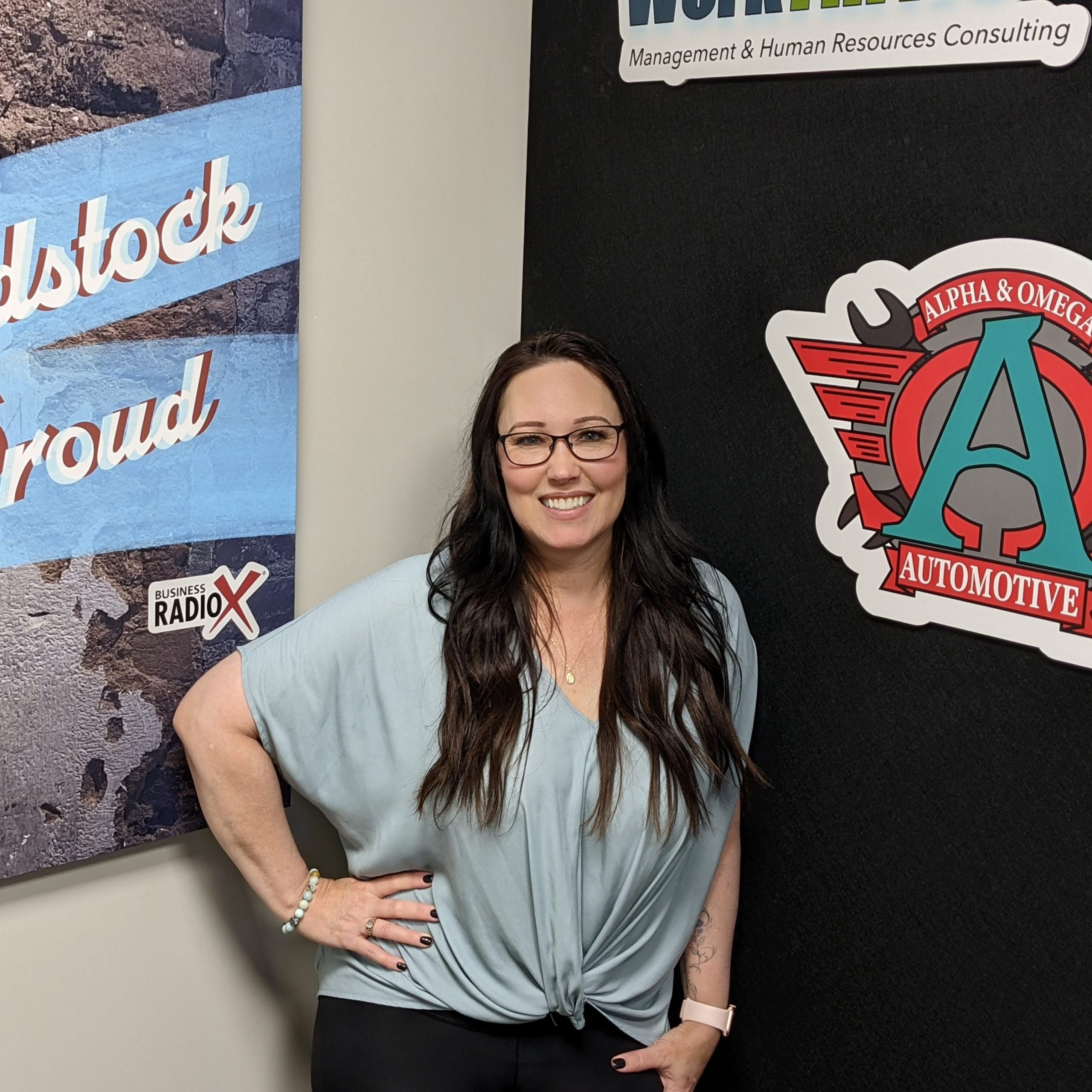

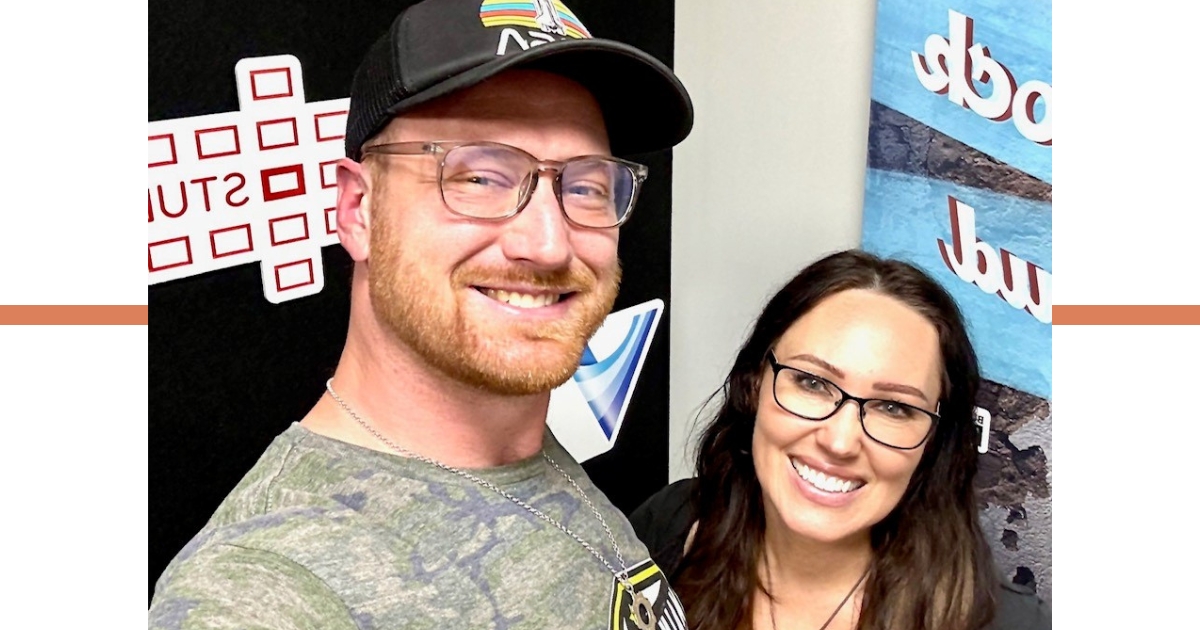
David Samaha turns the tables on host Sharon Cline, as he asks the questions in this episode of Fearless Formula.
Listen in to hear about Sharon’s background, and how her interest in radio brought her to Business RadioX®.
 David Samaha is an ASE Certified Technician. In 2014, he started Diesel David, which eliminates the frustrations of working with a repair shop. His services are 100% mobile.
David’s customers love him because he saves them time, money, and heartache. No more waiting rooms, no more sheisty mechanics, and the best part is you get to drive your car or truck with confidence!
 This transcript is machine transcribed by
TRANSCRIPT
Intro: Coming to you live from the Business RadioX Studio in Woodstock, Georgia. This is fearless formula with Sharon Cline.
Sharon Cline: Welcome to Fearless Formula on Business RadioX, where we talk about the ups and downs of the business world and offer words of wisdom for business success. I am your host Sharon Cline, and thankfully in a month it will be the two year anniversary of Fearless Formula and I’m going to have a new intro and I’m very excited about that. And also, third time is a charm because today on the show I’ve got Diesel David, who is one of my most favorite people, David Samaha. Hello.
David Samaha: Hello, Sharon. How are you doing?
Sharon Cline: I’m good. I’m freaked out, actually.
David Samaha: You’re a little bit nervous.
Sharon Cline: I am, I don’t like it.
David Samaha: So there’s this study that I recently saw where the brain cannot tell the difference between anxiety and excitement.
Sharon Cline: Okay.
David Samaha: It is what we tell the mind that it is.
Sharon Cline: Okay, then I’m excited. Right? Is that what I’m doing? I’m reframing. So this is a different show today for me. So that’s why I’m nervous.
David Samaha: Why is it a different show for you?
Sharon Cline: Because I asked the questions. I like being on this side where I’m like, David, tell me about your dreams. Tell me about how you made them come true and inspire other people to have the same kind of feeling that you do, but instead you’re asking me questions. Which the reason why I agreed to do this show, seriously, is because, uh, Joe Cianciolo, who we both know, Front porch advisor Joe, um, told me that one of the things that I can do to help connect with listeners is actually allow myself to to have the same vulnerabilities that I’m asking guests to have. So this has been on my mind for probably six months of sure, I’m going to do that someday in the future. And so when you asked me about….
David Samaha: I said, have you ever been interviewed?
Sharon Cline: And I was like, not on my show.
David Samaha: I was like, we should do it. I was like, let’s. And you’re like, okay? And I was like, when? And you’re like, da da da da date. And then I messaged you last week. I was like, hey, what was that date?
Sharon Cline: I was like, oh yeah, you didn’t forget about that. Okay. So anyway, it’s today, today’s the day. So I’m excited but nervous too. So I’m going to try to reframe it as excited. I don’t know why this like makes me uncomfortable because the the truth is I, I love asking questions and kind of understanding other people’s lives. Like, what is it like to be you for a little bit? But it’s interesting because I don’t think as deeply about myself as I do about other people. So this is fascinating.
David Samaha: Do you think some of our listeners have that have a similar tendency?
Sharon Cline: Yeah, I.
David Samaha: Do, to think more about others than, than oneself.
Sharon Cline: I do.
David Samaha: Do you I think absolutely.
Sharon Cline: Okay. It’s a lot easier. I think it’s very easier.
David Samaha: Yeah.
Sharon Cline: Yeah. Okay. It’s going to be fine. Yeah. Because this is.
David Samaha: Fun. This is going to be good. So I wanted to start by understanding more of your background and your journey to. Because you’re not from Cherokee County. That’s right. Okay. So you came here and you got into to radio. Yeah. So how did how did that happen about your life on, like, what brought you to Cherokee County and then how you got into being a radio show host?
Sharon Cline: Okay. So, uh, I moved here from Florida in 1995, so I’ve been here almost 30 years, so it feels like home to me. Lived in, uh, Forsyth County for a good bit, but then about 21 years ago moved to Cherokee County. So I kind of consider it more my home now, Cherokee County. Um, but being on the radio, um, I had gone back to school, um, in 2009, 2010 to get my degree. And I went to Kennesaw State University and worked at the radio station there. And I had a couple different radio shows that I did, and I loved it and thought, that’s where I really would go for my career. Um, but I wound up going into the network television field, which is great, but always loved radio, always just loved the freedom of being able to ask questions and make it kind of my own, which is what I did at the station at the Owl Radio. And so when I met Stone at our networking meetings, Stone owns the studio here. He’s one of the founders of Business RadioX Stone Payton. He, uh, he had me on the show like two years ago or so, and we had talked about the fact that I had worked in radio, and if he ever needed someone to be a backup for him doing producing, that, I would be happy to do it. So it just kind of naturally unfolded that way. He was really generous with me and allowed me to, um, kind of decide how I would like to frame the show and who I would like to have on it, and it’s just been the biggest blessing to my life, I have to say. It’s like my happy days are Fridays because I get to talk to people.
David Samaha: Oh, that’s so fun. Thanks. So was it would you say Stone was your inspiration to get into radio or what?
Sharon Cline: It was it was, I would say, Stone because he I had wanted to work at a radio station at one point, but I really just needed the stability of an everyday job. That I could count on that didn’t require me to have weird hours, because at the time my son was young and I needed to be home. So I really went to stable route, stable, steady job. But then when I met, when I got into voiceovers and started doing books, which was in 2016, um, in an attempt to, um, expand my network, I started to go to our networking meetings that we go to here in Woodstock, and that’s how I met Stone. And when I heard he was in radio, I was like, well, maybe he needs voiceover work. Maybe he needs people, you know, to do announcing. And I didn’t really understand what Business RadioX was or whatever I just heard. He said radio. And then we became pretty fast friends. He’s one of the nicest people you’ll ever meet in the world. And, um, he was just so sweet. Allowed me to be part of this. We also work on Main Street Warriors, which is a whole other program that’s associated. He’s wearing a shirt right now. Diesel David is, uh, yes. So that’s also another little avenue of Business RadioX that I get to participate in occasionally. So it’s been just so much fun, so much fun for my life. And I love how I get to know people in the community right next to me, right around me. How many times have I seen you at the networking meetings, having you on the show and actually devoting time, just you and me and also Brendan, who was here just being able to have a discussion in a room where there’s no distraction, there’s no other place I need to be, fosters such a sense of friendship and understanding that I don’t get when we’re in big networking meetings or on the street.
David Samaha: That’s what I love. That would that would make me want to have all sorts of people I know.
Sharon Cline: Right?
David Samaha: Like, it’s.
Sharon Cline: The truth.
David Samaha: And it’s not even it’s not so much of the interviewing and and the getting to know it’s I think it like is the authentic time. Right. Like the quality time.
Sharon Cline: Yes. Quality time. That’s a great way to look at it.
David Samaha: I think that’s like where the joy and like where the beauty. Yeah. In what goes on in this room.
Sharon Cline: Oh, that is so inspiring to me. Thank you. It’s true though, because when I am finished with an interview, most of the time I feel like I really know someone. And if and we’re friends somehow. It’s been an hour and I didn’t know you before, and now I feel like I know you and I genuinely want to understand, and I have no other motive than just what could other people glean from your experience that could be inspiring for them to follow their own dreams? I mean, that’s the goal, really. What keeps you from allowing fear to stop you? So yeah, it is a it is a sacred space that way for me. And, um, it is genuine, at least on my end. I think it’s genuine.
David Samaha: Some fake ease in here.
Sharon Cline: I haven’t really felt that yet, but that’s the thing. It’s like, maybe I. Maybe I just don’t know. I see everything through my lens and it all is the same, you know? But maybe.
David Samaha: Wow, that was prophetic. Thanks. I was I keep.
Sharon Cline: I go deep sometimes it.
David Samaha: Was like effortless. You’re like yeah that’s just that’s so you mentioned voiceover. Is that radio or is that something that’s different?
Sharon Cline: It is different. There are many, many avenues that voiceovers affect many different places that you can hear someone using their voice. But my goal when I started to do voiceovers was to be able to do a book, but in a tiny, tiny, tiny version of it because books are, you know, laborious. And I’m a producer of the book as well. So it’s intensive and I’m fine with that. But it’s I agree with doing that when I signed to do a book, but for voiceovers, you kind of, you know, 30s you’ll do an ad, you’re in and out. And that’s kind of what I like is, well, let me, let me do this, but in a quicker pace. So that’s why I went back. I went to school to, to learn how to be a voiceover artist and really be prepared to be in the industry. It’s very competitive. And I went to a school called called Such a Voice and they were wonderful and created my commercial demo and my narration demo, and that’s when I made my website and kind of tried to grow from there. But yes, there’s commercials that you can hear on TV, there’s radio, there’s um, oh goodness, I’m trying to like, you can definitely do books. There’s also, um, video games. That’s a big place to do. Well, um, animation is another place that I’m really working on. In the next couple of weeks, I’m going to a class that I’m going to learn a little bit more about that. So I’m trying to grow.
David Samaha: So you might see you on the on like an upcoming like Pixar.
Sharon Cline: Exactly. Well that would be the dream. The big dream I have. Okay. If I had to say that’s the big dream. Yes for sure. Um, but I, you know, it may be a minute before that happens.
David Samaha: Do you have like, any partiality towards like Dreamworks or Pixar?
Sharon Cline: Do not.
David Samaha: Disney right. Is there like one that you’re like, I want to work with these people? Because basically.
Sharon Cline: Yes, Disney would be great because my kids we watch Disney movies, you know, and it’s still just part of our sort of history. And every Disney movie that comes out, you know, we’ll watch. But I, you know, it’s so competitive. And I would love to make that my big dream. But at the same time I’m like, you know, that’s the big pie in the sky right there.
David Samaha: You’re also so talented.
Sharon Cline: Oh, this is the best interview.
David Samaha: So it’s like a matrix, right? Like you have the competition on the x axis and you have like talent on the y axis.
Sharon Cline: So that’s amazing X and y. Yeah I never thought about that.
David Samaha: And I think that your talent definitely a sense. And you’re not afraid to work hard.
Sharon Cline: No that’s true. You have to.
David Samaha: You also have a teenage son right.
Sharon Cline: Well he’s 21 now but yeah, he requires a lot of attention. I mean, as far as, like, being a parent to him because he’s still home. I don’t want to neglect, you know, my being in his life. So I still feel tied, you know, to home right now. Yeah.
David Samaha: That’s fine. So, like, I mean, because you were balancing what was it like to balance motherhood and launching a radio show two years ago? So you would have been 19, so you would have been a teen teenager, and.
Sharon Cline: You met him and talked to him about his car dreams, which, you know, he has big car dreams because you’re a diesel, David. You know, you’re in that whole world. Not only that, but your job is so successful and your business so good on you as well. Um, I it was a challenge, I think, because I didn’t know what I was doing. Um, but they’ve been my kids have been the most supportive in the world. I just love them. I got so lucky in the kid department. Very grateful.
David Samaha: So what? I’m trying to wrap my head around what makes you lucky in the kid department.
Sharon Cline: Um, I our relationship. That’s a good question. Our relationship? Um, between all three of my kids are. They’re very special to me, and, um, I, I love to observe who they are as adults. Can you hear the thunder? It’s, like, about to pour really bad outside the studio right now. I heard that I was wondering if you could hear it on.
David Samaha: Be like an ASMR. Yeah.
Sharon Cline: We’ll just take the mic outside. Funny. Yeah. So each of my kids, I love that I can appreciate who they are as just humans on the planet. Not my daughter or my son. It’s just, who are you? And how lucky am I that I got to have a hand in bringing these people to the world, and I just delight in them, you know? It’s just like, I love seeing what their journeys are like and how they’re different from me and how they’re alike, um, as I am. Is that how you say that? Yeah. So, I don’t know, we just they’re a really good people. They really care about other people. Um, they have a lot of resilience. Um, I’m very proud of of who they are and kind of admire that, you know, I’m related to them.
David Samaha: Wow. What a what a compliment. I think if I ever received that compliment from my mom, I wouldn’t know how to respond. I mean, because I think something that stands out to me here is your your kindness and support that you share with your kids. Because I think something that can be a tendency of so many people, right, is is like perfection. And that comes down to so many kids and they feel like they’re not good enough. And and that shows up in, in anger that shows up in like maybe isolation. And I don’t feel like that describes your kids at all.
Sharon Cline: No, no, I, I’m not perfect. I’m so far from perfect. So for me to look at them and expect any kind of perfection is unrealistic and damaging. And I wouldn’t want to do that to them because I could never live up to anything like that. I think one thing I really appreciate, and that I it’s one of the goals I have here on on this show, is that we all are humans on this planet, and we all are trying to do the best we can. And so I can I can ascribe that same philosophy to being a mother and putting my children in that same sort of lens of, you’re just, you’re doing the best you can. I’m doing the best I can, and some days I do better than others. But like, I am fully human. I’m all the things. I’m jealous and supportive and angry and happy. I’m every spectrum just depending on whether or not I’ve had enough sleep, whether I’ve eaten, whether I’m just, yeah, what is that day?
David Samaha: What is it? Halts like hungry, angry, lonely. Tired. Yeah. If it’s any of those four things and if it’s two of them, God help us.
Sharon Cline: I forgot about my God. I have to remember that I love it. Yeah, because I yeah, I would, I would just want them to be I want them to live their life however, they believe their life should be lived, as long as they’re not hurting themselves or somebody else. If they if that, whatever they’re doing that makes them happy and feel the most authentic to themselves. That’s what I want that for everybody. But yeah.
David Samaha: A, um. Almost like an abiding in, like, nonviolence.
Sharon Cline: Yes. Right.
David Samaha: And then. And then like. Like bowing to nonviolence would be, like abiding in their truth.
Sharon Cline: Oh my goodness.
David Samaha: So it’s like, be be in your truth, son, but not at the cost of someone else. Exactly. Oh, that’s so good.
Sharon Cline: Yes, that’s exactly it. I love the word abide. I never really thought about it like that, but that was a really beautiful way to phrase that.
David Samaha: You said, like, laborious or something. Oh, yeah. And I’m like, oh, we’re gonna learn on this show. No, we’re going to did I, we’re going to prep for college.
Sharon Cline: And no, you’re, you have, uh, you know, a way of looking at the world that is really cool to me. So I’m, I’m excited to see when you’re asking me questions, I’m like, okay. Because again, I like asking the question. So when you’re asking questions, my brain immediately is like, okay, so what? How does he think about this? You know, it’s like my brain’s working really hard right now.
David Samaha: That’s so fascinating because I feel like it’s probably working even harder since I don’t have any formal training. Well, right. Like like if, like, it’s like if I see someone talk about cars that doesn’t know what they’re talking about, it’s pretty exhausting to follow them, especially if it’s regarding a problem.
Sharon Cline: Because you know so much.
David Samaha: Because it’s like there’s a there’s a particular way that you would assess this problem and you would provide the data in that manner. And when the customer is like giving you this information and this information like everything’s out of sorts, you have to recompile it in your head to make sense. So I almost feel like you’re experiencing that in terms of having all of the knowledge and what an interview format looks like, how it flows and the like. Okay, I’m trying to get this emotion like all the way to the audience, right? Like my listeners. Right? It’s like, that’s who this is. It’s not just for the people in this room. Yes, it’s in a sense, it’s it’s selfless for like, what can I provide? What can these people get out of this type of value? Yes. Whether it’s joy or knowledge. Yes. You know, wisdom or inspiration. Yes. Yeah.
Sharon Cline: It’s true. But I also like it because it’s forcing me to exercise a muscle that I don’t usually exercise, which is vulnerability and kind of a profound way in a deep way. I don’t usually answer. I love asking because I know my motivation behind the asking is really for genuinely, for good and for understanding, but being on the other. And I do ask a lot of guests, you know, to be vulnerable or authentic. And I’m that’s my favorite place to be.
David Samaha: But what would you tell a guest that was struggling with being vulnerable? Like you could tell there’s just so much more depth and like, so much more there.
Sharon Cline: Yes. Um. So oftentimes before a show, if someone’s never done this before, I try to say, you know, it’s like we’re just at a coffee shop having a conversation because the truth is, I would most likely be asking those exact questions at a coffee shop where I’d just be like, tell me what it’s like to be you. You know, it’s not about the audience. And sort of, um, what do they call it, like gratuitous, um, displays of emotion or or, um, deep questions for the sake of an impact. It’s not about that. It’s more about what’s it just like to be you. And oftentimes at the end, of course, I just want every guest to be happy. At the end, they’ll say, that was great, you know, or they’re happy. And that that’s all I really want is for someone to feel heard and honored and, um, understood and valued for a little while because I think that is really missing a lot in life for most people, for a lot of people. So that’s what is like joy for me. That’s why it’s sacred to me, because it’s really honoring the human experience you’re in right now. It’s the whole goal for the show for me.
David Samaha: Do you feel like there was do you feel like it came natural to you to experience the human experience? Yes, yes, because I think it’s so unnatural for so many people.
Sharon Cline: I agree, I agree, I think I’m a weird person. I really think I’m a little odd. I swear, I think I’m a little bit of an outlier somewhere. My brain does not relax. It’s always thinking, thinking, um, I don’t really have a chill. I don’t have a shut off. I’m not a.
David Samaha: Doctor, but I think that’s a condition.
Sharon Cline: It’s called a weird condition. The outlier condition. It probably is. I don’t know, I, I’m a very curious person, and so but I also love, um, knowing I come from, like, when I’m interviewing someone, I’m coming from a place of, um. We’re your human. I’m a human, you know? What’s it like to be you and your human world and. I don’t. We’re the same, you know. We’re more alike than we are different. So if someone’s struggling in an interview, I will usually highlight an emotion like, okay, did that scare you? Or, you know, how did you work around the setback that you had? How did you get the courage to do it? What what was the feeling like that made you do it? Because those feelings are universal.
David Samaha: Yeah, well, things were a mess back in oh eight and oh nine. Yes. 2010. So where did you get the courage to go back to school? Like that was an undertaking?
Sharon Cline: It was um, so I had been married for 20 years, and I suspected that my marriage wasn’t going to last much longer. So I went to school in an attempt to be able to take care of myself because I had been a stay at home mom the majority of my married life, and I wanted to be able to take care of myself and make sure that I had some kind of degree or something so that I could be on my own if I if I needed to be. And so that was the impetus for going back to school. But I loved school, I absolutely loved school. And, um, would probably have been a lifelong student if I didn’t. You know how there are people that are what are they called, like a professional student? Something like that. I would have done that.
David Samaha: Probably five degrees.
Sharon Cline: Yes. Exactly.
David Samaha: On their sex.
Sharon Cline: Exactly. Because I just was kind of fascinated with seeing the world from a I think I was 38 or 39 when I went back to school. So seeing the world from an adult perspective and, and having it explained to me, um, almost as on a basic level to mostly 20 year olds, um, I just kind of saw it a little bit differently. And I was very determined to graduate, um, with the highest honors I could get because I thought, these are 20, 19, 18, you know, year old kids. I’m smart. I can do this. You know, like, I just determined, very determined to graduate with, um, you know, as high grade as I could. So I was very hard on myself with school, and I took it very seriously. Um, but I also knew that it was an attempt to make sure that I could at least take care of myself financially, you know, on my own, if I. If my marriage didn’t survive.
David Samaha: Yeah. That makes me think of the meme where it’s like there’s four pictures of the same person. So it’d be like, Sharon is a student, and it’s like, you look like a courtroom judge. You know, you’re like, so stern and, like, determined. And then it’s like Sharon as like a radio host and like.
Sharon Cline: What is it I know.
David Samaha: Well, so it it obviously you succeeded in taking care of yourself. And I can make that statement factually, just simply looking at your eyebrows because they are so manicured. I know I’m going to describe it for y’all. So there’s this a perfect amount of spacing between her eyebrows and then the shape of them. It just goes, it has this, this very nice radius that it follows. And I mean, they’re perfectly manicured and I it’s we’re on radio, which is, you know amazing like glad to be here but this these eyebrows need to be on TV. They need to be on TV.
Sharon Cline: So I hope I can replicate tomorrow and every day whatever I did today. Because that is so sweet.
David Samaha: I don’t think you did anything. I feel like just like.
Sharon Cline: No, I did.
David Samaha: Well, that’s so inadvertently put so much pressure on her. But the best part is, is no one will have anything to compare it to.
Sharon Cline: That’s so true. Whatever your imagination is, we’ll just make that.
David Samaha: As we move into quadrant two of Sharon on radio, she’s like, all smiles, super positive. I was like, on time. And for me, that’s running behind. Oh. And oftentimes. I saw on the big stuff. I’m like. 30 minutes, 15 minutes early. You don’t.
Sharon Cline: Give yourself that.
David Samaha: Time. I don’t like on time is not or, you know, on time is late on like the big stuff. But then like the normal things. It’s time is time is a spectrum.
Sharon Cline: Oh that’s fascinating.
David Samaha: So like like young professionals of Woodstock, I’m always there 15 to 30 minutes early like that. That’s an event that’s like a big deal to me. Yeah, that’s.
Sharon Cline: Our networking meeting. Yeah. So you’re always there early before 730.
David Samaha: Always there early before. Yeah, I’m usually there like 650 to like seven. Geez. And then so early. I know it’s so early. Um, yeah. So, like, you were just so gracious. Oh, like. Yeah. We’ll just get started. You’re like, it’s gonna rain. And I’m like.
Sharon Cline: Yeah, just be safe.
David Samaha: Does that have to? I was like, does that affect the audio quality? No, I didn’t understand. It was just like supportive. Yeah. Like okay. That was that was fun.
Sharon Cline: No I would feel horrible if you rushed here, you know, and something happened to you. So that would destroy my life, I think. So let’s just just take your time. You take your.
David Samaha: Time. Still not interviewed?
Sharon Cline: Oh, God. Yeah. That’s okay, I know. Oh my gosh, I can’t.
David Samaha: So so. Okay, so who would Sharon be as like a mother, right. If we had to fill like fill in that quadrant because I feel like you’re, like, bubbly and like smiley on the radio show, like, needs to be TV. Maybe we can settle for, like, a podcast video. Maybe.
Sharon Cline: So at some point, I think we’re moving in that direction. We have a couple cameras in here in the studio, but we don’t use them consistently.
David Samaha: More and more. Um, yeah, I’ve noticed more and more cameras come here. That’s right.
Sharon Cline: It’s a it’s a it’s a next venture, but it’s not like I like just rolling in here and not caring what I look like too. So that’s kind of nice.
David Samaha: Well, I think that’s part of the human experience. Right? It’s like it doesn’t have to. It’s almost like you could come in here exactly like. How you are now or in a day. Apparently, when you don’t care. Like what do you look like? And it’s like that could be. Almost like a Business RadioX video exclusive. Yes. Right. Does it have to be every episode? No, but it’s like whenever it’s like feeling. It’s like, you know what? Like, let’s let’s go live, like, let’s, you know, let’s kind of show people the energy we have going on here because some people are visual learners, right? Even if it’s just learning from a smile, it hits the cortex that much more.
Sharon Cline: That was amazing. Learning from a smile I love that. Well, okay, so yes, um, TikTok and reels and all of that. It’s very important. Um, but I just, I don’t know, I like being I don’t like being on camera as much as I like being, you know, just the voice. That’s where I’m happiest.
David Samaha: Like, I like being interviewed more than I like being on camera.
Sharon Cline: Which I don’t like at all. No, you’re making this fun, though, so thank you. I appreciate that.
David Samaha: You’re welcome. Okay, so if we went to the Motherhood Quadrant okay, that would be like quadrant. I don’t know you as a mother.
Sharon Cline: Truth. You know, me as just a networking person and voiceover and also business radio X but as a mom, um, okay, so I’m saying this knowing that my children may be better to explain it to you than than I.
David Samaha: How would your kids describe you in that quadrant?
Sharon Cline: Um. Optimistically, I’m going to say that they would say that I’m supportive and loving. Um, but.
David Samaha: So you’d have, like, a spatula. It’s like I.
Sharon Cline: Made fresh.
David Samaha: Linens. Like, is that what we’re describing? Okay.
Sharon Cline: When they were younger, I was very heavily into the mother role. I would stay at home, mom. I did what they needed. They were in classes and they took sports and whatever. I did the very classic stay at home mom things in the minivan. Absolutely. And loved being a mother to them. I always wanted to be a mother, so I felt very lucky that I got to have that experience and and still feel that way. Um, as they have grown and their lives have changed, two of them have moved out. I still just have the one home. I don’t my interactions with them are different, so my role shifted instead of being I’m still their mom and I still care about you and.
David Samaha: A call center.
Sharon Cline: I’m in a call center? Yes, like answering phones.
David Samaha: This is your. This is your mother. What problem may I solve for you today? It’s like, mom, all my laundry is pink because my roommate put in the blanket. Okay, here’s what you do.
Sharon Cline: Here’s what you do. Yes, I would love those calls. I can I can do those calls. It’s harder now, which is surprising. Wow. Actually, to say, because when they were younger and I was, you know, in charge of kind of a good bit of what they experienced in life, they were, uh, movable and according to what I needed that, you know, we’re having dinner now. We’re taking a bath now we’re going to bed now, um, and as they got to be teenagers and now are well, my oldest will be 29 next month. And then Rachel just turned 27 the other day. Um, and John 21, they’re my role is not I can’t control anything that they’re going through. Really. My role is to be support and to witness what they go through and to give them tools to help them manage whatever they go through. But I cannot control any of it. And my job is not to insert myself and give them my opinion. I don’t think that’s unless they ask for it. If they ask for it, I will give it. But my role is support is if they need me, how can I best help them navigate relationships or, um, you know, situations that they’ve been in. Um, so it’s harder because I cannot influence as much what their experiences are like. I just have to help them get through them if they want me to. Yeah, it’s harder for me. Do you feel like.
David Samaha: You have a sense of, like, need to know with them? Is that like, something that you try and keep at bay, or is that not really?
Sharon Cline: It’s a good question because my daughter actually, I just had lunch with her, my oldest, Grace, and she I asked her some questions and she said, how much do you want to know about this? You know? And I was like, well, this is a good question. How much should I know about this? Just a topic that we were kind of trying to figure something out about. And, um, some things are their experience to have completely separate from my role in their life. I don’t need to know everything. I don’t want them to feel a, um, that that judgment of mother onto them. Um hum. Um, they’re always my child, but they are. They’re they’re humans that were brought here to have their experience. And it’s not my place to influence that unless they ask for it and or unless I think they’re in danger. Um, and then, you know, or something horrible is going to happen, I’ll be like, listen. But mostly I try to observe what they’re going through and say, do you need, you know, be here for them. If they say, I’m struggling or what would you do? Or here’s how I would handle it. But, you know, their experience, their job is to grow and learn while they’re here. And I don’t want to hinder that. So witnessing them struggle. Very hard for me for sure, because I don’t want them to struggle and witnessing people being mean to them or whatever, not love them like I do is very difficult for me. I want them to be loved like I love them, but I also know they won’t be so. Having having to see them go through, have a very full human experience and know that I can’t save them from anything really is tough. For sure. But but but that’s okay.
David Samaha: Yeah. That’s what.
Sharon Cline: We do.
David Samaha: That’s. I feel like that’s more. That’s ideal. Oh nice. Right. Like way more than okay. I mean, I feel like that’s almost like a goal of parenthood, right? Because I think it’s so you get so attached to wanting the best for them. And then we don’t realize that we’re taking away the best, which is to be able to be present and experience your life. And it seems like you’ve actually really. Done a lot of work to make that be true for your relationship with them, I think.
Sharon Cline: And I think a lot of people when they because I had I’ve had like a tough childhood. So like growing up and seeing how I would have wanted someone to treat me makes me want to treat my children that way. If the support that I want to give them, I want the goal is for them, for me is to be. Resilient, you know, don’t let life knock you down too hard. Um, be able to get up and keep going and also care about other humans as well as yourself, and just live a life that is the most authentic to the way you think you should, whatever that looks like. Um, that’s it for me. I want them to just be happy. What makes you happy? You know, again, as long as they’re not hurting themselves or someone else, do what you got to do, you know, to make yourself happy. That’s it. Uh, I don’t know. I think, you know, when you when you grow up and you see things that you wish were different and you have an opportunity to do different than then, that’s like liberating.
David Samaha: Yeah. It’s great. This is, you know, we can rewrite. We can rewrite the story.
Sharon Cline: That’s exactly right. And in the same way, I get to reparent myself because I get to give them what I would have wanted. I get to experience it as if it were a little bit me. And although we’re different people, the support is universal. So I get to I rewrite, rewrite history a little bit for myself.
David Samaha: What do you what challenges do you face personally or professionally that shaped that?
Sharon Cline: Um, so I am the hardest person on myself. When I make a mistake. It’s it goes in the 2:00 in the morning playlist. Gosh. It’s awesome. It’s so awesome being me. Uh, yeah. So I think that I, I struggle with mistakes. I struggle with hearing, um, you know, the voices that are like, you should have known. It should be different. How could you let that happen? Why didn’t you? You know, the the. I don’t even know where those voices exactly come from. Outside of, like, maybe it’s parent related, but I think just knowing that I make mistakes is really tough for me. And knowing that, um, oftentimes now when I’m doing things, it’s out there in the world, it doesn’t go away. So it’s not, you know, it’s just it’s out there. So, um, I think that has informed a lot of the struggles that I have, because I have a lot of anxiety and a lot of worry, and, um, I don’t surrender as well as I wish I did to to the experience, to the journey. You know, the journey is the destination. I’m always like, nah, I got to get to the destination. What are you talking about? Like we suffer through the journey to get the. You know, it’s just I have to always reframe myself, reframe the way I think about it and calm myself down. Um, it’s tough because I’m, again, I’m my own worst enemy and no one is harder and no one says more awful things to me than me. And, um, so yeah, that’s that’s tough, but I’m I’m getting a little bit better.
David Samaha: I’m honestly. But I know that I’m not perfect.
Sharon Cline: No I’m not. That’s great. Yeah. I’m not, and nobody else is. But yeah, for me I think that’s that even though I say I know I’m not perfect, I if I make a mistake that I really didn’t want to make, that’s tough for me to forgive myself for. But do you find that is the same for you?
David Samaha: Oh, yeah. Oh, yeah, for sure. And I feel like the. I think that’s common for so many people. There’s this thing that I once heard that what is most intimate is what is most universal.
Sharon Cline: Oh, what? I’ve not heard that.
David Samaha: Yeah. So it’s like, that’s a very personal, intimate thing, right. To to not feel good enough.
Sharon Cline: Oh, yeah.
David Samaha: Or to feel like you, you are missing the mark.
Sharon Cline: 100% when like.
David Samaha: A lot of times it’s arbitrary.
Sharon Cline: And whose decision is it that’s good enough, right.
David Samaha: Yeah. Well, and and it’s what’s so fascinating is you have, I think what tends. To be true is like when we’re so hard on ourselves, then we’re hard on other people. And I think that you have. Cultured a lot of awareness around it to especially protect your kids right from this, like trauma and this, you know, perfectionism. Perfectionism. Yeah, yeah. To to to bleed over to them to be like, no, here’s what you need to do. Or, you know, like don’t do that. Like right to like almost like I think it’s so easy for many people to want to live and to actually, like, live out their kids lives. Yeah.
Sharon Cline: That vicarious thing.
David Samaha: Yeah, I.
Sharon Cline: Do, I, I mean, I do experience what they experience. So if it comes.
David Samaha: Down to what’s your action. Right. Like, yes. You know, I think that’s like so many of us. Will not even realize that we have a choice. And you know that you have a choice, and then you’re observing it, and then you’re changing your actions to be like, this is what I actually wanted, right? Because you didn’t have that reality, because your parents did not have the awareness and also the self-discipline to be able to create a disconnect between what was in their mind and what actually came out of their mouth. And here you are. Curing generational trauma really is what this comes down to, because your kids are not going to have the same trauma that you had, and your parents probably had that same trauma from your grandparents.
Sharon Cline: It’s there.
David Samaha: It’s literally stopped here with you.
Sharon Cline: Yeah, that’s one of the goals I had, was that I didn’t want them to feel the way I felt in many situations. Um, so check. However, it’s fascinating to me how different they are when presented with situations. I would respond a certain way. They would respond differently. I’m fascinated by that. How how different would I have been with a different upbringing? And that’s what I actually do here at Fearless Formula is I want to know, what is it like to be you and what was your upbringing like? And I wonder if I would have made the same choices that you’ve made, if I had your upbringing, or if I wouldn’t have? Do I like that? Do I not like that? Is that inherent to my personality? You know, I’m just very curious that way. My brain again. Yeah, doesn’t chill. But I appreciate your acknowledging that. It’s very sweet. I do want they just have their challenges will be different. They don’t have that same challenge that I did that I continue to battle battle. They have different challenges, but their life is still challenging. So but they just don’t have this one.
David Samaha: Yeah. So this is forewarning. If you have kids in the car, if you’re on children you don’t want to like, oh no, what are you so well okay. Yeah we’ll give it a second. So if you were just laughing and this is about to exit my mouth. So if you passed away. Yes. Today. Yes. Would you be happy with the life that you lived? Yes. I have zeroed out in that. I believe that wholeheartedly. Like, I mean, just the one. Just that little. Not even little. It’s the massive nugget that we unlocked about, like how many people can claim that they’ve stopped generational trauma? What an accomplishment.
Sharon Cline: Thank you. It’s funny. I don’t think it’s like.
David Samaha: A life goal. I feel like some people like. They’ll never accomplish that. And even even. And they want to.
Sharon Cline: Right, right. Uh. Thank you. I don’t even know what to say I. I don’t know. I think each generation, you know, their influences as we watch TV and as we grow and what we’ve been exposed to can help us think a little differently. So who knows what my children and their children will be like in terms of exposure and and accessibility to knowledge and how pervasive it is now to look at, you know, the words like narcissist and gaslighting and all of those kind of relationship dynamics that maybe 20 years ago were only heard if you were in therapy. So now it’s become such a normal part of our vernacular that they’re now going to normalize that, I believe, and then have an awareness of it that will create different relationships than what we’ve had in the past. So my parents and their parents and their parents did the best they could with what they had. And I trying the same. I’m sure if you were to look at a pendulum being on one side of a very abusive and the other side very permissive, um, you can, you can swing one way or the other and they’re, they’re damaging items, you know, results each, each side.
Sharon Cline: Yeah. So striking the balance of honoring, you know, my children and their human experience, but also worrying about them and, you know, hoping that they will make decisions that, you know, I know because I’ve been on the planet so long, you know, generally are not a good outcome. I don’t know, I can’t I want them to learn. That’s the best thing. I want them to learn and, um, and, and, and care about other people leave the world a little better, you know, because they were on it. That would be great. And I see that, though, with the relationships that they have and the interactions that they have with their jobs and things. So I’m that, you know, I couldn’t be prouder of just the fact that, like, I was I was part of of that. That’s like, I if I died today, that’s the legacy that I, I’m proud to leave for them. But I, I would also say I’m, I’m afraid of a lot of things, but I’m not afraid of making some changes that will align my life to be more authentically lived for myself, even if it’s scary, even if it’s I don’t know how it’s all going to play.
David Samaha: Has it always been that way for you? Yes. Really? Yeah.
Sharon Cline: I’ve always had that drive for freedom. That drive for control of how I want my life to play out. Um, so I was terrified, you know, to leave a marriage I’d been in for 20 years. I’d never been in the, you know, a business world or taking care of myself in a major way and didn’t know a lot. And. Uh, but I still. Did it.
David Samaha: You knew. You knew that there that it was possible.
Sharon Cline: Yes, and I was.
David Samaha: And you knew that there was access for that to be true for you. Yeah.
Sharon Cline: Resources. Somewhere, somehow it’s going to work out. If it doesn’t, I’ll make a different decision and hopefully that’ll work out. Um, I don’t know.
David Samaha: So what I feel like that would be like, almost in like list format, right? If you could list off some of, like, the top resources that you saw or maybe even thought would be resources, and it was necessary to explore that to get to the actual resource. If you could maybe list off a few things for someone that is thinking about entering singlehood, right?
Sharon Cline: Again, something very daunting, like, yeah, what?
David Samaha: What would those things be?
Sharon Cline: I’m very grateful to, um, I’ve had some very good friends that have helped me to, um. Find people that can help me. So if I say, here’s my problem, oh, I know, I know someone who knows someone, you know, even finding my divorce attorney and all of those things, like really good people that led me along the way.
David Samaha: So you said wise, safe friends that you’re able to be vulnerable around?
Sharon Cline: Yes. That genuinely want good things, you know, that are that.
David Samaha: Aren’t trying to live your life for you.
Sharon Cline: Yes. Or control anything or want an outcome, anything other than my being happy. So yes.
David Samaha: Okay. How how do you know when your friends want to control you? Or we can literally get it.
Sharon Cline: So oh my God, I.
David Samaha: Feel like it’s way more that happens with women, right? I don’t feel like that happens as much with guys. Kind of like.
Sharon Cline: I never thought about that. I feel like.
David Samaha: Guys are just like, oh yeah, man. Like, don’t do that. That’s dumb. Or like, did you just need to go ahead and do that? Like, you’ve been talking about it for two years, like. It’s not just in relationships, right? I’m just thinking like guys in general, but I feel like I’ve.
Sharon Cline: Never thought about that.
David Samaha: This whole I’m a firm believer that if you go all the way back to the beginning of the Bible, it is very telling of anyone’s struggles where like the the core core struggle. Right? So the feminine struggle is trust and the masculine struggle is worthiness. So when you had Eve, right, she didn’t was not trusting that God was going to provide all the knowledge that she needed, the plan that she needed to know. Right? So she sought control by going after the apple. And then Adam was there with her. So he witnessed all of this going down. And because of his own lack of worthiness, he was not strong and foundational enough to say, hey, we should not do this.
Sharon Cline: Wow. Interesting. I never thought about that whole story like that before.
David Samaha: Yeah, I really would like to have like. Some actual, like, philosophical, you know, explanation of this. This is only my own, um, hypothesis from from reading the Bible. Right. But it’s like. Yeah, I think that like with guys it’s worthiness. It’s. Yeah, they’re being passive. Like they wouldn’t judge another guy because they might. They’re judging themselves too hard. Oh right. And I feel like with women it’s like they want to seek control even with their friends. Right. So it’s like they’re not ashamed of what they have going on. So they’re willing to just be like, tell you how that you need to live your life.
Sharon Cline: So I have had relationships, friendships that have had more of a, um, an investment in the outcome of what my decisions were. And I’ve had to leave those friendships. And it’s some of it’s been somewhat traumatic for me. And, um.
David Samaha: Because then you beat yourself up because you’re like, I should have known.
Sharon Cline: Or.
David Samaha: Or I didn’t do it.
Sharon Cline: Should have been more generous, or I should have taken someone else’s feelings into consideration more as opposed, you know. Yeah. Um, but I also know that as I’ve evolved and continue to, um, if there are friends that can’t come along the journey with me. Um, and I’ve had to let let them go, then I’m actually making room for people who are wanting to go on the journey with me as I see my journey to be.
David Samaha: Oh, wow. So that would almost be like resource number two is like understanding that you’re you are capable, even if you had to let some people go along the way.
Sharon Cline: Yes. Which the irony is that the more authentic I became to myself, the more I lost some people that I didn’t want to lose and I could not reconcile. That was it was the antithesis of what I wanted. Um, but. I also, um, had to shore up myself to where, at the end of the day, am I being the most authentic to me? Is someone wanting that same, you know, journey for me, or do they want something for themselves in the end? Um, if they don’t want to, if they’re not aligning with me and aren’t congruent with me, then they can’t come. And I, I grieved it, I didn’t understand it. I went to therapy because of it. No doubt I was very confused. But I see now my friendships are in a very they’re in a different level for me because, um, I allow people in my space that are willing to be supportive in the way that feels, uh, congruent with.
David Samaha: That’s so cool.
Sharon Cline: Yes, but I had to I had to learn it the hard way. I had to grieve a lot, so.
David Samaha: Well, yeah, I mean, it’s something that isn’t. I don’t feel like we just know how to pick friends, right?
Sharon Cline: And. And women are horrible. I’m one of them. I mean, you know, we can be horribly mean and duplicitous and, um, you know, controlling is a is a great word. Um, there’s a lot of competition and a lot of different ways. And I am not a competitive person as a human on the planet. We’re all just humans on the planet. So for someone to feel competition with me is painful for me, because I just think you’re just like me. I am you, you are me. You know? We’re the same. Like, why are we competing? So I don’t know. That’s how I feel today. I may change someday, but right now I. I just feel like the friendships that I have and the way, the way that I have curated a small group, um, I’m grateful for and value very highly. And I’m good. I’m good where I don’t need anything else. Even even having time like this with you is special. But going out with my friend Tricia, I went out with her last night. Like there’s only so much time I have, you know, so I’ve kind of got, like, my hierarchy. And I try to feed those relationships by spending time with them or talking on the phone. Um, but yeah, I mean, women, women are, are pretty messed up in a lot of ways. But I really am grateful for just the perspective I have now of where I want them in my life, how I want to place them in my life. But it came through pain, a lot of pain.
David Samaha: And you feel like that was was that like a journey that you went on after you? Yes. Left your marriage? Yes. Okay. So to even get to that point, you were really you had to double down on your resources. Yes. So one of them was like asking right, the right friends for guidance and for like actual resources. Right?
Sharon Cline: Like people and support and emotional support. And what would you do if you know, this happened? How would you feel? Where would you go to get help if this problem was presented to you? Yeah, but I didn’t lose everyone. I just lost some very key people. But my, um, I still had some good friends that I could still talk to. And the bottom line being that I really was my best resource, I had to learn how to do it on my own. It’s the best way for me to become strong. And I.
David Samaha: Was just thinking.
Sharon Cline: That, yeah, so I didn’t. I had support, but the bottom line always came down to what did I really ultimately want? How did I see my life playing out? And, um, I had to figure it out on my own. I had to be good with losing people if it meant that I was being authentic to myself. And it’s like a muscle, you know, after after a certain point, you know, you just you do that enough to where you start to see relationships where. No, I see that tendency is not going to work for me, you know? Yeah. You just get stronger because you have because you have to. But ultimately it is, you know, your journey is yours and mine is mine. And we have I’m going to die alone, you know, on this planet. It’s going to be my journey is mine alone, you know? So I have to I have to be responsible to myself. Um, but I let myself down a lot, too, so, I mean, I say, I’m going to do stuff and I don’t. And, you know, I make plans, like, today is the gym. And then I’ll be like, no, you know, this TikTok is taking me way too long to go through. And then, you know, I don’t go that kind of stuff. So I still have work to do.
David Samaha: Yeah, yeah. I mean, we all do. Yeah, we all do. And I feel like that’s such a good example. Right. Like with social media and the asset that it can be. Right. And you live in that world like you are, you’re talking about like, um, you know, your kids and like their access and like just this generation’s access to media. And I’m like, you are media. Yeah, you are, you are, you are, you are radio. Like that’s true.
Sharon Cline: Yeah.
David Samaha: And what a good. You know what a good resource to. Leave, right. So like, you know. Yeah.
Sharon Cline: Well it gives me self esteem, honestly, to do something that I feel is, um, good in the world. I know my intention behind it and I, I’m grateful to have an area, an avenue, you know, to use to help, to have that experience that I feel like I’m loving on people a little bit. It it makes me feel, uh, good about myself at night, you know, when I put my head down, like I did try to honor people today. And not every day is the best day. But on these days, I feel lucky that I can do that. So, I mean, there are a lot of things I do wrong. Or, you know, if you want to judge wrong, whatever that subjectiveness is, but I can do better, whatever. But at the end of the day, I like knowing that what time I did have here, I got to love on people a little bit, or maybe make them happier a little bit, because you don’t know where that happiness exponentially can go, you know? You don’t know what it’ll mean for someone, or maybe someone will hear this and be inspired.
David Samaha: We don’t always know the outcome, what we do that will actually bring that truth. So it comes so much down to this, like authentic living, right? Like I had a friend messaged me the other night, um, and she was like, hey, um, I was just talking with my son about, you know, some personal things, like, you know, just how, like when you talk with kids and then they start rambling and, like, sharing, like, things that they remember about an event. And it was actually the passing of her mother. And it was at the funeral. And like, you know, it was shared publicly. And she was a friend of mine and I like stopped in to like, pay my respects. And I don’t know if they had food there or if I had food with me. Long story short, I remember her son was crying and I just like, gave him some, like, cheese puffs and like, that’s what like, I totally forgot about this. And she messaged me and she’s like, yeah, like he says, like saying he’s like, yeah. And I was sad until someone gave me cheese puffs. And then I was happy and like, that’s what he remembered from it. And like, I almost didn’t. I almost didn’t go, but like more so than that. Like that was just me being me, right? Like someone that’s a friend. Like, we didn’t go super far back, right? And I showed up and like to the point of, like, I was the only person in my friend circle that was there. So I immediately felt really awkward, like, oh, like, I shouldn’t be here. Like I’m an imposter because it’s like such a like it was like family, like very close family. So but it was like two years later for that story to come back to here. It was like, how cool is that? Right? So like when you come in here and you’re able to like ask questions, you don’t really have this agenda, right? You’re not trying to like, understand more about diesel mechanics. So that way you can, you know, fix your diesel truck. Yeah. You know.
Sharon Cline: What is it, diesel? David? It would be Chateauneuf. Diesel. Sharon. Something like that. Like, try to take something.
David Samaha: You could be like a Honda shadow expert.
Sharon Cline: Excuse me. No, the Prius, the Toyota Prius expert. Yeah.
David Samaha: Those are such great cars.
Sharon Cline: Thank you. Gosh, thank you for saying that on radio. I really appreciate that. Brendan goat.
David Samaha: My coworker is like, man, I’m surprised that you don’t drive a Prius. Like, hybrids are really starting to grow on me. And it’s just funny because it’s like two guys that run a diesel shop, like talking about like, the practicality of hybrids. And it’s just, it’s funny. Um, how awesome.
Sharon Cline: For you to have a moment that two years later, you get to almost see it from a third party perspective because you don’t remember it. You know, you get to experience it in that moment of what I did, that you know, how awesome to see yourself that way. What a gift that is.
David Samaha: It was such a gift. It was it made me I read it and I like I had to take a pause because it had. It shocked me that much. And what I did remember was feeling like out of place.
Sharon Cline: Oh, like.
David Samaha: Almost like.
Sharon Cline: Feeling. The whole thing was.
David Samaha: Almost like regretting going. I mean, obviously I didn’t like, hold a regret about it, right? But like in that moment, I remember being like, I shouldn’t be here. But it’s like when you do things like just because you’re doing it authentically doesn’t always mean that it’s going to be comfortable truth or it’s going to be easy.
Sharon Cline: Or land the way you think it’s going to. Yeah.
David Samaha: Truth, right? Like how many times have we spoken life in our friends and it was not an easy conversation?
Sharon Cline: No, you’re right, I have this quote on my phone. It’s my screensaver right now that says the outcome has little to do with me. The process is what needs my participation. The process is mine, the outcome is not mine. And I love that because it means that I’m just in this moment, doing the best I can with what I know. The outcome is going to be what it’s supposed to be. Yeah, and I can’t control everything or everyone because I would if I could. Yeah, for safety, I guess. For safety. Safety above all else, I’m sure. But yeah. So I think that’s like what you’re saying. You were just in that moment and the outcome landed in a way that you didn’t even expect. So that’s actually super special. You know, you’re right. How often do we do little things that we don’t know where what the impact will be? But if your intention is for good, you just having the peace of like I did the best I could with what I knew, you don’t have to. I’m a mental torture person. But in those moments, you don’t have to mentally torture yourself if you’re just doing the best you can in that moment.
David Samaha: And I think sometimes of when. We’re not doing our best. We. Can simply look at evidence of what we did do when we were at our best, and then just do that.
Sharon Cline: Yes, that’s true.
David Samaha: Because it’s not always clear on what we should do. Especially like if you’re going through a season of life, if you’re going through some stuff. You’re not going to know what to do. Your judgment, your wisdom is not going to be at the level of when you are switched on and you are, you know, properly nourished and you’re like, not, you know, stuck in. Yeah, yeah. When you’re not stuck in like the base of Maslow’s triangle. Right. Like, oh, wow. So from then it’s just like we can go, like, empirically. Yes. And look back like. Okay. Well, when. Sharing eats noodles. She feels better, right? Like when David gets a good night’s rest like and then responds to this text like the conversation goes better. So it’s like, I’m just going to go to bed now, right?
Sharon Cline: So that requires self control. And there are days where I have more than others. But yes, I mean, I like that you talked about that. Maslow, Maslow’s hierarchy of need. You know, where the base is, the survival, you know, shelter. And then as you go further up the triangle to the peak of the triangle is like, you know, existence and the purpose of being here. So, yeah, there are days where I’m surviving on the bottom of that triangle, and then there are days where I get to touch on moments like this, where I get to talk more philosophically and, um, you know, esoterically, which I love. It’s like my happy spot. But I also love that what you’re saying is embracing, um, like what I talk about the human experience. Like there are going to be days where you do need to know where you are. Yeah, just you’re going to need to rest. Just rest, you know, but give yourself the space to not respond from, you know, the times where you know, you’re not 100%. I love that I’m a.
David Samaha: Huge fan of like, what can we do to set ourselves up for a more joyful life? And like, you don’t have to ascend from, you know, food, water, shelter up to, you know, stable family environment, up to, you know, through the ladder. You can skip that whole thing and all the like, exhaustion and energy that would be involved and just simply because it doesn’t take much energy to think about the past, you know, or to like, be like, okay, what would. Another thing that I like is like if I have like someone that I really look up to or someone that’s wise or like a mentor in my life, be like, what would this person tell me to do in this instance? Or what would I tell someone to do if they were in this? And it’s so easy, right? I don’t have to go through all those stages to be that person at that level to like, show up how that person would show up. Because guess what? In this moment, I’m not that person. So yeah, I’m a huge fan of this of this hack of like, look at what? Tell someone, look at what I would do if I was in a really good spot or what would someone tell me to do, not taking any of these things and then just do that.
Sharon Cline: But, you know, it gets bogged down with shame. So that’s a struggle for me is being able to look at myself. Third party. What would I tell if I were Sharon’s good friend? What would I say? But that comes with the other side of the coin of why didn’t I already know that? You know, why am I fighting so hard? What do I ultimately really want? Am I being lazy? You know the judgment and the shame. So I have to be better a little. Because what you’re talking about, I get, I completely get. But when the resistance comes with how do I not shame myself for needing that? So I gotta work on that rules.
David Samaha: Right?
Sharon Cline: Like rules. Whose rules?
David Samaha: What’s your rule? Right. You make a rule that sets you up for a congruent life, right? If that’s what you’re optimizing for. Yes. Is congruency alignment, right. Like what I try and optimize for is joy. And that’s something that’s an area that there’s a lot of growth opportunity in that in that area. We all have it for me. Right. But it’s like I mean your rule could be like, hey, like if I am struggling, like I will automatically map myself and on Maslow’s triangle, and if I’m in the bottom category or the second category from the bottom, then I will. Handle things this way, right? Like if I’m, if I’m in the bottom or next to the bottom, like, then there’s no judgment because I am going to do things in a survivalist mindset. Correct? Correct. So then it’s no, there’s no judgment. There’s no room for judgment because you’ve already said like, okay, now if I’m here, here, like I’m going to expect the most out of myself because I can actually deliver the most nice.
Sharon Cline: I love that it’s a hack, like you said, a life hack.
David Samaha: It’s not a it’s not ambiguous anymore.
Sharon Cline: No it’s not. I love that because.
David Samaha: You’re either there or you’re not.
Sharon Cline: And either way, it’s okay. Because I have a plan. Yeah. And I don’t have to judge myself for needing the plan. I got it. That’s nice. Um. Thanks, diesel. David.
David Samaha: You’re so welcome. Sharon. So one thing that I wanted to get into, and I know we’re closing in on our time, was. You ride motorcycles?
Sharon Cline: Oh my gosh. Yeah I do. And so in 2016, I took a riding course at one of the Harley dealerships here in town. And I always wanted to, um, at the time I was dating someone who did ride, so I was like, that’s it. You know, I want to ride to and really loved it and took the class twice. And then I took the advanced riding course, and, uh. You’ve got a motorcycle that I still have. And, um, you know, thinking of expanding and getting a different motorcycle at some point. Um, but I really enjoy the camaraderie in the motorcycle community. I think it’s gotten a bad I mean, it’s maybe a justified rap. However, it’s some of the most wonderful people and most solid, kindest, funniest people I’ve ever met has been on a motorcycle. And, um, it’s just a major part of my life. I mean, I’m sad it’s raining all weekend. It’s Memorial Day weekend, and I’m the saddest person because I, you know, would love to go out tomorrow and just go for the day and go ride somewhere and explore the world. And I don’t know, part of me likes that. It’s unexpected. There’s just always a little part of me that’s like, yeah, I ride, you know, as.
David Samaha: You wear a Harley Davidson shirt and have like, I know, right? Like hard metal necklace on there’s like ball bearings and this like this black tank top with like a, there’s like a goose riding a motorcycle. There’s two geese that say Harley Davidson.
Sharon Cline: Yeah. So true.
David Samaha: Like on the beach, like bum bum. Like riding away from the sunset. They’re like, this ain’t a happy shirt. Like we’re hard. We don’t. We don’t ride off into the sunset. We ride out of it. We go and we say goodbye. We’re going ladies.
Sharon Cline: It does. It’s funny though. It’s like lots of women in particular, being part of a women’s writing group called The Leader’s Atlanta. Here in Atlanta, um, a lot of people don’t see women writers as being, um, a large part of the demographic. And they are they grow every year. So I, you and I both have a mutual friend and a coworker. I met her through the leaders. She’s become one of my best friends.
David Samaha: She yells, gang leader.
Sharon Cline: Gang leader.
David Samaha: That was that was my original question. So. So you’re a part of a biker gang? Yeah, I’m.
Sharon Cline: Part of a biker gang. Sure, yeah. Girl gang. I call it my girl gang. But it’s not a gang. It’s just a collective of women that ride once a month and we have a bike night and, you know, just nice people. Just the nicest people you’ll ever meet. Um, so far that I’ve experienced. But, yes, I mean, lifelong friendships can come from that, you know what I mean? Like, um, you do life together in certain ways, and I’ve had some of the most joyful rides where I’ve cried because I’m so happy and, uh, just it’s spiritual for me and, um, very important. And thankfully, my children are very supportive of the times that I go riding. And, you know, I’ll say like, can you hold the fort down? You know, when they were what was this, eight years ago? So they were younger, you know, it was probably a big surprise, I would say, for them, for me to ride. But they’ve they know it’s just part of who I am. So, um. Yeah.
David Samaha: Do you, do you and your. I know your son loves cars. Do you inherit him also share a love for riding.
Sharon Cline: You know he doesn’t. No one else rides in my family. My kids don’t ride. I do, but I think we have a love of mechanics. Like, right now, he actually is taking a class on, um, motorcycle suspension and something else. So I told him, whatever you learn, can you teach me so that I can know about. And it’s a good opportunity for us to spend time together. But also, I’m a big fan of classic cars like he is. So that’s our time. We get to, you know, talk like we’ll be driving somewhere and he’ll see some car and he’ll be like, oh my God, that’s a whatever name. And he knows all the names and numbers and whatever it means. And yeah, so we get to bond, um, we get to bond about different vehicles, you know, not the traditional, you know, Prius. Not that there’s anything wrong with that, but yeah, we get to talk about the different ways that we can get around the world in different kinds of vehicles. So they’re very all my kids are very supportive of that. So I’m very grateful.
David Samaha: That’s so cool.
Sharon Cline: Yeah.
David Samaha: That is that is so cool. Yeah. I feel like that’s like the ideal. Um. Relationship, right? So you have to like bond over it. But then so there’s like a certain risk. Right.
Sharon Cline: Yes there is. So if they were riding I would be worried like crazy because they’re my children. But I ride and I don’t, you know, I’m just like, well, I’m heading out. Yeah. It’s terrible. It’s it’s definitely hypocritical. But yeah, I like to I.
David Samaha: Like that’s the biggest, the biggest double standard. Yeah. Like this is not a bad one to have. I feel like.
Sharon Cline: I can’t get it out of my head though. Like it’s I don’t know if I could disengage the, the worry that I just naturally have over my children, but, um, you know, if they wrote, I’d be like, great, just tell me when you get home. But, like, I don’t worry about myself, so I don’t know. It’s the price of love.
David Samaha: That’s so fun. Well, as we close up, yes, I would like to do a few, like rapid fire.
Sharon Cline: Oh, no. Okay.
David Samaha: Right. This has been, like, really conversational and enjoyable. Okay. Um, what is your favorite motorcycle ride?
Sharon Cline: So I just did it recently. Um, I and my friend Presley, we went riding up to, um, Suches, which is part of North Georgia, and I felt like I rode very strong and, um, different than I usually do because I was using a different bike and I just had the best day. That was my best, happiest ride. It was like two weeks ago. Um, we went up to where two wheels of Suches is, which is like this campground and a lot of bikers go to. And it was an unexpected day because we didn’t plan to do that. But it was my happiest day, I would say for sure.
David Samaha: That’s awesome.
Sharon Cline: Thank you. It just happened. Out of all my years in.
David Samaha: Two Wheels of Suches. Is that the corner store?
Sharon Cline: It is. It’s like a little store. It’s like a restaurant. Yeah, it’s.
David Samaha: Like across from the campsite of where? Yes, yes. Right there. Super familiar with that spot.
Sharon Cline: Nice.
David Samaha: What is a favorite car of your son’s?
Sharon Cline: The 1988 Toyota Corolla. Gt-s is his absolute most favorite car, so he is still working on getting it running just right. But it’s his favorite. He and he also loves the Ae86, which is a Toyota um Torino vehicle. It’s part of the initial D anime series. So it’s like this hatchback. It’s like 1986. It’s got like black, black and white paint. And that’s his dream car. But they’re very, very expensive. Um, so this car is like the next best thing that he has. Yeah.
David Samaha: Yeah. Like a stepping stone. Yeah. And it makes it that much more enjoyable when he gets the 86, you know, like.
Sharon Cline: Yeah, he’s determined, you know, 100%.
David Samaha: Yeah. What is hidden talent of yours?
Sharon Cline: A hidden talent. Um. Oh, no. Oh, no. Do I have a hidden talent? Oh, I sing. Really? Oh, yeah, I forgot. Yeah.
David Samaha: I forgot, I forgot it just. Well, I just smash it on stage.
Sharon Cline: No, I don’t lead my life with singing. But I do sing and. Yeah, like, that’s just a little side side thing that I do, so. But mostly in the car or the shower or do people who are like, please stop. That’s hysterical. No, but I do, I do, I can hold a tune. Okay.
David Samaha: That is great. All right. So the last one is what are you looking forward to doing on your Memorial Day weekend?
Sharon Cline: Oh good question. Okay. If you answer that for me as well when I’m finished okay. And then we’ll wrap it up. So this weekend I would have wanted to ride. It’s a beautiful weekend. Normally you know it’s summer, beginning of summer, but no riding. Um, I may be spending time with my friends. I know Anna, actually. Our mutual friend may be having some friends over tomorrow, so I might do that. Um, but generally speaking, if I can just get some good rest in because I’ve had a very busy several weeks, I would love that. So, and any time I can spend with my kids is great. So that’s probably what I’ll wind up doing.
David Samaha: And it’s, you know, like so the rain actually serves a purpose because.
Sharon Cline: It forces me to rest. Yes. To rest. Okay. Yeah, that’s a good thing.
David Samaha: Let’s look at purpose in the plan.
Sharon Cline: Purpose? The big plan. All right. What are you going to do?
David Samaha: I am so looking forward to a wedding. Really? Yes.
Sharon Cline: Who’s getting married?
David Samaha: My best friend, Kyle. Isabel is his name. He moved in next door to me when I was two years old. You’re still best friend and we are still best friends to this day.
Sharon Cline: So sweet.
David Samaha: We live next door to one another for 18 years. And then my family moved like three miles over, two miles over and again, still best friends. And then I’m going to be the best man in his wedding. So when I leave here, I’m going up to North Georgia. It’s going to be at Coal Creek Lodge or something, and it’s beautiful facility. And I think something that I’m like also so proud of. I’m going to brag on this for a minute. I only asked you this question so you would ask it back.
Sharon Cline: I love how honest you are. I’m down for the honesty that is.
David Samaha: That isn’t why at all. No, it’s just it just so happens that I have a really rad weekend coming up. Oh, goodness. So he. Yeah. Like we’ve I’ve reserved the cabin from Friday to Monday a while ago. And then, as it turns out, because like that was like kind of the dates that they were going up there. Got it. And, you know, being part of the wedding party, I figured everyone was going to do that. And there’s like not many of us going up tonight really. So that to me was like, and there was a time where I was thinking like, okay, do I go up on Saturday with everyone else? And then it was that was very short lived thought, because you’re like, no, like, this is my best friend. Like knowing the woman and knowing the man that he is, it’s one of those marriages where you’re like, they will be together for the rest of their lives.
Sharon Cline: My goodness.
David Samaha: You know, like his heart and his willingness to compromise. And also like, he’s not a passive guy. So he’s very like he’s assertive to her. On when he needs his alone time. He’s assertive about like his non-negotiables, which aren’t much. Right. Like he’s he’s like the guy, right? He wants to go hunting. He wants to play golf, he wants to eat a steak and he wants to spend time with his partner. Right. Like. Those are like. Those are his wants. And, you know, for him to be able to take care of his own needs to be like, hey, like, I need this time for myself. Like it makes him present for her. Like she gets the full him. And I think that that’s so important, right? Because if you’re not doing things for yourself, then you’re just pouring from an empty cup. And I think that’s why a lot of relationships fail is because the woman’s not having their needs met and the man is unable to meet their needs, and they’re like, oh, he’s not the right guy for me, right?
Sharon Cline: Or vice versa. Yeah. Same thing. Exactly. Right. I love that he has boundaries like that, because, I mean, the way I define boundaries is like my way to love myself and you at the same time, honor myself and honor you at the same time. And that, to me, makes a balanced human, you know? Yeah. So that sounds are you going to spend time with him tonight? Yes.
David Samaha: So so that was like it was a quick I was like, should I just go up with everyone else? Like. And I was like, no, like he’s my best friend. Like if anything, this gives us a chance to bond more. And knowing how like caring of a person he is, like he’s definitely a nurturer and. He that’ll mean so much that like, man, if all the people like you are one of the few that actually came up that was willing to, like, adjust your schedule, you know, reprioritize, you know, pay the extra night, like, you know, all all the little things that go in. Yeah. For someone knowing that, like they made a good choice in a best man and that they also like, you know, just feel valued and like, you know, just that everything is, you know, it’s good. It’s not tainted.
Sharon Cline: It’s so rare that people have friendships for that long these days. And it’s something that you clearly value. And it’s very sweet that you get to be part of such a moment in his life and, you know, his new wife’s life. I’m such a romantic. So when I hear happy couples, I’m just like, yay! I love happy couples, happy marriages. And yes, you know, the belief in, um, true love. Yeah. So that is so wonderful. Yes. I’d probably cry all weekend.
David Samaha: No, I have every belief that they will continue to flourish in their marriage. Like there is a point of where she. Was doing some things that weren’t serving her and their relationship. And like he had the courage to bring that up to her. And like, that’s what you need in a partner. Like you need someone that actually cares about you and will speak truth because and like about you, because sometimes we’re stuck and whether we know it or whether we don’t know it, right? Sometimes we know we’re stuck and we’re just that stuck that we like, need someone to just put out a hand and save us. And it’s like his voice and his care and his love was able to, like, pick her up and give her permission to just be who she actually is. And like that type, like, I feel like that’s the relationship goals. Heck yeah. Right. Like to see it.
Sharon Cline: Right in front of you? Yes. And celebrate it this weekend 100%.
David Samaha: Can’t wait.
Sharon Cline: Heck yeah. Okay, okay. That was a good show. We had fun.
David Samaha: Yeah. And I feel like we learned a little bit about you. There’s still much mystery for future interviews.
Sharon Cline: Oh, interesting. Okay. You know a lot. Diesel. David, I can’t thank you enough for even asking me to do this. And I was so nervous, obviously, in the beginning, but it actually turned out to be a lot of fun. And I appreciate you even investing time with me this way, because I don’t I don’t normally do that. So, um, you know, have, have this moment of, of vulnerability that again, I know I ask a lot of, of guests that way. So, um, now I can kind of even have a little more compassion for them when I’m when I’m asking questions, too, because I know what it’s like. So thank you for providing that opportunity for me.
David Samaha: You’re so welcome. I’m happy to be here.
Sharon Cline: We’ll do it again sometime.
David Samaha: Absolutely. Thank you so much, Sharon Cline.
Sharon Cline: You’re welcome diesel David, and thank you all for listening to Fearless Formula on Business RadioX where um, oh, again, and this is Sharon Cline. And I’m reminding you that with knowledge and understanding, we can all have our own fearless formula. Have a great day.