

Business RadioX ®

  • Home
  • Business RadioX ® Communities
    • Southeast
      • Alabama
        • Birmingham
      • Florida
        • Orlando
        • Pensacola
        • South Florida
        • Tampa
        • Tallahassee
      • Georgia
        • Atlanta
        • Cherokee
        • Forsyth
        • Greater Perimeter
        • Gwinnett
        • North Fulton
        • North Georgia
        • Northeast Georgia
        • Rome
        • Savannah
      • Louisiana
        • New Orleans
      • North Carolina
        • Charlotte
        • Raleigh
      • Tennessee
        • Chattanooga
        • Nashville
      • Virginia
        • Richmond
    • South Central
      • Arkansas
        • Northwest Arkansas
    • Midwest
      • Illinois
        • Chicago
      • Michigan
        • Detroit
      • Minnesota
        • Minneapolis St. Paul
      • Missouri
        • St. Louis
      • Ohio
        • Cleveland
        • Columbus
        • Dayton
    • Southwest
      • Arizona
        • Phoenix
        • Tucson
        • Valley
      • Texas
        • Austin
        • Dallas
        • Houston
    • West
      • California
        • Bay Area
        • LA
        • Pasadena
      • Colorado
        • Denver
      • Hawaii
        • Oahu
  • FAQs
  • About Us
    • Our Mission
    • Our Audience
    • Why It Works
    • What People Are Saying
    • BRX in the News
  • Resources
    • BRX Pro Tips
    • B2B Marketing: The 4Rs
    • High Velocity Selling Habits
    • Why Most B2B Media Strategies Fail
    • 9 Reasons To Sponsor A Business RadioX ® Show
  • Partner With Us
  • Veteran Business RadioX ®

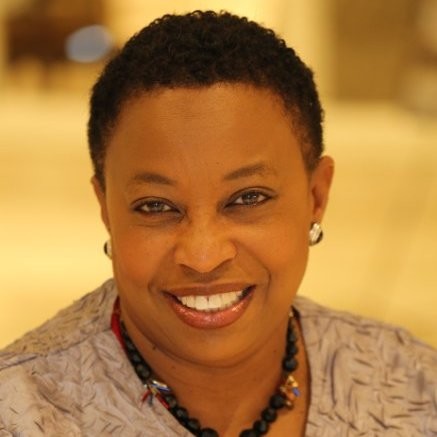
Littie Brown With SpeedPro Marietta

February 18, 2022 by Jacob Lapera

GWBC Radio
GWBC Radio
Littie Brown With SpeedPro Marietta
Loading
00:00 /
RSS Feed
Share
Link
Embed

Download file

Inspirational, influential, creative, dynamic communicator, are words most often used to describe Littie Brown. Through her years of employment and community involvement Littie has helped individuals personally and professionally realize their dreams. Because of her investment in their lives, many persons have been promoted, taken on new opportunities and realized their own potential.

Professionally, Littie has successfully led sales organizations for three Fortune 500 Companies. She began her career in sales and sales management with Xerox Corporation where she spent 26 years. From there, she went on to Dunn & Bradstreet and then to W.W. Grainger, Inc. as Regional Sales Vice President rounding out 35 years of corporate leadership.

Today, Littie is in her ninth year as an entrepreneur. She is the President/Co-Owner of LittKare, LLC (dba) SpeedPro Marietta, specializing in large format printing. From banners to vehicle wraps, SpeedPro Marietta helps companies bring visibility to their business or organization. Her motto is “if you can image it, they can print it.” Since becoming an entrepreneur, Littie has become active in the business community.

Serving on several boards, Littie recently ended her term as President of NAWBO/Atlanta, (National Association of Women Business Owners Atlanta Chapter), she is the 1st Vice Chair for PIAG (Printing and Imaging Association of Georgia), Board Member of Cobb Chamber, and a Board Member for Zion Baptist Academy. Previous positions include, the Past President of East Cobb Business Association, and Past Vice Chair for MBEIC (Minority Business Enterprise Industry Council). Littie is a graduate of Leadership Cobb, Class of 2018 and currently a board member of the Leadership Cobb Alumni Association.

Littie is known as a mentor, teacher, advocate, and an author. In 2016, Littie published her first book, “Leadership Lessons from the HART,” keys, tips, and insights on successfully leading in business and in life. You will have to read the book to understand the meaning behind the word HART. Her second book, “An Issue of the HART,” learning to be a great giver in business and in life is slated to launch in 2021. Littie has spoken to both primary and secondary students at numerous high schools and universities. Most notably, she was a guest panelist for the Cole School of Business at Kennesaw State University.

As a business owner, Littie continues to share her knowledge, passion and insights wherever she is asked. She was a panelist for the Women of NABA Empowerment Forum, a panelist for the 17th Annual Phenomenal Women’s Conference at Kennesaw State University, a guest speaker at the East Cobb Business Association monthly luncheon, a guest presenter/teacher for the NAWMBA conference (National Association of Women M.B.A.) just to name a few.

In 2019, SpeedPro Marietta was selected as one of the Top 25 Small Businesses of the Year by the Cobb Chamber. SpeedPro Marietta was again recognized as one of the Top 30 Small Businesses of the Year by the Cobb Chamber in 2021.

Littie earned a B.B.A. in Management from Texas State University. She is single and very active in leadership roles in her church, Turner Chapel AME in Marietta, GA, and the community. She is an active member.

Connect with Littie on LinkedIn and follow SpeedPro Marietta on Facebook.

What You’ll Learn In This Episode

  • The biggest challenge in 2022
  • Stay motivated
  • A new and interesting event on SpeedPro Marietta for 2022
TRANSCRIPT

Intro: [00:00:04] Broadcasting live from the Business RadioX Studios in Atlanta, Georgia, it’s time for GWBC Radio’s Open for Business. Now, here’s your host

Lee Kantor: [00:00:18] Lee Kantor here. Another episode of GWBC Open for Business. And this is going to be a fun one. Today on the show, we have Littie Brown and she is with SpeedPro Marietta. Welcome.

Littie Brown: [00:00:29] Thank you, Lee. How are you?

Lee Kantor: [00:00:31] I am so excited to be catching up with you. Tell us a little bit about SpeedPro for the folks who aren’t familiar with what you do.

Littie Brown: [00:00:38] All right. Thank you very much. Well, first of all, SpeedPro Marietta is located in Marietta, Georgia. We’re a large format printing company. So, we produce three types of sign available to our customers, from a banner, to a wall graphic, to their vehicle wraps, to their trade show display. So, all things printing, graphic printing, we can help our customers with.

Lee Kantor: [00:01:04] Now, what’s your back story? How did you get involved in the printing business?

Littie Brown: [00:01:09] You know, they asked me that a lot. And my story has nothing to do with printing or this being where I was going to end up in my career. I spent 35 years in corporate America working for three Fortune 500 companies. And when I decided to leave the last company, Granger Industrial Supply, I was looking for something different and something new. And so, I was exploring and received a call from a franchise consultant who said, “You ought to consider owning your own business?” My current, my business partner right now and one of my best friends that always wanted to own our own business, so I was showing her all of the information. And one day, we just sat down and said, “Well, maybe it’s something that we could do together.” An[d we looked at it and saw the options.

The SpeedPro franchise model was one that draw our attention for a couple of reasons. One, we wanted something that that we’d actually work into the business, probably not as hard as I’m working right now, but we wanted to actually work the business and not just buy something for pricing. And it was new to the industry. You know, graphic printing, it’s been around for a little bit, but it’s really taken off in these last 12-15 years where people are graphically putting large signs out and visible graphics for drawing attention for their customers and for their events. So, we thought this would be a good one. And there was an existing business here in Marietta, and we jumped on it, and we’ve been here now. We celebrated nine years on yesterday. So, it’s surprising it’s been that long.

Lee Kantor: [00:02:49] Well, congratulations on that accomplishment. That’s a big deal. And I hope you take a moment to really appreciate that journey. It’s a hard one.

Littie Brown: [00:02:57] Yes, especially during two years of a pandemic.

Lee Kantor: [00:03:02] Now, can you talk a little bit about that moment? You’re in a transitional period, right? You went from corporate, and then you’re going to do this entrepreneurial adventure. Was there kind of a voice in the back of your head saying, “Oh, this is a big risk. I don’t know if I can do this”? Did you have any of that kind of apprehension or was this something like you were just kind of ready to go and just go boldly forward? I think a lot of people are in that same spot, right, where they have that moment where they’re in a big company, and then all of a sudden, they’re not. And now, they have to make a decision about their future. And you chose a very brave choice. Can you talk about how that decision came about and what gave you the confidence to go forward?

Littie Brown: [00:03:49] Yeah. You know, that’s a really good question because, like I said, it was not something that I stepped out on it and looked at. But I feel confident in my years of experience that I could go out and market myself. I had the backing of a good business partner who was very operational and who could quickly understand how to navigate the actual process, and the equipment, and the inside part of t[he business. And then, we did a lot of prayer, a lot of stepping out and saying, “Hey, if we’re going to ever do it, this would be the time to do it.”

And I will also say that there’s a little bit less fear when you have your finances in a good spot. And so, because I had that, I wasn’t relying on the business coming out of the gate being able to afford my lifestyle. So, that was a big piece that made the decision a little bit easier that you’re not risking everything that you had built up. So, you know what I tell people that are looking at what they should do or should they jump out there, you’ve got to feel comfortable with your finances and knowing coming out of the gate owning your own business, you’re not going to make the money that you are making when you leave your regular job. But there’s a point in time that you’ve got to just commit, and put all your effort into it, and go forward. So, that was it. I won’t say just boldly jump out, but I would say that we stepped out on faith and we went for it.

Lee Kantor: [00:05:30] And then, when you did that, when you took that leap, and then kind of, now, you put all your chips on the table, right, you were like, “Okay, we’re going to do this,” when did you start seeing kind of those clues that, “Hey, this is going to work out. I think we’re going to be okay”?

Littie Brown: [00:05:51] I think I’m still looking for some of them. No. I think I realized that the amount of support that was out there, two ways. I had some really great mentors. I had one mentor that said, “You really need to get certified as a women-owned business, and get involved, and do that with GWBC. Get certified as a minority-owned business with GMSDC, you know, and it put a network of people around you.” And then, more importantly, within the franchise model with our franchise, the owners across the country are very open to help and support, particularly the ones that had been around for a while, they knew the business a little bit better.

And so we, had a good network of people to learn from. And we had a very good consultant with the SBDC, the Small Business Development Council. I received from a good mentor that, “Hey, go to them. Let them help you kind of get started and understand what you need to do from a financial perspective and things like that.” So, I had some really good mentors that have been business owners that shared all their information and knowledge to really help us get started. And that, I think, kind of solidified the fact that, hey, we know we can make this work.

Lee Kantor: [00:07:21] Now, nothing prepared any of us for the last few years with the pandemic, as you mentioned earlier. How were you able to kind of navigate that? Was that through the help of kind of those foundational communities that you’re part of? Did that all contribute to your success to make it through?

Littie Brown: [00:07:43] I would say, yes, a lot of that. I think what happened with us, one, we’re small and lean, so we did not have to have any negative impact with our employees. We also recognized that people needed signage. You know, if nothing else, there was a lot of COVID signs going out there. So, we were in a good market that we couldn’t shut down. We may pull back a little bit, but we actually pushed out there. And customers that we built relationships over the years, particularly those that came through our corporate customers, really stepped up and needed us, and we were able to quickly deliver.

We actually went out and invested in a new piece of equipment that allowed us to do things to positively impact the COVID time frame, time period, the negative. So, it was worth the investment because we were able to do jobs that we would not have been able to do in the time frame that we needed them had it not been for us stepping out and going ahead and getting the machine. So, we kind of trusted what we knew. We had good relationships with our customers. We continued the ones that weren’t negatively impacted, and we were able to pursue and continue. So, we’ve had our our best two years the last two years. So, that says a lot.

Lee Kantor: [00:09:15] Yeah, that’s amazing. And going forward, is that something that’s — doing some of these things that you had to do kind of in a crisis mode, is that some of that going to bear fruit down the road, do you think?

Littie Brown: [00:09:27] I think so, yes. I think that once you stabilize, and people know you’re there, and people know that they can still trust to get things out, because there are quite a few in this industry that didn’t make it, that had some really tough times. We had one of our suppliers that stopped doing a certain part of their job that we got a lot of business from that pulled back or rescale. And you have to be able to find other means of filling in those gaps and finding other suppliers that did do well, that did make it. And then, relying on your staff. And you know, I will also say that we are thankful for the opportunity to get the PPP money, as well as the ideal money that just gives you a little bit of undergirding, so that you can continue to go out and build your business while the market might be still up and down.

Lee Kantor: [00:10:29] So, now, is there anything that you’re kind of nervous about moving forward into 2022? Is there any challenges that you’re kind of dealing with right now?

Littie Brown: [00:10:39] I think, you know, nervous. You stay with nervous, just don’t ever let it catch you. You’re always a little nervous, you just try to keep outrunning it. And so, I think, sustaining existing customers and getting new customers is always going to be the main focus. And so, right now, we got a little bit of a lull. We thought we had one earlier last month to pick back up. You go through these ebb and flow. So, any time you have a little bit of a lull, you kind of feel like, “Okay, where is everybody? And what’s everybody doing?” And then, you know, it pops right back up. So, try not to let those continuing to market and look for new ways to get your name out there because you’re not out cold calling, you know, you’re not out running in and out because nobody’s in a lot of businesses and nobody’s letting you in either. So, you got to find different ways to reach more customers. So, doing some investment in those areas kind of helps keep those nerves down.

Lee Kantor: [00:11:45] Can you talk about an event that you’re planning? For 2022, is there any event that you’re planning that maybe is going to help either serve your existing clients or get on the radar of some new clients?

Littie Brown: [00:12:00] Have not nailed that down. We always try to have some type of event here where we can recognize our customers, where they come in, and see the equipment, and kind of have a open house event. But because of where things are, we have not started to look at how is that going to work out. So, if we do anything like that again, we’ve done that in the past, it’ll be toward the summertime. So, I’m cautiously optimistic that we’ll be able to have our Customer Appreciation Day – that’s usually what we call it – and get customers in to see our new equipment, see some of the new things we can do. So, that’s what we have on the radar. But right now, we’re not close to pulling the trigger on that.

Lee Kantor: [00:12:49] Right. And it’s one of those catch 22s, right? Like you want to appreciate your clients and you want to let them see kind of the behind-the-scenes magic and, also, you have to be careful and cautious. Is there a way to do something like that virtually? Have you ever done anything like that where you’ve kind of given people tours virtually of your facility?

Littie Brown: [00:13:13] We did that. It’s funny you say that because we’ve done that with some individual customers and organizations where I’ve used my iPad. You put the Zoom on, and then I can literally walk them through the whole facility, and actually show them the equipment running, and they can actually see some of the stuff. So, we did some of that actually in 2020. We did that a couple of times where people couldn’t get in, but they wanted to to get a kind of an understanding of what we do. So, it’s a good point too. We haven’t thought about whether we want to go back that way. I think if we did it this year, it would still be kind of by customer or market base, not just an open house for anybody to get on. It’d be a lot more challenging to manage through that. And I think people do want to come in and see. I think people want to get out of the office or out of the house and have some hands on. We just have to be very cautious when we decide.

Lee Kantor: [00:14:18] Right? Yeah. I’ve done some traveling recently, and there’s some tours that I’ve done is like go behind the scenes. There was a chocolate making company, and then they took you through the whole process from how they take the beans, and then they get the seeds and they grind. So, you saw all these big machines working, and you see the process, and they tried to do it in a very safe way, everybody was separated, and masked and everything. And it was just an interesting glimpse kind of behind the scenes to see how something that the people working there probably just are like, you know, it’s not amazing to them but to-

Littie Brown: [00:15:00] It’s a regular bit.

Lee Kantor: [00:15:00] Right, but to a person that doesn’t know how these things work, it’s kind of fascinating to see how it goes from one thing, and then it turns into something different at the end, so.

Littie Brown: [00:15:11] Mm hmm. Mm-hmm.

Lee Kantor: [00:15:13] Now, is there any advice you can share for the listeners to kind of — how do you kind of stay motivated, and keep the energy up, and keep coming up with new ideas and great ways to serve your clients and find new clients?

Littie Brown: [00:15:28] Well, I think it starts internally with the person. I am an upbeat person naturally or by nature, I guess you’d say. So, sometimes, they tell me I might be too upbeat sometimes but I do think it has to come from that person. And I would tell people that the person you can trust the most is yourself. You know what your strengths and weaknesses are, focus on your strengths and then get somebody else to help you with your weaknesses. So, for me, having a business partner, my strengths are in marketing and sales, my weaknesses are in operation and driving the production side. And so, when I know that I have those resources with our employees and with my business partner, then I can go all out and focus on customers and focus on growing the business. And so, I think part of it is knowing who you are, what you do well, what you need to learn and work on.

I’m always learning, trying to learn new things. I’m involved in a lot of organizations. And so I get opportunities to go through training. The next level training through the Ladder Business League on last year, which was excellent and taught me a lot. And so, the more I can learn, the less panic that you feel about what you’re doing. Because the fear in being a small business owner is not knowing what you don’t know. You don’t know what’s missing because you’re not aware it’s something that you need. So, education is important to learn it.

And I think when you get in front of people who like you, customers who want to do business with you, they give you an upbeat feeling when you’re talking to people who just are looking for something nice or looking for something special and then you deliver. For me, it gives me a great feeling when customers leave out saying, “Oh my God, that’s more than I even thought it was going to be.” It’s, “Oh my god. I wasn’t even thinking about that,” or “Oh my gosh. Thank you for catching that mistake,” and they didn’t have to pay for it. So, those things. Customers make me excited,

Lee Kantor: [00:17:48] And it’s important, like you mentioned earlier, is to surround yourself with networks or network of folks that are kind of on the similar journey that you’re on, so that you can all learn from each other. One of those groups you mentioned was GWBC. Can you talk a little bit about how GWBC specifically has helped you with your business and your growth?

Littie Brown: [00:18:13] Oh yeah. One of the things I’m probably most proud of, last year, I received the Trailblazer Award for our category. And so, just being recognized by them as a great small business was a reward I’ve been looking for, and I was able to receive last year. And I think it’s because you have some commonality with other women business owners. Women deal with a whole set of things that not everybody has to deal with. And then, when you add businesses on top of that, the networking opportunities, even online, and people reaching out to you because everybody wants everybody to be successful, I think the GWBC provides that.

And then, on top of that, just the relationship building, the educational part, the programing where you get a chance to hear from not only successful other businesses but you also hear from those corporate businesses. What are they looking for? What type of business would they step out and do business with? It’s much harder to get my name out in front of some of the large companies than not having the ability to go through GWBC and meet those same people online. And so, we’ve had the opportunity to get involved and get engaged through GWBC with some corporate partners. And it’s because of those relationships that they have that then allow us to be able to meet those same folks. So, those. I think when you think about GWBC and what they offer, they offer education, they offer connection, and then they offer sponsorship with corporate accounts

Lee Kantor: [00:20:10] Now, for moving forward for your business, I know you’re in the large format printing business, have you kind of got a clear picture of the ideal client or is printing something that is pretty much anybody in business or even maybe not even in business only could use your services?

Littie Brown: [00:20:31] You know, it’s funny because it is not a single market or two market environment. Everybody needs some sort of printing. We focus on a corporate standpoint when they’re looking for things within their business operation. We focus on non-profits because they’re looking for signage for revenue growth for that nonprofit. We look at government and schools because they need both connection for inside with students and parents and community people, as well as externally to promote any causes or any opportunities that are working on. And then, we do even individuals will find us, especially those small businesses, that are just getting started, and they need something, and they kind of want — they’ve got a vehicle, they kind of want to get some advertising on their vehicle. It may only be one vehicle. And if we can get them a good pricing opportunity, then that’s advertising that every time they drive down the street. So, it goes across the gamut of people. Everybody in some shape or form can use some part of what we do.

Lee Kantor: [00:21:50] And if somebody wants to learn more, is there a website?

Littie Brown: [00:21:54] Yes, it is. You can go to SpeedProMarietta.com. That’s SpeedProMarietta.com. And then, you can always email us at OrdersMarietta@SpeedPro.com, and we respond back quickly.

Lee Kantor: [00:22:19] Well, Littie, congratulations on all the success. And happy anniversary. Nine years is quite the achievement. It’s a lot to be proud of, and you’re just getting started.

Littie Brown: [00:22:31] Just getting started. Thank you so much, Lee. Thank you for the opportunity. And thank you GWBC for this chance to talk a little bit about us.

Lee Kantor: [00:22:39] Well, you’re doing important work and we appreciate you.

Littie Brown: [00:22:42] Thank you.

Lee Kantor: [00:22:43] All right. This is Lee Kantor. We’ll see you next time on GWBC Open for Business.

About GWBC

The Greater Women’s Business Council (GWBC®) is at the forefront of redefining women business enterprises (WBEs). An increasing focus on supplier diversity means major corporations are viewing our WBEs as innovative, flexible and competitive solutions. The number of women-owned businesses is rising to reflect an increasingly diverse consumer base of women making a majority of buying decision for herself, her family and her business. GWBC-Logo

GWBC® has partnered with dozens of major companies who are committed to providing a sustainable foundation through our guiding principles to bring education, training and the standardization of national certification to women businesses in Georgia, North Carolina and South Carolina.

 

Tagged With: Littie Brown, SpeedPro Marietta

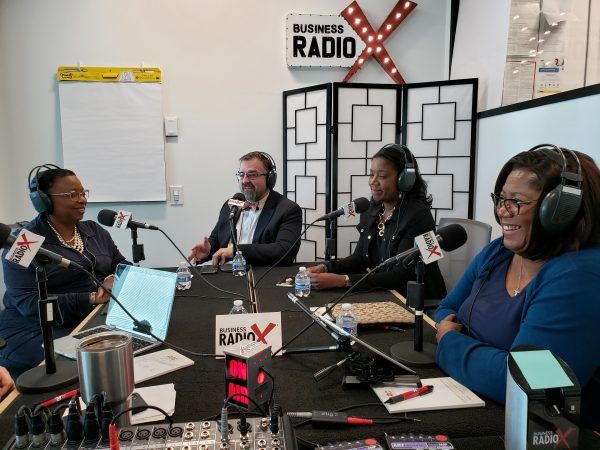
GWBC Radio: Adam Moore and Dr. Lissa J. Miller with SunTrust and Littie Brown with SpeedPro Marietta

November 21, 2019 by angishields

GWBC-Feature
Atlanta Business Radio
GWBC Radio: Adam Moore and Dr. Lissa J. Miller with SunTrust and Littie Brown with SpeedPro Marietta
Loading
00:00 /
RSS Feed
Share
Link
Embed

Download file

GWBC-Group-11-21

Adam Moore is the Strategic Supplier Diversity Manager for SunTrust Banks, helping to promote the inclusion of small and diverse business in in the supplier base at the Bank. He is considerably active in the supplier diversity space as it relates to technology and the financial vertical. Adam is often sought as a speaker and moderator and he also writes for a blog on supplier diversity: diversitymanagementsourcing.com. Adam is a true advocate for supplier diversity and works tirelessly to create opportunities for diverse business. Adam is also very involved in several mentoring programs to include the Emerging Young Entrepreneurs, the Georgia Mentor Protégée Connection (GMPC), and the Greater Women’s Business Council’s (GWBC) mentor programs.

In 2019 Adam is serving as the Corporate Chair for the GMPC’s year of the Alumni advanced mentoring program. He also serves as a board member for TAG’s Diversity and Inclusion Committee and has been recently elected as the Committees Chairperson and will start his new role in 2020. Adam is an active member of the Georgia Minority Supplier Development Council’s (GMSDC), Supplier Diversity Leadership Committee as well. In all of these roles, Adam works to create new and innovative ways to further the conversation on supplier diversity and how it positively impacts business and communities. Adam is a member of the Financial Services Roundtable for Supplier Diversity (FSRSD) and serves as Co-Chair on the Marketing and Communications committee. As Co-Chair he is also a member of the Executive Council for the FSRSD.

Adam’s efforts in Supplier Diversity have been recognized by several industry groups, winning the 2017 Buyer of the Year and Vision Awards from the GWBC. In 2018 Adam was honored as the Advocate of the Year from the United Stated Pan Asian American Chamber of Commerce – South East. Adam’s efforts and dedication as a mentor were honored in 2018 as was awarded the Power of Partnership award. As an integral member of the Bank’s supplier diversity team, Adam’s efforts lead to the team being recognized in 2018 and 2019 by the GWBC as one of their Top Corporations. Additionally, in 2018, the Bank was named as The Corporation of the Year by the Georgia Minority Supplier Development Council, due to all of the work the supplier diversity team did to promote minority owned business.

Dr. Lissa J. Miller is the interface between SunTrust and the diverse supplier community and is responsible for working with its lines of business and functions to expand the company’s utilization and development of qualified minority, women, veteran, disabled, LGBT-owned and small businesses and ensure that the bank is in compliance with federal guidelines concerning diverse supplier inclusion in procurement activities.   She brings with her over 20 years of collective experience and expertise in Supplier Diversity, Procurement, Sales and Logistics from Georgia-Pacific, Scientific Games International and Kennesaw State University.

Lissa is the Board Chair of the FSRSD (Financial Services Roundtable for Supplier Diversity), USPAACC-SE (US Pan Asian American Chamber of Commerce- SE) and 1st Vice Chair and Mentor/Protégé Committee Chair of the GWBC (Greater Women’s Business Council) and also actively participates with the GMSDC (Georgia Minority Supplier Development Council) where she also served as board chair in years past. She’s been recognized for advancing diverse businesses by Atlanta Magazine, the Georgia Mentor Protégé Connection, National Black and Latino Council, Greater Women’s Business Council and the Georgia Minority Supplier Development Council.  She mentors small businesses and volunteers with organizations such as Cool Girls Inc. and Junior Achievement of Georgia.

Lissa has a BBA in Marketing from The University of Georgia, MBA in International Business from Mercer University, PhD in Business Administration from Warren National University and is a GA licensed associate real estate broker, certified Zumba instructor and entrepreneur at heart.

Follow Suntrust on LinkedIn, Twitter and Facebook.

Inspirational, influential, creative, dynamic communicator, are words most often used to describe Littie Brown. Through her years of employment and community involvement Littie has helped individuals personally and professionally realize their dreams. Because of her investment in their lives, many persons have been promoted, taken on new opportunities and realized the potential in their personal lives.

Professionally, Littie has successfully led sales organizations for three top Fortune 500 Companies. She began her successful career in sales leadership with Xerox Corporation and there she held positions of increasing responsibility in sales, marketing and customer service for 26 years. From there, she went to Dunn & Bradstreet, were she once again lead a successful sales organization as the Vice President of Marketing TeleWeb and completing her corporate career with eight years of leadership at Grainger, Inc. as the Regional Sales Vice President for both the Commercial and Government sales divisions in the Southeast.

Today, Littie is in her sixth year as an entrepreneur. She is the President/Owner of LittKare, LLC (dba) SpeedPro Marietta, specializing in large format printing. From banners to vehicle wraps, SpeedPro Marietta helps companies bring visibility to their business or organization. Her motto is “if you can image it, they can print it.” Since becoming an entrepreneur, Littie has become active in the business community. Having served on several boards, Littie is the Past President of National Association of Women Business Owners Atlanta Chapter (NAWBOAtlanta), the Past President of East Cobb Business Association, and Past Vice Chair for MBEIC (Minority Business Enterprise Industry Council) Currently she serves as the 1st Vice Chair for PIAG (Printing and Imaging Association of Georgia) and a Board Member for the Zion Baptist Academy. Littie is a graduate of Leadership Cobb class of 2018 and a member of the alumni association.

Littie is known as a mentor, teacher, advocate and now an author. She published her first book, “Leadership Lessons from the HART.” Keys, tips and insights on successfully leading in business and in life. You will have to read the book to understand the meaning behind the word HART. She has spoken to both primary and secondary students at numerous high schools and universities. Most notably, she was a guest panelist for the Cole School of Business at Kennesaw State University and guest lecturer at the University of Alabama Birmingham Business Management Class.

Throughout her corporate career, Littie was an advocate for diversity, Littie was a guest speaker at McDonalds Corporation’s Black History Program, a panelist participant for Sodexo’s Diversity & Inclusion Client Symposium, and for the National Sales Network. She is a Past President for both Grainger’s African American Business Resource Group (AABRG) and Xerox’s Black Women’s Leadership Council (BWLC). in each instance, she brought visibility to the skills, competencies and career desires of African American employees, supporting each company’s inclusion and diversity goals.

As a business owner, Littie continues to share her knowledge, passion and insights wherever she is asked. She was a panelist for the Women of NABA Empowerment Forum, a panelist for the 17th Annual Phenomenal Women’s Conference at Kennesaw State University, a guest speaker at the East Cobb Business Association monthly luncheon, a guest presenter/teacher for the NAWMBA conference (National Association of Women M.B.A.) a guest panelist for BWLC’s Summit, and a guest speaker for PMI (Project Management Institute) of Atlanta’s annual meeting just to name a few.

Littie earned a B.B.A. in Management from Texas State University. She is single and very active in leadership roles in her church, Turner Chapel AME in Marietta, GA and the community. She is an active member and officer of the Rho Zeta Omega Chapter of Alpha Kappa Alpha Sorority, Inc. Her interests include travel, golf, movies, sports, and spending time with friends and family. She resides in Mableton, Georgia.

Follow SpeedPro Marietta on Facebook and Twitter.

TRANSCRIPT

Intro: [00:00:02] Broadcasting live from the Business RadioX studios in Atlanta, Georgia, it’s time for Atlanta Business Radio, spotlighting the city’s best businesses and the people who lead them.

Lee Kantor: [00:00:17] Lee Kantor here with Roz Lewis, another episode of GWBC Radio. This is where we have conversations to grow your business. And today’s theme is mentoring your business to success. Welcome, Roz.

Roz Lewis: [00:00:29] Thank you, Lee. How are you doing this morning?

Lee Kantor: [00:00:31] I am doing great. You must be a little wiped out. You’ve been on the plane for a little bit.

Roz Lewis: [00:00:36] I have, but you know what, it’s always exciting when you’re able to network with other women businesses, celebrate with other corporations and then, meet to talk about how we build a strategy around growing women businesses-

Lee Kantor: [00:00:54] Okay.

Roz Lewis: [00:00:56] … and small businesses.

Lee Kantor: [00:00:57] You were in DC doing some of that work, kind of laying some foundational groundwork for this?

Roz Lewis: [00:01:02] Yes, the Women’s Business Enterprise National Council. We hold our board meeting during this period of time in November. We meet three times a year. And also, we announce our women business stars. So, there are 14 women business stars that are represented across this country that come to this event, along with women businesses who are meeting to discuss how they can create opportunities and programs, development programs, that is, to grow businesses.

Lee Kantor: [00:01:38] So, it’s kind of best in class all coming together to share best practices and kind of explore ways to work together?

Roz Lewis: [00:01:44] Absolutely.

Lee Kantor: [00:01:45] Well, you must leave there so fired up and inspired.

Roz Lewis: [00:01:48] I do. You know, there’s also an opportunity to get involved in some legislative issues as well. On the Hill, we are partnered with an organization called WIPP, Women Impacting Public Policy. This is led by Candace Waterman. And it’s always great to find out how the needle is moving regarding some legislative issues as it relates to small business, and how our congressmen and senators can help us grow those businesses.

Lee Kantor: [00:02:23] And then, in this room, every month, we get to talk to a lot of amazing Atlanta folks. And then, this is no exception. And we’re going to talk about how mentoring can really kind of accelerate your growth. And you-

Roz Lewis: [00:02:36] Yes. Yes.

Lee Kantor: [00:02:37] So, who do you have with you today?

Roz Lewis: [00:02:38] Well, you know, we are going to have an exciting show today because our special guest is Lissa Miller, who’s the First Vice President of Supplier Diversity and Adam Moore, Strategic Supplier Diversity Manager at SunTrust Bank, soon to be Truist Financial Services, and we have Littie Brown, who’s the president and co-owner of SpeedPro Marietta. So, all three of them have been involved in a mentoring program, a program that actually that the Greater Women’s Business Council has had for over 10 years.

Lee Kantor: [00:03:17] Right.

Roz Lewis: [00:03:18] So-

Lee Kantor: [00:03:18] This has been part of the DNA of this organization for a long time.

Roz Lewis: [00:03:22] Exactly. But I have one more announcement to make about-

Lee Kantor: [00:03:24] Alright. Fire away.

Roz Lewis: [00:03:24] … a couple of people here that we have today. And that is, we’re just coming off the heels of our annual awards celebration that we had last week. And we have two winners sitting here with us.

Lee Kantor: [00:03:38] Wow.

Roz Lewis: [00:03:39] Right. Adam Moore received our Buyer of the Year award.

Adam Moore: [00:03:43] Thank you.

Roz Lewis: [00:03:43] So, congratulations on that.

Adam Moore: [00:03:44] Thank you very much.

Roz Lewis: [00:03:45] And Lissa Miller received our Voice Award. So, very excited about having them today.

Lissa Miller: [00:03:52] Thank you, Roz.

Lee Kantor: [00:03:52] Well, this is exciting. We get to hear a little bit about that, I hope. But we’re going to talk about how SunTrust mentors, is that the game plan?

Roz Lewis: [00:04:01] Well, it’s not just SunTrust. It’s about mentoring period. They-

Lee Kantor: [00:04:05] Just in general.

Roz Lewis: [00:04:05] Just in general. And Lissa Miller is the chair of the certification-

Lissa Miller: [00:04:12] Mentor-protege.

Roz Lewis: [00:04:12] She’s the chair of the mentor-protege program at the Greater Women’s Business Council and has done a phenomenal job in engaging our women businesses to mentor each other, as well as having corporate members mentor our women businesses also. But this information is for any business of how they can incorporate mentorship, which we all need-

Lee Kantor: [00:04:42] Yeah.

Roz Lewis: [00:04:43] … in order to grow your business.

Lee Kantor: [00:04:45] All right. So, you want to jump in there, Lissa, and explain kind of your vision of mentoring and protege.

Lissa Miller: [00:04:51] Sure.

Lee Kantor: [00:04:51] How it all can work together.

Lissa Miller: [00:04:52] Yeah. Well, let me tell you a little bit about our program at the-

Lee Kantor: [00:04:56] Yes.

Lissa Miller: [00:04:56] … Greater Women’s Business Council. So, as Roz stated earlier, the Mentor Protege program has been around for a while. Over the last few years, I became the chair and started revamping it and kind of bringing it to the type of mentoring that we have today, which is one-on-one mentoring. Before, we had group mentoring. But the women-owned businesses that were in that group mentoring environment needed that one-on-one interaction and more time with their mentor. So, over the last-

Lee Kantor: [00:05:27] Because that way, they can address specific issues instead of-

Lissa Miller: [00:05:29] Right, right. They have more time-

Lee Kantor: [00:05:31] Right.

Lissa Miller: [00:05:31] … to be able to meet with their mentor, talk about some of those goals that they’ve established for themselves. And it’s only a nine-month program. So, there’s not a whole lot of time to get things done.

Lee Kantor: [00:05:40] Right.

Lissa Miller: [00:05:41] So, the last couple of years, we had one-on-one mentoring. Last year, we had seven mentor-protege pairs. This year, we had eight. So, it grows each year. And it’s basically for small women-owned, certified women-owned businesses that are under $500,000 in annual revenue. And then, we pair them with corporate mentors or larger women-owned, certified women-owned businesses that are at least $3 million in revenue. And we have two great examples here with us today about how the program has benefited both ways for the mentor and the protege this last year with Littie and her business, SpeedPro Marietta, and then, Adam serving as a mentor in the program.

Lee Kantor: [00:06:25] So, in your vision of this, what do you need more of? Like do you need more business people to raise their hand and say, “I want to be mentored” or do you need more corporates to say, “Hey, I’m willing to mentor”?

Lissa Miller: [00:06:39] We need both. We need both. We need women-owned businesses who are ready and willing to be mentored and have the time to work with a mentor one-on-one. A lot of times, women-owned businesses, especially, if you’re small, you’re in your business every part-

Lee Kantor: [00:06:55] Right.

Lissa Miller: [00:06:55] … of your business, every day. And so, you really don’t set aside strategic time to be able to work on your business, right? You’re working so much in. And so, mentoring really takes you out of your business and says, “Okay, you have to allocate some time to be able to focus on this”, right? Because that’s the only way you’re going to develop long-term strategies to help your business grow.

Lissa Miller: [00:07:14] So, we’re looking for women on businesses who are ready to take the next step to be mentored. And then, also, for mentors who are corporate representatives, like Adam. Could be in supply diversity, could be in procurement, could be in other areas. And also, larger women-owned businesses who’ve been there, done that, you know, know where the pitfalls are and are able to commit time to be a mentor in the program.

Lee Kantor: [00:07:37] Now, do you give the mentor some structure because it seems like they wouldn’t know where to even begin?

Lissa Miller: [00:07:44] Yeah, yeah.

Lee Kantor: [00:07:44] I guess just ask general questions and just-

Lissa Miller: [00:07:45] Yeah, we do.

Lee Kantor: [00:07:46] … kind of meander around or?

Lissa Miller: [00:07:47] We do. We have guidelines and we have three to four group sessions where all of the mentors and the proteges get together. And we have subject matter experts to come in to talk about key specific areas that maybe you could focus on in your business. So, one may be technology, one may be strategic planning, you know, financial analysis of your organization. You know, how to determine if you’re financially healthy.

Lissa Miller: [00:08:16] And so, we have group sessions where we bring subject matter experts in to talk about those key areas. But during the course of the nine months, you know, we suggest that the mentor-protege pair meet for at least one time a month. Now, many of them have met for at least two times a month, whether virtual or in person. But you really have to establish that bond quickly and know that you’re gonna be able to work together as a team because you could have different styles, you know.

Lee Kantor: [00:08:43] Right. So, it has to be a good fit.

Lissa Miller: [00:08:45] Has to be a good fit.

Lee Kantor: [00:08:45] That’s part of the challenge too.

Lissa Miller: [00:08:46] Right. And-

Lee Kantor: [00:08:46] The right mix, the right match.

Lissa Miller: [00:08:48] Right. And so, when we match, and this is typically something that the committee does, is we look at both, we interview everyone, we interview the proteges, we interview the mentors. We want to get a feel of, you know, what they’re needing from the program, what they have to offer, what are their needs, you know, how they work, where are they located? That’s a big deal, right?

Lee Kantor: [00:09:06] Sure.

Lissa Miller: [00:09:07] Because GWBC covers not only Georgia, but the Carolinas. So, we don’t want to put a mentor in Georgia with somebody who’s in the Carolinas. They probably would never get a chance to meet, right?

Lee Kantor: [00:09:16] Right.

Lissa Miller: [00:09:17] And so, we’re looking at location. We’re looking at industry. Is it a fit? Is it a complementary industry? Personality, experience, years in business, all of that goes into the matching process. So, it’s a secret formula that we use.

Lee Kantor: [00:09:33] You have an algorithm for that.

Lissa Miller: [00:09:34] Yeah, kind of a mental algorithm. And then, we match those pairs accordingly.

Roz Lewis: [00:09:41] So, Littie, you know, you’ve already gone through the experience of being a part of the mentor protege. What gave you that decision or how did you make that decision to even think that you needed a mentor?

Littie Brown: [00:09:56] Funny you’d ask that. A lot of small businesses like myself, we get so caught up, I think Lissa said it, in the business. And when you stop and realize, you know, I need some help, I need some other thought, some other thinking, that’s greater than what I know. And so, I wanted to be far enough along to kind of know what I was doing a little bit so that I would know what to ask a mentor or what I would need from the mentor. So, I thought, my business is now six years old. And so, you know, you’re talking right at that point. Had I thought about it afterwards after being in it, I probably would have done it a year or two sooner.

Littie Brown: [00:10:33] But the timing was good for me to be able to step back and say, “Hey, I’d like for somebody else that has a different set of experience to see what we’re doing. Show them where we think our pitfalls are and gain some knowledge from that person.” And so, it was a good time, a good fit for me. I think a lot of people shy away from it because you have to be open. You have to be willing to say, you know, “I need some help”, first of all, and “I don’t know everything that I think I know”, and willing to open up, you know, your kimono and show them, you know, “Here’s where my warts are and that I’m looking for some help.”

Lee Kantor: [00:11:12] Right. And the ability to be vulnerable and kind of humble, it’s kind of not everybody’s superpower when you have your own business, right? Because everybody’s looking at you like you know what you’re doing.

Littie Brown: [00:11:22] Oh, yes. Oh, yeah. People think that, “You’ve got this, you’re gonna do great.”.

Lee Kantor: [00:11:26] Right.

Littie Brown: [00:11:27] “You’re fine.” And you’re sitting there saying, “I don’t have this. I don’t have this. You know, I need some help.”

Lee Kantor: [00:11:31] Right.

Lissa Miller: [00:11:31] And it’s a lonely place. I mean, you know, from-

Adam Moore: [00:11:33] Yeah.

Lissa Miller: [00:11:34] … the conversations that I’ve had with a lot of small businesses is once you get—you know, I just applaud every small business that’s able to be in business over three years. I mean, that’s an accomplishment right there. But it’s a lonely place. I mean, you’re out there, you’re doing your best, you know, with what you know. And the people that you have, you’re responsible for maybe some headcount, right?

Lee Kantor: [00:11:54] Right.

Lissa Miller: [00:11:55] These people are dependent upon you. And who do you turn to to at least get validation on what you’re doing? Is that the correct way or am I doing it the right way? And a lot of the feedback I’ve received is, you know, “It is great to be able to be validated to understand that I am on the right road and to have someone to give me a listening ear to hear, you know, some of the struggles that I have.” Because they don’t have that person to be able to share that information with. They can’t share it with their employees.

Littie Brown: [00:12:22] Yes, exactly.

Lissa Miller: [00:12:23] That’s being too vulnerable, right?

Adam Moore: [00:12:24] Yeah.

Littie Brown: [00:12:25] Yes.

Lissa Miller: [00:12:26] They might not want to be able to share it with their partner, you know, in the business or, you know, their senior leadership, but who else can they share that information with?

Adam Moore: [00:12:34] Yeah.

Roz Lewis: [00:12:34] But don’t you think that is a part of leadership? Being able to recognize those areas that you need to grow in. You know, that is one of the things that mostly are going to come out in the whole mentoring relationship. And-

Littie Brown: [00:12:51] Most definitely. And, you know, it is funny you’d say that because, you know, I spent most of my career in senior leadership roles. And it is very different when you own your own business because you get used to, in a corporate environment, that there are people above you that you know you can go to. They promote mentoring and things like that. Well, when you get out and you’re running your own business, you don’t have that circle of people already around you.

Littie Brown: [00:13:16] And if you are not a leader that’s either used to that or comfortable in that, then you will shy away from getting that help that you need. And so, this program, I like what Lissa said about being validated. It is not necessarily somebody helping you fix what’s broken, but to really show you that, “Hey, this path you’re on is a good path. Maybe you don’t think about doing this or think about doing that.” And the mentor isn’t there to, you know, tell you what to do and how to run your business.

Littie Brown: [00:13:45] It’s really to give you some focus and direction that helps us say, “Okay. Well, yeah, I am doing that. So, now, let me tweak that a little bit” or, you know, “I like that idea, you know, from a strategic plan, I need to document something differently or what I’m doing with my employees”, you know, and “Do I hire or do I, you know, get contractors?” There’s so many things that you can ask. But what I liked about what Lissa and the team did was to come up with what are the two or three things you want to focus on, so you’re not trying to cure world hunger. And, you know, it just had allowed you to just be a little bit more focused and rifle shooting versus just, you know, pelleting everywhere. So, I thought that was a major part of the program.

Lee Kantor: [00:14:32] Now, I understand what’s in it for you. You’re getting this knowledge and this kind of validation. What’s in it for the mentor? The mentor, Adam.

Adam Moore: [00:14:39] Yeah.

Lee Kantor: [00:14:39] You were the mentor. So, talk about what you’re gaining out of this in terms of, you know, your job or just-

Adam Moore: [00:14:46] Right.

Lee Kantor: [00:14:46] … is it personal? This makes you feel good. You’re sharing wisdom. You know, you’ve been there and done that, so you’re going to share some of that. Like what does the mentor get out of this?

Adam Moore: [00:14:54] Right. You know, if you’re a mentor and you don’t walk away enlightened and educated yourself, you weren’t doing your job to begin with. I very much stick to the old adage as a mentor, steel sharpens steel. So, I’m not there to mold them, right? We’re just going to sharpen each other’s business skills. And I love it when we’re having a discussion. And the mentee and myself are just kind of really getting in the weeds of some things and my own dogmatics in business are challenged, right? I’ll say something and my mentee be like, “I don’t think that’s going to work here.” I’d be like, you know, you’d have that moment of like, “How dare you”, right? But to have that challenge back, to get the push back-

Lee Kantor: [00:15:31] Right.

Adam Moore: [00:15:31] … and then, to have to work through it yourself, you kind of, as the mentor, you get validated, right?

Littie Brown: [00:15:36] Yeah.

Adam Moore: [00:15:36] Because there’s oftentimes in corporate America, you’re like, “Does anybody really appreciate what I do sometimes?” But then, to have that-

Lissa Miller: [00:15:43] I appreciate you.

Adam Moore: [00:15:45] You do. My current boss appreciates me a lot. But you get that ability to kind of exercise your own business acumen as well, too. So, there’s a lot. There’s a lot in it. For me also, there’s a lot of friendships and personal growth that comes along in it, too. You know, if you’re unaffected by the relationship, again, like I said, you weren’t doing it right.

Littie Brown: [00:16:07] Yeah.

Roz Lewis: [00:16:08] Well, you always, you know, want to be in a position of learning. You know, I always say-

Adam Moore: [00:16:14] Right.

Roz Lewis: [00:16:14] … there is not an opportunity where you should not take advantage of learning. And to your point, the value add of the mentor-protege relationship is the fact that you learn from each other.

Adam Moore: [00:16:25] Learned a lot.

Littie Brown: [00:16:27] Yeah.

Adam Moore: [00:16:27] You learn a lot. And you get to learn about industry that you’re not in, which is absolutely fascinating. And, you know, I say it all the time, leaders learn, right? And so, that’s on both sides of the island. That’s absolutely fantastic. And that’s what this provides, is a fantastic forum for that.

Lee Kantor: [00:16:41] Now, Littie, why don’t you share some kind of do’s and don’t’s? If you’re a mentee, what are some kind of key learnings you took away from the experience? Like what are some things, if you could do it again, you would do it this way. You mentioned like start sooner. That was one thing. But what are some ways to get the most out of that mentor-mentee kind of relationship, from your standpoint?

Littie Brown: [00:17:00] Well, first of all, I do want to brag on my mentor, who is Patrick Dierberger from Federal Reserve Bank. And not only did we just grow a great business relationship, but back to what Adam said, just a great friendship. There were times he would say, “Man, I’ve learned so much from you. Littie.” You know, and you’re thinking, “Man, I’ve learned so much from you.” You know, you don’t think you’re sharing that much.

Littie Brown: [00:17:23] But the two things that I will tell you that made the relationship work. Number one was that initial meeting that we had. When I went to the Federal Reserve Bank, we sat down, talked about each other. You know, “Tell me about you. Tell me about your family. Tell me a little bit about why you’re doing this. How did you get into this business?” And develop a rapport so that when you start to talk about the issues, it’s a lot more comfortable.

Littie Brown: [00:17:48] And so, we set up, you know, we’re going to meet twice a month and once on the phone and once down there, come out to see the studio. And so, we had some plans. So, number one is what’s the plan that you want to put in place. And then, put that plan in place. But secondly, it’s on the mentee to make sure that you’re following up on the plan, even if you’re pushing your mentor, I’m the one that’s getting the benefit out of his time and, you know, his resources, which was a major part of what I did.

Littie Brown: [00:18:22] And so, showing up on time, being prepared, I think, are critical things that you have to do. But having that first initial meeting and really kind of setting, you know, the groundwork of what you’re going to do. Every one of us in the class had a different focus and a different direction. And it fit with that person that you were working with. It wouldn’t have fit with me to be with somebody else unless I share that same kind of direction that I wanted. And so, to me, those are the things that are critical to make sure that it works.

Lee Kantor: [00:18:57] So the curation, going back to your earlier point of curating the right mentor-mentee relationship, that’s ground zero. You’ve got to get that right or else, you’re gonna have problems. Now, Adam, can you share us-

Adam Moore: [00:19:06] Yeah.

Lee Kantor: [00:19:06] … some kind of best practices from a mentor standpoint? What’s the best way for a mentor to get the most out of it?

Adam Moore: [00:19:11] Yeah. Don’t be afraid to challenge the objectives the proteges put in front of you. I had a very good example this last time around where when I sat down with my protege to begin with, there were like three things we’re going to accomplish. But when we kind of really started talking, I was like, “I don’t think we’re even there yet to discuss these three things.” So, being willing to kind of challenge those objectives, right, from a business standpoint of view. And then, really being willing to have that—you have to open yourself up.

Adam Moore: [00:19:44] It’s a lot for the proteges to come in there and, like we say, open the kimono and let them know. But unless there is that mutual trust between the two, you’re really not going to do anything. So, you’ve got to be prepared yourself to say, “Let me tell you where I failed and let me tell you where I’ve fallen down. Let me tell you where the pitfalls I’ve hit along this similar road”, and be very open and honest with that. So, that’s a very best practice. Another thing for a mentor is I say find a mentor to mentor you while you’re mentoring, honestly.

Lissa Miller: [00:20:11] That’s a good one, yeah. That is what we do.

Adam Moore: [00:20:11] I mean, yeah. And luckily, the chairperson for the program also happens to be my boss at the bank, so I’m able to walk in her office and go, “I have no idea.” I think I actually did that like once or twice this last year. I walked in and said, “I don’t know what to say any longer”, you know. And so, to be able sit down and then, discuss that with her, then I was able to go back to my protege and go, “Okay. Refreshed, renewed, ready to talk about this again.”.

Adam Moore: [00:20:35] So, I think it’s always an excellent idea for a mentor to have somebody themselves to run to because you’re not going to know everything. And I found myself in that same thing, too. We were discussing questions about an area and a vertical that I have zero, absolutely zero knowledge in. Because when we broke it down and we figured out where the areas were that we really need to work on, the areas we need to work on were really way outside my field of specialty.

Adam Moore: [00:21:00] And I had to actually reach back into Roz’s organization, the GWBC, truly, thank goodness, that there is such a wide swath of businesses, and bring some people in to say, “Okay. I need to run this by you. I need you to go talk to her now.” That type of thing. So as a mentor, don’t be afraid to reach into your bag of contacts and bring them to the fray also because we would be dangerous if we thought we knew it all.

Lissa Miller: [00:21:23] That’s right.

Lee Kantor: [00:21:23] And Roz-

Roz Lewis: [00:21:23] Exactly.

Lee Kantor: [00:21:23] … this must be so rewarding to you to see how everybody kind of works together. There is a role for everybody in this kind of ecosystem.

Roz Lewis: [00:21:31] Absolutely. And, you know, all businesses really should have three key people within their organization, meaning, and attached to their organization. And it’s also for corporate America too, so it’s also for your career path. And it talks about having an advisor. You know, you have a mentor and then, you have a sponsor. You have someone that sponsors you. And the sponsor is more on the career side, because you need someone in there fighting for you as you’re trying to move up the corporate ladder.

Roz Lewis: [00:22:06] But that advisor, as Adam just mentioned, of going out and seeking that particular subject matter expert is what you want. And those people aren’t constantly there. Now, your mentor, to your point, they’re the ones know good, the bad, the ugly about you, you know. However, that allows you to be surrounded by all of the resources that you need in order to be able to scale your business. And even more so as a leader, you know, more so than anything. Because as you say, you can’t go to your employees, although there are times you can go to them, too, because they need to be your SMEs as well, right?

Roz Lewis: [00:22:44] Your subject matter experts on certain things. But you shouldn’t let that be a deterrent. You shouldn’t let that get in the way of how you’re going to continuously expand and grow and become especially innovative, you know, in developing your business. And I’m glad to hear that that’s what we’re talking about today, because I think our listening audience needs to know that. Because I know the majority of them have been thinking that.

Littie Brown: [00:23:14] Can I add one thing?

Lee Kantor: [00:23:16] Sure.

Littie Brown: [00:23:16] You had asked what were the do’s and don’t’s? And I talked about the things to do well. One of the major things that I wanted to press upon people, because if you’re going into the role as a mentee, looking to just do business with that mentor-

Adam Moore: [00:23:35] Right.

Littie Brown: [00:23:35] … then you’re not there for the right reason.

Lissa Miller: [00:23:38] Right, right. Exactly.

Littie Brown: [00:23:38] And so, in our business, getting corporate business is a big part of what we’re, you know, trying to do, but I wasn’t trying to go in with Patrick and say, “Okay, how much revenue can I get out of the bank”, you know, “How much can I sell?” Because that’s not what the focus has got to be. And if that is your focus, one, it’s going to narrow down to just one thing and you’re never going to get what you really need out of it to grow the business.

Adam Moore: [00:24:04] Right.

Littie Brown: [00:24:06] And if, in fact, you’re talking and you’re building a relationship, those things will come during the course of that time. And for us, we were fortunate to get a contract that was not actually from my mentor, but that he connected us with somebody within the organization that was not even in Georgia, that we were able to secure the business. But it was not part of, you know, “Here’s my, you know, three things I want to do.” My three things were our staffing and management, our strategic plan, and our marketing plan and direction. Those were the three pillars that we were focused on. It wasn’t, you know, revenue. We want revenue, but we want that to come as a offset of what we were able to do and learn and teach and find out about the organization.

Lissa Miller: [00:25:01] Yeah.

Lee Kantor: [00:25:01] Right. This isn’t a sales call.

Lissa Miller: [00:25:03] Right.

Adam Moore: [00:25:03] Right.

Lee Kantor: [00:25:03] The heart you have to have going into this is I’m open to learning and I want to kind of grow, like you were saying.

Adam Moore: [00:25:10] Right.

Lee Kantor: [00:25:10] Strategically, it’s not buy my stuff.

Lissa Miller: [00:25:12] Right. Yeah.

Lee Kantor: [00:25:13] It can’t be that. But now, I think it’s important, Littie, also for the small business person especially, it’s easy to kind of think you’re on an island and that there isn’t help available. And there is help available. It’s just a matter of kind of partnering with the right resources, getting involved with the right associations. But there is a lot of willing people that want to help. It’s just you have to be kind of vulnerable and humble enough to ask.

Littie Brown: [00:25:38] Exactly. And I will tell you, though, being a part of GWBC helps to make those things available, you know. So, you know, when you go to, you know, the small events, table of eight, you know, when we went to North Carolina, and even here out of Gwinnett, and you go to those events, you meet people there, not just from the classes. And the classes are great, the workshops are really good from a learning. But you also have time to just talk to people that you’ve met that you know are in business. Some of my, you know, best business friends now are all in the organization.

Littie Brown: [00:26:15] And we talk, you know, about what’s happening. And you don’t see each other because you’re out trying to run your business until you come together to one of the events. And then, it’s just like you, you know, saw each other yesterday, you know. So, you know, it’s relationship. It’s taken advantage of your certification that you’re paying for. You’ve got to go in, take advantage of that, and you’ve got to, you know, spend some time getting to know people and learning. And then, those people share not only advice, but they share customers. And they send people to you. And you grow your business that way.

Roz Lewis: [00:26:50] So, what were some of your aha moments? I mean. And, you know, Littie or Adam, you know, you can take this, and even Lissa. You know, the whole mentor-protege relationship. Surely, you had to have some-

Adam Moore: [00:27:05] Right.

Roz Lewis: [00:27:05] … during the process.

Littie Brown: [00:27:06] Well, I had more than one, but one aha moment, really, when you look around and saw the people that were in the program, it is amazing to me, like I said, I spent most of my career in corporate, the number of small businesses that do so many different things. Nobody in our class did the same thing. You know, you think about it. If you think about all eight of us-

Lissa Miller: [00:27:34] Eight.

Littie Brown: [00:27:34] … every business was not even—you know, you can say, “Hey, that’s kind of a spin off.” Uh-uh. They were just from one extreme to another. And you’re sitting back saying, “Wow, how did you get into that?” You know, “How did you do that?” And so, you really realize that there’s a lot out there, a lot of business you can help and support that you just didn’t realize it was a small business that got it going.

Roz Lewis: [00:27:58] And Adam, surely, I mean, you mentioned earlier a couple-

Adam Moore: [00:28:01] Right.

Roz Lewis: [00:28:01] … that you had to go to Lissa about, so-

Lee Kantor: [00:28:05] That was the first aha moment.

Adam Moore: [00:28:06] That was the big aha moment.

Lissa Miller: [00:28:09] We were both having an aha moment, definitely.

Adam Moore: [00:28:13] It’s like a group session. It’s okay to have a personal discussion with your protege. And I mean, with mine, it literally came down to an hour of, “Are you really sure you want to be in business right now?” And it’s okay to say that to your protege. Sometimes, you have to say kind of the harder things, not mean. You know, you’re not going to be mean about it by any stretch of the imagination, but to just get real. I mean, that was a-

Roz Lewis: [00:28:41] So, straight talk.

Adam Moore: [00:28:41] Straight talk. Straight talk and go, “You’ve got to look me in the eyeballs right now and you’ve got to commit that you’re in this for the next five years. Because if not, we need to have a different discussion”, you know, and to realize it’s okay to do that. And sometimes, that’s the conversation that needs to happen. It’s not always, rah, rah, rah, let’s go get them, let’s put together a strategic plan, let’s talk about branding. I mean, the fun stuff. That’s kind of the fun, exciting stuff to talk. Sometimes, it’s, “Okay. Let’s sit down and have a heart-to-heart. And let’s really talk about it. Is this for you? Are you cut out to do this?”

Roz Lewis: [00:29:13] So, basically, what it’s doing is level setting expectations.

Adam Moore: [00:29:16] Yeah, yeah.

Roz Lewis: [00:29:17] And literally looking in, you know, from an ideation standpoint-

Adam Moore: [00:29:21] Yeah.

Roz Lewis: [00:29:22] … of determining how are going to be able to make this a reality.

Adam Moore: [00:29:25] Yeah.

Roz Lewis: [00:29:25] And do you have what it takes-

Adam Moore: [00:29:28] Right.

Roz Lewis: [00:29:28] … in order to be able to stay there for the long-

Adam Moore: [00:29:30] Yeah.

Roz Lewis: [00:29:30] … haul.

Adam Moore: [00:29:31] Yeah. Exactly. Exactly. So, that was one of my biggest aha moments this time around. It’s really just, “It’s okay to do that.” And then, be expected for them to say yes. And then, continue to push. And that was very rewarding. Very rewarding.

Lee Kantor: [00:29:47] Now, Lissa, do you have any advice for other kind of enterprises out there that aren’t really embracing this mentor-protege kind of model? Like what would you tell them? You know, any advice regarding, “Hey, if you’re going to start this, these are something you should be doing and not doing” or “This is a framework-

Lissa Miller: [00:30:04] Yeah.

Lee Kantor: [00:30:04] … that might work for you.”

Lissa Miller: [00:30:05] And I’m just going to give, the aha moment for me, before I answer that question, is, you know, a lot of these women-owned businesses had personal stories before they even went into business.

Adam Moore: [00:30:18] True.

Lissa Miller: [00:30:18] And hearing some of those personal stories of how people got to where they are, I mean, you know, some of them almost made me tear up, some of those stories. But to see the resilience of these businesses, it really was so encouraging. And every year, when I talk to these women-owned businesses and hear their stories, and hear why they want to be in the program, it just motivates me to continue doing it.

Lissa Miller: [00:30:41] So, I love doing this, but it is personal for me because I want to help people achieve success in life. And I understand where they’ve been and I understand where they’re trying to go. And if there’s any way that I can be of use and be helpful, I’ll be happy to do that. I don’t know if I’ve told Roz, I’ve often told my husband, I said, “If I won a million dollars, I would definitely throw it into this program because I just think it needs-

Roz Lewis: [00:31:06] We will take it.

Lissa Miller: [00:31:08] … more money.”

Lee Kantor: [00:31:08] Or-

Roz Lewis: [00:31:09] Those numbers-

Lissa Miller: [00:31:10] Personal money, personal money.

Adam Moore: [00:31:11] Right.

Littie Brown: [00:31:13] Personal.

Lissa Miller: [00:31:13] But I think, you know, organizations that are looking to do this, I think it’s something you really need to sit back and put a plan against. You need to have committed resource, a person that’s wanting, you know, raising their hand to volunteer and has the time to do it and has committed to do a good job at it. You don’t want to just throw something together because the results will show and the type of program that you have.

Lissa Miller: [00:31:35] But if you want to start small, I mean, it could be just an informal gathering of people, you know, just coming together, networking, like Littie was mentioning. A lot of times when you’re in business, you know, like you’re working so much in your business, you don’t get a chance to go out and meet other business owners. But you would find if you did, they’re sharing the same challenges that you have.

Adam Moore: [00:31:56] Right.

Lissa Miller: [00:31:56] And just being able to talk to these people and to share ideas in a comfortable and confidential setting is, you know, that’s the first step, right? And understand that what is discussed in the room stays in the room, right?

Roz Lewis: [00:32:09] So, what happens in Vegas stays in Vegas.

Adam Moore: [00:32:10] Right.

Lissa Miller: [00:32:10] What happens in Vegas stays in Vegas.

Roz Lewis: [00:32:11] Exactly.

Lissa Miller: [00:32:12] You know, you talk about some things, you may, you know, get together for coffee or tea, or whatever, and just chat. You know, have some discussion. And then, you might agree to do this on a structured, you know, setting. You know, once a month, once a quarter, or whatever. Even doing that is helpful. And I think, you know, that’s where these programs start. And then, they start talking about, “Well, you know, we need expertise in this area. We really need to hear from somebody about how we can do X, Y, Z”, then you start putting structure around that because you’re gonna have to bring those people in. Of course, we are always bringing in people for free.

Roz Lewis: [00:32:46] Yeah.

Lissa Miller: [00:32:46] So, you know, we don’t have to dish out any money for that. But, you know, starting small with a committed group of people who are willing to share, be vulnerable with each other, and help each other, and support each other. That’s where you start.

Lee Kantor: [00:32:58] Now, when you’re building the structure for the program, are you building any kind of metrics or metrics that matter that show that, “Hey, we are making progress. There is a high five at the end of this”?

Lissa Miller: [00:33:09] Yes, we do surveys. And throughout the program, we actually have reporting that we request from the proteges, so they can tell us where they are, you know, as far as their goals. You know, have they started working on them? You know, what the progress has been? Have they completed it or whatever? And then, at the end of the program, when we have a final graduation, then they do a five to ten-minute presentation to talk about what their strengths, weaknesses, opportunities were at the beginning of the program, you know, how they’ve been able to achieve against those goals at the end of the program, and what their future plans are. So, we have all of that information and understand, you know, what progress they have been able to make through the nine-month program.

Roz Lewis: [00:33:49] So literally, one of the things I think that’s always key too is the fact that, you know, we’re not mentioning the T word enough, it’s that trust. Because going into those settings, as you say, whether it’s formal or informal, you’re going to have to trust the person that you’re talking to, that they are going to be knowledgeable enough to share information or even say, I don’t know, you know. And that’s what you’re looking for as well.

Littie Brown: [00:34:14] Yeah.

Roz Lewis: [00:34:16] You know, but we do encourage any business to make sure that they have—especially the leaders, to have a mentor or even for your employees within to have some type of mentorship that takes place within your organization. You know, there’s a saying, there are enough mistakes that have been made. You don’t have to create new ones.

Adam Moore: [00:34:37] That’s right.

Lee Kantor: [00:34:37] So true.

Roz Lewis: [00:34:37] You know, that you can learn from those existing ones. And so, you want to find someone who’s kind of gone through some of the things that you’ve gone through, you know, as well that can align and have that empathy and understanding. But then, are you willing to change, you know.

Lee Kantor: [00:34:53] Right. And do the work.

Roz Lewis: [00:34:55] Right. And do the work that’s necessary-

Lissa Miller: [00:34:58] Yeah.

Roz Lewis: [00:34:58] … you know, to make those adjustments that’s needed.

Lee Kantor: [00:35:01] And then, what happens when they complete the program? Is there like an alumni group where they hang out?

Lissa Miller: [00:35:06] Well, we were planning for that for 2020 actually.

Lee Kantor: [00:35:10] Good, good.

Lissa Miller: [00:35:10] So, yeah, we were talking about that at our last committee meeting. So, we will have an alumni group that actually will start coming to some of the group sessions in 2020.

Lee Kantor: [00:35:18] Because they can be future mentors.

Lissa Miller: [00:35:21] Correct. Correct.

Lee Kantor: [00:35:21] Right.

Lissa Miller: [00:35:22] And I’m always drafting people. So, yeah. So, we’re planning for that in 2020 to have an alumni group because, you know, there are people that have gone through the program that have seen a lot of great success and they certainly would be able to share with the people coming into the program and serve as a beacon of hope for those people coming into the program that there is a rainbow at the end of the tunnel, right? And that they can aspire to do exactly what these other companies have been able to do.

Lee Kantor: [00:35:48] Yeah.

Roz Lewis: [00:35:48] And Lee, as you mentioned, you know, saying, you know, how that reciprocity works of coming back, we have had some proteges that have become mentors as well. So, that’s showing a success story as well.

Lee Kantor: [00:36:01] Sure.

Roz Lewis: [00:36:01] Because that means they are growing and feel comfortable enough to be able to take on-

Lee Kantor: [00:36:07] And they want to pay it forward.

Roz Lewis: [00:36:08] Exactly. And pay it forward.

Littie Brown: [00:36:10] You know, one thing that Lissa said that when you asked about the process or the program itself, there are two things from me, from a mentee, from a protege that I thought was very critical to our success. And that was, one, we had to turn in those reports at the end of quarters. So, you know, you couldn’t get back and say, “Oh, man, I haven’t done anything.” So, you had to turn those in, which to me, holding us accountable for actually doing-

Lee Kantor: [00:36:38] Right.

Littie Brown: [00:36:38] … what we needed to do.

Lee Kantor: [00:36:38] That’s valuable just for that exercise.

Littie Brown: [00:36:41] Yeah, just that makes you step back and say, “Okay. Now, am I on track?”.

Lee Kantor: [00:36:45] Right.

Littie Brown: [00:36:45] And then, have to say, “Are you there? Are you working on it, you know, or have you not started?”.

Lee Kantor: [00:36:49] Exactly.

Littie Brown: [00:36:50] Yeah, so-

Lee Kantor: [00:36:50] And then, “How come you haven’t?”

Lissa Miller: [00:36:51] Yeah.

Littie Brown: [00:36:51] Right. And then, the second one, when you think in the program, because we didn’t know what to expect, you’re thinking you’re gonna be with your mentor for most of that time. But then, when we had the sessions, we had three sessions that were group sessions, where you actually had some training. We had the finance training, the marketing training. And so, you were able to come together as a group. So, there was some group-

Lee Kantor: [00:37:17] So, you had a cohort-

Littie Brown: [00:37:19] Yeah.

Lee Kantor: [00:37:19] … of the other-

Littie Brown: [00:37:19] Of the rest of us.

Lee Kantor: [00:37:20] Right.

Littie Brown: [00:37:21] And so, to me, that really added to the program along with—because then, you took that information and those learnings back to your meeting with your mentor and talk about, you know, how does that fit in-

Lee Kantor: [00:37:34] Right.

Littie Brown: [00:37:34] … to what you’re trying to do? So, I thought that was a—they made the program very well rounded.

Lee Kantor: [00:37:39] So, the cohort component where you all got together because you’re all going through similar things individually-

Littie Brown: [00:37:44] Yeah.

Lissa Miller: [00:37:44] And sharing best practices.

Littie Brown: [00:37:45] Exactly. Yeah.

Lee Kantor: [00:37:46] And sharing. Right.

Lissa Miller: [00:37:46] So, that was one of the focus areas-

Littie Brown: [00:37:47] Yeah.

Lissa Miller: [00:37:47] … of the group session is to talk about best practices-

Adam Moore: [00:37:50] Right.

Lissa Miller: [00:37:50] … you know, and any challenges.

Littie Brown: [00:37:50] Yeah.

Lissa Miller: [00:37:51] I mean, when Littie was talking about, you know, you can’t come into the program thinking that this is the way you’re gonna get revenue or, you know, increase-

Lee Kantor: [00:37:58] Right.

Lissa Miller: [00:37:58] … your customer base. So, we actually had to turn down two women-owned businesses because that was their only focus.

Lee Kantor: [00:38:04] Right. So, that’s not the right fit for this type of program.

Lissa Miller: [00:38:06] So, that’s not a right fit for this type of program. You know, if that’s the only thing you want to do, this program is-

Lee Kantor: [00:38:11] Right. Join a regular network or anything and-

Lissa Miller: [00:38:12] Yeah.

Lee Kantor: [00:38:12] Right.

Lissa Miller: [00:38:13] Or, you know, get some business development person in your organization.

Lee Kantor: [00:38:16] Right.

Lissa Miller: [00:38:18] So, if you come in it with that attitude, you’re not going to get anything out of it because your mind is just closed to experiencing-

Littie Brown: [00:38:24] Right.

Lissa Miller: [00:38:24] … any other opportunities to, you know, improve your business.

Littie Brown: [00:38:27] Yeah, it was amazing to me, even in our sessions. And think about this, when somebody brought up, you know, an issue or a question, how the rest of the group question is then, “Okay now, you put that up there. Now, how are you going to do that”, you know, or “Had you thought about this?” So there was a lot of-

Lissa Miller: [00:38:44] Peer-to-peer

Littie Brown: [00:38:44] … peer-to-peer accountability-

Lee Kantor: [00:38:46] Right.

Littie Brown: [00:38:46] … that, you know, that sounds great, but, you know, are you sure that that’s really what you want, you know, or explain a little bit more, so you couldn’t get away with just throwing something out there and not think you were gonna get challenged by, you know, the rest of the group, which was in a very trusting, learning, open, nobody felt that they were being exposed. It was all for the betterment and the good of those businesses. And so, I thought that kind of made that program really feel connected. You know, we all feel really connected with each other and with the other mentors.

Lee Kantor: [00:39:21] Was there-

Adam Moore: [00:39:23] Totally.

Lee Kantor: [00:39:23] Was there a forum for the cohort to engage throughout the nine months?

Littie Brown: [00:39:29] Outside of the sessions?

Lee Kantor: [00:39:30] Right.

Littie Brown: [00:39:31] Only if you did it one-on-one.

Lee Kantor: [00:39:32] Right.

Littie Brown: [00:39:32] Just because I knew-

Lee Kantor: [00:39:33] So, that might be an interesting component to this, to give them a forum, you know, a Slack channel or something, so they can have their own kind of group chat going, so they can share.

Lissa Miller: [00:39:40] Yeah. We had two virtual calls—

Littie Brown: [00:39:44] Yeah.

Lissa Miller: [00:39:44] … one with the proteges, one with the mentors. And really, those calls are set up, so I could hear some honest feedback on how-

Littie Brown: [00:39:50] Yeah.

Lee Kantor: [00:39:50] Right.

Lissa Miller: [00:39:50] … everyone was doing.

Littie Brown: [00:39:51] Yeah.

Lissa Miller: [00:39:51] You know, because you didn’t want to, you know, say something about your mentor, you know-

Lee Kantor: [00:39:55] Right, right.

Lissa Miller: [00:39:56] … and your mentor’s on the phone. So, we had two different calls, you know.

Littie Brown: [00:40:00] We thought that was great.

Adam Moore: [00:40:00] Definitely.

Lissa Miller: [00:40:01] Just to call and check in, “How’s it going?” And so, you know, at those calls, we could, you know, have follow-up calls if we heard anything that was needed to be-

Lee Kantor: [00:40:10] Right.

Lissa Miller: [00:40:10] … remediated because there was an issue.

Littie Brown: [00:40:11] Yeah.

Lissa Miller: [00:40:12] And not all the mentoring pairs went very smoothly.

Lee Kantor: [00:40:16] Sure, mostly.

Lissa Miller: [00:40:16] I mean, you had some that went extremely well.

Lee Kantor: [00:40:18] When humans are involved-

Lissa Miller: [00:40:19] Right. Right. Yeah. And also, you had some that didn’t go too well and that’s where we, the committee, had to intervene and have those discussions-

Lee Kantor: [00:40:26] Right.

Lissa Miller: [00:40:26] … and kind of work those issues out.

Littie Brown: [00:40:29] Yeah.

Lee Kantor: [00:40:30] So, now, let’s talk a little bit about the American Express, Small Business Saturday. When is that? And that’s coming up, right?

Roz Lewis: [00:40:37] It is. You know, November 30th is the day. It’s always the day-

Adam Moore: [00:40:41] Right.

Roz Lewis: [00:40:41] … at the Black Friday. So-

Lissa Miller: [00:40:43] After Black Friday.

Lee Kantor: [00:40:44] Is that what it is?

Roz Lewis: [00:40:44] Yeah, that Saturday after Black Friday-

Littie Brown: [00:40:46] It is Saturday after Black Friday.

Adam Moore: [00:40:47] Yeah, yeah.

Roz Lewis: [00:40:47] … is when it is. So, the good news is Black Friday, you’re always fighting for that one TV that they advertise for $29.99, right?

Lee Kantor: [00:40:56] Right. Yeah.

Adam Moore: [00:40:57] There it is.

Roz Lewis: [00:40:57] However, on Small Business Saturday, there’s a great opportunity, you know, to support small businesses. And we’re hoping that everyone that’s listening to us will get an opportunity to go out and support whether it’s a restaurant, whether it’s the small shops, whether it’s your—even go to your favorite spa, you know. As long as it’s owned-

Lissa Miller: [00:41:22] Good idea.

Adam Moore: [00:41:22] Right.

Roz Lewis: [00:41:22] … you know, by small business, you know, think about that and how we can generate so much revenue on that day. And it’s a great opportunity to also talk to them, right? You’re getting involved in your community as well. And I’ve been supporting small business for years. Ever since they started the program, I have my favorite shops that I go to and purchase from. And keep in mind, the holidays are coming up, too, you know.

Roz Lewis: [00:41:51] So, that’s another reason why you want to do it. So, we hope, you know, that you continue to do this. And I’m going to challenge everyone. It is not about just Small Business Saturday that happens to be after Black Friday from the Thanksgiving holidays. How about choosing some additional Saturdays throughout the year where we support and make a conscientious effort to, you know, go ahead and support small businesses? So, I put that challenge to everyone, too.

Lee Kantor: [00:42:26] Yeah, I think it’s important. Especially in your local community, it is a way, because those are the businesses that are sponsoring stuff with the schools and their kids are going to school.

Adam Moore: [00:42:35] Yeah.

Lee Kantor: [00:42:36] I mean, I don’t know, the banking folks probably know the stats, like that’s America, right? That’s what most-

Adam Moore: [00:42:43] Yeah.

Lee Kantor: [00:42:43] … businesses are, those people, right?

Lissa Miller: [00:42:44] Yeah, I don’t think we could live without them.

Adam Moore: [00:42:45] Yeah. No, no.

Lissa Miller: [00:42:46] I know I couldn’t because I support small businesses every week.

Adam Moore: [00:42:50] Right. You know-

Littie Brown: [00:42:50] Yeah.

Lissa Miller: [00:42:50] You know, in my neighborhood, there are so many small businesses that I have relied upon for several years and there’s no way I could live a comfortable life without-

Adam Moore: [00:43:00] Yeah.

Lissa Miller: [00:43:00] … you know, doing business with them.

Littie Brown: [00:43:02] I think it’d be interesting if people literally just wrote down all of the places that they go that are not part of a major corporation or major store outlet. They would be surprised how much business they actually are currently doing with small businesses and just don’t know it or not aware of the impact that they’re having.

Adam Moore: [00:43:25] Right.

Littie Brown: [00:43:26] You know, and so, I challenge, you know, come see us on Monday. We’re not open on Saturdays. If you need any print, even any banners, or any signs we can help you with.

Lissa Miller: [00:43:35] You have online presence, though, right?

Adam Moore: [00:43:37] They have.

Littie Brown: [00:43:37] Right. Yes, you can.

Lee Kantor: [00:43:38] 24/7.

Littie Brown: [00:43:39] Yeah, yeah.

Lee Kantor: [00:43:39] I’m sure.

Littie Brown: [00:43:40] speedpromarietta.com. Just go there and shoot us an e-mail and just say, “We heard Small Business Saturday.” We’ve got our kit from American Express, who’s been a big, I would say, partner for us because we pay them every month. But we really rely on that type of credit that you get from American Express and their focus on small businesses. But there are a lot of small businesses, like Lissa said, that you’re just not really aware of.

Littie Brown: [00:44:11] Even when you walk into the mall, in the one off shop, there’s a shop that sells as called Transcending Tea, and they moved out to—they had two locations and now, in the town center. But it’s tea, you know, they had one of those little shops inside of, you know, the mall. And, you know, I drink a lot of tea, I don’t drink coffee. Shay Latte Coffee, I’m going to get some for my mom for Thanksgiving because she’s coming here and she drinks coffee, I don’t. But you start to think about, “Man, I know a lot of little small businesses.” You know, my cleaners, you know-

Lissa Miller: [00:44:46] Oh, yeah.

Adam Moore: [00:44:47] Yeah.

Littie Brown: [00:44:47] … that I go to, you don’t even think about it.

Lissa Miller: [00:44:48] Dry cleaners.

Adam Moore: [00:44:49] Yeah.

Littie Brown: [00:44:49] Yeah.

Lissa Miller: [00:44:49] Hair salon.

Littie Brown: [00:44:49] Hair salon.

Lissa Miller: [00:44:51] Nail salon.

Littie Brown: [00:44:52] All of that.

Lissa Miller: [00:44:52] All the salons.

Littie Brown: [00:44:53] All of that. Yeah, every salon.

Lissa Miller: [00:44:55] Every salon.

Littie Brown: [00:44:55] Yeah.

Lissa Miller: [00:44:55] Right.

Lee Kantor: [00:44:56] And when you’re working with them, you’re giving—I mean, you’re impacting their family like this is-

Adam Moore: [00:45:01] Yeah. Oh, yeah.

Lissa Miller: [00:45:01] Yes, exactly.

Lee Kantor: [00:45:01] It’s a personal thing, you know.

Littie Brown: [00:45:03] Exactly.

Adam Moore: [00:45:03] It’s really unbelievable because we’ve done financial impact study. So, looking at supplier diversity.

Lee Kantor: [00:45:07] Right.

Adam Moore: [00:45:08] You know, we want to know what is the downstream impact. Talk about an aha moment, I mean, when I saw a report that we had done and you saw the direct and indirect, I mean, truly, the downstream ripple effect is unbelievable. The amount of families you’re helping. And then-

Lee Kantor: [00:45:21] Right.

Adam Moore: [00:45:21] … the families inside of those communities and you’re helping those communities.

Lissa Miller: [00:45:25] Job creation.

Adam Moore: [00:45:25] Job creation and opportunity creation.

Lee Kantor: [00:45:28] Right.

Adam Moore: [00:45:28] It is absolutely astounding. So, you actually can do a lot with a little just by making a purchase at, you know, your local tea shop or your favorite salon. I mean, it truly makes a big impact in the communities that those places sit in. So, yeah. This is not just doing well for small businesses, but it’s helping small businesses impact those communities. Impacting those communities helps all of us. So-

Lissa Miller: [00:45:50] Right.

Adam Moore: [00:45:50] … it’s crucial.

Lee Kantor: [00:45:51] And it’s one of those things where like GWBC is so instrumental and your support, center support of them is so instrumental because though nobody gives them the time of day, this little shop, right? Like they’re out there battling on their own, they’re trying to figure things out. And, you know, they might know a little bit about what they’re doing, but they’re going boldly forward. They’re risking a lot.

Lee Kantor: [00:46:12] And, you know, with a kind of a small reward sometimes, you know. They’re just staying alive. When organizations like yours, Roz, and SunTrust can go and help and give them a leg up and accelerate their growth and give them maybe some shortcuts or kind of smooth out that learning curve, it makes a big difference. And they are most businesses. That’s what most businesses look like. They look like the mom and pop shop, you know.

Littie Brown: [00:46:36] Yeah.

Roz Lewis: [00:46:36] Which is true. And, you know, the economic viability. You know, we don’t stress that enough of the impact that they are making, you know, in the communities. We cannot do without them, you know.

Lee Kantor: [00:46:48] Right. But they’re little, so any one of them is making a tremendous impact, so they don’t get the headlines, where like the big organizations kind of take all the air out of the room because, you know, one move by them makes is news.

Roz Lewis: [00:46:59] But we’ve got to focus on the starfish, right?

Lee Kantor: [00:47:01] Exactly. You got it.

Roz Lewis: [00:47:03] That starfish, you save.

Lee Kantor: [00:47:03] You can help that one. You can help that one.

Roz Lewis: [00:47:03] You can help that one. Right.

Adam Moore: [00:47:06] Right.

Roz Lewis: [00:47:06] You can save that one. So, that to me is what’s so important, in realizing it. And even if you don’t purchase, you know, on that Saturday, go in to say thank you.

Lee Kantor: [00:47:17] Right.

Roz Lewis: [00:47:17] Thank you for being in business. Thank you for hiring that young kid-

Lee Kantor: [00:47:20] Right.

Roz Lewis: [00:47:20] … you know, who needs that experience in order to now put that on their resume?

Littie Brown: [00:47:25] Yeah.

Lee Kantor: [00:47:26] Right.

Roz Lewis: [00:47:26] … that will, you know, give them an opportunity with the next company. So, that in itself is where we need to show the value of what our small businesses does for us, you know, in the community. And we could not thrive without them.

Littie Brown: [00:47:42] Yeah. And I want to add, too, though, from the B2B side, business to business side, one of the successes that we’ve had is that when we partner with other small businesses to then call on the larger companies-

Lee Kantor: [00:47:57] Right.

Littie Brown: [00:47:57] … like the SunTrust or the university or, you know, part of, I think, the program isn’t so much that, you know, I’m trying to get a direct job, but if I can get, you know, another printing company to go in with me to do a part of the job that I don’t do-

Lee Kantor: [00:48:15] Right. You’re working together.

Littie Brown: [00:48:16] … or the two of us together-

Lee Kantor: [00:48:16] Right.

Littie Brown: [00:48:17] … and go in and we’re able to win that contract. And, you know, we’re able to, you know, provide those services. There’s a lot of business to business that if we rely and use each other, that will then get us to those larger opportunities. I think that’s one of the things that GWBC pushes all the time. You know, “Are you doing business with each other?”

Lee Kantor: [00:48:38] Right.

Littie Brown: [00:48:38] You know, “What can you do to help drive that business?” Just because you need that services yourself.

Adam Moore: [00:48:45] Right.

Littie Brown: [00:48:45] And then, how do you work together to then go after businesses or go after jobs that might be larger in scope.

Lee Kantor: [00:48:53] So, now, Roz. So, the mentor-proteges, that’s everyday thing happening, right? Like this is something year-round or nine months of the year that you’re working on. And probably, the other three months, you’re planning for the nine months, right?

Roz Lewis: [00:49:05] We are. As a matter of fact, we’re in the planning stages now. And so, we will launch 2020’s Mentor Protege program next January. But we’ve already started our application process. Yes, you must be a certified woman-owned business of the Greater Women’s Business Council in order to be considered to be a part of the mentor-protege program. But, you know, this message is also, you know, to the corporations, you know, as well. Is this an incentive for you to get certified as a woman-owned business? Yes. But not only with our organization, look at other organizations that you can be a part of and find out if they have a mentor-protege program. If they don’t, challenge them-

Lee Kantor: [00:49:50] Right.

Roz Lewis: [00:49:50] … you know, to start one. You know, just as we were challenged to start one because we saw that as a need. And, you know, one of the things, you know, that we must say about mentoring, that there was a strong reason why we did it. Because believe it or not, that’s the number one challenge for women businesses, is identifying mentoring and mentors, you know, and advisors, you know, for their business, and access to capital. So, we got SunTrust again.

Lee Kantor: [00:50:18] That’s why they’re here. They checked a lot of boxes.

Roz Lewis: [00:50:18] Yeah, that SunTrust is sharing around too, you know, that money. They need money in order to support those contracts. But I do challenge other organizations, if you don’t, and start it yourself. You know, it doesn’t mean that you’ve constantly got to look for someone else. You be the change that you want to see, you know, in the world. Who said that, Gandhi?

Lee Kantor: [00:50:44] Yeah.

Roz Lewis: [00:50:44] Yes. Right. So-

Lee Kantor: [00:50:45] Smart guy.

Roz Lewis: [00:50:45] Encouraging. Very smart guy.

Lee Kantor: [00:50:47] So now, if somebody, Lissa, wants to get involved with the mentor-protege going forward, are you the point person for this for next year as well or your term is up?

Lissa Miller: [00:50:57] No, I’m still in the program, I think.

Roz Lewis: [00:51:00] She’s still the chair.

Lissa Miller: [00:51:02] I’m still the chair for now. Yes.

Lee Kantor: [00:51:04] So, what do you need more of and how can we help you?

Lissa Miller: [00:51:06] We need both, mentors and proteges. Like Roz was stating, the application has gone out already for proteges to apply for the program. And there is a deadline of January 3rd for that application. If you did not receive an application, then please contact the Greater Women’s Business Council. And Roz, I don’t know what address that would be but-

Lee Kantor: [00:51:27] The website.

Lissa Miller: [00:51:28] Probably on the website.

Roz Lewis: [00:51:29] Yes.

Lissa Miller: [00:51:29] Yeah.

Roz Lewis: [00:51:29] They could contact us, the website at gwbc.org. We just changed our URL. So, gwbc.org, you’ll be able to contact us.

Lee Kantor: [00:51:40] And they can get all the information they need to apply for that. And then, what about the enterprise-level companies, if they wanted to get involved from mentorship standpoint?

Lissa Miller: [00:51:47] They can contact me directly by emailing me at supplier.diversity@suntrust.com.

Adam Moore: [00:51:57] Yes.

Lee Kantor: [00:51:57] Now, are you looking for specific types of talent to be the mentors or you’ll take anybody that-

Lissa Miller: [00:52:02] We will take anybody that’s ready, willing, and able.

Lee Kantor: [00:52:05] And they don’t have to come in knowing stuff, that-

Lissa Miller: [00:52:08] Right. Yeah.

Lee Kantor: [00:52:08] … you’re going to help them kind of-

Lissa Miller: [00:52:09] So, what we typically do is we set up a 30-minute call to have a conversation, explain to them what the expectations are, the structure of the program, see where their interest lies, where their capabilities and skills lie, and, you know, what they could bring to the program. And then, we’ll, you know, make sure that they’re the right fit. And then, we’ll proceed.

Lee Kantor: [00:52:27] And then, let’s give you a chance to talk about SunTrust. And like your involvement in GBWC, why that’s so important to you?

Lissa Miller: [00:52:35] Well, I’ve been involved with GWBC for what, a couple of years? Few years?

Roz Lewis: [00:52:40] More.

Lissa Miller: [00:52:40] More years?

Roz Lewis: [00:52:41] Four.

Littie Brown: [00:52:41] Certainly more than that.

Lissa Miller: [00:52:42] Four years, yes. But I’m the first vice chair of the board of the GWBC. So, I have the awesome opportunity to work with Roz and the rest of the board members in making sure that the GWBC delivers on all of the goals and projects, and strategies that they put forth. And we just finished our strategic planning meeting. So, you know, we have a lot of interesting and awesome goals that we’re trying to achieve as an organization. So, I’m so delighted to be able to serve in that capacity, as well as being the chair of the mentor-protege committee. And Adam has already been drafted for another year-

Adam Moore: [00:53:17] I have, yeah.

Lissa Miller: [00:53:18] … being a mentor.

Adam Moore: [00:53:19] Yeah.

Lissa Miller: [00:53:20] So, he’s on board again. Thank you, Adam.

Adam Moore: [00:53:22] You’re very welcome.

Lissa Miller: [00:53:23] As many of our mentors for this year have already agreed to be mentors for next year as well.

Lee Kantor: [00:53:29] That’s a testament to how powerful the program is. Now, Littie, why don’t you talk about SpeedPro a little bit? Like who’s your ideal customer and what kind of work are you doing in the community?

Littie Brown: [00:53:40] Thank you. First of all, SpeedPro Marietta, we are a large format printing company. So, we focus from anything from a banner that you might want to print to a vehicle wrap. We do all things, graphics, so from event planning to signage needs, we’re working on a project that companies that are remodeling or moving or creating and so, they need vinyl on the walls, they need, you know, wall graphics, window graphics. So, we do just about anything that has to do with printing. We can also help people. We partner with some other companies with printing their programs and brochures and things like that. We package all that together for them. But our main focus is on helping them with their large format printing. So-

Lee Kantor: [00:54:29] And your website?

Littie Brown: [00:54:30] The website is speedpromarietta.com.

Lee Kantor: [00:54:33] And then, what has been your kind of most rewarding part about being part of the GWBC?

Littie Brown: [00:54:38] These people right here, just the relationships, the commitment to you being successful. They are always encouraging. They’re always looking for ways to help us in our business. They promote our company and they’re just great people. So, just the organization. The other certified members that are there. We have great relationships. We’ve helped each other in learning. And it’s just a great opportunity for women to come together and support, and promote women in business.

Lee Kantor: [00:55:14] Now, any advice for a woman-owned business that’s not part of the GWBC?

Littie Brown: [00:55:18] Get certified. And my one advice is get certified and then, use the program. Don’t get certified thinking that you’re gonna get a lot of stuff just coming to you and you just going to sign on this-

Lee Kantor: [00:55:31] Just by writing a check-

Littie Brown: [00:55:31] Yeah.

Adam Moore: [00:55:31] Right.

Lee Kantor: [00:55:31] … and you think you’re done.

Littie Brown: [00:55:32] You pay that, “I’m certified. So now, send me some business.”.

Lee Kantor: [00:55:35] Right. It doesn’t work like that.

Littie Brown: [00:55:35] It doesn’t work like that. You’ve got to get involved and you’ve got to be active. You’ve got to, you know, participate in programs. And then, when you do that, it does come, you know. And then, know that in business, it takes a while. But the more women that are in business for themselves, that are part of the organization, it just strengthens the organization from the standpoint that there’s just more of us, that we can get a lot more done.

Lee Kantor: [00:55:59] Right. But it’s kind of a no brainer though to be certified.

Littie Brown: [00:56:03] It’s a no brainer for me. I was certified the first year I opened up in business, you know.

Lee Kantor: [00:56:07] Right.

Littie Brown: [00:56:07] So, I don’t know any reason why you would not want to.

Lee Kantor: [00:56:13] Good stuff.

Roz Lewis: [00:56:13] And one thing to note, so, you know, our audience understands about certification. It is literally to identify that you own the business as a woman-owned business.

Littie Brown: [00:56:25] Yeah.

Roz Lewis: [00:56:25] So, we’re not certifying your financials. We’re not certifying the viability of your business. We’re literally certifying that you’re at least 51 percent owned, operated, and control-

Adam Moore: [00:56:37] Right.

Roz Lewis: [00:56:37] … in running that business. And you can have other women, business partners. You can have even males within your business as part of the ownership as long as they are part of the 49 percent, you know, of the business. But, you know, one thing I want to say, too, because companies like SunTrust really understand the value of doing business with diverse suppliers. And more importantly, it’s about walking the talk. I’m a firm believer. It’s, you can have all the lip service, but are you walking the talk?

Littie Brown: [00:57:12] Yeah.

Lee Kantor: [00:57:12] And Lissa and Adam have been very excellent representatives of that message that comes from a company like SunTrust. Too often, our corporations don’t get that opportunity either to really talk about what they do do in the community, what they do do to help, you know, small businesses, women businesses, and minority-owned businesses. And I think that’s key more than anything to understand that when you are a customer of these companies, they are reinvesting back in you.

Roz Lewis: [00:57:45] They may not touch you personally, but they are touching someone that they can help to grow the community and become engaged. And that’s really what it’s all about. That’s really what we want, you know, to do. So, you hear a lot of us talking about women all the time, right? And because we’re a women’s organization. But keep in mind, we do have he’s for she’s. And those are men that are involved in our organization.

Adam Moore: [00:58:12] I can attest to that.

Roz Lewis: [00:58:13] Like Lee and Stone here at Business RadioX.

Lissa Miller: [00:58:18] Yeah.

Lee Kantor: [00:58:18] Well, great show. Once again, the information here is so important to business owners, mentoring your business to success is real. There’s ways to do it. And GWBC is doing it every year with folks like SunTrust. Thank you all for being part of the show today. And thank you all for sharing your story. We will see you all next time on GWBC Radio.


About Your Host

Roz-Lewis-GWBCRoz Lewis is President & CEO – Greater Women’s Business Council (GWBC®), a regional partner organization of the Women’s Business Enterprise National Council (WBENC) and a member of the WBENC Board of Directors.

Previous career roles at Delta Air Lines included Flight Attendant, In-Flight Supervisor and Program Manager, Corporate Supplier Diversity.

During her career she has received numerous awards and accolades. Most notable: Atlanta Business Chronicle’s 2018 Diversity & Inclusion award; 2017 inducted into the WBE Hall of Fame by the American Institute of Diversity and Commerce and 2010 – Women Out Front Award from Georgia Tech University.

She has written and been featured in articles on GWBC® and supplier diversity for Forbes Magazine SE, Minority Business Enterprise, The Atlanta Tribune, WE- USA, Minorities and Women in Business magazines. Her quotes are published in The Girls Guide to Building a Million Dollar Business book by Susan Wilson Solovic and Guide Coaching by Ellen M. Dotts, Monique A. Honaman and Stacy L. Sollenberger. Recently, she appeared on Atlanta Business Chronicle’s BIZ on 11Alive, WXIA to talk about the importance of mentoring for women.

In 2010, Lewis was invited to the White House for Council on Women and Girls Entrepreneur Conference for the announcement of the Small Business Administration (SBA) new Women Owned Small Business Rule approved by Congress. In 2014, she was invited to the White House to participate in sessions on small business priorities and the Affordable Care Act.

Roz Lewis received her BS degree from Florida International University, Miami, FL and has the following training/certifications: Certified Purchasing Managers (CPM); Certified Professional in Supplier Diversity (CPSD), Institute for Supply Management (ISM)of Supplier Diversity and Procurement: Diversity Leadership Academy of Atlanta (DLAA), Negotiations, Supply Management Strategies and Analytical Purchasing.

Connect with Roz on LinkedIn.

About GWBC

The Greater Women’s Business Council (GWBC®) is at the forefront of redefining women business enterprises (WBEs). An increasing focus on supplier diversity means major corporations are viewing our WBEs as innovative, flexible and competitive solutions. The number of women-owned businesses is rising to reflect an increasingly diverse consumer base of women making a majority of buying decision for herself, her family and her business. GWBC-Logo

GWBC® has partnered with dozens of major companies who are committed to providing a sustainable foundation through our guiding principles to bring education, training and the standardization of national certification to women businesses in Georgia, North Carolina and South Carolina.

Tagged With: SpeedPro Marietta, Suntrust Bank

Business RadioX ® Network


Our Most Recent Episode

CONNECT WITH US

  • Email
  • Facebook
  • LinkedIn
  • Twitter
  • YouTube

Our Mission

We help local business leaders get the word out about the important work they’re doing to serve their market, their community, and their profession.

We support and celebrate business by sharing positive business stories that traditional media ignores. Some media leans left. Some media leans right. We lean business.

Sponsor a Show

Build Relationships and Grow Your Business. Click here for more details.

Partner With Us

Discover More Here

Terms and Conditions
Privacy Policy

Connect with us

Want to keep up with the latest in pro-business news across the network? Follow us on social media for the latest stories!
  • Email
  • Facebook
  • Google+
  • LinkedIn
  • Twitter
  • YouTube

Business RadioX® Headquarters
1000 Abernathy Rd. NE
Building 400, Suite L-10
Sandy Springs, GA 30328

© 2025 Business RadioX ® · Rainmaker Platform

BRXStudioCoversLA

Wait! Don’t Miss an Episode of LA Business Radio

BRXStudioCoversDENVER

Wait! Don’t Miss an Episode of Denver Business Radio

BRXStudioCoversPENSACOLA

Wait! Don’t Miss an Episode of Pensacola Business Radio

BRXStudioCoversBIRMINGHAM

Wait! Don’t Miss an Episode of Birmingham Business Radio

BRXStudioCoversTALLAHASSEE

Wait! Don’t Miss an Episode of Tallahassee Business Radio

BRXStudioCoversRALEIGH

Wait! Don’t Miss an Episode of Raleigh Business Radio

BRXStudioCoversRICHMONDNoWhite

Wait! Don’t Miss an Episode of Richmond Business Radio

BRXStudioCoversNASHVILLENoWhite

Wait! Don’t Miss an Episode of Nashville Business Radio

BRXStudioCoversDETROIT

Wait! Don’t Miss an Episode of Detroit Business Radio

BRXStudioCoversSTLOUIS

Wait! Don’t Miss an Episode of St. Louis Business Radio

BRXStudioCoversCOLUMBUS-small

Wait! Don’t Miss an Episode of Columbus Business Radio

Coachthecoach-08-08

Wait! Don’t Miss an Episode of Coach the Coach

BRXStudioCoversBAYAREA

Wait! Don’t Miss an Episode of Bay Area Business Radio

BRXStudioCoversCHICAGO

Wait! Don’t Miss an Episode of Chicago Business Radio

Wait! Don’t Miss an Episode of Atlanta Business Radio














