Business RadioX ®

  • Home
  • Business RadioX ® Communities
    • Southeast
      • Alabama
        • Birmingham
      • Florida
        • Orlando
        • Pensacola
        • South Florida
        • Tampa
        • Tallahassee
      • Georgia
        • Atlanta
        • Cherokee
        • Forsyth
        • Greater Perimeter
        • Gwinnett
        • North Fulton
        • North Georgia
        • Northeast Georgia
        • Rome
        • Savannah
      • Louisiana
        • New Orleans
      • North Carolina
        • Charlotte
        • Raleigh
      • Tennessee
        • Chattanooga
        • Nashville
      • Virginia
        • Richmond
    • South Central
      • Arkansas
        • Northwest Arkansas
    • Midwest
      • Illinois
        • Chicago
      • Michigan
        • Detroit
      • Minnesota
        • Minneapolis St. Paul
      • Missouri
        • St. Louis
      • Ohio
        • Cleveland
        • Columbus
        • Dayton
    • Southwest
      • Arizona
        • Phoenix
        • Tucson
        • Valley
      • Texas
        • Austin
        • Dallas
        • Houston
    • West
      • California
        • Bay Area
        • LA
        • Pasadena
      • Colorado
        • Denver
      • Hawaii
        • Oahu
  • FAQs
  • About Us
    • Our Mission
    • Our Audience
    • Why It Works
    • What People Are Saying
    • BRX in the News
  • Resources
    • BRX Pro Tips
    • B2B Marketing: The 4Rs
    • High Velocity Selling Habits
    • Why Most B2B Media Strategies Fail
    • 9 Reasons To Sponsor A Business RadioX ® Show
  • Partner With Us
  • Veteran Business RadioX ®

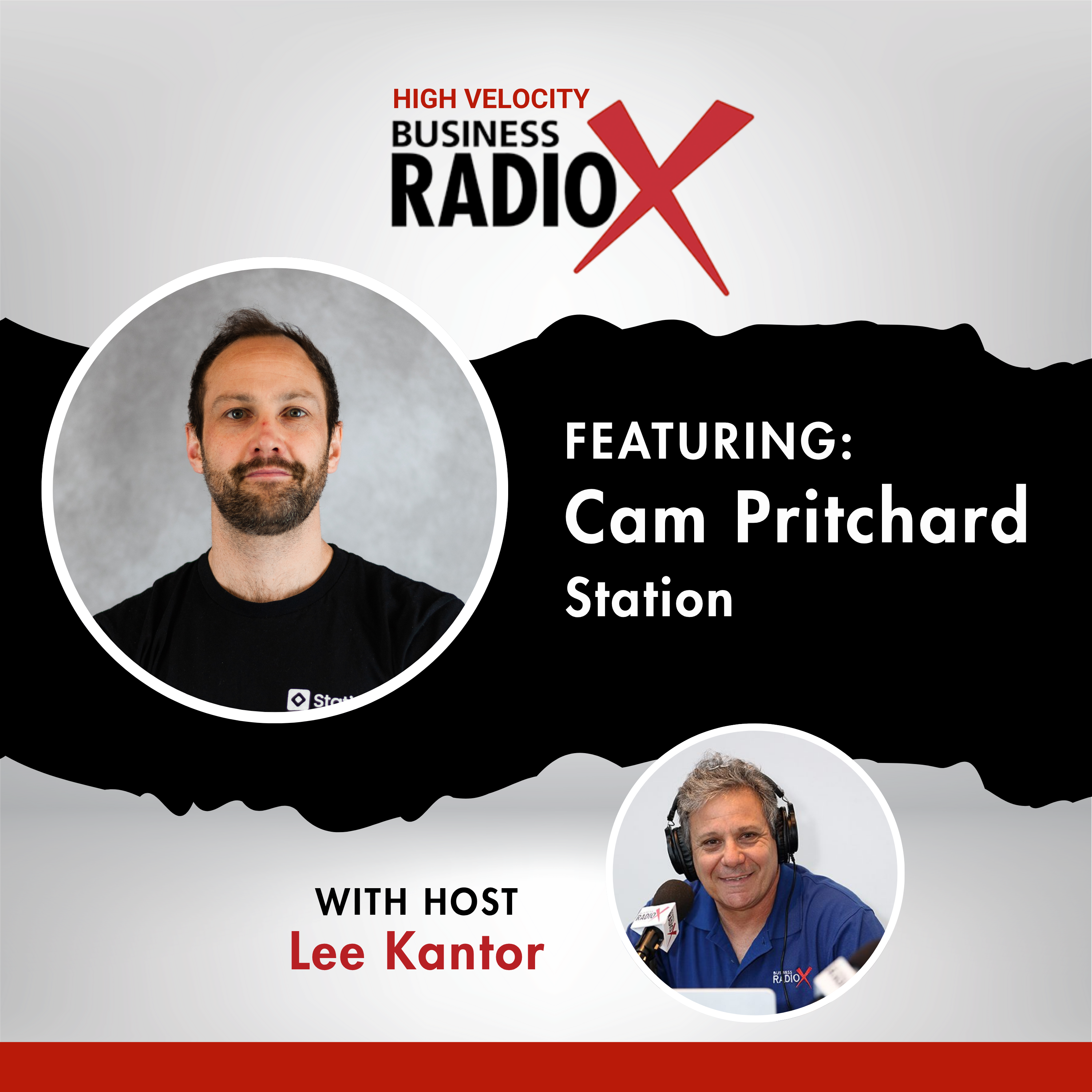
Scaling the Creator Economy: Cam Pritchard on AI-Powered Revenue Growth

October 21, 2025 by Jacob Lapera

High Velocity Radio
High Velocity Radio
Scaling the Creator Economy: Cam Pritchard on AI-Powered Revenue Growth
Loading
00:00 /
RSS Feed
Share
Link
Embed

Download file

In this episode of High Velocity Radio, Lee Kantor interviews  Cam Pritchard, CEO and Co-founder of Station, shares how his Chattanooga-based startup is transforming the creator economy with the world’s first AI Revenue Assistant for creators. Cam reveals how Station helps podcasters, YouTubers, and digital entrepreneurs unlock new revenue streams and boost earnings by up to 30%—all while automating the heavy lifting of media sales. From his entrepreneurial roots in New Zealand to building a venture-backed platform backed by investors from Canva, YouTube, Reddit, and Spotify, Cam’s story is a masterclass in innovation, grit, and the future of creator monetization.

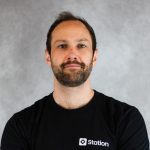
Cam Pritchard is the CEO and co-founder of Station, the Chattanooga-based startup behind the first AI Revenue Assistant for creators.

Station helps podcasters, YouTubers, and digital creators instantly unlock new revenue streams—from sponsorships and memberships to merch and newsletters—by encoding the workflows of a full media sales team into AI.

The platform boosts creator earnings by an estimated 20–30% while saving hundreds of dollars in subscription costs each year.

Originally from Wellington, New Zealand, Cam has been building companies since college, including New Zealand’s first textbook rental business. He later worked in Toronto’s tech scene and at Thumbtack in San Francisco before turning his focus to the creator economy.

Since founding Station in 2022, he has raised $1.5M from leading VCs and angels from Canva, YouTube, Reddit, and Spotify. Cam now lives in Chattanooga, where he is scaling Station as the “Shopify for creators.”

Connect with Cam on LinkedIn and Twitter.

What You’ll Learn In This Episode

  • AI under the hood
  • Impact and value
  • Positioning in the market

Transcript-iconThis transcript is machine transcribed by Sonix.


TRANSCRIPT

Intro: Broadcasting live from the Business RadioX studios in Atlanta, Georgia. It’s time for High Velocity Radio.

Lee Kantor: Lee Kantor here. Another episode of High Velocity Radio, and this is going to be a good one. Today we’re talking to the CEO with Station, Cam Pritchard. Welcome.

Cam Pritchard: Hey, Lee, how’s it going?

Lee Kantor: It is going great. It is so good to be catching up with you. For folks who aren’t aware, can you tell us a little bit about station? How you serving folks?

Cam Pritchard: Yeah. So station is a platform for podcasters and YouTubers to monetize their show. So now I think there’s last year, there’s 185,000 new podcasters and 3 million YouTube channels that are now monetizing. And a lot of these folks don’t really have the support that a traditional media broadcast company would have around, uh, finding advertisers and understanding the business and how all the different ways that you can make money.

Lee Kantor: Yeah, I’m sure you know the stats. And maybe you can share some of the stats of how many people attempt podcasting, but quit after just a handful of episodes because the back end is too hard or too complicated, or they’re not making money.

Cam Pritchard: Yeah, there is. There is one saying in the industry, it’s the pod fade, and I think it’s 12 episodes. You make it over 12 episodes, you’re, uh, you’re well on the way. You’re you’ve persisted and you’ve, uh, you’ve passed the first trial.

Lee Kantor: But that’s one of those. I mean, not a high percentage. Don’t make 12.

Cam Pritchard: Uh, very high percentage, I would say maybe 70%. 60% at least. Yeah. I’d need to look at the stats up, but it is it is considerable.

Lee Kantor: Yeah. It’s one of those things where it sounds good and it looks easy, but once you start doing it, there’s there’s some moving parts that maybe you’re not aware of.

Cam Pritchard: Yeah, well, I think like with, with AI, it’s getting easier and easier to create content and edit it, which has been a huge bottleneck to people stopping after some time. And then also there’s platforms like ours which are really set up to help with the monetization side, which, you know, can be a deterrent as well. If you’re if you’re not being able to make money or cover your costs, then you know, it can become more of a cost than an asset that you’re, that you’re you’re building.

Lee Kantor: So let’s walk through the platform and and how you help the creators generate some revenue. So so what are you hosting the content or are they hosting it on a, on a podcast hosting site. And then they’re partnering with you to generate revenue?

Cam Pritchard: Absolutely. So they host on their separate sites and they put put their content out into the world. And we help them figure out how they can make money, uh, through either memberships, uh, newsletter revenue. Um, but most importantly, brand partnerships, which is where the majority of the revenue comes in the industry. And it’s been a huge bottleneck because a lot of creators that are creating this kind of content, they don’t have ad sales or media teams going out to find placements in their show. And so we’ve we’ve generated a really, really intelligent AI that goes and finds all the different brands that are advertising and then suggest the ones that are, that are most likely to spend with your show, given, uh, the category you’re in, you know, their, their expenditure on other similar shows and how often they’re repeat buying and some other, other nuances, which is, uh, I guess like a little bit of our magic behind the system.

Lee Kantor: Now, what size audience do you need to have in order for this to be a good partnership?

Cam Pritchard: Yeah, this is a great question, because if you’re if you’re a show and you’re talking to top chief marketing officers and you’re getting an engaged audience and they’re, you know, there’s 200 of them or 300 of them. A lot of brands would pay to be in that room with you. And so that can be a very, very, uh, you know, good, valuable audience that, uh, is, you know, you can you can charge good rates for because, you know, the the CMOs out there could be spending hundreds of thousands of dollars, millions of dollars on different software or products. Um, but generally speaking, when it comes to consumers, I think you want at least a couple thousand, um, active listeners every, uh, every time you put an episode out, um, or, uh, or at least 10,000 a month, uh, if you’re on a daily, then, you know, that can be lower, but that certainly helps. But again, huge caveat on what the audience looks like, especially if it’s localized. That’s a different story as well. So, you know, lots of different nuances.

Lee Kantor: So and and the creator doesn’t have to be an expert, right? They just have to go to your site. And then your site has the AI that’s going to determine or help determine, you know, the makeup of the audience, who they are, how much it’s worth, and things like that. Like, I’m not going to be I’m not going to have to figure out all those analytics, right?

Cam Pritchard: Yeah, absolutely. It’s going to so what you do is you just connect your show. So you go and you search up your show and then it, it, uh, takes a little bit of thinking time maybe 10s. And then it spits out all the different ways that you can monetize and how much you could make for each of the different, um, avenues you could walk down, uh, whether that’s a membership or, uh, offering, um, merchandise, bonus content, um, creating a newsletter. Um, and, and like, like we said, uh, finding advertisers.

Lee Kantor: So once it makes those recommendations, does the platform also help me spin those things up, or do I have to go now, get another piece of software that’s going to do a newsletter or a membership or something like that.

Cam Pritchard: Great question. I think what’s really groundbreaking about what we’ve done is you can you can literally spin up all of those pieces, even your newsletter. You do not have to write. So it’s going to listen to your last episodes, and it’s going to generate an engaging newsletter based on the way that you talk and your sort of style. And, and then you can you can publish that newsletter, you can post it to your social media, and you can even embed your episodes into that newsletter as well, so people can find your show not just by listening, but through your newsletter as well. So it’s a, it’s a it’s an interesting acquisition strategy there. So that’s like one example. But um, yeah. All built in. And when it comes to brand partnerships we have a program. So we basically showcase the top brands that would be, um, perfect for your show and, and great fits. And this is really important because if a brand is not a good fit for your audience. It’s probably not going to work or convert for the brand, and it’s going to waste everyone’s time long term. So really identifying the right brands is important. And then you can use some some of our specialists to go and represent you and find you brands if you don’t want to do it yourself. So we do the outreach and and take a take a modest commission.

Lee Kantor: Now do you also help with maybe repurposing the content, like because within one show there could be sound bites, there could be, you know, like kind of a highlight reel. Um, do you do things like that as well, or is it just the show in its entirety?

Cam Pritchard: Yeah, I think that’s definitely on our roadmap. I think that what we’ve found is there’s so many tools popping up to make that very easy, that a lot of a lot of podcasts and YouTubers already have that service built in. Um, and so it’s really they’re leveraging us for the monetization side.

Lee Kantor: So they’re focusing on monetization of the entire episode or the Newsletter that might also come out of it.

Cam Pritchard: Yeah, absolutely. And we, uh, and and we find advertisers as well. We’re going to be launching an, a program as well, where you can put advertisers into your newsletter directly from us. So you don’t have to source those advertisers as well.

Lee Kantor: And then how are the advertisers, um, kind of embedded into future shows. Is it, um, like, how does that occur?

Cam Pritchard: Yeah. So it’s all host read based, meaning that a host will come in and they will they will read the advertisement out on their show, uh, themselves. So there’s a little bit of back and forth and coordination, uh, that takes place for audio ads or video ads that, um, that we connect, uh, shows and brands on. Um, but if it is, if it is an advertiser inside of a newsletter, uh, it’s a display ad that we’ve sourced from a brand and, um, you know, it’s it’s been matched to you as a good fit.

Lee Kantor: But in the podcast it’s just a the host is going to read some sponsor, um, like a short, uh, few sentences about the sponsor.

Cam Pritchard: Exactly. And, and what’s, what’s interesting is if the host reads it out, it’s, uh, the brand is willing to pay about double, uh, just because the host influence really matters versus, um, you know, your, your typical pre-produced radio or, um, cable TV ad, which is a brand is already, uh, mocked that one up and you’re just putting it into your space.

Lee Kantor: And then also so it’s not a dynamic ad that can change. So that ad’s going to be there forever then.

Cam Pritchard: Yeah, there’s different ways to structure it where, um, some, uh, some networks they can put in, uh, ads temporarily and they can be host read ones. Um, but um, for the most part, for a lot of the shows that we’re representing, it’s, it’s baked in, meaning that it’s going to be there, um, for the episode and the duration of the episode. And that’s valuable for advertisers as well, because if the if the episode blows up, then they’ve built this, like, really cool asset that keeps on giving. Um, obviously for the show, they’re looking to monetize all of the possible real estate that they’ve got. And so dynamic can be a good option for them because they can repurpose that, uh, that evergreen content now.

Lee Kantor: So it sounds like you’re helping with the advertising component and generating revenue through advertising, and you’re helping with the content, uh, a little bit with the distribution of repurposing it into a newsletter. Are you helping with the distribution of the sharing of it and making it kind of go viral or get more eyes on it or ears?

Cam Pritchard: Yeah, we yeah, we we don’t do that just yet. It’s been really around just making sure that we can match you with really, really strong advertisers. Um, because that’s, uh, that’s a huge facet. And most there is a lot of hosting platforms are now that are really helping with the social side of it as well. So we’re kind of we’re kind of looking to partner with the hosting platforms. Uh, they can they help with that first part of the, uh, the process and then uh, and then we do the, we do the monetization piece.

Lee Kantor: And the only thing you really need is kind of the RSS feed.

Cam Pritchard: That’s right. The RSS feed, the, uh, the YouTube link. And then everything is generated. We style everything up for you. We give you a link in bio so you can put a link on your socials and you can put in, uh, your show and all your different assets. So really try and make it. So we’re showcasing the show in the best possible way.

Lee Kantor: Okay. So then you are helping then from that side. So I don’t need like a link tree.

Cam Pritchard: Exactly. Yeah. You can replace you can replace your link tree. In fact, we, we eliminate about $400 worth of tools that, uh, a lot of shows are using. And, uh, and our entry price, uh, for our newsletter and basic functionality is $9 a month.

Lee Kantor: Oh, so everybody can afford that? Just.

Cam Pritchard: That’s the idea. Yeah, exactly.

Lee Kantor: And and doing that is going to get me at least seen by potential advertisers that I’m not they’re not looking at my thing now anyway.

Cam Pritchard: Right. Exactly. And you you want to know, right. You want to know. Okay. What what advertisers could be really interested in your show that you’re not getting to. Because that’s really hard to figure out.

Lee Kantor: Right. Yeah. As an individual, like if you have a podcast somewhere, I mean, I don’t even know how you would begin trying to figure that that would take you so much time to identify and then reach out and the back and forth, it’s this seems so much more efficient.

Cam Pritchard: Oh, it’s it’s crazy. And our, uh, founding AI engineer, Sogut, he, uh, he basically spent months in a room synthesizing all the data and building quite a sophisticated AI to find these signals and the right brands for a show. And so, yeah, it’s, uh, it’s hard to do it by yourself. I can, uh, I can definitely attest to that. After going through the whole process and, and making, uh, making recommendations for it.

Lee Kantor: So, uh, you recently, uh, raised some money. You want to talk a little bit about that because you got some, some pretty impressive folks have, uh, invested in this concept.

Cam Pritchard: Yeah. So we we raised 1.5 million, uh, which was a pre-seed round. So really, you know, getting getting us, uh, to the next level and, uh, some incredible investors that are just super experienced in the media space from Canva, YouTube, Snapchat, Twitch, um, uh, thumbtack, a bunch of, uh, bunch of really great operators. So it gives us a huge advantage and that confidence as well to, um, you know, that know, we’re really touching on a big problem. And we actually just brought on someone from one of the top, uh, advertising agencies as, as well, uh, as an investor. And so, you know, she’s very excited about the, uh, the potential here and how we can help solve the matching problem for brands and shows. That’s being very evident and very hard to to solve. And and I think this is this is why podcasters and YouTubers make 60% less than other creators, because it’s just really hard to get to advertisers and know what to do. If you’re a sort of a smaller shop and you know the infrastructure is not really there for it.

Lee Kantor: So what do you need more of? How can we help you?

Cam Pritchard: Uh, so I think, um, word of mouth is massive for us right now. I mean, we’re offering a solution at $9 a month. So if you know anyone that is, uh, is starting a podcast or has a podcast, and it’s just really curious to figure out how they can monetize and what this looks like. Often people jump into this journey and they don’t really look ahead at all the different options and understand it. We, uh, we get you there, you know, in 30s and show you, hey, look, these are these are all the potential ways to monetize, but a little bit of growth assistance in there as well. And, uh, and then you can spin up all these assets to make your show look really good and to share it with your friends and start getting more adoption, um, without, you know, the, the heavy cost and going around and setting up all these other tools so that, uh, that would be a massive helping hand.

Lee Kantor: Now, is it $9 per RSS feed? Is that how it works? Like, say that you’re a podcaster and you do three shows. Is it $9 times three?

Cam Pritchard: Yeah, exactly. Per show.

Lee Kantor: It’s per show. All right. And if somebody wants to learn more and connect, is it free to just see how much advertising is potentially there? You have to pay the $9 to kind of figure that out.

Cam Pritchard: Well, so right now, if you if you go on, it’s absolutely free to see what advertisers could be really interested in your show and all the different ways that you can monetize. There’s actually a calculator to show, given that given your show and what it looks like, this is, this is how much you could be making per month. And these are all the things that you can do. So you can get in with that, um, free at this point.

Lee Kantor: And so you just go to the website station dot page.

Cam Pritchard: Station dot page, go check it out. Very simple. It’s really fun as well. Like if you’re if you’re curious and you got a show, you should just you should just have a look and see what’s in there. I mean, we’re we’re building this platform to support people to get a lot more out of their show and build it into a business. Um, but there’s there’s a lot of valuable insights that we’ve generated, um, with AI, uh, to help.

Lee Kantor: Yeah. And if you have a show of any size, you can go and check it out. Um, but if you have a show of some size, you should definitely check it out.

Cam Pritchard: Absolutely. And if you’re if you’re really passionate about creating content and you don’t want to go to advertisers all the time, and you know that because that keeps a lot of creators up at night, um, we can help, uh, we, you know, we we work with a bunch of advertisers, and we, uh, we’re really there to support your, uh, your show, to go and find great sponsors that are going to last with you.

Lee Kantor: Good stuff. Well, cam, congratulations on all the success. I know you’ve been working on this for a minute, and, um, it’s great to see you getting traction and taking this to a new level.

Cam Pritchard: Thank you so much, Lee.

Cam Pritchard: Great to great to chat again and really appreciate you having me on the show.

Lee Kantor: All right. This is Lee Kantor. Uh, we’ll talk to you next time on High Velocity Radio.

Tagged With: Cam Pritchard, Station

Cam Pritchard with Station

October 14, 2024 by angishields

CBR-Station-Feature
Chattanooga Business Radio
Cam Pritchard with Station
Loading
00:00 /
RSS Feed
Share
Link
Embed

Download file

Station-logo

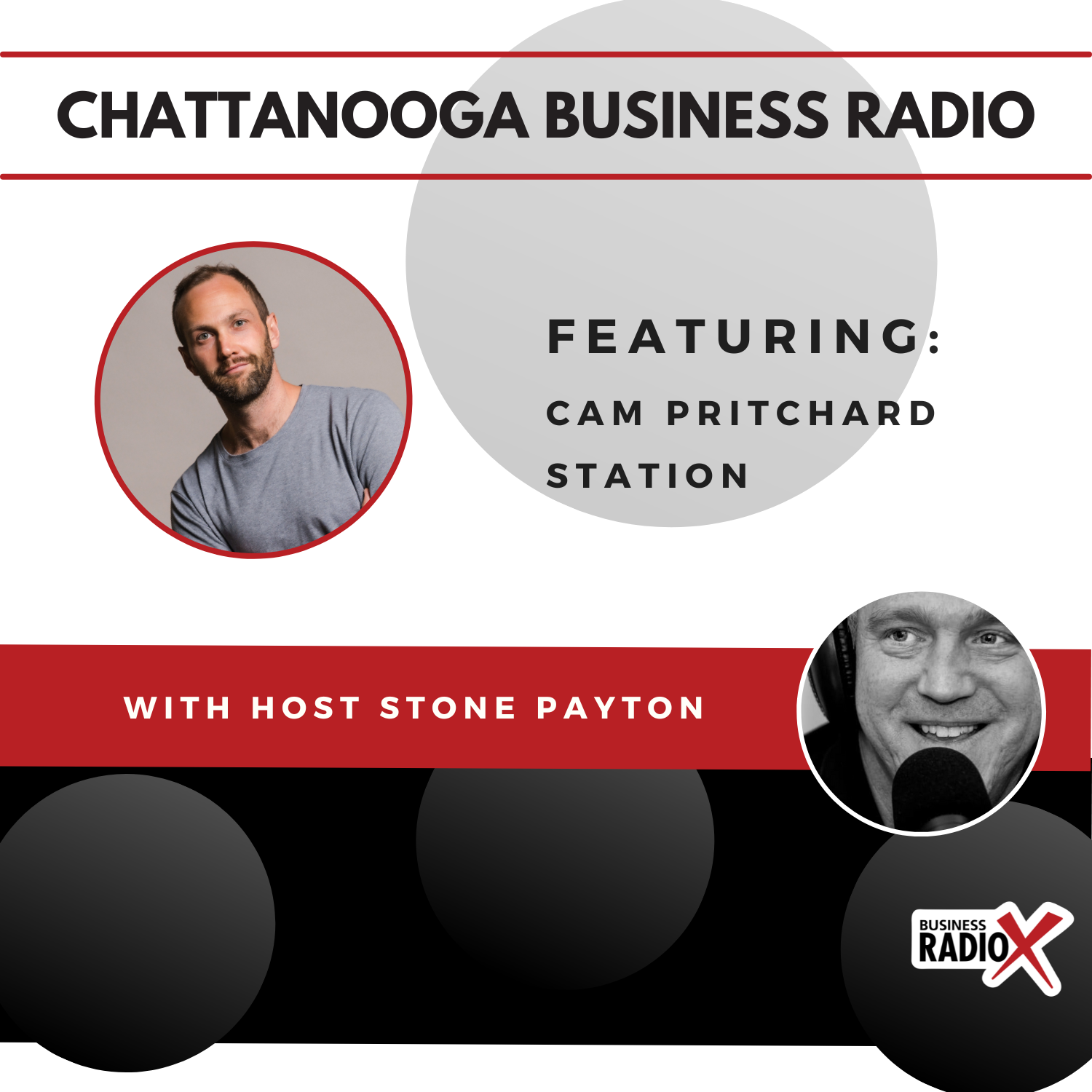
Cam-PritchardCam Pritchard has several businesses in his home country of New Zealand, including a textbook rental company, a YouTube monetization company, and an emergency survival gear ecommerce company.

He ultimately found himself thinking more about the changing media landscape.

The podcast’s world engagement and monetization problem were things he understood after starting a podcast about how Big Tech firms build products.

Station helps podcasts grow, engage and connect directly with listeners through referrals and rewards.

Connect with Cam on LinkedIn and Twitter.

What You’ll Learn in This Episode

  • Why media has changed
  • Problems with the podcast market and Station’s solution
  • What new trends are emerging driven by podcasts
  • How Station leans into these trends
  • What brought Cam to Chattanooga from San Francisco

Transcript-iconThis transcript is machine transcribed by Sonix


TRANSCRIPT

Intro: Broadcasting live from the Business RadioX studios in Chattanooga, Tennessee. It’s time for Chattanooga Business Radio now. Here are your Business RadioX host.

Stone Payton: Welcome to another exciting and informative edition of Chattanooga Business Radio. Stone Payton here with you this morning. You guys are in for a real treat. Please join me in welcoming to the broadcast with Station, Mr. Cam Pritchard. How are you, man?

Cam Pritchard: I’m doing great,Stone. How are you?

Stone Payton: I am doing good. And it’s a delight to have you on the program. I got a ton of questions, Cam. We probably won’t get to them all, but I think a good place to start might be if you could paint a bit of a picture. Uh, share with me in our listeners mission, Purpose. What are you and your team really out there trying to do for folks, man?

Cam Pritchard: Yeah. Great question. I think, uh, what we really care about and why we exist is, uh, there’s a there’s a there’s millions of people out there now sharing their voice on this channel called podcasting. And it’s really hard for them to capture a lot of the value that they’re creating. Are they entertaining a large amount of America? In fact, 58% of America is tuning into podcasts, but it’s really, really hard to capture that value and create a sustainable income out of it. And podcasters make 70% less than TikTok and Instagrammers and all these other sort of modern day media influencers. And so what we care about is connecting them to their audience, but allowing them to capture a lot of the value that they’ve created for the world.

Stone Payton: Well, as you might imagine, I have a particularly a particular affinity for this platform for for this medium. What is your backstory? How did you get involved in this line of work?

Cam Pritchard: So it’s a little random. I grew up in New Zealand, probably here in some sort of accent here. Most people think it’s Australian. So I have to clarify, uh, but I, I started out, uh, building different companies in New Zealand, and when I was, I don’t know, I must have been 21. I started a YouTube monetization platform helping people that were teaching online in the very early days of, uh, of the internet, uh, helping them capture more revenue from, you know, the people that they were teaching. And I’ve always been drawn to media as I think it’s just how we understand the world. And fast forward many years, I was working at a bigger technology company in, uh, in San Francisco and just fascinated about how big companies were engaging and, uh, captivating an audience. And I started a podcast. And as I was, uh, As I was creating episodes and doing this podcast, I realized that, you know, wait, there’s podcasts. Don’t know who their audience is. Like, you literally go out there, you create an episode, you put it out into the world, and you don’t really know if people like it. You don’t get any feedback. You either just see your numbers go up. You see that? Oh, there might be in some sort of state, uh, around this age, and there’s no sort of form of email lists or anything like that. You can’t go and reconnect with them. So, you know, these, these people that are out there creating this content, they’re literally growing their business in the dark.

Speaker4: Yeah.

Stone Payton: Amen. Well, now that you’ve been at it a while and helping folks in this way, what are you finding the most rewarding? What’s the most fun about it for you?

Cam Pritchard: It’s a really gnarly problem, uh, that we’re trying to solve because the nature of podcasting is that your, your sort of entertaining or educating an audience that’s typically on the go. So most people listen to podcasts when they’re cleaning their house, they’re driving their car, they are running, and so they don’t have their thumbs on the screen. So it’s really hard to get them to act on anything. And a lot of people are really, really drawn to the to the podcast. They’re listening to them, to the hosts. They build this really intimate relationship. The host is literally in their ear for a long, long period of time. And so I, you know, to to to not be able to get people to interact around you more intimately is is very difficult. And so we’ve, we’ve run a number of experiments, um, as to how we can better, uh, you know, connect an audience to a show and how we can create a much more enriching media experience. And I think that’s what, uh, that’s what really makes us excited, is like, okay, we’ve got this audio format, but how do we make it a little bit more interactive? A little bit more engaging? And how do we make everyone win?

Stone Payton: Okay, so let’s dive into the work a little. Bit. And you can use Business RadioX or Chattanooga Business Radio as a use case if you want. Or maybe you can walk us through some sort of use case. Use case. But I’d love to to. Hear a little bit about particularly early on what does the engagement cycle, if that’s the right phrase, look like. So I guess we start having I guess we start by just having a conversation, huh?

Cam Pritchard: We start by having a conversation. I think one thing that’s worth calling out is that every most of the the revenue from the podcast industry comes through listeners. So the more listeners, you have more frequent listeners, the more advertising dollars you can get. And sure, there’s like Patreon and other platforms that you can go and sort of get a subscription Therefrom. And so at the crux of the whole problem is like, how do you keep an audience engaged in this attention economy where people are switching different shows, they’re watching television, they’re on TikTok, they’re on Instagram, you know, they’re all over the show. How do you how do you add more value to them and keep them, you know, keep them engaged. And so what we really focus on doing is so anyone that is using station has, can, can build a station page, and this page is what you link to in your show notes. Or you call out on, on air and you basically say, hey, look, um, if you want to know more, if you want to ask any questions on the show or if you, uh, today we’re giving away some free merch, um, or, you know, there’s we’re going to start a conversation about one of these topics because, you know, we’ve only got, you know, 20 minutes to talk about this, but we could go on and on.

Cam Pritchard: And so it creates a place for everyone listening to go a little bit deeper and get a lot of value for being being an engaged listener. And so the fans come away with a lot more. The fans can get, um, you know, freebies, they can discuss, you know, topics they’re highly passionate about. They can ask questions, they can contribute, uh, for future episodes. They can attend different events that the the show can run, and then they can get special content for just being loyal listeners. And then on the podcast side, we’ll now they’ve actually built this, this really engaged, um, email list and, and user base that they can directly connect with. And station is built these, these sophisticated AI tools that actually coach them and tell them, you know, like how they can better engage their audience, how can they improve, what sort of questions could they be asking? Are they are they touching on the right content. And so it gets really, really interesting as we go.

Stone Payton: Okay. Um, let’s talk about me a minute. It’s my show. No, I’m thinking Chattanooga Business Radio. Right? Uh, we are doing some programing virtually now, and I’m handling most of the hosting responsibilities. Will eventually have a physical studio there with not only Chattanooga Business Radio, but also some, some client shows. So, uh, if I were if Chattanooga Business Radio were the Chattanooga Business radio show were a client of yours, and it’s sounding more and more like we might be, uh, even before we had this interview, if I were on station, there’s some things I could have done before we had this conversation to to get some engagement, because we could have had them submit some questions they would like to ask, that kind of thing.

Cam Pritchard: Exactly. And you and and what’s unique about what you’re doing is actually you’ve got this, um, this really, uh, captivated, uh, audience that has, has a shared interest in common. So you could think about it as a little tribe or a community. Um, but that’s really unique. And I think the more and more we go, we just see that, you know, what’s what’s great about this channel is you can bring all these people together. And so you’ve got listeners listening to you in isolation. So with station now, they can get to know each other. You can run different events. Um, you know, you you can connect people as well. There’s, um, there’s probably a ton of businesses that might want to offer some value to your listeners, um, that are struggling to get to them. Maybe they’re doing some some form of audio advertising, but you can put special deals on your station page as well, so they can now get a lot of value just through being, uh, listeners of your show. So.

Stone Payton: Yeah, it sounds like we could do such a better job with the benefit of what you’re describing in leveraging the stuff that we that we do. Well, you know, we have our superpower, we do have engaging content, and we are able to to give people the opportunity to, to share their story and promote their work. But I got to believe we’re not leveraged. I mean, we’re a content factory, right? We’re not leveraging the, the the listenership as you just mentioned. So all right. So is the business model. Is it something that we subscribe to to have our own little sandbox there at station? Is is it like a subscription model.

Cam Pritchard: Yeah that’s exactly right. So it’s just done based on volume. So you know we have a have a very low monthly cost to, you know, get going. And then and then as you, as you get bigger and we build a, you know, a more engaged community around you and add more value than we you go to the next tier, so to speak.

Stone Payton: So I mean, you shared a very, for me, sobering stat that folks on this platform are earning as much as 70% less than creators on other platforms. Can you say more about that and maybe even a little more detail about how we’re trying to close that gap.

Cam Pritchard: Yeah. So it comes down to and it’s weird to say this, but the the listener doesn’t have their thumb on the screen. And with other media platforms they do. And so we have this huge challenge where we need to get, you know, the listener to, to click to, to engage so we can get to know them and we can add more value to them. And, you know, even I was just thinking as you were speaking, you know, you’ve got this like awesome audience, but you know what? Like do they know when you’re doing like a special interview that might be really, you know, personalized and valuable to them? Or do they only know when they tune in at a certain time and they hear about it? Um, or certain events. And so with the station, that’s how you can get people into an email list and you can notify them, hey, this is coming up and, and whatnot. And so it turns it more into, um, into something that’s a little bit more connected for, for both parties.

Stone Payton: So I got to know, man, what brought you to Chattanooga? You were in the thick of things. You were in the belly of the beast out there in San Francisco. What got you out here?

Cam Pritchard: Yeah, it’s a great question. So I probably shouldn’t go any, any, any further without talking about the team. So we’ve got this. We’ve got this crazy good team. So we got um, so in San Francisco, San Francisco is amazing for serendipity meeting people. And I was in a founder group and I got introduced to a sort of a friend of a friend, Abhishek Thori, who’s a full stack software engineer. He’s actually in India. So he’s been working, you know, long, long distance with us, but he’s really the technical mastermind behind the platform, and he’s been building a lot of our AI that helps podcasts engage with their audience. And then I also ran into a guy called Austin Walker. Um, and he actually is he’s an experience. He’s he’s created three, uh, you know, successful startup companies. He’s also an investor. But he previously built and sold a global tech company, are solving monetization for gaming and esports brands. So think Twitch. And so we had our stint in San Francisco where we we got what we needed, which was to find these incredible people. And the next step in the business was, well, we needed to raise money and we needed to go heads down and solve the problem for the market.

Cam Pritchard: So, you know, maybe contrary to a lot of people’s belief, San Francisco can be kind of distracting. There’s a lot going on. There’s all these VC meetups. There’s, uh, you know, there’s founders everywhere that want, you know, help and whatnot, and you want to help them, but really, you just need to roll up your sleeves and create a great company and solve, solve problems in the market. And we we actually got, uh, connected to the Brickyard VC folks in Chattanooga. And we did a trip over and we just we just loved it. They, you know, it’s heads down, no distractions. Beautiful city. And, you know, it’s full but focused. And that’s just what we need in our next, our next phase. And and maybe we could build this, you know, this company here, we might need satellite offices in New York and LA, maybe San Francisco. Um, but what a great place. And sort of the, the center where, where you can just sort of knuckle down and focus.

Stone Payton: So how does the whole sales and marketing thing work for a firm, a service like yours? How do you get the new the new business?

Cam Pritchard: Yeah. So there’s a couple of ways you can, um, you can literally reach out to to any, any podcast or media company that way and just go one by one like, this is an interesting show. Maybe you’re thinking, okay, well, let’s find shows in the entertainment space. Um, you know, we’ve already done some really successful shows in this sort of sports space. So we did Travis and Jason Kelsey’s New Heights podcast, which was one of the, top ones in the world. And so, you know, we have a lot of credibility. Solving this for for sports and entertainment. Uh, so that’s that that really helps us. And we get obviously some inbound from that. But, uh, really it’s it’s finding people in the industry that are, that are super connected, whether these are, uh, podcast publishers, distributors, uh, or just, you know, going out and saying, hey, you know, we’ve, we’ve done this for a show similar to yours. Uh, we would love to, you know, take you through and show you how we can solve some of these problems that we’re seeing in the industry.

Stone Payton: Yeah, well, I mean, you obviously got my attention. So we’re going to have conversations off air, and I’m going to I’m going to dive in and and learn more about your work as well, because I see immediate application for a couple of individual shows that I’m directly connected to. But, you know, just in terms of the Business RadioX network serving our clients and our clients clients more effectively. Uh, I got to believe there’s something here. So, uh. Yeah, whatever you’re doing, keep doing it on the sales and marketing thing because it’s working. Uh, thanks, Don. Uh, I got a question. I don’t know when or where or how you’d find the time, because you gotta have a lot of irons in the fire and a lot, a lot going on. But, uh, interest pursuits, hobbies, passions outside the scope of your your work. A lot of my listeners know that I like to hunt, fish and travel. Anything you kind of nerd out about that doesn’t have anything to do with this just to get away and recharge.

Cam Pritchard: Well, I do love surfing, but I’m probably in the wrong place for it. Uh, but I think right now it’s, uh, you know, a surf trip here, and there might be the way that I disconnect. Um, but also just getting out in nature, doing doing some running, some hiking. Um, Chattanooga has incredible nature around. And I have, you know, guiltily not got into it. I’ve been to Heads Down, so I can’t wait to you know, to explore around this area that, you know, this, this part of the world is, is, is truly beautiful.

Stone Payton: Oh, man. Do not put it off much longer, because you are in a most beautiful place for hiking and enjoying nature. Chattanooga is just such a marvelous town. I shared with you that my youngest and her husband are in Chattanooga, so I get up there quite a bit. And of course we’re looking to establish a studio there. Love, Chattanooga. So you’re in the right place for all of that. All right, before we wrap, I’d love to leave our listeners, if we could, with a couple of actionable pieces of counsel. You know, I call them pro tips. And look, guys, the number one pro tip is reach out to cam and have a conversation with him or someone on their on their team, but, uh, to hold them till then. Cam let’s leave them with a couple tips.

Cam Pritchard: Yeah. I think my, my couple of tips are very sort of topical to what we’re doing. And the first one is, you know, just get out there and share. Share your voice. I think now, you know, we’ve got, you know, incredible platforms. It’s easy. It’s so easy to create incredible content. Now, um, you know what? There’s there’s 400,000 audiobooks on audible. Uh, there’s 180 million podcast episodes because it’s so easy to create these. And, uh, and for the first time in history, it’s it’s pretty amazing. You can go and share some amazing insights and build and build a community, build credibility around what you’re doing. And in a business sense, um, you know, there’s, uh, tools like podcasts, there’s, uh, you know, even even some social media. Just writing a little bit is, is awesome because, you know, people want to learn and you have a unique perspective. And the second one is, I mean, at the end of the day, you want to find out how you can capture some value out of it. And so, yeah, see, see really think through that, that funnel, you know, like, I’m, I’m, I’m creating a lot of value. But, you know, I want to capture some value so I can create more value. I can I can build better things, I can offer more value. I can end and I can be, uh, you know, well off out of it as well. So, yeah, I would just encourage that. I think it’s, uh, it’s really healthy and exciting. And we’re seeing a big movement in the world around this.

Stone Payton: All right. What’s the best way for our listeners to connect and continue to tap into your work, man website? Whatever, LinkedIn, whatever is appropriate?

Cam Pritchard: Yeah. I think, uh, just, uh, hit me on LinkedIn. So, uh, I think it’s under my first name. Campbell. Uh, like Campbell soup. Pritchard. Uh, so find me there and, uh, and throw me an email at cam at station page. Um, we we love, uh, we love connecting with people around here. And we’re we’re here to help in any way that we can.

Stone Payton: Well, cam, it has been an absolute delight having you on the program today. Thank you for your insight, your perspective, your enthusiasm, and thank you for what you’re doing for the business community at large and those of us that have chosen to express our work in this medium. Man, you are doing really important work and we sure appreciate you.

Cam Pritchard: Stunned. Massive. Appreciate appreciation for all you do and and and who you are serving out there as well. And, and, uh, you know, helping people understand all these new spaces and, and get insights. It’s really cool. And so it’s been an absolute pleasure and I hope we get to do it again.

Stone Payton: My pleasure man. All right. Until next time. This is Stone Payton for our guest today, Cam Pritchard with station and everyone here at the Business RadioX family saying we’ll see you next time on Chattanooga Business Radio.


Tagged With: Station

Business RadioX ® Network


Our Most Recent Episode

CONNECT WITH US

  • Email
  • Facebook
  • LinkedIn
  • Twitter
  • YouTube

Our Mission

We help local business leaders get the word out about the important work they’re doing to serve their market, their community, and their profession.

We support and celebrate business by sharing positive business stories that traditional media ignores. Some media leans left. Some media leans right. We lean business.

Sponsor a Show

Build Relationships and Grow Your Business. Click here for more details.

Partner With Us

Discover More Here

Terms and Conditions
Privacy Policy

Connect with us

Want to keep up with the latest in pro-business news across the network? Follow us on social media for the latest stories!
  • Email
  • Facebook
  • Google+
  • LinkedIn
  • Twitter
  • YouTube

Business RadioX® Headquarters
1000 Abernathy Rd. NE
Building 400, Suite L-10
Sandy Springs, GA 30328

© 2025 Business RadioX ® · Rainmaker Platform

BRXStudioCoversLA

Wait! Don’t Miss an Episode of LA Business Radio

BRXStudioCoversDENVER

Wait! Don’t Miss an Episode of Denver Business Radio

BRXStudioCoversPENSACOLA

Wait! Don’t Miss an Episode of Pensacola Business Radio

BRXStudioCoversBIRMINGHAM

Wait! Don’t Miss an Episode of Birmingham Business Radio

BRXStudioCoversTALLAHASSEE

Wait! Don’t Miss an Episode of Tallahassee Business Radio

BRXStudioCoversRALEIGH

Wait! Don’t Miss an Episode of Raleigh Business Radio

BRXStudioCoversRICHMONDNoWhite

Wait! Don’t Miss an Episode of Richmond Business Radio

BRXStudioCoversNASHVILLENoWhite

Wait! Don’t Miss an Episode of Nashville Business Radio

BRXStudioCoversDETROIT

Wait! Don’t Miss an Episode of Detroit Business Radio

BRXStudioCoversSTLOUIS

Wait! Don’t Miss an Episode of St. Louis Business Radio

BRXStudioCoversCOLUMBUS-small

Wait! Don’t Miss an Episode of Columbus Business Radio

Coachthecoach-08-08

Wait! Don’t Miss an Episode of Coach the Coach

BRXStudioCoversBAYAREA

Wait! Don’t Miss an Episode of Bay Area Business Radio

BRXStudioCoversCHICAGO

Wait! Don’t Miss an Episode of Chicago Business Radio

Wait! Don’t Miss an Episode of Atlanta Business Radio