

Business RadioX ®

  • Home
  • Business RadioX ® Communities
    • Southeast
      • Alabama
        • Birmingham
      • Florida
        • Orlando
        • Pensacola
        • South Florida
        • Tampa
        • Tallahassee
      • Georgia
        • Atlanta
        • Cherokee
        • Forsyth
        • Greater Perimeter
        • Gwinnett
        • North Fulton
        • North Georgia
        • Northeast Georgia
        • Rome
        • Savannah
      • Louisiana
        • New Orleans
      • North Carolina
        • Charlotte
        • Raleigh
      • Tennessee
        • Chattanooga
        • Nashville
      • Virginia
        • Richmond
    • South Central
      • Arkansas
        • Northwest Arkansas
    • Midwest
      • Illinois
        • Chicago
      • Michigan
        • Detroit
      • Minnesota
        • Minneapolis St. Paul
      • Missouri
        • St. Louis
      • Ohio
        • Cleveland
        • Columbus
        • Dayton
    • Southwest
      • Arizona
        • Phoenix
        • Tucson
        • Valley
      • Texas
        • Austin
        • Dallas
        • Houston
    • West
      • California
        • Bay Area
        • LA
        • Pasadena
      • Colorado
        • Denver
      • Hawaii
        • Oahu
  • FAQs
  • About Us
    • Our Mission
    • Our Audience
    • Why It Works
    • What People Are Saying
    • BRX in the News
  • Resources
    • BRX Pro Tips
    • B2B Marketing: The 4Rs
    • High Velocity Selling Habits
    • Why Most B2B Media Strategies Fail
    • 9 Reasons To Sponsor A Business RadioX ® Show
  • Partner With Us
  • Veteran Business RadioX ®

Tammy Cohen With InfoMart

March 18, 2022 by Jacob Lapera

GWBC Radio
GWBC Radio
Tammy Cohen With InfoMart
Loading
00:00 /
RSS Feed
Share
Link
Embed

Download file

infomart

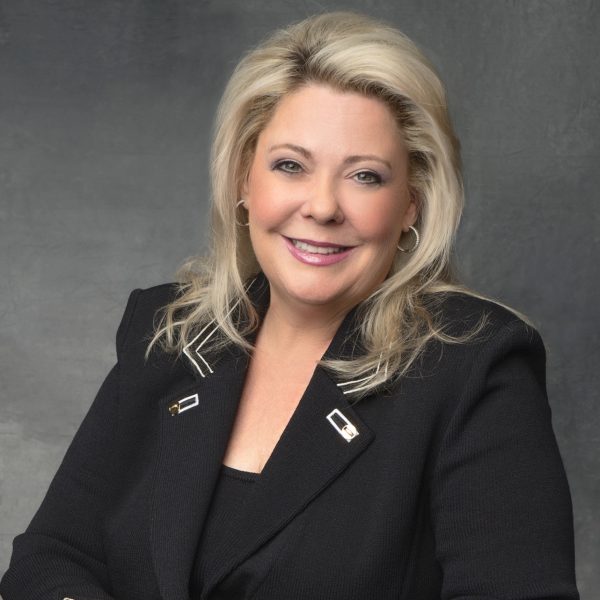
Tammy Cohen (SHRM-CP, PHR), a background screening pioneer with three decades of experience, is a nationally honored entrepreneur, a successful businesswoman, and a recognized thought leader.

Founder and Chief Visionary Officer of InfoMart, one of the top 10 largest background check and identity screening companies in the industry, Cohen is known professionally as the Queen of Screen and was named among “Atlanta’s Top 20 Women-Owned Firms” and “Top 500 Women-Owned Businesses in the US.” Recently, she was recognized as a WBE Star, the Most Influential Woman in Background Screening, and “Maverick of the Year” by the Stevie Awards. She lends her expertise to renowned publications, including contributions to Forbes, Entrepreneur, HR Executive, and HR Technologist.

Driven by Tammy’s passion, InfoMart continues to be instrumental in the development of processes and technology that are now the industry standard. She is leading the charge in the development of a digital Career Wallet™ that will change the way people manage their career credentials. Tammy’s drive has modernized hiring and given her clients a competitive edge when recruiting top talent.

Connect with Tammy on Facebook, LinkedIn, and Twitter.

What You’ll Learn In This Episode

  • The company through the pandemic
  • Employee engagement program
  • Strategy for the upcoming WBENC National Conference
  • Advice for WBEs at the national conference
TRANSCRIPT

Intro: [00:00:04] Broadcasting live from the Business RadioX studios in Atlanta, Georgia. It’s time for GWBC Radio’s Open for Business. Now here’s your host.

Lee Kantor: [00:00:18] Lee Kantor here. Another episode of GWBC Open for Business and this is going to be a fun one. Today on the show we have Tammy Cohen and she is with InfoMart. Welcome, Tammy.

Tammy Cohen: [00:00:29] Thank you for having me.

Lee Kantor: [00:00:31] Well, I am so excited to get caught up with what you got going on. But for the few people out there who don’t know, tell us a little bit about InfoMart, how you’re serving folks.

Tammy Cohen: [00:00:41] So, InfoMart is a global background screening company. So, we do the typical background checks of criminal verifications, driving records, drug testing, but we also do third-party vendor screening as well as monitoring of your employees.

Lee Kantor: [00:00:56] So, you’ve been doing this for a minute. Can you talk a little bit about your backstory and how you got into this line of work?

Tammy Cohen: [00:01:04] So, yes, I have been doing it for a minute. So, a little bit over 33 years ago, I was an administrative assistant at a property management company and we did build a suit construction and we built the Glock handgun building and there were three of us on the team. And Glock gave over three handguns and the vice president gave one to the other guy and he kept one and he gave all the others away. And I didn’t get a handgun, which, you know, in the day that was Southern swag to get a handgun. So, I was only 25 and I reacted quickly, probably should have thought it through, but I just quit my job. So, I had a choice to go get another job or start a business that I’d been thinking of and that’s what I did.

Lee Kantor: [00:01:51] So, now where did you see kind of the opportunity that other people didn’t see? What did you notice that clued you in that there was an opportunity here in the screening and background checks?

Tammy Cohen: [00:02:03] So, we had hired a girl who came into our office and she had worked for like half-a-day and put out all her pictures on her desk, everything. And then, she worked one full day. The next day she came in and at lunch, she never came back. And all those pictures and everything she set out was gone. And so, I was like, this is weird. So, I started checking to, you know, is there somebody that can look into the background of somebody before you hire them. And at the time, Equifax was doing it, it was like $150 to do this background check. And come to find out this girl was on like three or four different states unemployment rolls. So, she was getting checks from multiple states because back in the day you could do that. And so, I had worked in banks and knew what credit was about and had worked in real estate so I knew about public records and I knew there was probably like $5 of work in that $150. So that’s where I came up with the idea to do background checks.

Lee Kantor: [00:03:01] And then, where did you see, kind of, your point of differentiation? Where did you see kind of the lever that you were going to use to separate yourself from the others?

Tammy Cohen: [00:03:10] So, at 25, I wasn’t that business savvy to be honest with you. I was more of just keep my nose to the grindstone and this thing’s going to make it.

Lee Kantor: [00:03:22] Okay. So, you said, okay, I can do this kind of work for other people, but then did you go, okay, like who did you start targeting at the beginning? Where did you think the most opportunity was?

Tammy Cohen: [00:03:33] So, back then, hardly anybody was doing background checks. I mean, when I went to go sell, I had to convince people that it was legal to do a background check. So, you know, I first started out with retail and fast food because there had been a lot of situations where there was one particular company that was one of my first accounts that I contacted that somebody had raped a girl and then was working on their line serving food, and she came in to have dinner and saw the guy who raped her. And, they had to close the store. They had so much bad media. So, that was a little bit of how I sort of focused on who I was going to contact.

Lee Kantor: [00:04:14] And then, at that point, part of it was just educating them that they were allowed to do it, number one. But also, there’s a benefit from doing it. There’s going to be an ROI if you do this.

Tammy Cohen: [00:04:27] Yes. Yes, definitely. And it took time. I mean, it was, you know, that I’m embarrassed, but yet I’m proud that people call me the queen of screen because I was in it so early. It was an industry in its infancy. You know, we didn’t have a [inaudible] code. It was just really unknown.

Lee Kantor: [00:04:48] So, now your title is Chief Visionary Officer. Can you talk about that? Is that because you saw this before anybody else did?

Tammy Cohen: [00:04:59] Well, I think yes. But over the years, InfoMart has always been quick to innovate. And I think there’s a benefit of starting a business in the day when there was no Internet or an email and everything was manual. And so, when the email came out and Internet and different types of technology, I’ve been able to be ahead of the game and innovate something that we’ve thought about doing and just having everything in place to be able to do that. So, it’s been a benefit being in business this long. It gives us great opportunities to innovate before anybody else.

Lee Kantor: [00:05:34] Now, are you seeing this kind of work now trickling into areas and industries that you couldn’t even have dreamt that it would get there? Or, did you see early on that this is something that everybody should be kind of leaning into getting this kind of information?

Tammy Cohen: [00:05:51] Well, over the years, I’ve seen it start from just basically retail and fast food and a nuclear power plant to, now, everybody does background checks. And now the differentiators would be, do you do it on your own management only or do you do it on only your hourly people? And then, what level of services that you do? And then, there’s legal compliance that’s really stepped in, that’s regulated industries to make them have certain type of background checks.

Tammy Cohen: [00:06:22] So, I think that over the years, what’s changed is the more of the level and amount of information. And then, what InforMart has done recently that’s really taken off is that after COVID, we have put in a continuous criminal monitoring on employees. So, like, an employer can get a message on Sunday morning that says one of their employees had a booking event and they had a DUI that evening before so they’re not caught off guard on Monday when they’re not in the office.

Tammy Cohen: [00:06:53] So, that’s been a really interesting new twist in our industry, is now looking at social media searches on your current employees, looking at that remote worker since you’re not getting to see them as often.

Lee Kantor: [00:07:06] Now, I saw that even some industries like even these dating apps are having a layer of this kind of screening in their apps.

Tammy Cohen: [00:07:15] Yes, but it’s different than doing an employer background check. So, their sites like been verified that a consumer or anybody can go on there and you put somebody’s name in their date of birth and it’s going to run and see if it finds a criminal history through a database. And those types of criminal record searches, you don’t always have to have a release from somebody. But for what I do, because it’s being used for the decision of employment, we’re regulated. So, anybody in my industry doing background checks for employers isn’t involved in doing dating apps or just random search of information without lots of legal releases.

Lee Kantor: [00:07:59] So, is your information more thorough and you have access to more information than some of these more superficial searches?

Tammy Cohen: [00:08:08] So, yes, the main difference is that courthouses run every county in the United States is like their own little business. That’s why you have some states that say DUI and some say DWI. They have their own lingo. So, we work with all 3000 counties. And because of that, we go directly to these courthouses or their online sites now to gather the data. So, we’re getting the point of entry. So, there’s no watering down or missing it because it’s been passed around or it’s not publicly available on a database.

Lee Kantor: [00:08:46] Now, in your work, as it evolved from you, I would imagine at the beginning you were the kind of main salesperson and also the researcher wearing many hats. But over the years, you’ve grown and built a culture that is, you know, kind of top of its class in terms of best and brightest places to work and this great kind of employee engagement activities that you’ve been doing. Can you talk about why that was important to you as you grew the business to really invest in the culture and invest in your people?

Tammy Cohen: [00:09:26] So, employee engagement is a very – it’s a very interesting science to your business, you know, developing that culture. Because when you’re small, you have completely different things that you’re able to do because you can get closer to your employees and you get your employees more committed. So, like I have employees that have been with me for over 30 years, 20 years. They stayed with me a long time because they were there in those early days when their engagement was very close and intimate.

Tammy Cohen: [00:09:54] But as you grow, you have to look at what’s really engaging to a lot of people. And what we came up with is what we call the IM teams. So, we had I am growing, I am celebrating, I’m living. And these teams are all employee-run not by managers and they had their own little business of running different types of events for employees and just keep them engaged. And it just has made a huge difference in keeping employees long-term, which develops experts which ends up getting you more accounts because you have really talented, experienced people in the organization. So, most everybody on our leadership teams or even in sales, client relations, they all started at the bottom, working in verifications, criminal searches. Everybody has hands-on experience, which is really very different for our industry.

Lee Kantor: [00:10:49] So if you were giving advice to an up-and-coming company, a leader of an up-and-coming company, what would be some things that they could do to lay the groundwork for developing the kind of culture that you’ve developed?

Tammy Cohen: [00:11:04] So, COVID has really changed employee engagement and I’ve really looked at it now as you’ve got to look at your employee experience because you can’t really engage them like you did when they were right there with you. But your experience makes the difference.

Tammy Cohen: [00:11:19] So, some of the things that we’ve done is like we had all of our employees come in and they got professional photos taken and those are – we use professional photos because we’re sort of like a banker. We need to look professional all the time. And then, there’s things like we play games like Rapid Fire called the Chairman Challenge, where basically I put out what are the key things a casino is looking for when they do a background check and nobody knows what the question is going to be and everybody has 5 minutes to give us everything from news services to what are their pain points. So, those end up being fun.

Tammy Cohen: [00:12:00] So, we just look at things like – we’ve really upped our employee meetings and any type of meeting we have where we try to make it like it’s a large conference. We’ve invested in that technology. We’re not investing in our office place. So, we’re investing in the technology of where we do connect with our employees. So, I think for anybody right now, it’s looking at that experience they’re having with your organization.

Lee Kantor: [00:12:25] Right. I think it’s so important to be mindful and intentional when it comes to this level of engagement because what you used to be able to get away with when everybody was in the same place and you’d bump into people with a certain level of frequency and you don’t have as much of that. Now, you really have to go out of your way to intentionally create those kind of serendipitous collisions.

Tammy Cohen: [00:12:48] You really do. We do have guidelines of your camera has to be on unless it’s a meeting where we don’t have cameras on. But most of the time we require it. We have an early morning meeting to make sure everybody is up and running. So, we’ve put a lot of parameters around to make sure – and it’s not to make sure people are necessarily working as much as it is to see each other’s faces and to be one-on-one with each other.

Lee Kantor: [00:13:15] Right. Because ultimately business is humans doing business with other humans. So, you know, you have to – you can’t ignore the human part of the equation. And even though a lot of businesses kind of lean on technology and automation, I think the successful ones really create that balance when it comes to human-to-human interaction.

Tammy Cohen: [00:13:36] Definitely. I mean, the long-term goal is to keep your employees committed and loyal to your organization. And it’s just not tenure. It’s giving ideas, it’s improvements. It’s just totally being involved. And that comes really from seeing people face-to-face.

Lee Kantor: [00:13:55] Now, speaking of involvement, you’re very actively involved with the GWBC. Can you talk about how that organization has impacted your business?

Tammy Cohen: [00:14:05] It is – it’s a very unique organization and it has really brought on large accounts for InfoMart. But I think one of the greatest things that InfoMart or I personally get out of it is a network of professionals that, or sort of in the same fight I am day after day just trying to build your business. So, it’s just sort of unique to be in that type of environment with your friends.

Lee Kantor: [00:14:37] Yeah. It’s very rewarding and it’s emotionally satisfying to know that you’re having an impact on all these other businesswomen that are out there grinding and battling and that you can share your expertise and wisdom and maybe some connections to help them get to a new level.

Tammy Cohen: [00:14:54] Yes. And, you know, and it’s a two-way street. You know, I like to tease that when we sit down together at any of our conferences, you know, some people might exchange recipes, but we’re exchanging new campaign, marketing campaign ideas or, you know, it’s just a different environment. But I even take away so much because just like a marketing company, there’s might be all kinds of things I’ve never thought of that somebody’s going to share that a company like I can do.

Tammy Cohen: [00:15:20] So, it’s very – the women that are involved, the women business owners, they’re very supportive of each other. I mean, I get emails and notices of events or RFPs that are happening that they find out and it’s just a very unique environment and how everybody is out to make each other successful.

Lee Kantor: [00:15:42] Now, there’s an upcoming WBENC National Conference. Can you talk about how you’re going to be involved with that and what you’re doing to kind of bring out the most value from attending?

Tammy Cohen: [00:15:57] So, you know, especially with the WBENC Conference, but any conference, you know, I always go to a conference with a strategy. I don’t look at it so much as I know I’m going to see my friends and I know I’m going to network, but I go in prepared and I think that to get the most out of WBENC for sure, you have to go in. You have to know your pitch. You have to know what is your capabilities, what is your differentiators. And they have to be on your tongue, ready, not rehearsed. You know, you have to be in the portals and be prepared for the questions you want to ask.

Tammy Cohen: [00:16:32] I think there’s just – sometimes we go to these conferences thinking that, oh, we’re going to see people and we’re going to walk around and grab swag. But I think that more than anything, the WBENC Conference is one that this is a great opportunity and you have to treat it like you’re a powerhouse, you know, attend every event. Just let no moment pass you by.

Lee Kantor: [00:16:54] Yeah. A lot of times people see these kinds of events, especially since it’s been a while since we’ve had these kinds of an event to this magnitude where they kind of winging it. They’re like, oh, I know what I know. And, I think I agree 100% with your strategy of you’ve got to prepare for this. Like this is, you know, this is your Super Bowl. This is – get ready to get the most because where else are you going to have this many people in one place?

Tammy Cohen: [00:17:19] Oh, exactly. I like the way you referred to that that it is the Super Bowl of women business owners. So, that’s a great example.

Lee Kantor: [00:17:28] So, is there anything that you can share with our listeners, with kind of the entrepreneurs out there that are out there grinding that keeps you motivated? Is there a favorite quote or a mantra that you use to keep you grinding every day?

Tammy Cohen: [00:17:45] Well, so, you know, I think that the main thing that I always have on the tip of my tongue is power, peace, and wisdom. You know, it’s what I pray for when I don’t know what to pray for. It’s what I pray for when I’m nervous. It’s what I pray for when, you know, I want a new account. And it just seems to be the foundation of everything I do is always looking for power, peace, and wisdom.

Lee Kantor: [00:18:11] And, is there any trend that’s kind of in your visionary view up ahead that we should be excited about or wary about?

Tammy Cohen: [00:18:21] Oh, I am really excited about the future. I look at right now similar to when Internet entered the industry. You know, before the Internet, we were faxing things back and forth between employers. And then, the Internet came about and we were able to do web applications. So, now, we at InfoMart, and just a few other background check companies in the world, are on the largest verifiable credential blockchain. And we’re working on a career wallet which would be similar to your financial app you have in your mobile device. But it would manage all your credentials, your driving record, your identity, your education degree.

Tammy Cohen: [00:19:04] But what’s really cool and different is that right now the way background checks happen is that the employer controls your data. They request you to give it to them, they send it to me. We do a background check. We send it back to the employer. But in the new way of doing background checks in a career wallet, the candidate would basically share their information with the employer. And then, the employer, we would do a background check and then we would offer back to that candidate to claim their credentials. So, it makes the process quicker. It really lowers the expense of doing a background check for an employer. But most of all, we all begin to own our own data, which to me is a huge – is just so important anymore that people have that ownership because we’ve lost all ownership of our information.

Lee Kantor: [00:19:52] Yeah. And that’s exciting that blockchain is helping in this area. We’ve been talking about blockchain a lot in maybe financial services and in other areas, but for it to enter your world and you to be kind of championing it and kind of seeing what you can do with it is exciting.

Tammy Cohen: [00:20:10] Oh, it really is. And, you know, we got into blockchain, Oh, gosh, I would say six or seven years ago. And even then, it just wasn’t quite ready. But over the last two years, it really is at a place now that and, too, it’s again like when we started InfoMart, it’s the learning curve to get people to understand it’s just not cryptocurrency. It’s completely different. It’s just a way of operating and securing data.

Lee Kantor: [00:20:38] Right. And, that’s where being a visionary like you are really helps because by getting in early when it’s in that chaotic, maybe unformed blob of information and possibility and you get involved and learn, by the time it kind of solidifies and becomes more, you know, standardized, you’ve already been doing it for years. You already kind of have the scar tissue and you already have a deeper understanding than something that just jumps in, you know, seven years later.

Tammy Cohen: [00:21:11] Oh, exactly. They call me an information junkie because I love to be spammed because I read it, you know, when I download information and I save trends year after year and I’m able to go back and look at the way things evolve. So, I think any entrepreneur once you get to a certain level with your organization, that is the most fun I’ve had being in business at all, is just constantly looking at what can be developed and innovated for the future. Some are great successes and you’re going to have failures, but that’s all what it’s about.

Lee Kantor: [00:21:50] Right. And that’s your ability to have this deep depth of knowledge in this industry and be able to then take in a new concept like a blockchain and go, okay, I can connect dots maybe in ways that other people can’t and they’re not seeing what I see because I have this deep depth of knowledge over here, and then I’ll bolt this on and let’s see how this plays out. I mean, that gives you a leg up and keeps you ahead of the game.

Tammy Cohen: [00:22:14] Well, Lee, I think you’re giving away my secrets [inaudible].

Lee Kantor: [00:22:19] But I think that that’s what makes you as successful as you are in your business, as, you know, successful as it is. So, congratulations on all the success. If somebody wants to learn more whether they’re an employee, a potential employee that wants to get on your radar and join the team, or a client that might be interested in using your services, what’s the website?

Tammy Cohen: [00:22:41] It’s backgroundscreening.com.

Lee Kantor: [00:22:45] backgroundscreening.com. Tammy Cohen, thank you so much for sharing your story. You’re doing such important work and we appreciate you.

Tammy Cohen: [00:22:52] Thank you. I appreciate you letting me on today.

Lee Kantor: [00:22:55] All right. This is Lee Kantor. We’ll see you next time on GWBC Open for Business.


Tagged With: InfoMart, Tammy Cohen

GWBC Radio: Tammy Cohen with InfoMart

October 16, 2020 by angishields

InfoMart-square-logo
GWBC Radio
GWBC Radio: Tammy Cohen with InfoMart
Loading
00:00 /
RSS Feed
Share
Link
Embed

Download file

Tammy-Cohen-InfoMartTammy Cohen (SHRM-CP, PHR), a background screening pioneer with three decades of experience, is a nationally honored entrepreneur, a successful businesswoman, and a recognized thought leader.

Founder and Chief Visionary Officer of InfoMart, one of the top 10 largest background check and identity screening companies in the industry, Cohen is known professionally as the Queen of Screen and was named among “Atlanta’s Top 20 Women-Owned Firms” and “Top 500 Women-Owned Businesses in the US.” Recently, she was recognized as a WBE Star, the Most Influential Woman in Background Screening, and “Maverick of the Year” by the Stevie Awards. She lends her expertise to renowned publications, including contributions to Forbes, Entrepreneur, HR Executive, and HR Technologist.

Driven by Tammy’s passion, InfoMart continues to be instrumental in the development of processes and technology that are now the industry standard, including ASAP ID, a mobile ID authentication application that utilizes biometric technology to simplify onboarding. Tammy’s drive has modernized hiring and given her clients a competitive edge when recruiting top talent.

Connect with Tammy on LinkedIn and follow InfoMart on Facebook and Twitter.

Transcript

Intro: [00:00:04] Broadcasting live from the Business RadioX studios in Atlanta, Georgia, it’s time for GWBC Radio’s Open for Business. Now, here’s your host.

Lee Kantor: [00:00:18] Lee Kantor here. Another episode of GWBC Open for Business. And this is going to be a good one. Today, we have with us Tammy Cohen with InfoMart. Welcome, Tammy.

Tammy Cohen: [00:00:29] Thank you. I’m glad to be here.

Lee Kantor: [00:00:31] Well, before we get too far into things, tell us about InfoMart. How are you serving folks?

Tammy Cohen: [00:00:36] So, right now, we’re getting back to doing business, which is exciting. We were pretty slow there for a while, but background checks are back, and people are hiring again. Hopefully, we will be back to norm in the next year.

Lee Kantor: [00:00:50] So, you’re kind of a leading indicator, I guess, in some respects for hiring, huh?

Tammy Cohen: [00:00:55] Very much so. Any time a recession happens, we’re always one of the first ones to see it. And in this case, we were definitely. As soon as the hiring stopped, background checks stopped. But they’re starting up again, so that’s a good sign.

Lee Kantor: [00:01:09] So, now, tell us about the genesis of InfoMart. How did you get started in this line of work?

Tammy Cohen: [00:01:15] So, 30 years ago, I was an administrative assistant, and we had an employee that came in, and basically just showed up for a day, and left, and was basically getting unemployment from multiple states because you could do it at that time. And I found out a background check was about $150. So, about six months later, I decided I would start my own business because I could do a background check. And that’s sort of how we got going.

Lee Kantor: [00:01:43] So, you thought, “$10, surely, I’ll be able to do it for less than that”? Like there must be a better way?

Tammy Cohen: [00:01:50] Absolutely, yes. So, I’ve worked for banks, and I had worked for real estate company. So, I understood public records, and I understood credit reports, and I had already done verifications of education and employment over the phone. So, I sort of had all the components in different positions.

Lee Kantor: [00:02:09] Then, what kind of gave you the courage to say, “You know what? I’m going to do this on my own, and I’ll leave my kind of secure job for this kind of the world of the entrepreneur”?

Tammy Cohen: [00:02:20] Well, I was 25. So, let’s start there. And I was working for a real estate company, and we built a building, and the owners gave us a handguns. Southern swag at the time if you go back 25 years ago. And I didn’t get a gun, so I walked in crying and quit. So, I was like, “Well, if I’m going to start a business, I guess, this is the time.” And I think starting a business when you’re younger, it’s a lot easier because, in my mind, I was like, “Okay, I can always catch back up by the age of 30 if things don’t work out.”

Lee Kantor: [00:02:55] Right. I think there’s a song that says, “When you’ve got nothing, you’ve got nothing to lose.”

Tammy Cohen: [00:03:01] That is so true.

Lee Kantor: [00:03:03] So, then, when the pandemic hit seven months ago, did business just kind of go to a stop, and you had to kind of navigate that water?

Tammy Cohen: [00:03:15] Yes. When it first happened, like everybody else, I ran up Home Depot, got everything to do my plants and my tools to do crafts. I thought this is going to be a vacation. And about three weeks in, we had no business. It was like, “Wow, we’ve got to figure this out. And we’ve got to figure it out fast.” So, very interesting. It stopped within two weeks. I mean, it was an amazing plummet.

Lee Kantor: [00:03:41] So, what did you do? Like how did you gather your team and lead them through this kind of a tricky situation?

Tammy Cohen: [00:03:49] So, in our situation, we have a long tenured team. And because of that, we were sitting there pushing. As you can tell, I am working from home today with my IT girl in the background. So, with my team, we’ve had a lot of experience. I’ve put it out there, “We’ve got to figure out something.” And I was watching a webinar, and I decided that, “Hey, I’m the queen to screen. I can also be the queen of screen for COVID-19.” And put my team together.

Tammy Cohen: [00:04:19] And that’s what’s amazing when you work with a really tenured, experienced team. There was no politics like normal. And politics are when getting to innovation because everybody’s giving their opinion, and you’re making it better. But everybody just sort of said, “He’s the best. Give it to him. Let’s get this going.” So, we stood it up in two months, which is amazing. Amazing.

Lee Kantor: [00:04:43] And then, you built this app and platform that helps people get back to work. And even beyond work, go back to school. And to be able to crank that out so quickly, that’s really a testament to your team.

Tammy Cohen: [00:05:01] Beside having the tenured team, I think we have had a lot of experience in innovation. And when we go through those types of sprints, we know who is going to be focused over here on operations and make sure everything’s going great. And then, the other team, we know, is solely focused on whatever sprint we have at that moment. So, we’re really built and experienced in being able to do it. So, that was a great benefit to us.

Lee Kantor: [00:05:34] So, now, building, it’s one thing. How did you get kind of adoption?

Tammy Cohen: [00:05:39] It was amazing. I have never, in all of my 31 years of InfoMart, had a situation where we sent out an email campaign. And on the first email campaign, we got 40 email responses wanting to see our platform. And it’s just continued to roll like that. Daily, we’re getting people that want to see it. Right now, I already have 5600 people that are being screened every day on it, and we’re onboarding 15,000 employee company this next week.

Lee Kantor: [00:06:10] Wow! It’s amazing story.

Tammy Cohen: [00:06:14] It is. It’s great. And what’s really cool about this, why people are really attracted to it is that we’ve all seen the employee assessment, the daily symptom assessment that you can take all over the Internet. So, what ours does is, (1), we have an app that the employee can do that with a lot of other features in it for employers, but what we’ve done is built a platform for the employer.

Tammy Cohen: [00:06:38] So, the employer can see who is available to work that day, who can’t work that day. It lets you do contact tracing. It lets you identify hotspots. Employers can request their PPE, and it automatically goes to the person who does that fulfillment. And the janitorial is closely working with HR in the platform where they can close the part of the building, clean that part of the building, and then let everybody know it’s back open again. And all that has automated messages to the employees that work in that section. So, it’s pretty amazing stuff.

Lee Kantor: [00:07:13] And it’s one of those things where you’re not just identifying a problem, you’re giving them, also, the solution to the problem that’s being identified.

Tammy Cohen: [00:07:20] Yes. HR has taken on a huge load with this pandemic. It’s amazing. So, that was a little of our thought. All these years, we’ve worked with security and HR knowing that we need to automate as much as we can. So, the customization to set it up is pretty intricate but it’s purposeful, so that it really works for each individual company as detailed as you want it to be.

Lee Kantor: [00:07:50] And then, right now, so you started rolling out just kind of your own email list. And then, have you got, now, I guess, kind of more strategic distribution or getting it out there to the public? Like, did you build a campaign, a marketing campaign around it?

Tammy Cohen: [00:08:10] So, yes, we’ve been marketing it, and we have a campaign, and we’ve been using our database as well as building on others. But I would say we’re doing our normal marketing. And we’re pros and experts at background checks. I wouldn’t say we’re an expert at marketing, but I think we do a really good job.

Lee Kantor: [00:08:30] And then, like you said, now that it seems like the market has turned around a little bit, so the state of the market is more positive, and people are going about hiring, is that across the country or just in select states?

Tammy Cohen: [00:08:44] Well, based on our business – and we work with all industries – we’re seeing across every industry, but we are highly concentrated in staffing, which I think is even more of a testament that things are picking up because we have over 650 staffing companies that we do their background checks, and some of them are the largest in the world. So, it’s picking up all over.

Lee Kantor: [00:09:09] Now, is your business primarily in the United States or is it global?

Tammy Cohen: [00:09:14] Actually, we are global, and we actually are one of the few in the industry that have a global platform. So, we actually do the background checks, global background checks for some of our competitors.

Lee Kantor: [00:09:26] That’s probably not on their brochure.

Tammy Cohen: [00:09:29] I don’t know. We’re a pretty friendly industry because we’re actually sort of small.

Lee Kantor: [00:09:37] So, now, what’s the most rewarding part of your job nowadays?

Tammy Cohen: [00:09:42] So, right now, what is really up my alley that I am so excited about – and this is my term here – is pioneering the new world of work because it’s a new world. Everything from how we engage our employees to how we communicate, how we manage them, how we measure performance, just everything has changed, and we have the opportunity to build the perfect scenario. So, pioneering that new world of work is what I really have my eye and heart in.

Lee Kantor: [00:10:12] So, then, that goes beyond just the background screening?

Tammy Cohen: [00:10:16] Well, I’m talking about internally for my employees. Yes. I think everybody is going to have this opportunity to rebuild their workforce and focused on our number one asset, our employees, how are we going to work from home or work remote given those opportunities? InfoMart was 100% in the office. I really did not believe we could work remote. I never would let anybody work remote. I just didn’t think it would work. So, I have been the first one to say I was totally wrong. And our performance numbers are actually higher than when we were in the office.

Lee Kantor: [00:10:54] Now, what are the metrics you’re measuring for performance?

Tammy Cohen: [00:10:58] So, because we’re doing background checks, we’re sort of information in and out. So, we have different measurements as far as how many of, say, a criminal history you process. And then, there’s a matrix of how in-depth was the criminal record on it. Was there five charges? Where there 15 charges? So, our system is pretty, pretty sophisticated in how it performs and gives us the daily performance numbers on everybody.

Lee Kantor: [00:11:25] And that, you’re seeing more performance when people are working from home?

Tammy Cohen: [00:11:30] Yeah. So, somebody did say it’s an easy way to sort of get it and, say, somebody who’s calling on employers for employment verification, they’re actually doing more of those at home than they did when they were sitting at the office.

Lee Kantor: [00:11:46] Wow! So, now, this affecting your clients? Are they working from home more? Does that change anything in terms of the screening?

Tammy Cohen: [00:11:57] So, it hasn’t really changed anything because we are automated, and they were requesting things automated. And what we’ve done is we’ve sort of put some new services out that are built around screening for the remote workforce. So, we have an identity application that is touchless. So, you can send a link to your perspective candidate, and they can fill out all the forms, and all the information, and it comes to us, and we do our background check, and it’s back to the customer, and whoever wants to access it at the customer site through their user access.

Lee Kantor: [00:12:31] Now, do you help the customer, if they had to? Like, maybe they are going remote for the first time and having a work from home workforce, is there any kind of consulting you do to help them make that easier or you stay in your lane in terms of just handling the screening part?

Tammy Cohen: [00:12:49] It’s funny. We are experts and background checks. Through the years, people have asked, “Will you do private investigation and different things?” And I have found just to be focused on background checks. But what we have done is, say, for somebody that’s now hiring remotely, we have a whole new list of verification questions that we can interview that candidate asking, “Who’s going to have access? Have you work remotely? Are you comfortable in front of the camera?” All these different verification questions to make sure that this is the person you want to be working for that type of position.

Lee Kantor: [00:13:27] Now, let’s talk a little bit about you as a woman-owned CEO of a woman-owned firm, and you’ve won multiple awards regarding that. How important has GWBC and maybe WBENC been in terms of the growth of your company?

Tammy Cohen: [00:13:47] Wow! I can’t even come up with the words on how impactful WBENC and GWBC has been in building InfoMart, especially the past five years. It amazes me the women that don’t get certified, but it’s just like anything you get involved in, right? Like a Chamber of Commerce. If you don’t get involved, and go to meetings, and engage, and get to know people, you’re not going to get anything out of it. But as soon as you just start showing up, it is remarkable in how these corporations are supporting women-owned businesses. Amazing really. Is. And these organizations make it happen.

Lee Kantor: [00:14:29] Now, I’ve been working with GWBC for a while now, and I get to hear these stories from the women-owned business folks. And just the amount of collaboration and support that they get from the association is phenomenal. And are you finding that that was helpful during a pandemic? Like when there was at the beginning of this, there was so much information out there, to have a trusted place that’s kind of watching your back. That can make the difference between sticking around and not sticking around.

Tammy Cohen: [00:15:06] Oh!  WBENC came out with their COVID provider list and were sending out regular information on PPE and different things. And I had an entire team. So, InfoMart has 150 employees. So, I had a good team that was researching and keeping up with everything. And it was amazing how I could send a GWBC email or WBENC email with links, and they we get more information out of that than they would any place else. So, they did a great job in supporting us.

Tammy Cohen: [00:15:39] But not just in supporting us with information; a number of the organizations had virtual meetings where they would give you 15 minutes in front of a company that you got to talk. And the supplier diversity people right now are so committed to diverse businesses and getting us in their organizations. And so, those opportunities that they’ve given us has been … if anything, it gives you hope and keeps you motivated that, “Yes, I can do this, we’re going to survive.

Lee Kantor: [00:16:10] And then, a lot of cases, I mean, I’ve interviewed folks where they’ve gotten important pieces of business from these larger enterprise firms that they would never have been able to get in front of in any other way.

Tammy Cohen: [00:16:22] Absolutely, absolutely. And I think though, it’s important for people that are listening, it just doesn’t happen overnight. Again, you have to get involved. But as soon as you get involved, it happens and it really does happen. I mean, Fortune 500 companies that you would have a really hard time getting to somebody, they’re very open to listen and and even help you improve. I mean, if you’re not ready, they’ll say, “Hey, you need to figure this out before I take you on to my stakeholders.” So, they really work at not just getting your business but helping you be a better business person.

Lee Kantor: [00:17:01] Right. And they’re telling you what you need to do in order to get their business. Like, that’s hard. You usually don’t get that feedback from prospective clients.

Tammy Cohen: [00:17:11] No, no. I mean, they’ll tell you, “Hey, I want to hear a differentiator. I don’t want to hear you just give good customer service. I want to know why.” They train you on how to really sell your business and where you need to improve. And there’s really nobody else out there that gives you that other than … Like me, I learned from the school of hard knocks, but it’s a lot quicker to the top when you don’t have to do it that way.

Lee Kantor: [00:17:39] You got that right. It’s hard enough to do it without help, but when you have an association that’s willing to watch your back and help you, I recommend everybody to take advantage of it.

Tammy Cohen: [00:17:49] Yes. And women are really good about helping each other in a very honest and raw way. It’s amazing to people that I’ve had, that I’m friends with that are women business owners that might be very active in Michigan in the automotive industry and letting me know, “Hey, if you can get this, this, this together, then I can take you in.” It’s amazing how the women work together through WBENC.

Lee Kantor: [00:18:18] Yeah. We find that to be the case. It’s very collaborative. Everybody’s kind of rooting for everybody, and they’re willing to share kind of best practices, and they share what it takes in order to be successful. And just to get that inspiration is important, and to learn from other people’s mistakes can help you. But I also find, it’s like you said, in terms of an association, any association, whether it’d be GWBC or any of the chamber, any of the other ones, it isn’t something you just pay your dues and then business happens. You got to get involved. You got to volunteer. You got to take leadership positions. You got to kind of invest into the association if you want to really reap the rewards.

Tammy Cohen: [00:19:03] Exactly. And right now, I keep telling everybody, it’s like we aren’t face to face. So, make sure your camera’s on. Make sure you dial in early, so you’re on the front page. Chat, know what you’re going to say, put out your LinkedIn and chat, so you can meet new people and follow up with them in a LinkedIn message. So, it’s a whole new way of doing business, but there is ways to still connect.

Lee Kantor: [00:19:34] Right. Because that’s what people do business with people. So, act like a human. It’s-.

Tammy Cohen: [00:19:40] Yes!

Lee Kantor: [00:19:40] It’s really not that hard. Now, Tammy, so what’s next for you? It sounds like you’re going to be able to incorporate some of these things that you’re doing during the crisis into your future business when the pandemic wanes.

Tammy Cohen: [00:19:54] Yes. So, SymTem is morphing into a wellness type of platform that we feel that is going to be very, very important. And we’re starting to … well, there’s companies that are coming to us right now that want to integrate to add our product into theirs. So, I think that’s going to be an exciting future in 2021 for SymTem.

Tammy Cohen: [00:20:17] And then, as far as background checks, coming up with this whole new world of work background screening, we’ve been spending a lot of time in developing new services, new products and, of course, looking at how can we give you a better service, better information for less money, because everybody is watching their budgets right now, and we realize that. We want to help our customers in that way.

Lee Kantor: [00:20:41] So, now, who’s the ideal prospect for you? You mentioned you work with a lot of agencies. Are they the best prospect? Do you get most of your work through them or do you go directly to the companies?

Tammy Cohen: [00:20:53] We work directly with the companies. So, yes. So, we have a number of Fortune 500 companies. I think one of the exciting companies we work with is the NFL, and we do the NFL Combine, and that’s really exciting. That’s a little different than the norm. But we do work with major corporations across the United States. And we do everything from screening their candidates for employment, as well as we screen the employees of their vendors. So, we have a healthcare platform. So, we have some different things that we do. But we really have a good hold in the staffing industry. So, our system is sort of customized and very specific to help staffing. Because at the end of the day, staffing needs to get somebody in there quick. So, we have to get that person screened quickly for them.

Lee Kantor: [00:21:47] Now, do you have any advice for the business owner that may be is too small for you or can’t afford you at this point in their kind of life cycle? Is there any low-hanging fruit they can be doing to protect themselves and get the right person in?

Tammy Cohen: [00:22:02] So, I think to protect yourself is to understand what you can and cannot use in a background check. So, going on LinkedIn and Facebook and hiring somebody, you should not be doing that. And a lot of people don’t realize, a criminal history is going to cost you around $10. That is not that expensive. Verifications cost about that much. I mean, most of our employers spend about $30. It’s not a lot when you start looking at the quality of person or just lawsuits, what trouble you can get in for hiring the wrong person.

Lee Kantor: [00:22:42] So, it’s something that everybody should make a priority.

Tammy Cohen: [00:22:46] It really is. And it’s not about screening out people. It’s about screening to get the right person in that position because we’re very supportive of second chances and that the way we assist our customers in setting up their programs is that when we’re going through helping them set up what they’re going to hire and not hire, we really make sure that they’re looking at giving people a second chance because there’s a lot of success out there with people that have had a past criminal history.

Lee Kantor: [00:23:15] Good stuff. Well, congratulations on all the success and thank you so much for sharing your story. If somebody wants to learn more and have more substantive conversation with you or somebody on your team, what’s the website?

Tammy Cohen: [00:23:27] It is infomart-usa.com.

Lee Kantor: [00:23:34] Well, thank you again for sharing your story today, Tammy.

Tammy Cohen: [00:23:37] Thank you. I appreciate it.

Lee Kantor: [00:23:39] All right. This is Lee Kantor. We will see you all next time on GWBC Open for Business.

About GWBC

The Greater Women’s Business Council (GWBC®) is at the forefront of redefining women business enterprises (WBEs). An increasing focus on supplier diversity means major corporations are viewing our WBEs as innovative, flexible and competitive solutions. The number of women-owned businesses is rising to reflect an increasingly diverse consumer base of women making a majority of buying decision for herself, her family and her business. GWBC-Logo

GWBC® has partnered with dozens of major companies who are committed to providing a sustainable foundation through our guiding principles to bring education, training and the standardization of national certification to women businesses in Georgia, North Carolina and South Carolina.

Tagged With: GWBC, InfoMart, Tammy Cohen

Tammy Cohen with InfoMart, Larry Samuelson with The Samuelson Company, Mike Higgins with Internap and Gabe Aldridge with The SuperGroup

February 14, 2013 by angishields

Atlanta Business Radio
Tammy Cohen with InfoMart, Larry Samuelson with The Samuelson Company, Mike Higgins with Internap and Gabe Aldridge with The SuperGroup
Loading
00:00 /
RSS Feed
Share
Link
Embed

Download file

Tammy Cohen/InfoMart

Tammy Cohen is the president and chair of InfoMart, one of the nation’s premier applicant screening companies. Founded by Tammy nearly 25 years ago, InfoMart provides criminal history information, credit and driving records, drug screening, and verification interviews of past employers and educational institutions for companies nationwide. As a recognized expert in business and the employment screening industry, Tammy is often referred to as “The Queen of Screen,” and her company is recognized on Security Magazine’s Security 500 and Workforce Magazine’s Hot List of Employment Screening Providers. Tammy considers employees to be a business’ best resource, and actively promotes programs within her company that encourage maintaining a work-life balance and fostering a healthy workplace. As a result, InfoMart has continued to increase revenues despite a struggling economy where employee hiring has been at the lowest point in years, and in November 2012, InfoMart was named a “Best Place to Work in Georgia” by Georgia Trend magazine.

Larry Samuelson/The Samuelson Company

Larry Samuelson is the founder and president of The Samuelson Company, a business that provides Trusted Advisor and Leadership Development services. Larry also speaks on business and leadership topics for a variety of businesses, conferences and various MBA program events.

Larry is an accomplished executive who, in various roles and divisions as a President, COO and CEO, led one of the largest companies in the automotive aftermarket parts industry, and provided the strategy to restore growth and profitability to hundreds of business owners in that firm’s network of businesses.

Larry currently devotes his time and passion to help executives and business owners grow their business to the next level … to recapture the excitement of why they started their business in the first place … and to help them monetize their business when appropriate.

Larry also speaks at universities and business conferences to share his insight on developing effective business strategy and leadership. His vast experience running small and large companies and developing executive management teams — with the right combination of leadership skill and business savvy — provides a compelling array of lessons learned, and anecdotal and best-practices ideas for the leaders, practitioners, and scholars of business today. Larry also serves as an Executive in Residence for Emory University’s Executive MBA program here in Atlanta.

Mike Higgins/Internap

Mr. Higgins leads the Product Management, Business Development and Data Center Services Design and Site Selection functions for Internap’s Data Center Services business. He brings to Internap a deep knowledge and 20+ years of extensive financial, product planning and leadership experience in the telecommunications industry.

Mike Higgins came to Internap in January 2004 as Internap’s Vice President of Financial Planning and Analysis. At Internap, he has also served as a board member for the Company’s joint venture with NTT of Japan. In late 2006, Mr. Higgins assumed the responsibility for growing and expanding Internap’s Colocation product offering.

Prior to Internap, Mr. Higgins held numerous leadership roles in Finance, Business Operations and Business Development over an 18-year career span while at MCI. His most recent role at MCI was Vice President of Business Operations. In this role he directed the Sales planning efforts for each of the business market segments. This included product planning, customer acquisition efforts, product line profitability and product integration efforts.

Mr. Higgins holds an M.B.A. in Finance from the University of Bridgeport and a B.S. in Accounting from Villanova University.

Gabe Aldridge/The SuperGroup

Gabe Aldridge is an interactive visionary, futurist, entertainer, and co-founder of The SuperGroup. Known for its vast business knowledge as well as its flexibility in the role it plays within campaigns, The SuperGroup can be the catalyst in developing and executing innovative programs or the all- important gap-filling boost a brand or agency needs to turn a solid campaign into an exceptional one.

Gabe’s career began in 1994 in the enhanced CD and high-end multi-media software spaces. A video and technology aficionado, Gabe designed projects for musicians and bands such as Chris Cornell, Sonic Youth, No Doubt, Blues Traveler and Weezer. While his work early on in his career forced Gabe to be behind the camera, in a studio, or at a computer, his responsibilities with The SuperGroup are much less isolating.

Considered “the face” of The SuperGroup, Gabe not only oversees the agency’s design department, but also spearheads the company’s business development initiatives. Drawing on his diverse interests, design capabilities, business sense, and knowledge of the web, Gabe is responsible for making sure potential clients become long-standing SuperGroup friends.

Gabe and The SuperGroup have been featured in The Wall Street Journal, The New York Times, Entrepreneur, the Atlanta Journal & Constitution, MSNBC.com, The Modesto Bee, The Atlantan, Communication Arts, Adweek, Promo Magazine, and HOW Magazine.


Tagged With: Gabe Aldridge, InfoMart, Internap, Larry Samuelson, Mike Higgins, Tammy Cohen, The Samuelson Company, The SuperGroup

Business RadioX ® Network


Our Most Recent Episode

CONNECT WITH US

  • Email
  • Facebook
  • LinkedIn
  • Twitter
  • YouTube

Our Mission

We help local business leaders get the word out about the important work they’re doing to serve their market, their community, and their profession.

We support and celebrate business by sharing positive business stories that traditional media ignores. Some media leans left. Some media leans right. We lean business.

Sponsor a Show

Build Relationships and Grow Your Business. Click here for more details.

Partner With Us

Discover More Here

Terms and Conditions
Privacy Policy

Connect with us

Want to keep up with the latest in pro-business news across the network? Follow us on social media for the latest stories!
  • Email
  • Facebook
  • Google+
  • LinkedIn
  • Twitter
  • YouTube

Business RadioX® Headquarters
1000 Abernathy Rd. NE
Building 400, Suite L-10
Sandy Springs, GA 30328

© 2025 Business RadioX ® · Rainmaker Platform

BRXStudioCoversLA

Wait! Don’t Miss an Episode of LA Business Radio

BRXStudioCoversDENVER

Wait! Don’t Miss an Episode of Denver Business Radio

BRXStudioCoversPENSACOLA

Wait! Don’t Miss an Episode of Pensacola Business Radio

BRXStudioCoversBIRMINGHAM

Wait! Don’t Miss an Episode of Birmingham Business Radio

BRXStudioCoversTALLAHASSEE

Wait! Don’t Miss an Episode of Tallahassee Business Radio

BRXStudioCoversRALEIGH

Wait! Don’t Miss an Episode of Raleigh Business Radio

BRXStudioCoversRICHMONDNoWhite

Wait! Don’t Miss an Episode of Richmond Business Radio

BRXStudioCoversNASHVILLENoWhite

Wait! Don’t Miss an Episode of Nashville Business Radio

BRXStudioCoversDETROIT

Wait! Don’t Miss an Episode of Detroit Business Radio

BRXStudioCoversSTLOUIS

Wait! Don’t Miss an Episode of St. Louis Business Radio

BRXStudioCoversCOLUMBUS-small

Wait! Don’t Miss an Episode of Columbus Business Radio

Coachthecoach-08-08

Wait! Don’t Miss an Episode of Coach the Coach

BRXStudioCoversBAYAREA

Wait! Don’t Miss an Episode of Bay Area Business Radio

BRXStudioCoversCHICAGO

Wait! Don’t Miss an Episode of Chicago Business Radio

Wait! Don’t Miss an Episode of Atlanta Business Radio