

In this episode of Atlanta Business Radio, Lee Kantor speaks with Delores Burgess, owner and CEO of Brio Theater, about turning a decades-long dream into a space where artists can create, perform, and share stories that deserve to be heard. Delores shares her journey from corporate America and the arts to owning and operating her own theater in Tucker, Georgia. She discusses building Brio as more than a theater—a creative hub offering performances, training, coaching, and opportunities for artists. She also shares the inspiration behind her one-woman musical Fighting for the Title, her experience with breast cancer, and her commitment to using storytelling to encourage and educate others.

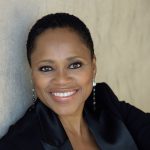 The Brio was founded by Delores Burgess, a visionary entrepreneur and artist with over 30 years of business leadership and more than two decades in the performing arts industry.
As a professional singer, actor, playwright, director, author, and certified coach, she has dedicated her life to helping others unlock their creative potential. Through her strategic coaching and artistic mentorship, she has guided countless individuals in transforming raw talent into refined performance and bold ideas into realized works.
As a multi-use creative center, The Brio hosts original stage productions, creative arts training, personal development workshops, and community events that inspire growth and connection.
It is a home for both aspiring and professional creatives—an environment that nurtures talent, cultivates vision, and celebrates artistic excellence.
Connect with Delores on LinkedIn and follow The Brio Theater on Facebook.
What You’ll Learn In This Episode
 This transcript is machine transcribed by
 TRANSCRIPT
Intro: Broadcasting live from the Business RadioX Studio in Atlanta, Georgia. It’s time for Atlanta Business Radio, brought to you by My Global Presence, the award winning Atlanta public relations agency that elevates brands and non-profits through authentic storytelling and national media campaigns. Find them at my global presence.com. Now, here’s your host.
Lee Kantor: Lee Kantor. Hear another episode of Atlanta Business Radio. And this is going to be a good one. But before we get started, it’s important to recognize our sponsor, My Global Presence. If you want global visibility and meaningful impact, go to my global presence.com. Today on the show, we have the owner CEO with the Brio Theater, Delores Burgess. Welcome.
Delores Burgess: Thank you. How are you?
Lee Kantor: I am doing well. I am so excited to learn what you’re up to. Tell us all about the Brio Theater.
Delores Burgess: Oh, the Brio theater. Well, the Brio Theater is a theater that I have had as a dream for, I don’t know, over 30 years. I would say probably 32, 34 years. I love theater, I love the arts, I’m a creative. I’m a singer, actor, self-proclaimed dancer, I’m a writer, producer, director, and I love the arts, but more so than anything, I love theater. And I’ve always had this dream to own my own theater so that I could tell my own stories, or the stories of those that were likely never to get told from a, I’ll say, a platform or from a stage platform. And, and so finally, you know, in 2004, we found this building, we retrofitted it, renovated it all the way through. It was actually a former dance studio called Delores Warner. Same name, but different spelling. It was called Delores Warner Performing Arts Studio and. And so we renovated it, modernized it, made it a beautiful, very warm, inviting atmosphere. The facility is loved by everyone that comes into it. And so we’re just very excited that we can now bring live theater, different types of stories, of course, very, very professional theater, as well as community theater to performing arts, anything related to the arts, of course. And we also are not just a theater. We are a, what we call a comprehensive hub where we do personal and professional development classes, training. I’m also a vocal coach and an acting coach, so we help people develop in their craft as in terms of the arts as well as in business, because some of our classes pertain to, you know, business development. We help people to, if they want to shift careers, things like that. So it all happens under this one roof. And we’re very excited to be here in Tucker, Georgia.
Lee Kantor: So now inside the theater. What would a person see? Is there more than one stage? Are there classrooms for workshops and teaching? Like what is kind of inside the building?
Delores Burgess: Okay. When they walk in, of course. Well, first of all, when you enter the parking lot, you’ll see that we have a beautiful entrance, which has a, I think it’s like a 16 foot tower in the front, the entryway. We took this small little building that was really a house that was built as a house in the early 50s, and it was, of course, converted to a business because we were on a very, very busy street. Hugh Howe Road, and this business has been here for a very long time, so that even the outside is very different. If you didn’t know what it looked like, you wouldn’t know. You wouldn’t even remember. And then those that did know, you wouldn’t know because it’s so different, very modern. And it has a very beautiful esthetic. So on the outside. And then when you walk into the interior, our lobby is beautiful. It’s bright, it’s very, um, intentional in its color and decor. Uh, to the left, there’s a beautiful, warm, uh, I’ll just say earth tone color with wood, wood paneling and that kind of thing that helps welcome people into the space. And then as you go further, there’s the colors are blue and white, which represents, you know, never stop dreaming, you know, just pull down from heaven, whatever, whatever it is that you’re anticipating to happen in your life, just open up and allow, you know, the sky to be the limit.
Delores Burgess: Uh, and then we have a dance room, which is multi-purpose. Uh, it’s fully mirrored, uh, three wall mirrored and, um, has a, is actually pre sprung for dance. We’re not a dance school, but we offer, of course dance classes when necessary. And we use that room for dance as well as other types of trainings. We use it for, um, even wellness like Pilates and different types of exercise situations. So it’s a multi-purpose room. And then, um, let’s see what I typically do on a tour is I bring people back out of the dance room, through the lobby and down the what we call the red hallway. The red hallway leads you to the theater. On the way, we’ll pass a green room, which you don’t even know because it’s sort of hitting it off to the to the side, through a pocket door. We don’t even, you know, direct people’s attention to that unless we’re touring because we like for artists, you know, to have their privacy and that kind of thing. And so we follow the red hallway all the way down, which is ramped. And that hallway has been used for photo shoots. Uh, we’ve had, I mean, so many different types of video shoots and different things because people just love the red hallway.
Delores Burgess: And then that leads into the theater. And, and inside the theater, we have a stage, which is actually an optional type stage. We have flexible staging as well as flexible seating. Nothing is built in. So we have an empty room, uh, and we can put the stage up, as I’ll say, as large as 12 by 24 or as small as, let’s just say four by eight. If you just want a platform. And the chairs, we have banquets, chairs so that we can actually set up banquet style or you can set up auditorium style. Different styles if you want different types of seating. And um, and we can accommodate anywhere from 112, 120 to 150 people in this space. It’s like, you know, an intimate black box theater. We have a sound booth up top in the, um, in the theater, as well as a space where we can have overflow, or if we do some type of special lighting equipment and things like that and back into the lobby. I forgot to say this. We also have a production room where everything, everything digital, if you will, takes place in there where we can stream in all different types of things from our production rooms. So it’s a very warm place, very beautiful, very, uh, intentional in making people feel welcome and, you know, wanting to create.
Lee Kantor: So can you talk about your backstory a little bit? How do you get to the point where you’re like, okay, you know what? I’m pursuing the arts. I’m going to be an artist, but now I’m going to own a building and we’re going to get into the theater business, which is kind of a different that’s a different animal there.
Delores Burgess: It really is. It’s a very different animal. And I can’t say to you that I thought this through all the way. I thought I did, but once I got in here, it was a little bit, I’ll just say, um, maybe a little bit, uh, different than what I had anticipated, but still very much like I had dreamt it would be. Uh, I come from corporate America. I worked, I worked for the CDC for over, oh my God, almost ten years. And as a, believe it or not, as a programmer, I’m a techie head as well, techie and an artist. I got both sides of the brain. And, um, so I, you know, I’ve been in business, we’ve owned a business, we have an IT business. My husband and I, Mr. Gary Burgess, uh, that we’ve had since the early 90s, uh, a computer consulting business. And, um, and of course I’ve always worked in the IT field, but knowing that I was an artist, I always did, you know, part time or weekend gigs, different things like that. I might sing at weddings and just always had some level of the art always going in my life. And, um, and it wasn’t until I’ll say in 20, well, 2002, honestly, I was working at CDC. I had just finally gotten on as a full time employee because I was a contractor all of those many years. And I wanted to come on CDC as a full time person. And once I got that full time, God called me into ministry. And, uh, and so I left that job, I surrendered, and I started a full time ministry.
Delores Burgess: Delores Burgess Music Ministries, and I was an artist, a gospel artist, uh, won some awards and was doing well. And all of that recorded my CD, traveled, toured, and I was diagnosed with breast cancer one year later, literally. And, uh, and so that took me off the road. It sort of took me out of that element to some degree and sort of pounced me into the breast cancer arena. And at that point, I began speaking and sharing my story and, you know, encouraging others, serving as a mentor to women who are newly diagnosed. And that just sort of shifted, if you will, my eyesight. But it also brought me back to the art because now I was able to attend different events and I’m singing more, I’m speaking more, I’m telling stories. And so I was kind of back in the that atmosphere. And that’s when I really started to think about, you know, I love this theater thing. And, um, you know, just really thinking about my acting and singing. Uh, and at the same time, I knew that I was going to be an influence in the community regarding breast cancer, especially when it comes to black women and the statistics that actually are upon, if you will, that community or our community. So I wrote a one woman stage play to share my story, to encourage, to educate, to be able to, you know, bring awareness, if you will, to, uh, you know, breast health and all of that. And then it was that, that again, opened up another level of thinking about how close I want to be to this, this theater thing, if you will.
Delores Burgess: And, um. And so I’ll just say one thing led to another that we started looking. When I say we, my husband and I, we started looking for a place just kind of casually and. Meanwhile, we’re still maintaining our IT business. And I’m still maintaining, you know, working with individuals as a vocal coach, as an acting coach. I’m also a certified seminar leader and a certified action coach myself. So working with clients in that regard. Uh, but looking for this space where I could put together these cast, if you will, productions. I didn’t want to just do one woman shows or anything like that, but I just love the arts. I want people to be able to come and, you know, share their art because it’s difficult. The art industry is just so difficult, especially for performers. And, and I just have a heart for artists and I’ve been one. So I know how difficult it is. I know how difficult it is to have opportunity. And so sort of bridging those two worlds together to be able to have theater and then have a place where people could perform and bring their gifting, uh, without being afraid or being nervous, having a safe space. We happened upon the building and that’s how the theater really was birthed. I mean, I did a lot of research and worked with several people in theater who have done, I mean, amazing work, sort of shadowing them, working with my director who is a, um, got a two time Tony nominated, award winning actress as, as well as a director and some other folks because we lived in California for, uh, collectively, I guess about six years or so.
Delores Burgess: And so I was, you know, touching the theater in many different ways. And I toured my show there, my one woman stage play there in California. And it just brought me closer and closer to it to eventually when we found this building, we were prepared and ready to, to open up this space. And then now once we once we opened, as I said, things were a little bit different than what I had expected because we were getting so many requests, requests for people to come. They wanted to use this space, they wanted to do this and do that. And we really had to decipher through that, you know, like, okay, what, what will we do? What’s in alignment with what we are and who we are? Because I just wanted everybody to come. But I realized there were some things that were not necessarily in alignment because, you know, people have different levels of creativity, different ways to create. And some things were not exactly what we would want reflected, if you will, in this space. Um, but at the same time, I respect anybody’s art. So, you know, that was one of the, I guess, most different and difficult things, I guess, to have to deal with. Uh, more so than anything is that, um, all art, if you will, is not necessarily reflective of the vision.
Lee Kantor: Right. And, and when you create a theater, you create a brand and you have to be true to kind of that brand, right? Like there has to be kind of the culture you want to create and certain things are part of the culture and certain things aren’t. And, and you’re not saying that they’re not worth being somewhere. It’s just they may not be worth being at the brio, that’s all.
Delores Burgess: Or it’s just not a good match. That’s right. We’re just not a good match, that’s all. Absolutely. And we had a lot of that. Had a lot of that. That was a big shocker for me actually, because I never thought about, you know, saying no, that, you know, because my goal and my idea was really to be able to not only be able to tell my own stories, but for others to have a place to tell theirs too.
Lee Kantor: So, right. Because stage time is precious, there’s only so much of it. And now you have a place where people can get it. Yeah. So now you kind of have to be careful who you give it to, right? To make sure that it maintains the standards of the brio.
Delores Burgess: Absolutely. Right. You got it. Yeah.
Lee Kantor: So that was kind of an unintended consequence, a ramification of having a theater that you probably didn’t realize, I guess would happen as quickly as it did, where all of a sudden now you’re like, well, do I really want this here? Is this?
Delores Burgess: Yeah.
Lee Kantor: And that’s tricky because you’re, you’re creative and you’re respectful and you want to give everyone a place to share their story. But just you got to make those kind of curated decisions.
Delores Burgess: That’s right. That’s and that’s what we do. We curate experiences. That’s exactly what you just hit the nail on the head. And we knew that that’s what it was because we we help people plan. We help them design, we help them produce and all of that. And I know people come, you know, they have their own stories. And we really love an opportunity where someone is just let’s just say they’ve just written a piece or, you know, they’re, they’re not really experienced in theater or anything like that. And they want that guidance. Those are really good prime opportunities for us to sort of collaborate or, you know, work with someone and help building them up and bridging that gap between, you know, them not knowing. And then now understanding how it works to actually put up a play or to, you know, to get their works on a stage. So those have been some really good experiences too.
Lee Kantor: So do you offer kind of that education in terms of workshops or the ability to take a novice and to get them to a level maybe where they can be on the stage, you know?
Delores Burgess: That’s right. And we customize it. It could be a workshop or it could be a one on one. It could be, you know, me, myself, working with someone who let’s just say they have dance involved in their piece. And, you know, I can bring in my, my daughters who are dancers, they’re professional dancers. I live that life through them. But, uh, you know, it all depends on what what’s needed for that show. We can come together as a group or we come together on one on one. So, you know, everybody has a different level where they’re starting and we assess that and then we approach it, you know, from the perspective of, okay, how can we best, you know, help this person and get them to understand what it takes to do this? And I mean, from every aspect from, you know, building a budget, if you will, looking at, um, time that it’s going to take, you know, starting in advance so that, you know, you can project when you’re going to be able to be ready, rehearsal time, all of that, just really pulling it all together so that they clearly understand what it takes to, to put on a production.
Lee Kantor: Now, are your classes primarily for adults or do you do stuff for kids as well.
Delores Burgess: We. I will work with children who, you know, if parents come and they they want to get their children involved. We talk about this seriously, like, you know, did they really want to learn or is this something that they’re just kind of introducing them to or playing around with it or whatever, which is fine either way. Uh, but we really primarily work with adults, but we’re not excluding children at all. I mean, we just did a production and we, we had a young man who was a part of our production. He was what, I guess at the time. 12 I think he’s getting ready to turn. 13. Uh, but no, we will work with children. All depends on what the project is. Yeah. I’m not opposed to that because I vocal coached children for, I don’t know, I guess maybe about seven years or so, uh, back in the day. And I love those babies who are really developing in their craft, uh, especially artistically. So I’m not opposed. But, you know, it’s not our ideal. It’s not what we’re actually advertising that we work with children, but we do have classes that are applicable for, you know, for a child to attend. And we’re family, we’re family friendly. So, you know, it’s not like we do only adult, uh, entertainment or anything like that.
Lee Kantor: So now, um, what state is it open to the public? Are you doing shows right now? Like what stage are you?
Delores Burgess: We’re actually getting ready for my, my show, my one woman stage play. Uh, October is coming. Of course. And because my, my show is about my journey with breast cancer, it’s called fighting for the title. And, uh, I actually developed the show back in 2007 and eight, and I toured it for, I guess maybe a good three, four years. And then I was diagnosed with breast cancer a second time. So I came off the road and, uh, went through that recovery and all of that again, began doing more speaking in the arena just in and out of that. Um, but at the same time, I knew I would bring the show back. I would do excerpts of it depending on, you know, what was being requested of me either as a speaker, as a singer, or as this person who would come and, you know, bring it all. So now we’re rebooting the show actually. And, um, it’s going to be premiering on September 25th. We’re doing two weekends, the 25th through the 27th, which is Friday, Saturday, Sunday four shows that weekend, 730 on Friday, uh, 3:00 and 730 on Saturday and 3:00 on Sunday. So you get two matinees and two evening shows, and then the very next week going into Breast Cancer Awareness Month, October the 2nd through the fourth, uh, same weekend, same, I’m sorry, same days, same times that weekend.
Delores Burgess: So, uh, so we’re getting ready for fighting for the title, which is me, I play nine characters, male, female, young and old, and I’m telling my story. I’m telling this whole journey of dealing with with the diagnosis and the impact of my family, my friends, community. Because, you know, when you’re diagnosed, it’s not just you that’s impacted. It’s your entire world, your entire community. People don’t realize that, but anyone who knows me is impacted in some kind of way. So I picked out some of the very particular people that were very influential or had some level of impact in my life, and they became characters in my play. And so I play nine characters, including myself from a little girl until the, of course, the, the age that I was when I was initially diagnosed, which was 41. And it’s a musical because I sing, as I said, and it’s an amazing show. It’s really exciting. So we’re, we’re really, really, really excited about it.
Lee Kantor: And then, um, is there so you haven’t performed at your theater yet?
Delores Burgess: No, this.
Lee Kantor: Was this.
Delores Burgess: Was at my own theater.
Lee Kantor: Oh, wow. So this is a big deal.
Delores Burgess: It’s a big deal. Yes, yes.
Lee Kantor: Um, is there anything that you are most looking forward to? I mean, this is you designed this theater. This is built for you.
Delores Burgess: Yep, yep yep. I mean, it’s all exciting because I have friends here in Atlanta because, you know, we lived in the Atlanta area for many, many years, almost what, almost 40 years really about 38, 39 years. So I have friends, you know, here they, they know about the show. They were not able to see it, let’s just say in the earlier years. And so they’re excited that finally they get a chance to see it. We did do the show here in Atlanta in 2013. Uh, but of course, you know, everybody couldn’t come at that time. It was a women’s conference that I did it for. And, uh, we had a lot of people, of course, that it was amazing. It was packed out. But, you know, many of my friends and folks that are very close have not been able to see it. So now they get a chance to enjoy it. They get a chance to enjoy the brio as well. Some will be seeing the brio for the first time. They’ll be being introduced to it. Uh, we’ve got folks coming from out of town. We know that because I’ve got family in Chattanooga and, um, you know, we’re just everything is exciting about it.
Delores Burgess: It’s just, it’s just amazing because we will always, uh, celebrate survivors, which is what I’ve done. We always have a breast cancer survivor Celebration annually. And so this will be incorporated into that as well. Because the two weeks leading into each of those weekends, we’re going to be. Actually at curbside in the parking lot hosting our pink pit stop, which is where we have pink ambassadors, they can be survivors or just friends of the breast cancer, you know, support group or whatever, or they just support the cause and they’ll be disseminating information, talking with people, you know, helping them understand how to, let’s just say, do a self-breast exam or something like that. So we’ll be, you know, I’ll say out there rallying and, you know, encouraging people to come into the parking lot and get some information, learn something, feel something. And, and then we’ll also tell them about the show. Who knows, they might buy tickets at that point in time. But so all of it is so exciting. We’ve got several things that are happening leading into the shows now.
Lee Kantor: Is this something that you and your husband and family self funded, or did you have investors? Like how, do you even get, you know, the, the funds to pull something like this off? It sounds so overwhelming.
Delores Burgess: We self-funded, basically we did. But you know, there are we we took on some lenders, of course, uh, not investors. We didn’t have any investors. We are the investors ourselves, of course. Um, and, and that’s basically how we do it. We have properties. So, you know, there were some, um, property, um, I’ll just say advancements that we were able to, uh, apply to this as well. So, you know, it’s self-funded. Yep.
Lee Kantor: And then is there, if the, if the business community wants to support your efforts, is there a way to be a sponsor? Is there a way that, you know, people can contribute to help you keep this going in order to serve the community?
Delores Burgess: We would love that. Absolutely. And right now, uh, for this particular, I’ll just say event or this particular time and space, we are looking for sponsors, partnerships, anyone you know who’s willing to support us. Let’s just say in sponsoring maybe some survivor seats, or if there are corporations, you know, that want to sponsor in-kind, I’m actually going after or asking Everlast for boxing gloves because we give our survivors a pair of boxing gloves and we help their families understand, you know, everybody’s in the fight together. We’re in the fight as a community, but they’re also in the fight as a family. And so I have supported Everlast by buying boxing gloves every year to for at least 2 to 3 survivor families. And I also use their gloves in my show as well. It’s a prop in my show. And so we’re asking, you know, for things like that for survivor seats or if they want to, you know, purchase tickets for their employees or something like that, you know, to, to help offset some of the cost. Anyone that has, you know, equipment and things like that, we’ve got a list and we actually have a deck that we could send to people if they would want to partner or sponsor with us. So there are several ways to do that. We would love that, actually.
Lee Kantor: Now, is there any advice for other creatives out there, maybe other actors and actresses out there that are, you know, kind of doing their thing? They’re grinding and then, you know, maybe they have a dream of, you know, taking it to the next level and controlling some of the things they can control. Like you can buy a theater, you can give yourself stage time whenever you want. You can do certain things. Is there any advice for that? The next person out there that’s considering opening their own theater?
Delores Burgess: Um, you know, I, my husband and I, we both have this, I guess it’s a mantra for us is that we will never be held hostage by anything. First of all, that is our thought because it’s difficult. You know, the banks don’t want to loan you money. You know, it’s just really hard. You see other you know, you wonder how this person was able to get money or how that business was able to get money. And, you know, we’ve got great credit. We’re able to do things like this. And then you go to a bank or traditional bank and, you know, they won’t look at your portfolio in a way that I’m just going to say, I’ll say creative. But at the same time, as long as there’s cash flow and there’s, there’s property, there’s something that you can literally apply to the situation, equity, all of that. It just looks like it’s wonderful and it’s an easy situation. But you know, we’ve been turned down, but we will never be held hostage to someone saying no. So I think every artist should believe that should understand that, that if they have something and they feel that it needs to be presented, you know, plan and strategize, I believe fully in planning and strategizing, not just, you know, going off the cuff. We always strategize, we always plan, we save, and we prepare for some of these situations.
Delores Burgess: But at the same time, sometimes that is not enough in terms of finances, it’s not enough. So we have to look at other ways to strategize and we do that. Uh, I would also say, you know, maybe connect with someone to understand what it is that you’re trying to do if you’ve never done it before. And I know people always say, well, you know, I’m just going to go after, you know, God gave me this vision. True enough. And I get that because I, you know, I’ve had many visions. I’m a visionary. But at the same time, it’s really helpful, I think, to connect with someone who’s done what you’re trying to do and, and then use your discernment to see if that’s someone that you feel like you can trust and grow with that, you know, just try to learn and glean from that situation. But staying independent and working through your situation because I believe in creating my own opportunities. And that’s what we’ve done. You know, I created my own show. If you can’t get on Broadway, then you create your own show. And, and yes, we had to rent facilities before to get this show on, on a stage. But at the same time, I was always, always dreaming and believing that I would have my own space and, and at the same time preparing for that little by little, preparing little by little.
Delores Burgess: So, you know, I would just say, don’t be held hostage for one. And then secondly, plan and strategize. And then as you’re planning and strategizing and you feel like you do have a good, solid plan, be obedient to the plan. A lot of times we get off course of the plan. We can get sort of jerked, jerked around, and pulled into different directions and not really staying focused, staying focused on what that plan is, especially when you realize you do have a good plan, and you might even have support in that plan, but to stay the course. I think that’s probably the best I can put out there right now. I mean, art is so relative and, you know, everyone’s an individual. And now we have of course, we have the, uh, social media, which is, you know, people are able to glean and gain and all of that from so many resources. There’s a lot of, I’m going to call it noise. There’s a lot of noise out there. There’s a lot of advice and guidance and all of that out there. But I think you have to really stay focused to whatever it is that you’re, you’re trying to do and developing a plan to be able to achieve it and to accomplish it. So.
Lee Kantor: So if somebody wants to learn more about the brio, uh, maybe check out your show or just want to help. Is there a website? What’s the best way to connect with you and the team?
Delores Burgess: Yes. Yes, we have a website and it’s called Brio Theater. BRIO THEATER. Now theater, we spell it THEATER. And I have to say that because there is another brio theater we found later. Um, that’s spelled r e and it’s in, I think Illinois or something like that, but we’re brio theater THEATER very different from them. Uh, but at the same time, that is where, you know, you can get in touch with us, you can call us and let us know if you have an interest. We would love that. Uh, and we certainly encourage anyone to go to our website and check it out, see what we’ve built. And, uh, we would love to connect with anyone who, um, can find value in what we do. And for those that are sponsors or partners or whatever with this particular show, uh, you know, we’re offering two tickets, if you will. Uh, I’m saying two because, you know, we don’t know how big the entity may be, but, uh, depending on what the situation is, two tickets, uh, we’ll also display their logos or information on our monitors. We have four TV monitors in the building that people actually have access to. One down. There’s three down the red hallway, and then there’s one in the front lobby. Uh, and then also recognition and acknowledgment in our playbill too. So, um, and there’s other, we have tears too, um, in terms of donations and giving, of course, um, that we can certainly send to them if anyone wants to reach out to us through the website, or you can email me directly. Delores, delores@thebriolive.com.
Lee Kantor: Well, Delores, thank you so much for sharing your story today. You’re doing such important work and we appreciate you.
Delores Burgess: Thank you so much. I really appreciate your time and you know, this interview. Thank you so much. It was a pleasure.
Lee Kantor: All right. This is Lee Kantor. We’ll see you all next time on Atlanta Business Radio.















