

Business RadioX ®

  • Home
  • Business RadioX ® Communities
    • Southeast
      • Alabama
        • Birmingham
      • Florida
        • Orlando
        • Pensacola
        • South Florida
        • Tampa
        • Tallahassee
      • Georgia
        • Atlanta
        • Cherokee
        • Forsyth
        • Greater Perimeter
        • Gwinnett
        • North Fulton
        • North Georgia
        • Northeast Georgia
        • Rome
        • Savannah
      • Louisiana
        • New Orleans
      • North Carolina
        • Charlotte
        • Raleigh
      • Tennessee
        • Chattanooga
        • Nashville
      • Virginia
        • Richmond
    • South Central
      • Arkansas
        • Northwest Arkansas
    • Midwest
      • Illinois
        • Chicago
      • Michigan
        • Detroit
      • Minnesota
        • Minneapolis St. Paul
      • Missouri
        • St. Louis
      • Ohio
        • Cleveland
        • Columbus
        • Dayton
    • Southwest
      • Arizona
        • Phoenix
        • Tucson
        • Valley
      • Texas
        • Austin
        • Dallas
        • Houston
    • West
      • California
        • Bay Area
        • LA
        • Pasadena
      • Colorado
        • Denver
      • Hawaii
        • Oahu
  • FAQs
  • About Us
    • Our Mission
    • Our Audience
    • Why It Works
    • What People Are Saying
    • BRX in the News
  • Resources
    • BRX Pro Tips
    • B2B Marketing: The 4Rs
    • High Velocity Selling Habits
    • Why Most B2B Media Strategies Fail
    • 9 Reasons To Sponsor A Business RadioX ® Show
  • Partner With Us
  • Veteran Business RadioX ®

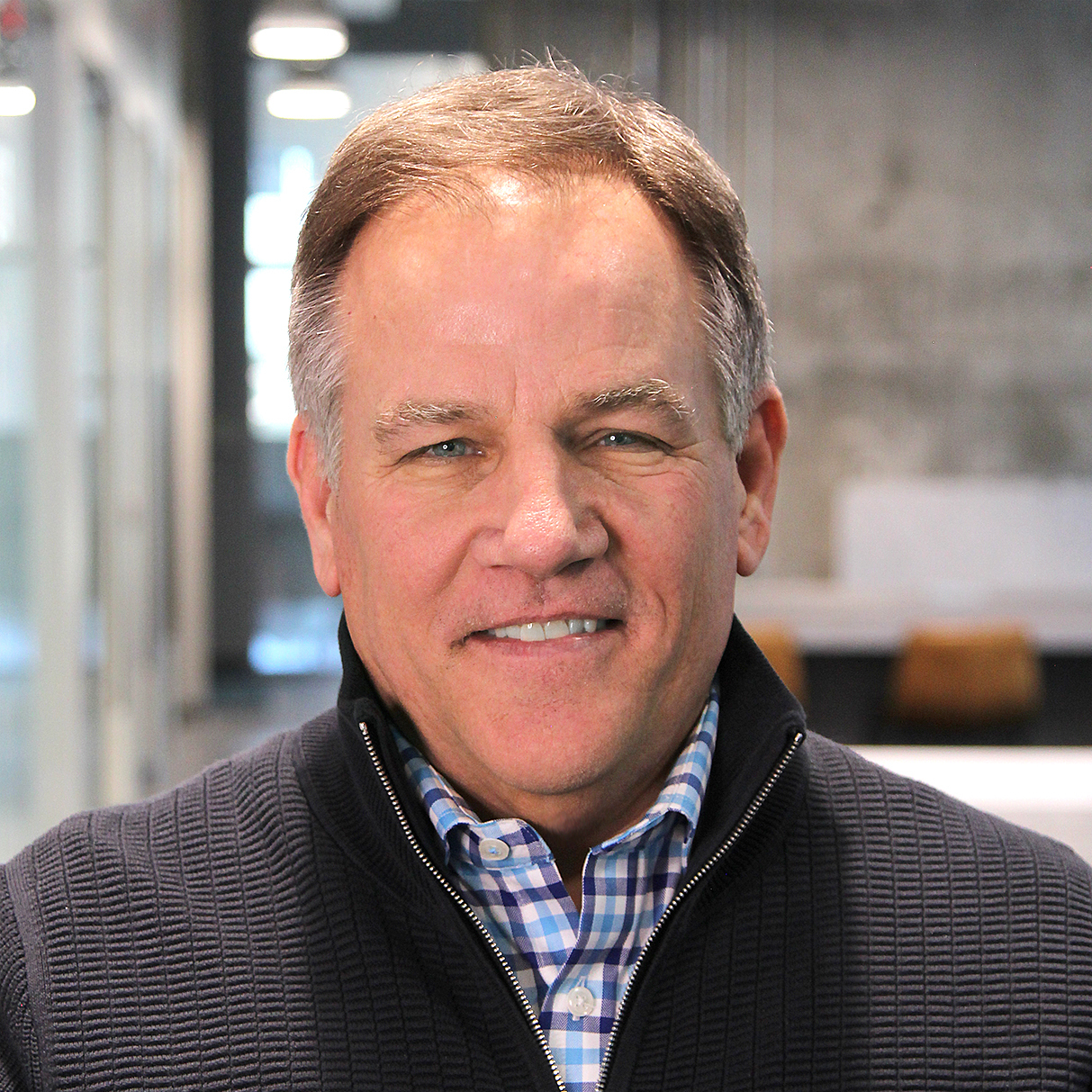
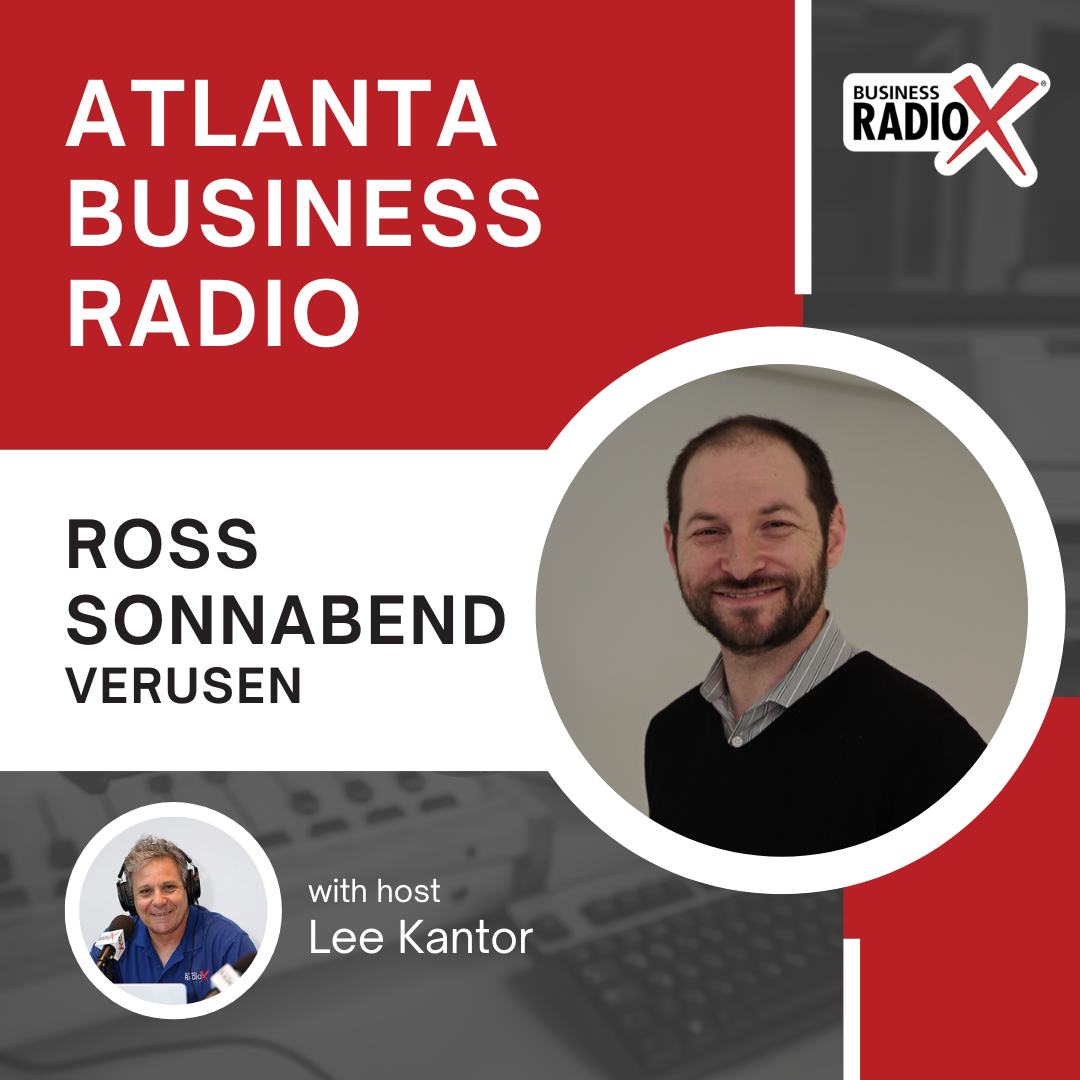
Ross Sonnabend With Verusen

May 27, 2025 by Jacob Lapera

Atlanta Business Radio
Ross Sonnabend With Verusen
Loading
00:00 /
RSS Feed
Share
Link
Embed

Download file

As CPO, at Verusen, Ross Sonnabend is responsible for product and design, the product portfolio and the customer experience. He brings exceptional expertise and industry knowledge in technology products with over 20 years of experience with established and startup companies, drawing on a background in Business Strategy, Finance, Operations, and Product Management.

He has worked with investors, founders, and management to help strategize and develop company vision, bring products to market, and ultimately take ideas from paper to scaled businesses. Ross was recognized as a Supply Chain Pros to Know by Supply and Demand Chain Executive in 2021, 2022, & 2023.

Most recently, he was Senior Vice President, Product, Strategy, and Marketing at RF Code, a leader in industrial IOT and hardware asset management for data centers and supply chains. Before RF Code, he served as COO of Univa (sold to Altair in 2020) and was a founding member of Interset Software, a leader in Security Analytics, which was sold to Microfocus in 2019.

Connect with Ross on LinkedIn.

What You’ll Learn In This Episode

  • About Verusen
  • About Verusen’s clients and what industries they’re serving
  • About Explainability AI Agent

Transcript-iconThis transcript is machine transcribed by Sonix.


TRANSCRIPT

Intro: Broadcasting live from the Business RadioX studio in Atlanta, Georgia. It’s time for Atlanta Business Radio, brought to you by Kennesaw State University’s Executive MBA program, the accelerated degree program for working professionals looking to advance their career and enhance their leadership skills. And now, here’s your host.

Lee Kantor: Lee Kantor here, another episode of Atlanta Business Radio. And this is going to be a good one. But before we get started, it’s important to recognize our sponsor, CSU’s executive MBA program. Without them, we wouldn’t be sharing these important stories today on the Land of business radio. We have Ross Sonnabend, and he is the chief product officer with Verusen. Welcome.

Ross Sonnabend: Hey, Lee, it’s great to be here. Thanks for having me.

Lee Kantor: Well, I am excited to learn what you’re up to. For folks who aren’t familiar, can you share a little bit about Verusen? How you serving folks?

Ross Sonnabend: Sure. Verusen is a purpose built AI solution that serves the maintenance, repair, and operations MRO space. The MRO space is part of the indirect supply chain that helps keep manufacturing lines up and running, stamping out widgets.

Lee Kantor: And then we’re here to talk about a new AI product that you guys have developed.

Ross Sonnabend: Yeah. So we just released a new bit of functionality around our solution in general that helps explain the decisions our AI solution actually makes.

Lee Kantor: Now, before we get too far into that, do you mind kind of giving us an AI 101 about what you’re seeing today on the landscape of AI, what’s available for enterprise entrepreneurs, organizations, and, um, where maybe there’s an opportunity there for them?

Ross Sonnabend: Yeah, absolutely. So I think first and foremost I is a catch all at this point, right? It means many different things to many different people. And so when I’m talking about AI, I’m talking about a collection of techniques that allow for more automated decision making. Uh, you know, starting with, you know, things like natural language processing, things like machine learning, things like agentic AI, you know, all the way up through generative AI, which is what I think most people think today when they talk about when they think about AI, they are thinking generative AI, which are the ChatGPT, the Claude’s, the Gemini’s of the world. Right. And that’s that’s because those guys are taking a lot of oxygen out of the room. And it’s very cool. It’s very cutting edge. But the big question for those types of technologies are, how can it be used in an enterprise context, whether you’re an entrepreneur or whether you’re an enterprise enterprise software company like we are or an enterprise itself. The big question is, out of all of these different techniques that are available to you, what’s the right use case and when is the right use case to, you know, to use these particular techniques? And so I think, you know, where where we are and what Verusen does is a, you know, purpose built application for this MRO space using purpose built AI.

Ross Sonnabend: So if you think of Gemini or you think of ChatGPT, all of those are generally available models. That means that they’re trained on, you know, publicly available information that’s out there in the world for the purposes of answering general questions. Right. You know, like the other day, I was asking ChatGPT about my low voltage wiring. So that’s great for answering general questions. But when you want to get down to domain specific areas like MRO, for example. There’s not a lot of training that’s happened on that stuff. And so where the opportunity is, is to go deep into domain specific areas like MRO and then build on top of, you know, build solutions that are purpose built for the domain that you’re going after using the techniques and technologies that are available to you.

Lee Kantor: And then so that’s what Verusen has done, right. Like, so you created us your own AI around this specific, uh, industry and the work that you’re doing.

Ross Sonnabend: Right. So like we said, MRO is a very specialized space, right? It’s focused on procurement, folks. It’s focused on maintenance and operation folks. And it is unless you’re in the space, you don’t really know about it, right. And so what Verizon. And so all AI solutions kind of start with the data. What Verizon has done is amassed a certain amount of data about the MRO space. Like for example, we have ingested over 40 million parts that are used in MRO space. That comprises over $12 billion in annual spend. We’re growing that and looking at, you know, expanding that data base, you know, with every customer that we bring on. And so that data forms the basis of all of the AI models that we build or the training that we do that allows us to be able to build what I like, I would call this like a small language model where instead of thinking about it as an LM, you know, we’ve built a model that has knowledge and is specific to to our space.

Lee Kantor: So now how does that help your client? Like how do they leverage this, um, amount of data that you’ve accumulated and put it in a machine that’s going to give it, I guess, more actionable information.

Ross Sonnabend: Yeah, it’s a great question. So in our space, along with, you know, almost any other space I’ve ever worked in, you know, data is a problem. In the first question they have to ask yourself is, what do I have to do to prepare my data to be used by some of these systems? What Verizon has done is we’ve kind of eliminated that question by using AI. So we take data as it stands in your legacy systems and ingest that data. When we ingest that data, we use advanced technologies using Llms and NLP to make sense of that data and fit it to our data model. Once it’s in our data model, then we actually run machine learning models to make recommendations on these inventory stocking policies. Right. And that’s something that historically humans have had to do, right? They had to look at maintenance records. They’ve had to look at the expected life of every little part that goes into a machine and make a gut feeling, you know, recommendation that says, I think we need to have, you know, five of these on hand and ten of these on hand. What we’ve done is we’ve taken that knowledge, built our machine learning models to make these recommendations, and then we use generative AI through this new capability that we just launched to explain the decisions that you’re making. So the benefit and upshot of all of that is a as a customer of Verizon, you can get to value in under 90 days, which is which is really good.

Ross Sonnabend: Second, you don’t have to tell us everything about your data. The system understands the data as it’s been given to us. We map it to our model and we’re able to make recommendations very, very quickly. And thirdly, you know, lots of companies use AI or ML machine learning to make recommendations or help make decisions, but what they don’t do is help explain why they made those decisions. And so there’s this criticism of AI that it’s a black box technology. In other words, if you were to go and say like, why did it make this decision? A lot of companies will say like, well, it’s just the AI algorithm making the decision for you based on the inputs that we’ve trained on it. You know, what we’ve tried to do is go that extra mile to be able to say, if you know nothing about AI, but you know a lot about MRO, we want to be able to give you the data that you need to validate the decision that was being that was made. And we do that in a plain English generative AI, uh, set of statements that we generate for every recommendation that we make.

Lee Kantor: So this AI agent is not a kind of a search box for your clients to use. This is just an engine for you to help your clients.

Ross Sonnabend: So I think that’s a really good distinction. It’s a really good point. When we talk about agentic AI, we’re not necessarily talking about chat bots. You know, when I talk about agentic AI, what I mean are task driven, purpose built, like for for our purposes, let’s call them little applications that do one thing really, really well. So this agent that we’ve built that we call our explainability agent all it does, its entire purpose in life is to look at the outputs that our machine learning models output and explain them using plain English understanding.

Lee Kantor: Right. But again, this isn’t like your clients aren’t going to a portal and typing in. Explain this to me. You are using this to give reports to your clients that explained things to them.

Ross Sonnabend: Right? It’s less about reports. And like in our in our user experience, every part that we have, we make a recommendation on. So every recommendation also has an explanation on the screen. Yeah.

Lee Kantor: And that explanation is a new development right. Like that’s the new thing.

Ross Sonnabend: Yeah. I mean it’s all relatively new, but that the new new thing is that we’re using generative AI to, to develop those explanations so that if you don’t know anything about AI, but you want to understand why our system made the recommendation that it did, it tells you, you know, 4 or 5 plain English sentences right there on the screen.

Lee Kantor: So, um, giving this new information to your clients, is that like, how is that helping them make better decisions or helping them, you know, make another dollar.

Ross Sonnabend: So the benefit of our system in general is usually working capital savings, cost savings, or not buying something that they would have otherwise bought. Spend avoidance. Right. So what we’re doing, what explainability does in general is it builds a layer of transparency, right. Because we’re not afraid of explaining why we made the decisions that our system made and trust. Right. So that now you have a skilled operator on the other end saying, okay, why did Verusen make this decision? We tell that operator why the decision was made. And then they get to either agree or disagree with it, make sure that they, you know, make sure that they agree with it. And then they, you know, they go and are able to execute that. That bit gives someone who doesn’t necessarily trust AI the ability to feel good about the decisions that it’s making. Number one. Number two is in our space. At least, there’s a growing problem of skilled workers aging out and not enough skilled workers coming back into the same roles. And so our system, being able to explain the decisions that it’s making, can actually help people who maybe have less experience in making some of these decisions, gain more trust and be able to make the decisions that they would otherwise not be able to make.

Lee Kantor: And does this happen faster than it did previously?

Ross Sonnabend: So it is for every recommendation that we make. The explanation is there instantaneously. So if you were to pull up a record in our system, you would the first thing that you’re going to see is the explanation that the system has given it. So other before we implemented this, you know, what you would do is you’d go and you’d look at the screen. It would have these different metrics and KPIs on there saying, here’s what your old policy was, here’s what your new policy is, here’s the service level it’s expecting. And then you, as a skilled operator, would have to put all those different data points together and say like, do I agree with this or disagree with this? What the explainability does is it removes the need for someone to spend the time connecting those dots. We’re connecting the dots for them.

Lee Kantor: And then what is this thing rolled out right now or what stage are you at in its development?

Ross Sonnabend: Oh yeah. So this is this is our first generative AI solution, and it’s the first agent that we’ve built. It is generally available today with our software. Um, but the really cool and exciting thing is, is that this is a foundational capability for other types of AI agents that we are currently in development on.

Lee Kantor: Oh, so this is the first of many?

Ross Sonnabend: Absolutely. Like, we are committed to Agentic AI, which again is more focused on building task oriented AI applications that do one thing really, really well. So like for example, one of the next agents that we are, you know, working on is around accepting recommendations, right? So today in our system, you have if you have 250,000, uh, materials that you are keeping, an inventory will make a recommendation on all 250,000. And we expect that someone is going in and reviewing that and making a decision. That’s not that’s that’s good. And it’s important. It’s kind of the state of the state. Uh, you know, three years ago Today, we think we can use AI to help accelerate those decisions and acceptances with human guardrails on there so that so that humans are not taken out of the decision loop. But instead of focusing your time on accepting or rejecting a recommendation, we really want you focused on achieving the business goals that you’re trying to achieve. And in this case, those business goals are identifying where you already have materials and, you know, in your company instead of having to buy them. Identifying obsolete materials, identifying where you have, um, off contract buys that can be made on contract buys. These are the kinds of things we want our customers focused on. Not not, you know, having to go through 250,000 recommendations and make a an agree or disagree decision.

Lee Kantor: Now, how do you decide which, um, kind of specific thing to focus on next. Like how are you prioritizing this? Are you getting input from your customers, or is this something that internally you’re doing on your own? Like how do you decide you know, which is the next? You know what comes next on the roadmap?

Ross Sonnabend: It’s a great it’s a great question. Right. And it’s always, you know, this is the the biggest burden of of being a product manager in general is how do you make the decision on what gets prioritized when you have all of these different competing priorities. Right. So we’ve got customer feedback. We’ve got our own set of views. We’ve got prospects feedback. We’ve got our sales team’s feedback. You get feedback from, you know, ten, 15 different vectors. Um, ultimately it comes down for us to two things. One is what about our system? Can we use AI to improve and kind of ten-x, right? How can we make the experience ten times better than it is today? And that example of just making a a, A giving an explanation. You know, today when we didn’t do that before, that’s like a ten x type of improvement. Um, so that’s one that’s one branch of the decision tree. The other branch of the decision tree is, you know, where are customers struggling, right? Where do customers want help? Uh, because that’s the lowest hanging fruit. We see challenge here. Let me help fix that challenge. And that’s where we, you know, we got to this acceptance agent idea. It’s customers don’t want to have to go through and accept 250,000 recommendations. They want the value that you get after you review those recommendations. So how can we use AI to help them get to that value more quickly, you know? And then thirdly, you know, um, sales. Right. What are gaps in the market or gaps in our product that we can use AI I to to shore up. So those are kind of the three main vectors that we look at when we think about how we productize the so product.

Lee Kantor: So if somebody wants to learn more, have more substantive conversation with you or somebody on the team, what’s the website? What’s the best way to connect?

Ross Sonnabend: Uh, the best way is uh verusen.com. So it’s www.verusen.com or verusen.ai. And, you know, we have lots of materials available there, demos available. And then if you want to get in contact with someone, there’s a button right in the middle of the screen to say contact us.

Lee Kantor: And Verusen is spelled v e r u s e n.

Ross Sonnabend: Yes.

Lee Kantor: Well, Ross, thank you so much for sharing your story today. You’re doing important work and we appreciate you.

Ross Sonnabend: Thanks, Lee. I appreciate you having me.

Lee Kantor: All right. This is Lee Kantor. We’ll see you all next time on Atlanta Business Radio.

Tagged With: Ross Sonnabend, Verusen

Scott Matthews With Verusen

May 31, 2024 by Jacob Lapera

Atlanta Business Radio
Scott Matthews With Verusen
Loading
00:00 /
RSS Feed
Share
Link
Embed

Download file

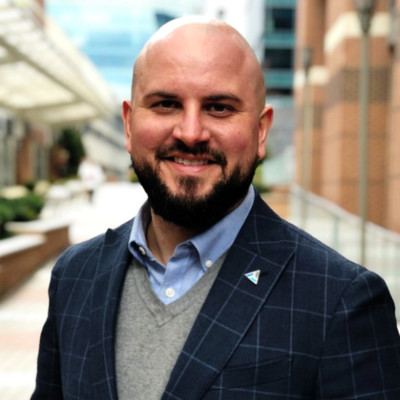
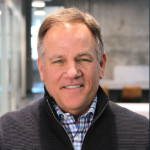
Scott Matthews is the CEO of Verusen, leading the company’s day-to-day operations. An accomplished corporate strategist, he is renowned for optimizing business performance while propelling revenue and delivering extraordinary profit margins.

Previously, he was CEO of MRP, the Philadelphia, PA-based global provider of predictive customer acquisition software and services. Before joining MRP, he was CEO of CrowdTwist Inc. He successfully negotiated multimillion-dollar contracts with Fortune 500 accounts while repositioning the go-to-market strategy for CrowdTwist’s customer loyalty SaaS solution.

During his tenure, the company rapidly scaled sales, achieving 728% overall revenue growth, delivered strong business performance, and was acquired by Oracle in a multimillion-dollar deal.

Earlier, he held senior-level roles in technology, sales, and SaaS companies. Scott holds an MBA from Pace University and a BA in Business from the Rochester Institute of Technology.

Connect with Scott on LinkedIn.

What You’ll Learn In This Episode

  • Named one of Atlanta’s 100 fastest-growing companies – what is driving this growth
  • What are the biggest issues facing your industry today
  • Verusen offers an AI-powered MRO (Maintenance, Repair, and Operations) Materials optimization and collaboration solution – what problems does it solve

Transcript-iconThis transcript is machine transcribed by Sonix.


TRANSCRIPT

Intro: Broadcasting live from the Business RadioX studio in Atlanta, Georgia. It’s time for Atlanta Business Radio. Brought to you by Kennesaw State University’s Executive MBA program. The accelerated degree program for working professionals looking to advance their career and enhance their leadership skills. And now here’s your host.

Lee Kantor: Lee Kantor here, another episode of Atlanta Business Radio, and this is going to be a good one. Today on the show we have Scott Mathews with Verusen. Welcome.

Scott Matthews: Hi, Lee. Thanks for having me on.

Lee Kantor: Well, before we get too far into things for folks who aren’t familiar, can you tell us a little bit about Verusen? How you serving folks?

Scott Matthews: Sure. Lee, we’re a supply chain company based on artificial intelligence, and we go after the indirect side of the supply chain and trying to automate the way maintenance, repair and operations is done without increasing any business risk to the company that we serve.

Lee Kantor: And for folks who aren’t as familiar with supply chain as as you are. Can you kind of paint a picture of what supply chain means for a regular person?

Scott Matthews: Sure, absolutely. Thanks. Um, so there’s two sides of a supply chain. The direct side of a supply chain are the raw materials and finished goods that are in ports, warehouses, people’s, um, you know, uh, shipping facilities. What Verizon does is we look after what’s called the indirect side of the supply chain. And what that is, is all the, the maintenance and engineering and manufacturing facilities inside of your wall to make, uh, something that we may buy at this point, like John Deere as an example, as a customer. And we look after all the spare parts and all the inventory inside the factories where they make the big green tractors, and usually that’s a couple of hundred thousand parts it takes to make, you know, a tractor as an example. And that’s what Verizon does, is we try to automate that side of the supply chain inside the four walls of a plant or a warehouse.

Lee Kantor: And is this kind of a Russian nesting doll situation that within each customer there’s a supply chain. And within each of their customers there’s like it just never ends, right? The supply chain is involved in every aspect of every business.

Scott Matthews: Yeah, it’s a good point, Lee. So, um, the challenge that most customers have is data is stored in different systems and in different formats. It might be in an accounting system, it might be in an asset management system. You know, it might be on a spreadsheet. It might be different across different plants, across different geographies and in different locations. And it’s hard to make sense of that incongruent data to figure out what’s the right part. I should have an inventory. Where should I store that part? How much should I pay for that part? From whom should I buy that part? And how do I maintain the minimum amount of inventory without increasing any risk to the business? Ever having a manufacturing facility go down or a line go down? So that’s actually the problem that Verizon solves. Is that incongruency of data and recommending what the inventory level should be, given the business risk profile of the customer that we serve.

Lee Kantor: Now you’ve been named one of Atlanta’s 100 fastest growing companies. Were you? Um. Growing because it was just expanding, like with the supply chain, especially during the pandemic. There was obviously issues there, and then people kind of got caught and and they, I guess, weren’t as intimately involved with their data that they couldn’t kind of protect themselves from that. Is was that kind of an engine for your growth?

Scott Matthews: Yeah, that’s a good point, Leah. That’s part of it is, you know, people overordered, you know, during the pandemic because they just didn’t have visibility into when something would arrive, especially if it’s a critical part. It might have, you know, a four month lead time, you know, versus a washer or a nut. That is, you can get, you know, in a day. So that did create some issues. Um, you know, the real issue is, you know, the people that run the plant make their own decisions, and procurement tries to buy what they want on a contract. And the problem was really hard to solve. And Verizon at the beginning of the company had to create the need to solve this problem. And now major companies, fortune 50 companies are coming to us saying, I have $400 million of inventory. That is not moving. Well, it’s slow. It might be obsolete. How do I figure out the right inventory management policy given the risk profile that we have? So we’ve seen a huge influx of business where people have a budget, they have a problem they want to solve, and they’re looking for the right technology. And those are the catalysts for growth for a company like Verizon, because, you know, we’re an enterprise, um, software package, which means many people get involved. It’s six months, nine months, 12 months to have a major fortune 50 or fortune 100 companies. Um, make a decision on the types of problems that we solve.

Lee Kantor: Now, um, this kind of. Attention and the need. I guess more people realizing there is a need for this kind of a solution has opened up some new verticals for you.

Scott Matthews: Yeah, exactly. So, you know, we’ve done really well in process manufacturing and that just means it’s, you know, something that happens in repetition and there’s a lot of inventory and spare parts that’s needed. Uh, we do well in pulp and paper and things like that that are and that’s the heritage of our company. And recently with the hires that we’ve made and the investments that we’ve made, um, oil and gas, you know, we’re about to sign a really large customer and that oil and gas sector. Um, energy, you know, one of the companies based here in Georgia is our largest customer, the one that we all buy, uh, power and electricity from is a large customer of ours. And mining, mining is actually a huge vertical that has a lot of assets when they mine, you know, the precious metals and things that that are components and the products that we buy. And those are huge industries that the three people that I support, that we signed on with Verizon, have 40 years collectively of operational expertise, domain expertise, and it’s helping us to solve those problems easier and faster. When I can speak the language of oil and gas, I can speak the language of mining versus process manufacturing or, you know, um, CPG and companies that we’ve done really well in, in the past.

Lee Kantor: We now are these verticals, primarily US based companies or are they global?

Scott Matthews: They are not. Um, you know, we have a top three, um, food and beverage company in the world that we use that they use us in four continents around the world. We support 40 languages, 40 currencies. It’s a worldwide problem to figure out inventory management about what part do I need, where in what plant, what factory, and how do I balance inventory on a worldwide basis across multiple languages, across multiple currencies? So Verizon is blessed to have a bunch of customers that are global, um, in nature.

Lee Kantor: Now, how has kind of the acceleration of AI tools impacted your business? Is this something that you’re kind of always looking for more and more talent in that space in order to stay in the forefront?

Scott Matthews: Yeah, it’s AI is a continuum. And when you take incongruent, data incongruent systems, it’s a perfect problem for artificial intelligence to solve is how do you make that a common data set? How do you make that actionable when the data is stored in all different formats and in different systems? And where are the benefit of being a young company and basing our data acquisition and data manipulation tools, all based on artificial intelligence. And once we have that data in our system, we look at the data to years of history across suppliers, across manufacturers. We normalize that data, and then we make recommendations for what should be the stocking policies for every single SKU SKU across someone’s plant floor. What should be the minimum you have in stock? What should be the maximum you have in stock? What are duplicates? How should you share parts? And the goal is to drive down working capital without increasing any risk, um, in the manufacturing process. And that’s all benefit of artificial intelligence and large language models and generative technologies. So, you know, we spend a huge 57% of every dollar, um, in our company goes to technology and artificial intelligence because it makes a huge difference in customers outcomes for what they hire us for.

Lee Kantor: Now, how difficult is it to implement your software into somebody’s system if they if they don’t have this right now and they say, okay, we’re going to flip a switch, do they start normally in one area and then it eventually kind of expands as they see the benefits? Or is it something that they got to make this kind of major change? No, it’s.

Scott Matthews: Actually a it has to be a wide decision. Lee. It can’t just be piecemeal because you won’t get the benefit of it. So it’s generally the plants that you want to control inventory. And the benefit of being based on artificial intelligence is we can be live within 30 days of of starting a project because of modern technology, because of AI. And customers can start to see value in 45 days of us starting. Gone are the days of six months, nine months, years of implementation to get value. That’s what artificial intelligence has brought to our customers is time to value. On buying software like Verizon. It happens really, really fast.

Lee Kantor: Now in the companies that you serve. Are there some times when the different groups within the organization are siloed and they don’t have, just as a culture, good communicative policy?

Scott Matthews: Now your audience can’t see me smiling. But that’s actually a problem that we solve is I’ll call it organizational alignment. So people in procurement, right, who are spending hundreds of millions of dollars in dollars to keep those plants operational, want everything under contract. They want everything to be planned. They want it to be consolidated across certain suppliers because it can drive down unit costs in acquisition. People on the plant floor don’t care about that. They just want to have insurance because they’re paid on availability, they’re paid on production. So it’s opposing agendas between manufacturing and procurement. And Verizon is the glue that puts those two departments together by showing evidence and science for why and how should you make inventory recommendations. So both parties win both manufacturing wins when they always have the right part at the right time. Procurement wins when you can drive down inventory costs without increasing risk. And Verizon is the balancing act between manufacturing and procurement. And generally those two departments are misaligned as organizations.

Lee Kantor: So who in the organization makes this buying decision?

Scott Matthews: It’s actually split. Um, procurement is often the sponsor, but manufacturing has to buy in and say, yes, this will work because manufacturing in the plant floors are the users. They’re the ones taking our artificial intelligence recommendations, and they have to accept it. They have to accept it. And then once they accept it, we update the systems of record like, uh, SAP, it’s an accounting system and a manufacturing system that runs many, many plant floors. So it’s actually a circle of inventory management that happens. But I need both parties to be involved for Verizon to be successful.

Lee Kantor: So how do you kind of demonstrate to the skeptical party that this really is going to make their life easier? This isn’t another one of these, you know, mandates from up high who don’t understand what it’s like to be the boots on the ground.

Scott Matthews: So it’s an excellent question. So risk mitigation is really important when you make multimillion dollar decisions to change process. So um we have ways to take in data in a sampling sense. Put it into our algorithms and show prospects not customers prospects evidence, quantitative evidence that our algorithms work, our science works. So it really does minimize the risk of buying, uh, software from Verizon. And we’ll do that as a pre-sales effort because I also want risk mitigated. I want to make sure that we sell the right software to the right customer that will be successful, and then they’re able to build the business case, quantitative ROI about how much they’ll save versus qualitatively saying, gosh, I might save $10 million. I might save $40 million. It’s hard to get a business case justified in today’s economy without quantitative evidence that it works.

Lee Kantor: So what’s next for you? What do you need more of and how can we help?

Scott Matthews: So what I’m in the process of doing is, um, building out, you know, the worldwide aspect of our company by hiring, you know, three people in sales. It sounds like a small amount, but for us, you know, it was a good investment. And then to build out, you know, people that are outside of Atlanta, outside of New York to hire in, you know, appropriate geographies. The other aspect of what we’re doing is building a partner network for complementary services that add more value than Verizon can independently. And I’ll give you an example. So you might have in your factory lead $40 million of inventory that hasn’t been moved in a while. And if you’re the financial person, how do I get that off my balance sheet? How do I get that that expense, uh, liquidated in an appropriate way. So we’ve integrated to two different disposition companies that will look at slow moving inventory and either buy it or consign it for resale. So customers are able to get more value than just what Verizon can, can supply. As one example, we have another partnership with recurring spare parts versus buying new. So we have third parties that integrate to our solution, and it might cost $0.30 on the dollar to spare to repair a $24,000 motor versus buying something new. So again, offering a a better way to spend money versus always buying new and dealing with supply chain issues. Why don’t you fix what you have? Because it’s just less expensive. And mean time between failures is not, uh, high on this. So those are some examples, um, of partnerships that we’re building.

Lee Kantor: So now the new verticals that you’re working in, that sounds like it was kind of customer driven, like there was a need. And then you decided to put a body on those verticals.

Scott Matthews: Yeah. So, um, I’ll give you again another really good example. Um, there’s a top ten oil and gas company that we haven’t signed the contract yet, but it’s imminent. Um, you know, they have a billion and a half dollars of inventory on oil rigs out in, you know, the ocean and and different warehouses and plants, you know, around the world to produce the oil that ultimately goes to the refineries. And they wanted to reduce that inventory without increasing any risk, right, of production. Uh, at this point. And Jeremiah, you know, Jeremiah Woodford knew the decision maker and ultimately positioned us for, you know, in our world, a very large deal. Um, and we think we can decrease inventory by $50 million for this customer, which is a huge, um, amount of value that we would have. And we can do this within a year of, of signing. But that’s an example of how the new people we’ve hired have got us in to verticals that we didn’t participate in because they knew the decision makers, they knew the processes, they knew the language, and they knew how to get around, um, that type of an account to show our value in the same way we might have for, you know, a top ten, uh, you know, company here in the States that produces paper products that you and I are buying at a grocery store or a beverage that, you know, we’re buying and, and in a grocery store or a bar or something like that.

Lee Kantor: So if somebody wants to learn more, uh, where should they go? What’s the website?

Scott Matthews: Um, it’s it’s the dub dub dub dot Verizon. Verizon.com. Um, there’s a sales link. There’s a, you know, all kinds of, uh, FAQs and questions. Um, you could, um, you know, engage with, but, you know, that’s that’s we that’s how we generally speak to someone who’s interested in what we’re doing today.

Lee Kantor: Well, Scott, thank you so much for sharing your story today. You’re doing such important work and we appreciate you.

Scott Matthews: We thanks for the opportunity and thanks for letting me talk to your viewers. All right.

Lee Kantor: This is Lee Kantor. We’ll see you all next time on Atlanta Business Radio.
Tagged With: Scott Matthews, Verusen

Scott Matthews With Verusen

April 12, 2023 by Jacob Lapera

Atlanta Business Radio
Scott Matthews With Verusen
Loading
00:00 /
RSS Feed
Share
Link
Embed

Download file

Scott Matthews, Chief Executive Officer of Verusen.

As CEO, Scott leads day-to-day operations alongside Founder Paul Noble. Scott brings 16 years of leadership experience to Verusen.

Previously, Scott was CEO of MRP, the Philadelphia, PA-based global provider of predictive customer acquisition software and services. Before joining MRP, Scott was CEO of CrowdTwist Inc. for four years. Scott successfully negotiated multimillion-dollar contracts with Fortune 500 accounts while repositioning the go-to-market strategy for CrowdTwist’s customer loyalty SaaS solution. During Scott’s tenure, the company rapidly scaled sales achieving 728% overall revenue growth, delivered strong business performance, and was acquired by Oracle in a multimillion-dollar deal in 2019. Earlier, Scott held senior-level roles in technology, sales, and SaaS companies.

Verusen is a leading Supply Chain Materials Intelligence provider focused on helping global manufacturers streamline their supply and materials management strategy. Verusen utilizes advanced data science and artificial intelligence to harmonize disparate material data across multiple enterprise systems to provide complex supply chains with material truth for supply and inventory planning and procurement intelligence. This helps organizations reduce risk, optimize working capital, and ensure production uptime to meet customer needs. The result is a foundation organizations can trust to fuel digital transformation and support supply chain maturity initiatives. Headquartered in Atlanta, Verusen has been named one of Georgia’s Top 10 Innovative Technology Companies.

Connect with Scott on LinkedIn.

What You’ll Learn In This Episode

  • What makes Atlanta an ideal place for businesses in 2023
  • Why did he join Verusen
  • His plan to grow Verusen’s business
  • Where is the future of supply chain headed
  • How can Verusen help its customers in good economic times or challenging ones

This transcript is machine transcribed by Sonix

TRANSCRIPT

Intro: [00:00:04] Broadcasting live from the Business RadioX Studios in Atlanta, Georgia. It’s time for Atlanta Business Radio. Brought to you by on pay. Atlanta’s New standard in payroll. Now, here’s your host.

Lee Kantor: [00:00:25] Lee Kantor here another episode of Atlanta Business Radio, and this is going to be a good one. But before we get started, it’s important to recognize our sponsor, Onpay. Without them, we couldn’t be sharing these important stories. Today on Atlanta Business Radio, we have Scott Mathews with Verusen. Welcome, Scott. Thanks, Lee. For those who don’t know, tell us a little bit about Verizon, how you serving folks.

Scott Matthews: [00:00:49] Yeah, So what we are is we’re a supply chain company that helps large companies operate their businesses and manufacturing facilities with less inventory and not increased business risk. And we do it through artificial intelligence and processing data in lots of different systems. So that’s what our company does.

Lee Kantor: [00:01:11] So how recently there were all these issues in the supply chain? There’s probably still issues. How does Verusen kind of help in that manner?

Scott Matthews: [00:01:21] Yeah. So how we help is inventory is stored in hundreds of locations for large local companies, often named different things with different part numbers and different descriptions. And it’s hard for a company to get a handle on where inventory is, when is it needed, how do you plan for it, and how do you run it with the least amount of capital to make sure that your business operates 100% of the time? And with COVID and the complications of a supply chain, it became harder for companies to have visibility into their indirect materials, which most companies, large companies have hundreds of millions of dollars of inventory. So Verusen helps companies to have that visibility and to operate their companies with less inventory on hand without compromising a company’s uptime or delivery schedules for the goods and services that they make.

Lee Kantor: [00:02:22] So did this kind of crisis that we went through make it that much more easy for you to communicate? The value is that when everything became clear of what you’re bringing to the table?

Scott Matthews: [00:02:32] Yeah, it definitely amplified, you know, what the need was there before COVID, but it became even more of a requirement because lead times to buy products and services went through the roof for because companies were shut down. They didn’t manufacture enough, you know, ships were stuck in shipping lanes. And so the need went up. But, you know, it started well before COVID as as a need to minimize the investment in inventory and working capital to make companies efficient.

Lee Kantor: [00:03:05] So can you talk about how Atlanta is important to this story and why this is the place for Verizon and other supply chain organizations to be based and to be working in?

Scott Matthews: [00:03:19] Sure. So Atlanta is an awesome location for, you know, 50, 60% of where goods and services are made down in the southeast. And we’ve drafted from technology that’s resident in the Atlanta area. Georgia Tech has been a great feeding ground for us. We’re partners with Georgia Tech and we’ve hired lots of technologists that help us to write the artificial intelligence routines, the machine learning routines, the natural language processing routines that help us to understand the incongruencies of data and to make sense for customers. 65% of our employees are in the Atlanta metro area. It’s a it’s a great place for high tech and innovation, and I have no plans on changing that investment thesis. As far as being based in Atlanta, um, most of our customers are in the Southeast because that’s where manufacturing is most prevalent in the United States. So and we’re, we’re, we’re the backbone is in Atlanta and the future is in Atlanta for our company because the drafting zone for people that are innovative and are able to work at high tech companies like Verizon are plentiful, you know, in the Atlanta area.

Lee Kantor: [00:04:38] Now because of Georgia’s, I guess, unique, um, economic diversity, having a port, having a, you know, a well-established international airport, having those kind of university resources that you described, do you find that Georgia is becoming a hub for supply chain and a great place for others like yourself to be based and to tap into that infrastructure that’s here. And it’s very business friendly and it has so many resources that touch all aspects of supply chain and logistics.

Scott Matthews: [00:05:14] Sure. You know, we’re inextricably linked in the supply chain, and there are many companies that are synergistic to Verizon partners. That Verizon has in the supply chain that are based in the southeast. And it seems to be the right place at the right time with the right geographic location and the the the ample grounds to find employees with the talent that we need. So it’s very synergistic. You know, you don’t see these types of companies in the Northeast. You don’t see them out west. It really is. The southeast is where, you know, supply chain is headquartered for lots of innovation in America and how we grow internationally, you know, outside of this area.

Lee Kantor: [00:05:59] And do you find it by having kind of being a hub for supply chain and organizations like yourselves and others that it creates a cluster or some density where there is so much talent and people can go from one, you know, maybe a start up in supply chain and find another opportunity pretty quickly because there’s so many people doing work in that industry.

Scott Matthews: [00:06:25] Sure. So that’s that’s one way and a correct way to look at it. The other side is, you know, we’ve drafted employees from really large manufacturers in the supply chain in the Atlanta metro area that we’re looking to expand their abilities versus working for a $20 billion company. You know, let’s actually take a look at an innovative startup that’s disrupting something that’s been going on for a long time. So I would say half of our employees have come from really large, huge companies that these employees want a different paradigm to look at and how they look at their career versus, you know, working at a high tech innovation company versus, you know, Georgia Pacific or something, you know, that’s in our area. So we’ve drafted from that background because, you know, having subject matter expertise is important. Having conversational knowledge is important, having industry knowledge is important to apply the technology that we’re developing. So it’s actually bilaterally important on on that.

Lee Kantor: [00:07:32] So what’s your backstory? Have you always been involved in supply chain and logistics?

Scott Matthews: [00:07:38] Um, no, I haven’t. Um, my background is, is helping innovative companies reach scale. So I’ve been a participant of a number of startups that have reached some level of scale. And, you know, this is the right time to apply my talents to the co-founder of of Verizon, Paul Noble. Paul is not leaving the company, even though I’m a new CEO to Verizon. Paul is the visionary. Paul is the product backbone of the company. And Paul and I, together with my business expertise, my go to market expertise, coupled with Paul’s background, as is the partnership that I’ve struck with Paul and the investors in Verizon mean we’re a B round company. So that means that we’ve raised venture capital and we’re looking to grow exponentially over the next 3 to 5 years.

Lee Kantor: [00:08:35] So what does your roadmap look like? What what do you kind of foresee in the coming year or two?

Scott Matthews: [00:08:43] Um, so the roadmap is to actually expand the feature set to address a wider swath of problems so customers could use a service like Verizon to disintermediate manual process, to disintermediate manual decisioning, to disintermediate, you know, redundancies of inventory both on the shop floor or the plant floor, the inventory, the warehouses. And then where we’re going is actually deep integration to the suppliers of those goods and services to the manufacturers that we’re representing. So you’re going to find us to virally grow into the suppliers, the distribution up channels of the supply chain to provide an end to end solution for both suppliers, manufacturers and the consumers of those goods and services. So we have a very rich roadmap that we’ll be looking at over the next 3 to 5 years.

Lee Kantor: [00:09:44] So who is your ideal partner or customer?

Scott Matthews: [00:09:49] So it’s Georgia Pacific is, you know, one of our larger customers, the Southern company, you know, right in the Atlanta area. Right. Our huge customers and users of our technology, we’re blessed to have very large consumer packaged goods companies, names that are in the top three that you would recognize. Sometimes they don’t let us talk about their names. They’re protective of that. But it’s three of the top five consumer brands that you might see on a grocery store aisle when you shop down there. They’re using our product to make more efficient decisions in the manufacturing process and lower their cost of goods sold as they look at their supply chains. So traditionally, we sell to a very large customer set that has hundreds of millions of dollars of inventory, and they’re looking for ways to manage that inventory more effectively is the ideal customer that we have. Every one of our customers is global. In some cases we might start in another country, but you know, the headquarters is normally in the US that we’ve done business with so far.

Lee Kantor: [00:11:02] So what is that kind of pain that they’re experiencing where they should at least be inquiring?

Scott Matthews: [00:11:09] So probably $1 billion company is the, you know, the minimum amount of revenue that we could sell into that would realize the value and have the ability to execute on the software that we would provide to them. And if you look at verticals, it’s really any vertical that that makes a durable, hard good that has multiple manufacturing or plants. There are thousands of customers that are in our, um, I’ll call it the ideal customer profile that, you know, if properly represented and they have a desire to solve the problem that we solve should be a customer of Verizon and it spans many different verticals that we would sell into.

Lee Kantor: [00:11:57] And then when they’re working with you, is there a story you can share? You don’t have to name the name, but of, you know, once working with you that you were able to save them some money or save them some time or make them more efficient.

Scott Matthews: [00:12:09] One of the top three consumer brands that you would recognize, they don’t let us use your name, you know, has actually decreased inventory by $8 million a year by using our our software and not increasing any business risk because any plant manager can say, oh, I’m going to reduce inventory by X percent, but gosh, what if a line goes down? What if something breaks or something they can’t get in the supply chain? That’s that’s a bad decision to put your business at risk. So we help companies balance risk with the optimal inventory mix, but that’s one customer that just implemented us. Um, and the food and beverage industry in our area.

Lee Kantor: [00:12:51] So now, what was it about this company that said, you know what, I’ve got to find a way to be part of this team? You know, what was it for you that made you take this leap?

Scott Matthews: [00:13:05] Sure. So it’s an outstanding total available market, right? If you look at who we could sell to in in an extreme. You know, it’s thousands of companies that have this problem of optimizing inventory across a myriad of locations because the problem is inventory is not labeled the same thing. It’s not part number, the same thing. It’s bought through different sources. It’s bought on POS, it’s bought through bill of materials. So I’ll say it’s a very inconsistent inventory management problem. And then we help harmonize that dissimilar information in a way that a customer can make really efficient decisions about. I have this part in ten different locations. You know, the min max levels are this We can run this company with far less inventory and we help them to make that decision and to have far less inventory to continue the operations at 100% uptime. And that was an exciting opportunity because we’re doing it through modern technology, artificial intelligence, machine learning, natural language processing, and we’re applying those modern disruptive technologies to a problem that, you know, almost every company has for inventory management. So it’s actually a really, really exciting opportunity that we have.

Lee Kantor: [00:14:38] So you were excited about the market, but you were also excited about the solution?

Scott Matthews: [00:14:44] Well, yeah, because if the product is there and now I need to find who the customers are, my background is helping customers on go to market. It’s trying to figure out who are the ideal customers, what are the personas that we should apply our technology to, and how do those companies make decisions and how do they act on solving a problem? That’s actually my background and how I’m able to be a great partner with Paul because, you know, we’re pushing the accelerator down and we’re a very small company. You know, we’re a venture backed company that has raised tens of millions of dollars to, you know, start this company. But, you know, the outcome could be really, really exciting in years to come is why I chose to to work here.

Lee Kantor: [00:15:35] So what do you need more of? How can we help you.

Scott Matthews: [00:15:40] Find more qualified prospects who have this problem? And this is a way to do it, communicating through, you know, your program. But ultimately it’s awareness, right? For companies like ours that we don’t have multi-million dollar advertising budgets, we don’t have multi-million dollar marketing budgets. You know, we’re doing it through, you know, traditional methods of calling people and having conversations and, you know, telling stories about why we’re successful to other customers. And that’s, you know, more of what I try to do to to find the right customer at the right time that has the pain that they want to solve. So that’s actually, you know, my most important task is to figure out that top of funnel work about who we can sell to and who has the best product market fit to to use our products and services.

Lee Kantor: [00:16:29] And then part of the challenge is that you’re some of your largest customers don’t want you to tell anybody that you’re doing you’re helping them.

Scott Matthews: [00:16:39] It’s it’s a balance and they want to keep that proprietary. Right. Right. Why do I want to share that with my competitors? But ultimately, you know, it’s how high tech operates. You know, you know, they are customers and I’m a vendor, but you need to move to some level of partnership and mutual benefit. So, you know, because it’s not our company isn’t the kind of thing you hire for a month and then walk away from. It’s a multi-year process to reduce inventory and working capital to run your business more efficiently. And unless you have partnerships with companies with mutual trust, relationships fizzle and you won’t be successful. So there are some customers that let us use their names, like the ones I’ve already named, and there are some customers that, you know, it’s the shroud of secrecy because it’s their secret sauce about how they’ll innovate and how they’ll compete against their competitors.

Lee Kantor: [00:17:35] Right. And look, a partnership is great, but and being a best kept secret, you know, could damage the partnership over time because you need the resources to keep innovating and making what you’re doing special over. Time.

Scott Matthews: [00:17:52] Yeah, it’s a balance, right? And you know, we have case studies that I can publicly talk about their on our website. I’ve named the customers that allow us to talk about the mutual success that we have. Um, and you know, it’s how high tech operates. Half your customers will let you talk about it and half won’t. And you respect that because I’m not going to violate the trust at a strategic level on things like that. But, you know, maybe they’ll speak at a conference, maybe they’ll do a private reference for us, something like that, because, you know, they ultimately are vested in my success because if I’m not successful, they won’t be successful with us. So there is, um, there is an opportunity for marketing and publicity and how we’ll ultimately help each other at a corporate level.

Lee Kantor: [00:18:40] Well, congratulations on all the success and momentum. If somebody wants to learn more, have a more substantive conversation with you or somebody on the team, what is the website or the best way to get ahold of you?

Scott Matthews: [00:18:51] It’s verizon.com ver us. Com And you know, we’re right on sixth street on in Tech Square in midtown Atlanta is the headquarters of the company.

Lee Kantor: [00:19:04] All right, Scott, Well, thank you so much for sharing your story. You’re doing important work and we appreciate you.

Scott Matthews: [00:19:09] Lee Thank you for the opportunity.

Lee Kantor: [00:19:10] All right. This is Lee Kantor. We’ll see you all next time on Atlanta Business Radio.

About Our Sponsor

OnPay’sOnPay-Dots payroll services and HR software give you more time to focus on what’s most important. Rated “Excellent” by PC Magazine, we make it easy to pay employees fast, we automate all payroll taxes, and we even keep all your HR and benefits organized and compliant.

Our award-winning customer service includes an accuracy guarantee, deep integrations with popular accounting software, and we’ll even enter all your employee information for you — whether you have five employees or 500. Take a closer look to see all the ways we can save you time and money in the back office.

Follow OnPay on LinkedIn, Facebook, and Twitter

Tagged With: Scott Matthews, Verusen

Paul Noble With Verusen

November 9, 2022 by Jacob Lapera

Paul Noble
Atlanta Business Radio
Paul Noble With Verusen
Loading
00:00 /
RSS Feed
Share
Link
Embed

Download file

VerusenPaul NoblePaul Noble, Founder & CEO of Verusen.

His passion for entrepreneurship has always shaped my approach for go-to-market strategies and tools, which was the driving force to pursue his dream of launching his own organization to improve the availability of easy to use technology for optimizing the supply chain for materials management.

Connect with Paul on LinkedIn.

What You’ll Learn In This Episode

  • Things that are going for Verusen as they have made a home in Technology Square
  • The key challenges they are hearing from their customers in the supply chain today
  • Their view at Atlanta’s role as Supply Chain City and its impact on the rest of the world
  • Company’s expansion and look ahead at 2023

This transcript is machine transcribed by Sonix

TRANSCRIPT

Intro: [00:00:04] Broadcasting live from the Business RadioX studios in Atlanta, Georgia. It’s time for Atlanta Business Radio, brought to you by on pay. Atlanta’s new standard in payroll. Now, here’s your host.

Lee Kantor: [00:00:25] Lee Kantor here another episode of Atlanta Business Radio, and this is going to be a good one. But before we get started, it’s important to recognize our sponsor on pay. Without them, we couldn’t be sharing these important stories. Today on Atlanta Business Radio, we have Paul Noble with Verusen. Welcome, Paul.

Paul Noble: [00:00:42] Hey, Lee, Great to be back.

Lee Kantor: [00:00:44] Well, I am excited to get caught up. For those who don’t know, tell us a little bit about Verusen. How are you serving folks?

Paul Noble: [00:00:50] Yeah, So we work in the supply chain. We’re supply chain software company, and we focus on materials intelligence. So we help simplify all the complexities that are going on for mostly Fortune 1000 manufacturers and their suppliers so that they can trust that they have what they need, where they need it, when they need it for the perfect balance of capital and risk.

Lee Kantor: [00:01:14] Which sounds like an important job in today’s chaotic times. I guess the timing is perfect for you guys, right?

Paul Noble: [00:01:22] Yeah, it has. It has been over the last 24 to 36 months, quite a quite a roller coaster for our customers and partners and one that we’re excited that we were developing the solution prior to and have been able to do our part to help minimize the chaos as much as possible. And I think that as we continue to look ahead of what’s coming next, 12 to 24 months and beyond, there’s going to be a lot of a lot of new, new things that will be introduced as challenges and and ones that we’re excited to continue to develop and expand and grow to to help alleviate those pressures for the global supply chain.

Lee Kantor: [00:02:11] Now, for the folks who aren’t as kind of deep in the weeds as you guys are, can you share a little bit about when you talk about supply chain, can you just give us kind of a 101 explanation of what that means and and some of the complexity that you’re helping deal with?

Paul Noble: [00:02:30] Yeah. So we focus specifically in the materials space. So these are materials that organizations need to run their operations and make sure that manufacturing facilities and warehouses and things of that nature can function appropriately from an asset perspective as well as, as we’ve talked about before earlier this year, moving into. What does that mean for what do I need to build my product? So every organization is tasked with what do I need to actually build the product, where do I get it from and how do I get it there once I place an order? And so there’s a lot of variables on where you’re sourcing, how you’re sourcing, when you’re sourcing and what availability there is for those materials. What do I inventory? And there’s a lot of analysis and scenarios that need to be run there. And so it’s a challenge from organization to organization on how they wrap their arms around what what’s going on across a global supply chain that kind of goes from start to finish on getting making their products and then delivering to their customers.

Lee Kantor: [00:03:47] And then each organization has a different philosophy when it comes to how am I going to get the next step in this process? Like, am I going to have a warehouse filled with these and then I can use them when I need them? Or am I going to use kind of the transportation and logistics as my warehouse and I’ll just get it right when I need it? And do you help manage through all of that as well?

Paul Noble: [00:04:10] Yeah. Yeah. No, exactly. So there’s there’s always been this, this challenge of how do I keep as little as possible so I don’t have to buy extra warehouse space and inventory more than I need for a longer period of time than I need it or to alleviate risk. Do I boost inventories. And that that happened a lot during the pandemic because it’s been traditionally either or. What we’re trying to allow organizations to accomplish is overcome their system challenges, overcome their process challenges, and overcome the people challenges in and across in and across the organization to make sure that they can invest in what they need to fulfill production and orders and things of that nature and keep assets up and running without the uncertainty of overpaying for it and insurance policy or being left stocked out or with downtime, not producing product. So it’s a pretty challenging problem and one that by wrapping your arms around the data that’s flowing through all of these organizations and understanding it in a simpler and more scalable way, which is what we provide for our customers, helps dramatically be able to pull whatever lever you need at any given time without having to react and be a lot more predictive and proactive in that approach.

Lee Kantor: [00:05:51] And this is kind of a very fragile game of musical chairs, right? Like if if I guess wrong, I could be sitting in a warehouse full of last year’s fashion items that aren’t going to be sold, or if I play in the wrong way and the other direction, I might have all this demand that I can’t fulfill and then I’m out of business from that standpoint. So it’s it’s very fragile, the relationships, but they’re all playing together in order to be successful. And that’s why your technology is is trying to help them be as effective and efficient as possible. Right?

Paul Noble: [00:06:31] Yeah, exactly. I mean, it’s a it’s a it’s a delicate dance between what your what you’re able to control and what your suppliers control and what just the general supply of these materials, whether they’re widgets or raw materials or ingredients for something. One one little hiccup can can throw off an entire product. And I think we’ve seen that with automobiles and and other shortages for key elements that go into products. And so whatever you can do to to find where the bones are buried, so to speak, and be able to surface that intelligence out of the data so you can make more accurate decisions across procurement and operations and finance and reliability and all these folks that are working on different parts of the same problem, the better off you’ll be in terms of eliminating surprises.

Lee Kantor: [00:07:38] Now, is there an opportunity to leverage artificial intelligence in this space to really become more efficient?

Paul Noble: [00:07:47] Yeah, absolutely. That is that is how we do all of this, right? So as we’ve talked about previously and what. We don’t use A.I. or ML or any of the technology buzzwords, just just to say and we’re just to use them. I mean, they’re they enable our ability to and what you’re seeing a lot in supply chain is purpose built software products that can plug in and remove a lot of the uncertainty and heavy lifting of manual processes and start connecting and supporting people so that you can combine, combine the knowledge of the two. And so how we use it is being able to essentially use what they call natural language processing and be able to read things and tell. If I call this material, this my supplier calls it that, their supplier calls it this, but they’re really the same thing or interchangeable with one another because as a whole, people are still naming these things across systems like SAP, and it just gets. Untenable in terms of what data is flowing through, what system. So we essentially can understand that in its natural language and then drive outcomes. So these models work together so that we can drive the business outcomes that people care about and they don’t care that we use AI, but it’s important to how we deliver the business outcomes that matter.

Lee Kantor: [00:09:27] Well, I mean, communication’s difficult, you know, with people that speak the same language in the same office. Imagine how it is across cultures and countries and oceans to all get on the same page. When it comes to saying widget widget a means the same thing across all of those languages and cultures rather than I call it this, you call it that and then you think you have a lot and I don’t think you have any.

Paul Noble: [00:09:55] Right, exactly. No, we we we talk about that with our with our customers and partners that it’s everyone up into this. Up until recently, their solution is like, oh, we need to control the naming and put in rules of how we’re naming different things in an across a system and governance. And certainly that’s important. But we’ve we’ve seen over the past few decades and obviously highlighted over the last few years that that’s not a solution to the problem. It’s just it’s a bandaid, so to speak. So rather you wouldn’t necessarily tell everyone in your organization that you couldn’t say hello, you have to say hi or how whatever their language of greeting someone. So why would you do anything different and tell them you have to name this something in your system or you have to call it this or call it that. When someone’s inherently going to circumvent those rules and call it what they’d like and then make it challenging to understand what’s what, what’s where.

Lee Kantor: [00:11:00] Right. And you’re asking, that’s a big lift for everybody to get on one page rather than let’s just meet everybody where they are and let’s let the technology do the lifting.

Paul Noble: [00:11:12] Yeah, way too much change management in that scenario. And that’s what we’ve seen. And that’s why a big part of why we’re experiencing the problems that we are. It’s lack of trust, lack of uncertainty. And when we when we when it comes down to it, that’s what we provide for our customers and partners is trust that you’ll have what you need for the perfect balance of capital and risk. Now you can execute upon that intelligence.

Lee Kantor: [00:11:40] So that technology you feel is a large part. That’s what’s taking you to this new milestone over 2 billion in manage inventory.

Paul Noble: [00:11:49] Absolutely. Yeah. We keep adding to that and expanding this experience again to now outside of challenges. We are also seeing people shortages, labor shortages. And so what we’re working to do is expand on the experience for our customers where we can pass the baton to a partner to help them execute more effectively where they don’t have enough people to do it in a more traditional way with some of the things that we surface. And so by simplifying this and being able to drive value quickly and in a scalable way. We’ve continued to grow our presence in and across organizations and obviously new organizations and new partners that serve our customers in a different way adjacent. And so we’ve seen a lot of growth in terms of what we’re supporting and managing, and we’re going to continue to see that grow and double over the next year and beyond.

Lee Kantor: [00:12:57] Now, are you still seeing Atlanta playing a vital role as part of this supply chain city? I guess that initiative that we’ve been trying to brand ourselves as.

Paul Noble: [00:13:09] Yeah, absolutely. I think it’s we continue to see more and more organizations look to Atlanta for all of. All of the support from a technology and subject matter expert perspective. A great place to do business. And so we continue to see really great startups emerge in different, different parts of the supply chain, from logistics to. To procurement services and on down the line. And I think we’ve we’ve been meeting recently. I think a story you may have covered Georgia Tech was just granted with the largest grant as a part of the build back better program to invest in AI, in manufacturing projects and research, which I think is solely a testament of the great work that’s being done here in the metro Atlanta area.

Lee Kantor: [00:14:10] Now, how do you view Atlanta regarding this supply chain kind of center of influence that we’re becoming? What are some of the things you wish we had more of?

Paul Noble: [00:14:22] Yeah, well, certainly I know that there’s there is a lot of talent here. We would we would love to continue to see people relocate to the area and become part of the many businesses that use or provide services. I think there’s been a growing, growing opportunity and positive movement in capital that’s available for. Where we were a couple of years ago in terms of getting seed capital and and early stage capital for new technologies and people that want to start businesses that can help solve really big problems. I think those are a couple of things that come to mind right away.

Lee Kantor: [00:15:12] Now, when it comes to talent, is that something that you’re and everybody in this space is just really hungry for that There’s just not as many talented folks as you need right now.

Paul Noble: [00:15:27] Yeah, I think it’s one thing and one thing we look at is, I think, one. The positive of supply chain kind of being in the news is that it’s a more fun problem to work on for very talented engineers and data engineers and data scientists and a lot of folks that could do anything in any sector. Right. I think we’re seeing a lot more individuals say, well, this is this is. Time that I can invest and join a company that can really make a difference in the world. So I think that’s changed and that helps from a what remains a still a very competitive. Talent, environment, people, environment. Even with a lot of the news that you’ve seen in terms of companies downsizing, it’s still pretty competitive when you come down to some of those core technologist types of roles. And I think now it’s going to help the supply chain area to be able to. Recruit and attract that this is a fun. Problem that affects billions of people every day.

Lee Kantor: [00:16:51] But is it something that you’re seeing younger people at an earlier age consider? You know, supply chain logistics. This isn’t your grandfather’s supply chain and logistics. You know, this is a different world now. This isn’t, you know, warehouses. I mean, it has warehouses of forklifts, but those might be run by robots and there might not be a human in the building. So it’s not what it used to be. And maybe there’s kind of a perception that isn’t the reality for young people that are considering this.

Paul Noble: [00:17:21] Yeah, no, I think a great point. Things are shifting, jobs are shifting, but we see a lot more interest. We see a lot more programs that are growing in the supply chain management space as a. There’s a concentration and even majors. Right. And I think that I look back I was having a conversation with Tim Brown at Georgia Tech and I was like, I didn’t even know to go into supply chain when I was entering school and wish I could have. And I think it’s great that there’s a lot more visibility and opportunity for that to be an intentional pursuit for young adult entering undergraduate or graduate programs and entering the workforce, that that’s something they want to do. That can be a great career.

Lee Kantor: [00:18:23] Well, you recently secured your 25 million for a Series B. What is it that you need more of to kind of keep this expansion and growth going? Are you hiring right now? Is there something we could be doing to help you with How can we help you?

Paul Noble: [00:18:40] Yeah. So certainly always looking to connect with great customers and partners and it’s still a pretty uncertain and challenging environment. We’ve been able to continue to grow and serve, serve those customers with that. We are always looking for great people in it, across a lot of different functions, especially in the in the technology function here. And so if you’re interested in some of the things we’ve been talking about here today, whether you’re a practitioner, a technologist, or could potentially remove some angst and uncertainty from your day to day, we’d love to talk to you in any of those capacities. And should be should be a lot of fun moving ahead.

Lee Kantor: [00:19:30] So what’s the website? What’s the best way to get a hold of you or somebody on the team?

Paul Noble: [00:19:35] Yeah, we can. You could always reach out to via the website VeriSign dot com and we’re at VeriSign underscore I on most of the social channels. And then you can always reach out directly to me at all embarrassing dot com.

Lee Kantor: [00:19:53] And that’s VeriSign v e r u. S e cnn.com.

Paul Noble: [00:19:58] Correct.

Lee Kantor: [00:19:59] Well, Paul, thank you so much for sharing your story, doing such important work. And we appreciate you.

Paul Noble: [00:20:05] Thanks, Lee. Always great to be on and I appreciate your support.

Lee Kantor: [00:20:09] All right. This is Lee Kantor. See you all next time on Atlanta Business Radio.

About Our Sponsor

OnPay’sOnPay-Dots payroll services and HR software give you more time to focus on what’s most important. Rated “Excellent” by PC Magazine, we make it easy to pay employees fast, we automate all payroll taxes, and we even keep all your HR and benefits organized and compliant.

Our award-winning customer service includes an accuracy guarantee, deep integrations with popular accounting software, and we’ll even enter all your employee information for you — whether you have five employees or 500. Take a closer look to see all the ways we can save you time and money in the back office.

Follow OnPay on LinkedIn, Facebook, and Twitter

Tagged With: Paul Noble, Verusen

Paul Noble With Verusen

February 4, 2022 by Jacob Lapera

Atlanta Business Radio
Paul Noble With Verusen
Loading
00:00 /
RSS Feed
Share
Link
Embed

Download file

paulnoblePaul Noble, CEO at Verusen

Paul Noble’s passion for entrepreneurship has always shaped his approach for go-to-market strategies and tools, which was the driving force to pursue his dream of launching his own organization to improve the availability of easy-to-use technology for optimizing the supply chain for materials management.

Verusen helps the world’s largest organizations evolve beyond their legacy systems and processes by solving the supply network data complexity that enables true supply chain digital transformation.

Connect with Paul on LinkedIn.

What You’ll Learn In This Episode

  • About Verusen
  • Roadmap to moving forward
  • About Series B

This transcript is machine transcribed by Sonix

TRANSCRIPT

Intro: [00:00:04] Broadcasting live from the Business RadioX Studios in Atlanta, Georgia. It’s time for Atlanta Business Radio brought to you by onpay Atlanta’s new standard in payroll. Now here’s your host.

Lee Kantor: [00:00:24] Lee Kantor here, another episode of Atlanta Business Radio, and this is going to be a fun one today on the show. We have Paul Noble and he is with Verusen. Welcome, Paul.

Paul Noble: [00:00:34] Hi, Lee. Great to be here. Thanks for having me.

Lee Kantor: [00:00:36] Well, I’m excited to kind of get an update about where things are going for VeriSign, but for the folks who aren’t familiar. Can you share a little bit about VeriSign? How are you serving, folks? You know, mission purpose and all that good stuff?

Paul Noble: [00:00:48] Certainly. So we are a supply chain intelligence company based here in Midtown Tech Square, Atlanta, and we help organizations simplify the way they manage their material supply across their global networks. And so what does that mean? We help them reduce the complexity and all the moving parts around data and personas and organizational challenges, and just distill it into one simple software solution that helps them find what we like to call material truth, which is I have what I need, where I need it for the least amount of capital, in the least amount of risk possible. And that’s, you know, a combination of data and human augmentation and a lot of cool technology, but really delivering upon that value. And and obviously in today’s environment, that’s a really important thing for supply chain and global organizations to have now.

Lee Kantor: [00:01:51] Supply chain has been in the news, obviously a lot lately, if not for the greatest of reasons. But can you educate folks about maybe some of why there’s issues there are today and how kind of you foresee this kind of coming to an end and improving?

Paul Noble: [00:02:08] Yeah, yeah. I know everyone’s hoping that things get a lot less chaotic than they have been, but really the problem exists, you know, less and less because, you know, organizations don’t know what they want to do or have a lack of desire of doing these things. But it’s really a lot of legacy systems, legacy processes, dirty and incomplete data that inhibits them from doing what they want to do, whether that’s, you know. Route things logistically, which you’ve been seeing a lot in the news or manage, I need these materials to build my product or produce my product or run the plants. All of these things have traditionally been very the approach to it was very disjointed. So you had, you know, you have to cleanse data and manage data governance data, use an inventory solution, user spend solution, use a procurement solution, use a planning solution. And all of that disk connectivity makes it difficult to really get what you want out of it. And so, you know, we’ve seen this chaos partially because of that and then also partially because we haven’t seen an environment like this. And so when you combine. Planning also historical versus, you know, changing that historically, we have changes that we historically haven’t seen yet. That’s why we kind of have seen this chaos. And so what we do is we essentially help these organizations wrap their arms around it, overcome the data challenges without having to cleanse data and governance data. That’s a unique part of our technology. Let’s eliminate that and let’s bring all the stakeholders into one place and, you know, show them what the data is telling us and provide recommendations on what you should procure, what you should inventory here your biggest risks and allow them to to add more information to the story. And that’s that’s really the power of what we do is driving simplicity, speed and most importantly, sustainability to continue to get better and move forward.

Lee Kantor: [00:04:46] Now, I believe the last time you were on and we discussed Atlanta and kind of the midtown area kind of becoming this supply chain kind of mecca, at least southeast, maybe globally. Has that changed, you know, during this period of time that we’re going through now with the complexity and this kind of global challenges that are happening not just here in the United States, but all across the world?

Paul Noble: [00:05:14] Yeah, I think we’ve you’ve continued, I’ve been having a lot of conversations, not only with customers and in the market and analysts around the continue investment into supply chain technology. I think still very early, you’re going to see a lot more software as a service solutions across the entire supply chain and you’ll see kind of a. A growth of what we saw, you know, 10 years ago as technology transition to the cloud and sales and marketing technologies transition there, and, you know, obviously seeing the things that have happened there over the last 10, 20 years, we’re going to see a lot of that over the next five to 10 years with supply chain and. Deliver, you know, the customer experience that most customers expect, but first supply chain technology as a whole doesn’t deliver, Atlanta remains very focused on. And really, I’m biased. But what we think of or what I would say is kind of like one of, if not the global hub for where a lot of this is taking place. We have some of the biggest, best brands and companies and supply chain companies in the world. We have great academic institution and talent and diversity and the diverse talent pipeline. We’ve got a handful, a great position, you know, a handful of companies, including VeriSign, that have continued to put Atlanta on the map. And then you have the support of the city and the state to make Georgia Atlanta a place that you want to start a company and can get all those things you need to build a great business. So I think the moniker of supply chain city is only continuing to grow and global global presence. Will Atlanta continue to be top of mind for people as it relates to supply chain as well as supply chain technology?

Lee Kantor: [00:07:41] Now you mentioned earlier this period of chaos, and this is a complex industry for high growth, especially technology firms that is gets a lot of folks drooling about the opportunity, especially when you couple that with a bunch of maybe legacy businesses that are ready for kind of systemic change when it comes to updating and leaning into this type of technology solutions. Is that all lined up for you in terms of your announcement of the Series B? Was that some of what gets investors excited about a firm like yours that has kind of a handle on things and it has a solution to help during these kind of complex, chaotic times?

Paul Noble: [00:08:31] Yeah, I think so. I mean, we we were fortunate to have started and I know we’ve had previous conversations with you and the team. A couple of years ago, right before all of the chaos really kicked up doesn’t mean it didn’t exist, but it just wasn’t as heightened. And then obviously, as I mentioned earlier, the traditional systems and processes just didn’t work for the the new environment, especially at the pace that it needed to. So we were in a fortunate position to have already started, you know, recognizing this and building a team and building a technology so that as this happened and the the companies and the the the leaders chief supply chain officer as chief procurement officers were now, you know, good enough was no longer good enough and they needed a solution that could, you know. Work quickly and get things back on track, and also not just be a point solution or a point in time solution, something that could be sustainable, so we were in that unique position where we had already been building to be able to add to the team, which we have significantly. And the last time we spoke, we came off our Series A where we raised $8 million and continued to build on our vision and accelerate that doubled headcount from 12 to 25 to now over 60, and plan to do so again into the next year.

Paul Noble: [00:10:02] And it has captured the attention of not only the media and everyone because everyone feels the effects, but certainly the market and investors and folks that want to where they see opportunity and movement and the way that you can actually change industries by infusing capital, allowing companies like ours to do things quicker. I think that timing is a big part of things, and I think we are in a great position to be able to go out to the market. Have customers supporting us today and clamoring for more support in and across the business. And so we couldn’t be more excited but joint to have scale venture partners join our team and bring their expertize and scaling enterprise software companies and obviously providing capital. But more importantly, continuing to round out the great team. We have to allow us to build our vision faster and support our customers and create more value for our customers.

Lee Kantor: [00:11:18] So what is kind of the future hold? How are you seeing this influx of capital and the opportunity that’s presented itself? What is kind of the roadmap moving forward, at least in the short term?

Paul Noble: [00:11:30] Yeah, yeah. Big, big part of this, you know, was we’re going to continue to do what we’ve been doing and continue to serve our customers where we started, which was on the indirect side of their business. So materials that they needed to run operations and things of that nature. What this and we’re going to continue to hire for that and not take our foot off the gas. What we’re really excited about is throughout the past 12 months, we’ve been asked by our current customers and prospects. And really, the market has been pulling us into simplifying how these organizations manage their raw and direct material that that supply has been kind of thrust into into chaos and uncertainty. And so. With this capital raise, we are going to look to resource and expand our reach into that space, which keeps us focused on materials, but allows us to serve each one of our customers that has that. Manages and purchases both to make their products and run their operations that we can provide the simplest way for them to do that, and so we’re going to utilize over the next year to build out that experience, fill some of the gaps that exist in their current systems and provide obviously, you know, a big part of our platform is deep learning and intelligence. And this combination of data filling data gaps and understanding data and augmenting human experts that know what they want to do, allowing them to do that simply, quickly and sustainably.

Lee Kantor: [00:13:18] Now, has anything changed regarding the type of clients you’re working with, is it are you getting deeper within existing clients? Are you? Are there opportunities developing with new potential partners?

Paul Noble: [00:13:30] Yeah, we are. Great question. We are obviously continuing to expand our value in and across organizations, so we know each of our customers have a global footprint. We typically are starting in North America, but now we are expanding more widely globally with many of them and continuing to deliver more, helping them really manage capital, manage risk, build trust, find that perfect balance, find their material truth. And we’re also that that really is the concept there is. They understand their supply chain. While there are many more than but kind of easy way to put it within their four walls or within their organization, where we’re advancing is that we are also going to build that network out. And so we are going to be investing resources and helping to build supply networks and be able to say, I make a change as a user of a material. Now I can share that with my best suppliers so they know and they can have what I need without me actually having to. Bring it in, house and sit on, sit on the inventory and you start building out these networks. And that’s really the future of supply chain and really harnessing all of the complexity and distilling it down into what really matters. So we’re going to continue to support our customers that way and give them just a broader, broader perspective and broader visibility and action and execution across their supply network.

Lee Kantor: [00:15:14] Well, if somebody wants to learn more, have a more substantive conversation with you or somebody on the team, what’s the website of the best way to reach out to you?

Paul Noble: [00:15:22] Yeah. So we comparison has all the information to get in touch with our team. Or you can reach out to hello at Amazon.com or sales at Amazon.com, and somebody will get back with you very quickly or on social on LinkedIn, as well as the company is. Feel free to reach out to me there, as well as at various and underscore A.I. on all. All the major social channels is a good way, good way to reach out and look, really look forward to connecting with all the listeners out there that are interested to learn more.

Lee Kantor: [00:15:59] And that’s VeriSign VR U.S.A.. Paul, thank you so much for sharing your story today. You’re doing such important work for the city, for your firm. We really appreciate you.

Paul Noble: [00:16:12] Thanks, Leigh. Appreciate the opportunity. Good to talk to you again and look forward to speaking again to.

Lee Kantor: [00:16:18] All right, this is Lee Kantor. We’ll see you next time on Atlanta Business Radio.

About Our Sponsor

OnPay’sOnPay-Dots payroll services and HR software give you more time to focus on what’s most important. Rated “Excellent” by PC Magazine, we make it easy to pay employees fast, we automate all payroll taxes, and we even keep all your HR and benefits organized and compliant.

Our award-winning customer service includes an accuracy guarantee, deep integrations with popular accounting software, and we’ll even enter all your employee information for you — whether you have five employees or 500. Take a closer look to see all the ways we can save you time and money in the back office.

Follow OnPay on LinkedIn, Facebook, and Twitter

Tagged With: Paul Noble, Verusen

Paul Noble with Verusen

July 9, 2021 by angishields

Paul-Noble-Verusen
Atlanta Business Radio
Paul Noble with Verusen
Loading
00:00 /
RSS Feed
Share
Link
Embed

Download file

OnPay-Banner

Verusen-logo

Verusen is a Supply Chain Intelligence company focused on materials management that uses AI to provide complex global supply chains material truth for data, inventory optimization, and procurement intelligence.

The company’s platform harmonizes disparate material data across many ERP instances/systems while providing trusted data across the enterprise to reduce inventory costs and build trust in production uptime. The result is a data foundation organizations can trust to fuel digital transformation and support related Industry 4.0 initiatives.

Paul-Noble-VerusenAs founder and CEO of Verusen, Paul Noble oversees the company’s vision and strategic direction. He has extensive experience in the industrial supply chain and distribution space, as he was recognized as a Supply Chain Pros to Know by Supply and Demand Chain Executive in 2021.

Prior to founding Verusen, Paul spent over a decade with The Sherwin-Williams Company, where he specialized in supply chain/manufacturing and led its Eastern U.S. Industrial Distribution business unit.

Paul graduated cum laude with a bachelor’s degree in Management and Marketing from Lincoln Memorial University in Harrogate, Tennessee.

Connect with Paul on LinkedIn and follow Verusen on Twitter.

What You’ll Learn in This Episode

  • About Verusen and their growth and expansion efforts
  • Atlanta’s global presence as Supply Chain City and Tech Square quickly adopting an alter ego of “Supply Chain Square” for attracting leading supply chain talent and resources

About Our Sponsor

OnPay’sOnPay-Dots payroll services and HR software give you more time to focus on what’s most important. Rated “Excellent” by PC Magazine, we make it easy to pay employees fast, we automate all payroll taxes, and we even keep all your HR and benefits organized and compliant.

Our award-winning customer service includes an accuracy guarantee, deep integrations with popular accounting software, and we’ll even enter all your employee information for you — whether you have five employees or 500. Take a closer look to see all the ways we can save you time and money in the back office.

Follow OnPay on LinkedIn, Facebook and Twitter

Tagged With: Supply Chain, Supply Chain Square, Verusen

Business RadioX ® Network


Our Most Recent Episode

CONNECT WITH US

  • Email
  • Facebook
  • LinkedIn
  • Twitter
  • YouTube

Our Mission

We help local business leaders get the word out about the important work they’re doing to serve their market, their community, and their profession.

We support and celebrate business by sharing positive business stories that traditional media ignores. Some media leans left. Some media leans right. We lean business.

Sponsor a Show

Build Relationships and Grow Your Business. Click here for more details.

Partner With Us

Discover More Here

Terms and Conditions
Privacy Policy

Connect with us

Want to keep up with the latest in pro-business news across the network? Follow us on social media for the latest stories!
  • Email
  • Facebook
  • Google+
  • LinkedIn
  • Twitter
  • YouTube

Business RadioX® Headquarters
1000 Abernathy Rd. NE
Building 400, Suite L-10
Sandy Springs, GA 30328

© 2025 Business RadioX ® · Rainmaker Platform

BRXStudioCoversLA

Wait! Don’t Miss an Episode of LA Business Radio

BRXStudioCoversDENVER

Wait! Don’t Miss an Episode of Denver Business Radio

BRXStudioCoversPENSACOLA

Wait! Don’t Miss an Episode of Pensacola Business Radio

BRXStudioCoversBIRMINGHAM

Wait! Don’t Miss an Episode of Birmingham Business Radio

BRXStudioCoversTALLAHASSEE

Wait! Don’t Miss an Episode of Tallahassee Business Radio

BRXStudioCoversRALEIGH

Wait! Don’t Miss an Episode of Raleigh Business Radio

BRXStudioCoversRICHMONDNoWhite

Wait! Don’t Miss an Episode of Richmond Business Radio

BRXStudioCoversNASHVILLENoWhite

Wait! Don’t Miss an Episode of Nashville Business Radio

BRXStudioCoversDETROIT

Wait! Don’t Miss an Episode of Detroit Business Radio

BRXStudioCoversSTLOUIS

Wait! Don’t Miss an Episode of St. Louis Business Radio

BRXStudioCoversCOLUMBUS-small

Wait! Don’t Miss an Episode of Columbus Business Radio

Coachthecoach-08-08

Wait! Don’t Miss an Episode of Coach the Coach

BRXStudioCoversBAYAREA

Wait! Don’t Miss an Episode of Bay Area Business Radio

BRXStudioCoversCHICAGO

Wait! Don’t Miss an Episode of Chicago Business Radio

Wait! Don’t Miss an Episode of Atlanta Business Radio