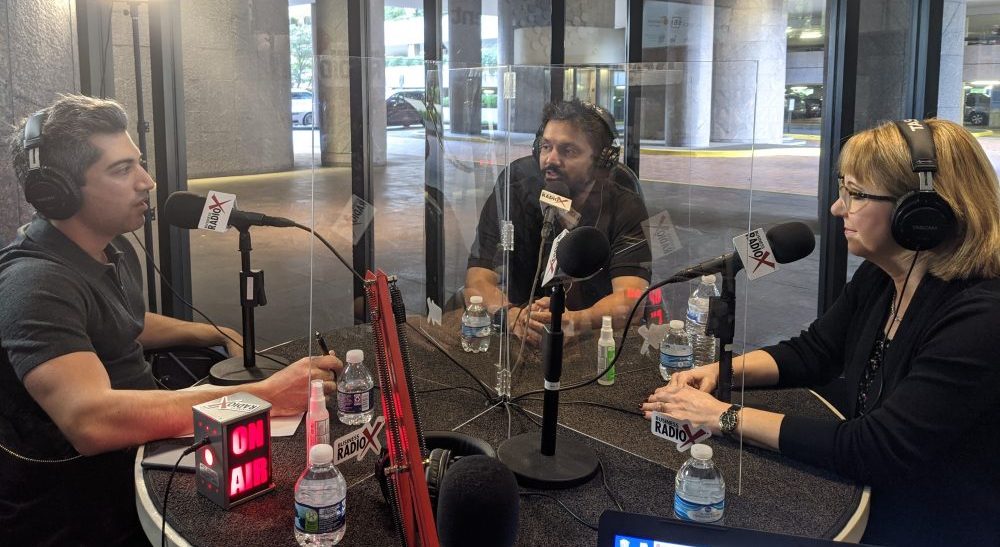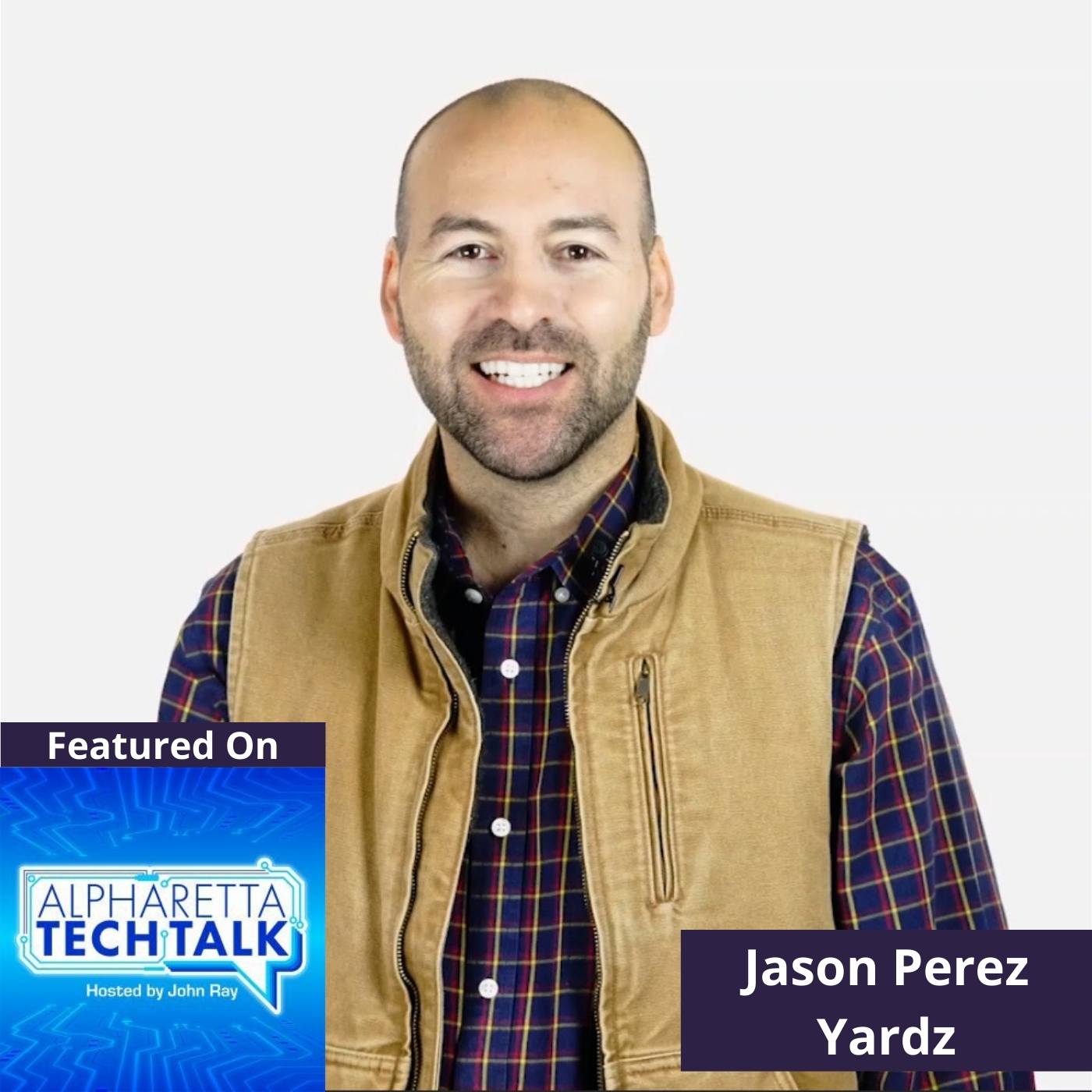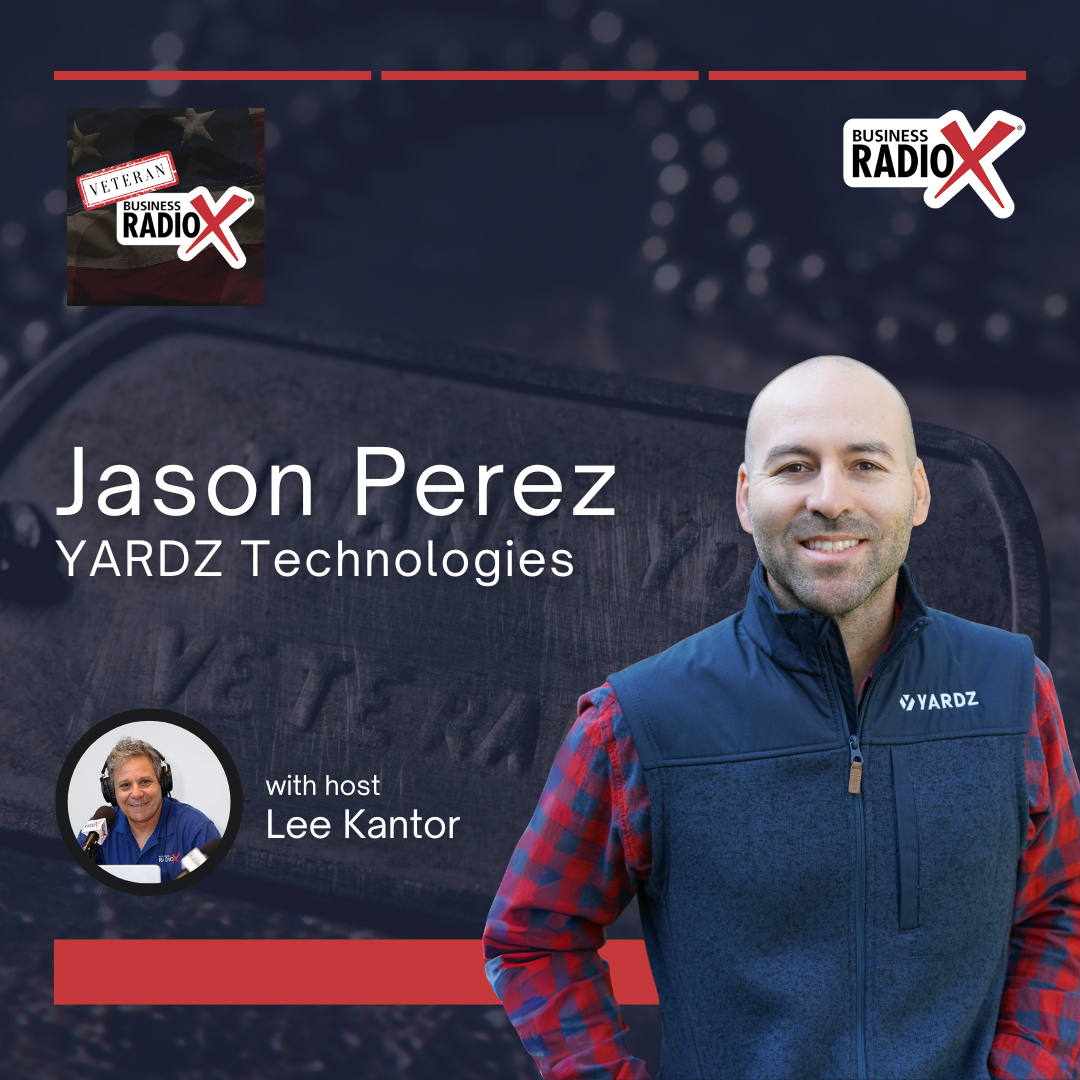

In this episode of Veterans Business Radio, Lee Kantor interviews Jason Perez, CEO of YARDZ Technologies. Jason shares his journey from aspiring Marine to construction industry entrepreneur, detailing how his SaaS platform streamlines equipment management for contractors. He discusses the challenges faced by the industry, the evolution of his company, and the significant cost savings delivered to clients. Jason also highlights his dedication to the veteran community through his involvement with the Marine Raider Foundation, emphasizing the importance of supporting veterans and their families during their transition to civilian life.

 Jason Perez is the Co-founder and Chief Executive Officer of YARDZ. As CEO, Perez manages the overall strategic direction of the company as it expands in scope and size.
Before establishing YARDZ, Perez founded the Veritas Group, a consulting and management firm that had great success in the mission critical world.
Before that he was Manager of Southeast Region Construction for Syska Hennessy Group.
He has sat on the boards of several non-profit entities and is presently an Ambassador for the Marine Raider Foundation.
Follow YARDZ on LinkedIn.
Episode Highlights
- Jason’s background and journey into the construction industry.
- Overview of YARDZ Technologies and its Software as a Service (SaaS) platform for asset management in construction.
- Challenges faced by contractors in equipment management and the financial implications.
- Development of innovative solutions to streamline equipment tracking and management.
- The evolution of YARDZ Technologies and its expanding features for contractors.
- Impact of YARDZ Technologies on productivity and cost savings for construction businesses.
- Jason’s commitment to supporting the veteran community through the Marine Raider Foundation.
- Plans for fundraising events to assist veterans and their families.
- The importance of community engagement and support for veterans transitioning to civilian life.
 This transcript is machine transcribed by Sonix.
TRANSCRIPT
Intro: Broadcasting live from the Business RadioX studios in Atlanta, Georgia. It’s time for Veterans Business Radio, brought to you by ATL vets, providing the tools and support that help veteran owned businesses thrive. For more information, go to at vets. Now here’s your host.
Lee Kantor: Lee Kantor here another episode of Veterans Business Radio. And this is going to be a good one. And this work could not be done without the partnership we have with ATL vets, inspiring veterans to build their foundation success and empowering them to become the backbone of society after the uniform. For more information, go to ATL vets.org. Today on the show we have Jason Perez and he is the CEO with YARDZ Technologies. Welcome, Jason.
Jason Perez: Hey. Thank you. Lee. Thank you for having me.
Lee Kantor: Well, I am so excited to get caught up with you. We meant we were talking before the show, that I guess we were one of the first people to interview you out of ATDC.
Jason Perez: You did? I believe we just had prototyped our first iteration of it, and we we went out. We were able to get a couple customers on. And honestly, we probably did not deserve to be in that room with you guys at that point. We knew nothing about tech. We just knew that there was a big problem to solve.
Lee Kantor: So can you talk about, well, first of all, what is YARDZ technology? Who are you serving and what are you guys up to?
Jason Perez: Yeah, so we’re a SaaS platform for those people that don’t know software as a subscription, right? Um, and what we’re solving is essentially the asset management side of construction. So contractors go out, they rent a lot of equipment, they own a lot of equipment. They have tools in their warehouse. And at the end of the day, all of it ends up somewhere and they don’t know where it’s at. And so there’s a tremendous amount of losses that occur, either through paying for rentals that sit on the side of a road. I’m sure a lot of us out there have driven along the freeway and seen those big pieces of machinery, excavators, dumpsters and so dump trucks out there just sitting and people are paying big money on those, right, or owned assets that sit in their own yard that they should have deployed, but instead they rented. And then tools that just go lost. Right. So what we did is that we built an aggregator that goes out and consumes data from all the major rental companies, and then marries that with their owned assets and with their tools, so that they have one single pane of glass. And when those rentals come in, we send them alerts to make sure that things don’t sit on their projects longer than they should. We evaluate to make sure they’re getting the rate that originally was contracted. There’s a slew of tools that are involved there. But, you know, what’s most important is we save people money and we save them time to get them home earlier.
Lee Kantor: Now, what’s your backstory? How did you kind of realize that this was a problem to be solved?
Jason Perez: Huh? Yeah, well it’s interesting, I’ll go way back because I think one of the reasons I’m on today is just my backstory in general, right? I’m not a veteran, but since eight years old, from the first time watching Full Metal Jacket, the only thing I wanted for my life was to be a marine. That was it. And in 2021, a junior in college, I was supposed to go to P.l.c., which is platoon leadership class or course, and I got medically declined a week before leaving. I mean, I had a party and everything going, and I just was kind of devastated. I didn’t know where to go with my life, but my whole family was in construction. So when I graduated college, I just kind of fell into, you know, getting into construction. And and I resisted it for multiple years. And at the end of the day was fairly successful with it. So I built a consulting company around mission critical Construction. I was involved with a lot of DoD work. I was involved with a lot of data centers and large healthcare mission critical type projects. And then after building that, my neighbor who just so happened to be in the rental industry, came up and said, hey, there’s this issue with rentals. Like I get phone calls all the time of people saying that, you know, I need to call something off because, you know, they rented it and I’m like, no, this is not mine. You rented with somebody else. And then he realized he started managing 2 or 3 different rental companies. Um, him just being a rental sales rep. And so he thought, well, maybe I can start a brokerage. And then in our discussions, they said, well, maybe we can start building technology around it and solve it. And that was it. You know, it was just about six months of a year digging our our feet in and asking the questions and visiting job sites and going, all right, how are people trying to solve it today? And what we found is there was a massive vacuum in regards to that problem.
Lee Kantor: Was it because maybe there, you know, there are analog in the digital world? Is was that the problem that they’re keeping track kind of on paper and pencil in their own memory, rather than kind of having central locations for the data to just be there and be remembered that way.
Jason Perez: That’s right, that’s right. I mean, here’s the thing about construction. A lot of people will look and they go, man, construction is so advanced. What you can do with VR goggles and walking through a building before it’s even built, you know, there’s a lot of white collar technology, at least I call it white collar technology. It’s built for engineers, architects, the big geeks. They get to do all this cool stuff. But then you get down to the blue collar guys, right? The the dirt and oil under the fingernails. And there aren’t things built to make their lives easier. And my dad was a blue collar guy. I grew up in the construction industry, actually. You know, digging. Digging holes and framing walls. I was a laborer for three years before I started actually getting into the office and doing project management work. And at the end of the day, there just weren’t tools built for those guys. And so when you look at equipment, it was Excel spreadsheets. It was whiteboards with, you know, different color markers for different companies. There were people that we saw with magnet boards and they they would print out labels and put them on magnets and move them around like it was, you know, a battlefield. You know, I mean, it was really interesting how people tried to solve it, but we knew there was a better way. You know, the second you save an Excel spreadsheet, it’s out of date. The second you move something on a magnet board, it’s out of date because something moves out in the field, you’re not going to know about it. And so we needed to tie something that would take the field in the office, marry those together and then take own rented tools, marry those together and just make people’s lives easier while saving them, you know, 10 to 30% in overall rentals.
Lee Kantor: Now, what was the aha moment? When did you realize you were onto something?
Jason Perez: I think the aha moment really came when a top 25 contractor, um, called us up and said, one of your customers told us what you’re doing and this would change our lives. This would eliminate multiple people in the process. They can actually focus on other stuff within the company. This will change everything for us. And we thought, okay. I mean, if someone that’s a top 25 contractor believes that we need to start listening and we use that as a learning lesson, we listen to them, we listen to our customers. We continue to be, you know, close to the problem. And that was kind of the aha when when somebody was willing to pay for the product. That wasn’t just, you know, us selling, you know, cold water in the desert.
Lee Kantor: Right? So this is you realize this is something that they were hungry for. You didn’t have to work that hard to sell it. Once they understood what it could do.
Jason Perez: It proved out the value. Yeah. It proved out the value of of what it was. Um, and and it really provided some credibility about, uh, around what we’re doing. It validated us as a, as a company, and it validated our purpose, you know, because again, it’s great building tech. Right. But if your goal is strictly to get rich, you’re probably not going to get there. You’ve got to be focused on solving a problem. You got to be looking at something and saying, how do I make this better? How do I impact the process, impact the people, impact the company? And it could be financially. It could be, you know, psychologically, it could be, you know, just again, getting them home early, right, for dinner with the kids. These are things that get passed on. And these are the emotions that one day, you know, lead to them referring you to the next opportunity.
Lee Kantor: So how has the kind of the software evolved over the years? Like you, you start out like when we met, it was in a conference room at at DC. Uh, where are you at today? That was probably, what, 6 or 7 years ago?
Jason Perez: That’s right. So we were lost then? We were we were doing this rental quoting platform. Um, we really haven’t hadn’t gone into the intelligence of aggregating in the way that we had, uh, have today. We didn’t have a lot of tools there, and it was really rental focus. Since then, we added the owned, uh, asset side. And on the owned assets, we have things like, uh, IoT, telematics, tracking. So we’re consuming data from, uh, miles and hours and diagnostic codes off of equipment directly from their computers or devices that we provide. We have logistics and dispatch and work orders and schedules and electronic inspections. I mean, there’s a slew of things that are involved there and a lot of reporting and analytics behind it. And then on tools, we built this whole entire warehouse component where people can manage their tools, their consumables, job costs, those things. And then also, you know, on the on the maintenance side parts and, and kitting, so that when somebody goes out in the field and manages those things, everything’s supplied on their truck and they can track what’s, what’s leaving the the warehouse. Right. What’s leaving the shop.
Lee Kantor: So now there’s actual tools for those folks that are boots on the ground where you can actually help them and save them time and money and resources, and they can know exactly where everything’s at and and how they are doing in terms of, you know, maybe it’s time for maintenance or they have more intelligence around all of the tools that they’re using.
Jason Perez: That’s right. And because we have some really proprietary, um, intuitive tools, we have things like if you’re going to go maintain a piece of equipment that’s 50 miles away, I’m going to be able to search on my phone. The other equipment that’s also due for maintenance within, you know, a mile or two miles or within that project. Um, you know, we have a lot of different ways of creating efficiency. So these individuals go out. They’ll get blindsided that something else needs to get worked on, or they don’t make an hour and a half drive to get back to the shop and go, oh crap, there was three other pieces of equipment I need to work on when I was out there. Right. Um, so we’re alleviating that. We’re alleviating the idea that they have to get a sheet of paper, you know, print it, scan it, upload it to a file, do all these things that are just absolutely time consuming and they don’t add value to the company. It doesn’t feel like they’re adding value to the person. Right. If you have to do that, you’re going, man, don’t have something better to do. I mean, if I’m a a high level diesel mechanic, let me focus on being a high level diesel mechanic. I don’t want to focus on paperwork. And so YARDZ allows them to focus on the jobs that they love doing while the application makes it, you know, a 15 second ordeal for them to snap a couple photos, say it’s a complete done deal, move on to the next.
Lee Kantor: Right. So you’re eliminating kind of the admin component of their job, and they can just focus in on kind of the art of the work that they’re doing.
Jason Perez: I love that word, the art of the work because that’s what it is. I mean, uh, these guys love working and solving problems and doing the things that they do. They hate paperwork. They hate bad technology, right? They hate waiting for things to load. Um, those just aren’t things that they want to focus on, right? They want to be out there and and when they drive up and they know they need to fix something. They want to get to it, get it done, move on to the next.
Lee Kantor: So who is the ideal customer for YARDZ nowadays?
Jason Perez: The ideal customer profile stays somewhat the same. It’s a large contractors that either I shouldn’t say large contractors, but contractors that you know own probably more than 100 pieces of equipment or rent more than a half million dollars a year, right? That that’s kind of where our customers start. And we have low plans for those smaller customers where it’s it’s cost effective. What we typically see with any one of our customers is at least a ten x on the ROI, right? So they’re going to save ten x on what they’re paying us in order to use the platform. We have one customer, Ali Schwartz, that actually saved 100 x. Um, so they were pretty happy. We have a case study with them. They drove the whole entire process of measuring how much savings they had. And it was it was just really eye opening for us. After doing business with them and partnering with them for 3 or 4 years, they took it upon themselves to figure out how much are we saving? And they determined that they had over a quarter million dollars to the bottom line, like in their pocket. Uh, and and that’s that feels good, you know?
Lee Kantor: Yeah. I mean, the impact is real.
Jason Perez: The impact is real.
Lee Kantor: So now let’s get back to the kind of the your, I guess, passion for serving veteran, the veteran community. Uh, you didn’t get a chance to actually, uh, become part of the Marines, but being part of the Marines is still part of your life. Can you talk about your work with the Marine Raider Foundation?
Jason Perez: I would love to. Uh, another thing that kind of just fell into right YARDZ I fell into in the Marine Raider Foundation. I’ll say it fell into. Um, again, I’ve had an affinity for the Marine Corps since eight years old, and I always thought at some point I would figure out how to get back involved. I have several cousins Marty Tailor, Gerry Llorente, who did their time in the Marine Corps, and I, you know, I’ve always looked up to them. And it was around 2015 that I was invited to a golf event that was a a fundraiser. At that point, they were called the the Marsac Foundation. And then they rebranded to the Marine Raider Foundation now. And it was my opportunity to go see, you know, the work that they were doing. And that’s when you start realizing, you know, um, there’s such a need for helping those that have sacrificed the most. And it’s not just about, you know, everybody thinks, oh, well, you know, the the people that died sacrificed the most and no doubt, you know, it’s a terrible thing, but people forget about the people that are still living that went out there, sacrificed over so many tours, have their family at home, put their family through stress. Now we’re getting out. Or, you know, could be that they got injured in there and and they’re still in. But at the end of the day, you know who’s helping them, right? Who’s looking out for them and who’s thanking them, not just with their words but with their resources. Whether it’s your time, whether it’s your money. And the Marine Raider Foundation is one of the most effective foundations that are out there. I mean, when you start looking at the dollars that go to mission, it’s in the high 90%. I mean, over and over again, it’s, you know, 97%, 98%. Right? I mean, it’s it’s tremendous the amount of impact that they’re making across all the Marine Raiders and how focused they are on mission.
Lee Kantor: And then so what’s been your work with them? Like, how were you involved with them?
Jason Perez: Yeah. So, um, I’ve been a contributor, uh, as a donor for over a decade and also an ambassador for them. Just getting other donors involved and obviously participating in every fundraiser and charity event that’s possible. And this year, my hope is to kick off my own event, um, which would be, uh, I’m involved in Jiu-Jitsu. And so my thought was to start a, a role a thon, right? Where essentially, instead of running a marathon, instead of doing A5K, uh, everybody comes over to the, to the, you know, Jiu-Jitsu studio, and we all roll for 12 hours straight, right? Raising money for the Marine Raiders. So I’m pretty excited about that. I, um, I think again, the work that they do, the need that’s there, um, It’s such an important cause for the families, both on the legacy side and, you know, the opportunity to bring them together, to get supported and to transition, um, out of the Marine Raiders into the civilian and professional world.
Lee Kantor: Now is the Marine Raider Foundation. Is that a Georgia based or is that national?
Jason Perez: Uh, I believe it’s out of San Diego. I say that because, um, it was out of San Diego, and then, um, there was Camp Pendleton and Camp Lejeune, right. And they moved all the Marine Raiders out to North Carolina. So I don’t know if the foundation moved with them. Um, I still have all the same contacts, uh, that are out of San Diego, so I assume they’re still out of San Diego, although the Marine Raiders are out of North Carolina.
Lee Kantor: And then so are the contingent here in Georgia, though, are you kind of championing Georgia, or is there a group here that you’re part of in Georgia.
Jason Perez: Well, that’s that’s what we’re trying to start. Right. That’s that’s what we’re trying to build. So for the people that are here in Georgia, um, that would like to get involved into and would like to support the Marine Raider Foundation. Um, I would like to, you know, my emails, if it’s okay. I would love.
Lee Kantor: To.
Jason Perez: Yeah, sure. Share it. Yeah. My emails. Jason at YARDZ. That’s why a d z.com. Um, I would like to start to get that together. Again, I’m trying to put together our first event this November around the marine, uh, birthday. So, um, it’ll be in early November. And hopefully, you know, we get a lot of people involved and this becomes a regular occurrence.
Lee Kantor: And, um, for folks who want to learn more about Marine Raider Foundation, just Google Marine Raider Foundation.
Jason Perez: That’s you can Google it, or you can just type in Marine Raider foundation.org.
Lee Kantor: Good stuff. Well, Jason, thank you so much for sharing your story. Um, as we’re trying to tell the stories of, um, how to serve the veteran community more. Thank you for making us aware of this great organization and for folks in Georgia who want to get involved with them. Please contact Jason, uh, to learn more. It’s an important cause, and it’s important to the work that we’re doing here.
Jason Perez: Well, thank you so much. Lee, for having me on. And also having this, um, as a vessel to to help veterans. Right. And to inform people about, you know, the need.
Lee Kantor: Yeah. Well, Jason, thank you again for sharing your story, doing important work. And we appreciate you.
Jason Perez: Yeah. Thank you. Have a great.
Lee Kantor: Day. All right. This is Lee Kantor. We’ll see you all next time on Veterans Business Radio.