Olivia Newell and the Team from Theory Salon


/
RSS Feed
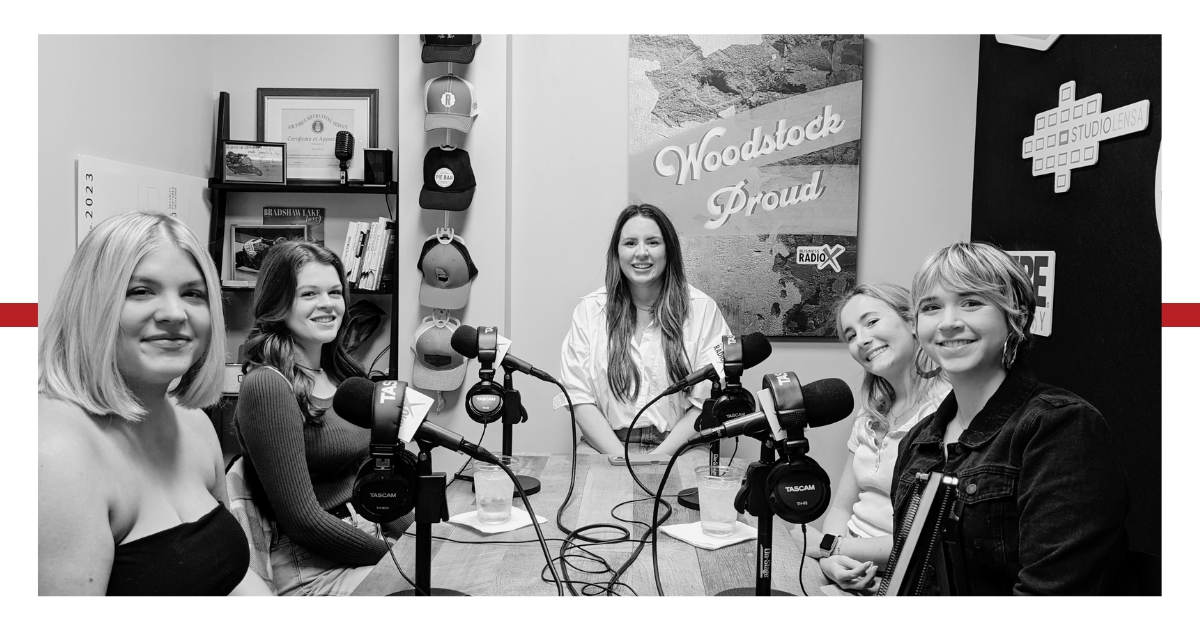
Theory Salon is a culture that provides visionary looks with a world class customer experience. With a welcoming environment and luxury product lines like L’Oreal Professionnel and Oribe, we value integrity.
You will find through our passion for one’s craft, our dedication to establishing a salon that works with purpose and meaning.
Commitment to innovation, and continued education is a must, because we know that it is integral to keeping our skills sharp and our artistry inspired.
The driving forces behind the Theory Salon experience are to provide unparalleled hospitality and extraordinary hair artistry.
 Olivia Newell is a small business owner in Woodstock that does it all, from hair and makeup to consulting for other local businesses. She is a L’Oreal Professionnel Educator and she grew up in the Woodstock area. She graduated from the University of Georgia in 2013 with a degree in Public Relations.
For over 18 years, Olivia managed, staffed and trained in the salon industry upon opening Theory Salon with her two business partners. She firmly believes in continuing education and travels from New York to LA throughout the year to train, coach, and mentor other salons.
She has a passion for both hair and makeup, while specializing in cutting, blonding, balayage. Olivia is a L’Oreal Pro Certified Balayage Artist, Network Expert Color Specialist, as well as being Keratin Complex Smoothing Treatment certified.
When she’s not behind the chair making her clients laugh, you can find her planning her next travel adventure or spending time with her hubby, son Sullivan and three pups!
 Being a Woodstock native, Andi graduated from Paul Mitchell and joined the Theory family in summer of 2021.
Andi specializes in blondes, where she is a true perfectionist and stays busy foiling her clients. She also holds a certificate for Keratin Complex Smoothing Treatment.
When not at the salon, you can find her by any body of water or cuddling up with her pets.
 Lacey is from Modesto, California, and joined the Theory team in the early spring of 2019. She attended Kennesaw State University before pursuing her passion for hair in 2016.
Lacey has a love for balayage, pina coladas, and getting caught in the rain. She considers her chair a safe space for all conversation and values each unique relationship the hair industry has brought her.
She is Theory Salon’s L’Oreal Color Ambassador where she holds a certification in the art of color.
 Jess is from right here in Woodstock! She graduated from Chattahoochee Technical College with her Master Cosmetology License in 2020 and spent a year working with wigs and toppers.
Since starting at Theory she has grown a passion for natural lived in color as well as formal and bridal hair styles.
Outside the salon, she is teaching children’s choir at her church or coaching her swim team!
 Emma is originally from McDonough Georgia, but raised in Kennesaw. She graduated from Chattahoochee Technical College on the President’s List with her Cosmetology Certificate.
Her goal is to provide a welcoming environment for her clients and be a creative asset to the Theory team. Emma loves color and is a head spa guru with our Japanese Head Spa.
In her free time, Emma enjoys exercising with her dog Bella and continuing her education with hair.
Follow Theory Salon on Facebook and Instagram.
 This transcript is machine transcribed by Sonix.
TRANSCRIPT
Intro: Broadcasting live from the Business RadioX studios in Woodstock, Georgia. It’s time for Cherokee Business Radio. Now, here’s your host.
Stone Payton: Welcome to another exciting and informative edition of Cherokee Business Radio. Stone Payton here with you this morning. You guys are in for a real treat. Please join me in welcoming back to the program with Theory Salon, Miss Olivia Newell. How are you?
Olivia Newell: I’m good. Thank you so much for having me back.
Stone Payton: It is a delight to have you. What have you been up to since we talked last?
Olivia Newell: So many things. And I’m even more excited because today I brought some of my girls from the salon. So I’m so excited to have them here with me.
Stone Payton: So the last time you and I traded emails. I think it was you had some exciting news about New York Fashion Week and then it blossomed to even more stuff. Get us updated. Yes.
Olivia Newell: So last time I saw you was last year, right before our fall market and right before I was heading to New York Fashion Week for the first time, which was really cool. Um, so I went on the trip. It was fabulous. I worked for BP, who is the owner of the boutique brand. He’s from Italy, and I had the honor of working with him last year at New York Fashion Week, and I got to work for him again this year. Um, and then after the fashion week was over, we got offered to do, like a partnership with him. Um, and that kind of in itself looks like fashion weeks for Paris, Milan, London, Berlin, all these exciting opportunities. Um, another thing that I think is so cool, I’ve always loved, like, the fashion world. And this partnership with him will help lead us to do brand campaigns such as like Dolce and Gabbana and Fendi and Prada. Whenever they’re doing like photo shoots or commercials, will be the team that they call to do, like hair, makeup, nails were a part of that, like boutique family now.
Stone Payton: Well, congratulations on the momentum.
Olivia Newell: Thank you. My business partners and I were leaving next week for Milan to officially sign on and and get the team started.
Stone Payton: I didn’t mention as we started, but we’ve got a studio full. Tell us who you brought with you.
Olivia Newell: Yes, yes. So today we have Lacey Lang. She’s one of our stylists.
Lacey: Hello.
Olivia Newell: Andi Dirk. She’s one of our stylists.
Andi Dirk: Hi.
Olivia Newell: Jessica Inibit. As I say, last time, I’m like, I don’t know how to say this. She’s one of our stylists. And then Emma Cosentino. Okay.
Emma: Hello.
Olivia Newell: The last names are hard.
Stone Payton: All right, well, let’s start with you, Miss Lacey. Tell us a little bit about what drew you to? To work at theory?
Lacey: Oh, yeah. Gosh. Forever ago. Um, I started at theory. Well, I started actually, Olivia had a different salon in a different place, and I was led there. Um, when I was in college, I started doing hair and myself, just like, in my bathroom. And someone suggested, um, that salon and I interviewed with Olivia and was just, like, all work so hard, please. And so she hired me when I was 19. Wow. Um, yeah. Like weeks.
Stone Payton: Ago.
Lacey: So I’ve worked with them for almost nine years, actually. Yeah. So it feels amazing. Um, and I went through their apprenticeship program. So from the very beginning of my whole hair life, I’ve been with Olivia. So thankful for that. I tell you what. Um. And. Yeah, now to being a I’m a level three stylist at theory, so that’s super cool. We just got promoted.
Stone Payton: Um, Congratulations.
Lacey: Thank you. And yeah, getting to. I never in a million years would have dreamed to be traveling to do hair in other countries or anything. And, um, it’s been such a beautiful. Yeah, journey to get to do that and to meet incredible people and work behind the chair. So cool.
Stone Payton: So what do you remember about that initial interview? What kind of questions did you have to field, or did you ask all the questions?
Lacey: Oh no, I didn’t know what to expect at all. Um, I do remember I went in to interview after another girl who really looked like she had it, um, and I had quite.
Stone Payton: Literally took the air out of her tires and it.
Lacey: Yeah, I had just cut all of my hair off in my bathroom. And so Olivia asked me like, what do you, you know, what’s your experience? What do you know about hair? And I was like, you’re looking at it, babe. This is it. Um, but I told her that I would clean toilets. I would do whatever. Um, but she just. Yeah, she was so warm and welcoming, Um, and was really kind of like, you know, we’ll teach you what you need to know if you’re willing to put in the work.
Stone Payton: So you mentioned the apprenticeship program. Say more about that.
Lacey: Yeah. So you can, you know, go to beauty school, which is kind of a traditional way to move through that process. And you learn everything quick. And then you go into a salon and you learn more. And the apprenticeship program is takes you longer, but you just it’s all hands on kind of stuff. So I’m working under a mentor and yeah, starting from the ground up just in salon work really.
Stone Payton: So so I have the same question for all of you. And then my, my next victim is Emma. But what brought you to theory? Why theory? Because you you’ve got some choices, right?
Emma: Yeah, I actually don’t even I don’t live in the Woodstock area, so it took a while to figure out where I wanted to work. And when I was looking for salons, it was actually the New York Fashion Week that really, really drew me in because, you know, I started simple. I went on Google salons and Woodstock, and then I went through websites and Instagrams, and when I saw theories, Instagram. It was first. Lacey’s tattoos that, like, really drew me in. I was like, okay, this place is cool. It’s him. Like, there’s a lot of freedom. And then I saw their New York Fashion Week and I was like, oh my gosh, I can do my dream in Woodstock. I kind of always assumed that if I wanted to get to fashion, I would have to go towards the city. And so to be able to do it and kind of a small town, you could call it and get to accomplish something so big is my like final decision. I was like, I have to go here. So I submitted an application and I was interviewed and I was kind of hired in my interview. I feel like she basically was like, well, look at you.
Stone Payton: You go girl.
Emma: I had already done hair school, so I did the more traditional route. I spent a year and I went to Chattahoochee Tech. They have a hair program there, and I graduated last year in November and then got theories position in December. So I’m I’m the baby here. I’ve in the process. I assist some days still and then I’m in the process of taking clients. So I have two client days and then three assistant days. So they do it very gracefully. So the more I build my books and the more comfortable I get, I’ll get granted more days. So that’s really cool.
Stone Payton: I get the sense that the onboarding, the development processes here are pretty robust. Is that your experience, Jess?
Jess: Yeah. So like Olivia kind of said, I’ve been working with theory for almost two years in January, and I actually came to theory already as a licensed hairdresser, having just shy of about two years. I was working for a different company, and I, I knew stuff about hair, but it was my first time, like in a real salon environment. So I was like, I don’t know what the heck I’m doing. It’s like, I need help. I need some guidance. Um, and so I actually interviewed with Olivia’s mom, who’s one of the other owners, Joy. And she was like, she’s like, if you want, we can give you a few days. But she’s like, if you want to assist, it would kind of be a cool way for you to get used to a salon environment and all that kind of stuff. And so I was like, yes, please, please, please, please. So I assisted four days and then I already had a day behind the chair since I already had a few clients. So it was like like Emma said, it was a very nice way to get into it and start building the clientele and everything. Yeah.
Stone Payton: So how do you get new clients? Is it a lot of referral? I mean, you can’t really do typical sales and marketing or maybe you can. Yeah.
Jess: So there’s there’s so many different ways social media has a big impact in it. Um, for me personally, I’m very involved in my church. And so a lot of my clients are from my church, which is amazing and so much fun. Um, and then, like, kids, you know, if you ever get kids in, then the mom wants to come to you and everything like that. Just being a happy, fun person. Family wants to come see you because you’re just having fun. You’re having conversations, you’re enjoying each other. It’s it’s really easy. You can go so many different ways to build a clientele.
Stone Payton: All right, Andi, it’s all butterflies and unicorns, as far as I can tell. Give us the real dish here now. Tell us about your experience.
Andi: So I did go to Paul Mitchell and once I finished.
Stone Payton: Steve and I have heard of Paul Mitchell. Yeah, there’s Paul Mitchell and Olivia Newell.
Andi: That’s so funny.
Andi: Yeah. So I went to Paul Mitchell. And then once I finished there, I did interview at a few different salons and theory salon, I think was like the second or third place that I did interview at. Olivia interviewed me. And funny enough, at that time there was no AC.
Stone Payton: That’s a tough environment to recruit in.
Andi: It was, it was.
Andi: And you know, I yes, I actually had extensions at the time and, you know, jeans and a long sleeve shirt. Um, and, you know, Olivia gave the interview, you know, using the papers, fanning both of us at the same time.
Andi:
Andi: I felt like it was very welcoming. And I really enjoyed the environment, the energy. That sounds very young to say. Um, but I think that whenever we do walk into places, you can feel energy. Um, and so, yeah, I mean, since then, I was an assistant for six months, I want to say seven months. Um, I was very nervous to go on the floor. And actually, I remember in our salon meeting, I thought that I had two months before, um, going on the floor. And Olivia looked at me and said, nope, you’re going next month. Actually, within a few weeks. And so nervous. Um, but if she wouldn’t have pushed me, then I wouldn’t be where I’m at today. So I’m so thankful. Very grateful. Don’t get me wrong, the industry is hard. You know, things aren’t given to you. Um, but within time, you know, your hard work does pay off.
Stone Payton: So say more about the salon meeting.
Andi: I’m intrigued. Well, more so, like.
Stone Payton: Margaritas Mondays.
Andi: Or I wish. No.
Andi: Um, but. So every Thursday morning, we do have class and so that kind of goes on a rotation. It is a mandatory class. It kind of keeps up with our education. Um, and so I believe once every month or once every two months, we do have a normal salon meeting to kind of check in with everyone, see if there’s any issues that we have, kind of go over any issues that we have. Also with being on the floor with some of our clients. Um, and so, yeah, just tons of education, which is great.
Stone Payton: So how long have you been at it at this point?
Andi: So 2019 is whenever I started going to beauty school, I would say 2020 was when I started working at the salon. Um, and so it’ll be going on my fourth year.
Stone Payton: Fantastic. So at this point, what are you finding the most rewarding? What’s the most fun about the work for you these days?
Andi: Um.
Andi: I don’t know. I feel like it’s.
Stone Payton: Okay to say.
Andi: Cash. Yeah.
Andi: Which sounds bad, but I do really enjoy all of my client relationships. Um, I think that that is very great. One of my clients just got married, and it was amazing to kind of go through her engagement to, you know, hearing everything. Um, as well as, you know, I have heard the downside about Passings and just kind of being there and over time, you know, your job is still hard, but these are all like your friends, you know, granted, you do have to be professional, you know? Um, but yeah.
Stone Payton: So I really I have that question of everyone and we’ll just go around the table. So I’ll ask, uh, Jess next, but I am genuinely interested in what’s, um, what’s stoking the fire for you these days, because in my experience, that can change and evolve over time. How about you, Jess? Yeah.
Jess: So my my kind of direction for my career has recently changed very much. So, um, I love being behind the chair and doing, like, lived in, um, specialties, whatever that may be. But I’ve really grown a love and passion for bridal. I love doing bridal hair. It’s so, so, so much fun. The cool thing about the hair industry is there’s so many different things you can do with it. If you want to, you can be like just a cutting specialist. You can be a color, you can be a stylist. There’s so many different opportunities. So if you want to, you can kind of change it up with whatever feels fun and everything. But for me, recently, I’ve really been into the bridal stuff and everything has been so much fun.
Stone Payton: Is there any interest of anyone here in specializing in old men with broken dreams?
Lacey: There’s not a good market.
Andi: Not a good.
Stone Payton: But but you, you do cut men’s hair or you don’t.
Andi: Yes, sir. Yeah, yeah you do.
Jess: Yeah, we all do.
Stone Payton: Oh, wow. Okay. All right, Miss Emma, it’s kind of a hard act to follow. I’m sorry. I’m making you.
Andi: Follow.
Emma: I feel like I fall a bit with everyone. I have to agree with Andy that, like, the relations with your clients you have are super duper huge. You learn so much about people, and it. It makes your job so fun. It doesn’t feel like you’re working. You just have these friends all day and then even your coworkers. It’s like, I forget I’m working when we’re bored, we just. We do each other’s hair. We hang out in the back like it never feels that stressful or that you’re working. But the most exciting things for me have just been the opportunities. I love the idea of getting to potentially travel and whatever that looks like. The fashion weeks is definitely my biggest dream and that’s something I want to be involved in, even if that’s just standing in a corner and watching like that would feel like such an accomplishment. But I mean, there’s so much fun. Me and Jess recently did like a branding photo shoot, and that was super fun to do and meet these girls and do their hair and have this whole networking group that we created, and it felt very professional, but also so, so freaking fun to get to do this thing. And we we rented a studio and we did everyone’s hair and we took pictures and it was a blast. And I loved being able to do stuff like that. Anything that’s networking really is up my alley.
Andi: Yeah.
Stone Payton: And I’m going to come to you on this, Lacey, but I want to dive more into this branding shoot, because that’s a whole different ball game, right? Yeah.
Jess: It was our definitely our first time ever doing it. It was just kind of fun because we both have really enjoyed styling and everything. And so we both just wanted an opportunity to show our work and get connected. I mean, that was one of the main things that Olivia always talked about, like branding yourself with other owners, other businesses, other things because it’s it’s just fun at the end of the day, getting to know other people in the industry, whether it is in the hair industry or we connected with a young photographer. And it was just so much fun just getting to hang out with all the girls. And like Emma said, we kind of got an opportunity to tip toe into that whole, like, professional world of doing people’s hair, having a timeline, like all that kind of stuff.
Andi: Oh, I bet.
Stone Payton: There is a lot of. I would think there could be some pressure, right? Time pressure that you got to. Oh, yeah.
Emma: Oh, it was stressful trying to figure out like, okay, we need the studio for this amount of time. It’s going to take us x amount of time to do each person’s hair. The photographer needs this amount of time to get the photos. And it was stressful and it went by so fast. But at the end of the day, it was it was really cool to see our work payback with the photos we got.
Andi: Oh, I’ll bet.
Jess: And the girls just had so much fun. That was really fun. They were like, I’ve never had my hair done before.
Andi: Yeah.
Jess: We got you girls so much fun.
Emma: Yeah, the outfits we brought, like, a whole wardrobe for them. And it was a lot. A lot of fun.
Stone Payton: It sounds like a lot of fun.
Andi: Yeah.
Emma: Got to make some content with it, which is always exciting and so necessary. Now with the industry to have your social media up to date.
Stone Payton: So you could add this to your portfolio and oh yeah, this.
Emma: Will be on my Instagram. I’m on the radio. Yeah, yeah.
Andi: Same same same. Very cool.
Stone Payton: What are you enjoying the most, Miss Lacey? What’s what’s fun about it these days for you?
Andi: Oh, yeah, I know.
Lacey: Well, and now we’re like a broken record because I definitely. I mean, I love doing hair. I love, um, it’s so cool because hair is definitely, like, such a tangible thing that you can, like, see, so visually your ability to improve. So, you know, looking at the pictures that I took when I first started and being like, wow, I’m so good at this. And then seeing those pictures now, like, wow, okay, girl, you really did that.
Andi: Um.
Lacey: But that hair, like, especially going through the apprenticeship program and, like, working under a mentor who is another one of the owners at theory that I remember when I was assisting that one of her clients moved the day that she came in to get her hair done so that she could see me while I was assisting. And that really opened my eyes to like, wow, there’s a whole ecosystem that exists inside a salon that matters to people, you know? And I got Christmas gifts from these clients. And I mean, yeah, to have these moments where you are sharing and like Andy was saying, like, you know, processes of people, you know, dating, getting married, having children and then doing their children’s hair, you know, and that it’s not, you know, hair is hair, but it’s not just hair either. It’s these like incredible. Yeah. It’s just incredible. And then yeah, all the coworkers. Oh my gosh. Yeah. Ridiculous. You know, you come into the salon and you.
Speaker9: Have.
Lacey: You never know what you’re going to walk into.
Andi: It could be a fashion show.
Lacey: We could be crying on the couch. You know, we could be making people dance for their discount. You never know what’s happening. Show up on Halloween and see what’s going on. See what’s going on on Halloween. So it’s always something and I leave. I mean, pretty much every day being like, wow, I can’t believe this is my job. People really cry going to their jobs, and I get to just have like, the absolute best time of my life.
Stone Payton: It didn’t dawn on me that Christmas cookies and in your case, just, you know, maybe I would bring some deer sausage or something.
Andi: I’m into that. I’m into that for sure. Please share.
Stone Payton: It’s part of the comp.
Andi: Package, right? Yeah.
Stone Payton: So who at the table is, is or has traveled for this New York thing? Is that anybody at the table traveled for that.
Lacey: Oh well we went so we haven’t done a fashion week, but we have um, Andy and I have been to the Academy in New York, the L’Oreal Academy, and I’ve taken some classes and y’all.
Stone Payton: Are dropping some names that even I recognize.
Lacey: Yeah, it was amazing. Um, we are a L’Oreal salon, and so they obviously the biggest beauty company in the world. So getting to be educated by some of, I mean the top people in the world is, I mean, mind blowing. But to continually be able to like, wow, this is so cool and be kind of on the cutting edge of stuff.
Stone Payton: So in just a moment, I’m going to get Olivia back on the microphone and ask her some questions, which is why I’m going to ask him a first before she has to go. Emma and Olivia are sharing a microphone because they brought like the whole team. And I got this little bitty, you know, I don’t know if Olivia needs a microphone. Did you hear that? Uh, but I’ll ask him this first, and then we’ll head over to Olivia. But again, I want to hear this from everybody. Interest, pursuits, hobbies, passions outside the scope of your work. It’s no secret I like to hunt, fish, and travel for my listeners. But, Emma, you nerd out about anything else.
Emma: I don’t know, I feel like my life now is all about beauty. Like everything I watched my Instagram, everything is something beauty related. But I’m a big crafty person picking up how to crochet. I don’t know what I’m gonna do with it yet, but it’s fun. Something to do with my hands. I definitely need to stay busy. It’s what I’ve noticed and one of the reasons I got in the industry, it’s like it’s a hands on job. I’m on my feet, I’m talking, I’m moving. And so I do anything outside that can keep me busy working out or crafts, I would say, are my biggest things.
Stone Payton: Neat. How about you, Jess?
Jess: Um, well, like you said, I love hunting. I am an outdoorsy girl. Um, grew up with a bunch of fun. Fun? Like, country uncles and stuff like that. So anything outside I absolutely love. And then I just, I love community, I love hanging out with people. So any opportunity I can to just hang out with my friends, go shopping. I love like the symphony. I love going and seeing art museums, stuff like that. So anything kind of like that’s fun for me.
Andi: Well, in.
Stone Payton: My experience has been and it sounds like maybe yours too. There’s not like this hard line between this is my work. This is my play. This is my community. It for a lot of us, I think it all kind of blends together.
Jess: Oh, yeah. For sure. I mean, like Andy said, community also comes from my clients in the chair. I mean, so many of them are friends prior to being clients or to a degree, come become really close friends after when they come into their appointment. It’s like, so how was the date? Did you have so much fun or be like, did you get your dress for prom or stuff like that? So it’s fun because they do interlock a lot.
Stone Payton: Yeah. So Andy, you collect stamps, what’s your deal? Um.
Andi: Honestly, a lot of my time outside the salon is either shopping. I do have a spending problem.
Andi: I was right about.
Stone Payton: The cash thing earlier. Right? It’s a direct.
Andi: Connection.
Andi: Um, read.
Lacey: Her like a book.
Andi: Yes.
Andi: Um. Or recently, it’s been working out. I’ve been getting into fitness and trying to lose weight. Um, down 22 pounds, which is very exciting.
Stone Payton: And we made you walk right by those donuts on the way in. I’m sorry about.
Andi: That. No no, no.
Andi: Um, but, yeah, that’s pretty much my life. And hanging out with my dog.
Andi: Oh, you’re a dog person.
Andi: I am my boyfriend, my high school sweetheart. He drives semis, so he is gone a lot. So kind of. You know, my dog is my best friend. Sure.
Andi: So. Yeah.
Stone Payton: Lacey, what are you into? If you’re not cutting hair or styling hair.
Lacey: Oh, yeah. Um, I play pool, actually. Yeah, I’m on a billiards team, so that’s pretty fun. Yeah, I went to Las Vegas to play in the World nine ball championship this year. That was really cool. Um, yeah. So that’s kind of I mean, most of the time I like after work, try to talk the girls into, like, you guys trying to go play some pool. It works. Every once in a while, you should see Olivia on a pool table. She’s pretty good. No, she’s shaking her head, but that’s. That’s not true.
Stone Payton: Lacey could probably beat you with a broomstick, right? Right. Yeah.
Olivia Newell: It’s terrible.
Stone Payton: So I’ll tell on myself. I got a marketing degree. This was a long, long time ago. You could see I’m a little longer in the tooth than everybody else in this room. Uh, But I didn’t go to class a lot. And so I got, you know, kind of good in pool and ping pong and actually, I got good enough in ping pong to call it table tennis. Okay, okay. So I hit the next level, and I discovered that I was like, you know, the king of the hill in my little pool room. But, buddy, I didn’t have to travel a mile down the road to find somebody better.
Andi: Yeah, that’s. Yeah, but.
Stone Payton: You’re you’re hanging out with the big dogs. You went to, like, the nine ball.
Andi: Yeah. I mean.
Lacey: I can’t say that we did super well being there, but having made it was so cool. Yeah, but I play on a team, so it wasn’t just me. Most of the guys on my team are really great. My boyfriend and I play together, and so there’s eight people on my team, and all of them managed to to get us there. And I got my little pom poms out and oh.
Andi: Yeah, it was great.
Stone Payton: And so regularly here locally though, you’ll go play like in a league or something. Yeah.
Lacey: Yeah I play on the APA. Mhm.
Stone Payton: Yeah that sounds official. That is fun.
Lacey: It’s the amateur pool association.
Andi: Very cool. Yeah.
Lacey: Yeah it’s super cool. It’s really fun.
Stone Payton: I love asking that question. You just never know what you’re going to learn about people. All right. Olivia. I do want to dive into the particulars of this whole partnership, the New York Fashion Week. But and I’m really looking for and I know our listeners are, too. Just insight on how you how you you get a little aperture, a little opening to do some good, and then it just continues to build and snowball. That is not pure luck. There’s there’s something you’re doing to create what you’ve created and to, to have this new opportunity.
Olivia Newell: I think I have a slight obsession. My my brain doesn’t turn off like my I always laugh. One of my business partners, Lita, like my best ideas come at night. So she’ll she’s very used to getting, like, a 1 a.m. text. Like, I got this business plan. We got to save this much money for a down payment, and we got to do this, and then we’re going to go here, and we’re going to go there. And she wakes up and she’s like, okay, just run the numbers. But like sounds good. So she’s always like on board to my my crazy. Um, but yeah, I actually spent some time with them this weekend. My husband threw me a surprise birthday party and I was happy birthday, 1,000% shocked and it’s very hard to get something past me. So he did good. But I was outside in my backyard by the fire, talking to my mom, my business partner and Lita and we were just chatting. And I’ve always wanted to fully embrace like a true motto for our business and our salon and what we stand for. And I’ve always had one, but I would say that it was like a generic motto, like we’re a luxury luxury salon, we offer you a high end experience, blah blah blah.
Olivia Newell: But there was no like story to it. And I feel like as S3 business owners have been together for going on eight years, I feel like we finally have like our story to tell. And I think the main focus that I was realizing this weekend is I love that our salon literally sees all walks of life. Like, you don’t come in and see everyone with lived in blond extensions and feel like, oh, I can’t get my hair done here. Like, I don’t look like that. We have. I mean, I think you’re the the newest baby, Emma, 21, all the way up to my mom, who’s 70. So we have so many different generations of women that work in our salon as stylists that you will see everyone from, like just said, children all the way up to like people are getting driven there from the nursing home, like all walks of life. So I love that. Um, it’s just so great. Like the girls were saying, the community of people and you just get to know, you know, our community so well and everyone’s so great. It’s awesome.
Stone Payton: So three owners. Yeah. And so how do you, if we’re not getting too much into the secret sauce, how do divide up the responsibilities. Responsibilities.
Olivia Newell: It’s great. I, I truly have to say I would never ever do a salon by myself. It is so hard. You’re always working, never a day off. But having two business partners, I mean, we laugh all the time. Like, this is my second marriage, I’m married to my husband, but I’m also married to my mom and Leah with the business. Um, it’s great. Like throughout, you know, I have a four year old Covid happen. All the things throughout all of that. It’s been a nice shift. Wherever one drops the ball, the next one picks it up. Um, we’re always there for one another. We’re always in constant communication through our group text. Um, we try to make sure that at least one of us is in the salon all the time. We’re going to be gone for a week, though. You girls are gonna have a party, I know it, um, but but yeah, it’s, um, it’s it’s good. Um, it’s almost like, unspoken, unsaid what the responsibilities are. Everyone just knows. And if you can’t do your role for whatever’s going on in your life, it’s. You’re given such grace that I truly am so thankful to have them as my business partners. It’s it’s been an incredible journey with them.
Stone Payton: Okay, so say more about this partnership. Kind of share with us again how it got started and where you think it’s headed. And any counsel that you have for other people that are trying to scale or trying to really leverage good relationships like that in, uh. Uh, a tangential is not the right word. Connected businesses. Yeah.
Olivia Newell: I think my biggest thought on that is just say yes to everything. Um, I from the minute we opened theory, my thought was I want everyone when they hear that word to know that it’s a salon and Woodstock. So it was just about like getting the name out there. So I was like, almost like business to business, like door calling, just going to businesses, dropping off our business card, introducing myself, offering the owners to do free hair, um, whatever, whatever I could do, and then any kind of like networking event, the ypo stuff that they have in Woodstock. I was there every week on Friday morning at 8 a.m., um, just doing all of the things anytime that someone wanted to do a photo shoot or a fashion show or literally anything, I’m like, yes, we’ll be there. Yes, my my team will come. We did an event a few weeks ago in downtown Woodstock at one of the boutiques. We did like a braid and, um, Tensile bar. So we’re going everywhere. We’re doing all the things. Um, so I just think that’s a good way. And I’m so proud to see, like my younger two girls, I talk about them like they’re like my family, but, um, my younger two girls like, it makes nothing makes me more happy than to see them, like, have such a passion to, like, network and brand and put themselves out there. Because I truly know that, like, that’s what’s worked for me. And like you said, the secret sauce. And so I love that they have that drive within. And I feel like my job as the leader is just to like, smooth that and like, shape it. So yeah.
Stone Payton: Fantastic. All right. Before we wrap, I would love to leave our listeners with a little bit of advice. Counsel. I call them pro tips from from the four of you. Um, so put a little thought, since I give you all this advance notice into you’re speaking to the world. So now you get to go on record and, I don’t know, maybe you want to focus your comments on a younger person in there. They’re considering a career in this arena. Counsel for them or, I don’t know, maybe coach a client on what to be looking for in a, you know, maybe they live in a different town and these are the characteristics they ought to be looking for in a salon. But let’s leave them if we could. You know, each of you, please, maybe a pro tip or something. Andy, can we just put you on the hot seat just right out of the box like that?
Andi: Um, my biggest advice it’s going to be towards stylist is don’t give up. This job is very hard. It’s going to take a lot of time. Stay that extra hour two hours after the work day, you know, to get that client in. Because who knows. You know they’ll come back. Their friends will come back. Um, don’t ever turn anyone away. When I first started, it took a lot to be confident and comfortable having consultations with clients and figuring out, okay, this is what she wants. Have no idea how I’m going to get there, but I’m going to get there. You just need to keep trying. And over the years you will get better. Kind of like Lacey was saying, looking back at pictures. Um, the other thing is find your salon that you truly love. Because as much as I hate to say it, you know, there can be very toxic salons and you want to be able to go into work knowing that you’re around your friends all day and that you can go and ask them for advice. And, you know, and if you’re not enjoying it in that salon, that might just not be the salon for you. That doesn’t mean that the industry isn’t.
Stone Payton: Very nice, Jess.
Jess: Um, I was actually going to kind of say basically what Andy was saying, but this is to the stylist, because I know this really had a big impact for me, but I struggled really hard with finding a salon that I felt safe in. It’s a very vulnerable industry. You can be brought down very easily. Um, and theory really stood out to me when I was looking at just in their in their Instagram post, the Instagram post literally said no drama. If you have drama, we don’t want you.
Andi: Yeah, and here’s your.
Stone Payton: Recruiting tip.
Andi: Guys. And it’s it’s.
Jess: Funny and it’s silly, but that actually is very important in an industry of women, which are awesome. But oftentimes we can tear each other down so easily. And it can be a competition and finding somewhere that you feel like you can be an individual, but also be a part of a team at the same time is very, very important. And if you can find that you’re going to grow and thrive in the industry in a way that you never thought you could.
Stone Payton: Fantastic. What do you think, Miss Emma?
Emma: So I have to kind of tag team all of them, like the industry can be so discouraging. And as a baby stylist, I’m seeing that kind of firsthand. It really takes a while to get established. But education, I would say, is so important. The industry is constantly changing, and I mean, season by season, there is something bigger and better, and there’s always going to be a better stylist than you. So I would say it’s so important to make sure that you never stop learning. And that’s something I’m so grateful about. Theory is not only do we have classes weekly on education that we learn from, um, our stylist ourselves, or we have like guest come in and teach us, but we also are partners with L’Oreal, so we get so much free education from them, which is huge because I, I know, at least from theory, I will never stop learning from them. And then what I decide to do outside of there, you know, it’s always beneficial, but you always need to keep always need to keep learning. Everything’s always changing.
Andi: That is.
Stone Payton: Good counsel. So, Lacey, if you’ll mention L’Oreal one more time, I could send them an invoice.
Lacey: Yeah, mine’s definitely similar. Um, but like, definitely focusing on having your. It’s so great to go and, like, have your friends there, but like, having strong like, mentorship in the salon, like me knowing that I can go and that we have I have a relationship with our owners that I can bring up anything that I feel like I’m struggling with, that maybe I feel like, you know, the that we just need as a community and feeling heard by the people that, um, that run your salon or that, you know, I know that I can go to Olivia, I can go to my specific mentor, Lita, and be like, I don’t know what I’m doing, you know, going in the back and having my freak out and, um, having somebody that’s going to guide you that is not, you know, in the weeds with you. Um, yeah. Finding, finding a mentor.
Andi: You know, stuff.
Andi: And it’s not only when it comes to owners or different people coming in for classes, it’s also other stylists. And, you know, not to shout out Lacey, but, um, Lacey has helped me grow a lot because with the owners, sometimes they’re a little farther in advance sometimes, and it needs to be dumbed down to beginner. Um, but Lacey has helped me a ton, um, throughout my journey and given me advice. I mean, I’ve lost friendships because I valued, you know, my work and where I want to be in my future. And that kind of happens throughout all walks of life. Stop crying.
Andi: Um, love you girl.
Andi: But, you know, it is a big thing that, like, Emma can come to me or, you know, anyone and Lacey as well, or whoever, and be like, what do you think of this formula? Or what do you think of how I’m going to go about this haircut? And it’s not a judgmental like, you don’t know what’s going on. It’s, you know, very true and honest and is like, take a second, breathe will formulate through this together. And the other thing is Lita, one of the owners, she will question you and she will make you stand there. She will ask you a question about why you’re formulating this, and you will stand there and she won’t give you the answer. But over time it has really helped you learn. But anyways, yeah, love my girls.
Andi: Olivia.
Stone Payton: I know we stole the microphone from you, but you must be absolutely beaming with pride.
Andi: Yeah, to be like a little mama bear. Proud. So proud. Wow.
Stone Payton: This is fantastic. Congratulations on the momentum, the insight, the perspective. Ladies, it has been an absolute delight having you in the studio. And we’d love to have you back sometime. Olivia knows I’m being quite sincere and maybe keep us updated on the on the progress, but this has been a delightful way to invest a Monday morning. Thank you all for coming and joining us.
Andi: Thank you so much.
Stone Payton: All right. Until next time. This is Stone Payton for our guest today from Theory Salon and everyone here at the Business RadioX family saying, we’ll see you again on Cherokee Business Radio.
BRX Pro Tip: Thriving as an Introvert Entrepreneur

/
RSS Feed

BRX Pro Tip: Thriving as an Introvert Entrepreneur
Stone Payton: Welcome back to Business RadioX Pro Tips. Lee Kantor and Stone Payton here with you. Lee, this topic is definitely for you in your wheelhouse, a product of your life experience, but talk a little bit about thriving as an introverted entrepreneur.
Lee Kantor: Yeah, this is one of those things where you’re an introvert and then you’re thrust upon, hey, I got my own business here. Maybe I was just laid off, and all of a sudden now I’m in the mix here, and I got to, you know, find my own clients. I have to go out into the world and do a lot of the things that I’m not comfortable doing. I don’t like to do public speaking. I don’t like to schmooze and network. So, I was forced to kind of go out into the world and lean on my strengths as an introvert and drum up business that way.
Lee Kantor: So, here are some of the things that I’ve done to leverage my introvert strengths. So, some of my introverted people strengths are my listening skills, and my ability to connect dots in unique ways, and engage and build relationships with people who don’t know each other and be that kind of person who helps other people find hidden gems and things like that.
Lee Kantor: So, those were my superpowers, and the way that I kind of leveraged them at the beginning is I would join networking groups and do things like that, which I did not like and did not look forward to. So, I said, how can I use these active listening skills, the ability to ask good questions, the ability to find hidden gems in the business world, how can I leverage that and grow my business?
Lee Kantor: So, that’s where, obviously, Business RadioX came along. I figured out a way to lean on those superpowers. And that’s what I found that helps a lot of introverts, if they want to go to market in their local community as an introvert and don’t like doing those traditional networking things, being a Business RadioX Studio partner can be a good fit for introverts because we spend our time looking for interesting guests. That’s how we go to networking meetings. We’re not trying to sell anybody anything. We’re just saying, “Hey, do you know anybody that’s doing interesting work? We’d love to interview them.”
Lee Kantor: Then, the activity that we’re doing on an ongoing basis is interviewing people, which is active listening and asking good questions. And when we do that, we find those people who are doing unique work, and then we can help connect them with other people who are doing unique work. And we can explore ways to work together down the road.
Lee Kantor: So, all the things that introverts are good at, Business RadioX requires you to be good at that as well. And for introverts, that means they can go about their day doing all the things that they’re good at and not really have to do a lot of the things that give them stress or give them anxiety. So, that’s why introverts really thrive in the Business RadioX ecosystem.
BRX Pro Tip: 4 Ways to Give Useful Feedback
/
RSS Feed
BRX Pro Tip: 4 Ways to Give Useful Feedback
Stone Payton: And we are back with Business RadioX Pro Tips. Lee Kantor and Stone Payton here with you. Lee, feedback is an important part of any business, certainly in our arena. What are some things we ought to keep in mind and make a point of doing or not doing when it comes to giving feedback?
Lee Kantor: Now, when I went through Seth Godin’s altMBA program, we spent a lot of time on giving useful feedback, and we were required every day whenever we had an assignment that we had to give feedback, and we were taught how to give feedback that’s useful. And you couldn’t do things like great job, you know, or thumbs up. Like that wasn’t feedback, you know. And that’s where a lot of people, I think they err on the side of, you know, skimming over something and then just giving them a thumbs up and saying thanks and then moving on.
Lee Kantor: But to give feedback that’s useful to the person who’s asking, number one, is you have to be specific and clear. You have to focus on specific behaviors rather than generalization. This helps the recipient understand exactly what they did well or what needs improvement.
Lee Kantor: Number two is focusing on solutions. Encourage a solution-oriented mindset by discussing how to improve, rather than solely pointing out what the problem was. And ask questions like what can we do different next time, things like that, to just focus in on the solutions.
Lee Kantor: And number three is try to make it a two-way conversation. You know, encourage dialog by asking for the recipient’s perspective on the feedback. This promotes a collaboration and understanding and helps get a better outcome for the person asking for the feedback, which is what they’re trying to do.
Lee Kantor: And then think feedforward rather than feedback. Instead of focusing in on past behaviors, offer suggestions for future improvements. This shifts the conversation from what went wrong to how they can do better next time.
Lee Kantor: And by employing these kind of techniques, you can provide constructive feedback that’s clear, actionable, and supportive, and ultimately fostering a positive environment for growth and improvement.
Rise Up for You: Unleashing the Power of Soft Skills
/
RSS Feed
In this episode of Women in Motion, Nada Lena Nasserdeen, founder of Rise Up For You, discusses the critical role of soft skills in leadership and organizational success. Nada shares her inspiring journey from a performer to an entrepreneur, driven by personal hardships and a passion for empowering others. She emphasizes the importance of emotional intelligence, communication, and conflict resolution in the workplace. Nada also outlines strategies for building self-confidence and highlights the significance of community support.
 Nada Lena Nasserdeen is the founder and CEO of Rise Up For You, #1 Best Selling Author, Leadership and Career Confidence Coach, and 2x TEDx Motivational Speaker.
With over 10 years of experience as a college professor and former top executive for an education corporation, Nada understands the importance of fusing education, empowerment, and leadership together as she works with her clients and speaks to audiences worldwide. She has toured the world as a singer, has a Master’s degree in Executive Leadership, and has coached and mentored over 50,000 individuals around the world on self-empowerment, career strategy, and soft skills.
Nada has been featured on hundreds of podcasts and radio shows as well as a featured motivational and educational speaker on platforms such as TEDx Talks, The Female Quotient, The California Human Resources Conference, The World In Leadership Diversity Conference, Women of Influence, The Virtual Coach Expo, The Wonder Women Tech, The Human Gathering, and more.
She’s spoken on platforms alongside the greats such as Tony Robbins, Les Brown, Marie Forleo, David Meltzer, and more! She can be seen and heard on Canada’s Global TV, Radio Canada, Amazon Prime TV, and Bloomberg as one of the only female co-hosts of The Office Hours, a talk show that interviews celebrities, athletes, and world-renowned entrepreneurs. Most recently she was featured on a billboard in Times Square New York for her work. 
Her company, Rise Up For You has been featured worldwide and worked with brands such as CBS, Google Next 19, and various Fortune 500 companies as well as small businesses and currently has reach in over 50 countries with their programming. Rise Up For You is proudly Certified as a Women’s Owned Small Business and Certified by the Society of Human Resources Management.
Nada has been awarded 20 under 40 professionals, California Women of Influence for Entrepreneurship in 2021, the Keynote Speaker Award from the Lebanese Collegiate Network, and the OC Sheriffs Award for her philanthropic work with at-risk youth.
Articles by Nada Lena
Setting Health Boundaries: How to Politely Say No 🙂
The Confidence Challenge that’s Hindering Professionals
BeyondOrdinary: The Untamed Power of the Top 16 Soft Skills
Connect with Nada on LinkedIn and Facebook.
Music Provided by M PATH MUSIC
This transcript is machine transcribed by Sonix
TRANSCRIPT
Intro: Broadcasting live from the Business RadioX Studios, it’s time for Women In Motion. Brought to you by WBEC-West. Join forces. Succeed together. Now, here’s your host.
Lee Kantor: Lee Kantor here, another episode of Women In Motion and this is going to be a good one. But before we get started, it’s important to recognize our sponsor, WBEC-West. Without them, we wouldn’t be sharing these important stories. Today on Women In Motion, we have Nada Lena Nasserdeen and she is with Rise Up for You. Welcome.
Nada Lena Nasserdeen: Hello. Thank you so much. Great job with the pronunciation of my name, by the way.
Lee Kantor: I practiced. That helps. So, before we get too far into things, tell us about Rise Up For You. How are you serving folks?
Nada Lena Nasserdeen: Yeah. Thank you, Lee. So, Rise Up For You is a global learning and development company. We work with organizations and leaders around the world to enhance leadership, company culture, and, really, the team performance through soft skills. So, we’re going into organizations, we’re working with leaders teaching emotional intelligence, leadership, how to manage communication, how to manage conflict. Really, all the human skills that oftentimes we don’t spend a lot of time cultivating, but they actually make up about 75 percent of a company and individual success.
Lee Kantor: So, what’s your backstory? How did you get involved in this line of work?
Nada Lena Nasserdeen: Oh. All right, Lee, you ready?
Lee Kantor: Ready.
Nada Lena Nasserdeen: Do you want the short or the long? Well, I’ll give you right in the middle. So, before I started the company, Rise Up For You, my first career, I was a performer. I used to tour internationally around the world and do musical theater and sing and dance, and I loved it. And I realized through that process that what I really like actually is just empowering people and developing both myself and people that are around me.
Nada Lena Nasserdeen: And so, after performing, I hung up the microphone and I went on to explore a career in executive and educational leadership. So, I became an executive of an education corporation when I was about 27, I had a couple hundred people under me. And in the evening, I was teaching at a community college, freshmen and sophomores that were coming into the college. And the biggest challenges, Lee, that I was seeing both on the professional level as an executive and at the college level as a professor were people skills. Those were the biggest challenges I was dealing with.
Nada Lena Nasserdeen: So, as an executive, a lot of team members that had PhDs, master’s degrees, they were struggling with emotional intelligence, how to communicate, how to manage stress, self-confidence, managing and leading teams and working through conflict. And then, at the college level, a lot of the students were struggling with even just standing up and saying their name or raising their hand if they had a question. They would rather take an F than raise their hand and look stupid.
Nada Lena Nasserdeen: And so, I started to identify that there’s some big gaps that are happening across the board both in the workplace and at a college level, and those were the soft skills, the human skills that every single year I saw were getting worse and worse and worse. So, that’s really where this idea came into my mind about building these skills and helping empower students and professionals with them. But I never thought about building a company. It was just a thought.
Nada Lena Nasserdeen: And then, a couple years after being an executive, I decided to resign from the company because I got married and I moved out of the country. And four weeks after I got married, my ex-husband now said that he wanted a divorce on the first day of our honeymoon. So, I basically lost everything in a matter of weeks. I went from a six figure executive, brand new luxury cars, boat, house on the lake, you name it, to $100 in my account, a lot of uncertainty, a lot of heartbreak, stress, and really had no idea what was going on.
Nada Lena Nasserdeen: I came back to California, got on a plane, and I just started crying and bawling. And I was crying so hard that I fell asleep. And in my dream, my father came to me. My father passed away when I was 27 years old. He passed away before I even became an executive, before I built the company. And he came to me in my dream and he said, “Nada, everything you need is already inside of you. You just have to rise up for you.” And sure enough, Lee, that’s what I did.
Nada Lena Nasserdeen: I came back to California and within weeks I just started building the company, Rise Up For You. I really had no idea what it was going to be. I had no idea how to build a company. I didn’t know anything about business or entrepreneurship at the time, but I just started researching and I started building. And I was at the lowest I’ve ever been in my life, but I just started. I just started to take action. How do you build a company? What do people need?
Nada Lena Nasserdeen: About three months later, my second parent, my mother was diagnosed with stage four cancer and she passed away nine months later. So, really, lots of challenges both personally and professionally that really catapulted the company, and I just doubled down. I doubled down, it was the hardest thing I’ve ever done, but that’s how the company was created. And now, five years later, we’re in over 50 countries with our messaging and our programing, and we serve clients all over the world, and we have an amazing team.
Lee Kantor: Now, when you were going through all of that chaos and turmoil and it was at the beginning of founding the company, how were you able to kind of compartmentalize, I would guess, in some manner, all of the grief that you were feeling, and then also all the energy that starting a business or any enterprise takes? Can you share a little bit of advice for someone who is going through – I’m sure that amount of chaos seems unusual – the normal amount of chaos that a person is going through when they are going to take the big leap that you did at that time? Can you share any strategies or advice?
Nada Lena Nasserdeen: Yeah. I mean, I would say that the biggest thing that helped me, and I talk about it, you know, in my book and I talk about it quite often on stage, and even with professionals and companies that we work with, is, you have to have an unwavering self-confidence in yourself because times were very uncertain. Like I said, I only had $100. Both of my parents passed away. They were humble people, so there was no money or anything of that sort left to us, to my brothers and I. So, you have to have an unwavering belief in yourself that you can do it and that you can figure it out.
Nada Lena Nasserdeen: So, even when I had no job, I didn’t have a degree in business, I had no money, I was heartbroken from losing both my parents, and going through this loss of love, I had an unwavering belief that I would be able to pick myself back up and that I would do it and I would figure out how to do it.
Nada Lena Nasserdeen: And I think that’s the biggest challenge, honestly, Lee, that we see today with women business owners, and even just women in general and men, is the lack of self-confidence is, really, I say, one of the greatest tragedies of human potential is a lack of self-confidence. Because my team and I, we ask every year thousands of professionals what their number one challenge is, and 83 percent say self-confidence. And that’s the one thing that I would say saved me.
Nada Lena Nasserdeen: The second thing that saved me is my ability to coach myself in moments of uncertainty and in moments of trauma and sad moments that we all deal with, is that I had a conversation with myself and I said, “Okay. I have two options here. Either I’m going to take this pain that I’m going through and I’m going to feel sorry for myself, and I’m going to sit and cry and be miserable and make excuses why I can’t do something, or I’m going to take this pain and I’m going to use it as fuel for growth.”
Nada Lena Nasserdeen: And I just ultimately made the decision that I didn’t want the pain of my parents loss and death to go to waste. And so, all the pain that I felt and all the suffering that I went through at the time, I made a commitment that I was going to use that pain for a greater good. And I would say that was a strong catapult to continue to keep going, to continue to grow the business, to continue to make an impact, because I wanted to leave a legacy behind that also involved my parents.
Nada Lena Nasserdeen: If you ever see me on stage, Lee, or if anyone is listening to this podcast and they’ve seen me on stage, you will know that I always talk about my parents. My best selling book that I wrote, I have pictures of my parents. Everything that I do with the company, there is a trail of my parents in there. And I made that commitment when they passed away.
Lee Kantor: Now, early on you mentioned the importance of soft skills, and I know growing up that wasn’t an emphasis in traditional schooling or it’s not a class you take in soft skills, like that was all things you kind of had to figure out on your own, how do you help your clients and the leadership teams that you work with, first of all, just kind of have more of a respect for soft skills? Because a lot of the times those are the type of skills that aren’t easily measurable, and so a lot of times organizations tend not to value them because they can’t really count them or measure them.
Nada Lena Nasserdeen: That’s a really great question. So, I have a couple of answers for you. You’re right in the sense that a lot of times you can’t measure the success of soft skills, and I debunked that early on in building the company. Because when I first started building this company and I would have conversations with CEOs and executives, that was one of the number one pushbacks I would get, “Well, how do we know it’s going to work? How do we know that emotional intelligence is actually going to make an impact with our ROI, and the bottom line, and the growth of our company?”
Nada Lena Nasserdeen: And so, in particular at Rise Up For You, we have built multiple assessments and data benchmarks to ensure that we can actually show both the quantitative and qualitative results of building soft skills. And in fact, research does show that when you invest in emotional and social intelligence, the performance of a company can increase sometimes by eight times your investment. You know, research shows that when you invest in social and emotional intelligence, that it increases team performance four times – you know, four times over. So, there’s a lot of research to show that soft skills actually does make a huge impact when it comes to the bottom line and team performance, and, ultimately, the ROI that a CEO or an executive is looking for.
Nada Lena Nasserdeen: And so, we made sure really early on in the company that we had tools and assessments that are proprietary to Rise Up For You that we built to show that and to demonstrate that. And I’m proud to say today, Lee, that 95 percent of the companies that we work with are repeat clients. They come back and they sign multiple scopes of work, because we are able to show that on a quantitative level, 91 percent of our clients that we coach reach their goals and hit their benchmarks that we plan early on. So, we’re able to show that data, which is really, really, again, very critical.
Nada Lena Nasserdeen: The way that we serve companies is everything from one-to-one coaching for team members, team training that is prolonged, you know, it can last for one year, two years, three years, so longer leadership succession planning, for example. We can also do smaller scopes of work such as leadership retreats, corporate keynotes. So that we’re able to support in the way that we need to, because we understand that every industry is different and every industry has a different cadence of how they can utilize these resources.
Lee Kantor: Now, earlier you mentioned self-confidence and confidence being an issue, is there any advice you can give to maybe a young person that’s listening to how to improve that area if they are lacking in confidence? Is there some low hanging fruit you can share that can help a person feel confident, at least, until they truly are confident?
Nada Lena Nasserdeen: Yeah. I’ll give you three steps. I’ll give you 3Cs. And by the way, Lee, I just want to preface by saying that this isn’t only for younger individuals. My team and I, we ask, again, thousands of people every year what their number one challenge is, 83 percent say self-confidence. We also have a confidence assessment that thousands of our clients take every single year. The average score for confidence is at 69 percent, which isn’t great by the way. That’s a D in our school system, which I know you’re familiar with, Lee.
Nada Lena Nasserdeen: But the 69 percent is the average score, 57 percent of the participants that take that assessment are C-suite executives. And I say that to, again, allude to the fact that this isn’t a younger professional problem, this isn’t an entry level problem. This is across the board we are seeing, whether you’re a C-suite executive or entry level challenges when it comes to self-confidence.
Nada Lena Nasserdeen: Now, self-confidence, for example, is perfectionist mindset, not feeling enough, not able to set healthy boundaries, struggling with imposter syndrome, lacking a growth mindset, taking risk in your career, being afraid to speak up, being hesitant to take action because you’re afraid you’re going to get reprimanded. All of those things are part of the self-confidence model and blueprint.
Nada Lena Nasserdeen: So, let me give you three things right now if you’re listening that you can do to take action that will help you. The first one is the hardest, and it’s the one that I would recommend that you do over and over and over and over again because it’s a great tool that you can use for your entire life, and it’s called Crush Limiting Beliefs. So, all of us have self-doubt. We all do, including myself. And we all have limiting beliefs that hinder our success.
Nada Lena Nasserdeen: So, for example, have you ever been in a meeting and maybe you want to raise your hand and say something, but then at the last minute, something in your mind is like they might think that you don’t know what you’re talking about, and so then you pull back and you don’t say it. Or maybe, you know, as an entrepreneur and a business owner, because I know that’s the audience obviously here, you have a new client and there’s a certain price point that you established for your product, but you’re afraid that your client is going to say no because maybe it’s too high. And so then, you sabotage your pricing and your product just so that you can make the sale. And then, it ends up hindering your success and ability to move forward.
Nada Lena Nasserdeen: So, there’s a lot of beliefs that we have. So, the first step is I want you to identify what the limiting belief is. We have a lot. Just find one. What’s one limiting belief that you have that’s getting in the way of your success?
Nada Lena Nasserdeen: The second step to that is that I want you to try to break down the back story. Where does that belief come from? Where is that belief rooted from? Do you have that limiting belief from childhood? Is it something that came about when you were in a relationship? Did you come from a workplace or have a leader that put you down a lot, and so now you have this limiting belief that you’re not enough and you’re never going to be able to produce anything of quality or quantity? So, I want you to understand the back story of it.
Nada Lena Nasserdeen: The third part of this step is what’s the behavior that it’s causing in you? Because I can tell you right now someone’s belief system based off of how they behave, because your beliefs drive behaviors. So, understanding your limiting belief, understanding the back story of the belief, and being able to pinpoint what’s the behavior that it causes in you. Does it cause you not to have cold calling because you’re afraid? Is there a belief? Does it cause you not to stand up and make the sale? Does it cause you to procrastinate? Does it cause you not to speak your mind or communicate effectively, even though there’s something you want to say? So, again, we all have behaviors and we need to identify how this belief is impacting the behavior.
Nada Lena Nasserdeen: And then, the last step to this process, so the first one, is now understanding how to break it. Now, this is different for everybody. It’s not cookie cutter. So, some of us are able to break it once we do the exercise. Once we identify where it comes from, that can be a very empowering tool, and then we’re able to say, “You know what? I’m tired of this limiting belief that came from Johnny when I was ten years old hindering my success,” and you’re able to move past it. For some of us, it’s deeper rooted. It might need a little bit more therapy, for example, so this is where we need to understand ourselves and how we can break it.
Nada Lena Nasserdeen: That’s the first step, it’s called Crush Limiting Beliefs. Identify the belief, identify the backstory, identify the behavior, and then identify how to break it.
Nada Lena Nasserdeen: Step number two that I would tell your audience is you need to Clarify What You Want In Life. Because when you’re not clear on what you want, it’s actually a huge confidence crusher, because a lack of clarity means that you’re constantly chasing and doing things that might not be in alignment with you.
Nada Lena Nasserdeen: You know, Gallup has a study that says that 76 percent of the workforce are disengaged. And there’s also another study that says 70 percent of it is because of poor leadership. But I challenge that. The reason why I challenge that is because there’s a good amount of professionals, and we see this every day when we work with companies, that don’t know what they want, and so they end up putting themselves in a job or in a workforce or in a workplace that’s not in alignment with who they really are, and that creates disengagement, that creates a lack of fulfillment, and ultimately that impacts how you feel about yourself.
Nada Lena Nasserdeen: So, it’s really important to Clarify What You Want as a person. And I always say the first thing to do is ask yourself, what are your top three values in life? Top three values. Integrity, kindness, ownership, those are my values. And what are the top three things that are the most important to you? For me, it’s God, myself, and my family.
Nada Lena Nasserdeen: Now, I want you to ask yourself if you have your values and you have the top three things that are most important to you, are you living those values and things of importance every single day with integrity? Are you putting energy towards them? Are you honoring them? And if you’re not, every day you’re slowly crushing your confidence and you’re crushing the inner fulfillment and the light that you have inside, the spirit that you have slowly gets crushed.
Nada Lena Nasserdeen: And the last step that I’m going to provide – so just to recap, we had Crush Limiting Beliefs, Clarify What You Want, the last step that I’m going to give you is Create A Council Around You. You’re the average of the five people you spend the most time with. If you have people that you’re surrounding yourself with that are cutting you up, that are putting you down, that are not making you feel positive, that don’t believe in who you are, that are constantly gossiping, that have toxic energy, you will become that. That is what you will create and that is what you will manifest. You need to be able to surround yourself around people that are better than you.
Nada Lena Nasserdeen: I have, like, just a generic value that I will not spend a lot of time with people that I don’t admire. Most of the people that are in my circle, I look at them with admiration. I’m like, “Wow. You are amazing. I respect you. I look up to you.” And I think that’s really important if you want to get to the next step and you want to build confidence, you need to surround yourself with people that are doing great things that make positive impact and that believe in who you are.
Lee Kantor: And speaking of a community like that, why was it important for you to become part of the WBEC-West community?
Nada Lena Nasserdeen: Well, I’ll tell you that ever since I started the business, we’ve always had a lot of women in leadership initiatives. A lot of what we do, a lot of what we have done, has been in order to support women. Every year, we do a huge Women in Leadership Conference. It’s completely free. We usually have 3 to 5,000 people that sign up from around the world, and it’s totally free just to help women elevate themselves.
Nada Lena Nasserdeen: You know, obviously I’m a woman, I’m also a minority female that was born in this country, and so I’ve been able to see some of the challenges that women unfortunately struggle with that are different than our male counterparts. And sometimes there’s challenges that women deal with that we have to break through that have to do with how we’re showing up in our mind. And so, it’s always been really important for us to provide value and to be a part of that landscape. And so, that’s part of the reason why we decided to to join WBENC, and we love it, and we’re now going on a little over three years.
Nada Lena Nasserdeen: And so, we want to be able to support as much as we can. We want to be able to add value. And we believe in what we’re doing and the impact of what we’re doing. And we believe that every organization, whether it’s small or a large enterprise, needs these soft skills that are going to help build team performance and, of course, individual success.
Lee Kantor: Now, if somebody wants to learn more, have a more substantive conversation with you or somebody on the team, is there a website?
Nada Lena Nasserdeen: Yeah, absolutely. You can go to riseupforyou.com. And we have a link there that says Informative Call, simply click on the Informative Call and then somebody from our team, maybe it’ll be me, maybe it won’t be, will hop on a call with you and share more about how we can support you and your team. But we also have a lot of free stuff on there, too, Lee. So, we have a ton of articles that I wrote and my team have written about soft skills and company culture. We have a confidence quiz. We have emotional intelligence quiz. We have free masterclasses on emotional intelligence and confidence in leadership. We have a podcast as well. So, a lot of free resources that you can gain from the website as well.
Lee Kantor: And then, your book, can they get that there?
Nada Lena Nasserdeen: They can, yeah. You can order Rise Up For You, you can go to our website, riseupforyou.com. Or you can simply go to Amazon. It’s on Amazon as well and you can order it from there.
Lee Kantor: Well, thank you so much for sharing your story today. You’re doing such important work and we appreciate you.
Nada Lena Nasserdeen: Thank you, Lee, I appreciate it. Thanks for having me today.
Lee Kantor: All right. This is Lee Kantor, we’ll see you all next time on Women In Motion.
Unlocking Serious Revenue
Unlocking Serious Revenue
Google’s AI describing a few key details — We thought they did a pretty good job. Enjoy . . .
BRX Pro Tip: 5 Hard Lessons About B2B Podcasting
/
RSS Feed
BRX Pro Tip: 5 Hard Lessons About B2B Podcasting
Stone Payton: And we are back with Business RadioX Pro Tips. Lee Kantor and Stone Payton here with you. Lee, those of us in the B2B podcasting arena, sometimes we learn things the hard way. What are some tough lessons that folks in this arena have learned over the years?
Lee Kantor: Yeah, I think podcasting was one of these things that came about – obviously, we’ve been doing it for 20 years or so, but for people who are new to it, it seems easy. So they think like, “Oh, I’m going to just do this because everybody’s doing this. It’s not that difficult to pull off.” But I think some of the mistakes they’re making and some of the lessons they’re learning the hard way are number one is they’re copying B2C formats when they have or they desire to have a B2B podcast. So they’re modeling how to do a podcast by how a B2C podcaster is doing podcasts, and they’re totally different things. And a B2C podcaster has different needs and has different business objectives. So if you’re just copying somebody who’s got a B2C podcast, you are going to fail and you’re going to fail hard. And it’s not going to be good for you and it’s not going to help you grow your business.
Lee Kantor: Number two is I think podcasters, new podcasters especially, underestimate the effort required. It’s easy, obviously, to start a podcast, but creating a high quality B2B podcast requires a lot of planning, strategy, and consistent effort in order to reach the goals that you’re trying to reach.
Lee Kantor: Number three is they focus – a B2B podcaster initially typically focuses in on downloads as the measure of success.
Lee Kantor: And if you’re measuring success purely by listeners rather than business impact, you’re not going to be happy and you’re not going to – you’re going to quit, most likely.
Lee Kantor: Number four, you don’t leverage your podcasting content across other marketing channels. If you’re not leveraging that content in a variety of ways like blog posts, social media, things like that, you’re just missing valuable opportunities to grow the podcast and to grow your company and your business objectives. Because you can use this content a lot on a variety of channels, but you can use it throughout the year. It’s not like you do it once and then a week later it’s not good anymore.
Lee Kantor: And I think the number five, and probably the most important mistake that B2B podcasters make, and one of the lessons, the hardest lesson to learn is they’re not asking for help. They’re trying to do this alone. And I think that’s a big mistake. It’s so much easier and faster to hire an expert like a Business RadioX Studio operator to help because we’ve fixed enough broken B2B podcasts to help anybody strategize and execute their B2B podcast. Our proven methods can ultimately make the difference between failure and success.
Lee Kantor: So if you have a B2B podcast, you’re considering doing one, or you have one that you’re not happy with, contact us today at businessradiox.com.
Bridging Academia and Industry: The Georgia Fintech Academy’s Role in Career Development

/
RSS Feed
In this episode of High Velocity Careers, Stone Payton talks with Laura Gibson-Lamothe, Executive Director of the Georgia Fintech Academy. Laura shares her unique career journey from fine arts to fintech, highlighting the importance of creative skills in the tech and banking sectors. The discussion delves into the Academy’s mission to bridge academia and industry, offering fintech education, networking, and real-world experiences. Laura emphasizes the significance of networking, experiential learning, and continuous growth in fintech careers. The episode provides valuable insights for students and professionals aiming to thrive in the dynamic fintech industry.

 Laura Gibson-Lamothe is the Executive Director of the Georgia Fintech Academy, headquartered at Georgia State University’s Robinson College of Business. In this role, Laura leads the academy’s mission to bridge the gap between academia and industry, equipping students across 26 institutions within the University System of Georgia with the skills and knowledge necessary for successful careers in the rapidly evolving fintech sector.
With a strong background in education and fintech leadership, Laura has been instrumental in expanding access to fintech education, fostering collaboration with industry leaders, and developing programs that enhance student employability in a competitive job market. Her work is centered on preparing the next generation of fintech talent through innovative educational initiatives, hands-on training, and strategic partnerships with leading financial institutions.
Laura’s leadership has earned her several accolades, including being named a finalist for the Women in Technology’s (WIT) 2024 Woman of the Year award and the Black Tech Awards’ 2023 Person of the Year. She was also selected for the Money20/20 Rise Up cohort in 2021, which highlights women leading and innovating in the fintech industry.
Laura is also a strong advocate for diversity, equity, and inclusion in the technology sector. She serves on the boards of PayTech Women and LaAmistad, where she contributes to advancing women in payments and empowering Latino students and families. An engaging speaker and mentor, Laura is passionate about helping students navigate their career journeys and creating opportunities for professional growth within the fintech ecosystem.
Connect with Laura on LinkedIn.
This transcript is machine transcribed by Sonix
TRANSCRIPT
Intro: Broadcasting live from the Business RadioX studios in Atlanta, Georgia. It’s time for High Velocity Careers. Brought to you by Kennesaw State University’s Executive MBA program, the accelerated degree program for working professionals looking to advance their career and enhance their leadership skills. For more information, go to Kennesaw Edu’s MBA. Now, here’s your host.
Stone Payton: Welcome to another exciting and informative edition of High Velocity Careers. Stone Payton here with you this afternoon. This is going to be a good one. Please join me in welcoming to the Broadcast Executive director with Georgia Fintech Academy, Laura Gibson-Lamothe. How are you?
Laura Gibson-Lamothe: I am so good. Thank you for asking. I’m excited about our conversation today with High Velocity Careers. This is an exciting topic and I’m always evangelizing on behalf of careers in fintech, so this should be a good one.
Stone Payton: We are clearly right in your wheelhouse. It may be a good place to start. Can you share with our listening audience a little bit about about your career path?
Laura Gibson-Lamothe: Yes, my career path is an interesting one. Academically. I, uh, undergrad focused on, um, a fine arts. I had a passion for the creative side of things and, um, being, uh, interested in, uh, fine arts and approaching potentially graphic design as my career focus was something that came to a head post-graduation when I realized I couldn’t make as much money as I had hoped with that degree. Um, I did not want to be a starving artist, I must say. I took a paid internship at the United States Patent and Trademark Office, which sounds very official, in Washington, D.C., where I did a server migration, a system server migration, um, initiative. And I led, uh, over 300, um, hardware installations, uh, for a very intense, uh, government funded initiative. And that was my gateway into tech, which led me into banking. Um, I no regrets looking back and reflecting on my, uh, life decisions to kind of pivot, uh, early in my career. But I like to say that fine arts degree gave me all of the, uh, cutting edge on being creative in the design and how I articulate messages, whether it be internal presentations or external customer facing, uh, engagement. So I’ve definitely put that fine arts degree to good use.
Stone Payton: You certainly did. And now you’re the grand Poobah of Georgia Fintech Academy. How would you describe mission? Purpose? What are you and your organization really trying to do for folks?
Laura Gibson-Lamothe: Yeah, we are bridging the gap between academia and industry by providing a full variety of services for our students. We engage with the 26 institutions underneath the University System of Georgia, which are all the public colleges and universities. We provide curriculum as a service, I like to call it. So we enable the offering of fintech degrees, and then we offer a whole suite of other services programing, which is really specifically targeted towards providing students visibility into the the, you know, multiple career pathways in the industry, providing them access to a network, giving them exposure into those, you know, very tough timelines for application to internship windows and and even long term, um, full time position opportunities. Our focus is to help students get staffed, um, provide them the education, create exposure into the opportunities in the industry, and then to help facilitate that connectivity into those those opportunities for employment. Um, and so it’s been a tremendous journey to over the past five years. See the evolution of that program. We’ve engaged over 8000 students. We’ve placed almost 3000 that we can track because tracking is quite laborious. Um, and unfortunately, data is hard to come by. But we’ve been able to to start sharing some of these success stories of students who have come in, uh, maybe outside of a Stem or Steam related discipline. Um, some who have, you know, from the beginning, uh, really targeted some more tech roles. Um, you know, tech focused roles with the fintech vertical or fintech lens, but seeing them progress to the point where they’re now on the the industry side, um, really paying it forward and kind of helping, you know, the future generations, um, navigate their, you know, career entrance into the industry is is a rewarding opportunity to see that that evolution.
Stone Payton: Well, I don’t pretend to know what they are, but I have to believe there must be an incredible variety of career opportunities available in fintech, probably a bunch of roles and responsibilities that not even on my radar. Yeah.
Laura Gibson-Lamothe: Yes, I love to start those conversations with defining what is fintech. I think a lot of people, um, have different views on what fintech, aka financial technology stands for. And for us, for our perspective, it’s it’s literally anyone that operates within that broader ecosystem. So a fintech, financial technology thinking, payments and how people interact as human beings with payments, with finances. Um, it’s an enabling mechanism, uh, bringing cutting edge solutions so that people can transact on the go. Um, most students I talk to, they’re very familiar with Venmo and Cash App. But thinking about banking, thinking about all of the retail, you know, scenarios where people are using their mobile wallets or their Apple Watch to pay and Apple Pay to Google Pay and all of these different wallet. Um, you know, uh, formations. Students can really, uh, relate to the leveraging that technology. And on the back end, there’s so many different services that support that from, you know, cybersecurity and info security to data science and machine learning. Um, you know, from a fraud perspective or just being able to provide tailored customer experiences and different types of scenarios and use cases. The opportunities are quite broad and so I always tell students, you know, especially for me being a fine arts major, as we started off with this call and I’ve, I’ve, you know, gained I continued my education. I explored, you know, technical certifications.
Laura Gibson-Lamothe: I have kind of a mixed bag of variety of education along the way. Um, along with my professional experiences. But I can say the industry opportunities are broad. It could be anything from, you know, project management, which many people are familiar with. It’s across multiple different industries to product management, people that are influencing the new products, the new features that that customers, consumers are interacting with to, you know, folks who are fingers to keys, developing, um, developers, engineers. Um, and then even cybersecurity analysts and folks that are really at the helm of protecting data, protecting the environment that contains, um, all of the information and the technology that’s keeping these, these technologies running, um, to even, um, we’re now exploring, you know, some, some newer trends. Um, AI has been a huge focus on from an industry perspective and then also academically. And people keep talking about generative AI specifically and, you know, prompt engineering. How can you leverage these technologies to advance the way that we operate and maybe even gain some efficiencies? And so there’s there’s roles abound. And I think I might have highlighted already eight of them. Um, but those are kind of the traditional ones that we, you know, tend to see a lot of students come in from an early talent perspective. Um, and things just expand beyond there. Um, beyond that point.
Stone Payton: Well, your enthusiasm is contagious and it just comes out over the airwaves in fabulous form. And you did hint at this a little bit earlier in the conversation. But what are you finding at this point in your career in this field? What are you finding the most rewarding? What’s the most fun about it these days for you?
Laura Gibson-Lamothe: I think for me, it’s looking at ways to provide the students that we serve a cutting edge, a competitive, competitive edge in the industry. So I think for me, moving the needle means getting students the opportunity for, yes, a, you know, exposure and a network, which is extremely important. I constantly am enforcing, reinforcing to students to take advantage of these opportunities to connect with the the volunteers, the guest leader, speakers that we have that are dedicating their time, um, you know, to the academy in itself, but then also being able to to kind of rationalize ways where we can really provide students opportunities to really demonstrate what they’ve learned or learn in unique ways. One example of this is we really focus on experiential learning as part of what we do at the academy, outside of the traditional coursework that a student might have, taking a specific class and learning through that class. Certain competencies. There’s a real special. I feel like the secret sauce is being able to bring industry into that academic setting. Um, you know, most likely through a capstone project or a project type of initiative or a mini hackathon, I call it. Um, but during that, that duration of that course, giving students a problem statement, a challenge, letting them, you know, demonstrate what they’ve learned in front of industry, to then have conversations that lead to potentially hiring opportunities and staffing opportunities.
Laura Gibson-Lamothe: That’s that’s one of those things that I feel like is a huge asset that the Fintech Academy has to offer and provide across the university system, and we look to broker those industry relationships with our academic partners to help facilitate that. Um, the other thing is we do and we’re starting to do more of them university wide, uh, events and In hackathons. We did recently a run it by the buyers, which is kind of like a junior Shark tank, where we gave out, um, just over $6,000 in scholarship monies. So students were able to pitch their idea, their innovative payments slash fintech solution to industry. Um, and I’m using air quotes you can’t see on the podcast, but air quotes for, um, buyers, uh, folks who would potentially be interested in investing, um, you know, from a venture capital perspective in those solutions. So almost a mock style pitch day, uh, and these students pitched, they were, you know, selected down, selected to a finalist group. And we had students from UGA to Kennesaw and Georgia State all participate in this competition. And we’re looking to do more of those in 2025. That’s a really meaningful opportunity. But again, it gets students in the front, uh, you know, kind of exhibition style demonstrating what they they’ve learned, demonstrating their skills and then building those relationships real time to to get those job opportunities.
Stone Payton: Well, I got to say, listening to you, this conversation is bringing into abundant focus for me. Uh, it’s challenging a preconceived notion, I guess, or a bit of a bias that I had, I guess. I guess me and maybe other laypeople when it comes to fintech, think of it as a very transactional ecosystem. But boy, this work and to be successful in the field is so grounded in relationship, isn’t it?
Laura Gibson-Lamothe: It really is. I mean, I wish I knew what I know now back in the day, I tell you, coming out, I remember my first time, um, in the banking world. Everyone told me, you know, I was in my early 20s. Like, everyone knows everyone. It’s such a small, tight knit group. And I’m like, how could it be tight knit when there’s. There’s folks everywhere scattered across the US, globally, the world just seems so big. But in reality, now that I’ve been, you know, in the industry for almost 20 years, it is quite small and my, my network is even bigger than I once thought it was. I come across people, you know, people move from, you know, bank to bank or financial institution to another financial institution to a fintech startup. Um, and we all are interconnected or what do you call it, one degree of separation away from each other. And I think, you know, now I hear panels constantly talking about network. Back in the day, I think we were so reliant on just demonstrating value, um, contributing to an organization, getting some, you know, big wins and successes.
Laura Gibson-Lamothe: But that can’t be done without, you know, truly also being your own PR, building your network, having connectivity internally within the organization or the company you work for. And externally, it’s the opportunity for internal growth and promotion and then also industry growth and promotion. There’s opportunities everywhere. You never know when you’re going to need that connection, that you have to get to where you need to to be. And so I, I promote all the time network. But yes, the industry does feel so small. And I recently went to Amsterdam for a conference and lo and behold, I’m walking in the showroom floor and people are like, Laura, how are you doing? And I’m like, I wasn’t expecting to see you all the way out here, um, in Amsterdam. But I am truly, to this day, still amazed at like how how we’re so, you know, connected and how how small the world seems to be. Um, but yes, completely agree with you. The network is the most powerful thing. And yes, this this industry does seem small at times.
Stone Payton: Well, it’s impressive that the enterprises, the industry leaders that you’ve gotten involved in this effort, it sounds like they’re coming to speak. They’re participating fully. And it occurs to me that some of this is genuinely some enlightened self-interest, because they want to, as much as anyone, kind of, uh, close the gap a bit between what a traditional graduate has coming out of this, uh, this domain and what they really need there in the workforce. Right.
Laura Gibson-Lamothe: Yeah, I think of it this way. You know, what better way to, you know, source talent that already is, you know, best prepared to transition into your organization. And I think, you know, doing some of these, uh, experiential learning projects is a great example of that. We’ve had students who have, um, you know, done some, uh, brainstorming around innovation concepts for business. And it required that company to, you know, dedicate a couple of hours volunteering, um, telling them about what the company does and what the business does and how it’s growing, and some of the strategic priorities for them. And then the students came out of this, this business challenge with recommendations and a solution. But they also learned about the organization. Right. Like when at the end of the day, if they were, you know, to pursue an opportunity at this company, they’re not starting from scratch. They know who a visa is or an FIS is. They know even some of the terminology because they learned that in the classroom, they learned, you know, some of the opportunities and some of the challenges that they’re facing as a company. And so they come in just a little bit ahead of the curve. They’re not like coming in fresh. They’re coming in with some background, some insights and some knowledge. And so I think that is a win win for both the student and for the employer. Um, giving the student the opportunity, the exposure and the experience and then giving the employer an opportunity to to even influence and see how students are able to adapt and apply some of the you know, critical thinking skills and soft skills as well.
Stone Payton: Well, this relationship oriented ethos, values, system mindset coupled with and you’ve mentioned it several times, experiential learning, first of all, vastly different than my little bit of formal education. I’ll tell you that. But I have to believe it also sort of sets a marvelous foundation for lifelong learning. I mean, that would if you’re going to experience learning that way, you’re going to continue. You’re going to be a life learner, aren’t you?
Laura Gibson-Lamothe: Yeah. You’re right. It’s a pattern that can be repeated. And I’m also interested, encouraged to see it happen on both sides, not only from a student perspective, but from the career professionals who are volunteering. We’re seeing the same thing, and it’s almost an entry point to kind of like refresh or re vitalize some of those thoughts of continuing their educational journey or going back and getting a certification of some sort. And so we do see it on, on both sides. And some of these themes that are being taught, um, are best practices no matter what industry you enter. I was joking around with some folks earlier today around, um, our focus on innovation and design thinking, uh, concepts. I applied some of those concepts. Um, and I should say principles to how I plan my personal life. I I’m going on vacation. Hopefully, I’m in the process of filling out this spreadsheet that I like to use for my personal life. I’m a project manager at heart, and I love to have things organized, and I use some of these things that I’ve learned from a functional perspective, uh, professionally in my personal life as well. So yeah, there’s opportunities abound to apply what they’re learning and to continue that evolution of continuous learning and growth and development.
Stone Payton: So let’s dive into the nuts and bolts logistics of this thing. If I’m a student within this multi-institution group, there’s a path for me to to learn about this. These are courses I take. Walk us through that a little bit.
Laura Gibson-Lamothe: Yeah. So it’s unique to each institution. So within the university system we have these collaborative agreements with each institution. And so we’re behind the scenes from a curriculum perspective, opening up the curriculum to be leveraged by these institutions. And so if you were, for example, like Kennesaw State, you would come through the fintech program, potentially get a fintech cert certificate in fintech. Um, or you could even pursue what they’re offering now is the, the Mis and financial digital financial technologies. Um, and so there’s there’s multiple pathways for you at that specific university, and it would be accessible through advisors, through the faculty, through your normal typical registration process. There’s nothing new, and it should be transparent to the student that’s coming by way of that university. One of the fascinating things to add, though, to that point is the fact that we’re we’re really unique in the fact that we have a network of faculty that are spread across multiple institutions. And so you might be taking a course at Kennesaw State in fintech, but taught by a professor at a different university, um, and vice versa. We have Kennesaw State, you know, faculty that are also a part of the faculty network teaching core courses that are offered at other institutions as well. Um, and so this shared model, almost a shared service across university system is very unique. But it’s it’s powerful because it’s enabling institutions who might not necessarily have the infrastructure or the faculty. Experienced faculty or the credentials to offer, um, you know, these degrees or some of these courses. The ability to tap into, um, that core set of courses and curriculum.
Stone Payton: The depth and breadth of what you’re able to provide. And I don’t know if it’s the right word or not, but the diversity of thought is, uh. That is incredible. You it is. Now, you have also taken specific interest in serving, uh, very specific constituencies within this arena as well. Uh, isn’t there something like Patek women or something like that that you’re involved with?
Laura Gibson-Lamothe: Yes. So Patek Women is a nonprofit organization focusing on moving the needle for diversity and for for women in the payments and fintech ecosystems. Um, it’s an amazing relationship because we have joined a little bit of what we’re doing at the Fintech Academy with Tech Women organization. I’ve been on the board. This will be my coming up on my fourth year, um, on the as a board member, always looking for ways to, you know, engage and to increase our member base. But one thing that we’ve identified as a service to our Georgia Fintech Academy community, which is, you know, the universities that we’re speaking of, is to extend those services to them. So students who are, you know, enrolled in undergrad can sign up for an account, um, to become a member and take advantage of, uh, mentorship, job board postings, um, in-person sessions, online virtual webinars. All of these resources extend to them. We pay tech woman has an annual leadership summit, which we just had recently, um, here in Atlanta. Companies from across the US traveled to Atlanta. And there are their big brand names like, like discover, for example, who hosted a lot of our students at, um, some on campus at the conference events and a private company dinner as well. Just talking about career opportunities at discover and and networking with these students. And so there’s been a lot of time like just benefit in seeing, you know, how these two pieces can come together to extend resource and opportunity to students who are interested in fintech and payments?
Stone Payton: I don’t know when or how or where you would find the time. I was encouraged to hear you mention vacation earlier in the conversation, but I’m interested to know interest pursuits, hobbies outside the scope of your work. What? Anything you have a tendency to nerd out about that’s not Fintech Academy.
Laura Gibson-Lamothe: Yeah, you know, it’s funny because I do. I I’m on borderline insanity when it comes to this job. I am Relentless when it comes to opportunities for students. I. I do appreciate the fact that I can’t be everywhere all the time. Um, and it’s it’s one of those opportunities for me as I continue to evolve, um, alongside with the Fintech Academy, um, you know, develop what that looks like. But for me, my passions outside of this, uh, include travel. I love travel. And when I think about travel globally, for me, I was born in Italy. I, I grew up abroad. My father played professional basketball overseas. So I lived in Israel, Holland, Spain, um, you know, came back in the States in middle school. But for me, I’ve always had a kind of a global view. And in my career it’s enabled me, um, I like to say fintech is, you know, money and there’s money in money. You can make money in money. And for me, it it enabled, uh, financial stability. Financial independence. All of these things that supported my opportunities to really enjoy some of these things I’m passionate about that you’re hitting on, like travel and I love traveling, and now it’s actually kind of intersecting not to bring back, because I know you were asking about my personal life, but like, it’s it’s allowed opportunities for me to connect with universities globally. Like we we went to Ireland this summer with the American Transaction Processors Coalition, um, and signed a cooperative agreement with two universities in Belfast and in Dublin. And there are opportunities to collaborate and leverage. Um, they’re interested in have developed a fintech program. They have a smaller but, you know, robust curriculum. They’re doing apprenticeships and some other things that we have not yet embarked on that journey here in the US for the Fintech Academy. Um, but I get to kill two birds with one stone personal trip. Love travel. Secondarily, there’s also a thing that I can do to help drive and promote what we’re doing at the Fintech Academy. It’s a win win.
Stone Payton: I am so glad that I asked. Before we wrap, let’s leave our listeners if we could students, business leaders alike with a couple things to chew on be thinking about. Sometimes I refer to them as as pro tips, maybe even what we in the in the larger business community and the media world, you know what we can be doing to help. But let’s leave them with a little something to chew on.
Laura Gibson-Lamothe: Yeah, I think for, you know, the the professional experience, professional audience, for me, it’s more of giving a call to action. You know, if you’re not giving back, if you’re not mentoring, then what are you doing with your time? Investing in the next generation is investing in the future. And to be honest, I can personally attest that I would not be where I am today. If I had not had influenced directly by folks who volunteered their time and mentored me throughout my career. Um, and so I constantly am promoting and advocating for folks to volunteer for those opportunities. Um, by way of the Fintech Academy, if that’s something of interest. Um, or just, you know, locally at any of your institutions at the high school level, you know, and college. Um, folks need people to, to help support what they’re trying to do to help move the needle for our students. And then secondly, from a student perspective, I know times are challenging and I’ve noticed, you know, post pandemic, there’s almost, uh, new social anxieties, um, and stresses that our students are facing. And I just, you know, like to impress upon students to put themselves out there, be vulnerable, connect with people we mentioned earlier, the network is the most powerful thing.
Laura Gibson-Lamothe: Take advantage of all of the opportunities that you have. For us, we promote open it up to almost anyone who is at the the undergraduate or graduate level. Doesn’t matter if you’re in the university system of Georgia or not. Um, we have plenty of opportunities that are externally facing and public on our website. Uh, Georgia Fintech Academy. Org. Um, and so I really like to impress upon people to take advantage of these resources because they are resources. Um, and if you’re ever in need to, you know, pursue opportunities in fintech or want to explore what that would look like. Um, we have a whole, you know, um, roster of resources out there to kind of help you navigate those decisions and provide you some, some foundational, um, knowledge in what that would look like for you. So those two pieces, I think I would, I would like to leave with, with everyone, um, to engage and to connect and to network.
Stone Payton: That is marvelous counsel and just all around good mojo. Let’s leave them with that website again and any other coordinates you might want them to have.
Laura Gibson-Lamothe: Yeah, I would go out to the Georgia Fintech academy.org website for those that are interested in volunteer, it’s just Georgia Fintech Academy. Org forward slash volunteer simple form. There’s four different ways to really volunteer and connect with us. Um we also are on LinkedIn heavily. So look at our, um, Georgia Fintech Academy member page out on LinkedIn. Um, we are constantly promoting a lot of our events, um, and our collaborations with industry out there. So so give us a follow. Uh, we also have recently stood up our YouTube channel, which is easily found under Georgia Fintech Academy. Um, as well as Instagram because that’s how students like to consume, uh, content these days. So we’re we’re hip. We’re hip and fresh at the Georgia Fintech Academy.
Speaker4: Well, Laura.
Stone Payton: It has been an absolute delight having you on the broadcast this afternoon. Thank you for your insight, your perspective, your enthusiasm, the momentum that you guys have gained, the work that you and your team are doing is so important for so many. And we sure appreciate you.
Laura Gibson-Lamothe: Thank you so much. You’ve been a great host and I’ve really enjoyed this conversation and really appreciate it.
Stone Payton: My pleasure. Alright, until next time. This is Stone Payton for our guest today, Laura Gibson, Lamoth Executive Director with Georgia Fintech Academy and everyone here at the Business RadioX family saying, we’ll see you next time on High Velocity Careers.














