Business RadioX ®

  • Home
  • Business RadioX ® Communities
    • Southeast
      • Alabama
        • Birmingham
      • Florida
        • Orlando
        • Pensacola
        • South Florida
        • Tampa
        • Tallahassee
      • Georgia
        • Atlanta
        • Cherokee
        • Forsyth
        • Greater Perimeter
        • Gwinnett
        • North Fulton
        • North Georgia
        • Northeast Georgia
        • Rome
        • Savannah
      • Louisiana
        • New Orleans
      • North Carolina
        • Charlotte
        • Raleigh
      • Tennessee
        • Chattanooga
        • Nashville
      • Virginia
        • Richmond
    • South Central
      • Arkansas
        • Northwest Arkansas
    • Midwest
      • Illinois
        • Chicago
      • Michigan
        • Detroit
      • Minnesota
        • Minneapolis St. Paul
      • Missouri
        • St. Louis
      • Ohio
        • Cleveland
        • Columbus
        • Dayton
    • Southwest
      • Arizona
        • Phoenix
        • Tucson
        • Valley
      • Texas
        • Austin
        • Dallas
        • Houston
    • West
      • California
        • Bay Area
        • LA
        • Pasadena
      • Colorado
        • Denver
      • Hawaii
        • Oahu
  • FAQs
  • About Us
    • Our Mission
    • Our Audience
    • Why It Works
    • What People Are Saying
    • BRX in the News
  • Resources
    • BRX Pro Tips
    • B2B Marketing: The 4Rs
    • High Velocity Selling Habits
    • Why Most B2B Media Strategies Fail
    • 9 Reasons To Sponsor A Business RadioX ® Show
  • Partner With Us
  • Veteran Business RadioX ®

BRX Pro Tip: Business Success is Not a Marathon

July 4, 2024 by angishields

BRXmic99
BRX Pro Tips
BRX Pro Tip: Business Success is Not a Marathon
Loading
00:00 /
RSS Feed
Share
Link
Embed

Download file

BRX-Banner

BRX Pro Tip: Business Success is Not a Marathon

Stone Payton: [00:00:00] And we are back with Business RadioX Pro Tips. Lee Kantor, Stone Payton here with you. Lee, contrary to conventional wisdom, popular opinion, business success is not a marathon.

Lee Kantor: [00:00:14] Now, business success is not a path that just goes on for a long time. And if you tough it out, then you’ll make it to the end. It’s more like a ninja warrior course. There’s going to be hurdles, jump surprises, things you’ve never seen before, things that seem impossible. You have to have a different mindset when you’re attacking a ninja warrior course than you are a marathon.

A marathon, you just have to have the mindset to just keep one foot in front of the other and you’re going to eventually succeed. In business, it doesn’t work like that. You know, putting one foot in front of the other, you could be just walking into a wall over and over again. You have to have kind of the creativity. You have to have the persistence, sure. You have to have the resilience, sure. But you also need the right team around you. You need supporters. You need mentors to show you a way to kind of identify the path around this.

So, if you look at your business more like a ninja warrior when you’re building your business and not a marathoner, then I think you’re going to find success a lot faster. Because if you watch Ninja Warrior, you see there’s people cheering for them every step of the way. They’re watching kind of others go through the course. They’re learning from other people going through the course. They’re kind of seeing different ways to attack what seems impossible and watch.

When you watch someone fail over and over again, you figure out, okay, maybe I don’t do that. I do this instead. And there’s those people around you in your business community. You’ve got to find those kinds of allies, you’ve got to find those supporters, find those mentors, and you’ll be able to kind of work your way around the course and get the success that you desire.


BRX Pro Tip: The Dream List

July 3, 2024 by angishields

BRXmic99
BRX Pro Tips
BRX Pro Tip: The Dream List
Loading
00:00 /
RSS Feed
Share
Link
Embed

Download file

BRX-Banner

BRX Pro Tip: The Dream List

Stone Payton: [00:00:00] And we are back with Business RadioX Pro Tips. Lee Kantor and Stone Payton here with you this morning. Lee, let’s talk a little bit about the dream list.

Lee Kantor: [00:00:09] Yeah. The dream list is the list of clients or prospects or guests that our clients should have on their show. And if you do this right, you should be setting them up for success. And it’s so important because it really gives some focus to your client or prospect to help them hone in on who is the most important person, who are the people that they want to meet that’s going to really move the needle in their business.

Lee Kantor: [00:00:38] Now, in our model, we feel like the focus primarily should be on folks that are sales prospects. Eighty percent of the guests should either be a sales prospect or a referral source. And those referral sources include association leadership. So, they should be somebody that, if you meet more of them, over time, they’re going to move the needle in your business.

Lee Kantor: [00:01:02] But like everything we do here, we’re serving the entire ecosystem, so the other 20 percent of guests should be the rest of the niche that you serve, thought leaders, influencers, some of the smaller players, even competitors. So, you should be serving the entire ecosystem, but you better be making sure that, you know, you leverage that 80-20 rule. That 80 percent of the guests that come on the show should be somebody that’s going to write you a check or refer you to somebody that could write you a check.

Lee Kantor: [00:01:32] And you really want to make sure that you’re focused on those folks. Because, otherwise, if you flip it and 80 percent are people that are just nice to have, not must haves, then this is not going to be as effective as it can be. And you’re not going to get the results that we know that you can get if you focus on the people that will provide the green dollar ROI that we are constantly reminding our folks that that’s what they should be aiming at.

Hawaii WBE Feature: Brand Consulting, Art, and being a Working Mom

July 2, 2024 by angishields

WIM-Stacey-Leong-Feature
Women in Motion
Hawaii WBE Feature: Brand Consulting, Art, and being a Working Mom
Loading
00:00 /
RSS Feed
Share
Link
Embed

Download file

In today’s episode of Women in Motion, Lee Kantor talks with Stacey Leong, owner of Stacy Leong Design in Honolulu, Hawaii. Stacey discusses her background in graphic design and her firm’s focus on authentically representing native Hawaiian culture through modern and classic design.

She highlights the importance of professional graphic design in branding and marketing, sharing insights into Hawaiian design elements. Stacey also talks about balancing work and family life as a single mother and caregiver.

Stacey-LeongStacey Leong is a partner and the founder of Stacey Leong Design (SLD). As her firm’s creative director, she provides brand consulting, annual campaign planning, project budgeting, comprehensive account servicing, video production, concept development, art direction, design and layout.

Her creative approach is rooted in fully understanding each client’s goals. She believes in creating engaging and unique work to suit the needs at hand, and is adept at conveying clear and concise messaging in a variety of channels including video, photography and digital media. As a result, she has consistently produced a wide range of award-winning designs in print and web-based communications. SLD-logo

Stacey is inspired by the diverse cultures, talents, and levels of connection that surround her—she knows that everyone has a story to tell. Outside of SLD, she enjoys making others feel beautiful, designing handbags for her special project, Popo’s Collection, and above all, being a mom. Stacey received a Bachelor of Fine Arts (BFA) in Graphic Designfrom University of Hawai‘i at Mānoa.

Follow Stacey Leong Design on Facebook.

Music Provided by M PATH MUSIC

Transcript-iconThis transcript is machine transcribed by Sonix


TRANSCRIPT

Intro: Broadcasting live from the Business RadioX Studios, it’s time for Women In Motion. Brought to you by WBEC-West. Join forces. Succeed together. Now, here’s your host.

Lee Kantor: Lee Kantor here, another episode of Women In Motion and this is going to be a good one. But before we get started, it’s important to recognize our sponsor, WBEC-West. Without them, we couldn’t be sharing these important stories. This month we are spotlighting WBEs from Hawaii, and we have Stacey Leong with Stacey Leong Design. Welcome.

Stacey Leong: Hi. Thank you for having me.

Lee Kantor: I am so excited to learn what you’re up to. Tell us about your firm. How are you serving folks? What do you do?

Stacey Leong: Well, I’m a graphic designer. We’re a branding and graphic design in Honolulu, a design company in Honolulu, Hawaii.

Lee Kantor: And what’s your backstory? Have you always been involved in design?

Stacey Leong: Yes, I have. I went to the University of Hawaii at Manoa. I have a Bachelor’s of Fine Arts, Concentration in Graphic Design. So, I’ve been doing it all of my working life.

Lee Kantor: And then, is your firm specialized in the Hawaiian culture, or is your design for anybody in the world? Like, who do you serve as clients?

Stacey Leong: We predominantly design for people in Hawaii. I mean, we could design for anybody, but that’s really our forte is that we’re, you know, able to graphically express the native Hawaiian culture and concepts and values authentically with modern and classic sensibility.

Lee Kantor: Now, can you share for folks who are unfamiliar with some of the components of Hawaiian design?

Stacey Leong: Well, Native Hawaiian is a very unique culture. And it’s a very much appreciation for where we live, our honua, our earth. So, it’s very land based, which we call aina. And a lot of what we draw upon is our surroundings. So, these islands, when people visited, they just see it for its beauty, but there’s just so much more that it’s very deep culture. And we take all of these elements that have to do with the earth, and our surroundings, and the people, and the love that we have for this land, and we put it together graphically.

Stacey Leong: I know it’s hard to explain just verbally, but visually, it can be very strong, very calming and peaceful and beautiful, of course. So, there’s a lot of ocean and flowery things, but yet also imagery of our people and how we express our aloha or our love.

Lee Kantor: Now, when you’re working with your clients, is there a niche that you work with? Do you work in specific industries?

Stacey Leong: You know, we do not. But we happen to work with a lot of the native Hawaiian organizations because of our ability to express their culture authentically. But we have a lot of nonprofits that we do stuff for, educational institutions. We do some government work as well, and also some finance, and real estate. So, it’s kind of like all across the board.

Lee Kantor: Now, do you have any advice or tips for folks who maybe they’re not leveraging design enough in the marketing and branding of their business? Are there some do’s and don’ts when it comes to design?

Stacey Leong: Absolutely. I mean, first of all, I think that people need to value graphic design a bit more and how integral and important it is. So, a lot of times, we would work with a client, and a lot of times they may think that they can just do it themselves. So, that’s tip number one, is that they’re not trained and they can’t do it themselves.

Stacey Leong: Which I know for a lot of people, it’s hard to swallow because all of these tools and resources are so available to everyone nowadays. Whereas, before when I started out, these tools and resources and computers were not available, so not anybody could do it. But now, people feel that they can. And we as a professional, we would like to say you can’t. We’re actually trained. We have years of experience to do so.

Stacey Leong: So, to find a design partner that resonates and understands their company and business and gives them that level of service that they need to help their company grow and thrive is really important.

Lee Kantor: And that’s an important point because, graphic, it’s more than just picking the right colors, right, or a pretty design? Like it has to integrate with your values. It has to do a little more work than just look nice, right?

Stacey Leong: Exactly. It’s very strategic. We like to say that, you know, we’re not necessarily just graphic designers. We’re problem solvers. Designers find many ways to solve problems for them, for our clients. So, we hope that people look at us as problem solvers, that we’re able to do something.

Stacey Leong: So, say, for example, they’re not able to get to their target audience in a specific way. We really dive deep into demographics and looking at statistics and research to help us build a better story for them. So, it’s not just creating pretty pictures. It’s not at all like that.

Lee Kantor: And then, storytelling is important when it comes to marketing and branding. And for folks who have never done it before, when you’re working with a client for the first time, what are some of the questions you ask to kind of bubble up maybe some of the stories that they’re really trying to communicate?

Stacey Leong: You know, what we really try and do with our clients is we try and find what makes them special. How are they different? What makes them unique? Because that’s really what you’re trying to do, not just to tell your story. It’s how to tell your story in a way that engages people and makes that connection, but at the same time, what makes you unique.

Stacey Leong: Because I think it’s just human nature that we’re always looking for something different to gravitate towards. You know, it’s not always being the same. People don’t always necessarily want what everyone else is doing. So, it’s like how can we find that specialness and exude it to the world?

Lee Kantor: So then, what makes your firm unique? What are some of the unique characteristics of your design firm?

Stacey Leong: Well, like we said, in Hawaii, I know that it sounds a little strange, but there aren’t many firms that do what we do, which is we’re able to visually, I guess, represent the native Hawaiian culture. And I really want to say Native Hawaiian culture, a lot of things that people see, especially on the continent, they may not be created by Native Hawaiian people or really approved by them, that it could be more of a tourist way of looking at things. So, not many agencies can do what we do, so we stand out in that way.

Stacey Leong: And I think another thing that our clients absolutely love about us is we’re such task masters and that we believe in customer service, it’s one of our next highest level that people come to us for. And because we have so much heart that we really tell our clients that we’re a part of their family and they’re a part of ours, that their success is our success, and that we don’t want to fail, we want them to succeed. And I think that our clients really understand that and they can see it through the work and everything that we deliver for our clients.

Lee Kantor: Is there a story you can share? You don’t have to name the name of the company, but maybe how the problem that they had when they started working with you and how you were able to take them to a new level.

Stacey Leong: You know, we have so many stories. I can’t narrow it down. But I’ll just tell you about one of our clients that we’ve been working with them for just as long as we’ve been around, 20 years. And that really means something to us is that loyalty that they keep coming back to us. And, again, it’s showing the Hawaiian culture in a way that they can feel proud of and that they love to share what we’ve done to everyone because they’re so proud of how we’ve able to tell their story.

Stacey Leong: And one of the things that really makes us happy and we feel like we have a feather in our cap is that, when they look at the design and other people see it, that they know that our company has done that for them. And so, they seek us out because of that, that they see the work that we’ve done for them, that we’re able to give this feeling of, I guess, love and aloha and pride in what they see. They feel that it’s not just beautiful, but it represents their culture in a way that other people just aren’t able to do it.

Lee Kantor: Now, why was it important for you to be part of the WBEC-West community?

Stacey Leong: You know, it’s not easy being a woman business owner in Hawaii or anywhere. And I felt that being a part of an organization that furthers women’s, I guess, experience and their level of excellence is really important. And we’re not only a women-owned business, we actually have no men that work for us fulltime. And it’s not by choice. It’s just that, I think, women work together in a way that it’s almost like we don’t even need to speak to each other. We just know what to do. We’re all hands in know what to do. It’s just very synergistic. And I just love being a part of any group that supports women.

Lee Kantor: Now, how do you create balance in your life between your work and your family?

Stacey Leong: That’s one of the hardest things, I think, for any human being. I think it’s really important that women learn to take care of themselves because, you know, when you’re a mother – and I’m a single mother and I also actually take care of my elderly mother – a lot of times, you don’t put yourself first. You put other people’s welfare above yours. And when you’re a business owner, that’s just another component to it.

Stacey Leong: But I think to be a good business person that you actually need to carve out time to take care of yourself. Because if you don’t, it’s just like that whole thing that, you know, when you go on an airplane and if something’s failing and they tell you to put on your oxygen mask first then you put it on your child, I really believe that people need to do that in their lives daily, that they need to take care of themselves. And if that’s like taking a 30 minute walk in the park, having a swim or meditating, I think that’s just really important to do those things.

Lee Kantor: Now, are there any projects or initiatives you’re working on right now?

Stacey Leong: Yeah. We’re working on a bunch of great projects. We’re actually working with this company that’s been around in Hawaii for over 100 years. Their name is Kamaka Ukulele, and they’re one of the first ukulele makers. And we’re just so honored and thrilled to be working on their new branding campaign for them.

Lee Kantor: And then, when you attack something like that, what are some of the the things that you do to help them tell their story?

Stacey Leong: Well, they’re actually very revered in Hawaii and they have a amazing story to tell, so it’s so easy. So, one of the things about their company is they’re actually the most humble people in the world. So, they don’t like to brag about themselves, so the task is how to lift them up and share without having a braggy type of persona. And so, we have to do it in a very tasteful, classy way.

Lee Kantor: And I’m sure a lot of other businesses try to do that. They don’t want to sound braggy, but they still need to communicate their value. So, are there any advice for someone who is trying to thread that needle, how to do that in an elegant manner?

Stacey Leong: You know, I think one of the best ways is what we call testimonials. You have somebody else do it for you so you don’t have to say it yourself. And they have so many people, past customers that play their ukulele that they can just shine a beacon of light on them, that they don’t have to do it themselves. But we can use other people’s words to do it, so testimonials go a long way.

Lee Kantor: Now, if somebody wants to learn more about your firm and have a more substantive conversation with you or somebody on your team, what is the best way to find you?

Stacey Leong: The best way they can contact us through our website, it’s staceyleong.com, S-T-A-C-E-Y-L-E-O-N-G-.com. They can visit us. We have Facebook and Instagram.

Lee Kantor: Well, thank you so much for sharing your story today. You’re doing such important work and we appreciate you.

Stacey Leong: I appreciate you guys having me. Thank you so much. Mahalo nui loa.

Lee Kantor: All right. This is Lee Kantor. We’ll see you all next time on Women In Motion.

 

Tagged With: Stacey Leong Design

BRX Pro Tip: 4 Ways to Prioritize

July 2, 2024 by angishields

BRXmic99
BRX Pro Tips
BRX Pro Tip: 4 Ways to Prioritize
Loading
00:00 /
RSS Feed
Share
Link
Embed

Download file

BRX-Banner

BRX Pro Tip: 4 Ways to Prioritize

Stone Payton: Welcome back to Business RadioX Pro Tips. Stone Payton and Lee Kantor here with you. Lee, I think maybe we created this Pro Tip for my benefit because it’s a growth area for me, but what are some ways to really get our arms around this business of prioritizing?

Lee Kantor: A lot of people struggle with this, and here’s some techniques that you can use that help you find the one that works for you. But this is a great kind of portfolio of ideas when it comes to prioritizing.

Lee Kantor: The first thing you have to do is kind of just do a brain dump where you just list all the the stuff you have to do and all those things that are kind of weighing on you and just get them all down on paper so you can see them all.

Lee Kantor: And then, here’s four different types of strategies to prioritize. The first one is the eat the frog. And the thinking behind that is you do the hardest thing first, what’s the thing that’s going to have the most impact, the biggest bang for the buck. Just work on that and make sure that gets done each day. The second strategy is the ABC method, where you take all the tasks and then you kind of in your head, you just go, “Okay. What are all the A, B and C tasks? Which are the most important, second most important, and third most important?” And then, just work on the A’s, and then you go through that and then the B’s and the C’s.

Lee Kantor: The third strategy is the Eisenhower or the Eisenhower Matrix, or the Stephen Covey kind of matrix, where you’re putting tasks in one of four quadrants. You make a box, put four boxes within that one box, and then you delineate between important and urgent. And that’s another great way to kind of sort through your list of things you have to do and decide which are the most important.

Lee Kantor: And then, the last thing – one of my favorites – is called time boxing. And this is you take all those tasks and you just pop them right into your calendar and you just put them directly into the calendar, just put a time. And then, when you have a calendar and I know I lean heavily on mine, I look at my calendar every day and I know I do certain things at certain times. So, when the thing is in your calendar, you’re more likely to do it. So, you just take your task and just put them in the calendar, put scheduled time for them, and then knock them out the time you’ve scheduled.

Lois Rusco with TurningPoint Breast Cancer Rehabilitation and John Jackson with Christian Brothers Auto

July 1, 2024 by angishields

Chamber-spotlight-062724-feature
Chamber Spotlight
Lois Rusco with TurningPoint Breast Cancer Rehabilitation and John Jackson with Christian Brothers Auto
Loading
00:00 /
RSS Feed
Share
Link
Embed

Download file

TurningPoint-logo

Lois-RuscoLois Rusco has been an entrepreneur for more than 20 years. She has started and operated three profitable businesses. Recently, she sold her virtual office company and has focused on philanthropic engagement.

Lois has a BBA in Accounting and an MBA in Marketing/Management. Her background also includes work with large consumer packaged goods companies in accounting, finance, sales, marketing/brand management, and she also worked in public accounting (former CPA), and business consulting with BDO.

Lois has served TurningPoint as a volunteer, Board Member, and Treasurer on the Executive Committee, on staff as director of development and interim executive director prior to being named Executive Director on February 1, 2024.

She has supported TurningPoint through prior sponsorships and believes in its mission as she has family and friends who have and continue to battle breast cancer.

Follow TurningPoint on LinkedIn and Facebook.

John-JacksonNo matter what he has done professionally, John Jackson has always been in the people business. For several years, he was a pastor.

Two and a half years ago, after several years as The People Officer in the C Suite of a successful West Coast Tech Start Up, John decided he was ready for a change.

He was looking for a small business to purchase that would allow him to install and protect the culture of the business. Christian Brothers Automotive was the perfect fit.

John left the tech community of Nashville and moved to Atlanta where he purchased the Sandy Springs location. CBA-Sandy-Springs-logo

Connect with John on LinkedIn and follow CBA on Facebook.

Transcript-iconThis transcript is machine transcribed by Sonix


TRANSCRIPT

Intro: Broadcasting live from the Business RadioX studio in Sandy Springs, Georgia, it’s time for Chamber Spotlight, brought to you by CorpCare, your Employee Assistance program partner. Caring for them because we care about you. For more information, go to CorpCareApp.com. Now here’s your host.

Lola Okunola: Hello, everyone. Welcome to the Chamber Spotlight Podcast, brought to you by CorpCare, an employee assistance program company. I’m your host, Lola Okunola. And today we have two special guests, Lois Rusco, the executive director at TurningPoint Breast Cancer Rehabilitation Center, and John Jackson, the owner of Christian Brothers Automotive, here in Sandy Springs. We’ll be discussing their organizations, what makes them unique, who should be their customer or who needs them. And we’ll be exploring any potential synergies between the two businesses. Welcome, Lois and John.

Thank you.

Thank you.

Lola Okunola: So, Lois, we’re going to start with you. Um, please tell us about TurningPoint Breast Cancer Rehabilitation Center. What makes you unique? I’ve heard bits and pieces here and there. But tell us. Tell our guests today and our listeners.

Lois Rusco: Absolutely. We are a 501 C3 charitable organization, and we provide rehabilitative services to breast cancer survivors along their journey. We promote and provide evidence based services. And so we have doctors of physical therapy on staff who are specially trained in oncology, physical therapy and helping breast cancer patients to move their arms, help them with lymphedema, help them with chording issues, things like that, but really here to help them just improve their overall quality of life and improve their breast cancer journey for a better result. In addition to physical therapy, we also provide one on one counseling and group support, and that’s also virtual as well as in person. We do nutritional counseling. We also do specialty oncology exercise and massage therapy. So it’s really a holistic approach to our care so that we can help that person get back to where they were, or even better than they were before they were diagnosed with breast cancer.

Lola Okunola: Wow, that sounds really thoughtful and impactful. Like, how did you how did this come about? Like was someone maybe the founder? Did they have a family member or something? Like, how did you think of this?

Lois Rusco: Yes. What what happened was our founder, who’s Jill Binkley. She is a two time breast cancer survivor and a physical therapist. She founded our organization 20 years ago because on her breast cancer journey, she could not find the care that she needed to be able to get back to raising her arms to even get a plate off a shelf or, um, you know, just everyday activities or even cooking or gardening. And she just found that there was a huge void in that area. So she developed Turning Point to address those needs. She started in a one room location in Dahlonega, and, um, she and another woman started the organization with physical therapy and massage therapy, and it’s grown ever since, over the last 20 years that we are providing all these extra services to, to help them through their journey.

Lola Okunola: So now you said you’ve grown. Um, are you still based in Dahlonega or I’m assuming you’re now maybe closer to Sandy Springs? Or who do you. We are actually.

Lois Rusco: In Sandy Springs. We have a clinic here in Sandy Springs, just off of Northridge and Highway nine. Okay. Um, We recently opened a satellite clinic in Atlanta, uh, that opened last year, um, around end of August. And that has been put in place to address the underserved needs of the black and LGBTQ communities in downtown and south Atlanta. And, um, we’re just really excited to have that location open. And all the patients that we’re seeing there are really incremental to what the patients that we see in Sandy Springs. So we’ve had a lot of growth even within the last nine months.

Lola Okunola: Wow, wow. That’s really interesting to hear. So I mean, I’m curious and I’m sure our listeners are too. I mean, you said it’s the numbers are incremental. So are things getting worse or better?

Lois Rusco: Well, no. Um, I guess you could look at it either way, but I say they’re getting better because people are getting diagnosed with breast cancer much earlier. Stage one, stage zero. Because of all the, um, breakthroughs that have been made in research and diagnostic testing. So we are seeing more patients earlier, which is going to bring a better outcome longer term if we see them earlier in their diagnosis. So yes, we’re seeing the growth. But and yes, there’s more people being diagnosed, but it’s good because it’s earlier and they’re catching it earlier. So the outcomes are much better longer term.

Lola Okunola: Okay okay. Well that’s good to good to know. Thank you for that. Um, one of the many benefits of being a chamber member is, first of all, being able to be on this podcast and then also, um, getting, um, free ads in our newsletter. And I know that Turning Point always has something going on. I have noticed that every month. So do you want to share some of those things, some of the the events that you have, why you do them? It sounds like it’s a lot of fundraising, but it also sounds like really, um, you know, fun events as well.

Lois Rusco: Yes, we do, uh, have a number of events throughout the year. And yes, they’re all very fun and I think they are anyway. But but, um, we kick the year off with a gala in March, and that’s our largest fundraising event of the year. We usually have 350 to 400 attendees. And, um, the money there goes towards our specific programs exercise, physical therapy, massage, those types of things as well as our operational support. And then we follow that up with a golf event in June, which we just finished, which was very successful this year. It was our second year. And that tournament benefited the Our Georgia outreach program, which goes to rural Georgia. Many people in rural Georgia don’t have great access to quality cancer care, and it could take them a long drive. They may not be able to afford to get to our clinic. So we have an outreach program to provide financial assistance as well as virtual appointments, or we can provide transportation assistance to get them to our clinics. So that golf event supported that initiative. And then we also have a pickleball event for the first time this year. It’s coming up in September. So we do appreciate being able to advertise those through the chamber. So you’ll be seeing that one too. But that’s going to be at September 21st, which is a Saturday. And then we finish out the year with a final golf event that we partner with, toys for tots, and it’s actually in December. So the weather, you never know what you’re going to get. But we always have a blast. Um, and that’s a really great event. Um, the pickleball and the golf event in December, uh, we raise money to keep our operations open and to also fund our Atlantic clinic. So lots of fun times.

Lola Okunola: Yeah, lots of fun events, but for an amazing cause to.

Lois Rusco: Yes, very much so. Yeah. To to help these breast cancer patients is just it’s really rewarding. And to see them improve as they go through their treatments and therapies is just amazing.

Lola Okunola: Wow. Thank you. Thank you for all you’re doing. Um, Lois, we thank you for sharing that. Thank you very much. Um, now we’re going to move to John, and we’ll come back to you again, Lois. Um, John, thank you again for coming. Um, and finally, we’re getting to do this. I know you’ve been wanting to be a guest, and and I’m so happy that you can finally make this one. Um, tell us about Christian Brothers Automotive, Sandy Springs and what sets you apart. I mean, I don’t want to draw conclusions from the name, but I have a little idea. But I’m going to let you tell us.

John Jackson: Yeah, well, first of all, thank you. It’s a privilege to be able to have this opportunity. So thanks for having me. But the I think the brand distinctive. We’re a 40 year old a little over 40 year old nationwide brand about 300 locations nationwide. We’re a premium aftermarket, uh, auto repair service. So I think the thing that when people always ask me, okay, there’s repair services everywhere. What makes you guys a different. Um, the brand distinctive is you’ve already identified a little bit that it is a Christian brand. So we base it upon treat your neighbor like yourself. And I tell everybody that works in our team. Whoever walks in that door to our mother, brother, sister, father, we take care of their car like it was a family member. And that’s a little bit unique in our industry. I think most people walk into a car place, feel like I’m about to get screwed. Yeah. So their their defenses are up and all of that. And we work hard every day to deal with people with honesty, transparency and integrity. And I think that’s reflected. Now. We’ve got a 4.7 on Google with over a thousand views. If you go to look at that, most of those comments are about how they’re treated, the transparency, the honesty that we deal with people when they walk through the front door.

John Jackson: So we try to build relationships with people, not just fix their cars. And by doing that, build a relationship of trust that the perfect partner for us is somebody who truly wants to take care of their goal. And we become a partner with them in that of not over prescribing repairs or things like that that they don’t need, but providing for them good maintenance, good care for their cars. We’re all holding on to our cars a little bit longer, it seems these days with the pricing of cars. And so you want that car. I know you want that car last. And so we’re trying to do is help people as economically as possible to, to extend the life of their car, make sure that car is safe for them and their family as they’re driving in it. So that would be the huge brand distinction for us, is that we really do try to treat people the right way, treat them fairly, and do this industry in an honest and straightforward way.

Lola Okunola: That is so refreshing to hear. I mean, I the first time you told me about it, I was like, wow, that’s amazing. Um, we all I mean, in Atlanta, you cannot not have a car. I mean, right, so I mean your car and with the pricing of cars, as you said, I mean, it’s this expensive machinery. It’s an asset that you it has to run and you have to fix it. And that breaks down. It’s just nice to know that there is a company out there that’s really looking out for you. Are there any particular cars that you service or do you service all cars?

John Jackson: We service everything except we don’t do the EVs yet. The Teslas and things do work on the hybrids, but we don’t do the full EV components yet. That’s a whole nother category that we have some brands out in Colorado that are test marketing this, but so we’re working on the conventional parts.

Lola Okunola: Well, I mean, the EV discussion is probably another podcast.

John Jackson: That’s a whole nother podcast for sure, because.

Lola Okunola: I’m reading and seeing that a lot of car manufacturers are kind of dialing back on their EV. Um, production.

John Jackson: Yeah, I won’t even dive into that. But let’s schedule another call and.

Lola Okunola: Wow.

John Jackson: All those reasons on another call.

Lola Okunola: Yeah. Well, tell us, um, tell us exactly where you’re located. And just maybe a few tips, you know, for car owners. Like what? What are the things that they should pay attention to? You know, some people are really good with maintaining their vehicles and some people are really bad. Like they wait for the check engine light to come on. I don’t think you’re supposed to do that. Right. So, like, what are those key. Give us some quick things that people need to to do and know when to call you.

John Jackson: Okay. Well, first of all, location. We’re we’re on the north side of Sandy Springs. We’re about a mile south of the Chattahoochee, where it goes into Roswell. So we’re at the northern end of Sandy Springs, um, up near the north exit that, uh, Lois referenced. So we’re not each other, uh, I found. And secondly, I think the main tip is change your oil. You’d be amazed how many people just kind of ignore that every thousand miles. It’s not that expensive. But that is the lifeblood of your vehicle. And then the other thing is, is it’s all about your authority and your position on your vehicle. But understand these are regimes and that they run and they there’s multiple fluids that go through that, those engines and components and those things wear out over time. And if you just drive them until it breaks, it’s probably going to be a more expensive repair if you maintain it like you would your home, or so you know. We look at this as like for many people, this is probably the second most expensive investment you make in life.

John Jackson: You’ve got a home and then you go to your car. So it’s something that we feel like, um, you would want to take really good care of. And that’s where we can partner as the experts, the guys out that are able to step in. And we always, when you come in to do an oil change with us, we’ll give you a courtesy inspection and tell you about a life of all those fluids. We’ll check your filters for your brakes, your wipers, all those things that are just kind of nuisance maintenance issues that people don’t really address until they break. Um, we can tell you about where they are in the lifespan of those issues. So that would probably be one of the bigger things. You just kind of stay aware and maintain slowly along as you go, instead of waiting for the massive breakdown that then you go, oh my gosh, it’s going to cost this much money to repair my car. Yes, it’s expensive to do that. So it’s it’s cheaper actually to maintain it than, than it is to do the big repair.

Lola Okunola: It’s a great tip. Thank you so much for sharing. Um, so now I want to talk about, first of all, I see that given, you know, your respective businesses, I can already point out some similarities and you might not see it, but everybody has a car. I’m gonna assume everybody in Atlanta has a car. Everyone on this call has a car. Most of our listeners do. And then on, fortunately, everyone knows someone that’s dealing with or that has dealt with breast cancer. Um, you are both very passionate about doing things the right way and caring for people. Do you see any way that you could potentially work together? I mean, being that you’re close by Lois and them need turning. Turning point. Um, need some, you know, funding. And, you know you are all about good causes. Is there any way that you could work together? Potentially. And sometimes, you know, on these calls there really isn’t any real synergy. But sometimes we find synergy in places that we didn’t even expect. You know, maybe it’s some sort of drive that you help promote, um, John or something that you, that turning point does with, um, Christian Brothers? No pressure. But do you see anything?

Lois Rusco: I actually do.

Lola Okunola: Okay.

Lois Rusco: I do. I passed by your building every day on the way to the clinic.

Lola Okunola: Oh, wow. Look at that.

John Jackson: Why haven’t you stop, Lois?

Lois Rusco: Because my car just now has 3500 miles on it. So I will come in and get an oil change.

John Jackson: Okay.

Lola Okunola: I was going to say she’s waiting for the check engine light to come on.

Lois Rusco: No, I actually don’t do that. But anyway, I see some synergies, honestly. Um, I’m a faith based individual, and the reason I’m here at Turning Point, I believe, is because I was led here. I was always in an entrepreneur or consumer packaged goods. And so I just thought it was interesting when you were the one on the call this morning, I’m like.

Lois Rusco: Somehow we’re being brought together, but I think there’s a synergy just because of how you want to care for your customers. We want to do and provide the best patient experience. And I think there’s a huge synergy there, just how you treat people and how you want to work with others is really how we want to do that as well. So I see that as a synergy. And of course we can always use funding. Um, one of the things that we’re looking at now is getting a little more creative with how we fund and doing more corporate partnerships, and we’re just kind of kicking this off. But we’re looking for people to be a transportation partner. For example, we pay for folks to get here, Although many people have a car, we do have a lot of patients in Atlanta that don’t. And or they’re they’re not able to drive. So we provide transportation assistance through Lyft or Marta to get them to our facility and to get them back home. So that could be a way that we could partner. Um, I don’t know. That was just one of my thoughts, but, um, I just think you’re from what you explained with your organization. I really think that we kind of have the same mindset and want to, um, lead our organizations in the same manner.

John Jackson: Absolutely. First of all, I love that because I agree, not every organization is committed to excellence. So it’s really kind of a bright, shining star when you’re finding other people that are that are really making that attempt day after day. Yeah, I love that part of it. Um, but I think the faith component drives who we are as well. Um, we as a brand. And I don’t have a date for you yet, Lola. But in November, our brand nationwide does what we call a national day of service. And we reach out to organizations like Turning Point, like churches, like other area ministries that have qualified people who are kind of at risk. And my guys come in and volunteer their day. My vendors donate parts, and we do free service on cars for women, single moms, people who are at risk in the community.

Lola Okunola: That is so amazing.

John Jackson: Yes, it’s an annual event once a year and I’ll get you the date when we lock on it in November. Another thing we do, we’ve actually I’m going to say this very carefully because one of our owners said it on the news recently and everybody started calling, we’re the free cars. We don’t have a ton of free cars, but we do frequently, um, people will donate a good used vehicle. It’s got some mileage on it, it needs some repair and things like that. They’re moving on to a newer vehicle, but it’s not a junkyard car either. And we will invest from our foundation in the repairs of that vehicle. And we have in the last year, given away two free cars to moms who, um. And I’ll just this is one of the more moving stories for me. Um, a church in down in Atlanta was rescuing a woman that had been sex trafficked, and she was trying to get out of that. She had a couple of small kids, and she got a job. She’s getting her life together, and her engine blew up. And these guys call me and said, can you help? And I said, I don’t have anything on my life.

John Jackson: Let me check. So I sent an email. There’s 17 of us in Atlanta to, uh, the other owners around town. And one of the guys said, you’re not going to believe this. We just finished working on a car. The lady we’re going to give it to, circumstances changed you and made it within 24 hours. We handed that woman a key to a brand new car. Not a brand new, but for her, a new car that she was able to continue at her job, take care of her kids, and keep getting her footing in life where it needs to be. So it’s fun for us to be able to not. We don’t want to be a garage in the community. We want to be a light in the community. So it’s not just fixing cars with people. It’s, um, looking for opportunities, our brand distinctive is called the nice difference that we try to find ways to not just fix your car, but help you, uh, and as you come across our path, if there’s ways that we can be of assistance, we try to go the extra mile to help people that way.

Lois Rusco: That’s wonderful.

Lola Okunola: I am blown away. That is amazing.

Lois Rusco: It’s amazing what you’re doing. That’s great.

John Jackson: I love to hear from Lois. In November, she started up a couple of ladies for me that need some free service on their car, so.

Lois Rusco: I’m sure that we might have some of those that would really, really appreciate that. And, you know, we can always use volunteers. We have all these events that we do. We’re always looking for volunteers. So there could be some synergies there as well. But I would gladly tell people about your service. And um, and if there is an opportunity, if we hear about it, we could maybe refer to you and just see what could happen there. Awesome.

Lola Okunola: Yeah, um, John, please, if you, I would love for you to share that information with me. I would love to put it out there, if that’s okay with you. Um, just, you know, so we can partner with you and help you in any kind of way. That’s really amazing.

John Jackson: Like I said, we don’t have a date yet. We we normally always do it late Fall, something like that. So I will definitely be in touch with you about it.

Lola Okunola: Yeah. See? Look at that. We always think there are no synergies and then we find it.

John Jackson: Breast cancer recovery and garages. Whoo!

Lois Rusco: Yeah, I know.

Lola Okunola: Who would think?

Lois Rusco: One of the other things we may be able to work on as well is we are. We need awareness. We need people to know that we’re here. We’ve been here for 20 years, and the first thing people say is, I’ve never heard of you. So if there’s a way that we could just get our information to your employees that might benefit in this area because we do, um, treat in Georgia, but we also have that virtual program where we’re licensed in Tennessee, North and South Carolina as well. If you have, um, locations in those areas, it might be beneficial. Um, for the folks within your organization. Either they might have it or may have a family member that could benefit. So if there’s something there just to get the word out, um, to folks, that would be great too. Awesome.

Lola Okunola: Okay, well, is there anything else? I mean, I want you to to take this opportunity to, um, give out your contact details, your address so people that are listening know exactly where you are and you know how to how to get more information. Just before we wrap up, Lois, do you want to….

John Jackson: Lois, do you want to go first?

Lois Rusco: Sure I will.

Lois Rusco: Yeah. We’re, um, our Sandy Springs clinic is located at 8010 Roswell Road, and we’re in suite 120, and that’s Atlanta. And then my email address if people want to contact me for any more information, it’s l r u s c o at my turning point. Org and then our clinic phone number is (770) 360-9271. And we’re open Monday to Friday 730 to 630.

Lola Okunola: Awesome. John.

John Jackson: Okay, uh, we are at 8630 Roswell Road, right down the road. Did not realize this. Um, and my email is John J. Owen Jackson at CB auto dot net. Uh, you can reach us at the office here at (770) 992-0906. And I think it was that it we just given info.

Lola Okunola: Are you open every day?

John Jackson: Great question. We’re open from 7 to 6, Monday to Friday. Uh, we are not open on Saturday or Sunday. We believe in work life balance for our team.

Lola Okunola: I’m not surprised, John. I’m not surprised.

Lola Okunola: Wow. It has been such a pleasure. Thank you both so much for joining us today. Um, thank you for sharing your incredible work. And I mean that like, incredible work. Thank you to our listeners. Thank you for tuning in to the Chamber Spotlight Podcast, brought to you by CorpCare. Until next time. Take care.

John Jackson: Thank you.

Lois Rusco: Thank you.


Tagged With: Christian Brothers Automotive, TurningPoint Breast Cancer Rehabilitation

BRX Pro Tip: 5 Free Courses to Upskill Your Online Marketing

July 1, 2024 by angishields

BRXmic99
BRX Pro Tips
BRX Pro Tip: 5 Free Courses to Upskill Your Online Marketing
Loading
00:00 /
RSS Feed
Share
Link
Embed

Download file

BRX-Banner

BRX Pro Tip: 5 Free Courses to Upskill Your Online Marketing

Stone Payton: And we are back with Business RadioX Pro Tips. Lee Kantor and Stone Payton here with you. Lee, today’s topic, upskilling your online marketing.

Lee Kantor: This a great time when it comes to learning. There are so many opportunities for folks to get more skills when it comes to, especially, online marketing. Here’s five places to go where you can get some more classes, you can learn more, you can get certifications. These are all things that can help you, especially if you’re young and you’re trying to kind of change careers or just get deeper into a marketing career. But here’s some places you can go.

Lee Kantor: Number one, Google has an Academy. Google has some learning online classes where you can learn about AdWords, you can learn about all kinds of Google things. So, you can go to Google and they have free courses. Meta, which is Facebook and Instagram, they also have free courses you can take. LinkedIn has some courses, some of them are free, some of them you have to pay for.

Lee Kantor: Four, TikTok Academy, that’s another one where they have a bunch of classes to be good at TikTok that will help you kind of up your TikTok game. And lastly, and probably most importantly, is HubSpot, which is a great tool, that allegedly in talks with Google to be bought. But HubSpot is another place where you can go, and they have a ton of free courses where you can become a ninja at HubSpot, and then you can use those skills to get more clients depending on what your career is.

Lee Kantor: So, those are five places you can go. There’s a lot of other places. A lot of the email marketing or email marketing automation tools have free courses that you can take to become a ninja in them, so you can check that out as well. But these free courses typically have some sort of certificate or certification of completion. And then, you can put that, add that to your resume or add it to your skills on LinkedIn, and it’ll help you maybe get hired.

Lee Kantor: So, those are places I would look if I was in marketing, especially, and/or if I wanted to get into marketing, I would start kind of stacking some of these skills and some of these certifications in order to make myself more marketable.

Build a Customer Database

July 1, 2024 by angishields

Please log in to view this content

Filed Under: Uncategorized

Leadership, Creativity, and Inclusive Branding, Celebrating Women of Color Business Owners

June 28, 2024 by angishields

WIM-Crystal-Whiteaker-Feature
Women in Motion
Leadership, Creativity, and Inclusive Branding, Celebrating Women of Color Business Owners
Loading
00:00 /
RSS Feed
Share
Link
Embed

Download file

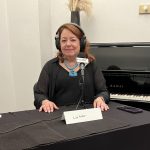
In this episode of Women in Motion, host Lee Kantor interviews Crystal Whiteaker, founder of Crystal Lily Creative. Crystal discusses her journey from a corporate background to becoming an inclusive branding and leadership development consultant and photographer. She explains how her business helps brands and organizations create inclusive environments through brand messaging, photography, coaching, and training.

Crystal shares insights into the challenges her clients face, the importance of core values, and her aligned values framework. She also introduces her book, “Brave Leadership is a Choice,” as a resource for inclusive leadership.

Crystal-WhiteakerCrystal Whiteaker (she/her) is the Founder and CEO of Crystal Lily Creative, and Author of Brave Leadership is a Choice: An Inclusive Guide to Creating Belonging.

Crystal is a photographer by trade and an Inclusive Branding and Leadership Development Consultant who helps mission driven brands and leaders create values-aligned human-focused environments.

Crystal brings 20 years of practical, creative, relational, process driven experience across multiple industries. She is a self-described “corporate trained, creative hippie” who puts a strong focus on core values to help people connect, communicate and lead with belonging in mind. Crystal-Lily-Creative-logo

Recognized as the 2024 Empowerment Leader of the Year by BRA Network, Crystal cares deeply about diversity, equity, inclusion, and belonging and is an advocate for leaders and organizations that provide resources and support for healing.

Beyond her work, Crystal enjoys spending time at the beach, connecting with people, and exploring new places.

Connect with Crystal on LinkedIn and follow Crystal Lily Creative on Instagram.

Music Provided by M PATH MUSIC

Transcript-iconThis transcript is machine transcribed by Sonix


TRANSCRIPT

Intro: Broadcasting live from the Business RadioX Studios, it’s time for Women in Motion. Brought to you by WBEC-West. Join forces. Succeed together. Now, here’s your host.

Lee Kantor: Lee Kantor here, another episode of Women In Motion and this is going to be a good one. But before we get started, it’s important to recognize our sponsor, WBEC-West. Without them, we couldn’t be sharing these important stories. Today on Women in Motion, we have Crystal Whiteaker with Crystal Lily Creative. Welcome.

Crystal Whiteaker: Thank you. Hello.

Lee Kantor: I am so excited to learn what you’re up to. Tell us about Crystal Lily Creative. How are you serving folks?

Crystal Whiteaker: So, I am an L.A.-based inclusive branding and leadership development consultant, photographer by trade, and what I do is help brands, leaders, and organizations create inclusive, values aligned, human-focused environments through their brand messaging, photography, coaching, consulting, and training.

Lee Kantor: And what’s your backstory? How’d you get involved in this line of work?

Crystal Whiteaker: So, I have a corporate background, as many entrepreneurs tend to do, and I originally started a photography business. I had spent about a decade in corporate and decided that I really wanted to pursue more of a creative passion and built a very inclusive photography business, and initially worked in the wedding and event space.

Crystal Whiteaker: And people started asking me questions about how I was able to cultivate such a diverse representative photo business and I started working with other business owners and leaders to help them cultivate inclusive businesses as well. And I started getting invited to speak and host workshops, and it kind of snowballed from there. And given my intersectional identity, it really felt like the most aligned work that I had ever done, so I bundled everything together to create my consulting business.

Lee Kantor: Now, when folks come to you, what is kind of the challenge they’re having where you’re kind of the right person to help them?

Crystal Whiteaker: The number one reason that people usually come to me is because they want to make sure that they are creating an inclusive business, or if they work for organizations, that they’re creating inclusive environments that are aligned with their core values and really create space for everyone to find that sense of belonging.

Crystal Whiteaker: And there’s two reasons that folks will come to me. One reason will be because they’re wanting to be proactive and making sure that they are doing that from the outset. And then, the other reason is usually because something has happened where someone has been harmed or offended in a way, and it is detrimental to the reputation of the leader of the organization and they are looking to course correct.

Lee Kantor: So, what are some examples of an inclusive environment?

Crystal Whiteaker: Examples of an inclusive environment are environments where people are seen, heard, and understood. Their humanity is honored. They are able to be whole in their humanity and their diverse lived experiences are recognized.

Crystal Whiteaker: And especially when we think about within workplaces and organizations also accounting for accessibility. So, what does accessibility for people with disabilities look like? Is your organization inclusive and accepting of the LGBTQ+ community? Is there a zero tolerance policy for things like bigotry and racism? So, really being mindful that most organizations are usually a melting pot, and making sure that everyone is able to bring their whole selves to work without worrying about how they’re going to be treated because of how they present.

Lee Kantor: So, if somebody comes up to you and says, “Crystal, we need some help in this area,” what does that first kind of meeting look like? What are some of the questions you’re asking them and what are some of the questions they’re asking you?

Crystal Whiteaker: Sure. So, the questions that I am asking them is, first and foremost, what is the reasons that you’re wanting to bring someone in to do this work together? What work has been done up to this point? You know, even if it’s as simple as reading books or reading articles, things of that nature. I will ask about the demographics of the organization. What does the leadership look like? What is the leadership team comprised of? I will also ask about values. What are the organization’s values?

Crystal Whiteaker: Because the way in which I work with people is helping to cultivate inclusive environments and experience through the lens of core values, because that tends to click with people a little easier, because it should be something that is intrinsic to the organization, not just an add-on, a box that has been checked of we have diverse hires, we have diverse leadership in place. But, really, how is inclusion showing up through the overall values of the organization? Meaning, is inclusivity embedded in your systems and your processes, not just the front facing checkbox items that people typically go to first.

Crystal Whiteaker: And people usually ask me what my approach is, what they can expect in terms of time commitment, and how they need to prepare themselves or their team if they have a team, and we go from there. It’s usually an initial conversation of about half-an-hour, and I’ll send them a proposal, they’ll get time to review it. And we usually have a follow up conversation to answer any clarifying questions and determine if it’s a good fit.

Lee Kantor: And what would a deliverable be?

Crystal Whiteaker: It varies. It depends on the organization. So, if I were to work on a longer term consulting project with a client, the deliverable could be as in-depth as reviewing and refining all of their messaging and their processes from things on their website, what’s happening on their social media accounts if they use social media, what messaging happens even down to their newsletter communications, internal processes, organizational structure. What processes are in place for your overall operations and management? And what is the process for my client’s clients from start to finish, what does that look like? And how can we make sure that’s being done with an inclusive lens? That’s for a larger scale full scope project.

Crystal Whiteaker: And because of the photography component that clients are able to add-on if they want to also take it a step further to ensure that their visuals are also inclusive, then they have the option to include custom brand photography.

Lee Kantor: Is there a story you can share maybe that illustrates how you came in and helped an organization? You don’t have to name the name of the organization, but maybe share the challenge that they were going through and how you were able to help them get to a new level.

Crystal Whiteaker: Sure. So, actually, I’m in the process of wrapping up a project right now with a client who they came to me in more dire circumstances. I want to make sure I’m not identifying the client, being respectful of them. They were in a situation where they had made some decisions that ultimately ended up being perceived as blatant disregard for people in the Black community and were perceived to be racist.

Crystal Whiteaker: And they needed support to really review their overall practices, their decision making, refining their values, and really doing a deeper examination of their leadership and how they were making decisions, and their overall awareness of harmful belief systems and policies really disrupting and identifying implicit biases so that they could ensure that who they were at the core, they were not a racist organization. They made some really poor decisions that reflected as such.

Crystal Whiteaker: So, really helping them to make sure that the decisions and the messaging that they are putting out moving forward is reflective of who they are at their core, and that they can take space to pause and really evaluate the decisions that they make before choosing to move forward with certain events or activities.

Lee Kantor: Now, why was it important for you and your organization to become part of WBEC-West?

Crystal Whiteaker: For me, I wanted to be a part of an organization where women business owners are uplifted and supported, and there are opportunities across a range of areas from support with funding to expanding business, and being able to connect and network with other like-minded folks. Because business ownership is hard enough, and being a very values-centric, more human-focused business owner, it breaks a little bit from the traditional norms of business. So, wanting to connect with people who may have those same like-minded ideals.

Lee Kantor: Now, you mentioned values, can you explain your Aligned Values Framework?

Crystal Whiteaker: Sure. So, this is a framework that I developed to support clients, and I use at least a component of it in all of the services that I offer. And this framework is really designed to take clients through six core steps.

Crystal Whiteaker: So, the first step is to help folks really clarify inclusion around language messaging and help them identify shared language in their own businesses if they want to make sure they are being mindful of through that inclusive lens. Then, really helping them to connect to who they are as leaders and how they expect others to connect in the environments that they are participating in, help them get rooted in their core values so that they can not only lead through their values, but also build relationships that are in alignment with their values, so that as their businesses and their brands grow, they’re in a space where they’re not expected to sacrifice their boundaries or anyone else’s, and really get them to a space where they can manage discomfort as they examine and identify any implicit biases. And we work on bias in three different levels, personal, professional, and community bias.

Crystal Whiteaker: And then, the last two steps are embody, so how can they embody a leadership style that is reflective of their core values. And then, the last piece is create, how can they create messaging and environments that are reflective of their core values through written, verbal, visual, and behavioral.

Lee Kantor: Now, is there an ideal client profile you have? Is there a niche that you serve?

Crystal Whiteaker: Not so much a niche, but what I do know is that the clients who work best with me and my framework and my approach are people who are detail-oriented. They often identify as highly empathetic and they sometimes identify as neurodivergent clients as well. And they want to make sure that they are cultivating spaces that are inclusive and trauma informed.

Crystal Whiteaker: So, a lot of the spaces that my clients work in are people who are creatives. They’re empathetic, curious creatives themselves. They work in mindfulness spaces. So, I’ve worked with a lot of therapists, florists – which is really interesting – and other coaches, specifically coaches who lead through a trauma informed holistic lens. And, also – I’m trying to think. There’s one other area – planners, people in the events space, and also people who work in other diversity, equity, inclusion spaces.

Lee Kantor: And what was the impetus to write your book, Brave Leadership is a Choice: An Inclusive Guide to Creating Belonging?

Crystal Whiteaker: People asked, and I also wanted to create an accessible, digestible way for people to be able to utilize and apply my frameworks and teachings for those folks who maybe couldn’t work with me directly.

Lee Kantor: So, is that a good place to start when they’re learning about you and your firm to go to the book and maybe buy the book and read that to understand a little more?

Crystal Whiteaker: Yeah. I would say that’s definitely a good place to start.

Lee Kantor: So, if somebody wanted to learn more and have a more substantive conversation with you or somebody on the team, what is the website? What is the best way to connect with you?

Crystal Whiteaker: You can visit the website, which is crystallily.co, and that’s C-R-Y-S-T-A-L-L-I-L-Y.C-O.

Lee Kantor: Well, Crystal, thank you so much for sharing your story today. You’re doing such important work and we appreciate you.

Crystal Whiteaker: Thank you for having me.

Lee Kantor: All right. This is Lee Kantor. We’ll see you all next time on Women In Motion.
 

Tagged With: Crystal Lily Creative

BRX Pro Tip: 6 Strategies to Market Your Podcast

June 28, 2024 by angishields

BRXmic99
BRX Pro Tips
BRX Pro Tip: 6 Strategies to Market Your Podcast
Loading
00:00 /
RSS Feed
Share
Link
Embed

Download file

BRX-Banner

BRX Pro Tip: 6 Strategies to Market Your Podcast

Stone Payton: Welcome back to Business RadioX Pro Tips. Lee Kantor and Stone Payton here with you. Lee, today’s topic, effectively marketing your podcast.

Lee Kantor: I think if you’re going to do the work to create a podcast, it’s important to kind of make sure that it gets out there to as many places as possible so people can find the content.

Lee Kantor: The first thing I would do when it comes to marketing the podcast is make sure that you’re distributing the podcast to all the platforms, Spotify, Apple, YouTube, Amazon, iHeart, et cetera. Make sure you’re submitting them to all of them. Or if it’s one of the podcast platforms that scrape, make sure that they have the right RSS feed to scrape from you.

Lee Kantor: Second, make sure you have good episode titles. You want to have episode titles that say something about the content. So, you don’t want it to be Episode Number 106. That’s not a great episode title. A better episode title is Six Ways to Market Your Podcast. That’s a better episode title.

Lee Kantor: Third, transcribe each episode. Make sure that you get all of those words digital text in the post so it can be found through all the search engines. Because the search engines right now don’t do a great job scraping the audio, so they need the digital text, and if you transcribe it, you will have it.

Lee Kantor: Number four is create some show notes and make sure that that includes the contact information for the guest, because you want the guest to be found and you want them to be found on your podcast.

Lee Kantor: Number five, make sure your guests are sharing valuable information and advice. If you’re not teeing up your guest to share valuable information and advice, they are not going to share the content. So, the more you can put the spotlight in a positive way on your guest, the more likely it is that they will share the episode on their socials.

Lee Kantor: And finally, number six, make sure you do share the content on your socials. Pick a social channel that you and your prospective clients use and post there regularly, post snippets, post the entire episodes, highlights, things like that. But make sure you’re choosing a social channel that your clients or potential clients are using, that is the one you should be using.

  • « Previous Page
  • 1
  • …
  • 111
  • 112
  • 113
  • 114
  • 115
  • …
  • 1320
  • Next Page »

Business RadioX ® Network


Our Most Recent Episode

CONNECT WITH US

  • Email
  • Facebook
  • LinkedIn
  • Twitter
  • YouTube

Our Mission

We help local business leaders get the word out about the important work they’re doing to serve their market, their community, and their profession.

We support and celebrate business by sharing positive business stories that traditional media ignores. Some media leans left. Some media leans right. We lean business.

Sponsor a Show

Build Relationships and Grow Your Business. Click here for more details.

Partner With Us

Discover More Here

Terms and Conditions
Privacy Policy

Connect with us

Want to keep up with the latest in pro-business news across the network? Follow us on social media for the latest stories!
  • Email
  • Facebook
  • Google+
  • LinkedIn
  • Twitter
  • YouTube

Business RadioX® Headquarters
1000 Abernathy Rd. NE
Building 400, Suite L-10
Sandy Springs, GA 30328

© 2025 Business RadioX ® · Rainmaker Platform

BRXStudioCoversLA

Wait! Don’t Miss an Episode of LA Business Radio

BRXStudioCoversDENVER

Wait! Don’t Miss an Episode of Denver Business Radio

BRXStudioCoversPENSACOLA

Wait! Don’t Miss an Episode of Pensacola Business Radio

BRXStudioCoversBIRMINGHAM

Wait! Don’t Miss an Episode of Birmingham Business Radio

BRXStudioCoversTALLAHASSEE

Wait! Don’t Miss an Episode of Tallahassee Business Radio

BRXStudioCoversRALEIGH

Wait! Don’t Miss an Episode of Raleigh Business Radio

BRXStudioCoversRICHMONDNoWhite

Wait! Don’t Miss an Episode of Richmond Business Radio

BRXStudioCoversNASHVILLENoWhite

Wait! Don’t Miss an Episode of Nashville Business Radio

BRXStudioCoversDETROIT

Wait! Don’t Miss an Episode of Detroit Business Radio

BRXStudioCoversSTLOUIS

Wait! Don’t Miss an Episode of St. Louis Business Radio

BRXStudioCoversCOLUMBUS-small

Wait! Don’t Miss an Episode of Columbus Business Radio

Coachthecoach-08-08

Wait! Don’t Miss an Episode of Coach the Coach

BRXStudioCoversBAYAREA

Wait! Don’t Miss an Episode of Bay Area Business Radio

BRXStudioCoversCHICAGO

Wait! Don’t Miss an Episode of Chicago Business Radio

Wait! Don’t Miss an Episode of Atlanta Business Radio