
Business RadioX ®

  • Home
  • Business RadioX ® Communities
    • Southeast
      • Alabama
        • Birmingham
      • Florida
        • Orlando
        • Pensacola
        • South Florida
        • Tampa
        • Tallahassee
      • Georgia
        • Atlanta
        • Cherokee
        • Forsyth
        • Greater Perimeter
        • Gwinnett
        • North Fulton
        • North Georgia
        • Northeast Georgia
        • Rome
        • Savannah
      • Louisiana
        • New Orleans
      • North Carolina
        • Charlotte
        • Raleigh
      • Tennessee
        • Chattanooga
        • Nashville
      • Virginia
        • Richmond
    • South Central
      • Arkansas
        • Northwest Arkansas
    • Midwest
      • Illinois
        • Chicago
      • Michigan
        • Detroit
      • Minnesota
        • Minneapolis St. Paul
      • Missouri
        • St. Louis
      • Ohio
        • Cleveland
        • Columbus
        • Dayton
    • Southwest
      • Arizona
        • Phoenix
        • Tucson
        • Valley
      • Texas
        • Austin
        • Dallas
        • Houston
    • West
      • California
        • Bay Area
        • LA
        • Pasadena
      • Colorado
        • Denver
      • Hawaii
        • Oahu
  • FAQs
  • About Us
    • Our Mission
    • Our Audience
    • Why It Works
    • What People Are Saying
    • BRX in the News
  • Resources
    • BRX Pro Tips
    • B2B Marketing: The 4Rs
    • High Velocity Selling Habits
    • Why Most B2B Media Strategies Fail
    • 9 Reasons To Sponsor A Business RadioX ® Show
  • Partner With Us
  • Veteran Business RadioX ®

BRX Pro Tip: Positioning Answers the What Business Are We In Question

February 29, 2024 by angishields

BRXmic99
BRX Pro Tips
BRX Pro Tip: Positioning Answers the What Business Are We In Question
Loading
00:00 /
RSS Feed
Share
Link
Embed

Download file

BRX-Banner

BRX Pro Tip: Positioning Answers the What Business Are We In Question 

Stone Payton: [00:00:01] And we are back with BRX Pro Tips. Lee Kantor, Stone Payton here with you. Lee, I’ve heard you say on more than one occasion, positioning really answers the “what business are we in” question. Can you explain that a little bit?

Lee Kantor: [00:00:16] Sure. A lot of times, people get confused about the business that they’re in. And I know that it happens in here sometimes, it happens to our clients sometimes. We are in the relationship building and acceleration business. That’s the business we’re in. We’re in the thought leadership content creation business. That’s the business we’re in. But we’re not really in the radio business. We’re not really in the podcasting business.

Lee Kantor: [00:00:42] We’ve recently been invited to speak at a podcasting conference. And then, I can’t tell you how much time is spent on what’s the right microphone, what is the headphones I should be buying, what type of mixer. They’re losing track of the reason they’re doing this. The reason that you’re doing all this activity is to build relationships, increase the ROI for your clients, increase the ROI for you and your business, create thought leadership that can be repurposed in other areas so you can make more money and serve more people.

Lee Kantor: [00:01:16] That’s what you’ve got to focus in on. You have to focus in on the relationship building and the acceleration of business part of our business and not get bogged down with the, this is how you press record, this is how close you have to be to the mic. You know, all of that stuff is kind of the way that you do it, but what you’re doing is helping people build relationships with hard-to-reach people in an elegant and non-salesy way.

Stone Payton: [00:01:46] And all that stuff you were just describing, it changes all the time anyway. All of that stuff, the answers to those questions that we’re going to present in that conference you were talking about, those answers are very different than they would have been last year or three years ago. I can tell you right now, if they ask me about podcasting, man, I’m going to tell them, “First podcast you ought to do, get on a conference call, have a conversation, and record it. And then, come back behind and put bookends on it with an intro and an outro.” Well, the answers to the technology and the equipment and all that, that’s a moving target anyway. It’s focusing on the outcomes, what you’re really trying to accomplish. And that is absolutely all about positioning.

Madeline King with Closing with Madeline

February 28, 2024 by angishields

Closing-with-Madeline-CBRX-Featurev2
Cherokee Business Radio
Madeline King with Closing with Madeline
Loading
00:00 /
RSS Feed
Share
Link
Embed

Download file

Closing-with-Madeline-CBRX-Banner
Sponsored by Woodstock Neighbors Magazine and Business RadioX ® Main Street Warriors

CherokeeSponsorImage1

In this episode, Stone Payton is joined by Madeline King, an independent transaction coordinator who assists real estate agents with paperwork, compliance, and coordination tasks. Madeline shares her journey from working with a nonprofit to flipping land and eventually finding her niche in transaction coordination. 

She discusses the challenges she faced starting out, her current reliance on referrals and networking for business growth, and her future aspirations. Additionally, Madeline talks about the personal rewards of her job, her work-from-home flexibility, and her hobbies, including travel and family time.

Closing-with-Madeline

Madeline-Henriques-King-headshotMadeline King, Owner Closing with Madeline, is a Woodstock native – enjoying life with her husband, Chase, two girls – Lucy (2.5 years) & Della (1 year) – and 2 fur babies, Lando & Yoda (4). When she’s not with her family, she is helping Real Estate Agents leverage their time and grow their businesses.

As an Independent Transaction Coordinator, Madeline brings calm to the chaos of a Real Estate transaction. She communicates with all parties, making sure deadlines are met, the contract is legally compliant, and generally, helps get you to the closing table.

While Madeline takes care of all the details, Agents are free to focus on what scales their business – nurturing relationships and selling houses!

Follow Closing with Madeline on Facebook.

Transcript-iconThis transcript is machine transcribed by Sonix
 

TRANSCRIPT

Intro: [00:00:07] Broadcasting live from the Business RadioX studios in Woodstock, Georgia. It’s time for Cherokee Business Radio. Now, here’s your host.

Stone Payton: [00:00:24] Welcome to another exciting and informative edition of Cherokee Business Radio. Stone Payton here with you this morning, and today’s episode is brought to you in part by Woodstock Neighbors magazine, bringing neighbors and business together. For more information, go to Facebook and Instagram at Woodstock Neighbors dot BVM. And if you have a heart for community and you want to grow your small business, consider joining our Community Impact program here locally, Main Street Warriors. Go check us out at mainstreetwarriors.org. You guys are in for a real treat this morning. Please join me in welcoming to the broadcast Independent Transaction Coordinator, Ms. Madeline King. How are you?

Madeline King: [00:01:13] Well, I’m a little bit like, what am I doing? I’ve never done this before, but I’m great.

Stone Payton: [00:01:17] Well, we’re delighted to have you in studio. I’ve seen you around town, of course, uh, quite a bit at different functions and that kind of thing. But, uh, more recently, you and I have had a chance to go over to Vibe Realty, hang out with some folks, many of them in that real estate ecosystem, some of us not really. And I’ve really enjoyed that, that exchange. I feel like I learn a lot, and I feel like I learn a lot about my myself in that. But from from day one, uh, interacting with you there, I knew I wanted to have you in the studio, learn more about your work and your life, but maybe a good place to start is, uh, maybe you could explain what an independent transaction coordinator is. I think you’re our first one ever in 20 years of programing. Uh, but just a little bit about mission and purpose. What what you are really out there trying to do for folks?

Madeline King: [00:02:10] Yeah, that’s a great question. I get it all the time, especially when I go to the networking groups. They’re like, oh, what are they like here that I’m in real estate? And that’s about it. Are you an agent? What do you do? So I help agents. Um, why I specify independent is because I’m not with any specific brokerage. So I’m free to work with whoever needs my help, and we vibe together. Um, basically everybody, if you’re not in real estate, it gets a little convoluted. But basically, what you need to know is when an agent goes under contract, when they have someone go under contract, they need help. They’ve got a lot of paperwork they need to do a lot of, um, compliance. Legally that needs to be done. They’ve got to coordinate with all the parties, but really they also need to be building their business. And they don’t have time to do that when they’re working in a transaction like that. So when someone feels ready, they want to delegate, they’re going to delegate to a transaction coordinator. We have different names. Sometimes we go by closing coordinator. It’s the same thing. Um, and like I said, sometimes brokerage is higher. A transaction coordinator to be the person for, you know, if it’s a smaller brokerage, the whole place. But I really love being able to, you know, help whoever I want to help. I’m not pigeonholed into one specific brokerage. It also means I know a lot of systems and, um, and, and have had to kind of pivot. I’m really good at that. Um, and, uh, yeah, I think, I mean, besides, I mean providing for my family, right? Besides that, I love to help people. And that’s kind of been the history of any job that I’ve ever had. That’s what I’ve been doing. So it feels natural to me to want to help people. When I hear an agent say, oh, I’ve been knee deep in marketing. Sorry, I don’t, I don’t know. I’m like, well, that’s great to hear because that means that you have time to do it.

Stone Payton: [00:04:02] Yeah, that’s what you ought to be doing. Yeah, yeah. And let you I’ve always said, uh, you know, I would starve to death, I think as a, as or I thought I would as a, as a real estate person because I don’t like the prospecting of anything, which is why I have my own radio show and, uh, the paperwork, man, I’d starve to death with the with the paperwork. But you really take that. Take that off of them, don’t you? Yes.

Madeline King: [00:04:26] And, well, I do say for brand new agents, it is good for them to work a few transactions themselves so they can understand. And it’s good for them to know what the contracts say. Like that is their, their job. But yeah, when it’s okay I don’t. Where is your time best served. Is it best served looking over it with a fine tooth comb and making sure that the signature is where it needs to be? Not really. It’s it’s best meeting new people, growing your network, nurturing the people that you do know, and growing your business. I mean, we all need that, right? But this is just agent specific. When we have a business, we need to be growing it. Um, and I just help real estate agents.

Stone Payton: [00:05:04] So what’s the backstory? How did you get into this?

Madeline King: [00:05:06] Uh, well, I feel like I know the god, the universe, whatever you want to call it. Definitely brought this to me. I my journey into real estate was very interesting. I started I want to start with. Being in college and speaking to my generation, which you can call me millennial, whatever. I’m 32. Um, there was such a big push when I was in high school and beginning college. Like, what are you going to do? You need to know what you’re going to do. What are you going to do? There’s such a pressure there. And I felt the pressure. And to be honest with you, I just like learning. I didn’t know what I wanted to do. I ended up doing history. So I majored in world history and cultures because I just love history. But, you know, I kept getting the question, what are you going to do, teach? I’m like, I don’t know, maybe. Um, so after graduating, you know, I didn’t have an education degree, so I couldn’t just go teach. Uh, um, so I had to figure it out. And I ended up working for a nonprofit for almost six years, and it was such a growth experience, I war. Anybody who’s in a nonprofit knows you. Where? All of the hats. Okay, everybody in there is wearing all the hats. So, you know, I did advertising print and web, I did invoicing, I did membership coordination, I did sales, I mean, all of it. Um, when I was there, I knew, though, that that wasn’t where I was meant to be.

Madeline King: [00:06:36] I knew I needed to go somewhere else, and. I found a podcast that got me into real estate and a very yeah, wow. And a very niche part of real estate. I didn’t start with transaction coordination. I started flipping raw land. And that’s. Yeah, I see your eyes like, what is that? That’s the question I would get all the time. It’s, uh. I’m very grateful for that. I still have that business. I’m not working on it actively, just for different reasons. I felt like it wasn’t where my heart was. But it’s all meant to be. It was meant to get me into real estate. And now that I’m a transaction coordinator, it feels like that’s I’m there’s more more of the processes that I like. There’s more of the relationship. When I was flipping Raw Land, I was doing it. You know, we live in Georgia. I was doing it Arizona, Colorado, Florida. Um, and while I loved helping people, the there’s a certain level of, hey, I’m not a scam artist. And I’m and I feel like that’s not what I’m trying to do. That doesn’t make me happy to try to convince people that I’m not, you know, trying to hurt them. I’m trying to help them. So I think that’s what eventually got me to go. I don’t know if that’s what I want to do. Um, and transaction coordination, like I said, I think I found that on a podcast or something. I don’t I heard of it and I was like. Oh, I need to look into that, you know, and I just I did it, I ran with it.

Madeline King: [00:08:11] Um, there’s a lot of information out there that would discourage you from just going. Oh, I’ve never been a transaction coordinator. Let me just do it. Of course I took courses. Of course I learned, but I didn’t go join a team. I didn’t go do any of that. I just did it on my own. And it’s scary. I mean, you know, as a business owner, it’s like just starting from scratch. But when I look back, it’s like, well, I did it. I’m here still. So it must have worked somehow. But yeah, I think, man, if I could go back though and tell my younger self, like, stop stressing out so much, don’t listen to what everyone older than you has to say. It’s going to be okay, you know? And maybe if I had breathed, I, I know I can think back. There were opportunities to get into real estate. Oh back when I was in college before maybe after, I mean all throughout. And I ignored it, I ignored it, I was no, this is what I’m doing. No no no I don’t I can’t do that. It was very much like you said. You mentioned I just feel like I would struggle or, you know, there was this preconceived notion I’m not I’m not a real estate agent, you know? Yeah. And if I would have just listened, maybe I would have been doing this for ten years, you know, I don’t know. Um, but yeah.

Stone Payton: [00:09:29] So now that you’ve been at this a while, what’s the what’s the most rewarding part? What’s the most fun about it for you?

Madeline King: [00:09:35] Well, I do love to I don’t know, I’m an introvert extrovert. It’s odd. Um, I think I, I do like talking, I get, but I do recharge when I’m alone and I can, you know, just kind of disconnect. So I love being able to work from home, be my own boss. Um, go to the networking events, meet up with a client of mine or a prospective client, get to know them, but then come back to myself and my work and really help people with what I know how to do and the way that I’m doing it, um, getting them their time back, helping other entrepreneurs is essentially what I’m doing. Uh, because it’s tough. I mean, I don’t know the statistics, but the, the amount of real estate agents that don’t make it. I mean, there are a lot of licensed agents. Yeah. And I’m not going to pretend that no statistic. I’ve heard it. Um, but a lot of them don’t make it. And maybe some of them don’t make it because they need support. I don’t know, and I feel like I’m helping people who I see the potential in them. I’m betting on them. And I love hearing that. I’ve helped give them some of their time back.

Stone Payton: [00:10:44] So how do you get the the new business? Is it because you’re out there networking, building relationships? Is it a is it a hard sale or is it.

Madeline King: [00:10:55] It was at first like I was I mean, when you you don’t have a client yet. That’s the hardest part right?

Stone Payton: [00:11:00] Right.

Madeline King: [00:11:01] You get your first client and actually my first client love love love her. Um, I actually connected with her on Instagram, which is like, wild, right? I was trying all different sorts of things at first, and I saw her. I said, she seems like she has a really good energy. I don’t know, I’m going to reach out. She was brand new. I didn’t know that. Right. So she decided to take a chance on me. I took a chance on her, so to speak. We all, you know, it was great. Now, I would say I mostly it’s referrals or meeting people at networking events. Yeah. Um, but referrals is is the best or or the best is when you work with, um, your agent and the agent on the other side of the deal, you know, that’s a strategy to reach out to them and say, hey, I really enjoyed working with you. Thanks for your help getting you. Go to the closing table. Let me know if you ever want to chat about my services. And you know it doesn’t work every time, and I don’t want to send it to every agent I’ve ever worked with. But would it? You know, it has worked. That’s a huge compliment. So I think, yeah, it’s really hard at first. But now networking. Yeah, I mean I it doesn’t matter what business you’re in it. What is that phrase your, your net work is your net worth. I mean it can be. Yeah. Right. You really if you use it, if you’re consistent and you foster those relationships.

Stone Payton: [00:12:21] So you sound pretty self-taught to me. But have you had the benefit of a mentor or two along the along the ride, if not in the domain itself, just in running a business?

Madeline King: [00:12:35] Not really. I mean, I my mother is an audiologist and own her own business for I think 25 years. So I saw that. Right, right. My dad is also an entrepreneur. I mean, so I think I grew up seeing that maybe, um, that that’s helpful. I really think the internet is just. A huge. Wealth of information, obviously, if you know how to use it. I mean, on Facebook, for instance, there are groups out there with transaction coordinators by and for them that get to collaborate, ask questions. You know, so I have like connected with people from that way. But I would say yeah I would love a mentor though. Like somebody that just somebody to collaborate with. Um, yeah. And I and I find that even some of my clients that I really connect with and we’re almost like, we’re friends and they’re my client, I do collaborate with them. So. Yeah, but I guess you’re making me realize, like, I really am self-taught, which is kind of wild. Like, I don’t do it the easy way. Like I’m going to just.

Stone Payton: [00:13:43] Maybe you’re just going to skip over that step and just maybe be a mentor.

Madeline King: [00:13:47] I would love to be a mentor. Yeah. I mean, there have been, um, most recently there was a TC out in Tennessee, and I saw her post in one of those groups and she was just, hey, I’m trying to get started, you know, asking advice. And I saw some not so nice comments. I mean, people who are look, it’s kind of like when somebody’s been doing it for ten years, whatever it is, they’re going to go, why do you think you can just do it? And that is why I didn’t ask their advice when I was brand new, because I’m like, I don’t need to hear that. Where did you start? Like, everyone started somewhere.

Stone Payton: [00:14:21] Sure.

Madeline King: [00:14:21] Why are we going to put each other down? So I reached out to her or I commented and I said, oh, I use this and this. Let me know if you need anything. And she did. She reached out and we connected and I gave her some resources like, I’m not going to hoard. What is the point of me hoarding this information like was the software I use. And let me give you a sample of my checklist. That’s fine. I mean, some people would disagree with me, but yeah, I think it it feels good to be able to help whatever entrepreneur I can, any person I can on their journey.

Stone Payton: [00:14:52] So any designs on eventually building this thing out and having the Madeleine King Transaction Agency or something like where you have or do you just kind of really enjoy being this one person shop for now, I.

Madeline King: [00:15:05] Do I do have aspirations to do that. It’s, you know, my business is called closing with Madeleine. However, my my name tag says Madeleine King, transaction coordinator. The reason is because sometimes people look at it and see, oh, is she an agent? Because it sounds like I could be a real estate agent. Anyway, so the closing with Madeleine, my business, yes, I want my dream is to have a couple of at least an admin person helping me and then can add on some with it. Um, I’m in the process of getting my real estate license, so that’s going to help me in my business, because there are certain things you can’t do and say if you are not licensed and you are helping in a transaction. So it’s going to help open up a lot of, right, a lot of things, including growing my business. Yeah. So yes I do.

Stone Payton: [00:15:56] Well, good. Well I’m interested in following that story. So we’ll have to have you back in as you continue to navigate that, that terrain. And maybe you’ll have the, you know, the King methodology, the, the the MK methodology for transaction. Because I mean, you’ve you’ve got processes and systems. You’ve you’re building this machinery, this machinery out. Right.

Madeline King: [00:16:17] It’s a process for sure. It changes every day. Yeah.

Stone Payton: [00:16:19] So uh, passions, interests, hobbies, pursuits outside the scope of this work. Yeah. You know, a lot of my listeners know I like to hunt, fish and travel. Yeah. So. So that’s my thing. But how about you?

Madeline King: [00:16:32] Oh my gosh. Well, we have I. So I married my husband’s name is Chase. I have two little girls, Lucy and Della.

Stone Payton: [00:16:39] Oh, you can’t have hobbies for your 15 years out, right?

Madeline King: [00:16:43] No. I mean, yeah, this season of life has definitely it’s it’s challenging. It’s like you want to soak it up. But Chase and I love to travel. We love to camp, we love to hike. And we haven’t done as much of that. I mean, but I can see it’s not 15 years. I think maybe like a year, maybe we’re just going to do it. You know, my husband is a fine artist and he is just decided to be full time. So I’m very excited for him. I feel like I’m passionate about that, other than, you know, traveling and hiking and camping and being with my family, um, I’m passionate about seeing him grow too, so.

Stone Payton: [00:17:24] All right, so say a little bit more about the word. Let’s back up. You, uh, you’ve been referred in or you a brand new relationship, uh, from a networking or whatever. And then. So what happens? First, you probably don’t have to explain a lot about what you do. Right? For somebody that’s been in the business a little bit or do you, do you I.

Madeline King: [00:17:43] Do, I would say I do even for, um, a seasoned agent. Okay. Some agents have never had help, which I’m, I’m like, that’s amazing. Yeah. I’m like, I know some top reducing agents that have never had one or didn’t have one for. Years and now have won. And yeah, what have I been doing this whole time? So yes. And even if they’ve had a TC before, they’ll still be like, well what what do you offer. Because. Different they different transaction coordinators do different things. Some of them will schedule an inspection. Some of them won’t. There’s different price points. So yeah I still think I do. You know someone gets referred to me. The first thing I’m going to do is to have a discovery call, have a one on one, get a coffee, something where we can talk about. I want to hear what their pain points are. First of all, what are you struggling with? What’s why are you interested in having a transaction coordinator? Sometimes they have no idea. They’re like, I don’t know, I just need help. Like, I’m I’m really busy, I don’t know. And some of them are very clear. Like, I hate contracts, I hate it, I don’t I hate chasing down signatures and doing all that. Um, you know, or some of them are like, well, I’m really I’m really not great at reminding my clients what needs to be done. So it’s as simple as me sending an email, hey, we’re getting close to your closing date. Remember, it’s at this time, this place, here’s the vendor information. Here’s you need to bring your ID, things like that. So I think it differs from agent to agent what they need. And they’re always curious what I have to offer.

Stone Payton: [00:19:14] Right. But it’s not just like a menu with popcorn and fries and salad on it. I mean, you’re sitting down. It’s you’re it’s a very it’s funny, the word transaction is in the name of your business, the name of what you do. But it’s it’s not a transactional situation for you with the it’s a very it’s very grounded in relationship and genuinely understanding how you can serve them. That’s an interesting.

Madeline King: [00:19:38] Maybe I need to rename that position for sure. I mean, I would say I offer personalized transaction coordination. Um, yeah. There are companies out there. You can get someone overseas to do it. I mean, it’s really up to what your preference is, right? I would say the agents that I work with want someone that they can text with, if that’s their preferred communication, you know, someone that they can communicate with that feels like they’re on their team. That’s that’s I think why I’m different and what I have to offer. I mean, I mean, even just, you know, communicating with them daily, but even branding my signature for them. So, you know, I have you know, the one you saw is my just independent transaction coordinator. Right, right. Signature. Um, but when I’m working with a specific agent, I will use their logo and say transaction to transaction coordinator for whoever it is. Um, I like that transaction later.

Stone Payton: [00:20:31] That might be your new, you know.

Madeline King: [00:20:33] Did I say that I know.

Stone Payton: [00:20:35] Oh, God. Oh, that’s.

Madeline King: [00:20:37] Funny. Relationship court. No, I don’t know. I’ll figure it.

Stone Payton: [00:20:39] Out, but but no, it’s, uh, I think it’s an important distinction in something for for you and your clients and your prospective clients to understand the, the relationship you have with the agent. I mean, that’s deep and wide. And you may do something very different for real estate agent Stone than real estate agent Mary. We may need, need and want different things. Yeah.

Madeline King: [00:20:59] So, for instance, I had one of my newer clients that I coped with, uh, meaning they worked on the other side and said, yes, I want to work with you, which was sweet. That was the I was like, crying with happiness. I was like, this is amazing. They were someone who’s been very successful, has never had a TC and like, they know what they’re doing. And so it was a little she’s there like, you’re gonna have to work with me. Um, I want you to help me. I just I don’t want you to communicate with my buyer. Okay, great. That’s fine. Honestly, that makes it easier for me. I’m not doing as much. Um, so. Yeah, there there’s certain things that you can tailor to to their preferences and what they need.

Stone Payton: [00:21:39] Yeah. All right, before we wrap, I wonder if you could share with our listening audience so many of the folks who tap into to our work are in business for themselves or they’re aspiring entrepreneurs, just maybe I call them pro tips. Just a few pro tips, not necessarily about your business, but just, you know, running your own thing. Some things you’ve learned, I don’t know, maybe if you’re open to it, you know, maybe when you fell and scratched your knee up a little bit. But some things that maybe out of that you’ve, you’ve established some working disciplines or some do’s or some don’ts or, or uh, and also, yeah, you know, maybe anything you’re reading or, uh.

Madeline King: [00:22:17] I always love those questions. Yeah. No, I love this. Um, go for it. You know, I mean, my husband and I are entrepreneurs, but that’s not what we were told to do, right? Kind of going back to what I was saying, I think, I don’t know the way it is now because I’m not 18 anymore, but I’m assuming there’s still a lot of pressure to go to college, get the corporate job, whatever it is, you have to provide for your family. So that means that you have to work a 9 to 5. Well, no it doesn’t. So I think educating yourself and believing in yourself, knowing that it isn’t just what somebody told you it needs to be. It can be whatever you want it to be. Whatever your dream is, it’s not impossible. I mean. I mean, I don’t even have to give you an example. There’s. I mean, I’ll give a silly example. There are people making money off of making videos of them getting ready. I mean, I don’t know, like, right, if we can make money from that, can’t we make money from anything? Um, so, you know, to just go after what, what you want and take it from me. Like, you can start from square one.

Madeline King: [00:23:25] You don’t have to be in it if you want to be in an industry and you don’t know anything about it, go learn about it. I mean, there’s so many resources out there. There’s so many people and the people that don’t want to help you get run away from them. Don’t don’t listen to them. You know you can’t do it. I’ve been doing it for so long. That’s not true. Don’t listen. Just. Yeah, finding somebody. And those networking groups are very supportive. So finding groups with like minded people that fit your vibe, you know, you like their energy and what they have to say and they’re supportive with you. Um, and I would also say, I mean, the scraping my knee thing. Yeah. I mean, just because I’ve been it hasn’t been all rainbows, right? Right. No. Definitely not. I mean, it’s same thing, like people telling you you can’t do it. Family being like, oh, you’re quitting. You’re quitting your job. Okay, well, how are y’all going to. What about insurance? What about that? We’re figuring it out. You figure it out. And I think that’s it’s it can be scary to take a leap, but I think taking a leap is going to save your life.

Stone Payton: [00:24:33] And incredibly emotionally rewarding, too, right? Like, all of the compensation isn’t monetary, right? Right. At least for me anyway, right?

Madeline King: [00:24:40] Oh, and I guess I will say, if you want to own your business and work from home and all the things you do have to have a level of drive and discipline. I mean, you don’t have to be the most structured person ever. You don’t. Every day doesn’t have to look the same. You do have to be motivated to do things that need to be done. Although I will say, when I first started networking, I went hard and I went to everyone. Every week I got burnt out. And then I realized, yeah, there’s like such a thing as doing too much. And then I realized, okay, I need to pick the ones that I really love, and I make time for those, and I’m consistent with those and keeping those relationships up.

Stone Payton: [00:25:20] So and it sounds like like you have found, as I have, but particularly in this community, and I’m a little longer in the tooth than Madeleine is, I’ve been been around a little bit longer. Uh, but this community in particular, I find when I do drop in on a group or two, you know, I go to young professionals of Woodstock and they’re all in walking distance or golf cart distance for me. So that’s my criteria, the golf. Right. And maybe I need to go to this Monday morning thing that they do over there. I haven’t been but this golf cart. So you know, it fits the criteria.

Madeline King: [00:25:50] Monday morning brews meets at 8 a.m. every Monday at the Starbucks in Adair Park. It’s a great group. Yes, you should come, Stone. All right.

Stone Payton: [00:25:58] I’m gonna slide by that, do that. But my experience has been that people are in those groups, for the most part, are so genuinely invested in trying to help me like they’re they’re the number one thing on their agenda is not to try to figure out how to sell me something. They’re genuinely interested. They want to know what they can do to to support what I’m what I’m doing. And I, um, I think you’ll, I, I’m sure as you reach out and try to cultivate relationships with people like that and you genuinely try to serve them, I’m sure you will run across people who are very transactional about them, but overwhelmingly, particularly in this community. For me, it’s just a very supportive community, isn’t it?

Madeline King: [00:26:42] Yes. No, 100%. I’ve I’ve met a good friend of mine networking and I she is a networking queen. So if I’m like, oh, I need this, I need this vendor, I will just text her and she inevitably knows someone I didn’t know, you know. Yeah, no, I agree with you. I think, of course there are people out there that maybe aren’t like that, but the majority of them want to help.

Stone Payton: [00:27:01] They are. And then what I have found, I really enjoy on the other side of that coin, being the guy that knows the guy. Yeah. Right. Like to me, I talk about and I called it non-monetary compensation. But, you know, somehow sometimes the money finds it may not be a straight line. It’ll find its way back to me. Yes. I love someone coming to me for something that doesn’t have anything to do with marketing, consulting, radio or whatever. I’m like, oh, yeah, you want to talk to Joe or Mary or Susie or.

Madeline King: [00:27:27] I love that.

Stone Payton: [00:27:27] Too. I love being that guy. You know.

Madeline King: [00:27:29] When that makes me think about the vibe mastermind, thinking about what are my motivations behind that. But in general, it makes me feel good to be like, oh, well, I know an inspector, I got you. They’re great, you know, or whatever it is. Yeah, yeah, well, and I.

Stone Payton: [00:27:42] Bet you do. By by now, you probably know a lot of folks in that whole ecosystem, not just real estate folks. Right? Yeah. All these home services folks, the inspectors, the. Yeah. Yeah. How cool is that? It is.

Madeline King: [00:27:54] So it feels good to be able to help other people.

Stone Payton: [00:27:56] It does. Well, it has been an. Absolute delight having you in the studio, and I’m quite sincere. I think we ought to check in periodically and you let us know what’s going on in the. Because it sounds to me like you’re at the epicenter of this real estate world.

Madeline King: [00:28:13] Oh, yeah.

Stone Payton: [00:28:14] It’d be good to have you, like, come in and report on the the state of the Union on Woodstock in Cherokee, I love it.

Madeline King: [00:28:20] Well, I will say the market is definitely heating up. As soon as the new year hit, it was like, boom! Everybody all of a sudden you see lines around the street because of the open house. Got multiple offers. Yeah, I think there’s a yeah. And when I get licensed I’ll be able to speak even more to that. I would love to come back. I’ll take my husband next time.

Stone Payton: [00:28:38] There you go. Oh, no. We got to talk to him. Yeah, well, and that’s another thing that that I thought of when you were when you were describing it. And I have been so blessed. My wife has a real job now. She is threatening to hang up her cleats pretty soon. So, uh, but she has been so supportive for 30 plus years, I would think that it would be not insurmountable, but definitely a great deal more challenging to be an entrepreneur. Uh, you know, you mentioned family, but if your spouse weren’t supportive of that, yes. It sounds like you have that as well. Oh, yeah.

Madeline King: [00:29:10] We both been very, very supportive of.

Stone Payton: [00:29:12] What he’s of what he’s doing.

Madeline King: [00:29:13] Oh, 100%. Yeah. More to come on that. Yeah sure.

Stone Payton: [00:29:17] All right. Well we’ll get Jason here and get his perspective on it too. That’ll be love that that would be great. All right. What’s the best way for those who are listening to connect with you. Those who just want to have a conversation with you in general. But I’m thinking in particular, maybe agents that are like, you know, yeah, maybe I need to talk to her kind of thing. What’s the what are some whatever you’re comfortable with, whether it’s LinkedIn, email, whatever.

Madeline King: [00:29:37] I mean, really phone, text, email, my Instagram DM, my Facebook DM, I mean, whatever’s easy for them.

Stone Payton: [00:29:44] All right. Well, yeah, lay some of those coordinates out for them and we’ll make sure we publish it.

Madeline King: [00:29:49] Okay. Well, my email is Madeline H. King at gmail. Super easy. My phone number is (404) 409-6968. And yeah, if you see closing with Madeline on Instagram, it’s it’s literally just closing with Madeline, Instagram or Facebook. You can reach out to me there as well.

Stone Payton: [00:30:08] So that gang, if you want to get a pretty girl’s phone number, just get yourself a radio show.

Madeline King: [00:30:12] That’s hilarious I know right? Did I just say my phone number?

Stone Payton: [00:30:16] Boom.

Madeline King: [00:30:16] It’s out there anyway.

Stone Payton: [00:30:17] Well, thank you so much. You’re doing important work and we sure appreciate you. Thanks for.

Madeline King: [00:30:21] Having me.

Stone Payton: [00:30:22] My pleasure. All right, until next time. This is Stone Payton for our guest today, Madeline King, independent transaction Coordinator, and everyone here at the Business Radio X family saying, we’ll see you again on Cherokee Business Radio.


Tagged With: Closing with Madeline

Ralph and Carrie Roeger with Rally Point Bar and Grille

February 28, 2024 by angishields

Cherokee Business Radio
Ralph and Carrie Roeger with Rally Point Bar and Grille
Loading
00:00 /
RSS Feed
Share
Link
Embed

Download file

 Fearless-Formula-Rally-Point-Bar-and-Grille

Ralph-and-Carrie-RoegerEight years ago, Marine Veterans Ralph (MSgt ret.) and Carrie Roeger were inspired to create something extraordinary to give back to the Veterans of Atlanta and North Georgia.

They had the vision to start a bar and grille that would be dedicated to the men and women that so bravely protect our nation, including our First Responders.

Initially called Semper Fi restaurant, they just moved across the street and renamed it to Rally Point Bar and Grille, and have a second location in Evans, Georgia.

Transcript-iconThis transcript is machine transcribed by Sonix

 

TRANSCRIPT

Sharon Cline: [00:00:07] Coming to you live from the Business RadioX Studio in Woodstock, Georgia. This is fearless formula with Sharon Cline.

Sharon Cline: [00:00:16] And welcome to Fearless Formula on Business Radio X, where we talk about the ups and downs of the business world and offer words of wisdom for business success. I am your host, Sharon Cline. And today on the show, we have the two marine veterans who have opened our restaurant here in Woodstock that has a really extraordinary theme. They are dedicated to the men and women who bravely protect our nation, including first responders. And that is what this restaurant does. Not only is it great food, but the atmosphere is amazing. Please welcome Ralph and Carrie Roeger, who are the owners of Semper Fi, which is now called Rally Point. Rally Point Grille with an E. Awesome. Thank you so much for coming to the show.

Carrie Roeger: [00:01:03] Thank you, thank you.

Carrie Roeger: [00:01:04] We’re excited to be here.

Sharon Cline: [00:01:05] Yay! Well, I’ve been wanting to speak to you because just recently you moved locations from where you were. I think it was in 2015 that you had kind of come up with the idea and concept for Semper Fi, and then just last month moved or the month before just moved to this new location across the street, which is a little bit bigger, a little bit better, you know, like location, more people are passing by. So I’m excited to talk about your journey from how you got started to where you are now. So feel free to let me know. How did you get started in the restaurant industry?

Ralph Roeger : [00:01:39] Well, it started in January of 2015. Uh, Kerry and I were out in Las Vegas, actually, for a builders, uh, what was it, Expo builder event? Yeah, builder event that she was involved with. And while we were out there, we visited a place called the Leatherneck, uh, Club of Vegas. And it too, is strictly a marine bar. And, uh, we walked in there. I think we’re only in there for, like, 15 minutes. And being two Marines, we were like kids in a candy store. And so after about 15 minutes, it just hit us and we looked at each other and went, why not us? How cool would it be if we did something like this back home? Because there was nothing like it. And um, so that was that was when we were inspired to do what we’re doing.

Sharon Cline: [00:02:33] Thank you so much for your service. I meant to say that initially, um, I admire people who do what you do, so thank you. Um, so you’re right. There’s nothing close to that here. So what a great idea to be able to honor not just people who are in Vegas on a big vacation or that’s kind of where they’re located. It’s nice to have something that’s honors just people locally. Your everyday people. You pass by and you don’t even know that that’s part of their story. Um, so 2015, then you went to look for a location for this restaurant, correct?

Carrie Roeger: [00:03:07] Well, we we had quite a journey from 2015 to today to, to include the speed bump of the pandemic. Oh of course. Right. So, you know, one of the things that I, that I just want to do a little shout out for our team was, you know, when the governor shut down the state of Georgia, we had decisions to make, um, shocking decisions to make, you know, and when we talk about challenges, you know, there are things that come from, from outside that we have no idea and we’re not prepared for. But one of the things that we did that was different with a lot than a lot of restaurants in the area, and the reason why we’re in a location where we are today is because that restaurant chose to shut their doors in the pandemic. We chose to continue on. And so we we had to lay off our almost our entire front of house. But we kept the entire back of house busy. And that was because the community rallied around and supported us. And people would call at 11:00 in the morning and say, I want to send $100, over $100 worth of chicken wings over to the police department, and we would take their credit card and run the chicken wings over there. And that pivot in one night was a decision we had to make, a decision what we were going to do. And Ralph and the team, he was running, running the front of house and running the restaurant at the time, and he, he and the team made the the decision that they wanted to make this pivot and stay open. And I mean, it’s it’s like a right angle in our story that we made that decision and that we went through that and survived and not only survived, but our thriving because of it. So, you know, it has been a journey full of ups and downs and ups and cliffs and things like that to get us to December of 2023, where we moved to the new location and actually doubled our footprint. So it’s been fun.

Sharon Cline: [00:04:41] Trying to think of, well, first of all, I just got chills when you were saying how someone asked, you know, can we please deliver these wings to you? Because that actually didn’t even enter my mind. So many people were thinking, you know, I just want to have something different. I just want to eat out like I normally do and I can’t. But to think someone was so thoughtful and kind to honor the people. Well, who didn’t have a lot of choices in that way, and it happened numerous times.

Carrie Roeger: [00:05:05] My gosh, we sent food to numerous medical locations as well. Ers, you know, anywhere the first responders were out working, people would call and ask us to send food to them.

Sharon Cline: [00:05:14] I love it because it’s a win win. It is fire.

Ralph Roeger : [00:05:16] Departments right next door.

Sharon Cline: [00:05:18] Just amazing. I mean, it’s so thoughtful and kind. And that just speaks to the kind of people who tend to support and are part of military and first responder communities, which is so, um, moving to me, you know, because it’s like, uh, trying to love on people in the midst of a very, very difficult period in our now history. Right. Um, so had you when you decided to open a restaurant, did you have any experience in the restaurant industry? No, we started laughing.

Ralph Roeger : [00:05:47] So that that visit in Vegas was in January and February. We were pinching ourselves, wondering, did we really think of doing something crazy like that because of our vast knowledge of the restaurant industry, which was zero. Um, and then February, February, uh, know March became how can we do it? Uh, April, we started putting the pieces together on June 19th, we took that building over, um, and on August 9th we opened our doors and never looked back.

Sharon Cline: [00:06:17] Did you initially have the memorabilia or was that that’s on your walls? Did that just come over time? Because one of the cool things about your restaurant is that it’s it’s like a museum. It is. And it’s it’s sacred to its histories of families. And I’ve been there. And so it’s just really amazing to walk in and, and feel just the honor that you all have given these people who have dedicated their lives to helping defend our country. What was that like collecting the different pieces that you had have?

Ralph Roeger : [00:06:52] It was amazing. I mean, people would just start bringing stuff and, you know, we of course they would ask. Of course we encouraged them. And, um, every everything that’s in that restaurant, with the exception of just a few of our personal items, was all donated by our local veterans and their families. And, um. So for them to to bring it in, you know, and, and when they’re bringing you in something and, and they’ve got that tear in their eye that, you know, this is my sibling or this was my, my dad or husband, whatever the case is. Um, it’s an honor for us to take whatever it is they want to donate and put it up on the wall so that future visits, you know, they bring friends and family in. They can, you know, resort back to that photograph and say that. Yeah, that was, you know, whoever. It’s so.

Sharon Cline: [00:07:47] Sweet. It’s local. It’s local people. It’s not everywhere. And like, flags and those photos, I mean, there’s nothing like seeing a photo of your family member right there in their uniforms. Um, I was thinking about how. What a what a wonderful space for someone who is has been in the military and can come and have camaraderie right around them. What what is that like for you to witness to?

Carrie Roeger: [00:08:15] You know, it is it’s it’s probably one of the most rewarding things that we see. Um, you know, I like to tell people that I’ve got the magic key. I know how to make grown men cry. Oh.

Sharon Cline: [00:08:25] Oh, geez. It’s.

Carrie Roeger: [00:08:27] I mean, it’s just so delightful. Is it? We’ll talk to family members. And, you know, he may have been in the service at some time, and I’ll take one of them off to the side and say, give me a picture of him in service. Just bring it in. One day we’ll put it up on the wall. We’ll let you know when it’s there, and then you can bring him back and surprise him. And just the delight, um, the emotion that you see, whether we do it that way or not. But that way is really fun when you get to see them kind of wandering through the restaurant and all of a sudden they stop and they stop and they look and they look twice, and all of a sudden they’re just overwhelmed with emotion as as we’re watching it and we’re watching their family have a place in a way to honor their service. It’s just a lot of fun.

Sharon Cline: [00:09:07] Have you noticed? Really? They’re really. There’s just nothing quite like that experience. There’s nothing I can think of in this town, even close to this town that has that same honor and reverence, um, that you provide for people.

Carrie Roeger: [00:09:19] Right? That’s what makes us special and important in this town. And that’s the entire concept that we’ve built as we move forward. We’re actually franchising. We have a franchise over in Evans, Georgia. I saw that which.

Sharon Cline: [00:09:31] Got two locations, which is.

Carrie Roeger: [00:09:33] Outside of Augusta, which is now Fort Eisenhower. Oh, wow. Changing names. Um, so that’s the magic in what we do. And that’s the importance that we understand that we’ve created to be able to now duplicate this and, and create places like this all across the country, because every town and every city and every community needs this.

Sharon Cline: [00:09:53] Can you even believe that you started this movement? Do you ever kind of take a moment and just go, wow, I had no idea what I was providing for. We’re still.

Ralph Roeger : [00:10:01] Pinching ourselves.

Carrie Roeger: [00:10:02] You know, I think for me, it really hit me right around the time of Covid, right when the governor opened the state back up again. I had actually been running a different company at the time that we were running the restaurant as well, so I wasn’t there a lot. Wow. But then all of that changed through Covid, and I happened to be there when we opened back up, even though it was only 50% capacity. And that’s when it really hit me. And I really understood what we did, because I stood there and I watched veterans walk in the door and I watched them physically change. Oh, wow. They stood up a little taller. They walked with their chin a little higher, and I just kept watching that. And I’m like, what? What is going on here? And you know, then in having conversations with them, we started to really be able to pinpoint the emotions that swirl around what we offer. And that was that was when it really hit me that I finally understood what we really created in this community. Um.

Sharon Cline: [00:10:55] It’s fascinating to me. Feel free.

Ralph Roeger : [00:10:58] Well, the, uh, just a couple of days ago, I think it was Friday. We had a group in, um, they were from one of the churches here locally, and the pastor of the church was with them, and he spent a lot of time talking with me, and and it was asking me certain things about, you know, how we change people’s lives and whatnot. And, um, and I told them a story of Patrick and Doc, and, um, I still get emotional when I, when I talk about that. And I told him, he says me, he goes, I can tell by the look in your eye how how passionate you are about what you do. He goes, this isn’t just a restaurant. He goes, this is a ministry.

Sharon Cline: [00:11:43] Oh my goodness gracious.

Carrie Roeger: [00:11:44] Yeah. We had we had a gal, um, talk to Ralph a couple weeks ago who admitted that she was alive today. Because we’re here. Yeah. And that’s always the most powerful ones. And, you know, after he was relaying the story to me, we kind of sat and thought through it and talked about it. In an eight year period of time, we can probably count about ten people who have come back and admitted to us that they are alive today because we’re here, and the thing that him and I look at is not just those ten, but how many more who just haven’t come and said anything, you know? So to have a place of refuge that really can rescue somebody just because we’re here and just because we’re glad to see you, and because we’ve put your pictures on the wall to give you a chance to have another, another fight for another day, it just it’s humbling. It’s really humbling. Um.

Sharon Cline: [00:12:37] I think it’s so fascinating how much. And please correct me if I’m wrong. I haven’t been in the military, but there’s so much of it. Seems like you just you, you do what you have to do and you don’t have. You can’t think about what you’re feeling. Right? But then what you are offering is people a place to process, to reflect, to share. I imagine walking in because I was there before you moved, and at the bar there were just. So many people sitting and just they never even knew each other, but they shared, they were sharing. And I was eavesdropping a little, but I thought, wow, that there are just only a select group of people that can really get what you’ve gone through.

Carrie Roeger: [00:13:19] Yeah, it’s important because a veteran is the only one who understands a veteran’s story. And I mean, for for us, we’re so excited now that the bar is four times the size it’s about it’s about four times.

Sharon Cline: [00:13:30] It was packed when I was there. It was like a Thursday. It was no special anything. But I was like, okay, we’ll wait. Right. It was amazing.

Carrie Roeger: [00:13:36] So we see a lot of those connections now in the new location as well. And, and, you know, the thing about it is, is like sometimes people don’t want to come into an environment and have an alcoholic drink. And so we’ve we’ve done a whole series of mocktails just to address that, because there are a lot of veterans who maybe have tangled with alcohol and don’t want to do it again, but they’re still looking for that place in that sense of community. They can come in, they can have a nonalcoholic, they look great. And you again, you feel like you fit in, you feel like you belong and just hang out and have those conversations with people at the bar or in a booth or whatever the case may be.

Sharon Cline: [00:14:11] Was that something you realized initially that that you would have an aspect that you, that traditional restaurants aren’t even thinking about.

Carrie Roeger: [00:14:18] Which is that.

Sharon Cline: [00:14:19] The, the non alcoholic, um, options because that’s so smart.

Carrie Roeger: [00:14:23] Um, I think that was something we did.

Ralph Roeger : [00:14:25] Over the past year or.

Carrie Roeger: [00:14:26] Two. Yeah. Sometime in the past year, year and a half somewhere. Is that that was kind of an aha moment, having a conversation with a couple veterans and you know, and with Ralph and I being out in town talking to people about why or why not, they haven’t come to visit. And that started coming up. And I was like, well, you know, if we do mocktails and we have nonalcoholic beer, some people just get tired of drinking a soda all the time or water all the time, or if they.

Sharon Cline: [00:14:46] Just want the environment, you know, they want the feeling, but they don’t want to have to drink every day. Absolutely. You know. Yeah. For sure.

Carrie Roeger: [00:14:53] Yeah. And you know, the mocktails, they look like great cocktails. So you don’t even have to feel left out.

Sharon Cline: [00:14:57] So in finding mocktails like this is this is what I’m thinking of because I have no restaurant industry experience at all. So how did you come up with the food menu? How did you come up with the mocktails menu? How did you how did you go about it when you don’t know and you don’t have this as part of your every day or you grew up with thought, well.

Carrie Roeger: [00:15:18] I’ll answer the mocktails. I’ll let you answer the food. Okay, I’ll do a shout out to our bar manager, who happens to have the same last name that we do.

Sharon Cline: [00:15:26] Oh, really? Yes. Not. Oh, I got you. Oh, yes. I had a little wink there. Yeah, it took me a second. Yeah.

Carrie Roeger: [00:15:32] Our our daughter Sam is the bar manager. And so when I went to her and I said, you know, we need some mocktails and this is why we need mocktails. She created them. And so she’s done a fantastic job.

Sharon Cline: [00:15:41] Clever. I saw a picture of her on your, on your website. So yeah, it’s just awesome that you have family to, you know, it’s just the two of you. Yeah.

Ralph Roeger : [00:15:49] So it looks just like her dad.

Carrie Roeger: [00:15:56] But the food, honey.

Ralph Roeger : [00:15:57] Yeah. The food. Um, well, the food, you know, when we first started out, since we had no idea what we were doing, um, we hired a general manager that did know he had about 24 or 25 years experience in the industry. And so, with his help, we created the menu. Uh, we pulled together and came up with the names of, you know, the different burgers and whatnot. Um, but he came up with the recipes and what was, you know, what he knew was good. Um, and, and then we just tweaked it, as, you know, as each year went by. And, um, so we just recently added a couple new items. We did a menu revision before we moved and changed up some of the names a little bit. So it wasn’t just so marine oriented. Oh really? Yeah. Yeah. So I got.

Carrie Roeger: [00:16:56] You. Yeah. We, we uh, we now because we have a larger kitchen, we now are playing around with some daily specials and things like that. So that gives our kitchen crew an opportunity to kind of go off script, if you will, and be a little more innovative and kind of put some things out there and see what the customers like. So Sunday we have a pork shank coming out, and it’s a pork shank on a bed of mashed potatoes with a mushroom gravy. And it is to die for. Oh my gosh. And when we do those, we do those specials. We do those sort of things. They are limited. They’re well supplies last. But we like to we like to do that not only for our kitchen team, but also just to see how our guests respond and see what they like. Because with a restaurant, you’ve constantly got to be evolving, you’ve got to be improving and changing and things like that. And so there could be something that’s missing on our menu that, you know, our customers would actually love, and we wouldn’t find it unless we played around a little.

Sharon Cline: [00:17:43] Were you at all intimidated by the notion of being restaurant owners and having just everything, in terms of being business owners and being in the community and keeping track of what is a successful menu item and what isn’t what. Is there anything that just really surprised you, that you wish you sort of had known in the very beginning?

Speaker4: [00:18:03] Everything I know just about.

Sharon Cline: [00:18:06] Because learning the hard way is the worst, right? But, you know, is there something that you sort of wish someone had said, okay, you really got to worry about balancing your life or I don’t know, I imagine there are a million things, but.

Ralph Roeger : [00:18:17] Well, um. One of the biggest things I feel that, you know, surprised me is the support. The support from, you know, the the community mostly. I mean, it really came out when we moved because we just threw it an announcement out there that, hey, if you want to help us move, um, you know, be here at Sempra at 8:00 in the morning on Sunday, December 10th. And, um. At about ten after eight, truck after truck after truck started pulling into the parking lot with trailers. It was crazy. And, uh, most of them, I didn’t even know who they were. So who are you guys? You know, I appreciate the help, but, yeah, we’re like, hey, we’re just fans and we want to help. And, uh, so, um, we started moving at eight in the morning, and at 11:00 that morning, I locked the doors at Sempra. We were done. Oh, my.

Sharon Cline: [00:19:14] Gosh.

Ralph Roeger : [00:19:15] We moved that entire restaurant in three hours. It was.

Sharon Cline: [00:19:19] Unbelievable.

Ralph Roeger : [00:19:20] That was a surprise, you know, because we were thinking, it’s going to take us all day to get everything moved out of here and and whatnot, but everything was very well coordinated. Um, and we made it happen in three hours, so.

Carrie Roeger: [00:19:35] And then we opened five days later.

Ralph Roeger : [00:19:37] Yeah.

Sharon Cline: [00:19:37] Oh my gosh. Yeah. So okay. So how did you manage the stress level. What did you feel like you had enough support that it sort of dispersed the stress. Because moving in itself is just and starting a new place and unknowns.

Ralph Roeger : [00:19:54] Stress isn’t good for you. So we try not to stress. Uh, we just we just go on faith. And, uh, I think, you know, I think it always works.

Carrie Roeger: [00:20:04] I think that’s part of our marine training, too. You just. This is the mission, and you’re just going to do the mission, right? And so you just kind of put your head down and you go. But the flip side of that, especially in this, you know, five day window that we’re talking about, is we have an amazing team. And that is the only reason why we were in an open in five days. We had help from the community to get in, but then in five days time we got it all sorted out, set up, cleared through the health department and opened in five days. And we couldn’t have done that without that team. And that team is almost as passionate and committed to the mission about what we do as we are. And that’s where it really showed up. Um.

Sharon Cline: [00:20:40] When you’re talking about the restaurant, just the the energy around it is so different from the average. Do you know, I’ve done so many interviews right? And it’s fine. Everything’s fine with everyone else. But it’s just so interesting, the feeling behind what you do and why you do it and the energy that goes into it. I talk a lot to business owners about, you know, that. What do you think is the most important thing that helps you in your business life? And almost always someone mentions the the group of people that I have around me, the support, if you have good support, how invaluable that is. And it sounds like you have the same same.

Ralph Roeger : [00:21:21] Mhm. Yep.

Carrie Roeger: [00:21:22] Absolutely. Absolutely. Yep. And we couldn’t, we couldn’t do it without the people that we have. I mean the personal support that we have for each other and the community support, the team support. It’s I mean it’s it’s fantastic.

Sharon Cline: [00:21:35] Do you have a moment where maybe there were some stories that you overheard or someone told you that you just sort of thought, yeah, that’s why we’re here. Every day, every day, every day, all day, every.

Carrie Roeger: [00:21:45] Day after after.

Sharon Cline: [00:21:46] I probably cry every day at your restaurant. If I heard all these after eight.

Carrie Roeger: [00:21:50] And a half years, we could probably do 32 hours of podcast talking about stories. It’s just, I mean, it happens every single day, every every single day. And it happens even on days when we’re not there. Right. We’ll hear from managers something that happened that day, you know, and we we weren’t even there that day. And things happen. It’s it’s it’s overwhelming the stories that we hear and the amazing things that happen.

Sharon Cline: [00:22:12] So are there any things that are you consider maybe a setback or like a learning experience for yourself that you were like? If I had to give advice to someone who’s interested in starting a place, this is what I would say.

Ralph Roeger : [00:22:26] Is don’t give up. Don’t ever give up. Don’t give up on your dreams. The only one that can steal your dream is you. And, um, we, we had the inspiration to do this and became a dream of where can it go. And a lot of people didn’t think we were going to make it.

Sharon Cline: [00:22:46] Oh, you’re kidding me.

Ralph Roeger : [00:22:47] Yeah. Before we opened, uh, Semper. Eight years ago, uh, people would come to the door and go, yeah, we’ll see how long you stick around.

Sharon Cline: [00:22:54] Oh, my gosh.

Ralph Roeger : [00:22:56] I said, you’re absolutely right. You will, I said, because if there was one. If there’s one thing the Marine Corps taught us is failure is not an option.

Sharon Cline: [00:23:03] Why would anyone do that? That is just.

Carrie Roeger: [00:23:05] Rotten. It’s just.

Sharon Cline: [00:23:05] People. I don’t like people. You guys are all right. You’re all right in here. The three of us.

Speaker4: [00:23:10] Know there’s.

Ralph Roeger : [00:23:11] There’s some. There’s some cruel people out there. Yeah, not many, but there’s there’s a few. And, uh, they’ve only seemed to have one thing to do in life and that’s to be negative, so. Yeah.

Carrie Roeger: [00:23:26] You know, there was a lot of times and probably still will be times, let’s just be honest. Because, you know, in in business, no matter what it is, there are challenges. There are obstacles, there are setbacks, there are situations. There were plenty of times when something would go wrong or something would break or something would break, and then something else would break, and then something else would break and you’d be like, can we take a breather here where we would sit and we would talk about it and go, you know what? It is really tough. But we have the beauty of the mission to help us get our heads back on straight and not give up and deal with the frustration, probably faster because of the importance of the mission than anything else. Because, you know, the next morning you get up and you go, man, that was just a nasty day. And all of this and that and everything that happened. But I’m going back out there again today because there’s somebody who’s coming in today who needs this. We got to have the doors open today because somebody’s coming who needs this and that mission and that that drive to be there for the unknown person who’s walking in the door, had a real tendency to pick us up past every obstacle and every challenge and every circumstance that came our way.

Carrie Roeger: [00:24:38] That could have been frustrating. It could have been enough to make us second guess and think twice about moving forward. So. And the mission drives us. We are so mission driven. We’re so mission driven. And even moving to the new location was, you know, was a big decision about moving to the new location because the uniqueness of the place that we were in. But the truth of the matter is, is we were full, we were full, full. There was no more room for memorabilia. There was no more room for any customers to come in. And so making the move gave us an opportunity to serve a larger group of people now. And all of the decisions we make, they’re based on the next person who’s going to walk in the door, who needs for us to be there. And sometimes those people, when they walk in the door, they didn’t know they needed for us to be there, but we have to be there for them.

Speaker5: [00:25:25] Yeah.

Sharon Cline: [00:25:26] I love that you’re talking about the mission because it is so easy. Even me on my voiceover journey, I don’t consider it a mission as much as let me see what I can do today, you know? But when you talk about the mission and the goal, it feels so different than, well, I wonder if I’m going to feel like doing this today, or I wonder if like, enough setbacks happen. Well, I can do something else, you know? But when that passion for helping and service and sacredness to it comes into play, there is no option of no of I’m going to do something else. There is no option of quitting. No. I wonder, too, how many people, how many restaurants, how many businesses really don’t even have that focus like you do. You know that it’s it’s easy to get off track, but you talk we’re talking about a restaurant, but you’re talking about a mission. It’s totally different mentality, right?

Carrie Roeger: [00:26:22] It drives everything.

Ralph Roeger : [00:26:22] I’m sure other, you know, restaurants have their own mission, um, or any other business. Otherwise they wouldn’t still be in business. Um, ours is just a little bit more unique and stands for something special.

Sharon Cline: [00:26:39] So what do you think the average person doesn’t know about your place? Who hasn’t visited yet.

Ralph Roeger : [00:26:47] Um, well, one of the big misconceptions over the over the years was because of the name Semper Fi Bar and Grill. A lot of them thought they weren’t allowed in there unless they were Marines.

Sharon Cline: [00:26:59] Oh, interesting.

Ralph Roeger : [00:27:00] Yeah. And that was one of the reasons why we changed to Rally Point Grill, to make it more neutral amongst all the services and first responders who all use the same rally point. And, um, and to the civilians that have never been in the military before, it’s it’s easier for them to understand that. Okay. Rally point. Yeah. That’s a gathering place. And um, so that was that was the biggest misconception over the years. So even after being open for eight years, they some of them still didn’t think they were allowed to come in. Oh no kidding. Yeah.

Speaker4: [00:27:39] It’s so crazy.

Sharon Cline: [00:27:40] So it makes sense I guess when you if you if you just don’t know, you just you would assume. Yeah. You would assume. Right I get I get it.

Ralph Roeger : [00:27:46] It was two crazy Marines that, you know used a marine name.

Speaker4: [00:27:50] Yeah.

Ralph Roeger : [00:27:51] To open the restaurant with and, but with Rally Point Grill. Um, it’s it’s also a much better name for our franchise. The one in Evans started out as Rally Point Grill. And that’s the name of the franchise. I love your.

Sharon Cline: [00:28:07] Logos, too. Like, how cool did you get someone to design those for you? We did. You did it.

Carrie Roeger: [00:28:12] Oh yes. It’s it’s it is steeped with, um, shout outs to the military. Oh my goodness, a member of the military. When they look at our logo, we’ll see things that they connect with. Civilians may not pick up on it.

Sharon Cline: [00:28:25] I’m a civilian. What am I missing? Do you want to describe or do you want to leave it for the people who.

Ralph Roeger : [00:28:30] Yeah, the shape of it is in the shape of a military medal. With the bar across the top and in the the badge that hangs down. Um, we had to leave a little bit of a marine Corps in there, so we created the red stripe down the middle that represents the red stripe on the dress. Blue trousers. Um, we’ve got the six stars on there, one for each branch of service to include now Space Force.

Speaker4: [00:28:57] Um, wow, that’s so.

Sharon Cline: [00:28:58] Cool that you even included Space.

Speaker4: [00:29:00] Force.

Carrie Roeger: [00:29:01] Yeah. And one of the things about branch now. So and one of the things about the the shape is a military medal typically hangs the medal itself actually hangs on the bottom of the point. So this is the ribbon part of the medal. So each each location that we have will have a unit locator. Oh so our our unit locator is a piece left over from the original Semper Fi logo. So you may see you may see uh swag and things come out that has the two pieces to it where it’ll have the upper part and the bottom part. From a distance it looks just like a military medal, but each location that we open will have its own unit locator. So everybody will be able to make the shirts like that, that look like a real military medal.

Speaker4: [00:29:40] Wow, that’s so cool.

Sharon Cline: [00:29:42] Can people buy your shirts at your restaurant too?

Speaker4: [00:29:43] Absolutely.

Sharon Cline: [00:29:44] I bet people.

Speaker4: [00:29:45] Do.

Carrie Roeger: [00:29:46] People do. And we’ve we’ve got a lot of great military stuff. And so as as we’re building the the merch section expanded, of course, with everything else that expanded. And so we’re really building the merch section to be that place where if you’ve got a veteran in your life and you’re looking for a gift, you come to Rally Point Grill, because it’s not all just Rally Point Grill branded merchandise. We have we have merchandise now for all branches of the service. So if you have a veteran that you need something for, first stop should be Rally Point Grill. Just for that alone. You might as well have something to eat with.

Speaker4: [00:30:16] And have lunch while you’re at it.

Sharon Cline: [00:30:18] So, um, have you had people that are just coming through town and they stop and they’re just like, I don’t even want I want to come back. I wish we had this in our hometown. Is this what encourages you to to expand like you are?

Speaker4: [00:30:32] Absolutely.

Ralph Roeger : [00:30:33] We had, uh, a gentleman. He was down here, uh, um, six years ago, 2018, um, for the Marine Corps birthday. He came down from Michigan, and, um, so him and his family went down to Florida on vacation. On the way back up, he made a point to stop by and see us again. While on the way up, he’s texting a buddy of his, and his buddy goes, well, we’re going to head down to Florida next week. We’ll make a pit stop to rally, point to to check it out. And he’s a marine vet as well. And they just stopped in. What was it? Uh, 2 or 3 days ago? Yeah, Saturday I think.

Speaker4: [00:31:12] Oh my gosh.

Ralph Roeger : [00:31:13] Um, and they’re on their way down to Florida. So they stopped and they, they spent almost three hours with us and.

Speaker4: [00:31:20] Oh my gosh.

Ralph Roeger : [00:31:21] Had a great time.

Sharon Cline: [00:31:23] It’s crazy because it’s like national, you know.

Carrie Roeger: [00:31:26] Oh definitely. Definitely. We’ve got over 22,000 followers on social media and it’s all around the world now. And what’s really fun is, is we can see how it travels from, um, military base to military base.

Speaker4: [00:31:39] Oh, wow.

Carrie Roeger: [00:31:39] Jumped overseas to military bases and things like that. And it is it is definitely the word has spread. I mean, we get we get messages regularly from Michigan, Ohio, Texas, Wyoming. You need to come here. You need to come here, open a franchise here. And my answer to all of them is find me a veteran who wants to run a business, and we’ll open a franchise up by you.

Sharon Cline: [00:32:00] I love that you’re focusing on veterans.

Speaker4: [00:32:02] Of course. Of course.

Sharon Cline: [00:32:04] I’m sure anyone would want to be on this train, you know? But you are still your heart is still focusing on helping.

Speaker4: [00:32:12] Veterans, right?

Carrie Roeger: [00:32:13] You know, and honestly, we’re really nothing special. If we can do it, we definitely can teach other veterans how to do it. And, you know, I mean, we we took a long time cutting our teeth a lot of, a lot of expensive learning lessons that, you know, the next veteran coming along to open a franchise doesn’t have to learn those because we’ve learned those already. And so we just truly believe that, you know, we anybody can do it really if they just want to learn how.

Speaker4: [00:32:39] Mhm.

Sharon Cline: [00:32:40] Isn’t that encouraging. Because part of the point of having this show fearless formula, I ask a lot of people what makes you brave enough to follow your dream. So many people don’t. It takes a lot of faith and a lot of people the risk is too high or I don’t know anything about menus and I don’t know how to keep track of this. I don’t even know how to do social media. All of it’s overwhelming and it’s enough to shut down someone’s dream. And so one of the goals that I have is, is hearing about how you did it. How did you how were you so brave, you know, to be able to take a risk like this? It sounds like so much of it is your heart truth.

Ralph Roeger : [00:33:18] A buddy of mine, uh, we’ve been friends for a long, long time. And, uh, he stopped by the restaurant, uh, about a week ago, and he says to me, he goes. He said, Ralph, he goes. I’m so proud of what you guys did. Here he goes. That took an awful lot of guts to move from that location across the street to this location as big as it is. I said, well, it didn’t really take guts. It took faith. And you know, with the good Lord on our side, we don’t put him in a box, you know? Uh, we he inspires us and we move forward with it, and we just listen.

Speaker4: [00:34:04] I love that.

Sharon Cline: [00:34:04] I love that you said you don’t put him in a box.

Speaker4: [00:34:07] Never.

Sharon Cline: [00:34:09] Because you would still be where you were, you know, or you would just be like, we’ve done enough. Like, let’s not think beyond this. We’re lucky.

Ralph Roeger : [00:34:16] Right? And we wouldn’t have a franchise.

Sharon Cline: [00:34:19] So is the goal to to go as far as you can all over the country? What is the next step?

Carrie Roeger: [00:34:26] So there’s a couple exciting things coming along the way. I want to take a back step one second though, and then move forward. And just to say, you know, when it comes to starting your business, um, I don’t know about the rest of the world, but as Marines, we’re a little stubborn, a little hard headed.

Sharon Cline: [00:34:42] Um, and Ralph’s mouth is open. Right?

Carrie Roeger: [00:34:46] Asking for help is not usually in our verbiage. Right. So one of the things that I learned early on is I’m just going to shout out for an organization called the Small Business Development Center there at Kennesaw State University. They are an outreach from UGA, and they are an SBA coach and they’re free.

Speaker4: [00:35:06] Wow. Really? Did I say free?

Sharon Cline: [00:35:07] You did. Not many places are.

Carrie Roeger: [00:35:09] They are free. And so when we went to start the restaurant, I knew, I didn’t know. I knew there were things I didn’t know and I didn’t know what I didn’t know, but I knew, I didn’t know. And so I went and I found an Sbdc coach. Um, shout out to Andy. He was amazing. And and I still have a coach today, eight years in. He’s actually coming to the restaurant on Friday to see the new place. He had come and seen the old place. And so anybody who’s thinking about starting a business and doesn’t know where to step, that’s what this organization is for, is to help you start a business. They have formulas, they have checklists, they know people and they can make connections. And so I just want.

Speaker4: [00:35:47] To thank you so.

Sharon Cline: [00:35:48] Much for telling me that. I had no idea. And I’d love to be able to, um, point other business owners or people who are attempting to be business owners in that direction. Thank you.

Carrie Roeger: [00:35:57] Absolutely, absolutely. So the big the big goal, I mean, there’s a lot of a lot of exciting things happening. So right now our goal is to open franchises across the southeast at the major military installations. It only makes sense to do them at major military installations. You have a large contingency of veterans. You have a large contingency of active duty, which means you have enough people to support the operation. My goal is the franchise is to position somebody in a position to win. So we’re picking those locations throughout the southeast. Another thing that we have going on that this is this will be the first public opportunity I have to say this, this is this is breaking news. Breaking news. So when you come to the restaurant, you’ll see. Bursa sitting outside. That’s our family name for our new food truck.

Speaker4: [00:36:45] Wow.

Carrie Roeger: [00:36:46] So the purpose of why we brought Bertha on board is we’re creating what we call the veteran pathway to ownership. Because one of the things that I’ve discovered in working on, on working with prospects to set up franchises is in the military, the the comparison between military and civilian when it comes to your net worth, like if you’re going to retire after 20 years, civilians are oftentimes way ahead of the military. Military sacrifices, way more than most people understand. And financially they sacrifice as well. So we have a large group of candidates that are primed and ready to go, but they don’t have any funding. We also have candidates that are great but don’t have any experience in food. And so we’re working with an organization called Let’s Chow Out of Maryland, which is a non profit organization. And their purpose is to empower veterans to own food trucks.

Speaker4: [00:37:34] Amazing.

Carrie Roeger: [00:37:35] So we are working with Let’s Chow and we’ll be rolling out food trucks like Bertha to these places where we have veterans who want to get started in their franchise, but maybe are not ready for a brick and mortar store, so they’ll be able to jump into the into the food truck first. They’ll hone their skills in a business that’s easier to handle, it’s a little bit smaller. They’ll also build a good following in the community. So when they go to open their brick and mortar store, they’ll have customers already there. So we’re super excited about that rolling out. And then the other side of it too, is that because of this disparity in the finances, we’re raising capital. And one of the things that we’re doing is we’re raising capital with the local community. I think a lot of people don’t understand that. You don’t have to be a billionaire or millionaire, even to invest in small town America. In Main Street America, there are so many tools and so many ways of doing this nowadays, that people in our local community can actually invest in order to see a business in the local community grow. So we’re doing some fundraising through that opportunity to be able to raise enough money to actually be the bank, because. Banks aren’t real thrilled about lending to restaurants, and most of it still has to do with all of the rules and regulations they are under as a backlash from 2020. It has nothing to do with anything else. It’s the rules and regulations the banks have to follow as a backlash from 2020 because so many restaurants went under. So our goal is to get us enough money that we can help three of our prospects open up franchises.

Speaker4: [00:39:08] My goodness.

Carrie Roeger: [00:39:09] Once we open up three more franchises, we are now at five, which is a pivotal number. Once you go to five locations, then the rules change in corporate lending. And so that’s the goal is to raise enough money to get three franchises open. So we have a total of five. That kind of takes the cap off of the capital that we need to expand. So just yeah, a ton of things going on.

Speaker4: [00:39:29] That’s so.

Sharon Cline: [00:39:30] Exciting. Who knows whose lives are going to change, not just in providing a place for people to go, but giving them an opportunity for more financial security, right? A purpose like what you all experience. I can’t imagine how much that will mean to someone.

Speaker4: [00:39:47] You know, it’s.

Carrie Roeger: [00:39:47] It’s really for me because I run the franchise and Ralph runs more of the local restaurant and I run the franchise and and, you know, we talk about mission. And what’s really cool is I get up every day thinking that my job is to find someone to empower, to run a successful business who is a veteran like me. That’s my job. That’s what I get to do. It’s so.

Speaker4: [00:40:10] Inspiring.

Carrie Roeger: [00:40:11] It’s so inspiring to get up and do that. I don’t get up and think about having to get in the car and drive somewhere and do something that I’m not excited about doing. I get up every day knowing my purpose is to find the veteran that I can empower and help to run a successful business. That’s just cool.

Sharon Cline: [00:40:28] It’s amazing because it takes the focus off of all of the things that can get in the way of just joy, which is a million things. But when you have your focus of this is what I want to do, no, you’re not focusing on, you know, all of the negative things that can get in the way of taking that joy, even like traffic or just all of it just living, but like having that goal and know that your heart is part of it. It’s just sacred stuff, sacred.

Speaker4: [00:40:55] Work and, you know.

Carrie Roeger: [00:40:56] And all of that distraction out there really just becomes speed bumps, you know? And sometimes we can get hung up on a speed bump. Sometimes you can like a speed bump and be like, oh, that’s a really big one. But we tend to get hung up on speed bumps. And when the truth is, they’re really just speed bumps if your eyes are on the goal. And that’s the way we’ve built our business the whole time is the eyes were on the goal of what we’re trying to accomplish, and the speed bumps would come. And you know, the other thing that was fascinating, too, is that as we rose and became successful, the tomatoes came at us, too.

Speaker4: [00:41:25] What? Yeah.

Carrie Roeger: [00:41:26] You know, people throw tomatoes. You never seen that happen?

Sharon Cline: [00:41:28] Well, yes. But I mean, why?

Carrie Roeger: [00:41:31] Because people do what people do. So what.

Sharon Cline: [00:41:33] What is what is the what is the.

Speaker4: [00:41:34] Issue?

Carrie Roeger: [00:41:35] Well, depends on what side of the bed they got out of in the morning. I don’t know, but it’s just it’s been entertaining and fun. Uh, you know, I, I, I’ve explained to my daughter to the crabs in the bucket theory. Right. And when you have crabs that are in a bucket, there’s always crabs around the edge that are trying to climb out. And if you watch carefully, you’ll see that the rest of the crabs are just trying to pull them back down. And so breaking free and getting out of the bucket has been a really cool part of the journey. And not that we’ve arrived because there are still plenty of things, you know, that come at us, but just knowing that we’ve been able to persevere regardless of what anybody had to say about anything, even our own internal dialog, regardless what our internal dialog said, we’ve been able to persevere beyond that and really stick our head up.

Sharon Cline: [00:42:20] So it’s frustrating to me to imagine that because I think there’s room for everybody. There is room on this planet, in this universe, for everyone to try to live a life that they see for themselves. So and I think the same with the voiceover industry. It’s super competitive, but you’re unique. Another restaurant’s got its own bend slant. My voice doesn’t sound like anybody else’s. Exactly. Someone’s going to like it. Someone’s going to hate it. Right? But there’s room for everyone, you know there is. And so it’s just such a shame to me to imagine someone saying, you know, well, how satisfying is it to be able to say, now we’re at a second location, you know, now we’ve got a franchise. I mean, there must be just some like, you know, you say what you want, but the proof is.

Speaker4: [00:43:04] Exactly what.

Sharon Cline: [00:43:04] You see.

Ralph Roeger : [00:43:05] Yeah. We, um. Going back to before we opened the first location of the people that would come to the door and uh, and say, yeah, we’ll see how long you stick around. Two weeks after we moved and we were already open at the new location, and I went back to the old location just to go go into the building and go grab something that that was left over there. And I come outside and this guy pulls up, gets out of his truck, he comes walking over to me. He goes, I told you you wouldn’t make it.

Sharon Cline: [00:43:40] Are you serious?

Ralph Roeger : [00:43:41] And I just I turned around to see if he was talking to somebody else. I said, what? What on earth are you talking about? And he goes. Eight years ago, I was one of those guys that said, yeah, we’ll see how long you last, that you probably won’t make it. And here you are. You close, you close the place down. I said, yeah, you’re right. We closed the place down in order to move 300 yards that way into a building more than twice the size of this building. More. More than twice the size of seating capacity. And had to increase our employees by twice as much. You’re right. Yeah. We didn’t make it. You have a good day. And I just walked away. I couldn’t believe it. What are.

Speaker4: [00:44:25] The chances of that.

Sharon Cline: [00:44:26] Person being right?

Ralph Roeger : [00:44:27] Believe it.

Carrie Roeger: [00:44:28] Somebody just said in the past two days. And I won’t say who my revenge is. Success.

Ralph Roeger : [00:44:34] Yes.

Speaker4: [00:44:36] Right.

Sharon Cline: [00:44:37] Let’s just say eight years. You did great. And this person had the audacity to. I’m sorry, but I’m just, like, so angry, right?

Ralph Roeger : [00:44:46] Obviously living under a rock.

Sharon Cline: [00:44:48] Well. And waiting for you to come by so that they could say. I mean, what are the chances, right?

Speaker4: [00:44:52] Yeah.

Ralph Roeger : [00:44:53] It was just unbelievable.

Carrie Roeger: [00:44:54] Well, you know, in the, in the food service industry, in the hospitality industry, especially when you’re a server in front of house, you are constantly dealing with people. And we continually to work to encourage our front of house staff to remember that people who are hurt are the ones who hurt people. And it’s not about you, and you just have to be able to disconnect and realize that there are people out there like that. You’re not going to change them, but you can’t let them impact you. You just have to understand. And and oftentimes I’m just like, wow, I feel really bad that you are hurt that bad. And I’m so sorry at whatever happened to you. But, you know, yeah, hurting people often hurt people. And we just need to remember that, um.

Sharon Cline: [00:45:38] That’s a life lesson for anyone who’s in any kind of service industry, any kind of business. I mean, even in the voiceover world, I had no idea that. There could be. Successful. Obviously their voices are beautiful people who are horrible to work with, and it’s like the why? The joy is just so gone. And it’s yes, you may be successful, but you cannot possibly feel good about who you are as a human. You know? At least I would believe that anyway. All right, last question. Social media. Who handles the social media aspect of what you do?

Carrie Roeger: [00:46:14] It’s mostly me.

Sharon Cline: [00:46:15] Because I love your YouTube channel. I love that you have such great videos on there. I was watching you interview people who are part of the restaurant and come, which I think is such a great place to give them, a place to tell their story and have it on record. But you also have your wing competition that you do, which I think is amazing because people love that. So how did your sort of like incentives to come and create events? How did that come about?

Carrie Roeger: [00:46:43] Uh, we have an incredible team.

Speaker4: [00:46:45] Oh.

Sharon Cline: [00:46:46] You always go back to that. It’s true. How did your team come up with that? You and your incredible team?

Carrie Roeger: [00:46:50] Absolutely. So we’ve been working with a local company here called Advaxis. We’ve been working with them for over a year, and they actually manage all of our social media. And they have a very creative team, and we have a very creative team as well. And we’re constantly communicating with each other, bouncing ideas off of each other and and saying, hey, let’s do this. And, you know, I don’t even know who came up with Live fire, but live fire got thrown on the table and we kind of started talking about it and how to make it our very own and how to make it something that was really special. And the Addax Team gets us.

Sharon Cline: [00:47:21] This is John Cloonan, correct?

Speaker4: [00:47:23] Yes it is. Yes.

Carrie Roeger: [00:47:24] They get us and they they have just been such an integral part of our team. And now what’s really phenomenal is our franchisee, Tiffany, out in Evan’s amazing creative marketing ideas. So we have paired her up with our assistant manager who also is very creative. And we’re looking to them now to kind of start leading even more cool things that we’re doing because they just they seem to really play well off each other and are just a great team in terms of creativity. So I actually am now I’m finding myself in a position where I kind of have to rein them back in a little bit because the ideas are the ideas are great, and it’s just sometimes it can just be too much, too fast. But yeah, I mean, the team as a whole, it’s it’s always about the team. I can’t ever claim that I did anything. I mean, okay, so the first two years I think I ran the social media myself and I don’t think I did a bad job.

Sharon Cline: [00:48:14] No, I mean, if you don’t have sort of a degree in this way, I mean, and have a natural inclination to be taking pictures of pretty much everything that you’re doing, I don’t I should be tiktoking this right now. Right. Um, that is it’s like a skill you have to develop. So. And if that’s not your natural, then it’s definitely can be intimidating. But it seems like you’ve done so well. Yeah.

Carrie Roeger: [00:48:36] It’s been it’s been the people that we’ve hired. I’ve, I’ve had a lot of support in the social media and marketing area. My girlfriend is brilliant in marketing as well and she was really important. First till 2020 was right around 2020 when she moved off of that and we hired our first marketing consultant. As a matter of fact, it was as the pandemic was hitting because one of my interview questions is, how are you going to handle the pandemic? Oh, wow. When I was interviewing marketing people, that’s what was happening. And I was like, how are you going to handle it? What what’s your thoughts? And that’s, you know, how I chose people. And so we’ve just progressively grown in our sales and marketing from there and our social media and things like that. But the engagement that we have on social media is so much fun. And like when Ralph is in and he’s talking to somebody, he captures their story, puts a picture of them up on social media so that we not only are sharing their stories in-house, but we’re sharing them out to the rest of the world. And we’ve had some great fun. We’ve had we had one World War Two veteran, John.

Speaker4: [00:49:33] Oh my.

Carrie Roeger: [00:49:33] Goodness. We have a couple of World War Two veterans. But we had one in particular who on the day of the Marine Corps birthday, he was at the party and he was a World War Two veteran, and he was singing the Marine Corps hymn, and it went viral. It was really fun, like millions of hits.

Speaker4: [00:49:45] Oh my God, yeah. It was it was incredible.

Ralph Roeger : [00:49:48] 90. Well, when he passed away, he was 97, so he was.

Carrie Roeger: [00:49:52] Probably 96 at that.

Ralph Roeger : [00:49:53] Time, 96 during that time. And he’s just. You know, he always was kind of hunched over. But when that Marine Corps hymn was playing, he would sit straight up and be singing that song. He knew every every word.

Carrie Roeger: [00:50:06] It was. Yeah, it was so, so. Social media has been really fun. It’s been really fun just to share with the rest of the world the stories that we have.

Sharon Cline: [00:50:13] I love that you are making a record for people who maybe, like I say, you don’t have an opportunity for people to really hear what it’s about. Now, I always think one of the things I love about the show that I do is giving everybody an opportunity to be heard, because it just, you know, if I had seen you on the street, I would never know, you know, the back story. And even if I went to the restaurant to visit with you all, you’re busy. But to have just a few minutes of just tell me your story. And what do you want people to know about what it’s like to be you? I think everyone really feels for a moment. Anyway, I hope I provide that, um, of of having been heard and valued. And that’s really I think what we’re all here to do is like, that’s what you’re providing for your people that come to your restaurant is to be heard and understood.

Ralph Roeger : [00:51:02] Yeah. And it’s so important to to know your customers and to get around the tables and talk with them. And, um, the stories are just amazing that that people tell, you know, like, right now, um, we’ve got a World War Two vet that comes in. He’s there every Thursday. He has his ribbon and his Coors Light and.

Sharon Cline: [00:51:27] You know, his order.

Speaker4: [00:51:28] And he.

Carrie Roeger: [00:51:28] He flirts with the.

Speaker4: [00:51:29] Lady. Does he? Yes, he’s a.

Ralph Roeger : [00:51:30] Big.

Speaker4: [00:51:31] Big boy.

Ralph Roeger : [00:51:33] But you know what? He earned the right to do that. He’s 104 years old.

Speaker4: [00:51:38] Is he really? Yeah.

Ralph Roeger : [00:51:39] On May 27th, he’ll turn 105 and we’re going to have a big birthday party.

Speaker4: [00:51:43] Oh my gosh.

Sharon Cline: [00:51:45] How special is that?

Speaker4: [00:51:46] Yeah. Yep.

Carrie Roeger: [00:51:47] Treasures. You know, these are these are the treasures that we’re losing. And so we treasure. We treasure him for sure.

Ralph Roeger : [00:51:53] Every time he comes in, you know, you know, we we treat him like gold because he deserves it. He’s a World War two veteran. He was in the Army Corps of Engineers over in Europe building bridges during the war. And, uh.

Speaker4: [00:52:07] I can’t imagine the.

Sharon Cline: [00:52:08] Stories he.

Speaker4: [00:52:09] Tells.

Ralph Roeger : [00:52:09] And the the thing is, he’ll be the first one to tell you. He’s probably the only one he knows that has never lived outside of a 30 mile radius.

Speaker4: [00:52:20] Really?

Ralph Roeger : [00:52:21] He’s always lived here in Cobb County or Cherokee County.

Speaker4: [00:52:24] His whole life.

Ralph Roeger : [00:52:25] His whole life. 105 years.

Speaker4: [00:52:29] Wow.

Ralph Roeger : [00:52:29] With the exception of the small time he was over in Europe.

Sharon Cline: [00:52:32] Well, I imagine you’ll have a lot of locals who will come to his birthday party then.

Ralph Roeger : [00:52:36] I would imagine. I would imagine we did when he turned 103 and 104.

Sharon Cline: [00:52:41] So every year. Yeah. That’s amazing.

Ralph Roeger : [00:52:45] His daughter asked him, you know, dad, where do you want to have your 105th? He goes, there is only one place. Oh, so he’s he’s coming back so.

Speaker4: [00:52:54] Well, thank.

Sharon Cline: [00:52:54] Just thank you so much for providing such a beautiful message for everyone to hear, which is we are here to to serve you. You served us. Let us serve you and let us give you a space where you belong, where you feel like you belong.

Speaker4: [00:53:10] Right? Thank you.

Sharon Cline: [00:53:12] Thank you so much for what you do. If anyone wanted to get in touch with you, what is the best way?

Carrie Roeger: [00:53:16] Stop in and see us.

Sharon Cline: [00:53:18] And have a Reuben.

Speaker4: [00:53:19] And have a Reuben and a.

Carrie Roeger: [00:53:20] Coors Light while you’re there?

Speaker4: [00:53:22] Um, you.

Carrie Roeger: [00:53:23] Can you can find us. Your website is Rallypoint grill. Dot com grill has an E on the end of it. Yeah. Um, the best way to find us on Facebook right now is still with the Semper Fi name. Okay, um, Instagram is also Semper Fi, and we are dipping our toes in TikTok.

Sharon Cline: [00:53:37] Look at you guys.

Carrie Roeger: [00:53:39] Yes. And so TikTok is actually Rally Point Grill.

Speaker4: [00:53:41] Okay. Got you.

Carrie Roeger: [00:53:42] So you can you can find us out there or just stop in and see if we’re there. And if not, leave your information with the bartender. And they’re pretty good about getting information back to us.

Ralph Roeger : [00:53:50] And if you can’t find a parking spot, feel free to go down toward Sam’s and park down there and walk.

Sharon Cline: [00:53:56] Plenty of parking, plenty of parking. That’s the best part, right? Like you’ve got you’ve got space for everyone. And it’s nice too, because I feel like I could go and just have a great time. And it doesn’t matter if I don’t have like a military background. You’re providing space for everyone. Correct? Which is great. I mean, it’s best for the community, you know. Um.

Speaker4: [00:54:13] Do you have.

Ralph Roeger : [00:54:14] 60s?

Speaker4: [00:54:15] I do.

Ralph Roeger : [00:54:16] I’ll tell you the best story at Rally Point Grill. Um, which happened about seven years ago. Uh, we had two Vietnam veterans come in for Friday night fish fry with their wives. They did not know each other, but they sat in booths right next to each other, and they recognized each other’s hat that has a Vietnam ribbon. And naturally, the first thing veterans do is tell each other, welcome home. Uh, because they didn’t get that coming home from Vietnam. And after they got done eating, these two guys turn around and start comparing notes about Vietnam. And one of them says, well, I’m a recon marine. And the other one said, well, I was a Navy corpsman attached to a recon unit in Vietnam. And, um, so, uh, Patrick, uh, starts asking doc, we just call him doc. Um, you know, leading questions about his, you know, about his time in Vietnam and just about everything he asked. Doc knew exactly what he was talking about. And, um, finally, uh, Patrick gets up from his booth and asks doc to stand up, and he’s looking him up and down because they don’t look like they did when they were 18 years old. Um, but he was looking him up and down and said, you’re the Navy corpsman. That saved my life.

Speaker6: [00:55:42] Yeah.

Sharon Cline: [00:55:44] Are you kidding me?

Carrie Roeger: [00:55:45] Totally serious.

Ralph Roeger : [00:55:47] Patrick took a AK 47 bayonet to the stomach, and if doc wasn’t there, he would have bled out.

Carrie Roeger: [00:55:54] And they’re living in the same town together. 50 years later.

Speaker4: [00:55:57] 50 years.

Carrie Roeger: [00:55:58] Later, it took them that long to find each other. And here they live in the same town.

Speaker4: [00:56:01] At a random restaurant.

Sharon Cline: [00:56:03] You know, like a restaurant.

Speaker4: [00:56:04] Not random though. Not random, but like sitting.

Sharon Cline: [00:56:06] Next to each other at in booths. They could have sat anywhere.

Ralph Roeger : [00:56:09] That’s what we call, uh, one of our God stories. Because we could have never orchestrated that. So. Holy cow, it was amazing.

Speaker4: [00:56:20] Holy cow, I’m so blown away.

Ralph Roeger : [00:56:22] Needless to say, they’re best friends now.

Carrie Roeger: [00:56:24] So that’s what we do. Draws out the stories in each other. Right. And if we hadn’t created a space where they felt comfortable testing each other’s stories, they may have come in, eaten and left and not even really talked to each other. But the environment opens, opens them up. It’s a safe space. It’s a.

Speaker4: [00:56:46] Safe space. Yeah, yeah, yeah.

Sharon Cline: [00:56:49] Well, goodness gracious, I’ve had tears in my eyes about four times. That’s just amazing what you’re doing and what you’ve provided for people. And thank you so much for not just your service, but for for what you do for giving people their safe space.

Speaker4: [00:57:03] It’s our pleasure. Thank you. Appreciate it.

Sharon Cline: [00:57:06] I’m so moved. Um. Oh, thank you again for listening to Fearless Formula on Business RadioX. And again, this is Sharon Cline reminding you that with knowledge and understanding, we can all have our own fearless formula. Have a great day.


Tagged With: Rally Point Bar and Grille

BRX Pro Tip: Serve First

February 28, 2024 by angishields

BRXmic99
BRX Pro Tips
BRX Pro Tip: Serve First
Loading
00:00 /
RSS Feed
Share
Link
Embed

Download file

BRX-Banner

BRX Pro Tip: Serve First

Stone Payton: And we are back with BRX Pro Tips. Lee Kantor, Stone Payton here with you. Lee, by the time this Pro Tips drops, I think our book, Served to Win is going to be out, so that’ll be fun to draw the parallels between some of the content that we captured there and some of what we want to say this morning here in this Pro Tip. But our philosophy, you know, organization wide, is serve first. Speak to that a little bit.

Lee Kantor: Sure. This is one of these kinds of mental shifts that you have to kind of help your client or prospective client really grasp in order to leverage our platform to its greatest extent. The mindset shift is that it’s easier to first serve the people who matter most to your prospects in order to build the trust and a real relationship rather than to sell something to a stranger. Now, a lot of people think that, “Oh, I’m just going to blast a bunch of strangers. I’m going to spam them on LinkedIn. I’m going to do this. And then, eventually, some stranger is going to trickle down my funnel and they’ll get to me. So then, I can serve them.”

Lee Kantor: People try that all day long. In our world, we find it easier to reach out, ask the person to be a guest, give them a good guest experience, give them a piece of content that they’re proud of and they’re going to share. And then, after all that’s over, then you kind of figure out ways to work together and then, their mind will be more open to your clients, you know, having a relationship because there’s trust. You’ve served first. Now, you have a true opportunity to move the needle and build a relationship that matters with people who matter and they can then do business. Their mindset has been shifted as well. So, it’s critically important that you lean in on the serving before you lean in on the selling.

Stone Payton: I love it. So, there you have it. Serve first, serve early, serve often. Heck, I even say serve your competition and you won’t have any. But we really do believe that that is so fundamental, so critical, so foundational to all of the work that we’re doing here. Serve first.

BRX Pro Tip: Quick Wins are Important

February 27, 2024 by angishields

BRXmic99
BRX Pro Tips
BRX Pro Tip: Quick Wins are Important
Loading
00:00 /
RSS Feed
Share
Link
Embed

Download file

BRX-Banner

BRX Pro Tip: Quick Wins are Important

Stone Payton: [00:00:00] Welcome back to BRX Pro Tips. Lee Kantor and Stone Payton here with you. Lee, a lot of key things that will help in the Business RadioX business of helping people leverage the platform to serve their market and make more money, but one of them, quick wins really are important, aren’t they?

Lee Kantor: [00:00:19] Right. The sooner you can get a win for your client, the better it will be in cementing that this is a good decision they made, and it gets rid of that bias dissidents that some people have. So, for our sponsors out there, a great way to help a sponsor, get a quick win is help them get a guest that they thought was unattainable, and invite them on a show, and they’ll say, “Wow, I can get that person on the show,” or get a leader of a prestigious association on a show. And it might be that you’re able to get a lot of engagement from their show on Facebook or LinkedIn or have somebody congratulate them on having a show on LinkedIn. Any of those things, they may seem a little, but what it does is it reinforces that your client made the right decision.

Lee Kantor: [00:01:05] And for studio partners out there, a quick win for those folks might be if they’re thinking about opening a Business RadioX, when they see that coworking spaces, or incubators, or places like that say, “Hey, you can come in and work off at our place for free or at a low charge,” that’s the stuff that they go, “Hey, this is something that might work at my market,” or if the president of the Chamber of Commerce says to them, “Yeah, we’d love to partner with you, and you can interview our members.” Things like that go a long way in helping a person believe that the platform does deliver what we promise it does.

Bryttany Victoria with The Little Sober Bar

February 26, 2024 by angishields

Kid-Biz-Radio-Little-Sober-Bar-feature
Cherokee Business Radio
Bryttany Victoria with The Little Sober Bar
Loading
00:00 /
RSS Feed
Share
Link
Embed

Download file

Kid-Biz-Radio-Little-Sober-Bar-Banner

Sponsored by Business RadioX ® Main Street Warriors

Main-Street-Warriors-Banner

Kid-Biz-Radio-Bryttany-VictoriaBryttany Victoria is the CEO of The Little Sober Bar.

She’s been the epitome of an entrepreneur for years, constantly learning from every business she’s been a part of.

Connect with Bryttany on Instagram.


Austyn-GuestAustyn Guest is a young entrepreneur from the The Kid Biz Expo program.


Layla-DierdorffLayla Dierdorff is a young entrepreneur from the The Kid Biz Expo program.


Transcript-iconThis transcript is machine transcribed by Sonix

 

TRANSCRIPT

Intro: [00:00:07] Broadcasting live from the Business RadioX studios in Woodstock, Georgia. It’s time for Kid Biz Radio. Kid Biz Radio creates conversations about the power of entrepreneurship and the positive impact that journey can have on kids. For more information, go to KidBizexpo.com. Now here’s your host.

Layla Dierdorff: [00:00:28] Hi, welcome to Kid Biz Radio. I’m Layla.

Austyn Guest: [00:00:31] And I’m Austyn.

Layla Dierdorff: [00:00:32] And today we have an amazing guest with us here in the studio. Bryttany with Little Sober Bar.

Bryttany Victoria: [00:00:37] Hi.

Austyn Guest: [00:00:38] Thank you so much for being with us here today.

Bryttany Victoria: [00:00:41] Oh, absolutely. Thanks for having me.

Austyn Guest: [00:00:43] Hi. We’re going to first just kind of. What’s your business?

Bryttany Victoria: [00:00:46] Yeah. Um, absolutely. Let me talk about, um, so the little sober bar is a mobile beverage cart. We do all non alcoholic beverages, so that means, um, mocktails. We have things that are infused with kava and CBD. It’s all about sober curiosity and really sparking that curiosity in people. And so showing that socialization and drinking alcohol doesn’t have to be the norm. There’s there’s tons of options out there.

Austyn Guest: [00:01:15] Yeah, there are a lot of options.

Layla Dierdorff: [00:01:17] So through this journey, what have you done that has helped you become this successful entrepreneur that you are?

Bryttany Victoria: [00:01:25] Um, yeah. So I do a lot of networking. I have met some really amazing people and have a I’ve had a lot of knowledge and learning and help. I think that’s a big part of being an entrepreneur is always being open to learning, learning new things because there there’s something new you can learn every single day as a business.

Austyn Guest: [00:01:44] So many things.

Layla Dierdorff: [00:01:45] And like a part of networking is like everyone has something to offer you, so it just helps with the learning process even more.

Austyn Guest: [00:01:50] Especially with a mobile beverage cart. Um, there, because I’m working on getting my own started up. And so there’s a lot of things that go into it that you don’t realize.

Bryttany Victoria: [00:02:00] Yes, there are there are tons of things. When we started, it was just lots of licensing, lots of, you know, all the things.

Austyn Guest: [00:02:08] Licensing that I did not realize there was.

Bryttany Victoria: [00:02:11] Yes.

Austyn Guest: [00:02:11] Since you’ve become successful, I feel like everyone has a different answer to this question. But how? What would you define success as?

Bryttany Victoria: [00:02:19] Um, for me it’s success is something that you define daily. Um, you can have a different view of success every single day. So for me, as long as I am moving forward in my business and I’m accomplishing the things, the steps that I have for each day, then I feel like I’m. I’m being successful. Yeah. And then also aside from that, you know, the money helps. Absolutely. Yes.

Austyn Guest: [00:02:44] Very honest.

Bryttany Victoria: [00:02:45] But it’s, um. Yeah. The biggest thing, though, is finding something to aspire to or have a metric for the day. And, and we’re a big part of what we do is, um, we believe in the whole one day at a time concept. We built our bar in 43 days because, yeah, we built it ourselves to, like, hand everything. Yeah, yeah.

Austyn Guest: [00:03:05] That’s impressive.

Bryttany Victoria: [00:03:06] Thank you.

Austyn Guest: [00:03:07] Because to be honest, I’m having someone else do that for me.

Bryttany Victoria: [00:03:10] Listen, if you can, you can. Yeah. That’s awesome. Outsourcing is a beautiful tool. Um, it is, but, yeah, that’s a big part of our thing is, um, you can accomplish anything one day at a time. So success for me is a daily thing. Daily check in.

Austyn Guest: [00:03:24] Yeah. So as you have become said, successful. What are maybe some regrets or maybe setbacks, I guess you had in your entrepreneurial journey to become the now successful small business that you have?

Bryttany Victoria: [00:03:40] Yeah. So I kind of I try not to look at regrets or setbacks. It’s more of, um, learning opportunities. It’s something I’ve grasped in my ten years of entrepreneurship at this point. I’ve done I’ve done things, all kinds of things. I used to own a natural parenting store. So a retail store, and it was fully online. I would travel to different, um, festivals and events and speak at them and conferences. So like, I’ve done all of those big things, all the things. But I learned something each even though that business closed, I still learned a ton of things that I apply to my business now. So I would say that having a positive mindset or having a mindset of, um, trying to see things as learning and growth opportunities and how can I apply what I’ve, I guess, how can I apply this setback, quote unquote, in a positive way for my business to help grow?

Layla Dierdorff: [00:04:36] Yeah, and that’s true because like, even though those learning experiences are from different businesses, they can apply to. Yeah, pretty much anything you want.

Bryttany Victoria: [00:04:45] Yeah. Absolutely. And jobs too, like if you have a, you know, a any job that you’ve had or any experience you’ve had in your lifetime, you can use those skills and those that experience towards what you’re doing this today.

Layla Dierdorff: [00:04:57] Mhm. Yeah. So um we’ve talked about the past and the present. What are some future goals that you have for your business.

Bryttany Victoria: [00:05:04] So our future goal right now is really to push forward with our um, our message, our what we’re doing our cart, attending as many festivals as we can, as well as we are hosting a, we’re co-hosting a music festival this summer. Oh, okay. Yeah, it’s a festival for everyone. It’s a free community festival. We’re going to be doing it in downtown Woodstock. Okay, but. What? It’s going to be something totally different. We’re calling it not a typical festival. Yeah. Um, and so, yeah, we’re we’re getting, uh, uh, vendors and sponsors right now that’s really big about, um, highlighting the choice you have okay to not drink, but mostly highlighting choices. So it’s not really a zero proof festival, quote unquote. It’s a festival with options. Yeah. So from the music to the activities to the vendors, everything is just going to be it’s going to be awesome.

Layla Dierdorff: [00:05:56] Yeah. Um, do you have any advice for aspiring entrepreneurs?

Bryttany Victoria: [00:06:00] Yeah. I think, um, my biggest advice would be to keep trying things. Keep testing things. Um, it’s a big thing I just recently learned is making sure your tests have metrics. So if you’re testing what drink is the most popular, you’d want to have a goal. So I’m going to say five drinks I’m going to sell. And of those five, if three of them come back then that’s a popular drink. Yeah yeah yeah. But just having that metric is a really good, um, tool in your toolbox as an entrepreneur.

Austyn Guest: [00:06:32] That’s a really good point. Like, I haven’t heard that. That’s a really good. Yeah.

Bryttany Victoria: [00:06:35] You have to make sure that you watch your audience and what they do purchase or what they book. If you have a service, um, which one is more popular amongst the crowd or the bigger crowd, I suppose? Yep.

Bryttany Victoria: [00:06:47] And then you have to have numbers that will tell you if you’re succeeding or not. Yeah. Like you have to have that hard line. Otherwise. How do you know?

Austyn Guest: [00:06:54] Yeah, it is all fun when you’re selling things. But you also got to have the numbers to make sure you’re still going.

Bryttany Victoria: [00:06:59] Absolutely.

Austyn Guest: [00:07:00] So, um, these are a bit, uh, deeper questions. So take your time with thinking about your answer. If you had the attention of the whole world, everyone was watching. Everyone was listening to what you said for five minutes. What would you say, personally or business wise? Oh.

Bryttany Victoria: [00:07:17] Hmm. I think I would touch on the fact that we need more support in the mental health area. Um, that’s a very valid point. That is a kind of a side. Part of what we do is that mental health and sobriety and or just choosing to be more mindful of your, your intake. Those two things kind of go hand in hand. They do. We’ll forget about that. So that’s a big reason why we choose to partner with organizations like Nami, which is like the National Association of Mental Illness. Okay. Um, but really, that’s like my biggest thing is that people deserve access, better access to mental health services. Yeah.

Austyn Guest: [00:07:57] Like, isn’t so expensive.

Bryttany Victoria: [00:07:59] Yeah, exactly. The access part is.

Austyn Guest: [00:08:02] Yeah. Key. Um, yeah. Especially with the CBD products you have. Those are very helpful, especially with anxiety and stress. Those do help.

Bryttany Victoria: [00:08:10] Absolutely. And then we have adaptogens too, which are the vitamin infused. So that that too I mean, people talk about how changing your diet and vitamins that can help and help your mental health. But, um, there are beverages out there too.

Austyn Guest: [00:08:22] Yeah, there’s all kinds of things out there, actually. Yeah. And if we make mental health more of a priority, other issues will fade away or not get as prevalent as they are today, I agree. Okay, so if you woke up tomorrow and your business was just non-existent, what would be your first steps to recover if you would choose to lead to the recovery path?

Bryttany Victoria: [00:08:45] Hmm, that was a great question, and.

Austyn Guest: [00:08:48] Answers vary on this question.

Bryttany Victoria: [00:08:50] Yeah. Um, so if I woke up tomorrow and there was no little sober bar, what would I do? Yeah, I would most likely start again. Honestly, I believe in my business so strongly that it’s something that’s needed. It’s something that’s not there. There’s it doesn’t exist at all.

Austyn Guest: [00:09:10] How many people got it?

Bryttany Victoria: [00:09:11] Yeah. So once you, um, if it was gone, I would just start over again. I mean, kind of how we started was we just tried a few things. We had, like, a little side mobile cart that was a self-serve mocktail bar. Yeah. And we turned it into what it is now. Yeah.

Austyn Guest: [00:09:28] Yeah. People don’t know they need it till they know they need it. Um, because a lot of them don’t even know it’s a thing. Yep. So now that we’ve done set deep questions, we have a quick this or that. So answer as fast as you can. All right. Just, you know, light light and fun. Light. Yeah. Just light and fun I’m ready. All right.

Austyn Guest: [00:09:42] Cats or dogs?

Bryttany Victoria: [00:09:43] Cats.

Layla Dierdorff: [00:09:44] Spider-man or Batman?

Bryttany Victoria: [00:09:45] Batman.

Austyn Guest: [00:09:45] Books or movies?

Bryttany Victoria: [00:09:46] Books.

Layla Dierdorff: [00:09:47] Waffle or curly fries.

Bryttany Victoria: [00:09:48] Waffle.

Austyn Guest: [00:09:49] Mountains or the beach?

Bryttany Victoria: [00:09:51] Um, mountains.

Layla Dierdorff: [00:09:52] Sweet or salty?

Bryttany Victoria: [00:09:53] Sweet.

Austyn Guest: [00:09:53] Chocolate or fruity candy?

Bryttany Victoria: [00:09:55] Fruity candy.

Layla Dierdorff: [00:09:55] cake or pie?

Bryttany Victoria: [00:09:56] Pie.

Austyn Guest: [00:09:57] Low or high rise jeans.

Bryttany Victoria: [00:09:59] High rise.

Layla Dierdorff: [00:10:00] Comedy or horror?

Bryttany Victoria: [00:10:01] Comedy.

Austyn Guest: [00:10:02] Always a good answer.

Bryttany Victoria: [00:10:03] Yes.

Austyn Guest: [00:10:04] Thank you, uh, Brittany, for hanging out with us today. We really appreciate it. Can you tell our listeners on how they can get in touch with you and check out what you’re doing?

Bryttany Victoria: [00:10:16] Absolutely. So we are on most social platforms. That’s Instagram, Facebook and TikTok. Uh, as at the little sober bar, we also have a website so little sober bar. Com and then, um, we’re on, you know, Google as well.

Austyn Guest: [00:10:31] So anywhere.

Bryttany Victoria: [00:10:33] Yeah.

Layla Dierdorff: [00:10:33] Oh, fantastic. We enjoyed our time with you today. And we know our audience will get so much out of hearing your story. Thanks for listening and we’ll see you on the next one. Thank you. Bye bye.


Empowering Communities: Innovative Approaches to Giving Back

February 26, 2024 by angishields

Chamber-Spotlight-2.22.24-featurev2
Chamber Spotlight
Empowering Communities: Innovative Approaches to Giving Back
Loading
00:00 /
RSS Feed
Share
Link
Embed

Download file

Chamber-Spotlight-banner-2.22.24

In this episode of Chamber Spotlight, Lola Okunola is joined by three guests who are impacting their community. Dr. Eiran Warner from Piedmont Cancer Institute discusses providing local, personalized cancer care and blood disorder treatments, emphasizing the institute’s unique position as a private practice. LeeAnne Canecchio from GRATITUDESgroup explains her role in culture engineering, helping companies align their people strategies with business strategies and implement core values throughout an employee’s lifecycle. And Tim Bajjani of XP League and Esports Center talks about the benefits of esports for kids, focusing on teamwork, communication, and strategic thinking, and his efforts to make the program accessible to children of various backgrounds. 

Piedmont-Cancer-Institute

Eiran-WarnerDr. Eiran Warner treats patients with all cancer types given his extensive experience in oncology and hematology.

Dr. Warner comes to us from Henry Ford Cancer Institute and joined Piedmont Cancer Institute in July of 2022. He is a specialist in hematology and medical oncology and is board certified in hematology, medical oncology, and internal medicine.

In his spare time Dr. Warner enjoys playing tennis, traveling with his wife and daughter and watching Michigan Wolverine games.

Honors & Awards

Finalist in Vignettes Category at the Society of Hospital Medicine Annual Meeting – 2014

Connect with Dr. Warner on LinkedIn and follow Piedmont Cancer Institute on Facebook.

GRATITUDESgroup-logo

LeeAnne-CanecchioLeeAnne Canecchio is Senior Vice President of Operations at GRATITUDESgroup, a woman-owned talent optimization and culture engineering agency. Her role includes managing multiple projects within the company and industry, monitoring overall business performance, and striving to meet company strategic goals, missions, values, and beliefs.

Prior to working at GRATITUDESgroup, she had fifteen years of experience in the healthcare industry, where she worked building programs for employee engagement and corporate culture. Her focus was on establishing a systematic measurement program that evaluated the organizational performance of the client centers, as well as assimilating new employees into the culture of the company and building team unity.

Her passion is helping to create inclusive, trusting, and cheery workplaces that encourage both personal and professional growth. LeeAnne currently serves as the Vice President of Marketing and Communications on the Board for The Society of Incentive Travel Excellence, Southeast Chapter. LeeAnne holds the following certification: CIS – Certified Incentive Specialist.

Follow GRATITUDESgroup on LinkedIn and Facebook.

XP-League-logo

Tim-BajjaniTim Bajjani has been a gamer since he was a kid. He’s always been a competitive person and his primary outlet as a child was soccer where he had the privilege of playing in college and overseas.

Two years into college, Tim chose to give up playing after never fully recovering from a substantial injury, and focused on his future outside of sports. He got his degree in accounting and an MBA from Bellarmine University in Louisville, KY.

Tim has worked in several industries such as manufacturing, construction and is currently the movie industry.

Follow XP League Dunwoody on Facebook.

Transcript-iconThis transcript is machine transcribed by Sonix

 

TRANSCRIPT

Intro: [00:00:08] Broadcasting live from the Business RadioX studio in Sandy Springs, Georgia, it’s time for Chamber Spotlight, brought to you by Corp Care. Your employee assistance program partner. Caring for them because we care about you. For more information, go to CorpCareEAP.com. Now here’s your host.

Lola Okunola: [00:00:32] Hello and welcome to another episode of Chamber Spotlight, brought to you by our amazing sponsor, CorpCare, an employee assistance program company. I’m your host, Lola Okunola, and I’m thrilled to be here today with a panel of fantastic guests who are making a significant impact in our community. Let’s dive right in and get to know them. First, Dr. Eiran Warner of the Piedmont Cancer Institute. We’re so happy to have you here today. Can you please tell us about what you are doing at the Piedmont Cancer Institute?

Dr. Eiran Warner: [00:01:15] Of course. Thank you so much for having me here. So I’m a medical oncologist. I treat cancer patients. Um, I was very lucky to join the practice about 18 months ago. Um, where previously I was in Michigan. And, um, we have practices all over Atlanta. Historically, our main office was in Howell Mill within Atlanta and then on the southern side of metro Atlanta. And we’ve had so many patients who really didn’t like to drive into the perimeter, um, especially living on the north side of metro Atlanta. And we’re so excited to about a year and a half ago, um, open up an office in Sandy Springs to be able to take care of our patients who lived more local and not have to make that big commute into the actual city. Um, and so, um, it’s a really nice practice, um, joined by a couple of my partners, Doctor Rajani Sinha and Doctor Samantha Shams, and it’s gotten busy pretty quickly, and our patients are really excited to be able to have, um, a cancer care and blood disorder treatments done locally in Sandy Springs.

Lola Okunola: [00:02:19] Wow. That’s awesome. Um, we all know that. I mean, I feel everyone knows someone that has cancer or that has been through cancer. It’s that C word that you don’t want to hear about. Is there a particular one that you specialize in, or do you specialize in or do you work with all types of cancers?

Dr. Eiran Warner: [00:02:38] Yeah, I’m a community oncologist and hematologist. I actually do both. I get patients with blood disorders like iron deficiency, get very nervous to be in a cancer institute. But, um, we’re generalists. Um, and so I have the privilege of seeing of wide diverse, um, um, field of medicine within oncology cancer care and within hematology. And I find it really interesting to be able to treat different sites. Um, and that lets me see a wide variety of patients with different needs.

Lola Okunola: [00:03:08] Is there anything that is special that you do at the Piedmont Institute that you think is different from other cancer institutes?

Dr. Eiran Warner: [00:03:17] Absolutely. Um, we are the last, um, private practice, um, treating cancer and blood disorders in all of metro Atlanta. I believe we might, in fact, be the last private one in Georgia itself. Um, that just specifically does hematology and medical oncology. And I do think that makes a huge difference for patients instead of, you know, this impersonal, big, huge institutions that really kind of taken over all of health care, not just in Atlanta or Georgia or even across the country, we’re able to offer really personalized service in a way that you’re just not going to get in, uh, big corporate like, uh, big hospital system.

Lola Okunola: [00:03:54] Wow. That’s really, really interesting to know. Thank you for sharing that. Next, our guest, our next guest is LeeAnne Canecchio. Or help me, help me. Sure.

LeeAnne Canecchio: [00:04:07] LeeAnne Canecchio. Canecchio.

Lola Okunola: [00:04:09] LeeAnne Canecchio. That’s a beautiful name. LeeAnne Canecchio joins us from GRATITIDESgroup and she’s going to talk to us about culture engineering today. Tell us some more.

LeeAnne Canecchio: [00:04:21] Thank you so much. I’m happy to be here. So I work for GRATITUDESgroup. We are a culture engineering agency. So we truly focus on, um, aligning people strategies with business strategies. Um, people kind of shy away from culture. I think sometimes it’s. Oh, I checked this box. We did it. We sent out the survey. Um, but we are definitely more than that. So, um, truly learning what culture is. It’s the feeling that you get when you walk through the door, um, somewhere. And we all have a culture, good or bad. Um, so we just need to embrace where we’re at and figure out how, you know, how we can move forward with it. So, um, also assist with implementing your core values, which are imperative for having a successful and positive culture, um, implementing those throughout your entire organization all the way from pre-hire through retirement. Um, and we just assist with strategies on that. We have sessions where we come in as third party, um, and help grow your employees to culture ambassadors so that they’re, they’re then empowered to take that knowledge and, you know, hold others accountable to the core values and, um, spread those values throughout the organization.

Lola Okunola: [00:05:31] That’s awesome. I, I definitely feel like corporate culture is super important when it comes to talent Retainership talent acquisition. Um, you know, everyone wants to be in in an organization that feels good to to be at that embraces balance, work life balance, and, you know, so many other things. I’m curious though, like who who do you approach or do people approach you? Do they come when they have a problem, or are these companies that, you know, have foresight and, you know, take the initiative before there is an issue and say, hey, we want to be deliberate about building a culture. Like I’m just curious. Sure.

LeeAnne Canecchio: [00:06:15] Great question. So we actually have both types. So we have culture engineering sessions for both types of organizations. So organizations that are currently struggling, they know they’re struggling. They have high turnover rates, bad low employee engagement, um, and difficulties retaining or attracting new employees. Um, so for that one we we assist, we come in, we assist with actually helping them create core values, harvest them from what’s already there. Most of the time people don’t realize, they think, oh my gosh, this is such a daunting task. Like, we don’t even know where to start. But once we get in there and we kind of start the exercise, they’re they’re they’re just they you just have to uncover them. Um, and we do that with a cross dissection of employees. So every employee, um, division within the company is a part of that exercise. Um, so that’s kind of for the for the companies that are, you know, they’re struggling, right. Um, other companies know, hey, we have really great, um, you know, core values. We really people know what they are, but we don’t really implement them. Maybe we really implement them when we’re, you know, doing performance reviews. We hold people accountable to them, but they don’t implement them through every single part of the life cycle of the employee. So they don’t recruit to them. They may not onboard to them, reward for them. Um, and something that’s also just large out largely being talked about in the news right now is layoffs. And how do you implement your core values when you have to lay folks off or when you have to let people go? Um, it’s difficult to be able to, you know, know how to put something positive kind of into that. Um, so we, we are there to assist with all of those.

Lola Okunola: [00:07:58] Okay. And another question. So. What type of businesses would be a good one for you? Like, do you have to be a big company? Can you be a bakery or a transportation company? How big, how small? Who is a good client for you?

LeeAnne Canecchio: [00:08:14] Awesome. Yeah, so we are a small women owned business. So our, um. Ah, I guess best referral would be, um, companies that are anywhere from 300 to 10,000 employees. Okay. Um, a great size market, any vertical. I always say if you have people, you have, you know, you have a culture and there’s always something that we can do to help.

Lola Okunola: [00:08:36] Okay, great. That’s great to know. Thank you. Liane. Now we’re going to move on to our next guest, Tim Bajjani of XP League, an esports center. Tell us about esports I think everyone is, everyone’s dying to hear about this.

Tim Bajjani: [00:08:56] Hi. Yeah, thanks for having me. Uh, so esports. So our focus for XP League is, um, kid focused, right? The whole brand and model that we have is to get kids in person to have that that team experience a lot of these kids that will come in and they love video games. It’s what they do. They’re not traditional athletes. Right. And, um, they don’t they miss out on that opportunity to be part of a team and have that experience. And, you know, for me personally, that was such a huge factor in my development as a kid. So we want to give the opportunity to a lot of those kids to come in and compete and be on a team and have those experience and those memories with other kids. Uh, all while we’re trying to, um, teach them, you know, good sportsmanship and how to work together and communicate. Uh, and a lot of these skills that they can learn throughout this is, uh, skills that will transition to, you know, when they’re in school and college and even their professional life, you know, learning how to communicate in a tough situation or a stressful environment and, uh, how to not overreact to a situation that didn’t go your way or how to think ahead a few steps because, uh, all their, you know, when they’re in these competitive situations, they have to think and react so quickly, they learn to.

Tim Bajjani: [00:10:19] Think kind of like a chess player would think five steps ahead. So if this happens, how do I react if this happens? So they make these plans. Uh, and it’s interesting that, you know, XP League is actually Stem accredited. And one of the the things that makes XP League Stem accredited is when they’re making these decisions, they actually go through the scientific method where they’re, you know, they have this hypothesis, and then they have to test it through their actions and the games, and then they get the result. And then if they need to make a change, they make a change and adjust and see if there’s a better outcome or if they get the outcome they want. So there’s a lot of good that comes from it. And then, you know, just the biggest thing though, for for me, and what attracted me to this was really just getting the kids out from just behind their computers and putting them in a situation where they can actually make friends in person with other people that have similar interests. And it’s kids from all skill levels, all backgrounds, diversities, um, there’s everyone’s welcome. That’s that’s the biggest thing.

Lola Okunola: [00:11:20] That’s great. So I feel like your approach is not just competitive. It’s it’s about really caring for the kids and giving them something else to do other than just sitting at home or sitting on their computers. So I want to know, who are you targeting? Are you going, are you looking for schools? Are you looking for organizations like who’s your target? Like how are you? How are you recruiting students and getting the word out?

Tim Bajjani: [00:11:51] Yeah. Um, so our target is anyone who wants to come and play, um, you know, we we have a couple kids right now that are extremely competitive, and they have, you know, dreams of going pro or making it big in content creation, which is huge for video games right now. You know, you have Twitch and YouTube and all these other platforms that they can, um, they can actually make a living off of, which is, you know, phenomenal that that’s even a possibility in this day and age. Um, but honestly, it’s anybody that wants to come and play, whether they’re just, they’re just getting into video games or they’ve never played or they just have some friends they just want to hang out with and play any everyone’s welcome. And I mean, honestly, I’m, I’m recruiting right now. My, my big goal is to, um, I’m trying to get into the schools and make partnerships with the schools, okay? You know, because, uh, my big thing is I want I want to have this offer to as many kids that are interested in it as possible. Uh, so if there’s a kid that’s interested, um, I want to try to find a way to get them in and give them the opportunity to be able to be part of the team and be part of XP League.

Lola Okunola: [00:13:00] That’s wonderful. I think it’s also wonderful that the outcome could be a scholarship to college and beyond. I mean, who who ever knew that, you know, playing your game could take you there? I remember when I was a kid and my parents would say, you need to be reading or doing something else, but now your games can actually get you somewhere. That’s it’s great.

Tim Bajjani: [00:13:22] Yeah. I mean, the opportunities and it’s not just in playing games. I mean, the video game industry alone is about three times bigger than the movie industry in terms of total revenue. And it goes from content creation to game development to arts to, uh, I mean, even even now they have, you know, leagues where there’s shoutcasters and coaches and there’s teams that are actually, you know, professional teams that this is their job. So, I mean, there’s there’s such a wide range of opportunities in the gaming industry itself. And we do have camps and stuff where we can teach people how to do game development or shoutcasting or just, you know, if they want to stream on Twitch or YouTube, we’ll, you know, walk them through the basics of that and help them with that. But yeah, I mean, just the fact that scholarships are a thing, you know, uh, esports is is recently been added to the Olympics. So it’s still in its very early stages. But I mean, yeah, when I was growing up, it was, you know, there was this stigma that video games were, you know, a waste of time.

Lola Okunola: [00:14:23] Yeah.

Tim Bajjani: [00:14:24] It makes them violent or whatever. And, you know, studies now show that it’s it increases eye hand coordination and critical thinking skills and reaction. And there’s actually a lot of benefits. And if you put a kid in that wants to be a part of it in the right environment, where you take out some of the negativity that we find on the internet every day and help guide them in a situation that they want to be in to, you know, whatever their goal is, it can do a lot of good for them. Wow.

Lola Okunola: [00:14:53] Thank you Tim. So as diverse as all these businesses are, there are some commonalities. Building community is a common thing amongst all businesses. I want to hear how you uniquely do that and how you can potentially share this information with each other. I know esports, they have a community health, unfortunately cancer. There is a community, right? It like there’s there is. And you know, for you gratitude’s group there there’s a I’m sure there’s a community for, um, culture and leadership development. Can you share starting with you, Doctor Warner, how do you how do you do that? How do you do that? Aside from coming here and getting exposure, what else do you do to build community, to spread the word? Um, to make people feel comfortable, to make people, um, come to you and not go to Emory or go to anywhere else.

Dr. Eiran Warner: [00:15:58] Sure. So I think it’s on a variety of different levels. Number one is forming. Um, a very personal relationship with, with the patient. So I think that’s the most, um, probably, maybe in some sense intimate level with your, with your doctor. It’s such a level of trust for someone to come in with a diagnosis of cancer, with all the fear and all, you know, the Google searches that they’ve done coming in, coming in. And just to be able to from the first meeting, have them walk out knowing that there’s someone who cares, someone who’s listening and someone who’s going to take them through that journey, wherever that journey is going to be. Um, with on an individual level with their physician, I think, I think is huge. And then and then you branch out, um, it’s about giving them the information to know that they’re definitely not alone, whether locally or nationally and internationally, and providing support services. And for some people, that’s online forums giving them that information. There are survival groups that you know can meet either online or in person. And it’s trying to kind of build all of those relationships with the patient and kind of individualizing that form of community based on their wishes and needs.

Lola Okunola: [00:17:11] Thank you. Liane, I know you happen to have, um, a nonprofit you give back to cancer patients.

LeeAnne Canecchio: [00:17:20] We do. We do. So at Gratitudes Group. We have a non profit gratitudes heart, um, kind of falls in line with our purpose statement, which is every day we get to enhance the quality of people’s lives. So anybody that we partner with, any clients that we take on, um, any vendors that we do work with, everybody just has to kind of fall into that alignment for for us to work with them. Um, and we the way we try to give back and get into the community when we are at community events, when we are places, um, we, we exhibit our core values both inside of our four walls and outside of, you know, in our community. So our first core value at gratitude Group is pay it forward. So in doing so, that’s how it kind of how Gratitudes heart, our nonprofit, came into play. Um, it had previously been a, a, um, a confetti celebrations which celebrated women, um, with cancer by giving them spa retreats, weekend spa retreats. Um, but we kind of evolved that because we wanted to have and touch more people, reach more ladies, and also reach children that are suffering from childhood illness. So we now offer, um, we call them our gnomes for sale. We have Ava, Izzy and Dave. Um, they are 17 inch plush gnomes that, um, the skinning of the gnomes are with affirmations, um, that have been spoken by, um, women and children who have gone through the journey. Um, and they are wonderful little companions to go and, you know, go into medical appointments, just give a squeeze, um, to give some comfort and bring some joy. So 100% of the profits from Gratitudes heart go to our partner charities. Um, so we always, we always bring our gnomes out into the community. Um, and kind of they call us the gnome ladies, but, um, they’re you got to see them to love them and and hold them. And they are truly meaningful to to everyone that receives them.

Lola Okunola: [00:19:21] That’s great. That is so, so comforting to to hear. Um, Tim. So I know that you are giving back in some sort of way because you, you were a gamer and here you are, and I know you had or have a career, but you have taken the time out to build this for children. So you’re obviously giving back in some way. And I also would love to hear from coach Max after you, Tim. You know, on what are the kinds of cool things that you’re doing for children in this in your gaming center?

Tim Bajjani: [00:19:57] Yeah. And so like, like I said earlier, like sports was such a huge part and the team. So I’ve always wanted to be a coach. Uh, for me it was soccer. But I do still have my career. I’m actually an accountant by trade at a movie studio, and. But, um, when I, when I found this opportunity that I can, you know, have an impact on these kids lives and coach them and be a good role model and help them, you know, on their journey to something that could be a career, or it could just be a way for them to make friends. Yeah. I mean, I’m still friends with people that I grew up playing soccer with. So these could be lifelong friends. Um, you know that that’s the biggest thing to me. So that’s my my biggest goal, because we’re still fairly new, is, um, to try to get into as many of these schools and make partnerships and find ways for these kids to be able to, you know, I don’t want, you know, price to be a restriction. I don’t I’ll do whatever I can to try to get these kids the opportunity that that’s the most important thing for me. And so that’s, uh, one of my immediate goals on trying to get the word out and find ways for these kids to be able to make it.

Lola Okunola: [00:21:06] Thank you. Tim. Coach Max, do you have anything to say?

Speaker7: [00:21:12] Yeah.

Speaker8: [00:21:13] Yeah. My name is Max Winn and I’m the head coach. League commissioner for Exp League at Dunwoody location. Um, I just want to say a quick thank you for having me be a part of this as a guest.

Lola Okunola: [00:21:24] Um, recommend.

Speaker8: [00:21:25] Thank you. But, uh, apart from what Tim is saying. Yeah, definitely. I want to. I want to be able to give back to kids that that obviously have a chance still as they’re still young. Um, I want to give back being able to be a coach, or at least being a coach, being able to give them an opportunity to. Portray themselves out there in a in a world that they really aspire to be in. So when they really dedicate themselves to be at least a competitive gamer, I want to be able to push them to their limits. Unless you’re casual, then you can just relax.

Lola Okunola: [00:22:00] Yeah, and you’re the guy for that because you were a gamer yourself, right?

Speaker8: [00:22:05] Yes I was. Um, I also want to give these kids a coach. Uh, when I was younger, I really wasn’t good at games myself. I had to learn everything myself. And I want to give these kids a chance that to have won. It was really hard to find a coach back when. I mean, I was 6 or 7 years old. It was, uh, my dad really wasn’t a person to look forward to because, you know, he was working full time at his own business. So, um, I think this would be a great outlet for them to come to and be a great supporting backbone for them.

Lola Okunola: [00:22:38] So thank you, thank you, thank you, thank you, thank you. So now we are going to I want to give everyone the opportunity to. Give us whether you have a special or some sort of, um, um, like. Maybe like a partnership opportunity or anything that you, you know, you want to share any, any specials, any rates, any discounts or anything. Um, and then how people can reach you as well. So like Doctor Warner, I know you have several locations, right. But you are the Sandy Springs location, right?

Dr. Eiran Warner: [00:23:18] Yes.

Lola Okunola: [00:23:18] Um, so if you can just share how people can reach you. Um, if there’s anything special going on right now. Um, and your address, your phone number, your website, anything that you’d like to share for people to be able to contact you?

Dr. Eiran Warner: [00:23:34] Absolutely. So we’re Piedmont Cancer Institute, which you can definitely find online. We’re on 755 Mount Vernon. Mount Vernon. Um, so easy to access in town. Um, I think it’s really important for people to know that we accept all patients. Um, one shouldn’t worry about cost or how that’s going to work. We have wonderful social workers that make sure that every person that comes in gets, gets treated. I actually get lots of patients from some of the other hospital systems that come to us because they, you know, they have the wrong insurance or and so we’re really, um, cost blind in a way that I think most of the other big centers are not. And I’m really excited to be part of that kind of practice.

Lola Okunola: [00:24:17] Thank you for sharing that. I actually should have asked like, what kind of insurance? But it’s actually good to know that you you’re cost effective and you take everyone. Thank you for sharing that, Leanne.

LeeAnne Canecchio: [00:24:30] Yes. So you can find us online at gratitude’s. Group.com. Um. We currently have. You know, like I spoke to earlier culture sessions available. Okay. Um, and free consultation. So if you have a question. Hey, how could we? Maybe we’re stuck in this area. We we definitely happy to talk that through with you. Um, and get you, you know, figured out in alignment with where you might need to start. Um, and for Gratitudes heart, we are currently revamping that website that should be out March 14th. Um, with all of our new info and all of our, um, products donations available and everything for that.

Lola Okunola: [00:25:13] Awesome. Sounds great. Tim. Anything?

Tim Bajjani: [00:25:17] Yeah. So we actually are doing, uh, it’s it’s what we call founders members. And so anyone that signs up and I want this to be, like I said, uh, for me, I want to make this as accessible as possible to these kids. So what it is, is it’s $20 off for as long as they’re part of XP League for their entire family. And, um, you know, I’m not setting a limit on on how long it’s going to run. I just want to get, like I said, get this opportunity out there as much as possible for as many people as I can, as many kids as I can. Um, and the easiest way to, to find us is going to the website, which is Dunwoody XP League. Um, and there’s something on there they call free coaching session. So anyone that’s ever interested can always sign up for that. Bring their kids, their kids, friends. It’s free. They can come experience it, meet me, meet Max and just see what we’re all about. Talk to us face to face and ask any questions they want.

Lola Okunola: [00:26:14] Awesome. And with that. Thank you all for joining me today. Doctor Aaron. Leon Tim. Koch. Max. It’s been a pleasure getting to know you and exploring the potential collaborations. A big shout out to our sponsor, Corp Care EAP. Remember, listeners, support our local businesses and stay tuned for more exciting episodes on Chamber Spotlight. Until next time.


Tagged With: GRATITUDESgroup, Piedmont Cancer Institute, XP League

Libby with The Crucial Social

February 26, 2024 by angishields

Fearless-Formula-The-Crucial-Social-Feature
Cherokee Business Radio
Libby with The Crucial Social
Loading
00:00 /
RSS Feed
Share
Link
Embed

Download file

The-Crucial-Social-Banner-Fearless-Formula

Libby-The-Crucial-SocialLibby is the owner of The Crucial Social, a social media agency that helps small business owners make the most out of their time by optimizing the amazing outreach of social media.

Libby’s vision is to help you take your business to the next level using social media. It’s 2024 and no longer are you confined to the doors of your store; the world is your oyster!

Libby strives to bring your true self and your business to the front of your social media to attract your ideal customers and create a dedicated community that supports your business.

Follow The Crucial Social on Facebook and Instagram.

Transcript-iconThis transcript is machine transcribed by Sonix
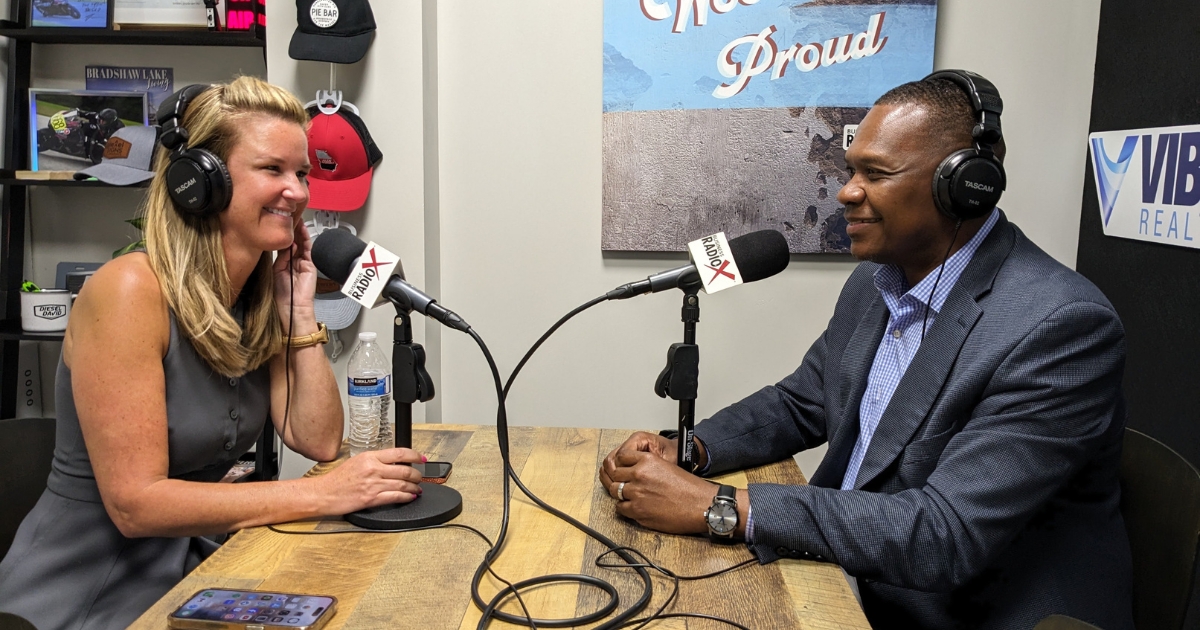
 

TRANSCRIPT

Intro: [00:00:07] Coming to you live from the Business RadioX Studio in Woodstock, Georgia. This is fearless formula with Sharon Cline.

Sharon Cline: [00:00:17] Welcome to Fearless Formula on Business RadioX, where we talk about the ups and downs of the business world and offer words of wisdom for business success. I’m your host, Sharon Cline. And today on the show, we have the owner of a social media agency who helps small business owners make the most out of their time to optimize the amazing outreach of social media. Welcome to the show, Libby with The Crucial Social. Hello.

Libby: [00:00:43] Hello. Thanks for having me.

Sharon Cline: [00:00:45] Sure. Thanks for coming to the studio. I’m excited to talk to you. Um, one of the things that I think is very cool about you is that you are using social media to promote your business about social media. That’s. I mean, it’s working because that’s how I found you.

Libby: [00:00:59] That’s so funny you say that. I think a lot of people in my industry, we kind of just let our social media, like, fall on the back end because we’re so busy with everybody else’s. Um, and I kind of have let mine fall in the back in the last few months. So it’s good to hear that you saw me on social. I did, so it’s still working. It’s fantastic.

Sharon Cline: [00:01:17] I know right. It’s proof positive. Yes. Cool story. Cool backstory about your story of having your company is that it got started during the pandemic, which a lot of companies and businesses did not survive. But you like powered through. Can you tell me your your story?

Libby: [00:01:35] Oh, gosh. Um, do you want the longer the short version.

Sharon Cline: [00:01:38] Whichever one you like.

Libby: [00:01:40] Um, so I think my journey was kind of a it was a long journey of me just kind of having different little things that happened. And eventually I kind of put two and two together and was like, oh my gosh. Um, so just like a series of little things, I was working in vet med and I love animals. I loved being in vet med. However, the pandemic was extremely difficult in that field. Um, that field is pretty difficult regardless. And we were one of the few animal hospitals in the area that didn’t close down that was still seeing new patients. So we were very, very busy. And in the middle of that, my husband decided to quit his job and start a business.

Sharon Cline: [00:02:23] It was while you both are so brave.

Libby: [00:02:25] Oh, he’s brave. I’m just kind of flying on his coattails most of the time. He kind of came home one day and was like, I quit my job, but like, don’t freak out. And then he just paused and I was like, whoa, what? Um, anyway, so yeah, so he started a business. And that’s kind of how I started thinking about social media marketing. That was the first thing I did for him. Like, that was just the first thing that came to my brain. Right. Okay, well, we’re going to start you a Facebook page. You have no budget, you have no marketing. You have nothing but this idea in your head. And through that experience with helping him start that, I met a lot of local business owners. But we also had honestly, in my opinion, anyway, like pretty good success with his business, like within, you know, a few months to a year, he was getting orders from around the country. He was having brands reach out and all we were doing was Facebook and it was all organic. There wasn’t paid ads. We were just kind of posting and learning what people liked to see. And it really kind of formed his business. And with the connections I was making in the community with trying to not work him in the area, um, I was realizing, you know, a lot of people were just flabbergasted, like, oh my gosh, like, what are you guys doing? And we’re like, Facebook. I don’t know, like and I just, I kind of saw a hole there that I wanted to fix and kind of help people because we had just good, good experiences with it. Um, so after some time and kind of being in vet med and being tired, and as much as I loved my job, it was just a lot. And I was just kind of, you know what? I like this thing. I think I can do it. So with the community around, it seemed like a good fit. And once I made that decision fully and committed to it, it’s just been nothing short but amazing. It’s been great.

Sharon Cline: [00:04:11] I love the name.

Libby: [00:04:12] Oh.

Sharon Cline: [00:04:13] You know, it’s got that. What? It’s not alliteration. I can’t remember what it’s called. Got something? It’s got like that. Just the crucial social totally makes sense. It’s easy to say. It’s fun to say.

Libby: [00:04:22] That’s so funny. Thank you for saying that. There was definitely a few names, because when you register, you have to submit a couple. And I recently went back and found some of my old names. I was like, oh God, those were so bad. I’m so glad that that one was the one I chose and it was available. Uh, thanks.

Sharon Cline: [00:04:36] Sure. You know, online is kind of perfect to be able to work from home during the pandemic and really start to build something that doesn’t require you to be in front of other people. I mean, it was kind of a perfect timing, I suppose.

Libby: [00:04:48] Yeah, it’s funny, looking back at it, I’m realizing everything was kind of falling into place, even if it didn’t seem like it at the time. I think the pandemic really created and paved the way for social media marketing from an organic standpoint. Way more than it was before, and even just starting businesses like online businesses in general, like the pandemic, was a really big contributor to that. Honestly, being able to just start something online, you know, no money, just starting it and doing it because you had the time available and being able to build it was. I mean, I’m not going to say it was great because the pandemic was a terrible. But it’s it’s changed a lot for sure. Absolutely.

Sharon Cline: [00:05:28] I was thinking about how many companies and businesses out there during the pandemic didn’t have the opportunities to advertise like they normally would. In other words, um, being out amongst public people and having specials at their restaurant or whatever, it was the natural way that people or even on billboards, people weren’t even leaving their houses. So having something online is just kind of so them, I’m sure they turn to you and were like, help, you know, how do you how can I help build my business while I’m not even out really doing my business?

Libby: [00:05:59] Yeah, it was definitely a wake up call. I think there were a lot of businesses that just kind of pushed online marketing and social media to the side. Like even though everyone says you need to be on it, you know, my business is fine, I don’t need it. And then all of a sudden, that’s really one of your only options to make a giant pivot into that. Um, yeah.

Sharon Cline: [00:06:20] So in getting started with your business and you did go to school, you went to, um, you have a degree in what did you tell me? It was.

Libby: [00:06:30] Uh, graphic design.

Sharon Cline: [00:06:30] Graphic design? I was like, design, but it wasn’t just design. It was graphic design, which I, um, I know, like you were saying, can lend to what you’re doing right now, but becoming kind of your own business owner, you know, there’s a lot of steps and things that you that someone who’s out there who may have been considering doing something like this, you know, doesn’t really know what the average steps would be. So what was it like for you to go through from start to now, getting your business going?

Libby: [00:06:58] There was a lot of learning. There was a lot of pivots, honestly, when I started and kind of got the bug of seeing my husband start his business and just having the time, freedom and the mental freedom to fully focus on the thing and build something. Um, I originally thought I was just going to be a VA, like a virtual assistant. I was kind of leaning into that. Um, I even bought a course to help me start, and it kind of laid out, you know, how to register your business and all these things. And I did start networking and actually start my business originally as a VA. Wow. Uh, agency, which I totally forgot about until just now.

Sharon Cline: [00:07:36] I was going to say that’s actually very clever timing too, for that. Yeah.

Libby: [00:07:39] No, it was it was all the rage. And people I mean, people still don’t know what a VA is, but, um, it was definitely something that was getting popular because of the pandemic. And I’m an organized person. I like doing, you know, kind of reception things. Um, but a lot of people didn’t know what that was. And I really had a hankering with my husband’s business, with the social media. And so there was a lot of time that went by and a lot of things I tried to do, um, that I think ultimately it was just very clear now that I’m looking back at it, that VA was the wrong thing to try and be doing, like the real calling and the real thing I needed to be doing was social media. Um, again, it’s but it’s trial and error, you know, you don’t know until you just keep trying different things. Um, something I tell myself often, like one of my mantras is, um, you don’t fail until you stop trying. Um, because even if you are supposedly, you know, quote unquote failing at what you’re doing, it might not be the right thing that you’re trying to do. And there’s something else better out there. You just have to be open to pivoting for it. And, um, so I will say it’s not a linear line. It’s not even a slow like curve up line. It’s just a weird circle of diagonals, like.

Sharon Cline: [00:08:50] Up and down and backwards and forwards.

Libby: [00:08:52] Yes. Um, but it’s um, I mean, it’s interesting. There’s never a dull moment. There’s never a boring day. Yeah. Um, but it’s definitely like a journey. And it’s a journey you have to learn to appreciate. The destination is not even that important once you get started.

Sharon Cline: [00:09:09] It’s fascinating to me how much social media drives everything. I have a picture that I actually took a screenshot of, um, regarding advertising and I thought, wow, this is fascinating. 55% of people. This is according to a 2023 article. Um. I’m looking to see. Uh, I don’t even have the official, like, website that I got this from. However, it looks legit. It was 55% of people learn about brands from social media, which is more than half the average internet user spends 397 minutes per day online, with much of that on social media sites. And 79.7% of people make purchases based on online or social media advertisements. That’s such a high percentage. That was shocking to me. And it’s I think I fall victim to it all the time, but I thought that was interesting.

Libby: [00:10:03] Yeah, it’s one of those things you don’t realize it until you’re in it and you’re analyzing it kind of similar to what you were telling me earlier, with the design and the colors and the psychology behind that, um, being able to be on the business side of it, it’s absolutely mind blowing what’s actually going on on the social media sites for business. And it’s something you don’t think about as the normal social media consumer, and maybe even you might buy 1 or 2 things. But if everybody is buying 1 or 2 things a week, that adds up to a lot.

Sharon Cline: [00:10:35] I bet it does. And also, I was thinking about the different kinds of businesses that would come to you to have your, their, your marketing expertise. And so it’s not just a product oftentimes. Right. It’s a service.

Libby: [00:10:49] Yeah, I think most of my clients honestly are service based. I think we’re definitely getting into an era in social media. You know, the pandemic’s died down. Um, we’re we’re we seem back to normal. So the normal kind of dancing or product advertisements, like the normal ways for you to advertise on social is no longer really converting as well. As soon as people think they’re being sold to, they swipe, they’re done. Um, so yeah, a lot of my clients are service based. Honestly, a lot of it is about awareness and kind of setting them up to be maybe different in their niche. And I think there are a lot of service based industries that think that way, like, oh, social media, you have to have a product, it has to sell online like e-commerce. But honestly, I don’t feel like that’s the case at all. There’s so much room to just kind of build trust and put awareness out there for your brand. Um, I think any person that has a service based industry, honestly, a lot of your competitors are probably not doing the social media marketing, and it gives you a leg up for sure. I mean, you just said how many people are on there all the time. That’s how many people you could be talking to, you know, just without doing anything.

Speaker3: [00:11:58] Do you think there’s.

Sharon Cline: [00:11:58] A reluctance, um, to use social media? Um.

Speaker3: [00:12:03] Why do you.

Sharon Cline: [00:12:04] Think they want to do they the people who are reluctant, what do you think they would naturally want to do?

Libby: [00:12:09] Oh, naturally. I think it’s more old school stuff. Um, you know, let’s get in a magazine, let’s get in a flier. Let’s maybe do some, like, geo fencing. Um, but it’s more direct ads, like, let’s make an ad that says buy my thing. Um, there’s. Which is fine. Um, I just, I with organic social. It definitely. You have to be a little bit more creative. I always say people don’t like getting on social to be sold to. So you have to be in that space of being knowledgeable and aware of your service or product in a way where people are like, I like her, she’s cool. I’m going to go buy that deodorant. Like I like what she said about that. I relate to that type thing. Not a this deodorant is so great. Five stars because x, y, Z. Nobody likes those when they’re scrolling on Facebook, you know? Um, so it’s just I think it’s just out of the norm. It’s a totally different way to think about marketing in general. And it’s it’s hard to kind of transfer your train of thought when you’ve been doing it one way for so long, especially industries that are so developed in how they advertise, like the trades and stuff. Like a lot of times they have it really mapped out, like they know that they’re doing Google ads, they know that they’re doing these neighborhoods magazines. Like, they have it pretty strategically laid out and planned out, and it’s just a completely different way of thinking about business.

Sharon Cline: [00:13:30] I was looking up some of the, um, social media ad campaigns that have done really well in the past, and one of them was dove, and I watched, um, like, there’s a little video that shows how they were encouraging people to submit their own photos of some of the things that they’ve done with, like a hashtag that, that, um, tagged dove in it. And fascinatingly, I mean, it did it amazingly well because you’re not being sold to you’re being encouraged to participate. And the next thing you know, your brain is kind of wired to start noticing more dove products or dove things. And there’s an investment that you’ve, I guess, made for yourself. And then you’re almost like a loyal customer to something you hadn’t even bought yet. Yeah. You know, but but you participated in advertising. And I just think that’s so interesting. It’s so different.

Libby: [00:14:20] No, it’s so different. Like, there’s just a lot of community building on there, and there’s so many different ways to try and build that community and build that trust and those relationships just. Posting a post and writing something, not even having a direct conversation. Uh, it’s it’s interesting. I think a lot of people don’t realize that you can create loyal people without having to sit and talk with them face to face, not that face to face conversations are out or not helpful. They are. But they’re like, that is that’s happening. It’s happening. Like you can get brand loyalty through those. Like it’s amazing.

Sharon Cline: [00:14:55] Who’s your ideal client? Like who? Who kind of works best with you?

Libby: [00:14:59] I really should have been more prepared for that question.

Sharon Cline: [00:15:01] Um, no. I throw them out there. I’m coming from left field. Nothing is linear either. My brain works in an interesting way.

Libby: [00:15:11] Um, my ideal client, honestly, I am. I’m pretty niche down. Like, I really want to focus on small businesses. Um, I’ve decided that, like, I don’t really want to work with larger corporations or or larger businesses, but ideally, the clients that I, I end up working with really well and having a great time is people that are open minded to the idea. They’re not afraid to try something, but they’re also willing to be authentically themselves when they show up. Um, and just kind of play around with it and have fun. Because honestly, if you’re having a good time, like connecting and creating the content, it does so much better. Um, so like you have to be open minded and a little bit willing to put yourself out there to get to that point. Um, but it’s really for me, I’ve noticed it’s about the person, not necessarily the industry that they’re in. And that could change as I go on. But right now it’s more about being able to enjoy who I’m working with and the content that we’re putting out there.

Sharon Cline: [00:16:12] Is there anything that you’ve done that you just think this is exactly why I do this, why I’m in this industry, and how this makes me so happy to see this campaign do well, even if it’s not an official campaign. But like an ad that you worked on, is there something that stands out for you?

Libby: [00:16:28] Um, honestly, it’s not like a particular thing. It’s just a, like a, like a time lapse of things, you know, working with clients, like even just just consulting for a few months and then seeing their seeing them post consistently and seeing them kind of change how they do it and seeing more people engage and seeing them show up more confidently because they’re getting a little bit more comfortable and more used to it. Like, I love seeing that. Like I love being able to scroll through and be like, oh my gosh, Sarah did this. Like, this is great. Like, I love what how she did this. She put together so well. Like that’s I enjoy doing that so much. Like that’s really the biggest reward for me.

Sharon Cline: [00:17:01] Is there an aspect of your personality that you think lends really well to this industry? I mean, you’re young, which is perfect because, you know, older people like me. The challenge is more like what social media? Like I was saying earlier, I like TikTok, are such a struggle for me. It’s easy to make a reel. I’ve done it, but I don’t like. It’s just not my I don’t know, I don’t know what to say.

Speaker3: [00:17:25] Nobody thinks.

Libby: [00:17:26] About it. The only it’s interesting, I was talking to somebody about that earlier. She’s like a photographer and she’s like, I just, I forget to get, you know, the behind the scenes stuff. I’m just not thinking about it. I’m like, you’re not thinking about it because your job is not to be a content creator. For Instagram, your job is to do photography for your clients. So like there shouldn’t I feel like there’s kind of this idea that we all have to be perfect at getting videos of ourselves all the time. That’s not really realistic. A lot of the people that you see that do that, that’s what they do for a living. They’re content creators. They get paid by brands to do that. Um, I’m sorry, what was the question? I went off on a tangent.

Speaker3: [00:18:01] Oh.

Sharon Cline: [00:18:01] That’s okay. Uh, what aspects of your personality that make this, like, really work for you? Um. You’re creative.

Speaker3: [00:18:08] Clearly.

Libby: [00:18:08] I’m definitely creative. I grew up in a very creative household, but I also was, um, I think I was I was definitely shy as a kid, and my parents were not. And I think it gave me a lot of opportunity just to kind of watch social interactions and see how people just kind of watching the whole social thing go on. I was not a social person until apparently recently. Now I’m called a bubbly person, which is very interesting to me. Um, but I think it’s given me a lot of insight on just understanding how those conversations go, because that’s kind of what we’re trying to accomplish on social media is just an authentic conversation, right?

Speaker3: [00:18:44] Yeah.

Sharon Cline: [00:18:44] You’re right. It’s like you were saying not to be pandered to, but actually to be engaged with, which poses its own challenge when you’ve got a screen or a phone or whatever in front of you. But, um, I always ask clients this because TikTok is a big thing. And so how how important are you finding TikTok to be? I have I have bought several things that I’m like, this looks amazing. And now I have like a rule for myself that if I like something, then I save it and then go back to it if I want to later, but not to just, I mean, yeah, because, you know, how many lipsticks do I need?

Speaker3: [00:19:20] Or lip glosses.

Sharon Cline: [00:19:20] Or whatever else product or scrub Daddy’s, which I love. Okay. Go ahead.

Libby: [00:19:25] Um, honestly. So I started almost two years ago now, and I wanted to, um, how do I put this and my industry, there’s a lot of people that do everything, and then you kind of get into it and you realize they know maybe 1% of everything, because there’s a lot to digital media and digital marketing 100%. There’s so much. So when I started, I didn’t want to be spread out. I wanted to do one thing really well. And so I, um, I just decided I was going to really just focus on Facebook and Instagram, and that was going to be my thing. I didn’t have a lot of people around that were I mean, it was hard to talk them into doing reels, let alone getting on TikTok. You know, a lot of as soon as I say TikTok, it’s I’m not dancing.

Speaker3: [00:20:09] You know, like, okay, I’m not going to make you dance. But, um, there.

Libby: [00:20:12] Hasn’t been a lot of interest from clients. But I will say recently, this past year, with the research that’s come out and the analytics, TikTok is not going anywhere. I know there’s a lot of political things that were going on too, which was kind of part of why I was like, uh, if it’s gone away, then I’ve wasted so much time learning about it. Um, I think it’s definitely coming on the up and up for sure. They actually did a study recently. It came out at the beginning of the year, but they pretty much said TikTok was the number two search engine, and that was across all generations across all platforms. So it was like Google, TikTok, YouTube. So with that in mind, it’s like, hmm, I definitely should be on TikTok if I have something that people are directly searching for. Um, so that those are conversations I’ve definitely had this year with clients and potential clients. Um, being able to start incorporating that because I think it’s definitely getting more important.

Sharon Cline: [00:21:09] What would you say? That is something that you think the average person who is considering advertising and social media doesn’t know. Because when you’re talking about analytics, um, you have a lot of statistics to back up why it works. So I’m thinking that that’s something that someone out there I wouldn’t have known that TikTok was the number two search engine.

Speaker3: [00:21:32] I wouldn’t that’s a shock.

Sharon Cline: [00:21:33] Yeah, but how important is that to know? So I’m wondering if those are the kinds of things that you feel like people need to understand is how powerful that is?

Libby: [00:21:40] Yeah, 100%. I think people underestimate it still. And I don’t want to say everybody needs to be on social because again, it’s your business. It depends on what level you’re at and what you’re able to do. But I will say there is no other free place for you to directly advertise to as many people as social media, 100% like it’s a free platform. You don’t have to pay for ads. You can be on there and promoting your business. It just takes a little bit of time and takes a little bit of know how. Um, and you can do it yourself like it’s a free resource that people can use. So it’s kind of it’s a no brainer for me to just be on there and be available. Even if, you know, people are searching for you on Google, they’re still going to check you out on Facebook to get to that next layer. You know, they’re all they always are. It’s like I tell people and they’re like, what page should I be on? Like, well, what’s your customer and what’s their journey to get to you? Because if they’re searching you on Google and then they’re double checking you on Facebook, then what you put on there is going to be different than if they’re discovering you on Facebook, you know, or searching you on TikTok. Um, so there’s a lot that goes into it, but it’s just it’s there. It’s a free resource. Like use it.

Speaker3: [00:22:54] Yeah.

Libby: [00:22:54] Really use it to help yourself. It’s not going to harm you in any way to be on there.

Sharon Cline: [00:22:59] Do you ever pay for advertising? Have you do you need to? I don’t know how important that is.

Libby: [00:23:04] Um, I, I focus on content and organic, so I don’t do paid advertising for my business. I play around enough to be dangerous with my husband’s stuff. Um, and I’ve kind of learned a lot from that. But I will say ads is it’s a whole different side. I feel like organic is a lot more. Well, there is analytics and data. There’s a lot more creative side to it. Um, ads. There’s a lot of there’s a lot of data. There’s a lot of numbers, um, and psychology behind it a little bit more. And that’s just not my strong suit. But I will say ads are great. They can help. But definitely no no. And trust to your paying to do the ads or um, creating the ads because there are a lot of ways that these platforms do try and take advantage of you from that field as a business owner. Um, because there’s just different ways of doing it. But like, you know, boosting posts, I know some business owners, it’s and it prompts you to write. It’s like, hey, do you want to boost this post? It’s doing pretty well. That boosted post. You’re going to be paying more for that and probably getting less results because there’s less that you’re able to, um, select on who it goes to as opposed to actually creating a full ad and saying, I want to target this neighborhood and this type of person in this neighborhood that makes this much, you know, like you can qualify your client a little bit more if you actually create the ad. Um, but it can get it can get pricey, it can get dicey.

Sharon Cline: [00:24:32] I can only imagine. I was speaking to another social media person a couple of years ago, um, about how there are ways that the analytics will show you whether someone accessed your website through a phone or a tablet or a computer, and then the times that they do so that you can maximize when you want to put an ad out, you know, so it’s so nice to be able to have that all of that access right there at your fingertips to be able to, like you said, maximize the the amount of time that you’re spending trying to get people to go to your site.

Libby: [00:25:08] It’s great. And then it’s like overwhelming almost. Well, like as as a business owner, you know, if that’s what you’re doing and you’re trying to look at, look at all your numbers and see what time it was, and then recalibrate everything while you’re also running the business. It gets a lot. But yeah, there’s so many tools. I mean, Instagram, you can go to each post on Instagram and you can see, um, which like where they saw that post on Instagram, whether they saw it on their home feed, whether they saw it on your profile. So they had to find your profile, or maybe they saw it on their discovery page, like it’ll tell you where they saw that post. So like that can kind of help you understand where are these views coming from, or am I coming up on their discovery page, or are they just seeing me on their feed because it was suggested, um, you can see how many people saw it that followed you versus non followers that saw it and how many people followed you from that post. So there’s a lot of analytics. Um, I will say organic is a little bit different compared to maybe paid ads because you can’t necessarily. Directly measure a direct conversion for a sale. Unless you have a Instagram shop or TikTok shop, you know they can bounce around on organic for a long time before they actually buy. So I will say that’s one thing about organic that I think is a little bit hard or a deterrent for people making. The investment is it’s you really can’t measure a direct ROI beyond the the analytics that the platforms have, if that makes sense.

Sharon Cline: [00:26:36] It does, it does. I was thinking as well how challenging it all is because it’s 24 seven. You don’t get a break, not only as a business owner, but just as you’re looking for your clients. It’s always being churned out and and worked through. In other words, not every ad I’m going to see the same ones as I go on Instagram or Facebook. And so if I miss a certain window, well, then maybe I just miss that one, you know, because, you know, it’s unless you’re up 24 over seven looking at everything, I’m sure it’s constant barrage of other companies putting their content out as well.

Libby: [00:27:13] Yeah, it’s uh, it’s definitely a lot. It never stops. And that’s part of why, at least for me. I try to understand my clients but understand my clients clients, because that gives you way more information and you’re going to hit it. You’re going to hit the mark a lot better than somebody who’s just, oh, these are the most general active times. Well, no, these are the most active times in topics for this particular type of person. Um, so that helps a little bit. I think the more research you do, you can do a lot better with posting and kind of get ahead of the game with maybe the other competition. That’s just kind of throwing money at it and covering all bases, if that makes sense.

Speaker3: [00:27:51] It does. Yeah.

Sharon Cline: [00:27:52] How do you balance your life with your you just start laughing. Lots of people in this studio struggle with the same thing, you know, how do you balance being a business owner and, and kind of keeping things from becoming 24 over seven for yourself?

Libby: [00:28:10] Yeah, it’s a journey for sure, especially when you’re new and you’re starting. There’s kind of a an ideal of, you know, well, it’s new. I have to prove myself. I have to do all this and be available all the time. Um. It’s a journey, I guess.

Speaker3: [00:28:27] I mean, I’m pretty good.

Libby: [00:28:28] Like, um, after a few months of being in business, like, my phone’s notifications turn off after seven. And so, um, unless you’re immediate family, I won’t get it. Um, I’ve definitely gotten to the point of including in contracts and just ways I communicate with clients like we’re talking on this one platform. These are my business hours. Um, you know, this is not an emergency. This is what an emergency would look like. And in that case, you can call me. Um, so I think just kind of clarifying with clients what to expect and what I’m available for. And I mean, at first it’s rough because you you feel bad, you want to do everything, but you have to understand that there has to be a little bit of a balance, because if you’re running 24 over seven, you’re not giving enough quality to your clients. So, um, sometimes you have to go through that experience to understand it. Um, but yeah, just and again, I think surrounding yourself with people that fill your cup, um, so even if you are busy seeing people, it’s people that make you feel better. They fill your cup. So, um, it’s just it’s helpful. Community is a big thing, I think. For sure.

Sharon Cline: [00:29:32] I like that you are talking about managing expectations, because how do you know unless you have it really clear?

Speaker3: [00:29:38] Yeah.

Libby: [00:29:39] And even sometimes people don’t read the contracts and you still have to. I learned a lot through experience. I will say I was lucky enough to, uh, collab with like a local digital marketing agency when I started. And so she had a lot of clients that I was doing social media for. So I learned a lot very quickly. Um, and some of that was managing expectations and client communication. So I’m super thankful for that experience because I learned a lot. I learned a lot.

Speaker3: [00:30:07] In a short amount of time.

Sharon Cline: [00:30:10] What would you say is something that really surprised you about this industry or being a small business owner?

Speaker3: [00:30:17] Um.

Libby: [00:30:18] I will say, um, my husband says this a lot. It’s surprising how easy it is to cover that minimum wage paycheck that you were worried about covering before. Um, I came from a family of entrepreneurs, for sure, and. Saw it was difficult. Sometimes I’ll say it that way. So growing up, I was very much have to have a job, like going to work hourly, like going to find something I like doing and just get really good at it and do annual hourly. Like there was no other thought in my mind I was going to do anything different. And of course, my husband is an entrepreneur and his heart, and he obviously made the decision and I just had to kind of roll with it. Um, but that was something that was super surprising to me, being able to see. Not that it’s not difficult because it is difficult. It never stops. But the money for me, it was, I mean, and we were not making a lot of money. We were making like minimum wage. So it was easy for us to be able to cover what we were making. And it was like, oh, wow. So this is actually doable. Um, how else can we make this better and like, keep doing it? You know.

Sharon Cline: [00:31:27] That’s exciting, though, because there are so many people out there that listen that have an idea. But, you know, yeah, life and just bills and family and pressure. Yeah. Um, stops people from making that kind of leap. So I will.

Libby: [00:31:43] Say I definitely noticed a shift. There was two times. The first time was when I quit my job and decided to go full time because before it was like, oh, I’ll do it on the side. And then when I start covering my income, then I’ll quit. And I mean, kudos to people that can do that. I could not do that. Like I was so distressed out, like working 11 12 hours and coming home and having to work more on top of life and pets and everything like that was intense. But as soon as I just kind of, you know, said it out loud and was like, I’m quitting, I’m committing to this. It was like everything kind of fell in place. Like, and I tell people, like, the universe conspires with you, not against you. So when you kind of make that mentality and you set that out, it’s so funny how everything just kind of falls and it’s like, whoa, that wasn’t as terrible as I thought, you know? Like I made it. I’m on the other side of the bridge. Awesome.

Sharon Cline: [00:32:38] But that was like a ginormous bridge. It was.

Speaker3: [00:32:40] A ginormous bridge, and it.

Libby: [00:32:42] Was terrifying walking over it. But we made it to the other side, and, um, and it’s like, oh, that was a cool experience. Like, what’s the where’s the next one? You know.

Sharon Cline: [00:32:50] How can we do this again? Or how can we grow? That’s what’s so exciting to me is like you, you actually get to see the growth and you’re you’re doing what I always call like the American dream. You know, here’s my business that I want to start, and then you do. And there’s so many resources that are helpful to do it, like even setting up an whatever business name you have or state of Georgia, all of the things that I had to do for my voice over business, same thing. I didn’t know what I was doing. So just basic Google like, how do you do this? And there’s just kind people in the world that make an article or a video to show you what to do. So it’s it’s it is doable. Yeah. But what would you is there anything that you’re not afraid of anymore now that you’ve, you’ve seen success? Um.

Libby: [00:33:34] I think I’m less afraid of showing up online, for sure. I think that was, um, scary to start my own pages and show up and, you know, get the photography done, and, um, your website’s beautiful.

Speaker3: [00:33:47] Thank you. Yeah.

Libby: [00:33:47] A shout out to Kaitlyn Debs, who did my photography. She does amazing work. Um, she helped me a lot, but I think just showing up online, I used to get so nervous and anxiety hitting that post button, and now it’s just like, whatever. You know, if it flops, I learn something. And then if it didn’t, I learn something. So we’re just, you know, we’re just going to do it and see what happens. Um, but it’s also, you know, it it pays off. Right? Because you’re not the first person to tell me the last couple of weeks that the online stuff, like, looks good and it’s informational and all that stuff. So like, it’s it’s good to know that that’s that’s out there and helping and it’s hearing that makes it less scary. Right? It’s like my efforts were not in vain. So that was definitely probably a big thing.

Sharon Cline: [00:34:30] So part of that is the is just being brave enough to fail, right?

Speaker3: [00:34:36] Oh yeah.

Libby: [00:34:36] Like you have to know you’re going to suck. Like if you scroll down to like my first few posts on Instagram, they are rough. But I’m also not going to get rid of them because it showcases my journey. Um, but it’s yeah, you have to be willing to be bad to get good 100%. And I think if you come at it with that mentality, it kind of changes everything too. And also just kind of a learner’s mentality. Right? Like I think there’s definitely an ideal, like as a business owner, as an expert in something, you have to know 100% of the thing. And that’s actually not true. And I think anybody who acts or says that they do know, oh, I know 100% of this thing. They probably don’t because they haven’t been learning and updating themselves with the things that are changing.

Sharon Cline: [00:35:20] So it’s true, right? If someone says they know everything, it’s just their own little their little slice.

Libby: [00:35:26] Yes, they know a little bit of the slice that they that they know about. But everything is so changing and different all the time. Um, you have to kind of be okay. With having a learners mentality. I think that’s how you get better.

Sharon Cline: [00:35:40] I love that you frame it as look where I was, look where I am now. You know, it’s almost like the before and after. Okay, so the first book I did as an audiobook I cannot listen to because I am so much better now as far as the technique and like this, the things that I had in the background as far as like noise and I just, I have better equipment, I’m better. And and seeing where I was, I actually struggled to listen to it because I’m like, I would so do a better job. But it is important for me to just my own self to say, wow, look how far I’ve come and look what my standard is now. I didn’t even have a standard. I was just happy to get work.

Speaker3: [00:36:19] Yeah, exactly.

Libby: [00:36:20] I think we get in our heads a lot when we’re, you know, it’s been, oh, it’s been this long. Like I’m still doing the same thing. I’m not learning a lot. So being able to have those things that you did and look back at them, it’s like, oh wow. No, I’ve done so much. I’ve gotten so much better. I’ve learned so much. Like it’s definitely important to understand that so you can be like, okay, like I see I’ve grown. I’m going to keep growing. Let’s see what I sound like next year. You know, like, what’s that going to sound and look like?

Sharon Cline: [00:36:51] It is the journey as as like trite as that little phrasing, you know, enjoy the journey. But it really is because I if I knew better then I would have done better then. Yeah. So but I didn’t. So but that’s okay because I didn’t. How so? Yeah I appreciate that. Just reminder because it’s very easy for me to, you know, look at the negatives.

Speaker3: [00:37:12] Yeah. Well and it’s.

Libby: [00:37:13] Easy on social to look like that to you know people want to personally brand or be this, uh, you know, banker that knows everything and has these viral reels and it’s I can guarantee you, whoever you think you’re looking at is on chapter like 500 out of your chapter five. And if you scroll down to their first TikTok or their first reel, it probably looked terrible.

Speaker3: [00:37:33] So and it’s probably.

Libby: [00:37:34] Been a few years since then.

Speaker3: [00:37:35] So actually, a really good point.

Libby: [00:37:37] Yes, I mean, I we compare ourselves so often to things that look and seem like they’re authentic and not sage or not produce, and they are most of the time they are. So it’s just kind of understanding, like everybody starts from the bottom. There is somebody in my networking group the other day that said, um, he was dealing with a client that was doing the same thing, comparing himself to somebody else’s, like finished, like finished journey. And the guy was like doing what the guy said, but he was struggling to, like, get to that point that he was comparing himself to with the guy. And, um, the guy from my business group was just kind of like, you’re he’s not documenting his journey. He’s documenting his finished product like he’s on top of his hill now, and that’s what he’s doing. But that’s not what he was doing to get there. And I think especially with social media and content creators and influencers, like it might look like that’s their journey, but it’s not. Their journey was probably not as glamorous or interesting, like they’re very few people actually document the whole journey. So just kind of pay attention to that because that can really overwhelm people.

Sharon Cline: [00:38:47] Yeah, there’s a lot of drama out there.

Speaker3: [00:38:51] There’s so.

Libby: [00:38:52] Much drama.

Speaker3: [00:38:52] Yeah. Oh yeah, people are involved.

Sharon Cline: [00:38:55] There’s drama, you know? But um, you know, certain people that I follow on Instagram and, you know, they’ll do I won’t even know the back story, but I’ll just see the apology video and I’m like, oh my God, what happened? You know, and it’s out there because, you know, people make choices and they’re I’m sure if they knew better, they would do better. So yeah, watching people’s journeys, it does for my own self. It does require me to be willing to be humble. And that’s, that’s, you know, I want the professional side of me to lead. But it’s I’m certainly you’re right in that if I do show up at the studio sometime in sweatpants or because we were talking before the show, like there are cameras in here, and that’s like the next sort of frontier for us. I’m like, man, can’t wear my sweatpants. And Libby was like, well, it’s real. And that’s true. I mean, that’s today’s a sweatpants day. And it just is. But it’s kind of nice on radio. You have no idea. Yeah, I could look whatever. But yeah, I guess there’s relatability, which is nice. So, um, I’m sure that that there’s an element of that regarding social media marketing, but, you know, it’s you can contrive that, make that happen. Today is a sweatpant day when it really isn’t. But like it really would be. Yeah. For me.

Speaker3: [00:40:04] Yeah, 100%.

Libby: [00:40:05] I mean, social media, you know, it’s all about being social. It’s all about being authentic and making that connection and, and relatability. So I would tell you to have one like, you know, and just just do it, make it a thing and talk about it. It’s um, I mean, it’s your choice, but it’s it just kind of makes people connect with you more because they are going to have a sweatpant day, you know, like, that’s the thing, a thing. And we’re kind of breaking down those walls. I think with just the entrepreneurs and being able to start your businesses and doing it online. Doing it virtually or whatever, like being able to show up how you need to to be able to do your job, whatever that looks like, if that makes sense.

Speaker3: [00:40:42] It does.

Sharon Cline: [00:40:43] I like the idea of that connection, and I understand it in terms of efficacy of marketing, but I also like it. Um, obviously connecting is very important, but I, I like the idea of the relatability, like, oh, they’re just like me. It’s not like I have to be super special in order to have this product or whatever. It’s like a backwards way, almost of being interested in a product, which is so fascinating to me. All of it is really interesting. It’s like a whole different frontier. And I’m so glad you’re like on the front lines of it.

Speaker3: [00:41:18] It’s definitely it’s a.

Libby: [00:41:20] Different way of thinking. It’s kind of backwards. Yeah, it’s kind of backwards for sure. Like you’re kind of meeting people where their problem is and not asking if they have it. You’re just, yeah, I’m down here with you. Yeah. And this is what I’ve done or this is what I have that helped. And just that in itself, just that little post or conversation can do a lot.

Speaker3: [00:41:37] Yeah.

Sharon Cline: [00:41:37] Do you think you have a fearless formula? Do you think you have a way that you, a part of you can have that bravery to start your business like you did and and to continue on without even having it’s not like you had you went to school and made this big effort to have this degree, like you were just throwing yourself in and learning as you go.

Libby: [00:42:00] Um, I think I’ve thought about this a lot, actually, recently. Uh, I think a lot of it is just, well, one building trust with myself, but also trusting myself, you know, understanding that, you know, if it did all fall down, like, I, I could build something else, or I could make the sacrifice and go get something while I build something else. Like it’s not an end all be all. Um, but being able to trust my capabilities and my. Trust that I can show up and do it and know that if it’s something I don’t know, I can learn. If it’s something I don’t want to learn, like I have the confidence to say that and, you know, point them in the right direction. But, um, I guess it’s just trusting, trusting myself and, and faith, I guess a little bit like it’ll all kind of come how it’s supposed to. Um, but I’ve definitely so much has changed in the last two years compared to the five years where I was working somewhere I just kind of fell into, even though I liked it. Um, so that’s just shown. It’s just shown a lot.

Speaker3: [00:43:00] Honestly, I love that.

Sharon Cline: [00:43:02] Because I have anxiety issues. And so.

Speaker3: [00:43:06] Um.

Sharon Cline: [00:43:07] It didn’t sound like it just now. You did a good job. What I’m thinking is how much I worry. Well, if this doesn’t work, then what am I going to do? But having that belief that, well, I figured out how to do this part. You know, I do have a brain and I have resources, and I have people that would want to help me just having the faith that I will figure it out. Like, that’s the bottom line. I like that, and because it gives me peace, I don’t have to stress so much about something like, that’s an energy too. And I want to have more of like a peaceful, like it’s all going to be fine. And if this doesn’t work, I’ll figure it out. You know, I don’t always have days like that, but.

Speaker3: [00:43:42] No, I’m definitely.

Libby: [00:43:43] A planner. Like, don’t I definitely have lists upon lists and like four different planners and a bunch of different calendars. Like, I do like to have a plan of what am I going to do if this doesn’t work? But at the end of the day, you know, even on the way here, I was talking to my husband. He was like, what is she going to ask you? I was like, I really don’t know. I’m not prepared at all.

Speaker3: [00:44:03] You know, I didn’t give you my standard list.

Sharon Cline: [00:44:05] Of questions.

Speaker3: [00:44:06] Which is fine.

Libby: [00:44:07] Um, he was just like, are you like, are you okay? Like you didn’t you’re not prepared. And I was like, I mean, I’m going to figure it out, you know, like I’m going to be there. And I know like the the goal and the message and the audience. So like all that’s lined up. So it’ll it’ll be fine how it is. But I’m, I definitely enjoy having like, a contingency plan. Um, but a lot of times it’s not needed. And like, you get into those meetings and you kind of realize, oh, like, I understood this and I know more than I thought I did, even though I wanted to sit here and write up a whole a whole list and a whole audit, like I can just look at it and do it, you know, like being able to get yourself in those situations where you prove that to yourself and just building on that. It’s a huge thing.

Sharon Cline: [00:44:49] I love that. I love it because it reminds me too. These are always very important messages for me, because I get into my own head and forget the good.

Speaker3: [00:44:56] Who doesn’t?

Sharon Cline: [00:44:57] Yeah, but I really appreciate you kind of reminding me of some of the resources that I have just in my own self. Oh yeah. So I really just loved having you on the show. So exciting.

Speaker3: [00:45:07] I’m happy to be here.

Libby: [00:45:08] I had I’ve enjoyed talking with you.

Speaker3: [00:45:10] It’s been a good conversation.

Sharon Cline: [00:45:12] Thanks. Yeah I agree. Well, Libby, who who how can anyone get in touch with you? What’s the best way? I know you’re obviously a social media person, so.

Speaker3: [00:45:20] Yeah. So the best way.

Libby: [00:45:22] Is probably Instagram. Um, at the crucial social. Um, you can also message me on Facebook. Um, the crucial social, the crucial social all the way around. It’s the same everywhere. Um, but Instagram is usually what I’m on, what I’m looking at most. Um, send me a DM and, uh, slide slide into my DMs. Let’s have a.

Speaker3: [00:45:41] Chat.

Sharon Cline: [00:45:42] That’s how I found you.

Speaker3: [00:45:44] Yep.

Sharon Cline: [00:45:45] Well, thank you so much for coming on the show today, and I would love to have you back at some point and see, you know, what are some of the other changes that have happened in like, the next year or something? So, um, we’ll have to touch base again and, um, and see some of the other lessons that you’ve learned. And I really appreciate your being so candid with your journey. Um. Oh, I’m.

Libby: [00:46:06] Candid, I am.

Speaker3: [00:46:07] It’s the best. I’m a straight.

Libby: [00:46:08] Talker. My husband’s like, you’re too direct sometimes. Like, well.

Speaker3: [00:46:11] I don’t know. I think that’s going.

Libby: [00:46:12] To tell you how it.

Speaker3: [00:46:13] Is. Yeah.

Sharon Cline: [00:46:13] To me, that’s like the I want everyone to kind of have get the message, you know, and not have it danced around. But this is what it was like, you know, so that it makes it real for somebody else to follow their dreams.

Speaker3: [00:46:23] Yeah.

Libby: [00:46:23] Just start. That’s why I tell people when they ask, like, just start. Trust me, it’ll all work out. But like, just start and be 100% awesome.

Sharon Cline: [00:46:32] Well, thank you so much.

Speaker3: [00:46:34] Thanks for having me.

Sharon Cline: [00:46:35] Sure. And thank you all for listening to Fearless Formula on Business RadioX. And again, this is Sharon Klein reminding you with knowledge and understanding we can all have our own fearless formula. Have a good day.


Tagged With: The Crucial Social

BRX Pro Tip: Regular Pre-Scheduled Meetings

February 26, 2024 by angishields

BRXmic99
BRX Pro Tips
BRX Pro Tip: Regular Pre-Scheduled Meetings
Loading
00:00 /
RSS Feed
Share
Link
Embed

Download file

BRX-Banner

BRX Pro Tip: Regular Pre-Scheduled Meetings

Stone Payton: [00:00:00] Welcome back to Business RadioX Pro Tips. Lee Kantor and Stone Payton here with you. Lee, let’s do an operations clinic today and let’s talk about utilizing regular prescheduled meetings.

Lee Kantor: [00:00:16] Yeah. We’ve talked a lot about clarity of message and eliminating confusion. I think a great way to do that is to have regular preschedule meetings. That makes everything easier for everybody. They know the time is a non-negotiable addition to their calendar, so there’s no confusion in terms of whether it’s going to happen or not. People are clear about the agenda. And most issues can wait to be dealt with at those meetings rather than having these kind of impromptu meetings whenever somebody has something. Sometimes things are urgent and you have to do that. But most things, I think, can wait until a regularly scheduled meeting.

Lee Kantor: [00:00:52] We do, in our business, have an office hours meeting that’s a couple of times a month. And everybody knows in advance when it is, how to get there. That’s where we share best practices, celebrate wins, discuss ways to make things better so everybody knows to come prepared with some of those kind of things. Having an agenda is important. Having kind of clear expectations of what’s going to happen at the meeting makes things more productive. And in our case, when we run out of gas, when we run out of things to talk about, we end the meeting. We don’t feel obligated to have the meeting go the whole length of whatever we had prescheduled the meeting for.

Lee Kantor: [00:01:32] So, it’s important to respect the time. Be productive during the time. But by having these meetings regularly, it just keeps everybody on the same page and it helps people kind of stay focused on the task at hand.

  • « Previous Page
  • 1
  • …
  • 135
  • 136
  • 137
  • 138
  • 139
  • …
  • 1322
  • Next Page »

Business RadioX ® Network


Our Most Recent Episode

CONNECT WITH US

  • Email
  • Facebook
  • LinkedIn
  • Twitter
  • YouTube

Our Mission

We help local business leaders get the word out about the important work they’re doing to serve their market, their community, and their profession.

We support and celebrate business by sharing positive business stories that traditional media ignores. Some media leans left. Some media leans right. We lean business.

Sponsor a Show

Build Relationships and Grow Your Business. Click here for more details.

Partner With Us

Discover More Here

Terms and Conditions
Privacy Policy

Connect with us

Want to keep up with the latest in pro-business news across the network? Follow us on social media for the latest stories!
  • Email
  • Facebook
  • Google+
  • LinkedIn
  • Twitter
  • YouTube

Business RadioX® Headquarters
1000 Abernathy Rd. NE
Building 400, Suite L-10
Sandy Springs, GA 30328

© 2026 Business RadioX ® · Rainmaker Platform

BRXStudioCoversLA

Wait! Don’t Miss an Episode of LA Business Radio

BRXStudioCoversDENVER

Wait! Don’t Miss an Episode of Denver Business Radio

BRXStudioCoversPENSACOLA

Wait! Don’t Miss an Episode of Pensacola Business Radio

BRXStudioCoversBIRMINGHAM

Wait! Don’t Miss an Episode of Birmingham Business Radio

BRXStudioCoversTALLAHASSEE

Wait! Don’t Miss an Episode of Tallahassee Business Radio

BRXStudioCoversRALEIGH

Wait! Don’t Miss an Episode of Raleigh Business Radio

BRXStudioCoversRICHMONDNoWhite

Wait! Don’t Miss an Episode of Richmond Business Radio

BRXStudioCoversNASHVILLENoWhite

Wait! Don’t Miss an Episode of Nashville Business Radio

BRXStudioCoversDETROIT

Wait! Don’t Miss an Episode of Detroit Business Radio

BRXStudioCoversSTLOUIS

Wait! Don’t Miss an Episode of St. Louis Business Radio

BRXStudioCoversCOLUMBUS-small

Wait! Don’t Miss an Episode of Columbus Business Radio

Coachthecoach-08-08

Wait! Don’t Miss an Episode of Coach the Coach

BRXStudioCoversBAYAREA

Wait! Don’t Miss an Episode of Bay Area Business Radio

BRXStudioCoversCHICAGO

Wait! Don’t Miss an Episode of Chicago Business Radio

Wait! Don’t Miss an Episode of Atlanta Business Radio