Business RadioX ®

  • Home
  • Business RadioX ® Communities
    • Southeast
      • Alabama
        • Birmingham
      • Florida
        • Orlando
        • Pensacola
        • South Florida
        • Tampa
        • Tallahassee
      • Georgia
        • Atlanta
        • Cherokee
        • Forsyth
        • Greater Perimeter
        • Gwinnett
        • North Fulton
        • North Georgia
        • Northeast Georgia
        • Rome
        • Savannah
      • Louisiana
        • New Orleans
      • North Carolina
        • Charlotte
        • Raleigh
      • Tennessee
        • Chattanooga
        • Nashville
      • Virginia
        • Richmond
    • South Central
      • Arkansas
        • Northwest Arkansas
    • Midwest
      • Illinois
        • Chicago
      • Michigan
        • Detroit
      • Minnesota
        • Minneapolis St. Paul
      • Missouri
        • St. Louis
      • Ohio
        • Cleveland
        • Columbus
        • Dayton
    • Southwest
      • Arizona
        • Phoenix
        • Tucson
        • Valley
      • Texas
        • Austin
        • Dallas
        • Houston
    • West
      • California
        • Bay Area
        • LA
        • Pasadena
      • Colorado
        • Denver
      • Hawaii
        • Oahu
  • FAQs
  • About Us
    • Our Mission
    • Our Audience
    • Why It Works
    • What People Are Saying
    • BRX in the News
  • Resources
    • BRX Pro Tips
    • B2B Marketing: The 4Rs
    • High Velocity Selling Habits
    • Why Most B2B Media Strategies Fail
    • 9 Reasons To Sponsor A Business RadioX ® Show
  • Partner With Us
  • Veteran Business RadioX ®

The Power of Composites: Transforming Defense and Space with Atomic-6

September 29, 2025 by angishields

CBRX-Atomic-6-Feature
Cherokee Business Radio
The Power of Composites: Transforming Defense and Space with Atomic-6
Loading
00:00 /
RSS Feed
Share
Link
Embed

Download file

In this episode of Cherokee Business Radio, Joshua Kornitsky talks with Trevor Smith, founder and CEO of Atomic-6. Trevor shares his journey from real estate to pioneering advanced composite materials for defense and aerospace. The discussion covers Atomic-6’s innovative deployable solar arrays and space armor, designed to improve satellite efficiency and protection. Trevor highlights the company’s rapid growth, ambitious projects—including lunar infrastructure—and plans for a solar array gigafactory. The episode offers insights into entrepreneurship, technological innovation, and the future of space systems, showcasing Atomic-6’s role at the forefront of aerospace materials.

Brought to you by Diesel David and Main Street Warriors

CherokeeSponsorImageDieselDavidMSW

Atomic-6-Logo

Trevor-SmithTrevor Smith is a life-long entrepreneur and 2X founder with more than a decade of sales and business development experience in the technology and innovation sectors.

His leadership and deep involvement in R&D at Atomic-6 have been instrumental in developing the company’s proprietary composite manufacturing process.

He previously co-founded Sprout Lighting and served as Vice President of CRESA Atlanta.

A skilled strategist and connector, Trevor continues to push the boundaries of what’s possible in advanced materials and aerospace composites.

Connect with Trevor on LinkedIn.

Episode Highlights

  • Trevor’s background and transition from commercial real estate to aerospace materials.
  • The founding and mission of Atomic Six, focusing on advanced composite materials for defense and aerospace.
  • The entrepreneurial journey, including initial ventures and funding strategies.
  • Challenges in finding product-market fit in various industries, including trucking and rail.
  • Innovations in composite materials, including a unique manufacturing process and performance metrics.
  • Development of deployable solar arrays and protective shielding for satellites.
  • The significance of dual-use technology for commercial and military applications.
  • Upcoming projects, including lunar data centers and autonomous mining operations.
  • The importance of team dynamics and incentive alignment in a startup environment.
  • Future plans for expansion, including the establishment of a gigafactory for solar array production.

Transcript-iconThis transcript is machine transcribed by Sonix.


TRANSCRIPT

Intro: Broadcasting live from the Business RadioX studios in Woodstock, Georgia. It’s time for Cherokee Business Radio. Now, here’s your host.

Joshua Kornitsky: Welcome back to Cherokee Business Radio. I’m your host and professional EOS implementer. Joshua Kornitsky. I’ve got a fantastic guest here in the studio with me today. But before I begin, let me tell you that today’s episode is brought to you in part by our community partner program, the Business RadioX Main Street Warriors. Defending capitalism, promoting small business, and supporting our local community. For more information, please go to mainstreetwarriors.com. And a special note of thanks to our title sponsor for the Cherokee chapter of Main Street Warriors, Diesel David, Inc. please go check them out at dieseldavid.com. Well, I have to say that of the interviews that I’ve done since I’ve started here at Business RadioX, this one has me the most excited. My guest today is Trevor Smith. He is the founder and CEO of Atomic-6, a company creating advanced composite materials that make defense and aerospace equipment lighter, stronger and more resilient. He’s a two time founder of different companies with more than a decade of experience in technology and innovation. Trevor has led Atomic Six from concept to securing more than a dozen contracts with the Department of Defense, the Air Force, the Space Force, NASA and commercial customers. It’s really incredible the boundaries of what is possible with advanced materials. He has pushed that to its limits and the products that are really going to be in orbit one day, and maybe even on the surface of the moon. Um, with over $3 billion in pipeline, the future must look pretty bright. Welcome, Trevor Smith. It’s just a pleasure to have you here.

Trevor Smith: Nice to be here, Josh. Uh, I have, as I mentioned, I’ve done, you know, one other business, radio x, uh, interview, I think it was 11 years ago or something. Um, very different capacity. Um, yeah. As a commercial real estate broker.

Joshua Kornitsky: Well, and I’m gonna ask you about that, but but first, I wanted to start with just sort of learning a little bit about your background and your history and tell us how how you got to first commercial real estate and then ultimately making this insane jump into a place that most of us dream of.

Trevor Smith: Uh. So I went to the University of Mississippi, Ole Miss, as they say, and got a degree in commercial real estate and moved to Atlanta in 2010. Okay. And was a commercial real estate broker working on the the tenant or the buy side of the transaction. So offices and warehouses, that kind of thing. Um, had success in it. Uh, just was kind of bored, right? Okay. Didn’t really feel like I was building anything that had lasting, you know, value to it. Uh, no offense to my real estate buddies. No, no. Love you guys.

Joshua Kornitsky: Because they’re in a they’re in a niche. That’s all unto itself. But it wasn’t your niche.

Trevor Smith: Correct. Um, I’ve had a few people ask me. So, Trevor, are you are you competitive? And my response is no, but I just like playing games where I don’t have anybody else competition. Like, I just like to play a game where I’m the only person that can win.

Joshua Kornitsky: I understand sort of a your own version of single player. Yeah, exactly.

Trevor Smith: Yeah. Eliminating the competition from the beginning.

Joshua Kornitsky: So was there something was there an impetus that that led you from commercial real estate to composite materials? Because those are not two fields one would typically find adjacent.

Trevor Smith: Yeah. Uh, as a lot of good stories start, it was over a cigar and an adult beverage. Nice. Um, met my co-founder and needed a warehouse. And so we got connected there, and then, um, he sold his company to, um, actually, the companies here in Georgia, what was, uh, they went out of business, unfortunately, but they were building composite wheels, so single piece carbon fiber wheels for the automotive racing segment.

Joshua Kornitsky: Okay.

Trevor Smith: Um, and if you look at if you knew my background a little bit, I grew up racing motorcycles. And I love all things that go fast.

Joshua Kornitsky: Okay.

Trevor Smith: And so I met the met the Wheel company and they’re like, well, you seem like a really good sales guy. Would you like to come sell wheels for us? And I’m going, well, that sounds way more fun than commercial real estate. Sure. Yeah. So wind down the real estate business. Um, and it was the day before my wedding. We’re packing up, and I get a phone call.

Joshua Kornitsky: Surprise, honey.

Trevor Smith: Yeah, I get a phone call. We had been prepping for this opportunity. Um, the CEO had to step down, and he said, hey, I can’t I can’t give you the job. So, you know, sideswiped rug. Rug gets pulled out from underneath you right as you’re packing up for the wedding. And I’m going, oh, sweetie, I’m gonna have to do something different, I think. Um, but that got me exposed to, you know, composites, and I couldn’t get it out of my head. And so, uh, stayed in touch with Blake, my my co-founder, and I said, I think there’s something here. And that something is like, how do we manufacture high performance composites? Not necessarily automotive level manufacturing, but you know, more in that direction, right. So how do we bring that high performance ability and put modular productized. Productionized scale into composites. Because historically it’s almost more of an art than a science.

Joshua Kornitsky: Well, and as most of the guys in my generation. Right. Space has always been a passion for us. And yeah, everything’s in a clean room and everything is a one off, a single build that was machined out of a single piece of titanium. Yeah, right. It only cost $1 million and took 16 months.

Trevor Smith: Yeah. You’d be surprised how many people use clean rooms and they don’t really need to. Fair enough. Go watch a SpaceX launch and see all the debris that comes out when they release the the booster stage.

Joshua Kornitsky: It’s all going to burn up anyway.

Trevor Smith: Yeah. Yeah. You don’t really you don’t need a clean room for everything. Um, sorry. Osha. Um, so I said, you know, I’m kind of bored with this real estate thing. I got all excited about composites, and I kind of want to get into it. And so, um, Blake and the the wheel company parted ways, and I said, I think there’s something here. Um, let me run with it. And so April 1st of 2018. Not a not an April Fool’s joke. I started a startup to fund my other startup.

Joshua Kornitsky: Okay.

Trevor Smith: What’s this?

Joshua Kornitsky: That’s the most entrepreneurial thing you could do.

Trevor Smith: Yeah. I mean, what’s it like 90 plus percent of all startups fail or something.

Joshua Kornitsky: Within the first five years?

Trevor Smith: Yeah. So let’s stack that. Let’s put two one on top of the other.

Joshua Kornitsky: It’s a multiplier.

Trevor Smith: Yeah. And my wife, God bless her, she was like, okay, so not risky at all. This is great, right?

Joshua Kornitsky: Um, your new wife?

Trevor Smith: Yeah. My brand new wife. Right? I love you, sweetie. And so I said, I really want to do this. I can I can turn this into a business. And so I started a commercial LED lighting company. So I didn’t know anything about lights, but my real estate background was all finance and LED lighting at the time of 2018 is really about what’s the ROI, what’s the return on investment?

Joshua Kornitsky: Right. And that was the beginning of the boom of it, wasn’t it?

Trevor Smith: Yeah, that was actually the sweet spot. Um, fortunately timing, as they say, is everything. Now, it’s much harder to kind of make a good living in lighting, but I made more in lights than I did in real estate.

Joshua Kornitsky: That’s crazy.

Trevor Smith: So the idea, it was crazy. The idea was, I’m gonna take every dollar that we make on the lighting business, and I will put it into research and development for atomic six to get it to a point where we are fundable. We are backable by venture capital, or somebody will give us some money because we think we know what we’re doing. Right. Um, so three years, uh, did that, uh, fortunately, my first investor, as I call her true co-founder. My wife paid the bills at the house while I was off, spending a lot of money on trying to get atomic six off the ground.

Joshua Kornitsky: And so when you started atomic six, were you already think you were obviously in the space of composite because that you had shared was was your kind of you’d gotten excited about that? Were you looking toward space or were you just looking towards building or fabricating something out of composite.

Trevor Smith: Trying to find customer fit? Okay. Um, and so the initial actually idea, the very first meeting we had was with Mickey truck bodies. They’re the largest truck body manufacturer in North America. They’re out of, uh, North Carolina.

Joshua Kornitsky: Okay.

Trevor Smith: And we’re like, well, if we can. Do, you know, the I-beams? Uh, it’s a it’s a steel I-beam that runs. So I was like, if we can lightweight those, we could increase payload, uh, and efficiency. Right. They can haul more, get better miles per gallon, all kinds of stuff. Sure. So we pitched Mickey truck bodies, and we said, hey, we have this idea. We’re going to be consultants for you, and we’re going to show you how to build this. So you own the process and you can use these composites in your truck bodies. We were, uh, politely laughed out of the meeting, um, because it was like, hey, go spend $10 million to get this idea off the ground that we have not proven whatsoever. Um, so quickly pivoted.

Joshua Kornitsky: Right.

Trevor Smith: Into, we got to go build this ourselves, right? Sure.

Joshua Kornitsky: And did you?

Trevor Smith: Yes. Uh, yes. We we now for sure. Um, so truck bodies, and then we’re like, okay, what else could we get into? Uh, auto haulers. So that was our very first conference we sponsored was a auto hauler like trucking, right? So they they take cars and they haul them down the road. And these cars are getting heavier and heavier because of the electrification of these cars. Yep. So you’ll see a trailer typically you will not see it, uh, what’s called um, cubing out before they weigh out, meaning they’ve got all their capacity filled and they’re still not hitting their road weight limit. So these cars are getting heavier and they can’t fill their capacity because they’re hitting that weight limit on the road.

Joshua Kornitsky: And it’s funny because it used to be the steel in the cars that made them weigh so much. Now the steel is gone and it’s batteries.

Trevor Smith: Yeah. So we looked at um, uh, doing some parts there and ultimately it’s like, okay, same kind of story. How highly regulated industry it was really tough to break into. Sure. So we did that. And the last one before we get into defense, we looked at an even highly highly or that’s not a word more regulated industry which was uh, rail cars. So we got connected with Trinity Rail. Largest rail car manufacturer in North America.

Joshua Kornitsky: That’s a trivia question.

Trevor Smith: Yeah. And, um, they make a lot of rail cars. So the truck set, which is the piece that holds the wheels onto the rail, is one of the heaviest pieces, about 7,000 pounds.

Joshua Kornitsky: Wow.

Trevor Smith: So if you could cut that weight in half.

Joshua Kornitsky: Make a dramatic difference. Dramatic difference, dramatic difference.

Trevor Smith: And so we looked at the ROI is two years on a 50 year product. Like absolute no brainer, right? Well, the problem was our competitors were all established in the early 1800s, right. The truck set?

Joshua Kornitsky: Yeah, right. My brain had to catch up. I’m like, yeah, yeah, that makes sense because they’ve been building it literally since the turn of the century and last century.

Trevor Smith: And the rail industry is highly regulated. Right. So like, if, um, you know, if you have a derailment, it can almost be a domestic terrorist kind of situation. So it’s very regulated industry. Sure. Quickly found out that that was going to be a long, tough hill to climb. Um, so moving into some real traction, we got an opportunity with Lockheed Martin Skunk Works. You’re familiar with Skunk Works?

Joshua Kornitsky: I am, but just for anyone listening.

Trevor Smith: Uh, they’ve built some very unique aircraft, including the SR 71 Blackbird. Uh, the fastest aircraft known to humans on the unclassified side. Uh, for those.

Joshua Kornitsky: I’m not going to ask follow ups.

Trevor Smith: Well, I don’t have a clearance, so I can’t tell you on the class side. Um, but, yeah, they’ve built some really unique aircraft, and so they’re always trying to push the boundaries of performance for aerospace and defense. Sure. And I said, we have this. I describe it as a unique muffin pan. So your audience should know what a muffin pan is.

Joshua Kornitsky: I certainly hope.

Trevor Smith: So. I hope so. Um, but it’s a mold, right? In essence, it’s a mold. And so we have a unique mold that allows us to manipulate any composite material set towards its theoretical limit. So if you have a certain fiber, carbon fiber, or resin, it doesn’t have to be carbon fiber, but any any fiber, any resin set. There is a theoretical limit for that material set.

Joshua Kornitsky: Okay.

Trevor Smith: So, uh, we we we were given the opportunity to build a flat panel, just, you know, kind of look like a coaster, right? Just a flat carbon fiber panel. And let’s see how close to theoretical limit we can get. So the high watermark at the time and I presented at Oak Ridge National Lab was 80 or 85% of the theoretical limit. Um, ours was 98%. Wow. So we were almost perfect. Um, and that first panel was built just by me. Um, start to finish, prep the tool, mix the resin. I watched YouTube for three hours to learn how to run an autoclave, which is, uh, an autoclave is the oven that we use. It’s a pressurized vessel. Very dangerous.

Joshua Kornitsky: It’s an Easy-Bake oven for scientists.

Trevor Smith: Uh, also a bomb, if you use it. Wrong. Uh, because it actually, they’ve had them blow up and people have died.

Joshua Kornitsky: Uh, and we certainly don’t want to make fun of that, but it’s obviously.

Trevor Smith: No, it’s just it’s a.

Joshua Kornitsky: Dangerous, pressurized device.

Trevor Smith: It’s a dangerous environment. But, uh, the fact that myself, not an engineer or anything like that, I just use the recipe. And my co-founder said, look, here’s how you should make this, uh, because he’s got a full time day job. And I was like, I’ll, I’ll make this thing happen. So we did the panel got some really intriguing results. And they said, can you do this again? So I made another panel, got even better results. Wow. And so that’s when I knew we had something. I didn’t know what it was other than we had this unique manufacturing process. So now we have to go figure out where to put that.

Joshua Kornitsky: Well, so where do you seek that guidance from?

Trevor Smith: What do you mean?

Joshua Kornitsky: Uh. For what? What? Where do we make sure we’ve got this proof of concept that we can do this? Where did you go?

Trevor Smith: Money. You follow the money trail, man.

Joshua Kornitsky: Okay.

Trevor Smith: Right. So who or what needs that extra bump in performance? Ten. 15. 20%. It’s the extreme and demanding environments. Sure. Right. So if you look at the early days of where we were going, which was trying to increase payload, increase capacity, increase range, all those things are needed in extreme environments in the aerospace and defense world.

Joshua Kornitsky: Absolutely.

Trevor Smith: Yeah. So we submitted our first SBIR, uh, proposal, small business innovation research, which is the way the Department of. Now the Department of War, um DoD uses to invest in new technologies to develop into something that they can use. Um, and ideally it is a what’s called dual use technology, meaning it’s it’s a commercial version and a military version, but you can use the same thing for both.

Joshua Kornitsky: Okay. So double the value out of the investment. Well, in.

Trevor Smith: Theory the government. Sure. But the government wants to see products that can stand up on their own on the commercial side. Right. Because if you can stand up a product on the commercial side, you’re buying down the risk and the cost for the government. A great example I don’t know how you feel about guns, but guns are a great example of that, right? So like if there was no commercial market for guns, right. A military gun would cost a lot more, right?

Joshua Kornitsky: Right. Because there is it’s it’s spreading both the risk and the cost. Correct.

Trevor Smith: Right. You’re amortizing the cost of that product. So you look for dual use things. The very first contract was a phase. It’s called a phase one proposal. They have phase one two, three. And there’s some things in between. So that’s $75,000 from the United States Space Force okay. So that very first contract was to develop a deployable mast for space. So I’ve got a little, you know, hardware I can show you here.

Joshua Kornitsky: Absolutely.

Trevor Smith: So this, um, is a deployable mast. So it flattens like this.

Joshua Kornitsky: And it looks like it’s made out of very thin paper.

Trevor Smith: Uh, nine thousandths of an inch thick. Oh, about as thick as a human hair. So this mast will roll up flat. Kind of like a tape measure. Um, and I have this here, so. So you can roll it up and you can deploy it out for the audience. The cracking is the carbon fiber that I’m rolling out. But you can deploy it out like this. So this is a support structure for systems in space.

Joshua Kornitsky: And because you’re in space and you’re dealing with with greatly reduced gravity, I imagine that the strength is exponentially more valuable there because you’re not fighting against you are in orbit, but you’re not fighting Earth gravity with it.

Trevor Smith: Correct.

Joshua Kornitsky: Wow.

Trevor Smith: Yeah. So that was our very first foray into the defense world.

Joshua Kornitsky: And if it’s not asking a question you can’t discuss, do you know if that has been used in space?

Trevor Smith: Uh, well, it’s our product, so. Not yet. Okay. We have first flight February 1st of 2026. So we’re coming up on first flight. Okay. Very excited about that. We cannot disclose the customer. Of course not. Well, you know, you like to disclose it, but some some missions, you can’t disclose the customer. So Vandenberg Space Force Base is out of California, and we’ll be launching that. I think it’s on a Falcon nine, um, in February of 2026.

Joshua Kornitsky: That’s absolutely amazing. Thank you for bringing that in. Because when you walked in with it, I wasn’t really sure what it was. And it’s kind of hard to believe that. What is that about? A about a meter long. About a. Yeah. Three feet.

Trevor Smith: This is my little travel companion here. Uh, we’ve built, uh, hundreds of feet of these deployable masts. And that’s one component of what the Space Force ultimately wanted to see in a system which is a deployable solar array. So you know what? Solar panels are here. Absolutely right. So solar panels in space look a little different. Um, there’s lots of radiation they have to overcome. You have off gassing in the material systems. Off gassing is bad because it can get on cameras and change trajectories and all kinds of nastiness. So you need to build the systems where, uh, they are made for space, right? And you have thermal environments that are really unique. You’re going to plus 80 degrees C to -80 degrees C. I don’t even know the Fahrenheit but it’s hot. It’s really hot and really cold. People think of space is really cold. It actually gets really hot too.

Joshua Kornitsky: Um, if you’re in view of the sun, you’re going to have a bad day without the sun.

Trevor Smith: Exactly.

Joshua Kornitsky: So now is that ultimately I. On your website, I did some reading. Is that the right wing product?

Trevor Smith: Correct. It’s called light Wing.

Joshua Kornitsky: So it’s it’s lighter, stronger. And it’s a smarter solar array. What do you mean by smarter.

Trevor Smith: Yeah. So the the big unlock that really kicked things off. I’m looking at your door here. So you’ve got some metal hinges right. Right. So those metal hinges look very similar to how solar panels are deployed today in space. So I’ll hold up an example of one of our panels here. This is a nine thousandths of an inch back sheet. We call it a back sheet.

Joshua Kornitsky: And there’s no hinges.

Trevor Smith: There’s no hinges on this. Um, but you put your your solar cells on the back sheet. And historically, those metal hinges sit right on the edge of this panel. So those hinges have what’s called biaxial loading, meaning they can bend in two different directions. Okay. Uh, metal doesn’t do well in really cold of space, right? So if you’re if you’ve got metal that can bend in two different directions, it can be problematic for solar arrays. The number one reason for infant mortality on satellites infant mortality, meaning they die right after launch.

Joshua Kornitsky: Gotcha. Sorry. Sorry. Little confused. I was scratching my head on that one.

Trevor Smith: You’ve launched a satellite, and it dies. Day. Day zero. It is not functional. Um, the number one reason is for failed solar array deployment.

Joshua Kornitsky: Wow. So it’s actually a gigantic potential problem for a very expensive investment. Satellites.

Trevor Smith: I’ll give you a perfect example. Uh, Viasat, who offers a lot of satellite communications. They had an insurance claim last year for $450 million. Because of a failed solar array deployment. Wow. Yeah. So trying to fix that, right? We’re trying to fix that. Our hinge looks a little different than that metal door hinge you have here. So this is a memory shaped composite hinge. And I’ll demonstrate with you here. So it’s cured in the stowed position. So you can imagine the solar back sheets are on each side. And as the system deploys out and we’ll show a video on our of our website on this. But as it deploys out, this hinge actually bends and pulls tension on these back sheets. So it only wants to go in one direction. It just wants to it can’t lock up, right? So if I let go it just goes back to the original position normal state. So you’ve eliminated hundreds of points of failure. Single failure points in the system because it can’t fail well.

Joshua Kornitsky: And doesn’t it also reduce the overall weight of what you’re sending?

Trevor Smith: Yeah. I mean if you I didn’t bring it with me, but you’ve got one here. You can imagine a metal door hinge with something that is I mean, this is I don’t even know the weight, but it’s very lightweight. You can hear.

Joshua Kornitsky: Yeah. It basically weighs nothing.

Trevor Smith: Like a paper. A piece of paper.

Joshua Kornitsky: Yeah.

Trevor Smith: So, um, when you look at solar arrays, the key metric, uh, one of the key metrics you look at is watts per kilo. Watts per kilogram. Right. So how much? How much power to how much mass? So today, competitors offer anywhere from 30W per kilo to maybe 100 to 120W per kilo.

Joshua Kornitsky: And is that traditional metal hinged? Yes. Okay.

Trevor Smith: Yeah. And the deployment mechanisms are also, uh, you know what a scissor lift looks like? Uh, the fancy word for that is a pantograph. Okay. So. Right. They’re deploying out like a scissor lift. It’s all metal. Uh. Same issues. They lock up. They have hundreds of little bolts in them, and.

Joshua Kornitsky: All of them are potential points of failure.

Trevor Smith: Potential points of failure. We’ve eliminated all that with this deployable mast and hinge. So you’ve gotten rid of all these metal connection points that could be a failure, and you get rid of all the weight.

Joshua Kornitsky: Right. So it costs less to send up and to make.

Trevor Smith: And and to keep running and all the other things. Um, so the watts per kilo on our system, if you look at even a small system, uh, 2 kilowatt or 2000 watt system, we’re pushing 200W/kg. Kilogram. So to back up 30 to 100W per kilo competitor, we’re pushing 200W per kilo.

Joshua Kornitsky: And and is the limitation there simply the solar technology? I presume that as that improves because of the the improved weight offering that you ever lessened weight that can even go more.

Trevor Smith: Yeah. So it actually it gets even sweeter so that 200W per kilo, if you use what’s called silicon cells, um, those are sort of lower efficiency. They’re not the highest efficiency cells. Um, if you use high efficiency called triple junction, gallium arsenide is typically the material in it. Uh, multi-junction cells, those are like double the efficiency. Right. And so our, our watts per kilo goes even higher than 200 when you use those higher efficiency cells. So we are agnostic. We can use any type of cell which allows us to be able to service any type of mission.

Joshua Kornitsky: Wow.

Trevor Smith: Right. So you could have a ten year mission in what’s called geosynchronous orbit or Geo.

Joshua Kornitsky: Right.

Trevor Smith: That that’s going to have a lot of radiation because it’s ten years and it’s a long mission. You would typically go for a triple junction multi junction type cell, high efficiency because it’s good at not degradation in radiation. But if you need a two year mission in low Earth orbit or Leo we can use very cheap cells. So we’re not locked into the solar cell. And we can adapt to the customer’s mission set.

Joshua Kornitsky: And I presume that that’s something they’re going to specify anyhow.

Trevor Smith: Well, what they typically would specify is an end of life wattage requirement.

Joshua Kornitsky: Okay.

Trevor Smith: Right.

Joshua Kornitsky: So the mission is complete.

Trevor Smith: Hey we need we typically will quote a Bol beginning of life and an EOL end of life wattage. Right. But you have to design for the constraint which is the end of life. So what’s the minimum amount of power you have to have at the end of the mission. So you take that into account and we’ll we will work with our solar cell partners to find the right fit for that mission set.

Joshua Kornitsky: Well, and this just sort of occurred to me, right. If the if the measure is watts per kilo. Because of the weight differential of what light wing is, a kilo of light wing is going to be considerably. You’ll have a lot more potential material than you would in a traditional solar cell.

Trevor Smith: Yeah. Let’s say just for round numbers, you are setting aside, I don’t know, 100kg for your solar array. Right. So 100kg for solar array. We can give you four times more power just on that mass.

Joshua Kornitsky: And that’s what I’m realizing is it’s not just about weight and cost savings. It’s actually also about efficiency.

Trevor Smith: And we have a thing called conops in the usually on the defense side. But Conops stands for concept of operations.

Joshua Kornitsky: Okay.

Trevor Smith: So when you have this and the thing that we are touting even more than just the watts per kilo is this retract and redeploy capability that does not exist today outside of one system on the ISS.

Joshua Kornitsky: So basically you you when you launch a satellite that has panels, You push them out and you’re all done.

Trevor Smith: Yeah, it’s a single deployment, right? So space is an ever changing environment, right? Right. You have debris floating around there and you’ve got, um, maybe you have a high thrust capability with your with your satellite. High thrust, meaning high horsepower, uh, for for car terms. Right. You got to go somewhere really fast. Um, these new engines can have a high thrust capability ripping off the existing solar arrays because of the inertia that they cause. Well, if you have a system that you can retract and lock back down, you press the gas pedal and then redeploy.

Joshua Kornitsky: Right.

Trevor Smith: If you want to land on an asteroid or a celestial body, bring the arrays in, do your landing and then redeploy.

Joshua Kornitsky: And that just doesn’t exist today.

Trevor Smith: No, no. On unclassified side. I can’t speak to the class, but I understand. Yeah, I’ll stop saying that. Disclaimer.

Joshua Kornitsky: Well, so so you touched on something else, and it lets me segue to the next thing I wanted to ask about. So I checked, uh, just with NASA, and NASA says.

Trevor Smith: You called NASA.

Joshua Kornitsky: I did. I went to the. They have a website.

Trevor Smith: Okay.

Joshua Kornitsky: And according to NASA’s website. Let me clarify. There are approximately 25,000 objects larger than ten centimeters known to exist in Earth orbit.

Trevor Smith: Those aren’t the ones you need to be worried about. Do you know why?

Joshua Kornitsky: Tell me why.

Trevor Smith: Because they can track them. Right. Because if you can see it. And this happens all the time on the International Space Station, they’ll make maneuvers to go around that bigger debris.

Joshua Kornitsky: Okay.

Trevor Smith: You cannot track three millimeters or less, which constitutes about 92% of all debris in Leo. You’re in the millions of pieces of debris. Which tiny speck of paint.

Joshua Kornitsky: Which brings me to how do you. So you’ve now got your retractable mast. I’ve got the ability to go land on the asteroid and come back. But how do I protect it from not getting smashed while it’s sitting in orbit?

Trevor Smith: Well, you know, as I say, you need both power and protection. Right. We have a second product for space. We call it space armor. I’m going to let you guess what it does.

Joshua Kornitsky: I’m guessing it’s some form of protection. And Trevor’s got a very interesting, uh, piece of white material here. Yeah, it says strike based on it.

Trevor Smith: Strike face. Um, so this, uh. Well, I’ll let you hold it. Um.

Joshua Kornitsky: So so it’s much more dense than I would have expected.

Trevor Smith: Well, you’re stopping a bullet that’s moving at Mach 21. 17,000 miles an hour.

Joshua Kornitsky: That’s pretty fast.

Trevor Smith: At that speed. You could go from Atlanta to LA in five minutes. So you see an entry. Wow. You see an entry hole in the shield that you’re holding?

Joshua Kornitsky: I do.

Trevor Smith: But there’s no exit. You can look at the back side. Yeah. Um, so that was hit with a three millimeter aluminum ball. Think like a BB, right. So that BB goes from zero to Mach 21 and about 16ft. It’s overcoming 1.3 million g forces. And when it hits and there’s a great video on our website, we can show.

Joshua Kornitsky: This to see that.

Trevor Smith: There’s an explosion of plasma that comes out of this thing.

Joshua Kornitsky: Is you’re changing the state of matter at that speed.

Trevor Smith: It’s quite wild. Yeah. So this space armor is the thinnest, lightest, micrometeorite and orbital debris shield that the United States Space Force has ever seen. We built this two years ago.

Joshua Kornitsky: Wow.

Trevor Smith: And we got a tacfire tactical funding increase contract through that SBIR program to get this through flight qualification. So this will be going up next year.

Joshua Kornitsky: Um, and without asking obviously proprietary information, it is some form of composite. It is some layering or some combination of deposits that it is.

Trevor Smith: It’s all composite. Uh, I can tell you there is no metal. Right. So when you have metal, and if you look at that video on our website, um, there’s a thing called post-impact ejecta, basically debris that gets flung out. Right? So we did a side by side video, and you can see this on our website where this shield was impacted at three millimeters in the. The ejecta that comes out is really just like particulate and gas. There’s no like debris if you will. Nasa has a standard for the same impact. It’s a 0.44in aluminum. I forget the aluminum but 0.4in thick aluminum monolithic block.

Joshua Kornitsky: Okay.

Trevor Smith: All right. Just a block of metal so it gets hit. And technically it has stopped the projectile. But what you see happen in the video is thousands of more pieces of metal get flung out.

Joshua Kornitsky: Into space.

Trevor Smith: Both in the front side, the strike face and the back side. So while there was no penetration, the shockwave from the impact delaminated the metal on the backside, causing metal to go back towards whatever your spacecraft is. I would not want to stand behind that.

Joshua Kornitsky: No. And it seems to be ultimately a solution that creates a bigger problem.

Trevor Smith: Yes. So there’s a thing called the Kessler syndrome. Are you familiar with this?

Joshua Kornitsky: I am not.

Trevor Smith: Okay. So imagine, you know, two satellites coming at each other and they hit. You’ve got thousands of pieces of debris. Those debris go and hit another satellite, causing thousands more pieces of debris. So you get this, like snowball effect.

Joshua Kornitsky: An exponential domino game.

Trevor Smith: Yeah. Uh, the gentleman, Don Kessler, uh, he’s still alive today. I talked to him about a month ago. It was pretty cool. Um, but, yeah, Kessler syndrome is a real concern because as we put more and more satellites up, you will have inherently more and more debris. Right, right. So until we figure out a good way for debris, uh, remediation, garbage cleanup, um, this is the only way I know. Or the Space Force knows, uh, to stop impact debris and not cause additional debris creation, which is kind of crazy.

Joshua Kornitsky: So is the intended use. Remember, I’m not an aeronautical engineer.

Trevor Smith: Neither am.

Joshua Kornitsky: I. So you know, you’re not either. Um, would this be so if we’re talking about a communication satellite. Yeah. Would this be around the outer body? Is that would it be inside where.

Trevor Smith: You you know, when you see a police officer, they have a chest, you know, a chest protector on, right? Like you want to protect the critical components of the satellite. So that might be your avionics, your your fuel tanks, what have you. Um, and this shield particularly is really special. So do you know what a radome is?

Joshua Kornitsky: I don’t.

Trevor Smith: Uh, when you get on a commercial flight, there’s a little bubble on top of the fuselage. Okay. Right. So that little bubble is a dome that protects the radar system radome. Right. So it’s protecting the comm system for the airplane.

Joshua Kornitsky: Okay.

Trevor Smith: We’ve never had a radome for space.

Joshua Kornitsky: Really?

Trevor Smith: Because when you look at how we’ve historically protected from debris, it’s with metallic systems. You cannot pass radio frequency through metal. It doesn’t work. So our ultimate goal was to build space armor with an RF permeable radio frequency permeable capability.

Joshua Kornitsky: So it can stay functioning.

Trevor Smith: So you can protect the comm system which is arguably the most important thing on the satellite. Right. Um, so this one here was the very first one that we have, uh, shot and tested and also passed RF through building the very first radome for space.

Joshua Kornitsky: That’s pretty amazing.

Trevor Smith: Kind of crazy.

Joshua Kornitsky: Does it have for really I mean, both products I have to think have terrestrial application as well. Just I wouldn’t hazard a guess just because of their in the case of, of of the, the armor, it’s obviously insanely strong. And I have to think there’s other things they could do with it.

Trevor Smith: Well, before I jump there, um, there’s more as they say. But wait, but wait, there’s more. Um, we have hit this shield with a thing called directed energy weapons. Uh, in short, high power lasers. Okay. It is highly resistant to laser weapons. Uh, which maybe not for commercial users, but.

Joshua Kornitsky: But happens in a battlefield and potentially.

Trevor Smith: Yeah. Yeah. I mean, space is the ultimate battlefield, the ultimate domain. Because when you look at the military branches, navy, army, the air force, they all rely on space for communications.

Joshua Kornitsky: Guidance.

Trevor Smith: Intelligence, surveillance, reconnaissance, all that stuff. So really, really important. Um, yeah. But you ask about terrestrial. So, uh, I grew up in Mississippi and, um, enjoy testing things, as I say, as a redneck. Um, I took this down to my local gun range, and I said, you know, we stopped a bullet at Mach 21. Surely, surely this thing can stop my nine millimeter Glock, right? I shot it, went right through. Yeah. You have a confused look on your face, I do. Uh, so the bullet was moving too slow.

Joshua Kornitsky: Interesting.

Trevor Smith: I’ll elaborate. Um, when you when you take a supersonic round, uh, a gun and shoot it into water that’s supersonic round, which is faster than the speed of sound. Goes about 1 or 2ft deep. If you shoot a subsonic round a slower bullet, it actually will penetrate a lot farther ten 12ft. So imagine like slapping the water with your hand, right? Versus slowly inserting your hand into water. You can you can penetrate deeper, right. So these shields don’t actually start working until about, uh, Mach ten. Wow. And there are no known terrestrial bullets that move that fast.

Joshua Kornitsky: And let’s hope that.

Trevor Smith: I’m.

Joshua Kornitsky: Aware of. Let’s hope we don’t find one either. Um, okay. Well, that that’s still an amazing.

Trevor Smith: But we think there is actually a terrestrial application, and it could be very big. Um, so I don’t know if you kept up with the Russia Ukraine war, but, um, Ukraine lit up a Russian airfield with these sort of kamikaze drones that had, you know, small explosives on them. Uh, explosives, when they shoot out, projectiles detonate, come out around the same velocity as what we see in low Earth orbit. So in low Earth orbit, this was tested just to give you the right metric. This was tested at 7.2km per second. Explosives come out around ten kilometers per second. Um, so we think this actually could be really good for protecting against small explosives.

Joshua Kornitsky: Wow. That’s a that’s a great idea to explore.

Trevor Smith: We think there’s a terrestrial application for it. We’ll see. We’re, uh, we’re going to go blow it up and see what happens.

Joshua Kornitsky: I imagine that may be on your website one day, too.

Trevor Smith: Oh, that’ll be a fun video. Yeah.

Joshua Kornitsky: Yeah, that’s that’s absolutely incredible. So help me understand because you self-admitted you are not an engineer. Is this just natural curiosity that that got you as deep in as you are now to the understanding of, of the product, the first of which you actually made yourself? Yeah. How did you how did you what is, uh, the best way to ask this question? How did you get so invested personally? Not financially, but in in the depth of understanding of the science of what you’re dealing with.

Trevor Smith: I think if there’s a topic, and this is just applicable for anybody who wants to learn, right? If there’s some topic that you’re interested in, especially if you’re really interested in it, you can learn very quickly. Like you soak it up, right? Right. Imagine being in school and you’re in class and there’s some boring class. You’re like, I don’t I don’t really remember anything from that class, but the teacher did something very unique and it caught your attention.

Joshua Kornitsky: Sure. That’s the one you remember.

Trevor Smith: That’s the one you remember. Exactly. So going back, I love things that go fast and blow up and all that kind of thing. So like, for me, I was so excited about this, that learning all the metrics and and the numbers and the process was just, just went right in, right? Just soaked it right up. Um, but on top of that, I have to brag because I’m not the one that’s building this today. I have an incredible team. Uh, my my CTO, a 40 year veteran in the composites industry, has built thousands and thousands of parts, including hypersonic systems and, um, Airbus commercial aircraft things. And so he’s been great. And then, uh, we added our chief operating officer about two years ago. He’s a pretty unique individual, holds a lot of world records. His name is Christian Carpenter. Uh, he started out doing propulsion at NASA and then went to Aerojet Rocketdyne, where he set some world’s first and Guinness records, including the first 3D printed metal rocket engine for electric propulsion. So electric propulsion not not so there’s chemical. You have chemical and electric. We call it EP electric propulsion. Um, so he set that record and, um, got a call from Elon Musk. You know, he’s kind of famous guy. I’ve heard of him. Um, so Elon’s like, hey, I need a new propulsion system, an EP electric propulsion system for this new constellation of satellites that I want to put up. Have you heard of Starlink? I have essentially Christian designed the prop that runs all Starlink.

Joshua Kornitsky: That’s kind of cool.

Trevor Smith: Pretty cool.

Joshua Kornitsky: That’s, uh. And that’s that’s really quite a team you’ve, you’ve put together. Yeah. And, and I do want to ask about that if I may. Right. Because in addition to all of this incredible science and, and the literal, uh, outer space or near or near Earth orbit, low and high level. Right. And and who knows where from there. You still actually lead this company? You don’t.

Trevor Smith: Somehow they haven’t taken the reins from you.

Joshua Kornitsky: Still. You don’t just get to talk about how cool everything is. You still have to run the organization. Yeah. What are some of the challenges? Because, I mean, you’re you’re at an intersection of innovation, technology, defense, aerospace. I mean, you’re juggling 11 different directions at once. What are some of the challenges that anyone listening today could, could learn from on that side of the house?

Trevor Smith: Uh, so I think one skill set that I learned even from the real estate days was incentive alignment. And I think it’s one of my super skills, and I don’t have very many, but that’s probably one of them is incentive alignment. So finding out what you are personally interested in and then finding out what the other party is, whether it’s an employee, a customer, a partner, you know, finding out what incentivizes them to move and then making sure you can align their incentives with yours. And a perfect example of this, please. So we wanted to go build some hypersonic systems. And I’ll have to be careful what I say here. Yeah, yeah. Um, so Hermeus is a customer of ours. They’re here in Atlanta. Um, quite a large company. They’re building hypersonic aircraft. And so I friends with the the co-founder there, Glenn. And I said, Glenn, what what do you guys need? Right. What do you need built? What’s the hard thing that you haven’t figured out yet is we need a radome. We need a radome for hypersonic aircraft. Very difficult thing to build because you have to again pass that radiofrequency through it, but also survive the extreme environment of hypersonic speed. Right. So I was like, great, you’re not gonna pay me 100% to develop this. Let’s figure out how to get it funded. Aligning some incentives. So I call the Air Force because they have a number on their website like NASA. Yeah, no, we called our POC technical point of contact because we had another we actually had another hypersonic contract we were developing already. So I had a relationship built with them. And I said, hey, would the Air Force be interested in atomic six developing a hypersonic radome specifically for the Hermes aircraft? Yeah, we would love to see that we’re already funding them like we it’s got to be built anyway. Right? So you’re aligning and aligning incentives from the Air Force because they want to see it built. I want to get Hermeus as a customer and then Hermeus needs it built. But the Air Force is going to bring the money to do it.

Joshua Kornitsky: That’s fantastic.

Trevor Smith: So we’ve we’ve brought everybody together, aligned incentives. And we have that under contract right now. We’re working on it.

Joshua Kornitsky: That’s an incredible example.

Trevor Smith: So skill set right. That’s one of the one of the skill sets.

Joshua Kornitsky: And and so you’ve brought together some pretty incredible team members from pretty diverse backgrounds. How do you keep them aligned beyond creative incentive? Right. Just that with with keeping everybody on the same page.

Trevor Smith: I think if you you look at the products that we’re building specifically on the space side, it’s it’s tough to not get excited about it.

Joshua Kornitsky: I’m excited and I’m just getting to see them.

Trevor Smith: It’s tough to not get excited. So like I think if you’re building a company and this is applicable to any industry, um, you need to be focused on what you are excited to do. Money should be a byproduct, sure, but you got to make money too, right? So the thing that you’re excited to build, you need to make sure that there’s a financial outcome with it. Um, so I think keeping the team focused on, hey, what’s our next launch opportunity? Or hey, what can we go put this in an astronaut suit, which we actually are working on. Putting space armor in an astronaut suit.

Joshua Kornitsky: Seems like a good application. Pretty cool.

Trevor Smith: Yeah, right. Commander Chris Hadfield is on our board and he’s like, this needs to be in the astronaut suits.

Joshua Kornitsky: Particularly for a guy who’s been out in space, literally. I imagine he’d be very interested in having something that’ll protect him from a hypersonic.

Trevor Smith: Uh, actually hyper velocity. So it’s even faster than hypersonic.

Joshua Kornitsky: Um, I’ll need a scale next time we talk.

Trevor Smith: Yeah, like, once you get over fast.

Joshua Kornitsky: Really fast. Super. Really fast.

Trevor Smith: Yeah. Mach 20 is when things gets a little hairy. Um, but, yeah, like, spacewalks are very dangerous, right? Like a grain of sand could kill an astronaut because those things are moving so fast. Uh, they just puncture the spacecraft and they hit if they get hit in the wrong spot, you know? Thank goodness we’ve never had a, you know, a failure in a spacesuit or an astronaut really hurt, but.

Joshua Kornitsky: Right.

Trevor Smith: It’s kind of an inevitable thing.

Joshua Kornitsky: It’s hard to consider, but just the the odds of it are crazy.

Trevor Smith: Yeah. So we want to go protect. But getting the team aligned with what they’re excited to build. And then, um, you know, making sure they have ownership in the company, meaning genuine ownership, like they’re on the cap table, the capitalization table. So they have shares and equity in the company. And so they get excited one for what they’re building because it’s really cool. And then two, you have that money byproduct piece. Um, further incentivizing people to like, oh man, what was how was that last conference go? You know, what’s our next opportunity?

Joshua Kornitsky: Because then everybody’s got a reason to be interested.

Trevor Smith: Yeah. Exactly right. Like, building things are fun, but you want to make sure you can also make money doing it.

Joshua Kornitsky: No, it makes absolute sense. Absolute sense to me. So the the last question that occurs to me is, is, you know, how do you measure success? Because it seems like there’s always going to be more for you to consider as an organization. Atomic six how do you what is what is the top of the of the mountain?

Trevor Smith: I mean, the mountain keeps moving, right?

Joshua Kornitsky: Well, it kind of does. And and I imagine that That, uh, if we’re sitting here ten years from today, the things we’d be talking about would be vastly different than we could even imagine right now.

Trevor Smith: Yeah, I think, you know, it’s all relative. So, uh, some people would say that Atomic six is already a success. You’re you’re a startup. We’re eight years old, you know, we’re self-sufficient, if you will. We have customers. Um, so success at that level? Sure. Um. Crazy story. When we were doing our first fundraise. Didn’t have an office, didn’t even have a customer, didn’t have our first dollar. I had a billionaire offer me $30 million for the company. Wow. So I called my dad. Um, I was sitting at the lunch table, and I said. I said, you know, I appreciate the offer. I really want to make my first dollar and see where this goes. So I called my dad and he goes, are you crazy? You you could retire today. And I was like, well, where’s the fun in that? Right? Right. Uh, same billionaire called me a month later and he said, offer still on the table. And I said, still no. Um, so, you know, had I sold at that point, maybe somebody would have called that success. Um, you know, today, I think success looks like. And we and we tell our, our, our investors and our customers, we want to build out the power grid for SpaceX and the protection grid for SpaceX, but the revenue is much more on the power side. Um, we want to build out the power grid for SpaceX. So if you could invest in, you know, Westinghouse. Right, right. Or if you could invest in some of those early electrical grid companies. That’s what we’re looking at today, right? Because there’s very few competitors. Um, because the the global demand for solar arrays hasn’t really been that big, uh, in historic past. I’ll give you an example. Why now? So three years ago, the global demand for solar array. Uh, if you exclude Starlink, which my co built. Right. Same shameless plug was about two megawatts. Uh, so 2,000,000W, I think if I’ve got that right. Um, today we have six times that in our current sales pipeline.

Joshua Kornitsky: Wow.

Trevor Smith: Six times the global demand. Just in my little 12 person company. Wow. Um, one, because I think we have a unique product and people are interested, but two, like, space is going to be a thing. Uh, I have the saying, um, every company is a space company. They just don’t know it. Right. I mean, today you’re interacting. You’re using space technology. Today, whether internet, whatever. You’re you’re like, every company is a space company at some level.

Joshua Kornitsky: And I think that that we learned in, in the, in the after effects of the, the Mercury and the Apollo programs. Right. That, that so many of the things that were designed to solve problems in space had practical applications to this day that still exist in ways that many people don’t even know.

Trevor Smith: Oh, well, um, you know, data centers and AI seem to be a hot topic.

Joshua Kornitsky: I think I’ve heard that.

Trevor Smith: Yeah, yeah, yeah. Um, so data centers are a big drain on the natural resources of Earth?

Joshua Kornitsky: Absolutely.

Trevor Smith: Electricity, power, water, electricity. Uh, data centers are going to be in space and.

Joshua Kornitsky: A lot cooler.

Trevor Smith: Yeah, well, again, it’s hot and cold or colder. Actually, the hardest problem. The hardest. Well, I’ll get to that in a second. Um, we announced a few months ago our very first space contract was actually for six missions. And we will be powering the very first data centers in lunar orbit. So they won’t be on the surface. Uh, this company, Lone Star Data, has already been to the surface of the moon twice. Wow. Uh, on Intuitive Machines. Uh, unfortunately, the lander tipped over.

Joshua Kornitsky: I remember that.

Trevor Smith: Both. Both attempts. Uh, unfortunate, but we’re going to put these in satellites, and so they’ll be in orbit around the moon. And this isn’t necessarily a data center for like, AI compute. This is more of a like a backup redundancy. Think like, hey, I got a hard drive and I’m putting it in a lockbox because I don’t want anybody.

Joshua Kornitsky: On the moon.

Trevor Smith: Or.

Joshua Kornitsky: Orbit.

Trevor Smith: In lunar orbit. Yeah, ultimately, they actually do want to be on the moon. Um, and then you’ve got, you know, Eric Schmidt bought relativity. You know, Eric Schmidt, former CEO of Google Data Centers, right? So, so you want to put data centers in space. There’s lots of space data center space startups. We’re talking to almost all of them because the two big things they need are power and protection. Well, protection ish, but more cooling. So cooling is ironically the hardest thing you got to figure out. Solar arrays are the second biggest problem, uh, because the power that they need, you’re looking at 4 or 5 times a single International Space Station. Uh, on a certain data center, there’s there’s one star cloud that we’re friends with. They want to put up a 16 square kilometer solar array. So there’s a lot of power.

Joshua Kornitsky: That’s a lot of power. That’s a lot.

Trevor Smith: But you got to cool it off. So the big problem is actually getting that heat radiated out. So you got you got a Yeti cup right there. What does your. Why does your cup stay cold or hot?

Joshua Kornitsky: Because it’s double wall insulated with a vacuum in between.

Trevor Smith: It’s in a vacuum. Space is a vacuum, right? It’s really tough to get the heat out. So deployable radiators are going to be a big thing we’ve got to figure out for the near future if orbital data centers are going to be a thing. So both power and actually getting that heat out.

Joshua Kornitsky: It sounds to me that that’s definitely a problem for for some innovative thinking.

Trevor Smith: Uh, well, we have deployable structures here.

Joshua Kornitsky: That’s that was the first thought that I had is, is, is if you can push them out and pull them back. Well, he doesn’t go anywhere that way. But you still got to use the you got to capture and dissipate the heat.

Trevor Smith: You need surface area. Right, right. You need surface area to get that heat out. Um, we’re flying up with Auburn University. I think we’ve announced it, I can’t remember.

Joshua Kornitsky: I won’t.

Trevor Smith: Tell. No, no, no. It’s fine. Um, we’re flying up with Auburn University next year. And it’s not the solar array. It’s just the deployable mast with our deployer. And they want to. They want to push out a sensor out away from the spacecraft. Right. So you could insert sensor for radiator or selfie stick. Really expensive selfie stick because you need to actually see a picture of a satellite. So there’s lots of use cases for just deployable structures beyond solar panels and solar power.

Joshua Kornitsky: It’s going to be incredible to watch you grow.

Trevor Smith: I’m having fun, man.

Joshua Kornitsky: It certainly seems like it because you haven’t stopped smiling since you got here.

Trevor Smith: Oh, we have a I haven’t even talked. We have a version of this. Um, so the diameter you see here is two inches. Okay. We’ve built a 12 inch diameter, 33 foot tall deployable mast, which is just a demo, um, for a flight model that will be 150ft tall. The surface area will be 1.2. Nba basketball courts. It is a lunar vertical solar array tower. Wow. And the goal is to put this on the south pole of the moon in Q1, Q2 of 2027. Really powering the infrastructure needed for permanent residence on the moon.

Joshua Kornitsky: It’s a little hard to wrap my brain around that. And and isn’t there? Uh, is it an eight minute communication lag between here and the moon?

Trevor Smith: I don’t know.

Joshua Kornitsky: I know, I just know that there is so. So it always makes me wonder. Knowing that that even though it’s minuscule when it’s orbit, I know that the farther away you are, the longer it takes right now to get information back and forth. But as you said, it’s not going to be necessarily for, for, uh, the data centers, the first generation.

Trevor Smith: Well, this.

Joshua Kornitsky: Customer necessarily for, for instantaneous answers.

Trevor Smith: Well, this customer isn’t even data center customer. Uh starpath. Robotics is a commercial customer of ours, and they plan on building, uh, mining services on the moon. So they’re going to mine for liquid oxygen to do refueling for Starship, uh, for SpaceX. Um, there’s another company called interlude. Rob Meyerson’s, a friend of mine, uh, former president of Blue Origin. He was employee number five. Bill built up Blue Origin. They’re going to be mining for helium three on the moon, which will help the energy crisis we have here on Earth. If we can figure out I don’t know if it’s fusion or fission, but, you know, one of those, um, uh, but that will go towards, uh, cooling systems for quantum computers because helium three is I think it’s like $20,000 a kilogram right now.

Joshua Kornitsky: A little pricey.

Trevor Smith: Real hard to get here on Earth. It’s abundant on the surface of the moon. So their idea is frozen solid. Yeah. So their ideas, they’re going to mine. But all those systems need to be autonomous, to your point, because.

Joshua Kornitsky: They’ve got to have.

Trevor Smith: Power and they have to have power. Right. So we’re going to stand up these large solar array towers and then they will beam power beam, uh, typically to these structures that are moving around and doing all the mining.

Joshua Kornitsky: That’s absolutely.

Trevor Smith: I had no idea this was going to be my life. Uh, it’s kind of.

Joshua Kornitsky: I don’t know how you could have imagined.

Trevor Smith: It.

Joshua Kornitsky: Uh, but it certainly sounds like it’s a heck of a good time. Well, anybody that’s listening that wants to learn more, where would they go to learn more?

Trevor Smith: Uh, I live on LinkedIn. Um, it’s a really great tool. Uh, our our company profile is just atomic Dash, the number six on LinkedIn.

Joshua Kornitsky: And we’ll also share, uh, LinkedIn profile. We’ll share the company’s website. Uh, if they wanted to ask questions, where would they send those?

Trevor Smith: Yeah, we we have an email address, info, info at atomic com.

Joshua Kornitsky: I can’t tell you how much I’ve enjoyed this conversation, Trevor. I’ve only got about 11 hours of more questions, so I’ll just start saving those up and whittling them down for the next.

Trevor Smith: Did we cover half your page there?

Joshua Kornitsky: I’m not even sure, but I don’t feel like we missed anything. I, uh, I have to tell you, this has been absolutely fascinating, and I’d love to have you back for another discussion. Uh, as as your technology and what you and your team are building, uh, continue to grow and expand. We’d love to.

Trevor Smith: Well, we’re we’re here right in Marietta, but, uh, we have expansion plans. We plan to build the first Gigafactory, if you will, for solar array production. Right? 100,000ft² will be 4 or 500 people working at this thing. So we’re doing site selection right now to go build that, because we have this massive pipeline of interest for solar array power.

Joshua Kornitsky: And I have lots of questions on that. But I want to be respectful of things that are still in motion.

Trevor Smith: Yeah, yeah. I appreciate that.

Joshua Kornitsky: Well, again my guest today has been Trevor Smith. He’s the founder and CEO of Atomic six, a company creating advanced composite materials that make defense and aerospace equipment lighter, stronger and more resilient. He’s a two time founder, uh, with more than a decade of experience in technology and innovation. And Trevor has led Atomic Six from concept to securing more than a dozen contracts with the DoD, the Air Force, the Space Force, with NASA and with commercial companies. Pardon me. And he’s really pushing the boundaries of what’s possible in advanced materials with products that absolutely are going to be in orbit in one day on the moon. Oh, yeah. Uh, it has just been a pleasure having you here, Trevor. Thank you so much.

Trevor Smith: Oh, thanks for having me.

Joshua Kornitsky: Um, I want to remind everybody again that today’s episode is brought to you in part by our community partner program, the Business RadioX Main Street Warriors defending capitalism, promoting small business, supporting our local community. For more information, please go to Main Street Warriors. Org. And a special note of thanks to our title sponsor for the Cherokee chapter of Main Street Warriors Diesel David, Inc. please go check them out at diesel David. Comm. My name is Joshua Kornitsky. I am a professional implementer of the entrepreneurial operating system. My guest today again was Trevor Smith, founder and CEO of atomic six. Thank you for joining us here on Cherokee Business Radio. And we’ll see you next time.


Tagged With: Atomic-6

Painting a Brighter Future: The Power of Collaboration in Franchising

September 26, 2025 by angishields

FMR-CertaPro-Feature
Franchise Marketing Radio
Painting a Brighter Future: The Power of Collaboration in Franchising
Loading
00:00 /
RSS Feed
Share
Link
Embed

Download file

In this episode of Franchise Marketing Radio, Lee Kantor talks with Dawn Perry and Bill Palliser of CertaPro Painters®. They discuss the company’s evolution from a college summer business to a leading franchise, emphasizing the crucial collaboration between marketing and operations. The conversation highlights the importance of alignment, peer support, and shared values in driving franchisee success. CertaPro’s approach—uniting corporate teams and franchisees through training, peer groups, and open communication—demonstrates how a strong, values-driven culture leads to growth, engagement, and operational excellence across the franchise system.

CertaPro-Painters-logo

Dawn-PerryDawn Perry joined CertaPro Painters®, North America’s Most Referred Painting Company®, in August 2022 as the Chief Brand Officer.

In this role, she is responsible for leading the company’s brand strategy and marketing.

With more than 15 years of franchise marketing expertise and 30+ years of marketing experience, she has a proven track record of driving lead generation and delivering extraordinary brand experiences with a customer-centric approach.

Prior to joining CertaPro Painters, Ms. Perry held two roles over 12 years at Anywhere Real Estate as Senior Vice President Cross Brand Marketing, and as Chief Marketing Officer at ERA Real Estate. Previously, she held marketing management positions with Avis Budget Car Rental Group, Scholastic Book Club, and Time Inc. She also led her own Little Gym franchise for four years.

Ms. Perry has received several accolades for her innovative branding and marketing strategies with bottom-line impact, including being a recipient of the Consumer Marketing Achievement Award from Time Inc., the Alex Perriello Innovation Award, and the Realogy Round of Applause recognition.

She is currently a member of the American Marketing Association (AMA) and has previously contributed to Forbes. She also holds a master chef certificate from The French Culinary Institute.

Connect with Dawn on LinkedIn.

Bill-PallierBill Palliser brings over 22 years of operations, management, and sales experience to his role as Executive Vice President of Operations at CertaPro Painters®, North America’s Most Referred Painting Company®.

With a proven track record of driving organizational success, Bill leads all operations functions with a primary goal of achieving revenue targets and supporting franchise owners in reaching their individual goals. Bill is passionate about the development and execution of business plans and key strategies for franchise owners to drive significant results.

Prior to joining CertaPro, Bill spent 18 years at Sherwin-Williams, where he held numerous roles in store management, commercial and residential sales, and district management. Notably, he spent five years on the national account team, where he managed the partnership between Sherwin-Williams and CertaPro across North America, devising strategies to enhance collaboration.

Bill’s final role at Sherwin-Williams was as National Accounts Sales Director, leading a team that delivered innovative solutions to strategic clients in various market segments, including residential, multifamily, commercial, hospitality, and healthcare.

Connect with Bill on LinkedIn.

Episode Highlights

  • History and evolution of CertaPro Painters® from a college summer business to a full-time franchise.
  • The significance of collaboration between marketing and operations in franchising.
  • Support systems for franchisees, including peer networks and training.
  • The role of shared core values and culture in franchisee selection.
  • The importance of operational excellence in fulfilling marketing promises.
  • Strategies for engaging franchisees in corporate initiatives and decision-making.
  • The impact of peer-to-peer learning and sharing best practices among franchisees.
  • The necessity of corporate alignment for effective communication and strategy execution.
  • The influence of franchisee engagement on overall performance and success.
  • The relationship between a strong corporate culture and franchisee commitment to the brand.

Transcript-iconThis transcript is machine transcribed by Sonix.


TRANSCRIPT

Intro: Coming to you live from the Business RadioX studio. It’s Franchise Marketing Radio.

Lee Kantor: Lee Kantor here. Another episode of Franchise Marketing Radio. And this is gonna be a good one. Today we’re going to be talking about why marketing and operations must work together in the world of franchising. And, uh, to talk about that, we have Dawn Perry and we have Bill Palliser, and they are with Certapro. Dawn is the chief brand officer and Bill is the executive VP of operations. So they are very qualified to be discussing this important issue. Welcome.

Dawn Perry: Hi. Thanks, Lee. It’s great to be here.

Bill Palliser: Happy to be here.

Lee Kantor: Well, I’m excited to talk about this topic. But first let’s talk about Certapro painters. Tell us about your mission. Purpose. How you serving folks?

Dawn Perry: Oh, no, I’ll take that. I’m sure Bill can add on. Um, again, thanks for having us today. Look, uh, Certapro painters has been around since 1992, and and we are. Our mission is to lift up the painting painting industry, to aspire to transform homes and properties, um, by creating a workplace of choice. But even more to the core is we are strive to deliver extraordinary experiences. Every paint project at the time we paint for both residential and commercial customers, and we have core values that we live and breathe every single day, that we bring to everything we do. And so we’re happy to be here today. But I can tell you, any organization, including Enfranchising, it is only as successful as the alignment and the collaboration of all the teams that are involved in helping our franchisees succeed. And so Bill and I have been working really hard on being collaborative to deliver on that promise of delivering extraordinary experiences to our franchisees and to our painters and to our sales associates. So what would you add to that?

Bill Palliser: Yeah, I mean, I think well, well said. I often, uh, you know, talk internally and externally about clarity, unity, alignment. And you spoke to that. Dawn, it’s super important that we’re all united in the direction we’re going. We’re clear and we’re aligned. And again today we’re here to talk about, I think, internal and how Dawn and our teams work collaboratively together, but super important that we go external right to the franchise body and all of our stakeholders. Dawn mentioned a few, uh, starting with our franchise owners, of course, all their associates, the painters that put the paint on and really deliver the extraordinary experience to the customers. And then last stakeholder, of course, that that customer. So have to have that clarity in any alignment across, uh, all of those stakeholders to, uh, to be successful and drive the organization forward.

Lee Kantor: Now, can you tell me a little bit about the history of Certapro? Did it start as a mom and pop and then evolved into kind of the franchise that it is today. Is was that kind of the genesis of the idea originally?

Bill Palliser: I can take that one, Dawn, if you’d like. No. So we started many of the listeners may be familiar with college pro painters, which was a concept of, uh, taking college kids, young entrepreneurs and, uh, help them establish a robust, uh, painting business over the summer. And you can imagine how how challenging that would be a working with, uh, with college folks and then those college folks as general managers trying to recruit, uh, you know, their friends, their peers, uh, over the summer instead of, uh, doing what college kids do over the summer, typically, uh, you know, go sling a brush, go sell paint jobs, uh, go deliver extraordinary experiences by, uh, bringing beauty to someone’s home. And so that’s where it started. Uh, and then in 1992, as Dawn alluded, um, Charlie Chase, who is the founder of uh, Servpro, along with another individual, said, hey, maybe we can take this to a full time model, Obviously, working in the summer with college kids has limitations. So let’s let’s see where this could go. And, uh, you know, they had, uh, some aspirations of, of sales and, uh, fast forward 30, you know, almost 35 years. We’ve, uh, we’ve surpassed that significantly. So, yeah, started with a summertime college, uh, gig and, uh, grew into something much, much greater as, uh, what Certapro painters is today.

Dawn Perry: Yeah. And I, I completely concur with what Bill said. I’ll tell a little illustrative story. So one of our biggest franchise owners out in the San Francisco area, um, started out in college pro slinging a brush. And then he also worked for corporate for many years, worked his way up in the organization and went back to being a franchisee. There was a lot of legacy to be proud of at Certapro, including our CEO, who once was a sales associate, is obviously leading the charge for us now. So, um, it is it’s a great operation. It started with exteriors and now moves over to interiors, uh, for both residential and then commercial. Both exteriors and interiors as well.

Lee Kantor: So how do you collaborate when it comes to delivering on the brand promise? Um, you know, in marketing, you know, you’re probably charged with making it enticing and persuading people to try it, but operationally, it has to kind of deliver on whatever it is that marketing is promising. How do you all work together, or do or do you work together and or do you just have to kind of manage whatever the other person’s doing?

Dawn Perry: Well, I think you can operate that way, but you’re not going to be successful that way. So I’ll just start with my role is to, uh, build and amplify brand awareness of certapro painters. Right. To make sure that we are always in the consideration set for anybody who needs to paint. And so how we do that is all the things that we talked about before in terms of delivering the brand promise. But I can say that all I want, but if the the teams are not delivering on that expectation, we’re we’re nowhere. Right? And so where Bill and I try to be aligned and in lockstep is not only what do we stand for and how do we go to market, but how are we delivering on that promise? And we have a phrase, and I’ll let him talk about this, about mastering the basics. Right. We most franchise concepts have a system and it works. And the ability to marry what we do in brand marketing and advertising to what actually happens on the ground, because that’s really where the magic happens, is essential. And we can’t do that without being aligned.

Bill Palliser: Yeah, 100%. And, you know, mastering the basics is kind of our, our, our thematic goal. Right. And and really execution, it’s foundation of operational excellence and executing the fundamentals on what makes our company or anybody’s company great. And we believe the more consistently you execute on the promise, the more raving fans of your brand you create, right? This leads to more referrals. It leads to more repeat customers, and the stronger the brand is. Uh, as a result, in my mind, you know, marketing is really the message, really merely how we kind of tell our story and go to market. Um, but, you know, operationally how you walk the walk and demonstrate and stand behind that message or story is really the lifeblood of of who you are as a, as an organization. So you can’t just have the message, um, and you can’t just have the operations. You need the two lock step, uh, again, with that clarity, entity and alignment, uh, rowing in the same direction together. That, to me, is what true operational excellence looks like.

Lee Kantor: Now, how do you handle, uh, the franchisees as opposed to if this was a kind of a, um, uh, brand that was that owned all of their, uh, all of their stores because the franchisee and the market is an entrepreneur, maybe they didn’t have a background that you all have in on the brand. With the brand doing this kind of work, how do you get a person that’s a kind of a layperson or maybe an executive, or had a different career, and then get them number one to be proficient and efficient and effective when it comes to delivering on the brand promise, and also give them the operational skills to execute at the highest level. Because in the franchisor’s mind, the brand is one thing, but the franchisee in a given market, you would like them to actually think the same thing. But they might think that, hey, maybe that my market’s different, that maybe I am. I’m seeing things that the franchisor really can’t understand.

Bill Palliser: Yeah, I’ll take that one. Leah let let Dawn backfill. Um, she had talked about it earlier. Franchising is all about systems, right? And a good franchisor develops great systems based on, you know, feedback and and trials and pilots and then success. Um, and then once you’ve got those systems, it’s all about driving, uh, execution. Right. Of, of those systems believing that what you have works and having proven success behind it. But franchising is all about inspiration and persuasion. Um, right. We cannot. As you mentioned, they’re independent business owners. We cannot tell them what to do. So we have to inspire and lead them. And really, the best way that that we find to do that in franchising is through their peers, right? Uh, find peers, others that are having success following the systems, doing the things that we believe work and then, uh, telling, uh, telling their story. So, um, you know, whether that’s leveraging technology, adopting marketing tactics, it’s so important that we capture where owners and teams are having success, uh, and share it. And then the more successes we can share, the more feedback we can provide, the more collaboration we have with owners. And then each of us internally, the more effective we’ll be in driving adoption, making changes, and ultimately the more impact we’ll have. Uh, on our results. I always say it’s it’s really about the why, the what, the how. Right. Why is it, uh, valuable or important for a franchise owner to go in a specific direction. Um, what is that thing? Right. Whether it’s technology adoption, how does it work? Uh, and how do they use it? How do they use it to, uh, to drive or drive their results? And again, the more we can use peer to peer engagement and successes of other, uh, other owners and associates, the more likely we have, uh, to drive adoption and execution of those, uh, those systems.

Dawn Perry: And I would just add to that, and I agree wholeheartedly, is and I did not coin this phrase, but I’m sure you’ve heard it right. When you’re in franchising, you’re in business for yourself, but not by yourself. And that that definitely holds true at Certapro, right? I, uh, Bill has a phrase that he coined. I like to say access and insight. When you work with a franchising network, you Dawn’t have to think about the next thing that’s happening with AI or your Google search, or how do I, um, find a new vendor for lifts, you know, from a from an operation standpoint, right. You have the backing of not only the franchise or, um, where Bill and I represent, but also and I, I am completely aligned with him. All of the peer network is really where the strength is. They’re doing it every day, right? The success of a new franchisee comes from. Yes, representing well. And there is obviously, uh, compliance to the brand standards and making sure that you should all like the brand, but it’s what you do in your local market and how you can leverage things that you learn from your peers that will drive your success.

Lee Kantor: So if you were giving advice to other franchisors out there, other business owners out there, how do you what are some of tactically how you’re, um, encouraging, uh, this kind of peer to peer learning and developing this peer network. Like, what are you doing kind of inside that is capturing the stories and sharing the learning.

Dawn Perry: While star and then Billy. I’m sure you’re going to lean into it a little bit, but look, it starts from the moment they come to what we call a meet the team day or Discovery Day, right? Well, they get access to franchisees right then just to, to mingle with and understand. Um, but from that point forward, we make sure say they join, um, a franchise territory that’s in, uh, the New York area. They would be part of a New York co-op. So they immediately get introduced to all of their peers in that co-op. They meet regularly, um, with that peer group, and we facilitate those. Um, there are peer groups that we help facilitate along the way. And again, Bill can give you more about that, but we really just try to make sure that they stay connected to like size businesses. And they have the right support, which really comes from what Bill’s team, uh, represents.

Bill Palliser: Yeah. I think what I’d add to that is, uh, while this may appear to be slow, I often say, you know, go slow to go fast. Um, and I think that holds true to a lot of the innovation, uh, and things that we do at Certapro, and I’m sure others do as well, or I’d recommend others do, and that involve the franchise owners or the key stakeholders early in the process. So you’re rolling out something new with marketing. You’re rolling out something new with technology or something new with with operations. You Dawn’t want to work in a silo, right? Dawn and her team Dawn’t want to work in just the marketing team. I Dawn’t want to work just in the operations team. We a need to be working together and collaborating. But as importantly, we need to be pulling in the franchise owners and the key associates that are doing it every single day. Because we can sit, uh, you know, here at the corporate office and we can put our heads together and come up with what we consider some really great ideas and maybe ideas that, that that might go very far. But at the end of the day, back to that inspiration and persuasion. If we have their buy in from the front end and their input, we may or may not take all their input, and we certainly won’t always take the input 100%.

Bill Palliser: But we take that feedback. We consider that feedback and we we adopt that feedback into the thing that we’re rolling out or developing, uh, so much easier to get buy in when peers can say, yep, I played a role in that, I support that. It was well thought out, and it’s absolutely something that you should adopt or leverage to to grow your business. So again, we do that through a number of different ways. Dawn mentioned the peer groups where we work with like size owners to help them grow their business, but as importantly, get feedback from them about directions that that we’re taking. We have peer groups with associates and things where we’re meeting with these folks monthly to share success stories of where, like peers are having success with various initiatives, uh, and or just business results. And then part of that, again, is bringing that feedback internally so that we can continue to cascade, uh, out best practices, uh, and things that people are having success, success in. So to summarize all that, it’s really working together with all the different stakeholders as we make major moves in the organization to drive the business forward.

Lee Kantor: Now that sounds good from a corporate standpoint to have these things, but are you getting the engagement from these peer groups or people looking forward to these peer to peer interactions? Is this something that they, uh, schedule things around, or is this just another thing that corporates making me do?

Bill Palliser: Yeah, I would say in general they’re looking forward to it. Uh, again, our our peer to peer program, uh, which consists of, you know, probably roughly 75% of our, of our franchise owners, uh, has been the lifeblood of our organization and many of our sister brands, uh, organizations in the first service brands. And, um, yeah, they this is a priority for them because they understand they not only have an opportunity to work with corporate, but as importantly, most importantly, they have an opportunity to get feedback from like sized peers. And again, back to how I opened this. It’s all about, uh, driving success through through each other. Uh, and so short answer. Yeah, they’re they’re looking forward to these things. Uh, and again, the more of a value and the more success that you can drive as a result, the more that they want to participate. So we here have great relationships at Certapro. Again, I think that is because we, uh, we listen, uh, we continue to adapt and learn from our franchise owners and associates. And as a result, uh, they want to continue to engage and participate with us at a high level.

Lee Kantor: Well, it speaks highly of the corporate culture. I mean, if you’re able to choose franchisees who, um, have that same kind of mindset and values, then it’s you’re doing a great job in terms of getting them to buy in and wanting and looking forward to kind of these kind of calls and these kind of meetings because they know the value is there 100%.

Bill Palliser: And, um, I will just say Dawn mentioned it earlier and I’ll let her speak to it. She mentioned our core values. And really, when we, you know, when we evaluate a franchise owner coming in, just as they’re evaluating us, we’re evaluating them to make sure that not only do they have the financials and the business acumen to come in here and be successful, certainly we look at that and that’s important. Are they a values fit right. Do they. Do they align with our culture here. Um and the values that we feel are so important. And that’s I think that’s a big differentiator of our organization versus maybe some others where they’re looking to just sell units. We’re not just looking to sell units. We’re looking to bring the right people into the organization, into the family that really want to give back to the brand and help see this thing continue to thrive.

Dawn Perry: Yeah. I’d just add, uh, that, you know, I’ve been in franchising over 15 years, um, the last three with Certapro painters and, um, it’s true in all franchise networks. Right? Engagement within the network and with your peers, whether it’s facilitated by the corporate office or not, is what drives success. We always find that the franchisees that come to events that we host, that participate in peer groups that are offered to them, those that show up and engage on average perform better than those who Dawn’t. Right. So that that, you know, success breeds other success. And we’ve talked around it a bunch and every organization has core values, but ours are deliver what you promised. Have pride in what you do. Respect the individual which is extremely important to us. Practice continuous improvement and embrace the possibilities in that last one is really where we all try to lean in at from the franchisor all the way down to the painter, who in many cases is a subcontractor. Right? We want to make sure that we’re embracing the possibilities of what can be for all of our success, success.

Lee Kantor: Now, is there a story you can share of this type of franchise success where, um, the importance of alignment really shone through?

Bill Palliser: You want to take that one on or do you want me to take that?

Dawn Perry: You start because I’m I’m trying to think of a good story.

Bill Palliser: Yeah. I mean, um, you know, I was thinking it starts with the corporate team. And, you know, when we talk about marketing and or operations alignment, which again is a topic for today, but I think this holds true with with all departments. Uh, we’ve, we’ve led from the top. And I think that’s extremely important that, uh, Dawn and I or our CIO and I, whatever the teams are, are completely lockstep in the priorities. Uh, and the directions, um, you know, uh, that that we’re trying to drive the organization forward. And if we lead with that, that alignment, then then our teams tend to lead with that. And so the success story that I’ve shared is we’ve really Dawne and I have worked really hard at really bringing the marketing team and the operations team together, uh, not only to set goals and have goal alignment, um, you know, whether they’re bonus or reward planner type goals, but also KPI goals, um, for subsequent years so that there’s 100% alignment, uh, around where we’re going and how we’re going to get there. And what we found is that, you know, that has prevented finger pointing, that’s prevented folks working in silos, and it’s increased the level of communication that we’ve been able to effectively go to market with.

Bill Palliser: The second thing we’ve Dawne is really focused on training our teams and not not training them separately, but training them together. So operations folks really understands the roles and responsibilities of the marketing team and the tactics and things that we need to adapt and embrace. And the marketing team is completely aligned around the operations goals. And and if we have to scale them up or teach them something new with the ever changing technology and the things with Google and everything’s changing very rapidly. So we can’t assume that everybody knows everything they need to know to inspire and persuade these owners. And I think that’s created a lot of success because we’ve been able to increase the skill level of our team, create alignment of our team, and ultimately that has transpired to us Impacting specific KPIs and specific results with our franchise owners, which ultimately then leads to their success, uh, in their business. So alignment at the top, down through our teams ultimately then leads to, uh, more alignment in the franchise body and more success as a result.

Dawn Perry: And, um, thanks for the time to fill in my story, Bill. So I appreciate you filling that part in there. So I will add to maybe two different facets of this. So a lot of what Bill was talking about was our corporate alignment, which has really been impactful in we talk about um, in franchising, it’s very difficult. You have to communicate. What do we say times ten. Right, Bill. So it is um, when everybody’s aligned and singing the same song in terms of what is our strategy, our goals and initiatives and how we support our franchisees and our associates. That is another touchpoint, another way to communicate our value back to the franchisee and how they can leverage that value to their success. Um, one of the things I’ll just share, we just came out of our corporate meeting a couple weeks ago. And, you know, when we have these things and we talk about our overall strategy and goals, you’ve got folks on the team that maybe, like maybe they’re doing social media for us, or maybe they’re doing, um, finance, um, or they’re the accountant. How do how can I impact delivering more customers to our franchisees and more opportunities to our franchisees? And when we have these meetings, and we really do these workshops to really help them understand that, yes, what they do drives the end goal. We’ve had phenomenal success in really fostering that alignment. And then from the franchisee side, I mentioned before about engagement, right. Like we all strive to lead, leave a legacy that we can be proud of. And so I’ll tell a quick story. We have an owner, um, a partial owner now out of Arkansas, who he was very well entrenched with advisory boards at the corporate level. He was engaged with corporate, he was engaged franchisee, and he had two sales associates that came up in his organization. And he nurtured and they became owners of the business. Right. So it is really striving to leave that legacy that they can be proud of, and that comes from alignment on where everybody’s going. We’re all paddling in the same direction.

Lee Kantor: Well, if somebody wants to learn more about Certapro, um, if they’re a customer or maybe a potential franchisee, what is the website? What’s the best way to connect with somebody on the team?

Dawn Perry: So the best. Ah, so our website is Certapro Certapro calm. That’s Serta with a C. Um, and they can certainly connect to me, I’m sure Bill as well on LinkedIn. We’d be happy to chat with anyone.

Lee Kantor: Well, thank you both for sharing your story today. You’re doing such important work and we appreciate you.

Bill Palliser: Thanks for having us today. We appreciate you allowing us to tell our story.

Dawn Perry: Yeah. Thanks, Lee. It was a pleasure.

Lee Kantor: All right, this is Lee Kantor. We’ll see you all next time on Franchise Marketing Radio.


Tagged With: CertaPro Painters

RFPs + AI: The Game-Changing Combo WBEs Can’t Ignore

September 26, 2025 by angishields

WIM-Lisa-Rehurek-Feature
Women in Motion
RFPs + AI: The Game-Changing Combo WBEs Can’t Ignore
Loading
00:00 /
RSS Feed
Share
Link
Embed

Download file

In this episode of Women in Motion, hosts Lee Kantor and Renita Manley speak with Lisa Rehurek of The RFP Success Company about leveraging AI to improve responses to Requests for Proposals (RFPs). Lisa shares practical strategies for small businesses to build authority, customize AI-generated content, and avoid generic language. She highlights the importance of showcasing credentials and thought leadership to establish trust with evaluators. The episode also previews Lisa’s upcoming workshop at the WBEC-West conference, where attendees will learn to create tailored AI tools and strengthen their RFP proposals.

Lisa-RehurekLisa Rehurek is the powerhouse CEO of The RFP Success Company and the visionary behind RFP Success Express.

With a 78% win rate and over $500M in client contracts secured, she and her team know what it takes to win state and local government contracts through the RFP process.

The RFP Success® Company specializes in connecting the dots from Capture to Proposal to Results. It’s not enough to focus on the RFP that’s on your radar today; the best companies have a well-rounded culture and mindset that permeates the entire company.

Social Media:

    • LinkedIn Personal: Lisa Rehurek | LinkedIn
    • LinkedIn RFP Success: https://www.linkedin.com/company/rfpsuccess
    • IG Personal: Lisa Rehurek (@lisa_rehurek) • Instagram photos and videos
    • IG RFP Success: RFP Success (@rfpsuccess) • Instagram photos and videos

Episode Highlights

  • The role of artificial intelligence (AI) in responding to Requests for Proposals (RFPs).
  • Challenges faced by smaller businesses in navigating RFP processes.
  • Importance of customizing AI-generated content to maintain authenticity.
  • Common mistakes in using AI for proposal writing and how to avoid them.
  • Strategies for training AI with company-specific data to enhance proposal quality.
  • The significance of solution-focused messaging in proposals.
  • The evolving landscape of proposal responses due to AI advancements.
  • Tips for improving readability and engagement in proposals.
  • The value of leveraging past proposals for future success.
  • The importance of building trust and authority in proposals for smaller businesses.

Music Provided by M PATH MUSIC

Transcript-iconThis transcript is machine transcribed by Sonix


TRANSCRIPT

Intro: Broadcasting live from the Business RadioX studios. It’s time for Women in Motion. Brought to you by WBEC-West. Join forces. Succeed together. Now, here’s your host.

Lee Kantor: Lee Kantor here with Renita Manley. Another episode of Women in Motion. And this is going to be a good one. But before we get started, it’s important to recognize our sponsor, WBEC-West. Without them, we couldn’t be sharing these important stories. Today’s episode is titled RFPs + AI: The Game-Changing Combo WBEs Can’t Ignore. Our guest today is Lisa Rehurek and she is with the RFP Success Company. Welcome, Renita. Welcome, Lisa.

Lisa Rehurek : Thank you.

Renita Manley: It’s nice to have you with us here today, Lisa. So Lisa’s actually going to be joining us at this year’s conference. Big West Conference out in Scottsdale, Arizona. And she has a workshop that she’s presenting all about this topic. So this podcast is kind of like an introduction to that workshop. And in the workshop you can expect Lisa to dive in with way more details. And we’re talking specifically today about your responses to RFPs and how to use AI to make sure your response stands out from the crowd. So, Lisa, can you start off by telling us what made you choose this actual topic for the conference?

Lisa Rehurek : Yeah. You know, um, AI is obviously all the rage right now, right? Everybody’s talking about it. Everybody’s trying to figure out how to use it. And when you think about RFPs and what people struggle with, particularly smaller businesses that might not have a professional team internally, RFPs are hard. They take a lot of time. And so there’s a lot of people right now searching for how to combine those two. How to use AI to respond to RFPs. And frankly, we’re seeing a lot of bad use of AI. So I love this topic because hopefully we can give some tips and tricks here to hopefully help people along and make sure that they’re using it better than they probably are right now.

Lee Kantor: Can you share some do’s and don’ts, like off the top of your head?

Lisa Rehurek : Yeah, absolutely. A lot of times what people do is they just put the question into AI and say, answer this. And then they take it and they copy and paste it. And that’s the end of that’s the end of that. Way too generic. You’ve got to customize it. You’ve got to really know how to work AI to get it to the right place. The evaluators are getting savvy. They know. They know when you’ve been using AI. So you want to customize it. That’s probably the number one red flag with the don’ts. A do is just start training your AI tool to your business. Start making sure that it understands who you are, what you stand for, what authority you have in your topic, things like that.

Lee Kantor: Now, when you say train, does that require me to do a paid version of the AI tool that I’m using?

Lisa Rehurek : Yes, you should always have a paid version. It’s going to be so much better. You’re going to be able to again, kind of get the bot is going to get used to you. It’s going to learn you. But if you have an unpaid version, it doesn’t store any of that information. So you can create a custom GPT. So for example, you could create a custom GPT that says like, here’s all of the authority that we have in the marketplace. Use this to answer any questions that I ask you around RFPs, and it’ll pull that information. But you got to have the paid version.

Lee Kantor: So it keeps kind of all your content there as a resource for the AI so it can help you, um, communicate a little bit better. It doesn’t have to relearn this every single time.

Lisa Rehurek : Exactly. But if you’re the free version, it’s going to have to relearn it, and you’re going to have to retype it in every single time. That’s no fun.

Lee Kantor: And then when you’re working with it, even if you are using the paid version, how important is it to kind of go go back and forth and not just take its first answer as the answer, but to kind of ask it maybe a different way or ask it to help using different language just so that you’re getting kind of a real next level answer rather than kind of the superficial first answer.

Lisa Rehurek : It’s so important. Lee, I’m so glad you brought that up, because and I think what people are doing right now is they’re just taking the first answer and they’re like, oh, this sounds really good. And then they’re dropping it into their proposal. But it you know, the evaluators can tell it’s not perfect. So, you know, what I like to say is if you’re going to go for the first, first round, which is great. I don’t know about you guys, but I hate looking at a blank piece of paper and having to start from scratch. So it’s really great to go into AI and say, hey, I need to answer this question. Give it a little bit of a prompt and see what it gives you, and then go back again. And maybe you say, you know what, I want to integrate a little bit more fun and spunky personality as I have. So add a little bit more of that, then I’ll do another version, and then I’ll say, you know, I’d like an analogy in here, and I don’t have one off the top of my head. What kind of an analogy can we add in here to make this a little bit more compelling? And so you just want to keep working it and keep massaging it. So it does take work still. But I’ll tell you what, it’s so much better than just that blank page where you got to come up with everything yourself.

Lee Kantor: And it’s and it’s using the tool, not like a thesaurus, but more like an executive assistant where you’re, you’re kind of wanting it to, you know, think a little bit and be better and not just give you kind of the surface. You, you want it to kind of get in there and make connections that maybe a human would have trouble with.

Lisa Rehurek : Absolutely. And, you know, again, you know, kind of back to my analogy of analogies, I am horrible at just thinking up an analogy. Like, it just my brain just doesn’t go there. And so it’ll give me and I’ll say like, give me three ideas for an analogy, and then I’ll pull one and and have it keep working it. And it’s unbelievably smart. I mean, it is pretty crazy how good it is already, but it’s not all the way there yet. Right. And so to your point, like it’s gonna it’s gonna pump out stuff better than my brain could, but it’s not quite. It’s just not quite there to be like, hey, this is great. Now I’m just going to copy and paste this. Now I gotta work it a little bit and massage it a little bit, but that shouldn’t take you that much time.

Renita Manley: So how exactly can a we be make sure she’s personalizing her? Um, her response just so she’s not sounding like, um, the next VB or the next small business owner. Pretty much. How can you use words or use AI or use a prompt to help generate responses that are very much so individualized.

Lisa Rehurek : Yeah. So, um, one of the thing well, so you know how I talked about that kind of custom GPT, you want to have something that is in your GPT that is, or whatever one you’re using that is that knows you, right? So the the way that I started was I just went in and I said, I’m going to tell you a whole bunch of stuff about me, and I want you to ask me some questions to clarify anything that you don’t understand. And then I just went in and started kind of brain dumping, like, you know, we’ve been in business for eight years. I have 30 years of RFP experience where, uh, we specialize in the sled space, which stands for State Local Education. I like to be a little bit fun and spunky. Um, we here’s what our brand stands for. So a whole bunch of that stuff. Here’s the authority that we have. Here’s some evidence I just started dropping a whole bunch of stuff in there. Then ChatGPT came back and ask me some clarifying questions and it was great. I remember asking me, do you have any quantifiable statistics that we can include here? And I’m like, oh yes, I have forgot about that. So I added that in. So what’s so great about that is all of those things make us different than anybody else that does what we do. Not just the quantifiable stuff and not just the, um, you know, here’s about our brand, but also kind of the personality of who we are.

Lisa Rehurek : And when you get all of that in there, your answers are going to just be a little bit more. They’re going to be your personality. They’re going to be your brand. And that’s going to stand out above everybody else. There are other things too. So, um, one of the biggest mistakes that we see people make in RFP responses is they are all about them. We help you this, we help you that. But the evaluators don’t really care. And it’s not going to it’s not going to make them lean in and really listen. What they what you need to do is start talking about how your solution is going to help them. It’s that whole classic what’s in it for me? Right. They want to know what’s in it for them. And so when you start crafting things that way and you can say, hey, here’s the answer that I crafted. Can you help me make this more about them, more about how our solution is going to help them flip the switch and think about the Wifm, and it’ll start to help you with that. You’re going to have to massage it, but it’s going to start helping you flip that around. So things like that will make a very, very huge difference.

Renita Manley: How how do you think um, the proposal responses looked before everyone started using ChatGPT and AI and afterwards, like like you’re an evaluator, you’re getting your responses for years, and now you’re like, okay, all right, everybody’s giving me A+ responses now. So how how are how are they how are they differing now.

Lisa Rehurek : So a couple of things, um, I would say that they were much more generic and bland before. So most people just blend it in. And what happens then is the evaluators give you like maybe the meets expectations scores, but you’re kind of average. Now one of two things is happening. We are seeing some better responses. And so you got to up your game because everybody else is upping their game. But we’re also seeing AI responses, which is not making people happy. So there’s some some certain signs em dashes. Ai loves em dashes, they love quotation marks. They love certain words like robust. Take that crap. Pardon my French out of there. Take it out. Because the evaluators know that that came from AI. Um, and it’s, you know, you got to pay attention to that kind of stuff. So in the new world, there’s kind of two things happening. We’re seeing either they’re getting really smart and savvy and everybody’s elevating up. And we’re also seeing kind of a little too much use and reliance on AI.

Renita Manley: Okay. Is that fatigue. Like how does that lead to like evaluation fatigue. Like here we go again with these AI responses. And it’s kind of making. So for using that AI response for a for proposals you want to make sure you one stay solution focused not all about yourself. Try to stay away from some of those AI tall tale signs like the Em dashes, or maybe even just spontaneous, um, bolded words. Every other sentence has a bolded word that seems to be like an AI response. Okay. Uh, what? What’s the best AI program to use for a proposal response?

Lisa Rehurek : You know, honestly, I just use ChatGPT. It’s the one that I started with. I love it because it knows me now, and it. And it’s getting to know me well. We’re actually building an AI tool specifically for proposals. And the back end of that is ChatGPT as well? So I’m a ChatGPT fan, but there are a ton of them out there. And you know, if you have time and inclination, it’s always fun to go out and test different ones for, you know, some of them are free, free trials, things like that, to just play around for with them. But there’s a lot we use ChatGPT again. And then I also have starry AI that I use for some images, and we use Jasper for some other very specific things, but ChatGPT for the main responses.

Lee Kantor: Now I’d like to get back to putting in the data to start with. You mentioned, you know, having it ask you questions and getting kind of a deep dive into, um, you know, the history of the company and all it can do and all that stuff. Is it a good idea to actually input proposals that you’ve done before, like even like, hey, I won this one or I lost this one and actually input that data into the is that useful or is that, you know, is it outdated? Is there value in doing something like that?

Lisa Rehurek : So I have a whole bunch of answers. Um, so I’m going to try to keep track of my. My mind is pinging all over the place to answer this. First of all, um, if it’s a good proposal. Now, if you’ve won the proposal, it doesn’t necessarily mean it was good. It just means that it was better than everybody else’s. So you always want to make sure you get feedback. And if you get feedback that your qualifications scored you really high, then you know that that section is probably something you want to keep and you want to you want to probably put that in and say, hey, this was a winning qualifications. Um, one of the things, again, kind of back to our platform that we’re building is we’re it will have a storage for library content for those kinds of things, um, organize that way. And ChatGPT you’re just going to have to put it in your, uh, your custom GPT to have it in there, um, to use to pull from for future things. So the answer to that is yes. Um, if you’ve lost, you probably don’t want to use that because, you know, and again, if you can get the scoring tools, you might have lost. But maybe again, your executive summary was great and it scored really high. Then you want to pull that in, but you don’t want to pull in the sections that got low scores. Now what you could do is if you’re somebody that really wants to learn is put in, hey, here’s the question and answer that we got scored really low on. Help me understand what I could have done better. And there’s more things you could maybe add to that prompt, but that would get you some learning. And then maybe a revised version of that that you could store.

Lee Kantor: Now what about, um, other proposals in other areas just so that it can learn things that win? Like, is that have any value that it may not be your specific niche, but it’s a winning proposal.

Lisa Rehurek : You know, it’s interesting. I’ve never tried that, Lee, to be honest with you. I’ve never even thought about that. It would be interesting to see how you could do that. The first thing that came to mind is, well, you know, maybe you could take the winning proposal from, from what you bid on and put it in against your proposal and say, hey, you know, give us some some things that we can improve on for the next time. But I don’t know if it would I don’t know how good it would be. I guess you could. Sorry. I’m thinking out loud as I’m thinking through this. I think you could probably put in a winning proposal and say this was a winning proposal. Extract out the top ten things that they did well. Something like that. And just see what it comes back with. For things that maybe you could then take and use in your next proposal. Kind of like a little checklist.

Lee Kantor: Now are there certain, you know, kind of scoring tips that you can share when it comes to this? Are there some things that, oh, you have to do this or don’t do this. Or are there some kind of low hanging fruit in that area?

Lisa Rehurek : Yeah, I mean for sure some of it we’ve already talked about, like if you’re too focused and not solution focused enough, um, there’s there’s some readability things. So, um, you know, there’s a, a standard kind of thought out there that you should be writing to a sixth grade reading level. Most people are writing to 11 or 12th grade and that just the evaluators gloss over it. It’s not dumbing down. It’s making it more simple for them to understand and score you on. So one of the things that I always tell people is you have to think about the fact that these are human beings on the other end of this proposal, right? They are they are scoring you and minimum maybe 2 or 3 others. And up to I mean, we had one the other day with 32 people responded to it. So these evaluators are having to go through this. The more that you can do to make it easy on them. Shorter sentences, less techy talk, right to a sixth grade reading level. Um, tell them what they need to know. And also, for the love of Pete, answer the question. I will tell you that 99% of the RFP responses that we look at somewhere in there.

Lisa Rehurek : They have answered questions that have not really answered the question. And sorry, I’m going off on a tangent here, but that’s another thing that you can use AI for is to do a checks and balances. Here’s the question. Here’s my answer. You know, do a checks and balances to make sure that we’ve answered the question appropriately. And it’ll give you some feedback. So a lot of times in the RFPs they’ll give you multiple questions in one question. And it’s really easy to miss pieces of it. Um, if they ask you for a process, give them a process. Tell them. Step one, step two, step three. Don’t just drop in a massive paragraph. These evaluators are probably tired. This isn’t their full time job. Maybe they’re planning their kid’s birthday party in their heads. I mean, if you lose their attention, that’s what they’re going to be doing. Grocery lists, kids birthday parties. What do we have to do tomorrow to get the kids to school on time? All of those things that swimming around in our heads. So you’ve got to make it compelling for them to lean in and pay attention. Otherwise you’re going to get at best average scores.

Renita Manley: So it sounds like when you say they had to make it compelling, it’s almost like they need to try to connect with that human that’s actually going to be reading their response. So that’s the tricky part when you’re trying to balance how to use AI to leverage your response. But at the same time, you got to figure out how to connect with this human being who may have to cook dinner later on, go to a kid’s soccer game, go grocery shopping, go catch the game at the bar afterwards. They they want that moment of reading the responses to be compelling, to not seem boring like the past five AI responses that I’ve just I just read. So I guess the question. Another. My final question would be is, um, what would be some savvy ways then to use AI without losing that human connection? And then I want you to follow up with, um, explaining to VBS how you plan on building off this podcast episode at your session? At our upcoming conference.

Lisa Rehurek : Yeah, absolutely. So, you know, one of the things that I think when I was an evaluator I appreciated was personality. So kind of back to what I was talking about before. Get your personality in there. And everybody’s so scared to do it. They’re so buttoned up because the RFP itself is so buttoned up. It’s like let loose and put some personality in there and maybe, you know, whatever your personality and your culture of your business is, inject it in there because that will the the they will appreciate it. Also storytelling and analogies and metaphors, those are things that they remember more. And remembering is going to help them absorb. One more thing I want to tell you is that 78%, 78% of people are skimmers of readers or skimmers, which means that if you’ve got a massive paragraph, they’re probably not going to read it. 78% of the evaluators are not going to read it. So what can you do to, like, hit on those those important points right out of the gate on the front end. That’s about them and how they’re going to be able to trust you and be excited to work with you. We’ve all seen it in marketing, right? It draws us in and we’re like, oh my God, I have to have that.

Lisa Rehurek : I have to have it now. That’s what that’s kind of the same feel that we want them to have. So, um, did that answer that question, Renita? Okay, great. Um, so then for the event, you know, we’re going to dive deeper into this and we’re going to have some activities so that you are building we’re going to have you build a custom GPT. We’re going to talk a little bit about, um, authority and evidence and building those things. One of the hardest things for smaller businesses is that and a lot of us, we are smaller businesses, not all, but um, and this stays true for everybody, but particularly smaller businesses is that you’ve got to build trust. They’ve got to believe that, that you’re not going to go out of business or that you’re not going to ghost them. There’s more trust with a bigger company. So it’s a little bit of a hurdle that those smaller companies have to to come over. So we want to make sure that you’ve got the authority, you’re showing your thought leadership, you’re showing them that you are the one. And we’re going to dive into that at the conference.

Lee Kantor: Now, is there any pre-work or homework you would like them to do in order to prepare in order to get the most out of the session?

Lisa Rehurek : You know, I think it would be great if they just came with kind of understanding what, you know, making sure that they come with their list of authority. And when I say authority, it’s things like, you know, have you won awards? Have you been quoted in media? Have you? What’s your customer service scores? Things like that. Obviously we’re not going to get everybody to do that because I don’t know how many people are listening to this that are going to actually be there, but it will help you go faster if you bring some of that stuff with you.

Lee Kantor: And then what would be kind of a a reasonable expectation of what they’re going to walk away with at the end of the session?

Lisa Rehurek : I would say that they’ll walk away with a custom GPT. And whether what I don’t know right now is if we’re going to all have Wi-Fi access. Um, so they might have to to do it manually and then go put it into ChatGPT or their system afterwards. Um, and then they’ll also walk out with, you know, some good thought leadership statements that they can use, that they can plug and play into proposals as well as their evidence and authority to build that trust.

Lee Kantor: And if somebody wants to learn more about the RFP success Company, is there a website? Is there a best way to connect with you or somebody on your team?

Lisa Rehurek : Yeah, absolutely. I mean, you can always go to our website, the RFP success Company.com. Um, I’d love for people to connect with me on LinkedIn. I’m just Lisa r e h u r e k I’m the only one. Um, and yeah, I’d love to connect with anybody, uh, that that wants to connect. And we, we do a lot of, um, we do a lot of blogs and we do a lot of free information and webinars and things like that to help teach people. So the website’s a great place to start for that.

Lee Kantor: And Renita, one more time, the coordinates of the event.

Renita Manley: Yes, it is December 16th through the 18th in Scottsdale, Arizona. So if you have not purchased your tickets to attend, make sure you do so immediately because it is going to be fantastic. I’m actually going to be there this year and I’m excited about that. So I get to meet some weebs. But yeah, um, come on out. Get ready. Um, make sure you have your pen and pad and everything together. So if you go to Lisa’s workshop, you are ready the next time it comes around for you.

Lisa Rehurek : Yeah. And I’ll also do a quick little plug. I’ve been going to this conference for years. It’s so phenomenal, you guys. I mean, obviously the content itself, but also just connecting with other women, business, enterprise, women, it’s a community that supports it’s just been such a phenomenal community and we need that in our lives. So I hope to see you there.

Renita Manley: Thank you, thank you. Yeah. In an RFP game is growing and changing rapidly. So I really do suggest you all, um, come on to the conference and come to these RFP workshops, because from what I’m seeing, it is the change is lightning fast. And evaluators are very savvy and so are corporations and companies needs. They’re very savvy. Things are changing. Local, local, local. You gotta come out and get all those other tips.

Lisa Rehurek : Yes.

Lee Kantor: Well.

Renita Manley: For me, Lee.

Lee Kantor: All right. Well, Lisa, thank you so much for sharing your story today. You’re doing such important work, and we appreciate you.

Lisa Rehurek : Thank you.

Lee Kantor: All right. This is Lee Kantor for Renita Manley. We’ll see you all next time on Women in Motion.

Tagged With: The RFP Success Company

Yara Banks with BNX Business Advisors

September 26, 2025 by angishields

HBR-BNX-Feature
Houston Business Radio
Yara Banks with BNX Business Advisors
Loading
00:00 /
RSS Feed
Share
Link
Embed

Download file

BNX-Business-Advisors-logoa

Yara-BanksYara Banks is a resilient and visionary leader with over 25 years of experience in human resources, leadership development, and business operations.

As the CEO of BNX Business Advisors, a certified small business consultancy, Yara partners with small and mid-sized companies to build strong HR infrastructures, develop high-performing teams, and prepare for contract readiness in competitive markets.

She is also the creator of Lead Like a Black Belt™, a transformative leadership development program that brings martial arts principles—discipline, focus, and resilience—into the boardroom. A national karate champion, Yara uses her journey and training to help business leaders overcome challenges with clarity and strength.

Beyond consulting, Yara is a dynamic speaker, author, and philanthropist who delivers impactful workshops and keynotes on leadership, equity, and employee engagement. Her mission is to empower business leaders to grow their companies with purpose and create inclusive workplace cultures that thrive.

Upcoming Event: The Pivot Principle – Navigating Change in Uncertain Times

Yara will also be featured in The Pivot Principle, an engaging online event focused on helping professionals navigate change during uncertain times. Join her and other expert speakers for real-life insights, strategic tools, and inspiration to help you embrace transformation and thrive.

🗓️ Date: Register Now on Eventbrite
Don’t miss this opportunity to connect, learn, and lead with renewed confidence.

LinkedIn: https://www.linkedin.com/in/yarabanksmba/
Website: http://www.bnxba.com

Transcript-iconThis transcript is machine transcribed by Sonix


TRANSCRIPT

Intro: Broadcasting live from the Business RadioX studios in Houston, Texas. It’s time for Houston Business Radio. Now, here’s your host.

Trisha Stetzel: Hello, Houston. Trisha Stetzel here bringing you another episode of Houston Business Radio. Today’s guest is Yara Banks, entrepreneur, HR strategist, and CEO of BNX Business Advisors. With more than 25 years of experience in human resources, leadership development and business operations, Yara helps small and midsize businesses build strong HR foundations, prepare for contracts, and scale with confidence. She’s also the creator of Lead Like a Black Belt. We’re going to talk a little bit more about that. It’s a leadership program inspired by her own journey as a national karate champion, where she applies discipline, focus and resilience to the business world. Yara’s work is all about helping entrepreneurs avoid costly mistakes, lead high performing teams, and seize opportunities for long term growth. Yara, welcome to the show.

Yara Banks: Thank you so much, Trisha. It’s a pleasure to be here. I am honored and I’m super excited about it. I come with a lot of energy. Listen, I I’m pumped. I’m pumped. Good.

Speaker4: I’m glad it’s coming through the screen. I can feel it because I’ve got some here, too, so I’m not stealing yours. I’m bringing some energy to you. All right.

Trisha Stetzel: All right, so, Yara, tell us a little bit more about who you are and how you found yourself in the business that you’re in.

Yara Banks: Sure. So I am Yara Banks. I’m the CEO of Bnc’s Business Advisors. Um, all the things that she said that you already said about my business. It’s true. But the easiest way to say it is we sell profit protection. We sell profit protection. So we stop organizations from leaving money on the table or watching it walk out the door by reinforcing their HR infrastructures, right. Working on their leadership and their people strategies. So that’s any size business, right? So I just want you to know that, like, we want to work with people who want change and to want to, um, to, uh, what’s the word I’m looking for? You know what? When you get older, this is what happens, right? So we want people who want to work with us. Let’s just leave it at that. So I live in Jacksonville, Florida, but my client base is from sea to shining sea all over the country. Um, we, um, are prided. We pride ourselves in having partners where we and we have about 10 to 12 different associates throughout the country. So we have partners that can go and be kind of like released into different areas of the country in order to do what we do. Um, I am a wife and I am a mom of six.

Yara Banks: Ranging from age 34 to 11 year old twins. I am a homeschool mom. Um, like you said, I do have multiple businesses. Um, so I stay. Oh, I stay busy. And for hobby, I happen to do karate. So at age 48, I walked into a karate studio. Um, thinking to myself, so this is how we we trick ourselves. Thinking to myself, I want to do some exercise. I want some me time. I’m looking for that work life harmony, but I don’t, I don’t I’m not going to tell anybody. I’m not going to tell anybody because this is my thing. It belongs to me. No one else’s business. That’s the lie I was telling myself. At the end of the day, I was lying to myself. I didn’t tell anybody because if I told someone, that meant I couldn’t quit. If I wanted to, I would have no accountability, right? So I didn’t tell anybody, but I didn’t want to quit. It was so fabulous. So at 48, I started less than a year later, at 49, I was a world bronze medalist champion of karate. And then in July of this year, right after my 50th birthday, a two time national bronze medal champion in karate, and I have learned so much from the martial arts that I started lead like a black belt.

Yara Banks: There are principles within and disciplines within martial arts that transcend over into leadership characteristics, characteristics of good leaders. And so I wanted to bring those out things like trust, focus, discipline, humility, those things that are needed to be a good leader are also principles that stand out in martial arts. Plus, aren’t we all tired of the regular leadership development training? The same in one ear, out the other? Be good to people you know. Mind your manners that that plane stuff. So. And lead like a black belt. We we have different levels of belts. There’s six belts altogether. Each belt is a standalone so they’re not necessarily built upon one another. So for instance our white belt is emotional intelligence okay. We have a yellow belt. That’s communication. Our green belts accountability. Brown is strategic planning. So you can take different belts by themselves. Or you can take the entire all the way to a black belt. A black belt will get you all of those. Right. And so what’s cool about it is it’s transformational. People really are engaged. I wear my whole karate uniform. Trisha. We break actual wood in there. Okay.

Speaker4: Yes.

Yara Banks: Those are breakthroughs that we need. We actually sometimes need to feel the breakthrough that we. So we can manifest it for real. Right? Sometimes we just think, oh, be great if we can get past this. But when you can break that board, you you get that manifestation right then and there. And the energy is just amazing behind that and people really feel empowered by doing that. Now, of course, you gotta sign your disclaimers because we’re all business people, right? So I’m just saying.

Trisha Stetzel: Be careful breaking that board. I’m just saying.

Yara Banks: And in all in all seriousness, I tell I tell them whoever volunteers to do it, I say this every time. Do you believe you can do this? Yes. Because if you do not believe you can do this, you will hurt yourself.

Trisha Stetzel: Mhm.

Yara Banks: More importantly, or as importantly, if you make me believe you can’t do this, I will get hurt.

Trisha Stetzel: That’s right. And then you can’t do it like right. No time out. Someone else get in line.

Yara Banks: Right. Exactly. So you have to be very confident that if you’re going to do this, that you believe that you can do it. And even if you believe you can do it and you don’t do it the first time, guess what? Do it again. Because guess what? A lot of times don’t happen. Things don’t happen the first time we try it. So every time though, they’ve done it, the first time, every single time. I haven’t had one where someone hasn’t broken it. So that’s really that’s really encouraging. It’s empowering. And you should see just the I don’t know how to put it the energy, the the the feel. Everybody in the room explodes and cheers. And I’m like, it’s really something we want to see people do anyway. I think it’s important because like I said, it’s transformational. We give them tips. They can leave today and go back to their office and implement today. Um, and then we do follow ups with them, not just a one and done. I want to see how you’re doing 30 days from now or 90 days from now. What’s changed for you? What do your people say have changed for you? Right. That’s what’s going to be important. My, um, one of the things that I am certified in is, uh, EQ, which is emotional intelligence.

Yara Banks: And so I give assessments, uh, but not just for the individual leader, but also for teams, but also as a 360, which means your spouse if you want your family, if you want your direct reports, your peers and your bosses. What do people what does everyone think about you and how you’re doing? And that really gives you some perspective into things that you have an opportunity to improve, or areas where you’re doing really well. So all of that plays a role in like being a great leader. Like it really does. So there’s that. Um, besides leadership development, which is something that’s near and dear to my heart, um, we do all other HR stuff too, like the whole infrastructure piece. Um, we were just talking about the leadership development because I think that’s the biggest piece of it. I believe that’s the biggest piece because you could get all the infrastructure together. But if folks have no leadership, they don’t know what they’re doing. They’re not skilled. It’s all going to fall down anyways. So those leaderships help build that strong foundation that the infrastructure is built on.

Trisha Stetzel: Yeah, that’s absolutely true. So one, you guys, if you want to see Yara and her karate uniform, she you can go to her LinkedIn page. You just look up Yara Banks m b and you will find on her picture she’s wearing her karate uniform. She’s not wearing it today. She looks beautiful today, but she wasn’t ready to come be, uh, do lead like a black belt.

Yara Banks: I might have it behind me. I could always go.

Trisha Stetzel: I, I love this, so, um. Yara, I would love to take a little bit of a dive into the HR space, because I know you help small to medium sized businesses. And many of us who are small business owners, small to medium sized business owners may bury our head in the sand when it comes to HR because it’s scary to most of us, and you’ve been in that business for a very long time, and now you use your skills with small to medium sized business owners. So what would you say to the business owner who is terrified of HR? Just when you say it.

Yara Banks: Get help.

Trisha Stetzel: Mhm.

Yara Banks: I’m going to tell you to get help. Um, it is an area that a lot of people are afraid to touch, and it has to do with their level of confidence. Right. If you’re a barber, you cut hair really well, but you don’t do the other things necessarily. Well get help. If you are sick, you go to the doctor. If you have tax problems, you get an accountant, right? So go get help. Now people say, oh, it’s unaffordable or whatever. I promise you that. A couple of hours with a consultant like me is a heck of a lot cheaper than a lawsuit. I promise. Right. So, you know, get help to at least get the fundamentals. Like, at least get your your your handbook down. Get some forms. I work with the company who came to me. They had 50 employees in 12 states. Trisha. Wow. 12 states. Every state has its own employment laws. Okay. Right. 50 employees. They all work remotely, and they’ve been working for two years. No HR infrastructure. When I tell you she didn’t even have a job application. At all. Wow. So I had to reverse engineer an entire HR department for them to be compliant. I’d rather not do it that way, but I can if I have to.

Trisha Stetzel: And it’s okay. We have to start somewhere, right? Right. And some of us are starting from ground zero, and it’s absolutely okay to be at ground Zero.

Yara Banks: To work with Trisha, to be honest with you, because you can get that foundation and from the start and people don’t realize your HR foundation is where your culture comes from. Built off your core values, your mission and vision and why you got started. All of that’s part of your culture. So if you can start that as early as possible, you really need to have policies and handbooks and all of that established before you bring on even one person. You really do. So it’s okay. I like working with the smaller companies because it’s easier to make change. If I went into Amazon talking about, hey, we need to change your culture. You know how long that would take? You see what I’m saying? So really, it’s important to get it in early. And if you have started and you haven’t started perfectly or you have challenges or there’s some compliance issues, get an audit. There’s easy compliance audits that you can get. Get an audit to see where you stand, what you need to work on. But turning your back to it, not addressing it is going to cost you money, and it’s going to cost you more time in the long run. At the end of the day, as as founders and the C-suite, the owners. Right? Our job is to be working on the business, not in the business. You hear it all the time, right? So we need to be working on revenue generating activities, not necessarily managing people. And so if you have a handbook, your handbook should manage your people. It should tell you what to do in case. So if this happens or that happens you’re not losing sleep trying to figure out what should I do.

Yara Banks: You’re being consistent. Your policies and your and your cultures being consistently applied to everyone across the board. Because all I’m doing is what does the handbook say about that? What does my policy say about that? Okay, so you’re not running the risk of treating one person different than the other. You know what compliance is supposed to be. You know how you’re supposed to flow through different processes. So yes, get help if you don’t know. I mean, uh, I hate to say this, but even if you have to go to YouTube University, I hate to say it, but even if you have to do something to show that you’re trying to get it together, meet with consultants because most of I can’t speak for anybody else. For me, my initial conversations are free. I don’t charge for those. Okay. Just to kind of give you an idea of where you are and what you need to work on, because why I want to make it accessible to all people. At the end of the day, it’s not just you as an owner and a founder. You have a fiduciary responsibility to all stakeholders, and that includes your employees. That includes the people who help build your organization. Whoever you have loans out to, like you have to be successful, right? And even your family who helps support you through this? Those are stakeholders too. So you want to do it right. And then and then with that, think about the worst boss you ever had, the worst place you ever worked. And when you think about that, the next thing you want to do is not be that.

Speaker5: Mhm.

Yara Banks: Right. So get stuff in order. Get your house in order so that you can prepare, Prepare to bring more people on because you need those more people for growth, but you want them to stay. You want them to be loyal long. They want to feel valued. You want them to help you create this, this dream that you, that you’ve made. You want it to be a reality. And you need people to do that. So you they are your biggest assets and so they should be treated as such.

Speaker5: Um.

Trisha Stetzel: It I love that you say just ask for help. And so many of us are reluctant to do that because we feel, I think the mindset around that is that we are weak because we need help. It’s actually shows strength when we reach out for help, and it also shows knowledge that we are not know it alls. We’re good at what we do in our businesses, so we need people like you, Yara, to come in and help us with the things that we aren’t so good at. And by the way, you guys know judgment. Yah’s going to come in and have a conversation with, you know, judgment and where you’re at. And she’s going to help you get where you need to go. So Yara, if people are already interested in having a conversation with you, what is the best way to connect?

Yara Banks: They can connect on all social media channels. Um, our website is Binks ba bas business advisor. So Binks com so W-w-w binks.com or our phone number is (904) 345-0070. So any way you want to reach out, I’m happy to have a conversation with you. But I need you to know, like she said, no judgment. You have to start somewhere. Every little bit helps. And guess what? You as a leader are being watched. Humility, right? To say, hey, I need help. Honesty and transparency are key drivers of leadership success, and the people around you are watching that. That’s huge. It is. So, you know, go ahead.

Trisha Stetzel: No, please keep going.

Yara Banks: I’ll say I was going to say their their professional development. It is our responsibility to continue to learn. As long as we have breath in our bodies, we need to continue to learn. Everybody, I have a coach. Okay. I have a mentor. Everybody should have a mentor. Should have a coach, should have somebody who’s helping them. Because you cannot be the smartest person in the room. And if you are, you’re in the wrong doggone room.

Trisha Stetzel: This is why I love you, Yara. I know all, all of the listeners who know me well know that I say that all the time. You can. All of the people that you allow in your room need to be bigger, better, faster, stronger, and smarter than you.

Yara Banks: Absolutely.

Trisha Stetzel: Or you need to go find new friends.

Yara Banks: Exactly how can you grow and hold you accountable and hold you.

Trisha Stetzel: And hold you accountable?

Yara Banks: Yeah, I started a group of of girlfriends who were all on their own businesses. It’s called feet to the fire. I hold your feet to the fire. So we get together on a quarterly basis and. Okay. What are your goals? What’s your Q1 goal? Q2, Q3, Q4 what’s happening? How’s it going? What are your wins? What are your opportunities? So be able to hold each other accountable.

Trisha Stetzel: Absolutely. All right you guys you you know that I will put your contact information in the show notes. So all you have to do is point and click. Yara I also know that you have some events coming up. So tell us about those.

Yara Banks: Okay. So virtually we have an event coming up on October 15th called the Pivot principle. Right. What small businesses need to know in these uncertain times. So what is pivoting? When are you ready to pivot? What does that look like? How can we pivot? Maybe we don’t have additional resources. How do we pull it from inside and pivot. Knowing your customer, knowing what the market’s doing. All of that. So that’s one. And that’s free. That’s free to attend. And then the second one is called Workplace Peace in a World on Fire. Now that one is about conflict resolution. Think about the world we live in and everything outside the four walls of our office building, everything going on and it is being dragged into the workplace. Okay, so how do we manage that? How do we how do we, um, allow for some sentiment of you being yourself, but then allow for productivity and lack of conflict within the workplace? Now that one is, um, a fee of just $59 or we have a buy two get one free special that you can get for that. But that one’s October 22nd. And I think it’s huge, especially the world we’re living in. I did one similar to that about a year ago, and that’s when we just were dealing with Israel and Palestine. It was, it was it was that much into the workplace. Now add that on to Russia, Ukraine. A lot of the political stuff going on, everything else. And it’s in the workplace. And so how do we maintain peace when the whole world around us is in fire on fire?

Trisha Stetzel: I love this, thank you for bringing these amazing opportunities out. Yara, you guys, again, Yara is going to send me these links. I’m going to put them in the show notes. And you can also connect with her through DM or conversations as these are posted out on social. I know Yara will respond to you guys so that you can get signed up for those classes. If it’s okay, I’d like to circle back to where we began. Which is your lead? Like a black belt program. I heard you talk about the two two parts of your program that I’m really interested in, which is, uh, emotional intelligence and communication. I think this plays a role in everything that we’ve talked about today. Can we talk about the importance of understanding where we are with emotional intelligence, and what do we do with the data that we gather from that?

Yara Banks: Okay. So with emotional intelligence, first of all, it starts with being introspective, looking at yourself. What are my triggers? What? What things you know are my buttons that get pushed? And how do my emotions play a role in my decisions? Then look outward and try to identify the same thing for other people around you. You get to know you build rapport. You know people around you. Let’s talk about a team. Like in a work environment, okay. You get to know those people around you, and you know that Susie tends to be a little more sensitive. So if you need to give her feedback on her work, you’re going to you’re going to maybe shoot the breeze a little bit. How was the weekend? And then kind of ease onto it, right. But then there’s Stephanie, and she’s thick as thieves and she doesn’t care. Just spit it out. What do you want? Stopping me in my day. What do you want? And you just let her know what it is. So you have to have an idea about your people. And then you. You can identify how I can deliver. Talk about communication. Deliver information that will be received the way it’s intended to be received. Like I tell people all the time, you have to like, we talk about buy in. For instance, you talk about getting buy in. If I decide in my company that I’m going in, I’m going to pivot. I’m going to go in a different direction. And some of my team members don’t agree that that’s the right way to go. It’s okay as long as you understand this is the way we’re going. You understand why we’re doing it, how we’re doing it, and how it impacts you. You don’t have to agree agreements, not part of the requirement to understand. So there are some leaders that get in trouble because they’re trying to be everyone’s friends. Oh, we’re just like a family. That’s one of the ones that I know. Red flags all over the place. Right.

Speaker5: Mhm.

Yara Banks: Because we will let our family treat us some ways that we wouldn’t let strangers treat us. So if you say just like a family I guarantee you we’ve got problems I guarantee. Right. So, so with that being said, we’re too, you know, we know too much. I want you to have a rapport. But your employees are not your friends. They should not be your friends. There’s there’s a boundary that goes there. So when it’s when, like, I worked at a, at a client one time, they had a lady who’d been there for 22 years, but she only came to work on Fridays for three hours because that’s all she wanted to work. And they didn’t want to go ahead and cut, cut her and let somebody else work full time in that slot, because she only has two more years till retirement. We’re just going to let her ride it out, okay? You know, she’s she’s a widow now. She’s just like family. We’re just going to let her work three hours a week, pay her full time until her retirement.

Speaker5: Oof! Okay.

Yara Banks: That kind of stuff. Right? So we can’t do that. Oh, well, Susie doesn’t come to work on time. She’s late like an hour, almost three times a week. But she’s got kids. So many people have kids who come to work on time. Like, we have to be able to have those tough conversations, and it takes us and we’re not having them because of our lack of confidence.

Speaker5: Mhm.

Yara Banks: That’s why that’s why we avoid conflict is because of our own insecurities. And by the way telling someone about themselves. No I don’t want to say it like that because I’m just kidding. But giving someone feedback right. Constructive feedback. Yeah. It’s not a conflict.

Speaker5: Mhm.

Yara Banks: Conflict. The word conflict is has a negative connotation around it. Right. But to tell you as your leader that I need something different from you is helping you grow. That’s not conflict. So people say, oh, that’s conflict. I’m trying to avoid conflict. That’s not conflict. That’s your job. That’s your responsibility to help me lead and grow. So, Introspectively, what is it about me that’s blocking me? Where’s the barrier that’s stopping me from having these true, sincere, authentic conversations with my people? They’re going to help me grow, help my organization grow. What is what’s within me that’s stopping me? Is it fear of rejection? Oh, they’re not going to like me anymore. They’re going to think I’m picking on them. Is it fear of of of them? Of their response? They might get angry at me. You know what? What is it? Do you not have the skills to have communication in a conversation that might be sensitive? Then you need some training and it’s okay. You need training. It’s okay. The ability to make the the decisions that. Yes, Susie, who works on Friday three days a week, she’s gotta go. We appreciate her 22 years. But in order for this, for this organization to move forward, we need that full time salary to put somebody in there to get that production. It’s not personal. It’s business.

Speaker5: That’s right. All people.

Trisha Stetzel: Yeah. And all of those things damage the culture as you were talking about earlier. Right. Um, because the people. Yeah. That’s right. People on the outside looking in are going, well, they’re getting special treatment or you’re doing something different with that person. Well, why can’t I have some of that? And, um, I. Yeah. Okay. So are you going to have to come back? We have to have a whole nother conversation about hard conversations. Yes. I think this is a big deal. Uh, and I know we’re already out of time, but I’ve got one last question for you. You are a superwoman.

Speaker5: You have kids, you’re homeschooling.

Trisha Stetzel: You run a business. You have you have this beautiful multiple programs. But this beautiful program lead like a black belt. You’re doing events. You also are a champion in this fun thing that you decided to do just a couple of years ago. Karate. How do you do it all? How do you balance everything? And what advice would you give to the women out there who are listening, saying, I could never do all of the things that Yara is doing?

Yara Banks: First of all, never compare yourself to someone else, okay? That’s number one. Number two, it is not a balance. It’s in harmony. It’s a harmony. Okay? So some days I’m in my office till 9 p.m. and I get to spend the time with the kids and my husband the way I want to. Or I miss out on the movie night because I’m in here working. It’s. It’s in harmony. You have to have the support of your family so they understand the main goal. Your why of what you’re doing has to be so big. My, why is if my six kids can watch me build something out of nothing, then they know they can too. And that’s big enough to keep me going, right? I do my karate as a way to do my. For me, that’s my self-care. Um, I try to incorporate the family members into the different things that I do like, if especially we do also a lot of community service at banks. So like hurricane comes, we will load up a U-Haul truck and take it to wherever it needs to be. And we do back to school drives and all that. I incorporate the kids and my family into those things so that they are still spending time with me. Um, but don’t let it be a barrier that because you’re a mom, you still can’t go be great. You can still go be great. Um, as a mom, even as a single mom, you could still go be great. Um, and so I want to encourage people to not let that be a barrier. And if you have that barrier and get a piece of wood and smash it, I was looking for a piece of wood and smash that barrier, because it is not something that’s going to hold you back unless you let it. Your only limit is your mind. Your limit is your mind.

Trisha Stetzel: And who’s in your room?

Speaker5: Yes. Yeah.

Trisha Stetzel: Because you need that support. Oh my gosh. Yeah. This has been so much fun. Thank you so much for joining me. I can’t wait to have you back. And I want to talk about having hard conversations.

Speaker5: When you come back. Absolutely.

Yara Banks: Absolutely.

Trisha Stetzel: Tell everyone how they can reach out to you in the best ways to connect.

Yara Banks: Sure. All outlets on social media, Facebook, LinkedIn, um, Instagram. I think we have a TikTok now. I’m excited about that. We do have YouTube, so there’s videos where you can see me breaking stuff if you like. Um. Um. Phone number is (904) 345-0070. And, um, our website is ww.com. And for those of you who like to read, I do have a book, my second book out called The Executive Blind Spot How misalignment with HR can, um, impact your Bottom line. So all of that’s available, um, for you guys as resources and tools. And I look forward to speaking with you again, Trisha. I look forward to speaking with members of your audience. I really am truly humbled to be a part of the show today.

Trisha Stetzel: Thank you. It’s been my pleasure. Can they find your book on your website, or do they need.

Speaker5: To go to another.

Trisha Stetzel: Outlet?

Speaker5: Okay, fantastic.

Trisha Stetzel: So you guys go right over to Yara’s website to find all of the resources that she’s talked about today. And of course, I will include the event resources as well in the show notes. And you can go to Bnc’s NBA.com. Or you can find Yara on social y a b a n k s m b a. That’s specifically on LinkedIn. Yara, thank you again for your time today.

Yara Banks: Thank you Trisha I appreciate it.

Trisha Stetzel: That’s all the time we have for today. If you found value in this conversation that I had with Yara, please share it with a fellow entrepreneur, veteran or Houston leader ready to grow. And be sure to follow, rate, and review the show. It helps us reach more bold business minds just like yours. Your business, your leadership and your legacy are built one intentional step at a time. So stay inspired, stay focused, and keep building the business and the life you deserve.
 

Tagged With: BNX Business Advisors

Dr. Jacopo Iasiello with Luxury Wealth Group

September 26, 2025 by angishields

HBR-Luxury-Health-Group-Feature
Houston Business Radio
Dr. Jacopo Iasiello with Luxury Wealth Group
Loading
00:00 /
RSS Feed
Share
Link
Embed

Download file

Jacopo

Jacob-IasielloJacopo Iasiello is the CEO and Founder of Luxury Wealth Group, a globally respected entrepreneur, and a shining example of turning adversity into prosperity.

Born and raised in Naples, Italy, Jacopo’s journey began with entrepreneurial inspiration at the age of 11 and took a dramatic turn after a promising soccer career was cut short by injury. Undeterred, he founded a thriving international jewelry business at 18, which led him to explore the world in search of diamonds and gold.

By 22, Jacopo shifted his focus to real estate, quickly establishing himself as an expert in flipping properties, cash flow strategies, and building wealth through smart investments. His reputation for closing high-profit deals opened doors to elite networks of high-net-worth individuals and investors, shaping both his business acumen and mindset. Healthy-Rich-and-Happy

Jacopo holds a PhD in International Business Management and has trained with global icons like Tony Robbins and Robert Kiyosaki. His holistic philosophy is embodied in his proprietary M.P.B.E. Method—Meditate, Morning, Pray, Biohacking, and Exercise—which bridges the gap between personal growth and financial prosperity.

With over 350 real estate transactions completed, he has achieved true financial freedom and now teaches others to do the same.

Jacopo’s story is not only about achieving success—but about inspiring others to do the same with authenticity, strategy, and heart.

LinkedIn: https://www.linkedin.com/in/jacopo-iasiello-50936244/
Website: www.healthyrichandhappy.com

Transcript-iconThis transcript is machine transcribed by Sonix


TRANSCRIPT

Intro: Broadcasting live from the Business RadioX studios in Houston, Texas. It’s time for Houston Business Radio. Now, here’s your host.

Trisha Stetzel: Hello, Houston. Trisha Stetzel here bringing you another episode of Houston Business Radio. Today’s guest is Jacopo Iasiello , real estate investor, entrepreneur, and author of healthy, Rich and happy. Originally from Naples, Italy, Jacopo’s journey has taken him from launching a jewelry business at 18 to flipping properties to completing over 350 real estate transactions on his way to financial freedom. Along the way, he studied with leaders like Tony Robinson and Robert Kiyosaki, and built relationships with billionaires and millionaires that shaped his perspective on business and life. His may P b e. Method. Meditate, morning, pray, biohacking and exercise combines personal growth and financial success. Today, he’s here to share how real estate mindset and holistic practices come together to create true wealth and fulfillment. Jacopo, welcome to the show.

Jacopo Iasiello : Thank you. Thank you for inviting me to the show. I am super happy to share my knowledge and whatever I have in my heart, in my mind, to give to your audience and enlighten other people in business and from the heart to the internal part.

Trisha Stetzel: Okay. Beautiful. I’m really ready for this. I know when we spoke last week, I was very excited about the holistic approach that you take. First, tell us a little bit more about you.

Jacopo Iasiello : Yeah, like my story is a story of, uh, you know, the capacity to really young age, to have big desire. And I growing and I grow up in a loving family in Napoli, where I come from. Uh, my first part of my life, you know, is, uh, I dream to becoming a professional soccer leave my house a really young age and stay for a long time in other city in Italy to try to becoming whatever. I have my dream at that time to become a professional soccer. But unfortunately, I’m a big injury changed completely. The, the direction of of my life now is I don’t see any more, uh, like a big stop because how you know, life is a big map when you see, uh, for, you know, many years in your life, uh, you understand why something happening and something happening. Because I have this creativity inside me, and I need to bring more to the, uh, to people, to the business. And for this reason, I 18 years old, without any experience, any knowledge, any background Economically, family wise. I starting one company in Italy in the jewelry space with the money from the government and from over there after different mistake.

Jacopo Iasiello : I make this company multi-millionaire success. More than 20 shops I open in Italy create another company with a multi-million success in the same space, starting at 22 years old in Italy to invest in real estate, moving for the only reason to the desire to moving to have more in United States, to create more. Because my business lose revenue and I want more. I don’t want to be too. If I already becoming multi-millionaire at 28 years old, I want to have more. I want to create more. And for this reason, I moving in United States with a lot of pain, sadness and a lot of frustration. From this kind of moment, I developed some kind of method I utilize now every day. The method is MPB and now I do more the 400. You know, my bill is remaining, uh, you know, a couple of months ago in, in the Philippines. I create my portfolio of cash flow where I travel the world. And I am a creator of one editorial in Forbes called American Now, where I bring idea and business to entrepreneur in Italy, and I interview billionaire and multi-millionaire, where I coming from a friend with them and create business relationship.

Trisha Stetzel: So as you have built those relationships and had those conversations with these billionaires and millionaires along the way, what’s one mindset shift that you gained from those conversations that’s really changed the way you see success today?

Jacopo Iasiello : Yeah, I depend you know, what we have, in our mind when we are, you know, uh, positioned ourself and we downgrade knowing the in a good way because people they have more money or they are billionaires, they don’t they don’t means they are better of other people. They don’t have they have the other focus in, in business. But in reality, the majority of people I interview and with, uh, some of them in particular, three I am really friend, uh, you know, they are something special they think about outside the box. They are not scared about the judgment of other people. And they are try, uh, you know, with intention plus attention to create something more, not only for their, uh, only, uh, their interest, but to really enlight with the business, other people. And now I realized something. The big difference in life is, uh, the purpose you have when you go through your journey. A lot of people, unfortunately, they want to create something big, but in reality during the day they are frustrated. They are anxious. They don’t know. And this kind of emotion is in every human being. The big people, the people, they create big success. They are people. They know how management, this kind of emotion and they go through and they do action every day to bring the dream they have in their mind, in their reality. And this is what I feel with this billionaire. And they are really people they make every day action. And they they don’t feel the rumor around them. They have the vision clear. They have the clarity to go directly to the point they want.

Trisha Stetzel: That’s beautiful. And I love this holistic approach you have. So since 18, you’ve been working and trying to be successful and have become very successful in business. But you also understand that there’s some personal development that has to happen. So how do those two things, personal development and business development, actually come together to create this holistic success for you?

Jacopo Iasiello : Yeah, I think so. Like the both, you know, we have 12 aspects in our life. And unfortunately, uh, you know, a lot of people of my age, I have 41, uh, you know, we grow up with an idea where you need to be a man is a man, uh, you know, only egoistic, uh, need to do business. Business is business. Yeah. But in reality, you possibly you need the buildings around your business. Because if you don’t build something around your business, you will arrive at one point where you missing some part of your life. And I believe, because I am, uh, real, really concrete human being to have the quality of life in 12 aspect. It means I focus in business the majority of my time during the day, but I formalize the relationship in love, in friendship, in family, and the other in career, in another aspect of my life. Because what’s happening, a lot of people, they forgot one of this aspect, and when they realize they’re missing some part of their life, they have like 3 or 4 divorces. They lose the family, they lose friendship, they lose everything. In reality, the most successful people is people. They create not only business, but they create the business. Plus of quality of life.

Jacopo Iasiello : Quality of life is means have no balance. I don’t like this word balance, but energy in the other aspect of their life where they bring this energy in business, where they create more and uh, touch other people life. Because I believe in something so important. I believe in holistic aspect. What this means now I believe in create energy first from inside every day in the morning and go outside to create abundance. Because without external abundance, everything we have in mind don’t really mean nothing because we don’t possible touch other people’s life. But if we create this combination where the internal part go out and create more beautiful thing, this beautiful thing possible, touch other people. If you are good art, if you are an a good entrepreneur and a businessman, you create more money for you, your family. You possible touch other people in your community. You possible touch other human being during your day because you have more possibility to touch other people. Otherwise, if you don’t have the possibility to pay your bill to don’t you know to have struggling the every day, you don’t have no energy and no possibility to really enlighten the human being only with the word, but with no action, you know.

Trisha Stetzel: Mhm. That’s beautiful. So what was I can tell all of the passion that you have around personal development and business development. And I like to know what inspired you to write a healthy, rich and happy?

Jacopo Iasiello : Yeah, because I believe in for way how create uh, you know these three words and I know only believe. But every day I maintain this three word I working in this three word. The reason why I come out with this idea. Because in my, uh, when I grew up, I grew up in a loving family, but with a lot of difficult around me. I have people they go in the different direction of respect in my life that they utilize drug. They, uh, go in in different way, in different aspect. And when I grow up, thank God my family give me my face, the correct direction, the correct, the correct way. But I need because nobody give me nothing. Uh. Build something with my mind, my body and the divine source. I believe every day. And what’s happening when you build something. I believe in each aspect of our life. We have four ways to create this. First of all, research. Second of all, grow in what we research. Third of all, we do action at the four part contribution. This book coming because I want to contribute to other people to understand becoming healthy, rich and happy is possible, is achievable. And if you’re working every day with intention plus attention with a clear strategy, how to generate energy in your body, your mind and how through real estate. What I am expert. What I do every day in my life. You possible really becoming wealthy because wealthy is a process where you go through with simple, uh, clear aspect to generate energy in your mind, your body and to go with action in the direction of what you want.

Trisha Stetzel: Mhm. So I know people are already wanting to connect with you Iacopo. So what is the best way for people to find out more about you or even connect with you.

Jacopo Iasiello : Yeah. First of all, you know I need to ask something because, uh, I, you know, my main goal is to sell in my first year, more than 18,000 book. And with the only reason I don’t make money in this book, I, uh, I donate all the money to one association over here in Miami called Hermano de la Calle, where I already help them with some of my property where I give the best price respect to the market. Uh, and this will money will give to them. But the second aspect I believe this book really possible change mentality, give practical action to the people they really believe in this three word and the possible. Find the book in Amazon and I really, uh, suggest with all my heart this book possible change, uh, your way to really create action with something concrete. This method is a method changed my life. A real estate change completely. My quality of life, the capacity to travel the world and everything. And it’s possible for everybody. And I share inside this book called this information. They possible find a book in Amazon. Uh, in with healthy through my book through my website healthy rich and com and a possible connect through my uh, Instagram in Jacopo investor broker where I share, uh, you know, knowledge about real estate, information about the article I wrote for Forbes, uh, and real estate aspect. You know, the part I believe, uh, I this part possible change people’s life.

Trisha Stetzel: That’s beautiful. And thank you for sharing that. All of the proceeds are going to such an amazing organization. So if you’re looking on Amazon, you can either look for healthy, rich, and happy, or you can look up the author’s name. Jacobo j j c o o. Last name is I a s I e l l o. You guys can find him there on Amazon and know that all of the proceeds are going to that amazing organization. I will also have the links in the show notes so you guys can point or click if you’re watching this show from your computer. Uh, Jacobo, I would love to learn a little bit more what you want to share about the MPB method that you’ve written about in your book?

Jacopo Iasiello : Yes. Um, like this method is something is not a external method, but is how I am right now. Because how, you know, uh, whatever you do for more, you know, the 20 to 30 day, whatever is the case becoming your habit, uh, you know, your part. And this method now is I do every day when I wake up at 430 in the morning. I do, uh, you know, the M is for morning and meditation. I wake up early in the morning and meditate. I take time to reflect. I utilize mantra to calm down my mind. When I wake up and, uh, the other two. Second pillar is called pray. Because I believe how is important now to connect with the divine. Whatever is your belief. If you believe in God, if you believe in, uh, you are Hindu, you are in Jewish, you are Muslim, whatever is the case. But the important part is do the correct, uh, you know, connection with the divine. Now think about something. I grew up in a Catholic family. I remember, like my grandmother and grandfather, I loving them, uh, you know, they teach me how to pray, but they don’t teach me how to connect. This is the different. And now I understand why. Because when you want to create something more in your life, you need to connect with the Divine Source. Whatever is the whatever you believe how you connect. First of all, I pray for something. For somebody with a clear intention to save something or somebody or some situation around me or in in the world, whatever is the case and after with the same clarity, I visualize and I ask to God what I need to do during my day, what I need to do with the clarity of visualization where I see all my day, all my interview, all my, uh, you know, capacity to negotiate the deal with real estate, whatever is the case.

Jacopo Iasiello : And this one is the second aspect where bring me the energy and the third one I utilize different device biohacking. And this is another word. And the fourth one is exercise. I utilize correct exercise for my age, my body, my quality of of of my body. Plus I integrate with the correct supplement. And this is a really, uh, you know, big, uh, bomb of energy. I create this 1 in 1 hour of my day, and after I’m ready, uh, you know, early, uh, respect other people to have the possibility to utilize in the correct way my day. Because for my case, I’m working really good until 2 p.m. and after my energy go down. But for 430 in the morning around, you know, noon one, I have this energy and I’m really focused. And this one, give me this method, give me really the possibility to achieve new result, new opportunity and go through the motion. Everybody will go. Frustration, sadness, uh, insecurity, whatever is the case. Because everybody we have this with the majority source of energy.

Trisha Stetzel: Yeah, I love that. I was listening to one of your other interviews, and I heard you say you get up at 430 and I said, yes, this is amazing. I found this space for myself when I get up early that I have time to reflect and prepare for the day, instead of just rolling right into someone else’s meeting. Uh, and I love this. So what? What is. I heard you talk a lot about action, and that’s really where the rubber meets the road is taking action. So as you think about your book and this method, what’s one piece of advice that you could give to the listeners around just taking action. What’s that one step they could do or take to get started?

Jacopo Iasiello : First of all, you know, I believe I will give you one, uh, in the holistic aspect to great energy, one in the business, because I believe in this two part connect together. The one started to meditate soon is possible because meditation is free. You don’t need to pay anybody. It’s go to the source of yourself where you have. You find the creativity, where you find opportunity, where you find, uh, connection. Everything is inside you. But meditation, in particular, transcendental meditation, when I do engage completely in my life, is the place where you find wherever you need to build your life in the correct way. And meditation is the first one. The second aspect is starting to invest in real estate as soon as possible because real estate, whatever is the economy or the market or the situation, is the most powerful place to becoming wealth and multimillionaire. Why? Because you have the possibility to leverage what you buy. You have the possibility to buy something without money. You have the possibility to Or really add the value to investor like me or private lender to add the value when you create a build, some source of deal for them means these two aspects will change completely. Your life. And if you started to working in this two aspect, nothing coming from one day to another one. But if you apply for one year and working really hard in yourself and in real estate, whatever is the economy, you will really have a different quality of life.

Trisha Stetzel: That’s beautiful. Two things that we can do right away. What would your advice be around meditation? Because I’m thinking there may be some listeners who heard what you said, but they don’t know where to start when it comes to meditation.

Jacopo Iasiello : I think so, like meditation, you know, I really believe in the, uh, in the Maharishi. Maharishi is You know where I learned the meditation? Transcendental. Uh, and the something is a really, really good, uh, here in the United States, but in other parts of the world, because it’s the only intention is to deform this powerful method, what it means if you have the possibility. No economic because it’s the cost is really, uh, nothing. Uh, but I really believe this kind of meditation, the transcendental is the more easy. And I will share. Why? Because other kind of meditation, they give some kind the way to think about to do something. In this kind of meditation, you need only repeat the form of mantra where you go deeply, automatically when listening your mantra with your word in your mind, and soon or later you will find some kind of emotional sensation where you will be in a place where your heart will be in peace. Your mind will be in peace. And in this moment. And it’s not nothing theory, but scientific is proved with a lot of documents from university. And I explain in the book where why meditation is so important, in particular transcendental meditation, because you go to your source, you go to your place where I every time try to share this analogy, is the place where you go in a beautiful lake, where you have the possibility to see your face in the lake with clarity, without any kind of, you know, the wind or any kind of turbulence in, in, in your life.

Trisha Stetzel: Mhm. Wow. Okay. So method morning. Pray biohacking and exercise alongside of being great at business. And you talked about real estate. So for someone who wants to start building wealth through real estate because they heard you say this is a really great place to get to, to play in, right? Um, but they want to have a balanced life as what you’ve described. What’s the first step that you would recommend they take when it comes to real estate investment?

Jacopo Iasiello : I think the real estate now, you know, think about when I arrived in 2011. I don’t speak English. I don’t have any kind of connection. I don’t know how it’s working. The tax, nothing over here. And I need to learn like a baby. Like learn and cry like a baby. Because I’ve been, uh. I remember, like, one, uh, one day I don’t have the possibility to connect the light in one in my first apartment, uh, in Brickell. Because the other, uh, part. They don’t understand me because I don’t speak English. I try to connect and they read through Google Translate the word. Now, uh, you are in the most beautiful country called United States of America. This country give opportunity for everybody. The possibility to start in real estate is really easy. What you need to do, first of all, learn. And you have a different, uh, aspect to learn through book. For example, if you buy my book, you will learn a lot how I find opportunity, how I find deal, how I find the website to find opportunity, how I find people help me to find opportunity through YouTube. You have a lot of good information and you know, after you need to be practicable action person. What this means, whatever you read, you need apply. And when you started to apply, the real estate is the one place where you don’t need the money. I will repeat at infinite you don’t need the money. What you need is find opportunity. This is the most important I believe and I know only believe, but I study from this multi millionaire and billionaire.

Jacopo Iasiello : Why the three part of our life is so important. We have time, we have knowledge and we have money. If you have knowledge and time, you possibly utilize this time and knowledge to serve somebody. Have the money. My first experience in real estate is starting from, you know, utilized sun my money. But during other kind of opportunity I bring to other investors because I don’t have my own money to buy something. And this is how it’s working. Real estate means find the opportunity and the knowledge to understand real estate is really possible through book and through, uh, you know, a lot of information you find in, uh, YouTube or everywhere and after do action, practical action, find opportunity is calling real estate bird dog means people they find this opportunity bring to somebody like me an investor or money lender. Uh, and you know, they possible like, if they do some kind of deal with me like this, they will take one, uh, you know, percentage of the opportunity or if they want to do for theirself, the United States give one of the most beautiful opportunity receive money to go to Harmony lender. People lend the money with high interest, without have any kind of credit or nothing. Why? Because when you find opportunity, people will give you the money and will give you because they believe in what you do and they believe they will make money on you you know.

Trisha Stetzel: Mhm. Yeah, absolutely. It’s all about opportunity and taking action on that opportunity. Right. All right. Yeah. Uh, doctor Iasiello your book again. Happy or excuse me? Healthy. Rich and happy. You want to sell? Did you say 18,000 copies? Is that the goal?

Jacopo Iasiello : Yes, it’s my goal.

Speaker4: Okay.

Trisha Stetzel: All right. We’re going to help you do that. 18,000 copies. You guys go out to Amazon, look for healthy, rich and happy. Or you can look up Doctor Masiello’s name and you can find him as the author there. So as we wrap up today, if you could leave the audience with one piece of advice on how to live all three of those at the same time healthy, rich and happy, what would it be?

Jacopo Iasiello : Yeah, first of all, you know, create one good routine in your life because you have two options in life good routine or bad routine. The bad routine will bring you in the opposite direction to what you want to go. The good routine, like a method I share with you. Like a way how really working in your day will bring you to the correct life and the correct capacity to generate this reward. And after I want to share with you something to have this three word every day in your life healthy, rich and happy. You need to be realistic. You need to understand like it’s so important. Not the final goal, but the journey. You will go through this final goal. Because when you arrive at the final goal of year after you achieve, you will tell to yourself when you see in the mirror and that’s it. This is what is. Life in reality is important. The journey, the moment where you are sad, the moment you are frustrated. The moment where you try something is not working and over there is where you build your healthy, rich and happy life because you will go through this emotion and you will have some source of good routine. They bring new energy in your life and they will bring new opportunity and new business because this is how life is going. When you have good routine, you will have good life and you will becoming or you will be healthy, rich and happy. If you have bad routine, you will go in the opposite direction where nothing will, uh, have, uh, distributed in your life.

Trisha Stetzel: Beautiful. Thank you so much for being with me today. It has been my pleasure to host you. Uh, would love for anyone who’s listening today to go out. And please buy this beautiful book, healthy, Rich and happy. And tell us again who will be receiving, uh, all of the money from the book sales.

Jacopo Iasiello : Yeah, they will receive a, like, for, uh, you know, an association called Hermano de la Calle is an association over here in Miami where how I share before, I believe now. And this is my main goal to create a fund of, uh, you know, where, like, uh, working on some project of real estate. I already have in mind. I already working with some city over of here in Florida, where I don’t only invest in real estate, but in real estate and make money in real estate. But but where my real estate work will impact other human beings. And I believe real estate is so important because if you think about, uh, when you go back to your house, your house is your nest where you will have your energy, where you, you know, receive the energy for the house. And I have in mind to bring to the world the same concept of real estate, where, you know, the person will go in the house and leave their house, not only leave their house, but they be recharging their house because they will receive from sound, energy, light, uh, book uh, and other AI tools. Uh, the possibility to really recharge, uh, battery and mind.

Trisha Stetzel: That’s beautiful. Thank you again for being with me today, doctor. Jacopo. Yes. Yellow. It’s been wonderful having you today.

Jacopo Iasiello : You’re really welcome. I really appreciate it, and I hope so. This conversation will bring, uh, in people, life, new idea and new possibility to create more and to share more with other human being.

Trisha Stetzel: Beautiful. Thank you. And that’s all the time we have for today. If you found value in this conversation, please share it with a fellow entrepreneur, a veteran, or a Houston leader ready to grow. And be sure to follow, rate, and review the show. It helps us reach more bold business minds just like yours. Your business, your leadership and your legacy are built one step at a time. So stay inspired, stay focused, and keep building the business and the life you deserve.
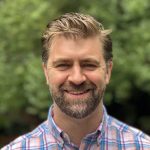
 

BRX Pro Tip: The Right Guests Turn Into the Right Clients

September 26, 2025 by angishields

BRXmic99
BRX Pro Tips
BRX Pro Tip: The Right Guests Turn Into the Right Clients
Loading
00:00 /
RSS Feed
Share
Link
Embed

Download file

BRX-Banner

BRX Pro Tip: The Right Guests Turn Into the Right Clients

Stone Payton: And we are back with Business RadioX Pro Tips. Stone Payton and Lee Kantor here with you. Today’s tip, Lee, very specific to our business, the mechanics of running an effective, productive, profitable studio. But the bottom line is that, the right guests turn into the right clients.

Lee Kantor: Right. I mean, this has been proven time and time again. If you invite the right guests, they’re going to turn into right clients. Just rinse and repeat, and do this relentlessly over time, and then you’re going to have a successful studio. If you’re not getting the result that you want out of your studio, it’s the guests. Invite different guests. Try inviting guests from different niches. Niches that have proven themselves to be good clients in our system have been professional service providers like consultants, business coaches, commercial real estate brokers, commercial bankers, wealth managers, I.T. providers, business to business sales people that have a local client base, payroll providers, CPAs, printers, business association. Those are all places to look.

Lee Kantor: But if you’re not getting the result, really analyze your guest flow. If your guests aren’t people that can afford you, that can’t benefit from your service, then try inviting less of them. I’m not saying to invite none of them. Just invite less of them. And focus, you know, the 80/20 rule, 80 percent of your guests should be guests that are prospective clients of yours and 20 percent can be everybody else. But if 80 percent of your guests are people that aren’t going to end up writing you a check, then that could explain why you’re struggling.

BRX Pro Tip: 5 Ways to Capture B2B Sales Prospects Online

September 25, 2025 by angishields

BRXmic99
BRX Pro Tips
BRX Pro Tip: 5 Ways to Capture B2B Sales Prospects Online
Loading
00:00 /
RSS Feed
Share
Link
Embed

Download file

BRX-Banner

BRX Pro Tip: 5 Ways to Capture B2B Sales Prospects Online

Stone Payton: And we are back with Business RadioX Pro Tips. Lee Kantor and Stone Payton here with you. Lee, we’ve had some success with this, and I’d like to share whatever ideas we can on capturing B2B sales prospects online.

Lee Kantor: Yeah. Your sales prospect’s attention is fleeting, and it’s hard to elegantly get in front of people online because we’re just kind of jaded now. We’re just getting hammered by people that are spamming us. And it’s so important not to do this as a blunt instrument. Just because you can access people online doesn’t mean that you just hammer them with communication.

Lee Kantor: So, here’s five ways to get your sales prospect’s attention online that’s not by spamming. First is you got to personalize your outreach. I mean, these mass mailing spams that are talking to everybody, they just don’t work. And I’m just tired of seeing contact to me that’s saying “Hey, first name.” You know, they don’t even know my name. Like I’m in some sort of a mail merge that they’ve incorrectly formatted. So, the only thing I’m seeing is first name because they don’t know who I am.

Lee Kantor: So, you got to personalize your outreach. Don’t spam anybody. Talk to people individually to try to build a relationship. I know this stuff, it’s getting away from using automation and scaling. But sometimes when you’re starting out, you have to do things that don’t scale. So, don’t be afraid to just be patient and methodical and personalize your outreach if you want to reach people.

Lee Kantor: Secondly, you got to reply quickly to any inbound lead because speed matters. Speed shows that you care. Speed shows that you’re not using automation, that you’re actively monitoring things, and you’re jumping on opportunities when they present themselves.

Lee Kantor: Number three, the deeper you have an understanding of your niche’s problems, the quicker you can address their pain points. So, it’s important to really understand and talk about your prospect’s actual problems.

Lee Kantor: Four, use anecdotes and stories to paint a picture of what their future would look like using your solution. The more social proof you can use and create that actually identifies pain points and ways you’ve helped solve those problems for others, the quicker you’re going to get to a sale.

Lee Kantor: And lastly, make actionable recommendations about their problem and your solution if possible. And tell them the truth about the best solution, whether it’s with you or somebody else. You shouldn’t be really trying to sell hard your solution. You should be trying to help people solve their problem. And if they can use your solution, fantastic. But if they can solve their problem without you, let them know that, too, because then you’ll be helpful and you’re going to get referrals from them down the line.

Lee Kantor: So, you’re not always trying to sell somebody something. You’re trying to help somebody solve a problem. And if it’s with your solution, great. If not, great, too, because you’re just going to be helping somebody and that’s always a good thing.

Should Your Goalposts Shift Over Time?

September 25, 2025 by angishields

Please log in to view this content

Filed Under: Uncategorized

BRX Pro Tip: Find a Marketplace

September 24, 2025 by angishields

BRXmic99
BRX Pro Tips
BRX Pro Tip: Find a Marketplace
Loading
00:00 /
RSS Feed
Share
Link
Embed

Download file

BRX-Banner

BRX Pro Tip: Find a Marketplace

Stone Payton:And we are back with Business RadioX Pro Tips. Lee Kantor and Stone Payton here with you. Lee, today’s topic, today’s tip, find a marketplace.

Lee Kantor: Yeah. This is something if you can do this well, this can really take your practice to a new level and make your life a lot easier. Because what you do when you find the marketplace of resellers to plug your product or service into, you are really getting a whole team of salespeople out there selling what you have.

Lee Kantor: And in order to do this well, you have to kind of productize your offering and have something that’s simple and clear for this reseller to sell to their clients. And if your service is too custom it’s hard to do that. But if you can create a product or service that is simple that somebody else can easily understand and communicate to another person, then you have a chance to really leverage this marketplace strategy.

Lee Kantor: Now, at Business RadioX, we have the ability in our local markets to leverage other B2B marketing, advertising, or PR firms, because those firms typically don’t have access to what we do every day. We are experts and our studio partners are experts in using radio, podcasting, audio for business development and content creation, where most agencies are not able to do that. Especially with the skill that we bring to the table and have access to a platform where we can publish and host and really help them offer this to their clients in a really efficient way. And they could white label our services or they can bring us in and use us as subject matter experts, because we don’t really care either way.

Lee Kantor: But that can really help our studio partners leverage all those marketing folks in their local market by creating an offering that those people could then sell to their clients and thus use us as the deliverer of those services. So, if you can figure out a way to join a marketplace in your industry or in your market or wherever you are, that could really help you grow your practice by having other people sell some of the services you offer on your behalf.

  • « Previous Page
  • 1
  • …
  • 12
  • 13
  • 14
  • 15
  • 16
  • …
  • 1318
  • Next Page »

Business RadioX ® Network


Our Most Recent Episode

CONNECT WITH US

  • Email
  • Facebook
  • LinkedIn
  • Twitter
  • YouTube

Our Mission

We help local business leaders get the word out about the important work they’re doing to serve their market, their community, and their profession.

We support and celebrate business by sharing positive business stories that traditional media ignores. Some media leans left. Some media leans right. We lean business.

Sponsor a Show

Build Relationships and Grow Your Business. Click here for more details.

Partner With Us

Discover More Here

Terms and Conditions
Privacy Policy

Connect with us

Want to keep up with the latest in pro-business news across the network? Follow us on social media for the latest stories!
  • Email
  • Facebook
  • Google+
  • LinkedIn
  • Twitter
  • YouTube

Business RadioX® Headquarters
1000 Abernathy Rd. NE
Building 400, Suite L-10
Sandy Springs, GA 30328

© 2025 Business RadioX ® · Rainmaker Platform

BRXStudioCoversLA

Wait! Don’t Miss an Episode of LA Business Radio

BRXStudioCoversDENVER

Wait! Don’t Miss an Episode of Denver Business Radio

BRXStudioCoversPENSACOLA

Wait! Don’t Miss an Episode of Pensacola Business Radio

BRXStudioCoversBIRMINGHAM

Wait! Don’t Miss an Episode of Birmingham Business Radio

BRXStudioCoversTALLAHASSEE

Wait! Don’t Miss an Episode of Tallahassee Business Radio

BRXStudioCoversRALEIGH

Wait! Don’t Miss an Episode of Raleigh Business Radio

BRXStudioCoversRICHMONDNoWhite

Wait! Don’t Miss an Episode of Richmond Business Radio

BRXStudioCoversNASHVILLENoWhite

Wait! Don’t Miss an Episode of Nashville Business Radio

BRXStudioCoversDETROIT

Wait! Don’t Miss an Episode of Detroit Business Radio

BRXStudioCoversSTLOUIS

Wait! Don’t Miss an Episode of St. Louis Business Radio

BRXStudioCoversCOLUMBUS-small

Wait! Don’t Miss an Episode of Columbus Business Radio

Coachthecoach-08-08

Wait! Don’t Miss an Episode of Coach the Coach

BRXStudioCoversBAYAREA

Wait! Don’t Miss an Episode of Bay Area Business Radio

BRXStudioCoversCHICAGO

Wait! Don’t Miss an Episode of Chicago Business Radio

Wait! Don’t Miss an Episode of Atlanta Business Radio