Romance Author C.S. McKinney

/
RSS Feed
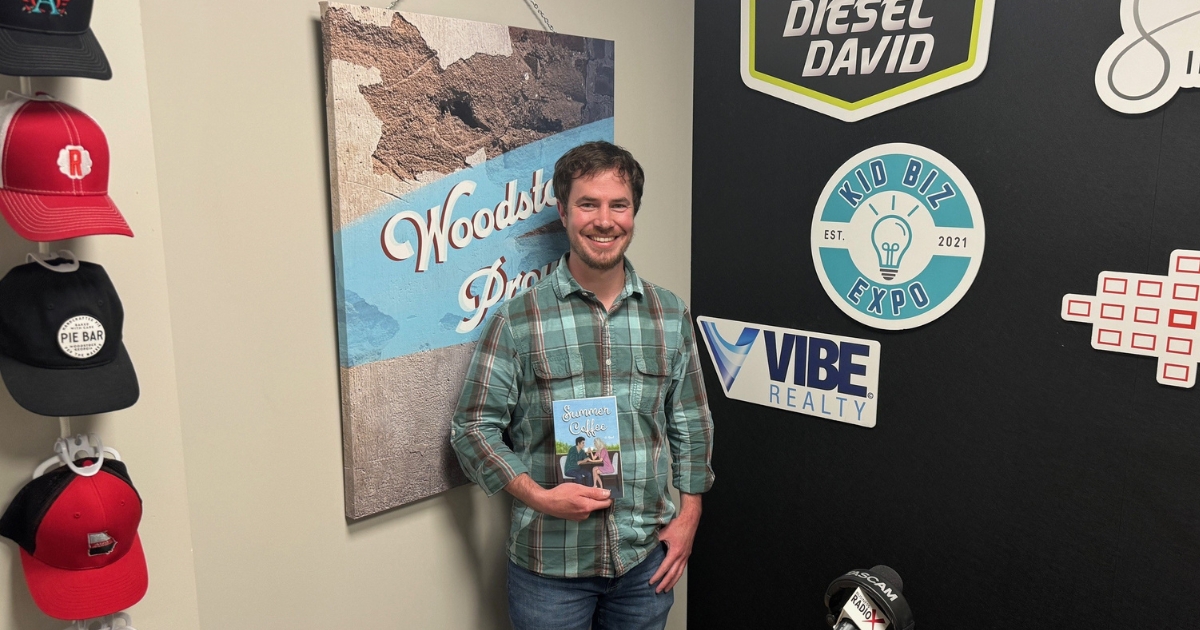
 Canton, Georgia author C.S. McKinney’s passion is writing stories about the unspoken and sometimes off-putting aspects of dating and romance.
With each book, he envisions the stories that feel familiar or connect with the reader on a certain level.
By taking on the tough topics, he hopes to inspire others to find a life of love and happiness without having to make the same mistakes as the book characters.
When not writing, C.S. enjoys competing in triathlons, playing music, and hiking.
Connect with C.S. on Facebook and Instagram.
 This transcript is machine transcribed by Sonix
TRANSCRIPT
Intro: [00:00:07] Coming to you live from the Business RadioX Studio in Woodstock, Georgia. This is fearless formula with Sharon Cline.
Sharon Cline: [00:00:17] And welcome to Fearless Formula on Business RadioX, where we talk about the ups and downs of the business world and offer words of wisdom for business success. And I’m your host, Sharon Cline. I have in the studio a local author who is actually a Canton native and has family that’s been here for 200, 300 years, something like that, which is cool. Um, he is a romance author, which I love because you’re a guy who does it. Um, please welcome to the studio, C.S. McKinney.
C.S. McKinney: [00:00:47] Hey, thanks. Yeah, thanks for having me. I appreciate bringing me on the show here.
Sharon Cline: [00:00:50] I’m excited that you’re here, because I was. We were just talking before the show. How many times do we walk by people that, you know, we have no idea what their story is, but here you are, local author. Been here for your whole life and doing well. And it’s and it’s plus you’re in the romance genre, which is so cool because you’re a guy, you know, and I just, I think most and I looked it up statistically like 80 some odd percent of romance writers are women. So I love that you’re like, I’m going to do it. I’m going to get into this genre.
C.S. McKinney: [00:01:17] Yeah. Before I started, like Nicholas Sparks was the only one I knew. There’s a couple others that are kind of mainstream, but, um, that’s part of the challenge. And part of the fun of it is, is being something new in that, in that perspective.
Sharon Cline: [00:01:30] Awesome. Well, so what did you do before you were an author?
C.S. McKinney: [00:01:34] So I actually went to school to be a math major because I was a terrible reader growing up. It was probably my Kryptonite. Um, but I always kind of liked to write. Like I always had that kind of feel of like, I just like to tell story. Um, so after I graduated college, I did a couple different jobs. Um, my last job was in insurance, and it was good for the time, like, of what I wanted to do and what I needed. But eventually it came to a point where it was like, If I’m going to do this, I need to jump all in, and I need to really push myself to be an author if if that’s what I want to do. And that’s exactly what I wanted to do.
Sharon Cline: [00:02:11] So we were saying before the show that you had a story in your mind for like six years.
C.S. McKinney: [00:02:16] Yeah. So after college, um, I was working and one day this idea, um, about a girl named Sarah and her experience in college of, um, the ups and downs of being a girl in college basically came to mind. And I went home that day, and I wrote just like, a page, and. Over the next six years, bits and pieces of that story fell into my lap, and I would write ideas or whatever. And fast forward six years later, it came a point where I just felt like, you need to write a book. You need to write this book.
Sharon Cline: [00:02:52] I felt a push inside you like a like an urgency.
C.S. McKinney: [00:02:55] Yeah. I mean, like, I’m a very religious person. And it was just like this subtle voice of, like, you need to write this book. And that’s exactly what I did. I sat down and it took me five months to come up with a first draft by taking all those little pieces and putting them together and and filling in the gaps. And then a year later, I had it published. Um.
Sharon Cline: [00:03:17] How did that feel?
C.S. McKinney: [00:03:19] Um, so originally it was just going to be one book, one and done, and four months before it went out into the world. It’s like there’s another book here. Actually, there’s two more books there, but I’ve only wrote the second one in that series. Um, and it just kind of went from there. It was addicting, like. I’ve always been like an endurance athlete, and this is like that mental struggle that I enjoy. So it’s just addicting, you know? Anything else?
Sharon Cline: [00:03:51] It’s fascinating to me how, because I’ve written some music as well and, um, some lullaby songs actually. And so. Um, back in 2007. Like there’s an album out there. It’s not under my name that I use right now. Just so, just so you know, but I had an idea for songs when I would hear the melody and, but it would turn out to be something different as I wrote it, which is so interesting because it’s almost like it writes it takes a life on its own. Is that kind of what you experienced?
C.S. McKinney: [00:04:20] That’s exactly what happens. You’ll be or for me and other authors I’ve talked to, you can be sitting there writing and your characters will do stuff and you’re like, what are you doing? And they have a mind of their own. And sometimes the story goes where you don’t really expect it to go or want it to go, but I mean, that’s part of it. Stephen King says he doesn’t write anything down. He doesn’t plot out his stories. And that’s kind of what I like to do, because I have an idea of what I want to happen. Um, but that’s not always the way it goes. So I’m what they call a pantser. Like, I will just sit down and write the story. So.
Sharon Cline: [00:04:55] So you had this idea and you decided, okay, I’m really going to pursue, uh, being an author. What were the steps that you took to get to the point of being published besides writing the book? Obviously.
C.S. McKinney: [00:05:08] So. I had to come to a decision where and I had talked to some other authors at this time. And, you know, there’s traditional publishing and they’re self publishing. And to me, I like to be in control of everything. This is my baby. This is, you know, my thing. And they had kind of said, you know, even if you get a contract with a publisher, you’re still going to be in charge of doing most of your marketing. And I’m like, well, at that point I’m going to self publish because. This gives me ultimate control of what I want to do, and I have the final say on everything. Um, so from idea to publishing it, it’s actually kind of crazy because, you know, I can sit down and write a book in a first draft in about two and a half months. And you. That’s the easy part, honestly. The editing and the rewrites. That’s what is tough for me because a I’m not plotting everything out. So I had to go back and fix certain things.
Speaker3: [00:06:09] Um, you self edit.
C.S. McKinney: [00:06:11] So I do about probably five rounds of self editing on my own, and then I have two professional rounds of editing.
Speaker3: [00:06:17] That’s wonderful.
Sharon Cline: [00:06:18] Though. You have a nice balance there.
Speaker3: [00:06:19] Yeah.
C.S. McKinney: [00:06:20] And I mean, it’s still not perfect. I had people point out in my first book, you know, hey, you got some spelling mistakes. I’m like, well, I tried.
Speaker3: [00:06:28] Um.
Sharon Cline: [00:06:29] Good answer. Yeah, I.
Speaker3: [00:06:30] Try, I.
C.S. McKinney: [00:06:31] Mean, there’s only so much you can do when you get into 70,000 words in a book, and there’s going to be some issues. But to me, it’s always, you know, you got to concentrate on the story. The story is what sells. You know, if you can tell a good story, that’s what you’re going to rely on. That’s what people are going to want to hear.
Speaker3: [00:06:49] They’ll look over.
Sharon Cline: [00:06:50] They’ll overlook things. Yeah.
C.S. McKinney: [00:06:51] I mean, that’s that’s the basic, you know, part of like movie book, whatever. So.
Speaker3: [00:06:57] Right.
Sharon Cline: [00:06:57] So you edit, go through rounds of editing, got your professional editing and then you’ve got your final ready. Yeah.
C.S. McKinney: [00:07:04] Well, so after you get your final you have to either get somebody to um, format the inside of the book. And so all my covers are actually done by my mother. She’s a painter. Um, she’s going.
Sharon Cline: [00:07:19] To ask you that. They look, they’re perfect, though. They’re beautiful.
C.S. McKinney: [00:07:22] I love what she does. She puts a lot of detail into it. And when we started out, I the first two books were actually, um, landscapes. And they really didn’t portray, like, romance. But if you look at like Nicholas Sparks books, a lot of them are, you know, landscape type.
Speaker3: [00:07:41] It’s true.
C.S. McKinney: [00:07:41] Things, but everybody knows who he is and that type of thing. So I started kind of thinking more about it. And there was other books that have, you know, when romance like real people on them, and then you get people like Tessa Bailey, who has more character, like cartoon based, and I love that idea. I love that feel. And it’s very popular. Um, so when we did Summer coffee and then my book that’s coming out, um, hopefully late spring this year, it will be late spring this year. Uh, for 30 girl, it’s going to have a very similar feel and look. And I love that look. It really encapsulates what you’re trying to do.
Sharon Cline: [00:08:17] And your mom is making that one for you.
C.S. McKinney: [00:08:18] She just finished it.
Speaker3: [00:08:20] So yeah.
Sharon Cline: [00:08:21] How exciting is this? You get to do something with your family too, you know, which is fun.
C.S. McKinney: [00:08:26] Yeah. I mean, she probably drive her crazy. I know I do.
Speaker3: [00:08:30] Um, but.
C.S. McKinney: [00:08:31] I mean, we’re both kind of, like, want want things to be perfect, and, you.
Speaker3: [00:08:35] Know.
Sharon Cline: [00:08:35] So you’ve got your artwork ready, the book ready. You’ve got to figure out the formatting. And then the next step, obviously, is actually getting the physical book in your hand. Right.
Speaker3: [00:08:47] Yeah.
C.S. McKinney: [00:08:47] So. All that comes together, and then you have a pre-sale period, which usually is like two months if you’re if you’re going to if you want to go through Amazon and all your books out at bookstores. Um, and that’s when you really want to push, I guess, sales, because anything you sell before day one during the pre-sale period counts as your day one total. So like people that are New York Times best sellers, I can’t remember what the number is, but we’ll say 10,000, 20,000, something like that. Um, to kind of get in that status, if you can sell that many during pre-sale period, it doesn’t have to be like that first week. It the pre-sale period counts.
Speaker3: [00:09:26] So that’s interesting.
Sharon Cline: [00:09:27] I didn’t know.
Speaker3: [00:09:27] That. Yeah.
C.S. McKinney: [00:09:28] It’s it’s nice.
Speaker3: [00:09:31] Um, it’s like.
Sharon Cline: [00:09:32] An analytic that is slightly misleading a little bit. Yeah, I guess, but at the same time, that’s the way they do it. So everyone in the industry must know that’s what that number means.
Speaker3: [00:09:41] Everybody got it.
Sharon Cline: [00:09:42] Um, okay. Wow. All right. So in terms of the genre, did you always know it was going to be romance that you were going for?
Speaker3: [00:09:51] No.
C.S. McKinney: [00:09:51] So the first book I wrote, if and only if, um, I just really wanted to write a book and I wanted to write whatever I wanted. And it was, you know, being a math major if and only if it’s actually a math statement. And it had my editor told me, first off, they’re like, you got to get rid of some of this stuff because it’s just too much. But like, there’s other books out there about people, um, that talk a lot about science, women in science and stuff like that. Um, but I did take a lot of it out. And after doing that and kind of getting into it, I then I realized I’m like, this is a romance. I’m writing romance. That’s what I’m doing. Um, so it.
Sharon Cline: [00:10:33] Just naturally.
Speaker3: [00:10:34] Happened. Yeah, yeah.
C.S. McKinney: [00:10:35] I mean, the other thing, I love mysteries, but in for 30 girls actually going to be a romance mystery.
Sharon Cline: [00:10:43] Oh my gosh. Exciting.
Speaker3: [00:10:44] Yeah.
C.S. McKinney: [00:10:44] So I’ve always been a fan of, like, those types of stories or Teagarden, um, type books. So.
Sharon Cline: [00:10:52] So while you’re getting into the industry and you’re becoming an author, are you doing research as well at on what is the most popular way for books to sell? I don’t I don’t know, I guess if I were because I have a book idea in my head. So I’ve always wanted to pursue this. And so I guess I’m asking, um, is that because that’s what I would think I would have to do in order to really market it?
Speaker3: [00:11:15] Well, yeah.
C.S. McKinney: [00:11:16] So I’ve watched a lot of stuff trying to figure that out and read a lot of stuff. Um, Kim Chance has a YouTube video channel, and her stuff is really good for authors that are starting because you can sit there and watch hours of stuff. Um, and she can go through a lot of, of. Any topic that you really want to know about. Marketing to me though, is like really difficult because there’s always something new. There’s always, oh, this is popular and you don’t really know what to do. Like, do you do TikToks? Do you do Instagram and you can chase your tail day in and day out? And I did that. I, I was like, I’m going to go and focus on Instagram really hard, got burnt out on it and actually stepped away from it for, you know, a long time because of that.
Speaker3: [00:12:02] Well, it feels like.
Sharon Cline: [00:12:03] It’s 24 over seven. You can never relax. That’s always the way I feel with social media.
Speaker3: [00:12:07] Yeah.
C.S. McKinney: [00:12:07] And I think the thing people miss is you need to be persistent, but you need to be persistent with your writing. If it’s taking you two years to put out a book, people are going to forget about what you’re doing. You know, most authors are putting one out a year, and that’s pretty good. I feel like like that’s a good thing. But then you have some that are putting out for a year, and those are the people that are getting a lot of attention.
Speaker3: [00:12:29] So the.
Sharon Cline: [00:12:30] Tessa Bailey’s of.
Speaker3: [00:12:31] The world.
Sharon Cline: [00:12:31] Yeah, I’m a I’m a fan of hers too, I love her.
Speaker3: [00:12:34] Oh, yeah.
Sharon Cline: [00:12:35] So, um, as you’ve, um, come up with another book idea, um, because of the first book, you said there are more characters. There’s another story here. You’re finding that they’re kind of almost leading you on a path.
C.S. McKinney: [00:12:49] Yeah. So with the first two books, it was kind of like, okay, there’s more to the story. So I wrote a second one and I had a third one, and I have the third one in my head. But in that book, you know, she’s going to get married and like, I’m not married. So like, that is going to be really difficult for me to write because I don’t have any experience with that at all. But at the same time, I really want to write that and have that challenge. But what happened was, is summer coffee. That story came to my head and I was like, okay, I just got to write this book because it’s it’s here, like, let’s just do it. And then for 30, girl came. So it’s you don’t always get to pick what you write.
Speaker3: [00:13:33] It’s just. Which is.
Sharon Cline: [00:13:33] Fascinating, isn’t.
Speaker3: [00:13:34] It? It is because it’s interesting.
C.S. McKinney: [00:13:36] It’s not like Summer coffee started out as a short story. I wrote three chapters and I was like, okay, you know, this is just a cute little story. And I was like, no.
Speaker3: [00:13:47] There’s more.
Sharon Cline: [00:13:49] Do you feel like you’re haunted by these characters? You know, like, do they kind of stay in your head and develop as you’re doing other things?
C.S. McKinney: [00:13:56] Um. More like taunting, like.
Sharon Cline: [00:14:01] Not haunting, but taunting.
C.S. McKinney: [00:14:03] Taunting. Yeah, because with the first book series, um, like, my mom’s always like, when are you going to write that third book? And I’m like, I don’t know, like it’s just got to be there and it’s not fully developed in my head. Like, I know what I want to happen exactly, but it’s far like I’ve tried writing it and I’ve gotten like 5000 words in and just had to put it down because it wasn’t where it needed to be. So yeah.
Sharon Cline: [00:14:27] It’s fascinating to, to me that the there’s the thought process that I’ve seen in movies where there’s a writer, you know, sitting in front of the typewriter and just kind of like, no ideas sitting there waiting. And I’m wondering how accurate that really is.
C.S. McKinney: [00:14:43] Um, yeah, there’s some truth to that. I had to have that, like, spark of inspiration, um, that general like even just like a one liner idea that comes to mind. And then it’s like Steven, it’s like Stephen King says, the good ideas stay with you. So if it’s a story idea, that just kind of is like comes and goes, it’s probably not going to be something that you want to stick with. But if it’s something that really goes with you. Um, wakes you up in the middle of the night, that’s probably what you want to go with. And. What was the second part of that question?
Speaker3: [00:15:16] I don’t even.
Sharon Cline: [00:15:16] Remember having no oh, having.
Speaker3: [00:15:18] No oh.
C.S. McKinney: [00:15:18] Not being able to write.
Speaker3: [00:15:19] Yes.
C.S. McKinney: [00:15:19] So whenever I, whenever like you asked me before, like, you know, getting into writing, when I started, I dedicated an hour a day after work. I’d sit down at my computer, I had an office chair, and then I had my laptop separate, so I’d go to a different room and set a different table, and I would work for an hour every day. Um. And usually, you know, I could do a thousand words in an hour if I was. Things were flowing. Sometimes it’s not that way. Sometimes you don’t write anything in that hour. Um, but you had to try. And once you start, like, even if it’s not that great for the first paragraph or two, once you start, your mind starts to kick in and and starts to become creative. So you have to sit there for a little while. Don’t look at your phone, don’t look at Facebook, you know, sit there and really try to concentrate.
Speaker3: [00:16:08] So discipline.
C.S. McKinney: [00:16:09] Yeah, it’s you got to get the distractions out of your head.
Sharon Cline: [00:16:13] That’s so challenging these days.
Speaker3: [00:16:14] Isn’t it? Oh yeah.
C.S. McKinney: [00:16:15] I like to do it first thing in the morning though. Like if you can do it, wake up, not be sleepy. Like get a good night’s sleep in the first hours of the day. That’s prime time for me.
Sharon Cline: [00:16:26] Interesting. I wonder how it’s different for different people. You know, nighttime could be someone’s or in the middle of the night when they’re having an idea.
Speaker3: [00:16:32] Interesting. Yeah.
Sharon Cline: [00:16:33] It’s kind of a study on humans, too, isn’t it? How our brains work.
C.S. McKinney: [00:16:38] Oh, yeah. I mean, there’s no telling what some people do. Some people could probably write all day. I can’t like you. I think the most I’ve ever written in a day is, like 5000 words. And that’s a lot for me.
Speaker3: [00:16:50] And and plenty and plenty.
C.S. McKinney: [00:16:53] But, you know, I can’t do that every day.
Sharon Cline: [00:16:56] Do you feel like these characters are are real, just real people in your mind?
Speaker3: [00:17:01] Um, because, yeah, I.
Sharon Cline: [00:17:03] Think that they are. When I read a book, I sort of feel like I’ve visited with other.
Speaker3: [00:17:07] People, I.
C.S. McKinney: [00:17:08] Guess. Yes, more so in the fact for me, when I’m writing them, like they’re an extension of me, like there’s a little bit of me and probably every character in some sense. I mean, they’re coming from my imagination. Um, even if they’re like a bad character, like, I don’t know, like there’s, there’s still coming from my mind. So, like, they feel real. It’s like a dream.
Sharon Cline: [00:17:30] Does it feel almost cathartic to get in the mind of a character that’s doing nefarious things?
Speaker3: [00:17:37] Um, or.
Sharon Cline: [00:17:38] You know, what is it like to to try on different personalities?
C.S. McKinney: [00:17:42] Yeah. So, like when I was writing Summer coffee, um, when I write a first draft, I write whatever comes to mind. And it had a very dark ending, and my beta reader came back and they’re like, you can’t write this. And, uh, I was like, well, I did, you know, I was very offensive about it. And but I took a step back and I was like, you’re right, I can’t write this. Like, this is terrible. Um. So I went back and rewrote it and it was way better this way. Like I was able to convey the same message. And that’s one of the things you have to realize with writing is you can want to say something and you can be like, oh my gosh, like, nobody can ever read this, but you can reword it and get the same messages across and not be as, uh, I don’t know, like it drastic, right?
Sharon Cline: [00:18:29] Maybe it’s more palatable for people to read it and enjoy it as opposed to something dramatic. Yeah. Or dark.
Speaker3: [00:18:36] Yeah. Interesting.
Sharon Cline: [00:18:38] Well, I mean, we’re thinking romance novels. Of course, there’s love and hate and all of those things that are mixed in. But somehow, in my mind, I assume that everyone’s happy in the end.
Speaker3: [00:18:51] Yeah. I mean.
Sharon Cline: [00:18:53] I’m such a romantic just listening to myself say that, but it’s true. Yeah.
C.S. McKinney: [00:18:57] And a lot of times, like a reoccurring theme in a lot of my books is abuse.
Speaker3: [00:19:02] And that you.
Sharon Cline: [00:19:04] Had written on your, um, website, which I loved because it’s, it’s got links to all of the different ways to get in contact with you and also to your books. But you say you write about the unspoken and sometimes off putting aspects of dating and romance. Yeah. So how would you explain that to people who aren’t familiar with your work?
C.S. McKinney: [00:19:21] So I in the first book I wrote, um, one of the girls, uh, she doesn’t know she’s pregnant or not. And she doesn’t tell her mom or dad, but she eventually mentions it to her mom. And I had an older lady read the book and she was like, I would never be able to have that kind of conversation with my mother. And I was like, well, yeah, that would be scary for anybody. And obviously I’m not a girl, so I haven’t had that kind of, you know, that’s not something I would be having a conversation anyhow. But, um. Getting in that mindset and trying to figure out what is going through somebody’s mind and doing that is a challenge to to pin it down, right? Um, but yeah, like, I feel like there’s a lot of taboo topics that we don’t talk about where. And then there’s a lot of them that we do talk about that maybe aren’t beneficial.
Speaker3: [00:20:14] Um, almost.
Sharon Cline: [00:20:15] Um, um, what do they call it where it’s gratuitous, like it’s not necessary to have such drama. Um, it’s not meant to teach a lesson. It’s just to be there, to be dramatic.
Speaker3: [00:20:26] But. Yeah.
C.S. McKinney: [00:20:27] And like, sex, for example, is is, you know, a part of romance. And I feel like we talk about that topic in certain ways that are very vulgar. Um, whereas maybe like. More learning type instances is what we should be focusing on, and that’s what I like to do in my books a lot of times is present situations that are maybe not the best, um, to kind of maybe help somebody realize that, like, okay, I’m not the only one going through this or you know, what to do in those situations or what’s possible.
Sharon Cline: [00:21:00] How did you decide how graphic you were going to be?
C.S. McKinney: [00:21:02] Well, um, so I do not I, I try not to get graphic. Um, I don’t use curse words. I have not so far. I don’t plan on it, uh, for two reasons. My parents do read my books.
Sharon Cline: [00:21:19] Uh, yeah. How uncomfortable. Right. Yeah.
Speaker3: [00:21:22] And, I.
C.S. McKinney: [00:21:22] Mean, there have been times where, like, I like it would have been perfect to, like, write a certain slang slur or whatever. Um, but I do challenge myself to be more, um, artistic with my words. Um, like I said, you can write something and make it say the same thing. Um. Like in 1 in 1 part. This girl walks out on this guy like he’s he’s been terrible to her. He’s whatever. And she’s just walks out the door and says, forget you and slams the door. You know exactly what I’m trying to say there, but I use a different word and like get the same point, the same feeling across.
Sharon Cline: [00:21:59] Was that conscious decision then?
Speaker3: [00:22:02] What do you mean.
Sharon Cline: [00:22:03] To to be to limit how graphic you were going to be with even words or describing scenes?
Speaker3: [00:22:10] Um, yeah.
C.S. McKinney: [00:22:11] I mean, I was very conscious of what I was doing. Um, and like I said, like I describe. If I do get kind of graphic it’s purposeful. Mhm. Um, is to paint the scene the way it needs to be or there’s no real other way to do it. It’s just not like I’m, I’m trying to be, uh, smutty I guess.
Speaker3: [00:22:33] Um, because.
C.S. McKinney: [00:22:34] That’s not really what I’m striving for.
Sharon Cline: [00:22:36] I have, I’ve recorded many, um, romance books, um, on audible, and I never quite know because I don’t read the whole book. I’ll just get the general idea of the book, and I never quite know how graphic it’s going to be. And sometimes I’m just like, all right, just, you know, no guy would ever say this, but I’m just going to say it, you know? So it’s interesting because I prefer not. Saying all of it’s just a personal preference, but I get why a lot of people really like it here in the South. I’m wondering too, do you feel like people who know you, you wouldn’t want them to read these words?
C.S. McKinney: [00:23:16] Um, yeah.
Speaker3: [00:23:17] I mean, because I don’t.
Sharon Cline: [00:23:18] Want people to hear me saying those things either. That. No. Me. Yeah. What I’m trying to say.
Speaker3: [00:23:22] I guess, like.
C.S. McKinney: [00:23:24] To me, the rule is I want it to feel real. So if it feels real and it fits, then I would be fine with it. If it doesn’t, then I need to reconsider what I’m doing. Um, because, I mean, fairy tales are great. I love a happy ending. I’ll watch hallmark, you know, no shame here. Um, but for me, for my personal writing. Like, I want it to feel real. I want it to be like that first love experience, that college romance, whatever it may be. I want it to feel like that.
Sharon Cline: [00:23:54] I like to that you use some of the one of your books has to do with with running and and you are a fitness person. So I like that you incorporate different things that are of interest to you.
C.S. McKinney: [00:24:05] Yeah. So apparently like sports romance are real popular right now. So I’m waiting for that to kind of, uh, catch back up because that one’s from I published it in 2020 right before the pandemic. So like, um, but anyhow, yeah, like I tie in, like I ran in college, and that was a big inspiration for that book. Um. And like any kind of team sport and especially a coed team sport, you’re going to see those enter those relationships on the team.
Speaker3: [00:24:33] So.
Sharon Cline: [00:24:34] What have you learned about yourself that has surprised you as you’ve become an author?
C.S. McKinney: [00:24:41] Um. So like, I could probably like the amount that I have to read versus like, if you’d have told me when I was in high school that I was going to write, which a lot of people think, oh, you’re writing. So you’re, you know, that’s not reading. Oh, when you’re editing your book five times yourself, you’re doing a lot of reading. Um, and I’ve always been a slow reader, so like, but when you’re trying to edit something that’s perfect, so it gives you that ability to go back and, and really think about what’s being said, um, type deal.
Sharon Cline: [00:25:12] So knowing that you really didn’t like reading like in high school, but now you read all the time.
C.S. McKinney: [00:25:17] All the time. Um, yeah, I guess I guess that’s it. Because, like. Is just not something I would have pictured. That’s I majored in math to avoid reading.
Speaker3: [00:25:28] This, to be honest.
Sharon Cline: [00:25:28] What is the irony there? Yeah.
Speaker3: [00:25:31] But I mean.
C.S. McKinney: [00:25:32] That’s and that’s what part of it you need to play. Sometimes you have to play into your weaknesses and that’s where you can really grow. I’ve done it in a couple of different ways. Um, like I do triathlons. And swimming used to be something I never wanted to do. But you can’t do a triathlon without swimming. And finally I got to where I loved it.
Sharon Cline: [00:25:52] Interesting. I love that lesson. Just leaning into something that you don’t love. I think I am a avoidant in that way.
C.S. McKinney: [00:26:02] Yeah, I mean, but I mean, it’s something you just try and like knowing because I guess it’s like ignorance is bliss. Like you don’t know what’s really going to happen with it. And like if you don’t succeed in it, you really no harm, no foul because you didn’t really want to anyhow.
Speaker3: [00:26:18] Um, so if you but if.
Sharon Cline: [00:26:19] You like, your heart wasn’t in it. You weren’t didn’t lose a whole lot.
C.S. McKinney: [00:26:22] Well, just like, you know, if that wasn’t what you thought, it’s not like, oh, I’m going to be this great, I’m going to be a lawyer and do this, and then you don’t. Then you’re kind of heartbroken. But if you try something that you don’t really like and then you’re successful at it, like, that’s huge, because then you, you really get into this new perspective of learning about yourself.
Sharon Cline: [00:26:42] Like a surprise.
Speaker3: [00:26:43] Yeah, a happy accident. A happy accident. Yeah.
Sharon Cline: [00:26:47] So you’ve got your books and now promotion marketing comes. And I love that you have had lots of different book signings all around the area. I love it. It’s like to me, so smart that you’ve gone to different coffee shops. Um, it’s a perfect marriage, I think.
Speaker3: [00:27:05] Yeah.
C.S. McKinney: [00:27:06] I love getting out and like doing that. A lot of authors may be kind of introverted. Introverted, um, and like, if you meet me on the street and I don’t know, you, like, it’s hard for me to start a conversation. But once I get started, I get really comfortable and I can talk, um, and coffee shops, like, summer coffee. Like, that was a perfect thing that I wanted to do at a coffee shop. But even before then, I had been to other coffee shops and it just made sense. Like, people love to drink coffee and read a book, you know, and it was just relaxing and and welcoming. So.
Sharon Cline: [00:27:40] So you just called them and said, I’m a local author, I have a book. Can I please set up shop?
Speaker3: [00:27:44] Yeah.
C.S. McKinney: [00:27:45] And like, we make, you know, it’s a double promotion. Like I promote them, they promote me. Um, win win, you know, type type of deal.
Speaker3: [00:27:54] So perfect. Yeah.
Sharon Cline: [00:27:56] And you have shirts?
Speaker3: [00:27:58] Yep.
C.S. McKinney: [00:27:59] So I have, uh, shirts, uh, Yetis, which I know Stanley’s are like the thing now.
Sharon Cline: [00:28:04] But it’ll swing.
Speaker3: [00:28:05] Back to you. Live and learn. Right.
Sharon Cline: [00:28:08] So you’ve got merch, though. That’s so cool.
Speaker3: [00:28:10] Yeah.
C.S. McKinney: [00:28:10] And for me, like, when I, when I look at merchandise, like, my shirts are, uh, comfort colors. So when I was trying to decide on all that, my sister was teaching high school, and I asked her, I was like, what do what does everybody wear? And she’s like, comfort colors. I’m like, what is that? Um, but after I failed them, they’re like super comfortable, like great fit type shirts. So like, I really wanted to align my products with like, quality. And that’s the reason I had the Yetis, you know, because with the coffee themes and stuff, like, I wanted something like that. Um, and when I released 430, girl, I’ve gotten, um, like, stickers and pins and stuff that I’m going to go out with preorders. So like.
Speaker3: [00:28:52] You know, when.
Sharon Cline: [00:28:53] You research how to even get this merch going, where did you go? Did you just Google.
C.S. McKinney: [00:29:00] Um. Like for the shirts and stuff? Yeah.
Sharon Cline: [00:29:04] Like, if someone wants to do the same thing, is that kind of just the great. That’s what I do. Generally, if I’m looking to do something that’s not my normal, I just Google, how do you do this? So is that what you did as well?
Speaker3: [00:29:14] Um.
C.S. McKinney: [00:29:16] I don’t I don’t know, like so for the shirts I had had a buddy. He hosts a race every year and he had used custom ink. And I know there’s a lot of, like, local, you know, places to do things. And I would definitely recommend checking those out. Um, so like but that was the exposure I had. That’s what I had experience with. And I knew what kind of quality you could get because, you know, like I said, I’m obsessed with quality being good. That’s the reason I chose the publisher that I chose, um, type thing. So but like as far as, like figuring out designs and stuff that is trial and error.
Sharon Cline: [00:29:52] Like interesting. Yeah, I love that because it’s not like you had it so easy. It’s just kind of all unfolded for you. You actually kind of struggled, which is important for people to know. It doesn’t have to be easy. You just keep doing it.
C.S. McKinney: [00:30:03] Yeah, I’m actually rebranding right now for because when I wrote my, uh, what I call the if series, which is the first two books if and only if and a ring within a field, my logo was if only so not like, you know, like, what if I done this? What if I done that? It was like, if only I had done this, or if only I’d done that. And I put a leaf in there for the symbol, because leafs represent change the different seasons. And that’s what the books were an orange book, a green book. And then the third one was going to be another color to represent the changing of the leaves, um, which is growth in romance. But when I started writing outside of that series, I decided that I needed to do something a little different. So my new rebrand is believing in, uh, believing in magic, believing in romance, one book at a time. Um, because I feel like, you know, even in today’s society, there’s a lot of relationships that aren’t good, um, are abusive or, you know, whatever. And I really believe romance is not dead. Like you have to work at it to make it be something. Um, but it’s the pure is a pure form of love that we forget. And that’s what my books are for. That’s why I write, is to remind people that there is romance out there.
Sharon Cline: [00:31:17] Do you think people make it too sensational? What you’re saying is like it can be small and attainable. It doesn’t have to be this big, grand gestures of everything.
Speaker3: [00:31:26] Right?
C.S. McKinney: [00:31:26] And I, I think sometimes even the simpler stuff is better. Um. That’s just part of it. Like you had to know who you were with and and what they expect and be a team about it. So.
Sharon Cline: [00:31:43] I think it’s interesting that you’re writing a book about a, you know, a wedding, and that’s intimidating because you haven’t had to go through that yet. So it’s like, I like you’re using your life experiences, you know, but and then yet you’re willing to go out of your normal experiences to write about.
C.S. McKinney: [00:31:58] Yeah. And I feel like even though, like I’ve not reached that point in my life, I could still write it. Um. Because every marriage is going to be different. So whatever I come up with, it may not be your story, but it’s not supposed to be.
Speaker3: [00:32:16] It’s somebody’s.
C.S. McKinney: [00:32:17] Yeah, it may relate. It may not. Um, but that’s okay.
Sharon Cline: [00:32:22] Have you been surprised by the response to your books? Because I was reading some of your reviews and they’re wonderful, and I love that you’re compared to Nicholas Sparks as well, which is so sweet and like, encouraging. But I’m thinking, um, you know, in tackling different difficult themes, have you found that that has just given a space for an audience that they’ve been lacking that.
Speaker3: [00:32:50] Um.
C.S. McKinney: [00:32:53] That’s what I’m hoping to do. Um, because a lot of times you have these mainstream books that people expect, and when you give somebody something different, they sometimes they don’t know what to do with it. Um, and I’m hoping to change that. And that’s part of the reason why I don’t write more erotica or anything like that is because I want to make I want to change the way the industry kind of works. Like, I want to have something new that you’ve not read. And a lot of times when I’m rereading my books, I’m like, oh my gosh, like, I don’t know if I can publish this because.
Speaker3: [00:33:27] Um, like.
C.S. McKinney: [00:33:28] You’ve, you’re just kind of sick of it by the time you get done with it. You’ve seen it so much. But when I go back and I look at it the story and think about the story, I’m like, no, I love this story. It’s nothing like I don’t actually read a lot of books. And people are like, well, that’s kind of misleading. And I’m like, no, a I don’t want to feel like I’m borrowing ideas from other authors. And when you when you become something a part of like a writer, like when you’ve not been in that industry your whole life and you switch over, you have a new perspective that you need to cherish and you need to foster, because it can bring a lot of different things that people have not seen. And I feel like eventually people will will get on board with that. Whatever your idea.
Speaker3: [00:34:17] Is, well, it’s.
Sharon Cline: [00:34:18] New.
Speaker3: [00:34:19] Right? It’s new.
Sharon Cline: [00:34:20] It’s not the traditional formula which I love.
Speaker3: [00:34:24] Yeah.
Sharon Cline: [00:34:24] Because yeah, after a while it is, uh, you know, trite, boring, interesting. You know, it’s like just this the interest is like, only for that short period that you’re reading the book. And, like, I’ve read a bunch of books that I don’t even remember everything about the story because it was just like, you know, almost like fluff. What you’re saying is something completely different and and capturing a new way to get that audience to think, yes.
C.S. McKinney: [00:34:49] Yeah, definitely.
Sharon Cline: [00:34:51] That’s exciting though, isn’t it?
Speaker3: [00:34:53] Yeah.
C.S. McKinney: [00:34:54] I mean, I like as a kid I wanted to be an inventor, like, you know, that was what I wanted to do. Um, and I never dreamed about, like, this is me inventing stories, you know, like, that’s a stretch, but.
Speaker3: [00:35:06] Um. But, I mean.
C.S. McKinney: [00:35:07] It’s what it is. You have to be creative. You have to be willing to take a chance. People say, trust the process, you know, but you just have to. You have to try.
Sharon Cline: [00:35:16] I don’t want to ask you specifically what’s kind of your difference, because I want people to read your book, you know? But kudos to you for not following the traditional formula that, you know, people will consume just because they’re always hungry for more books. Um, it’s and I like as well that you talk about quality like I, I have my standard and that says a lot about your work ethic and what you want to put into the world isn’t just, uh, like I was saying, fluff. It’s actual quality. And, um, I’m wondering how challenging it is to stick to that when you know that you could do less and still get by.
Speaker3: [00:35:57] So that’s a good question.
C.S. McKinney: [00:35:58] And I mentioned to you before the show, like me and my dad play bluegrass together. And, you know, it’s hard. Like if I wanted to pick up a country song and play it, it’s really hard because a lot of times you can’t hear the guitar like there’s. And I was listening to an interview with Josh Turner the other day and he said, you know, I wanted longevity in this, in this industry. And he’s like, what I always said is. Um, a good singer singing songs, relatable songs with real instruments and real musicians is never going to go out of style. And with writing, I feel like if you are telling relatable stories like, you know, I could write a book that about anything that I wanted and try to fit that standard. But if I’m not writing a book that I don’t particularly just love, why is there any reason anybody else is going to love it if I don’t love the book? No one else is. If I love it, at least I love it for one. But there’s billions of people in this world. Somebody else is going to love it just as much as me. I feel like like. That’s just the probability of it.
Sharon Cline: [00:37:03] We were talking before the show about the fact that fearless formula for me is an opportunity for people to come in the studio and and tell their story, and in finding themes that are very similar between all of us being valued. Um, you know, what’s your mission and what’s your why and what’s your purpose and having people identify with those feelings. Promotes empathy and compassion and makes the world not seem like everyone’s a stranger, I guess. And I think that’s kind of what you’re doing as well, is your goal is to, uh, be identifiable to someone because there are only so many varieties of people, right? Only so many ways to experience love, I imagine. But finding the theme, the personality traits that you know exist out there and will hit the right person just right is very motivating.
Speaker3: [00:37:56] Yeah.
C.S. McKinney: [00:37:56] And one thing I would say about that is one of the things I’ve learned when.
Speaker3: [00:38:00] You.
C.S. McKinney: [00:38:02] Are writing books, you tend to think like, oh, I think this type of person or this person will love this book, and most of the time it’s people you never would expect to be like, oh my goodness. Like, I really love the story. Like, I wouldn’t have thought that you would enjoy this. So you don’t know, like who’s going to love it, who’s not going to love it? And even if somebody doesn’t love it, you know, you, it’s really hard. But you have to not focus on negative criticism.
Sharon Cline: [00:38:28] That’s a huge lesson isn’t it?
C.S. McKinney: [00:38:29] Oh my goodness. It’s terrible. Like if you can’t handle reviews, don’t ask.
Speaker3: [00:38:34] Ask for them because.
C.S. McKinney: [00:38:35] People will give you their honest opinion.
Speaker3: [00:38:38] Um oof yeah.
Sharon Cline: [00:38:39] So how do you deal with that? Do you just not look?
Speaker3: [00:38:44] No.
C.S. McKinney: [00:38:45] I want to know what people say. I like to know what people say. I like to know what people are thinking. If I could read minds, that would be my superpower. That are that are flying. But, you know, whichever.
Speaker3: [00:38:55] Um, I don’t.
C.S. McKinney: [00:38:57] Know. It’s a lot of people, like, even with the editor, like I was told before, I got my first edit back, like, oh, you may cry, but I don’t cry. Like when I get upset about something. Like, I actually get mad. Like I’m like, oh, this is my baby. Like, it’s perfect the way it is. Um, and you really just had to take a step back.
Sharon Cline: [00:39:17] How do you. It’s like a humbling thing, isn’t it?
Speaker3: [00:39:20] Yeah.
C.S. McKinney: [00:39:21] I mean, let’s just be honest. I got my last edit back, and there was, um, it’s 65,000 words and there was 5000 corrections, which a lot of those were like comma splices and, you know, stuff like that. But. I’m not educated enough in grammar to know all those details. Um, but you had to have that kind of structural critique to polish a book, so.
Sharon Cline: [00:39:49] Man, that’s tough.
Speaker3: [00:39:51] Yeah.
C.S. McKinney: [00:39:51] But as far as, like, reviewers or people that are just are negative, you just have to separate yourself. Um, no one’s going to care about your book as much as you do. And that’s a hard lesson I had to learn. My sister told me that in a very blunt manner.
Speaker3: [00:40:06] Um, but.
C.S. McKinney: [00:40:08] And I finally, after I, um, calmed down about, like, you know, being offended.
Speaker3: [00:40:13] Um.
C.S. McKinney: [00:40:14] I was like, okay, well, that’s that’s what I need to do is I need to focus on. Making these books one at a time and being persistent.
Sharon Cline: [00:40:24] Which makes your romance books one at a time match so well, it makes sense too. It’s not like you’re trying to change the world here. You’re just doing one book at a time.
C.S. McKinney: [00:40:35] No, and I think that’s the hard thing about being an author in like, your own relationships is you have to be you have to surround your people, yourself with people that are, um, understanding of you’re trying to build something. You’re not trying to be a shooting star that burns out in two seconds. You know, the quicker you rise, the the quicker you fall. We’re slow. Risers are going to slow burn out, you know.
Sharon Cline: [00:41:03] What would you like to see your career be like? Where would you like to go? What’s your dream if you have a bigger dream?
C.S. McKinney: [00:41:11] Um, obviously like just having more books, but like, I really my ultimate like, all this would be amazing. And I was trying to think of this because I figured, like, you had asked me this question. Um, and she didn’t give me these questions before, but I told her, like, that’s perfect. I like being on the spot.
Speaker3: [00:41:27] Um, me.
Sharon Cline: [00:41:28] Too.
C.S. McKinney: [00:41:28] But if I had a book that got to be a movie, and then they were like, hey, we want to do an opening night in your hometown at the theater. That would be the best feeling ever. I feel like as far as, like a writing career, because then you get to invite everybody to come out and watch this movie, you know?
Sharon Cline: [00:41:46] Oh my gosh, I would love to see that happen for you. Especially because you’ve had family here for generation after generation, you know? Yeah.
C.S. McKinney: [00:41:53] But I mean, and even just like the local theater in canton, you know, I went there in high school all the time. Middle school. So to come back to something like that and have a movie would be phenomenal.
Sharon Cline: [00:42:05] Ah, I would love to see that happen for you. I mean, it’s exciting because like I was saying, there aren’t as many natives here. There just aren’t. And so to focus on local talent, which I love, but also to focus on someone who’s lived their here their whole life. How many times have I passed you and I’ve never noticed or wouldn’t have appreciated the journey that you’ve been on and the things that you’ve learned along the way? Um, I’m grateful to have this opportunity to talk to you about it. So thank you for coming into the studio.
C.S. McKinney: [00:42:36] I’m glad to be here. This is this is great.
Sharon Cline: [00:42:38] Well, I, I have one quick question for you. Last one. So if you were talking to people who have an idea for a book and you would like to give them some words of encouragement or something that you wish someone had told you before you started your journey, what would that be?
Speaker3: [00:42:55] Um, as far as.
C.S. McKinney: [00:42:56] Words of encouragement, like an hour a day, like just sit down. Even if you don’t get anything done, dedicate an hour a day. You know, if it’s your dream and it means that much to you. You know, I never had bet on myself before this. It was always what’s the logical next step? And that never played out. Like I tried to go down every path but this path. And for six years I fought against it until the timing was right. Um, so, I mean, like, that’s. And as far as, like what somebody would have told me, I don’t know if anybody could prepare you for something like this. Um, you know, ignorance is bliss. Be in it. Be ready to be in it for the long haul, because it could take you a year to get to where you want to be. It could take you years. And I feel like as long as you’re committed to say, hey, if it takes ten years, it takes ten years, that’s fine.
Sharon Cline: [00:43:45] So I love that you’re managing expectations. You know?
Speaker3: [00:43:51] Yeah. I mean.
C.S. McKinney: [00:43:51] You got to be flexible. You got to be. And you said, why you do stuff? I somebody asked me like, why do you write? And I really couldn’t answer that honestly. And that’s when I came up with this new slogan is because I believe in true love. Like, I believe, you know, I’m hopeless romantic, whatever you want to call it. But that’s why I write, to get those emotions or feelings or whatever out there.
Sharon Cline: [00:44:13] So someone wanted to know more about you or your and your books. Where could they get in touch with you?
Speaker3: [00:44:20] Yeah.
C.S. McKinney: [00:44:20] So my website is CS mckinney.com. Um, and it has links to the Facebook, Instagram, TikTok and those are all CS McKinney author or at CS McKinney author. Um, and there’s, you know, book trailers on there.
Sharon Cline: [00:44:35] I love that you have them. That is so cool. Who did them for you?
Speaker3: [00:44:39] Um, I.
C.S. McKinney: [00:44:40] Just went on.
Speaker3: [00:44:40] Fiverr.
Sharon Cline: [00:44:41] Oh, wow. That’s amazing. Yeah. See, there it is. That’s what people can do. Yeah. That’s a that’s a resource.
Speaker3: [00:44:47] And you can see all those.
C.S. McKinney: [00:44:47] There’s a link to the YouTube channel that has all those trailers on there. And there’s videos of me and dad playing music.
Sharon Cline: [00:44:54] Where do you play, by the way?
C.S. McKinney: [00:44:56] Um, there’s a place in Suwanee called Everett’s Music Barn. It’s been there since, like, uh, 60s. Um, and we play there from time to time.
Speaker3: [00:45:05] Oh, good to know.
Sharon Cline: [00:45:06] So if someone wanted to come out and see you. Yeah.
C.S. McKinney: [00:45:08] And they’re open every Saturday night.
Speaker3: [00:45:10] So that’s awesome. Yeah.
Sharon Cline: [00:45:13] Well, I can’t thank you enough for coming into the studio. It was sort of last minute that I contacted you, but I appreciate your being willing to come and tell me everything about what it’s like to be you. And you’re so generous with your words. Thank you.
Speaker3: [00:45:26] Yeah.
C.S. McKinney: [00:45:26] Thank you for having me. And I really appreciate it. This has been.
Speaker3: [00:45:29] Fun. Yay!
Sharon Cline: [00:45:30] Well, also, thank you all for listening to Fearless Formula on Business RadioX. And again, this is Sharon Cline reminding you with knowledge and understanding we can all have our own fearless formula. Have a great day!
BRX Pro Tip: Enterprise Sales is Different

/
RSS Feed

BRX Pro Tip: Enterprise Sales is Different
Stone Payton: [00:00:00] And we are back with Business RadioX Pro Tips. Stone Payton and Lee Kantor here with you. Lee, I’ve been at this for a while now with Business RadioX. My observation in this arena and years ago in selling training and consulting, the enterprise sale is – it’s a different animal, isn’t it?
Lee Kantor: [00:00:20] Yeah. It’s one of those things that when you’re in professional services for any length of time and you’re grinding and you’re getting and you’re working with entrepreneurs and you talk to them, you tell them what you do, you show your value, they make a decision, they cut you a check and you start the work. And it’s very kind of simple in that manner. There’s not a lot of complexity. You’re talking to the decision-maker. If they like what you say, they’ll do it or they won’t, and they make a decision pretty quickly.
Lee Kantor: [00:00:48] When you get into enterprise sales, it’s a different animal. In enterprise sales, you really have to invest some of your time to help your client get through their own internal, unique purchasing process. Because nothing is that simple in an enterprise. There’s a lot of layers. There’s a lot of politics a lot of times. There’s a lot of people that you have to kind of bring on on board in order to sell this and to get the decision done. And it’s not going to work on a timeline that you’re going to like, number one. But number two, they’re your clients.
Lee Kantor: [00:01:22] Procurement department is not typically going to change how they buy just for you. You’re going to have to adapt to their systems and their kind of complexity. So if they need to see a report each month, then you better invest some of the money they’re spending with you on creating some fancy report. If they don’t want to jump through all the hoops they ask you to, then let them know upfront what you’re willing to do and not willing to do and see how that goes. Because it’s not going to be as simple. But the payoff is going to be great because they typically have a lot bigger budgets than these entrepreneurs that you might be selling to right now.
Lee Kantor: [00:02:00] So it might be worth it to invest the time in doing it, but don’t think that you can just kind of sell to them in the same way you sell to an entrepreneur. It’s going to be different and you’re going to have to make some changes and adaptations if you want to kind of close those kinds of deals.
How Authentic Appreciation Can Transform Your Workplace Culture
/
RSS Feed
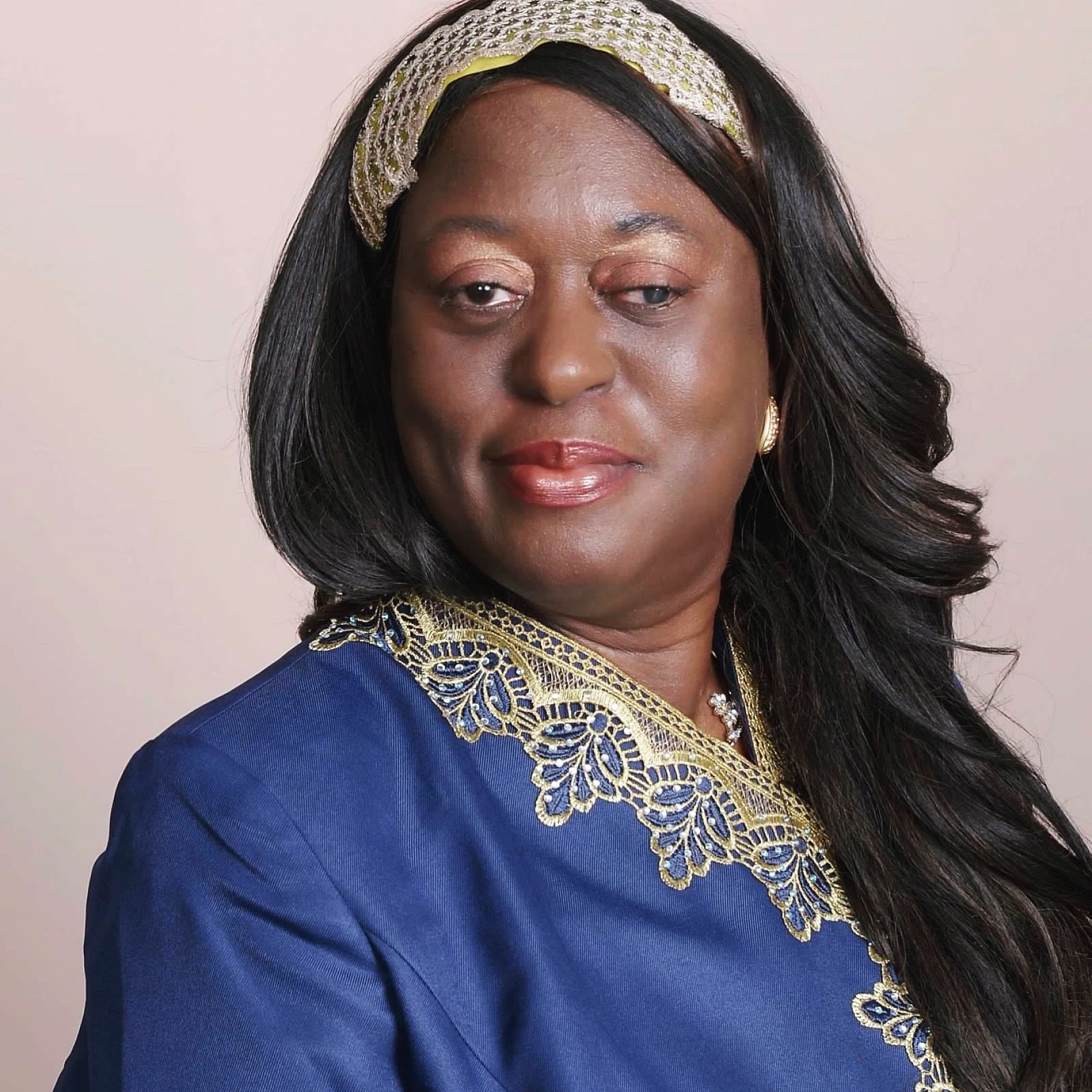
In this episode of Workplace Wisdom, Stone Payton discusses the importance of authentic appreciation in the workplace with guest Alicia J. Alexander from Make a Difference Consulting. Alicia highlights that most people leave their jobs due to a lack of meaningful recognition, not money. She explains the five languages of appreciation—words of affirmation, quality time, acts of service, tangible gifts, and physical touch—and emphasizes the need to appreciate employees in ways that resonate with them.
Alicia, a doctoral student in organizational leadership, shares her passion for educating organizations on creating a positive culture through authentic appreciation. She also discusses her marketing strategies and personal values, offering advice on implementing appreciation in various work settings.

 Ms. Alicia J. Alexander is the Founder and Chief Consultant at Make A Difference Consulting, located in Pawtucket, RI. The company serves the local Rhode Island community as a Certified Facilitator of The 5 Languages of Appreciation In The Workplace (Chapman & White 2019).
Ms. Alexander speaks, educates, and coaches on Authentic Appreciation in the workplace. Companies hire Make A Difference Consulting and Alicia J Alexander, MSL to create a profitable, harmonious work culture for organizations and their staff. Ms. Alexander is also a contributing Author in the Journal of The International Society for Organization Development and Change, Summer 2022.
Formerly, Ms. Alexander contributed direction to the Advocacy and Policy Committee of the Rhode Island Black Business Association (RIBBA) bi-weekly. She also served on the Small Group Leadership team at Hill City Church in Providence, RI. Recently, Ms. Alexander pivoted to the title of Interpersonal Workplace Relationship Expert to bolster her expertise in working with organizations.
Ms. Alexander earned a Master of Science in Leadership from Grand Canyon University in the fall of 2021. She is pursuing a Doctor of Education degree in Organizational Leadership with an emphasis in Organizational Development (qualitative research). Ms. Alexander is fascinated with the Faith life in business.
Connect with Alicia on LinkedIn, Facebook, X and Instagram.
This transcript is machine transcribed by Sonix
TRANSCRIPT
Intro: [00:00:07] Broadcasting live from the Business RadioX studios in Atlanta, Georgia. It’s time for Workplace Wisdom, sharing insight, perspective, and best practices for creating the planet’s best workplaces. Now, here’s your host.
Stone Payton: [00:00:32] Welcome to another exciting and informative edition of Workplace Wisdom. Stone Payton here with you this afternoon. Please join me in welcoming to the broadcast with Make a Difference Consulting, Alicia J. Alexander. How are you?
Alicia J Alexander: [00:00:49] Great. Thank you for having me this afternoon.
Stone Payton: [00:00:52] Well, it is a delight to have you on the program. Today’s topic authentic appreciation in the workplace. What is it? And, uh. And why do we care?
Alicia J Alexander: [00:01:06] Well, let me start like this 79% of people who leave their jobs do not leave because they’re leaving for money’s sake. They leave because they don’t feel they’re contributing to something that’s meaningful. And so as a business owner, you want to retain your staff and mitigate high, um, turnover costs. The best way to do that is to show them that you care about them. You recognize they are individuals and you recognize they bring value and appreciate your employees.
Stone Payton: [00:01:47] Man, that is a sobering statistic that, uh, I mean, in, uh, instinctively, everything you’re describing makes perfect sense, but wow. That’s, uh. Yeah, man, that’s a huge number.
Alicia J Alexander: [00:02:02] But that’s what the stats show.
Stone Payton: [00:02:05] And so but to get at this I mean there’s, there’s the attention to the individual. But we’ve got to, to to to sustain maintain this. We’ve got to impact the the whole workplace culture, don’t we.
Alicia J Alexander: [00:02:21] Absolutely. Yes. The best way to do that is what I, um, from a book that I teach is called The Five Languages of Appreciation in the workplace. And why that is significant is because each one of us have innate value, intrinsic value. But we need to speak to that intrinsic value with authentic appreciation. Um, there are five, um, languages of appreciation, and we all have a primary and a secondary. And um, if you’re ready, I can go into that more if you wish. Well, I.
Stone Payton: [00:03:01] Do want you to go into it because I’m. I’m curious. Like what? Maybe what mine is like, what do I want? Right. So. Yeah. Absolutely.
Alicia J Alexander: [00:03:09] Absolutely. Well, the first one is called Words of Affirmation. That’s saying a meaningful, positive word more than just good job. It speaks to what the person is contributing to the work environment in a positive, affirming way. And 46% of the population have that as their primary or secondary language. The second one is called quality time. That’s like hanging out with the with the colleague or your circle of influence on the job. Um, just spending quality time. The third one is access service. That’s being able to recognize somebody needs a little assistance, and pitching in and doing it in a way that they would want it to be done just to say, hey, I recognize you’re doing something here. You need a little help. I want to help. The fourth one is tangible gifts. Nothing extravagant because it’s in the workplace, but something that’s meaningful to that person that you’re giving the gift to. And the last one is physical touch. Now, physical touch is limited in the workplace to handshakes, fist bumps, patting the bats and high fives. Nothing more than that.
Stone Payton: [00:04:36] I’m glad you clarified. Makes perfect sense. Uh, and so I’m kind of thinking through the team and the way we’re structured here at the Business RadioX network. We work with other entrepreneurs and various communities, and they’re licensed to run their own business, radio X studio, in a given community. They don’t really report to me, but it’s still a it’s still a cohesive team. We have best practices. We you know, we share what we learn in our own communities. And, you know, we had this this great kind of, uh, community of practice, I guess. But I think as you’re laying those out for me personally anyway, uh, both from my client base, my, the guest who come through, uh, the one of the studios that I personally, uh, work in and, um, and from my business, radio X family, I think I’m part of that big number of, uh, hadn’t really thought about it, but I the words of affirmation, I that’s probably a big one for me.
Alicia J Alexander: [00:05:37] Wow. You know it. There’s two ways to find out if you really want to know what specific languages yours. We do ask for what we call the managing body, um, appreciation inventory assessment. And, um, we can give we can have you take an assessment to find out how do you like to be appreciated, from whom you want that appreciated and how you convey that you, you desire appreciation? Um, it’s it’s probably like a 20 minute test. Um, our assessment, um, but it gives you accurate information. And the other way you can find out is just have a conversation with your circle of influence. Hey, you know, I’m I’m thinking about such and such. How do you feel about being appreciated? What do you like?
Stone Payton: [00:06:31] It makes a lot of sense to me. And it sounds like like fun work if you and rewarding work if you can get it. It is. But what’s the back story? Alicia, how did you get into this line of work?
Alicia J Alexander: [00:06:44] Well. Presently, I’m a doctoral student at Grand Canyon University in Arizona, Phoenix, Arizona. Um, albeit I live in Rhode Island. Um, I’m doing my studies online, and my major or my program of study is organizational leadership with an emphasis on organizational development, qualitative research. And so the fact that I had the opportunity to work with people and specifically, specifically, um, work cultures is very much aligned with what I’m studying. Um, I intend to graduate in 2025 with my doctorate, but having this opportunity to offer and to, um, affect change in organizations is right aligned with what I’m studying.
Stone Payton: [00:07:36] So the next time we do this, it’ll be Doctor Alicia.
Speaker4: [00:07:40] Doctor A yes.
Alicia J Alexander: [00:07:42] I intend to have it like that.
Speaker4: [00:07:45] All right.
Stone Payton: [00:07:45] So let’s talk about, uh, let’s talk about the work a little bit. You’ve got these five languages, I think of appreciation. You refer to them. Tell me about the work. Like you come into an organization and what happens?
Alicia J Alexander: [00:07:58] Let me give you a little history about the five languages of appreciation. Doctor Gary Chapman, that many might recognize for the five love languages took this concept of the five love languages. After being persuaded by many people in the different various industries to the workplace, and he partnered with Doctor Paul White, who has a tremendous business acumen. So together they got into companies like Miller Trust Credit Union. They worked with people and Hines Barony’s major organizations across the country and actually across the globe. So what happens is they’ll ask the question, and if you don’t mind me, I’ll ask you the question. On a scale of 1 to 10, how do you feel appreciated by your circle of influence.
Stone Payton: [00:08:57] When they refer business to me, or tell someone else about how much they’ve enjoyed being on a show or working with me. Yes. Yeah, that’s that right there. That that that makes it for me.
Alicia J Alexander: [00:09:10] Okay, so from there, depending on the size of the organization, we can give them the assessment and find out the different languages that each of the employees have, as well as giving them information about each language more than just saying what the name of the language is and, um, the percentage of the population that have it. And actually, as we get if we’ve given the assessment, we can specifically say to the organization, what percentage of your workforce has that particular language and derive a plan to say, okay, when this person is in need of appreciation or would refer somebody to say, let’s use the word words of affirmation as an example or perform a Board of acquisition, um, affirmation. They will have some kind of cue or something, um, that says on there like a little. I don’t want to call it a plaque, but like a little sign on their, um, cubicle that says, these are my languages, you know? Um, uh, you’re open to, you know, appreciate me anytime, you know, something like that. But it opens, it gives the opportunity to communicate. And that’s what I want to use. Communicate that appreciation to the employee with that specific language, i.e. words of affirmation, in a way that you know at any time, colleague to colleague, superior to subordinates or to employee, um, communicate that that word of, of of affirmation. So they all understand that, you know, when we recognize you are valuable, you are appreciated. And we thank, you know, thank you for being here, participating with us.
Stone Payton: [00:11:24] Well, and that’s the thing though, right? If you’ve got a team of any size and complexity, you’re going to have them all over the map, right? You’re going to have some that really lean into words of affirmation. Absolutely. And so.
Speaker4: [00:11:35] That’s why.
Alicia J Alexander: [00:11:36] That’s why having the sign there is, um, on the cubicle. She works for knowing who and which, um, appreciation language applies to that person.
Stone Payton: [00:11:49] And then there’s knowing that and words of affirmation. And I might be able to come off the top of my head with a little bit of language to help me communicate that. But I’m operating under the impression that there’s coaching, consulting, direction, guidance in the book and maybe in training and facilitation.
Speaker4: [00:12:05] Absolutely. Yes.
Stone Payton: [00:12:06] On how to do it right?
Alicia J Alexander: [00:12:08] Absolutely, yes.
Speaker4: [00:12:11] So, absolutely.
Stone Payton: [00:12:12] You’ve been at this a while now. Uh.
Speaker4: [00:12:14] What’s yours?
Stone Payton: [00:12:16] What’s the most rewarding for you? What’s the most fun about it for you?
Alicia J Alexander: [00:12:21] I love talking about it, I, I educate, I coach, and I speak on the subject of authentic appreciation in the workplace. I, I love three. I say I love the education, but I like the speaking more.
Stone Payton: [00:12:37] So so you’re out doing, like, uh, doing talks to groups of people and speaking on on this topic.
Speaker4: [00:12:44] Yes.
Stone Payton: [00:12:45] So what is that like? Like, is it ever I always ask this of, you know, people who do professional speaking. Is it a is it a little bit nerve wracking to get up there in front of a bunch of people and, and remember.
Speaker4: [00:12:55] What to say?
Alicia J Alexander: [00:12:57] I enjoy it, it’s, um, ever since I was a little girl, I’ve always enjoyed being on stage or in front of people. So, um, it doesn’t make me nervous or anything. I just enjoy it because I feel, especially with the authentic appreciation in the workplace, I’m doing something to help them, you know, my my, my audience. And so when I convey. Um, knowledge. I’m empowering my audience to make changes or see value in what I’m saying and and implement it in their daily lives or the work lives.
Stone Payton: [00:13:40] And your writing too, right? Like you contribute to to other pieces of written work on this topic and others. You’re you’re a busy lady.
Alicia J Alexander: [00:13:50] I try to be. Keeps me out of trouble.
Stone Payton: [00:13:54] So how does the whole sales and marketing thing work for this? I mean, do you find that people are is your phone ringing and they’re coming to you because the book is so popular? Or do you find that you have to have some sort of sales and marketing strategy to get into the conversations with the executives who can write the check to have you come in and help them.
Speaker4: [00:14:15] Was a little bit of both.
Alicia J Alexander: [00:14:17] It’s, uh. It’s, um. Strategizing as well as receiving inquiries. Um, I like the strategizing more, though, you know, being able to send out a post on social media or, um, speak as I am now, um, to a general audience. Um, it’s really I think it’s really rewarding and very effective to communicate, um, topics, you know, on this topic of authentic appreciation in the workplace.
Stone Payton: [00:14:53] And they don’t let just anybody read the book and go out and start teaching it. Right. Like you went through some sort of formal certification process to be like the the ordained facilitator and get the lapel pin and all that, right?
Speaker4: [00:15:07] Yes.
Alicia J Alexander: [00:15:08] And maybe not the lapel pin, but to be recognized, um, recently, uh, Doctor Paul White and I was on Voice of America, um, together and had sort of like how we are doing now on a podcast. So to be able to be in the presence of, um, with Doctor Paul White, um, was really rewarding, very rewarding to hear from him because, I mean, it’s one thing to read the book, but to actually sit and be on a podcast with the coauthor, it’s like, wow. So I was excited about that.
Stone Payton: [00:15:47] I’ll bet. Well, I don’t know when you would find the time, but, you know, pursuing your doctorate and and doing this work and the writing and the speaking, but, uh, what what, uh, passions, interests or hobbies do you pursue outside the scope of this work? Do you do you nerd out about anything else, or is it all heads down around this stuff?
Alicia J Alexander: [00:16:10] Well. I’m very active in my church, which is Awakening Church in Smithfield, Rhode Island. Um, and I love being around my family, so anything with my daughter or my son wants to do, I’m with them, you know? So make time for family. Sort of like the Mary Kay Cosmetics people put God first, family second, and all else that follow after that, you know.
Stone Payton: [00:16:34] Well, you know what? It brings up an interesting topic, and I think it’s probably quite related. Everything you’re learning and teaching with regard to the five languages, I suspect there’s a great deal of application in your personal and family life for practicing this as well. Yeah.
Alicia J Alexander: [00:16:55] Yes, yes. Um, my daughter is very, very much a professional marketer. And to be able to help out with dishes or, you know, um, help out with her, with my granddaughter. Um speaks of quality time, access, service. Um, just giving her a kind word. Words of affirmation. So yeah, I do practice it in my in my personal life as well, I’ll bet.
Stone Payton: [00:17:26] All right. Um, I want I’d like to wrap if we could, around maybe just a few. I call them pro tips. Some things for us to be thinking about. And look, guys, the the number one pro tip is get your hands on this book, reach out, have a conversation with Alicia, somebody on her team, you know, look into the the training, the consulting, getting your hands on the assessment. But between now and then, maybe some things that we ought to be kind of having our, our eyes and ears open to some additional things we ought to be reading, maybe even some things we ought to be conscious about, uh, doing or not doing that will help us get a little bit better, you know, just right after we are done listening to this conversation.
Alicia J Alexander: [00:18:12] Oh, absolutely. Um, I want to share that, you know, since Covid, our workforce has changed. Um, we have remote workers, we have hybrid workers. We have those who are in office.
Speaker4: [00:18:28] And the one, um, organization.
Alicia J Alexander: [00:18:30] And it’s important that we convey appreciation to each type of employee, whether it’s remote, whether hybrid or in office. And so finding an opportunity to have just, you know, a beginning conversation about authentic appreciation and how they value appreciation in their work, how it makes a difference in the organization.
Speaker4: [00:19:00] Um.
Alicia J Alexander: [00:19:01] It’s it’s a big deal. You know, it’s it’s a contributing factor to retaining your employees as a business owner and for the employee to valuing and being participatory in the work environment. The work culture.
Stone Payton: [00:19:18] Well, and that’s a word that you have used several times in this conversation. And I don’t want to gloss over it, but you’ve gone to some lengths to always use the word authentic, and I’m sure a person can sense whether they’re doing it, um, consciously or not. They can sense pretty quickly if you’re just kind of handing out a little quick platitude versus genuinely expressing appreciation in the language that’s best for them, there’s a lot to this authentic piece of it, isn’t there?
Alicia J Alexander: [00:19:54] Yes, yes. Um. Um, there are opportunities where people will there be the supervisor, manager, owner or employee? Will not feel that they want to show appreciation. But sometimes you have to discount your feelings and go ahead and say a kind word or a nice gesture, or give a gift. Discounting how you’re feeling. Because feelings follow actions, you know. So, you know, it’s important to just realize that you have. An opportunity to. Convey honest feelings as far as showing appreciation.
Stone Payton: [00:20:47] And finding something to genuinely appreciate them about. I don’t guess you’d have to appreciate every single aspect of them 20 47A day, but I bet you could. I had a mentor that used to call this, uh, good finding, you know, like there’s something you can appreciate about virtually anyone. And and if not, then maybe it is time to revisit and free free up their future. But for in most situations, there ought to be something you can appreciate them. Appreciate about them. Right?
Speaker4: [00:21:11] Absolutely.
Alicia J Alexander: [00:21:12] Absolutely. Yes. Um, and you know, no one is 100% evil and no one is 100% good. So there’s always going to be something that you can appreciate somebody for.
Speaker4: [00:21:26] All right.
Stone Payton: [00:21:27] So what’s the best way for our listeners to learn more tap into this book. Uh, maybe get their their hands on, get some access to the assessment, have a conversation with you. Is there a website or a good way to connect with you?
Alicia J Alexander: [00:21:41] Yes, I can be reached at (401) 601-3207 or Alicia Alicea at Make a Difference Consulting. Com and the website is make a Difference consulting. Com.
Stone Payton: [00:22:01] Alicia, thank you for investing the time and the energy to visit with us this afternoon. Thank you for your insight and your perspective and keep up the good work. What you’re doing is is so important and can have such an impact, you know, in any given moment, but well beyond that. Thank you for joining us.
Alicia J Alexander: [00:22:22] Thank you so for having me. I really appreciate this opportunity.
Stone Payton: [00:22:26] My pleasure. All right. Until next time. This is Stone Payton for our guest today, Alicia J. Alexander with Make a Difference Consulting and everyone here at the Business RadioX family saying we’ll see you again on workplace wisdom.
BRX Pro Tip: Optimize for Deposits not Downloads
BRX Pro Tip: Reframe Your Business Goals from Dollars to People
/
RSS Feed
BRX Pro Tip: Reframe Your Business Goals from Dollars to People
Stone Payton : [00:00:00] Welcome back to Business RadioX Pro Tips. Lee Kantor and Stone Payton here with you. Lee, let’s talk a little bit about business goals and the right – the right perspective frame. How should you really go about setting and then tracking business goals?
Lee Kantor: [00:00:17] Yeah. I think a nice way to create kind of goals for yourself is to not use dollar amounts as the goal, but use people amounts.
Lee Kantor: [00:00:27] And what I mean by that is, say you want to make $100,000 a year, that’s $80,333 a month. So instead of looking at it as I got to make $8,333 this month, ask yourself, “How many clients do I have to have to do that?” For example, if you charge $1,000 a month for your services, that’s, you know, eight, nine clients. You have to have eight or nine clients. If you charge $2,500 a month, that’s only four clients. When you know you only need four clients to reach your goal, isn’t it easier to make that one more sales call, to build one more relationship that gets you that much closer to where you want to go?
Lee Kantor: [00:01:10] So, try focusing on people, not money. And something tells me you’re going to make a lot more money.
The Mommy Hustle: A Story of Overcoming Challenges in Business and Motherhood

/
RSS Feed
In this episode of the High Velocity Radio, Stone Payton talks with Dionna Walker, CEO of Rebirth Hair Products. Dionna shares her journey from Ohio to Georgia for a knowledge-packed weekend, including attending the Dropping Knowledge Tour. She discusses her book, “The Mommy Hustle,” which provides inspiration and tips for balancing motherhood and entrepreneurship.
Dionna also delves into the creation of Rebirth Hair Products, a brand born out of her own experience with postpartum hair loss, now catering to a broader audience with all-natural hair restoration products. She expresses her passion for the personal touch in shipping her products and her eagerness to learn more about marketing. Dionna emphasizes the importance of mentorship, both receiving and giving, and talks about how she’s created digital products to guide other entrepreneurs.

 Dionna Walker established Rebirth Hair Products in July, 2019. Dionna is a wife, mother, and entrepreneur. Her hair care product line may just be the solution women and mothers have been waiting for. She’s also the author of The Mommy Hustle Book.
The product line features four different collections that include a shampoo, conditioner, hair moisturizer, hair growth oil, styling gel, and hair buttercream. Infused with rosemary, mint, coconut oil, and shea butter, this hair care line is one hundred percent vegan.
Also known as “the fairy godmother of hair products and edges” by her team, Dionna’s mission is to provide top quality hair products. With a hands-on approach, a vision for her company, faith, and trap vibes, Dionna Walker is on her way to continue helping not only women, but also mothers regain their confidence while battling postpartum hair loss.
Follow Rebirth Hair Products on Facebook.
This transcript is machine transcribed by Sonix
TRANSCRIPT
Intro: [00:00:04] Broadcasting live from the Business RadioX studios in Atlanta, Georgia. It’s time for High Velocity Radio.
Stone Payton: [00:00:14] Welcome to the High Velocity Radio show, where we celebrate top performers producing better results in less time. Stone Payton here with you this morning. You guys are in for a real treat. Please join me in welcoming to the broadcast, CEO with Rebirth Hair Products, Ms. Dionna Walker. How are you?
Dionna Walker: [00:00:34] I am great, thank you for having me.
Stone Payton: [00:00:38] What a delight to have you in studio and you have gone to some trouble to be here. You came in from Ohio?
Dionna Walker: [00:00:45] Yes, yes. Representing for the Dayton, Ohio area. I came flying in to Atlanta, Georgia for a jam packed weekend.
Stone Payton: [00:00:54] Yes, not just me. We’re going to have a great conversation, but you’ve got some cool stuff happening on Saturday. Yeah.
Dionna Walker: [00:01:00] Oh, yeah. So tell us about it. Okay, so Saturday I will be going to the Dropping Knowledge Tour and it is hosted by, um, Kaleidoscope Hair Products CEO, the real Baby Judy. So we’re going to be learning about how to reach our customers in 2024. And she’s just going to be dropping gems overall. So I am so excited for that.
Stone Payton: [00:01:26] Well I hope you’ll take some notes and share that with me.
Dionna Walker: [00:01:28] Okay. Of course.
Stone Payton: [00:01:30] We’ll take all the help we can get over here at Business RadioX. Okay. So Rebirth Hair Products. I do want to get into that in a little while. But, uh, what’s for foremost on my mind right now? You’ve got a book out. Yes.
Dionna Walker: [00:01:43] Yeah.
Stone Payton: [00:01:43] Tell us about it.
Dionna Walker: [00:01:44] So I have a book out called The Mommy Hustle, and this book is an inspirational read. And I kind of wrote it because sometimes being a mom, I have eight children. Oh, my. So. Wow.
Stone Payton: [00:01:56] That’s a whole nother show. Yeah.
Dionna Walker: [00:01:59] Couple of hours worth a show. But being a mom and business, sometimes we have this thing called mom guilt and we want to make sure that we are our number one priority is our children. But when you’re in business, sometimes you have to, you know, tip that scale a little bit and say, hey, I know you have a football game tonight, but mom has to go to this meeting and sign this contract so we can pay for this mortgage. Okay, so I kind of wrote the book to inspire and to also give tips on how to balance that mom and entrepreneur lifestyle out.
Stone Payton: [00:02:38] Man, that sounds like a marvelous pursuit, a noble pursuit. And it’s, uh, I would think it’s no easy task. How do you go about taking these ideas, these experiences, and, and committing them to paper in such a way that it’s really going to benefit other people? Tell us a little bit about the process you went through for getting the book together.
Dionna Walker: [00:02:59] So it just, you know, it came to me as an idea and I said, well, I looked for something that relates to me. Right. So I was looking for a book that could relate to my struggles. And you know what I was thinking, what I had going on, and I couldn’t find it. So that is basically where most of my entrepreneurial spirit comes when I find something, when I want, when I need to find something on the market that I cannot find for myself, I go ahead and I create it because, hey, I know a lot of other women is looking for some, you know, some type of encouragement, um, to, you know, juggling, you know, business and motherhood or even, you know, working the 9 to 5 and being a mom, you know what I’m saying? So I just the inspiration comes from seeing a need for it. And I just, you know, after I, I just couldn’t find what I needed. I said, I’m going to go put pen to paper.
Stone Payton: [00:04:00] So what what is the structure of the of the book? Does it have, uh, chapters or how did you how did you set it up?
Dionna Walker: [00:04:07] Okay. So the book is so interesting because I have, um, I have graphics like I have a quote in there that said, I am not a Cinderella and that that chapter just talks about, you know, I’m not I’m not going to be cleaning all day. I’m not going to be, you know, I’m going to put on my, you know, my business suit and I’m going to go out there and I’m going to do what I need to do, and then I’ll come back and be Cinderella. But I have pretty cool, I have pretty cool graphics. And then I have. Oh, and then in the back of the book it is actually a journal. So once, as you and I encourage in the book, as you’re reading through the chapters, go to the back of the book and write down your thoughts. And even if you have a business idea, write it down. So the book is really pretty beautiful graphics I have. Oh man, it’s just such amazing. I’m that is my Picasso work.
Stone Payton: [00:05:10] So did some of the chapters come together really easy for you and other ones? Take a little while and you had to kind of work through the the way you you decided to say what you really wanted to say.
Dionna Walker: [00:05:22] Well, I had a great editor, um, and I just, I wrote it up and she just said, hey, we’re going to put some things in, we’re going to put some things out. But the overall process, it just came natural to me because it was just like, you know, I’m sharing my journey, right? Yeah. And I’m and she edited it in a way to where even if you’re, um, working in the corporate or 9 to 5, you can still relate to the book. We have like inspirational quotes and, you know, just a journal in the back. So the overall process was easy for me because I had a team that was able to edit the book. And we took about a good 2 to 3 months to even work on the editing part. And then we went to the graphics and the journal and all that. So most of the things was added as we developed and as we got like the the draft done. But the overall development of the book, it just came. It came natural to me because I wanted to share my story, but then I also wanted to put in there tips to my success that I think that other women can relate to as well. Yeah.
Stone Payton: [00:06:32] So what are some other key messages in the book? I love that I’m not Cinderella, but what are a couple of others?
Dionna Walker: [00:06:37] Um, and then one other chapter that I love so much, it is, um, you can be me, but can you beat me? And that is just. And it is just like a little fun little, uh, motivational thing that I do for mothers. Like, hey, I’m not going to let depression beat me. I’m not going to let you know. My financial, my me, my financial situation, um, define me. So the that quote is just for any situation that we may go through. So that one is a really good one. And I want, you know, I’m going to save a little bit of that. You got to go get the book. You got to get the book.
Stone Payton: [00:07:19] Absolutely. Okay. So at the individual level a person invest in the book and they start reading it. If you had the luxury of kind of sitting behind their shoulder and coaching them up on the best way to get the most out of this book, and you did touch on it. But say more about how to how to really use the book so that you are getting, um, as my partner would say, my business partner would say, uh, all the juice out of out of the book. How do you get the most out of it? Is it reading a chapter? Journaling? Yeah.
Dionna Walker: [00:07:51] I recommend reading a chapter. And after you read the chapter, really think about your own situation and add it to the journal. Part of it is really for the reader to jot down how they’re feeling and what it is that they’re they’re wanting to do for their own life. So I even have a part in there where I say, hey, how are you feeling right now? Go to the back of the book and write it down. And that kind of like helps most of the readers because they’re like, I took my time and read each chapter because I was looking forward to that push of you telling me to go in the back of the book, tell me how I’m feeling, what is my ideas? And I even asked them, how are we doing so far in the book, goes to the back of the book and write about it, because when we write our ideas down, I just feel like we can have something to go back to look at it and say, hey, I’m going to, I’m going to get to that. I’m going to knock that out. So I just feel like the most the chapter by chapter, read it by chapter, write down how you’re feeling. Um, if you can relate to something, go in the back of the book and just really write it down of how are you relating to the passage? And I give a lot of tips on business. I give a lot of tips on motherhood. As a mom of eight, I know.
Stone Payton: [00:09:16] It certainly sounds like.
Dionna Walker: [00:09:17] You do. I know. So I give tips on motherhood and just juggling the overall mom and business. And and that’s why it’s called the Mommy hustle. Because I give all my gems and I just want you to. I want us to feel connected in a way of, I have written this book, but you are partnering with me. You’re like my virtual partner and we’re going to write through our ideas. So I kind of wanted to just, you know, include that as a way of pushing out, you know, what it is that the reader wants to, you know, do.
Stone Payton: [00:09:55] Well, it sounds to me like this is also the kind of book that that you you reread. You don’t just read it once and you’re done. I could see reading it chapter by chapter, but also coming back to it. Yeah. Is that accurate?
Dionna Walker: [00:10:08] I wanted to make sure the reader got their money’s worth. Um. It is, it is a book. But the diary part of it is to where you can keep it on you and go back and read, you know, read your thoughts and go to a chapter and say, hey, I’m not a Cinderella. Today I have a meeting to get to and let me go brush up on that chapter. You know what I’m saying? So yes, this book is an investment of being able to carry it with you right in it. You know, it’s really it’s really like a diary, but it is a it is a guide on, you know, juggling the, the, the 9 to 5 and juggling a mom being a business owner.
Stone Payton: [00:10:51] So I am not a leader of a women in business mastermind, but I’m trying to put myself in that type of person’s shoes. I can also envision if I were. Eating a mastermind group of six, eight, ten, 12 people or whatever that we could use the book that way too. Whereas, you know, you go off and you read some, and then we come, come together and we, we use it as a platform for dialog. I mean, it has some real application in a, in a, in a group setting too. Yeah. Oh yeah.
Dionna Walker: [00:11:20] Absolutely. I know a couple of women, they purchased it. Um, they were college students. Um, and they purchased the book and they were saying, hey, we it took us a month to get through the book because we didn’t want to not read it with each other to talk about it. So I said, yeah, the book has some tea in it. And tea means interesting, interesting stories. So yes, you can definitely read it in a group setting. And I and I kind of feel that a group setting would be awesome as well because we can say, hey, let’s bounce ideas off each other, you know, let’s, you know, what are you putting in your notes? So yeah, I think a group setting will be great too.
Stone Payton: [00:12:00] So we have a great meeting, as you might imagine. Well, we have a great many authors actually kind of in our, in our crew. Right. People who tap into our work, people who come on as guests, uh, people who are clients at Business RadioX. But we also have a great many who are aspiring authors. So let’s talk about the benefits to you as an author, and specifically, I’m at least interested to know, did you find that committing your ideas to paper preparing this in service of others also helped you kind of crystallize your own thinking, solidify your, uh, ability, equip you to be even that much more effective when you were speaking or consulting or training or facilitating, did it have that effect for you?
Dionna Walker: [00:12:43] Um, it did, but I will say to anyone that is looking to get into, you know, writing, I just say go for it. You never know what. With your book may help, you know, tell your story. Um, someone is waiting on you to tell your story. And I say, don’t worry about how much it cost and what it’ll look like if you’re going to fall. Fall for it, okay? You don’t have to. You don’t have to be perfect. My first book. Oh my God. It was not the best, but I kept going and I learned. I listened to the customers and hiring someone on Fiverr to edge a book and make the graphics don’t cost number $1,020. So I just say started. Um, for me it was, um, I failed a lot when I was writing these books, but the mommy hustle is my protege. I learned a lot before I released that one. Um, I hired amazing team, and for me, the benefit was not only financial, but it was also knowing that I took a chance to inspire women to, you know, and that was enough for me because I want to always be inspirational and be inspirational to others. And I also want to lead by example and everything that I put in that book. I have went through every single thing. I have been a Cinderella at once. So yeah, everything in the book I just can relate to. I went through and, you know, the readers say, hey, I can’t believe you put this in the book, but that’s that’s something that people don’t say out loud, but you put it in there, and I just, I just had to email you to let you know, like, wow, that’s what I was thinking as well. So the benefits for me is just to make sure the reader is enjoying the experience. I wanted the book to be an experience, and I also wanted to bring the reader in to, you know, to have the connection of this is my book, but we’re sharing the experience because you get to write your own part in the back of the book.
Stone Payton: [00:14:56] Well, it sounds like you’re getting feedback from this thing. What are some of the things that people are saying you’re hearing from readers? Right, I.
Dionna Walker: [00:15:02] Am, I get a lot of emails and oh, interesting story real quick. Uh, my teacher, she emailed me and I haven’t talked to this lady in so long, and she said, I seen you on the news and I had to get your book. And she said, that’s my student.
Stone Payton: [00:15:22] That had to feel good. Yeah, that was great.
Dionna Walker: [00:15:24] And she was one of my favorite teachers as well. But I just wanted to throw that story out there. But yes, the readers are enjoying it. And, you know, some some things are not for everyone, but for the most part, um. When the readers get the book, they’re excited because, like I said, it flows as if we’re on a journey together. So the feedback has been great. Um, and whenever the feedback is not great, I make those notes for my next book. Yes, yes.
Stone Payton: [00:15:57] Good for you.
Speaker4: [00:16:00] All right.
Stone Payton: [00:16:01] What’s the best way for our listeners to get their hands on this book?
Dionna Walker: [00:16:04] Um, my website would be, uh, Rebirth Hair products.com, and they can get it. It’s on my website.
Stone Payton: [00:16:13] So that’s Mecca for everything. If they want to get to you, they want to get to the book. They want to tap into any of your your speaking, your facilitation, your coaching. It was just whatever you might be doing. Yeah. Okay. Let’s go into some of the real life source material for this book because, oh, by the way, you’re a CEO of a company, a successful company called Rebirth Hair Products. Uh, paint force, if you would. Mission. Purpose. What are you out there doing for folks with that company?
Dionna Walker: [00:16:41] So the rebirth hair products, that is my baby. Um, I’ve been in that business for three years. And what Rebirth Hair Products is. We started as a hair restoration brand for moms and we have expand. So I created this brand because when I had I was going through postpartum hair loss and I didn’t know that was a thing. I did my research and as I was getting bald, I was putting together, you know, I was looking for products again. I was looking for products to help that. So when I couldn’t find it, I created it. And I, you know, I created the Rebirth hair products specifically for moms with hair loss. And to this date, if Google, Google is our friend, Rebirth Hair Products is the only company. Of his kind that have products for mothers experiencing hair loss after postpartum. So we expand and I said, I want to reach more people. So our products are now for anyone. We have men, we have women, we have children, and we are a hair restoration brand. And our motto is to restore, rejuvenate and rebirth your hair. And we do that by offering all natural hair products. So we have conditioners, we have shampoos, we have edge control. You know, we got to keep some edges cute. We have you know, we have products that I have sourced and I, you know, I add my ingredients to it. And I let our people on the back end do what they have to do. And it’s just that, that brand, all of that is my baby.
Speaker4: [00:18:32] I have to believe.
Stone Payton: [00:18:34] A product like that that delivers results like that has got to be so much more than just the product. It’s it’s the, uh, it’s what it produces for the individual in confidence and self esteem. And I would think that would be huge for a lot of people, yeah?
Dionna Walker: [00:18:50] Absolultely. Especially us women. Our hair. What we don’t play about that. But yeah, the confidence is because you can imagine how I felt as I was losing hair and I just had a baby. So postpartum hair loss, you know, and I had to do my research. That is a big issue. And once I found that out, I was able to create Rebirth Hair products. And that’s how I really got the name, because I said, I need a rebirth, this hair. And that’s how I came up with the name rebirth. But to this day we expand, um, and we are an overall hair restoration and growth system brand. And we have products just for about anyone.
Stone Payton: [00:19:34] So now that you’ve been at it three years and counting, right. So, uh, clearly it’s very rewarding work. What’s the what are you enjoying the most? What’s the most fun about it for you?
Dionna Walker: [00:19:46] I love the shipping part because I’m doing everything, um, right now. Or it’s just me and my kids and my husband and my mom. Some family sometimes, and the shipping is what I had to get a handle on. And once I learned how to do that, I enjoy it. Sometimes I’ll put an extra product in there. Sometimes I’ll write a note in there. I really enjoy the shipping aspect of my company because I just feel like, oh man, this this person took a chance on my dream and I’m just so appreciative. So I try to make sure that even doing the back end of my company, you know, doing the marketing and everything, I always, you know, find time to ship most of my orders. I kind of feel connected in a way to my customer, and I’m just so grateful for them to take a chance on my company. So I love the shipping part. I know that sounds crazy, but I love the shipping aspect of my brand. I love all of my brand, but the shipping part and getting my orders to the customer. I love that part.
Stone Payton: [00:20:55] I’m so glad that I asked.
Stone Payton: [00:20:57] And no, I did not expect that answer at all. But then as you described it, it made perfect sense to me. And I got to tell you, you know, I get stuff mail order all the time, and there’s one company when they send me stuff it, they send me a bottle of hot sauce. And it’s just, it’s a nice little touch. And to get even to get a little note, you know, thank you for the business or we appreciate you or, you know, enjoy that. Really it means so much. So there there’s a pro tip for you guys out there. Yeah shipping shipping product makes all the sense in the world.
Dionna Walker: [00:21:27] It does. It gives your it gives your customer a personal feel to the person you are. I’ll even put in there ship with love or you know, you never know what someone could be going through. So you’re you going the extra mile for your customer can hey, I got this product from Rebirth Hair Products Girl. They send me a cute little note and some extra products. Try this product out. You may like it. It gets the word of mouth out.
Dionna Walker: [00:21:56] So yeah.
Stone Payton: [00:21:58] So I know you’re going to go learn a lot more Saturday. And I hope you share some of your notes. But talk to me a little bit about the sales and marketing aspect of your work because you can’t just, you know, build it and they will come. Right. You got to get out there and let people know about it. What’s what’s that like for you?
Dionna Walker: [00:22:12] Oh, I’m still learning. That’s why I’m going to the event Saturday with the real Julia Kaleidoscope Hair Products Dropping Knowledge tour, because I’m still learning the marketing aspect of the business. And that one is tricky because the, you know, reaching your customers is different. You know, especially in 2020 for a lot of things is expensive. And you have to be creative when you’re reaching your customers. So I have everything business related when it comes to reaching reaching my customers. But you want to stay true to your brand, but you want to make it interesting. You want to make make it to where you’re producing good content that tells your customers about your product, what you’re offering, but you don’t want to drag it all out. So I’m still learning about the marketing aspect of it. But, you know, I feel that we’re doing great because we have a good we have a good team. We have people that’s helping us. We put up billboards, um, we we go to events, we do bags with mini sized products in it at other events. Um, but I’m excited to learn more about that Saturday. But it is a learning. It is a learning. I’m learning a little bit, you know, I’m trying to get into that marketing aspect. So if anybody can help me reach out, please.
Stone Payton: [00:23:35] Well, I love that attitude, that life learner, uh, approach.
Dionna Walker: [00:23:39] I’m forever a student.
Stone Payton: [00:23:41] Well, I can see that. And often I will ask my guests if they’ve had the benefit of a mentor or two as they’ve kind of, you know, transitioned into different aspects of business. The answer in your case is clearly yes. So maybe a better question would be, uh, what tips, if any, do you have in terms of, uh, seeking out mentors and and getting the most out of that relationship?
Dionna Walker: [00:24:06] I for me, connect with someone who’s already where you want to be. Connect with someone that is not afraid to tell you. Like, um, the product that you put out is ugly, and I need you to start over. You need to connect with someone that is honest already in a position of where you want to be in life, either as business, at a job, anywhere, and just get the most out of the gems that they can drop to where to how they got to where they are for you to join them, you know what I’m saying? And I just say reading books as well, and then having a mindset of I am a student. I’m always learning, I learn, I wake up to learn. What am I going to learn today, especially on TikTok? I didn’t try so many TikTok videos. I am a student and I receive, you know, I received the knowledge I received, you know, learning. You know, that’s that’s just my personal preference. I’m always a student. I’m going to learn. I’m going to look forward to the knowledge. You know what I’m saying? I’m and I, I just want others to, you know, be a student, learn. Um, and then once you learn, reach back and help other people.
Stone Payton: [00:25:43] Well, yeah, I want to dive into that a little bit, too. So, yes, on the other side of the coin, as a successful entrepreneur, an author, you find yourself in a mentoring role sometimes maybe formally, but I’m sure a great deal informally insight, perspective on being a good mentor and maybe some do’s and don’ts on trying to help the next person.
Dionna Walker: [00:26:00] The funny thing is, I have, um, I have a well, I wouldn’t say a mentorship per se, but I created digital products as well, and the digital products are just basically ebooks to help business owners. So I have one that’s how to make a sale and or how to make 30 sales in ten days. I have another one that is basically how to create a digital product, how to create a six figure product. I, I have used ebooks as a way to mentorship because I’m a mom of eight. I sometimes don’t have time to sit and chat with other people. So I created ebooks to help entrepreneurs and I detail so much in the ebooks. Yeah.
Stone Payton: [00:26:54] I’m a switch gears on you for a moment before we wrap, if I might. And I don’t know where you would find the time with eight kids, a successful business, writing books, creating digital product. But I’m going to ask anyway about passions, pursuits, hobbies, interests outside the scope of your work. A great meeting of my listeners know that I like to hunt, fish, and travel, you know? So what do you have a tendency to nerd out about or get into when it’s outside the scope of the work?
Dionna Walker: [00:27:20] I am a die hard Harry Potter fan, I love books, I love iced coffee, I love to dance, I love fashion, um, I love walks in the park, I love picnics, I love candles. Wow, I can go on for and I just, I love the simple things in life because I don’t I don’t need to go to a fancy restaurant. I mean, it’s nice, but going to the park, getting a cute bath, getting a blanket and just I love vibes. I’m a vibe type of girl.
Stone Payton: [00:27:58] And I know you mentioned earlier you must like to cook because you said you went to TikTok and got the rest of season.
Dionna Walker: [00:28:03] Yeah, I love trying different foods. I love to cook. I just love the experience of, you know, TikTok. Oh my God, I try so many of those meals.
Stone Payton: [00:28:17] I should have had cooked to my list. Uh, Santa Claus brought me a Blackstone, one of those griddles. Wow. And so I’ve really enjoyed that. And I was watching YouTubes last night on how to do the hibachi. So, you know what? I’m gonna I’m gonna, I should add, cooked to my list, because I do.
Dionna Walker: [00:28:30] Yeah. Make some hibachi.
Stone Payton: [00:28:32] Well the activity is fun, but the what builds around it having family and it’s just, it just it helps create a variety of very intimate, you know, genuine experiences around around food. Yeah.
Dionna Walker: [00:28:44] It does.
Stone Payton: [00:28:46] All right. Uh, what’s the best way for our listeners to tap into your work? Let’s I know you mentioned the website and the book, and maybe that’s the right place. I just want to make sure that folks, if they want to reach out and have a more substantive conversation with you or get their hands on these, uh, digital products or get to your book, let’s leave them with some coordinates to do that.
Dionna Walker: [00:29:06] So, um, I’m on IG, Instagram at Rebirth University and then I am not opposed to dropping. My email address, I just hey, it is Deanna Walker. Zero eight at gmail.com. Email me, email me. Check out the website Rebirth Hair products. Com follow me on Instagram at Rebirth University. Email me Diana Dionna Walker WALKER08 at gmail.com. And if you’re going to message me, just put in the subject line. If you want digital products, say hey digital product. Hey, how you doing? I heard you on the hottest radio business, radio X. I need a digital product.
Stone Payton: [00:29:53] Well, Diana, it has been an absolute delight having you in the studio sharing your story. You’re doing really important work and we want you to keep it up. We sure appreciate you.
Dionna Walker: [00:30:06] Thank you for having me. I’m so I’m so appreciative for the opportunity. Until next time.
Stone Payton: [00:30:14] Absolutely. My pleasure. All right. Until next time. This is Stone Payton for our guest today, CEO with Rebirth Hair Products and author of the Mommy Hustle book, Miss Diana Walker. And everyone here at the Business RadioX family saying, we’ll see you in the fast lane.
BRX Pro Tip: The 90-9-1 Rule in Social Media
/
RSS Feed
BRX Pro Tip: The 90-9-1 Rule in Social Media
Stone Payton: [00:00:00] And we are back with Business RadioX Pro Tips. Lee Kantor and Stone Payton here with you. Lee, what are you learning lately about social media?
Lee Kantor: [00:00:08] Something that’s been true, I think, for a long time, but it’s becoming more and more clear is this kind of 90-9-1 rule in social media. Research says that 90% of the people out there who use social media are just passively consuming any type of social media content. You know, they glance at it, they look at it, and they keep moving. It’s not really kind of making that much of an impact. And they’re not really having much engagement with it. So the vast majority of people aren’t really engaging.
Lee Kantor: [00:00:36] About 9% of social media users are interacting occasionally in some way. You know, they’re liking something, they’re sharing something occasionally.
Lee Kantor: [00:00:46] And about 1% are the ones that are sharing, contributing, commenting. They’re kind of – the 1% are contributing the vast amount of the engagement in a given social media account.
Lee Kantor: [00:01:00] So what you have to understand, if these numbers hold true with your platform, is that this gives you an inaccurate impression of what most people are really thinking and what ideas are really popular, because that 1% have gotten good at generating kind of emotional reactions or creating outrage to really just stir the pot in a lot of ways.
Lee Kantor: [00:01:25] So, a lot of times we see these outrageous comments or shares or people upset about things, and we think in our head, wow, that’s the way most people feel, when in actuality that’s not the way most people feel. That’s the way, like, 1% of the people feel. So in a lot of cases, if you are experiencing this kind of outrage or an emotional reaction that doesn’t seem fair or real, it’s probably because it isn’t real. It could be just a handful of people that are just trying to stir the pot.
Lee Kantor: [00:01:56] So, try to understand that when you’re dealing with social media, because very few people are the ones that are contributing the vast majority of the kind of engagement that’s out there.
Unleashing Leadership Potential: A Conversation with NxGen COACH Network’s Archie L. Jones Jr.

/
RSS Feed
In this episode of the High Velocity Radio, Stone Payton interviews Archie L. Jones Jr., founder and CEO of NxGen COACH Network. Archie discusses the mission of his organization, his personal journey into coaching, and the joy he finds in helping others achieve their dreams. He talks about the early stages of coaching relationships, the influence of mentors, and his podcast “Training Camp for Leaders.” Archie also promotes his upcoming book, “The Treasure You Seek: A Guide to Developing and Leveraging Your Leadership Capital,” and the development of workshops and online resources to accompany it.

 Archie L. Jones, Jr. is an accomplished investor, author, advisor, and educator. As the founder and CEO of NxGen COACH Network™, he draws from his own leadership journey to empower and coach the next generation of global leaders through speaking engagements, workshops, his podcast, and forthcoming book, The Treasure You Seek: A Guide to Developing and Leveraging Your Leadership Capital. In this book, available for pre-order now, Archie shares deeper insights and expertise in leadership capital to guide aspiring and seasoned leaders achieve their dreams.
An award-winning Harvard Business School professor, Archie develops and delivers innovative curriculum focused on entrepreneurial leadership. For three decades, he has led successful private equity investments and value creation in public and private companies, including Merrill Lynch, Parthenon Capital, Kenexa, IBM and NOW Corporation.
With his focus on strategy, private equity and corporate M&A transactions, Archie led investments across a variety of industries and sectors in the US, Asia and Europe. He is an operating partner and senior advisor for Six Pillars Partners.
Archie was named one of Savoy Magazine’s “Most Influential Black Corporate Directors,” is a member of The Executive Leadership Council, contributes to Impact Entrepreneur Magazine, and currently serves on the Board of Directors of Fleetcor Technologies, Inc.
His social impact work with organizations such as Year Up, Russell Innovation Center for Entrepreneurs and New Profit drive innovation and systemic change. Archie is also a faculty co-sponsor of Harvard Business School’s Black Investment Club, faculty advisor to the school’s Social Enterprise Initiative, and is the faculty lead of the Upswell Forum. Additionally, he serves as Board Chairman of Project Evident and is a board member of the Mickey Leland Kibbutzim Foundation and the Elev8 Foundation.
In 2023, Archie and NxGen Coach Network™ launched the Training Camp for Leaders with Archie L. Jones, Jr podcast. Now a top-ranked podcast, the show features a range of topics from entrepreneurship to pursuing board service and offers an additional way for Archie to reach aspiring and seasoned leaders with insights from his own learnings as well as from other accomplished executives. Guests include Lynn Martin, President of the New York Stock Exchange, Chuck Gray, US CEO and Board Practice Leader of Egon Zhender, Mr. Wonderful aka Kevin O’Leary of Shark Tank, and others.
Archie is a NACD Certified Director, Certified Public Accountant, graduate of Morehouse College and Harvard Business School and has 3 sons.
Connect with Archie on LinkedIn, X and Instagram.
What You’ll Learn in This Episode
- About Archie’s book The Treasure You Seek: A Guide to Developing and Leveraging Your Leadership Capital
- About NxGen COACH Network Training Camp for Leaders podcast
This transcript is machine transcribed by Sonix
TRANSCRIPT
Intro: [00:00:04] Broadcasting live from the Business RadioX studios in Atlanta, Georgia. It’s time for High Velocity Radio.
Stone Payton: [00:00:14] Welcome to the High Velocity Radio show, where we celebrate top performers producing better results in the last time. Stone Payton here with you this afternoon. You guys are in for a real treat. Please join me in welcoming to the broadcast founder and CEO with NxGen COACH Network, Archie L. Jones, Jr. Good afternoon sir.
Archie L. Jones, Jr.: [00:00:38] Stone, how you doing today?
Stone Payton: [00:00:39] I am doing so well. Really been looking forward to this conversation. Got a thousand questions. Archie, I know we’re not going to get to them all, but I think maybe a great place to start would be if you could paint for for me and our listening audience. Mission. Purpose. What are you and your team really out there trying to do for folks? Man.
Archie L. Jones, Jr.: [00:01:00] You know, I love the question. I’m excited to be on the show. I think they, you know, I try to keep things simple. Stone. And so the name of the organization that you called out tells you exactly what we’re doing. So NxGen COACH Network, we’re all about training and developing the next generation of leaders. So that’s what the the next gen is for coach, uh, as both a verb and a noun. On the verb side, it’s coaching, training and developing, as I said, but it’s also an acronym coach. Create opportunity and Cultivate humanity is what our mission is. That’s what we’re all about. And then that last part of the name, the third leg of the name network, uh, refers to one of my favorite sayings is the answer’s in your network around establishing value, creating relationships. And so we’re all about working with other folks to try and maximize that impact.
Stone Payton: [00:01:53] Man, it sounds like a very noble pursuit. Must be incredibly rewarding work if you can get it. But, but, but I gotta know, man. What’s the backstory? How did you get into this?
Archie L. Jones, Jr.: [00:02:06] You know, it was probably about five years ago, stone that I had spent some time actually doing leadership Atlanta, uh, here in Atlanta and had the time to do some self-reflection as a part of that leadership training and development. And it asked a very simple question. And one of the sessions around, when are you happiest and most effective? And as I thought about it and shared some answers, and they actually even surveyed some folks that I had worked with before and people that had been a part of my life. And the answer that that came resoundingly back was it was when I was coaching or teaching. And even though that had never been my job title, I spent my early career and most of my career as an investor, private equity investor, investing in companies and advising leaders on on growing their businesses and organizations. But when I thought about it, it was in those moments of coaching when I had, you know, either, um, you know, hours to spend with CEOs kind of in the early mornings, late nights and weekends, whether it was coaching my sons and little league. But those were the times when I was happiest and most effective, and then just helping friends and, and other leaders just kind of broadly. And it sparked a question of, well, if that’s the case, how do you do more of that was the takeaway was if that’s when you’re happiest and most effective, usually only doing that for a small percentage of your time, how can you do it even more? And it was at that point that I thought about board service as a way of coaching, uh, teaching as a way of coaching, and then getting a little more formal and organized on my on my way of, uh, coaching leaders. And that’s when I formed the Next Gen Coach network.
Stone Payton: [00:03:44] Well, now that you’ve been at it a while, what are you enjoying the most, man? What’s what’s the most fun about it for you?
Archie L. Jones, Jr.: [00:03:52] You know the most fun about it and it ties back to the coaching. Is is watching others actually being able to go chase their dreams? Right. So many times we spend time making the list of here’s all the reasons why it won’t work, or now’s not the right time to get started. Or I don’t have everything that I need or I’m going to spend a little bit, I need another credential. Um, and so working directly with leaders, not on my dream or having them follow my vision, but spending the time to uncover what is it that they’re excited about, whether it’s trying to get into a board seat or trying to start their own business, or start a social enterprise, trying to do some social good, it’s it’s that’s the part that I love the most is helping them at least create a path and start on that journey to realizing their dream.
Stone Payton: [00:04:40] All right. So let’s talk a little bit about about the work I’m particularly interested in, sort of like the front end of, I guess you’d call it the the engagement cycle or like what are some of the, the early activities in a coaching relationship, a coaching process with you and your outfit?
Archie L. Jones, Jr.: [00:04:59] You know, the earliest part is, is trying to get that sense of two things. One is, what’s the big idea? I call it, uh, I call it an I didn’t, I didn’t, uh, create it. I think, uh, it was done by Jim Collins. And in his book, Dare to Be Great or good to great, I should say, um, around the beehag, the big hairy audacious goal. Um, and we talked he talked about that from a company standpoint, but I think we all personally ought to have a beehag. And so I start with what is the big hairy, audacious goal, that thing that you dream about? Uh, and probably and in most cases, never, never even say it out loud and never talked about out loud. Uh, but it’s that thing that if you had the, uh, in some cases, you think if you had the resources or the time or if conditions were different, that or if those things weren’t a concern that you’d go after. And that’s where I like to start, is what is that thing? And then typically what you find on the other side of that thing is, well, what’s the fear? What’s the thing that’s holding you back from going there? And there’s a there’s a great quote that, uh, that I love that says the cave you’re afraid to enter holds the treasure you seek. And so those two things are connected in that way. And so it starts really there of what’s the big hairy, audacious goal, that thing that really excites you, that you, your heart really wants to go after, and then what’s holding you back? And then that’s the place where I like to start, because that usually starts to unveil. Here’s what the journey needs to look like to build up the confidence to start making your way towards that goal or that beehag.
Stone Payton: [00:06:35] It sounds like so much of your work is grounded in life experience. You’ve been on this path yourself and it’s not like you’ve completed it. You continue to be on that on that journey. Right? But but I am curious to know, particularly as you made the transition to becoming a full time practitioner in this regard. Did you have the benefit of of one or more mentors along the way to kind of help you navigate this, this new terrain?
Archie L. Jones, Jr.: [00:07:06] Without a doubt, without a doubt, plenty of mentors and and I’ll tell you, it’s it’s when you’ve got a portfolio career, as I call it, like I have, you know, where I sit on some boards, I’m in the so I’m in the boardroom. So I sit on the board of some private company and public company boards as well as some nonprofit boards. So I’ve got mentors, um, some of whom have been on my podcast, uh, and have helped me think about that board journey. So I’ve got a board level set of advisors around kind of that governance and board journey. I had a lot of great examples through through my school days. Um, one in particular, who I just actually, um, received an award in his name, doctor James Cash from the Harvard Business School was a great mentor and a great representative of excellence, um, that I still call on today as I think about things around the classroom and related and even broader entrepreneurship. And then I’ve had the fortune to work with a number of CEOs across the year and so across the years. And so working with leaders both in the social sector as well as the for profit sector, uh, some of those folks who our relationship started out and I was coaching them as things often happen, you also, uh, you can learn a lot from those folks as well. So it becomes mutually beneficial.
Stone Payton: [00:08:21] Isn’t that the truth? All right. You very briefly mentioned it, and then you just went right by it. But I got to stop you. You have your own radio show. Talk about that a little bit.
Archie L. Jones, Jr.: [00:08:33] I do, I do I started, uh, I started a podcast, um, a little less than a year ago. Uh, it’s called Training Camp for leaders. Again, playing off of that coach theme, because that’s what I am, and that’s what we do and what we’re really trying to do with that. And most of my efforts and, uh, I’ll. Another one. Actually, I’ve got a book coming out, so I touched on that one in a little bit. But the podcast was designed to get, uh, a broader reach. If you think about, you know, the work in the boardroom and the classroom, while impactful, for sure, I can only get to the students and the leaders that get into the room with me. And so the question started to become, or at least the question I was wrestling with was, how do I get to a broader audience? Those folks who who I may not have the opportunity to sit in a room with or have office hours with, or coffee chats or the like. And so starting to think about mediums for, uh, being able to get these same leadership lessons, these same leadership insights out to a broader audience and, and also to make sure that they’re not just hearing my story, but to hear the stories of some other wonderful leaders. And so I’ve had corporate executives on, um, senior officials as a part, a part of great nonprofit organizations. Uh, we were fortunate enough to have Kevin O’Leary Mr. Wonderful, on, uh, not that long ago. And so we’ve had some great guests who’ve talked about topics from board leadership to entrepreneurship to one of my favorites is entrepreneurship. So leading from inside of an organization and creating innovation that way. And so not only me telling my story and sharing some of the some of my leadership philosophies, but hearing that from a broad range of other what I like to think of as uncommon leaders in many ways, some folks who, um, are not, didn’t come from the backgrounds and aren’t the kind of folks that you think of ordinarily as being leaders, but have done some powerful things and got some powerful messages for us.
Stone Payton: [00:10:28] And as I’m sure you’ve discovered, and I’ve been at this a while, too, and have just found so much pleasure in in utilizing this platform to support and celebrate other people who are doing great work. You learn a ton. And uh, man, I’ve made lifelong friendships just from exchanges like this and it sounds like you have too.
Archie L. Jones, Jr.: [00:10:52] That’s exactly right. It’s, um, you. I’m thinking I think about it as a teaching tool, but you’re exactly right. It’s as much of a learning tool. And to my and to your other point on continuing to broaden connections and relationships, it starts to actually feed on itself, where folks who’ve been on talk about the same question that you asked me of some mentors and the like, those names come up and before you know it, I’ve got my having conversations with them and some of them even on the show as well. And so it just starts to feed on itself. Where, where, where leaders who are inspiring have often been inspired by other leaders. And you continue to grow kind of your library and your network that way. Yeah.
Stone Payton: [00:11:34] All right. Tell us about this book. You’ve just released it or you’re about to release this this new book. Right?
Archie L. Jones, Jr.: [00:11:40] I am about to release this book. Uh, it is it is due out on March 12th. It’ll officially be out there. It’s out there for preorder now. For those who want to know, the title of the book is The Treasure You Seek a Guide to developing and Leveraging your leadership, capital and and and stone. It takes you through a bit of my story, my leadership journey, but also is an amalgamation of the leaders I’ve been working with over the years, and I help them through their journey and help them work through and get to what I talked about earlier, their big hairy audacious goal. And I think it sets up a, a pretty good, pretty good, um, training guide and development guide and a playbook, if you will, for other folks to go, you know, go, uh, find their treasure.
Stone Payton: [00:12:26] So as you were putting this thing together, did you find that some sections, some chapters came together for you a lot easier than others? What what was that? Say a little bit about the process of, you know, taking what was going on in your head and committing it to paper.
Archie L. Jones, Jr.: [00:12:45] It did find. I did find some sections, um, easier than others. I think there’s, there’s, it’s it’s broadly around the five keys of, of leadership capital. Those five keys are capability. So finding your superpower is how I think about that one. And really leaning into that thing that’s special and differentiated about you. The second uh, c is is culture. That one is, is probably where the biggest surprise came from, because I say I had when I first started on the journey and started sharing it in this format, I had four C’s and culture wasn’t in there. It was capability, communication, connection and confidence. And it was while I was sharing that with a group of leaders, uh, one of the folks in the audience who spends her time on a lot on cultural awareness and and cultural development and cultural discovery, said that, you know, we got a C missing here. And I’ll tell you, that journey of going through that culture, C that C of going back into your history, both your long history of your heritage, but also your short heritage, your short history of the household you grew up in and the challenges and the opportunities you had as a young adult and all the way through your adult life and leveraging that, not leaving that behind, but finding those cultural assets that you can bring forward to the table that, um, that culture chapter, that culture section was a new and different one and sent me on a, uh, an internal research journey as well as an external.
Stone Payton: [00:14:19] Did you find or are you finding that having invested the time and energy and resources to do that, commit all this to paper, put it out there? Certainly, yes, in an effort to serve others. But did you also find that it helped you kind of crystallize your your own thinking and equip you to even be that much more effective in communicating your ideas and other in other media, like when you’re speaking or what have you?
Archie L. Jones, Jr.: [00:14:45] It it did, it did. Because I’ll tell you what it what it did for me is it took it took those high level concepts again from capability knowing your superpower, um, culture, you know, uh, leaning into who you are, communication, telling your story and then connection, leveraging relationships. And then lastly confidence. Right. Starting to put that into action in a confident in a in a really confident way. I think the thing that the book really helped me with is I didn’t want it to be as I realized as I started writing, I didn’t want it to be something you read once and then said, okay, that’s a good idea, but then be left with the question of, well, what do I do about that? I like the idea. I like the concept. I want to get better across those five keys. The big question is now the how, where do I get started? And so what that had me do was actually and it’s in the book, there’s some exercises in there to help you start to realize what your superpower is, to help you think about how you tell yourself a different story about your history and your heritage, to help you communicate, uh, more effectively and grow your network. And so in each of the chapters for each of those sections, there’s some real helpful practical guides to a understand where you are and to be start to chart a path towards, uh, moving that needle up into the right so you can be as a, as an effective a leader as you’re hoping to be, and move towards that big hairy, audacious goal.
Stone Payton: [00:16:11] Well, as you’re describing the structure of the book, it strikes me as, yes, marvelous personal growth development tool for me as an individual. But I also, within the Business RadioX network, have a managing partner role. So in some respects, I am largely responsible for trying to generate results with and through the voluntary cooperation effort of other people. But this, this, this work that you’ve done strikes me as also maybe a marvelous, um, tool to use as a group where maybe we all go read it or read pieces of it, and then come back and talk about that and really apply everything to the, you know, to our little world here at the Business RadioX network is a is that that’s a way to apply this this tool, isn’t it?
Archie L. Jones, Jr.: [00:16:59] I think that’s a great way to apply it. And what we’re already to start to develop at the Next Gen Coach Network is a series of workshops. And you’re right, you could read the book and guide yourself, almost. Go on a self-guided tour, if you will. And we’re developing as a part of the network, uh, some, some workshop opportunities for those that want to have have us engage in helping you through that. And some single day or multi-day sessions, uh, will ultimately have an online offering to help with some of that, some of the assessments around it. Uh, you can take online, uh, at our website, RTL Jones junior com will get you to all of my websites, including the next gen coach one. But but there you can start on that journey. But yes, I think that’s exactly right. You know what is what is good for the individual as they make. Your journey, you realize that, you know, while you’re developing yourself as as you said, as an individual leader, uh, you also need to think about how your style and your culture is going to mesh with other folks and how you use that diversity of backgrounds and experiences and, and values to make sure that the one plus one, uh, actually equals three when you start putting things together and you get that multiplier effect.
Stone Payton: [00:18:09] Well, with your permission, I’m going to switch gears on you a little bit. I, uh, I don’t know when you’d find the time, but I am interested to know what passions, pursuits, hobbies, interests you have, if any, outside the scope of your work. Like a lot of my listeners know that that I like to hunt, fish and travel. You know, that’s kind of. But. But how about you?
Archie L. Jones, Jr.: [00:18:31] Oh, you know, it’s, um, you hit on biggies there. I, I like to hunt, fish and travel as well. Um, I fishing, I, I love to fly fish actually. So actually, on the back cover of the book, you’ll see, uh, because I know you’re going to order yours, you’ll see on the back cover there, me with a fly rod in my mouth and a and a bonefish in my hand. So I enjoy I enjoy fly fishing because it actually combines two of the things that you talked about there. Um, traveling because usually you’re going to some nice places. We like to say trout and these other fish usually don’t live in ugly places. And so you find yourself in some beautiful scenic areas while you’re out there, uh, trying to catch a fish. Um, and so I love, I love fishing, uh, again, I’ve got three sons, and so I any excuse to get us outdoors. So fishing is a passion bird. Hunting is a passion of ours as well. Um, and so. And I also like to play a little bit of golf. I’m not great. I consider myself a bogey golfer. So that’s, uh, that’s about as good as it’s going to get. I actually recently got a hat that says bogey on it, but that’s about, uh, that’s about as good as my golf game’s going to get. But any excuse to get outside and kind of get away from, you know, some technology for a moment and the hustle and bustle and get back to simpler things. That’s how I think about that. Time is getting back to simpler times. Uh, and that one on one actually communicating face to face and talking to each other, those are the those are the things that I really like to do.
Stone Payton: [00:20:02] Well, I am so glad that I asked and I, I, I’m sure this is your experience as well, but I find when I do break off and invest the the time to, to go to the woods or to to hit the, the beach or the, the lake that, that, uh, that white space, I guess you’d call it. To me, it’s an important component of being effective in my business. I do you find that too? That that really you come back rejuvenated and recharged and ready to attack the next set of challenges?
Archie L. Jones, Jr.: [00:20:31] That’s exactly right. I think it lets your I think it lets your mind, uh, settle a bit, rest a bit, and you actually come back from those, those experiences, or at least I do. And it sounds like you do as well, actually. Ready to be more creative? Uh, I think stepping away from it, um, often gives you some time and opportunity, even if you aren’t to your point, directly thinking about it, I think your subconscious continues to kind of work on it. And some of those ideas that may be deeper, deeper back in the library of your mind or your memory, uh, start to percolate their way forward with a little bit of time. And if you don’t, you know, you don’t work on it at at work on it as hard. There’s a book that I love, um, that talks about the seven, uh, laws of seven spiritual laws of success, and one of them is the law of least effort that says that actually, when you’re doing it right, you shouldn’t actually have to work on some of these things as as hard as we think we do. Um, that you can actually kind of get into the the zone, if you will, by not working on it as hard and creating some space for creativity and outside ideas to to work their way in.
Stone Payton: [00:21:37] Well, I got to tell you, the next time we do this, we may be broadcasting live stream side. Uh, so we have some, some common interest. Uh, but for now, as we wrap, I want to make sure that our listeners have some coordinates to get their hands on this book. And if they’d like to reach out and have a more substantive conversation with you or someone on your team, let’s, uh, let’s leave them with an easy way to do that.
Archie L. Jones, Jr.: [00:22:01] The easiest way to get to me is Archie Archie L Jones Jr. Com all one word that’ll get you to a website. That’s the same thing that my social media is on. So Archie L Jones jr.com will get you the book. It’ll get you the next gen coach. It’ll get you to our podcast and training camps. And so that’s a great one stop shop spot to get to every way to get connected to all of our efforts and activities.
Stone Payton: [00:22:31] Well, Archie, it has been an absolute delight having you on the show this afternoon. I’m quite sincere, actually. I do want to circle back and kind of continue to follow this this story, but keep up the good work, man. What you’re doing is really important and we we sure appreciate you.
Archie L. Jones, Jr.: [00:22:51] Stoneman. It’s been great getting to spend a little bit of time. I’m looking forward to spending more and sounds like we may have, uh, we may have gotten a couple fishing buddies together. And so that’s always a good that’s always a good thing.
Stone Payton: [00:23:04] Absolutely. My pleasure. All right, until next time. This is Stone Payton for our guest today, RCL Jones Jr, founder and CEO with Next Gen Coach Network and everyone here at the Business RadioX family saying we’ll see you in the fast lane.














