Business RadioX ®

  • Home
  • Business RadioX ® Communities
    • Southeast
      • Alabama
        • Birmingham
      • Florida
        • Orlando
        • Pensacola
        • South Florida
        • Tampa
        • Tallahassee
      • Georgia
        • Atlanta
        • Cherokee
        • Forsyth
        • Greater Perimeter
        • Gwinnett
        • North Fulton
        • North Georgia
        • Northeast Georgia
        • Rome
        • Savannah
      • Louisiana
        • New Orleans
      • North Carolina
        • Charlotte
        • Raleigh
      • Tennessee
        • Chattanooga
        • Nashville
      • Virginia
        • Richmond
    • South Central
      • Arkansas
        • Northwest Arkansas
    • Midwest
      • Illinois
        • Chicago
      • Michigan
        • Detroit
      • Minnesota
        • Minneapolis St. Paul
      • Missouri
        • St. Louis
      • Ohio
        • Cleveland
        • Columbus
        • Dayton
    • Southwest
      • Arizona
        • Phoenix
        • Tucson
        • Valley
      • Texas
        • Austin
        • Dallas
        • Houston
    • West
      • California
        • Bay Area
        • LA
        • Pasadena
      • Colorado
        • Denver
      • Hawaii
        • Oahu
  • FAQs
  • About Us
    • Our Mission
    • Our Audience
    • Why It Works
    • What People Are Saying
    • BRX in the News
  • Resources
    • BRX Pro Tips
    • B2B Marketing: The 4Rs
    • High Velocity Selling Habits
    • Why Most B2B Media Strategies Fail
    • 9 Reasons To Sponsor A Business RadioX ® Show
  • Partner With Us
  • Veteran Business RadioX ®

Ready for the Handoff? A Conversation with Jason Freeman of Elevation Finance

September 19, 2023 by angishields

Jason-Freeman
Northwest Arkansas
Ready for the Handoff? A Conversation with Jason Freeman of Elevation Finance
Loading
00:00 /
RSS Feed
Share
Link
Embed

Download file

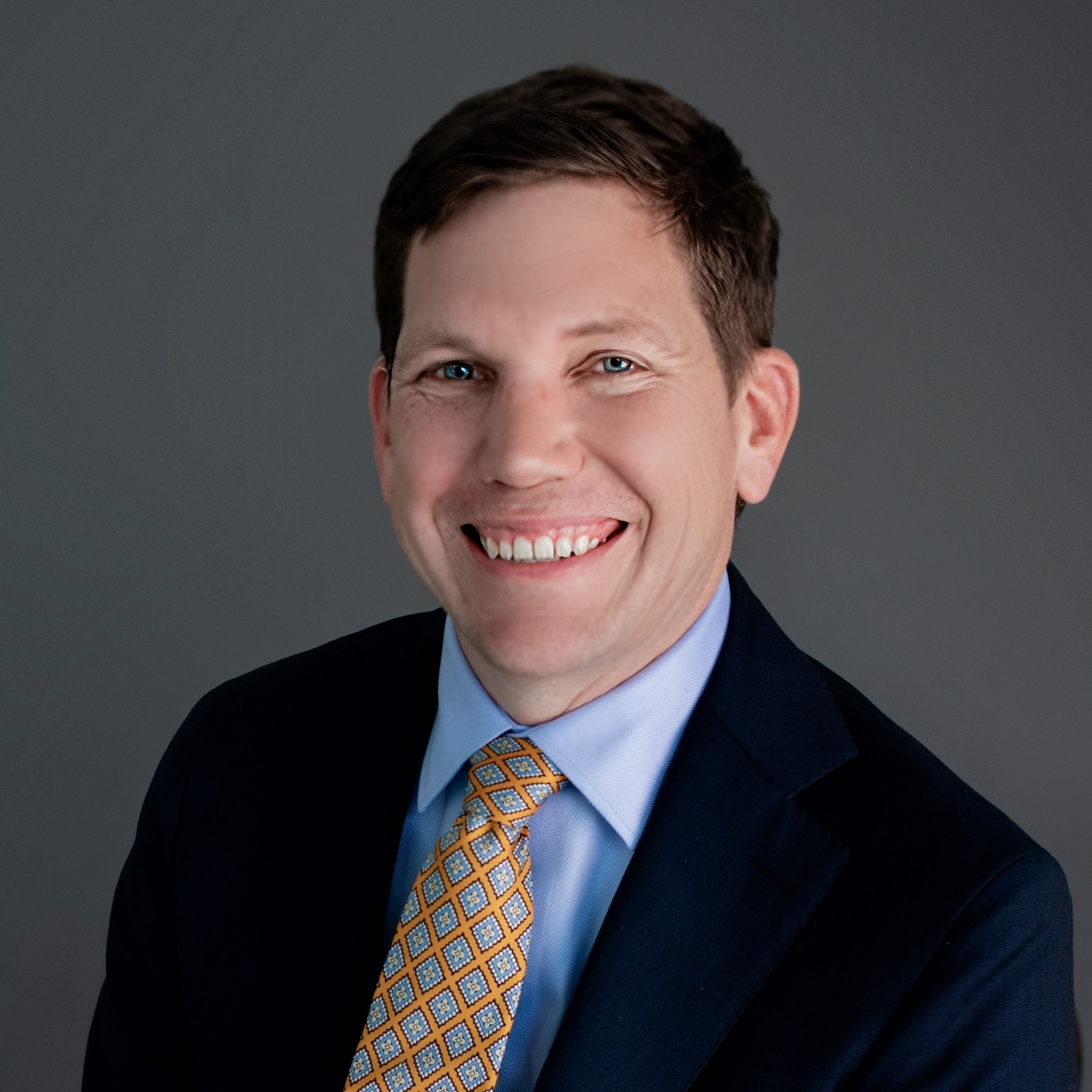
Jason-FreemanOn this week’s episode of Northwest Arkansas Business Radio, host Adam Robison sits down with Jason Freeman, owner of Elevation Finance, an accounting and bookkeeping firm.

They discuss Jason’s journey into the accounting field after initially pursuing engineering, including serving in the military and starting a family along the way.

Jason outlines the services Elevation Finance provides to help small businesses and nonprofits with their financial management. He explains the process of bringing order to messy bookkeeping through reconciling accounts, categorizing transactions, and generating accurate financial statements.

Jason stresses the importance of business owners meeting periodically with their accountants for strategic discussions to stay on top of performance rather than just damage control at tax time. He encourages handing off accounting tasks so entrepreneurs can focus on driving their businesses forward.

Tune in to gain practical tips on optimizing your company’s financial operations. 

Tagged With: Elevation Finance

BRX Pro Tip: 4 Ways Sponsoring a BRX Show Can Help You Own Your Backyard

September 19, 2023 by angishields

BRXmic99
BRX Pro Tips
BRX Pro Tip: 4 Ways Sponsoring a BRX Show Can Help You Own Your Backyard
Loading
00:00 /
RSS Feed
Share
Link
Embed

Download file

BRX-Banner

BRX Pro Tip: 4 Ways Sponsoring a BRX Show Can Help You Own Your Backyard

Stone Payton: And we are back with Business RadioX Pro Tips. Lee Kantor and Stone Payton here with you. Lee, you know, we share a lot of times with prospective clients here in the various studios that if they follow our methodology and leverage this platform properly, they really can own their backyard. But what do we specifically mean by that and how?

Lee Kantor: That’s probably our biggest value proposition to a client is helping them own their backyard because our service works best for those kinds of challenger brands who don’t have the deep pockets of the market leader, who want to be that indispensable leader in their niche, but they just don’t have the deep pockets of these big companies that are out there that can just kind of muscle their way in just by the amount of resources they have at hand.

Lee Kantor: So when we work with a client, we explain to them that you get to be the go-to service provider by being the official storyteller in your niche in your community. We anoint them as that. And when we say they are the official storytellers, we can back it up because they are the place where these stories are going to be told. And a lot of times it’s the only place in a community where somebody can hear about that niche and that industry and that service.

Lee Kantor: And number two, they get to differentiate themselves from all their competitors because we make them the exclusive sponsor of that Business RadioX show. They are the only media outlet for that niche and the places where those stories are told, and it just immediately differentiates themselves from all the other vendors in that space.

Lee Kantor: And number three, they get to be the trusted advisor because now they have access to all the local leaders, they have access to all the local associations, and the key players in that niche, in that community. And number four, by having all of that, they become indispensable good corporate citizens by providing a valuable promotional media platform to the people who matter most to them.

Lee Kantor: And by doing those four things, they have separated themselves from everybody else. They have their own kind of – they have captured the mindshare of the people most important to them. They have demonstrated by action how important serving is. They are the servant leader that they aspire to be, and they have separated themselves and they have done this in a way that didn’t require the deep pockets of that market leader. So they are able to kind of cut the line and grab that market share in an elegant, efficient way that separates themselves from everybody else in that market, including the company that had the deepest pockets. So that’s how companies benefit by sponsoring a Business RadioX show.

A Passion for Big Cat Rescue: Inside Turpentine Creek with Miranda Smith

September 18, 2023 by angishields

Miranda-Smith-Turpentine-Creek
Northwest Arkansas
A Passion for Big Cat Rescue: Inside Turpentine Creek with Miranda Smith
Loading
00:00 /
RSS Feed
Share
Link
Embed

Download file

Miranda-Smith-Turpentine-CreekMiranda Smith is a dedicated individual hailing from the picturesque town of Eureka Springs, Arkansas.

With a heart full of compassion and a passion for wildlife conservation, Miranda has found her calling as the Hospitality Coordinator at Turpentine Creek, a renowned big cat rescue sanctuary located just south of Eureka Springs.

Her commitment to the welfare of these majestic creatures is evident in her tireless efforts to create a welcoming and educational experience for visitors from all walks of life.

Miranda’s role as the Hospitality Coordinator at Turpentine Creek is a testament to her exceptional organizational skills and her ability to connect with people.

She ensures that every guest who walks through the sanctuary’s gates feels not only informed about the vital work being done there but also inspired to contribute to the preservation of big cats and their natural habitats.

Miranda’s warm and welcoming personality, combined with her deep knowledge of the sanctuary’s residents, fosters an atmosphere of empathy and understanding, making every visit to Turpentine Creek an unforgettable experience.

As a dedicated advocate for these magnificent creatures, Miranda Smith is making a significant impact on the world of big cat conservation, one visitor at a time.


Ted Rykoski with Sandler Training, Kevin Harris with All In Or All Out Ministry and Daniel Tillberry with GracePoint Insurance Advisors

September 18, 2023 by angishields

Charitable-GA-Feature-91523
Charitable Georgia
Ted Rykoski with Sandler Training, Kevin Harris with All In Or All Out Ministry and Daniel Tillberry with GracePoint Insurance Advisors
Loading
00:00 /
RSS Feed
Share
Link
Embed

Download file

Charitable-GA-91523-banner

In this episode of Charitable Georgia, Brian Pruett is joined by Daniel Tillberry from Gracepoint Insurance, Ted Rykoski with Sandler Training and Kevin Harris with All In Or All Out Ministry to discuss the importance of community involvement and servant leadership.

Ted-Rykoski-headshotProbably like a few others in the room today, Ted Rykoski got to where he is by accident.

After graduating with a marketing degree from a small business school in the northeast a few decades back, he only knew that he wanted to be in sales.

That desire to be in sales brought him to the logistics, software, packaging, medical oxygen, background screening, and digital marketing industries in a variety of roles from individual contributor to senior director with a team of over 200.

For the past eight years he has been a licensee of Sandler, the leading sales and leadership training organization with over 270 offices around the globe. Sandler is consistently rated one of the top Sales Training companies in the world by Selling Power, Training Industry and more.

Ted brings over 30 years of experience in sales and leadership in a variety of industries. His range of experience helps him provide unique insight to the challenges that organizations face in sales, management, and customer service.

His clients range from small business serving their local market to global enterprise companies we all know. They range in industries from insurance, logistics, consulting, technology, commercial and residential building & remodeling, manufacturing, and more.

Kevin-Harris-headshotKevin Harris with All In Or All Out Ministry, suffered from a substance use disorder for most of his life. He has almost 11 years clean from any drugs or alcohol.

Through his journey, God has given him a passion to give back and help others who have suffered from the same thing that he has.

He’s in the process of opening up a transitional house for men who need help getting clean and becoming a productive member of society by teaching responsibilities, trades and other life skills to set these men up for success.

Daniel-Tillbury-headshotDaniel Tillberry is the proud husband, father, and owner of GracePoint Insurance Advisors; a faith based, customer centered risk management and insurance services agency.

Since completing his Bachelor’s degree in Integrated Studies, specializing in Business and Leadership from Kennesaw State University, he has gained a solid foundation of knowledge and the understanding of risk management, organizational structure, and leadership.

At GracePoint Insurance Advisors, Daniel leads the team to offer comprehensive risk management and insurance solutions for personal and commercial clients.

The team specializes in commercial policies such as commercial liability, workers compensation, commercial auto and many other business-related services. As a reputable insurance agency, in addition to home and auto, we also provide top-notch life insurance solutions.

In his free time outside of the office, Daniel enjoys serving the local community and people through his church, Burnt Hickory Baptist. He is passionate about spending as much time with his family, wife and two little girls.

One of his favorite hobbies is studying military aviation and naval history and taking his family to see the blue angels, Air Force Thunder birds and watching airs with his kids.

This transcript is machine transcribed by Sonix

TRANSCRIPT

Intro: Broadcasting live from the Business RadioX Studios in Atlanta. It’s time for Charitable Georgia. Brought to you by B’s Charitable Pursuits and Resources. We put the fun in fund raising. For more information, go to B’s Charitable Pursuits. Dot com. That’s B’s Charitable Pursuits dot com. Now here’s your host, Brian Pruitt.

Brian Pruett: Good, fabulous Friday. It’s another fabulous Friday. And we’ve got three more fabulous guests. So if this is your first time listening to Charitable Georgia, this is all about positive things happening in the community. And this is the first time I am running the board today. So there may be some good things. There may be some bad things we’ll find out. But all in all, it’s a great day. The weather is cooler. It’s nice outside. So fall’s right around the corner. So as I mentioned, we got three fabulous guests this morning. And our first guest this morning is Mr. Daniel Tillberry from GracePoint Insurance. Daniel, thanks for being here.

Daniel Tillberry: Absolutely.

Brian Pruett: So last week I had Daniel Cox from Goosehead Insurance and I told you, Stone, that I like the phones, that you can do the the rings particularly and Daniel Cox’s Goose. When Daniel Tillberry calls me, it’s Amazing Grace. So, you know, that’s cool. So why? Because of gracepoint insurance.

Ted Rykoski: Oh, yeah, Sorry, I’m a little slick.

Brian Pruett: We’ll talk to you in a second. Kevin. Just stay in the corner. Yes, sir. So, Daniel, if you don’t mind, share a little bit of backstory. You’ve got some great back history. I know you were in the ministry for a while, but you had a weight loss journey, and it’s leading into passion for what you’re doing. So if you don’t mind, just share your story.

Daniel Tillberry: Yeah, absolutely. So who where do you begin on that? That’s a that’s a that’s a good one. So yeah, like you said, I started out in ministry. I felt a call to ministry in younger years, came to know Christ. And I’ll never forget the day. It was November 4th, 1998. I was nine years old. Um, is that a one? Is it church? And from that day forward, God has just radically rocked me in multiple ways. Oftentimes just hit me on the back of the head like, come on, dummy, let’s, let’s get to work. But you know, it’s okay. So I went through high school, went through college in in high school and college, worked a lot with youth ministry in college. I actually went on staff at a couple of churches, worked in youth ministry for about four years and just loved, loved that time there. Since then, God has kind of called me away from vocational ministry full time, but it has really kept my passion in being able to the heart of a servant and really, really worked towards where I am today and bringing out that servant leadership and servant servant mindset. So really where that is has led me in multiple things, but my family’s a huge piece of it. I can’t say I’ve gotten anywhere without my wife. Number one, it’s the Lord. Second is my wife, who who keeps me stable and constant at all times. And though she probably doesn’t doesn’t always agree with that, she is absolutely the compass that keeps things pointed north and and keeps things going.

Daniel Tillberry: So throughout that she’s been been with me in ministry from day one. We actually met through ministry, a youth pastor or college pastor back in the day came from her church, who was her youth pastor, and we ended up meeting through that fun story with that. But the at that time I was training to be a officer in the military to stepped away from that. That’s a whole nother story, but got to do a whole lot of fun, fun training and stuff in college with that and then walked away and went full time ministry after that in the ministry went from from vocational to in business after graduating, graduating, graduating with business degree from Kennesaw State, and then really felt like God was leading me into business and taking ministry through business. And from there, I’ve just had a passion to. Change the business world for Christ. And it’s been a journey. But bringing leadership back into the business world, we talk about business and leadership all the time, but what we what we miss a lot of times is, is the business world as a whole. I truthfully believe has a void that a lot of business people chase nonstop and they believe it. The at the root success will get it and success by Western culture. We believe that that’s that’s money, finances and growth. Right. But what we realize, if you really take a step back and look at it is true success is in service to others.

Daniel Tillberry: And that’s where we find our true happiness and joy and not just being happy, but truly being joyful in it. And that’s what I’ve learned in the last couple of years that I chase the success. Success meter was pretty good at it and in years past. But then when I stepped away from the corporate world and came back to back to insurance full time and opened my agency, I decided that we were going to have a people people first mindset. And I think you’ve heard from almost day one. My my motto is people over profit. And that that motto just rings rings true that we focus on people, not policy numbers. The insurance world as a whole has has gotten like business as a whole, has gotten in the mindset where it’s all about money. And though money’s not a bad thing, it it can bring out some just real evil in the world and bring out the mindset of just I’m here to to complete a task and not focus on the relationship and how I can actually help. So from day one, I’ve looked at how can I actually look at the people that I help and the conversation that we have, Where is the impact going to last? It’s not about, yes, there’s protection there that I’m offering so I can be there in some of the worst times of their life.

Daniel Tillberry: But beyond that, where are the times that they’re at right now in life and how can I help them now instead of waiting to win? The house burns down, you know, both metaphorically and physically is you know, if we don’t open up those conversations, the house might be burning spiritually right now. And that’s that’s a passion for me is protecting everything physically. But then beyond that. So beyond that, like you said, I had a weight loss journey that that’s been a been a part of it. So we were joking a little bit ago that I’ve got a face for radio and I believe that 100%. But I jokingly say now I’m less than half the man I used to be. And that is absolutely true, physically and and otherwise. You wouldn’t look at me today and know that at one point I was at least 420 pounds, and that wasn’t that long ago. I had bariatric surgery in August 19th of 2020, and since then I’ve lost 247 pounds. And it’s been a rocking roller coaster ever since. But what I found in that that the fun thing about that journey is I’ve got to experience a lot of different people with it. My journey has been different than a lot of people. It’s a lot of negative connotations and surgeries and those kind of things. And it was it was to fix a health imbalance that I had I didn’t know that I had.

Daniel Tillberry: And I fought it for ten years. It fought it really my whole life, but didn’t know that I had the the hormone imbalances that I had. So that mixed with a whole bunch of other things caused the the weight loss and we couldn’t get it off. So it literally that the day after surgery, within three months I was down 100 pounds. And it was we got to a point after about nine months of you know, down over 200 pounds, you were like, all right, when is this roller coaster going to stop? And how do you stop it starting to freak out a little bit. And I remember calling the doctor’s office and saying, hey, when should I be worried? And he looked they came back and they were like, yeah, when you hit 160 pounds, you know, let me know. And I was like, Whoa, whoa, whoa, whoa, whoa, whoa. 420 to 160. That seems crazy. And they were like, Why? I was like, Well, first off, I haven’t been 160 probably since third grade, so, um, that’s terrifying. Um, but I just I realized that it wasn’t about me and that that took some, some getting used to that. There was a lot of pride in it. That was the reason I didn’t, didn’t do the surgery up until that point as well. There was a lot of pride in it that I could do it on my own and realized that there’s a lot, a lot of need of community around me.

Daniel Tillberry: And as I. Leaned more into the community and support around me, I realized that the reason that I did it was for my family, but ultimately it was for me and I missed that piece. So as I got about about a year after surgery, I walked through the bathroom one day and kind of scared myself because I didn’t know who was in the mirror. Still to this day, it’s kind of freaky. You look in and you’re like, That’s not that’s not who you used to be. And and really relating back as I think it’s funny that I was teaching a class at church the other day, and I believe the Lord has used my surgery and my weight loss journey to just speak back into me, to say, you’re not the man you used to be because I am guiding you to be the man I want you to be. And that’s really just kind of set heavy on my heart. And it’s really given me a new passion to to step forward and say, okay, well, where where do you want me and what do you want of me? And it’s no longer about, you know, not just how I can serve, but how do you want me to serve God and kind of go from there. So it’s been it’s been fun. I’m really excited. I feel like we’re at the precipice of something amazing and I don’t know what it is.

Brian Pruett: That’s awesome. I’d love to be that because I like to food too much, so you can tell. So but for those of you, for those of the listening that may not know, can you share what the surgery you had? What is it like?

Daniel Tillberry: Yeah, absolutely. So the surgery itself, there’s a couple of different versions of bariatric surgery you probably heard of like lap bands. It’s basically just a band that constricts the ability to eat. Doesn’t really do anything as far as the size of your stomach. There’s the gastric sleeve, which literally cuts your stomach down. There’s a gastric bypass that literally bypasses your stomach and goes straight to straight to your lower intestine. And that and what each of them do is either restrictive or malabsorption in in the whole system. So basically what it does is the restrictive is literally what it is. It’s restricting you from what you can eat. Malabsorption is, which is what the gastric bypass is. It doesn’t allow you to process the food and pull as much nutrients out at one time. So it alleviates the overeating ability because it passes through the system a lot faster. What I had is called a duodenal switch. There’s a more fancy term than that I can’t pronounce, but it’s a it’s a modified surgery. It’s the shorter term is called a C.T.. It’s a newer, newer surgery that that was approved actually back during Covid. And that’s how I knew God was in the works because that was not the surgery I was going to get. It was about a week before my surgery, scheduled date when Covid hit, and it shut everything down. So I didn’t have it. It was that was in March. I didn’t get to have the surgery until August. And during that time, my doctor got board certified for the surgery that I had. That was the one I wanted all along.

Daniel Tillberry: So just seeing that progression happen was even cooler and looking back on it now. But basically what what the surgery I had is, is a mixture between a gastric sleeve, which is takes the stomach, which your stomach is about the size of a two liter bottle and it cuts it down to the size of about a medium sized banana in size. And then they cut the bottom part of your stomach where it connects to your upper intestine and they moved it down my upper intestine about 50%. So I’ve got a malabsorption as well as restrictive surgery built into both. So it kind of satisfies both. And really what I’ve learned is everybody asks me that the big question, well, what can you eat? And does it cause problems? And yes and no. So the diet is really if you think about the food pyramid and what you’ve always, always been told you should you should be eating, you know, 4 to 5 meals a day and good snacks and good healthy stuff. That’s literally what I eat. I have I have very little restrictions that my body has has thrown against me. And it’ll tell you it’ll tell you instantly what you should not eat. It’ll give it back to you. But it’s, it’s been good to kind of see that and, and kind of walk that journey. So it’s, I love talking to people about it, giving my story with with how it works and, and telling people how beneficial it can be. But there’s also times where it’s not a good fit and it’s good to talk, which I think.

Brian Pruett: Is important, like you said, to talk about, because, you know, people, they try diets, they try different things, and you got to find what’s right for you. Absolutely do it. And so talk to as many people as possible. Talk to Daniel and you know what works for you. So continuing with the servant heart, you’re getting ready to go on a mission trip, correct?

Daniel Tillberry: Yep, I am. It’s. It’s actually my first international mission trip. I’ve served all around the country over the years. You know, domestically. But it’s the first international trip. I’ve been super excited about it, going to Nairobi, Kenya, and we’re going to be serving in the a little bit in the slums of Chimera, which is an enormous slum of the world where don’t quote me, but I think it’s a couple million people in like a three mile square. I mean, it’s it’s a tiny place with way too many people is basically what it runs down to. So we’re going to be doing some some different service in there, washing of hands and feet of children, passing out some shoes for a couple of days, doing some pastoral training. And then we’re going to be flying out to the outskirts of, I can’t remember, somewhere in the the countryside of Kenya. And we’re going to be doing some mission projects out there where our church is built, a widows and women’s shelter and center out there. And we’re going to be finishing that. The mission trip itself is a construction trip, so there’s 12 guys going. We’re going to be basically the pack mules and and service hands of of the project. So it’s going to be going to be a lot of fun, get to experience things. But I’m looking forward to it and and getting to see it. It’s been interesting to see the first time I’ve ever had to fundraise for this type of of trip, but it’s it became real. I got I got our flight information yesterday so it’s it’s ready we take off October 20th so I’m t minus I guess a month and five days. So it’s it’s exciting.

Brian Pruett: So you mentioned the fundraising part. So other than praying for this trip, how can people help?

Daniel Tillberry: Yeah, absolutely. So obviously the number one would be prayer over over myself one for for my diet it would be a huge one. I’ve not only have I never eaten Kenyan food, but that mixed with my surgery can cause some some interesting dietary needs over there. So we’re going to be watching that closely. So that’s a big one. Pray over the team, pray over the people there that our impact can be can be good. But then also financially, I’ve got a support page that that I can I can send you Brian but it’s a it’s a journey over there. And I want to say it’s it’s $1,800. I think it’s what our, our goal to fundraise is and that’s going to go not only to the flight and the food and the housing over there, but also the building itself to help finish that. So definitely prayer is number one. But if there’s gifts or somebody wants to give, I’d love to. Love to be able to take that.

Brian Pruett: Yeah. You want to send that to me? We’ll help you push that out for you. So absolutely, we’ll get to Gracepoint here in just a minute. But you talked about going through your journey and leaning into community and that’s one thing we talked about all the time on the show is is positive things in the community. So why is it important for you to be part of the community?

Daniel Tillberry: Absolutely. So one one, for me, it’s it’s two things. The great commission itself, you know, Jesus, Jesus told us we have to go into all the world and make disciples. But one of my favorite verses of the Bible is Acts one eight and that you’ll be my witness in all all of Jerusalem, Judea, Samaria, and to the very ends of the earth. And if I want to live true to that, I have to be involved in my community. Um, and not not just because I want to see the world change for Christ, but also because if I’m not in the community, I can’t be a servant and I can’t help people in any way, regardless of religion. I mean, take, take religion out for everything. If I can’t be a by definition of a good person without being connected to people. So it’s that connectional ministry connectional relationship that matters to me. So I dive in as much as I can in the community. And the other part is, you know, I grew up here, I want to see this community changed and and really this community be a place that not only people want to be, but are passionate about being here because because it’s a difference than around the world. I’ve heard of places that, you know, neighbors don’t know neighbors. And that happens around here. But, you know, in the south here, we’re we’re different in the in the fact a lot of people come down there like it’s it’s amazing how friendly people are. And I’m like, I look at some people, I’m like, I don’t know if they’re friendly or not, But but I look at it, I’m like, maybe I’m just used to it.

Brian Pruett: Don’t let them sit in Atlanta traffic.

Daniel Tillberry: It’s not friendly there for sure, but it’s it’s too it’s just that difference. It’s that thought process of you can’t be connected without being involved and you can’t get to know people. If it’s about relationships, you can’t build a relationship without sitting next to people that that shoulder to shoulder time is is powerful. You know, for men, it’s, you know, just sitting next to each, you know. Say anything. And for for the ladies out there that they’re obviously a little bit different, that they’re designed a little different. They like they enjoy talking. I can do that, too. But, um, you know, it’s it’s one it’s just I like to sit shoulder to shoulder and just enjoy people. It’s a lot of fun.

Brian Pruett: So we also talk a lot about the power of networking in here. And I know you and that’s how you and I met was networking groups. And I had one of our mutual friends on Matthew Payne was on here the other day and we talked about C Suite for Christ. I know you’re involved in that as well, but can you share a positive story or a testimony about networking?

Daniel Tillberry: Yeah, absolutely. So, um, I can, I can use Matt for, for instance, you know, Matt, Matt Payne with C Suite for Christ. I get to sit on the board with him and really I, I think for me, sitting on the board and helping them kind of develop that ministry is really just me being a sponge, soaking up the knowledge and the wisdom that the other board members have that I wish I one day can get to and they may not see it that way, but that’s absolutely how I see it. If I can be a sponge and be half the man, some of them are half the with the ladies, the prayer warriors they are and just the people and the passion they have. If I can if I can be a quarter of that, I’ll be better than I’ve ever been. So it’s one that with C Suite for Christ, I’ve gotten to know Matt really well and just him and his wife Buffy, understanding who they are and their passion they’ve become. I don’t even know if they know I feel like this, but it’s they’ve become really mentors to me and really seeing how they live out. Um, Mike with ETF Solutions is another one there where he he boldly challenged me a couple of weeks ago to in a conversation he was like, you know, if you, if you love you love God, why don’t you say it in your conversations? And I was like, you know, that’s an interesting concept.

Daniel Tillberry: He goes, I can tell by talking to you that it’s there. But he goes, you know, grace point. You’ve told me your, your your name with Grace Point. It’s obvious that that you live in in that. But where where is it he goes, for example, when Mike talks about ETF solutions, he says, you know, ETF Solutions is a is a faith first family, family oriented environment. And I was like, you know, that’s true. That’s exactly who I am. So that networking, he’s challenged me in that so that that that’s become part of my conversation. I’m not perfect at it by any means, but I bring it out and I tell people like you may, it may not be a fit to work with me just because we do things a little bit different. But what I can do is, is I’ll help educate and I’ll help help you go wherever you need to go. And I’m passionate about that. But that’s who I am. I’m faith first, family second, and then relationship third. And I keep it in that order on purpose because it helps stabilize me to where I need to go.

Brian Pruett: So Grace Point, that’s a good, good segue to talk about Grace Point. So first of all, tell me how the name came about.

Daniel Tillberry: Yeah. So Grace point itself. I wish I could tell you it was some miraculously gift, God given name. It is in every business that me and my wife have had. And we have a couple. We’ve sold one we started out with years ago. I’ve told you we owned a bounce house company here here in Atlanta, and it’s a fast growing bounce house company. We sold it. It’s called Uplifting Rentals. It’s a play on words on purpose. We wanted to show our faith in it, but we also not that we wanted to hide it, but we wanted to. We wanted to do it in a way that wouldn’t be detrimental to people, not of faith. But we wanted to show them we are faith, faith based, but also that we’re here to serve. Uplifting. Reynolds came out with that because one, it’s funny, know you’re a bounce house you’re uplifting. But it’s also that was part of our culture is we wanted to uplift people. Grace forward into Grace Point same thing when we were open up the agency, it was I looked at, looked at my wife, Lacey, and I said, I want this to be a the name itself. I want to show our mission and our vision and our mission and our vision is is simple. I want to be a point of grace in my community and be a light to everyone around me in whatever that means. And not not just in, you know, spiritual or religious way, but just in a simple way.

Daniel Tillberry: I want to be something different so that I can bring light to an industry that is viewed as dark. And that’s an industry problem as as a industry, for the most part, the I wouldn’t say we get a ten out of ten. You know, when when people talk about insurance and financial services, it’s they’re not like, oh, yeah, I really want to talk about that. That’s one of my passions. And though it is for me, I enjoy it. It’s it’s probably a three out of a ten if at best for most people, and especially right now with with the market the way it is, you know, rates always going up and and you know a lot of people don’t understand why in those kind of things it it when we looked at the name we said we want to make sure people understand that it’s a service first because the industry as a whole years ago used to be service oriented. You used to know your agent, you used to your agent used to be somebody who would come over and have dinner with you and make sure things were done right. And I would love to have dinner with anybody that wants to have dinner with me. I can eat, I can hide some groceries. But it’s it’s one that that’s the mindset we wanted to bring back. And we wanted to we wanted to make it truly a light in the darkness and radically change the world. We also have a passion for I’m a Dave Ramsey endorsed local provider and and though that doesn’t mean a lot to to most people, what we do with that is we have a passion.

Daniel Tillberry: And and I’ll be honest, I stole this from a good friend of mine up in Missoula, Montana, and he said it was okay. But his mission and vision for his agency is to end financial crisis in America, starting with one policy at a time. And I’ve adopted that into us. And that’s exactly what I want to do. I want to I want people to understand their protection so that it’s not if it’s when people come after you. We know that because if you drive down the interstate, look up at the billboards, how many of those are, you know, lawyers that are ready to come come after the insurance companies? Right, Wrong or indifferent? There are times where that’s absolutely necessary and I forward customers to them. But that’s a big reason why the industry, why the rates are going up and everything that’s happening. So in that it’s not if it’s when and how do you properly protect yourself? And if we’re going to end a financial crisis, we have to understand what financial services and what financial health means. And that’s where that came from. So going back to the name itself, we were coming back from a business meeting where we were starting our agency and on the way back and we sorted through hundreds of names. And one one thing we always do as as business owners, we’re smart enough to know before you can pick a name, you got to make sure you have a website that works and not only a website that works, but a website that can be spelled out so people actually go to it.

Daniel Tillberry: So as we we had some great ones, but every one of them was either taken or that people are not going to be able to to do that. So we were actually driving by and GPS took us in the mountains of nowhere, north Georgia, and we rolled by. And as we rolled by, there was a church on the left hand side of the road. I’ll never forget it. The steeple had a bright light shining out from the top of it, almost like a lighthouse. Um, and the sign was illuminated. It was like the only thing in this area in the middle of nowhere. And it just said gracepoint. And I looked at Lacey, I said, Look that up. And Gracepoint Insurance.com was available. And instantly we knew. We said, that is the name. And we said. That is, you know, actually, I haven’t thought about it until right this second and never really put the two and two together of the light and the steeple being a lighthouse. And I just talked about wanting to be the light in the darkness. And that’s that’s interesting. But that’s exactly where where it came from. And that’s that just speaks to who we want to be and how we want to serve.

Brian Pruett: So you guys are a broker, right? Insurance broker.

Daniel Tillberry: We’re an independent agency. We represent about 30 different companies directly and access to dozens and more. The way the insurance market opens up. So there’s literally nothing we can’t do. There’s always an option out there. It’s the difference between like a captive captive market, like a state farm or an American family where they’re good in certain things. We have options outside of that, which was the other reason why we wanted to go independent. Um, so it’s we specialize in commercial and one of the things we do is churches and nonprofits. That’s a passion we have because those are industries that are usually left in the dark and also don’t have a budget to usually pay for stuff. So it’s where we can where we can usually help step in.

Brian Pruett: And that’s another reason he’s here, because I want him to talk to you. Okay.

Daniel Tillberry: Well, that’s good to know.

Ted Rykoski : Yeah, I’ve been set up. Yeah.

Daniel Tillberry: Okay. Yeah. So it’s one that if I can educate, that’s. That is primary. I tell everybody, I don’t care if you do business with us or not. I mean, I would love to. One, I want to know who you are, how I can serve you. And then if I can, if I can do business with you, that’s just a bonus on top. But if I can help educate you, I tell all my customers I’ve had a couple here lately with how bad the market is, and if you haven’t got your renewals yet, just hold on because it’s just close your eyes and don’t look at it because it’s it’s painful. Um, but I’ve had a couple call me and they’re like, we don’t want to leave, but we’re finding savings. And I talked to him. I’m like, Listen. Do you understand what you have now versus what you’re going to? And are they the same? And we’ll walk through it and there’s a couple of them that they’ve they’ve sent me the new quotes just to cross check. And I’m like, Yes, you need to go with this. And they’re like, Why would you tell me that? And I’m like, Because it’s best for you. Like, that’s my job is to educate you. And if my education takes you somewhere else, then good on me. I did my job because that’s what I want. I want I want you to be able to protect your family. And if that if you know the rates that we have aren’t the best out there, then that’s fine. We want you to be in the best situation possible. And, you know, long term, they may come back. The market’s going to get better ish somewhere sometime. So it’ll be fine. It’s an election.

Brian Pruett: Year. It won’t be this year.

Daniel Tillberry: It’s it’s probably going to be 20, 25 or after. But yeah, it is what it is. It’s, it’s just what we sit in. Education is fun and I kind of geek out on it a little bit. So it’s, it’s all right.

Brian Pruett: So you guys also do personal though other as well, right?

Daniel Tillberry: We do personal personal right now that that’s the market that’s probably harder than anything just because there’s a lot of you know for instance in the since January of this year we’ve had eight carriers in the state of Georgia either back out or cut off completely nationwide. Insurance, for one, is not writing any new business nationwide right now. So it’s it’s very difficult to get anything done. And really what’s causing that is, you know, lawyers, tort reform, contract law, a bunch of different things that can really only be solved under the gold dome down in Atlanta. Um, but, you know, that’s a that’s an internal debate. We won’t get into the politics of it, but it’s what it is. It’s bureaucracy that that causes those those issues that then reverberates back on, you know, the policyholders themselves. So, you know, educating people on that. It’s just it’s a tighter market than it’s ever been. Usually what happens is when the independent market is tight, the captive markets, like the state farms of the world, are usually open and it’s usually like a pendulum that swings back and forth. And this is the first time in 14 years of me doing this that it is. It’s like the thing is stopped right in the middle. Like it is not moving. No side of the business is good. No side of the business is bad. It just it is rough and tight everywhere. And the hurricanes that are coming through, the storms that are coming through are not helping the claims situation. So it’s a it’s a multitude of pieces where you’ve got that plus inflation. You’ve got like ten different factors that usually happen at different times. So you might see that 3% increase a year normally and everybody’s used to, you know, small increase because you’ve got one factor playing at a time. Right now you’ve got all of them. So you’re seeing increases that are 15 to 20, sometimes more percent, and you’re like, What is going on? And you’re like, I wish I could explain it better than that. But it’s it’s just the current world we’re living in, right?

Brian Pruett: So you guys you’re not are you’re not only licensed in Georgia, but you have other places you can work, right? Yep.

Daniel Tillberry: So we are all over the southeast, um, everywhere but Louisiana right now. Just because Louisiana is is a very, very tight problem market right now. Uh, but but all over the southeast. And then we’re in Michigan, Iowa, California, Texas, we’re we’re scattered. I think it’s 14 different states we’re in. So we go where where policyholders need us to be, really.

Brian Pruett: So I’ll give a shout out for him because my mom had a friend who was moving from here back down to Florida and was having trouble finding something. And Daniel took the time to talk to her. I don’t think it worked out with her then, but.

Daniel Tillberry: We ended up forwarding her down to a good friend of mine down in Florida, and he was able to help her out. So it’s that’s the other part of it. Going back to networking is if I can’t help, I’m going to find somebody who can. And because because we don’t want to just have you out there and not not knowing what you’re doing. It’s that’s what we’re licensed to do. That’s that’s what we’re here to help.

Brian Pruett: So real quick, I want to ask you if you can share just some free tips on all three, if you don’t mind. Something maybe for personal either home or auto, either one, something for commercial and something for nonprofits. If you can make it real quick on.

Daniel Tillberry: Just tips and tricks. Yeah. So on the personal side, definitely Right now, if you haven’t, just like when we came out of the recession of oh eight, oh nine, everybody really needed to check their their reconstruction values on the homes and those kind of things. You absolutely need to do that where in 2009 we we were over insured a lot of times now we are grossly underinsured. So the market as a whole typically adds anywhere between 10 and 20% to your homeowner’s value. So if you’re, you know, say you’re at 500,000 now, your renewal might say 540 on it. The problem is, is those natural does not necessarily mean that you are insured properly. So ask for a review and double check those coverages. Yes, it’s going to. Go up a little bit, but the last thing you want to do is have a fire in the house and be underinsured and then hit coinsurance and not have 100% replacement cost value. So that’s that’s number one right now. And it’s an industry issue. The industry is aware of it. They’re just not doing a good job fixing it. Um, the, the commercial side, the next one you wanted to talk about really in, in business, I mean, everybody talks about just simple general liability and property on those worker’s comp. The, the simple stuff. But really what I found on that side is a coverage that most people don’t pay attention to is professional liability. It doesn’t affect every single industry, but professional liability is absolutely key. So professional liability and we know it as doctors and lawyers, right? It’s it’s errors and omissions or it’s malpractice insurance. That’s what professional liability is.

Daniel Tillberry: The industry has changed the name. It’s the same thing. Um, a lot of industries need it and they don’t understand it. Like if you work with kids, if you’re a counselor, if you don’t have sexual abuse and molestation, you are opening yourself up to a massive lawsuit just just for the indication that you could be accused of it, whether it’s right, wrong or indifferent. That’s the world we live in. And and there’s we run across it all the time. And it is it’s cost costly, but at the end of the day, you got to you got to weigh the difference of is it too much versus what’s the exposure you have. And that’s where the education piece comes in. Educate and then you decide from there what is best for you. Um, churches and nonprofits, a big one. The churches side International liability if your church is is a gospel preaching New Testament church where you are active and you are sending mission teams out and you don’t have international liability, that’s a problem. That’s a big problem. You need that. You also need, again, sexual abuse, molestation an on there. Unfortunately, that’s not something I wish a church ever had to have. But it is vital in today’s world. Pastoral counseling, those kind of things. Nonprofits on the back end, same thing. Depending on what the nonprofit is doing and the exposure they have, it’s vital to make sure the general liability may not be the coverages, extending the right coverages to your. Personal business. And that’s what when you get a contract, that’s what everybody asks for. Nobody understands what they’re actually asking for. It’s a problem. It’s a big problem.

Brian Pruett: So awesome. Thanks for sharing those. So if somebody listening wants to get a hold of you to talk about your services, how can they do that?

Daniel Tillberry: Yeah, it’s you can call the office anytime. (678) 224-9333. You can go to our website gracepoint Insurance.com fill out the contact form there or you can email us anytime. You can email the team. You can email me directly at daniel@gracepoint.com or you can email us at quotes@gracepoint.com. It goes to the whole team. So multiple ways. Just if you have any questions and again, we’re not here to sell. We’re here to help. So whatever we can do we’re we’re there for you. Awesome.

Brian Pruett: Well, Daniel, thanks for coming and sharing your story. And what’s your passion about what you’re doing? Don’t go anywhere. We’re not done with yet, but we’re moving over to Mister Ted Rykoski from the Sandler Training Group. Ted, thanks for being here this morning. Thanks for having me. So again, everybody that’s in this room are friends of mine. So that’s another reason I like doing this because I get to hear stories and and become friends. So Ted and I met, I don’t know what, 12, 14 years ago at Marriott, a business association.

Ted Rykoski : Closer to eight.

Brian Pruett: Yeah. Well, I like, you know, it’s like the fish you catch, right? It’s the like the make it bigger.

Ted Rykoski : It feels like.

Brian Pruett: 14. Right, right, right. So you are have a story of overcoming. You’ve actually overcome cancer twice. So if you don’t mind just sharing a little bit of your background, your story, and we’ll talk about Sandler here in a little bit.

Ted Rykoski : So the story specific cancer. Yes. So it was interesting. 2002 had surgery and got diagnosed with cancer just two weeks after I got married. So a little bit of a journey. There was radiation daily during the week for a few months, and I was all clear free to go and that was back in I was living up in the Northeast, moved out to Arizona a few years later and I was in my 30s, a male. Of course, I didn’t see any doctors, so I didn’t and go to any doctors. And after being there for a couple of years without seeing a physician getting my annual physical, I had problems even drinking water. So I went to go see a doctor and my wife had seen and I got a he gave me samples of something for. I’m cured or something like that. I knew it wasn’t that, but with my history, he sent me for an x ray and Cat scan, and the x ray showed cancer and lymph nodes in my chest. So it’s 2006. It was four years later. The cancer traveled through the lymph nodes. So that was radiation. No surgery because it was in the lymph nodes of my chest. I didn’t want to take the lymph nodes out, but blasted me with chemo. So I because of the size I was and it was. You know what the classify that as stage three or because it traveled I got more than a regular dosage anybody else would have. So it was about six months worth of cycles of chemo and wrapped up. It’s coming up on 17 years now. So October of 2006. And knock on wood, since then, everything’s been great. We’ve got a 14 year old son happened naturally. So yeah, I got nothing to complain about. It was a journey. It’s still feeling the repercussions of it, but yeah.

Brian Pruett: Awesome. Well, so somebody may be listening who may be going through what you went through. Can you give them a little a little advice of what you know, some hope.

Ted Rykoski : Uh, you know, I was surrounded by people who were looking out for me. I will tell you that, especially a second time around, I shut down. I didn’t want to be. I didn’t want to be bothered. Really. I slept a lot of the day. It was probably 12 to 18 hours on any given day. I was working, but only half time. I was part time disability for that time and I literally just hung out with the dogs. My wife basically knew exactly what I needed and supported me, but I had friends and family around me that they gave me a lot of support. Talking about community earlier, without that community, I don’t know that I would have gotten through it like I did.

Brian Pruett: So that brings. I’ll go and ask that question then. So because you had that community, why is it important for you to be part of the community?

Ted Rykoski : Wow, that’s a great question. I don’t know that I do a good enough job, especially listening to Daniel earlier. I don’t know that I do a great enough job at that. I, I believe I’ve learned quite a bit, especially over the past eight years and having the business, it’s humbled me. So what I attempt to do now is help others. So it’s although I’m in a business, there’s a lot that I do that goes above and beyond what’s in the business just in helping others. And it’s a lot of times it’s people I’m working with who I’ve I’ve made the mistakes that I see them making. And the last thing I want to do is, is try to tell them what to do. But it’s really asking questions to help them figure out the things that quite frankly, took me pain to realize and understand and learn. So. I think what I do with community now is much of that as I possibly can. And frankly, it’s with a 14 year old son. There’s a lot of doing that as well, making sure that he’s on the right path and making sure that he’s not making mistakes that I made.

Brian Pruett: All right. Well, I mean, I will say you’ve helped out a couple of things that I’ve done. You seven years ago or one of our whole sponsors of the golf tournament, you’re doing it again this year. So I know you’re positive and trying to help other people that way. And we’ll get into the business of what you do and helping people that way as well. But let’s talk about the networking piece, too, as well, because that’s how you and I met. And so I know at the time, you know, that particular group, there were some negatives, there are some positives. But can you share a positive testimony about networking for you?

Ted Rykoski : I frankly, the people I’ve met through networking have been fantastic. I’ve got clients through networking, not people I’ve networked with, but introductions I’ve made through other people. Frankly, working with somebody we both know very well currently. Great guy. I think a lot most of the people I’ve met here in Atlanta and before having my business, I was on I was on an airplane every single week. So I knew nobody here until I opened my business. And the people I’ve met have been through the networking like where we met and a lot of open networking around Atlanta through clients and through connections. It’s I wouldn’t have what I have now without it.

Brian Pruett: Well, you actually with your business, which we’ll talk about but you’re you’re also go out and speak and you I mean that’s part of your business is training. So tell us a little bit about Sandler and what you do.

Ted Rykoski : So we help businesses. We’re traditionally known in the sales world. We help sales organizations ans we help businesses with the sales process. And typically it’s solopreneurs up to international organizations. Typically they are already successful. They’re doing what they do well, but they recognize that they can be doing better. So we help them with that no matter what it is. And for some organizations or people, if they’re looking to grow the organization, just making sure that they’ve got the right people, that they’re bringing on somebody who can fit the organization and making sure that those people in the right positions are in the right places. So it’s kind of the bringing the right people on the bus and making sure they’re in the right seat. I’ve heard that analogy before and I’ll use it, but that’s a lot of what we do and making sure that when they bring those people in, that there’s a path for growth so that the organization can grow and they can grow as people and professionals as well.

Brian Pruett: Can you share a little difference? I mean, because there’s other organizations, organizations out there that do training and stuff. So like the Maxwell Group, you’ve got Sandler, you’ve got other groups. What is the difference for you guys versus some of the other groups that are out there?

Ted Rykoski : I can’t speak to what they do. I know that and I will say this with Sandler as well. We’re a worldwide network. There’s over 200 people like me around the world are licensees and delivering services, and I’m quite different from many of them as well. But the work that I do with clients is I’m best off if I can get to know the organization very, very well, what they’re doing, what they do well and where they’re, I’ll say, broken or can improve upon when I’m allowed to come into the organization and get close enough, it’s where I can have the biggest impact.

Brian Pruett: So can you take us through that? So what’s kind of a day like for you, for a client? I’m sure it’s different for everybody, but what’s a normal, typical day look like?

Ted Rykoski : Great question. So today, typically, I would have been training this morning at 9:00 and I moved that training out to 2:00 this afternoon. So I’ve got clients that are around Atlanta will be dialing in by Zoom and we’ve got a weekly training. So it’s just an hour and a half and those are professionals and a bunch of different positions and solopreneurs COO for for an organization. But I spend time at a client where I’m spending time in the office pretty regularly now, working with them side by side in their day to day operations, just getting an understanding of what they’re doing and helping them out. And sometimes it’s just slight nudges over a longer period of time just to stare them in the right direction. And for others it’s I’m there once a month or once a quarter literally is different. For every single client. There are no two that are like, it’s really based on what they need and what I can offer to them. And very much like Daniel, I’m not the right fit for everybody. And the sooner that I can recognize that through having a conversation with somebody, either them or myself, recognizing that I’m not the right fit and maybe there’s somebody better. I don’t work with everybody.

Brian Pruett: So. So you also you also offer seminars. I mean, you came and spoke, what was it, last month at our learning table with just the Cardinal Business Club monthly luncheon that we do and try to help business owners learn different things about business. But do you do seminars as well? Right.

Ted Rykoski : So, yeah. Workshops, seminars, speaking engagements. If a business organization or a networking group is looking for somebody to talk about something within sales, do that. I’m doing fewer boot camps than I did before, but those are typically it’s via Zoom again, typically about 60 to 90 minutes on a sales topic where I’ll invite people who could be prospects, but I’ll put something out there on LinkedIn and post an event. I’ll post it on Zoom. It’s typically one topic on sales or sales leadership.

Brian Pruett: So everybody is actually a sales person, whether they say it or not. Right. So can you give us a little nugget on a sales thing that you might talk about?

Speaker5: Um.

Ted Rykoski : Well, last month I did the first five minutes of a sales call, and it was focused around what salespeople can do to maintain control of the call, maintain control of the conversation. I think salespeople quite often hand over control to the prospect. And it sounds like that’s a bad thing to to maintain control of the call. But it literally is a sales person’s job to understand whether or not that prospect is a right fit for the sales person salesperson is a right fit for that prospect. And and the steps that we talked about and it literally is things like the upfront contract just setting the right expectations. It’s it sounds like it’s very complicated, but it literally is talking about how much time do we have together, how much time do you have for me today? And if I was expecting 60 minutes and you’ve got 15 minutes because you’ve got a scheduled appointment that we didn’t talk about, but I know that up front and then talking about this with the upfront contract defining what happens at the end in the beginning of the conversation. So what? Yes. Means what no means and literally eliminating that. What’s the one thing you don’t want to hear as a salesperson at the end of a conversation? So it’s three bad words which are think it over. You don’t want to think it over. So, yes, doesn’t necessarily mean that you’re handing over a credit card or signing a contract. It may just mean we’re talking about what’s the next conversation look like, Who needs to be involved and when and where is that?

Brian Pruett: And it’s funny because everybody was like, well, I don’t hear the word no. A lot of times I’d rather hear the word no than let’s think it over.

Ted Rykoski : No is yes is best, no is second best. The worst is think it over.

Brian Pruett: So I shared this a couple of weeks ago, but I got first got in sales. Everybody was like, I can’t believe you’re a salesperson. How do you handle? No. And it’s because I’m used to it, right? When I was in college, I asked every single girl out and that’s what they said was no. So it really but I think the most important thing for sales, it’s all about establishing the relationship, right?

Ted Rykoski : It’s step one, bonding, a rapport. Yeah. It’s that bonding rapport is you earn the currency of that relationship, which is trust. Without that bonding report, there’s nothing else.

Brian Pruett: So do you just work in Atlanta or are you able to work nationwide or.

Ted Rykoski : Great question. So I am able to reach out to anybody within the state of Georgia. But when I’m invited in elsewhere, I happen to be speaking at a company’s annual conference in November. That’s in Louisiana. That doesn’t happen often, but it can be. If I’m invited elsewhere, I can work elsewhere.

Brian Pruett: Okay. So I’m just curious. I don’t know that you and I have ever talked about this, but I’m, you know, especially giving the world of sales. How did you choose this particular. Career track and then jump into the Sandler part.

Ted Rykoski : So you talk about the career track of sales. That was completely by accident. So I went to school at a small business school in Northeast. I grew up in Connecticut, went to a small school in Rhode Island. Nobody here has ever heard of it before. And I went for marketing. There were no sales majors back then. Today you’ve got schools like Kennesaw State where you can actually major in sales, and there’s a few schools around the country where you can do that. I went to school for marketing, was thinking about maybe I get into advertising. I knew sales people. My father was 80 years old and is still in sales. He’s been selling for as long as I’ve been alive.

Brian Pruett: That’s all you told me about him? That’s pretty awesome.

Ted Rykoski : He still goes out there every day, and he’s. He’s basically hanging out with his friends all day. But. But he’s still selling. And I there was somebody who I knew who I worked for and he pointed it out. It was it was very simple. Doctors make a lot of money, but the people who made more money than the doctors were typically salespeople. So that caught my attention. And when I got out of school, it was the early 90s. Nobody was hiring for anything. And I went back to work for a trucking company that I worked for during the summers, during school, and it was just working the docks, loading and unloading trucks. And that was my first opportunity in sales. So it was before anything that you have today LinkedIn, cell phones, GPS and a map. They gave me keys to an old Buick and they said, Go out and sell. And it was called the milk route. Monday you’re in the city Tuesday and you’re the city and it’s knocking on doors and sales. Back then, it’s what I learned is go out, meet people and you take people for lunch. You drop off donuts and bagels and sooner or later you get the opportunity to sell something. And literally that’s the way I sold for about ten years. I ended up in transportation for a decade, spent a little time in operations, and I ended up working for a national trucking company. And the first year I was there, my territory blew up. I ended up I didn’t exactly land this client, but I took a small client and grew them exponentially. They were in computer networking and it was right around Y2K is just it was 1999.

Ted Rykoski : Their their account just skyrocketed and my territory blew up because of them. And when it came to the race point in the year, I got $1,000 raise on my base salary and it wasn’t commissioned sales. And I saw everything that was going on in technology. I was like, This is not the role for me. If I’m going to work and succeed, I need to make some money. And I was looking for something in technology and I didn’t land that job until after Y2K came and went. It was 2000. October of 2000 ended up in software licensing and that’s where I got my introduction to Sandler. So was 23 years ago. Sandler taught me a process on selling that wasn’t the knocking on doors, delivering bagels and donuts and, you know, the crossing the fingers and hoping that it lands. And it worked me through a process and that’s that’s what I took from that. And then that kind of lends into the story where I met my wife moved from the Northeast to Arizona to North Carolina, Then here I end up in a variety of different roles, a variety of different industries. So from transportation to software licensing was temperature controlled, packaging of all things medical oxygen for six years, background screening, and then then in marketing, digital marketing. And that’s where I actually reached out to somebody I knew from the software licensing days who was involved in Sandler was going to have that person come in and work with the organization, and that conversation evolved from them coming in to work with me, to me, leaving my role to take the dive and go into Sandler for myself, which I did.

Brian Pruett: So another way for a good sales. I always hear about this and I’m terrible at the sport, but a lot of sales get done on the golf course. Are you a golfer?

Ted Rykoski : The last time I golfed was actually before I got diagnosed a second time back in 2006. So 17 years ago, I’ve been a top golf. But other than a driving range, no.

Brian Pruett: I’m good at the miniature golf. We could just start having sales on miniature golf. Yeah. Yeah. So. So I want to ask a little bit because I’ve done sales for almost 30 years myself and I know some people who are very motivated by straight commission. I am not one of those. But can you speak about, you know, maybe. What you look like doing a commission sales job, strictly commission versus having that safety net, I guess you would say, of a base and commission.

Ted Rykoski : So the strictly commission, it’s it’s scary. Some some days Daniel spoke about having the support of his wife. I am the same person. If my wife was not supportive, she could have told me two years ago, go get a job and I would have had to get a job. So she’s been my foundation, my rock. She’s really the reason why I’m still doing what I’m doing. So I’ve got a lot to be thankful for. But the the flip side of that coin is when you land, you know this, when you land a new client, the feeling there’s no better feeling than landing that client. And when you have a series of those and you have successes and you’re able to grow that the growth that you can have and the success that you can build is fantastic. And it’s very, very different than my transportation job where I blew things up and did not get the reward I felt I deserved. You are paid exactly what you deserve to get paid when you’re strictly commissions. So if you’re working hard, you can make a lot of money.

Brian Pruett: So what about the. The draw aspect I’ve always draw to me is very, very dark.

Ted Rykoski : It depends on how that’s set up. So eight years ago, I did not have any kind of draw whatsoever. There’s that. So I’ve got clients who who have kind of a non-recoverable draw because the. The time it takes for a person to build up their territory and start bringing business in. It’s not days or weeks. Typically. It’s months and quarters and sometimes years. So they will build that into their structure. I think every organization is different and every organization has got to find what works for them.

Brian Pruett: Can you explain? For those of us listening who may not know what a draw is, explain what that is.

Ted Rykoski : So so one example, there’s a client I won’t mention the industry or the client, but they will start their sales reps off at a very handsome salary and it’s six figures plus. Then after I believe it’s after two years, that salary comes down and it goes down to five figures. But over the course of that couple of years, this person should have built up enough clients. They should build up their base of clients enough where they’re bringing in enough business and commissions where it’s going to be more than what that original salary is. So it’s it’s simply money that supports that rep and keeps them motivated to make sure they’re going out and doing what they’re doing. So the other part that’s important of that is that that leadership within the organization that has that structure has got to be working with that rep to make sure that they’re doing the things that they need to be doing to grow their.

Brian Pruett: Territory well, and also some of those draws are set up where if you don’t make that money, you got to pay it back.

Ted Rykoski : Yeah, I’ve seen those. I don’t work with any of those types of organizations. But yeah, there are organizations that have that and yeah, you’re on the hook. Yeah. If you take anything, yeah, you’ve got to pay that money back.

Brian Pruett: Yeah. So if somebody listening wants to get a hold of you for either of your services or have you come speak, how can they do that?

Ted Rykoski : The best place to reach me is email me. It’s Ted Rakovsky rakovszky@sandler.com or just call me directly. (770) 722-4081.

Brian Pruett: Awesome Ted, thanks for sharing again. Don’t go anywhere. We’re not done. Thanks, Ryan. We’re moving over to our my first repeat guest. He’s a little fidgety over there because he’s hurting at the moment. But Kevin Harris, All In or All Out ministries, thanks again for coming out. Yeah, man, you were absolutely. You were back here in April, which that seems like very long time ago. It was it was a long time ago, but a lot has happened since April. We had your fundraiser event and some a lot of good things has happened. So first of all, share about all in all ministries. And then just a short synopsis for those who didn’t hear you last time of your story, why you started this ministry. And then we’ll talk about the good things that’s happening and things coming up.

Kevin Harris: All right. Short synopsis. Wow, man, I’m 46. That’s a lot of years to be in a short synopsis or whatever it’s called. Um, yeah. So, man, growing up, I grew up as a youngest of four boys and a great home. Dad was a principal, a superintendent and then principal of school. Then he became a pastor by vocational. And so I grew up in a great home. We, you know, ate meals together, prayed together to get old, things that you see on Leave It to Beaver and all that good stuff. It wasn’t like that, though. But, you know, growing up, being the youngest of four boys, I really felt like, you know, I always was referenced as Doug son, Gail’s son, Ron’s little brother, Craig’s little brother, Jeffrey’s little brother. And so never really heard Kevin. So for me, I was looking for an identity. And by the time I made it to high school, because elementary and middle school were kind of in the same building, my dad was a principal at elementary school, so it was like I couldn’t really get away from that. Even when I got in trouble in middle school, they’d take me to the elementary school. So but once I got to high school, which was across the cross town, felt like I’d, you know, make a name for myself. But that ended up, you know, hanging around the wrong crowd and being around the wrong people and and started drinking as a freshman in high school. And by the time I graduated, I mean, I wasn’t just drinking. I was, you know, doing drugs and anything else I could get my hand on. And so that pretty much started my addiction to drugs and alcohol. And and I went through, oh, man, I just give you the shortness, went through, tried college, didn’t work, spent more time raking pine straw at the police station than I did in class. So I figured that wasn’t a good fit. They thought it wasn’t a good fit either and told me so.

Brian Pruett: And give degrees in that either.

Kevin Harris: No, you don’t. Not not the degrees you need to make money, that’s for sure. So came home, tried that run around the same crowd man tried settling down and for a 20 year old settling down I thought that meant you know you find a girl, have a kid, have a family and and so tried that You know, we had one kid 11 months later we had another one had a little girl that was born a little premature, lungs wasn’t fully developed, had problems breathing on her own. After about two months, she ended up passing away and pretty devastating for anyone, regardless of age. But being so young and and in the midst of an addiction, you know, it didn’t fare well for me. So so that, you know, just fueled my addiction, you know, went. Through plenty of jobs, a few other marriages, things like that. And then I tried to get clean a few times. They would last for a little bit and then I’d relapse. And this last time, a little 11 years ago, I started doing something I didn’t think I would ever do. And that was one start using a needle and shooting up drugs and started doing that. And man, my my world come crumbling down really quick. Doing that ended up doing something again I thought I would never do. And that’s break into a church and I just didn’t break into any church. I broke into a church that my dad had pastored for 19 years and church I grew up in and everybody knew me.

Kevin Harris: And so, man, it was it was tough. I ended up going to jail while I’m in jail, you know, trying to figure out what I’m going to do. And, you know, because at the moment I was still in my addiction and still thinking, well, I’ll just get out of here, because the plan was I convinced my parents that if they’d bail me out, I’d turn myself in because obviously it didn’t take them long to figure out what moron broke into the church when you got a key, an alarm code. You know what I mean? So it so they figured it out pretty quickly and I thought, you know, I just going to run seemed like a good idea. But I told them I turned myself in if they’d bail me out. And and it’s probably I’m sure they’ve lied to me before, but they really lied to me this time because I thought I’d be getting out and, you know, didn’t. About a week later, I got a little care package while I was in jail with, like, socks and deodorant, toothbrush and toothpaste. And I’m like, this is not a good sign. So I ended up spending some time in jail trying to figure out what was going to happen because I’d gotten in trouble before, but I’d always either got bailed out or figured ways out of it. And this time I was facing 16 years in prison.

Kevin Harris: And so so, man, I really trying to figure out how to get out of this one. And and man, the judge I went to, he man, he let me have it. But he also rightfully so, he also gave me an opportunity to do what called drug court, which is an accountability court where you get out. But you you know, you’re got a surveillance officer 24/7 drug test 2 or 3 times a week, got to get a job, go to court once a week to give an account for what you’ve done for the week and that kind of thing. And and and started going through that. At first I thought I’d just do the whole fake it till you make it thing. And but along the way it kind of clicked for me and realized that one, I’m not getting any younger, you know. And if you got in trouble in drug court, you’d go back to jail for whether it’s a three day sentence, seven day sentence, month sentence or whatever, depending on what you did to get in trouble for whether you missed a drug test, failed a drug test or or whatever. And and I missed one because I forgot to call the number. And and so I ended up having to go to jail. And I was in jail for my one year of being clean. And when I was in there, man, there were some of the same people that had been back to jail, some same people that still been in there since I was there the last time.

Kevin Harris: And man, it just kind of clicked that that’s not, you know, that’s not what I wanted to to be a part of. I didn’t want to this revolving door. And so I’m like, you know what? Maybe I should do better and and get things going again. And, you know, growing up as a preacher’s kid, you know, I grew up in church all the time. And and so I knew, you know, I’d had a relationship with God off and on. And, you know, when I was doing good, I was doing good. And when I was doing bad, I was doing bad. And, you know, when I first got locked up, you know, I can remember I remember a time that, you know, these guys were reading the Bible in their cell. And and just remember, God reminded me, man, I’m not done with you yet. And so I kind of stuck with that and, you know, and kind of remembered that after being there a year. And so God started giving me a heart and a passion to help others that have been what I been through. I enjoyed helping others before. I’d always been one for helping people and volunteering. And, you know, I used to cut little old ladies yards and stuff like that, you know? So helping people is nothing new. But I really started getting a passion for those that been through what I’ve been through.

Kevin Harris: And so, so that’s kind of what I started doing. I just do it off and on on the side. But I also, you know, when you’re doing that, you know, I get into the enemy, knows your weaknesses. So I’d get into jobs, you know, I start getting promotions, making good money, and then I’d start kind of teetering out of it. And then, you know, I’d be at a good job and I’d get let go or fired. And I’m like, What the heck? Man, I was doing good. But it was, you know, just a reminder that I wasn’t doing what I was supposed to be doing. And so I started a nonprofit called All In or All Out Ministries. That nonprofit is we help men who are suffering from a substance use disorder and, you know, trying to I’m in the process of looking for a house to be able to house these guys, but I still work with them one on one now, still try to give them another places until I get something going and and just trying to, you know, just help them, you know, working with one guy whose kids are with defects and trying to get them back and stuff like that. So so that’s what I started doing about a year ago. I was doing it still on the side, but I was working a job where the the guy that owned it knew what I was doing and knew that, you know, this was probably going to be short term and trying to figure that out.

Kevin Harris: And when I was here in April, I was still working for them full time. And and I went to them. Try and do the math here. I think it was April. I was supposed to quit at the end of April and I was going to do the ministry full time. And I told him, I said, I feel like that’s what God’s calling me to do and got to the end of the month. And I’m like, Hey, I was just kidding. I don’t think I’m going to be able to do that. Chickened out. And so but then I really felt it and, and and realized, you know, at the end of January, what is it? Maybe it was it was March and then April. The end of April. No, end of May. There it is. End of May. I was going to quit and I got looking at the calendar the last day of that month fell into June a little bit on June the 2nd, which was would be my 11 year anniversary. And so I’m like, all right, well, that’s a good enough hint for me that, you know, this is what I need to do. And so I stuck with it. So starting June the 5th, which was my seventh year anniversary of being married, longest marriage, by the way, of all the rest of them put together. Throw that in there.

Brian Pruett: But probably thinking that too long.

Kevin Harris: Oh, yeah, yeah. That’s what I was thinking when you said 12 years friendship. And he said, Hey, that’s like a marriage to me, man. It feels like 12. It’s only been eight. But yeah, so, so that’s what I’ve been doing since June the 5th, man. I’ve just been, you know, having conversations, making contacts, networking, you know, we did the event that took some time getting set up for that and doing that. And so that’s what I’ve been doing, man. I wrote a book, I guess, two years ago, maybe. I don’t remember now. Maybe. I think it released last year about my story. So I have that. And, and now I’m just I’m just trying to figure this thing out and see what doors open and see what what we can do.

Brian Pruett: So we’ll get into some of that stuff here in just a second. But I wanted you to talk about other than why you said you like helping people and especially now, why is it harder for you to be part of the community?

Kevin Harris: Oh, man. You know, other than like Daniel was saying, you know, obviously it’s it’s who we’re called to be, you know, is to help others to love your neighbor and to do that. But for me, most importantly besides that is it’s part of my recovery, You know, by me giving back, by me helping, that helps me to stay clean. That helps me to stay sober. Because I was there and. Sorry, Holly. Dude, I wasn’t going to do this. I knew you were going to say something, man. You say it all the time. But I mean, it just it’s a reminder that I don’t want to be there, but also a reminder that there’s hope. And if I can instill that in them, that’s what drives me.

Brian Pruett: And first of all, don’t apologize for that, because I’ve never seen anybody more passionate than this man right here of what he’s doing for folks and trying to do for others. Because, you know, and I’ve worked with a lot of nonprofits, you know, that’s what I do is help do fundraising. And and there have been some nonprofits who just didn’t give a darn, you know, wouldn’t even do anything to help for their own event. But you talk about sales, Ted, this guy went door to door to help get sponsors for our event. I mean, he was blood, sweat and tears this thing. So and I kid would joke with him all the time, but I made him cry four times the night of the event.

Kevin Harris: And he said that probably on this show, I don’t know, at least six times. And I knew that. That’s why I think it’s just a sympathy thing to get me back, because it keeps, you know, bragging about.

Brian Pruett: I wanted to make him do it again. So that’s commitment. Yes. So since then, first of all, talk about, well, let’s go to the networking piece. You started networking when you were starting this. So what what positive stories share about a positive story for the network since you’ve been doing it?

Kevin Harris: Gosh, I mean, every time I feel like I go into one of the rooms and networking, man, I talk with someone, one who, you know, is in a position where they can help me out. Maybe not just financially, but help me out as far as a connection to someone. And it’s because of those the networking of people that’s connected me to so many people that’s opened up doors for, you know, donations for and just conversations of of being able to help other people. Because I mean, the reality of it, if you look at it, man, everybody has somebody in their circle, whether it’s family, friend, coworker, that’s been through an addiction or going through an addiction. And so and those open up conversations for people to see that one. There’s hope when I go around, talk to schools and stuff, man, you talk to the kids and and more times than none, man. I get more kids coming up to me about them talking about their parents and it shows hope for them that there’s hope for their parents that are going through addiction more than the kids actually having an addiction in school. So, man, I can’t think of anything specific as far as just a story, but it’s the people that I’ve met is just just opened up a whole world, one I didn’t even know existed. I’ve never really networked, you know. Well, not legally networked, but but I’ve been on that side of it. So it was just a whole new world for me, man. Just to see one. It’s a family in there in these rooms of networking and just see man. And a lot of it is more about these guys talking about, you know, it’s more about the people than it is the business. And because that is what I mean, we’re people. We all got to share this space here on I guess we call Earth, if you can still call it that. But so yeah.

Brian Pruett: You you had talked about that you wanted your facility to be in Bartow County. You also mentioned at one time wherever God leads you, but you when you stand up and talk about at the CBC, a lot of times you share some heartbreaking stories of somebody who is just OD’d, especially in Bartow County, as you’re still wanting to be in Bartow County.

Kevin Harris: Yeah, I think so. That’s where it seems like the doors are open. And again, I’m not opposed. If God opens the door somewhere, it seems like it’s right now in Bartow County. You know, I’m involved with the community as far as get a report of the overdoses every week and we had five last week there was out of them and it’s starting to get the more where it’s really starting to get bad is parking lots and those are hard to go out and pass out information, give out Narcan and stuff. And except for maybe the convenience store owners or whatever. So we’re starting to go set up in parking lots and just give out information and stuff like that. But yes, it’s heartbreaking, man. We had a guy that we were helping and found a place for him and they they were waiting on a bed to open. And while we’re waiting on that to bed to open, he passed away of an overdose. And so, man, it just breaks my heart to know that, you know, people are dying waiting for a bed to get help. I mean, he was committed, wanted to get help and waiting on that bed and and, you know, his addiction got the best of him while he’s waiting. And so that’s just heartbreaking to know and see.

Brian Pruett: All right. Well, so, again, since you were here, a lot of it has happened. We’ll talk about the event in a second. But you’ve had a van donated to you. You’ve had the. Donated to year of the Van. So share a little bit about that.

Kevin Harris: Yeah, man, it’s crazy. So this is how. So the van was given to me, man. I was. I was out doing some. I think we was getting ready for a ride for recovery. And I was driving the whatever the route for the for the motorcycles to, to go and figure it out. And I get a call, man, they said, Hey, you got this van. And it’s just been sitting here, you know, a matter of fact, you know about it in 98 from your brother who was in the car business. And we, you know, want to know if you wanted it. And I’m like, heck yeah, man. That’s what I’ve been praying for, looking for. And and then the company I work for was new beginning signs. Who does raps, does signs and stuff. And, and. And they were gracious enough to wrap it. And for me and the ministry and so it’s amazing. I didn’t drive it today mainly because I got to go get a trailer and get some stuff for Mobilize Recovery tomorrow. But but it’s great, man. This thing runs great. It’s, you know, older and all my kids and this thing, you know, works better than they do, if I’m being honest.

Brian Pruett: Well, let’s talk about the event that we did, because it was a pretty big success. And I didn’t realize, well, you and I sat down and talked in April about what you wanted to do and my idea of a locker room chat and you jumped on that pretty quickly. And and then if you told me I had forgotten. But this was your very first fundraiser. But let’s share about the event.

Kevin Harris: Yeah, definitely. The first time I’d ever done any kind of fundraiser, you had the idea of having some professional athletes coming in and and talking and doing like a Q and A and and I’m a huge sports fan, So I mean, it was a no brainer for me. I think I told you that day I’m like, I think that’s the one we’re going to do. I may have to check with my board, but I’m pretty sure that’s what we’re going to do. Um, so yeah, it was the first time and so, man, I didn’t know what to expect. I didn’t know what to do. All all I knew was to do was we needed money to put the thing on and to make it happen. And so, man, I just went around and talking to the different businesses, asking for sponsorships, man, asking. We ended up getting all the food donated. Chick fil A, donated sandwiches, you know, like nails, bagels, donated the drinks. A noble man donated the desert rock Mark Steakhouse donated the sides. I mean, it was just amazing to see, man, that’s what networking does, you know, to be able to get these connections, not just because they give you free stuff, because they want to be a part of the community also, and they want to see great things done. So just being able to do that and get the sponsorships and just be able to put the event on for the community.

Brian Pruett: Well, and it was kind of cool because you had now I will tell you this is that was the first time I ever put that particular kind of event on. It was a brainchild that I’ve always wanted to do, but I’ve never done it. So it it was a test. Thanks for being my test, dummy.

Kevin Harris: I’m used to being a dummy.

Brian Pruett: But it was pretty awesome because I think you had three females, at least one of them being your wife, one being a title sponsor, and I can’t remember the other one was, but who was kind of concerned about the event. And then afterwards, all three of them said, Man, that was awesome.

Kevin Harris: Oh, yeah, absolutely, man. And there was, you know, talking to a few other ladies that that were there and and I mean, they were just blown away that, you know, they were thinking, well, it’s a sports thing. You know, I’m here to support you and do that. But said that and it was just more it wasn’t even really about sports. It was just about man, the they talked about their coaches, the life lessons they learned from their coaches and and just stuff that you could, you know, everyday normal people can use in their own lives. So they were everybody was really impressed. And man, when I went around handing out the handwritten thank you cards because it’s a lost art, you know, you talk about that, but to the sponsors and stuff, man, it just it struck up great conversations of just being able to hear their feedback and and how it’s been, what, two months, man? And they’re still talking about it. And so I just think that speaks volumes to, you know, to what you do and how you put it on and, you know, getting the people there and everything and just how it turned out, man, just it spoke volumes and.

Brian Pruett: It was really cool because my my goal was to ask one question and then hoping that that would open up with the audience. And that’s exactly what happened. I mean, the audience was very engaged. We even had kids ask questions for the athletes, which I thought was cool. And we had a variety of different athletes there. We had a former professional soccer player who played back in the 80s. We had a rodeo guy. We had a guy who’s currently trying to be an Olympic wrestler and then football players and the biggest name there, Ronnie Brown. You know, of course, he and Robert LaVette were there and they played at Cartersville. And Ronnie was second overall pick in the NFL when he came out. So it was just awesome. So go ahead and share what we raised for you.

Kevin Harris: So we were able to raise after everything was said and done, man, if I’m being honest, we and the community really, really stepped up because we didn’t have to fork out a ton of money to put this thing on. And so we were able to clear $10,300.

Brian Pruett: So which is awesome. Yeah, amazing.

Kevin Harris: And keeps me employed for a few more months. Right. And talking about commission, man, you’d be nonprofit and raising your own salary.

Brian Pruett: So literally the man cried four times in the evening. The first time was when he walked into the decorations. Now I wasn’t expecting to see what the decorations were either. And we had a young lady by the name of Lois Hayes celebrations during a member who wanted to partner, and she was a former addict herself. And she blew it out of the park.

Kevin Harris: Oh, yeah, absolutely, man. I talked to her because when when you introduced me to her and told me, man, I got looking at her, her pages and all I saw were like, kids, birthday parties and stuff. And I’m like, Man, this is I even went to her because I was like, I’m like, look, I’m not trying to be rude, mean or anything I said, but it’s like going to look like an adult party, right? Like this thing you’ll be a kiddy party or nothing. Like we going to have blow ups. I mean, so but I mean, she blew it out of the water for sure, man. And she got there early that morning and she was literally running around from place to place doing the decorations. Man, she knocked it out of the park.

Brian Pruett: So then a funny story. Well, Kevin and I have become really good friends, and he picks on me all the time talking about making him cry. I just do it all the time now just to do it. But the day after the event, he calls me and goes, What are we going to talk about now? You know, because we were on the phone all the time, you know, up to the event. So what we’re going to do the event again. So, um, all right. So if somebody wants to learn more about the ministry, first of all, share the website. You also do a podcast, share how they can listen to that and share. How can they get your book to learn more of your story?

Kevin Harris: Yeah. So all in or all out ministry.com is the website. You can see the podcast, you can go to the podcast from there the podcast is all in or all out with Kevin and it’s on Apple, Spotify pretty much anywhere you listen to podcasts. So you can go there in the books on Amazon, Barnes and Nobles and Kobo on those three platforms. So you can go there and do that.

Brian Pruett: So and real quick, if somebody is listening and wants to be able to help support you in any kind of way, what’s the best way for them to get Ahold of you?

Kevin Harris: Best way? I mean, you call my cell phone. It’s (470) 334-4911. It’s funny that I got 911 and my number for some reason that’s just works out. But for 703344911 you can do that and and I think the website you can go in there if you want to donate or we have a prayers list of things you can be praying for for the ministry because we are currently looking for a place, a house to be able to house guys currently in conversations with the church to possibly put some tiny home communities behind there. So hopefully that can work out and be able to do that. But since the event, the other thing, can I keep going? I want to say something real quick. Sorry. I know it’s getting long, but you know, the other thing the event’s done to people to see that, you know, that one, that we are here for the community, trying to help the community make a difference. Man, just open up doors of having those conversations of just in the community, man of other people who are looking to do something for people with, you know, low income housing was kind of the thing, you know, having those conversations and sparking them. But also it’s open up being able to get into the jail.

Kevin Harris: You know, I got to go to the jail yesterday. It’s funny. I didn’t realize a good reason. Yes, for a good reason. Man Door 99 is the door everybody prays to get out of when you’re in there because they they number the doors and everybody wants to hear open door 99 so you can get out. So I got to come in the reverse of it. But I learned that the guy running the jail now one, he has a heart for what I’m doing and a passion also and always has. Didn’t know that. But he also when he was in the before he started running the jail, he was in the warrants division. And I used to clean his office when I was in there. So it’s good to kind of see that connection, how that works. But able to go in there and take my laptop and be able to help guys and, you know, fill out applications to get them into places and until I can figure something out. But man, just to be able to do that man is awesome. And I think the event really opened the eyes to the community of the need and what we’re about. So well, we.

Brian Pruett: Had some pretty big players from the community there too, so that helped as well. Yes. All right. Real quick last two questions for all three of you. This question particularly is for both Daniel and Ted. So, Daniel, quickly give somebody advice who maybe thinking about starting their own business.

Daniel Tillberry: Ooh, that’s a fun one. My gut immediately says stop.

Speaker7: Oh, but.

Daniel Tillberry: No, really. I think about my uncle years ago when I told him, he looked at me. He said, One, you’ll never be able to make the money. In working for somebody else that you can work for yourself. And I thought honestly when he said that originally, I thought that was all about the money. And I’ve realized over the years as he’s kind of sat on the outskirts and just kind of kind of waited for me to to come to him, what he was not only saying was, Yeah, you can make as much money as you want to and you’ll never have as much passion in anything other than what you start your own. So absolutely, if you’ve got a passion and drive it. But also what he was saying is you’ll never have the ability to make the money, but also make the impact. So if if you’re looking at starting a business, start by what? What is your impact? Where do you want to go and what what impact do you want to make? Because if you don’t know what your impact is going to be, hold and wait. And once you know the impact, then drive is hard, fast and as as steady as you can. Because when when you know that and you chase that, it’s not not about the dream, but about the impact, the dream comes with it. And it’s awesome.

Ted Rykoski : Ted That’s some wisdom. I think the only thing I’d add to that is one of the lessons I learned is don’t have a plan B, burn the bridges, burn the boats, go after it. And you’ve got to have you got to be single minded. And what you’re going.

Brian Pruett: After here, my second person on the show to say that, that’s pretty, pretty cool. All right, Kevin, a question for you is, if somebody is thinking about starting a nonprofit, give them some advice.

Kevin Harris: Man. One thing I’d say, do it. But before you really jump, you know, start start reaching out to people who are doing something similar to what you’re doing because there may be something one you can partner with or two that you can you know, it may be a need. And if it’s something that you’re passionate about because nonprofits get driven by passion, nobody gets into a nonprofit and don’t have passion because I assure you they’re not getting into it for the money or to get rich. So just make sure they have a heart for it and a passion for it and you’ll know. And if you do, you’ll know exactly exactly what to do.

Brian Pruett: And I also think it’s very important because, you know, I can have a and I do have a passion for helping others, but I can have a passion of helping somebody with addiction because I’ve known people. But if you haven’t been down that road, it’s not as impactful as somebody who has. So last question for all three of you before we wrap this up. So I’d like for you guys to give us some advice or tips, whether it’s a word, a quote, a nugget, a positive word or quote for for people listening to take today and the rest of 2023 and beyond with. So what you got, Daniel?

Daniel Tillberry: Oh, I told my wife yesterday on it resiliency the the ability to be resilient and not only absorb but embrace Jill Serjeant years ago at boot camp told me embrace the suck Tilbury embrace the suck. And what he was saying is is embrace it because it’s going to make you better as iron sharpens iron. You don’t you don’t sharpen iron by light, easy strokes. You got to strike it and you got to be willing to get beat up. But understanding that your resiliency is going to make you better and make the people around you better, you go out there and do it.

Ted Rykoski : Ted I would have been that resiliency. But to add to that, I would just say the your mindset, make sure you’ve got the right mindset, you’re doing the right thing and having belief in yourself that there’s nothing more important than that.

Kevin Harris: Kevin I heard this quote listening to a podcast coming in here and it says There is no such thing as failure. It’s just a pit stops on the way to success. And I mean, you’re not going to get a yes without getting a no. And if a no, if a no hurts your feelings and, you know, deters you, then you know, you’re going to have a long, long, long life of failure because you’re, you know, you just got to overcome that and know that, you know, there is a yes waiting. It just hasn’t been the one you need and the right one for you.

Brian Pruett: So so the other thing I’d like to do as we wrap up the last thing is the thank you is a lost art these days. So, Daniel, thank for what you’re doing, for educating the folks of what you do and trying to help them. Ted, thanks for what you do for the businesses and trying to get them to where they need to be. And Kevin, thanks for what you’re doing for the community. So everybody listening, let’s remember, let’s be positive. Let’s be charitable.


Tagged With: All In Or All Out Ministry, GracePoint Insurance Advisors, Sandler Training

Caden Valdes with Luminescent Treasures Emporium

September 18, 2023 by angishields

Caden-Valdes-with-Luminescent-Treasures-Emporium
Cherokee Business Radio
Caden Valdes with Luminescent Treasures Emporium
Loading
00:00 /
RSS Feed
Share
Link
Embed

Download file

Caden-Valdes-banner

Caden-Valdes-headshotCaden Valdes is a 15-year-old entrepreneur with a passion for both science and literature. he’s embarked on an exciting journey where he blends his love for these two worlds into unique pieces of art.

Follow Luminescent Treasures Emporium on Instagram.

This transcript is machine transcribed by Sonix

TRANSCRIPT

Intro: Coming to you live from the Business RadioX studio in Woodstock, Georgia. This is Fearless Formula with Sharon Cline.

Sharon Cline: And welcome to a very special edition of Fearless Formula on Business RadioX, where we talk about the ups and downs of the business world and offer words of wisdom for business success. We’re doing a Wednesday edition and I’m so excited to have in the studio one of my youngest interviewees, which is great, you know, and I love the energy behind it. This is Caden Valdes. He is the owner and creator of Luminescent Treasures Emporium. And it is so fascinating what he does. And I don’t want to spoil it because I want him to explain it exactly. But what’s cool is that he’s here to he’s like a young entrepreneur. He’s here to kind of explain his business and how he makes it work and balance school and everything else in life. So welcome, Caden.Nice to meet you.

Caden Valdes: Nice to meet you.

Sharon Cline: Thank you. Let’s talk about. Okay, first of all, the name is just fascinating. It’s like so magical Luminescent Treasures Emporium. How did you come up with that name?

Caden Valdes: I just kept thinking about things that would make sense for it to. Oh, sorry. I kept trying to come up with things that would make sense for the business and what I would be selling. So I just wrote down a list of words that I thought matched what I was selling and kind of mixed and matched them. And came up with that.

Sharon Cline: It’s so smart. And so let’s explain to our listeners what your business is.

Caden Valdes: It’s a book crystallization. So. I put books into a chemical solution and leave them to crystallize for a few days and then they turn into art pieces and they’re preserved.

Sharon Cline: They’re preserved forever. Right? So. Okay. How did you come up with the method? The idea of being able to do this. What was the inspiration for that?

Caden Valdes: My mom gave me a lot of the inspiration.

Sharon Cline: I love it.

Caden Valdes: And I just kind of figured out how to do it on my own. I researched how other things are crystallized and just did a couple trial runs on some of my old books. And when I figured it out, I started doing more and selling them more.

Sharon Cline: So you see, clearly there’s a market for it. That’s amazing, isn’t it? It’s not something that you see every day. It’s not even something that ever came into my mind until I saw it, I think. At your mom, Ashley Greer. She’s here as well. She is the owner of the Boredom Box Charcuterie. And she also had used some of the books and some of her displays. And so I had never even seen anything so beautiful before because it’s not just the fact that it’s like an art piece, like, you see art pieces everywhere. But if there’s a special book that you have that you really love or a special way that you would want to be able to use it, not just a book folded open, you can change the shape of it, but you keep it forever. If it’s a special book to you, it’s like now it’s it’s, you know, something you could pass to your kids, which is so fascinating to me because I never even thought about it. So what was the first book that you did that you crystallized? What was that like when you know what it is? Oh, what was it, Ashley? Or you want him to say,

Caden Valdes: I forgot the name of it.

Ashley Greer: Remember? It’s the one that you dyed the crystals blue.

Ashley Greer: Alcholics Anonymous. No.

Sharon Cline: Was it really?

Ashley Greer: Yeah.

Sharon Cline: Let’s go ahead and use this as the test run.

Ashley Greer: We thought it was a cool book that we found, and. Yeah, and it’s really beautiful, actually.

Sharon Cline: And you, you may. You can make the crystals different colors as well.

Caden Valdes: I just dropped some food dye into the solution and it turned the whole thing blue.

Sharon Cline: So is it. I don’t want to ask something that would make you not have your process special and proprietary. So I don’t know. Would it be okay to explain the process of how it. How it works or is it too involved?

Caden Valdes: I can explain it. Okay. So first I set water to boil so that I can actually dissolve all of the chemicals into it. And while that’s happening, I usually fold some of the pages how I like them or find a page with a picture or an important phrase, and I’ll just kind of glue it down sometimes or fold it in a way that it stays even during the crystallization. And then when the water is done, I mix everything in and put the book down and I usually leave it sit for 1 or 2 days. And when it’s ready, I have to let it dry for several days. It varies between books. Interesting. Yeah, it takes a while for some books.

Sharon Cline: If it’s like a thick book, is that what matters? Yeah. Okay. Got you.

Caden Valdes: Like, for some of them it’ll be a week, but others it’s only 2 or 3 days. Wow.

Sharon Cline: No way.

Caden Valdes: And then after that I’ll seal them using mod podge. And I have a really nice one that kind of sparkles and I’ll put that one on the really nice books or the ones that need something more. If they don’t have a picture, I’ll usually add it there.

Sharon Cline: Oh wow. You’ll put it, you’ll put a picture on the outside of the book.

Caden Valdes: Oh no, the, the books have pictures.

Sharon Cline: Oh they do. Oh I got you.

Ashley Greer: His favorite ones to do are actually.

Caden Valdes: A Reader’s Digest, reader’s.

Ashley Greer: Old Reader’s Digest books that have like, antique looking pictures in them. Those are his favorite.

Caden Valdes: And the covers are also really nice.

Ashley Greer: The covers are beautiful.

Sharon Cline: What’s interesting is it has to be a hardcover book, right? So what would happen if you were to do a soft cover book? Would it just be too flimsy?

Caden Valdes: Most soft cover books are too flimsy to stick together during crystallization. Even some of the hardcover books will fall off.

Ashley Greer: But recently he just got a custom order because he does custom orders as well. And he just did a custom order for someone and their leather Bible and they had it open to their favorite verse and that one came out really nice. That one’s still in the drying process right now.

Sharon Cline: Even though it’s leather, which is absorb absorbs.

Ashley Greer: Yeah. Sometimes the crystals don’t stick to the cover depending on what material the cover is, but the pages got crystals on them and you can still see he’s done another custom book that was like a memorial piece for someone. It was their grandfather. I’m sorry, it was their father that had passed away. And so they had it crystallized open to his favorite hymnal and in a hymnal book. So they make great gifts not just for book lovers, but for Memorial pieces as well.

Sharon Cline: I’m thinking like, yeah, like heirloom. Things that you could pass down for sure, because I love the idea of something having a personal tie. It’s not just a vase. It’s not just like a like a, I don’t know, a pedestal that you put things on. It’s it’s got a personal tie to you or your family, and everything degrades at some point. So it’s so nice to see that if you have a Bible that’s been written in and some some something special that you would want to keep that handwriting and not watch it fade over time or not have this be lost. You get to preserve it in a special way.

Ashley Greer: Yes. Speaking of vases, do you want to tell her about Because she just said it’s not just a vase. Kaden can turn some of his books into vases.

Sharon Cline: How do you do that?

Caden Valdes: If I fold them in a specific way, I can put vials down in them once they’re done. And you can fill those files with flowers and water.

Sharon Cline: So that could be on your table or any any event that you.

Ashley Greer: That was actually what he did for me. I had him make a it was for a bridal shower. We found out the girls favorite book. And because she was a very big book lover and we found out her favorite book and I had Kaden make them into vases for me. And then we put fresh florals on the table, and that was part of our grazing tables. And it was like the hit, was it?

Sharon Cline: It’s the Court of Thorns and Roses. Correct. It’s my daughter’s favorite book series. Yep.

Ashley Greer: Yep. That one’s a good one. And and then at the end of it, they bought all of the books that were used on the grazing table. So that was really exciting. You must be so proud.

Sharon Cline: Well, how interesting is it that there’s obviously, like I said, a need and it’s not something that you see every day. They’re eye catching. They’re beautiful the way they sparkle. And so you automatically stop and kind of are interested in what this is. So do you mind talking about also what are the chemicals that mix together to make these crystals happen?

Caden Valdes: I can’t be sharing my secrets.

Sharon Cline: Oh, I wasn’t sure. I was worried about asking that I was. Oh, gosh, you’d have to kill me kind of thing. So what has been the most fun for you?

Caden Valdes: Trying out different ways to crystallize them? Mostly just different ways to fold the pages or. Crystallize the books. I can take them out earlier and have smaller crystals, or I can let it sit in for longer and have bigger ones. Being able to. I recently got a hot glue gun and I’ve been messing around with that one and I’ve been able to make some pretty cool folds that I couldn’t make before. So that’s definitely been my favorite part.

Sharon Cline: It sounds like you are you started off kind of in the basic way, but now your creativity has come into play. Do you find that you think about it when you’re not even working on books, you know, where you all of a sudden you’ll be like, Wow, I wonder if I could do this?

Caden Valdes: Yeah, I definitely had a couple ideas that I was able to do more freely once I got the glue, and in the beginning I was just opening the book to a random page and crystallizing it like that. But now I’ve gotten to the point where I’m going through the entire book looking for pictures and deciding which one I think looks best for it and which one will look the best crystallize.

Sharon Cline: So were you surprised at how much time it takes to do this? Definitely, yeah. Because I mean, this is weeks of investment of of one book. And I wonder if people really understand what it takes to make something so beautiful. Like the effort is it’s extensive.

Caden Valdes: I don’t think a lot of people understand how long it takes to get each book done because it’s a several day process for each step.

Sharon Cline: Clearly you can see that not everybody is making these books, right? So it’s like obviously it’s a specialty. Yeah. Um, so have you been. Advert. Well, one of the things that we talk about in Business RadioX is as advertising. And have you had to really promote anywhere? I know that you have because I follow you on Instagram. I know you have some social media. What do you do to get the word out?

Caden Valdes: Just my Instagram. I haven’t really. Oh, and and my mom. My mom will post me whenever I have a book on her tables. She’ll tag me in that. But recently, I haven’t been doing as much. I was away for a month over the summer, so I haven’t had the chance to get back and do all of it, so I haven’t had much content to put out recently.

Sharon Cline: Have you been missing it then? What is the most satisfying part of it? Like what do you think just brings you the most joy.

Caden Valdes: Seeing the finished books.

Sharon Cline: Like the the weeks.

Caden Valdes: Or.

Sharon Cline: Maybe of work.

Caden Valdes: Getting to pull the books out of the solution and seeing what they became over just a few days. Can I.

Ashley Greer: Interject? Yes. I think I see the most joy on his face is when people. Either purchase a book or get excited about what he does. And and it’s like, this is so cool. I think it just solidifies that what he’s doing is really cool and it’s a little boost of confidence for him would be for me, especially because, like I.

Sharon Cline: Said, you don’t see it everywhere. It’s not like you’re competing against a bunch of different people. And the fact that that people are stunned by it, that would be like, Look how hard I worked on this book. You know, I could just imagine like that sense of pride.

Ashley Greer: I’m excited for him because he has been accepted as a vendor at Riverfest, which is a juried panel. So there’s a lot of people that put in to be a vendor at Riverfest, but not everyone gets chosen. So he actually got chosen by a panel to be a vendor at Riverfest. So that’s next weekend.

Sharon Cline: Not this weekend, but next weekend. So you have ten days to get some books together. Is that pressure? Yeah.

Ashley Greer: Plus you have school.

Sharon Cline: Plus you’re starting a job tomorrow for the first time.

Ashley Greer: And it’s fall.

Sharon Cline: Break and it’s. Oh, I didn’t even think about that. Fall break is next week. Is that right?

Ashley Greer: Yeah, but we’re leaving on Saturday and coming back Wednesday and then Riverfest is Saturday.

Sharon Cline: How are you making this work?

Caden Valdes: I won’t be able to do any books after today. I’m putting in my last batch of books today.

Sharon Cline: How many can you do at once?

Caden Valdes: Usually four. It depends on the size, though.

Sharon Cline: So we your mom and I had spoken a little bit about price point because it does seem like if you’re talking about buying earrings at Riverfest or a craft that someone makes on the side, you’re not really spending a tremendous amount generally, but your books have a different energy behind them and a different purpose, I think. So what How did you come up with your price point of how you wanted, how much you wanted to charge?

Caden Valdes: I just found a value that I thought that they were worth and charged that and people are buying them.

Sharon Cline: It’s working. Yeah.

Ashley Greer: I told him I think that he should go up on his pricing a little bit for Riverfest because we started pretty low for what they are and now I think he’s done them enough and he’s sold enough that he can raise his price and he’s buying more expensive books.

Sharon Cline: There, like not just side books, they’re investment of.

Ashley Greer: Books, some books and then the like. The sealer that he got is a specialty sealer, so it’s more expensive product and things like that. So, um.

Caden Valdes: I wanted to start low when I was just getting used to it and doing the trial and error because I didn’t want to sell books that it weren’t my best work. So I sold those lower and then I raised my prices once I felt more confident in what I was selling. And recently I’ve had people tell me that I need to raise my prices again.

Sharon Cline: That’s the best news ever.

Caden Valdes: Cutting myself.

Sharon Cline: Interesting. Well, like we were saying, it’s forever, right? So you’re making something that will last forever. So it’s an investment that people are willing to make when they know that they’re getting something like that. It’s not consumable and you’ll have to buy another one. Um, I’m also thinking like the different parts of the markets that you could target. Like do you think about things like that? Like. Baby books and different segments. I’ve thought.

Caden Valdes: About that. I’ve already started doing a trilogy. I’ve finished Just finished The Hunger Games. Oh, yeah, I love that series. So I’m going to sell them as a group set and I only need one more book to complete the Twilight series, so I’ll be doing that one afterwards.

Sharon Cline: Which book do you need? I might have.

Ashley Greer: I don’t know about any of them. So he has no idea.

Sharon Cline: There are four I think.

Caden Valdes: I don’t read many of the books that I’m buying, but my mom says that they’re popular book.

Sharon Cline: Yeah.

Ashley Greer: So yeah, I help him scour for books.

Caden Valdes: Because I only know the books that I’ve read.

Sharon Cline: Right. And things that are important to you.

Ashley Greer: He’s got a Harry Potter one right now for sale. That looks super cool because the the.

Caden Valdes: Cover bled and made all of the pages turn purple. I didn’t even dye it.

Ashley Greer: Yeah. Like part of the Yeah. Like the insert the inside of the cover.

Sharon Cline: Yeah the color that’s like red.

Ashley Greer: So it bled onto the page.

Caden Valdes: The actual cover was blue and so it mixed wild.

Sharon Cline: You can’t predict that kind of stuff. So are you finding that there are so many different types of paper that people use to make books?

Ashley Greer: Yes, some of the older books, when he pulls them out, they will almost turn brown. Brown. But it looks really cool because it antiques them automatically. He’s got one that’s drying right now that has like gold leafing on the page. Oh, it’s so pretty.

Caden Valdes: But then there are also new books like new picture books I can’t even crystallize because of the texture of the pages. A little.

Ashley Greer: More waxy.

Caden Valdes: I can’t crystallize them.

Sharon Cline: So I wonder how why that, you know, why are they making books that are more waxy? Do you know what I mean?

Ashley Greer: Uh, the kids books tend to be a little more waxy.

Caden Valdes: Usually the kids books are like informational books, like encyclopedias. I can’t really do those. But I was surprised even to see that the Bible crystalized because it has a different texture.

Sharon Cline: Paper wise. It’s like a thinner paper.

Caden Valdes: Yeah, it’s much thinner than normal paper.

Sharon Cline: Nervous?

Ashley Greer: Yeah.

Caden Valdes: Because it was given to us as a test to see if I could do another one. Yeah. So I wasn’t too worried about it. I was like.

Sharon Cline: For some reason.

Ashley Greer: Ordered. She wanted her grandmother’s Bible done. But then they went back and forth and he was like, I’ve never done a leather one. So she sent him in the mail, a different Bible that she had as a tester before she gave him her grandmother.

Sharon Cline: Because I had like anxiety for a second. You know, there is like a pressure that way. So you are taking special orders, obviously. But is that become more often now that people can reach you and say, I would like you to do my special?

Caden Valdes: It’s an option, but I haven’t had many people take that option.

Ashley Greer: I think as it gets closer to Christmas, that’ll probably comes.

Caden Valdes: I’ve had people show interest in it, but I just don’t think it’s the right time for them to buy it.

Ashley Greer: I think Riverfest is going to really surprise you because he can take custom orders at Riverfest and then he also has some to say. I was going.

Sharon Cline: To ask you.

Caden Valdes: Some following for me.

Sharon Cline: What is what are your goals for next weekend? Would you love to sell all of your books? What would be like Give yourself like a high five? At the end of the day, I.

Caden Valdes: Would like to sell all of the books that I have there and gain some followers on Instagram or at least spread my business.

Sharon Cline: You know what I love is that you don’t really have to advertise too hard what your product is. Does the advertise. Like if they walk by your mom’s, any of the things that she’s been using with with board and box charcuterie, It’s such a perfect blend too. It’s like the energy behind that kind of a book and the way that you make your boards look so beautiful. It probably all is just so visually gorgeous.

Caden Valdes: Yeah, she’s done a great job implementing my books into her boards.

Sharon Cline: It’s interesting because it’s not like you decided, I’m going to make this as a business. It was kind of an experiment, right? Are you surprised?

Caden Valdes: Yeah, I’m pretty surprised. I didn’t expect it to go this far. I thought it would be like a two week, month long thing where I just went to a couple events selling the books that I’ve made. But now it’s been almost half a year that I’ve been doing this and I’ve made a lot of books and sold a lot of books.

Sharon Cline: Do you talk? Oh, sorry. Oh, I was.

Ashley Greer: Just going to tell you kind of how it started because you didn’t mention this, but Caden is only 15.

Sharon Cline: That’s so true. I should have said you’re right.

Ashley Greer: He’s only 15. So he was having a hard time finding a job and he wanted to save money for a car. And I said, sometimes you have to make your own job. And so that’s kind of how it started with him. He wanted to make some money and couldn’t get a job at other places, and he worked for me for a little bit at the boredom box. But that was, you know, I try to encourage my kids. I’ve got three kids. He’s got two brothers to be entrepreneurs. And, you know, you can make as much as you want when you put in the work.

Sharon Cline: Yeah, you don’t have to follow a traditional path, which is like what makes the world move in a different way.

Caden Valdes: Yeah, I love being on my own schedule and being able to choose when I’m doing the books and not have to have many requirements.

Sharon Cline: Yeah, well, who would want someone to tell? Well, I mean, at some point, you’re going to balance it out, right? Because you’re going to be still doing books, but then you’re also going to be starting your job. Is it okay to say that you’ll be at Chick fil A on town lake, which is very exciting. Yeah, because I go through there too, and my kid starts tomorrow. Big day. But think about that. Like you actually will have two jobs going as a 15 year old and that’s a big accomplishment. And school and other social things that you probably do. So how do you balance it?

Caden Valdes: It’s pretty difficult to balance it. I’ve been so busy the last few weeks, I’ve barely gotten to do anything on my own. I also have driving lessons that I have to go to for to be able to get my license. And I also have guitar lessons that I’m going to. So he’s like a teenager.

Sharon Cline: I know, right? Do you make time for social time or. You know what I’m saying? Like friends.

Caden Valdes: And that’s usually on the weekends when I don’t have anything going on. I’ll try to meet with my friends like this. Last weekend, I went to my friend’s birthday party. Great. It was really fun.

Sharon Cline: I have found that when I’m out of balance, everything suffers. But when I do balance myself out, everything is so much happier. Like it doesn’t. Sometimes it. It feels like I could do a million things I have to do because I always have something I have to do. But when I take time to do something, I just want to do. It just makes the have to do so much better when I turn around. But that’s something that a lot of people, even as adults, it’s very difficult to manage. But it’s nice that you’re kind of understanding that as you’re getting started to keep that habit going. Do you talk about money a lot to like the amount of money that you have to invest in books and the chemicals that you won’t tell me about? Just thought I’d say and the amount of time that you’re investing, you know, what is that like for you in terms of having profit? Like, does it match for you?

Caden Valdes: So I haven’t I’ve tried not to spend much money on myself because I don’t have a separate account for the book. Money Got you. It’s just all in my personal account. So I don’t know exactly how much I have to spend on everything, but I’ve tried to spend my biggest spenders have been getting books and getting the chemicals, and I’ve spent probably $400 on books and chemicals.

Sharon Cline: That is not.

Caden Valdes: Terrible. Yeah, it’s not.

Sharon Cline: For some reason I was.

Caden Valdes: Thinking not too expensive, but it’s definitely a lot for me to be spending as a 15 year old with no job up until. Yeah, that.

Sharon Cline: Sounds like it does.

Ashley Greer: Sound like a lot. And the boredom box is sponsoring him for Riverfest. Yeah, that’s awesome. Sponsored Booth. Yeah.

Caden Valdes: I wasn’t able to buy my own booth at Riverfest when I was and we bought the booth when I was first starting out, so I hadn’t made much back then, but that’s definitely a risky investment, but I’m hoping it pays off.

Sharon Cline: But listen, you’ve got support and that is so huge when you’re starting a business, even as an adult and on your own, not as just a 15 year old, but having people around you. We talk about that on the show all the time, about surrounding yourself with people who are supportive, not just monetarily, but like emotionally. And giving you encouragement is is a really big deal. It’s easy to get discouraged in a business world when you’re your own boss. So I imagine it must be so nice to know that you’ve got some backup there.

Caden Valdes: Yeah, I’m so grateful for all the support I’ve gotten.

Ashley Greer: Oh, that’s so exciting.

Sharon Cline: If you were my son, I’d be like, yes. I don’t know. It’s good to hear.

Ashley Greer: He’s also hoping that with some of the money at Riverfest, when we walked in, we were telling you he’s going on a big trip coming up and he’s trying to save for a car. And so he’s going to be going to Japan with his school. So this is he’s hoping to put some money back for Japan for Riverfest sales.

Sharon Cline: You’ve got some good goals. Yeah. So do you ship your books anywhere yet or are they all local?

Caden Valdes: I haven’t had to face that problem yet.

Sharon Cline: You face that problem. It’s a good problem.

Ashley Greer: But really nerve wracking because they’re very fragile, so.

Sharon Cline: They will break.

Caden Valdes: We’ve been saving some bubble wrap from our personally delivered packages.

Sharon Cline: Oh yeah, I could see why. Because it sounds like that might be coming into your life. I would imagine.

Caden Valdes: I have a stack of boxes in my room for even if someone wants to take them home. I can’t just give them a plastic bag. It’s going to tear through the bag. I have to put them in boxes when I sell them.

Sharon Cline: It’s nice because you’ve got the boxes and you haven’t sold them yet. It’s like if you build it, they will come kind of thinking, you know what I mean? Yeah. Like you got to get it all ready for when it happens like that. Positive. Well, what do you think people don’t know about what it’s like to be a 15 year old entrepreneur?

Caden Valdes: It’s definitely a lot more time consuming than I thought it would be, and it’s not as difficult as I thought. It takes a while to get it moving and get more people to recognize what you’re doing and show interest, but it was not something that I really struggled with.

Ashley Greer: But sometimes I think that he got discouraged because we did do a couple of things. What was it called? Maker’s Mash. He did. He didn’t do well at Makers Mash because what is makers?

Sharon Cline: Mash.

Ashley Greer: So Makers Mash is the one that they do on River, not River. All right. Reformation. They kind of pop up on random Sundays, like once a month. Got you. But I was trying to explain to him it’s yeah, the sales didn’t come from makers very much. He had a few, but. That’s it’s getting your name, it’s getting the brand out there. It’s getting awareness. But also people aren’t coming to like drop money. It was on those days. What were they.

Sharon Cline: Want? What do they do? They’re just browsing.

Ashley Greer: I mean, it’s people walking their dogs. It’s people coming out to reformation where river fed. Yeah, but river Fest, you pay to get into River Fest and people come to spend money on Christmas gifts and to spend money on artists and things like that. So I think it’s going to really. Surprise him. The difference in the in the two is this the second.

Sharon Cline: One then, that you will have done where you have a booth.

Ashley Greer: Um, this is the.

Caden Valdes: I did for makers mash weekends. And then I did.

Ashley Greer: Garden in the Park and Canton. Yeah. How was.

Sharon Cline: That?

Caden Valdes: It was not great for him. I stayed there for about eight hours, and the only book I sold was Kentucky Derby that I didn’t crystallize.

Ashley Greer: It wasn’t a great experience for him, but I kept trying to encourage him. I’m like, This is part of it. Like when you’re starting, it’s more brand awareness and I and his price point is higher. And so when you’re at those things like people are not necessarily they’re just coming to browse, they’re not coming to specifically buy for by right that minute. But Riverfest is a different beast and I think it’s very similar. Have you ever been to Rubber Fest? Yes, I.

Sharon Cline: Have. It’s it’s huge.

Ashley Greer: And yes, people are coming intentionally to find crafts and arts and things like that, to spend money. It’s not just taking a walk with your dog in Woodstock. So I think that he’s going to be happy with the difference there. It’ll be.

Sharon Cline: Interesting. It is like an experiment, isn’t it, to see what where your time is best spent. It’s like requires a strategy, I suppose, when you think about it.

Ashley Greer: It does, yeah. Because his price point, I think most of his books at Riverfest are going to be $100 a book, which I think is really fair because we have seen some competitors and their pricing is like $300 a book. No way. Yeah.

Sharon Cline: So you’ve seen other people that do a similar thing.

Caden Valdes: Yeah, I follow another account on Instagram and their prices are pretty high. Really high for what their.

Sharon Cline: Do you feel like they are justified? I’m like, how different can you make them?

Caden Valdes: Some of them are justified, but others are just the same thing I’m doing.

Sharon Cline: Exactly. I’m thinking there’s only so many ways you can crystallize a book.

Ashley Greer: I mean, they they do. And cadence starting to add different things to it. Like he’s got some that we’ve added moss to it or or you know there’s flowers added to it or things like that. So it’s more than just crystallizing now and I think he’ll probably start toying. Oh you you crystallize a record.

Caden Valdes: Oh yeah. I’ve crystallized like an album. Records.

Ashley Greer: Yeah, like a record.

Sharon Cline: Record record.

Ashley Greer: It’s really cool.

Caden Valdes: Yeah.

Sharon Cline: People would love that.

Caden Valdes: I’ve crystallized Aerosmith, Elvis and one of I can’t remember it. I did it a couple months ago.

Sharon Cline: That’s amazing. And it’s interesting because I never thought anything besides books.

Caden Valdes: Yeah, I didn’t either.

Sharon Cline: Is there a limit to what you can crystallize? Waxy things. Waxy things, Waxy things.

Caden Valdes: Plastic will not crystallize.

Sharon Cline: Well, but vinyl will crystallize. Like a record. Yeah. That’s amazing. Maybe the grooves on it give it something. That’s what I was thinking.

Caden Valdes: But I’ve tried crystallizing something plastic and it did crystallize, but it always fell off every time something bumped into it, everything would fall off. Got.

Sharon Cline: You know, we don’t want this.

Ashley Greer: Yeah.

Sharon Cline: Do you have a plan to do more items beyond books and records?

Caden Valdes: Not really.

Sharon Cline: Not yet, anyway.

Caden Valdes: Not yet. I just don’t think anything else would be fitting for what I’ve been doing. I think you’d go.

Ashley Greer: Where the money is. Yeah. Heck, yeah.

Sharon Cline: Yeah, yeah, for sure. It’s a business, right? Yeah.

Caden Valdes: I’ve been doing well with just the books, and I can add things to the books, but I don’t think I should really. Take up more space than necessary. If I’m trying something new, I’ll try it once. But if it’s taking up more than the space of a book, I’m not going to replace a book for it.

Sharon Cline: So what is the best way that people can get in touch with you? You have business cards, by the way. Okay. So when you’re at Riverfest and people say, I want to know, can you do this special.

Ashley Greer: Order more or.

Sharon Cline: More? Oh, yay. My job is done today. So happy to help. But thinking about that, that’s because I can imagine if you don’t want if I were an average consumer walking around and I see that you have this business and I had a special book, well, I would want to contact you later and say, here’s my special book. Like, you’re doing this Bible and, and, and and really making it so personalized for people which that emotional tie people will spend money for that, that’s for sure. So, yeah, you have business cards and you have your Instagram. And do your friends at school know that this is what you do?

Caden Valdes: Yeah, I’ve sent them pictures of the process before and they thought it was really cool and they kept giving me ideas for ones that they would want and what they think would look cool.

Sharon Cline: Do you like what the suggestions are? I mean, that’s really cool. It’s like takes.

Caden Valdes: A village them except the books that they’re recommending are really expensive and I can’t find them secondhand.

Sharon Cline: Usually what books are they? Brand new books. Like Stephen King books or something?

Caden Valdes: Uh, no. They’re talking like old comic books and stuff like that. Oh, interesting. Even if I’m buying second hand, I can’t really get them for the price that I’m wanting to sell them for.

Ashley Greer: Here’s a really cool one right now too. It’s The Count of Monte Cristo and it has like this. Succulent beaded plant that’s coming out of it. And that whole thing crystallized, too. It’s really cool.

Sharon Cline: You know, in thinking about like Stephen King and for some reason that just brings up spooky things. And then I’m thinking it’s Halloween time. I know.

Ashley Greer: I want him to do a skull.

Sharon Cline: You could you.

Ashley Greer: Could. You could go.

Sharon Cline: Theme. Do you know what I mean? You really could.

Caden Valdes: I’ve been considering it, like doing some pumpkin, like, toy pumpkin things.

Sharon Cline: Skulls would be amazing. Can you imagine the crystallized skulls?

Caden Valdes: I’ll just have to get the right material for it.

Sharon Cline: I know we have plans for you.

Ashley Greer: I could use those on my grazing table.

Sharon Cline: She could use them in her grazing tables.

Caden Valdes: Not for free.

Sharon Cline: Yeah. You’re a business.

Ashley Greer: Man. You always have to pay him, which I’m happy to do. But I like when I want him to make a book for me. I pay him for it just like I would pay any other vendor.

Sharon Cline: But that’s super smart.

Ashley Greer: I have an Alice in Wonderland themed class coming up and I found an Alice in Wonderland theme. I mean, I found an Alice in Wonderland book today, and I was like, I’m going to need you to do this for me.

Sharon Cline: Thank you. And I will pay you this amount to do it. Yep. So you have built in right now. It’s such a great setup, right? Because you’ve got built in like perfect displays to show what you can do. It’s sometimes hard to visualize unless you have the environment where they go in.

Caden Valdes: Yeah, she’s helped me a lot with the display. I’m not great displaying anything. Not yet.

Sharon Cline: Not yet. We say, Well, what time do you have to really go through and research everything and try to make it the most perfect? Yeah. She’s 15 year old.

Caden Valdes: More like a magical looking thing on display and like, kind of like a cave exploring or a magical forest.

Ashley Greer: Magical forest is the vibe that we go for with. Oh, and he has. He has a fish aquarium that he bought a long time ago that ended up not getting any fish in it because he was trying to get an Axolotl. But he saved up his money for an aquarium, a big one. And so now we’re actually going to take that to Riverfest and use that as a display case and put a series in there and put some moss in there and make it like a whole magical book. Forest Oh, my goodness.

Sharon Cline: That’s a great idea.

Ashley Greer: Mom’s got lots.

Sharon Cline: Of yeah, she.

Ashley Greer: Does creative decorating ideas.

Sharon Cline: But how fun is it? Because really when you’re creating something, it’s like in my life, whenever I’m doing something creative, like voice over work or pretending to be an actor or any of those things, doing a book where I get to create a character in my head, there’s an energy that’s behind it that’s so much more fun than just having to do well. I have to do this and I have to do that. When you’re creating, it’s like, this didn’t exist before and now it does and it’s like fun. I don’t know how how important is that? When I think about it now, if I had to choose, I’d always want to do fun things. But how important is fun in what you’re doing? Does it have to be?

Caden Valdes: There’s only one part of the process that I don’t enjoy, and it’s sitting around once I’ve folded all the pages that I want, waiting for the water to boil. It takes a while. That’s really the only part.

Sharon Cline: That’s the unfun is waiting for water to boil. I get that.

Ashley Greer: But he also, like he uses gloves and he puts his hands down in the hot water. And so that it’s a whole it’s a whole process.

Caden Valdes: Wow. Yeah. The water is near boiling when I’m putting the books in. But if I wait too long, then the chemical will not take to the book as well. So the gloves insulate a little, but it still hurts sometimes.

Sharon Cline: Let’s talk about the science aspect of what you’re doing. Isn’t this cool? Like, think about it.

Caden Valdes: It’s really interesting. I think I know how it works, but I’m not too sure about it.

Sharon Cline: You just don’t.

Caden Valdes: Know that it.

Sharon Cline: Works. Have you talked to anybody at your school that’s like in science that could kind of explain it? Because how cool is this? You really are? You are putting together you’re making an alchemy of things that didn’t exist before to change, to make change. Right. Isn’t science like the. I don’t know what changes. Okay. I sound super intelligent, teacher. I should just stay on my side of the booth over here and just let me just ask you a couple questions.

Caden Valdes: I think my chemistry teacher could explain it better than I could, but I. Figured out. Everything for myself, pretty much. And I was able to. With the help of Google. Yeah, with the help of Google.

Sharon Cline: Listen, everybody just getting the supplies. Yeah. I think it’s wonderful. It’s right there trying to.

Caden Valdes: Figure out the amount of each chemical. And I just recently messed up. I didn’t put enough in one of them. So the crystals came out really small and clear, but I think it’ll look cool once it’s dried. So I’m hopeful because I’m planning to sell it. I can’t afford to lose a book right before.

Sharon Cline: Oh my gosh, you sound like a real business owner.

Ashley Greer: He’s grown like his mindset has grown a lot because the first time a book came out that it wasn’t how it was planned out in his head, he really struggled with it. It’s like, that’s not how I wanted it. And I said, But Kaden, people think all different things are beautiful. So. So you may not like the crystals on this one, but somebody else might think that’s really beautiful. So actually, one of the ones that he really didn’t like is my favorite way of it because he flips the book during the middle. So like halfway through he’ll flip the book. So then either the bottom half or the top, it’s usually the bottom half. The bottom half grows really fat crystals and then the top half grows really delicate, dainty crystals. And so it’s two different types of crystals on it. And the first time he flipped it, he was like, Oh, they didn’t crystallize the same. And I was like, Oh, I love that. Can you do that again? That’s really cool. So people’s perception of what is beautiful, everybody has different. And so while he may not be happy with these crystals, somebody else might look at it and be like, Those crystals are amazing.

Sharon Cline: I love them or something.

Caden Valdes: Yeah, the placement of the books is surprisingly important. Putting it in halfway will do what she said and have bigger crystals on one side and smaller on the other. But laying them face down and open will have more of the pages kind of sticking out in a circle shape. And then if you lay them open facing up, it’ll crystallize them, facing up, and the pages will kind of stick up and look like mountain peaks.

Sharon Cline: And who would have ever thought?

Caden Valdes: Yeah, it’s really I’ve been trying to vary the way that I put them in, but it’s difficult to get them to stay like that since they’ll float over the water.

Sharon Cline: I’m trying to picture the process in my head. So in your describing it, I kind of have a better idea of how you do it, because it’s. It’s science. So there’s one part of your brain. What is that left side of your brain? Right side of your brain is the creative side. So you get to use both, which is kind of cool. So like visually, I’m trying to imagine you in like your kitchen or wherever you’re doing it, and I can imagine that you’re putting the books in in a specific way, but I wouldn’t know exactly what it looks like or what you’re expecting, you know? So I’m glad that you described it because now I can kind of get an idea where can people see it? Is it on Instagram? If someone was interested in.

Caden Valdes: I have the process on my Instagram.

Sharon Cline: Oh, I should probably look at that.

Ashley Greer: I try to take behind the scenes footage for him. Yeah.

Caden Valdes: I can’t really take the video on my own. Both my hands are taken up.

Sharon Cline: Yeah.

Ashley Greer: And then sometimes depending on the book, especially if he has to problem solve and figure out how to get the book to not float. So sometimes he’ll have to weigh it down with things or other, you know, other solutions.

Caden Valdes: Also keeping them separate. I keep two books in each tub and sometimes they’ll float together and I don’t want them to crystallize together, right? So I have a metal barrier that doesn’t crystallize and I put it between them and it keeps them separate without crystallizing to them.

Sharon Cline: That’s amazing.

Ashley Greer: Just things that you have to learn out.

Sharon Cline: As you go. If someone would be interested in doing something similar, what would you recommend for them? Like what would you have wished you knew in the beginning that you know now if someone had told you something and you’d be like, That’s a great tip.

Ashley Greer: How to keep them down in the water. Yeah, probably because yeah.

Sharon Cline: You wouldn’t have thought, Yeah, because they float. Well, I’m excited to see where you go because this is just the beginning, you know? I know what I was doing 15 years ago. It’s crazy to think now. Look, as a 15 year old, you have your own business. You have goals. You have people asking you for special orders, things that they trust you with, their heirloom things. It’s exciting.

Caden Valdes: Very exciting.

Ashley Greer: I think that if he stays on the path, it could be something. Really? Really lucrative and profitable and enjoyable. And I think that there’s a lot of potential there for it to be a real legitimate, hard working business. Even though you’re 15, it doesn’t matter how old you are. If you put your heart into it and put the effort in, then you make it what it is.

Sharon Cline: And who knows what it’ll mean for your future. This may be where you stay and you just continue to grow or whatever you’re learning right now, you take to the next level of what you want. You know, it’s all like positive, you know, and it’s fun. And you know what else? You’re really affecting people’s lives, which is so cool because you’re giving people like the the woman that had the the wedding with the books that she specifically loved. She’ll always associate you with that for the rest of her life. You’re part of now her her story.

Ashley Greer: She’s one of the ones that said I’ve seen these online and you need to go up on your pricing.

Sharon Cline: No way. I trust that.

Ashley Greer: Then. Yeah, because she got it at the the lower pricing because they were $75 a book and she’s like you need to go up on your pricing. This is this is way too cheap for what you what you do And so I thought that was a boost of confidence, too. It’s like, all right, now you’re ready to raise your prices. Yeah.

Sharon Cline: How exciting. Well, I would love to see next weekend. I’m out of town. I will. I would love to see them in person more because I’ve.

Ashley Greer: Seen just like I have them in my.

Sharon Cline: Store. So I’ll come by the store and take a look because I think just being able to appreciate in 3D as opposed to looking at it online, I think there’s an impact there. It’s just different. Yeah, to be able to see it in person.

Caden Valdes: I did notice that they don’t look as good online. You can’t really see that sparkle in them in pictures or even videos. Sometimes they’re a lot more in detail and nice to look at in person.

Sharon Cline: Well, all of our listeners who are listening, please go to Riverfest this weekend and follow the sparkle is what I say. You go find Kaden and see the the books that he’s pouring his heart into. It could be something that really has like a lot of meaning for you as well. And if not, I think he’d probably be willing to take some orders next weekend for something special.

Caden Valdes: Definitely.

Ashley Greer: Yeah. And then beyond Riverfest, you can reach him via email, Instagram or I will have books on display in my store all the time so you can come in and check those out in person so that you can see them as well.

Sharon Cline: Okay. Thank you so much for coming in. I feel like it was really special for me to be part of this little journey of yours just to even witness and ask you some questions. And I can say, because it’s all about me, I can say I knew you when, and maybe I’ll find some inspiration for my own gifts to give people because it is special, very special and something you can keep forever.

Caden Valdes: Thank you so much for inviting me.

Sharon Cline: Of course. Kaiden Valdes. I’m sorry. It’s Luminescent Treasures Emporium and also Ashley Greer of Boredom Box Charcuterie. Thank you for taking the time to come and meet me on a random Wednesday. It’s been so nice to chat with you. Yeah, and thank you all for listening to Business RadioX fearless formula. And this is Sharon Cline reminding you that with knowledge and understanding, we can all have our own fearless formula. Have a great day.


Tagged With: Luminescent Treasures Emporium

BRX Pro Tip: 8 Ways to Get More Podcast Listeners

September 15, 2023 by angishields

BRXmic99
BRX Pro Tips
BRX Pro Tip: 8 Ways to Get More Podcast Listeners
Loading
00:00 /
RSS Feed
Share
Link
Embed

Download file

BRX-Banner

BRX Pro Tip: 8 Ways to Get More Podcast Listeners

Stone Payton: Welcome back to Business RadioX Pro Tips. Stone Payton and Lee Kantor here with you. Lee, what are some practical ways to get more podcast listeners?

Lee Kantor: Yeah, this is – these are some ways that I encourage our guests on the shows and our sponsors of the shows. If they’re so inclined to want to build an audience around their show, there are some things that they have to be doing. These aren’t kinds of things that are nice to be doing, but these are the must-do things. If you want to build an audience of podcast listeners and get your podcast in front of more and more people so that they are listeners to your show, you have to do some of these things.

Lee Kantor: Number one, you have to optimize your podcast for SEO. Your podcast has to be found. If people aren’t finding your podcast, they’re not going to know it even exists. You have to actively promote each episode on social media multiple times, not just one time. Not like, “Here’s my latest episode.” You have to do each episode multiple times and not just on one social media platform on all of them.

Lee Kantor: Number three, you should collaborate with other podcasters that do similar podcasts that you do. Let them be a guest on your show. You be a guest on their show. You have to leverage email marketing to promote and build a database of listeners. Every time there’s an episode, it should be shared with all the people that you know. It should be shared with an email list just for podcast listeners and podcast fans. You have to be letting them know new episodes exist. You have to let them know that, you know, you’re looking for guests. You have to leverage that kind of relationship through email.

Lee Kantor: Number five you should speak on webinars and other virtual platforms to promote your podcast. This is something that you should be actively doing to get your name and your show in front of different people in different ways.

Lee Kantor: Another thing to do is advertise on complimentary podcasts. If there’s other podcasts out there, do some sort of ad swap where you let their listener know, “Hey, listen to this other show. It also talks about this subject,” and advertise on podcasts that your audience might be interested in that’s totally separate from your kind of industry.

Lee Kantor: Make sure – number seven, make sure your podcast is on every podcast directory and every relevant list. If there’s a list of top podcasts for whatever subject you’re on, make sure you’re on that list. Make sure they know you exist so they can add you to the list next time. Make sure that you’re on every single podcast directory, including obviously all of the major ones like Spotify and Apple and Google and Amazon and iHeart Radio. Make sure you’re on every single podcast directory that is out there so people can find you when they’re looking for what you’re doing.

Lee Kantor: And then finally, consider paid ads on social media. Consider paid ads in podcast directories and search engines like Google.

Lee Kantor: If you do all of those eight things relentlessly, then you will build an audience and you will give your podcast the best chance to build as big of an audience as you desire.

Marin Davis with Local Collaborative

September 15, 2023 by angishields

Marin-Davis-HVR-Feature
High Velocity Radio
Marin Davis with Local Collaborative
Loading
00:00 /
RSS Feed
Share
Link
Embed

Download file

Local-Collaborative-logo

Marin-DavisMarin Davis is the Founder of the Branding and Marketing agency Local Collaborative.

Since 2014 Marin has worked professionally in the marketing industry with teams of creative professionals on brands like Cuties, Mighties, Panda Express and celebrities like Alex Borstein. After marrying an Active Duty Army Soldier, they moved and Marin began working as an insurance salesperson (AWFUL) and a Marketing Manager for an author and speaker. When that job ended she was left with a decision that was simple to make: Start her own marketing agency or job hunt every time the military moved them.

In 2018 she founded Local Collaborative with one thing in mind: Pair simple, creative approaches with strong, clear communication strategies to provide small businesses with the marketing they need to succeed. Since being a military spouse requires constant moving and adaptation, she had a dream to collaborate with talented professionals I’ve worked with during my years in the advertising and marketing industry. She actively seeks out talent from work-from-home parents and military spouses who want to continue their professional pursuit while prioritizing family.

Local Collaborative’s team collaborates with you to create a memorable brand people will fall in love with. They offer executive level results with a hometown experience because they don’t believe things need to be extravagant to make an impact. They love seeing the relief small business owners have after they take the stress and overwhelm of social media marketing off their overflowing plate. It’s time to get you back to working on what makes you happy!

Connect with Marin on LinkedIn, Facebook and Instagram.

What You’ll Learn in This Episode

  • Discovering/knowing your brand and how to portray it online
  • Rebranding your business to stand out / Standing out in over saturated market
  • How to juggle military family life, mom life and worklife
  • Content creation: how to elevate your brand (idea generation)
  • Employing military spouses and giving them remote work opportunities
  • Why Marin started her company and how it has changed her life

This transcript is machine transcribed by Sonix

TRANSCRIPT

Intro: Broadcasting live from the Business RadioX Studios in Atlanta, Georgia. It’s time for High Velocity Radio.

Stone Payton: Welcome to the High Velocity Radio show where we celebrate top performers producing better results in less time. Stone Payton here with you this morning. You guys are in for a real treat. Please join me in welcoming from the local collaborative, Miss Marin Davis. How are you?

Marin Davis: Hi, Stone. I’m doing well. How are you?

Stone Payton: I am doing great. I have so been looking forward to this conversation. I got a ton of questions. I know we’re not going to get to them all, but I think a good place to start would be if you could share mission purpose. What are you and your team really out there trying to do for folks?

Marin Davis: Yeah, so for everybody listening, my name is Marin Davis. I am the owner of Local Collaborative. We’re a branding and marketing agency who focuses on mid-sized businesses and solopreneurs. And our whole mission is to provide that executive level experience to clients who want to feel like they’re working with a hometown business, especially being a military spouse who moves around. I wasn’t able to have that hometown experience, so I wanted to bring that small town Kansas town girl to everybody in every state that I moved to. And we love doing what we do and who we work with.

Stone Payton: So you mentioned Kansas Town Girl. So what is the backstory? How did you get started with this thing?

Marin Davis: Great question. I ask myself that all the time. How did I get into this? I am from Kansas. I grew up there from a farming family, multi-generational foragers, and whenever I was in college, I met an army guy. We decided that he would put a ring on my finger and I’d move around the country with him. So that started my journey into a job hunt, and I graduated with a marketing degree. But it was so hard to find a job because no one wanted to hire someone who would be there for 2 or 3 years. And after a couple of different job placements and one working from home where I was a marketing director for an author and a speaker, I found out that I really liked working from home and I loved working in the marketing field compared to other fields. So I decided when that contract was up, you know, even if I don’t make any money, this is what I want to do. And we knew in the future we wanted a family and I would have to be the flexible primary parent. So it just made sense for me to start my own agency. And that was 2018 when I started this company. So ever since then we’ve been growing with a lot of work from home parents, hiring other military spouses, and the vision has stayed a little bit the same. But we’ve been very flexible in how we’ve grown what feels like every couple of weeks.

Stone Payton: So talk about the work a little bit. What are you doing kind of a day in the life of Marin? Are you helping them with their image, with their brand, with their messaging? Probably a little bit of all of that, right?

Marin Davis: All of it. It’s so to me, it’s really fun. And this is the stuff that I really geek out on. So cut me off if I go if I go too long. But the branding part of it, our business really is 50 over 50. The branding side is what people usually think of with colors and logos, but the way that we do it is focusing on brand archetypes, which I know several entrepreneurs have heard of before. But in case they haven’t, there’s 12 different brand archetypes that have been developed and essentially think of it as the character for your business. It helps guide the psychology of how you relate to a customer. So that’s how we feel about Target versus Walmart or Apple versus Samsung, things like that. You have different character stories that you build. And the reason that’s important for a brand is because it not only guides what the visual part of your brand looks like, but how we communicate with your customers. Humans love stories and storytelling. It’s how we remember information and how we really relate to people. So leaning into brand archetypes is how we build that customer’s brand that will be everlasting. And then that translates very well into how we market that business. So a bulk of our business is content marketing or social media marketing. People don’t want to be on Facebook all day. They don’t want to learn TikTok, so they hire us. That’s what we’re here for. And a lot of that is just more of the day in and day out, increasing engagement going for if they have a campaign or a sale. And we we build out plans and strategically post for them not just flying and posting things today just to say that they posted something online, It’s really let’s live your business and then see what’s important to share not oh, I have to share something today and just I’m going to post something for that’s not going to do anything for me or the people that I serve.

Stone Payton: So do you find that there are different considerations or different things to take into account or different elements to a plan between, let’s say, branding something from, you know, an ideal on a cocktail napkin and getting it out there to maybe something that’s become a little bit stale. And I guess it’s the right word is rebranding. Is it are they? I’m sure there’s a lot of overlap, but there’s probably some things you’ve got to undo or push, I don’t know, between branding and rebranding.

Marin Davis: Yeah. And that is something that we see a lot. People want to they say they want to rebrand because they’re tired of their colors or they think the new trendy thing is with the bubble letters or every letter is different. They they follow trends. And that is not how a brand creates that identity for a customer to remember them. That’s why the successful longevity of brands is, Oh, they look like this, they sound like this, they do these things. So when people come to us and they want to rebrand, you know, every year, every six months, it shows us that there is no identity. They don’t have an identity of their brand. And so that’s where we try to focus in and say, okay, you need this solidified so that maybe if it’s a holiday, you can have some fun with things, but that you stay memorable for your clients and your customers. If someone’s coming in and they do need a refresh, what a lot of people have been doing instead of a full on rebrand has been simplifying. And that’s ironically, our tagline. All You need is less. We’re all about simplifying business. We’re not trying to we’re not trying to sell people things like, Oh, you need this and you need this and you need this.

Marin Davis: We really look at your business and say, you can pull back to doing two platforms. You need to pull back to do this, and we really build you up from the ground up to take that overwhelm away from your business. So if someone’s feeling overwhelmed, they want to change how things look when in reality we give a nice little therapy session to their business and we say, okay, let’s come with me over here. And this makes you feel so at home that you don’t you don’t feel like you need to change things all the time because it’s truly who you are and who your business is. So I do see companies. Some come to us from the initial launch date. They want us to develop it from the ground up. And then we have had some people come through who have whether they changed their name or they changed the way that they do business or something and they do need a rebrand. We do that all the way from the yeah, the visual to the verbal aspects of their brand.

Stone Payton: Okay, let’s talk about me for a minute. You know, it is my show. Okay. No, guys, look, if you ever want to get some really great free consulting from bright, passionate, experienced people with a really deep expertise in their domain, get yourself a radio show. You get a lot of free advice. But so I am an equity partner in Business RadioX, this network of studios, and we take a hyperlocal focus with our with our core model, right? We have studios and communities. And then I also the other hat I wear is I run one of those in little old Woodstock, Georgia. And we have a we have what I believe is a pretty strong brand in the space Business RadioX And then I’ve got a community partner program out of our studio and many of our studio partners do. I don’t think the Stone Payton brand even exists, like, so let’s just play out the work a little bit, especially the early stages. Like, like if I were to come to you and say, okay, I want to, I want to do some things, you know, maybe I’m on the right path. Like, what are some of the first conversations we might have? First questions you might be asking, asking me in a in a case like that.

Marin Davis: Yeah, absolutely. So I usually ask about people’s pain points. People know what they don’t like or what’s making them feel a little bit off on their brand, even if they don’t really know what to ask for. Hearing what you don’t like or where you feel something’s off tells me what we need to look for in the future. So that’s one of the first questions. And then the next one. Usually from that, people are saying, you know, I have a lot of people coming in. They’re just not buying or why don’t I have repeat clients or whatever their questions are. A lot of that can relate back to what do you want your brand to be known for and what are your current customers or clients saying about you? So a really easy way and people listening can go do this like now in the next 5 to 10 minutes, they can go look at the reviews that you currently have on Facebook or Google or wherever people are talking to you and see what is consistently said about your brand. And does that line up with maybe the top three values of your brand that you really want to get across? So if that is that you are a staple in your community, what is the cause marketing that you’re doing or what local philanthropies and causes are you a part of? And if you haven’t really done that, then there’s the gap that we need to fill.

Marin Davis: So how we would go about that is creating a marketing strategy. And I don’t mean that to sound any kind of way like, Oh, we’re helping people, but strategically it is showing what’s the best collaboration. Hence my name that you can do in your community. With fall and winter coming up, a lot of people have blanket drives or coat drives. If there’s a pet company, we obviously partner up with a pet shelter to do something for them. It’s something that makes sense with your brand. And it’s not just out of the blue. A lot of people can also do a portion of sales from their business to something that they’re passionate about. So once we once we find out the pain points, we look at what they want for the future, they look at what their customers are saying and what we want people to say and how we get there. It’s really like, think of it like a funnel, right? So at the top is all this chaos and all of the overwhelm that you’re feeling. And as we talk about it, I’m hearing different maybe five different points that we need to hit. So I take those five and from that I might whittle it down to three different tactics of how we’re going to actually execute that in the digital marketing space and maybe publicity or email marketing. I have three different things in my mind, and then we start executing it by, okay, your launch date is November, so this is how we’re going to work backwards and the due date for all of these things that need to go live on website, on socials in person, X, Y, z.

Marin Davis: So that is how I work in my mind. I, I listen for like everything here. We’ll use another Kansas analogy that I’ve never really thought of before, but the funnel made me think of like a tornado, right? So they have the tornado in your mind and everything’s whirring around and you’re just one person. And here I am and I’m going to pluck out all of these things from that. And then before you know it, storm’s gone. You’ve asked for help, you’ve got the help. And then there’s this clarity of it feels good because I wanted to help out my community and now I actually am. And here’s what actually happened. And I think when people find that clarity, it just makes them feel calm and at peace and in, you know, in alignment. And I’m not a woo woo person, but it makes them feel in alignment and at an at peace with what they’re doing. And it resolidifies to get rid of that burnout. It solidifies what you are doing your business like what you’re doing in your business and how and why you started your company. I love it.

Stone Payton: Well, I can tell and I know our listeners can tell as well, just the enthusiasm in your voice. You mentioned early in the conversation content marketing, you mentioned simplicity, and now the word that stands out for me is clarity. Something that really only occurred to me very recently was we’re blessed in a lot of ways in our firm in that we’ve been at it a while. So we’re kind of like the OGs, right? Like in the whole digital radio podcasting world. But we’re a content factory, right? Like we can generate so much content so quickly, which is a marvelous blessing. But on the other hand, it occurred to me that maybe we’re just overwhelming people with content because we can dump so much on them. And and of course most of our content is we get a chance to share stories and profile people like you out there doing good work. But it’s also easy for, like, Lee and I to hop on a zoom and knock out 10 or 12 Pro Tips, right? Like we can knock that out in a half hour. And so while that’s great, it also occurs to me, well, yeah, that’s cool, but maybe you’re just dumping too much too quick, you’re not being clear. And I mean, that’s a that can be a too much of a good thing, right?

Marin Davis: I think that’s awesome that you said that because you are not only producing client that or content that is great for the people that are listening, but it’s also helpful for people like me, right? Because you’re providing us with content as well. So it’s really that giving and receiving factor of what you are creating. But as far as business radio, so okay, it’s not just a radio show, it’s about it’s business focused. And so you know who your audience is and you know who your guests are. If someone came to me, like if you were saying, We feel like we’re all over the place and that how are we best serving people? What we do every month for our clients is and maybe this would be interesting to you guys, maybe you’re just going to say, okay, cool. And but just listening to what performed well. So we look at insights on all different platforms and the top three pieces of performing content. We show them what that was and sometimes it’s what we didn’t think was going to be interesting, and other times it’s what I knew. I was like, Let’s just do it. And it worked great. So I think that sharing what usually comes out on top is the background stories, at least for our clients.

Marin Davis: The background stories of someone like introducing a team member, and those always perform really, really well. That person is tagged, that person wants to share it, Their family wants to support everyone shares it, everyone likes it. The other pieces of performing content are what the business owner usually doesn’t think. We’re so into our own businesses, we don’t have that outside perspective, which I think is another huge benefit. When people go to a third market or a third agency like a marketing agency or a advertising agency, because I can view it as a potential customer who knows nothing about. I’m thinking of one client in particular, like a tree service. He’s an arborist. I don’t know anything about trees. I live in a neighborhood now. I don’t even own a tree in my yard. So we’re working with him. And I said, You know what happens whenever you guys take these trees down? And he said, Well, you know, we grind it up into wood chips and then we put it at this local chicken farm and they like it for all the chickens. And then they have the eggs and where we put it over here on this playground. And to him that wasn’t interesting. But to me, I was like, a lot of these people don’t want to be cutting down trees or after the storm, but to other people, it’s interesting.

Marin Davis: And he’s like, No, it’s not. I was like, let’s do this. Let’s let’s share the story like you, Let’s film it. And then you tell me exactly what happens. We posted it and it was one of his top performing posts that he actually ended up pinning on his profile. So it’s and what’s the what’s the worst that happens? Okay, This. Okay, then what? Well, life goes on, right? So you have to test things out to see what works. And what if people like that? And ever since then, he’s been doing more introductory posts or more story posts about a specific because he could show himself cutting a tree down every single day that’s going to get boring. Tell us about the client or how that saved that client’s house and all the big storms that came through Tennessee last year. He was booked out for weeks from that. So sharing different stories about doing the same thing essentially is super interesting for people. And then it makes me feel good that it’s not just going to waste, it’s going to, Oh, this farm that I buy eggs from, right? So I think that if people if you feel like you’re not serving somebody, take the feedback that’s already given to you and see what had the most listens, the most shares, see what people even maybe in a month.

Marin Davis: So if there is, I think what is it, October is Breast Cancer Awareness Month. I think that’s also Women’s Health Month or something like that. If you look at what’s coming up locally or nationally, that can give you a really good idea. So for like Women’s History Month, you could interview in that month all women business owners and then kind of giving like themes for each month gives you a direction. And then that can be a good way to say like not only maybe we’re not always focusing on an ag business, but maybe for this week it is all ag businesses and that gives you a little bit of a taste to not only break up the monotony for you, but to give people a focus of knowing, okay, this is the segment or this theme that I’m going to listen to. So that’s if we were working together and if you were my client and you came to me and that was an overwhelm point, that’s something I would suggest that we do. And then we see where it goes.

Stone Payton: I am so glad that I asked. No, that’s incredibly helpful. And you really are good at this simplicity thing, because as you’re describing some of what you said, I’m thinking, yeah, keep an eye on what’s working and do more of that. Stone Right? Yeah.

Marin Davis: It makes I to tell myself that too. And I’m like, Just go back. I was like, Do what you tell people.

Stone Payton: So now that you’ve been at this a while, I think you said you got it off the ground in 18 2018. Yeah, Yeah. So what are you enjoying the most? What are you finding the most, most rewarding about the work?

Marin Davis: Wow. I there are so many different factors of it, but I love that we work agency style so that we’re not just focused on one industry. We’re constantly learning about different industries and different people. And being a military spouse, I there’s a lot of factors that go into your personal and your professional demands. But the fact that I started this to serve my personal life and not the other way around is a feeling that I’ve wanted to give to other military spouses. And I think finally, after Covid, people are understanding that you can work from home, you can work from a computer and get things done, and they’re much more receptive to virtual aides. So if someone comes to me and they want to work ten hours a week, 20 hours a week, whatever it is, I say, yep, let’s, let’s get it going. And the talent that is not only on my team, but if someone’s looking to hire someone like an a virtual assistant or someone on their team, I would highly recommend reaching out to military spouses if you don’t know how to find one. Dm me and I’ll find you one. They they want to work. We have so many. You would be shocked at the amount of talent that’s out there. But just because of the I’m going to use the word sacrifices that we give for our husbands or partners jobs, it is so difficult to find that own sense of worth for those people. So that’s that’s been the biggest motivator for me and the biggest return for me of enjoyment, of enjoyment and fulfillment is seeing that the people who want to work but get to focus on their families first and that I was able to provide them with that opportunity and this team was able to provide them with that opportunity was is just incredible. I love it and the people are just fantastic. Highly recommend. Let me know if you want to hire somebody and I’ll find you somebody guaranteed.

Speaker4: Oh, well, that’s.

Stone Payton: Good to know. So I don’t know when in the world you would find the time. Although you strike me as an incredibly organized person because you do have all these responsibilities to be that support system at home as a military spouse. But I’m going to ask anyway about any hobbies, passions outside the scope of your work. Anything you kind of dive into Nerd out about?

Marin Davis: Yes. So I am actually I do CrossFit. And for both my my sanity and my own torture, I like CrossFit a lot. I am a our first duty station was in just south of Seattle, Washington. So that turned us into craft beer snobs. So when we can we love to not only hike and explore the different cities of wherever we’re living at during that time, but to also find local breweries. We we just have a big passion for local breweries, local restaurants, local hikes and just enjoying where the army sends us to call home and learning everything we can about that area. So I would say any kind of exploring and local things as well as working out and spending time with my best day ever, would be spending time distraction free with my kids just playing. They’re they’re the coolest. They’re the best things that have ever happened to me. Love them.

Stone Payton: All right. Let’s leave our listeners, if we could, with a couple of I call them pro tips. Just a couple of things to be thinking about reading, doing, not doing as they sort of revisit this, this whole idea of branding, positioning, marketing, what are some things they can be thinking about?

Marin Davis: So I’d love for them to go to their Instagram profile or if they don’t have that, their next social media and your clients and customers are going to find you because of the SEO and the things that are in your bio and your captions and your text. They will stay with you, buy from you, return to you because of the experience that you provide them with, and that is in your content and how you serve them from the point of sale onward. So I would encourage you that to think about, okay, on this post, does it have your logo in the corner? Does it have your brand colors or fonts on your highlights? Are they all cohesive and make you look like you have your stuff together? Right? Because we are all organized professionals, I would beg them to please stop putting links in the Instagram captions that only goes in the story like in your stories. And I would I would encourage you to post at least maybe three times a week, see where that’s going. If you’ve been doing more and feel burnt out, focus on three quality posts. If you’ve been doing you know, if you haven’t posted since the summer of 21, I would encourage you to maybe post something this week and show people that you’re still in business or how you’ve changed. It’s it’s super easy from even free sites like Canva or asking We offer free discovery sessions and Instagram makeovers for people who maybe they’re not ready to fall on hire somebody, but they need a jumpstart. I would highly encourage you to look for if it’s not us, another marketing agency or some third party to help you out with that. And I think that that you’d be surprised at how much that can really affect your business and have a huge impact for you.

Stone Payton: Okay. What’s the best way for our listeners to connect with you or someone on your team website coordinates, LinkedIn, whatever you feel like is appropriate, But I want them to be able to tap into your work and have a more substantive conversation with you guys. So yeah, leave us some coordinates.

Marin Davis: Yeah. If you’re interested in looking at our portfolio or downloading any of our freebies, our website is let’s collab dot work and then I’m most active and usually on Instagram, which is at local collaborative. I’m sorry it’s so long, but you can find us and that’s, that’s where I’d love to talk to you and you can see the day in and day out, free tips, free tricks. And we are always here to help everyone’s businesses.

Stone Payton: Well, Marin, it has been an absolute delight having you on the show with us today. Thank you so much for your insight, your perspective. Don’t be a stranger. Keep up the good work. Circle back and keep us updated with with what you’re doing. I also sense that there’s a book in you. So when when you get that book ready, we’ll we’ll profile the book as well. But thank you so much. This has been fantastic.

Marin Davis: Thank you, Stone I’ve had a great time talking to you, and I hope that you and Holly are doing well.

Stone Payton: Oh, thanks. My pleasure. All right. Until next time. This is Stone Payton for our guest today with the local collaborative Miss Marion Davis. And everyone here at the Business RadioX family saying we’ll see you in the fast lane.


Tagged With: Local Collaborative

BRX Pro Tip: Systems Checkup List

September 13, 2023 by angishields

The Hardy Realty Show – Doug Bowling and Ben Bowling with Doug’s Deli

September 12, 2023 by angishields

The Hardy Realty Show - Java Joy
The Hardy Realty Show
The Hardy Realty Show - Doug Bowling and Ben Bowling with Doug's Deli
Loading
00:00 /
RSS Feed
Share
Link
Embed

Download file

2023-09-07 hardy realty pic 1 of 1

Tagged With: Ben Bowling, Broad Street, Doug Bowling, Doug's Deli, Hardy on Broad, Hardy Realty, Hardy Realty Show, Hardy Realty Studio, Keith Beauchamp

  • « Previous Page
  • 1
  • …
  • 163
  • 164
  • 165
  • 166
  • 167
  • …
  • 1322
  • Next Page »

Business RadioX ® Network


Our Most Recent Episode

CONNECT WITH US

  • Email
  • Facebook
  • LinkedIn
  • Twitter
  • YouTube

Our Mission

We help local business leaders get the word out about the important work they’re doing to serve their market, their community, and their profession.

We support and celebrate business by sharing positive business stories that traditional media ignores. Some media leans left. Some media leans right. We lean business.

Sponsor a Show

Build Relationships and Grow Your Business. Click here for more details.

Partner With Us

Discover More Here

Terms and Conditions
Privacy Policy

Connect with us

Want to keep up with the latest in pro-business news across the network? Follow us on social media for the latest stories!
  • Email
  • Facebook
  • Google+
  • LinkedIn
  • Twitter
  • YouTube

Business RadioX® Headquarters
1000 Abernathy Rd. NE
Building 400, Suite L-10
Sandy Springs, GA 30328

© 2026 Business RadioX ® · Rainmaker Platform

BRXStudioCoversLA

Wait! Don’t Miss an Episode of LA Business Radio

BRXStudioCoversDENVER

Wait! Don’t Miss an Episode of Denver Business Radio

BRXStudioCoversPENSACOLA

Wait! Don’t Miss an Episode of Pensacola Business Radio

BRXStudioCoversBIRMINGHAM

Wait! Don’t Miss an Episode of Birmingham Business Radio

BRXStudioCoversTALLAHASSEE

Wait! Don’t Miss an Episode of Tallahassee Business Radio

BRXStudioCoversRALEIGH

Wait! Don’t Miss an Episode of Raleigh Business Radio

BRXStudioCoversRICHMONDNoWhite

Wait! Don’t Miss an Episode of Richmond Business Radio

BRXStudioCoversNASHVILLENoWhite

Wait! Don’t Miss an Episode of Nashville Business Radio

BRXStudioCoversDETROIT

Wait! Don’t Miss an Episode of Detroit Business Radio

BRXStudioCoversSTLOUIS

Wait! Don’t Miss an Episode of St. Louis Business Radio

BRXStudioCoversCOLUMBUS-small

Wait! Don’t Miss an Episode of Columbus Business Radio

Coachthecoach-08-08

Wait! Don’t Miss an Episode of Coach the Coach

BRXStudioCoversBAYAREA

Wait! Don’t Miss an Episode of Bay Area Business Radio

BRXStudioCoversCHICAGO

Wait! Don’t Miss an Episode of Chicago Business Radio

Wait! Don’t Miss an Episode of Atlanta Business Radio