
Business RadioX ®

  • Home
  • Business RadioX ® Communities
    • Southeast
      • Alabama
        • Birmingham
      • Florida
        • Orlando
        • Pensacola
        • South Florida
        • Tampa
        • Tallahassee
      • Georgia
        • Atlanta
        • Cherokee
        • Forsyth
        • Greater Perimeter
        • Gwinnett
        • North Fulton
        • North Georgia
        • Northeast Georgia
        • Rome
        • Savannah
      • Louisiana
        • New Orleans
      • North Carolina
        • Charlotte
        • Raleigh
      • Tennessee
        • Chattanooga
        • Nashville
      • Virginia
        • Richmond
    • South Central
      • Arkansas
        • Northwest Arkansas
    • Midwest
      • Illinois
        • Chicago
      • Michigan
        • Detroit
      • Minnesota
        • Minneapolis St. Paul
      • Missouri
        • St. Louis
      • Ohio
        • Cleveland
        • Columbus
        • Dayton
    • Southwest
      • Arizona
        • Phoenix
        • Tucson
        • Valley
      • Texas
        • Austin
        • Dallas
        • Houston
    • West
      • California
        • Bay Area
        • LA
        • Pasadena
      • Colorado
        • Denver
      • Hawaii
        • Oahu
  • FAQs
  • About Us
    • Our Mission
    • Our Audience
    • Why It Works
    • What People Are Saying
    • BRX in the News
  • Resources
    • BRX Pro Tips
    • B2B Marketing: The 4Rs
    • High Velocity Selling Habits
    • Why Most B2B Media Strategies Fail
    • 9 Reasons To Sponsor A Business RadioX ® Show
  • Partner With Us
  • Veteran Business RadioX ®

Lori George with DIGS

October 25, 2023 by angishields

Charitable-GA-Featurev2
Charitable Georgia
Lori George with DIGS
Loading
00:00 /
RSS Feed
Share
Link
Embed

Download file

Charitable-GA-banner-102023

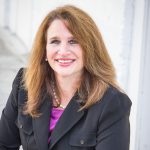
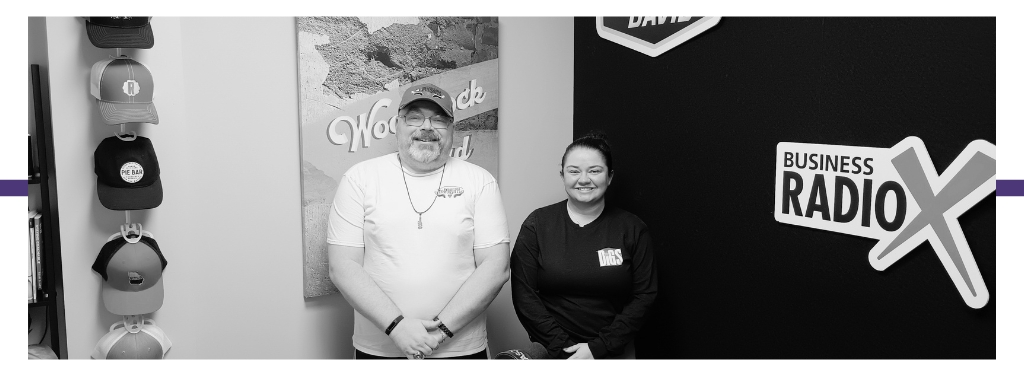
Lori-George-headshotPassionate advocate for inclusion and empowerment, Lori George, Executive Director of DIGS, brings her expertise in event planning and love for the special needs population together to create a more inclusive world.

DIGS mission to provide safe housing, work and leisure opportunities to adults with developmental challenges. From fundraising events to teaching basic work skills, Lori is helping DIGS accomplish their mission one day at a time.

Catch Lori cheering on the Atlanta Braves and Georgia Bulldawgs, running, hiking and spending time with her loved ones. Together, let’s build a brighter future for all abilities.

This transcript is machine transcribed by Sonix

TRANSCRIPT

Intro: [00:00:07] Broadcasting live from the Business RadioX studios in Atlanta. It’s time for Charitable Georgia. Brought to you by B’s Charitable Pursuits and resources. We put the fun in fund raising. For more information, go to B’s Charitable Pursuits dot com. That’s B’s Charitable Pursuits dot com. Now here’s your host, Brian Pruitt.

Brian Pruett: [00:00:45] Good Fabulous Friday. It’s another fabulous Friday and we’ve got some nice cool weather out there. The fall is definitely here. We normally have three fabulous guests on Charitable Georgia, but this morning we have one fabulous guest. We had a couple that was coming and had a family emergency, so we’ll get them back on. But this is if your first time listening to Charitable Georgia. This is all about positive things happening in the community. And this morning we have a fabulous guest all the way from Rome, Georgia. Lori George from DIGS. Thanks for being here this morning.

Lori George: [00:01:13] Well, thank you for having me.

Brian Pruett: [00:01:14] So as I said, you are from Rome. You made the a nice trip down here. And you and I actually met a couple of years ago. You were working for the Rome Braves. So if you don’t mind, share a little bit about your background, and then we’ll get into DIGS and what you guys do.

Lori George: [00:01:27] Okay, so I worked for the Rome Braves, which is the Atlanta Braves, one of their minor league teams. And we have something called a miracle field, which is a latex free rubber field where walkers and wheelchairs can go over the field. And we would host six spring games, six fall games for special needs adults and kids. If our players and coaches were playing at home, then we would actually send them out to be buddies and help them get around the bases and things of that nature. So I just kind of, you know, I fell in love with the special needs population at that point. And I went, you know, I think maybe I was in the wrong career. And I thought maybe I should go back to school and be a special needs teacher. But then during Covid, they had a mass layoff and my position was cut. And that’s how I found digs.

Brian Pruett: [00:02:14] Yeah. So we kind of missed a lot of things up for a lot of people. So it’s too bad Jonathan Alexis couldn’t be here there with Guided Light Services because they actually work with special needs folks. That’s why I wanted you guys to meet together. But I’ll make that connection for you. So you talked about the Rome Braves. I’m sure that was exciting. Working for a minor league system for a major league team. Talk a little bit more about that. What? I mean, you just a little bit. You shared a little bit what you did, but what was kind of a day like for you there at the Rome Braves?

Lori George: [00:02:41] Oh, no. Day was the same. It was crazy. I did special events and so I did a lot of, like, wedding rehearsals. Like, people would be really big baseball fans and want to come in and do, like, wedding rehearsals and first birthday parties. But then I was also in charge of like, community relations. So we would go to the soup kitchen and go volunteer. And then I did ticket donations. And then, like during games, I was on field helping with national anthem and things. So I kind of wore a lot of different hats. That’s awesome.

Brian Pruett: [00:03:13] Well, you actually know a good friend of mine because Chad Blake, Angel auctions comes up there and does the auctions up there all the time. So I’m sure he probably got you’re the one that probably got connected to him of that. So. So who was probably the most exciting brave that came through Rome that might be in the major leagues right now?

Lori George: [00:03:32] Oh, um. Ozzie.

Brian Pruett: [00:03:37] Ozzie. Albies. Yeah. What year was that? Do you remember?

Lori George: [00:03:41] Oh, 20, 1516, somewhere around there.

Brian Pruett: [00:03:45] All right. I have a friend who actually owns a T-shirt company, and they did some t shirts for his nonprofit as well. So it sounds like he’s a pretty nice guy, so. Yes. So it’s kind of cool. I’m guessing that you probably seen a lot of guys come through that are playing in the major leagues right now, so I’m sure pretty exciting. You can say I knew him when. Yes. So all right, so tell me a little bit of obviously getting involved. And you said you fell in love with the special needs, but why is it important for you to be part of the community?

Lori George: [00:04:13] I feel like several of them don’t have good advocates. And so, you know, we want we want them to know that they have friends, that they are capable and that, you know, we want them to be friends and do anything that they want to do, that they’re just as capable as everybody else.

Brian Pruett: [00:04:32] So tell us a little more about you mentioned that it’s kind of a rubberized thing that you put over the field. Yes, I know the Horizon League, which is down in Acworth, they have actually built a special field like that for the for the kids. But tell us a little bit more about a day, what you guys would do with those special needs athletes and bring them on. What’s what’s that look like?

Lori George: [00:04:55] Well, I always tried to make it special. We would have, like, a red carpet. And like I said, if the Rome Braves players were at home or the coaches, we would go, we would bring them out there and they would actually buddy up and play. You know, sometimes it was actually the Rome Braves players and coaches against the special needs, but oh that’s cool. Yeah. We had one coach that just absolutely fell in love with one little boy, and he gave the mom his number. And I mean, it was so precious because the little boy would always say, I’m Rocket Wheeler and they would FaceTime. And I mean, even now they still face time. And that’s like five years. Well, that’s awesome down the road. Yeah.

Brian Pruett: [00:05:35] So was it pretty much just baseball or did you do other sports?

Lori George: [00:05:38] So the Rome rec department does other challenger sports. But when I was with the Rome Braves, yeah, it was just baseball. They have basketball and bowling and different things like that.

Brian Pruett: [00:05:48] Awesome. So how often are you guys, do they do that? Do they still continue doing that and how often do they do that?

Lori George: [00:05:55] Yes, they do six games in the spring and six in the fall.

Brian Pruett: [00:05:58] Okay. Awesome. And then how can people find out about those games? I’m sure we’ll get into digs just a second, but I’m sure maybe the website there and also the Rome Braves, can they find that out through their website as well?

Lori George: [00:06:08] It would be through Parks and Rec or Parks and Recreation.

Brian Pruett: [00:06:10] Okay. All right, all right. Well, you said this kind of led to you with for for dig. So share a little bit. First of all, what does dig stand for.

Lori George: [00:06:18] It’s developing independence growth and security okay.

Brian Pruett: [00:06:22] Awesome. So what all do you guys do through digs.

Lori George: [00:06:25] So the main thing is we have housing for special needs adults. We have a men’s home that we actually got paid off in December of last year and a women’s home. So those houses for developmentally challenged adults and then a caretaker in each home. So that is our biggest project. And then we have leisure activities. We have a choir that goes out to different churches and different events. They actually sang the national anthem at one of the Rome Braves games last year, a camera club. A lot of our adults are very artistic and so we have like garden art. They’ll make stepping stones and things like that that will sell at arts and crafts shows.

Brian Pruett: [00:07:01] And I’m sure that these activities, they’re lifelong memories for these folks. I think this is one, I guess, part of society that kind of gets looked down on as well, but also kind of forgotten about. It’s just awesome to hear about, you know, the artistic points, the things they do. I remember when we were doing I had a magazine that we did for a while called Northwest Georgia Rising Stars, and we covered the schools in Bartow and Gordon counties, and we actually did a couple of stories on some special needs students that were amazing in the community, and that made it worth doing, you know, because that’s long life memories for those kids. Right. Um, share. Can you share? Is there a specific story? I mean, you don’t have to share names, but can you share a specific story of one possible testimony or individual that was just kind of stands out through the Diggs program?

Lori George: [00:07:55] Well, this wouldn’t be about one particular person, but one of the reasons that they started Diggs that kind of stood out to me was one of the founding members was a special needs teacher who also had a special needs son. And she realized when they got out of school that they didn’t really have, like, all of their friends, you know, they didn’t really have a way to communicate. And what she found so sad was on their birthday that they didn’t have anybody to celebrate with. And so Diggs has kind of given them a network. And so we’re real big on celebrating birthdays together that, you know, one of the last birthday parties I went to for one of the adults, there was like 50 people there. Wow. Yeah. And you know, yeah, a lot of that was family. But it was a lot of their, their friends. Right. And that’s important.

Brian Pruett: [00:08:37] Yeah. I mean and it makes them feel good. Yes. So. What kind of things. Well, you said you fell in love with the special needs. So let me just ask you why why you share a little bit, why it’s part of the community to become an advocate for them. But what made you fall in love with that?

Lori George: [00:08:57] Just to see how important the baseball was to them. But just that, you know, they were some of the happiest people and the, you know, they they just had such a good attitude a lot of times, you know, like, I would work until 1:00 on a Friday night and the miracle filled games are always on Saturdays. And, you know, I’d have to get there at like 8:00 to get everything set up. And I was tired and cranky, and then they’d get there and they would just, you know, put a smile on my face. And I always said that was a lot of the times. What got me through baseball season was those Saturday mornings.

Brian Pruett: [00:09:29] And it’s I think it’s cool what you said that because the folks that I’ve been around, they’re always happy. Yes. You know, it’s unlike, you know, folks like even myself who gets down and stuff like that. And I don’t want to be around somebody, but they’re always genuine and happy. Yes. Um, what do you guys just. Is it strictly just adults, or do you guys do anything with kids as well?

Lori George: [00:09:52] So it’s pretty much a. 18 and up. We do make exceptions. We have one little boy that’s 12 or 13 that participates in choir, but it is mostly 18 and.

Brian Pruett: [00:10:02] Up and I’m sure there are people. There’s a broad spectrum of special needs. Can you share a little bit about maybe the spectrum from your knowledge of what kind of falls under that category?

Lori George: [00:10:15] Yeah. So it is a lot of autistic. We have some with down syndrome. But autistic I would say was 75% of who we cater to. We have one group that meets three Mondays a month called skills for life. And that is it’s teaching them skills because that’s kind of what they struggle with is keeping connections and just basic life skills. One of their favorite activities that we did a couple of weeks ago is we actually take them. We break the group up and we go out to eat, and we practice ordering food, and we practice getting change back so they’re not taking advantage of. But like I said, we do have down syndrome and a few other things in our program. And that’s.

Brian Pruett: [00:10:58] Sad. You had to mention being taken advantage of, but unfortunately that’s out there is what, for those listening who may not know what autism is, can you share a little bit about what what it is.

Lori George: [00:11:11] Yeah. So it’s basically where you are, your skills, your communication skills and your social skills are not really, you know, on par with everyone else. A lot of times they’re very they have sensory issues. A lot of times they’re very sensitive to light and sound and things like that.

Brian Pruett: [00:11:33] Yeah, I’ve noticed we’ve got a family that comes to our church, and their oldest son has to wear headphones during the service. I’m guessing because it’s loud.

Lori George: [00:11:43] Probably.

Brian Pruett: [00:11:44] Yeah, it’s but you know, it’s just like I said, those those folks, they’re just, like I said, so genuine, so happy. And, you know, I would like to spend most of the day around folks like that. You know, it makes.

Lori George: [00:11:58] For a good day.

Brian Pruett: [00:11:58] Yes. And it probably makes the day go by a little quicker, too, you know, and it’s one of those days that you don’t mind. It’s going by quick because you’re you’re feeling good and doing. I’m probably you probably go home every day. Well going home feeling good. I’m sure you have bad days, but I’m sure you get to go home and feeling good about what you’re doing.

Lori George: [00:12:15] Oh, definitely.

Brian Pruett: [00:12:16] Definitely. Do you guys have any events or anything coming up you want to share?

Lori George: [00:12:20] We do have a golf tournament. We partnered up with Rome Braves and the Floyd County Police Department, and so they always do a golf tournament and then pick a beneficiary. So Diggs is the beneficiary this year that’s on Friday, November the 3rd. And then we’ve got a few other small things coming up. One major project that we just finished up was we ran concessions for the Rome Braves, and we got 15% back for volunteering our services. And that was a real eye opener, because we had a lot of our adults come in that had never had jobs before. And, you know, we’d kind of start and put them making drinks, like getting the ice and putting the the coke in there. And then I realized quickly with some of them that that was boring them. And I said, hey, do you want to try to do the cash register? And by the end of the season, most of them could actually run a cash register. Oh, that’s cool themselves. Yeah.

Brian Pruett: [00:13:10] And they’re definitely people. Person people. Yes. I’m sure interacting with folks was not a problem with them. No. All right. So Shirley, about the golf tournament, he says November 3rd. Where’s it going to be at?

Lori George: [00:13:22] It is at Stonebridge which is in Rome.

Brian Pruett: [00:13:24] Okay. Are there still openings for golfers, sponsors?

Lori George: [00:13:27] Yes, yes. And all that is going through the Floyd County Police Department.

Brian Pruett: [00:13:31] Do you know, what is it? Just they just Google Floyd County Police Department, I’m guessing, and find out information.

Lori George: [00:13:37] Yeah. The digs, our Facebook page and our Instagram have information on it as well.

Brian Pruett: [00:13:42] All right. Are you guys having chat out there. Are you going to be out there with an auction? Do you know.

Lori George: [00:13:46] I haven’t asked him.

Brian Pruett: [00:13:48] You might could you might want to ask him. I’m sure he’d probably do it. Chad, I just volunteered your services, buddy. All right, so let’s get into a little more about digs. You talked about you teaching them life skills and things of that nature. Do you guys partner with businesses in the community to do to do things like getting them jobs and stuff like that?

Lori George: [00:14:09] Um, well, sort of kinda. We’re actually in the process of trying to find a building to open up our own business so we can employ them. We’re wanting to do like a coffee shop and then a gift shop with some of our garden art and sell those items.

Brian Pruett: [00:14:25] Awesome. So are you guys currently looking for that building? Yes. You want something that’s already built? I’m assuming preferably. Yeah. All right. So when you if you get a chance before you go back to Rome today, you need to go around the corner up here to call Circle of Friends. It’s on the Chattahoochee Tech campus just around the corner. And it’s run by Circle of Friends, a special needs group. So you might maybe just talk about them and see how they can maybe give you some advice or something. So okay, I’ll tell you more when we get off the air about that. So so what kind of you said coffee shop? And say art.

Lori George: [00:14:54] Yes. Our garden art sells really well. And so it would be a coffee and a gift shop.

Brian Pruett: [00:15:01] So what is garden art? Just so, for those who might not know.

Lori George: [00:15:04] We do stepping stones. If you’ve ever seen the big welcome signs that people put by their front doors. We do those. They have birdhouses. I mean they they do in and everything. But we have a big warehouse and we store everything in there. And then the adults go on Wednesdays and they can make whatever they want to make. And then we have once a month where it’s kind of led and they all kind of do the same craft, but they are all very artistic. And then like I said, we we sell a lot of that. Or if they want to keep it, they can keep it.

Brian Pruett: [00:15:35] That’s awesome. Can people buy that online as well. Can they buy something like that online?

Lori George: [00:15:40] Not at the moment. That’s something we’d like to be able to do in the future.

Brian Pruett: [00:15:43] Okay. Well that’s really cool because, you know, I’ve got I’ve seen some art from people who are in the special needs spectrum. And yes, you are right, they are very talented and very artistic. So and they’re amazing products. I mean, I break things so I can’t make them. So it’s just kind of cool to see those things. Um, all right. So let’s do this. Share information how people can find you guys. And then then I got a couple other questions for you as well. So share how people can find digs and get a hold of you guys.

Lori George: [00:16:15] Okay so the website is digs rome.org. And then we’re on Facebook under Digs Inc and we’re on Instagram under Digs Inc as well.

Brian Pruett: [00:16:27] Okay. All right. So talk a little bit more how the community can get involved. I’m assuming that people not just from Rome can get involved and help you guys. How can people do that?

Lori George: [00:16:35] Oh, yeah. So one thing we’re always looking for is peer mentors for the skills for life group that I had mentioned, the way that the model was set up, because there’s actually skills for life groups all over the place, and it’s supposed to be a one on one model, like one autistic person, and then a normal adult that we have like half of the peer mentors. So that’s something that if somebody wants to get involved with special needs or maybe somebody that’s like in high school that might have an interest in pursuing something like that with their career, that they wouldn’t be super committed. But it’s three Mondays a month and they could come help. We have some retired art teachers that come and help with garden art on Wednesdays, and that’s something if people wanted to come in there and just be creative and kind of see what we’re doing, that could come in and help when we have bigger projects. If we volunteer at the Braves again next year, that was a huge commitment. It was 10 to 12 volunteers every game, so that’s a way to get involved. And we’re working on some bigger projects like A5K and different things like that.

Brian Pruett: [00:17:44] Okay. And hopefully you and I can do some stuff together. We’ve already talked and hopefully I can do some stuff for you guys as well. So you guys still need some buddies and stuff too. When you guys do your games up there at the stadium.

Lori George: [00:17:56] Yeah, they’re always looking for volunteers for that.

Brian Pruett: [00:17:59] So I’m just looking at the back of this brochure you give me, and it’s kind of cool because you mentioned your choir, you mentioned your your art, but I see you guys do a camera club and a dance club and all kinds of stuff. So that’s really cool. Do you have have people talked about what might be their favorite thing as far as all the clubs that you do, has anybody that you service or serve talked about what might be their favorite thing?

Lori George: [00:18:23] I would say choir and art. They like the dance club. It’s once a month and you know they enjoy it, but since it’s only once a month, they don’t really talk about it that much. Right. And then Camera Club, they enjoy several of them. You know, they have their phone out and it’s like a flip phone. And you wouldn’t think they’d take that good of a picture. And then they show it to you and you go, wow, that’s amazing. Like, you would think they had a professional camera to take it, but they just see things so differently. And so they’re able to get really cool pictures.

Brian Pruett: [00:18:52] You need photographers to volunteer for any of that.

Lori George: [00:18:56] Um, I mean, they could. Yeah. If they wanted to come out and.

Brian Pruett: [00:19:00] And say, I just volunteered you. We’ll talk later. An I’ll get to see you here in a little bit. But no, she’s an amazing photographer and she does some stuff up in the Rome area. So, um, I think you talk about choir being one of their favorites. I like singing myself, but I can just imagine it’s probably not a boring concert.

Lori George: [00:19:18] No, no.

Brian Pruett: [00:19:20] Can you share a little bit about maybe one of the kinds you say you guys just sung? Well, you said the national anthem or.

Lori George: [00:19:26] Yes. So they typically perform at churches and they did. They typically do the national anthem once a year at the Rome Braves game and then, like, they’ll sing the national anthem before the golf tournament. One concert that kind of stands out to me is we went to a church and one of our adults was having a really hard time, and before one of the other adults started singing, he stopped dead in his tracks and he said, I’m going to dedicate this song to my friend, put his arm around him and said, you know, everybody needs to pray for him. He’s having a hard time right now. And I mean the whole we all started crying. And he dedicated this Christian song to his friend because he recognized that his friend was having a hard time.

Brian Pruett: [00:20:08] That’s awesome. Do you guys just do the Rome area when you guys do concerts, or can you go to other areas to do concerts?

Lori George: [00:20:14] We’ve gone other areas, yeah.

Brian Pruett: [00:20:16] How far would you go?

Lori George: [00:20:19] I want to say the furthest one they’ve done is like Bremen okay.

Brian Pruett: [00:20:23] All right. It’s a pretty.

Lori George: [00:20:23] Good distance from Rome. That’s, you know, 45 minutes to an hour.

Brian Pruett: [00:20:26] So if they, if somebody’s listening, maybe a church and wants to have you guys come, I’m guessing they would call Pat. Or would they call you either one? Okay. Um. Well. That’s awesome. There are a lot of good things going on with you guys, so. Well, how can businesses other than people just donating money, which I’m sure you guys take anyway? But another way for other than volunteering and financial are the way for businesses to get involved with you guys, and if so, how can they do that?

Lori George: [00:20:54] Yeah, so we’re always looking for ways to partner up with businesses. We did a spirit night with chick fil A and actually their marketing director came back and she said, hey, you know, your choir is actually singing at our church before, and I have an idea. I went, okay. And she said, can you get the choir to sing? And I went in the middle of chick fil A, but it worked, you know, and people were, as they were coming in, were listening to, I mean, stopped and listened to them. And so that was kind of cool, you know, just the different aspect of it wasn’t just a spirit night where we came in and we ate and we laughed and we got 15% back or whatever. So, you know, I’m working with a college in Rome right now trying to use their parking lot for a big event. And so, you know, it kind of started off with a conversation being like, well, we don’t give discounts. And then she realized what digs was. And then she said, well, maybe we can work something out to where if it’s sponsored by this college, then you don’t have to pay. So I mean just. Being creative, right? You know, coming up with different things. If it’s a restaurant where we can come in and and eat and maybe perform or, you know, different things like that, if they have an event space, if it’s something where we can host an event there, you know. Right.

Brian Pruett: [00:22:14] Okay. Is it can I ask what college you’re trying to talk to?

Lori George: [00:22:18] Georgia Highlands.

Brian Pruett: [00:22:19] Okay. I have a connection at shorter, if that would help, too. If you want to talk to anybody over there so I can make that connection for you as well. She’s a professor over there. So at least, you know, maybe we can get a foot in the door for you there as well. So, um. Awesome. So. All right, let me ask you this then. So we talk a lot about on the show, obviously community. We also talk about networking. Do you get out and do networking at all with your group. Because for you yourself, do you go to any networking groups?

Lori George: [00:22:45] Yes, we’re pretty involved with Barry and Shorter, but buried. In fact, last night their psych program did a social for adults and they got to dress up in Halloween costumes and go out there. Awesome. And they’ve been very involved about sending out volunteers and things like that.

Brian Pruett: [00:23:02] Do you have a testimony that you can share? I always like to get people to give positive testimonies about a networking. You know, something has worked for you just about networking, whether it would be with Diggs or even with you with the Rome Braves. You know, I always like to see I like to connect people with others, but I always like to see when there’s, you know. For instance, which I think I might have mentioned to you. You come down to the Cartersville Business Club on Wednesday mornings, and there’s a lot of happening going on there, and people can share stories about, well, I was looking for such and such and we made this connection. Do you have a story like that?

Lori George: [00:23:32] Um. This might be kind of a strange one, but I felt like I was in the right place at the right time. I also have another part time job, and someone had actually called looking for community service hours. And we don’t do that at my other job. And so my boss actually said, hang on a second, I’m going to hand the phone over to Laurie. And so I started talking to her about digs, and I said, you know, as long as this. You know, not like a family violence crime. You can volunteer with Diggs. And it was a DUI. And I said, yeah, you know, that’s okay. And so she started volunteering with us and then come to find out, she has an autistic son. Oh, wow. And so it just kind of was a blessing in disguise. She had never heard of Diggs. Her son is very small. He’s, you know, like under five. But she started talking to the parents and realizing like, oh, there’s more hope for him after high school. And so that’s kind of a weird networking thing.

Brian Pruett: [00:24:32] Oh, that’s awesome, because you never know how God works, right?

Lori George: [00:24:35] And I told her, I said, I think God, honestly, I just happened to be at my other job and I happened to be there and my boss said, oh, you know, talk to Lori. And so I think I was in the right place at the right time. And she called at the right time.

Brian Pruett: [00:24:47] That’s awesome. I love stories like that. So all right. So I always kind of asked a question. So you you didn’t start Diggs, right, did you? Okay. All right. So I’m going to ask you two questions. One, to kind of think about if you yourself was to start a nonprofit, can you give some advice on somebody who’s thinking you might be doing work now working for nonprofit? And then the other thing is working for a nonprofit. Can you give some folks that might be thinking about, man, I would love to go check out and see if there are any jobs at non profit. But is there, you know, there might be some missed misconceptions I guess to think about working for non profit versus for profits. Does that make sense. Right. So can you maybe give first of all give the advice about if you’re thinking about non profit what you should do. And then if you wanted to go work for a non profit.

Lori George: [00:25:38] Mhm. Um if I were to go and start my own non profit um I think a lot of it is having like a good board and good founding members and you know having a lot of connections. You don’t want to start and it be two people and you just kind of go like okay we don’t have any community connections. You know, we rely a lot on our board. And so that that is one major thing is having a good board with a lot of connections.

Brian Pruett: [00:26:10] And you definitely need an active board. You don’t somebody just comes and just sits on their hands.

Lori George: [00:26:14] Yeah. Um, and the other thing I would say is, you know, a lot of non profits are very small. I was used to corporate and so I kind of came in and the first thing they wanted me to do was send out letters to the churches about the choir, that they were kind of active again. They had not been active during Covid. And so when I started this position, that’s when they kind of decided to bring the choir back. Um, you know, and I was like, hey, where are envelopes with your logo on it? Because to me, that’s just an easy, no brainer thing. And they were like, we don’t we don’t have the money. Like we don’t have envelopes with the logo on it. So it’s just different. But you know, it’s it’s just it’s been a learning curve.

Brian Pruett: [00:26:58] Well, and I think too, you have to have a heart and a passion and know your why. Because you’re not going to go from a corporate in a non profit and thinking you’re going to make all the money in the world, right?

Lori George: [00:27:06] Definitely. And there’s a lot of you know it’s more laid back. It’s. But I’ve never I’ve never really been stressed with digs, if that makes sense. Like even in stressful situations, I can remind myself that I’m doing good. You know, with other jobs I’ve had in the corporate world, it’s like, okay, this is stressful and there’s no insight to this. And what is the point? But working with these adults, you know, you can always remind yourself that you’re making a positive impact.

Brian Pruett: [00:27:38] When I was going to say to I mean, working for yourself and selling for yourself is a different stress than working for selling for somebody else. And like you just mentioned, you get to go home at the end of the day knowing that you’re making that impact. So you may put your stress on something about, man, I hope this event goes well, or I hope you get to find the volunteers or the board or something like that. But again, come to the end of the day, you guys are making a great impact. So I’m sure you’re probably one of the few that get to sleep well at night. Um, all right. So share again, how can people share your website and then share how people can get in contact with you in case they either want to need to find out about your services for a family member or they want to volunteer, be a sponsor or anything like that. Okay.

Lori George: [00:28:23] Yeah. So it’s Diggs rome.org. And then we have an email address which is Diggs Rome at gmail.com. And then my phone number is (706) 767-0838. And if I can’t give you the answer because sometimes, I mean people still ask me stuff that I’m not quite sure about. But our activities director was one of the founding members and she was executive director and has stepped down. So if there’s something I’m unsure about, I always go to Miss Barbara and ask, all right.

Brian Pruett: [00:28:58] So tell me again, how long has Diggs been around?

Lori George: [00:29:01] It was formed in 2006.

Brian Pruett: [00:29:03] Okay. So not quite. Almost 20 years. Almost. Yeah. Awesome. Um, and then I might have asked this earlier, but I’ve, I’ve if I did, I’ve got short term Alzheimer’s. But do you guys just work with. The folks in Rome? Or can you work with people from around the area as far as the special needs community?

Lori George: [00:29:25] Yeah, we have people that come from Cartersville, Summerville, which is like the other side of Rome. We had one girl that came a couple of times from Dalton. So yeah, if people are interested, we will definitely, you know, if they want to participate in our activities, they are more than welcome to.

Brian Pruett: [00:29:43] Okay. And then one last thing. As far as I know, you guys are talking and looking as far as possibly getting your own building and getting your own making your own business. Until that happens though, when we talked a little bit about it already. But until that happens, are there opportunities for if businesses want to partner with you in that way of offering a job? For your for your folks. Yeah.

Lori George: [00:30:10] Yeah. I mean, it would have to probably be something close to Rome. A lot of them don’t drive and rely on, you know, parents to transport. But yeah, definitely some of our adults do work. A lot of them work at like Publix and Kroger. But like I said, we just after the Rome Braves, it was so eye opening to see that it gave them so much confidence to be able to do the registers and stuff that we decided, hey, you know, it’s time we can do this. We can actually employ these people and have the the backing for them, because I think that was a lot. They were scared to go out and get a job without having kind of a job coach there that they were comfortable with.

Brian Pruett: [00:30:50] And I’m guessing it’s probably safe to say they’d probably be the most reliable employees the business would have.

Lori George: [00:30:57] Yes, most of the time I would. I would get to the Rome Braves stadium, and most of them would already be there and have done, you know, they would clean and put the condiments out. And I’m like, okay, y’all are way ahead of me.

Brian Pruett: [00:31:10] So. All right. So is there. You mentioned Kroger and Publix and running the cash register and it made such an impact. Are there certain businesses that you could see that maybe would be better than others?

Lori George: [00:31:25] Um, so I will say the register is at the Rome Braves were cashless. Okay. So anywhere that maybe doesn’t accept cash or has a register, that one particular register that doesn’t accept cash, that was that was a worry with a lot of parents was they were going to have to count back cash and change and stuff, and they didn’t have to. So, okay, any kind of business like that.

Brian Pruett: [00:31:47] So if you’re a business owner out there, especially up in the Floyd Rome area, and a lot of people complain about finding employees these days, reach out to Lori because you’ll get some good help. Definitely with these with these folks. So all right, it’s going to be a little shorter show than normal because it’s because we are the two aren’t here. But before we wrap this up, I always like to ask this question. Can you share a quote, a word, just a positive nugget that people listening can take today, the rest of 2023 and beyond with.

Lori George: [00:32:18] Putting me on the spot here?

Brian Pruett: [00:32:20] Well, if you listen to old shows, you know that comes every end of the show. So.

Lori George: [00:32:25] Um, um.

Brian Pruett: [00:32:27] You can make it up too. It doesn’t have to be.

Lori George: [00:32:32] You really put me on the spot, I don’t know. Just that, like I said, our adults, they want to get out there and try. I’ve got one that doesn’t do. Halloween is like, scared of costumes and stuff. And we’re actually participating in something called Boo Fest tonight. And they want to come out and help me hand out candy. And I said, are you sure? But they wanted to try. And I mean, who am I to tell them no.

Brian Pruett: [00:32:56] So I think just listening to you and taking away something is just try it, you know, don’t give up.

Lori George: [00:33:05] Try things you’re scared of.

Brian Pruett: [00:33:06] There you go. You know, face it head on. So the other thing I like to do is to thank you as a lost art. So, Laurie, thank you for what you’re doing for the special needs community in and around Floyd County and everybody out there listening. Let’s remember, let’s be positive. Let’s be charitable.
 

Tagged With: DIGS

Women Business Owners Leading the Way (With Male Partners) Part 3

October 25, 2023 by angishields

WIM-Male-Partners-Pt3-feature
Women in Motion
Women Business Owners Leading the Way (With Male Partners) Part 3
Loading
00:00 /
RSS Feed
Share
Link
Embed

Download file

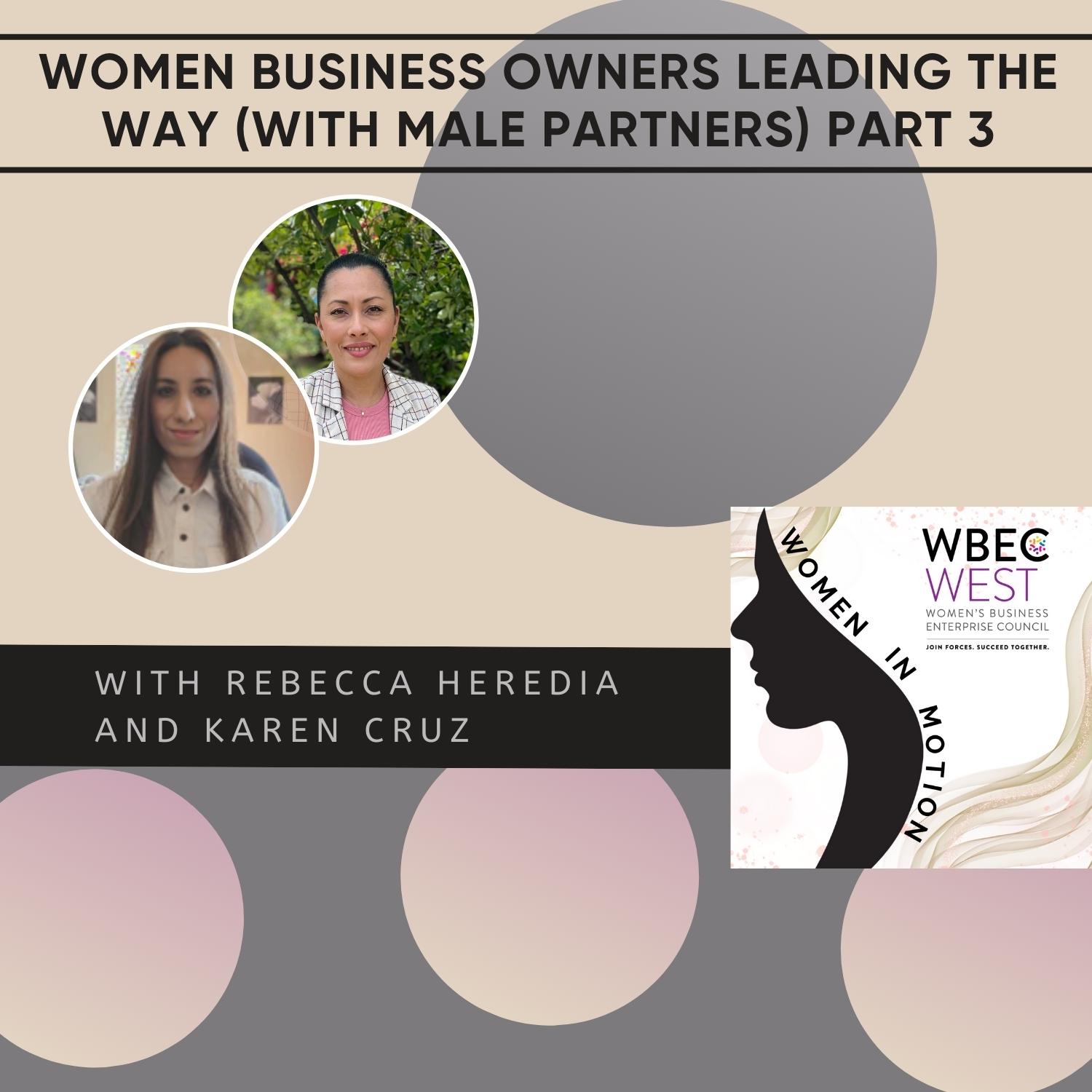
In today’s episode of Women in Motion, Lee Kantor and Dr. Pamela Williamson are joined by Karen Cruz, President of PH Plasticos Hoyos, and Rebecca Heredia, COO and Majority Owner of Baja Ready Mix.

Both women share their unique journeys of running businesses with their spouses. Rebecca discusses her transition from a Bilingual Nursing Fellowship Program to becoming the majority owner of Baja Ready Mix, while Karen shares her experience of inventing a product during a challenging pregnancy. They both emphasize the importance of communication, trust, and respect in their business partnerships.

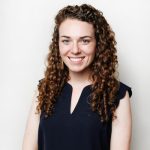
Rebecca-HerediaRebecca Heredia was born in Orange County, California in 1988. Her parents came from Mexico and settled in the east side of Phoenix, AZ. Her parents provided all they could and taught Rebecca valuable life lessons.

The value of education and hard work and treating people as you would like to be treated. Rebecca graduated in 2007 from Gateway Early College High School. In this place she found that people really believed in her potential. In 2006, Rebecca won a scholarship to attend the Hispanic Women’s Corporation and this experience caterpillar her to seek, to ask, to knock for opportunities of leadership.

Rebecca is a woman, balancing marriage, motherhood, and entrepreneurship as a Christian mom. She is a mom to two wonderful children, aged seven and two. She operates business from home and is a stay-at-home mother to her 2-year-old daughter with autism spectrum disorder. Rebecca and her husband are owners of a company named Baja Ready Mix.

In May 2017, Rebecca started working in her husband’s company as administrative secretary. She rapidly proves herself useful in her role and advances into other roles as payroll assistance, financial adviser, and policy developer. Since Rebecca joined the company revenue has increase by more than two hundred percent.

Rebecca has conducted financial forecast that has enabled to explore strategic options and develop creative solutions. Rebecca believes in the principle of lend but will not borrow and although, the company has borrowed from lenders this principle has been the forefront of her belief and has enabled her and husband to pay of lenders, and recently a paid off home in just 4 years.

Rebecca has successfully steered a career tract leading her current role as Chief Operations Officer at Baja Ready Mix. Rebecca earned the promotion in 2020, after tremendous success as Administrative Secretary. She is now commander of financial analysis, vendor and customer management and lead head of Human Resources.

In July 2021, she was elected majority ownership of the company. Rebecca has risen to the challenge of not only having to undertake responsibilities that will contribute to an entrepreneurial leader but has undertaken those roles under the duress of Covid, that led her to homeschool her son during the same time her daughter was evaluated for ASD.

The core values installed by her parents, her faith in God, her desire to do good has laid the foundation for her success. Rebecca always jokes “with great power comes great responsibility” but she means that. She is not only a devoted wife, mother, and a business owner but a philanthropy.

She gives to the Save the Children organization as part of her birthday gift every year. She has led bible studies to troubled teenage girls and married women. She instills in her son the importance of giving, the importance of stewardship and prayer in his life. “Do everything with love” written by Rebecca on the whiteboard of the fridge.

She is admired by her family, colleagues, and other businesswomen. She is respected by her team members and community. Rebecca loves her walks in the park with her family. Movie nights with her husband, both are big fan of Marvel films. Rebecca enjoys reading books and is currently reading the “12 rules for life an antidote to chaos” by Jordan B. Peterson.

Rebecca is a high-drive personal nature, she loves to live a healthy and active lifestyle. She puts as much energy into her personal life as she does toward her professional future. She is a force to be reckoned with.

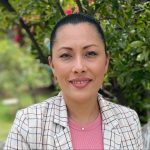
Karen-CruzKaren Cruz is President of PH Plasticos Hoyos, Inc. based in Los Angeles, CA. She created the kitchenware patented brand ZpillSafe, a product inspired by her 33-week-old preemie daughter Mia.

Karen built the E-Commerce platform www.phplasticoshoyos.com and promoted and exhibited the ZpillSafe brand to a variety of baby and kitchenware shows. She’s in charge of all key managerial decisions and the development of new business products.

About our Co-Host

Pamela-Williamson-WBEC-WestDr. Pamela Williamson, President & CEO of WBEC-West,  is an exemplary, dedicated individual, and has extensive experience as a senior leader for over twenty years.

She has served as the CEO of SABA 7 a consulting firm, overseen quality control at a Psychiatric urgent care facility of a National Behavioral Health Care Organization where she served as Vice President and Deputy Director,and has served as the CEO of WBEC-West, since 2008.

Her extensive experience in developing and implementing innovative alliances with key stakeholders has enabled the organizations to reach new levels of growth and stability. Her ability to lead and empower staff members creates a strong team environment which filters throughout the entire organization.

She takes an active role in facilitating connections between corporations and women business enterprises and sees a promising future for WBENC Certified women-owned businesses.

Dr. Williamson holds a Doctorate in Healthcare Administration, a Master’s degrees in Business Administration, and bachelor degrees in both Psychology and Sociology.

Connect with Dr. Williamson on LinkedIn.

Music Provided by M PATH MUSIC

This transcript is machine transcribed by Sonix

TRANSCRIPT

Intro: [00:00:07] Broadcasting live from the Business RadioX studios. It’s time for Women in Motion. Brought to you by Wbec West. Join forces. Succeed together. Now here’s your host.

Lee Kantor: [00:00:27] Lee Kantor here with Dr. Pamela Williamson. We are here and Women in Motion, another episode talking about women business leaders leading with their male partners. Pamela, this is going to be a great episode. Who do we have today?

Dr. Pamela Williamson: [00:00:45] Lee. Yes, I think today is going to be fantastic. We have two amazing women owned businesses that have partnerships with their spouses, so this should be interesting. We should get lots of tidbits. We have today we have Karen Cruz who is the president of PH Plastico Hoyos Inc. And I knew I was going to mess that up, even though I had practiced and practice in full disclosure, I might mess up part of the other person too. Just to let you know. Our second guest is Rebecca Heredia, Chief Operating Officer and majority owner of Baja Ready Mix. And so I’d like to kick off with you, Rebecca. I had an opportunity beforehand to read your journey, and I would love for you to share that with our audience today.

Rebecca Heredia: [00:01:34] Thank you, Pamela, and thank you for having me here with you guys. So like you said, my name is Rebecca. My story, my journey is I believe it’s kind of unique. Did. The company didn’t start with me. We started with my husband. We were dating in 2011. She started the company, were dating and we were in separate journeys. I got accepted as a bilingual nursing assistant in the program, so I was going through that program and then he started his business in Readymix industry. So as the years progressed, you know, I dropped out from the program. We decided to have a family together. And then she asked me to help him out at the company. He was just one person and then he had a couple of employees. It was just too much for him to handle at that time. So kind of jump in to help him out with the company. And in 2006, I’m sorry, 2015 to help him out. And I started as an administrative assistant. I organized all the paperwork, I sent invoices. I started really small and then build up from there.

Rebecca Heredia: [00:02:49] I started doing contracts, getting leads, kind of branching out the company more. And then as we were progressing and as the company was growing, we saw an opportunity to kind of have the company grow more as a majority owner, as me being the majority owner of the company. And we the idea came up with a our banker. He kind of introduced us with a different programs. So there were and then, you know, I kind of decided to kind of pitch that into my husband. And he liked the idea. We kind of talked about it. We kind of talked about the boundaries and the tasks and the the each one will have. And then we just decided to to grow the company that way. And it has been successful. We have grown the company so much we have over, I believe, 15 employees right now. We have drivers, we have office staff. And it’s been it’s been a journey. So it’s been a pleasure working with my husband. And also it’s been a challenging working with my husband. So it’s been awesome.

Lee Kantor: [00:04:11] Karen, can you share how your business got started?

Karen Cruz: [00:04:16] Hi. Well, thank you so much for giving me the opportunity to have this moment and this platform, um, where our story started a little different. Um, we’ve been together, married for 13 years. Um, we’ve always been good friends and good partners who listen to each other, but it’s something that it grew with a little bit of time. We were together for about four years and God blessed us to be parents, and our journey was very, very difficult. So I ended up being hospitalized for, um, a month prior to my baby be born, and she decided to be born at 33 weeks. At 33 weeks, we were experiencing difficulties, um, in the process of feeding her. She was born way too young and so many different issues. So my husband, his name is Claudio Hoyos. He comes from a background where his grandfather was the first founder of a toymaker in Peru and from Honduras. He’s from Peru. So I was using a picture to make a fortification of milk. And in the process of trying to pump power pumping every two hours and being exhausted, I brought the picture so many different times. And then one night, out of frustration, crying because I’m dropping my milk and I’m competing with the milk that I have, I tell him, why don’t you invent something? You know, something that I can can be portable.

Karen Cruz: [00:05:54] Something that I can grab with me, take it with me and stop breaking it. You know, you should invent something because it was already working in other projects, but he wasn’t doing that. So I have a background of transportation and logistics for about 20 plus years. So I was the first Hispanic working in a predominantly male industry. So I learned a lot and I learned how to have a better communication. Um, on the leading aspect, my husband is an engineer for the city of LA. So there’s like different things that we don’t we don’t match in many things business wise. So it took us two years. So from 2015 that my preemie was born until 2017, that he was developing and developing until he finally, um, came up with a product. We came. We were dealing with so many different obstacles. Nobody wanted to work with the small business. We wanted a product that had that. It was high quality, something that it was going to be made out of, silicone that is organic, that is biodegradable. So we work with so many, with a few companies that we have within California, and no one wanted to take us. So finally, somebody worked with us and we develop the product.

Karen Cruz: [00:07:20] So 2018, we started at the end of 2018. We started selling and creating platforms. So we work together. So I do the social media. He does the finances, but it’s not something that I started. We both started. It was an idea that came from me and we try to work as frenemies because we argue, we battle a lot in between a lot of things. But at the end of the road, I can tell you that a lot of the successes that we have is because we try to have a good team in between each other. We do fight. We try to put faith on our end to make things work. Um, not only because I was homeschooling in the middle of pandemia. I have a 21 year old from my prior relationship, and then I have a eight year old that was preemie. And then God bless me again, another preemie at 33 weeks. So I kept using my product and recently we just developed another product. And this is going to be not on the food industry. To pour liquids is going to still be to pour liquids, but in the paint industry. So we’re trying to get into the home appliances. So that’s where we at.

Lee Kantor: [00:08:43] Now. How did you. Maybe we’ll start with you, Karen, and just continue. How did you decide to divide? Divide up the responsibilities. Like, did that just happen organically? Like you kind of each gravitated to what you’re good at? Or was it a formal discussion of, hey, we need you to do this, and I’ll do this. How did that kind of division of labor occur?

Karen Cruz: [00:09:06] Well, in our case, it happened kind of organically. I know my flaws. And, um. And I see his potentials. He does all my financials. Um, like I said, math is his thing. So we work around ideas. Um, he is the dreamer, and I’m more the realistic. I’m the one that puts the ground into everything. He’s emotional. I am drastic, many things. So. So we both kind of, like, play a role in that way. So it kind of like went organically for us. Um, and there’s, and there’s certain areas that I still try to put my feet down and my ego down so I can let him shine and try to, like, guide him so he can have his place. So I’m still working on that in my case.

Lee Kantor: [00:10:01] Rebecca.

Rebecca Heredia: [00:10:03] Oh, in my case, it didn’t come organically. Um, so there was a lot of talks and a lot of maybe disagreements. Um, we respect my husband so much. He started the company, um, in a time where I guess the recession hit in 2008, he lost his job, he got laid off, and then he started, like, looking for job. And that’s how he got into the industry. He started driving a ready mixed concrete. Um, and he did that because he had his dad, who was very ill. So he was pretty much supporting him and supporting his little brothers. And that made me admire him so much. But when it came to, um, delegating tasks, this is a male dominated industry. We kind of talked about our expectations of each one. We we delegated. And since we started, um, we have two different personalities. I’m more reserved. He’s more outgoing. He likes, um, going to gatherings. I’m more like, okay, 1 to 2%. I’m okay with that. Um, so our tasks were based on our personalities and based on what our qualities were. And, um, a lot of the things that I wanted to do, um, it was, um, that working as well. But I understood that maybe because I’m a stay at home mom, too, and working from home, it was difficult for me to do that. I’m able to do that right now because I have helped. But before I had to have my husband do that. Um, and then when it came to, um, different tasks, we just had to kind of come down and we actually broke down in the piece of paper. Okay, this is this is what I want to do. This is if this is what he wanted to do, and then how can we meet together to kind of have a harmonious relationship at work and also as a personal level? Um, and we, um, we just took some time to kind of come up with those ideas.

Lee Kantor: [00:12:33] Uh, Rebecca, can you share maybe a story or an example of how you resolve conflict when there is kind of a disagreement amongst yourselves, like you and your partner?

Rebecca Heredia: [00:12:45] Yeah, actually, recently we just had a, um, not a big disagreement, but a. A disagreement were about the prices of our product. We’re having a lot of. Difficulties. A lot of obstacles when it comes to, you know, pricing our product. We have pressure from our suppliers. We have pressure from the market. There is he wants to kind of price the product based on the market and want to price the product based on how much our suppliers are giving us the product. And so we kind of had to come down and kind of see how much we have to how much it was costing us versus how much we can afford to sell the product and still make some money. Because we do have employees, we do have our families that we need to make sure that they’re taking care of and just we were having a little bit of friction on that part because it is tough market right now. There’s a lot of competition. There’s the inflation, the economy, and we we deliver concrete. So the construction area is really taking a hit right now with the recession. Um, and our suppliers are increasing our material. This year alone we had an increase two times already. Um, and it’s been really tough delegating those, um, you know, the, the pricing and the market. And we both have different opinions on it. So he came up with an idea, I came up with another idea. And then what I like about my husband is that if he sees that I’m not okay with that answer, he will actually take his time to sit down with me and talk.

Rebecca Heredia: [00:14:57] And and he will take how many hours he needs to take to kind of resolve the issue with me. Um, we both have a different way of, you know, delegating and and resolving issues. He kind of takes an approach of, okay, let’s talk it out, talk it out. And I kind of shut down a little bit when it comes to like, if I don’t get my way, um, and I’m becoming more aware of that and, and I like and I meet him halfway. So we both kind of came down and kind of we had to kind of see where we were at with the product and the prices, and we come up with an amount that we were both okay with. And but it took us a couple of hours to figure that out, and we both were happy about it. And that’s what, you know, how we resolve conflict is that we just take how many hours we need to take to resolve that issue. And my husband is really he’s really pleasing. He likes to please me and I don’t want to take advantage of that. So I try to also meet him halfway. And, um, and he sees what’s going on out there. He’s in the field. Um, and I’m here at the office, and, and we’re both doing our, our due diligence, but, um, I’d like to he has a perspective that I might not have on the business. And his opinion does weigh a lot. So when it comes down to it, you know, I’d like to kind of lean towards his opinion.

Lee Kantor: [00:16:42] And it seems like that good communication and trust and respect really is important in your relationship as well as in the business that those go hand in hand.

Rebecca Heredia: [00:16:53] Definitely.

Lee Kantor: [00:16:55] Karen, can you share how you handle conflict?

Karen Cruz: [00:16:59] Yeah, well, my case is a little different. My personality is a lot stronger than my husband’s, so I’m kind of like teaching my husband how to be stronger than me in that way because he is my financial support. So everything started with him, with his paycheck through my idea, pretty much. So I’ve been blessed in that way. I have a 100% supportive husband. He’s humble. He has so many amazing qualities. He’s a great provider. Um, we lack in other aspects because at the moment we’re so focused into trying to make, um, this baby grow that we lose track of who we really are on the outside. And I think this happens to many other couples, you know, when they work. Um, but and I don’t know when we actually are dealing with something. Um, we talk about it, and we’re pretty understandable of the things that. I’m sorry. We’re pretty understandable the things that we’re doing. Um, he might give me his opinion. I listen to what it is, and I trust him. I give him my advice. And even if he is going to fail, I’m going to let him fail. And I’m going to trust him.

Karen Cruz: [00:18:25] And at the end, I’m going to pick up the pieces and say, hey, I allow you to do this. But I knew that this was going to happen. But in order for you to understand my point of view on the next future, um, thing that we’re going to do, then this is what’s going to happen. So from now on, you know, let’s listen and be more realistic on the thought than dreamer. So like I said, I’m more realistic on this whole project. Um. It is kind of like how we do it. There’s no there’s no right or wrong. We do get. I’m the one that gets wild on the conversations. I’m the one that gets loud and I’m the one that wants to make my point clear. And I step back. I’m like, I need a moment. I need you to give me my space right now and let me think this through. But at the end, be realistic. Just I leave you with my thoughts and hopefully you make the right decision. Otherwise there’s another fault on this. So it’s like how we do it now.

Lee Kantor: [00:19:25] Karen, can you share a little bit about how maybe being in business with your spouse is a superpower or is advantageous compared to not being in business with your spouse? Do you see any like advantages of partnering with your spouse?

Karen Cruz: [00:19:47] Well, my case, I don’t know any other way because we started as couples, as a family. So we always say, you know, this is a women owned business because we recently got certified to get the notification at the beginning, because I work in the logistics and transportation field, I thought all businesses run or are predominantly dominated by men. So I was intimidated even to talk and have another men look at me like I am not in that level, because we’ve been in other meetings with other men and they’ve actually directed the conversation towards him. And then I allowed them to continue. And I was like, kind of like on the shadow until finish the meeting and then we talk back, hey, I didn’t feel all right how he actually led the conversation. And my husband is clueless. He doesn’t understand all the emotions and the thing. I absorb everything because I’ve dealt with that. So he’s on the back of managing all the things and I’m being like, all over. Um, it’s a privilege for me in my case and my situation. Um, I’ve been blessed that we have this opportunity to work together and try to understand each other and what we’re trying to do, um, and focus on the purpose of what we’re doing.

Karen Cruz: [00:21:13] So just recently, it was something that we weren’t supposed to do, but it’s something that we talk about. Um, we bought an equipment and I became licensed to have a manufacture. So I’m in the process of doing a project on the back of of my lot. And I bought an equipment to manufacture silicone or plastic on the back and give another small businesses, not just women, but there’s a lot of women business on the beauty industry, um, needing help to develop their products. So I wanted to have that opportunity. So I brought it up and then he supported it. He said, okay, let’s do it. I don’t know, we’re going to pull it from, but we’re going to do it. And then at the end, you know, we’re struggling with the materials going up and down and then the construction. So so it is it is a privilege for myself to be working with, um, with the gentleman, not with just any man. He gives me my space, he supports me. And I think he sees me as high as I see himself. And we still got potential to continue growing in my case.

Lee Kantor: [00:22:27] That was. That was beautiful.

Speaker6: [00:22:30] Rebecca carried.

Rebecca Heredia: [00:22:32] I kind of want to, um, um, elaborate a little bit about what she was saying about, um, how when she was in going to meetings and were directing all the conversations to her husband. Um, I do want to, um, it also happened to me. And that’s the reason why I kind of presented that idea to my husband to be me as a majority owner of the company, even though I was owner already of the company. Um, it was because we were going to these meetings and we were doing all these projects and contracts, and I was doing other work. I was doing all the delegations and the paperwork, the the contracts, and he was pretty much the face of it at that point. And when we were going the meetings, they were pretty much directing all the conversations to him. And then, oh, we just need your signature. We don’t we don’t need your signature. Oh, he just said that. And then so let’s kind of put it back in the sidelines. And, um, it did bother me a little bit, but I kind of understood that he, he is a very alpha male and he kind of comes out as alpha male, which I like. Um, and but I also like I told my husband, I put the effort and I’m not just a stay at home mom, and I’m not just like, oh, my name is just there for just looking pretty. I actually do my work and I do a lot for the company. So it was for me, it was more of a validation than anything.

Rebecca Heredia: [00:24:22] Um, invalid later. But later my my effort and my sacrifice because I can easily just be taking care of my kids, which I want to at this point, um, take care of my kids and spend time with them and be emotionally present for them. And when all this was happening, it was like a slap in the face. I’m like, okay, so why am I doing all this work? I can just be at home and taking care of my kids and just receiving all the benefits of my husband working. Um, to me it was a slap in the face. So that’s when I kind of presented that to my husband, like, hey, let’s do this. Um, I need this to be to feel validated. I feel validated by him. But when it comes to going to meetings, I’m like, this is not happening. Um, and then, like I said, my personality is very reserved. I like to talk. I like to do things in a private matter. Um, and I always like that about myself. But I do feel like throughout the years, I, my personality has come out more and more. Um, I’m taking the lead in meetings, and he’s taking the sidelines and the meetings. Um, he feels very confident on himself that he lets me do that and feel confident in myself that I have a partner who is not going to, um, belittle me or he’s not going to say the opposite of what I’m saying. So I feel very blessed. And, um, yeah, had to do a lot of prayers too, as well.

Lee Kantor: [00:26:18] Well, I mean, that’s are things changing or are you seeing a change where they’re more accepting of women in leadership positions in your industry, or is that something that’s still present?

Rebecca Heredia: [00:26:32] It is. It’s changing. Definitely. Um, at the beginning, it wasn’t at all. Um, I think it’s because of the economy and how things are unfolding in the world. Um, I do tend to see more of feminism than anything else. Um, I, I’m a Christian, and I believe that, you know, uh, the husband is the head and of that of the wife of the household. Um, and I feel like a woman can still be a owner and the majority of the business, but still kind of follow under that guidelines. Um, and it comes with a lot of practice and a lot of conversations and just having things, um, talked about and being your models, being transparent and knowing why you’re doing things and for what reason and how it not really clear. Um, but I do see a change in the industry where everything comes through me instead of my husband. Um, people talk to me, be like, hey, is Rebecca there? Um, and I need help with this, blah, blah, blah. And before it wasn’t like that. So there is some change. But I do feel that there needs to be. There needs to be more, um, in the aspect of, like, we are respected and not just because, you know, we have a title, but because we are wise and intelligent.

Lee Kantor: [00:28:20] Now go ahead. Karen.

Karen Cruz: [00:28:23] Yeah. Um, I want to bring up this. Um, it is, um, I think the time for women to be heard. It is now. So I wanted to. I remember on those meetings, you know, being behind and and not having the validation, you know, with my husband, I remember this conversation sitting down with him. And I asked him, you know, I know that I no longer work because I chose. So we chose for me to stay home, leave my career on the side and take care of my kids. This was a privilege that I have now because before I was a single mom. So I had to work two jobs Monday through Friday, managing fashion marketing on one side. And then I had since I was young and I thought I could manage the whole world. I had a second job as a supervisor, as a competitive, so I was working Saturday, Sunday and Monday, 6 p.m. to 6:30 a.m. so there was two days of my life that I couldn’t manage. On top of that, I had to volunteer for school. So I remember going through so many things, and I and I asked him, you know, with that conversation happened, I ask him, you know, what do you admire about me? Do you actually just physically like me or you admire the woman that I am? Do you admire the the the projects that I bring to you? Um, I want you to actually give me the validation when we are in front of someone else.

Karen Cruz: [00:29:48] Because I know that when we’re talking about the project, because you develop the product, you might feel like this is your baby. Yes, it is your baby because you develop. I gave you this idea for you to feel successful, and I am giving you all the tools to succeed in every single way. But I want you to always remember that I’m right next to you. I don’t want to be on top of you. I want to be right next to you. So when someone is trying to talk down to me, I want you to put that at that alert and be aware. So from then on, you know, we did a lot of different things. And I said, you know, think about it. You know, if you want me to work with you and do different things, you know, I’m going to be leading the conversations whether I fail or not. Um, we have to look like we are partners on this. You know, there’s no one is higher than. And that’s kind of like our mentality.

Karen Cruz: [00:30:44] And since then I felt more confident. But I still have that issue. You know, when we go to those presentations like recently we went to X Hardware Company, right. And it was a small women owned business. Very little of us there in that industry. And I remember four of the guys in the meeting and one girl, and they were like bombarding me back and forth, back and forth, trying to turn down the idea. So I started selling the project, the product and what it was, and they’re like, oh, you actually really wowed me with your story. I wasn’t trying to wow you. This is something that we really work hard. We invested every penny that we could in this and we continue working. All the social media is run by me. I try to manage all of these sites. On top of that, um, I manage my home, my kids, and I forget myself to put everything that I have on this table. So I think the industry is still kind of like rough in how how they’re still taking women. So I appreciate, um, the organization, um, to give us this opportunity to have this talk, you know, and, and validate those few men that are there to support us.

Lee Kantor: [00:32:05] Now, can you share some advice for maybe the woman who is thinking about partnering with their spouse, or maybe is at the beginning stages of partnering with their spouse? Any advice when it comes to work life balance on how to kind of keep things together, but keep things separate and and having boundaries around that? Any advice? Rebecca.

Speaker6: [00:32:34] Oh. Oh.

Rebecca Heredia: [00:32:35] Go ahead. Karen. Sorry about that.

Karen Cruz: [00:32:37] No. Go ahead.

Speaker6: [00:32:39] Um, well.

Rebecca Heredia: [00:32:41] I learned a lot. I was in I got baptized when I was 19, um, and I was part of a youth group, and I learned a lot about boundaries. We, you know, we weren’t allowed to go on dates without a chaperon. Um, so that kind of brought that to our relationship and to our business. And that’s something that I kind of delegate to my husband that I want that, um, just because, you know, there there is some tension out in the world, and we need to we have so much together that we need to protect it. We have the business together. We have our kids together, we have our home. We have so much. We have so invested in so much in each other that we need to protect it. Right. So so I always, you know, my advice is kind of, um, talk about what are the boundaries that you want to set forth, and then look at that person and how their upbringing was like, how did their parents resolve issues? Um, what is their childhood trauma? Um, a lot of the relationship with your partner, especially business will, will kind of come up in, in that situation if there’s unresolved issues from their parents and then they bring it into their lives, it’s going to come up, it’s going to come up one way or another. And then either they don’t feel supported, they’re going to start complaining about that.

Rebecca Heredia: [00:34:23] If they don’t feel that they’re cared for, it’s going to come up with that. It is kind of link into the business and if, like me and my husband, we have this agreement where we’re not going to talk bad about each other, we’re if we’re angry, um, if we have a disagreement, we’re not going to let other people know about it. We’re not going to talk bad about each other. We’re not going to if we don’t agree with, um, a choice that we made. Um, we’re kind of not going to say no or we’re not going to make the other person or the employee, um, do. Otherwise, if me and my husband say something. Um, so before we before you start with the business, before you form a business, sit down and talk about every scenario possible, um, how to deal with the opposite sex, how to deal when you’re in public, in meetings. Um, what direction you want to have the business, um, be taken. Have a vision that both of you guys share. And then this is one of the most important ones that I think is that the financials do not hide anything from each other. Do not hide, um, any issues that come up with money, um, that that can break the relationship in the business and in the marriage as well.

Speaker6: [00:36:10] From?

Karen Cruz: [00:36:10] Well, in my case, um. I think it came out so smooth in my way. I went through difficulties of trust because of my past relationships and issues. I can tell you a my case is completely different. Um, the personal issues that I dealt with as I grew up, um, through lessons in life and the closure to my faith and my beliefs have changed me and gave me, um, a different guidance. And Claudio has. He’s very humble and accepted, but he doesn’t follow my beliefs. But he’s very understandable in my way. So in my case, it’s completely different. The advice that I can give to someone, um, having a business is a second marriage, and it’s all about trust. Um, I want to give. And this is my my relationship with my husband. I want you to feel that you are still free. You can go out. You can have fun. My mentality. I don’t put any negativity on myself, my relationship, on him, I have. I would say 80% trust in him and the other 20. I focus on myself. Um, I don’t doubt him in any way. I don’t even consider doubt. Um, of any other opposite sex, you know, to come across. That’s not even in my thoughts. Um, he has done two business trips on his own. I have gone to business trips on my own. We travel. We have our nights out on our own, with boys and with girls. And there’s always that that partnership, that companionship.

Karen Cruz: [00:38:10] We talk and we talk about everything, and we make fun of whatever we experience through that moment in business and how this person approach trying to seduce something. And we are very aware. But at the end, if you’re going to open up a business, make sure that your guts, your instincts are there, you feel and you trust this person. Um, there’s no there’s no secrets between you guys. That’s that’s our thing. And this is it has actually, I don’t know. It’s it’s organic for us. I don’t I don’t tell him what not to do or what he can do. And I think freedom, you know, everyone has to be free on whatever they want. And and it’s all about continue being creative. The passion that we can, um, give to someone else is the passion of of enjoying that. They can continue to be somebody amazing, you know, and admire them. That’s that’s in my case. So I think there’s a guidance, you know, or what you can do or what you can do. Because in the way of this process, there’s a lot of obstacles. You know, for us as a, as a business, you know, it could be finances, it could be in, in the relationship. You know, you can communicate or you can deliver a one pushes more towards one way or the other. One is leading. So it’s about having trust, you know, in each other.

Speaker6: [00:39:44] Yeah.

Lee Kantor: [00:39:44] That’s great advice. Now before we wrap Karen, why don’t you share with us maybe your ideal customer who is the best fit client for for your firm and your website if somebody wants to get a hold of you.

Karen Cruz: [00:40:02] Yeah, well, still safe with a z z p I l l s a f e. You can find it in our website w w dot page plastic o s.com. Um w w.th plastics hoyos.com. Sorry. English and Spanish. It just gets all confused. So it’s failsafe was created for the baby industry to transfer breastmilk or water into a container. And throughout the process, it became a product that started being purchased by a range of 18 to 25. And then now our highest clientele are between 35 and 55 retires. Um, so it goes everywhere. It started, like I said, in the baby industry and ended up being in the kitchen to transfer anything from a soup to a to a coffee and to a different pitcher from a pot into a jar, from a jar to a you name it. And then based on that, we developed a second phase of his failsafe. And this is a spill safe, close fit. And it’s actually for the paint. You put it on the paint, you adapt it to it, you transfer the paint and then you remove it. And the the advantage of it is that when we do DIY projects at home, the mess that we live in the cans because we might probably need just a little. And then we put the spill safe. You remove it, there’s no residuals, and they can and then you can. Since this is or silicone is flexible, you can take it, carry it with you. You can wash it and continue with the next project and you have it on. It’s the same process for spill safe. So like I said it’s easy to just adapt it into a mug, a pitcher, a pot. You adapt it and you transfer liquids to. That’s that’s where we at. So you can find us in our website WW dot Plasticos hoyos.com. You can find it on Amazon. You can find it on our Shopify. We’re working into being Lowes.com. And we recently applied hopefully to be on Home Depot and maybe some other hardware.

Lee Kantor: [00:42:30] Great. Now, Rebecca.

Speaker6: [00:42:33] Well.

Rebecca Heredia: [00:42:33] Our website is WW dot baha readymix.com b a j r e a d y.com. We manufacture and deliver ready mixed concrete, remix and specialized concrete residential, commercial and industrial and ideal customer is contractors, resident and whoever wants concrete.

Lee Kantor: [00:43:05] Good stuff. Well, thank you both so much for sharing your story. You’re doing important work and we appreciate you.

Rebecca Heredia: [00:43:12] Thank you so much.

Karen Cruz: [00:43:14] Thank you so much for the opportunity. Truly appreciate it.

Lee Kantor: [00:43:18] Pamela, any last words?

Dr. Pamela Williamson: [00:43:20] Sure. So thank you ladies again for participating with us today. Lee, as you know, this is our last episode of women who lead with male partners, and there have been some consistent themes throughout this broadcast that we’ve just finished up on. And for those of you who are listening, who are thinking about starting a business with a male partner, here’s a few tips from the four episodes. One is, you want to make sure that you have some clear communication with your partner to develop a strategy that you walk through that looks at all of the potential issues. So almost like doing a Swot analysis on your partnership. And three, make sure you always have clear communications and set clear boundaries. So those are the tips that I walked away from the four episodes. And I want to thank our two guests for closing out this series, and I hope that people enjoyed the show.

Speaker7: [00:44:18] Yep.

Speaker6: [00:44:20] Sorry.

Rebecca Heredia: [00:44:21] Can I add one more tip to this? I know we’re closing up. Um, is by Jordan Peterson. He one of the tips that he says is to talk at least 90 minutes with your partner, how to delegate the business and the family at least 90 minutes a week.

Dr. Pamela Williamson: [00:44:43] I like that one. You are the first one who said that. So thank you.

Speaker6: [00:44:46] You’re welcome.

Lee Kantor: [00:44:48] Yeah, I think that we covered a lot of important issues, and it’s so delicate. The relationships by themselves are difficult. And then when you layer in a business that has its own challenges and the stressors and the chaos that’s associated with that, it just increases the degree of difficulty. But I think that if you get it right, then the sky’s the limit. You really can do amazing things because if you have the right partner, you can really, you know, create something that’s bigger than both of you. So I think the impact is real that you’re both having and the accomplishments are amazing. And we thank you so much for sharing your story.

Speaker6: [00:45:29] Thank you so much for having us.

Lee Kantor: [00:45:31] All right. This is Lee Kantor for Dr. Pamela Williamson. We will see you all next time on Women in Motion.


Tagged With: Baja Ready Mix, PH Plasticos Hoyos

Julie Canseco with Main Squeeze Juice Co.

October 25, 2023 by angishields

Main-Squeeze-Juice-Co-logo
Franchise Marketing Radio
Julie Canseco with Main Squeeze Juice Co.
Loading
00:00 /
RSS Feed
Share
Link
Embed

Download file

Julie-Canseco-Main-Squeeze-Juice-CoJulie Canseco is the Chief Dietitian Officer & Co-Founder of Main Squeeze Juice Co., a fast casual juice and smoothie bar franchise based out of New Orleans, Louisiana.

As sister of founder Thomas Nieto, Julie saw firsthand how the brand was built to make healthy food more accessible around the country.

The team at Main Squeeze is devoted to bringing their guests an innovative, one-of-a-kind, fresh menu, claiming the title as the only large scale juice bar franchise that offers fresh, cold-pressed juice at all locations.

Connect with Julie on LinkedIn and follow Main Squeeze Juice Co. on LinkedIn.

Tagged With: Main Squeeze Juice Co.

BRX Pro Tip: It’s Not You, It’s Them

October 25, 2023 by angishields

Allyson Eman with Venture Atlanta Coalition

October 24, 2023 by angishields

Venture-Atlanta-logo
Atlanta Business Radio
Allyson Eman with Venture Atlanta Coalition
Loading
00:00 /
RSS Feed
Share
Link
Embed

Download file

Allyson-EmanAllyson Eman has more than 30 years of marketing, communications, sales leadership, and business development experience. In 2007, Allyson took on the role of Executive Director for the newly created Venture Atlanta annual conference.

Allyson has worked with key business leaders across the country and founding organizations Metro Atlanta Chamber, Atlanta CEO Council, and Technology Association of Georgia to build Venture Atlanta. In 2020, Eman was promoted to CEO. The conference is now in its seventeenth year and has become the largest venture capital conference on the East Coast with over 1,500 attendees including venture capitalists, entrepreneurs, and senior business executives.

Venture Atlanta’s primary mission is to connect companies with capital and it has helped emerging technology companies raise over $7.5B to facilitate growth. Prior to joining Venture Atlanta, Allyson was the Senior Vice President of Marketing and Communications for SouthStar Funding, a wholesale mortgage lender headquartered in Atlanta.

During her nine-year tenure with the firm, she helped the company grow from eight employees to 800 with 30 nationwide offices. SouthStar Funding grew to be one of the most reputable, respected, and trusted wholesale mortgage lenders in the country under Allyson’s leadership.

Prior to joining SouthStar, Allyson worked for SouthTrust Bank as a branch marketing manager overseeing the marketing platform for 100 branches across Georgia. Allyson received a BS from the University of Florida and resides in Marietta with her husband and two children.

Follow Venture Atlanta on LinkedIn, Facebook and Instagram.

What You’ll Learn in This Episode

  • Venture Atlanta’s role in the Atlanta tech ecosystem
  • How it supports founders and funders
  • What the 2023 conference was like and the plans for 2024
  • How Venture Atlanta keeps changing and growing each year

This transcript is machine transcribed by Sonix

TRANSCRIPT

Intro: [00:00:04] Broadcasting live from the Business RadioX studios in Atlanta, Georgia. It’s time for Atlanta Business Radio. Brought to you by OnPay. Atlanta’s new standard in payroll. Now, here’s your host.

Lee Kantor: [00:00:25] Lee Kantor here, another episode of Atlanta Business Radio, and this is going to be a good one. But before we get started, it’s important to recognize our sponsor, OnPay. Without them, we couldn’t be sharing these important stories. Today on Atlanta Business Radio, we have Allyson Eamon with Venture Atlanta Coalition. Welcome, Allyson.

Allyson Eamon: [00:00:43] Thanks, Lee. Thanks for having me.

Lee Kantor: [00:00:45] I’m so excited to get caught up with you. For the folks who don’t know, can you tell us a little bit about Venture Atlanta?

Allyson Eamon: [00:00:52] Sure. Venture Atlanta is now one of the largest tech conferences on the East Coast, becoming one of the biggest in the country and just had our 16th conference a few weeks ago.

Lee Kantor: [00:01:04] So over the years, how have you seen the event change?

Allyson Eamon: [00:01:08] So it really started 16 years ago as a very local Georgia conference. And I probably should have said this, that the goal of the conference is to connect tech companies to capital. So the goal was to bring in outside capital because we really didn’t have a lot here. And over the years, obviously there’s been a lot of co-working spaces and incubators and exits, you know, people like David Cummings and things like that with the Tech Village. So more and more has been happening in in Atlanta and more, more local funding is here. But in that time we also have expanded across the southeast. So we’re really supporting companies as far west as Texas, north as Maryland, D.C., and south down to Miami. So we’re really covering the entire southeast and supporting those companies.

Lee Kantor: [00:01:56] Now, you’ve been involved in this for a while now. How have you seen the kind of investor mentality change? I know your background is in real estate. And at one point Atlanta was very kind of developer, real estate focused. And that’s where a lot of the investors invested. Are you seeing a change in making Atlanta and the southeast more kind of open to investing as angel investors or even VCs or private equity in technology? Is that has the investing? Yeah.

Allyson Eamon: [00:02:26] For sure. And just to be clear, I’m my background was not in real estate. I was I was I worked in marketing for a mortgage company. So but you know definitely did work in the mortgage and, and real estate and financial services industry. But yeah, I totally agree with you that it definitely used to be all about real estate. I think, unfortunately, that there’s still a lot of hesitancy in angel investors, you know, putting money into tech. They are doing it. But, you know, on the VC side, you know, there’s there’s been a ton I mean, our companies have raised close to $8 billion over the 16 years that I’ve run Venture Atlanta. And I was actually hired to start it 16 years ago. So I’ve been with the organization the entire time.

Lee Kantor: [00:03:09] So are you seeing the people that are kind of dipping their toe in investing in startups and in technology? Are they just folks who have kind of graduated and had an exit and they’re just staying here and they want to, you know, kind of pay it forward or just kind of invest in that. They’re more comfortable investing in that as opposed to maybe the previous type of investor that, you know, they liked land and they liked to see this thing with their eyes and watch it be built.

Allyson Eamon: [00:03:35] Know that that that’s exactly you’re exactly right what you said. So you look at folks like, you know, Tom Noonan, who and Chris Clauss, who sold, you know, es to IBM. And you know, Tom Tom Noonan has put money into multiple companies and started the Tech Operators Fund, along with several of his colleagues, Saeed Mohammadian and Glenn McGonigal and Dave Gould. So those were all entrepreneurs that had a big exit and immediately were paying it forward. David Cummings, same thing. I mean, he right away, you know, wanted to start the tech village. And he’s done incredible things with Tech Village and Atlanta Ventures. And then, you know, now you’ve got your newer entrepreneurs like Kyle Porter who had his exit, and Mark Gorlin with Rody and Cabbage, you know, Catherine Petrella and Rob Frauen. So there’s been some great exits, and those companies are absolutely putting their money back into tech. And that’s really what we’ve needed the whole time. You know, in Silicon Valley it was always, oh, here’s a big exit in that company, you know, spins out. A new venture fund, and we really didn’t have that. And we’re still a little know, obviously far behind where Silicon Valley is. But we do have a lot more serial entrepreneurs that are having, you know, having some nice exits and putting their money back into Atlanta or the southeast.

Lee Kantor: [00:04:55] Now, as Venture Atlanta has expanded, like you mentioned, from Texas to Miami, are you seeing Atlanta kind of still as the hub of this, or were just another player amongst many players just spread out throughout the South?

Allyson Eamon: [00:05:12] No, we’re definitely still the hub. You know, just we have no intention of changing the name of the conference or making it venture southeast or anything like that. You know, all eyes will continue to be on bringing everyone to Atlanta, hopefully seeing growth in Atlanta, more economic development in Atlanta. You know, looking at these companies, perhaps opening second offices or seeing how how we can support. But, you know, it’s worked really well having the conference focus on companies across the southeast, because it really makes the investors very likely to want to come to the conference. I mean, last two weeks ago, we had over 450 investors here, and you just don’t see any other event on the East Coast that has that many investors there. And, you know, which made it very fruitful for the entrepreneurs to to meet with them.

Lee Kantor: [00:06:00] Now what do you see? Since you are now kind of spreading around the region, what makes Atlanta different and special compared to the other markets?

Allyson Eamon: [00:06:11] So my biggest thing I will continue to say about Atlanta is the collaboration, the market, our community is fantastic. So I helped lead this innovate movement or. But, you know, issues that we had this year. So it was basically three weeks of incredible events and happenings and community gatherings kind of creating our own South by Southwest here in Atlanta and the community. I mean, you know, a few of us call Jennifer Sang and the Metro Atlanta Chamber. We called a meeting of community partners in February, and 70 people showed up and were like, okay, raising their hand of how can I help? And, you know, this group created something incredible over the last couple of weeks, and there’s been so many people coming to town and so many eyes on Atlanta. And I just think that a lot of other markets couldn’t pull that off. You know, you think about Texas and Florida and they’re so spread out like, you know, that we even though Atlanta is, you know, in the center, we could still pull in someone from Macon or Augusta or Columbia, Columbus or, you know, places like that. And everyone could still work together. I mean, we had all the universities, we had UGA and Georgia State and kind of saw and Georgia Tech, you know, on this initiative as well. So I just think collaboration and community is our secret sauce.

Lee Kantor: [00:07:37] So talk a little more about, you know, is it innovate and innovative. Innovate in a battle. That event is the vision to be kind of like a South by Southwest, because we are kind of blessed with having music and film as well as technology here in this market.

Allyson Eamon: [00:07:57] Yeah. So you know what happened over the last couple of years as Venture Atlanta kind of served as the hub of or the center of what we were calling Atlanta Innovation Week. And ironically, if you look around the country, New York, San Francisco, Charlotte, Denver, I mean, all, you know, everyone’s kind of it’s kind of the new thing. Everyone has their innovation week. And we wanted to we wanted to do something a little bit differently. And we did want to think about what could we do to showcase what we have great in the, in art, in music, in, in our universities, in technology, like so the three C hip hop hip hop festival was going on. We had the Atlanta Startup Awards, Georgia Tech did a conference. You know, for the first time there was the Atlanta Design Festival. There was, you know, all sorts of things going on. And, you know, really, we wanted people we want this to be a time on the calendar and it’s, you know, probably always going to be around Venture Atlanta in October. And that’s that that’s kind of the goal that people will continue to, you know, think about being in Atlanta in the fall.

Lee Kantor: [00:09:03] And then just kind of piggyback on each other’s momentum and just have a lot of different things happening simultaneously.

Allyson Eamon: [00:09:10] Yeah, yeah. There was I mean, you know, around just around Venture Atlanta, I mean, the Tuesday that we kicked off, it was insane. I mean, there was probably 20, 30, you know, happy hours going on all over the place and after parties and people were like, oh my God, I’ve gotten invites to so many different things. And, you know, people were also piggybacking off of us. I mean, there was there was groups from different parts of the country. Allison. I was like, wow, what’s that group? And, you know, they were doing different events really to to pull on, you know, the people that we had brought into town. So, you know, we want to create something exciting. And again, I think we’ll learn from the things that we did well this year and things that we didn’t. I mean, we also worked with the city of Atlanta. You know, obviously, Mayor Dinkins is incredibly supportive. The metro Atlanta Chamber and, you know, tag the Technology Association of Georgia. We worked with Atdc. We worked with Tech Village, you know, so all these different groups, you know, work together to to drive this forward.

Lee Kantor: [00:10:12] Now, speaking specifically about Venture Atlanta, can you kind of recap the conference some of the highs?

Allyson Eamon: [00:10:19] Sure. Yeah. Well we had 1500 over 1500 people there, which was the largest audience we’ve ever had at the Woodruff Arts Center. The demand was so high that we had a 200 plus person waiting list of people that we could not let in, so that was a little bit crazy. We had over 450 investors from funds across the country. We had 83 companies that were participating in the conference that had applied to pitch. We had close to 600 companies that applied to pitch, and this year we did things a little bit differently. We actually had a group of funds that came together VIP ventures, Florida funders, Noel Ventures and Catalyst by Wellstar that came together and put together a syndicate investment for one true seed stage company. So, you know, a super early company and it was a $500,000 investment. And I’m so excited to see Margo Jordan with enriched Lee won that investment. And then we also had. Companies. That kind of became best of our early stage category or best of our growth stage category. And our growth stage was cloud range out of Nashville. And our early stage was rainforest, you know, here in Atlanta. And those companies actually got on stage on they were voted by the audience and, you know, taken into consideration by by investors and judges.

Allyson Eamon: [00:11:49] And they were actually kind of grilled on by some of the top funds in the country on, you know, from NEA and Excel and Insight Partners and Open Opportunity Fund and Invesco and Cox Enterprises and things like that. So they were able to get in front of, you know, partner level funds and get questions, questions asked to them. And the judges ultimately picked the winner. Now, these winners didn’t get cash prizes, but they just get bragging rights. And they also got an incredible opportunity to be in front of those funds. You know, we also sprinkle in there. Robert Jurkovic from Shark Tank was one of our keynote speakers and he was fantastic. And we do a great cocktail party and great investor dinners and happy hours and things like that. So it’s truly become a pretty substantial event that that is now three full days. We actually closed it this year with Invesco, who’s our title sponsor, hosting a female founders dinner, and we had 180 women RSVP for for a female Founders dinner. And it was just a great opportunity for women to get together and network and support each other and help each other. And that’s something we’ve been doing a couple times a year now, too. So there’s just so much great stuff going on now.

Lee Kantor: [00:13:11] What are some of the things that somebody who’d like to maybe get to pitch in 2024? What should they be doing right now?

Allyson Eamon: [00:13:18] They should be really thinking about how to how to package themselves up, you know, how to really talk about why their technology is different, why is it needed, what you know, what’s the competition looking like out there? Why is their team the right team to to build it? You know Lee, unfortunately sometimes people just don’t present themselves. You know great that you know, we’ll have to like dig into their, their their application. And you know, luckily our committee has is very significant and very large. And a lot of times the companies are actually recruited by the committee. So someone will be able to step up and say, hey, I know this committee, this company, they actually do this or, you know, they should have really put this. So, you know, you’ve got to put your best foot forward and, and make sure that we’re going to look at your application and go, that is a company we have to have. It has become extremely difficult obviously, to get on, you know, on our stage where, you know, where we’re accepting, you know, 15% of the companies that apply. So it’s kind of like getting into, you know, Harvard or college or whatever. So, okay, maybe not Harvard. That might be stretching it a little bit too much. But anyway, you know, it’s definitely getting harder and harder to get in. And we want the cream of the crop. I mean, and I will tell you that investors this year, they were very impressed with the companies that we had on stage. I mean, our companies are legit, you know, growing companies that I mean, some of our growth stage companies were raising 25 or $50 million, you know, so those those funds that used to come to Venture Atlanta aching to be able to write a 5 or $10 million check, you know, now we have 20 or 30 of those companies. But, you know, we’ve we’ve grown over the years, you know, like our companies have.

Lee Kantor: [00:15:05] Now, you mentioned a little bit ago about the the women founders dinner. Can you talk a little bit about how Atlanta is doing when it comes to women and minority founders? Are we are you seeing an improvement in that space?

Allyson Eamon: [00:15:20] You know, we’re making improvements. We got a long way to go, though. So Goodie Nation, run by Joey Womack, who’s an amazing leader in town, who’s actually going to be our chairman for Venture Atlanta next year. He served on our board for the last three years. And you know, Joey has just he’s such a trailblazer in in supporting, you know, minority founders and you know, has we actually started a couple of years ago a movement called Creating Momentum within Venture Atlanta to truly support, you know, minority founders and female founders we actually work with. Christy Brown has been, you know, integral leading, something that we’ve call our female first pitch Friday, where basically we’re giving women an opportunity to to get in front of a small group. I mean, you know, to to feel comfortable. I mean, it’s probably 20 people and do their pitch. And we selected actually, we did this for five months starting in, I think it started in April. And then we picked three of those companies, actually got an automatic slot to be on our showcase at venture. Atlanta. So it was kind of an automatic step in for, you know, some women, you know, we we definitely set high goals to, you know, to ensure that our stage is diverse. We look at our speakers, we look at our board, we look at everything to make sure that that we’re reflecting things in the proper way. You know, and we realized years ago that we weren’t, you know, there was a time where, you know, our speakers were too many white men in our board was too many white men.

Allyson Eamon: [00:16:54] And, you know, we had to do we had to be better. We had to do a better job. I mean, you know, women and minorities are still getting less than 2% of venture capital money. And it’s not it’s not good and it’s not enough. And, you know, we all need to do more to help that. So I mean I’m super passionate about that. And again, I’ve I’ve worked I’m on the board of Startup Atlanta. And you know I know Joey will will really give us some interesting things. So this year we actually held the intentionally good summit that Goodie Nation ran within Venture Atlanta. So it was actually at a at a different room within the Woodruff Arts Center. But all the attendees for the Intentionally good summit, and there was 200 people invited to that. They all got full access to Venture Atlanta as well. And it really gave a lot of people an opportunity to be at Venture Atlanta that maybe wouldn’t normally be there, or they may not think it was for them. And that’s what I loved is that people were like, God, you know, this is great. Like, you know, there are people of all shapes and colors and sizes and, you know, everything at this conference. And people felt comfortable.

Lee Kantor: [00:18:02] Yeah, it still boggles the mind that today that people are kind of tone deaf in that when you go to some of these folks websites and you look at their board of directors and everybody looks the same, and and nobody there, you know, has the self-awareness to say, hey, maybe this isn’t a good thing.

Allyson Eamon: [00:18:21] Right. Exactly. I mean, it’s just it’s crazy, but and like I said, I mean, I would love to know that. I mean, Venture Atlanta made a difference. I mean, again, you know, the winner of the investment was, you know, an African American woman. And she rocked the stage and she earned it. I mean, she was fantastic. And you know, of everything that, you know, again, like the audience was, was looking at these companies. I mean, we did a top 4 in 3 of the four that that pitched in the final. The finalists were women and they were incredible, you know, and and, you know, again, of our three winners and our three categories, two of the three were women. And, you know, obviously I loved that being, you know, being a female CEO. So but you know, it’s still tough. There’s there’s also not still not a lot of women in VC. You know. So I think this year we actually had a Women in Capital breakfast. You know, just something I mean we’ve we’ve actually had an event and had a, had a breakfast for for several years that several women led. But this year we had, we had like 100 women at that breakfast. So we’re trying to show that there’s different, you know, opportunities for women to to be at Venture Atlanta, to be engaged to, to see things, you know, for them. I mean, again, this this female founders dinner, I mean, we didn’t even openly market it. I mean, we kind of had a had a select list of of people that we were looking at because we knew we only had 135 slots that we could fill. But, I mean, we probably could have had 300 women there. So, you know, I think we just need to continue to, to, to do better.

Lee Kantor: [00:20:01] Well, if somebody wants to learn more about Startup Atlanta, Venture Atlanta or any of the other places that you’re involved, where should they go? Is there a central place or is it they got to go to each one of those places individually.

Allyson Eamon: [00:20:14] They got to go to each one. So venture atlanta.org and you know Startup Atlanta I don’t know if it’s dot org or.com. Um.

Speaker4: [00:20:24] It’s, uh.

Allyson Eamon: [00:20:27] But you can find sort of Atlanta easily, easily online. There’s actually some great resources. We do an ecosystem guide that that as someone new to Atlanta, can really give you a great landscape of everything going on. You know, what funds are around, what incubators, what you know, co-working spaces, you know, anything like that. So there’s there’s definitely some some incredible resources there as well. But Venture Atlanta, you know, we’re kind of in our quiet time. But big thing to note is that we do have our date for 2024, which we usually don’t have this far in advance, but it’s October 8th and ninth back at the Woodruff Arts Center. And I mean, we’re we’re going to take sponsors in November and we’ll open our applications in April. So good.

Lee Kantor: [00:21:12] Stuff. Well, Allison, thank you so much for sharing your story today. You’re doing important work and we appreciate you.

Allyson Eamon: [00:21:17] Thank you. Lee, thanks for having me.

Speaker4: [00:21:18] All right.

Lee Kantor: [00:21:19] This Lee Kantor we’ll see you all next time on Atlanta Business Radio.


Tagged With: Venture Atlanta

BRX Pro Tip: Selfish vs Selfless

October 24, 2023 by angishields

BRXmic99
BRX Pro Tips
BRX Pro Tip: Selfish vs Selfless
Loading
00:00 /
RSS Feed
Share
Link
Embed

Download file

BRX-Banner

BRX Pro Tip: Selfish vs Selfless

Stone Payton: [00:00:00] Welcome back to Business RadioX Pro Tips. Stone Payton and Lee Kantor here with you. Lee, speak a little bit to the distinction and approach to, I guess the best way to say it is, you know, selfish versus selfless.

Lee Kantor: [00:00:15] Yeah. You know, we hang around a lot of servant leaders and purpose-driven entrepreneurs, and to a person, each one of them is thinking selflessly when it comes to how they go about their business. They’re not selfish. So instead of asking themselves, how can I make more money today, they’re asking themselves, how can I help my clients make more money today? What can I do to put myself in the shoes of my clients and see things how they see things and improve their experience?

Lee Kantor: [00:00:49] And if you’re relentlessly thinking about ways to make your clients more and more successful, then you too will become more and more valuable to them. And you will then become more and more successful yourself. And that’s really at the heart of selfless thinking versus selfish thinking. A selfish thinker is thinking about themselves and how they can make more money today, whereas a selfless thinking person is thinking about ways they can make more money for their clients, which will ultimately make them more money down the road.

Rome International Film Festival podcast with Leanne Cook, Seth Ingram, and Mark Van Leuven from RIFF

October 23, 2023 by angishields

Rome International Film Festival
Rome International Film Festival podcast with Leanne Cook, Seth Ingram, and Mark Van Leuven from RIFF
Loading
00:00 /
RSS Feed
Share
Link
Embed

Download file

2023-10-23 riff pic 1 of 1

Tagged With: Hardy on Broad, Hardy Realty, Hardy Realty Studio, Leanne Cook, Manco Logistics, Manco Logistics Corp., Mark Van Leuven, Rome International Film Festival, Seth Ingram

The Rome Floyd Chamber Show – City Clerk Joe Smith discusses local elections and SPLOST

October 23, 2023 by angishields

RomeFloydChamber
Rome Business Radio
The Rome Floyd Chamber Show - City Clerk Joe Smith discusses local elections and SPLOST
Loading
00:00 /
RSS Feed
Share
Link
Embed

Download file

2023-10-19 rome chamber pic 1 of 1

Tagged With: City Clerk of Rome, City of Rome, Hardy on Broad, Hardy Realty, Hardy Realty Studio, Joe Smith, Karley Parker, Rome Floyd Chamber, Rome Floyd Chamber of Commerce, Rome Floyd County Business

Launching Hometown Heroes in NWA

October 23, 2023 by angishields

Elisa
Northwest Arkansas
Launching Hometown Heroes in NWA
Loading
00:00 /
RSS Feed
Share
Link
Embed

Download file

ElisaHost Adam Robison interviews boutique owner Elisa Seratt about launching a new podcast called Hometown Heroes to support local nonprofits and families in need in Northwest Arkansas.

Elisa shares how her difficult childhood drives her passion for helping children through initiatives like an annual Christmas fundraiser for The CALL, a local foster care and adoption agency. She outlines plans for the Hometown Heroes podcast to collaborate with community partners and feature inspiring stories of people making a difference.

Elisa encourages listeners to get involved by donating auction items, shopping on proceeds days, or simply spreading the word. She and Adam dream about the positive ripple effect that can happen when individuals, businesses, and nonprofits unite towards a common goal of making the holidays special for less fortunate children.

They believe that when the community bands together, the impact is greater than any one organization could make alone. The new podcast provides a platform to highlight local unsung heroes while benefiting important causes.

  • « Previous Page
  • 1
  • …
  • 165
  • 166
  • 167
  • 168
  • 169
  • …
  • 1333
  • Next Page »

Business RadioX ® Network


Our Most Recent Episode

CONNECT WITH US

  • Email
  • Facebook
  • LinkedIn
  • Twitter
  • YouTube

Our Mission

We help local business leaders get the word out about the important work they’re doing to serve their market, their community, and their profession.

We support and celebrate business by sharing positive business stories that traditional media ignores. Some media leans left. Some media leans right. We lean business.

Sponsor a Show

Build Relationships and Grow Your Business. Click here for more details.

Partner With Us

Discover More Here

Terms and Conditions
Privacy Policy

Connect with us

Want to keep up with the latest in pro-business news across the network? Follow us on social media for the latest stories!
  • Email
  • Facebook
  • Google+
  • LinkedIn
  • Twitter
  • YouTube

Business RadioX® Headquarters
1000 Abernathy Rd. NE
Building 400, Suite L-10
Sandy Springs, GA 30328

© 2026 Business RadioX ® · Rainmaker Platform

BRXStudioCoversLA

Wait! Don’t Miss an Episode of LA Business Radio

BRXStudioCoversDENVER

Wait! Don’t Miss an Episode of Denver Business Radio

BRXStudioCoversPENSACOLA

Wait! Don’t Miss an Episode of Pensacola Business Radio

BRXStudioCoversBIRMINGHAM

Wait! Don’t Miss an Episode of Birmingham Business Radio

BRXStudioCoversTALLAHASSEE

Wait! Don’t Miss an Episode of Tallahassee Business Radio

BRXStudioCoversRALEIGH

Wait! Don’t Miss an Episode of Raleigh Business Radio

BRXStudioCoversRICHMONDNoWhite

Wait! Don’t Miss an Episode of Richmond Business Radio

BRXStudioCoversNASHVILLENoWhite

Wait! Don’t Miss an Episode of Nashville Business Radio

BRXStudioCoversDETROIT

Wait! Don’t Miss an Episode of Detroit Business Radio

BRXStudioCoversSTLOUIS

Wait! Don’t Miss an Episode of St. Louis Business Radio

BRXStudioCoversCOLUMBUS-small

Wait! Don’t Miss an Episode of Columbus Business Radio

Coachthecoach-08-08

Wait! Don’t Miss an Episode of Coach the Coach

BRXStudioCoversBAYAREA

Wait! Don’t Miss an Episode of Bay Area Business Radio

BRXStudioCoversCHICAGO

Wait! Don’t Miss an Episode of Chicago Business Radio

Wait! Don’t Miss an Episode of Atlanta Business Radio