Joel Lewallen with Ephrata Solutions

/
RSS Feed
 Joel Lewallen is Owner and CEO of Ephrata Solutions.
Ephrata Solutions is a customer-friendly digital marketing agency specializing in Strategy Digital Marketing, Social Media Marketing, Reputation Management, Listings, Advertising, E-Commerce, and digital video.
Their passion is to nurture businesses and help them grow toward success, and they achieve this by curating effective digital marketing strategies tailored to their client’s needs.
Connect with Joel on LinkedIn.
This transcript is machine transcribed by Sonix
TRANSCRIPT
Intro: Broadcasting live from the Business RadioX Studios in Atlanta, Georgia. It’s time for High Velocity Radio.
Stone Payton: Welcome to the High Velocity radio show where we celebrate top performers producing better results in less time. Stone Payton here with you this afternoon. Please join me in welcoming to the broadcast with a Ephrata Solutions, Mr. Joel Lewallen. How are you, man?
Joel Lewallen: I’m doing good, thank you for having me.
Stone Payton: Well, it is a delight to have you in the studio, man. I got a thousand questions. I know we’re not going to get to them all, but maybe a good place to start is if you could share with me and for the benefit of our listeners, mission Purpose. What are you and your team really out there trying to do for folks?
Joel Lewallen: Man Our purpose is to reach small to mid-size companies. And what really took off is back in 2020 when we were going through Covid, one of our friends who owns a restaurant, they’re going through that that shift where the government is trying to not let you guys, you know, close down the businesses. And she was like hurting and she needed customers. And so she asked us, can you bring any customers nearby? You know, bring us bring them to our shop. And one day, you know, after church, I talked to some of my friends and I was like, hey, let’s go. Let’s go to a restaurant. We can support them. And so we did. And she’s like, I’ll pay you anything. Thank you for bringing bringing them here. And we were we were like, I guess I was really baffled. And I was like, I didn’t I don’t want any money. I was I was just trying to help you out. And so that kind of sparked the revolution of like, let’s let’s help people, you know? And so when I built this business, it’s going to be a Christian based company, and our mission is to go out and help Christian like companies, business minded. But I’ve learned from then that it’s just about everybody that we can help and we can target and focus on and grow their business to the next level. And so we’ve kind of revamped our mission, and now we are really focused on entrepreneurs that are wanting to take their business to the next level. And so that’s kind of how we got started on that.
Stone Payton: Are you finding yourself gravitating to certain types of industries, certain types of businesses, or are you finding you can serve a lot of different types of enterprises?
Joel Lewallen: We started off just taking everybody we can get, but then we started to zone in more on the medical industry. And from time to time we’re we’ve got businesses coming up like construction, and they’re like, Hey, you know, you’ve helped my friend. Can you help us, too? And we’re like, Well, I mean, we were going down that one channel, but I guess we can help you. So we we do focus in the medical industry, but if they meet our requirements and they’re really passionate about taking their business to the next level, then by all means we want to help them and to succeed. And and we it’s just it’s crazy. It’s not just the construction, but we’re looking at, you know, law firms, too. We’ve helped them grow and in SEO and stuff. And so our our main focus is, is medical. But at this point, it’s like people are coming knocking on our door like, well, help me, help me, help me. And you help my friend down the street. So we’re like, okay, we’ll we’ll give you a shot to, you know, like, you know, you’re passionate about it. You want to grow your business. Let’s let’s do it. Let’s, let’s build that relationship and take you to the next level.
Stone Payton: Now that you’ve been at it a while, what are you finding the most rewarding about the work? What’s the most fun for you?
Joel Lewallen: We had this one person in particular. He he came to us and he is in construction and when he was only making about 8 to 12 grand a month, he was like, I’m ready. I want to go to the next level. I want to take my business and make like $100,000 a month. And we’re like, Oh, okay. I mean, that’s a big jump. What are you guys doing right now? And he’s like, Well, we’re focused on what we do best, which is construction. We don’t know anything about marketing. We’re just trying to wing it. But we need someone like you to come in and see if you can take take us to the next level, which is what we did. We were transparent. We worked with them, we built a strategy, and now they’re at $83,000 per month. Oh, baby. So yeah, so that’s that’s crazy. But it’s it’s amazing because they’re so passionate about their business and they’re so open minded to hear, you know, different types of strategies, what works and what doesn’t, and that they want to collaborate with us and, and build a relationship with us to take their business to the next level that I just find so much gratitude in that I’m like, You guys are one of those. I don’t want to say few, but one of those few that are like open. To learn and be educated and and know that this is what I do. This is what I studied for. This is what I’m good at. And you’re good at construction. And so together we can both take that business, your business, to the next level. And so that’s, that’s that was one of the things that was just so exciting to see.
Stone Payton: Oh, that’s got to be incredibly rewarding, man. It really.
Joel Lewallen: Is.
Stone Payton: All right. So let’s dive into the work a little bit. What are some examples of some things that you may have done for this client or you might do for another client because it’s in this digital marketing space? Is that is that accurate? That’s right, yeah. So say more about what the work really looks like, especially in the early stages.
Joel Lewallen: Okay. So we actually focus on three types of services that we’re, we’re really good at. One is building websites or website development. And then the second one is SEO, and then the third is branding. And when, say, for example, if we get a new business starting out, we don’t necessarily focus on the high end. We want to get get their feet wet and get them on Google, Google Maps and just really work on reputation management and stuff like that and just get them on phase one, so to speak, just to get the basics done. Then we’ll move on to the next step or the next venture and, and then start doing ads and so forth. And so with every single business that we work with, we have to really sit down with them and strategize what they’re looking for, what they want, and then form a strategy behind that to get them to where they want to go. So it’s not something that we try to put together real quick and then send them on their way. It’s it’s going to be a long term relationship that we’re looking for because we want to bring them to the next level and we want to help them grow to the vision of where they want to be, whether it’s, you know, opening up a second or a third location or more. So that’s that’s kind of what we’re focusing on. So every business that we work with has to be streamlined to what their vision is.
Stone Payton: If an organization chooses not to take advantage of the benefit of a firm like yours that has specific experience and expertise in that domain and they try to do it on their own or they try to do it on the cheap or that kind of thing. Where do where do digital marketing efforts tend to come off the rails? Like, what are some major mistakes? Because I bet you walk in and you see some of the same patterns over and over.
Joel Lewallen: Yeah, okay. So when we when a customer comes to us and they’re like, you know, we want to build a website, for example, you know, we want you to build a website, we’ll say, okay, you know, so what we do is when we sit down with them and we talk to them from the beginning to the end, what is involved in just building a website? Because one of the biggest misconceptions is or misconceptions is that a business will say, I, all I need is a website. But if you have this beautiful website, but nobody can find it because it’s like, for example, in your backyard, what we need to do is we need to take that and put it next to the freeway, for example, right? So that you have tons of views. So a lot of people are like, Well, I just I spent all this money and I got a website, but I’m not getting any visitors. I don’t understand why. It’s because whoever built it didn’t tell you about the aftermath of what you got to do next. And so what we do is when we sit down with the customer, we want to show them from point A to point B to point C, you know, all the steps along the way so that they’re prepared down the road of like, okay, once the website is built, now we got to do SEO. Well, what is SEO Search engine optimization? Well, what does that mean? Okay, well, that means we want to get you on the first page of Google. Oh, okay. So when we show them the outline of, you know, beginning to end, they start grasping. Okay, So there’s more to it than that because even though they come to the website, well, does what happens next? I mean, are they doing a call to action? Are they booking an appointment? Are they making a phone call? What’s happening next? So we want to work with the company or the business to take them through the customer journey, so to speak, to help them see the overall picture of of what we’re what we’re forming as a strategy for them.
Stone Payton: The level of trust that you must have to engender very early on in the relationship must be incredible. How do you gain that trust quickly enough and deeply enough to really serve them like you like you know, you want to and need to.
Joel Lewallen: So what we do is we have a list of things that they have to meet our criteria for. And if they don’t necessarily meet our criteria, unfortunately it’s not going to work out because we want to be paired up with someone who’s passionate and who’s got a drive and a focus to take their business somewhere. And so when we put them through that, I wouldn’t say put them through the ringer, but when we when we interview them, so to speak, to see if they’re. Prime candidate for us. That’s when we say, okay, let’s be transparent. This is everything that your money is going to. This is what we’re doing step by step by step. And by that time, they’re like, Oh, wow, you are. You’re not just taking my money and running and I don’t hear from you after 30 days. It’s like, oh, so I can expect a call because, for example, so this is what we’re doing. So we’ll have a meeting and we show you this is what we’re doing step by step by step and by, you know, for example, SEO, this is where we’re going. We plan to be in three months. By the fourth month, we’re doing this by the sixth month. We’re doing this now by the sixth or seventh month. Now you’re on on the first page of Google. But that doesn’t stop there. Now we’ve got to maintain it.
Joel Lewallen: We’ve got to continue changing keywords so we keep them in the loop and walk them through it every step of the way. And so when we when we’re up front and we tell them that at the very beginning, this is the customer journey, this is what we’re going to do. There are a lot of them are like, Well, nobody’s ever spent that much time on the phone with me telling me this is this is what we have to do. And so that’s when we start developing a trust because they’re like, okay, you’re being transparent. You’re showing us step by step what needs to be done and what’s all involved. Because I thought, you know, I just pay you money and then you disappear and then hopefully something happens. But it’s like, no, no, no, no, no. That’s not where that’s not what we’re about. What we want to do is we want to show you step by step, you know, keep you in the loop on everything and even educate you so that if you decide not to work with us or at one point, you you get so big that you want to have your own marketing department. Now you know what to look for Now you know what to hire. Now you’ve you’ve been down that road because you’ve been educated. You’ve been brought into my world, so to speak.
Stone Payton: All right. Let’s play this out and let’s talk about me for a little bit, because, you know, it is my show right now, gang. If you want to get some really good free consulting, week in, week out, get yourself a radio show. I get to ask smart people about things they know about. So let’s take Business RadioX. Right? So we have this hyper local model. You’re in a studio right here in Woodstock, Georgia. The website is nice compliment, but a lot of what happens here and the way my clients come to me is through other means. They hear the show. I’m out there at networking meetings, I’m around town, but there’s this whole other side to the business. I’m an equity partner in the Business RadioX network and we want to continue to expand that network. So we want people running studios like the one we have here in Woodstock all over the country, and we’re off to a good start. There’s 18 other ones and we’re in 58 markets total in some way. But if we want to go out and begin to have conversations with potential studio partners for the Business RadioX network, like you would sit down with me and my business partner Lee Kantor and have that that similar conversation, we might not pass your test. I don’t know what you what did you say? Put through the wringer, but you’d have that similar conversation. But what are some of the things you’d begin asking us about and what are some of the some of the decisions that we would need to start trying to make early on if we were to engage you to help us grow the the network? Let’s make it a real case. Okay.
Joel Lewallen: Well, what I would do is I would like to first look at how what you’ve done so far in the past in your marketing. Yeah, it’s.
Stone Payton: Not pretty, Joe. It’s not. Okay, I get it.
Joel Lewallen: So that’s one one thing. What I would like to do is I’d also like to look at your website too, and see how much traffic you’ve got going through there. And if that’s if you’ve got great volume going through there, then that’s great because then that means you’ve got prospects coming in. But are you following up with them? We’ve we’ve had a customer in the past where we’ve sent a lot of prospects to them and they just got behind and didn’t follow up on all their emails. And so they’re missing out. And so I felt like I felt deflated. I was like, I’m giving you all this, but on your end, you’re not right. You’re not doing it. I mean, you could be on the next level, but you’re not. So it just like in one sense crushed me. I was like, Ah, I want to help you, but I can’t open your emails and close them for you, you know? Right. So what I would do with you guys is I would like to see where the avenues, the streams of, of avenues, of where your prospects are coming in from. Like how are you marketing Like you may be in social media, but you may not be hitting it hard enough or you may not be on the right platforms where we could find out where. What’s heavy. You know, like maybe you’re finding your prospects on LinkedIn, but not on Facebook. Right.
Stone Payton: And maybe we’re attracting a lot of guests or even clients for local studios, but maybe we don’t have messaging that’s talking to people who may want to run their own business to compliment something they’re already doing in their community. We may not be doing that at all. Right.
Joel Lewallen: Right. And the other thing, too, you just said is messaging, too. Maybe your messaging isn’t correct or getting out the right way. And so we’d have to go through and look at how your messaging is because a lot of people can interpret it. You know, the message short, you know, when we’re on social media platforms, we don’t have the luxury of like throwing out a paragraph because people don’t want to really read it, Right? Right. They just want to see like the one, two, three liners and then keep scrolling some. So if it catches their attention and they’re like, Oh, what is he talking about? Then if they click on it, they’ll be like, okay, so if we want to know if they’re coming from LinkedIn or Instagram or whatever, we want to make sure that the messaging is hitting the right prospects, you know, the right candidates for you guys to help grow. So one avenue would be social media. And then we talked about your website, seeing how that’s working. But we’d also want to see along the lines of your website, is it getting the traffic like SEO? I mean, are you on the first page of Google? You know, are you on the third or fifth page of Google? So if we type in those keywords and we look for you and you’re on the 17th page, unfortunately you’re not going to get a lot. And so we would have to we would want to put that on the first page of Google so you get more eyeballs, more views saying that, and then potentially that’s organic traffic. You want to have those prospects. You don’t want to follow up with them and reach out to them. There’s also another avenue we’ve got. There’s so many strategies and avenues, but just looking at your your overall picture, placing particular ads, whether it be Facebook or even on on Google.
Stone Payton: Does that really work? If you if you craft the right kind of ad and get it to the right people, in your experience, does that really work? Because that’s a whole new domain for me, right?
Joel Lewallen: It really does if you target the right people. Okay. So I like to say the word avatar. It’s the perfect prospect, the perfect candidate, the perfect customer that you’re looking for. If we can focus on who your perfect avatar is, we can create a message and an ad reaching to those people only. So, for example, you don’t want tire kickers, you know, just going around and saying, well, I think maybe I want a podcast show, but I don’t know for sure. And how much money is it really going to cost me? You’re wanting the people that are like, I’ve been dreaming about this for the last ten years. Like my wife’s been telling me every day, get out of bed and go, go do it, you know? And so you’re like, so when they see your message, it resonates with them. And so that’s the type of person we’re looking for is the one that has that drive, that passion. They’re like, I just needed someone to kind of kick me and tell me This is what I want. So when they see it, it resonates with them. They’re like, Yes, that’s that’s what I want.
Stone Payton: And maybe we could pull them into a conversation or maybe if we can’t pull them into a conversation, we can pull them into that website or a subsection of the website that begins to inform and educate them and keep the relationship going.
Joel Lewallen: Yes. So so we always I found that. Free education or education otherwise is the best value. That’s the best way to get a prospect is by educating them and giving them the information that they’re looking for. Sometimes a lot of people don’t put enough information on their website. They just throw up a banner and throw some stuff out there. But it’s not enough for them to realize to make an executive decision on do I want to? Do I want to do business with them or not? But if you can provide enough information without it being cluttered, but provide enough information where they get the point of this is what you do. And this is how simple with the list of little steps, you know how they do it. Then it becomes more of, Yeah, I want to do business with Business RadioX or something. And so one thing I say is like when I’ve looked at other websites, for example, I see there’s a lot of confusion there. You know, you’ve got a plumber who says he’s also a electrician who also is a bowler and who’s also hang gliding. And you’re like, Well, what I don’t understand what’s on this website. Is he a electrician or not? So one thing I would say is like a confused mind will never buy. And when you are elegantly got a clear picture on your website as to what you do and you have it spelled out perfectly with pictures and and so forth or even bullets and stuff, and it really clarifies what you guys do. Then they’re going to be like, I’ve got to reach out to them. I’ve got to reach out to Stone. I’ve got to make this call. I’ve got to book an appointment. I’ve got to get on his list. I’ve got to find out more. And so that’s what we’re looking for, too.
Stone Payton: So how does the whole sales and marketing thing work for a guy like you? Like, do you have to eat your own cooking? The reason I’m asking, I got to believe if anyone has this kind of conversation with you, they’re writing you a check. But. But how do you get to this conversation for yourself? Is it some of these same strategies, or have you found that you have to do something different?
Joel Lewallen: No, absolutely. I follow I have to walk the talk essentially. So I’ve got to when I talk to a customer, I want to sit down with them and I want to kind of get to know them a little bit. I want to ask them a lot of their a lot of questions like, you know, what even got you into, you know, being a bakery, you know, And they’re like, oh, well, this is what I want to do. I’m like, okay, and how’s that going for you? And they’re like, Well, you know, I wish I had more customers. I’m like, okay. And what steps have you done to bring more people in? Oh, you know, I put a sign on the front door and hope people walk by and come in. So it’s like, okay, so where do you want to see yourself in six months or a year from now? Where do you see yourself in five years from now? What kind of growth are you looking for or are you looking to hire more staff? You know, I want to get to know the customer. And so when I do, I’ll I’ll probe and I’ll ask a lot of questions. But it’s in a sincere mode of like, I want to get to know you, because I think if you if you do have this passion that you want, we’re going places. And so I think that’s that’s what I would do with myself with my business, too, is just getting to know my customers, my prospects and just really understanding what their needs are, what their pain points are, and then seeing if I can help them with their pain points.
Stone Payton: I’m so glad I asked because in my mind, right up until now, I viewed your business. I viewed your business as far more transactional and not so relationship oriented. But relationships are absolutely fundamental, critical in your it’s a relationship business, your business, isn’t it?
Joel Lewallen: It is. It’s it’s the key. Without relationships, we’re just like everybody else and we’re beating our heads against the wall fighting competition and stuff. But if we can build personal relationships and make them grow and really show interest, like, you know, we really want your business to grow, we really want to. I’m so passionate. I want to take your business to, you know, 20 grand a month or 50 grand a month. And you’re like, Well, I’ll be happy at 15. I’m like, No, no, no. We’re we’re going to 25 and then we’re going to hit 50. So when they’re like, Wow, you really do have an interest in my business. I’m like, You have no idea, buddy. So I want to I want to really get to know them and see, you know, what what they’ve done, what hurdles they’ve gone through. Sometimes we’re not able to help them, you know? Right. Right. And and and it’s kind of a bummer. But we have to we have to be mature about it. And we’re like, you know, we can’t help you. You know, we’re not a good fit. And so walking away, it’s hard. You know, I would love to say yes to every single person, but we can’t you know, we have to we’re in the business to make money. But at the same time, we’re also in the business to grow relationships. And that’s where I want to take this. This business is with new technology coming out every day, people are getting sidetracked. They’re looking for easier things to do and stuff. And we’re. Like, Yes, that’s great, but don’t let that be the distraction. You know, we’re in this in the long run and we’ve got to get to, you know, five years, ten years, you know, X amount of dollars per month, whatever your vision is, that’s that’s what our focus is on. We’ve got to get you there.
Stone Payton: All right. Before we wrap, I want to switch gears on you a little bit. Hobbies, passions outside the scope of the work that you’re describing. Anything in particular you have a tendency to to nerd out about? My listeners know I like to hunt fish and travel. Like, what do you do outside the scope of what we’ve been talking about?
Joel Lewallen: Man, I so I got two things. One, I’m a beach boy. I’ll be a beach boy through and through. I did my surfing back in the days and I loved it. But now I got, you know, two little boys and they love they love the ocean as well. And oh, cool. I’ll take them there as much as I can. So I’ll be I’m just a beach boy. But number two is I have a passion to learn about technology, about I it is just amazing. Just in the last few months, well, actually, since January, I can do so much and I am I want to stay in the loop on what’s going on. But it’s just amazing what we can do in just the last few months that we weren’t able to do back in November or December last year. Like it’s it’s on a whole nother level. And so that’s one of my hobbies I’m a little nerd is I just study and study and read and read and like, let’s implement them now, you know, let’s practice, you know, on the weekends. Let’s like, you know, make, make avatars and, and changeover voices and text to speech, you know, or text to pictures and, and just have fun. And so that’s kind of what I do is I’m just crafting stuff on on the computer. And and I’d have to say honestly, my, my youngest son, he’s eight years old, Cody.
Joel Lewallen: He’s, he’s kind of like a little programmer, so to speak. And, and he does his coding and it’s fun to say, hey, listen, look at what I did. And he comes over. Oh, is that all you did, Dad? You know, I could have done this, this, this. And I’m like, Hey, give me a break. You know, like, this is. This is really cool, you know, like, I did this. And so he’s like, okay, but that’s kind of like the little nerd in me as far as, you know, technology. I love it. And I want to just keep learning more and more about it. And and I also do that kind of. Geek way of doing that with my business too. I always want to keep learning and staying current with marketing because marketing is constantly changing and just to stay on top of it and and say, Oh, by the way, we have this new thing now. Everyone’s like, We’ve never heard of that before. And I’m like, It actually brings customers in and you don’t have to do anything. It’s all automated. And they’re like, Wait, what? So I’m like, Yeah, it just came out like two months ago. And they’re like, Oh, okay. So I just like to stay involved in technology and stuff as well.
Stone Payton: All right. Where can our listeners go if they’d like to have a more substantive conversation with you, someone on your team about digital marketing or about surfing or. I it doesn’t matter. Whatever you think is appropriate, whether it’s a phone number, email, LinkedIn. I just want to make sure that it’s easy for people to connect with you and begin to tap into your work. Man, I.
Joel Lewallen: Would say the easiest place to find us is just go to sales at Ephrata Solutions.com and we can establish a relationship from there and then we can start working on phone numbers and and so forth and just kind of build a connection and then start answering their questions and stuff. So sales at Ephrata Solutions, that’s Ephrata Solutions.com and we we can start the journey from there.
Stone Payton: All right. Well, Joel, it has been an absolute delight having you on the show this afternoon. Thank you for sharing your insight, your perspective. Keep up the good work. What you’re doing is so critical and so fundamental to helping businesses not just survive, but but thrive. Thanks for investing the time to visit with us, man.
Joel Lewallen: Thank you for having me. I appreciate it.
Stone Payton: My pleasure. All right. Until next time, This is Stone Payton for our guest today with the Ephrata Solutions, Mr. Joel Lewallen and everyone here at the Business Radio X family saying we’ll see you in the fast lane.
Kenneth Burke with Text Request

/
RSS Feed
Sponsored by Business RadioX ® Main Street Warriors


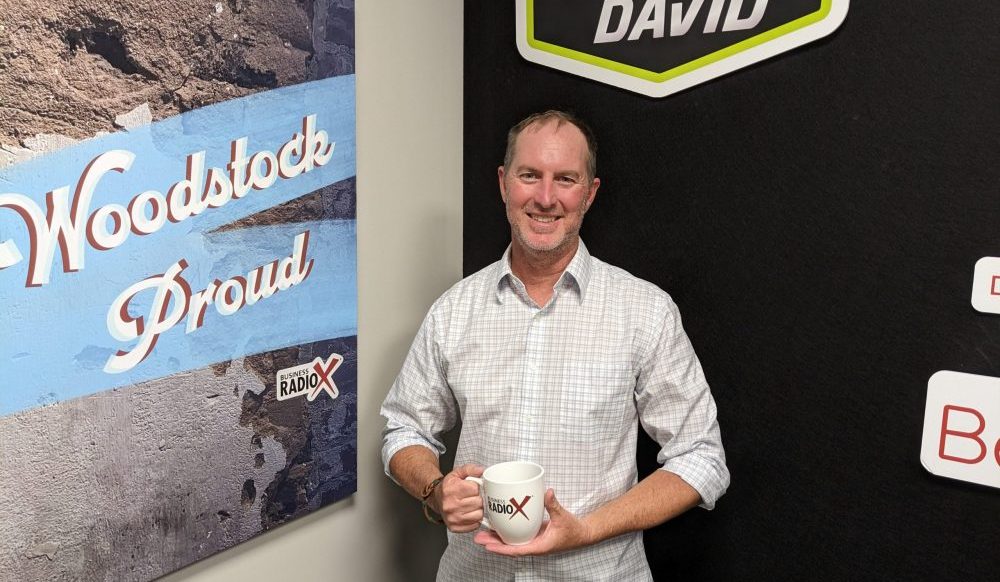
 Kenneth Burke is the VP of Marketing for Text Request, a business messaging platform.
He’s written over 1,000 articles on business growth for dozens of outlets, and he’s helped all types of companies from pre-launch startups to billion-dollar businesses achieve their goals.
Kenneth is also a champion for Chattanooga, and is always open to a new book recommendation.
Connect with Kenneth on LinkedIn.
This transcript is machine transcribed by Sonix
TRANSCRIPT
Intro: Broadcasting live from the Business RadioX Studios in Atlanta, Georgia. It’s time for High Velocity Radio.
Stone Payton: Welcome to the High Velocity radio show where we celebrate top performers producing better results in less time. Stone Payton here with you this afternoon, and today’s episode is brought to you in part by our Community Partner program, the Business RadioX Main Street Warriors. Defending capitalism, promoting small business and supporting our local community. For more information, go to Mainstreet warriors.org and a special note of thanks to our title sponsor for the Cherokee chapter of Main Street Warriors Diesel David Inc. Please go check them out at diesel. David.com. You guys are in for a real treat this afternoon. Please join me in welcoming to the broadcast with Text Request, Mr. Kenneth Burke. How are you man?
Kenneth Burke: I’m doing great. Thanks for having me on.
Stone Payton: Oh, it is my pleasure. What a delight to have you in studio. You made the trek from Chattanooga, Tennessee. I’m so glad that you did. We do have some extracurricular plans at the Business RadioX field office after this interview, but have really been looking forward to this conversation. I got a thousand questions, Kenneth, and I know we probably won’t get to them all, but I think maybe a great place to start would be if you could articulate for our listeners and for me, mission purpose. What are you and your team really out there trying to do for folks? Man Yeah.
Kenneth Burke: So mission statement is or our main goal is to help businesses better connect with their customers. And a great way to do that these days happens to be through text messaging. And so text request is a business text messaging software and basically what that means or for most of the people we work with, we take your your office phone number, your landline number or your Internet number, and we add a bunch of text messaging tools to it. It doesn’t affect your voice services, but then you can text from the same number that you used to calling. And so then we’ve added a bunch of bells and whistles for that, added a bunch of, you know, team friendly features. And so. You know, our clients or our customers will will text with customers for scheduling services, for promotions, for getting Google reviews, collecting payments, you know, anything from just to way back and forth, customer service conversations to mass promotions and everything in between.
Stone Payton: So what are some examples, maybe 1 or 2 examples of, I don’t know what you would call it, a use case or businesses that are using it kind of kind of map that out for us. Yeah.
Kenneth Burke: So our two biggest buckets of, of clients are home services. So your, your Hvac repair, your plumbing services and our and then professional services. So lawyers, accountants, insurance agents, both of those would use this use case, which is just scheduling services or scheduling appointments. So rather than doing a bunch of back and forth and calling in to say, hey, I need to, it’s time for us to meet, when’s good? Let me check my calendar. Okay, You check your calendar. Okay, let’s figure it out. Um, usually they’ll they’ll just send a text and say, hey, you know, here’s. Here’s a link to a time or a link to a calendar. Take your pick or, you know, we can be there. Or earliest availability is, say, tomorrow morning at 830. Does that work? That’s a common use case. Another one, let’s say, after the fact. Hey, please leave us a Google review because Google reviews are the number one way people find your business for most businesses. Yeah. And so, you know, a text is going to get about five times the engagement that an email is and not that email is bad, but text is just more so.
Stone Payton: Why is.
Kenneth Burke: That? I think it’s I think it’s a combo of things, you know from. I don’t know, kind of decades. The way the communications have gone, you know, email is most people use their email as kind of a catch all for a lot of things. So you’ve got your work email, which is, you know, work specific and you try to keep personal things out of it. And then you’ve got a personal email that you’ll give to the Hvac repair person or to your accountant, but you’ll also give it to the, you know, the boutique down the street and the whatever rewards program that you’re signing up for. And then emails get linked. So you get a ton of spam in there, right? So you get 100 emails a day and you probably read 4 or 5 of them.
Stone Payton: Well, and, and I scan through them tonight or tomorrow morning first thing. But now that I just ask the question, but now that I think about it and you’re describing it, if I get a text, I’m going to go and check it out because it might be a client or whatever. I check it out quick. If I get an email, I may not even look at it till tomorrow morning. That’s kind of my discipline. All right. I interrupted you. Go ahead. So we were talking about use cases.
Kenneth Burke: No, that’s that’s exactly it. And so, I mean, it comes down to you can get somebody’s attention better through text most of the time. And and then what do you want to use that attention for? You know, are you a mortgage broker? And you need somebody to finish filling out an application? Are you an insurance agent and you need somebody to sign their, their payments? I, I work with State Farm. Okay. And just earlier this week, I had an overdue payment. They sent me an email. I totally missed it. That’s my fault. But I missed it. But they sent me a text and said, Hey, your payment is due. Don’t let your insurance expire. You know, follow this link to pay online. And that’s exactly what I did.
Stone Payton: So you’ve been at this a while. What are you finding the most rewarding about the work? What’s the most fun about it for you?
Kenneth Burke: I mean, we’re going to get a little cliched here, but it’s about the process. It’s about the journey. I mean, it’s text messaging software. It can be exciting, but, you know, it’s a business software. Nobody nobody grew up feeling passionate about that, you know, for getting able to to work on something day in and day out. I mean, I’ve been at this eight and a half years now, you know, with text requests specifically. So growing, trying to grow the company. Trying to help the employees that we have. Grow in their careers and, you know, in their own skills. Helping our customers actually better communicate with their customers. Better connect with them that. That all has an impact. That’s what gets me up in the morning. I mean, I think something that’s really incredible, especially because we work primarily with small businesses, you know, a few percentage points difference in revenue can be the or profit margin can be the difference between them being able to go to a kid’s basketball games or being able to, you know, have enough money to take the time, whatever, you know, take the time for themselves, for their family to spend time together. Um. And as the son of a small business owner, things like that are near and dear to my heart. So, you know, if we can help you be more efficient in your communications, which leads to better sales, better marketing, better, etcetera. I feel like I’ve done some good.
Stone Payton: So tell me a little bit more about the about your back story. How did you arrive at and find yourself doing this? Because my experience has been with most guests who and many of whom are very accomplished. Like yourself, It’s rarely a straight line, right? Tell us. Yeah. How did you get here, man? Yeah.
Kenneth Burke: Serendipity is how I got here. So I was in so my undergrad was in psychology and I love that. But I didn’t want to go to school for another five years to be able to do something with that degree. And so I went into sales. Because sales is where you can make a lot of money and you’re the driver behind how much you make. That was the idea at least. After a couple of years, didn’t really enjoy it. I was trying to get away out. There was a good friend of mine who was part of the founding team for Tex Request, and he’s kind of your perpetual hype man. Like he’ll get you excited about anything. And he got me excited about this and I said, That sounds great. Can I come join? And he said, Yeah, come on. So I did. I showed up one Monday and first thing I was supposed to do was cold call local businesses to say, Hey, here’s the software that we’ve got. You want to buy it? And after a few months of that, it’s like this. This is not working. Can I try marketing? You know something with that? Nobody else was doing marketing at the company at the time. And they let me. You know, for whatever reason, they gave me plenty of room to to fail, but also plenty of room to to learn and grow and put a lot of work in on the outside too, outside of business hours to make that happen. We got more things right than we got wrong, and here we are.
Stone Payton: So I am operating under the impression that marketing for you probably has an education component to it, just so that that smaller and mid sized businesses even understand A that it’s available, but also when and where and how they can apply it. Is that an important component of the way that you go to market communicating those those applications for the for the technology?
Kenneth Burke: It definitely is. I think some I think there’s two main things that make it that way. One is just for me as a person, I enjoy the educational aspect. I like sharing what I know. We don’t have to dive into the why that’s the case, but that is the case. So there’s that. And then part two is whenever we started, there wasn’t a market for business text messaging. I mean, everybody was texting each other, but texting with the business wasn’t a thing. And so we had to spend a few years educating the market. Here’s what’s happening. Here’s why it matters. Here’s how you can take advantage of it. And over time, we were actually able to carve out a little niche, a bit of a brand identity out of it. So it really fed into our positioning and now it’s a part of our ethos.
Stone Payton: I bet. And you probably have captured and are distributing, I don’t know what best practices like some thought leadership around, you know, here’s some disciplines, everything from etiquette to, you know, what works and maybe some places that, you know, hey, don’t necessarily use it for this or this way you’re going to get a lot more results if you use it this way. And and you’re giving some access to people, your customers, to tap into that community of practice or that knowledge base.
Kenneth Burke: Yeah, absolutely. Something that’s nice is, you know, we’ve worked with so many tens of thousands of businesses now that we’ve collected a lot of information, right? So we’ve seen a lot of use cases and we want all of our customers to succeed. And another thing that helps us stand out is, you know, our our support and sales and success teams are always available. So, you know, within reason, you know, not when there’s sleeping, but if you need help or you want advice or just to brainstorm or whatever, you know, we’re always happy to help. So you can always talk to somebody about that. And so kind of the combination of those things, you know, comes together and we spent a lot of time saying, Hey, here’s what we recommend, you know, but also let us know what’s working for you. Any time. This was a big part in the early days is we knew texting was a thing that businesses should be doing, but we didn’t know exactly how or what the nuance would be. And so we said, Hey, here’s this tool, here’s our software, go use it. Here’s a few recommendations we have. And then people would come back and say, actually, we’re using it in this way or for this reason. And that was really exciting, too, to go through.
Stone Payton: That’s a marvelous idea. How about let’s learn something from our customer base? How about that? All right. So you’re headquartered in Chattanooga, Tennessee. Yeah. Tell me about the business climate and the I don’t know, what’s what’s the community like up there in Chattanooga? Are you finding it an embracing business community and community in general? Is it a is it a fun place to be? Tell me about Chattanooga, man.
Kenneth Burke: Well, obviously, it’s great. Otherwise, we wouldn’t still be here. But and I’m a little biased in all of it, But yes, I mean, one thing that is unique to Chattanooga, especially compared to a lot of other cities, is everybody’s always willing to to help or to make an intro. And so if you if you’re an entrepreneur or you’re a small business owner or you are an entry level sales rep or, you know, pick a position, you’re in between jobs and you say, hey, here’s what I’m trying to do. Can I talk to you about it? Can is there anybody you would recommend that I should talk to or any resources I should look into? And 98% of the people in Chattanooga are going to. Talk to you and point you in the right direction. And that’s that’s pretty unique.
Stone Payton: So you guys have accomplished something that so many of our listeners and I guess I would say Lee and I too, we run the Business RadioX network, hope to accomplish in terms of scale and and impact. And I’d like to I’d like to think some of that is a product of the culture that you’ve built within the organization. So I’m interested to get your perspective on recruiting, developing and continuing to nurture the people in your culture. You’ve probably learned some lessons. Maybe you’ve even skinned your knee a couple of times, but have you come out of that with a with with some some sort of framework for this is how we recruit, develop, retain our our people?
Kenneth Burke: Yeah. There’s a lot that goes into it for us early on and I don’t remember when exactly, but early on we kind of had this collective epiphany that a company culture is the one thing you build without ever writing a line of code. It’s going to be created whether you’re intentional about it or not. And so it’s best to be intentional about it. And once we thought about that, we started putting more structure around how we do things. I mean, we’re always a fairly laissez faire group of people. Like if you needed to get in at 930 instead of 830 and wanted to work later instead of going home a little sooner, that’s fine. If you needed to leave for a doctor’s appointment or to pick up a kid, totally fine, you know? The most important thing was that the work gets done and that we’re working together to hit a common goal. But once we kind of had that realization, we started to put some more structure in place for other people so that they could they could thrive and started to work through more questions about what happens in this situation or that.
Kenneth Burke: And then started to more, I guess, systematize how how to treat others. And we a lot of times just go by the golden rule of treat others how you want to be treated. But sometimes people want to be treated differently than how you want to be treated. So, you know, put some structure in place, kind of made sure we. I don’t know what the right phrasing is, but try to make sure we weren’t putting people into a box that they wouldn’t enjoy being in. If that makes sense. And then, you know, flexibility, feedback. We were a small company, especially at the time. So every time we added a new person that fed into the culture. And so it was kind of how do you want what direction do you want this to go in? Now we’re about 40 people, so it’s a little more said it’s a little more difficult for any one person to influence it. But still, it’s the culture becomes an amalgamation of the leaders and the people they lead. So.
Stone Payton: No, that’s well said. How do you and I’m sure there’s no Pat answer to this, but it’s one thing for, you know, that founding team, that early start up group, they’re all, you know, just breathing, eating, living the business and where they’re headed. And then as you grow up, I guess, as I say, how do you get the results you need and want with the voluntary effort and cooperation of other people? And maybe perhaps even more importantly or maybe this is the secret sauce. How do you translate that vision, that mission, without an excessive dilution? That just seems like we haven’t been faced with that yet at Business RadioX. So I’m asking genuinely, you know, what are some do’s and don’ts or some things to think about if you if you want to try to to because those are the those are the those folks are on the front line man. You want them living into that same mission and vision right.
Kenneth Burke: Yeah and especially for the people who are really on the front line, like your customer service personnel. Yeah, that’s that’s much more of a grind a lot of times than being in management, you know, or higher. A. One thing I would say is that you probably can’t get them to want to treat it the exact same way. So I’m I’m not one of the original founders or primary owners. They are going to have a much more vested interest in the growth and success and health of the business than I am because it’s much more their baby than mine. I still care a lot. I still feed from them. I still have my own investment in it, but there’s going to be a little bit lost there. And I think what you want to look for and there’s going to be a little bit lost kind of at each at each management layer as you keep going down. Okay. But the thing is to make sure that it’s. It’s not lost because people don’t care. I guess there’s a lot of ways to or they don’t feel like they they matter to the vision. So if you’re able to to set a vision, set a trajectory, say, hey, this is where we’re trying to go. This is your piece in it. I want to help you. You know, I want to help you help us, basically. And then I also understand that, you know, for you coming in as this is an entry level position, we don’t really expect you to be here for your entire life and we’re not going to act like we do. And so how can we treat you and develop you in such a way that you feel like you’re getting the most out of this experience? Um, so that you can go wherever you want to go. And, you know, ironically, not ironically, but kind of. Counterintuitively, if you are treating people that way, then they do become more invested in the business because you are more personally invested in them and they want to stay and they want to keep contributing.
Stone Payton: Well, and I suppose it’s also quite possible that their expression of their investment in the organization and the vision just may look different than than what your frame of reference is. Right? They may just be approaching in a very different way. And if you can at least not let try to try to set it up so that so that their value system doesn’t clash, you know, you might even you might even get a new way to demonstrate and live in the vision and mission that that that that you guys hadn’t expressed yet.
Kenneth Burke: Well, and that’s a great, great point, too, because whenever you’re hiring something we learned something I learned at least was. Basically interview based on skills, hire based on values, and so interview based on skills. So you’re getting 100 applications of people applying for whatever job who looks the best on paper, you know, who are the top five, let’s say. Great, bring those in. Now, whenever you’re interviewing those top five, assume they all have within a margin of error the same skill set. Now whose values most closely aligned to your values, to your company’s values, because those are the people where you’re going to be able to. For lack of a better term, go to war with day in and day out. When you have to go through the grinder, you have to do what’s extra. Those are the people who are going to come together as a team and actually do it as opposed to somebody who says, well, you know, I got my 40 hours this week, so I’m going to go home now.
Stone Payton: Right. All right. If you’re up for it, I would love to actually dive into the work and maybe walk through a potential use case. And you have complete license to say, yeah, that’s not a good use case. And if you are a prospective client for this, I would just tell you that. But and we’re going to it’s my show, so we’re going to do it about me guys. Listen, if you want a lot of really good, solid, free consulting, get yourself a radio show. Because once you get them in the room and you hook them up to the mic, you can ask them almost anything you want to. So you heard me at the top of the show. I did a live read for our community Partner program, the Main Street Warriors. Just to give you a little bit of quick context and many of my listeners know this, the core business model at Business RadioX, we’re in 58 markets in some way, but we have 19 of these physical studios like you’re sitting in right now. And typically someone who’s already an entrepreneur and almost always in the professional services, B2B business will run that studio. They will utilize the studio to help them serve the community and help them grow their own business. But there is a very lucrative business in the Business RadioX business.
Stone Payton: And so me and the other 18 people who run these community studios, we all have a half a dozen to a dozen clients who are professional services, B2B, CPA, lawyer, it managed services, folks like that, marketing agencies. And we kind of we we counsel them in most cases. Look, let’s yes, let’s do a custom show, but let’s don’t do the I’m a smart CPA show. Let’s really think through who you want to serve, where they’re hanging out, what they’re excited about, what they’re scared of. And then let’s build a show that will put you in a position to genuinely serve that ecosystem and as a result, build real relationships real fast with that group. So that’s our core business model. It works. It always works. Kenneth had never done work. I mean, it just really and I know, you know, I’m biased, but that’s the case. And fast forward to me doing that for 18 years or I guess it would have been 17 at the time. Then I moved to Woodstock, Georgia, and I meet a lot of people who are like solopreneurs and start ups or, you know, just really small organizations. Maybe it’s a two person law practice. It’s not a 28 person law firm, and I don’t care how good my thing works.
Stone Payton: My our our fee schedule is is just out of reach for those folks. Right. And so but at the same time, you know, I got the local radio thing, so I’m becoming social mayor. I’m meeting all the small businesses and I’m trying to figure out a way to help these smaller businesses. And I just love the sense of community. So with a little bit of help from from a couple of folks here locally, namely Sharon Cline, who’s a voice over artist, and David Samiyah, who runs Diesel. David Ink, We we built this thing called the Main Street Warriors. And the idea is that we could we could build a community partner version of this where smaller businesses could afford it at a much lower fee schedule. And they don’t they don’t get their own custom weekly show and all that. But we let them sponsor shows and we let them do special episodes. And when and when we write a check to a local nonprofit, it’s the it’s not stone, it’s the main street warriors. Okay. So that’s a little background context. So we’re getting that thing off the ground. It’s got some legs, but now I’ve got now I’ve got now it’s just successful enough to be dangerous, right? So now I’m building this community.
Stone Payton: I’m kind of trying to fan the flames a little bit. And and in building the community, I want to continue to communicate with the folks who enroll and become members of this thing of ours. Is that a potential use case? Because as you’re talking, I’m thinking, well, maybe even on the marketing side, but let’s just say let’s say they went ahead and they enrolled like I would love to, to get some communication out to these people on a consistent basis in a way they could respond. For example, we’re going to do a retail raid. One of the things that we do is we get the main street warriors together. We all hop in the car or the golf carts, and we go to a local, you know, a restaurant or the dress shop or whatever. And, you know, you drop 1000 bucks on a local retail shop. You’ve made a real impact. And so wouldn’t it be cool? Maybe, I don’t know, almost Shut up in a minute. If we if we got the word out. Hey, guys. Next retail raid is at, you know, the manual down on Main Street. I’m on a hush now Is there anything there for your for your technology.
Kenneth Burke: Yeah yeah there’s there’s there’s a lot of options there. Right. So it’s a communication channel like. You might use for email or a social media post or something, right? It’s just texting is going to usually get people’s attention faster. So a few a few quick use cases from from that context. One is you could use it, let’s say, just for content marketing. So you’ve got new pieces of content or a new radio show or an episode, you know, and you want to give it share it with your subscribers. So you can text it out to them and you can do a handful of things to to bring in new subscribers like you would for anything else, you know, forms, you know, hey, a CTA or a call to action on the show, you know, hey, subscribe. I’m doing X, Y, Z. You send it out. And let’s say for your CPA client, it says, hey, you know, today we’re talking about how to handle, I don’t know, pick a tax topic. Here’s an episode all about it. If you have any questions, just respond to this message and we’ll talk through it. And we’ve seen tons of companies. Use that approach to to get new clients to upsell existing ones, to spread their brand in general.
Kenneth Burke: Because even if I’m not interested in buying anything or talking to you about it, I’ll consume the content. I’ll at least see what it is. Somebody I know probably comes to mind. I’ll send it over to them, etcetera. Yeah, so there’s one use case, another is just the Yeah, kind of an SMS promotion or SMS marketing for, Hey, we’re going to be meeting up at this retail store this week and there may even be a discount that you can share to say, hey, as part of this group, you know, you get 10% off of everything, we’re going to show up. It’s going to be a great time. Here’s an image or a flier, you know, to help jazz it up a little bit. So there’s a couple. I mean, I think about radio shows in particular. We’ve had a lot of radio stations coming in to us and they’ll recently especially and they’ve they’re primarily using it for a text request. So not necessarily the brand name, but the action of requesting a song or a topic to cover or asking a question for people who are on air.
Stone Payton: So we could have done that today. If I were all set up with that, I could have sent out a text yesterday or earlier in the week and said or even we could even do it while we were on air and text out. Text us to this number. Questions for Kenneth. Absolutely. Oh, I love it.
Kenneth Burke: So there’s a few I can keep going with use cases all day, but.
Stone Payton: You’re really good at this. So all of those make perfect sense to me. You briefly mentioned marketing. Is it okay to use this technology to go to someone that you’ve never spoken to? And if so, are there some kind of there may even be some legal stuff, but are there just some best practices like, look, if you’re going to do this elegantly and you’re going to hit someone cold with the Main Street Warrior program in Cherokee County that you don’t know, you know, do this, don’t do that kind of thing. Yeah.
Kenneth Burke: So first of all, I’m not a lawyer. This is not legal advice.
Speaker4: Okay. Fair enough.
Kenneth Burke: Point one, don’t text anybody you’ve never had a prior relationship with. Okay. So salespeople ask about this a lot for prospecting. You know, should we or what should we say whenever we cold outreach somebody through text to really protect yourself. Don’t do it at all. Now, if you have a quote unquote, prior business relationship with somebody so they have purchased from you before or they’ve gotten on to your marketing list, somehow they’ve given you their contact information basically in one way or another, then more or less fair game. You need to be able to manage opt ins and opt outs. And so if somebody says, Hey, please stop texting me or something more colorful that you can take them off the list. But other than that, you know, if they’ve let’s say I mean, anyone who’s interacted with your Main Street Warriors program, if they’ve given you contact information. Yeah, hit them up.
Stone Payton: Okay. All right. Well, and that’s really more our ethos anyway. We would never try to spam somebody into buying some little thing anyway, but yeah, I really. Okay. I really like this idea. Fantastic. I’m going to shift gears on you for a minute and ask you about passions outside the scope of your work. My listeners know I like to hunt, fish and travel so they know that about me. Anything in particular, you have a tendency to nerd out about that just a separate and apart from from this effort.
Kenneth Burke: I can nerd out about most things, to be honest. Not that I’m like an expert in any of them, but I just. I find those rabbit trails fascinating. I love reading. You know, right now I’m reading a book on the Man Who Ran Washington, which is about the life and times of James Baker, the third who was kind of ran Washington for 30 years or something. Yeah. Uh, let’s see. Anyway, I love reading love music big into guitar. Used to play piano and violin, but have since rusted out on those. So anything there, anything with live music is is near and dear to my heart. And then I I’ve done a lot with the the Young Professionals group in Chattanooga so a lot of helping to recruit, develop and retain talent in Chattanooga. And I love Chattanooga anyway. So just everything around that is is a passion of mine.
Stone Payton: It’s interesting that you I wonder, they’re probably not connected, but we have a group here right here in town, and it’s the Young Professionals of Woodstock. And believe it or not, Kenneth, they let me in. I don’t know why. And now it’s my responsibility. I’m on like a committee, and I’m defined, like once a month, maybe twice a month, what we call a local leader. And they may own a business, but often it’s people that are with the city or the government or the sheriff’s department, you know, first responders. But it can be a business owner and maybe they’re, you know, heavily invested in a in a nonprofit. But it is such I love being a part of that, a part of that group. And, of course, now you got my wheels turning. We have a like a YPO chat, YPO, Young Professionals of Woodstock. And so we do communicate there through the chat. But how how cool would it be if we had like this, this texting thing to go back and forth?
Kenneth Burke: Well, and then, yeah, I mean, great for for your committee, but also, you know, for getting the VIPs to come back month after month, you know. So I mean we’ve we’ve done events. We pretty much have a monthly educational event and then a monthly just meetup. So the meetup is, you know, we pick a bar, a restaurant, and we say, Hey, everybody show up at 530. We’ll be here until about seven, you know, hang out, have a good time. And then for the educational, it’s pretty much pick a different professional development topic. So how do you turn a side hustle into a full time business or how do you navigate work life boundaries or how do you we’ve done how do you handle your own taxes? We keep coming back to accounting. But anyway, so that’s always been good. And just getting the word out. As a quick reminder, especially, I don’t know if Woodstock is this way, but Chattanooga’s kind of a last minute town. So whether it’s for sports or events, you know, or something else, those day of texts to say, Hey, don’t forget this is happening, come on out, bring a friend, make a big impact.
Stone Payton: But you thoroughly enjoy working with that group. You probably get first look at some marvelous talent. Yeah.
Kenneth Burke: And there are definitely a few perks. I mean, there’s nothing that’s, you know, I can’t. Come in and lay claim to to anything or to any one person and say, hey, you should come work for us or something. But yeah, I mean, it helps me see some great people. And I think that’s that’s a lesson we can all take away in most of these situations is there’s a lot of great people out and about. One, everybody has a good story or an interesting and unique story. And then two, there’s just a lot of valuable people who are interesting or interested in what you’re trying to accomplish. Do what you can to get out and get in front of them.
Stone Payton: So do you find yourself filling, whether informally or formally, kind of a mentor role with any of these folks?
Kenneth Burke: Mentor may be a strong word, but maybe moments of help. So it’s it’s been fairly common where somebody recently out of college has somehow or another gotten connected to me and has said. Has asked the question or something to the effect of. I want to find something I’m passionate in, something where I can make an impact in. And I you know, so basically they feel like what they’re the work they’re currently doing doesn’t matter in the big picture of the universe and they want something to matter. Uh, so there’s a lot of moments where that comes up. And my response is typically, you know, passions are developed, not found. So if you’ve got a couple of good things going for you, a boss who cares decent, pay some flexibility then. You know, do your best work where you can. Be good to people and other opportunities will come from that.
Stone Payton: And this is not something that Kenneth just read in a in a book. You guys have actually been named like one of the best places to work in the Chattanooga market, haven’t you?
Kenneth Burke: Yeah. So for Chattanooga, we won. We we want a recognition for best places to work three years in a row. Wow. And I think we would have had four, but they stopped doing the award. The local one. And so nobody got it fourth year, but we got a three peat. We’ve been a certified Best Places to Work, which is a trademarked title, apparently. Yeah. Yeah. Um, and then we’ve also I mean, just recently earlier this week, we were named to the Inc 5000 fastest growing companies for the third year in a row. And I really think those two are related, right? Like if you, if you take care of your people, they’ll take care of of your customers. But it also just makes them more enjoyable work environment.
Stone Payton: So what do you think it is? Are there a couple of things you feel like you can point to and say, Well, this is why we were at least in the running and maybe why we won? Because we’re really good about this, or we certainly put a lot of attention toward that. And are we? Whatever we do, we never, ever do that.
Kenneth Burke: It’s hard to say, honestly. I mean, there are so many things I would like to say. It’s because, you know, we. We chose a good market, built a better product, and then our good people. So we recruit good people and, you know, are good to them. It’s definitely an oversimplified response for it. But I think a lot of it does come down to just those basics.
Stone Payton: So what’s next for you guys? Where is text request headed? Anything in particular? You’re going to be focusing your energy and your effort on in the coming year, 18 months?
Kenneth Burke: Yeah, well, there’s there’s two things. One is probably really boring to a lot of people. It’s just some more things on on the security side of messaging and how that fits in with compliance and the telecom partners and all of this stuff that I could nerd out about. But that won’t make sense to most people. So that’s one thing. Everybody will get value from it. That’s that’s what’s important. But then also, it’s kind of an exciting time for us these next few months. One of our largest competitors historically who launched about the same time we did, we’ve kind of gone toe to toe with feature for feature with they’re shutting down at the end of November and they’ve actually been referring their customers to us. And so one love that. And then two, you know, we just especially on the marketing side, just need to make sure we do everything we can to to funnel those people in our direction and make sure they all have a good onboarding experience. That’s that’s pretty good moment for us.
Stone Payton: Yeah. Well, it’s an exciting time for you, man. All right. Let’s leave our listeners, if we could, with a couple. I call them Pro tips, right? Just a couple of dos don’ts, things to think about, maybe something they could be reading and, you know, pick pick a domain, whether it’s what you learn from from kind of the start up getting this thing to where it scaled, maybe what you learned for bringing technology to the market or maybe continue this conversation, what you learned about recruiting, developing and nurturing good talent and and getting everybody rolling in the same direction. Let’s let’s leave them with a couple of tips or thoughts.
Kenneth Burke: Yeah, I wouldn’t say this is anything too groundbreaking, but this applies to all of the options you mentioned. And it’s it’s just do the small things really well and really consistently. And when we look at what marketing efforts have worked for us long term, when we look at what has enabled our customers to succeed long term, and when we look at what’s enabled us to recruit and retain good talent, it’s been doing the small things well and consistently. And so it’s, you know, if it’s marketing, it’s creating content that answers a question in a helpful way and getting it in front of the right people and doing that 400,000 times. And if it’s recruiting, it’s saying, hey, it’s defining what the job function is and, you know, getting it out into the world and then asking the right kind of interview questions to bring people on. If it’s developing people ongoing, it’s something similar to just that, but just checking in and saying, hey, how are you doing? Or, Hey, you seem a little tired today. Can I help? How is your workload? Just those little questions. And I’ll be honest, I felt pretty awkward doing a lot of that stuff whenever I first started. I just. Something told me or probably somebody told me more likely that I needed to do that. And so I just started doing it. And it’s paid off, but it’s paid off across the board.
Stone Payton: All right. What’s the best way for our listeners to to learn more? Maybe have a more substantive conversation with you or someone on your team. A good way for them to tap into your work. And I just I want to make sure that they can connect with with you guys and tap into what you’re doing. Whatever you feel like is appropriate, whether it’s email, LinkedIn, website. Let’s just let’s make it easy to connect, man. Yeah.
Kenneth Burke: So if you want to talk to me directly, LinkedIn is the easiest way. Just look me up. Kenneth Burke I work for tax request. There’s only one of one of me, so go with that. If you want to learn more about the company or talk to anybody or me even about that, you can go to text request.com. It’s really easy to contact us five different ways from there. And our phone number is (423) 218-0111. If you want to call or text.
Speaker4: Us and if.
Stone Payton: They start that journey they may get a text haven’t they. They might.
Speaker4: Well.
Stone Payton: Can. It has been an absolute delight having you on the show, man. Thank you for your insight, your perspective. You guys are doing important and productive work and we really appreciate you, man.
Speaker4: Hey, thank.
Kenneth Burke: You so much.
Stone Payton: It is my pleasure. All right. Until next time, This is Stone Payton for our guest today, Kenneth Burke with text request. And everyone here at the Business RadioX family saying we’ll see you in the fast lane.
Stacie Roby with Healing House

/
RSS Feed
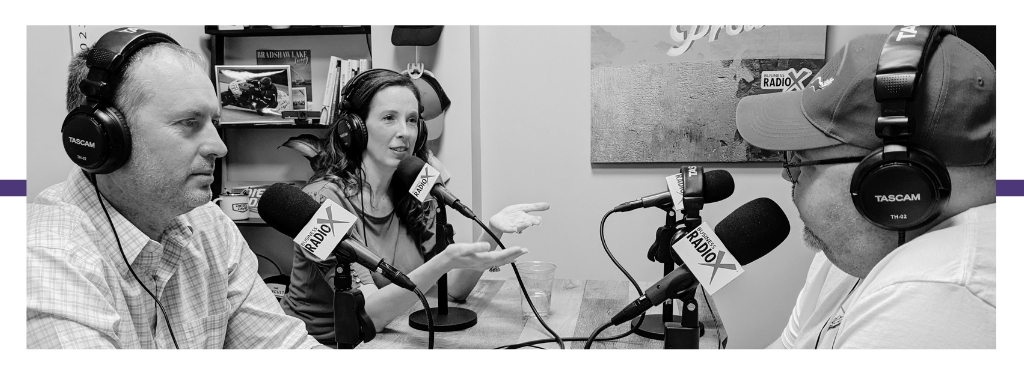
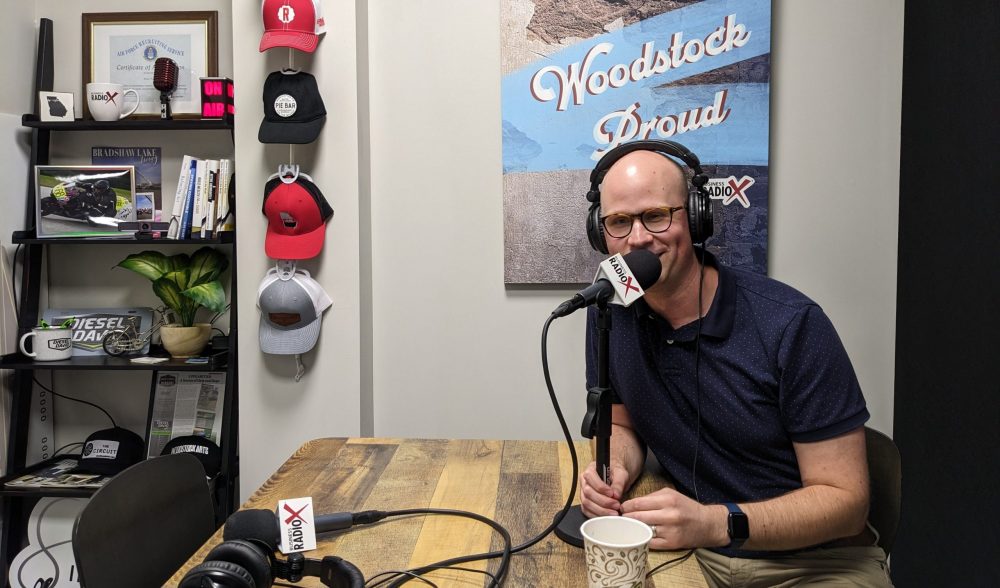
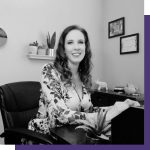 Stacie Roby is getting her board certification as a Doctor of Functional Health and a Naturopath. She has worked in brain injury rehab, family practice, pediatrics, women’s health, and some cancer care.
In brain injury, she saw teams of doctors that would collaborate for patients’ care. As she went to other areas, this would be great but is not done.
It is a detriment to healthcare and another way the health system is broken. She realized this as she experienced her own family’s health searching for answers from various experts. No answers were found to help her children or her ex-husband. She had to do the research to find answers herself.
She learned from rehabilitating her ex from a vegetative state to walking, talking, self-care, and being an active part of the community again to the issues her kids had faced. She was being given referrals from the doctors looking over the care of these family members for things such as Inflammation concerns, migraines, and mental health. From these referrals, she was encouraged to get a license as a health coach to cover her guiding health.
She had been doing functional health alongside doctors which made it her goal to go get her doctorate as well, however, she suffered a concussion and wasn’t certain she could finish. She got back to it, networking and sharing her vision to create a collaborative team of Healing House Mind & Body.
Finding root causes and helping the foundations of health by bringing in chiropractors, psychologists, nutritionists, individualized bloodwork, and more as well as modalities that are leading edge that help regenerate or retrain either body or to promote healing that practitioners simply cannot alone. Today she is hunting for a location to open with over a dozen people she has found to create this team!
This transcript is machine transcribed by Sonix
TRANSCRIPT
Intro: Broadcasting live from the Business RadioX Studios in Atlanta. It’s time for Charitable Georgia. Brought to you by B’s Charitable Pursuits and Resources. We put the fun in fund raising. For more information, go to B’s Charitable Pursuits. Dot com. That’s B’s Charitable Pursuits dot com. Now here’s your host, Brian Pruett.
Brian Pruett: Good, fabulous Friday morning. It’s another fabulous Friday morning. And normally I have three fabulous guests. But this morning I’ve got one fabulous guest. We had some folks that had some unexpected things pop up this morning. So we have a star of the show this morning. So if this is your first time listening to Charitable Georgia, this is all about positive things happening in the community. So we are going to get started this morning and talk to Stacie Roby from Healing House. All right, Stacie, welcome this morning.
Stacie Roby: Good morning.
Brian Pruett: So you and I sat down. It’s been actually several months ago and you shared your story with me. And it leads into what you’re doing with Healing House. So if you don’t mind, just share your story and then we’ll talk about Healing House.
Stacie Roby: Sure. So I’ve always been taking care of different family or friends. My aunt, when I was young, had some surgery go wrong, and so when I was ten, I was actually taking care of her. She had hospice coming in sometimes and I started helping with her central line, so her IVs and stuff, and I didn’t really think much of it. Then when I actually realized that that might be different was when my first husband was in a coma and I realized my son was 11 and he probably would never have touched the machines that ran, you know, that kind of stuff. So I thought I was just a girl and girls care. And then I realized, Oh, no, there’s actually different people that can do certain things. And so maybe that was something I should have took note of earlier. But but yeah, so I’ve kind of gone on a journey of seeing different things there and then working in the medical system and because I cared and people just want to help. And so I was there and finding some things that were just not flowing the way I thought and we weren’t getting some answers. So looking deeper into why the body was the way it was, that’s where I’ve been Good. I always excelled at anatomy and physiology and physiology was just how your body works and why. And that’s kind of what I continue to do now for different people. And it’s through the journeys of all from my aunt to my ex-husband and my kids having different health things and working in that field, finding it for different patients that we had led me to understand. I have kind of a gift that I can dig deeper and really just feel good when I give somebody an answer. So just trying to do that in multiple ways and partnering with others that can do the areas that I don’t so that we can help them feel better and feel happier.
Brian Pruett: So can you share a little bit about what you did as far as the medical side because you just finished up your schooling, right? And you’re going to be doing your healing house is going to be a medical clinic, but share a little bit about that experience and then explain about Healing House.
Stacie Roby: So healing, it’s called Healing House Mind and Body and and we will have various types of practitioners. So there will be chiropractors, but they’ll be psychologist, they’ll be different types of people and different fields so that we really are well rounded care. And you know, I did work in brain injury for some time. I worked at a brain injury recovery program and hospital and facility and then family practice and pediatrics. So I have a wide spectrum of things. And then. From there. So I’m not a medical doctor, so I won’t prescribe anything and stuff like that. I could go further, but really I’ve been doing functional health for a long time and so I was just advised by the doctors and things I used to work with just to go get, first of all, a health coaching certificate so that I had something to stand on while I was guiding people with those answers and then go to school for functional health. So. So I have a doctorate of functional health and I’m also a naturopath in that schooling. You can pick a whole bunch of other titles as well, which some of them I consider. But sometimes I’m like, How much schooling do I keep on doing? I can get addicted to learning. So it’s a problem. But a.
Brian Pruett: Career student.
Stacie Roby: Yeah, exactly. But it’s things that help. Like while I went to this, we had to study Iridology So you study the eyes, you look at it really closely and your eyes are made from brain matter and it has nerves that go to every organ in your body. So it actually can tell you what systems need support. But it’s very, you know, and so, yes, I can go and become a master Iranologist but I know Iridology And so it does help me, though, in a way that I, you know, went in learning like, okay, this is cool. But when I realized I also had to study Chinese medicine. So when I look at the face and I see the signs that are displaying like from kidneys or colon issues or stuff like that, then the eyes are telling me the same thing. Then I test urine and I see the same thing. Okay, well now your body is screaming at me in three different areas, telling me these organs need support. So I do love it and I do use it because now I know exactly what the body needs more than just one one way. So it’s pretty interesting. But so yeah, so healing house, it won’t be medical.
Stacie Roby: It will have some MDs in there, but there kind of different like me where they were just working in their field and they started to see where there is just a wall that you hit with what you’re doing because a lot of them don’t go into how the prevention part. So a lot of them went functional in their field so that they can go to the wise. And then when you look at what’s happening, the root cause, you can actually work on reparative and then preventative. So everybody’s body is actually made to heal. It just needs to be given the right things and that’s across the board for anything you come across. So the other day, I don’t know. I don’t know if I like this. I don’t have a tag or anything like that. But I thought, Oh, I bring out the heal and healthy because everybody wants to be healthy. But if you really are healthy, your body should be always healing different things, right? So it’s bringing out the tools that people need that they can totally do on their own. That’s what I really love. If I can just tell people, you know, Hey, you can test yourself every time you go to the bathroom and you can know if you’re drinking enough water or not.
Stacie Roby: And then you know how your kidneys are functioning. You know how you’re processing food or not. And then they are like, Wait, what? So I showed them a chart and I said, Yeah, it should be like this. Now, this is when you didn’t drink enough and this is when you drank too little. I mean, you drank too little and this is when you drank too much. Well, then they can do that on their own. Every day. They can go, Oh, I kind of didn’t drink enough. I need to drink more. And they know that they’re pushing their bodies, their organs to be functioning just to do what it needs to do. So those little tidbits that you just guide people with, they can carry that for the rest of their life. They don’t need me or anyone else. So but it’s critical to their functioning. It’s critical to their cognition, their you know, when they have digestive issues, maybe there’s little things that they just didn’t know and helps it. So that’s what I like to do, is just drop the nuggets that they need and send them on their way. All right.
Brian Pruett: So we’ll get more into the healing house and mind, body and spirit here in just a minute. But a couple of questions for you. So we had Jenny Cantrell on a few months ago, who was also a naturopathic doctor. But for those of you who may not or listening who may not know what that is, explain what you can do and what the what what you can’t do and just what you do as a naturopath.
Stacie Roby: So naturopaths look at the foundations of health. So it’ll be hydration movement, nutrition, rest and stress and those kind of building blocks. That is what your health is built upon. So they don’t go and prescribe things, but they do guide you with the changes that you need to make in your life. And they can look at chronic things. They we study herbs, we study. A lot of us know homeopathy as well, which is a different kind of medicine, but it’s, it’s, it’s different. But anyway, so there’s different types of things that you can use to heal. And so we put in those pieces together. So I do know Jenny and we talked and she is a great lady. She might be a part of Healing House. It’s just, you know, I would like to have more of me and more of others out there. And it’s amazing because the healing house came to me years ago and I was like, okay, I’ve got to finish school. I’ve got to do this. But in the meantime, I want to find those people that are aligned with me. And I kept on looking and looking and some of them I did fine, but a lot of them, I think. I believe in God. And he just knew the timing. And really it was when I was maybe he was telling me, don’t worry about that now, you’re not there yet.
Stacie Roby: And so I had a concussion, so I had to kind of go to cognitive therapy. Working in brain injury. It is a whole new world when you experience everything that you’ve done and it just doesn’t feel the way you thought it felt, you know? And it’s kind of frustrating because I just wanted to get through school and get it done. But I had to be patient with myself and my brain and just get through. So when I got through, though, I think he used that time to like, show me different ideas. Like Healing House became more than I ever thought, and the right people just started flowing and being introduced to me and we just really connected and they were like, Yes, I so want to be a part of this. So while I thought that that and it is still hard, there’s still some other people that I really want. I don’t know where they’re going to come from, but I kind of feel like everything has fallen as it should and happened the way it should. And I kind of just I’m going to go with that, that the rest of it will fall in place. And so it’s just a great thing. But yeah. Naturopaths They are not an MD and but they do know those tools that you need and that most people don’t understand.
Stacie Roby: And so a lot of people, once they start talking to one and they see all the tools that we have and they get really comfortable with that because we’re listening and there are certain areas that we’re trained in just to listen. And it’s kind of like a mental health side to hear what the underlying is it a fear? Is it a confusion and uncertainty? And then you kind of guide them that way. So it’s it’s both sides as well. But and it’s it’s just interesting because you can keep on learning and getting better at it the more that you practice. And that’s just being with people and listening. And so, yeah, I just want to have more of those people, any type of those, it doesn’t, you know, like I said, there’s a hormone doctor that I’m talking with, you know, and other people that were in that field, and then they decided, Oh, there’s other ways to do this. That’s great because it’s the people that start looking at what they’ve been taught, taught and then going, there’s there’s more behind it and then they bring extra to what they do. They take what they do to a different level and they reach so many people and they find so many answers that just don’t go explained in the typical medical world.
Brian Pruett: Right. Well, I liked how you talked about God’s timing, because I’m a believer as well. And it’s definitely true. It’s never our timing. It’s his. And you always wonder why is it not now? And you were talking about your concussion and, you know, having to wait and stuff, but all the experiences you’ve had from your own experiences to helping others, you are in that place where you can help all these people. And we were talking before we got on the air about people in different nonprofits who have lived, you know, their story. Kevin Harris He’s one of my favorite people now who all in and all out. He was an addict, sober now 11 years, and he’s helping men with addiction. Well, I could go do that and just talk to him, but I’ve never lived that. But he can. And so it’s more powerful when somebody’s been in that situation. I think it’s the same thing for you. So, yeah, I’m curious. You said you could tell by looking at people’s skin whether it’s a kidney issue or a colon issue. Walk us through that.
Stacie Roby: Well, so sometimes even from one side of the face to the other can be totally different. And it’s interesting because they taught us, take a picture of their face now, take it and edit it to where you mirror the left side of their face and move it to the right side. It will look totally different. And then you do it for the right. But it helps you to see what’s really being displayed in the face. And sometimes when you’re just looking at both sides, you don’t you see it. But then it’s it’s highlighted even more. And so there might be puffiness under their eyes or different lines, different places. There’s like a liver area by the bridge of your nose. And so you can see lines there. It also can tell you if they’ve carried lots of burdens or they haven’t been able to express frustrations or different things that they hold in. So it can tell you personality and how they work, but it also will tell you areas like their liver needs more support. With Chinese medicine, the liver usually holds it, the emotion goes with it as anger. So so you see that. But and so it makes sense when they talk about the personality. If you look at the Chinese medicine, you’re like, Oh, those two organs are related. And it’s just weird because you start learning other things and then you go, Oh, that’s why Chinese medicine says this or that. But the face that is part of that and, and then like your colon and digestion, it goes from one side of your, your colon goes up one side of your body across the top of your stomach and then down. And so it does that on your forehead as well. So you can you can just see because one part of your colon. The ascending part does certain things, the transcending does certain things, the descending does certain things. And it doesn’t mean the whole track has to be struggling. Only one area can be struggling. So you can see it on their on their head and their face and different things. So it does display in different ways. It’s really interesting.
Brian Pruett: Well, you talk about learning something every time on my show,Stone. I just learned some amazing stuff. So I’m going to ask you a question because you could give a testimony about Stacey, right?
Stone Payton: Yeah, but she’s scaring me now because now she can just look at me. She can definitely tell if I’m lying. I know.
Brian Pruett: Well, go ahead and share.
Stone Payton: Well, Stacie Roby is one of my most favorite people in the world, and she would be anyway because I’ve seen the impact she’s had on the community. But I met Stacie 55 pounds ago and I shared with her and we were just meeting kind of like a one on one. It wasn’t an interview. We were just chatting. And I shared with her that I had been to the doctor with the with the PA, actually. Is that the. Yeah, the PA rather than the doctor. And her words were, if you would lose 15 pounds, I won’t have to pollute your body with drugs because my blood pressure was too high. And I told her I think I can do that. So I confided in Stacie and I told her that. And I said, Well, what do you think I ought to do? You know, diet and all that and exercise. And her recommendation was so simple and so powerful. She said, you just you ought to really think about eating whole foods. And I said, Well, I like that idea and I like I like pizza, ice cream and hot dogs, but I also like broccoli, cauliflower, you know, all that kind of stuff. I said, I really think I can do that. And I said, But I don’t really help me understand what Whole Foods is so that I get it right. And I shared this.
Brian Pruett: It’s a grocery store.
Stone Payton: Well, yes, but what she shared with me that helped me so much, she said if it doesn’t come out of the ground or have a mother, don’t eat it. And she said, for now, don’t even worry about how much just start eating real food was basically, I did that. I didn’t pay any attention to how much I just and then I was kind of reading books and watching YouTubes and all that. And I did start once I got that habit in there of just eating. I didn’t eat anything out of a box or a bag or anything. I’m talking about for months. And and the other thing I started doing now, I experienced some success. The, the 15 came off real quick. Well, now I had some momentum and some confidence. And so I’m looking at other resources, reading about people who live longer and all that stuff. And another little discipline I adopted was Don’t eat until you’re just absolutely chock full because you feel awful afterwards. And then I got to the point where I really felt like I actually like feeling a little bit empty, not hungry. I never went hungry. I never like willpower, never entered into it. And seriously, that was 55 pounds ago. And that is my core main discipline. And I honestly think and I don’t know enough about the science, Stacey could say honestly think that my body has reset a little bit to the point that even if I do have a beer this afternoon, which is very likely to happen, I was.
Brian Pruett: Going to say it’s very.
Stone Payton: Likely. I think my body probably treats a beer differently than it did the day that we had that conversation. Is that would that be accurate?
Stacie Roby: Yeah, because your processing is healthier and things like that. So yeah. And I like people will say, oh well I eat healthy and stuff and when I tell them about processed, like I told them, it doesn’t have a mama, does it come from the ground then you’re doing wrong. But I tell people it doesn’t mean that you can’t go have a pizza. And I told them that. It doesn’t mean that you can’t. But like do 85% or 80% like just start doing most of what it is. And I also tell people know your blood type, like your blood fortifies everything, know your blood type. Look at all the foods that are good for your blood type. And any time you could snack on that stuff, you’re doing good for you. Right? But like, you go to a birthday party, okay, eat some cake if you like it, eventually your taste starts to change as well. And I didn’t necessarily want that to happen, but it’s like I can’t eat a lot of cookies or so people will be like, Oh. And they’re like, Oh, we brought these pastries. I’m like, I really want one, but I’ll probably take a bite or two. And then my stomach will just be like, No, don’t want that. So or it doesn’t taste the way I remember like, Oh, I used to like Reese’s peanut butter cups. Well, it don’t taste like it. I like, I think, Oh, okay, it’s going to be good. And when I taste it, it’s not close to what I remember it tasting like at all. It’s kind of disappointing. But on the other hand, I’m healthier, you know, it’s it’s not a.
Stone Payton: Will you change my life? You absolutely changed my life. And then losing that 15 gave me confidence to continue. And then I felt better and better and better. And now I probably am more like an 80 over 20. You know, I’m going to I’m going to have a shot of whiskey or a piece of birthday cake or whatever, but same thing for me. I don’t want like three big pieces of cake. I want, like, a little half a piece of cake. Yeah. So thank you. Thank you.
Brian Pruett: Thank you. So this week’s been really bad because my birthday was Tuesday, so I put on 3 pounds this week just because of everybody putting food in front of me. Right. So but it’s funny because you talk about like in pizza. So my mom is gluten intolerant and she. Founded Aldi’s, this cauliflower pizza. It’s good. And it it’s better than Domino’s. It is less. And I can eat a whole one. And it’s less calories than two pieces of pizza from Domino’s.
Stone Payton: There goes my Domino’s sponsorship. Very much. I’m going to reach out to Aldi’s.
Brian Pruett: There you go. There you go. So I’m curious. So my mom has shared with me one time she knew a young lady that was told to eat the six meals a day. Right. And she took that too, literally. And she literally ate six meals a day and gained 300 pounds. Okay. So it’s it’s not literally six meals. Right. Can you talk about somebody who needs to.
Stacie Roby: Okay. So this really is up to each individual. But my whole thing is I tell people, your body needs the main nutrition, vitamins, minerals, protein to function. That is just to digest, think sleep. I’m not talking anything else other than that. If it’s not getting that, then you’re at a loss. So if something does come into play and you want to heal, you’re already at a deficit. When I look, I test people’s urine and saliva. So the saliva tells me their upper digestion from their stomach all the way up. So if I know it’s too acidic, they I hate antacid and anti acids because you don’t want your stomach to stop producing acid. And if you keep on doing that, that’s what happens. Then people have the opposite when they’re older, they’re like, My stomach doesn’t produce acid. Well, that’s what you’ve been trying to tell it to do, which really we should have just brought down the acidity. So, you know, but I’m looking at what they intake and all that’s important is can they assimilate it properly? Can they expel it properly? Is that happening? Because if not, you can give them as many supplements like their doctor will be like, oh, you need more calcium, you need more.
Stacie Roby: Well, if your body doesn’t take that in, then what’s what are we doing? We’re not helping you in any form. So it’s just like or people take different supplements, right? And they’re like, Yeah, I feel so good when I take it. Okay, now you’ve just replaced the medicine with a supplement. The goal is to get the body to function and get inflammation or whatever it is running smoothly or not there. And so you don’t need these additional things. Then your food just carries you. So when Stone came to me, I was like, I don’t believe in any diets. And he just like what I was like, no diets, those don’t. But what I was getting him to understand is, yeah, I believe in eating more for your blood type to help your blood more real foods. And then when you’re looking at that assimilation process, some people like even your eye type, your eye color tells me different issues that genetically go with that. Wow. So can you.
Brian Pruett: Give me an example?
Stacie Roby: Okay. So like blue eyes are called lymphatic. And so they usually have trouble with their lymph and their lymphatic systems. And so it drives their digestion a certain way, whereas is the other types, the biliary and stuff, they will have other nutritional and organ that you can see. It just goes along with certain things that are going to have struggles so you know that you want them to support it by food or by supplements in general, knowing that certain people are better at eating six small meals a day because their body cannot break down that food of a large meal and then it’s stuck there. So when food just sits and rots, then you have parasites, bacteria, all this other stuff happening. You don’t want that to happen. So for those people, big meal, three big meals is not better for them. Six small meals would be better because they still need that same nutrient. You know, they need that amount every day. But if they can’t break it down, you’re doing more harm than good. So smaller meals are better for them. On the other hand, more people burn through things and their their system passes it through quickly. Well, then they could eat more because now they’re going to.
Stacie Roby: So for some people I’m slowing down that digestion because if it goes through too quickly, they didn’t have time to absorb the nutrients needed. It just passed through. And I tell people like, one easy thing is most people don’t drink half their body weight in water. But if your brain is 80, 87% water, 90% water, then you need water. Water will help carry those nutrients through you. It also helps the oxygen get to all the places it needs to go. So an oxygen is a medicine all on its own, but in the same sentence. I was messing up myself. So I always tell people I’m not perfect. Everybody struggles with something and that’s just true. So I’m not perfect. I struggle to get my water in every day. I usually put a timer on. It reminds me. So 4 or 5, six ounces every hour is all you need, but at the same time, don’t drink water with your lunch because it will pull those nutrition. It pulls it. Very too quickly. So you want something that has substance that’s heavier so that it gives your body time to bring in those nutrients needed.
Brian Pruett: So that’s why Stone likes beer with his lunch. Well, that explains a lot because I’m blue eyed, so that can explain it. So I’m curious. Well, a couple of things. So when we talk about six small meals, you’re not actually talking about it could be just a granola bar. It could be an apple. Right?
Stacie Roby: Well, okay. So I don’t like anybody skipping any meals. Well, here’s one thing. Our body makes enzymes that help break down food so that we absorb nutrition. Our food also has enzymes in it. However, as we’ve groomed food to be more for taste, we have lost some of the nutritional value, and that includes enzymes. So I tell people, take enzymes, you need to take enzymes. You should just be taking that in general. It helps it break it down to where it’s small enough to get the nutrients needed and then anything toxic can pass through. And it doesn’t have to be harmful. It doesn’t have to be a preservative. It could just be toxic for your body. Like my mom struggles with any kind of roughage. Her body, it’s just harder to break that down. Does that mean she doesn’t need it? No, she needs it. But the enzymes. So if you have people that have celiac or they are gluten sensitive or they’re lactose intolerant, well, if they have enzymes and they they can still eat that, but it breaks it down to where it’s not tearing up their stomach and doing as much harm. I mean, they still should do that less. But people need the proteins at each meal. They need vegetables or fruit at each meal. And you ever hear I hate that Skittles took Eat the Rainbow because the rainbow was the rainbow of fruit and vegetables because your body needs six basic calciums just to function and get all the thriving in there. And they come from different colors of different plants. So that’s where Eat the Rainbow came from. Not that you can’t have a skittle or something.
Brian Pruett: But that’s a good trivia question.
Stacie Roby: Yeah, so that’s just the thing. But so when when you’re looking all those things, you’re just guiding people to know what they need nutritionally at each meal. So and then the order that they eat, most people don’t even know that there’s like you just eat what you eat. But really, if you eat when you go to a restaurant, they bring out the bread. Don’t eat that bread first. Put that aside. What else do they bring out first? They typically bring you out a salad. First, eat the salad so those fibers will lay down in your gut like they’ll lay down in your stomach. Then when you put your protein on top of that, you have the enzymes to start helping break down protein, which is harder for your body to break down. You need the protein, but those enzymes are going to help break it down so that you can absorb that protein that you need. Then you put the carbs on top. And then because people that have blood sugar issues, well, if they’re eating the bread first, it’s going to dump into their bloodstream. That sugar is going to change really quickly. But if it’s on top of the other things, it’ll break down slower and then it doesn’t affect their bloodstream as quickly. So just different things, man.
Brian Pruett: So that explains a lot. So I was growing up, I always got picked on because I always ate my sandwich last, but I ate the potato chips first and then the sandwich. So, um, I’m curious though, on when you say drink half of the body of the water, I’m half your body weight. That’s a lot of water for me. Apparently so. But can you give us an example of what one small meal might look like of the six? Just can you you know, it’s different for everybody. But what can what would one look like?
Stacie Roby: So in general, I would say six ounces of some kind of clean protein. So realizing that when I tell men that they need protein, they’re like steak, which you could eat, right? But it’s harder to break down. And pork is, you know, if you look at it, it’s not as clean pork protein. Right? So some people, when I look at their urine, I’m like, no pork right now. Your body cannot it’s struggling with protein. Your kidneys, your liver are struggling. So no, no pork. And we need to cut back your protein for right now until your body gets better at the processing, then we’re going to bring it back in. And so with them, I might tell them a protein shake would be beneficial for you because you still at every meal should get that protein. If not, your body doesn’t have the fuel that it needs. So you need the six ounces of a protein, six ounces of fruit or vegetables. And when I tell people you can go on a diet, but you’re not going to starve when they get out of food scale and they measure that, it is a lot, it is hard to get that down. So my brother was laughing. Me and my mom did well. I did it longer than her.
Stacie Roby: We did 100 days of no sugar, no flour, and I mean no flour substitutes and no almond flour, no nothing, nothing processed that way. And then I continue to do it. And my mom’s like, Yeah, it wasn’t that hard. After a while, it didn’t even notice. And my husband didn’t either. He didn’t do it with me during the day, but we ate every dinner together and he did not and he was cooking and he didn’t even realize that we weren’t having the flour in there and sugar. So we went through that. But we also had our eyes open to how many things have sugar. And the doctor that was behind this, there’s a book called Bright Lines Eating. She wrote that and she was saying, this is a chemical. It is a drug. Flour and sugar is literally a drug. They put it in more things. So you you want it more, you want more chips, you want more. This like, why does chips have sugar? You think it’s a salty thing? Why would they add sugar? Well, that’s what it’s doing. You know, it’s making you want these other things. So anyway, we did that. Then I ended up doing it for 300 days and I just my body just wanted to keep doing that.
Stacie Roby: Now I’ve added it back and she tells you how to add those things back in there and how to do it healthy. But she laid out the six ounces of protein, six ounces of vegetables, and then she taught you. And Apple has way more sugar than, say, blueberries or something like that. So do you want half an apple or do you want, like all of these blueberries? Well, then you’re making other choices and you’re realizing, you know, and for certain people that watch sugar, that’s important to them. That’s their life. So then they make better choices or, you know, things like that. So we just started realizing even in our natural food, there’s better choices that you can make and how much sugar and Apple has and stuff like that. So we just started in some of the things my kids picked up on and they were just like, This is funny, mom. Like, I actually want that. Or my mom’s like, Oh, that’s gross. And I was like, But did you try it? And then she’s like, Oh, I’m going to go home and make that. That was really good. But my brother laughed because we had him come to my mom’s house. I said, We’re going to eat this salad and I want to.
Stacie Roby: And he’s he’s six foot 3 or 4 and he’s a bigger guy. And I said, I’m going to see if you could eat this whole thing. And then when we measured the six ounces, put it in the salad and we had strawberries in there and we had blueberries and almonds and all this other stuff and garlic and all, and he was like, This is so good. And then we were just talking everything. At the end, he’s like, Man, I’m full. I said, Oh, no, that’s six ounces that you need. Keep on eating. And he was like, I don’t think I can. I said, Yeah, you thought we were starving ourselves, but this is what it’s like. So when your body gets that fullness, like like Stone was saying, he never did starve. But you’re feeding it what it needs to fuel itself. So. So that would that would be an example. I would cut up like, six ounces of chicken and put it into salad. And I measured the whatever you’re putting in there. So I put cucumbers or tomatoes or kale or whatever I was getting and put it on a scale. It was six ounces. And man, it’s way more than you think. So.
Brian Pruett: Wow. So have you heard of Shibboleth? No. So we joined Shibboleth, I guess it was last year. And it’s not a diet, but it’s a it’s a Christian or gentleman that started it. And it’s teaching you the foods to eat right together. So you should look into that. I can connect you to, you know, who Kim Dankey is. Yes. So Kim is into that. You need to talk to Kim.
Stacie Roby: Okay. I would love.
Brian Pruett: That. Yeah. So. All right, so let’s go back to the. The healing house mind and body and spirit. You talked about wanting to find some more folks. Can you share what you’re looking for? So maybe we can put that out there?
Stacie Roby: Yeah. So I want to hire some other psychologists out. The thing is, my daughter had a rare inflammation disease and so we tested for all these known ones and it wasn’t any of that. But they knew she had inflammation in her body in the process of me helping her get better. And so I watched us, you know, go through that. There wasn’t just an easy answer. So we had to dig deep and I had to do some research and find what would help her. But the key was helping her organs function better, helping those filtering organs, helping her gut. A lot of people do gut cleanses, but if you’re not doing anything for your filtering organs, then you’re not going to improve your gut. That’s how they all work together. So we were doing that and she was getting better. However, your emotions also start in your gut and then they send signals to your brain. So her emotional well-being, she already had anxiety, but anxiety, depression, everything got heightened and she became suicidal and she went to a mental hospital. So I started digging in. Well, I was in some functional nutrition classes and they said, okay, you’re already doing all this. But did you know for mental health there’s plenty of adaptogens and there’s oils that help, like for the short term, like just to help her feel steady and healthy and, you know, better uplift her. And so I was like, no.
Stacie Roby: And they’re like, okay, well, we know you want to research. Here’s some research. So I went back to the hospital and said, Hey, have you I know we’re already doing all this, but have you heard of that? And they said, Yeah, we actually recommend people use Adaptogens. That’s going to be the best thing. And then they said, Oh, there’s tons of research on oils, but we don’t use it. But you’re welcome to bring it in. But they saw by the time she left, they were just telling me the ones that are doing this and using the natural we worked here 25 to 35 years. We’ve just never seen them process and get better. Like the ones that are doing natural. It really does help. You should talk to the director over and over. So just seeing my daughter struggle. Is why I understand that mental health is important. I knew that before I had my own struggles as well. But just knowing how psychologists do their things and we need them to guide people. But what that mental hospital taught me was that if if we don’t incorporate gut health, they’re really spinning that cycle. And if you slow down the communication between the gut and the brain and have it be a healthy communication instead of overstimulated, it’s sending way more signals than it should, then they’re always having that struggle. But if you told somebody when you’re in that state, you feel like this is how life is always going to be.
Stacie Roby: And I saw my daughter there. School lost so many kids and adults I know have lost spouses or stuff. And if you could honestly sit with somebody and say, I felt that way, I know. I remember what that feels like. But when I learned that it’s actually a tummy issue as well, it wasn’t just changing my thoughts, but what’s driving it. So if I change my stomach, then I don’t have to feel that way. It is an actual feeling coming from your stomach coming. I understand that. But if we can correct that and it doesn’t take long. Well, if you give them hope, then they’re working on something. And then when they don’t feel when they see that, it starts to alleviate. Kind of like stone. It didn’t take him long to drop that. It doesn’t take long to have those emotions change. And then they have somebody, you know, a psychologist helping them through it and boosting them up and keeping them on track. Well, then you’re doing good. And then you can turn that person around who can go and spread that to others. So mental health is just as important to me as physical health. I do continuing education every year for psychology. I’m not a psychologist, although when I first left high school, I couldn’t decide which one I wanted to do. So I actually was starting on both.
Stacie Roby: And then you’re like, okay, this is a lot. I have to choose. So but I love it and I understand it, but I want to bring in the psychologist to do what they do, and then I want to look at other avenues that work with like psychology works with the frontal part of your brain. I want to bring in other tools that work with the other areas of your brain so that we actually correct these pathways and then your gut. So it’s a healing house to bring in all those members, the nutritionist and myself or others, maybe the the nurse practitioner. I’m talking to a nurse practitioner. She’s a functional nurse practitioner. If we all anybody that works in the healing house has to be agreeable that we have huddles and anybody that that client wants to bring in, we all huddle to talk about that person’s health. So instead of piecing it together, that’s what I loved when I worked in brain injury. You had the GI doctor, the respiratory therapist, the PT therapist. You had everybody fighting and working together in a huddle for that patient. And I never saw it when I went to other family practice pediatrics, and I was like, Oh, why, Why we call the GI doctor. But then we don’t get the answers that we were looking for there. This person is in our care. We’re supposed to help them go get the answer.
Stacie Roby: Well, we didn’t get the answer from them. They didn’t get the answer. You know, it was just like all these pieces instead of really working together. So years ago, I was like, one day I’m going to have a place where people work together. Or I maybe I wasn’t going to be a part, but I was going to guide people to start doing that. And so that’s really how my dream of Healing House came to be. And yeah, so I’m talking to a nurse practitioner. I really hope and pray that she comes on board. I need I want to offer attempt. If it doesn’t happen right now, then maybe when I expand again, I will bring that in. But if I can do it now, I want to. And then the psychologist, really, any person, even if it’s an EMT who decided to look deeper and be functional. They have a space, you know, that is the people that I want to have collaborating together because we know the other the Western world, western medicine, but we bring in the other aspects. So there’s a lot of women’s health doctors that I’m talking to. And so I just want to bring them in together. And I told my husband, I was like, sometimes I don’t want to say too much because I want to put it out there and bring it in and, you know, keep on saying speaking it to action.
Stacie Roby: But then at the same time, I think this is I think I think health is changing and I think other people will start having this thing. And I know there’s other I have talked to some great facilities out there, longevity, health. They’re like, we are happy to help you learn which herbs to bring in and what to avoid and not to. I can lean on people that have a practice already. They’re all naturopaths and they do other things and to see that they’re willing to support me in my mission and my goals. It felt so good. That was so uplifting to go. I just want to know if you’ll share with me your insight because you’re you’ve already got a practice and I’m doing more than what they are, but they understand that and they really want me to be able to do it. I love that I’ll be forever grateful for them. And they are like, Come back to us when you have questions so that we can guide you. So I just really want to build and I’m, I’m starting in like right under 2500ft². So I’m starting in that space. But I know as I talk to people, I don’t have space for them now, so I’ll have to expand. But that’s a good feeling, right? But at the same time, I’m kind of overwhelmed like, oh my goodness, how do I fit them here and draw the floor plans out? And what size room do you need? Because I want to give them what they need, but I’m just I’m really blessed to be being advised by people that are like, eventually you just cut the room and say, This is what I have.
Stacie Roby: Do you want to be in it or not? And I was like, Oh, thank you, Shannon. Thank you for pointing that out to me. You know, I can’t appease everybody, but I have the space and I want them to be a part. And if they can squeeze in and be in there, I might just have to do that because I kind of get the floor plans need to be done and we need to get going. So but yes, if there is any people out there that want to work in this film where we collaborate together, they are their own business. So they don’t have they’re not if they already have a business or they are a chiropractor or somebody that wants to have their own business, they are totally their own. They can market themselves. It’s just underneath the blanket of healing house where we work together, and I think that’s a different aspect to it too. I’m not a hospital. I’m not a medical center that are hiring. I know that they have built what they do and they have a gift and I want to work together with that gift. So the only employees will have is like the staff that helps to flow, you know, people where they need to go and put them on machines.
Stacie Roby: I’m really blessed to also have found people that being tapped into the research area, they’re bringing machines out that anything we can’t do as doctors and stuff, anything that we can’t physically help you with, there’s God gives that information to other people that learn how to put machines in that come and do like neuromuscular retraining. So, you know, a table that can help people. And we a couple of weeks back, we put a whole bunch of people on this table and it was just it brought me so much joy. That’s what I loved. I love when I see the results. So we had some stroke people and they had feeling, you know, they weren’t doing remarkable things, but they hadn’t had feeling in their arm. That’s the beginning of healing, you know? And we work from the inner muscle and the inner neuropathways and retrain it and then we adjust it slowly so it goes all the way to the outskirts of the body and then bring it back in. So you’re retraining and they lay us on it when we get trained. So you know what it feels like because it looks really like, Oh, that’s are you shocking them or what? But then you realize it doesn’t hurt. And even my ex-husband went on it.
Stacie Roby: He hasn’t opened up his hand in almost 20 years. Wow. And he didn’t open it like us flat, but his fingers went forward. And that movement, we’ve had to pry it in that time to do it. So, you know, just seeing some people or a girl that was in an accident, you know, she was able to grip things again. You know, it’s something that medically like, yeah, we’re saying go to OT, we’re going to Pete, we’re we’re trying to do that retraining and we’re getting their muscles right. And, you know, sometimes, like we use Botox to relax the muscle and build it back to where the standard should be. But this somebody got the understanding of magnetic frequency and how it helps our body and it realigns it and retrains the body in a quicker timeframe. Those are the tools that I’m going to bring in to my practice to use alongside the the practitioners that know how to do. So I don’t know. I get really excited about it, but that’s where I want to make an impact that even when I’m not here one day, that this is there and people still come and they get answers that they didn’t have and they get tools that they can use. And my goal is eventually to do some fundraising with like golf tournaments or other stuff like that. I know a guy. I see. That’s what I need. I mean, the thing is, I made friends from networking that I don’t know how to put all this together, but I’ve leaned on the attorneys or the this person or that person or payroll person or, you know, all these people that you meet when you network.
Stacie Roby: And I got to say, I, I am so grateful for that because when it came time to be able to do this, it’s not done. But I’m still getting the pieces from everybody. So Brian can help me with the golf tournament. And the goal will be to have the funding so that when if you know limbitless disabilities, if you don’t go check them out. But Paige and I, the person that started luminous disabilities, we just really connected on knowing the people that sort of get forgotten or they don’t get the help that they need or they don’t have the space that they need to live in or to be in during the day. And if this machine helped my ex-husband, who I help, if it got him to open his hand, there’s no difference between maybe a contractor of a person that has CP or something else. I don’t know for certain, but the doctors that put it together and invented it, I asked them and they said, Yeah, sure, because we’re still training that brain in a different pathway. We’re creating new neural pathways we’re doing. And so kind of like this other gentleman I talked to that I hope will come work with me too.
Stacie Roby: He said, You know, I work with genetic diseases. Doesn’t mean that I’m going to fix a genetic disease. However, I look at the dysfunction that takes place because of that genetic disease, then I’m able to help that function. So then I made their life a little bit better. I made the process of digestion or hearing or whatever it is when, like with my concussion, I have vestibular issues now. So I’ve been going to training all this year. I had a concussion 2020 October 2020. I got hit head on. The vestibular did not show up until really this year. And so that’s surprising. But I do know that brain injuries are weird like that. But I’ve been doing this therapy all year and I’m not better. Well, what he was saying is right, because you’re trying to retrain it. But what happens when the dysfunction is and they did a test on me and this is where it’s at. It’s the vestibular. My balance is fine. Thank goodness I was a dancer. I can catch myself when I wasn’t so steady. They would put me on this thing in the floor, moves and all that, and I was able to correct it. But they were like, If you weren’t a dancer, you would be on the floor right now. You’re at risk to fall. So I got past that. But it’s not like the room spins or anything like that, but it just is a feeling that goes across me where I feel not steady.
Stacie Roby: But what happens is I’m trying to do the retraining by following my finger across the room and up and down and tilting my head while I do it and put my feet in front of the other and closing my eyes and all this other stuff. But the problem is the communication between my ears and my eyes and my brain. So if that is the dysfunction, if he can go and help me fix that dysfunction, then when I do the retraining, it works. So the same thing for any of these people that have had life, things that they’re born with. Maybe we don’t change that genetic code, but we help the other dysfunctions that are there. And I don’t know how to do it, but I’m touching. I’m finding the people that do. And if I can bring them in there and then if I have the fundraising that these families that pay for just daily care for their kids can’t always afford things. But if we could do scholarships for those people and then we change, just make their life a little bit better. And that’s really what I like to do. But I hope to do I’m not there yet, but that is my dream. And so I just really hope that I can do that and touch all the different people in the community that way.
Brian Pruett: I was trying to look up. I for some reason I’m having a brain fog for a moment, but Melissa is her first name, but she does brain wave stuff. Do you know her? Yes. Okay. I was going to try to connect you if you didn’t, but yeah. So massage therapist, you guys are going to have all that as well and.
Stacie Roby: I can use another one. Okay, I have one. I can use another one though. Yeah. And the thing is massage therapy. So you can go to a spa and do that kind of stuff. But it’s the ones that know fascia releasing techniques and the ones that like people have like dentists and people for lockjaw, you know, And they go in, they reach inside of your mouth and they’re stretching that fascia and they’re moving it and manipulating the muscles so that it releases or you don’t. They do digestive massage or they do where people can’t open up their diaphragm and breathe properly. So it’s or they’re retraining the muscles when somebody has gait that’s off or things like that, it’s that kind of massage therapy that it’s a specific type. So when they know that or if they know neuromuscular, it’s those kind of people that I’m really looking for. Because when you’re working with these conditions, that’s what you need. So while massages are great and I believe in self care and you need that, I’m looking for more of the functional things. So yeah.
Brian Pruett: Awesome. So as a I guess they would be patients, right? They come see you.
Stacie Roby: Well some of the people it’s clients so yeah.
Brian Pruett: So as a client, you know, we were talking about food earlier and to eat healthy, it’s really expensive, right? So if a client comes to you or and the folks in your the healing house, what does that look like? Is it going to be do they take insurance or what kind of you know is it what’s that look like for a client?
Stacie Roby: We’re looking at that right now because some of them like language and speech pathology. She’s like, oh, I’m Medicaid and I’m credentialed for those things. The chiropractor, he’s credentialed for those things or the people that he’s bringing in So some of them can take insurance and we’ll have billing for that. Some insurance does not unfortunately, cover like naturopaths and stuff like that. There are other the one thing I like about my friend Ken is when he designed that table that does the neuromuscular retraining, when he was working on it, him and his partner, they they all or the two inventors, they all thought about this ahead of time and made ICD ten code so that it can be covered like they did all the research that needed to go behind it and all the things that you have to do to get it medically covered with the insurance. Not everybody thinks about that. Like Hyperbarics does wonders, but it’s not approved. And they don’t utilize they don’t utilize it like we could. So some people, some I’m leaving it up to those practitioners to decide if they will take insurance or not. And it might be in the beginning we don’t. And then we see as the credentialing comes in, then later we can say, Oh, now accepting insurance and stuff like that, because that credentialing can take usually 90 to 120 days for different people. And so, yeah, some of it we will be able to, some of it we won’t.
Stacie Roby: At the same time, I want to make packages just for the different beds and things that we have that will help people, whereas it might cost this to do it individually, but if they buy a package or some kind of monthly thing, they can choose what was helping them. Because even when we put somebody on the bed. They’re making it to where you can have it programable for different types of conditions. But at the same time, when he was training me, he was like, It’s really good that you’re learning it before. It does that because just like with nutrition, it’s individual to the individual person. When we’re doing this, we’re looking at their responses and we’re seeing when they’re when they feel something, it takes the client telling us, Do you feel that? Well, then that’s enough for them. If they didn’t feel it, we can move it up more because they haven’t felt in so long. We’re trying to stimulate that. And the more that they can handle, that’s fine. And then as the healing occurs, you go less and less because they don’t need that stimulation as much. So it’s really looking at that person and knowing and observing them. So if I can make packages where they know that this helped them and that helped them and then later on they need other ones, I can make it more affordable for them because I know places that charge $150 just to get in a bed or just to get on these other things.
Stacie Roby: And if people can’t do that with their kids, But I say, Oh, if you buy ten at a time or if you buy five at a time, it’s discounted, well then they’ll utilize it and and let all the family members use it because sometimes it’s, oh, each person has to buy this. Well, then if you have two kids that are struggling, what the family can afford that and they got to choose one kid. You know, I’ve been in that position as a single mom. And, you know, my first husband was had a brain injury. So it’s not like I could get child support, not that I needed him or wanted him to, but but I needed to support my kids. And I was like, I can’t afford a psychologist for both of you. So you go right now because you seem pretty bad. And then later we’ll do this, you know? And the doctor I worked for was like, That’s so unfair. And, you know, I know life’s not fair, but if we could do things to make that better where people can afford and get what they need, that’s what I hope to do is to be, you know, we have to be profitable, right? So I do have to have a charge for it and it has to be reasonable.
Stacie Roby: But if I could sell it to where, hey, it’s profitable and then they get it. They get it at what they can afford, then that’s the kind of things I want to do. And like brain Train, I did want brain train in there. They’re limited to zip codes. I’m wanting to talk to them because where I’m located, I wanted to bring brain train in, but it’s in the same zip code as another person that has it. But if they would make a thing where, Hey, I just want you, I just want people people are coming here for all kinds of different things. And if we could have it in there somehow where either the person that owns that has somebody in there, it’s a benefit to have to where it helps the brain, the align properly and retrain it on its own. And there’s other there’s it’s not the only one. There’s other ones out there that I’ve looked at in case I can’t, I want to be able to provide that because it is part of that puzzle. That’s a missing link for either. It can be pain, but it can be anxiety, depression, sleep, all those things. It’s a it’s a missing part that helps the brain function the way it should. So I’m trying to figure out how to do that within the guidelines that are set out there.
Brian Pruett: So I think one of your packages should be AC DC with the AC DC. All right. So you already answered a question I was going to ask. We talk always about power of networking and you just talked about how people have helped you along the way now working on some things. So other than the reason of just being a helper and wanting to help people, why is it important for you to be part of the community?
Stacie Roby: Well. I’m a person that. Okay. One of the doctors told me you should go work in research because you’re good at asking the questions and all that. Why I don’t thrive there is because I’m a people person. I just don’t thrive without seeing people. And whether it’s just going to lunch and maybe there’s nobody that I meet that day, it’s other people that understand we’re all in it trying to do our thing and you need that and you need community for for just different things. You thrive with community. Humans aren’t meant to be alone, you know, we need that. But anytime I can even just make a connection like you connect your network and you’re like, Oh, you need that. I know somebody who does that. Here you go. That still feels good. And I wouldn’t be able to do what I’m about to do if I didn’t have those connections and the people that guided me to the right people. And I just love that in the community. I love how Woodstock and Cherokee feels. I loved where I lived before I moved to Cherokee County. But like, it’s just it seems so much more tangible all. And I just love when you see people and you give them hugs. Like when I came in here, I was like, Oh, okay, good. We’re all friends. You know? It’s just being able to do that and have people feel that, that they’re part of a community that cares. And when you when you do, I mean just good goes around and I feel you heal a community when you really believe in putting into that community.
Stacie Roby: There are so many things that I would like to be a part of and I’m like, I can’t go to that. I’m not here. And I kind of I’m like, I’m so sad, but I really want to be there. And I don’t want them to think that I’m not there because I’m not interested or I don’t believe in their thing. That’s my thing is I really want them to know I do care. But at the same time, I just only have so much energy or I’m only can be in one place at one time. But but I love to support others and find those needs or those niches like. Brain injuries. You know, it’s a silent epidemic and it’s been that way for a long time because even in trying to find housing for him, my ex-husband, we moved him here and he just wasn’t given the care from his family that he needed. And and I think they were probably also stuck with what they can do and stuff. But we brought him here and he lived with my sons who love them. I love them, but they’re in their 20s and they’re trying to get their own life together. So they couldn’t always make sure that he went to therapy or, you know, we had, you know, so I was like, all right, well, but I was just getting married when he moved here. And he him and my ex husband have I mean, my ex husband and my new husband, they have a special friendship.
Stacie Roby: And people sometimes like, how does that work? My ex husband, you know, we didn’t get divorced because we were on bad terms. It was his brain injury and the emotions that they go through while they’re healing, where it became dangerous for him to just I don’t want my kids to grow up not understanding what was correct behavior, what wasn’t. And just because he lost field of vision, sometimes he would slam down his cane. And it somebody pointed out to me. What if your child was laying there watching a movie and he just slammed down his cane? But it ruptures their whatever and they die. It wouldn’t have been that he was malicious, but it was something to think about because he had done that on my foot and he didn’t mean to hurt me, but he just was frustrated and I’m helping him walk without a cane. And that’s where it landed. But but so we didn’t get to live together. And then his parents convinced him to get divorced and stuff. So it didn’t mean that we didn’t love each other or that, you know, I just always would tell him when he was going through the emotional part. I know you’re mad. Don’t talk to me that way. Because if we want to always be family, we can’t hurt each other. So I’m going to let you go. And when your frame of mind comes back to where you normally are at, then just call me back.
Stacie Roby: And then he would say, Oh, I’m sorry, They got me aggravated about this. And then I just started going off on whatever. And so we just committed to always being family. And yes, my love for him changed. Now he feels like a brother or he feels like just a family member. And him and my, you know, my my husband now never had the chance to have kids. So he says, you know, he always tells him, thank you on Father’s Day for giving me the kids that I never got to have And, you know, raising. And my ex husband says, thank you for raising the kids when I wasn’t when I can’t do that I couldn’t I didn’t have the mental time to be able to think of the age that they were on or be the father that they needed. So they have a special type of bond, too. And so when we saw that he wasn’t getting his needs, we were like, Well, we didn’t bring him to Georgia. Not to be able to flourish and have the best life that he could. So we moved him back and with us, my daughter had moved out, so we moved him in. I actually he didn’t move into that room. He just took our guest room. But but we just want him to have, you know, the best thing that he can. And so I’m sorry. I forgot what the heck I was talking about.
Brian Pruett: Was talking about community.
Stacie Roby: Community. Yeah. So, you know, we’ve seen that people go, Oh, you take care of him and this and that. But it’s really just seeing that need. And as we moved him here, we’re like, okay, so not that we mind him living with us, but we would like to have our own space. I started looking and I was, you know, I met the lady that Kathy, she works with, Cobb Senior Services. And I was like, Hey, do you happen to know any place that he could go live? And I think I even asked you. I was like, Brian, you know this place for men. Do you do you know if they take this people? Well, there’s facilities for if you’re autistic or you’re mentally disabled and you have learning things, they have different housing for those people, but there’s still people that fall through the cracks. So what do you do if somebody has those disabilities but they can live on their own, but they are on Social Security because they’re disabled, they can’t afford regular housing. It’s just a problem that you find. And there’s other things that fall into that, too, with things that you need. But I know he’s not the only one. There’s other disabilities and things that people have and they fall through the cracks. That’s where you have to have a community to go. Well, how if we don’t have that conversation and you don’t recognize it, you don’t know that there is a missing piece? And how do you take care of those people? Because they live in our community and they need the services.
Stacie Roby: That’s why I thought Paige was so smart and doing what she was doing. And I don’t know the answers to how we help those in that in these communities. You know, we live in Cherokee and we’re trying to help everybody in that. I don’t know if we eventually find an answer or but if we’re talking about it, it’s the only way to do that and meet others. When you meet others. And you know, my ex husband had a severe traumatic brain injury. I have two cousins that had brain injuries way before he did. And you couldn’t tell by looking at them. They function. I have friends that I’ve met in the community and their husbands have brain injuries and a gentleman who has a wife. They’re different levels to their functioning. Not everybody is the same just with other disabilities. So, you know, even though you might find an answer for some people in that community, other people need a different complete answer. So I don’t I don’t know what we do, but that’s part of being in the community where we try to work together. And so that’s just I don’t know, community means so many different things to me, right?
Brian Pruett: So so I’m curious, what was my answer to you? Do you remember? Did I give you when you asked about a facility?
Stacie Roby: Yeah, You told? I did call and I can’t remember the name Hickory Log. Yes. Okay.
Brian Pruett: Just making sure I gave you the right one. Yeah. So I have an idea we’ll talk about later for your fundraiser. Other than a golf tournament, so. Okay. Do you remember what we did for Kevin?
Stone Payton: Yeah.
Brian Pruett: That would be perfect for the brain injury. So locker room chat with all the former athletes. That’s perfect. Yeah. All right. So if somebody is listening and wants to find out of being able to come to your services, first of all, where is your location going to be?
Stacie Roby: So the location is going to be on Piedmont Road across from Sprayberry in Marietta. Okay. There’s an office complex over there, so we’re going to be over there. I am drawing up the plans for the build out and hopefully in November, if not sooner, we’ll be open.
Brian Pruett: So if somebody is listening and wants to get a hold of you even before you’re open, how can they get a hold of you and talk to you and see if you can help them?
Stacie Roby: Right now, you can email me. So I’m getting the email working for Healing House, but right now it’s Stacy with an eye B, just the letter B healthy at. Email and I don’t want to put my phone number out there, so that’s it. But but email me and then I respond. And then if I need a call, we call and we go from there and connect you with the people that would be right for them. And then we’re going to get the website built and things like that. I wish it was up already, but just so many pieces to the puzzle that I’m trying to resolve. So but yes, then I do want to have the website where they can contact and it’ll take them right to the person they need to or our care coordinator who will then contact them to the person that they need.
Brian Pruett: Well, as we wrap this up, I always like to end this way. If you could give some positive either quote, nugget or word somebody to live on today in the rest of 2023 with and beyond, what would you say?
Stacie Roby: Oh, man. Um, um, there’s a few quotes that I’m seeing pieces of that I’m like, Oh, that’s that’s good. This is good. I don’t know. But I can make up something in my own head. I mean, I just think if you, if you love people, everything comes out of love, nurturing everything. Nothing can come bad from love. So if you’re forgiving and you’re patient with people and you love them, that’s how you change and nurture and heal a community.
Brian Pruett: Awesome. Well, the other thing I do is the thank you is a lost art. So thank you, Stacy, for what you’re doing for the community and trying to help people in their healing. So thank you for that. Everybody out there, let’s remember, let’s be positive. Let’s be charitable.
BRX Pro Tip: Why You Should Be a Part of a Community

/
RSS Feed

BRX Pro Tip: Why You Should Be a Part of a Community
Stone Payton: [00:00:00] And we are back with Business RadioX Pro Tips. Stone Payton and Lee Kantor here with you. Lee, I’ve heard for much of my career, you should be part of a community. I believe that. I want to live into that. But why? What are the distinct benefits of being a part of a community?
Lee Kantor: [00:00:20] Well, there’s an old saying that says if you want to go somewhere fast, go alone. But if you want to go somewhere better, bring a crowd with you, or something along those lines. And I think that being part of a community rather than going at it alone is a better way to get a better result in the long term.
Lee Kantor: [00:00:37] At Business RadioX, everybody comes up to us and says, “Oh, why should I partner with Business RadioX? I can just do my own thing. I don’t need you guys to do any of that stuff.” And sure, the technology is out there to do a lot of the stuff that we do, but one of the big benefits of partnering with us is that you get access to a group of people who’ve been in this space for a long time that have been doing things in a different way and a successful way, and it can accelerate your learning and you can improve faster just by being part of the community. And the knowledge is great, but putting the knowledge into action is even better, and having a community around you that supports you and celebrates you as well as catches you when you fall, that’s going to help you get the ultimate outcome that you desire a lot faster and you’ll feel a lot better about it and you’ll be helping more people.
Lee Kantor: [00:01:28] A robust community will inspire you. They’ll challenge you. They’ll help you succeed. Your success is their success and their success is your success. You’re surrounded by people doing the same things you are doing, and you can learn from them. They’re available to you. They want to help you. Seeing someone in your community succeed helps keep you accountable. It helps keep you motivated to do more. So with the right community, you can do a lot of things and things that you maybe not even imagined that you could do.
Lee Kantor: [00:01:58] So that’s why at Business RadioX, it’s been very fulfilling to build this community and be part of this community and see the success of the studio partners that we have doing things that, you know, individually I don’t think you or I imagined that could be done using our platform, but people are very creative and are doing amazing things with this platform in markets all around the country. And, you know, we’re looking for other people that want to make a difference and want to, you know, get involved with a business that not only does well for themselves individually, but it also does well for the communities that they serve.
Do More. Think Less
Doing Business Right Episode 2: With Integrity | Blue Anchor Marketing

/
RSS Feed
 Jacob Morton is the owner and founder of Blue Anchor NWA, a dynamic company based in Northwest Arkansas. In 2023, Jacob decided to transition from his corporate role as a software engineer, driven by a desire to collaborate more closely with people, particularly small businesses in the region.
Jacob’s journey began in 2017 when he obtained a certification in front-end development from the University of Arkansas. Initially, he worked on small personal projects, either for fun or to support various groups he was involved with. From creating websites for local churches to managing social media accounts for a prominent gaming and mental health nonprofit, Jacob’s skills evolved from a mere hobby to a true passion.
However, it was when he assisted his brother with developing logos, social media strategies, and websites for his farms business that Jacob realized his calling: helping businesses in Northwest Arkansas with their digital presence. With this vision in mind, he founded Blue Anchor, a company dedicated to serving the diverse needs of local businesses.
Residing in Springdale with his wife Jami and their two young boys, Geoffrey and Kyrie, Jacob is deeply rooted in the community. He invites you to connect over a cup of coffee to discuss how he can assist your business with website design, social media management, or graphic design. With Jacob’s expertise and commitment, Blue Anchor NWA is ready to propel your business to new heights in the digital realm.
Website — click here
Social Channels:
Facebook — click here
Instagram — click here
About Your Host
 Bryan Raya is a U.S. Army veteran with a diverse background including work in higher education, music, the performing arts, entertainment, casinos, food and beverage, hospitality, customer service, and project management. He is Advanced Certified in QuickBooks Online and Payroll.
Dr. Bryan Raya assists passionate small business owners and entrepreneurs increase profits by $5,000 per year by increasing business efficiency through high quality bookkeeping services.
DBR Bookkeeping also wants to help independent contractors and self-employed individuals manage their finances so they have more time to succeed in their work.
As a consultant, he can help in the areas of bookkeeping, project management, leadership, marketing, and overall financial planning.
The Rome Floyd Chamber Show – Mari Rico Evans, Megan Patrick and Karley Parker with the Chamber
/
RSS Feed
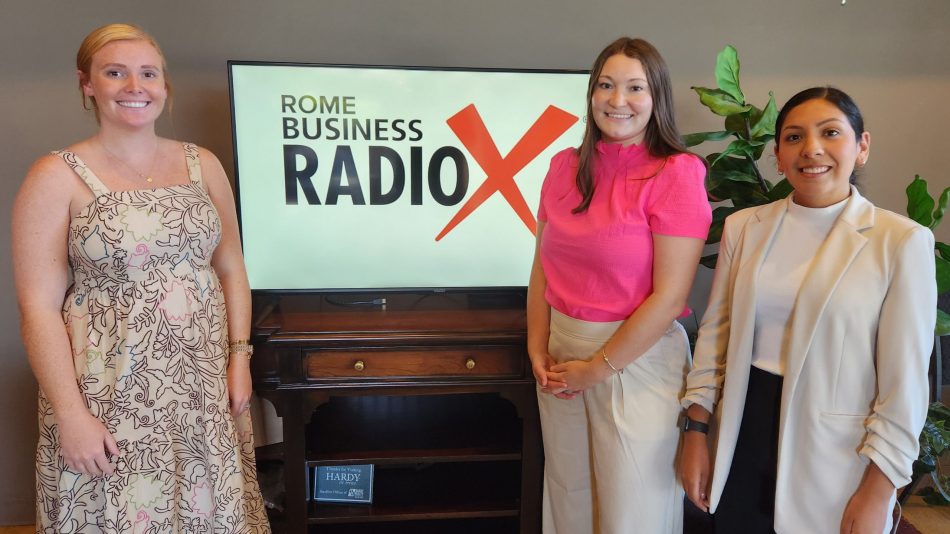
David Castro with IceBrekr

/
RSS Feed

 David Castro is a serial entrepreneur and co-founder of multiple technology companies; before IceBrekr, he co-founded a healthcare software company that was eventually acquired by Dr Oz’s ShareCare corporation.
Currently working on a first-in-kind app called IceBrekr. It is a networking app, a connection utility, that empowers people to meet key new connections on their own terms, and wherever their ideal kind of people gather.
In his off time, Dave is a golfer, decent social latin dancer, musician, athlete, and enjoys spending time with his daughters.
Connect with David on LinkedIn and follow IceBrekr on Facebook and Instagram.
This transcript is machine transcribed by Sonix
TRANSCRIPT
Intro: Broadcasting live from the Business RadioX Studios in Atlanta, Georgia. It’s time for High Velocity Radio.
Stone Payton: Welcome to the High Velocity radio show where we celebrate top performers producing better results in less time. Stone Payton here with you this morning. Please join me in welcoming to the broadcast with IceBrekr, Mr. David Castro. How are you, man?
David Castro: Fantastic and excited to be here with you.
Stone Payton: Well, we are delighted to have you on the show, man. I got a thousand questions. I know we’re not going to get to them all, but I think a great place to start would be if you could articulate for me and our listeners mission, purpose. What are what are you and your team really out there trying to do for folks, man?
David Castro: Absolutely. So we believe and this is strong for me, I’ve been in sales my whole life. Um, the life that you’re dreaming of is built through the connections that you make. And that’s true whether it’s personal or professional. And so what icebreakers mission is, is to help you to make the connections that matter. And that can be for extroverts. And that’s I’m more on the extroverted side. And that’s that’s kind of how I began the concept, but found that it’s fantastic for introverts as well. So we just everybody is going to achieve what they want in life through the people that they connect with, surround themselves with because you don’t do stuff alone.
Stone Payton: Well, you’re definitely singing our song here at Business RadioX. Amen to that. Love it. So I got to know, man, what’s the back story? How did you arrive at at this? It probably if you’re like most of our guests, it probably wasn’t a straight line. Tell us about your backstory.
David Castro: Yeah, so I was working like five different jobs and and that’s just to make a nice, you know, easy to say number, but working my way through school and somebody snagged me into their startup. It was like they offered me. They literally What are you making now with all this stuff? And they offered me like a dollar more an hour. I’m like sold. And so it was me and the owners. Um, one of the owners, the wife and her black lab retriever in the basement. And that, that, that paid the bills and got me cooking on on, on sales career. We got bought by a big company and that that was the next you know decade of my life being there and making good money good career but always in sales, always doing that stuff. Wanted to get into entrepreneurship. That didn’t come later until I moved to Nashville as a family decision. We moved down here and just didn’t feel like what I was doing was the thing that I wanted to be doing but couldn’t get back to federal government sales and stuff like that. Because there are so many people in the DC area that were right next door, right? So I think that’s changed a little bit with the remote work stuff. But I was this is the opportunity to get cooking in entrepreneurship and I don’t know how much I should go into detail there um, on the pre story to icebreaker but you know had a couple stints of of creating stuff usually in the tech world because that’s that’s where I nerd out and I found myself at one point always always a networking event.
David Castro: So I always found myself in networking events and networking situations. And just like most of us who do that, we’re aware of the fact that, hey, that guy over there is a competitor, right? And who is he talking to? He’s talking to the guy I need to be talking to, you know, or, you know, this room is big and like, I haven’t connected with somebody yet who would make this worth my while for being here. Like a lot of great conversations. And these are wonderful humans, but, you know, it’s 9 to 5 and I’m putting food on the table and, you know, how do I get my ROI? Um, so things like that, right? So I was driving down the highway down here 65, and I’m connecting my phone to my radio because I had an old car and, you know, whatever. That’s what you have to do back then. And there was, you know, meanwhile, you know, people are flying by me at 75 miles an hour or whatever, and I’m picking up their their phones and and then just like just started hitting me.
David Castro: I kind of like have a shelf in the back of my head of like, cool tech. And so think about ways to use it. But I just started pulling that string. I was like, okay, so I’m seeing their phone that is basically an appendage and it’s got its unique identifiers. Each phone in the radio signals have like a Social Security, a Social Security number, basically, right? Unique universal identifier. And it’s basically an appendage of that person because it doesn’t move more than six feet away their whole day. And. Yeah, they can, you know, approve being attached to this number and and saying what they want to say about themselves anyway. So that’s how the idea came about. And I just realized, hey, you know, now we have the opportunity to have an opt in utility network, so to speak. That’s only eyeball distance. It’s not, you know, it’s not GPS. So very organic. Uh, again, privacy. Turn off, turn off, turn on, turn off whatever components of your profile that you want. But then folks can know who’s in the room and you can filter for who’s who’s your ideal connection to help you to make the connections that matter most.
Stone Payton: So now that you’ve been at it a while, you’re out there. What are you finding the most rewarding about the work? What’s the most fun about it for you, man?
David Castro: Oh, man. Uh, you know, I am an artist. You know, on the side. Not professional, but decent. And the thing that you love most about creating stuff is when people react to it. Like you want to bless people. Right? And the coolest thing about what I’m doing right now is seeing people, like, just have the aha moments and the excitement. It’s a lot of fun when you tell somebody the story and they and they’re, Oh yeah, that’s super cool. But then when it actually happens in real life, man, that’s that’s beautiful. I had an event where someone came up to me and was asking me, Hey, you know, how do I, how do I do this? And she just wanted me to help her put her keyword in to her filter. And we did that. And then boom, like it was somebody showed up. That was her ideal person. She she’s like, I got to go. I got to go talk to this person and just. Awesome.
Stone Payton: Oh, it sounds like so much fun. So let me back up a minute. When you made that leap to true entrepreneurship, what I mean, that had to be a little bit scary. I’m trying to envision you coming home to your spouse or your significant other and, you know, Hey, I’m leaving this world that where I’m making a good living and I’ve kind of cracked the code here and I’m going to jump off this cliff. What was what was that like? Or was it all butterflies and unicorns?
David Castro: Man, I got to tell you, I was pretty lucky on my first rodeo, I guess, so to speak, in entrepreneurship, We it was a friend of mine who was also in sales who had the subject matter expertise in health care that that we utilized. And it was a basically a dashboard that helped doctors to understand what these patients need. That came in so they could check the boxes to make sure the patients were healthy and thus they’ll get a bonus from, you know, Medicare or whatever. Right? So anyway, but we had a partner that was helping us build it who, you know, these guys were data experts and they were they had some clientele as well. So I was like the sales guy selling our new software build and selling, you know, this other thing on the side. And we started off with, uh, we pitched the idea to a, a client and the, the client loved the idea and wanted to basically pay for it. So, uh, we had, we had it, we had it built by our first client. And then, you know, we just went to the other folks with, with credibility and a product. So it was, was pretty, uh, was, was, was pretty fortunate. Um.
Stone Payton: Yeah, I love the idea and I often will will counsel people who occasionally will ask me about some strategies for getting their thing off the ground. And I love the idea of a client funded startup that oh is amazing.
David Castro: That is, that is the ideal. And even if you can’t get it funded, obviously you’re you’re the first thing you’re doing is saying, hey, I know I can benefit from this. Right? I would buy it. But, you know, I need other people’s money to put food on my table. I need a lot of I need a lot of clients, not just myself as the client. So, yeah, that’s huge. And, uh, it’s actually very common. And if you’re in software or you’re familiar with the software development world, that’s what a lot of these folks do, is they’ll build something for someone and, you know, they’ll often say, Hey, you know, we’re building this for you and we’ll give you a discount if we can use it. But software development companies have a lot of stuff, you know, in the back, right on the right, mothballed that they can they can bring out after having um, you know somebody else pay for it basically. But but that’s you know depending on what your idea is that’s definitely viable. And it was for us, again, it was an industry as health care industry, very large. These guys are focused on providing health care. They’re not trying to, you know, um, you know, create an enterprise software product. And so ideas like that definitely lend itself to that.
Stone Payton: All right. So let’s dive into the work in the service around Icebreaker, including the what and the and the why. You know, what really compelled you to to marshal your forces and put this thing together?
David Castro: Yeah. So. You know, again, it was it was out of need and also out of out of like personal need, just awareness of like the the fact that this doesn’t exist yet, which is phenomenal. What you what we do have on the market are the platforms that folks are a part of in the virtual world. But getting from the virtual world to the present, right into the into the physical world, that’s a different ballgame. I can I can. And I have. And you have to probably met somebody on LinkedIn. Maybe it was an introduction or whatever. And then you go to the coffee shop and you can’t tell which person you’re about to meet with is in the room. It’s like they don’t look anything like their picture. So, I mean, even on the professional side, you got what they call catfishing, right? Like, right, right. Um, and then, you know, if you’re going to an event or a conference, you want to do your homework ahead of time and see who’s coming in, that type of thing. But great, they’re on the registration list now. What? And this is why a lot of events don’t use apps because they’re basically just a registration list. I mean, you see a lot of events going back to paper because there’s an agenda and there’s the the contact list or whatever. And but they could be not coming that day. They could be out of the room just because you know that they’re coming and you want to meet them doesn’t mean that that it’s going to be a thing. And so, you know, these are all the reasons why I thought and and validation from people that I interviewed that would be potential customers. They all concurred. So that’s that’s how we got started and how I got started, uh, funding wise, bootstrapping this through the, the sale of that health care startup. My first, my first, uh, first startup.
Stone Payton: All right. So use cases, some specific examples of where this tool is just, man, this is the right place for this tool. And this is this is how and why this is an event would want this and an individual would want access to the tool in that surrounding. Yeah.
David Castro: So it’s a tool that’s fantastic for folks who have somebody in mind that they’re looking for. And you know, if you put your keywords or the type of person you’re looking for when you walk into the event, it’ll notify you if that person is nearby. You can look at your discovery screen, see everybody who’s nearby, but it’ll highlight, you know, who that person is. And, you know, so and you can look at their profile and then you’ll say, validate why it says that this is your ideal person. And then walk up to them with a sense of like, you know, the icebreaker data that you’re looking for, um, or that that would help you have that initial conversation. Um, the, the other folks that helps is just introverts who feel overwhelmed with a bunch of people in the room and would love to know a little bit about some of the folks who are nearby. Right? Again, you can break the ice that way. You’re in a 20 person mixer and everybody here is somebody that you’d want to meet on your discovery screen. You can look at people’s profiles and in their their LinkedIn address or their socials or their, you know, whatever it might be and instantly connect with everybody. So if you’re on the small side, you know, understanding what people or remembering people’s names, understanding or remembering what their elevator pitch to make an introduction to somebody else who’s in the room, say, Hey, you need to go talk to this guy.
David Castro: He does what you’re saying. I think connecting with their socials, etcetera. Small side of the room, you know, small side event going upstream. If you don’t have an event app right now, Icebreaker makes a ton of sense because you can have your agenda, your itinerary, your speaker bios, sponsor ads, they’re all native. We could put those in there, plus all the features that that make icebreaker the powerful thing that it is. So but the bigger the event is, the more powerful it is because you’re more awash in a sea of humans. And which one of these people are my ideal connections, you know? And the more days it is, the more ROI you could have from it, and also probably the more money you’ve spent. So the more ROI you want. So as you’re walking through the venue, you know, you’re able to either look at the discovery screen and see your search or whatever it is, or just allow your keywords to notify you and then, you know, say, okay. Stone where is he? You know, there, that’s him. And I’ll walk up and say hi. All right.
Stone Payton: So is this something that the event organizer needs to underwrite for it to be available? For example, we do a lot of trade show and conference work. We didn’t there during Covid, but that business is. Back up against. So, for example, next month we’re going to be at a thing called FinTech South. We’ll be broadcasting live on behalf of that organization. We will probably have a third party sponsor, you know, sponsoring the interviews, the radio for that day. And there will be a lot of people there for. So would fintech South have invested in in this? And it’s makes it available to the participants or do the participants have it individually already or how does that piece work?
David Castro: Great question. My vision is that at some point in the same way you have a phone that you’re using to dial somebody or email that you’re that you’re using to email that icebreaker is the solution. The utility that you use to connect with people who are around you, who want to connect, who want to network. So at some point in the future, I envision that you can go to a conference and other people are going to be having it. So you’re going to be benefiting, right? You don’t need a registration list. Icebreaker, you’re walking around, that type of thing. Um, but, and then event event host can dip into that stream, so to speak. Right. And, and, and what, what we monetize and what they would pay for is the agenda, the speaker bios, you know, the kind of the the sponsor ads in the app but to you know, ensure that everybody has the app and that they know that, hey, we’re all going to benefit if we all use the app. We do have an event package, right, where, you know, it’s, you know, we charge by attendee and then and then again, if they want the sponsor ads and that type of thing. And there so yeah, the event would reach out to, to me and I’d take care of him.
Stone Payton: Gotcha. And then all right, but let’s say let’s say this, let’s just play this out a little bit. We got fintech to do it or we got us to do it. And we and so and then we get everybody in that world, sort of in the icebreaker world. Now we all go about our business and we get all the benefits of having connected in that way right there. The next time we go to an event, to an event, we already have the the system and we’re in there. And so over time, this sort of sort of grows, right? So is there also a path for individuals to just join straight up or does it pretty much have to start through the through an event like that?
David Castro: Yeah, absolutely. I that’s part of the vision is that everybody has it already.
Speaker4: Okay.
David Castro: And the event host just basically like connect to that stream basically connect to that community right that that user community the I’m in Nashville. I envision that at some point in this region, in this area metro area, folks are going to go to one of these coffee houses that’s constantly being used as a networking location and they’re going to turn their app on because there’s other people in there that they want to meet. I go in there and I see somebody I know meeting with somebody that I don’t know, and I’m like, I probably should know them, right? Because they’re meeting them or I do know who that I do know who that person is, but we haven’t met yet. Um, Icebreaker would enable things like that that are both serendipitous, but also I can message them or connect with them without having their phone number or that type of thing. So if they’re open to it.
Stone Payton: Man, I love it. So how does and maybe, maybe more accurately, how is the whole sales and marketing thing working for you right now? Getting people out there to adopt this and use it or or do you have some sort of are you out there like, do you need to be shaking the trees or you’re out there just creating awareness? Like, how do you.
David Castro: It’s a combination. Yeah, it’s it’s a. It’s improving. You know, the the tuning of the stickiness of the app, meaning like, you know, we’re going through a UI refresh right now and it won’t be it won’t be the last. But. Sure. Um, so it’s, it’s, you know, feedback, it’s, it’s watching people and that’s what we did a lot last year. This year it’s heavily shaking the trees. It’s having more events that we’ve done with, you know, proof basically of the value of it and getting that word of mouth and those referrals and stuff to to other events. And then there’s the, the marketing of it, which now that we have the assets to, to prove that we that we have. Great. Uh, my cat. God bless him.
Stone Payton: Welcome.
David Castro: Um, so, you know, so we have a marketing campaign that we’re kicking off to, to really kind of ramp up because this thing needs to be used by everybody. It will be something that is a worldwide phenomenon and it might as well be icebreaker because, you know, we have the vision for it.
Stone Payton: Yeah. So you’re talking to event organizers, associations. You’re building those relationships, you’re connecting with them, and you’re building relationships with just relationship oriented organizations and people that really resonate with and truly understand and appreciate the value of connecting with people. And yes, taking full advantage of technology, but but squarely in putting the human component, you know, where it’s absolutely.
Speaker4: It’s.
David Castro: It’s our our our goal is to bring people together. People can look great on paper. And but when you get there in person, it’s like, you know, there’s a vibe there. Right? That’s why every hiring manager wants to meet the person in person. So there’s that that personal vibe thing that’s so important in the in-person side. Relationships are just so much stronger when you’re in person. And really what our goal is to connect people. Um, and, and then they’ll go and use, you know, other platforms or whatever it is to, to do whatever that they want to do. Like I mentioned, you know, we have the profile links for their socials or their, you know, LinkedIn and all that stuff. Our goal is to connect people that are in person to make that powerful in-person connection with the right people and then let the let them take it from there.
Speaker4: I bet.
Stone Payton: You’re learning. I bet you and your team are learning a ton about networking in general, too. I mean, you could probably, if you chose to capture, generate a lot of thought leadership about how to fully leverage the fact that now we’ve got this great tool. You know, here’s some great strategies and tips on on networking virtually online. Here’s some things you ought to keep in mind to to make the transition and network and truly get benefit from the in-person connection. I can see you and your organization and maybe you’re already doing this really being an almost an education hub to to help, you know, business people just like, you know, just like me and my team get out there and really forge those relationships. And man, I’m really enamored with this idea.
David Castro: Yeah, it’s spot on. It’s really cool because I see a Venn diagram of folks who are doing personal development and they’re talking about, you know, growth of the soul, basically growth of the of the person, right? And then that overlaps with the person who’s all about the strategy and the and the sales and what what to do and how to how to do it. And then another Venn overlap of the the tech, the the format, the platform, the venue, right? So yeah I’ve got a keynote cooking on on this topic.
Stone Payton: So yeah. Well what you have here is a movement for lack of a better term. To me this feels like a movement and, and because it does, I genuinely want to know what we at Business RadioX but like minded people, listeners who hear this really resonate with the idea What can we be doing to help? Like what? What would help you the most from our listener base to kind of really get this puppy off the ground?
David Castro: It’s phenomenal. Thanks so much. Um, one thing we have a our probably most used social right now, which is icebreaker on Instagram and on on LinkedIn actually. So if you want to connect with me on. Uh, linkedin.com slash, you know, icebreaker icebreaker spelled, uh, it’s linkedin.com/company/icebreaker LinkedIn, you know, but if you search for Icebreaker on LinkedIn, it’s spelled I-c-e B, r e CR, so it’s spelled differently. I always say first two E’s no A-hole, i c e b r e cr.
Stone Payton: Fantastic. And we’ll make sure when we publish this on the Business RadioX network site and get it out on all the podcasting platforms. We’ll make sure that in the transcript and the publishing and all that we have that so that it’s easy for folks to link to. So for people to go on these platforms, support it, engage, interact with you and those of us who know people who are organizing events, those of us who know people that take full advantage of participating in events, we just we need to just get the word out and let people know about it, right?
Speaker4: Absolutely.
David Castro: Lutely Yeah, That’s awesome. Stone Yeah, that’s it. And then download it and give me some stars. There’s a digital business card on it that anybody can use, even if you’re not at an event, right? With other people using the the app. And that’s going through a, you know, that’ll be upgraded too. But right now it works phenomenally for being a digital business card. So that’s a, you know, a great way to to to be using it and and, you know, give us give us some stars that’ll give us some SEO on the app stores.
Stone Payton: So my vision and desire for you is like a Carfax, you know, like they’ve kind of trained people when they’re buying a used car. I want to see the Carfax. So now if I’m going to go to an event, where’s your icebreaker? You’ve got Icebreaker, right?
Speaker4: They want me to.
Stone Payton: Sponsor an event.
David Castro: I love that vision. Yeah, that’s great. I’m adopting that.
Speaker4: That’s cool.
Stone Payton: I’m going to switch gears on you here for a minute. Before before we wrap, I’m interested. And I don’t know where you would find the time, but if you have any outside passions, passions outside the scope of your work, most of my listeners know I like to hunt, fish and travel. Right? Just something I can nerd out about that gives me a little white space between my work and the stuff we do at the at the network. But yeah, anything else you dive into? You mentioned briefly the art, so maybe that’s it. But yeah, say more about that.
Speaker4: Yeah.
David Castro: So I, I really should kind of get back. Well, actually I have a, I’ve illustrated for a couple book authors. Oh wow. So that, that, that is, that is something. But man, I’ve been, I’ve been on this Latin dance kick salsa. Oh my my, my my dad was born in Puerto Rico, so I’ve got that background and it’s a lot of fun. There’s the athleticism and and, you know, kind of the art of of physical. It’s like physical art, right to the music. And it’s it’s a lot of fun. Um, I, I like riding motorcycle. Um, yeah, Um, but the icebreaker’s taken up a lot of time. But when I, when I, when I’m not doing that, I’m hanging out with my kids, probably hiking, you know, chasing waterfalls. We have a lot of fun together and yeah, outdoor stuff and salsa dance and.
Speaker4: Well, it.
Stone Payton: Sounds like you find this to be true as well. And I know I do. And a lot of entrepreneurs and founders that I speak with as as as focused as we can get. And given the level of energy that we pour into our work, I find that it is important to create that. I call it white space to create a little distance. It allows me, like for me sitting in a tree stand, even if it’s not hunting season, just sitting in a tree stand with a camera is it gives me a chance to to recharge, right? And sometimes I come up with some of our best ideas. I come up with some squirrely ideas that we don’t implement too, But I come up with with some of my best ideas for me, you know, with a with a with a line in the water or sitting in a tree. Same for you.
Speaker4: Yes.
David Castro: Yeah. It’s so critical to have that. And it’s one of those things where the not urgent, important, but not urgent sometimes can get overlooked by the things that seem to be, you know, pressing for your attention. But those other things are are the mundane bricks. Right. That hold everything up. Right. And so, so important. Yeah, that’s a great reminder. I love it.
Stone Payton: Speaking of ideas, I knew I wanted to ask you about this and I asked other founders about this, too. Do you have, like a methodology, a structure, a rigor, a discipline around your ideation process, or does it just kind of come to you in the shower or at the. Waterfall or what comments, if any, do you have around this whole idea of of not only generating ideas but what you do after you’ve got the nucleus of an idea, what you do to move it forward?
Speaker4: Yeah.
David Castro: Great question. Um, I as far as thinking about an idea and, and then kind of noodling on it and pressing it forward, um. I. You know, one of the first things I do is if it’s not like a. You know, multi-million-dollar, in my estimation, potential opportunity. You know, that’s the first thing is like, you know, what’s the how big picture is it like and this is just me. There’s some riches in the niches. I totally get that that that idea, you know, but but for for for me being a tech guy and being on that side, it’s always kind of a tech related idea. In that case, you know, I’m looking for, you know, a really big story, like a really big idea because if I can get just a part of that, then that’ll be lucrative. And at some point, you know, you have other players and competitors and stuff. So it helps you to have something that’s a really big story that everybody can can use an analogy of. Like, you know, you’re down and you know, a somebody on the safari, some animal on the safari downs, a big animal, He’s going to get some right. Other animals are going to come in and jump in. But he’s going to get. So so that’s one. And then and then from there, it’s like, you know, all the problem solving. And I don’t know if I do it the same way other people do, but, you know, it’s really punch as much holes in as possible. And then at some point after you’ve feel like you’ve exhausted that, then a trusted person to punch holes in it too. But the punch holes part is the most, you know, ego taxing, but so critical.
Stone Payton: Now, that’s an interesting observation because once you start to get emotionally invested in an idea or I’ll speak for myself, I intellectually understand I need to let people smarter than me poke poke at it a little bit. But it’s it’s it’s like my little baby, right? I’m a little reserved and I don’t it’s it’s I don’t want them to punch it too hard.
Speaker4: Yeah.
David Castro: So that is rural. So you got to be a problem solver. I think an entrepreneur and it’s in their core. They are problem solvers. All they’re doing is they’re monetizing a solution to problems that they’ve seen. So that’s part of the process, is letting somebody punch holes and then practicing problem solving. And at some point, if you can’t solve that problem, then you should probably let it go. But another cool thing is if somebody Pooh poohs it, but you’re really confident and you have done the work. You know, to problem solve that and then you’re just like, okay, that’s fine. I don’t need everybody to be like on board. That just means there’s less people that are going to try to like, jump in on the same idea, right? So, um, but yeah, problem solving is, is the, is the key. So when people punch holes, you know, that’s just your, uh, you know, invitation to practice.
Speaker4: Well, and.
Stone Payton: People like you, you have your antenna up for problems in the marketplace. And when you hear them, you kind of run it. You run it through your little, your, your system and say, I wonder if we could create a solution for that problem. And yeah, yeah, that’s a fun part of the, the entrepreneurial lifestyle and ethos, I think. Okay, let’s leave our listeners, if we could, with a couple of I call them pro tips, but because you’re so immersed in this world, maybe a couple of pro tips on and certainly entrepreneurship in general is fine if you have something to say about that. But maybe we stay in your specific domain around around this networking, I guess, on maybe networking online or making sure that you you combine the two and don’t just leave it there. Let’s leave them with a couple of pro tips. And look, gang number one pro tip is reach out and have a conversation with David or somebody on his on his team that’s that’s your best pro tip. But short of that, you know, maybe something we could be reading, maybe something, you know, whatever you do, do this. Whatever you do, don’t do this. Something like that.
David Castro: Well, I’d love to give a shout out to a friend of mine who wrote a book that has just been great. And the title, you know, is fantastic. The depth of the book goes a lot broader than than just what the title the title is Unstoppable Self-confidence. Um, and, but it touches every area of your life. Um, and when I was talking about the Venn diagram earlier around networking, one of those is the personal growth, right? Um, and the, the level that you’re, you’re seeking to get to is Donald Miller, I think talks about this. It talks about the hero’s two journeys. Like you have a, you have a goal and it’s this hero’s two journeys is in every movie the person has a goal that’s monetary or achievement oriented or whatever it is. And so that’s one journey. And the other journey is they have to become better, You know, internally, they have to overcome internal challenges or whatever. Personally, they have to become the person, right? That’s their second journey. So that’s the hero’s two journeys. So, um. Anyway. So as far as a book goes, I think that’s a fantastic book, Unstoppable Self-confidence by Andrew Letham, and it will definitely affect your success positively. Let’s see, as far as you know, the other thing I would say is in networking, we can be impatient.
David Castro: And I think when you’re impatient or you’re too eager, then that’s a lot about me and what I want or what I need. And what you really want to do is just connect with the the human in front of you or on the other side of the the Internet, right on the if it’s virtual networking and be there to to be of service. If you’re talking with someone about something you’re trying to sell, then you should be in the mindset of I’m selling this to be of service like that, that you got to get that right first. But once you get that right, then the next thing is I don’t need to close them in the next conversations, you know, or in the next. If I am being of service to them and my product is going to serve them, you know, having that kind of atmosphere and approach, um, you’re, you’re not only will your success rate go up, your network will grow and therefore your volume of opportunities will grow and people will be bringing you in to to more opportunities and referring you and so forth. But that mindset part is, is an important part of, of networking and, and. Yeah, I think that’s that’s probably the, the most important, important part of networking is the human connection aspect, not your elevator pitch.
Stone Payton: I am so glad that I asked. Well said. Marvelous counsel. All right, let’s, uh. Let’s make sure that we leave our listeners with a way to tap into your work. Maybe reach out to you and have a more substantive, more substantive conversation with you so whatever you feel like is appropriate. But let’s give them some coordinates and let’s make sure that they have those social handles again. And then any other thing that you think is appropriate to share? I just I want people to be able to tap into your work and create a relationship with you and your team.
Speaker4: Man Thanks so much.
David Castro: Linkedin. I’m like the most active on LinkedIn, to be honest with you. David Castro you again look for Icebreaker. Icebreaker spelled Ike e b r e r. I always get a chuckle if I say that first two E’s no A-hole. So you.
Speaker4: I like it.
David Castro: And so. So you can find me at CEO, founder of Icebreaker on LinkedIn. And and then Instagram was the other one that I’m most active on and will be more active here on Instagram soon. But we’d love it if you reach out to us and follow us there. And that is again at Icebreaker Ice b e R, and there’s a bunch of icebreaker, you know, spilled all kinds of different ways in the app stores. But there’s except no substitutes.
Stone Payton: Well, David, it has been an absolute delight having you on the show, man. Thanks for sharing your insight and your perspective. Keep up the good work, man. What you’re doing here is so important. I don’t think I’m overstating it to characterize it as a movement. And we want to support your your efforts in any way we can. Man, It’s been a real pleasure.
David Castro: Oh, man. Same stone. Great to meet you. And thanks so much for this conversation. Really enjoyed.
Speaker4: It.
Stone Payton: You got it, man. This is Stone Payton for our guest today with Icebreaker, Mr. David Castro and everyone here at the Business Radio X family saying we’ll see you in the fast lane.














