Business RadioX ®

  • Home
  • Business RadioX ® Communities
    • Southeast
      • Alabama
        • Birmingham
      • Florida
        • Orlando
        • Pensacola
        • South Florida
        • Tampa
        • Tallahassee
      • Georgia
        • Atlanta
        • Cherokee
        • Forsyth
        • Greater Perimeter
        • Gwinnett
        • North Fulton
        • North Georgia
        • Northeast Georgia
        • Rome
        • Savannah
      • Louisiana
        • New Orleans
      • North Carolina
        • Charlotte
        • Raleigh
      • Tennessee
        • Chattanooga
        • Nashville
      • Virginia
        • Richmond
    • South Central
      • Arkansas
        • Northwest Arkansas
    • Midwest
      • Illinois
        • Chicago
      • Michigan
        • Detroit
      • Minnesota
        • Minneapolis St. Paul
      • Missouri
        • St. Louis
      • Ohio
        • Cleveland
        • Columbus
        • Dayton
    • Southwest
      • Arizona
        • Phoenix
        • Tucson
        • Valley
      • Texas
        • Austin
        • Dallas
        • Houston
    • West
      • California
        • Bay Area
        • LA
        • Pasadena
      • Colorado
        • Denver
      • Hawaii
        • Oahu
  • FAQs
  • About Us
    • Our Mission
    • Our Audience
    • Why It Works
    • What People Are Saying
    • BRX in the News
  • Resources
    • BRX Pro Tips
    • B2B Marketing: The 4Rs
    • High Velocity Selling Habits
    • Why Most B2B Media Strategies Fail
    • 9 Reasons To Sponsor A Business RadioX ® Show
  • Partner With Us
  • Veteran Business RadioX ®

BRX Pro Tip: Is There a Journey You Can Share with Your Community?

May 10, 2023 by angishields

BRXmic99
BRX Pro Tips
BRX Pro Tip: Is There a Journey You Can Share with Your Community?
Loading
00:00 /
RSS Feed
Share
Link
Embed

Download file

BRX-Banner

BRX Pro Tip: Is There a Journey You Can Share with Your Community?

Stone Payton: [00:00:00] And we are back with Business RadioX Pro Tips. Lee Kantor and Stone Payton here with you. Lee, today’s topic is sharing your journey with your community.

Lee Kantor: [00:00:12] Right. I think it’s super important to kind of give your community a behind the scenes look at something that you’re doing, and it could be something that you’re doing that you’re just taking for granted. People nowadays are really interested in how kind of the sausage is made in a lot of places. And if you have an ability to share how you do something and why you do something and give them that glimpse of behind the scenes of something you do, people are hungry for this kind of information.

Lee Kantor: [00:00:42] So, I would highly recommend doing a deep dive in one of the core offerings of your business and share details on every step of the process and publish it on your website. This piece of content can be used as an irresistible offer. You can use as a lead magnet to build your email list. But folks are really hungry for people who are being vulnerable or willing to share kind of the behind the scenes of how something is done. And building your business in plain sight is a great way to build trust with your community.

Ask the Expert: Kham Matt Phanthavong with Lanxang Tactical and Robert Edgar Mills with Osprey Shooting Solutions

May 8, 2023 by angishields

ExcelAskTheExpertKhamMattPhanthavongandRobertEdgarMills050123pic2
Cherokee Business Radio
Ask the Expert: Kham Matt Phanthavong with Lanxang Tactical and Robert Edgar Mills with Osprey Shooting Solutions
Loading
00:00 /
RSS Feed
Share
Link
Embed

Download file

ExcelAskTheExpertKhamMattPhanthavongandRobertEdgarMills050123banner

In this episode we’re talking with Kham Matt Phanthavong with Lanxang Tactical and Robert Edgar Mills with Osprey Shooting Solutions. They discuss their businesses, including the types of rifles they make, their shooting school, and range capabilities. They also talk about their backgrounds and how they got into their respective businesses.

The conversation covers various topics such as gun ownership, manufacturing of assault rifles, competitive shooting, and the importance of inclusivity in the shooting sports industry. The episode sets the stage for an engaging and informative discussion about the world of shooting and firearms.

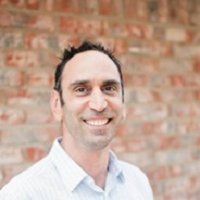
Kham-Matt-Phanthavong-bwKham Matt Phanthavong is the owner of Lanxang Tactical.

Lanxang Tactical manufactures peerless precision rifles, built from the ground up just outside of Atlanta Georgia.

Connect with Kham on LinkedIn and follow Lanxang Tactical on Instagram and Twitter.

robert-edgar-mills-bwRobert Edgar Mills is the owner of Osprey Shooting Solutions, LLC and a 25 year Army veteran.

From brand new shooters to seasoned professionals, we aim to help passionate gun owners become safer, more competent, more confident shooters.

Connect with Robert on LinkedIn and follow Osprey Shooting Solutions on Facebook, Instagram and Twitter.

This transcript is machine transcribed by Sonix

TRANSCRIPT

Intro: [00:00:07] Broadcasting live from the Business RadioX Studios in Atlanta, Georgia. It’s time for Excel Radio’s Ask the Expert. Brought to you by Beckshot Photography and Video. It’s your story. Make it awesome. For more information, go to beckshot.com. Now here’s your host.

Randell Beck: [00:00:31] Good morning everybody. And boy do we have a fun one for you today. Hi, Stone. Hi, Robert.

Robert Mason: [00:00:36] Hello.

Stone Payton: [00:00:36] Good morning, sir.

Randell Beck: [00:00:37] It’s a gorgeous day. And this room is full of what do we say? Rifles, knives, Testosterone. Warrior spirit. Robert, introduce our guests today.

Robert Mason: [00:00:47] Kham, owner of Lanxang Tactical Rifles.

Robert Mason: [00:00:50] I shoot his rifles and they are the best gas guns on the market. Makes a bad shooter like me better. And Edgar, he’s got USS Osprey shooting solutions. I shoot with Edgar and not very well, so I usually get yelled at by Edgar and different languages. So it works well. But both of these guys, high energy guys, very successful at what they do. Super proud to have them both on the air today.

Randell Beck: [00:01:16] Well, I guess the first question up then for both of you guys is you teach Robert and make him better with his gear. How does that work out? Allegedly? I just provide the gear. Yeah.

Robert Mason: [00:01:29] The best guns.

Randell Beck: [00:01:31] So let’s start with Cam. Tell us about Lansing, about what you guys do, what you build. Tell me about your company and what you’ve got going on.

Kham Matt Phanthavong: [00:01:38] We’re well, as in Laos is pronounced Lansing. Lansing. Yeah. So Lansing sounds more Chinese.

Randell Beck: [00:01:46] We wouldn’t want that.

Kham Matt Phanthavong: [00:01:49] We are. We’re are platform gas rifle manufacturer right outside of Atlanta. You know Robert is one of our customers our and we have the the Cavs SWAT teams and a few of the SWAT teams in the metro area. That carries a rifle.

Randell Beck: [00:02:07] I guess you’ve got a broad variety of calibers all built on the R system. Yes.

Kham Matt Phanthavong: [00:02:11] Anything from 556223 up to 267 6265. Creed 300.

Randell Beck: [00:02:18] Blackouts. So you got the sexy ones, too.

Kham Matt Phanthavong: [00:02:21] That we do. Yeah. And of course, we have the catch 22, which is a DMR, 18 inch barrel, five, five, six. That is so far I think it’s been tested out in Texas and has been reaching out and touching somebody at about 1400 yards with a five, five, six that works.

Randell Beck: [00:02:41] So how long have you been been there? Where are you located?

Kham Matt Phanthavong: [00:02:44] We’re right outside of Conyers.

Randell Beck: [00:02:46] Okay. And how long you been in business Machine shops?

Kham Matt Phanthavong: [00:02:49] 24 years. The rifle side? Seven years.

Randell Beck: [00:02:53] Seven years?

Robert Mason: [00:02:54] Yep. And you guys have won some competitions. I hear.

Kham Matt Phanthavong: [00:02:58] That. We did, yeah.

Robert Mason: [00:02:59] Some of your rifles?

Kham Matt Phanthavong: [00:03:01] Yeah. The. I believe it was 2017 Mammoth. I know it’s the 2017 was on the History Channel. The US Army international sniper comp you know that the the 375 Ranger team that took our rifle to the competition they took down first place that year.

Randell Beck: [00:03:20] Now how did you get into this business? Are you military background yourself or no? No. So what drew you to this?

Kham Matt Phanthavong: [00:03:26] I want a machine shop for 24 years and we’re good at making parts. And we figured, well, hey, let’s we can build a better rifle or produce a better rifle than what’s out there just by controlling the quality and the fit and finish off the parts we put in it.

Randell Beck: [00:03:46] So if I said I was looking at buying an R pattern rifle and I was thinking about a Windom. What would you say? How do you differentiate yourself from somebody like that? And we’re not even going to talk about the Bushmasters and stuff.

Kham Matt Phanthavong: [00:04:01] Well, hey, it all depends on your budget and what you’re looking for. You know, you can take a when I’m out there, you can you can potentially hit a target with it. But but that’s not who we’re trying to emulate. You know, the AR platform has been around for generations and we just want to build something better. You know, kind of improve on what’s. What’s out there already. Okay.

Randell Beck: [00:04:27] Edgar

Robert Edgar Mills : [00:04:27] Yes, sir.

Randell Beck: [00:04:28] Tell me about your school and what you guys do. Okay.

Robert Edgar Mills : [00:04:31] So I own Osprey Shooting Solutions and Southern Ornithological League.

Robert Edgar Mills : [00:04:36] So it may seem weird that I have a birdwatching website.

Robert Mason: [00:04:41] Birds. Birds.

Robert Edgar Mills : [00:04:42] However, that’s just a cover page.

Robert Edgar Mills : [00:04:46] Anyway. Yep. I’ve been so I retired in 2020 after.

Randell Beck: [00:04:51] Retired from after.

Robert Edgar Mills : [00:04:53] 25 years in the army. Okay. Yep. And retired in 2020 Army. But I ran. I started Osprey shooting Solutions in 2017. In Colorado. It was my side hustle. I knew what I wanted to do when I retired. So my my son was my number one guy. And we we started doing it sort of part time out of other ranges like indoor ranges around and Pikes Peak Community or sorry, Pikes Peak Gun Club. We did a lot of courses out of there, stuff like that. Wasn’t sure if we were going to move back to Georgia or stay in Colorado. Anyway, the decision was made. We moved back to Georgia in 2020. November, I think, is when we we got here and got our house by. May of 21. I think I had my range built. It’s a small range. It’s the starter range. Yeah. And and we’ve been going on that one since then. But now it’s time to grow a little bit. So we’re actively looking for a bigger, bigger spot, bigger land to build a 20 acre proper range complex. And then Southern Ornithological League is my my little, I want to say a pet project, but it’s everything other than firearms training. We do land nav. I’ve got a long range evasion course. We just this weekend finished up with a search and rescue mountaineer course. We’ve got a couple other little. Maybe lock and course and and some other stuff like that. Some hands on stuff. It’s a more select crowd. Everybody who’s a member of the Southern Ornithological League is someone I know. I know them personally or I’ve trained with them. And we, you know, I know their background and stuff like that.

Randell Beck: [00:06:40] So you have a varied and wide range of capabilities on there.

Robert Edgar Mills : [00:06:43] Yeah, Yeah. I learned I had the luxury of learning a lot of weird stuff in my career, so a lot of it is transferable to civilian life. Yeah, just for if not for fun, but practical skill.

Randell Beck: [00:06:55] Pursuit driving. Yep.

Robert Edgar Mills : [00:06:58] Yep. Done some good driving stuff. I don’t do that. It sounds like the only thing.

Randell Beck: [00:07:02] You don’t do is, you know, speedboats, assault craft.

Robert Edgar Mills : [00:07:06] Well, there’s a boat in the works, man.

Randell Beck: [00:07:10] You knew somebody that could do that?

Robert Mason: [00:07:11] Yeah, we know somebody that could do that for you.

Robert Edgar Mills : [00:07:13] We’re looking for a 16 foot rubber rubber boat right now.

Randell Beck: [00:07:18] Cool. So. So some of your. Tell me about the range. What kind of capability do you have? No, it’s.

Robert Edgar Mills : [00:07:24] It’s minimal, man. It’s small. It’s probably about we can reach out to about 70 yards. But all the courses I teach, most of the courses I teach are action oriented, like a uspsa or idpa type stuff or tactical, if you will, focuses more on gun handling and stuff. So the range is about 35 yards and everything is kind of within that. A lot of moving and shooting and that kind of thing. But I also do new shooters and private lessons.

Randell Beck: [00:07:53] You have moving, moving targets, automation? I do.

Robert Edgar Mills : [00:07:55] No. Oh, man, no way. I’m not even close to that yet. That’s some high dollar stuff right there. But you don’t need that, man. The skill. It’s not the gun. You could have the most awesome rifle, but if you can’t shoot it. So I stress fundamentals. And everything we do. I don’t even call any of my courses advanced or basic. I call them practical and dynamic because there’s not really anything such thing as advanced shooting. It’s just application of fundamentals. So that’s what we stress out there. Yeah. And comfort. A realism as far as. The way you carry your gun. Most of the guys that come out aren’t all kitted up and stuff, and I do train cops and I still train military and law enforcement like traveling, but I’m getting real tired of traveling.

Randell Beck: [00:08:47] Yeah, yeah, yeah. One of my friends was a recon marine. He used to travel for Colt and. But he enjoyed the traveling. He wouldn’t let him fly him anywhere because he wanted to drive. And so he’d load up his Suburban with all the stuff that he had to do for his courses. And he’d take, you know, five days to get somewhere and just enjoy the trip and see everything he wanted to see on the way. For him. That was a good lifestyle, you know? But I guess that’s not for everybody.

Robert Edgar Mills : [00:09:12] No. Last trip we did, my partner and me drove to El Paso and back, and that was that was it.

Randell Beck: [00:09:20] One of the worst drives you can make?

Robert Mason: [00:09:22] We’re flying 17, 18 hours. It was horrible. Just never changes from.

Randell Beck: [00:09:26] And we’re from San Antonio to El Paso. That’s like half of the trip and there’s nothing there.

Robert Edgar Mills : [00:09:31] Like, yeah, once you get to Texas, you feel like now I’m like, you’ve only driven about one eighth of the way.

Randell Beck: [00:09:37] Right. Because you have.

Robert Edgar Mills : [00:09:40] It’s crazy. But we both feel like we’re hard guys, bro. We were we were broke down on that one. We both looked at each other like never again.

Randell Beck: [00:09:49] Was it Summer?

Robert Edgar Mills : [00:09:50] Yeah. Oh, yeah. We had the heat, too. Yeah. You know, El Paso in the summer about Fort Davis.

Randell Beck: [00:09:54] El Paso, that area in the summer. It’s horrible. Robert, you’ve taken some courses. You used lancing rifles and you’ve taken some courses from Edgar. Yeah, Yeah.

Robert Mason: [00:10:07] So the benefit for me using Lansing’s rifle, I’ll butcher that if I try to say it that way, can just.

Randell Beck: [00:10:15] Call it call it Big L if you.

Robert Mason: [00:10:17] Just. Lansing Dang it. Um.

Randell Beck: [00:10:19] The beauty of every person I’ve heard say it until today has said it that way, right?

Robert Mason: [00:10:24] It’s just the way it sounds. It’s the way it looks.

Randell Beck: [00:10:26] What do we know? Right?

Robert Mason: [00:10:27] We don’t. We don’t know what we don’t know. Right. So the beauty about shooting the Light 42 from Lansing on some of Edgar’s practical shooting classes is the dang rifle just shoots so flat and it’s so easy to pull that trigger and that there’s not a lot of movement because it’s made so well. And the thing that Edgar is so passionate about is small targets. You know, you got to focus in and you got to shoot at something really small and you’ve got to be wired in. And golly, I’ve been yelled at so many times by Edgar. I mean, I go home, my wife is just like, Well, you know, how many times did Edgar slap you? And I’m like, Oh, half a dozen. God, it’s getting embarrassing, but.

Randell Beck: [00:11:13] But he deserves it.

Robert Edgar Mills : [00:11:14] So every single time.

Robert Mason: [00:11:16] Last summer we were out there, Edgar and it was about 107 and it’s a gravel, it’s a gravel pit, whereas shooting ranges and we weren’t stopping for water. And, you know, we all think we’re hard guys, right? And so Edgar’s not going to stop and drink some water. I’m not going to stop and drink any water because that’s just, you know, how dumb I am. And at one juncture I said to Edgar, I said, I’m going to fall out, Edgar, if I don’t drink some water. And Edgar is like, Yeah, me too. I was like, Well, what the hell are we waiting for? By then, it was way too late, man. I just lost the plot. I couldn’t even shoot the Lansing rifle. Well, after that, so was that.

Robert Edgar Mills : [00:11:56] I think that. Was that a match? Was that like a No?

Robert Mason: [00:11:59] Of course it was a course.

Robert Edgar Mills : [00:12:00] Yeah. It was like that two gun course or something and.

Robert Mason: [00:12:02] Squatch smacked me in the head. He’s like, Dude, pay attention, man.

Randell Beck: [00:12:06] Hydrate plentifully and often.

Robert Mason: [00:12:09] Yeah.

Robert Edgar Mills : [00:12:10] Water is for the weak.

Robert Mason: [00:12:11] Yeah, that’s what we were saying. But we were both going for our cooler water.

Randell Beck: [00:12:15] Water is your friend that gets you where you’re going to go. It provides cover and concealment. Water removes you from the tactical environment. Water’s great.

Robert Edgar Mills : [00:12:24] Oh, man.

Randell Beck: [00:12:26] Of course I’m talking about a different kind of water. Yeah. Yeah.

Robert Mason: [00:12:29] So, Cam, you’ve got just an extraordinary backstory coming from from Asia. Why don’t you get in a little bit of that on how it was coming to America, What prompted all of that? And I mean, you know, you want to be an entrepreneur and you are you’re a successful businessman. Tell us a little bit about your backstory.

Kham Matt Phanthavong: [00:12:48] Well, how much time we got?

Robert Mason: [00:12:50] We got some time. We got some time.

Kham Matt Phanthavong: [00:12:54] I mean, I’m just like any other immigrants to the US, you know, from the 70 seconds and 80 seconds. We’re the byproduct of the Communist war. You know, ever since I can remember as a kid, you know, every three, 4 or 5 months we would have to leave the village in the middle of the night because my dad’s like, Hey, I was in town today and somebody’s asking about me. That’s way too close. We got to go. So ever since I was, you know, as far as I can remember, up until I was six years old, that’s when I. That’s. That’s like I had enough. We can get out. So we try to escape into Thailand. At six years old. We got in a boat and we’re just paddling along the Mekong, pretending like we’re just going upriver. And as we go up, he keeps going further and further towards the middle. Of course, the Border Patrol kind of figured out what’s going on and start shooting up shooting at us. So was six years old. I was grazed.

Speaker6: [00:14:00] With an AK.

Kham Matt Phanthavong: [00:14:02] Bleeding in the bottom of the boat. But yeah, they ain’t stop shooting until we get probably halfway across the the Mekong River and the the Thai Border Patrol starts shooting back, and that’s when the commies stopped shooting at us.

Randell Beck: [00:14:17] So they wound up with somebody better to engage at that point. Yeah.

Kham Matt Phanthavong: [00:14:21] Well, they’re on the Thai side. They had Ares. So, yeah, for two years we were stuck in a shithole refugee camp in Thailand, biding our time, waiting, waiting for our names to be called. You know, if, if we chose to go to France, Australia or anywhere else, we’d be out at refugee camp within six months. But my dad wanted to come to us, so we waited two years. Wow. So we finally made it to the US in 1980. Yeah. And what I keep telling everybody was like, Well, you know what? If I can make it in this life, anybody can. Because the first English teacher I ever had was watching Scooby Doo and Bugs Bunny. So those are my English teacher in the refugee camp. So coming to the US pretty much didn’t know a lick of English. You know what you learn from Scooby Doo, wasn’t it? Yeah. So and you know, and we were here since 1980, October, 1980. I didn’t know what Halloween is. And, you know, a bunch of kids come knocking on the doors, like dressed up as ghouls and goblins. What’s this?

Robert Mason: [00:15:36] What kind of nightmare is this?

Randell Beck: [00:15:37] Where did you guys land when you got here?

Kham Matt Phanthavong: [00:15:40] Uh, we were sponsored by a Catholic church. That’s the only way that we were at any refugee or that we were able to come to the US. We had to be sponsored and. Uh, get assimilated into the US culture and society by the church groups. So our family was sponsored by a Catholic church in Cedar Falls, Iowa. A culture shock.

Randell Beck: [00:16:09] I bet it was.

Kham Matt Phanthavong: [00:16:10] Started out second grade. Don’t know. A lick of English. And I’m looking around. Who are these people? Now and then about 82, we moved down in Georgia and we’ve been here ever since.

Randell Beck: [00:16:24] The whole family came.

Kham Matt Phanthavong: [00:16:25] Yeah, Yeah, we moved down here just because my dad couldn’t find a job in Iowa because he didn’t speak English. You know, he would take me to job interviews. And at eight years old, I was the translator. So, you know, they look at him a little weird, like, why? Why is this kid talking for you?

Randell Beck: [00:16:44] And what did your dad do?

Kham Matt Phanthavong: [00:16:48] We move down here? He found a job as doing landscaping work and working nursery farms and pretty much manual labor. And, you know, he was able to feed the family and, well, he was too proud to take handouts and, you know, the welfare and food stamps. He’s like, no, we’re we didn’t we didn’t come all the way to America for that. So he took two jobs. He worked during the day. He worked in nursery farm landscaping at the night. He works at a brick plant. So two jobs within two years, we moved to Georgia. He was able to buy us a house.

Speaker7: [00:17:23] Yeah. And.

Kham Matt Phanthavong: [00:17:25] The first house we ever bought, ever bought was in Jonesboro, Georgia, in the hood. But it was a house. Yeah. Yeah.

Randell Beck: [00:17:31] And so. And you became a machinist. What drew you to that? How did you how did that go? Oh, well.

Kham Matt Phanthavong: [00:17:37] I was working at a machine shop since I was 12. You know, back then, CNC machines didn’t have the auger, didn’t have the everything else to push automated chips out of the the back of the machines. I was only one small enough, skinny enough that when they shut the machine down, I can crawl in the back, scoop all the chips out, clean everything out. Then they start machines again. Wow. That was my job. I was sweeping floors and cleaning out the metal chips in the machines. And ever since 12 I’ve been off and on working machine shops, landscaping. That’s all. That’s all I knew. That’s what I grew up with.

Randell Beck: [00:18:15] Now, you said about seven years ago you decided you could make a better rifle. Yeah. How? Why? Like what? What drove you to that?

Kham Matt Phanthavong: [00:18:25] Well, throughout the years, I owned different rifles and different pistols, and it was just something didn’t just didn’t like about the feel, the fit and the finish. And, of course, you know, Cousin Pons works at the shop with me. He’s a he’s a Navy man.

Randell Beck: [00:18:41] Oh, good for him. All the best people are.

Kham Matt Phanthavong: [00:18:45] But, you know, he’s sorry, Edgar. We. We always talked about it and, like, well, you know what? Let’s. Let’s see if we can get our FFL and we can make the parts and. Put it together and just do some testing. And that’s when Travis came, came on board. Travis was introduced to my to me by Christian Stevens. Yeah. Yeah.

Speaker7: [00:19:09] And so.

Kham Matt Phanthavong: [00:19:10] Stevens, an airborne ranger, and of course, Travis, he had the 375 guy. So brought Travis on board and was like, hey, I want to be on some rifles, but I don’t want a colt. I don’t want an Anderson. I want something better. So pick Travis brain and say, hey, when you were out there in the desert. If you could have access to any rifle that you ever wanted, if you could build your own versus what the government gave you, what would you want? So we built everything around that. And, you know, and of course, the the 375 down in Benning did some of the testing for it and government animal or taxpayer animal.

Speaker7: [00:19:54] And so we.

Kham Matt Phanthavong: [00:19:55] We spent a year.

Randell Beck: [00:19:56] That’s an important distinction. I like the way you said that. Yeah.

Kham Matt Phanthavong: [00:19:59] Taxpayer We spent about a year and R&D and testing and until we the prototype 762 was taken up to Usasoc and the the guys that took the rifle up there for the competition first time they ever compete. Taking a prototype rifle up there. We didn’t know how how well it would do, but they came. They came away taking third place. Like, okay, maybe. Maybe our rifles are almost there getting there. And and that’s what that’s how I got started. Awesome.

Randell Beck: [00:20:33] Awesome. And your your your career is interesting. Tell us about where you’re from and and what you what you’re about.

Robert Edgar Mills : [00:20:41] All right. The short story on the I was, you know, just wild and crazy youth. That’s it. I was in trouble a little bit. No siblings or anything, you know, So I just kind of ran do my own thing. I wanted to join the Army. I knew I was going to join the Army because I was kind of like a G.I. Joe kid, you know what I mean? Like playing war and all that stuff as a youth. When the army when I was a teenager out of high school, I’m colorblind. A lot of people don’t know. And that precludes you, as you know, from doing a lot of stuff in the military. So my first job in the military, I’m not even going to tell you what it was, but it wasn’t what I wanted to do. It wasn’t what you want, which was I wanted to be an infantryman.

Randell Beck: [00:21:20] Interestingly enough, my first job in the Navy wasn’t what I wanted to do.

Robert Edgar Mills : [00:21:25] So. At MIPS. When I got the bad news, I’m like, Hey man, you can’t. You got here’s your options. I took the shortest enlistment term at that time. It was two years and 20 weeks. The 20 weeks was basic in it and then two year tour. So I took that. I got out because it was nothing like I thought the Army was going to be. Oh, it was horrible. But the good news is I was in Nuremberg, Germany, so, I mean, it was bearable because Germany is fun. Good beer? Yeah. Just good times all over. But I got out. I was out for 3 or 4 years. During that time, I was just a bouncer and a bicycle messenger in Atlanta. And that was it. Carefree lifestyle. And then I got my wife pregnant. So now I had to start making big boy decisions. So I went back in the army. This time I was smarter, knew my way around the system a little better. So anyway, I was an infantry man, had some trouble with the security clearance, so I think I had a Ranger battalion contract. Didn’t didn’t get that because you got to have clearance. End up going 82nd. Spent. Almost almost nine years and 82nd. Uh. Went to my first deployment. I got my security clearance while I was deployed. Like all the all the admin stuff was still happening in the background. I came back to my security clearance being approved. Within a month of being back from Afghanistan. On my first trip, I was in the course, so that was it. After that. And then 16 plus years in SF with 10th group.

Randell Beck: [00:23:11] Now, not everybody that’s going to hear this knows what all this means. So 82nd.

Robert Edgar Mills : [00:23:16] 82nd Airborne Division. Yeah. That’s the smoke.

Randell Beck: [00:23:20] Jumpers with guns.

Robert Edgar Mills : [00:23:21] Yeah. Alcoholics Anonymous. Aa. There you go. Also known as all American. But it’s a massive division, Massive division. Three brigades of. Parachute, you know. Troopers and.

Randell Beck: [00:23:38] The army. By the way, they administer airborne training for all the surfaces. Army owns parachuting. So like. Ranger goes to Army Jump School 82nd goes to Army Jump school. Seals go to Army Jump school. Now, these days, special boat units go to Army jump school these days.

Robert Edgar Mills : [00:23:52] That’s a little I think the Navy now has a jump school. That would be after my time.

Randell Beck: [00:23:57] Yeah, that would be. Well, they have they have advanced training for them. But as far as qualifying them initially, yeah, I think at least in my day, everybody went to brag.

Robert Edgar Mills : [00:24:05] I think one of my buddies who’s a SEAL, I think the Navy ended up getting their own static line because one, it’s unpleasant. It’s not that the school is hard and unbearable and all that. You got to run a lot. And but they’re sending hundreds of people through school week and it’s a two week school or three week school. It’s just constantly churning.

Randell Beck: [00:24:23] So much has changed. You know, when I was there, the special boat units was one of the places I was at. That was a that was an add on to the SEAL team. Right? Right. Those are teams themselves now. They’re full career paths by themselves nowadays. And it wasn’t that way then. Yeah. And then SF When you say SF, that’s Special forces. Yeah. Which is forces. Green Berets.

Robert Edgar Mills : [00:24:41] Green Berets, Yeah. Yeah. So I had an uncle, I never met him, but in my household coming up, I was born in 1972. He was killed in 1967. However, you can imagine growing up like they had this big giant picture of him up on the wall and he was wearing his Green Beret and he had his aviator sunglasses on. And it was one of the things that I just looked up when I was a kid and was like, I want to be that dude. And fortunately, his name was his name was James Gordon Williams. Jimmy Williams. Fortunately, he was a he liked to take pictures, so he did three well, two and a half tours in Vietnam. And he would always take pictures. And back in the old days, they made slideshows, you know, like the little carousel things. And when I was a kid, man, I would just sit and look through just hundreds and hundreds and hundreds of pictures of him and his team in Vietnam doing Vietnam stuff. Yeah. And I was I was locked in there like I had to have it. Yeah, it was awesome.

Randell Beck: [00:25:42] Yeah. And you retired. You had a full career.

Robert Edgar Mills : [00:25:45] Yeah. 25 years. Yep, yep. 25. Long, retired as E8 Master sergeant. Yeah. Yeah. That was kind of strategic one. Well, you know, I didn’t have like, a charmed career or anything by any means, but I retired as a team sergeant and that’s the way I planned it. So. And I got almost four years of team Star time, which is kind of unheard of.

Randell Beck: [00:26:06] A little bit worth it, though, right?

Robert Edgar Mills : [00:26:07] Yeah, That was split up amongst two different tours. So I ended up doing company operations sergeant twice, which anything to stay out of like the S shop. That battalion because you’re still down on the that’s that’s E8 is the last place you’re doing the work.

Randell Beck: [00:26:24] You know not quite an office job.

Robert Edgar Mills : [00:26:26] Yet. No it’s not. Yeah right. He hates the last place where you’re still on the ground with your team. After that, it’s just.

Randell Beck: [00:26:33] Administrative and PR and behind the.

Robert Edgar Mills : [00:26:36] Desk. Yeah. Or in front of not.

Randell Beck: [00:26:38] Yeah. In front of a reporter or helping out a general.

Robert Edgar Mills : [00:26:42] Well, it’s just. It’s the bureaucracy. That’s where the bureaucracy starts, even at the group level in battalion level. So anyway. And part of that anyway, so I retired after 25. Happy to do. I didn’t miss, I don’t miss a day of it. I miss all my teammates and and that kind of thing. The good times and doing the doing the work. But you know these days there’s a lot of politics in the military and I’m glad to be be over with that again.

Randell Beck: [00:27:14] He anticipates my question. I was about to turn the political corner here because we have today the most politically incorrect show yet. We have a manufacturer of assault weapons and a users of assault weapons in this room. And basically, you know, the world’s trying to put us all out of business. Yeah. Yeah. Somehow, some way. Right. Any reactions? Any thoughts?

Robert Edgar Mills : [00:27:39] Well, about politics, I’m a libertarian, so I believe everybody should own a gun, even to the extent I’m gonna to go a little further, I follow a guy called. Armed felon or something like that. He was a felon, got his rights back through a process, you know, and now he advocates. So even then, I agree that once you paid your dues, you should be able to own.

Randell Beck: [00:28:05] I don’t disagree with that. You know, the guy, the the felon with a gun has a choice to be a good guy or a bad guy. Right up to the time he faces up to somebody like Robert here, who’s going to convince him otherwise if he makes the wrong choice. And that seems to me to be a very fair way to do.

Robert Edgar Mills : [00:28:19] Check it out. Everybody has those same choices. They they just That’s my point. Felon or just.

Randell Beck: [00:28:23] Yeah, that’s my point. So why should he? Exactly. There’s no difference.

Robert Edgar Mills : [00:28:26] And so crimes, crime, no matter what you do, if you pay your dues, you pay.

Randell Beck: [00:28:30] It seems like a fair way to administer things, just like, you know, we all take care. So you take care of ourselves where it belongs.

Robert Edgar Mills : [00:28:37] To begin with, I’m kind of an absolutist on the Second Amendment. Sure. And the First Amendment and all the other amendments.

Robert Mason: [00:28:42] But there’s a reason why it was the Second Amendment.

Robert Edgar Mills : [00:28:44] That’s right. So I’m an absolutist on that. Like, I think everybody should carry a gun every single day.

Kham Matt Phanthavong: [00:28:50] Amen. I’m all for that.

Randell Beck: [00:28:53] And how does a manufacturer of assault rifles deal with the idea that they want to ban assault rifles? What are you going to are you going to become a government contractor or do you have other thoughts besides that? That’s one way to do I.

Kham Matt Phanthavong: [00:29:05] I guess if hopefully that that day will come. And if it does, I guess we’ll go back to manufacturing parts for the big boys. We’re. You know, currently what’s paying the bills and what Kickstarter, the rightful side or the manufacturer of machine shops. We make parts for other companies and a lot of companies we can’t mention because of NDAs and whatnot, But a lot of the a lot of the big boys in the country, we make parts, supply parts for and you know, and some of the parts we make were produced. It goes into other parts and other equipment that that goes into the consumer markets.

Robert Mason: [00:29:48] You got into doing some slide work and some slides and doing some different things like that. A matter of fact, you did My Pistol, which I use the first time I ever even shot it was on your range and I think I got like 18 expletives thrown at me real quick because of that.

Randell Beck: [00:30:04] And you have to do full disclosure here because the gun conversation thrives on details. So what pistol is this?

Robert Mason: [00:30:09] It’s a Glock 42. Glock 42. Oh, no, it was a Glock 34. Sorry. Excuse me. And I’d never I’d never used it in a competition before. And Edgar was not happy with the way I would rack the slide after I dropped the mag. And then I had to use a bigger slide or. Yeah, slide button. I had to put a bigger slide button in there because my hands are big and I kept missing it aside. But yeah, Edgar Edgar gets his point across and he’s a fantastic illustrator of what to do wrong. I mean, right. And he tells me what to do, what what I’m doing wrong. And I actually listened to him and I go home and I practice that.

Kham Matt Phanthavong: [00:30:51] So how many times you slap him?

Robert Edgar Mills : [00:30:53] Zero times, man. I’m just a direct communicator.

Robert Mason: [00:30:56] There was a couple of he would push dirt at me, kick dirt at me, you know? So it was all good stuff, man.

Robert Edgar Mills : [00:31:06] Well, look, if you tell somebody something once and they are twice.

Robert Mason: [00:31:11] Yeah, That was the day I was breaking down with them.

Robert Edgar Mills : [00:31:13] Come on, buddy. That’s.

Randell Beck: [00:31:14] Don’t make me repeat myself.

Robert Mason: [00:31:16] That was when I had the. When the heat. The heat was getting me.

Robert Edgar Mills : [00:31:19] Heat stroking out.

Robert Mason: [00:31:20] I was. It was bad.

Randell Beck: [00:31:22] And you said Cam did slide work on it? Yeah.

Robert Mason: [00:31:24] Cam did the slide work. And the gun is sexy as all get out. It’s a good performance. That’s a great.

Randell Beck: [00:31:33] First. That’s the first time I’ve ever heard a Glock and sexy as all get out in the same sentence.

Robert Mason: [00:31:37] I think it’s sexy. I think it looks damn good.

Robert Edgar Mills : [00:31:40] It does look good. Yeah, it does.

Robert Mason: [00:31:42] Yeah. Even Travis said he wanted to. He’s like, Man, I’m sold. I’m going to do this.

Kham Matt Phanthavong: [00:31:46] I think Travis did have his 43 x cut. I mean, but, you know, all my clocks are the guinea pigs. So when before we cut on your slides or anybody else’s slide, I have a clock say, hey, punch test on mine first. Yeah. If you, if you, if you screw up. I don’t. I don’t have to replace somebody else’s slot. It’s my slot. It’s my. It’s my pistol. So you can screw up mine.

Robert Edgar Mills : [00:32:11] Yeah. I’ve been looking for a spot. I got a 34. I want to get a optic cut in. It’s an old gen three.

Robert Mason: [00:32:16] You’re looking right at the guy.

Robert Edgar Mills : [00:32:17] Just tell us.

Kham Matt Phanthavong: [00:32:18] What we know. A guy I think you want to. You want to put on there? We’ll cut it for you.

Robert Edgar Mills : [00:32:22] Yeah, I’ll get with you on that for sure.

Robert Mason: [00:32:23] Yeah, definitely do that. And. And you sponsored his Mogadishu mile last year with a coupon I think a 500 or $250 coupon.

Robert Edgar Mills : [00:32:32] Yeah, that’s right. Yeah. I think he gave us a couple of. Significant discounted to.

Robert Mason: [00:32:39] 50 and $500.

Robert Edgar Mills : [00:32:41] Those guys, I hope they don’t just have them sitting on their bookshelf somewhere. Well, I think they they got those rifles.

Robert Mason: [00:32:48] I’m not sure if they did or not.

Kham Matt Phanthavong: [00:32:50] I’m not sure. Usually they called in or email Misty on that one. Okay.

Robert Edgar Mills : [00:32:55] Yeah, I didn’t follow up with that to see if they ended up going to get the rifles. Man, I don’t know because I don’t know. That’s pretty significant.

Robert Mason: [00:33:03] That was the number that to me, that was like the number one.

Robert Edgar Mills : [00:33:05] That was the top prize. Yeah.

Robert Mason: [00:33:06] Yeah. So our boy, you know. Yeah.

Robert Edgar Mills : [00:33:09] Oh, Scott got that. Scott got that.

Robert Mason: [00:33:10] That’s right. And he’s the only guy that doesn’t really need a gun because he’s.

Robert Edgar Mills : [00:33:14] He always needs a SWAT officer. He always needs.

Robert Mason: [00:33:16] Guns. Yeah, he’s a government issued guns. Yeah.

Randell Beck: [00:33:19] Yeah. No, Robert likes to shoot competitions. He’s going to all these things and shooting. What? What do you do? Fitasc. No, that’s shotgun Ipsc. Yeah.

Robert Mason: [00:33:29] Yeah. Gapa and stuff.

Randell Beck: [00:33:32] And then are you the one training him to do this? Is he doing well?

Robert Edgar Mills : [00:33:34] Well, yeah, kind of. I do competition and he shot several of mine, so I do competitions as well. They’re obviously outlaw competition. They’re not sanctioned by any organization. Sure. Yeah. But every year, twice a year we do a called the Oz challenge. So in April it’s a one day and then in October, it’s the Oz Challenge, Mogadishu Mile. It’s a two day event to commemorate the the the battle of Somalia. Yeah. I do themed matches throughout the year, like 4th of July. We do the Sons of Liberty Match. That’s when I met.

Robert Mason: [00:34:07] You last year.

Robert Edgar Mills : [00:34:08] Yeah. And then, like Christmas, we do the baby. It’s cold outside, you know, And it might be a two gun or a pistol match or something like that. And the prizes are small. I just give away training or something like that. But. But the challenge, both of those, they’re sponsored by, you know, we reach out to different people and try to get prizes and stuff. Crate tactical always there, always there for me. So, you know, we give away steel targets and stuff. Salty Britches always sponsors me. I don’t know if you know those guys, but they make a. Shave. Shave cream for like and they got a so calm contract but for ultra runners and like you know Navy SEAL type it’s good for that kind of stuff so they always sponsor and and he got us last year October’s coming up buddy.

Kham Matt Phanthavong: [00:34:58] Hey reach out to.

Robert Edgar Mills : [00:34:59] Me Coming up Yeah reach.

Kham Matt Phanthavong: [00:35:00] Out to Misty. It’s right around the corner. Yeah, she she pretty much runs the show down there. I mean, she. She keeps us in line. Yeah.

Randell Beck: [00:35:07] Do you do apple seed or anything like that?

Robert Edgar Mills : [00:35:09] No, I shoot personally I shoot an IPA. Normally in the carry optics I haven’t been I ain’t ranked in IPA because of chasing matches is a full time job in itself and I ain’t got time to chase matches, but I go out and shoot competition too, so that people understand that I’m not just some dude, right? I’m out shooting.

Randell Beck: [00:35:32] Set yourself up as an expert.

Robert Mason: [00:35:33] Well, I believe I’ve heard you say, Edgar, that one of the problems that you have with competition shooting is when you’ve shot for real and you’ve you’ve shot at people that are shooting back at you and you’ve done tactical work for real, that you just kind of shake your head about all the rules and regulations.

Robert Edgar Mills : [00:35:52] Well, not really, but there are some that are significantly, I think, false. Like when you got to run with your weapon pointed down range, but you may be running up range. Yeah. So that but it depends on the game you play, whatever game you’re playing. I think competition is important for defensive shooting or offensive if you’re a military or SWAT type guy. Yeah, because that’s. Competition. Shooting is closer. Closer replicates real life engagements than NRA shooting at a bull’s eye target or bullseye shooting because you’re under time and you and you have to manipulate on the move or or or whatever behind whatever it is. Any competition better replicates doing nothing real engagements than hey, take your time. Breathe. Pull the trigger slow. That’s just not real stuff. They teach it.

Randell Beck: [00:36:48] That’s marksmanship. It’s not practical.

Robert Edgar Mills : [00:36:49] Shooting. Right? That’s right. It’s bullseye marksmanship.

Robert Mason: [00:36:52] So I believe Santa Claus got you one of those red dot dry fire.

Robert Edgar Mills : [00:36:57] Right? Santa got me one. Dry firing is critical. Yeah. And with that, you get feedback. If you’re just dry firing against the wall, you have to hold yourself accountable. If you got some and all these little. What was that one called? I forget the name. I forget. No, there’s that one. There’s I got a system that’s called. Smokeless range. And that’s a that’s a good one because it’s automated video and you can set up your own course of fire or there’s videos of situational things. So you move in. So that’s like dry fire on steroids. Yeah, it’s an airsoft gun, but with a laser. So you get feedback.

Randell Beck: [00:37:39] I’m in the shotgun world and they have a thing. It’s like those virtual golf courses, you know, where you hit the ball and you can see, you know. So they put the video of the target flying up there. And when you pull the trigger, it puts a laser up there and records where you were, whether it’s a hit or a miss or whatever. That’s how that’s how the it’s an interesting thing.

Robert Mason: [00:37:57] Now, Randy, you are a pretty well to do shotgun shooter champion. What did you win?

Randell Beck: [00:38:04] Well-to-do implies greater wealth than I possess. Okay. Because I spent it all on shotguns.

Speaker8: [00:38:12] He’s an accomplished all those.

Robert Edgar Mills : [00:38:16] Well, look, man, those shotguns, they’re some like $25,000 shotguns floating around the Nellies.

Robert Mason: [00:38:23] And some of.

Randell Beck: [00:38:23] Those one of my friends who lives back here by my house just got one up for sale right now. He’s looking for 65 on. And it’s not even a well known brand. Shotguns can get silly expensive Yeah. Gary, my friend, is a former US team shooter and we go out on the weekends. We do all our training and he brings a $75,000 boss hammer gun every weekend, shoots it for practice. Hammer gun built in 1882.

Robert Edgar Mills : [00:38:48] I don’t even drive a $75,000 car.

Randell Beck: [00:38:50] It looks beautiful. It looks brand new. But listen, the shotgun world is crazy. It’s crazy. I will say one of the events I went to, they had a four bore rifle on a table in a leather case. Big African, you know, an elephant gun. Yeah. It shoots a solid slug about that big around. It looks like it looks like a super like a like a four gauge shotgun. But it’s it’s a rifle. And the engraving on this thing was so fine that it looked like they’d printed a photo onto the receiver. Right. And. So I was like. Can I look? He’s like, Yeah, do whatever you want. So played with it a little bit and it was nice. I put it back on the table and I was like, What’s the what’s the price on this is our ask on this is 250 laying on a table under a tent at a at a competition. Madness. Madness. Yeah. But it sure was nice to look at. Hey, man.

Robert Mason: [00:39:42] And that’s not 250. That’s 250,000.

Robert Edgar Mills : [00:39:45] 250.

Randell Beck: [00:39:46] That’s right. 250 K.

Robert Mason: [00:39:47] So where did you learn to shoot shotguns? You’re in the Navy.

Randell Beck: [00:39:51] My dad was a upland hunter when I was growing up, so we did a lot of dove hunting and I got to go on occasional pheasant or quail or whatever like that. And then. In the Navy because I was very familiar with the 12 gauge pump shotgun. That was my weapon of choice for board and search and stuff like that. And. So post-navy. After the Navy, I discovered skeet and then later sporting clays. And that was just so much fun. I just stuck with it and kept working and got a little coaching here and there and practiced and put 10,000 rounds a year down when I started competing, right, 10,000 rounds down the barrel every year because that’s what you got to do. And so that’s how it happened. Yeah. And my own personal weirdness is I really like the side by side shotgun. So when I compete, I compete with an old WC Scott London gun from 1882. And it’s a side by side, but it works just like the rest.

Robert Mason: [00:40:48] National Champion Were you a national champion?

Randell Beck: [00:40:50] So what you’re referring to In 19, I went to the Vintage Cup and won the world side by side. Ten gauge Hammer division. Wow. I’m a warthog. I like the big stuff. Yeah, I’m a I like artillery. Should have been in the army. Although, although the army’s guns aren’t as big as the Navy’s guns, I don’t know why I would say that. Close.

Robert Edgar Mills : [00:41:09] So. So shotguns in the gun world, in my view, is like golf in the sports world. That’s where the luxury is at.

Robert Mason: [00:41:15] So our golfers, athletes. Edgar. Of course they.

Robert Edgar Mills : [00:41:18] Are. Yeah.

Randell Beck: [00:41:19] So shooters. So I have to redeem myself for Edgar now. Also took the Colt course and got qualified as an armor. So I built my own AR and my own 1911. There you go. Very good. They’re pretty neat guns. So when.

Robert Mason: [00:41:30] You eat somebody, this guy can.

Randell Beck: [00:41:32] They’re pretty neat guns. They work. They work as designed.

Robert Mason: [00:41:35] Start a shotgun division.

Randell Beck: [00:41:37] But so this leads to an interesting question then, because being in the shotgun world, you know, this is sport shooting, right? It’s like you say, this is golf. And there’s a there’s a division of there’s a group of guys in this in these competitions that like because they use side by sides instead of modern guns and their dress, you know, they put the tie on a little British caps and they have a good time with it. Right? So so this is not what you’d call practical shooting, right? No. Right. Yeah. It’s fun. It’s heritage gunning. Yeah. So if I wanted to do some practical shooting type competitions like you guys do, I guess I could come to you and get some training and, like, really learn how to utilize the AR or the or the pistol in a tactical environment. Right, Right. Yeah. There’s nothing tactical about sporting clays. No.

Robert Edgar Mills : [00:42:19] There’s nothing tactical about practical shooting either. Tactical is an application, right? Shooting is shooting. So, yeah, of course I do private sessions. I do. I do women’s only courses. I do youth courses. I do. And then and then kind of to catalog is practical pistol practical or rifle dynamic pistol dynamic rifle dynamic to gun. Then I got like an everyday carry course that it’s pistol, obviously, but it’s focused on concealability and an environment kind of stuff. What else? I got a million of them. I don’t even know my own catalog.

Randell Beck: [00:42:57] But so. So the bottom line is there’s lots of training available for you.

Robert Edgar Mills : [00:43:00] Yeah, tons of it. And I’m happy. And in fact, I like doing, like, custom courses for different groups. Sometimes I have groups. Speaking of Salty Britches, they came down once, a bunch of ladies came down and they wanted to. It was a fun week. They did like an Airbnb. They went out and North Georgia hiking and they went shopping and then they wanted to do a day of shooting. So obviously I was a little less, uh, what’s the word I’m looking for? Abrasive. Yeah. Yeah, you were nice. Nice. So they had fun and we were looking at them, right? I didn’t kick dirt at them, so, you know, so I paired it to their skill set, and they got a lot out of it. It wasn’t just a bullcrap day to go put rounds downrange. They learned. Yeah, but they learned at a at a they can do that anywhere at a pace.

Robert Mason: [00:43:50] Now what do you do for those folks who don’t own firearms, rifles or pistols? Do you provide them? Yeah, of course.

Robert Edgar Mills : [00:43:57] I got yeah, I got a little arsenal of Glock 19 seconds and real basic AR 15 seconds. Yeah, because I do have a lot of people that are looking somewhere to learn. Yeah, but they’re nervous about buying a gun because they don’t know what to look for or whatever. So they come out, get the loud noises and everything out of the way. Understand it. It’s not a death machine. Depending on what you’re using it for. Yeah. And then, yeah. So and then and I also, man, I have tons of customers. Hey, Edgar, can you go to the gun shop with me? I’m going to go buy a gun and I’m happy to go.

Robert Mason: [00:44:34] Well, maybe you could have some test. Lan Xang light 42 lying around.

Robert Edgar Mills : [00:44:38] I would love to do that.

Randell Beck: [00:44:41] Making deals. Making connections.

Robert Edgar Mills : [00:44:43] Today. That’s what I do. I would love to do that because.

Robert Mason: [00:44:45] If those people shoot Cam’s guns, they’re going to shoot better. They’re going to like the way it feels. Love it. Yeah. I’m serious. You think I’m joking?

Robert Edgar Mills : [00:44:54] But it’s the truth. Well, I’m going to name the name of the rifles that I have, but there was an emerging deal with them. Yeah, that didn’t happen. So I’m not beholden to. So the door is open.

Robert Mason: [00:45:06] The door is open. Yeah.

Robert Edgar Mills : [00:45:09] They weren’t local either. I’m a big local. Dude. I like to buy local support. Local. Et cetera. Et cetera. Feed the community. So I’d far rather work with a local company than a Texas company or.

Randell Beck: [00:45:22] In our in our shotgun world, we we are very serious about introducing people the right way because the more fun they have and the better they do upfront. Absolutely, man. Yeah, right. And I’m no trainer, right? I mean, I have. Navy training background. But I’m not I’m not a coach. I don’t really know what I’m doing. But I will always somebody wants to shoot, I’ll take them to the range. I’ll always front them the first day, first range feed and the ammo and, you know, and start them off the right way and make sure they’re hitting targets and having a good time and learning how to use the weapon properly. Right? And so in a training environment, you want to be be sure to do that and have them start on good gear. Right. And not on some. Absolutely not on some Sears and Roebuck gun. Right? Yeah. You know.

Robert Edgar Mills : [00:46:01] It’s very important how you get the new shooters. Yeah. Their first experience.

Randell Beck: [00:46:05] Because otherwise it’s intimidating, loud and annoying and they go home unhappy and sweaty.

Robert Edgar Mills : [00:46:09] And that’s my goal, is to grow the community whether they want to competition or whatever. And it doesn’t matter.

Randell Beck: [00:46:16] And in our world, we’re very intent on getting women involved because with the women come their boyfriends, their husbands and their kids, you know, in the shotgun world, people really are looking at it like women are the growth of the sport, and that.

Robert Edgar Mills : [00:46:28] Is the growth over the past, I don’t know, five years or so, women have been the fastest growing demographic.

Randell Beck: [00:46:35] This is our politically correct segment of this show. So but it’s the truth.

Robert Mason: [00:46:39] I’m a licensed instructor, NRA instructor, pistol and rifle. And whenever I’ve done any courses or assisted with any courses, at least 50% of those classes are women. And so when you ask the question, why are you here, a lot of it is, well, I live by myself or I live in the city and I’m scared and I want to know how to defend myself against people like, you know, bigger predator types of folks. So, yeah, women, if you can get to that block, that’s going to be real important. Yeah.

Robert Edgar Mills : [00:47:08] No, it’s very important. And with that, everybody has different learning styles, not just men and women, but individually people learn differently. So if you do the same thing over and over, some people get it, some people don’t. So I kind of mix up my training style as well. Sometimes there’s some a heavy classroom portion, sometimes there’s a lot of hands on in the classroom with the and then sometimes it’s jump right into the range and start start doing things. So, so there’s different. Now, I’m by no means an academic, but I’ve taken a couple of courses and I think I understand how to train. As an instructor, how to be an instructor and effectively effectively deliver. Of all the people.

Robert Mason: [00:47:52] That I’ve trained with, Edgar, you are probably you go further into depth. I mean, you’re right there on the left or the right and you are constantly giving the student feedback, immediate feedback, you know, and usually it’s positive. I’m just kidding.

Randell Beck: [00:48:10] Well, you know, Robert’s not the only I mean, that’s your reputation in the market, too. He’s not the only person I’ve heard that from, so. Yeah.

Robert Edgar Mills : [00:48:17] Yeah.

Robert Mason: [00:48:18] Well, it’s like lancing rifles, you know? You want the best shooting rifle. And I’ve sold some of your rifles to some of my friends, and, you know, you pull the trigger, it goes bang and it. And it hits what it’s going to hit. Yeah. So, Cam, I don’t want to get away from this this session without you explaining your the red elephant on your hat. Uh, I love this story.

Kham Matt Phanthavong: [00:48:41] I. Well, yeah. Lansing. Lansing in. In Laos. It means 1 million elephants. You have for centuries of Laos was known as the the land of the million elephants know of. And when when I applied for the FFL license, I was kind of got caught off guard and the ATF agents. So we’re wrapping up your interview. What are you calling your company? I’m like, Well, damn, I never thought about that far. I was trying to get a license first. So the first thing that popped in my head is like, Wow, nonstop tactical sounds pretty good to me. And, you know, I guess, like I said, the Atlanta elephants, for centuries it was that’s what was known at as and until, of course, the.

Speaker7: [00:49:34] The country fell to communism.

Kham Matt Phanthavong: [00:49:36] And when the communists took over, you know, if you go back to pre 1960, the last flag is a three headed elephant.

Speaker7: [00:49:45] Uh, not.

Kham Matt Phanthavong: [00:49:46] This. Whatever. Blue, red and white with a moon in the center. I mean, that’s just a common thing. Yeah. A lot of us, you.

Speaker7: [00:49:56] Know, not to get political.

Kham Matt Phanthavong: [00:49:57] But a lot of us. A lot of us don’t recognize that flag. You know, we’re still recognize the.

Speaker7: [00:50:02] The three headed elephant.

Kham Matt Phanthavong: [00:50:03] That’s the national flag last.

Speaker7: [00:50:06] So if I was to go in there.

Kham Matt Phanthavong: [00:50:08] If I was to go back to Laos today and start, you know, saying lines like this, lines like that, chances are I’ll get my ass kicked or jail or. Yeah.

Speaker7: [00:50:19] Wow.

Randell Beck: [00:50:19] Because it’s referring to the old.

Speaker7: [00:50:21] Yes, the old, you know, regime, I guess.

Speaker8: [00:50:24] Yeah, the old regime. I love the hat. I’m a hat guy. You see all the hats in the studio? That’s from businesses around Cherokee County. I love your hat.

Kham Matt Phanthavong: [00:50:32] Well, I’ll have to bring you one or mail you one.

Speaker8: [00:50:35] All right, man, I’ll wear it. I’ll hang it in the studio. It looks great. It does.

Robert Edgar Mills : [00:50:39] The logo is sweet. So I appreciate the art. I do all my own art and all my own logos and all that. And that’s a really. That’s a good one. That’s a cool logo. It is. It really is.

Robert Mason: [00:50:48] And there’s a story behind it.

Randell Beck: [00:50:50] Yeah. Now, in the guitar world, they have an amplifier called Bad Cat and the Bad Cats. When you turn them on and the lights come on on the control panel, the two eyes on the cat light up, too. That’s kind of cool. Here’s an idea for you.

Robert Mason: [00:51:06] I think I’ve seen that some in some of your. You did a video. I don’t know who did it.

Kham Matt Phanthavong: [00:51:10] I think Travis had it done. We we added the green eye just because Travis like, you know, night vision screen, you just make the ice cream. Yeah.

Randell Beck: [00:51:18] And actually I think you do know who did that video. Did you do.

Robert Mason: [00:51:21] The video or did Michael do it?

Randell Beck: [00:51:23] Michael did that.

Robert Mason: [00:51:23] Okay. All right.

Robert Edgar Mills : [00:51:25] Nice.

Speaker7: [00:51:26] Yeah, it’s a cool logo. Yeah. When?

Kham Matt Phanthavong: [00:51:28] When I when I applied for the trademark on the. On the logo, you guys never guess who challenged it.

Speaker7: [00:51:36] Who?

Kham Matt Phanthavong: [00:51:37] It’s probably an attorney on payroll. That. That probably just like. Hey, you know what? I’m. I need to earn my paycheck for this year. And let me challenge you to trademark. It was the attorney for the Oakland A’s.

Speaker7: [00:51:48] Oh, What?

Kham Matt Phanthavong: [00:51:49] Yeah. You would think based on based based on the way that my logo looked. University of Alabama would be the first one to pop your head, right? No, it was the Oakland A’s.

Robert Mason: [00:52:01] Which makes no sense.

Speaker7: [00:52:02] Yeah.

Robert Edgar Mills : [00:52:03] There’s probably a backstory. There’s probably a connection somehow. Well.

Kham Matt Phanthavong: [00:52:06] Back in the day.

Robert Mason: [00:52:07] Communist Chinese money in the bank.

Kham Matt Phanthavong: [00:52:10] Well, tonight they are from California. Yeah.

Robert Mason: [00:52:12] There you go.

Randell Beck: [00:52:13] My schedule for tonight is Moneyball. I was going to watch Moneyball tonight. It’s about the Oakland A’s. Is it? Yeah. Okay.

Speaker7: [00:52:19] Yeah.

Kham Matt Phanthavong: [00:52:20] Yeah. The guy just, you know, the attorney calls like, Yeah, you got one company that’s challenging your logo to be trademarked.

Randell Beck: [00:52:28] And the challenge was based on, what.

Kham Matt Phanthavong: [00:52:31] Back in the 20 seconds and 30 seconds, Oakland A’s had a cartoonish elephant standing on a baseball holding a baseball bat on his trunk.

Speaker7: [00:52:41] Huh?

Randell Beck: [00:52:41] That 70 years ago.

Kham Matt Phanthavong: [00:52:43] And based on their their petitions, that we’re not allowed to use an elephant as our company logo. And and so here I am on the Internet, Google, there’s about 500 companies with elephants as their logo.

Robert Edgar Mills : [00:53:00] I don’t think Oakland has the I don’t think that’s.

Randell Beck: [00:53:02] Going to survive. I don’t think the challenge will survive on that.

Robert Mason: [00:53:04] Never seen an elephant in Oakland.

Kham Matt Phanthavong: [00:53:06] Well, so we went back and forth a few times and I said, well, you know, 1 million elephants, you know, my country has been known there for centuries, thousands of years prior to the Oakland A’s ever come to existence. You know, it’s like my country’s been known for the elephants before, you know, the colonies moved to California existed. So. So, you know, I should have some leeway here. So after, you know, a few months of back and forth, it’s like, well, if you sign off on this that you are not getting into major league sports, but okay, well, okay.

Speaker7: [00:53:41] Yeah.

Kham Matt Phanthavong: [00:53:41] So, so all this just cost me $12,000, but. Okay. Oh, man.

Speaker8: [00:53:47] Yeah. Yeah. Well, it’s a nice hat. It’s a great logo.

Randell Beck: [00:53:49] Apparently. We’ll get you one. Generated some billings, you know, from the A’s and made it all work. You know, he made some money, so. Absolutely. That was his job, right? Oh, man.

Robert Edgar Mills : [00:54:00] Unreal.

Robert Mason: [00:54:01] Well, we’ve had a we’ve had a good time with you guys, and it’s great that you all came out and spent you spent half a day here with us, and we’d love to give lansang, you know, all the props for my shooting abilities, that’s for sure. And then get some some of your rifles out there to Edgar. Such as they are. Such as they are. And we certainly appreciate you guys coming. And you all have done. Thanks for having us. A bunch of stuff for me, that’s for damn sure.

Robert Edgar Mills : [00:54:27] Yeah. Appreciate it.

Randell Beck: [00:54:28] Any parting thoughts for the world on assault rifles or firearms training or anything else?

Kham Matt Phanthavong: [00:54:35] Oh, there’s no such thing as assault rifle.

Robert Mason: [00:54:38] That’s. That’s a made up word.

Kham Matt Phanthavong: [00:54:40] If there could be an assault.

Speaker9: [00:54:42] Yeah.

Robert Mason: [00:54:42] Assault hammer. Yeah. Assault pen.

Robert Edgar Mills : [00:54:45] It could be an assault phone if I hit you with it. Yeah. There you go.

Randell Beck: [00:54:48] Can’t disagree with.

Robert Edgar Mills : [00:54:49] That. Just want to plug my Osprey shooting Solutions.com. Check my website out. And also Southern Ornithological league. The url there is to team guys.com. That’s what the number two once again that is mostly private but there are some public pages you can look at to get a taste. So check those out if you’re interested in some unique training. Okay.

Randell Beck: [00:55:13] And how do they find Lansang if they’re interested in you guys?

Kham Matt Phanthavong: [00:55:16] Facebook, Instagram, Lance Tactical spell it l a n a n g tactical.

Randell Beck: [00:55:23] Now they can find you.

Robert Edgar Mills : [00:55:24] Lansang not Lance. I’m going to.

Robert Mason: [00:55:26] Have to change. I’m not to practice that.

Robert Edgar Mills : [00:55:28] Yeah.

Speaker7: [00:55:29] And they’re wrong.

Kham Matt Phanthavong: [00:55:31] Any other questions? Welcome to the south. Just give Misty at the shop a call and she’ll be glad to help you. Everybody out.

Robert Mason: [00:55:36] And if you think camp stuff. Misty Stouffer. She is.

Randell Beck: [00:55:40] Yeah, she is. And so so’s Nick, and so is Travis. Yeah, Travis.

Speaker7: [00:55:43] All those guys.

Kham Matt Phanthavong: [00:55:43] And of course, I forgot about Ryan. So I got though Ryan English name in there, you know, before he calls me up and gets mad.

Speaker7: [00:55:50] I was listening. You didn’t even say my name.

Kham Matt Phanthavong: [00:55:52] So Ryan is a former scout sniper. And, you know, of course, he he does a lot of stuff for us.

Robert Mason: [00:55:58] He’s a marine Corps, So, man, we’ve got it all covered here.

Randell Beck: [00:56:00] Yeah, it’s. Well, look outside the Navy. The military are still they’re still honorable careers. Thanks for coming in, guys. Really enjoyed it. Yeah. Thanks. Great conversation.

Robert Edgar Mills : [00:56:12] Appreciate it. Thank you.


Tagged With: Lanxang Tactical, Osprey Shooting Solutions

Doug Belisle with Good Neighbor, Monica Whitfield with Family Savings Credit Union and Shannon Boatfield with American National

May 8, 2023 by angishields

Charitable Georgia
Charitable Georgia
Doug Belisle with Good Neighbor, Monica Whitfield with Family Savings Credit Union and Shannon Boatfield with American National
Loading
00:00 /
RSS Feed
Share
Link
Embed

Download file

CharitableGA050523-banner

In this episode of Charitable Georgia, we discuss the importance of collaboration in the non-profit industry and the impact it can have on improving communities. This episode shares the importance of treating those experiencing financial hardship with respect and dignity, and the power of community support in times of need.

The guests also discuss the lost art of letter writing and the power of written communication in building relationships. Overall, the episode highlights the importance of recognizing one’s purpose and working together to make a positive impact in the community.

Doug-Belisle-bwDoug Belisle is the Executive Director at Good Neighbor Homeless Shelter in Cartersville.

Good Neighbor provides men, women, and families with temporary shelter and physical, emotional, and spiritual support.  A caring staff assists guests with developing and prioritizing goals for their return to the community as productive members.

Doug has lived in Bartow County since 2007.  His wife, Sarah, teaches 7th grade Science at Cartersville Middle School.  They have 3 children: Jack (18), Grace (15), and Judah (11).

Doug serves on many community boards and is heavily involved in the local church. He has been trained as a TBRI Practitioner, Connections Matter trainer, Trauma101 and Poverty 101 trainer and Darkness to Light Stewards of Children trainer.  He enjoys equipping members of the community to be poverty and trauma informed.

Doug has a passion to see families in his community become more informed, resilient, and successful.

Monica-Whiftield-bwMonica Whitfield is the Business Development Specialist for GA for Family Savings Credit Union, a position she’s had and loved since July 2022. She is a single mother to an 11-year-old son named Jackson. She’s lived in Cartersville since the summer of 2009 and appreciates the great sense of community in there and how important that is.

Monica is honored to now be an integral part of the community and be able to volunteer her time and resources to so many meaningful organizations in this area. There are two organizations she volunteers for that were there for her when she needed them in the past. Becoming a single mother in 2011 was not expected, but Monica was blessed with the most amazing son.

During that time, the Bartow Family Resource Center was located right across the street from her church, and she visited often and was able to get many important supplies that she needed for her son. She received diapers, wipes, baby clothes, and many other necessary items. Monica is now honored to be able to call herself a volunteer for BFR, as well as a sponsor for many of their events through her job.

The next organization is Good Neighbor Homeless Shelter. From 2018 to 2020, Monica and her son were residents of one of their transitional housing locations. She’s now on the board and executive board for the shelter, and is able to help others in the community the same way that this organization helped her.

In her free time, Monica enjoys spending time with her son. Whether they are going to see a movie, or building forts in the living room, these years and time together are precious, and she wouldn’t trade them for the world. Monica loves raising him in this community and she prays he grows up inspired by his mom to become an asset to their wonderful community.

Shannon-Boatfield-bwShannon Boatfield is a Financial Services Specialist for American National in Cartersville, GA. He was previously the area director for the Fellowship of Christian Athletes (FCA).

He’s a former athletic director, coach, and teacher at both MS and HS level. Vocational ministry as a pastor.

Shannon lives with his wife (Monique) and two sons (Christian, Caleb).

Connect with Shannon on LinkedIn.

This transcript is machine transcribed by Sonix

TRANSCRIPT

Intro: [00:00:07] Broadcasting live from the Business RadioX Studios in Atlanta. It’s time for Charitable Georgia. Brought to you by B’s Charitable Pursuits and Resources. We put the fun in fund raising. For more information, go to B’s Charitable Pursuits. Dot com. That’s B’s Charitable Pursuits dot com. Now here’s your host, Brian Pruitt.

Brian Pruett: [00:00:45] Good, fabulous Friday morning. It’s another fabulous Friday and it’s Stone’s favorite holiday, Cinco de Mayo.

Stone Payton: [00:00:52] It is the best day of the year.

Brian Pruett: [00:00:53] Yes. Well, and welcome back. We didn’t have a show last week. We had some guest problems and guess not a problem. But anyway, we couldn’t be here. And Stone, you just got back from from Spain. So welcome back.

Stone Payton: [00:01:06] Well, thanks for having me, man. I tell you, I gained a little bit of weight, but it was worth the price. We had so much fun. I really do think travel like that broadens you. It gives you a different perspective. And I think all over the world, people are people. I mean, I saw a teenager being snarky with his mom. I saw toddlers enjoying each other. Folks, it’s if you get a chance, just, you know, go out and do and don’t wait till you’re old like me. Go ahead and start doing it before you can afford it. It was great.

Brian Pruett: [00:01:32] But you can’t run with the bulls here. You can do it over there. Did you do that?

Stone Payton: [00:01:35] I did not. Nor did I go to a bullfight. But it’s I don’t know, just getting to experience different cultures. It’s a it’s a great deal of fun. And it’s like this, man, it beats the heck out of working. Right?

Brian Pruett: [00:01:44] Right. Well, we’re glad you’re back safely. And I’m glad you’re here to doing this because as I told Sharon, we’d be in real trouble if I had to run the board. I couldn’t do that. So. Well, we got, like I said, three more fabulous guests this morning. And we’re going to start off with Mister Doug Belisle from the Good Neighbor Homeless Shelter. Doug, thanks for being here this morning.

Doug Belisle: [00:02:00] Brian, It’s so good to be here.

Brian Pruett: [00:02:01] So you and I met when you came and visited the Carville Business Club and you have a strong background with helping for helping people and nonprofits, because when I met, you were still with the Bartow Collaborative and getting ready to take over the good Neighbor homeless shelter. But if you don’t mind sharing your story with us and how you got involved doing what you’re doing,

Doug Belisle: [00:02:21] Sure. Well, I’ve always I’ve always been kind of, I guess, a people person. But we got to Georgia in 2007, moved was part of a church I was I’m my degrees in ministry and theology and doctrine. And so I didn’t know anything about nonprofit other than the church. And so in 2015, I stepped out of my role at at the church and stepped into a new role with Bartow Collaborative, which is a nonprofit agency within Bartow County, that that really just seeks to create collaboration among nonprofits and social services and schools and business to to really benefit our families and our children and make our community stronger. And I really felt like at home in that it was it was ministry, but it was community ministry. And so learning how to partner with everybody. And it just made sense. When you think about collaboration, it just makes sense that not everybody’s got the answer, that it takes all of us working together, and if we work together, we can accomplish a whole lot more than than if we work in silos. And I begin to see where communities really easily silo. And so jumping into that just was was really helpful. I got to know a lot of the the business community, a lot of the nonprofit community, a lot of our our school system programs just to see how those function independently, but how each of those independent organizations and systems really desire to improve families and and make life better for for everyone.

Doug Belisle: [00:04:01] But there’s not usually a lot of collaboration that exists because we just get busy doing the things that we do. And it’s easy for me to look straight ahead and not look around to see who’s who’s walking beside me. And so when we were able to get people to the table, it sounds really boring to say that our main ingredient for making collaboration happen was a meeting that we had Friday morning. But it’s, you know, hey, once a month we’re going to meet and have this meeting. Well, what happens at the meeting? Well, we collaborate and we learn about each other and we build relationships and wow, that sounds really boring, but it’s really effective to be able to do that. And then just in August, stepped into the role at at the homeless shelter and have been able to use a lot of the networking and relationships that that were built not only through ministry, but then also through the collaborative. I was there for seven years and that really helped with building relationships and and and helping with our population that experiences homelessness.

Brian Pruett: [00:05:09] Well, I like what you talk about the collaboration part because our friend Bob Brooks and Ben Hanks, we all they all preach collaboration over competition. And it doesn’t matter what industry you’re in. You know, Shannon, we’ll talk to you in a few minutes. But, you know, when you know, there’s several people in the insurance, several people financial and but not everybody does the same thing. So I just like the fact that we all can collaborate because you’re right, we’re all here to do the same thing there to help people. So share a little bit about the good neighbor homeless shelter, the vision, the mission and what you guys do.

Doug Belisle: [00:05:37] Sure. So good neighbor, homeless shelter exists to help families and individuals who are. Experiencing homelessness to to really get on a path to stability. And part of that is remembering that success for everyone may look different than the way that I expect or that I see success. And so we help people find their path and their their means to get to what they what they determine is successful. We operate two emergency shelters, one for women and families and another one for men. We’ve got a street outreach program. We have a transitional housing program, which which helps families not only to escape homelessness, but also to provide a way to increase their income potential. So that’s for families that that have one or both parents that are going to school. We’ve got a lot of single parents in that program that that struggle to make it. And a lot of times the way out or the way up is through education. And so they’re able to stay in a transitional house for two years and go to school and work and increase their income potential. And we provide case management and wraparound services for all of our clients and all three programs to really help walk alongside folks to to get to the place where they want to be.

Brian Pruett: [00:07:01] How long has the shelter been around?

Doug Belisle: [00:07:04] We opened our doors in February of 1996 during an ice storm in Cartersville and took in our first guest that February. I want to say it was February 6th.

Brian Pruett: [00:07:17] Wow. So that that’s a good question. Can can people volunteer or businesses get involved and help you guys at the shelter? And if so, how can they do that?

Doug Belisle: [00:07:27] Man, there’s a there’s a ton of ways and we couldn’t do it without our community support. We we have a great community that really comes alongside of the families and individuals that we have that that are staying at the shelter. So there’s a lot of ways. We’ve got ways for businesses, of course, to give financially and provide sponsorship. But above and beyond that, we’ve got community partners and local businesses that come and help us do work around our shelters or around transitional housing. We take donations of clothes and furniture and items that would be necessary as people move out. So when when people graduate the program, they they move into their own spot. And a lot of times they need all those items like dishes and silverware and furniture and pictures to put on their wall, things to make their place a home. So we take donations of all those items. Our community actually provides dinner at both of our emergency shelters most of the nights of the week. We have community partners that bring in dinner. And so that’s a that’s an easy and great way to help is for folks to get involved and and bring dinner to one of our shelters so that so that we can have a home cooked meal.

Brian Pruett: [00:08:38] It’s kind of cool. I mean, you guys do a lot within the community. There’s several folks that do different fundraisers for you guys throughout the year. And I know February was really busy for you guys fundraising wise. You know, I hosted a trivia night for you guys, but that’s your month that you do your Dancing with the Stars. Share about that, that event.

Doug Belisle: [00:08:59] Sure. So 11 years ago, somebody had the bright idea. They they stole, I’m sure, from another community. That’s kind of how it works, is we you borrow ideas from other people and other other spots and you go, oh, I think I could do that. But the the shelter and our school system homelessness programs partnered up and decided to do a Dances with the Stars event. And so for the for the past 11 years, on the first Friday or first Saturday in March, we do Cartersville Dances with the Stars and we get professionals who are in our community to work with local celebrities, community members that dance and and do so to raise money for the shelter and for our homelessness programs in the school system. We we serve a lot of the same families and a lot of the same people. And we’ve over the years raised almost $3 Million in the last 11 years to help homelessness initiatives in the school system and also to help our families that experience homelessness in the community.

Brian Pruett: [00:10:01] Several I guess a few months ago we had one of your board members, Tim Abbott, on the show, talking about his adoption story, but he shared about his night in the box that he does for you guys too. So can you share a little bit about that for those who maybe don’t know? Absolutely.

Doug Belisle: [00:10:13] Well, Tim was Tim actually got introduced to the shelter because he was one of our celebrity dancers a few years ago. And so as part of kind of what he wanted to do to help raise funds, but also to raise awareness is to to to do this night in the box activity. And it was one that he. He sat down and and with several of us in the community, it was like, I want to do something that raises awareness, but also that has this fundraising aspect. And I have a friend that I played football with growing up in Colorado, and he does the same kind of work, and he has organized what he calls nine in a box. And I said, Tim, I think you I think what you’re talking about sounds like nine in a box. And so he he he just jumped right in. And he is he has done night in a box for the last several years just to help raise awareness. It’s not a huge fundraiser, but it it helps raise awareness for the issues that that many of our families and individuals that are experiencing homelessness, you know, that they go through, that life has led them down a path and they’ve made certain choices due to circumstances and crises that that they’ve been through, that that caused them to be unsheltered.

Doug Belisle: [00:11:25] And while that’s it’s one thing to say, wow, that sounds incredibly hard and it’s another thing to spend a night in a box and realize how hard that is and realize, wow, if I had to do that for more than just one night, it sure opens up my understanding about what people go through and and how hard and difficult and and really, I think uncovers the why behind a lot of our questions about why don’t folks just you know it’s really easy to armchair armchair quarterback homelessness and say well if folks would just and then fill in the blank. And what I think we’ve learned both through Night in the Box and through just our work with people at the shelter, is that it’s so much more complicated, complicated than that. It’s so complex, the issues and the situations that people go through. So it’s it’s pretty incredible.

Brian Pruett: [00:12:21] What I think is incredible, too, is is you’ve got a full community around you and all ages. Because I think I saw a few months ago there was a little boy who brought peanut butter and jelly sandwiches for your staff members. Right. Share that.

Doug Belisle: [00:12:33] It’s so cool. Some of the ideas that people have to to get involved and to help people. And I love living in a community where people look for creative ways to help and to reach out and to to show love and and and so, yeah, we we had a little boy that that raised money and and I think sold baked goods and candy bars and stuff like that and then used his money to to come in and, and feed our staff. We’ve had folks for for high school projects and for Boy Scouts and Girl Scouts and things like that come in and build things or put put stuff in at the shelter. It’s really cool to see the creative ways that people find of reaching out and doing their part. And that means a lot. Sometimes that’s better than you know, than getting a big donation is just seeing that, that, you know, someone’s heart is in it. And donations are, you know, they have their place. We couldn’t survive without those. But but the personal connection aspect of I see you and I respect you as a person and you have dignity. And I want to show you that that I care. That goes that goes so far with our guests and with our staff. It’s hard.

Brian Pruett: [00:13:48] Work. Well, I like the aspect, too, that he you know, you guys are focusing on your guests and he was wanting to make sure that the staff was was respected and taken care of. So that was really cool. I love it. How old was he?

Doug Belisle: [00:14:02] I want to say he was 9 or 10.

Brian Pruett: [00:14:04] Wow. That’s awesome. That’s awesome. That’s the other thing I like about it, you guys is you guys celebrate when your your guests. Fine. I, I saw a post just the other day of a young lady who’s now getting her place and moving her family in. And, you know, you see us, you celebrate those wins and you and you you respect the folks that our guests you call them guests, you know, And I just I think that’s pretty awesome because, I mean, there are people there are humans. And we’ll come back to you in just a second. But we’re going to move over to one of your former guests, Miss Monica Whitfield, who is with Family Savings Credit Union. And so I’d like for you to share your story because you’ve been through the situation. You were a guest of theirs and now you’re you’re on your own. You got your you got a great job and all that. So please share your story.

Monica Whitfield: [00:14:50] Absolutely. In 2016, I was assistant branch manager of a bank in Acworth and very unexpectedly lost my job. And as a single mom, you don’t have a ton of savings. But what I did have was quickly depleted. And so I had to leave my apartment and moved in with a church family from my church for a little bit. But then around late 2017, 2018 is when I was able to finally start looking for a place for the two of us. And at that point I had gone back to school to finish my degree, and a friend of mine from church mentioned the Good Neighbor Transitional Housing program. I knew what the good neighbor homeless shelter was. I had heard of them. I knew where they were. I had no idea that they. Offered transitional housing. So I started asking around. I went to the shelter and asked questions, and that led me to filling out the application. And in 2018, we my son and I moved in to one of the transitional housing units there in Cartersville. And it was fantastic for me to be able to work and go to school and have a place of our own. But you just don’t you don’t know at what point in your life something like that is going to be necessary. You don’t expect those things to happen. But for good neighbor to be there was just amazing.

Brian Pruett: [00:16:08] So as I mentioned, you’re now with Family Savings Credit Union. Can you share about what they do and the mission behind what they’re because they’re different than the bank, correct?

Monica Whitfield: [00:16:17] They are, yes. A family savings. And I love that the word family is in the title because we are we’re a family. You know, We’re just good people helping good people. And we don’t call them customers. We have members. You know, these are our family members. They come in looking for the person that they want to come in, that they want to help or they want to be helped by. They’re not coming in. They don’t feel like a number. They don’t feel like just another account if something goes wrong financially for them or even sometimes personally, the first people they want to talk to is their banker, is that person in their branch. And that’s why I make it a very, very good point. When I’m out doing community events, I like to take someone from the branch with me because I don’t want them going into the branch looking for my face because I don’t work there. But they’re looking for the people. Like I saw you at the Fall Festival. We talked a little bit about mortgage. I want to sit down and talk to you. You know, I saw you in the Christmas parade. I want to talk to you. So I like to take a local face with me, depending on what area I’m at, because we do have six branches in Georgia. But it’s just a very community minded and it’s just a family. It is a family there and I’ve loved it. I’ve been there since July of last year, but I absolutely adore it.

Brian Pruett: [00:17:28] So you were we’re talking about family and you have a son that’s going to be in a play by his play because I know you’re excited about that.

Monica Whitfield: [00:17:34] I am a little shameless, mom. Plug at the Grand Theater in Cartersville, Georgia, opening tonight. And also a show tomorrow night is Winnie the Pooh Junior. And my son, Jackson Whitfield will be playing the role of Tigger. And he is very excited. Some parts of his costume are not coming in until actually this afternoon. And he almost had a Baptist fit over it because it was delayed in the mail. Like, it’s not my fault. I’m sorry. But he is very, very excited. It does. Open tickets are still available for tonight and tomorrow night show and they are being offered on DVD or thumb thumb drives also. How old is he? He is 11. Going on 28. Yeah. There you go. Yeah, that’s right.

Brian Pruett: [00:18:15] That’s awesome. So I’d like to ask you a question, if you could share. If somebody is listening that’s either going through what you went through or know somebody that’s going through what you’re doing or been through, can you share with them just, you know, something that’s a ray of hope. You know what to do, because I’m sure there’s a lot of people who may not even know where to start looking, right?

Monica Whitfield: [00:18:37] I would encourage them to ask questions, but you have to humble yourself first. That is a very, very big part of it. I before I had my son, I was on my own for a long time. I left. I left high school, went straight to college, left college in zero five. And it was just me and I had a schedule. I had a routine. And when you have a child, it humbles you. You have to now have a village. You have to accept help. You have to humble yourself and allow others to bless you, even if you’ve been on your own for so long and doing things by yourself. And I mentioned this in a meeting with Doug before because a lot of people have trouble understanding why when they’re giving handouts to homeless people or offering things or offering services, I’ll give you a ride, I’ll give you a job, I’ll give you help you with a house. And sometimes the homeless person or the unsheltered person may not respond right away. And I explained to them that if you’ve heard a season of no’s, it’s really hard to trust. A Yes. It’s not personal. It’s not that they don’t want your help, but it’s very hard to break that, that I can do it by myself mentality. I’ve had to do it. I’ve survived on the know. I know how to get through that. So you’re. Yes. Kind of scares me a little bit because I don’t know how long you’re going to say yes. And I don’t know when you’re going to get your. Yes. Might turn into a no. So it’s not personal when they don’t immediately accept the help. But that’s why I try to teach people that are in these situations humble yourself. You have to accept the help. Whether the help is for three days, three months or three years. It’s it’s an offer. It’s help. It’s something that you need. And if you say yes to that help, there’ll be help right after that. But don’t be shy. Ask questions because you’re not the only one going through that experience.

Brian Pruett: [00:20:26] I think you talk about accepting the help because I had a friend, my wife and I, we hang out with my best friend’s family a lot. Time. They’re like family with us. And so my best friend’s wife. Decided to pay for our meal. One time we were out and I’m like, Why? Why are you doing that? And she and then she got mad at me. She goes, You’re taking away my joy of blessing you. So I just think that’s cool that you shared that. So, um, you are very involved in the community. You’re an ambassador for the chamber. You do your network all the time. Why is it important for you to be part of the community?

Monica Whitfield: [00:20:58] It became apparent to me when I first moved here how big the sense of community was in Bartow County and Cartersville, not growing up military. That wasn’t my norm at all. I’m in a community for a little bit. My dad gets his papers, we’re gone. Some of those people who were my best friends, I never saw them again. So I didn’t have that sense of plugging in growing up. But when I moved to Cartersville and quickly realized that it was very important to me when I got to a place that I could give back, that I absolutely would. And so a lot of the organizations that I am either, you know, giving money to, that we are sponsoring through my job are organizations that have directly affected my life and have helped my life. Good neighbor included Bartow Family Resources. I’m very big on making sure that anyone that was in my situation and had these people help them can also know once you get in that position that you can help back and you can give back. You have to do that because now you’re in the position to bless others the way that they have blessed you. And that is very important to me. And it’s also very important that I teach my son that because he’s growing up in a sense of community that I never had, and I love that for him. But I also need to stress the point of you need to turn around and give back to this village that basically helped raise you. So it’s very important that he understands that that’s true.

Brian Pruett: [00:22:20] It does take a village. Come back to you in just a second, Doug. I got a couple of questions for you. While she was talking, I wanted to ask you a couple of things. Well, three things. First of all, I think especially some people have a stereotype for some homeless folks. And when people out there on the exit ramps with the signs, things of that nature, what can you talk about and share that may debunk that stereotype Or, you know, because a lot of people there are people out there take advantage of systems. But just can you share something that might take away that stereotype?

Doug Belisle: [00:22:51] I think what’s been helpful for me is just to remember that everyone has a story, right? And that’s not just for the person who’s holding the sign at the intersection. That’s the person that you sit across from at work or that you I mean, every person that you meet has got a story. And I know people that take like I know business, people that take advantage of situations and circumstances and I used to see that and get mad and think, Oh, I can’t believe that they, you know, and everybody’s heard the story about the, you know, the person that’s holding the need help sign. And then they go get in their Cadillac and drive off to their, you know, to their big fancy house. I don’t think I’ve met anyone like that, but it it always helps me to remember that. There’s a story that got them to that place. And as as I’ve been, as I’ve been blessed to kind of hear people’s stories, it has softened my heart to to people in general, because it I don’t know that that the type of resilience that it takes to get to a point where you’re standing on a on a corner asking for help like that, that takes some serious hustle. That takes a lot of guts. You’ve got to get through a lot of no’s and live down some stigma to be able to to do that. And are there people that take advantage? Sure. In every walk of life. And it also socioeconomic levels, there are people that do that. But the thing that I remember is everyone’s story is different. And and finding out what led a person to any place in life is is helpful for us to be able to understand and relate to to where they are and why they do what they do.

Brian Pruett: [00:24:38] Because we’re all just one, one, one minute, one second away from you never know what’s happening. So if. Somebody. This is kind of not part of it. But if somebody is thinking about starting a nonprofit and you being in this world for a while now and working with some other things, what advice would you give them?

Doug Belisle: [00:24:57] Slow down. There are a lot of there are a lot of of opportunities and there are a lot of people that get an idea and they go, Oh, I’m going to start a nonprofit. And. And I think the first question that you should always ask yourself is who else is doing what I want to do? Like, look around and get involved before you jump into a space and act like a leader. Like go follow and walk alongside some people that are doing the things that you’re doing. When, when, when I was doing a lot of collaboration work in my previous role, I had the opportunity to sit down with a lot of people that would go, Hey, I’m going to start a nonprofit that is for mentoring kids. And I’m like, Great. What other programs are you familiar with in the county that are already doing that? Well, I don’t know anybody that’s doing that. Oh, well, let me introduce you to some people that are doing that and then find out how you can partner with them, because I promise you, starting a nonprofit is a pain in the butt. There’s it’s not as fun as it sounds. The legal aspects, the tax aspects, the, you know, the things that that are involved are complicated. And so find somebody that’s already doing that and partner with them.

Doug Belisle: [00:26:24] And then if there’s a gap that you see somewhere, then fill it in. You know, then then walk down that road. But I think some people think, oh, I’m going to start a nonprofit and that will be my my day job. And it it it takes a long time to get to where you’re at a point where that becomes kind of a position or a role that can pay a salary. That is the hardest part of like the hardest fundraising that that any of us in nonprofit do is raising your your salary like people want to give to the mission they want to give to. They don’t want to give to pay you. And so that’s that’s really difficult. So anyone that comes to me to say, hey, I’ve got a great idea, I’m going to start this nonprofit. I say, Hey, tell me about that. And then let’s walk through that really slowly, because I guarantee there are some things that probably you haven’t thought of or that there are some areas that are already touching that issue that you haven’t thought about or don’t know yet. So go learn from some people that are doing it. And then if you see a gap and shoot into that gap. But but slow down.

Brian Pruett: [00:27:36] That’s some great advice because there are a lot of people out there who think they can fix the world and fix everything and they want to jump in and help people. They got good hearts, but that’s some great advice. So thank you. So other than what your ministry and working with the shelter and all that, why is it important for you to be part of the community?

Doug Belisle: [00:27:53] You know, I still I tell people this that are from there’s still a lot of like native Bartow Countians that are born and raised and haven’t ever, you know, moved. You know, they’ve never left. And they they don’t realize what a treasure chest that they’re sitting on. I’ve never lived in a community like Bartow County. There’s just something different about the sense of community that exists. And and it’s this is going to sound super corny. It’s it’s like a Hallmark movie is what it feels like. It feels like you’re living in a Hallmark movie where you walk into the grocery store and you’re like, Hey, Bob, how’s it going? How are the kids? You know? And you watch that and you go, that’s so stupid. But that’s what it’s like to live in our community. There’s relationships and there’s there’s people and and there’s a desire for, I think overall for everyone to succeed together and that I’m looking around me to, to, to kind of pull people up or pull fellow humans in the same direction. And that’s that’s kind of crazy. That doesn’t happen in every community. The partnerships and the collaboration that exists in some of these small town communities and some of these more rural places that are quickly becoming urban.

Doug Belisle: [00:29:20] I hope that that’s as we grow, that that’s something that we never lose. Because the truth is in all of our situations is that we need each other. We were we were not made to be. Alone. And so when we and I think we’ve we saw that even with the pandemic, I mean, when we were all confined to our houses and afraid and and by ourselves, that was no good for our mental health. That was no good. I mean, we’re we’re made to live in community. And so even even businesses that that work towards relational community do better. They retain their employees more. They have higher success rates with not only their employees, but also with their their customers. If you can develop relationships and you get good at the people part of it business wise, you’re going to succeed. So there’s a lot of truth in community and benefits in all aspects of society that we just we don’t function very well alone.

Brian Pruett: [00:30:24] I like your description of the Hallmark movie because it’s true because I don’t live in Bartow County. I live in the Kennesaw Acworth line. And there used to be a stereotype of Bartow County, the good old boy network. And that’s changed. I mean, there’s still a little pockets of it, but it’s changed. And it’s so true because I see it every Wednesday at the Cartersville Business Club. There are several folks who come to that who aren’t even part of Bartow County, but they love the community aspect of it. And then I see it every third Wednesday night when I’m doing the trivia and I’ve rotated the the charities man, the people that come in, we’ve averaged 60 to 70 folks every month and they’re having a good time. I host a trivia for years for for team trivia at metros around restaurants in metro Atlanta. And yeah, we had, you know, 20, 30 people, but nothing like this. And I realized that, yeah, there it’s it’s a fundraiser but you can tell it’s more than that. People come in, they laugh, they have a good time. And it doesn’t help. It doesn’t hurt to that there’s some awesome food involved in wings. So so but I appreciate you doing that. So if somebody wants to get a hold of you for wanting to find out how they can involve with the shelter or if they know somebody who needs the services, how can they do that?

Doug Belisle: [00:31:30] So the best way is to give us a call. Our number is (770) 607-0610. Our website is under construction. So we’re we’re we’re not quite up to par in our website, but please visit us on on Facebook at Good neighbor homeless shelter and and you can get involved there’s a ton of ways but our website once we once we get it fully functional it’s going to be the place that that will drive people to. So even now, if you want to contact us through our website, there’s ways to do that.

Brian Pruett: [00:32:05] Awesome. Well, don’t go anywhere because we’re not quite done with you. But Monica, I’m gonna come back to you for for a couple of minutes. We talked a little bit about the credit union. Can you share the difference between the credit union and the bank?

Monica Whitfield: [00:32:15] Yes, specifically with my background, I have ten years of banking history in my previous employment. And it’s the difference is like night and day. Honestly, it’s not just the the people that work there, but it’s the sense of community, the products that are offered, how people invest in your life and how they keep up with it. But it’s just a totally different and I’m not saying that every bank treats their customers like a number, but I have been inside both branches and it’s just completely different. Specifically at family savings. You know, a lot going on right now with people worried about their money in the bank and being insured. And I can just give a little, you know, shameless plug for family savings. Your money is insured up to $1 million with family savings. So it’s a lot different. There’s a lot more products that are beneficial, that are community based, that are family based, that are specifically based for that family’s need that some banks just can’t do. You know, we don’t have shareholders or our members. That’s our family. We love them and we we listen to them. We’re in tune to what’s happening in their lives and what needs that they have. And it’s just completely different than what banks are able to offer. So I know.

Brian Pruett: [00:33:27] When I’m traveling and I’m getting frustrated because I can’t find an ATM in my bank. You know, there’s always those charges for using ATMs. If somebody is part of family savings or any other credit union and they travel, how does that look when you’re traveling and you need some get some money?

Monica Whitfield: [00:33:41] Absolutely. We have what’s called shared branching. So you can use different branches and different ATM locations. I myself because like I said, we have six branches in Georgia, but sometimes I’m out traveling and I realize I need to go to the ATM. I got to get my nails done. I got to tip these people in cash because they’ve earned it. And I love doing that and I need to go to the ATM, but I don’t want to go all the way back to the family savings and then have to come back to the nail salon. So there’s actually an app I just realized it’s called Epic. I believe it’s called Co Share, but you can pull up different ATMs that you can use absolutely free and it goes by your location. A lot of them are Publix, 7-Eleven, things like that. They don’t charge if you’re a family savings member because they understand you may not be near a family savings, but you need access to your money. And so there’s no fees for that. And you can just use the ATM and get your money when you need it.

Brian Pruett: [00:34:32] Awesome. That’s good to know because that didn’t used to be that way. All right. If somebody listening wants to get a hold of you and talk about the credit union services, how can they do that?

Monica Whitfield: [00:34:40] I always direct them to the website, which is family savings, C-u Credit union family savings. Q.com Because again, reaching out to me, I’m just going to connect you to your local branch. I can talk to you. You know, I’d be happy to talk to you if you want to, but I’m going to give you a face that when you go into your branch. So I’m going to ask you where you live, what branch you’re closest to. But if you go on the website, it gives you a breakdown because we do have five branches in Alabama, six branches in Georgia. So you can look at each branch as contact information depending on your address to see which one is closest to you so they can feel.

Brian Pruett: [00:35:13] Like Norman Shears. Yes, there you go. All right. Well, again, we’re not quite done with you yet either, but we’re going to move over to Mr. Shannon Boatfield with American National. So, Shannon, thanks for being here this morning.

Shannon Boatfield: [00:35:24] Great to be with you, Brian.

Brian Pruett: [00:35:25] So you’re no stranger to the to the nonprofit world either. You used to be a big part of fellowship of Christian athletes. You’re also a ministry background, big sports background. So tell your story, if you don’t mind.

Shannon Boatfield: [00:35:38] All right. Thank you. Yeah, it’s great to be with with this incredible group that’s in this room, too. So thank you for that privilege. I’m a local kid and Marietta High School and went to high school in Marietta, rather. Lasseter High School. Go Trojans. For anyone listening but yeah sports background and I think the one consistent thread throughout my life was is identity. So much of my early childhood and early life was solely centered on who am I on an athletic field. I played everything in high school and, you know, was fortunate enough to excel in sports. And so that was my identity. Everything was wrapped up in that. And so I had the opportunity to play in college and continue to playing on at higher levels. And it just it continued to further, I guess, cement my identity in in sports. But when sports was over and for every athlete who’s ever played, the day comes when somebody says you’re not good enough to do this. Whether it’s because a college doesn’t call or because the draft doesn’t come your way or a free agency doesn’t happen, there’s a day when you’re basically told you’re not good enough to do this. And when that day came for me, I didn’t know who I was. And my entire life had been wrapped up in sports. And when that was over, like, what’s next? And so it just began, began this kind of journey for me. I started out in college thinking, I’m going to major in accounting and I’m just going to do that because that was the highest salary coming out of college was accountants. I thought that would be great. And I spent one class in college in accounting. I’m like, There’s no way in the world I don’t get to engage with people. I don’t get to interact with people. I’m just stuck at a computer crunching numbers all day. There’s no way.

Brian Pruett: [00:37:24] Different than stats than D-crunch.

Shannon Boatfield: [00:37:26] Yeah, it was totally different. And and so I changed majors a couple of times, again, trying to figure out my identity, what does that look like? And ultimately, I landed on political science, which I love. The two things were never supposed to talk about, right? Religion and politics. Those are the two things that I will talk about with you all day long, especially if we have different points of view. I love those conversations and there’s a long history of political backgrounds in our family. And so I just it just naturally gravitated there history, politics and those sorts of things. So finished with my degree in political science and got involved in the political world at this time. I was now living in Montgomery, Alabama, and so I got involved in the political scene there working Just as for a nonprofit association that represented all the engineering firms in the state of Alabama and just kind of one relationship, one connection led to this, led to that. And ultimately, so I did legislative work for the better part of a decade in the state of Alabama. And all the while, I’m having everything the world says you’re supposed to want, right? You know, making good money and relationships and the big beautiful home and etcetera. But but there was just an emptiness. And again, that identity I was struggling with.

Shannon Boatfield: [00:38:47] Is this all there is to it because I’m successful? I thought on what the world says you’re supposed to want. And I began to I reached out to a friend and I know some of the ones in this room would know. Well, David Franklin. David is I’ve known since I was about 14 years old. He was the associate pastor at the church I grew up in. And I remember having a conversation with him about, you know, is this all there is? Like what? How do I know what God has really called me to do? And he asked me a question. He said, Well, if you had to work for 40 hours a week but you weren’t going to get paid for a year, what would you do? And I kind of sat and chuckled. I said, Man, I would hang out with athletes and coaches all day and talk about Jesus. And he kind of we laughed together and he said, Well, we got to figure out what that looks like for you. And that began kind of a central prayer life for me was God, what’s the next step? And within about a year and a half, probably 18 months later, I get a phone call from some guy in Dalton, Georgia, that I didn’t know. And he says, Hey, we’re hiring for an area director for the Fellowship of Christian Athletes, and we’d love to talk with you.

Shannon Boatfield: [00:39:54] And I was familiar with FCA. Again, having been an athlete, I was involved in FCA in high school. When I was in college, I had the privilege to speak at FCA camps around the country and I was like, Yeah, I love FCA, but I didn’t realize people got like paid to do that. And kind of to Doug’s point earlier too, it’s like, you know, these people like raise money to just talk about Jesus and hang out with athletes all day. And I just thought that was amazing. So we began a series of conversations that led me to Cartersville, Georgia, a town that I had no familiarity with. Even though I grew up in Marietta, I was kind of an East Cobb snob. We would affectionately call ourselves like we didn’t think anything existed outside of East Cobb, Georgia. And and so here I am in Cartersville and so would get married. A couple of years later, my wife and I started our family, my wife Monique, and we have two sons, Christian and Caleb. They are nine and seven. And like Monica said, they’re kind of going, he’s nine, going on about 23. And if you ever meet him, he’s five foot six. So he looks like he’s already about 15 years old.

Brian Pruett: [00:40:59] But he’s he’s you’re tall yourself. So I was joking with Stone when you and Doug walked in. We felt very small. You can’t see it, But these guys are very. You’re six nine, right? Yes. And how tall are you, Doug? Six. Four. Right. So, yeah. Anyway, sorry. Go ahead. All good.

Shannon Boatfield: [00:41:14] And so, yeah, so I had the privilege to just pour, we say to and through coaches with FCA and so to minister to our community and and I echo a lot of what Doug said about that sense of community. There’s a sense of collaboration. And I know we talk about that at Cartersville Business Club, the the collaboration over competition. And so I saw that in the nonprofit world, we are so blessed in our community to have a lot of if there’s a passion that you have, there is an area where you can you can walk in that passion and purpose. And through the nonprofits in Cartersville and specifically Bartow County and and so that was just a wonderful experience getting to meet so many amazing people, learn so much in that and again, helped affirm my identity and that my identity was really in Christ. And I rewind to a conversation with a teammate in college who who knew that I was a Christian. But I didn’t always walk that out there. And if we’re honest with ourselves, we would say, for those of us that love the Lord, we would say, Man, I there’s probably an area of our life that we’re kind of like, God, I’m not going to let go of this. And for me and I so I had that. I was like, I’ve never done certain things. I’ve never experienced certain things and would love to sit here and say, it’s because I just loved Jesus so much and that the truth is it was I was an athlete and I didn’t want something to mess that up.

Shannon Boatfield: [00:42:36] So I stayed away from a lot of those vices. But there were others where I was like, God, I’m not ready to let go of that. I need that in my life. And and so I had a teammate who called me to the carpet on that and he said, listen. And basically just challenged me. He told me a story about Alexander the Great who Alexander the Great looked at one of his subordinates who had been breaking the rules. And he looked at him and he said, Tell me your name. And the soldier looked back at him and said, It’s Alexander. And he said, change your name or change your behavior. And I had a teammate who said, listen, quit telling people you’re a Christian but then living like you’re not. And and that really he had earned the right, I think, to speak into my life. Like, you know, that’s, again, the value of relationship. If some stranger says that to you, you might hold up, man, we’re about to fight. Like, who are you to say that to me? But he had really earned the right to speak into my life, and I took a lot out of that.

Shannon Boatfield: [00:43:31] And I’m still thankful for that man. We are still in each other’s lives to this day. And and and he’s gotten to meet my sons and and he’s he’s in the Hall of Fame at our university. And my son, we were having lunch and my sons were like talking to him because they just thought that was the greatest thing ever, you know, because I’m just a peon. I’m just dad, right? And so they’re talking to him and he’s trying to say like, Hey, your dad was really good and your dad was this, this and this. And my nine year old especially was looking at me. He’s like looking me up and down like, I can take you, old man. You know, he’s looking at me like I’m nothing. And but my youngest comes in and saves the day. And Caleb says, Daddy, he might be in the Hall of Fame, but you’re the goat. And I’m like, That’s. That’s my guy. Thank you, kid. So, so love being a father. That’s a great title that I get to wear now. And through that time with FCA, I got to also get into my passion again for coaching, and that ultimately led to also being able to teach. And so I spent some some years in the education system teaching as both an athletic director and teacher and coach at the middle school and high school levels and but frankly quickly realized education was not the place that I needed to be.

Shannon Boatfield: [00:44:40] And I love talking about Jesus too much. And I just I didn’t like some of the handcuffs that existed, frankly, in that in that world. And so we kind of began to look out for like, what’s next? And and I think God specifically opened the door for where I am now. I’ve gotten to take my love for financial literacy and take that into what I do now. So I’m working with an insurance agency, but we do so much more. And I like, I think, like what Monica was saying about family savings, like we aren’t your typical insurance company. We don’t do things the way that everybody else does. We don’t we don’t protect our clients the same way that everybody does. We we we don’t have A11 approach fits all. We want to look at your individual situation and find out what’s the right coverage for you. It might not be the right coverage for Doug, but it’s perfect for Monica. But Stone needs something totally different, and that’s kind of how we approach our clients. And so I love just that, the personal side of that again, so relationship driven. And I would argue and say that everything that I do, I try to do through that relationship perspective and through that relationship piece. And so I love what I get to do now in helping people protect the things that matter to them.

Shannon Boatfield: [00:45:59] You know, we don’t hesitate to think about protecting our little golden eggs, you know, our homes, our autos, things like that. But I’m really interested in protecting the golden goose that laid them. And so your income and protecting your income. That’s what I love to do. So within our agency, I actually do the financial services side. So that could be something like life insurance, for example, is a great vehicle, but also helping do retirement planning, retirement products, financial planning and even I love it. I had a family recently just sitting across from me who she’s like, We have $54 in the bank, like we can’t afford to do anything. And I got so excited about the opportunity to be able to serve that that type of client when the very next morning I’ve got a guy that’s got more money than he knows what to do with. And so again, he’s we’re helping put him in a better place too. I love the uniqueness of that and the variety of that every single day. So again, all of that rooted in what is my purpose. And I know God put me on this earth to serve other people. And and so every aspect and every professional role and volunteer wise, everything is about how do I serve my community?

Brian Pruett: [00:47:14] Well, you and I’ve talked about this before. I think it’s you don’t have to be a preacher to minister, right? You’re doing that with your job. Doug. You’re doing it. Monica. You’re doing it. And the story you shared about your teammate. I had a similar kind of story that I grew up 77 is still part of the church. And and for a while after my dad passed away, I worked for a garage in downtown Kennesaw. And you and I, Shannon talked about people who have to profess about being a Christian instead of just living it. Right. Right. And I and I was doing the same thing, you know, talking about going to church and all that. And and so Sabbath is sundown Friday, sundown Saturday, the Sabbath that we follow. And and the garage stayed open till 7:00. Well you know, in the winter it closes or it gets darker early. And they were fine with me leaving early. And so one day my boss comes to me and says, you have to stay. Till the end of closing. But he goes, No, but you talk about being a Christian, but the words that come out of your mouth is totally different. So to your point. Right? I mean, it’s just and that’s very humbling, too, when somebody says that to you. Um. Oh, before we get to what I want you to share that you shared the other day that I think is extremely powerful. Why, other than the reasons you just shared, why is it important for you to be part of the community?

Shannon Boatfield: [00:48:38] Because there are so many more people smarter than me. And I want to I want to learn from them. I, I think there was a time in my life when that was threatening. When you’re around better people that are smarter and more talented and more gifted, you’re like, I don’t want to be around them. I want to feel good about myself. And again, why? Why do I feel that way? Because I don’t know my identity. I don’t I don’t understand how to walk in the purpose of what God put me here for. And so and as God has helped me mature with that, I have learned and again, that’s a that’s an everyday thing. I pray that I’m not the man. I’m thankful that I’m not the man I was yesterday. But I’m also excited for the man that God is helping me become still. And and so that’s what community means to me when we take the individual talents of people like Doug and people like Monica and people like you who have hearts for community and who have a heart for these different sectors. And then we put all those talents together. Amazing things come out of that.

Shannon Boatfield: [00:49:34] I’m really involved in Rotary Club, for example, in Bartow County, and our motto is Service above self. And you take all these men and women in that room who are, you know, some who’s who’s in our community, who put their individual talents and giftedness together to make an impact and enlarge the footprint of ministry in our community. And you don’t have to have a vocational job that to be a minister. I think if God has if you if you know who Jesus is, you know that we’re called to be his hands and feet here on Earth. And so how do we walk that out? And the the number one thing I think we must do is just simply love people. And God calls us to love people. And if we love people, well, that will do more to bring about a sense of community. So that’s kind of what it is for me, is just that I know that there are gifts and talents that Monica has, that Doug has, that that will complement mine. In areas where I’m weak, they will be strong and and and that’s what what I love about our community.

Brian Pruett: [00:50:32] Awesome. Well, you you shared something last week at the Cartersville Business Club which I think we all talked about, is a lost art anymore. And it’s written communication. Yeah, right. And if you don’t mind just sharing what you shared because, I mean, Stone, you just heard some powerful stories, right? But what he’s getting ready to share is extremely, extremely powerful. So please share what you shared there.

Shannon Boatfield: [00:50:56] Well, so we do we talk about the power of the written word. There’s incredible power in it. And I just basically asked everybody, when’s the last time you wrote a letter, like an actual letter with a pen and a piece of paper, not a, you know, finely worded email or anything like that, but an actual letter. And then and then think about think about your letter story. Everybody’s got a letter writing story. And, you know, and I made some references as a student of history. I loved hearing and learning about how John Adams, when he was apart from his wife Abigail, every single day that they were apart during his his during their marriage, he would write her a love letter and she did the same. And so it was a constant source of communication. Can you imagine the gift that his children, grandchildren and so on. And we can still see some of those letters today. You can read the words of this incredible man of of American history and the the impact that he had. But you see his love for his wife and it’s on the written word. And I can just imagine receiving that and reading that. I think about even when we’re in school, we’re all of the age where you wrote the notes to each other, right? You’re sitting in class trying not to get caught, but you’re writing that cute girl, that cute guy.

Shannon Boatfield: [00:52:09] You’re writing them a note that tells them how amazing they are. And your life will never be the same without them. And then we hand them to you. And I’ll guarantee you, there’s somebody listening today who’s still got that box of letters somewhere in their attic. You mean, First of all, if you’re married, you need to go throw that away. But. But everybody’s got it. And we think about that. Your high school yearbook, you can read those notes from a high school yearbook and immediately be transformed to senior year. And that one big moment, that prom, that that significant stick out memory, everybody’s got them. And, you know, we could go on and on with examples of letter writing people who’ve been in war who would write letters back home and just the impact that those have had. My family still has letters of that sort that were written by men in my family who were in a wartime writing back home to their sweethearts. And then for me personally, what really drove this home was finding a handwritten note from my great grandmother. Her name was Virginia, but we called her Gin Gin, and she was about four foot ten, like just the tiniest, sweetest woman. But she was she’s literally the closest to God you could have on earth.

Shannon Boatfield: [00:53:19] She was that woman who epitomized all those all those kind of stereotypes that we might imagine. She she had them all was just an amazing woman. And in an old Bible of hers, we found a letter that she had written, and it was basically a prayer. And she had written this prayer about me. And about family members and specifically asking God. It was basically her prayer for us, Right? God, would you protect him? God, would you do this? God? Would you use him in this way? God, would you help him to understand his purpose? Would you help him to live in according to your will? Would you help him to be a godly man, a godly husband, a godly father, and to do it in that particular order? And and out of that came what I do with my sons now, which is a Hey, buddy, what is your vision? What’s your vision? We do it as part of our bedtime every night and they know my job. My calling is to be a godly man, a godly husband and a godly father in that order, because God is a God of order. And so out of that came this incredible. For me. I have this physical thing that I see that sweet woman’s handwriting in where she thought enough of me to take time to write. And. And so in this day and age, you know, I just appealed to people that technology makes everything so much more efficient, but at the cost of intimacy.

Shannon Boatfield: [00:54:45] And we are more connected because of technology than we’ve ever been in the history of the world. But I would argue we’re more disconnected from the people who literally live next door. And so the power of the written word, what we could do and how we could impact people if we would just take a moment to speak life into them through that written word. And I just think it has the power to be transformational in people’s lives. In my classroom, I guess I would close with this on that. Brian, We in my classroom when I was teaching, we used to do something called Speak Life, and it was something we would do every Friday and where the students would have to write a note to somebody else in the class. And they specifically had to say, I think you’re amazing because or I saw you do this and I was so impressed or I’m so impressed. You are so kind and you’re so this, you’re so that and they’d have to give the notes to me, of course, so I could read them, make sure they were appropriate. But then as kids would leave the class that day, I’d go, Hey, Brian, here’s your letters today.

Shannon Boatfield: [00:55:46] Hey, Monica, here’s a couple of letters that were written for you today. Hey, Doug, look what you got today, buddy. And I could just see literally the the the change in body language body posture as they would read something where some kid in the class that maybe didn’t even know would would say to them, You’re amazing. And I’ve seen it. I’ve lived it, I’ve experienced it, and I’ve also seen it in the lives of other people. So the written word is just transformational. And I encourage people to be intentional, to take a moment and write some notes, write some letters and and put your thoughts. You know, when you when you have to write something, literally write something, it makes everything slow down. And you’re so much more intentional about every word because I don’t know about you guys, but I can run my mouth and say something I don’t need to say that can come out the wrong way or it might come out. Maybe I just shouldn’t have even said it. It didn’t make it through the filter machine well enough, you know. But when you have to sit there and write it, it takes some of those things off the table. And so anyway, I think there’s great power in the written word and I want to encourage us to be better at that.

Brian Pruett: [00:56:55] Yes, that was also you also challenged us to go go and write one for that week. So I actually did two for. That’s awesome. So we have a young man in our group that he and his wife suffered a loss and so we did a card for him. And and then I wrote a note to Charlie Darian, who owns Charlie’s Angels Movers, who sponsoring my trivia events and just thanking her for everything she does in the community. So I think it’s right. And then Dr. Tyra Wingo, who’s part of our group, I’ve gotten two cards since I’ve started this business in the mail, you know, just affirming what I’m doing. And then Kelly Nagel sent me the same kind of thing. So you’re right. It is. Of course, you got to have good handwriting, and I don’t. So if you get something from me, you’ll need a couple of glasses or whatever to read that. So need a translator? Yes. Yes. And you also have to take big breaths because I don’t use commas either, so just forewarn you. But anyway, so no, I think another lost art is thank yous even just to say thank you. And before we wrap this up, I have one more question for you, but I’m going to take a second to say thank you, first of all, to Stone, because you’ve provided me a platform to share these positive stories.

Stone Payton: [00:58:06] So it’s my pleasure, ma’am.

Brian Pruett: [00:58:09] And then thank you to Doug because. People like you to step up to help people, you know? Monica sharing your story, that takes courage. And then Shannon, the same thing. So thank you guys for coming. All right. Before we wrap this up, I always like to ask us questions, so and we’ll start back with you, Doug. I like to end this with a positive quote, a word or just some nugget for people listening today to live today and the rest of 2023 and beyond with. Go ahead, Doug. What you got?

Doug Belisle: [00:58:40] Oh, wow. A word of wisdom that would have been helpful to come with. I think I think I’ll go back to to something that I said earlier, and that’s everyone has a story. And if we can remember that like that, that that has become so powerful in my life. Right. Because it’s really easy to get mad at the person that just cuts you off. You know, or is driving so incredibly slow in front of you or is, you know. Whatever the whatever the circumstance is to the person that messed up your order at Taco Bell. Right. I said no tomatoes. And there are tomatoes on this. Right. And so I can choose to I can choose to get angry about those situations and I can choose to become a maniac, angry person, which is an easy choice to make, right? Because if I’m not thinking about other people, then you have inconvenienced me and life becomes all about me. But when I realize when I started realizing that everyone has a story, I start thinking about that driver in front of me that that cut me off. And what’s what’s happening in their world that’s causing them to do that? Or what is the, you know, what is going on with the person that’s that’s working at Taco Bell that inadvertently put tomatoes when I said no tomatoes or didn’t put tomatoes when I asked for tomatoes.

Doug Belisle: [01:00:10] And I can choose to get upset about that or I can choose to go, I wonder what is going on in their world. I wonder what their story is. And once I start thinking about that, I find that it puts things in perspective, right? Like I think about my story and go, Oh, wow. Well, if their story is anything like mine, then maybe they’re just having a bad day. Or maybe this happened, or maybe they spilled their coffee and, you know, and they’re just having a rough day. Man, I’ve had a rough day. I know what that’s like, and it helps to like that makes me a better person. My blood pressure doesn’t become so high. I’m able to to to live with understanding. And that’s that’s been, that’s, I’d say lately one of the most powerful concepts that has hit me and changed the way that I that I walk through life is everybody’s got a story.

Brian Pruett: [01:01:08] Awesome.

Monica Whitfield: [01:01:08] Monica I’ve actually got to I say this to my son all the time and I actually just shared it in a quiet Reflections Facebook group group that I’m in and it’s every day try to show someone a little more grace than they showed you. And it kind of connects with what Doug was saying is because you don’t know what they’re going through, you don’t know why they were just rude to you. But if you just exhibit the grace that you wanted to be to get from them in return, it’s so much easier. And then another one that I say to my son all the time is yesterday is gone. Today needs to be intentional because tomorrow is not promised.

Brian Pruett: [01:01:48] Wow. Shannon. Wow.

Shannon Boatfield: [01:01:49] That’s good. Created things have purpose. As somebody who’s struggled with identity for a large part of their life. There’s power in that understanding and getting to the place where we realize, man, God created me and if he created me, I have a purpose. And there’s somebody listening today that I think just needs to hear that. And I think if we lived our lives with such intentionality, we’d make a big difference. And so one of my favorite scripture is from Ephesians, when Paul writes and challenges, hey, today, just walk worthy of the calling on your life. Whatever it is you do, whether we work at a bank or a credit union or we run a nonprofit, we’re in the insurance world, whatever it is we do, run a radio station. Walk worthy of the calling that God’s put on your life today. And and I think that’s going to make us all a better better for it.

Brian Pruett: [01:02:42] Wow. So, Doug, Monica, Shannon, thanks again for coming and sharing your stories. Everybody listening. Let’s remember, let’s be positive. Let’s be charitable.


Tagged With: American National, Family Savings Credit Union, Good Neighbor Homeless Shelter

Vincent Fernandez with C’est La Vie Restaurant

May 8, 2023 by angishields

Cest-la-vie-restaurant-logo
Cherokee Business Radio
Vincent Fernandez with C’est La Vie Restaurant
Loading
00:00 /
RSS Feed
Share
Link
Embed

Download file

Vincent-Fernandez-banner

Vincent-Fernandez-Cest-la-vie-restaurantVincent Fernandez is the co-owner if C’est La Vie restaurant with his wife, Laetitia, in Canton, Georgia, a gourmet French restaurant with a romantic atmosphere and authentic French cuisine.

Vincent and Laetitia were both born in the south of France, near Avignon and not very far from the Mediterranean – where in summer cicadas sing, lavender fields scent the countryside and the gastronomic culture is very rich.

They come from a region of France called Provence which, thanks to its Mediterranean climate and its incomparable location, allows them to enjoy fresh fish, quality meat, fruit and vegetables all year round, found in small Provençal markets while talking to local producers.

Vincent and Laetitia didn’t plan to become cooks. Laetitia has a master’s degree in Marketing and Communication and Vincent studied racehorses… But shortly after meeting in 2008, they opened a pizzeria – Laetitia’s dad has been making pizzas for almost 40 years and he passed on his know-how to them. After 10 years, they wanted to look further and learn about cooking.

A lover of the USA since his childhood, and truly enjoying being in contact with people, it’s quite natural that Vincent chose the States as his destination to share his desire to cook for others.

At the end of 2018 Vincent and Laetitia set off on a new adventure, with their two daughters Livia and June, to open their own French restaurant in Georgia.

Since February 14, 2019 their doors have been open in Washington, GA to let you discover their roots, their childhood, and their memories of this beautiful France so rich in taste and color.

The story continued in Marble Hill, GA from 2019 to 2002 and they are now coming in Canton, GA! They look forward to share their recipes with you.

Follow C’est La Vie restaurant on Facebook.

This transcript is machine transcribed by Sonix

TRANSCRIPT

Intro: [00:00:07] Coming to you live from the Business RadioX studio in Woodstock, Georgia. This is fearless formula with Sharon Cline.

Sharon Cline: [00:00:18] Welcome to Fearless Formula on Business RadioX, where we talk about the ups and downs in the business world and offer words of wisdom for business success. I’m your host, Sharon Cline. And today on the show, we have one of the owners of C’est La Vie restaurant in Canton, Georgia. It’s a gourmet French restaurant with a really nice romantic atmosphere. I was just in there. It’s beautiful. Please welcome Vincent Fernandez.

Vincent Fernandez: [00:00:42] Hello.

Sharon Cline: [00:00:43] Hello.

Sharon Cline: [00:00:44] What’s so cool is you have the nicest French accent. This is so fun for me. Thank you for coming in. I know your wife, Leticia, was hoping that she could come today, but she had a lunch rush, which is.

Vincent Fernandez: [00:00:59] The lunch rush. And we also have the first Friday in Canton. So then we have to set up a tent over there, so.

Sharon Cline: [00:01:05] Okay. Yeah. So I can see how it doesn’t always work out. But that’s how business ownership is, right? You just roll. Roll with the punches. Okay, So I wanted to talk to you about a couple of things. One is that, first of all, your restaurant is just so beautiful in Canton and it’s in this nice older looking house that’s got such charm to it. But when you walk in, it’s really feels like you’re visiting a completely different land. It’s like the esthetics that you chose and the colors on the walls and the wood tables and it’s just beautiful.

Vincent Fernandez: [00:01:37] Yeah, that’s exactly what we what we when we visit the first time, the house, you know, we see this historic and beautiful house then we don’t have in France, you know, that kind of architecture doesn’t really exist. So that’s the image then we have from the US. So as soon as we visit this house, we walk in, we feel the history and we really fall in love and we straight project on a project, the restaurant in it. Wow. And after that it was just a lot of work to make it happen. Oh, I.

Sharon Cline: [00:02:12] Bet. I bet so. Well, let’s talk a little bit about your history and how you got from France to Georgia. Okay. All right. So I did a little research on on both you and the teacher. And so I saw that Leticia has a master’s degree in communication and marketing and that you were involved in studying. Is it racehorses?

Vincent Fernandez: [00:02:33] Yes, exactly. I was a jockey from 14 years old to 18 years old. You were a jockey? Yeah. And the best in France in 2003 from The Apprentice. So after I met Leticia, I was 19 years old, so I stopped the horse race before because, you know, there’s a moment then you are young, you take some decision and you say, okay, I’m done with that. A lot of work, a lot of, you know, when you are young, you not always take the good decision.

Sharon Cline: [00:03:06] But sometimes it’s dangerous, right? It’s dangerous.

Vincent Fernandez: [00:03:08] It’s it’s dangerous. And also, it’s a lot of work. You know, you have no day off from 14 to 18 years old. You know, it’s the moment when you’re supposed to enjoy. So 18 years old, I say, okay, now what I’m going to do.

Sharon Cline: [00:03:23] So then you met Leticia.

Vincent Fernandez: [00:03:25] And I met Leticia and I. I decided to I was kind of entrepreneur already when I was young, you know, very young. I started to, to, you know, exchange products and product. So I we decided to together to because she had the job at one hour and a half from from where I lived when we meet and I tell her why not your father have a pizza business, why not to take this advantage, to to learn about it and go by yourself. And we will see what happens.

Sharon Cline: [00:04:00] And that’s how it started. You got started in a pizza restaurant?

Vincent Fernandez: [00:04:04] Yes. Yes. We had a pizza place for about ten years before to get very boring and say, okay, we pay a lot of tax in France. Oh, we don’t make so too much money for the. So we we decided and we wanted to see something else also and we we look all the, all the map, the world map and we say, okay where are we going to go? And so we tried different country and the US was, you know, it’s a kind of dream, you know, when you are a kid, you see this flag, this beautiful flag, you know, it’s all we have from Europe about us is, you know, that’s that’s what we wanted to do. We wanted to try so to come in Georgia when we were in France. The US is a big country and a lot of diversity. So we did a kind of poll with all the French people lived in us, all the people we know, all the people we don’t know, the people they live to work, the people live to just visit or something like that. And the funny thing is, George. It was number one.

Sharon Cline: [00:05:16] No way out of the people that have been to the US and they’re back in France. They said, come to Georgia. Yeah.

Vincent Fernandez: [00:05:22] Oh, even the people living in a different state, you know, it was almost 80% of the people told us.

Sharon Cline: [00:05:30] Wow, who would have known? Yeah. You were in Avignon. Is that correct? Yes, exactly. And that’s a coastal town, is that right?

Vincent Fernandez: [00:05:37] No, It’s about 45 minutes north of the Mediterranean on the on the Rhone Valley.

Sharon Cline: [00:05:42] Because I was looking at some of your history about what you were when you were making pizzas and you were able to kind of use some of the Mediterranean kind of spin on on food, right?

Vincent Fernandez: [00:05:53] Yes, exactly. And, you know, in the Mediterranean, all the coast, we all have the same influence. You know, it can be Spanish, Italian, Greek or north of Africa. You know, everything is kind of coordinated. You know, of course, there’s there’s some famous when the people talk about the prosecutor. Yes, it’s it’s Italian, but also we have the German crew. You go in Spain, you have the how we call that. You know, you have the same it’s exactly the same process, the same product. But of course, the prosecutor have a have a better name in us. But everything is about the same all around the Mediterranean. You know, it’s a lot of history. History. It’s everything is based on the same Everything was built on the same.

Sharon Cline: [00:06:43] Like recipes and things, Right. And ingredients and. Yes. And seafood and different things that are all around there. That makes sense. All right. So you decide to come to Washington, Georgia. That was your first spot. And did you know you were going to open your French restaurant?

Vincent Fernandez: [00:06:58] So so first we didn’t pick only Georgia because we wanted to visit everywhere, right? Of course I would. But so we we just visit the Colorado and the Georgia. And so Colorado was too cold. So we spent three weeks in in Atlanta. And after that, we we traveled for a week in in Denver. And as soon as we land in Denver, I had to run to to rush to buy a jacket in the end of September. So I said, okay, it’s maybe too cold when when my friend probably a month later send me a picture with probably a hint of snow. I was like, Oh.

Sharon Cline: [00:07:47] If you want to ski, it’s a great place. Right? And lots of wonderful things about Colorado, but definitely different temperature wise. So so you come here and it felt more like home to you or felt comfortable to you.

Vincent Fernandez: [00:07:58] I think what is great is we still have the season. Yes. Yes. That we we feel a little bit like in France because, you know, it’s not like Florida when it’s summer all year long and it’s very green. The I think the lifestyle is it’s great. The cost of living is great, too. So it was what the all the French people say about the Georgia and is booming also. So that’s exactly what we see since we are here and that’s why we we love Georgia. Yay. And about Washington. So I have my friend from Colorado when I tell him, you know, Colorado is too cold. Okay. Yeah. The friend in California invest in Washington. And he brought me over there. Then, you know, I was not ready for this first time.

Sharon Cline: [00:08:50] Yeah, I’m sure it’s a culture shock, too, you know, It must seem so different.

Vincent Fernandez: [00:08:53] Oh, yes, Yes. But I mean, we are from a Avignon is still a small town. And. And, you know, we we were. I was. I raised in a. In a small town. So it’s kind of. It feels the same. Yeah, it’s pretty similar. Everybody knows everybody, you know, I mean, in Washington, because, of course, it’s it’s only 3000 people. So.

Sharon Cline: [00:09:18] So you opened your first restaurant there. It was the same. Was it say, La vie was.

Vincent Fernandez: [00:09:22] Yes, it was La Vie. We start the first restaurant there, and it was, for us, a good opportunity to try your product without, um, without a big expense because the city wanted us over there. So we say, okay, but, uh, you know, we don’t have a big, um, let’s say a big amount of money to invest. And, you know, we arrived, I had zero English, my wife had a little bit. So on the, on a letter of ten, I had zero and she had probably 2 or 3. Oh, my goodness.

Sharon Cline: [00:10:02] Oh my goodness. So you didn’t speak any English when you came over here? No, no, no. Oh, my gosh. You speak so well now. It’s only been like three years or four years. I don’t know, something like that.

Vincent Fernandez: [00:10:12] Four years. And, you know, Washington was great because they have so deep Southern accent. Then I think I learned on a on a kind of rough, you know.

Sharon Cline: [00:10:25] Well, sometimes you can’t understand southern accents even when you speak English so well. So do you think you learned? Well, you don’t sound like you have a Southern accent right now. You sound. No, no, no, I may.

Vincent Fernandez: [00:10:35] I may. It doesn’t mean I have the accent, but I understand. Oh, you.

Sharon Cline: [00:10:39] Understand it because it’s so different. Oh, I got you so it’s so difficult to even learn. Oh, yeah. Oh, my gosh. I didn’t think about that. That’s funny. But listen, did you learn? How did you learn? Was it just being here and interacting with people?

Vincent Fernandez: [00:10:50] Yes, I learned I think we we both learned by the hard way. The hard way. The people tell us, oh, I will charge you $1,000 to make you a drywall wall from probably three feet, something like that. And I was like, Oh, yeah, sure, sure. We thought you understand because I understand you wanted to charge me only $40. You know.

Sharon Cline: [00:11:14] You can say there’s a lost in translation of whatever it is. Oh, that’s funny.

Vincent Fernandez: [00:11:19] So yeah, it was so we learned pretty quickly. And we also had to learn about how to run a business all the, you know, all the paperwork and all this thing pretty different than in France. So easier, so easy then. I mean, so easy to, to go open a business, run a business. Then you feel like you miss something all the time, right? You worry. Yeah, You worry because you say, oh, I miss something, I miss something. And and of course, we miss many things. You know, the first, uh, when we open after three months in France, you know, you have to pay your, your cell tax every three months. And for me, I didn’t even think about it. So after three months, we receive a, um, a letter from the IRS and say, Hey, you should have to pay. If you pay, you’re late. But the CPA, you know, didn’t even think about I mean, she made told us, but we didn’t understand. So we were just, oh my goodness late on few things. But we we learned and everything was okay. It was not a big consequence on it then. Yeah. We just went through and now. Now it’s okay. We know everything about everything.

Sharon Cline: [00:12:28] Well, you, you learned the hard way, like you said, but that there’s a lot of fear that comes into play when you are coming to a country. You don’t have the language down. You don’t speak English. You don’t understand all the laws. I don’t understand all the laws either until you have to. Right. So how did you what made you so brave?

Vincent Fernandez: [00:12:49] Uh, the craziness.

Sharon Cline: [00:12:51] Maybe you’re a crazy, brave person.

Vincent Fernandez: [00:12:55] Brave? I don’t know. But crazy. Yes. I think you. When you. When you want to do something, if you want this thing happen, you need to make it happen. You know, it will not happen by itself. So we wanted to move. You know, Leticia and I, we have different, uh, temperament. Yeah. Temperament. Yeah. So she’s a lot more she feels to need safe. Uh, she, she she’s not a risk taker. And. But she, she, she really enjoyed the. All happened since. Since we started. But. It was very different. She was very scared. I was very excited. And yeah, I work. I mean, we work both together very hard to go through. First, this language problem, this all all the administrative thing and leaving the family living. You know, before that, we my parents live at, what, a half mile from my home? Oh, wow. Uh, Leticia was probably ten, 15 miles from home, so we were. Very connected and we decide to leave. So from one day to another, we had the kid. 24 hours a day, seven, seven days a week. No way to to to have a free time or and in the same time running the business. A lot of energy. But, you know, uh, as we say, no pain, no gain.

Sharon Cline: [00:14:33] So that’s a good phrase, a good English phrase to say. Oh, okay. So how did you come up with your items that you’re having on your menu? All the different recipes and your ideas of how you wanted to have your restaurant.

Vincent Fernandez: [00:14:49] So what what we wanted when we opened this restaurant, it was having something like correspond to us. Yes. And we we really wanted to have our image in a restaurant. The people like when we receive them, we receive. We receive them at home, you know, like they can sit with us and we can, uh, so at the beginning we find out it was a very different culture because in us, the people, uh, sometimes they hit like, uh, like they go to fill the gas at the gas station. Then in France, you know, when you go to the restaurant is to spend our and our and our just talking, debating or something like that. So at the beginning we had to adjust, but a little bit by little bit, you know, the customer came and after that they know why they came. We had to explain the way, the way then we are, the way then we see the the restaurant and I think the people really enjoy it now. So.

Sharon Cline: [00:15:51] So they come and they stay. They talk to you. They don’t just come in, eat and leave. Oh, yeah.

Vincent Fernandez: [00:15:55] No, not anymore. The first restaurant was a little bit like that, so we were kind of, uh, you know, the people was like, Oh, it’s not quick enough. It’s not quick enough. Oh, my goodness. And now they say, Oh, already here. Really?

Speaker3: [00:16:08] That’s funny.

Sharon Cline: [00:16:10] Well, I had gone to your restaurant the other day and just because I wanted to be able to talk about it when you’re coming on the show and I got I had soup, but they brought a bag or half of a baguette. Half a baguette. It seemed huge, but it was half. And I didn’t know that. The baguettes that you have are very special. They’re not made here. They’re made in France, right?

Vincent Fernandez: [00:16:33] Yes, exactly. We we begged them. Uh, they’re like.

Sharon Cline: [00:16:38] Half baked.

Speaker3: [00:16:39] Over there and they finish here.

Vincent Fernandez: [00:16:40] Yeah, because the. The problem is about the flour and the, you know, the raising and all this thing. You know, there’s different wheat. Different. Right.

Sharon Cline: [00:16:48] The wheat is different.

Speaker3: [00:16:49] Everything okay?

Vincent Fernandez: [00:16:50] And, uh, we can. We can. We don’t have a time to do the, you know, in France, the the guy that they make the bread, you know, they wake up at midnight, you know, raise it and cook that at 6 a.m. You know, it’s take an hour. And our it’s a real job by itself.

Sharon Cline: [00:17:05] So just to make baguettes.

Vincent Fernandez: [00:17:06] Yes.

Speaker3: [00:17:07] Holy cow. I had no idea. I don’t think I’ve appreciated the.

Sharon Cline: [00:17:11] Baguettes that I’ve. Well, having them at your place, I could tell it was different. Plus, I mean, the gentleman who was explaining to me about baguettes, he was saying that they need to be proofed and baked where they were made. Like you don’t mess with it. So it’s a very serious it’s definitely a level of seriousness with food.

Speaker3: [00:17:29] Oh, yes.

Vincent Fernandez: [00:17:30] I mean, the bread is something very important. You know, bread, wine. I have my, uh, wine distributor come to me and come with some wine. They don’t understand. There’s some details. Then. I’m very picky about it because, of course, it’s like the bread, wine, the cheese. It’s a product. Then we cannot. You know, when you are French, you know, you. You cannot.

Sharon Cline: [00:17:51] Can’t cut corners.

Speaker3: [00:17:53] Yes, exactly.

Sharon Cline: [00:17:54] I was looking at I was looking at your menu. And I see you have some different kinds of things on your menu than than what’s typical. Like you have octopus on your menu, right? Yes. Where do you get this octopus from?

Vincent Fernandez: [00:18:05] From Spain. Oh, really? From Spain?

Speaker3: [00:18:07] Exactly. Does it come in.

Sharon Cline: [00:18:09] Like every day?

Speaker3: [00:18:10] How does that work?

Vincent Fernandez: [00:18:10] No, the octopus come frozen because anyway, when you know, when I was in France, I do spearfishing. So I collect a lot of octopus. But to cook it perfectly, you need to freeze it before it breaks the fiber. Oh, I got you. And after that, you have to cook it like, uh, for a certain time and slowly and to make it very, very tender.

Speaker3: [00:18:32] So what’s your.

Sharon Cline: [00:18:33] Favorite thing that you serve on your menu?

Vincent Fernandez: [00:18:36] You know, I’m I love too much food, so that’s why I do this job. Oh, all we have on the menu is all we do is what we like. So that’s why I don’t make the dessert.

Speaker3: [00:18:51] Oh, really? You don’t like the dessert?

Vincent Fernandez: [00:18:53] No, I like a savory food. I like, uh. I like the butter. I like all these things, you know? But you cannot put me to make dessert, because first, I don’t like it. I don’t feel a pleasure on it. So, Leticia, if she was there, she will tell you she’s very like, organized. A gram is a gram then for me. A gram, you know.

Speaker3: [00:19:17] Right.

Sharon Cline: [00:19:18] So there’s baking and then there’s cooking, right? Yes. Baking. You have to be so specific, but cooking you can just add.

Speaker3: [00:19:23] Oh, yeah.

Vincent Fernandez: [00:19:24] You have an idea? Oh, it’s okay. Five minutes later, you can arrive at the idea with any. I mean, you have no, uh, specific technique. You can create a technique. You know, it’s just you go this way and you say, Oh, I create a recipe. I didn’t know this thing exists, but you made it. You don’t know how, and you try to redo it the day after, but it doesn’t work. So but the most important is the work one so.

Speaker3: [00:19:53] Well, I think it’s interesting.

Sharon Cline: [00:19:54] It’s like you may love something, but then you don’t remember. You don’t remember how you made it.

Vincent Fernandez: [00:19:58] You know, that’s why I never write. I almost never write my recipe. Oh, wow. And sometime I take a whole menu. Then we have in the first restaurant and I find out and I read and I say, Oh, okay, that’s interesting. I may do it again, but every time then I redo. It’s never the same as I never write the recipe. You know, it’s, uh, almost impossible. And every, every day you, uh, you, you learn about test, you learn about, you know, the, the the food is unlimited. And, you know, you work in another restaurant, you work in another market, you find the spices, you find the test, and your test will change and evolve with you every day. So sometime I do some plate. Then I did one in my first restaurant and I feel like, okay, it’s a totally different deal because I changed the paper because now I have my test like this or and and it works. So.

Sharon Cline: [00:20:59] Well, you’re creative then.

Speaker3: [00:21:00] You’re creative.

Vincent Fernandez: [00:21:02] I mean. I try. I try. But, you know, it’s not I would say it’s not about creativity, but it’s about what you really love. And, you know, as your test change, one day you will want something like this. And I just go to it and I say, Oh, and you know, with all this show on the TV, on the Internet, it gives you a lot of inspiration about plating, about test. Also push you to to to go deeper on the on you know on the details. Yeah then it’s great I think the level of the cooking go a lot higher with all the show.

Sharon Cline: [00:21:46] I agree with that and people can see what’s out there outside of what they grew up with, what they thought was normal, which I love that you’re in Canton, Georgia, because that’s a very southern town. I don’t know that. I don’t think there are any other French restaurants anywhere near where you are. Like, I can’t even think of one.

Vincent Fernandez: [00:22:04] No, I think there’s a there’s one in, uh, I think in Buckhead. Oh.

Sharon Cline: [00:22:10] That’s pretty far from Canton.

Speaker3: [00:22:12] Yeah. So.

Sharon Cline: [00:22:13] So how nice for you that you get to introduce a whole area to authentic French cooking. That’s very satisfying.

Vincent Fernandez: [00:22:22] Yeah. I mean, we just do what we love to do, so it’s kind of for us, we don’t see like a introduced to the people. Like I tell you, we just take the people and bring them home and see them on the table and create a relation. Because you know why we pick Sylvie for the name of the restaurant? It means for me, Sylvie mean. You know, to to live. To live, you need to feed yourself. So that’s the first meaning of it. But the the second meaning meaning is you sit around the table with your friend, with your family, with your boyfriend with, and you just have a good time. You know, you that’s the moment. Then you see it. You you stop to think about all the parasite around and you just enjoy the time. Talk, drink good wine with a good food and. And just. That’s. That’s life. Yeah.

Speaker3: [00:23:15] Enjoy your life. Exactly.

Sharon Cline: [00:23:17] Okay, so what what would you say is the biggest mistake that you’ve made as you were opening your restaurant?

Vincent Fernandez: [00:23:24] Uh, the amount of work.

Speaker3: [00:23:28] You didn’t think.

Sharon Cline: [00:23:28] It would be this.

Speaker3: [00:23:29] Hard? No.

Vincent Fernandez: [00:23:30] The thing is, when we start, it was a small restaurant. So smaller. The restaurant, it is more. You need to work.

Sharon Cline: [00:23:38] That’s interesting. That’s interesting to think about. The smaller the restaurant, the more you have to work.

Speaker3: [00:23:42] Yes.

Vincent Fernandez: [00:23:42] Because you know what, you pay a chef. I mean, pay your chef, pay some critical position. You need to make. You need to make a sale.

Speaker3: [00:23:55] Yes, you’re right.

Vincent Fernandez: [00:23:56] And lower the sale. You cannot pay a chef for 50,000 a year if you make only 200,000. If I mean you can, but you will not make any money and you will probably, probably lose some. So that’s that’s a very good calculation then you need to have. And so now when I start, it was a small restaurant, so it was kind of hard. We we had to do everything. The only position then we had to pay was, uh, then we were able to pay. It was a dishwasher and, and the waiter. And for the rest we did all the. We did everything. Wow. And after that, of course, we grow. We move to Marble Hill. Marble. Right. So it was the problem then we had in Marble Hill was about the employment. Oh, okay. Yes. Because there’s not many young people, uh, around there. Uh, because, of course, the young people now go closer to the city, they make more money, it’s easier. And the young people stay, you know, they, they don’t care really about the restaurant, you know?

Sharon Cline: [00:25:03] True. That’s interesting. Where you put your restaurant, you have to be able to draw from that group in order to employ. Yes. Have employees.

Speaker3: [00:25:11] Interesting.

Vincent Fernandez: [00:25:12] And we can also it’s a gated community. So great because you have the customer. But the only problem was the employment. Wow. Because we were able to pay people. But the problem is it was nobody to pay. And the only people then we had there, they had no talent, you know, they, um, you know, they just do it to, to make money, not to put their heart in it. And that’s important because we have a product and we made with our heart. And if it’s not sell by heart, you know, of course we, we had, uh, one of our employees, if you go to the restaurant clock, the, the, the server then serve you last time. Yes. Then it’s great because he understand first he love it. He loves to hit and he really love the food. So he talked with his every time. Then he will talk to you about the plate. It’s going to be with dessert. And I can tell you, you have his eyes shine every time then. And that’s and for me, that’s that’s. That’s what I’m looking for on the on the people who work for me. If they don’t have these sparkling eyes, you know, it makes no sense because that means they don’t understand what we do.

Vincent Fernandez: [00:26:22] And it’s a small it’s a small business family owned. So you need to care about the people that you work for. You need to care about the product you have. And that’s the most important because if you are not able to. To to explain to your customer what we do, where we come from, what is the story behind that? It’s it makes no sense because we we sell experience. We don’t sell a plate. We sell experience. I think to sell plates you go and maybe McDonald’s. You know, you don’t need to ask anything. You know, the people know what they want. They they don’t they will not experience anything when they come to us. You know, they work in a romantic atmosphere, like you say. You know, we we dim the light down. We tried to keep it very like cozy, a very good feeling. And when you have the plate coming up, we try to in a plate so test then you probably you know, you’re not used to it and in the same time. A different product. Also, we try to have a different product always. And and it’s just us, you know, it’s just us in a plate. So we are different product. We have a bad accent.

Speaker3: [00:27:41] No, a good accent. It’s so fun to listen to you. It’s great. Yeah.

Sharon Cline: [00:27:46] No, well, I think that’s important. You’re talking about investing your heart and everyone that you have around you. You want them to have that same heart associated with how much they care. And when they come to work, what they’re serving, interacting with people, knowing that they love it just as much as you do. And that makes a nice feeling, a nice atmosphere in the restaurant. Just just the people, not just, you know, the music and the food, but the whole atmosphere feels like everyone really loves what they’re doing.

Speaker3: [00:28:18] Oh, yes, exactly.

Vincent Fernandez: [00:28:19] And, you know, Clark is is is a part of the family because, you know, he can tell you a story about us. I can tell you a story about him. You know, we are really like, you know, when you sit with Clark on the table, it’s like you sit with me, You know, it’s really, you know, everything about us in it care a lot about everything. You know, I was surprised because a week ago, I have some friends from France visit us and we sit at the table and I say, okay, Clark, can you serve us? And that’s what he did. And I live I live a crazy experience in my own restaurant. So I was very surprised I was there. The guy come to me and talk to me about the bread. Then I didn’t even know. I mean, it’s something that we know, but something then I never.

Sharon Cline: [00:29:14] Yeah, you never experienced. You were the customer. Yeah. You got to see it as if you didn’t know anything.

Speaker3: [00:29:19] Yeah, and you.

Vincent Fernandez: [00:29:20] Got to know. But even what he told me about the bread, I was surprised because that’s true. But I never explain him. I never talked to him about it.

Speaker3: [00:29:27] How did he know that then?

Vincent Fernandez: [00:29:28] Because he loved the food. He loved the food. And he tried to understand why this bread is so good, why this bread is so good. That’s why he tell me why this bread is so good. So he take his phone and research online, online, why? And on on his Google on on his search. You say why the French bread is so good. So it was it was a lot of fun.

Speaker3: [00:29:50] But those are.

Sharon Cline: [00:29:51] The kind of people you want in your restaurant.

Speaker3: [00:29:53] Exactly.

Sharon Cline: [00:29:53] People who Google. Why is this so good? And then they can talk about it and explain it and you can appreciate it. I didn’t have an appreciation for it, and now I do. So it’s nice.

Speaker3: [00:30:03] Yeah.

Vincent Fernandez: [00:30:03] And that’s and every customer, when they see it, like I was hiding and I listened to him talking and he was saying, you know, he said to the customer, you know, I’m the only American here. So it was funny, but I can tell you everything about the food, about everything. I never leave the country, but I know everything about it. You can also say the crossword.

Sharon Cline: [00:30:26] What did your friends that were from France and had dinner with you? What did they think of your restaurant?

Vincent Fernandez: [00:30:31] Oh, they just think it’s so. I have a friend. Then you have a restaurant. And when you tell me I don’t have any background in. In cooking.

Speaker3: [00:30:40] And in.

Vincent Fernandez: [00:30:40] Cooking. Yes, Um, you tell me. Really? It’s only four years, and you are this lover.

Speaker3: [00:30:49] That must have felt so good. I mean.

Vincent Fernandez: [00:30:52] For me, I don’t see. Like, I don’t see like this. For me, it’s nothing exceptional, you know? I just do what I like. And of course, I read. I try. You know, the most important is trying, you know, because you can read a book, you can do whatever. If you don’t never try, you will. You will never know.

Speaker3: [00:31:07] So. Exactly right.

Sharon Cline: [00:31:08] So that’s what I like to talk about on the show is how you deal with the natural fear that comes with opening your own business or with you even coming to the country and being not a native speaker. So I know that you said, you know, not so much bravery, but you just wanted to try it so badly. What would you say to someone that’s out there who might want to open their restaurant or try a business and they and they just I don’t know, don’t know what to do.

Vincent Fernandez: [00:31:36] So first of all, we wanted to do a restaurant because I think the restaurant was the the easiest thing to do to change country. Um, so for a few months we go to work for free in France in a restaurant to learn about it. That was so smart to learn about the basics because the knowledge of, you know, the, the knowledge is priceless. So, um, what we did is I say to, to, I work in a restaurant and I like what they did. And I go there and I ask, I say, Hey, can I come with you? And I don’t know. You don’t pay me. You. I just come. I see what you do. If you want to teach me, I’ll be happy. But I just want to see all the things. How to organize the thing in the kitchen or the service. The service needs to be done because you know the pizza. The pizza business is different than cooking, you know? It’s a different job. It’s is nothing like it’s nothing like a like a kitchen, you know, pizza. It’s easy. You have no worries. We have no I mean, you have a little prep, but it’s it’s nothing if we.

Speaker3: [00:32:45] Everybody likes.

Sharon Cline: [00:32:46] Pizza. It’s like everybody’s happy. But this at your restaurant, you have so many different kinds of foods, too, right?

Speaker3: [00:32:52] Yes. Yes.

Vincent Fernandez: [00:32:53] And so I went for three months. I learn, learn, learn everything. And I feel like I really love what I learn and I keep going on it. I didn’t give up. It was very hard. And we arrived here in the US and that’s the the first moment. Then the restaurant was ready to run because we opened on Valentine’s Day. Oh my. I think it was the the biggest mistake.

Speaker3: [00:33:20] Probably all the.

Sharon Cline: [00:33:22] People want to go to a romantic French restaurant for Valentine’s.

Speaker3: [00:33:25] Day. Exactly. That was your opening day. Yes.

Vincent Fernandez: [00:33:28] First it was that. And second thing is, when you open a business, uh, like a restaurant in a small area, there’s a lot of buzz around. Yes. And everybody is ready for it. So when we I remember when we opened, I was in a kitchen, like, I’ve never been alone in a kitchen. I never. I was stressed. Like. Like you go like like somebody’s ready to go on the stage with a 60,000 people in front of him. You know, you feel like, okay, now it’s time to go. What are we going to do where I have to start? So.

Speaker3: [00:34:05] Oh, my.

Sharon Cline: [00:34:05] Goodness. Okay, so. So advice do not open a restaurant, a French restaurant on Valentine’s Day.

Speaker3: [00:34:11] Never. Oh, my goodness. Yeah.

Vincent Fernandez: [00:34:15] And and after that, you know, it’s like everything in life, you know, you you make mistakes, you learn, you modify what you make it wrong, and you keep going, keep going. And sometimes it’s very hard. You have some very, very low. Then you just keep going. If you believe on what you do, if you have your heart in what you do, it’s going to be hard for sure. It’s everything going to be hard. You have no no reward without, uh, without, without pushing.

Sharon Cline: [00:34:46] But that’s an important concept. So to know that it is going to be hard work, but that’s expected if you own a business and. But you get to have that that reward, that satisfying feeling at the end of the night when you get to close down, everybody’s been happy and fed and that must be what it’s all about.

Speaker3: [00:35:02] Yeah.

Vincent Fernandez: [00:35:03] And you know, the I think the the thing then we really enjoy is when somebody walks to the kitchen and say, hey, it was the best thing that I never had. And you feel like proud because that’s what you want to do. You know, you do this job for this, you know, and when some people you know, I have a friend one time and now he’s a friend, but he was not at this time and he and he come to me and he say, my wife will do something for me, but I don’t know what it is, what is in this plate. And he looked like this, this lamb Oh, lamb, I never I hate lamb.

Speaker3: [00:35:39] No. And I say.

Vincent Fernandez: [00:35:40] Oh, I’m sorry you had that. I’m very sorry. And he said, No, it wasn’t. It was crazy. And after that, he go on the cruise and and he he tried lamb again with the cruise. And he told me it was awful. I could not hate it. So.

Sharon Cline: [00:35:56] So you made him like lamb. Your lamb. Just your lamb. Not everybody’s.

Speaker3: [00:36:00] Lamb. I mean, the.

Vincent Fernandez: [00:36:01] Wedding is marinaded. And you bring you know, it’s like everything if you take a raw product sometime, you just need to know how to how to make it right or to flavor it without to be. Yeah. And also, the cooking is a is a big deal. You know, right now on the menu, we have a monkfish. Okay. And a monkfish is a hard fish to cook because it can be very delicious, but it needs to be cooked right. And it takes two seconds to overcook it. And as soon as you overcook it, it’s like shibui and possible to it is tough. So that’s that’s that’s all about it. Most of the time, you know, you miss the cooking and and the plate you can feel like it’s it’s never it cannot be good but it can.

Speaker3: [00:36:52] If.

Sharon Cline: [00:36:52] You do it the right.

Speaker3: [00:36:53] Way.

Vincent Fernandez: [00:36:53] If you’re in the right. Yes, exactly.

Speaker3: [00:36:55] Well, I also.

Sharon Cline: [00:36:57] Saw that you have a mother’s Day menu, that you’re coming a brunch. Yes. Right. Yes. And then you also you are in a magazine, Taste of 575. Exactly. And then you’re going to be part of Taste of Canton next week.

Speaker3: [00:37:10] Or is it next week? Next week.

Sharon Cline: [00:37:12] So you’ve got lots of ways that you’re able to advertise and and encourage people to try your food like in samples and things.

Vincent Fernandez: [00:37:20] You know, opening a business is very, very I mean, now we are in Canton. Canton is a bigger city than. Any any place than we were before. So on the smaller city, the bus comes by itself. So you don’t really need to advertise because anyway, it’s a big cost. And when you are in a small area, you will not have this money back because you know the bus will do it by itself. But in a bigger city like Canton, you know, there’s a lot of competition and the people have the habit. Then you need to find a little spot on the on the schedule to bring them here. And it we need a lot of advertising also. We don’t have a sign now. So it’s kind of from outside. You don’t really know. That’s a restaurant.

Speaker3: [00:38:11] You have a.

Sharon Cline: [00:38:12] French flag and a United States.

Speaker3: [00:38:14] Flag. Right? Exactly.

Vincent Fernandez: [00:38:15] Exactly. But we work on the extending the deck outside and the sign is on a is on the way. And we will be a lot more visible from the from the street.

Speaker3: [00:38:26] Oh, that’s.

Sharon Cline: [00:38:26] Smart.

Vincent Fernandez: [00:38:27] So for now, for now, we are kind of in between. For now, the customer we have are happy. You see them coming back, come with their friend and and and keep coming and keep keep coming back. So that’s a false that’s a good sign. Well we are very grateful about it and yeah, but at the beginning it takes time to it takes time to grow. We are lucky because we have a kind of different product. So when the people want to experience something else, we are lucky also because we are French and the French have this reputation of a romantic of. So like you say, Mother’s Day, uh, Valentine’s Day was, you know, the people, they, they came because they had to find a they had to find the spot. A special spot.

Speaker3: [00:39:22] Yes.

Sharon Cline: [00:39:22] Something special and yeah, unique. Exactly. Because there’s nothing like this around us anywhere really? Yeah.

Speaker3: [00:39:29] That’s so great.

Sharon Cline: [00:39:30] That’s so exciting. What a great spot that you’re in, too, because you’re not too far from the highway, but you’re in a nice little part, like a little downtown part of Canton, which is historic. And they film movies all around there too. So it’s must have a nice little draw of different people and.

Vincent Fernandez: [00:39:48] Yes. And and the mayor do a great job to make the, uh, the city, uh, more dynamic downtown, more dynamic. So that’s, that’s great because we can see that, uh, every day there’s a lot more people coming up, a lot more walkers. So that’s, that’s very important for us because, you know, when the people just visit the city, they they find us and they feel like, oh, I didn’t know it was that and that’s good. And and they will coming back, coming back and that’s good.

Speaker3: [00:40:16] Well, this.

Sharon Cline: [00:40:17] Is so exciting to talk to you. I’m so excited for you to see how it grows and the influence you have on the community and knowing that you’re expanding horizons, you know, people’s palates and exposing them to some part of the world that they may never really get to go visit in France, but they get the feeling of it right here. So that’s very cool.

Vincent Fernandez: [00:40:40] Exactly. We try to give them experience. Um, travel without flying. Yeah.

Sharon Cline: [00:40:46] Wow. That’s awesome. Okay, so if anyone wanted to come to your restaurant, if. Is there a way they can find you on are you on Facebook or do you have your website?

Speaker3: [00:40:55] Yes, we.

Vincent Fernandez: [00:40:56] Have on we’re on Facebook, Sylvie, Canton, Georgia, something like that. We have a website. You put French restaurant Canton on Google, Only.

Speaker3: [00:41:05] One that’s going to come. Yes.

Vincent Fernandez: [00:41:07] Maybe. You see, I don’t know. Maybe you can put that on a French restaurant in Cherokee and maybe we’ll be the only one. I don’t know.

Speaker3: [00:41:14] I think so. Maybe I never.

Vincent Fernandez: [00:41:16] Tried, but maybe.

Speaker3: [00:41:17] We’ll try it.

Sharon Cline: [00:41:19] Okay. Well, Vincent, thank you so much for coming in and sharing your story. It’s been so fun to talk to you and imagine what it’s like to be you coming from a different country and and having a dream in your heart and now it’s a reality and everyone can enjoy it.

Vincent Fernandez: [00:41:33] That’s a yeah, that’s a great experience. And I hope if you have a dream and if you want to open a business because I know opening a business is very, very exciting. My wife may say the opposite, but she may say it’s stressful. But for me, I leave that like an excitement every day. Every day. Then you wake up, you will have something, something new show up. You have to face, you have to face the problem, go through. And sometimes it’s not a problem. Sometimes it’s a good surprise. And you know, when a when a customer smile and say thank you and they really love it, you know, that’s the best reward we can have. So that’s, that’s, uh, when you want something and you put your heart in it and you never give up, I think it will come. It will come.

Sharon Cline: [00:42:21] Oh, I love it. It’s such good advice. And I’ll come and meet your wife, Leticia. I can’t wait to meet her and have another. They’re wonderful meal with you. And maybe we can sit down and you can pretend I’m family, too.

Speaker3: [00:42:32] Yeah, exactly.

Vincent Fernandez: [00:42:33] That’s what we’re going to do next time.

Speaker3: [00:42:35] Okay. We’ll plan it.

Sharon Cline: [00:42:36] All right. Well, thank you so much for listening to Fearless Formula. And again, this is Sharon Cline reminding you that with knowledge and understanding, we can all have our own fearless formula. Have a great day.


Tagged With: C’est La Vie restaurant

BRX Pro Tip: Try Ads to Reach Your Ideal Customer

May 8, 2023 by angishields

2 Things Every Case Study Should Have

May 8, 2023 by angishields

Please log in to view this content

Filed Under: Uncategorized

Showing Up

May 8, 2023 by angishields

Please log in to view this content

Filed Under: Uncategorized

BRX Pro Tip: Better Onboarding

May 5, 2023 by angishields

BRXmic99
BRX Pro Tips
BRX Pro Tip: Better Onboarding
Loading
00:00 /
RSS Feed
Share
Link
Embed

Download file

BRX-Banner

BRX Pro Tip: Better Onboarding

Stone Payton: [00:00:00] Welcome back to Business RadioX Pro Tips. Lee Kantor and Stone Payton here with you. Lee, let’s talk about some key tips, some strategies, tactics, tips for better onboarding.

Lee Kantor: [00:00:12] Yeah. I know when in selling, I always feel like the selling is the most important part. But, really, once you’ve sold somebody, you got to have a good system of onboarding that person, whether it’s a client or an employee. You’ve got to get them to have a win early and often in the process. So, I think it’s really important to have a system in place when it comes to onboarding that include regular check-ins, maybe 30, 60, 100 day check-ins to make sure that they’re progressing as you both expect the progress to come.

Lee Kantor: [00:00:50] And like I said earlier, small wins, early and often, should be built into the process so momentum can be felt. So, the person feels like they are making progress. So that the client feels like, “Hey, this is working.” And the employee feels like, “Hey, this is a good place to be.” And then, ultimately, so that the client and the employee can feel some sort of escape velocity of, “Hey, I got this. This is a right fit. This is something that’s going to help me get the outcome that I desire.” If you do this correctly, you will have happier employees and you will have customers for life.

BRX Pro Tip: Say Thank You

May 4, 2023 by angishields

BRXmic99
BRX Pro Tips
BRX Pro Tip: Say Thank You
Loading
00:00 /
RSS Feed
Share
Link
Embed

Download file

BRX-Banner

BRX Pro Tip: Say Thank You

Stone Payton: [00:00:00] And we are back with BRX Pro Tips. Lee Kantor and Stone Payton here with you. Lee, let’s talk a little bit about how important it is the value in saying thank you.

Lee Kantor: [00:00:11] Yeah. This is another one of those things that you can control. You can, every day, express gratitude to your clients, to your team, to the people that are listening to this podcast. Saying thank you is essential every day, especially during these kind of chaotic times. So, everyone likes to be appreciated. Appreciation is free. Do it early do it. Do it often. When people do business with you, they should be treated like gold. And thanking them for trusting you is a great way to demonstrate how much you care about them and their success. So, don’t be shy when it comes to saying thank you. Appreciate people and then they will continue to appreciate you.

  • « Previous Page
  • 1
  • …
  • 188
  • 189
  • 190
  • 191
  • 192
  • …
  • 1322
  • Next Page »

Business RadioX ® Network


Our Most Recent Episode

CONNECT WITH US

  • Email
  • Facebook
  • LinkedIn
  • Twitter
  • YouTube

Our Mission

We help local business leaders get the word out about the important work they’re doing to serve their market, their community, and their profession.

We support and celebrate business by sharing positive business stories that traditional media ignores. Some media leans left. Some media leans right. We lean business.

Sponsor a Show

Build Relationships and Grow Your Business. Click here for more details.

Partner With Us

Discover More Here

Terms and Conditions
Privacy Policy

Connect with us

Want to keep up with the latest in pro-business news across the network? Follow us on social media for the latest stories!
  • Email
  • Facebook
  • Google+
  • LinkedIn
  • Twitter
  • YouTube

Business RadioX® Headquarters
1000 Abernathy Rd. NE
Building 400, Suite L-10
Sandy Springs, GA 30328

© 2026 Business RadioX ® · Rainmaker Platform

BRXStudioCoversLA

Wait! Don’t Miss an Episode of LA Business Radio

BRXStudioCoversDENVER

Wait! Don’t Miss an Episode of Denver Business Radio

BRXStudioCoversPENSACOLA

Wait! Don’t Miss an Episode of Pensacola Business Radio

BRXStudioCoversBIRMINGHAM

Wait! Don’t Miss an Episode of Birmingham Business Radio

BRXStudioCoversTALLAHASSEE

Wait! Don’t Miss an Episode of Tallahassee Business Radio

BRXStudioCoversRALEIGH

Wait! Don’t Miss an Episode of Raleigh Business Radio

BRXStudioCoversRICHMONDNoWhite

Wait! Don’t Miss an Episode of Richmond Business Radio

BRXStudioCoversNASHVILLENoWhite

Wait! Don’t Miss an Episode of Nashville Business Radio

BRXStudioCoversDETROIT

Wait! Don’t Miss an Episode of Detroit Business Radio

BRXStudioCoversSTLOUIS

Wait! Don’t Miss an Episode of St. Louis Business Radio

BRXStudioCoversCOLUMBUS-small

Wait! Don’t Miss an Episode of Columbus Business Radio

Coachthecoach-08-08

Wait! Don’t Miss an Episode of Coach the Coach

BRXStudioCoversBAYAREA

Wait! Don’t Miss an Episode of Bay Area Business Radio

BRXStudioCoversCHICAGO

Wait! Don’t Miss an Episode of Chicago Business Radio

Wait! Don’t Miss an Episode of Atlanta Business Radio