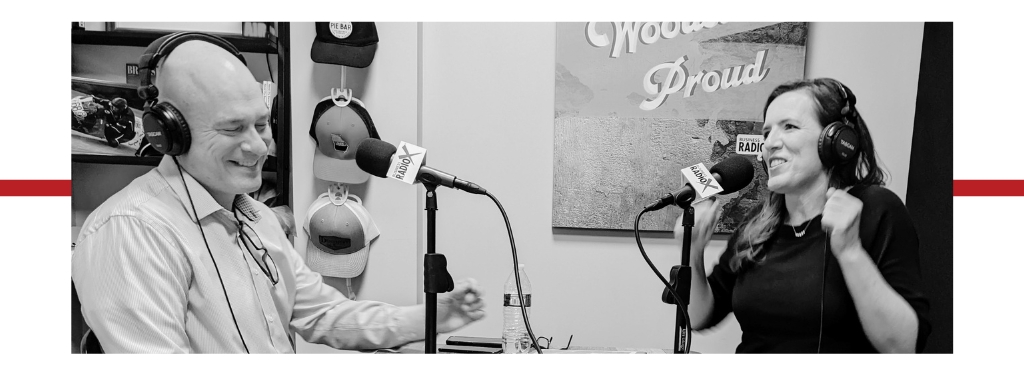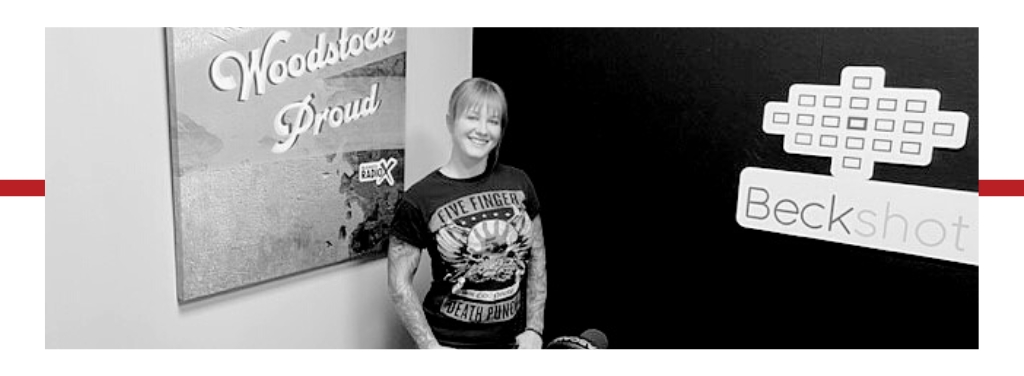

Stone Payton with Business RadioX®


This episode was brought to you by
For over 30 years, Stone Payton has been helping organizations and the people who lead them drive their business strategies more effectively.
Mr. Payton literally wrote the book on SPEED ® : Never Fry Bacon In The Nude: And Other Lessons From The Quick & The Dead, and has dedicated his career to helping others Produce Better Results In Less Time.
Connect with Stone on LinkedIn, Facebook and Instagram.
Websites:
This transcript is machine transcribed by Sonix
TRANSCRIPT
Intro: [00:00:07] Broadcasting live from the Business RadioX Studios in Woodstock, Georgia. It’s time for Kid Biz Radio. Kid Biz Radio creates conversations about the power of entrepreneurship and the positive impact that journey can have on kids. For more information, go to Kid Biz Expert.com. Now, here’s your host.
Layla Dierdorff: [00:00:19] Hi. Welcome to Kid Biz Radio. I’m Layla.
Austyn Guest: [00:00:31] And I’m Austyn.
Layla Dierdorff: [00:00:32] And today we have an amazing guest with us in the studio Stone with Radio X.
Austyn Guest: [00:00:37] Hi, Stone. Thanks for being with us here today. Can you tell us about yourself and your business?
Stone Payton: [00:00:42] Well, sure. How long do you have? So the business is called Business RadioX. We have a network where the Business RadioX network and our tagline and our mission is to amplify the voice of business. And so we invest a great deal of our energy and just capturing stories. There’s so many people out there doing such marvelous work. And candidly, traditional media is not always knocking down their door to give them a chance to share their story. So my business partner, Lee Kantor and I, we wanted to build a safe place where they’re not going to get grilled about last year’s taxes. And we’re not trying to. We’re not investigative reporters. We just want to give them a platform to talk about the work that they’re doing for, you know, for their market, the profession and the community. So day in and day out, in 18 other rooms like this around the country, there’s 19 studio partners who run these business radio studios. And every day they’re interviewing business people, small business people, large business people from larger businesses. And we just capture a ton of stories and try to get them out there so that they can get the word out.
Layla Dierdorff: [00:01:53] Did you say the country? Whoa.
Stone Payton: [00:01:56] Well, we actually we do some work internationally, but we don’t have an official studio partner on the other side of the pond just yet, but I’m working on it. That’s my day job. My business partner, Lee Kantor and I, we own the Business RadioX network. And so my day job is to to find and to try to support people who are running studios like this one. And then when Holly and I moved to Woodstock a couple of years ago, it’s been right at two years now, I decided to open this studio. So when I have that hat on, I’m a studio partner and I run the local studio. And so we try to we try to profile all the local businesses here in Cherokee County and surrounding areas. And not just the businesses, though we also we like to have nonprofits come in and we want to live into that mission of supporting and celebrating the community in general. So we’ll have local elected officials and leaders here. You know, we’ve had the mayor here, so we like to we that’s what we did. Beats the heck out of working, man. We love it.
Layla Dierdorff: [00:03:03] Okay. So how did you get started doing all of this? You just like wake up one day and decided that you were going to conquer multiple events, lead up to it?
Stone Payton: [00:03:11] Well, it was a little bit of a circuitous path, I guess. My previous life I worked in the training and consulting world. I worked for for mostly change management consulting firms. And when I left the last one, I went out on my own and I started doing keynote work. So I was out speaking on organizational and individual speed, and so I self published a book and I don’t know how you guys would be about it, but I know that both of you will write a book. There’s no doubt in my mind. Maybe you’ll write one together as well. You’ll probably write several. But you know, I would have talked to the high school newspaper. I talk to anybody who let me talk to them about the book. Right. And so I made the rounds and went on a number of radio shows. Back then, there wasn’t really podcasting and digital radio so much. So I went on the more traditional kind of local FM radio shows. And and it was it was fun and it helped me get the word out about my work. But it wasn’t like this kind of a radio show where we’re just having a real conversation. It was a it was a little more superficial. It was very highly programed. More formal. Yes. And and you had to break for commercial and you had to have your little three bullet points ready. And that one joke, you know, that you always knew would land. And so it was fine because I still knew I could I could use the fact that I’d been on the show to promote the work.
Stone Payton: [00:04:39] And so it was good from a credibility authority standpoint. We didn’t call it content marketing back then, but I guess that’s what I would do with it, right? I’d turn around and I’d share it with the people who are important to me, but it was, I guess, superficial is the right word. It was very programmatic kind of thing. And then I got invited to a show called Atlanta Business Radio. We weren’t a network back then, and my business partner, he’s been a business partner of mine for 20 years now. He already had this thing going. And it was it was such a different experience, right? We talked about me and the work and the why behind the work and other aspects of my life. It was just a real conversation. We had a couple of other business people in the room and I got to meet them. I got to really. Learn about them. It was a it was a cohesive show, but everybody had their own segment. And so I could just sit back and really listen to them. And again, those segments were they were real. They were authentic. You got to you got to hear about the person and the and the work. So so I was a guest and I really enjoyed the experience. But I was kind of a sales and marketing guy for my whole career. And I couldn’t figure out how this guy was making money. Right. Because he didn’t charge me to be on the show and he wasn’t running any commercials.
Stone Payton: [00:06:01] And so I’m scratching my head. And so I did like like so many of our guests. Do you guys have experienced this? They really appreciate being on the show for all those reasons I described. And they’re like, what can I do for you? So my first question was, Hey, this is great. Thank you so much. This is head and shoulders above all of my other experiences. You know, what can I do for you? And then my next question. And I waited till the other guests left and I said, You got to tell me how are you making money? And he shared the business model with me then. And it’s still the core business model for all of our studio partners and for my studio here. We have we have other revenue streams now and a lot of different ways to help people and make money than we did 20 years ago. But the core business model, this guy had like a half a dozen clients, high ticket B2B business to business sales, like a financial services person, an IT managed services person, a patent attorney. He had a like a home health care franchise. But all of these people were far less concerned with, well, I don’t even know if you had Facebook back then, but they weren’t really trying to get a whole bunch of anonymous eyes and ears hearing them and then hoping they called them or, you know, or went to their website. They just needed to build real relationships, you know, with people who were important to them, people who might write them checks or people who might tee them up with other people, you know, like be referral partners and, and and get them open some doors for them that might not have previously been been open for them.
Stone Payton: [00:07:37] And so and in doing so, I really got enamored with that business model and it clicked for me. So I, I wrote a check and I became a client. So I had my own show. It was called the High Velocity Radio Show because my the frame for all of my work was personal and organizational speed, right? So we did that show. It did exactly what he said it would do it. It still helped with the credibility and the authority. But I got to meet so many wonderful people through that. It really did help me grow my business. And I mean, it wasn’t 3 or 4 months and I sat down and I wrote a much larger check and I bought 40% of the company with the idea that we could replicate what he was doing in other communities. And I’ll be honest with you guys, it’s gone much slower than to me. We ought to be in a thousand communities, you know, and we’re in 57 markets. But we but we have operations like this in 19 communities. And so that’s how I got involved. And again, my day job is to continue to try to grow the network. But I also love being right here in this community and running the local studio.
Austyn Guest: [00:08:48] Wow, that is awesome. Laila, how did you get your business started?
Layla Dierdorff: [00:08:53] Well, you actually had a business and inspired all of your siblings and all of that stuff. And so I just saw you. I would go to the markets to like support you and stuff, and then I just saw how you were doing it. And I kind of like like how you just observed how she was doing it and how to do that kind of stuff. And also, I’ve just been around entrepreneurship forever because my papa and my mom are entrepreneurs and all that stuff. So I kind of just saw the whole process in the family. Yeah. And I kind of like, thought I could I could do that. So I’ve always loved the idea of like, making food. Not as much baking, but food for sure. And I was like, I like dips. My dad likes dips. Let’s see if I can make one.
Stone Payton: [00:09:38] Who doesn’t like dips.All God’s chillun loves dip.
Layla Dierdorff: [00:09:41] Yeah, it’s really good. It goes with everything.
Layla Dierdorff: [00:09:44] So then I made some. And then I made two flavors. And then there was like a little family gathering thing. And they said that they were really good. And so I was like, I’m going to try more flavors and more flavors, and they’re delicious. I started going to markets with you, Austin, and then Kid Kidby’s formed and now we’re at those markets.
Austyn Guest: [00:10:05] Yeah, it’s sort of exploded from there.
Austyn Guest: [00:10:07] Yeah.
Layla Dierdorff: [00:10:08] So this is kind of a two part question. What have you done in your past to help you become a successful entrepreneur and what do you define success as? Because that’s different for everyone. Yeah, there.
Austyn Guest: [00:10:20] Are multiple definitions depending on who you are.
Stone Payton: [00:10:22] Wow, what a great set of questions. So there are a lot of things that I’ve done in the past that didn’t work out well. I’ve had a lot of ideas that didn’t pan out, but I guess the mindset was always trying to figure out what to learn from that and being okay with falling on your face because I’ve done it plenty. Lee and I together have done it, have done it plenty. So I think that mindset was probably a product of of my childhood. The way that I was raised. My parents, I had a fairy tale childhood. My father early on was a high school basketball coach, didn’t make a lot of money. But but, you know, I was exposed to sports a lot and I understood teamwork. I understood what winning was like, but I also understood what losing was like and how to come back from that. So I think that was very helpful. I also had early in my career, I had mentors that I and I just tried to soak it up like a sponge on the in terms of financial success, which is and continues to be important to me. It is important to me to to make money. And one of the reasons is I find that the more money I make, the the more I can help people and the more I help people, the more money I make. And then it just it’s like the two things work so well together.
Stone Payton: [00:11:40] Once you get that kind of flywheel going, you couldn’t stop it if you wanted to. But one of my early mentors taught me he did more than teach me. He just he really ingrained in me. Setting aside a portion of your money to be invested, right? Like just right off of the top. And that financial discipline of doing that, it made all the difference in the world because I, I was able to, to grow financial wealth at a very early age setting. So that helped a lot. And then just being around people who have already kind of cracked the code on things you want to do from financial success to being known in the community to for to being positioned as a strategic resource. It’s definitely a snowball effect. It is. And and just to if you if you are willing to not feel like you’ve got it all figured out and just open your mind and your heart to the way other people are doing things. And I was very fortunate. So it’s a it was a mix. It was it was the good fortune of finding myself in those circumstances where I had exposure to those kinds of people. But I will say, I think it was also the personal accountability of making sure that I that I squeeze the juice out of all of those opportunities. Now, for me, success is financial. Success is an important component of my definition of success. For me personally, I don’t hold other people to that definition of success.
Stone Payton: [00:13:19] And there are a lot of people in my life, in my family and my circle of friends that success for them may not involve what I would call it, may not involve a lot of money. And they’re perfectly content and they’re and they’re happy. But also success for me is like the lifestyle that I have now. I live in a community where I know a lot of people, right? Everyone knows everybody. The financial aspect of it. I for me plenty of money. I’ve got all the resources to do what I want to do. I don’t. Have debt. So the money piece of it really is important to me. I have enough resources to. To help other people when I choose. And so that’s a big piece of it. But also my kids have turned out just wonderfully. I have a great relationship with them. I have a great relationship with my wife and both sides of the family. We have, you know, when family comes to visit Woodstock, not only do they want to stay a while and they love it, you know, I’ve got family moving here because they seen a great community. But but to me, that, too, is a is a very important part of the success picture for me personally is all the great relationships that I have with with family and friends and. So, yeah, that’s I guess that would be success for me.
Layla Dierdorff: [00:14:42] For me personally, it’s just being the happiest I can be because like, yeah, money is important to me, but it’s not probably as important. Huh? Yeah. Happiness. It’s just because if you’re happy, then nothing really else matters to me at least. So that’s what I try to strive for in life. So how do.
Stone Payton: [00:15:00] You get happy, though? Do you. Do you. Do you. Do you start with happy and then the other stuff falls into place? Or do you or do you feel like you have to pursue something? Like when this happens, I’ll be happy?
Layla Dierdorff: [00:15:10] No, because that’s like what’s detrimental, I think because it’s you’re never going to get to your main goal because you’re going to keep having more goals. So if it’s like, if I get here, I’ll finally be happy. But once you’re there, you feel like you have to get the next goal to finally be happy, right? So I feel like if you start with being happy because like feel good and all that stuff and then you’ll kind of figure the rest out.
Stone Payton: [00:15:29] I agree. But I think some folks find that very difficult to do. They feel like, you know, once I get this achieved or, you know, then I’m going to be.
Layla Dierdorff: [00:15:38] Yeah, you can feel better about yourself, but you still have to be happy even without that.
Speaker5: [00:15:43] Yeah.
Layla Dierdorff: [00:15:44] Like you can be, like, feel like proud and accomplished and stuff.
Speaker5: [00:15:47]
Stone Payton: [00:15:47] Do you think hanging out with happy people is part of it too? Like, Definitely, yes, and I do. I am more selective than some about who I hang out with. I think that’s I and happy people are more fun to hang with. I mean and I mean I hope this doesn’t sound conceited. I think I’m fun to hang out with because I’m a happy guy.
Austyn Guest: [00:16:08] Yeah, yeah, yeah.
Austyn Guest: [00:16:09] When you’re around happy people, you’re happy. It just. It feels great.
Layla Dierdorff: [00:16:13] Yeah, it might be a little random, but somewhere the five closest people in your life are who you’re going to be.
Stone Payton: [00:16:21] I think there’s probably a lot of.
Austyn Guest: [00:16:22] Truth to that. There’s a lot of meaning to that.
Speaker5: [00:16:24] I just thought of that. Okay.
Stone Payton: [00:16:25] And I’m told back to the money aspect of things. And again, the money thing is important too, to me. And it doesn’t have to be to everybody. But it’s my understanding that for people who are on that kind of pursuit, that your income will often kind of be in that same range of the people you hang out with, I think there’s probably some truth to that. I think it’s because of the energy and the the the ideas and the influence that that that group of folks have. That’s probably true. And if I think about it, it’s it’s true about me. Yeah. Yeah.
Austyn Guest: [00:17:00] So when you were starting up your business and as you were growing it, were, were there any like, just small little regrets you had as you were starting it up and growing your business?
Stone Payton: [00:17:09] It’s probably not fair to characterize it as a regret because again, my mindset is, boy, I learned a lot from that or I learned a lot from from this. The biggest challenge I have always had in business, I thoroughly enjoy the consultative sales process. So and I feel like I’ve gotten pretty good at it over over the years and even good at teaching other people how to do it over the years. I have never enjoyed and still to this day do not enjoy at least the traditional approaches to the prospecting, those very initial conversations. It’s why I got so enamored with what Lee Kantor was doing 20 years ago, because this for business is the thing we do. It solves it eliminates the prospecting problem. If you want to get to know someone and build a relationship with them and you have a radio show or even underwrite one of our shows, or even if you’re like a sponsor and you reach out and you invite someone to come on the show. Now this really works best if you’re a business to business, like if you call on other businesses. But if you reach out and invite them to come on the show and it’s not the stone show, you know it’s not. It’s about highlighting them about their story. Then first, what a gift you’re giving them, Right. And they’re happy to do it and you get to know them. And then so the prospecting thing, this absolutely solves the prospecting problem, which is why I wrote that first check. Right? But so and I have done the thing where you have to just pick up the phone and call somebody out of the blue and but I don’t regret doing it. I think it helped me build character and helped me have some empathy for people that have to have to do that. But man, I don’t know that I have any.
Speaker5: [00:19:01] Do you have any.
Layla Dierdorff: [00:19:02] Things that you wish you did.
Speaker5: [00:19:03] Sooner? Oh gosh, yes.
Layla Dierdorff: [00:19:04] Okay. Yeah, that.
Speaker5: [00:19:05] Counts.
Stone Payton: [00:19:06] Yeah, Almost everything, I’ll tell you. Right. Right up top. I wish I’d have moved to Woodstock sooner. I mean, this is such a wonderful community. I mean, the timing probably worked out right, Because we lived in a bigger house on a cul de sac and a good school system, and it was a great place for the for the girls to grow up. But there’s a piece of me that wished that I had moved to Woodstock sooner. I in retrospect, because I’m enjoying it so much, wished I’d have set up my own studio sooner like I used to. Only focus on that on that main job of growing the network. So I guess I would I wish I would have done that kind of thing sooner. I wish I would have learned more about digital marketing sooner because there’s so much to be learned there. And again, so many ways to help our clients leverage what they’re doing in the room so much more. So I wish I would have done that sooner.
Speaker5: [00:20:02] Um, I’ve watched my.
Layla Dierdorff: [00:20:03] Mom like her whole business thing. Isn’t that I’ve just seen how important it is. Oh, yeah. It’s pretty scary to watch. Like people go from just, like, mediocre to absolutely crushing it.
Stone Payton: [00:20:15] And I was very standoffish. I was like, Oh, no, what we do is too personal. It’s all face to face. And that is an important element of our business. But it’s there’s there’s so much you can do to augment that with the social media platforms and with with the with the digital marketing. And fortunately, I’m learning more about digital marketing because we’ll have digital marketing experts come in here. And that is a cool way to to, to leverage this platform, right? Like if you want to know something about breeding dogs, invite somebody on the show that breeds dogs. Yeah, not everything. Learn a ton. Or if you like to read, write, have a have a whole show or a series or something dedicated to people who write books and bring authors in here. So that’s, that’s fun. But yeah, there’s a ton of stuff I guess. I wish I guess I wish I had done sooner. And and then you try to tell your kids and young people that they should do it sooner.
Speaker5: [00:21:13] And speaking of.
Layla Dierdorff: [00:21:14] That, do you have any advice for any aspiring entrepreneurs to help kind of prevent.
Austyn Guest: [00:21:19] Some of your maybe? We could call them.
Stone Payton: [00:21:21] Wow, what a great question. I would definitely encourage them. That whole notion of setting some money aside and investing it in your wealth as an expression of that is a discipline. It’s a book. It’s a movement called Profit First. And it’s, you know, in most if you go to a traditional accounting class, they will tell you that they’ll put it up on the whiteboard. I remember sitting in the class in college, you know, revenue minus expenses equals profit. And that’s a that is a way to look at that. And that’s the way that that traditional accounting works in my world, since I was exposed to this. For us, revenue minus profit equals expenses. Right. So that work. Yeah. So, so, so the very, the very first thing we do, we take right off of the top is profit. So for every dollar that comes in, we’ve assigned a percentage. And I mean, before we pay the light bill, before we do any of that, we take that, we sweep that right off the top. And so we ensure that we’re making profit. All of our almost all of our expenses are variable. So that that that same idea and look, it’s biblical too, like for people who people of faith you know, they’ll have they suggest that you set aside a percentage and you you use that to invest in the community or to tithe to your to your church. That same concept in business, I say, yeah, for, you know, figure out your percentage. Maybe it’s 10%, maybe it’s 5%.
Stone Payton: [00:23:03] You know, in our case it’s 20%. You know, we just right off the top, take that number first and then deal with the with the rest of it. I would encourage people to entrepreneurs to do that. I would also. Remind them or help them understanding, Help them understand. The most important thing for a for a business, especially a new business, is to get a customer. You know, there’s a lot of folks that work on the strategic, the business plan, and they go get the, you know, the LLC and they file with the with the county or whatever to get the business license. And they think they do all the officey stuff. I would say first go out and get a customer and and going out and getting a customer. If you’re talking to a potential customer, ask them what they would like. Right? And it’s the I think if you can focus more, if the priority can be who is the group I want to serve and not be as invested in the idea like the the idea that you’re going to use to serve them as you are in the group because you might decide to to change, you know, to alter your product or service to meet the need more effectively. But if you can stay, stay focused on who you’re going to serve as opposed to get overly invested in this, this one idea of the thing you’re going to sell. Right. So I don’t know, maybe that’s helpful.
Austyn Guest: [00:24:33] That could be very helpful to some people. What would you say some of your maybe future goals for your business could be?
Stone Payton: [00:24:39] So on the network side, we feel like there should be a Business RadioX studio in every community, and I know I sound like Business RadioX is going to solve world peace. Yeah, so that very.
Speaker5: [00:24:51] Much you never.
Austyn Guest: [00:24:52] Know. It could. It could. It could one.
Speaker5: [00:24:54] Day. Exactly.
Stone Payton: [00:24:55] But I do. I do believe with all my heart that we’re doing good work. And and I do. There’s so many great stories out there that, you know, we’re not capturing. I mean, we’re probably the most prolific publisher of business programing on the planet. What does that mean the most? We probably publish more original business material than any of the big magazines and news channels you’ve heard of, because that’s our our focus. And yet we’ve only scratched the surface. So it is my desire, my next kind of milestone is 100 studios. And so I shared with you, you know, we have 19 and we’re in 57 markets. But to me, that’s my next. But I mean, I think we ought to be in a thousand here domestically. And I think there’s plenty of opportunity internationally. So that is kind of the the brass ring on that side that would and that’s also kind of moves into a legacy. That’s something that, you know, when I pass to to know that I that I set that in motion that that’s important to me. At a more tactical level, we started something here in this market that I think as we prove it, refine it, bottle it, we’ll you’ll see it in other in other markets and other studios. When I got here two years ago and opened this studio, it did what it always does. You know, it’s a it’s a lucrative business.
Stone Payton: [00:26:17] The margins are good and they should be good because we’re helping people. But the focus, the Business RadioX business is designed to serve Back to who? High ticket B2B businesses, you know, business attorneys, CPAs, professional services, marketing consultants or like Big Shot. You see the logo on the wall. This guy does high end video and photography work. He has a niche of serving real estate and architectural firms, but he can also help other businesses just capture really good, high quality video and photography. And he helps them with the strategy of how to leverage it. Well, it makes perfect sense for him to be a client, and he is. He has his own he has his own show that he launched recently, and it even has a sub series. And in the same breath, I’ll tell you, because now I’m part of this community, there are a lot of folks here in town that have some marvelous small businesses. They’re solopreneurs, they’re startup shops, they’re retail, they’re B to see their business to consumer, it doesn’t really make sense for them to invest in a custom weekly show. Like like it just does it doesn’t make sense. So I, I was scratching my head for like a year and a half. How can we serve that group? Because I’ve got this platform. I still have plenty of capacity. There’s got to be a way to serve those small business folks.
Stone Payton: [00:27:44] So we built this thing with the help of Diesel, David and Sharon Cline and some folks to kind of help me think it through. And what we did, we built a membership structure. Just to give you some context, all of our studio partners have they have discretion on their own fee structure, but it ranges about where mine is here in this studio, the fee structure for a, you know, what we do for these high ticket B2B folks ranges from 1250 a month to $5,000 a month. And they’re happy to pay it because they’re going to get at least. And more often at least, you know, more like Forex, and some of them get eight and ten X, so they’re happy to do it because people are going to, you know, they’re going to get their return on that investment. But so a lot of the folks I’m describing, you know, maybe are one person running an insurance agency or maybe they are retail, they’re running a dress shop, right. Or they have a small consulting firm or they a graphic designer. Maybe they’re a contract graphic designer. They can’t afford to do it. Right. It doesn’t matter how well it works. Yeah. So instead of 1250 a month, they pay 1250 bucks for the whole year and we can pool those resources and they don’t get like Custom Weekly show, but they can invite people to some of our house shows.
Stone Payton: [00:29:02] And again, so they get to we were describing earlier what a great way to to to begin a new relationship. Right. By reaching out and so they can reach out as kind of almost like as an ambassador of the Business RadioX Cherokee business Radio, invite someone to come on a show that they sponsor because they are sponsoring it. We can let them sponsor that episode. So, you know, we can do a live read. Today’s episode is brought to you in part by blah blah, blah. We can put their logo on that episode. We let them organize quarterly at that level, at that 125 bucks a month or 1250 for the year, they get a little bit of a break. If they do the the year thing once a quarter, they can organize a quarterly like dedicated special episode where the whole thing is them. They can help host co host. It’s just their guest. So they can do that. And then but those those funds are pooled right. And so we take 20% of all of that revenue and we set it aside for grants and scholarships and sometimes just cold, hard cash to nonprofits, young entrepreneurs. And and so now, while maybe they can’t donate a lot of money to kid biz Expo right or right. Well, the program I’m describing, we call it Main Street Warriors. Okay. That’s what I.
Speaker5: [00:30:23] Thought. But all.
Stone Payton: [00:30:23] Right. So but let’s say we’ve got a local business and they’re really fired up about what Kid Biz Expo is doing. They might feel like they can, you know, write you a $25 check, but they don’t feel like they can write you a $1,000 check or a $2,000 check. Well, we can pool their money. And then so when we do provide a grant or a scholarship or fund a show like Kid Biz Expo, one of the reasons we’re able to do this, it doesn’t all have to come out of my pocket. We can pull it. It’s the Main street Warriors is the reason we’re able to do this show. Yeah, right. So they can pool their resources. So you asked me about, you know, my goal A, I want to get that program to, to where we my goal, my near-term goal is to have 100 Main Street warriors. Right? So that’s 12 five a month. Right. And we’re not a nonprofit, so there’s still margin in there for Business RadioX. But that whatever 20% of that is, then we can we can we can help other nonprofits. But now these small business people, if you’re running a small business, $125 a month, if you’re serious, you can find that and you’re probably spending that on something that doesn’t work as well as this. Right? And so we want to continue to refine that program here. This is kind of a kind of a what would you call it, an experimental, you know. Greenfield But it’s working. I got to tell you, it’s taken off like wildfire. So I want to really refine and bottle that, and then I want to license it to the other studio partners. And I want to make it so that they can do that in Phenix, you know, or Saint Louis or in South Florida if they want to. So right now on my mind, near-term goals grow the network and and tighten refine the main street warriors program is that that’s probably more than you wanted to know but that’s what’s on my mind right now.
Layla Dierdorff: [00:32:08] So you talked about wanting to reach that goal. What are you doing right now to help you get towards that? Just keep networking or.
Speaker5: [00:32:16] I.
Stone Payton: [00:32:16] Keep networking and I try to balance all of the advantages of the social and digital that we talked about with some old school. Right. And I try to leverage our platform like today when our guests couldn’t come and we said, Well, let’s just interview Stone. I’m thrilled to talk about Business RadioX in general, but I but I thought, oh, what a great opportunity. One more time to talk about the Main Street Warriors. So I will share this interview and but I’ll do some old school stuff too, so we’ll get it out on all the platforms. It’ll get automatically published to all the podcasting platforms, like all of our stuff does. But I’ll also I will mention it to people, but also I’ll also share a note. I’ll write a little two sentence email and say, Hey, I got a chance to talk about Main Street Warriors on The Kid Biz Show and thought you might enjoy. And it’s amazing. That’s another thing I would tell young people. Yeah, take full advantage of all the digital stuff, but do some of the old school stuff too. Talk about it. Mention it.
Stone Payton: [00:33:17] And so I will do that. The other thing that I will do, we got a golf cart. Holly and I got a golf cart, but we got a red and black golf cart that matches the Business RadioX logo stuff. And we’re going to start doing a lot more on site broadcast and just showing up, especially here locally, where I’m allowed to drive the golf cart. So you’re going to see me parked at Reformation a lot more with the Business RadioX logo on the golf cart and we’re going to set it up. It’s black, right? So I can also and the in the sub brand, the main street warriors, we’re going to have like this Foot Locker thing on the back of it on the golf cart. The back seats fold down and I’ve got this camo blind thing from I like to hunt and fish, as most of my listeners know, and I can lay that over the seats and then I can put that Foot Locker there and we’re going to do, you know, hand out Frisbees, hand out water and just be at stuff and be seen.
Speaker5: [00:34:14] Like.
Layla Dierdorff: [00:34:14] Kind of like part.
Austyn Guest: [00:34:15] Of the community more present.
Speaker5: [00:34:16] And personal. Yeah.
Stone Payton: [00:34:17] And just be seen out there and just and try to again live into that mission of, of just being there for people. So I will tell you a quick story on me though. So one of the ideas is to get Frisbees, right? So I thought, well we’ll print the Main Street Warriors logo and website on the on the Frisbees or maybe get stickers or something like that. And so I got to thinking about I’ll go, I’ll park behind Reformation and then like on a Saturday or when you guys are doing something, anything that’s going on and I’ll have fun and I’ll throw the Frisbees to people. And so it seems like a good idea, right? Yeah. And then I got to thinking about you guys may not be old enough to to have seen this show. There used to be a show called WKRP in Cincinnati. Nope, never. It was a comedy show. And they had this. This great idea of giving out turkeys, frozen turkeys for Thanksgiving.
Speaker5: [00:35:07] I know this is going. So they.
Stone Payton: [00:35:09] Rented a helicopter.
Speaker5: [00:35:10] Right?
Stone Payton: [00:35:11] They rented a helicopter and they dropped frozen turkeys all over town. Well, they caused hundreds of thousands of dollars worth of damage. Yeah. So. So then I got this vision. I’m out there trying to be cool guy, right? Have fun throwing people Frisbees, you know, handing out water. And I thought, you know what’s going to happen? I’m going to throw that Frisbee over there in the backyard and it’s going to knock over some guy’s beer. It’s going to make him mad. Yeah.
Speaker5: [00:35:33] And so I think I’ll.
Stone Payton: [00:35:34] Just I think I’ll walk up to people and hand them.
Speaker5: [00:35:36] The Frisbee.
Speaker4: [00:35:37] Yeah, it might be a bit safer, but we’re just.
Speaker5: [00:35:39] Going to try to get out.
Stone Payton: [00:35:40] There and be seen more. And if I can figure it out, like golf tournaments, how cool would it be to show up in the Business RadioX slash Main Street Warriors golf cart and be present? So that’s that’s one idea. But the the concept of it is just get out there, be seen and try to do some fun stuff and just keep telling small businesses about it. And then and I think one of the cool things about the idea is they’re just automagically organically ambassadors for Main Street Warriors. If they are a main street warrior because they get to come along for the ride on anything Main Street Warriors are doing. So I don’t know when we’ll have the funding to do it, but when we present Kid Biz Expo with a nice check, it’s not going to be stoned or really even business radio. It’s going to be the main street warriors who are presenting the check. So yeah.
Layla Dierdorff: [00:36:28] So.
Austyn Guest: [00:36:29] Sort of a deeper question here. If you had the attention of the whole world for five minutes, they were all listening and paying attention to you, what would you say?
Stone Payton: [00:36:41] I don’t know how much impact it would have. The thought, the discipline I would love to somehow get across to them is serve first, serve early, serve often. I just I feel like that is one of the reasons that the network has been so successful that our studio partners are able to live into their personal dreams and serve their communities. That idea of that’s the default position, you know, serve first and the rest of it will fall into place and it may not always fall into place in a direct. It doesn’t mean you’re going to serve someone and they’re going to write you a check, but it just always seems to come back ten fold when when you lead with that mentality and.
Speaker5: [00:37:27] Karma.
Layla Dierdorff: [00:37:28] Almost like.
Speaker5: [00:37:28] Like I do think there’s.
Speaker4: [00:37:30] Something to.
Speaker5: [00:37:31] That. Yeah.
Stone Payton: [00:37:32] And then I listened in on a show that I love to produce called Kid Biz Radio a few weeks ago and a young person who has wisdom beyond her years shared something that I do wholeheartedly believe in. And I think I’m pretty good about living into. And I would like to find a way to to instill this in other in other people, too. And just relax.
Speaker4: [00:37:57] Just just calm down.
Speaker5: [00:37:59] No, I just really.
Stone Payton: [00:38:02] Think if you can have that energy and mindset of serving and letting things unfold, shining the light on other people, all these things we try to do. My experience so far, you know, maybe the other shoe is going to drop and the bottom is going to fall out. But man, my experience stuff just usually just has a tendency to work out the way it’s supposed to.
Speaker5: [00:38:22] Yeah. Yeah.
Layla Dierdorff: [00:38:25] Okay. That was kind of deep. Okay. So this one’s a little bit less. Um, so this is not gonna figure it out. Okay. If you woke up tomorrow without your business. So it was just completely. Just poof. Gone. Gone. As if it never exist. You do. To help build it back up again or just. Just recover from that.
Stone Payton: [00:38:47] Yeah. So I don’t know is the honest answer. I have some luxuries in my life that I have a lot going for me in my life and maybe that’s why I’m so happy. I have such a marvelous support system, friends, particularly in this community. But I’ve got friends. I’ve got friends in business in this community. I have such a marvelous support system. I’m 59 years old. I’ll be 60 in August. I could go down to Pensacola, Florida, where my folks still live, where I grew up. I can knock on the door and I can say, Mom, dad, the bottom fell out. Holly left me the business is gone, you know, And I’ve got a pillow and a plate. Now, they would expect me to get back on my feet because that’s just that’s just the value system of the of the family. I and I have built that for my kids. They always they know they have a pillow and a plate no matter what, unconditionally. So I have that support system. I’ve got a safety net that maybe a lot of people don’t have. But I think tactically, if I try to put myself in that scenario that you described and I and I and I do have Holly, she hasn’t left me, that’s good. So I have that. I think I would I certainly wouldn’t discontinue and I might even double down on getting out there and hanging out with all the wonderful people in this community and particularly the business people in this scenario.
Stone Payton: [00:40:13] And I might have some design on trying to to reboot some version of what we’re doing here and or I might just, you know, connect with the diesel. David or, you know, or Bronson or any of these folks who are doing, you know, marvelous work and see if there’s a way that I could tap into what they were doing and try to serve them in some way and start working with them. And I might find a completely different vehicle to to serve people. But I would still you know, it wouldn’t be as easy, I don’t guess, but I would still try to maintain that that operating discipline, that mindset of just get out there and work on somebody else’s problem and try to help them. And I got to believe it somehow, some way. What it might not do is get me back in the digital radio business. And I and I think I would have to find a way to be okay with that. But yeah, I would I guess I would double down on on that. I wouldn’t rest and just hang out at the house. I would definitely get out and double, double down on that.
Layla Dierdorff: [00:41:27] That’s kind of cool how that question kind of like summed up everything that we’ve been talking about, like everything.
Austyn Guest: [00:41:33] So sort of starting to wrap things up here. We’re going to do a couple speed round this or that questions.
Speaker5: [00:41:39] Oh, my gracious.
Austyn Guest: [00:41:40] Answer as fast.
Layla Dierdorff: [00:41:41] As you possibly.
Speaker5: [00:41:42] Can. All right, I’m.
Stone Payton: [00:41:42] Gonna put my I’m going to put my eyes on here and see make sure that I’m ready for this, all right? And I’ll open my ears.
Austyn Guest: [00:41:50] All right, You ready? Ready. All right, here we go. Cats or dogs?
Speaker4: [00:41:53] Oh, dogs. Spider-man or.
Speaker5: [00:41:54] Batman.
Speaker4: [00:41:55] Spider-man books or movies.
Speaker5: [00:41:57] Yeah. Yeah, man. I just. I believe so much in the.
Stone Payton: [00:42:01] Okay, I can’t. I’m not supposed to talk. I’m going to.
Speaker5: [00:42:03] I’m going to.
Stone Payton: [00:42:05] Gosh, I’m going to go.
Speaker5: [00:42:06] Movies.
Layla Dierdorff: [00:42:07] Waffle or curly fries?
Austyn Guest: [00:42:08] Curly fries. Mountains are the beach. Wow.
Speaker5: [00:42:10] Beach.
Austyn Guest: [00:42:11] Sweet, salty, salty. Chocolate or fruity candy Chocolate.
Speaker5: [00:42:14] Cake or pie. Pie, pie. Bar pie.
Speaker4: [00:42:16] Thank you. Lower high rise jeans. What?
Speaker5: [00:42:22] I don’t even know if I know the difference. Okay.
Speaker4: [00:42:25] Guys are the ones that are like it.
Austyn Guest: [00:42:27] It lays on your waist and the other ones come up a little higher.
Speaker5: [00:42:30] Oh, low. Okay. This is a very like.
Layla Dierdorff: [00:42:32] That’s. That’s more like a female question. Yeah. And then finally, comedy or horror?
Speaker5: [00:42:36] Oh, comedy.
Layla Dierdorff: [00:42:37] Okay, so we’re going to wrap it up.
Austyn Guest: [00:42:40] All right. Well, thank you, Stone, for hanging out with us today. We really appreciate it. Can you tell everyone how they could get in touch with you and check out what you’re doing?
Speaker5: [00:42:48] Absolutely.
Stone Payton: [00:42:48] So my email is stone s t o n e at Business RadioX dot com. Go check out what we’re doing with Main Street Warriors at Main Street warriors.org. My phone number is (770) 335-2050. I’m not great about picking up the phone, but I am pretty good because I have it on silent most of the time because I want to. I want to be able to interact with people I am good about. I am good about returning text and then connecting. So (770) 335-2050. Leave me a voicemail if you want. Or just shoot me a quick text and let’s go have a beer under the elm tree.
Layla Dierdorff: [00:43:30] Well, we enjoyed our time with you today. We know our audience will get so much out of hearing your story. Thanks for listening and we’ll see you on the next one.
Speaker5: [00:43:38] Thank you.
Speaker4: [00:43:39] Bye bye. Bye.
Gary Acedo with Steele Interiors and Glenn Carver with Carver Consulting

Sponsored by Business RadioX ® Main Street Warriors

Gary Acedo started Steele Interiors nearly 2 1/2 years ago at the height of the pandemic. He has been in the office furniture business over 20 years and decided to start his own dealership.
We are a small boutique dealership that services the mid to large size customer. We are headquartered in Marietta, Georgia, however, we service the entire southeast.
We have sales professionals in Georgia and Florida. We are looking to grow our business by helping customers furnish their offices in order to get people back in the office. We are also looking to work with commercial real estate and property managers to work with prospective tenants.
Follow Steele Interiors on Instagram.
Glenn Carver is a passionate advocate of human potential. He inspires individuals and organizations to think bigger and step out of their comfort zone, so they can realize their greatest potential.
Glenn started knocking on doors and selling at 10 years old. He’s lived in the trenches and sold everything you can sell, every way you can sell it from door to door to the kitchen table to the board room.
Whether you have a tangible or intangible product or service, he can motivate your team to think bigger and perform at a higher level. The bottom line is Glenn truly cares! He’s committed to your success – your individual success and the success of your organization.
Connect with Glenn on LinkedIn.
This transcript is machine transcribed by Sonix
TRANSCRIPT
Intro: [00:00:07] Broadcasting live from the Business RadioX Studios in Woodstock, Georgia. It’s time for Cherokee Business Radio. Now, here’s your host.
Stone Payton: [00:00:24] Welcome to another exciting and informative edition of Cherokee Business Radio Stone Payton here with you this morning. And today’s episode is brought to you in part by our local small business initiative, the Business RadioX Main Street Warriors Defending capitalism, promoting small business and supporting our local community. For more information, go to Mainstreet warriors.org and a special note of thanks to our title sponsor for the Cherokee chapter of Main Street Warriors Diesel David Inc. Please go check them out at diesel. David.com. You guys are in for a real treat this morning. We have a studio full, we’ve got paparazzi, we’ve got social media managers, we got leaders of different divisions and it’s going to be a lot of fun. First up on Cherokee Business Radio, please join me in welcoming to the broadcast CEO, Grand Puba with Steele Interiors. No stranger to the business radio microphone, Mr. Gary Acedo. How are you, man?
Gary Acedo: [00:01:29] Tired.
Stone Payton: [00:01:32] It has been too long since we’ve had you in the studio, but I am so glad that we do. I got a ton of questions. We may not get to them all, but I think a great place to start would be if you could articulate for for me and our listeners alike, mission purpose. What are your you and your team really out there trying to do for folks?
Gary Acedo: [00:01:52] Man we we’re we’re trying to create I’ll sound a little corporate real quick dynamic workspaces and work environments. But in a nutshell we’re a full service contract, office furniture dealership and design firm headquartered in Marietta officially. So we work with clients that are signing leases, some of which may be for the first time and outfitting it with gorgeous furniture. That’s practical. We have sold our first cubicles last week in three years. In other words, I said that backwards. We hadn’t sold a cubicle since COVID until last week. Wow. Um. The name of the game is getting employees back to the office, and we’re helping our customers with that. And it’s much more than a ping pong table five years ago, you know, ping pong table and a beer keg was everything. Not today. We’re doing some cool stuff.
Stone Payton: [00:02:49] How did you get in this line of work? What was the path to get into this business for you? I am operating under the impression that it wasn’t a straight line, probably.
Gary Acedo: [00:02:58] No, no, no, no, no. I started my career with Office Depot making copies part time in a store in California in the Bay Area. And I loved it. And I wanted to make it to the mothership, aka Boca, down in South Florida. And after living in eight states over 18 years, I made it to the Taj Mahal down there and became a district manager in Broward County. But specifically in the year 2000, I’ll never forget it because hurricanes were new to me and we had we were devastated by hurricanes in Palm Beach County. And an organization called South County Metro called us and said their building was destroyed by a hurricane and they needed all new furniture. So I went out with a manufacturer’s rep, took measurements and photos, and it was like $250,000 job. And I about fell off my chair like, wow, I’m used to people spending 9999 for a chair. We did the whole building. They were thrilled. And it was apparent to me that that’s where the real money was. You know, I’m a sales guy. I like to make money. And I said that was what I wanted to do. So that’s where it all started. But office furniture is just not office furniture. There’s a term out there called contract office. What’s the difference? Office furniture is you go to Office Depot for your home office. It’s perfectly fine. Don’t get it wet and don’t move it. It’s fine what we sell, it’s going to cost a few more dollars, but we’re going to walk you through a process. You’re going to work with our design team. We’re going to space plan your building free of charge. By the way, we don’t charge. We just ask for the opportunity to to do business with you. We’ll design it, help you pick colors, let you really own your office, pick your furniture, pick your fabric, pick your paint, all that jazz. And we have a lot of fun doing it.
Stone Payton: [00:04:40] So we were talking about this before we came on air, but we have 18 other facilities like this one throughout the Business RadioX network. And I was telling Gary that my wall is the envy of all the other studio partners. So those of you listening who have seen that that black wall with the logos on it, that was Gary that that put that wall up there for us. And I mean all the studio partners, you know, they have like the stand up banners and the step and repeat and it looks cool, but everybody wishes they had my wall.
Gary Acedo: [00:05:12] It’s not $1 million. I consider Business RadioX friends and family. You know, that’s done. We’ve known each other three years now. Yeah, we we should be doing that. For all your studios. We do that. We work with that product on a daily basis because another portion of our business is we love to work with nonprofit. I’m really big on helping schools, nonprofit type of organizations. We’ve did business with most ministries. We’re working with an organization that you introduced us to called Limitless with Disabilities right here in Woodstock. We want to give back. And after spending all those years at Office Depot and it was a wonderful experience, excellent training, it’s not about the money. I mean, we need to make money, but it’s more about having a nice lifestyle and giving the rest away. So and we’ve been doing that since we started. And as a result, we’re nine people strong now. So we went from me and myself to nine people and we want to keep it boutique and stay humble.
Stone Payton: [00:06:15] Well, I am so excited for the momentum and the progress that you that you’ve made. And you brought three of the nine with you. I did.
Gary Acedo: [00:06:22] I did. The Florida teams down at the beach right now at season in South Florida. So you’re not going to get them up here in Woodstock, 29 degree weather. But yeah, if you want me to introduce, I can do that. Absolutely. All right. So I have Ayla Johnson, which is my senior designer at our office here in Marietta. She also works remote. Who doesn’t? And then we have Carlos Martinez, who is my supervisor and estimator and foreman, aka right hand man. Also, there’s another gentleman that wasn’t able to make it. His name is Hunter McCarthy. Him and Carlos kind of do the same thing. They oversee all the installations and make sure that the customer is happy at the end. The funny thing about office furniture is we, Ella and I can design a beautiful office. We can look at blueprints, we can pick paint colors and that’s all great. It can all come crashing down at install. Yeah. And I actually have a sound bite. It sounds like this. Okay. It means their furniture. Oh, my God. It doesn’t fit. Oh, it’s the wrong color. It’s not returnable. So we really take the time to pump the brakes, make sure they know what they’re picking, and we don’t charge for that service. But we’re also very honest with our customers. If you pick polka dot, we’re going to say absolutely not. You’re paying 20,000 in rent and your landlord is not going to let you do that. So we really advise them because we know what we’re doing, but we also give them the ability to do that. So yeah, I just wanted to throw that out there.
Stone Payton: [00:07:45] So Ayla, tell me a little bit about what compelled you to join this firm and what you’re finding the most rewarding about the work?
Ayla Johnson: [00:07:53] Yeah. So I actually met Gary through a mutual friend. She is a barber in Kennesaw, Georgia, so local. He was getting his haircut one day talking about the business and needing someone to come in and kind of help out with the more with the design part and all. And she was like, Well, I think I might know someone who can help you out there. So I got his contact info, contacted him, we met. It was great. We just clicked and and went from there. So everything’s been, been really great since then. Gary’s been a really great boss and friend person to work with and yeah, I mean, it’s been, it’s been a great journey and I’m looking forward to to more.
Stone Payton: [00:08:40] So when you’re first working with someone, do you do some of them know exactly what they want and you’re just helping them execute it and bring it to life and others? Would they be more like me and like, I don’t know, just make it look cool?
Ayla Johnson: [00:08:53] Yes, we we definitely have had a wide variety of clients, some that are more experienced in the design part and selections of different materials and some that are not so knowledgeable. So we kind of that’s where we come in. We take that relationship and that connection seriously, walking them through step by step, making sure we’re all on the same page. They know what they’re getting and how it’s all going to come together in the end.
Stone Payton: [00:09:26] So is this like drawn out on a piece of legal paper or is it all computerized these days?
Ayla Johnson: [00:09:34] Mostly computer. Every now and then we do like a quick little hand sketch that’s mostly just kind of communication between Gary and I on smaller things.
Gary Acedo: [00:09:45] I’m a professional chicken scratch artist. She makes it look pretty.
Ayla Johnson: [00:09:49] I would say that. Yeah. But yeah, we do.
Ayla Johnson: [00:09:53] We’ve used Cap Studio. We’re getting ready to move into using city. I’m familiar with AutoCAD, just like different.
Stone Payton: [00:10:04] You just went completely Greek on me.
Ayla Johnson: [00:10:06] But I was like, maybe I shouldn’t list them all out. But she can.
Gary Acedo: [00:10:10] Help safely land a rocket from NASA.
Ayla Johnson: [00:10:12] Just saying. But yeah.
Ayla Johnson: [00:10:14] Most of the time when we’re communicating plans with clients, we will use an online software. It makes it come out a lot cleaner, easier to. Understand and read.
Stone Payton: [00:10:24] Yeah. And then the communication with the people actually executing, doing the install, that’s got to be key for you.
Ayla Johnson: [00:10:30] Yes, for sure. Yeah. Communication is definitely a huge factor from beginning to end. You know, when we’re getting all of the information from the client picking finishes, materials and then, you know, creating the plan and then relaying that over to the installation team and, you know, and then even placing orders and stuff, you’ve got to be very specific in what you want, where you want it. Yeah, Yeah.
Stone Payton: [00:10:57] So let’s talk about business impact, Gary, because my experience has been, you know, when we first started at Business RadioX, it started in classy space, you know, with like with a plastic table. Yeah. And four microphones and a ridiculous mixing board. Like we were a garage band. And it was what it was and it was what we could afford at the time. But then we got in class a space that made a difference. And I felt like prospective clients for us, you know, in our core business at Business RadioX, it’s high ticket B2B sales, right? So these people are making a substantial investment. I’m delighted to say we’re able to give them a very handsome return on that. But I always felt like when we made that move to Class A space, just moving to class, A space, just the even the walk up to get to our office. It was a different environment. And I really do genuinely believe with all my heart that that it did impact their their willingness to make a more substantial investment because of the the environment, the surroundings. Please validate me. There’s some truth to that, right? It wasn’t just because I wanted a cool office. It really does have an impact on things.
Gary Acedo: [00:12:04] It does. I’m you know, I think I’ve lived long enough now to, you know, call out different stories or experiences in my career. I’ll give you a couple of examples. We’re doing a corporate office down in Tampa for a client and the president of this company I used to work with years ago when I used to live in Florida. So that’s six plus years ago. And long story short is I’m on 85 North with my kids shopping for K-Pop with my daughters, and I get a LinkedIn message from Joe Gasperoni. He’s the president of Dean Street. That’s where I remember him. He says, Give me a call. So I call him up. And, you know, business was light in December. Our business tends to downturn in the fourth quarter because everybody’s in holiday mode. They don’t want to talk about office furniture and Thanksgiving and Christmas and the holidays. So he said, give him a call. I was so pumped. I call him up and he’s like, listen, I’m the president of this new company in Tampa. We’re moving our corporate office and you’re still doing furniture, right? I said, Yeah, I go, but now I own it. He goes, even better. When can you get here? Long story short, we fly in the team, we meet with them, we do drawings, we do all that, and we secured the business. And you know, and I know my customers very well and you always have to have a good, better, best solution because people don’t realize what these things cost.
Gary Acedo: [00:13:21] You know, if I asked you how much is a cubicle you have no idea. 100 bucks. First clue. It’s a lot more than 100 bucks. But this is let me tell you why it’s more than $100. So the person that was in charge of making the decision below, Joe, is still very important. But Joe is the president. I send over the estimate and she’s like, is there a used option? And I said, Absolutely there is. And I’m happy to look into that for you. But let me give you the reasons why I don’t advise it. And I just went down the list of reasons. You’re not going to get consistent color. It’s going to show up missing parts. And when you add 25 more employees, it’s not going to match. And it’s got a truck from Atlanta, Georgia, down to Tampa. She said, Let me talk to Joe. I wait one hour. Email comes in. Joe says, Do the deal. Just give me some free artwork. Done. So they are taking class A space. Now we deal with all customers. So I don’t want to make people feel like if they don’t have a class A space, we’re not going to work with them.
Stone Payton: [00:14:20] Well, it’s going to be Class A when Carlos and your team get done with it. Well, you said it.
Gary Acedo: [00:14:24] But yeah, you know, I have a customer that went from 20,000 a month rent to 80,000 a month rent talk about and they spent half a million on furniture with me. So these numbers can get crazy, but we’re doing some cool stuff. I’m not going to mention the name, but this one customer, we’re doing some work in Alpharetta. We’re getting ready to install. They have a game room that we created. Ala created a place where people can go and just veg out and have some fun because their sales training recruiters. And so the game room is going to have like a shuffleboard set. We got some neon lighting. And then on Saturday I was at the Avalon with my daughter picking out some love sack couches with surround sound. They have no clue they’re getting this. That’s why I’m not going to say who it’s for. It’s going to blow their mind. We’re a big giver for that couch with the surround sound. That’s not cheap. That’s zero charge to the customer. That’s who we are.
Stone Payton: [00:15:16] So you are have such a heart for getting to say more about that. Where does that come from? Is that personal experience and you were on the receiving end of that, or you’ve just found that you you just find it rewarding? Why are you so invested in the community and willing to to to give like you do?
Gary Acedo: [00:15:37] I think it’s you know, the older you get, you know, you never stop learning. But you know, I don’t want to get emotional, but there’s a couple people that have passed away. Here I go. There were two young and.
Stone Payton: [00:15:56] Um.
Gary Acedo: [00:15:57] There’s a friend of mine down in, um, in Florida. This guy was making bank Bentley wife. Everything. Died of cancer, like, 58. So it’s not about the money.
Gary Acedo: [00:16:11] We got to make a little bit. I got to support my kids. I got three kids that need to go to college, but, you know, you got to give back.
Stone Payton: [00:16:19] Yeah.
Stone Payton: [00:16:20] And you got a lot of help. Tell us about Carlos here.
Gary Acedo: [00:16:25] I think Carlos should talk about himself, but he’s not used to that.
Stone Payton: [00:16:28] The whole opera falls apart without Carlos and his. I got a.
Gary Acedo: [00:16:31] I got a story for everything. I met his father at an install in. Let me get this right. Crawfordville, Georgia. Where the heck is that? Well, I was out there doing a library. Met his father, brought his father on and said, You need to start your own business and work for me. Done. And that’s how I met his son, Carlos. Carlos is a rock star. I want him to tell his story because it’s kind of cool. He didn’t come from office furniture, but I’ve made him a furniture guy.
Stone Payton: [00:16:58] What’s your background, Carlos? Where did you come from?
Carlos Martinez: [00:17:00] I was I was a former correctional officer at Clinton County. And during the time that Gary actually brought me on or we met each other, I was going downhill on my career. But, you know, he gave me the you know, how do I say it? The hope that there’s something else more out there to do and, you know, inspired me to go out there with my dad and start this whole thing.
Stone Payton: [00:17:27] So now you’re doing it. You’ve been doing it for a while. What’s the most fun? What are you enjoying the most about the work?
Carlos Martinez: [00:17:33] Well, really is working with like the whole team, with the installers, making sure everything is good. Like working as a team in general is like crazy stories we’ve had together. Gary’s been there and you know, that’s the most fun part of actually doing the job because you actually get to communicate with your workers and people in a way where you got to make sure everything’s safe, make sure your workers are safe and just installing it. It’s not that hard.
Stone Payton: [00:18:04] Well, the energy with all of you guys as a team, it’s evident when you walk in the room, you can feel I mean, Gary is a fireball anyway, But but but somehow, Gary, you’ve been able to to to pass that on. It’s part of the the whole culture was that by design and you figured out the five step process or did you just pick the right people? Because so many of us who run organizations and begin to scale a little bit, that’s our fear and our desire, right? You know, because Lee and I have always had that passion. But to try to to to inculcate that that’s that’s no small feat, man.
Gary Acedo: [00:18:42] You remember when I started, I rented an office here at the Innovation spot, and I was I started Division ten steel Interiors. I was the president, my BNI group. I had my own radio show here at the studio Good Morning Cherokee at the time. And it was awesome because I’m so pumped. I got like the energy of a 20 year old even though I’m 51 and overweight. It’s kind of weird, but you know, my wife’s like, I don’t know where you get the energy, but I had to curb that back. I had to step away from being president of BNI. I took a step back from the studio and I said, I need to focus on the business. But I had shared with you this morning. I hired a business coach. I have a bi weekly call with Mark. It’s called From the Mind of Mark. I’ll send you a link because I think everybody should meet this guy.
Stone Payton: [00:19:25] Well, no, I appreciate.
Stone Payton: [00:19:26] It because now I can send him an invoice. So thank you.
Gary Acedo: [00:19:28] Please do.
Gary Acedo: [00:19:29] I’ll give you the email address later. But, Mark, you know, he asked me that golden question when he first met. He says, Gary, do you want to be a business owner or a sales guy? You’re good at both, but you’re going to have to pick one. And I said, Business owner. And ever since we did that, my business has just boomed because I don’t need to be in the trenches with Carlos showing him how to put together a cubicle. If he can’t figure it out. I don’t have the right guy on the bus. Releasing control is a big deal for small business because for two and a half years it was bootstrapping, it was all me. Endless nights I did it all. I don’t need to do it as much now so I can focus at a high level so that they all make a lot of money and stay really busy. That’s the goal. I’ve even told my folks in L.A. Can confirm this when she came on board, you know, straight out of chat tech at a design school and she’s going back for her bachelor’s right now, which i encourage education I’m all big on. I don’t, I encourage that. I said i don’t want you with me more than three years And she looked at me like my boss is telling me you don’t want me here. And I said, No, I want you to work at HOK or Gensler and I want you to make 200,000. Have an office in downtown. Just treat me to a cup of coffee. That’s all I ask. She’s young. The world is yours, as they say in Scarface. Go get it.
Stone Payton: [00:20:42] Oh, my goodness. So, Ayla, is all this true or is he just blowing smoke up?
Stone Payton: [00:20:46] Oh, no. Over here.
Ayla Johnson: [00:20:47] Yeah, it’s definitely true. Operates? Yes, for sure. Yeah.
Ayla Johnson: [00:20:53] I mean, I it definitely makes me feel good that Gary has such high. I’m trying to think of the right word here.
Gary Acedo: [00:21:00] Energy?
Ayla Johnson: [00:21:01] Yeah, energy.
Stone Payton: [00:21:02] But he’s so invested in you. Yes.
Ayla Johnson: [00:21:04] Right. Yeah.
Ayla Johnson: [00:21:06] Yeah. And it makes. It makes me feel really good about like where I am and stuff and that he has such high hopes for me, you know, going into the future, like pursuing, you know, other things I guess, later on down the road. But I’m definitely going to enjoy my time working for with steel interiors right now. Yeah.
Stone Payton: [00:21:24] So wasn’t it hard, though, in the very beginning letting go because you had created so much on your own and you want it done right and it’s going to be faster and I know it’s going to be wasn’t that hard in the beginning.
Gary Acedo: [00:21:34] We recently had a project Let me think about this. We’re doing a restaurant at Lake Oconee, shout out table at the lake, got to visit them. They’re opening in April. That’s through a designer friend of mine in Denver. How the heck I connected with her. That’s a whole nother show. But my folks and I needed to go to a warehouse to inventory what’s arrived before we go to the restaurant to install it so everything goes off without a hitch. Carlos happened to be in my office. It was 6:30 p.m.. He’s not an 8 to 5 or he’s a whenever I need you kind of guy. And Carlos leaned over and I’ll never forget it. And this happened pretty recently. He said something like, You know, he says, Sir, all the time you think you’d be in the military. But he was a police officer and always will be. But I’m like, You don’t need to call me sir. He’s like, Sir, with all due respect, why are you coming? And I said, Way to.
Stone Payton: [00:22:19] Go, Carlos.
Gary Acedo: [00:22:20] I was glad. I want people to tell me no and that kind of stuff. And I go, You know what? You’re right. I don’t need to be there. Save me four hours. I calculate it, drive their time. I need to be doing other things. So that’s it’s it’s it’s tough. But I’m there. I’m like, they got it. So.
Stone Payton: [00:22:36] Carlos, it’s great. When everything goes well, you get what you need from Ala and you have your team working. Surely in your world, stuff’s got to go wrong from time to time. Is there like a yes?
Stone Payton: [00:22:49] It does.
Stone Payton: [00:22:50] So is there like a discipline? You know, a steel interior discipline of okay, if something goes wrong, here’s how we handle it, here’s how we communicate to the customer, here’s how we communicate internally. This is our code. This is our.
Carlos Martinez: [00:23:04] Yeah, Well, I’m going to tell you one story that happened to us last summer. It was very hot that day. It was like 86 degrees August in Georgia, 86 degrees. And this elevator was super small. We were building a product like it’s made at a handmade wood. So it’s very big. It’s a conference table.
Gary Acedo: [00:23:26] Solid wood, like two inch thick top, like massive.
Carlos Martinez: [00:23:29] And and we couldn’t get it through the elevator. So we were like, How are we going to get it up here? It’s three flights of stairs. We told Gary, What do you recommend? And we we talked to the customer. We were like, there’s two options. You can pay more to get this cut or we can get this up and just pay less. So surprisingly, my installers, they did not they did not say no to know anything. And we all got our hands on. Gary was there. We were going up three flights of stairs with this massive table. Well, I.
Gary Acedo: [00:24:06] Wasn’t there technically because I have wireless cameras, so I monitor. But it’s not big brother. Go ahead. It’s a great story. So you’re going up the stairs, sweating shirts off.
Carlos Martinez: [00:24:15] And as soon as we get up there, we just had that big relief that it got up there safely. Nobody got hurt, but we were all hot. It was a hot weather and we were all sweating after that. We all went for beers.
Stone Payton: [00:24:30] I didn’t I didn’t.
Gary Acedo: [00:24:32] See how it started. What I did see is when they got that massive piece of wood in the building and I saw I’m on the camera because I got to watch what’s going on and I see this guy cruising along without a shirt. So I call his dad and I’m like, Who is on my project without a shirt, without a Division ten steel interior shirt? And then he explained, I’m like, Oops, sorry. You know, it’s cool because we were doing it after hours. But you know, we don’t install without shirts. But you know, it was hilarious. But these guys didn’t say no. If it would have been a regular company, it would have sounded like this, Hey, it’s not going to get in the building. The change order is going to be 5000. It’s in the parking lot. What do you want to do? Yeah, that’s really the way it goes down. No offense to other trades, but we work with all trades and that’s the reality. We find a way to say yes, we find solutions. We have met with that company though, and we said, Can you please stop making 14 foot tops without visiting the site first? I mean, what a concept The customer doesn’t know. Oh, I’m on the eighth floor. How are you going to get in the building? But if they would have said no to that, The other option was we rent a boom forklift and we put it right through the window. You know, it’s got to get in the building. Right.
Stone Payton: [00:25:37] Well, and that’s another key. You’ve got to figure out a way to make it happen. Right. All right. What would have happened if they got up there and then they’re sweaty and all that and the table broke or got chipped? How would you what would you have done?
Gary Acedo: [00:25:51] Another great example, you know, nobody’s perfect in the furniture business. There will always be a punch list. I’ve had one project in my career that had zero punch. For those of you out there that doesn’t know what a punch is, Punch is when you’re doing construction and you make a list of things like, you know, a nick on the wall, you got to touch up the paint. It’s called a punch list. We have a very large customer. We’re opening these VIP medical clinics across the country. I mean, it’s really a great account. My installer down in Miami lost an $8,000 piece of artwork. So my customer called me and said, What are you going to do? And I said, Well, it’s real simple. I’m going to fly down to Miami and look with my own eyeballs first. And I did. God is my witness. I went down there, looked in the warehouse, couldn’t find it, and I said, We have a proof of delivery. We got a photograph. Your signature. I hate to tell you, you just bought an 8000 piece of artwork, piece of artwork. And I told the customer, Send me an invoice. And we paid it. Most people would run. Yeah, I made no money on that project. You got to do it all evaporated. But that’s what you have to do. And by the way, I split it with the installer 4000 for him. Lesson learned, 4000 for me. That’s that. Nobody does that. They just said $8,000. So we’re small enough, we’re agile enough to make those decisions because we don’t have 35 board members. And, you know, shareholders like my day at Office Depot where you can’t make a decision. We can make decisions immediately and my folks are trained. What is the problem or obstacle? What is your recommended solution? And usually I go with what they say because they’re the ones that are, you know, in it.
Stone Payton: [00:27:23] Yeah, Yeah. So how does the whole sales and marketing thing work for an organization like yours? And has that changed since we’ve talked last?
Gary Acedo: [00:27:33] I didn’t introduce her and I’m so sorry. Claire Carlson, I love you to death. You know that. Her mom’s going to hear this. I’m sure she doesn’t have a pair of headphones on or a mic. But Claire is my goddaughter from California who’s living in Georgia at college, going to school here, lives in Woodstock now. Yeah.
Stone Payton: [00:27:52] No offense to can grab a.
Stone Payton: [00:27:53] Beer under the.
Stone Payton: [00:27:54] Elm tree. Yeah.
Gary Acedo: [00:27:55] She’s not of age she looks at. She’s not? No. You can have water.
Stone Payton: [00:27:58] What?
Ayla Johnson: [00:27:58] What?
Stone Payton: [00:28:00] We’ll sit in a golf cart, don’t worry.
Stone Payton: [00:28:02] No, but.
Gary Acedo: [00:28:03] You know, I’ve been doing Instagram posts and LinkedIn, but I’m too busy and I’m like, ding dong, call Claire. I see what she puts out on social media. So long story short, go to Instagram, look us up. Steel interiors underscore and she put out a post like Vendor Highlight of the week. It’s the first one we’ve ever did and we did it for a very good partner of ours in Kennesaw called Iron Age Office. You should check them out. I’ve heard of them. Sean Deneen’s, a good friend of ours. We’ve known each other since he started his company and they are booming. Long story short is I get an instant message notification on my phone from a designer in Dubai. And I’m like, What? Now this is all there, nine hours ahead and I don’t sleep. My wife’s like, What are you doing on your phone typing away at like 2 a.m. because it’s 9 a.m. her time that the client And I was like, I’m talking to a designer in Dubai and she works for this mega design firm that we all know who they are. And so we had a meeting with her on Monday and introduced her to the folks at Iron Age. And we’ll see where it goes. But, you know, nobody takes well, I shouldn’t say nobody. I was ready to do a commercial on TV. We’re not doing that. You know, our clientele, our target. Is that the right word? Our target person is female. 25 to 35. And then the other thing is.
Stone Payton: [00:29:23] I would not have thought that, well, the.
Gary Acedo: [00:29:24] Analytics at Instagram tell you all that. And then what’s really cool is spending all those years in South Florida. Most of our. I wish Claire had a headset on. The people that come to our site, I don’t know what they call them, but it was always Florida, Florida, Florida, Florida. And they’re great. And I love my Florida peeps. But now, finally, it’s Atlanta. Metro is 80%. And then we got Texas and California and all that jazz. So the demographics we monitor, we’re going to go to the next stage with with Claire, with social media. But it’s working. But it required Gary to stop posting that selfie straight on. You got to go high up so you don’t show the extra chin, you know, things like that.
Stone Payton: [00:30:02] He is.
Stone Payton: [00:30:03] Coachable. That’s good to know.
Gary Acedo: [00:30:05] If I was perfect, I would walk on water. I don’t walk on water yet.
Stone Payton: [00:30:09] Well, I’m looking forward to the on site broadcast at the in Dubai. I think that’ll be a lot of fun.
Stone Payton: [00:30:15] Yeah, I’d love to do it. It’s coming.
Stone Payton: [00:30:18] Oh, what fun.
Stone Payton: [00:30:20] Well, we may. I wonder, does Claire do other contract social media work?
Gary Acedo: [00:30:25] She’s a freelance 1099 or free to do what she wants. She is not my employee.
Stone Payton: [00:30:32] All right, So if our Listeners want to learn more, get in touch with you, have a conversation with you. What’s the best way for them to connect with you?
Gary Acedo: [00:30:39] The old school Gary would say, Pick up the phone and call me. They don’t do that. That’s the other thing I’ve learned to to really understand. My, my, my partners, you can go to steel interiors and it’s steel interiors.net to our website, which is under development. It’s not perfect, but it hasn’t stopped business. It’s just really a fancy place for pictures and click to have a meeting. We want to get that initial consult and then we highly encourage everybody to go to Instagram and follow us. I know everybody wants followers, but trust me, there’s a lot of good content. It’s not all about selling furniture and that steel interiors underscore. So those would be the two ways. And then we’re all about texting, too. We I put my main number on our post and stuff, but, you know, people text me purchase orders. Great. You know, I’ve learned take the money and run, you know, hey, fine. If they want to order and they know what they want, we do it. But we’re not a transactional dealership. We’re not that dealer. But, you.
Stone Payton: [00:31:35] Know, you’re Clearly not your business. I would have thought before I knew you that it would have been an incredibly transactional kind of business. But you’re the way you approach it is so grounded in relationship.
Stone Payton: [00:31:49] Is we are a key dealer for Wayfair.
Gary Acedo: [00:31:54] West Elm, Crate and Barrel. Ellen knows this. Last week we went shopping with a client, so we’re doing all their furniture for their headquarters. That was done. Then I said, We need to schedule a time to go have lunch and go do some shopping. The customer loved it and dropped a boatload of money, artwork, sculptures. They’re going to buy it somewhere, but we don’t want them to go to HomeGoods, right? You know, not being that guy, but.
Stone Payton: [00:32:17] There goes That sponsorship. Thanks a Lot.
Gary Acedo: [00:32:19] Sorry. Steel interiors are paid double, but you know what I mean. Like, you.
Gary Acedo: [00:32:23] Know, everybody thinks they’re a designer. I think my wife thinks she’s a designer. She’s not. And that’s, you know, for home, it’s fine. But there’s a there’s a whole method to our madness. Like we do some really cool stuff with a company called Artura. And we’re doing a big we have a national account now down in Florida. We’re doing some work with I really want to tell you the name, but I can’t. They haven’t even had me sign a nondisclosure.
Stone Payton: [00:32:47] But anyways, three 300 locations.
Gary Acedo: [00:32:49] We’re doing two corporate offices. Crazy stage, sound stage like this green room. We’re going to have cool couches. We’re going to have a beer machine, we’re going to have a refrigerator. And then we dress it all out with all the accessories. I mean, you got to have like in your studio, you got to have a mic. We would provide that. You got to have, you know, decor. We do all that. So it’s a lot of fun. We make it a fun experience. You know who has fun spending money? I don’t.
Stone Payton: [00:33:15] Well, congratulations.
Stone Payton: [00:33:16] On the momentum, man. It could not happen to a nicer guy. A better group of people. Okay, one more time. Coordinates, website. Yeah.
Gary Acedo: [00:33:24] Steel interiors.net again. E e interiors, dot net. The phone number is (404) 402-9108. And please follow us on Instagram at steel interiors. Underscore.
Stone Payton: [00:33:39] Well, I’ll have Claire hook me up and show me how to follow you on Instagram, but we’ll absolutely make that happen.
Stone Payton: [00:33:44] Over a sip of iced tea. Absolutely.
Stone Payton: [00:33:47] Wink, wink. Claire, Don’t worry. I got you covered, babe. Hey, how about hanging out with us while we visit with our next guest? We’re excited. All right, y’all ready for the headliner, then? Here we go. Please join me in welcoming to the show. Also, not a stranger to the Business RadioX microphone with Carver Consulting, the man himself, Mr. Glenn Carver. Good morning, sir. Good morning. It’s a.
Glenn Carver: [00:34:11] Great morning. Actually, I don’t do good mornings anymore. This is a great morning.
Stone Payton: [00:34:16] So did you learn anything in that last segment? What did you think? That was.
Glenn Carver: [00:34:19] Phenomenal. Thank you so much, Gary. I was. It’s just thumbs up and shaking my head and laughing and love. Love the way you think. Thank you. Yeah. Great to be sitting next to him.
Stone Payton: [00:34:29] So who are we consulting and why? Man tell us about this.
Glenn Carver: [00:34:33] Well, this, you know, both of us have lost some weight since we saw each other last. I did it the hard way.
Stone Payton: [00:34:39] You did? I think my path was a lot easier.
Stone Payton: [00:34:42] Yeah, I don’t.
Glenn Carver: [00:34:42] Recommend my path. So I spent 96 days in the ICU in the fall of 2021. Four months in the hospital in total. Literally a miracle. I’m sitting here in your studio. God spared my life.
Stone Payton: [00:34:57] You got to be the most resilient individual I have ever come across in my 59 plus years. Well, that’s.
Glenn Carver: [00:35:04] Quite a compliment. I’m honored that you would even say something remotely close to that. I’ve got this. One of my one of my docs gave me this bracelet that says, Keep going. Nice. I haven’t taken it off and probably a year and a half. Wow. So, you know, when we first met, I had just released my first book, Stand in the Heat. Yeah. And I think it’s more relative now than it was back then for what I’ve been through because I’ve been through some heat. So just, you know, 30,000ft early Sunday morning, August 21st of 2021, my wife noticed that there was something very wrong with me in the morning and she had the good sense to get me to the emergency room at Northside Cherokee and was quickly diagnosed with COVID double pneumonia and a blood oxygen level of 45, which, if you know, that’s bad. I didn’t know anything about that number, but 90 is low. Wow. 45 is life threatening organ failure. It’s a miracle I survived that day. That was miracle number one. So yeah, they quickly got to work on me. And, you know, end of the day, in my naivety, I asked one of the nurses, you know, how long do you think I’ll be here? And she said, well, you’re you’re probably I’m thinking, I’m going to get a couple of shots. Get some oxygen. I’m home in a couple of days. Back to life is normal, right? And she said, you’re probably going to be here for two weeks. And my jaw hit the ground and I thought, two weeks, I can’t be here two weeks. I got a life to live and a business to run. I can’t be here two weeks. Well, 96 days later, I left the ICU. Wow. Yeah. So two weeks in colon burst, internal bleeding almost went septic, you know, survived that. Came out of that surgery. Three weeks in a coma. And it just I’ve never been sick in my life other than the flu and, you know, flu bug and never been to the hospital. I just I got hit by a freight train.
Stone Payton: [00:37:02] Wow. You must you just got the very worst version of this COVID thing.
Glenn Carver: [00:37:06] Or, you know, maybe we’ll never know. But here’s. Here’s the godsend. So after the colon surgery, I got I got a sexy colostomy bag, and everybody should try that. It’s a blast. It’s called my Little Buddy.
Gary Acedo: [00:37:21] We sell those at steel interiors.
Glenn Carver: [00:37:23] And it’s probably steel in my upcoming book, The Advantage of Adversity, I’ve got a one chapter called My Little Buddy, so I’m pretty forward about that. I’m an open book, but get out of the hospital, go to an outpatient therapy for a month, relearn how to walk, because I was literally a rag doll. That’s where I lost most. I’ve lost 60 pounds since I saw you last. Yeah. Wow. Not the right way. Not the fun way. Right. But relearned How to Walk came home December and in February at a colonoscopy to check everything out to make sure we could do a reversal surgery to get rid of my little buddy. And that’s when they found a tumor in my rectum. So got diagnosed with colorectal cancer. Good lord. So survived the ICU, you know, left uppercut. Then I got the right uppercut, you know, to the chin. And it’s it’s been an unbelievable journey. My faith is just literally off the charts. I am stage four. And when most people hear that, when most people hear the C word, they think, oh, God, he’s going to die. Yeah. Especially stage four. Not me. It’s just the opposite. It’s the polar opposite.
Stone Payton: [00:38:41] Because it seems to me like you could have easily spiraled down, but it had the opposite effect on you.
Glenn Carver: [00:38:48] Well, it’s it did. And it’s really it’s humbling. And it’s it’s an honor that I was I was told I was a celebrity in the ICU because of my attitude, because of my faith in God and my mindset and my and my will to live. Because I’ve got a 13 year old boy and the whole wall like that wall that I’m looking at with all your ads on it, we had it covered. It was my wall of hope. We had it covered and great pictures of family and friends and and Bible verses and motivating conversations. And I just focused every day on getting out. And I was going to leave because the death toll in the ICU during COVID was epic. I mean, it’s literally miraculous that I’m here. And one of my favorite ICU nurses, Lucas Uriah, was a former Army medic and in Afghanistan for nine months. And he said that the body bags coming out of the ICU during COVID was orders of magnitude larger than the battle ground in Afghanistan. Wow. So it’s kind of like the story of the commercial airliner with hundreds of people on it that goes down and three people survive.
Stone Payton: [00:40:03] Mhm. Hallelujah.
Glenn Carver: [00:40:05] I mean, he saw he saw Lucas in two and a half years in the ICU during COVID. He told me I haven’t. I’ve had him tell me the story several times because I just didn’t believe it. And I wanted to catch him, you know, in a fib. And he said three people he saw three people leave the ICU outside of a body bag. Wow. Yeah, It’s a stunning, just absolutely stunning. So writing a new book about all this, it’s 90% done. It’s called The Advantage of Adversity How I use faith, Mindset and Intention to Beat COVID and Cancer. So it’s an inspirational book.
Stone Payton: [00:40:41] You better believe it. What an inspiring story. And you’re a professional speaker. So you’ll speak on these topics, right?
Glenn Carver: [00:40:47] Well, without a doubt. Without a doubt. And it’s funny you say, Speaker, because I am a speaker at my core and all speakers want a big story. I never wanted one this big stone. Yeah, I never wanted a story this big. So be careful what you ask for. But here it is. And it’s amazing what we’ve learned in the past year. You know, one one day you know nothing about cancer. Then the next day, you know, you know everything. And we all know somebody. It’s touched. And so many people have died of cancer, but so many people live. A lot of people live and you just don’t hear about it. You know, cancer is it’s not a death sentence at all. It’s a metabolic and emotional condition that we can heal. I created it. God and myself will heal it and my wife and her incredible nutritional protocol that I’m on.
Gary Acedo: [00:41:33] But are we going for a cheeseburger later?
Glenn Carver: [00:41:36] We are definitely not going for a cheeseburger, although I want one.
Stone Payton: [00:41:41] We’ll use lettuce. We’ll just.
Glenn Carver: [00:41:42] Use. I love meat and beer as much as anybody on earth, but I’m on a whole food plant based diet now. Incredibly clean. So for from the metabolic standpoint, I’m extremely clean. Yeah. But, you know, working on my emotions, every form of cancer has an emotional root. And colorectal is rooted in self anger, which I thought was fascinating because I’m a I’m an you’ve known me for over a decade. Oh, yeah. I mean, I’m a nice guy. I love people tend to be the, you know, the life of the party. But I’ve had a lot of I’ve had to dig deep and and admit that I’ve had a lot of self anger over probably a couple of decades about where I thought I would be and where I’m not. And I think that’s the biggest One of the biggest things I’ve learned is when you go through a massive change in life and typically there’s loss involved, you can’t focus on the loss. You’ve got to focus on the gain. And what I’ve gained is I’m still here. You know, God spared my life whether to share a large, large message with the world and be my son’s daddy. That’s what I’m focused on. Yeah. Do I miss cheeseburgers, Gary? Damn right I miss cheeseburgers and beer and pizza. Yeah, and I’ll get back to that. That’s not a no no forever. But, you know, it’s a it’s a period in time. Yeah. I’ve got to heal and take care of myself, and. And we’ll get through this, you know, one day at a time. We keep moving. You know, my book Stand in the Heat was about the entrepreneurial mindset, the never give up mindset. And it’s interesting. A few years ago, I’m big on affirmations. I believe that affirmations are a way to speak our existence into reality. It’s kind of a little piece of quantum physics we have the power to. There’s more and.
Stone Payton: [00:43:28] More science really backing that up. Oh, there is day, isn’t there? Oh, there.
Glenn Carver: [00:43:32] Is. Well, we could spend an hour talking about Doctor Joe Dispenza and his books and his work, and I went to a couple of his retreats last year and. Yeah, there’s power in what you say, as the saying goes. Our cells are eavesdropping on our thoughts, so be careful what you say inside your head and in the physical world. But several years ago, I wrote down an affirmation, one of my most powerful affirmations. And it is I will be speaking on an international stage at 100 years of age. And that presupposes that, you know, I’ll be alive at 100. There’s some fine print without drooling or wearing a diaper. Yeah, but I’ve been reading that. I’ve been saying that to myself for years, almost in preparation for what I’ve gone through the past year and a half. So one of my big messages is See your future. Visualize it. Know why you’re here. Have an incredible will to live and to serve others. Because that’s what this is. This is way beyond the money. The money. There’s tons of money out there. It comes and goes and it ebbs and flows. And, you know, we’re all entrepreneurs in this room and, you know, you can have great months and you can have months where you make no money.
Glenn Carver: [00:44:45] And that’s just that’s just an afterthought. If you if you if you connect with why you’re here, what’s your purpose? Why are you alive? What are you here to do? Are you going to make the world better? How are you going to leave the world a better place? How are you going to affect your community? So I love about your show. These are the things that are really important to me now. You know, John Maxwell, the great speaker about leadership, says there’s success and then there’s significance. Success is typically material and it’s money. Significance is way beyond that. It’s how you impact others, impact the world. And I do believe I was when so many people died in that ICU where I live for where I lived and survived 96 days. Why me? Why am I here? Why am I in your studio right now on this show? Yeah, you could make a case. I should be dead. And and I’m not so I don’t take that obviously don’t take it lightly and just grateful to to be here and to share and give my testimony about why I believe I’m here. I’m here and see what I can do to help people grow and help organizations grow.
Stone Payton: [00:45:49] Yeah, so let’s talk about the work.
Stone Payton: [00:45:51] Because you have found a way to express this mindset, this experience to to serve others. You’re writing the book, you’re out speaking, or are you plan to be Tell us about the work. Like what kinds of organizations or individuals are you working with and plan to work with?
Glenn Carver: [00:46:08] Yeah, well plan to work with is operative just really launching right now. Okay, So I’m writing a book called and this is the mock up. It’s called The Advantage of Adversity. So I’ve got the advantage of I’ve got advantage of adversity.com. And that’s going to really be my new brand. Okay. This is just a mock up. As you can see, it’s got no pages in it. Although I’ve written 90% of this book. This is just a mock up, right? It looks great. This could be entitled Everything Men Know About Women.
Stone Payton: [00:46:35] That’s you could sell out right now.
Glenn Carver: [00:46:37] That’s a bestseller right there.
Stone Payton: [00:46:39] That’s great.
Glenn Carver: [00:46:41] But, you know, in business, the purpose of a business is to secure a customer. Yeah, that’s the number one rule of a business, to secure a customer and then to make a profit. And nothing no business is going to make money or drive revenues unless somebody sells something to somebody.
Gary Acedo: [00:47:01] I preach that all the time.
Glenn Carver: [00:47:02] You can have the best product or service in the world, but if you can’t get it off the shelf, it’s effectively worthless. And my father told me when I was knee high, son, nothing happens until the cash register rings and I’ve been in sales and biz dev since I was ten years old. I started knocking on doors when I was ten. So ultimately I’m a sales guy, a biz dev guy. I love that space and so I intend to go in on the corporate side. I tend to go in and tend to go into organizations and teach the mindset of overcoming adversity because there’s adversity. As long as human beings are walking the earth, there’s going to be adversity. Yeah, especially in sales, especially in business development, it can be mean, tough and nasty. I’m a huge fan of the late, great Jim Rohn, and he was he was Tony Robbins original mentor. He was phenomenal. But I love this. I’m going to share this with you. After one of his seminars in the 80s, one of his attendees walked up to him and said, Mr. Rohn, in your opinion, what is the business climate going to look like for the next 3 to 5 years? You know, great question. And without hesitation, Mr. Rone said, Well, it’s going to be the same it’s been for the past 10,000 years adversity with the chance of opportunity. That’s just life. That’s life, that’s business. As long as humans are walking the earth, there’s going to be adversity. But there is advantage in adversity. And what is that advantage? I think it’s the opportunity. If you decide. It’s the opportunity to grow. Because there is no growth without without challenge. You know, metal, steel, steel sharpens steel. There’s got to be all of your growth happens outside of your comfort zone, in your personal life, with your kids, with your spouse, with your clients. Anybody have pain in the butt? Clients? Anybody have prospects who ghost them?
Stone Payton: [00:48:55] Oh, yeah. It’s just it’s, you.
Stone Payton: [00:48:56] Know, so it’s.
Gary Acedo: [00:48:57] Not a good idea to send an email to a prospect and put a read receipt. I made that mistake 20 years ago.
Stone Payton: [00:49:03] Don’t do that.
Glenn Carver: [00:49:03] Yeah. Lots of mistakes. And don’t, don’t don’t cuss out your prospects before you click the off button on the phone. Yeah, that’s good. I’ve seen I’ve seen that happen to somebody before. That’s. That’s ugly. Yeah. Anyway, I mean, business can be mean, tough and nasty. It’s adverse, but there’s always. There’s always opportunity in adversity. I think the poster child of adversity these past few years has been zoom. I mean, Zoom has changed the world. Yeah, I heard this a couple of years ago and it blew my business head off. Do you realize that? I don’t know if it’s still the case today, but in the past 24 months, Zoom you know, we all go on zoom for meetings. Zoom had a larger market cap than Ford and General Motors combined.
Stone Payton: [00:49:48] Wow.
Glenn Carver: [00:49:49] Wow. How is that possible? And who bought stock in that early on?
Stone Payton: [00:49:53] Yeah.
Glenn Carver: [00:49:54] So there’s always opportunity in adversity. What company what company do you think built the first? Digital camera.
Stone Payton: [00:50:05] Polaroid.
Glenn Carver: [00:50:08] Nailed it.
Stone Payton: [00:50:09] Really?
Glenn Carver: [00:50:11] Is it Polaroid or Kodak? One of the two old school film manufacturers, Eastman Kodak. They designed the world’s first digital camera in 1976. Did they miss the boat?
Stone Payton: [00:50:24] I think maybe.
Glenn Carver: [00:50:24] Did they have a little lack of vision? They didn’t know what they had. Adversity. So there’s adversity everywhere. I’m passionate about helping people, individuals and teams overcome adversity and realize their greatest, greatest potential.
Stone Payton: [00:50:39] Now, you had already authored a book. So in putting this book together, did it come together pretty easily or did you struggle with parts of it?
Glenn Carver: [00:50:48] Well, there’s always struggle in writing. It’s like running through water waist deep. And I enjoy some writing. But I began writing this book in December of 21 when I got out of the hospital. The original book was going to be about just the ICU stage and me surviving that. Not a witch hunt about our medical industrial complex. That’s a whole nother conversation, but just a book about hope and inspiration. But then I got the curve ball with the cancer diagnosis. So I’ve. Delayed the finish of the book to see how some specific treatments play out. But that book will be finished this year, without a doubt.
Stone Payton: [00:51:28] Yeah. And you’ll go.
Stone Payton: [00:51:30] Out, you’ll speak and you’ll consult with teams and organizations.
Stone Payton: [00:51:33] Absolutely.
Glenn Carver: [00:51:33] Yes, absolutely. And do I’ll do I’ll do faith based talks, but I’ll also do corporate consulting because we do like to make money, right? A sales guys like to make money.
Gary Acedo: [00:51:45] I’m looking at my calendar saying, when are we going to book Glenn? I love this stuff.
Stone Payton: [00:51:50] Yeah, there you go. Have him come talk to your team. Yeah, that’d be fun.
Stone Payton: [00:51:53] Absolutely. You know.
Glenn Carver: [00:51:54] What’s interesting? I turn 56 next week, which is actually surreal to hear come out of my mouth because I was 26 and that’s.
Stone Payton: [00:52:03] 56 in dog years. Glenn Yeah, that’s dog years.
Glenn Carver: [00:52:06] But the one and only Brian Tracy did a phenomenal video testimonial for my first book, Stand in the Heat, which still blows me away, you know, 13 years later. And I’ve recently put together my one sheet, which I emailed over to you right before I came over this morning and I emailed that one sheet. It’s just a it’s a marketing one sheet. Here’s what Glenn’s doing now. This is what he talks about. This is who he is. This is his new brand. And I sent it out to a number of key people over the weekend. And. You know who Brian Tracy is, right? Oh, yeah. We know who. Brian Tracy. The Brian Tracy, one of the great motivational motivational speakers, trainers, consultants of all time. And I sent them an email and just reminded them of who I am. And he responded within 24 hours and he said, Hey, congratulations. This looks great. Just give me a phone call if I can help you in any way.
Stone Payton: [00:52:58] Wow. And it just makes.
Glenn Carver: [00:52:59] You realize how amazing people are. And we tend to put a lot of people up on a pedestal because of our perception. But there are so many awesome, humble, great people out there who really want to give back because they’re in that significance phase of life. So yeah, I’m putting together right before here, I had a meeting with a gentleman about creating my new brand and launching my new brand and all the social media that goes with that. So yeah, just excited about birthing this new, this new message and being of service because I want the balance of my life. The next 45 years are going to be of service.
Stone Payton: [00:53:41] So how does sales and marketing or how do you envision the sales and marketing approach plan for this? Because you’ve got you do have to get the word out. You’ve got to get booked for the talks. You Oh, yeah.
Glenn Carver: [00:53:54] Well, I’m a I mean, I believe in guerrilla marketing old school knocking on doors. I mean, I’m a cold caller from when I was ten years old, so I’m not afraid to pick up a phone, send an email. I’m going to create a YouTube channel. Of course, got the book coming out. And my delusion is not about selling a lot of books. Unless you’re a rock star or a celebrity, you’re not going to sell a ton of books. It’s about platform. A book is a badass business card. It’s about a platform. It’s about credibility. But, you know, I envision a video podcast. There are some phenomenal video podcasts. I’m just telling I can feel it in my bones, my cells. The Advantage of Adversity podcast is going to be big fun, right? Interview other people who have been through tremendous adversity and overcome it and how they’re succeeding and adding value to the world and that that just really resonates with me.
Stone Payton: [00:54:50] Well, I.
Stone Payton: [00:54:50] Can see that it does. And for what my opinion is worth, that kind of format where you’re shining the light on other people and it’s not just you out there being the only one talking about the topic, but finding capturing those stories. First of all, it’s incredibly rewarding and you learn a ton. But we’ve actually learned over the years that that capturing stories can be infinitely more powerful in growing your business and your and your network than just the storytelling. There’s a there’s a place for the storytelling, right, and getting your word out there. But capturing stories is incredibly powerful just on the business front, too.
Glenn Carver: [00:55:26] Yeah, it really is. You know, he’s doing a great job and who I completely admire. Do we all know the name Danica Patrick?
Stone Payton: [00:55:31] Yes. Yes. Who is.
Stone Payton: [00:55:32] She? Racecar driver.
Glenn Carver: [00:55:33] Race car driver. Right. Right. Well, she’s go.
Gary Acedo: [00:55:36] Go, daddy spokesperson.
Stone Payton: [00:55:37] To that.
Glenn Carver: [00:55:38] To that to. Well, she’s got a killer video podcast now called Pretty Intense.
Stone Payton: [00:55:45] Oh, pretty intense. Follow that.
Glenn Carver: [00:55:47] And she’s interviewing some of the great thinkers on the planet. I mean, from Sadhguru all the way down to Dr. Joe Dispenza to I mean, it’s she’s doing a phenomenal.
Stone Payton: [00:56:00] And having a blast. I’ll bet you she’s having a.
Stone Payton: [00:56:02] Great time doing it and learning.
Stone Payton: [00:56:03] A ton.
Stone Payton: [00:56:04] And there’s tons of.
Gary Acedo: [00:56:04] Cool people here in Atlanta Metro like I find people.
Stone Payton: [00:56:09] They live in Atlanta, too. Oh, absolutely.
Glenn Carver: [00:56:11] Yeah. There’s cool people everywhere. Phenomenal stories everywhere. So just excited to see you again.
Stone Payton: [00:56:18] Yeah, this is fun.
Stone Payton: [00:56:19] I’m so excited for you. And I’ve always thought the world of you and your work and and you too are one of those folks. It’s amazing to me that you can be continue to be one of those people after this experience, which I think is phenomenal. But you’ve always been one of those folks. Again, when you walk in the room, there’s a different level of energy. You’ve you’ve cracked the code on that quantum physics science that we were talking about earlier, or at least that’s been my experience of you.
Stone Payton: [00:56:44] Thank you.
Stone Payton: [00:56:44] Thank you so much. I have to ask a question.
Gary Acedo: [00:56:46] I’m sorry.
Stone Payton: [00:56:46] It’s your show. I know it’s not my show.
Stone Payton: [00:56:48] It’s our.
Stone Payton: [00:56:49] Show. This is.
Gary Acedo: [00:56:49] Fascinating. I’m so excited that I’m sitting next to Glenn because I didn’t know this. I thought it was a totally different business. So this I love this stuff. My question is and I sound like an old guy, but the younger folk always talk about I’m going to manifest it. What are your thoughts on that? Do you believe in it? That’s what I kind of heard. But what do you think?
Stone Payton: [00:57:13] Oh, I.
Glenn Carver: [00:57:14] Absolutely believe in it. I believe I mean. A huge part of manifestation is faith. Knowing and believing, speaking something into existence, knowing it so well, having it so internalized that you can you can feel it, you can see it, you can touch it, you can taste it. And that’s when I wrote that, when I wrote down that affirmation that I will be speaking on an international stage at 100 years of age, somebody might hear that and say, That’s ridiculous. I own that. I absolutely own it. I say it every day. It’s on my mirror, it’s in my cells, it’s in my I am manifesting that myself and my belief in God. We’re manifesting that. So, yeah, I’m a big you know, there’s a lot of different ways to say, a lot of different things. I’ve always been very open minded and there’s a lot of forms of genius out there, a lot of ways, lots of different forms of intelligence. You can label things whatever you want, but regardless of what you believe, this will happen 100 times out of 100 times.
Stone Payton: [00:58:21] He just dropped the.
Stone Payton: [00:58:22] Phone on the bus.
Stone Payton: [00:58:23] And I don’t care.
Glenn Carver: [00:58:24] What you call this.
Stone Payton: [00:58:25] It’s got blank pages. It’s safe right now.
Glenn Carver: [00:58:28] I don’t care how what you label it.
Stone Payton: [00:58:30] That’s a fact. Yeah.
Glenn Carver: [00:58:31] Gravity works. It always wins. It always wins. It’s always there. So you can. You can. You can call intelligence faith God. Wayne Dyer used to say, You can call it Louise if you want, but whatever you label it.
Stone Payton: [00:58:48] It works.
Gary Acedo: [00:58:49] I feel comfortable saying this, and it’s so sad that you have to be. You have to filter. You know, we feel today that we need to filter before we say something. So I struggle with that. You know how when you talk to people on the phone and they call you, you call them and they’re like, How are you doing? It’s like the standard line, Oh, the wife and kids are great. The my line now is I woke up above ground. I had the freaking lotto.
Stone Payton: [00:59:12] Yeah, that’s right. You know.
Gary Acedo: [00:59:15] Versus, you know, all the business stuff. But I mean, my dad used to always tell me, and you probably know this, Glenn, that What is it? Health breeds wealth. You’re no good. Sick. Yeah. You overcame that monster. The world is yours.
Stone Payton: [00:59:31] Exactly. Amen. Yeah, it’s incredible.
Glenn Carver: [00:59:34] I love it. And one of my today’s Tuesday, right? Yes, sir. Yesterday, when I’m when I’m on sales calls on Monday, I share my one of my favorite quotes of all time with people. I say happy Monday. And as Sam Walton used to say, Thank God it’s Monday. Wow. Thank God it’s Monday, because most people have the attitude, Thank God it’s Friday, so I can take a couple of days off. That’s a middle class clock punching attitude. Sam Walton, who became a billionaire and all his kids are billionaires, had the mindset of Thank God, it’s Monday. I can get back to work. I can do what I love. And I feel.
Stone Payton: [01:00:11] That nobody.
Gary Acedo: [01:00:12] Wants to be around. Debbie Downer.
Stone Payton: [01:00:15] Come on. What’s that noise you’re sounding? I put him.
Gary Acedo: [01:00:18] Away. He was screaming too much.
Stone Payton: [01:00:19] So I.
Stone Payton: [01:00:20] Got to ask you, and I’m.
Stone Payton: [01:00:21] Going to ask everybody at the table, and I’m always interested to know this. What are you reading right now? Clearly, you’re a life learner. You’re reading. Are there a couple of things that you’re reading that are standing out for you right now? What’s on your nightstand, man?
Glenn Carver: [01:00:34] Well, I’ve got to share with you because everybody’s I mean, almost everybody’s been touched by cancer. So I’m reading a phenomenal I’ve read it, but I’m reading again. Chris Beat cancer by Chris Walk, walk. Chris beat cancer. If anybody in your life or world has been dealt the punch of a diagnosis, have them read Chris Beat cancer immediately. Aside from that, I’m reading Radical Remission, which is about Kathleen Turner. Kelly Turner. She studied thousands of people who had radical remissions from cancer and the nine components that are in common with all cancer survivors. Seven of those nine are emotional.
Stone Payton: [01:01:15] Wow. You know, you touched on that earlier in the conversation about cancer, emotional roots.
Stone Payton: [01:01:19] Yeah, cancer.
Glenn Carver: [01:01:20] Is very emotional. Breast cancer has a very specific emotional route. Most cancers have a very specific, interesting emotional route. And I’m reading two books by Doctor Joe Dispenza because I think he’s the world’s foremost expert on how the mind creates the body and the science of that.
Gary Acedo: [01:01:37] What do you say to the folks? I mean, my mom’s battling cancer. Second round doesn’t look good. Stage four, it’s in the lymph nodes. I need to go hurry up and see her, which I’m going. But to the folks that say cancer is good for business, they could occurred it 20 years ago. What do you say to that?
Glenn Carver: [01:01:55] That’s a whole nother hour.
Stone Payton: [01:01:57] Oh.
Stone Payton: [01:01:58] It sounds like he has some opinions.
Glenn Carver: [01:01:59] A large can of worms.
Gary Acedo: [01:02:00] I’ve heard it. It’s disturbing as a family member, but you know what I mean. People say that.
Glenn Carver: [01:02:07] Yeah, I agree. Our our our medical industrial complex is driven by profits over people and it’s controlled by the pharmaceutical industry. And that’s why I’ve gone all natural. No chemo, no radiation. I’ve got a power port in my chest right here. You could feel it. It’s been here for a year because I was supposed to start chemo last March and I never did. My wife and I got the nudge just in time. We got that Chris beat cancer book just in time. No kidding. There is cancer. I mean, it might be $1 trillion industry globally. There is massive profit in it. Yeah. I can’t even tell you all the stories we’ve heard of people who’ve been on their deathbed hospice death papers signed, who have come back and are here today.
Stone Payton: [01:02:55] I asked my.
Gary Acedo: [01:02:56] Mom a couple of conversations ago. I call my folks in California every Sunday or I try to to check in. And I remember asking my dad three calls ago, I said she did the PET scan. It’s come back. It’s all over the lymph nodes. It’s not good. I mean, we’re realist family. But I said, Mom, are you going to you know, how do you want to handle it? And she goes, I’m going to fight it to the end. I’m like, All right, there you go.
Stone Payton: [01:03:21] That is it.
Glenn Carver: [01:03:22] That’s the bottom line. It’s the will to live mindset. Your mindset will kill you or it will heal you, period. Yeah, period. My personal trifecta for healing is faith, mindset and nutrition. Faith mindset, Nutrition.
Stone Payton: [01:03:37] Well, I’m glad you asked. You know, there’s again.
Gary Acedo: [01:03:40] I’m sorry, Stone.
Stone Payton: [01:03:41] You don’t have to apologize. Okay.
Gary Acedo: [01:03:42] So we dinner at the table at old school. Walton. Still, I’m holding on as long as I can, Right? Not too long ago. Where A public shopper. I like Kroger, but we’re Publix. The grape was the size of like four of my fingers. And I looked at my wife and I go, Can you see Monsanto? That’s not a real grape, but I don’t have time to have a garden in my backyard in Marietta. So what do you do? Whole Foods is a start. I mean, because you said about the health and what you put in your body and what you’re eating.
Glenn Carver: [01:04:11] It’s everything. It’s everything. And I’m all organic. I’m whole food plant based, all organic. If you want to watch a documentary documentary that will blow your mind, watch the game changers on Netflix.
Stone Payton: [01:04:23] That’s all the game changers.
Glenn Carver: [01:04:25] It’s all about the myth of our need for animal protein. And I’m a carnivore. I love it. We do you think about the largest terrestrial animals that are walking this earth. They all eat plants. Just something to think about.
Stone Payton: [01:04:41] This is coming from a guy.
Glenn Carver: [01:04:43] This is coming from a guy who loves meat and mac and cheese and beer and wine and casseroles.
Gary Acedo: [01:04:50] And you know this, Glen. When you travel, you eat out like everybody wants to go to dinner and have drinks. And I’m sure we can share this that you don’t have to even look at a menu anymore. It’s like everybody’s got chicken, but you got to be careful when you’re on the road, what you eat, what I do now because I need to watch this weight. I have three young children is I look for a Whole Foods and I love eating there and I can work. That’s better. But it’s a shift versus it’s just McDonald’s. Oh, I’ve traveled 28 days this month. Mcdonald’s not good. Yeah.
Stone Payton: [01:05:22] So you mentioned Netflix, and I really anticipate it because I’m about to ask the younger folks in the room what they’re reading. And it sure be happy.
Stone Payton: [01:05:28] To answer that. It occurred to me.
Stone Payton: [01:05:31] That they may not be reading books like us, like I and I. My books are on Kindle. It may be Netflix, it may be blogs, it may be Instagram, people that they follow. But Carlos.
Gary Acedo: [01:05:43] What books are you reading?
Carlos Martinez: [01:05:45] Well, let me.
Stone Payton: [01:05:45] Pull it out that up, boy.
Stone Payton: [01:05:47] He’s gonna pull.
Stone Payton: [01:05:48] While he’s pulling that out Ala are you more you tap into different vehicles but you are you also are reading and following things.
Ayla Johnson: [01:05:55] Yes I, I try to read I.
Ayla Johnson: [01:06:02] I started doing with my with my church. I’m in a couple of different small groups and we and one of them we’re doing the the Bible in a year. Yeah I I’m struggling to keep up but I do try to read at least a little bit in that a few times a week. And then I started this other book called Get Out of Your Head to kind of I haven’t gotten super far in that one either, but just that one’s kind of focused more on as it’s titled, Getting Out of Your Head. Like not thinking so much about, you know, different things because I’m I’m an avid overthinker. Like I, I try to process, like, different routes. And if I do this, then what’s going to happen if I do that? What’s going to happen? Like pros and cons of all my decisions. And it’s just it weighs heavily sometimes. So I’m trying to get more in that mindset of just going with my initial gut feeling, because most of the time that tends to be the route I end up going anyway and it works out. But it’s definitely, you know, as we’ve been talking about, that mindset is is really important to focus on.
Stone Payton: [01:07:14] We had a guest in here, it’s been a couple of months now, a guy by the name of Tommy Breedlove, and he’s doing some marvelous work. He’s got a place up in Dahlonega. I used to call it Dahlonega, you know, because I’m a redneck, Talladega Dahlonega, and he’s doing some great work. But he talked about how so often, you know, the first thing we do when we wake up is we grab the phone and we check the social and all that stuff. And he suggested a discipline of, you know, just see if you can just leave it alone for a little while and read something, you know, use that early time if you’re like me. And the older I get, the earlier I wake up. And so now I’ve adopted that discipline. And I started and I quit. But I started I was going to read the Bible all the way through and I just could not make it through all the bigots and bigots. But I’ll tell you, a discipline I did adopt, and that’s proverbs, because I think there’s 31. And so, like whatever day it is, you know, if it’s the 23rd, then I’m going to read 23 and then I just start over every month. And that that I think has served me well. There’s and there are some great stories in the Bible. It’s and it’s got everything. It’s got violence, it’s got sex, it’s got wisdom. It’s got anything you want to do. So I think that’s marvelous. But I’m encouraged to know that you are feeding your mind, right? I think that’s marvelous. And Carlos, when we did that, he dug into his backpack and tell us tell us what you got there, man.
Carlos Martinez: [01:08:35] I have a book called Business made Simple by Donald Miller. I just bought it not too long ago. I try to feed my mind a little bit because I’m actually going into the business world. I have no clue anything about it learning still, but I’ve been a big reader since I was young because my mom always, always made sure I read because as a Hispanic, I have read both languages and it’s kind of hard for me to, you know, my grammar and my pronunciation, my pronunciations be a little harder. Yeah, I’ll bet. But he speaks perfect Spanglish.
Stone Payton: [01:09:11] Yeah.
Carlos Martinez: [01:09:12] That’s what it really is. I speak both languages and.
Stone Payton: [01:09:15] I am.
Gary Acedo: [01:09:15] 100% Mexican, believe it or not, from Fresno, California. And I speak no Spanish.
Stone Payton: [01:09:19] Wow. Horrible.
Carlos Martinez: [01:09:21] But yeah, when I was young, my mom always made sure even if we were like if we were grounded, that’s what was her number one rule. You have to read a book now that you’re grounded. No phone, no social media, no nothing. Way to go, Mom. And yeah, she always made sure I was reading and now I. Can actually read by myself with no problem. Well, one.
Stone Payton: [01:09:42] Of the things that’s fun.
Stone Payton: [01:09:43] For me is my youngest daughter. My oldest daughter is an avid reader, but she enjoys the stories, the fiction, and she’s a very accomplished professional. And I’m sure she reads stuff in her domain. But my youngest is very much on this self-development track. And so we have kind of a daddy daughter book club, and so we’ll recommend books to each other and I’ll buy her stuff and send it to her Kindle and she’ll send them to mine. And one of the more recent is Everything is Figureoutable. I love it and I’m really enjoying that book. But so, Glenn, aren’t you inspired to hear these young folks say that they’re feeding their minds?
Stone Payton: [01:10:20] Oh, I love it.
Glenn Carver: [01:10:20] It’s fantastic. And I commend you both for reading and feeding your mind because, I mean, over your lifetime, you’re going to be a product of the few people you associate with and the books you read. And anything my dad taught me when I was a kid, anything you want to learn is in a book. Yeah. Yeah. And whether it’s on a Kindle or it’s physical copy. Yeah, good for you.
Stone Payton: [01:10:42] And if you keep.
Gary Acedo: [01:10:43] Reading, you can end up on Jeopardy and actually.
Stone Payton: [01:10:45] Win. Yeah.
Stone Payton: [01:10:47] All right, Glenn.
Stone Payton: [01:10:48] What’s the best way for our folks to reach out, connect with you, have a conversation?
Glenn Carver: [01:10:53] Yeah, for the moment. Old school cell numbers. 404 2910291. Or send me an old fashioned email. There you go. Glenn at Glenn carver.com Glenn is spelled with two N’s. The second N is silent.
Stone Payton: [01:11:08] Well, it has been an absolute delight having you in the studio again, Man, I am so excited for you. Thank you. I just.
Stone Payton: [01:11:17] I’m so.
Glenn Carver: [01:11:18] Glad you moved to Cherokee County and stepped it up.
Stone Payton: [01:11:20] Oh, yes, absolutely. Yes, sir. Sorry you’re not.
Gary Acedo: [01:11:24] I’m in love with you, Glenn. I’m a happily married man, but I’m in love with you. I’m just going.
Stone Payton: [01:11:27] To say that.
Glenn Carver: [01:11:28] Man crushes are.
Stone Payton: [01:11:29] Allowed. Okay, cool.
Gary Acedo: [01:11:30] Okay. I get very creative on my sales. I’ll say it that way. So someone’s going to spend a boatload of money. I find a creative way to get him to. Yes, Right. One of the ways I can do that is unorthodox ways like I’m working with a staff or a sales driven company, a bunch of salespeople. If we do the deal, I’m going to give you a $10,000 credit towards Glenn’s services because I believe in it. You can’t say no to free, right? It’s all embedded in my number, but that’s the way I do stuff like that. So that’s why I’m like, you know, everybody’s stepping it back up. They’re spending money. You know, it’s all stars. Someone’s got to sell something. So that’s where it starts.
Stone Payton: [01:12:08] I’m excited.
Stone Payton: [01:12:09] Great meeting you.
Stone Payton: [01:12:10] You’re welcome.
Stone Payton: [01:12:10] Glenn. You are.
Stone Payton: [01:12:12] Welcome. I made that happen. No, I.
Glenn Carver: [01:12:14] Know, Gary. I know who I’m taking out for beers. I’m going to watch you drink some beers, Stone.
Gary Acedo: [01:12:19] I’ll tell you that 100 later. Don’t worry about it.
Stone Payton: [01:12:21] All right.
Stone Payton: [01:12:21] Mate? All right.
Stone Payton: [01:12:23] Until next time, this is Stone Payton for our guest today. And everyone here at the Business RadioX family saying we’ll see you again on Cherokee Business Radio.
BRX Pro Tip: Networking Doesn’t Have to Make You Feel Icky

BRX Pro Tip: Networking Doesn’t Have to Make You Feel Icky
Stone Payton: [00:00:00] And we are back with Business RadioX Pro Tips. Stone Payton and Lee Kantor here with you. Lee, you know one of the compelling reasons for me joining the Business RadioX family almost 20 years ago is because I just did not like the traditional networking thing. But networking really doesn’t have to be that way, does it?
Lee Kantor: [00:00:23] No. Networking doesn’t have to make you feel icky. A lot of people think about networking as this activity that they have to do, but they don’t really like doing it. It makes them feel selfish. It feels so inauthentic. It feels transactional. So, how do you network in a way that feels less icky?
Lee Kantor: [00:00:44] One way to do that is to try looking at networking as an opportunity to serve somebody, to support and celebrate the other people in the room with you. When you reframe networking into serving, you’ll feel better about doing it. And remember the goal of networking is to build more relationships with the people most important to you. And the people do business with people they know, like, and trust.
Lee Kantor: [00:01:11] You don’t have to sell somebody something at the networking meeting. That shouldn’t be the objective. It should just be collecting people that you want to work with, that you want to learn more about, that you find interesting. And the more of those people that you can add to your community, the better it will be for you in the long run.
Lee Kantor: [00:01:31] And if you want a secret weapon in your networking, learn about Business RadioX. We have cracked the code on how to effectively network without feeling icky. Our clients, our studio partners, and ourselves, when we go to a networking meeting, the only thing we’re asking people is one question, Do you know any interesting guests for our show? And that opens the door. It gets people talking about themselves and it gets them talking about other people. A lot of times they say, “What about me? I’d be a good guest on that show.”
Lee Kantor: [00:02:05] We don’t have to do any selling. We don’t have to do anything except offer people an opportunity to share their story on one of the shows that we produce. And that changes the game when it comes to networking. We no longer are out pitching anybody anything. All we’re doing is looking for interesting guests. And guess what? Networking meetings are filled with them. And they are filled with people who want to help you find even more of them.
Lee Kantor: [00:02:32] So, if you want to make networking less icky for you and you’re frustrated, you may want to contact us at Business RadioX and we can show you how it’s done.
Gerald Griffith with Corridor Publishing and Ashley Grier with The Board and Box

Sponsored by Business RadioX ® Main Street Warriors

Corridor Publishing started from the simple idea that there is much to love about the areas around I-575 and learning about those things shouldn’t only happen by accident. 
That’s why we strive to make sure all of our products and services have a clear focus. When you see our products on the stands somewhere, we want you to know what you’re getting.
Gerald Griffith, Media and Marketing Specialist with Corridor Publishing, enjoys learning and contributing to the success of others.
There’s nothing more exciting than the discovery of new things and working to bring people together.
After nearly a decade of leading an international conference, Gerald is now working closer to home to connect communities with many of the exciting options and activities that exist close to home.
Connect with Gerald on LinkedIn and follow Corridor Publishing on Facebook, Twitter and Instagram.

The Board and Box strives to make every event spectacular. Our goal is that your guests will stand in awe at the edible artwork and be left speechless. Hearing the compliment “it’s almost too pretty to eat” is music to our ears.
Each event that we take on is looked at as artwork and no two events are the same.
Ashley Grier, Charcuterie Owner & Artist, The Board and Box.
Follow The Board and Box on Facebook and Instagram.
This transcript is machine transcribed by Sonix
TRANSCRIPT
Intro: [00:00:07] Broadcasting live from the Business RadioX Studios in Woodstock, Georgia. It’s time for Cherokee Business Radio. Now, here’s your host.
Stone Payton: [00:00:24] Welcome to another exciting and informative edition of Cherokee Business Radio Stone Payton here with you this morning. And today’s episode is brought to you in part by our local small business initiative, the Business RadioX Main Street Warriors Defending capitalism, promoting small business and supporting our local community. For more information, go to Main Street warriors.org and a special note of thanks to our title sponsor for the Cherokee chapter of Main Street Warriors Diesel David Inc. Please go check them out at diesel. David.com. Today is going to be a fantastic show. You guys are in for a real treat. First up on Cherokee business radio this morning please join me in welcoming back to the Business RadioX microphone with Corridor Publishing. Mr. Gerald Griffith. How are you, man?
Gerald Griffith: [00:01:19] I am doing well.
Stone Payton: [00:01:20] Well, you look good. You sound good. You got some exciting things happening. I had a chance to hear you talk a little bit about it At Freshstart Cherokee. We made our way up to reformation in Canton. As many people in town know. You know, Home Office for me is reformation right here in downtown Woodstock under the Elm tree. That’s where I have all my one on one meetings. Any serious business negotiations. It’s happening under that elm tree, but made my way up to reformation in Canton. And I was just so enamored with what you’ve got going on. So I got a thousand questions. I know we’re not going to get to them all, but maybe if you could share with me and our listeners mission purpose, what is it that you’re trying to accomplish with this corridor publishing?
Gerald Griffith: [00:02:03] Man Well, thanks for having me on again. It’s it’s been a little minute since I’ve been here with you and I’m sharing some other concepts. But the corridor publishing one is one I’m really excited about because as you know, I stopped doing my conference back at the end the start of 22 and realized that, wow, you know, I spent so much time working on projects outside of this community that once I stopped doing that project that I really needed to reconnect and find some things that were in the local area. So actually during the time of Covet. Came up with this idea of the corridor. And the corridor is interesting because there were there were resources that were available at the city level. There were resources that were available at the county level. But then it dawned on me that none of us really just operate in any of those. So if you’re in Woodstock, you go to Canton, you go to Kennesaw, you go to Acworth, which is North Cobb. And so I came up with this idea, which was, Hey, how about we base everything off of the I-5 75 corridor, which if people don’t realize it’s a 30 mile stretch of interstate, that that was started back in 1977. And so there are 13 zip codes that I define as the corridor, which covers just over half a million people in there. And so it was a it was a wonderful idea.
Gerald Griffith: [00:03:25] And the catch for me was always when I ride up and down the highway, I realize that it’s pretty big, actually. Yeah, it’s actually pretty big and soft. And I ask myself, you know, why couldn’t I just pick a neighborhood or a little area to work on instead of this massive one? But it’s it’s fun to get to know. And and that actually is a part of what inspired it all is that even though we operate in this area, things are fairly spread out sometimes and it’s easy to not know what’s happening, particularly when businesses and things are advertising. It’s hard for them to reach a larger audience because if you’re in Woodstock, you’d have to advertise in Woodstock things, but your audiences may be coming from Canton, so now you have to advertise in Canton things. And then if your audience is if you want to draw from Acworth, which is right down the road, then that’s another thing. And so it can be very cost prohibitive for businesses to really engage and market around the area where we all operate, which is the 575 corridor. So that’s one of the things that made the corridor fairly unique concept was that I didn’t operate on the city level or the county level. It was strictly based on the areas surrounding the I 575 corridor.
Stone Payton: [00:04:44] I love it. All right. So talk a little bit about the scope of this work, because it involves digital stuff. It involves beautiful magazines that I that I hope we get a chance to participate in as Business RadioX and Main Street Warriors. And it involves publishing for businesses and other organizations, right?
Gerald Griffith: [00:05:05] Absolutely. Well, one of the exciting things for me is that I’ve done a lot of things over my lifespan and started off in printing and graphics. So when I started working on some of this, it dawned on me. I was like, Wait a minute, you actually have a pretty good background in this stuff. And I use the example of a lot of people were to think about like Turner Broadcasting, representing a number of brands like CNN or Cartoon Network and different things. Corridor Publishing is modeled a little bit after that where there are several things that are represented under it, but they’re all a part of the same company. So by brands you’ll hear me talk about Taste of 575, which is the big one that we’re working on right now, which focuses on casual and fine dining in the area. So each brand has its own identity, means it has its own social media, it has its own outlines, its own formatting. Some will be print and digital, some may only be digital. It really just depends. But some of the other things are outdoors. On 575, which will be highlighting outdoor activities like boating, fishing, hunting.
Stone Payton: [00:06:10] Oh, you’re singing my song, man. I love everybody. My listeners know. You know, I love to hunt and fish. Yeah.
Gerald Griffith: [00:06:15] So that’s that’s one of them. There’s one called the Arts on 575 and that’ll highlight theater, visual and performing arts type things. And then there’s the sounds of 575, which will focus on entertainment and things that happen because you have a lot of things like Canton does a number of events from first Fridays to the riverfront, stuff to concerts and then Woodstock. Here in Woodstock, we have the amphitheater and a number of things that happen. But a lot of times if you’re like me, you don’t find out about a lot of these things until you see them in the newspaper. Right? And you’re like, Oh, I wish I knew that that was happening, right? And so that particular. Outlet and brand will focus on giving people a centralized resource they can tap into that highlights all the different activities that are coming up on the calendar. And that may be a quarterly because people tend to plan out a little bit further with some of that. And so it’ll highlight those things. But you know that any time you see a corridor publishing related brand, it focuses on those 13 zip codes.
Stone Payton: [00:07:16] I love it. I think it’s a brilliant idea. Let’s let’s pick one. And since you kind of you’ve got your energy right now on this taste of 575, say more about that, the content and how businesses like Business RadioX and so many of the people that who come through this studio, how do they participate?
Gerald Griffith: [00:07:35] Okay. So in the taste of 575, again, it stems from the idea that, you know, we’re constantly looking for new places to try to eat and drink and and obviously drink, but they’re often hard to find because, again, they don’t always advertise a lot. So this one is one of those hybrid things where there is a digital version of the guide, but there’s also a print one because I come up in an age where we were very tangible. We were used to touching things, writing with pencils and paper and things like that. So as much as I love digital, it is very important for me to also have it as a print version so that people can put it on a coffee table, they can put it, keep it in their car, but then it’s complemented with digital. So in the digital app, if someone went to the Android store or the or the Apple store on their device, they can search for taste of 575. And once they install that, it’ll allow them to see what restaurants are closest to them based on where they are at that moment. They can tap the button to get directions there. They can tap to see the holy cow.
Stone Payton: [00:08:36] Now, how far out is this app thing? When does that happen? Live now. It’s live now.
Gerald Griffith: [00:08:40] It’s live right now. Oh, baby. So they can tap into that. And then, of course, we have social media. But again, coming from an event planning background for the last ten years. So I partnered with some of these businesses, the restaurants and things to start actually having events because again, I think on a corridor level with it. So my hope is to highlight and elevate all of the restaurants and things that are in the guide. And so they’re casual and fine dining. So you won’t find like a McDonald’s or Burger King or anything in there. It tends to not be any large chain. They can be in there, but they just don’t they’re not the focus of it. It tends to be more places that you would not naturally find on your own. And when you go through there, you’re discovering stuff. Even people who’ve been here for years and years, they look through it and they go, I’ve never heard of a lot of these places like Bingo. That’s that’s exactly what I hoped you would say.
Stone Payton: [00:09:34] I love this idea. Since Holly and I moved to Woodstock. Family on both sides, they all love Woodstock. Half of them are moving here. Sorry, gang. And but we’re virtually we’re essentially a bed and breakfast. So many. And so I love the idea of setting out the magazine in the bedroom. And now I think I’ve got a little thing in in the living room that tells them how to get on the Internet. Right now, I’m going to tell them how to download the app. So I love it for that reason. And then Holly and I, you know, now we’re sort of empty nesters, so we go out a lot and but we it’s easy sometimes to get locked into some great places, but we don’t need to necessarily go to IPS every Friday night. Right, Right. Ips is great, but it’d be nice to be able to just, hey, you know, let’s go get in the magazine and pick one or let’s jump on the app. Yeah.
Gerald Griffith: [00:10:22] And so coming from the events side of things, I’m hoping to implement a number of things to create more engagement on both sides because I think the restaurants should take advantage of the opportunity to maybe have groups come in and talk about the restaurant. Because if if you just allow yourself to be like a big chain where it’s just people cycling through, then I think you miss a great opportunity to have those local connections, like you said, about going to IPS by now. If you’ve gone there regularly, you know some of the servers. Oh yeah, the owners. And so you want to create those opportunities where the business owners can actually engage with the audience. So for instance, in April I’m doing an event with C’est La Vie, the French restaurant that just opened in Canton. And so that’s going to be a nice wine dinner. But as part of that, I’ll sit down and talk with the owners and we’ll have like mics and speakers and stuff so that people can understand, you know, what were the decisions that that went into you being here? What were the choices that even went into the menu that you have tonight? Tell us about the wine. Tell us about the food choices, things like that, so that it’s more of an experience. And because I do the small batches of the printing and I can customize that, we’ll customize a version of that that people will get their own taste of. 575 menu that will be branded and customized for the live event that will have the menu and everything in there. And so that’s just ways that coming from a very varied background of media to tie all these things together to make it an awesome experience and people will leave having a deeper connection. With that restaurant.
Stone Payton: [00:11:53] I love this this frame of experience that you’re putting around all of it. And you mentioned doing that. You really you are not only willing, you actually support and embrace the idea of these small, customized runs of of high quality quality printing. Yeah. Say more about that.
Gerald Griffith: [00:12:13] Well, I have, I have both. So I have a large printing company that I work with out of ball ground that will handle my larger general runs, which will be somewhere north of 8 to 10,000 copies. And by the end of the year, it’ll be like 30 to 40,000 copies that go out in the corridor. The the more customized versions come in handy when you’re doing very specialized events where you want to highlight your brand or highlight a particular organization. It doesn’t even have to be a restaurant on the cover. It can just say, like you do Road Warriors, your warriors, you can have it say, courtesy of your Warriors program, right? And then inside we customize for full size pages and there where you can just talk about your program. And so the wrapper is still the list of restaurants and things which add additional value to it. But every time they pick it up, they see your brand and every time they get to the middle of it, they learn more about your organization.
Stone Payton: [00:13:07] That is very cool. And then outside of the magazine, the app itself, like here in the studio with the Main Street Warriors program, it opens up sponsorship opportunities for smaller businesses. So if we wanted to do some small runs to highlight a certain brand around town and they did like notepads or some kind of promotional stuff around here, that’s something that’s you’re not just, Oh, okay, I’ll do it for stone. I mean, you’re you’re equipped and willing to do that.
Gerald Griffith: [00:13:34] Well, my first my first job experience was printing and graphics. Where I differ a little bit than some is I’m not out to be a quick copy shop type of thing. I really rather work with clients. Like if someone hands me their business card or whatever they’re doing, or even their idea to really try to work with them to make sure it’s designed in a way that complements what they’re trying to achieve with it. And then having the ability to print in-house things like banners and business cards, rack cards, brochures and things like that, it becomes very tailored. So an example of that is someone had a small calendar, like they had a challenge thing they were putting out and they had originally designed it as like a four by five type card, but there were 30, 30 days to this challenge and each of these were on a square and each square had type in it. So remember I said it’s four by five, which is already pretty small. Now imagine putting 30 squares on that. And so when I looked at it, they sent me over the link to their canva that they had worked on a resize that to an eight and a half 11 made the boxes larger, changed, align the dates a little differently and tweaked it. I did not change a word of text. None of their content was modified at all in terms of what it said. It was just reformatted, made larger and it looked completely different. And then I printed it off on a nice cardstock for them and gave them a little starter pack of it to get them going. But it was just like a night and day thing because I knew that it would better serve their audience. Yeah. And that’s that’s what matters because it’s not just about selling you a thing. It’s about providing you a solution to something. And there’s a big difference there.
Stone Payton: [00:15:14] All right. So the digital version of Test of 575 is out now. This app is available now. And to your earlier point, the app also facilitates and enables some some two way communication, some genuine engagement, I would think. Yeah, yeah.
Gerald Griffith: [00:15:29] There’s there’s a lot of things and there’ll be other things added to the app. But yes, they can see the digital version through the app as well. I use the app when I’m around the area. I’ll bring it up and I’ll just say what’s closest to me. You know, we’re going to.
Stone Payton: [00:15:39] Download it on my phone before you leave the studio.
Gerald Griffith: [00:15:42] And so I do use it and I’ll just punch the thing that says, Give me directions and it’ll it’ll route me over through it, through the Google map and things like that. And then I go in and I usually take a few pictures while I’m there and, and then I’ll share those on on my Facebook page or other social media outlets.
Stone Payton: [00:15:58] So what can we do to help? Are you out just talking to restaurants and potential advertisers?
Gerald Griffith: [00:16:05] Yeah, so I’m working right now. I’ve been in touch with the restaurants, but what I’m looking for supporting advertisers. So I’d love to get with Embassy Suites if they’re listening out there somewhere.
Stone Payton: [00:16:16] Okay, well, let’s get them in the studio, right. And we’ll have Ashley bribe them with a great charcuterie. That’s our next guest on the show is Ashley. And let’s get them in the studio. We’ll talk.
Gerald Griffith: [00:16:26] To them. Well, generally, what I what I try to say with the ads and it doesn’t have to be embassy suites or obviously a part of a much larger network. Right. Right. But what I look for is because God, I mean, taste the 575 is focused on a casual and fine dining experience. What I try to look at is, is this a service or product that someone would utilize as part of a good date night? Right. You may go stay overnight at a hotel just to. Get away from the house for a night, right? You may. You may rent a limo or something. Maybe you don’t want to drive, so you just go out. You may want to get some awesome jewelry to go. So a nice jewelry store would be great. You may want to dress up, so maybe a nice place that sells ball gowns or something like that may be in there. You may find any number of things that all kind of cater to that same idea.
Stone Payton: [00:17:16] I love your marketing mind because all of those things, they complement each other, right? That’s the group I want to reach. If I’m selling, you know, men’s higher end clothing or like you said, the ball gowns or and it is a good date night if you’re booking a hotel room, right? Ashley There’s a place.
Gerald Griffith: [00:17:32] I saw that.
Stone Payton: [00:17:33] It’s going to be a good, good a good day night.
Gerald Griffith: [00:17:35] They were they were on the back of a different magazine. I’ve got to reach out to them. But it’s a hair salon. And they had an awesome ad on the back of a magazine. And I was like, you know, that’s a style of ad that would would go in there because again, if you’re taking a lady out or something, she tends to want to go above and beyond. Sure. So having a very nice hairstyle done for the evening would be great. The biggest thing when I talk to people about advertising is having them understand that the ad needs to be consistent with the publication it’s in. Yeah. So if someone came and they said, Oh yeah, we can put a coupon on there, I’d be like, Wait, we don’t do coupons in here now you can do a promotion, but it needs to be a part of the design, not one with the little dashed lines around it for someone to cut out. Right. Because it’s not consistent with the brand of the magazine. And why would I do a nice magazine with full glossy pages and encourage you to cut it up? Because you know what it’s going to look like next. You cut it up, you leave it, somebody else comes and picks it up. It doesn’t have the same visual impact anymore, right? It’s like a used car with a missing tire or something. Right. It’s just it’s not a good look. So they can look at it and see that, oh, wow, this nice restaurant is having a promotion during this month or something like that. That’s fine, but it just can’t be simplified to the point of making it about those type of promotions. And nothing wrong with those promotions.
Stone Payton: [00:19:00] That’s just that’s a different vehicle. There’s a place for that. Yeah.
Gerald Griffith: [00:19:04] And that’s the thing I think I’m always careful of is that it’s not about saying that one is right or wrong, it’s just that they’re different. Yeah. And you know, the way you would market, you know, selling two for one hot dogs or something is not the same way You would market a high end car or a beautiful trip to a salon or something or spa or something like that. Excuse me. Just just a different thing altogether. And so I just try to be mindful of that. Even if later in the year I want to do a re-envisioned version of a restaurant week because Restaurant weeks were originally envisioned in New York City where things are much closer together. So people are likely just take a cab, right? Or you just take the subway and go down, down the way a few blocks and and check out the new place. But it doesn’t work here, in my opinion. It doesn’t work here because we’re too spread out. And so how many times would you go out to eat on one week in an environment where that might involve driving 15 miles away? Right. Right. Because there’s no subway to take. There’s no you know, you’re probably not going to take an Uber down to Kennesaw, you know, several times or to Canton.
Gerald Griffith: [00:20:12] Right. So I’m re-envisioning that to make it something where it’s likely going to be a certain number of days across the course of a month that those restaurants would offer a very specific menu. So the same core concept of having a fixed price menu, you could go in and you could say, Yeah, I love the taste of 575 menu, and then they would offer that to you. But in fairness to the restaurants, by being over a one month period, people have a chance to say, Hey, you know what? We’re going to go check out something every weekend. I want to go to this one, the first one. And they just have more options because it’s more likely on that Saturday while they’re out with the kids or doing stuff with the family or maybe after church or whatever, that they want to go visit some someplace different. And so they have four tries to do it over the course of a month. Whereas if you only did a taste of event that’s a one day in-person event or you did a traditional model, they only have a few days. And the truth is that mama getting kids after school for softball and everything else, pretty much time and energy to be driving all around the place to eat out.
Stone Payton: [00:21:15] So before we came on air, we were also talking. It sounds like this is not going to be one of these ad heavy magazines. So if you do elect to to to to participate in this and you’re an advertiser, you’re going to get some substantial exposure in that issue, aren’t you?
Gerald Griffith: [00:21:33] Yes, because there’s first of all, there’s there’s multiple channels that it goes across. Yeah. There’s a digital channel. Then there’s the event channels that we do and then there’s also the print. So by the end of the year, I hope to be sending out about 40,000 copies of that general version. But then certain businesses will want a custom version, which includes 90% of the same content just branded for them. So there’s various areas that go out. But you’re correct, it is not a focus on how many ads can go in there. Like I don’t have really small ads. There’s no quarter page ads. And the taste of why because it’s taste of it’s about what do you offer that’s going to be very impacting to the viewer, right? If it’s food, even if it’s the hairstyle thing. The thing that stood out to me was they had an image of a nice looking woman on there with a beautiful hairstyle. If someone looked at it, I’m like, Oh my gosh, her hair looks great. Well, that’s visual. If you made that really tiny the size of a postage stamp, because that was the cheapest little ad you could put in there, then it doesn’t have the same impact.
Gerald Griffith: [00:22:31] And to me, it degrades the overall publication a little bit. So it’s all about high visual impact and the trade off there is that, yeah, there are fewer ads, may maybe a little more expensive. But the nice part is when someone sees the taste of 575 on a shelf somewhere, they know exactly what they’re picking up. Yeah. Your ad for your steakhouse is not going to be across from a senior living community. It’s not going to be across from a funeral home. It’s not going to be across from a landscape artist or a plumber or something like that. And nothing wrong with any of those places. But let’s be honest, if you’ve worked really hard to get this ad that’s beautiful and it’s got your best food on there and highlight it and then you’re right across from the new funeral home or the car wash. That’s not exactly what you’re going for, right? I don’t think it adds to it. And again, there’s nothing wrong with having either of those ads in a publication. It’s just not consistent with the taste of 575 grand. Right.
Stone Payton: [00:23:32] So you briefly mentioned custom, but it sounds to me like at at a dental office, at a Business RadioX studio, at a any office business, you could have a number. And maybe it doesn’t have to be all 10 or 40,000 or whatever. You can have a number of these that can have your own like brought to you by or courtesy of. Talk a little bit about that.
Gerald Griffith: [00:23:56] Yeah. So those are the small runs that I do in house here in my home office. And I would say I would probably start at about 25 copies to make it 25.
Stone Payton: [00:24:05] You could do 25 copies. See, this is what I love about this small because that now, now that’s practical for like me and Ashley, right? I mean, that’s practical for us to have in our space. And it’s a it’s a nice height. Go ahead. Keep talking. Yeah.
Gerald Griffith: [00:24:18] So, so with those custom ones, they, they have their logo and stuff put on the cover and then inside they essentially have four full pages all to themselves. Holy cow in there. And so it’s nice because the overall content of the magazine keeps people interested and keeps them from just tossing it to the side because they say, Oh, I want to go back and check out this restaurant, right? So there’s other value wrapped around it, but you’re always front and center. So as soon as they pick it up, they see your logo there. And as soon as they’re flipping through it, they get to that middle section and you’re they’re like huge. Wow. All dedicated to you. And like I said, a small run so you can be in there. You can get 25 copies. You can get 50 copies, 100 copies.
Stone Payton: [00:24:59] Well, I’m getting kind of enamored with the idea. I’m going to check in with Ashley. Ashley, lean in there because I have a question of you. If you walked into the studio today and there would have been the taste of 575, like sitting next to your microphone and it had a little something up front, you know, courtesy of Business RadioX or courtesy of Business RadioX Main Street Warriors or something like that. Would that would that have added a little element of class to the thing or would that be a cool thing? Is that or am I just getting no fancy fancy? No, I just think that would add a lot, right? Yeah, for sure. And then because the people who come through here are business owners and they go out to eat and so it’s good. It’s good for for your advertisers. It’s the it’s the people they want to reach. But it adds a level of for sure.
Ashley Grier: [00:25:44] Can I say something about this? Oh, please. Yes. Um, I just want to add that this is, like very luxurious looking because I know a lot of magazines I’ve been approached to be a part of a lot of magazines, and while they’re all really great, this one in particular catches my eye. Number one, I’m in food. But secondly, it’s just such a neat concept and it just looks so high end that this is not something that you’re going to get in the mail and just toss like this is a staple that you would keep on hand for many things.
Stone Payton: [00:26:20] So if you’re just now joining us, you are listening in to the corridor publishing fan club, Stone and Ashley. No, I agree with you 100%. It’s just it’s great looking stuff. But and I one of the reasons that I am getting enamored with this whole concept and and Gerald and I started this conversation last week right when he did that presentation. It’s the marketing mind and the integrated approach. Not he’s not just selling ads to a magazine. He’s got this whole he’s got this whole frame around it that just it makes all the sense in the world to me. Man Yeah.
Gerald Griffith: [00:26:52] Well, it has to be. I think that when we’re small businesses these days, yeah, we’re, we’re competing against a lot of things that are trying to hold people’s attention. And a lot of those organizations have very deep pockets to just keep throwing things out at people. The what I hope that the corridor publishing stuff offers is unlike going online sometimes and you have one thing in mind when you get there and two hours later you’ve bought something off of Amazon, you’ve looked at 500 kitten videos, you’ve scanned through 50 reels, you don’t remember what the hell you came on there for anymore. Yeah. And you’re like, Huh? I know I came in here for something, right? And so by by all of the stuff we work on, being focused on the corridor, the hope is that whether you’re picking up the the Food magazine or the outdoors magazine, that you always know what you’re getting and you always know who it’s speaking to, the community that it’s speaking to. You’re an outdoors guy, you’re talking about. So when you see that outdoors publication come out, you know that the parks that are highlighted in there, the trails that are highlighted, any information about fishing or boating, you know, that it’s catered to where you live. And no matter which direction you go in this area, these are the resources that are available to you.
Stone Payton: [00:28:15] And I do I love the breadth of coverage. The scope of coverage. All right. So when you’re not out helping people grow their business, what do you have a tendency to nerd out about? Like, are you into something we would never know about? Like, do you have like a hobby or are you just so busy doing this? You don’t have time for that.
Speaker5: [00:28:31] Uh.
Gerald Griffith: [00:28:32] Guys, that is. That is a good question.
Stone Payton: [00:28:36] I stole it from Young Professionals of Woodstock. I go there every Thursday. And do you remember Jared Rodenhizer asked that question? It was. And we learned so much about people. And I mean, like people that are that are just into stuff you would never imagine in a million years. So I just started asking.
Gerald Griffith: [00:28:50] You know, I think it’s a tricky one for me a little bit, because I actually enjoy teaching, you know, in terms of talking with people, learning about them and also sharing. I enjoy public speaking, so that’s a helpful trait. Well, you’re good at.
Stone Payton: [00:29:04] It for whatever that’s worth. No, you did a great job on your presentation and I’ve seen you in front of groups before, so you do a good job with it. But. But. So you really enjoy that. Thanks.
Gerald Griffith: [00:29:12] So but I think there’s a lot of enjoyment out of working with and talking to people in various channels. Usually I listen for something in the conversation that that says, I never thought about it like that before, you know? So hopefully something from my past experience or just looking or being that objective eye and ear for them just, you know, helps them reflect on what they’re working, on what they’re doing. And then when when you have them say, you know, I never looked at it that way or thought about it that way before, That’s a really exciting moment because I really believe this this basic concept that I shared like this that says if I can do something that gets you to think about it differently, then you can act on it differently and you can get a result that is different.
Stone Payton: [00:29:57] Oh, very nice.
Ashley Grier: [00:29:58] I learned something from him earlier too.
Stone Payton: [00:30:00] Oh yeah, yeah.
Ashley Grier: [00:30:01] Before we started. So now I’m thinking differently.
Stone Payton: [00:30:04] There you.
Stone Payton: [00:30:05] Go. See, you’re having an impact.
Gerald Griffith: [00:30:07] So do something different, right? I will. Like, Oh, my God, this works out. Right? But. But I think that’s I think that’s hopefully the goal of anytime we’re doing services right Like, you know, you’re, you’re hosting these programs that when you run into someone later and it’s like, man, you know, I was on that program with you and this and this happened after that and it made a huge difference for me. Doesn’t that get you excited?
Stone Payton: [00:30:31] Oh, it’s incredibly rewarding. And this is a very lucrative business and all that. So it’s nice to have the financial rewards, but, oh, by far, exponentially more rewarding is, you know that you have an impact when you give someone a chance to share their story, promote their work, connect them with people that they should know. That is that is so much more valuable in the long run. And you just you don’t truly know. But you do get glimpses into the impact that you that you have when you swing back around. I, I absolutely love it. So are you a are you a reader? Do you do you read a lot of books or do you tap into blogs and stuff? You just seem to have wisdom. No, I’ve seen you interact with other people. You’ve had a tremendous impact on on my mindset and my thinking. And so I’m operating under the impression you must be incredibly well read or be a life learner of some kind with some vehicle.
Gerald Griffith: [00:31:24] I enjoy learning new things. I do some audiobooks, okay, Right. Things while I’m on the go. But I’ve always enjoyed trying different things. I come from a large family down in Florida and was just always around different family members. I’m the last of 11 just holy cow. Things people don’t always.
Stone Payton: [00:31:43] I’m surprised you’re that big. If you’re the last of 11, you should be the runt.
Gerald Griffith: [00:31:47] It’s a lot. It’s a lot of things. Okay. So. So most of them were already out of the house, so I had all the leftovers, I guess. But I don’t know. I think it’s just always been something that as I learn stuff, I think there’s an enjoyment there of passing it on. Yeah. You like?
Stone Payton: [00:32:04] Yeah, you like to learn, but you like to teach and you do it in such a, I don’t know, an elegant way, like a self discovery. Very elegant, challenging way to get people to think differently. You really do.
Gerald Griffith: [00:32:18] The the art to it is to. Have them. Believe that. That they’re discovering it, Right? You’re not you’re not forcing it on them. And probably the trickiest piece for me sometimes is when you know that what you’re sharing is probably the equivalent of them going to a doctor and getting news that they didn’t necessarily want. Mm. It doesn’t have to be like, you know, death kind of news. Right. But, but just sometimes you’re sharing things and they’re like, they’re so excited about it. You’re saying, Oh, my gosh, you know, I just did this thing. I had a relative like that. They said, But I’ve already gone and gotten the business license and I’ve gotten all this stuff. And I said, Great, That means you’ve only invested a couple hundred dollars. Let’s start again, you know, because. When you’re giving what you feel like is the right piece of information, you have to be confident in that, even when it means pointing out something to them that may be hurting them. And you know that they’ve worked and they’ve done what they could, but you have to steer them a little differently.
Stone Payton: [00:33:25] But you care enough to do that. It’s one thing to see it and then just, you know, it’s easier in this social setting. I’m just going to let it go. But you care enough to do that, Take that that risk almost to do it. So I. I applaud that. All right. What’s the best way for our listeners to connect with you? Find out more about this, have a conversation with you, whatever you feel like is appropriate. Emails, websites, download this app. Do not do not leave this studio without me downloading that app.
Gerald Griffith: [00:33:53] Okay. There they can always go to corridor publishing.com which is the the umbrella company. But if they’re looking for the specific things and taste of 575 which is the more current version of everything they can find us on Facebook they just look a taste of 575 there. It also has its own website taste of five 75.com. And like I said, they can download the app from the Google Android or an Apple stores just by searching for a taste of 575.
Stone Payton: [00:34:21] Fantastic. Well thanks for coming in and getting us up to speed. There’s a lot that we still have to learn from you, and I’m hoping you and I can find some great ways to to work and play together. How about hanging out with us while we visit with our next guest? I’d love.
Gerald Griffith: [00:34:34] To. I got to learn more about what she’s doing, too. All right. She’s in the food space.
Stone Payton: [00:34:38] Absolutely. You all ready for the headliner out there? She’s been very patient. She’s been taking notes. She’s been nodding her head, and she’s just a delightful person. Please join me in welcoming to the broadcast with the board and box. Miss Ashley Greer. How are you?
Stone Payton: [00:34:55] I’m very good. Yeah.
Stone Payton: [00:34:56] What did you learn in that last segment? Did you pick up anything?
Ashley Grier: [00:34:59] Yeah, so many things. I just I’m just going to point out I think that he needs to have a little bit of catering in there because there’s no catering. And that’s what I like to specialize in.
Stone Payton: [00:35:14] We’ll work on it. Gerald has a tendency to draw his lines and and live into his disciplines. But we’ll. We’ll work on him. We’ll find we’ll find some way to make that happen. So the board box. This has been some time in coming. This is not something you just said. Oh, I think I’ll do this, you know, tomorrow.
Ashley Grier: [00:35:31] No. Okay. So funny story. I actually never had done charcuterie, uh, when I bought the company. Never. So I bought it from a previous owner. She. She had her storefront on Highway 92 at, like, Wylie Bridge Road. And I had a previous company. I used to do luxury picnics, and I would include charcuterie with my picnics. And I had this big event down in Buckhead and I needed a grazing table. So I contacted her and she said, Girl, I have a full time job. This was supposed to be a hobby. It is. I’m just ready to sell it. Do you know anybody that wants to buy it? And I was like, Oh, I don’t know. I’ll ask around. So I asked a few people and then I talked to my husband and I was like, I mean, it kind of goes hand in hand. Like, why don’t why don’t we just do it? I’m pretty artsy. I can figure this out. And we just went for it and I absolutely love it, which just blows my mind because I don’t even I’m not the cook in our house. I don’t I don’t do dinner. My husband does dinner. And now my 15 year old son does dinner. So long story short, I ended up falling in love with doing charcuterie and sold my other company. So now I do the board and box full time and I am hustling. And next month April will be one year since we bought it.
Stone Payton: [00:36:49] Well, congratulations on that on the momentum and yeah, cut to as recently as last week we celebrated the we did the ribbon cutting and the Sylvia came out with the with the big scissors and we were. Yeah that was fun.
Ashley Grier: [00:37:05] Yeah I’m now in downtown Woodstock, so I’ve moved from Highway 92 to downtown Woodstock and I am trying to be. Everywhere I can in Woodstock.
Stone Payton: [00:37:17] Well, and this is important you are golf cart able for me. So now I can I can take my golf cart to your place.
Stone Payton: [00:37:24] I am.
Ashley Grier: [00:37:24] And I’m working on this. So if you have any connections, let me know. But I actually have a really cool little cart. Kind of imagine King of Pops, but for charcuterie. So I’m hoping that I can pop up in different little places in downtown Woodstock and sell a little pre-made boxes. So that would be good. If you’re at reformation drinking, you should definitely have a little charcuterie box.
Stone Payton: [00:37:49] Well, I got to tell.
Stone Payton: [00:37:50] You, if I’m at reformation drinking and you’ve got your cart set over there, I’m yeah, absolutely.
Stone Payton: [00:37:56] So I’m in.
Ashley Grier: [00:37:57] Talks with some some of the Woodstock City Council members to try to make that happen. So fingers crossed that gets done. And another goal I have is to hopefully be a vendor at the concert series this summer to present a different option besides just a bunch of fried food.
Stone Payton: [00:38:14] Yeah, Yeah.
Stone Payton: [00:38:15] And there is so much going on around town, but we got a ton of stuff happening around town, just even right here in downtown Woodstock. I would think that. Boy, I look forward to seeing that cart.
Stone Payton: [00:38:25] I know. It’s super cute.
Stone Payton: [00:38:27] All right, so how how does the business work? So I’ve got family. I’m serious. I got family from now until. Well, I got I got a sister in law that has decided to move to Woodstock, and she’s timed it in such a way that she’s living with me for about three months. And so but I’ve got I’ve got family in here almost every weekend. Everybody that’s related to me just loves Woodstock. And they just come up with excuses, too. And our home is too small to be the Christmas house anymore. We just have the big home in East Cobb. They just get vrbo’s all around here and we’re still the Christmas house. So lots of opportunity, right, to to have charcuterie at these different just the family events. How does it work? Do we go to a website? Do we reach out and call you? What’s the best process for getting charcuterie?
Ashley Grier: [00:39:12] So since I moved into downtown Woodstock, it was actually in September and I was very event heavy, so I did not offer boards and boxes for pickup once I moved into downtown Woodstock. Now that I’m here and the weather is getting nicer, I am. I just announced that I am offering boards and boxes for pickup again. So the best way to do that is to call me. You can find my number on my website, the board inbox, dot com, Instagram, Facebook, they’re all all of my handles are the board and box. But that is going to be the best way to reach me. The second best way to reach me is by email. Hello at the board and.com. I’m not going to lie. It’s a struggle. When people send me Instagram messages and Facebook messages, it’s just hard to get all of you know, sometimes they get missed. So if you want to reach me, number one, call or text or send me an email. Those are the best options.
Stone Payton: [00:40:17] Okay. So I get you on the phone. I know that we’re going to do this. Maybe we’re going to do our own little wine tasting at the house. Right? Which, believe me, our family’s known for doing that, and we’d love to do the charcuterie thing. Um, is there, like, packages or am I making decisions about cheeses and meats, or am I just kind of describing what we’re doing? And you say, Well, how about this?
Ashley Grier: [00:40:38] Yeah. So really what I go off of is how many people are you looking to feed? Do you have any allergens, nut allergy that you don’t need nuts on your tray. So things like that. But typically I offer a variety of cured meats like salami peppered salami, prosciutto, things along that nature, a variety of cheeses. You’ll almost always have brie in there. I really love havarti. There’s just different cheeses and if I find any fun cheeses I love to throw those into. You’ll always have fruit jams. Sometimes I get my jams from Pie Bar. Yeah. So those are really yummy. Sure. But if I find any fun jams, I love adding those into, um. I do my crackers and my breads on a separate tray just so you’ll really end up with two grazing boards, one for the the breads and crackers and things like that, and then the other with.
Stone Payton: [00:41:38] And when she says grazing boards, my experience so far has been this is not just some cutting board. I mean, this is a beautiful display that’s a big to me. For me, that’s a big aspect of what you do, just how beautifully you lay it all out.
Ashley Grier: [00:41:51] It is I I’m a little quirky. I am artsy. I was actually a hairstylist for 17 years, so my background is very artsy. So like I said, when I first started, I had no idea how to do charcuterie. So I started following a bunch of people on Instagram and looking and seeing what they were doing, and I tried to kind of mimic. What they were doing. And it just it just was not good. So when I made the decision, like, you know what, I’m just going to do what I think is really pretty and just be me and add in quirky elements. That’s really when I started to kind of take off. And so what I love to do is just add in fun different elements, not just for the boards, but my specialty is actually grazing tables. And so I love doing high end luxury events and I add in all kinds of fun things to my grazing tables. If I find something quirky at the store, you better believe I’m buying that. My favorite thing to put on grazing tables is actually sounds really weird, but it is a it’s a hanging cat bed. Um, no, no cats. It sounds weird. No cats were used, but it’s just the design element on the table. It gives swaying on the table. And so what I’ll do a lot of times is I’ll make the the salami roses and put a bouquet inside of that. And so it’ll be roses. It’ll be swinging on the the table. Yeah.
Stone Payton: [00:43:22] I think maybe you had salami.
Stone Payton: [00:43:25] I always I would.
Stone Payton: [00:43:26] Normally put together Gerald salami roses but, but it looked really cool. It was, it looked like a rose. Yeah.
Ashley Grier: [00:43:33] That’s kind of my. I love flowers. I have a full sleeve tattoo of flowers, so I always incorporate flowers onto my tables. Even I did the grand opening event for Diesel. David And what was really fun is I made it really beautiful. But also I added in car parts because he, you know, it’s a body shop. Yeah, right. So when I got there I said, Do you have any spare parts or just really cool stuff that I can integrate into the grazing table? And so anytime I can integrate something to make it even more personal, I love doing that. Like that’s my favorite thing is just making it as memorable and an art piece and a showstopper. You know? That’s what I love doing.
Stone Payton: [00:44:16] Okay, so you’re working with businesses because they’re doing all these events, I would think associations, organizations that they’re doing galas or just any kind of, you know, like the annual Bumpity bump party. Yeah, right. And so so that is a a line of business for you. And you’re also working with individuals who just really like to entertain.
Stone Payton: [00:44:35] Yeah, Yeah.
Ashley Grier: [00:44:36] So I do a lot of grand opening events and that is actually one of my favorite things to do because I just love getting to celebrate the hard work of business owners. And it’s just I know what it feels like. And so to me, that is one of my favorite grazing tables to get to do. But in addition to that, I’m working with the Woodstock Arts Center. I’m going to be doing their gala event. I’m actually doing charcuterie dessert cones. So I have this cone wall that my husband and I have designed and he built it for me. So we’ll be doing cone dessert cones. And then if you are having a party at your house and you’re having a bunch of people over, I’ll do that. I do. Basically, any time that you’re having a group of people, I’m your girl.
Stone Payton: [00:45:31] So I’m interested. I’m always interested in how the marketing works for any business. One thing that seems to me like doing good work, there’s just no better sales and marketing tool than doing good work. And I don’t care if it’s professional services or whatever. So I can see how any time you do a business event, other business people see how cool it is and they get your card and they want to talk to you. But other than that, how do you meet your market? How do you or does it just kind of come over the transom? Now you’ve been at it long enough. You’re getting the rhythm.
Ashley Grier: [00:46:02] So. I’m very heavy on social media. I get a lot of business from that. I get a lot of business from Google. But right now, because I’m so new, I still have to wear all the hats. So I’ve had to learn how to do Instagram reels and take better pictures on my iPhone. And, you know, it’s just trying to document and show what I can do and show that I’m different. That’s that’s really it. But I try to ask people when they find me like, Where did you hear about me? I have a lot of people that that find me on Google and which is really great, so I’m excited about that.
Stone Payton: [00:46:44] So they’re looking up charcuterie. They first they got to figure out how to spell it right. Like they look up charcuterie, you know, Cherokee or Charcuterie North Georgia or something and then and you’re coming up. You’re one of the things that’s coming up and they’re finding you and then maybe what making them making their way to your website.
Stone Payton: [00:47:03] Yes.
Ashley Grier: [00:47:03] Yeah. And so typically I on my website, I have a way that you can put in a booking request so you can put in a booking request. It asks like what your event is. Is it a grand opening, is it a wedding, is it whatever? And so I’ll get a text message notification that I have a new booking request. And so I’ll go on on there and kind of see what the event is and see how I can help them and how I can make it personal and extra special. No, no additional charge for making it extra special. I just. Well, and.
Stone Payton: [00:47:40] She really does.
Stone Payton: [00:47:41] For whatever my endorsement is worth, I, I know this answer for me and how it’s been for me, but I’m interested to hear from you. How have you found the the local Woodstock business community? Have you found other business people in the Woodstock area supportive and trying to help you as much as they have?
Stone Payton: [00:48:03] Me for sure.
Ashley Grier: [00:48:05] I you would not realize this about me, but I actually have horrible social anxiety. So I really did not like going to the meetings in the beginning because when I don’t know people, I just kind of clam up. But it’s been huge. My favorite is how I make it a point to go to that. I just feel everyone is so genuine and encouraging. There’s a lot of acceptance. As you know, I bring my I homeschool one of my kids. I have three boys. My middle one is high functioning autism and I’m homeschooling him this year. And so at Whipple we meet at Circle of Friends and.
Stone Payton: [00:48:45] Oliver comes with and Oliver, everybody knows Oliver.
Ashley Grier: [00:48:47] Oliver comes and it just feels so sweet that everyone is really accepting and encouraging. And he’s a little entrepreneur to two of my kids are entrepreneurs. We just we have that spirit in our family. So now Oliver is a little hustler trying to sell his custom artwork stickers.
Stone Payton: [00:49:06] Oh, he’s going way beyond trying.
Stone Payton: [00:49:09] No, no. He sold as much business as you did the other day at the ribbon cutting. You talk about Gerald was talking about, you know, making sure that what you do compliments. Boy, he knew his crowd. He sold a ton of stickers.
Ashley Grier: [00:49:23] And what’s neat is, you know, not to change subjects, but I’m really proud of my kids. And what’s really neat about Oliver is that he he’s super proud that he has autism. He loves that it makes him different. It’s not something that we hide from him and we encourage, you know, we encourage him to to explore that and not feel bad that he has autism because it’s actually really kind of cool. I mean, his brain works differently. And what amazes me is that when he does his digital art, he draws these with his finger. He doesn’t even use one of the pencils on the iPad. He zooms in, draws with his finger, zooms back out to look at the scale of it. So those stickers that you have are actually, like, drawn with his finger. Really? Yes. And then he designed his logo himself on Canva and he’s just really neat. And then my oldest, I have to give him a plug. He’s 15 and he just started a business called Luminescent Treasures Emporium. And he crystallizes and preserves books and it’s just really cool. So it combines chemistry and books and it’s, it’s really neat.
Stone Payton: [00:50:35] So I want.
Stone Payton: [00:50:36] To I want to learn more about that because I am a reader and I would.
Stone Payton: [00:50:40] Love it.
Stone Payton: [00:50:41] A number of classics that I read and reread. And you know, over the years I’ve interviewed a ton of business authors. That’s my genre. And I would I would love to find out more about that.
Ashley Grier: [00:50:51] Oh, you’re going to have to look it up. You’re going to be like, This is so cool. Wow. They just participated in the Made Mercantile, The Makers MASH. Yeah. So they’re going to be doing Makers Mash throughout the summer. How?
Stone Payton: [00:51:04] Cool a gift. Would that be Gerald? You know, because if we have business authors come through because look, guys, if you like to read business books, get yourself a radio show, you know, because they send them to you. You just want to get on the show and then they bring you a signed copy and all that. But how cool of a gift would that be for the guest to.
Ashley Grier: [00:51:22] Yeah, it’s really, really. So he, he submerges it in this chemical and then it grows crystals on the book so he’ll fold the pages and, and so whatever page once it goes immersed into the.
Stone Payton: [00:51:37] Solution, that’s a decision that is that commitment page It is on.
Ashley Grier: [00:51:42] Um but it’s really neat. I think you would love it. It makes great gifts, especially for people who are super into reading.
Stone Payton: [00:51:49] All right, so we’re going to learn, man, I got a lot of homework.
Stone Payton: [00:51:51] After this show. I got to download an app. I got to find out about these books. All right. So you were talking about why Powell Young Professionals of Woodstock, of which I am a key member. Of course. I don’t know why they let me in that place because I don’t even know if I have any black hair left. But no, my experience is very similar, incredibly supportive. The whole community, the business community and I do specifically, I thoroughly enjoy young professionals of Woodstock. The dynamic there is just so inviting and and genuine.
Stone Payton: [00:52:20] It’s authentic, very genuine.
Stone Payton: [00:52:22] And to a person I really I believe I could walk up to any of them and just say, you know, I need I want I’m having challenge with and they will drop what they’re doing and see if they can figure out how to help me.
Ashley Grier: [00:52:32] Yep, I agree. And the first time I went, I was just like, Oh, I’m in a shell, I don’t like this. And by the end of the meeting I was like, Oh, these are my people. I love them. I love people so much. Um, yeah, I just I’m super happy that I. I wish that it didn’t take me so long to go. I wish that I was not in my own head and I just would have gone sooner because it’s. It’s just been amazing.
Stone Payton: [00:52:59] So what’s next for you near term? Where is your energy going? Is it in marketing? Is it in just trying to fulfill what what you know and act into the momentum you’ve already generated or.
Stone Payton: [00:53:12] Yeah.
Ashley Grier: [00:53:13] So I really love doing face to face marketing. I love to get out there, in fact. I don’t know if you know this or not, but they were filming in downtown Woodstock about a month or two ago, probably two months ago. And I was trying to work up the courage to say something. All I wanted to do was like, feed the crew or whatever I’ve learned it’s called crafty. And so I was like, okay, you can do this. You can do this. Like, just go talk to them. And so they broke film and I just went up to somebody that looked friendly and I was like, Hi, I’m Ashley. I have charcuterie. I’m here in downtown Woodstock if you guys ever need anything. And she said, Charcuterie, can you walk with me? And it turned out that I approached the the first director or something like that. I don’t know the terminology. I’m pretty bad at that. But what ended up happening was they hired me to film a gala scene that was being filmed the following week. It was the last day of filming and they had this huge gala scene. So I ended up doing charcuterie, this huge grazing table for this gala scene, and I’m going to be in the film. So it’s really cool, like stepping outside of your comfort zone. So I’ll be listed as like a food stylist technically and the credits. But just, you know, if I wouldn’t have taken a risk and yeah, put myself out there, then that wouldn’t have happened. So I’m learning that it’s okay if people are not interested in you. There are people that are and you won’t know if you don’t say anything. So what a great story.
Stone Payton: [00:54:55] This sounds so classic. If you talk to a movie person, they go, walk with me, You know? You know you’re in, right?
Ashley Grier: [00:55:01] She’s like, Show me what you do. And so I’m just like walking with her because she was going to lunch. And so she’s like speed walking and I’m speed walking, pulling up my Instagram, and I’m like, Oh, yeah, I do this and this. She’s like, Oh my gosh, that’s beautiful. We have to have you. And I’m like, What is happening? This is just so cool. So so yeah, I’m really proud of that. I’m just I’m super proud of how I’ve had organic growth. Like I haven’t ran any ads or anything. All of my growth in the last year has been organic and hard work.
Stone Payton: [00:55:35] Yeah.
Stone Payton: [00:55:36] All right. Let’s check in with Gerald, our resident marketing expert. What do you think, man? It sounds like she’s got some good momentum going here.
Gerald Griffith: [00:55:42] Yeah, we better. Better lock on to some of her services. Yeah. Really famous craft services and everything. No, it’s really exciting. Gosh, you know, there are a number of things, you know, when you listen that just keep popping out and stuff like that. One thing that I did want to mention is that there’s never any reason to have any excuse about a motivation. And if your kids are your motivation, hey, that that is a wonderful thing. I always say everybody needs a why, right? You know, like, why do you get up in the morning? Right? Why do you do what you do? And and sometimes that’s just the thing, the thing that drives you, man. And it’s a great thing to have a why. Yeah. And so that’s a wonderful thing. You know, it’s good. You seem to have a lot of passion about what you do and it gets you excited. You can tell people smile when they talk about it and it’s not just like, Oh, well, my growth was 5% last year and I’ve grown 2%. You know, it’s like the analytical side of stuff. I think this community, I’ve kind of said Woodstock and this area in general is a great incubator community in terms of it’s big enough to do big things, but it’s small enough to feel kind of cozy, right? You know, and you feel like you can still meet people and go to events and actually introduce yourself to people and and things like that. And when you were talking about the part about speaking to the person, so you probably remember some of the meetings. I always ask this question. I say, What if it works right? What if whatever it is you do actually works? Because that’s one thing that always surprises me when I talk to small business owners, they’ll say, Oh, I’ve been, you know, running these ads and I’ve ran like 10,000 of this, or I sent out a thousand postcards, and I said, okay. What if it works? What if just 10% of whatever you did actually worked and they.
Stone Payton: [00:57:28] Haven’t thought that through? They haven’t thought. Yeah.
Gerald Griffith: [00:57:31] Well. Well, I’ll just have to figure it out. It’s too late. See, the problem is, you can’t wait until the until the water comes right to say, Oh, maybe I should get some sandbags or maybe I should, you know, come up with a plan. And it’s like, no, what if what if it works? And I don’t necessarily mean like this whole like 100% came back thing. I mean, just what if you had a moderate amount of feedback and success with whatever it was you did? Right.
Stone Payton: [00:57:56] You better be thinking about this on the film stuff that thing might catapult you into.
Stone Payton: [00:57:59] Well, I did just go.
Ashley Grier: [00:58:00] To the Cherokee Film Summit, so Molly was like, You have to go to the Cherokee.
Stone Payton: [00:58:04] Film Summit.
Gerald Griffith: [00:58:04] So yeah, and that’s that’s a classic thing, right? Is you get out there, you make those initial connections and you know that same idea, right? It’s like, what if it works? So you go out, you put yourself out there and next thing you know, you, you started off on Monday and you’re like, okay, I got a few slots to fill. And then by the end of the week you’re saying, okay, I can’t fit anything else into this month. I’m working on the next month and all of a sudden you’re like, Well, I’m going to need some help. So it’s like that whole, What if it works? And it’s not that you’ve got to go out and hire everybody today. I always tell people, you know, take 10% of your planning and just plan on the what if it works? Not that you have to go do it right, but you have to at least allow yourself to explore it so that when you get that phone call, when you get that email and it says, hey, this thing just happened, someone gave me your name, is this something you can help me with that you don’t have to go. Most people say, Oh, well, just tell me Yes. But they’ve never thought of like what they’re going to do next. Right? Because that can hurt you, too, right? If you say yes and then you can’t deliver because now. Yeah, now your name’s Mud.
Gerald Griffith: [00:59:08] Just like, oh, yeah, over a big wall. But having to at least give it enough thought that if if one of you sitting in this room said, Hey, they were supposed to be just doing this brochure thing and it fell through and they needed like 10,000 copies, could you do that? I could say yes. And I know that I could get it to you this afternoon because I’ve thought through the What if it works thing, right? Even if you have to get help, I know where I’m going to make my first phone call. I know where I’m going to send my first email so that not only do you say yes, but you know that you can deliver it. Because that’s the thing. We have a small business owners. When when someone books a charcuterie board with you, they’re trusting their credibility for that part of their event. Yeah. With you. Yeah. And I’ve been on the short end of that, right, where I hired a company to come in once and they were supposed to do all this table and all this stuff, and they got there like two hours late and this was a grand opening I was doing. Oh, no. They arrived late and the food was the wraps looked like they were rewraps or something. Oh, no, the lettuce was terrible. It was just everything about it was, was just bad.
Stone Payton: [01:00:17] And it reflects on you, right?
Gerald Griffith: [01:00:19] It reflects on you even if it’s just the fact that you hired them. Right? Right. So so I always say, you know, when we’re small business owners and we go out and we work hard to do stuff, just always keep in mind that that’s a responsibility when someone gives you that referral, it’s not just your name, it’s the reputation of the person who gave your name right. And that’s that’s an important thing to keep in mind because when it goes sideways, it’s not just you and it’s not just the refer, but it’s also that event planner who busted their butt, built all those relationships, made all those calls, did all those things to bring this together. And you played a part in it. Hopefully that was a good part. But if not, then you damage that person. You damage their reputation as well. So it’s a big thing. But it’s just again, one of those reasons you put in the extra work, you put in the extra effort and and stuff like that, and you want to see people do well. I say nothing is greater testament to how good you are then how good you help someone else be.
Stone Payton: [01:01:22] Yeah, now that’s great counsel, because sometimes we don’t think that way as small. We’re always scratching and clawing, trying to get that, Well, what if this thing really takes off? Yeah. Yeah, absolutely. All right. What’s the best way for folks to reach out to you? Let’s make sure they’ve got the websites, the contacts and all that. So.
Ashley Grier: [01:01:37] Okay, so my website is the board and box.com. I did want to point out I haven’t had a chance to revisit the website since I made the announcement that I am doing boards and boxes for pick. So when you go to my website right now it’s just going to look like I’m only events. So make sure if you’re wanting a board or a box for pick up that you do reach out to me via phone or email. And my email again is hello at the board and box.com.
Stone Payton: [01:02:12] Well thank you for coming in. Thank you for all the great work that you’re doing. Thank you for the grazing tables that I’ve enjoyed so far and I guarantee you that you’re going to be a staple at the Payton House. We have people coming in and out all the time. And, you know, the more I’m sort of entertaining this idea of having more events around Business RadioX, the Main Street Warriors program, I think we might get to do some cool stuff.
Stone Payton: [01:02:39] Together to bring.
Ashley Grier: [01:02:40] A whole vibe.
Stone Payton: [01:02:41] Yes, you do.
Stone Payton: [01:02:42] Well, I almost mentioned that earlier. I’ll mention it right now. I’m delighted that you’re in this business. I really believe if you sold office supplies, you would be successful because you do bring a passion and energy. You just you light up a room, you really do.
Stone Payton: [01:02:59] So when I like.
Ashley Grier: [01:03:00] Something, it’s easy to talk about, I think and this is this is my favorite thing I’ve ever done. So, you know, I’ve been in not that I’m not in mom mode anymore, but all my kids are in school and it’s exciting to have something for me and a passion and, you know, it’s just something.
Stone Payton: [01:03:21] Well, it’s an exciting.
Stone Payton: [01:03:22] Time for you and it’s good for us here in here, in the corridor. Right, Gerald? Well, thank you both for coming. This has been an absolute delight. My pleasure. All right. Until next time. This is Stone Payton for our guest today, Gerald Griffith with Corridor Publishing and Ashley Greer with the board and Box. And everyone here at the Business RadioX family saying we’ll see you again on Cherokee Business Radio.
Rome International Film Festival podcast with Leanne Cook and Seth Ingram from RIFF, and Ann Hortman, the Camera Ready Liaison for Rome and Floyd County
BRX Pro Tip: Stop Talking to Your Team About Your Next Great Idea

BRX Pro Tip: Stop Talking to Your Team About Your Next Great Idea
Stone Payton: [00:00:00] And we are back with Business RadioX Pro Tips. Lee Kantor and Stone Payton here with you. Lee, today’s topic, Your next great idea.
Lee Kantor: [00:00:10] Yeah. A lot of entrepreneurs and business leaders spend so much time trying to come up with that next great idea. And they’ll think about it. It’ll take up so much of their mental energy. They’ll share with their team. They’ll have meetings. They’ll brainstorm, They’ll whiteboard. They’ll do all types of thinking about their next great idea.
Lee Kantor: [00:00:29] But the one thing that they’re not doing and the thing that I recommend mostly is, when you have an idea and you’ve kind of flushed it out and you feel pretty good about it, stop talking to your team. Stop talking to yourself. And start talking to your clients.
Lee Kantor: [00:00:45] Ask three of your clients about your idea today. I promise you, you’re going to get better, more actionable information from a person who is already spending money with you than you’ll get from your own internal dialog or that from your team. Your clients know what they got when they bought your service, so they should be your first stop to vet any idea you have.
Lee Kantor: [00:01:11] They should be the ones that say, “You know what? That is a good idea. I’d pay for that.” “Oh, no. I would not pay for that. I don’t think you can really deliver that.” You want to know this information. And the best way to get that information is right from the horse’s mouth.
Lee Kantor: [00:01:25] So, go to your clients and ask them how they feel about your next great idea. And I promise you will get more actionable information from them.