
Exploring the Tension Between Executing & Innovating


She Sparks is an strategic brand design & education consultancy that teaches early-stage entrepreneurs how to brand and market their businesses.
Clarissa J. Sparks is a brand strategist, mentor, author, and investor of early-stage entrepreneurs. She can give you the resources and support you need to become the go-to expert in your industry.
Using the Brand Thinking Methodology, Clarissa will teach you how to brand, market, and grow your business.
She provides online workshops, training programs, consulting, mentoring, and a social learning community.
Connect with Clarissa on LinkedIn, Facebook, Twitter and Instagram.
Jennifer Barnes has been active in the Atlanta residential real estate market since 1990. With their energy, enthusiasm, experience and expertise, Jennifer and her team have helped many buyers and sellers move in, out, and all around the Metro Atlanta area.
She has been with Keller Williams Realty since 1999 as one of the charter members of the first Sandy Springs office. She has been instrumental in opening 12 Keller Williams offices in Metro Atlanta and Birmingham, Alabama.
Even after more than 20 years, Jennifer still loves “the thrill of the chase”, “the art of the deal” and those “little chill bumps you get when you know it’s the perfect house”. She loves helping clients move to the next stage of their life, create personal wealth and making purposeful life decisions as it relates to their family’s future. She loves the vision of what it takes to make a house a home. She just wants to help.
Jennifer is an active member of the High Point Community, serving on the Board of the High Point Civic Association, and volunteers with the elementary school. She is on the Board of Directors and instructs at Every Woman Works, a Sandy Springs non-profit that retrains disadvantaged women to enter the workplace.
She is also on the Board of Hello Hope, a non-profit that shares stories and resources for families with children with medical adversity. Jennifer is also very active with her alma mater, Agnes Scott College where she volunteers with fundraising. She is an active volunteer at her son’s school, Jacob’s Ladder, in Roswell.
Jennifer is married to a wonderful man Tim, who is in the mortgage industry. They have a son Jackson and a dog, Coach. In an effort to “find a hobby outside real estate”, Jennifer has taken up tennis. She also loves travel, parties, Pinterest and just hanging out with her family and friends.
Connect with Jennifer on LinkedIn and follow Barnes Young Realty Group on Facebook and Twitter.
Megan Harris is a Financial Services Professional with Nagem Management Group.
Her background, experience and commitment to providing you with the resources you need to make financial decisions, can help make your financial future as successful as you need it to be.
Megan prides herself in getting to know each client so that she can understand their individual needs and what matters most to them. This helps her recommend products and strategies designed to meet their current needs, and more importantly, their future needs.
Connect with Megan on LinkedIn.
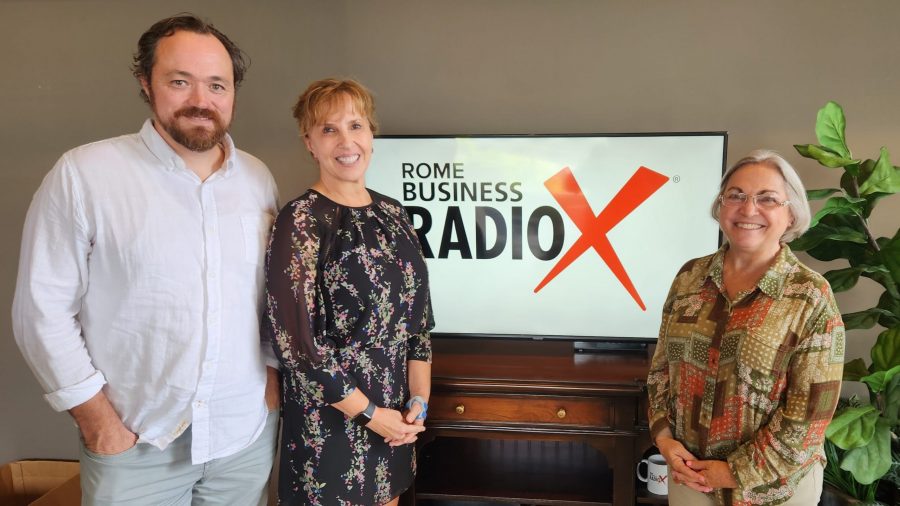
Randy and Laura Lahr and Lisa Lewis with Dr. Fahrenheit


When the couple named their business, Randy Lahr assumed the “physician” role, providing wellness checks, maintenance, repair, replacement, and installation of heating and air conditioning systems.
His wife Laura Lahr (playfully referred to as Nurse Celsius on their company Facebook page), became “head of operations — behind-the-desk and in the field,” Laura says.
These nicknames reveal the couple’s healthy sense of humor, which proved helpful after Randy’s accident, when extensive physical rehabilitation necessitated their real-life health care roles.
Laura says she will never forget the call she received “at 10 ‘til seven” one night in June 2018. 
“I was told my husband had rolled 200 feet down Bells Ferry Road. They were fighting to stop his bleeding,” she recalls. “In a state of shock, I had to call my mother-in-law to let her know what was happening. I begged God not to take Randy from me and the kids.”
Laura describes her husband as a strong, disciplined man, hardworking and dedicated. “When I first met him, I was immediately starstruck,” she says. “There was something about him.”
Randy’s Marine Corps background is no doubt part of that something. He says they built the HVAC business on Marine core values of honor, courage, and commitment. “Ooh-rah,” a common greeting for Marines, became his personal mantra during physical rehabilitation.
The term is a battle cry used to build morale, and Randy says it also relates to the Marine slogan, “Improvise, Adapt, and Overcome,” which encourages Marines to deal with any hardship.
Lisa Lewis has been in the heating and air business since 2009. She began working with Dr Fahrenheit HVAC in March 2022 after the owner of the company she was working with passed away.
Lisa loves helping others and says Dr. Fahrenheit is the perfect fit for her because they have a heart for helping others as well.
Lisa is a lifetime resident of Bartow County where she lives with her husband Michael.
Between them they have 4 children and 8 grandchildren who keep them busy.
This transcript is machine transcribed by Sonix
TRANSCRIPT
Intro: [00:00:07] Broadcasting live from the Business RadioX Studios in Atlanta. It’s time for Charitable Georgia. Brought to you by B’s Charitable Pursuits and Resources. We put the fun in fund raising. For more information, go to B’s Charitable Pursuits. Dot com. That’s B’s Charitable Pursuits dot com. Now here’s your host, Brian Pruitt.
Brian Pruett: [00:00:45] Good, fabulous Friday morning. It’s another fabulous Friday with three more fabulous guests. First of all, I want to wish everybody a happy Saint Patrick’s Day and also go owls as they go dancing today at 1240 playing Xavier. So hopefully they can be another Cinderella story. So today’s show is pretty cool. It could be hot as well, depending on what you need. But we’ve got Dr. Fahrenheit, Nurse Celsius and their office manager, Lisa Lewis here with us today. So guys, welcome to the show. Glad you guys can make it. And if this is the first time listening to Charitable Georgia, the the idea behind this show is about positive things happening in the community. And we’ve got a story here that’s incredible. One that’s a it’s a miracle story. It’s a overcoming story. And Randy, you served in the Marines, so thank you for your service. But you are a survivor from a traumatic brain injury. Can you share your story with us?
Randy Lahr : [00:01:46] Unfortunately, June 8th, June 24th, 2018, I was knocked off of a Goldwing motorcycle off of Bell’s Ferry in Woodstock, Georgia. Threw me 200ft. I was in a coma. They took out my spleen, kidney and gallbladder. Fortunately, the VA takes care of their vets, so they put me through recovery and I’m able today to walk upright and speak English.
Brian Pruett: [00:02:21] Well, that’s. That’s awesome. I’m glad that you are here. I mean, you you’re obviously here for a reason. I mean, that’s just, you know, God’s got, you know, different people. He uses different ways. He he uses people. And you’re obviously a tremendous story. So Laura as nurse Celsius to doctor Fahrenheit and his significant other how I mean that’s got to be very traumatic for you as well. Sherry you’re part of the story.
Laura Lahr : [00:02:47] That gets me emotional every time. Like he said, he was, he wasn’t expected to live. They had a hard time stopping the bleeding. And but by the grace of the of the Lord, you know, he’s he came back full round. Now he’s working. And but yeah, it was tough. It was it was tough. But I have all the faith in the world, in him and in God and and here we are today, you know, five years later. It’s just it’s just amazing to me. He’s amazing to me.
Brian Pruett: [00:03:17] So and so if somebody’s out there listening and maybe going through something like this or they’ve got somebody that they know and love that’s going through something similar, can you just share a little bit with them, give them some hope and inspiration?
Laura Lahr : [00:03:30] I would advise on getting support. It’s really hard for the caregiver. You know, it’s probably harder on us than it is on them. So I would recommend getting support. There’s lots of groups out there for loved ones to understand what they’re going through. So that would be what I would recommend.
Brian Pruett: [00:03:50] Randy, I know you you said you got you served in the Marines. When did you serve?
Randy Lahr : [00:03:56] March 83rd to March of 86, full time. I served some time in the reserves. I was in oh 341 was my MOS, and that’s a 60 millimeter mortars death from afar. When I got out, I couldn’t find a job in that avenue, so I went to Technical Career Institute for my HVAC schooling and from there I’ve been doing ever since.
Brian Pruett: [00:04:23] Awesome. Well, you know, again, that’s that’s an incredible story that, you know, obviously, especially for veterans, you know, some people come out and they’ve got PTSD and they’ve got other things and you took the step further to do something about it and went to school to get your your certification. And and now you guys you guys got your own business. How long have you all been in business now? 22 years. 22 years. That’s awesome. So share a little bit about Dr. Fahrenheit, Share about your business.
Laura Lahr : [00:04:50] So we started, like I said, 22 years ago, I was a construction background and Randy was working for another company and we decided it would be cool if we went into business together, which we did, and we raised our kids on it. It was very small. It was just myself, Randy and a helper, occasional helper. So we we did that after his accident. We shut down for a few years. I’m an agent. I’m an insurance agent. So I did that full time. And then a year and a half ago, I prayed and prayed and prayed on what to do with Dr. Fahrenheit. And I, you know, I felt like it was the right thing to do, to open us up, give Randy a reason to get up every day. And I mean, this is what he loves. He loves fixing things. He loves customers. And so, you know, so we reopened. We brought Lisa in. She brings a lot of experience from the company she was with before. So I think we make a mighty team. The three of.
Brian Pruett: [00:05:49] Us share a bit about the name because I think it’s really cool. How did you guys come about your name? I just thought.
Laura Lahr : [00:05:54] It was cool. Dr. Fahrenheit you’re working on. So that’s how I came up with that.
Brian Pruett: [00:05:58] Name And then your nurse Celsius.
Laura Lahr : [00:06:00] Nurse Celsius. That’s a play on that we have a lot of fun with with this whole thing with the doctor, nurse and even our our maintenance agreements is docs wellness checks. So we kind of play a lot on the medical. We have a lot of fun with that. But when it comes to taking care of customers, we’re serious about that. But everything else, we obviously.
Brian Pruett: [00:06:19] Take care of your employees too, because just before we got on the air, I saw a post from you, Lisa, that yesterday, right, was your year anniversary with them?
Lisa Lewis: [00:06:26] Well, I kind of just started in March. We really don’t know what my start date is because I kind of just started helping out and it just kind of led to a full time employment. So yeah, I got some flowers yesterday from Dr. Fahrenheit and Celsius, and I was very surprised because I knew my husband hadn’t sent them. So so it was, it was a nice surprise to get flowers.
Brian Pruett: [00:06:52] Well, you know, they say if you don’t have happy employees, your customers aren’t going to be happy. So it’s awesome. You guys take care of everybody in that. So, Lisa, give us a little bit of background of you. I know you and I network a lot together. We see each other 2 or 3 times a day on a Wednesday. Uh huh. But share a little of your story for for folks that can learn about you a little bit.
Lisa Lewis: [00:07:11] Well, I’ve been in the heating and air industry for about 14 years now. My boss passed away December 20th, 21. And so March 20th, 22 is when I started working with Dr. Fahrenheit. And I didn’t know if I was ready to go to another heating and air company, but I knew that it was now or never. So I just went in and gave it all I had. You know, it was kind of hard because I was still mourning for somebody I’d worked with for 13 years and I worked out of his home. So, you know, that was an adjustment. But we were. We’ve gone through a year now and we’re doing great and I love it.
Brian Pruett: [00:07:51] One thing that I think is special about you, you talk about being passionate and helping your your clients, but especially like seniors and veterans and all that. And so why is that important? I mean, obviously, there are people out there in business who just don’t give a darn. But why is it important for you to make sure your people are taken care of?
Lisa Lewis: [00:08:14] Well, I learned kindness at a very young age. I had a cousin that was born with spina bifida when I was seven, so we all learned to take care of her. She was the center of our world. I watched my aunt advocate for her, whatever she needed, she got so she kind of not worked for a charity. But I saw her work for her daughter and that that instilled a lot of of the way I feel today. I know that she went into a place to get a wheelchair for my cousin when she started growing out of her wheelchair. And there was a large organization that would not help us. My aunt went to the Lions Club, which is smaller, smaller place, and and told them her story. And just somebody that heard the story while she was there donated the money anonymously. So I’ve never forgot that.
Brian Pruett: [00:09:05] Awesome. Well, Laura, so can give some people advice or Randy, you guys give some advice for somebody. What’s the why is it important to keep your HVAC on a check regular basis?
Randy Lahr : [00:09:19] Well, maintenance is. Critical in maintaining efficiency. We don’t make cold air. We remove heat from the existing air. So the outside unit needs to be cleaned periodically so it can extract the heat out of the home and recirculate back to the indoor coil to create cold air to stay comfortable in your home. Air conditioning is also a dehumidification, so what they refer to as latent heat, which is the moisture removal, is imperative when it.
Brian Pruett: [00:09:56] Comes to the maintenance. I know filters is a big thing. Changing filters out. What other I mean, you mentioned a little bit. What other things do they need to do or you guys do for when you go in to do maintenance on a on an existing unit?
Laura Lahr : [00:10:09] So like you was saying, we clean the coils. I mean, the outside condenser needs to stay clean. We just make sure the line set the lines clear so you don’t get a clog and it back up, which will Anyway, that’s a bunch of technical stuff I was about to go to. Go ahead. But, well, we just make sure that everything’s running correctly and it’s very important to get maintenance is because it, it prolongs the life of your system just like anything else. So we change out the filters, we make sure everything’s clean, the connections are right. There’s not any little animals or any little insects in your units. But yeah, it’s very important.
Brian Pruett: [00:10:47] How often should somebody have some maintenance done?
Laura Lahr : [00:10:50] We recommend twice a year, but if you have pets and things like that, you probably should change your filter more than that.
Brian Pruett: [00:10:56] Is it particular you said twice a year? Is there a particular time?
Laura Lahr : [00:10:59] Yes, there is. So we do them in the spring before summer and then we do them in fall before winter.
Brian Pruett: [00:11:05] And why is that? I’m just curious because I mean, I like learning things. So why is it particular those two times of year that because it seems like that’s what everybody does them so.
Laura Lahr : [00:11:12] Well because you want to make sure everything’s going to work for the Georgia Heat. You know, if we go out there and we notice when the capacitors aren’t where it should be, we need to change it out. Make sure you have enough refrigerant to stay cool. So it’s important to make sure everything’s done before you’re going to need it.
Brian Pruett: [00:11:28] Well, and in Georgia, you know, it’s kind of weird. We can have all four seasons in one day. So. Yes. And know. So I’m sure you guys are extremely busy, but you’re about to get to your extremely busy season. So let’s go and share this because I know you guys are actually looking for some help. Yes. Share what you’re looking for. Maybe we maybe somebody listening might be able to see what what you need.
Laura Lahr : [00:11:50] So we’re looking for a senior technician, someone with two or more experience with with HVAC, someone that’s really good with customers that really takes pride in their work. So that’s what we’re looking for. And it could be a woman. We’re okay with that.
Brian Pruett: [00:12:07] All right. There you go. Yes. Yes. Nothing wrong with that. So I have to ask. So, Laura, you and Lisa, I see quite a bit. Randy, I see you once in a while, but I know you’re busy mostly, But you guys do a lot of networking. I share all the time just what the powerful, some powerful experiences of networking are. But in your experiences, Laura, we’ll start with you. How has networking helped you?
Laura Lahr : [00:12:32] I think it’s helped me in my business growth, my personal growth. I build relationships with a lot of people that I’ve I’ve come to know through networking. So, you know, it went past business, getting your name out, being familiar in your community to building strong, strong relationships, very supportive people. And we all take care of each other and try to help each other. So it’s it’s been amazing for me. Lisa, how about you?
Lisa Lewis: [00:12:59] Well, I read reluctantly started networking about six weeks ago. But when I saw that Laura was going under houses with her husband to do repairs, I thought, well, I guess I can network, you know, what’s the worst, you know? So you got the easy job. Yeah, I think I got the easy job and I’ve grown to love it. It’s really helped me personally. It’s helped me business wise. And like Laura said, you just meet people. I mean, I was looking at my contacts the other day and all my texts and half of them were from people that I networked with, and I thought that was pretty cool because in six months I’ve made some pretty good relationships.
Brian Pruett: [00:13:39] Yeah, you know, it’s more than just business. When you network, you build a community when you’re out there and those become your, your little village, you know, getting the support that you need for whatever’s going on in your life at the moment. So I wanted to ask this. How far out do you guys service?
Speaker6: [00:13:58] Um.
Speaker7: [00:13:59] Want it. Well.
Randy Lahr : [00:14:01] I’ve said I’ve been to a Dyersville all the way up to Union City. But ultimately, you know, we just like to keep it within a 35 mile radius of the house.
Brian Pruett: [00:14:10] And you guys are based in Woodstock, correct? Yes.
Laura Lahr : [00:14:15] Yes, we’re in Woodstock.
Brian Pruett: [00:14:17] All right. You got some jokes, obviously, So. Well, yeah.
Laura Lahr : [00:14:20] But I’m holding back. Yes.
Brian Pruett: [00:14:23] You can share if you want. The FCC doesn’t listen, So you’re good. It’s okay. I want You guys are one of my deluxe sponsors for the thing that I’m doing all year long rotating charities in the Bartow County area for a trivia night. We just had it this past Wednesday night for the Pettit Preserve. So thank you for for being a part of that. I want to ask all three of you this. So why is it important for you guys to not only be a part of the community, but to give back?
Laura Lahr : [00:14:52] I strongly believe that we have to take care of one another. And if God blesses us to go into people’s homes, this is what you know, they trust us and we’re going to make sure we take care of them. And and just like Lisa, we have a passion for our veterans and seniors. Everyone should afford, you know, to be comfortable in their home. So I probably got off what the question was. No, no.
Brian Pruett: [00:15:16] No, you answered.
Laura Lahr : [00:15:17] You answered. But I think it’s really important for all of us, I mean, to take care of one another. I feel very strongly about that.
Brian Pruett: [00:15:25] Randy, why is it important for you?
Randy Lahr : [00:15:28] While in the service, I was in Second world countries and they aren’t as fortunate as us in America. So, you know, I know other countries obligate their individuals to serve a couple of years at least in their service. And, you know, it instills discipline, respect, honor, courage. But seeing those second world countries, it kind of just enlightened me how fortunate we are to be Americans. And so, you know, if there’s anything I can do, we serve as vets, but we serve as civilians also. And, you know, everybody’s civilians, right? That’s what they brainwashed into thinking, well, we were in the Corps. But, you know, I got to thinking, it’s like, well, wait a minute. I have sisters and my mother, they’re civilians. So how are they slam me. So it’s kind of a brainwashing that the Marine Corps instills in you to follow their regiment.
Laura Lahr : [00:16:32] So if you want to give back to the community because of what you’ve seen.
Speaker7: [00:16:36] Yes. You know, we’re blessed to.
Randy Lahr : [00:16:39] Be Americans and, you know, anything that I can do to.
Brian Pruett: [00:16:44] Just help others.
Speaker7: [00:16:45] Others? Yeah. Yeah, I’ll.
Randy Lahr : [00:16:47] Do. And you know, God bless me with the technical abilities. And so I utilize them whenever possible.
Speaker7: [00:16:53] Awesome. Lisa, what about you?
Lisa Lewis: [00:16:58] Well, I mean, I love the trivia nights and the main reason I love the trivia nights. My first thought when I saw the schedule is we are we’re representing a different charity each month. And I really love that because I love all the charities. I want to help them all. So this gives us a chance to help everybody. And there’s some of the charities that I wasn’t even familiar with. So I get in there and, you know, kind of learn what they do and what they do for the community so that maybe we can help them some other time.
Brian Pruett: [00:17:31] She’s really excited, too, because they won this past Wednesday, I heard.
Laura Lahr : [00:17:34] We did. That’s amazing.
Brian Pruett: [00:17:36] And they didn’t even cheat.
Lisa Lewis: [00:17:38] We did not cheat. No. No.
Speaker8: [00:17:40] Right.
Brian Pruett: [00:17:41] No, that’s great. I’ll share this. So we’ve done three months so far, three different charities. January’s was Footprints on the Heart, which again, if people don’t know about them, they go into the hospitals in northwest Georgia working with families who lost the infants between the trivia the silent auction and they did a little 5050 raffle while they were there. We raised $133 for them that night. In February, we did a good neighbor homeless shelter. In between the the trivia and the silent auction, we did $1,015 for them. This past Wednesday was the Pettit Preserve, which is an environmental preserve in Bartow County. And again, between the silent auction and the trivia, we did $145 for them, which I’ll be presenting the check to them in just a little while. And this past month, it’s building every month. We had 60 people the first to two months, 58 tickets sold. The first month, 63. The second month we sold 91 tickets for this past month and 70 people came. So it’s growing and growing and it’s and it’s and it’s for. Reasons for you guys of helping like this that we can do this. So thank you again for everything that you’re doing. All right. We’re going to kind of go a little back a little bit and talk about just some because we got some time and I don’t want to I don’t want to end real quick. So I want to learn more about each of you. Randy, you talked about, you know, serving for us. Are you from Georgia?
Speaker7: [00:19:12] No, sir. I’m from.
Randy Lahr : [00:19:14] Connecticut. So I found out that I’m referred to as a damn Yankee. Yes. A Yankee is somebody that comes here and goes back. I came here and stayed. There you.
Speaker7: [00:19:25] Go.
Brian Pruett: [00:19:26] There you go. Well, I guess they’d say I’m one, too, but I’m technically from the Mid West. I’m from Ohio and I’ve never figured out how that’s the Midwest. But so yeah. So what part of Connecticut are you from?
Speaker7: [00:19:36] Bridgeport, Connecticut.
Randy Lahr : [00:19:38] Okay, exit 32 off 95 I 95.
Brian Pruett: [00:19:41] All right. Anywhere near Bristol? No, no, just Bristol is because we’re ESPN is. That’s why. I only know Bristol. Okay.
Speaker7: [00:19:49] And that’s hours away from Bridgeport. Okay.
Brian Pruett: [00:19:53] And how long have you lived in Georgia?
Speaker7: [00:19:56] Uh. 30 years. Okay. All right.
Brian Pruett: [00:20:00] So you’re definitely a transplant.
Randy Lahr : [00:20:01] Yeah. I was told by friends that are coming to visit here on the 31st that I have a southern accent.
Brian Pruett: [00:20:09] So Southern Connecticut accent, maybe.
Speaker7: [00:20:12] That’s like, what?
Randy Lahr : [00:20:13] Yeah.
Speaker7: [00:20:14] So, yeah, You know.
Brian Pruett: [00:20:15] It was funny when when we moved here from Ohio, I was seven years old. I tried to practice my southern accent and it didn’t work. I was sitting in the living room going, one, two, three, four, five, six, seven, eight, nine. But it never stuck. So I guess it doesn’t. You can’t just practice that. So. Laura, are you a Georgia peach?
Laura Lahr : [00:20:32] I am. I was born and raised in the metro Atlanta area. So yeah, I’m a Decatur girl. I moved here in 92. I have five children and seven grandchildren. Wow.
Brian Pruett: [00:20:46] So they definitely keep you busy among your business. You guys are definitely running around. Well, thank.
Laura Lahr : [00:20:50] Goodness they’re older. So now I’m able to crawl and crawl spaces and attics for 3D. Oh.
Brian Pruett: [00:20:58] What kind of critters have you encountered?
Speaker8: [00:21:00] Oh.
Laura Lahr : [00:21:02] I’ve seen things that I don’t want to talk about and I don’t want to see again. Right.
Brian Pruett: [00:21:08] There you go. Well, you’ve told a little bit of background. So you used to work for you were a hoodoo girl, right?
Laura Lahr : [00:21:14] Oh, yes.
Brian Pruett: [00:21:16] Yeah. I mean, the people in my age range, right? That when Hooters came out, it was the thing. Yes.
Speaker8: [00:21:21] Right place to.
Laura Lahr : [00:21:22] Go? Yes, in Stone Mountain. I was a Hooters girl for years. So. Yeah. How did how did you know that?
Speaker8: [00:21:28] You know, because you told me when we were talking. Oh, did I? Yeah, you told me that. Okay. Thanks for letting everyone else know. Nothing wrong with that.
Laura Lahr : [00:21:35] I’m trying to be taken seriously. I’m not just a beautiful face.
Brian Pruett: [00:21:39] You can be taken seriously and be a beautiful face. So you’re good. You’re good. And you’re still doing the insurance.
Laura Lahr : [00:21:45] I thought you were going to ask me if I.
Speaker8: [00:21:46] Was still a Hooters girl. No, no, no. We already know that answer.
Brian Pruett: [00:21:50] We already know that answer.
Laura Lahr : [00:21:52] Yeah. I don’t do insurance anymore, okay? But, I mean, I’m still licensed, but no.
Brian Pruett: [00:21:57] You got any nuggets for anybody on the insurance? Because there are some people out there who take advantage on insurance, too. And then, you know, just kind of nugget, can you give somebody.
Speaker8: [00:22:05] I.
Laura Lahr : [00:22:06] Look over your policies every year, look over everything every year. Yeah. Okay. So.
Brian Pruett: [00:22:12] Lisa, you are a Georgia peach as well, correct?
Lisa Lewis: [00:22:15] Yes, I am.
Brian Pruett: [00:22:16] And you have a classmate that’s pretty famous, right?
Speaker8: [00:22:20] Then we talked about this. Yeah. High school. Yeah. Yeah.
Brian Pruett: [00:22:23] Better known as.
Speaker8: [00:22:24] Cletus.
Brian Pruett: [00:22:25] T is. Was he like that in high school than he is now?
Lisa Lewis: [00:22:29] He was funny in high school. Yes. Yeah.
Speaker8: [00:22:31] Yeah.
Brian Pruett: [00:22:32] We all went to high school.
Speaker8: [00:22:32] Where? In Cass High. All right, so Cartersville, Georgia.
Brian Pruett: [00:22:36] So you are from Cartersville. You’re.
Lisa Lewis: [00:22:38] I was born and raised in Bartow County. Yes.
Brian Pruett: [00:22:40] Very rare that you have somebody still where they’re born and raised.
Speaker9: [00:22:45] And she’s clearly been practicing her Southern accent, as have I, for years. I think we’ve got it nailed. I think.
Lisa Lewis: [00:22:51] We do.
Speaker8: [00:22:53] Yeah. Because you’re from.
Brian Pruett: [00:22:54] Whitestone.
Speaker9: [00:22:55] Pensacola, Florida. But there’s two Floridas. There’s Pensacola. I mean, we could throw a rock from my front porch to the Alabama line, right? The culture is South Georgia, Alabama. And then there’s that Florida. That’s the north again, after you hang it, right? That’s right.
Brian Pruett: [00:23:09] So you are from the Deep South?
Speaker9: [00:23:10] I am very much from the Deep South. Yes.
Brian Pruett: [00:23:12] Are you there? Yeah. There you go. And my dad.
Speaker9: [00:23:14] He calls me a Yankee because I moved up north to Atlanta.
Speaker8: [00:23:18] That’s true.
Brian Pruett: [00:23:18] You know, it’s funny. I have a sister from Sarasota, Florida, and she moved up here for a year and went back because she said it was too cold here, you know? So I guess, like I said, we have all four seasons. So depending on when you are, I can’t get a little cold. So. All right. So let me ask you this, Lisa. You you you started networking and you came to the Cartersville Business Club. Yes. Um. You know, in my experience, I’ve done networking now for about 29 years in metro Atlanta area. Different networking groups, different business clubs. Chambers And I will have to say, of all the ones I’ve been a part of, the Castle Business Club is very, very different from all of them. I know you’re big in the Woodstock Business Club, but share your experience a little bit about the Cartersville Business Club and share when we meet, if you don’t mind.
Lisa Lewis: [00:24:05] We meet every Wednesday at Unity Grounds in Cartersville, Georgia, and it’s at 8:00. Well, we start networking at 8:00. The actual meeting starts at 830 and promptly over at 930. So I’m really enjoying doing the networking there. It’s a special group for me, just mainly because it’s my hometown. And although most of the people are not from Bartow County that come there, they feel like family too.
Brian Pruett: [00:24:33] It is interesting that, you know, we average now probably between 45 and 50, right, every week. And I would venture to guess that 50% of them would you say, is probably not from the Bartow County area.
Lisa Lewis: [00:24:45] I would say probably 50% or more.
Brian Pruett: [00:24:47] And that just goes to show you everybody welcomes them. It’s like it is a community. There are some other ones that have been around that I’ve been here that are there’s some cliques, you know, and it’s just kind of uncomfortable. And you’ve now jumped aboard on the leadership team and helping with memberships. So share how can somebody what does that mean to being a member of the Carnival Business Club?
Lisa Lewis: [00:25:08] Well, once you’re a member, you I personally want to use that directory as a. To give leads to people. I want to. I just think it’s a great thing to be in the directory because you get you’re going to get a lot of exposure.
Brian Pruett: [00:25:24] Can you share with the directory is what does it mean to be what the cost if you can remember what the cost for the of the membership and what does it get you?
Lisa Lewis: [00:25:32] The basic cost is $75 and it gives you a spot in the directory and $150. I know that that gives you more post on social media and the actual Cartersville Business Club page, Right?
Brian Pruett: [00:25:47] And you can be a featured member of the month for that on the front page of the of the of the home page of the website. So Lori you’ve been a part of the Woodstock Business Club. Share a little bit about the Woodstock Business club when they meet and that stuff.
Laura Lahr : [00:26:00] We meet on Thursday mornings at 830 at Reformation downtown Woodstock and it’s $50 a year. So the same thing. You have a featured member every month. We have socials the third Thursday of every month, but we it varies. I think sometimes we’re over 100 people.
Speaker8: [00:26:22] And I was going to say, Sam, I’ve been there.
Brian Pruett: [00:26:24] I know one time I was there, there was about 90, 95 people there. And stone you go, So.
Speaker9: [00:26:29] Oh yeah, I go every Thursday and we got to raise our fees, right? I think so. See that.
Laura Lahr : [00:26:34] Thing that we need to do that because.
Speaker9: [00:26:35] It’s certainly worth it. But I love going there and it’s a big group and it’s great to see everybody. We often will have a business discussion or someone will present and of course anytime there’s free food, so whoever’s presenting will often provide like a breakfast or something like that. But then for me, and I’m sure it’s been the same for you, the where you really get tremendous leverage and get to build marvelous relationships is, you know, after the meeting you usually have some kind of like a one on one, you know, where you can really get to sit down. You can go back in the back yard of reformation and have a coffee or I mean, as quick as they serve it. I’m having a beer and you can really get to know somebody. So you get the you get the wide exposure, but you get the, the more intimate relationship ship. And I just I love everything about that Woodstock business club.
Brian Pruett: [00:27:23] Yeah and then the Cardinal Business Club. You know, one of the reasons we do that is because we do a little bit more. We have a once a month luncheon which is coming up this Tuesday, where we bring in speakers. It’s called the Learning Table, and we help small businesses on all different aspects. And this Tuesday, we’re bringing in Greg Burke Halter, who’s the LinkedIn guy, who’s going to do a power hour on LinkedIn and how to utilize that to help your business. And he travels nationally for this. So it’s the thing, there’s only ten seats left. So if you want a ticket, it’s on Eventbrite. Look up the the learning table and you can get a ticket. Better do it quick because like you said, there’s only ten seats left. So, um. So I like to share that. The power of networking. I’ve said this a lot, Stone is, you know, I learn about everybody’s story from the networking, right? Everybody that I’ve had on this show, I’ve I’ve met networking and had one to ones and established those relationships. And that’s where I hear these stories. And it’s it’s amazing to me and I know that’s what sells at mainstream media is nothing but negative, which is crazy to me. That’s what sells. But it doesn’t you don’t have to look very far for positive stories, right? I mean, three incredible stories. One amazing story sitting here. And and let’s share all that. So, um, Lisa, I’m going to ask you again about Wednesday nights, because obviously you have a good time. So it’s not just about coming in and helping. It is about it is a good time, right? Share a little bit about Wednesday nights with the once a month trivia, if you don’t mind because you come every month just share being being a participant share about that.
Lisa Lewis: [00:28:56] It’s just a lot of fun. I mean, you get a lot of laughs in. You get to eat a lot of good food, pizza and wings, so you can’t beat that. And then you just get to meet a lot of other people that you may not meet at networking groups because they, you know, have jobs or something and are somewhere else. But yeah, it’s just a good it’s just really a good time.
Speaker8: [00:29:15] I hear they have a.
Brian Pruett: [00:29:16] Pretty good host.
Lisa Lewis: [00:29:17] They have a great host. Brian is the best.
Brian Pruett: [00:29:21] I’m going to shout out to to Dan from Saint Angelo’s because again, you guys are one of my sponsors and he’s helping me help you because of the fact that your guys banners and signs and up aren’t just up the night. We do trivia. They’re up all year long. So people get to come in and they can see we’ve.
Laura Lahr : [00:29:39] Worked on that roof. And so we walked in and Randy was really surprised to see.
Speaker8: [00:29:44] That’s awesome to see that.
Brian Pruett: [00:29:45] So I was going to ask you that you guys also do commercial. Do you guys do like commercial? Like commercial. Okay. Explain what like, commercial is.
Speaker7: [00:29:52] The license of. Allows me to work on five.
Randy Lahr : [00:29:57] Tons of air conditioning or 175,000 BTUs of heat. So it’s referred to as a restricted license. And then there’s a universal where you can work on anything.
Speaker7: [00:30:11] Okay. So, all.
Brian Pruett: [00:30:12] Right. So if somebody out there is wanting to reach out to you guys for your services, how can they do that?
Laura Lahr : [00:30:20] They can do it by calling our office. (770) 926-6773. Or they can contact us through our website WW dot Dr. Fahrenheit hvac.com.
Brian Pruett: [00:30:34] Anything that you guys got coming up specifically that you want to share about is there any kind of we’re.
Laura Lahr : [00:30:39] Doing our spring checks. It’s time to call and make your appointment. We’re also running a running a special a spring special early bird special for 6999. We come out and and take care of make sure everything’s going to run for you when you’re going to need it in the heat.
Speaker8: [00:30:57] So yeah.
Brian Pruett: [00:30:58] Yeah. That the number you gave to is that also the same number that somebody wants to call if they’re wanting to talk to you about the position you have open?
Speaker7: [00:31:06] Yes. Okay.
Brian Pruett: [00:31:08] All right. Um. Lisa. I’m going to start this with you. I like to kind of get a nugget quote or a word for somebody to live. Now to the end of 2023 and beyond with. So share your wisdom with us. Lisa. Just give us a word, a positive quote and what you want to.
Speaker8: [00:31:32] I mean, let’s.
Lisa Lewis: [00:31:33] Just be kind. I mean, it’s just it’s it’s 2023. We should all love each other. My word is just be kind.
Brian Pruett: [00:31:43] Randy, how about you? What you what you want to share with everybody? What’s a what’s a piece of nugget or positive thing you’d like to share?
Speaker7: [00:31:49] Call before, not after.
Speaker8: [00:31:53] There you go.
Speaker9: [00:31:53] That is golden.
Speaker7: [00:31:55] There you go. Fix it right the first time.
Brian Pruett: [00:31:58] Yes. Well, that could go for anything, honestly. Right? Right. Laura, how about you?
Laura Lahr : [00:32:06] Words of wisdom.
Speaker8: [00:32:08] Yeah, just something positive.
Brian Pruett: [00:32:09] Something I can take to. To live today on and beyond.
Laura Lahr : [00:32:15] I don’t know. I’m trying to think of something clever, but nothing’s popping in my head. Just keep smiling. Just keep smiling. Keep positive. It always works out one way or the other. Count your blessings. That’s what I would say.
Speaker8: [00:32:30] I thought you were going to start saying Just keep swimming. I almost.
Laura Lahr : [00:32:32] Did.
Speaker8: [00:32:33] Right. I’d have been perfect. Perfect.
Brian Pruett: [00:32:37] So. All right, guys, I really appreciate you coming out this morning, sharing your story. And again, if somebody was out there listening to this, you heard Randy’s story believe that there is hope, there is inspiration. Don’t give up, persevere. And let’s remember, let’s all be positive. Let’s be charitable.
Shane Mahaffey and Darryl Dickson with Towne Plumber


Towne Plumber is a full service plumbing company, offering our customers high quality plumbing expertise with affordable pricing. We only hire licensed plumbers and pledge to treat you both honestly and professionally. 
Towne Plumber is locally owned and operated here in Woodstock, GA and is licensed and insured.
Shane Mahaffey, Owner, Towne Plumber
Darryl Dickson, Technician, Towne Plumber
Follow Towne Plumber on Facebook and Instagram.
This transcript is machine transcribed by Sonix
TRANSCRIPT
Intro: [00:00:05] Coming to you live from the Business RadioX studio in Woodstock, Georgia. This is fearless formula with Sharon Cline.
Sharon Cline: [00:00:19] Welcome to a fearless formula on Business RadioX, where we talk about the ups and downs of the business world and offer words of wisdom for business success. Today in our studio we have Town Plumber and they are a full service plumbing company. They offer their customers high quality plumbing expertise and affordable pricing, which is important, and they only hire licensed and plumbers. They’re locally owned and operated here in Woodstock. Welcome owner Shane Mahaffey and technician Darryl Dickson. Hello.
Shane Mahaffey: [00:00:48] Hello. Thanks for having us. Hello.
Sharon Cline: [00:00:50] Hello. I got two guys in here. Usually it’s just one person. All right. So I was just talking before the show about the fact that you’ve been in business six years now. Is that right?
Shane Mahaffey: [00:00:59] That’s right.
Sharon Cline: [00:01:00] Yeah. So what did you do before you opened your business?
Shane Mahaffey: [00:01:02] I worked for a big plumbing company based out of Atlanta. 30 plus service technicians on the road. Me and Daryl work together. That’s where I met him. And I worked there about ten years. And. Yeah.
Sharon Cline: [00:01:19] So you were 18 when you got started in the industry, correct?
Shane Mahaffey: [00:01:22] I was 18, yeah. My yeah, my neighbor was a plumber and just kind of started helping him out of high school. I mean, you know, a lot of people ask me, is there was your dad a plumber? Like, how did you get into plumbing? And it was just like, yeah, my neighbor was a plumber. So I just kind of fell into it. And, you know, it’s been good.
Sharon Cline: [00:01:44] Well, it’s interesting because a lot of people talk about going to college and having this big degree, and that’s where your future has to be. But so many people talk about how important trades are. It’s like my son, he wants to be he wants to own his own mechanic shop. And so he’s going to school to be a mechanic. Yeah. And he’s extremely smart and doesn’t, you know, there’s there’s not this definite path that you have to follow in order to like, go to college in order to be successful. Because I think about the pandemic and how important you all still were. How did you how did you handle the pandemic?
Shane Mahaffey: [00:02:16] You know, I really was worried about it going into it, you know, because people were worried about you being in their house. And I didn’t know what to expect. But I think we actually had an uptick because, you know, there were a lot of people home at the time and they were you know, they were at home and they were taking care of things that needed to be taken care of, and they were using things more. So I feel like, you know, it never really slowed down for us, which was a good thing. You know, we had some people that would like call in and they would want us to try to figure something out over the phone for them. And we tried to help people as much as we can. But I mean, our job, it’s hard to do our job over the phone. We had to put our eyes on it and kind of see what’s going on. But I do agree with you about the whole like, you know, coming out of high school with uncertainty, not knowing what to do. That’s kind of how I was. I come from a blue collar family, so my dad didn’t put really high expectations on me academically. You know, he’s like, Son, I just I want you to graduate high school and then get a job. And that’s what I did. So, I mean, if you have if you have good work ethic, I mean, going into any type of industry, you can you can be successful. A lot of people there’s a lot of people out, young people out there now that don’t want to get into trades. So there’s a there’s a huge demand for it. And you can kind of get paid to learn and learn something. And even if even later on in life, if you decide you want to do something else, you can kind of fall back on that. You know, I got I’ve got three sons and I told them all. They’re like, You’re all going to learn it even if you don’t want to do it later on in life, you’re going to learn it so well.
Sharon Cline: [00:03:59] How nice it would have been if I had known some of this while I was, you know, having plumbing issues recently, you know? Yeah. So. I think I want to say that I saw some you’ve got a lot of really great reviews, like even on Google. I have a statistic here. You’ve got like over 505 star Google reviews and over 105 star reviews on Home Advisor. That is a huge accomplishment.
Shane Mahaffey: [00:04:25] Yeah, that’s that’s very important to us because, you know, any time you need any type of service, that’s what everybody goes to. You know, they pick their phone up and that’s what they search, you know, whether it’s a plumber or a dentist or anything like that. I think Amazon’s kind of conditioned us to be that way because when you go on Amazon to search a product, what’s the first thing you do? Yeah, you look.
Sharon Cline: [00:04:47] To see what people say.
Shane Mahaffey: [00:04:47] About it. Exactly. And plumbing is the same way. I mean, when I first started out, you know, when I started, I would I would ask people I would say, were you happy with everything? And if you were, please leave me a review. I’m a new business. I’m trying to spread the word. And that’s the best way for people to find out about me. And a lot of people wanted to help, you know? So, yeah, it’s it’s been great. And I think reviews are really important in any, any business.
Sharon Cline: [00:05:20] So when you were getting started wanting to start your own company, what were some of the things that were sort of daunting for you?
Shane Mahaffey: [00:05:27] Well.
Speaker3: [00:05:28] Just well.
Sharon Cline: [00:05:31] There’s a huge.
Shane Mahaffey: [00:05:32] List. I mean, I had a I had a good job making a really good income with benefits and medical and basically the security part of it. I have four kids and starting your own business, there’s a lot of unknown just not knowing how it’s going to go. What are we going to do for for insurance now? You know, what if I don’t have work? So that was the biggest thing. When I started my business, we had we right before I started my business, we were living in Douglasville and when I sold my house, I had bought a house during the recession or whatever the housing market crash, 2008, 2009. Yeah. So when I bought my house in 2008, when I sold it to move up to Woodstock, I made I made a little bit of money. So I was able to kind of take that that risk, that gamble. And it was good timing. It was good timing. It really was. And I didn’t know a lot about Woodstock, you know, I just knew it was a nice area because I’d worked in here. And so it was kind of just luck moving into Cherokee County, Woodstock. So it’s been a good move.
Sharon Cline: [00:06:44] Yeah, we always talk about it on the show, how there is a family feeling when you’re here in Woodstock and it’s not the same for every town. So it’s I think it’s kind of special.
Shane Mahaffey: [00:06:54] It’s really not. I mean, I feel like the for what you get, you know, you can’t beat it community the community, the amenities, the little downtown area here, the school system to the school system that was big when we were looking. We wanted a good school system and it’s it’s been great.
Sharon Cline: [00:07:15] When you’re a plumber like you are, I’m sure you feel really plugged into your community. You know, you get to know neighborhoods and people.
Shane Mahaffey: [00:07:22] I mean, I mean, we go to a restaurant or a grocery store. Me and Darryl work out at LA Fitness every morning, and the amount of people that come up to us and say, hey, you know, you’ve done work at our house. That’s, you know, all the time.
Sharon Cline: [00:07:36] I saw that. You also won town Laker magazine Readers Choice Awards at least three times. Yeah, Yeah, that must feel really good, too. It does.
Shane Mahaffey: [00:07:45] I mean, because, you know, when we work for a bigger company, you know, we worked all over Atlanta and we were very rarely in our actually in our actual community. So to be in your community and know the people you’re working for and know that they appreciate you, that’s a really good feeling.
Sharon Cline: [00:08:03] So what else would you say is a surprise? I guess. And Darryl, I’ll put this question to you. What are some surprises in this industry that you sort of weren’t expecting? And I know you’ve been in the industry for a long time, but and you all have been friends for how long?
Darryl Dickson: [00:08:21] 15 years.
Sharon Cline: [00:08:22] 15 years. Wow. So it’s kind of nice that you were able to be in the same industry, but then move together, you know, to join companies.
Darryl Dickson: [00:08:30] Well, there’s a lot of there’s a lot of small business owners around here. So, I mean. Just picking the right one and hoping for the best. Hoping for the best.
Shane Mahaffey: [00:08:39] Well, I mean, when the first time I met Daryl was at a company picnic and I had just started like the week before, and they’re like, Oh, we’re having a company picnic. So I came to the picnic. And at the time, you know, me and Daryl were both in our early 20s. We had a lot in common, so we kind of we kind of gravitated towards each other and, you know, went on family vacations together and played softball together and bowled together. So, yeah, it’s it’s, you know, we’re just like any other, you know, when you work with somebody and you’re close with somebody, you’re going to have, you know, you’re going to have things, you know, disagreements and things like that, which, you know, that’s just that’s just part of any relationship.
Sharon Cline: [00:09:23] The fact that you’re still friends and you still enjoy working together, even if you have your ups and downs like a family. Right. Right. All right. So back to this question. So what is sort of surprising? Has there been anything surprising as you’ve moved from a bigger company to a small business company?
Darryl Dickson: [00:09:38] Not really.
Shane Mahaffey: [00:09:38] You know, I think something that surprised.
Shane Mahaffey: [00:09:41] Me a little bit is, you know, and I’ve kind of became this way, too. Just living in this community is the people that want to support local business. You know, I had no idea there were so many people that really cared about that. And there’s a lot of people out there that when they need any type of services done at their home, they’re going to look for somebody that lives in their community. You know, I didn’t I didn’t realize that that’s one thing that surprised me.
Darryl Dickson: [00:10:08] I agree with that.
Sharon Cline: [00:10:10] What’s nice, because in looking on Cherokee connect on the website, on Facebook, I was able to find you all pretty quickly and appreciated the reviews that people leave because like you said, it’s important. These are my neighbors and they’re very quick. Anyone is very quick to say that they don’t like someone or you didn’t respond to my call or whatever the issue was. But do you advertise on on Facebook? How do you handle advertising for for the company?
Shane Mahaffey: [00:10:34] We we don’t really advertise on Facebook. We try to post on social media.
Sharon Cline: [00:10:41] Just you’ve got Instagram, you’ve got Facebook, you’ve got YouTube.
Shane Mahaffey: [00:10:45] Yeah, we do. We try to make a post at least once or twice a week just to kind of be, you know, that’s what everybody looks at now as far as advertising goes and business goes. I think one thing that the last company I came from taught me like when I got ready to leave there, they started really focusing in on the review aspect of it. We would have meetings and things like that and they talked about it all the time. So when I left the company, I knew that was a big deal. So that’s one thing I did at first was I got my Google profile made and I started trying to get reviews, trying to build them up, you know, try to do a good job for people and hope they leave reviews. And once you do that, it kind of happens organically. Like when someone goes to search, you pop up organic and you don’t have to pay for it. So that’s that’s kind of what we do. We’re in some of the local magazines too, and that helps out because, you know, there are a lot of people that get those and throw them away, but there’s still a lot of people that look through them. I mean, I go to people’s houses and I see like I see a cut out where somebody’s cut my face out, you know, and put it on their refrigerator, you know?
Shane Mahaffey: [00:12:00] Yeah, Yeah. So there are people that do that. And, you know, I’ve been in people’s bathrooms.
Shane Mahaffey: [00:12:05] And seen the magazine laying there on the on the counter, you know, so. That’s funny. Yeah. Yeah. So I think, you know, just and also Google started something where they would you could go through Google and get guaranteed and they call it Google guarantee and that’s a service they offer and they pretty much guarantee whoever they are promoting has been vetted. And we do that. And when we get slow, that’s kind of a service that you can kind of turn on and turn off. So we’ll turn that on and that helps.
Sharon Cline: [00:12:39] So so it sounds like you’ve been able to really use these tools effectively, you know, that are out there for anyone, I guess is what I’m trying to say.
Shane Mahaffey: [00:12:46] They really are out there for anyone. It just, you know, the way things are now with social media and, you know, Google and everything else, it’s a lot easier than it used to be. It used to be that you had to be on the first couple pages of the yellow Pages and you had a billboard. Yeah, the billboards. And you had to pay. You know, this crazy amounts to be in the phone book and things like that, and it’s just not like that anymore.
Sharon Cline: [00:13:11] So it’s nice and I’m sure not nice in some ways because if there is ever anything that you don’t like, it’s like putting out a fire immediately, you know, or trying to remedy.
Shane Mahaffey: [00:13:19] Right, Right. And you know, there are all these things, you know, all these tools and everything that that help. But you still have to have the work ethic, you know, you still have to like put in the work to get to that point.
Sharon Cline: [00:13:32] Yeah. So I saw that you have and I think it’s on your web. Website, a video that someone came and produced for you, is that right? Yeah. How did that happen? Because a lot of business owners, I think, would benefit from that.
Shane Mahaffey: [00:13:44] Well, I have a friend that does that and we’re actually in the process of making another video.
Sharon Cline: [00:13:51] That’s awesome.
Shane Mahaffey: [00:13:52] Because it’s been 5 or 6 years now and it was just kind of the story of how I got started and everything else. And he’s really good at what he does. And, you know, he kind of just interviewed me kind of like what we’re doing here, and he put it all together and, you know, the it turned out really well.
Sharon Cline: [00:14:10] Is this his business?
Shane Mahaffey: [00:14:11] It is his business? Yeah.
Sharon Cline: [00:14:13] Do you want to give him a shout out?
Shane Mahaffey: [00:14:17] He’s not local. Oh. So when we do work together, it’s like he has to kind of travel and he’s just an old friend that, you know. So he’s so great, though.
Sharon Cline: [00:14:28] Yeah, It’s connections, too.
Shane Mahaffey: [00:14:29] Yeah, exactly. Exactly. And I know there are people around here that do that sort of thing, but just, you know, having a relationship. I’ve had a relationship with him for a while.
Sharon Cline: [00:14:37] Well, the same point of the show is like what you did the video for, which is helping people to kind of understand who the people are behind the name of a business. Because anybody can be Kid Biz or Main Street Warriors or, you know, diesel. David It’s just nice to have an actual story about why you do what you do and what your work ethic is like and you know what gets you up every day, right?
Shane Mahaffey: [00:14:58] Yeah, that’s true. I mean it. You don’t appreciate it as much until you you actually do it and then you realize there is a there is a face behind every business and there’s somebody working to to make it happen.
Sharon Cline: [00:15:10] So we talk about this on the show a lot about the fact that that businesses are people they’re not just names, but it’s building relationships with people. Yeah. So what would you say is the most rewarding part of of what you both do? Like what makes you the happiest?
Darryl Dickson: [00:15:30] Someone being appreciative of the work that’s done and just saying if they have any more problems, they’ll call us back. I mean, that’s pretty that’s pretty rewarding to me. You know, I like helping people. So, I mean, that’s that’s I like that part of the job.
Shane Mahaffey: [00:15:44] Yeah, I mean, even even if we don’t do work for.
Shane Mahaffey: [00:15:47] Somebody, just, you know, helping somebody figure something out or answer a question and, you know, them being them being appreciative of it, I mean, that’s, that’s basically it there. I mean, we are in an industry where we help people. And, you know, some people, nobody really wants to have plumbing problems. And, you know, you get to people’s houses and they’re frustrated or whatever. But, you know, it’s we’re there to help you. I mean, we’re we’re running a business, obviously. But, I mean, we we want to help people.
Sharon Cline: [00:16:17] Well, if you’re just joining us, we are speaking with Shane Mahaffey and Daryl Dixon of Town Plumber. The other question I have is, having started your business six years ago, would you say that there’s something you wish you knew before you started, that you now know that you wish you could tell yourself before you started?
Shane Mahaffey: [00:16:36] Be. I mean, I’m I’m almost 40 now, so I started my business, you know, in my mid 30s, you know, and there were there were years and years that went by where I was. I wanted to do it. I just couldn’t do it, you know, just circumstances weren’t right or, you know, just didn’t feel like it was the right time. I think if you have a if you have a passion for something and you really want to do it, just, you know, try it and see what happens, you know, And then, you know, just going into it, when you when you go into anything, you’re going to.
Shane Mahaffey: [00:17:11] Be real reserved. And that’s kind of how I was. I was scared to take any type of chance or risk. And, you know, I mean, that’s just I think that’s just human nature, though.
Sharon Cline: [00:17:21] So that’s what the show is about, fearless formula, about giving people courage because everyone understands that feeling of fear. It’s a universal emotion and a lot of it stops people from making choices. And so having people come on and talk about the ways that they’ve managed that kind of emotion and how they’ve overcome and continue to persevere hopefully is inspiring to people. I think it would be. It is for me anyway, me starting my own tiny voiceover business. I was scared to, you know. Yeah, you just don’t know what you’re doing any time. I mean, unless you have someone walking you through it and holding your hand the whole way. But I mean, there’s so much to research and there’s so much to understand. Like even the insurance issue, what would I do? You know, these are things that I think are very helpful for people out there who feel overwhelmed.
Shane Mahaffey: [00:18:07] Yeah. I mean, if it was if it were easy, everybody would do it. You know, it’s not it’s a lot of different types of stress that come along with it, you know. So it is rewarding, though, and it’s worth it at the end of the day.
Sharon Cline: [00:18:20] So do you find that it’s difficult to balance home and work life? Because we talk about that a lot too. When you’re a small business owner, it’s up to you.
Shane Mahaffey: [00:18:30] I think in the beginning it really was because in the beginning you’re really hungry and you want to, you know, you don’t want to say no to anybody and you want to you want to I mean, you just try to take advantage of every opportunity you have. I would be I was coaching my kid’s little league game and I’d get a call in the middle of it and have to leave or Yeah, I mean, I would. And now not so much. You know, I have people that help me. When I started out, it was just me answering the phones, going to the jobs. You know, now I have people to help me. And, you know,
Shane Mahaffey: [00:19:05] I think it’s I think it’s actually easier for us to do that working for a small company than it is a bigger company, because when we work for a small company, we were on call and we worked weekends and, you know, it just took up a lot of our time. And now, you know, we can we can kind of control our schedule a little bit better. You know. When we have emergencies come in, you know, if if we can help them out, we will. It’s one of our previous customers. And, you know, we had done work out there and they needed to come back out. We’ll come back out. But, you know, we we don’t have we don’t have to drop everything we’re doing. And, you know, and that’s what I did at first. And, you know, not so much anymore.
Sharon Cline: [00:19:50] So if someone has a plumbing emergency, they call you even on the weekends, that kind of thing.
Shane Mahaffey: [00:19:53] Yeah. Yeah. I mean, we get a lot of work.
Shane Mahaffey: [00:19:56] Monday’s a busy day for us because we get a lot of people that call in on the weekends. And you know, if we can come out and help you, we can.
Shane Mahaffey: [00:20:05] But it doesn’t always work out that way.
Sharon Cline: [00:20:08] How many employees do you have?
Shane Mahaffey: [00:20:10] We had four. Oh, that’s good. Yeah. It’s not a it’s not a huge business, but it’s plenty big.
Shane Mahaffey: [00:20:17] So we have we have we have four trucks.
Shane Mahaffey: [00:20:20] We have, you know, we have Darryl, myself, Trevor Tate. We have a guy, Jake, who kind of floats around and helps us out.
Shane Mahaffey: [00:20:31] So we have four trucks on the road, but we actually have six people.
Shane Mahaffey: [00:20:35] Because, you know, there’s there’s Jake and then there’s us. We have some. Huh, Kayla, Kayla who answers the phones for us. So and she just kind of does that from her house.
Sharon Cline: [00:20:45] So that’s so nice, too, because you don’t have to have a huge facility. We don’t, you know, like a like an office or something.
Shane Mahaffey: [00:20:52] No, no. Most of the guys take their trucks home and the supply house we use is local. And we we go there every morning and restock our trucks and clean our.
Shane Mahaffey: [00:21:03] Trucks out or whatever we need to do to.
Shane Mahaffey: [00:21:04] Start our day. So it’s nice.
Sharon Cline: [00:21:06] What are the main calls that you get like Darryl, What do you have to do? What is the number one thing that you tend to be fixing?
Darryl Dickson: [00:21:12] Well, here lately it’s been a lot of clogged drains. We get a lot of sewer blockages. It seems like this week we’ve had a lot of that. So a lot of that have to do with the rain.
Sharon Cline: [00:21:21] I don’t know, spring.
Shane Mahaffey: [00:21:22] I know it’s it’s it’s weird. Things go in spurts. Like we’ll get a lot of leaking water lines and then we’ll get a lot of clogged drains and then we’ll get.
Shane Mahaffey: [00:21:31] I don’t I’d say our most common.
Shane Mahaffey: [00:21:33] Call is probably the person that calls in and has a. A leak in the ceiling, like I see a water spot.
Shane Mahaffey: [00:21:37] On my ceiling.
Shane Mahaffey: [00:21:38] And yeah, we get a bunch of that. It’s not.
Shane Mahaffey: [00:21:42] And sometimes it’s just.
Shane Mahaffey: [00:21:43] My kid left the shower curtain.
Speaker3: [00:21:45] You know, a roof issue.
Shane Mahaffey: [00:21:46] Yeah, yeah, a roof issue. You know.
Shane Mahaffey: [00:21:49] People see water.
Darryl Dickson: [00:21:50] They think plumbing. So they call you? Yeah, it could be anything.
Shane Mahaffey: [00:21:53] Yeah, we get. We get a.
Speaker3: [00:21:53] Lot of that.
Sharon Cline: [00:21:54] I think it’s kind of nice, though, that you could go in and be able to say, this is. This is really not me this time, you know? Yeah, but you could have said, Yeah, let me inspect and it’ll be this much, you know what I mean? But that’s something that I appreciate about your company. You are not out there just to be making dollars. You are out there to really help.
Shane Mahaffey: [00:22:09] Well, also, the nice thing is, I would say, you.
Shane Mahaffey: [00:22:12] Know, 80 to 90% of our work is in this area, local Cherokee Cobb.
Shane Mahaffey: [00:22:19] And so we don’t have we don’t we don’t do a lot.
Shane Mahaffey: [00:22:22] Of driving.
Shane Mahaffey: [00:22:22] Around. We don’t have to charge you just.
Shane Mahaffey: [00:22:25] For coming out, you know, because.
Shane Mahaffey: [00:22:27] We’re we’re.
Shane Mahaffey: [00:22:28] We’re right by our house. So.
Speaker3: [00:22:31] That’s awesome. That’s nice.
Sharon Cline: [00:22:33] Yeah, I think being plugged into the community as well. There’s something very, I don’t know, kind of keeps you wanting to keep that going, that momentum going and have that reputation going. So is there anything that you do that sort of gives back? In other words, like there’s a show that we have to that is called Charitable Georgia and they have small business owners coming in and talking about different ways that they help the community. Is that something that you’re interested in as well?
Shane Mahaffey: [00:23:00] I mean, yeah, we have you know, we’ve.
Shane Mahaffey: [00:23:03] Done things like that in the past.
Shane Mahaffey: [00:23:04] Like we sponsor a lot of the, like, different like sports teams and like all my kids, like PTA and stuff like that. Yeah, we’re involved in that. Um.
Shane Mahaffey: [00:23:18] Yeah, I know there’s probably more that we could be doing in the community because there’s, there’s all kinds of opportunities and.
Shane Mahaffey: [00:23:24] Things like that.
Speaker3: [00:23:24] That never ends. Exactly. Yeah, yeah, yeah.
Shane Mahaffey: [00:23:28] So we’ve done stuff with like Goshen Valley Boys home, we’ve come in there, we’ve done jobs for them and different things like that, you know, just we’ve brought like lunches to the teachers and things like that at my kids schools. But yeah, there’s, there’s always opportunity to help, that’s for sure.
Sharon Cline: [00:23:47] It’s nice that you can involve your children.
Speaker3: [00:23:49] Exactly. Exactly.
Sharon Cline: [00:23:51] So is this something that you hope that they take over from you, you know, when they grow up or I mean.
Shane Mahaffey: [00:23:56] I would hope so.
Speaker3: [00:23:57] Yeah. It could be like a legacy. Yeah. Yeah.
Shane Mahaffey: [00:23:59] I mean, I have four kids, so there’s opportunity there. Um, you know, they.
Shane Mahaffey: [00:24:05] You know, they’re.
Shane Mahaffey: [00:24:06] Little now, so you never know. You know, they say, I’m not going to do that or, you know, and then, you know, one week they’ll be like, Yeah, I want to do it. So, you know.
Shane Mahaffey: [00:24:15] I’m sure that.
Shane Mahaffey: [00:24:16] You know, having three sons, that they’ll they’ll be involved somehow.
Speaker3: [00:24:20] So you had.
Sharon Cline: [00:24:21] Your neighbor that kind of got you involved, but then you went to school. Where did you go to school?
Shane Mahaffey: [00:24:25] Well, I.
Shane Mahaffey: [00:24:26] Basically the way the way most trades work is you you get a job working for a company.
Shane Mahaffey: [00:24:33] And you kind of learn on the job. And for.
Shane Mahaffey: [00:24:38] Plumbing, I think it’s.
Shane Mahaffey: [00:24:39] What, three years you have to work in the field, three years of on the job training, and then you take a test to become a licensed plumber, right?
Speaker3: [00:24:47] So it’s.
Sharon Cline: [00:24:47] Apprentice.
Speaker3: [00:24:48] Yeah, you’re.
Shane Mahaffey: [00:24:49] Basically an apprentice and then you become a journeyman plumber.
Shane Mahaffey: [00:24:51] And then you have that license for two years and then you if you want to start a business, you become a master. And like I said, it takes two years to do that. So it takes five years total to become a master plumber. But you’re.
Shane Mahaffey: [00:25:05] You’re making you’re making a living.
Shane Mahaffey: [00:25:07] Along the way and you’re not building student debt or anything like that. Exactly. Right. Yeah, which is nice.
Sharon Cline: [00:25:12] So if you were looking to hire people, where do you go to recruit? Because isn’t that the challenge? Like you were saying, there aren’t as many people who go into trades.
Shane Mahaffey: [00:25:20] I think what’s been most beneficial for us is hiring young people.
Shane Mahaffey: [00:25:26] That are.
Shane Mahaffey: [00:25:27] Right out of high school. I’ve got some younger guys that work for me and they’ve got friends and basically word of mouth and, you.
Shane Mahaffey: [00:25:37] Know, hiring young people on.
Shane Mahaffey: [00:25:38] And training them.
Shane Mahaffey: [00:25:40] It’s nice to, you know, when you have somebody.
Shane Mahaffey: [00:25:43] Young and they don’t have experience, you can kind of train them the way you want them to be, you know, And that’s what’s helped us a lot, is just hiring.
Shane Mahaffey: [00:25:51] Young people, training them, letting them ride with somebody like Darryl or.
Shane Mahaffey: [00:25:54] Myself, learning, you know, just learning the ins and outs of the industry. And then, you know, it’s you have to at some point just have a little trust and, you know, let them start working on their own.
Sharon Cline: [00:26:08] Are you still in touch with your neighbor?
Shane Mahaffey: [00:26:10] I am, yeah. He was I think when I was 18, he was like he was my age now.
Speaker3: [00:26:18] Probably seem like an old man. Yeah, exactly. Exactly. Exactly. He did.
Shane Mahaffey: [00:26:22] And yeah, he still lives in that same area.
Speaker3: [00:26:26] Is he your, like.
Sharon Cline: [00:26:26] Mentor, would you say? Was he or do you have another kind of person who’s a mentor to you?
Shane Mahaffey: [00:26:32] Well, I worked I worked with him for about a year.
Shane Mahaffey: [00:26:36] And it was a it was a union company.
Shane Mahaffey: [00:26:39] And when you work for a union.
Shane Mahaffey: [00:26:42] Company and you’re and you’re not a union.
Shane Mahaffey: [00:26:44] Employee, like.
Shane Mahaffey: [00:26:45] When they get really slow, the thing about.
Shane Mahaffey: [00:26:47] A union is when.
Shane Mahaffey: [00:26:48] They get slow, they start laying people.
Shane Mahaffey: [00:26:49] Off. And it was right around that time.
Shane Mahaffey: [00:26:51] Where there.
Shane Mahaffey: [00:26:52] Was everything.
Shane Mahaffey: [00:26:53] Was slow in construction. So I got laid off and I kind of.
Shane Mahaffey: [00:26:57] Went went through a few different.
Shane Mahaffey: [00:26:59] Jobs, just trying to figure out what I wanted to do. And I had the opportunity to work for another company and it was in.
Shane Mahaffey: [00:27:06] Woodstock.
Shane Mahaffey: [00:27:06] And it was a guy there who.
Shane Mahaffey: [00:27:10] An older guy who had a small business and his name was Bob, and I think he was my mentor. I worked with him for about five years.
Shane Mahaffey: [00:27:18] Oh, wow. And his you know, he had a successful company and he he died of a heart attack. And his son came in and tried to take over the business. And when that happened, it just went downhill. And then I started working at Superior.
Sharon Cline: [00:27:33] Well, that says a lot about someone, not just the business being successful, but it’s the person behind the business.
Speaker3: [00:27:38] Yeah, to make it successful.
Shane Mahaffey: [00:27:39] So I.
Shane Mahaffey: [00:27:40] Think he was he was more so my.
Shane Mahaffey: [00:27:41] Mentor. And you know.
Shane Mahaffey: [00:27:45] We we were pretty close because at the time, like his son kind of came in after he passed and, and tried to.
Shane Mahaffey: [00:27:51] Take the business over, but it just didn’t succeed. And he wasn’t very close. So with his son. So he kind of took me under his wing and, you know, that, you know, he kind of.
Speaker3: [00:28:03] Showed me what was up.
Sharon Cline: [00:28:05] What are some changes in the plumbing industry that have happened since you started? Like, I know we talked materials and things that have changed and upgraded and are better, but what would you say some big changes that have happened since you started? Because if you think about plumbing, like being basic, right, for a house, but there have to be adjustments as time goes on. Like even we were talking, Daryl, about the fact that the the pipe that was in my yard was like an old PVC pipe that was going to crack any second. And it did. But now what I have is like this upgraded material that will stay there forever.
Darryl Dickson: [00:28:39] Hopefully the design intended, at least the design intent. Yeah. So tankless water heaters now it’s a popular thing. There’s a lot of new subdivisions around here that are being built with tankless water heaters. So what do you think of those?
Shane Mahaffey: [00:28:56] I have one in my house. Yeah. I mean, I personally, I like them. You know, they.
Shane Mahaffey: [00:29:02] Unlimited hot water.
Shane Mahaffey: [00:29:03] Is always nice and not using, you know, not heating water when you’re not using it sort of thing is.
Shane Mahaffey: [00:29:08] Nice and they’re they’re becoming a little bit.
Shane Mahaffey: [00:29:11] More affordable. I mean unlike other things, you know, I mean.
Shane Mahaffey: [00:29:16] Just, you know, when they first came out, they were so expensive.
Shane Mahaffey: [00:29:20] You know, just like a flat screen TV when it first came out, you know, it was.
Speaker3: [00:29:24] But it’s interesting.
Sharon Cline: [00:29:24] You’re building whole neighborhoods with these.
Speaker3: [00:29:26] They are?
Shane Mahaffey: [00:29:26] Yeah, yeah, yeah.
Shane Mahaffey: [00:29:28] Everything’s kind of going.
Shane Mahaffey: [00:29:30] To that kind of smart technology now, even like shut off valves in your homes and faucets that you touch to turn on and off toilet seats that close themselves. Just.
Speaker3: [00:29:41] We’re so lazy. Yeah, yeah, yeah.
Shane Mahaffey: [00:29:43] I mean, if you really want to, you can. All your plumbing can be, you know, just just this technical.
Shane Mahaffey: [00:29:49] Technical.
Shane Mahaffey: [00:29:49] As anything else, you know. So, I mean, when me and Daryl first got into plumbing, there was, you know, there’s been there’s been some change.
Shane Mahaffey: [00:29:58] You know, we didn’t even have gpses or cell phones or anything.
Speaker3: [00:30:01] So we just like.
Sharon Cline: [00:30:03] Mapquest where.
Speaker3: [00:30:03] To get to someone’s house. You had a map book.
Shane Mahaffey: [00:30:06] Map book?
Shane Mahaffey: [00:30:06] Yeah, You had a map book.
Shane Mahaffey: [00:30:07] So you’d open the map book up and you would try to drive with it sitting in your lap and you’d make a turn and it fall out of your lap and you’d go to grab and you’d rip the page out of the book. Yep, yep, yep. So and we had the old walkie talkie Nextel’s.
Speaker3: [00:30:21] Yeah. Oh yeah, that’s right.
Sharon Cline: [00:30:23] Because it was a telephone, but it was also a walkie talkie. Yeah. And you wouldn’t have any minutes charged if you use it, right? I’m old.
Speaker3: [00:30:27] Too young. Yeah. Yeah.
Sharon Cline: [00:30:28] So that’s awesome. So, yeah, when you think about just the fact that you can find a neighborhood so easy or just contact or text someone.
Shane Mahaffey: [00:30:35] I’m on my way that you can look the house.
Shane Mahaffey: [00:30:37] Up and it’ll tell you when the.
Shane Mahaffey: [00:30:38] Person bought it, what they bought it for. I mean, it’s just crazy. See a picture of it.
Speaker3: [00:30:43] So it’s all that background.
Sharon Cline: [00:30:45] Information that can be helpful to you. Like my house being built in 1985. Yeah, you kind of have an idea of what you’re walking.
Shane Mahaffey: [00:30:50] How long has this person lived here?
Shane Mahaffey: [00:30:52] What have they done to the house? What’s the history? You know, that sort of thing.
Speaker3: [00:30:55] So interesting.
Sharon Cline: [00:30:56] Yeah. What do you think the biggest misconception in your industry is? Do you think there are misconceptions in your industry? I think there are for every industry.
Shane Mahaffey: [00:31:04] I think for every industry there are. I think plumbers, you know, they get the a lot of plumbers, it’s just construction workers and they kind of people look down on people that are blue collar sort of thing, you know?
Speaker3: [00:31:18] I hate hearing that. Yeah, yeah. I mean that at all.
Shane Mahaffey: [00:31:20] But I think I think when me.
Shane Mahaffey: [00:31:22] And Darryl first got into plumbing, that may have been the case. A lot of the plumbers were, you know, it’s just it’s just the way the industry was, you know, and you’ll see a.
Shane Mahaffey: [00:31:31] Lot more clean.
Shane Mahaffey: [00:31:32] Cut looking, you know, professional type plumbers. Now you look.
Shane Mahaffey: [00:31:37] At somebody and never.
Shane Mahaffey: [00:31:38] Guess they’re a plumber because there is a stereotype. You know.
Shane Mahaffey: [00:31:41] If you see a plumber like on TV or something like that, it’s an overweight guy.
Shane Mahaffey: [00:31:45] Who’s, you.
Shane Mahaffey: [00:31:46] Know, has.
Shane Mahaffey: [00:31:47] Cracks hanging out.
Shane Mahaffey: [00:31:48] So that’s that’s.
Shane Mahaffey: [00:31:50] That’s that’s the stereotype, you know, so it’s not like that as much anymore.
Sharon Cline: [00:31:54] Why do you think that is?
Shane Mahaffey: [00:31:56] I don’t you know, I don’t know why.
Speaker3: [00:31:58] Yeah. Yeah.
Shane Mahaffey: [00:32:00] I mean, a lot of plumbers back in the day it was it was a rough industry. It’s gotten a lot easier with time and technology and everything. But back in the day, it was a rough trade to be in. You were dealing with galvanized and old lead pipes and, you.
Shane Mahaffey: [00:32:13] Know, it was.
Shane Mahaffey: [00:32:14] Just it was a physical job. I mean, and, you know, a lot of the guys were roughnecks. You know, I don’t know how else to describe them, but they were, you know, so.
Sharon Cline: [00:32:26] The materials have gotten easier to work with.
Shane Mahaffey: [00:32:28] They really have. I mean, they everything’s became it’s become lighter.
Shane Mahaffey: [00:32:33] Easier to put together.
Shane Mahaffey: [00:32:34] I mean.
Darryl Dickson: [00:32:34] More automatic tools. Yeah. Cordless tools. Yeah. Everything’s easier to use.
Shane Mahaffey: [00:32:39] Yeah.
Shane Mahaffey: [00:32:40] I mean, we just demoed a bathroom that had an old cast iron tub in it that weighed like 800 pounds. And I’m like.
Shane Mahaffey: [00:32:45] Imagine the plumber.
Shane Mahaffey: [00:32:46] That carried this thing up here back in the day and had this, you know, solder all these pipes together and, you know, just even the old drain systems, the old cast iron drain systems, you know, one one.
Shane Mahaffey: [00:32:57] Piece of pipe weighs.
Shane Mahaffey: [00:32:58] Like 200 pounds. And now everything is, you know, it’s just so much easier.
Sharon Cline: [00:33:04] So I wonder what the difference is working here in Georgia as opposed to a different state or like, you know, up north where it’s snowing?
Speaker3: [00:33:12] Yeah, I think.
Shane Mahaffey: [00:33:12] About that sometimes, too. I think it’s probably a little bit more difficult when you go up north and things like that, because a lot of those old infrastructures, they’re older, they use, they have a lot of the old plumbing systems in them.
Shane Mahaffey: [00:33:23] And everything is it’s.
Shane Mahaffey: [00:33:25] Just done differently. It has to be insulated better. The pipes have to be deeper in the ground.
Shane Mahaffey: [00:33:30] I mean, code is different.
Shane Mahaffey: [00:33:31] Everywhere you go from state to state.
Shane Mahaffey: [00:33:33] So like if we moved out of Georgia, if we moved to Florida, we.
Shane Mahaffey: [00:33:36] Would have to get a plumbing license in Florida because it’s just different than.
Speaker3: [00:33:40] Georgia. I think about.
Sharon Cline: [00:33:41] Things like radiators, like up in New England. Exactly.
Speaker3: [00:33:43] Exactly. Yeah.
Shane Mahaffey: [00:33:45] Yeah. We don’t have to deal with any of that stuff, so.
Sharon Cline: [00:33:48] Well, I really appreciate you coming by and kind of giving us an insight into what it’s like to be you.
Speaker3: [00:33:52] Yeah, Thanks for having us.
Sharon Cline: [00:33:53] You’re welcome. And if someone wanted to get in touch with you, how could they do that? What’s the best way?
Shane Mahaffey: [00:33:58] They can call us at (770) 257-7503. They can just Google Town plumber. That’s probably the easiest way.
Shane Mahaffey: [00:34:10] And we recently.
Shane Mahaffey: [00:34:11] Got on Alexa. So if you ask Alexa for a plumber, tell them plumbers name comes up.
Speaker3: [00:34:16] No, I didn’t know you could do that.
Shane Mahaffey: [00:34:17] Yeah, you can do that. You could register your business now with Alexa.
Sharon Cline: [00:34:21] How do you do that?
Shane Mahaffey: [00:34:23] I had Kayla.
Speaker3: [00:34:24] Do it for me. Okay, maybe you can, but you can Google. How? Because I’m sure. Yeah. Business owners.
Sharon Cline: [00:34:28] That listen would want.
Speaker3: [00:34:29] That same thing. Yeah, you can do that now.
Sharon Cline: [00:34:32] So you can go to. You say Alexa, give me a plumber and.
Speaker3: [00:34:36] Exactly. Yeah, exactly.
Sharon Cline: [00:34:37] And then they say, yeah.
Speaker3: [00:34:39] Yeah, yeah, yeah. That’s amazing. Yeah. Good for you.
Shane Mahaffey: [00:34:43] So, yeah.
Shane Mahaffey: [00:34:45] So I mean, most people.
Shane Mahaffey: [00:34:47] Google, you know, that’s just how they find us. But yeah, there’s, there’s lots of different ways now.
Sharon Cline: [00:34:54] All right, so if anyone’s interested, I know the way that I found them was through Cherokee Connect on Facebook, which is really handy. And I really appreciate the fact that people do, like I said, kind of give you a little shout out, you know, when you’ve done some great work.
Speaker3: [00:35:07] So that.
Shane Mahaffey: [00:35:08] Kind of blew up Cherokee.
Shane Mahaffey: [00:35:10] Connect.
Speaker3: [00:35:10] Oh, it did. It did. Yeah.
Sharon Cline: [00:35:12] I had Josh Bagby here on the show. Yeah. Who had done Cherokee Connect and I call him the Mayor of Cherokee.
Speaker3: [00:35:17] Yeah. Yeah, he should be. He basically is, you know. Yeah, everybody.
Shane Mahaffey: [00:35:22] Knows that.
Speaker3: [00:35:22] Guy.
Sharon Cline: [00:35:23] It’s so helpful, though.
Speaker3: [00:35:24] Yeah, it really is.
Sharon Cline: [00:35:25] Even accidents and things that happen, it’s like, so nice to know that people are out there trying to help.
Speaker3: [00:35:30] Your local.
Shane Mahaffey: [00:35:31] Health scores.
Sharon Cline: [00:35:33] Those are important to know. Yeah. Yeah. Positive and negative.
Speaker3: [00:35:37] Yeah, yeah, yeah, yeah.
Sharon Cline: [00:35:39] Well, thank you so much for tuning into Fearless Formula on Business RadioX. And this is again, Sharon Cline reminding you that with knowledge and understanding, we can all have our own fearless formula. Have a great day.
BRX Pro Tip: Are You Training Enough Prospectors
BRX Pro Tip: Bad New Fast

BRX Pro Tip: Bad New Fast
Stone Payton: [00:00:00] And we are back. Stone Payton and Lee Kantor here with you. Lee, being in this business for almost two decades now, we have developed quite a few key operational disciplines. One of them is bad news fast.
Lee Kantor: [00:00:17] Yeah. This is as soon as you join the team and became kind of one of the main people in Business RadioX, you brought this with you and it’s been foundational. Like you say, this is part of our DNA. It’s the foundational values of our company is bad news fast.
Lee Kantor: [00:00:35] And I think the three main reasons that we believe this and we practice this every day is, number one, this allows you to get in front of a problem and triage it before it becomes into a bigger problem. And this level of transparency and communication, people value it. It doesn’t matter. You know, people know that things are going to go wrong at some point. It’s how are you going to deal with it is that matters the most.
Lee Kantor: [00:00:59] Number two, this adds trust in the relationship because you’re open to sharing the bad news with that person, and you’re owning the situation, and they see that you are actively trying to fix it. And number three, this cements you as a true trusted advisor. If you’re willing to tell someone bad news, they know that you have their best interests at heart and that you’ll watch their back down the road.
Lee Kantor: [00:01:23] So, it might seem counterintuitive and it may make you feel uncomfortable, but it’s so much better to share bad news fast than put your head in the sand and hope the situation goes away by itself.
BRX Pro Tip: Connections Are Key and More is Better

BRX Pro Tip: Connections Are Key and More is Better
Stone Payton: [00:00:00] And we are back with Business RadioX Pro Tips. Lee Kantor and Stone Payton here with you. Lee, of course, we’ve come to learn just how important connections are in business. Connections are key and more is better.
Lee Kantor: [00:00:16] Yeah. I mean, if you ask any business person, I’m sure they’re going to believe at least that the more connections they have, it’s going to be kind of a direct line to more thriving business they’ll have. And especially if you narrow down to the more connections with the people that matter the most to them, then it’ll be an obvious and a no-brainer that, of course, their business would be growing and it would be thriving.
Lee Kantor: [00:00:41] And that’s kind of one of the most important reasons that people partner with Business RadioX. That’s exactly what we do. We help our clients create those connections, build those relationships with the people that matter most to them in a non-salesy, elegant serve first manner. Our solution isn’t right for that person that is transactionally minded, that is just trying to burn and churn through clients and people. That’s not how we work. We work best for those people who believe in service, who believe in community, and who want to become that indispensable leader in the niche that they serve. Business RadioX helps those folks do that extremely fast, extremely elegantly.
Lee Kantor: [00:01:26] And it really does make a difference in the niches they serve. It helps them separate themselves. It helps them build those connections with a machine that just is a never ending supply of those people that are important to them just fall into their pipeline, fall into their funnel, and it falls into their community so they can help them get what they want in order to help our clients get what they want. So, everybody wins with the Business RadioX kind of methodology.
Sandy Springs
Listen in as we share insights from the best and brightest business leaders in Sandy Springs!
London
Listen in as we share insights from London’s best and brightest business leaders!