
Business RadioX ®

  • Home
  • Business RadioX ® Communities
    • Southeast
      • Alabama
        • Birmingham
      • Florida
        • Orlando
        • Pensacola
        • South Florida
        • Tampa
        • Tallahassee
      • Georgia
        • Atlanta
        • Cherokee
        • Forsyth
        • Greater Perimeter
        • Gwinnett
        • North Fulton
        • North Georgia
        • Northeast Georgia
        • Rome
        • Savannah
      • Louisiana
        • New Orleans
      • North Carolina
        • Charlotte
        • Raleigh
      • Tennessee
        • Chattanooga
        • Nashville
      • Virginia
        • Richmond
    • South Central
      • Arkansas
        • Northwest Arkansas
    • Midwest
      • Illinois
        • Chicago
      • Michigan
        • Detroit
      • Minnesota
        • Minneapolis St. Paul
      • Missouri
        • St. Louis
      • Ohio
        • Cleveland
        • Columbus
        • Dayton
    • Southwest
      • Arizona
        • Phoenix
        • Tucson
        • Valley
      • Texas
        • Austin
        • Dallas
        • Houston
    • West
      • California
        • Bay Area
        • LA
        • Pasadena
      • Colorado
        • Denver
      • Hawaii
        • Oahu
  • FAQs
  • About Us
    • Our Mission
    • Our Audience
    • Why It Works
    • What People Are Saying
    • BRX in the News
  • Resources
    • BRX Pro Tips
    • B2B Marketing: The 4Rs
    • High Velocity Selling Habits
    • Why Most B2B Media Strategies Fail
    • 9 Reasons To Sponsor A Business RadioX ® Show
  • Partner With Us
  • Veteran Business RadioX ®

Ask the Expert: Jared Rhodenizer with Horse.TV and CarsonJames.com

March 6, 2023 by angishields

Excel-030323-feature
Cherokee Business Radio
Ask the Expert: Jared Rhodenizer with Horse.TV and CarsonJames.com
Loading
00:00 /
RSS Feed
Share
Link
Embed

Download file

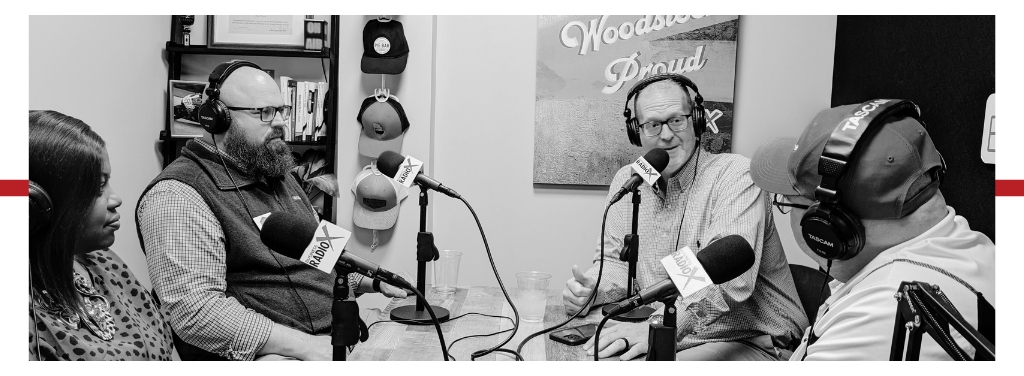
Excel-030323-groupbw

CarsonJames-logo

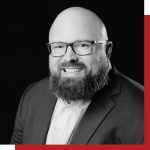
Jared-Rhodenizer-bwJared Rhodenizer, Founder and President at Horse.TV and CarsonJames.com, is a digital marketer, copywriter, Facebook ad specialist, video editor, interior designer, and former cowboy.

Connect with Jared on LinkedIn and Facebook.

This transcript is machine transcribed by Sonix

TRANSCRIPT

Intro: [00:00:07] Broadcasting live from the Business RadioX Studios in Atlanta, Georgia. It’s time for Excel Radio’s Ask the Expert brought to you by Buckshot Photography and Video. It’s your story. Make it awesome. For more information, go to buckshot.com. Now here’s your host.

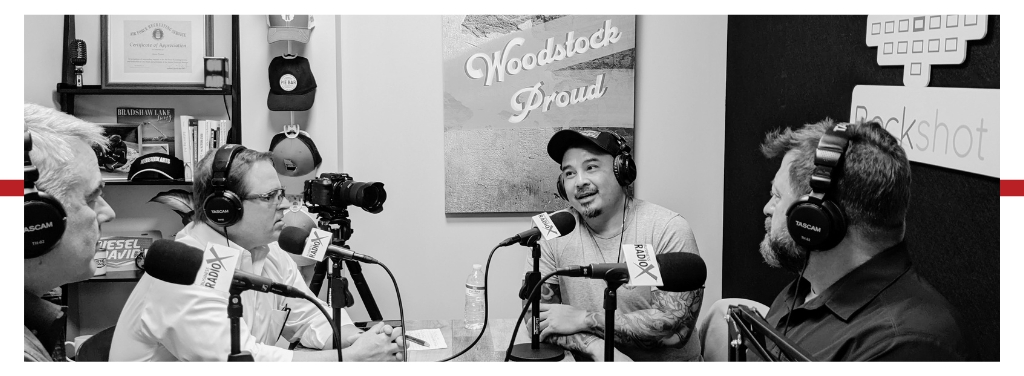
Randell Beck: [00:00:32] Hello, everybody. Senors and senoritas, welcome to the program. It’s Ask the Expert with Robert Mason and Randy Beck. And today’s guest is Jared Rhodenizer.

Robert Mason: [00:00:42] Hello.

Randell Beck: [00:00:43] Hi, Jared.

Jared Rhodenizer: [00:00:43] Hi.

Randell Beck: [00:00:44] How are you doing today?

Jared Rhodenizer: [00:00:45] I’m doing well. How are you?

Randell Beck: [00:00:46] We have got we’re loaded for bear with questions for you. Awesome. Jared is here today to talk about digital marketing, the back end, how we make this work once we shoot our social media video or make our posts or we decide we want to run a paid ad to promote our business. Before we start, Robert. What’s your week been like?

Robert Mason: [00:01:07] It’s been a good week. My birthday was yesterday. I’m negotiating two contracts today as I. Happy birthday to you.

Randell Beck: [00:01:15] Happy birthday to you. Happy birthday from buckshot. Happy birthday to you. Yeah.

Robert Mason: [00:01:19] My wife made it special. And then the dogs ruined it by being in the bed last night when I went there. So we’ll get into that later.

Randell Beck: [00:01:25] And give us a an encapsulation. Robert Mason’s deal is.

Robert Mason: [00:01:29] Robert Mason has been a realtor for 32 years. I’m a real estate broker as well. I’ve had my own real estate company. I’ve sold my own real estate company. And you know, this radio program with you, Randy, is special because you’re a big part of my business already in the videography and all the stuff that you do for me. So I’m super pleased to be doing this with you. This is our maiden voyage.

Randell Beck: [00:01:52] Maiden voyage on Ask the Expert. That’s right. This is episode one. This is episode.

Robert Mason: [00:01:55] One. And we have a real expert with us who’s going to give us all the insight.

Randell Beck: [00:02:00] And, Jared, introduce yourself. Tell people what’s your deal?

Jared Rhodenizer: [00:02:03] So my name is Jared Rhodenhizer. I am a digital marketer. I own two companies, Carson. Com LLC and horse TV. Essentially, in a nutshell, we train people how to train their horses through online media books. We have MP3 players that people can listen to while they’re training their horse. That tells them step by step what to do. We have video libraries of subscriptions and all kinds of stuff in the the horse niche. But I’ve also done other things. We did real estate marketing, a lot of horse stuff. And basically anything that you can teach someone how to do through video, I can show you how to sell it and sell a lot of it.

Randell Beck: [00:02:47] So that’s very interesting. That’s what I do. And I like that. Know your horse TV and you’ve got this this operation that’s oriented around horses. And Robert here said he’s he called us a rodeo today instead of radio. A rodeo. I like that.

Jared Rhodenizer: [00:03:04] It might be a rodeo, might be a play on words before it’s.

Robert Mason: [00:03:08] All said and done right before it’s to get it out there.

Randell Beck: [00:03:12] That’s what you call the truth slipping right out. Yeah. All right. So tell us about horse TV a little bit.

Jared Rhodenizer: [00:03:19] So it’s essentially Netflix for horse people. It’s the same exact platform we have, the web, the apps, you know, Apple, Roku, all that. But it’s only horse content. So it’s documentaries, movies, TV shows. We produce our own content. I have my own reality show on there. And then we also license a lot of other content as well.

Randell Beck: [00:03:40] And the methods we’re talking about about selling here that we’re talking about through the digital medium is something you use to grow this channel.

Jared Rhodenizer: [00:03:48] Yes, more so the Carson James company that has more funnels and more intricate ways of getting customers. Okay, horse TV is pretty straightforward. Carson James is much more interesting as it pertains to getting customers and selling people.

Speaker5: [00:04:05] So.

Randell Beck: [00:04:07] And so Carson James does what.

Jared Rhodenizer: [00:04:09] We have an online subscription at Buckaroo Guru.com and people pay $20 a month and they get access to all of our courses. So we have 12 courses in each course has anywhere between 20 to 40 videos in it and each course has a specific. Method of teaching your horse how to do a certain thing, such as groundwork, problem solving, advanced writing, fundamental writing, which is like just the basics of what everyone should know how to do to ride a horse, things like that. Okay.

Randell Beck: [00:04:39] And you’re using what kind of techniques to push this out and sell it and get people interested.

Jared Rhodenizer: [00:04:45] So there’s lead magnets, tripwires, upsells, core offers and profit maximizers.

Randell Beck: [00:04:52] I think we’re going to have to define terms here.

Jared Rhodenizer: [00:04:55] That’s a mouthful. It can go deep. So essentially go slow. Okay.

Randell Beck: [00:05:00] What do they say in that movie about Wall Street? Speak as if you were speaking to a golden retriever or a very young child.

Jared Rhodenizer: [00:05:07] Okay, so. It’s how the funnel works is you want to start with content marketing, which is essentially giving away your best stuff for free. And a lot of people get concerned with that because they think, well, if I give away my best stuff for free, then no one’s ever going to want to buy anything. But that’s it actually. And it makes sense that people think that. But that’s actually the exact opposite. You want to put your best foot forward and that will cause people to buy things. And they people, if they like your free stuff, they’re going to like your stuff. They’re going to buy stuff from you and they’re going to be happy to pay for it. But the problem that I think a lot of people have is they say, well, I’m going to give away my kind of mediocre stuff because I don’t want to give away my best stuff. You want to give away your best stuff and then give them even better stuff, too. When they sign up. All of your stuff you produce should be your best stuff.

Randell Beck: [00:06:03] So. So nothing we’re going to say today should stop anybody from continuing to develop their content and their messaging and no, absolutely not.

Jared Rhodenizer: [00:06:11] So the way the funnel works is through most of I would say 90% of everything that we do is through Facebook ads because that’s where our customers are. So you have to identify if you have a younger audience, you know, Instagram and TikTok is going to be where you want to go. But most of our people are 40 and over, and those people are mostly on Facebook. So that’s where we mostly advertise is on Facebook because that’s where our customers are at. So you start off with content marketing. You would put up we’ll put up a video or a blog post or we have a podcast as well. We’ll put up a podcast episode and we just blast that. We pay to blast that out for free. And we target people who are in the horse niche and get everyone to consume the content. And then so an.

Randell Beck: [00:06:57] Example of that content would be what?

Jared Rhodenizer: [00:06:59] So a video on how to train your horse not to be buddy sour, which means he always wants to be with the other horse instead of paying attention to what you’re wanting to do. So you would have.

Randell Beck: [00:07:10] This video on that and you would you’re putting that like on Facebook. Yes. So people can just watch it.

Jared Rhodenizer: [00:07:16] There’s two ways to do it. You can upload it to your website and send people over to your website or you can upload it to Facebook and they can watch it on Facebook. The benefit of uploading the video directly to Facebook is that people are automatically pixeled who watch that video. So everybody that watches that video on Facebook, Facebook creates an audience automatically. So even if you don’t know what you’re doing, you can always go back and create this audience later. They’ll create this audience and then you can go and retarget those people with other ads. So the goal is to get people to consume the content and pixel those people, cookie them through the Facebook pixel and then go back later and reach out to them and get them to buy a low ticket offer and see what a lot of people and that’s called a tripwire. A lot of people mess up because they sell their core, offer their core thing directly to Facebook, and that will work if it’s a good product in your marketing is good, But you’re not you don’t you’re you’re missing out on a lot of revenue by going straight from just your core thing, your most expensive thing. So a tripwire. So after you’ve content pixeled them through your videos or your podcast or whatever, it doesn’t matter. People get caught up on the medium too. It doesn’t matter as long as it’s good. It can be a podcast, a blog post, a video, anything PDF file, as long as it’s good.

Jared Rhodenizer: [00:08:39] And then once you want to do is you want to take your core offer. So our core offers are subscription, which is $20 a month and they get all the courses. So what we do is we take a what I call a splinter of that and we take a piece of it and make that a tripwire. So we’ll take one course and sell it for something ridiculous. For instance, we have our entire problem solving course, which I believe is 42 videos right now. We sell that for $4, $4, you get 42, and they’re good videos for $4 and that sells like crazy. And then we have an order bump on the page where people can add an an option to their cart, where they can get a copy, a digital copy of our book for $10. So 50% of people take that offer for the $10. So that’s another $5. So when you take the $4 you made and then you take the 50% of people who buy the $10 book as a bump, that is an average order value of $9. And it takes about anywhere between 5 and $10 to acquire a customer through Facebook ads. So essentially you’re breaking even on your tripwires. But that’s fine because, A, you’ve got a lead, you have a new contact on your email list. B, they’ve bought something, somebody who’s bought something from you, even if it’s cheap, just like a dollar or $4 is a much better and more qualified lead than someone who just opted in for a free giveaway.

Jared Rhodenizer: [00:10:06] If they’ve spent money with you, if they’ve opened their wallet to you. It’s it’s a lot better of a customer. And so then immediately after they buy the tripwire, this $4 course, we have this presentation, it’s a video presentation with a one click upsell, which is a button directly under the video where they don’t have to enter their credit card information. Again, they can just if they want to add it to their order, they can just click the button and it charges their card and puts them on a subscription. So in this video we say, Hey, the course you just got, congratulations on your order. Thank you for doing that. You’re going to love it. By the way, wanted to let you know that we have these additional 11 courses and you can get access to all of them for just $20 a month. And 30% of people on average take that. So we have broke even on the front end. We haven’t spent any money because we made all the money back from the tripwire sale for $4 and the order bump for $5. So we made our money back on our Facebook ad spend and now we’re getting members for free. We’re paying nothing to get people to subscribe for $20 a month.

Randell Beck: [00:11:14] So. So the order before we go further, the order is you put up this content. Yeah. The teaser. A good piece. Yes. They’re watching that. Yes. Then they’re they’re hit by an ad that says you can get another piece for this $4. That’s the tripwire. Yes. Okay. And then well.

Jared Rhodenizer: [00:11:32] The other piece is not necessarily content. It’s a it’s an actual course. An actual course. Right.

Randell Beck: [00:11:37] So they get a piece of the course for $4. Yeah. Let’s say. Yeah. And then after they’ve done that then they get an offer for the rest.

Jared Rhodenizer: [00:11:45] Yeah. So you can break down whatever product you have, no matter what, even if it’s a service industry, you can break it down into different splinters. It’s all about taking your thing and breaking it down a little bit more and a little bit more. And you start off and then you just build up. And then once they subscribe to our membership program, we pitch them what we call our profit maximizer. And that is a one time payment of $97 and that is an MP three player that they can buy and they actually wear it while they’re training their horse and it talks to them and tells them what to do step by step. And that comes with an 84 page PDF file that gives them written instructions and they also get videos to show them how to do it. And then these are additional videos to the videos they just got in the course. So it’s additional videos that go directly with the MP three player that show them demonstrations of how to do what the MP three player is going to be telling them to do while they’re training their horse.

Robert Mason: [00:12:42] How did you get started in this?

Jared Rhodenizer: [00:12:45] So. I started off working for a company and we did. Ironically enough, we developed tools for real estate agents to do marketing. So I was in charge of sales and marketing there at a company, and I invented a product for them called the Facebook Lead Generator, and that was a product that taught real estate agents how to run Facebook ads and get leads through a free home value opt in form. And that blew up and went crazy out of the water. And the guy I work for, he’s still to this day, probably the smartest guy I know when it comes to sales and marketing taught me all of this. And so after working for him for two years, I was essentially running his company. And then I wanted to do something on my own. And my brother Carson has always been phenomenal with horses, but he was a nobody. I mean, no one knew who he was. I think he had $40 to his name and. I went up to him and I said, Hey, I have an idea. Can I film some videos of you? And he was like, Yeah, I don’t care. So we’ve we set out and we started and we filmed ten videos. I believe it was the first, the first time we ever filmed. We filmed ten videos and I put those videos on a DVD because this was back when DVDs were still relevant and people were buying them. And to my knowledge, we were the first people that did this. And then I sold the DVD on Facebook for 495. So the offer was it’s a free DVD. You just pay 495. And that covered the shipping and handling of the DVD. And I believe the first year we did over $1 million because it was the same and it was the same. It was the same concept. We just now, since DVDs are not really that relevant, we’ve moved to selling the digital courses. But even back then we would sell the DVD and then we would do the upsell, which was the membership site, and we have just created hundreds of thousands of videos since that day.

Robert Mason: [00:14:51] So in today’s security breaches and stuff like that, how do you keep your information secure from being stolen? Copied?

Jared Rhodenizer: [00:15:01] You mean like people ripping us off? Yeah. Oh, we don’t. People every single day since I’m in that niche, I see all the ads for every everyone. I’ll put up something, and like, a week later, I went through a funnel one time where someone had copied, like, almost verbatim every single thing I had written, all the graphics and everything. It was insane. There’s nothing you can do about it. I mean, I could get into attorneys and do all that, but at the end of the day, those people aren’t as good as I am and I’m going to come out with something better and they’re never going to keep up with me. They’re never going to catch me. Right? So I don’t I just I just ignore them. I don’t care.

Randell Beck: [00:15:40] And no matter what you do, at the end of the day, they can just play it on their machine and screen, record it, and then they’ve got it no matter what. Because once it’s displayed on a screen, you can record.

Jared Rhodenizer: [00:15:49] But the other the other part of it is, is that I don’t just say it because Carson’s my brother or whatever. Carson is probably one of the top horse trainers in the entire world. He is phenomenal. No one, hardly anyone, is going to be as good as he is. And he’s No. One as as personable as he is either, and as good of a teacher. So we have a really good combination where I’m really good at what I do, and he’s phenomenal at what he does. And we just have that winning combination and a lot of people aren’t going to have that. You might have a really good horse trainer, but your marketing guy sucks or you might have, you know, vice versa. So yeah.

Randell Beck: [00:16:28] So let’s talk mechanics for a minute. So now that we understand this process, so you’re going to put this first piece of content onto, let’s say Facebook. And so. Where in a group or on your own page.

Jared Rhodenizer: [00:16:43] Adds on ads. So you have to have a in order to run ads on Facebook. You have to have a business page. You can’t run ads from your personal profile. So you have to have a business page and then you just go to. So you’re paying for ads. Yeah. Oh, yeah. All right. Yeah, people. And that’s the thing. We we kind of talked about it before this interview started. We briefly mentioned it. There’s a difference in people running social media and people running paid ads. A lot of people think that if they put something up on their Facebook or their insta web or whatever, that that’s how they’re going to sell and that’s how they’re going to get customers. But Facebook is very much pay to play if you don’t. I used to have a Facebook page that had 500,000 people on it, and every time I would post something, it would get a million likes. Well, Facebook didn’t like that because a lot of people were doing it. So they have completely changed their algorithm where it is. I mean, we have right now on the Carson James page, I think we have 175,000 likes or followers, but that doesn’t mean anything anymore because only like 2 to 3% of your likes are going to see it. So it doesn’t Facebook likes mean absolutely nothing. If you’re going to get your ad or your content out in front of people, you have to pay for it. You just have.

Randell Beck: [00:17:59] To. So let’s use Robert as an example. If you wanted, you said, okay, you’re putting up videos for your real estate practice and you’re getting calls from potential clients and so forth. So let’s say he wanted to broaden that right and not get a lot more reach than he’s just getting right now from putting it on his page. Yeah. So how do you do that? I mean, paid ads. Yes. But what does that mean? How do you target the person you want?

Jared Rhodenizer: [00:18:23] Facebook, At least they used to. I haven’t done real estate ads in a long time, but when I used to, they used to have a category called Likely to move and that was gold. And I don’t know. Yeah, I’ve never seen that. I don’t even know how Facebook knows that. But it worked.

Randell Beck: [00:18:38] Well isn’t that their connection with like. Data mining.

Jared Rhodenizer: [00:18:42] I mean, I use big data, right? Oh, of course. I just don’t know the specifics of how they got that information. But yeah, so.

Randell Beck: [00:18:49] Are there are there obviously that was like a preset a profile that you could just choose when you go.

Jared Rhodenizer: [00:18:55] Yeah, when you go in Facebook and you go, there’s a thing called targeting and you just type in who you want to target age.

Robert Mason: [00:19:03] Where they’re at. Because I’ve done a lot of that as well. Not a lot of it. But yeah, you can target by age sex. What what is your do you want to be within a 50 mile radius? You can go to other cities and things like that. Yeah, it’s pretty good.

Jared Rhodenizer: [00:19:19] It’s it’s interesting too, because we advertise globally all over the world, mainly in the United States, but our ads reach other places. But if you’re if you’re focused on an area, let’s just say we’re in Woodstock and you want it to be Woodstock and within 50 miles, it’s a lot cheaper to run ads because you’re only trying to reach so many people. And it’s a lot easier to get your ads out there and get more people to see them because there’s only so many people within a 50 mile radius of Facebook or I mean of Woodstock.

Robert Mason: [00:19:50] And you can also break it down by how much you’re going to want to spend. Yes. Like if you spend $100 a day or a week or whatever it is, it tells you, the algorithm tells you how many you’re going to reach.

Randell Beck: [00:20:01] So it sounds like, you know, the basic old marketing question of who’s your customer, right? You’ve got to know who it is you’re wanting to reach the person looks like.

Jared Rhodenizer: [00:20:10] I think that’s one, too. But that’s who’s your daddy. Okay. Yeah. You. Before you ever start out on any of this, you have to identify who your customer is. Like, obviously, if you’re in real estate, you’re probably not going to be targeting 18 year olds, right? So age would be a big contributing factor.

Robert Mason: [00:20:27] Randy’s already talked about the 18 year olds. We’ve already covered this, right? No, no, we.

Randell Beck: [00:20:30] Haven’t even got to the 18 year olds yet. Okay. So so you have this prime customer in mind. You run these paid ads, you target it. Yes. And now. They watched this because they’re seeing it pop up. Right. It’s a paid ad, but they’re seeing it pop up for them. It’s free, Right? Okay. So they watch it and then they get at the end of it, they get this offer for the next piece. Yes. The tripwire. Right.

Jared Rhodenizer: [00:20:54] Okay. That’s one way to do it. Okay. Another way to do it is webinars. Webinars work phenomenally. That’s another way we do tripwires and we do webinars like.

Robert Mason: [00:21:05] Streamyard or what are you talking about?

Jared Rhodenizer: [00:21:07] So a webinar. Well, when I say webinar, it’s essentially a presentation. It’s a PowerPoint presentation that we do on Zoom. Last webinar we did, we had 4000 registrants and it cost about if you’re targeting your warm audience. So there’s warm audiences and cold audience. A warm audience would be people who are familiar with you, which would be people who are on your email list, people who have visited your website, people who’ve watched your videos. They at least know who you are, people who’ve bought from you before, and you can create all of these audiences within Facebook. And then there’s a cold audience, which I define as someone who has no idea who you are. Now, webinars are going to be a lot more expensive to get leads from your cold traffic. So once you’ve done this stuff that we’ve talked about before with the content marketing and the tripwires, you’re also, while you’re doing all this as people are going through these funnels and going through these pages on your website, they’re all getting cookied and they’re all getting into your Facebook custom audiences. So then once you’ve ran this, you can say, okay, I’m going to take all of these people who’ve interacted with all of this stuff I’m doing and I’m going to target them for another ad, and then you can run webinars. And we were getting we were getting 40 cent webinar registration leads to our warm list last week when I did this and it was crazy. So a webinar is essentially a PowerPoint presentation where it shows very good, valuable content and then at the end there’s some sort of a pitch. So the webinar we did recently was, What was it? Oh, it was on trail riding, how to have a good trail ride and solve problems or how to have a how to solve problems on the trail and have a good ride every time was the title.

Jared Rhodenizer: [00:22:51] And then we have on the opt in page, we have bullet points, what we’re going to discuss, and then people can just sign up for the webinar. And on that webinar, Carson and I are on it together and it shows our faces overlaid over a PowerPoint presentation that I put together. Carson tells me what to put and I put it all together and then he goes through. And when Carson’s going through the webinar, it’s phenomenal. I mean, he’s giving away. It’s not this thing where they get on and they get just a tiny bit of information and then it’s all a big pitch. Like I said, the the thing about this digital marketing thing is adding the value. So many people do not add the value and then they’re like, Well, why don’t I get sales? Because you don’t teach anything, dude. Like, so we do. It was probably an hour worth of value and then a 15 minute offer at the end. But see an offer and that’s another thing. Now that we’re talking about offers, like I said, I could go all day on this and offer is not, hey, go buy my core product and offer is, hey, my core product is normally $20 a month, but if you buy it right here, it’s $10 a month or an offer is it’s normally $20 a month and you don’t get these bonuses. But if you sign up on this webinar, it’s still $20 a month, but you get all of these free bonuses included. If you sign up right now at this link, that’s an offer.

Randell Beck: [00:24:07] They’ll get your your your eBook and your your your decal and plastic cowboy hat and.

Jared Rhodenizer: [00:24:14] Whatever, whatever. So on this one, in this specific example, probably not plastic last longer. We did a we did the membership was $20 a month, but we did a two week trial so they didn’t have to pay anything for two weeks. And we, we actually have a trail riding course and we gave them lifetime access to the trail riding course. Even if they cancel their membership, you get it free just for trying out, just for signing up for a two week trial. And then we also gave them three free bonuses, which were three free, I call them pocket guys, the little field guides that you can take with you, like while you’re on the trail and you can read and learn how to solve problems. So they got those as well. So that’s that was our offer. And it converted, I think, at 30%.

Robert Mason: [00:24:57] Wait, wait, wait, wait. Let me go back there a second. You’re reading something while you’re on.

Jared Rhodenizer: [00:25:02] Not while you’re on your horse, but before you go. And you can take it with you. I mean, you could take a break and be like, oh, my horse is acting up. I wonder, Oh, there is a chapter about this. Oh, okay, here’s what I need to do. Stuff like.

Randell Beck: [00:25:12] So these are value adds. Yes. And so it sounds like this is sort of a high tech way of doing what the Yes set that the sales trainer is always talking about. Get them saying yes, get them saying yes, and eventually you get the big sale.

Jared Rhodenizer: [00:25:26] I guess. Yeah. I’ve never gone through any of that sales training I follow. There’s some core core guys that teach this that I follow and I just I just listen to what they say and they’re always coming out with new and improved ideas and. Another. That’s another thing. Just we were talking about staying on top. There’s so in marketing, in some ways nothing ever changes. But in other ways everything changes. So the technology changes and the platforms change and how you reach the people changes. But the way that people respond to advertising never changes. That always stays the same.

Robert Mason: [00:26:04] So social media trends are changing constantly. How do you keep up? How do you keep track of the latest social media changes?

Jared Rhodenizer: [00:26:14] I download the apps and play with them. I mean, honestly. And I see how they work and I see and I mean, a lot of marketing is looking at what other people are doing and if it’s working, that’s another thing. Don’t look at people who aren’t converting, but watching other people who are doing things and it’s working and then just not copying them directly ripping them off, but saying, Oh, okay, I see what they’re doing here, and then twisting it into your your own way of doing it. But, you know, if someone has never downloaded TikTok or hasn’t ever, you know, it doesn’t use the app, they’re not going to know how to run TikTok ads or know what kind of ads convert on there. You have to you if you want to, you know, advertise on those platforms, you have to you have to be active on them and see what other people are doing and how the videos work and the videos that are successful and the ones that are not.

Robert Mason: [00:27:05] You’ve brought up TikTok now a couple of different times. Are you a proponent of TikTok? Because I get a lot of pushback from folks. Don’t download TikTok Chinese owned your spyware and stuff like that. Is there any of that true? I have no.

Jared Rhodenizer: [00:27:18] Idea. Yeah. If it makes me money, I’m going to use it.

Robert Mason: [00:27:22] Yeah, my daughter says the same thing, so I get warned off on TikTok. That sounds like.

Jared Rhodenizer: [00:27:27] A there’s so many. There’s so many. I don’t even know how you know what’s true anymore because everyone says this is true and this is not true. And this I mean, there’s. How do you know? You don’t know so.

Robert Mason: [00:27:38] Much disinformation out there.

Randell Beck: [00:27:39] So. Well, there’s that Abraham Lincoln quote about not trusting everything you see on the Internet.

Speaker5: [00:27:43] So did he say that? Yeah.

Robert Mason: [00:27:46] It’s attributed on a cell phone, too, right?

Jared Rhodenizer: [00:27:48] I think he tweeted it.

Robert Mason: [00:27:50] Was he in a balloon flying over America at the same time?

Randell Beck: [00:27:53] So I like the philosophy there. You know, use it if it makes you money, if it’s moving you forward and achieving your goals. You know, what’s all the debate about, Right. That’s kind of that’s a philosophy right there, I think. But all right. So now. People are going through this chain of events on Facebook and you’re saying they’re being retargeted because of the cookies. Right. So once you put your ads up, everybody that’s looked at it, Facebook is ensuring that they see your next ad again. Is that how it works?

Jared Rhodenizer: [00:28:18] They’re ensuring that they’re pixeled, that they’re that they have the potential to see it.

Robert Mason: [00:28:23] When you say Pixeled, I’m imagining the Brady Bunch, you know, all the faces showing up and I think.

Jared Rhodenizer: [00:28:28] So.

Randell Beck: [00:28:29] You didn’t know that Brady Bunch invented Zoom, did you?

Robert Mason: [00:28:32] I didn’t know that either. Oh, that’s.

Jared Rhodenizer: [00:28:34] True. Clever. So a pixel is essentially just a little a little tracking. They call it a cookie, but it’s just a line of code that they put on your phone or your computer. And it doesn’t it doesn’t get any of your personal information. It just allows you to reach those people again, to know, okay, this person’s been to my website or this person’s been to a certain step of my website. So let’s say, for example, someone bought the tripwire, but they didn’t buy the upsell, they didn’t buy the core product. You can say, okay, I want to target everyone who visited this page, which would be or the thank you page, which would be the upsell page. So the thank you page of the tripwire is also the upsell page of the core offer. So you can say, I want to target everyone who bought the tripwire but did not purchase the core offer. And then you can run ads specifically to those people to just try to get them to buy your core offer and vice versa. I want to I want to I want to target everyone who’s bought the core offer, but but did not buy the profit maximizer, which we do that as well.

Jared Rhodenizer: [00:29:36] So if they bought the membership and they’re paying subscriber, but they still haven’t bought our $97 product, I want to target all those people to buy to buy this. And it really does work really well when you do it that way. Because if you’re Ryan Deiss who owns digital marketer.com, he said it really good He said a lot of people go in when it comes to marketing. And he used this analogy. He says they walk up to a woman and they ask her to marry him. He said, It doesn’t work like that. You have to ask for coffee and then you have to ask for a date. And then you have to, you know, things have to evolve. So a lot of people are just trying to sell their thousand dollar product on Facebook and these people don’t even know who you are. Take them out to coffee first. Introduce. Introduce yourself first. People are just walking up to people and marketing and saying, Hey, will you marry me? Like, no.

Robert Mason: [00:30:24] Well, isn’t that what branding is all about? I mean, when you when you talk about when we talk about branding ourselves or branding, you know what? We do it. It doesn’t happen overnight. You have to be seen time and time again. You have to build trust with your audience. That’s what you’re talking about, right?

Jared Rhodenizer: [00:30:42] Essentially, yeah. It’s more about it’s more about them than it is about you, though. If a lot of people mess up in branding and I see it all the time and no offense, but real estate agents are the worst. They’ll have this huge ass sign with their picture on it and the picture takes up 75% of the sign. And it has a phone number that’s not going to convert anybody. What if you had a sign that didn’t have your picture on it that had an offer? It was like 1% commission rate. If you call this number, you know, I don’t I’m sure you can’t really do that. I’m not a real estate agent, but having an ad with an offer on it is much more enticing to customers than branding and getting your name out there, because no one, at the end of the day, no one cares about you, no one cares about what you sell, no one even cares about your product. People only care about the result. That’s all they care. They care about what they’re going to get. And if you can feed into that, then you’ll win.

Robert Mason: [00:31:41] Well, I’ll give you an example. Some of the things that I’ve used before on Facebook in particular, because I get I get a good amount of business from Facebook, just my personal page, not even my business page. And I’ve paid for ads as well. When I offer a free appraisal or a free CMA current market analysis that tends to generate. I’ll give a free photography coupon away or something like that. We’re going to talk about that to get ready. Ready. And it might be.

Randell Beck: [00:32:10] Free to your customer, but you’re not going to be free to you.

Robert Mason: [00:32:13] It’s going to cost me. But yeah, I get and it’s funny how people chase the likes of Facebook. Oh, they liked it. Yeah, they liked my picture of my food or whatever the hell it is, Right? Right. And you’re missing the boat if you’re trying to promote.

Jared Rhodenizer: [00:32:28] It’s so a really good example. All real estate agents do the free market analysis, which is good. All roofers do the analysis. Yeah, the analysis. I’ll come out and get a free roof review, whatever. But since everybody’s doing that, I’ve always won by doing things that people are not doing, trying to get creative. For example, instead of running. If I was a roofer, I would not run ads that say, Hey, come out, let me free roof inspection. I would say, Buy a roof with me and get all your gutters for free. And I would partner with I would if I did the gutters myself, then I would obviously just handle it or I would partner with a gutter person and pay them a certain amount of money. But that would be an offer because that’s more appealing than let me come out and tell you your roof needs to be replaced because you know that’s what I’m going to do, because that’s what everyone does. That’s why I’m trying to get in your house. People are not stupid. And people who advertise to people and think that people are stupid are not going to win much longer because people are getting smarter and smarter and smarter. Everyone knows that when you run an ad to do a free roof inspection, what are they going to do? They’re going to come out. And if your roof was just replaced last week, they’re going to say, Looks like you need a new roof. Yeah.

Robert Mason: [00:33:45] Nope. Looks good to me. Sorry I wasted three hours.

Jared Rhodenizer: [00:33:48] So the more creative you can get with your offers and that’s what people miss. And I don’t think this I see it because I study. I look at ads. Magazine ads are really bad. You look at all these magazine ads and it’s just like a person’s face and a phone number or a website that doesn’t. What incentive do people have to go visit your website? What what is the purpose of that? Put an offer on it. Give them an incentive to go to your website and to sign up or to to to buy from you. What is the what do I get out of this? And if you don’t, if you would just start if people would just start putting something that people can get when they take action on this ad, they would see a lot more success.

Randell Beck: [00:34:30] Now, apparently you’ve pixeled me because because your things keep showing up for me. And I saw this post that you did and I don’t know if you saw this and you just.

Robert Mason: [00:34:41] Bought a horse too.

Randell Beck: [00:34:42] So there’s something going on and the barn. And so I don’t know if you’ve seen this, but Jared had a post up the other day where he was talking about these offers and these ads that are going out. And you did like 20 different variations and, you know, a, a, a reemphasised with the D and cut off at the transverse roundabout or the next thing you know, you knew what was selling and what wasn’t. Right. Right. So tell me a little bit about this testing that you do.

Jared Rhodenizer: [00:35:05] I split test 25 different ad headlines. So you use the same picture because you don’t want the picture to have an an influence. I’m just trying to see what headlines are going to get people to click. So I keep the picture the same. I keep everything the same. I just changed the headline, which is the bottom. If you look at a Facebook ad, it’s the bottom part that’s right above the Learn More button that’s always there, the big bold text. And I’m just testing it. I’m only spending like 25 bucks, but I’m seeing which of these which of these headlines get the most click through rate. And then I’ll take that winner and I’ll use that and I’ll spend a bunch of money on that. And then I’ll once I get the headline winner, I’ll use that headline and then I’ll split test the picture. So I’ll use four different five different pictures with that headline and see which one of those ads gets the most clicks. But the key is just not spending a lot. It doesn’t take much money to do the testing. And then pretty soon you’re going to have a winning combination of the headline, you know, the picture. And then if you want to go even further, you can split test the ad copy after you have those two winners as well.

Randell Beck: [00:36:11] And so basically, you’re just finding out what people are responding to, right?

Jared Rhodenizer: [00:36:14] Yeah, exactly. Okay.

Randell Beck: [00:36:17] So and I knew I would find the tie in between digital marketing and real estate today. While he’s saying this about the testing, I’m envisioning Alec Baldwin up at the front of the room with his chalkboard and he’s like a beet. Always be testing, right?

Robert Mason: [00:36:32] Yeah, that was a good movie.

Randell Beck: [00:36:33] It was, Yeah.

Jared Rhodenizer: [00:36:35] Testing. Testing is big.

Robert Mason: [00:36:37] And so do you have a group of folks that help you come up with your marketing or your materials?

Jared Rhodenizer: [00:36:44] No, unfortunately, I don’t. I’m a member of I follow a lot of the the guys like Frank Kern, Ryan Dice, Russell Brunson, Russell Brunson owns Clickfunnels and I follow a lot of their stuff and try to learn from them as much as possible. And I have a few. I shouldn’t say I don’t have anybody. My the guy I used to work for, his name is Calvin. I talked to him probably once a month and we brainstormed some stuff and talk about what’s working and what’s not. So I do have a couple people.

Randell Beck: [00:37:16] Now, you know, this series that we’re doing is called XL. We’re really about business excellence, which obviously you’ve been achieving in a big way. And so following these people, was that the key to your success? Was that is that how you learned to excel was by choosing these guys? How did you pick them?

Jared Rhodenizer: [00:37:35] So the guy I worked for, Calvin, he started off teaching me everything that Ryan Deiss taught, who is the CEO of digital marketer.com and his business partner, Perry Belcher are kind of the guys. They didn’t invent this, but they’re kind of like some of the the first first to go at this whole funnel strategy. And Perry Belcher speaking to him is really, really interesting. He owns a company called Survival Life. And they do they do stuff exactly like we do. So they have a tripwire offer. Have you ever seen the the little credit card knives that they they look like a credit card, but they turn into a knife. So Perry Belcher. Oh, he has one. So Perry Belcher.

Randell Beck: [00:38:20] Robert Mason survivalist.

Jared Rhodenizer: [00:38:22] Yes. Perry Belcher is the one who invented that. And he owns a company called Survival Life. And yeah, he’s got it right there in his pocket. And as soon as you he sold I don’t remember how many of those he sold, but it was millions. And then as soon as you buy the credit card knife, there’s an immediate upsell to buy another knife. And he calls it the Hoffman Richter, some fancy German name. It’s a name that he made up. But you get this knife. And with the knife, you get a subscription to the Family Protection Association, which is a $20 a month subscription, and they send you once a month. You get the Lamplighter Report, which is all about homesteading, survival and anything that anyone in that niche would be interested in. They have tripwires like how to grow a garden when you only have five square feet of of of land. So that’s one of the things you can buy from them. So they’re very, very good at splintering and upselling and cross selling and everything like that.

Randell Beck: [00:39:28] Do you recall pricing on some of those things? Like what were those tripwires?

Jared Rhodenizer: [00:39:31] Credit card knife, I think was 495. I think it was free plus 495 shipping. And then the Family Protection Association was $20 a month. And I haven’t looked at this in a long time, so it might have changed. But that’s that’s what it was when I was looking into it. And then you get the big knife for free. And it really is a quality. It’s a good knife.

Randell Beck: [00:39:50] And so. So you started following these guys. You studied what they were doing.

Jared Rhodenizer: [00:39:53] Yeah.

Robert Mason: [00:39:54] Yeah, That’s a knife. That’s a.

Randell Beck: [00:39:56] Knife. So you followed what they were doing. You were learning from them. And how did you put this? You know, like, what made the difference for you? There’s a lot of people that try things like this, right? But you’ve succeeded really well. What made the difference?

Jared Rhodenizer: [00:40:08] Well, it’s like I said in the beginning, you have to have good marketing, but you also have to have a good product. If you don’t have a good product, then you can do all the marketing in the world and you’ll sell some, but it’s not going to be great and vice versa. You have a really good product, but no one knows about it and no one’s going to buy it. People have to know about it. I don’t know, man. It was just working for those two years for Calvin really opened my eyes to the potential. And then I think before him, I worked for a guy named Brigg Hart, who was the most he is the top money earner in the world, as far as I know, for direct sales marketing. He was like the lead at Amway. And then I don’t know if you guys remember Monavie. He was like the top guy in Monavie and I worked for him for a few years and just being around, I mean, these guys had millions, drove Lamborghinis. I mean, their whole life was a party. Being around those guys really, really, really influenced me and made me like, Damn, that’s that’s what I want. This life. Yeah, big time.

Randell Beck: [00:41:12] Okay, Robert, you said you’ve done some of this. You did some marketing and advertising on Facebook, and what was that like for you? What did you do?

Robert Mason: [00:41:19] It was hit or miss? I wasn’t focused enough. I wasn’t consistent enough, which, you know, that’s part of all of our problems in life in general. Facebook has been good to me. On the free side, as in I’ve got X amount of followers in real estate. I think it’s a little bit different if people know, you know, what kind of character you have, your honesty. They maybe went to school with me or they’ve done something well.

Jared Rhodenizer: [00:41:50] And there’s a difference in a Facebook profile and a Facebook page. So if you have friends on your Facebook profile, those people obviously know you. They’re there. The warmest traffic that you can have. They’re the hottest, the hottest leads in the world on your personal Facebook.

Randell Beck: [00:42:05] Even volunteering, right?

Jared Rhodenizer: [00:42:06] Yeah. I mean, those are your friends. So. Absolutely.

Robert Mason: [00:42:09] And so in real estate, you know, there was a lot of cold calling and there’s a lot of training out there where, you know, it’s your sphere of influence and you got to connect with your sphere of influence. And I’ve been doing it so long and I’ve got so much just built up momentum there that, you know, that kind of it takes care of things.

Randell Beck: [00:42:24] And so you did paid ads.

Robert Mason: [00:42:26] You said did paid ads response there? No. And it was because probably I was not. Offering what you were talking about something that was why would somebody click on this? Why would somebody unless there’s a real need and somebody sees it and go, oh, yeah, I need to sell my house, Let’s call this dude. You know, I didn’t create any urgency to connect and I just did it wrong, so.

Randell Beck: [00:42:52] Okay. So we got questions here that have come in for you. Oh, really? One of them just jumping off the page at me because it involves video. It says, okay, because video comment content is becoming popular on social media every day. Oh, yeah. Leaps and bounds. How do you create effective video content that resonates with your client’s target audience and drives engagement? In other words, you can’t really split test video, right? Or can you? You can. How do you do that?

Jared Rhodenizer: [00:43:18] You can set up one audience and run two different videos and see which one gets the most engagement and the cheapest price per engagement. So Facebook has cost per through play and they also have cost per engagement. So if you just look at those numbers and see which one’s cheaper and obviously people like the cheaper video better because you’re not paying as much to get it in front of people.

Randell Beck: [00:43:39] And let’s define through play and engagement.

Jared Rhodenizer: [00:43:42] So through play would be they watch the videos. I think it’s for three seconds or more, which really isn’t qualified. So when you go to Cookie people on Facebook, you can you can create you can create audiences from people who’ve watched three seconds of your video, ten seconds of your video, 50%, 75% and 100%. Now, obviously, the longer they watch the video, the less people it’s going to be. I don’t generally target people who’ve watched three seconds of the video because to me that’s not really a view. Um, but that would be a through play and then a engagement rate is just how many people are actually clicking to watch. So we put it in front of this many people. This is how many people engaged with the ad click the play button commented, liked, shared it, did, did something and engagement is just doing something other than scrolling past it.

Randell Beck: [00:44:34] Then just seeing it and moving on. Right. Okay. And so if you if you run two versions like that and you split test it and you find the version that you want to use, then what is that video put out? The same way like with a paid ad and targeted.

Jared Rhodenizer: [00:44:49] The same way. So I would come up with ideas and that’s the biggest thing, is it all goes back to what I started with in the beginning is don’t put out mediocre crap that people don’t really care about. That’s going to not really solve a problem for them. Put out a video that like when people watch it, they’re like, Damn, that was good. Or that’s exactly what I needed to hear. That’s when you have a winner. And so you get you can get 3 to 4 ideas of what content that could be and then make videos on each one of those things and then put them in an ad set together and run them all together at the same time. And one of them’s going to win.

Robert Mason: [00:45:26] So one of the things that Randy and I’ve been doing is we’ve been shooting videos and basically we will we will get questions from the audience whether just like just like this. Right. And then we will go shoot a video on it. And, you know, anywhere from a minute to 90 seconds. And and so because I pay him so much money for this, it needs to work. Right. And so fair statement. Fair statement. And but we hadn’t even thought about putting those on a paid page. Have we? We didn’t even talk about that.

Randell Beck: [00:46:05] So in terms of implementing your marketing program, no, but in terms of like determining what kinds of videos work, yes, I’ve done some of that already. Right. And so that’s how we arrived at the format we’re using. And and the type of thing that we’re doing right is because I know that to be effective from doing this testing in other ways.

Robert Mason: [00:46:24] So this is a very good subject for not only us. Yeah. Particularly, but for anybody who wants to.

Jared Rhodenizer: [00:46:32] Well, good subject. For anyone who wants to make money.

Randell Beck: [00:46:34] All three of us know each other. We all hang out in circles of business people, and everybody’s out there marketing themselves on social media and trying to promote their business. And, you know, they’re coming in here to Business RadioX and working with Stone to do it. Stone is here today. Everybody, by the way, say hi to Stone.

Speaker6: [00:46:49] Hi. Stone.

Randell Beck: [00:46:50] And and, you know, they’re actively engaged in this process, right? So this is something that I think a lot of people need to hear from you.

Robert Mason: [00:46:58] Yeah, this is big.

Jared Rhodenizer: [00:46:59] Yeah, it’s a good it’s a good topic. That’s the thing. Like anyone, especially right now, if you can if you can teach people how to do something in video, it’s a lot easier. And I’ll be honest, the real estate is is one of the hardest ones. It really is. Because, well, you’re a broker, so you kind of have a free pass. But most brokers and maybe you can help spread awareness about this are very, very against the methods I’m talking about today. They all they want it clean. They don’t. Oh, we’ve never done that before. We can’t do that or you can’t do that open. If they if brokers would open up their agents and let them do some digital marketing type stuff with tripwires and funnels and stuff like this, we would see a huge boom in the real estate, but everyone does it the exact same way.

Robert Mason: [00:47:47] Well, there’s there’s also this feeling that they’re the brokers don’t want to share the secret sauce with everybody, right? So I come from a position of abundance. I like to to be a teacher to help, you know, the the other agent number one, two, three are not my competition. An and if they are, whatever best guy wins. Right, right. But you’ll also find that in the real estate world, we are the cheapest bunch of folks on the planet as well. Right?

Randell Beck: [00:48:16] Couldn’t have said it better myself.

Robert Mason: [00:48:17] I mean, it’s just. It’s a fact. Yeah. And a lot of that has to do with we never know when we’re going to get paid. We have a salary. Right. You know, we’ve it’s just a difficult it’s a difficult gig. But yeah, this is fascinating.

Randell Beck: [00:48:29] Well, and I’m a broker, too, although I’m not in real estate anymore, but my industry is related and still, you know, open involved in real estate in some ways. And I had a friend back in Virginia Beach, his name was John, and his take was a little slightly more cynical than yours because he at the time you this is back in the days of.

Robert Mason: [00:48:50] Pagers and pagers before light.

Randell Beck: [00:48:53] And when you when you would pull up in front of one of his listings, it would say, text this number for more information. When you did, the system would send you a text with information on the house, but it also page him with your phone number. Right. And he would call this person right in front of the house and say, I see you’re at, you know, 955 Coleman Street. And you know, what can I tell you about the house? How can I help you? Would you like to go in and see it? You know, we can send somebody over, you know, all this sort of thing. And I was like, you know, John, that’s a really good system. You know, I bet you’re kind of secretive with this, right? Like, you don’t want this to get out too much. He says, No, I’ll tell anybody. He says, Nobody’s going to do anything with it most of the time anyway. And if they do, there’s enough business for both of us. There is.

Robert Mason: [00:49:37] It really is.

Jared Rhodenizer: [00:49:38] That’s what I’ve I’ve, I’ve bought and sold a lot of properties. And if I had one thing that I could tell every real estate agent that would immediately just boost their sales is answer your phone.

Speaker5: [00:49:50] Right, right, right.

Jared Rhodenizer: [00:49:50] Right, right.

Randell Beck: [00:49:51] That’s the hardest thing to do. It’s ringing all the time.

Robert Mason: [00:49:53] But you know what? There’s a problem with that. We get so much ads, so many people calling my phone. You know, caller ID is wonderful, but when the numbers are one eight, eight, eight, you know, or it’s out of state and nine at 99 out of 100, if you answer it, it’s going to be a spam. It’s a spam. Someone’s trying to sell you something. Right. And so you get frustrated. You don’t answer your phone How much?

Jared Rhodenizer: [00:50:22] But would it be worth it for agents to invest in a call screener and pay them just to screen calls?

Robert Mason: [00:50:29] If you have a number of calls coming in, I mean, most agents sell two houses in a year.

Jared Rhodenizer: [00:50:34] Yeah, well, if they’re having the problem like you’re having where they’re getting 100 calls a day, I would think buying or paying someone to screen your calls and immediately be able to transfer that call to you and only and you knew if it was from that number, it’s your call screener. So this is a good lead. That would be a really good investment.

Robert Mason: [00:50:51] Well, you know, with exp, I’m with exp. So when you look at my phone number on a listing, it’s got the exp number and it goes through a call center. It does not come straight to my cell phone. Okay? Unless I put my cell phone number in there directly, which I do because agents, people will want to text you. Yeah. And if you text a landline, you get that dumb message contest. Right?

Jared Rhodenizer: [00:51:14] And I think for the younger generation, putting tech, just putting your name and saying text me to find out about this house and being really vague about it would do really, really well. The more fancier you try to get with your copywriting, generally the worse it gets.

Robert Mason: [00:51:30] Oh, that’s pretty that’s.

Speaker5: [00:51:31] Yeah.

Randell Beck: [00:51:31] Simplest is best simple. That’s why that’s why AI is making such waves in copywriting right now.

Speaker5: [00:51:37] So many people.

Randell Beck: [00:51:38] It doesn’t have to be complex, it just got to be correct.

Jared Rhodenizer: [00:51:41] You go to their website and it says at so-and-so real estate or I’m going to stop picking on real estate at So-and-so Roofing, we pride ourselves on having the utmost standing. No one buys that bullshit and no one gives a shit. No one cares. Say, say, Hey, my name is so-and-so and I own this company and be real. The more real that you can get in your bio and sound, the less corporate you can sound, the more people you’re going to get to buy from you. And so everybody’s website says the same thing. We pride ourselves in blah, blah, blah. We’ve been in business since. No one gives a shit how long you’ve been in business. How much money are you going to make me? How much can I sell my house for? How much is it going to cost me to get a new roof? And are you a good person?

Robert Mason: [00:52:23] Well, that’s very it’s very interesting. It’s about being real. Being real on social media is so very important. I see so much cheesy stuff out there.

Speaker5: [00:52:33] There’s so much cheesy stuff. And social media at.

Randell Beck: [00:52:36] Best Shot, we subvert dominant communication paradigms through technologically enhanced infrastructure and.

Speaker5: [00:52:43] Industry. Best practices.

Robert Mason: [00:52:44] You lost me ten seconds ago, man. At best.

Speaker5: [00:52:46] Shot. So this is this is something they teach you at business school when you get your MBA, right? That’s how people that’s how people write their websites.

Jared Rhodenizer: [00:52:53] And no one No one. And you think, oh, well, I just don’t. And people don’t put themselves in other people’s shoes like, well, I don’t relate to it. But most people know if you don’t relate to it, neither does anybody else, right? If it wouldn’t sell you or you’re not intrigued by it or you think it’s boring, guess what? So does everybody.

Speaker5: [00:53:09] Else. Well, I.

Robert Mason: [00:53:09] Misspell things on purpose. Yeah, you should. It makes me.

Speaker5: [00:53:12] Real.

Jared Rhodenizer: [00:53:13] It’s brilliant. I misspelled things in our ads all the time. Because you know what? People will comment and they’ll correct me. And every time someone comments on an ad, even though you’re paying for it, the more engagement that ad gets, the less you’re going to spend to.

Speaker5: [00:53:25] Pay to.

Robert Mason: [00:53:26] Get it out. The engagement, That’s an engagement.

Speaker5: [00:53:28] It’s an.

Robert Mason: [00:53:28] Engagement. I’ve been doing this for years and people just think I’m.

Randell Beck: [00:53:31] Yeah, they think you’re illiterate.

Speaker5: [00:53:33] Yeah, they.

Robert Mason: [00:53:33] Think I went to the University of Georgia, which.

Speaker5: [00:53:35] Yeah, I did.

Jared Rhodenizer: [00:53:36] People comment and correct your spelling errors. Guess what? That’s only helping driving.

Speaker5: [00:53:40] Up your engagement.

Jared Rhodenizer: [00:53:41] Right? It’s only driving your engagement.

Robert Mason: [00:53:43] More school teachers on Facebook than.

Jared Rhodenizer: [00:53:45] That’s smart.

Speaker5: [00:53:46] That’s good.

Randell Beck: [00:53:47] Okay. Follow up question here. Um, so let’s say that somebody is listening to this and they’re like, Oh, that is for me. Right. And so they’re like, Now I got to make this content so Jerry can put it out there and, you know, Yeah. Creating a social media strategy for for this this client. How do you do that?

Jared Rhodenizer: [00:54:08] Well, you go through the steps first. I mean, if you’re wanting to have a social media strategy, you probably everyone I mean, I would think would have a core offer, which is the core offer is essentially just the main thing you sell. So you say, okay, this is the thing I sell. The next step is to figure out your splinters. Okay, how can I break off a piece of this to sell? And then how can I break off a piece of this to give away his content?

Speaker5: [00:54:32] Right.

Randell Beck: [00:54:33] And so that was what we were talking about a minute ago with the tripwire. Yeah. Okay. And so I’m thinking this question is a little bit more like, how do I make good content to do that with? Like you say, you say you want to break this up and use a piece of this. What is this?

Speaker5: [00:54:46] How do you arrive at?

Jared Rhodenizer: [00:54:47] If you don’t know, ask your customers, send an email. A Facebook groups are very valuable to everyone. Should we have a Facebook group? Everyone should have a Facebook group. Now, in your Facebook group, you can actually tag everyone at the same time by typing at everyone and it sends a notification to everyone in the group to go look at your post. So that’s pretty valuable. But I would just say ask people if you have an email list already, send out an email. If you’re just getting started, ask the ask your potential customers and say, Hey, what’s the biggest question you have? What’s the biggest problem you’re trying to solve? What do you struggle with the most? And then there you have it and answer it. And that’s when it comes to not being afraid to give away your best stuff. Because if they have and you’ll find common denominators with everybody, like with the horse niche, the Buddy sour thing is the biggest problem. It’s the easiest fix, but for some reason it’s the biggest problem that everyone has and it’s what everyone wants to learn how to fix. So whenever we put out something with how to fix a buddy sour horse, it just it just goes crazy because that’s what people want. I don’t know why it’s an easy fix, but it’s what people want. And a lot of times if you get biased, you’re like, Well, this is not what they want. This is what I think they want. You’re going to mess up. You got to make sure it’s something that they actually are having a problem with and want answers to. So if you’re a roofer.

Speaker5: [00:56:13] Sorry. I didn’t mean interrupt. Go ahead. If you’re a roofer.

Jared Rhodenizer: [00:56:16] An example would be put out content that says how to look at your roof and know in five minutes whether or not it needs to be replaced. And then do a video of you up on the roof and showing examples of, Hey, if you’ve got this problem, you probably, you know, this means this and this, and it’s educational. This means that you have this problem and this problem. And if this is this, this could cause a potential leak. That would be an example of really good content that you could put out. If you’re a real estate agent, you could put out content about, hey, here’s how. Here’s an example of really bad listing pictures and here’s an example of really good listing pictures.

Speaker5: [00:56:54] I’ve done that one and and.

Jared Rhodenizer: [00:56:55] Showing and talking about what makes them bad and what makes them good. Here’s here’s an example of a really good staged home. Here’s an example of a home that’s not staged well at all. And yeah, and here’s why. Staging your house can get you more money and education and asking people what’s what is your top concerns about selling your house and then addressing them.

Robert Mason: [00:57:19] Well, that’s what those videos that you and I are doing. That’s exactly what we’re doing.

Randell Beck: [00:57:23] And these questions are derived that way, right?

Robert Mason: [00:57:26] I mean, the real the real questions.

Randell Beck: [00:57:27] And because because you like the ask the expert format, we’re framing it in an educational, you know, hanging your content in an educational frame. Right. Right. Because that’s good for your client and builds your expertise. Right.

Jared Rhodenizer: [00:57:40] Right. If the goal if the goal is always to. Help people, just help people first and then worry about making sales. You’ll make the sales.

Randell Beck: [00:57:52] That is just such an awesome wrap up. Yeah, you know, everybody forgets that. But that’s really the rule, isn’t it?

Robert Mason: [00:58:00] The more people that you help in their journey, the better off that you’re going to be morally with integrity and the better your life is going to be. And that is a real thing.

Jared Rhodenizer: [00:58:11] Well, we were talking about branding earlier and making, you know, being getting your brand out there. Oh, how how what.

Speaker5: [00:58:18] Better way can.

Jared Rhodenizer: [00:58:19] You build a brand than helping people before you get paid? Yeah, that’s the way to build a brand. Sure is.

Speaker5: [00:58:27] Yeah.

Randell Beck: [00:58:29] We have covered a lot of ground. This is gold. This is gold today. I hope you’re listening out there. Okay. Before we wrap up, Jared Robertson, real estate. I’m in content creator. You know what? You’re the expert today. If you had one piece of advice for each of us, what would it be?

Jared Rhodenizer: [00:58:47] I think I’ve shared it all.

Randell Beck: [00:58:49] We got all the good stuff. Yeah. How about for.

Speaker5: [00:58:51] Stone? I don’t.

Jared Rhodenizer: [00:58:52] The the the one piece of advice not to you guys specifically, but to everybody is stop looking at what everyone else is doing and and trying to copy it. Like the website example writing all corporate be, be real and just talk to people. And we even go so far as like sometimes we’ll say, Hey, on this webinar we’re going to cover a lot of content and at the end we’re going to pitch you something. Just tell people, be honest and up front.

Speaker5: [00:59:21] Why not? They know you’re going to do it.

Jared Rhodenizer: [00:59:23] They know you’re going to do it anyway. And it makes you real, right? You’re like, and sometimes I’ve even seen this. I haven’t tried it yet, but in ads I’ve seen, Hey, this is an ad and I’m about to sell you something. But let me tell you why it’s okay. Or, you know, it’s up front.

Speaker5: [00:59:36] It’s real or why it matters and why it matters.

Jared Rhodenizer: [00:59:38] Yeah, people appreciate the.

Speaker5: [00:59:40] Real and the and the non.

Jared Rhodenizer: [00:59:42] Corporate. I’m dealing with a person. I’m not dealing with a logo.

Robert Mason: [00:59:48] And it’s not mechanical. Right?

Randell Beck: [00:59:51] Beautiful. Beautiful. Robert, anything to add?

Robert Mason: [00:59:53] Any thoughts? God, I could go on forever and ever. And you do? Sometimes I do. Yeah. I mean, this has been fantastic. And this is our opening salvo, and. Wow, what a guest.

Randell Beck: [01:00:05] It’s only Jared advised us to only make it better each time. Yeah, it’s going to be hard to do.

Speaker5: [01:00:10] Yeah.

Robert Mason: [01:00:11] And you’re my content guy, So.

Speaker5: [01:00:13] So that’s up to you. It’s up to you. Yeah. Yeah. I thought about this. Sits on. Yeah, I’ve thought about that. Thank you.

Jared Rhodenizer: [01:00:22] Oh, yeah, no problem. I love talking about this stuff, man. Yeah, anytime.

Speaker5: [01:00:25] And as do.

Randell Beck: [01:00:26] I, but obviously not from the same perspective as you do. Yeah, but a lot to learn here, right? And. And, you know, open up the whole new world of reach and engagement. Right.

Robert Mason: [01:00:36] Well, that was a macro dive. I mean, we came in from 55,000ft on that subject matter.

Jared Rhodenizer: [01:00:41] And we could we could go a lot deeper.

Robert Mason: [01:00:43] I can get a lot. Yeah. I mean, that was a shotgun blast. I mean, you could sniper scope the stuff down and really and get into it and.

Speaker5: [01:00:51] So thank you. Oh, yeah.

Jared Rhodenizer: [01:00:52] I enjoyed it. Thanks for having me.

Randell Beck: [01:00:54] Great. I enjoyed it a lot. Jared rodenhizer Horse tv and Carson James Robert Mason exp Realty. See you next time.

Tagged With: CarsonJames.com, Horse.TV, Jared Rhodenizer

The Hardy Realty Show – Makayla Little with Blue Willow Boutique

March 6, 2023 by angishields

The Hardy Realty Show - Java Joy
The Hardy Realty Show
The Hardy Realty Show - Makayla Little with Blue Willow Boutique
Loading
00:00 /
RSS Feed
Share
Link
Embed

Download file

2023-03-02 hardy realty pic 1 of 1

Tagged With: Ann Smith, Blue WIllow Boutique, Broad Street, Hardy on Broad, Hardy Realty, Hardy Realty Show, Hardy Realty Studio, Makayla Little, Rome News Tribune

Lindy Earl with TurnAbout 180, Christine McCartney with Sorrow to Strength and Charlie Derrien with Charlie’s Angels Movers

March 6, 2023 by angishields

CharitabeGA030323featurev2
Charitable Georgia
Lindy Earl with TurnAbout 180, Christine McCartney with Sorrow to Strength and Charlie Derrien with Charlie's Angels Movers
Loading
00:00 /
RSS Feed
Share
Link
Embed

Download file

CharitabeGA030323groupbw

Lindy-Earl-bwLindy Earl is a Certified Chaplain, working with the nonprofit organization, TurnAbout 180. Lindy’s background includes her entrepreneurship as a Speaker, Consultant, and Author. She has written in 4 genres: Business, Christian, Relationship, and IT. Lindy holds an MBA from The College of William and Mary and a BS from Virginia Tech.

Lindy’s passion and strength is her ability to listen to people. As a Chaplain she works one-on-one with people who are dealing with angst or grief, maybe through the death of a loved one or a divorce. Lindy especially enjoys working as a Corporate Chaplain, where companies have her into the workplace on a regular basis to make herself available to employees.

Great relationships develop and the company’s retention soars while absenteeism drops. Companies develop a strong corporate culture, improved employee satisfaction, and decreased attrition.

Lindy has multiple books in publication and continues to write blogs and record videos on a weekly basis. You can learn more at www.TurnAbout180.org or contact Lindy at ChaplainLindy@gmail.com.

Christine-McCartney-bwChristine McCartney was born in Winnipeg, Manitoba Canada and in 1993 she and her husband moved to Georgia so he could attend Life University.  Her husband, Dr. Larry, and I opened our clinic, Lake City Chiropractic in Acworth in 2000.

Unfortunately in 2015 he passed away from cancer, and after a year of running the practice, Christine sold it and took time to grieve. After some time she decided she wanted to help people who may be going through the same grief and went back to school to become a certified Grief Life Coach.   She wanted to help individuals find joy once again in their lives.

Someone who has lost a loved one can sometimes get “stuck” and they don’t know how to move forward. Grief comes in different forms, not only loss of loved one. It could be a divorce, loss of a job, an illness, death of a pet, or life as we know it after Covid. Let Christine help guide you to a new life of joy and get “Unstuck”.

Connect with Christine on LinkedIn and Facebook. You can also reach her through Sorry to Strength at Christine@sorrowtostrength.com

Charlie-Derrien-bwOnce upon a time Charlie Derrien was working 60 hours/week in unrelenting corporate America management.  In late 2012, God and Charlie made a decision together that it was time to leave the corporate world. She thought and prayed long and hard and said, “God, allow me to use all this formal training that I went to school for (she was a business major at Shorter University) to begin my entrepreneurial journey.”

Charlie prayed for an idea, a catalyst. Then the light bulb came on, and she began her grueling research of logistics as a whole, with a special interest in residential moving. Charlie had moved all across the United States throughout her childhood and young adult life, due to her father’s military background as a medic in the United States army, so the concept of this moving business was not foreign to her.

Now, one of Charlie’s passions in life is EXCELLENCE in customer service and it has been since the moment she walked into her very first job at McDonald’s. She was committed to “hot fries” and service with a smile. All these years later, Charlie still lives by the same fundamental creed. While she no longer serve french fries, she still strongly believes that regardless of the business you are in, the differentiator must be the EXCELLENCE in service that you consistently deliver and provide.

That said, what fascinated (and frustrated) her the most about this industry, is how broken it truly is. She couldn’t believe that clients like herself would call on a company for help in assisting them with this very important life change, entrusting this company around their families, children, pets, irreplaceable antiques, expensive furniture and china, only to be met with huge disappointment and heartache.

Christine read review after review from hundreds of moving companies, from small businesses to the big players in the game. She read horror stories about moving companies that didn’t show up for a clients’ scheduled move, theft of a clients’ merchandise, carelessness with the clients’ things, damages beyond repair, holding a clients’ items hostage, physical altercations on the job sites, hours late for their scheduled move start time, and the list kept going.

After months of building a core team, coaching, meetings, trainings, setting expectations and goals…it was time to launch…and BOY, did they LAUNCH! The calls starting pouring in with people just like Christine that weren’t asking for the moon and stars, they simply needed a service handled professionally, competently, at a fair price and with a smile and willingness to serve.

That’s who Charlie’s Angels Movers really is, and who we strive hard to be every single day, on every single job. Excellence in service matters here. Our clients matter here. Christine’s team takes pride in what they do and she’s honored to work with such an extraordinary group of men.

Christine asks her team at every meeting, “How do we feel about competition?” And the unanimous response is “There is none.” Simply because when you know what you bring to the table of an organization and you know you work hard to deliver on the expectation, it doesn’t matter how many other people are doing the same thing around you. When you conduct good, fair business, the clients will come.

To all of our prospective clients that made it a point to stop by here first and read Christine’s story, thank you so much.  Your time is valuable and we appreciate that. We’re EXCITED to partner with you on your upcoming move and we look forward to making your move a heavenly experience!

Follow Charlie’s Angels Movers on Facebook.

This transcript is machine transcribed by Sonix

TRANSCRIPT

Intro: [00:00:07] Broadcasting live from the Business RadioX Studios in Atlanta. It’s time for Charitable Georgia. Brought to you by B’s Charitable Pursuits and Resources. We put the fun in fund raising. For more information, go to B’s Charitable Pursuits. Dot com. That’s B’s Charitable Pursuits dot com. Now here’s your host, Brian Pruitt.

Brian Pruett: [00:00:45] Good, fabulous Friday morning to you out there in the listening world. We got three more fabulous folks. I have to apologize for my voice. First of all, the pollen is early on me this year, so it’s kind of kicking my butt at the moment. But for those of you first time tuning in, this is Charitable Georgia. It’s stories about individuals, businesses, nonprofits doing great things in the community. So welcome to Charitable Georgia. My first guest this morning is Chaplain Lindy Earle from Turnabout 180. Chaplain Earl. Thanks for being here. Good morning.

Lindy Earl: [00:01:13] Thank you for inviting me.

Brian Pruett: [00:01:15] So you and I have talked a little bit. I’ve heard some stuff that you presented on what you do and why you do it. But give us a little background. First of all, tell us about Turnabout 180 and how you got there and why you’re doing what you’re doing.

Lindy Earl: [00:01:27] Okay. Well, why I’m doing what I’m doing is it goes back to my childhood. And when I was a little girl, I was raised in a very religious home. And I wanted to grow up to be a pastor. And I was told, you can’t. And back then you couldn’t. And life went on. And so I got into the business world. I was a college professor. I was vice president of marketing. I was an entrepreneur. And then one day I got a phone call and this guy on the other side side on the other end of the line said, We’d like to hire you as a chaplain. I said, Well, that’s great, but I’m not a chaplain. I have an MBA, not a theology degree. And he said, No, we’ll train you. And I said, What does it cost? He says, We’ll pay for it. And I’m like, This is just too good to be true. And sure enough, they put me through the training and got me certified and I became a chaplain. But I worked for a nonprofit where our focus is helping other people, whether they’re dealing with childhood angst, grief, just not not waking up happy every day like we should. We’re meant to be, you know, live this life as well as we can. Life is very, very short. And so at turnabout 180, the whole goal is to take you from where you are. If you’re not in a very happy path to where you can be. And we do this through seminars, through Bible studies and through one on one. And we work both with individuals, but we love to work with business chaplains, so we love to work with companies.

Lindy Earl: [00:03:03] And so we have clients who invite us in and once or twice a month it can be as often as once a week. We go into companies and we give a Bible study or we give a presentation. Brian You were there for my presentation on communication where we talked about both. I’m sorry. We talked about. The different ways to communicate and how you accidentally communicate very often and what you don’t mean to say. And so we go in and we give these seminars to employees and then we make ourselves available for one on one interaction. People can talk about anything from their childhoods to not liking their bosses to what’s going on in the world today because we’re there for what we meet you where you are. And a lot of people are still dealing with grief. Might might have been their mother died ten years ago. Might have been. They had a break with a family member and they’ve never dealt with it. Or it could be that they need a new job. We have counseled people through I hate my job. I’m not happy here. Okay, well, rather than just quitting, why don’t we work to see work with your employer to see how we can make you happy? One of the benefits of having a chaplain in your office is that retention increases greatly. Attrition therefore drops, absenteeism drops, workplace violence drops, employee conflict drops, employee satisfaction improves, which means customer satisfaction improves. What a great benefit is that you have happier customers because you invested with the benefit of having a chaplain in house.

Brian Pruett: [00:04:51] So when you do that with the businesses is are you there particular times during the day or are you there? Does somebody bring you on for a certain amount of time during the month or how does that work?

Lindy Earl: [00:05:00] Well, normally they choose a couple times a month. They’ll say, okay, we want you here every Tuesday morning from eight to noon or we want you here on Wednesday afternoons from 1 to 5. And you can find the prices for this on turnabout 180.org and you can have us there for the entire day. Most people have us in twice a month. That’s the norm.

Brian Pruett: [00:05:27] So when you and I talked, you have some in common with myself that you were a marketing professor at KSU. I took marketing classes at KSU, but I didn’t have you. So how is this how do you see the difference from the marketing aspect, or has it helping you, having that marketing background doing this?

Lindy Earl: [00:05:43] The marketing background has definitely helped me with the social media side. I understand the importance. I’m very sad how few people understand what marketing really is. They confuse advertising with marketing, sales, with marketing, you know, true marketing is learning what the customer wants, finding a way of providing that at a price affordable to them, but profitable for the company. That’s true marketing. And when companies understand this and stop calling sales, marketing sales is a very important function. But it’s not. It’s not marketing. So that’s one of the joys when I’m talking to C levels and they want to talk about, okay, I can’t decide what to do. I have a business background, so I understand. Well, what are the ramifications and what’s your return on investment and what’s, you know, I get it all. I get the marketing, I get the the accounting, the finance operations. You know, this is going to have an effect on your personnel. What is that going to mean? So from that perspective, my business background has been very beneficial in working with clients because I can definitely understand now if I’m meeting with an engineer and they want to talk about the first derivative of, I don’t know, speed being, whatever it is, I don’t even remember what those were. No, I can’t go there because in the business world, the first derivative of total cost is marginal cost. That’s how I understand it. But it’s great to talk to people without a business background and say, Well, have you considered this? And I’m doing it from a Christian point of view because we’re business chaplains. The chaplaincy is as important as the business.

Brian Pruett: [00:07:26] So you also work with individuals, correct?

Lindy Earl: [00:07:28] Absolutely.

Brian Pruett: [00:07:29] And you’re able to do weddings as well as funerals and counseling and that kind of stuff. So I’m sure there’s a plenty of difference between working with a business and an individual. But can you walk us through that process a little bit?

Lindy Earl: [00:07:41] Yeah, I often meet people who their company does not offer this benefit, but they realize I’m not as happy as I should be or I’m having marital problems or I, like I said, don’t like my job and they just need somebody to talk to them about it. A lot of divorce situations and my goal is always to keep relationships as intact as possible. If they’re thinking, I want to quit my job, I want to leave my spouse, what can we do to, you know, see it from every point of view? So we meet, we can meet by Zoom, we can meet in person, or we can meet by phone. And a lot of people want phone. They like the anonymity and that’s fine with us, whatever works. And we can offer different genders of chaplains. We have male chaplains as well.

Brian Pruett: [00:08:31] Are you guys national or are you just here in Georgia? Whereas whereas the turnabout 180.

Lindy Earl: [00:08:37] We are located locally, but yes, we are national. We’ve had out-of-state clients many times.

Brian Pruett: [00:08:43] So I have to ask every time I see you at a networking event, you’re carrying around baskets of mints. What’s the what’s the story behind that?

Lindy Earl: [00:08:49] Okay. The story behind my candy basket is when I was first introduced as a chaplain at companies. There are 100 employees in this company. And I’m walking up and down the hall saying, Hi, I’m your new chaplain. And they were kind of like, okay. And some people were very receptive. We know you’re coming, this is great. But I just found that if I had a candy basket. I would say hi. Would you like a piece of candy? Now I’m in their office, so obviously I’m safe. And they would say sure. And as they were taking their candy, I would say, by the way, I’m Chaplain Lindy. I’m one of the benefits your company offers. And it was a great introduction to being able to talk to people because very few people want to pass up candy. And even if they do, they’ll at least still talk to you and say thank, you know? And when they go, I don’t need you know, it’s too early in the morning. I’m like, are you going to have coffee breath in half an hour? Yeah, I’ll take one for later. So that’s how it started. And so when I started attending network events, which is where Brian and I met, I just thought, you know what? If it works with the companies, it’ll work in the networking world. And it’s become a joke.

Brian Pruett: [00:09:57] And like Stone, you don’t turn down food, but I’m sure you don’t turn down candy either.

Stone Payton: [00:10:00] Absolutely. And I did learn. My dad taught me. If someone offers you a mint, take it. Yes.

Lindy Earl: [00:10:06] People ask me that all the time and they’ll ask, are you trying to tell me something? And I’m like, No, no, no. I’m just being nice.

Brian Pruett: [00:10:13] Yeah. So if somebody wanted to get a hold of you for your services, for business or individual, how can they do that?

Lindy Earl: [00:10:20] Admin at turnabout 180.org. We’ll get you directly to me. You can also go to Chaplain Lindy at gmail.com.

Brian Pruett: [00:10:28] Awesome. Well, Chaplain Lindy, I appreciate your time this morning. You mind sticking around? Listen to these next two stories. Looking forward to it. Awesome. Now we are going to move over to Ms.Christine McCartney, who has got an incredible story herself. But you’re with sorrow, strength, grief coaching. And tell us why you went. Because there’s all kinds of different coaching. There’s business coaching, there’s marketing coaching, you know, but you’ve decided to kind of take it to the next level with the grief coaching because you’ve had personal experience. But if you don’t mind, can you share your story and why you’re doing it?

Christine McCartney: [00:10:59] Absolutely. Brian. First of all, thank you for inviting me. I appreciate this. So, yeah, my story is kind of an odd story, how it goes back to my life. I was originally from Canada. My husband and I came from Winnipeg, Manitoba, and we came down to Georgia and he went to chiropractic school at Life College. He and I were together for 30 years. We started our own business. We owned Lake City Chiropractic here in town in Acworth. And in 2015, he was diagnosed with stage four esophageal cancer and passed away in five months. So now we had a business. We had two young girls. They were 16 and 12 at the time. And so I knew that whatever, whatever I had to do, I had to do for my kids. And so I ran the business for about a year and then realized this was not my dream, this was his dream. And that I. Decided I was going to sell the business, which I did. Took time off to grieve, and I did not go to one of those grief support groups. Like I never did anything like that. I just kind of convalesced at home and did everything myself and made sure my kids were okay. And as I said, I took time for myself, made sure the kids were okay. But then I decided it was a God thing because for about a month you probably don’t even know this, but for about a month, every night I was getting like a push push. I felt it and I was like, You need to start a widow’s group, a grief group. And and I am not I am not a leader per se, but I knew that God was wanting me to do something.

Christine McCartney: [00:12:50] So I went to my pastor and I said, You know me, this is not me. But I feel like God is telling me I need to start a widow’s group. But I don’t want to just do widows. I want to do widows and widowers. And he goes, Yes, we need that. So this is how sort of strength started at that point. Then I decided I wanted to go to school to become a life coach. And the incident went back to school. And, you know, everyone’s as you said, there’s different coaching. There could be health coaching, physical, you know, all business coaches and stuff. And I knew immediately what I wanted to do and that my niche was going to be grief. And I remember the professors there were saying, You have no idea how much this is needed. And I said, Well, I’m just doing this because if I could help one person go through peacefully, what I’ve gone through that is that would make my heart feel great. And so hence, that’s how I started sort of strength and and now grief. I can help people because grief is not just a loss of a loved one. It could be any kind of loss. It could be a divorce. It could be a loss of a job. As chaplain had said, it could be a pet. It could be any kind of change or any of us who have gone through COVID. Our whole lives have changed during COVID. So I can help people kind of guide them to get find joy back in their life again and how to take those steps.

Brian Pruett: [00:14:28] I like the your the name SAALT strength because it takes a lot of strength to go through what you did and then start this and help others. Because going through something personal like that, obviously being a man of faith, I don’t think there is anything coincidence wise, but God, you know, takes you through things. And it’s for that reason to help other people. As you mentioned, you know, it could be a loss of a spouse. It could be loss of a job. You know, the way you handle grief needs to be talked about because a lot of ways, a lot of people don’t handle grief the right way.

Christine McCartney: [00:14:59] Oh, a lot of people don’t even it’s taboo. It’s like it’s expected that, oh, you know, well, it happened six months ago. You should be over it. And but every individual is different. Everyone has to go through the process. There’s all these different levels of grief and that you could be stuck in one level and not know how to move forward. And that’s where I can kind of come in and let you have the steps. Now, there is a difference between counseling and coaching. So counseling, they help get the person’s mind wrapped around the tragedy and understanding and everything like that. What I do is I acknowledge that and I can tell if they are ready to move forward because you have to be ready to move forward in your life. Otherwise this won’t work. But I kind of help them move forward. Get unstuck is kind of my term that I use.

Brian Pruett: [00:15:55] I like how you talked about people. Six months, get over it. So be 23 years in June that my dad passed away of unexpectedly heart attack at my cousin’s wedding reception. Oh my goodness. And my mother was working. I won’t say where, but she was still working at a place and her boss came to her three weeks afterwards and said, you know, it’s been three weeks, get over it. And the interesting thing was a couple of weeks later we had to have our dog put down. And he was so more in tune of saying, Well, you should go be with the dog. And my mom looked at him and said, you know, Wow. Anyway, um, so do you work just in a particular area or where all can you know.

Christine McCartney: [00:16:37] I do most of my sessions either on phone or Zoom or I can meet somebody. So with that, with Zoom, I mean, I could have a client in Egypt, it doesn’t matter because it’s over the telephone. So I can have anybody that’s dealing with with loss anytime, any.

Brian Pruett: [00:16:58] Anywhere. If somebody’s listening to you right now and they are going through something, can you just give a brief nugget of what somebody might be able to do to, you know, we’ll get to how they can get in touch with you, but gives you a brief nugget of somebody who might be going through something.

Christine McCartney: [00:17:09] Yeah, absolutely. One of the things and this this is something that I tell my clients a lot is because you’re struggling, you’re struggling with. How to go forward. One of the biggest things that I want everyone to kind of do, and you don’t even have to be going through grief to do this is called It’s a joy Journal. A lot of people forget how to be happy. Every day. I want you to think about at the end of the day, what is the one thing that made you smile? Write that down. What this does is every day you do that, you start reading it and you realize that now you are starting to look around to see what makes you smile. And it could be anything silly. It could be a dog walking down the street, pooping on the sidewalk. I mean, whatever makes you smile, jot it down because then that is going to retrain your brain to find joy, happiness, laughter And then soon enough, you’re going to start seeing more things like, Oh, wow, look at those flowers today. Those are beautiful. They’re shining there, you know, Oh, look at this little boy. You know, So there’s there’s lots of things. That’s that’s one thing that I kind of tell all my clients is that’s the first step to start finding joy again.

Brian Pruett: [00:18:30] Awesome. Thanks for that. So you had something exciting happen just before the holidays, right? I did. Yeah, well.

Christine McCartney: [00:18:36] Oh, yeah. Sorry. I’m like, What was that? Yes, I got engaged. So, yeah, my husband, like I said, was gone for seven years. And. And, you know, it’s like the whole dating world was crazy. But I found a wonderful man, and we’re getting married in 2025, so we got some time. There you go.

Brian Pruett: [00:18:57] Well, congratulations on that. Thank you. So if somebody wants to get a hold of you, you learn about more about your services or schedule something. How can they do that?

Christine McCartney: [00:19:04] You can call me at or call or text at 404, 5421229. My email is Christine at zero two strength.com. My website is W WW dot soar to strength.com as well.

Brian Pruett: [00:19:22] Awesome. Well Christine thanks for coming and sharing a little bit about your story and do you mind sticking around? Absolutely. We are now moving over to Miss Charlie Derrien from Charlie’s Angels movers. Charlie, thank you for being here this morning.

Charlie Derrien: [00:19:32] Thank you, Brian. I appreciate the invite.

Brian Pruett: [00:19:35] So you do a lot within the community and we’ll talk about all that. But I have to ask, first of all, you’ve told me a little bit about your story of why you started your business. But I was a fan for many reasons for Charlie’s Angels on TV. Yes.

Charlie Derrien: [00:19:49] I get that a lot. Right.

Brian Pruett: [00:19:51] So share a little bit about your story and Charlie’s Angels movers.

Charlie Derrien: [00:19:55] So it all started ten years ago. I was looking for a moving company because I was planning a personal move out of my house. Suddenly, I couldn’t find one that I would want to do business with. So in reading reviews East Coast to West Coast, I’m like, Man, this is really broken. Like on a different level, broken. So I thought, Hmm, that’s interesting. Simultaneously, what was happening at my full time corporate job in the corporate world was I was being passed up on two promotions, six months apart. So when it happened the first time, I thought, Oh, let me do what Charlie does, which is go back to the drawing board and work harder and do better. Even though there was kind of a hush over the crowd, like everybody was like, you know, but it was her. But she was next in line. And it was just a known thing. It was a given. So when it didn’t happen, I was like, okay, very upset, but let me work harder. Six months later, they promoted her sister instead of me. And so I thought, this is this is real. This is you know, I’m being overlooked and looked over. And I went home and had a nervous breakdown for about a good week. I was very upset that it happened a second time. And I was crying and I was in my living room and I got down on my knees and I said, God, give me anything. Give me anything. Put Sorry. Sorry, I said. God. Give me anything. Put it in my head. Just give me an idea and I’ll take it from there. And I don’t know what else to say other than the whole it all came together with the combination of What about moving? I didn’t know anything about moving, right? I knew business.

Charlie Derrien: [00:21:34] I knew client service. I know customer service. I’ve been doing that for a long time. I didn’t know anything about moving other than military background. My father was a medic in the Army, so we moved a lot, but I wasn’t participating in it at that time, so I just ran with the idea. I printed, literally printed some business cards that were free with Vistaprint. If you guys remember, Vistaprint printed some business cards and they were very generic. I made a very generic website on Wix, if you remember Wix. I don’t know if Wix is still around. And I started showing up at places that might need movers like storage companies and different things. I started sending them pizza every week and just defining my presence and just showing up. I started networking and plugging into networking events. I made a t shirt because that’s what I could afford. I had $200 in the bank when this all started, right? I made a t shirt that said Charlie’s Angels Movers. I scribbled out my logo one night at 2:00 in the morning and I sent it to somebody that was much better at drawing than me, and they made it all come together my box with wings. And I left my corporate job two months later, as it were. My phone was ringing enough. I started at the right time. It was during the moving seasons, the moving industry’s peak season. So my phone was just ringing to the point where I thought if I leave the 60 hours here and devote it to this, I think I’m going to make this go.

Charlie Derrien: [00:22:56] I feel like God gave it to me and I said to God, give it to me and I’m going to take it from here. So I was committed to that. So I left my corporate job, handed them my resignation. They said, Charlie, please don’t go. Please don’t go. Now is what they said. It was a critical time. I said, Oh, I’m already gone. And and that was it. So it started there and I spent the next three years, I was the only person at the helm other than my field team of movers. So I spent the first year working on all my trucks. So if a client hired a four. Man Three Man two man team, I was one of 2 or 1 of 3 or 1 of four. So sometimes I’d show up and be met with, looks like you’re, you’re moving us. So I got that in the beginning. But then when they saw that, yes, I was very serious about it as the guys were, I could lift anything. They could lift. I was up and down three flights of stairs, just like they were on the sofas. I was doing it at the same level, but primarily because I had to learn this. I had to dig in. I felt like I needed to just really dig in and be in it. So I did that for the first year, and then after the first year I didn’t have to work on my trucks anymore.

Brian Pruett: [00:24:00] Well, it’s, you know, don’t don’t apologize for showing up because when God speaks to you and you listen and you do what you what he thinks you do, it’s amazing what he does. I mean, we all have the stories of why we’re doing what we’re doing, and it’s just really cool to learn more about stuff that you because, I mean, just recently you were gone because it was from the Super Bowl and the NBA all star game. You got some gigs for that?

Charlie Derrien: [00:24:23] Yes. Got a.

Brian Pruett: [00:24:24] Contract? Yeah. You know, so that’s that’s amazing. So you’re based in Acworth, right? But do you do all over? We do.

Charlie Derrien: [00:24:29] So we’re local, regional, national moving will facilitate anything out of state. We do like commercial now because any of our clients that we’ve moved residentially, if they have a business, they always call us and say, But Charlie, I know you don’t do commercial, but and so we always say, Of course we would thank you for choosing us again. And yeah, of course we’ll do it.

Brian Pruett: [00:24:47] But you also just opened up an office in Texas, correct? We did.

Charlie Derrien: [00:24:51] So we franchise started franchise in Houston at the top of the year. So I have one of my brilliant CFOs out there to CFOs with my company. One’s my brother that you mentioned, Stone That’s Brad. And then the other one is Corey, and he’s opening up operations out in Houston for us, moved there. His fiance was already over there, runs a very large real estate company, her and her father. So it just seemed like the perfect fit of what we’ve had going on. So we’ve been talking about it for at least the last two years and finally launched, and we’re ready to ready to move on it in a big way and hopefully just sort of explode in the Houston area as the objective marketing standpoint.

Brian Pruett: [00:25:30] Congratulations on that. So I have to ask this, too, because every time I see a picture of you, you got your little dog. Yes. Tell me about your dog.

Charlie Derrien: [00:25:39] Thanks for asking about my dog. That’s biscuit. So Biscuit is actually my child, right? He’s definitely an extension of biscuit. Everywhere I travel, I do a lot of traveling business, and otherwise biscuit goes everywhere that I travel to. He. I got him as a puppy. He’s six years old this year. He’s obviously something of a mascot has become. Right. He comes to the office with me. Everybody loves him. He doesn’t deal with everyone. That’s just but but for the people that he does deal with, he’s you know, he’s just a great little road dog and companion and my little furry love. And he was hit by a car in 2018. I don’t know if it’s such a good story. Well, it’s kind of long to tell it, but the short version is I don’t know if you guys know Toby Carmichael at the Lake City Animal Hospital.

Christine McCartney: [00:26:29] He’s my vet.

Charlie Derrien: [00:26:30] So Toby has so many levels of fantastic. But I met Toby because my dog was hit by a car. I showed up in my raggedy old at the time I had Charlie’s Angels. Charlie’s Angels charity truck, where I was doing things with homeless people. We were doing haircuts and feeding them and doing different things. So I came in my raggedy old 15 foot box charity truck that I didn’t even know was going to start. So I let my door accidentally swing open, and I heard him before I saw him, heard him. And I went out there and he was just broken. Like I could tell his back something was devastatingly wrong, back was broken. His legs were just hanging. He was limp. And I’m looking at him and knew he was dying. So I have this truck that I just pulled from storage, my charity truck, because I’m getting ready to put it back on the road and we’re doing some things and I’m like and I knew it wasn’t going to start because it hadn’t been starting. So I was waiting for the mechanic or whatever. I went out. I was frantic. I was hysterical. I was the only one home. I didn’t know what to do, panic, go outside. And I’m like, I just wasn’t in my right mind. I called two vets, Toby’s office answered and said, Come on, we’re yeah, technically, you know, we’re getting ready to leave, but come. How far away are you? Come on. So I was like, I’ll do it. I call Uber, I go out and I just start. I just turn the truck over.

Charlie Derrien: [00:27:40] I start straight away, which I was like, Thank you. I go to you know, I was thinking God about that, right? So I drive to the vet, he meets me out in the parking lot and he’s like, Are you Charlie? And I said, I am. And, you know, I’m crying. I’m trying to make my way through the tears. I’m holding him. He takes him out of my hands. He’s like, I see your I see your signs, you know, Nice to meet you. And tell me what happened. I explain. Goes back in the room. He’s gone for about 15 minutes and he comes back out and he’s like, you know, I don’t know how because he saw him, too. So I’m looking at him reading him like I know what’s bad. And he comes back out of the room 15 minutes later and he’s like, I don’t know quite how to say this, basically, but he’s fine. Like, there’s no internal and then he just brings him out and he walks over to me and I’m just like, What do you mean? Like Toby? You saw Doctor Carmichael, You saw that he wasn’t fine. Like how? Like, that’s just so many levels of. And in that moment. I needed my dog to live through that in that moment. I was going through some other critical things in my life and just a bad, bad time. So it was it just all worked for good. And I have an amazing relationship with Dr. Carmichael now. I see him everywhere, networking all over the city. And he’s just that’s my buddy.

Brian Pruett: [00:28:50] That’s amazing what God shows up when he does my little biscuit. Yes. What kind is biscuit?

Charlie Derrien: [00:28:55] Biscuit is a maltese Yorkie.

Brian Pruett: [00:28:56] Okay. Yeah. You also have some kids as well. I do.

Charlie Derrien: [00:29:00] I have I have three kids, Caden, Dane and Kennedy, 24, 16 and 13. My oldest son is was diagnosed with bacterial meningitis at three weeks old. So he deals with a lot of things physically, a lot of physical, handicapped and mental handicap. So, you know, we deal with with sort of the special needs side of things and which is why I don’t know, I know that, you know that I do a lot of things from a community standpoint. So and I’m really just following the things that speak to me, specifically the horizon, the gala tonight I’ll be attending the gala. So somebody was good enough to get me tickets after I missed my deadline and I thought I was well ahead of the curve. But but I did get a couple of tickets. I’ll be at the gala just to support and, you know, give back to that. Of course, the Acworth Community Garden is another one of my loves because I’ve learned to plant things in the last couple of years. And miraculously, they’re growing. They never grew before. But I’m just like, God, could you help me out here with this one? And, you know, and, and and everything’s just growing.

Charlie Derrien: [00:29:59] So I guess they like the energy in my place and some of the things that I’m doing. So Acworth Community Garden, I’m learning some things from there. They didn’t know that it was kind of double double edged for me. So yes, I want to come and help and do the things. But also there’s master gardeners in there that are teaching. I’m asking all these questions, so I’m getting educated. And and then I had a lunch yesterday with I don’t know if you guys know Jimmy Durham, but good friend of the mayor’s Tommy Ellegood, if you know Tommy. And it was just an amazing lunch where I learned about Kenya Connect Kenyan connections. I don’t know if you guys know this program. Mars Hill Church is plugged into it, as I understand it. But anyway, really passionate about being able to. The idea of going over and helping orphaned kids over in Africa. And so they’re planning a trip for July. So really excited about hearing more about that and seeing how me and my children can maybe go over and, you know, lend something to that from a working and helping them build.

Brian Pruett: [00:30:50] That’s awesome. We’ll circle back around to what you’re doing in the community, but I wanted to also you have one of your children was on American Idol, right? Yes, he was. We’ll share that experience.

Charlie Derrien: [00:30:58] Yeah, sure. So Dane, my middle 16 year old, he’s a brilliant in his craft. He is a performer and an all around entertainer. So he dances, he acts now and he’s doing some theater and he’s a phenomenal singer. So now I’m getting him to the point where he’s writing and encouraging that and the things that are coming out with just him writing is just brilliant. But he was on American Idol at 14 two years ago. Lionel Richie said, Yes, absolutely, yes. Luke Perry and or Luke Bryan and Katy Perry said, Come back in two years. Your voice sounds young. Come back in two years. So he may be back in two years or he may be a star by by the end of this year.

Brian Pruett: [00:31:35] He just needed that little boost. Who knows?

Charlie Derrien: [00:31:36] Yeah, but. So we’ve had many auditions since then. The next big boy band that you guys will probably all come to learn in the next year or so. So while he didn’t make that audition, it was so much fun that they flew us out to LA and he got to go through the whole experience and Fox Studios were there. Simon Cowell’s people, NBC studios like it was just a big we have we’re just he’s literally just dipping his toe in and dipping his toe has been in just some very big projects. So we’re we’re just excited and all the support that I can give him. And of course, you you presented something to me that one of the events that you have going on and I’m always one to say, hey, if you have a spot for my kid to just do a song, you know, the crowd would be pleased.

Brian Pruett: [00:32:15] Yeah, we’re still working on that too. So, um. All right. So before I get to all the community stuff, you also you’ve started another venture, right? Don’t you have something with used cars?

Charlie Derrien: [00:32:25] I do. So. So actually, a couple. So, Brian, there’s a few things that we’ve only talked, I guess to a certain point, but I do have Charlie’s Angels chariots, used car sales, so which really just stemmed from my field team when I would hire people for the moving company, 1 in 3 people wouldn’t have vehicles. So I’m just like, how do you you know, this was a thing this I’m noticing that this is a thing to the point where can I fix that? So I’m always looking at things from a can I solve this problem or can I lend something to this to make it better? Leave things better than I found it. So I thought, well, how how labor intensive is this to start a car dealership? Let me just start the process. It turns out it’s very labor intensive. It’s starting a whole nother business. Right. Took me about a year back and forth with the city and licensing things. Anyway, we were finally there. Charlie’s Angels Chariots is just a sweet number in my office. So now it turns out everybody wants a car, right? So it went from just my field team and being able to give them an option that wasn’t buy here, pay here where they were getting not a good deal.

Charlie Derrien: [00:33:26] Right. But based on their credit and their circumstance, whatever, this is just what was happening. So now if you work here, it’s an extra incentive to retain. In my people as part of it. So if you work here, I have a car program for you, a car buy program for you. But stay the course. Stay out of trouble. I deal with a lot of young men that didn’t have that just didn’t have structure growing up. You as I learned them, they didn’t have they don’t have mom and dads. They come from broken homes. So there are things not not all of my field team, but a lot of them. And so, yes, I’m the boss. Yes, I’m the CEO. Yes, I’m the owner, but I’m also a momma bear. And I also it’s important to me when they come on board and don’t have their license, driver’s license. I have young 20 year olds, 25 that don’t have their driver’s license. Well, I want to know about that. Why didn’t you ever drive? Do you know how to drive? Yes. You know how to drive. But no one’s ever they didn’t have parents that were teaching them type of thing.

Charlie Derrien: [00:34:23] So they just never it just fell to Now you’re 20, 25 and you don’t have a driver’s license. We can help you with that. I have a course right here in my parking lot. Let’s teach you how to drive. So at least two guys, you know, we’ve moved on to getting their driver’s license, and we always celebrate those kind of wins, too. Just so it’s important with my field team, with all the training that I do, what I the message that I really convey is that you can’t be in my space and not level up. You can’t be around me in my presence and not get better in some capacity. Right. Because because of your energy to me, I’m getting better. You’re giving me something too. So I have a responsibility almost to give that back to you. So. So I’m just doing that in all sorts of ways. So yeah, the car dealership also, I’m building out a venue, Heaven on Earth event venues I’ve incorporated, so that should probably be. In. People will be staying there and wanting to stop by and see what’s happening probably at the end of this year. But it’s on schedule for 2024.

Brian Pruett: [00:35:17] Well, maybe we can do some events there.

Charlie Derrien: [00:35:18] We can absolutely do some events there. We haven’t even gotten to that part yet, but I’m excited to talk to you about it.

Brian Pruett: [00:35:22] Awesome. Yeah. Well, all right. So we’re going to move into because you do a lot for the community. I mean, you’ve shared a lot already, but you and I were introduced by a mutual friend, Melissa Pearson from the Barter Company. Yes. And my favorite redhead. Yes. I love giving her a hard time. She gives it right back. But when I came into your office after you asked me to come speak with you, you were already on a thing for karaoke.

Charlie Derrien: [00:35:43] Yes. I’m the title.

Brian Pruett: [00:35:44] Sponsor. So you’re also my title sponsor for something I’m doing all year long with trivia that’s rotating 12 charities all year long. So again, thank you for that. But absolutely, you just give back so much to the community and it’s awesome to hear. I mean, again, we all have great stories and why you do what you do, but why is it important to not only be a part of the community, but give back?

Charlie Derrien: [00:36:07] You know, some things, definitely. When it comes to helping people, I have a special place in my heart for elderly people and animals. Anybody that doesn’t have a voice necessarily or can’t use their voice or doesn’t know how, like that, those are kind of the things that speak to me. Jeez, you’re pulling on my heartstrings this morning, Brian. Like, what are we doing here? It’s important to me because my childhood was very broken, very broken. And, you know, my brother, who was my CEO, we have a good story just in our childhood that we came from very little and it was a struggle. And now we’re here and we don’t struggle. We still struggle. Everybody struggles, but we struggle different. And so it’s important for me to not forget where I came from. And it just help people like it’s in my heart.

Brian Pruett: [00:37:02] Well, I appreciate that. And I know you’re fine. I mean, this is why the show is around. I mean, I can’t get inspiration from the three of you or people I’ve had in the past. Then there’s something wrong with them. I don’t know. But no, it’s just incredible the amount that you do that all of you do. So I’m going to circle back around to you in a second because I ask everybody this towards the end. But I want to go back. I’m going to kind of go back this way to Christine. You do a lot and I see you a lot in networking. You do a lot of stuff, too. Why is it important for you to be part of the community?

Christine McCartney: [00:37:37] As I said earlier, if I can help one person to find peace and go through what I did, that would make my heart feel good so that that is my goal. It’s not about money. It’s not about people knowing who I am or anything like that. It’s just it’s for my own self in peace.

Brian Pruett: [00:37:57] Chaplain Lindy, why is it important for you to be part of the community?

Lindy Earl: [00:38:00] I think that some people are definitely called to mission fields across the country, across the world. I really believe our mission fields starts as soon as we step outside our front door and we start. And you can affect somebody’s life every single day with a smile, a kind word, a compliment. I love walking past somebody and just saying cute shoes and guys really like it. They’re like, Wow, you noticed my shoes? I love guys socks. Guys wear the greatest socks and it just means something to be noticed. People need to be loved. They need to be appreciated. And we can do that on a daily basis with very little effort on our own part. Mostly we just need to be aware.

Brian Pruett: [00:38:44] Well, thank you. So. All right, Charlie, coming back to you for a second. So I guess if you ask Brad, he can tell you from the first night. I like putting stuff together and having fun. And I know Brad had a pretty good time with. He had a great time. They told me all about it.

Charlie Derrien: [00:38:57] I’m sorry I missed it.

Brian Pruett: [00:38:58] Yeah, well, hopefully you’ll be back two weeks. Yeah, Week and a half. Actually. I’m there for. This one’s for the Pettit Preserve. For those of you wanting to be part of that was going to be for the Pettit preserve this time. All right. So if somebody wants to get a hold of you for your moving for your cars, whatever, how can they do that?

Charlie Derrien: [00:39:15] They can call six, seven, 85235353. Really our primary number I do have a separate number for the car dealership as well. But you call the primary number. Everything’s out of the same office. So you can just kind of tell whoever’s answering the phone what service that you’re looking for. Also, Charlie’s Angels movers.com is our website. Charlie’s Angels movers at Gmail is our email address. And you can Google us and we’re kind of everywhere.

Brian Pruett: [00:39:39] Lots of well on the billboards, too. You can’t miss them. Yeah, the billboards all over the place. You know, I love it. Like, I just love the picture with you and biscuits. It’s awesome. So real quick, before we wrap up with the last question, can you share about karaoke? Can you tell us about that? Yes, thank.

Charlie Derrien: [00:39:52] You. Arioch is a The Fallen Heroes project. So basically anybody that needs resources still or could use some resources, their families from 9/11 and what sort of transpired from nine over 11 proceeds go to support that. So it’s something that let’s see, this is the this will be the third year for me as the title sponsor of karaoke. So we’re building on it. It gets bigger and bigger. My very good dear friend Chuck Berg, it’s his baby and his brainchild. And when he brought it to me for the first time, I said, That’s really fun. That’s a great concept to have a charity event at the airport, airport hangar, and just how we kind of tied it together and all the ideas that he had. But it’s it’s the Fallen Heroes project. The money goes for a very good cause. I like the fact that it stays local. So I like to support charities that are in either our city or in our state so that the money stays local. Doesn’t have to be that way. I do other things too, but but I do like to support that. And it’s going to be at the Strand, the on Marietta Square this year, September the we were playing with the dates but the 30th. I’m pretty sure that’s the date. I’ve been unplugged from the meetings because I’ve had this project that I’ve been working on. But I think the last that we heard that, we did confirm the 30th, but it’s going to be a great event. You guys should buy tickets. My son will sing. There’s a conflict, so he can’t actually because I’m the title sponsor, he can’t participate in the contest where there’s going to be at least a $1,500 prize winner is what it was last year. It might go up this year, but definitely buy tickets early. We’re going to sell out. It was such a fun event last year and you know, we hope to have the support.

Brian Pruett: [00:41:30] And how did you guys move from the airport to the Strand?

Charlie Derrien: [00:41:34] We kind of got kicked out. Oh, because some people sometimes you guys know this, they don’t always follow the rules, right? So if it’s an airport, if the airport says you can’t smoke cigarets outside over there next to the things that will explode and make you go boom. Oh, yeah.

Brian Pruett: [00:41:49] Yeah, I can see.

Charlie Derrien: [00:41:49] That, right? You can’t do that, right? So they don’t they take that very seriously as well they should. And said because you had certain people, those rascals that weren’t following the rules. Yeah, we don’t know if we can do this again here. So we just had to be innovative and find something else. We had to pivot.

Brian Pruett: [00:42:06] There you go. All right. One last question for the three of you before we wrap this up. I always like to end the show this way. We’ll start again. Back with you, Chaplain Lindy. But I like for the three of you to share at least one nugget, one phrase, one word quote or whatever. People can live today and the rest of 20, 23 and beyond with.

Lindy Earl: [00:42:26] I would say intentionally live every day of your life.

Brian Pruett: [00:42:31] Christine.

Christine McCartney: [00:42:34] Fall into your grief. It’s okay to be sad, but you need to find a way to come out of it.

Brian Pruett: [00:42:42] Charlie.

Charlie Derrien: [00:42:44] I’m going to quote one of my brilliant mentors, Zig Ziglar, if you know who that is, if you help. He taught me 12 years ago now. And this was a pivotal moment. It changed the trajectory of my entire life. If you help enough other people get what they want by default, you always get what you want. I, I grabbed that and got my head around it and shifted all my steps. Will let me focus on Brian. And then by default, things will fall into place for me. And I promise you, that’s exactly how things have gone since.

Brian Pruett: [00:43:15] Most people will learn more that we actually use that as a motto for the Castle Business Club. So it’s great. Yeah. Good. Yeah. Well, again, guys, I really appreciate you coming and sharing your stories. Being a part of this show. Everybody out there listening, let’s remember. Let’s be positive. Let’s be charitable.


Tagged With: Charlie's Angels Movers, Sorrow to Strength, TurnAbout 180

BRX Pro Tip: Better Show Hosting – Building Rapport

March 6, 2023 by angishields

BRXmic99
BRX Pro Tips
BRX Pro Tip: Better Show Hosting - Building Rapport
Loading
00:00 /
RSS Feed
Share
Link
Embed

Download file

BRX-Banner

BRX Pro Tip: Better Show Hosting – Building Rapport

Stone Payton: [00:00:00] Welcome back to Business RadioX Pro Tips. Lee Kantor and Stone Payton here with you. Lee, under the heading of Better Hosting Mechanics, let’s talk a little bit about that all-important activity of building rapport.

Lee Kantor: [00:00:17] Yeah. I think that a lot of beginner hosts don’t spend enough time on this part of being a good host. I think a lot of beginner hosts focus more on researching their guests and the facts associated with whatever the guest is doing, and they’re not kind of working on some of the hosting mechanics that are built more around the emotions and the feelings that we want our guests to feel from having participated in the interview. And I think it’s worth spending some time to learn and research how to be a good human being host rather than a, you know, fact-finding host.

Lee Kantor: [00:01:03] So, in our case at Business RadioX, we always wanted our guests to feel supported and celebrated. That’s kind of our agenda going in. We want to put a spotlight on their work and let them know that we appreciate what they’re doing.

Lee Kantor: [00:01:18] So, everything we’re trying to do is we’re trying to make our guests feel comfortable. We try and make them feel important. And by the end of the interview, we want them to feel heard and appreciated.

Lee Kantor: [00:01:30] Since our objective is to build, nurture and accelerate relationships with our guests and to kind of bond our guests with ourselves or our sponsor, we attack this differently. So, we’re not trying to kind of – we’re not investigative reporters. We’re not trying to find a scandal. We want the guests to feel heard and we don’t want them to be embarrassed. We want them to create a piece of content they’re proud of that they’ll share. Those are kind of our objectives going in. And everything we’re doing as a host is to try to elicit that type of emotion from our guests back to us. So, it’s important for us to have our guests feel good about us, and we want our guests to create a piece of content that they’re proud of and that they’re going to happily share.

Lee Kantor: [00:02:20] So, that’s our lens going in. And because of that, we’re able to build a rapport with our guests fast. We have to do it fast and make them feel comfortable as quickly as possible to get out of their own head, to be able to articulate their message clearly and effectively. And everything we’re doing is to help them do that all along the way. If they stumble, we’re there to help them. We don’t want them to sound like they don’t know what they’re talking about. If we ask them a question that they don’t quickly know the answer to, we have to come back behind and kind of rescue them and reframe the question so they can answer it.

Lee Kantor: [00:02:58] So, we’re there to kind of make them look good. And we’re not there to embarrass them. And that’s the difference between how we do an interview as opposed to how, you know, an investigative reporter would do an interview. We’re a safe place for our guests. We are not, you know, kind of digging for skeletons in their closet.

Try Ads to Reach Your Ideal Customer

March 4, 2023 by angishields

Please log in to view this content

Filed Under: Uncategorized

Rome Floyd Chamber Business Resource Series – Chuck Shaw with Gallagher Insurance

March 3, 2023 by angishields

RomeFloydChamber
Rome Business Radio
Rome Floyd Chamber Business Resource Series - Chuck Shaw with Gallagher Insurance
Loading
00:00 /
RSS Feed
Share
Link
Embed

Download file

2023-03-02 rome chamber pic 1 of 1

Tagged With: Chuck Shaw, Gallagher Insurance, Gallagher Insurance of Rome, Hardy on Broad, Hardy Realty, Hardy Realty Studio, Karley Parker, pam powers, Rome Floyd Chamber, Rome Floyd Chamber Business Resource Series, Rome Floyd Chamber of Commerce, Rome Floyd County Business, Rome Floyd Small Business Spotlight, Rome News Tribune

BRX Pro Tip: Help People Get the Outcome They Desire

March 3, 2023 by angishields

BRXmic99
BRX Pro Tips
BRX Pro Tip: Help People Get the Outcome They Desire
Loading
00:00 /
RSS Feed
Share
Link
Embed

Download file

BRX-Banner

BRX Pro Tip: Help People Get the Outcome They Desire

Stone Payton: [00:00:00] And we are back with Business RadioX Pro Tips. Lee Kantor and Stone Payton here with you. There can be so many complexities to running an effective business sales strategy, marketing strategy, operations. But, you know, sometimes it just boils down to doing the simple things. And one of the simple ideas that just is a fundamental principle in being successful, and it’s just help people get the outcome they desire.

Lee Kantor: [00:00:29] Yeah. Remember, all it takes to make money is to convince someone to pay you for something. If you want to make an impact or you want to really make a difference or you want to change the world, then you’re going to have to help that person get the outcome they really desire. You’re going to have to really spend some time and truly understand what their pain is, what they’re trying to accomplish. You’re going to have to know them. You’re going to have to understand them. And you’re going to really and truly want them to succeed.

Lee Kantor: [00:00:57] So, if you focus on helping them get the outcome they really desire, you will get everything you ever wanted by helping them get what they really wanted. So, spend the time. Get to know your prospect or the people that are most important to you, and help them achieve their goals. The more time you invest in helping other people achieve their goals, you will find, like magic, you will achieve your goals as well.

Mike Cavaggioni with Average Joe Finances

March 2, 2023 by angishields

Average-Joe-Finances
St. Louis Business Radio
Mike Cavaggioni with Average Joe Finances
Loading
00:00 /
RSS Feed
Share
Link
Embed

Download file

Mike-CavaggioniMike Cavaggioni is a veteran and retired U.S. Navy officer having served for 20 years. Mike is a licensed REALTOR-ASSOCIATE®, and Podcast Host. Near the end of his Navy career, he shifted his focus to financial independence and entrepreneurship.

Mike started investing in real estate and working his other side-hustles to create passive income and become financially independent by age 38. He owns real estate in Hawaii, Virginia, Oregon, and Texas.

Mike is the host of the Average Joe Finances® Podcast, a top 1% internationally ranked podcast. He started the podcast to share both his own and his guest’s adventures in becoming financially independent.

Mike’s mission is to provide relevant and informative content that will help others in their own financial independence journey. Mike’s goal is to help you beat debt, build your wealth, and control your future!

Mike and Average Joe Finances Links:

  • Personal Website: https://themikecav.com
  • Average Joe Finances: https://averagejoefinances.com
  • Podcast Website: https://averagejoefinancespod.com
  • Facebook: https://facebook.com/michael.cavaggioni
  • AJF Facebook Page: https://facebook.com/averagejoefinances
  • AJF Facebook Group: https://www.facebook.com/groups/averagejoefinances
  • Instagram: https://instagram.com/mikecavaggioni
  • LinkedIn: https://www.linkedin.com/in/mikecavaggioni/
  • Twitter: https://twitter.com/avgjoe_finances
  • YouTube: https://youtube.com/averagejoefinances
  • TikTok: https://tiktok.com/@mikecavaggioni
  • Pinterest: https://www.pinterest.com/averagejoefinances

This transcript is machine transcribed by Sonix

TRANSCRIPT

Phillip Hearn: [00:00:03] Hello, everybody, and welcome back to Doc’s discussions here on Saint Louis. Business RadioX Um, I get an opportunity to talk to a lot of different people in my lines of work, and this particular guest is probably one of the most fun conversations I’ve had here in the last 12 months, maybe even going back to the last two years. Uh, really bright, energetic guy doing entrepreneurship, owning real estate. And he’s got a podcast that you might have heard of, Average Joes Finance that is now in the top 1% of internationally ranked podcasts. So we’re being treated with a with a very special guest here today. I want to welcome everybody, all of our listeners to Mike and Joni. How are you?

Mike Cavaggioni: [00:00:48] Hey, doc, I’m feeling good and I am super excited to be here. Thank you so much for having me on.

Phillip Hearn: [00:00:54] Absolutely. All right. How did I do with the pronunciation of your last name? I’ve been losing some sleep over this. Did I do okay?

Mike Cavaggioni: [00:01:00] You did fantastic. It was great.

Phillip Hearn: [00:01:02] Did I?

Mike Cavaggioni: [00:01:02] Yes.

Phillip Hearn: [00:01:03] I’m trying not to mess it up. I kept rereading it and trying to say it phonetically. So I appreciate your patience with me. So really happy to have you here. Thanks for spending some time with me today. I want to dive in. I’ve had a chance to read a bit about you, but I want to give our listeners a snapshot of how did you get to today? How do we get the mic that we know right now? Take me through your past experiences, your upbringing. You’ve got a very interesting history, so I want the listeners to be able to tap into that.

Mike Cavaggioni: [00:01:32] Absolutely. So I grew up on Long Island, New York, not not in one of the best neighborhoods. Right. So for me, I pretty much didn’t have a choice. I had to join the military, which which is what I did. I joined the Navy to to kind of get out of the the situation I was in and also, you know, do something for myself. And, you know, I wanted to go to school and I wanted to figure things out and and kind of be on my own. So I was I was 17 years old and I had to have my parents sign a waiver to to let me go early. And so, yeah, I did. I joined the Navy at 17. I didn’t actually ship off to boot camp until I was 18. So that, you know, that worked out fine. But I wound up staying in for 20 years. Right? I spent a lot of time in Virginia. That’s where most of my time in the Navy was, down in Norfolk, Virginia, Virginia Beach area, that whole Tidewater area, and did a couple deployments, did some boots on the ground over in Baghdad at and just just a really well-rounded and diverse career right now. Towards the end, I wound up out here in Hawaii and liked it so much that I decided to stay. So, you know, the thing was throughout my career, you know, I bought my I’ll tell you about the real estate side of it, right? So I bought my first home when I was 22 years old, actually just turned 23.

Mike Cavaggioni: [00:02:56] Actually, it was, uh, we closed I think, four days after my 23rd birthday. But anyway, we, um, we get this house and it was in an area that probably wasn’t the best for rental opportunity or even really for, you know, the actual appreciation of the market because I bought it in 2007 and we all know what happened, you know, over the next two years after that. So that kind of was very painful. So fast forward a little bit. I wound up having to short sell that property a couple years later for 93,000 less than what I paid for it, which was very painful. Absolutely. So that that definitely put a bad taste in my mouth. My wife and I were like, Uh, we’re not sure if the real estate game really is for us because we, we wound up renting that place out for a little bit and we were losing money every month because we had a high mortgage payment and we couldn’t rent for what we thought we could in that area. So it was it was kind of an eye opening experience. But we decided, you know, hey, we can’t stay out of the game forever. We can’t just keep doing this, you know? Just the Navy and let that be it. Right? So we had to figure something out. When we found out we were going to come to Hawaii, we came up with the plan to pay off all of our debt, and that was our focus, right? So we you know, obviously we were following the Dave Ramsey baby steps, but we only did steps one through three because that was to get rid of the consumer debt.

Mike Cavaggioni: [00:04:25] And that’s what we focused on. So we had like a two year window. So we paid off all of our debt and we saved up $40,000 after paying off all of our debt, which we had probably about $28,000 in credit card debt. And we had a couple of personal loans probably adding up to about 40 to 45,000. So it was it was a pretty good, pretty good run over that two year period. We come out to Hawaii and we said, let’s try to buy a home again. Let’s make this happen. So we did. We bought a house out here. You know, it was probably the best investment we made because the appreciation in Hawaii is absolutely bonkers. And then, of course, you know, over the past couple of years, that kind of helped as well. But it generally always appreciates, you know, between three, five, sometimes 7% a year. Right? So we bought this property and it’s worth probably almost 400,000 more than what I paid for it, which is fantastic. And that was back in 2018. But anyway, we get out here to Hawaii and sorry, I’m long winded. I’m from New York. I can’t help it.

Phillip Hearn: [00:05:28] I love New York because that’s why I think we get along was one of my favorite places to travel to. So. No, you’re good.

Mike Cavaggioni: [00:05:33] There you go. There you go. So. So we get out here and we buy this house and we’re like, Let’s start looking into possibly investing in real estate. Like. Like for real this time. Like, get all in on this. And ran into a buddy of mine who was stationed on the Theodore Roosevelt Roosevelt with back in Virginia. And he was investing in real estate, doing really well at the time. I think he had 27, 28 doors. I knew both him and his wife very well and said, hey, you know, I’m trying to get back into this and I want to, you know, learn more from you guys or show you guys like what I’m looking at. Tell me if this makes sense. And they’re like, Yeah, let’s let’s set up a lunch and and we’ll go over a couple of things. So we, we bought them lunch and then I, you know, grabbed the, the stuff that I found, the deals that I was looking at and brought it over and said, Hey, you know, here’s what I found. You know, there’s these two different duplexes that I like that really stand out to me. Here’s what the numbers look like. This is, you know, I think this could be a really good investment. And, you know, they were looking and they were like, yeah, these two are both really good. Basically, you could pick either one.

Mike Cavaggioni: [00:06:41] Um, you know, and just looking at the numbers like it was going to cash flow very well. So now again, that’s just on the numbers. That’s not looking at the property, that’s not, you know, making sure that it’s in good shape or anything else. This is just going off of the MLS listings that we found. Right? Right. So anyway, we decided, hey, we’re we’re going to go for it. And we buy this duplex in Chesapeake, Virginia. Now, we we started this whole process back in November of 2019. We closed on this property in February of 2020. So think about that date. I don’t know what the heck. Really good. I don’t know what’s going on with my timing here, man. But I felt like, you know, big man upstairs was like, Hey, man, real estate is not for you, Guy. Just kind of sit down and go to your Navy thing, right? That’s what it felt like. So, um, yeah, so, you know, I wound up having my upstairs tenant not be able to pay their rent for about seven months, and I couldn’t do anything about it. My downstairs tenant was Section eight and that actually covered the mortgage and most of the expenses. So we were okay there. But any time like an emergency came up, like a toilet was broken or we had to replace a vanity cabinet or something, um, that was all coming out of pocket.

Mike Cavaggioni: [00:07:55] So here I am now, at a net loss with this property, just trying to figure out, hey, how the heck am I supposed to get past this now? Um, so I wound up finding and this is the beautiful thing that, like, when you, when you find yourself in a crisis, you start searching for ways to help you get out of it, right? So doing some research, I found that the county of Chesapeake in Virginia was doing they had a rent repayment program for people that qualified for it. And I was like, Well, my tenant qualifies for it. He lost his job due to COVID, so let me see if I can get them enrolled in this. So I filled out all the paperwork and sent it to him. I said, Hey man, I just need you to sign this, bring it to the office. And they should, you know, cover your rent. And that way I don’t have to evict you and I don’t have to worry about any of that stuff. And you guys are good to go. I’m good to go. We’re all happy, right? Okay, so he signs the paperwork, sends it in, and they wind up back paying me all the rent that he owed me, plus late fees. So in the end, that that deal wound up cash flowing for $950 a month.

Mike Cavaggioni: [00:08:54] So. Wow. So that that that first, uh, you know, guess, you know, I’m at bat and it was a bunt turned into an RBI. Right? You know, we brought somebody in with that. So it worked out really well. Anyway, I, I wound up selling that property and getting into multifamily real estate because I was going to these meetups, right? And of course, with COVID going on, everything was being done over Zoom. So I started going to a bunch of these and just learning as much as I could and, and multifamily real estate really got a grasp on me and I was like, this is this is something I really like and it’s a lot more passive. And I was super busy with my day job in the Navy, so I’m like, This is really appealing. So as I learned more and peeled back the onion, I said, Yeah, this is something I want to do. So I wound up getting my first multifamily deal after I sold that and wound up getting into two more over the next year. And that’s kind of where I’m at with my real estate right now. So long story short, that’s how we got there. Um, and all throughout that time, you know, serving 20 years in the Navy, winding up in Hawaii. I retired this past December and still here.

Speaker3: [00:10:03] That’s awesome.

Phillip Hearn: [00:10:04] I love stories like that because they show perseverance, Right? And truthfully, I’m also going to need you to let us know the next time you buy a property because that means something else is about to happen. So I kind of need a tip off from you of what, when you’re about to buy the next one, you know? So, um, so I’m going to start off this question with some gratitude. Dude. And I’m going to say first, thank you for your service. Tell us a little bit more about your naval experiences and how they help you today. Because, you know, we talked a little bit about it when I was lucky enough to be a guest on your show, and that seems to be a very big core of not only who you are, but how you conduct business. So if you could tell us a little bit more about that, how did that help shape who you are today?

Mike Cavaggioni: [00:10:46] Yes, absolutely. Thank you so much for that and great question. So, you know, I would say that the Navy has definitely shaped me, especially in my decision making abilities. And that’s going to be mostly from the fact that when I joined the Navy, I joined the Navy as an E-1, the lowest possible rank you could be. Right? I worked really hard and was able to make it to E-6 in six and a half years. Right. The highest you can go is E-9. Right. And when I was an E-6, so it’s a petty officer first class, I decided I wanted to apply for a commission and become an officer. And, you know, I was like, hey, you know, let me just try it out and and see what happens and, you know, just go through the process. So I know because most people take at least three tries before they get picked up if they ever get picked up. Right. It’s a very competitive program. So I was like, I’m just going to apply. I’m going to go through the process and see what it’s like. So I applied for the Limited Duty Officer program, and I actually picked it up on my first try, and I was very surprised. So here I was now at my eight and a half year mark, finding out that I was getting commissioned in a year, um, very interesting time in my life.

Mike Cavaggioni: [00:11:59] And because I had gone from being an E-1, you know, being the guy that has to do all the, the, you know, the not so fun jobs and always getting told what to do and, you know, doing all the things that nobody else wants to do to, you know, up to E-6 where I was running the the division, you know, and making sure all my my folks were taken care of, too. Now I’m going to be commissioned as an officer and really start moving up the the chain of command here. So I said, okay, this is this is going to be interesting. So I commissioned and, you know, got to my first ship and was put in charge of one of the biggest divisions for, for the admin side. It was the personnel division. So I went from being an E-6 where I had like three people under me to now being a ensign, A01, and I had 42 people under me. And I’m like, Oh wow. Huh? This is different, you know? So it was a pretty it was it was a really good experience, right? Transitioning that way. And I learned so much right from that period that I was on the Theodore Roosevelt because I did three different division officer jobs while I was there.

Mike Cavaggioni: [00:13:08] And I got to really experience a lot of different people’s leadership styles, right? Because I wound up having three bosses while I was there that kind of came and gone. You know, I’ve learned I learned some good leadership. I’ve learned some bad leadership, and I’m appreciative of every single leader that I’ve served under because they’ve always taught me something. Whether this was a good way to lead or whether it was a bad way to lead. Right. And I always learned from those experiences that I’ve had with every single one of them, whether I like them or not. Right. So. That was a defining moment for me, I think, in my career in the Navy. So shortly after that, well, not shortly after I did three years on the Theodore Roosevelt, and then I transferred to Naval Special Warfare Group ten, where I went from being a division officer to now being a department head and a director. Now, I went there as an O to a lieutenant junior grade and they put me in an O for a lieutenant Commander Billet Right? So I went from being in a brand new division officer job to now being in a department head slash director job just like that. And again, another huge learning curve and experience for me because now it was it was a lot different.

Mike Cavaggioni: [00:14:21] Now I’m in charge of so I was in charge of a directorate, but also in charge of four other commands, all of their admin programs. So I had to go and inspect them and stuff. A couple of them were in Coronado, so every quarter I would fly out to Coronado out in California and get really great Mexican food while I was there. And and go around and inspect these areas and check on all the the sailors there and make sure they’re good. And it was another really great experience where I got to learn from, you know. Not only my superiors, but also my subordinates. Right. And also my peers. Really, really great experience. So these are the things that kind of shaped my decision making process right from there. Now I’m a lieutenant and A03. I go to another zero four job, another lieutenant commander job as the staff executive officer over at US Pacific Fleet out here in Hawaii. That’s how I wound up here. And now I’m you know, as a staff XO of enlisted personnel, I was second in command, right. Um, and we had 200 a total of, if you count all the chiefs and the enlisted folks, a total of 294 people under me. Oh, wow. Okay. Very different experience again. Right. But so rewarding because getting to experience these different leadership levels as I was, you know, going through my career in the military, it really helped shaped and mold my decision making process as well.

Mike Cavaggioni: [00:15:47] So now I knew when I had a sailor that got in trouble and they were coming in front of me as the executive officer, that’s usually like the step before they go to captain’s mast and getting like really big trouble where they can get punished and stuff. Um, I had a really good process now for, for asking questions and understanding like where they’re coming from with the situations that they were in. Because you know what? I was in your shoes not too long ago when I was a young enlisted sailor, right? So those experiences were fantastic, you know, and and it helped me, I believe, like in my personal life, when it comes to making very important decisions, to really sit back, analyze and make sure the decision I’m making is the right thing and the right move for me and my family. Right. Real estate for me was was almost a no brainer. And I say almost because there was definitely a lot of reservations there from both my wife and I because of our experience with that first property back in 2007. Right? Sure. So. One of the things that I really feel like the Navy helped me with is that ability to persevere, even when you’re not too sure what that outcome might be.

Mike Cavaggioni: [00:16:58] Yeah. So that is one of the things that when we decided to get back into real estate, we took a look back at what happened in the past with the previous one and said, You know what? We are not going to let that define us. And even the second time it happened with COVID, we said, we’re not going to let this define us. And we persevered and pushed through. And and yeah, that’s definitely helped me with my process. I believe my my time in the Navy. It’s been fantastic. Um, even the time I served overseas, you know, on deployments and in Iraq. Right. Um, some of the best experiences I’ve ever had was on deployment, because a lot of times when you’re in certain situations and you have to make decisions and they can be life or death decisions, right? It makes it really puts a lot of things into perspective, you know, for, you know, what your decision process is, and especially when you’re under pressure and have to make a quick decision, what kind of gears are turning and what kind of thoughts are coming up as you’re making those decisions, especially when you have to make one very fast. So absolutely, definitely, definitely helped me out, I think big time.

Phillip Hearn: [00:18:09] I love it and think the the nugget that is in all of that are those transferable experiences and those transferable skill sets, right? So there’s so many times where we all have felt this as an entrepreneur, as a business owner, a little bit of that imposter syndrome, right? But you’ve technically done the work that you’re about to do in real estate. It just wasn’t called real estate. It was a boat for for goodness sake. Right. And so you’re leading those folks and you’re leading those people. Same thing in a real estate transaction and even after. Right. So you have some empathy with, hey, I know I’ve got a renter in there. Lost her job during COVID. Let’s find a way to get you what you need. So I love those those stories of perseverance, but also transferring those experiences and transferring those skill sets. That’s that’s a lot of fun. That’s really awesome.

Mike Cavaggioni: [00:18:59] You know, I’m I really appreciate that. But I want to point out one thing that you said that really sticks out to me, Doc, and that is imposter syndrome, right? That is something that I have suffered with ever since I started on my journey. Right. Even while I was in the Navy. Right. Like when I first commissioned and wound up, you know, in charge of my first division to when I was in charge of my first directorate to when I was in charge of my first command as an executive officer. You know, I look at those situations and I say, who the heck am I to be the guy in charge of this? Who the heck am I to be the one doing these things? You know, just a couple of weeks ago, I was I was a E-6, you know, on my ship. Um, you know, just making sure that my my 2 or 3 sailors were good to go. Now I’m here with 42 people in front of me looking for guidance, and I’m like, wow, you know? So, yeah, imposter syndrome, I think is something that whether you want to believe it or not, every single person suffers from. And it just it just what matters is how do you take that suffering? Do you turn it into a strength or do you let it become your weakness? And I I’d like to believe that I’ve turned mine into a strength.

Phillip Hearn: [00:20:12] Absolutely. No. And I think that’s beautifully said, just because you’re so right, we all see it and in different points in our life. Right? So they always talk about when you’re younger and in school, you’re big man on campus and you go from big fish in a small pond to now a small fish in a big pond, and it just forces you to have to tap into those experiences and those skill sets like you talked about. So it’s pretty cool when you can translate the work that you’ve done to see how far you’ve gotten to today. So I love those kinds of stories. So I think that was really important. I saw on your website as well with the Average Joe podcast that you have reached financial independence by the age of 38. The most important question I have, because everybody’s got their own definition and your personal definition, what is your definition of financial independence? Tell us a little bit more about what that looks like to you and your family.

Mike Cavaggioni: [00:21:06] So for me, it’s when your passive income has exceeded what your monthly expenses are right to now. Like if you don’t want to work, you don’t have to, right? And for me, it’s the freedom to do what I want to do. Right? And that is the key word is freedom. So when you look at financial independence or financial freedom, right, that is the key word is freedom. So that is the number one thing that it means to me.

Phillip Hearn: [00:21:31] I love it. I love it. And it’s interesting, too, because, you know, younger guys. How old are you now, if you don’t mind me asking? 38. Okay. Okay. So this year. All right. So we’re we’re breaking breaking ground breaking new news.

Mike Cavaggioni: [00:21:45] So 38.5.

Speaker3: [00:21:46] How about that?

Phillip Hearn: [00:21:47] Okay. Yeah. There we go. Because we all used to start with the house and the three fourths and the fourths and everything else. So what? When did that goal kick into overdrive for you? Right. So everybody’s got a goal of, Hey, I want to do this. I want to make a bunch of money, I want to do all these things and and those are great. But there’s some sticktoitiveness that you talked about. So what when did that crystallize as a goal of like, okay, not only am I, we’re going to do this, but here’s how I have to do it. How long ago did that tap into where you go, I’m going to be financed. I’m going to have financial freedom and we’re going to find financial independence.

Mike Cavaggioni: [00:22:21] Yeah. So it was it was when I came out here to Hawaii and decided to get back into real estate again, I was, you know, getting closer to the end of my career in the Navy. I think at the time I was at 16 or 17 years when I came out here and I said, you know, my retirement from the Navy is not going to be enough, especially if we want to stay in Hawaii. So I need to start looking at other options. And that’s when I was like, you know, I want to start looking at real estate again because real estate is to me now again, I had already been investing in index funds and other things like that, right? Etfs. I started a mutual funds account for my children. Right. That is separate just for them. They probably have more money than me right now.

Speaker3: [00:23:05] But it always works like that because that was the.

Mike Cavaggioni: [00:23:08] Focus. Right? But but the thing is like, you know, I said for for me personally, real estate, I like it because it’s tangible. It’s something that will always have a need for right people. That is one of the necessities of human life is shelter. Right? So we always need a place to we always need a roof over our heads. So for me, real estate, I felt like was yes, I remember what happened back in oh eight, oh nine, because trust me, it happened to me. Right? So yes, I do remember that. I remember the pain of that. But I also remember that recovery and that bounce back, right? Real estate, no matter what, if your idea is to hold, it will always make you look like a genius, you know, years down the road. Because if you hold it, it will undoubtedly go up in value, right? And for the most part, the the stock market’s the same way, which is why I prefer index funds and ETFs, not individual stocks, because consistently you’re looking at about a 10% return per year on average. Right. So as long as you’re well diverse and you’re focused on, you know, you have that end goal in mind that, you know, financial independence is what you’re seeking or just building your wealth is what you’re seeking, right? The idea needs to always be the long run. So I always I was always looking at my life in five year increments, right? So I knew when I came out here to Hawaii, like I’m in that retirement increment now, so I need to figure this out. And at the time, I wasn’t even really thinking about this because I just got out of debt, you know, I was like, Oh, I’m debt free now. You know, I’m the man. I don’t have to worry about all these credit card bills and all this other stuff. My car’s paid off. Like you can’t tell me nothing. And it turns out, yeah, you can still tell me something in real estate was was speaking very loudly to me.

Phillip Hearn: [00:24:55] I love it. I love it. So when you talk about your real estate and I know you’ve made that transition from residential to commercial or multifamily even, right? What has what has been that experience been like? Because I know a lot of folks, for instance, when they get into real estate, they’re like, don’t talk to me about anything other than the single family property. I can see right in front of me, right? Other folks. And I’m a big proponent of what you mentioned, that multifamily piece, right? I love that opportunity for if you have a big enough property, you’ve got one property manager that needs to come to one building as opposed to 30 buildings scattered across the city. So what’s been your attack plan as you start to make some of those transitions? Not to say you’ve forgotten about residential, but getting more into that multifamily. Take us a little bit into that insight.

Mike Cavaggioni: [00:25:40] Yeah, absolutely. So like I mentioned earlier, when I when I decided to get over into the multifamily space, it was because of how busy I was right with my day job in the Navy. And I realized how much time that the residential real estate that I had, that duplex that I had was taking away from me. Right. Especially with it being back in Chesapeake, Virginia. And I’m 5000 miles away in Hawaii. Right. And doing everything sight unseen through pictures and videos was very tedious and also very time consuming. Right. You know, I hear those horror stories all the time where people are getting those phone calls at 2:00 in the morning because of plumbing issues and this and that. Well, I was getting those calls at technically 7:00 in the morning on the East Coast, But it’s still 2:00 in the morning.

Speaker3: [00:26:25] 2:00 for you. Yeah. There it is. Yeah. Not fun.

Mike Cavaggioni: [00:26:28] Right? And, you know, like I said, when I was going through this whole process, I was going to these different meetups and I was going on these Zoom calls and I was learning about multifamily and the, the people I did my first multifamily deal with was actually the people whose zoom calls I was going to because I got to know, like and trust them, right? And it’s because I built these relationships with them. It wasn’t just like a Oh yeah, they showed me a slide deck That looks good. The numbers look good. I’m going to get in. No, they did a there was a couple deals that I missed out on. And sometimes I look back and I. And I and I’m like, Man, I should have got in on that first deal. But I’m like, No, everything happens for a reason at the right time. Yeah. So I wound up, you know, getting in and at the right time for me that I thought it was. But I saw I got to experience and see what they, they did on these previous deals. And it even gave me a more of a warm and fuzzy that this is the right group to get involved in. Right. Right. And so for me, it was the learning piece, right? There’s there’s a whole bunch of it that when I talk to people about when you’re getting into this side of real estate or any side of real estate, I have what I call these four pillars to building wealth.

Mike Cavaggioni: [00:27:33] And if you want, I can go over them with you real quick. But this is kind of part of my decision making process as well. So that first pillar, right, is very important. But it’s education, right? It’s learning the particular niche or investment that you want to get involved in. You want to learn as much as possible. So books, courses or even just learning from the source itself, right directly from them. That’s a very important piece. That’s pillar number one. And all of these are important, but you’re going to you’re going to see where I’m going with this, right? Pillar number two is mentorship and coaching, excuse me. And of course, knowing the difference between the two of those. Right. Finding yourself a good mentor, that’s going to be the person that’s going to, you know, kind of guide you and say, hey, you know, maybe maybe just keep doing what you’re doing or the person that you can go to for like sage guidance. You know, when you’re not too sure about something or you want to learn a little bit more about something, they have that experience and that that that deep knowledge base that you can kind of tap into where a coach is going to be the one that, you know, coaches are usually paid for, right? And they’re going to be the ones that kick you in the butt and say, hey, stop doing A, B, C, and D, you need to get hot on doing, you know, the rest of this stuff.

Mike Cavaggioni: [00:28:45] So I like both. I like having mentors and coaches because I think it’s it’s super important to have both. But either either way at least get one right. Sorry. That’s my dog barking back there. No, it’s okay. The third one is building networks and relationships. Right? So networking and building relationships and knowing the difference between the two. Right? So building a network is one thing, right? But building relationships is something that’s completely different than just somebody that’s being in your network. Right? So what I tell people is go out to networking events, go out to conferences, meet people. Right? It’s great if you want to pass out your business card to 100 people, fine. Whatever. Most of the time those business cards get thrown in the trash or they get thrown in a filing cabinet and they’re never seen again. So what I always tell people to do is go to these events, seek out 2 to 5 people, depending on the size of the event and how long you’re going to be there and really get to know them, exchange information like put their number in your phone. They put your number in their phone. Right. Exchange information. Learn about them. You know, if if the person you’re talking to has a kid that has a that’s in a soccer tournament that’s coming up and they’re going for states or something, remember that? Call them a week after it happens.

Mike Cavaggioni: [00:30:00] Be like, Hey, how’d little Timmy do on that soccer tournament? You guys go to states, What’s going on? They will remember you. And when they have a really good deal that comes up, they’re going to say, Hey, remember that Mike guy, man? He called me up. He you know, he followed up with me and asked about Timmy’s game. That’s a that’s a real dude right there. I’m going to hit him back up, Right. Um, you know, because I got this good deal and I need a partner. So those are important things. Is actually building that relationship, building rapport with people and not just exchanging information and going on your merry way. Right. Um, the fourth and the most important pillar of all. And the other three don’t even matter if you don’t do this one, but you need the other three to get to this one. Okay? Action. You have to take action, right? So you can be educated all you want. You can have a mentor and a coach telling you what to do all you want. You can build as many relationships and network all you want if you don’t take action, all of that is for naught. So yeah, those are my four pillars and that’s all a big part of like how I make my decisions as well.

Phillip Hearn: [00:31:04] And I love those four pillars mean again, you know, my background being an education. So I geek out about the research and all the work, right? So like you said, a good book sometimes kind of gets your mind going, digging into that topic whole wholeheartedly. Agree. Luckily, I’ve been able to be and also have really good mentors and coaches, right? So working as a coach, it’s kind of like even if you’re giving that advice out as a coach, you have to live that advice too. So it kind of keeps you on, on your, your, you know, your head on a swivel, if you will. Um, I love the networking concept because I agree people exchange phone numbers even now, right? So we can have a QR code. I do all of my cards through a QR code. People will take a picture and never. Yeah, see, there we go. Look at that. So a lot of people will do that. And like you said, never go back and double check or follow up with that. So I was always a big proponent. I still am of following up something as simple as a quick message of like, Hey, it’s so great to meet you.

Phillip Hearn: [00:32:02] That keeps the conversation going. But the action piece, yeah, you can you can plan and replan and plan. Again, a little bit of paralysis analysis, if you will. If you don’t actually take off and go with it. Yeah. What have you been doing? Right? So I love the four pillars and I think those are seminal messages that anybody can use, no matter what their business construct, real estate or otherwise. So that’s a beautiful thing. One last real estate question for you, and I think listeners are probably going, how does he pull this off? So you said something very important. One of your first properties in Chesapeake, Virginia. Chesapeake Bay, Virginia, excuse me. You’re sitting 5000 miles away, five time zones away in Hawaii. Who are the most important members of your team to be able to pull this off? Right. Because I believe you not only have property, of course, in Hawaii and Virginia, but a couple other places, if I was reading correctly. So how do you pull this off with being so far away?

Mike Cavaggioni: [00:32:57] So that is a great question. And, you know, on that first deal in Chesapeake that I probably didn’t have the right team in place. So I learned a lot of those hard lessons the hard way, right? Even though I knew better because I, you know, had really great mentors that said, you know, make sure you have your team set up first. Now, I had a great real estate agent out there, right. I had my property manager who was also my general contractor. And this is probably where I made the mistake. Right. Because they shouldn’t be the same person. Right. Okay. So that was one of the things I ran into because a lot of times he would be dealing with property management issues, not only for me but for other clients that he had. So when there was a contracting issue that I needed help with or a repair or something like that, sometimes the availability made it very difficult. And now I’m scrambling trying to find a plumber or something, you know, and I’m doing it from Hawaii making these phone calls. And I’m like, Yeah, sorry, I can’t meet you there because I don’t, you know, I’m 5000 miles away.

Speaker3: [00:33:57] You.

Mike Cavaggioni: [00:33:57] Know, if you could meet my property manager there and then I’d have to get them synced up. So yes, that was probably one of the biggest issues I had to deal with. So having your team in place is super important, right? So you want to have a good real estate agent, you want to have a good property manager, you want to have a good general contractor. Right. And they should be different people. Right. But those are the those are the important things. Right. You know, who’s your boots on the ground in that area if you’re going to invest out of market. Now, with the other deals that I’m in as a limited partner, one of the beautiful things is I get to work with some amazing operators, right? So they have their entire team in place. Every time we get into one of these deals. And what happens is, you know, they have their boots on the ground. The entire team goes over there and looks at the property, you know, and they when they have the inspections and they’re doing all of, you know, just everything, right. So they they get somebody local to be the property manager. Right. It’s not just somebody that we kind of just sit over there and the entire process is in place before the deal, even before there’s even an offer on the deal.

Mike Cavaggioni: [00:35:02] Right. They have everything in place. So that is one of the most important things is who do you have on your team? Who’s who are the important people that you’re going to trust in this? Because you cannot be there all the time, right? Actually, sometimes you can’t be there any of the time in my situation. So it’s who do you have that you trust that’s going to make sure that, you know, these assets are being taken care of and you’re not getting, you know, the short end of the stick on the back end. Right? So that’s important. So if you’re going to go into multifamily real estate, whether you want to be an operator and be a general partner or whether you want to be passive and be a limited partner. Right. The important piece is who’s on the team, right? So if you’re a general partner, what what are you bringing to the table for one? What kind of value do you add to the rest of the team? And then for two, what does everyone else on the rest of the team doing right, Making sure that everybody’s doing their own equal part? Now, if you’re a limited partner and you find a group of operators that you like and you find these general partners, you know, what are they all doing? What kind of background, you know, did you do on them and what have they done in the past, the deals that they’re looking at? Did you do your own due diligence on them yourself or did you just trust what was sent in that slide deck? I always tell people, too, if you go in as a limited partner, don’t just trust getting a slide deck.

Mike Cavaggioni: [00:36:21] Do your own research on that market. Really learn about it. Don’t just say yes, because if you do that, you wind up getting yourself in a situation where somebody, you know, that team may not have done the best due diligence. And, you know, a couple months into the deal, there’s an issue. And now they need they’re going to do a capital call and they need more money from you because, you know, things went wrong because they miscalculated something or, hey, we didn’t know that, you know, it was at 40% occupancy. We thought it was at 80% occupancy because that’s what the previous owner told us, Right. So or they were on a month to month basis. And now that there’s new management here, everybody dipped out. So those are the things that are really important. So see what they’ve done in the past and really do your due diligence, not only, you know, on the team, but also on the actual investments and the assets that they’re that they’re acquiring.

Phillip Hearn: [00:37:14] Love it. And then this taps back into two of your pillars, right? So, of course, the last pillar of action, you’re going to be taking action. But that educational component and that networking component, right, making sure you’ve got folks that you can trust when you physically can’t be there at all times doing all the things. So I love that that that definitely ties back into the pillars as well. So I love a I love a good double dip when we can get them 100%. So you hit that financial freedom number this year, You know, within the half year or so you got your real estate investments, you’re starting to grow that. Plus you’ve got this fantastic podcast. Tell me how the podcast, Average Joe’s average Joe’s Finance want to make sure we keep pubbing that.

Speaker4: [00:37:57] And with you.

Phillip Hearn: [00:37:57] But tell me how that started and what made you say, I’ve got these experiences, I’m seeing them. I’m living them right as you as you describe. And now you’re on episode here, 166. I mean, how did we go from that to that? It’s like going from 0 to 100. Real quick, what does that look like?

Mike Cavaggioni: [00:38:15] Yeah. So definitely appreciate that question and appreciate the shout out for the podcast. So yeah, so Average Joe Finances podcast started off as a blog, right? So I when I first came out here to Hawaii, I was super excited about the story that I had about getting out of debt and you know, what I did to get there. So, you know, what I told you at the beginning was kind of like some of the basic stuff, but there was other pieces to it. Like we were doing the envelope method. We wound up having sinking funds accounts, which actually was one of my favorite ways to invest and save, as well as pay off our debt. So if you don’t know what sinking funds is, if you go to my YouTube channel, it’s the first video on there. Um, but yeah, so we got into this and I started a blog and I had a buddy of mine who had just started a podcast, also somebody else that was on the Theodore Roosevelt with me. He got into some trouble and, you know, got and had a couple situations in his life where things kind of took a turn for the worst. And he started a podcast talking about resilience and how he was able to bounce back in life from those situations that he was in. And he got himself up into the top 5% within his first year of doing it. And he came up to me one day, he’s like, Hey, Mike. He’s like, You know this blog that you have here, Average Joe finances. This is this is really awesome and you’re sharing your story. I think it would be really beneficial to other people if you started a podcast to not only talk about this, but bring on other people that are doing similar things and share their story.

Mike Cavaggioni: [00:39:49] Because, you know, I can tell just from the way that you write your blog posts and everything else that you’re doing here, that you’re trying to impact other people. It’s not just for you to, you know, document and record what you’ve done. It’s to try to help other people. I said, Well, yeah, I am trying to help other people. Um, so I was like, But I’m not sure I can do a podcast right now while I’m still in the Navy. I just don’t feel like I have the time. And if I do it, I don’t want to just, you know, wing it and, you know, try to figure it out as I go. I want to make sure I have a good plan and make sure I can get episodes out on a regular, consistent basis. He’s like, Man, even if you just do one a month, just trust me. He’s like, Podcasting is going to be big. Get into it. Just do it. I’m like, Fine, twist my arm. So I started the podcast and of course I did exactly the opposite of what I said I was going to do. I started the podcast without a plan. Yeah, I started it without having content really recorded. I’m like, Huh, uh, how am I supposed to do this? Like my first four episodes? 4 or 5 episodes? No, I think my first first three episodes were just me. One was an intro, one was my seven Steps to Beating Debt. And I forget what the third one was so long ago.

Speaker3: [00:41:02] And then my fourth one was my first interview. And that kind of happened.

Mike Cavaggioni: [00:41:07] Because I reached out and said, Hey, I started a podcast and are there any real estate investors or people investing in the stock market or anything that want to come on my show and share their story? And, you know, got got my first interview. And for whatever reason, I was like hell bent on making sure that the episodes were only like 20 minutes long.

Speaker3: [00:41:26] Right, Right. So that was that was the goal, right? Because I was like, I want somebody.

Mike Cavaggioni: [00:41:30] To listen to it, you know, on their drive to work and that’s it.

Speaker3: [00:41:33] Well, people listen to podcasts.

Mike Cavaggioni: [00:41:34] On their commute to and from work, right?

Speaker3: [00:41:36] Yeah.

Mike Cavaggioni: [00:41:37] Anyway, I learned about this later.

Speaker3: [00:41:39] On, But yeah, I was I was so hell bent on making it 20 minutes that.

Mike Cavaggioni: [00:41:43] My first interview, the guy comes.

Speaker3: [00:41:45] On.

Mike Cavaggioni: [00:41:45] You know, we’re having a great dialog even though it was a little robotic because at the time I had like, you know, set questions.

Speaker3: [00:41:53] I was like, I have to ask every single one of these questions, right? Even if I have to cut the guy off and make sure.

Mike Cavaggioni: [00:41:58] That I get the next.

Speaker3: [00:41:59] Question in, which is kind of what I did, which was like, I wasn’t the best interviewer when I first started this.

Mike Cavaggioni: [00:42:05] And, you know, we get to about the 20 minute mark and I’m.

Speaker3: [00:42:08] Like and he’s like, Yeah, I’m ready. You know, let’s keep going.

Mike Cavaggioni: [00:42:10] You know what else you want to talk about?

Speaker3: [00:42:12] And I’m like, All right, well, that was a great interview. Thanks for coming on and and close it out. Like, not.

Mike Cavaggioni: [00:42:17] Even realize using.

Speaker3: [00:42:19] What I had just.

Mike Cavaggioni: [00:42:20] Done. And if.

Speaker3: [00:42:21] You go listen to that episode, you’ll you’ll.

Mike Cavaggioni: [00:42:22] Listen to it and be like.

Speaker3: [00:42:24] Man, you just kind of cut this guy off and everything and and it’s okay, you know? And I talked to him.

Mike Cavaggioni: [00:42:30] Afterwards and said.

Speaker3: [00:42:31] Oh, you know, this is.

Mike Cavaggioni: [00:42:31] So you can come back on in the future for part two.

Speaker3: [00:42:34] Right, right. Um, and yes, I mean, I truly meant that, but at the same time, I’m like, Man, what am I doing? So I did another solo episode after that, I think, and then I did another interview and I still was kind of in that same thing where it was very regimented, but it went a little bit longer this time. And I said, okay, cool. And then I was like, What am I doing? Why? Why am I sitting here like putting these, these, these borders up, you know, that I can’t go past and I’m putting limitations on my show by doing this, by saying I have to ask these specific questions. So it’s definitely evolved a lot from then. Um, I mean, you’ve been on the show, you know how I do things. I like to keep.

Mike Cavaggioni: [00:43:15] It very conversational the same way you’re doing it here. I love this right?

Speaker3: [00:43:18] Because that’s when you get people’s most authentic selves, right, is when you keep it conversational.

Mike Cavaggioni: [00:43:25] Keep it.

Speaker3: [00:43:25] Light and fun. So I’ve definitely evolved my show from then to now.

Mike Cavaggioni: [00:43:29] The only real set questions I have is like the very.

Speaker3: [00:43:32] First question where I ask, you know, about their background, and then at the end I do this thing.

Mike Cavaggioni: [00:43:36] Called the Final Round, where I ask everybody the.

Speaker3: [00:43:38] Same four questions, but all in between.

Mike Cavaggioni: [00:43:41] Is specifically about the topic we’re going to talk.

Speaker3: [00:43:44] About and whatever is comfortable for the guest, because I.

Mike Cavaggioni: [00:43:47] Want to make sure that we’re putting the best.

Speaker3: [00:43:49] Possible content out there while making everybody comfortable and not cringe. Right, right, right. That’s that’s the whole thing. You know, when you can laugh and smile and have a good time while you’re doing an.

Mike Cavaggioni: [00:43:59] Interview, it really helps.

Speaker3: [00:44:01] With the authenticity of the guest. And also for you as a host.

Mike Cavaggioni: [00:44:06] You know, really get.

Speaker3: [00:44:06] Out there and ask, you know, some of the more.

Mike Cavaggioni: [00:44:08] Important questions. And I the way I like to treat my.

Speaker3: [00:44:10] Show as well. And I think it’s really helped the growth. And it’s because my because it helps my listeners is every time I bring somebody on.

Mike Cavaggioni: [00:44:18] I’m like, hey, talk to me like a fifth grader, right? As if I don’t know anything.

Speaker3: [00:44:22] You know? And if you’re going to put acronyms out there or anything.

Mike Cavaggioni: [00:44:25] Like that, I will ask you what those acronyms stand for, even though I know that stands for Key Performance Indicator. Right.

Speaker3: [00:44:31] I’m still going to ask you to explain that, right?

Mike Cavaggioni: [00:44:33] Because for my listeners, this might be their first episode that they’ve ever listened to.

Speaker3: [00:44:38] I don’t want them to get turned off and be like.

Mike Cavaggioni: [00:44:39] Yeah, this is a little.

Speaker3: [00:44:40] Too.

Mike Cavaggioni: [00:44:41] Advanced for me. That’s why it’s called Average Joe finances, right?

Speaker3: [00:44:45] That’s who I’m appealing to, somebody that wants to get in there and break free. And that’s why my tagline is Beat debt, Build your wealth.

Mike Cavaggioni: [00:44:53] And control your future.

Speaker3: [00:44:55] No doubt. Mic drop.

Phillip Hearn: [00:44:57] Yeah, No. And no pun intended with the mic drop either. I mean. No, no, I don’t want to drop. It’s very expensive. Don’t drop that. That’s a nice one. Don’t do that. But I totally do. Because, you know, when I was growing up, I did communication in college and I remember one of my favorite professors go The questions you start an interview with should not actually be the questions you get to in the sense of they shouldn’t be in this order. You mentioned guardrails was a perfect visual, right? They shouldn’t be in this exact order. They should kind of be a starter. And then wherever the interview goes, you’ve kind of gotten it to that particular point. And so I’ve been lucky enough to be on your show. I think I was on episode 162 if I was paying attention correctly.

Speaker3: [00:45:40] Yeah. Came out recently.

Phillip Hearn: [00:45:41] Yeah. Yeah. So I mean, had a great time, good energy, good good vibe about it. But no, it’s been it was fun to be a part of it. And I’ve gotten a chance now to go back and even listen to more episodes and you’ve come a long way, so congrats with the success on that for sure.

Mike Cavaggioni: [00:45:57] Definitely appreciate that. Thank you so much.

Phillip Hearn: [00:45:59] Absolutely. So most important question that I like to ask before wrapping up any conversation like this. And again, thank you for your time. This is a ton of fun. How do our listeners connect with you? What types of clients do you want to be connected with? What does that all look like? How do people get to Mike? What does that? Look like from their end.

Speaker3: [00:46:19] Yeah, absolutely. And thank you for that. So the easiest.

Mike Cavaggioni: [00:46:22] Way is my personal website, which is the Mike.

Speaker3: [00:46:25] Tv.com.

Mike Cavaggioni: [00:46:27] Or Mike cavazzoni.com.

Speaker3: [00:46:28] If you can figure.

Mike Cavaggioni: [00:46:29] Out how to spell my last name.

Speaker3: [00:46:31] And then of course, my my main website.

Mike Cavaggioni: [00:46:33] Which started everything is average Joe finances.com you’ll.

Speaker3: [00:46:36] Be able to find the podcast and everything.

Mike Cavaggioni: [00:46:38] There but you can also find it from my personal website.

Speaker3: [00:46:40] But you’ll see you know I also offer financial coaching.

Mike Cavaggioni: [00:46:44] For people that are struggling. I’m actually starting to get a little bit away from that and I actually hired some.

Speaker3: [00:46:50] Coaches that now I have other.

Mike Cavaggioni: [00:46:53] Coaches that take.

Speaker3: [00:46:53] On clients as well. So you don’t necessarily have to.

Mike Cavaggioni: [00:46:56] Work directly with me. There’s other coaches on my team that you can work with as well.

Speaker3: [00:47:01] And they’re all fantastic people and they all share.

Mike Cavaggioni: [00:47:03] The same vision as me, right?

Speaker3: [00:47:05] So that’s, that’s the biggest thing. And of course with real estate, I’m a licensed real estate agent in Hawaii. So if you need help with that, I’m definitely here. Or if you need to find somebody in any other market. I have a huge network of real estate agents and lenders and private money lenders and all that good stuff just.

Mike Cavaggioni: [00:47:23] From what I’ve built with the podcast.

Speaker3: [00:47:25] So happy to help in any aspect. And if you’re thinking about starting a podcast yourself, I’d be happy.

Mike Cavaggioni: [00:47:30] To talk to you about that and help you out with that as well.

Phillip Hearn: [00:47:33] Yeah, so you and I are going to definitely be staying in touch. So just we just created our real estate brokerage in Missouri, so we got some things very nice about even after the show too, so that’s perfect. Mike It has been an absolute pleasure. I’ve really enjoyed the conversation. I knew I would. I was I’ve been looking forward to this one. So this is this has been a ton of a ton of fun. So thanks for coming on.

Speaker3: [00:47:55] Again, thank you so much for having me.

Mike Cavaggioni: [00:47:57] The pleasure was.

Speaker3: [00:47:58] 100%. Well, maybe not 100%. 50 over 50. All mine as well. 5050. Yeah. I had a great time. This one. Aloha.

Phillip Hearn: [00:48:06] Yes. So thanks again to our guests, Mike Faggioni. A ton of fun. Really good insight for those listeners who are listening. A ton of great pearls in this information. You’ve just joined us and and finished up another episode of Doc’s discussions. I’m Dr. Philip Hearn and thanks for hanging out with us on Saint Louis Business RadioX Take care.


About Your Host

Phillip-HearnDr. Phillip Hearn Ed.D. is a results-driven entrepreneur, Senior Executive, Consultant, and Board Member with more than 20 years of success in business acquisition and real estate. His expertise in leveraging extensive experience with expansion, and financing, makes Phillip a valuable asset for companies, particularly in real estate, seeking guidance on growth opportunities and process improvement.

Phillip is the founder of Mid American Capital Holdings, LLC, an acquisition focused company. Current subsidiaries include Phillip Speaks, specializing in coaching, advising and public speaking engagements; Financial Center, consulting business owners on methods to implement business trade lines and credit to grow their operations, and other subsidiaries which continues to expand. Phillip also gives back via his non for profit Center for Communities and Economic Development.

Phillip has obtained an Ed.D. from Capella University and holds an Executive Masters in Health Administration (EMHA) from Saint Louis University; an MA in Marketing and a BA in Media Communication, both from Webster University, and Lean Six Sigma (Black Belt) from Villanova University. He has served as a Board Member for the National Sales Network St. Louis Chapter and Ready Readers, for which he has also served as the Governance Department Chair and President of the Board.

Phillip is a coach, advisor, key note speaker and podcast host on Business RadioX. Audiences benefit professionally and personally through his teachings of leveraging and application. His new book “Life Mottos for Success” exemplifies how positive words and thoughts can transform your life!

Connect with Phillip on LinkedIn, Instagram and Twitter.

Tagged With: Average Joe Finances

Stephanie Wilson-Coleman with The Champagne Connection

March 2, 2023 by angishields

St. Louis Business Radio
Stephanie Wilson-Coleman with The Champagne Connection
Loading
00:00 /
RSS Feed
Share
Link
Embed

Download file

Stephanie-Wilson-ColmanFeatured in UpJourney Online Magazine, Authority Magazine, The Crusader, N’digo Magazine, MetaMonthly Magazine, Dr. Stephanie E. Wilson-Coleman is a Holistic Life Coach turned Executive Coach, author of 4 books, host of the popular podcast, A Sip of Inspiration, and Founder and CEO of The Champagne Connection.

Dr. Stephanie has an Executive M.B.A from the University of Chicago Booth, Ph.D. in Holistic Life Counseling, and a Behavioral Finance Certification from Duke University.

Her story is filled with conflict, villains, roadblocks, moral dilemmas, and spiritual awakenings. The Empowerment Doctor is a teenage mother, a survivor of sexual molestation, gang rape, homelessness, and a basal skull fracture.

Dr. Stephanie has the uncanny ability to help others transform obstacles into stepping stones to living their dreams. She has an insatiable appetite for helping others rethink the impossible. Her superpower: Transforming Lives. Teeth-rattling, soul-shaking experiences vaporize at her command.

Let Stephanie help you find the winning strategy in the cards life has dealt.

As she always says “Life is too short to drink cheap champagne. Trust Your Greatness, Embrace Your Power”.

Connect with Stephanie on LinkedIn, Facebook and Twitter.

This transcript is machine transcribed by Sonix

TRANSCRIPT

Intro: [00:00:05] Broadcasting live from the Business RadioX Studios in Saint Louis, Missouri. It’s time for Saint Louis Business Radio. Now, here’s your host.

Phillip Hearn: [00:00:18] Hello, good people, and welcome to Doc’s discussions here on Saint Louis Business RadioX. I am so excited about our guest today. Too many accolades to name. I will probably miss some. I don’t want to offend this fantastic human being, so I’m just going to get right into the introduction of Dr. Stephanie Wilson-Coleman. Dr. Wilson- Coleman. How are you?

Dr. Stephanie Wilson-Coleman: [00:00:40] I am doing absolutely fantastic and no worries, because I am not easily offended. Okay. Okay, good, good.

Phillip Hearn: [00:00:49] Well, then you’re on the right show. Yeah. I’m gonna try not to offend you, but I’m glad to know that I’ve got a little leeway. So this is. Yeah, you got some leeway. I appreciate having you here today. Like I said, I’ve been looking forward to this interview for a while. You were nice enough to. To have me on your show. A sip of inspiration, which we’ll dive into here later in our show. But I’m definitely excited to see you again and connect with you again. It’s a good spirit. It’s a good energy. So I’m looking forward to this.

Dr. Stephanie Wilson-Coleman: [00:01:15] Okay. I am too.

Phillip Hearn: [00:01:16] Awesome. So I’ve had a chance to read through your story and being very lucky to do so and come away with the feeling that you are a survivor. You’re a fighter in your life. Your story is extremely inspirational. Can you tell us and my viewers more about your past, where you come from? How do we get to the the Dr. Wilson Coleman that we have today? I know you’ve you’ve overcome a few things, to say the least.

Dr. Stephanie Wilson-Coleman: [00:01:42] Oh, yeah, to say the least. As a matter of fact, I used to say that any day I did not consider suicide was a good day. So that’s how I managed to decide whether it was a good day or not. I grew up in Little Rock, Arkansas. Everything you’ve heard about it is probably true. And then started planning My Escape from Little Rock when I was like 14. I was a teen mom, pregnant at 14, had my child at 15, and it wasn’t pleasant in a small town like Little Rock, Arkansas. So you lost all your friends. You lost supposedly. You supposed to lose all hope. But hope has been the one thing that I have leaned on. So luckily, I didn’t lose hope. So I graduated at the top of my class, graduated from college early, and not because I was trying to prove anything, but because I was constantly told that I was going to have to take care of myself. No one’s going to take care of someone that has a baby already. So I knew I had to get busy. So I graduated college, then eventually got married and moved to Florida, and that seemed like a happy ending. But it was at the end of the marriage where I ended up homeless. Okay, I suffered a basal skull fracture. And that’s where you rattle the brain stem. And 96% of the people at that time did not recover from basal skull fractures. So I tell people when you want to, the one good thing that happened to me was that near-death experience, because they told me I was going to die.

Dr. Stephanie Wilson-Coleman: [00:03:18] And what I have learned is when people tell you you’re going to die, you get real clear about what you want to do. So all of those people that you’re afraid to let go of that are dragging you down, Trust me, somebody tells you you’re going to die. You are not afraid of that anymore. Everybody has to go. And you learn that. You don’t even have to explain why they have to go. You just stop calling them or answering their calls. I usually joke that God created call waiting for that purpose. So when the negative people called you see who’s calling. You don’t have to answer the call. There’s nothing that says you have to answer the call. So fast forward. Um, I ended up my son graduated from Jackson State University. Um, so that was a success. And I went further in the education, now in the homelessness part and then being told you’re going to die too, you know, you’ve got to get busy that So that’s the quickest way to get rid of people who are dragging you down. You do have to learn what. What your purpose is. Why did you get here? So you learned. I learned the hard way to ask the right questions. You know not why is this happening to me? Because that’s a question that no one can answer. Okay. But the question is, what do I do next? What have I learned? Those are questions that you can answer.

Dr. Stephanie Wilson-Coleman: [00:04:45] So what did I learn? So I learned that you can’t spend all of your money. Okay? Because with the divorce, you know, we were we were two incomes and he was making great money. And then when he left, he took all the money out of the bank and stole the money from the sale of the house. So I didn’t have any place to stay. I mean, all of that. So I learned you can’t spend all of your money. And that’s that was a harsh way to learn it. But I also learned that for me to move forward, I needed what I call the cosmic two by four. Okay? So so don’t seem to get moving when it’s a friendly reminder, right? Yeah, Right. So I wasn’t that person. So, so. So I had to get near death before said oh okay. That’s what you were trying to tell me. Universal. Yeah, but I’m listening now. So I started to journal and my first book was, Is anybody listening? Okay. And I journaled about the, the experiences I had, the different experiences and the spiritual awakenings because there will be a spiritual awakening. People don’t always call it that, but you know, not to offend anyone. There will be a spiritual awakening because you will you will find out that you’re not doing it by yourself, that there’s something greater than you in this universe that will help you through those things. If you trust it, there’s something that will let you know what the next step is if you listen. So you’ve got to learn how to listen, and you’ve got to learn how to trust.

Dr. Stephanie Wilson-Coleman: [00:06:26] So that’s what I found out in the book. It wasn’t that people weren’t listening to me. That’s what I thought. People were not listening to me. I wasn’t listening to the universal presence. I wasn’t listening and looking at the signs that were all around me that this thing that I was living called a life was going to, like burn up. Okay? I was going to crash and burn. I wasn’t listening to it. So when I started to listen to it, I promised God. I said, okay. You get me out of this, I will never be back here again. Okay? I promise you that I will never be back again. So I started by literally, what can I do now with what I have? And that is probably the most important thing anyone listening can do. What can you do right now with what you have? And if you don’t have anything, there’s a whole lot you can do. You can get out a piece of paper. You can start writing down what you’re grateful for, because if you are on this side of the ground, you can make some changes. So even be grateful for that. Okay? You need to do some forgiveness too. So I had to let go some of that residue that I was carrying around about people who did me wrong. So I generally talk about our they did me wrong stories. Everybody got it. They did me wrong story. Okay, everybody all right?

Speaker4: [00:08:00] Of course. Yeah.

Dr. Stephanie Wilson-Coleman: [00:08:01] You got to let them go. Okay. Okay. Figure out what you learned. Figure out what you could have possibly done different if it happens now. And don’t beat yourself up for for where you are now, because that’s like driving your car in a rearview mirror. You can’t change that back there. That happened. Just write down what you learned. Write down what you now know never to do again. Okay? Okay. And those then become like your values and your morals and don’t ever break them. Okay, So for instance, I had to figure out money, so I figured out money. So there’s some type. I don’t care what’s happening. I tied. And the thing about tithing is people get caught up on the 10%. They don’t have it. So if you’ve got 1% tithe 1%, right. Okay. It’s the actual action. That changes the thought process. It’s not the amount of money. It’s not the percentage. It’s the action that you need to take to get where you need to go and forgive yourself because we can forgive other people easily. Yeah, but forgive yourself and take full responsibility. So I did. So I took a job. I actually took a job in another state. And then they told me they couldn’t pay me after a week. So I was homeless again. So I said, okay, God, now there is some place you want me to be and I’m just not there. Where is that place? Right. Right. And in an hour or so later, after that prayer, my aunt from Chicago called and said, You know, if you can get her, you can stay with me. Now, fast, you know, let’s go backwards a little bit, because I visited her some years before all that happened to me and I was on the beach and the little voice said, you need to move to Chicago. I lived in Florida and I said, It’s too cold in Chicago. I’m not going.

Phillip Hearn: [00:10:08] But it is too cold. I mean, let’s just be honest with the listeners. It is a little too cold. But no, keep going. Right.

Speaker4: [00:10:14] Still cold. It’s still cold.

Dr. Stephanie Wilson-Coleman: [00:10:16] I’m used to 80, 90, 120 degree. Take 120. But I can take 27. Okay. Yes. And the message said no, you’re going to Chicago.

Speaker4: [00:10:26] I’m not going to Chicago.

Dr. Stephanie Wilson-Coleman: [00:10:28] So fast forward, everything fell apart for me in Florida, and this universal presence got me where I needed to be, which was in Chicago. Okay. I took a job where they asked me what I needed to make. Okay. And okay. And it was it was a gaming company. So they asked me if I could work at home or if I wanted to work in the office. And things just started going. My career reached its height. Employer paid for my master’s degree, my MBA from the University of Chicago. Didn’t have to pay for it. So this is where I was supposed to be to do the work that I needed to do. And I got here and it was nearly magical. Now, not say didn’t have to work, you know, I applied for everything. I still had to study. I still had to do the work. But the finances, I paid off $65,000 in debt and no time. I started to tithe ten, 15%. I was able to put money in savings, all of that because the universe got me where they wanted me to be, to do the work that the universe wanted me to do for it. We forget sometimes that we didn’t come here just to live out our fans, our fantasies and do what we want to do. We were created by a higher being and we will do what that higher being needs us to do. And you will go kicking or screaming. But I recommend that you go peacefully.

Speaker4: [00:12:05] Because I’ve done it kicking and screaming part.

Phillip Hearn: [00:12:07] Yeah, yeah. The kicking and screaming that that’s the truest statement of it all. And you definitely dropped some knowledge for us with that too. So I want to tap a little bit into that timeframe of Chicago. Right? So part of your background, an executive MBA, a PhD in holistic life counseling. Take us through what those processes, you know, and and those achievements, right? So a life of achievement. But those particular achievements, especially in that timeline, what did that do for you? I mean, that that’s part of your overcoming roadblocks and conflicts of the past. That sounds like a crossroad point. Tell us a little bit more about that.

Dr. Stephanie Wilson-Coleman: [00:12:48] So it was a crossroad point and it was something that I’d always wanted to do younger. I always wanted to go to an Ivy League school. I don’t know why I had the GPA. I had the intelligence, as they said. But, you know, back then I was pregnant, had a baby, and that.

Speaker4: [00:13:06] Just wasn’t happening. Right, Right.

Dr. Stephanie Wilson-Coleman: [00:13:08] So when I got here, I had a great job at a gaming company. They were eventually bought out by Microsoft and moved to Seattle. Well, you know, I just got to Chicago. It’s cold. I’m still missing 100 degree weather.

Speaker4: [00:13:23] I am not going to Seattle. Right. And when I even got.

Dr. Stephanie Wilson-Coleman: [00:13:27] That job, this is a cute thing, is when took that when I was looking for work says God, you know.

Speaker4: [00:13:32] Everything is far around here. I can’t drive 20 minutes. I am not getting on a train to go to work and this job.

Dr. Stephanie Wilson-Coleman: [00:13:39] So I turned down jobs because they didn’t meet my requirements. This job was 20 minutes from work.

Speaker4: [00:13:48] Free parking. I can pick my hours, okay? And they pay me what I wanted to pay so was really clear. So then the universe. Yeah. So then when they went says, God, you know, I’m not going to rainy, dark weather, I’m, I’m still missing that.

Dr. Stephanie Wilson-Coleman: [00:14:05] So I took a they gave me a buyout.

Speaker4: [00:14:09] And my 401. My 401.

Dr. Stephanie Wilson-Coleman: [00:14:12] Was fantastic that I.

Speaker4: [00:14:15] Didn’t even have to contribute.

Dr. Stephanie Wilson-Coleman: [00:14:16] To Microsoft. Was that good of an employer. So he took all that with me and then had a friend that worked for a temp agency and says, Go over here and apply for me. Right? I went over there. I didn’t like it, didn’t like the people. They didn’t.

Speaker4: [00:14:29] Like me. I went home. Right. But then they called back and said.

Dr. Stephanie Wilson-Coleman: [00:14:35] We want you to to we want to interview you. We want you to interview for this position. So would you apply for it? So I said, okay. And and then they offered it to me. So I gave them this a ridiculous salary and they said okay. I said.

Speaker4: [00:14:51] Oh, oh.

Dr. Stephanie Wilson-Coleman: [00:14:53] Okay. But it was temporary, no problem. And then a permanent position came up and they the HR called and said, You didn’t apply for this. I hadn’t planned on applying, but I applied. Right? Yeah. So I applied. I got the salary I wanted and then I got bored after a couple of years and my boss said, Why don’t you go to look at one of the graduate schools? You know, you’re really good at that.

Speaker4: [00:15:18] You could you would really do well with an MBA. Look at one of the top graduate schools.

Dr. Stephanie Wilson-Coleman: [00:15:23] So in Chicago, that would be University of Chicago and Northwestern applied.

Speaker4: [00:15:28] Got involved too, but.

Dr. Stephanie Wilson-Coleman: [00:15:30] University of Chicago was closer to the office and closer to where I live. So says, I’m gonna take that. Okay, I’ll take that back.

Speaker4: [00:15:37] I have not.

Dr. Stephanie Wilson-Coleman: [00:15:37] Never I have never worked so hard in my life.

Speaker4: [00:15:40] And I came out of that.

Dr. Stephanie Wilson-Coleman: [00:15:42] I came out of the University of Chicago experience saying I used to think I was really smart because they always said I had a great IQ. But when your first week of classes are with all of the Nobel Prize winners, you realize.

Speaker4: [00:15:55] Just how smart you’re not.

Phillip Hearn: [00:15:57] Okay, so you’re saying you just got to bump up your standard just a little bit? Oh, yeah, just.

Speaker4: [00:16:01] Just a little bit. Okay. So I ended up working.

Dr. Stephanie Wilson-Coleman: [00:16:04] Still full time. And then my process was they give you all of your books before the class. So I would read everything before that semester even started temp the homework. And then we had we worked in groups. It was it was tough. But the great thing is we did intern, we did a ten day intern in Singapore and to, to study financial instruments and to actually study the the, the system where how we move goods and services throughout the world because they have one of the best trucking industries and over there to move goods. So we studied that and financial instruments and then went to Barcelona. So that was a matter of understanding that the gift was given. The work was hard. I still had to work. I still had to do that. I learned more quicker than I ever thought. And my staff, though, because I use them as my guinea pig. So as I would learn new concepts, I take that back to work.

Speaker4: [00:17:03] This is what we’re going to do, this is how we’re going to run this.

Dr. Stephanie Wilson-Coleman: [00:17:07] So my staff would say.

Speaker4: [00:17:08] We’re going to tell you, you can’t go to any more classes and you can’t go to any more conferences because you work us to death. But as a result of it.

Dr. Stephanie Wilson-Coleman: [00:17:18] I was able to share that knowledge with people who worked for me, and it even inspired some of them to go back and get more education and start start living their dreams too. So because I obviously have proven that.

Speaker4: [00:17:33] If you can make it when the people tell you you’re going to die, okay, I think everybody needs a near-death experience because all them people y’all say y’all going to stop talking to and y’all going to leave alone. Y’all have a hard time, but let somebody tell you you’re going to die, okay? Right. Right. It’s the easiest thing to do. So it helped them with knowing.

Dr. Stephanie Wilson-Coleman: [00:17:53] That they could do more, too, that it’s never too late to do more. So the staffs.

Speaker4: [00:17:58] I’ve always had.

Dr. Stephanie Wilson-Coleman: [00:17:58] Have I’ve always encouraged them to do their best at work and make sure they’re sharing all of their ideas and to make sure that if we have to rearrange some schedules or something so that they too can get some additional education so that they can start to live their dreams to see what they actually can do. We don’t trust ourselves enough to step out there, but hopefully and some of them say to this day, I gave them I gave them the the the strength. And I was so confident in that they could do it. And then they’d come back to work and we’d talk about what they talked about, what they learned, and we talk about how we could use that in our actual environment at work. And as a result, all out of I always had the highest scores of team excellence of happy people because they allowed them, I, I allowed them to grow. I insisted that they grow, that they didn’t stay where they were because I don’t think that that’s what the universal presence wants from us. It wants us to change. It wants us to make mistakes. It wants us to learn more about ourselves. Yeah. So then I realized not using money, right, was my problem. So I started coaching people about how to find out what their real beliefs are. See, when you look into your money.

Speaker4: [00:19:26] You know what you believe. Okay?

Dr. Stephanie Wilson-Coleman: [00:19:29] You just.

Speaker4: [00:19:30] Know how.

Dr. Stephanie Wilson-Coleman: [00:19:31] Do you spend your money? So we break it out in categories. So did you spend money on your your own development, your own self development? And usually people don’t. You’ll be surprised how smart that how small that budget is. But they spent money getting people out of debt, lending money they’re never going to get.

Speaker4: [00:19:48] Back eating out.

Dr. Stephanie Wilson-Coleman: [00:19:49] We do so much eating out and then we wonder where our health is bad. So once we can get those categories together and have you look over at 420 days, you can see for yourself. What you believe and.

Speaker4: [00:20:04] What you think.

Dr. Stephanie Wilson-Coleman: [00:20:04] And then I work with you to.

Speaker4: [00:20:06] Actually change.

Dr. Stephanie Wilson-Coleman: [00:20:07] That, but did get to a point in life where I needed to know more about not just the mechanics of how people handled money, but how they thought about it, which is why I went back to do the holistic life coaching degree so that way I could tap into what you’re thinking about, what you’re thinking about spiritually or and some people don’t think they have a spiritual belief, but any beliefs you have generally will go back, would go back to what you believe spiritually. So I could identify any lack of consciousness so we could work on things that would help them start to understand that they too could create an abundance starting right where they are.

Phillip Hearn: [00:20:49] I love it. I love it. There’s not a lot of people that I’ve been lucky enough to come across where even as you’re reading their bio, the words literally jump off the page, right? So as I was reading through your stuff and preparing for today. I got excited, even more excited. So of course I know you then get a chance to read your bio. And then I’m like, okay, I got ten other questions. I’m going to ask an assumptive question. Okay. How have you been able to make peace with your past? So this will be one of the last things I asked, looking back as we now will dig into moving forward. But I think it’s an important question because you tapped into a couple of things early in the conversation of being able to get away from kind of the excess and the mess of life. Right? That’s probably the easiest way to put it. But you just strike me as someone who’s been able to understand the lessons of the past. Right? You talked about that, but also to a point, make some peace with it. So I’m assuming that. But how have you been able to make peace with your past?

Speaker4: [00:21:51] Well, the first thing is.

Dr. Stephanie Wilson-Coleman: [00:21:53] If you take a.

Speaker4: [00:21:55] Real good look at.

Dr. Stephanie Wilson-Coleman: [00:21:57] What you’ve been able to experience where you are now, how you got there.

Speaker4: [00:22:02] Then you look at the path that it took.

Dr. Stephanie Wilson-Coleman: [00:22:05] Understanding that everybody’s path is different and you can’t believe everything you hear and say on social media now. Okay. Because they are skipping over a whole lot of stuff to get to where they are. And everyone defines success and how they how they have actually accomplished things differently. So. Right. One of the things that held me up for a long time is I was a victim of sexual molestation and I was raped 23 times. And I know because I counted them. So what I did was it looks like you’re frozen. Okay. We’re still recording. So so as I was saying. I was a victim of sexual molestation.

Phillip Hearn: [00:23:04] So. Dr. Wilson Coleman and again, I’m going to ask an assumptive question here. As I’ve read through your bio, like I said, your energy, your the works that you’ve done, the achievements that you’ve had in your life, just bounce off the page. There’s not a lot of people that I’ve been lucky enough to kind of follow and dig into that. I feel that way about where I read it and I get excited by reading your stuff right. So I’m going to ask the assumptive question and tell me if it is or and also tell me your thoughts. But how have you been able to make peace with your past? There’s so many layers to who you are as a person. There’s for every it seems like if you said universal push, right, you kind of put it out into the ether. There’s been some equal and opposite reactions that have almost led you to those pushes, but you just seem to have and carry yourself with a really good energy and a peace. How have you been able to make peace with your past?

Speaker4: [00:24:00] Well, one of the most.

Dr. Stephanie Wilson-Coleman: [00:24:01] Important things I had to do and this was some important work for me, is growing up, I was sexually molested and raped 23 times. I know, because I counted them. Okay. I had to. Okay. So how I made I had to make peace with that.

Speaker4: [00:24:19] So. I understand.

Dr. Stephanie Wilson-Coleman: [00:24:22] I understood that we’re all here for a reason and we’re all here to do things. And some of some people have a really good ride and some people don’t. And that’s just the luck of the draw. It’s not personal. That’s just, hey, somehow.

Speaker4: [00:24:37] Maybe in multiple lifetimes before needed to atone for something. Who knows? Right.

Dr. Stephanie Wilson-Coleman: [00:24:43] So I wrote all of those instances down and then did what I call a burning bowl. So I took a pot. Okay.

Speaker4: [00:24:53] I actually use a cauldron now, so.

Dr. Stephanie Wilson-Coleman: [00:24:55] And I wrote them down. I wrote how I felt, and I put them in there and I burned them up. Okay. Okay. And then I took the. And I love the water. I love water and mountains. So the one good thing about moving to Chicago is at least I got to keep the water.

Speaker4: [00:25:12] Right, So. So I took them to.

Dr. Stephanie Wilson-Coleman: [00:25:16] Lake Michigan and I released it. Okay. Okay. I just released it. I released it to whatever it it was I was supposed to learn. I’ve now learned. So this experience would not be repeated. So the one thing that I did learn from that is. When you are a caretaker in any situation, children when you’re supervisor or you’re working with other people, you have to make sure that you are giving them what they need.

Speaker4: [00:25:51] So that they can.

Dr. Stephanie Wilson-Coleman: [00:25:51] Be their best self and not to take away anything to make them feel worse about anything. So I got I got that message really loud and clear. So as a result of that, I’m all I always work with people, make sure they’re trying to be their best self, help them release the things they need to release, step into their goodness and their greatness. And you can only focus on one.

Speaker4: [00:26:17] Thing at a time.

Dr. Stephanie Wilson-Coleman: [00:26:18] To So gratitude list a very important. So if any of that other stuff starts to come up, I.

Speaker4: [00:26:26] Go to gratitude. I forgive myself.

Dr. Stephanie Wilson-Coleman: [00:26:29] For reaching back into the past and trying to live there.

Speaker4: [00:26:33] But you can’t live in.

Dr. Stephanie Wilson-Coleman: [00:26:34] The past, right? And and become really grateful for the fact that I know I can even do that. And the fact that that’s not happening now, there are great things happening in my life. I try to stay focused on those things, and if I have a bad.

Speaker4: [00:26:52] Day, I have a bad day. Go take a nap. Okay. That’s what I do. I go take a nap. I mean, I literally I have gone to bed. And taking a nap at 11:00 in the morning because says, you know what? You didn’t bring the best Stephanie here today, so you need a nap, child. So go take a nap. Okay.

Phillip Hearn: [00:27:13] And I’m only chuckling because I just had this conversation with some friends go There are a couple days where you just don’t bring your fastball and you go, we got to reset. We need a 20 minute nap. We need we need to just recalibrate some things. Yeah. So I’m chuckling because of that. That’s too close to home.

Dr. Stephanie Wilson-Coleman: [00:27:29] You just got to recalibrate, that’s all.

Speaker4: [00:27:31] Don’t get mad about. Don’t get mad about it. It doesn’t do any good to keep talking about your They did me wrong story because guess what? You know, they’re not going to undo it. So why are you still talking about it?

Dr. Stephanie Wilson-Coleman: [00:27:44] Absolutely.

Speaker4: [00:27:44] So take take a nap. Okay. If you have to kick something, kick something plastic so you don’t have to break thing. Okay? You got to punch something, punch the pillow. But do what you need to do.

Dr. Stephanie Wilson-Coleman: [00:27:58] Exercise helps to get out. Get out around nature.

Speaker4: [00:28:02] And you don’t see the tree crying. And because it lost its leaves, you know, it just gets busy making new leaves. Oh, you have got to figure out what you can do.

Dr. Stephanie Wilson-Coleman: [00:28:15] To reset because you can’t take that energy into next project because the next project will reflect that energy.

Phillip Hearn: [00:28:22] I love it.

Dr. Stephanie Wilson-Coleman: [00:28:23] I love it. And forgive yourself.

Speaker4: [00:28:24] And if people and some people are waiting for other folk to come and say, I’m sorry, I shouldn’t have done that, that is just not happening. So I say, go to the mirror and do what I call mirror work. So everybody, when you go to pass a mirror, you look at that mirror and you say the best things possible. You can think about yourself in that mirror.

Dr. Stephanie Wilson-Coleman: [00:28:44] Okay, do some mirror work. Remind yourself how wonderful you are because you’ve survived that stuff. Don’t put yourself down and say, Oh, if this hadn’t happened, because if that hadn’t.

Speaker4: [00:28:57] Happened, you wouldn’t.

Dr. Stephanie Wilson-Coleman: [00:28:57] Be the you you are today.

Phillip Hearn: [00:29:00] Absolutely love that. The two big pieces, that first piece about grace, right. When we’re talking about ourselves personally, professionally, especially, we don’t seem to give ourselves grace. Right. Right. It’s the old motto, and I’ve talked to you about it. When I was on your show, my grandmother used to say, You do the best you can with what you have at that point in time. Nobody’s telling you to be perfect. Nobody’s telling you to have all the answers. But giving yourself some grace I think is extremely big. And also the mindset piece. So I just heard an old Simon Sinek talk, right?

Dr. Stephanie Wilson-Coleman: [00:29:33] I love Simon Sinek, right.

Phillip Hearn: [00:29:35] And he goes, It’s very difficult for people to actually think the negative. He goes, Watch this. He goes, I’m going to say something to you. Let’s see if it works. He goes, Don’t think about an elephant. He goes, Congratulations. You just thought about an elephant. I’m telling you, don’t do it. But you’re thinking about it, right? So it’s all that mindset of if you’re if you’re putting positive ideas and thoughts out there, you’re usually going to get them back. And again, you’re living proof. So my, my, my listeners and viewers don’t have to hear me. They can just listen to Dr. Wilson Coleman because you cut all the you know, you’re the white paper in this whole thing, right? Like we can see the actual result here. So that’s but I love it. I absolutely love that. So I want to dive into something a little more fun. Currently what you’re doing. So tell me more about how the Champagne connection and your show a sip of inspiration. So you got a bunch of things going on. But these two things again, I was again lucky enough to be a guest on your show, dug into the Champagne connection. Tell our listeners, how did these two ideas and projects come about and how have you gotten to gotten both to where they are today?

Speaker4: [00:30:48] So I believe that.

Dr. Stephanie Wilson-Coleman: [00:30:50] Life is too short for you not to have or experience anything you want to experience. We get an average of what, about 77, maybe 80 years in good.

Speaker4: [00:31:02] Health, and.

Phillip Hearn: [00:31:03] That’s usually women. The guys only get to about 70 because we dump stuff. So between now and then.

Speaker4: [00:31:08] Right. So life is.

Dr. Stephanie Wilson-Coleman: [00:31:09] Just too short not to have what it is you have. So hence the champagne connection, champagne standing for experiencing and having all of the good things that you actually want in your life come true. But the problem is, is we spend a lot of time thinking about what we don’t want or what or did they did me wrong story. So we don’t spend any time thinking about what is it we want to experience Now, Steve Harvey has a thing going through, I think TikTok now about sit down and write 300 things that you want. And the genius in that is once you start writing, you realize you don’t want 300.

Speaker4: [00:31:47] Things, right?

Dr. Stephanie Wilson-Coleman: [00:31:48] You realize that there’s just really about 10 or 15.

Speaker4: [00:31:53] Things that you really want in your.

Dr. Stephanie Wilson-Coleman: [00:31:54] Life.

Speaker4: [00:31:55] And we we do that a lot.

Dr. Stephanie Wilson-Coleman: [00:31:57] To help you find your purpose. As everyone says. So there’s, there’s a bunch of tests you can take for that. So once we identify that, then we literally set up a steps and plans for you to take to start.

Speaker4: [00:32:10] To live.

Dr. Stephanie Wilson-Coleman: [00:32:11] Your life, to start to have that champagne life as the song says. So it’s and it there are easy steps. People are awfully, awfully surprised if you can stop.

Speaker4: [00:32:22] Feeling bad about.

Dr. Stephanie Wilson-Coleman: [00:32:23] What happened and forgive yourself if you can.

Speaker4: [00:32:26] Stop just hating all the folk and forgive them. You just freed up a whole bunch of time, right? Right. Well, you can work on your stuff.

Dr. Stephanie Wilson-Coleman: [00:32:35] So people don’t work on their stuff. So help them work on their stuff, create fun ways and games for them to get there. As a matter of fact, I created a your top values game that people love to this day because it’s more than people say, Well, what are your top values?

Speaker4: [00:32:50] No, we got a game for that. Okay? Then you end up with with these values and you say, Oh my God, that’s right. That’s me. That’s what I do. So now how do we use.

Dr. Stephanie Wilson-Coleman: [00:32:59] Them and then help people go through their go through the day where doing your day, you do 1 or 2 things just for you toward your dreams. Okay? And you will be surprised if you can start little how big that is. So and then a sip of inspiration started because people used to say, you got to share this stuff because you do a whole bunch of stuff, right?

Speaker4: [00:33:23] You just got to do a whole bunch of stuff into the platform. So I started as a cable access.

Dr. Stephanie Wilson-Coleman: [00:33:28] Television show locally and would do things, and that was fun. I love TV, so that was fun. And we would have guests on because I’m not the only person in the world that’s overcome stuff. There are a lot of people like me, okay, and think that you need to be introduced to those people. It’s not just me. We all use different techniques and I like to talk about the different techniques so people can see that it’s not one, 1 or 10 things that you do. It’s millions of things that people. Do that will get you to the same place. It’s just.

Speaker4: [00:34:01] What can you do now? Not what Stephanie.

Dr. Stephanie Wilson-Coleman: [00:34:05] Can do.

Speaker4: [00:34:05] Now. What can you do now?

Dr. Stephanie Wilson-Coleman: [00:34:07] And maybe what you can do now is. As I always say, is look at how you spend in your money and determine.

Speaker4: [00:34:16] Those feelings that went with that dress you bought that you don’t have any place to wear it to. Okay. That’s what we really need to talk about. Okay. So maybe that’s where we can start. So those are some of the things that I do. So.

Dr. Stephanie Wilson-Coleman: [00:34:30] Okay, so.

Speaker4: [00:34:32] What’s the experience with the two days, the two time of day Starbucks? What’s the experience? Okay. You’re trying to save money, so but what are you getting out of the experience.

Dr. Stephanie Wilson-Coleman: [00:34:44] Of buying the dress, of spending too much money on coffee or eating.

Speaker4: [00:34:48] Out every day.

Dr. Stephanie Wilson-Coleman: [00:34:48] When you can cook something? What is the experience? What’s the.

Speaker4: [00:34:51] Emotional payoff?

Phillip Hearn: [00:34:54] Let’s see. That part right there, I think is the most powerful piece of it, right? You’re doing something in the moment and you’re not thinking of even the emotional payoff that that is. I love that. Okay. Okay.

Dr. Stephanie Wilson-Coleman: [00:35:07] And so when when they find out what.

Speaker4: [00:35:10] The emotional payoffs are, then we talk about other ways that you can actually get the same emotional good feel. But you’re not breaking the bank.

Dr. Stephanie Wilson-Coleman: [00:35:22] You’re saving money.

Speaker4: [00:35:23] You’re you are putting money toward.

Dr. Stephanie Wilson-Coleman: [00:35:25] Your kid’s college or toward that vacation you want to take or you’re working to be debt free. So then we can find ways for you to do that, to get emotional payoffs. So I’m asking people to pay attention to that in everyday things that they do.

Phillip Hearn: [00:35:41] That’s awesome. That’s fantastic.

Speaker4: [00:35:43] How how do you feel when you do that? Yeah. How do you feel?

Phillip Hearn: [00:35:48] And like you said, if it goes back just to the mindset piece of it, right? Understand the mindset and the why behind it. I always say that if we’re doing it right, we all should sound like five year olds. Why? Why are we doing this? Right. As is happening? Why is this the response I’m giving or getting? Right. Right. So just simplifying the process in terms of the why behind it opens up a lot more of of the of potentially the better mindset of where you’re trying to get to. Right. I love it, actually. Love it. So again, you’ve got champagne connection. You’ve got sip of inspiration. I mean, we are talking to a doctor, so I’m not surprised. Right. Of how this all speeds up. But you’ve also just written your fifth book, correct?

Speaker4: [00:36:30] Yes, my fifth book.

Dr. Stephanie Wilson-Coleman: [00:36:32] Yes. Yes. For parents and their children. So. Right. Self esteem your superpower ways parents can improve children’s self-esteem. And I wrote it. It’s only like 41 pages. It’s really simple. It includes really.

Speaker4: [00:36:47] Easy to use techniques because I believe if.

Dr. Stephanie Wilson-Coleman: [00:36:51] The techniques aren’t easy to use, people are not going to use them. Okay. That’s that’s anything change in your life? You know, something sound really, really daunting when you talk to some professionals, but if we keep it simple, so first you’re going to pay attention to things that your children do and talk about that in the book. One of the things is conversations. We don’t talk to our kids about conversations because we don’t think we have anything to talk about. So we ask the question, How was your day? How was school? So you get that one word answer. It’s like, okay. It was good. Okay.

Speaker4: [00:37:29] That’s what you get.

Dr. Stephanie Wilson-Coleman: [00:37:30] So I am quite the Enquirer now. So, you know.

Speaker4: [00:37:35] I’ve done a little.

Dr. Stephanie Wilson-Coleman: [00:37:36] Research, so I would say things like, okay, do my kids like to pick them up? What’s your favorite thing to.

Speaker4: [00:37:44] Do when you’re riding in the car?

Dr. Stephanie Wilson-Coleman: [00:37:46] You know, so my son would say, what was his favorite thing to do was? I’d say, well, why?

Speaker4: [00:37:51] How did you come up with that?

Dr. Stephanie Wilson-Coleman: [00:37:53] And that’s a whole conversation.

Speaker4: [00:37:54] So now we’re talking.

Dr. Stephanie Wilson-Coleman: [00:37:55] About stuff.

Speaker4: [00:37:57] That started off with what does he like to do in the car to everything else and.

Dr. Stephanie Wilson-Coleman: [00:38:01] Just keep the.

Speaker4: [00:38:02] Conversation going? Okay.

Dr. Stephanie Wilson-Coleman: [00:38:04] Right. And sometimes I just ask.

Speaker4: [00:38:06] Stupid questions, right? Like.

Dr. Stephanie Wilson-Coleman: [00:38:08] Okay, we’re going to the grocery store.

Speaker4: [00:38:10] If you could buy the groceries, what would we buy? What would you buy and what would we be eating tonight for dinner? Okay. And then with my kid, we would actually buy that and then we would actually would actually.

Dr. Stephanie Wilson-Coleman: [00:38:22] Go home.

Speaker4: [00:38:23] And we would.

Dr. Stephanie Wilson-Coleman: [00:38:24] Fix that. And that would be.

Speaker4: [00:38:25] What we would eat. Yeah. Okay, so you’re engaging them all the time.

Dr. Stephanie Wilson-Coleman: [00:38:31] So. And I like I can deal more with emotions better with emotions than I can with words because when you ask them how their, you know, their words, people don’t mean the same thing when they say the same word. But emotions are really telling. So I can ask, well, you know, he played sports and remember, he loved he loved baseball. That was number one. And and football was number two. But there was this thing about basketball.

Speaker4: [00:39:04] And everybody was playing basketball. So I said, how does it feel when you play basketball? And he said, All that running up and down the court just with two points makes no sense to me. So we talked about the feeling. How do you feel? He told me what the problem was.

Phillip Hearn: [00:39:25] Yeah, yeah, he sure.

Speaker4: [00:39:27] Did. So it’s like, okay, well, okay, so I’m gonna stop. I’m gonna stop pushing you about basketball now. So. So where are we going to stick to?

Dr. Stephanie Wilson-Coleman: [00:39:36] He says baseball.

Speaker4: [00:39:37] He says it is just.

Dr. Stephanie Wilson-Coleman: [00:39:40] Baseball is just more satisfying.

Speaker4: [00:39:43] You either did your part or you didn’t do your part. And you know, right away.

Dr. Stephanie Wilson-Coleman: [00:39:48] Says, okay, baseball it is it. Wow. So you’ve just got to figure out. And so in the book, the self-esteem thing book, talk about that. I talk about setting aside some playtime with your kids and play with them. Sit in the floor if that’s what they need to do, sit in the floor when they come home from school or whenever they come in the door. You’ve got to be excited. You’ve got to be just don’t say.

Speaker4: [00:40:11] How was your.

Dr. Stephanie Wilson-Coleman: [00:40:12] Day? I used to say, Oh my God, I’m so glad.

Speaker4: [00:40:15] To see you. Look at.

Dr. Stephanie Wilson-Coleman: [00:40:17] You.

Speaker4: [00:40:17] And just compliment them about things. And then what.

Dr. Stephanie Wilson-Coleman: [00:40:21] Happens is they’re excited to see.

Speaker4: [00:40:24] You. They’re excited to be home with you because.

Dr. Stephanie Wilson-Coleman: [00:40:28] You’re excited about them.

Speaker4: [00:40:29] And then if they have.

Dr. Stephanie Wilson-Coleman: [00:40:31] Problems in school, just found ways to help them to do that, you know? So we would read together. So like I’d get books that were just outside anything they was reading at school. Some of them are my own. When I had my stepdaughter, I used to.

Speaker4: [00:40:50] Tell her, You can’t tell your teacher we read this book, but she she read a lot. So we would read the books.

Dr. Stephanie Wilson-Coleman: [00:40:55] We would talk about them and they would be mysteries or horror stories or serial.

Speaker4: [00:41:00] Killers. But we talk about it. The books, it would be totally off. And then I would buy.

Dr. Stephanie Wilson-Coleman: [00:41:05] Magazines and leave them in the living room and on the table.

Speaker4: [00:41:10] Of their favorite things. So I.

Dr. Stephanie Wilson-Coleman: [00:41:11] Would take.

Speaker4: [00:41:12] Subscriptions and then, yeah, I would. And then in the mornings at breakfast, they’d all.

Dr. Stephanie Wilson-Coleman: [00:41:18] Have they both have to get a magazine and we would each read something to each other from our magazine.

Speaker4: [00:41:23] It’s like, love it. You just have to be creative. And when you’re doing stuff like that, it would be one it. They just love coming home. So if they had a bad day, they were the first one to tell me what happened.

Dr. Stephanie Wilson-Coleman: [00:41:36] You know, this.

Speaker4: [00:41:37] Is what happened and this is what that did and this is what they did. And I know I wasn’t supposed to do this part, but this is how I felt about it. And then we would replay the situation. So talk to your kids, but play games with them, too.

Dr. Stephanie Wilson-Coleman: [00:41:51] So. And color. Nobody likes to color anymore color.

Speaker4: [00:41:55] Go to the dollar tree. Those things are a buck 25. Yeah. Color with them. And once you do that, they’re learning more. Then they will begin to tell you the real things about.

Dr. Stephanie Wilson-Coleman: [00:42:07] What’s going on. So-and-so hit me.

Speaker4: [00:42:11] Or they said.

Dr. Stephanie Wilson-Coleman: [00:42:12] This or.

Speaker4: [00:42:13] The teacher didn’t do this. And then you can help them with ways to handle that.

Dr. Stephanie Wilson-Coleman: [00:42:18] And then of course, you marched right up to the school and talk to the teachers and the principals too. But you don’t take that.

Speaker4: [00:42:24] Combative attitude with you because nobody wants to work with you.

Dr. Stephanie Wilson-Coleman: [00:42:29] Right. If you are combat combative, try to see all sides of the story. And true enough, somebody is probably more wrong than the other. But go with. Go with that sense that everybody in this room is important and at the end of the day, want everyone to have learned what they need to know so that tomorrow they’re we’re all better people.

Phillip Hearn: [00:42:55] I absolutely love this. The funny part, as you’re telling the story of the book, it almost sounds like we could be using this as adults, right? Somebody walks into the room you haven’t seen in a while. Just just a nice welcoming energy smile, you know? And again, it’s just that relation piece because it almost is the version for the parents of how to win friends and influence people. You remember that, right? Dale Carnegie. Right. That kind of vibe of if I give you the safe spaces to feel like you can interact with me openly, you’re going to want to tell me stuff, right? People like to talk about themselves, even kids. So that’s. That’s so good. And the writing is huge.

Speaker4: [00:43:36] Find something. Find something in everyone that you like. And if there’s nothing that you like, you don’t need to talk to those people. You all are not friends. Let them go. Okay.

Dr. Stephanie Wilson-Coleman: [00:43:51] That’s the.

Speaker4: [00:43:51] Message from.

Dr. Stephanie Wilson-Coleman: [00:43:51] God. But there’s something.

Speaker4: [00:43:53] That you like and focus.

Dr. Stephanie Wilson-Coleman: [00:43:55] On that understanding. Everybody is having issues. Everybody is experiencing some because we’re here to grow. So everyone’s having some kind of growth pains. Everybody. Okay. So find something that you can compliment, something that you like about them and say what you mean.

Speaker4: [00:44:13] So if I say.

Dr. Stephanie Wilson-Coleman: [00:44:15] I can give me a call, I’ll help you. You need to help the.

Speaker4: [00:44:19] People when they call.

Dr. Stephanie Wilson-Coleman: [00:44:21] No doubt. Okay. Because that’s another part of this thing too, is if you don’t keep your word to yourself. Then who’s going to keep their word.

Speaker4: [00:44:31] With you.

Dr. Stephanie Wilson-Coleman: [00:44:32] When you need something? You’ve got to. You have got to understand that. Yeah.

Phillip Hearn: [00:44:37] Yeah, absolutely. I love it. I love this. This is so fun. Here’s a question for you. And this actually taps into something you mentioned earlier in our discussion. I want to know professionally and personally, and it could be knowing you, it might be one in the same, but what’s your definition of success?

Dr. Stephanie Wilson-Coleman: [00:44:59] My definition of success is that you.

Speaker4: [00:45:02] Have.

Dr. Stephanie Wilson-Coleman: [00:45:04] Given yourself permission. To try something. To try to do something hard. And you actually did it. Now, I didn’t say you were good at it when.

Speaker4: [00:45:16] You did it. It was successful when you did it. It’s not what I said, okay? You set out to do something. And you did it. Yeah.

Dr. Stephanie Wilson-Coleman: [00:45:29] Because what you learned.

Speaker4: [00:45:31] From whatever you did.

Dr. Stephanie Wilson-Coleman: [00:45:34] Is valuable.

Speaker4: [00:45:35] Even if what.

Dr. Stephanie Wilson-Coleman: [00:45:36] You decided. Midway through it is. This is not the thing you really.

Speaker4: [00:45:42] Wanted to do.

Dr. Stephanie Wilson-Coleman: [00:45:43] Anyway. It’s something else.

Speaker4: [00:45:45] You want to do. Those are the people that.

Dr. Stephanie Wilson-Coleman: [00:45:48] I’ve just loved that because we don’t give our self enough. We don’t give ourselves a chance. It’s like we say things like, I even used to say this now my son, before he died, said he wanted me to get healthy. He gave me instructions to hike. I said, I.

Speaker4: [00:46:05] Can’t do this. I can’t do this. But one day I said, Well, you know, girl, you can get up and walk around the corner. That’s success. Yeah, that’s what you’re doing. Yeah. For me at that time. And now? Now I’m up to 40 miles a week. Okay, So people just.

Dr. Stephanie Wilson-Coleman: [00:46:22] Just started. That is. That is that is so empowering. And let people see you fail. That’s empowering and let them see.

Speaker4: [00:46:32] You get up. That’s empowering to.

Phillip Hearn: [00:46:36] Yeah, I love it.

Dr. Stephanie Wilson-Coleman: [00:46:37] And love yourself no matter what happens.

Phillip Hearn: [00:46:41] That sometimes can be the toughest thing for people to do on a consistent basis, right? Not in moments, not in spurts, but consistency of, like you said, the mirror technique. When we look in the mirror and I’m going to find the best things about me. That’s I like that definition and everybody in the fun part. I like asking that question to people that I know and that interests me because the answers are so different. They come to back to universal pieces, right? Giving yourself some grace, finding the true portions of who you are and continuing to kind of go again. But I love that. That’s a great that’s a fun answer for that. So you’ve got so much going on, right? And we talk so much about it. And again, it puts a big smile on my face. But how do you find your time to reset, relax and allow you to go again? What does that process look like for you? Because we always hear go, go, go from folks who are successful in their personal and especially their professional lives. What is that? Reset and relax time look like for you? What do you do?

Dr. Stephanie Wilson-Coleman: [00:47:44] So I probably.

Speaker4: [00:47:46] Have more relaxed time than people think.

Phillip Hearn: [00:47:51] They always ask you, do you sleep? Let me let me ask the question I always get. Do you sleep?

Dr. Stephanie Wilson-Coleman: [00:47:55] Um, I didn’t.

Speaker4: [00:47:56] Before.

Dr. Stephanie Wilson-Coleman: [00:47:57] So I spent a time where I didn’t get much sleep. I was running on 3 or 4 hours of sleep and, um, and then I had a visit to the doctor who.

Speaker4: [00:48:08] Explained that my every all.

Dr. Stephanie Wilson-Coleman: [00:48:10] Of my vitals were just off. Right. Just off. So I at that time, I, I read the a book. I think it was Surrender by Michael Singer. Okay. Okay. So I said, you know what? I can’t function like this. So now this is when the rubber hits the road. I either believe in a divine presence that’s going to help me through. I don’t. Okay, this rate, I’m going to burn out, right? So I sleep now. I, I, I go to bed. Okay, So.

Speaker4: [00:48:41] So everything is all about 1030. Okay? I go to bed and get under the cover. Go to bed. Okay. Right in pajamas. Go to bed. Right. Nothing’s on. Everything’s off. And. And don’t have an emergency because I’m not going to go see you till the morning. All right? Right. And then. And then I get up in.

Dr. Stephanie Wilson-Coleman: [00:49:04] The morning and have about an hour and a half, or I spend with myself, which is prayer time. And then I do affirmations and I go over gratitude list and I do all of that. That’s an hour and a half. I don’t allow it to be interrupted. Um, so then I start my day with this the world, and then I get anywhere from 3 to 6 miles in a day during the daytime. So I find that once I started to get some rest, I wake up in the morning energized, right? And then after, after I do my my prayer time, even in while I have that time and I do that.

Speaker4: [00:49:40] Meditation.

Dr. Stephanie Wilson-Coleman: [00:49:41] Time, answers to stuff come. So when I start work, answers are there already. So yeah. So I find that I, I can do more, it seems with less time because I’m rested and, and that was a big thing for me to get rested and to just use the meditation time. So it sounds like it’s all work. Uh, luckily I always say I can do it. I can do a normal amount of work in a short period of time, but that’s not me. That comes from being rested and being focused because when you’re focused, you’d be surprised what you can get done.

Phillip Hearn: [00:50:22] Yeah, yeah. Proper preparation almost, basically. Right?

Dr. Stephanie Wilson-Coleman: [00:50:26] It is.

Speaker4: [00:50:27] And then but then have then I do have some.

Dr. Stephanie Wilson-Coleman: [00:50:29] Things like at the end.

Speaker4: [00:50:30] Of the day.

Dr. Stephanie Wilson-Coleman: [00:50:31] I will go through my to do list what I accomplished, what I didn’t accomplish, I set tomorrow up to that’s key for me is I write down what I, I write down what I know I need to do tomorrow. And I have two columns, things that absolutely have to be done and then things that I can move if there is something else that comes up because there’s emergencies. So I like to make sure I’m going to have some time to handle those emergencies without ruining sleep and looking at high cholesterol, high blood.

Speaker4: [00:51:00] Pressure and all that other stuff again. So.

Dr. Stephanie Wilson-Coleman: [00:51:02] Right. So I do that. So I do that. So I sit down, I write down five things that I know I’m going to do tomorrow and then said, okay. And if I get time, I’ll do these. And if tomorrow just goes haywire, okay, these are the things don’t have to do tomorrow, I can do another day. So you can see I got a plan A, B and C going into the day before I go to bed.

Speaker4: [00:51:23] So that’s probably why I can sleep. It’s already know what tomorrow’s going to look like, right? Yeah. And so ready to go. Right. Don’t check. Don’t check social.

Dr. Stephanie Wilson-Coleman: [00:51:32] Media until later in the day. I do will check email because since the new book is out I’ve been getting a lot of email from. Press to interview me. So check that early, but literally only check for press responses early in the morning. That’s it. Okay. Because I do you know, I do that I get a lot done then and that’s the deal I make you get this done and you can hit that icon trail and.

Speaker4: [00:51:57] Go to the hiking trail and see all the trees and birds and then do that, come back home and then do the next set. And that’s at the end of the day, this is what we did.

Dr. Stephanie Wilson-Coleman: [00:52:06] Okay.

Speaker4: [00:52:06] This is what you got to do in the morning.

Dr. Stephanie Wilson-Coleman: [00:52:08] Okay. If it’s if something happens, you’re going to.

Speaker4: [00:52:11] Skip on this because you got to plan for you have to plan for.

Dr. Stephanie Wilson-Coleman: [00:52:14] Emergencies because emergencies happen. And that was one thing I learned. So that’s that’s me. So, yeah, so don’t call me during my sleep time.

Speaker4: [00:52:22] Because my mother used to say it’s my mother used to say when we were we would be out, she would say, Now y’all know what time I go to bed? So if anything happens after that bedtime, you get to either call the police or the ambulance, because I’m not going to be able to help you. Right? Right.

Phillip Hearn: [00:52:41] Yeah. I’ve shut it down.

Speaker4: [00:52:42] Shut it down. Shut it down. Right. So that’s how I handle it. That’s awesome. But then do I plan it, though, to the hour.

Dr. Stephanie Wilson-Coleman: [00:52:53] Though, my.

Speaker4: [00:52:54] Work day, So that may be a little anal, so. Okay, so you.

Dr. Stephanie Wilson-Coleman: [00:52:58] Want to know how long it’s going to take you to do something. So it’s like so plan it to the.

Speaker4: [00:53:03] To the hour.

Dr. Stephanie Wilson-Coleman: [00:53:05] And if I’m working on a project, I give myself a certain amount of time because you can’t. You can’t keep that creative juice rolling all the time. You know, it comes when it comes. So I do take pencil and paper with me even when I’m hiking, because if I.

Speaker4: [00:53:22] Get an idea, I’ll jot it down. Don’t stop. Okay. We are not going to stop and work that thing out. We’re going to write that thing down. Thank you, God. Put that in the pocket and we’re going to keep on going. Okay. So because that’s a commitment I made to me, and if I don’t keep the commitments I make, to.

Dr. Stephanie Wilson-Coleman: [00:53:39] Me.

Speaker4: [00:53:40] How do I expect other.

Dr. Stephanie Wilson-Coleman: [00:53:41] People to to keep their commitments that they make to me? Yeah.

Phillip Hearn: [00:53:46] Yeah. That makes a great sense.

Speaker5: [00:53:48] I love it.

Phillip Hearn: [00:53:50] So to wrap this thing up, how do our listeners find you? Find your words? How do they connect with you? Tell tell us all the things. How does this work?

Dr. Stephanie Wilson-Coleman: [00:54:00] Okay, so you can put my.

Speaker4: [00:54:03] Name in Google. That’s Stephanie Wilson hyphen Coleman. And I’m usually in the.

Dr. Stephanie Wilson-Coleman: [00:54:08] First three or 4 or 5.

Speaker4: [00:54:09] Pages. There is another Stephanie Wilson. She’s an astronaut. That’s not me. Okay. Okay.

Phillip Hearn: [00:54:14] So you’re not the astronaut?

Speaker4: [00:54:15] I’m not the astronaut. Right? Not the astronaut. Okay. And the website is champagne connection. The champagne. And I spell it because there’s a champagne Illinois that’s spelled different. So it’s like the liquor champagne connection.

Dr. Stephanie Wilson-Coleman: [00:54:31] There’s no s at the end if you.

Speaker4: [00:54:34] Put in champagne connections. Haven’t been there lately, but it’s not me. Okay so champagne connection.com is how you find me you can even get and when you when you log into.

Dr. Stephanie Wilson-Coleman: [00:54:45] There there’s a pop up where you can actually subscribe to a blueprint to financial success. And if you listen to this, you already.

Speaker4: [00:54:53] Know that it’s going to deal more with your emotions and experiences than money that comes later.

Dr. Stephanie Wilson-Coleman: [00:54:59] And you can find me too. On a sip of inspiration.com. It’ll send me an email there. I have a podcast. It’s everywhere. Podcast is hosted on ancor.com, but it’s also on YouTube. So you can find me on YouTube. I do empower m p o r is Facebook and Twitter and LinkedIn and Instagram and TikTok and all those other places. If you do empowerment. Dr. Then that will get you to my business Facebook page, But don’t use that a lot because people tend to communicate me in my personal page. So that’s how you find me.

Phillip Hearn: [00:55:41] Awesome. Well, I’m glad our viewers have that opportunity to find you. Dr. Wilson Coleman, This has been an absolute pleasure and a treat. I really appreciate the time and I’m glad I got a chance to spend some more time with you and learn more about your story.

Speaker4: [00:55:54] You are welcome. But you know, you don’t have to call me Dr. Wilson when Stephanie will get you everything you want.

Phillip Hearn: [00:56:00] No, look, we made a deal on your show. If I’m a doctor, you’re a doctor. You got the same thing. So, no, I don’t care what they call you. They can call you Stephanie if they’d like to. I’m calling you Doc or doctor. That’s how this works. So. Okay.

Speaker6: [00:56:13] Okay.

Phillip Hearn: [00:56:15] And again, I want to thank my special guest, Dr. Stephanie Wilson Coleman, for being here with us today. This has been doc discussions on some of those Business RadioX. Take care and we’ll see you next time.


About Your Host

Phillip-HearnDr. Phillip Hearn Ed.D. is a results-driven entrepreneur, Senior Executive, Consultant, and Board Member with more than 20 years of success in business acquisition and real estate. His expertise in leveraging extensive experience with expansion, and financing, makes Phillip a valuable asset for companies, particularly in real estate, seeking guidance on growth opportunities and process improvement.

Phillip is the founder of Mid American Capital Holdings, LLC, an acquisition focused company. Current subsidiaries include Phillip Speaks, specializing in coaching, advising and public speaking engagements; Financial Center, consulting business owners on methods to implement business trade lines and credit to grow their operations, and other subsidiaries which continues to expand. Phillip also gives back via his non for profit Center for Communities and Economic Development.

Phillip has obtained an Ed.D. from Capella University and holds an Executive Masters in Health Administration (EMHA) from Saint Louis University; an MA in Marketing and a BA in Media Communication, both from Webster University, and Lean Six Sigma (Black Belt) from Villanova University. He has served as a Board Member for the National Sales Network St. Louis Chapter and Ready Readers, for which he has also served as the Governance Department Chair and President of the Board.

Phillip is a coach, advisor, key note speaker and podcast host on Business RadioX. Audiences benefit professionally and personally through his teachings of leveraging and application. His new book “Life Mottos for Success” exemplifies how positive words and thoughts can transform your life!

Connect with Phillip on LinkedIn, Instagram and Twitter.

Tagged With: The Champagne Connection

  • « Previous Page
  • 1
  • …
  • 199
  • 200
  • 201
  • 202
  • 203
  • …
  • 1322
  • Next Page »

Business RadioX ® Network


Our Most Recent Episode

CONNECT WITH US

  • Email
  • Facebook
  • LinkedIn
  • Twitter
  • YouTube

Our Mission

We help local business leaders get the word out about the important work they’re doing to serve their market, their community, and their profession.

We support and celebrate business by sharing positive business stories that traditional media ignores. Some media leans left. Some media leans right. We lean business.

Sponsor a Show

Build Relationships and Grow Your Business. Click here for more details.

Partner With Us

Discover More Here

Terms and Conditions
Privacy Policy

Connect with us

Want to keep up with the latest in pro-business news across the network? Follow us on social media for the latest stories!
  • Email
  • Facebook
  • Google+
  • LinkedIn
  • Twitter
  • YouTube

Business RadioX® Headquarters
1000 Abernathy Rd. NE
Building 400, Suite L-10
Sandy Springs, GA 30328

© 2026 Business RadioX ® · Rainmaker Platform

BRXStudioCoversLA

Wait! Don’t Miss an Episode of LA Business Radio

BRXStudioCoversDENVER

Wait! Don’t Miss an Episode of Denver Business Radio

BRXStudioCoversPENSACOLA

Wait! Don’t Miss an Episode of Pensacola Business Radio

BRXStudioCoversBIRMINGHAM

Wait! Don’t Miss an Episode of Birmingham Business Radio

BRXStudioCoversTALLAHASSEE

Wait! Don’t Miss an Episode of Tallahassee Business Radio

BRXStudioCoversRALEIGH

Wait! Don’t Miss an Episode of Raleigh Business Radio

BRXStudioCoversRICHMONDNoWhite

Wait! Don’t Miss an Episode of Richmond Business Radio

BRXStudioCoversNASHVILLENoWhite

Wait! Don’t Miss an Episode of Nashville Business Radio

BRXStudioCoversDETROIT

Wait! Don’t Miss an Episode of Detroit Business Radio

BRXStudioCoversSTLOUIS

Wait! Don’t Miss an Episode of St. Louis Business Radio

BRXStudioCoversCOLUMBUS-small

Wait! Don’t Miss an Episode of Columbus Business Radio

Coachthecoach-08-08

Wait! Don’t Miss an Episode of Coach the Coach

BRXStudioCoversBAYAREA

Wait! Don’t Miss an Episode of Bay Area Business Radio

BRXStudioCoversCHICAGO

Wait! Don’t Miss an Episode of Chicago Business Radio

Wait! Don’t Miss an Episode of Atlanta Business Radio