

Business RadioX ®

  • Home
  • Business RadioX ® Communities
    • Southeast
      • Alabama
        • Birmingham
      • Florida
        • Orlando
        • Pensacola
        • South Florida
        • Tampa
        • Tallahassee
      • Georgia
        • Atlanta
        • Cherokee
        • Forsyth
        • Greater Perimeter
        • Gwinnett
        • North Fulton
        • North Georgia
        • Northeast Georgia
        • Rome
        • Savannah
      • Louisiana
        • New Orleans
      • North Carolina
        • Charlotte
        • Raleigh
      • Tennessee
        • Chattanooga
        • Nashville
      • Virginia
        • Richmond
    • South Central
      • Arkansas
        • Northwest Arkansas
    • Midwest
      • Illinois
        • Chicago
      • Michigan
        • Detroit
      • Minnesota
        • Minneapolis St. Paul
      • Missouri
        • St. Louis
      • Ohio
        • Cleveland
        • Columbus
        • Dayton
    • Southwest
      • Arizona
        • Phoenix
        • Tucson
        • Valley
      • Texas
        • Austin
        • Dallas
        • Houston
    • West
      • California
        • Bay Area
        • LA
        • Pasadena
      • Colorado
        • Denver
      • Hawaii
        • Oahu
  • FAQs
  • About Us
    • Our Mission
    • Our Audience
    • Why It Works
    • What People Are Saying
    • BRX in the News
  • Resources
    • BRX Pro Tips
    • B2B Marketing: The 4Rs
    • High Velocity Selling Habits
    • Why Most B2B Media Strategies Fail
    • 9 Reasons To Sponsor A Business RadioX ® Show
  • Partner With Us
  • Veteran Business RadioX ®

Ryan Englin with Core Matters

February 27, 2023 by angishields

Ryan-Englin
High Velocity Radio
Ryan Englin with Core Matters
Loading
00:00 /
RSS Feed
Share
Link
Embed

Download file

Core-Matters-logo

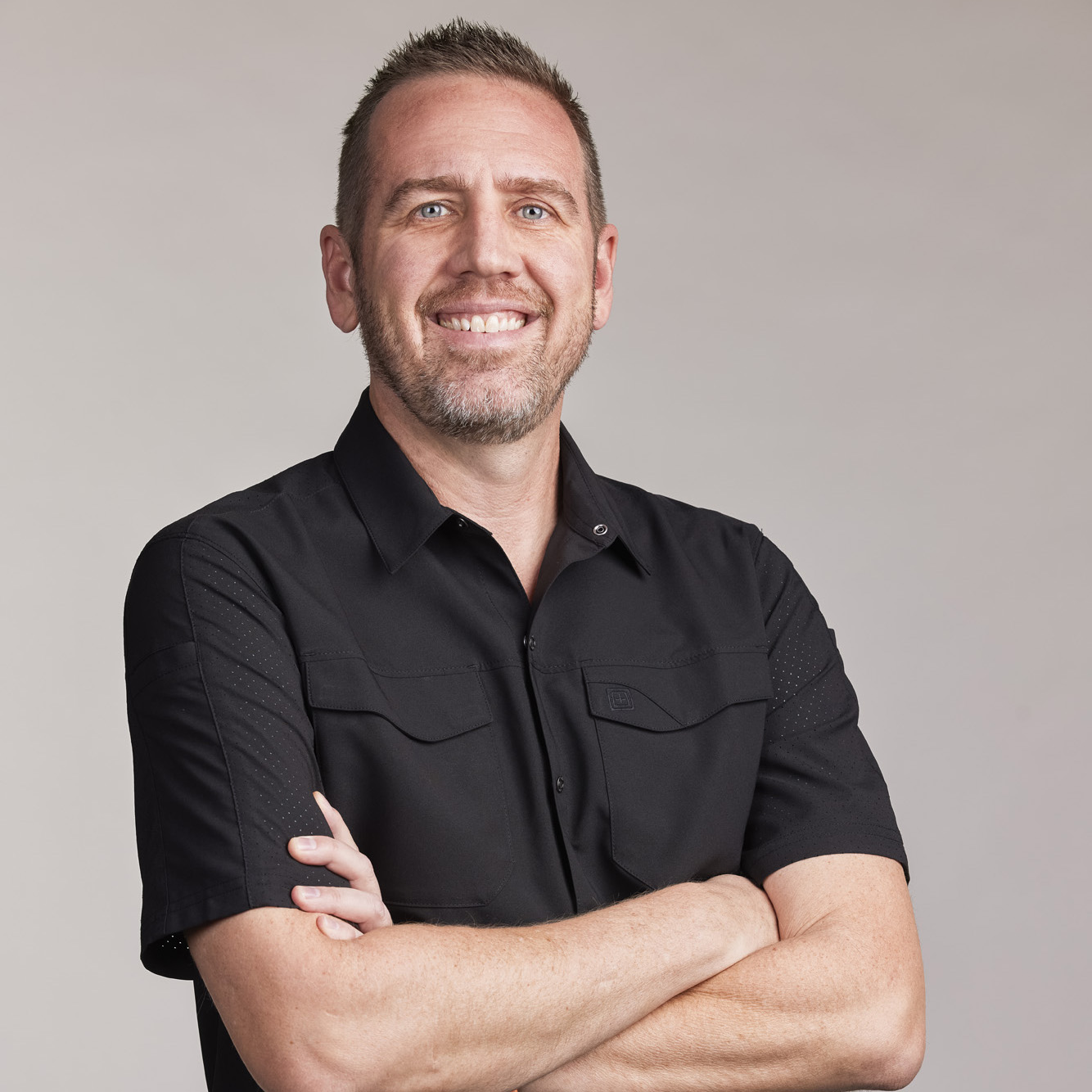
Ryan-EnglinRyan Englin is passionate about supporting growing businesses, particularly in blue collar industries, to build amazingly productive companies by hiring the right people.

Growing up, he saw his own father working 12-hour shifts and weekends as an owner/operator, witnessing firsthand the struggles that these companies have in hiring quality frontline employees.

Ryan was determined to help them find a better way. His company, Core Matters, provides coaching and training on attracting, hiring, and retaining rock star employees. Using his proven process, the Core Fit Hiring System, small and midsize businesses learn how to start hiring better people, faster.

With almost a decade in the business, Ryan has helped business owners achieve their goals by hiring the right people.

Follow Core Matters on LinkedIn, Facebook and Twitter.

What You’ll Learn in This Episode

  • Why is recruiting so hard?
  • Why can’t companies find good people?
  • What can someone do to hire better people?
  • What are “passive” job seekers, and how can I find them?
  • How does someone keep a good person once they hire them?
  • I’ve had a bad experience hiring. How can I make sure I don’t repeat the same mistakes?
  • What is a “Rock Star” employee, and how can I find one?

This transcript is machine transcribed by Sonix

TRANSCRIPT

Intro: [00:00:04] Broadcasting live from the Business RadioX studios in Atlanta, Georgia. It’s time for High Velocity Radio.

Stone Payton: [00:00:15] Welcome to the High Velocity Radio show, where we celebrate top performers producing better results in less time. Stone Payton here with you this afternoon. Please join me in welcoming to the broadcast with Core Matters. Mr. Ryan Englin. How are you, man?

Ryan Englin: [00:00:32] I am fantastic.

Stone Payton: [00:00:34] Well, it is a delight to have you on the show. I got a ton of questions. I’m sure we won’t get to them all, but I think a great place to start would be if you could articulate for me and our listeners mission purpose. What are you and your team really out there trying to do for folks? Man.

Ryan Englin: [00:00:54] You know, our mission is to help entrepreneurs understand that there is a better way to run business so that they have the time to focus on the things that they that matters most to them. And, you know, I grew up in an entrepreneurial blue collar family, and I remember my dad telling me I’m doing this to provide a better, you know, better opportunities for you kids and to give you guys the things we didn’t have. And I see entrepreneurs do that all the time. And then the 18, 20 years goes by and they’re like, Well, the kids are grown now and all the things that were really important I didn’t have time for because I was so busy, so focused on growing this business.

Stone Payton: [00:01:31] Well, that’s a little bit of the history, but what is the full backstory, man? How did you land into this line of work?

Ryan Englin: [00:01:40] You know, like I said, I grew up in an entrepreneurial blue collar family, and I did like any good son would do, and told my dad, I’m not going into the family business. So I went to college route, I went to corporate, and I just was like, This isn’t me. So eventually became an entrepreneur and I wanted to work with contractors that were making it happen. And so I ended up working with a lot of home service contractors, you know, those HVAC technicians and plumbers that that keep everything working for us. And, you know, a couple of years into it, they were all struggling with the exact same thing. They didn’t have enough people and as many leads as I could generate for them, as many opportunities I could generate for them in a marketing world, they still couldn’t find enough people. So it was in an act of desperation, insanity, whatever you want to call it. I said, You know what? Maybe I should help these guys hire front line people. And about seven years ago I did that with resounding success, and it was so much more fun. It was so different that I just said, This is what I want to do. There are so many people that don’t know how to recruit, that don’t know how to hire because no one ever taught them. Let’s create a coaching and training company where we can teach them how to build these systems and processes and attract, hire and retain the best people that are out there.

Stone Payton: [00:02:57] Man, what a noble pursuit and an important calling. Why is recruiting so hard? I mean, it’s hard for all of us, those of us in the professional services arena too. But and especially for these for these folks, you think.

Ryan Englin: [00:03:11] You know, there’s no one real easy answer. But I will tell you this. The biggest shift that I think people need to make when it comes to recruiting is realizing that recruiting is not an HR function. Recruiting is a marketing function. And when you recognize that and you start treating it like marketing, recruiting becomes a whole lot easier.

Stone Payton: [00:03:34] What an interesting frame to put on it. So in your experience, if you if you put it in the in the marketing function, it’s easy is probably not the right word, but more practical, more more cost effective, more efficient to find. I’m quoting here good people.

Ryan Englin: [00:03:55] Yeah. You know, if you think about it for a second, when it comes to recruiting, what’s the first thing most people do? They they put a job description up on a job board somewhere like indeed. Or something. And they wait for people to apply. Well, that job description is an advertisement for an opportunity to join your team. But they’re all boring, they’re all dry, they all look the same. What is the one of the biggest rules in advertising? You’ve got to stand out. You’ve got to be different. You’ve got to get noticed. And so many people think, well, I just put the same boring job description up there and it just doesn’t work. No one wants to work anymore. It’s like, Yeah, but you look like everybody else and you’re not. Let’s make that ad really stand out. Let’s make it pop, let’s make it so people go, I want to be a part of that team.

Stone Payton: [00:04:42] I love it. So you’ve been at it a while now. What are you finding the most rewarding about the work? What’s the most fun for you?

Ryan Englin: [00:04:52] You know, the thing for me, being a coach, being a trainer, the thing that just lights me up more than anything is people that are willing to make this shift and watch someone be coachable and go through it and transform not only their business but their personal life, because they go, Wow, now I’ve got people I can trust. I can grow the team as fast as I want, whenever I want. I got time for the things that are really important. I get to travel more. I get to spend more time with the kids. I get to work on these side projects. When I see that happen. That that’s. That’s why I do this every day.

Stone Payton: [00:05:23] So you’ve had the benefit of coming up in that entrepreneurial environment. Have you also had the benefit of one or more mentors along the way to kind of help you navigate that terrain of being in business?

Ryan Englin: [00:05:40] Oh, absolutely. I love mentoring. I think there are people that have been to the mountaintop that I want to climb. What better way to get to the mountaintop quickly than to go find someone who’s already done it? Absolutely.

Stone Payton: [00:05:55] And emulate those those behaviors, those disciplines. I mean, it really can sort of remove some of the friction and shrink the timeline if you’re willing to do that and seek them out. In my experience has been in our world, I’m sure it’s the same in yours. These people, they want to help. If they genuinely want to turn around and help other people grow and maybe save them a little of the heartache that they lived through, don’t they?

Ryan Englin: [00:06:20] Absolutely. You know, it’s funny that you bring up mentoring. It’s one of the principles we actually teach our clients is to implement a mentoring program for new recruits. And taking someone who’s seasoned on the team, not anything super structured or super overwhelming, but bake in a relationship for them when they’re on a new team. You know, Gallup has an engagement survey that you can go take for your team. It’s called the Q 12, and it’s all about how well your teams engage. And they found that if your team members, if someone on your team says, I have a best friend at work, that’s one of the questions. Do you have a best friend at work? If they say yes to that question, there’s a more than 80% chance that that person’s engaged just based off that one question. And when you create a mentoring program and someone who’s been there who can show them the ropes, you build that relationship that often blossoms into a friendship. And it just makes it so much easier to start recruiting when you’re able to do something like that.

Stone Payton: [00:07:14] I’ll bet. All right. So let’s talk about the work in my world. I would call it the engagement cycle, but early on, like if we were engaging you to help us or if I ran an HVAC company or something like that, especially the early stages of that relationship, what does that process look like as it unfolds?

Ryan Englin: [00:07:33] Yeah, So once we realize that someone wants to make this shift, I mean, that’s the biggest thing. If someone just says, Hey, I know what to do, I just need to do more of it. That’s often a challenge or a hill we can’t die on. But for someone that says, Yeah, I’m ready to do something different, we work with them directly for 90 days. And what we do is we work on all of their recruiting processes and systems, get them built, get them implemented, and then we teach their team how to run them on their own so that they’re not stuck having to work with us all the time. And they’re going to be better at it than we ever will because they’re living it every single day. And so we teach their team how to do it inside of that 90 days. And then after the 90 days. Now let’s start looking at onboarding and retention and all these other things. But now we’ve got a steady stream, high quality applicants coming in. We can turn that dial up anytime we want. We can fill every open position. Then after that we can say, okay, now let’s start working on how do we retain them, how do we engage them, how do we get them more productive?

Stone Payton: [00:08:32] Well, I’m glad you brought up retention and I have some questions around that. But before I go there, I’m always interested in the the the sales and marketing thing, man. How does the whole sales and marketing thing work for a guy like you? How do you get the opportunity to even have conversations with prospective clients?

Ryan Englin: [00:08:52] You know, the work that we do is actually been described by many people I know is disruptive. It’s a different way of thinking about it. So most people don’t wake up and say, Hey, this core matters. I want what they got. They don’t think about it. You know, there’s not a lot of people out there that are training and coaching and how to do this differently and really get successful, be successful at it and get really great results. So the number one way people learn about me is by doing shows just like this and getting the message out there because so many entrepreneurs, they want to learn and they they invest in, they’re learning, they’re reading books, they’re listening to podcasts, they’re they’re going to webinars. And so we found that’s the most successful way to get this message in front of people.

Stone Payton: [00:09:32] All right. Let’s talk about hanging on to him. Once we get we get a good one. How do we keep a man?

Ryan Englin: [00:09:39] You know, here’s the thing. And the studies show this Looking for work is one of life’s most stressful events. So think about that for a second. This is on the same list as death of a loved one. Divorce, relocation looking for work is on that same list every single year. Looking for work sucks. It’s not fun. People don’t like it. So if you’ve got somebody who is leaving you, that means they were looking for work somewhere else. That means things were pretty rough for them. Because they’re willing to go out and say that stress of looking for work is less than the stress I’m dealing with here. And I’ll tell you, over the last three or four years, we’ve seen it because so many people have struggled. What’s the first reaction over time for everyone? And we’re burning our people out. And as much as we recognize it and much as we know we’re burning our people out, we need to step back and say, Hey, you know what? Maybe we need to take on one last client. Maybe this year isn’t going to be as big a growth year because we need to preserve the health and the quality of our people. But if you think about that for a second, people leave when the stress is so much that looking for work just seems pale in comparison.

Stone Payton: [00:10:50] So what are you finding? And I’m making the assumption that you are finding some patterns. What are you finding to be common, repetitive things you see over and over? Mistakes both on the the recruiting, the development, the retention. I bet you see some of the same patterns over and over early, early on in your work with a client.

Ryan Englin: [00:11:09] Yeah, absolutely. You know, everybody says that. Everybody just, you know, everybody wants to make more money. I can’t afford the people that are out there. And the reality is most of our clients have a story, multiple stories, in fact, where they’ve hired someone who took a pay cut to come work for them. It’s not about the money, but the money is an easy answer to the problem, right? It’s much easier for an entrepreneur to write a check and just say, I’m going to pay $3 premium an hour. Then to take a step back and say, Hey, maybe I have a company culture, maybe have a leadership team, maybe I have a lack of training and development for my people, Maybe I should change those things. It’s much easier sometimes to just pay the extra hourly rate, but when you do that, you only get people who are going to come to you for more money and leave you for more money. And we’re in this market cycle where it’s all about competing for how we can pay, you know, who can pay more faster. And so if they were to take a step back and say, what is it that people want out of a work relationship, I mean, it’s really what it is.

Ryan Englin: [00:12:12] This is all about relationships. These people are giving up time with their friends and their family, the things they do for fun to come work for you. So how do we mirror what they’re giving up and create it for them here? How do we have a better company culture? How do we make sure that they’ve got good training and development, not just professional but personal development? How do we create an environment where they can have friends and have fun here? Now, I’m not saying that we just make it so that nobody works anymore, but how do we create those opportunities for them? And I already mentioned the mentoring program and that’s a great way to do that, is to create opportunities for someone to create connection at work. Makes it a lot easier to come there and stay. And when you got friends at work, you’re going to be a lot less likely to leave.

Stone Payton: [00:12:54] Well, I got to believe if you create that environment, the word will get out on its own. But particularly my dad used to say it’s a poor dog that won’t wag his own tail. If you if you get out there to let people know about that environment, finding people can quickly become people. Finding you.

Ryan Englin: [00:13:11] Yeah. You know, a big part of what we do is how do you become attractive to good people? Because so many times people say, I can’t find any good people. And I’m like, If you’re not attracting good people, take a look in the mirror and ask yourself, Am I attractive to good people? Do people know about the cool things that we’re doing? Like we talk to companies all the time. I’m like, Where’s that on your website? I just had a call yesterday. He’s talking about all these things that they’re doing that’s different than the industry. I’m like, Where’s that on your website? He’s like, Yeah, it’s probably a good point. I probably have it out there. People don’t know. You have to brag and get credit for the things that you’re doing and when you do that, people are going to come to you. You’re not going to have to go looking for them anymore.

Stone Payton: [00:13:49] Well, it’s an excellent point. And I think that paired with a with a strong, compelling origin story, you know, in my line of work, I get to hear some really interesting origin stories, how things got started. And I would think as a prospective employee, if I looked into an organization and I heard their origin story and then I heard what you’re describing here about the environment, I got to believe that would that could be very compelling.

Ryan Englin: [00:14:16] Absolutely. We got a we got a client that we worked with last year. And, you know, they when we started asking them about all of these stories and I think you bring up story like, oh yeah, this this person, you know, has this story on how working for us impacted their personal life. This person we help buy a house. This person got out of debt. This person was able to retire a millionaire. Like they have all these stories. And when we started collecting all these things and we sat down the I remember the owner of the company looking at me, he goes, You know what? That’s what I want. I want a company where every single person that interacts with us has a story to share. All right. I want some powerful stories to share. And so that all of a sudden became more of their vision for how they drive the company forward.

Stone Payton: [00:15:01] Yeah. Okay. I want to get some tactical advice. It’s one of the benefits of doing this for a living. Guys, if you want free consulting, get yourself a radio show. They may not always give you the answer, but you could. You could try. But no, I got to confess to you, Ryan. Well, I think I do a pretty good job in this platform of conducting an interview. I think I’m probably the worst interviewer on the planet when it comes to conducting an interview for someone to come and work with us. And I know one of the traps. I’m at least self-aware to know that one of the traps I fall into is I just have a tendency to, I don’t know, just believe in them too quick and I don’t know, maybe hiring my own image. Again, are there some some things that you share with your clients to help them do a better job in that part of the process?

Ryan Englin: [00:15:54] Yeah, interviewing is my favorite part of the process. Like once we found good people and they’re applying, once we’ve automated the process so that we can keep up with volume, how do we interview them, make sure that they’re they’re the right people. And I’m going to do a quick little plug here. I’m going to give my website later, but all my website, you can download a copy of my book about how to hire the ones you won’t want to fire. And in that book, I outlined some very on point tactics, things you can go do by the end of the day to help with your interview process. But let me let me share this. When it comes to interviewing, what I usually see happen, and this is the biggest mistake people make in interviewing is the employer feels that they have to sell themselves. And so what happens is and I’m not kidding, I had I had a client that had me this year. Here’s my interview process. Spend 25 minutes bragging about how awesome we are. That was step one. Well, here’s what happens. You brag about how awesome you are for 20 minutes. You sell yourself and then you start asking questions. And guess what? You just gave them all the answers to the test. So they tell you everything that you want to hear and you’re like, This is amazing.

Ryan Englin: [00:16:58] And you hire them and they don’t work out because what we need to be doing is we need to be focusing on them, selling us. If we want higher quality people joining our team, we got to make sure they’re high quality during the interview process, and that means they have to sell us. Now good employees. They don’t interview a lot. Right? They’ll work five, six, seven years, one place, and then say, okay, it’s time to move on. The ones that are interviewing all the time, you don’t want to hire anyways because they’re got a new job every three months. But the ones that are really good, they don’t interview well. Because they don’t do it a lot. And so what you need to do when you’re interviewing is be there for them and help them through this process, Guide them with questions, just like you’re doing here with me. You’re interviewing me today and you’re asking me questions to guide this conversation. Same thing we need to do. There is ask them questions to guide them through the answers that you’re looking for, so that you create a really great conversation and you can make a really objective decision as to whether or not they’re a good person to hire.

Stone Payton: [00:18:00] Well, I’m glad I asked. I think that’s helpful because I think I resemble that remark. I think I probably babble on about how great and wonderful and how Business RadioX is going to solve world peace. And then he got. So I want to solve world peace, you know, when do I start? Oh, that’s funny. I got to hear more about this book. I got some questions about content and structure and that kind of thing. But a broader question, when you were I want to talk about the process of writing a book in the first place, because a lot of our listeners feel like maybe they have a book in them. Did did parts of the book come together much more easily than than others? Was the whole thing a struggle? Was the whole thing a breeze? What was that process of writing a book like for you?

Ryan Englin: [00:18:44] Well, I’m going to give you two answers because the book I mentioned, how to hire that ones. You don’t want to fire that book I wrote just out of an opportunity that I saw with my clients. I was coaching them through the same thing. It’s real short. It’s about 60 pages. That book just kind of flowed out. It was done and it was really easy. But I am now in the final stages of writing a much bigger book that goes through our whole process about a year and a half into it. And that book, there were parts of it where I realized going through the book that some of it just came out. It was easy. And then there were other parts. I was like, I teach people this stuff, but I don’t know how to articulate it in a way that it’s going to make sense in a book. And it required me going back to the drawing board on some of the things that we teach and some of the things that we do. And, you know, here we are a year and a half later, and it’s not because that’s how long it takes to write a book. It’s just there were some parts that were just real sticky. And when I shared it with with test readers, they were just like, Ryan, I am so lost what you’re doing here. But you know, the thing that I’m learning now, having gone through this when I write my next book, is that plan up front, knowing that the journey that you’re going to take the reader on from start to finish, just spending the time doing that, I wish I would have done that more. I think it would have been a lot easier to do the book.

Stone Payton: [00:20:00] Well, and I got to believe the blood and sweat that you are putting in by what you’re describing. I got to believe coming out of that, that if nothing else, and I’m sure it’s going to have a marvelous impact on a lot of folks, me included. But if nothing else, I bet it helps crystallize solidify for you the ways to articulate your disciplines, your processes, your methodology. I bet you I’ll bet it makes you more effective coming out of the writing process.

Ryan Englin: [00:20:32] Oh, undoubtedly. I provide a better service to our clients because I’ve been through that process. Yeah, no question.

Stone Payton: [00:20:39] All right. Totally on a different track here. You’ve got a lot of irons in the fire. You got a lot going on. You’re staying busy. And I’m interested to know outside the scope of this work. Your work? What, if anything, do you have a tendency to to nerd out about, like, something totally different where you sometimes you just dive in neck deep, whether it’s a hobby or something like that. You have a tendency to nerd out on anything outside the scope of your work.

Ryan Englin: [00:21:08] I mean, we only got a few minutes left in the show. Where do I start? But, you know, I got little kids at home and so any chance I get to do anything with them? But I tell people there are two things. I’ll get out of bed before the sun for golf and fishing. And so any opportunity I get, in fact, I’m actually my wife and I are talking about moving across country so that we can actually be in a place where I can golf and fish more. Mostly fish, because out here there’s just not a lot of places to go fishing out here in Arizona. I love those things. And then, you know, with my kids, you know, I look at that and say, Hey, my job is to prepare them so that when they’re 18, they’re ready to leave the house and ready to go. And so any opportunity I get to pour into them, you know, we study the Bible together. We we have great conversations. I mean, the little kids, six and eight. And any chance I get to spend with them is is a time when I get to geek out.

Stone Payton: [00:22:03] Yeah. Also always interested to know I often frame it up what’s on your nightstand but kind of getting at where what are you reading? Whether it’s blogs, books or studying for your own growth and development. What are you reading these days?

Ryan Englin: [00:22:21] Well, I already mentioned the Bible. Read that as often as I can. Great wisdom in there, great stories in there. And, you know, it’s the thing is, is almost everything that I read translate into how I can do my to my business better. I mean, at the end of the day, I’m in a relationship business. I’m helping companies find better employees. And it’s all about communication. And my wife and I, we read a lot of communication books, you know, marriage, communication and how men and women communicate different. And so much of that is able to to translate back in. But, you know, one of the one of the books that I really love, reading is love and respect. And it’s just about how people communicate differently. I can use the exact same words my wife uses and means something completely different.

Stone Payton: [00:23:11] That is so true and challenging. That’s true to Peyton House, too.

Ryan Englin: [00:23:18] Yeah. So so so those are some of the books that I’m reading. And then, you know, as far as a business book goes, one of my favorite is Never Split The Difference by Chris Voss.

Stone Payton: [00:23:26] Hmm.

Ryan Englin: [00:23:27] Negotiating book. It’s amazing book. I’ve read it a couple of times. Probably one of my favorite business books.

Stone Payton: [00:23:33] So I have with my youngest daughter. We decided we’re going to call it the Daddy Daughter Book Club, but she recommended one that I’m enjoying. What does it costing you not to listen? And and it goes well beyond just the active listening stuff, which is good. And I’m really enjoying that. But I’m also enjoying reading the book along with someone else or one that they’ve recommended, and in particular because it’s my daughter. But I do think even if the content is coming from someone, maybe even especially of someone outside your arena, you can often that different perspective on disciplines and thought patterns can can often that can really make a big difference.

Ryan Englin: [00:24:16] Mm hmm.

Stone Payton: [00:24:18] So, yeah, I’m. I’m enjoying that as well. All right, before we wrap, I’d love to leave our listeners with just a handful of pro tips when it comes to any of this marketing and recruiting and developing, retaining and look game. The number one tip is, you know, reach out and have a conversation with Ryan or someone on his team. But between now and then, maybe some things they could be reading, doing, not doing that, you know, just a couple of actionable things. They can start moving on.

Ryan Englin: [00:24:50] Yeah. You know, we we spend a lot of time working with our clients on front line employees. Those are the ones that, you know, you’re probably paying them hourly, high turnover. You need lots of people. And that’s really our focus is helping them there, because once you’ve done that and you figured out the front line, the other stuff becomes so much easier. I would say that there’s two things that everybody needs to do right now. Number one is get really clear. I mean, crystal clear, just like you did when you met with your marketing company to find out who your ideal customer was and figure out who is the best type of employee for you, how do they behave? What do they believe? What do they do for fun? Get really clear on who that is, because when you do that, it’s going to make it so much easier to do. Step number two. Which is right. A better job ad. Get rid of what HR wrote and write it like a commercial. Give it to your marketing team and say, Hey, make this sound engaging, make it fun, make it compelling, make it so that someone would actually want to apply here.

Ryan Englin: [00:25:57] Our job ads are much longer than what most companies do, and we just delivered a job ad to a franchise brand and we got the reply and they’re like, Can I apply here? And it was like, This is us. But I’ve never heard it articulated this way. I’ve never heard it described this way. So get really clear on who you’re writing those ads for and then write a better ad and give it to your marketing team. Say, have fun with it, make it exciting, make it compelling. Forget You know what? Here’s the thing. If I if I’m an electrician or if I’m a customer service rep or a sales rep, I know what those people do. You don’t have to tell me all of the stuff that I have to be able to do. That’s in the in the new higher paperwork. Right. Let legal handle that stuff. But in those ads, tell me why I should come do it for you.

Stone Payton: [00:26:51] Man makes all the sense in the world, especially when you say it. No, it makes perfect sense. I just love putting that marketing frame on it. And I’m going to we’re going to take your counsel here at the Business Radio Network, and I’m sure a lot of our listeners will as well. All right. What is the best way for folks who are listening to this to to connect with you, tap into your work, maybe get access to that tool that you mentioned earlier in the conversation and maybe have a conversation with you, man, whatever you think is appropriate, website, LinkedIn, email, that kind of stuff.

Ryan Englin: [00:27:23] Well, I am an easy guy to find LinkedIn especially, but core matters dot com. Go to our website. We’ve got hiring tips, we got resources, we’ve got downloads. We just launched a brand new 14 question takes less than 2 minutes survey. You take this and you get instant results on where you need to focus most in your business that you can start, attract, hire and retain the best people. Everything’s on our website at core Matters.

Stone Payton: [00:27:51] Fantastic. Well, Ryan, it has been an absolute delight having you on the show this afternoon. I appreciate the insight to perspective and keep up the good work. Man. What you’re doing is important and we we sure appreciate you.

Ryan Englin: [00:28:06] Thank you.

Stone Payton: [00:28:06] Stone My pleasure. All right. Until next time, this is Stone Payton for our guest today, Ryan England with core matters and everyone here at the Business RadioX family saying we’ll see you in the fast lane.
 

Tagged With: Core Matters

Laurie Sutton with Bananas and Beehives

February 27, 2023 by angishields

Cherokee Business Radio
Laurie Sutton with Bananas and Beehives
Loading
00:00 /
RSS Feed
Share
Link
Embed

Download file

Fearless-Formula-Bananas-and-Beehives-bw

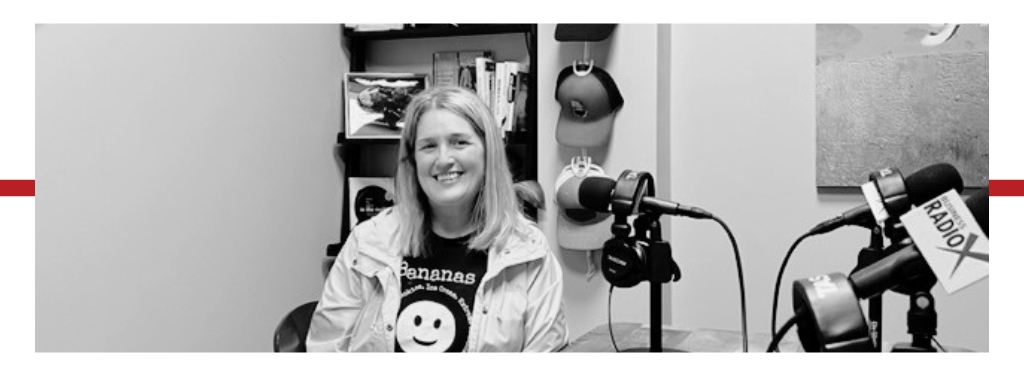
Laurie-Sutton-bwLaurie Sutton is co-owner of Bananas and Beehives, a local eatery in downtown Canton, Georgia that serves pastries, coffee and ice cream, winning a spot on the “Top 10 Atlanta Eats of Canton.

They are a small batch bakery specializing in French pastries and breads.

Follow Bananas and Beehives on Facebook and Instagram.

This transcript is machine transcribed by Sonix

TRANSCRIPT

Intro: [00:00:08] Coming to you live from the Business RadioX studio in Woodstock, Georgia. This is fearless formula with Sharon Cline.

Sharon Cline: [00:00:18] And welcome to Fearless Formula on Business Radio X where we talk about the ups and downs in the business world and offer words of wisdom for business success. I’m your host, Sharon Cline. And today on the show, we have the owner of a local eatery in downtown Canton, Georgia, called Bananas and Beehives. And they serve pastries and coffee and ice cream. And they just won a spot on the top ten Atlanta Eats of Canton, which is very cool. Welcome, Laurie Sutton. Hello.

Laurie Sutton: [00:00:46] Hi. How are you?

Sharon Cline: [00:00:47] Good. How are you? How did it how did it feel to win?

Laurie Sutton: [00:00:51] I don’t know. It felt great. I didn’t even know that that was a thing until somebody sent it to me and said congratulations.

Sharon Cline: [00:01:01] The word got around. You didn’t even have to do anything for it to come to you, Right?

Laurie Sutton: [00:01:05] It was awesome.

Sharon Cline: [00:01:06] So congrats. That’s great.

Laurie Sutton: [00:01:08] When you feel good, it’s always good to have a little reassurance from, you know.

Sharon Cline: [00:01:13] From the public that you didn’t even have to ask for, right? No. I mean, that’s probably the highest compliment, I imagine.

Laurie Sutton: [00:01:20] Yes.

Sharon Cline: [00:01:20] Well, I have been to your to your bakery. It’s sort of a bakery, but it’s kind of an ice cream place, too. How about you let me know what you would describe your your shop as?

Laurie Sutton: [00:01:31] So we’re a small batch bakery that we also do a lot of wholesale, primarily wholesale right now. We kind of have outgrown our kitchen, so we bought a new space and we’re in the process of renovating it and turning it into a production kitchen. It won’t be retail, but it’ll be where we produce everything.

Sharon Cline: [00:01:53] It’s in Woodstock, right?

Laurie Sutton: [00:01:54] It is in Woodstock. So we’re very excited. It’s very centrally located to pretty much all of our customers.

Sharon Cline: [00:02:02] So you need more space because you’re growing, which is like the dream is.

Laurie Sutton: [00:02:06] It is it’s it’s great. It’s it’s more than what I had hoped for.

Sharon Cline: [00:02:11] Well, you had started at like, I was looking on your bio a little bit about how you really had a passion for baking, but also just like the perfect cookie. Is that what started the whole.

Laurie Sutton: [00:02:22] Right. So I’m from New Orleans and my I come from a long family of chefs and cooks. And, you know, my parents, my mom loved to cook and she, you know, cooked for an army and she would never let me in the kitchen to help her. But after everything was done, I could have it to bake. And so at four or five years old, that was what I knew how to do was cookies. And I just perfected over the years. And, you know, everyone’s always told, I’ve always heard from everybody. Do what you love. Baking is what I love. And so.

Sharon Cline: [00:02:55] So that’s how it all got started.

Laurie Sutton: [00:02:57] And all got started.

Sharon Cline: [00:02:58] So what was your perfect cookie recipe like? What was it that you loved to make?

Laurie Sutton: [00:03:03] Chocolate chip. Chocolate chip Bacon was my favorite.

Sharon Cline: [00:03:07] Is that what you started here too, as well when you started the bakery?

Laurie Sutton: [00:03:11] Chocolate chip and peanut butter. And so my whole idea was I was going to do croissants and cookies and, you know, I love croissant, I love Almond Crescent especially. And you can’t really find a good croissant. It’s everything’s, you know.

Sharon Cline: [00:03:29] Factory made, factory made.

Laurie Sutton: [00:03:31] And it’s just that has no flavor or taste. And so that’s what I wanted to do when I said, you know, we need a good croissant place. And so that’s what I started out. And then it kind of just know we opened in 2020 and we had to pivot a lot.

Sharon Cline: [00:03:46] Let’s just talk about the pandemic because it affects everybody’s business that’s been on the show. So how did how did you kind of manage what did you do right at the beginning of the pandemic? You opened.

Laurie Sutton: [00:03:56] We did. We did. It was it was a challenge, but it actually kind of worked in our benefit because we weren’t hit so hard in the beginning and we had time to adjust and we had time to realize that, hey, you might have to pivot and and this is what you need to do. And, you know, people kept coming to us and saying, well, you know, we like Christians and we like cookies, but can you do this and can you do that? And that kind of led into a whole, you know, barrage of different things that we do. And and we’re still trying to test the limits and do different things every day.

Sharon Cline: [00:04:33] So initially you were going to have like the croissants and the cookies. But then as the pandemic happened, you became more retail because people weren’t coming into the shop.

Laurie Sutton: [00:04:43] Right. Right. We we thought as we grew and got our name out there, that we’d have that organic foot traffic from being in a downtown area, you know, And there’s a lot of offices down there. Offices were shut down. There was the courthouse down there. The courthouse was shut down. So we just didn’t have that foot traffic. Another reason why I wanted to open a business and do what I love doing is I wanted that community involvement. And because we didn’t have that foot traffic and we didn’t have the people coming in, I didn’t really get that. And probably about two months after we opened, a friend of mine suggested I join a networking group and we joined the networking group and it just took off from there. And now we get that community involvement tenfold, really because it’s mostly with other business owners. And and so my fear is I can see that everyone has those fears and my accomplishments. I can see other people have this accomplishments and I don’t feel so alone.

Sharon Cline: [00:05:43] That’s awesome. It’s such a power to know that you’ve got support in your in your community right there next to you that if you were to ask someone down the street, Hey, I need this help, but you know them and they would be happy to help you.

Laurie Sutton: [00:05:55] Exactly. Exactly. It’s it’s it sometimes I feel like I’m dreaming. Oh, but what.

Sharon Cline: [00:06:01] A great.

Laurie Sutton: [00:06:02] Story that makes me so happy for you. Thank you.

Sharon Cline: [00:06:05] So, how did you come to Georgia? From New Orleans, then?

Laurie Sutton: [00:06:09] So I got married to a South Floridian and we moved to South Florida in 2004. It was a huge culture shock. I don’t know if you’ve ever been to. Yeah, well, I think anywhere coming from New Orleans is just a huge culture shock. And I just I didn’t care for South Florida. The only thing that I liked was the weather. It was very consistent, but I just didn’t like it. And so my husband told his business that he wanted to transfer and North Georgia was the first place. And his brother actually is a pilot and he was his hub was in LA. He worked for Delta and so he lived in Canton.

Sharon Cline: [00:06:49] And that’s how you ended up.

Laurie Sutton: [00:06:51] That’s how he ended up in Canton. And we love it.

Sharon Cline: [00:06:53] Yeah. It just unfolded for you like that.

Laurie Sutton: [00:06:55] It just unfolded like that. And we love it here. I mean, it’s it’s very similar. The people are so nice, like they are in New Orleans. And it’s just we just love it here. It’s more rural than their.

Sharon Cline: [00:07:07] Truth and more rural than even downtown Atlanta, I imagine.

Laurie Sutton: [00:07:11] Right.

Sharon Cline: [00:07:12] So I saw that you said you were a small batch bakery. So are you. As you get your facility here in Woodstock open, will you become a bigger batch bakery then?

Laurie Sutton: [00:07:24] Definitely. I think we probably are more of a bigger batch bakery.

Sharon Cline: [00:07:28] Yeah, cause I was thinking, you know, you also have other items on your menu than what I just talked about. Like, I know you’ve got this incredible bread that you have that I’ve had before. It’s really and you do coffee all the time. Like I think coffee and pastries and cookies sound wonderful together. But yeah, So I imagine you’re really expanding so much.

Laurie Sutton: [00:07:45] We are. We are expanding. You know, most people I love dessert. I’ve always loved dessert. I love baking. I love the science, trying to figure out, you know, how to do it and what makes this happen or that happen. You know, a lot of people like coffee with their dessert. I like ice cream with my dessert. And so that’s why I wanted to throw the ice cream in there as well. But we get a lot of people asking us about lunch. And so when we get our new place up and running, we’re going to turn the bakery into a quick lunch spot in downtown Canton. So we’ll have the, you know, the croissant sandwiches and the brioche sandwiches and and things like that.

Sharon Cline: [00:08:28] It’s so perfect. Like you said, there’s so much foot traffic right there.

Laurie Sutton: [00:08:30] Right. And the courthouses open up again. And so now we’re seeing a lot more people and. But it’s definitely we’ve had to pivot, and I think that’s been a great learning experience from us for us, because neither one of us have ever owned our own business before. So we’ve had to learn a lot. And, you know, I say for anybody that wants to do something, just do it. Don’t worry about getting your ducks in a row because you’re never going to have them in a row. If you’re doing something wrong, somebody will let you know.

Sharon Cline: [00:09:04] Where did your name come from? Bananas and beehives.

Laurie Sutton: [00:09:07] So I wanted something cute and catchy. I didn’t want something that tied me to something, you know, like a cake.

Sharon Cline: [00:09:13] Or a crescent place or something.

Laurie Sutton: [00:09:15] Like Laura’s croissants or whatever. I wanted something that we could do events because we do do a lot of events birthday parties, baby showers, both in site and offsite or on site and off site. And I used to read a lot of blogs. I used to read a lot more. I don’t have time to read the whole business, but I used to read a lot of blogs. When blogs first became really big. I was big on blogs, and I read this blog that this young lady wrote about banana bees not liking bananas, and they get very, very unhappy if there’s a bananas around. And it wasn’t a true story, but it was a very cute article. And one of the paragraphs started out bananas and beehives. And it was at that time that I was searching for a name and I was actually trying to find a one word name like Flower With, and everything was taken. And I thought, Oh wow, that’s kind of cute and catchy, and I could do parties with that, you know, And.

Sharon Cline: [00:10:11] No one had it.

Laurie Sutton: [00:10:12] I looked it up and no one had it. And I thought, Yes, this is it. And so I took out all the domain and the social media accounts and and then ten years later, we opened. But listen, that is.

Sharon Cline: [00:10:26] That is like the American dream. Like you followed something that was inspiring for you. And now there’s a whole like you have a website and physical store and now you’ll be, you know, having expanded. And I mean, how exciting is that?

Laurie Sutton: [00:10:39] I know. And there is a little something to that. So our name has beehives in it. And so when we first opened, I didn’t realize how many beekeepers there were in North Georgia. There’s quite a few. And so I guess when they saw, oh, beehives, I wonder what this is. They all came to check us out. So there is a little bit of truth to bananas and beehives. So bees can be temperamental. And if they’re unhappy, they release a fair amount and it smells just like bananas. And that is true. I did research that and but it has nothing to do with our name. I found that out after we were opened by a couple of beekeepers.

Sharon Cline: [00:11:14] So now you have some trivia. You can win a big contest with that one.

Laurie Sutton: [00:11:17] I know you useless knowledge, but that’s all.

Sharon Cline: [00:11:21] My brain has in their.

Laurie Sutton: [00:11:23] Mind so.

Sharon Cline: [00:11:25] Well. So I know that you said that you were going to be doing lunch, but now you’re going to be opening five days a week. So how does that impact your your life? Because if you’re busy now, what do you hire more people? How will you manage it?

Laurie Sutton: [00:11:39] So at the moment, as crazy as this may sound, it is just my husband and I, we have done everything my parents do come in and help when I do events. Sometimes I grab my daughter and make her come with me. She’s a schoolteacher, so she’s available. A lot of the times that my events are going on. We don’t have the room to hire anybody right now. We’re kind of excuse me, which kind of tripping over each other.

Sharon Cline: [00:12:06] Yeah, I can imagine.

Laurie Sutton: [00:12:07] And so once we have that production kitchen and we turn our current space into just the lunch space, we’ll have more room. And so at that point, yes, we’re going to hire people and then we probably won’t be there much. Yeah. Is my plan.

Sharon Cline: [00:12:25] Going to take a break.

Laurie Sutton: [00:12:26] Now? We’ll be at the production kitchen.

Sharon Cline: [00:12:30] But that’s awesome. Because think about like this is such confirmation that it was needed in this area that that what you’re making is is desirable and successful and people and you’re growing. I mean, that’s the dream for sure.

Laurie Sutton: [00:12:42] Yes, definitely. I remember I used to make things, you know, for friends and family and everybody would tell me how good it is and, oh, you should open up something. And I always thought, Oh, are they just telling me that, you know, your friends, they have to tell you it’s good.

Sharon Cline: [00:12:57] They want you to bring things over more.

Laurie Sutton: [00:13:00] I remember one of my friends, I remember her when I told her that we rented a space and we were opening a paper. She says, Oh, no, I’m going to get huge now. Oh.

Sharon Cline: [00:13:08] You’re not going to bake just for them, right?

Laurie Sutton: [00:13:11] And so, yeah.

Sharon Cline: [00:13:13] Where do you get your recipes? Like, how did you kind of perfect things? Like I’ve seen croissants being made or in the process of being made and they’re labor intensive.

Laurie Sutton: [00:13:24] The croissants. Yes, they’re very labor intensive. It used to take me two days or three days to make them, and now I can do them. And pretty much in one day I make the dough. Wow. Yeah, it’s. But it’s all day from like, wake up to nighttime. It’s an all day process as far as the recipes go. I’ve just kind of I’ve lived in three states now, and the humidity and the climate is slightly different and all three. And that affects baking a lot. And so, yeah, so I’ve just had to learn how to make those adjustments. And as far as the recipes go, if you know what to use and when to use and how much to use, that’s just kind of a natural thing. It’s the ingredients. The ingredients is what makes what you’re eating. If you don’t use good ingredients, you can have the best recipe and it’s not going to matter. So it’s the ingredients that matter.

Sharon Cline: [00:14:24] What kind of ingredients would you say is worth investing in?

Laurie Sutton: [00:14:28] You get what you pay for. You know, like you use a good butter, use a good vanilla, you know, use a good flour, know what kind of flour to use, depending on what you’re making. And but yeah, it’s definitely. You mean the brands. Oh, the brand. So the brands I use, I use Plugger, which is a European butter or any European butter, you want it to be a high butterfat content.

Sharon Cline: [00:14:53] I had no idea that European butter was like that. This is what butter is important.

Laurie Sutton: [00:14:56] So I like especially in croissants, I mean.

Sharon Cline: [00:14:59] That’s all butter.

Laurie Sutton: [00:15:00] It’s all butter, It’s layers of butter and dough. And so.

Sharon Cline: [00:15:04] Interesting European butter is.

Laurie Sutton: [00:15:05] What as opposed to as far as vanilla goes, I use a very good vanilla expensive and I use Nielsen Massie’s Madagascar bourbon. And yeah, I mean, those things make a huge difference. So like I said, you get what you pay for and you can taste it. You know, it’s what.

Sharon Cline: [00:15:28] Are what are your top sellers? If someone were new and wanted to come to your shop and kind of get some of the most popular items, what would they be?

Laurie Sutton: [00:15:38] So probably our we sell a lot of croissants and then cookies and then bars. Those are probably our top three sellers. We do sell a lot of bread. What I get the compliments most on are the croissants and the cookies. I do. I hear so much that our croissants are better than the ones that they’ve had in Paris. And I keep telling my husband we need to go to Paris because I’ve never been to Paris and I need to see about these because you just got to.

Sharon Cline: [00:16:08] Hire some people and then head.

Laurie Sutton: [00:16:09] Out for what I know.

Sharon Cline: [00:16:12] Well, so what has been the most rewarding part of having your business? Like what? What? What drives you makes you the happiest.

Laurie Sutton: [00:16:22] Making other people happy. And when I sell something to somebody or give something to somebody because we do give away a lot and they and I see the joy in their face and or the happiness and they say how this is great, or call us. And we get phone calls from people just making people happy. It does it for us. Oh.

Sharon Cline: [00:16:44] But you also what I like about your business and I had looked online a little bit that you you are involved in lots of different kinds of organizations, but also events. And I think that’s really important to you’re you’re supporting you support each other. But can you talk a little bit about the events that you tend to to support?

Laurie Sutton: [00:17:04] We pretty much support almost any anybody that comes to us and asks us for their support. We we try to be as helpful. We want that community involvement. And so usually whatever they ask for, we pretty much try to accommodate. And we wanted that community involvement and to be able to give back.

Sharon Cline: [00:17:27] I know a lot of companies don’t. So I think that’s really impressive. And I think if more companies knew what it felt like to really give back, they would do more.

Laurie Sutton: [00:17:34] Yeah, it does. It’s that in itself is just rewarding.

Sharon Cline: [00:17:39] So would you say that you have something that’s sort of been the biggest surprise of opening your own business? What’s been the most surprising aspect of it?

Laurie Sutton: [00:17:49] Um. The fact that I’m working 24 hours a day.

Sharon Cline: [00:17:57] That’s something I’m going to ask you about is the balance, because we talk about this on the show all the time, work life balance. When you’re a business owner, how do you do it?

Laurie Sutton: [00:18:04] It’s hard. It’s hard. And, you know, we’re we’re almost three years in now, and I’m still trying to figure that out, that balance. One of the things that we did, we were talking last year, early last year, probably about a year ago now, you know, we can’t go on like this. We have to figure something out. We have to move to a bigger place by a place, you know, And we kept getting more and more wholesale accounts and we thought, you know, maybe we’ll just and people kept coming to us wanting to rent our kitchen. And I thought maybe we should just buy a space and turning it and turn it into a production kitchen. And so when people say, well, how do you balance? I say, well, you just start a new business. And it kind of.

Sharon Cline: [00:18:49] Counterintuitive.

Laurie Sutton: [00:18:51] Kind of sounds counterintuitive or productive, but it’s actually going to help us because it’ll be a bigger space so that we can hire people to do what we do. We’ll have more ovens, more refrigeration and just a bigger prep area because our biggest problem right now is time and prep area. We do not have enough prep area and it’s one of the reasons why we kind of cut back our walk in hours to do our wholesale accounts because we are just spread out all over the shop when we’re doing these orders.

Sharon Cline: [00:19:26] And so it’s crazy to think that you had started thinking that it would be more of a walk in, kind of like sit down and have coffee and pastries in your shop. But it’s actually become something so much different.

Laurie Sutton: [00:19:37] It has. It has. I tell people that we opened in 2020, in the height of the beginning of the pandemic, and we quickly had to take a left turn from there.

Sharon Cline: [00:19:52] Well, if you’re just joining us, I’m speaking to Laurie Sutton, who is the owner of Bananas and Beehives in downtown Canton. So what would you say is like a misconception that you think is in your industry? What is there anything that you’d like to address that you think people don’t know about what it’s like?

Laurie Sutton: [00:20:09] I don’t know.

Sharon Cline: [00:20:11] Oh, good. I did something kind of question. Well, I was thinking that, you know, I’m assuming that people don’t know, like, the ingredients list. Like, I don’t know that I, I appreciate you pointing that out because how would I know that I’m even having something that’s actually extra special.

Laurie Sutton: [00:20:28] Right?

Sharon Cline: [00:20:28] Bourbon kind of vanilla or flour or incredible butter. I wouldn’t know to even appreciate that. You know, it tastes really great. But I love that you kind of talk about how much you think about the back end of it, right? I don’t think that I had an appreciation for that.

Laurie Sutton: [00:20:45] So, yeah, I think I guess that is kind of a big misconception that people don’t. And it’s probably why a lot of people don’t bake. You know, you have a lot more cooks than you have a lot more restaurants than you have bakeries. But yeah, I mean, even with restaurants, it’s the ingredients that you use and that that definitely make it. And yeah, a lot of people just think butter is butter. Exactly. Because if I.

Sharon Cline: [00:21:07] Try to make a on, it’s not going to be the.

Laurie Sutton: [00:21:10] Same right You know makes a lot of love.

Sharon Cline: [00:21:12] Also you put love in something.

Laurie Sutton: [00:21:15] Patience, love and patience. Yeah. I look back I think back to when I first because before we opened the bakery, I had never made a croissant before. I made a lot of desserts, but I never made a croissant. You know, just the thought of rolling out dough for hours at a time. And so I did a lot of research, and the first thing we did was bought a cheater. We ruin the dough through.

Sharon Cline: [00:21:38] Right?

Laurie Sutton: [00:21:39] And so that definitely is time saving. And but yeah, just just the thought process and stuff, which is probably why a lot of people don’t do it. But any of I said I have for anybody wanting to get out there and bake is buy good ingredients. It makes a difference.

Sharon Cline: [00:21:55] Interesting, because I don’t know that I even have good you know what I mean? Like, I don’t know. Of course I don’t bake for anyone else, really, but I would want it to be amazing. So. And you take pride in it, obviously. Yeah. In your products.

Laurie Sutton: [00:22:07] Well, another thing that we’re going to do in the production kitchen is something we wanted to do in the in the shop is whole classes like how to make croissant classes and how to make sourdough classes and things like that. And we never was we never were able to bring that to fruition in the shop because it just wasn’t big enough. The kitchen was too small and but we’ll have a lot more room and so it’ll be a learning kitchen as well. Oh, that’s for anyone else. If you want to come and give a cooking class, you’re more than welcome. No, I will take a cooking class.

Sharon Cline: [00:22:43] I don’t bake for people who, like, really care about the results.

Laurie Sutton: [00:22:48] I’m fine.

Sharon Cline: [00:22:50] I love baking. But it’s interesting how I don’t really want to have a thousand baked goods around because I’ll eat them all. Like, how do. Do you ever get tired? Like, are you like, No, I’m not. I’m not. I don’t need a croissant because I’m in them all day long. But like, is that something that you’re sort of like you don’t really feel the need to eat any of these things, Like people who are in coffee shops. They probably don’t need to be drinking coffee all day because they’re in it all day, right?

Laurie Sutton: [00:23:13] Definitely. I don’t eat. I can’t even taste test anymore. I live on a wing and a prayer. You know, when you you know, before we opened, when I was baking here and there at home or for friends or or whatever. I did. I you know, I had my go tos. I loved Alman croissants. I loved cookies, just chocolate chip. I mean, I can eat chocolate chip and milkshake any day, but now that I’m around it all the time and, you know, now that we’re getting busier and busier and busier and the quantities are getting up and up and up, and I can’t keep up with the quantities or I’m having trouble keeping up with them. Yeah, I can’t eat it. My go to food is Mexican, and I keep telling my husband and this has nothing to do with anything, but I keep telling him I need to go get a job at a mexican restaurant because maybe then I won’t crave it five times a day. Yeah, but yeah, if you’re around something every day, I think that you kind of, you know, get.

Sharon Cline: [00:24:13] Desensitized or whatever.

Laurie Sutton: [00:24:14] Right? Definitely.

Sharon Cline: [00:24:16] I need to work in, like a chocolate place, then I think something like that. Well, baked goods in general.

Laurie Sutton: [00:24:21] Do you want to give up chocolate though? I don’t.

Sharon Cline: [00:24:24] Yes. I think for a short period I’d probably do me good. What do you do for marketing?

Laurie Sutton: [00:24:31] For marketing? Well, so we’ve tried a little bit of everything. We’ve been in quite a few magazines, the local magazines, family life and enjoy Cherokee and things like that. We’ve also been in.

Sharon Cline: [00:24:46] Some.

Laurie Sutton: [00:24:47] Neighborhood magazine. We’ve done social media, we’ve done Facebook and Instagram, things like that. I can’t remember anything else that we’ve done. We haven’t done any marketing lately. The last thing we did was family life.

Sharon Cline: [00:25:01] Okay, But it’s obvious that you don’t really need to exactly, because you have done so much in the community.

Laurie Sutton: [00:25:08] Right? Because that definitely, definitely we I tell anyone now that’s looking for looking to start a business, just do it. You can research for years. I mean, I’ve been wanting to do this for a very long time without saying my age a very long time. You can research all you want and you’re never going to figure it out until you jump in the pool and start swimming. But that’s the first advice. Just do it and you’ll figure out what you’re doing right and what you’re doing wrong and what people want and what they don’t want. And the second piece of advice right on up there with the first piece of advice is network. I mean, that changed it for us. Our very first network meeting, we were approached about wholesale and that had never crossed my mind. And I thought, okay, sure, we can do that. And then it took them actually, I think, two or three more times until they finally showed up at our shop and said, we would like you to wholesale for us.

Sharon Cline: [00:26:03] Wow. And where do you wholesale?

Laurie Sutton: [00:26:05] So our very first customer, that one was at Reformation, which we truly love. They were a godsend to us and we still wholesale to them. We also wholesale to Alma, Coffee Jacks, Coffee Bazaar, coffee Whitetail Coffee, Woodstock, Beer Market, Circle of Friends Reeves House. We I think we have about 17 wholesale customers right now that are actively and we have two more that we just got black rifle coffee and I don’t want to leave anybody out. That’s okay. I think we have 17 now that we actively do on a weekly basis. And but yeah, it all started with reformation. And I just remember when we first got our license before we started.

Sharon Cline: [00:26:55] Really baking.

Laurie Sutton: [00:26:56] Before we even opened our doors, when we first got out, when they came and did our first inspection and everything, I remember her asking if we were going to do wholesale and I said, No, why would we do wholesale? We have a retail shop and we had to quickly change our license after we started that. And yeah, it’s just it’s changed everything and for the better. We love it. And so but definitely I my best piece of advice is, you know, market yourself of course, with, you know, Radio X and Business RadioX and, and magazines, local magazines and stuff. But network, network, network, that’s how you’re going to get your name out there. And I mean, it definitely helped us and put us in a whole new, you know, a whole new place.

Sharon Cline: [00:27:41] Yeah. Yeah. Different direction completely.

Laurie Sutton: [00:27:44] Yeah.

Sharon Cline: [00:27:45] So you said you love it so much. So what is it like being working with your husband? You know, all the time? Because I wonder what that would have been like for me if I had had the same scenario. Would I be like, super happy or not super happy?

Laurie Sutton: [00:27:59] It’s a challenge. I’m not going to say it’s not. It’s definitely a challenge. But we finally have come to a place where we can work together. I probably just need to trust him a little bit more.

Sharon Cline: [00:28:13] Well, I had someone on the show recently that talked about how their partner has so many strengths that they don’t have, and it just really balances out so nicely.

Laurie Sutton: [00:28:21] Absolutely. Yes, he does. He definitely you know, mine is the creative I’m the the think outside the box. Yeah. The creative on what you see in the shop. All of that. And he’s more of the behind the scenes. He kind of fills in where I need help. He does bake. And by baking, I mean put it in the oven. But that isn’t very important. It’s a very important thing to do. But he’s also he’s the financial guy. And so he’s the one who’s made this dream of mine happen.

Sharon Cline: [00:28:56] I would have thought, Right.

Laurie Sutton: [00:28:57] I know who would have thought so. But yeah, it’s been it definitely is challenging. But, you know, you come to a place where you say, okay, you know, this is my lane. This is your lane. This is when we can mix lanes. Yeah.

Sharon Cline: [00:29:11] And you complement each other that way. Do you ever go to some of the places where you wholesale and say your things?

Laurie Sutton: [00:29:18] Well, every time we deliver, yeah.

Sharon Cline: [00:29:21] I mean, like, if you’ve ever got a black rifle or whatever or I don’t know any of the coffee places and you’re like, Oh, there’s our stuff.

Laurie Sutton: [00:29:27] Yeah, that’s so. Absolutely. Absolutely. We have. And, you know, it’s kind of come back to us also. We have people that see our stuff or have our stuff eat our stuff in other places, and they come and check us out. Oh, you really are here because we have our address and everything on each package. And so yeah. Or they’ll say, Oh, we wanted this, but they didn’t have it, so we just came to see if you had it or something like that. So we get that a lot and it’s, it’s nice. It’s nice because, you know, obviously, you know, your products are selling because they keep ordering more, but you wonder who’s buying them. And so we do get to see that sometimes.

Sharon Cline: [00:30:05] That’s so cool. And I think how neat it is that you are in have a physical store that people can talk about years from now. Oh, I walked by here when I was a little kid, you know, and here it is. It’s just neat that you’re part of now a community and a history.

Laurie Sutton: [00:30:19] And we love that. We love being part of the community. And the community has been so welcoming, welcoming to us. It’s it’s awesome.

Sharon Cline: [00:30:27] So is there anything the show being fearless formula, is there anything that you’re not afraid of anymore?

Laurie Sutton: [00:30:33] Oh, everything I’m afraid of. I don’t know that I’ll never not be afraid of anything.

Sharon Cline: [00:30:42] I’m laughing because I told you before the show started that sometimes I’m like, they changed the passcode for me to get in there because they figured it out that I’m not even supposed to be in this building or something. Like, I have irrational fear, But no, seriously, Like, it’s something I think about is, you know what? If this all falls apart or what if it ends and.

Laurie Sutton: [00:31:00] I have most of my fears are irrational. Yeah, I think I feel that, too. Every time I make a delivery, I think, what if they don’t like it? Or what if I did something wrong? Or did I forget the sugar or, you know, or. But you do it anyway.

Sharon Cline: [00:31:14] But. But look how you’re still doing it anyway. Yes, I suppose they haven’t kicked me out of here yet.

Laurie Sutton: [00:31:18] That one’s like I said before, once you jump into the pool, you you have to swim. And and so I think that’s what I’m still trying to do. Just stay alive and, you know.

Sharon Cline: [00:31:29] And and watch it.

Laurie Sutton: [00:31:30] Grow and watch it grow and be helpful and just try to be involved. And and I would love to get more involved. You know, I just I don’t always know the right avenues to take. And but but.

Sharon Cline: [00:31:45] You look it’s like sometimes things are coming to you as well, you know?

Laurie Sutton: [00:31:49] Right.

Sharon Cline: [00:31:49] Which is so cool. Well, it’s so exciting. How can people come see you or get in touch with you if they want to.

Laurie Sutton: [00:31:56] So they can call us at the shop, They can email us, they can message us on social media or Facebook or Yes, like you did. They can come to the shop. Yeah. We would love to meet anyone. We everyone that walks through our door or we say, Have you been here before?

Sharon Cline: [00:32:16] Yeah. You ask their story.

Laurie Sutton: [00:32:18] We ask their story.

Sharon Cline: [00:32:19] They can hear your story.

Laurie Sutton: [00:32:20] So it’s it’s it’s been fun to get to know people and you know, and you you get that clientele that just comes back. And we have so many now that they don’t stay, they just call and they say, hey, we need this. Can we pick it up on Thursday? And so we do a lot of that. And even though we’re only open a few days a week, we are there seven days a week, pretty much almost around the clock. And yeah, and we take orders, not just wholesale orders. So we do orders also. Yeah. So stop by. Say hi. We’d love to meet you.

Sharon Cline: [00:32:51] Well, Lori, thank you so much for coming on to this show. It’s been so nice to chit chat with you and kind of hear your back story. And now I feel like I can have an appreciation for what I’m eating when I’m there.

Laurie Sutton: [00:33:00] Okay, Well, thank you so much for having me.

Sharon Cline: [00:33:02] You’re welcome. And thank you all for listening to Fearless Formula. I’m Business RadioX. And again, this is Sharon Cline reminding you that with knowledge and understanding, we can all have our own fearless formula. Have a great day.


Caitlin Thomas with Cartersville Living, Dan Pineda with Atlanta Water Fire Damage and Martial Arts Master Michael E. Reid

February 27, 2023 by angishields

CharitableGA022423feature
Charitable Georgia
Caitlin Thomas with Cartersville Living, Dan Pineda with Atlanta Water Fire Damage and Martial Arts Master Michael E. Reid
Loading
00:00 /
RSS Feed
Share
Link
Embed

Download file

CharitableGA022423Group-bw

Caitlin-Thomas-bwA local of Cartersville, Caitlin Thomas has lived in Georgia her whole life, but her family roots are deep in New Jersey. She is a wife and mom of 2 boys. Caretaking has always been a large part of her life, being the second oldest of nine children and assisting in her grandfather’s caregiving.

Caitlin is currently working as a community magazine publicist. She hasworked in many fields over the years, from waitressing to life insurance sales and everything in between. However, her most well-earned title and favorite job was a first rank Karate instructor in Ketsugan Martial Arts out of Powder Springs.

Dan-Pineda-bwDan Pineda is an entrepreneur and author on martial arts and spirituality.

He is a managing partner at Atlanta Water Fire Damage, a local restoration company servicing the Atlanta metro. He has run and owned many different kinds of business, from organic produce delivery to commercial martial arts schools, and restoration companies.

Michael-E-Reid-bwMaster Michael E. Reid is a former NFL player, internal and holistic practitioner, a martial artist, as well as a speaker and business man.

Along with being a teacher to others, he is a willing student on a lifelong journey to elevate himself.

Connect with Michael on LinkedIn.

This transcript is machine transcribed by Sonix

TRANSCRIPT

Intro: [00:00:07] Broadcasting live from the business radio studios in Atlanta. It’s time for Charitable Georgia, brought to you by B’s Charitable Pursuits and Resources. We put the fun in fundraising. For more information, go to B’s Charitable Pursuits dot com. That’s B’s Charitable Pursuits dot com. Now here’s your host, Brian Pruett.

Brian Pruett: [00:00:45] Good, fabulous Friday morning. It’s another fabulous Friday with three more fabulous guests. We’ve got a pretty cool show this morning. The three guests that I have all have something pretty cool in common, which we’ll get to in just a second. But my first guest this morning is Caitlin Thomas. Caitlin, thanks for being here this morning.

Caitlin Thomas: [00:01:02] Thank you for having me, Brian.

Brian Pruett: [00:01:03] So you are from the Cartersville area and you’re starting a community magazine, correct?

Caitlin Thomas: [00:01:11] That is correct.

Brian Pruett: [00:01:11] So give us a little background. Why are you doing that and share a little bit of your story and then we’ll get into why I asked you here.

Caitlin Thomas: [00:01:18] Okay. So actually, before I came into publishing this magazine, I was working in life insurance and wanted to have something a little bit more positive to be giving the community. So I found myself in this position with publishing the community magazine for Cartersville. It’s going to be called Cartersville Living. It’s about bringing the community together. We stay away from divisive topics and it’s really just about uniting the community, making homeowners aware of services in the community that are available to them in addition to really just bringing the businesses together, highlighting them as the go to with these homeowners as well.

Brian Pruett: [00:01:58] Is this going to be a monthly magazine, Weekly magazine, Quarterly.

Caitlin Thomas: [00:02:02] It’ll be a monthly magazine. So we highlight local residents, those that are either doing work in community or in charitable events such as yourself, so nonprofits or working in the school districts. We want to highlight those individuals because the homeowners that we are distributing to have a little bit more, I would say, funds available to contribute to those nonprofit organizations.

Brian Pruett: [00:02:28] And this is going to be a hardcopy magazine as well as online.

Caitlin Thomas: [00:02:31] It will be a hardcopy magazine, and we’d do digital footprint with advertisements online.

Brian Pruett: [00:02:38] Is it a subscription based or how do people get the magazine?

Caitlin Thomas: [00:02:40] So it’s going to be direct mail. So our our homeowners, they don’t have to pay for the subscription. It is really just a complimentary thing about bringing the community together.

Brian Pruett: [00:02:52] Awesome. Well, the reason I asked you here, just like these other folks, you have a background in martial arts, so that’s pretty cool. And my uncle, a little trivia free guys, my uncle’s and martial arts. He’s also a martial arts heart of Famer. I actually took Taekwondo up until about the seventh grade when I broke my leg the night before I supposed to test for my blue belt and I never went back. So that’s a different story. But anyway, so share a little bit about your your martial arts training and the type you do and why you’re doing it.

Caitlin Thomas: [00:03:24] Okay, so my background is in jitsu and martial arts. There’s not very many schools of Katsudon here in Georgia. Actually, I come from the only school here in Georgia for Hexagon. All other Katsuya martial arts studios are in New York. But really what brought me into it was I come from a large family and my dad wanted us all to have that discipline instilled in us. So I’m one of nine kids and that was a very big deal, was the discipline and the structure within the family. So that’s really where it started, was just wanting to have that instilled in us. But for me, what took off was the really influence that my sensei had on me and his roping me into, you know, his training courses and doing women’s self-defense courses. And for me that was just all the motivation and inspiration I needed was just somebody to be pouring into me that way.

Brian Pruett: [00:04:23] Can you take us through a little bit about your how your training goes and went.

Caitlin Thomas: [00:04:27] Oh boy, that’s hard. So we had you know, we had some days that were just very basic as far as, you know, you’re going through your quotas, you’re going through your basic punches, you know, And then we had have our days where we have intensified training. You know, we’d walk in and it’s just intensified training and you’re just, oh, crap, you know, sorry, I don’t know if I did.

Brian Pruett: [00:04:51] The SEC’s not listening.

Speaker3: [00:04:52] Okay.

Caitlin Thomas: [00:04:54] And intensified training for us was, you know, you could be in a horse stance and you’d feel like you’re sitting there for an hour. He’d take, you know, one of the smaller weight kids, sit him on one of your legs, make sure that you can hold. That stands for as long as possible, or it would mean, you know, sparring or clubbing until your guy and your belts are falling off. And in those situations, you’re not able to fix yourself. So you’re really just more intensified. On a basic day, though, is a little bit more structured. You’re going through your forms, like I had said, or your quotas or instructing younger, younger generation students on their kicks, punches, forms, etc., holds.

Brian Pruett: [00:05:43] You know, we talk about the kids on your legs at Thanksgiving or dropkick them across the room.

Caitlin Thomas: [00:05:46] So that would be easier.

Brian Pruett: [00:05:51] You would you know, I sat down and talked to. We talked a little bit. My uncle used to be one of the judges of Battle of Atlanta. And I think you probably all three have been involved with Battle of Atlanta. But you’ve done some competitions not only here in Georgia, but in other places as well. Can you talk about a little bit the tournaments you’ve been in?

Caitlin Thomas: [00:06:06] I have. So it’s always hard for us as kids, Sook and studio going into these Battle Atlanta or other competitions because most of the judges are not familiar with Kintsugi and martial arts. They don’t know how to judge the quotas that we are performing. They’re more familiar with, you know, taekwondo or I guess was probably the main one that we were competing against back then. But as far as the fighting goes and the sports competition, we always did well in those competitions. Our studio was not one of these storefronts that you see with the advertisements out front. We had a basement that we practice in. You know, we didn’t wear a lot of gear. We had maybe had had pads and hand pads. So I feel as though we had a little bit more traditional training in regards to our martial arts. So we always did well in our sports competitions. But it’s very different from, say, you know, your typical life self-defense courses. Sports fighting is a little bit different.

Brian Pruett: [00:07:12] Can you explain the difference.

Caitlin Thomas: [00:07:14] So well, when you’re training for a self defense, real life scenario? You’re going up against individuals who might not have the same training as you. Number one, you’re also having to gear a lot more of their body language, etc., and just your life experiences in the dojo. Whereas in sports competition, you know that you’re up against somebody who has similar training as you and you’re really you’re trying to find the opening, so to speak.

Brian Pruett: [00:07:51] You talked about earlier the only school in Georgia you shared that your sensei recently passed away, but you share with me that you wanted to kind of continue and be able to teach not only women, but I guess the younger generation as well. You’re a mom, you have some kids that. So why is it important to kind of continue, I guess, the the training and teaching?

Caitlin Thomas: [00:08:14] So my sensei, he actually he brought up the studio, number one, because he wanted his kids to have the same growth experience that he had. He came from New York and, you know, they didn’t wear pads, period, at his studio. So he started up just for kicks here in Georgia for his children. So he really was starting the studio or continuing the classes until his kids became black belts and they had that training instilled in them. I’m just grateful that I got to be a part of that. I got to be a part of his family. And I have a little bit of regret, honestly, in not continuing my training. When I became a mom, I became a mom very early on. I had my first child when I was 21, and I had actually just stopped assisting my sensei in his women’s self-defense courses probably five months before I got pregnant. But now, after his passing and going back, visiting the studio, I feel like it’s something I could start back up. My kids have recently become very interested in the Karate Kid and they have been, you know, just messing around. They’ve had some bullies in the neighborhood and, you know, I don’t want this to be something that they’re utilizing in those situations, but I want them to be able to defend themselves. I want them to have that confidence that I had and be prepared if something were to happen.

Brian Pruett: [00:09:50] You got the cars ready for wax on.

Caitlin Thomas: [00:09:51] Wax off. Oh, yeah.

Brian Pruett: [00:09:52] All right. Nice. So you talked about the magazine and the community and share a little bit of why it’s important to be a part of the community and be a positive influence in the community because you share it’s going to be positive stories and things of that nature. Why is that important?

Caitlin Thomas: [00:10:10] There is a lot of negativity going around in the world these days, and I feel like a lot of the media sources that we have tap into those negative stories. They highlight those negative stories and they have a certain energy that carries with them. And that’s something I try to stay away from, in all honesty. So I want to be part of the positive that is happening in the world. I want to make people aware of the resources, number one, that they have available to them in the community. Because in Cartersville we have a lot and I feel like a lot of them go unnoticed.

Brian Pruett: [00:10:44] Hence the reason you’re on Charitable Georgia show, right? The magazine is not currently out. When do you think that it will be launched?

Caitlin Thomas: [00:10:52] I am looking for spring, so April, May, June. Hypothetically, I’m hoping for the launch date as far as I can keep my morning sickness under wraps.

Brian Pruett: [00:11:07] So if somebody wanted to get a hold of you as far as maybe some advertising or wanting to talk a little bit about the magazine or if anybody’s interested in about the martial arts aspects of it, how can people get ahold of you?

Caitlin Thomas: [00:11:19] I am best reached through email or by my phone number. I don’t know if I can leave those on here.

Brian Pruett: [00:11:23] You can.

Caitlin Thomas: [00:11:24] Okay, so my email is Kaitlin Thomas. That’s Caitlin Thomas. Dot B as in boy v v m sorry. B v m at gmail.com. And my phone number is 4045676338.

Brian Pruett: [00:11:45] Awesome. Well, Kaitlin, again, I appreciate your time this morning and being here. Do you mind sticking around and listening to these other two stories?

Caitlin Thomas: [00:11:50] I’d love to.

Brian Pruett: [00:11:51] So we’re going to move over now to Mr. Dan Pineda. Pineda, how you say that, right?

Dan Pineda: [00:11:54] Hello. Hello, Dan Pineda.

Brian Pruett: [00:11:55] And I did say right. How about that?

Dan Pineda: [00:11:57] Like a potato.

Brian Pruett: [00:11:58] There you go.

Dan Pineda: [00:11:58] There’s a Pineda instead.

Brian Pruett: [00:12:01] So Dan is with Atlanta Water and Fire Damage. And you’ve shared that you’ve been extremely busy since Christmas Eve.

Dan Pineda: [00:12:10] Yeah, I worked Christmas Eve. Yeah, we were. You know, I’m Cuban, Cuban American. So we were about to dig into the election. I saw, you know, and then I get a call from my boss. He’s like, Hey, Dino, you got to get. You got to get down to Atlanta, man. It’s everywhere. And yeah, it was. I was just working till almost till the sun was coming up Christmas morning. And.

Brian Pruett: [00:12:32] And they haven’t stopped since.

Dan Pineda: [00:12:33] We haven’t really stopped. And we were just coming off the storm in Fort Myers, you know, or Hurricane Ian. And that was horrible. The things that we, you know, saw these poor people going through, you know, so we were trying to help them. And then we come back here and then the freeze happened. So we’ve we’re just we have one office guy right now and we’re trying to hire people. And this poor guy, I just every time I see him, I give him a back rub. You know, I’m like, Hey, buddy.You can do this, you know.

Dan Pineda: [00:13:04] Because he’s got he’s got his work cut out for him. I love you, Leo, if you hear this. But. But, yeah, it’s it’s been nuts. But even with all that. You know, people are very grateful. And, you know, we’re doing our best to make sure everyone gets everything they need and that they’re taking care of like an actual human being.

Brian Pruett: [00:13:25] Which is, you know, these days, a lot of companies don’t don’t do that. And it’s cool to hear that you actually went down to Florida to help the folks out. I mean, you hear stories of other companies doing that. But I mean, your name is Atlanta. You’re on fire. But that doesn’t mean you’re just going to stick in Atlanta.

Dan Pineda: [00:13:38] Well, my my boss, Charlie, he lost his house in a fire. So he that’s how he got introduced to this business was his house got burned down. And then he how he was treated and what he saw from the inside. And he was a contractor for many years before that. So he was like, you know what, man? I think that we could do a good job just by being human. And I think just by being a human here, we can do better. And we did. And that’s was one of the things that the Fort Myers residence and down in Bonita Springs and all everywhere that we were, they said they were like, Man, you guys are from Atlanta, but. We’re happy. We feel like you’re. You’re from here. We feel like you’re here with us. So, yeah, that’s the vision. It’s almost like how a Philly cheesesteak. You can get it anywhere, you know? Right. The vision is Atlanta water fire damage. You’re going to be able to get it anywhere. That’s kind of the idea.

Brian Pruett: [00:14:31] So how did you get involved with this company?

Dan Pineda: [00:14:33] Well, I had my own restoration company for about eight years before that. And the way I got into that was because my martial arts studio crashed and burned because I was a horrible martial arts business owner. I was a great coach, horrible business owner. So if you need someone to get better at martial arts, I can help. But if you need someone to get better at running their dojo, I can’t help. I’ll. I’ll hurt them.

Dan Pineda: [00:15:03] So just do the opposite of what Dan says and you’ll be fine. Right? So. So my dojo crashed and burned, and my students were like, Coach, don’t die. Get into water restoration. And I had no idea what that was. You know, I was like, What are you talking about? I worked for Morgan Stanley Dean Witter before. I had done some clerical work in the law field. I had never swung a hammer. And now they’re like. Be the man, you know. And. And I jumped in with both both feet and brought some extra feet just in case. And and it was amazing because our first year of business, we did like, 1,000,005 me and me and my partner, and we had no idea what we were doing and we still did well and we were like, Wow. So it just kept growing and growing. Came up to Atlanta, did some sales training for a couple of different companies here. I did what was it name is Phenix and there was another one and taught their whole sales team how to be less robotic. You know, how to use some strategy, martial arts use strategy, you know your strategy and what we’re doing right, if you live a more intentional right and and then my my, my current boss slash partner slash caretaker.

Dan Pineda: [00:16:20] Slash you know, ride or die because I told I said, look, if we work together, it’s like we’re married. It’s not I’m not just working with you like we win. We win. That’s what happens. And so he saw what I was doing and he wanted to take his business to the next level. He had this he had Atlanta water fire damage, but it was kind of in his back pocket and he wanted to grow to National. So then that’s when he brought me on and that’s what we’re up to.

Brian Pruett: [00:16:49] So you mentioned your martial arts background. How did you get involved with your story in martial arts?

Dan Pineda: [00:16:53] My pretty much. I’m a copycat. So when my big cousin does anything, I would do it. So my big cousin, Julian, he comes home and he’s like a martial arts guy now, you know? And he was like a chubby little kid. And all of a sudden you could kick my ass, you know? And I was like, Wait a second, that’s not fair. That’s not that’s not the righteous order of the universe.

Dan Pineda: [00:17:14] So I was like, Mother and father, please take me to martial arts. Right? So I was four years old. They take me to taekwondo and I did not want to ever go back the Masters. Their ginseng conjured him. He was like a brutal, evil monster in the eyes of a four year old. You know, I looked at him and I thought he ate children, you know, I was like, Oh, gosh, you know? And so he wouldn’t say, Clap your hands. He’s a Korean guy. He’d say, Beat your head. So when it was time to clap, he’d be like, Beat your hand.

Dan Pineda: [00:17:48] And I was like, What is he saying? You know? So I would we would call him Cuban people. A lot of Spanish culture, we’re not as refined as the United States in many ways. So like you will say, Oh, he’s Korean or he’s Japanese, but Cubans, all Cubans who came in the fifties, they’re like I said, Chino, El Chino, right. That’s just everybody. So I would say to my mom, por favor, por favor, normally.

Dan Pineda: [00:18:12] Salcedo, please don’t take me to him. Please, please.

Dan Pineda: [00:18:14] I was just so terrified. So they kept bringing me back out of love, I guess. And and I kept going, and I never stopped. And then when I was in high school, I met a kid who was doing kendo. He was doing Bruce Lee system and he was doing boxing and he was doing Mercado. Gee, this is like 98, 97. He’s doing boxing. He’s doing Muay Thai, he’s doing Mercado jujitsu, he’s doing Filipino Kali. And so he was training with a guy who was a student of one of Bruce’s students, Bruce Lee, students, Seafood Bustillo, Richard Bustillo. And so I went and jumped in again, fully boom and trained, fought, became a coach, fought in some unsanctioned fights in Lake Worth. This was back before there was all this stuff. I mean, we would just get together. There would be like a wood floor in Lake Worth Beach and the municipal building, and we would just all bang. It was just bang in time, man. It was everybody from every style. There were no pads, there were no mats. If you did a takedown on a dude and you dropped him on the top of his dome, you just wow. And it was just it was just no, there was no like, Oh, is he okay? Like, none of that. Your coach wasn’t like, I hope he’s okay. Your coach was like, Yes, you know more, right?

Dan Pineda: [00:19:24] So it was a completely different environment. And so I broke my leg on a dude’s face who’s actually still one of my good friends. And yeah, Aaron Joyce is wonderful guy. And so I broke my leg on his face and he’s a tough guy. Aaron’s a tough, big Irishman, and so Aaron’s like, you know, I think, I think, I think your legs broken, you know, And we just taped it and kept going. But in the healing process, I thought, man, I looked at like my Muay Thai coaches and they’re all like walking around with canes. And I’m looking at my, like jujitsu coaches and they’ve all got like, their knees don’t work. And I’m looking at just looking across like I do, Is this what I really want? And I happen to pick up this book by a guy named Masaki Tatsumi. He’s just a ninja dude. He was saying he was a ninja dude in Japan, and I thought all that was BS, but the book was cool. So I was reading through it and I found someone who knew him in my hometown, and this guy was like this old money art dealer. He had the original. James Bond, 1979. Aston Martin from the Living Daylights in the Dojo A Kahului. If you’ve ever heard of Julie’s art. Bauhaus like the Picasso of art. We had Julie. We’d break Julie pieces on accident with the Spears practicing in Belgium. It’s nuts, right? So he pulls me into the world of the ninja, and it is real. And I flip out because I’m from the eighties, so anything ninja is cool to me immediately. It doesn’t matter what it is.

Dan Pineda: [00:20:58] You’re like Houston Ninja Donut. I’m like, I eat it. I’m like, Oh, that was great. I just don’t even notice. Right? So we’ll get into the world of the Ninja and it ends up being that everything that I thought about martial arts was wrong. Everything. And now this is five principles that I found in there through playing with these things in a in a from a level of sincerity and wanting to work hard, not not wanting to be the master, just wanting to get one little piece. If that if there was one little piece, that’s enough, right. And so. They’re doing that, you know? That’s how I lead my life now. So everything I do now, moving forward, I use these five these five concepts that I got from Ninjutsu. But that’s that’s kind of like my thing. So now I have online ninja training. I have rough and tumble play, which has nothing to do with martial arts. It’s to help dads and moms play rough with their kids so that they learn how to have that physical contact from youth. We divorced it from the martial arts because people were freaked out by belts and kicking and fighting. So we took all of the rough, the contact, the kinesiology, all that stuff that heals your brain and that makes you a superhuman from playing with other people. You put that in a in a program. So that’s like all the stuff that my wife and I ended up doing with this stuff. So we’re not combat killers. We just want to make people’s lives better. That’s really share the good stuff, basically take off the top shelf stuff.

Brian Pruett: [00:22:25] Share the five principles of one.

Dan Pineda: [00:22:26] Yeah. The first one is always be aware that there could be a hidden advantage and in fact count on it. So like when, when I’m sitting here, right. I don’t think to myself, oh I’m just sitting with, with a bunch of just regular people, I think, oh well this guy’s in shape. This guy could have a gun. She was just telling me that she’s a psycho karate master.

Dan Pineda: [00:22:49] She just told me all her training. She just told you I beat people with no pads. I’m like Okay, we’re going to we’re going to avoid this individual in.

Dan Pineda: [00:22:56] Open combat. Right? So so from a ninja perspective, the idea of fighting openly is ridiculous because I’m placing myself in a targeted. It’s like this man, I would never try to do something in front of him because he would just crush me. But from behind. And with the surprise, that makes sense. So why is that? Well, because what it looks like isn’t what it is. That’s the first one. The second one is don’t be where you can be pushed or pulled. Meaning if we are in an engagement and I am in a place where he can exert any force against me, that first idea that he had an advantage I didn’t know about, that’s what cooks my goose. Because if he can put any force on me and he has a blade or he has any kind of advantage friends, Right. That all of a sudden. Right, the game changes quite a bit. So I can’t be where he can put any force on me. How many martial arts techniques start with the guy punches you and you block. That’s force. You’re receiving force. Now, you could say, Well, I’m blocking in such a way that I’m dissipating that, Yeah, that’s great. That’s Budo, that’s Warrior Samurai stuff. That’s not ninja stuff. Ninja stuff is he punches. You’re not there, right? So weird. That’s one thing. Don’t be where he can push you. The next one is keep your weapons covering their weapons. And in real life, you know, in a sales situation, something like be aware of the rebuttals, be aware of the possible rebuttals and have them answer it ahead of time in a love situation.

Dan Pineda: [00:24:29] Right. Be aware of your partner’s insecurities. Be aware of their challenges and be ready ahead of time. Right? That’s all of that stuff. So keeping that. And then the other one is move towards his back. What do you mean, move towards his back on combat? It means get to where none of his weapons are pointing at you. But in everyday life, if I have your back right, to really have your back means I have to have control over the situation enough to be supportive in a positive way because help is the sunny side of control, right? You get the wrong person helping you as bad, right? So I want to have you back the right way. And the last one is finish with economy of motion. Meaning if in order to beat you, in order to win, in order to get what I want, in order to complete, if what I have to do is move at a greater amplitude, at a greater speed with more force than you, then this is tyranny. In order to get what I want, I need to have you give it to me. And that’s the ultimate technique. So really, those five principles by following them. I’m always in a position where I have optimum optionality. And so that’s what I’m teaching, like the sheriff’s, you know, that’s what I’m teaching the students, teaching them to maintain optimum optionality, which comes from keeping your cool and knowing where to go next, right?

Brian Pruett: [00:25:49] That’s cool. You actually beat me to that. You said you were I was going to mention you were. You’re training the sheriffs, Cherokee County.

Dan Pineda: [00:25:55] Sheriffs. Yeah. I’ve got some sheriffs. They come, they train. They’re kind of still in the hush hush, because the thing is, a lot of these guys want they learn the Brazilian jujitsu, which is great. I did Mercado Jujitsu. It’s a form of that. It’s wonderful art. And they learn that stuff and there’s a lot of toxic martial culture. Martial culture has a lot of. Like the bullies. So it’s so funny. Like you think about the martial arts as being the guy who beats the bully, but most of the time the martial artist is the bully. Most of the time, in my experience, it’s the guy that knows some stuff, but he’s not followed it all the way. He hasn’t gone all the way to the old man where the old man shows him the way. He hasn’t done that yet, but he’s got some stuff and he uses it. And in the West, our concept of martial art is mostly probably the worst thing that could ever have existed for humanity. I mean, our concept of fighting is horrible. You know, the hero in our movies always wins. People from the East and from people can converse in. The classics are very confused by our culture because to them, the hero dies In the end. If you read any of the ancient hero dies, it’s the cost for being great is self sacrifice. And then we started telling stories where you get to kick everyone’s butt, get the girl, get the money, the credits roll, and I’m like, That’s wrong, buddy.

Dan Pineda: [00:27:18] So, you know, that’s that’s the main thing is in Japanese called Haki, Haki means a calm mind. And that’s the idea. Even if someone’s cutting me, someone’s killing me because we always think self-defense. But really, someone busts in here and tries to hurt all of us, right? Let’s say my wife and my kids and I mean, I don’t want to virtue signal, but let’s say we’re all here. Someone’s trying to hurt. I’m a guy. This is a nice woman. I’m probably going to sacrifice myself to protect her, even if I don’t want to. Even if I think, Oh, it’s the patriarchy, I’m still going to do it because I’m loaded. She’s life continuing. I’m loaded to protect her, right? So in which case there’s a dude come in with a knife. Martial arts, self-defense as I avoid the knife. But real life says I eat the knife for her. I eat the knife for you. I make sure I take it. And if I live, great. But the idea is you live a different perspective. Don’t see too much of that, right? So that’s why we’re doing what we’re doing with Budo and with Nina. That’s why I’m that’s why I’m here is to share that message, you know? But yeah, restoration. Yeah, whatever. But that part. Right, Right. More, more important.

Brian Pruett: [00:28:25] You also share that you’ve written a book as well, right?

Dan Pineda: [00:28:27] Yeah, I’m a, I’m a spiritual explorer of sorts. I joined a bunch of weird secret societies. I lived in an ashram, naked, gardening. I’ve done it. Whatever you can imagine, to expand consciousness and break down the walls of the screw, the doors of perception, the walls of perception, the ceiling. Right. Open that up. Big octopus brain going out in the universe. You know, all that good stuff. That’s all I did. So I wrote a book, My, my, my mentor in the occult and the spiritual traditions and all that. Jim Wasserman, he was a student of the students of the most infamous man to ever live, Aleister Crowley. And so Aleister Crowley, who was the famous evil Satanist demon worshiper, he wasn’t any of that stuff. He was like C.S. Lewis or J.R.R. Tolkien. He was a fantasy writer. But, you know, people take his stuff Anyways, Jimbo calls me and he’s like, Hey, man, I’m going to ask you to do something. But you got to say yes before I ask you. And it was Jim. And Jim was like another dad to me. So I was like, Yeah, whatever you say, old man, you know? And he’s okay, Well, you got to read a book.

Dan Pineda: [00:29:31] My mother in law was dying of cancer during that time. Stage four lung cancer. I wrote that book in hospice next to her. I don’t remember writing it. I don’t. The grief has wiped the memory of writing the book. So now when I read it, it’s called The Book of Secrets Secret Societies, Ancient orders, something or other. It doesn’t. Doesn’t matter. You look up the Book of Secrets, You’ll you’ll find it and wrote some other stuff. Martial arts stuff, political stuff. Not like left, right, more like how do we use martial arts to help create a better political environment where because it’s really hard to hate somebody who if you’re showing up every single week and you’re throwing each other and you’re talking and you’re getting deep about what life’s about, it’s very difficult to maintain many of these divisions. So wrote a little bit about that. But, you know, it’s a I just kind of take the writing gigs as they come. I’ve never chased. I’ve never tried to write or be published. I’ve never tried to do anything. I’ve never tried anything in my life. Everything has been like one thing after another, like a fruit after the flower.

Brian Pruett: [00:30:45] How can people find your book on Amazon?

Dan Pineda: [00:30:48] Yeah. Amazon, Barnes Noble Book of Secrets. And it’s not very good.

Dan Pineda: [00:30:52] So if you. So here’s the thing. Here’s the thing. It’s probably one of the worst books on the subject. And the reason was I was the reason I was hired to write a book for a complete novice. So so they’re like, write a book on symbol so that someone who has no idea what any of this is like, this is like Wikipedia level, like, you know, And so I write this because it was supposed to be a part of a huge series called The Wiser Concise Guide. And then the series got canceled after I wrote it and they said, We’re going to publish it anyways on its own. And I thought, Well, it’s like the intro to a series. It’s not even complete and it’s no problem because you know, our readers, they’ll like it. And they did. But me being honest with you, like if you’re going to read a book on symbols, there are so many better books like by James Osterman or any of these bigger guys. Like my book is a good coffee table book, and you can throw it at someone you know if you need to. That’s good.

Brian Pruett: [00:32:00] So those are the well. So if somebody wants a good coffee book, spell your last name. When they look it up.

Dan Pineda: [00:32:03] Pineda. P as in Paul. I anyday It means pine Glen which is strange because you know, not from the not from the woods, man. We’re from Jersey, so I don’t know.

Brian Pruett: [00:32:16] So you’ve talked about a lot of stuff in why you’re doing what you’re doing. But share you talk about treating people as humans in the business. Yes. Why is it important for you to be part of the community?

Dan Pineda: [00:32:29] Well. It’s not so much for me. I think it’s more of like there’s a need for human contact, right, wherever that is. And so, you know, when I was a kid, I would read these old writings, these old myths, and I would think, Oh, man, it would have been so great to be Hector, to be Odysseus, you know, to be. What would it be like to be Jonah, you know? And then now I realize. Yeah, you are. You are. You are, Hector. You are Odysseus. You are Jonah, your Ahab. You’re those people. And how you express that is in the contact. So the main thing that I’m bringing when I’m working in any project, but especially during a disaster, right, is I’m giving them the confidence that I’m an actual human being and that I’m going to do what I said I’m going to do, which is. What I found that that’s enough for me to basically destroy almost all of my competition. So if there’s like a group of ten restoration guys and all I do is do what I say I’m going to do and make sure, you know, you’re talking to a real person, like give you my actual number and answer when you call me. Look you in the eye since the work is very low bar. Unfortunately, it’s a low bar, but it’s something that, you know, we provide and we go all the way with it to the point where, like, we’re giving people merch and we’re sending them on the dinners and it’s not because they’re going to be a repeat customer. We don’t have repeat customers. People’s houses burned down usually once, but it’s because we we we’ve been there. We’ve been there. Every single member of our team has been in a loss situation and knows what it’s like. So, you know, we want to take care of people.

Brian Pruett: [00:34:12] Well, I wouldn’t say it’s a low bar because again, customer service these days.

Dan Pineda: [00:34:16] Right. Well, I just feel like it should like what I’m doing. My wife and I, we talk all the time because we’re like, man, all we’re doing is taking care of these people. Like normal people. Like, how is this? Because really what it is the response we get. Brian The response that I get from the public, from our customers, from our friends, they talk to me like I just gave them a like a golden Cadillac. And I’m like, Wow, that’s how much human beings value connection. So, I mean, I’m learning every single day. But to me, that’s that’s an unbelievable truth. So, yeah, yeah, you’re right. I just wish we could keep going with this even more. You know, Like, this is like what we’re doing now. I’m interested to see what we do in the future where all of us have been connected for longer than 20 minutes. Right?

Brian Pruett: [00:35:00] So if somebody wants to get a hold of you for, you know, water fire restoration or for your training or anything like that, how can they do that? Yeah.

Dan Pineda: [00:35:09] Atlanta water fire damage is my company for that stuff And if you’re interested in like. Brain transforming consciousness transformation through martial arts training, which is what I really specialize in, like the trippy stuff. Mushrooms. Like the mushrooms. Not martial arts. Martial arts, not mushrooms. Right.

Dan Pineda: [00:35:31] Like that kind of thing. Like, instead of those mushrooms.

Dan Pineda: [00:35:33] Do martial arts, you can get in touch with me. I have a Facebook page, but I also have Art of Ninjutsu, which is being built now. It should have a CAPTCHA page, but if I don’t have one, just go to Atlanta. Water Fire. My boss is used to strange inquiries coming through the company on my do to me. He’s like, Oh, this must be to do with then. Yeah, that’s fine. Thanks. Brian.

Brian Pruett: [00:35:55] Awesome. Dan, thanks for being here. You want to stick around for this next story?

Dan Pineda: [00:35:59] I wouldn’t miss this for the world, man. This is great.

Brian Pruett: [00:36:01] So my next guest is Michael Reid. And Michael, I appreciate you being here this morning. And for those of you listening in our sports fans, you may recognize his name from being a part of the Atlanta Falcons for six years. And you now are also a master in the martial arts. You have your own school, you’re in the martial Arts Hall of Fame. You do a lot for the community. But I’d like to start off a little bit about you’re from Albany, you played Wisconsin, right? And give us a little background and give us talk through a little bit about your your football career.

Michael Reid: [00:36:36] Football career coming out of South Georgia all the way up. Before I do that, I want to say that I’ve listened to your other guest here who I’ve met for now for 20 minutes. And I will have to say that that my mind is racing all over the place, right? Because the stories that you’re telling are the different aspects of martial arts training and how we evolve over time. And so I’m listening to your your comments and I’m going, Oh, yeah, just this da da da da da. And I’m going, Oh, okay. So I went past the what I call normal martial arts to get to some family style traditional martial arts that’s going into the concept of how you live and what you do. And it’s just all those things. You know, for me, it’s like, you know, just goose pimples everywhere because I’m like, Oh, this is what I this is what I’ve lived to do for a long period of time. But originally from Albany, Georgia, I went to Dalton High School from there to the University of Wisconsin on a football scholarship, majored in computer science, graduated in computer science, was an All-big ten football player and also All-big ten academic football player. I was very fortunate to be drafted in the seventh round. That was 12 rounds back in 1987 when I was drafted by the Atlanta Falcons. And then if you know anything about football, you know that most seventh rounders don’t make the team first.

Michael Reid: [00:37:43] The second round is third rounders. They’re pretty much no, they’re going to be there. But after about the fourth round, people start looking at you and you’re like, Well, we’ll see what happens. So I was blessed to play and see my first professional football game at the same time, because growing up in South Georgia, I did go to a Braves game, but never once did we go to a Falcons game. We went to plenty of college games, went to see Georgia play. My dad is also played in the NFL for many, many years. Before, before I came along, I was a coach and so we I saw more football than most people would ever want to know. I developed my love for football as a kid. Matter of fact, I learned all the capitals, not capitals, all the all the cities in Georgia based upon the football teams, because I you know, I knew everyone’s mascot. And so as a kid, that was very interesting to me. So I learned the geography for the state of Georgia via high school football teams throughout the state. And so, you know, even now when someone says some small town in Georgia, I’ll be, oh, that’s such and such, such that. And they’re like, Well, how do you know that?

Michael Reid: [00:38:41] So I was very, very passionate about football growing up. A coach’s son. There was nothing more I wanted to do than to be a football player. Football player, martial artist. But. I think a lot of people don’t know about me unless they grew up in Albany. So I was a pretty good basketball player. And so basketball probably is what set me up to be able to move on to play at Division one football and in the NFL. One of my teammates died last year. His name is Little Trane, Lionel James, who played at Auburn and then played over at San Diego. I had the distinct responsibility as a sophomore to guard him in practice every day. Now Lionel is five foot seven. He was All-State in the state of Georgia in football and basketball. First team. Now, did I ever stop Lionel in practice? No, but I had to. Do what? Move my feet, move my body. And also because I was competing with him. And this is a team that played for a state championship. The following year, we were number one in the state for most of the year. We learned the idea of competition and learned the idea of never giving up, learning the idea that I don’t care that you’re supposed to be better than me today, you got to prove it.

Michael Reid: [00:39:52] Which is very what martial arts like, right? You can come with all the accolades that you want, but when we step it up, then we’ll find out. And in the real world of combat, of real life living, like you said, the person jumps you from the back. Now, what are you going to do? Do you have the will to fight? Do you have the will to survive? Can you reverse that sudden circumstance? Unlike a prizefight. Prizefight? I know I’m fighting you. We measure up, we do our thing, we line up, we touch gloves. If we if we’re sportsmanlike and then we hammer each other. But the real life you walk by, a person hit you in the back of the head, and now you’re all out of caboodles and commits and you got to have the will and the nerve to overcome that and survive. So a question that you may get to later, but I’m going to say it now since I’m on it. Yeah. Is that when you go I guess training in martial arts since 88. So I don’t know everything, but I’ve certainly, I think evolved. The longer I train in martial arts, the simpler things become. I was taught this in

Michael Reid: [00:40:51] Probably 19 90, 91. Maybe 92. Martial arts is for living. Fighting is just a small, small portion of martial arts. As Guru Bahati would say, my one of my C Latin clientele teaches a great art will take you from the cradle to the grave. Now you think about that. So that speaks to the idea of being banged up and bruised up and not being able to function. That’s not a great art and I’m not criticizing anyone’s art, but a great art should take you mentally, physically, spiritually, health wise, from the cradle to the grave, which means it has to be flexible. Right. I think everyone here has seen taekwondo. Taekwondo is a fine system. I have people who who are really good fighters, and that’s fine. But most people aren’t going to be throwing high kicks into their eighties. It’s just not going to happen. So that art and that and they do have this. There’s just not taught a lot. Must be able to adapt to the people who are still training. So maybe now instead of practicing high kicks from my head, I kick at your shin. I stomp the floor. So every art must have that. So martial arts is for living. And I think in particular, this is kind of referencing you when you look at arts that come from Southeast Asia. Oc I study, come and see lot coming out of Indonesia, All right. And I’ve also studied Chinese arts since 88. So the idea of how you do martial arts there is different. It is about the culture and the way you live. I have been taught and I believe this, that you cannot understand an art unless you understand its what the culture that it came from. Because the martial arts is a reflection of the culture. It’s a reflection of how you live. It’s a reflection of what you do. Martial arts, without concepts and principles of how you live, is not martial arts. It’s just fighting. So, you know, I don’t know what you You get me on the martial arts team.

Brian Pruett: [00:42:47] Go ahead.

Michael Reid: [00:42:47] I will talk about it.

Michael Reid: [00:42:48] Right. Because.

Michael Reid: [00:42:48] Because I’ve been passionate. In 1993, I opened my school. When I opened my school, it was Chinese, Shaolin. And at that point in time, my reason for opening the school stated and it still exists to this day is and was to find the truth. Now, sometimes when you’re pursuing the truth, you have to leave where you’re at. Because you get to a certain point and then you realize that there are other things that are out there and then you have to follow those directions. So I’m a person who’s committed to knowing what the truth is, what works, what doesn’t work, what is external training, what is internal training? Can you split them up? Really? What is spiritual training? What is energetic training? So all these things go together and all these things make what is considered to be the totality of martial arts, which is the evolution of the human being who’s studying them. If you study martial arts and you’re not evolving yourself, that’s why martial arts attracts us. That’s why martial arts we have our relationship to the teacher. The teacher is not more important than the student. The student is not more important to the to the teacher. We talked about Master Poe at the beginning, right? Neither one was more important than the other. So it’s the symbiotic relationship between teacher and student and the evolution that each person goes through that brings you to a place that allows you to function at a higher level in which martial arts is all about. Now you can go back and ask me another question because I’m sorry I got on the martial arts. That’s right. But when I do that, you know, that’s fine.

Brian Pruett: [00:44:15] I actually I got a lot of questions just because, you know, I mean, it’s all great, but I’m passionate about three things. And Stone, you know this I’m passionate about helping others. Connecting others. And sports is my huge passion. So the fact that I’ve got the three of you in this room and I’ve got family members who done martial arts, I don’t know if you got all day, but, you know, we might be here all day stuff. But anyway, so first of all, I just I would like to ask just how many different types of martial arts are there?

Michael Reid: [00:44:42] Oh, thousands. I mean, you have your general narrative of what has been publicly reported as this where martial arts came from. But the truth is, is that martial arts started when man started when mankind started male and female martial arts began, martial arts primary function was so that a person who was smaller could overcome someone who was bigger and stronger. You really think about it because if you were bigger and stronger, you didn’t need martial arts. You just walked over there. If you’re six foot six and £325 with a club and you just hit the person, you took your stuff and went okay. And of course I’m being I’m being generic there, whereas the people who were smaller, who weren’t as physically inclined, had to realize that, How can I overcome this? Because if I can’t overcome this, then this person’s going to lead me or this person is going to take my stuff or if something goes wrong. So martial arts systems, there are every culture that’s ever existed, has martial arts systems. Now, in our culture, we, you know, we’re quick to say, well, there’s Japanese martial arts, that’s Korean martial arts. There’s the martial arts we do in America.

Michael Reid: [00:45:41] There’s some things that do in other parts of the world, but we don’t talk about them very much. You know, it’s becoming much more popular. See, I’m old enough to where when you say jiu jitsu to me, I don’t think of his jitsu. I think of Japanese jiu jitsu because that was a warrior art and that predated that. But that didn’t do the marketing that the other systems did. And and I’m going to be honest with you guys, I survived myself for at least 20 years of being a martial artist, running a martial arts school because I had no real business background. But I was really, really good martial artist and a really good teacher. And so with that being said, people were attracted and stayed and allowed me to develop to the point to where I could get a martial arts business acumen and then realize, Oh, if I actually employ other people, we can have a bigger reach and do more things, you know. So other question, I’m like I said, you know, the football brand at some point in time goes, what did he say?

Brian Pruett: [00:46:36] We talked about we’ve heard the word since a coach master. Is there any difference in those?

Michael Reid: [00:46:42] Those are titles. Okay. So every culture has its methodology of titles. Normally when you hear Sensei, you’re thinking Japanese martial arts. Sometimes you’re thinking Korean martial arts, okay, now and martial arts and so forth. But it’s something normally in the karate phase, things when you hear master, Master can go across a wide variety of martial arts systems, but it really just means learn it. Instructor Big instructor Okay. The Chinese, it’s just big. And then you get into Senior master, elder, master and so forth. So there are many different titles, but at the end of the day, the only title is really important is what did you do to earn that? And when that person speaks to you, do you have those attributes to be able to give that person that? Otherwise it’s just a title? And as Americans, we proved this in the seventies when martial arts came to this country. Most martial arts systems have, what, ten degrees of rank? Generally speaking, all of a sudden in America they were 14th degree, 18th degree. I’m a 22nd degree black belt, right, Because we’re in the West. And so bigger the number. But what higher and more proficient I am. You’re only a 10th degree, but I am a 23rd degree black belt, blah, blah, blah, blah, blah. Kids, Biz Expo master, you got to get ready. So different cultures, different names, but at the same thing. Teacher, student. My my first traditional art that came to me, there was only student. Teacher. Student. Master teacher.

Michael Reid: [00:48:11] That’s it. Five ranks.

Michael Reid: [00:48:15] They converted the ranks so that people would feel. Actually, the reality can vary to rank. They only have five degrees. Then they moved to ten because in America everyone had at least ten degrees and they just realized that a person said they were fifth degree and have been training for 40 or 50 years and and the other person had been training for five and had a second degree or was close to them, that people were equating him as the same thing at the end of the day. Martial arts systems are not always apples to apples, but one thing that you can count on is that I think my martial arts would agree with me on this. When you’re around certain people, there’s a certain energy to that person. It doesn’t matter what they study, there’s a certain feel and way that they do things that’s at a higher level and that’s what martial arts, the systems are designed to do create a highly connected individual who can operate on a high level. That high level can be martial arts, that high level can be business, that high level can be whether so like, for instance, kung fu doesn’t mean martial arts or gung fu is, they say these days, all right. Doesn’t mean martial arts. It means what mastery of time and effort being good at something through your sweat equity wushu means martial arts Chinese. So my point is, is that the titles are one thing, but the most important thing is you, the individual who’s more important. The style of the fighter. It’s the fighter, right? It’s a fighter. Now, if both fighters are equal, then the style might have something to do with it. Or are we fighting in the street or are we fighting in the ring? Do we have weapons? Do we not have weapons? Some styles are better designed for real survival, and other styles are better designed for ring competition. So what do you need when you have right now?

Brian Pruett: [00:49:50] So looking at your site and your school and all that, you offer quite a few different classes. I’ve seen them for kids, for parents, community, all that. What share a little bit about your school, the different type of classes.

Michael Reid: [00:50:02] Sure. Currently, the name of our school is Martial Premier Martial Arts Marietta. And then I also have a separate academy. They’re known as Aqua Academy or Academy of Qigong and Internal Studies. So covering those two things Prevent martial arts is actually a bigger group of franchises. At some point in time. I was reaching out in martial arts and I decided that if I was going to grow and evolve and if I was going to have a business exit plan, then it needed to be bigger than me. So I joined a bigger group. And with that comes different resources and so forth. The most important thing to me when I made that decision was that the people who were involved actually did do real martial arts because I had no desire to do Dojo. That was not my focus or function. That’s my whole life not doing that. So at premiere, we focus on empowering the lives of all of our students, but in particular kids. So we have a tiny chance program ages 3 to 4. Now, if you know anything about martial arts in our culture, it’s very difficult to actually train a three and four year old and, you know, take the stance, do this right here. So 3 to 4 year old classes, developmental, how to have a friend, how to talk to someone, how to interact, how to act when things don’t go your way, how to share.

Michael Reid: [00:51:15] Ock Along the way, they learn a punch or a kick and they do some other stuff and they learn how to stand on one leg and get some how to roll and how to fall and blah, blah, blah. But really we’re just preparing them with the life skills that will be necessary as they go forward. Then the 5 to 7 year olds we call little champs, they are now spring boarding from that. They’re old enough now to actually have an attention span, and their attention span is 30 minutes. Sometimes parents say, why is this class not an hour? I said their attention span is 30 minutes. Okay. So one of the things that we do with the school is we do recognize the the attention span that kids have and their growth potential of where they should be. So we don’t run a tiny champs class 3 to 4 the same way we run a little Champs class. We don’t run on little champs like kids 8 to 12 because they have different developmental stages that they’re at. The arts are the style that they’re being taught is kickboxing. Why? Because kickboxing is straightforward and simple, and everybody’s martial art, kickboxing, whether they want to say it or not. If you take a conditional stance and you do a high block punch that’s Jab or cross.

Michael Reid: [00:52:19] Or cover, it’s the same thing. So we like to teach that because it’s simple. And in martial arts, one of the things that you need is repetition, repetition, repetition. So we can hide repetition with drills so kids don’t get bored when they do boxing and kickboxing, right as they get a little bit older. So then they move into the Krav Maga. And the reason why we teach crowd My God is that one is very popular. It’s not ring based and it allows people to actually take a philosophy of things to solve problems. So that’s the other big thing with martial arts. Martial arts is problem solving, right? So we use that because it’s simple. I played for teams and football to where you had one or two plays and I played for teams in football where you got 50 plays. Okay? Oftentimes the teams that run one or two plays really well are pretty good, even if they mask it with 6000 motions and movements, but they run, what, three plays? So Krav Maga is based upon the ideology that I’m going to. Be able to respond under pressure. What happens Under pressure? We all degrade. None of us move quite as fast. We don’t think it’s clear. No matter how much you train, there’ll be a slight delay. If you train something over and over and over and over and over and over and over again. Your odds of performing under pressure are what really high. So for a beginning level martial artist, I think that Krav Maga is an excellent way to start to learn real defense if you have to really defend yourself.

Michael Reid: [00:53:44] Is that the only way It is not. Now, some people disagree with me on that, but that’s that’s my understanding based upon the training that I have seen across a wide collective of information. And we run that also for a teen adult class. And that’s the general thing. Each program is taught with a little more realism. We shouldn’t teach a 5 to 7 year old the same way we teach 8 to 12 year old, the same way we teach a 13 to 16 year old, the same the way we talk to a mother or a young lady who’s 18 to 22 who may be accosted in the street. But we have to give people the real life scenarios of what they have to deal with. And then the other side of that is the academy. You’re going to internal studies where I still teach the traditional arts that were given to me. I teach kung fu, I still teach Tai Chi and Baga and singing the internal arts, meditation, qigong. And then in about was about 12 years ago. I was introduced to see Lot and also Kontoor coming out of Southeast Asia. And that changed my life. The reason why is that those people who were in that particular system were still very traditional, still trained in the old ways, and they were all street. Not credible. There were street based, war based.

Michael Reid: [00:55:00] Traditional martial arts base, meaning that we’re not fighting unless we’re really fighting. And if we’re fighting, we’re fighting for our lives. So as one of my instructors said to me, he goes, Mike, you have a lot of information and you’ve lots of terms, lots of movements, lots of forms, you have some ability to fight. He goes, But every technique I was ever taught was to kill somebody. So what I learned from that after processing war was that everybody’s techniques are pretty much the same because you’ve got two hands, two feet. It’s the only thing. But what changes is your intent, right? If my intent is to survive in the ring, that’s one thing. If my intent is to have a hard sparring match at the school, that’s another thing. If my intent is to survive when someone is causing me a jumping me from the rear, that’s different. But if we go into a scenario which we know someone’s going to die, do you care about a black eye? You don’t. So the intention changes what you will do with the movements and how you will do them. The the flick to the face of the head becomes in the eye. And I’m not trying to be graphic. I’m just saying the the ideology is different. So your mindset has to change. So. I also hope that anyone who’s listening to me does not think I have just said, you know, you should flick people in the eye and kill them.

Michael Reid: [00:56:15] Sell you on Ninja. Well, let’s go see ninjas. Just as ninjas just hear.

Dan Pineda: [00:56:19] Flicking in the. I mean, we get excited.

Michael Reid: [00:56:21] So what? What I’m trying to say is that you have to be responsible with your martial arts. Too much is given. Too much is expected. So the higher my skill level, the greater my capacity to do damage. The harder I should work to not have to do damage. So one of the things I work on is the martial art is I don’t want to touch you. As one of my teachers told me, get the highest levels. Never touch anyone. They look at you, they’re pissed off. They want to fight you. Look at them. You have an energetic communication and they just forget why they want to fight you and they move on. That’s high level martial arts. But if the person attacks you, you must be able to do something. Notice I said they attack me. I’m not planning to attack anyone. The only odds, only difference of that is if I have to defend people who can’t defend themselves, in which case I’m going first. Right. Because I can’t wait. So. All of these things fall into a big bucket of martial arts. We like to subdivide them and so forth, but at the end of the day, they’re about each person evolving, each person growing, each person understanding what they have and how they can use it. That’s what I tell my students all the time, is you got all these tools in your toolbox.

Michael Reid: [00:57:27] How are you going to use them? How are you going to deploy them, and will you deploy them? Well, only deploy them if you really need to. And then with that, use common sense, right? I know unfortunately for myself, if I get jumped in the street and I survived the the the incident and I really damage someone, they’re going to come after me. They’re going to say that no, what happened, no matter what happened, at some point in time, you should have be able to calm down and fix yourself, you know, to which I’m going to be like if someone tried to attack me with deadly force, it is what it is. But my point is, is that I would prefer to stay out of that. So the higher level of fighting is controlling myself so that you call me a bad name. And it didn’t just make me go off. Okay, I’m all right. We’re good. All right. You lay your hands on me. That’s different, right? But we want to be able to manage all of those things. So what I’m getting at is that fighting for a good martial artist is always the last resort. But if you’re a good martial artist, you should be able to fight.

Brian Pruett: [00:58:22] I just keep sitting here and thinking, Star of the song Kung Fu Fighting. Just keep going through my head right now. You know, you also you’ve written a book, correct?

Michael Reid: [00:58:32] You know what? I’ve got three or four books that I have not finished writing. I’ve did way more video work because I of I came along when the video transfer kind of take take took place. And so everybody wants to start to see things on videos and make videos and so forth. But I’ve got like two or three books in the can that probably over the next two, two years, I’m going to I’m going to finish them up. I’ve got a student who’s a professor of English and he can go in and and make sure that my words are cultivated correctly. And I don’t have spelling because my mother, who was a librarian, was a charge of media for Dougherty County, would lose her mind if she looked in there and saw all types of grammatical issues and so forth. She’d be like, I did not raise you like that. So. So that book coming, it is all right.

Brian Pruett: [00:59:09] Sounds like my mother and my wife because I shared last time, You don’t want me writing anything because I have homophobia, because I don’t use them. So you just have to stay away from that. You also do motivational speaking, though.

Michael Reid: [00:59:19] Yes. Yes. I haven’t done as much of that over the last couple of years. But yeah, that’s something at this point in time we talk about community. We’re talking about giving back to the community. I am blessed. I have always had people pour into me from the martial arts industry to the guys down the street. So I’m in that era and I’m born in 64. All those guys who were 5 to 10 years older than me spent time with me. They taught me they’re the reason why I got where I’m going. The martial artists have always invested far more into me than I quote unquote paid for. So when you’re given all this information, all this love, all this knowledge, then it’s your job, at least to me, to pass that on, to pay it forward, you know, to just get information and to hold on to it. It’s egotistical and it doesn’t do anyone good. So I know that I grow I’m be selfish now. I grow as a practitioner and as a person when I share. I have been raised to be a teacher from the entire time that I’ve been on this planet. And so teaching is very natural to me. So sharing what information has been given to me is something that I consider to be a mission of what I do. It’s one of the reasons I’ve stayed in this industry for so long and not try to run off and do other things because I could have made more money doing other stuff. But this is a passion. And now with all the information that I’ve been given from the healing and the health and punching and kicking, particularly more interested in healing health right now. But I will you know, I want to be able to pass that on to those people who who who need it and can do something with it.

Brian Pruett: [01:00:50] I’m going to circle back around to your football. You you mentioned you played high school in Albany, went to Wisconsin, and you obviously played in the NFL with the Falcons, first of all. Somebody is listening and they wanted to know the difference. I’m very, very curious. I mean, I know the differences, but share the difference in each level. How is that transitioning each level?

Michael Reid: [01:01:12] So the first thing is football is football. It’s the same game when you play when you’re eight, nine, ten, 11, 12 years old. For those who start that early, it’s the same game. The game never changes when you walk out between the hashes. It’s the same game, but every time you go up, the athletes who you compete with get faster, bigger, stronger, smarter and more motivated. So if you go, let’s let’s just say in high school you’re going to have a few really good players and a lot of kind of good players. In some places you don’t even have good players. You just have guys who are just trying to do the best they can and that’s okay. So those guys who are quote unquote outstanding or who normally go on to college are pretty much heads and shoulders above everybody who they played against. Right. Although there’s a difference. So, for instance, you play on the JV team and you go to the varsity. The world is different and you have to make the adjustment when you get to college. Virtually everyone on the college roster was the star. So everyone’s got to start. What, over? So I wasn’t a five star, four star blue chip prospect. Nobody wanted me. I played out of position in high school. I played tight end as my primary position split in when we were going to pass. It’s pretty obvious. Ran back, kicks in punts, didn’t play a down the defense because our defense was number one. The reason they didn’t need me, I wanted to play defense badly because we all said, No, you’re staying over here.

Michael Reid: [01:02:35] Okay. And so at being six foot two and £200, that’s not D-1 tight end. Tight end started like six, five, six, four was the minimum. So I was perfect size for a linebacker. And Wisconsin took me as an athlete. So my only scholarship offers I had to rd one offers. I had Wisconsin who recruited me and I had South Carolina. And I’m not going to tell that story. That’s why those ones where I’m like, I don’t want to I’m not going to expose how that went down. But but they did offer. And then Tennessee State and Davidson. And when I went to Tennessee State, I was like, you know what? This is seems like this could be cool. But they were having problems with money and finances at that point in time. They had just had a story in Sports Illustrated where they were having difficulties buying tape. And I was like, I don’t know if I want to do that. And when I went to Davidson, Davidson was out in the country and I was just like, I’m not ready for that right here. So I went to where I wanted to go, which is play big time college football, where I could prove myself. So when I showed up at the University of Wisconsin. The majority of my class was far higher rated than me. And in fact, when they got to me, they were like, said all that. This is Mike read. He was second team all regional tight end.

Michael Reid: [01:03:41] We don’t know what he’s going to play and so forth. But I made my mind at that point time that I would prove to them who I was and I would prove to them and represent South Georgia, because I’m really proud of that. And so that’s what I set out to do. When you get to the NFL, once again, that whole group of athletes now who got to the NFL roster that didn’t do well in college. Nobody. Everyone on the NFL roster is a certain size and certain heart and so forth. So athleticism now becomes a premium. I was an average NFL athlete, but I wasn’t average in my head in terms of thinking and evaluating and understanding leverage. And my heart was really big because I’m too stupid to think that you can beat me. Okay, so the biggest difference is the athleticism changes, the speed of the game changes, the physicality changes a little bit because the athletes and the speed change. And then as an athlete, can you adjust your competition, your heart to compete at that level? Right. There’s difference between what B level sea level fighter, B level fighter and a level fighter, right? It’s no different than going up in the football ranks. The athletes change. The game doesn’t really change. The speed of the game changes drastically and your heart must match what’s taking place. To me, that’s still that determination to overcome your belief in yourself and your ability to execute that belief at a high level. So that’s the biggest difference to me.

Brian Pruett: [01:05:01] I’m sure you had a culture shock going from South Georgia to Wisconsin.

Michael Reid: [01:05:05] Well, you know, when I went to Wisconsin, the only thing I really knew was I knew that Milwaukee, you know, was in Wisconsin and Happy Days was, you know, theoretically film there. I had never heard of a brat. I didn’t know what a poker was. I didn’t know what a cheese head was. To this day, do not call me a cheese head. I am not a cheese head. I’m a South Georgia. So it was it was a big difference. Obviously, Georgia has a much larger black population than Wisconsin has. So that means the culture of the state. And what you do is a lot different. I went to a school that had 40,000 people on campus. Right. And I think there are 15, 1600 people who were who are black and half of them were from Africa and didn’t consider themselves to be black. They were like, We’re from Africa, we’re Africans, we’re not black Americans. So it was only about 800 of us on a four 40,000 plus campus. So that is a bit of a culture shock. It is when you can’t get grits. That’s harsh. I mean, even guys laugh, can’t get grits, you know? You know, not a lot of greens, you know, just a lot of potatoes and things that you’re like, you know, you guys are having raw hamburger meat.

Michael Reid: [01:06:14] You know, So I’m just going it was it was different. You couldn’t get your hair cut oftentimes, especially being black, because the what business was going to be there unless you went to that side of town where they were, you know, a small population live. So it was amazing to see kids come to college who were from Upper Wisconsin, Minnesota and other places, who had never met someone who was black. And so they would look at you and they would they were the only image they had in their head is what they saw on TV. So you imagine that conversation, You know, it’s quite a bit different. So it was a lot. I wouldn’t trade it because it was five years. I was wretched. It was five of the best years in my life, and it definitely has. Projected or projected my life where it should be. So, you know, I would never, ever give up that experience. It was the right experience for me. I always tell people, if I had to play linebacker in high school, I probably never, never, never got to Wisconsin because I’d been highly recruited as a linebacker down in the South. But it worked out for me. You know, it wasn’t a perfect experience, but it’s changed my life and it’s meant most to me. Like some of them. I spent time last night with a gentleman who’s the head of a law firm that’s now in Atlanta and in Chicago, you know, who played kept everybody off me. So like, go make tackles, you know? So I still am greatly and deeply connected with all those guys who I played with and a few other people who I knew as students that are at Wisconsin. So it was a fantastic experience. Mean it’s a great, great decision.

Brian Pruett: [01:07:34] What years were you with Atlanta?

Michael Reid: [01:07:36] I was with Atlanta. I was drafting 87 and then I played here for six years through 1992. In 1993, they released me. I went to Cleveland for the summer. That’s the interesting thing. Literally, I’m signing. I’m figuring football is over. I just signed my lease. I’m sitting at the table signing, signing my lease for my martial arts school. I’m feeling like, okay, I’m ready to move on to this next thing. And the Browns call. And my wife at that time was like, Aren’t you going to go? And I’m like, Yeah, I’m going to go, you know, because you don’t not go. But but at that point, my heart was no longer in it, you know? And so, you know, I didn’t try to get cut and I played that. I played okay. But I also knew that I didn’t play as passionate as I could have played. And I knew that when they released, I was playing for Bill Belichick because he was with the Browns at that point in time. I can’t think of the linebacker who they he was. He went to Ohio State and he played for the Giants Pepper Pepper Johnson When they released Pepper Johnson, the two of us who were competing for the other spot, we knew we were out of there because because Pepper was his guy. And Pepper obviously could play too. So, you know, you got to know when something ends and then you move forward from there.

Brian Pruett: [01:08:41] Well, I’m from Dayton, so Cincinnati Bengals are my team, so I’m just glad you didn’t play Cleveland. So no, if you just as just me being a sports nut and football fan. But did you have a particular person that you really wanted to hit on the football field when you were playing? We just enjoyed that tackle.

Michael Reid: [01:08:57] You know, when you’re playing in the game, you just want to make the plays you’re supposed to make. You know, I got a couple of pitchers that still follow me every once I see on Facebook. I had a couple of sacks on Joe Montana, and I always tell people, You might not know me, but you know him.

Michael Reid: [01:09:12] Awesome. You know, you know, it’s like, for instance, I remember we played against Kansas City and we were playing Christian Okoye. Right. And our coach was like, you know, don’t hit him in the chest. Just cut his legs out, you know, because he’s too big and too strong. So you’re playing against Barry Sanders. And, you know, Coach Glanville at that point in time would say, you know, I don’t want you to break down. I just want you to pick your leverage spot and run through it because he’s too athletic, make him cut back to the inside, you know, So he’s basically saying, don’t be a fool on ESPN or whatever, What’s going on? Because Barry will make you look sick out here if you try to break down and cover for him. So it’s I never really thought about who I was playing. My thing was I have a job to do and I’m doing my job. You know, I studied the people who I had to play against, respecting the people who I had to play against and wanted to find a way to beat the people who I had to play.

Brian Pruett: [01:09:55] Against, you know? So I have to ask this. What made you go from football to martial arts? I mean, you shared before the show the one TV show that you really like. But share I mean, just share the difference or the going from NFL football to martial arts.

Michael Reid: [01:10:10] Well, going from the NFL to martial arts, it goes back to the story that tells you the beginning to childhood dreams. You know, some people want to be an astronaut. I wanted to be a football player and a silent kung master. So when I got done playing football, I had the options. I’d work for IBM, I think five or six times at that point in time in Florida and in Wisconsin, here in Atlanta. And I thought that that was going to be my route. Then I decided that I didn’t want to sit in an office. Nothing against IBM, just that I didn’t want to sit in the office. I wanted to do something that was active. I still wanted to be involved in coaching and I wanted to be involved in being an athlete. So that led me to choose something that I wanted to do. So I chose to, much to the chagrin of people in my life, to operate a business not knowing all that businesses fail all the time and not understanding a whole bunch of other stuff. But I chose my passion. So because of that passion. I took the things that I learned from martial arts, I mean, from playing football and took them into the martial arts teaching and coaching arena and survived myself in business. You know, so it’s more to do with just another passion. So that’s my that was my passion. And I’ve kept that passion now longer than I played football, you know. So that’s a good thing.

Brian Pruett: [01:11:22] So you already shared why you’re part of the community because people give them back to you when you were growing up. So if somebody want to get a hold of you for your school or even if someone want to hear you speak. How can people get ahold of you?

Michael Reid: [01:11:33] Easiest thing to do is call our school. 7704229250. Once again 7704229250. You can reach out to me directly. Just ask for master read or if you ask my mike read, it’ll still get to me and we’ll be happy to give you information about the school. And then if you want to know about the things that I do outside of the building, you know, running special workshops, talking, speaking and teaching, we’re here and available to take care of that.

Brian Pruett: [01:11:59] Michael is always good. I met him doing a fundraising event a few years ago at a poker tournament for a fundraiser. So I appreciate everything you do and everything you got. I have two more questions for all three of you before we wrap this up. I’m just sitting here thinking, you know, people always say it’s never you’re never too old to do anything. I’m just curious from the three of you, is that true for martial arts? Can people get involved at any age and learn things? Caitlin, I’m going to let you start with an answer.

Caitlin Thomas: [01:12:25] Oh, absolutely. I remember in our karate studio and my instructor approached me about assisting a woman and self-defense classes. The majority of the women that we were teaching were in their forties, thirties, fifties. They were in that general population where you do have to be concerned about predators, unfortunately, and we did have a couple of them approach us after the training seminars to be more involved in the classes and more hands on. And definitely, I mean, you can be learning at any age then.

Dan Pineda: [01:12:57] Yes. With a caveat. Right. Which is have a goal. Right. So when you come into martial arts a lot of times and you’re older, chances are you haven’t done it before, Right. So in your mind, have a goal, have something that you are going to get out of it and then hold yourself to that standard and your teacher hold your teacher to that standard if that’s part of your your program. So yes, martial arts can be taken up. The oldest student I ever had was 93 years old. Wow. And I taught Tai chi and Qigong at a doctor’s office for like two years. And I had tons of octogenarian patients that were my people. And so, no, it’s never too late. But we had specific goals because if you’re older, you don’t have 40 years. You need to get you need to get what you need. So, you know, their their goal at the doctor’s office with the Tai Swan and the qigong was, you know, to get off of certain blood pressure medications and things like that. And we did that with diet and the mostly the breathwork. So because we had the goal, yeah, my 80 year old student, they, they felt like they got a lot out of it. But if I had just started teaching them, gee, and stand there and here’s this and that, they would have, you know, maybe they would have loved it, but they wouldn’t have gotten the benefit. So that’s the piece.

Brian Pruett: [01:14:14] What do you think, Michael?

Michael Reid: [01:14:15] You know, I’m getting older myself these days. I believe that you can start martial arts at any age. I do think that it’s important sometimes to look at what the systems are that you’re studying. If you’re 85 years old and you’re unathletic and you’re out of shape, then maybe you shouldn’t be in arts where they’re throwing you down.

Brian Pruett: [01:14:36] Right?

Michael Reid: [01:14:37] All right. I’m not saying that you shouldn’t do martial arts, but maybe that’s not the best choice to begin with, because one of the things our esteemed colleague right here just mentioned is that, you know, we talked about like a lot of people wouldn’t say that tai chi and qigong or martial arts. I would disagree with that. I disagree. But but most people would say that’s not really martial arts because of what they’re doing. But those are softer styles, softer meaning that they’re more breathwork, more posture, more structure and more focus, more energetic movement, more clarity in the brain. Whole focuses get blood moving throughout the body from the heart out to the periphery so that you can get more blood circulation, more blood, oxygen, so that you’ll feel better about you doing so. My answer to that is evaluate what it is you would like to do and then do it. Now, if you want to do a throwing art and you’re 85, then you need to find an instructor who’s good enough to help you slowly work your way through that because that’s your passion. So we shouldn’t tell you that you can’t do it unless you just really feel you can’t do it. So I think that that any age is good. The biggest thing is that what am I doing? I’m challenging myself. I’m challenging my myself to grow in ways that I’ve not grown. And oftentimes when we’re older. We have a better mental outlook. That is in. Traveling correspondents with what the true philosophies of martial arts are. When we’re younger, we want to fight. We want to punch someone in the face. We want to sell to fans. As you get older, we start talking about what? How do I live? And so martial arts can always help a person live their best life and teach them to what problem solved.

Brian Pruett: [01:16:12] The last question for all three of you. I always like to end the show with asking this for the folks that are here. I’d like for you guys to share a quote, a word, and just a nugget for somebody to live 2023 and beyond with Caitlyn.

Caitlin Thomas: [01:16:27] Well, if you don’t understand yourself, you will lose 100% of the time. And if you understand yourself, you can win 50% of the time. If you understand your self and your opponent, you’ll win 100% of the time. So you focus on not only learning yourself, but your surroundings, how to use your surroundings, and you know how to be aware, be more aware. And that’s part of martial arts as well, is just growing that awareness.

Brian Pruett: [01:16:57] All right. Thank you, Dan.

Dan Pineda: [01:17:00] So this is like wise words for 2023 and beyond. Groove is in the heart. That’s there was a band called Daylight, and their big hit was Grooves in the Heart. And that to me. Getting out of getting out of preconceived notions of what should be and being ready to work with what is with a groove in mind. That that to me is the way for 2023 Brother Michael.

Michael Reid: [01:17:26] For me, it’s pretty simple. Keep moving. All right. Recognize that we are ever evolving beings and. When we become stagnant. The world kind of we were strict, we contract, whereas when we keep moving, we allow ourselves to grow. So it’s a simple thing, but it’s not always the easiest thing to do. When you have heartache, when you have disease, when you get sick, when things happen to you. Unexpected. What is our thing that we normally do? We ball up in a thing and we feel real bad and we stop. What moving? It takes a lot of courage to get back up on your feet. And do whatever it is you’re doing and then try to elevate yourself to the next level. So personal elevation, right? Personal elevation, grow and then keep moving. So day to day, you’re continuing to grow a little bit more, a little bit more, a little bit more into so that you can evolve into the spiritual being that you are meant to be.

Brian Pruett: [01:18:25] Awesome up. Caitlin, Dan, Michael, again, I appreciate you guys coming this morning. And for those out there listening, let’s remember, let’s be positive. Let’s be charitable.


LaToya Williamson With Virtually4You Business Solutions, LLC

February 27, 2023 by angishields

Chicago Business Radio
LaToya Williamson With Virtually4You Business Solutions, LLC
Loading
00:00 /
RSS Feed
Share
Link
Embed

Download file

Firmspace-sponsor-banner

LaToya Williamson – CEO, Business Consultant & Director of Operations Virtually4You Business Solutions, LLC.

An agency designed to provide concierge online business management services to executive coaches and business consultants while teaching the service providers who want to support them.

As a director of operations, LaToya, who some call “Sunshine” or “POO” (power of one) has been a nurturer from the beginning. She truly “has the back” of anyone she comes in contact with and honestly wants to see them reach the goals they’ve set while making their dreams come true through the businesses they run.

She loves connecting with her industry peers and sharing her knowledge and experience and is currently the host of the monthly Elevate Your Biz Podcast Show on Apple and Spotify.

Before starting Virtually4You, she worked as an executive assistant at PepsiCo for 10 years. During her tenure there she held various human resources related project management and administrative/coordinator roles. From normal day-to-day tasks to the planning of one of PepsiCo’s most prestigious awards programs, she was invaluable to her teams.

And prior to that she brings an additional 6+ years of corporate experience from previous positions and industries. Having an affinity to right injustices and to see people treated fairly, she served as the national chair and co-chair for two of PepsiCo’s Employee Resource Groups (ASPIRE and Women of Color Multicultural Alliance) which were designed to bring together employees with diverse backgrounds to advance PepsiCo’s Performance with Purpose, diversity, equity & inclusion goals and drive innovation.

Outside of the work she is doing at Virtually4You and the clients she serves, she a is a certified massage therapist, enjoys traveling and charity work geared towards alleviating food insecurities and offenses against animals. She also serves her local community in a door-to-door ministry work. She lives in Northwest Indiana with her husband, Dwayne Jr., stepson and 5-year-old cat Onyx who has a habit of showing up on Zoom calls.

Connect with LaToya on LinkedIn.

What You’ll Learn In This Episode

  • Solopreneurship/Entrepreneurship
  • Being aligned with your purpose through your business
  • Creating a business around your life or the life you want vs building your life around your business
  • The importance of Strategic Planning in Online Business
  • Hiring the right support at the right time

This transcript is machine transcribed by Sonix

TRANSCRIPT

Intro: [00:00:03] Broadcasting live from the business radio studio in Chicago, Illinois. It’s time for Chicago Business Radio, brought to you by firm space, your private sanctuary for productivity and growth. To learn more, go to firm Space.com. Now, here’s your host.

Max Kantor: [00:00:21] Hey, everybody. And welcome back to another episode of Chicago Business Radio. I’m your host, Max Kantor. And before we start, as always, we want to take a moment to thank today’s sponsor because today’s show is sponsored by Firm Space. Thanks to firm space, because without them, we couldn’t be sharing these important stories. And we got a really good one for you today. Today on Chicago Business Radio, we have the CEO of Virtually 4 Business Solutions. So please welcome to the show. LaToya Williamson. Welcome to the show, Latoya.

LaToya Williamson: [00:00:52] Hey, Max, thank you so much for having me. I am so excited for our conversation today.

Max Kantor: [00:00:57] Me too. I’m excited to talk to you about everything you’re doing. So let’s jump right in. Tell me what is virtually for you business solutions.

LaToya Williamson: [00:01:05] Yes. So Virtually for you is an online business management agency that I started on, my gosh, back in 2012, I think. And so what we really specialize in is helping other business owners, other entrepreneurs, especially in the coaching and consulting space, because that’s where I came from. So we help those business owners really elevate the operations of their business as well as even giving them the support they need to run their businesses. Because a lot of times when my clients come to me, there are solopreneur hours and they know that in order to grow their businesses the way they need to, that they need that structure in their business as well as that support. And so that is something that I specialize in as an operator, but also as a visionary. I can help them strategically think about what they need as well as just even help them to dream up some of the things that they have or goals that they have for their business.

Max Kantor: [00:02:05] Now, when did you realize that you kind of had a knack for helping people grow their businesses?

LaToya Williamson: [00:02:11] Yeah, you know what? So when I was in my corporate career that I spent probably about 15 to 20 years in corporate, I ended up working probably like my last ten years or so in corporate. I had an amazing leader that I worked with, and I really saw how being a good business partner to her really helped her in her career. And so I really started to see how how instrumental it was. And even in the corporate environment where you’re dealing with department heads, but how that that having that right support was so important and how much it it really helped her mentally, but also just productivity, right? And so when I started thinking about my entrepreneurs, my solopreneur years, I felt like that was something that was really missing with them because they were so used to building these businesses from their dreams. And and they were doing everything on their own, but they weren’t really acting as a CEO. They didn’t have that opportunity to be a CEO because they had to do the work as well as try to run the business. And so I quickly realized that I’m really good at being that support behind the scenes to really help elevate my clients in order for them to really be in their zone of genius and be the CEOs that they really are meant to be and that they’re trying to be, which is why they started their businesses in the first place.

Max Kantor: [00:03:37] So for people who come to virtually for you, are are they mainly people who are just beginning with their business or in the early stages, or can someone at any stage of their business come to you?

LaToya Williamson: [00:03:48] So I have a couple of different programs, but ultimately when I’m working with my clients, I do want them to be generating revenue because, you know, so not necessarily in that startup phase, because if they’re consistently generating revenue, obviously we know that the services that they are offering are working for them, but now they’re ready to grow. So it’s kind of like in that mid stage of business and I’m not even going to talk about like revenue or anything like that, but just they’re ready to start taking things to the next level, maybe even coming up and adding more products and services into their businesses. That’s where I can really help them to look at what they’re already doing, see how we can make adjustments and change, and then helping them to get to that next level.

Max Kantor: [00:04:31] So obviously, you know, COVID 19, I think, impacted everybody. Yes. Can you talk a little bit about that adjustment for businesses and and how you help them during the pandemic?

LaToya Williamson: [00:04:44] Yeah. So, I mean, I have been working from home. So like I said, when I started back in 2012 and I went full time working from home and I think it was 2015 or 2016. So I was kind of well on my way working from home. Before the pandemic hit. But what I saw during the pandemic, especially for my clients, is obviously there are a lot more people that were starting to start their own businesses, right? They were maybe leaving corporate jobs or they were working from home full time in those corporate jobs. And so they could see how they could start working from home more. So I started getting a lot of clients that were just ready to take things to the next level. They were actually growing in their businesses, especially the kind of clients that I work with, because I work with a lot of coaches and consultants in the executive leadership and diversity, equity and inclusion space. So in that COVID period, there were so many other things that were going on as well in the diversity space. So their businesses were growing and they were growing pretty quickly. And even though they were doing a lot of things virtually, they realized that, hey, I don’t really have the structure in place in my business to actually be able to handle this increase in revenue and increase in clients that they were getting. And so I was getting a lot of referrals in the in the COVID period, which actually worked out for me because I was able to really help them and continue to help them in their business and do it all virtually.

Max Kantor: [00:06:17] Now, when it comes to growth of a business like you just mentioned, when do you think it’s the right time, when when you have, you know, a client who comes to you, who’s just on their own, they’re starting a business fresh. When is that right time that they start bringing on people to support them in their business.

LaToya Williamson: [00:06:33] Yeah, so I definitely agree. Or I think that having someone having some kind of support in your business when you’re first starting out is instrumental. I cannot stress that enough. But the thing is, you have to have the right support and when you’re just starting out in your business and I know this from personal experience, that you really do need a strategy support before you need like administrative support, because a lot of times I’ll have my clients, they’re coming to me because they know that, hey, I have all these administrative things that I need to get done, so I need a virtual assistant. But that may or may not always be the right answer, depending on what they’re trying to do in their business. So I start with like strategic planning, where we really look at what are their goals for their business, their mission, their vision, even the values, What boundaries do they want to have in place in their business? And then we start to look at projects and tasks that need to actually get done in order to help them to reach those goals. And then from there, I can help them to determine exactly who they need to hire in their business during the time that they’re in, because obviously business is growing and it’s always changing. And so for right now, they might need strategic support, but maybe three months from now, after they kind of get a handle on things, they might need virtual support or virtual assistant, or maybe they need marketing support. Maybe that’s what they really need to help them to grow their business forward. So I love to start with my clients with a strategic plan where we look at what they need first and then we start making decisions after that.

Max Kantor: [00:08:06] I can imagine too, those first couple of months when you’re dealing with an entrepreneur or solopreneur who is creating a business for the first time, those first couple of months are so important because I’m sure you get people who come to you who have big ideas and then it becomes they get scared or nervous. They don’t know how to take those steps. So you’re kind of helping them ensure in a way that their dream of a business can come true through your consultation with them. Am I right when I say that?

LaToya Williamson: [00:08:31] Yes. Yes. I mean, and this is a thing like I believe that when we’re starting our businesses as entrepreneurs, we’re we’re starting it because we’re trying to do something on our own terms, number one. And we’re trying to make a huge impact, right? That maybe we weren’t able to do that in our corporate jobs. And so what I try to do with my clients is not just help them with strategy and operational support, but also with that visionary support. I love to be able to really partner with them and give them a different perspective and help them to see what really does make sense and maybe what doesn’t make sense, especially depending on where they are in their life, because that’s something that I’m really passionate about that as an entrepreneur. Yes, we’re trying to make money in our businesses. We’re trying to serve our clients, We’re trying to make an impact in the world. But we also are personal or human beings, right? We’re human beings. And so we have to be able to build businesses around our lives and not the other way around. And so I am even kind of that accountability partner for them to make sure that they are truly building businesses that are going to allow them to have the life that they want, even though we still want them to be able to make money and make the impact. So I love being able to come into my clients businesses, help them with that strategy piece, and then oftentimes we’ll continue to work together for three months, six months, even a year to really help them to actually. All of the things that we said they need to get done, and then I’m there to help them with myself and my team to actually accomplish all the things that we said they needed to get done.

Max Kantor: [00:10:08] Now, are there some basic do’s or don’ts for anyone who’s listening, who’s thinking about starting their own business? Do you have some basic dos and don’ts when in that creation process of a business?

LaToya Williamson: [00:10:19] Yeah. One thing that I would say is to really stay true to who you are. So often I think we build businesses around what we think our clients need, but ultimately, especially because we are personal brands as entrepreneurs, that we’re building businesses around us. And that’s what people want. People want us, you know, they want us as the coach, they want us as the consultant, they want us as the service provider. And so if we build our businesses around us and being authentic to who we are, we’ll attract the right clients, right? We don’t have to come up with all these fancy programs and crazy offers and things like that when if we just stick to what we’re good at and what people already come to us for, then we’ll be able to really see the success that we want and we’ll be able to have those businesses that truly are aligned with our purpose and who we are.

Max Kantor: [00:11:17] Now, speaking of success, can you share maybe a success story of someone who came to you and you helped them grow their business?

LaToya Williamson: [00:11:25] Yeah. So I have been working with a few clients, but one of my clients that I’m currently working with still, we started, I kind of came in. It was so funny because they were looking for a virtual assistant. Someone had recommended me to them, even though I’m not a virtual assistant. But the person who recommended me knew that this client needed strategy and that they needed that support. And so I came in and we had a conversation on the consultation and it was like love at first sight. And and we started working together. We’ve been working together for the past year and almost a year. And just the growth that I see in her and it’s just me and her in her business, but the growth that I see in her and how she is really starting to step into her zone of genius, she’s really starting to really step into who she is and what she wants to be able to deliver to this this online space that we’re in. It’s just so exciting to see. And so I’m there now to help her to continue to be strategic about what she’s doing and what she wants to put out, but then also giving her that support that she needs. I mean, she often says to me when she’s about to make a decision to like, wait, I have to talk to Latoya first. Like, I couldn’t wait to talk to you because I had this idea, you know, But I want to run it by you first. And I love that because I feel like she needed that partnership and that’s what I’m able to give to her. So I love that. And she’s got some really great things in the works, and I’m happy to be that partner with her, to help her to actually see that being achieved.

Max Kantor: [00:12:59] So I think that story is a perfect transition. For my next question for you, this is a question I ask every guest who comes on Chicago Business Radio. But Latoya, for you, what is the most rewarding part of what you get to do with virtually for you?

LaToya Williamson: [00:13:14] Yeah, So, I mean, I talk about being aligned with your purpose a lot and helping my clients to do that. And for me, I think what I’m able to do in my business, that that is my purpose. My purpose is to really be that support more than anything for my clients. And I think that when they work with me that they really feel like they’re being nurtured, that they are part of something that is like a family, more than just we’re working together and it’s business. And I think that’s my unique value proposition, I guess, that I bring to working with my clients. And I just love that. I love being able to help them to have those aha moments and then to actually help them and roll my sleeves up and actually get it all done.

Max Kantor: [00:14:01] Now, if anyone who’s listening wants to learn more about virtually for you or maybe learn more about you, Latoya as an individual, where can they learn more about you online, social media, etc.?

LaToya Williamson: [00:14:13] Yes. So I am at WW Latoya Williamson and you can find me on Instagram and LinkedIn at Latoya K Williamson. Don’t forget the K, but. Latoya K Williamson And you can learn all about me and virtually for you and all of the services that I provide.

Max Kantor: [00:14:30] Well, Latoya, it’s been so awesome talking with you today. I mean, the work that you’re doing is really great and you are literally changing people’s lives by helping them, you know, find their purpose and grow their dreams. So thank you so much for being on the show today and we appreciate all the work that you’re doing.

LaToya Williamson: [00:14:45] Thank you so much, Max, for having me. This was a great conversation.

Max Kantor: [00:14:49] And thank you for listening to another episode of Chicago Business Radio. I’m your host, Max Kanter, and we’ll see you next time.

Intro: [00:14:58] This episode of Chicago Business Radio has been brought to you by firm space, your private sanctuary for productivity and growth. To learn more, go to Farm Space.com.

Tagged With: LaToya Williamson, Virtually4You Business Solutions

Olivia Smith With Write A New Story, LLC

February 27, 2023 by angishields

High Velocity Radio
High Velocity Radio
Olivia Smith With Write A New Story, LLC
Loading
00:00 /
RSS Feed
Share
Link
Embed

Download file

Olivia Smith, Transformation Expert, founder of Write a New Story and Master Certified Professional Coach (MCPC), specializes in personal and professional strategies for growth. Olivia started her career as a Registered Nurse and transitioned to the corporate world founding and running a multimillion dollar organization.

Due to a life-changing volunteer experience at The Tennessee Prison for Women, she shifted her focus to the nonprofit world. She paired her passion for helping those healing from trauma with her entrepreneurial experience to found Healing Housing, a transitional living community for women in recovery from alcohol and drug abuse.

Serving as Executive Director helped her lead Healing Housing to become the first and only transitional living facility for women in recovery in Williamson County. She brings an unparalleled combination of skill and experience when it comes to challenging the limiting beliefs of her clients and equipping them for lasting forward motion.

As a certified trauma-informed coach, a special designation held by a limited number of coaching professionals, and a seasoned business woman with more than 25 years of experience, she helps her clients to have a better quality of life with the confidence to face personal and professional challenges through the viewpoint of turning obstacles into opportunity.

Her signature process begins with a behavioral assessment and gives both corporations and individuals the ability to thrive in team situations, expand leadership potential and see possibilities they haven’t before identified so that they can Write a New Story. She loves sailing and the water so much, that it served as the inspiration for her organization’s logo.

Follow Write a New Story on LinkedIn.

What You’ll Learn In This Episode

  • Her personal journey that lead her starting a new consulting and coaching company
  • Behavioral assessments
  • Assessment process for an individual vs doing assessments with a group
  • Why does a business owner need a coach

This transcript is machine transcribed by Sonix.

TRANSCRIPT

Intro: [00:00:04] Broadcasting live from the Business RadioX studios in Atlanta, Georgia. It’s time for High Velocity Radio.

Lee Kantor: [00:00:14] Lee Kantor here another episode of High Velocity Radio and this is going to be a good one. Today on the show we have Olivia Smith with Write a New Story. Welcome, Olivia.

Olivia Smith: [00:00:26] Good morning. Good to be with you.

Lee Kantor: [00:00:28] Well, I’m so excited to learn what you’re up to. Tell us about write a new story. How are you serving, folks?

Olivia Smith: [00:00:34] Well, what I’m doing is I am a business consultant and transformation expert, and I work with businesses and individuals to create transformational change, hopefully trying to help them turn their obstacles into opportunities to propel their growth.

Lee Kantor: [00:00:52] So what’s your back story? How did you get into this line of work?

Olivia Smith: [00:00:55] So I sort of had a long career, went from nursing to the business world to founding a nonprofit. And after I founded the nonprofit and got it off the ground and was its executive director for a couple of years, I stepped away from that role and spent some time really thinking about all the years that I’d spent sort of tracking all the way back to nursing through business and starting several businesses and tried to figure out where I could spend my next chapter of my story serving others and really thought that the business consulting was my lane because of my background and sort of the variety of things I had done. It seemed when I put that all together, transformation and helping people work through challenges had been a thread all the way through my career, and I really felt like I wanted to turn that into a full time, full time gig. So that’s what I’m doing.

Lee Kantor: [00:01:56] So now, now that you’re kind of wearing this new hat, do you have a niche that you serve? Is there a sweet spot on types of clients that are the perfect fit for you?

Olivia Smith: [00:02:05] I really like working with businesses anywhere from 100 employees on down to UPS. You know, each of those types of businesses have their own challenges start ups. A lot of times people just want to know how to get going and want to make the right steps. I love working with businesses that have been in business for somewhere between five and ten years because a lot of times they find that their foundation is starting to crack and that we need to go back to the beginning and fill in some of those cracks and retool what we’re doing to build a stronger foundation from which to grow the next phase. So those would be my sweet spots.

Lee Kantor: [00:02:45] So you mentioned that as maybe a symptom that they need help. Are there any other kind of clues that a business owner would have that it’s time to maybe get some fresh eyes on the challenge that they have?

Olivia Smith: [00:02:57] You know, I think business owners have a unique ability to to sense when things aren’t right. I think a lot of times they don’t act upon that quickly enough. Business owners, I call it business owners Island. They spend a lot of time by themselves. They really can’t talk to their employees about the problems. They go home and their spouse may understand a little bit, but probably not a whole lot about what they’re doing. So they find themselves alone, really struggling, for the most part, with no one to talk to. And I think that is the biggest reason to to go get help, to get a coach, a mentor, someone that’s that neutral sounding board that you can lean upon for advice and just helping you think through problems anywhere from, you know, hiring turnover. Building a stronger team. And what I have started doing in my practice is we really start at the beginning with a behavioral assessment and dig in to really who the business owner is. If the business owner started their business five or ten years ago, they may have lost their vision. They may not know what their roadmap is anymore. They’ve had their head down being the technician and working in the business, not spending a lot of time working on the business, and they’ve sort of lost their way. And so we back up and start all the way at the beginning with who they are, what their vision is, where they’re trying to go, where the stumbling blocks are. And that’s how we find our starting point.

Lee Kantor: [00:04:32] So how did you kind of discover that behavioral assessments are a good way to begin a relationship with a client?

Olivia Smith: [00:04:42] I had been involved in doing those in the past and of course have done them myself. And I have when I started using them in the client relationships, what I was finding was people were very surprised many times at the results, meaning they sort of know who they were. But what the behavioral assessment shows is kind of who you are naturally. And then what’s happening to you when you enter your work environment. And I think people were very surprised at how they were changing when they got to work. And so that is the starting point for the conversation, is why are you finding that when you go to work so much is happening, you are feeling like you have to be so different and play a whole different deck of cards than who you are naturally. And is that working for you? And if not, what changes need to be made? Because as you know, the business owner, where so many hats or tries to wear so many hats and usually tries to wear too many hats and not all of those hats fit very well. The same goes for their teams. They have nice people working in the seats on the bus, but a lot of times they have the wrong people in the wrong seats on the bus. And so it starts with the owner, the owner figuring out who they are, making sure we get them playing to their strengths. And then many times it involves teaching them how to delegate, what to delegate and to whom to delegate those tasks. And then when you do the assessments, the next thing you hope happens is that they carry the assessment idea forward and they take their key leadership team, their key employees, and we do assessments on that group of people and and again, uncover a whole new layer of problems which we can then fix by looking at those team members strengths and where the opportunities are for shifting responsibilities so that we make sure we get everybody playing to their strengths.

Lee Kantor: [00:06:44] Now, could you share a story? You don’t have to name the name of the company, but when you went in and did one of these assessments and the discovery that maybe was that aha moment that propelled this team or this firm to a new level.

Olivia Smith: [00:07:01] Yes. A recent client. It’s a business client. And there are two partners involved. And then they have several people that work with them. So we, of course, started with the assessment. The two partners both did their assessments and we really dug in for several hours on what those assessments showed, both individually and then what that looks like as they worked together. And what we found was that one partner was always sort of being pushed into things without feeling like she was being heard because she was the more passive of the two people. The other partner had a much more assertive personality, and so it left the one of the partners kind of feeling like she was just always responding to her partner’s suggestions and nobody was really listening to hers. And so we sort of dove into that and explored why that might be happening, ways to overcome that, to allow both partners to feel equally heard and sharing both feeling like they would be sharing in the decision making. One partner moves very quickly, one partner moves very slowly. How do you address that? That’s just who they are. So you have to talk about that and bring awareness to that.

Olivia Smith: [00:08:16] And while that’s happening, while those habits are there. And so it just really enlightened both of them to. What a process would look like if they did it differently, Meaning both voices were being heard at the table, both voices were being paid attention to equally. And then, you know, that’s not a light switch. If you’re used to operating in one way and you’re asked to look at that and start operating differently, that takes those changes take time. And so they’ve begun to work on that. And then we profiled the main key employee that works with them and found that yet she was even different than the two partners. And so that’s great. She brings different strengths to the table. Where does that fit? What responsibilities should she take on that she’s not doing right now? And what should we remove from her? And back to the partners? We really started shifting their responsibilities in in the work that they were doing to make sure that what each partner was doing was playing to their strengths and not their weaknesses.

Lee Kantor: [00:09:24] Do you find that without doing some sort of an assessment that people don’t necessarily kind of. Move in the world of their strengths, that sometimes that they get kind of hamstrung by their weaknesses and they don’t even they’re just frustrated. They can’t put a finger on why.

Olivia Smith: [00:09:46] Absolutely. You’re exactly right. I think they don’t realize what’s what’s happening. You know, the business owner wears or tries again to wear so many hats and most of the time inappropriately. So, you know, they’re they think they’re supposed to do everything. They’re not good at delegating. They get themselves into messes and think they have to know how to get out of every single one. You know, they think they’re supposed to be an attorney and an accountant and you know how they’re the one that are supposed to make the product and ship the product. And, you know, they just get caught up in doing and they don’t raise their head up. And ever really think about why I’m doing what I’m doing, can I do things differently? What might it look like if I did things differently? They just don’t it’s they get caught in the trap of I’m just so busy. I can’t stop long enough to assess any of this, especially myself. And when you start pointing this out to them and showing them how their company could be more successful if they did less so if they did more in their lane where they really are strong and delegated the things that they’re not so good at doing to other people and let that the other people play to their strengths, how much more their company could grow it. You know, you see the light bulb starting to come on. If you can offer a business owner a way to get unburdened from all that is on top of them in a way that lets them continue to do the things they actually love and do the things that were the whole reason why they got into business in the first place and teach them how to delegate out the things that that shouldn’t be on them. You get their attention pretty quickly.

Lee Kantor: [00:11:37] Now, can you share some advice for other people that maybe are on a similar journey or similar path as you? You know, you worked for some large organizations or some organizations at different levels, and then you go out on your own to be a coach and a consultant. Can you share maybe some of the do’s and don’ts, a couple of them that could help somebody maybe have a smoother path?

Olivia Smith: [00:12:05] So for me, the coaching is is all about working and speaking from experience I think because I. Owned companies started companies from the ground up, built companies from the ground up. I’ve made all the mistakes. I’ve made bad hires. I’ve had to fire people because of my hiring mistakes. I’ve worked the 80 hour week. I’ve also made some good decisions and had some really good successes. But I think in my line of work, being able to say that I’ve literally walked in your shoes. Is very important when you’re looking at another business owner and they’re looking back at you, hoping you can help them. Being able to calm the situation down by saying, I’ve been there, I’ve done this. Trust me. And the wonderful thing about coaching is the business owner has most of the time has the answers in their head. They just can’t figure out how to get the puzzle pieces in the right place. And you’re there to help them sort out what they already know. But have been unable to put, like I said, the pieces in the right place. And so for me, having lived all of that and seen all of the moving pieces and parts, I can help be their sounding board for making those puzzle pieces fit. I think the second thing that’s sort of different about what I do is after having worked with the nonprofit I founded, was for women in recovery from alcohol and drug addiction. So I worked in that organization with women who were turning their lives around and most of whom had had trauma in their past. I have coaching trauma certifications, which I think also give me a lens. We’ve got a lot of walking wounded out there, including many business owners who have trauma in their background. So I think that gives me another lens through which I can see a business owner when the problems of life surface and are impacting them in their business. I’m able to walk with them through that, see how it’s affecting them today, and how we’re going to move forward with all of that in mind in the future.

Lee Kantor: [00:14:35] So what do you need more of? How can we help you?

Olivia Smith: [00:14:43] Well, I just love spreading the word on on transformational change and how that can occur. If people want to go to my website, it’s w w w dot write a new story dot com and learn more about what I’m doing. That would be great. I’m also on Facebook and LinkedIn and Instagram at write a new story. Would love to have people comment, share their feedback, share their war stories of being business owners. And if any business owners out there feel like they could use some coaching, I would love to help them.

Lee Kantor: [00:15:21] Now when somebody kind of signs on with you or a coach in general, is there a time frame they can have an expectation of some change of some kind?

Olivia Smith: [00:15:33] Yeah. I typically personally work with people and the typical engagement would be a six month engagement, which is about 24 hours of coaching. When you think about 24 hours, that’s one day when you add all of that up. So it’s not a tremendous amount of time, but we spread that out over a six month period because when you meet with someone and you go over so much information, I sort of like to give them time to digest that and come back to the next coaching session feeling like they’ve worked on their homework and have some things to report back on. So spreading it out gives the coach and the client time to absorb and work on and make progress towards whatever goals are set at the beginning of the engagement.

Lee Kantor: [00:16:22] And one more time before we wrap the website.

Olivia Smith: [00:16:27] The WW dot write a new story dot com. It’s wri to write a new story.

Lee Kantor: [00:16:36] Well Olivia congratulations on all the success and thank you so much for sharing your story today. You’re doing such important work and we appreciate you.

Olivia Smith: [00:16:46] Thank you so much, Lee. Great to be with you.

Lee Kantor: [00:16:49] All right. This is Lee Kantor. We’ll all next time on high velocity radio.

Tagged With: Olivia Smith, Write A New Story

BRX Pro Tip: Document How to Meet Every Objection

February 27, 2023 by angishields

BRXmic99
BRX Pro Tips
BRX Pro Tip: Document How to Meet Every Objection
Loading
00:00 /
RSS Feed
Share
Link
Embed

Download file

BRX-Banner

BRX Pro Tip: Document How to Meet Every Objection

Stone Payton: [00:00:00] And we are back with Business RadioX Pro Tips. Lee Kantor and Stone Payton here with you. Lee, you know, sometimes, when we’re trying to market our products and services, we get questions, we get resistance, we get outright objections. What are your thoughts on being prepared to overcome objections?

Lee Kantor: [00:00:21] Well, I think objections are a good thing. It helps you build a case for why your service is effective. But something to understand if you’ve been in business for any length of time that you’re going to get similar objections over time. And it’s really worth your time to just, ahead of time, brainstorm every possible objection someone could possibly have when it comes to buying your service and document all of the ways to counter those objections.

Lee Kantor: [00:00:53] So, you have the objections, you have the counter to the objection, and just keep documenting this over time. So, you get the common ones, you get the weird ones, the unusual ones. And when you do that, now, you have something that you can give to your whole team, number one. So, if they ever run into this at, you know, even in a social situation, they’ll have an answer. It won’t be like, “I don’t know.” But also, it’ll help you train future salespeople because they’re going to be ahead of the game. They’re going to really know intimately how to handle kind of the majority of the objections they’re going to get, you know, when they go out there to try to sell somebody something.

Lee Kantor: [00:01:32] Another benefit of documenting it is I’d put it on your website as a frequently asked questions and get ahead of it because most people now are researching you before they even want to talk to you. So, if you can handle most of the objections just as a matter of factly as a frequently asked questions, you know, you’re going to be that much closer to a sale.

Lee Kantor: [00:01:52] So, objections shouldn’t surprise you. And equipping your entire team with the answers to overcome all of these objections will put you in a better position to sell more.

Ron Antevy With e-Builder

February 27, 2023 by angishields

Innovation Radio
Innovation Radio
Ron Antevy With e-Builder
Loading
00:00 /
RSS Feed
Share
Link
Embed

Download file

Ron Antevy, Managing Director, Antevy Capital, LLC.

He is a recognized Software as a Service (SaaS) technology business leader in the field of construction management software. In 1998, Ron teamed with his brother Jon to lead and grow e-Builder.

Under his leadership, the company grew over 25% per year, profitably and without debt, to become the leading construction management software for facility owners in North America.

In 2018, e-Builder was acquired by Trimble for $500 Million and is an integral part of their strategy to transform the construction industry. Following the acquisition, he launched and led Trimble Ventures, a $200 Million venture fund investing in innovative companies that align with Trimble’s mission.

Ron is the recipient of numerous awards for outstanding leadership including being named “Ultimate CEO” and “Power Leader” by the South Florida Business Journal, “Top 50 SaaS CEO” by the SaaS report, and EY “Entrepreneur of the Year.”

In 2020, he was inducted into the University of Florida, College of Design, Construction and Planning Hall of Fame. Ron is a graduate of the University of Florida College of Engineering, with a bachelor’s degree in Civil Engineering.

He is a registered Professional Engineer in the state of Florida. He is also a member of the University of Florida Herbert Wertheim College of Engineering – Dean’s Advisory Board, on the Board of Governors of the Alan B Levan NSU Broward Center of Innovation, and on the Board of the Sheriff’s Foundation of Broward County.

Connect with Ron on LinkedIn.

This transcript is machine transcribed by Sonix.

TRANSCRIPT

Intro: [00:00:01] You’re listening to Innovation Radio, where we interview entrepreneurs focused on innovation, technology and entrepreneurship. Innovation radio is brought to you by the world’s first theme park for entrepreneurs the Levein’s Center of Innovation, the only innovation center in the nation to support the founders journey from Birth of an Idea through successful exit or global expansion. Now here’s your host, Lee Kantor.

Lee Kantor: [00:00:28] Lee Kantor here another episode of Innovation Radio and this is going to be a good one. But before we get started, it’s important to recognize our sponsor, the Levein Center of Innovation. Without them, we couldn’t be sharing these important stories. Today on the Innovation radio, we have Ron A.V with E Builder. Welcome, Ron.

Ron Antevy: [00:00:48] Thank you. Thanks, Lee. It’s good to be here.

Lee Kantor: [00:00:50] Well, I’m so excited to be talking to you. You used to be with the builder. I don’t know if you’re still affiliated with them in any manner, but we’re here to talk about primarily your journey from entrepreneur and building builder to your exit. Can you talk about a little bit about what you’re up to today and then we’ll get into it? Builder.

Ron Antevy: [00:01:10] Sure, sure. So yeah, I’m no longer with the builder. I recently retired and I know we’ll talk about the journey, but about five years ago I sold E Builder to a public company called Trimble, and I spent the last five years at Trimble in various roles running the business, continuing to grow it. And then I was more on the investment side and running a corporate venture capital arm for Trimble. And now I’m off kind of doing the same thing mostly for myself. I’m out investing in technology companies, early stage type companies and mid stage growth businesses in tech.

Lee Kantor: [00:01:49] So let’s get back to the now. Let’s start at the beginning. Now, in college, were you always had dreams of being an entrepreneur and then, you know, venture capitalists and all the stuff that you’re doing now, was that something that you were aiming at or was that just something that happened, you know, through the natural evolution of a career?

Ron Antevy: [00:02:08] Yeah, I never thought about the venture capital side of things and never thought I’d be doing that. But as a kid growing up, my parents are immigrated here from another country. They were entrepreneurs. I they sort of instilled in myself and my brothers that, you know, kind of if you want to get ahead, the way to do it is to have a business and to be an entrepreneur. So I always had that sort of desire to be an entrepreneur. I studied civil engineering in college and my brother studied architecture in college. One of my I have three brothers, but one of them studied architecture. And he and I thought that we’d get into construction. And that was our family’s, our family was in the construction industry. And once we when he graduated and I graduated, I went I went to work for a big company for a few years. He got a master’s degree in construction management and wrote his master’s thesis about what at the time was the still very nascent Internet just starting. And his master’s thesis became the business plan for E Builder. We then built together over about 25 years.

Lee Kantor: [00:03:15] Now, when he had that, I guess conceptually there was a business there. When did you take the leap into the world of E E Builder and say, okay, this is something now that we’re going to put all the chips on the table and go boldly forward with?

Ron Antevy: [00:03:32] Yeah, So it’s interesting because so John John started the business in 1995 and then I was kind of advising him in the background. I had a really good corporate job. I was, as you know, a rising star in a business and a leadership role, making good money and so on. And but about three years in 1998, one thing led to another. I had been talking with John and I said, you know what? I’m going to I’m going to take a chance. And I took the big leap of faith. I quit my job. And I actually drove up to Gainesville, Florida, because the business was based in Gainesville, where both of us went to school and got an apartment. And I said, we’re going to figure out how to make this work. Didn’t have a salary for a year before I had any kind of salary there. And John actually made it four years without a salary before we started drawing a paycheck. So now and that was in 98. So 98.

Lee Kantor: [00:04:33] When you have nothing, you have nothing to lose. When you have something now you have something to lose. What was kind of the was that a hard decision to make? You know, here you are. There was a path for you in this corporate setting to leave, that there was, I’m sure, some pros and cons. There had to be a sheet of paper with pros and cons on it somewhere. Yeah, trade offs, you know.

Ron Antevy: [00:04:57] Yeah, well, you know, I didn’t have much to lose. I mean, it’s I didn’t have a family. I was single I think when I think now having the family and kids in school and all the the responsibilities and commitments that you have make it tougher to take the leap. But at the time it still was a leap because I had a great job and I had a career and so on. But when John started to, he actually called me and said, Do you? Think I should do this. He had an offer right out of school, and we went through a little exercise, and I told him exactly what you just said, which is he really had nothing to lose because he had had no money, he had no family. He it’s like worst case, it doesn’t work out. He can always go get a job. So it was easier for him in some respects to do it, even though it takes a lot of guts to do this. And it was a little bit harder for me. But and I think if I would have waited a few years, five years, had a family kind of thing, I probably never would have even taken the leap. It starts to become really difficult to make, to take the chance.

Lee Kantor: [00:06:06] And that’s a good lesson for the young people. Listening right now is just that. Right When you have less responsibility, this risk isn’t a big risk. It’s a small risk relative to the other risk you’re going to be taking later in your life.

Ron Antevy: [00:06:20] That’s right. Yeah. And I think some people for for the folks that are thinking about this, you know, if you’re if you’re young, if you’re right out of school, you might say to yourself, well, I don’t have the experience that I need or let me go out and work for a while. I actually think you figure that stuff out. You do figure it out. It’s more about being able to take the risk and the the sooner the better in some respects, because it’s a much it’s a much simpler thing to recover from if you try it when you’re in your early twenties versus when you’re in your forties or something. And that’s not to say you can’t do it. And there are many success stories of that as well, but it’s just a much higher hurdle of risk that you’re taking on.

Lee Kantor: [00:07:03] So what was it like? You moved to Gainesville and now you’re looking at your brother and you’re like, okay, now what? Like, did you have an action plan? Did you know how, you know, those first days were going to go, or were you now just looking at a blank sheet of paper and saying, okay, this is what have we got to do now?

Ron Antevy: [00:07:20] Well, when I when I first joined and John said to me, I have this great product and I have this great market and it’s this amazing business now with the Internet, and it was a collaborative tool that can be used over over the Internet for construction. And all we need is a sort of a go to market plan. We just need to scale things up. We need to operationalize things. And we have tons of businesses. We’re talking to lots of people, tons of leads. So I sort of was led to believe that there’s a great business here. We just need to operationalize a few things. After digging in and arriving and spending a little bit of time, I realized, you know, John wasn’t doing this for any reason. I mean, this was his belief, obviously. But I dug in. I realized the business model really was not a good business model, and it needed to be changed. There was a lack of focus. We were trying to do too much. There were some that we had to do a little bit of work we had to do with the product, so there was a lot that we had to do.

Ron Antevy: [00:08:22] I took a step back. We shed some things that were not a core focus that we where we wanted to be as a business. And that’s another important lesson. I think. I see small companies try to take on too many things. They’re afraid of missing out an opportunity, so they want to do everything. And the reality is you see huge companies that only do two or three things, but they do them very well. And so we did that. We focused we changed the business model completely. We change who we targeted. We changed how we price the product. And then we started to figure out also how to sell. That took a little bit of time. And then and then finally, what I did, we knew that we needed to raise some money. We were bootstrapped. That’s why none of us took salaries and we said we have to go out and raise some money. So I also did that. So that was kind of the the game plan for maybe the first year, year and a half that I was focused on.

Lee Kantor: [00:09:23] Now when at the time this is kind of early Internet, right?

Ron Antevy: [00:09:29] That’s right.

Lee Kantor: [00:09:29] Construction companies aren’t typically early adopters of new technology like this. Was that part of the challenge is getting them to even, you know, take the leap into the Internet and to, you know, get away from paper and pencil and onto a keyboard?

Ron Antevy: [00:09:46] Yeah, that was the biggest challenge, actually. We were. So, you know, John likes to say we were we were way too far ahead of our time. We would go to a very, very large and reputable construction company. So multi hundreds of millions of dollars, billion dollar businesses. And we sit down and we talk to them that we have this Internet based software today. People talk about things like software as a service and things being in the cloud and all these terms that are very common in technology. Back then, none of this, none of this existed. So we would explain what we’re doing and the prospect these. Senior executives at construction companies would back all the way up. They didn’t even want to talk about or software. They were trying to wrap their head around the Internet and they’d say, What do you mean, this cloud? What do you mean? We put stuff? Who controls the Internet? Who’s paying for information to go back and forth from all these different people? So we would find ourselves, instead of being in sales mode, we would be in education mode. And. And that was happening early on. And that was actually another challenge that we had to overcome. Because you don’t you can’t have a business. You don’t make money by educating people unless you’re in an education business. So we had to figure out how to sell versus and how to get people to buy what we were selling versus just educate them about the Internet and the technology that was coming on board.

Lee Kantor: [00:11:16] So. So when you realize that, how did that change your marketing? Like is that this is a totally different tactic now that you have to deploy in order to get people to understand what it is your services.

Ron Antevy: [00:11:30] Yeah. So, so this was like a big turning point for the business and it probably happened it was in the early 2000. So it’s probably, you know, more than 20 years ago. But what we did is we, we, we had some customers and people that were using our product and we went out and interviewed those customers and spent time with. I did a lot of these interviews myself. We really tried to understand why did people use what we had, why did they pay us money? Really, It was almost like a very innocent question. We would ask people, Why are you paying to use what we’ve created? And from that we distilled the real major benefits of our product and which market segments were benefiting from our product. So we discovered that facility owners we were. So our software helps people build buildings and infrastructure and that kind of a thing. And there are a lot of people in the construction industry. There are architects and engineers and contractors and so on, but we discovered that it was the facility owner. So if you think of a hospital, it would be memorial health care system in Broward County, Florida. They have multiple campuses. They build. They spend hundreds of millions every year on construction. We discovered that it was that segment that benefited the most from our product. And then we figured out how to quantify the benefit. And once we did that, we embarked on a very targeted marketing plan.

Ron Antevy: [00:13:00] Instead of just going out and trying to get leads and doing trade shows and doing a lot of what common you would think of common marketing, we pinpointed we got very, very focused. We said, you know, there’s a certain there’s a certain kind of hospital. And we started with hospitals specifically, but we said in the United States there are 600 hospital systems and those hospital systems have more than one campus, and they spend a certain amount of money on construction every year. And those are the ideal client for us, and we can really save them tons of money. We figured out that we could save them anywhere from 2 to 4% of the amount of money they spend every year on construction. So you’re talking about millions of dollars saved. And we then put put various marketing tactics in place to get in front of those 600 targets and explain to them what we were doing in the hopes that just a few of them would agree to take a look at what we were doing. And then, of course, a few of them would would buy our product and our service. And that’s that’s kind of that started a journey for us. We eventually expanded from hospitals and health care to higher education and from there to government and from there to commercial real estate.

Lee Kantor: [00:14:20] Now, I don’t want to give short shrift to the beginning of this. You went The customer discovery point of any business is critical.

Ron Antevy: [00:14:32] Yeah.

Lee Kantor: [00:14:33] How going to your customer to ask them why they bought the thing you sold them requires a level of humility and vulnerability that not every executive or leader has. Can you talk about those initial conversations? Because you’re you’re basically asking your customer why you bought the thing you sold them.

Ron Antevy: [00:14:56] That’s right.

Lee Kantor: [00:14:57] And you have to do that. And it’s you’re trying to get a nuanced answer and not. What do you mean you sold it to me? Because a lot of times people buy things because how they imagine it would be not from what it actually does.

Ron Antevy: [00:15:12] So. That’s right. No, you’re right. And not only that, but a lot of times when you are a customer and a vendor comes to you for any reason, you also have preconceived notions of why they’re there. When when a vendor shows up, you think, well, they’re trying to sell me something more, or they’re they’re there for a reason. What’s the real reason? So it actually is there’s an art form to it. Like I said, I did it myself. This was in the in the early 2000s. We went through a period of there was the dotcom boom and then the dotcom bust where Internet companies were frowned upon. And so we were struggling candidly, we we weren’t growing. We thankfully we had a business. Many of our peers in the industry were going out of business. Many Internet companies that were very well funded were were going bankrupt. So it was a time it was easy to be humble. I’ll put it to you that way. But but even so, I think you’re you’re spot on. I mean, it’s it’s an art. It took time to figure out how to do it. And one of the things that we learned, I would I would ask I would have to ask the same question. It’s like being a great interviewer or a great journalist or it’s like when you watch 60 Minutes and you see the folks that ask the kinds of questions that get people to really open up.

Ron Antevy: [00:16:36] It was that kind of work, and I would have my list of questions and I would start with softballs and build the relationship and build some rapport with the customer. And I’d eventually go deeper. And some customers were more willing to share information, and others were even after I told them 20 times that I’m not there to sell anything and I’m really there just to learn and to make our product better for them and to help benefit them. Still, some customers would keep it close to the vest and not want to open up completely, and that was okay, you know, but you do enough of these and what you start to tease out different trends. I start to hear the same information and I developed a rule of thumb for myself. I said, if I hear the same thing four or five times, for me it’s fact. At that point I would write it down and say, you know, this is this is a fact. And so I just did a bunch of those interviews and they did get easier over time. And the other interesting benefit of doing that, that it is, by the way, very critical. And I and I think a lot of entrepreneurs missed the mark on this. They’re excited to do some of the other stuff and get out there and try to sell or whatever they want to do.

Ron Antevy: [00:17:53] But this is this is the key to everything in terms of your success is really figuring this out. And so so I did it. I did it for a long time. And what I found is the people that even I also, by the way, I did it with prospects, which is even harder to talk to prospects about it because they really wondering what it is you’re doing there. I did it with folks that that didn’t choose us, that bought our competitor product. But but one of the benefits I was going to tell you that we got out of this process is people if you think about how many companies actually do this, how many companies get a call from the CEO that says, tell me why you bought from us and tell me what we could do better and tell me what you like and what you don’t like and so on. And it spreads so much goodwill amongst our customer base and our prospects. People would say, boy, these these folks really care. They’re trying to do the right thing. They’re trying to build a great product and a great company simply because we were doing these interviews and selfishly, we were doing them to gain more information. So it’s a great I can’t say enough about it. I’m passionate about it.

Lee Kantor: [00:19:06] Now. Before you decided to do that, was it a hard decision to make to actually do that kind of work? Because it takes a lot of time and then I could see some people rationalizing. Like, Why do I have to do this? I already know what my product does or service does.

Ron Antevy: [00:19:24] Yeah, it was it was tough to convince and it really in early, early on it was my brother and I that did it. Like I said, this isn’t a kind of a task that you can, especially as a startup. Obviously, when we towards the end of our journey, we had several hundred employees and it’s a different situation. But early on it’s the kind of thing that you have to you can’t delegate. You need somebody senior who can ask the right questions, who can who can take the conversation wherever it goes, wherever the prospect or customer takes it. So so it was hard to convince John and it was me and John and a couple of other people that did it. I would say, though, that the the hardest conversation and the hardest decision to make was actually something else, and that was the focus conversation. So when we were selling to a lot of different, we had contractor clients, owner clients, architects, engineers, subcontractors. We had different markets that we played in, different geographies that we were involved in. And we we made this decision that we’re going to completely narrow the focus to these 600 hospitals. When when we made that decision, that was a lot of debate before we we agreed to do that because it’s very counterintuitive. And my brother in particular, but others in the company were like, we’re going to we’re going to go out of business. What do you mean we’re not going to sell all these other leads that come in. We’re only going to sell these 600 companies. I mean, that’s crazy. And so that was the toughest decision that we made. And in hindsight, it was it was a turning point. It was pivotal for the business.

Lee Kantor: [00:21:11] Right. And and that’s the thing when it comes to narrowing focus and pruning, you’re not saying you’re never going to sell to these other people. It’s just not today. You know, you’re going to focus today on these 600 and let’s really let’s own this market and be the go to resource for these folks. And then let’s down the road, we get to all those people, but just not today.

Ron Antevy: [00:21:36] That’s exactly right. And that’s how that’s how we would that that’s exactly the conversation that we would have internally for the folks that were just die hard. You know, how could we be turning away from this business? And we’d say, look, it’s just for for now, it’s not forever, right?

Lee Kantor: [00:21:53] So now as you kind of you penetrate the one market, you expand to the other markets. Now you’re getting traction, you know, probably more than you could have imagined when you first started, Right. All your dreams are coming true.

Ron Antevy: [00:22:06] Yep.

Lee Kantor: [00:22:07] How did you know it was time now to exit?

Ron Antevy: [00:22:11] Well, you know, we had we had a really great run and the company grew once we nailed down, when we got the focus and we got kind of the whole business, the go to market figured out and the sales process figured out. We had a period that I would say longer than a decade where we are average annual growth was in excess of 30% was between 30 and 50%. And so the company started to really, really took off. And and then fast, fast forward all the way into 20 2015, 2016, 2017, the company is doing north of $50 Million. At this point, they’re over 250 employees. And we were thinking, you know, and I’m thinking to myself, we really weren’t thinking about exiting actually, but I was thinking to myself, Boy, I’ve never done this before, which I had thought, you know, for for the 20 years along the way. I thought that, too. But at this point, I started thinking, you know, I’ve never done this before. We’ve had so much success. We’re getting into the quote unquote big leagues. I’d really love to have a partner with experience to help me get to the next level, to get to 100 million or 200 million, and maybe I can de-risk my own personal situation and take some chips off the table, so to speak. So I thought to myself, you know, John and I will sell part of the company and continue to grow the business. I was very bullish. I thought there was lots of opportunity ahead. I just thought it’d be great to have somebody else sitting at the board table with me and not just going it alone.

Ron Antevy: [00:23:57] So that’s really what started the process. And and then what happened is we went through the process and we were a highly sought after asset. So because we were a bootstrap business, we had these great growth metrics. We were a leader in our space. Many of the financial buyers that are out there, the the. Private equity investors, they were just all of them were lining up to want to do something with us. And then we had a couple of strategic what people call the strategic buyers. So companies like Trimble that came along and said, We really like what you’re doing, but we aren’t really into buying a piece of the company and being a partner with you, we’d need to buy the entire company. And so we we you know, one thing led to another. We didn’t really plan for it to happen that way. And then when we sat down with them, we really liked what what they had to say. And we like the opportunity to continue to run the business and continue to grow the business. And I thought that I would get with Trimble in particular, the ability to have that partner. I’d have somebody to help me go to the next level. And that’s really how it turned out. I mean, we ended up growing the business significantly more once we were purchased and I had the support of a big company to do it. And at the same time I had the autonomy to keep doing things like running the business the way I did when I when I owned it.

Lee Kantor: [00:25:24] And that’s another great lesson for entrepreneurs when it comes time to exit, to know ahead of time who the players are and who would be the good partners that might become the good exit partner.

Ron Antevy: [00:25:37] Yeah, that’s it. Just to highlight that, I’d say you really have to think about it before the day comes. And, and, and I was having conversations with the private equity folks for a number of years before I actually decided I was going to take an investment. And then I also knew and I had had conversations with most of the strategic buyers that are out there. So if you as an entrepreneur, if you take on an investment. And of course, now I’m on the other side of that and I see how how it looks from an investor’s perspective. But that’s really a marriage. And the the amount of money you get is really the least important. And that may not seem obvious when you’re a fledgling entrepreneur and the getting money is so important for you to continue to grow your business. But it’s really who you who you marry up with because you’re going to be dealing with them. It’s a true partnership and picking the wrong partner will will ruin the business regardless of how much money they give you or the valuation and so on. So that’s an important lesson. And then if you go in and sell the business and exit completely, that’s also very important because it’s true what they say. You put 20, 25, 30 years. We put a lot of time into this business. Some people don’t do don’t, don’t go that far, but it’s still your baby and you still care about the customers and you still care about the employees and you care about the vision and the further the future direction of the business. So it’s important that you pick that right partner. And you can’t just do that in a in a process where you have one or two meetings and you make a decision, you know, you need to be doing that early and thinking about it ahead of time. Good point.

Lee Kantor: [00:27:24] Now, changing gears a little bit here, talk a little bit about the Levant Center innovation. How do does how do they kind of help the ecosystem and why are they so important to an entrepreneurial ecosystem?

Ron Antevy: [00:27:41] Sure. So I’m a volunteer at the Levine Center and I’m very passionate about what’s happening there. What the Levin Center does is provide resources for an entrepreneur, especially early in that process. Now, the Levant Center helps throughout the process from the idea stage into creating a business to the acceleration and even the post accelerator stage. But they’re providing a wide variety of resources, people that you meet lawyers, accountants, marketing people, other entrepreneurs with experience. So a ton of different experiences that if you’re an entrepreneur just starting out, you’re trying to figure out, what do I do first? How do I what do I do next? As I said, I for me, for 20, 20 some odd years, every day was a new day. I was figuring every time I thought I figured something out, the game changed. The company got bigger. The I had new challenges to deal with. So how do you figure all that stuff out? I mean, you can try to learn it all the hard way and and you eventually can do that. Or you have folks around you that can help you and mentor you and advise you. And that’s really what the Levant Center does. It provides that whole ecosystem of people and mentors to help answer questions and help you with problems that you may have along your journey.

Lee Kantor: [00:29:11] And now that E Builder is kind of in the rearview mirror, what are you up to now? How can we help you?

Ron Antevy: [00:29:20] Well, these days I’m looking for opportunities where I can be an investor. So I’m thankfully, I’m in a position where I don’t need to be an operator of a business anymore. And and after a number of years and as the business grew, it’s more and more pressure. And when we are part of a public company, it’s even more pressure to hit numbers and do all of those things. So I’m happy to step away from that now. And I’m really looking and I’ve been working with a few companies where I’m an investor and then typically an advisor or on the board where companies that are technology companies, typically it’s enterprise software. And I’m I’m usually looking for companies that are past the initial idea stage and pass product market fit. So they have a few million dollars in revenue already. They have some customers and they’re trying to go from that level of say, two or $3 Million in revenue to 20 or 30 or $50 Million in revenue. So that kind of scale up phase is it requires a whole different set of skills and it’s a it’s an area that’s super fun for me in an area that I have helped other companies grow at. So that’s what I’m looking for these days. And it’s fun. It’s fun to see other entrepreneurs that have built something and to see them take it further than they ever thought they could do, just just like I did.

Lee Kantor: [00:30:54] And so these are SAS technology companies, or are they in construction or it doesn’t matter what industry.

Ron Antevy: [00:31:02] Doesn’t matter what industry, but it’s SAS tech companies and it’s B2B. So and enterprise type stuff. If the if the market that the company is selling to is a is a big complex market like construction, like utilities, energy, that kind of thing, it’s even better. But yeah, it doesn’t need to be construction. So concepts are many of the go to market concepts when you’re selling a business application software to a large enterprise are really the same regardless. So that’s the idea.

Lee Kantor: [00:31:38] So if somebody wants to connect with you or somebody on your team, what’s the best way to do that? Is it through LinkedIn or do you have a website for your firm?

Ron Antevy: [00:31:46] So so they can connect with me through LinkedIn or I can give you my email and they’re happy for someone to email me directly at Ron at A.V. Capital dot com. So my last name, Capital Dotcom.

Lee Kantor: [00:32:03] Well, Ron, thank you so much for sharing your story today. You’re doing such important work and we appreciate you.

Ron Antevy: [00:32:09] Oh, thanks so much for having me, Lee. I appreciate it.

Lee Kantor: [00:32:11] All right. This is Lee Kantor. We’ll see you next time on Innovation Radio.

Intro: [00:32:18] This episode of Innovation Radio was brought to you by the world’s first theme park for entrepreneurs, the Levein’s Center of Innovation, the only innovation center in the nation to support the founder’s journey from Birth of an Idea through successful exit or global expansion. If you are ready to launch or scale your business, please check out the Levant Center of Innovation by visiting Nova Dot edu. Forward slash Innovation.

Tagged With: e-Builder, Ron Antevy

Ali Schwanke with Simple Strat

February 24, 2023 by angishields

Simple-Strat-logo
St. Louis Business Radio
Ali Schwanke with Simple Strat
Loading
00:00 /
RSS Feed
Share
Link
Embed

Download file

Ali-Schwanke-Simple-StratAli Schwanke is founder, CEO and Marketing Strategist of Simple Strat. With a fierce strategy mind, she helps clients approach marketing from a business perspective.

As an entrepreneur, Ali has a proven track record of marketing success and coming up with innovative ideas and campaigns that drive demand.

Connect with Ali on LinkedIn and follow Simple Strat on LinkedIn, Facebook, Twitter and Instagram.

About Your Host

Phillip-HearnDr. Phillip Hearn Ed.D. is a results-driven entrepreneur, Senior Executive, Consultant, and Board Member with more than 20 years of success in business acquisition and real estate. His expertise in leveraging extensive experience with expansion, and financing, makes Phillip a valuable asset for companies, particularly in real estate, seeking guidance on growth opportunities and process improvement.

Phillip is the founder of Mid American Capital Holdings, LLC, an acquisition focused company. Current subsidiaries include Phillip Speaks, specializing in coaching, advising and public speaking engagements; Financial Center, consulting business owners on methods to implement business trade lines and credit to grow their operations, and other subsidiaries which continues to expand. Phillip also gives back via his non for profit Center for Communities and Economic Development.

Phillip has obtained an Ed.D. from Capella University and holds an Executive Masters in Health Administration (EMHA) from Saint Louis University; an MA in Marketing and a BA in Media Communication, both from Webster University, and Lean Six Sigma (Black Belt) from Villanova University. He has served as a Board Member for the National Sales Network St. Louis Chapter and Ready Readers, for which he has also served as the Governance Department Chair and President of the Board.

Phillip is a coach, advisor, key note speaker and podcast host on Business RadioX. Audiences benefit professionally and personally through his teachings of leveraging and application. His new book “Life Mottos for Success” exemplifies how positive words and thoughts can transform your life!

Connect with Phillip on LinkedIn, Instagram and Twitter.

This transcript is machine transcribed by Sonix

TRANSCRIPT

Intro: [00:00:05] Broadcasting live from the Business RadioX Studios in Saint Louis, Missouri. It’s time for Saint Louis Business Radio. Now here’s your host.

Phillip Hearn: [00:00:17] Hello, everybody, and welcome to Docs discussions. My name is Dr. Phillip Hearn, and I am so excited for my guests today. Usually, I get to talk to very smart people in general, hopefully smarter than myself. But this definitely is without exception. And I’ve been looking forward to this meeting here for the last few weeks myself. This is an interview with Ali Schwanke from Simple Strat. Ali, how are you today?

Ali Schwanke: [00:00:46] I’m doing great. Excited to be here.

Phillip Hearn: [00:00:48] Good. Good. Well, we’re happy to have you. I got a chance to dig more into your information, so I’m extremely excited for the opportunity to talk to you and kind of pick your brain before we get into what simple shred does everything that you have going? Because it seems like a ton from what I’ve been able to research. Give the viewers and the listeners a bit more about your background. Tell us a little bit more about Ali.

Ali Schwanke: [00:01:12] Sure. Well, I’m the oldest of four, which tells you a lot about the type a type of person that I think I am. And my whole life has been spent solving problems. And I think that marketing that’s what I do in my my day job is marketing. But really it’s it’s helping people solve problems. So I went to college thinking I was going to be working in medicine and really just kind of fell out of love with the idea of school. And little did I know that being a marketer means you’re in school every single freaking day for the rest of your life because everything changes about every 5 minutes. But yeah, I own a company now and kind of work my way up from an employee to eventually then obviously owning my own firm. And now we help people with growing their business through marketing, helping individual people become more thought leadership driven and create a presence online and use that to drive leads. And then ultimately, I love to have fun with video and audio like this. So I experiment with my own YouTube channel. We’ve got a channel where we teach people HubSpot, and then I’ve got, you know, Tik Tok and LinkedIn and all sorts of fun stuff where I could just create content and kind of see how people engage.

Phillip Hearn: [00:02:16] So you cover the full marketing spectrum basically from what this sounds like. So this is awesome. Yeah. So with simple Stretch, how long has it been around? Share a little bit about your mission, your vision, and your purpose of what you and your team do.

Ali Schwanke: [00:02:31] Yeah, simple. Start with started in 2016, I would say officially. And prior to that I was doing a little bit more of like CMO consulting. So going into businesses, helping them figure out their strategy, help them determine resources, you know, how are we going to execute, what’s the system, who are the people, what are the roles, what’s the tactics, and then ultimately helping to hand that off to them and move on. And in doing that, I discovered that sometimes actually a lot of times doing the execution is the hardest part. And it gets hard because the shiny kind of, Wow, this is new wears off, and then you’re in the throes of it just like you are in the middle of a marathon or the middle of a house building. There’s that kind of just dip where the the results aren’t there yet and you just have to keep pushing. So we launched our I guess I launched a company in 2016 to somewhat help the clients that were needing that execution and was hoping that I remember actually writing the name Simple straight down and writing what I would call the manifesto that was on my kitchen table, and I just kind of brain dumped all my thoughts into a piece of paper and it was Marketing is changing marketing. Isn’t this push sort of relationship? It is a it’s conversation. It’s a give and take. And helping is the new selling. And that really was the presence for us. Launching this company brought in a minority business partner about a year into it. And ever since then our philosophy has been selling is really just helping people identify their problems correctly, leading into the solutions that, you know, makes it easy for them to make a decision and then have a good experience and make sure they get that problem solved. And that’s really what we do every day.

Phillip Hearn: [00:04:06] I love it. I love it. I like something that you mentioned and I want to make sure I’m saying the phrase correctly. Would you say helping not selling? Is that was that the kind of part of the manifesto, if I heard that right?

Ali Schwanke: [00:04:18] Yeah. I mean, the way that I tell it to to clients now is helping is the new selling. Like people just do not want to be sold to. Everybody is allergic to ads online. Don’t show me ads, whatever. But somehow we’re still getting ads shown to us. They just don’t look like ads anymore. Because again, we we know when we’re being sold to. And so we want to be helped. We want to be entertained. We want to be educated. That’s really where we’re at today.

Phillip Hearn: [00:04:41] Absolutely. Absolutely. Now, I love that philosophy. And kind of digging into what you talked about within your site and everything else, That’s part of the reason I was so excited about the interview, because it’s just a fresher way of thinking about marketing. So let me ask this. People hear the word marketing. And truthfully, if you’re. Business owner that, let’s say, doesn’t focus on marketing. That sounds like an overwhelming word or concept. So how do you and your team approach it to with all the ever changing landscape that takes place, how do you and your team help to almost smooth that process out?

Ali Schwanke: [00:05:19] Yeah, it’s I like to think about things logically. And so marketing to me has never been about finding the best idea to pitch and get overwhelming amounts of insight because really it comes down to what problem are you solving, Who are you solving it for? Where do those people go to look for solutions for that problem? And then what is that journey to conversion look like? So let me give you an example. When people are coming up with a concept for, let’s say, a startup or a technology, they often interview a lot of people about how they’re currently solving that problem. And they run into a couple of challenges, like people don’t even know they have this problem. It’s kind of like yesterday, my son and I watched The Little Mermaid for the first time, like it’s my favorite childhood movie, and he’d never seen it because he’s little. But, you know, she if you’ve seen the movie, she picks up a fork in the bottom of the sea. And she is told by the seagull that it’s a hairbrush. And so she believes that she has a hairbrush because she has a dingle hopper, which is a fork.

Ali Schwanke: [00:06:15] Little does she know that the fork is being used to eat. Humans use a fork at the table, and a lot of people are solving their problems in ways that make sense to them, which would never, ever make them go look for your product, look for your solution, whatever. So understanding the journey that someone goes through psychologically to solve their problems is actually the bigger piece of marketing that a lot of people are missing. They think I have solution. I put it in front of customer and I barrage them with messages till they get it in their head that we should help them. And that’s an archaic way of thinking about it. So when it comes to how we walk people through that, logically it’s again, what are you, what are you solving? How do the customers that you’re trying to reach talk about it. Let’s find the places that they have those conversations online and let’s be part of that community so that we can eventually invite them into quote unquote, our funnel or through a conversion opportunity and then nurture them toward a conversation.

Phillip Hearn: [00:07:08] I love it. I love it. I’m not going to lie. I think this is the first time that anybody’s ever hit me with Little Mermaid. Follow the example on how to do good business. So that’s the first. I mean, I’m in though, and it makes complete sense to so. Here’s a little bit of almost a piggyback to that previous question that I asked. What’s the most rewarding aspect of what you do on a day to day basis? Because again, it sounds like you and your team are doing a lot for clients, but what’s the most rewarding aspect of all of that?

Ali Schwanke: [00:07:38] Yeah, really clarity. I mean, I think I find so much joy when the the vague kind of, let’s call it like I’m going to trick you veil gets gets pulled out because too many times and anybody that works in marketing and sales, we are all going up against the previous baggage that someone has had with that particular word or concept. So if you hired somebody and you hired them to do marketing for you, let’s say, and it never produced a result for you, you have this baggage that thinks marketing doesn’t work or all marketers are cheaters or whatever. And so I’m up against that and you might be up against that if someone had a poor deal and they think that all people like you are terrible too. But I think clarity on you are really connecting people with solutions to their problems like that is what you do. And if you can look at marketing in that way, we can start to be logical and creative together as opposed to just trying to be this adversarial relationship, hoping to eventually see a dollar dollar come to the bottom line.

Phillip Hearn: [00:08:43] I love it. I love it. So adding to that particular piece of it, what is the process look like with your ideal clients or sets of clients? So I know the end result can be different, right? So of course you can run a marketing campaign, you can help them with YouTube. It sounds like. It sounds like you can help them at their end product with a lot of different functions. But tell me a little bit about how that process, how that relationship starts on your end, because again, it seems like you have a clear, logical concept of, Hey, to get to where you want to go, we need to do these, let’s say 3 to 5 steps. So take us take our listeners through what that looks like.

Ali Schwanke: [00:09:22] Sure. So I’ll give you the the process you’d go through regardless of whether you work with us or another agency, because I think that you’re going to find that there are two types of people in the world. One of them is they have an educated awareness about what they need to do. Now, when I say educated awareness, I mean you’ve been in the space, you understand marketing, you understand what I’m talking about from like I could use all the marketing buzzwords and you and I are on the same page. And that is, that’s not as common as people would like to think it is. And then the other side of that is they don’t know what they don’t know. They read one post once upon a time and they’re somewhat like the people that go to the doctor that read, Oh my God, I have cancer. I read it on WebMD. And the guy is like, No, you’re just dehydrated. So, you know, the the self diagnosis and everyone, quote unquote, is an expert these days. That’s really tough because you have to be willing to admit that you don’t know what you don’t know. So back to how we help people. There’s kind of two ways that they that you come into a conversation when you’re looking for results from marketing. One is, again, you know exactly what you need to do. So let’s say that you have had some success going to trade shows and converting people from those events. Now you know that you need to double your exposure at events like that. You can’t do it internally. You need a team to help you. Great. We know exactly that. You need to create a better digital strategy and enhance the overall number of events that you do a year.

Ali Schwanke: [00:10:43] Perfect. Okay, we can do that. The other one is we don’t really know what to do. And if you don’t come in admitting that you don’t really know, then you might end up hiring someone to do, let’s say, a YouTube campaign for you. And then at the end of the day, there’s no leads from it because you hired the YouTube campaign thinking, I’m going to get leads. And what they did was they got you awareness and awareness is not the same thing as cash in the bank, which is fine. They all fit together. But if you happen to not know what you need to do and you don’t have a written down strategy, we help you create that. So that is that is our job is helping you nail down what channels to be on, why you should be on them. What is your conversion mechanism? How does a person who’s cold and that means they’ve never talked to you? I’ll say people will say we have lots of leads in our database. And I’m like, No, you don’t. You have names on. You have names in a record. That’s all you have. So in that case, if you just have cold leads, what’s it going to take for them to move from? I have no idea who the heck you are to. Yes, stranger, I would love to give you my money. That’s a big journey and there are lots of touchpoints along the way. So we design that journey with you and then ultimately how that’s going to transact and move them into your funnel.

Phillip Hearn: [00:11:55] Awesome. And I love the WebMD analogy, right? Because somebody happened to read something one time and they go there hiring you with all of a sudden they become the subject matter expert. Not quite. We love we love the enthusiasm, but not quite so. And I think that’s important, too, that you talk about. If you just have a record in your CRM system that is completely different than a lead, Right. And I think that’s a key component to that. I love that you and your team focus on of going. If we’re talking about a record, we’ve got to do some work to get it to a lead, right? If it’s a lead now, you’re talking about actual conversion opportunities and going from there. I think that is that’s powerful because again, I think it starts to break down some of those those pieces about marketing that folks think they understand. But just that little bit of change and thought is extremely huge.

Ali Schwanke: [00:12:46] Yeah, there’s ADD one quick thing there. So one of the things that seems I talk a lot about the unsexy parts of marketing and one of the unsexy parts that is absolutely necessary and you don’t realize it until you realize the life on the other side is we have to have shared understanding of what each contact, let’s say, milestone in their buying journey is. When I say lead, if I go into any company, their definition of what a lead is is going to be different. And then when I talk about people who registered for a webinar, are those sales qualified leads or those marketing qualified leads? What’s happening with them? All of that’s different to an organization. And if you have not standardized that and everybody can repeat that on the spot as to what it means, there’s some clarity issues there, and your marketing certainly could be more effective if you knew exactly what it meant to be each place on the journey.

Phillip Hearn: [00:13:35] Awesome. Yeah. So, so basically what you’re saying is internal processes and internal milestones are going to be key for you and your team to come in and be as productive as someone would want you and your team to be. Am I hearing that right?

Ali Schwanke: [00:13:51] Yeah. Well, we’ll often help people set those things because again, back to the you don’t know what you don’t know. It often doesn’t come up until we start saying, Hey, we’re going to do a webinar campaign. And they say, Great, and we’re going to call everybody after the webinar. And we say, Is that is that the best is that the best way to follow up with those folks? Well, I don’t know. What do you think? And that’s what we start talking about intent signals and buying signals, because just because I happen to I’m going to use an example of, let’s say, dating websites. Just because I looked at someone’s profile doesn’t mean that I’m ready to go on a date with them. So we if we look at relationship building, which is what sales is, is that person ready to have a sales conversation if they haven’t raised their hand yet? Probably not. So if you follow up, you might want to be saying, Hey, thank you for joining the webinar. I just wanted to introduce myself. My name is Ali. If you have any questions, I’m here, but we’d love to see you on the next webinar. That’s far different than trying to get them into a sales conversation, if you see what I mean.

Phillip Hearn: [00:14:45] Absolutely. Yeah. I mean, if they’re not ready, they’re not ready, right? So you’re not going to force them into something that they’re not prepared for and really are not looking for in that particular case. I love that analogy. That makes complete sense. So here’s something that I know. It’s come across your desk. So there’s the rise in all the AI apps and the tools and different marketplaces. So how is this affected your business? How is this possibly even enhance your business? And how does this help you work with your clients? With all there is? That’s I again, I feel like a couple of people have read some articles about AI and now they know everything, right. So and it’s going to be difficult for us to know everything because I feel like it’s just now getting to that critical getting to those critical mass points. So how does this affect your business? What are you seeing with everything that’s going on in the AI apps in the marketplace?

Ali Schwanke: [00:15:36] Yeah, there’s a lot of really wonderful and exciting things that are happening and we are benefiting them from them as content creators. For instance, I’m now a chat GPT subscriber. Like if you haven’t, they have a wait list you can join in. They’re releasing it slowly, but I’m using this AI to help springboard some of the initial ideas that come into a blog post. But I think the for those that are on the outside saying great, I now can have I write my blog post, I don’t need to have an agency anymore. Why don’t you guys focus on something more effective? And with that thinking, it’s it’s basically what it’s going to what it’s going to do. And what we’re seeing already is we’re seeing the rise of just because you can doesn’t mean you should. So they’ve got double the blog posts. Well, to be honest, it reads like a robot wrote it because a robot wrote it. And so there’s still the need for editing and there’s still the need for context. And quite frankly, what it’s doing is it’s increasing the importance of what you and I are doing right now, and that is bringing the human expertise in a way that you can’t use A.I. over top of it. So you’re seeing more people doing things with video. They’re recording their podcasts so we can see their faces because we know when their faces are there, we can trust them explicitly when their voices are there. We know we can trust them explicitly. So we’re seeing the rise of what we call thought leadership content. And that’s you can’t talk about marketing like I am if you haven’t worked in it. So there’s no way to refute that. I know what I’m talking about and you’re going to see a lot more of that in the very mediums that we’re using right now.

Phillip Hearn: [00:17:11] Yeah, and I think that’s the thought leadership content piece I think is huge and. From what you’re talking about, even with all the growth and additions into the marketplace when it comes to AI, that human expertise doesn’t get lost. Right? Right. So have you started to see clients come to you and go, Well, I’ve already got I can do the blog post. I don’t need you or your clients still looking to you and your team to go, Look, I understand we can maybe help with some of the brainstorming, but we still need Allie and her team’s expertise to come in and do what they do. Well, what are you seeing within your customers and your clients and even prospects of how they’re looking at your agency versus the AI game?

Ali Schwanke: [00:17:58] Yeah, we’re seeing it the same way we saw when people and now like we help people with HubSpot. So if they come in and they’ve heard about HubSpot but they don’t really know what to do, I compare it to, to go into the Home Depot and you’ve got a lot of tools you could buy and you just end up being loaded up with tools and for a hot minute you think you’ve got things like, Great, I’ve got all these tools. You still don’t really know what to do with the tools or how to use them together. And so the need and the things that we see people is it’s not about the tools. It’s about knowing exactly what to do, when to do it, how to do it, and whether or not it’s worth your time. And that’s difficult to understand when you don’t work in the industry. Every day there’s there’s a company that releases changes to social that come out every day, and they have a laundry list of changes that just happen on platforms on social every day. So if you’re going to expect to keep up with all of the things that you need to know to be an effective marketer and a financial person and a business like whatever. Good luck. Good luck with that. So with with AI, it tends to be this. If they bring blogs to us and say, Hey, we already have a bunch of blogs written, the challenge is a lot of these companies that are doing that don’t really even know what effective content looks like. And that’s a challenge because effective content looks like really helpful, insightful, different point of view driven information. And it’s not a five tips to get more out of LinkedIn. I mean, like we’ve read those articles, those are terrible ones to read that nobody like if you’re, you know, have a profile picture, well, duh, have a profile picture. Like if that’s the type of information you’re putting out, you’re not really helping anybody.

Phillip Hearn: [00:19:39] Right? Right. So bringing a higher level of content is going to be important, even though great, like a robot can write this. But that human touch element, bringing that to a higher level is going to be extremely important from what you’re saying.

Ali Schwanke: [00:19:55] Yeah. And we don’t even know yet of the implications of this coming forward when we don’t know what Google is going to be doing with content that you might be able to be flag that that’s only AI generated. We see students that are writing papers using Chat GPT and now there’s people that are developing apps that are helping flag whether or not that’s actually original content. So in the same way that we have plagiarism in issues from copying and pasting from other websites, we’re going to have issues in this area. I think the bigger question tends to be tools aside, what unique value do you bring to the marketplace? What do people look to you about what content topics and really start there first before you say these are a lot of cool tools, where do I put them into my process?

Phillip Hearn: [00:20:40] Yeah, makes sense. Yeah. Don’t don’t pick up a hammer when you need a pair of pliers. Right. The Home Depot reference. So making sure that you’ve got the right tool for the right time. I love it. So let’s ask a forward look from you. So you’re are marketing subject matter expert. What do you think? Marketing. For not only your organization, but just in general in the marketplace. It’s going to look like in the next year, three years, five years, because there’s so much going on. And I feel like there’s almost a groundswell of everybody’s now focused on marketing. I know that sounds kind of maybe goofy, but I feel like it’s a different conversation than it even was five or ten years ago for the masses, right? There’s of course been the marketing agencies, etc. But where do you think that the industry is going to go marketing wise? And how can your contacts and clients go with you into whatever that change may look like?

Ali Schwanke: [00:21:37] Yeah, there’s a couple of things that we’re seeing and depending on the industry excuse me, these look a little bit different, but one is the importance of human connections, driving a lot of community type of marketing. And what that looks like is there are, you know, I belong to seven different communities for revenue or they call it rev ops would be the name in terms of like sales and marketing alignment together, people that work in those industries and want to share best practices and just feel like they’re in alignment with one another. So there’s there’s those communities. There’s definitely a rise in the amount of content that’s being created, period. So just like this podcast seems like everybody in my network starting a podcast, why are you different? Who is it for? Can you be specific? So even though I’d say ten years ago, I would still say this then is you can’t be all things to all people, even more so today. If you pick a vertical in a niche, that’s the person who sees that content can say yes. So let’s say, for example, we help folks with HubSpot.

Ali Schwanke: [00:22:42] And if I said this whole campaign is how professional service companies use HubSpot, I’m a professional service firm. Great. I know you’re going to be talking to me, so I should pay attention. So that relevancy and context I think is going to be important to your marketing, which is tough because I’ve met a few executives and sales people that are like, Oh, when I say no to this market, I’m letting go of opportunities. But when you tighten your focus, the ability to execute and clarify that, that definitely leads to faster, faster lead generation, then it’s like the opposite effect happens. So we’ll see a lot about a lot of that. And then I think we’ll see, just like you’re doing here, is we’re going to see a lot more individual voices come out of the the, I guess, realms of companies because we’re just becoming like disillusioned with brands and we want to identify with other humans. So I think we’re going to see a lot more of that here in the next couple of years.

Phillip Hearn: [00:23:37] Well, yeah, it’s funny, as you say, as we’re sitting here doing a podcast, right? But those podcasts that are going to stand out even are going to be the ones that are almost more thoughtful in nature as opposed to just like you said, backed by this massive corporate brand, just to make a bunch of noise. So it’s interesting. It’s definitely interesting. So let me ask this. What would an ideal client look like for you and your team? Right. So you talked about being able to drill down in your focus and and lock into those clients or that audience that is of benefit to what you’re trying to accomplish at the end. At the end of the day, who’s an ideal or what types of industry verticals? Who are your ideal clients that you’d want to talk to?

Ali Schwanke: [00:24:24] Sure. Before we get to verticals, I usually discuss three core problems that we solve. Okay, great. One of one of those core problems is, you know, you need to scale your business through technology in a sales and marketing capacity, but I have no idea what that looks like. So you’re doing things by hand. You’ve got a sales team in the field who’s not maybe operating off of the same source of data, whatever that is. We we definitely solve that problem. The second one is you happen to need to increase your awareness in the marketplace. You’re an unknown name, unknown brand unknown person, and you need to be in those. Call them warm conversations before they’re ready for a sales call. That is certainly a problem that we help with. And then the last one is there’s some sort of a thought leadership opportunity in your market, and you can solve that with content, whether that’s a video series, a podcast series, blog series, LinkedIn, whatever, that that medium looks like. We do all sorts of mediums depending on your industry. And if that’s you need, you need to be able to execute faster and need a partner that can consistently do that for you. That is a problem we solve. So where that boils down to is we do operate solely on the HubSpot platform when it comes to technology. If you’re not a HubSpot customer yet and you’re thinking about it like people, HubSpot got a very aggressive sales team.

Ali Schwanke: [00:25:37] So if you’re being called by HubSpot and you’re like, I’m not sure we’ve got free calls where people can just like ask us a bunch of questions. We have a YouTube channel with 80 plus videos about it. You can go just soak up a wealth of knowledge from us there and then we’ve got consulting on that side, what that looks like from company size all over the place, all over the board, but primarily most of them are driven by having somewhat of a. Presence in sales, whether that’s the founder or a sales team. And then either you have an internal marketing person or someone who’s maybe part time that needs some extra support. So that’s that’s one side. The other side is larger B2B brands that have, let’s say, sales teams that are doing a lot of really good things in the marketplace. We see this in software, we see this in professional services, we see this in health care. They’re doing their work, but there’s a long sales cycle and they really need to stay in front of those people during that sales cycle. That’s a good, really good fit for us because we can help them align their content and their delivery of those awareness pieces during that journey to then again see in front of them and ultimately close sales faster.

Phillip Hearn: [00:26:45] I love it. And I love that the three core problems that you solve, right? Because again, as we talked about earlier, the idea of marketing for a lot of business owners, no matter how big or small, it almost becomes analysis paralysis, right? Correct. There’s so much information. There’s so much going on. So to have someone who is a subject matter expert and their team that walks someone through from start to finish, I think is potentially invaluable for most companies. So I love what you solve and how you get to it. So here’s a little something that might be off of the beaten path. So you have so much going on. It sounds like you and your team are doing such great work. What do you personally do to recharge and stay sharp? You’ve got a ton going on. How do you do it? I mean, are you reading or are you working? Not like what? What are those things that allow Ali to say, This is my chance to recharge so I can go be great for the clients that I’m working with?

Ali Schwanke: [00:27:40] Yeah, there’s a couple of things that I believe, and I have believed them for a long time, and that is one you have to be where people are having conversations about innovative things and ideas and that I mentioned. One is a slot community. So I do participate in a lot of online discussions and places where I can even just observe conversations that are happening. I don’t have to be in them, but I can. When you’re in a slot community, for example, you can just go and read the dialog happening in a specific channel about a certain topic, and it’s like eavesdropping on conversations in the industry, which is super helpful. Secondly, I go to events. I make it a point. Yes, you can do everything virtually now, but I’m going to tell you what you cannot replace the amazing insights and relationship. I’ll say it currency that you get by being in person at an event. And you and I are definitely like, I think we all align on that because we spend a lot of time traveling. But those people that are willing to do that, those things escalate faster than they ever have. And I’m seeing that as a result in my life. And then two other things. One is I definitely stay active. I’m I run and my running is kind of my meditation because I just kind of let my brain go and I have all sorts of ideas that come from that. And then thirdly, it’s definitely making time to put together a, let’s say, a list of experiments. So if I’m not testing something and experimenting with something, I’m not sharpening my own skills and sharing that with clients. So even today, like on LinkedIn, I released a video that I put on Tik Tok. It was talking about a specific kind of marketing principle, and my test is will I get more TikTok followers by simply posting this on LinkedIn? We’ll see. But I can now talk about that and talk about that strategy because I’m also testing it.

Phillip Hearn: [00:29:23] I love it. Yeah, and that’s the fun part, right? It kind of puts us back into what was that middle school where we have all those science experiments, right? Yeah. What they don’t tell you is, hey, you’re actually you don’t have to be a scientist to do science experiments or experiments in general, so that that’s a lot of fun. I love it. So last question for you. What is the best way for our listeners, if they’re interested, if they think you can help you and your team can help solve the core issues that you mentioned, how do they connect with you? How do they stay in touch? Give us all your your good stuff.

Ali Schwanke: [00:29:55] Absolutely. Well, if you Google Ali Schwanke, there isn’t another one of me that I know of yet, so you’ll be able to find me. I have a website, Ali Salon.com, where I’ve got an email list and some resources there. If you go to YouTube and search for HubSpot hacks or even if you just search for YouTube and see the kind of first female face with like light brown, blondish hair, that’s probably me because we have a YouTube channel there. But if you search HubSpot hacks, you will find us over on YouTube. And then Simple STRATCOM is the website of the company that we operate and we’ve got a variety of free resources on that website. And then there is a new podcast and channel coming out called Marketing Deconstructed. I’ve got a newsletter over on LinkedIn. You can join now and when that goes live, you’ll you’ll know about that as well.

Phillip Hearn: [00:30:38] Awesome. I’m so excited. I’m glad we got a chance to get together. Like I said, I’ve been looking forward to this for the last couple of weeks because I’ve been reading up on your stuff, taking a look at the videos. I mean, you, you and your team provides such amazing content to kind of break down some of those myths and the mystique of marketing, right? We hear so much about marketing, especially today. And you guys make it a simpler process, which is impressive and and not an easy to think thing to do. So thank you so much for all that you and your team are doing, and I’m really glad you got a chance to come hang out with us today.

Ali Schwanke: [00:31:14] Yeah, thanks for giving me the opportunity to share. And likewise, I’ve enjoyed learning more about what you’re doing and can’t wait to see where it takes you.

Phillip Hearn: [00:31:20] Absolutely. Thank you so much. So that is the end of our show today. We want to give a special thanks to our great guest, Allie Schwanke. So much good stuff about marketing and all the industry trends, where we are and where we’re going. But that’s been it for DOCS discussions. I’m Dr. Philip Hern and we thank you so much for listening. Take care.


Tagged With: Simple Strat

BRX Pro Tip: Hell Yes or No Corollary

February 24, 2023 by angishields

BRXmic99
BRX Pro Tips
BRX Pro Tip: Hell Yes or No Corollary
Loading
00:00 /
RSS Feed
Share
Link
Embed

Download file

BRX-Banner

BRX Pro Tip: Hell Yes or No Corollary

Stone Payton: [00:00:00] And we are back with Business RadioX Pro Tips. Lee Kantor and Stone Payton here with you. Lee, we’ve talked before about this idea – it’s either a hell yes or a no. But you’ve got a corollary to this.

Lee Kantor: [00:00:14] Yeah, this is from one of my favorite writers, Derek Sivers, and he was the one who coined the hell yeah or no way to make a decision. But I think that a corollary to that is if you already have decided about something, and you’ve been doing it for a while, and then now you’re deciding, “Should I stay the course or should I change?” So, to me, if you’re debating staying the course or changing, you’re pretty close to changing because, especially, if you are having this conversation with yourself multiple times, if there’s multiple times, you’re like, “Should I stay the course or make a change?” and you know, a week later, you’re like, “Should I stay the course or make a change?” it’s probably time to make a change because something, obviously, is causing you to rethink this decision.

Lee Kantor: [00:01:06] So, I’m a big believer in hell yeah or no when it comes to making that initial decision. But I’m also a fan of, “Should I stay the course or change?” If you’re asking yourself that, it is probably time to make a change.

  • « Previous Page
  • 1
  • …
  • 212
  • 213
  • 214
  • 215
  • 216
  • …
  • 1334
  • Next Page »

Business RadioX ® Network


Our Most Recent Episode

CONNECT WITH US

  • Email
  • Facebook
  • LinkedIn
  • Twitter
  • YouTube

Our Mission

We help local business leaders get the word out about the important work they’re doing to serve their market, their community, and their profession.

We support and celebrate business by sharing positive business stories that traditional media ignores. Some media leans left. Some media leans right. We lean business.

Sponsor a Show

Build Relationships and Grow Your Business. Click here for more details.

Partner With Us

Discover More Here

Terms and Conditions
Privacy Policy

Connect with us

Want to keep up with the latest in pro-business news across the network? Follow us on social media for the latest stories!
  • Email
  • Facebook
  • Google+
  • LinkedIn
  • Twitter
  • YouTube

Business RadioX® Headquarters
1000 Abernathy Rd. NE
Building 400, Suite L-10
Sandy Springs, GA 30328

© 2026 Business RadioX ® · Rainmaker Platform

BRXStudioCoversLA

Wait! Don’t Miss an Episode of LA Business Radio

BRXStudioCoversDENVER

Wait! Don’t Miss an Episode of Denver Business Radio

BRXStudioCoversPENSACOLA

Wait! Don’t Miss an Episode of Pensacola Business Radio

BRXStudioCoversBIRMINGHAM

Wait! Don’t Miss an Episode of Birmingham Business Radio

BRXStudioCoversTALLAHASSEE

Wait! Don’t Miss an Episode of Tallahassee Business Radio

BRXStudioCoversRALEIGH

Wait! Don’t Miss an Episode of Raleigh Business Radio

BRXStudioCoversRICHMONDNoWhite

Wait! Don’t Miss an Episode of Richmond Business Radio

BRXStudioCoversNASHVILLENoWhite

Wait! Don’t Miss an Episode of Nashville Business Radio

BRXStudioCoversDETROIT

Wait! Don’t Miss an Episode of Detroit Business Radio

BRXStudioCoversSTLOUIS

Wait! Don’t Miss an Episode of St. Louis Business Radio

BRXStudioCoversCOLUMBUS-small

Wait! Don’t Miss an Episode of Columbus Business Radio

Coachthecoach-08-08

Wait! Don’t Miss an Episode of Coach the Coach

BRXStudioCoversBAYAREA

Wait! Don’t Miss an Episode of Bay Area Business Radio

BRXStudioCoversCHICAGO

Wait! Don’t Miss an Episode of Chicago Business Radio

Wait! Don’t Miss an Episode of Atlanta Business Radio