
Business RadioX ®

  • Home
  • Business RadioX ® Communities
    • Southeast
      • Alabama
        • Birmingham
      • Florida
        • Orlando
        • Pensacola
        • South Florida
        • Tampa
        • Tallahassee
      • Georgia
        • Atlanta
        • Cherokee
        • Forsyth
        • Greater Perimeter
        • Gwinnett
        • North Fulton
        • North Georgia
        • Northeast Georgia
        • Rome
        • Savannah
      • Louisiana
        • New Orleans
      • North Carolina
        • Charlotte
        • Raleigh
      • Tennessee
        • Chattanooga
        • Nashville
      • Virginia
        • Richmond
    • South Central
      • Arkansas
        • Northwest Arkansas
    • Midwest
      • Illinois
        • Chicago
      • Michigan
        • Detroit
      • Minnesota
        • Minneapolis St. Paul
      • Missouri
        • St. Louis
      • Ohio
        • Cleveland
        • Columbus
        • Dayton
    • Southwest
      • Arizona
        • Phoenix
        • Tucson
        • Valley
      • Texas
        • Austin
        • Dallas
        • Houston
    • West
      • California
        • Bay Area
        • LA
        • Pasadena
      • Colorado
        • Denver
      • Hawaii
        • Oahu
  • FAQs
  • About Us
    • Our Mission
    • Our Audience
    • Why It Works
    • What People Are Saying
    • BRX in the News
  • Resources
    • BRX Pro Tips
    • B2B Marketing: The 4Rs
    • High Velocity Selling Habits
    • Why Most B2B Media Strategies Fail
    • 9 Reasons To Sponsor A Business RadioX ® Show
  • Partner With Us
  • Veteran Business RadioX ®

Tim Nun with Complete Game Broadcasting

December 12, 2022 by angishields

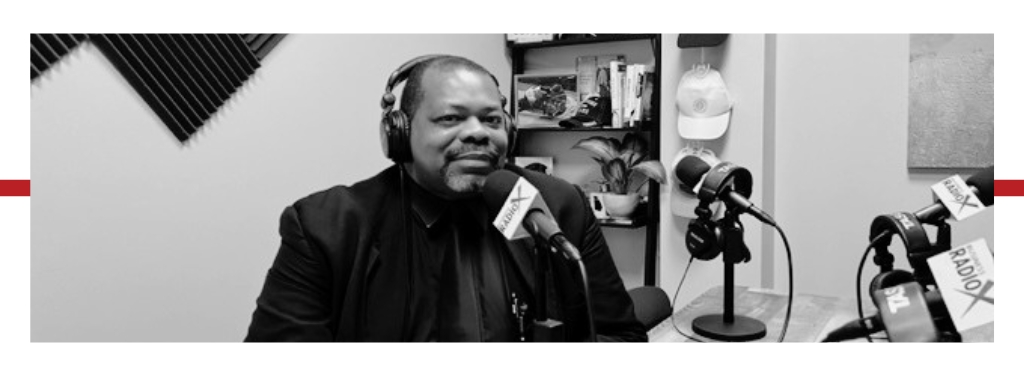
Tim-Nun-headshot
Atlanta Business Radio
Tim Nun with Complete Game Broadcasting
Loading
00:00 /
RSS Feed
Share
Link
Embed

Download file

Complete-Game-Broadcasting-logo

Tim-Nun-Complete-Game-BroadcastingTim Nun has been the Director and Owner of Complete Game Broadcasting since 2019.

Tim is an Atlanta Native and has a degree from Clemson University and a Masters from Georgia State. He’s a Complete Game Broadcasting Graduate also.

Tim has done a lot in broadcasting from play by play for sports, hosting his own radio show, producing podcasts and now he’s teaching those chasing their dreams.

Connect with Tim on Facebook and Instagram.

What You’ll Learn in This Episode

  • Complete Game Broadcasting Post Secondary School “The Program”
  • Surviving COVID
  • Serving Military Vets through the GI Bill
  • High School Student Camps during School Breaks
  • Vocational Non Traditional College Option
  •  Radio and TV

This transcript is machine transcribed by Sonix

TRANSCRIPT

Intro: Broadcasting live from the Business RadioX studios in Atlanta, Georgia. It’s time for Atlanta Business Radio, brought to you by on pay. Built in Atlanta on pay is the top rated payroll and HR software anywhere. Get one month free at unpaid. Now here’s your host.

Stone Payton: Welcome to another exciting and informative edition of Atlanta Business Radio. Stone Payton here with you this afternoon. Please join me in welcoming to the broadcast with complete game broadcasting. Mr. Tim Nun. Good afternoon.

Tim Nun: Sir. Good afternoon. Stone Thanks for having me.

Stone Payton: It is a delight to have you in the studio. Man, I got a ton of questions. I don’t know that we’ll get to them all. But I think a great place to start would be if you could share with me and our listeners mission purpose. What are what are you really out there trying to do for folks, man.

Tim Nun: So complete game Broadcasting was originally Atlanta Broadcast Institute in Atlanta way back in the 1990s, and it was bought out by a by name, a guy by the name of Jeff Batten, who took over complete game broadcasting and he owns like seven radio stations up in North Georgia. And he decided to get out, get out of the business. And what we do is we’re a post secondary school. So people that want to change careers, high school graduates that don’t necessarily want to go the traditional college route. So we have a certificate program through the Georgia Education Commission for TiVo, TVE Radio Broadcasting.

Stone Payton: Man, that sounds like very rewarding work. I bet you enjoy seeing the kids come in at one level of knowledge and understanding and then watching them evolve through the program and get out there and do the work they’re.

Tim Nun: Meant to do. Well, what’s great about this is that I actually went through this program. Oh, really? In the like early in 2012, I believe. So my background was in sports administration and I decided to want to do some things on the side. I was an Olympic level swim coach here in Atlanta for 18 years, and my kids were getting older and I was like, okay, it’s time to not be gone so much. So I decided to take the complete game broadcasting class, got into it, loved it, did a lot of things on the side, just as a hobby type of thing. And then when Jeff decided to actually it was funny because I went in to do some voiceover work and use his studio and he told me he was closing shop and I was like, Why? You know, What are you doing? I go, This is so great for people. And so I took it over and I’ve been not the perfect timing, took it over right before 2020, and we all know what happened with that. Oh my. But we have survived, have had small classes and it’s been awesome. Awesome.

Stone Payton: So I said kids, but but it’s probably not all kids. You may have some people looking for a second chapter in their lives.

Tim Nun: I tell you what, we’ve had people anywhere from the age of 19, and I’ve had a couple of guys come in in their fifties. So people that are starting up their own Internet radio stations do that. But we go, you know, we’re hands on school training. So it’s a nine week course. We learn everything from voiceover work to editing video and audio editing in front of a mic, in front of a camera, behind the scenes production. We cover it all nine weeks.

Stone Payton: So I bet you’ve seen an awful lot change over the years as early as you got into it.

Tim Nun: Oh, no doubt. No doubt. It’s been like especially on the and we’re not just sports oriented. We do it all in the business side and sports, but the sports side just for example, just. You see so many things that are broadcasted on on TV, on computer, right? I mean, you can go look at a basketball college basketball schedule and there’s like hundreds of games. They’re all being broadcasted somewhere. They need people. They need people to do graphics. They need people to do on air, play by play. They need people to do camera work. So we train all these kids for that. I think a great success story. We had a young man, his name was Miles Williams, and he came to the class very unsure of himself and is in his twenties and took the class and he ended up getting on with the radio station as a bored op producer. Mm hmm. Had his own show. Within six months, he was doing interviews at Super Bowl Radio row.

Stone Payton: So sweet.

Tim Nun: Awesome. Awesome stuff. So it’s just great seeing these kids. I say kids. It’s not kids. It’s adults, young adults that are changing careers, even, you know, wanting to do something on the side.

Stone Payton: Yeah.

Tim Nun: And it’s great.

Stone Payton: So at this point, what are you finding the most rewarding about the work? What’s the most fun about it for you?

Tim Nun: Oh, for me is seeing where these these students go and what they’re doing, because there’s so many different areas. I mean, we have guys, somebody working at I heart media, you know, doing producing podcasts. We have people like Myles doing Super Bowl radio row. We have people doing their own hosting, their own shows. Other people doing, you know, there’s a lot of streaming. Companies out there that are broadcasting a lot of, you know, sports and whatnot, got students over at Georgia State Athletics doing their production for all their sports stuff. Channel five News, I mean, Fox five News. I mean, we have them all over the place, which is great. I love it.

Stone Payton: So talk a little bit about the curriculum. You touched on some some high spots, but what can I expect if I put myself in this process over the course of those nine weeks?

Tim Nun: So it’s a nine week course and we meet three times a week and you’re going to get from day one. Skills on hand learning. I mean, that’s the key. And almost like a vocational school.

Stone Payton: You’ve got equipment, you’ve got.

Tim Nun: All Oh, we have it all. We have it all. So what? We didn’t go for that. So at the school, what we have we have a newsroom, ESPN Green Wall Room. Wow. We have a stand up green wall Room like the Weathermen and all that kind of stuff. We have an editing room where we have over 12 computers where people can have their own station do all their editing. We have two recording studios. We have a podcast room and then we have a corner board operation like radio room type of thing. So from day one, we’re doing voice work. They’re learning how to edit commercials, do their own commercials going from. Audio editing. All the used art. We started out with audio editing because they’re going to use that for the rest of their life.

Stone Payton: Sure.

Tim Nun: So they’re learning that we have projects throughout the year. Let’s see.

Stone Payton: So when you say a project or does it like create a program or something?

Tim Nun: We start.

Stone Payton: Very high concept, all that.

Tim Nun: Stuff. Absolutely. We do very simple at the beginning. So very first project is to do what we, you know, a little Segway commercial. Mm hmm. And they learn how to do a voiceover. Bring in the music, music bed, all that kind of stuff. Commercial. That’s the very first. Within the first week they’ve done that. Wow. Then they’re doing a little bit longer projects and then by the end they’re doing their own. We call it a five minute podcast where they do an interview. They have an open with like sound effects, and it’s almost like a show just like you had today, right? With an open an intro and an out. And the cool thing is the last four weeks of class on Mondays, on Monday nights, I actually rent out a radio station and the students get to produce. Co-host, host, run the board, their own radio show live.

Stone Payton: Wow. That sounds like a lot of fun.

Tim Nun: That’s. That’s always their favorite. That’s all. There’s always their favorite. So I always tell them, you know, I’ll know within two or three weeks if you’re if this isn’t going to be for you. Yeah. And I haven’t had a single person. I mean, we had a kid and I saw a kid because he was he was just a recent graduate high school coming from North Carolina for class two hour and 15 minute drive to and from class. Did not miss a class. He loved it.

Stone Payton: It seems to me like this could be such a practical path. I mean, it could be an alternative to traditional college. And and I’m a big believer, particularly in this day and age in college is great for certain professions, certain people. But there are other people who ought to be in a in a different in a trade or some a different path. And I’ll bet you’re finding that, too.

Tim Nun: That’s what we’re finding a lot of with our stuff, especially the younger generation. It’s a different path. It’s a vocational type of school, hands on learning. And like I said, the the Miles Williams guys I mentioned earlier, his story was when we did rent it out our radio station, they were actually looking for board operation people and producers. And I said, Miles, go put in your application and interview for the job there. He said, All right, I’ll do that. So he comes back to me all discouraged. I’m like, What’s going on? What’s going on? And he’s like, Well, he is the HR person. She’s a Clark Atlanta grad. And one of the people that’s interviewing for the for the position as a Clark Atlanta grad. And I’m like, I get I get what you’re saying. Go through the process. It’s a two week trial process. So he goes through the process, comes back and says, I got the job. I said, Well, how’d that work? And I knew. And he goes, Well. The gal that went to Clark Atlanta for your college. She was very smart. Knew nothing as far as the equipment was scared of, you know, touch and stuff. And he goes, I knew enough to go in there. And put it to work. And I got. Exactly.

Stone Payton: Well, I got to tell you, as you know, I own a pretty good chunk of a pretty successful media company. And if I were in the process of hiring right now and one of your people came in here, I mean, they would have such a leg up on someone I had to teach all this stuff to. I mean, they must have a tremendous competitive advantage in the marketplace when they evolve from your program.

Tim Nun: I think so, too. And plus, I think it’s a lot of times we get people that want to change careers. So you’re getting people in their thirties even. And like I said, we’ve had people in our in their fifties come through the class, but they’ll come through and you’re getting somebody that sort of. Is not scared to tackle a problem or an issue or or even, you know, your your workflow or whatever’s going on and they’ll just attack it and it’s great.

Stone Payton: What about military, like people who have served in the military? Do you ever have some of those folks looking down as to.

Tim Nun: What’s great about our school with the Georgia Education Commission? We are a CERT program so we do not have federal funding. However, we are contracted with the VA 0ru and the GI Bill is covered for military vets. So anybody that’s been in the military has GI Bill. They can come to our school. And what’s great about it is since it’s a nine week program, it’s not going to take a lot of your GI Bill away. So you’re still going to have somewhat you’re going to have plenty left. So, yes, we have tackled that and it’s been a good thing. We’ve had a lot of military vets come through the class.

Stone Payton: Also, it sounds like you have really made it a priority to cultivate relationships with people out in the marketplace who need the talent that you’re producing. I mean, this is an important area of focus for you. It’s not just come to the school, get your certificate, let’s get you ready.

Tim Nun: Well, that’s what’s going to make complete game broadcasting look good. Yeah, sure. I mean, you can go through the class and if they’re not successful or they don’t get their foot in the door somewhere, then. What does that say about the program? You know, that’s what we’re there for, right? So and we’ll even do it like this. The last class, a very small class. And within three or four weeks of the class, they were already doing part time work. Really, They were already in the field doing stuff.

Stone Payton: And that’s encouraging.

Tim Nun: So we have some good connections in the Atlanta area. Our biggest challenge, my biggest challenge has been especially starting out the business in 2020.

Stone Payton: I can’t imagine.

Tim Nun: And been pretty hard is getting the word out right, the marketing side of things. And you can do ads on radio. But like, it’s expensive. Like, it’s really expensive. Right. So we’re trying different things. A lot of online ads hitting, hitting high schools where kids are getting ready to graduate. And maybe they don’t want to go to a four year college. Maybe they don’t know what they want to do. And this is a great avenue.

Stone Payton: Yeah, I would certainly think so. So tell me more about the sales and marketing process for you, because one of the things that strikes me that you that you may be able to do is use your platform to build relationships with other people that have these kinds of facilities that are hiring people. So maybe you could probably do some of that or maybe.

Tim Nun: You are doing No, we’re trying that. That’s a groundworks I’m a one man show right now. So it’s been very interesting and I’m learning a lot on that side of things. But like, for example, the streaming companies that are doing a lot of coverage of athletic events, we’re getting commercials on there, you know, where people, thousands of people are watching some of these events. So, for example, you know, the World Cup is going on right now in soccer, right? Well, there’s a there’s a united premier soccer league upsell and probably a lot of people don’t know about it, but it’s 400 teams in the in the states. And one of the main hubs is here in Atlanta. And so what they were supposed to do, it’s like probably comparable like a baseball, it’s probably like a single a soccer. Right. So it’s not just people showing up. I mean, it’s decent competition. So there when they started out, they were like, okay, you guys have to tell them the teams, you have to stream the games. Well, what they were getting was, you know, Joe Smith on the sidelines not playing because phone out trying to watch the game. Right. Right. So a guy by the name of Andre Boehmer, who is Atlanta Sports Media Group, decided, you know, we’re going to take this to the next level. So he has produced has a play by play, a colored guy, a graphic guy, a camera’s guys and is doing the games. So he’s streaming those. And we got commercials on there. The Svtv guy that streams a lot of stuff. We got ads on there. So just trying different avenues with the military. There’s TAPS program, it’s transitional assistance program at each base. So when they get out of the military, they’re supposed to go through this TAPS program. So I’m trying to work with the bases in the Georgia area. Right. And say, hey, this is an opportunity for somebody that’s coming out of the military. That I want to try something different tries to go into broadcasting sometimes.

Stone Payton: And I would certainly think so. Yeah. So when people when the students start in the very beginning, they probably several of them, they don’t quite know what direction they want to go, radio, TV. But but this is where they can discover.

Tim Nun: That, right? They think they know, right? They think a lot of them come in thinking, Oh, I’m going to be on the mic. I’m going to be a personality. That’s just not that easy. Unless you’re doing podcasting, you can always do your own podcast. Right? Then they get into it and I’ve had people like, Oh, I really like this creative side of the editing and producing or Ooh, I really like the action. I like to be on top of the action with camera or I want to be in front of a camera. For Fox five, right. Or behind the scenes. So yeah, it’s covering a lot of different avenues where they can narrow it down and sort of get an idea what they like.

Stone Payton: Well, I can say. Speaking for me personally, I if it comes to producing a radio show, I feel pretty well equipped. It doesn’t seem like this big hairy thing for me, right? I’ve been doing it for 18 years and I’ve got a handle on everything from workflow to equipment to hosting mechanics, all that kind of thing. But to this day, man, if I had aspirations of getting into the TV world, it would be this big, hairy thing for me. Everything. Because there’s a lot of moving parts. There’s the lighting, the editing is a whole nother ballgame in the in the TV world. So there’s there’s a lot to learn, but I suspect a lot of it gets sort of demystified, right, going through your process.

Tim Nun: Right? Because it’s like we’re sitting right here and the equipment you have in here is what some of the equipment they’re learning on at school.

Stone Payton: Is that right? Yeah.

Tim Nun: And so, you know, and.

Stone Payton: That’s changed a lot. Hadn’t I know when Lee and I got.

Tim Nun: Stars all the time, right.

Stone Payton: We had this we had this great big old mixer thing like the garage bands would use, and you had to have different equipment to plug the headphones into. And so that is one nice thing about some of this. Getting more prolific is the equipment’s getting better and better and the support services and the technology around it. Now that’s another thing though, man. You’ve got to stay in front of all that, right?

Tim Nun: Yeah, we try to, but now we are teaching facility, right? So it’s, it’s learning the basics. Yeah. Getting the groundwork, getting your cornerstone set and know, for example, we have a radio board. Operation board in our sample radio room. And it’s old school, but it does everything. It has an off and on for mikes. It has the levels for everything. So, you know, they learn on that. And then when we go do our live show, they see a board that’s a little bit bigger and fancier, but it’s the same thing. Yeah. So, yeah, I mean, yeah, technology is just flies, flies by and we have to try to keep up with it the best we can.

Stone Payton: Sure. Now, you made it sound like a no brainer, almost a matter of fact that you bought this business. But I mean, you had to have I mean, was it that at least a little bit scary jumping off the cliff and buying the business?

Tim Nun: Absolutely. I mean, so. My deal was in in 2006, I got out of the swimming world. Mm hmm. And at the same time, my mom got diagnosed with breast cancer. And so my mom and dad lived over in Chamblee. Over in Tucker.

Stone Payton: Mm hmm.

Tim Nun: And Dad had a hard time. Had a hard time. And so I said, you know what? And he owned his own business. So I said, You know what? I’m going to come help you with the business and help you take care of Mom. Hmm. And so I sort of got. Sort of stuck in that little area, which is fine. It worked out. Mom passed in 2010, but. Me being with Dad and helping out with his business was help me out financially. Right. But it wasn’t something I loved. It’s not something I wanted to continue with. So I was like I said, I was just going. I called Jeff up Batten, who owned complete game broadcasting before me, and I said, Listen, I need to come over and do some demo real stuff. And he said, okay, yeah, just come on over. And, you know, we got talking. And that’s when he said he was. Live in ship and he was over off on North Hills Road.

Stone Payton: Yeah.

Tim Nun: So we got to talking. And since I’ve known him for a while, it wasn’t as scary necessarily to take over the business because we got a pretty good deal over time that went. So I moved everything over off of North Ridge Drive in Sandy Springs. Got a nice location. And like I said, the scary part for me was when COVID hit.

Stone Payton: I can’t imagine.

Tim Nun: Living because this is just right when I bought the business.

Stone Payton: Yeah. Yeah.

Tim Nun: Yeah. And I’m still having to pay rent for my commercial location.

Stone Payton: And what you’re doing is not it doesn’t lend itself to virtual. I mean, maybe you could do some supplemental virtual stuff, but.

Tim Nun: Right. It’s a lot of hands on, so you need people there. So I had to make my classes a little bit smaller. Mm hmm. And it worked out. It worked.

Stone Payton: Out. Well, I’m so glad that it did.

Tim Nun: And I’m excited about now because things are starting to open up. Yeah. And it’s getting exciting, so.

Stone Payton: Sure. So now, are you still doing any voiceover broadcasting work yourself, or are you just too busy keeping this funny?

Tim Nun: You mentioned that I haven’t really, just because I have so much going on. But I did do my own radio show for two years. Mm hmm. Over at a place called Real 100 AM, it’s often Northside Drive. We just sports show. We did a sports show three times a week and just having fun with that, that was just a fun thing that I did. So I haven’t gotten into the back, into the play by play stuff and all that. I just don’t have the time. I’ve got to really focus on the school and get that up and running. So we have four classes coming up in 2023, okay, starting in January and we’ll go. What’s great about it is it’s like, okay, guys, so we’re starting January 10th and we’re going to be done March 16th. And you’ll be somewhere doing something.

Stone Payton: Yeah.

Tim Nun: And then we’ll run a class in April. A class in June and class in September.

Stone Payton: So days, evenings. Does it depend.

Tim Nun: We. We do. Monday, Tuesday, Thursday. Yeah, we do. Evening, class. 6 to 9. And we have attempted if there’s enough interest to do an afternoon class from 1 to 4.

Stone Payton: Nice.

Tim Nun: So we can do both.

Stone Payton: Yeah.

Tim Nun: If the interest is there.

Stone Payton: So is it the kind of thing that lends itself to the students helping each other out and kind of, you know, sharpening each other’s soul during this whole process?

Tim Nun: Definitely. I mean, you see, you see the guys in class together, they ended up becoming like friends. And it’s it’s a networking business, right? I mean, everything you do is networking, right? So you might have somebody that’s getting into, you know, behind the scenes production at a TV station. And something comes across away and they’re looking for a talent or something. And they’d say, Oh, I know a guy for you. So it’s a great networking group, complete game broadcasting. It’s been around, I think, since 2006. So we have guys all over the place in Atlanta.

Stone Payton: Yeah.

Tim Nun: And so, yeah, it’s they help each other out. I mean, certain people are going to be better at certain things, right? Like the editing. So audio editing and have a better ear and they might be able to help out a classmate through that. Whereas sure, vice versa. Getting in front of Mike might be scary for some and they’ll help each other out.

Stone Payton: So in the near term you’ve got a few classes on the horizon. Are you are you thinking longer term than that, that you might expand the operation, maybe even open another site, or have you got that far?

Tim Nun: Yeah, that would be amazing. Yeah. I have thought of that. That’s sort of on the back burner. But it’d be great to get the Atlanta location going, the Sandy Springs location going because we can draw from all over. We’re easily accessible. And then maybe, you know, my next spot, I think if I were to expand to another location, would be like Greenville, South Carolina. Yeah, be cool. But we’re also trying to do some other things besides the traditional nine week class. So we’re going to do some high school camps for kids during the summer when they’re off school. We, you know, can rent out our podcast room for those that are just starting a podcast and trying to get into the the industry type of thing. We can rent out our green wall rooms. We’ve had some realtors that have enjoyed doing something like that, you know, because it makes sense. Yeah. Instead of, you know, getting on some of these websites and reading, they want to see somebody talking. Sure.

Stone Payton: So you’ve got the students facilitating all this.

Tim Nun: Exactly. Exactly.

Stone Payton: And when you say hands on, you really you really mean hands on.

Tim Nun: The one blessing that came from COVID is doing remote broadcasts. Right. So nobody wanted to go. And I’ll give an example. The Atlanta Braves. When COVID hit. The Chipper Jones and the people like that that are doing broadcast, Ben Ingram, stuff like that. They’re doing them from home.

Stone Payton: Yeah.

Tim Nun: You know, Right. So we’ve converted one of our recording studios to be able to do that.

Stone Payton: Nice.

Tim Nun: So we can bring in streaming and they can do. From our studio, whatever play by play or commentary or whatever they want to do.

Stone Payton: Oh, you got to tell me more about play by play, because I am fascinated at the people who can do that, because they not only have to have the sports knowledge, but they have to be great on their feet. They have to have a certain level of enthusiasm and energy and presence.

Tim Nun: And so there’s two different you know, you’ll have the play by play guy and then you’ll have your color commentator and the color commentator is more of the analyst, the expert, I would say. Gotcha. So if you watch like an NFL game and I would say probably one of the best color guys right now is Tony Romo.

Stone Payton: Oh, I agree. And I don’t know football that well, but I know enough to know that that.

Tim Nun: Guy and he’ll just say everything. Right. Right. So he’s not the play by play guy, but he does the color play by play guy is basically painting a picture for you if you’re on radio. Yeah. Of the event that’s in front of you or they’re explaining what’s going on during the game.

Stone Payton: Which I need right exactly and enjoy.

Tim Nun: And it’s it’s what people don’t realize is they’re getting a lot of information fed to them. Yeah. From the production staff. Oh so stat stats that roll off their tongues.

Stone Payton: That’s not necessarily in their head.

Tim Nun: No. They’re going to hand it to them. It’s right there in front of them. You know, you got a production guy typing, Hey, this this trend is going on in this game. Yeah. And they’ll bring that up. So it’s a whole production, which is pretty neat. Not a lot of people see that. And even like the graphics that you see during the game or during the news broadcasts, you know, of who’s on the air or whatever is going on. There’s somebody doing that. So it’s great when the students I think it’s great when they after three or four weeks they’ve gotten enough where they’re listening to radio for mistakes or they’re listening and they’re catching things, or they’re watching the TV and say, Oh, did you see that with their family? And their family is like, What? What are you talking about? So yeah, it’s a cool thing. It’s great. And I tell people, you know, if you can go out in the world and do something that you love. Yes. You’re going to make it. You can make it work. And I think the younger generation, especially the younger generation now, is all about how much money I can make and how fast. Yeah. And then by the time they’re in their thirties, they’re miserable, Right? They want to do career change. And it’s like I tell everybody, you know, you’re never you’re not too old to start. I’ll get people in their thirties and forties come in. So man, you’re not too old to start.

Stone Payton: And the marketplace, it is anything but saturated is continuing to grow. There are places that these folks can really go and get the work, which is I mean, that’s where the rubber meets the road and that’s the end game, right?

Tim Nun: Absolutely. I mean, you know, we have a lot of guys who come through sports oriented, but then we don’t. And it’s like, you know, it’s like what you’re doing here at Business RadioX. Right. You know, they can get involved here or they even know, like, I hurt media headquarters right here in Atlanta. You know, they’re big time. They can sure get on there. So there is you’re you’re right. The expansion is like huge. Huge. And what a great opportunity to get enough education in nine weeks and get your foot in the door somewhere or something, you know, can be lasting. I mean, how long have you been in this business?

Stone Payton: 18 years.

Tim Nun: Right.

Stone Payton: And it was a second chapter for me. I came from the training and consulting world. And, you know, one day the clouds parted and it does flew. And I met Lee Kantor and it changed my whole life. And I thoroughly enjoy this work. And our work, We we’re on the business side of things, so we interview business people and it’s business people interviewing business people all day, you know, across all 50 states. We love.

Tim Nun: It. So you don’t dread coming to work, do you? Not even a little bit, right?

Stone Payton: No.

Tim Nun: Absolutely. And I don’t either. When I go to help people out and teach. It’s amazing.

Stone Payton: Well, I agree with that, too. And I am looking forward. We are going to work with you and have you feed some of your students in here, at least, you know, to help them to have some of that practical application during their their nine weeks and as opportunities come available. I got to tell you, man, they are definitely going to be they’re going to have a leg up on other people competing for those for those slots. And or they may learn enough about what we’re doing that they want to get into the Business RadioX business and we’ll we’ll make that happen for them. I, I personally and Lee’s the same way. We get a great deal of joy out of working with young people and introducing them to this kind of thing. We don’t have the formal curriculum or anything like that, but there’s a show here that we do locally and it’s called Kid Biz Radio, and there’s a local nonprofit called Kid Biz Expo. It was two ladies who founded it, and they founded it because their kids were interested in business. And we had their oldest daughters and they were in the studio last Wednesday. And so the the mothers, instead of interviewing other business people, the mothers interviewed the daughters. The two kids did a great job as guests. But after the show, we had Leila in Austin. They wanted to redo the intro. You know, we had a professional vo person to the intro, and so now the intro for Kid Biz Radio is this Leila and Austin. They had a great time, but you could just see their confidence, you know, swelling and, and it just I mean, it warmed my heart to see them do. It’s just a ton of fun.

Tim Nun: When I was a kid, I go to college, we didn’t even have computers.

Stone Payton: Right.

Tim Nun: And now it’s like you see, holy cow, like six and seven year old run in an iPad or whatever. Like, right. I’m like, What is going on? So yeah, these technically. These kids, young adults are so sound and so good. But I think it’s the coaching that comes out of me, too. I sort of have that passion, right?

Stone Payton: Right.

Tim Nun: To help people and teach. And it’s an exciting time. It’s exciting time for us, I.

Stone Payton: Got to believe. Equally rewarding, though, is it that guys coming out of the service lady who’s coming out of the service and are looking for that, for that next chapter of their lives? And you can you can give them something that’s practical and fun and right.

Tim Nun: And I think it’s a great opportunity. I mean, like I said, G.I. Bill covered and it’s a small amount. It’s not a huge amount. So there’s not using up their whole GI Bill. Right. And it’s something that they can pursue full time if they want or if they just want to do something on the side even.

Stone Payton: Yeah. So what is the process if someone hears this gets a chance to to sort of begin tapping into your to your work. Is there like an application they get on the phone with you? What’s the process?

Tim Nun: Both You can go to complete Game studio. That’s our website and there is an information form there that they can fill out that I can get in contact with them and talk about, you know, everything going on. I welcome people to call me at 400 49290523 and leave a message or and you’ll get the boss. I’ll get you’ll get me because I’m the only guy around. But we can set up a time for you to come check out the studios and we can sit down and talk and things like that.

Stone Payton: Yeah, absolutely. And if someone is out there and they have some sort of broadcasting operation, anything where they could use this kind of talent either in a kind of an internship or practical application study or whatever you call it, and or they’re looking for a talent to recruit. You want them to reach out to you.

Tim Nun: Absolutely right. No, absolutely. Absolutely. And it’s funny, it’s like in the the terminology of internship has changed. I think back in our day it was like an internship. People think of internship as, okay, you’re going to go grab coffee for somebody, right? You’re going to spend your time doing basically nothing.

Stone Payton: Go for. Right?

Tim Nun: Not anymore. I mean.

Stone Payton: That’s not the way it would be here.

Tim Nun: I know. Internship on this. You’re working across the a lot and a lot of them are paying a little bit to to help you out. You know, it’s not just a free dig. But yes, we have a lot I mean, like I said, Georgia State Athletics, we’ve had Georgia Tech call us about public address announcers. You know, I heart media. Just a lot of different people. So anybody in the broadcasting industry that are looking for potential people, we have a pool, we have a pool. And even after you graduate, we call it a lifetime membership class. So even though when you’re done with the nine weeks, you can come over to the studio. Get some work in if we if, like you said, technology changes. So if we get new technology and things advance, we’ll have a seminar where everybody that has been through the class can come back nice and do that. Also, they’re in our job bank. So when jobs come across my my table, I’ll make sure I get it out to all the graduates and current students.

Stone Payton: Oh, I love that. And I’ll bet your grads who have been successfully placed and it sounds like a great many of them have, I bet the first place they look is absolutely right.

Tim Nun: Absolutely. Absolutely.

Stone Payton: So it just keeps on going.

Tim Nun: It’s a good thing. It’s a good networking group.

Stone Payton: Yeah. All right. Well, what can we do to help? And when I say we, I mean our listening audience and the Business RadioX community, man, How can we help?

Tim Nun: Hey, if you’re interested in any type of broadcasting, whether it be like Stone said, you need people to help you out at your business, or if you know people that are looking to career change or young people that don’t know the direction that they’re going in life and they don’t want to commit to a traditional school route and broadcasting always been an interest TV or radio, and you want to see everything. Just because you say TV, radio broadcasting doesn’t mean you’re on the mic or in front of the camera.

Stone Payton: You know, there’s so many other moving parts, so other.

Tim Nun: Roles to behind the scenes production and producing and directing and everything. Get in touch with me. Like I said, complete game. Studio 4049290523.

Stone Payton: Well, it has been an absolute delight having you come into the studio. Don’t be a stranger, man. And you know what I’m thinking? It might be fun to have you come in with a student or two or three student students and we can talk about the business and more, but also get their perspective on their experience coming through the class.

Tim Nun: Oh, that’d be great. That’d be a great idea.

Stone Payton: Yeah. Or I’ll come to your shop and we’ll do it then.

Tim Nun: We could do it there too. We could do it either way.

Stone Payton: But no, I think that would be. Yeah. So maybe we’ll do that. That would be.

Tim Nun: Fun. Sounds good.

Stone Payton: And then we’ll go grab a beer under the elm tree, right? Oh.

Tim Nun: That would work too, right? We could do that. That’s the best.

Stone Payton: All right, one last time before we sign off here. Let’s leave him with the right coordinates. Website, you know, phone number, whatever is appropriate.

Tim Nun: Okay. My name is Tim Nunn. I’m the owner director of a complete game broadcasting. Our website is complete game studio, and that’s where you can fill out your information form and I can get in contact to you with you or you can give us a call at 4049290523.

Stone Payton: What a fantastic way to invest a Wednesday afternoon. Thank you so much for coming, man.

Tim Nun: Appreciate it.

Stone Payton: Stone All right. Until next time, this is Stone Payton for our guest today, Tim Nunn with complete game broadcasting and everyone here at the Business Radio X family saying we’ll see you again on Atlanta Business Radio.

Speaker1: Today’s episode of Atlanta Business Radio is brought to you by on pay, built in Atlanta On pay is the top rated payroll in HR software anywhere. Get one month free at on Paycom.


Tagged With: Complete Game Broadcasting

Bronson Kurtz with Personalized Technology Services

December 12, 2022 by angishields

Bronson-Kurtz-headshotv2
Cherokee Business Radio
Bronson Kurtz with Personalized Technology Services
Loading
00:00 /
RSS Feed
Share
Link
Embed

Download file

Bronson-Kurtz-banner

Bronson-Kurtz-headshotbw

Personalized Technology Services mission is to achieve a simple and personalized approach to IT.  It is easy to find someone that can fix a computer.  We strive to not only be the “computer guy” but also to form lasting relationships built on trust and common ground.

Bronson Kurtz is the founder and owner of Personalized Technology Services, an IT company in Woodstock servicing all of your technology needs, from onsite and offsite support, deploying large projects and migrations to new construction and remodel data cabling. PTS-logo

Connect with Bronson on LinkedIn.

This transcript is machine transcribed by Sonix

TRANSCRIPT

Intro: Coming to you live from the Business RadioX studio in Woodstock, Georgia. This is fearless formula with Sharon Cline.

Sharon Cline: And welcome to Fearless Formula on Business RadioX, where we talk about the ups and downs in the business world and offer words of wisdom for business success. I’m your host, Sharon Cline. And today in the studio is a founder and owner of an IT company here in Woodstock. It’s called Personalized Technology Services. Welcome to the show, Bronson Kurtz. Hello.

Bronson Kurtz : Thank you.

Sharon Cline: How are you?

Bronson Kurtz : Fantastic. I hope you don’t regret having me on today.

Sharon Cline: What? Not yet, anyway.

Bronson Kurtz : I tend to break rules and boundaries, so.

Sharon Cline: Well, maybe that’s good for business.

Bronson Kurtz : I think so.

Sharon Cline: Let’s. Let’s talk about that. I mean, actually, if you think about it, innovators change everything, you know?

Bronson Kurtz : Yeah, I think there’s a a willingness and a desire to solve a problem. And if you’re stuck in a certain boundary and you can’t succeed, that’s how things become stale.

Sharon Cline: Yeah, stagnant. Nothing moves. Okay, so let’s talk a little bit about your your background. How long have you been in this industry, The IT industry?

Bronson Kurtz : Yeah, I’ve been in it since 2006.

Sharon Cline: So you must have seen a lot of changes.

Bronson Kurtz : I have, actually. I was supposed to be bought out by another company and so we were phasing out to be sold and that changed. And then I had to rebuild the company again and then COVID hit. And so we’re kind of still, it feels, feels a group we are rebuilding. Wow. We’re getting there.

Sharon Cline: So everyone I have on the show, I talk about what the the pandemic was like for you. And obviously when I started working from home 100%, I needed to upgrade a bunch of different things in my life, so I can’t be the only one. Did that impact you as well?

Bronson Kurtz : Yeah, actually, we we already had most people in place for working from home. It’s kind of a built in technology if if it was done correctly. So when things started happening with COVID, as other countries were like burning down and exploding, we we started going to the owners that didn’t have it up and running. Right. Look like this. If this happens, like if all the companies call in in the same week saying, hey, we need to work from home, we’re going to be in trouble. Yeah, so let’s be proactive about it. And so a bunch of companies became proactive about it because they had the technology. It’s just a matter of learning how to use it.

Sharon Cline: Right? So for did you have a lot of people coming to you asking, help, help us have this technology for ourselves?

Bronson Kurtz : Yes, that was interesting because our focus is business to business. We did a promotion on Facebook, basically offering free tech support for teachers and families so that, you know, even though we don’t support homes as a profession, you know, people were stuck and were struggling. So we spent a lot of time on remote sessions just helping people get their computers sorted out so they can work from home.

Sharon Cline: And did that for free. That’s so kind. Yeah, that was really kind. Not everybody does that.

Bronson Kurtz : I mean, actually turned into some some very large contracts unexpectedly, but I think that’s how things work when you just give and you support without an expectation of getting something like good things and tend to work out anyway.

Sharon Cline: For the right reasons. All the right.

Bronson Kurtz : Reasons. I don’t know how it would come back. I didn’t have like a strategy for how I would come back. I just knew that I kind of a believer of when you just do good things and you send good ripples out, has a great effect in the world around you, and sometimes those ripples can bounce back.

Sharon Cline: Well, what were the main things that you had to fix for people?

Bronson Kurtz : Well, first off, I am not in the ticketing room doing all the tickets, so I don’t actually see all the little things that come in. But most computers are garbage. They they go to the store and they go buy a $200 Windows computer. The kids have been playing on it for two years. It’s full of viruses and nothing works. And then I have that people saying, Well, why don’t I just buy a mac? I was like, Well, that’s 2000. So you’re not comparing the same thing. So people want to wanting to buy new computers versus fix the ones that have. And but us being able to provide the free support meant that we could help them even on their cheap computers where normally is it would be unaffordable. They’d have to go buy a new one.

Sharon Cline: What is the best computer someone can have at home then? What do you recommend?

Bronson Kurtz : That’s like saying, What’s the best car?

Sharon Cline: I know there’s like a there’s right. You’ve got, like you said, really expensive.

Bronson Kurtz : Are you racing or are you trying to be fuel efficient? You’re trying to have fun. So yeah, if you’re a gamer or are you trying to just, you know, do the bare minimum? So it kind of comes down to what you need. So as a business owner, I for business to business, it’s I can spec out a computer based on what they want. But to me what matters is how good is the support if a computer breaks. And there’s a warranty on it. How fast can that company come back and service the computer?

Sharon Cline: So who is your ideal client?

Bronson Kurtz : Well, we you know, it services everybody. And I don’t normally say no to clients. That’s changing. I have to as we grow, we have to start being more selective with who we choose. But our specialty is in construction and medical. I grew up doing construction. I remember doing construction with my father when I was a kid, and even throughout high school we would spend summer breaks after school days off doing construction for our family business. So I’ve grown up doing construction. My brother, he works in in building construction. He got a Georgia Tech degree there. He works in construction now. So construction has been a part of our family. So when I meet with a company that’s needing I.T. support and their construction company, I speak their language. So I understand the workflow. We’re also a vendor for large construction companies to pull like cables and their data centers and sealing all the racks and the servers. So we have a we actually work in the construction space. So we are pretty familiar with that vertical.

Sharon Cline: So how did you go from construction to being an I.T.

Bronson Kurtz : So my during the. The 2007 housing crisis around that time. That date, right?

Sharon Cline: Yeah. 27 2008. Yeah.

Bronson Kurtz : I don’t have it all memorized, but things were kind of building up to that point. So my. My dad’s business didn’t survive. So it went. It went down. And then while it was going down, one of our contractors who we work with hired me to do electrical. So then I did electrical for a few years, right around the time when all this is happening. And while I was doing electrical, I got a lot of exposure to doing things like running the computer cables in a house and just having that exposure and more exposure to low voltage. And then I had a friend that we just started doing the IT stuff on the side. It started off with home computers and then it grew into businesses.

Sharon Cline: I’m trying to imagine what it was like in 2007, 2008, as you know, home computers, of course, we had them. But it’s very different now, isn’t it? What’s one of some of the biggest changes you’ve seen?

Bronson Kurtz : Well, your comment made me think of the home Computers are difficult to work with because in a business world, all the computers are standardized. But the home computer, you never know what nightmare you’re going to walk into. You know, how much porn, how many viruses are on there. Everything’s broken. And they spent $200 in the computer. So it kind of taught me the art of having to work very, very efficiently and quickly, because a lot of people’s computers were low end and they couldn’t afford, you know, for me to be there a long time.

Sharon Cline: Got you. Goodness.

Bronson Kurtz : I don’t know the question you asked after that, but.

Sharon Cline: What did I say? What are the biggest changes you’ve seen? Is that what I ask?

Bronson Kurtz : Yeah. So the PC and the Mac haven’t really changed their their fundamental features are the same windows. I would say the biggest change is the movement to the cloud. In 2007, when you wanted to have email, you had to have an exchange server or something like that in your office. Those are very difficult to maintain. If they broke you were SOL, you had to get with Microsoft engineers. It was very difficult to work with. Now you can have enterprise grade email in the cloud, and so for a minimal amount of money you can run your business and have like this enterprise grade email for even for a small business. So cloud backups on all the documentation, all the normal documents being in the cloud has changed the way a business can run. So now when we meet customers, it isn’t about how many servers we have to buy. It’s like, Hey, are we in the cloud correctly?

Sharon Cline: Is it your cloud?

Bronson Kurtz : I do have a cloud. Some of our clients opt to use us for their for their disaster recovery if their company demands it. Some companies, if they go down, will lose 200,000 a day. So they have to spend the money to make sure that doesn’t go down. And if it goes down, how long will it take to recover? So we only have a few of those that are willing to can afford that. So most everyone else’s uses like OneDrive and Google Drive.

Sharon Cline: So how do you what do you use to combat hackers in your cloud?

Bronson Kurtz : Well, most of it’s encryption and they’re in limiting access to everything. So basically everything is blocked. You can’t get into it. So we have a direct connection from our systems to our servers. There’s no way to access it.

Sharon Cline: I don’t know why that came to mind. Well, I know why. It’s because I’ve had a credit card that I very, very rarely use that no matter. Where I seem to use it, it somehow gets hacked really easily. And I just I was speaking to the credit card company recently where I’m like, it’s like the fifth time and I hardly use this card. And they were saying, these hackers are getting so much smarter than we can keep up with. Actually.

Bronson Kurtz : I don’t know if the actual credit card gets hacked. As much as there are lots of businesses that get hacked, like Home Depot will get hacked. I got you. Yeah. And then all of a sudden, your emails and your credit card information have been leaked. They can’t necessarily use it, but then they start collecting enough information. And it’s not a person. It’s bots like these little mini computers that just mini programs that just collect all the information and actively try to hack you. Once your name is kind of out there and your email address is kind of known, you kind of become a target.

Sharon Cline: That’s terrifying.

Bronson Kurtz : It is.

Sharon Cline: Yeah. But it’s funny in my mind, I picture some like kid who’s much younger than me in like a really dark room and a dark room.

Bronson Kurtz : I think it’s the movies that do that. Is that what it is? Yeah. So hacking doesn’t really work that way. I imagine there’s probably some extreme situation where you have a, you know, one government trying to hack another government or some other entity and they are, you know, they have people trying to break in that way. But that’s a very manual process. I would say most of the hacks that happen now are almost all human error. Like I gave an example recently of how a person’s email was breached by a bot. And so once the bot confirmed access to the email, a person logged into the email and said, Oh, look, they’ve been getting direct deposits from this company. So they emailed the boss and said, Hey, look, we’re changing our banks. Can you change the direct deposit information? And so the boss, the employer changed it. And so then two weeks, the weeks go by and the employee is like, where’s my where’s my paycheck? And they’re like, Oh, you told us to change your direct deposit information. So there’s two there’s two human error right there. One, they didn’t have their email, personal email protected, and because of a personal email hack, basically their business got hacked. And the second part is that when you do any kind of ACH or direct deposit, you’re supposed to have a form that’s printed out with a voided check that signed and says, Hey, look, this is my new information. So companies get cavalier like, Oh, just shoot me your account information. And that’s easily. Tricked. So then they didn’t follow their procedures on both sides. And then now someone has stolen their payroll.

Sharon Cline: What are the main problems that you deal with, with, or that you handle and solve for a client in problems?

Bronson Kurtz : It’s mostly human error. It’s so sad because we have all the computers locked down on the service. Locked down. So it’s human error. People just either buying the wrong equipment or they’re not using the software correctly. Also, software does break, so we do a lot of work within Microsoft 365 and sometimes the programs just stop working. And there’s no way to fix it. You have to get the Microsoft support call to fix it. And and I have no control over how Microsoft builds their software.

Sharon Cline: So as time’s gone on and your company has grown and succeeded. What would you find? What is what is your biggest challenge? Is it dealing with clients who don’t have. I mean, I was kind of nervous to interview you because I’m not well versed in I.T. information, and I’m concerned that I’m going to sound stupid when I talk to you. But okay, so there it is. It’s out there in the world. But anyway, I appreciate that you’re not making me feel stupid. Thank you. But no, but I’m thinking, is that what you deal with? Someone like me who was like, I don’t know. It’s just not working.

Bronson Kurtz : It’s very, very common. It’s I hear this line all the time. It’s like, Oh, you know, I know computers just enough to break them. I hear that daily.

Sharon Cline: That’s. That’s me. You’re hearing it today.

Bronson Kurtz : Well, it’s it’s normal because, like, you know, I don’t need to master other people’s industries. So people use the computers a lot of times out of necessity, but they don’t understand what they’re trying to do. So that’s a that’s a I was I told you before this started and as we were pre gaming that I’m going to we are rebranding our business and one of the names I was going to think of doing was called I.T therapy because like a lot of the problem solving is the same. Like, oh, this breaks, this is the fix or I got to find the fix. The challenge some time is when dealing with a customer who thinks all their business information has gone. Or some. They put all their personal computer pictures on their computer and work and it died. And now where’s all the pictures? We’ve had a number of those where like old family photos of like, you know, a late parent or on a computer and the computer dies and they never backed it up. And now it’s my fault, or at least not my fault. But they’re definitely venting. In my direction. So actually therapy was a kind of a thing we were thinking about doing on TikTok, where I sit there and like a lab coat and just like, okay, breathe, it’s going to be fine.

Sharon Cline: And that’s what you, that’s what you do a lot is to kind of talk people down from the.

Bronson Kurtz : Yes, from the ledge. Yeah. So because the implementation is the same almost everywhere to solve a problem. So mostly it’s like reassuring someone that you can do it because like if a hard drive is broken. You don’t have a lot of choices. So, you know, whether you call me or someone else like your the end result is probably the same. So now it’s more like, okay, like I have to reassure this person that they’re in good hands. I’m going to do my best. But, you know, whatever’s going to happen is going to happen.

Sharon Cline: I have to say that if I ever have issues trying to work and I can’t figure out what’s wrong, I I’m not proud of this, but I get a little bit, like, unreasonable because I’m limited. I don’t really know how to fix something that I absolutely 100% need to be fixed. So I might be one of those clients that needs talking from.

Bronson Kurtz : So we knew we need a new name. Like, you know how people get really angry when they’re hungry. And we came up with a name for that. Angry, hangry, angry. Yeah. So when your computer stops working and you’re angry, we need a new.

Sharon Cline: Okay, I’m going to work on this.

Bronson Kurtz : New word for.

Sharon Cline: That and a logo.

Bronson Kurtz : Okay.

Sharon Cline: So when are you going to do your rebranding? I mean, that’s like an idea. One idea, right? It therapy.

Bronson Kurtz : Yeah, That didn’t happen because it was more humorous. And I’m actually not a funny person.

Sharon Cline: What we’ve been. We’ve been, like, laughing. Wait, have I been laughing?

Bronson Kurtz : Yes.

Sharon Cline: No, I appreciate. You’re actually very funny.

Bronson Kurtz : I know when I say.

Sharon Cline: That we’ve chatted.

Bronson Kurtz : Before, so. No, when I say I’m not a funny person, it’s like, you know, I’m very, very serious minded. So I can I can, of course, laugh at a joke. My humor tends to be a little bit dry, but usually I’m pretty focused and pretty intense and serious mind. At least that’s it. My wife will tell me, Oh, so my kids tell me that too. It’s like they think of always in like self betterment mode and have to do better all the time. And that kind of kind of wears everyone down sometimes.

Sharon Cline: I got you.

Bronson Kurtz : So art therapy was too humorous. Like, I don’t think I could maintain that.

Sharon Cline: I don’t know what your kids would probably love it.

Bronson Kurtz : I’m worried. Their therapist Oh no. We actually do have therapists for the kids. That’s a thing I believe in. But no, actually, I can tell you what the what we’re going to rebrand our company to.

Sharon Cline: What is it going to be?

Bronson Kurtz : Do you want the back story first?

Sharon Cline: You want? Yes. I always like back stories. I like to understand a whole story.

Bronson Kurtz : All right. So first off, I’ll give you the back story and then the name. So I wanted to come up with a name that that really resembles where we’ve come from and where we’re going to. When I first came up with her name, Personalized Technology Services, I wanted to be different because in the IT space it’s like trying to talk to a person who lives in a cave that speaks these really big words.

Sharon Cline: And that’s what I thought today was going to.

Bronson Kurtz : Be like, Yeah, you don’t know what’s you’re talking about and you feel extra dumb. I wanted to really personalize the approach to technology, and I kind of had a way with talking with people so they could understand the things I was saying.

Sharon Cline: You dumbed it down.

Bronson Kurtz : I don’t know if that’s the word.

Sharon Cline: You use the right words in order to make the like.

Bronson Kurtz : It’s like trying to talk to a doctor and they’re trying to tell you what’s wrong with you and these huge words and diseases. You’re like, I still don’t know what you’re talking about. And like, I feel like a good teacher can simplify very complex ideas, you know, even to those to those who are Christians. They look at the example of Jesus. One of the things he was able to do was to speak about very complicated things in a very simple way. So I think the the a person who’s trying to improve their communication and prove their their approach to teaching anything is to take something very complicated and to simplify it. So sometimes people try to teach things with very big words, almost like they’re trying to impress others by how many words they know and no one understands them. So I think it’s more important to speak simpler and be understood. And that was the goal. With personalized technology services, we want to really just change the energy of that approach. So that has changed though, because that was 2006 and now since then, we have a family, we have employees, we have much more travel, we have much more pain and loss in our life as as life is for everybody. So I went on some adventures. So after my my dad died, my dad was trying to get us to go to Europe on a family trip. We never had a chance to do it, but after he died in Germany, I was kind of forced to go over there because my mom was there. And so my brother and I went over there and kind of really got our first exposure to Europe as adults. And our FAM was kind of a European family. So we kind of aligned with some of the European cultures.

Sharon Cline: I saw that you speak German.

Bronson Kurtz : I try to speak German, I practice it every day.

Sharon Cline: But what was it like to be there then and kind of be exposed to a place that your dad had always wanted you to to really invest? Be Part of.

Bronson Kurtz : It was a it’s a tricky situation because first if I wanted to be there, but when you’re going over there on such an emotionally raw level, like you’re going to you’re going to bond no matter what, no matter what country you go to where that place is. So it was it was a good bond. And then we brought our family back so our families over there and then it kind of started this whole travel thing for our family. And we’ve been doing it ever since. One of the places we end up going to was Norway, and we’ve been to Norway like three or four times now. And it seems like. Every time we go, it’s in the middle of winter. So apparently we like the snow or something. We’re mountains. So we went there in the beginning of December and I knew that the days were really short when you would go there. So I started doing research and it turns out like for the time being that we were there, like the sun was only going to rise for like 45 minutes. Oh, my gosh, that’s a pretty foreign concept, right? So I was like, What is it like to live in the Arctic where the snow comes up for only 45 minutes? Like, what do you do with all that darkness.

Sharon Cline: And how does it affect your body to with the circadian rhythms?

Bronson Kurtz : Right. And then am I going to be depressed the whole time? Like so I didn’t know what to expect. I went online and did a lot of reading. I couldn’t find a lot of information on the subject. So the way we did it took the family on adventure and just went with it. But I was actually pleasantly surprised. The if you were to Google that Google look on Wikipedia and look up Norway, you would see that there’s no increased rates of depression in Norway during the winter months. And then the winter months is called the winter solstice, when the days is the shortest. So so we went there and all the towns were open and there’s great food and there’s great energy in the cities and the landscape is beautiful. And so yes, yes, the sun doesn’t rise for very long, but the sun sits on the horizon for like 4 hours. So. So tell me when the sun sits just below the horizon, what does what does the sky look like?

Sharon Cline: Like a sunset. Yeah. Sunrise.

Bronson Kurtz : Yeah. So we call that golden hour in photography. Yes. So basically you have golden hour on fire skies for 4 hours. So like, yes, the sun does come up. Yes. It’s not very bright. Yes. If you’re surrounded by mountains, it’s going to be darker. But the sky is always colorful.

Sharon Cline: Oh, I love that.

Bronson Kurtz : Yeah. So it sounds really beautiful. You’re on the coast. Like I said, the restaurants are there, cobblestone walkways everywhere, the amber lighting in the streets. And then at nighttime, right around 10:00, the northern lights come out. So. So when you go out driving around and you look up on the sky, the sky is dancing green and you can feel the energy in the air from all these all this high energy radiation is kind of floating, floating to the sky. So I was so, so genuinely surprised by how beautiful it was that we did it again. So. So taking that like surprise and like, hey, this is a journey that most people don’t take and most people just want to go to the beach. And so when they think of going an adventure to there, it’s like, ooh, that sounds really difficult and cold and cold and miserable. Dark and dark. So usually working with I.T. companies is pretty, pretty stale. So I was like, Well, I want to rebrand. How do I share my love of adventure, love of travel, you know, my energy to be different. And so that name of Polar Night came out.

Bronson Kurtz : It’s the colloquial term for the winter solstice polar night. And so I decided the name of the company Polar Night spelt NIGHTY, focusing on it over the word night. So it’ll be it’ll say Polar Night. And the idea is to get inspiration from a little bit from a black airplane here in Woodstock, because they’re a software company and they’re called Black Airplane. So if you were to look up or Google a software company like what’s Black Airplane, that makes no sense. Like, what’s this? I got my attention. So my thought process, too, was that if a person was looking for an IT company and they were Googling something like that, and you probably see all the standard names, including mine personally. Yeah, exactly. Yeah. How weird would it be to see something called Polar Night? So I deliberately wanted to create an effect where someone would look at that name, Either think they’re crazy, I don’t want to hire them or, hey, they’re seem pretty cool. I think I would want to work with them. And so the name would become a filter.

Sharon Cline: Well, if you’re just joining us, I’m speaking with Bronson KURTZ of Personalized Technology Services, soon to.

Bronson Kurtz : Be older Knights.

Sharon Cline: Puller Knight. But, you know, the winter solstice is coming up on the 21st. It’d be a great day to.

Bronson Kurtz : Just announce it on that day. Oh, Oh, that’s a great idea. We’re brainstorming right now. We just created something.

Sharon Cline: Well, I love the idea of being different because I think I always heard this. I want to say I said Dolly Parton, who said this. You either have to be first, best or different to really stand out, and that is different.

Bronson Kurtz : I’m not first, not the best, but I can be different.

Sharon Cline: I can be different, too. Let’s hope. Let’s hope. I’m I’m definitely not first of all, the best. I’m the best for me. That’s. That’s my healthy therapy. Yeah.

Bronson Kurtz : Yeah. I think the general goal is, are you better than you were yesterday? And so on a journey doesn’t matter what anyone else is doing necessarily, but it’s what you’re doing. What we’re doing.

Sharon Cline: Well, in the whole process of of kind of going through all of your travels and exploring different parts of the world, but also learning about yourself. Have you found that there are some really strong commonalities of people all around the world?

Bronson Kurtz : I haven’t really had a problem with people being different. I feel like when you just get past the. The stereotypical boundaries, which to me weren’t really a thing. People are the same. They like to congregate around fire and congregate around drinks, and they want to go explore and see the world. So I didn’t really run into that problem with that. I did. I did enjoy having different perspectives because sometimes you get stuck in your town and you only know or you get overly familiar with just your world view from Woodstock or your state or heck, even the United States. We have just the two main news channels that we watch, and that’s all that we see when you step outside of all that. There’s a shockingly new perspective, new angles to look at the way we look at our problems. So I think having having a fresh perspective on any problem is like a critical part in solving it.

Sharon Cline: I’ve always heard that if you leave the United States when you come back, it’s not the same United States.

Bronson Kurtz : Especially when it comes to coffee and pastries. Oh, yeah. I go to like a food depression thing because like, in every town, like even in the smaller towns up in Norway, you look up coffee shop, there’s like all these choices and they’re all like 4.6 on Google and higher. And then you come over here, it is so little choices and there’s no bakeries. Yeah, yeah, well, there’s a couple, but like, either they’re too big or too sweet, but like, genuine based pastries, you walk in and you see all the bread and the chocolate croissants out all day long with coffee. You just don’t see a lot of those.

Sharon Cline: I guess I’m. I’m lacking, aren’t I? And I don’t know it. I have to go explore the world a little bit because that sounds wonderful to me. Like imagine getting up and smelling like pastries that have just been baked and like coffee.

Bronson Kurtz : And that’s fantastic. Yeah. Joy, New York has a a better culture for that. Even even in California, too, but not for for some reason here in Woodstock, there’s there’s limited although I did hear rumors that there might be a coffee shop coming.

Sharon Cline: Things are always changing here.

Bronson Kurtz : Really close. Growing Another.

Sharon Cline: One. Another one. Well, good.

Bronson Kurtz : Woodstock.

Sharon Cline: Good, because they closed recently. One of the coffee shops that I used to go and work at sometimes. And I feel like there’s there’s a need.

Bronson Kurtz : I’ve also heard rumors about that one, too. So we’ll see what happens.

Sharon Cline: Okay. Well, I wanted to ask you also what what are some of the ups and downs that happened to your industry?

Bronson Kurtz : Well, ironically, the I think during COVID in general, what happened is everyone went into a spend freeze. So normally we have a certain amount of income, but then we also have a lot of projects that happen. Now, remember, most of our clients are in construction. So these construction projects that were going on were pre funded. And some of them take five, six years to build. So before COVID happened, the job was going to be finished and they had the funding for the job. So a lot of our clients weren’t really affected by COVID, so we stayed in business, thankfully. And with that being a business, we were able to help others with that. But we usually need some series of projects for companies to do, like we have to upgrade this or upgrade that to see the growth that we need and those projects stopped. Basically, it was like, is this a absolutely critical, necessary spend because we don’t know what the world is going to be like next year and we need to keep all cash, if possible, the necessary purchase. So we did struggle because we kind of broke it, barely broke even that first year we had to even we got the payroll protection and we used all of it for our employees. So it was still tight, but we survived.

Sharon Cline: So having gone through that, are there things that you are not afraid of anymore or are there things in regarding being a business owner that you still have kind of in the back of your mind as something that could that you need to look out for?

Bronson Kurtz : I don’t know if afraid or fear is the right word.

Sharon Cline: What’s the right.

Bronson Kurtz : Word? Like I have a stress because I have families that are dependent upon me and I have to do my job. If I don’t do my job, it affects people in a negative way. So I have that stress. And then if I don’t do my job well or if our company doesn’t improve or job well, then we won’t survive. And then then I have to let people go. And that’s not a great feeling. You care. I very much care. So. But when it comes to fear. I’m a I’m a kind of a person that will confront the darkness and I confront my problems. At least I try to I’ll go into the abyss and I fight. Or flight response, I have a fight response. So when there’s a fear, like I’ll acknowledge it, oh, there might be danger. Like I’m not going to go into an alley by myself and like, that’s stupid. So, like, there’s a fear of like, oh, why can I can look at that? But I’m not going to not go in like in the city because one street might be dangerous. I can still be intelligent about it. So I don’t know if I have any fears as much as the pressure to perform and the pressure to adapt, the pressure to do better. Right now, our goal this year was to three X or business and we did two and a half X, so we almost reached our goal. But as we brought on new businesses, there has been a stark spotlight on the fact that we have to improve the way we do our business. So I don’t need to be taking on anyone else right now. I have to do what I’m doing better because if I don’t, I go down.

Sharon Cline: So it’s not so much big as it is. A deeper understanding of your own, what you have right now.

Bronson Kurtz : Optimize the work I’m already doing so that there’s that pressure because I look around, I see if I don’t do this, then I won’t survive. So I would say it’s more, more pressure and confrontation than fear.

Sharon Cline: And it’s your own that you put on yourself.

Bronson Kurtz : Yeah.

Sharon Cline: I mean, that’s interesting, I think, because a lot of people have this notion of have to expand, have to grow numbers, numbers, but you’re actually looking at it more as perfecting what you have in front of you.

Bronson Kurtz : Yeah, I think the numbers game can be tricky because you can chase a number and reach a metric and still be doing poor or doing awful and they’ve tested that a bunch of times in business. So I’m, I, I guess I can take the example like from wrestling. I used to do jujitsu. I would love to get back into it. But one of the things with jujitsu that I learned was to master the basics. And if you didn’t know the basics of how to move and how to fall and how to like get out of a position, if you started just learning more and more moves and you have the basics, you still lost. So we would spend in our in our jujitsu classes, even up. I reached the rank of purple belt. We would still spend time, even though we were advanced enough to do more advanced moves. We would still spend time doing basics. So I think that to me it’s like taking the time to do the basics of how well does your team communicate? How well do you organize the information? What kind of energy are you creating in your office? Like the basic things of running a business that I guess can fall through the cracks if you’re just just focused on growth? And then if you really get to nail the basics, in my opinion, you build a really solid foundation and then you can grow because you have optimized.

Sharon Cline: That makes sense. Taking care of what’s most important first.

Bronson Kurtz : It’s kind of like our self care.

Sharon Cline: Yeah, I was just thinking, you’re speaking and I’m thinking about something. I was listening, I promise. But I was thinking.

Bronson Kurtz : About what’s your job to think of the next question, that you have to keep the conversation going.

Sharon Cline: Well, I was thinking about myself, unfortunately, because I’ve been seeing a therapist. And so this therapist was talking about You don’t have to be perfect at anything. It’s it’s getting you’re going to fail. You are going to fail. It’s it’s a given, but it’s how you get up. It’s like how you are becoming more resilient because there are some people that don’t. And and I love the notion of that because it’s it’s relieves me from the pressure of trying to navigate relationships or my job or my voiceover job having, having all of that. I have an inherent I want to succeed. And if I do everything right, it will. You know, like I was saying, I have control issues, but at the same time it’s it’s relieving knowing that there’s just really no way it’s going to go as well as I think it’s going to go. It will fail. Something will.

Bronson Kurtz : Fail. It’s going to fail. And the the can you adapt and can you respond with a smile in a way, those things, I think that kind of comes down to the the self care that we’re talking about. Like, like if a person is a good example, if a person is you would see a person at their then you think, oh, they’re healthy. But if they’re if they’re on a bad diet, they can have bad arteries and not have good cardio, but they’re thin because that’s all that you see. So it’s like what’s beneath the surface. So like with self care, it’s it’s really, really important to you to match the things that no one else sees. What is the what is the the time that you take for yourself, the time it takes to just stop and think about where you’re where you’re going, thinking about what you need to confront. I have followed several people, other leaders in the industries about what their healthy routines are, and every single person that has achieved the level of success has a routine on self care and no one sees it. It’s not in the public eye. It’s not not all over the Internet. But they wake up, they work out, they wake up, they have a positive mindset, routine. They they journal, they reflect, they have a music routine and they just spend time on themselves and at that time on themselves is like this core foundation to which all the pressures of your job can grow upon and you are stable. So and again, it’s one of those things that you do and no one sees, but it comes out. People can see the effects of it, like working out. People may not see that you’re working out, but they’ll they can you will know if someone’s working out because you can you can tell if someone’s working out.

Sharon Cline: It’s funny. Diesel David was on the show a while ago and he talked about the same things. I didn’t know that you all, you all can chit chat about that kind of stuff. You know.

Bronson Kurtz : We already we.

Sharon Cline: Are. Oh, is that right? Oh, is that why your friends. That works.

Bronson Kurtz : Though. He has a he’s an amazing mind.

Sharon Cline: Oh, he does. Yeah. Talk about feeling intimidated with conversation. I was like, yeah, that sounds great.

Bronson Kurtz : He scares me. Yeah.

Sharon Cline: Well, good. Then we’re in good company. So I wanted to ask you as well, like, what do you find is the most rewarding part of your job? Like, what are your your career, I should say, not just job.

Bronson Kurtz : So one of the things I’ve kind of taken away from the European model is a work to live culture. And I think here in the United States we have a live to work culture. And so when you go over to Europe, the way they’ll talk about us is like, what are you guys doing over there? Why are you so healthy, unhealthy? Why are you so stressed out? And you compare the way they live there? I was in I was in Zurich and we were just taking a walk around Lake Zurich and. We saw these business people in their suits taking their lunch break, just walking around the lake, eating an apple. And we’re like, What is this? Like, I.

Sharon Cline: Have an email to respond to.

Bronson Kurtz : I can’t even imagine. But they put their phones away and they stop. They have conversation and they take time to just enjoy being outside.

Sharon Cline: How much of a challenge is that for you here in the United States, though?

Bronson Kurtz : Well, it’s hard to walk places here.

Sharon Cline: Well, I’m saying, like just balancing your life with sort of self care and making sure that you’re not burning yourself out, especially with it industry being 24. Well, everything’s kind of 24 seven these days.

Bronson Kurtz : I see.

Sharon Cline: Specifically, I see specifically 24 seven. Is it a challenge to create boundaries around work or balancing?

Bronson Kurtz : Well, right now we’re understaffed, so our team has been working pretty hard and pushing past, I would consider acceptable boundaries because I would like to lead with a. A work to live culture. So we give everyone starting vacation at four weeks. We we do three day weekends once a month. And so everyone gets a long weekend, regardless of a holiday, as long as they all don’t do it together. I want people to pursue their hobbies and their interests. And I’ll, you know, I supplement their travel like I want them to do things that they love to do in their life. So when when I look at my work now, it’s I still I love I love doing computers and there’s a certain like itch in my brain that happens when I can solve these problems. So it is very satisfying for me personally. But now it’s more than just that. Now it’s like, what does it enabled me to accomplish with the rest of my life? Am I now able to do my travels? Am I able to pursue my hobbies and interests? So then now the work is linked to my life. So one. Your whole life? It is. It’s not my whole life. Even though for me as a business owner, it kind of feels like it is sometimes. But really it gives me the opportunity and my team the opportunity to pursue the things they want to pursue. So at least that’s what what I hope happens. And I believe the culture is already there. Like I said, we’re still very, very small and there’s much, much more to do in this space, but that’s kind of the trajectory I hope to be in.

Sharon Cline: Please, do you have is that a good question to ask? I don’t think I’ve ever asked anyone that on the show.

Bronson Kurtz : We have a mix of employees and contractors and we were I’m interviewing my seventh.

Sharon Cline: Oh, well.

Bronson Kurtz : That’s a pretty.

Sharon Cline: Sizable company.

Bronson Kurtz : I mean, maybe.

Sharon Cline: I don’t know what what I like, though, is they must love coming to work for you, knowing that they don’t have to work there for ten years before they earn like four weeks off.

Bronson Kurtz : Right. I’m actually not even super strict about it. I think it may have taken more than four weeks, but whatever.

Sharon Cline: But you might have loyal employees.

Bronson Kurtz : Yeah, I think. I think that’s true. We also like to do like, if work is slow, like we’ll play video games in the office and watch the soccer game, you know, watch events like try not to make everyone work every second of the day. Right now, it’s hard because I said we’re understaffed, so we need more people.

Sharon Cline: What do you need?

Bronson Kurtz : Well, right now it’s tier two technicians.

Sharon Cline: Tier two. Okay. I’m sure whoever knows what that means is going to hear.

Bronson Kurtz : I need a person that can do more than just reset a password. I need someone that can actually design infrastructure.

Sharon Cline: Okay, well, this is good to know. This may be an opportunity for someone who’s listening to.

Bronson Kurtz : I have a number of resumes in a lot of the resumes. Again, they’re coming from people that are coming right out of college. And right now, the last four interviews I’ve done with people coming out of college, basically they’re an intern. I don’t know what is being taught in colleges, but when I go through a rudimentary technical questionnaire like, Hey, have you done this and what is this and how do you do this? The answer is no to everything. Wow. So when I have to hire a person even coming right out of right out of college, they don’t know anything interesting. So I don’t know what they’re teaching them. So basically, you know, and at a college, they’re wanting like 70,000 a year. It’s like, I’m going to pay you $70,000 to teach you how to do it just so you can leave me and go work somewhere else. I’m like, okay, that’s not going to work. So there’s a hiring situation with that. So I’ve been finding that hiring people without degrees that have worked in this space and have experience has been better for me. So. It’s a weird hybrid like So now when I hire people from college, they’re interns, basically, and they have to agree to an internship. What’s interesting about that is it’s people that decide like, I guess they’re 18, they want to go to college and do it. But the people that are really exceptional at it are the people that never needed to go to college. They were building their own stuff when they’re six years old and they have a natural knack of it. They’ve loved it their whole life. I remember. Are you familiar with Xbox? Xbox Live? Yes.

Sharon Cline: I mean, I know about it. I’ve never played it.

Bronson Kurtz : It allows for people on Xbox to play with other Xbox players around the world. Right. Well, on the first generation of Xbox, it was the first or second. I don’t remember. We all were playing Halo and we were all bringing all our Xboxes over to our house. We connect them all together and play 16 play Halo. Wow. And that became cumbersome after a while. And so we’re like, you know, how do we solve this problem? So we ended up building our own Xbox Live so that we could all play from home without having to bring all our TVs and Xboxes over to our to my house. So like, that’s an example of like, okay, like you love something, you like game, you like technology, what are you going to do to fix a problem and what can you demonstrate with that? So that love or that desire to solve technical things I think exists before college. So that’s a challenge I face. Like, Oh, I have this degree in technology. Okay, what have you done before that? Nothing. It’s okay. Well. You know, in my experience, the ones that are amazing at their job love it regardless of college.

Sharon Cline: So I like the notion that you don’t have to go to college to succeed. There’s something about that that’s just so appealing to me.

Bronson Kurtz : Yes, I know that. I think in some industries, maybe college is required. I know one of my daughters wants to be a theoretical physicist, so I believe that requires a college degree because it’s a very, very complex. They’re not going to know how to run a business or know how any software works, but they’ll know how atoms interact, or at least theoretically.

Sharon Cline: Theory of it.

Bronson Kurtz : Theory of it. My middle daughter wants to be a nurse. She’s a nurturing spirit to help people. Well, you need to go to school for that. But like, for a trade or even I.T., a lot of that could be self taught. And if a person has a good work ethic and a desire to learn, I think a person can be taught anything but the ability to work or have a good or have a good work ethic or good work spirit is more difficult to find. So when I interview people now, it’s more like, okay, what is your energy like? Do we vibe? Let’s talk, let’s see what our our interactions are like. And that to me is almost more important because again, all the other stuff can be taught.

Sharon Cline: That’s fascinating, too. Just it’s almost personalities, you know, as opposed to brain, if that makes sense.

Bronson Kurtz : Yeah. I mean, they have to. They have to they have to have the aptitude to learn. And solving problems is a necessary skill. So if they’re if they’re aptitude or their IQ is too low, like I take a test, but like, if we talk and they’re struggling, solving problems or answering my questions or be willing to be wrong about things, they’re not going to be a fit. So I have never not hired someone. When it was necessary based just on skill. It was almost always based on their energy and their work ethic. And the conversation flow right now for this tier two position I’m hiring for. They need to have a certain knowledge, but I don’t need them have a degree. I need to. I knew that in the past, basically a knowledge test and the knowledge this won’t be a test. It’s an actual interview. I think tests can be tricked. So I’m going to ask I’ll ask the questions because I know how to do all of it and tell me how do you solve this problem and have them work it out for me and I’ll challenge them, push back and how that conversation goes. It’s not about being right or wrong or they made if they failed or succeeded at their problem. It’s like the dialog, the energy, the back and forth, the willingness to learn. Those are the things that stand out to me the most.

Sharon Cline: Do you find in it that it’s challenging to find people who are willing to be wrong or willing to admit that they’re wrong?

Bronson Kurtz : I think it’s a human problem, not an i.t. Problem.

Sharon Cline: I was wondering if it was in particular something you deal with with it because it’s so cerebral.

Bronson Kurtz : I have I’ve I think I’ve noticed it more with older hires who’ve been in it for 30, 40 years. And the market is shifting to a different way to do things. And if they don’t, their mindset isn’t on change. It’s just why? Why are we doing this? Then that’s a problem. One of my one of my first larger clients, you know, they had homegrown tech and the guy who managed all the right built everything from scratch. And but there were products available that we didn’t have to do that anymore. But their mindset was to do this really old, complicated, difficult thing. So when things broke, there was no way to fix it and no way to get help. And you can’t run a business that way. So they were old. They hadn’t, they hadn’t changed. Adapted with a newer way to work.

Sharon Cline: Did you encourage them to adapt?

Bronson Kurtz : They were fired. I was like, Oh.

Sharon Cline: Oh. So they were old school?

Bronson Kurtz : Yeah. So I’ve interviewed people that older than me. I think the oldest person I’ve interviewed has been 60, and I’ve noticed the challenge with that is, one, they feel uncomfortable that I’m interviewing them. It’s like, how dare I do that? So.

Sharon Cline: So there’s ageism.

Bronson Kurtz : Yes, for sure. And I’m willing, like, I don’t care how old the person is. What I care about is a mindset. So there are younger people that have an old mindset. I don’t know if old is the right word, maybe a sterile or stale mindset.

Sharon Cline: Outdated mindset.

Bronson Kurtz : Okay, yeah. I’m a believer in the bounds of the whole The order in Chaos concept. I don’t know if you’re familiar with that a little bit. I think people are familiar with that yin yang.

Sharon Cline: Yes, I’m familiar with that.

Bronson Kurtz : Yeah. So I believe that’s. Stale is how you basically rot away. And if you’re too chaotic, you destroy the world around you. So you have to blend both of them together to change with a purpose. And so when things are coming your way, should you blindly accept them? Or should you think about and choose what’s the best path forward? But you can’t be. It’s different. I’m not going to change like the Croods. Its new. How’d it go? It’s new.

Sharon Cline: New is scary.

Bronson Kurtz : It can be. But again, it’s a mindset. I think the younger generation of people. I have grown up on change more than our older generation. So like my kids, they’ve had they get a new iPhone every two years and so and the new software update every year and they go to school. This new laptop, new systems like they’re built on change. So whereas even in my generation when I graduated high school, there wasn’t a lot of change. It was kind of the same thing. Like, you know, Facebook came out, what, 2004 for colleges? It was a private thing for colleges. Yeah, Yeah. We you know, we had dial up Internet. It was very there wasn’t it was change, but not like a ton of change. Whereas now it’s like this new tech every.

Sharon Cline: I know my computer is like five years.

Bronson Kurtz : Old. That’s already outdated.

Sharon Cline: Yeah. Oh, it’s old school for sure. And so is my car. But I’m good. I’m good with that. Well, where would you like to see your company? Let’s say ten years from now, With a new name.

Bronson Kurtz : With a new name. So Polar Night, I would like to see that be to be completely self sufficient without me. And then with that, once it’s once it’s self sufficient, that will then free me up to do several other endeavors that I would like to do.

Sharon Cline: Do you want to talk about your endeavors? Are they private? And you just want to wait?

Bronson Kurtz : I’ll share it. So one of my hobbies is photography. And actually, I have a branding crisis here. And what’s not because I do so much photography that people see me as the photographer and we’ll stock all the time.

Sharon Cline: No kidding.

Bronson Kurtz : Yeah. So it’s like, Well, I’m actually not what I do. That’s my hobby. But the photography happens, happens to be very visible. Well, I was in Iceland and we were I was just exploring and taking it all in, and I saw this lifted Mercedes van with like these 38 super swamp or tires on it. Like, I was like, What is this? What is this place? And so it turns out that there’s this ex doctor, retired doctor from the United States, decided to take his photography skills and retired in Iceland and basically started photography tours. Oh, wow. And he charges like $250 a person for like a five hour trip. And of course, in the summertime there’s the sun never even sets. So you can squeeze in probably two of those. He works his van fills up with 12 people. Or I say, Van, it’s that’s the wrong word. Like it’s a lifted monster of a vehicle. What you need to have, what you need to have over there. And so basically he runs two sessions a day, three days a week, and it’s completely booked out. And so it’s 250 times 12 people. And that’s for the first half of the day. Wow.

Sharon Cline: I can’t imagine.

Bronson Kurtz : Imagine having a fleet of those. So you.

Sharon Cline: Could see yourself doing.

Bronson Kurtz : That. Well, because I like to travel. So how do I do? How do I combine my hobbies with a business?

Sharon Cline: But that’s the goal, right? That’s what I mean. I love the notion of that is something that you have a passion for already and you’re making money with it. That’s kind of what I’m doing with voiceover. I love that. So it’s like what? I can make money, right?

Bronson Kurtz : You know, that’s what I can win. That’s what happened with me in photography. And my drone work, like drones and photography, are a hobby to me, but I do so much of it that now I get hired to do a lot of it. So now it’s now the the paid work pays for my hobby, I guess. So taking that concept to other things that I enjoy doing, specifically traveling, I would like to travel. And so I also want to do the Airbnb route, but I don’t want to just do Airbnbs here at the beach. I want to do Airbnbs and cool, cool places, literally cold and cool places.

Sharon Cline: So what would you want people to contact you if they’re interested in photography?

Bronson Kurtz : So not not really.

Sharon Cline: Not really. You have enough work as that is?

Bronson Kurtz : Yes, I’m drowning. So basically my photography is a service that I do to support the community. So I do get hired. I’m not going to necessarily no to work. Usually it’s preexisting relationships or a lot of it comes from my IT clients because they know I do drone work and photography, so they just asked me to help them out and they’ll hire me to do work. Got you. But like, people will tag me on Facebook right now. Hey, they’re doing headshots. I’ll tag me. I’m like, No, I’m not doing headshots. So for me right now, it’s a it’s a it’s a mechanism to to support the community.

Sharon Cline: And you network that way.

Bronson Kurtz : I do. And sometimes when I don’t feel like talking, I can hide behind the camera when I’m feeling a little introverted, so.

Sharon Cline: Introverted.

Bronson Kurtz : And it can serve a useful tool. But that is the photography is a hobby and it’s like my give back to different events and places.

Sharon Cline: Well. So if you wanted people to contact you for it things, how can people get in touch with you?

Bronson Kurtz : Well, I’m very easy to find on social media. I imagine you’ll have all my my things linked in.

Sharon Cline: Yeah, I will. I have to have to do cyberstalking. I always do this with clients. I have to.

Bronson Kurtz : Or cyber.

Sharon Cline: I have to cyber talk to you a little bit so I can make sure I quote everything correctly for you. But yes. So I’ll I’ll make sure I have some information on the Business RadioX website. But you’re findable.

Bronson Kurtz : Obviously, I’m refundable and we’re on Google Maps or on Facebook, all all the social media ties to the same place and the new website. It’s going to be polar nike.com. It’s actually already up and running with a very small splash page. We’re still working out some of the legalities.

Sharon Cline: You just have to wait till December 21st.

Bronson Kurtz : Yes, apparently that’ll be I have an event at my office, but my office is too small to have everyone from Woodstock show up. So maybe I need an event planner.

Sharon Cline: Well, here at the innovation spot, you can find some a spot. Well, I’m so excited you came in. It was really wonderful to talk to you, and I was very nervous about it. So I appreciate that.

Bronson Kurtz : You. You’re still nervous?

Sharon Cline: No, I’m not. No, no. But it’s partly because you did the thing like you’re a doctor where you kind of made it understandable for me, a layperson who doesn’t have the knowledge you do. So I appreciate that.

Bronson Kurtz : Thank you. Well, thank you for inviting me. It was nice.

Sharon Cline: You’re welcome. Yeah. And thank you all for listening to fearless Formula on Business RadioX. And this is Sharon Cline reminding you that with knowledge and understanding, we can all have our own fearless formula. Have a great day.

Tagged With: Personalized Technology Services

BRX Pro Tip: Number 1 Tip for Dealing with Virtual Staff

December 12, 2022 by angishields

BRXmic99
BRX Pro Tips
BRX Pro Tip: Number 1 Tip for Dealing with Virtual Staff
Loading
00:00 /
RSS Feed
Share
Link
Embed

Download file

BRX-Banner

BRX Pro Tip: Number 1 Tip for Dealing with Virtual Staff

Stone Payton: And we are back with Business RadioX Pro Tips. Stone Payton and Lee Kantor here with you. Lee, what’s your number one tip for dealing with virtual staff?

Lee Kantor: Yeah. Virtual staffs are becoming kind of more and more prevalent. It’s just kind of the way that people are doing business nowadays. So, instead of kind of fighting that and saying, “Oh, you know, I have to have an actual staff that’s near me in the same building, in the same office as me, and I have to build culture around that.” People are relying on virtual staff that could be anywhere in the world to help them achieve their goals.

Lee Kantor: And if you are dealing with a virtual staff, you have to treat that staff differently than you do if they’re in the same room with you. And I think it’s critically important when you’re dealing with a virtual staff to be crystal clear with your instructions, and also have a system that checks their work and does some sort of quality control. You can’t just delegate and walk away and hope they get it right. You need to have regular wellness checks to make sure things are moving forward and you’re reaching the goals that you set out to reach.

Lee Kantor: Because when you lose kind of the proximity of your team, then you lose some of that employee culture. And the way to kind of casually check other people’s work to make sure that they don’t have any questions or they’re doing everything the way you want them to do it.

Lee Kantor: So, when you lose that, you have to kind of mindfully put into place systems that has some checks and balances built into them, because it’s so easy to have a miscommunication. Whereas, if you were in the same office, you can check it quickly by running into them in the hallway. But when they’re in another country, you don’t have those opportunities to kind of fix things on the fly, so you have to build in kind of these wellness checks to make sure things are moving forward. And especially once you give an instruction and you ask someone to do something, I would recommend checking a lot at the beginning to make sure things are moving as you imagine, rather than checking in 30 days, 60 days, 90 days later, and realizing they’ve been doing something wrong the whole time.

Rome Floyd Chamber Small Business Spotlight – Brian McDaniel with Blood Assurance, and Jenny Wear, Bailey Tomlin, and John Rhodarmer with Floyd College and Career Academy

December 9, 2022 by angishields

RomeFloydChamber
Rome Business Radio
Rome Floyd Chamber Small Business Spotlight - Brian McDaniel with Blood Assurance, and Jenny Wear, Bailey Tomlin, and John Rhodarmer with Floyd College and Career Academy
Loading
00:00 /
RSS Feed
Share
Link
Embed

Download file

20221208 rome chamber pic 1 of 320221208 rome chamber pic2 of 320221208 rome chamber pic 3 of 3

Tagged With: Bailey Tomlin, Blood Assurance, Brian McDaniel, Broad Street, Floyd College and Career Academy, Floyd County Schools College and Career Academy, Hardy on Broad, Hardy Realty, Hardy Realty Studio, Jenny Wear, John Rhodarmer, Rome Floyd Chamber, Rome Floyd Chamber of Commerce, Rome Floyd County Business, Rome Floyd Small Business Spotlight, Rome News Tribune

GACC South Unplugged – Sonja Heinrich with I.K. Hofmann USA, Inc.

December 9, 2022 by angishields

GACC-South-Podcast-Banner-15001500px
GACC South
GACC South Unplugged - Sonja Heinrich with I.K. Hofmann USA, Inc.
Loading
00:00 /
RSS Feed
Share
Link
Embed

Download file

20221206 GACC pic 1 of 620221206 gacc pic 2 of 620221206 gacc pic 3 of 520221206 gacc pic 4 of 520221206 gacc pic 5 of 5

Tagged With: GACC South, German American Chamber of Commerce, German American Chamber of Commerece of the Southern U.S., I.K. Hofmann, I.K. Hofmann USA, Matthias Hoffman, Sonja Heinrich

The Hardy Realty Show – Dawn Williams with Junior Service League of Rome

December 7, 2022 by angishields

The Hardy Realty Show - Java Joy
The Hardy Realty Show
The Hardy Realty Show - Dawn Williams with Junior Service League of Rome
Loading
00:00 /
RSS Feed
Share
Link
Embed

Download file

2022-12-01 hardy realty pic 1 of 1

Tagged With: Dawn WIlliams, Hardy on Broad, Hardy Realty, Hardy Realty Show, Hardy Realty Studio, Junior Service League, Junior Service League of Rome, Melissa Williams, Rome News Tribune

Josh Bagby with Providence Insurance

December 7, 2022 by angishields

Josh-Bagby-Providence-Insurance
Cherokee Business Radio
Josh Bagby with Providence Insurance
Loading
00:00 /
RSS Feed
Share
Link
Embed

Download file

Josh-Bagby-Providence-Insurance-banner

Josh-Bagby-Providence-Insurance-bwJosh Bagby is a broker with Providence Insurance Advisors and owner of The Bagby Agency, Inc. He and his agency provide the ability to offer multiple insurance carriers to serve you and your family.

He is also the creator of Cherokee Connect, a collaborative Facebook Group to connect the residents of Cherokee County to local business and their community.

Connect with Josh on LinkedIn.

This transcript is machine transcribed by Sonix

TRANSCRIPT

Intro: Coming to you live from the Business RadioX studio in Woodstock, Georgia. This is fearless formula with Sharon Cline.

Sharon Cline: And welcome to a Fearless Formula Friday. This is Sharon Cline with Fearless Formula on Business RadioX, where we talk about the ups and downs in the business world and offer words of wisdom for business success. Today in the studio is a broker with Providence Insurance Advisors, but he’s also the founder or creator of the very popular Cherokee Connect Facebook group.

Josh Bagby: I don’t know what that is.

Sharon Cline: I know. Are you founder creator inside? This is Josh Bagby. Welcome to the show.

Josh Bagby: Appreciate you having me.

Sharon Cline: Do you call yourself a circus person?

Josh Bagby: Some days that’s what it feels like.

Sharon Cline: I was going to ask you a little bit about that. Like what? First of all, I just looked it up. 60 over 63,000 people are part of this group, Cherokee Connect.

Josh Bagby: In three years.

Sharon Cline: Three years. I was thinking it it started in 2000, 19, right before the pandemic.

Josh Bagby: And a presidential election year. That was that was a good decision on my part. Didn’t know about the pandemic, didn’t know about the election. I did know about the election. But that part was actually pretty smooth. But yeah, it was it was weird how the pandemic kind of brought the community together. I think that really did help the growth of it for sure. You had a lot of people that were at home and freaking out, to be honest, and they didn’t know who to ask or what to do. None of us did. And so it was kind of a I feel like it did kind of bond the group there early on to like we were all in it together and everything else and kind of figuring it out as we went.

Sharon Cline: So your main reason for starting it is because you had a lot of people moving into town and looking for people to help them with various things in this.

Josh Bagby: County, right? With insurance I would do they’d call me for home insurance and they’d be like, Man, hey, you know, I’m buying this house, but I hate the light fixtures. I need them swapped out. Who do you know? And hey, here’s my personal handyman or, Hey, you know, I need new tires.

Sharon Cline: Just randomly, people asking you because you’re you’re the insurance person, right?

Josh Bagby: Gotcha. Random. I grew up here for the most part, And so it was they and I would offer it up like, hey, if you need anything, let me know. Really let me know. I don’t mind giving it to you. And so I was like, okay, let’s just put our whole my whole network in a group. Facebook was kind of pushing groups at the time and I was like, Well, that makes sense. We’ll just ask somebody ask I’ll add them here, and they kind of introduce them to my network instead of copying them on an email to them or something like that. And by the end of that week it was 2500 people. And then by the end of the month it was 5000 and it just took off. So it was it feels fills a need and hopefully it still does. It has grown beyond what I ever thought it would be, but it is. There’s still a lot of people I get even the ball ground parades tonight and there’s people, Hey, I’m new to town. Where do you park? Where do you sit? You know, that kind of stuff. So it’s neat to kind of bring people along and kind of speed up how fast this place can feel like home to them. And it’s a beautiful community. It’s an awesome community, and they are very welcoming. And I mean, I’m not originally from here. I was nine years old when I moved here, so I’m pretty I’m from here now, but it welcomed me in and it’s still welcoming people in. So it’s fun to get to see that happen on a daily basis.

Sharon Cline: Do you feel like you can ever shut shut that down for yourself? Like are you always sort of on because it’s a 24 seven accessible, almost like PR thing?

Josh Bagby: Yes. I try not to look at it like that, but yeah, every morning when I wake up and I open my phone, I wonder what happened. You know, most of the time it’s pretty that we’ve never really had anything crazy happen overnight. But it it is a weird feeling at the, you know, when we get done with however long here, I’m going to look at my phone and see if anything blew up while we were talking.

Sharon Cline: What kind of things are you finding that blow up? Like, what are the main things?

Josh Bagby: Everything gets political. Random things that you would not think would get political, get political, and just trying to kind of not squash it. But, you know, things don’t always have to be political. That’s not the way things are meant. And you’ll get random, very benign posts that go crazy just because somebody decided to take it down a path that it was not intended to go. But that’s it. You can’t put your finger on any one thing because it’s so many random things that pop up.

Sharon Cline: Is anything have you sort of gotten an idea of what it’s what humans are like because of this? Do you know what I mean? Like the themes of people?

Josh Bagby: Yes. I just talk about the theme.

Sharon Cline: Good themes and maybe, you know, themes that are like the happiest.

Josh Bagby: There’s a lot of people that probably shouldn’t have a driver’s license.

Sharon Cline: If I’m seeing those posts, I hope they’re not about me.

Josh Bagby: You wonder. But I mean, they’re your friends and neighbors and they need help too. But it is you get some stuff where you’re like, Man, this is okay, I get it now. And there’s different strokes for different folks. And there’s a lot of that, too. It’s a very diverse group from all walks of life and all different. You got doctors and you got, you know, people that are struggling. And it’s just it’s it’s a great little cross section of and at that size, it’s it’s a very good cross-section of what our community looks like. So, yes, it is kind of fun to to joke about it. But there there is some crazy stuff every day.

Sharon Cline: But everywhere. Yes, I was on Nextdoor recently and was like, oh, my goodness, someone just talked about they talked about their trash cans or like a trash service. And it did become very political very fast. And I was like, I don’t want to see this. But then I did. Like I went back and looked.

Josh Bagby: Right, Yeah, you can’t look away.

Sharon Cline: I was like, How bad did it get? Oh, it got bad. Yeah.

Josh Bagby: Oh, and for every, every one of those posts that we have, like there will be this time of the year with it, I have noticed it’s kind of cyclical. Things get tight with people with money and they’re stressed because they’re having to visit their families and all that kind of thing. You know, it’s just a bunch of different stressors. And so it does get a little testy. And I did like an audit. Every now and then I’ll do an audit like, is this worth doing still? Like, does this make sense to keep doing? Is it more beneficial than it is harmful than anything? And every time I do it, it is like I’ll go through and I’ll look at 2030 posts just to see how it’s going. And there will be one that has has gone off the rails. I’m like that. That far outweighs what it is. And unfortunately the the back and forth and the tension of it is encouraged by the algorithm.

Sharon Cline: So really?

Josh Bagby: Oh, yeah, interesting.

Sharon Cline: I did not know that.

Josh Bagby: It has gotten better recently, but there for a while. Any kind of argument that was going on, it it would feed it and that’s crazy. Yeah, I wish it went true, but it’s it’s for sure.

Sharon Cline: Well, I’m kind of like trying to absorb. Well, you wouldn’t think that the notion of of drama would be something that everyone wants to see and you would want it to be furthered. It’s something like you said you would want to kind of squash, but how fascinating that that’s not even something you control.

Josh Bagby: It keeps you on Facebook looking at ads.

Sharon Cline: Uh, I’m sure I’ve been manipulated many times by that. Don’t even. I don’t even know it. I’m just like, oh, my.

Josh Bagby: Gosh, Like you said, you don’t want to look away. And that’s what it is. It keeps you.

Sharon Cline: There. Interesting. Well, has there been anything that’s just been the most surprising to you about sort of having started this this group?

Josh Bagby: I knew what kind of community we had.

Sharon Cline: I noticed, too, I looked a little bit well, I didn’t cyberstalking you too hard, but a little bit of history on you that you went to Cherokee High School. You’ve been in this county since, what, you were nine? I guess so. So essentially, you’ve been here and know very well this whole city. So you weren’t surprised by kind of what you were potentially getting into, I guess.

Josh Bagby: I’m the ever optimist. So like, I had really high hopes for it. And I still do. Like, it’s and again it again maybe I’m looking at it with rose colored glasses, but the majority of what goes on in there is is really cool. And but yeah, I knew it would do well and I knew what my personal network how they would treat people and how they would take care of people. And then I have been pleasantly surprised with how caring and encouraging the vast majority of the people in their.

Sharon Cline: And kind.

Josh Bagby: And they are. And I mean, some of the stuff in there. I mean, I’ll make you cry. Like there’s people that will screenshot it. One lady in particular, every time she makes sure that I see the good stuff because it’s oftentimes I just get brought in to handle the bad stuff and you don’t and the good stuff just passes and I’ll look and see. It was one a lady she thinks she donated a quilt that her that right that her great aunt it was all Goodwill’s casket. She thought she’d donate it to Goodwill. We got people that work at Goodwill tagged in there. We got people on the lookout like and there’s, you know, 2000 likes on it, you know, and it’s just like that. I didn’t even know it happened until I had 2000 likes and. The those like that. That’s what makes it worth it. And all the crazy lost dog posts, there’s dogs getting found. There was one guy called me one time. He was like, I didn’t even know my dog was out. I didn’t know my dog was missing. And I’m scrolling and I see my dog on Facebook and I go pick it up two miles down the road. I was like, This is crazy.

Sharon Cline: So I saw one about this woman who was walking in a park and she lost her wedding ring. And I swear the community, it came together. There were so many people out there looking for this ring. For her. It was so kind.

Josh Bagby: There was a dog that went missing and they had search parties, people coming from other states that they had put together in there. There’s a you know, there’s always car shows and fundraisers and stuff like that for and that that is what it’s for. You know, we try to let some people get upset when we decline stuff that’s critical of a business or critical of something. And it’s like, well, that’s not like there’s plenty of other avenues. Like you get a lot of negativity all over the place in your life and just let’s try our best to keep this as positive if we can. It’s not perfect, but you know, it’s worth trying.

Sharon Cline: Do you feel like you know so many people now or do you think people know you?

Josh Bagby: That’s a funny it’s a it’s kind of a running joke in my office because it’s it is kind of funny because, like, and before I’ve lived here long enough. Did I go to school with like you said, I went to six elementary, I went to Teasley Middle School and went to Cherokee, went off to college, came back, grew up going to church or playing ball. And so now in my brain’s not as sharp as it once was. And so I’m like, how do I know this person? Are they a client or, you know, like, how do I know them? And the other running joke is I will put my face on anything on a icebox, billboard or whatever I have come. I’ve stopped short of putting it on t shirts or something. But then, you know, who knows? But so like people, they’ll recognize me and they’ll recognize my name and my profile pictures on the Facebook group. It’s in my email signature, so they’ll recognize me before I ever recognize them. So until they tell me their name, I don’t know. Some people just won’t tell you their name. They get kind of shy talking to you. So yeah, there are I got I got paparazzi at a few times. Seriously, Once.

Sharon Cline: Was like at a.

Josh Bagby: Restaurant or last night. Yeah. What happened? This is so funny. Uh, I’ll leave the names and everything out, but there was a teen girl that I’ll show it to you because it cracked me up. And the.

Sharon Cline: Paparazzi.

Josh Bagby: The ladies in my office think it is just absolutely hilarious when this happens. Yeah, there I am In the back corner. Back there.

Sharon Cline: You’re just standing there.

Josh Bagby: Yeah. And so the mom, she texted it and sent it to her mom. And her mom and I have messaged on Facebook, she’s like, You’re going to think this is hilarious. And she sent it to me. So, yeah, I mean, that part is funny, but it you know, I don’t know why. Like, you try to I don’t want anybody to ever think I’m arrogant with it or that I think I am like a big deal because it’s not like it’s it I try to push all that back on the community like, oh, man, this thing is so great or whatever. I’m like, That’s not me. Like, it’s I hit the button to start the group and the community was going to find a way to come together regardless. And you just kind of had to be a little circumspect. You’re the kind of.

Sharon Cline: You’re the catalyst of it or an impetus for.

Josh Bagby: It. Oh, a catalyst. Just I hit the button, you know, like it just started and there it was.

Sharon Cline: So you’ve helped other counties, is that right, to create their own groups? What is that like to encourage or to teach someone or explain it?

Josh Bagby: It makes you thankful for where we’re at because there’s one in Hattiesburg, Mississippi, and he’s a great dude, very similar to who I am and everything. A lot of the same. Reasons for starting the group and Hattiesburg is just not the same as and Woodstock. So like the community doesn’t buy in. It’s not as engaged. It’s not as. Is loving for one. And now I’m not in that one a whole lot and it just kind of help him but it just doesn’t doesn’t feel the same. We had one that tried to start in kind of North Fulton and it just didn’t didn’t take off for whatever reason. Same kind of stuff. It just doesn’t I don’t know. That’s why I think Jerky Connect works, because it’s in Cherokee County for for whatever reason.

Sharon Cline: Oh, it makes me feel really proud of us.

Josh Bagby: Yeah. No, I mean, and I say it all the time and it feels. Like, I don’t know. I don’t want anybody to overthink it. I think it can sound fake when I say it, but it’s like it really is a special place. Well, if.

Sharon Cline: You do not compare it to other counties, you don’t know, you don’t.

Josh Bagby: Know you’re normal or if you’ve never lived anywhere else. And you know, I haven’t lived anywhere else very long. And I lived in Statesboro and my freshman year in Athens from there on. And that’s really it. But it’s not the same. And people that move here, like even you’ll see it like, man, I have never been in a community like this. And again, for all the negative and bad rap that we get, there’s so much good about this place.

Sharon Cline: It’s heartwarming.

Josh Bagby: It is.

Sharon Cline: You think about it. Well, actually, I love I love that you talk about kind of how you have this part of your life, Cherokee connect and that you feel like you’re out there a lot, but a lot of it has to do with your work. So they kind of are they’re not exactly married, but they have to do with each other.

Josh Bagby: I do.

Sharon Cline: Yeah. Right. So what’s great is that your work has allowed you to be able to get to know so many people and help so many people. So let’s talk about what you do as a broker at Providence Insurance.

Josh Bagby: So we, uh, I’m in year 13 of being an insurance agent. Had no intentions of being an insurance agent, and nobody ever wants to. I’m a washed up former athlete and that is an insurance is a great fallback career for when you don’t make the NFL and I was nowhere close so that’s I saw.

Sharon Cline: The I heard that you played for the Bulldogs.

Josh Bagby: I did you know it was a little it was.

Sharon Cline: Very you know, you played with Tim Tebow.

Josh Bagby: I played a game.

Sharon Cline: Against Tim Tebow.

Josh Bagby: Sorry, smoked button. But I spoke at a little elementary school one time and that came up. Did you ever play it in the kids wearing like a Gators jersey? I was like, Yeah, I play against Florida Gators. I was like, Yeah. He’s like, Do you shake hands with Tim Tebow? I was like, Yeah, actually I did after the game. And he comes up after he shook his hand, he’s like, I’m never watching this game. And I was like, I’m not that big a deal. He goes, No, but you should games with Tim Tebow. I was like, Cool, man. Go for it. He’s probably fifth grade, but how cute it was. But yeah the yeah. So got into insurance right out of college opened an agency had no business running a business at all.

Sharon Cline: So you know that something we talk about on the show all the time is how people don’t have everything planned out, all of the potential mistakes, anything that they just have a dream and they kind of figure it out almost backwards. Here’s what I want. So let me let me get go backwards to be able to get what I want, if that makes sense.

Josh Bagby: Yes. The I was just looking to make some money and well, and but but the timing of it. So I graduated from Georgia in May of 2009 and I was a finance major.

Sharon Cline: That was when.

Josh Bagby: I was planning on I was planning on getting into banking.

Sharon Cline: So as you say, that’s the time when the housing market was terrible.

Josh Bagby: It was terrible. There was one job per 75 college graduates. So that’s how I got into insurance, because it’s commission. And if you can sell, you can make money, if.

Sharon Cline: Not always need.

Josh Bagby: And oh well that’s well, people and I have realized that now and then kind of with the economy the way it appears to be going right now and people like man, you worried, I’m like, no, not really. Because I mean, you have to have it. And as long as we have a better price or better coverage or whatever, then we’re okay. But yes, I got into it. No business. The one thing that made me halfway decent at anything I’ve ever done in my life is a work ethic and just a just a grinder. I have never not once Little League any anything ever been the best athlete on the field ever. And it’s like, I’m probably not the best agent, but it’s like I’m going to try really hard and I’m going to put the work in. And most of the time, if you do that, you’re going to outlast the competition. And people like in sports, they’re not going to take, you know, they’re not going to cut you as long as you do it right and you take care of what you’re supposed to take care of. No, keep your warm bodies that halfway know.

Sharon Cline: What they do. Show up.

Josh Bagby: That’s it. You show up and you’re consistent and that’s and you can be trusted. And that’s what’s weird was when I did get to play at Georgia, you know, I asked my coach when I was leaving my running backs coach, I was like, why did you give me a chance? And he goes, I just I looked in your eyes. I knew I could trust you. I was like.

Sharon Cline: Well, that’s something you don’t forget.

Josh Bagby: No. The rest of your life. Yeah. I mean, actually, still, it’s been 15 years ago, and it still gives me chills. Um, I don’t know. I’ve never told anybody that, but it. It is. And so that kind of with this career, that’s the biggest thing. Like, if you can trust me with your assets and, and taking care of your family and all that kind of stuff, and then I’m going to work for you. And here we are just kind of marriage perfectly together. So and there’s a little competition aspect of it, even within our own office. So that kind of feeds that part.

Sharon Cline: That’s part of that sports, too, right?

Josh Bagby: Yeah. And it took me a long time for that to kick in. And now that I’m realized that my sports days are long behind me, I’m like, okay, this is the only way I’m ever going to compete going forward.

Sharon Cline: So do you have kids?

Josh Bagby: Yes. Yeah, I’ve got a five and a seven year old.

Sharon Cline: Is there like a boy? Does he want to play or if you have a son?

Josh Bagby: Yep. Seven year old boy. And he. Mhm. He does and he doesn’t and people like, Oh yeah, he’s in football. I’m like no I don’t know.

Sharon Cline: I wonder about that. You know when you have these dreams, like you said, it’s just kind of was on the back burner after a while. But wouldn’t it be reignited so easily, you know, if your child were in it.

Josh Bagby: I try not for I don’t want to be that guy that’s living through my kids like it’s I want him to do his own thing. And football’s great football opened a lot of doors for me. A lot. But his personality is a little bit different than mine. I’m a team sports kind of guy and he’s he seems to be more of like an individual sports kind of guy, which is fine. And maybe I was at six, seven years old. I have no idea. But from the outside looking in, that’s what it is. So like golf and tennis and stuff that he he is very critical of himself and very kind of his own own worst critic. And so that would probably lend better to something like that versus trying to take that out on a team now that my job is to coach him into being a team guy and not being critical of your teammates. So that’s my challenge going forward. But yeah, so he wants to do that. And my daughter is into dance and she’s she’s very laid back and it’s funny how polar opposite they are, but it’s it’s fun to I mean, they’re best friends and that’s why we had them close together. They’re 18 months apart. So it is it’s fun.

Sharon Cline: I appreciate that you kind of look at and you probably do this with every person that you meet with in your business to what what their strengths are, you know, and kind of play up to their strengths.

Josh Bagby: Well, and that I’m one of the people that I don’t think like yeah there’s some stuff that you’re bad at and but there’s a lot of stuff that you’re really good at. So let’s just use what you’re really good at and get better at that because that’s going to be what sets you apart. And then we can supplement what you’re not so good at because if you’re a D sales person or a D server, like you’re never going to be in a you can’t climb that far to take you your whole life and your personality is just not wired for that. So let’s highlight this. A If it’s a minus, let’s get to an A-plus and then let’s get your D to a C and hire somebody to help you or get a technology to help you a software. And so there’s there’s ways that piece together. We’re now the whole organization looks better. The whole team looks better because you’re you’re really good in these certain areas and then we’ll backfill it to to make you good at all the rest of it.

Sharon Cline: I love that because it really doesn’t put unrealistic expectations on anyone.

Josh Bagby: Well, and people enjoy what they’re good at. Like you want them to enjoy where they’re working. You want them to enjoy what they’re doing. So like, why would I make you like for me, when we got into CrossFit for a while, I hate burpees. Burpees to me are the worst thing.

Sharon Cline: You’re anything but. Yeah, no, they’re terrible.

Josh Bagby: Worst thing. And it’s like, yeah, you do some burpees get better. I’m like, You’re not. You know what I hate?

Sharon Cline: For me, I’m.

Josh Bagby: Really good at power cleans. I’m just going to get really good at power cleans and I’m gonna scrap burpees all together and only do them when I absolutely have to. Like, why would I force myself to do something I hate? Why would I force somebody at work to do something that they hate doing? They’re going to be passionate about what they’re good at, and that’s going to show to the client and liking stuff.

Sharon Cline: So interesting. Well, let’s talk a little bit about what you do with Providence Insurance Advisors. So it’s not just homeowner’s insurance and car insurance. It’s lots of other aspects. Correct.

Josh Bagby: So there’s a lot of layers to that. So we again, I’m not great at everything. I’m pretty good at Auto and Home Insurance because that’s what I kind of grew up on. The company I came from that was what our kind of bread and butter was, had some life insurance. So, you know, I know how to do live insurance. I’m good at it. Not great. So I have a higher life insurance specialist, happens to be my father in law. He’s been in insurance for 35 years now and we feed live insurance leads to him. Commercial insurance. It’s great. It’s where I kind of want my career to go.

Sharon Cline: I was going to ask you, like, what are your dreams for the future? So that’s where you would like to build it.

Josh Bagby: That’s where yeah, just like you said, you enjoy talking to business people like that. I enjoy that part of it too. It’s fun. I enjoyed team building and all that and kind of brand building and that you feel like you can kind of help people do that with their insurance. But so I hired a commercial specialist. I know enough about it to do it. Probably not going to be the greatest at it until I learn from somebody that’s been doing it. So she’s been doing it 20, 25 years now. At this point, I can learn from her and then by the time she’s ready to retire or whatever, then I’ll have figured it out by then and do that. Customer service piece of it. Pretty good at that. I enjoy taking care of people, so we’ve got that. But then you have people too. I have two customer service reps that are phenomenal at picking up the phone and loving on you on the phone. And then, you know, I’m like, what? Cherokee Connect, I’m putting out fires. And that’s that’s kind of what I’m doing now with The Office, which is, which is fine. That’s comes with the territory.

Sharon Cline: But yeah, I was thinking about this. So I did a story. I produced a story that involved the Cherokee, the Kent Police Department, and we talked about how what it’s like to to in like sort of interact with people under an extremely stressful situation. So normally they’re not just all calm and happy. It’s a ticket, it’s a it’s a domestic, it’s whatever. So it’s the same for you where you’re finding that you’re interacting with people under extremely stressful situations.

Josh Bagby: I wouldn’t call it extremely stressful most of the time, like even in a claim situation like it now, I have I had people call me right after an accident. Yes. You know, knock on wood, have yet to have a house fire in 13 years. But like that kind of thing, Nothing super major like we’re we’re the last. But you’re going to call 911 those people.

Sharon Cline: Are going to do. Got you. By that time you’re they’re ready to talk to you and kind.

Josh Bagby: Of I guess kind of chilled out a little bit. So now it’s just the just the random. Stuff that doesn’t flow the way that you would want it to. And so you just kind of figured out how to get it back on track and make it flow the way the way that it’s a good experience for everybody.

Sharon Cline: You reframe it for them.

Josh Bagby: You do, yeah. And explain it. And you know, a lot of the communication is key in so many things. And if you can just communicate it and you’re real and you don’t. Bs people and sugarcoat it. And you just kind of tell them like, Hey, look, yeah, no, that’s probably not a good idea. Or Yeah, hey, we screwed up. Like, you know what?

Sharon Cline: You admit those.

Josh Bagby: Things. Absolutely. And we’ll fix it. Like, if we screw up, 100% will admit it, fix it. Going down the road and the people. What’s crazy is that’s so rare, like you said, that, like, you will admit that that’s so rare that people cry if they appreciate you telling them that you screwed up.

Sharon Cline: But I feel like there is a BS meter people have.

Josh Bagby: They do.

Sharon Cline: Yeah. And I feel like if you don’t set that off, like if you are being genuine, I honestly think it comes across. Do you find that to be the case?

Josh Bagby: Oh yeah. People will read it. Yeah. Yeah, they.

Sharon Cline: Especially when you’re talking money and, you know, I don’t know, it’s so stressful. The whole thing of it is stressful, I think.

Josh Bagby: And it’s just do the right thing and it always comes back around. That’s one of the things the agency I was with before we had one carrier, and if it didn’t look right or I didn’t think we were the best fit for you, I send you on down the road, I’d give you a number for somebody else that had like a broker that has more options and then those people end up coming back to you, or they’ll refer you people that and you get more swings at being able to help those people. Like it’s just it always comes back around. And that’s kind of going back to the group. There are a lot of people in there. They’re giving free advice, you know, legal advice, a painting advice like just random stuff. And it always those are the ones that end up getting business out of the group are the ones that are encouraging and helpful and not just, you know, BS and you with sales stuff all the time.

Sharon Cline: So you’ve been in this industry 13 years, you said. So if you could go back to yourself 13 years ago, what would you have wanted to know before you got started?

Josh Bagby: You couldn’t have known it.

Sharon Cline: That’s a terrible answer, but probably the most real answer, actually.

Josh Bagby: I mean, I you know, I came out of school. I had taken in an insurance class. I had you know, you get your licenses, you go to school like the company school and all that. You know, I had a business degree and I was like, man, yeah, I can run a business.

Sharon Cline: You went to school for it.

Josh Bagby: You’re ready, right? Yeah. Like, here we go. And, you know, 22 years old and you have no clue how to run a business like none. And the age that really even matter. Like, if you haven’t ever done that before, there’s no way you know it until you do it. So and even on the insurance side, like, there was a lot of stuff that the company I was with was on Central Time. And so they closed an hour later. So I would stop answering the phone at five and I would blow them up with every question I could possibly do. So like, that’s the only way to learn it. My opinion is you just have to do it. You just have to take your reps and figure it out as you go. But now there’s nothing. I have no regrets on that at all. On how that whole thing went. It was drinking water out of a fire hose for six months and that’s it. I went back to school and got my MBA thinking I just needed it. And looking at that like, Man, you get an MBA in that first year of running a business. Like, that’s not that you have mastered business, but you, you know more than a lot of people that.

Sharon Cline: I think this is just so important, that notion that you do not have to have yourself completely set and ready in order to be able to follow a dream of.

Josh Bagby: Yours, you’re never going to be ready, ever. Like it’s like having kids. People want to wait to have kids until they’re financially stable or they think they have it all down it out. You will never be. It took me a long time to figure that out. I had my little plan in my head, my watching, like, well, you know, like, I think it was just go for it. Okay. Best decision we could ever make so that, yeah, you’re never going to be ready. If you have an idea, do your due diligence. Don’t get me wrong. Don’t just willy nilly go about it. But there’s a time where you will be. And having just launched this business a year and a half ago, the second agency in Providence. Yeah, I wasn’t ready for that. It drug out probably six months longer than it should have for me to launch it. And some of that was not my own doing, but and you just get it as ready as you possibly can and hit the ground and you’ll figure it out.

Sharon Cline: So you have some mentors you had mentioned. You’ve got someone that’s on the commercial side that’s kind of teaching you. So what? Who are some other mentors in your life?

Josh Bagby: My father One was a big one from the insurance standpoint. The you know, I had great parents and, you know, made me who I am and then off to college and come back. And then they moved back to Chattanooga to help my grandparents and everything and kind of on the family farm. And then my father in law was who got me into insurance and really coached me along like I would have left, probably would have gotten out a long time ago had it not been, you know, to kind of quell some frustration with what was going on. Like you think one way and then you would get the corporate side of why things work like that. And I think it’s made me better to do now when I’m talking to other carriers, like I understand what they’re looking for and I understand what we’re looking for in our frustrations. And it helps me convey that to my staff now. So like it’s he’s been huge in that aspect. Again, he was with an injured 34, 35, worked for the same company for 34 years and now he’s with us. So it is he’s he’s probably the biggest one. They lived down the street from us. We’ve got a ton in common and it’s my brother in law in him and my mother in law takes great care of us and everything. So it’s it’s a cool little. I married into a great family.

Sharon Cline: You’re lucky.

Josh Bagby: I am. Absolutely. That’s a blessing. Absolutely. It’s great to have built in babysitters down the street.

Sharon Cline: Yeah, you can go on date night down in some really great Woodstock restaurants.

Josh Bagby: That’s it. We live in downtown ball grounds. Oh, dear. We will do. We’ll walk up there, drop the kids at the in-laws and just keep walking up the main street. And it it’s a cool, cool town background. It’s a great.

Sharon Cline: Spot. It’s growing so.

Josh Bagby: Much. Yes. And I’m hoping it holds on to the small town USA vibe. And it’s done a good job of it so far. And. Yeah, I don’t. I don’t.

Sharon Cline: Know. I know. It’s interesting. It’s like I see so many things that are being graded, you know, for new subdivisions and things. And part of me is a little sad, but part of me knows this is normal and it’s the way it’s supposed to be. But it’s funny, I can’t quite make peace in my heart with growth, even though where I am, you know, needed to be built. So I can’t complain.

Josh Bagby: Right. And that’s another tricky connect things like people move here and they move here. They’re not from here and they’re here for like four or five years and they complain about the growth and it’s like, well, you know, people complained about you and you got here too. Like, it’s kind of it’s kind of cyclical hypocrite. I right it’s, you know, ball ground and even Woodstock Woodstock’s got a personality to it and that’s just what you want. You don’t want it to be a.

Sharon Cline: Big, big, big city.

Josh Bagby: Yeah, just too, too big. And there’s not enough. And I think going back to the business owner aspect, I think the business owners are what create that culture and knowing the people’s name, knowing the regulars names that come in there and you know, the coffee shop and ball me and they walk in and they know you and your chit chat and, and there’s a group of eight guys in the morning that are there every Friday morning, you know, like that. That kind of stuff’s what makes it what makes it tick.

Sharon Cline: So for your business, what do you do for sales and marketing? Like what do you how do you handle that? I’ve seen your face on a billboard. I just recently saw it and was like, Oh, I’m interviewing him.

Josh Bagby: What’s funny is. I don’t know. Something about that one billboard is it works. I’ve had billboards on 575 before, and they don’t do for me what that billboard does. Now, are there a lot of people calling me off that billboard? No, but I think it’s really yeah, I think it’s I’ve gotten some it says call or text Josh Bagby on there and I’ve gotten some funky texts.

Sharon Cline: Really?

Josh Bagby: I’ve got some funny voicemails, too. That’s a whole nother shout out to the Arlene. Oh, dear. Oh, my.

Sharon Cline: I. There’s a whole side of your life that I have not, like, asked you about yet.

Josh Bagby: Good Lord, to send you that one. That one. That was pretty fun. She’s. She’s kind of become a character in Cherokee Connect. She doesn’t even know it. So that’s. That’s pretty cool. But yeah, sales, marketing, part of it just kind of building a brand. I realized that the agency I was in before, nobody cared about that brand of insurance and it had no brand recognition locally for the most part. So what made it different was, was me, and that people knew me from just growing up and going to school and that kind of thing. So that was part of the brand. And then now, you know, kind of trying to brand providence off of that, trying to transfer kind of my personal brand and being able to spread that to my my people, my my staff to be able to use that brand. And then but all the while trying to build Providence a brand and a logo from nothing to to make it mean something and hopefully be something good in the community. You know, I look at Southeast restoration and their, you know, their logo and their brand like that’s recognizable, you know, what they stand for.

Josh Bagby: And so that’s kind of some of our colors are very similar to not like in kind of long shot Looper for the but like it’s a they do a really good job and they’re great people and that’s kind of that’s what we want to be known as. And they’re a you know, a good employer in the community and they they give back. And so that’s kind of piggybacking on what they kind of set the example. Benz You know, a few years older than me, Greg, I kind of took me in and I felt like he respected me even at 22, and he had no business, you know what I mean? Like, it’s just that’s just who he is and he’s a good dude. And so I want to be that guy going forward as kind of he. I don’t know. Not that we’re talking on the phone all the time, but like, he kind of kind of set an example that I could follow. So trying to do that in and be that for whatever the next business is that comes, you know, five, ten years down the road.

Sharon Cline: So we talk about that on the show a lot. People talk about how important it is to have the right people around you and that networking is huge and word of mouth is even more important than than having some billboard or even an ad on on Facebook. One of my friends was saying that there’s no need. Like they just talked to some people and it spreads maybe through Cherokee Connect. I’m not sure. But it’s nice to know that you don’t have to have a ginormous budget in order to get yourself out there.

Josh Bagby: Well, and that was where that was kind of the three. Demographics are the three kind of pillars stool, legs, whatever you want to call of chicken and egg. So it was a solid that the people needed handyman, whatever. So had them. I was like, okay, well we’ve got to get the handyman and all them and the electricians and the plumbers and all that. Got to get them in there and then the charities. Because we’ve got so many charities, we’ve got so many great people that don’t know how to plug in that. And the charities don’t have a sales budget or an advertising budget or whatever. So how can we get them all in one spot to be able to? So everybody benefits from it. And I think it has done a good job doing that so far. And there are like me giving a shout out to a business for that. It just kind of highlights it. But it’s the people that are shouting other businesses out, Hey, I saw there was one family traditions in town, like there’s a hard of hearing class at a preschool or kindergarten or something, and they gave them a taste test of Thanksgiving food the week before so that they could practice signing what they liked and what they didn’t.

Josh Bagby: How sweet. So like that, like that kind of connection is cool to see happening there. The but the word of mouth part of it matters and you don’t like are any businesses in Cherokee County going to be able to outspend Wal Mart or Google or Verizon or anything? Absolutely not. Like for me, can I outspend Geico? No. Like it’s just not even not even ever in my wildest dreams would I spend that kind of money on advertising. But we can hyper localize it if all your clients are here locally. Like this is really this is all you need to advertise to. You don’t need to waste money on people in Tennessee that a TV commercial may do or a radio type thing so we can hyper localize it. Make make what little ad dollars are spent. Go further and let your. Your own brand recognition and your own name. Carry weight to where? Hey, man, this is the best plumber I’ve ever seen in my life. Let’s tell other people about it. And so now that dude’s able to do more locally to support his family. And those people, the ones that do it locally like that, are the ones that are giving back and they’re the ones sponsoring and they’re the ones.

Sharon Cline: Plugged in to the plugged.

Josh Bagby: In. They’re the ones with the banners on the on the football field and in the basketball gym like that, that they’re putting money back in in there and their kids are here. Like, it’s it’s a cool thing to see.

Sharon Cline: You have like a win. It’s a win win for everyone.

Josh Bagby: For everybody.

Sharon Cline: I love that. So if you were to kind of look back at your career, are there things that you were I don’t know if afraid is the right word, but sort of like trepidatious about that. You no longer.

Josh Bagby: Are. No. I still don’t. And that’s not like a it’s a good answer.

Sharon Cline: It’s your truth. And I love it because it’s, you know, everybody has a different one. But I like that you are. You’re being honest like you.

Josh Bagby: But I it’s it’s not like I’m fearless and everything I do, like, it’s not that like, it’s just like a it’s not that I’m any better at it or that I overcame it. It’s like I just don’t focus on it. Like it’s I have found other ways to make up for what you don’t like doing or, you know. So yeah, that’s not that was way too short of an answer.

Sharon Cline: No, that was a good answer because it does vary for lots of people. And one of the themes that I find with business owners is that the notion of not giving up like the fear of I’m not going to do okay, I’m I won’t succeed. I don’t have everything figured out. I’m going to stop even before you get started. Like, that’s my story, you know what I mean? Like, everybody has those moments, so. But I like that you’re kind of you’re not letting that be a defining factor of yourself.

Josh Bagby: Yeah, and I wouldn’t call it a fear. Am I anxious? Yeah. Like, they’re always opening the phone every morning, but, like, that kind of thing. I use it as a motivator, you know? And how do you how do you function under stress? Like, stress just makes me work harder and longer and that kind of thing. So if you can figure out how to use it, if you’re scared of it, figure out how to use it to to motivate you. And I don’t think that happens overnight. I think it does Again, it’s a it’s a reps thing.

Sharon Cline: Practice, practice.

Josh Bagby: I mean, I gave my old agency up and I went from making a good living to zero in a month by choice, which is kind of stupid.

Sharon Cline: Well, not everybody can can do this, of course. Right. But the but you had some really good support.

Josh Bagby: Yeah, absolutely.

Sharon Cline: Which is what people talk about, as well as having the right people around you.

Josh Bagby: And I had to I had to trust that the community would support a new what I was doing. And that was a like they supported Cherokee connect for whatever reason. And I’m like, well I think if they support that, they’ll support this. And, you know, we had done insurance, had a track record of it. So, you know, it wasn’t a blind jump. But, you know, you’re first night, you’re you’re anxious going, man, I don’t have a paycheck coming this month unless I go make it.

Sharon Cline: Did you have to have did you feel like you had to have something to fall back on, like a contingency? Or did you just say, I’m just going to go for this?

Josh Bagby: Yeah. There was no plan B like it was a plan B, it was a burn the ships kind of it was going to work. I was going to make it work. Now, was I going to hit every goal that I set? You know, I had a pretty realistic idea that, yeah, maybe not. And would it be okay if we didn’t? That was going to be something we were going to have to cross when we got there. Yeah, it was.

Sharon Cline: It worked. And I think I think sometimes situations are it’s timing, too. Like, you know, where you had just the right setup for you to be able to have this moment of success. So there’s something you can’t make happen at the wrong time, you know, And that’s meant to.

Josh Bagby: Be that’s a that’s a spiritual thing for me. That’s where the name Providence comes from. It was like it was there is a calm about that. Like when you feel like you’re not doing it on your own and it’s not you doing it, it’s just kind of trust that somebody else has got you and it works out. And it’s amazing how often, like there’s no reason Cherokee Connect should be what it is. That’s there’s no and there’s got to be. And I constantly remind myself like this is not for me to sell insurance this is for those nonprofit for the church is for sponsoring kids at Christmas for like all like that’s what it’s for. And yeah, it helps it helps me sell insurance, but that’s a byproduct of it. But. I’m talking about Tim Tebow. Praying to win football games like, do you care? Do I think God cares who wins or loses a football game? Absolutely not. Tim Tebow used his platform to further. The kingdom and because he won football games. So I think in a roundabout way, yeah. Like, as long as he’s using it the right way, then its success will come with that. I don’t know. Do I think God cares the turkey is successful or Providence is successful? No, but if I use it to continue to be a version of a ministry and yeah, it’s worth doing. And I think we’ll we’ll stay on the right track.

Sharon Cline: You’re kind of you’re kind of mayor of Cherokee Connect. You’re kind of it does feel a little like slightly political, doesn’t it?

Josh Bagby: A little bit. Yeah, the politics thing comes up a lot.

Sharon Cline: But like, do people ever say to you, you should run for mayor of background or mayor? I don’t know, Woodstock or something?

Josh Bagby: Yeah, it comes up. Do they really? Yeah. Running. Yeah, And I don’t know. I’ve looked at it. I think that my kids are at ages. I think that I’m at an age that it probably doesn’t make sense. I think that there’s more. Um. We can move quicker and help fill needs faster with the group right now. Then you can in government with less red tape and with both sides and not it’s red or blue or it’s so it’s you can you can bring people together for that and they’re not going to shut you down because you’ve got a D or that kind of thing.

Sharon Cline: So I love that because it’s it’s, it’s not the notion, it’s using the power that you have, but in a way that includes everyone.

Josh Bagby: It’s inclusive is a weird word. Like, yeah, it’s not.

Sharon Cline: Wait, did I just throw a bad word? I don’t know why I said power. It kind of is. I guess the, the, the, the, the platform has power.

Josh Bagby: The, the platform about that. Yeah.

Sharon Cline: And sorry if I made it seem like.

Josh Bagby: No like it’s, it’s, it’s influence I guess. Or it’s, it’s the ability to bring to shed light on something just kind of bring a need to the forefront that people may not know about like the school lunch debt, stuff like that is huge. It’s crazy.

Sharon Cline: That, that you talk about it and you give people ways to help.

Josh Bagby: That’s right. Yeah. And more than happy to help. But we got to figure out a way to fix it. And so now that like, can we help it a couple of times. Yes. But like, there’s got to be there’s got to be something going on to help fix a greater need that I can’t do. It’ll take I don’t know if it takes a voters or if it does take a politician like I don’t have all those answers. But yeah, I mean yeah, I guess you could be the, the mayor of the group, but it’s not there’s no I don’t have a gavel in there when we’re not taking votes unless we’re polling on who your favorite chicken place is, which people do best Thanksgiving food. Right.

Sharon Cline: Well, Josh, I really appreciate you coming on to the show and kind of giving us a little insight into what it’s like to be you, you know, and your and your every day.

Josh Bagby: It’s fun. Most days.

Sharon Cline: Hopefully today is a fun day being here on Fearless One Minute. Wait. I did want to ask you if people wanted to get in touch with you, how can they do that?

Josh Bagby: You can find me on Facebook and job.

Sharon Cline: Yeah, Really? It’s good to know.

Josh Bagby: Yeah.

Sharon Cline: That’s probably the best. That’s generally speaking, that’s where a lot of people are finding. Even in our all the different interviews that I’ve done, people just say, Find me on Facebook. It’s easy, you know?

Josh Bagby: You know, I mean, if you Google it and you Google my name, Providence Insurance Advisors, it’ll come up. There’s, you know, my email and my phone number and Facebook messaged me, you can Facebook, Instagram message me. There’s like, there’s a lot of ways to get in my phone there.

Sharon Cline: Wow, you’re busy guy.

Josh Bagby: You it’s fun. I wouldn’t have it any other way.

Sharon Cline: Well, on that note, thank you all for listening to Fearless Formula on Business RadioX. And again, this is Sharon Cline reminding you with knowledge and understanding, we can all have our own fearless formula.

Josh Bagby: Thanks, Josh. Thanks for having me.

Sharon Cline: Bye bye.

Tagged With: Providence Insurance Advisors

WBENC 2022: Fran Biderman-Gross with Advantages

December 7, 2022 by angishields

Fran-Biderman-Gross-GWBC-WBENC-National-Conference
GWBC Radio
WBENC 2022: Fran Biderman-Gross with Advantages
Loading
00:00 /
RSS Feed
Share
Link
Embed

Download file

Fran-Biderman-Gross-GWBC-WBENC-National-ConferenceFran Biderman-Gross, Advantages

TRANSCRIPT

Intro: [00:00:04] Broadcasting live from the Business RadioX Studios in Atlanta, Georgia, it’s time for GWBC Radio’s Open for Business. Now, here’s your host.

Lee Kantor: [00:00:18] Lee Kantor here broadcasting live from the 2022 WBENC National Conference inside the GWBC booth, Booth 1812, if you want to come by and see us. I’m so excited to have our guest, Fran from Advantages. I just followed your lead, Fran, so don’t give me a hard time. Don’t start second guessing not telling me your last name.

Fran Biderman-Gross: [00:00:37] Fran Biderman-Gross.

Lee Kantor: [00:00:38] You could do that. That’s on you.

Fran Biderman-Gross: [00:00:40] I’m just Fran. I’m good.

Lee Kantor: [00:00:41] You said Frantastic.

Fran Biderman-Gross: [00:00:43] I did.

Lee Kantor: [00:00:43] You gave me a lot of options, so don’t blame me.

Fran Biderman-Gross: [00:00:45] I’ve been called a lot of things.

Lee Kantor: [00:00:48] So, tell us about Advantages. How are you serving folks?

Fran Biderman-Gross: [00:00:50] Sure. We drive profit with purpose through marketing performance. So, we are a purpose-based, values-based organization that helps purpose-driven leaders.

Lee Kantor: [00:01:03] Other purpose-based organizations.

Fran Biderman-Gross: [00:01:04] Yeah. Exactly. Get their message out from the branding and marketing perspective.

Lee Kantor: [00:01:07] So, what’s your backstory? How’d you get into this line of work?

Fran Biderman-Gross: [00:01:09] Oh, my gosh. You ask the fun questions. So, my late husband and I started a mere kind of printing company, and we just kind of kept –

Lee Kantor: [00:01:19] A printing company?

Fran Biderman-Gross: [00:01:20] Yeah.

Lee Kantor: [00:01:20] For authors? Or printing, like, brochures.

Fran Biderman-Gross: [00:01:25] No. No. Brochures. Authors. No. The book came much later. So, we were helping companies get noticed. We’ve really been very true to that message for the last, literally, October is going to be 30 years. Today is actually his an anniversary. I lost him 21 years ago, just before 9/11, after a two year battle. But long live the dream of visionary in Visionary Land of helping purpose-based individuals or very intentional leaders do the really great things that they do. So, we did start in printing.

Lee Kantor: [00:01:57] So, the heart of it was always around that purpose-based, values- based?

Fran Biderman-Gross: [00:02:00] I was going to say, you know, good people want to want to work with good people. That’s really the bottom line. And we really love working with good people. And we want to attract good people to them. And we want to help them lead great cultures that are really intentional. And we want to help them with the clarity of their message, hence the brand component to what we do.

Lee Kantor: [00:02:22] But was that a strategic choice or was this something that, “Hey, this is just how we are, why don’t we just hang out with other folks like us?” Like, how did this come about? Like, did you start out that that is the mission?

Fran Biderman-Gross: [00:02:35] Definitely not. We wanted to really help other companies get noticed. We wanted them to stand out from their competition. But when we started to really build the relationships, and good people just tend to stick with good people, good people doing good things. Look, we buy stuff from people we like, right?

Fran Biderman-Gross: [00:02:54] So, we tend to do business with people that are similar to us, and what we believe in, and realizing that there is a communication strategy called purpose. And really diving into that got us going from goods to services, and really helping build the internal side of how I’ve dissected a brand which is into your three keys, which is really how you lead your culture from an internal perspective. And the agency just does it on the external side.

Lee Kantor: [00:03:24] So, the heart of it was you noticed some characteristics and you’re like, “Hey, instead of just hoping the next client has some of these characteristics, let’s just hone in on people who believe what we believe.”

Fran Biderman-Gross: [00:03:41] Exactly.

Lee Kantor: [00:03:41] “Who think like we think and let’s serve them.”

Fran Biderman-Gross: [00:03:44] Exactly. So, when you think about it, why do you exist? Why do I exist? I know this can get into a very interesting conversation. But we think about, Why am I here? Why is this business here? What am I willing to fight for? What am I willing to stand for?

Lee Kantor: [00:04:03] And what am I willing to say no to? Well, that’s part of it, too, right?

Fran Biderman-Gross: [00:04:06] A hundred percent. When you think about the theory of purpose in general or why, you want to actually repel the wrong people as much as you want to attract. So, to me, it’s a two for one. Because you don’t want a ton of people in the funnel. You don’t want to attract a thousand people. I actually want a hundred people in the funnel because they’re more likely to be more like me. So, I don’t want to attract the mass. I want to attract the people that believe the things that I believe, we have a much better shot of building a really great emotional connection.

Lee Kantor: [00:04:38] And building a business that matters about the things that matter to me.

Fran Biderman-Gross: [00:04:43] Exactly.

Lee Kantor: [00:04:43] And that’s really at the heart of it. And especially with these professional services and the service-based businesses, they don’t need a million customers that they burn and churn through. That isn’t a good model for them. It’s not efficient. It’s not effective. It doesn’t make them feel good at the end of the day. These folks need a handful of new clients. That’s it. They don’t need a million.

Fran Biderman-Gross: [00:05:01] A hundred percent. I mean, you walk away from a conference this big, if you walk away with just a couple of really good connections, it could completely be life changing. So, it’s not about let’s pound the pavement, stop at every booth, figure out who every supplier is, and who’s the decision maker. Yes, you need a strategy to come here. But you need to leave with the strategy at the same time, because otherwise you’re just putting a lot of stuff in the funnel.

Lee Kantor: [00:05:25] And that’s going to take up time, distract you, and maybe get you even off course.

Fran Biderman-Gross: [00:05:29] Exactly. I like to say, we flip the funnel and make a megaphone. Amplify your one message so that you can attract and repel at the rate. And then, you can just spend a lot more of your time talking to people who most likely believe you’ll find the alignment somewhere, whether you’re a perfect fit or they need my service right now, it just doesn’t matter. You’re building the world.

Lee Kantor: [00:05:52] So, when you were doing this and you were starting out doing, you know, brochures or whatever you were doing at the beginning, when did you start feeling, “Hey, you know what? This attraction and getting the right people, this is a better fit.” Like, when did you start kind of getting the hint that maybe we’re onto something here?

Fran Biderman-Gross: [00:06:08] You know, that’s a great question. So, for ten plus years, I was the printing princess, getting noticed, carrying a wand, all these things, and I have a pretty outgoing personality, so people would remember me. And it was just too many people.

Fran Biderman-Gross: [00:06:22] And then, I met Simon Sinek long before his TEDx Talk at an event. And this might sound really bad, but it was an event at the Entrepreneurs Organization and it was, like, bring your marketing and bring your best piece. So, I did. And we have award winning graphic design and award winning blah, blah, blah. And I brought my best piece and then he just ripped it apart. And I’m like, “Do you not know me?” I was insulted beyond control, thinking in my chair.

Lee Kantor: [00:06:52] I’m a princess.

Fran Biderman-Gross: [00:06:52] I know. I was like, “Just, whatever, bleep,” all over me. But I was curious about, like, what does this magnetic connection really mean? And we began a phenomenal friendship of exploration. And we worked together for a long time just exploring, you know, how does this start with why things work? Oh, there’s a whole communication theory of purpose. And that really put me on a ten year trajectory of breaking it down and saying, “Oh. There’s a place in Y, and there’s three keys, and there’s what’s your purpose? Okay. Well, that’s your cause, purpose and belief.” But inside of that is your mission and your vision, your cause and your impact.

Fran Biderman-Gross: [00:07:32] Like, we could get all business-y and everything, but the bottom line is, human beings are here for a reason. And just because you’re making money at something as a result of what you’re doing for your company, you are making the world a better place in some way, shape, or form by connecting people for the right reasons. And as long as you get really, really clear at what that is, it makes it easier to do it better and faster with more people you like. And that started me on that trajectory.

Lee Kantor: [00:08:00] Now, when you’re talking to folks and they maybe aren’t thinking as deep as that, and they are more superficially looking at their business and the nuts and bolts of business, because we wanted all the time here in our business, sometimes they focus on metrics and they use the word metric like it’s some magic thing. It’s a number, so then it’s real. And so, it’s real, it must be important. And if it’s important, I better track it. But they don’t know how to discern the metrics that matter versus the metrics that can be counted. So, just because something that can be counted doesn’t necessarily mean it’s worth counting.

Fran Biderman-Gross: [00:08:37] First of all, you are a great interviewer because that is a fantastic question. Counting things that really matter is really important. And most of the times, actually unconventional things that you need to really look at, which really make the difference. So, when we think about metrics that matter, it’s like, What’s going to help me move the needle? What’s going to help me go further, faster? What’s actually going to be aligned?

Fran Biderman-Gross: [00:09:02] We talk about qualifications and why are we even talking to this type of person if it’s not really going to suit what we’re doing, and keeping everybody on track. Like we start working with companies all the time and like, “Great. Who’s your ideal?” And they start listing them. And then, we go – we call it – hand-to-hand combat, when we’re actually providing that lead gen to sales, I’m like, “Okay. Wait a minute. You told me he had to look like this, or she had to look like, or they had to look like this, this.” But when it came down to it, that wasn’t really right.

Fran Biderman-Gross: [00:09:40] So, what are we actually measuring? So, let’s redo the qualifications. Let’s really look at the data. Well, all these people took six months to convert, and da, da, da, da, da. What do we learn from that? So, you have to really look at things with a different lens very often to get the juice of what is really going to get to connect you. So, metrics are great. Vanity metrics are a whole other discussion.

Lee Kantor: [00:10:03] Well, we call them cost-metrics.

Fran Biderman-Gross: [00:10:05] Cost-metrics. I love that. That’s awesome. But you’re right, it’s hard to cut to the chase of which metrics really matter. And it’s really important to actually dissect the unconventional things. Dissecting that is really key.

Lee Kantor: [00:10:20] That might take work. And a lot of times they don’t want to do that. They want to look at a dashboard and say, “Oh, there’s 14 greens, so we’re having a good month while I don’t have money in the bank. But I have 14 greens.”

Fran Biderman-Gross: [00:10:31] You know, you can’t skip doing the work.

Lee Kantor: [00:10:34] I know.

Fran Biderman-Gross: [00:10:35] You can’t skip doing the work. I mean, like if I had a magic wand –

Lee Kantor: [00:10:38] That’s why we’re doing this, it’s for the work. Believe it or not, the work is what matters.

Fran Biderman-Gross: [00:10:42] Every step of the work matters. Making the decision, like marketing, our job is to fail things faster. But enough time that it’s fast enough. I still need to gather data. So, don’t say, “Oh, two weeks of gathering data is enough.” No, it’s not. You can’t get a critical mass of anything. I can’t get to a baseline. Everybody wants to get to the steady state without doing the testing, and you can’t do that.

Lee Kantor: [00:11:06] But the calendar I built two months ago said it would be done by today.

Fran Biderman-Gross: [00:11:10] Uh-huh. That’s nice. And how many things did you not account for that we ran into that we actually had to adjust for? But it is about testing and taking the period of time that it needs. I like to say it’s four to six months in one channel when you actually create a hypothesis that you need to prove. But, honestly, that’s the right way. You can’t get to a steady state unless I can prove something in one channel. I couldn’t scale it unless I can prove it somewhere.

Lee Kantor: [00:11:38] Right. So, talk about your book. What was the impetus of writing it all down? Because that’s fun. That’s a job by itself.

Fran Biderman-Gross: [00:11:47] It was a very long job. It was a really, really hard job. If you told me how much – nevermind. I wrote the book as a gift because I really believe that entrepreneurs, whether you’re in professional services or not, you really deserve to understand the anatomy of your own brand. And when you can harness the clear communications, it really unlocks a lot of things.

Fran Biderman-Gross: [00:12:16] And when you think about the most successful people in the world, we can talk about Oprah. She sits down in a meeting and asks for clarity, what’s the intention of the meeting, which always is trying to get to clarity. As leaders, it’s our responsibility to get to clarity. It’s our responsibility to lead with clarity. So, marketing strategist, it’s a leadership book as a gift for CEOs going, You can be profitable in every aspect of your business if you have clarity. So, how do you get to clarity? And I give you the baseline. I mean, the appendix is actually the process we take people through. I gave it away.

Lee Kantor: [00:12:49] Don’t tell anybody that.

Fran Biderman-Gross: [00:12:50] No. Go by the book. But if you want to help, reach out, and all that’s great. But everybody’s always happier when there’s more clarity. People understand where they’re going. Why do they matter? Everybody deserves to be safe at work, to feel valued for their contribution. And it’s the leader’s responsibility to do that.

Lee Kantor: [00:13:13] Right. To help them be seen and heard.

Fran Biderman-Gross: [00:13:15] Absolutely. And valued. And valued. And given the opportunity to grow and given the opportunity to advance the company.

Lee Kantor: [00:13:24] Right. Have bigger expectations and bigger dreams.

Fran Biderman-Gross: [00:13:27] Exactly.

Lee Kantor: [00:13:28] So, if somebody wants to learn more, get a hold of the book, what’s the coordinates?

Fran Biderman-Gross: [00:13:32] You can Google Fran Biderman-Gross on Amazon.

Lee Kantor: [00:13:36] You can spell it.

Fran Biderman-Gross: [00:13:38] B-I-D- no. You can go to 3keysbook.com and, really, you’ll link everything from there, from the podcast that I do to – I don’t know, – just learn more about it.

Lee Kantor: [00:13:49] All your good stuff there.

Fran Biderman-Gross: [00:13:51] Yeah. Well, that’s a good video.

Lee Kantor: [00:13:52] Thank you so much for sharing your story. You’re doing important work and we appreciate you.

Fran Biderman-Gross: [00:13:56] My pleasure. Thank you so much for being such a great host with incredible questions. It was super engaging. Thank you.

Lee Kantor: [00:14:02] All right. This is Lee Kantor. We’ll be back in a few at the 2022 WBENC National Conference.


About WBENC

The Women’s Business Enterprise National Council (WBENC) is a leading non-profit organization dedicated to helping women-owned businesses thrive.WBENC-Logo

We believe diversity promotes innovation, opens doors, and creates partnerships that fuel the economy. That’s why we not only provide the most relied upon certification standard for women-owned businesses, but we also offer the tools to help them succeed.

About GWBC

The Greater Women’s Business Council (GWBC®) is at the forefront of redefining women business enterprises (WBEs). An increasing focus on supplier diversity means major corporations are viewing our WBEs as innovative, flexible and competitive solutions. The number of women-owned businesses is rising to reflect an increasingly diverse consumer base of women making a majority of buying decision for herself, her family and her business. GWBC-Logo

GWBC® has partnered with dozens of major companies who are committed to providing a sustainable foundation through our guiding principles to bring education, training and the standardization of national certification to women businesses in Georgia, North Carolina and South Carolina.

BRX Pro Tip: Fire Some of Your Clients

December 7, 2022 by angishields

  • « Previous Page
  • 1
  • …
  • 214
  • 215
  • 216
  • 217
  • 218
  • …
  • 1323
  • Next Page »

Business RadioX ® Network


Our Most Recent Episode

CONNECT WITH US

  • Email
  • Facebook
  • LinkedIn
  • Twitter
  • YouTube

Our Mission

We help local business leaders get the word out about the important work they’re doing to serve their market, their community, and their profession.

We support and celebrate business by sharing positive business stories that traditional media ignores. Some media leans left. Some media leans right. We lean business.

Sponsor a Show

Build Relationships and Grow Your Business. Click here for more details.

Partner With Us

Discover More Here

Terms and Conditions
Privacy Policy

Connect with us

Want to keep up with the latest in pro-business news across the network? Follow us on social media for the latest stories!
  • Email
  • Facebook
  • Google+
  • LinkedIn
  • Twitter
  • YouTube

Business RadioX® Headquarters
1000 Abernathy Rd. NE
Building 400, Suite L-10
Sandy Springs, GA 30328

© 2026 Business RadioX ® · Rainmaker Platform

BRXStudioCoversLA

Wait! Don’t Miss an Episode of LA Business Radio

BRXStudioCoversDENVER

Wait! Don’t Miss an Episode of Denver Business Radio

BRXStudioCoversPENSACOLA

Wait! Don’t Miss an Episode of Pensacola Business Radio

BRXStudioCoversBIRMINGHAM

Wait! Don’t Miss an Episode of Birmingham Business Radio

BRXStudioCoversTALLAHASSEE

Wait! Don’t Miss an Episode of Tallahassee Business Radio

BRXStudioCoversRALEIGH

Wait! Don’t Miss an Episode of Raleigh Business Radio

BRXStudioCoversRICHMONDNoWhite

Wait! Don’t Miss an Episode of Richmond Business Radio

BRXStudioCoversNASHVILLENoWhite

Wait! Don’t Miss an Episode of Nashville Business Radio

BRXStudioCoversDETROIT

Wait! Don’t Miss an Episode of Detroit Business Radio

BRXStudioCoversSTLOUIS

Wait! Don’t Miss an Episode of St. Louis Business Radio

BRXStudioCoversCOLUMBUS-small

Wait! Don’t Miss an Episode of Columbus Business Radio

Coachthecoach-08-08

Wait! Don’t Miss an Episode of Coach the Coach

BRXStudioCoversBAYAREA

Wait! Don’t Miss an Episode of Bay Area Business Radio

BRXStudioCoversCHICAGO

Wait! Don’t Miss an Episode of Chicago Business Radio

Wait! Don’t Miss an Episode of Atlanta Business Radio