
/
RSS Feed
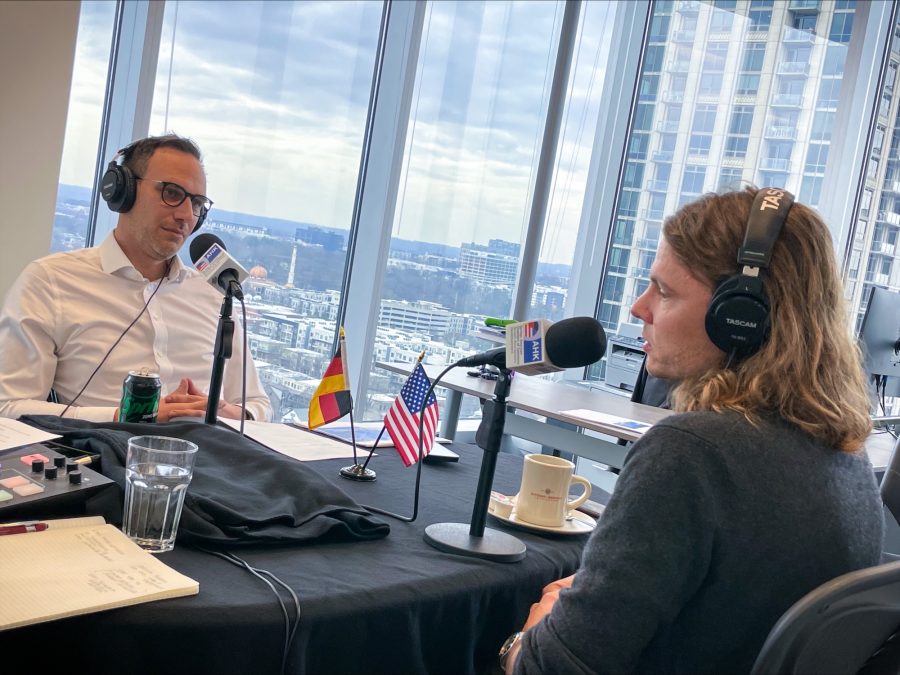
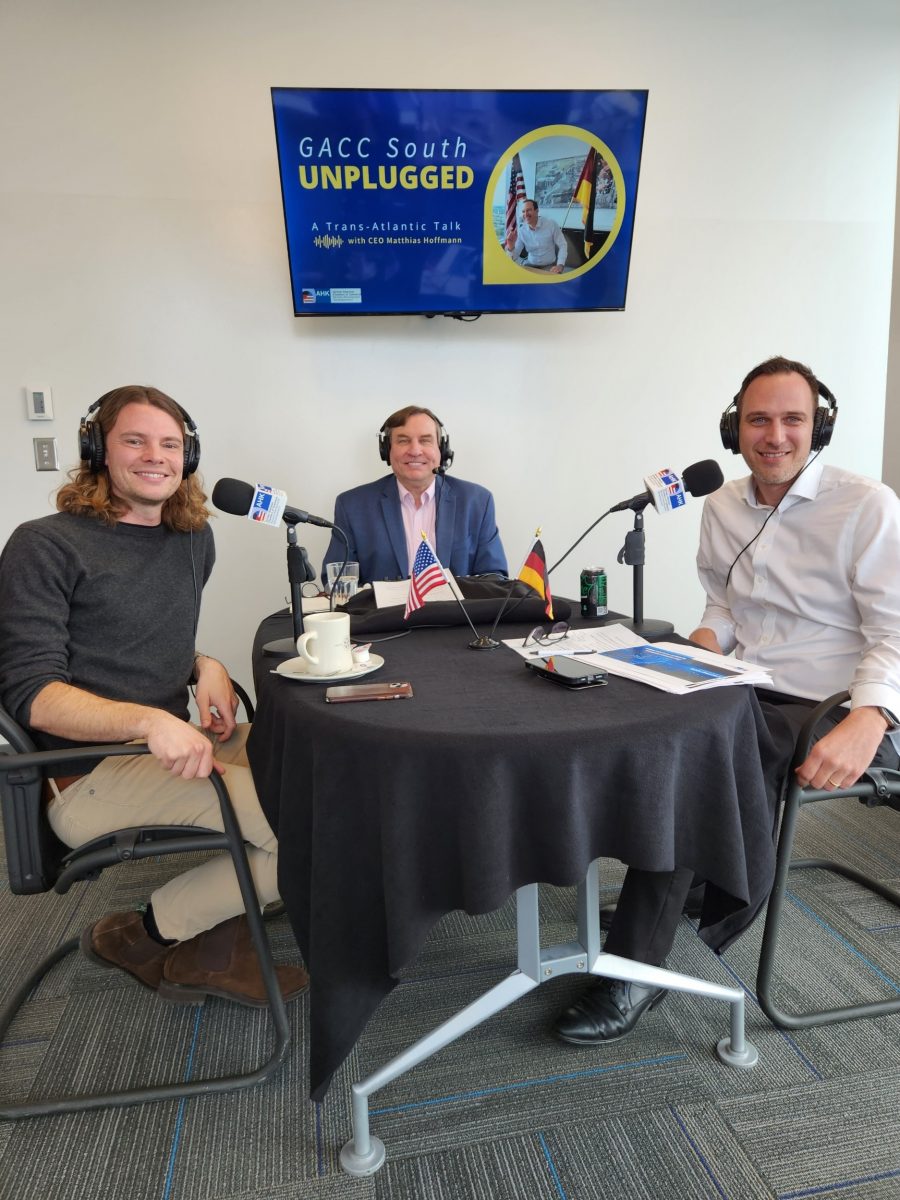
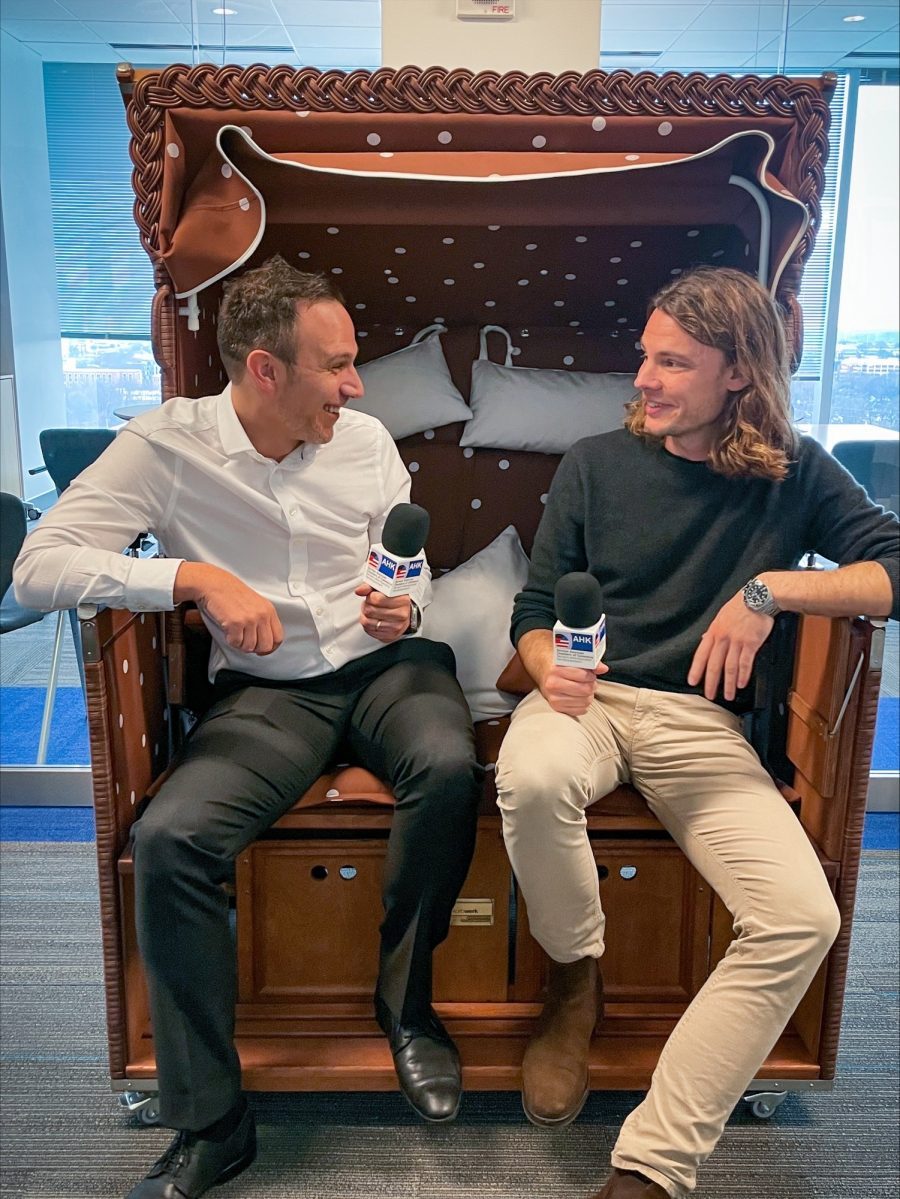


Stone Payton: [00:00:00] And we are back with Business RadioX Pro Tips. Stone Payton and Lee Kantor here with you. Lee, you’ve been at this a minute, what insights do you have on how to conduct a productive interview?
Lee Kantor: [00:00:13] Yeah. I think conducting a podcast interview that can eventually help someone generate a positive ROI is extremely difficult. It’s not intuitive. It is not something that anybody can just, you know, turn on the microphone and do just because they think they can or they think it’s easy.
Lee Kantor: [00:00:33] At Business RadioX, we spend a lot of time, a lot of man hours doing this trying different things, coming up with a methodology that works that generates an ROI for our guests, and for our clients, and for our partners. So, we have kind of figured out how to do it. And we train our people in this methodology. And I’d like to share some of those tips with you on how to do a productive interview.
Lee Kantor: [00:01:00] The number one thing is to be an active listener. You have to ask a question that allows the guest to follow up after the interview. And you have to have a patient long term time frame to make a sale. If you do those three things, you will have a productive interview for both your client, the sponsor, and the guest.
Lee Kantor: [00:01:22] You have to know that most interviews aren’t going to turn into a sale. And what the objective really should be is you’re trying to help someone create a pathway to a sale that’ll happen over time. And if you do this right, the interviewee is going to be happy and the client will also be happy.
Lee Kantor: [00:01:43] But there is a way to do it and it starts with being an active listener. You have to really let the guest be the star. Your job is to facilitate. And your job is to inject into the conversation an opening so that your client or the sponsor can elegantly follow back up with that guest. So, if you’re doing that right, the interviewee is going to be happy because they’re going to have a great piece of content. Your sponsor or your partner is going to be happy because they’re going to have an opportunity to follow up with a lead or a prospect. So, everybody is going to win if you do this right.
Lee Kantor: [00:02:21] But there is an art to this. This is not something you can just wing by just showing up and just start peppering somebody with questions. What I see time and time again is the podcast host is spending too much time talking, not enough time listening. They are trying to be the star. They’re trying to make it about them. And they’re not focusing their attention on making the guests create a great piece of content that they’re proud of and they’ll share. So, that is what I know about doing podcast interviews that create a positive ROI for everybody.


 As a thought leader and influencer, Esther Etim provokes people, tired of the status quo, to ask questions and find answers that will encourage and inspire them to live and work as authentically and fully as possible.
Esther believes “If you NEVER ask, the answer will ALWAYS be No”, as she’s seen what happens when people don’t know the right person(s), ways or questions to ask. Or that they can/should even ask questions! So, she helps young women in Law OR Media to develop strong voices, solid careers and stable personal lives.
An LLB graduate of the University of Kent in Canterbury, Esther holds a Postgraduate Certificate in Food Law from the De Montfort University in Leicester, is the CEO of The Fearless Storyteller House Emporium Ltd, writes multicultural women’s fiction as Chioma Nnani, and lives in Abuja with her husband.
This transcript is machine transcribed by Sonix
Intro: [00:00:04] Broadcasting live from the Business RadioX studios in Atlanta, Georgia. It’s time for High Velocity Radio.
Stone Payton: [00:00:15] Welcome to the High Velocity Radio show, where we celebrate top performers producing better results in less time. Stone Payton here with you today. Please join me in welcoming to the broadcast with the Fearless Storyteller House Emporium Limited, Esther Etim. How are you?
Esther Etim: [00:00:35] I am very well, thank you. And thank you for having me.
Stone Payton: [00:00:38] Well, we are absolutely delighted to have you on the show. I love the name of your organization. As you can imagine, we have a great deal of affinity for anyone who is out there capturing stories and helping other people capture and share stories. But tell us a little bit more about mission and purpose of your work. How would you describe what you’re really out there trying to do for people?
Esther Etim: [00:01:05] So I as a person, I help women in law and in media to develop strong voices, solid careers and stable personal lives. And obviously, one of the ways that I do that is through something that my company does, which is to help creatives and legal professionals to find their voices, fine tune their voices, amplify their stories, and then broadcast their story, amplify their voices, and then broadcast their stories. And the reason that we started doing that was that when I so I’m located in Nigeria right now, but I lived in the UK for nearly ten years, and then when I returned to Nigeria, I found out there were setting gaps that were not met by the educational system. And of course people that went through the educational systems of the universities here, they were suffering in their careers because of those those gaps that were not really their fault. And for me, I felt, look, I can complain about this or I can help to create solutions. And so I kind of wind about it for a while. I decided, fine, that whining is not helping. So I created solutions. Yeah, I know. That’s I created a solution. And even at that, like, it didn’t you know, it didn’t take off immediately. It still took a while for me to find my people. Right. And I think that one of the huge, as should I say, mistakes that entrepreneurs make is just because something, you know, a solution or whether it’s in a product form or it’s an offering or whatever, just because it makes sense to you doesn’t mean that it’s for everyone, or that is going to make sense for everyone to everybody that you come across. And yeah, I had to do a lot of waiting, a lot of reverse engineering stuff. A lot of yeah, quite a lot of waiting. And I would say I yeah, definitely found my people, including some of them who now who signed up, signed on to work for me.
Stone Payton: [00:03:27] Oh, I think that’s marvelous. And you found your people in the law arena and in the media world. Say more about that and how that how you got it narrowed down to that to that niche.
Esther Etim: [00:03:42] Okay. I actually studied law at university. I thought I wanted to become a lawyer. And then on the final morning of my last law exam. So this is after I’ve done the entire course. And I actually thought I wanted to become a lawyer. I woke up on that morning and it hit me, No, I don’t really want to do this, which was which was quite interesting and terrifying because I knew I didn’t want to do, but I didn’t know what I wanted to do, which up until that point, I didn’t know it was possible to have those two problems at the same time. I’ve always written so I’ve been writing from the age of six and but it wasn’t something that I felt could be a job, if that makes sense. It just wasn’t a done thing. But one thing led to another. Somebody tried to steal what Actually, they did steal my manuscripts for what turned into my first book along. Yeah, I know. Along with four or five other different pieces of work. And when I say pieces of work, I’m talking of a pilot script for a TV series, a stage production, you know, And I had to get somebody. Friend to so go after them, because I knew that legally there was nothing I could.
Esther Etim: [00:05:10] I mean, the court system in Nigeria is it’s completely a different story. And 18 months after my friend got my stuff back, my first book for about There for You was released and it’s. Things sort of just took off from there. I was offered a radio show after a chance meeting at MacDonalds, of all places. After that, I returned to Nigeria. I started doing things of my own. I created a blogger zine because I had magazine experience and I didn’t want to do blogging in the way that everybody else in Nigeria was doing it at a time. A year after I started my blog, a zine, I won an award in the UK for blogging. So yeah, it’s. I realized that these are things that I could teach people how to do it, people who were trying to get my results. I might not be a lawyer, but I understand to a great extent I understand what people in law, especially their new feeling when it comes to the media space as well. I do have quite a bit of experience with that. So yeah, I understand where some of the gaps, maybe not all because nobody knows everything. I understand where some of the gaps are and how to fill in those gaps.
Stone Payton: [00:06:39] So at this point in your work, what are you finding the most rewarding? What are you enjoying the most? What’s the most fun for you?
Esther Etim: [00:06:48] Finding my people, I it’s I can’t even tell you how how much of a relief it is, right? Because, you know, sometimes you come into an industry and you know, you have solutions to certain problems in that industry and you kind of think that everybody will be written for you, which is very naive. All that people will be, you know, people will be sensible about it. But all that, even some people who see the problems want those problems solved. Some people don’t. They’re benefiting from the status quo as it is, as horrible as it is. And so that was some of the problems. Those were some of the problems that I faced in the beginning, that thing of way. But I’ve got this really great solution. Why don’t we collaborate? And I was talking to someone a couple of days ago who is talking about collaborating with people who are actually perpetuating a problem. And I said, You’re not supposed to collaborate with them. You’re meant to replace them. They’re going to frustrate. And so yeah, and so finding my people and when I say my people, I’m not talking of just people in law or media, but I’m talking to people in law or media who see the value in what my company is offering and have actually said, hang on, where have you been? And it’s so funny.
Esther Etim: [00:08:09] It was I’ve been doing interviews because we’re hiring sales people at the company. I’ve been doing interviews for maybe the past three weeks now. And some of these people, they it almost feels like they are clones of me, like, but they need my solutions. And for some of them, when they sent in their resumes, I looked at their dates of birth and I was a bit taken aback and I realized, hang on. This is why they weren’t around before. Some of them are in their twenties. They’re very young. I mean, I have somebody who is turning 19 this year and my company has been in existence for over six years, meaning he was 13 at the time when I started. So he had no reason to look for me. I had no reason to know that he existed. And, you know, and there are all the stories of similar people. So, yeah, finding my people, that’s like the hugest the biggest thing for me right now.
Stone Payton: [00:09:05] Well, I could tell it. I can hear it. I know our listeners can over the airwaves as well. I loved what I what I read in your bio about helping young women in law or media develop strong voices, solid careers, and stable personal lives. I love that that frame. Talk about maybe a couple of specific examples of what the work looks like, like if someone engages you, especially the early stages, like what do you start working on with them?
Esther Etim: [00:09:35] Okay, we would typically do a consult where I would find out what it is that they are trying to achieve. So sometimes people say, I want to write a book or I want to start a blog or I want to do a podcast, and that’s the end for them. Like that’s just it. And I’m like, No, you need something more. There’s got to be a purpose to this thing. So it’s not just, Oh, I want to I just want to be an author. Why do you want to be an author? What is the message that you’re trying to you’re trying to spread, whether it is fiction or a nonfiction book? There is always a message. What kind of author are you? And for some people, they don’t actually know what they you know what they want a blog or a or to do a book or to do a podcast. And so I would. During the consultation, discuss with them, find out what it is, what their strengths are, what they are, actually the actual purpose that they are trying to achieve. Then I would suggest a book, a blog or a podcast as the vehicle to get there. Because I found out and I found this out the hard way, of course, that a book or a blog or a podcast and even sometimes, yeah, on a TV show are not the end.
Esther Etim: [00:10:56] They are tools to get to an end. And so when you see them that way, you’re not overly attached to them. It’s not like, Oh my gosh, if I don’t have this book, then the world is going to end. Sometimes the book is not your thing. Sometimes a blog is more, is more is going to get you to your goal faster. And obviously, I would tell them, okay, this is what I think you should do. And obviously if they for instance, for the blog, if they say, Yeah, I’m ready to do that, then I would put them on my blogging and digital journalism coaching program. So I’ve got different programs or different services that will help them achieve the ultimate goal using whatever tool that they have chosen. So if somebody wants to start a podcast, for instance, we would put them, or if they need to start a podcast, we would have them get our podcasts production package, which, you know, the purpose of that is make sure that they turn into a brand themselves with whatever whatever lesson or whatever message it is that they’ve got and will put that message in front of the right people and we’ll take things from that.
Stone Payton: [00:12:17] What a marvelous set of of services. Now, you’ve written several books, as I understand it. Is that accurate?
Esther Etim: [00:12:25] No I’ve, I’ve written to. You’ve written and Yeah. Right now two and then the third one is a it’s part of an e-book boxset. So Yeah. So that’s three.
Stone Payton: [00:12:39] The reason I’m asking, I’m operating under the impression that you’ve kind of developed a, a methodology, a process that has some discipline and some rigor to it on how you go about and maybe it applies to everything you described. How do you go about planning out the book, planning out the podcast, planning out the, the, the, the blog? One of the questions is, is that accurate? Have you developed kind of a methodology of process? And then I’m curious about the first time you wrote a blog or wrote the the book. Did you find parts of it came together pretty easily for you in other parts you really struggled with?
Esther Etim: [00:13:18] Yeah, there is a definite methodology with every every offering that we produce and we put out just because it helps for standardization of process and so that I’m not tearing my house and going, Oh, I don’t know why I did it last time. And you know, for some reason I can’t concentrate on a particular part of a project. I can farm it out and the person is not going to be confused. They’re going to know this is what I’m supposed to do. This is what the result is supposed to look like. Because I find that sometimes as entrepreneurs and even as bosses, sometimes if if people are not micromanaging, then they are assuming that their staff know exactly what they’re supposed to be doing, and then they get upset that the person doesn’t know what the person doesn’t know because you didn’t tell them, you didn’t give them any expectations. So, yes, we have a definite methodology for every every offering that we put out. The first time that I wrote a blog post, I didn’t know what I was doing. I think I just I had something to say. And so I just I just wrote it. I didn’t know anything about structure in terms of marketing or who should be reading this. So why should we say to make them read this or to make them want to read this? I just and it was just something that I felt that I had to have to say the same thing with my first book. And of course, that sounds like, Oh, I’m a creative and that’s what we do. But that affected our marketing and sales because obviously, you know, if you haven’t narrowed down what this is about, then you don’t know who to put it in front of.
Esther Etim: [00:15:05] You don’t know what to tell them apart from buy my book, buy my book. I’m people like why? And I tell my authors, the only person who gives a damn that you read your book is you. You’re the only one. Other people want to know what this book is going to do for them. So whether if it’s fiction, they want to know what the story is in terms of, you know, who the characters are, like, would I relate with a characters? There’s something that goes through that I’m going through at the moment that would help me if it’s nonfiction. There is a lesson in there, whether it’s writing about money or even food or something. There’s a lesson in there that this person is supposed to get. And of course, if you can’t say it in less than a paragraph, why this person should get that book or read that blog post or even sign up to a podcast and listen to it, then, you know, they might actually be your target audience, but then they’re not going to know and you lose. So yeah, I had to. It took quite a while, but I had to do the very IT on creative, but I had to really understand what marketing was and is and not just go, Oh, we’re, you know, we’re creatives like I don’t want to waste, you know, you can be creative and make money and market properly. So yeah, that’s something that we aim to do.
Stone Payton: [00:16:37] So how do you attract new clients, people who want to to work with you? How do you get the new clients?
Esther Etim: [00:16:47] So there are a number of ways we are currently, like I said before, we’re currently interviewing. So we’ve got sales people who are marketers as well. And so the people that they know, because sometimes people kind of go, Oh, I’m this CEO and I can do paid advertising and all, but then how you could get further if you’ve got people working for you who buy into your vision, they buy into that vision for a reason, because either they have the same problem or they know people who have the same problem that you don’t have access to for whatever reason. So that’s one of the ways. Another way is going on shows like this one. So I’ve done podcast shows, I’ve done YouTube shows as well, and obviously there’s social media. So I use at the moment I use Instagram and LinkedIn. And the reason for those is that that is literally like those two places are literally where I find that my audience is. So I remember when I first started, I think people were saying, Oh, you should be on every social media. And I was I was running myself where I got everywhere without because I didn’t understand that, you know, again, the only person who cares about your book or you’re good speaker or whatever is you, you need to go to where your audience is. And again, if you don’t know who your audience is and you don’t know how you’re going to help them, then you don’t know where they are.
Esther Etim: [00:18:20] It’s like I call it trying to sell meat to vegetarians. It doesn’t matter how great, it doesn’t matter how great the meat is or how fantastic the décor is in your restaurant. It is better the vegetarian they have vegetarian. They don’t need what you’re selling. Like. The reason that they’re vegetarians is not the point. Like when I say a lifestyle reason and religious reason, it’s not the point. The point is look for meat eaters. And even when using the analogy of food, again, even when it’s somebody who eats meat, you know, there’s different kinds of meat. If somebody is looking for lamb, for instance, for some reason you do have lamb. But I don’t know why it looks like chicken that they’re going to know. This is not what I recognize. This is not going to solve my problem, which is sad because you’ve identified the person who your who your you’re offering will help. But because of the way that you’ve packaged data or because of the way it looks, they don’t recognize it as something that they need or that they desire. And yeah, so and they are going to lose and probably even annoy them. So yeah, that’s something that we’ve had to learn and implement.
Stone Payton: [00:19:39] Well, what a great way to think about it. What a great frame. And as you were describing the the analogy, the parallel, like with meat eaters and vegetarians, I have to confess, I think in my career I have maybe from time to time fallen into the trap of not only going to the wrong place where my people aren’t, but maybe trying to convert vegetarians into meat eaters. And boy, that’s a lot of work.
Esther Etim: [00:20:06] And it’s frustrating. And there is no like that is zero return on any investment that is that is a waste of time. It’s a waste of hope. It’s a waste of energy. It’s just a waste. And, you know, the sad thing is that they are actually using this analogy. They are actually meat eaters who want what what you have. So why wouldn’t you leave the vegetarians alone?
Stone Payton: [00:20:32] Oh, that’s great. So on for yourself. Are there some things that you’re reading now or listening to that are impacting you like it? Sometimes I ask people, you know, what’s on your nightstand. And what I mean by that is, you know, like, what are you reading? What are you into? What are you studying these days?
Esther Etim: [00:20:52] I’m I’m doing quite a number of YouTube videos just to really sink myself and really get into my consciousness more. And that is because, I mean, I used to do it. I don’t know why I fell off. But it’s just the fact that sometimes you have these strategies and, you know, these plans and these lists. But if you don’t believe for whatever reason that you can really do it or that this is going to work for you, then it’s really not. And so and that’s why even with all our coaching programs, for instance, the first week and in some cases the first month is, you know, is utilized dealing with any blocks, any mental blocks that the student has just because I mean, I can talk to you about how this book is going to be a bestseller and you are not going to believe me. So when I then send you to an interview, the vibe that you’re going to give, the way you’re going to behave is going to make sure that the book is not going to be a bestseller. You’re going to be upset and you’re going to be wondering, and then I’m going to be frustrated with that. So for me, it’s just really trying to get rid of any any blocks and any thing, any baggage really, that is unnecessary and doesn’t serve me from from a mental space.
Stone Payton: [00:22:27] Well, I think that is incredibly powerful counsel. All right, before we wrap. I want to make sure that our listeners have the ability to connect with you. Learn more about your your work. What is the best way for our listeners to to learn more and connect with you?
Esther Etim: [00:22:44] Okay they would go to w w w dot s the atom dot org forward slash links. So that is e for exa as for Stella t for tango H for hotel E for Echo, Alfa Romeo, E for another echo C for another Tango I for India and for mother dot org for slash links. That’s links with a with an s plural and that links is really important or else they might get lost on the site. But the starting dot org links page will just it will direct them. There are not the necessary signposts. Therefore anyone who would land on that page.
Stone Payton: [00:23:31] Well, Esther, it has been an absolute delight having you on the show. Thank you for joining us and sharing your perspective and your your insight. This has been informing, It’s been inspiring and you’re just doing such important work. Please keep up. Keep up the good work and know that we sure appreciate you.
Esther Etim: [00:23:52] Thank you very much.
Stone Payton: [00:23:53] My pleasure. All right. Until next time, this is Stone Payton for our guest today, Esther Atom and everyone here at the Business RadioX family saying we’ll see you in the fast lane.
 As your Alfa Insurance agent, it’s Cheri Kelley’s duty to inform customers about everyday risks and how these risks can affect your family and their future.
This responsibility provides customers the tools they need to make better-informed decisions about the protection they need for their particular situations. Alfa can help protect your auto, home, life or business.
In addition to Roswell, Cheri is proud to also serve the Canton, Alpharetta, Marietta, Milton, Woodstock, Cumming and Smyrna communities in Georgia.
Connect with Cheri on LinkedIn.
This transcript is machine transcribed by Sonix
Intro: [00:00:08] The Business RadioX studio in Woodstock, Georgia. This is Fearless Formula with Sharon Cline.
Sharon Cline: [00:00:17] And welcome to Fearless Formula on Business RadioX, where we talk about the ups and downs in the business world and offer words of wisdom for business success. I’m your host, Sharon Cline. And today on the show, we have the owner of the Kelley Agency with 11 years experience with Alpha Insurance. You’re a three time all star award winner as well. Please welcome Cheri Kelley.
Cheri Kelley: [00:00:39] Thank you so much.
Sharon Cline: [00:00:41] You’re welcome. I’m so happy to have you here. It’s funny because we’re sort of like friends from my old sort of life.
Cheri Kelley: [00:00:47] So you were my very first customer. I wrote Sharon 11 years ago.
Sharon Cline: [00:00:53] Wow. I’ve known you that long. It’s kind of cool, actually when I think about it. You know, lots happen in 11 Years, especially awards. What do these awards mean? I mean, that was pretty cool.
Cheri Kelley: [00:01:04] Those are just sales goals that Alpha each year sat out and mainly production. Oh, wow. And you get rewarded very nicely once a trip for your family. They will pay for your family to go. And one’s for a spouse.
Sharon Cline: [00:01:19] Oh, where did you go?
Cheri Kelley: [00:01:20] So usually the beach is the summer trip with the family and then different locations like Las Vegas is this year, big cruises, things of that nature. They are wonderful, wonderful company to work for.
Sharon Cline: [00:01:35] Oh, I’m happy to hear that. You deserve that.
Sharon Cline: [00:01:39] Yeah, because we.
Sharon Cline: [00:01:39] Were talking earlier about what it’s like. I mean, I was a stay at home mom for a long time, and I know you kind of did similar things. And what is it like to start your own agency? Like, how did that come about?
Cheri Kelley: [00:01:50] Well, let’s see. It was an interesting story. Yeah. I guess back in oh eight or ten when everything kind of blew up.
Sharon Cline: [00:02:00] Yes, the housing.
Cheri Kelley: [00:02:01] Market had a really, really great job. A job shared. I was able to work about ten days a month. I sold paper. People found that very interesting because the office.
Sharon Cline: [00:02:12] Yes, they’re a paper.
Cheri Kelley: [00:02:14] Company. Everybody. It’s like you’re like the office. I’m like, very much so. Honestly, I just. I had to find a job to be completely honest. But I was also rounding 40, Right. And I really wanted to do a job where I, number one, felt like I could make a difference in people’s lives. Number two, sustain it for the remainder of my career.
Sharon Cline: [00:02:42] For.
Cheri Kelley: [00:02:42] Sure. And I didn’t want to start over at 50. Right. So insurance was definitely something that came up. And I did interview with several different companies, and Alpha was just the perfect fit for me.
Sharon Cline: [00:02:55] Well, you know, it’s funny you talk about what sustaining I mean, what.
Sharon Cline: [00:02:58] Else is sustaining like, insurance? You know.
Sharon Cline: [00:03:03] So. All right. So when you start you started, how did you get you just sort of became under the umbrella of Alpha.
Cheri Kelley: [00:03:09] I did. So one of the when I interviewed, you have to get your license. So I did all those credentials and then form an LLC. So all of this was totally new to me. I thought me a business owner. No way. But it has. It has been wonderful. But so I started. Yeah, I started that. And then Alpha is like a captive insurance company, like a state farm, all state. You have other independent agents that are brokers. I do write other business, but other than Alpha. Yeah, but that is our. That’s my bread and butter. Got you.
Sharon Cline: [00:03:48] So what do you mean? When we talk about someone kind of opening the door to a.
Sharon Cline: [00:03:53] Whole new world?
Sharon Cline: [00:03:55] What were some of the surprises that you encountered?
Sharon Cline: [00:03:57] Lot. Let’s hear them. Or some of them.
Cheri Kelley: [00:04:02] It’s just business. Being a new business owner in general was. Overwhelming, to say the least. And then. Each with each insurance company. Everybody has their own like wheelhouse. So not every. Person would fit Alpha.
Sharon Cline: [00:04:22] Oh, I got you. Okay.
Cheri Kelley: [00:04:24] So there’s. There’s different things for different people, but. But I just love the people. I just love being in the community, being able I’ve been able to help lots of my customers when they have had crisis. I mean, big crisis, life changing crisis, losing a family member, losing your home, losing your job. You know, so. I’m really it fulfills my heart not only as the job, but I do honestly consider them. Part friends and part of my family.
Sharon Cline: [00:05:01] Right. Because you do auto and home and life and business. Commercial.
Sharon Cline: [00:05:07] Yes. Yeah. Which covers lots of aspects of life, I guess. Kind of all the important things.
Sharon Cline: [00:05:13] So what is that like for you to kind of be the person that they call in moments of, you know, unbelievable stress and like crises like you’re saying? What’s that.
Sharon Cline: [00:05:22] Like it?
Cheri Kelley: [00:05:24] Well, it is awesome feeling to be able to know that you can tell them with 100% confidence it’s going to be okay. We are going to take care of you, I promise.
Sharon Cline: [00:05:41] In those.
Sharon Cline: [00:05:41] Moments, that must be like a lifeline, you know, and like something that will sustain you through when you’re having stress like.
Cheri Kelley: [00:05:48] That. I mean, it’s like as recently when everyone, you know, a lot of people were having the best of pipes and things of that nature and. I mean, two stories gone for a week. You come home, your whole home is destroyed. I mean, but being able to say, get a hotel. You know, we I gotcha. And then, sadly enough, delivering a life policy. When you’ve lost a loved one, can completely change their path of life. Because they are. Devastated. And if it’s the breadwinner or it doesn’t even matter who it is, they’ve lost someone super, super close to them. And this provides them the promise to go on, and that is insurance. You’re selling a. Product that you cannot see. You’re really selling a promise, right?
Sharon Cline: [00:06:42] That’s so interesting, too. You’re right. Sort of like you’re going to be there for me, right?
Sharon Cline: [00:06:45] Yes. Yes.
Sharon Cline: [00:06:47] Do you feel like you’re never off?
Cheri Kelley: [00:06:49] Never often. But that’s okay. But that’s okay.
Sharon Cline: [00:06:52] We talk about this on the show a lot, what it’s like to have, you know, social media, but also, you know, in your industry specifically any time of day. Weekends, holidays does not matter. What is that like to balance your life with? Do you balance how about how about that?
Sharon Cline: [00:07:08] Do you balance your life that way?
Cheri Kelley: [00:07:10] You really do. It is difficult at times because everybody needs to. Take them. Take care of their own self. But I’m never off.
Sharon Cline: [00:07:23] Do you?
Sharon Cline: [00:07:24] Can you put. Can you put boundaries down? Like, okay, we’re going to dinner and I’m not going to answer this phone or whatever.
Sharon Cline: [00:07:30] Yeah, that’s good.
Cheri Kelley: [00:07:31] Always do that, but you always check.
Sharon Cline: [00:07:35] As soon.
Cheri Kelley: [00:07:36] As you get back in the car.
Sharon Cline: [00:07:38] What’s it like to be a business owner when you kind of go all the way back to before you started this? Can you kind of compare how different your life feels?
Cheri Kelley: [00:07:47] Oh, it’s. Far more rewarding now.
Sharon Cline: [00:07:51] Oh, that’s so interesting.
Cheri Kelley: [00:07:52] Far more rewarding, Yes.
Sharon Cline: [00:07:54] It must feel like you are doing something so good for people. So it’s like sustaining emotionally sustaining, I guess.
Cheri Kelley: [00:08:00] Correct. And it’s hard. I mean, you know, there’s. Let’s be honest. We’re we’re in an inflationary crisis.
Sharon Cline: [00:08:08] I can’t go to the grocery store as much as I used to.
Cheri Kelley: [00:08:10] In insurance is is the same. You know, you think people get really upset when they get their new rates or so forth. But what you have to remember is car’s a bumper for a vehicle. It’s not the same bumper. It wasn’t 85. It’s got backup cameras.
Sharon Cline: [00:08:28] Yeah, that’s.
Cheri Kelley: [00:08:28] True. So that’s already expensive. And then the auto industry repair shops, you know, they’ve. They have absorbed increases as far as paint, chemicals, material, anything. So then that is a true trickle down, trickle down bad.
Sharon Cline: [00:08:49] So it’s not it’s not like you’re saying I’m just increasing because I would like to go on vacation with my.
Sharon Cline: [00:08:54] Husband and fear. You’re saying this is.
Sharon Cline: [00:08:56] Actually across the board? Yeah.
Cheri Kelley: [00:08:58] Everything’s increasing. Absolutely.
Sharon Cline: [00:09:00] And people get upset about it.
Cheri Kelley: [00:09:02] Yeah, because it is expensive and you know everybody. Is trying to manage the best they can. Like you just mentioned, the grocery store, the everything. Vacation? Yeah, everything. So when they’re on on a set income or they’re used to paying this set amount each month and then all of a sudden 5060 is a huge impact on them.
Sharon Cline: [00:09:28] So how do you you just assure them.
Sharon Cline: [00:09:31] Then, that this is just the.
Sharon Cline: [00:09:33] Way it is? It’s like not just for me, it’s across the board.
Cheri Kelley: [00:09:35] It is, absolutely. It’s the world we live in, unfortunately.
Sharon Cline: [00:09:39] Do you feel like people are not ensuring their items or life.
Sharon Cline: [00:09:45] Like this shit? I don’t know. Did I say that correctly? You did. Okay. Yes. Succinct answer. Oh, no, that’s upsetting. You know, because think about it.
Sharon Cline: [00:09:57] You’re on the road and you just have like, okay, well, in order for you to have your tag renewed, you have to have insurance. And so our. Are people not doing what they should be doing then?
Cheri Kelley: [00:10:05] I honestly feel people are just underinsured in general with these cost of things. You know, you’ve got to make sure if you’re at an at fault accident that you maybe you hit your rear in someone that rear in someone. You’ve got two cars. If you’re driving on state minimums, you know, you have to really protect yourself if you own a home or anything, because fortunately, another world we live in or it’s really easy to dial one 800.
Sharon Cline: [00:10:41] Yeah, Really?
Sharon Cline: [00:10:43] No, I mean, that’s actually very good advice because I’m assuming that if you really can’t afford a really huge policy, you will just go with the minimum. But it may not be enough to really make an impact on what you need.
Cheri Kelley: [00:10:53] It’s in liability is is inexpensive for what could happen. It’s worth the money for the extra protection. Wow.
Sharon Cline: [00:11:04] Interesting. Okay. I should be looking at my policy shortly. So, you know, starting your own business and, you know, the show’s fearless formula. So how did you combat sort of the, I don’t know, natural sort of unsure feeling people have when they start a new adventure.
Cheri Kelley: [00:11:22] Lots of prayer sharing. Well, I’ve really believed in the company and and the opportunity and what it would could mean for me and my family, to be honest. But it was scary.
Sharon Cline: [00:11:40] I can only imagine.
Cheri Kelley: [00:11:41] It was very scary going somewhere I really had. I had zero experience.
Sharon Cline: [00:11:46] Did you learn mostly on the job or did you have to go through a lot of training?
Cheri Kelley: [00:11:50] We did have a lot of training, but there’s no training like I know, right? Diving in. Yeah. And so I’m still learning. There’s a lot. There is a lot.
Sharon Cline: [00:12:00] Well, what are the cities that you serve? I think it’s not just obviously Cherokee County.
Cheri Kelley: [00:12:04] I can tell for the whole state of Georgia. Oh, only the state of Georgia. But my main you know, I grew up in Smyrna, so I’m from Cobb County. So my main base is Cobb and Cherokee. Got you. A lot of emphasize, but mainly Cobb and Cherokee.
Sharon Cline: [00:12:20] I saw that you went to Kennesaw State. I did stalk you slightly.
Sharon Cline: [00:12:23] I did. You went to Kansas State University.
Sharon Cline: [00:12:25] So did I. So we are fighting owls together?
Sharon Cline: [00:12:27] Yeah.
Sharon Cline: [00:12:28] So I did. Earlier today, there were Fighting Owl. I’m like, Look, it’s a little family.
Sharon Cline: [00:12:31] Here it is. Radio X. Okay, So.
Sharon Cline: [00:12:36] What do you think is the biggest misconception in your industry?
Cheri Kelley: [00:12:41] I think people. Can of touch him back. I think people don’t realize the value of it. They a lot of people like you always hear, I always pay for this and I never use it. You know, I’m paying for something. I never use it. I don’t really need that until.
Sharon Cline: [00:12:59] Do you really need.
Cheri Kelley: [00:13:00] Until you.
Sharon Cline: [00:13:01] Really need it?
Sharon Cline: [00:13:03] Well, that’s important to note, because I feel the same sometimes. I’m like, you know, I’ve never made a claim on this or that, so.
Cheri Kelley: [00:13:09] Right.
Sharon Cline: [00:13:10] But yeah, you’re right. There is a good feeling and knowing it’s there and.
Cheri Kelley: [00:13:13] Just knowing what you have. I think a lot of people, when I say under-insured, you know, people update their homes, add on a garage. Finish their basements.
Sharon Cline: [00:13:25] That’s something I didn’t even think of. You’re right.
Cheri Kelley: [00:13:27] And so my job as an agent to do my job well is to make sure I touch those policyholders on their renewals, their homes, autos, go over the coverage, make sure they understand, you know, if they don’t, if they get into an accident and they don’t have a rental car. I mean, you know, you just need to go over the little things because, again, people may just a lot of people assume it’s part of it. So everybody just needs to be. Be aware, informed of what’s available. Yes.
Sharon Cline: [00:14:02] Man. It just makes me think what I think.
Sharon Cline: [00:14:04] I’m serious. I’m thinking.
Sharon Cline: [00:14:05] Do I know all of the answers to these things that you’re saying? The answer would be no, I don’t.
Sharon Cline: [00:14:11] All right.
Sharon Cline: [00:14:11] So I also wanted to ask you, what do you think some of your sort of mistakes or things that you wish you knew sort of when you got started? What what do you wish you could have told yourself? In the beginning.
Cheri Kelley: [00:14:28] Work smarter, not harder. Better value of my time. Like. I wish I would have dove straight into community events then. But you’re scared. You’re new. You don’t have that confidence. Sure. To go in and run the.
Sharon Cline: [00:14:47] Chamber, you know, or.
Cheri Kelley: [00:14:49] Or whatever it may be. But I. I really, really regret. But now my first office was in Roswell, which was not in my community. And I feel like it is so important to be a part of your community, be seen. And I try to do a lot more of that, but I wish I would have been.
Sharon Cline: [00:15:10] A little bit more proactive. Yeah.
Cheri Kelley: [00:15:11] Just not. Just not as. Fearful.
Sharon Cline: [00:15:16] Got you. You’re on the right show. Well, if.
Sharon Cline: [00:15:20] You’re just joining us, we’re speaking with Sherry Kelley of the Kelley agency Alpha Insurance. So what do you do in the community now that you feel like you’re in the right spot?
Cheri Kelley: [00:15:30] Well, I’m involved with Cherokee Family Development Center and try to help them a lot. They do so much for these families in transition. And that’s really been where I have focused my most of my time. And I really try. To help within my book.
Sharon Cline: [00:15:53] You mean things that your wheelhouse of things that you like.
Cheri Kelley: [00:15:55] My book of customers. So, like, if. If when I feel there. When I hear their needs. Oh, so you’re looking out for. I really. I really try and help in those ways as well.
Sharon Cline: [00:16:10] Well, that must be very rewarding as well, because you do have power, you know, in your power.
Sharon Cline: [00:16:17] Your power can hardly handle it here in the studio.
Sharon Cline: [00:16:21] So what do you do for sales and marketing? Do you market yourself? How do you make it all work?
Cheri Kelley: [00:16:26] I have someone that helps me with my Facebook and we do a lot in. Within the office. And also I have a couple of billboards coming. I used to do the billboards and I kind of stepped away from it. And then there was not a lot of availability, but there’s some availability coming back up. And I just think it’s important to be seen. People know what you do, right.
Sharon Cline: [00:16:51] Your picture is on there.
Cheri Kelley: [00:16:53] That’s not really great, but it is.
Sharon Cline: [00:16:58] Oh my God.
Sharon Cline: [00:17:00] No. You’re like, so beautiful. But also I like that you are talking about how the value of investing money this way because I remember seeing your billboards like on 575. I want to say that, right?
Sharon Cline: [00:17:11] Yes, I had a flash of it.
Sharon Cline: [00:17:14] But how do people tell you I saw you on a billboard?
Sharon Cline: [00:17:17] Yes. Oh, then it’s worth it.
Cheri Kelley: [00:17:18] Yes. And they’re like, I didn’t realize that that’s what you did. Or, you know, when the kids were younger, you would see people with. You know, activities or sports or whatever, and you get to know them that way. But they’re like, I had no clue, you know?
Sharon Cline: [00:17:33] Well, it’s not like you lead with that everywhere with all of your interactions, right? Although when you do have a product like you do, pretty much anybody could be your customer, right?
Sharon Cline: [00:17:41] Yes. Yes. How do you.
Cheri Kelley: [00:17:43] Everybody needs their every everyone needs insurance time. Yes.
Sharon Cline: [00:17:49] So how would I. I’m trying to think because the world is like how I see it.
Sharon Cline: [00:17:54] So I’m like in my mind, how would.
Sharon Cline: [00:17:56] I approach this? Because really, it must be a challenge to kind of not always be selling, I guess.
Cheri Kelley: [00:18:01] Right. And, you know, there’s a lot of agents, you know, so a lot of times people, you know, they have family, friends and all of that. And I’m not a high pressure sales. I’m not it either. I would love to help you. I work for a wonderful company. We have great rates but. It’s some people aren’t even comfortable friends doing business. You know, some people don’t like to do business with friends. Ironically, I got to think about that and that, you know, people have different feelings.
Sharon Cline: [00:18:32] You know, I go to a networking meeting here in Woodstock on Thursday mornings, and we talk a lot about that, about how everyone’s they’re representing their business. But then you get to know them almost on a friend level. And I would trust them more than I would just anyone, you know. So I would assume that you would have the same sort of, I don’t know, interactions with people. Is that especially because you’ve been in the industry so long, you’re not really a fly by night kind of agency where you’re just looking to get this policy money and then you’re close.
Cheri Kelley: [00:19:03] Well, most of my business is referrals.
Sharon Cline: [00:19:06] Oh, well, I mean, that’s cool to know. Yes.
Cheri Kelley: [00:19:09] Yes. So that’s like the biggest compliment I can have. You know, I mean, if they trust me enough to send their family and friends, that means the world to me.
Sharon Cline: [00:19:20] If you could, where do you see yourself going? If you if you could kind of craft your perfect, I don’t know, goal, what would it be?
Cheri Kelley: [00:19:29] Well, I hope to finish out and retire. You know, I’ve got a while. Let’s don’t talk about that.
Sharon Cline: [00:19:37] Like this is what you’d like to be doing.
Sharon Cline: [00:19:39] Yes, this.
Cheri Kelley: [00:19:40] Is. I will continue to do it. I really enjoy it.
Sharon Cline: [00:19:43] Oh, I think that’s awesome. And again, I think it’s just so kind how you are looking out for people, even beyond what sort of the standard agent would do. Right. So how many people work in your office?
Cheri Kelley: [00:19:54] I currently I have two.
Sharon Cline: [00:19:58] So you have two employees?
Cheri Kelley: [00:19:59] Yes.
Sharon Cline: [00:20:00] Well, so you’re the boss.
Sharon Cline: [00:20:02] Since you.
Cheri Kelley: [00:20:03] And I’m a mean one.
Sharon Cline: [00:20:06] I don’t see that at all. We do not.
Sharon Cline: [00:20:08] Lie here on business radio. No, but seriously, it’s kind of cool. I imagine that you’re like a boss that way.
Cheri Kelley: [00:20:14] Yes. It’s. It’s weird. It’s a hard role for me because I am a doer. And so to give instruction and pass on and that’s one thing that I have learned. I’m doing a better job at it because in the beginning it’s just, Oh, I can do it. It’s just easier for me to do it. Well, it’s not, you know, it’s far more efficient when you have boundaries and things to do and you’re far more productive.
Sharon Cline: [00:20:49] So I have that problem, too.
Sharon Cline: [00:20:51] I mean, I do. It’s like.
Sharon Cline: [00:20:52] Well, I don’t know if they’re going to do it right. So I think I’ll just do it because I know it’s going to get done right, which means I have control issues.
Cheri Kelley: [00:20:59] Well, I think that’s my problem.
Sharon Cline: [00:21:02] But do you do trust these people that I work with?
Cheri Kelley: [00:21:04] Absolutely.
Sharon Cline: [00:21:05] So how did you find them?
Cheri Kelley: [00:21:07] Actually, both of them I have known for when I met through the community when my daughter was in middle school and the other I grew up with.
Sharon Cline: [00:21:16] Oh, that’s great.
Cheri Kelley: [00:21:17] I’ve known her since middle school.
Sharon Cline: [00:21:19] So it feels kind of like family anyway.
Sharon Cline: [00:21:20] Yes. Oh, I love it. No, but it’s.
Sharon Cline: [00:21:24] Nice because when you have a.
Cheri Kelley: [00:21:25] Relationship.
Sharon Cline: [00:21:26] Is it all is it all women there? Oh, geez. Good for you.
Sharon Cline: [00:21:30] No, but like, when you have relationships like that, these are people you trust and know.
Cheri Kelley: [00:21:34] Yes.
Sharon Cline: [00:21:34] So you haven’t had to go through the LinkedIn sort of route of our hiring or indeed, or whatever.
Cheri Kelley: [00:21:38] I have not. I’ve been fortunate not that I have looked because I’m looking to to build. I would love to add another employee at some point.
Sharon Cline: [00:21:49] Well, that’s.
Cheri Kelley: [00:21:50] Great. Yeah.
Sharon Cline: [00:21:51] I’m not that expensive.
Sharon Cline: [00:21:52] Just kidding.
Sharon Cline: [00:21:53] What would you say is your biggest challenge then? Is it balancing your sort of work at home or is it, I don’t know, managing growth or competing with other companies? Are they all.
Cheri Kelley: [00:22:04] It’s it’s it’s all. But I think the work life balance is the hardest for sure. It’s hard. I left there at seven, you know, last night. I’ve been there after, you know, but that’s what it takes to take care of it. And it’s my business. So your baby. I feel like that’s my job.
Sharon Cline: [00:22:27] That’s your. Your what do they call it? Like your brand, I guess. Yes. And so you’re promoting the brand. I get that. But yeah, I was thinking about that. Like I’ve called you.
Sharon Cline: [00:22:37] Sorry, you don’t.
Sharon Cline: [00:22:38] Have to go too personal.
Sharon Cline: [00:22:39] But I have called you and texted.
Sharon Cline: [00:22:41] You and been like, Oh, my gosh, John. I mean, all of my kids have had some kind of accident. I’ve had an accident I backed into. So I guess I’m just saying it’s like you never know when that’s all going to come to you.
Cheri Kelley: [00:22:51] Right? So and we do have a customer service on after hours. If for some reason, you know, I didn’t get it, but to me they went, I feel like you probably wanted to hear from me. It’s going to be okay, you know?
Sharon Cline: [00:23:06] Do you.
Sharon Cline: [00:23:07] Hold hands? A lot of people.
Sharon Cline: [00:23:09] I guess, like you have for me.
Sharon Cline: [00:23:12] I mean, let’s talk about what that’s like to because considering I did a story for CNN about the police here in Canton and interviewed them for a while and I did like some ride alongs with them, and it was really interesting to hear what it’s like for them to be always interacting with people under stressful circumstances. And so they had this program called Coffee with a Cop, which was just like meet the police officers under, you know, a non stressful scenario. And it brings out a different energy with people. You know, when you’re just having coffee and speaking to a police officer, you’re not getting a ticket, you know, in that moment or whatever else happens. But yeah, I’m imagining that’s what it’s like for you. So these networking things that you do must be really important.
Cheri Kelley: [00:23:53] Yes, it’s very it is just to. Here are the needs people. People need stuff.
Sharon Cline: [00:24:04] Yeah. So and unless you’re really out there actively selling, how would you know if you’re meeting all the needs that someone has?
Cheri Kelley: [00:24:11] Right. And there’s so many questions with insurance people. People just automatically. Assume it’s a scam. I hate to say that, really, but, you know, because like I said, they’re like. I’ve never had it. Why is it so expensive? Why? It’s mine going up. I drive an older car. I mean, it’s. And I get all of it. And I always tell people I am a consumer as well and it is tough. And I will help you any way that I can, even if it’s. With someone else. Truthfully, I mean, that’s the truth.
Sharon Cline: [00:24:48] Well, I mean, that’s very kind as well that you’re not just in it for the dollars. Like, you’re my customer. You can’t.
Sharon Cline: [00:24:53] Leave. Right.
Cheri Kelley: [00:24:55] I would never.
Sharon Cline: [00:24:57] Not really.
Sharon Cline: [00:24:58] So I would question then what? Who’s your ideal customer?
Cheri Kelley: [00:25:02] Our ideal customer is someone who owns a home, has a couple of autos, has an umbrella policy.
Sharon Cline: [00:25:11] God, do I have an umbrella? I don’t know if I have an umbrella policy.
Cheri Kelley: [00:25:14] Can’t stand the umbrellas or are very, very important, especially with teenage drivers. Or if you have a pool and you have people over a lot and if someone you know, it’s just it’s just that extra layer of protection for very minimal amount.
Sharon Cline: [00:25:34] All right. I have shame asking you this question, but what exactly is an umbrella policy?
Sharon Cline: [00:25:40] I’m so sorry. I do not know the answer to this. Like I’ve heard of it, but shame on me. I haven’t told you. Oh, yeah? Yeah. It’s your.
Sharon Cline: [00:25:46] Fault. I love this moment. This is a great moment.
Cheri Kelley: [00:25:49] So an umbrella is a additional liability. It’s additional liability coverage. So say you have an auto accident and there’s a lot of injuries and you’re at fault, or whatever the case may be. If the bodily injury or whatever is tapped out on your auto policy, that’s where your umbrella would kick in.
Sharon Cline: [00:26:14] Okay.
Cheri Kelley: [00:26:15] And they start at a million $1,000,000 umbrella.
Sharon Cline: [00:26:18] They start at a.
Cheri Kelley: [00:26:19] Million like it’s $1,000,000 additional on top. Wow. And it represents. It covers your home as well as your auto whatever underlying policies.
Sharon Cline: [00:26:30] Well, dang, how often do people need these umbrella policies?
Cheri Kelley: [00:26:33] You would be surprised. Really? Yes. They’re very important.
Sharon Cline: [00:26:37] Yes. All of a sudden, I’m terrified not leaving here without an umbrella before I sign some documents.
Sharon Cline: [00:26:44] No, but that’s important. I don’t know. My average. I have no idea what people know and don’t know. Right.
Cheri Kelley: [00:26:50] I guess people. Most people don’t know. You know, that’s the truth. They they they know what they have to have. You know, you have to have insurance. You know, they’ll but they don’t really know what the coverage is necessarily stand for.
Sharon Cline: [00:27:06] What would you recommend for someone who really doesn’t have and I’m kind of speaking for myself, a really clear understanding of exactly what I should have. Do you think just giving you a call would be the best way?
Cheri Kelley: [00:27:16] That would be awesome. I would be happy to talk to anyone, regardless of their my customer or not, because I think to be informed. Is knowledge is power, right?
Sharon Cline: [00:27:29] Sure. Well, clearly.
Cheri Kelley: [00:27:32] So, I mean, you just I think people, especially young people that come off, you know, their parents and they’re going on their own, they don’t really. No. Mm hmm. Unless their parents have really sat down with them. And there are a lot of people who have really done a great job with these young adults coming, right? They really know what they need, and that’s hopeful.
Sharon Cline: [00:27:54] It is.
Cheri Kelley: [00:27:55] It really is. I’m really impressed with some of them.
Sharon Cline: [00:27:58] Wow. Well, how.
Sharon Cline: [00:27:59] Did the pandemic affect your business? Did the pandemic affect your business?
Cheri Kelley: [00:28:03] It actually did not impact my business. Well, it it did, but. I lost some because people lost their jobs and they just had no choice than to to shop, which is everyone’s right. So I did lose a lot. But in the same. Fashion. People still. You still have to have your have your autos covered and your homes covered. And the pandemic was just an awkward. It was a hard time for so many, and.
Sharon Cline: [00:28:42] I’m thinking that people worked from home a lot, too. So their houses got impacted, I’m sure, in different ways.
Cheri Kelley: [00:28:48] Yes. And we we cut a lot of mileage.
Sharon Cline: [00:28:50] Oh, gosh.
Cheri Kelley: [00:28:51] You know, like, I didn’t drive change and yeah, change in mileage, you know, that would help them save some. We would try and just reevaluate their policies and make any changes we could to help them during that time.
Sharon Cline: [00:29:04] It’s so good to know. All right. So let’s talk about what you are not afraid of anymore after having gone through starting your own business and 11 years later, an awards later and pandemic later, what are there things that you’re not afraid of anymore?
Cheri Kelley: [00:29:21] I’m not afraid of a lot. I’m really not afraid. Why be afraid? You got to try, right? If I wouldn’t have tried this. And I did kind of you know, I had to I needed a job. This is how it really got started. But. Gosh. You’re always afraid of some type of failure. You know? Yeah, of course, but. And I’m not afraid.
Sharon Cline: [00:29:54] Yeah. What advice do you.
Sharon Cline: [00:29:57] Have for some people out there who may be considering starting something like your business? What would you recommend for them to do?
Cheri Kelley: [00:30:02] Go for it. Absolutely. Go for it. I think working for yourself, having that freedom. Because even I say I’m not often there’s a lot of flexibility.
Sharon Cline: [00:30:15] You know, you’re your own boss. Yes. You don’t answer to anybody, really?
Cheri Kelley: [00:30:18] Absolutely. And it is. It’s the American dream. Right.
Sharon Cline: [00:30:25] True.
Sharon Cline: [00:30:26] And you do touch a lot of the American dreams with homes and cars and businesses. And so you do kind of have a hand in everyone’s American dream as well as your own, which is kind of cool.
Cheri Kelley: [00:30:35] Very good.
Sharon Cline: [00:30:37] Thanks, Farai. Good moment.
Sharon Cline: [00:30:42] I’m so glad it’s live.
Sharon Cline: [00:30:44] At this moment, there.
Sharon Cline: [00:30:44] Are many times where I’m like, wait, what was I.
Sharon Cline: [00:30:46] Going to ask you anyway? Well, Sherrie.
Sharon Cline: [00:30:49] Kelly, how can people get in touch with you?
Cheri Kelley: [00:30:51] Well, I am located down off old Highway five, down by the post office. If anyone is out and about. But most of the time people just go to my website and you can just do its alpha insurance forward slash Sherrie Kelly and I’m on Facebook and Instagram and all that good fun stuff. And it’s Sheri with a C. A lot of people think it’s cherry.
Sharon Cline: [00:31:14] Oh, it’s not cherry.
Cheri Kelley: [00:31:15] Kelly And it happens a lot, but I do answer to it. So yes, I’m right here in Canton, so I would love the opportunity to speak with anyone.
Sharon Cline: [00:31:24] Oh, well, thank you so much for coming on the show. I’m so grateful that you got to spend some time with me. Not in a stressful speech.
Cheri Kelley: [00:31:30] To me.
Sharon Cline: [00:31:31] Because we.
Sharon Cline: [00:31:32] Never really sit down and talk about these things. So, you know, I’m always kind of like, Oh, no, this bad thing happened. Help. So I appreciate your time and kind of giving me a little bit of more of an insight on under a very calm.
Sharon Cline: [00:31:43] Scenario, what it’s like to be you.
Cheri Kelley: [00:31:45] Oh, well, you’re so sweet. Thank you so much.
Sharon Cline: [00:31:48] You’re welcome. And thank you all for listening to Fearless Formula on business radio. And this is Sharon Cline reminding you that with knowledge and understanding, we can all have our own fearless formula. Have a great day.
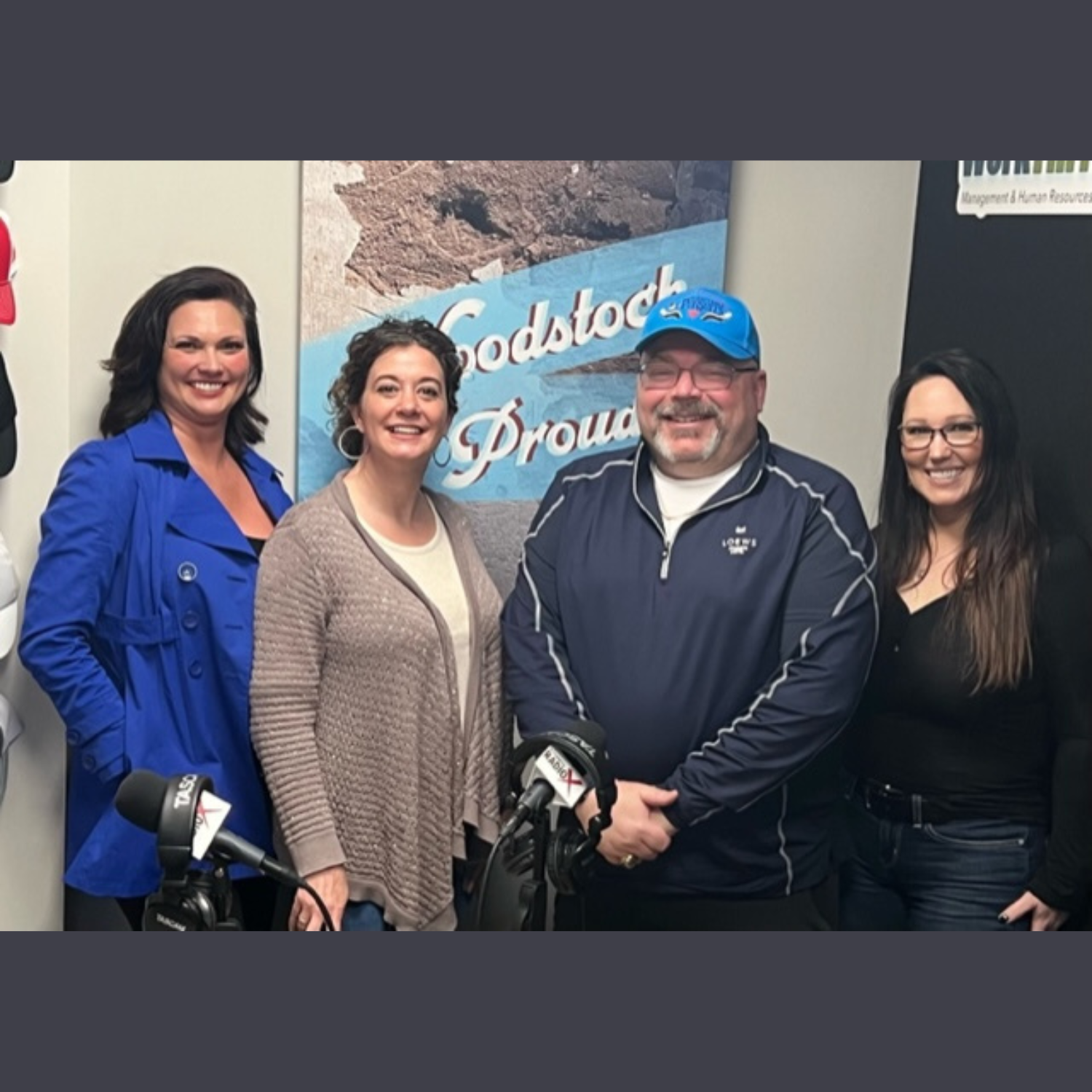

 Sharon Cline is a professional voice over artist and narrator in Atlanta. She’s recorded voice overs for podcasts, authors, internal company videos, doctor’s offices and automated voice recordings.
You can hear Sharon on YouTube and educational videos. She’s recorded 16 audiobooks so far, and loves working with authors and businesses alike.
Connect with Sharon on LinkedIn.
 Wendy Cone is the Marketing Closer for Lingerfelt and Associates. She has been a Closing Secretary for Real Estate Attorneys since 1999.
At Lingerfelt and Associates, Wendy specializes in finding solutions for all of your Real Estate Closing Needs. Last year alone she closed over 30 million dollars worth of Real Estate.
But what’s even more amazing than that is that is in 2022 Lingerfelt and Associates supported through donations, fundraisers and charity events OVER 15 foundations, including; DOMINIC’S MISSION, ACES YOUTH HOME, EXPERIENCES FOUNDATION, THINK PINK, BREAST CANCER AWARENESS, ALZHEIMER’S FOUNDATION, PAPA’S PANTRY, NEVER ALONE FOOD PANTRY, EVERY LINK MATTERS, ANGEL HOUSE, MALON D. MIMMS BOYS & GIRLS CLUB, ANNA CRAWFORD’S CHILDREN CENTER, TOYS FOR TOTS, HOMELESS VETERANS, HABITAT FOR HUMANITY AND FOUR CORNER’S GROUP, INC.
Wendy is humbled and honored to be able to be a part of such an amazing law firm. Lingerfelt and Associates is a family-owned and has been in business for 16 years. They believe in family, community and the success of the industry as a whole.
On a personal level, Wendy is the mother of two children Alex & Ian and wife to her soulmate, Michael. Wendy and her family reside in Acworth, Georgia and have resided in the state for over 30 years.
Connect with Wendy on LinkedIn.
 Stormy Curtis is the owner of Paulding County Uncensored (community publisher, event coordinator, and marketing/advertising consultant), and Buy Georgia Realty (a team under Atlanta Communities).
Whether you’re looking to buy, sell, lease with an option to purchase, or invest, Stormy can help you on your journey. She understands that you’re not just buying property, but you’re buying a home that needs to mold perfectly into your lifestyle, and it’s her goal to make sure it’s just right for you. Stormy also has a background in advertising/marketing.
Stormy’s passion for real estate continuously motivates her to always do her best, so she can build a lasting relationship with her clients. She truly enjoys seeing and sharing the process from beginning to end with you by removing the worry that may come along during such a big decision. She’ll keep you informed every step of the way; listening to you, and making your best interests her top priority.
Connect with Stormy on LinkedIn.
This transcript is machine transcribed by Sonix
Intro: [00:00:07] Broadcasting live from the Business RadioX studios in Atlanta. It’s time for Charitable Georgia, brought to you by B’s Charitable Pursuits and Resources. We put the fun in fundraising. For more information, go to B’s Charitable Pursuits dot com. That’s B’s Charitable Pursuits dot com. Now here’s your host, Brian Prewitt. Broadcasting live from the Business RadioX studios in Atlanta. It’s time for Charitable Georgia, brought to you by B’s Charitable Pursuits and Resources. We put the fun in fundraising. For more information, go to B’s Charitable Pursuits dot com. That’s B’s Charitable Pursuits dot com. Now here’s your host, Brian Pruett.
Brian Pruett: [00:01:32] Good, fabulous. Friday morning, everybody. It’s another fabulous Friday with three more fabulous guests. I wish you guys could see me right now because I’m in a studio full of ladies. It’s really cool. Stone, I know your wife’s had a procedure. I hope everything goes well, but you’re missing out this morning. It’s a ray of sunshine outside and a ray of sunshine inside, as well as a perfect storm. So it’s awesome. So we’re going to start this morning with my first guest, who’s also my producer this morning Ms. Sharon Cline. So, Sharon, thank you for for being here in double duty.
Sharon Cline: [00:02:06] You’re welcome. Thank you for having me.
Brian Pruett: [00:02:07] So you’re no stranger to the people listening, I’m sure. So you have a show on here called Fabulous or Fearless? Fearless, Fearless formula.
Sharon Cline: [00:02:17] That’s right.
Brian Pruett: [00:02:18] That’s right. You got it. And you’re also a professional voiceover artist. So I just like for you to share your story, because you obviously have a passion for helping local business owners with your show, but share your your passion for that and how you got into what you’re doing.
Sharon Cline: [00:02:33] Wow, that’s such a nice intro. I do really appreciate being able to highlight businesses. I met Stone Payton, who is owns the studio here and at a networking meeting and really wanted to take. I just find it inspiring people’s stories very inspiring. And in meeting networking people and their own businesses, there’s so much to know beyond someone’s just business name. And so I really tried to think of what would be a great angle to kind of focus on as I’m introducing different businesses and people. And I think fear is such a universal emotion that can really impact your life in ways that maybe you’re not realizing in the moment. And so calling it fearless formula was the goal is really to focus on what people deal with when they have a setback or they are feeling unsure about how to proceed or just the natural ups and downs of what it’s like to be a business owner. And it’s just been really fun to get to know some of the commonalities that we all have. Specifically how important it is to surround yourself with really good people. And that’s something that’s a universal with everybody I’ve ever spoken to. And I really appreciate that because it’s not like you’re on an island by yourself trying to figure out how to make an LLC or a DBA or, you know, you’ve got resources not just on the Internet, but if you have some people that are kind of supportive of you, that can really take you far. And so I’ve just had a blast. It’s been it’s like my happiest part of my week besides this moment. Brian just let you know. But yeah, I’m lucky to be able to do it.
Brian Pruett: [00:04:11] So I’ve listened to your show. It’s a great show, by the way. And you, you kind of like this show where this is meant to put out more positive and inspiration stories and get people to think about that instead of all the negative that mainstream media puts out there. You get some of these business owners to open up as well. I mean, they tell their stories, right? So it’s cool to hear stories about people sharing their struggles and overcoming people who’ve been in jail, people who’ve struggled from just all kinds of different things. But it’s really cool that they’re able to to be open about that because just like being vulnerable and we’ll share with these other two being able to share their stories. You never know who’s listening, who’s reading on social media, who’s watching, but you can be an inspiration for somebody like that. And I think you having your platform is just going above and beyond being able to do that for other folks. So I appreciate that. So tell me more about how you go about getting business owners to come on here. What’s the goal? I mean, obviously you just shared a little bit about, but what’s the goal about getting the businesses and sharing their stories?
Sharon Cline: [00:05:18] Well, thank you. That was very nice what you said. I think the goal for me is, is that there are so many things that make us more like than different. And I mean everyone across the board. There are so many commonalities between all of us, personality wise and just kind of our hopes and dreams and wanting to be valued as a human. And so here we all have businesses that have names and just being able to ask someone, why do you do what you do? And what are some of the surprises that you came upon and how did you manage those things? And like even just man, the pandemic can offer just a plethora of information of how people manage to negotiate around that. Some businesses failed and some changed. And how did you feel about that? So I like that if someone says I would like to go to the pie bar or some other business here in Cherokee County or a coffee place and be able to say, I heard your story. I identify with sort of what your goals and dreams are and what motivates you. Every day it becomes more not just a name, but a personality, a place and a way to see yourself in what they’re doing. And it’s it’s kind of fascinating. I was just saying before the show, everybody that I’ve interviewed, I’ve just really loved the energy we have and. Then when we strangers come in here, you know, and then when we leave, everyone is like. Like we’re friends. We are truly happy to have just shared some time together. And I think it’s really important to be able to give someone not just here’s my business, but like a platform to be able to say, Here’s how I want my contribution to the world to look.
Sharon Cline: [00:06:52] And this is this is my. Just giving them a moment to have a story, their story because everyone has won. So I just that’s very motivating for me. I used to do a radio show when I was at Kennesaw State University and it was a very similar platform. And so just having another one here has been just a blessing. And as far as asking people, this is going to sound kind of basic, but like I really just like ask like I will find someone and say, you know, like last week I had this snuggly blanket company. This woman had never done a show before or anything like that. But I, I just messaged her and I said, you know, this is a great story that you have just from your bio. You know, would you be interested in highlighting some of the things that you like and that you’ve learned about your business? What a fascinating story because, you know, it started out kind of one way and is expanded and grown and she didn’t know anything about business. I’m like, you’re exactly who I like to talk to because my mind is my own worst enemy sometimes. So to be able to have someone come on and talk about how they’ve, like, worked around their unknown’s and basic fears, I think is very inspiring for anybody. So yeah, I’ve been really blessed, I think, or lucky to be able to, I don’t know, have the energy that seems to make sense to people that they’d be willing to come on and and like you said, be vulnerable.
Brian Pruett: [00:08:05] I knew there was another reason I liked you because I’m also a case. You graduate.
Sharon Cline: [00:08:08] So are you really go owls, man. That’s funny.
Brian Pruett: [00:08:12] So it’s it’s also cool because I as I shared the last couple of times on the show, everybody that I’ve had on my show so far, I’ve met in networking. And that’s a power of networking. And then you do one to ones and establish the relationship and that’s where you hear the stories. It’s true, right? Some people may be vulnerable and share when you get up in front of people, but when you establish those relationships and hear their stories, that’s what’s amazing. And so to have the platform to be able to get these stories out there and be inspiring and be positive, it’s incredible. So thank Stone for that, first of all. So so tell me a little more about your voiceover. How did you get into that?
Sharon Cline: [00:08:47] So I used to be in my car all the time when I was traveling downtown every day, and I got really good at listening to audiobooks, which I love still. And then one day I was like, Man, I wonder how you get started on that. And truly, I googled. How do you get started being like an audiobook narrator and slowly figured out the process and what I needed equipment wise, and then started recording audiobooks pretty steadily. I’ve done, I think, 16, and then voiceovers are like the mini baby version of the effort and time that it takes. So I went to school for that actually online, right as the pandemic started. And yeah, since then I’ve been just kind of steadily doing work here and there, but it’s very satisfying and I love that I’ve got a little booth in my garage and it’s just super fun, very fun to be creative that way. And yeah, it’s been really great.
Brian Pruett: [00:09:36] Are there particular kind of books that you enjoy doing more than others?
Sharon Cline: [00:09:38] Yes.
Brian Pruett: [00:09:39] Yeah. You want to share those?
Sharon Cline: [00:09:44] Well, so I don’t read the entire book Usually before I agree to do it, I’ll just read a snippet and sometimes they’re a little racier than what I thought. And I’m just like, Disassociate, Just do it. Just say it. Just get it over with, you know? Because it’s like, what? But at the same time, I really enjoy historical fiction and even, you know, I guess kind of the ones that kind of are helpful to people, you know, like almost narrating a little story. I like those. It’s just very interesting. It’s there’s work everywhere in voiceover. So it’s something that I’m continuing to pursue this year in particular just to see what will happen. But this has been part of it too. You know, it’s like a great way to get to know people and business owners and say, Do you do you need someone to do your voice mail or do you need an explainer video or, you know, I like to help people communicate the way that they want.
Brian Pruett: [00:10:27] So they might like your voice better than mine. So I might have to talk to you about some stuff.
Wendy Cone: [00:10:32] Her voice is very soothing.
Sharon Cline: [00:10:34] Oh.
Brian Pruett: [00:10:35] Don’t fall asleep yet. Sorry.
Sharon Cline: [00:10:38] Thank you for asking me those questions, O’Brian.
Brian Pruett: [00:10:40] So normally I ask. Well, I’ll ask that question in a second, but if somebody wants to get a hold of you for either talking about being on your show or your voice of work, how can I get a hold of you?
Sharon Cline: [00:10:52] You can go to Sharon Cline. That’s my website. And there’s my phone number is there? So you can text me or you can fill out a form that’s on the website and I’ll be happy to get back with you.
Brian Pruett: [00:11:03] Thank you. Awesome. So normally, again, I ask this question, but I know the answer. But do you mind sticking around because I can’t run the board so you have to stick around anyway. But listening to these next next stories.
Sharon Cline: [00:11:12] I’d be happy to.
Brian Pruett: [00:11:12] All right. So now we’re going on to Wendy Cone from Lingfield and Associates. So, Wendy, thanks for being here this morning.
Wendy Cone: [00:11:18] Thank you.
Brian Pruett: [00:11:18] So just knowing you have a giving heart, you you help sponsor a golf tournament that I helped with back in September. But, you know, I’ve gotten to know each other in the last several months. And you have quite an interesting. Story for an upbringing and led to your giving heart. So just the parts that I know and I’m going to let you talk more about what you feel comfortable with, but you your your biological father was a Hells Angel.
Wendy Cone: [00:11:41] I knew you were going to go there. Yes. He was biological father, was a Hells Angel, for sure.
Brian Pruett: [00:11:47] And then you told me your mother then married into with a drug lord?
Wendy Cone: [00:11:52] Yes, Yes. We lived on a sailboat. 54 foot sailboat. Sailed down the Mississippi. It was 1985. I was eight. So, yes, I’m 46 and proud of it.
Brian Pruett: [00:12:00] So go ahead and share your story. I mean, because this leads into why you have such giving heart.
Wendy Cone: [00:12:04] I know I’m turning bright red.
Brian Pruett: [00:12:06] Now when I can see you. You. It’s a perfect.
Sharon Cline: [00:12:08] You’re good. Looks good.
Wendy Cone: [00:12:09] It’s okay. It’s okay. And I speak about learning to be vulnerable all of a sudden. Happens real fast, doesn’t it? Thanks, Brian. No, I mean, I’m blessed to work for. Felton Associates. He took a chance on me to. Over two years ago for maybe in the marketing closer. And the reason I segue into that is because I’m a I’ve always been a closing secretary since 1999, but I’m able to help support foundations and stuff like that. But the reason I am that way is, you know, as a child, I know, you know, I know what it feels like to be not seen, to be, you know, hungry to witness the abuse. And so, you know, I don’t know. It just kind of developed me into who I am now, where I like to make people feel seen. You know, to feel heard, to be a part of something. Everybody just wants to be included in things. So.
Brian Pruett: [00:13:00] So you guys with Linear Associates told me last year you guys was over 15 for non profits that you guys helped share a little bit about what you do.
Wendy Cone: [00:13:11] We sure did. So we do a lot of events, as you know, golf tournaments, I think I did for last year, including yours. And then every link matters as well as the Board of Realtors one and I know our I always do the 18th hole and it’s always Caddyshack themed so you’re going to get jello shots or adult fruit cups when you come by there. But it’s just, you know, just I don’t know, just to make people feel happy. You know, life is stressful for all of us. And the one thing I’ve noticed about the people that we’ve met through networking is we all are very passionate. You know, we all have struggled something in our lives. And I feel like we navigate towards each other.
Brian Pruett: [00:13:46] What you mentioned the thing. Next time I think you should have the go for.
Wendy Cone: [00:13:50] I have it. Have you not seen it? No. Every single time I have one of it. Yeah. He dances too, for sure. I’ve had several people try to take him and I will hurt it. But now he does. He dances and everything. I put him in a little linger felt shirt.
Brian Pruett: [00:14:03] Next time let me dance with him because I can turn the Scooby Shuffle.
Wendy Cone: [00:14:06] I will.
Brian Pruett: [00:14:07] He does that. So share a little bit about your fellow associates. What do you all do?
Wendy Cone: [00:14:10] We are real estate closing attorneys in Woodstock. We also travel 40 mile radius. So we’re everywhere. But it’s a family owned firm. We’ve been he sound his farm for 15 years, so he just. He hired me because he doesn’t drink and socialize. As you know, that’s a big part of the real estate world. So luckily, they were able to pull the foundations into that. And, you know, you can get a lot of realtors to come around if it’s for a good cause.
Brian Pruett: [00:14:34] So a lot of people have myth about attorneys. You know, they don’t like attorneys. So I’m sure closing attorneys are a little differently, you know, different than that. But share something that can kind of give somebody a little bit of peace about coming to you guys.
Wendy Cone: [00:14:47] Well, the one thing that, you know, our our tagline is where closings feel like home and we truly care about the individuals. Jason is I call him Salt of the Earth. He’s in Hawaii right now. So he hopefully he’s not listening to this, but he is the best boss I have ever had, the best attorney people, often even Johnny that does our pitchers or whatever. She said the other day she met him and she was like, he’s not like most attorneys. He cares about you, he cares about your family. You know, he just you don’t feel like a number. You feel like somebody has seen you and wants you to be in your, you know, your home and wants to take care of the closing and all of the details.
Brian Pruett: [00:15:24] So So you you’re all over Facebook. You love doing the social media stuff.
Wendy Cone: [00:15:30] It’s not that I loved it. Well, okay. So I do love it a little bit. The funny thing is only half of what I do is even on Facebook, because by the time you get done with your day, I don’t even have time to post everything. But, you know, I’ve only started networking late July. I may not have to tell you it works. I mean, you just it’s exhausting. It can be exhausting, but it’s also very rewarding. I mean, I love the people that it’s truly is like a family, You know, sometimes it’s a little dysfunctional. Sometimes it’s, you know, not always people that, you know, like being around. I can say that that’s true. But but now I feel like we are a big family. I feel like we all work together for the same thing. And that is to succeed. And honestly, it’s very healing. Networking is very healing. It’s forced me to be vulnerable, you know, which is something I used to think was weak. And it is so not to be vulnerable and to be dealing with things like we all are and to be out in front of everybody. It’s fun sometimes.
Brian Pruett: [00:16:24] Can you give us a story of something, testimonial, of networking, of what benefit has benefited you and vice versa? How have you benefited somebody through networking?
Wendy Cone: [00:16:31] I feel like honestly, it’s, you know, just be present and be seen. I mean, when I came in here, Sharon asked how Storm and I met each other, and it was at a Governor’s gun club, Mardi Gras Expo over two years ago.
Brian Pruett: [00:16:45] That’s trouble right there. I know.
Wendy Cone: [00:16:47] Well, I mean, and you see us where Everywhere we support each other. We support each other’s families. And we do that selflessly, you know, And we also we have wounds that we heal with each other, you know? And then, you know, Brian, you and I met I think it was at Woodstock Business Club. Yeah. And I know I felt I felt so bad because it was like a super busy time. So I wanted to help you. I immediately came over and I was like, I’ll do the golf tournaments. But it was a certain busy season, but I just feel like we all just support each other. I mean, I could be at one networking event and immediately thinking of how I could help the people in that room at a different networking event. So they’re all good stories. Honestly, just follow your heart. Follow. You know, Ron Green said to me one day, you know, you’ve got to tell the difference between noise and a signal. And yesterday you had introduced me to somebody and it’s like a zing. When you meet somebody that is going to be beneficial not only for your soul, but for your business. You just have to follow that. I let God lead you.
Brian Pruett: [00:17:43] Yeah, that’s for sure. And we talked about the Facebook thing, and the reason I mentioned that is you had a post yesterday about what we talked about earlier, about, you know, who’s watching and being, you know, being inspired and sharing that and having those people be inspired by your story. So I appreciate your vulnerability. Thank you for being able to share your passion. And so if somebody wanted to get a hold of you guys looking for associates, how can they do that?
Wendy Cone: [00:18:08] Best way is my direct cell. Always text me because I’m I am in different meetings all the time, but it doesn’t mean you’re not important. So. 4705604509 again it’s 4705604509 Email’s also really good. Wendy. Wendy Whyalla closings.
Brian Pruett: [00:18:24] So awesome. Well don’t go anywhere because I’m not actually done with you yet, but.
Wendy Cone: [00:18:27] Oh, I knew that was coming. He’s like, that’s the good version, you know, we’ll get to the gritty.
Brian Pruett: [00:18:32] So we are moving over to Ms Stormy Curtis from by Georgia Realty. So thank you, Stormy, for being here. She’s just like grinning and smiling. And that’s all I have to ask, though, because it’s a really cool name. The only other person I’ve known with Stormy is a DJ on satellite radio. So how did you get the name Stormy?
Stormy Curtis: [00:18:48] I was born in Illinois and I was always told by my grandmother that I was born during a blizzard and that my mom said, If we make it through, this is a stormy. But my mom’s, I guess it was a friend of my mom’s had a daughter named Stormy that was older than me and that inspired her to call me Stormy.
Brian Pruett: [00:19:03] Awesome. That’s why I like The Perfect Storm, because.
Wendy Cone: [00:19:06] We’re actually team tsunami. Right here is what we say.
Brian Pruett: [00:19:09] Stormy Yeah, right. So as I mentioned, you’re with by Georgia Reality. You have a passion for educating people on the process of real estate and buying a house. Selling a house. You always preach about interviewing agents. Don’t go with even as if somebody’s your friend, you need to interview them. Share that process. Why do you educate that?
Stormy Curtis: [00:19:30] The reason I do is because you got to understand there’s been real estate agents that have been in the industry for 20, 30 years, and they brag on the fact that they’ve been industry 20 or 30 years. And in all honesty, daily, our market shifts. There’s things that change all the time with rules and regulations. And so just because they’ve been in here for 20 or 30 years doesn’t mean that they sell more than two houses a year. So someone like me, who’s been in industry for six years selling 30 houses a year, that’s a huge factor. So you’re looking at two times 20, that’s 40. And me with 36, 180. I mean, that’s a huge difference. The experience is in the time that you spent within the past six months in the year. So interviewing these people, I mean, this is the hugest investment of your life and you want to make sure that somebody knows what they’re doing, that they’re comfortable working across the table with another agent, that they’re capable to have discussions and really fight for you, but not really be horrible to the person across room because you all have the same end game. So in all honesty, when you have an agent, you want to interview them. You want to make sure that they’ve been working full time for the past six months to a year. How many houses have they sold either on the buying side versus the selling side? You want someone that’s about equal on both sides, especially if you are selling, because you’re having to work with these buyers. Usually when first time or first time buyers or excuse me, agents come to the market, they become first time home buyer agents.
Stormy Curtis: [00:20:56] And so you want to make sure that you’re able to have that personality with them and be able to work with them. So if you are a buyer’s agent and a sellers agent, then you have that capability and then you also know the offers that are going to be brought to the table so you can sort of inform your seller before you list what they’re going to be expecting. And right now, with the way that the market shifted from last year versus this year, it’s a different type of purchase price, a different type of offer that you’re getting. And so a lot of these sellers are expecting them to get the world well in the past two months. They’re not getting that right now. So they have to understand that you may be giving some seller’s contributions and things like that. So interview these agents because you don’t want somebody to bluff you and then you’re screwed out a bunch of money or you have hardship or you’re on the market way longer than you have to. You also need somebody that has the marketing and advertising background. So somebody who knows that pictures are very important. They don’t need to be going in there with your cell phone. They don’t need to be doing it themselves. There’s a lot of agents out there that are photographers. They need to stay in their lane. Professionalism is professionalism. And I also feel that words are important. So if you have somebody who has a marketing and advertising background, they’re telling a story to bring somebody into that house and into that neighborhood and into that community, and they have to emphasize that.
Brian Pruett: [00:22:12] So you have that advertising marketing background because you actually have a little agency, correct?
Stormy Curtis: [00:22:16] I do. I have a publishing company called Paulding County Uncensored. I actually started at about 12 years ago. What happened is that I have a child with special needs. He was actually born a couple of months early. Based on the fact that my brother committed suicide. I had severe stress. I was bedridden for so long. So he came. We were able to help him grow by giving steroids to me, and he was developing his lungs and organs. But a week and a half later, we were in a horrific car accident that almost killed him. So I had to make sure that I could save his life. And the police came. They wanted to arrest me because they didn’t know about the accident. But he was life flighted to Children’s. And for a whole year between five and 2 to 5 minutes, I had to stimulate. Him to breathe. I had to make sure that he would live and talking about no sleep. And that’s why I always say I’m tired. I still haven’t caught up. And so I decided to create Paulding County uncensored, to have some socialization going on within the community because there really wasn’t any. And then I realized that there was no events. So I used to work with rare hospitality, and I helped with some of the events that they did.
Stormy Curtis: [00:23:23] And so I started to create these events that brought 3000 people, 5000 people, but it wasn’t really about making money. It was benefiting the small businesses. So they had somewhere to go. It was about giving back to the community, so they had somewhere to go. If you look at Paulding County, a lot of people can’t afford anything. So I should have been a nonprofit, but at the same time it wasn’t important to me what the paperwork was. It’s what I was doing at the time. And so right now, if you look at my books, for instance, you’d be like, Dang, you’re poor. That’s why I’m a real estate agent now, you guys. Hello. So I just I took one entity and formed it, and it’s very, very popular. But then I have grown by Georgia Ability. And when I got into by Georgia Realty, I said, you know, I’m going to treat this godly whatever God gives me, I’m going to use it. And I have I put a lot into the community and I’m going to continue doing that. People use me great. If they don’t, it’s God’s way of saying, Hey, move on, do something else, Grow outside the box. I mean, set yourself apart.
Brian Pruett: [00:24:24] We’re going to circle back around to some of the things you just mentioned. So but one of the things that I think is really cool too, is you do go above and beyond for your for your clients and the fact you’ve you’ve authored a book about real estate share about that.
Stormy Curtis: [00:24:37] So I created six years ago the The Home Hunters Playbook. If you look at wedding books, they’re very interactive baby books. They’re very interactive. Women love to draw and write and think outside the box and these little books and create pictures and times and memories. And buying a house should be like that. You should be buying a house excited. You should have this book that you open up. Not only does it educate you, but it also can educate the next person that buys your home. So at the back of the book, it even has it where you can put down all the claims that you’ve had in the past, any of the passwords to your house. Like you can really make this an informative book that you can pass on if you decide to sell the house later. And it’s very, very informative. But when you’re buying the house, it teaches you about the different types of insurance a lot of people don’t understand just because it’s cheap, it’s not going to really take care of your house. They also have to understand there is a difference between an inspector and an appraiser. They have to understand the cost of an appraisal is having to be paid for by the lender. You’re paying that cost. So all this stuff is written in the book. But then when you start interviewing these agents, when you’re interviewing your homeowner’s insurance and everything, it has that right there where you can actually fill it out and have it down on paper. So it’s not scattered all over your desk. You have one book that does everything.
Brian Pruett: [00:25:54] So Stormy talked about these events that she’s done. And again, it’s about her passion for community and businesses because she doesn’t charge anybody anything. She doesn’t charge the vendors, the. Spooktacular that I helped with last year. It was the first one I’ve been to, but I know you’ve done it for several years. Last year it was. It’s on a Saturday, so I go to church Saturday. So sundown. I went out to help her when I could after sundown and I get there and she said Go on direct traffic. Let me just tell you, when you’re dressed in dark. Right. And almost getting run over. No, but it was awesome because you had 5000 people come to that.
Stormy Curtis: [00:26:31] About 5000 over 5000.
Brian Pruett: [00:26:32] You know, And you had 900 the year before, right?
Stormy Curtis: [00:26:36] The year before we had about 22,500. And we were in a smaller location. We probably would have had more if we had more parking. And so thankfully, I was able to. This year I have it over at the Chattahoochee Technical College. So one college, I ended up having the entire event which took up everything. And then the next college right next to it, which is the same college, it was all parking. It got so full they had to park at Oasis Church. It was so amazing. But that’s the point is a lot of kids and a lot of parents can’t afford to do a lot anymore. And you have schools, nickel and diming and fundraising for everything. And they’re forgetting the fact that we all are all struggling right now. And it’s sometimes good just to pause and realize there are people outside of our own bubble that we need to be able to help. And it doesn’t necessarily have to be financially. Some of these vendors came in there just providing activities because they couldn’t afford to give out thousands of pieces of candy. But at the same time, just giving that activity brought so many smiles to these kids and that’s what matters. And so as someone who didn’t really make anything and invested a lot into it, I mean, the point was, is to make my heart good, knowing that I helped all these kids. I helped the small businesses get in front of these families and stuff to be able to answer other people’s questions that they had with We had a plumbing company there, we had HVAC, we had the attorney’s office, we had I mean, churches there, Whatever we have there, people can ask questions. And that was a great location for everybody.
Wendy Cone: [00:28:07] I think if they gave her the Mercedes Benz Stadium, she would fill it up literally. I truly do, which is good.
Brian Pruett: [00:28:12] I wouldn’t have to drag traffic then they should do that.
Wendy Cone: [00:28:14] And I think my husband might have almost run over here. I’m so sorry.
Brian Pruett: [00:28:20] Yeah. If I could start the Brian Pruett fun on would. Because you said we’re all fundraising for ourselves too. But you shared a little bit already. But, you know, we’ve got stories of passion, We’ve got stories of giving hearts, we’ve got stories of inspiration and an overcoming and perseverance. You have all of those. You’ve dealt with things you shared. Your brother committed suicide. Your your son was. What’s the word I’m looking for?
Stormy Curtis: [00:28:48] He’s special needs, special needs.
Brian Pruett: [00:28:49] But he was. He was born before he was supposed to be born.
Wendy Cone: [00:28:51] Premature.
Brian Pruett: [00:28:51] Premature. Thank you.
Wendy Cone: [00:28:52] Sorry.
Stormy Curtis: [00:28:53] He was premature. And then he was in a horrific car accident with us that almost killed him. Honestly, in the past, I have been molested. There’s watching your mom be beat up, living with no plumbing, where you have to take the water out of the toilet to flush like a bad background. But at the same time, I was like, That’s never going to be me. I’m not going to let that define me. I do suffer from anxiety and depression, severe anxiety. Honestly, I’m truly an introvert and I fake it. I’m as wild and smiley as possible in front of everybody. But I get home and I start shaking. It’s because I just I’m becoming deaf. I’m almost 42 years old, so being in a room with a lot of loud noise and having to hear people, I feel anxiety because I’m not able to answer some of their questions. And sometimes you just.
Sharon Cline: [00:29:41] Smile and nod.
Stormy Curtis: [00:29:42] And so that brings on it. But the depression is all the stuff from my past and me trying to ignore it and not having to take medication because my my brother wasn’t on the right medication and therefore he went above and beyond to make sure that he he wouldn’t be here anymore. And so I keep myself mentally busy. I feel like God is leading me to do great things for great people. And if I pause for a minute, a minute, then I’m I reflect on the past and I need to look towards the future. Now, as I told my kids yesterday, because I was talking to you and they could hear our conversation, I said, I’m not going to be that person that kills myself. I’m not not right now. And let me explain. This is we cannot control our chemical imbalance. But right now I feel like I can now, in the future, can I promise that? No, we can’t promise anything. But right now, I promise. I love my kids more than I love anything in this world. I love my husband beyond anything. I love Wendy. I love you guys. I have to be here. I feel like I have a purpose. If I didn’t have a purpose, I would not be here.
Wendy Cone: [00:30:42] She never ceases to amaze me. By the way, I.
Brian Pruett: [00:30:44] Told her yesterday, you know, when she shared first shared with me that she struggles with anxiety and depression, you would not know that. And you are, like I said, told you yesterday, you are inspiration. You inspire a lot of people, whether you want to believe it or not. You do. You know, the other thing that you deal with is you have a heart condition as well. And you’re doing all this.
Stormy Curtis: [00:31:01] I’ve had two heart surgeries. It’s it’s super ventricular tachycardia, so they call it SVT. And so sometimes it can get to where like normally it’s about 120 where you guys are about 6070, but it can get heart attack range. And so I’ve had two heart ablations where they go in and they burn your heart and stuff. I’ve been able to control that over the years. This year I found out I have severe IBS. I’m like, Oh God, what’s next? Because I’m going to take everything with a grain of salt. And I mean, I always have. I feel like there’s a reason behind it maybe that God needs me to slow down a little bit. I don’t know what his plans are for me, but I feel like sitting there and trying to figure out is not something I want to do. So I’m going to keep going forward. I’m going to look at diets that are more efficient for me and then I’m going to keep meeting great people and hopefully that it will impact my life and my kids and my husband and everybody around me.
Wendy Cone: [00:31:52] Being still is hard when you’re a child of abuse. It’s, you know, being still is when all of the anxiety, you know, comes in.
Sharon Cline: [00:31:59] But I really appreciate just taking a moment to acknowledge what it’s like to have a template in front of you that is not one you want to repeat and make normal and how hard it can be to make a new normal for yourself and and promise yourself that you will not do to others and make them feel how you were treated and how you felt. And it can be a daily struggle. But I always admire people who almost save themselves that way. You know, they’re making a new future, but in helping other people, it can. At least when I do things, it kind of soothes my soul and kind of helps me to want, I don’t know, to continue that energy. And so I admire that about both of you. I mean, everybody’s got their their background, but not everybody turns it into something beautiful. So thank you.
Stormy Curtis: [00:32:49] I can tell you, I was honestly very nervous about coming on here and not answering questions because I you, Brian and Wendy knows me. I’m very straightforward. I don’t sugarcoat anything. I tell people not to sugarcoat because you don’t want to give false impressions. However, I do not talk about my past.
Wendy Cone: [00:33:04] Yeah, I don’t either.
Stormy Curtis: [00:33:06] I don’t want people to look at that as a weakness. I don’t want people to just be a little common from me. I want them to be who they are. I want them to utilize me and know that I’m going to fight for them. And they have to understand with depression, just because I have it doesn’t mean I’m weak. It doesn’t mean that I’m going to be a little bit slower or more aggressive as far as towards the other person across the table. It means I’m going to give 120% more because I want the best in my heart by providing something for you. And so I’ve never told really much of anybody my issues is because I don’t want it held against me. So yeah, you don’t want that.
Wendy Cone: [00:33:41] To be you don’t want to be identified.
Sharon Cline: [00:33:43] Yeah. That’s not your brand.
Wendy Cone: [00:33:45] In the other part is like I’m cautious to say things because those that live through some of the abuse with me, I don’t want to hurt them. I couldn’t protect them as a child, as eight years old child, you know, trying to protect a mother from abuse and, you know, and turn around getting my nose broke from the stepdad, I couldn’t protect them then. So I’m trying to protect them now. And as far as kids and depression parents, listen to your kids. Our son is we have a 28 year old daughter and an 18 year old son. And he came to us four years ago when COVID or when COVID was full blast and said he was having self-harming thoughts and he was cutting himself and he was wanting to commit suicide. And we were humbled and honored that he came to us, you know, immediately, got him in therapy. He was failing classes, everything. He graduated 3.5, two dogs later, you know, and he’s in Kennesaw with criminal justice. So still learning to drive because I didn’t want to give him keys to a car when he was having suicidal thoughts. But just listen to your kids. Pay attention, you know, So.
Stormy Curtis: [00:34:41] I would say pay attention. Listening is a little bit differently. I can say this is when I finally came out and said something and I said it at an appropriate time, honestly, I said it to other kids and my mom and my family found out I had another person tell me that if what I had said was true, that they were going to take me away from my my mom and my brothers. So, I mean, we weren’t we were live in poverty. And the fact that somebody was doing things to me that right there, they wanted to pull us. I didn’t want to lose my mom. My mom struggled. My dad was an informer to the police in Illinois. She took us from them to bring us here. And so I had to live saying I lied, knowing that it was happening. And it was the worst struggle that your your family, your mom, your dad needs to take time and actually look at you.
Wendy Cone: [00:35:30] Pay attention.
Stormy Curtis: [00:35:31] Don’t really pay attention to the word sometime. Look at the body and stuff like that because that I wish she would have. And again, that’s probably why I never bring up things, because I don’t want it to be held against her either, because she had no idea I lied. I said I lied to protect her, to keep us with her.
Wendy Cone: [00:35:48] So and people will wonder, like, how do these parents not see things? And a lot of times it’s because they’re dealing with their own. I mean, that’s something I had to learn. Older is sometimes all parents can do is survive. Sometimes that’s all that they can do. So, you know, anyways.
Brian Pruett: [00:36:03] I have never met two more stronger women than these two right here. I would agree. And I don’t think of it as it’s a little different because, yes, you don’t want to share too much because it’s not your identity. I understand that. But you also have to understand the strength you guys bring to other people and inspiration, as I shared with both of you, that I don’t know who’s listening right now, but somebody listening right now. I needed to hear what you guys just said. And I shared what I think I’ve shared with you, too. But I had I’ve had two brothers commit suicide and it’s not an easy thing. Right? So, again, just and don’t be afraid to ask for help. That’s the other thing I would say. Ask for that help. Don’t be afraid. It’s not. It’s not it’s not a weakness that you have some whatever’s going on and it’s a strength to ask for help. So I appreciate you guys being vulnerable. Now we’re going to lighten up the mood just a get here, but.
Wendy Cone: [00:36:57] We’re going back to the Hells Angels, aren’t we?
Brian Pruett: [00:36:59] You know, I want to talk about you guys are actually starting your own podcast together, which, first of all, if the FCC gets a hold of this, I don’t know, we may be sharing something else, but share your what you guys are going to be doing and the idea behind your your podcast.
Wendy Cone: [00:37:14] Yeah, go for it.
Stormy Curtis: [00:37:16] So we are doing a podcast called Wanderlust Living. And the reason we decided that is because we’re moms, we’re pet moms, we’re wives, we have entrepreneurship, we’re.
Wendy Cone: [00:37:28] Survivors, we’re.
Stormy Curtis: [00:37:29] Survivors, we have kids that are in the school. I mean, everything that I just named is a full time job, to be honest with you. And our plates are probably overwhelmed. And I feel like we could be a strength to somebody or a lesson to somebody. They could either laughing at us or agreeing with us. But I feel like we’re able to be true to who we are and hopefully answer questions. We as entrepreneurs network a lot as well, so we want to also be informed and informative, not only in the real estate industry helping people, but those that are brand new small businesses. How grassroot marketing can really set your business apart from everybody else, how grassroot marketing really works. If you take the initiative to utilize it and how to use it properly, it’s never about me, me, me, me. It really is. How can I help you?
Brian Pruett: [00:38:20] Selfless is.
Stormy Curtis: [00:38:22] Selfless. Yeah. Gaining that relationship and knowing that person and then having them know you. Because am I really going to refer to somebody that I’ve never used that I really don’t know? No. So you have to build that relationship.
Wendy Cone: [00:38:37] Know like and trust. You have to know like and trust somebody to be able to do business with them. And the way to build that is the consistency. Show up, show up, show up. And that’s what. We do for each other all the time. You think as much as we talk, we wouldn’t have any more material, but we were so wrong.
Stormy Curtis: [00:38:51] We’d be like, okay, it’s been 30 minutes. We’ll do this next week.
Brian Pruett: [00:38:55] When do you guys have you launched it yet or when are you going to launch it?
Stormy Curtis: [00:38:58] We have not launched it. So I spoke to one of our people that are helping us and I think we’re going to launch it the week of Valentine’s, so we’ll go ahead and put that out today. I’m going to put out your video and stuff so people get to learn a little bit more about us. But the week of Valentine’s, I think that’s when we’re going to start it. And once a week for 30 minutes, we’re going to be speaking to everybody.
Wendy Cone: [00:39:19] We won’t say any names.
Stormy Curtis: [00:39:21] We’ll try not to. We’re going to.
Wendy Cone: [00:39:22] Try not to say it. Maybe somebody can bleep over them. I’m not certain, but it’s one or less living because we have a lust for not only life, but living it to its fullest and moving forward. Yeah, I mean, we love our journey, good and bad.
Brian Pruett: [00:39:34] How can people listen to it when you do lunch?
Stormy Curtis: [00:39:36] We are on something, I don’t know, podcasts I’m trying to teach myself. I think it’s called Lysosome or I don’t know, but it’s going to be on like Apple and Google and all this other stuff. And of course I’m going to utilize some pictures and put it on YouTube. So social media, but I’ll start branding it right when it comes time. Right now it’s just trying to understand myself how to do it and then go ahead. Because to me it’s like even if we put out crap, which we’re not, at least I’m putting it out there and then we will train ourselves along the way. Because being an entrepreneur, that’s what it’s about. It’s really just taking that jump and not stopping. And when you fail, get up and do it again. And that’s what we’re going to do.
Wendy Cone: [00:40:16] Yeah. And I think because I mean, I’m learning about associates is not mine, it’s my bosses. But I you know, my husband had a very successful business for years. So I have that small business, you know, mine state where I feel like it’s my own right. So, you know, you give all to.
Sharon Cline: [00:40:30] Everything.
Wendy Cone: [00:40:30] What you do. That’s right.
Brian Pruett: [00:40:32] So I asked them, but I didn’t ask you this. If somebody wants to can only talk about some real estate, how can they do that?
Stormy Curtis: [00:40:37] They can call me at 7702628575. I work for Atlanta communities. I’m one of their team leads. My team is by Georgia Realty. So honestly yesterday I was just messing around on Google and I put in my name Dang, I’m everywhere. Google Stormi Curtis. You will find my phone number, my email. I got.
Brian Pruett: [00:40:56] You. It’s because there’s no other Stormi’s already told you that.
Stormy Curtis: [00:40:58] Oh, they’re.
Brian Pruett: [00:41:00] Not the ones you.
Wendy Cone: [00:41:01] Want to be. She reads the books about her. No.
Sharon Cline: [00:41:05] I’d be happy.
Brian Pruett: [00:41:06] To. That’s another show. Yeah. So what I like to do before we wrap up is I’ve been doing this and I’m going to do it all year long. As I like to ask everybody who’s been on my show, you guys have shared some great advice already, but share some nugget, a quote, a phrase or something for people can go forward with 2023, just that they can do this year and beyond. So you’ve already shared one on one show, but I want you to share another one. So you start please sharing.
Sharon Cline: [00:41:31] Oh, my. Not on the spot. Let me think. I think just having compassion for people. I mean, everybody has their their struggles and no one is, you know, what you see on the Internet or what you see on social media is just highlights of someone’s life. And so if you have compassion for where people come from and kind of what their journeys are, I think it’s just there’s like a feeling of understanding between you. So think if you lead with compassion, you really don’t go wrong.
Brian Pruett: [00:42:00] I think.
Wendy Cone: [00:42:01] Wendy and that was almost verbatim what I was going to say, but mine is just my mom taught me this years ago, is you never know what people are going through, whether it be the person at the grocery store, somebody you see at the gas station, just flip and smile. It’s not that hard. We all know it’s harder to frown. Actually, I believe it’s more muscles to frown. Just, you know, say hello. You don’t have to get in a detailed conversation with him. But so many people are so lonely and so depressed. And I mean, all of us deal with it honestly, whether it be a spouse or ourselves or family members is just say hello and mean it. You know what I mean? Don’t do it to get something out of it or whatever. Just say, Hi, how are you? Because you would not believe how many people do not ask that You would not believe how many people do. Not even they’re not even present in a conversation. So just take the time, say hello and walk away and pray for them. If they’re ugly to you, pray for them even more honestly.
Brian Pruett: [00:42:51] Stormy.
Stormy Curtis: [00:42:53] This is something I learned last year and I’m taking in 2020, 2030 is to love yourself, take care of yourself, because in all honesty, you can’t take care of anybody else. And when you are a giver, like majority of us are, you do get burnt out. But the reason you’re getting burnt out is not because of all that you’re doing, is because you’re not giving yourself time and reflection and loving on yourself. You have to do that and then just take in the fact that you’re doing so much that you have to give grace to those who are taking advantage of you. So having that time to yourself and loving on yourself, you get that understanding to where you can go back and do more. So again, love yourself. Take care of yourself as a mom, as an entrepreneur, in all honesty, then you’ll be able to do more for others.
Wendy Cone: [00:43:39] We’re way better at telling people to do that, by the way, than we are actually doing it. Yeah, So I’m just going to throw.
Brian Pruett: [00:43:43] That out there.
Stormy Curtis: [00:43:45] Absolutely. But I’m going to tell you.
Sharon Cline: [00:43:46] Right.
Brian Pruett: [00:43:47] I say this all the time or I shared a couple of weeks ago. You know, I may have had a long week, a busy week, but come Friday morning, May and I get I get inspired, I get exhilarated just because I know I’ve got these amazing stories coming on this this show. So, again, the three of you, thank you for for much, very much for coming on, being vulnerable to share and everybody listening. Let’s remember to be positive and be charitable.