
Business RadioX ®

  • Home
  • Business RadioX ® Communities
    • Southeast
      • Alabama
        • Birmingham
      • Florida
        • Orlando
        • Pensacola
        • South Florida
        • Tampa
        • Tallahassee
      • Georgia
        • Atlanta
        • Cherokee
        • Forsyth
        • Greater Perimeter
        • Gwinnett
        • North Fulton
        • North Georgia
        • Northeast Georgia
        • Rome
        • Savannah
      • Louisiana
        • New Orleans
      • North Carolina
        • Charlotte
        • Raleigh
      • Tennessee
        • Chattanooga
        • Nashville
      • Virginia
        • Richmond
    • South Central
      • Arkansas
        • Northwest Arkansas
    • Midwest
      • Illinois
        • Chicago
      • Michigan
        • Detroit
      • Minnesota
        • Minneapolis St. Paul
      • Missouri
        • St. Louis
      • Ohio
        • Cleveland
        • Columbus
        • Dayton
    • Southwest
      • Arizona
        • Phoenix
        • Tucson
        • Valley
      • Texas
        • Austin
        • Dallas
        • Houston
    • West
      • California
        • Bay Area
        • LA
        • Pasadena
      • Colorado
        • Denver
      • Hawaii
        • Oahu
  • FAQs
  • About Us
    • Our Mission
    • Our Audience
    • Why It Works
    • What People Are Saying
    • BRX in the News
  • Resources
    • BRX Pro Tips
    • B2B Marketing: The 4Rs
    • High Velocity Selling Habits
    • Why Most B2B Media Strategies Fail
    • 9 Reasons To Sponsor A Business RadioX ® Show
  • Partner With Us
  • Veteran Business RadioX ®

Jena Apgar with 2X My Biz

November 8, 2022 by angishields

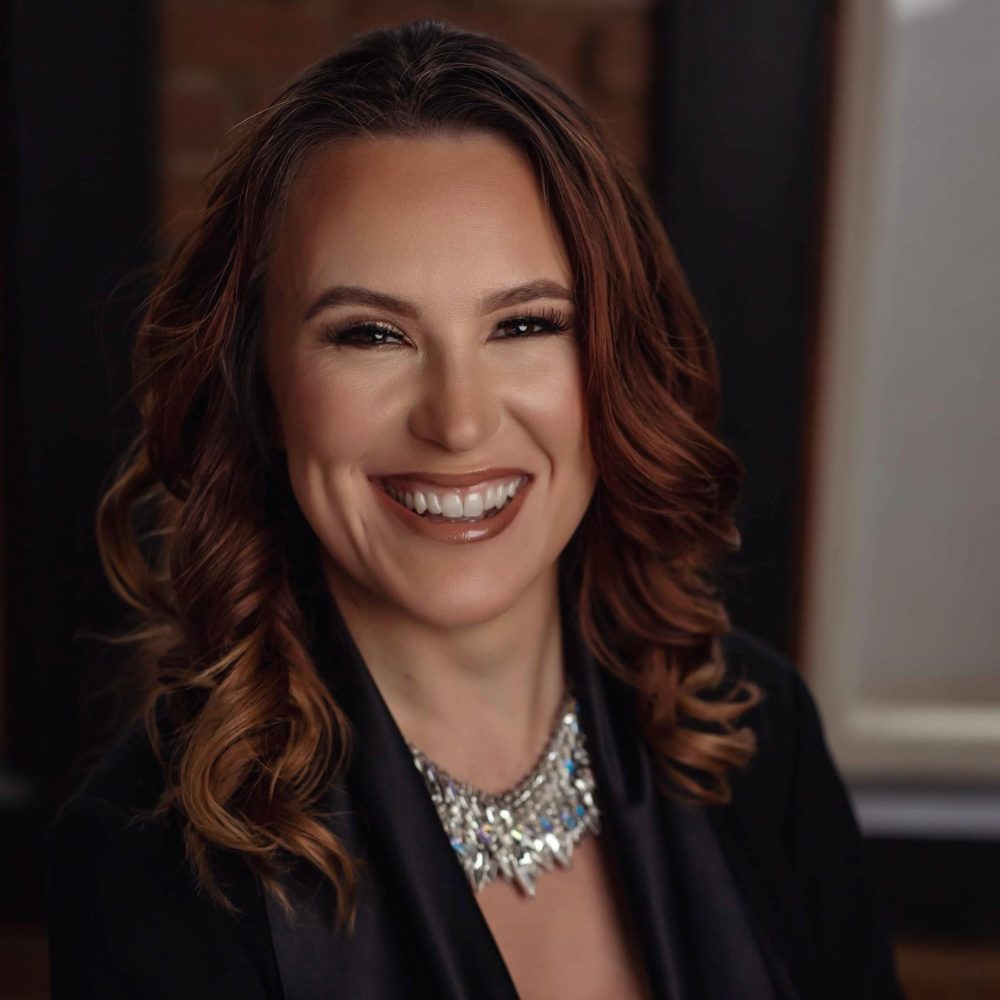
Jen-Apgar-headshot
High Velocity Radio
Jena Apgar with 2X My Biz
Loading
00:00 /
RSS Feed
Share
Link
Embed

Download file

Jen-Apgar-headshotJena Apgar is an international speaker, digital agency CEO at 2xMyBiz.com Marketing, Founder and Agency Coach at LeadFlow365.io with the popular 90-Day Double My Agency Challenge. 2X-My-Biz-logo

She’s also the host of the popular videocast, Marketing Strategies that Grow Your Business, which takes you through what it takes to build a 6–8 figure business, to double your business, leveraging marketing strategies, funnels, traffic tactics and more.

Connect with Jena on LinkedIn, Facebook, Twitter and Instagram.

What You’ll Learn in This Episode

  • How Jena went from being in the military to running a marketing agency
  • Why 2x and not a Grant Cardone style 10x
  • The number one tip that you would give to every business owner

This transcript is machine transcribed by Sonix 

TRANSCRIPT

Intro: [00:00:04] Broadcasting live from the Business RadioX studios in Atlanta, Georgia. It’s time for High velocity radio.

Stone Payton: [00:00:15] Welcome to the high velocity radio show where we celebrate top performers producing better results in less time. Stone Payton here with you this afternoon. Please join me in welcoming to the broadcast with 2X My Biz, Jena Apgar. How are you?

Jena Apgar: [00:00:33] Hi, I am doing wonderful. It’s always a good day when you closed three clients in one morning.

Stone Payton: [00:00:39] That does sound like a marvelous day. I am so delighted to have you on the program. I know we got a chance to visit by phone a few weeks ago and I knew then this was going to be a marvelous conversation. I got a million questions. We won’t get to them all, but I think a great place to start here is maybe to get a little context, if you would, share with me and our listeners a little bit about niche and purpose, what you and your team are really out there trying to do for folks.

Jena Apgar: [00:01:08] Ooh, mission and purpose. So I probably should do one of those fancy schmancy mission statements, vision statements, but my heart is always going to lie in specifically a smaller business owner and helping them grow a business that’s an asset to them, to their family that pays it affords them a healthy, safe lifestyle. I don’t mean anything extravagant. I’ve had clients that they took the what we helped them build and bought a new polo pony for 100 K, or they go buy a $2 million yacht. And I’m like, That’s no fun. I want to hear about the kid who went to college or you moved into the house in the safe neighborhood. And then where I really get passionate is specifically doing that for moms, because when you do it for a mom, it’s so exponential. So many moms get stuck in some very violent, dangerous spots when they are not making income and they can’t leave the house because they have no money. And then you double down on that. When you teach a mom how to build a business, she grows that. So she’ll teach it to her kids. She teaches it to other moms, to her community, and really spreads that information around. So that is definitely my my heart spot, if you will. And my mission is to help families grow, leveraging businesses.

Stone Payton: [00:02:34] So what is your back story? How in the world did you get into this line of work?

Jena Apgar: [00:02:40] Man, I have one of the back stories. I wanted to be an attorney from fourth to 10th grade. I did mock trials, teen courts, until I learned how much school they have to go through. And I was like, I went to a highly segregated school and city. I went to what was considered the black high school, and we had a great principal who is really a grant writer, and he got tons of technology at our school and we had majors. So I majored in communication, so marketing and I didn’t go to school for it because I couldn’t handle how big the classrooms were. I’m a small class type of person, and all I knew back then was Mad Men style, like cutthroat. And I was just way too nice of a human back then. Did the military because I didn’t know what else to do. My dad did that, My uncle did that, My grandfather’s very military family did. Military intel analysts of all things blood, guts, fun 180 out of that into interior design left after the recession and considered being an investment banker because that wasn’t keeping my brain up to where I wanted to be made babies. That’s not a very baby friendly profession and decided to. I just had all these little side businesses and at some point I realized I built better websites than the website builders. And I did it faster and I did it more conveniently. And I had a process to it and slowly started picking up some clients in the social media space and the website building space learned about funnels, started building those, went to seek out a master’s degree, Realize school doesn’t teach you anything about marketing. It tells you to create a story, knows the metrics, all right, but it doesn’t actually tell you how to do the nitty gritty. Got certified in everything with a company called Digital Marketer, which I love those guys and love it, man. I can do it upside down on a napkin drunk with one hand and a pen. So fun journey that found my little passion, my little niche.

Stone Payton: [00:04:52] Incredibly divergent arenas, military entrepreneurship. And I got to believe. But I’ll ask, are there some some parallels? Are there some things that you feel like you you learned in your military experience that help you serve your clients even to this day?

Jena Apgar: [00:05:09] Yeah. So Intel is all about a consuming massive amounts of information and turning it around and making it usable, right? So marketing, that’s everything, right? But also from a strategic standpoint, the ability to look at the greater picture and decide who are the players, who are the customers and what is the best way to go about reaching them. And for all the little tips and tricks and tools and stuff online and everyone’s telling you what to do, that doesn’t always mean it’s the best thing for you. You really have to look at it from a strategic mindset and take a look at you as a human, you as the business owner, you and the tools and the the assets you have right. And what you’re willing to do for the business and build a system around that. I don’t there’s literally nothing more military about that. Part of Intel, too, was learning how to interrogate essentially. So waterboarding more like we called it debriefing. Just to be clear, that was CIA. I would debrief people. And so part of that you learn how to really get into the other person’s head calmly, Right? This is not like police interrogation. This is like you’re interrogating your own pilots type thing, but you learn to get the information that’s good. And so when I go to do kind of like mini market research for my clients and I call their customers, I’m amazed at the information I pull out that my customers never tell me. Like if you’re if the people listening could walk away with knowing one thing right more than any other thing that anyone else says is go ask your customers what they would tell their best friend why they should hire you.

Jena Apgar: [00:06:52] Because you’re going to come up with all the tech stuff. You’re going to be like, Hey, we should do a podcast. It’s awesome and it increases your leads and blah, blah, blah. It’s so amazing where you ask your customers and you get some very interesting things. Like the one that I noticed the most was one of my first large clients with a daycare center in town that was very different. It’s more focused on music and the arts and developing children in a non test type fashion, right? And they were so focused on curriculum and they’re like, all the parents care about curriculum. And yeah, the parents ask about curriculum. But when I talk to the parent, she’s like, Oh my gosh, and my daughter owns the stage. And I was like, What stage? She’s like, Yeah, they have a stage in the next building. I’m like, What are you talking about? My client didn’t even mention they owned a stage, much less another building. And then I find out they do like three productions each year. On stage and she’s like, Yeah, the first one, my daughter was terrified and she hid. In the second one she was okay, and the third one she like, owned the stage. And I’m looking at like this from a female perspective going, How many women can hold their own on a stage?

Stone Payton: [00:07:58] Yeah.

Jena Apgar: [00:07:59] But when a daughter can own a stage, she’s going to raise her hand in class and ask the questions. She’s going to get her questions answered. For girls, that’s a huge thing because they’re afraid to answer or ask questions because everyone will stay with them. So when you switch the marketing over that direction, suddenly the Google ad spend goes from $3,500 with zero return to 2400 on our best month. And we’re getting clients in the door at $120 apiece.

Stone Payton: [00:08:29] Wow. When you’re working with clients, especially in the early stages, I’ve got to believe you’ve been at this long enough now. Do you see some consistent patterns? And maybe you don’t say it out loud, but do you think to yourself, Yeah, I’ve seen this before.

Jena Apgar: [00:08:43] Oh, yeah. I actually. I just had this this morning. Every person and the number can be different, but every person over 30 is broken. Every single one of them. And how you fix that and how you move forward depends on your success level. So I see so many people who are brilliant. Oh, my gosh, they’re brilliant. They want to serve. They they’re good to their clients. They have great services. They have great products. But because of their emotions, because they’re there’s something broken that has not been fixed or because something that is completely emotional has nothing to do with business. That is what’s holding them back in business. I can build them a funnel. I can build it end to end. We we have a framework of eight stages, end to end. And the very first one is awareness. If they don’t know you exist, they think nothing else can work, right? I can build you the funnel. It handles the other seven stages, right? We can turn on a Facebook ad, we can do all these different things, but you will see the emotional blocks come in when it actually comes to driving that original traffic because things happen because maybe somebody calls you out, maybe they call you a name. Maybe they say that your emails were too aggressive or stop spamming me or you look like a poser. You’re not really that good. And why are you acting like a guru? And just because you’re doing things that business owners do, other people attack them and they can’t handle that. Their emotions, they they don’t want to be in the they don’t even want to test the concept of being called out. So by far, it has nothing to do with what I’m doing. It really comes back down to their individual emotions and how they handle those things.

Stone Payton: [00:10:29] So now that you have been at this for a while, what are you finding the most rewarding? What are you personally enjoying the most about the work?

Jena Apgar: [00:10:40] I So I’m a numbers girl. So I on that Myers-Briggs scale, I’m the INTJ. I am the not only is that the least across all of the different personalities, but for women it’s only 0.5 of a percent of all women. I like my numbers. I like my math. And in business, that’s where you see people win is and this is why men I feel like are better at business in so many regards as they know their numbers. And I utilize a client dashboard for the big picture and I build on a platform that has a beautiful dashboard with all their numbers. I mean, you send an email out, it’s an all in one system, and when you send that broadcast email, it tells you all the basics like MailChimp and Constant contact. It tells you you send it to 2000 people, 1000 people open 500 clicks, but mine tells you you made $300.

Stone Payton: [00:11:32] Nice.

Jena Apgar: [00:11:33] And when you can see these two dashboards, you can start to see the metrics move up those pretty little line graphs and you can see especially that email one man and you can tell exactly, I made money today and you can see their face light up and they didn’t believe they could do it. So going back to that emotional state and maybe the only made $5 in the beginning, maybe they only made $100 the first launch and then all of a sudden it’s 5000 and it’s 10,000. And they can see that in a dashboard. Right. It’s not just this intangible money going through a stripe account into their bank account, paying their mortgage. No, it’s this thing you can see when you get up in the morning and it’s that little dopamine hit and they get all excited and this amazing thing happens. It’s like a gold star for Grown-Ups. No one gives us, like, gold stars anymore, right? There’s no gold star for making your bed. There’s no gold star for getting up in the morning and not biting someone’s head off. There’s no reward for doing the right thing as it any time There’s no reward for being a business owner, ever. You can make $1,000,000. There’s no reward. The reward is in that dashboard. It’s in that money. When you see their face light up and they get excited and they start doing it on their own without you, that’s exciting.

Stone Payton: [00:12:47] So have you had the benefit of one or more mentors as you were kind of making that pivot from the military environment to the business environment? And as you continue to progress some folks to kind of help you navigate that terrain.

Jena Apgar: [00:13:04] Yeah. So normally when people say, do you have mentors, I remember a long time I was like, No, I don’t have anybody I look up to. I feel like every individual along my pathway has given me these little tidbits, right? When I went to digital marketer and I kind of got into their system and we became partners. Definitely. Ryan Dice He doesn’t necessarily teach directly, but I remember I really, really dug down into my business. My ex husband was we were arguing, I just found some inappropriate text messages. I’m pregnant with my third baby and I remember him looking at me and he’s like, I’m going to basically bankrupt you if you leave me. And I’m just devastated. But I’m like, spiteful. I’m still a military person. And I looked at him. I was like, I don’t care if I’m poor. Like, I don’t need the big house. I don’t need all the fancy anything. And he looked at me and smiled and he was like, I know, but you do mind if your kids are. Cool. The man just stabbed in the gut, just just emotionally gutted me. And I remember diving down into all of digital marketers material. And so I’ve got this little guy, Ryan Dice on my screen constantly, and I’m like, upstairs sleeping in my daughter’s bedroom and folding like a mountain of clothes, listening to all this training to get good at what I’m doing.

Jena Apgar: [00:14:24] And here’s this little guy, Ryan, just bouncing around like, Yeah, you just do this and you just send emails and you just. Here’s a customer value journey. And I’m like, Oh, damn. So And Ryan’s sweetheart, now I know him and like, other people will get all giddy around him like he’s like a celebrity. And I’m like, It’s just little Ryan but amazing to work with. I don’t know Richard Lindner as well, but he’s so intelligent. Level is trading’s Roland Frazier. Holy man. If you ever watch any training, I can watch most training on two x speed because it’s just the information. I already know so much of it and it’s just slow to me. Roland, I’ve got to stop every 5 seconds. I’ve got to look up a word in the dictionary. But that man buys and sells businesses. I think he called himself a reformed attorney. Those three guys are amazing. Billie Jean Shaw has been very inspiring to me. Told me to stop my little literally got down on his hands or on his knees in front of me and he’s like six foot a million inches tall on his knees, almost as tall as I am, and begging me not to be a perfectionist. So yeah, I’ve had a lot and even more than that, like I can think of something from everybody that I’ve interacted with.

Stone Payton: [00:15:40] Now you’re in the marketing business, you’re helping people sell and market what they do. How does the whole sales and marketing thing work for a person like you, a practice like yours? How do you get the new clients?

Jena Apgar: [00:15:55] So the cobbler’s kids has no shoes quite often. I actually coach agency owners too. Now I’ve gotten to that point in the career and we’re about to actually launch a 90 day campaign just for agency owners with some very large global partners. It’s going to be amazing. But the hard part about marketing a marketer is we’re marketers and so we already know all the tricks. We have the lead magnets, we have the entry point offers and the loss leaders and the beautiful glossy PDF. So in the big scheme of things, how do you stand out? Is the real trick. Like the ad cost to market myself is significantly higher than the ad cost for me to market an attorney or a dentist or anything else. So what I’ve really learned is the art of cold outreach, which I’m so not a salesperson, but I’ve had to learn to be. I we do cold outreach on LinkedIn. We do I have an actual SaaS product that I own to that does cold outreach, leveraging Facebook business pages for my clients. And we offer tons of information. So I try not I cannot do spam as a cold outreach.

Jena Apgar: [00:17:15] I cannot as a human, I just I hate being spammed, but we offer value in advance. That was one thing I definitely learned from Ryan and the team that digital marketers value in advance. So we partnered. We have a beautiful dashboard for our clients and we can scan their business. And so in in doing that, we just provide education. Be like, if you’re ready to see where your business is at and what your numbers are in the marketing world, go scan your business. And so we can provide education. I can teach them about a customer value journey and teach them about building an avatar and be like, Look, go scanned your business. That’s my loss leader. That’s my my lead magnet to get your information and see how it’s doing. And then that every time you add a layer to your business, whether it’s with me or with someone else, you can see if it made any lifts or improvements. So you know your numbers without having to try too hard. It’s hard.

Stone Payton: [00:18:11] As our listeners no doubt discovered early on in this conversation. You are no stranger to the microphone. You host a popular video cast as well. Can you speak to that a little bit?

Jena Apgar: [00:18:25] Yeah, I haven’t I haven’t been like really on board recently, but we have a to my biz over on YouTube and provide a ton of value there. And sometimes I got to dig for my own videos because I don’t SEO optimize them the way that I should, but we were building live funnels for a while. I think I’m going to go back to that this week as we just bought a bunch of new clients in the funnel space, but showing people that building funnels is not hard. And it doesn’t have to be complicated that I can build a funnel in one hour. And I had a great co host, Scott Schilling, who my goodness, that man has been on stage with every large name in the business that you can think of from Sir Richard Branson to less brown. Every every major speaker is Zig Ziglar. I was just trying to create some. I was he was my client for a bit as well. We were doing custom quotes and I was showing them how to do these, quote, social media things for like Monday mornings and do them really fast. And I’m like, he’s like, Yeah, I’ve spoke on stage with Zig Ziglar. And so we made a bunch of quotes with Zig Ziglar quotes on them.

Jena Apgar: [00:19:33] But it’s a picture of Scott and Zig together and there’s like 20 different pictures of different instances. I’m like, sometimes you forget who you’re working with, and he’s so smart. Like, I’m the the nerd in the background of these videos. Building funnels. While Scott is just dropping sales knowledge bombs and keeping the conversation going. And I mean, it was amazing. I really didn’t just start them again. And, you know, I mean, YouTube’s great and be wrong, but YouTube is a little old school now. It’s a little old school like it’s still relevant. I’d be wrong. It is the second largest search engine on the planet for Americans and but reels are the new thing. So I’m at this point taking my old YouTube content, chopping it up and putting it over on Instagram and Facebook and TikTok and even YouTube has gone to shorts, which are technically real. So it’s amazing the places that you can put content now. But yeah, I drop all sorts of information all over the place and the only thing that amazes me is that people don’t want the gems, they want the easy stuff.

Stone Payton: [00:20:45] Yeah. So in just a moment, I’m going to ask you, if you will, to maybe leave us with a couple of Pro Tips or maybe your favorite pro tip on any of these topics. And of course, make sure that we get your contact information. But I had another question. I was curious because I assume that this was I’m operating under the impression that this was a very conscious decision. Why did you choose to go with the framing of of to X as opposed to, I don’t know, you know, like a Grant Cardone style X or something like that?

Jena Apgar: [00:21:14] Oh, yeah. So I mean, I’ve met Grant Owen and he’s a special person. And don’t get me wrong, I like the concept really. His concept of ten X is a mindset shift, right? So stop thinking about building little and think big, right? But the problem with marketing is even doubling a company is really hard. We had one company that was $135 Million in Revenue Company, which seems like a whole lot, but they’re in construction, right? And they’re building barracks and hospitals like tilt up walls really fast. They literally cannot double their revenue. It’s impossible. They do not have the capabilities of handling enough projects to double. Right. So but here’s the thing. There’s four different places that we focus on doubling. You can double in traffic. So how many eyeballs and targets are coming to your stuff? You can double in that of leads you’re getting. You can double in the amount of sales you’re actually making, and then you can double in monthly recurring revenue and returning customers, which is where the real money is. When you if you were able if you were able to double across the board, that becomes exponential. It’s not two times two, it’s two times two times two times two. So now you’re up to 16. So but the reality is you’re never going to be able to double all four categories. You’ll get maybe you can double your traffic. Heck, maybe you can triple your traffic, maybe you can double your leads. But then you find out maybe your offer is not converting as well and you only get a 1.1 lift. Right? So I’m a bigger fan of doubling in the individual metrics so we can measure each one. And as we lift one, we can lift the next one, because when you double the traffic, if you’re already converting at 50% to your leads, well now you’ve just doubled the number of leads you have. So it all works out.

Stone Payton: [00:23:06] Yeah. That’s a that’s a good and and relevant math lesson right there. I’m glad I asked.

Jena Apgar: [00:23:13] It’s whenever you do the math, you can make people smile or cry. So when you show them that one, it’s much better on a visual on on a board so they can see the math on it. Right. And then the other one that makes them cry is they tell me what their goal is and I break it down to how much, how many leads and how many meetings and how much traffic do we need to get to accomplish their end goal. And then that’s when you see tears show up. You’re like, Oh, you.

Stone Payton: [00:23:40] Can’t drive that.

Jena Apgar: [00:23:41] Much traffic. Then like you better start converting higher than.

Stone Payton: [00:23:45] And do you have a go to number one favorite kind of pro tip that you almost would share with virtually any business owner? Do this think about this, read this. You know, don’t do this.

Jena Apgar: [00:23:58] Don’t do this. I would say the absolute biggest one is done these perfect. Just start even if your video quality is poor or it’s shaky or your audio is bad, even if your makeup’s not good. I had one of them. I’ve lost a client this week that I thought I had because she said she wasn’t ready to take on all the responsibility because it required being in the video. And she was £40 overweight.

Stone Payton: [00:24:27] Yeah.

Jena Apgar: [00:24:27] So just get started. I’ve got a sticker on my computer right now. I hand them out to all my clients. I hand out a book and I don’t know what kind of program you are, but it says, Just get done. Nike says, Just do it. I would drop an F-bomb in between us.

Stone Payton: [00:24:49] I love it. All right. Let’s make sure that our listeners can reach out and have a conversation with you or someone on your team. I want to make sure it’s easy for them to tap into your work.

Jena Apgar: [00:24:59] Really simple. Just go to two x, my biz to x and Y by z and right up at the top. Ignore the phone, Don’t call me, Don’t hit my social media. On the top side you’ll see it says, Know your numbers. Put your business in there. If it doesn’t pop up, it’ll give you the resource to says can’t find your business. Click here and put all your information in, get your info in there and you’re like, Oh, she just wants my info. No, I promise I will give you a full dashboard. I usually I used to before I had the platform to work with, we charged our clients $50 a month for this platform and you plug in, you connect your Facebook account, connect your Google Analytics account, get your Twitter in there, your Instagram, and just start connecting your account. And this dashboard is a wealth of information and you never have to pay me for it.

Stone Payton: [00:25:52] Fantastic. And that website again.

Jena Apgar: [00:25:55] To x my biz the is dot com.

Stone Payton: [00:25:59] Well Gina, it has been an absolute delight having you on the program this afternoon. Thank you so much for investing the time and the and the energy to share your insight and perspective. You have a great deal of enthusiasm and, you know, just neck deep in knowledge. I have thoroughly enjoyed the conversation and I know that our listeners have as well.

Jena Apgar: [00:26:21] Well, thank you so much for having me. Happening me. And if your your listeners have any questions, feel free to find me. Dm me on Facebook, LinkedIn and always happy to help.

Stone Payton: [00:26:34] Well, it’s my pleasure. All right. Until next time, this is Stone Payton for our guest today, jenna apgar with two x my babies and everyone here at the business radio x family saying we’ll see you in the fast lane.

 

Tagged With: 2X My Biz

In a Sales Slump, Try This

November 8, 2022 by angishields

Please log in to view this content

Filed Under: Uncategorized

All Revenue is Not Equal

November 8, 2022 by angishields

Please log in to view this content

Filed Under: Uncategorized

Fire Some of Your Clients

November 8, 2022 by angishields

Please log in to view this content

Filed Under: Uncategorized

Know Your Lifetime Customer Value

November 8, 2022 by angishields

Please log in to view this content

Filed Under: Uncategorized

Jennifer Drago with Peak to Profit

November 7, 2022 by angishields

Jennifer-Drago-Peak-to-Profit
High Velocity Radio
Jennifer Drago with Peak to Profit
Loading
00:00 /
RSS Feed
Share
Link
Embed

Download file

Peak-to-Profit-logo

Jennifer-Drago-Peak-to-ProfitJennifer Drago is an award-winning strategist and business coach. She helps service-based business owners and coaches develop and implement a laser-focused vision and strategy so they can earn more and amplify their impact.

Through her business, Peak to Profit, she offers consulting and done-in-a-day strategy to help entrepreneurs get further faster. Jennifer worked as a strategy and operations executive in the corporate world for 30 years, facilitating strategic plans and developing new programs and service lines.

She holds a bachelor’s degree in Finance, a master’s degree in Business Administration and a master’s degree in Health Services Administration from Arizona State University. She is a Fellow of the American College of Healthcare Executives.

Connect with Jennifer on LinkedIn, Facebook and Instagram.

What You’ll Learn in This Episode

  • About business strategy
  • How having a business strategy impacts business owners
  • How entrepreneurs can conquer shiny object syndrome
  • The most common reasons that businesses fail

This transcript is machine transcribed by Sonix 

TRANSCRIPT

Intro: [00:00:04] Broadcasting live from the Business RadioX studios in Atlanta, Georgia. It’s time for High Velocity radio.

Stone Payton: [00:00:15] Welcome to the High Velocity Radio show, where we celebrate top performers producing better results in less time. Stone Payton here with you this afternoon. Please join me in welcoming to the broadcast award winning strategist and business coach with Peak to Profit, Jennifer Drago. How are you?

Jennifer Drago: [00:00:35] I’m doing great, thank you. Thanks so much for having me today.

Stone Payton: [00:00:37] Well, it is an absolute delight having you on the show. I know that you’re a strategist and maybe that’s a good place to start. Maybe help us get our arms around that term. What really is business strategy?

Jennifer Drago: [00:00:54] Oh, thank you. That is such a a key a key thing to ask and to know, because I feel like the word strategy just has some mystery around it. So let’s demystify it. Having a business strategy just means being very clear about where you’re headed, where you’re taking your business, what that vision is of that business at some point in the future, and then crafting a roadmap to start moving in that direction. It’s really that simple. So as a business strategist, one of the things I do is I work with corporations and small business owners and even entrepreneurs that are launching their businesses to help them get very clear on where they’re headed and the the priority ways to get there. So how to prioritize their daily efforts so they can get there, they can get further, faster and not spin their wheels or waste time.

Stone Payton: [00:01:47] I can remember what I thought was a very clever book title. Hope is not a Strategy, and I’m operating under the impression that you probably reside in that in that same camp.

Jennifer Drago: [00:02:02] Yes, that’s one of my favorite sayings. And honestly, I’ve seen it too often in companies where I’ve worked and also just with entrepreneurs that they don’t really have a strategy articulated. And so when you don’t, you truly are operating on hope and faith, which are also good things to have. I’m not discounting the need to be hopeful and positive that’s so important, especially in the mind of an entrepreneur. But you need to have all of your efforts and directions focused on a very clear path and vision.

Stone Payton: [00:02:36] And I suppose it’s one thing for me or me and my partner as entrepreneurs, as the founders, to even have strategy to some degree buttoned up. But if we don’t effectively communicate it and maybe a whole host of other things you’re going to tell us about, do so that so that the people we’re trying to work with and through embrace that and help us live into it. I mean, a lot can get lost in the translation, I suspect 100%.

Jennifer Drago: [00:03:02] Yes. And especially if you have a partner. So let’s start there. There are multiple owners or partners in a business. It’s really important to be on the same page first and foremost. And so that’s some of the sessions that I facilitate and have the most fun with are just really getting clearer on what are the values that our company is going to espouse and amplify to our customers and how are we going to serve customers and and getting really clear on that vision. And I like to use a term or a product, I guess a framework called a vision narrative. So instead of just having a business mission and which is generally a statement, one or two sentences that describe what the business is or why it exists, and then many businesses or we learned this in business school, that we also create, in addition to the mission statement, a vision statement and a vision statement also generally 1 to 2 sentences, but it tends to be more aspirational and it’s supposed to be motivating and inspirational to you and your team on where we’re headed or the impact that we’re trying to have in the world with our business. Instead, I like the vision narrative because it’s actually a little more descriptive. It’s 6 to 10 statements that paint a mental portrait of your business three years from now. And you might say, Well, why three years from now? Well, we used to do strategic planning and planning for business growth in a 5 to 10 year horizon.

Jennifer Drago: [00:04:34] But the reality is business changes too quickly, Our environment is changing too quickly. And so we really need to have that vision narrative, I would say three years in the future and then we can steer the business in that way. But even articulating those 6 to 10 statements, those the things that we’re going to ask ourselves and I actually have a download that asks you all these questions so that you can craft your own vision narrative. But it would start out something like by December. Any 25 picked a prophet, which is the name of my company, Will. And then I’m going to have some action oriented bullets serve an average of blank customers per year, enjoy revenues of X per year, consistently earn a net profit margin of blank per year is known for. And there’s where you might put in the values or the things that you want to be known for providing to your clients or the transformation that you’re providing. So it really speaks to very clearly some of the metrics that you want to have in the future. What is the number of clients revenues, profit margin? Maybe even if an audience is important to you, as it would be with a podcast or with an online business, you want to have a certain number of audience members and you want to continuously be growing that I was in.

Jennifer Drago: [00:06:01] I led a workshop yesterday and somebody said, Sometimes growth isn’t always what we need. So if you’re tracking quality metrics, you may want some indicators to be lower than they are today, and that’s fine too. But whatever is important to your business, how it operates and how it’s going to grow and impact more people in the future basically gets put into a bullet. That’s part of this vision narrative. And then what do you do with it? Well, you already kind of mentioned this. If you have a team in place, one of the best things that well, one of the most important responsibilities you have as CEO of your business is to have that vision for your business and to articulate that and communicate it to your team members so that they can help grow the boat in the same direction. So having that vision narrative and bringing it out and talking about it at every single staff meeting and reminding the team where you’re headed, it’s so important and so impactful and your team members are going to surprise you in ways that you hadn’t even expected because they’re going to bring ideas to you about how to reach that vision perhaps faster. They’re going to bring ideas maybe you hadn’t thought of because they understand what the end result is, where you’re headed. They can help be part of the solution to get you there.

Stone Payton: [00:07:16] What is your back story? How did you find yourself in this in this line of work?

Jennifer Drago: [00:07:23] I actually I’ve worked in in the corporate space, in nonprofit health care and senior living for the better part of 30 years. And I actually started in planning roles, doing strategic planning for a hospital system as well as new program planning and new facilities planning. And we were in we’re in Phenix, so we were growing by leaps and bounds and we couldn’t seem to keep enough beds in our system. We had to keep building expansions and we added new services all the time. And so just that foundation of constantly planning for the community’s needs. And then we had a nonprofit board that we used to facilitate board discussions because they would help us set the direction for where we were heading with the hospital system. In this case, that was just kind of the foundation that built all of this. And so it was really traditional strategic planning. And one of the things that I enjoy is still doing strategic planning with corporations because it’s so important. But I love sharing these messages and these tactics with entrepreneurs and small business owners because I don’t think a small business owners, unless we grew up in a corporate environment, we don’t think in these terms and we may not employ these tactics to help us grow our business. And really, again, I’ll say it again, get further, faster, right? We do a lot of testing and throwing spaghetti at the wall and spray and pray with social media content and we could really just be much more focused in our efforts. I think if we start with that foundation of the vision narrative and then the goals and action plan to get there.

Stone Payton: [00:09:08] Well, I can certainly see how that skill set, that experience based would serve you and your clients now in tremendous ways. And I got to believe that. Wasn’t that a little bit scary, like going out on your own?

Jennifer Drago: [00:09:23] It was. It was I, I really one of the things about growing up in the nonprofit world and doing some of those things that I got to see have a community impact, is it really just filled my heart? I have a I like to be a servant leader. I like to share and increase my impact. And so one of the things that I realized about 18 months ago was I can do a lot greater good. I can have a bigger impact in the world by being out on my own and sharing this message with many corporations and many small business owners. And so that’s why I love opportunities like this stone to actually share that message.

Stone Payton: [00:10:04] Yeah. So the sales and marketing for you is, is it getting easier? Was it or was it even difficult in the beginning? How do you go get the new clients?

Jennifer Drago: [00:10:15] That’s a great question. So to be completely honest, the business that followed me when I left corporate was mostly corporate work. So continuation of planning and feasibility analyzes and how do we get from A to B? And it came from people, word of mouth, people that have known me in the industry for years. And so I’m grateful for that work. I love that work. The part that’s been harder is sharing my gifts with small business owners and entrepreneurs. And I think I’m still trying to get the message out there about how I can help them and hopefully gaining their interest in in doing some of that. But yeah, that’s that’s kind of where I’m at right now. So I mostly serve the small business and the entrepreneurs right now through a lot of free content, through downloads on my website. Podcasts like this, I just hosted a series of visioning workshops and goal setting for 2023. I did those locally in person, and I’m about to host three of those online so that anybody anywhere can take advantage of those. And those are free workshops. And again, that’s, I think, experiencing the work that I do and seeing the value it can have in their business will hopefully help me continue to attract those clients on a longer term basis.

Stone Payton: [00:11:42] So earlier in the conversation, you touched on business partners being aligned and being on the same page. My business partner, his name is Lee Kantor, his Achilles heel, his weak spot is his business partner, which is me. And one of the ways that manifests itself is, Man, I am so bad about chasing the shiny object. You know, I, I find any counsel, any insight perspective on, you know, what someone like me who has that tendency, at least if I’m aware of it, maybe I can do a little something about it.

Jennifer Drago: [00:12:20] Yeah. Thank you for asking this question. It’s so important. And again, anybody that’s on an entrepreneurial journey, and especially if they’re in a new environment, like even me coming out of corporate and figuring out how to promote the things that I do on social media, that’s a whole new experience for me. So it’s really easy to get distracted by shiny objects or over consuming content. You know, the next magic bullet because somebody said, Oh, I have this great workshop that’s going to help you, and sitting down and and spending time learning strategies that I’ve already heard 100 times before, the foundation for maybe lessening the shiny object syndrome, because I don’t think we ever completely get away from it. But if you have that really clear vision and that action plan in the process of putting that together, what you’re doing is you’re saying, here’s my priorities and your priorities are going to be fewer in number than probably you even think. But less is more. And and you’ll know that when you place your efforts toward those priorities and only those priorities, you’re going to reach your goals faster. And so that that whole process becomes foundational and helping you maintain that focus over time and realize that when you’re about to overconsume, something that you really don’t need to know.

Jennifer Drago: [00:13:41] At that point, you can say, no, this isn’t a good use of my time because I’m going to work on this growth strategy that I’ve articulated as part of my my roadmap and my action plan. So that’s number one. And then the other thing I would say, Stone, and this is something that I’m trying to do better to, is I’m a big proponent. Once you have an action plan, breaking it into quarterly action plans and then kind of breaking it down by week, there’s 13 weeks in a quarter. So it’s actually simpler than it sounds. But within each quarter, I allow myself one professional development goal, right? So as business owners, we always have to learn about something new. I still am struggling with search engine optimization, SEO, and I know there’s more that I need to know, but I’m going to take that on as one topic in in each in the next quarter that I’m going to focus on. And I’m only going to allow myself to consume additional content and to spend time learning around that one topic for the quarter. And I think that’s another way we can be strategic and kind of still allow ourselves to grow, still allow ourselves to get educated, but manage our shiny object syndrome.

Stone Payton: [00:14:55] One of the things that really just leapt off the page when I was preparing to have this conversation with you and reading through your bio, you offer something called Done in a day strategy. Can you speak to that?

Jennifer Drago: [00:15:12] Yeah. Well, one of the things that sometimes are called VIP days or intensives, and I really find that in today’s environment, you know, I’m not sure everybody wants to consume a course that’s going to take six weeks or be led through a group coaching experience that still may get them where they need to go. But again, it’s going to take 8 to 12 weeks. You know, we want immediate action. And so one of the things that I love to do is develop that business strategy, the vision, the goals, and even the scorecard templates so that we can track our metrics and do that all for a business in the course of a day. And it’s we can do it in person that’s actually a little more effective, or we can do it on Zoom. And it’s a little bit of there’s a lot of interviewing that goes on, some drafting, some reviewing, right? So we’re going back and forth throughout the day. But at the end of the day, the business owner or the executive that hires me has their plan done and they can implement it the very next day. So that’s something that I love to do, and I think it’s really effective when folks really are time challenged, number one, and they’re very motivated to move quickly.

Stone Payton: [00:16:29] Before we wrap, we’re going to make sure that we get your contact information for our listeners so they can reach out and have a conversation with you and, you know, begin to tap into your work further. But between now and that step, are there some things that I don’t know? I’ll call them Pro Tips. So there are a couple of things that we could be doing, not doing, reading about, thinking about that would kind of get us in the right frame of mind and help us make a little bit of progress on these topics.

Jennifer Drago: [00:16:58] Yes, I think the very first step in the framework that I teach is creating that vision narrative. And I mentioned that I have a workbook that can help you create your very own vision narrative. And I think if you did that, if any of your listeners did that alone, that would set them up for success, because then they would, even if they only did that step, which I don’t, I’m not a proponent of, I want you to also have the goals and the roadmap that go with it. But even if they only did that step, they could be such a better leader for their organization, for their own business, because they would know where they’re headed and be able to start moving in that direction. So with that, I do have that free workbook that you can download from my website, and I know you’ll probably put this in the show notes, but it’s peek to profit dot com forward slash F as in frank forward slash vision and you will be led to a place where you enter your email. So you get to go and get on my email list and get all my tips and tricks from that point forward. But you also will get instant access to that download. And I do think that that’s really helpful. The other thing I would say is that we as we record this, we’re in early November and we’re going to be going into a new year fairly soon. And so I would say if you haven’t set goals for your business in the past, I would urge you to go ahead and try the process of setting annual goals for the coming year.

Jennifer Drago: [00:18:28] And even if you listen to this sometime in the future, go ahead and set goals in the middle of the year. There’s no perfect time to set goals. In fact, I’m always adjusting my goals each quarter, which is just like kind of resetting them anyway. So don’t wait to the beginning of a year or beginning of a quarter to set goals. You can set goals any day and then just be really mindful of of accomplishing them. And one of my last tips, I guess my third tip that I would offer is it’s hard to, especially as an entrepreneur or small business owner, it’s hard to work on the business when you’re working in the business every day. And so a strategy that I like to offer to every business owner is, you know, after you set those goals, set aside time every single week to work toward those goals. And so I call it strategic time, and I like to recommend between 4 hours and 8 hours per week that you time block in a way that your team isn’t going to bother you. You’re not doing client work, you’re not doing sales calls, you’re not doing anything during that time except for the work that’s needed to grow your business and move it forward. Because as a business owners, we’re the only ones that can do that. And if we don’t plan the time, we know it’ll get sucked up and the general operations of the business.

Stone Payton: [00:19:46] I am so glad that I asked more lucid counsel. Okay, let’s do let’s make sure that we leave our listeners with contact information. Whatever you feel like is appropriate website, email, LinkedIn. I just want them to be able to tap into your work and and connect with you.

Jennifer Drago: [00:20:02] Yes. Thank you. So my website is peak to profit. When you go on the website, you’ll see a button right at the top where you can have a free strategy session with me for 30 minutes. That’s getting your my eyes on your business or anything that you want to talk about. That’s strategy or goals or growth oriented or even personal development. That’s the best way to connect with me. You can also email me, which is pretty easy. It’s Jennifer with two ends at peak to profit. I’m on LinkedIn, Jennifer Drago, so you’ll be able to find me there. And I also have a peak to profit page. Linkedin is my primary social media, so that’s the best way to connect with me and stay up to date on the content that I offer.

Stone Payton: [00:20:50] Well, Jennifer, it has been such a pleasure having you on the show this afternoon. Thank you for hanging out with us and sharing your perspective and insight. This is this has been a fun conversation, informative, inspiring. And you’re just you’re out there doing terrific work and we sure appreciate you.

Jennifer Drago: [00:21:08] And thank you so much. Stone. I really appreciate the opportunity to offer any value that I can offer to your community, so I appreciate the opportunity very much.

Stone Payton: [00:21:18] My pleasure. All right. Until next time, this is Stone Payton for our guest today, Jennifer Drago with PETA Profit and everyone here at the Business RadioX family saying we’ll see you in the fast lane.

 

Tagged With: Peak to Profit

Michael Davis with Speaking CPR

November 7, 2022 by angishields

Michael-Davis-Speaking-CPR
High Velocity Radio
Michael Davis with Speaking CPR
Loading
00:00 /
RSS Feed
Share
Link
Embed

Download file

Speaking-CPR-logo

Michael-Davis-Speaking-CPRMichael Davis helps professionals attract more clients, create efficient teams, and increase their influence with improved speaking skills. His passion for his work was born when he was threatened with a job loss because of his poor speaking skills.

With the help of thought leaders and industry experts, he discovered how to become an impactful speaker, trainer, and coach.

Michael has helped speakers on five continents and written 7 storytelling books. He’s a speaker, trainer, and the founder of Speaking CPR.

He lives in Ohio with his partner Linda, and the overlords of their house, Sky and Riley the Super Chihuahuas.

Connect with Michael on LinkedIn and follow Speaking CPR on Facebook. You can also download free resources, send Michael an email, or schedule a discovery call on his virtual business card.

This transcript is machine transcribed by Sonix 

TRANSCRIPT

Intro: [00:00:04] Broadcasting live from the Business RadioX studios in Atlanta, Georgia. It’s time for High Velocity radio.

Stone Payton: [00:00:15] Welcome to the High Velocity Radio show where we celebrate top performers producing better results in less time. Stone Payton here with you this afternoon. Please join me in welcoming to the broadcast speaker, trainer and founder of Speaking CPR. Mr. Michael Davis How are you, man?

Michael Davis: [00:00:35] I’m doing well. Stone Any time I can be on a program entitled High Velocity, I’m in. Fantastic.

Stone Payton: [00:00:43] Well, I’ve got a ton of questions. I know we won’t get to them all, but. But if we’re going to talk about speaking, we’ve got to talk about storytelling, man. How do you know which which story to even bring out and tell this day and age?

Michael Davis: [00:00:58] Excellent. First question. It’s first of all, the story has to resonate deeply with you. If it doesn’t, your audience will pick up on it. Whether you’re a speaker speaking to an audience, your sales professional speaking to one or a leader speaking to your team, it has to resonate with you. Secondly, it has to relate to the point you’re trying to make. Storytelling is very popular today, and one of the challenges I’m seeing is a lot of people are telling stories because they heard somebody say, Tell your stories, but we’re not always seeing the point to the story. So it’s really important that we have that.

Stone Payton: [00:01:32] So when you’re speaking with your clients, do do they ever share that they they sometimes feel like, man, I don’t know that my story is that interesting. I don’t know that I have a great story. Do you ever get that?

Michael Davis: [00:01:45] Frequently. And it took me years to determine what people are really saying when they say to me, Michael, I don’t have any stories. And I say to them, If you have lived to this point in your life, if you’ve ever been in a relationship, if you have children, if you’ve ever had a job, you have stories. What people are really saying when they say, I don’t have stories, stone is they’re saying I don’t have any newsworthy stories. Somewhere along the line we got confused and we’re we’re taught that unless you’re on CNN or NBC or any of the big stations, that people don’t want to hear your story. Well, I’ve discovered it’s just the opposite. It’s the newsworthy stories that are rare. We can’t relate to most of those. I mean, don’t you love a story about someone who has climbed Mount Everest despite a physical disability? Or the Olympian who overcame all the odds?

Stone Payton: [00:02:42] Yes, absolutely.

Michael Davis: [00:02:45] Yes. Now, how much can you relate to that story?

Stone Payton: [00:02:47] Yeah.

Michael Davis: [00:02:49] Versus. How about the business owner who’s struggling with inflation as a current topic and is really not sure how to meet payroll and pay for the increasing cost of goods and services and still run a profit that’s more relatable?

Stone Payton: [00:03:08] Oh, absolutely. You better believe it is. It is for me. I’m trying to run a business here. I own 40% of this network. I’m I’m dealing with that kind of thing every day. Know that that person really has my attention. I suppose a gifted or properly trained speaker on those other topics. I might find them entertaining to some degree, but no, you’re absolutely right. That’s far more relatable.

Michael Davis: [00:03:30] Not to the listener. I will ask you think about what you just heard from Stone. When I talked about the mountain climber or the Olympian, Stone’s reaction was somewhat muted. Yeah, that’s interesting versus Are you kidding me? I can relate to that. When I talked about the relatable topic, that’s exactly what our audiences are feeling, too, when we talk about relatable topics.

Stone Payton: [00:03:52] So speaking of stories, got to know your back story, man. How in the world did you get into this line of work?

Michael Davis: [00:04:00] I’ll give you the shortened version. When I was in first grade, I was humiliated in front of my first grade class by my teacher so badly that I told myself I’ll never stand in front of people again. That was awful. And for the next 25 years, I avoided any opportunity to stand in front of a group, even if it meant not participating in events. I wanted to like being in the school band. I knew if I made a mistake, people would laugh at me. If I joined the drama club and made a mistake, the audience would laugh at me and I couldn’t take that after that very difficult experience in first grade. And then when I was 31 years old, I was in the ultimate irony. I was a financial planner, and a key part of my job was to give retirement planning workshops to attract new clients. And one day my boss and I sat down in his office for quarterly review, and toward the end, he pulled out a stack of papers and said, These are the evaluations from your last workshop. Michael, I’m going to cut to the chase. You’re a lousy presenter and your stories suck. Ouch. Yes. He said, you’ve got to fix this.

Michael Davis: [00:05:18] You told us you could do this. This is part of your job. If you don’t get better at this, you don’t start getting people through the door. We’re going to let you go. That threat of losing my job sent me to, first of all, Toastmasters and eventually the National Speakers Association and other groups like that. And I met world class mentors who took me under their wing. They helped me work on my mindset first to deal with that incident from my childhood. To put it in its proper context, I realized I wasn’t the only one who’s ever been humiliated in front of people. Second, they taught me that speaking is a learnable skill. We are wired to be afraid of speaking because at some subconscious level it seems like a threat to us to be in front of people. But over time it took me far too long. But eventually I developed a positive mindset and with the help of my mentors, learned the processes and the tools and gain the confidence in one day decided this is my calling. Helping other people get past the hurdles I’ve experienced to get their messages out to the world.

Stone Payton: [00:06:19] Now, are you finding yourself gravitating to a certain type of client type of business type of talk even, or finding a particular group or type of client that you really particularly enjoy working with?

Michael Davis: [00:06:34] I do. My parents were entrepreneurs. I’m an entrepreneur, and I find that I do a lot of work with entrepreneurs and the presidents of companies to help them get their vision out to their teams, to their boards, to your prospective clients. And I understand a lot of times they feel very alone because they don’t always get the proper feedback they need. And when they hire me, sometimes it goes beyond speech coaching. It becomes life coaching because they just need somebody to talk to. But I love working with people in that position because they have so much on them and they have so many good ideas and they often struggle to get them out in a way that moves people.

Stone Payton: [00:07:16] And you clearly enjoy the work. I mean, I see it in your eyes. It’s coming through over the airwaves, I’m sure, for for our listeners. What are you enjoying the most about it at this point in your career? Because you’ve been at this a minute now. What are you finding the most fun?

Michael Davis: [00:07:32] It’s when that person comes to me and says, I’m not a very good speaker or I don’t have any stories. And when I pull the curtain back and shine a light on their experiences and they see that they do have significance and power and they can help others. If you see a shift in them, their energy changes. They get a lot more confident. They want to speak instead of being afraid to speak because they realize, yeah, this can help others. They don’t focus so much on themselves, which is where a lot of people build the fear. They’re concerned about how their hair looks in their clothes. We don’t care about that. If you’re there with authenticity, with a message to help us. And when they when I see that shift, that’s why I do this, because I know that I’m not just helping that person. I’m helping all the people affected by this new powerful message.

Stone Payton: [00:08:27] So I had two gentlemen as recently as this morning, and I knew you and I were going to get a chance to visit it on air. So it really stuck with me this morning. And he used a phrase I’ve heard a lot of people use. He said, long story short. And I thought to myself, I did not say out loud too late. So it’s kind of a tactical question, but are there some things that we can do or not do to, I don’t know, keep our stories lively, keep them from being boring?

Michael Davis: [00:08:55] Yes, there are two in particular, and I didn’t do it today just because I know we’ve got a shorter interview. But one is to provide dialog. And that is character dialog, but also internal dialog. I did it in my short story where I said. After I got in trouble. I will never stand in front of people again. That was awful. That was six year old me dialog. And then I did the dialog with my boss in me and unfortunately, that’s exactly what he said to me. Never forget those words. So that’s one way I did use that. The other I didn’t have we didn’t get into was to provide details, what we call it, vaccinating your speech VAX. I’m not talking about that other controversial vaccination. We’ll leave that alone. But VAX, visual, auditory, kinesthetic and smell and yes, are my medical people in the out there. I know that olfactory is the correct word, but Varco does not create a nice metaphor like vaccination. So I went with smell. I also know taste is involved, but in a more detailed story I would get involved with creating those sensory details so people feel like they’re right there in the story with you.

Stone Payton: [00:10:09] So you not only became a world class speaker, but you turned it into a a business, did you? I know the answer to this is yes, so I guess I’ll rephrase it. Tell us a little bit about maybe one or two of the mentors that you had the benefit of along the way. Surely you had some help and guidance as you were trying to navigate both?

Michael Davis: [00:10:29] Yeah, I did it through Toastmasters. They have an annual competition called the World Championship of Public Speaking. I made it a point to befriend some of them just to pick up some of their wisdom. Well, the best speakers tend to be the greatest mentors, at least in my field, because they’re generous and they they know how hard it is and they want to help others. They see that if you do the work, they will help you. So Darren Lacroix, who was the 2001 world champion, Craig Valentine, Marc Brown, all world champions who have gone on to successful professional careers. And the best part of having mentors and coaches is they can see the the brilliance in you that you can’t. We all have brilliance in us. But we can’t see it. It’s just it’s impossible. It’s like we all wear blinders when someone else shines a light on those skills you have that you don’t even see. That makes a huge difference. That’s where you build confidence. I just went through that this week with a marketing piece. I went to my business mentor and in all candor, he ripped it to shreds. But I wanted him to because I couldn’t see all the blind spots in it, because that’s my material. We all fall in love with our material. It’s very hard to us to say, Oh, that’s not very good until someone else gives an expert opinion or some feedback on it.

Stone Payton: [00:11:52] So speaking of confidence, I think one of the things that I would find intimidating if I were to get in front of a group and speak is like, how do you how do you memorize what you’re going to say? Because I don’t really want to go up there with a bunch of notes. I see the folks who do a really good job with it don’t seem to rely on notes or even slides as there must be. And I know it’s again, a very tactical question, but, you know, hey, it’s my show, so I’m going to know.

Michael Davis: [00:12:19] It’s an excellent question. Here’s the thing. If you get nothing else out of this interview today, if you’re listening to this, never, ever memorize, ever. And here’s why. Number one, you sound like you’re memorized. You sound like a robotic speaker. Secondly, if you forget one word, you’re done. And by you’re done, you’re going to lose track and that triggers the fight or flight in you. And all those neurotransmitters start triggering, getting triggered, and you start to panic. Ask me how I know Stone happened to me once in front of 450 people in a high stakes presentation, I said, I will never memorize a speech again. So what you want to do is internalize the flow. Look, you know your story. Don’t get hung up on the words we’re often asking. And this is a parallel idea, but we’re often asked, Do I have my stories? Have to be 100% true. Your story has to be true. It does not have to be 100% factual. The reason being, if you are 100% factual, you bore people way too much back story. What we’re looking for is the emotional truth in stories. So if I’m recreating dialog, one of my favorites is from a client that hired me back in 2009 when I first started this business, when she came up to me in an event and said, I understand you’re a speech coach and I need your help. Really, Patti, tell me why. Because I’ve done something stupid. I agreed to give the keynote for the Women of Excellence dinner. And Michael, I am so stressed out. I’m sick to my stomach.

Michael Davis: [00:13:57] I’m not sleeping at night. That’s how I deliver that when I share that story. Well, Patti and I are still friends. And I asked her a couple of years ago, Do you remember exactly what you said to me that day? She said, Michael, I don’t remember what I told my husband yesterday. How do you expect me to remember what I said back in 2009? So the point of that is, I don’t know that those are the exact words she used, but I deliver them in the emotion that I remember she presented to me and she was stressed out, panicked and scared to death to give the speech. As long as I convey that people don’t remember the words, they remember the emotions behind them. And I tell all my clients do not stress out about a word or two. No one knows your script. As long as you keep the story flowing or the entire speech, it’s okay periodically to look at your notes. By the way, I don’t think you should read off them because then you lose total connection with your audience. But I’ve never sat in an audience with a really good speaker who occasionally went over and looked at the lectern and said, Oh yeah, what was I going to say? Oh, there it is. That, to me tells me that person’s ego is not involved because they’re not worried about somebody thinking, Oh, well, gosh, he looked at his nose. I can’t. That’s not what it’s about. Occasionally, looking at your notes tells your audience that you’re there to serve them.

Stone Payton: [00:15:24] What a marvelous point. Both of those points that they don’t know the script, they don’t know what you are supposed to say or we’re hoping to say. And when you talk about this, this topic of memorizing and kind of and put that to bed, it strikes me there are probably more than a handful of myths or misconceptions that we’ve all come to accept and believe around speaking. There’s probably others. Yeah.

Michael Davis: [00:15:52] Yeah. Memorization is a big one. And what I tell the people I work with is that a speech or a story is actually an evolutionary process, unlike actors and musicians who have to follow that script. They pick your favorite band or favorite singer. If you go to a concert of that person and that person starts to sing your favorite song of theirs and they sing it completely differently, you’re not going to be happy. However, if as speakers and storytellers, we tell a slightly different version each time and it evolves, people aren’t going to get upset as long as the emotional core is the same. If you say a different phrase or you have a little bit of a different dialog, it evolves. You have that right. Plus you see your story and your topic in a very different light as the years go by. So it should evolve. So that’s number one. Number two, and this is this is what I see a lot of people struggle with and they miss opportunities, is I can go up there and wing it. You can. And you’re also going to go up there and be forgettable for the most part. Again, there’s a balance between you don’t want to memorize, you want to internalize the flow. But you’ve got to know have a pretty good idea of what you want to say.

Stone Payton: [00:17:08] Your stories, even in this exchange, are quite memorable. The lady who came up to you. That’s fantastic. And I’m sure you were able to help her a great deal. How does the whole sales and marketing thing work for a guy like like how do you get the new business?

Michael Davis: [00:17:27] One is repeat business. I’d say I did the numbers recently. It was like 30%. I get repeat business as I tell everyone, Look, I’m teaching you processes and tools so that you never have to come back to me if you want to. I’d love to work with you again, but I don’t want them to feel like, well, got another speech. Got to hire him again. That’s not a positive business relationship. So repeat businesses one second is referrals. And third, LinkedIn has been very good to me. Now I post a lot. I’m very consistent about posting on LinkedIn and I also do YouTube videos. I was talking with a branding person the other day, really sharp young woman, and I told her I have two channels, I believe that’s all, and I think they all work. I’m not going to denigrate any channel that I don’t use because I don’t know it, but I keep it very focused and that’s where I’ve built a following.

Stone Payton: [00:18:20] In the stage is not your only platform. You’ve written several books and shared these ideas and more in that medium as well. Yes.

Michael Davis: [00:18:30] Books. Online courses. I’ve got my first book was called The Book on Storytelling, and then I wrote a Kindle series called Some More With Stories. And my new book is coming out early next year, tentatively titled Your Stories Suck. A Step by Step Roadmap to Fix Them and Speak With Influence. I always get a good laugh when I share the title, and it is not meant just to be a one of those eye grabbers and to be. I can’t think of the word right now, but I didn’t do it just for the shock value. Yeah, the title is Born from the Words of My boss many years ago who helped me get down this path when he said Your story sucked. But there’s a deeper meaning is your stories could be sucking the life out of your audience and your chances. To influence them. What I want people to do, there are a lot of books out there talking about. How the brain reacts to story and storytelling is important, but I don’t find too many of them that are showing you how to do it in a step by step fashion. There are some and they’re really good, but I just wanted to put my spin on this topic and give my version of what I’ve seen work for me, for my TED clients and my professional clients.

Stone Payton: [00:19:49] And what about this medium you had? I teach you up to essentially deliver a small keynote on this platform. Would you have approached it and maybe executed on it any differently than you would have if we were physically with with the audience?

Michael Davis: [00:20:07] Actually 75% would be the same. The material still has to be the same. The stories, the the opening, the sub points, all of that is very similar. The delivery method would change in the sense that on camera we have to change it up more. It can’t just be a talking head, nor can it be the speaker hiding behind slides. It’s what we call the change of pace elements. It’s important to for people to see you because we have to connect through the face. One of the important ideas that we were teaching our clients stone at the beginning of the pandemic was that when you stand in front of an audience, all five of your senses are engaged. When you stand in front of a camera, only two are engaged and even those are limited your sight and your hearing. So because of that, we have to change up the look on camera to keep people more engaged. Videos, pictures, graphs, our faces, chat boxes, breakout rooms. We have to change it up every few minutes because if we don’t, we’ll lose them. I’m a big football fan.

Michael Davis: [00:21:17] Our local team, the Bengals, went to the Super Bowl last year and the reason I mention that is because I was watching a clip from one of the AFC Championship game. And in one minute there were 11 scene changes. I mean, it was bam, bam, bam, bam. I started wondering what was it like 30 years ago? Right around the time before the Internet took off. And I watched a scene from one of the championship games from 1989. There was a famous play where a player fumbled away his team’s opportunity to go to the Super Bowl. And when that play happened, the camera focused on him and it followed him all the way back to the bench. And in 60 seconds there was one scene change and it was just to show him from behind. So if you think about that one scene change 30 years ago, this is 11. Our audience is conditioned to constant movement and shifting. And if we think we’re going to stand in front of a camera or an audience and just deliver and have them engaged, we’re not going to succeed.

Stone Payton: [00:22:24] Well, kind of following on that point, what do you think the the future of speaking might look like? There’s there’s new technology, new platforms. And I got to believe there’s going to be some you know, we haven’t even thought of yet. But do you have a feel for what the what the future of speaking might look like?

Michael Davis: [00:22:42] Well, what we’re seeing in the medium planning industry is in 2023, most meetings are back to in-person, which is good because as human beings, we need to have that connection as much as possible. However, we also have to be prepared at a moment’s notice to get on camera. Because meeting companies have discovered that if something happens last minute, we can shift now to a virtual world. And the speaker better be good there too. The third piece of that, though, Stone, is we have to, as presenters, be able to speak to an in-person audience while also knowing where the camera is. Because in this hybrid world, companies are saying, oh my gosh, we can have global reach any time with any presenter. So when you’re presenting, make sure you practice delivering your key points to the camera in the room. The people in the room are still going to see you. You’ll be there interacting with them, but the people online will feel like you’re talking directly to them. We saw this before the pandemic, by the way. I was part of a group that was helping some speakers at the World Championship of Public speaking a few years ago.

Michael Davis: [00:23:55] And we taught our clients to talk to the camera even when she was standing in front of 2000 people. Because the next time you go to an event where there are screens on the stage where the speaker is, notice where the audience looks, even in the live in-person audience. They’re looking at the screens most of the time. Hmm. We’re conditioned as human beings, at least in the United States. We’re born now with phones in our hands. We come out and doctor says, Congratulations, boy, girl. Here is a phone for your child. It feels like that. So they are raised on screens. You and I were raised on TV. My son was raised on a computer. So we are conditioned to look at screens. Don’t make the mistake of ignoring the fact that your audience, even if it’s right in front of you, may be looking at screens. If they’re on the stage with you and you’re not connecting with them if you don’t know where that camera is.

Stone Payton: [00:24:53] I am so glad I asked, because that never occurred to me. It makes all the sense in the world. You’re going to have to master both domains and simultaneously. And this has been fantastic. I could do this, do this every Wednesday. No, it’s been it’s been informative. It’s been inspiring. I have thoroughly enjoyed the conversation. I want to make sure that our listeners can can reach out, have a conversation with you or someone on your team. I want to make sure that they can get their hands on one or more of these books. And I just want to make it as easy as we can for them to tap into your work. So whatever you feel like is appropriate website, email, LinkedIn. Let’s just let’s make it easy for them to get connected with you.

Michael Davis: [00:25:33] Mail if they want. Contact me Mike, at speaking CPR or visit my website speaking CPR and we can have a conversation. I can send you a list of complimentary resources. Happy to do that. More than happy to sit down and have a chat with you for a few minutes on a on an old fashioned device called a phone. Or we can do a zoom call, whichever you prefer.

Stone Payton: [00:25:58] Well, Mike, it has been an absolute delight having you on the show this afternoon. Thank you so much for investing the time and the energy. This has been just marvelous.

Michael Davis: [00:26:10] I’m glad you like it, I hope. Listener, I hope you appreciate it.

Stone Payton: [00:26:14] All right. Until next time, this is Stone Payton for our guest today, Michael Davis with speaking CPR and everyone here at the Business RadioX family saying we’ll see you in the fast lane.

 

Tagged With: Speaking CPR

Jordan Kelliher with Investment Business Brokers

November 7, 2022 by angishields

Jordan-Kelliher-Investment-Business-Brokers
Buy a Business Near Me
Jordan Kelliher with Investment Business Brokers
Loading
00:00 /
RSS Feed
Share
Link
Embed

Download file

Investment-Business-Brokers-logo

Jordan-Kelliher-Investment-Business-BrokersJordan Kelliher is M&A Advisor with Investment Business Brokers and assists in Buy-Side and Sell-Side transactions. He spent 7+ years working in the Logistics and Transportation Industry in Minnesota.

His knowledge of the Freight Brokerage sector and working with industry entrepreneurs has developed a wealth of knowledge and relationships with carriers and customers along the way. He has spent many years working with high level professional entrepreneurs throughout his life.

He studied neuroscience to better position himself to understand and teach programs for entrepreneurs to help them streamline their business processes. His background helps him assist others understand and simplify their decision-making process and achieve their goals.

Jordan has a passion for business and working with entrepreneurs. His years of experience has positioned him to create and negotiate the best deals for his clients.

Connect with Jordan on LinkedIn.

What You’ll Learn in This Episode

  • Hot industries right now
  • What a first time buyer can expect the process to look like
  • What M&A activity is like with the current market and economic situation
  • How to prep for a sale as a business owner

This transcript is machine transcribed by Sonix 

TRANSCRIPT

Intro: [00:00:07] Broadcasting live from the Business RadioX studios in Atlanta, Georgia. It’s time for Buy a Business Near Me. Brought to you by the Business RadioX Ambassador program, helping business brokers sell more local businesses. Now, here’s your host.

Stone Payton: [00:00:32] Welcome to another exciting and informative edition of Buy a Business Near Me. Stone Payton here with you this afternoon. Please join me in welcoming to the broadcast with Investment Business Brokers. Mr.Jordan Kelliher. Good afternoon, sir.

Jordan Kelliher: [00:00:50] Good afternoon. How are you doing today?

Stone Payton: [00:00:52] I am doing well and I’ve really been looking forward to this conversation. It’s got a ton of questions and I know I’m not going to get to them all. But one of the things I knew I wanted to ask you, any particular types of businesses, industries that are kind of hot right now.

Jordan Kelliher: [00:01:09] Or we’re seeing a lot in the tech space, which makes sense with everything going on, the video streaming the media. One thing that caught our eye, which we’ve been riding the hot tail here is staffing, staffing companies. It doesn’t take much to realize why. If you look over the last two years of what’s been going on in the economy, people need help, people need employees. And so they’re turning to these recruiters to seek help to find talent for their companies. So the staffing industry has been fairly hot over the past two years, what we’ve been seeing on our end.

Stone Payton: [00:01:41] So a lot of our listeners are, I guess I should say, going to be first time buyers. What are some of the things they can expect in the process?

Jordan Kelliher: [00:01:53] I think, you know, just general thing too is just expecting that it is what you call that a process. Right. And we always tell people whether it’s representing a first time buyer or a first time seller of a business. These transactions can take anywhere from nine months to 12 months. So I think if you’re setting out to go buy your first businesses, one, pick an industry that you like, you find enjoyable, that you may have some expertise or knowledge and get a financial guy on your side, but then just expect that this will be a process. There will be some due diligence you have to go through. It’s a roller coaster of a process. As long as you stick to it and you stick with your goal of wanting to purchase a business and get into it, you can pull it off fairly easily and having a good broker on your side is obviously worth the wait And gold.

Stone Payton: [00:02:39] So what is your back story, man? How did you get into this line of work?

Jordan Kelliher: [00:02:46] I’ve always been fascinated by finances. I started out actually in the trucking and transportation logistics world. I was actually a freight broker and I liked that. I liked high stress environments dealing with relationships. But I spent all my free time going home and listening to podcasts about finances and the economy and what’s what’s moving where and going where. And so I wanted to get into the financial world and I kind of forced my way into business brokerage, and I’ve loved it ever since. It’s been kind of everything I’ve liked just in the world that I used to spend my free time reading about. And so I get to do what I was always learning about. So it’s just I stuck with trying to get into that, into that industry. And I finally got into it and I’ve loved it ever since.

Stone Payton: [00:03:31] Well, I can tell that you love it. You clearly enjoy it. What are you enjoying the most at this point? What really gets you fired up about to work?

Jordan Kelliher: [00:03:41] I you know, I think the ment is a weird, weird part of it, but for me it’s the mental aspect of it, right? The first time I got into it, I was told immediately, this is going to be a roller coaster, right? With the industry being mainly commission based and I’m sure a lot of real estate agents understand, what I’m saying to is you’re going to have brutal days that are going to test you mentally and you’re going to want to just quit for the day and stop calling people or doing your sales calls or following up. And it’s tough. But if you can kind of overcome that part of it, you get to see the highs of the highs. And a lot of the times those are higher moments than the average 9 to 5 job that I had in my past. And so it’s very rewarding. It’s very challenging. And I think I like that aspect. I like I like the extremes on both ends of the high rewards and pushing through the hard times as well.

Stone Payton: [00:04:29] So I recognize that there’s the whole sales and marketing process for the business that you may be working with, but how does the whole sales and marketing thing work for a guy like you, a business like yours? Because you’ve got to get out there and get new clients to make this whole thing work right on both sides of the equation.

Jordan Kelliher: [00:04:50] Yeah, absolutely. And I know just from when I first started, I had, uh, you know, I got into the industry and I didn’t have a lot of money to pay for marketing. I mean, there’s a lot of lead lists you can buy. You can buy companies that do that. And I just simply didn’t have the cash when I started. And I was on the emails every single day, and I wasn’t much of a phone cold caller just because I didn’t think it would. I think it was too aggressive calling a business owner and asking if they want to sell their business. And so I did a lot of cold emails. And what I found out fairly quickly is that you don’t get a response or a yes in the same week and the same month, sometimes not even the same quarter. It takes time to nurture those relationships and that’s when it clicked for me is really building those relationships. And you get someone that ends up trusting you, wants to work with you, you give them your full attention, you give them everything you got, and they end up passing your name on to somebody else. And it’s just like anything in this world is your reputation starts to leak out into the marketplace and your name gets out there. And I think that’s that’s the number one way to really market and sell yourself is providing as much value and actually trying to figure out the client’s goal. Right. Why are they doing this? And there’s there’s more to it than a business decision. You know, they’ve got family and they might have kids they got to take care of. So a lot of these is personal, big decisions, big life decisions. And so if you can understand that and be in their shoes and help them, they seem to always pass your name along. And the word of mouth is a very powerful thing.

Stone Payton: [00:06:09] Well, and cultivating those relationships, certainly it makes sense that there’s a time investment there. Let’s talk about time and timing on helping someone buy or sell a business. How much? I don’t know. Runway, I guess you would call it. Does one need to effectively sell, get ready and sell a business?

Jordan Kelliher: [00:06:31] Well, we always look at the previous three years, right. And so and it can vary. I know banks if you wanted to sell your company, banks like to look back at the last three years, they’ve been pretty easy and not as harsh on 2020 because of the COVID pandemic. So they’ve been okay with that if the numbers slipped a little bit. But if you’re looking to sell your business, I would say take a look back at your last three years. Take a look at your profit and loss statement, your tax returns and your balance sheet. Are you in the positive or you’re trending upwards? Does that look good? So you can at least paint the picture of saying, look, our company is growing, whether that owner wants to stay on at some capacity or get out a hole right there, you can at least show that you are growing, you’re improving and you’ve got room for growth. So if you hit a downturn or a couple two bad years in a row, I would take the time to look at your expenses, look at your customer concentration. I like to keep that below 15 to 20%, tighten up a few expenses if you need to, and really try and make sure that those last three years look good. There’s show growth year over year over year and and it shouldn’t be too difficult to sell once those numbers look good. But if you need to take the time to get those three years looking good and take the time to get those triggers looking good, it will pay off.

Stone Payton: [00:07:39] So would the current market and the current economic situation. What does this kind of activity, this buying and selling of businesses, merger and acquisition activity? I guess I got to believe that any current economic situation has some impact on the levels of this activity. Yeah.

Jordan Kelliher: [00:08:01] It absolutely does. And honestly, I was kind of watching everything that goes on each day. It’s a little nerve wracking at times. And I think today, actually, November 2nd, the Fed’s meeting on the prime rate again, and that looks like that’s going to go up another 75 basis points. So now our prime rate is going to be 7%. So it makes first time buyers wonder, you know, is this the right time to do it or not? However, at the end of the day, you still have people who move forward, people who want to pursue their goals and make their company grow and whether they want to increase their top line revenue. There’s still companies and individuals out there who don’t let something like this affect them. And although I know the rates come into play, so it does affect you, but there’s tons of private equity out there sitting on dry powder and there’s there’s plenty of cash out there that people are utilizing to grow or to take advantage of opportunities right now where people are kind of stagnant and staying still, not doing anything. You’ve got aggressive people out there who had the had the discipline to sit on some cash and to now make some moves. Well, no one else is doing that. And they’re either buying cheap or or they’re selling at good prices. So it is it is something to keep your eye on as it is nerve wracking for some people. But then at the same time, you have to look at the whole grand scheme of things that are still people making moves and making plays and there’s still money out there. There’s still people in corporations sitting on money right now.

Stone Payton: [00:09:20] So talk about deal structure a little bit, if you would, because it doesn’t always have to be just a straight up cash deal at the table. Here’s the cash. Here’s the keys. It often involves some some other things. Right.

Jordan Kelliher: [00:09:33] That’s the fun part of what we get to do, I think, is that you can structure this however you want. We call it seller’s expectations. So if someone wants to come to us and sell their business, you know, I have a great example of somebody right now that he built a great business. It’s trending year over year and he wants to sell just a portion of it. And we call it an earnout. So he’ll sell 60% of his ownership. And then in five years down the line, he’s going to sell 40% based on the growth of the company in those five years. To structure it and all these different ways you can have seller financing, obviously, you can bring banks involved. You can do earnout structures. It really is how you want to approach the deal. And then if you can get both sides to agree with that, you can make a lot of deals work that you may not think were possible. And that goes for first time buyers. Also, if you’re sitting there and, you know, just a few 50,000 or $100,000 in your savings thinking it’s not enough or I think you’d be surprised if you went out to your city and walked around town and you found a small business you liked. Go find a business broker to start the introductions and see if that seller is willing to sell a portion of it or if they want to do an earnout over 3 to 5 years. That way you don’t have to give 100% of your cash upfront. You could maybe finance some of it through a bank or you could finance it through the seller. They’ll be willing to take payments over the years from you, and you can use that business to help make those payments. And so there’s a lot of creative ways to acquire a business if you’re looking to do that. It’s just getting on the same terms of the seller and yourself. And obviously I’m going to be a little biased to saying a broker will help you do all of that and will ease the stress of having those conversations.

Stone Payton: [00:11:16] So as you came into the business and now that your practice is evolving, have you had the benefit of one or more mentors to help you kind of kind of navigate the way?

Jordan Kelliher: [00:11:29] Um, yeah, and I’ll even say his name. Our managing director, Bill Bromley. He took a chance on me. I lived up in Saint Paul, Minnesota, and this is when I wanted to get into that finance space. I really I’m fascinated by the game of money and how people reach these levels. It’s not so much chasing money, but to me it’s a game. It’s How are these individuals getting so high? Well, there’s a piece of knowledge that they have that I don’t or there’s experience they have that I don’t. And so I knew if I could get in a circle of people who had the knowledge and experience, I could fast track my way into those positions. And I emailed a bunch of business brokers in desirable areas of my eyes. I was looking at Tampa and Dallas and Bill Bromley, who’s the managing director at investment business brokerage here in Dallas, Texas, and he said, Come on down, I’ll teach you everything. We’re commission based. You know, I could use some help, but I’ll teach you everything. And he’s been probably the number one business mentor I’ve ever had in my entire life. He’s taught me everything I know about the industry, and it’s crucial to seek out people like that. If you’re super aggressive about achieving a goal, you know, and it’s sometimes it doesn’t always fall in your lap. You have to go out there looking for individuals like that and and offer help or services or value for that individual in exchange for teaching, exchange for knowledge. And I was fortunate enough to find someone like him. And he’s taught me everything I know about business brokers and a lot of the financial industry. So it’s a key, key aspect. If you’re hungry and looking to grow out there, find someone with experience, find someone with knowledge and just soak all of that in and it will speed up your process.

Stone Payton: [00:13:02] So are you finding that you personally are gravitating to certain types of businesses or industries or that that you have a favorite type that you really, really like to work with?

Jordan Kelliher: [00:13:16] I personally like the trucking industry just because I have a very good base of knowledge around that. I understand the lingo and the talk in that industry. So I like working in that industry. I like the staffing industry just because it’s hot. It moves fast, but we’re industry agnostic at our firm and so we welcome all different types. But for me personally, I like working in the trucking industry and I like working in the staffing industry. Those are two of my favorite. They seem to be hot, they move quick and so it’s fun, but it’s fun to see all these other ones come in. We get a lot of they get a lot of software companies and tech coming into, and those obviously are usually our hotter listings because it’s more intriguing. It’s it’s what our our daily lives are. Everyone’s on screens now and connected on social media and so they’re hot listings every time we get those too. So I’d say those three are probably my favorite industries.

Stone Payton: [00:14:06] Well, and I would think that being part of the investment business broker’s team, you would have access to other, what would you call them? Use cases, examples where you could bring knowledge or lean on some team members to to help someone in an industry because you’ve probably done it before. Right.

Jordan Kelliher: [00:14:26] Well, that’s exactly it. And it’s you know, it’s funny you say that actually, because we’ve been dealing in the staffing industry for about heavily, heavily for about two years now. And we were talking about it the other day of just how much knowledge we gained with just again, their acronyms. They use the lingo, they use like, oh, I actually I understand how to operate a staffing business just from the talk back and forth. But then like you just mentioned, we can now get on a call with a staffing owner and speak their language, and it’s very comforting for them to hear that and understand that we know your industry, we understand your goals and your objectives and how you bring in money. We can see your business structure and we have a clearer understanding which makes everything easier from both parties. And it obviously makes the client or potential client much more comfortable when they hear that a broker understands what they do.

Stone Payton: [00:15:17] All right, before we wrap, let’s leave, if we could, a couple of pro tips on either or both sides of the equation. Selling, buying a business. Just a couple of things that people ought to be thinking about doing, not doing reading. And of course, look, game number one pro tip, reach out and have a conversation with Jordan. But, you know, between this step and between this, listening to this and that step, maybe just a couple of things that would help them start kind of going down this path and learning more.

Jordan Kelliher: [00:15:49] Yeah, absolutely. As far as the sell side, I think I’m going to mention that again in the past three years, you know, whether you’re at retirement age or you want to move on to a new avenue of interest and you are seriously thinking about selling your business, I would take a look at your financials and I would make sure that the last three years look good. And if they do, then I would start that process and like you mentioned, have a conversation with somebody within the industry. Call me. I’ll talk to you about it all day long. Right. But get a knowledge of what is this going to look like? What are my fees, what are the processes going to be? Who can I expect to inquire my business. Once you have your finances set in place, your business looks good. You’re going to want to get a valuation, go hire a broker, have them help you through it. Right. And from there it’s just being responsive and getting questions answered throughout the process. Right. And that’s that’s it. It doesn’t need to be crazy than that. Right. And then on the buy side, whether you’re a first time owner or you’re looking to acquire another company to grow yours. Right. It’s kind of the same thing. It’s just understand the process. You have the the cash in the bank to make the purchase. Are you going to have capital left over? Because if you’re going to pull out a loan, the banks are going to want to see you still have some capital sitting in there in case anything happens. So it’s just it’s preparing before making the decision. And so I would say prepare, get everything in order, your finances in order, get a little educated, talk with a few brokers here and there, listen to a podcast here and there, and then go pull the trigger and make the decision and commit to the decision.

Stone Payton: [00:17:18] Well, Jordan, it has been a real pleasure having you on the program this afternoon. Thank you for investing the time and energy to share your insight and your perspective with us. This has been very informative and you’re doing important work out there, man. And we we sure appreciate you.

Jordan Kelliher: [00:17:36] Well, hey, I appreciate the opportunity for you being on here, and I hope there’s at least one person out there I have made of help. So thank you for the opportunity.

Stone Payton: [00:17:43] My pleasure. All right. Until next time, this is Stone Payton for our guest today, Jordan Kelleher with investment business brokers and everyone here at the Business Radio X Family saying we’ll see you next time on Buy a Business near me.


Tagged With: Investment Business Brokers

Rich Kozak with RichBrands

November 7, 2022 by angishields

Rich-Kozak-RichBrands
High Velocity Radio
Rich Kozak with RichBrands
Loading
00:00 /
RSS Feed
Share
Link
Embed

Download file

RichBrands-logo

Rich-Kozak-RichBrandsRich Kozak is rocket fuel for people who want their Brand to IMPACT others’ lives or the world. Rich is the sage voice of IMPACT-Driven Branding. Rich is the Los Angeles co-author of Cracking the Rich Code Vol. 6 Amazon Best Seller in several countries, where he tells his story to find your purpose and grow your business after these apocalyptic times.

His next book, IMPACT-Driven Branding–The Brand YOU Will Become: How To Define It and The Steps to Achieve It, shares the process in HOW-TO content, just like Rich shares in his online 1-Day Intensives and 4-hour Live Workshops.

Rich, the Founder & CEO of RichBrands, has experienced 44 years Defining & Launching Brands and then Marketing them. As a Certified Global Branding Consultant with partners worldwide, Rich defined brands and their language for companies impacting 100’s of industries.

Today, Rich answers for each of us a powerful question we need to be asking ourselves: “When Does Branding Become God’s Work? As a passionate speaker, Rich inspires business entrepreneurs How to take the action that gives their brand the clarity and alignment that are missing.

He also enables entrepreneurs, with powerful life skills, including teenage entrepreneurs, As a consultant, Rich holds Certifications in Global Branding, Training Mastery, Certified Trainer and Master Coach of Neuro-Linguistics Programming and Timeline.

Rich is a co-author of the books: ELEVATE: Raise Your Life and Business to a Higher Level, IMPACT: Where Passion and Purpose Makes A Difference, and the Amazon #1 Best Seller VISIBILITY: Success Stories from Elite Leaders Making an Impact from the Stage. He also authored the seminal book: IMPACT DRIVEN BRANDING: 7 Step to Ensure YOUR Brand Impacts People’s Lives, and the World, scheduled for release this year.

As an organic gardener and chef, Rich cooks for his clients at The Brand Ranch, plays violin, sings in his church choir, serves his wife Denise as a devoted husband of 44 years and 49 Valentines Days, and is the father of two Eagle scout sons.

Connect with Rich on LinkedIn and Facebook.

What You’ll Learn in This Episode

  • What is Branding?
  • Is Branding my Logo?
  • How does a company envision and define a brand?
  • What makes a good brand?
  • Existing Vs. New Brand Creation?
  • Why is branding missunderstood?

This transcript is machine transcribed by Sonix 

TRANSCRIPT

Intro: [00:00:04] Broadcasting live from the Business RadioX studios in Atlanta, Georgia. It’s time for High Velocity radio.

Stone Payton: [00:00:15] Welcome to the High Velocity Radio show where we celebrate top performers producing better results in less time. Stone Payton here with you. This conversation is going to be fantastic. You guys are in for such a real treat. Please join me in welcoming to the broadcast with RichBrands the man himself, Mr. Rich Kozak. Good afternoon, sir.

Rich Kozak: [00:00:39] Hey, Stone. It is great to be here with you. Let’s we’re going to deliver some neat value to listeners today. I can’t wait.

Stone Payton: [00:00:47] We certainly are. And I think a great place to start would be on this this word, this topic, this this thing that is so hard for so many of us to get our arms around branding. I’ll just ask you very simply, man, what is branding?

Rich Kozak: [00:01:03] You know, thanks for starting there, because you’re right, people misunderstand it because of the way the world uses the term constantly to sell marketing stuff. So here’s the simple version from somebody that’s done this and taught it for 45 years. I kid you not. If you’re listening, write this down. A brand is a perception. But it’s not your perception, it’s everybody else’s. So for your brand, the work you do in branding, so what is branding? It is everything you do that creates a consistent perception that moves your brand forward toward wherever it’s going. So it is strategic. It is u shaping the perception. That sounds like a textbook, but let’s get this real. You go to a networking event, somebody goes, what do you do? And you say something, and then somebody else comes up and says, What do you do? And you say it differently. You just created confusion. The first person thinking, Well, that’s funny, I thought you did this, but now you just said so. You don’t trust people that do things differently all the time, and people don’t trust brands that are not consistent. So that’s why it’s important that you hear that word. Branding is you creating a consistent perception of your brand to move it to where it needs to go.

Stone Payton: [00:02:42] So are you helping individual practitioners, small firms, larger enterprises? Is your work gravitating to a certain type of client?

Rich Kozak: [00:02:52] Thanks for asking. Today it’s individuals, but for 20 years I ran an agency with partners in 21 countries. I’m a certified global branding consultant, and when I turned 50, I resigned what I thought was a really addictive career to reshape my life, changing my prayer. Lord, I don’t think you created me to be a dead agency guy. So show me what you want me to do. I’m ready. And a few years later, people started asking me to help them individually. And I said, I don’t do this anymore. And they said, That’s not true. You never stop. Everybody uses your stuff and we want your help. And I literally start helping individuals. And I realized that those decades of experience shaping and creating and languishing brands gave me a powerful tool to help individuals to do two things to make their businesses or their work, or in many cases, their calling more successful and abundant, using branding wisdom, but also to turn that platform for them into a platform that allows them to step into their purpose. So today I only work with individuals who are determined to impact other people’s lives or the world through their business, through their work. It’s impact driven branding. It comes from inside you. It’s not a branding that’s slapped on the outside. It is totally authentic and an actually gives you access to your own authenticity in a way that makes your brand come alive uniquely. So. It’s powerful work and it’s work. Somebody put those desires for impacts in your heart, so perhaps it’s God’s work.

Stone Payton: [00:04:31] Stone So what are those early conversations like? Are they coming to you? I’ve got to believe maybe they’re coming to you. I don’t know. Misinform may not be fair, but maybe a little uninformed, not completely informed, maybe a little confused themselves about it. Are they embracing the idea? And it’s a blank sheet of paper. What are those early conversations like with a new client?

Rich Kozak: [00:04:57] They sound like this and I’m reading I’ll read like three or four from a list of what’s in their head that I literally used to title a podcast that I’m creating for people to get strategy nuggets and action items. So it’s like, I feel ready. I’ve been doing this for 40 years, but but my brand is not. I need to get more clarity about my brand. I need better ways to say what I do. What is our brand doing that’s hurting us? I want to get the branding right, but I don’t really know what that is. That gives you an idea of the kind of people they’ve never been trained on branding. They may be distrust it, they may be think it’s disingenuous, it’s tricks. You know, it’s fancy talk and pictures, it’s logos, but it’s not really, really good branding done really, really well. Let’s say done right literally is a process. It’s steps. I used to teach it to big, big companies. My largest was a $14 Billion client billion with a B today it’s individuals. So they could have done something. If you’re listening to this and and you feel you need more clarity in your brand or maybe you feel stuck at the starting gate of the next level of your brand and you’ve done it for 30 years and you want to take it to another level. You want to leave it as a legacy or teach others to do what you do or something You want to take it to another level. You want to use digital media to to have a bigger reach, to share your gift or your calling or your products or services. But the gate’s locked. You know, you’re at the starting gate of the next level and it feels like you can’t like, how do I build the stairs to get to that next level? If you’re if you’re about touching other people’s lives and you have something that’s going to make people’s lives or the world a better place, just hop on a Zoom call with me and let’s talk. I mean, seriously.

Stone Payton: [00:06:48] So when you made the shift from working with the larger enterprises to trying to serve individuals, did anything catch you off guard surprise you? Did you have to do a little bit of a shuffle, too, to get equipped to serve that group?

Rich Kozak: [00:07:04] It’s a fair question. The first person who asked me said that’s not true. You’ve never stopped helping people. You just don’t charge for it. So actually, I find myself I work for an agency, and I didn’t own the agency. I was the executive vice president. But and I wrote contracts and everything, but I didn’t find myself one on one where I had to sell things. And I would give branding away forever, but I had to teach myself to charge for it. And as human as that is, I literally wrote a script and it sounded like this. You came to the brand ranch for a beautiful lunch because I’m an I’m a chef, I’m an organic chef. And I would say people who come here, I won’t charge for the meal, and they would say, Good, let’s meet at your house. So we would sit there and we would we would look at at the view and talk about their world. And and and then I would say, Stone, based on everything I’ve heard from you, I want you to choose one of two things to do next. And and they both require money. But I’ll let you determine what you think is best for you. I literally had to practice that script and then say, you know, Visa or MasterCard, you know, it’s like I say, goodness. And I was you know, we had clients that were spending hundreds of thousands of dollars and millions of dollars, but that was it wasn’t a struggle, but it was it was a retraining.

Rich Kozak: [00:08:27] I love to teach. I hired a coach to help me speak to sell so that I can literally reach people in a way that they’ll get what’s what’s going to help them. Because if you don’t teach to sell and you just speak, nothing happens. We have to move people to step into. In this case, their purpose. The tagline of My of Rich brands is impacts, which is all I focus on abundance. On purpose impacts abundance on purpose. That does not sound like a branding agency. The reason I’m back in branding and I will do it for years I’ve been doing it now seven years since I came back and only worked with individuals and the companies they own. But it’s because I get to help them build an abundant platform and then step into their purpose. Their second book, their third book has to do with why they’re here, not about the expertise of their business. So it’s strategic work that helps people thrive and then step into their purpose sooner, faster, easier. They become bigger contributors to their own lives, to their own families, and to the world around them, in the communities they serve. I’ll just say praise God, because I think we need more praise God’s in the world. And when people are touched by this work, they come to our one day workshop and they go, Oh, right, I’m watching my brand language, you know, on paper coming alive. Praise God. And I’ll go, Whoa, there’s another one.

Stone Payton: [00:10:06] So how does. You mentioned engaging a coach to help you on the sales side of things when you made this pivot. How does the whole sales and marketing thing work for a guy like you, a practice like yours? Do you have to get out there and sort of shake the trees a little bit? Do you have some strategy to just get those initial conversations going with prospective clients, or is it pretty much coming to you now?

Rich Kozak: [00:10:34] What an interesting question. Yes. If and I’ll make this relevant to everyone who’s listening, we can pray all day long. Lord put in front of me those people whose lives are business. As you want me to touch with this gift and give me the eyes and the ears and the wisdom to know who they are. But if I hide behind the curtain, or if you don’t step, take a step toward your gift because of fear, or because maybe you’re you’re on some day I’ll got into his work, you know? So it’s like it’s important that I’m out there. So I speak online at virtual events, I judge speaking contests I sponsor. And so I’m in a booth and on Zoom and people come and talk to me about their brand and then they go, Oh, I think we’re supposed to work together. So I’ve got to be out there. And being out there includes I do 18 events a year on Zoom. I do half day’s called Branding You with Impact that is like $47 or something like that. People come in and changes how they think about what it means to brand a person and the entity they create as an umbrella personal brand that’s that’s unique to them. And what happens when you do that and what happens when you don’t, and that resets them. And then they attend the workshop and then they end up in Brand Accelerator group and they’re sharing with people how they got amazing clarity and they have language they can use for three or four years, and then I get referrals.

Rich Kozak: [00:12:09] Oh man, you’ve got to talk to him. This is it always works over there. It’s amazing. It’s impact driven. So I’m getting more and more referrals these days. But I personally have been hiding behind the marketing curtain. I’ve been helping launch brands, but I have not been launching myself. A lot of things are underway right now. I’m I like to say I’m building a world class team these days. That often means a virtual team. So I have people who are coaches in several areas, I think nine who coach me to strengthen me in areas where I’m not as good or experience as they are. That includes a lot of Internet things. You and I were joking about knowing how to use Zoom and so forth. The this is an digital society. It’s important that we’re out there. It’s important that we reach people’s eyes, ears these days with audio brand, that the voice of impact driven branding and what it can mean for people and the impact they make and the abundance they create and how they step into purpose that that message gets out there. So I’m about to start a podcast that will be funded by a media group, so it’ll get a lot of play.

Rich Kozak: [00:13:27] I’m speaking at places like I’ll be speaking at the Best Expo in Los Angeles on the stage with Bernardo Moya, and you’ll introduce me and I’ll speak there twice and I’ll do a book signing my own book Impact Driven Branding Seven Steps to Ensure Your Brand Impacts People’s lives in the world is coming out in the next few months, so we’ll be launching that and I have several books planned after that that will take me toward my purpose not just about branding, but about my purpose of helping people as well as myself step into purpose. It’s time. And and this is this is branding in a way that refreshes people and and lets them be themselves completely and get credit for how unique they are and the work that they get to do. So it’s very referable when people learn what it really is. But if I stay behind the curtain, no one will ever know. So we have to be on the Internet, we have to be on websites, we have to speak. And I believe running events is a really powerful way to hand people value quickly who really want it, and they’re ready. We’ll also record trainings in lots of areas aspects of branding, logos and taglines and integrating marketing, communications and all those things that I could speak on for weeks.

Rich Kozak: [00:14:54] We’re recording chunks of those so people can hear them in three in the morning if they want to. So I will be out there in a lot of ways. I just will say it’s always Straight Talk podcast I’m doing says Bring your vision and bring your challenges. What you’re going to get is straight talk that you can trust. That doesn’t sound like branding. That’s a lot of funny talk out there. You know, it’s as if you think that you need a micro niche is wisdom, and that’s from a guru. It’s introducing double talk. Frankly, you don’t need a micronation, but some people will tell you you do. What you need is clear vision and a heart for whom you really want to impact. What we do all day long here is we define the brand you must become. We define and language the brand you must become to make the impacts you clearly see making when you thrive. It’s all connected to impacts. And so what do you think is going to happen? You’re going to get those impacts faster. You’re going to attract exactly whom you really want to attract. Isn’t that what people want? Yeah. Isn’t that what Brandy is supposed to be? Yeah, but does it have to be fake? Not can be absolutely authentic to your heart.

Stone Payton: [00:16:20] It is crystal clear that this work is on your heart. What are you finding the most rewarding about the work? What are you enjoying the most?

Rich Kozak: [00:16:30] Three things come to mind. One is it doesn’t feel like work. I enjoy it. It flows through me like water, through a river. It feels like love, Stone. And I, I spend a lot of hours. I just recorded ten guest podcasts in the last three days. Ten. It doesn’t feel like work. I get to do this, I believe I’m made to do this. I realize it’s a gift and I get to do it. Second thing is, I get chills down my spine when we land on language, when we land on language that we know will be compellingly attractive and speed people along. Wow. The testimonials that I get from people who have been touched by the work are remarkable about the clarity they got, the relief they feel because they don’t have to struggle with how branding seemed to intimidate them or they didn’t understand it, or they thought it was something else. And now they realize they’re the champion of their own brand. They understand the steps because they walk through them to get it done. And it’s just a process. It’s it doesn’t have to hurt. It doesn’t have to be complicated and it doesn’t need all that jargon. It’s just steps.

Stone Payton: [00:17:57] Before we wrap, I want to hear some more about this new book. Can you speak to that, the structure of it, how we can get the most out of it? What compelled you to write yet another book? I’d love to hear more about it.

Rich Kozak: [00:18:10] Well, you know, it’s interesting you say another book. I have put chapters of big chunks of nuggets, like the last one was Cracking a Rich Code, co-written with coaching legend Jim Britt, Shark Tank founder Kevin Harrington, endorsed by Tony Robbins. My picture is on the cover of that book that came out and turned Amazon number one international bestseller last November. But that’s a chapter. It’s a 3000 word chapter in a book of entrepreneurs where they share their excellence. This book, that is the impact driven branding Seven Steps to ensure your brand impacts people’s lives in the world. It is not a book about branding, it’s a how to book. It says, Here, think about this. Close your eyes. Do step one. Hey, think about this. Close your eyes. Do step two, write these things down. It’s a step by step Examples Book. It has a workbook too, and we use the workbook at our one day workshop. It’s a how to book. And why is because if people knew, if entrepreneurs, if if people with businesses that they want to take to another level knew this process existed and they had access to it and they didn’t need a guru, they can get help.

Rich Kozak: [00:19:22] They have somebody help them with language because maybe they feel they don’t do that. But if they knew it existed, their world would be better. So I wrote the book so they knew it exists so that it makes it accessible. This step wise approach to championing your own brand to make your impacts faster and abundance faster and step into your purpose. So that’s why I’m writing the book. And one of the things you’ll ask me how people can get a hold of me. One of the things I offer is, is what’s called a blueprint. And the blueprint is simply, Hey, here are the seven steps. It’s kind of like a mini book and a document that says, Look, read this, it’s me talking to you in my language and it gives you things you can do right now to get this process going for you. So I love for people to email me and say Blueprint and send that to them.

Stone Payton: [00:20:14] I do want to make sure that our listeners can reach out, have a conversation with you on any of these topics. I want to make sure they can get their hands on the book when it comes out and begin to tap into your work. So let’s do leave them with some coordinates. What are what are some places they can go to start start learning more about these topics and maybe set up a conversation with you.

Rich Kozak: [00:20:37] Well, thanks for asking. I didn’t mention yet that I recorded eight very short, like one minute to minute videos answering frequently asked questions that people want to ask, and they should ask somebody who will give them straight answers. Tough finding somebody who will do that. So I recorded straight answers to frequently ask branding questions and you get it free. Just going to the brand you will become and the you is wiremu the brand, you will become dotcom. And then we send you, we email you a link and you download these and watch them. I think it’s certainly will be a blessing to your business and maybe your life. And it’s a little bit of infotainment, but it’s straight talk, which is a delight. And you can get the blueprint. Just email me. It’s rich at rich brands dot org. Rich at rich brands are ICI brands dot org and just C blueprint Blueprint heard you on the radio show Blueprint. I want the blueprint and I’ll reach out to you. And frankly, if you don’t have a branding person who does straight talk and connects with people’s hearts and really cares and isn’t capable of, if you don’t have somebody who’s capable of listening to what you do and really zeroing in on it and kind of falling in love with it, jump on a Zoom call with me and go to a Kalon Li dot com slash rich brands and it’ll put you on my calendar. I mean, do whatever it takes, but whatever you do, do not sit there and live on Sunday. I’ll. I want you to be moving toward your higher level of your brand and toward your higher level of abundance and stepping into your purpose. We’re all here for a reason. Get on with it. And I just get to do this work. So praise God.

Stone Payton: [00:22:34] Well, Rich, it has been an absolute delight having you on the show, man. Thank you for investing the time and the energy to share your insight and your expertise. This has been a this has been a marvelous conversation informing, inspiring, challenging. And you’re doing important work out there, man. We sure appreciate you.

Rich Kozak: [00:22:55] Stone, I love what you do. Thank you for your invitation. It’s great to be here, and I hope people respond to this. It will be a blessing.

Stone Payton: [00:23:03] All right. Until next time, this is Stone Payton for our guest today with Rich brands, the man himself, Rich Kozak, and everyone here at the Business Radio X family saying we’ll see you in the fast lane.

 

Tagged With: RichBrands

  • « Previous Page
  • 1
  • …
  • 232
  • 233
  • 234
  • 235
  • 236
  • …
  • 1334
  • Next Page »

Business RadioX ® Network


Our Most Recent Episode

CONNECT WITH US

  • Email
  • Facebook
  • LinkedIn
  • Twitter
  • YouTube

Our Mission

We help local business leaders get the word out about the important work they’re doing to serve their market, their community, and their profession.

We support and celebrate business by sharing positive business stories that traditional media ignores. Some media leans left. Some media leans right. We lean business.

Sponsor a Show

Build Relationships and Grow Your Business. Click here for more details.

Partner With Us

Discover More Here

Terms and Conditions
Privacy Policy

Connect with us

Want to keep up with the latest in pro-business news across the network? Follow us on social media for the latest stories!
  • Email
  • Facebook
  • Google+
  • LinkedIn
  • Twitter
  • YouTube

Business RadioX® Headquarters
1000 Abernathy Rd. NE
Building 400, Suite L-10
Sandy Springs, GA 30328

© 2026 Business RadioX ® · Rainmaker Platform

BRXStudioCoversLA

Wait! Don’t Miss an Episode of LA Business Radio

BRXStudioCoversDENVER

Wait! Don’t Miss an Episode of Denver Business Radio

BRXStudioCoversPENSACOLA

Wait! Don’t Miss an Episode of Pensacola Business Radio

BRXStudioCoversBIRMINGHAM

Wait! Don’t Miss an Episode of Birmingham Business Radio

BRXStudioCoversTALLAHASSEE

Wait! Don’t Miss an Episode of Tallahassee Business Radio

BRXStudioCoversRALEIGH

Wait! Don’t Miss an Episode of Raleigh Business Radio

BRXStudioCoversRICHMONDNoWhite

Wait! Don’t Miss an Episode of Richmond Business Radio

BRXStudioCoversNASHVILLENoWhite

Wait! Don’t Miss an Episode of Nashville Business Radio

BRXStudioCoversDETROIT

Wait! Don’t Miss an Episode of Detroit Business Radio

BRXStudioCoversSTLOUIS

Wait! Don’t Miss an Episode of St. Louis Business Radio

BRXStudioCoversCOLUMBUS-small

Wait! Don’t Miss an Episode of Columbus Business Radio

Coachthecoach-08-08

Wait! Don’t Miss an Episode of Coach the Coach

BRXStudioCoversBAYAREA

Wait! Don’t Miss an Episode of Bay Area Business Radio

BRXStudioCoversCHICAGO

Wait! Don’t Miss an Episode of Chicago Business Radio

Wait! Don’t Miss an Episode of Atlanta Business Radio