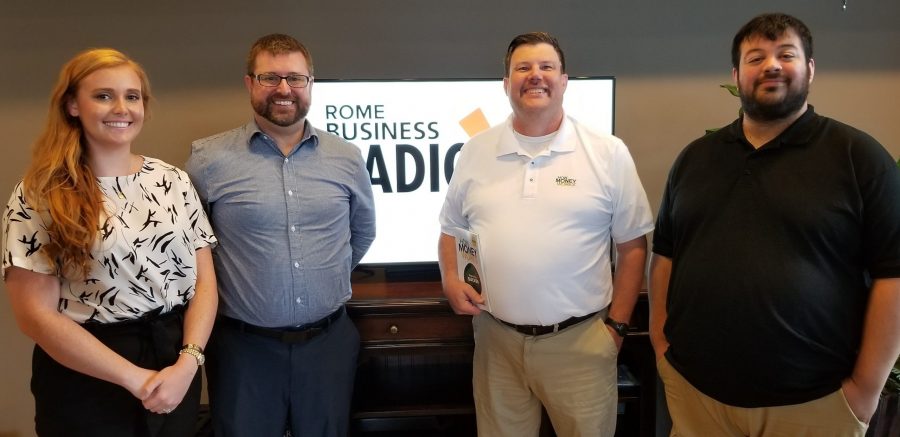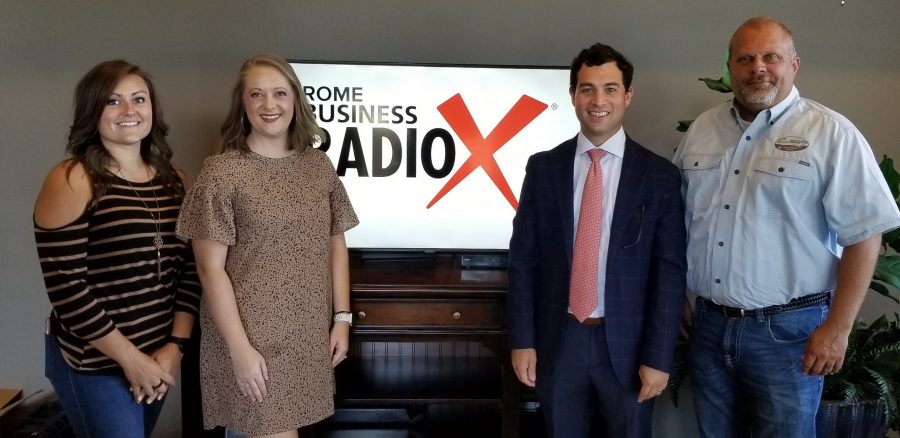
Rome Floyd Chamber Small Business Spotlight – Megan Otwell with the Downtown Development Authority, Hannah Bagley with Keep Rome-Floyd Beautiful, and Ben Winkelman with the Rome-Floyd E.C.O. Center
/
RSS Feed
 Kittie Watson, Innolect, Inc.
Intro: [00:00:04] Broadcasting live from the Business RadioX Studios in Atlanta, Georgia, it’s time for GWBC Radio’s Open for Business. Now, here’s your host.
Lee Kantor: [00:00:18] Lee Kantor here live from the WBENC National Conference 2022. This is the 25th Annual Conference for WBENC. And we’re inside the Georgia World Congress, and we’re inside of GWBC’s booth, Booth 1812, if you want to stop by and check us out. Today on the show, we have Kittie Watson with Innolect. Welcome, Kittie.
Kittie Watson: [00:00:41] Thank you. It’s great to be here.
Lee Kantor: [00:00:42] Well, I’m excited to learn what you’re up to. Tell us a little bit about Innolect.
Kittie Watson: [00:00:47] Well, Innolect is an executive and organization development consulting firm. And what we do is, we prepare leaders for the future. We also ensure that you have the right kind of culture to address the great resignation.
Lee Kantor: [00:01:00] So, your tagline says “growing leaders”.
Kittie Watson: [00:01:03] That’s right. We grow the leader in everyone.
Lee Kantor: [00:01:05] So, you believe that there is a leader in everyone, that’s the premise, right?
Kittie Watson: [00:01:10] That is the premise. And it may not always be seen easily or it might need to be refined, but every person has that ability.
Lee Kantor: [00:01:18] Now, when did you start believing that to be? So, is that something since you were a kid, you were like, “Oh, everybody can be a leader. I can see that. I see that kid over there in the playground eating the rocks, I think somewhere in there, there’s a leader.”
Kittie Watson: [00:01:32] I think it actually started when I started teaching at Tulane University. I was chair of the Department of Communication, and is working with students. And then, moving into the corporate arena, I began to see where a lot of people just didn’t have confidence, particularly women. And, initially, I was working with a lot of women to help them move up the corporate ladder and think about that differently.
Lee Kantor: [00:01:52] So, now, internally they have to have a mindset shift, right? They have to stop self-sabotaging themselves and really have these self-limiting beliefs.
Kittie Watson: [00:02:02] Or other people sabotaging. Yes. Definitely.
Lee Kantor: [00:02:05] But, also, they have to believe that they are the leader. They have to take that first step because you can’t want it more than them.
Kittie Watson: [00:02:12] Well, I think in some cases, really, people just have never had an opportunity. They haven’t been put in roles where they’re actually maybe leading. And they think that leading is the same thing as management. And so, we all can have a voice and say the right thing. And I see this particularly within the inclusion and equity and diversity space where people can be a leader, and show up, and express what they think is right in that particular environment.
Lee Kantor: [00:02:42] And that’s where the importance of representation is, to see that it is possible for a person of all types of people.
Kittie Watson: [00:02:51] It’s true. And all of us want to be seen and heard. And there’s an opportunity now because, as I just mentioned a while ago, there’s this Great Resignation and 26 million people have left their jobs in the last six months. And it used to be that people left for pay and benefits. But, now, they’re leaving because they want flexibility. They want to work with an organization that has purpose and meaning where they feel like they’re doing something worthwhile. They also want to learn, and grow, and have advancement possibilities. But the biggest one is to be included and to have a manager who cares. So, what we’re doing often is helping develop those leadership skills so that employees want to stay.
Lee Kantor: [00:03:34] So, now, what are some symptoms that a company is having that they might have a problem but they don’t know it yet?
Kittie Watson: [00:03:41] Well, there are a lot of examples of that, but most of the time they don’t know it and people leave, and so they haven’t realized it.
Lee Kantor: [00:03:48] So, turnover or something like that could be a clue that maybe something is wrong internally. That maybe it isn’t that we can’t find the right people. It’s just maybe something internally is happening that we’re not attracting or we’re turning away people.
Kittie Watson: [00:04:04] Well, what we know is that people want to be listened to, understood, and they want what they’ve said to be acted on in some way. So, organizations have gotten so involved in doing another survey, but then they don’t respond to the survey. And so, employees keep waiting and nothing happens. Or they have managers where they’re not included in decision making. So, they don’t get to impact things that might impact them. And so, we really try to help the organization think, both quantitative and qualitative, about what they can do to become listening leaders, really, and to demonstrate that they care.
Lee Kantor: [00:04:44] Right. Because it’s one thing, I think, that employees are getting, kind of been there, done that, “I’ve heard you say that a million times. You say that people are your most important asset, but then you’re treating me the same as you treated me five years ago. So, you’re not walking the walk.”
Kittie Watson: [00:05:00] Right. Well, and even today, there was an article that came out in McKinsey and just talked about the wage gap from the CEO C-suite to the worker that’s making the difference in the business. And that gap is widening. And, now, with the cost and inflation and all those things, people are thinking, “People don’t really care about me.” So, they’re beginning to look for those organizations that truly live the values, don’t just put them up on a piece of paper on the wall. And they are included. They are involved. They are given opportunities. They’re given feedback, tough feedback sometimes. But they are given opportunities to grow and learn and make a difference.
Lee Kantor: [00:05:42] So, what’s an example of a client that you’ve had that you’ve helped get to this new level, that maybe they were struggling? You don’t, obviously, name the name of the company. But what is their issue they were struggling with and then how did you help them get to this new level?
Kittie Watson: [00:05:55] Well, with one company, they brought us in because they were having a lot of litigation and discrimination.
Lee Kantor: [00:06:02] That’s a clue, right?
Kittie Watson: [00:06:03] Yeah. A clue, yeah.
Lee Kantor: [00:06:05] We’re getting screwed a lot, is that normal? Does everybody get screwed this much?
Kittie Watson: [00:06:10] And it was a culture that had been created and that finally just blew up. And so, we were brought in to begin to understand what was happening in leadership, or lack of happening in leadership or management. And got involved with focus groups and interviews and a survey that we listen to. And then, we were able to begin at the top to help leaders see what they were doing that might be getting in the way. Then, we engaged through a cascade, all people in the organization, and had their voices heard. And there were times where some employees were not a good fit for the organization and the culture they wanted. So, not everyone got to stay.
Lee Kantor: [00:06:54] Sure. And it works both ways, right? They can self-select out and then the company can decide they’re not a good fit.
Kittie Watson: [00:07:03] Exactly.
Lee Kantor: [00:07:03] And that’s the empowering thing that every individual has. They have the power to say, “Yeah. This isn’t the right fit for me.”
Kittie Watson: [00:07:10] And I think a lot of times, you know, something else that we’re working on right now and have been, as you know, after George Floyd was killed, there were a lot of organizations that gave money externally, but they really didn’t do much internally. And so, what we’ve been doing is really helping those organizations look at the kinds of training that can stick not just, “Okay. Check the box, we did that.”
Kittie Watson: [00:07:34] But really thinking about what could we do differently, what kind of dialog, what skills do people need so that they can talk about what’s going on with them. We’re working with the city government right now that had a lot of racial issues in the city. And so, bringing the community together with city workers and city employees to have a voice and talk about what made them feel less than, and how can we do things differently and equitably for all employees.
Lee Kantor: [00:08:04] It’s kind of a version of that think locally, act globally. You have to start within first, try to change what you can change and control internally. And then, kind of broaden it rather than, “Oh, yeah. We cut a check to this big national organization. See, we’re good guys.”
Kittie Watson: [00:08:18] Yeah. The optics were great. And yet people then thought, “All right. They’re doing this, what are they going to do for us?” I mean, “What about the manager that said this to me last week?”
Lee Kantor: [00:08:29] Right. “What about Mary? What about her issues? What are we doing for Mary, who’s on our team?” And they’re like, “No. We’ve already donated. Then, you see, there was a press conference.”
Kittie Watson: [00:08:38] And there are a lot of people that they don’t know what they don’t know. And so, we’ve done a lot of what we call change guide coaching and helping really move through those changes that they need to make. Or we’ve worked with teams to have them talk together and look at purpose and why they’re there. And even with the hospital systems, for example, where they have been so discouraged, we’ve had to remind them about why they went into health care to begin with.
Lee Kantor: [00:09:05] They kind of lose sight of that, right?
Kittie Watson: [00:09:06] Oh, my goodness. Especially in the last two-and-a-half years.
Lee Kantor: [00:09:09] Right. They’re just kind of running. They don’t know where they’re running or where they’re running to.
Kittie Watson: [00:09:13] And so, we are seeing a lot of good people leave.
Lee Kantor: [00:09:17] Right. They’re just so frustrated.
Kittie Watson: [00:09:19] Exactly.
Lee Kantor: [00:09:20] And then, the event here today, the WBENC National Conference, what brings you here? Do you go to all of them?
Kittie Watson: [00:09:28] I go to most of them. I mean, there are several things that bring me here. I mean, GWBC, I’ve been on the board before and very committed to that, of course. And I’ve met a number of good clients through this process that I’ve gotten to have conversations with and opened doors. I also am a mentor for the Collegiate Accelerator Program, so I love being able to mentor young leaders as they’re starting, and that always gives me kind of a jolt to be able to do that.
Lee Kantor: [00:09:57] Sure.
Kittie Watson: [00:09:57] So, there are lots of reasons. I have many friends here that I’ve made through the years. And it’s a great way to stay in contact with clients, particularly after we haven’t seen them in so long.
Lee Kantor: [00:10:08] Right. This is the first time in forever that we’ve seen people face to face like this, especially this quantity at one place.
Kittie Watson: [00:10:14] Yes. But it’s so spread out here, though. It’s so different than in the past, but it’s great.
Lee Kantor: [00:10:19] Now, for you, any advice for that young person that says, “You know, I’d like to be a leader. I think I could be a leader,” what are some action steps they can be taking today so they can become a better leader tomorrow?
Kittie Watson: [00:10:31] Well, the first thing that I usually say to anyone is an area I’ve done a little research in, and that is learn to listen. Listen to what the organization needs and your management needs. And if you can listen and meet some need, you’ll be recognized for that. Because most people want to talk as opposed to really listen.
Kittie Watson: [00:10:52] The second thing I say, is, to ask for that. Tell people what you want, what your aspirations are, and ask how they might help you for that development. And to create your own individual development plan. Even if your manager is not supportive, think about what are the skillsets that you could use that would help you move to the next level. Also, get feedback. Ask for it, ask for the feedback that will help you learn and grow. We know that when people come out of an education system, they’re at one level of maturity. And we see maturity grow in people when they start asking for feedback and really want it.
Lee Kantor: [00:11:30] And not everybody has the confidence to do that. You have to be vulnerable and you have to be ready to hear things that maybe you don’t want to hear.
Kittie Watson: [00:11:39] Exactly. And that’s a tough thing. I mean, because we are sensitive that way. And, often, it’s difficult to get that feedback. But it truly is a gift, and we learn from it, and we can be better for it.
Lee Kantor: [00:11:52] Now, a lot of young people dream of having a mentor, somebody that’s going to guide them throughout their careers, are there any tips you have for them on how to get a mentor and how to be a good mentee?
Kittie Watson: [00:12:04] We’ve actually developed mentor and mentoring programs, and, again, it’s clarity at the beginning of expectations and roles. And I know that there are a number of organizations that have formal mentoring and they match. I think that can work really well. We see it working extremely well at WBENC within supplier diversity.
Kittie Watson: [00:12:26] Yet, also, it is watching people within your organization that you admire and respect. And asking them questions, and eventually asking if they’d be willing to meet with you maybe once a month or once a quarter. But be very specific, but honor who they are. And, generally, people are pretty honored when you ask them to guide, or to give advice, or something like that.
Lee Kantor: [00:12:52] So, be bold. Take the risk.
Kittie Watson: [00:12:54] Be bold, yes. Take that risk.
Lee Kantor: [00:12:56] And if somebody wants to learn more about Innolect, what’s the website?
Kittie Watson: [00:12:59] It is innolectinc.com, and that’s I-N-N-O-L-E-C-T-I-N-C.com.
Lee Kantor: [00:13:07] Well, Kittie, thank you so much for sharing your story today. You’re doing important work and we appreciate you.
Kittie Watson: [00:13:12] Thank you. Thank you. It’s great to be here. I appreciate it.
Lee Kantor: [00:13:13] All right. This is Lee Kantor. We are broadcasting live from WBENC National Conference inside the GWBC booth. We’ll be back in a few.
The Women’s Business Enterprise National Council (WBENC) is a leading non-profit organization dedicated to helping women-owned businesses thrive.
We believe diversity promotes innovation, opens doors, and creates partnerships that fuel the economy. That’s why we not only provide the most relied upon certification standard for women-owned businesses, but we also offer the tools to help them succeed.
The Greater Women’s Business Council (GWBC®) is at the forefront of redefining women business enterprises (WBEs). An increasing focus on supplier diversity means major corporations are viewing our WBEs as innovative, flexible and competitive solutions. The number of women-owned businesses is rising to reflect an increasingly diverse consumer base of women making a majority of buying decision for herself, her family and her business. 
GWBC® has partnered with dozens of major companies who are committed to providing a sustainable foundation through our guiding principles to bring education, training and the standardization of national certification to women businesses in Georgia, North Carolina and South Carolina.


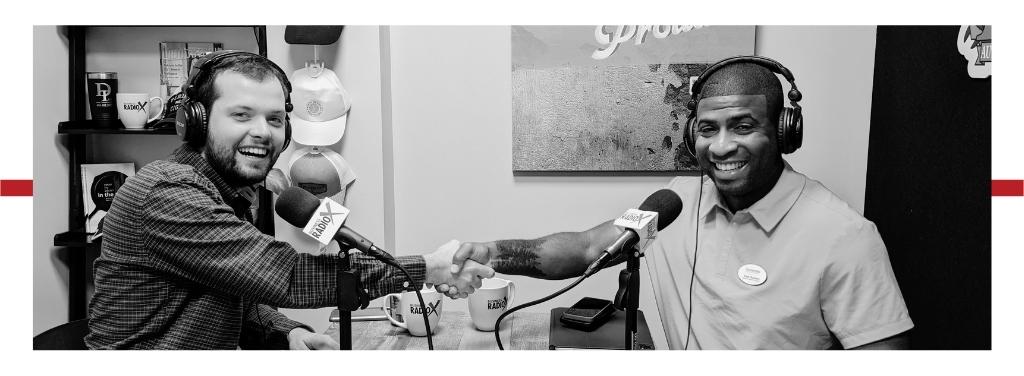

 Matthew Atwood CFP® is a Georgia native from Clarkesville, GA. He attended the University of North Georgia where he received a bachelor’s degree specializing in Finance.
Before his start with TimeWise Financial, he spent time as a Licensed Broker as well as a Pricing Analyst. His experience in both security sales and analytics will be of ongoing value to our clients.
Outside of work he enjoys playing golf, trying new restaurants and cheering on The Atlanta Falcons.
Connect with Matthew on LinkedIn and follow TimeWise Financial on Facebook.
 Trivon Thompson is a conscientious realtor who exudes credibility, commitment, and determination. His passion for real estate is apparent through his excellent communication skills, warm & friendly approach and investing experience.
As a REALTOR®, Trivon’s priority is ensuring his client’s happiness. He will listen to your wants and needs to achieve the best outcome in every transaction and will strive to ensure that the buying or selling process is fun, easy, and stress-free. Clients can count on Trivon when they have a question or a concern.
Trivon began his real estate journey in early 2020 and he hasn’t looked back since acquiring properties of his own, purchasing hisprimary residence, and helping others fulfill their investment and home ownership dreams.
Contact Trivon here and follow him on LinkedIn, Facebook and Twitter.
This transcript is machine transcribed by Sonix
Intro: [00:00:07] Broadcasting live from the Business RadioX studios in Woodstock, Georgia. It’s time for Cherokee Business Radio. Now, here’s your host.
Stone Payton: [00:00:23] Welcome to another exciting and informative edition of Cherokee Business Radio Stone Payton here with you this morning. And today’s episode is brought to you in part by Elma Coffee, sustainably grown, veteran owned and direct trade, which of course means from seed to cup, there are no middlemen. Please go check them out at my Alma coffee dotcom and go visit their Roastery Cafe at 3448 Holly Springs Parkway in Canton. Ask for Harry or the brains of the outfit Leticia and please tell them that Stone sent you. You guys are in for a real treat this morning and please join me in welcoming to the broadcast. First up on Cherokee Business Radio this morning with TimeWise Financial, Mr. Matthew Atwood. Good morning, sir.
Matthew Atwood: [00:01:12] Good morning, Stone. Thanks so much for having me on.
Stone Payton: [00:01:15] It is a delight to have you in the studio. I think maybe we initially connected at Y Power Woodstock Business Club or both. I don’t know.
Matthew Atwood: [00:01:23] That’s correct, y pal. Yeah.
Stone Payton: [00:01:24] Yeah. All right. So time wise, financial mission, purpose, how would you describe what you’re really out there trying to do for folks?
Matthew Atwood: [00:01:33] Yeah, of course. So time wise, really tries to strip away the jargon. So we’re certified financial planners, but what we found in our time in the industry is a lot of people’s business model in this industry is to show their value to their clients by showing how much they know relative to the client, speaking of their head, if you will. And so we try to strip away the jargon and really align their portfolio with their purpose. And so that’s a core tenant of the plans that we build is first focusing on, you know, what is your ideal day in retirement look like? Because in our experience, a lot of people, you know, when they lack structure, they’ve had structure for 40, 50, 60 years during their working years. And as soon as they quit working, if they’re not careful that all that structure kind of falls away and they can lack a purpose. And so first we want to design a purpose for their retirement. What does that look like, travel domestically or internationally? You know, does that look like some volunteer work in their community? What what does retirement look like? And then we can design a plan that aligns with that purpose. So that’s really what we do at timewise.
Stone Payton: [00:02:47] So I got to ask, why finance, you know, when when our next guest, Siobhan and I were playing cowboys and Indians or cops and robbers. Were you like counting money? And what was the catalyst for you to get into finance, man?
Matthew Atwood: [00:03:02] Yeah. So at 17, I wanted to be a corporate attorney. That was my my goal in life. And so I went to college and did about nine weeks of a pre-law poli sci program. And my roommate, freshman year, both of his parents were successful real estate attorneys in the Atlanta area really looked up to them instantly because, you know, I looked to get into their industry in a way, one way or another. And they kind of gave me a warning at the time, and I wasn’t really enjoying my coursework either. And they said, Hey, if you want to be in a courtroom, just know that for every hour of litigation, there’s about 20 hours of paperwork. And that didn’t really sound like what I wanted to do. And so I was kind of at an impasse and I was like, Well, if I’m going to study something, I want it to at least have some value. And worst case, if it doesn’t work out and I decide to go be a park ranger or something, finance is a degree path that at least serve me. You know, I can learn a little bit about how to manage my own money and put it to work. And I quickly became impassioned by the field. And I’ve always been an educator. And the reason, you know, kind of one I guess point to validate that is when I would study for my test, I would invite people to come in, classmates, that is. And the way I would study for the test was to kind of teach them. That’s how I learned was to teach.
Speaker4: [00:04:23] That’s brilliant.
Matthew Atwood: [00:04:24] And so there was a charge, you know, maybe like a Chick-Fil-A sandwich to come in and.
Stone Payton: [00:04:29] And he’s making money. You hear this?
Trivon Thompson: [00:04:31] I tell you.
Speaker4: [00:04:32] Yeah.
Matthew Atwood: [00:04:33] And so I always enjoyed educating and financial planning and working as an advisor to individuals who maybe their education is focused in engineering or some other field really allowed me to do that. And that’s when people ask, well, what is a financial planner do? At least at our firm, we the core tenant, is education. We like clients to know what they own and truly understand it. And so it really aligned well with my goals.
Stone Payton: [00:04:59] Okay. But that path that path has some academic rigor to it as well. So you went down that path for your formal education and then there’s tests and stuff you got to pass to be able to do what you’re doing. Right. Tell us about that and qualifications, credentials, that kind of stuff, no doubt.
Matthew Atwood: [00:05:15] Yeah. So as soon as you get out, you’ve got some federal exams, you’ve got to take the series seven, series 63 you might have heard about. Those and those tests are no joke. They definitely and I was actually starting my career e-trade and the rules of the engagement were if you fail to seven, you lose your job. So I’m fresh out of school, I got some student loans and the test had a lot more, I guess, meaning to my trajectory at the time because I couldn’t afford to lose that job.
Trivon Thompson: [00:05:44] Yeah, no pressure.
Matthew Atwood: [00:05:45] And so.
Speaker4: [00:05:45] Yeah.
Matthew Atwood: [00:05:48] And then I went on and took the certified financial planning exam, which also includes a rigorous almost 4000 hour course that you are required to knock out first. And so that really I think while it gives me the credentials in the industry, it really also as a young professional in the industry, gave me the confidence that I truly do know what’s going on because the test is proven to be quite rigorous. And, you know, I got through it not necessarily with flying colors. You know, I definitely had some some good days and bad days along the way. But I now can, I guess, back up my knowledge with the coursework that I completed.
Trivon Thompson: [00:06:29] Fantastic.
Stone Payton: [00:06:30] So you briefly mentioned E-Trade and it’s I’m under the impression that there are a lot of online opportunities to go and do and do your investing on online. Is that what is the differentiator? How do you how do you operate in a world that also makes that available to the layperson like me?
Matthew Atwood: [00:06:53] Yes. So at the end of the day, time is money. And if you spend enough time, anyone can do exactly what I’m doing. You could manage your own portfolio, you could manage your own investments, but it’s going to take an input, which is time. And so you can take the online route or use a robo advisor. And finance, at least investing, in my opinion, is, you know, 80% emotions, while only about 20% head knowledge. And so managing your emotions along the way is the real challenge of being a disciplined investor. And so having an independent third party like us who isn’t necessarily as emotionally attached to the dollars and cents in your portfolio, we’re vested because we’re a fiduciary and fee based, so we have a vested interest in having your portfolio appreciate, but we can take help. You take a step back and say we’re focusing on three months of market performance right now, but your portfolio we can show you historically over the long run has never lost money over a ten year period or 20 year period. There’s never been a single market cycle. Even if we start in 2001 and include, you know, 911, the Great Recession, the, you know, the war over in Iraq, all those things. That was one of the worst market cycles that we’ve seen in a long time. Your portfolio still made money over the long run. And that long term perspective, that independent third party perspective is, I think, where we can really add value to any investor’s portfolio.
Stone Payton: [00:08:28] So I resemble that remark because I can envision me getting, you know, a tip at the club. Right.
Speaker4: [00:08:34] Right.
Stone Payton: [00:08:35] And wanting to jump on it, because I’m excited about the industry or, you know, I just I just want to play. So I got to ask, do you ever find yourself almost being a therapist because you’re working with couples a lot, families and stuff? Right. You got to have that.
Matthew Atwood: [00:08:51] No doubt. No doubt. Yeah. And it’s crazy what kind of you know, I guess you could say minor conflicts can come up in the meetings because to two people in a couple may have discussed, we want to travel when we retire, but the whole time one may have been envisioned, you know, travel up in Gatlinburg in the mountains and other down in Fort Lauderdale, you know, and so when we get close to the end, they may realize, hey, we aren’t necessarily aligned in our purpose or our goals. And additionally, you know, during those market downturns when people are really panicking and the news nowadays, I tell people, you know, back when a lot of my clients were my age, Walter Cronkite was on for 30 minutes a day. You know, that was the only news coverage you got to see. Nowadays. We have 24 seven hysteria filled news just flooded the marketplace. And so it’s much more challenging to keep your emotions in check as an investor. And so that is where we can really step in and add value for our clients.
Stone Payton: [00:09:50] So I know in my business with digital media, digital radio, there’s a podcasting aspect to the work that we do. There are a lot of misconceptions. And so there’s a there’s a great deal of education that we might do with a prospective client or sometimes even a guest, so that they get the most out of hanging out with us and interacting with us. I got to believe that you run into a number of misconceptions and maybe see some patterns and maybe to the point that you. We already are pretty well equipped to get some of those out of the way pretty early in your conversations. Can you speak to that a little bit?
Matthew Atwood: [00:10:28] Yes, I would say people, I guess, have a misconception of they just need to buy stocks index and forget. They think that they don’t necessarily need a custom tailored suit. And so. But what it comes down to is as you start to build wealth, they start to be some real tax implications. You have to keep in mind, they start to be some estate planning strategies you want you might want to keep in mind. And the real question comes, you know, once you turn 65 or 60 or when you reach that retirement, everybody might know how much they want to pull from their retirement. But we can help build a plan that, you know, designed to strategically source those assets throughout your retirement and minimize your taxes. So I think one misconception of at least our firm is our industry, rather that it’s quite simple at face value. And you can just listen to Clark Howard and do a few tips and you’ll be set. But I really think much like, you know, I don’t do my own C.T. scans, I don’t do my own surgeries. There comes a point where you need to involve a professional.
Stone Payton: [00:11:39] Well said. So let’s talk about mentors a little bit and I’ll ask on both sides of the equation, have you had the opportunity to be mentored at points in your career and have you yet taken advantage of the opportunity to try to to try to be mentor to others?
Matthew Atwood: [00:11:57] Of course, yes. So in college I started a student investment club at our university where it was for all majors. We had biology, physical therapists, some business professionals as well. And the whole purpose of the club was to, you know, educate people about investing. But the real value that we had was we would bring in industry professionals from banking, you know, investing and other industries and have them really speak to what they do, how they got there. And it was an opportunity for the club members to connect with that person, you know, and in one case, Layne Steinberger, he’s a, you know, an investment professional in the Alpharetta area who was a valuable mentor to me and helped me navigate my job selection as I was getting ready to enter the industry. And it was a very valuable experience. Now on the flip, now that I’m, you know, in the industry and started to get set up, the opportunities to serve as a mentor have been to club members now you know, members that are still, you know, you an alumnus or still at the school will reach out and oftentimes I’ll meet them for lunch. And they’re just, I guess, overwhelmed with the decisions that are facing them. And I’ll help them kind of navigate it and ask some of those questions that maybe they haven’t really thought about their their problem in a certain light and help them find a solution or direction as to where they should go. And additionally, we started up an internship program at our firm time wise where we’ve, you know, with KSU and UGA are looking to bring on interns each summer to, you know, give them an idea of what this industry is like. Is it a good fit for them and maybe even an opportunity to join our firm?
Stone Payton: [00:13:46] I think that’s fantastic. And my instinct is and maybe you’ll agree with me that when he mentors, they buy lunch.
Speaker4: [00:13:53] Yeah.
Stone Payton: [00:13:54] Just based on what we’ve learned so far.
Trivon Thompson: [00:13:56] Right? Right. All right. Chick-fil-a.
Stone Payton: [00:13:58] I think you’ve probably already touched on at least part of this answer with your comments about education being such an important part of your work. But but I’ll ask. I’m kind of wired. I came from the training consulting world, but I gravitated much more toward the sales and marketing side. I did a little design and delivery work, but that’s but but I’m a sales guy, right? So I’m always interested. How does the whole sales and marketing thing work for a business like yours? Because I’ve got to believe it’s it’s I mean, it would be tough. You can’t just pick up the phone and say, hey, Trayvon, you know, would you like to explore some ideas for investing your hard earned money? Like, what is the process?
Matthew Atwood: [00:14:42] It’s very tough because our industry is so trust based. So it’s you don’t just hand over your life savings and have someone management to the, you know, a guy you meet off the street, you want to build some trust first. And so you look, you know, nowadays for a lot of industries, web based or social media based marketing is a huge influx of their business. But even the big firms like ETRADE or TD that are huge behemoth companies in our industry don’t get much engagement on their social media, you know, and they have they’re investing many more dollars than we are into those posts and those marketing efforts. And so the way we really. Are able to grow. Our business is through referrals. So by treating our existing clients to the with the best level of service that we can, they get a level of confidence to where when one of their friends out on the golf course or at a dinner is talking about, you know, they’re getting ready to retire, they we come to mind and they say, you need to give Matt a call. You know, you need to reach out to him. Additionally, we can partner up with other businesses in the community. We call them centers of influence that are maybe in a related field. Maybe they are a CPA in the in the in the local area who they manage taxes, but they might have clients who have financial planning needs and we can kind of scratch each other’s back know.
Matthew Atwood: [00:16:01] And so those are the really the ways and it’s a slow burn, you know, a car salesman when they go and try to create a sale, it’s a very quick sales cycle. You know, you just a prospect walks in, they enjoy the car, they don’t and you close the deal. Yeah. Whereas our process is because we have to build that trust is a multi month process where we’re getting to know the client and ensure, hey, they are a good fit for us because it’s a fool’s errand to assume that every person that walks in the door is going to be the best fit for our firm when there’s hundreds of thousands of advisors across the country. But also, are they a good fit for, you know, are we a good fit for them? Rather? And so there’s a little bit of a dance that happens in the first phase to make sure, hey, we align with one another, we’re a good fit because otherwise we don’t want to waste their time or, you know, and put them out by maybe they don’t really align. They don’t care about their purpose. They don’t care about the core competencies that we offer. So we want to make sure there’s a really good alignment there first before we even pursue a business relationship.
Stone Payton: [00:17:08] That’s good. So that makes me want to ask about as a layperson, seeing all these people out there, particularly at this point in my career, I don’t we’re on some lists somewhere. We we get invited to the state dinners and all this stuff. And I got tickled the other day. I told Holly, I said, if something happened to our financial picture that I don’t know about because I’m used to getting an invitation to go to like Prime 120 or one of these things. And this one came and it was at Golden Corral or something. I don’t know about our standards, but no, the question is, are there some red flags that people and I should be looking for? Like, if you see this, you know, run, do not walk, run away?
Matthew Atwood: [00:17:50] Yeah. And some of this is based on my experience in the industry, but there’s some firms that operate entirely on commission. And so those firms, it’s easy for not all the advisors in those roles do this, but it’s easy for them to sell you a product, collect the commission and never talk to you again, and not have that meaningful relationship with their clients. So I always encourage people to ask their financial advisor to ensure that they’re bound to be a fiduciary. A CFP is always bound to be a fiduciary. So if you’ve got a professional who’s a CFP, that’s a good start and make sure they’re fee based because the way it works is with a commission that that professional collects all their payment on the front end, where as we as a fee based firm, we charge a fee each year. But because our firm’s revenue is dependent upon the size of your portfolio, if your portfolio appreciates, our fee appreciates as well. So we have an extremely vested interest in minimizing your participation on the downside while maximizing your participation on the up side and ensuring we all win together.
Stone Payton: [00:18:59] All right. So let’s walk it through. Let’s well, let’s talk about me for a minute. It’s one of my favorite topics. So my wife, Holly, she has a real job with a little company some of you may have heard of called IBM. And and she’s I don’t know when she’s going to hang up her cleats, but, you know, it’s it’s on it’s on the horizon. And, you know, we’re very blessed. We’ve done pretty well. And I own a pretty good chunk of the network. And I have this separate business here. So if we made it through all the all the muck and we found you or you found us, what does that look like? Walk us through, like the the early steps of the relationship or the engagement. What cycle, what could we expect as we get to know you and your firm?
Matthew Atwood: [00:19:45] Yeah, of course. So the first goal is we’re going to have a get to know you call. And that’s where we’re just going to learn a little bit about why you’re seeking the services of a financial planner and give you a little bit of information about us. It’s where we first start to determine, hey, is this going to be a good fit because we do financial planning. You know, if you’re looking for someone to open a bank account, like that’s not necessarily what we do. And so first, we want to make sure you are looking for the right services. Then we’re going to set up an initial consultation. And this is more getting into the details of. Your financial picture. And we’re going to learn more about your cash flow situation. What are you making now? What would you like to make in retirement? You know, what type of estate plan you have in place already? Is it sufficient for your goals? We’re going to learn all these details. And at the end of that meeting where you’re going to decide to pursue a financial plan or not.
Matthew Atwood: [00:20:36] And if you guys like the the vibe of the meeting and like the direction things are going and want to pursue a financial plan, at the end of that meeting, we will spend about 8 to 10 hours between our team developing a financial plan for you, and then we’ll have a recommendations meeting maybe a month or so after where we present all of our findings to you, whether your portfolio was aligned with your goals, did you have any shortfalls in your insurance coverages? Did your taxes were you overpaying in taxes last year? And and then you guys can take that plan and do with as you please. You know, you may just want a second opinion. You’ve already working with a professional. You want to see if you’re on the right track. You may enjoy managing it yourself. You can take that plan and implement it yourself, or you can decide to move forward with us and implement and engage us as investment managers where we actually implement and monitor your plan going forward. And so that would be the initial process.
Stone Payton: [00:21:32] So you mentioned estate planning. So when there’s something like that, an additional service that that that serves the entire mission and purpose of what we’re trying to accomplish. And let me know if this is accurate. I can almost see you or somebody on your team being the quarterback like and you’ve got like best in class people. Like if we need an accountant or an estate planner, you’ve I get the idea that you’ve built this this this cadre of people that you know and you trust and you can trust with your clients. Is that is that accurate?
Matthew Atwood: [00:22:09] No doubt. Yeah. We work with a few people in the community. One, for example, is Mike Wooten with Cornerstone Estate Planning, who is just an all star estate planner.
Stone Payton: [00:22:19] Well, thank you for that. I’ll send him an invoice.
Speaker4: [00:22:21] Yeah.
Matthew Atwood: [00:22:24] And so we we we first review their clients estate plan, but we’re not lawyers. You know, we can tell you if there’s a shortfall or maybe a blind spot in our estate plan that needs rectify. But we can actually draw up the paperwork. But we have partnerships with local firms that offer our clients discounted rates for their services to make sure that we get that in check for them.
Stone Payton: [00:22:48] Yeah, so we’ll switch gears on a little bit. It’s a question I often like to ask because so many of the people who tap into to our work, they are entrepreneurs or they might work for a firm, but you know, they’re really like CEO of MI Inc.. I mean, they’re, you know, they’re they’re running their own show. I’m interested to know where you go. And I don’t really mean necessarily a geographic location, but but where do you go for for inspiration to get recharged and, you know, kind of kind of get the enthusiasm back and get ready for the for for the next wave. Is there an activity?
Matthew Atwood: [00:23:31] Yeah, yeah, yeah. So for me, I really find energy in the outdoors. So areas like Lake Fontana up in North Carolina, near Robbinsville and one addition to that area, there are some really fun roads to drive. And for me, I’m a motorsport enthusiast. You know, I really love a nice a nice backcountry drive through the mountains. And I also love watching motorsport, whether it be, you know, Formula One or Moto GP. And so these are some of the activities that I engage in, you know, on the weekends or during my time off that I guess allow me to recharge and really spiritually, emotionally, all those things, nature and being out on whether it be the Appalachian Trail or just out on the lake is just a really great way to get away from all the noise that, you know, you can hear here in the cities and and reset.
Stone Payton: [00:24:28] Yeah, it sounds marvelous. So we were talking a little bit before we went on air about Formula One and it sounds like such a really cool ecosystem. I have a little bit of familiarity with NASCAR, but I’ve never been to a Formula One race, so maybe I’ll start watching someone on television.
Matthew Atwood: [00:24:46] Yeah, I would encourage anybody who’s maybe interested in just scratching the itch of checking out Formula One to check out. There’s a series on Netflix called Drive to Survive and it it gives a great glimpse into the world of Formula One is what got me into it when it released back in 20 2019. And it’s really, I guess, sparked the enthusiasm for the sport. But it’s an amazing sport, the peak engineering of motorsport. And it’s amazing what innovations, you know, that we use in our cars today have trickled down from the sport, whether it be, you know, your abs. Braking system or your traction control. These were all things that were invented by, you know, technical directors in Formula One, first for those race cars, and then trickled down to the manufacturers. And now in the cars that we drive every day.
Stone Payton: [00:25:32] Pretty cool. Who knew?
Stone Payton: [00:25:35] All right. So before we wrap, let’s make sure that our listeners know how to get in touch with you, speak with you or someone on your team if they’d like to learn more about some of these topics, maybe set up one of those calls that you mentioned or or get together with you or go hang out at a Formula One race or whatever, whatever you feel like is appropriate, whether it’s email, phone, website. But let’s leave them with some coordinates.
Matthew Atwood: [00:25:58] Yeah, of course. So I would encourage you guys to check out our website, Time Wise Financial SI.com. Also check us out on LinkedIn. We have some great videos we put out for our clients and people who follow us about what’s going on in the market. So it’s a great way to get a taste of the flavor that our business offers. And then you can engage us via phone at 7704202954 or shoot me an email at Matt at t w f that’s Tom whiskey foxtrot wealth dot com.
Stone Payton: [00:26:29] I love it. Well, thank so much for coming in and sharing your story, man. This is this has been every bit as much fun as I thought it might.
Matthew Atwood: [00:26:37] Be, no doubt. And I really appreciate you having me on Stone.
Stone Payton: [00:26:40] Yeah, glad to do it. Hey, how about hanging out with us while we visit with our next guest?
Matthew Atwood: [00:26:45] I’d love to.
Stone Payton: [00:26:46] All right, gang. Y’all ready for the headliner? He’s. He’s been very patient. He’s been nodding his head. He’s been. He’s been taking notes. Please join me in welcoming to the broadcast with Thompson Realty Group, the man himself, Trivon Thompson. How are you, man?
Trivon Thompson: [00:27:01] Doing fantastic. Stone Thanks for having me. I appreciate it.
Stone Payton: [00:27:03] Yes, sir. So what did you learn in that last segment?
Trivon Thompson: [00:27:07] That we have a similarity in our love for Formula One? Oh, wow. That’s pretty cool. Yeah. Yeah. And I mean, yeah, financial. The financial world is pretty, pretty crazy. Pretty cool. Yeah. There’s a lot to learn there.
Stone Payton: [00:27:22] You never know what kind of connections get made in the studio when we do this one. Things that I love about if you want to be the guy in town that is known for connecting people, get yourself a radio show, right? No, seriously. I mean, because it’s fun whether you’re doing it like out on site or in the studio or even if when you’re doing virtual interviews. All right. So Thompson Realty Group, first question that comes to mind for me, probably for many of our listeners, incidentally, guys, if you’re listening to this six months from now on demand on the site, we’re in late July of 2022. So I know this is a little bit of a time specific question, but let’s get like an update like state of the market, what’s going on out there, man?
Trivon Thompson: [00:28:06] So it’s still pretty fun. It’s still pretty active. We are still in an extreme seller’s market, for instance, you know, a balanced market is anything from 6 to 7 months of inventory. And what that means is if we stopped listing homes today, it would take 6 to 7 months to sell off everything that was that’s currently on market nationwide. We’re at 2.2 months of inventory. Oh, right. In Georgia, however, we’re fluctuating between 1.6 and 1.8 months of inventory. So Metro Atlanta, if you, you know, whittle it down even further, it’s even tighter. So, you know, we’re we’re pretty hot spot. It’s still still happening around here. So, you know, even though the market is, you know, quote unquote, slowing down, the slowing down is a factor of price deceleration. So what that means is price prices were accelerating at an extreme pace over the last two years, some some upwards of 30%, 24%, 18% in some markets. Now, it’s really more like 10%, 8%, 9%. It all depends. So just price deceleration still going up, but not at a crazy rate.
Stone Payton: [00:29:17] Well, that’s an interesting perspective. It reminds me of when I finally discovered that a federal budget cut wasn’t like a budget cut at the House. Like, you know, we did spend this on groceries and now we’re going to spend this. It’s like the increase is not as much. Right?
Trivon Thompson: [00:29:32] Right. Yeah, it’s all about the wording. Right.
Stone Payton: [00:29:35] I’ll tell you, Holly and I, we feel so blessed. We moved here a little over a year ago and we put the we have a little home right here on the on the edge of town. We kind of downsize. And we bought what my my dad would call a patio home. And my first lily pad is IPS on the on the wall at the town. Right. So I mean, I’m right there on the edge, on the edge of town. And we just love everything about this community. And we feel so blessed because we went ahead and nailed this thing down without a contingency offer, you know, because we felt confident that we could sell the house and we were able to to work that bit, but we were able to get into it just a little bit before things went nuts. And then we’ve always been the Christmas house. So the big house in Marietta. She didn’t want to sell it till after Christmas. So so we got into that. When we got we got that nailed down before Christmas and then we listed this thing and we never had to show it. We were asked to leave one time just when they first were getting the word out and the first family came in, made a full price offer.
Stone Payton: [00:30:39] And I don’t know, maybe we left some money on the table. But I thought, man, the headache of showing it and all that, the money worked, you know? And I just, you know, I just dusted my hands off. I said, yeah, absolutely. Yeah, we’ll we’ll take it. So we feel so blessed. And from my understanding already, at least on paper, the value of our little place has really appreciated remarkably. And then the other reason we feel so blessed is whenever family comes to visit us, even here in town, but out-of-town family, they’re like, Oh, we want to live here, you know? So and we actually I have a sister in law, one of Holly’s one of five. She’s very seriously considering it, right. She I mean, she wants to to she’s already retired. She wants to come here and live. So it’s a wonderful community. It’s a great place to live. But all that to say, everything you just described must be true in spades for this whole Woodstock, Cherokee County area. Right.
Trivon Thompson: [00:31:37] I mean, so Woodstock is is very unique. So, you know, the appreciation in Woodstock was immense. Yeah. You know, that’s that’s just one word to describe it. You know, nowhere else have you had prices almost double in a couple of years here. I mean, you’ve probably seen estimates on your equity, right?
Speaker4: [00:32:02] Right.
Trivon Thompson: [00:32:02] And you go, you know, you rub your eyes and you go, is that correct?
Stone Payton: [00:32:06] The only problem is I don’t want to go anywhere. So I’m never going to my kid. My kids are going to get that right because I know I’m not going anywhere.
Trivon Thompson: [00:32:13] Absolutely. And you know, you’re here and you’re you’re and that’s just a small bit of the story, too, because a lot of people, they they want to know, hey, where am I going to go next if I want to move from here or if I want to get out of downtown Woodstock or wherever I’m at? Like we moved from East Cobb back in 2019, you know, just before this thing took off. Right, right. We bought in summer of 2019 and we didn’t know what was going to happen, you know, and that was I was actually a year later, I left my corporate job, you know, and in the middle of COVID.
Stone Payton: [00:32:46] Oh, wow. Did you really?
Trivon Thompson: [00:32:48] I did. And so, you know, there goes that. But I had already been investing in real estate, so I figured, hey, why don’t we move up to Canton, buy our place, make some roots, get the kids in some good schools. Yeah. And call it a day. And we did. And our equity, let’s just say we’ve added a couple of hundred thousand to our.
Speaker4: [00:33:09] Equity as well Pete.
Trivon Thompson: [00:33:10] Since then. So it’s, it’s been wild to see that. I mean that’s an almost, what, 40% increase for us. Yeah, almost 50%. So it’s it’s crazy.
Stone Payton: [00:33:21] All right. So that’s the residential primary residence kind of kind of thing. But let’s talk about real estate investing, because you personally are a real estate investor and you help people along these lines.
Trivon Thompson: [00:33:34] Absolutely. And that’s one of the things I’m most passionate about. So back in, say, 2018, I reread the book Rich Dad, Poor Dad. I had read it maybe eight years earlier, right before I got into my my corporate job. And I read that book and I also read Ayn Rand’s Atlas Shrugged. And my.
Speaker4: [00:33:54] Mind. Yes.
Trivon Thompson: [00:33:57] Talk about, you know, you melt one brain away and grow a whole new one.
Speaker4: [00:34:02] Yeah.
Trivon Thompson: [00:34:02] So that and Rand’s book changed my mind reading Rich Dad, Poor Dad again, like reignited a fire in me. And I kept asking myself, why don’t more people do this? Like, this is this is the American dream, literally, to work, you know, save your money, invest and then live a care free life. Right. I mean, most people only dream of that in other countries. My my parents, for instance, they came from Jamaica, brought us here to have a better life. And I had no clue my dad was the poor dad in that book. So it was really inspiring to read that and see that there is a way out instead of working till you’re 97, you know, just just to afford the place where you live. But yeah, that’s how I got started. I, you know, 2019 found my house and then we, we got two more investment properties in January 2020 and then July of 2020. And then I left my corporate job with that August. I took a six week sabbatical or whatever you want to call it, because, you know, my mind was just changing constantly. I kept reading, reading, reading and reading. Like one of the books I read was Never Split The Difference by Chris Voss. And yeah, that was another mind meld, right? So it was my my whole. Psyche. My whole mindset was changing and I didn’t want to work for somebody else creating their dream and on leaving mine on the table, right? So I left that job and I was, you know, chilling for a little bit because, you know, you’re in corporate for ten years and you’re just chilling and, you know, relaxing. And the fiance was like, so when are you going to get a real job?
Speaker4: [00:35:44] I was like.
Trivon Thompson: [00:35:45] Well, you know, I’m taking my time, I’m relaxing, I’m decompressing, you know, you know, I’ve got to get my mind right. She’s like, No, no, no, you need a job. So I was already doing real estate investing. I was already deep into it reading books like, you know, The BR Method and the Rich Dad, Poor Dad’s Guide to Investing and all this other stuff. So I figured if I really want to teach people how to do this and if I really want to get the most out of this, I’m going to be a realtor and I’m going to help people learn how to invest, not just buy and sell or help you build your dream home. But why don’t I help set you up for the for the future, show you how it can be done and help you get educated. And that’s where all of this was born.
Stone Payton: [00:36:29] Okay, let’s talk about me some more. Oh, no. So. So Holly and I. So the big speculative stock in our portfolio is Business RadioX, right? Because Lee and I are trying to grow the network, you know, and I’ve got I’m one of the 19 folks that have a studio like this, and we’re in 37 markets. We’re trying to grow this thing. And then we do have like the the the 401. K stuff invested from the real job that Holly has. And we’ve been blessed. We’ve done pretty well, by my standards. Anyway, we don’t have any real estate investments other than a property that Holly owns a fourth of because her sisters are fifth or whatever it is of a place. So let’s say Holly and I knew we sit down and we have a cup of coffee and we say, okay, Trevon, we we want to take a look at this real estate investing thing. What does that look like? What does that conversation like?
Trivon Thompson: [00:37:25] So I like an in-person conversation. I’m kind of old school when it comes to that. So if we if you are okay with that, we’ll sit down, have some coffee, maybe, you know.
Speaker4: [00:37:37] Maybe a beer or beer. Let’s talk your market.
Stone Payton: [00:37:40] You got to know your customer tomorrow.
Trivon Thompson: [00:37:42] Exactly. So, you know, I’m flexible. I’ll go wherever.
Stone Payton: [00:37:45] All right.
Trivon Thompson: [00:37:46] So we’ll sit down and we’ll have what kind of like a discovery meeting. So what are your goals? What does real estate investing look like to you? And once you’re finished talking about that, I’ll show you how your goals can fit into either a buy and hold situation where you purchase a property, you put some renters in it, you do a fix and flip where you purchase a property, you renovate it and then you resell it, right? That’s a part of the BR method or whether a real estate investment trust is better for you. So that’s called a right and there are quite a few of those around. And you know, Matt shaking his head here so he knows.
Speaker4: [00:38:20] He knows.
Trivon Thompson: [00:38:21] Right. Right. So, you know, Cardone capital is one of the more famous ones of late. Right. You know, by Grant Cardone. And then you have Opendoor Capital by Brandon Turner. And he was one of the founders of Bigger Pockets, which is a great resource for anybody looking to self learn about real estate investing. Right. So Brandon Turner, he generally deals with mobile homes and mobile home parks, which a lot of people really don’t think. There’s a lot of money there, but there’s a tremendous amount of.
Stone Payton: [00:38:52] Money that mobile home.
Trivon Thompson: [00:38:53] Parks. Yeah, I mean, people pay on time for the most part. There’s little to no maintenance, you know, because for the most part, they’re taking care of the stuff themselves, right? You hire a property management company to come in and take care of most things for you and you’re living a hands off, carefree life. So, you know, it’s all about whatever route you want to go down. And then depending on, let’s say you do a buy and hold, we’ll talk about how you separate your your cash flow, your cash on cash return, your property management fees or capital expenditures, or whether you want to put the extra money back on the principal of the loan to pay the property off faster, you know, to appreciate your value more quickly. You know, it all depends on what your strategy is, how close you are to retirement or how close you are to your goals. You know, we even punt it over to a financial advisor, right? Financial planner, right, to see how those will fit into your goals. And then we’d be off to the races, purchase the property and, you know, learn from there, go from there.
Stone Payton: [00:39:59] So are there some differences in funding this kind of thing, borrowing money for this kind of thing from what it is like when you’re doing a primary residence?
Trivon Thompson: [00:40:10] Absolutely. There’s a myriad. So, you know, let’s start with the one with the most stigma, you know, hard money loans. Right? Let’s start there. Okay. So. Hard mean loans get a bad rap because it’s like dealing with a loan shark. But I mean, they’ve grown into a wonderful industry that treats you just as well or even better than you’re a traditional mortgage lender. I’ve got a relationship with one guy right now, Matt Leinberger. I mean, they they are charging now this is with excellent credit, 7 to 8% on a hard money interest. And that’s unheard of. You saw it.
Speaker4: [00:40:45] You saw that. Right.
Trivon Thompson: [00:40:46] Right. So but you don’t ever see a hard money loan with interest in the single digits. Like, nobody sees that.
Stone Payton: [00:40:53] Gotcha.
Trivon Thompson: [00:40:53] But the guys at Lehman one, they can they can offer that. So, you know, hard money is for people that don’t know 3 to 6 to 9 to 12 month loan that you it’s a short term loan, obviously. And by the end of the term, all of the money is owed. So this would be a good fit for fix and flip. So got it. You know, you buy a property for 161 50, it takes 60 K to to fix it up to flip it. You know, you have an RV or after repair value of 275, you know, you’re going to walk away with a good chunk of change there. But that’s a dream scenario, though, right now. So, you know, nobody go looking for that.
Stone Payton: [00:41:29] But but if you have a good credit rating, this is. Well well, I was going to say something to go explore. No, don’t go explore. Have a beer with Trayvon, because these different paths are going to fit different personalities, different sets of objectives. There may be a little couples therapy involved for you, too, because, Holly, you know, I thought we wanted to do this. Well, no, obviously, we do that.
Trivon Thompson: [00:41:52] And that’s when I tell you, well, let’s lay all the options on the table. You guys go home and talk and then call me later.
Stone Payton: [00:41:59] So I asked Matt a similar question, but I’m interested in where the business comes from. Again, I don’t know that that a billboard. I don’t know that that’s really necessarily the ideal path for for a guy like you. Right?
Trivon Thompson: [00:42:15] No, no, no, no. You do have realtors that are on billboards and big teams that are on billboards. But I find it personally more gratifying to network with people or meet new people and go out and talk to people and just, you know, if what I do comes up or if I bring it up and you’re interested, we’ll talk. It’s not a a thing to where I’m just going to go throw it in your face 24/7. Right. This is an organic conversation. And you can’t force somebody to invest in real estate. I mean, yeah, it’s it’s one of the best returns on investment over the last 30 plus years. I mean, it’s beaten stocks and bonds and so forth and so on for forever. So it speaks for itself. But you can’t just tell people that, you know, most of the one of the sales tactics you’re a sales guy, you know, is asking people towards the issue or towards the solution. Yeah, ask them the questions and then they’ll turn around and they go, Oh, and that’s when they’ll go. All right. Let’s talk about investing in real estate. So you never force it on anyone. You just show them, show them what it can do, ask them what their goals are, that kind of deal. But I like meeting people. I like going out and meeting people and sitting down for a beer and having a conversation. And then if it comes up, it comes up. If not, hey, let’s, you know, let’s just be friends.
Stone Payton: [00:43:38] Cool. Yeah. And when you invest, genuinely invest in a relationship like that, even if for whatever reason, you know, Holly shuts me down or we, you know, we decide to get a golf cart this this summer instead or what? Let’s see there. That’s the other thing, right? You’re the guy who knows the guy because you invest in those relationships. Still, when I’m when I’m down in Florida hunting with Rusty and he says, you know, I really I got to tell you, this conversation happened. Russ really enjoys the mountain biking. And, of course, we’re like apparently, you know, nirvana for for the mountain biking. And he’s got this idea of getting a place that that would that he would rent out and rent to bikers. Right. So, you know, and I’d say, well, you know, if this something you seriously considering a if it’s going to work, let me in and I’ll pay you back later.
Trivon Thompson: [00:44:31] My partnership.
Stone Payton: [00:44:32] My my brother is younger, better looking and makes more money than me. I don’t like him at all.
Speaker4: [00:44:38] You don’t have no use for it.
Stone Payton: [00:44:39] But no, I’m much quicker to mention you to him. You just. You never know where things are going to go when you just establish that that genuine relationship. Right?
Trivon Thompson: [00:44:51] Absolutely. And that’s why I love it so much. It’s part of why I love meeting people. I like serving people. And if I if I can’t help you in my profession and in you, you need something else. I’ve got a guy. I know somebody that can. So that’s I’m the connector. So that’s that’s it.
Stone Payton: [00:45:08] So you mentioned several books as we were talking. I’m curious, what’s on what’s on your nightstand right now? What do you what are you reading now?
Trivon Thompson: [00:45:16] So I just reached the end of. Profit first by Mike. Mike?
Stone Payton: [00:45:21] Yes, we interviewed him. Yeah. Oh, man. We run our business on those principles. Yeah. We being me and Lee and here in my shop.
Trivon Thompson: [00:45:28] Yeah. It’s so fascinating. Like, to to understand that you take your profit first. And at the end, I don’t know, he says in the book. It’s so it’s mind blowing to everyone because nobody does it, and it’s never been done like that before. So that’s wonderful. And then what what do I what am I rereading right now? I’m rereading the Burr strategy, right. And I just started listening to Ed Mylett and I have one of his books in my Audible library right now, but I can’t remember the name but the Ed Mylett show, the podcast and his books. Great guy. Yeah. So that’s that’s what’s on my nightstand right now.
Stone Payton: [00:46:05] Well, I got to say, I love the advent of audio books. I love the advent of, like the podcasting community. There’s so much content out there and you can wait through that and get a hold of what you want. But something that you said really kind of created a twinkle in my eye. And I think it is so powerful to reread, you know, especially these classics that are just chockfull. It’s like you’ll learn something new and different every time you do, don’t you?
Trivon Thompson: [00:46:34] Yes, absolutely. And it’s like, how did I miss that the last time? Or why was not paying attention on this page the last time? So much so that you want to take notes and you write stuff down and you’re like, All right, cool, I have to use this. I have to use this. Yeah, yeah, yeah. Every time I reread a book, that’s that’s the way it is.
Stone Payton: [00:46:52] So you’ve been at it a while now. Clearly, it’s working. It’s going to continue to to work. What what are you finding the most rewarding? What are you enjoying the most about this work, maybe versus corporate or just by itself? What are you finding the most rewarding?
Trivon Thompson: [00:47:08] Well, let’s just you know, I can choose who I want to work with. No.
Stone Payton: [00:47:13] No, that’s important.
Speaker4: [00:47:14] Right?
Trivon Thompson: [00:47:15] It is important. It is important, you know, for sanity, for happiness, all that good stuff. But the most rewarding part, especially on the residential side, is the finality of emotions that come across the table. When you’re sitting at that final closing table and you see the relief or the happiness or the relaxation in your client’s face, like I finally sold my place, or I’m finally buying a house for the first time or the 10th time, or whatever it may be. You know, that is satisfying to me. And to know that I had a hand in helping them get their. You know, it brings joy to me every time.
Stone Payton: [00:47:52] Oh, bad. So you are such an enthusiastic person. Your authenticity, your your your your vigor for this work, just I mean, it comes I’m sure it comes through over the airwaves. I guarantee you guys it comes through here in the studio. And, you know, you’re human. You got to from time to time, your batteries got to be running running low. So I’ll ask you the question. The same one I asked Matt, where do you go, man, to to kind of get recharged and get inspired? Is it the books or is it beyond that?
Trivon Thompson: [00:48:24] So the books, yes. Like I like to sit down with a good book and, you know, relax, but I don’t podcasts as well, going outside, taking a run and CrossFit. I mean, I call myself the CrossFit and realtor for a reason. So, you know, he’s a.
Stone Payton: [00:48:40] Very fit guy. I don’t know if you can tell from his headshot on the published piece, but Toronto is very fitting. He reminds me of the Old Spice. You ever watch the Old Spice curry? Yeah. No, I’m on a boat. No, I’m on a horse.
Speaker4: [00:48:53] Yeah, exactly.
Trivon Thompson: [00:48:53] Like that as a.
Speaker4: [00:48:54] Compliment.
Trivon Thompson: [00:48:56] But, yeah, I’m throwing some weights around really, really relieve some stress. I mean, yeah, I like doing it first thing in the morning, you know, because if I don’t do it first thing in the morning, I’m not going to do it. I’m going to get too busy. So, yeah, you know, it’s another book I read, Eat the Frog, you know, do the thing that’s going to take the most time or that or that you hate doing the most in the morning.
Stone Payton: [00:49:17] Who is that author? We interviewed her years ago. Oh, my gracious, I. But I I’m going to dig that up for you. And I’m going to it’s funny, I don’t remember the author’s name, but I remember that that title has marketing legs.
Matthew Atwood: [00:49:30] No doubt.
Trivon Thompson: [00:49:30] Yes, it does.
Stone Payton: [00:49:31] But it’s such great advice, right? Yes. Eat the frog. So explain to him what that what that means, eating the frog.
Trivon Thompson: [00:49:38] So yeah, yeah. The concept is I mean, nobody wants to, you know, most people really don’t want to get up and work out at 530 in the morning. Right. Right. Who wants to go do that? Right. But are you going to do it later after you get off work? What’s the likelihood of doing that? You know. Exactly. So wake up, wake your behind up. Go to the gym, get get going and you’ll be re-energized. And you know, after doing that, everything else seems easier.
Speaker4: [00:50:03] Yes.
Trivon Thompson: [00:50:03] Everything else is downhill after that. Do the thing you hate the most if if your job includes making cold calls. An administrative work, make the coal calls first, you know, get that out of the way and then you’re done. After a couple of hours and you go, Huh? I don’t have to do that for the rest of the day. So, you know, eat the frog. Do the thing that you dread doing the most in the morning. And the rest of the day will serve itself.
Stone Payton: [00:50:31] Yeah. And side note, how impressed are we all that I’ve interviewed two authors that you mentioned.
Speaker4: [00:50:37] Very impressed personally.
Stone Payton: [00:50:41] All right, let’s let’s leave our listeners with a way to touch base with you, man. How can they get in touch with you and sit down and have that cup of coffee or beer or beer?
Speaker4: [00:50:49] Yes.
Trivon Thompson: [00:50:49] So you know Trayvon at Qualcomm. 4049671314. You can catch me on Instagram at CrossFit and Dot Realtor or Facebook, LinkedIn, all of the above. I’m there or go to my website. Contacts sold by Trayvon.
Stone Payton: [00:51:07] Fantastic. Well, thanks for coming in and hanging out with us today. Man, this has been a great deal of fun.
Trivon Thompson: [00:51:11] Yeah, this was an absolute pleasure. Thank you so much for having us. And man, this is great.
Stone Payton: [00:51:18] All right. This is Stone Payton for our guest today and everyone here at the Business RadioX family say and we’ll see you next time on Cherokee Business Radio.
 Nino Campos, Randstad
Intro: [00:00:04] Broadcasting live from the Business RadioX studios in Atlanta, Georgia, it’s time for GWBC Radio’s Open for Business. Now, here’s your host.
Lee Kantor: [00:00:18] Lee Kantor here. Another episode of GWBC Open for Business, but this is a special one because we’re broadcasting live from 2022 WBENC National Conference, and we’re in the GWBC booth 1812 if you want to come by and check us out. Right now, on the show, we have Nino Campos and he’s with Randstad. Welcome.
Nino Campos: [00:00:39] Thank you. Thank you for having me.
Lee Kantor: [00:00:41] Well, for the two people out there who don’t know, tell us a little bit, kind of the elevator pitch for Randstad. I know you guys are serving people all over the world.
Nino Campos: [00:00:50] All over the world, globally. So, we are the leading, in the top 50 in Diversity Inc as the top staffing company in the world right now, diversifying the world as well.
Lee Kantor: [00:01:03] So, this is a perfect conference for you to be at. Talk about your involvement as a corporate partner. Why was it important for you to kind of lean in and immerse yourself in the WBENC world?
Nino Campos: [00:01:13] Yeah. So, I’ve been in this industry for the past 13-plus years, serving the supplier diversity, the diversity and inclusion world. Very important being part of the GWBC is that they are not only the leading organization here in Georgia, but one of the ones that are very—where the rubber meets the floor or the rubber meets the street, right?And really advocating for the women businesses, business entrepreneurs out there, and making us work, making us think, making us be creative, making us go out there and serve the right way as well.
Lee Kantor: [00:01:48] So, now, any advice for a small business that wants to do business with Randstad, what do they have to do to to be ready for you to say, okay, this might be a good partner for us?
Nino Campos: [00:02:01] Well, it used to be a difficult—that’s a difficult question, usually. Usually, there’s a gantlet of things for a small, diverse business or a woman-owned business to get an opportunity, what they call a Fortune 500 business, get those opportunities, get that million-dollar revenue. And so, Randstad leading and best in class in providing opportunities has opened the doors in digitizing their supply chain.
Nino Campos: [00:02:28] So, offering opportunities to all comers, meaning these women businesses who have an idea, or have the opportunity or services that they could provide large businesses like Randstad to come and develop a digital portfolio for themselves. In doing so, getting mentored and developed on working with big large companies, not just ourselves, but with our client base as well.
Lee Kantor: [00:02:51] So then, it’s that simple, they go to a website portal, and then they can sign up and put their information, and then they kind of have the chance?
Nino Campos: [00:02:58] Yeah, believe it or not, it is that easy. It is going to our register on our external website. Enter your business name, see if you’re already there. If you’re not, you will meet supplier diversity immediately. There is no black hole or lag time. It is quite quick. So, immediately, you’ll start developing a digital portfolio at no cost and have a live consultant, someone on my team that will start to build out your portfolio to be able to network, if not mentor you for opportunities.
Lee Kantor: [00:03:24] So, that’s game-changing, because one account for a small business that could change the whole trajectory of their business.
Nino Campos: [00:03:31] Oh, of course, because now, we don’t have to network or market these suppliers to a line of business, or even a buyer or procurement, we’re going to the executive c-suites to introduce these suppliers for an immediate decision, find those opportunities immediately.
Lee Kantor: [00:03:47] So, if there’s other kind of enterprise level companies that want to streamline their process and create this kind of elegant solution that you have, are you talking to them as well, because I would imagine this is almost a competitive advantage for you?
Nino Campos: [00:04:01] Yeah, there’s really no one that I know of yet that is doing what we’re doing. We are digitizing the complete diverse supply chain, so that means every diverse supplier that’s certified, actively certified, and doing successful work has a digital portfolio. That digital portfolio, that information is on 340-plus databases to be located.
Lee Kantor: [00:04:21] Oh, so it’s not just Randstad?
Nino Campos: [00:04:23] Not just Randstad. When we say socioeconomic growth, we don’t mean only Randstad, we mean for the world.
Lee Kantor: [00:04:29] Uh-huh. And then, so how do the enterprise-level companies get involved and get their kind of information in part of this portal?
Nino Campos: [00:04:36] So, they would, hopefully, with the right third-party solutions that is accurately scrubbing their data, and those suppliers or the supplier that we utilize would be able to provide them that access to that database.
Lee Kantor: [00:04:50] Okay. So then, you’re all kind of in it together and you’re all sharing the information, sowhen like one of the WBENC folks or the GWBC folks puts their name in the portal, it’s giving them access to Ronstadt, but also several hundred other companies that kind of believe what you believe in, that this is important.
Nino Campos: [00:05:09] Yeah. So, what we’re doing with these digital portfolios, so let me give you a picture of it. Historically, what we would do, would give somebody an opportunity, would be they’ve come to us ,and say, I have something in IR. And so, you have a buyer, you have lines of businesses, and you have to sell.
Lee Kantor: [00:05:24] And it’s like on a one-on-one and it’s a one-off kind of thing.
Nino Campos: [00:05:27] Right. And you have those RFPs and you have multiple suppliers. Those preferred suppliers are on that RFP, right? If you want that business, continue business, how do you introduce a new business to that? How can you provide credibility, accessibility, all those things that would make it easy to make a decision? So, this digital portfolio is relationship-building, too, meaning that you put their capability statements in here, you put their NICS cost, you upload their certificates, their active certificates.
Nino Campos: [00:05:55] They’re being validated immediately through a third-party solution to certify that they are certified, and they can actually put their video, they can actually put their photos. It actually gives you a demographic of who they are ethnically, gender-wise. And so, it’s an enhanced way of doing an interview, per se, a presentation. So, here you are-
Lee Kantor: [00:06:15] And it’s so much more efficient. They don’t have to do this 300 times. They do it one time and it’s going out to 300 people.
Nino Campos: [00:06:21] It’s a URL, right? So, I directly report to the chief diversity officer of Randstad. Now, she’s the global equity officer of Randstad, the first of her. She now only expects a URL, right? And so, that URL provides a visibility to her best suppliers that are out there.
Lee Kantor: [00:06:42] Right. And then, this makes it easy for the Randstads of the world to say, okay, who do we need? And we can say, okay, we want to attract more Hispanic-owned businesses, so we can kind of target that, right? You can get as granular as you want to get, because it’s digital.
Nino Campos: [00:06:59] Yeah, it’s also instant governance or what we call scorekeeping. There’s an opportunity to score there. Actually, it needs notes.
Lee Kantor: [00:07:04] So, it’s almost a dashboard, too, where you can see everything, and see where you’re at, where you need, hey, maybe we should put a little more emphasis over here and less over here?
Nino Campos: [00:07:14] That is correct. And it’s also able to provide as visibility onto how much spending we’ve had with them already, finally, so we have a good visibility of what we have. And so, the scorekeeping that we do is non-corrective criticism, meaning that we only add in success and achievements to it. Now, if there isn’t any, that means—or they have dropped expenditures like we see-
Lee Kantor: [00:07:36] The trends, right?
Nino Campos: [00:07:37] … we go back and mentor them. We don’t just drop them. We go back, and mentor them, and find out what has happened on the client side or internally, and then mentor them. And we have now—developing right now, we’re creating a mentorship development-certifying program that will certify three curriculums of phases for the supplier. So, those top tier ones won’t get something they already have known for years.
Lee Kantor: [00:07:57] Right. But then, these newer, these emerging brands get an opportunity to learn and grow.
Nino Campos: [00:08:02] Correct.
Lee Kantor: [00:08:03] And then, everybody wins again when all the people are working together like this, it’s amazing. Congratulations on this. It’s a big initiative.
Nino Campos: [00:08:12] Thank you. Well, I want to level the playing field a little bit. I want everyone to understand that we are inclusive of all. Everybody has a thumbprint, right? Everybody has a niche service. Let’s not to call it an umbrella of things that you do, but what do you do best, and how can you do it best for us?
Lee Kantor: [00:08:26] Right. What’s your superpower, and how can we kind of match you up with the right person on our team, so we can kind of create this win-win?
Nino Campos: [00:08:33] Yeah, because we don’t have the time to play. We don’t have time for RFP these days, right?
Lee Kantor: [00:08:37] Right.
Nino Campos: [00:08:37] When someone says a new normal to me, I think like, well, then we’ve got to take away this RFP process and just put the right person in place, right?
Lee Kantor: [00:08:43] Right.
Nino Campos: [00:08:44] So, we’re in talent management, we’ve got to put the best talent in place.
Lee Kantor: [00:08:47] Right. And that removes a lot of bias and it removes a lot kind of the I know a guy kind of situation.
Nino Campos: [00:08:55] Exactly. And you start removing the tearing, right? If you remove the tearing and you put in the best possible service or individual, you’re going to have success.
Lee Kantor: [00:09:05] Right, and you get that win-win outcome that everybody’s looking for. Well, if somebody wants to learn more about this process, what’s the coordinates? Should they just go to the Randstad website and they can kind of find it from there?
Nino Campos: [00:09:15] Yeah, it’s very easy. Randstad.com, supplier diversity, and there is a registration there for you to just register your name, and you immediately will be entered into creating a digital portfolio.
Lee Kantor: [00:09:26] Well, thank you so much for sharing your story. You’re doing important work and we appreciate you.
Nino Campos: [00:09:30] Thank you very much for having me.
Lee Kantor: [00:09:31] Alright. This is Lee Kantor, broadcasting live from WBENC National Conference in the GWBC booth.
The Women’s Business Enterprise National Council (WBENC) is a leading non-profit organization dedicated to helping women-owned businesses thrive.
We believe diversity promotes innovation, opens doors, and creates partnerships that fuel the economy. That’s why we not only provide the most relied upon certification standard for women-owned businesses, but we also offer the tools to help them succeed.
The Greater Women’s Business Council (GWBC®) is at the forefront of redefining women business enterprises (WBEs). An increasing focus on supplier diversity means major corporations are viewing our WBEs as innovative, flexible and competitive solutions. The number of women-owned businesses is rising to reflect an increasingly diverse consumer base of women making a majority of buying decision for herself, her family and her business.
GWBC® has partnered with dozens of major companies who are committed to providing a sustainable foundation through our guiding principles to bring education, training and the standardization of national certification to women businesses in Georgia, North Carolina and South Carolina.
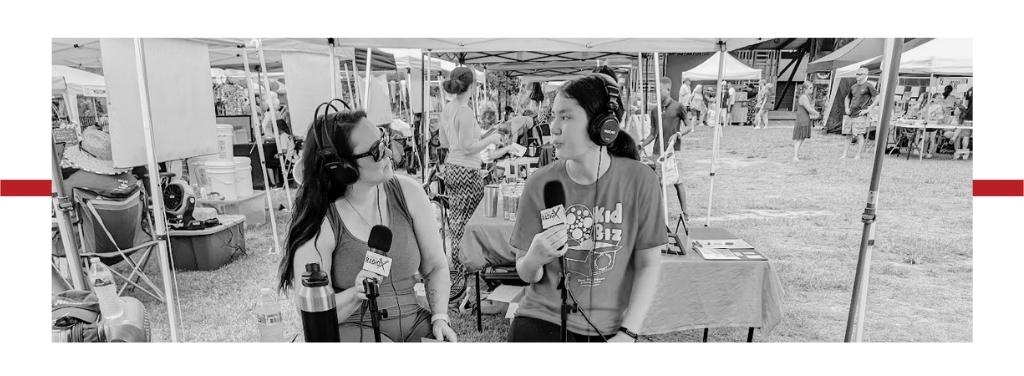
The Kid Biz Expo 2022 is one-of-a-kind! All of the vendors are kid-owned businesses! Kids from around the surrounding areas came together, set up shop and showcased their businesses among other kiddos with the same entrepreneurial ambitions.
Empowered Youth Entrepreneurs is a 501c3 non-profit organization created to support the entrepreneurial spirit in kids! Creating markets, workshops and mentorships to give kids (and parents) the tools and resources they need to succeed!
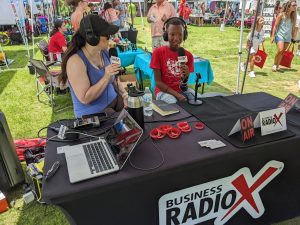
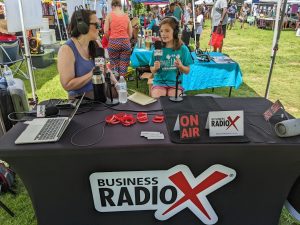
Phoenix Dang / Fifi’s Place
Tyler Sullivan / Sully’s Slamming Fresh Salsa
Gracie Adams / Z and G’s Bakery
Elodie Lewis / E and L’s Melted Magic
Kenzie Bridgette / Participant at Studio 55 Dance
Morgan Adamson / Adamson Crew Family Chronicles
Isiah Perry / Lorello
Aidyn Guest / Bubble Juice Bar
Kendall Rae Johnson / aGROWKulture
Jackson Young / PCG For Kids
Layla Dierdorff / Dip It Good
Alexis Cua & Maura Zaccagnino / Firestorm Robotics
Renee Dierdorff & Amy Guest / Kid Biz Founders
The Real Husbands Of Kid Biz
Harper Dierdorff / Cake & Glaze
Kinsley Anderson / White Waves
Lilly Beavers / Tie Die
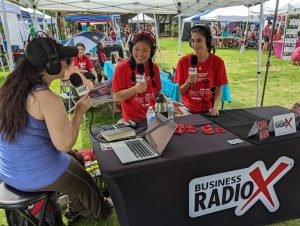

Stone Payton: [00:00:00] And we are back with Business RadioX Pro Tips. Stone Payton and Lee Kantor here with you. Lee, today’s topic is the tradeoffs of using only digital communication tools.
Lee Kantor: [00:00:13] Yeah. I think that in today’s world a lot of people are really quick to use digital communication tools and I’m talking about texting, email, social media, those kinds of things. And those means of communicating are super efficient. You can preplan them, you can do them – you could be on the beach somewhere and there can be a tweet going out or an email from you that is part of a cadence that is automated.
Lee Kantor: [00:00:39] These things are super affordable nowadays, so it’s very tempting to kind of lean on all of these tools as the most important way that you communicate. But don’t think that something that is free or inexpensive doesn’t come at a cost because the cost you pay by relying solely on digital-only communications strategy is that you’re losing all of the non-verbal cues that happen when you talk to somebody face-to-face.
Lee Kantor: [00:01:09] So, I think it is so important to include some manner of communicating face-to-face, in person, if possible; if not, over Zoom or a phone call, or – you have to create a mechanism that helps you communicate in real life with real human beings in some way because remember that 80% plus of human communications happens non-verbally. And if you’re only using digital communications, you are basically saying, I’m only going to be using 20% or less of the information available to me when I’m communicating with the people that are supposedly important to me.
Lee Kantor: [00:01:51] So, I think it’s great to use digital communication tools but understand their limitations, understand that there is a tradeoff of using these tools. And, I wouldn’t go all in 100% only digital communication. I think that you have to invest some time in some sort of face-to-face, in real life, human-to-human communication, whether it’s done digitally with Zoom or whether it’s done, you know, in person at a conference or trade show or retreat or something along those lines.
Alpha & Omega Automotive is a family-owned, customer-driven auto repair shop committed to quality, honesty, and integrity. Our first location in Marietta opened in 2001 when Billy Kennedy decided to start a neighborhood auto repair shop with a more personal feel than the dealerships and franchise auto service centers.
He had worked at both and even co-owned a Goodyear shop, but there just wasn’t the friendly, local vibe he was looking for—and that he knew other folks appreciate as well. You see, Billy started working on cars with his dad when he was just eight years old, and with his own auto repair shop, Billy’s goal was to create a legacy in honor of his dad by running a shop with high integrity and family values. So, Alpha & Omega Automotive was born.
The quality ASE (Automotive Service Excellence) certified technicians at Alpha & Omega Automotive employ today’s latest automotive technology and are equipped to handle all major and minor repairs on foreign and domestic vehicles.
Follow Alpha & Omega Automotive on Facebook.

This transcript is machine transcribed by Sonix
Intro: [00:00:10] Broadcasting live from the Business RadioX studios in Woodstock, Georgia. Welcome to Women in Business, where we celebrate influential women making a difference in our community. Now here’s your host.
Stone Payton: [00:00:32] Welcome to another exciting and informative edition of Women in Business Radio. This is a very special episode. The ladies of Alpha and Omega. I have so been looking forward to having this show. Of course, I have with me our traditional host for this segment of women in business, Miss Lori Kennedy. How are you?
Lori Kennedy: [00:00:53] Hi, I’m great. This is a twist of events and I’m excited to see where it leads. We have no idea where we’re going today.
Stone Payton: [00:01:01] Yeah. So for for the three people in Cherokee County that don’t know. Lori Kennedy is with Alpha and Omega. She and her husband, Danny or Billy. We’ll talk about that later. Whichever husband you want to talk about is the other owner of Alpha Omega. And we have two beautiful young ladies in here with us who keep the the fires burning over there and keep the shop running. In fact, the first one I’ll mention is Sam, Floyd, Sam and I saw each other just the other day because I took my old truck in there hoping to get it through one more hunting season. And it’s right now in there getting an oil change and getting hopefully an emissions sign off.
Speaker4: [00:01:42] Yes, I did the emissions test and it failed. So we’re doing a smoke test to get it ready for you.
Stone Payton: [00:01:48] So, Sam, we’ll make it. But of course, I trust these folks with our with our cars. With Harleys cars. Well, and I, I may have mentioned to you, we’re getting another car. No. And we’re given we’re given the other the the old one to my youngest, Kelly, and then we’re getting another one. So, yeah, we’ll keep you guys busy and welcoming back to the business radio microphone. Miss Allie Kennedy, how have you been since we talked to you last?
Speaker5: [00:02:11] I’ve been good. I forgot I had a whole baby since. But other than that, I’m good, so I’m okay now. I’m just kidding.
Stone Payton: [00:02:18] And we had the pleasure of enjoying the new edition at Woodstock Business Club. I don’t know. Has the baby shown up at Y Pal as well? Or just.
Intro: [00:02:29] Woodstock?
Speaker5: [00:02:30] Just the business club. When she was younger, like very little, she could come. And then the more I kept bringing her, the older she was getting, and the more I was like, You can’t.
Intro: [00:02:37] Be here anymore.
Speaker5: [00:02:38] She’s just trying to crawl around and meet everybody during the talks. So we had to stop.
Stone Payton: [00:02:44] All right. Since everyone here is with Alpha Omega, let’s lead with this for a moment, if we could, Lori, mission purpose. Tell us a little bit about the business and what you’re really out there trying to do for folks, the community?
Lori Kennedy: [00:02:56] Well, we have three things that I have posted above everyone’s heads, and that is honesty, integrity and quality. And the reason I put it behind their heads is because I want them to be held accountable to that. And they’ve agreed to that when they’ve, you know, signed on to work with us. And we’ve actually had to let somebody go before because we found out they were they had only been there about a week and they had not put some items on a vehicle that they said they had put on a vehicle. And we how we found it and we were like, okay, that was not quality, that was not integrity, and it was not honesty either. So you don’t match up with who we want to be in this community. So yeah.
Intro: [00:03:44] I.
Stone Payton: [00:03:45] So so that one got through but I got caught in the, in the net there. You can take that if you want. I’m kidding. But you must put some real attention and focus and energy into that whole recruiting development process. What is it? And I got I got to admit, just straight up, I’m not good at that. You know, when I’m interviewing people, I don’t feel like I ask the right questions and I feel like I’m too quick to just buy off on whatever they’re saying. How have you gotten better and better at that? And have you kind of figured out a process for recruiting, interviewing, developing, or you still cutting your teeth and learn it?
Intro: [00:04:22] Tbd No, I just can’t.
Lori Kennedy: [00:04:25] I think I mean, obviously all processes can always be improved upon. And the more you do something, the better you’ll get at it, the more often you fail at it. The things you’ll remember you’ll realize that you shouldn’t do in the future. I will say that one of my questions that I always ask people is Why are you leaving where you are and what are you hoping to get in an offer? And I don’t necessarily mean how much money per hour. I mean, like, I don’t want to bring somebody out of the fire and throw them into the frying pan, you know, like, I want if they’re going to come work for us, then I want us to be accomplishing something that they’re not currently getting where they are. If we have the if they say, well, systems and procedures are confusing sometimes where I’m at and I’m like, all right, well.
Intro: [00:05:16] You’re not going to get any better in our shop because that happens on us too.
Lori Kennedy: [00:05:19] So, you know, I just I don’t want to set somebody up to fail. And so I do ask a few questions to make sure that the environment that we’re going to put them in is something that. Will be relevant for what they’re trying to accomplish. Hopefully, like that’s the goal. You know, it doesn’t always work. Unfortunately, staffing is one of the most difficult things that we have happening. Techs are very difficult to find. I probably realize this, but for years and years, white collar was pushed in homes in America and there are very few blue collar workers and in all aspects like electricians and plumbers and mechanics and all of it very limited. So before long and now we’ve got kids graduating from college who can’t find jobs.
Stone Payton: [00:06:13] Right. And and owe a lot of money in many cases.
Lori Kennedy: [00:06:17] Yeah. And we can’t we can’t find techs. It’s just a hard industry. So if you’re listening to this and you are looking for change, we would be happy to speak with you.
Stone Payton: [00:06:30] And then when you do land a good one like Sam, like Ali. Are there some things that you make a habit of doing or not doing to keep them engaged, keep them on board, check in that that conversation you had, because that could be a moving target, right? Like now they’ve been there for a while and now they are hoping to get this out of their word.
Lori Kennedy: [00:06:53] Yeah, I mean, I my husband probably deals more with the techs and with, you know, the men on the team. And with the day to day, Ali does our marketing and some HR like she’s kind of an all all purpose but more on the administrative side as opposed to like, you know, she put the cup under your microphone.
Intro: [00:07:17] That was a perfect.
Stone Payton: [00:07:18] Microphone when they got.
Lori Kennedy: [00:07:19] Here. Anyway, she’s she’s more like, you know, thinking through those those types of details. And the only other female that we have on staff is Sam. And Sam runs one of the front counters at our Woodstock shop. And so she probably deals more day to day with my husband, although she does call me and I love hearing from her. And my goal is I know I can’t learn everything at once. I do better if I learn in little pieces. So as things come up, I’ll try to call her and I’ll say, Hey, let’s talk through this today and let’s think through this process or whatever. What what could we do different? What could we how could we make it better? Or this is the first time you’ve seen this. So, you know, I don’t want to give everything at once because then, well, I’ll forget things, but same.
Intro: [00:08:10] Same, you know.
Lori Kennedy: [00:08:11] So we just do a little at a time and hopefully things stick. But I mean, I think my, I have a mentoring heart. Yeah. And my goal is to be available. I don’t, I know, I don’t know all things, but I’ve definitely lived a few years longer than these two ladies sitting across from me. So I might have made several mistakes that they haven’t made yet. And if I can help them not make those then praise, I would love that.
Stone Payton: [00:08:35] Well, I had and thoroughly enjoyed the Sam front counter experience just a couple of days ago. You’re doing a fantastic job. I mean, you’re so personable and you explain things in ways that those of us who you know, I have two tools at my house, a telephone and a checkbook. So I don’t. So it’s it’s very important that I find, you know, people I can trust to to provide these kinds of services. But you had the unique opportunity to interact with both me and Holly, my wife, Holly. And you just you manage that so well. So how would you describe your role, your mission, your your purpose, your work at Alpha and Omega?
Speaker4: [00:09:14] So like Lori said, honesty, quality, integrity, these are things that we all strive to accomplish. For me, in my day to day, I just want my customers to come in and know that they’re going to be handled with those three utmost qualities and leave feeling the same way. And that’s that’s the part that gets missed a lot of times is they come in and they’re like, Hey, how are you doing? Da da da da da. And then when they leave, it’s like, Oh, get them. Go, go, go, go, go. So we try to make them feel like family and and that they are aware that we’ll do anything that they need us to do to keep their business, get their business, and make sure that they’re driving a vehicle that’s going to last and going to keep keep on trucking.
Stone Payton: [00:10:00] So you strike me as an incredibly self-reliant kind of person you can depend on. You’re going to figure out how to get the job done. You know, if you get knocked down or something goes wrong during the day, you’re going to work your way through it. I I’m married to one of those. So, so, so I know that when I see it and and occasionally when you run into something where, where you need some extra input in, do you find yourself approaching? Approaching. Danny or Laurie. And if so, what does that look like?
Speaker4: [00:10:35] Okay. You’re laughing because you know it.
Intro: [00:10:40] Okay.
Lori Kennedy: [00:10:41] So we’re very different.
Intro: [00:10:43] Very different.
Speaker4: [00:10:44] So Laurie is a scary one. Really? You are?
Intro: [00:10:49] At first. At first.
Speaker4: [00:10:51] Before we got to know. So. Before the cookout. Before that was my OC. Me and Laurie. We’re.
Intro: [00:10:58] We’re cool. So.
Speaker4: [00:11:02] So Laurie is the one that I was scared to approach. She’s. Look at it. She’s just so I’m here.
Stone Payton: [00:11:09] She’s a force when she.
Speaker5: [00:11:11] Has to interject. Six months. The first six months that I knew her, I am I am her daughter in law. And the first six months that I knew her, I was scared, like, pee your pants. Scared of Laurie. So we’re good now. I mean, that’s my other mom, but.
Intro: [00:11:23] Like, it took us a minute. I don’t know.
Speaker4: [00:11:26] So starting there and saying this is I had to start there to say this. So Billy’s more of the whomever we’re talking about today. Billy, Danny, Danny, Billy. He’s more of the. Let me show you how this is done. If you don’t know, I’m going to like he’s he’s very explanatory, very compassionate, very nice. Very, very sweet for the most part. Yeah. Really? Yeah.
Speaker5: [00:11:51] In the beginning, yeah. The beginning.
Intro: [00:11:53] In the beginning. Wow.
Speaker4: [00:11:55] He is he’s very, very.
Speaker5: [00:11:57] He can be so.
Intro: [00:11:57] Mad when he listens to this.
Speaker4: [00:12:00] But then, now, so in the beginning he was more of a friend more, more of somebody. I could be like, Hey, what is this? You know? Yeah. Now he’s ask Lori. It’s it’s the hand, the eyes. It’s like if it has if it doesn’t have anything to do with a vehicle or a part for a vehicle.
Stone Payton: [00:12:21] Right.
Speaker4: [00:12:22] So he’ll sit there and he’ll explain it. So, for example, I asked him in the boys yesterday lunch, hey, what do you guys think about setting up, like, a little corner in each of the shops for, like, kids? Like, because single, not single moms, a lot of stay at home moms come in with their husbands car, in their car, and they have their kids and they’re like, ha, just sitting there. So I’m like, okay, maybe we could do some sort of like a corner thing. I should have run this by, you.
Lori Kennedy: [00:12:46] Know, I already knew about it. Everybody has been calling me and telling me, I tried to call you yesterday and you weren’t there, so I figured we’d talk about it sooner or later. I think it’s a great idea. I’m glad that we just created a new policy here on Live Live on the air.
Intro: [00:13:02] So anyways, this is a conversation I want done. That’s good.
Speaker4: [00:13:05] So, Danny, sit there and he’s explaining to me, you know, I can tell you that this is a great idea and I can tell you that I’m here all for it. And I can tell you this and I can tell you that. But I can also tell you those chairs would have been regular black chairs if it was up to me. I don’t care. It doesn’t matter. But Lori being Lori, these these rooms are beautiful. Oh, yeah. They’ve got our colors, they’ve got this matching setup. And he’s like, So things you need to ask Lori.
Intro: [00:13:32] They need the net ness.
Speaker4: [00:13:33] The ness of the beauty of the Alpha and Omega. He’s like, So you’re going to have to find two. They’re going to have to match.
Lori Kennedy: [00:13:40] Yeah, yeah. Because we need them for both shops.
Speaker4: [00:13:42] Yeah. See, that’s literally what he’s telling me. So things that I’m officially on air made my life slightly more difficult. But like you said, I will figure it out.
Stone Payton: [00:13:53] And get it done well. And there’s apparently in the Alpha and Omega system, there’s pre cookout life and post cookout. But so tell us about the cookout. This this is probably again, your brainchild of getting the group together and getting. Is that. Yes.
Lori Kennedy: [00:14:08] Well, we yes, we had met a goal and we had a couple of new people. And I just wanted everybody to meet everybody. And so we had everybody over at our house and we actually was at the boil. You’re talking about the boil? Yeah, we had a shrimp boil.
Intro: [00:14:22] Oh, my gosh.
Speaker4: [00:14:23] It was so.
Lori Kennedy: [00:14:23] Good. And plus, Billy Dan is an amazing cook. Like he has a gift.
Speaker4: [00:14:30] Does.
Lori Kennedy: [00:14:31] Mm hmm. Yeah, we can make the same thing, and his is so much better than mine. Like, we can follow the same recipe, and his is so much better than mine.
Speaker5: [00:14:38] He’s from Louisiana. It’s a natural.
Intro: [00:14:41] Thing, you know?
Stone Payton: [00:14:42] All right. For the benefit of our listeners, we probably should clear up the whole Danny Billy thing for a moment, just so we don’t lose them.
Lori Kennedy: [00:14:48] Yeah. Okay, so you’ve heard it. George Foreman. Yes.
Intro: [00:14:52] Yes.
Lori Kennedy: [00:14:53] He named all his kids. George.
Stone Payton: [00:14:55] George. Yes.
Intro: [00:14:56] Okay.
Lori Kennedy: [00:14:57] Well, Billy’s dad’s name was Billy Earl, and then there was Billy Daniel, and then they had twin girls, but they didn’t know they were having twins because back then you didn’t know. So they had one and they named her Bobby Joe. And then a second one came out and they’re like, Well, what do we name this one? We didn’t pick a name for a second one. And I guess Petticoat Junction, which I know none of you young people, they don’t even.
Intro: [00:15:22] Know what we’re talking about.
Lori Kennedy: [00:15:22] But I know, right? They don’t know what a check book is either. Just to date, Houston.
Intro: [00:15:28] Oh.
Lori Kennedy: [00:15:28] They’re giving me a look. They do note a check book because I was just I was really teasing you, not them. Anyway, so. When the second little girl came out, they were like, Well, what a we name her. And so they decided on Billie Joe because I guess on Petticoat Junction there were three and it was Billie Joe, Bobbie Jo and Betty Jo. I don’t know why they didn’t think of Betty Jo, but they had a Billie Earl. A Billie Daniel and a Billie Joe. All in the house. Can you imagine how much fun that was when somebody called on the phone and asked to speak to Billie? Expecting the dad like a sales call. And then you put the little girl on the phone. The three year old. Hello. Anyway, so when he was at home, he was called Danny. When he would go to school or work, they would, you know, he’d fill out his application or at school they had his name is Billie, so he ended up in any kind of work or business environment as Billie in any kind of personal environment as Danny. And so it gets very confusing from time to time. There was a time when I was working, he had a tech and I was in home building at the time and the techs, mother and I worked together and he had gotten me a necklace for my birthday and I came in and I went, Look what Danny got me for my birthday. And she went home and told her son I was cheating on my husband.
Intro: [00:16:45] No.
Lori Kennedy: [00:16:46] True story.
Stone Payton: [00:16:47] Yeah. Yeah. All right. So I don’t know how much we cleared anything up, but I. But I have my arms around it. I know who we’re talking about. I know he’s from Louisiana, and I have no doubt that he puts out a terrific ball and any manner of other Louisiana specialties. All right. So, Ali, tell us about your role and how you would describe it.
Speaker5: [00:17:09] My role is ever.
Intro: [00:17:11] Changing, ever.
Speaker5: [00:17:13] Ever adjusting with the with the needs of my wonderful Lorrie. It is by name marketing coordinator. But I do some h.r. I do onboarding for us. I do payroll. So I’m kind of just like the the woman of many hats and i try to just pick up where I can and I enjoy it though I’m, I’m really enjoying it just as it kind of grows into whatever it is. And definitely it keeps me busy but in the best way. Like it’s just, it’s special to be a part of my family’s business, you know? And they asked me to do it and they want me to be here. It’s awesome.
Lori Kennedy: [00:17:47] I think it’s funny that my son, who is your husband, said, didn’t want to give the business this to either of us. So they brought you in LA so they can give the business.
Speaker5: [00:17:56] Here’s like somebody’s got to learn it. I mean.
Intro: [00:17:58] No.
Speaker5: [00:17:59] No, but, but really, it’s been awesome and it’s funny just going home and like talking with Grant and being like, Oh yeah, like this, blah, blah, blah. Just about anything, anything. I don’t even have an example. And he’s just like, Oh, I didn’t know that was like that. Like, Yeah, well, now you do, you know. So it’s been nice kind of being on the inside of things and just getting to kind of see the ins and outs. And it’s very fascinating how a business is run. Like if you if you haven’t experienced that and you’re getting to see it for the first time, it’s just all of those little things that you don’t think about just already being laid out. And you said the thing about processes and stuff like that, it might be hard to incorporate in the shop, but I think that as far as like the way that we try to run things on the back end, like Lori has just done a remarkable job of making making steps and making manuals and making just everything she can to make sure you have what you need. Like the other day, she just was like, Oh, I made you a spreadsheet for that. And I was like, Oh, thank you. You know, like, that’s how she is. And so it’s, it’s not, it’s not difficult to do my job. So I’m very blessed for that.
Lori Kennedy: [00:18:58] I would. Sorry, Stone. I’m jumping in. I would love you. Went to Woodstock Business Club this morning. Yes. And for the first time, you like they do a question and I love the questions. I always take down a ton of notes because I feel like I always leave. They’re better than when I arrived. And you shared today and you told me what you shared. And I really would love for you to share it again.
Speaker5: [00:19:22] Oh, goodness. Okay. Well, I got to set it up. So the question was, what’s one thing about your industry that you feel like there’s a stigma about or people like or confused on? And I just basically said not exactly this, obviously, but just that, you know, you take your car in for an oil change and then, you know, the mechanic comes out and he’s like, hey, actually there’s X, Y, Z, wrong with your car and it’s going to be $1,000 today. And I said, I don’t think that’s actually not true because that does happen in so many shops. But I think it’s important to make sure that you’re choosing the right shop, obviously. And I gave the analogy of like the doctor, you know, if you go to your doctor and your doctor knows you and he’s been diagnosing you for years, he’s got your chart, you know, he’s going to do a better job of telling you what’s going on because he knows your history. So that’s why it’s important to build a relationship with a shop, you know, that knows you and knows your car and can diagnose your car. And something I love about Alpha and Omega is that we’ll basically say, Hey, OC Yeah, like you’re going to need new brakes, but not for six months. So why don’t we go ahead and start saving for that? Let’s schedule our appointment six months out. You can come in and get your brakes fixed. Then instead of being like, Oh, just because you know, we know you’re going to need them, we’re not going to sell you on them today. We’d rather have a long. My relationship with you. And I love that and I value that.
Lori Kennedy: [00:20:38] So somebody say that that they came in, they said this morning in the meeting, hey, I came in and thought I needed this, but they said we got a.
Speaker5: [00:20:45] Shout out because it was something with tires. And she was like, I thought I needed all four and we actually only needed two. And so I saved some money. So thank you for being honest. And that honesty, quality, integrity, that’s, that’s that, you know. So I just I love that. I love that we’re about that.
Stone Payton: [00:20:59] Well, I got to tell you, Holly and I are a case study for what you’re describing. I mentioned my old hunting truck, and the guys are so great about doing that to the point that there are a lot of moving parts in business and they all follow your processes and you’ve got some neat automation that lets you know the car is ready or the car’s ready, and we feel like you ought to do this, this and this, and we feel like these three things can wait and you can check them off. And my response almost invariably is, I trust you guys implicitly, just whatever you think is best. You know, I’ve come to have that level of trust with you guys, so you have a great balance of you have all those processes and all that stuff, but you add to the human factor to it. And if and if Eric or Jeff or Sam or Danny, anybody says, you’ve got to you’ve got to have you’ve got to have this. Yeah, okay. No worries.
Speaker4: [00:21:50] Yeah, you told me that yesterday, actually.
Intro: [00:21:52] Yeah. That’s the trust.
Speaker5: [00:21:53] You just know, like, if you say I need it, I need it. Right. You know, I’m not there’s no wool pulled over anybody’s eyes, you know, I just I love that.
Stone Payton: [00:22:00] Well, and I’ve had specific situations where they said, yeah, if you really are going to hang on to this thing for a while, you know, you need to be thinking about this down the road and we’ll stay on top of it kind of thing. And that’s that’s it’s a marvelous.
Intro: [00:22:12] Feeling.
Speaker5: [00:22:12] Especially like as a woman. Like, I mean, when I started, my dad lives out of state. And so from like 18 on it was like, I’m supposed to get an oil change. What does that mean? Like, and so like all of that kind of stuff. I married and well, yes, I know things like that now. But, you know, you go into a Goodyear excuse me, and there it’s just suddenly like I’m calling my dad. Like, aren’t oil changes $50 because my bill is like 420 and I don’t know why, you know, and so just to be able to trust the people is big because I don’t I don’t know. And you could potentially maybe six years ago, you could have potentially pulled the wool over my eyes. And that’s not fair, you know, so no advantage taken there. You know.
Lori Kennedy: [00:22:49] I would love Sam to talk a little bit about on our software and.
Speaker4: [00:22:55] What that sort of stability about. Yeah.
Lori Kennedy: [00:22:57] What the capabilities are and how we can use it to serve our customers.
Speaker4: [00:23:01] It is awesome. So it’s, it’s simple. I can come in, have a vehicle, come in. You need an oil change. We’ll start there like you were saying, and then your bill ends up being ridiculous. You come in, you need an oil change. We do an 18 point inspection on every vehicle, which means you’ll if there’s something wrong, you’ll have pictures of it, and it’ll have a message sent to me. And I’ll have the ability to, from there, send this information via text or email to my customers. A lot of my customers prefer text, so that’s just how it works out. But I get that get the oil change done. I’ve got XYZ, I’ve got pictures of it when it needs to be done, how long I have till it needs to be done. And then from there I can just send the inspection or just the invoice to the customers. A lot of times I’ll send an invoice. They’ll pay it over their phone from the comfort of their own home because they are doing X, Y, Z. Their husband’s not going to get home till after six, and we’re closed so they can pay their invoice from home and just leave the car outside of the gate and they can pick it up whenever it’s convenient for them. So it makes it makes the conversation with a customer so much easier when you can show them like very clearly, you can’t pull them into the shop and be like, Hey, look under here, in between here. And that’s what we’re talking about. No, I can have the picture. I can send it to them, they can review it if they have any questions. Like you said, they can call me and I. If I don’t have a way to explain it, I will figure out a way to explain it to where you understand what I’m saying and what you need. So it’s super, super easy. Super. I feel like it’s for the good of the customer. And of course, that’s why they did it, because that’s just how they are.
Speaker5: [00:24:51] I have to I have to interject, Sam, you’re you’re going to remember what you said better than me, but I was in the shop yesterday and she was de-escalating a customer.
Intro: [00:24:59] Yes, I remember. She has this.
Speaker5: [00:25:01] Way that she’s, like, serious and it’s like she’s serious and providing great customer service, but she’s also funny about it. And it’s like that is that is just something you’re either born with or you’ll never have. And what did you say to the customer? Because it was so funny. Grant and I were both like.
Intro: [00:25:17] So clever.
Speaker4: [00:25:18] She was he was wanting a specific he had a recall on his vehicle and he couldn’t remember what his son had told him about the recall. So I said, okay, I’m going to do my research on my end. You do your research on your end. We’ll meet somewhere underneath the old oak tree. And he just died.
Speaker5: [00:25:33] It was like she was like, I’m going to. She said, I’m going to search my soul. You search your soul.
Intro: [00:25:38] Under the old oak tree.
Speaker5: [00:25:40] And it was like her voice didn’t change. She wasn’t like it was just she said it, you know, I.
Intro: [00:25:44] Know it was so funny.
Speaker5: [00:25:45] And then she was like, Oh, yeah, okay, have a good day. But, you know. And I was like.
Speaker4: [00:25:49] He was still laughing when.
Intro: [00:25:50] I got off. Exactly. Like, that’s.
Speaker5: [00:25:51] Because I love that, you.
Intro: [00:25:52] Know.
Stone Payton: [00:25:53] What a great environment that you guys have created. It’s clear that you have a good time and you’re committed to the to the customer. I want to hear a little bit about the balance of your life the rest of your life, your household. I’ll start with you, Sam. What’s what’s what’s home like?
Speaker4: [00:26:10] So for me, my boyfriend is a technician. He’s somewhere else, a vehicle technician. But he’ll come home and we’ll both have oil somewhere on our bodies.
Intro: [00:26:22] Steamy. Yes.
Speaker4: [00:26:24] So we’ll come home. And I’ve got a 12 year old or a 13 year old. A two year old and a 14 year old stepson. Oh, my. Yes. So I’ll come home, I’ll cook dinner. He cleans up after my dinner because I make a mess when I cook.
Stone Payton: [00:26:38] So smart, man.
Speaker4: [00:26:39] Uh huh, uh huh. He loves.
Intro: [00:26:41] Me.
Speaker4: [00:26:42] So I’ll cook dinner and then we’ll we’ll hang out. And we just killed stranger things. And that’s just what we do. That’s our that’s our home life. And the weekends will go to the pool with the kids or here soon we’ll be going out on a boat. From what I’m hoping. Wink, wink, wink, making plans.
Intro: [00:27:01] We’re making plans.
Stone Payton: [00:27:03] But I have to believe and in fact, it more than believe because I’ve experienced it, that that home is is such a happier place when the breadwinners are fulfilled in their work as well.
Speaker4: [00:27:15] Well, you know, I agree, but for a lot of us, we spend more time at work. Yeah. Than we do at home. Or at least that’s how my life is. So for me, it’s super important. The people that I work with are so important to me. I love my technicians, I love my bosses. I love Ali. We just we don’t see each other often, but we text a lot now that we have found each other’s phone numbers. So, you know, it’s super important to get along with the people that you spend hours with a week. And, you know, it’s just it’s a really good environment at home for me and and that work, just because I don’t come home stressed out, I mean, sometimes I do because I’m like, okay, where.
Intro: [00:27:59] Am I going to get this part?
Speaker4: [00:28:01] I can’t find it here. It’s on backorder here, but I’m going to find it. Come here, Google.
Intro: [00:28:05] So it’s.
Speaker4: [00:28:07] You know, it’s hard sometimes, but, you know, as long as you got that balance, it’s good. That’s, you know, something.
Stone Payton: [00:28:12] So we talked about your youngest for a moment there, Ali, but tell us more about life with Grant life at the house and how and if it kind of mingles and over to the work.
Speaker5: [00:28:23] So. Well, I have a two year old and a nine month old, so I’m in the weeds right now. Not going to say it any other way. And it’s it’s just interesting trying to balance the work in the home life. I’m fortunate that I can work from home and I do. But like Tuesdays, for example, I load up in the car around lunchtime with the girls. I go over to Laurie’s house. She has her office, has a little extra desk for me. So I go and I sit at the desk and please, Lord, God, let both my kids take naps in their respective rooms so I can get some work done. It’s been it’s been definitely a challenge trying to find time. But what I appreciate is just that the way the workload works for me is I kind of have a set amount of stuff I have per week, like week one, week two, week three, week four. And the stuff that’s time sensitive isn’t as it’s not as much of that kind of stuff. So it’s like I just, I know that by the end of this week I have to have this done. So it’s just balancing that and figuring out routine, which has been, it’s been fun. I like I like I’m like Lori. I like processes. I like figuring out ways to make things work. And it’s, it’s hard having littles because you don’t really get structure. So I just desperately am trying to make things fit in places and be like 2:00 is this? And then I’m like, No, it isn’t.
Intro: [00:29:40] Anymore.
Speaker5: [00:29:40] Awesome. And so it’s, it’s like going against my whole being right now, but it works like it functions like I am stressed, but it’s like it works, you.
Speaker4: [00:29:51] Know, pumpkin story yesterday.
Speaker5: [00:29:54] Oh, yeah. No, my poor my poor two year old she went to goes to like a mother’s morning out and it starts back in August. So we’re excited for that.
Intro: [00:30:03] We’re all looking forward to.
Speaker5: [00:30:05] And let me just my two year old is me. So it’s just an interesting dynamic with that being faced with myself every day. But no, she she’s I’m really neat and I’m really I don’t want to say OCD, but I kind of am. And she went to laugh at me. She went she went to school and they were painting white pumpkins orange. So we brought in white pumpkins and they like called me and they were like, she won’t take the pumpkins. She doesn’t want her hands to be dirty. And I was.
Lori Kennedy: [00:30:30] Like, and she probably likes white.
Speaker5: [00:30:32] Yeah. And she was.
Intro: [00:30:33] Like, That’s my favorite color.
Speaker5: [00:30:35] But no, I literally bought her an easel like for Christmas that year. I was like, We’re going to have to break that. And so now we finger paint. And I just sit there like.
Intro: [00:30:43] Like the whole time.
Speaker5: [00:30:45] I just. Yeah, but it’s getting better anyway. Off topic, but funny.
Stone Payton: [00:30:49] So does the parental strategies when you have littles as you characterize them. Does it does do you incorporate singing? Does that do you sing to them.
Speaker5: [00:30:58] Oh, do I. Yes. As it tells me not to sing all the time. Like all the time. We’re in the car and we’re listening to I’m a little teapot and I’m like, like, harmonizing. And she’s like, No, Mommy, sing, no mommy, sing from the back seat at me. And I’m like.
Intro: [00:31:12] I just think it’s funny. Or harmonizing to little too.
Speaker5: [00:31:17] Well, you know, creative people, we.
Intro: [00:31:19] Have to we.
Speaker5: [00:31:20] Have to get our outlet somewhere, right? But no, the singing does incorporate into my day to day. And I try not to talk too much about, like, cars either. But, you know, singing works better for two year olds and nine month olds than mechanic shop.
Stone Payton: [00:31:34] So I brought it up for the benefit of our listeners because the last time Ali was in the studio, they sang Amazing Grace and it was absolutely beautiful. So, Lorrie, you guys are, I don’t know, empty nesters of a fashion, but you got people around you all the time. What’s what’s life back at your mansion like?
Lori Kennedy: [00:31:53] Well, yes, we are kind of empty nesters, and that’s fun. But our kids are still close and live relatively close. We have our oldest son, Drake, who has texted me while I’ve been here and said he’s not scared of me at all. He must be listening. Hello, Drake.
Intro: [00:32:10] That’s the Drake is Drake thing.
Lori Kennedy: [00:32:13] And he lives downtown. He’s a real estate agent, musician, professional musician. And he’s doing great. He’s talking about moving back to Nashville. We’ll see if he does or not. He has definite opportunities there and that’s amazing. And then Grant is married to Allie and those are the only two children I have and they live just in town like so pretty close. And they have the two littles, which are my precious babies. I had two boys and now I get to have girls.
Speaker4: [00:32:45] At the expense of Ashley’s mental.
Lori Kennedy: [00:32:47] Health. Right. Well, you know, it’s different.
Intro: [00:32:49] When they can do for you.
Lori Kennedy: [00:32:52] It is different when they’re when they’re grand, you get to give them back. But it was so cute. I went over there yesterday and Ezra, the oldest, got a doll that has red hair and she’s calling it her lolly dolly because she calls me Lolly.
Intro: [00:33:06] It’s so cute.
Speaker5: [00:33:08] All on her own. Like, she was like, Oh.
Intro: [00:33:10] Lolly, Dolly. We were like, Oh.
Speaker4: [00:33:14] That was. She looked at me crazy with the red hair.
Intro: [00:33:17] Like what? She’s like, I related to Lolly. Lolly.
Lori Kennedy: [00:33:24] I, I do want to bring up that Alex wasn’t able to be here, and I would love Allie to talk a little bit about Alex’s role and.
Stone Payton: [00:33:32] How she’s shown Alex since she’s not here.
Intro: [00:33:34] Absolutely. Oh, dude.
Speaker5: [00:33:35] How could you ever dish on Alex? There’s not. Oh, love that girl. That’s. That’s Alex is my best friend and just happens to be the best social media content creator I’ve ever known or seen. And so we kind of are a little bit of a team in that aspect, and we work together to try and get, you know, I try to take pictures for her when I’m in the shop because she used to live farther away. She’s actually moving to Holly Springs as we speak, which is great and it’s just it’s been awesome getting to collaborate with her. We’ve actually worked together in like three different jobs, so it’s just it’s cool and she’s incredible. She actually recently designed our billboard that we now have.
Stone Payton: [00:34:14] Sweet. Yes. Where’s the billboard?
Speaker5: [00:34:15] It’s on campus. This is like my little baby. We on Canton Road. It’s like 0.8 miles from the shop. Like, so you drive it, you pass it. It’s point eight miles on your left is where the shop is from it.
Stone Payton: [00:34:27] And in the.
Intro: [00:34:28] Ground.
Lori Kennedy: [00:34:28] Above the Goodyear.
Speaker5: [00:34:29] Right above in between an express live in a good.
Intro: [00:34:31] Year. I’m trying to start some crap. I love it.
Stone Payton: [00:34:35] And in the corner of the billboard, does it say endorsed by business radio or did you.
Intro: [00:34:39] Oh, no, no. You should have you should have called me.
Stone Payton: [00:34:43] Fantastic.
Speaker5: [00:34:43] There is a big old picture of Danny. Billy, Danny.
Stone Payton: [00:34:47] Yeah.
Speaker5: [00:34:47] With his, like, arms crossed on it. And it was really cool. Yeah. She did such a phenomenal job. You got to drive by and see it. It’s beautiful. Yeah, we want to. We’re going to do some type of promotion potentially with, like, take a picture with the billboard and post it and get 100% off or something. You know, I don’t know. I don’t know how that works.
Intro: [00:35:04] Oh, smart person.
Lori Kennedy: [00:35:08] Marketing person speaking.
Intro: [00:35:10] Without she knows how the owner first she know.
Speaker5: [00:35:13] You did the kid’s.
Intro: [00:35:14] Corner thing. I know I did.
Speaker4: [00:35:15] Maybe I started.
Speaker5: [00:35:16] Off for free engines for people. No, no, just kidding.
Stone Payton: [00:35:20] But so you you have marketing expertise on board. You have you have great presence at the counter. You have crack techs. You got Danny, you got all this going for you. But it does kind of bring up the question, where do the clients come from? How do you get new business? And I’ll throw that to the whole group. Where do they come from?
Intro: [00:35:41] I.
Speaker5: [00:35:42] I would say that social media has been big once Alex has started really getting to do it a ton. We’ve got a lot of reels she’s been posting on Instagram of classic cars and like the most recent one, had like 18,000 views, which is awesome. And so I definitely I would accredit a lot of that to to social media. I will say to word of mouth is big. Laurie, the Woodstock Business Club is a big one for us, too. Laurie has made that just such a priority to make sure that as she juggles her other job that she has as well. Just in case you were wondering, she’s kicking butt here and has another full time job. Just putting that out there. She has made that really a big point and that is just an incredible networking opportunity. And every time you go, it’s like somebody’s like, oh, my gosh, like I need to get my all changed. Can I have your card? Like, it’s always something.
Intro: [00:36:34] So I want to go. She’d be good.
Stone Payton: [00:36:37] Have you not been in Woodstock business?
Speaker4: [00:36:38] Haven’t.
Stone Payton: [00:36:39] Oh, yeah. You got.
Speaker4: [00:36:40] I think I just got my ticket.
Stone Payton: [00:36:41] No, it’s. It’s a great group. At least that’s been my experience. Yeah.
Speaker4: [00:36:45] I’ve met a lot of lot of women from in there actually that Laurie sent my way. It’s, it’s a lot of, you know, the magazines and stuff like that where people come and then also people get done wrong by people. And then other people are like, Hey, go see them. They won’t do you like that? So they come see us.
Lori Kennedy: [00:37:05] Not saying we don’t ever make mistake, but we do. We, we do stand behind our work. So if we do make a mistake, we want to fix it for sure. And you know, my husband has been in business well, he’s been working on cars since he was eight years old, but he’s been we’ve had Alpha and Omega since 2001. So it’s over 20 years in business. And a lot of our customers, we’ve had car after car year after year, decade after decade. So he’s done most of that all on his own. I really only got involved during COVID.
Stone Payton: [00:37:43] So I got to ask, because it is so true. And yes, you are a rock star. Everybody knows and loves you at Woodstock Business Club, but it spreads way beyond that. You are such an important part of the community at large and particularly to the business community. How do you choose to to use that gravitas, that that that influence that that respect that you get? How do you choose to use that power? Yeah, that’s the.
Intro: [00:38:13] That’s the word. That’s the word. Good Lord.
Stone Payton: [00:38:16] To influence the.
Intro: [00:38:17] Community.
Lori Kennedy: [00:38:18] I have a mentoring heart. I think we talked about that a little while ago. I really love to be in relationship with people where we are. Iron sharpens iron or we give and take with each other. Like I can learn something from anybody if I have an open heart and a willingness to learn and I want to have that kind of relationship with people. So I pursue those in, in and about. There was a time that I was doing full time ministry, playing, speaking at women’s conferences and playing music and singing and that sort of thing. I have some trauma in my past that I have worked through, and in the midst of that, felt the need to share stories of overcoming with others. And so I did go through a time of doing that. I feel like that particular time in my life is is over. And now this is my focus. Like, I feel like God takes you to different places for different times in your life, for different purposes. And so this next purpose is us preparing to be able to have more flexibility with our time because we are not spring chickens anymore. And I want to slow down a little bit. So this next few years are getting ready to slow down, if that makes sense. But personally, as far as me investing into others, I think it’s a mutual thing. And I want to be around people who are investing in me and I’m investing in them.
Stone Payton: [00:40:02] So what do you think is the or was the genesis for this this heart for for mentoring? Did you have a mentor or or multiple mentors along the way that that you really wanted to emulate? Or was it the opposite? And like you felt like, wow, I really didn’t get the guidance in this area or that area that I wish I had had. I’m going to do better for others.
Lori Kennedy: [00:40:25] Yeah, I think we all I mean, I’ve told my kids a hundred times, I’ve done as many things wrong as you can figure out how to do wrong raising kids. What I want you to do is I want you to look at what I’ve done, take the things that I’ve done right, and emulate those. Take the things that I’ve done wrong and purposefully don’t repeat those. And I when you ask that, yes, I had a challenging childhood and I am purposefully trying to make a difference or help others make their lives different going forward than what I experienced in my past.
Stone Payton: [00:41:06] Yeah, well, it certainly is has had an impact and it’s you just never know the impact that you have on. My uncle and I were having this conversation last weekend. We were up at the mountain house. You just sometimes you don’t sometimes you do get to know and that’s fine. But a lot of times you don’t really know the impact that you’ve had on people. And just to as a consistent discipline or ritual of trying to invest in other people, it’s it’s amazing to the ongoing impact, something like that that can have. I know you guys maybe a little younger than than I am, but and you have you’ve accumulated some wisdom, some knowledge, some experience. You’ve probably made a mistake or two. Have you chosen to try to be a mentor to other people at this point? I’m going to ask you both, but I’ll start with you, Sam.
Speaker4: [00:42:00] Yeah, yeah. I would love to get more into the things that I would like to go back on, the things that I’ve done in my life and the things that I would like to help others with. But that’s for another day and time. I’ll be.
Stone Payton: [00:42:13] Back. We’ll have a SAM.
Intro: [00:42:14] Show and.
Speaker4: [00:42:16] Take a little longer than that.
Intro: [00:42:17] I’d listen. Yeah, I’d.
Speaker5: [00:42:19] Be on it.
Speaker4: [00:42:20] Just you learn a little. Lori probably already knows, but yeah, for sure. Like you were saying, you know, you never know who you impact. Like, for example, something I learned a very, very long time ago. I was probably 14, 15. Like, it’s one of those kind of lessons. Don’t ask someone how they’re doing today unless you’re prepared to get a bad answer. Unless you’re prepared to. To listen to what they have to say in that. That was really important for me at one point in time. And, you know, it’s true. Like the other day I asked, I always talk to my delivery drivers and, you know, ask them how they’re doing and what’s going on in their life and get to be personal with them because you see them all the time. One of my drivers is mom is in the hospital and wasn’t doing too well and she’s doing better now. We’ve been praying for her and everybody out there. You can continue to pray for her, but it’s just things you know, when you ask someone how they are, be prepared to listen to what they’re going to say. You don’t want to just dry ask what if they’re having a really bad day? If you care, really care.
Stone Payton: [00:43:24] That is marvelous, counsel. Absolutely. How about you, Ali? Have you had a chance to, if not a formal mentoring relationship, just to begin sharing some of your life experience?
Speaker5: [00:43:37] I would say I feel like God put me in a really interesting situation in my life, having kids as young as I did. Because at the time, like when I you know, when I was pregnant with Ezra, my first, it was like, oh, my gosh, like none of my friends are even married yet. And like, I’m going to have these like my kids are going to be babysitting my friend’s kids. That’s so weird, you know? And I think that just the magnitude of growth that happens when you become a parent, we all know it. It’s just crazy. It’s looking in the mirror every single day and it’s having to like especially now that I’m getting into like discipline with my with Ezra and stuff like that, it’s just constantly having to unpack things from your past that maybe, you know, just, you’re just having to unpack things from your past and learn how to do things differently and figure out what worked for you might not work for your kid and just all of that stuff. And it’s a blessing to me as I’ve watched my friends start to get married. And Alex, my best friend’s having a baby in like three weeks probably. And just being able to have, like Lori was saying, have maybe made some of those mistakes or just kind of walked through it and already trouble shot and figured out, oh, like you don’t have to do what I’m doing. But I did this and it worked really well if you want to try it. Like I love that. I love to have advice for people and I love to offer advice and I try not to give it unsolicited. But Alex is when she hears this, she’s going to laugh.
Intro: [00:45:01] Because I’m always like, Well, I probably do this. Like, I can’t help but be like, What about?
Speaker5: [00:45:07] And I’m a fixer. So I definitely have enjoyed getting to kind of grow in relationships like that with my friends especially and just yeah, for sure.
Stone Payton: [00:45:17] So one of the more recent opportunities, really a set of opportunities for, for me to learn something about myself and to try to make some improvements in the in the business was facilitated the skids were teased a little bit by mentors that I trust. But the the presenting situation was COVID. It really had my business partner Lee Kantor and I kind of reexamine where we had drawn some lines and we had to move some of those lines to continue to serve customers and generate revenue. And as it turns out, it opened up completely new avenues of of of serving people, helping folks and making money. Did the did COVID have an impact on on on your business? And if so, how did you weather that?
Lori Kennedy: [00:46:09] Well, it absolutely did. But we were an essential business, so we stayed open. We just had to all of a sudden we had to buy all this extra stuff to clean things with that you couldn’t even find anywhere. So you go to the dark web to find us. Sanitizer.
Intro: [00:46:26] She’s got a subscription with the black market now.
Lori Kennedy: [00:46:29] And and so, you know, we had at first it completely fell off like 100% of the business was pretty much gone at first because nobody drove like nobody went anywhere and nobody drove. And so you still have bills. You still have to keep your utilities on yourself to pay your rent. You still have to pay your employees, that sort of thing. So you still have bills. So, you know, we had to navigate that. And then it started coming back and it came back pretty slow. You know, it took people time. Some people had to go back and a few weeks and some people didn’t have to go back for a few months. And and I will say that, you know, there.
Intro: [00:47:08] Were.
Lori Kennedy: [00:47:09] Scenarios in which the government tried to put out some programs to help you keep your employees and that sort of thing. And, you know, we did what we could to to try to make sure that we were able to keep our employees and stay open. And now, of course, businesses. There are other challenges with the supply chains and the prices increasing and just making sure that we are honoring our customers. I. You know, with with how we have to get things like, you know, like Sam said, she has to go home and Google, you know, at night, try to figure out how to get certain parts because we just can’t can’t get things. And it’s people are. Employees are scarce at this point in time. I don’t know how they’re making money, but they’re not coming to work. So some of them some I mean, not some of our specific employees, but in general, employees aren’t going back to work.
Intro: [00:48:09] I hear.
Lori Kennedy: [00:48:09] You. And I and I, I don’t know. I don’t I don’t really know what’s next. But, you know, this time in history is different than any other time. And every other time in history is also different than any other time. So you just continue to grow and navigate like that’s why we’re human and not. I don’t know, like a dog. Like we learn from the past and make changes going forward. And so you just have to stay open. And not be that. You remember that story about why did you cut the ends off the roast? Do you know what I’m saying? When I say that.
Stone Payton: [00:48:45] I’m not sure I do.
Intro: [00:48:46] Okay.
Lori Kennedy: [00:48:47] So there was everybody.
Stone Payton: [00:48:48] Write this down. Oh, no, we’re recording it. We got this. We got to transcribe it.
Lori Kennedy: [00:48:54] Somebody asked their their parent, why did we cut the ends off the roast at Christmas every year? Well, I don’t know. My mom did it, so let’s ask her. So then he asked the mom, why did you cut the ends off the roast every year at Christmas? Well, I don’t know. Grandma did it. So then you go ask Grandma, why did you cut the ends off the roast every year? Christmas Well, because my pan didn’t fit the roast that we had. So we don’t always just do the same thing over and over because we’ve always done it. We always have to be looking at why we do things and make sure that we’re continuously improving our processes and the way that we are just, you know, running our business.
Stone Payton: [00:49:32] What a great story that is. That is terrific imagery. You’re going to hear that again. I’m going to use that in my next talk or something. That is a great illustration. All right. So I’m going to give you my answer to this question before I ask, and I’m going to ask it of all of you. I’m going to start with Sam, but my answer is hunting, fishing and more recently, kayaking. But the question is, where do you go? And I don’t necessarily mean a place, but where do you go for inspiration to sort of recharge the batteries, kind of unplug and get and get.
Intro: [00:50:07] Fired.
Stone Payton: [00:50:08] Up?
Intro: [00:50:09] Church coach.
Speaker4: [00:50:10] It’s been a new I. I found my church.
Intro: [00:50:14] I really like it. That’s our church. I imagine that my.
Speaker4: [00:50:20] New bosses invited me and my family to come check out this church momentum right down the road. And I have found my church. I found my preacher, I found my home. And I’m so excited about it. And, you know, it is we had a ladies what would.
Lori Kennedy: [00:50:33] You call worship night.
Intro: [00:50:34] Worship.
Speaker4: [00:50:35] Night of worship. And that was the moment I was like, Yeah.
Stone Payton: [00:50:38] That was the catalyst.
Speaker4: [00:50:39] That was that was I went and God told me to go. He’s like, you know, go check this out. So I did. It was a new thing. Never done it, never had anything like that before. Happened to me. And I went and I sat there in the front row by myself and I looked at Lori, looked at Ali up on the stage. And I’m just like.
Stone Payton: [00:50:53] Yeah, they were on the stage.
Speaker4: [00:50:54] Yeah, singing. And I’m picturing myself. Next time I’m going to be up there singing, This is my home and this is where I’m going to stay. And yes, church is very. Recharge, reboot. You know, I would love to say the pool or the lake, but charge that I get that feeling.
Stone Payton: [00:51:14] That, well, church can certainly be very inspiring. Not if they invite me on stage to sing. I’m sorry. You have to follow that answer, Ali.
Intro: [00:51:25] But I know, right? I was sitting here going, you know, Lord.
Speaker4: [00:51:28] Ali’s got this voice that, you know, it was her fault that I chose it.
Speaker5: [00:51:33] That’s just like, dang it. That makes me want to cry right now. Because. Because you don’t know. I mean, it’s the thing. You don’t know the impact that you’re having. And that was like Laura and I, I mean, we put the thing together. So just to know that that was like a turning point for you is really big.
Speaker4: [00:51:46] So thank you, God. How did you guys do it for me? It was a God thing.
Lori Kennedy: [00:51:50] Well, and that’s funny because we talked about that because there was a little bit of spiritual warfare. Yeah. Yes, they’re leading up to it. We did have some obstacles that we had to overcome. And I remember telling Ali, if if this is this hard to get to that place, then there’s a purpose in that place that we’re going to we may or may not be able to see. It may not be revealed to us, but it’ll be worth it.
Intro: [00:52:14] She said.
Speaker5: [00:52:14] She said we both agreed. We were like, even if one person, like we said that that’s just cool. Like we were like even if one person is impacted, then we’ve done a good job, you know, went.
Speaker4: [00:52:23] Home and told Carl was like, Yep, this is it. You’re going to the barbecue on Sunday. Oh.
Intro: [00:52:27] And he went, Oh my God.
Lori Kennedy: [00:52:29] Did he have fun?
Speaker4: [00:52:30] He he met. He said, you know, I met some people. We had some fun. If you ask me, there were names I couldn’t tell you. Now back story. My boyfriend, my Carl is very much so an introvert.
Intro: [00:52:40] No, he.
Speaker4: [00:52:41] He likes to hang out with people, but he’s. He’d rather listen to you and and hear you than and intervene or put his $0.02 in mate.
Speaker5: [00:52:51] And I said, no, because I’m like, it’s always the pair.
Intro: [00:52:56] You know what I mean?
Speaker4: [00:52:56] That’s always that’s it, that’s it.
Speaker5: [00:52:58] You got one.
Speaker4: [00:52:58] And so for him to go, you know, the preacher, I was like, Go get him. He’s not going to go.
Intro: [00:53:03] Go.
Lori Kennedy: [00:53:04] Yeah. So. So they had a men’s event. Sunday barbecue.
Intro: [00:53:09] Yes.
Stone Payton: [00:53:09] Here you go.
Speaker4: [00:53:10] Ax throwing and.
Intro: [00:53:11] Barbecue.
Stone Payton: [00:53:12] Oh, fun stuff.
Intro: [00:53:13] Yeah.
Stone Payton: [00:53:14] Lori, I probably already know pieces of this answer, but. But where do you go to recharge? How do you how do you kind of get rejuvenated?
Lori Kennedy: [00:53:22] Church.
Speaker5: [00:53:24] The lake. She goes she goes to the lake.
Intro: [00:53:27] Well, I tell.
Speaker4: [00:53:27] You, that boat I was talking.
Intro: [00:53:28] About.
Speaker5: [00:53:29] That was actually one of my answers to that. And see it spending time with Grant. Well she’s hearing this.
Lori Kennedy: [00:53:35] I do love church, but I just you know, after going after that answer, I feel like guilty saying anything else. But I dive into, well, I don’t dive. I usually jump. I can dive. Sometimes I do. Anyway, the moment my feet hit the water, like I feel like all my stress just goes out of my toes and it’s gone.
Speaker4: [00:53:53] I bigger than that.
Lori Kennedy: [00:53:54] Like being.
Speaker4: [00:53:55] Sucking it out of your.
Lori Kennedy: [00:53:56] Toes. Well, all right. That works. It’s. It’s Danny called me last night. He’s like, Hey, do you want to go have dinner on the lake tonight?
Intro: [00:54:06] I was like, Yes, yes.
Lori Kennedy: [00:54:09] It was so much fun to see the sunset. It was beautiful. It’s just it it just gives me peace.
Stone Payton: [00:54:16] Well, I’ve been on that boat and I’ve been. And I got to say, it’s. Well, it’s part of what inspired the Kayak thing. So I’ve been on that boat and we when we were done, the other couple that was with us, Krista and her other half, we went to the restaurant and we just had the most marvelous time. But being on the boat with Danny and Lori is also part of the I mean, that just it was a great deal of fun.
Lori Kennedy: [00:54:44] Yeah, it was a fun day.
Speaker4: [00:54:45] I wouldn’t know.
Stone Payton: [00:54:48] So I guess.
Lori Kennedy: [00:54:48] Shade. Shade.
Stone Payton: [00:54:51] I think you are the extrovert. If you want something, you.
Intro: [00:54:54] You let it. We know you can add. I mean, wink, wink.
Speaker5: [00:54:58] It’s it really is a miraculous feat to see to see Lori swimming through the water out there. She’s just she’s like Seabiscuit.
Intro: [00:55:06] She see this? The water the water version. It’s like.
Speaker5: [00:55:10] Biscuit.
Intro: [00:55:13] She’s just so happy out. There you are. I am happy. She’s just you guys. What about you?
Speaker5: [00:55:21] I don’t really like the water. What do you mean?
Lori Kennedy: [00:55:23] What’s your.
Speaker4: [00:55:23] What’s your thing?
Lori Kennedy: [00:55:24] Happy place.
Intro: [00:55:25] Oh, gosh. Gosh.
Speaker5: [00:55:27] Oh, gosh. That was goodness and gosh.
Intro: [00:55:28] Excuse me.
Speaker5: [00:55:30] Church. Yes, that’s a very fair answer. I church is a big one, I would say. I mean, I actually discovered this last weekend, Grant and I went to a cabin with two of our best friends and did not have any childrens there. And I was like, I forgot that I was a person like, oh my God. I came home and I was like, What’s happening?
Intro: [00:55:50] Like?
Speaker5: [00:55:51] So definitely just like getting quality time with Grant is a big one because that is few and far between with his job and the kids and my job. So that’s been something that I want to prioritize more and. Netflix.
Intro: [00:56:06] I love it.
Speaker4: [00:56:07] What about singing?
Speaker5: [00:56:08] Singing is good. It’s hard. It’s always like I always wanted to be that, like, cool, creative person that, like, like, just, like, pours out their heart into song and all that. But I’m way too structured and it’s like, if I’m singing, it’s like, I love to do it, but it’s not relaxing because I’m like, Oh, okay, I got to try that one again. I’m gonna do it better. And I’m like, it’s constantly like a, it’s not a job or a chore, but I’m trying to grow and it and so what I want when I’m peaceful is I want nobody to call me to anything. I don’t want to have to feel like I need to grow and rise to an occasion. I just want to just, like, lay and just be like. Like, you know. So.
Intro: [00:56:43] Yeah.
Speaker5: [00:56:44] That’s a long answer.
Intro: [00:56:45] I apologize.
Stone Payton: [00:56:46] Well, no, but it’s a perfectly good answer. And it begins to get into another one of those things that you might share with others. At some point. I kind of learned it from Holly, but there really is it’s tremendously liberating and powerful to have the ability to say no.
Intro: [00:57:04] Right.
Speaker4: [00:57:04] Still haven’t learned that boundary.
Intro: [00:57:05] What are we supposed to know? You know, what is that? What we. What?
Speaker5: [00:57:11] I have a shirt to say.
Intro: [00:57:13] What do you mean, no?
Stone Payton: [00:57:16] All right. Before we ask Laurie to wrap and make sure that all of our listeners know how they can have a conversation with anybody on the team and how to get to one of the two shops. And we’ve got any promotions and all that kind of stuff. I’d love to come around and I will I will start with you, Ali, and then ask Sam and then we’ll ask Lori to wrap up. I’d love to leave our listeners and you guys have been so generous and such a wellspring of ideas around this. I would love just any advice on the life front, on the business front, on the relationship front. Just something you feel like you’ve learned that you know what this is worth thinking about as an entrepreneur, as a spouse, as a friend.
Speaker5: [00:57:58] Oh, man. Gosh, that’s a big one for me. I think I can say a lesson that I’m learning right now. And it I don’t even know how to phrase it the right way, but this is just coming to mind. It’s not that deep like it it all for me. I’m a big I attach meaning to everything and I hold myself accountable more than probably anyone else in my life would at all times. Hold myself to a high standard, which is great. But if I’m showing grace to everybody in my life except myself, I’m going to be empty all the time. And so I’m trying to just like be able to discern between the things that are important enough for me to lose sleep over and the things that aren’t. And that has just been a big one. So it’s not that deep is my is my mantra right now.
Stone Payton: [00:58:50] Well, let’s follow that under wisdom beyond her years.
Speaker4: [00:58:54] Yeah, I need that in my life.
Intro: [00:58:56] More.
Speaker4: [00:58:57] Intuitively listening like. Oh, that’s good.
Intro: [00:59:00] Thank you.
Stone Payton: [00:59:01] How about you, Miss Sam? You learned anything you might share with our crowd? I mean, the answer to that is yes.
Intro: [00:59:07] Yeah. Yeah.
Speaker4: [00:59:10] Well, yeah. Recently. So, like you said, I’m a rely on myself kind of person. I always have been, just because I know I’ll do it. And lately I’ve been learning that I have Carl to help, you know? And I’m not a single mom anymore. And it’s scary to let go and let someone else help. But he’s there, and. And I can rely on someone other than myself.
Intro: [00:59:39] I can’t.
Stone Payton: [00:59:41] I don’t know if Holly had to go through with that and through that and figure out that, you know, Stone can do a few things around the house. But I know that I have lived through that as an entrepreneur, as a business owner, putting this this network together, because I always felt like, you know, I’m the one that knows it best. And and to and to to learn to let go a little bit and let other people and even let them do it. Maybe not quite as well in the beginning, but boy, does it free you up to work on a whole new sort of set of challenges.
Speaker4: [01:00:09] Yeah, like.
Intro: [01:00:10] Myself. Good stuff. That’s next.
Speaker5: [01:00:13] That’s why she. She dyed her hair before this. That’s why she’s working on herself.
Speaker4: [01:00:16] Dyed my hair.
Intro: [01:00:17] It’s so cute. It’s adorable.
Stone Payton: [01:00:18] It’s adorable. We’ve got to make sure that that we publish a picture of that with this with this episode. Yeah. So before we wrap with the business details and all that, anything that we might leave our listeners with on your heart.
Lori Kennedy: [01:00:33] Gosh, I. I think that one of the things that I’m continuing to learn about myself is that I am a process person and I like structure and I like organization. I like things to go a certain way. The problem that I have because I’m and I’m an improver, like I like to improve processes. I like to look at them and pick them apart and then put them back together a different way. And that’s an amazing quality and I love that about myself. But what I don’t love is the way that it can make other people feel. Sometimes like when I repack the dishwasher that my husband’s like, What? I didn’t do it right the first time. Like, I don’t want to be the kind of person who never. Let’s anybody feel like they’re enough or they measure up because I’ve always felt like I’m not enough and I don’t measure up and that’s hard. And so I don’t want to provide that platform to have other people feel that way. And so I think my challenge to myself is love who I am, but also continue to improve on the parts of that that need to be improved on. Because I do like to make things better, but I don’t want to make things better at someone else’s expense that they thought they didn’t do it right. If that makes sense.
Stone Payton: [01:01:50] It makes perfect sense. Yeah, absolutely. All right. So one of the things I love about this platform and the way we choose to do things here in our network is typically these conversations are anything but a commercial and you guys have a commercial enterprise. We need to let them know where you are, how to get to you, if you’ve got any promotions kind of things. So let’s leave them with that before we wrap it, whatever you think is appropriate website, you know, that kind of stuff.
Lori Kennedy: [01:02:17] Awesome. Okay. Well, we have two locations. We’ve been in business for over 20 years. One of our locations is on Canton Road in Marietta and the other one is off of Bells Ferry over by Victoria, over by the Lake and Woodstock. And our website is alpha dash omega dash auto dot com. Not because I like dashes, but because without dashes was already taken. So alpha dash, omega dash auto dotcom can get you both of our addresses, our phone numbers. We do have specials that rotate every month, but we also have 15% off parts for a first time customer. That’s a constant ongoing special. So if we haven’t ever seen you before, come see us. And don’t forget to ask for specials because they’re there. But if you don’t ask for them, I’m not going to go, Hey, you want something free?
Intro: [01:03:11] You got to ask.
Lori Kennedy: [01:03:12] For those things. So, you know.
Intro: [01:03:14] Ask yourself.
Stone Payton: [01:03:16] Well, this has been a great deal of fun. It has been, as promised early on, informative and inspiring. I can’t thank you enough, Lori, for being willing to get on the other side of the mic and let us have a little peek inside the.
Intro: [01:03:34] Brain of Lori.
Stone Payton: [01:03:35] And the whole environment at Alpha and Omega. It makes me want to go. I wish I had skills, you know, because I would love to work there.
Speaker4: [01:03:42] We’ll teach.
Lori Kennedy: [01:03:42] You. Yeah, I was going to say.
Intro: [01:03:43] Come on, come on, we’ll teach you.
Speaker5: [01:03:46] I’m thinking about getting a different type of job in there. I’m going to get I’m going to become a tech I.
Speaker4: [01:03:50] So I learned about cars and I’ve always thought it was the coolest thing because it’s just like a giant puzzle. And I’m like, Yeah, I’ll cut my nails off to work on cars for sure. And then it got hot outside and I changed my mind completely. I’m okay sitting in the front and.
Intro: [01:04:05] If you need help.
Speaker4: [01:04:06] I’ll be there.
Lori Kennedy: [01:04:07] But. And, Ally, you’d have to tie your hair up, because if it got caught like some.
Speaker4: [01:04:12] Oh, my gosh. The fans.
Speaker5: [01:04:13] Yeah. My nine month old Iris is already like a fan with that. She just.
Intro: [01:04:17] Pulls it out.
Speaker5: [01:04:18] Constantly. Anyway, I digress.
Stone Payton: [01:04:21] Well, I don’t know if your hair is loud enough to be, you know.
Intro: [01:04:25] I know I’d have to definitely go.
Speaker5: [01:04:27] I’d have to go pretty vibrant if I wanted to. I wanted to fit in with the cool kids.
Stone Payton: [01:04:31] Well, thank you all for joining us. This has been fantastic. All right. This is Stone Payton for our guest today, Sam Floyd, Allie Kennedy and Lori Kennedy and everyone here at the Business RadioX family saying we’ll see you next time on women in Business.

 Jasmine Jones joins Abundance with deep and direct experience in disinvested communities struggling with the school-to-prison pipeline, particularly addressing the issue of school safety. She was also a founding member and the lead organizer at the Black Organizing Project based in Oakland, California.
Jasmine believes that through empathy, public policy, and deep financial investments sustained over time, we can create a world where everyone can thrive, especially Black and Brown people who have historically been disenfranchised.
Connect with Jasmine on LinkedIn and follow Abundance on LinkedIn, Facebook, Twitter and Instagram.
What You’ll Learn in This Episode
This transcript is machine transcribed by Sonix
Intro: [00:00:02] Broadcasting live from the Business RadioX studios in Atlanta, Georgia. It’s time for Association Leadership Radio. Now, here’s your host.
Lee Kantor: [00:00:19] Lee Kantor here another episode of Association Leadership Radio, and this is going to be a good one. Today on the show, we have Jasmine Jones and she is with abundance. Welcome.
Jasmine Jones: [00:00:31] Hello. Lee. Thank you for having me today.
Lee Kantor: [00:00:34] Well, I’m so excited to learn about abundance. Can you share a little bit about what you’re up to? How are you serving folks?
Jasmine Jones: [00:00:40] Yes, absolutely. So I will start off just sharing that. My name is Jasmine Jones and I am the first director of abundance. Abundance is a national movement to free mindsets, dollars, policies and practices to address anti-blackness and philanthropy. And I’m just really excited to share more about the work and how we’re operating.
Lee Kantor: [00:01:00] All right. So let’s dig in. How did the idea come about? What was the genesis?
Jasmine Jones: [00:01:05] Absolutely. And so in full transparency, I actually joined a month ago. I joined the team a month ago as the first director of abundance. And so the work started in 2020, a little bit before I came on. And it was really through a partnership between Liz Dozier, founder and CEO of Chicago, Beyond Sharing Bush, president of Grand Victoria Foundation, and John Palfrey, the President and the John and Catherine MacArthur Foundation. And really, it came to be because there are all the racial uprisings that were taking place in 2020 and the litany of statements and pledges from foundations. Liz and Sharon were super frustrated with the lack of action and really reflect it and ask themselves what more needs to be done beyond the statements. And more importantly, how can we really do this work? And a joyful way and in community with one another while making structural shifts. After they had many conversations and talk with other funders in the field, they really brought this conversation to John from the MacArthur Foundation, and the concept of abundance just resonated with all three of them, and they decided to bring the initiative to life. And that’s what brings me here.
Lee Kantor: [00:02:17] And that’s what brings you here. And then so for you to having that as kind of the catalyst, how do you see it playing out now that you’re there? Like what is your objective may be for the first 100 days and what’s your vision for the future?
Jasmine Jones: [00:02:31] Yeah, absolutely. And so really right now I’m just fostering relationships with the community, having lots of conversations with different funders that have already expressed interest, but even those who might be kind of on the fringes and want to know more about it. And so right now I’m having lots of conversations that will lead up to launching an abundance action community sometime next year. And really, the goal of abundance is not to do one time things or gimmicks, but to really create long term, sustained change and how philanthropy operates in support of black communities. And so we want to really move more dollars to black led organizations and ensure accountability leads enduring action, not just pledging. And so we want to make sure that by 2025, we actually see an increase from the folks that are coming together to say they want to have an abundance framework, to say they want to operate more abundantly. And so bringing this core group together to have a community to build with each other, to learn from each other about how they’re shifting their practices and their own institutions, to be more pro-black is the ultimate goal. And so by 2025, we should see a significant not just a little bit, not a here and there, but a significant increase to black led organizations across the country.
Lee Kantor: [00:03:50] So you’re saying that some of this has to do with actual scorekeeping and writing numbers down, right. So so in order to be held accountable for the progress, when you say significant, like, how are you defining? Significant.
Jasmine Jones: [00:04:07] Significant is something that we’re defining collectively. And so we recognize that foundations are coming in at different various places and their institutions. Some foundations are super far along and have been doing, you know, racial justice grantmaking for a very long time and might be wanting to just learn better or understand how they can shift their practices internally to live it more internally. They might be doing all the work externally, but might need some more support to shift the practices internally and others may not have even touched the surface, right? May not have even even tried to explore the data around how they’re giving and who they’re giving to. And so since folks are coming from different places, we really want to allow each individual foundation to define what does that significant reach look like for them? But we do want them to stretch. So it has to be a stretch goal. We’ve we’ve played around with the idea of 25% increase to black led organizations and some foundations have that that has settled with them and others are. I don’t know if that can be. And so we recognize everyone is coming from different places and we will collectively define what that means for each individual.
Lee Kantor: [00:05:23] So you’re going to create kind of a specific goal for each and then you’re going to hold them accountable.
Jasmine Jones: [00:05:30] Exactly. Well, and not just me. So let me like it will be a community and so it will be a shared space of accountability in a safe space. Because I think the other piece is oftentimes folks don’t want to share publicly what they’re doing because they feel like they’re going to be shamed. And so this isn’t an opportunity to shame people. We don’t want to shame anybody about how much you give in or why you’re not giving or you’re late to the game. Really, it’s an opportunity and a call and an invite to say, What can we do now? What is our baseline and how do we grow from there? And so, yes, we will collectively be holding accountability in a safe space as shared space. Yeah.
Lee Kantor: [00:06:14] So that’s kind of tricky, right, because, you know, on one hand, you want to results are important and keeping score is important, but then you want to balance that with kind of meeting people where they are. So do you have any strategies on how to do that? Is this just based on kind of good communication and everybody collaborating and being on the same page or their kind of tactics you’ve done in the past that can help you achieve this?
Jasmine Jones: [00:06:40] Yeah, absolutely. So what we initially plan to do is bring some of the core folks together who are already doing the work. There are many institutions that are shifting the practices and culture within their institutions currently, and so they have a lot of knowledge and intel around how to move the work for it, how to move and shift their institutions to operate more abundantly. And so with those core folks, we’re going to really be designing what does the larger movement look like? How do we want people to come to the table? What is the commitment people are going to be giving to us and how do we share that out publicly? And so we want to grapple with that together, and I think that’s part of organizing. So my background, I don’t know if I mentioned this, but I’m a I’m a community organizer. I also have background in philanthropy, in government. And so from a community organizing standpoint, you really want to organize your core, you want to organize your people to get on one page and then move forward from there. And so we are going to bring it to the people and we’re going to allow us collectively to define what does that look like?
Lee Kantor: [00:07:47] So abundance started in Chicago, is that right?
Jasmine Jones: [00:07:52] Correct. So the three core foundations that came together, Chicago beyond Grand Victoria Foundation and the MacArthur Foundation, they all are based in Chicago. And so these conversations had initially taken place there and the three of them really said this. This needs to be something that’s across the country. You know, we shouldn’t just have abundance in Chicago. There’s black led organizations across the country. And so how are we really lifting up models maybe from Chicago, but also connecting across the country so we all can do it? I also just in full transparency, I’m from California and so I’ve done some philanthropy work in California. And there’s a lot of movement in California around foundations, really leaning into racial justice grantmaking and looking at their work through the lens of race. And so being able to connect those folks who are doing the work is really important, too. So how do we connect folks in California to the Midwest, to the South, so that there is more of a movement feeling, a swarm of folks that are coming together to really do the work? And I’m the type of person who recognizes that when people see something happening and the momentum is going and they feel like they’re being left out, they want to join. And so not everybody’s going to join year one. But by the time year 2025 comes around, I’m sure a lot of folks will be saying, I want to be down with this movement.
Lee Kantor: [00:09:21] So now the the movement sounds like the momentum began in Chicago and now you’re trying to take it to a new level over the entire country.
Jasmine Jones: [00:09:31] Absolutely. So we’ll continue to work in Chicago. There will be a deep core of foundations in Chicago. And our hope is really that, you know, with such interest in Chicago, there will be a significant increase of black led organizations in Chicago. But additionally, we want to have that feeling across the country.
Lee Kantor: [00:09:51] So now the folks you want to meet, are they primarily the people who operate black lead for philanthropic organizations? Is that your first group or are you going for any group? And then you’re just trying to get them to move some of their donating to these black led groups?
Jasmine Jones: [00:10:08] Yeah. So no, you do not have to be a black led institution in order to participate in. The Abundance movement. We recognize that there’s not you know, there’s not as many black lead philanthropic organizations across the country. And so we can’t leave people out who aren’t black because they still have the potential to serve black organizations. And we want to make sure that they’re intentional in thinking about that in their work. And so we are extending this invitation to anyone who is interested in working in community to figure out how they shift their practices in their organizations in order to increase their payouts. And so there’s been a lot of conversations with folks who have already expressed interest. Liz, Sharon and John had spoken with many, many foundations before I came on. And so I’m currently continuing to cultivate those relationships and also my networks of folks that I know to share abundance and see how it resonates and whether or not they will be able to join this movement with us.
Lee Kantor: [00:11:13] So for those folks out there, what’s kind of the elevator pitch for the why that this is important and why they should help?
Jasmine Jones: [00:11:23] I’m really happy you asked this question because oftentimes people push back on centering black folks in their work. However, research has found that on average, the revenues of black led organizations are 24% smaller than the revenues of their white counterparts. When it comes to the holy grail of financial support and if you’ve ever worked in nonprofit, you know how important unrestricted funding is. You know that is even bleaker. So the unrestricted net assets of black led organizations are 76% smaller than their white counterparts. That is enormous in terms of the potential in what black led organizations would do if that funding was even just slightly more equitable. Right. The disparity in unrestricted assets, net assets, is particularly startling as as such funding often represents a proxy of trust. And so oftentimes a significant amount of funding isn’t given to black led organizations because there’s a trust issue. They don’t trust the organization. They don’t trust how they may be operating or they don’t like the metrics in which the organization is measuring in order to show impact. And so it’s really critical to invest in black led organizations because historically they have been divested in. And if institutions really want to shift outcomes for black folks, they must invest in the visions black leaders have for their communities. And I just want to note that I was a leader of a nonprofit, and I sit on nonprofit boards, and I have witnessed firsthand the disparities in funding to black organizations and the impact it has on our ability to really carry out meaningful work. And so the abundance movement is the potential to change the narrative and allow black led organizations to feel more whole and operate with less stress. And so that may not have been an elevator pitch, but I definitely wanted to make sure you got the core of why it’s so important to do this work.
Lee Kantor: [00:13:22] So now, as we’re entering the back half of this year, what is going to be some kind of achievement that you and your team could have by the end of the year that you would be high fiving and celebrating?
Jasmine Jones: [00:13:38] Absolutely. So really, I want to start off with at least ten foundations that are coming to the table. And so if we can get ten foundations by the end of this year to say, I want to commit to the abundance movement and really move my institution forward in track progress and share publicly and hold ourselves accountable. That would be a high five by the end of this this year, getting ten folks to ten foundations to commit to the abundance movement. Initially, we’re working on really designing what the actual activities in the abundance community are going to look like for next year, in some years to come. And so a high five will be having that that design together by the end of the year. So we can go into 2023 and start doing action, like really start moving forward with this movement.
Lee Kantor: [00:14:29] So like I mentioned earlier, you’re this is you’re kind of new to the abundance movement, not new to philanthropy or working in the association space. But can you give some advice for other kind of maybe new leaders? What, you know, would you suggest so that they can kind of get get into a new role moving rather than just like, oh, now, like you’re you’re pushing the wheel from the first, which is hard. How do you how do you create momentum in order to make the change you envision?
Jasmine Jones: [00:15:03] Yeah. I would say to any new leader coming on, you know, take the few first few months to build relationships, build relationships, hear from people, understand what’s happening on the ground, understand who your constituents are, understand who, who the folks may be, who could potentially be a threat. And how do you build from there? How do you use and leverage those relationships to move the vision you have forward for your community? I think that’s the first thing, just taking the time to build relationships. The other thing I would say is to be bold do not stand down from your bold vision. Don’t be afraid to say black. Don’t be afraid to say you want to lead with supporting black led organizations or or centering black folks in your work. That was something that I learned. I wouldn’t say the hard way, but I was definitely nervous. And so my first job I toggled back and forth was like, Well, do I just say black or do I say people of color? Or, you know, and my board director at the time he was the president, you know, he really encouraged me to be bold and that I always must do things that are just. If I know that this work is just, then I must continue to move forward. And so that’s how I ended up landing on centering black students and families and the work that I did while I was mobilizing resources into schools and really excited to kind of move that that vision and work here at abundance.
Lee Kantor: [00:16:42] Right. So you’re suggesting leaned into it. Don’t you know, don’t hedge. This is what you’re doing. Be proud of it. And this is what it is. It is what it is.
Jasmine Jones: [00:16:51] It is what it is. You know, the truth is the truth. And the reality is black folks have not had the investments of our peers. And so we would really need and love that partnership from folks.
Lee Kantor: [00:17:04] Amen to that. So if somebody wants to learn more, get involved with the movement or just learn more to get on, you know, be one of those foundations that care. What is the website? What’s the best way to get a hold of you or somebody on the team?
Jasmine Jones: [00:17:16] Absolutely. The best way to get a hold of us is to go to the website, which is WW W abundance movement dot org. You can request a meeting through the website.
Lee Kantor: [00:17:28] And that’s abundance movement dot org. Right.
Jasmine Jones: [00:17:32] Right. W ww abundance movement dot org.
Lee Kantor: [00:17:37] Well, Jasmine, thank you so much for sharing your story. You’re doing important work and we appreciate you.
Jasmine Jones: [00:17:42] Thank you, Lee, for having me. Thank you so much.
Lee Kantor: [00:17:45] All right. This is Lee Kantor. We’ll see you all next time on Association Leadership Radio.