Business RadioX ®

  • Home
  • Business RadioX ® Communities
    • Southeast
      • Alabama
        • Birmingham
      • Florida
        • Orlando
        • Pensacola
        • South Florida
        • Tampa
        • Tallahassee
      • Georgia
        • Atlanta
        • Cherokee
        • Forsyth
        • Greater Perimeter
        • Gwinnett
        • North Fulton
        • North Georgia
        • Northeast Georgia
        • Rome
        • Savannah
      • Louisiana
        • New Orleans
      • North Carolina
        • Charlotte
        • Raleigh
      • Tennessee
        • Chattanooga
        • Nashville
      • Virginia
        • Richmond
    • South Central
      • Arkansas
        • Northwest Arkansas
    • Midwest
      • Illinois
        • Chicago
      • Michigan
        • Detroit
      • Minnesota
        • Minneapolis St. Paul
      • Missouri
        • St. Louis
      • Ohio
        • Cleveland
        • Columbus
        • Dayton
    • Southwest
      • Arizona
        • Phoenix
        • Tucson
        • Valley
      • Texas
        • Austin
        • Dallas
        • Houston
    • West
      • California
        • Bay Area
        • LA
        • Pasadena
      • Colorado
        • Denver
      • Hawaii
        • Oahu
  • FAQs
  • About Us
    • Our Mission
    • Our Audience
    • Why It Works
    • What People Are Saying
    • BRX in the News
  • Resources
    • BRX Pro Tips
    • B2B Marketing: The 4Rs
    • High Velocity Selling Habits
    • Why Most B2B Media Strategies Fail
    • 9 Reasons To Sponsor A Business RadioX ® Show
  • Partner With Us
  • Veteran Business RadioX ®

Fintech South 2022: Amyn Sadruddin with Intellekt AI

July 18, 2022 by angishields

Amyn-Sadruddin
Atlanta Business Radio
Fintech South 2022: Amyn Sadruddin with Intellekt AI
Loading
00:00 /
RSS Feed
Share
Link
Embed

Download file

Atlanta-Blockchain-Center-Sponsor-v2

Amyn-SadruddinAmyn Sadruddin, Intellekt AI

TRANSCRIPT

Intro: [00:00:08] Broadcasting live from the Georgia World Congress Center for Fintech South 2022, it’s time for Atlanta Business Radio. Brought to you by Atlanta Blockchain Center. Now here’s your host.

Lee Kantor: [00:00:28] Lee Kantor here. Back at Fintech South 2022. I’m so excited to be talking to an old friend, Amyn Sadruddin with Intellekt. Welcome.

Amyn Sadruddin: [00:00:36] Hey, what’s up, man? Long time no talk.

Lee Kantor: [00:00:38] I know. So, what brings you to Fintech South?

Amyn Sadruddin: [00:00:41] So, we are a finalist for the Innovation Showcase.

Lee Kantor: [00:00:45] Oh, congrats.

Amyn Sadruddin: [00:00:45] Thank you so much. So, we pitched yesterday the investors, and today we’ll be pitching, I think, during the keynote hours. So, pretty excited and gotten a lot of great support from the tech folks and all the folks at Fintech South.

Lee Kantor: [00:00:57] So, tell us about Intellekt. How you serving folks?

Amyn Sadruddin: [00:00:59] Sure.

Lee Kantor: [00:00:59] What’s you’re — what’s the product service?

Amyn Sadruddin: [00:01:02] Yes. So we’re a platform, a SaaS platform. And what we do is we help Fintechs onboard their customers. It’s a self-onboarding tool. And basically, what we do is we offer compliance around the onboarding process and we offer the data to be cleaned during that process from their customers so that they can efficiently onboard them. And then they can also leverage the data to run, you know, cross-sell, up-sell as well. So, basically, what we do is at the inception point of how a Fintech onboards their customer. We basically enrich the data that they are processing so that they can be more intuitive with it. So, enhance the Intellekt.

Lee Kantor: [00:01:41] Now, what was the genesis of the idea had to come about?

Amyn Sadruddin: [00:01:44] So, I joined this company as co-founder and chief revenue officer about two years ago. The origin of the company was a managed services firm and we did a lot of data evolution projects for financial institutions, banks, neobanks, crypto. And we saw a high resonance that all Fintechs have an issue or have some gaps or pain points around the onboarding process. So, we basically came in and we were doing a lot of data aggregation work and found that you know, through the tools and technologies that we’ve built that we can, you know, transform this into a platform that could be a self-serve tool, so.

Lee Kantor: [00:02:19] And then what are some of the symptoms that, you know, your potential clients are having were Intellekts the solution? Like, what are the clues that they might have a problem that they may not even realize?

Amyn Sadruddin: [00:02:31] Sure. You know, folks in the Fintech space are, you know, it’s highly competitive now. It’s very digital in nature. And if you look at some of the bigger banks or bigger institutions, they’re trying to serve a very digital audience, millennials, Gen Zs. No one wants to go to a brick and mortar, but some of the items that need to be digested by a Fintech is sometimes very brick-and-mortar related, right? Submitting an ID, right?

Lee Kantor: [00:02:55] Right.

Amyn Sadruddin: [00:02:55] It has to be on point, right? It has to be scanned properly. You know my name, Amyn Sadruddin, as long as it is. But I sometimes shorten it and just do Amyn S. And depending on how that institution is collecting my profile information, whether it’s, you know, connecting to a Facebook account or whether it’s attaching to my e-mail. Those are a lot of data points that need to be aggregated and make sure that when you build the persona of an Amyn or a Lee, you know, that you do it at the most accurate level. So, that when you verify them to transact on your platform, that you’re doing it with accuracy. So, that you know that, hey, I know that if I give Lee a credit card in my platform or if I let him transact on my platform, that I know that he’s not going to commit fraud, so.

Lee Kantor: [00:03:35] And then it’s also — there’s opportunity because if you’re using different, you know, like Amyn, Amyn S,whatever the — whatever Amyn means, right?

Amyn Sadruddin: [00:03:44] Exactly.

Lee Kantor: [00:03:45] Then they want to make sure that there’s the right offer at the right time for you, that’s relevant to you rather than just not you.

Amyn Sadruddin: [00:03:54] Yes, I think the — you know, one of the pain points that we saw and, you know, we did a lot of customer discovery through Fintech CXOs in the market. And a lot of them, you know, always look at the data that they collect from their customer as like an after-effect that they want to then leverage that data afterwards to then do the cross-sell and upsell. But you know, the origination of when the customer submits their data is when you should tackle it, and clean it, and prep it. So that whenever you put it into your lead management system or your CRM system, or you want to do continuous monitoring on an individual, it all boils down to clean data.

Amyn Sadruddin: [00:04:30] So, that’s kind of what we provide is that, you know, we do a lot of shit cleaning on the front end and then provide a lot of intuitiveness on the back end so that when a Fintech wants to onboard a customer, they have a lot of confidence in who they’re onboarding. Because compliance is also an issue. I think in — yesterday the three tracks that I attended, including the main stage, compliance was touched on. And that you know, they’re —

Lee Kantor: [00:04:49] Each one of them?

Amyn Sadruddin: [00:04:50] Of them on each one of them.

Lee Kantor: [00:04:51] Right.

Amyn Sadruddin: [00:04:51] Yes, yes. So, that — they were trying to figure out is, how do we instill more accurate compliance? Because compliance, you know, kind of presents two issues for the Fintech, is one is that they’ll get penalized, right, for not doing it properly?

Lee Kantor: [00:05:04] Right.

Amyn Sadruddin: [00:05:04] And then you lose the customer, too. So, now you’re like double negative revenue, right?

Lee Kantor: [00:05:07] Right. And it’s table stakes now.

Amyn Sadruddin: [00:05:11] Correct.

Lee Kantor: [00:05:11] And then for you, do you have any examples of when you are that clean at the beginning, that the results are worth the effort to do that?

Amyn Sadruddin: [00:05:21] Absolutely. You know, I think a lot of companies now are using identity verification tools. And to make sure that they, you know, have fewer false positives.

Lee Kantor: [00:05:31] Right.

Amyn Sadruddin: [00:05:32] And, you know, an identity verification tool is only as strong as what you put into it. So, kind of as mentioned, you know, all of the — I think, we have six active customers right now. And each of them, you know, we basically reduced the cycle time for onboarding.

Amyn Sadruddin: [00:05:48] So, if you look at one of our customers, a crypto exchange, they were — they had a backlog of about 35 days to onboard a customer. So, this is —

Lee Kantor: [00:05:56] Really, 35?

Amyn Sadruddin: [00:05:56] 35 days, yes. And it’s because there’s, you know, crypto is a very wild, wild west —

Lee Kantor: [00:06:04] Sure.

Amyn Sadruddin: [00:06:04] — you know, industry. There’s different wallets that are available. Different wallets that need to be identified and connected to a persona. So, that presents a lot of problem in being able to really do a workflow that, you know, will give the company confidence and how they are servicing that individual coming on to their crypto exchange.

Amyn Sadruddin: [00:06:24] So, you know, all the verification needs and cleaning the data up front makes it easier for them to then have a better customer experience plan around that. Because you want to activate them and then serve them with who they are and how you can potentially, you know, engage them in other opportunities that the Fintech could have, right? So, if the crypto exchange says that, hey, you know, you are — you’re available for maybe a crypto line of credit. That boils down to you knowing who that person is and what he’s transacting with. So, one is that, you know, reducing the cycle time is, kind of, been our key, I would say secret sauce and slash like value prop is that, you know, we can reduce the cycle time and being able to onboard your customer and we’re more accurate with it because we’re cleaning the data and we’re giving clean data, the verification tool. So —

Lee Kantor: [00:07:04] So, in that case, it went from 35 days to what?

Amyn Sadruddin: [00:07:07] Four days?

Lee Kantor: [00:07:08] Wow. So, that’s dramatic.

Amyn Sadruddin: [00:07:10] It’s dramatic, yes. And, you know, creating those workflows has been a key piece of what we do is, you know, when data gets digested if any —

Lee Kantor: [00:07:18] Do they believe you when you tell them that because that seemed like really —

Amyn Sadruddin: [00:07:21] Well, we don’t — we just show them. I mean, we run a POC, you know.

Lee Kantor: [00:07:24] Right.

Amyn Sadruddin: [00:07:24] We take a set and we say — take a set of customers and we, you know, show them, here’s what — here’s how you’re ingesting your data about the individual. And here’s a better way to do it through our technology that will give you more insights. And because you’re cleaning the data upfront, you’re now able to enrich that for your cross-sell and upsell. Because now you actually have a holistic individual versus you trying to go back to say, OK, can we pull this — can we pull Lee from CRM? Can we pull them from our credit card system –.

Lee Kantor: [00:07:50] Right.

Amyn Sadruddin: [00:07:50] — and see like, what is he doing now? But when you clean the data upfront, it makes it — it empowers the Fintech by a lot because now the C-suite has a good viewpoint of where they are. And if there are gaps. So, let’s say there’s a — I’m going to just focus on crypto. Let’s say there’s a certain coin or token that is either being spent or, you know, being transacted on more, or there’s one that’s more volatile. Now, as a company, you have a good know of who that customer base is that’s transacting on that sort of crypto and how you can better service them because now you’re just aware.

Lee Kantor: [00:08:23] Now, for you at Fintech South, I know you’re in this competition —

Amyn Sadruddin: [00:08:28] Innovation challenge?

Lee Kantor: [00:08:28] Right. So, now you have that going for you. But you’re also getting — it sounds like a lot out of the education that’s happening here.

Amyn Sadruddin: [00:08:35] Well, of course. Yes, that’s been phenomenal. I think Fintech South and TAG did a really great job with getting industry experts to break down. I think I learned a lot about ethics today. That was one of the things that I think was touched on a lot. Like how do you, in Fintech ethics or, you know, ethics law, and how do you make sure that there’s no racial discrimination with data? And how do you assess someone getting a loan? That was the most insightful for me. I know there’s going to be some gaming conversation, NFT conversations today. So, I’m looking forward to those as well.

Lee Kantor: [00:09:06] And if somebody wants to learn more about Intellekt, what’s the website?

Amyn Sadruddin: [00:09:09] intellekt.ai.

Lee Kantor: [00:09:11] And then the ideal customer for you is who?

Amyn Sadruddin: [00:09:14] Pass, Neobank, Lender, LinTech.

Lee Kantor: [00:09:17] And then at the leadership level, that’s who you want to have more conversations with?

Amyn Sadruddin: [00:09:21] Yes. Yes, we were fortunate that we got — we were able to connect with Johnson Cook at Green Light. So, it’s definitely a connection make — you know it’s awesome about this stuff being in person is that all the folks that I reached out to on LinkedIn.

Lee Kantor: [00:09:35] Right.

Amyn Sadruddin: [00:09:36] Yes, they’re here. And I’m like, hey, Dave, open your LinkedIn messages box, man. Yes, you remember me reaching out? So, I think it’s, you know, having in-person event is always, you know, you get to feel energy, transfer energy.

Lee Kantor: [00:09:46] Sure.

Amyn Sadruddin: [00:09:46] And I think that holds a lot of value for business. But, you know, for me, it’s always, you know, building relationships so that, you know, these in-person events like this are always just so effective.

Lee Kantor: [00:09:56] Well, congratulations on all the success.

Amyn Sadruddin: [00:09:58] Thanks, Lee.

Lee Kantor: [00:09:58] All right, this is Lee Kantor. We’ll be back in a few at Fintech South 2022.

Outro: [00:10:10] This episode has been brought to you by Atlanta Blockchain Center. The catalyst for Atlanta’s emergence as the premier blockchain innovation hub globally through cultivating entrepreneurship, inclusivity, and education. To learn more, go to atl.blockchaincenter.com.


Fintech South 2022 is a world-class summit with its nexus in Atlanta live and in-person, a global financial technology hub that is home to more than 200 fintech companies. The top 15 public fintech companies in Georgia alone generate more than $100 billion in revenues.

Tagged With: Fintech South 2022, Intellekt AI

Fintech South 2022: Larry Williams with TAG

July 18, 2022 by angishields

Larry-Williams-TAG
Atlanta Business Radio
Fintech South 2022: Larry Williams with TAG
Loading
00:00 /
RSS Feed
Share
Link
Embed

Download file

Atlanta-Blockchain-Center-Sponsor-v2

Larry-Williams-TAGLarry Williams, President, TAG

TRANSCRIPT

Intro: [00:00:07] Broadcasting live from the Georgia World Congress Center for Fintech South 2022, it’s time for Atlanta Business Radio. Brought to you by Atlanta Blockchain Center. Now, here’s your host.

Lee Kantor: [00:00:27] Lee Kantor here back at Fintech South 2022, right in the heart of Innovation Alley. So excited to be talking to Larry Williams, the president, CEO of TAG. Welcome, Larry.

Larry Williams: [00:00:39] Great. It’s great to be here. Thank you all for having me.

Lee Kantor: [00:00:41] So, what do you think? Fintech South back, live in person.

Larry Williams: [00:00:46] You know —

Lee Kantor: [00:00:46] People, humans everywhere.

Larry Williams: [00:00:47] You know, I get to see people’s teeth again. And I’m just delighted to see that everybody’s got the energy here. You can just feel it. It’s palpable. It’s just people are excited. The interactions, the businesses happening here. It’s really what this is all about. You know, in TAG, whenever we started producing Fintech South five years ago, this is our fifth annual, this is what we envisioned it would be. We did a great job with a virtual platform for the last two years, but it’s great to be back in person and great to make those human connections.

Lee Kantor: [00:01:18] So, when you’re planning around an event like Fintech South, it’s a combination, obviously, education, there’s panels, there’s networking. We also have the whole Innovation Challenge, folks. You got the startups and the matching with the enterprise. How do you even, kind of, begin an event like this to make sure that all of those constituents are getting what they need?

Larry Williams: [00:01:42] Well, if you think about it, this really does bring together all of the elements of the ecosystem. So, everything, as you mentioned, from the startup. So, we really work through our Fintech society at TAG. And so, they really help start us at a very early stage. And really it’s an all year — it’s a year-round process. So, if we start to think about the Innovation Challenge, getting those startups because there’s a whole mentorship program that goes along with this. It’s not just the award on stage that we see here.

Lee Kantor: [00:02:12] Right, that we see the end result.

Larry Williams: [00:02:14] Right, so this has been going —

Lee Kantor: [00:02:14] There has been weeks or months ahead of time

Larry Williams: [00:02:17] Yes, months ahead. Same with the Advanced Awards and thinking about who are those companies that have really been accelerating and moving the ecosystem. These are all important parts of what we’re doing. And then it’s the professional development, the trends, the knowledge, news you can use that people can really go back and say, hey, this is what the trends of Fintech are. This is what I can apply back to my business. Even the thought sharing and the thought leadership that goes into it.

Larry Williams: [00:02:44] Now, one thing you did mention is also the workforce. You know, we’ve had lots of students here. We’ve had over 30 students here that have really — that are going through the FinTech Academy and other things to prepare that next generation of leaders in our Fintech community.

Lee Kantor: [00:02:58] And that’s a big innovation to have an academy that is just has a curriculum around Fintech. There’s probably not a lot of those in other places in the country, right? That are so specific to fintech and to grow your own talent, because the need is so great. We have to do something. You can’t sit here and wait and hope that this solves itself.

Larry Williams: [00:03:18] You know, we were really pioneers in this and led the way. There’s a lot that has popped up around the country that like to say they — I’d like to say me too. But I can really say that we really started it here. Our companies, our University System of Georgia really got behind it. We move fast. We stood it up and it’s doing a great job.

Lee Kantor: [00:03:36] Right. And so, can you share a little bit about how that works? Like how did — you know, how does a student get involved with that to take their career to a new level?

Larry Williams: [00:03:47] Yes, it’s really about getting the main doorways through the University System of Georgia. So, any of the schools, although it’s based at Georgia State University, other students at other universities can access it. So, it’s really just, you know, look for the FinTech Academy, you know, and go to the website and it will direct you on how to get engaged.

Lee Kantor: [00:04:07] Now, you mentioned five years ago the event began, and even in the short period of time of five years, the Fintech kind of brand has expanded, right? And Fintech is touching so many more things than it did five years ago.

Larry Williams: [00:04:21] You know, Fintech touches everything. As I like to say, everybody likes to get paid on time, every time. And as we go more and more to a digital platform, Fintech is really at the center of it. And it really does touch every industry because there’s no industry that there’s not some type of financial transaction happening.

Lee Kantor: [00:04:41] Right.

Larry Williams: [00:04:42] So it’s been great because we’ve been talking about everything here at Fintech South on our breakouts and on main stage. We’ve been talking about diversity and inclusion, financial literacy. We’ve been talking about the fan experience and you know, what’s going on whenever you have a large event at Brave Stadium or over at Mercedes-Benz Stadium with MLS. All of these things and this financial transaction, this intersection with the point of sale all affects that fan experience or the customer experience if we’re talking about retail or others.

Lee Kantor: [00:05:15] Right.

Larry Williams: [00:05:15] So, all of this has been part of it. And so, what we’ve been seeing, especially, which was accelerated over the last two years, is this idea of frictionless payments.

Lee Kantor: [00:05:24] Right.

Larry Williams: [00:05:24] You know, how do you start to make it even easier? So, you know, Amazon makes it pretty easy, you know, hit the, you know, one click button. But you’ve got to think about now where we’re going with wearables, with your digital wallet. The adoption of these types of tools have accelerated greatly, and that’s what we’re going to consider — continue to see happen. And just more adoption. You know, the younger generation, they’re not carrying cash anymore.

Lee Kantor: [00:05:48] Right.

Larry Williams: [00:05:48] You know, they’re not doing it at all. They don’t want to.

Lee Kantor: [00:05:52] Yes, they don’t walk into banks.

Larry Williams: [00:05:53] They don’t walk into banks and they don’t want to. And, you know, and part of it is when you think of the brick and mortar side of it, a lot of people say that people don’t need banks, they need services. And so, you’ll see the banking models starting to evolve that it really is service focused about what is it that we can do and how people can access them in a very easy and convenient way.

Larry Williams: [00:06:19] Now, the big pond, the big opening right now, and the big opportunity is really we’ve done a lot with consumer payments, but it’s really moving to business to business. So business to business is still predominantly done by checks. So, remember a check? When was the last time you wrote a check?

Lee Kantor: [00:06:36] Right.

Larry Williams: [00:06:36] You know, but business is still done that way. And so, if we think about the evolution of where payments are going, Fintech is going to be able to facilitate more business-to-business interactions.

Lee Kantor: [00:06:47] So, now as the leader of TAG, TAG touches all these kind of technology special interests. How are you seeing that evolve over the years of your leadership in terms of there’s many more things that are falling under the umbrella of technology? Like at one point — like you just said, everybody’s a Fintech company now whether they want it or not. Everybody’s been a technology company, whether they want to be or not.

Larry Williams: [00:07:11] Yes, you know, that’s been an evolution that’s happened. You know, every company is a technology company even if it’s not something that’s, you know, a recognized brand. But, you know, Home Depot, UPS, Coca-Cola, all technology companies, because that’s how we do business and that’s how we connect with our customers and that’s how we grow our businesses in many, many different ways.

Larry Williams: [00:07:32] So, you know, I’m just proud of, you know, TAG of really being able to think about the things and the next, you know, what’s the next generation of innovation? What is the next thing that’s coming around, you know, whether it be blockchain or whether it be evolution in things about sales leadership? Because people we sell differently in the technical cells. The marketing of how you market and go to market’s very, very important now.

Larry Williams: [00:07:56] And you know — and so these things, marketing technology is a big core competency here in Georgia. If you think about what David Cummings has done, you know, with Pardot. What’s going on with Salesloft and lots of other companies that are really driving that, that’s an important part of it.

Larry Williams: [00:08:12] Blockchain, and really thinking about what Blockchain is doing, inclusive of but not exclusive to cryptocurrency. You know, right now, I think you’ve heard us say a million times, the 70% of all debit, credit, and reward card transactions are processed through Georgia. Today, we can say that 80% of global commercial cryptocurrency transactions are processed through Georgia.

Lee Kantor: [00:08:35] Wow.

Larry Williams: [00:08:36] And so, that’s us staying at the head of innovation. Now, the other thing that’s similar to this is cybersecurity. You know, cybersecurity, we’ve been in cybersecurity for decades and I’m going back to mainframes, to network, and to internet security. Things that we’ve done through Georgia Tech with the Department of Defense. And now we’ve been at the forefront.

Larry Williams: [00:08:59] We’ve been able to create great, great companies like ISS that became part of IBM. Secureworks that have been part of Dell. AirWatch, you know, that grew up and is now part of VMware, but is the company that — it was the first mobile security application that Apple led onto the iPhone platform that enabled people to choose an iPhone. And if you remember the BlackBerry.

Lee Kantor: [00:09:26] Right.

Larry Williams: [00:09:27] Blackberry didn’t make it. And that was all, you know, generated out of here. But that — it’s really to illustrate that we were able to go from, you know, the enterprise type of security all the way up to mobile phones and build it here. Because we built — we knew every iteration of the evolution of the technology.

Larry Williams: [00:09:48] And so, we’re seeing that with Fintech digital health. You know, we’ve got a broad portfolio here and that’s good for our economy.

Lee Kantor: [00:09:55] Right, that’s why I think that the Georgia economy is always so strong because of the diversity of the industries that allow us if there’s a downturn somewhere or something, there’s an upturn somewhere else. And a lot of times it’s here still in the State of Georgia.

Larry Williams: [00:10:08] You always want a balanced portfolio, right?

Lee Kantor: [00:10:11] Exactly.

Larry Williams: [00:10:11] You know, so that’s more resilient. And so, we’ve got a great portfolio here that makes us resilient. And so, it’s a great time to be here.

Lee Kantor: [00:10:18] And it’s important that folks like you that are leading a community of people in technology, that you’re a part of it. And we have the public and the private intersection where everybody is being so collaborative and everybody’s helping each other. This environment is what allows Georgia to be as successful as it is.

Larry Williams: [00:10:37] You know, it’s hard for new people to believe that this is true. But as people get into this market, they really do start to learn that people here want you to be successful.

Lee Kantor: [00:10:48] Right.

Larry Williams: [00:10:48] And people will help you. And many times —

Lee Kantor: [00:10:50] It’s collaborative.

Larry Williams: [00:10:50] It’s collaborative. And many times those are competitors. But they say — they know that your success is our success.

Lee Kantor: [00:10:57] Right.

Larry Williams: [00:10:57] And so, I think that’s a great community. And people are always amazed that there’s something like TAG. You mean, I can just, you know, get plugged in immediately? Yes, you can.

Lee Kantor: [00:11:07] Right, and it’s — and it doesn’t matter what niche you’re in, in technology. There’s a space for you.

Larry Williams: [00:11:13] That’s exactly right. And it opens the doors to many, many other organizations and other ways to get networked or get support.

Lee Kantor: [00:11:19] Well, Larry, thank you so much for sharing your story today. If somebody wants to connect on — at TAG, what’s a website?

Speaker3: [00:11:27] At tagonline.org.

Lee Kantor: [00:11:29] Good stuff. Well, Larry, thank you again for sharing your story. You’re doing important work and we appreciate you.

Larry Williams: [00:11:33] Appreciate all you all doing. Thanks for being here.

Lee Kantor: [00:11:35] All right. This is Lee Kantor. We’ll be back in a few at Fintech South 2022.

Outro: [00:11:47] This episode has been brought to you by Atlanta Blockchain Center, the catalyst for Atlanta’s emergence as the Premier Blockchain Innovation hub globally, through cultivating entrepreneurship, inclusivity, and education. To learn more, go to atlblockchaincenter.com.


Fintech South 2022 is a world-class summit with its nexus in Atlanta live and in-person, a global financial technology hub that is home to more than 200 fintech companies. The top 15 public fintech companies in Georgia alone generate more than $100 billion in revenues.

Tagged With: Fintech South 2022, TAG

BRX Pro Tip: How Can I Leverage the Power of Sharing?

July 18, 2022 by angishields

BRXmic99
BRX Pro Tips
BRX Pro Tip: How Can I Leverage the Power of Sharing?
Loading
00:00 /
RSS Feed
Share
Link
Embed

Download file

BRX-Banner

BRX Pro Tip: How Can I Leverage the Power of Sharing?

Stone Payton : [00:00:00] Welcome back to Business RadioX Pro Tips. Stone Payton and Lee Kantor here with you this morning. Lee, a key question I think for many of us is, particularly in the media world, how can I leverage the power of sharing?

Lee Kantor: [00:00:17] Yeah. I think the power of sharing is one of those things that signal to people that you’re a generous person, that your business cares about the community. It is kind of leading with a feeling of abundance rather than scarcity and that you’re there to help.

Lee Kantor: [00:00:36] And, at Business RadioX, we encourage guests to come back into the studio with a client, a prospect or a referral source for a second interview. That’s an easy way that we encourage sharing amongst the people that are in our ecosystem. This gives a new person an opportunity to learn about us that demonstrates our value propositions to our previous guests. And as we say, everyone wins when you share.

Lee Kantor: [00:01:02] The content that we create is also an area where we’re very, very generous. We share it without any restrictions. We share the content. We share the experience. Everything that we do every day is built on the premise that sharing is good and that everybody wins when you share.

Lee Kantor: [00:01:21] So, not only do we share the content that we create and we encourage our clients and our guests to share it as well, we also share the opportunity, the experience in the studio with our guests to share that with a person that’s important to them so we can fully demonstrate our uniqueness and the thing that makes us special in the community.

BRX Pro Tip: How Do You Keep Your Pipeline Full?

July 14, 2022 by angishields

BRXmic99
BRX Pro Tips
BRX Pro Tip: How Do You Keep Your Pipeline Full?
Loading
00:00 /
RSS Feed
Share
Link
Embed

Download file

BRX-Banner

BRX Pro Tip: How Do You Keep Your Pipeline Full?

Stone Payton: [00:00:00] Welcome back to Business RadioX Pro Tips. Stone Payton and Lee Kantor here with you. Lee, anyone in a selling-marketing relationship-building capacity needs to be thinking through this question, how do you keep your pipeline full?

Lee Kantor: [00:00:19] Yeah. Every successful business development person knows that it’s imperative to have a full pipeline, and do you have an effective way to ensure that good quality leads are entering your pipeline every single day?

Lee Kantor: [00:00:33] At Business RadioX, we’re fortunate that we’ve kind of figured out a simple yet effective way to keep our client’s pipelines filled with the right people at the right quantity and scalable over time. So since we’ve figured this out, I thought we could share some of this with our listeners right now.

Lee Kantor: [00:00:53] The first thing we do is we reverse engineer a show that serves the people that are most important to our clients. When we reverse engineer the show, what we’re doing is we’re saying, “Okay, who? What? Who are the right people for our client to meet? Who do they have to meet more of? And what can we do right now to create a show that attracts them to us?” And then, we reach out and then we invite all those people onto the show. And it’s not just the top of the funnel in terms of, okay, this is the prospect that writes the check. We’re also inviting the association that serves that group. We’re inviting on the influencers and the people with authority inside that group. We’re inviting on the referral sources within that group. We’re creating a whole 360-degree kind of a hug around that industry, that niche, and it’s putting our client at the center of this. They become the de facto media outlet for that niche that they serve. And we have the tools and the skills in place to help them serve that group by telling their stories and by inviting them onto the show that they want to become part of.

Lee Kantor: [00:02:06] When we do this, our clients then go out on their own and invite these people onto the show to tell their stories and to share what makes them special and unique. This helps our clients get to know and serve the people most important to them. And most importantly, they get to build great relationships with these people that often lead to them doing business down the road.

Lee Kantor: [00:02:26] This isn’t a quick fix. This isn’t a get-rich-quick scheme. This is something that helps them over the long term. Build the brand that they need to have that puts them at the center of the most important people to them. They get to be the generous, good corporate citizen that’s serving the entire ecosystem and that we are the engine that helps them do that. And we do that every day with different businesses and different niches and in different communities around the country.

Lee Kantor: [00:02:54] So that’s what helps us keep that business development pipeline full. We’re serving the entire ecosystem so our pipeline never dries up. As new people enter the pipeline, we’re there first because we’re the official media program or show for that niche in that local market. We’re in that industry. So that’s how we do it at Business RadioX. Our pipeline is always full.

2022 WBENC: Kanchana Raman

July 13, 2022 by angishields

Kanchana-Raman-GWBC-WBENC-National-Conference
GWBC Radio
2022 WBENC: Kanchana Raman
Loading
00:00 /
RSS Feed
Share
Link
Embed

Download file

Kanchana-Raman-GWBC-WBENC-National-ConferenceKanchana Raman, Avacend

TRANSCRIPT

Intro: [00:00:04] Broadcasting live from the Business RadioX studios in Atlanta, Georgia, it’s time for GWBC Radio’s Open for Business. Now, here’s your host.

Lee Kantor: [00:00:18] Lee Kantor here, broadcasting live from the WBENC National Conference inside the GWBC booth, booth 1812, if you want to come by and check us out. Right now, we have Kanchana Raman with Avacend. Welcome.

Kanchana Raman: [00:00:31] Thank you for having me.

Lee Kantor: [00:00:33] Well, I’m so excited to learn what you’re up to. Tell us a little bit about Avacend. How are you serving folks?

Kanchana Raman: [00:00:38] So, we have—this is our 25th year, just like WBENC.

Lee Kantor: [00:00:42] 25 years old as WBENC, congratulations.

Kanchana Raman: [00:00:44] Thank you. So, WBENC is celebrating for us and vice versa. So, it’s great. So, we have been in the ICT industry, so basically, primarily in telecommunications and technology, and serving Fortune 100 customers. And many of our customers are here today, so it’s exciting to stop by at everybody’s booth, and customers are also stopping by at our booth. So, it’s great to catch up with everybody after, I think, two years.

Lee Kantor: [00:01:15] A little pause. So, now, 25 years ago, were you always—were you targeting those Fortune 500 and Fortune 100 companies, or did you kind of work your way up the ladder?

Kanchana Raman: [00:01:27] So, if you look at the kind of skill sets that we have, we have always worked with Fortune 100 customers, so even my first customer was a Fortune 100 customer in 1996.

Lee Kantor: [00:01:39] Wow. And you’ve stuck—so they’ve stuck with you for all this time?

Kanchana Raman: [00:01:43] Well, what has happened in our industry is there is a lot of mergers and acquisitions going on, so many of my customers have been acquired, have gone through name changes, but they are still around, I think, in a different version or a different avatar.

Lee Kantor: [00:01:59] Right. Some part of them is still around.

Kanchana Raman: [00:02:01] Yes.

Lee Kantor: [00:02:01] Now, why is it important to you to be a certified woman business owner?

Kanchana Raman: [00:02:07] So, first of all, awareness. I wasn’t aware that I was a woman-owned business for-

Lee Kantor: [00:02:13] Well, you do, you’re a woman-owned business.

Kanchana Raman: [00:02:14] … almost 10 years. I know. So, I got certified, I would say, about 10, 15 years now. And one of our customers wanted us to get certified, and that’s when we knew that there was a certifying body, and you can be part of this.

Lee Kantor: [00:02:31] So, you weren’t aware of it. You were just going about your business, and then someone said, hey, if you’re certified, then this opens up other doors for you and it might be worth your time.

Kanchana Raman: [00:02:40] Absolutely. We would like for you to get certified, and I think that’s how we got into this. I’m just so thankful for that guidance, because I think one of the main things is somebody to educate us on what is out here. And so, that’s how we got certified, and I was on the board. Somehow, as soon as I got certified, I was on the board of the Georgia Women’s Business Council for three years, and I guess that also gave me a great insight as to how things work over here, and the partnerships, and the sisterhood. And also, I’m part of the forum here at WBENC, so it’s a national forum, so I’ve been part of the forum for about 10 years as well.

Lee Kantor: [00:03:20] So, once you got—once you joined, then it was like you really immersed yourself in it and you got really involved.

Kanchana Raman: [00:03:27] Yeah, it was instant bonding.

Lee Kantor: [00:03:30] Right. Like there’s a lot of business associations out there or business groups that you can become part of, but is this one of the ones, where you’re like, you’re kind of looking forward to going, where some of them, you’re like, oh, well, I got to go to that one.

Kanchana Raman: [00:03:43] I think most of them, I look forward to going, but this especially is about sisterhood, about friendship, about a support group, if you would, right?

Lee Kantor: [00:03:53] Mm-hmm.

Kanchana Raman: [00:03:53] I mean, everybody is very kind over here. And between the WBEs, we are always sharing lessons learned, best practices, and we’re always there for each other. I mean, even today, it’s like, like Roz said, the need of the day is support and kindness.

Lee Kantor: [00:04:11] That’s right, and grace. Sure. Now, for you, what is one of the lessons learned that you can share with maybe a younger person who is just launching their career?

Kanchana Raman: [00:04:23] So, this is not something that’s going to get you a contract instantly, right? You have to invest in the organization, invest in the relationships, prove yourself. And with time, magic happens.

Lee Kantor: [00:04:38] And then, you’ve seen that happen?

Kanchana Raman: [00:04:40] Yes, absolutely. I have gotten some of my big customers from these events. And again, for me, since I’ve been in business for a long time, this is a great opportunity for me to visit with a lot of my customers. Everybody is here under one roof.

Lee Kantor: [00:05:01] You can find them pretty easily.

Kanchana Raman: [00:05:02] Yeah. So, definitely—especially post-pandemic, with the travel restrictions and everything, this is really great that you can meet everybody here.

Lee Kantor: [00:05:10] And it’s in your backyard.

Kanchana Raman: [00:05:12] Yes.

Lee Kantor: [00:05:13] You’re down the road.

Kanchana Raman: [00:05:13] At home in Atlanta, yes.

Lee Kantor: [00:05:16] Now, is there anything at the event that you’re most looking forward to, any speaker or panel that you’re most excited about?

Kanchana Raman: [00:05:22] There are a lot of great panels all throughout the day, but it’s just that between meeting people that you haven’t met in two years, I’m pretty busy, so I’m hoping that there is a recording of everything that’s going on, and we can go back and learn from that because there are some great panelists and great speakers here today.

Lee Kantor: [00:05:43] So, if somebody wants to learn more about Avacend, what is the website?

Kanchana Raman: [00:05:48] It’s avacend.com. Avacend.com, and we are here in booth 1813.

Lee Kantor: [00:05:55] Alright. Well, Kanchana, thank you so much for sharing your story today. You’re doing an important work and we appreciate you.

Kanchana Raman: [00:06:00] Thank you. We appreciate the Radio Business X-

Lee Kantor: [00:06:04] Thank you.

Kanchana Raman: [00:06:04] … for being supportive of the women’s organization.

Lee Kantor: [00:06:07] Alright. This is Lee Kantor. We will see you in a few at the 2022 WBENC National Conference here in the GWBC booth.


About WBENC

The Women’s Business Enterprise National Council (WBENC) is a leading non-profit organization dedicated to helping women-owned businesses thrive.WBENC-Logo

We believe diversity promotes innovation, opens doors, and creates partnerships that fuel the economy. That’s why we not only provide the most relied upon certification standard for women-owned businesses, but we also offer the tools to help them succeed.

About GWBC

The Greater Women’s Business Council (GWBC®) is at the forefront of redefining women business enterprises (WBEs). An increasing focus on supplier diversity means major corporations are viewing our WBEs as innovative, flexible and competitive solutions. The number of women-owned businesses is rising to reflect an increasingly diverse consumer base of women making a majority of buying decision for herself, her family and her business. GWBC-Logo

GWBC® has partnered with dozens of major companies who are committed to providing a sustainable foundation through our guiding principles to bring education, training and the standardization of national certification to women businesses in Georgia, North Carolina and South Carolina.

BRX Pro Tip: Multi-Tasking in Humans is a Myth

July 13, 2022 by angishields

BRXmic99
BRX Pro Tips
BRX Pro Tip: Multi-Tasking in Humans is a Myth
Loading
00:00 /
RSS Feed
Share
Link
Embed

Download file

BRX-Banner

BRX Pro Tip: Multi-Tasking in Humans is a Myth

Stone Payton: [00:00:00] Welcome back to Business RadioX Pro Tips. Stone Payton and Lee Kantor here with you. Lee, you said the other day in a meeting that multitasking in humans is a myth.

Lee Kantor: [00:00:13] Yeah. I think this is one of those kinds of myths that have been going around for a long time now because we have the appearance that we’re able to do lots of things simultaneously, but in actuality, we might be able to do lots of things in a mediocre manner simultaneously, but we’re really not getting the job done in all of those ways. So it becomes inefficient and it becomes almost an excuse to fail because you’re trying to do too many things at one time.

Lee Kantor: [00:00:45] The human brain is not a computer, as we sometimes think that it is. It’s very complex. It can do lots of things, but it can’t handle multiple tasks at one time. We’re not wired that way. That’s not what we do. We are best when we focus on one thing at a time. So use your computer to schedule time for yourself, to focus on one thing at a time. That’s a way to use technology to your benefit. So schedule time so you can think deeply about this one item and spend time creating the systems and processes that make sure that that one item gets done correctly time and time again. Then, move on to the next problem to be solved.

Lee Kantor: [00:01:28] When you think that your, you know, your texting and then you’re listening and your kids, you know, you’re paying attention to your kid and you’re watching a movie with your spouse and then you’re sending emails, you’re not doing any of those things well. You’re just doing a kind of a crappy job on all of them, and you’re not getting the most out of that time. So it’s much more efficient to spend the time thinking deeply about one item, get it right, figure it out as completely as you can, and then move on to the next item. That’s how you solve problems. That’s how you move the needle in your business.

BRX Pro Tip: Seek Out Mentors

July 12, 2022 by angishields

BRXmic99
BRX Pro Tips
BRX Pro Tip: Seek Out Mentors
Loading
00:00 /
RSS Feed
Share
Link
Embed

Download file

BRX-Banner

BRX Pro Tip: Seek Out Mentors

Stone Payton: [00:00:00] And we are back with Business RadioX Pro Tips. Lee Kantor and Stone Payton here with you. Lee, one piece of counsel that you’ve shared with many of our clients and colleagues is, seek out mentors when you’re just starting out in your career or your business.

Lee Kantor: [00:00:21] Yeah, or any project you’re working on. I think it’s so important to find people that have already kind of been there and done that and to lean on them, to ask advice. This is going to save you so much time down the road. It’s going to save you so many mistakes. You don’t have to listen to every single word they say. You don’t have to follow their exact path, but you should take the time to learn from them.

Lee Kantor: [00:00:43] And if you can’t find a mentor that’s willing to talk to you about whatever it is you’re working on, there’s been books written for thousands of years with the smartest people on the planet. They’re at your disposal that you can read and learn from them because everything that’s happening now has been done in some form or fashion in the past. So, you can learn from lots and lots of people. And a mentor doesn’t have to be a human being that you’re having coffee with. It could be a book that you’re reading that happened thousand years ago.

Lee Kantor: [00:01:14] So, I think it’s so important, especially if you’re young, to find a few mentors who are generally invested in your success, that they can kind of share their wisdom and they want to share the wisdom because they want to have a legacy and they want to help you become successful. And then, the key to finding and working with mentors is to create a system around keeping them informed about your progress, schedule regular check-ins, or regularly send them updates on your progress and your challenges. And if they really care, they will let you know what you’re doing well, where you should focus your attention and who they can connect you with to help you get to the next level faster.

Lee Kantor: [00:01:56] So, that’s a fair trade for what they’re sharing with you. They’re getting a lot out of it. So when you ask a mentor for help, it’s not something that they’re just altruistically doing. They do get something out of it because they get to prolong their legacy. They get to be heard, they get to be valued, and they get to be appreciated. So people like that and that’s a fair trade, and this person that’s a seasoned veteran is happy to spend, invest some time in people that are truly passionate and truly want to learn. So this is not asking somebody to do something for nothing. They are getting something out of it.

Lee Kantor: [00:02:37] So I highly recommend identify mentors, find those people that really do care and just, you know, try to acquire as many of them as you can and to really update them on your progress, let them know where things are going, where you’re struggling, and give them the opportunity to help.

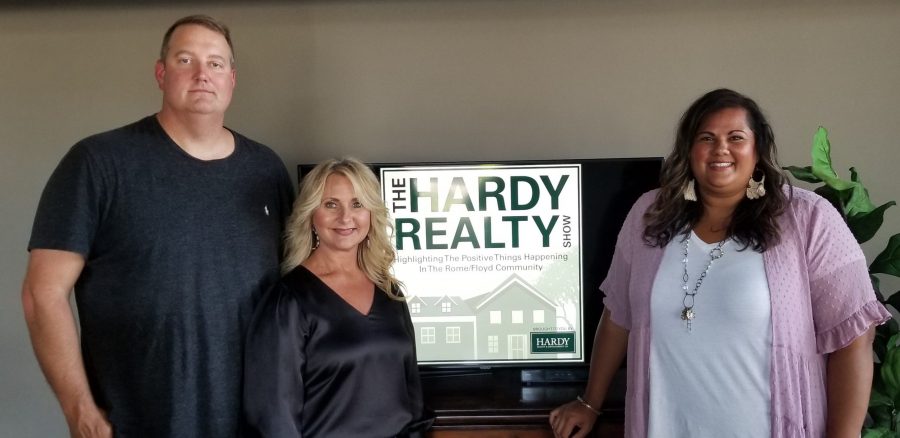
The Hardy Realty Show – Sarah Holsomback with Floyd County Schools/Armuchee Primary and Drew Taylor with Community Kitchen

July 11, 2022 by angishields

The Hardy Realty Show - Java Joy
The Hardy Realty Show
The Hardy Realty Show - Sarah Holsomback with Floyd County Schools/Armuchee Primary and Drew Taylor with Community Kitchen
Loading
00:00 /
RSS Feed
Share
Link
Embed

Download file

2022--7-07 hardy realty pic 1 of 1

Tagged With: Armuchee Primary, Broad Street, Community Kitchen, Community Kitchen of Rome, Drew Taylor, Floyd County Schools, Hardy on Broad, Hardy Realty, Hardy Realty Show, Hardy Realty Studio, Rome News Tribune, Sarah Holsomback

What Are You Doing to Upskill Yourself?

July 11, 2022 by angishields

Access to this series is restricted to Business RadioX® Studio Partners.

  • « Previous Page
  • 1
  • …
  • 257
  • 258
  • 259
  • 260
  • 261
  • …
  • 1334
  • Next Page »

Business RadioX ® Network


Our Most Recent Episode

CONNECT WITH US

  • Email
  • Facebook
  • LinkedIn
  • Twitter
  • YouTube

Our Mission

We help local business leaders get the word out about the important work they’re doing to serve their market, their community, and their profession.

We support and celebrate business by sharing positive business stories that traditional media ignores. Some media leans left. Some media leans right. We lean business.

Sponsor a Show

Build Relationships and Grow Your Business. Click here for more details.

Partner With Us

Discover More Here

Terms and Conditions
Privacy Policy

Connect with us

Want to keep up with the latest in pro-business news across the network? Follow us on social media for the latest stories!
  • Email
  • Facebook
  • Google+
  • LinkedIn
  • Twitter
  • YouTube

Business RadioX® Headquarters
1000 Abernathy Rd. NE
Building 400, Suite L-10
Sandy Springs, GA 30328

© 2026 Business RadioX ® · Rainmaker Platform

BRXStudioCoversLA

Wait! Don’t Miss an Episode of LA Business Radio

BRXStudioCoversDENVER

Wait! Don’t Miss an Episode of Denver Business Radio

BRXStudioCoversPENSACOLA

Wait! Don’t Miss an Episode of Pensacola Business Radio

BRXStudioCoversBIRMINGHAM

Wait! Don’t Miss an Episode of Birmingham Business Radio

BRXStudioCoversTALLAHASSEE

Wait! Don’t Miss an Episode of Tallahassee Business Radio

BRXStudioCoversRALEIGH

Wait! Don’t Miss an Episode of Raleigh Business Radio

BRXStudioCoversRICHMONDNoWhite

Wait! Don’t Miss an Episode of Richmond Business Radio

BRXStudioCoversNASHVILLENoWhite

Wait! Don’t Miss an Episode of Nashville Business Radio

BRXStudioCoversDETROIT

Wait! Don’t Miss an Episode of Detroit Business Radio

BRXStudioCoversSTLOUIS

Wait! Don’t Miss an Episode of St. Louis Business Radio

BRXStudioCoversCOLUMBUS-small

Wait! Don’t Miss an Episode of Columbus Business Radio

Coachthecoach-08-08

Wait! Don’t Miss an Episode of Coach the Coach

BRXStudioCoversBAYAREA

Wait! Don’t Miss an Episode of Bay Area Business Radio

BRXStudioCoversCHICAGO

Wait! Don’t Miss an Episode of Chicago Business Radio

Wait! Don’t Miss an Episode of Atlanta Business Radio