
Business RadioX ®

  • Home
  • Business RadioX ® Communities
    • Southeast
      • Alabama
        • Birmingham
      • Florida
        • Orlando
        • Pensacola
        • South Florida
        • Tampa
        • Tallahassee
      • Georgia
        • Atlanta
        • Cherokee
        • Forsyth
        • Greater Perimeter
        • Gwinnett
        • North Fulton
        • North Georgia
        • Northeast Georgia
        • Rome
        • Savannah
      • Louisiana
        • New Orleans
      • North Carolina
        • Charlotte
        • Raleigh
      • Tennessee
        • Chattanooga
        • Nashville
      • Virginia
        • Richmond
    • South Central
      • Arkansas
        • Northwest Arkansas
    • Midwest
      • Illinois
        • Chicago
      • Michigan
        • Detroit
      • Minnesota
        • Minneapolis St. Paul
      • Missouri
        • St. Louis
      • Ohio
        • Cleveland
        • Columbus
        • Dayton
    • Southwest
      • Arizona
        • Phoenix
        • Tucson
        • Valley
      • Texas
        • Austin
        • Dallas
        • Houston
    • West
      • California
        • Bay Area
        • LA
        • Pasadena
      • Colorado
        • Denver
      • Hawaii
        • Oahu
  • FAQs
  • About Us
    • Our Mission
    • Our Audience
    • Why It Works
    • What People Are Saying
    • BRX in the News
  • Resources
    • BRX Pro Tips
    • B2B Marketing: The 4Rs
    • High Velocity Selling Habits
    • Why Most B2B Media Strategies Fail
    • 9 Reasons To Sponsor A Business RadioX ® Show
  • Partner With Us
  • Veteran Business RadioX ®

Anneliese Vance with Never Miss a Moment Consulting

October 12, 2025 by angishields

HBR-NMAMC-Feature
Houston Business Radio
Anneliese Vance with Never Miss a Moment Consulting
Loading
00:00 /
RSS Feed
Share
Link
Embed

Download file

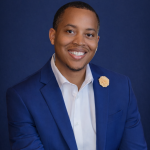
headshot-NeverMissaMomentConsultingAnneliese Vance—also known as the Neurospicy Mommy—is a dynamic fractional CMO, marketing vendor broker, podcaster, and self-proclaimed human jungle gym to her two young children. As the co-founder of Never Miss a Moment Consulting, LLC, she helps fathers of family-owned businesses shift from feeling torn between providing financially or emotionally, to a place where they no longer have to choose.

Anneliese’s entrepreneurial roots run deep. She’s a fourth-generation female business owner who started working in her family business at the age of 11. Now, alongside her husband, she co-leads their own family business, bringing both personal and professional empathy to the table. She’s felt the experience of being the child of a busy father—and now, as a mother and wife—she deeply understands the other side too.

Her mission is heartfelt and clear: to help dads be home and present, by taking the weight of marketing off their shoulders. In her words, “so if their kids are small enough, they can be on their shoulders instead.” NVMAMLOGOFINAL-02-NeverMissaMomentConsulting

In her conversation with Trisha, Anneliese shared her journey as a neurodivergent entrepreneur, discussed how she leverages her lived experience to help clients navigate business and family life, and emphasized the importance of building nurturing home environments. She spoke candidly about the reality of balancing priorities, supporting dads in leadership roles, and matching businesses with marketing vendors so they can grow without burning out.

With her unique blend of strategy, empathy, and lived experience, Anneliese helps family-owned businesses thrive—without missing the moments that matter most.

LinkedIn: https://www.linkedin.com/in/anneliesemvance/
Website: http://www.nevermissamomentconsulting.com

Transcript-iconThis transcript is machine transcribed by Sonix


TRANSCRIPT

Intro: Broadcasting live from the Business RadioX studios in Houston, Texas. It’s time for Houston Business Radio. Now, here’s your host.

Trisha Stetzel: Hello, Houston. Trisha Stetzel here bringing you another episode of Houston Business Radio. Today’s guest is Anneliese Vance, also known as the Neurospicy Mommy, co-founder of Never Miss a Moment Consulting as a fractional CMO, marketing vendor, broker, podcaster and yes, even a self-described human jungle gym for her two kids, Anneliese knows firsthand the challenges of running a business while raising a family alongside her husband. She built Never Miss a moment consulting to help fathers of family owned businesses stop feeling torn between providing financially or being present at home by taking marketing off their shoulders, she empowers them to reclaim their time, strengthen their family connections, and truly never miss the moments that matter most. Anneliese, welcome to the show.

Anneliese Vance : Thank you Trisha. I’m so excited to be here.

Trisha Stetzel: I am too. This is a long time coming, and…

Anneliese Vance : I Know, I know, we’ve had so much come against us. I’m like, this must happen.

Trisha Stetzel: There’s a reason because you actually have something new to share that you wouldn’t have been able to share had we not pushed this back just a little bit. Okay, so before we dig into everything else, tell us a little more about Anneliese and never miss a moment consulting.

Anneliese Vance : Okay. Um, so I always like to pay tribute to where I came from. And I am, um, fourth generation female owned, uh, to start with, um, family owned business. Um, and the reason I say to start with is recently in January, my husband and I, we changed our operating agreement to a partnership because honestly, it had been that way the whole time. Um, I won’t get into the back story of why it took almost five years to do that, but, um, it’s really a it’s a step forward from where I came from. Um, just it being a partnership. I’ll just. And that kind of will go into our topic today. Um, let’s see, I am, as you said, you said a lot of it. So, um, I’m a mom of two under six. I am a wife. Um, I am a business owner. Um, we own another business that we, um, have owned since we were dating and engaged and then never miss a moment. Um, really was born out of my daughter. Was eight months. Um, I was watching her grow up before my eyes as I was sitting making calls because it was during Covid and so I couldn’t go out. So I had to make calls. And I’m like, I do not want to miss moments anymore. Um, and my husband actually encouraged me to start the company.

Anneliese Vance : And I just I hope it’s okay to say this, but God has really built the business the last four and a half going on five years. It’ll be five years in November, um, with some of the stuff we might get into without his help, there is really no way that it would have worked without him. Um, and we do, uh, serve dad owned businesses, family owned businesses, uh, trades. Um, and we, we help those people that, um, they just carry the weight on their shoulders. And I don’t know if you said this, but I always like to say that we take marketing off your shoulders so that if your kids are small enough or your grandkids, um, they can be up there instead and, uh, work with a lot of marketing vendors. I can get into that if you want, just wherever you want to take the conversation. But, um, we built a business that was literally the antithesis of where I worked for 14 years. Um, it was a great foundation, literally, like majority of our clients that followed us? I would not have without them. I’m very grateful for it. But we just saw things we we knew the family owned business needed that wasn’t being provided, and so we decided to provide it.

Trisha Stetzel: Yeah, I love that. So, Annalise. And by the way, I think you should tell your joke about your name so that everyone remembers. Before we. Before I ask you my first question.

Anneliese Vance : Okay, so, um, on the day that my husband asked my dad permission to marry me, and he was very, very nervous, um, my dad said she’s on a lease with option to buy. You can take her off the market. Um, and my husband did do that 18.5 years ago. I did have to kick him under the table to let him know it was a joke. Because my husband has warmed up to dad jokes. My dad’s a chemist. My mom’s a biologist. They met an organic chem. They’re really, really smart. So. Yeah, um, it helps people pronounce my name. Right. So I’ve. I’ve learned to laugh at myself and tell it. Um, and people always pronounce my name right after I tell it so, and it fits into the whole dad owned dad joke thing I love to do too, so it all works.

Trisha Stetzel: So now we don’t have to kick each other under the table. It’s okay.

Anneliese Vance : Yeah. Good, good.

Speaker5: All right, so you talked.

Trisha Stetzel: About a family owned business. Not only did you grow up in a family owned business, you now co-run or co-own or in a partnership with your husband in this family owned business, and you homeschool and all of the other things around, just being a mom. What have those experiences taught you about the realities of blending family and business?

Anneliese Vance : Not starting deep, are we? Trish. At all? Good grief. Um. Oh. Um, if I have to say, the biggest thing is it’s okay that it’s hard sometimes and it is okay to prioritize family. Um, and to really be very clear on who your audience is. I think one of the beautiful things that God did. Because we serve family owned businesses, we like to say that we get you because we are you. Um, with with our background, I either grew up in experienced what you’re going through, heard it from my mom and what she experienced growing up, or have experienced it up until almost age six. Um, with my kids and our our customers get it. And it’s just this beautiful community of us getting when they’re struggling, them getting when we’re struggling, and just a trust that it’s going to get taken care of. It just may not look like the traditional route and that that’s okay. Um, that the people that were meant to serve are going to understand, um, that it just looks a little different, but know that we, for them really are the best people to handle it, because we then showed them the same grace when they go through situations.

Speaker5: Um, I’d.

Anneliese Vance : Say that’s quickly. There’s a lot of lessons I’ve learned in five years, Trisha, Trisha. But I would say that’s the overarching umbrella of what what I’ve learned that.

Trisha Stetzel: So the question that comes up for me, Annalise, is how do you do it all? How do you find balance in doing what you do?

Anneliese Vance : Yeah, the answer is I don’t do it all. Um, which I think is the testimony to my husband and I doing it as a partnership. And I love my mother and my grandmother. I never met my great grandma with all of my heart. Um, but they were more. I’m going to do it. Um, and this is public knowledge on LinkedIn, so it’s it’s not me throwing my parents under the bus, but their business didn’t make it. Um, and my dad had to go back to work at a critical age of, I think I was 14. It was just a horrible time to have dad have to travel again, because it’s when a girl really needs her dad, not when she’s in diapers. Need they need you in teens, dad. So do the business now. Be there for when they need you. Older little side note, but, um, my husband and I, we really have each other’s backs. Um, on on Monday and Tuesday, I take the kids out. Um, we have, um, they’re actually starting dance and acrobatics. Um, is going to be new this fall, so they start that next week. Um, I have a moms group and that provides childcare where I get filled back up on Tuesdays, and that’s very structured. And I don’t know if we’re going to get into the neuro spicy part, but structure and routine is very, very important.

Anneliese Vance : And then my husband, the reason I can be on this call with you right now, um, actually has the kids out. So Wednesday, Thursday we trade off. Um, and then also I don’t do everything in the business. Um, you mentioned the marketing vendor broker, and I feel like explaining that term may be helpful. Um, so one of the things that bothered me when I was in sales and had to sell things is it would get outsourced, but it would get outsourced to an employee. Well, nothing against employees, but you’re only going to work so hard on it. And the thing about working with marketing vendors, which is just other business owners that do marketing other than we do, is they have a vested interest. They want to be referred to the next time they own their business, they’re going to bring their A plus game. Um, and then in return, they come back to us to bring our A-plus game. So we do Google ad management in-house. Um, my husband is brilliant, and that’s part of his, um, neurodiverse ness. And, um, it he’s like, I can do this. And I’m like, fantastic. Um, I do a lot of, um, the business development. Well, all of the business development, um, the, um, data analysis, the, the CMO work, um, the, um, that’s where my neurodiverse ness comes in is, um, finding patterns.

Anneliese Vance : And so we really get to blend our gifts together. Um, but we don’t have to do what the other person is good at. And then we have people that offer what we don’t. And so I had to make a decision when we first started. Am I going to try and fake this and like hold it in and like onto that money? Or am I going to let someone who’s going to do a really good job for them? And what I always say is, I would rather take my percentage and let them win as well and go spend time with my kids. Um, and so that’s what I do, um, is I don’t do it all. And, um, we do say no to some things. We we are very much in our lane. And it’s interesting right now, um, we have a client who we’re trying to figure out if they’re they’re in our lane. We we love them very much, but, um, I think we’re both on both sides trying to decide if it’s a good fit and and being willing to step away sometimes if it’s not. Um, we’ve. And it always seems to be in December, but we’ve at very critical times said no to people that just aren’t in our lane anymore.

Anneliese Vance : And it allowed our business kind of like pruning a rose bush. My parents are gardeners. Um, to just flourish and grow back and just be very, very clear and to not be afraid to say no. Like, hey, we’re not a good fit for you, but this person might be. And then we can get a percentage. We still win. Um, their business still wins. So, uh, yeah, the answer is I don’t. Or I would be, I would be in a pillow room somewhere because I literally I think that’s also my, my message to business owners is you can’t handle it. Like we really do like to take it off their shoulders. Like if you’re in trades, you’re really good at your trade. And if you’re not good at marketing, it is okay. It is okay to have someone else handle that. It doesn’t mean you suck or you’re not good at your business. And, um, I don’t think my I think my parents would have received help if it had existed back then. Um, but learning to ask for help has been so critical and admitting, and I think people respect it, too, that I don’t do everything and I’m very open about that.

Trisha Stetzel: I love that, and it’s so important that we step back and really do the things that we’re exceptional at and don’t do the things that we’re not or we don’t even enjoy doing. Right.

Anneliese Vance : I agree 1,000%.

Trisha Stetzel: Yeah. So, um, I would expect nothing less than for you to know your ideal client market because, well, you are a CMO after all. Uh, so you’re very focused. You know exactly who you want to serve. Tell me more about the passion behind your business. Really driving, helping fathers of family owned businesses. Where does that passion come from?

Anneliese Vance : Thank you so much for asking this question. Um, so I love my father very much. We’re very close. Um, we actually, if you go on LinkedIn, we write a post together every Monday under Hashtag Monday moments. Um, I will not get into that and get distracted because I love my father very much. But, um, my dad was born in 1950. Typical baby boomer provider. Um, and so he has always just had that if I need to be an employee to provide, if I need to travel, to provide, that’s a way that I’m loving my family. And it took me a very long time to understand that, um, I think the older my kids got, the more I understood that that that was just him and how he did things. Um, but as I mentioned, you know, at 14, my dad did go back to work, and I won’t get into the details here, but it just it made things more challenging. Um, and so I just have some personal experiences where I just know the importance of a father being present and that providing their time, um, can be just as important as providing financially, if sometimes not more important. Like my kids, they never like, man, I wish I had this. They’re like, no, they’re running to see daddy. Um, and just living that for the last five and a half years.

Anneliese Vance : Um, because all but for 18 months, my husband has been home with our kids. Um, my son never remembers my husband leaving because I’ll tell you a quick funny story. So he would watch my husband walk out the door every morning, and then at nap time, he would go to daddy’s office door, which was right by his bedroom, and say, you know, he wanted to say good night to him before nap. And I was like, oh, daddy’s working. Which was true. My husband or my my son never understood that my husband left. He’s always been home. Um, and my daughter has this very mature appreciation for what daddy does. Just she’s, you know, a little older. And she lived it, lived through it with us. Um, but I’ve watched my kids are so confident and so just they’re everyone’s kids are amazing. But, um. Without getting into all of the background of neurodiversity, it routine and, um, being able to depend on certain things is just so critical. And I’m just I’m so grateful that we were able to provide that for our kids. And something about me is, I’m not that person’s like, great, I’ve got it. Like I’m someone who loves to pay it forward. Um, it just lights me up.

Anneliese Vance : And so I love that I can get texts, um, from my clients. Actually, a funny story. So we have two clients that are both have the same name, and one of them was texting me and I thought it was the other. And I thought it was kind of weird that he was texting me because I knew everything was going okay with his account, and he texted me. He’s like, um, I’m at the post office, like, I’ll call you in a couple minutes. And he called me. He’s like, Annalise, everything’s going great. Like, we don’t need to talk. And that’s kind of our joke is like, he doesn’t want to hear from me, you know? Like, I don’t want to hear from him, because if I do, it means something is wrong. And so, um, you know, and on the same token, the customer that did call us was just. He’d had a horrible experience and was just very, very afraid to step out again. And I was able to reassure him. But I love being able to come from that place of empathy and get texts from my clients of like, I’m on my vacation. I know you’ve got it handled, and they’re with their kids and they’re fully present, and you know, they have little girls and they have little boys.

Anneliese Vance : Like little girls need to see how their future husband, in my opinion, how their future husband should treat them. And sons, I can’t raise a man, um, and I can nurture him. I can comfort him. But I cannot raise my son up into a man. And he’s going to be four in December. And it’s just very, very evident. I was telling my husband just a couple days ago that I don’t feel equipped, and he’s like, he needs time with me. And I’m like, I know. Um, but just that he can provide that, you know and I can we can cover for each other and give our kids what they need in the moment that they need it because it changes. Um, and so, you know, personally, it’s very important to our family. But like I said, I love being able to pay that forward and them knowing like they’ve got this, they get us, um, you know, they’re living it or like I said, like I lived it growing up, um, and really being able to provide that place that people can come to trust, know that it’s handled, um, and that they can go only they can raise their kids. I can’t raise their kids. I can handle their marketing, but I can’t raise their kids.

Anneliese Vance : I can raise mine. I always say, I love my kids. I’m not sure about yours. Um, I’m sure they’re great, but, um, I wouldn’t do for your kids what I do for my kids sometimes. Like, bless the world. Last night with my son was a funny story. But anyway, um, it was a very long answer to your question, but, yeah, I’m just. I’m so passionate to be able to provide that opportunity for other dads and the moms. Um, you know, I always say that the the husband and the dad is the, um, the thermostat in the house, right? So a thermometer goes up and down, but a thermostat, you set it and it stays there, or it should, um, and my husband really is that he walks in and, you know, peace comes into the room. And I just love being able to provide that opportunity for other dads to be able to do that, because then that takes pressure and stress off the wife. So it really just is like a full circle for the kids, the wife, the husband and everybody. So I feel like I’m making an impact, um, and not just handling their marketing. Not that that doesn’t make an impact, but the family stuff, I think, makes a a lasting generational impact.

Trisha Stetzel: Absolutely. Yeah. Thank you for sharing that and being so vulnerable to tell, um, so much of your story. And I think it will resonate with people who are listening. So, um, if folks are already ready to connect with you. They want to learn more. They just want to get to know you. What’s the best way for them to reach out online?

Anneliese Vance : Yeah. So two ways. One, I’m on LinkedIn. Um, and I answer all of my own DMs. It’s not AI. Um, so I always tell people this little trick if you’re on LinkedIn and sometimes they limit your DMs. And I’m not saying this to get more comments on a post, but if you comment on a post and say, hey, I heard you on Houston Business Radio, I can then message you back. Um, so if you’re if you’re out of DMs, that’s one way. The other is never miss a moment consulting. Com if you go to the last page on the right. Um we just updated I think it’s called Let’s connect. Um, but I answer all of those messages so you can send a message there. It goes right to my email. Me personally, I will answer it, not AI. Um, as you can tell how I feel about AI, I might have lost some people there, but, um, I’m a human and I am a, Um, I’m going to connect back. So. Yeah.

Trisha Stetzel: I love that. Thank you. And by the way, I know, um, Annalise told this joke about on a lease, but that’s not how you spell it, so I’m just going to spell it for you guys. It’s a n n e l I e s e so that you guys can find her. Annalise. Dance, not Annalise.

Anneliese Vance : Yeah, and I’m, like the vice president. No, we’re not related. Okay, if anyone’s wondering.

Trisha Stetzel: And just in case anyone’s wondering. All right.

Anneliese Vance : What about once a week.

Trisha Stetzel: That you do? Uh. All right. Annalise, you have talked a little bit about, um, neurodivergent, and you shared something with me this morning that you just learned, which is why we had to push our our. Yeah. Back, uh, to have this conversation this morning. And you shared with me, uh, about being gifted and neurodivergent. So can you talk a little bit more about that, if you don’t mind?

Anneliese Vance : Yeah, absolutely. And I’m still learning about it. Um, I actually learned about it in my moms group yesterday and I laughed. I’m like, oh, this is why our this is why our meeting got pushed back. I was thinking about you yesterday. I love that. Um, but if anyone wants to look it up, it’s called twice. Exceptional. Um, so it is either a child with autism. Um, which is what my daughter is, um, what I was. Now, I’m an adult with autism, um, and, uh, giftedness. Um, and then my son and my husband are actually both, um, have attention challenges. So their brain goes really, really fast and is gifted. So their brain goes like, on turbo. Um, like my friend called my son the Flash. Um, he literally he’ll be doing one thing over here, and his body is here. You can’t see my hands. His body’s here. And then his brain goes over here, and it’s like, what just happened? Um, but, um, they are going to struggle with, um, different emotional regulation. Um, they’re going to be really good at problem solving and puzzles. And so, um, actually, my son’s, um, Sunday school teacher is in the moms group because it’s at my church. And, um, she just gave me this great advice of just to follow his giftings, um, which is what we did with my daughter. Um, and so I think a lot of stuff with Neurodivergence can overlap. It’s not always the same.

Anneliese Vance : But my daughter danced since six months old. She literally danced on beat to, like, music that was playing before she walked. Um, and she, like, she will choreograph dances. She’s in ballet and tap and, um, acro. Like I said, they’re starting that next week. Um, and then my son will be in the middle of target and he’ll be dancing, um, to the beat. And he’s more hip hop. So, like, at his age, all he can do is ballet. But we’re getting him into acro, which I think is going to be really good for him because he just I call him monkey because he just is always climbing and jumping and flipping. And I don’t know that this is the speed of his brain, or if it’s just a boy, but like he will act without thinking. It seems like. Like he just like, trusts himself. I think it’s somewhat of a boy thing, whereas my daughter is very analytical and processing like, she’ll still do it, but you can watch that she’s processing before it happens. Um, and so yeah, just knowing that them compounded, um, just provides unique challenges. Um, so I’m honestly still learning about it, but I was just really grateful to know, oh, there’s a term for this. Um, and still learning, as always. Um, but to be. Because as we are heading into homeschool, as you mentioned, um, people are like, so how are you going to handle a gifted child with homeschool? I’m like, he’s just going to do kindergarten with my daughter.

Anneliese Vance : Um, because he already knows everything for preschool. Um, he was memorizing books at 18 months. Funny story. So I read to my kids before every bedtime and every nap time. So every time they go to bed, um, though my son is not napping, pray for me. Um, and, uh, so he’s like, mommy, I read to you. And I went, oh, haha. Okay, Trisha. He read the entire book like he was reading it word for word. This was not like a I can read book. This was like. And I was like, honey, come here. And at that time I was like, oh, okay. Um, and his memory, that’s another thing with twice exceptional kids, um, that you might recognize kids, his memory, he will remember something from like four weeks ago. And I’m like, yeah, we did say that. And my husband have to look at each other like, okay, let me go back in the memory bank. Like, what is he referencing? Because it happened? Because he’s remembering it. So it obviously happened and go, oh yeah, buddy, I remember that because he’ll remember sometimes better than we do. Um, so we ought to be on our game of what we say and what we do, what we say we’re going to do for him, because he will hold us to it. Um, yeah. So, okay.

Trisha Stetzel: So not only do you want a business with your husband, I have heard most of you, if not all of you, are twice exceptional.

Anneliese Vance : All of us.

Trisha Stetzel: And you’re going to homeschool. That is a lot for one couple to carry as business owners. So I’d like to go back to the term neuro spicy, because I have a feeling that that is part of what we’re bringing together here, right? So let’s talk about the neuro spicy mommy and how that came about.

Anneliese Vance : Okay. Well, um, I cannot take credit for the term. It’s one I’ve heard from some people on LinkedIn, and I just think it’s fabulous. It’s another way to say neurodivergent and just, you know, got a little attitude. Um, I think it’s if I have to say, my definition of it is, I own it. Um, it’s not a negative. Um, it’s not anything I’m ashamed of. Um, I have a friend that says, you know, you have a beautiful brain, and I do, um, I have some challenges that I have to kind of get ahead of, um, like, when technology doesn’t work and I have to reschedule with Trisha, I have to not freak out on the back end and tell myself there’s a reason for this. It’s okay. Um. And just really do that faith over fear. Um, I can get very fearful and controlling. Um, and so I have to get ahead of that and decide I’m not going to be that way and ask myself, like, what is this costing me as a wife, a business owner and a mom? And just decide, like, I’m not going to do that. Um, and then, uh, let’s see. Yeah. So I found out at 40 that I had autism. Um, I always kind of had hints of it. But in watching my daughter and my husband made the comment. He’s like, it’s like looking in a mirror. And I’m like, so I just started doing more research and I just accepted.

Anneliese Vance : It’s like, you know what? A lot of people are neurodivergent. It’s okay. Um, it means I’m really smart. I’m really good at patterns. I’m, um, I think sometimes autism can get a bad rap because it’s a spectrum, right? That’s something I always like to say. Um, not everyone. Is that, like, prototypical, like what you might think of? Um, and I’m very my daughter and I are both very empathetic off the charts, which is kind of atypical of like what you would think about with autism. Um, and so just kind of figuring out what our flavor was. Um, but it’s I’ve had so much empathy for my daughter. Um, and when I’ve done stuff for myself, it’s helped me slow down with my son, because my son can be very emotional. Um, and I hope it’s okay that I tell this story, but last night, my son was constipated. Um, he just had too much cheese for his little body. And so we were doing the midnight pees, and he felt like he had to do something else, and it never happened. And he was just. He was just really upset about it. Um, and it took almost an hour till 1 a.m. in the morning to calm him down. And, um, just because I take care of myself for my neurodivergence I have that I’m filled up to take care of my kids.

Anneliese Vance : Um, I’m filled up to go to respond versus react and go, okay, where are they coming from? Or to say like, hey, buddy, like, we really need to find a new way to handle this. But he’s three, you know, um, so it’s it’s this beautiful story of like, because I accepted it for myself and Honestly stepped back. That was a lot of where the partnership came from. It let my husband take on a little bit more responsibility, which he was already doing and fully capable of. Um, but again, relinquishing that control, um, and not being fearful. Um, so that’s why it’s just such a beautiful testimony for it to be a partnership versus the female owned. Nothing against female owned businesses, rocket girls. Uh, nothing against. It just wasn’t our story. I just I could not keep going at that pace. I had to take some stuff off of my plate and realize, like you said, like my gifting really is with my kids, really is empathizing with them. Um, my husband’s learning a lot. Um, but with him being actually gifted in ADHD, that is actually part of his challenge is processing and expressing emotions. So giving him grace. Um, yeah. So it’s just it it all worked out into this beautiful picture of where. What could seem negative really became the beauty of it. So.

Trisha Stetzel: So, so much that we’ve unpacked today on Elise. And as we close up, is there one thing that we haven’t tackled or one thing that we have that you’d like to just reiterate to the audience today about having a family owned business and going through so many amazing things together as a family.

Anneliese Vance : Um, I think one thing I would say is your family doesn’t have to look like anybody else’s. Um, it’s really okay to, you know, accept where your family is at and that you’re going to grow together. Um, because, you know, what used to be challenges aren’t. And then life presents you more, right? Um, and I think, I mean, you mentioned my vulnerability, which. Thank you. Um, because that is something I’ve really been working on. Um, but really, just to admit, like when you need help, whether it is for marketing, um, or whether it is, you know, I’m going to throw my kid against the wall if I don’t go grab a cup of coffee. Um, you know, and like, it’s nothing against my kid. It’s me. That’s my self-care lacking at that time. Um, but just like when you’re aware that you need help to just ask for it, and it it it takes incredible strength, in my opinion, not weakness. And I think, um, especially for the dads that we serve, admitting weakness is a big stigma. Um, with dads and I, a lot of dads that I follow and support on LinkedIn are breaking that stigma. And I love that. Um, but just yeah, it it’s strength and it’s loving your family and yourself all the things and your wife um, to say, like, I don’t have it, you know.

Anneliese Vance : I need help, and then we can do that for each other. And then we can do that for the people. Um, in our business. And, um, you don’t always have to have the answer either, you know, like, sometimes you can be like, you know, let me get back to you on that. Like, take a pause. You really just if I don’t have peace about something, I normally take a pause. Um, so I don’t know who that was for because that was just dropped in my head. Um, but yeah, just own your story and let it play out, and the right people will be attracted to your story. Um, I have a couple friends. I’m not trying not to name drop on here because I. I follow so many people on LinkedIn. Um, but that your vibe will attract your tribe. Um, it’s the best I’ve ever heard it put. And you don’t have to be afraid if you’re yourself, that you’re going to turn people away because they weren’t going to be attracted to you anyway. Um, so it’s just easier to just be yourself. And then you don’t have to pretend to be anybody else because that’s exhausting.

Trisha Stetzel: So it is, says the master marketer, I am.

Speaker6: Thank you.

Trisha Stetzel: She’s not surprised at all.

Speaker6: Thank you.

Trisha Stetzel: Amazing things, um, that we’ve talked about today. I really appreciate you being on the show. You guys, you need to go connect with Annalise. And the ways you can find her is her website at. Never miss a moment consulting. And her name is spelled a n e l I s e Vance. And you can find her on LinkedIn, which is how she and I found each other. Uh, as a matter of fact. So it’s never miss a moment consulting com where you can find that information. You guys connect with Annalise for just her personal story and just to meet her as a person, but also as a master marketer. Like, I hope that every, um, man and wife who own a business together can see how important having, um, taking the burden of marketing off their shoulders so they can put their kiddo on it, I think I didn’t say it exactly right, but that’s okay. So thank you again for being on with me today, Annalisa.

Speaker6: It’s been. You’re welcome. Sure.

Anneliese Vance : Thank you.

Trisha Stetzel: That’s all the time we have for today. If you found value in this conversation that I had with Anneliese, please share it with a fellow entrepreneur, veteran or Houston leader ready to grow. Be sure to follow, rate and review our show. It helps reach more bold business minds just like yours and your business. Your leadership and your legacy are built one intentional step at a time. So stay inspired, stay focused, and keep building the business and the life you deserve.

 

Building Strategic Excellence Worldwide with Daniel Omara

October 10, 2025 by angishields

ALR-IASP-Featurev2
Association Leadership Radio
Building Strategic Excellence Worldwide with Daniel Omara
Loading
00:00 /
RSS Feed
Share
Link
Embed

Download file

On this episode of Association Leadership Radio, Lee Kantor talks with Daniel Omara, President of the International Association for Strategy Professionals, who shares perspectives on the organization’s role in advancing strategy management globally. Daniel discusses the association’s pillars, its expanding international chapters, certification programs, and the importance of knowledge sharing and cross-cultural collaboration for strategy professionals worldwide.

Daniel-OmaraDaniel Omara is a motivated achiever and team player with charismatic leadership, excellent communication skills and business savvy that enables organizations to achieve high level strategic objectives, and drive performance culture that would align all processes and systems to deliver high impact results.

He has specialized skills and knowledge in corporate strategy and economic policy with an extensive experience in public/Government services particularly, tax revenue administration, public financial management and central banking services.

His knowledge base includes economic issues in regional integration, macroeconomic management in resource rich countries among others. Daniel is a certified Strategy Management Professional (SMP) by the International Association for Strategy Professionals (IASP). He holds an MBA (Corporate Strategy and Economic Policy) from Maastricht School of Management/Maastricht University, the Netherlands, Bachelor of Business Administration (Accountancy) from Makerere University Uganda and a Balanced Scorecard IASP-logo Master Professional certification from the George Washington University College of Professional Studies, U.S.A, Key Performance Indicator Professional certification (KPIP) from the Strategy Management Group/The Balanced Scorecard Institute, USA, certified PRINCE2® Practitioner (Axelos, UK), Gender and Macroeconomics, IMF Africa Training Institute, Economic Issues in Regional Integration, IMF Africa Training Institute among others. CURRENT ROLE Manager Strategy Management and Work Planning in the Strategy and Innovation Department of the Central Bank of Uganda.

Daniel coordinates the formulation and implementation of the Bank of Uganda strategy and supports the preparation of Departmental operational annual work plans and budgets. He’s the President of the IASP Global and Past President IASP Uganda Chapter.

Follow IASP on LinkedIn.

Episode Highlights

  • Daniel introduces the International Association for Strategy Professionals and outlines its mission to connect and empower strategy professionals across 13 countries.
  • Membership benefits are explored, including certifications, resources, global networking, and the organization’s commitment to professional growth.
  • The core strategic pillars: membership growth and retention, strategic partnerships, and organizational sustainability.
  • Certification programs for strategy practitioners, detailing application, examination, and the increasing global enrollment, especially in Saudi Arabia.
  • The annual global conference is highlighted as a keystone event, bringing members together for learning, networking, and community development through targeted sessions and communities of practice.

Transcript-iconThis transcript is machine transcribed by Sonix.


TRANSCRIPT

Intro: Broadcasting live from the Business RadioX studios in Atlanta, Georgia. It’s time for Association Leadership Radio. Now here’s your host.

Lee Kantor: Lee Kantor here another episode of Association Leadership Radio. And this is going to be a good one. Today on the show, we have the President of the International Association for Strategy Professionals, Daniel Omara. Welcome.

Daniel Omara: Thank you. Thank you very much, Lee, and greetings to all the listeners. I am speaking to you all the way from Kampala, Uganda.

Lee Kantor: Oh, a long, long way away. Well, for folks who aren’t familiar, do you mind sharing a little bit about the International Association for Strategy Professionals? How are you serving folks?

Daniel Omara: Sure. Of course. So as I said, my name is Daniel Omara and I’m the president of the International Association for Strategy Professionals. We are a nonprofit organization, uh, started in California in 1999. Today we are based in Michigan. Uh, and we basically, you know, strive to be the global standard bearer for organizational transformation and success through strategy. Mission is to support and connect global strategy professionals to engage in thought leadership, share practical resources, participate in personal development, and seek certification transforming their careers and organizations. And we’ve been doing this since 1999. As I said, you can find us on, uh, strategy Association, DoD, or we are based in Livonia, small city Livonia in Michigan.

Lee Kantor: So tell us a little bit about the type of work when you when I joined the association. First, who who should join number one and number two, what are some of the benefits of being part of this community?

Daniel Omara: Thank you very much, Lee. So who should join? Anybody interested in strategy? The practice of strategy, the profession of strategy management can join. But we encourage all our strategy professionals across the world to join the association, because this is where we have shared learning. We have, um, experiences from different strategy professionals from across the globe, by the way, we reach out to over 9000 People across the globe, and we’re present in 13 different countries where we have chapters. Our newest chapter is in Kazakhstan, a very small state in the former Balkan states close to Russia. So all these strategy professionals can join all those in the practice of strategic planning, in government, in the public sector, in the private sector and nonprofits. Uh, all these are welcome to join. You could be a project manager and you’re not doing strategy. You’re still welcome, uh, to, you know, join the association because the strategy that we, um, uh, support, the strategy that we advocate for in different institutions supports strategic, uh, management in terms of project management as well.

Lee Kantor: So what are some of those kind of strategic pillars of excellence when it comes to strategy?

Daniel Omara: Okay. Before I go to the pillars of our strategic planning of for the ISP, you had asked me about the benefits. I could just mention 1 or 2. But most importantly is the knowledge sharing from different experts. Um, we hold annual global conferences and I’ll speak to that much later, but the knowledge sharing across the different professionals gives, um, a point of benchmark that, uh, we could all learn from. But among that, we have a certification program, which is the only kind in a field of strategy. So we have, uh, two strategic planning certification programs. One is called the Strategic planning professional. This is when you have experience in, uh, practicing strategy up to five years and beyond. Five years. If you’re engaging with a C-suite executives, you can apply to attain the certification known as the Strategic Management Professional. Smp and a number of folks in the US have got this certification. Are we expanding across the globe to Africa now and in the Middle East, especially in Saudi Arabia? So in our strategy, uh, we have three strategic pillars. One is the membership, where our goal is to increase membership. And we do not just want to grow a membership, but we want to retain our membership. Today we stand at about, uh, just, um, just over 700 members across the globe. Uh, that’s in the 13 chapters that I talked about. Our second pillar is connections.

Daniel Omara: This is where we want to grow partnerships, because in this field of strategy, it’s very important to work with our strategic partners. So here we um, our goal is to ensure that we have, um, the kind of partners that we can, uh, work with in running our webinars, in running our different programs, in, uh, supporting our strategy work across the globe, in our different chapters and also provide thought leadership. Uh, and we do this through the certification program, uh, webinars. And we have a newsletter called the Strategy Week. Uh, strategy, sorry, the Strategic Edge and the strategy magazine that goes out to over 9000 people. The third pillar, but not the least is organizational Or sustainability. And here we strive to see that we first of all, financially sustainable. We saw the, um, experience that we went through during the Covid pandemic that we were not able to run most of our activities just like every other institution. But it gave us a learning, um, point that we need to be at a point where we are sustainable financially rather than surviving. So we’re on that path to sustainability financially, but we also ensure that we maintain, um, a lean workforce, uh, our staff, that we can support even when we are constrained. So those are the three strategic pillars that drive our institution for this current strategic planning period, 2024 2026.

Lee Kantor: And then you mentioned that one of the benefits of, being part of the organizations is you can get a certification in strategy.

Daniel Omara: That’s right.

Lee Kantor: And then this certification, what is required other than just the having the title and the years of service, is there a test or is there some way to demonstrate that you have these skills?

Daniel Omara: That’s a very good question, Lee. So first of all, certification program, uh, has an independent, uh, body that examines the applications that are submitted, but also that sets the, um, exams for each of these, uh, two programs, ESP and the SMP. So what? And this is based in Canada, uh, where we have our certification director, uh, and the main office that runs all the operations around the certification exam. So when you would like to attain the SBP or SMP, you submit a qualification application. This application will be received by the Certification Director. They will submit to the Certification Commission that will review your application based on your work experience. Based on your, um, college qualifications and your experience, uh, around the field of strategy that would determine which of the certification programs, uh, would be best suited, uh, for your case, either SBP or SMP. So we, once you are, um, have gone through and have been admitted, uh, you’ll be advised on which program and you can start your study program on your own. The materials are available. Uh, we send that to you, but you can also find the material on our website. Once you remember, you are able to download our body of knowledge plus a lot of other resources. However, we have what we call certification preparation providers. These actually train our programs so you can enroll in any of their programs to prepare for certification exams. So there is an exam at the end of it all which you must pass. And the pass mark is 75%. It’s a three hour exam. And once you have passed, you then attain the SMP or ESP qualification.

Lee Kantor: Now another pillar of excellence is connections. As the leader of the organization, what are you doing to kind of facilitate and encourage the connections between the members? And are you creating events? Are you, um, doing kind of zoom calls? How how do you how do you help the members connect amongst themselves and form a true community?

Daniel Omara: Very good question, Lee. So of the 13, uh, chapters that we have across the globe, each of these chapters, uh, is required to organize a member engagement programs. Uh, these could be in form of, um, webinars, uh, in form of, uh, in-person workshops. And these could also be in form of um, conferences. They can have, uh, regional conferences. We just held the first ever um regional conference in Africa, and this was hosted by the ISP Uganda chapter in 2024, in August. And we had, uh, my colleagues on the board, uh, come over from the US, uh, to attend. And we had quite a great media coverage in Uganda. We had attendees from Nigeria, Kenya, the neighboring countries, Rwanda, the Democratic Republic of Congo and many others. So each of these chapters has different programs which, um, we guide, uh, centrally at the association headquarters in Michigan. And just to ensure that, um, the programs do not, you know, um, uh, compete with one another. Um, but they are routine programs that they have. We also run webinars. Excuse me. We run webinars. And these webinars are from different topics. And these topics, uh, can be decided, um, by the sponsors or these topics can be, um, decided by the speakers themselves. But of course, we we’ve got to go through them to see that, um, they create value to the members. So you find that members are always engaged in different programs across the different chapters. And when I come to speak about the global conference, then it will, you know, bring in the aspect of the universal program that brings all the members and, and those intending to join and to to one room during that global conference.

Lee Kantor: Now, as the leader of the organization, what is the kind of the metric that matters to you at the end of maybe the year when you and your team are getting together to assess how you’ve done from a strategic standpoint, what is what are some of the things that have to happen in order for you to be high fiving each other at the end of the year, when it comes to achieving your strategic objectives?

Daniel Omara: Fantastic. So we’re a nonprofit Profit organization, but you still need to survive. As I said, we need to be sustainable, as I said earlier. So one of the metrics that, um, keeps me awake, keeps, uh, the entire board awake is to see that we first of all, financially sustainable. So we look at our numbers and we’ve set targets to grow our revenue. The revenue comes from, uh, member subscription that is paid annually. The revenue also comes from our programs that we run the certification program. So once we have achieved our targets on, uh, say, um, on financials, uh, then we can be sure that, yes, the association, uh, will be sustainable. The second, uh, metric that we look at is the membership growth, uh, end retention as I spoke too much earlier. So we’d like to see that over the next, uh, two years, during our strategic planning, uh, cycle, we grow our membership by at least 10%. And I said we just slightly over 700 members. And this this number came from about 300, um, a couple of years ago. So we’re doing great, uh, to see that we increase this during my presidency. Uh, that started in June, July this year. I promised that we need to grow membership to 1000.

Daniel Omara: So, um, all the time monitoring this metric to see that the numbers go up. But we also retain, uh, as much as possible in terms of connections here. We’re mainly concerned with, um, the, uh, certification program. So once we see many enrollments to the certification program. We are happy and we’ve been happy on this, mainly from the number of people joining the certification program from Saudi Arabia. We could see over 50% or 50, sorry, 50 members, uh, people joining, um, the certification program in one sitting. Um, that’s quite a remarkable, uh, performance. But we want to grow this across and to enable us to grow across the globe. We’re also doing translation, uh, of our strategy, uh, certification programs in different languages. We’ve done in Arabic. We’ve done in, uh, we’re doing now in, uh, Spanish, uh, still in the works, but in Arabic. We have succeeded, uh, in doing that in these areas. So those three plus conference, uh, the number of, uh, people signing up for conference. Very important that every year when we organize these annual conferences, uh, we set base, um, base numbers that we should work with. And once we achieve these numbers, we, we believe that we’re good to go.

Lee Kantor: Now, when it comes to strategy, is there a global strategy that works in for all cultures and all countries in all situations, or is strategy something different in different parts of the world?

Daniel Omara: That’s a fantastic question, Lee. So strategy across the globe, is it a plug and play that you can use in different cultures or in any part of the world? Uh, perhaps. No, in my view. And yes as well, yes, that the basics would remain the same. The concept of strategy will remain the same. Are you designing a strategy? Are you formulating a strategy that works for you in the next three, five, ten years? All right. There are basics that must be there. You’ve got to have your priorities clearly set. You’ve got to have metrics to assess progress towards achieving your goals. You’ve got to have the vehicles of transformation. If I may say that your strategic initiatives have got to be in place to drive, uh, your, um, goal and these remain, um, the same. These are standard, uh, measures. These are standard formats. These are standard, uh, concepts that will apply in any environment, any culture. However, when it comes to execution, this is where the play is much more interesting because different cultures, um, appreciate strategy implementation in different ways. In fact, even within this, the culture, which is quite similar, but in an institution, every institution has got different cultures. So you might find in a population of the same culture, but institutions within that population have different cultures. And so there will be differences in execution based on, um, the nature of the institution or the culture in the institution. So it’s not a one size fits all, uh, in as far as execution is concerned. And execution actually is one of the biggest challenges for us in strategy management because of the one big factor culture. And that is why, um, one, you know, scholar Peter Drucker once said strategy is eaten by culture, or culture eats strategy for breakfast, lunch, and we’ve gone ahead to add it, even dinner. So you have to work very hard to ensure that you bring your culture to align with your strategy, or vice versa. And so strategy is not a one size fits all in as far as execution is concerned. But in terms of the concept, the framework, that’s the same, uh, across the board.

Lee Kantor: Now, don’t you think that any organization that is global right now, or is thinking about becoming global, should become a member of the International Association for Strategy Professionals to just help them understand kind of the The nuances involved when you are implementing a strategy that might be working successfully for you in your community, but you need some other eyes and other people looking at this thing when it comes to international growth, and an association like yours is a great place to start to begin having those conversations.

Daniel Omara: Absolutely. So encourage all these institutions that are going through, um, their strategy journey that are starting their strategy journey. Come join the ISP, the International Association for Strategy Professionals, and meet these different experts, uh, in different sectors, public and private or non-profits. And you learn a lot, uh, from these experts. By the way, we have experiences and practitioners in the US military. Um, no wonder then, that, uh, strategy as a subject, uh, was, um, uh, a subject of the military, um, in the Art of War by Sun Tzu. Uh, he says, well, the military well, not quoting, you know, word for word, but strategy is quite instrumental in the military. And so it’s so interesting to see how the military applies strategy. And when we share, you know, experiences, um, not going to the detail of the military, but in as far as strategy is concerned, then we see that there are many lessons that, um, other institutions that are not in the military can still learn from. But also you have a wide range of, um, practitioners, uh, that can give this support. And we have the body of knowledge that, uh, provides a clear five, uh, steps to strategy, uh, formulation up to execution. This includes engagement and this information is available on our website. Um, the book uh, now 3.0 is free to members. Otherwise, if you’re not a member, you can purchase it at, uh, 50 USD. So this will give you, um, the different steps that you can take in strategy, uh, from formulation to execution. And so we encourage, um, different companies, different institutions, whichever size, to come join us and learn from us. And one of the developments still in the works is we now using data, uh, across sectors to see the success rates in strategy execution. And this is going to be very interesting when we release that out. Um, and we’re working with one of our partners. I may not share that now because we are still in the works, but it will give very realistic numbers. Uh, on the success rates, but also the failure rates in strategy execution across different sectors.

Lee Kantor: And every year you have an annual global conference. Is that right?

Daniel Omara: That’s right. So every year around about May June, we hold an annual conference. Um, the last conference was in Philadelphia in the United States. Pennsylvania was a great conference. We had over 100 people attend and great speakers, um, on different areas. And this was a success. Um, and the previous conference was in Atlanta, uh, in Georgia. The next conference, 2026, will be in Manitoba, uh, in Canada, Winnipeg, Manitoba, By Canada. And we look forward to, um, you know, people coming in to, uh, attend. Uh, registration will start in December. But for our international attendees, um, they can always start the registration process early because of, uh, visa requirements. But during the annual conferences, we have speakers from across, um, different sectors, but also the topics that are presented here, uh, provide a very good, uh, benchmark for practitioners, even us who are running this association, uh, we still learn each and every day. So we sit in and listen to these speakers, and there’s always 1 or 2 things to learn from here. But far from that, this is the point where we get our members to have in-person interaction, but also we have different groups called the Communities of practice. So we have the government communities of practice, where people in the public sector meet to share their experiences in the same kind of environment in government. And we also have the Women in strategy, uh, community of practice. Again, they come together and share their experiences, how they’re doing, strategy formulation, execution. Uh, in, in as far as, you know, the women are concerned and the challenges and all that. And these different communities of practice really support our members. Um, and they provide a connection, uh, during the annual conferences. And of course, there’s time for fun, uh, during the conferences. So it’s not just, um, heavy professional topics that are discussed during these conferences.

Lee Kantor: Well, Daniel, it’s been a pleasure getting to know you and your organization. The website one more time is Strategic Association. Is that right?

Daniel Omara: The address is. Strategy. Association. Org.

Lee Kantor: Strategy. Association. Org.

Daniel Omara: Org. That’s right.

Lee Kantor: Well Daniel, thank you again for sharing your story. You’re doing such important work and we appreciate you.

Daniel Omara: Thank you very much, Lee, for this opportunity. You can find us on LinkedIn. You can find us on Facebook. You can find us on X, formerly Twitter. And we’re always happy to work with you. Thank you very much, Lee.

Lee Kantor: All right. This is Lee Kantor. We’ll see you all next time on Association Leadership Radio.


Elevating Leaders: Calm, Clarity and Growth with Dr. Jodi Blinco

October 10, 2025 by angishields

HVR-Jodi-Blinco-Feature
High Velocity Radio
Elevating Leaders: Calm, Clarity and Growth with Dr. Jodi Blinco
Loading
00:00 /
RSS Feed
Share
Link
Embed

Download file

This episode of High Velocity Radio welcomes Dr. Jodi Blinco, transformational coach and founder of ZenLeader, for a deep dive into building authentic leadership through holistic practices. Dr. Blinco shares how her groundbreaking approach combines mindful movement, customized coaching, and tangible skill development to support individuals and organizations facing rapid change, stress, and the need for genuine connection in today’s workplace.

Dr-Jodi-logo

Dr-Jodi-BlincoFounder of The U School, ZenLeader, and Author of Inner Alchemy, Dr. Jodi Blinco is a coach, speaker, and pioneering educator, who has become an iconic leader for transformative personal and professional growth.

For over two decades, Dr. Blinco has been at the forefront of innovative training and coaching methods, fostering a love for learning, and providing impactful mentorship to students and professionals alike.

As a vibrant and compassionate educator, her consulting, coaching and workshops go beyond traditional lectures – they are life-changing experiences that have touched countless lives along her journey. Holding a Doctorate in Education, Masters degree in Business , and a Bachelor’s degree in Business Administration, Dr. Blinco has an academic background that continually shapes her unique perspective on success, leadership, and personal transformation.

As an avid advocate of holistic wellness, Dr. Blinco is also a Certified Yoga Instructor, has owned a yoga studio and has traveled the world teaching inspirational and wellness workshops where she incorporates these healing practices into her comprehensive approach to personal development.

With an unwavering passion for transforming lives, Dr. Blinco’s mission is to empower and inspire others to realize their fullest potential, overcome life’s challenges, and achieve personal as well as professional fulfillment.

Grounded in action and fueled by the desire to make a meaningful impact, Blinco is an inspiration to all who encounter her work. Her genuine passion, unwavering courage, and relentless pursuit of knowledge is a constant reminder that hard work, dedication, and perseverance can, indeed, change the world for the better.

Connect with Dr. Blinco on LinkedIn.

Episode Highlights

  • The creation of ZenLeader and its fusion of corporate experience, coaching, and yoga studio practices to serve leaders and teams.
  • How ZenLeader customizes programs, including workshops and group coaching, to meet the needs of frontline staff, sales teams, and middle management.
  • Insight into Dr. Blinco’s unique sales conversation structure that helps professionals close with authenticity, focusing on service rather than pressure.
  • Success story of coaching a client’s middle management team to achieve an 88% increase in customer conversion rates.
  • Announcement of ZenLeader’s new brand and website, designed to offer organizations self-service access to masterclasses, workshops, and resources.

Transcript-iconThis transcript is machine transcribed by Sonix.


TRANSCRIPT

Intro: Broadcasting live from the Business RadioX studios in Atlanta, Georgia. It’s time for High Velocity Radio.

Lee Kantor: Lee Kantor here. Another episode of High Velocity Radio, and this is going to be a good one. Today on the show, we have a speaker and transformational coach with ZenLeader Dr. Jodi Blinco. Welcome.

Dr. Jodi Blinco: Thank you. Lee. Thank you for having me.

Lee Kantor: Well, I’m excited to learn about your practice. Tell us about ZenLeader. How are you serving folks?

Dr. Jodi Blinco: Well, ZenLeader, um, was really a creation from my own lived experience, both in the corporate world as well as, uh, the yoga studio. Um, and so what I’ve, what I’ve done is I’ve taken, uh, my passion for coaching and developing others and my passion for mindfulness and and wellness and really put that together in an offering that serves people through our ZenLeader master class. So that’s really an autonomous way to plug into holistic practices that help you become a stronger, um, a stronger leader, and also tapping into holistic practices in your life so that you can calm the chaos, manage your stress, and really just stay aligned with that authentic version of of who you are. And we also offer one on one group coaching, keynote sessions, workshops. Uh, again, the intent is as nowadays, the, um, there’s so much happening in our world and in the workplace, there’s a lot of unknown. There’s a lot of fear, there’s just a lot of distraction. And ZenLeader is designed to help folks find that calm in the chaos and also continue to elevate and climb and grow through their authentic power and their authentic voice.

Lee Kantor: Now, you mentioned, um, a yoga component. Is this part of the practice as well? It’s not just me talking to you or you asking me questions. There’s actually some physical movement and exercise attached to this.

Dr. Jodi Blinco: Uh, there can be. Yeah, there can be, um, that usually shows up mostly in the on site or the virtual workshops. If a company wants to include that in their offering. We customize our programs, uh, for the frontline middle level management and sales teams to really meet the organization where the needs are. Uh, some organizations, uh, Paychex, for example, is a client that we’ve worked with in the past, uh, with their sales team on, you know, finding their confidence mantras and, uh, that mental resilience when things get tough in the sales world. We also did the physical practice because it was an on site workshop where we did some yoga and had fun with it. Um, so to answer your question, it’s not included in every program, but if a client or company wants to include it and offer that to their employees as a way for them to. We do a really fun one called yoga at your desk so you don’t have to roll out your mat or change clothes or anything like that. Um, it’s just a, uh, it’s a component there to help people more think about being present in the day to day, being mindful, moving with intention. And yes, if they want yoga, we can design and plug in a little bit of yoga to their customized workshops.

Lee Kantor: So in these organizations that you work with, what is kind of the what’s what’s happening in the organization where they’re like, I better call, uh, Dr. Blinco and her team, uh, because we’re struggling with blank.

Dr. Jodi Blinco: Yeah, I, you know, we really serve three primary groups and organizations. One is your front line, um, staff that are interacting with with your customers, your sales team and your middle level leaders. The reason being is those folks, uh, oftentimes there aren’t a lot of organizations that have structured onboarding for new hires and structured skill development for those areas. Sales skills, frontline customer interaction skills, and mid-level management is also a gap in the industry, where we don’t see a lot of nurturing or care or skill development. Teaching people how to become leaders. And, you know, for ZenLeader, also balancing the stress that that comes with that. So that’s really the problem that we’re working to solve with the offering. One of the things that also makes us different is This skill development portion of what we do is designed to develop folks so we can make an impact on the organization’s bottom line. And a lot of learning and professional development programs aren’t able to make that connection through their offerings, through the skill development. So that really is part of the return on investment. The ROI to the organization is this isn’t just a training program or a professional development program. We are holistically developing your people with the intent to take care of them, and also take care of your bottom line.

Lee Kantor: So how do you kind of demonstrate the ROI to an organization, to how do they like, what are the baseline metrics and what are the metrics you compare to at the end?

Speaker4: Yeah, for each group it’s.

Dr. Jodi Blinco: Going to be a little bit different. So um, but if we’re just talking in generalities, really working with them to identify the key performance indicators of of those three groups. So what are the metrics that we are using to define define success for a frontline, uh, customer service or customer relationship specialist. What are the metrics for sales and and middle management? Um, sometimes organizations don’t have those clearly defined defined for those different roles. So that’s part of um, the coaching and consulting that we can also partner with the, the organization on, because that’s really foundational. If we don’t have those, then it’s it does become challenging to anchor the professional development and that work into a very tangible metric or, or return. But for example, if we’re talking about a sales team, things like outreach, appointments, conversions, um, when we teach, uh, sales skills, One of the things that, um, we really focus on, which I don’t know, that a lot of sales trainings programs do this, but we really focus on helping that individual have a sales conversation authentically with that business or with that client, and teaching them a structure for how to navigate that. I think a lot of times the risk with sales conversations is people feel like they’re being sold to, and nobody likes to be sold to. Uh, you know, human beings are nature is we can we can sense that we can sense inauthentic inauthenticity. And so, um, working with the sales team, developing those skills, also teaching them things like mental resilience and mantras and crystals, uh, and yoga and, you know, the holistic side of that, bringing the skill with the with the holistic piece really focuses on helping to drive those key metrics that we have defined with the organization that they want to get out of this investment that they’re making, or we are working, um, to design a program that, um, addresses the indicators that are already in place.

Lee Kantor: Now, how is this a methodology that you developed yourself and put your own kind of secret sauce on, or is this somebody else’s methodology that you’re delivering?

Dr. Jodi Blinco: It is mine, actually. Um, yeah. I uh, about, gosh, almost 18, 19 years ago now. I started down a path in, in, in a sales role. And I really, really struggled in that role. I struggled to have an authentic conversation. I struggled to really connect with the person on the other end of the phone or face to face, because I was never really taught a sales structure or one that really felt accessible and comfortable and authentic to me. So through that really tough learning and that experience, um, I developed my own conversation structure, uh, or conversation map, if you will. That really takes something as fluid and intangible as a conversation. And it provides it provides some infrastructure to it so that, um, it keeps you from getting lost in in the discussion, you have an idea of where you’re going in the conversation and then figuring out the core skills that go with navigating and progressing. That conversation is, as you said, really the secret sauce. And, um, that is, uh, what has been developed and, and really what I’ve done in multiple different industries. Um, one, my background is in higher education. And so I’ve developed a similar product, um, for, uh, higher education institutions, coaching and developing their mid-level leaders inside the institution and also the front line recruiting staff. Um, and then, uh, obviously ZenLeader, which is can, you know, be used in higher education, but really is designed to serve other industries and also has that holistic component. And, you know, the holistic component is also a lived experience. It’s um, as I progress in the corporate world, um, moving up into different roles, the, the stress, the the seeking approval of, um, people above you, really burning yourself out, running yourself ragged, uh, your own self-talk that sometimes, uh, doesn’t work in your favor. That’s that holistic component that ZenLeader brings in addition to those very tangible, hard skills.

Lee Kantor: Now, do you mind if we go a little deep and zoom in on the sales component? Because sales is something that’s close to my heart, and I think it’s an area that there’s a bunch of people that don’t feel comfortable as salespeople or even kind of wearing that salesperson hat. Even though that more and more organizations, everyone has some sales responsibility. Um, do you mind sharing a little bit about how you help a person who maybe feels kind of icky, labeled as a salesperson or is very hesitant, um, to sell? Um, just just from an emotional standpoint, it’s hard for them to get past that kind of, um, like, they don’t want to feel like that used car salesman stereotype, but they want to help people, you know? So it’s a, you know, even in your business as a, as a coach and a leader that you are, somebody’s got to sell something or nobody or nobody eats. So.

Speaker4: Right.

Dr. Jodi Blinco: Yeah. And I think, um, I struggled with that, that feeling myself and my coaching practice now and in the ZenLeader practice now, I know that I that comes up almost daily. So it’s a very that feeling that you talked about that kind of icky feeling or I don’t want to be I often hear I don’t want to be pushy. I don’t want to be aggressive. I don’t want to sound too salesy. That’s usually what people are sharing with me when we’re talking in coaching conversations. And I completely understand that. And I actually applaud, uh, folks for for saying, hey, I, I want to help people, but I want to do it in a way that feels aligned and and feels like me. I don’t want to say things that are in a script that I’m being told to say, that feel, you know, that I wouldn’t respond well to if, if, if, uh, I was on the other side of this and I think that’s to answer your question, that’s, that’s kind of step, step one of helping people through that particular, uh, feeling is imagine you on the other side of however it is, you’re closing a conversation now, um, I’ll focus just on the closing part of of the conversation. But any sort of interaction is going to have stages before you get to that closing point.

Dr. Jodi Blinco: But the closing one is where I see a lot of folks get stuck, and they’re not really sure how to end the conversation. And they they get stuck because they don’t want it to feel, again, too salesy or icky or whatever word we want to use. And so, um, step one is thinking about how what would I respond well, to if, if it were me on the other end of of this conversation, the other thing that I have found, the other tactic that I’ve found to be very helpful, uh, for the person in who’s having these sales conversation and the individual that you’re talking to, um, selling a product or service is to if we’ve managed and, um, progressed the conversation in a way, uh, up to the closing point where we are learning about that individual, learning about really what they need and where they are in that decision making process. If we’re doing that as a lead up, the the end or the closing part of the conversation really becomes a a plan. And if in your brain you think about the close as what is the plan that we are going to take as a next step, the the word plan takes that kind of weird charge out out of the interaction.

Dr. Jodi Blinco: And it might be that that person you know isn’t ready to take the immediate next step. But if we’re able to have a conversation that sounds something like. So we’ve talked about a lot today. The next step would typically be to do x, y, and z. How do you feel about taking that next step? Are you ready or do we need to um, maybe look at a different timeline for you? It’s a that the plan is about clarity for the person on the other end of the phone. And that question. Uh, I actually call it a wedding proposal. Um, because it’s kind of the end of the conversation where both the person that you’re talking to and you know that something’s got to happen. It’s time we, you know, we’ve talked. It’s it’s time to make a move. And oftentimes that move sounds like, well, can I call you in a couple of weeks or can I send you an email or, you know, if you’re if you’re going for a more hard sell it. It sounds like, well, how about I, you know, or when do you want this to move forward? Or when do you want to make this money and that? I’m never a huge fan of that.

Dr. Jodi Blinco: But, you know, the wedding proposal concept and the plan concept is we’re asking a question to get a yeah, I feel like I’m ready to take that next step or we get a no, I don’t feel like I’m ready. Okay, no problem at all. Talk to me about what feels comfortable for you as a next step. So I know I took you way down in the weeds there, but but thinking about how would you want to be handled, and then also repositioning that closing part of the conversation as as a plan and engaging with the other person to build that plan together and having it truly be about them. I think that’s that’s the third takeaway that I would offer. People can feel when it’s about you in the interaction, even if you try to shine it off and make it sound and look and appear as though it’s about them. If it’s if you’re making it about you, they know that. So that plan and that closing part genuinely has to be about what’s best for the other person. And if they feel that authenticity from you, you’re able to have way more honest, clear discussion about where they are and where they’re not and and go from there.

Lee Kantor: Yeah, I agree 100%. I think when you reframe selling into helping or serving and you’re just there as an expert in what you do and you’re just want to hear what their challenge or problem is, and you want to see if you can help. And and if you can help, it might be with your product. It might not be, but you just want to be clear and yourself in trying to help somebody. And, you know, maybe we’ll do business down the line. But maybe we won’t. But I’m trying to help you get what you want, rather than I’m trying to sell you this thing I have.

Dr. Jodi Blinco: Exactly. Exactly.

Lee Kantor: Yeah. I think that reframing is so important. And if you can get someone to reframe selling to helping and serving, then it doesn’t feel icky. You want to help people? Everybody wants to help people.

Dr. Jodi Blinco: Mhm.

Lee Kantor: So what’s your biggest need right now. How can we help you. Are you looking for more clients. Do you need more um consultants helping coaching. Like what do you need more of?

Speaker4: Yeah.

Dr. Jodi Blinco: So we’re really excited. Um, ZenLeader has just gone through a rebrand, and the new site and brand will be launching next week. Um, I really am proud of the work that’s been done there, just to help articulate the messaging of who we are, what we do, who we serve. So I would say keep an eye out for that. That’s that’s number one. Um, but you know, what we can use help with right now is just really continuing to expand and grow and serve and, and be able to offer, um, our programs and our masterclass and workshops to as many organizations who are, are looking for support and developing their people and also taking care of their people at the same time.

Lee Kantor: Now, you mentioned, uh, at least you started or worked with a lot of higher education. Is there a niche that is a sweet spot for you, or is this kind of industry agnostic that this will work with any size organization or any type of industry?

Speaker4: Yeah.

Dr. Jodi Blinco: Great question. Uh, I would absolutely say it’s industry agnostic, um, because of the customization that we do in our discovery calls and in the front end of the conversation, working with the the leader that brings us in or human resources, whoever that is, to take our framework, take our structure, but then again, make it work for the workforce, the KPIs, the the industry. Um, and you know, the the way that the, the products have been developed, um, we’re able to scale with our, our online masterclass. We’re also able to scale scale with, um, with group coaching sessions. Where where it becomes a question of capacity is if an organization wants to do a lot of one on one coaching, uh, we still offer that, but but really, I would say our, our sweet spot is in the the group coaching sessions, the workshops, the speaking, the masterclass. Uh, and again we’re able to meet each organization and client where they are because of the customization that we can do within the curriculum and within the offerings.

Lee Kantor: Now, is there a point of entry? That’s a usual starting place for these organizations. Are they coming in to have you come as do a talk or lunch and learn, or a workshop or training session for a specific thing, or is it. It could be anything.

Dr. Jodi Blinco: It really could be anything. The new website will offer so much more clarity to the products and services in that point of entry that that you talk about. Um, so again, I’m really looking forward to that launching. Um, if someone is clear that they want, uh, a group coaching session or a group workshop, we offer those both on site and virtually. The new website will have the, um, the topics or the workshop sessions that you can choose from, descriptions. It shows pricing. So it really allows a self service for clients to be able to take a look at where are we, What are our needs? Can you meet them with what is on the menu, so to speak? And if we’re not sure what product or service we need to to engage with, um, the, the discovery call to really figure that out is that that point of entry. And quite honestly, I always recommend that a client starts there. It’s a 30 minute conversation. We’re really able to talk about where where is the organization, what are the needs, what are they thinking as a starting point? And if they’re not sure, be able to offer some recommendations. And then again, go through that customization process. And then once we’ve got that figured out, um, we, we go, uh, and go right into the uh, organization, um, just really as an extension of the leadership team, as coaches, as personal trainers, if you will, um, to help with that skill development in real time in the day to day.

Dr. Jodi Blinco: So it’s not a one and done where you attend a a workshop and then it doesn’t really go anywhere. We work really hard to make sure that the learning is integrated, because that’s really where the ROI comes from. That’s where the value comes from. I think we can all relate to taking courses or classes online and or going to a conference, or going to a luncheon and learn. It becomes a check the box activity, uh, that we work very, very hard to make sure that that is not the coaching model that that we are providing, because let’s be honest, nobody really gets a whole lot out of that. Or if if you do, uh, it’s it’s a very small percentage of people that are really going to take that information and do something with it. So that’s, that’s really important to clarify as not only the point of entry, the intention, but also the the outcome, which is important.

Lee Kantor: Now, you mentioned that, um, it’s your work is kind of industry agnostic. What about size of organization? Is there a certain size sweet spot like is this for startups or do they need to have 100 or more employees? Like like what’s a size organization you typically work for?

Dr. Jodi Blinco: Yeah, there really isn’t any limit until we’re getting up into, you know, tens of thousands, right?

Lee Kantor: Like from a a limit standpoint. But what about a starting standpoint? Like would you go into a five person, you know, accounting firm, or is this something like for larger enterprise level firms?

Dr. Jodi Blinco: No, we’ve had just as much success in the smaller firms. And um, quite frankly, in the smaller firms, you’re you’re able to offer some of that one on one coaching, more of that personalized attention. So by all means, a startup is is just as accessible, um, to our, our programs. And we want to be able to serve those folks just as much as the organization that has 100 500 plus employees.

Lee Kantor: Now, is there a story you can share about a client you work with that don’t name the name of the organization, but maybe share what the challenge was they had, and then how you came in and helped them get to a new level.

Dr. Jodi Blinco: Yeah, yeah. I um, so I’ve already talked about sales a little bit. I’ll talk more about the, the middle management group. Um, and I’ll just, you know, say that oftentimes what I see in organizations is, um, if they promote from within, they typically promote people who are really strong individual contributors in their roles, or if they are bringing somebody in from the outside, um, you know, that that individual obviously has to learn the ropes of the organization, but, you know, you don’t know what kind of development they’ve had in a, in a leadership role. And I would offer that, that mid-level leadership is so important because they are the one influencing your people who are interacting with your customer base. They are the closest to those folks, and oftentimes they haven’t been taught how to transition into a leadership role. What skills do you need to be an effective leader and manage vision and purpose and have difficult conversations? And so, um, one, one client in particular that comes to mind, uh, again, oftentimes roles aren’t clearly defined and not just a job description. I think, you know, people have job descriptions, but how are we defining our the skills that, that, um, we determine, uh, mean success in a role. And then how do we quantify that both qualitatively and quantitatively.

Dr. Jodi Blinco: So helping helping an organization make sure they have that foundation in place, which then leads to creating a coaching culture, teaching leaders how to be able to do that. That’s going to impact, um, metrics and sustain them long term. So we’re teaching leaders how to be coaches, how to develop their people, in which case, um, you know, in this in this particular example that I’m thinking of, uh, we were able to increase customer conversion by, I think it was 88%, uh, on average in any industry, we’re looking at about 3 to 5%, because we’re starting with that middle layer. That’s going to be, again, creating that culture, creating the vision, doing the coaching and development of the staff or in in cases, often not doing it because they don’t know how. Um, so we’re really offering that wrap around support to not only teach them how to be leaders, but help them develop the skills, help them to execute, and then also help them along the way when they doubt themselves, when they second guess. Be their coach. Be in their corner. Uh, to be a sounding board and also help them through the the real life day to day conversations that you don’t always know how to have, or what to do or how to navigate.

Lee Kantor: Yeah, the impact is real. I mean, that’s the thing. Um, it’s so important, I think, for organizations to really consider partnering with coaches and coaching firms like yours, um, where you need fresh eyes on things, you need people that have been there and done that and can help you get to new levels that maybe you couldn’t even imagine getting to.

Dr. Jodi Blinco: Yep. Absolutely.

Lee Kantor: Now, if somebody wants to learn more, have a more substantive conversation with you or the team. I know the website isn’t officially launched, but maybe by the time they hear this, it will be launched as, uh, can you share the websites? The best ways to connect?

Dr. Jodi Blinco: Yeah, absolutely. So, ZenLeader. All one word, all lowercase. Zen Uh, we do have a website up right now. It’s just that the, um, the elevated, uh, rebranded one, uh, will be up next week. Uh, so middle of October, we will be live with more of those self-service, um, options. Uh, but Zen, uh, is our website, and ZenLeader official is on Instagram, uh, Facebook and LinkedIn.

Lee Kantor: Well, Dr. Jody Blinko, thank you so much for sharing your story today. You’re doing such important work and we appreciate you.

Dr. Jodi Blinco: Thank you, thank you, Lee, thank you for having me.

Lee Kantor: All right. This is Lee Kantor. We’ll see you all next time on High Velocity Radio.


BRX Pro Tip: Why You Should Focus More on Process Than Outcome

October 10, 2025 by angishields

BRXmic99
BRX Pro Tips
BRX Pro Tip: Why You Should Focus More on Process Than Outcome
Loading
00:00 /
RSS Feed
Share
Link
Embed

Download file

BRX-Banner

BRX Pro Tip: Why You Should Focus More on Process Than Outcome

Stone Payton: Welcome back to Business RadioX Pro Tips. Stone Payton, Lee Kantor here with you, Lee, talk a little bit about the idea of paying more attention to process than outcome.

Lee Kantor: Yeah, I think it’s so important to focus in on the things that you can control, and the process is the thing you can control. You have no control over the outcome.

Lee Kantor: It’s a trap to me to obsess over end results like closing the deal, hitting the number, getting the yes. If you’re focused in on that, you’re going to be ignoring the daily actions, the things you have to do over and over again that actually create those results.

Lee Kantor: The results usually lag the effort. You can’t force deals to close on your timeline, but if your process is solid, the winds will come. Some days you’ll crush it. Some days you’ll just show up and showing up and doing something positive is going to be useful. It’s going to be helpful.

Lee Kantor: So celebrate showing up. Consistency creates that compound interest that sales will come eventually. If you’re doing that relentlessly, small efforts do add up. Focusing on the process means relentlessly doing the work every single day. That’s going to eventually deliver the outcomes you want. So put your energy into what you do every single day and watch those outcomes start showing up.

The Role of Tension in the Sales Process

October 10, 2025 by angishields

Please log in to view this content

Filed Under: Uncategorized

BRX Pro Tip: AI is a Tool

October 9, 2025 by angishields

BRXmic99
BRX Pro Tips
BRX Pro Tip: AI is a Tool
Loading
00:00 /
RSS Feed
Share
Link
Embed

Download file

BRX-Banner

BRX Pro Tip: AI is a Tool

Stone Payton: And we’re back with Business RadioX Pro Tips. Lee Kantor, Stone Payton, here with you. Lee, as you and I and the organization here at the Business RadioX Network dive more and more into ways to leverage AI, and the more I talk about it in all of my circles, people are all over the map with their perspective on the value of it, how to leverage it. What’s your current thinking?

Lee Kantor: Right now, I think AI is a tool, and it’s an important tool to learn how to use. And I think the first step in dealing with AI, I don’t know if it’s going to be, you know, something like the Industrial Revolution that is just monumental, revolutionary change. But right now, for sure, one of the things is, it is a tool, and it’s in your best interest to learn how to make that tool your own personal assistant at the minimum.

Lee Kantor: So AI is changing the game. It’s not going to replace you anytime soon. And the people who know how to use it to make themselves more effective, more efficient, and a little bit smarter are the ones who are going to win in the present day. Who knows what the future lies?

Lee Kantor: But I would treat it like it’s your top-tier executive assistant. Learn how to use it on things that are going to improve your life. You know, you want to figure out ways to leverage it so you can automate repetitive stuff. Anything you do with a checklist can be automated. Use AI to help you.

Lee Kantor: You want to use AI to get insights and patterns about the people who matter most to you. This is a way you can tailor messaging and solutions to their needs. Let AI handle the heavy lifting, but you always want to bring your kind of special secret sauce.

Lee Kantor: And don’t just cut and paste what it’s saying. You want to use it for your benefit to help you differentiate yourself so you can be smarter and faster.

Lee Kantor: So bottom line, today AI is here to help you work smarter. You’d better be experimenting with it. You want to use it wisely, and you’re going to see that you’re going to be able to get more done in less time.

Building an Entrepreneurial Community: Jacqueline Jensen and ENRG

October 8, 2025 by angishields

CBRX-ENRG-Feature
Cherokee Business Radio
Building an Entrepreneurial Community: Jacqueline Jensen and ENRG
Loading
00:00 /
RSS Feed
Share
Link
Embed

Download file

Brought to you by Diesel David and Main Street Warriors

CherokeeSponsorImageDieselDavidMSW

This episode of Cherokee Business Radio features Jacqueline Jensen, a professional EOS implementer and passionate advocate for entrepreneurs, discussing the growth and impact of ENRG Atlanta—a nonprofit program supporting business owners through community, mentoring, and practical tools. Jacqueline and Joshua explore the roots of entrepreneurial loneliness, the unique format of ENRG meetings, and the power of collaboration among local business leaders to tackle real-world business challenges together.

Jacqueline-JensenGrowing up in an entrepreneurial household, Jacqueline Jensen quickly learned that leadership comes with pressure, high expectations, and the need to step up before you feel ready. Those experiences taught her resilience, the value of guiding others with care, and the impact of servant leadership.

As a Professional EOS Implementer, she helps family and service-based business leaders gain clarity, create traction, and build healthy, aligned teams. She is passionate about helping leadership teams create organizations where culture, vision, and results thrive together.

Jacqueline recently launched ENRG, the Entrepreneur Resource Network Group, in the Atlanta area. ENRG is a space for entrepreneurs committed to growth…think: masterminding, accountability, and networking. Through ENRG, leaders share ideas, gain insights, and support each other in moving the needle for their businesses while building meaningful connections in their community.

Whether working one-on-one with leadership teams or bringing entrepreneurs together through ENRG, Jacqueline’s goal is the same: to help leaders gain clarity, align their teams, and achieve their business goals, so they can focus on the impact they want to make in their organizations and beyond.

Links:

  • ENRG: www.enrg.life
  • ENRG LinkedIn: https://www.linkedin.com/company/enrg-entrepreneurial-networking-resource-group/
  • Jacqueline LinkedIn: https://www.linkedin.com/in/ja-bizcoach/
  • Jacqueline’s email: jacqueline.jensen@eosworldwide.com
  • Jacqueline Website: https://www.eosworldwide.com/jacqueline-jensen

Episode Highlights

  • ENRG Atlanta offers a monthly, in-person gathering for entrepreneurs to share real experiences, tackle obstacles, and learn actionable business tools, not just theoretical advice.
  • The program is built on EOS (Entrepreneurial Operating System) and includes resources like the Vision Traction Organizer, helping business owners clarify vision and priorities for their organizations.
  • ENRG Atlanta launched its chapter in September, welcoming everything from solopreneurs to seven-figure business owners, and promotes vulnerability, connection, and mutual support among participants.
  • Meetings feature a mix of personal check-ins, tool instruction, and collaborative issue solving, with topics drawn from the actual challenges entrepreneurs face in their businesses.
  • Participation in ENRG is free, supported by sponsors and designed to foster a culture of help-first, abundance-minded collaboration rather than competition.
  • The core values of ENRG—giving first, growth-mindedness, community building, and abundance—are emphasized throughout the conversation, with a focus on lifting entrepreneurs and sharing the journey of mastery together.

Transcript-iconThis transcript is machine transcribed by Sonix.


TRANSCRIPT

Intro: Broadcasting live from the Business RadioX studios in Woodstock, Georgia. It’s time for Cherokee Business Radio. Now, here’s your host.

Joshua Kornitsky: Welcome back to Cherokee Business Radio. I’m your host, Joshua Kornitsky, and we are so happy to have everybody here today to give us a listen. Um, before we get started, I wanted to mention that today’s episode is brought to you in part by the Community Partner program, the Business RadioX Main Street Warriors. Defending capitalism, promoting small business, and supporting our local community. For more information, go to Mainstreet Warriors and a special note of thanks to our title sponsor for the Cherokee Chapter of the Main Street Warriors, Diesel David, Inc. Please go check them out at diesel.david.com.

Joshua Kornitsky: My guest today is Jacqueline Jensen. Jacqueline is a business leader, a professional EOS implementer and a passionate supporter of entrepreneurs. She joins us today to talk about an initiative that she’s helping bring to life in the Atlanta area, one that’s all about creating meaningful support for business owners who really often feel like they’re going it alone. Welcome, Jackie. It’s so nice to have you.

Jacqueline Jensen: Wonderful. Thank you so much, Joshua. Thanks for having me.

Joshua Kornitsky: Tell me, what led you to launch this program? And what is this program about?

Jacqueline Jensen: Yeah. So I became aware of an organization, our nonprofit called ENRG. So it is spelled e n r g. I came about that organization, um, maybe about six months ago. Uh, and I just loved everything they were about. So energy e n r g stands for entrepreneurs entrepreneurial network resource group. Okay. And another, another little acronym for it is. Um, so it is aligned with iOS, which is the entrepreneurial operating system, and iOS, um, in energy aligned as well as brought in the entrepreneurial leap. So Leap Academy is also brought into it. So the other acronym that stands for is companies that are exploring iOS new to iOS, running on iOS and growing on us. So it is.

Joshua Kornitsky: No, I just wanted to pause and maybe I jumped the gun. Help us understand what all of these do.

Jacqueline Jensen: Yeah. Um, so iOS, um, is a business operating system that helps entrepreneurs and their leadership teams organize all the moving parts of their business. Okay. Um, and so it takes kind of entrepreneurs tend to have about 136 36 issues at best. Running around in their head at any given time. So it helps streamline and simplify those issues into six buckets. Um, entrepreneurial leap is on the front side of the entrepreneurial journey, so it helps people in individuals determine whether they are a right fit for an entrepreneurial type career. Okay. Um, and for those who may have taken the leap to become an entrepreneur, um, and maybe in the early stages of that. So when we talk about early stage entrepreneurs, it’s individuals with typically less than ten employees.

Joshua Kornitsky: Okay. So so it sounds like leap is sort of the beginning. Uh, EOS is sort of more mature for for an entrepreneur whose organizations already kind of up and running. So is that where the energy program or energy, um, platform fits in?

Jacqueline Jensen: Yeah, exactly. So it helps energy helps support both early stage entrepreneurs. And those entrepreneurs are integrators. So kind of second in charge for an entrepreneurial company, uh, find a place where they can connect. So, uh, what energy likes to say. And part of their core focus is the community for the entrepreneurial path to mastery. So how can energy create this community? You mentioned in kind of the intro, the entrepreneurs, um, tend to feel a little lonely, or maybe they don’t have a place to go celebrate their successes, or they don’t have a place where they can feel vulnerable enough to express their challenges or fears. And so energy is about creating this space, this community, for those entrepreneurs to continue gaining the tools they need as they work towards mastery in their in their business.

Joshua Kornitsky: So now you have been an entrepreneur in your life, correct?

Jacqueline Jensen: I’ve been a family business leader. Um.

Joshua Kornitsky: And but in within an entrepreneurial organization. And the reason that I asked that is, is I want to talk a little bit about this going it alone, this entrepreneurial loneliness. Right. Can from your experience, what does that look like or what did that feel like? And what are you what are you looking to solve?

Jacqueline Jensen: Yeah, absolutely. Um, so for me, it felt like in my in my early 20s, I, um, began working in my family’s business and was regularly, regularly placed into leadership positions, uh, that I just didn’t feel qualified for. Experienced enough for. I certainly didn’t have the, the knowledge, um, to execute those seats well, but the pressure of leading well was certainly there. And so oftentimes I didn’t feel like I had a place to turn. So for me, I turned a lot to books and podcasts and anywhere where I could gather, uh, information and knowledge and wisdom from those who had experienced something similar, um, before me. And but that takes a lot of time, and it’s still not a real connection. Um, so energy gives a place where these business owners that feel stuck in a certain part of their business can come together, learn new tools and skills to put into, you know, what I visualize as kind of being a tool belt around our waist. Right. Um, and then also in, in real life, connect with other entrepreneurs who have maybe gone through that same challenge in their business and can share from experience. So that’s one thing in energy. Um, in our meetings, we spend about 60 minutes discussing real challenges, um, in business owners lives. And we share from experience. We don’t share from ideas or thoughts or hearsay.

Joshua Kornitsky: Theoretical.

Jacqueline Jensen: Exactly.

Joshua Kornitsky: So so you said something I want to I want to just ask about you said in person. Now what is this in person you speak of? So seriously, you get people together in physical group.

Jacqueline Jensen: We do. We get people together physically once a month. So the Atlanta chapter meets on the third Friday of each month at 8 a.m. at Serendipity Labs in Alpharetta, near the North Point Mall.

Joshua Kornitsky: And we’ll have a link to that and the address when we publish. So don’t worry about looking that up while we’re talking.

Jacqueline Jensen: Perfect. Thank you. Um, so we come together for 90 minutes. It’s 8 to 930, uh, on Friday morning. And for the first, um, bit, we check in with each other. And that just helps us learn about the other entrepreneurs in the room. And then for about 20 minutes, we share a tool that the group seems to be struggling with. So, um, the first meeting we we launched last month in September, Remember um, and we talked about an issue solving track. So when you’re in your business with your employees, your team, um, oftentimes entrepreneurs are really good at bringing their team together and just discussing the heck out of an issue, but never really.

Joshua Kornitsky: Forever and.

Jacqueline Jensen: Ever solve. Yeah. Oh yeah. Right. We’ve all been in those meetings where you’ve spent entirely too long just discussing something, and then you leave and you’re like, what did we actually solve? Or what’s the next step?

Joshua Kornitsky: Sure.

Jacqueline Jensen: So in this first energy meeting, we talked about the issues solving track, which is a tool within the Entrepreneurial operating System toolbox. And then we went and we practiced that tool for the remainder of the meeting. So it’s about a 5 to 10 minute check in 20 minutes on a tool and then 60 minutes solving real challenges, obstacles, opportunities that the entrepreneurs in the room are having in their business.

Joshua Kornitsky: So they they bring their own issues to discuss.

Jacqueline Jensen: They do.

Joshua Kornitsky: So. So you’ve you’ve got a group of entrepreneurs that are in a room physically once a month. You’re you’re teaching them something they don’t know from an established methodology. And then you’re going through and helping them understand and resolve their issues. This must cost a fortune.

Jacqueline Jensen: Oh, that’s a wonderful question. And then, no, this is a nonprofit. Energy is a nonprofit supported by wonderful sponsors around the country who support entrepreneurs in their businesses. Um, but there is no cost to energy.

Joshua Kornitsky: So this is this is free.

Jacqueline Jensen: This is free.

Joshua Kornitsky: And it’s a national nonprofit. So that there’s no there’s no sale coming down the pike where someone’s going to be. Oh, hey, you know, first taste was free, but if you want to get all in. Really? So how’s the reception been? Uh, in the in the community. I know you’ve only just launched here, Tier. But but how are local businesses finding. Are they finding value?

Jacqueline Jensen: Yeah. Oh, that’s such a great question. I’m glad you asked this, Joshua. Um, so yes, we launched September 19th, so a couple weeks ago in Atlanta. Uh, we had 15 business owners or leadership team members in the room. Everything from solopreneurs up to seven figure business owners. Wow. And they brought some fantastic challenges in imperfections and obstacles in their business. And I was so impressed with their vulnerability. Um, and then how energized the group was to help each other, uh, with where, where these entrepreneurs were feeling stuck. And what was really neat to hear is a couple days after this energy meeting, a few of the folks in the room connected one on one. Um, so we had one business owner who expressed, um, some challenge with kind of niching down. You know, what we would call an iOS kind of determining target market. Okay. And there was another individual in the group who owns a marketing agency. And so the two of them connected had a one on one. The marketing agency business owner, um, gave a basically a free workshop, um, to the other entrepreneur in the room. And like, that’s the beauty of bringing entrepreneurs together, especially those that share the core values of energy. Which one of those is givers that we’re help first and also abundance minded. Um, so just how to, you know, collaboration over competition.

Joshua Kornitsky: So if I can ask sort of a hard question. Jacqueline, why are you doing this?

Jacqueline Jensen: Yeah.

Joshua Kornitsky: You personally?

Jacqueline Jensen: Yeah, personally. Uh, so my background comes from, you know, working in family business, which I shared in that family business was in hospitality. Okay. So I feel like I’ve. I’ve had this servant heart, um, and I love community and so doing what I do as an EOS implementer, a lot of what I do is a solopreneur to a degree. You know, I’m working out of my home. Um, I’m growing my practice here, but I don’t always have the opportunity to connect with others. So I love that idea of bringing community together, bringing entrepreneurs together. And then also just my history of kind of walking in their shoes. Right. And I’m currently walking in their shoes, right, of what it feels like to be an entrepreneur who can feel stuck and as if you don’t have the tools in your tool belt. And I just think that there is so much value and so much power in creating a space where entrepreneurs can come together and make connections, like the one that happened, um, in September, and help each other get unstuck and move forward. Right? Like entrepreneurship is a foundation of our country.

Joshua Kornitsky: Um, it really is.

Jacqueline Jensen: And, you know, it gives back. It creates space for, um, an opportunity for those we employ, and it helps us take care of our family.

Joshua Kornitsky: So let me ask you in, in, um, in in the one session a month that you’re hosting, uh, and again, we’ll share the location in Alpharetta when, when we post the, the podcast. Um, are you doing this all by yourself? How how many other folks are involved with you?

Jacqueline Jensen: Yeah. Um, and if you don’t mind, Joshua, I’ll take a second to just provide a little history of where energy started. Um, so energy started about four years ago in southern Alabama. Okay. And it was for integrators. So, again, kind of the folks that, um, are typically below the founder, um, and they’re the ones that are the glue to the organization. Right? They beat the drum, they keep everything held together. They keep everyone on track, uh, with the vision. And so for integrators, um, in southern Alabama. We’re running their businesses on iOS, and they would attend the annual iOS conference. And you go to a conference and you learn new skills, and you connect with others, and you’re aligned and you’re refocused and you’re re-energized, and then you go back home, the back into their community. And that energy kind of wanes. The focus goes, you know, tends to go astray a little bit. Um, and so they built this group, this energy group to hold themselves accountable. They said each month we want to get together, we want to recreate the energy from the iOS conference and hold each other accountable. So for a few years, they did on a monthly basis. They met.

Joshua Kornitsky: Just doing it themselves.

Jacqueline Jensen: Just doing it. The four of them, um, and adding other business owners and leaders along the way. But it was just that southern Alabama group for, for a couple years. And then word started to spread and a couple other chapters opened up. Um, and at the I believe at the beginning of this year, there were only four chapters in the United States. Um, in September there were 40. And they just announced that they are now working to launch 53, um, chapters. So this is growing tremendously around the US. Um, and even in Canada, I spoke to an implementer in Canada who is interested in launching a chapter in their area this week. And so really cool to see the growth. Um, and to go back to your question, Joshua, um, I don’t do this alone by any means. You know, we have great support from Energy National. Um, and I have partnered with an integrator here in the Atlanta area. So Ashley May, who’s with Logic Speak. Okay. They run on iOS for about five years. So she’s familiar with the tools. And.

Joshua Kornitsky: Um, and so that’s great because now you’ve got someone who’s also putting it in, who’s using it in daily life and can give context to the folks around the tools that you’re sharing.

Jacqueline Jensen: Yes. And that’s the value of what I shared earlier. And what you, um, accentuated was we’re not sharing from theory. We’re sharing from experience. So having Ashley in the room to run the meeting, to keep us on track and to make sure that we don’t go down rabbit holes, um, or have tangents. You know, she keeps us very focused. We work through the issues, we identify the root cause, we discuss it briefly, and we walk away with a solved and next steps for that issue. Um, and so yes, I’m doing this with Ashley, um, and, and the entrepreneurs that come. So we are so fortunate to have such a wonderful group in September.

Joshua Kornitsky: That’s great. And again, you’re, you’re you’re just shining more light onto the process. And this process of being able to provide real world experience over politely what somebody just thinks ought to be the answer. Um, so to understand, moving forward when you get together next, Will, will you still be introducing. Will you introduce a new tool every month?

Jacqueline Jensen: Yes, we’ll introduce a new tool each month. And the entrepreneurs in the room get to pitch where they’re having trouble. So we have a solid issues list started and we can’t wait to add more issues each month. Um, and from those issues, it generally starts to, um, you know, focus us on maybe what the entrepreneurs in the room, which will might benefit them the most. And so the October, uh, US tool that we’ll be teaching is going to be the Vision Traction organizer. Uh, so this is a two page document that provides a clear vision on where the company is going. And the group thought that that would be the best tool to focus on since most are starting to plan for 2026.

Joshua Kornitsky: Well, so let’s use this platform here to tell me a little bit about the Vision Traction organizer. So anybody that’s listening can understand what what you’re offering for the next session, which is scheduled for October 17th. Okay. Perfect. So we got great timing on this. Tell us a little bit about that. So if somebody wants to come and learn what are you going to share with them.

Jacqueline Jensen: Yeah. So Vision Traction Organizer is another tool in the toolbox. And this tool answers eight simple questions and clearly defines the vision for the company and kind of crystallizes the focus for everyone within that company. So would you like for me to run through.

Joshua Kornitsky: I was going to say in only eight questions. Yeah. If you know them I’d love to hear them.

Jacqueline Jensen: Yeah. So the eight questions. Um, so what are your core values? So core values define the culture within the organization. Uh, what’s your core focus. What’s your ten year target. So that’s your big goal, um, your marketing strategy. That kind of diving into that target market, as I alluded to earlier, what’s your three year picture. So how do you bring that ten year target, that big hairy audacious goal down to the ground a little bit more and create a picture around it. And then we bring it down even more to the one year plan. So can we simplify what needs to be accomplished this year to 3 to 7 items? Um, in order to move towards the three year picture. Then we bring it down even more and start to define what are the most important items we need to do this quarter so that we call those quarterly reports. And then last is the issues list. So what’s a long any long term issues. Any issues you’re not looking to discuss in the next 90 days. We place that on the issues list to make sure that we don’t forget about it.

Joshua Kornitsky: It sounds like it’s a fantastic both strategic and tactical or um, tactical approach to to sort of quantifying your business. So I think that’d be hugely valuable for anybody that wants to come and learn. And, and is there a minimum size for the organization to be part of energy?

Jacqueline Jensen: No. Um, like I mentioned, our September meeting, we had everything from solopreneurs up to seven figure business owners.

Joshua Kornitsky: Wow. This is really an incredible opportunity for a business to to to gain momentum and, uh, to, to be able to learn from existing, experienced organizations and teachers and coaches and integrators what works?

Jacqueline Jensen: Yes. Um, no. We and we welcome more. Um, I think one question I get a fair amount in um, in our first meeting was, well, how many folks are you going to have in these energy meetings? Right. At a certain point, maybe it’s too many. And so a chapter caps out between 20 and 24 members. So once we achieve that, then hopefully energy, um, someone else in the community wants to take on another chapter and energy will, um, cheer them on and facilitate another chapter in Atlanta launching.

Joshua Kornitsky: That’s fantastic. And, and, um, I know you said that you’ve only had one meeting so far and getting ready for the next one in October. Um, do you still have room for others to join?

Jacqueline Jensen: We do. We do. So we had about 15 in the September meeting.

Joshua Kornitsky: Definitely.

Jacqueline Jensen: Yep. So we’ll hopefully get it to that 20 to 24 number for 17. And then or I’m sorry for October um 17th and then um be able to move forward and keep our community together. That’s a big piece to um, you know, really building that community and a group of individuals who enjoy coming together on a monthly basis.

Joshua Kornitsky: So last question before I ask you how people will learn more. Um, what are you hoping this does for your community? What what do you want the impact of this to be?

Jacqueline Jensen: Oh, that’s a fantastic question. Um, I, I think it aligns with the energy core values. Right. I want a group of entrepreneurs to feel comfortable and safe coming into a room, connecting with each other. Um, and so the core values for energy are we’re givers, so help first. So having entrepreneurs that come into this.

Joshua Kornitsky: I love.

Jacqueline Jensen: That to support other entrepreneurs, um, growth. So we don’t welcome egos. Right. And then this idea of when you teach something. So when you’re sharing from experience you’re actually learning as well. And so this idea of being growth minded um, building community. So if we’re growing our business, we’re growing our communities. So that’s again another place that energy comes back into place. And then abundance minded. And I mentioned this earlier, earlier um collaboration over competition. So I am just hoping that energy creates this space for entrepreneurs to come together, feel supported, um, be able to share their wins and share their fears, um, and feel supported from the group, and take that back out in the community and give back to the community and let that continue evolving out.

Joshua Kornitsky: Jacqueline, I think you’re doing a really, really good thing for the community that we both share, right? I mean, all of us, everyone listening to this is part of this community. And and I think what you’re doing is going to make a real, tangible difference because it’s not trying to sell anything. It’s just trying to educate and elevate. And I think that’s fantastic. Thank you for sharing that with us. So how will people how can people learn more, understand, um, you know, when the event is all of that type of stuff, what’s the best way to to learn more?

Jacqueline Jensen: Yeah. So the best place to learn more is to go to the energy website, which is dot l I f o. And just going there. We’ll share more about energy national and what energy is all about. And then there’s a little tab up on the top called attended chapter. Click on that scroll to the bottom. Fill out a form. Very short form and I’ll be notified that you’re interested in coming to the October event, and I’ll be in touch with you from there. Otherwise, you can reach out to me directly at Jacqueline, at EOS worldwide, uh, or on LinkedIn. Jacqueline Jensen. Jensen.

Joshua Kornitsky: Wonderful. And again, we’ll share those links so that if people didn’t manage to write that down ahead of time, not a problem. We’ll have all of that available. Jacqueline, it’s it’s been an absolute pleasure having you here. Thank you for sharing the hard work you’re putting in to help others. I love that help first mentality. It really resonates with me. Um, thank you, I appreciate it. So, um, my guest today has been Jacqueline Jensen. She’s a business leader, a professional EOS implementer, and a really, really passionate supporter of entrepreneurs, as she shared with us, uh, all of Jacqueline’s information and information about energy will be available via our website when we go live with this, which will just be in a few short days. And then last again, I want to make sure that I tell everybody that today’s episode is brought to you in part by the Community Partner Program, the Business RadioX Main Street Warriors Defending Capitalism, promoting small business, and supporting our local community. For more information, go to Mainstreet Warriors. Org and a special note of thanks to our title sponsor for the Cherokee chapter of Main Street Warriors. Diesel. David. Ink. Go check them out at diesel. David. Comm. I’m your host, Joshua Kornitsky. Thank you for joining us here on Cherokee Business Radio. We’ll see you again next time.


Tagged With: ENRG

The Platinum Supplier Program and PSP Showcase

October 8, 2025 by angishields

WIM-PSP-Feature
Women in Motion
The Platinum Supplier Program and PSP Showcase
Loading
00:00 /
RSS Feed
Share
Link
Embed

Download file

This episode of Women in Motion spotlights the Platinum Supplier Program (PSP) and its impact within the WBEC-West community, with guests Vasanti Kumar, Marianne Ellis, and Caryn Kopp sharing insights and experiences. The discussion covers how the PSP equips women business owners to succeed in corporate contracting, helps businesses pivot for greater relevance, and fosters an enduring community among participants. 

The show provides an in-depth look at the Platinum Supplier Program, highlighting how it empowers women entrepreneurs to become “corporate-ready” by transforming their business strategies and communications. The episode features powerful stories of transformation, expert advice on sales and prospecting, and testimonials from PSP graduates who have experienced significant business growth as a result of the program.

Vasanti-Kumar-Regional-Vice-President-WBEC-WestVasanti Kumar is the Regional Vice President at WBEC-West. She is a seasoned supplier diversity professional and the Lead Facilitator of WBEC-West’s Platinum Supplier Program (PSP), one of the organization’s signature initiatives for WBENC-certified Women Business Enterprises (WBEs). With extensive experience helping WBEs navigate corporate procurement, Vasanti empowers women-owned businesses to understand procurement processes, craft compelling capability statements, and develop strategic value propositions.

Traveling extensively throughout the WBEC-West region, she connects directly with WBEs, forum leaders, and corporate partners, spreading the word about the advantages of WBENC certification and the value of women-owned businesses. Her career includes over a decade of experience managing supplier diversity programs, corporate vendor relationships, and large-scale events.

Vasanti is passionate about equipping WBEs with the tools, insights, and direct access to corporate partners they need to succeed in corporate contracting. Her collaborative approach ensures WBEC-West programs deliver real-world impact, fostering growth and opportunity for women-owned businesses across industries and their communities.

Connect with Vasanti on LinkedIn.

Marianne-Ellis-CEO-CEO-Success-CommunityMarianne Ellis has 25 years of experience in marketing, advertising, account brand planning and integration at DDB Worldwide, Quigley-Simpson and External View Consulting Group. Member of the Television Academy. Author Amazon #1 Best Selling Book Women In Business Leading The Way with 13 fellow WBEs.

Past clients include Audi, Volkswagen, Universal, CIGNA, Sea World, KIA, Epson, Wells Fargo, Northrop, Sunkist, Fetzer, Vons, Westfield, SCE, APS. Award-winning campaigns earning Clios, Effies, One Show, Beldings, Pinnacle.

New business success included working to help two national advertising agencies DDB and Quigley-Simpson close $120 million in billing in 18 months. Delivered $3 million in new Energy Industry client revenue. She worked with 50 Omnicom DAS agencies to guarantee the best resources for her clients.

Co-developed and launched two DDB proprietary worldwide branding and planning tools (ROI Group Planning Process and Integrated Springboard). Launched DDB Sales Promotion and Direct/Database marketing practices-30% office revenue.

Using her branding and marketing skills in the Energy space, Marianne has helped launch smart grid and clean energy (solar, wind, energy efficiency) for SoCal Edison, APS and both the State of CA and Hawaii.

Marianne is a recognized environmental expert, founding Green Effie judge and on Thunderbird’s International Sustainability Judging Team for top business schools.

Behavior change campaigns Marianne led – Beverage Recycling, Anti-Littering, Waste Management-Zero Waste, Fuel Flexible Vehicles–all exceeded campaign goals documented in the State Records.

Expert witness in Superior Court on advertising, intellectual property, new business development.

Specialties: Marketing, Strategic Planning, Advertising, Integrated Communications, Meeting Facilitating, Formal Presentations, New Business, Collaboration & Cooperation, Long-term Planning, Client Service, Company Leadership & Innovation.

Connect with Marianne on LinkedIn.

Caryn-Kopp-Chief-Door-Opener-Kopp-Consulting-USACaryn Kopp has been dubbed the Chief Door Opener because she gets her clients “in the door” with their prospects. Many business leaders and sellers say that when they’re in front of the right decision makers they close the sale most of the time, but they just can’t get in front of enough of the right prospects.

Caryn’s team of senior business developers known as Kopp Door Openers find the right opportunities and secure initial meetings for their clients. Imagine how helpful it would be to have someone else do the high level prospecting for you!

Kopp Consulting successfully helps business leaders and salespeople get in the door with their most sought after prospects. When the business was in the early years, Caryn was the one on the phones for her clients, helping them find opportunities, piquing the interest of hard to reach decision makers and getting her clients in the door.

For this reason, she has been dubbed Chief Door Opener®. One client has had 73 meetings, closed 10 new customers (so far) and says the Door Opener Service contributed over $5,000,000 incremental revenue. Another client closed $773K with $2MM in the pipeline in just a few months.

Connect with Caryn on LinkedIn.

Episode Highlights

  • The PSP’s evolution: Originally a one-day workshop, PSP expanded to provide ongoing, in-depth support including sales, prospecting, and pitching strategies specifically tailored for working with major corporations.
  • Transformative participant stories: The program helps business owners, such as one who pivoted from a government-centric business to a vibrant corporate-facing brand, experiencing substantial professional and personal growth.
  • Focus on “corporatizing” and “productizing”: Coaches guide entrepreneurs to speak the language of large corporations and package their services for maximum impact, using practical vision exercises for long-term growth.
  • Sales “blind spots” uncovered: Participants learn to identify and overcome common obstacles in their sales process—like misaligned focus, under-qualifying prospects, and not dedicating enough time to outreach.
  • Lasting community and ongoing support: PSP alumni stay connected well beyond the program, supporting new members and maintaining a sense of camaraderie that extends into ongoing business opportunities and mentorship.

Transcript-iconThis transcript is machine transcribed by Sonix


TRANSCRIPT

Intro: Broadcasting live from the Business RadioX studios, it’s time for Women in Motion. Brought to you by WBEC-West. Join forces. Succeed together. Now, here’s your host from.

Lee Kantor: Lee Kantor here with Renita Manley. Another episode of Women in Motion. And this is going to be a good one. But before we get started, it’s important to recognize our sponsor, WBEC-West. Without them, we couldn’t be sharing these important stories. And today is a very important day because we are spotlighting the Platinum Supplier program and PSP showcase. Renita, you have put together a very important show today.

Renita Manley: I have thanks, Lee. So we have on with us today Vasanti, Marianne and Caryn, but what I want to do is allow each of them to introduce themselves in that order, talk about what they do and how they contribute to the PSP program. And then after that, Marianne, you’re going to tell us what that actual program is all about. So let’s jump right into this. Vasanti, thanks for coming to the program.

Vasanti Kumar: Thank you. Renita, I’m Vasanti Kumar and I am the VP of Community Development and Engagement. I’ve been in my role as VP for the year about a year and a half, so I’m excited. And I have about 20 years in supplier diversity from MGM resorts background. And I am excited to have you guys on the PSP program and joining in,

Renita Manley: Marianne.

Marianne Ellis: Hi, I’m Marianne Ellis, the CEO and co-founder of CEO Success Community, and our goal is to help business owners with corporate contracting, RFPs and corporate contracting is the fastest way to grow your business if that’s your target space. We also do a lot of work for corporations Southern California Edison, PGE and CDW. And then more importantly, this is year 12 as your platinum supplier lead coach. So we have a wonderful platinum supplier alumni group. If you don’t belong, if you haven’t taken platinum supplier, please listen up because they’re the ones that get the opportunity this December to present in front of corporations and also on their graduation day.

Caryn Kopp: And I’m Caryn Kopp. People know me as the chief door opener. Our company has been in business as of today. This is starts our 27th year. I can’t believe it. And what we do is we get our clients in the door with their prospects for the first meeting. So if you want to work on those RFPs and get the corporate contracting, you need to get the first meeting. How are you going to do that? One way to do that is to outsource the door opening to a professional, US based company who has senior level business developers who represent you, and we get the big doors open. And I am part of the faculty of PSP and have been for, I think, the last 3 or 4 years. And we do a sales intensive.

Renita Manley: So, Marianne, can you jump right in and tell everybody listening what the PSP program is, how it helps babies, and tell us the t behind how this program came all about?

Marianne Ellis: So I think if everyone understood the background, the corporations, major corporations that are part of Webank West asked for the program. In the beginning, when the business owners WB met with the corporations, the supplier diversity procurement teams, um, they weren’t communicating really well. There was a problem, there was a breakdown. And the corporation said it takes us about 15 minutes to figure out what they do. Are they qualified to work with us and what do they offer? And so Webank West, Doctor Pamela Williamson, to their credit, um, sat down with the corporations and said, what is important to you. What’s the key data that you need quickly so that you can qualify each other? And how should they have a conversation? I know we call it pitch, but conversation. So the corporations asked for we. Bankwest doctor Pamela Williamson responded. So the first job of platinum supplier program is to make sure that you have a corporate ready capability statement and a corporate ready conversation. And that is what our main goal is in platinum supplier. Now, it used to be a one day program, but a lot of the business owners, the WBS said, whoa, whoa, whoa, I’ve got the statement, I’ve got the conversation, but now what do I do? And that’s how it suddenly grew into working with them on their sales, their prospecting, their pitching. So that’s a little bit about the why. And now let me tell you the how. So once upon a time we went to the different markets in person, but now we’ve opened it up virtually because we Bankwest is so big, you know. From Hawaii, you know, to, uh, to Reno to Utah that we have two cohorts every year, normally about 22 business owners, and we have, uh, five days or 4 or 5 days of structured information, homework content, bonding, fun to prepare you to go out to conferences and one on one matchmaking meetings. Do you want me to keep going?

Lee Kantor: Well, no. Why don’t we. Why don’t we let Caryn jump in and, Caryn, do you mind sharing a little bit about your take on the importance and the value of this program?

Caryn Kopp: Well, the the value of the program, I would say in one word is preparedness. That’s what I’ve seen with this. It takes people who have a wonderful idea and a really good business, and it takes them to a higher level of preparedness to not only interact with, but close business with these major corporations. Working with major corporations is very different than working with tier two. It’s very different from working with the middle market or even smaller. And and especially when it’s just projects versus a relationship. And what I’ve seen this program do is it provides the information and the exercises for the, the attendees to get to a higher level and be ready, very ready to interact with the corporates.

Renita Manley: That is very true. You know, I actually sit in on this program from time to time, but I’m more so behind the scenes working on the projects, the capability statements that are coming in, and I can see the improvements happening with each submission over and over and over again. It’s always fantastic. But I want to ask you this question. Um, I know the PSP curriculum is known to be both challenging and transformative, but what are some of the key areas participants learn about during their time in this program.

Vasanti Kumar: They learned that, um, sometimes what they’re focused on is not really what their key business is. And then in this class, we have discovered that, hey, I’m good at this too, or this is something I can add to my business. And it’s actually moving with the times, because when I started this business ten years ago, it’s not current anymore. Maybe there’s something else that I can do. And that brings in more profit for us. Just the growth that happens with them, the confidence that they get and the synergy that happens with each other. Corporates are great, um, resources. But it’s it’s the synergy that happens with all of us and that growth that happens. And we spend about 5 to 6 weeks with each other. So you get to know each other. And then there’s a special group that happens. And Marianne will attest to that. When we see each other, it’s like, oh, I went to this program and you become a special group like and it just naturally happens. So I think it’s the growth that happens. It’s the, um, learning about yourself, learning about what I’m good at and learning about leaning on other people. And sometimes we don’t lean on other people and we go, you know what? That person’s good at that. Let me take that advice and work on it. And sometimes you work in your own silos and, and, um, it’s great to have that platform to, to come to.

Marianne Ellis: It’s been really.

Renita Manley: You mentioned something. Oh. I’m sorry. I’m gonna jump right in here.

Marianne Ellis: I just wanted to compliment.

Renita Manley: Go ahead, Marianne, go ahead, go ahead.

Marianne Ellis: It’s been really fun. This last year, Vasanti was leading the group, and, um, it was. She has such a great buyer. Headset. So as they were going over their capability statements, and we give you three, almost four times to improve it, and then in the end there’s a beautiful book that we Bankwest creates that the corporations keep. It’s a flip book and I use it when I go back when I have, um, corporations asking me for referrals. But what’s really important is Vasanti was really able to say for my buyer ear. That doesn’t sound you know, that doesn’t sound strong enough. That’s not challenging enough. And we always talk about can you justify the cost of change? Right now, all the corporations have most of the services and products that you’re offering, unless you have the brand new iPhone. But, um, what’s really important is how are you saying it so that it will tickle their ear to bring you inside to meet with the buyers. Because supplier diversity is like your concierge, they will give you information about the company, and they will tell you about when your particular category of spend will come up for bid. They can tell you what is important in terms of deliverables and requirements. And we really encourage all the business owners to take a look at how buyers speak, go on their LinkedIn, read how they talk about what they do. You may not be using the right language. And that goes back to the confusion that happened at the beginning before platinum supplier was born.

Renita Manley: So I was actually going to pop in and talk about that. Marianne Vasanti just mentioned that one of the most transformative aspects of the program is, is when a baby comes in with the capability statement that’s not even no longer relevant to their current business. So between Vasanti and Marianne, the both of you can you can tag team on this question and answer. Can you create an example or give me an example of a capability statement that no longer was on brand with their actual business, and how the PSP program transformed it? Maybe without being too specific, you can make up an example or give a real life example.

Vasanti Kumar: So we just I don’t know if it was the last class that we were in Marianne or it was a previous one. Um, and the person worked strictly in government, so her capability statement was very black and white, very lots of information and just very plain. But that’s government based. So because she did government funding and in that realm she had to pivot to to change her capability statement. So that attracted the corporates. And it was a challenge because I think Marianne and I both were challenged with that. But the but the end result was that we had transformed her and pivoted her, and even she started wearing brighter clothes. She started changing her personality to fit the company that she was pivoting to. And it was we didn’t know that was going to happen. And then I’ve just recently caught up with her, and she brought an idea to me, and I was able to help her with that idea. And I think that it just opens the door for they feel more comfortable to come and talk to you and go, hey, can I have a one on one with you? Be honest with me and I’m coming with this idea. What do you think? And so I think that her pivoting from the government sector to the corporate sector is a totally different ball game and it was challenging, like I said at times. But we, um, helped her and then to see the end result six months later, um, is positive for me. So I think that that to me, even if I helped one person in that program, which I know we’ve helped several. Marianne, but that was that was a big one for me. Um, I don’t know what what your thought is, but, um, what was your.

Marianne Ellis: I know exactly who you’re talking about. I think it’s good that we keep that confidential, but, um, I wanted to throw out two concepts to anyone that’s listening right now. One is Corporatize and the other is Productize. And that’s what we do going through Platinum supplier. We help these business owners make the jump to corporate money, corporate bidding, corporate revenue. And so exactly what Vasanti was just describing. We help this one WB jump from government to corporate and making sure that she was ready for her corporate sell, which is why Vasanti and I started starred in the beginning, and then Karan comes at the end to make sure that what we’ve got in that capability statement in the pitch, she can use for door opening. So it is perfect timing that we go first. Then Karan comes and closes it out, so to speak, with her door opening. But the second example I wanted to give you was of a WB. I think this again is going to spark your memory. Vasanti um, she did work for the prisons and the jails, and she had an amazing program that targeted the family and rehabilitate. And so some of her programs, she was wondering could she make the jump to corporate? So we were productizing it so that it wasn’t about the jail system and the prisons. It was more about corporations and the stress, and what happens when workers can’t focus on the business and they’re distracted from critical issues.

Marianne Ellis: And she was just like, she was literally we have people in platinum supplier cheering, crying with happiness. I mean, she was like hugging Vasanti and I through the virtual zoom. But this the corporatizing is can you speak corporate language? And productizing, especially with service based business, you know, if you’re not selling a sock or you’re not selling something tangible, but you’ve got a service, we also help you create labels, titles, and productize your business so that you can have a menu. I call it the McDonald’s menu to go to corporations. So um, and we also talk about vision. We ask you, this is one of my most favorite things, um, ten years from now, if you got to put your face on the cover of any magazine of your choice, uh, could be wired, could be Forbes, what would be the headlines and Subheadlines? And what would you say about your company and your leadership and your business ten years from now? And that is something that CEO success community, we developed that a long time ago. We have brought it into the platinum supplier. And I literally have business owners that have said to me, I did it. I didn’t get on the cover, but I got inside the magazine. So we are also empowering you to have vision.

Lee Kantor: Now, going through this process and getting this kind of coaching and, um, it the value of it is beyond just this one, the PSP. Right. This affects their whole kind of business, the scope of their vision, the vision of their business moving forward. Is there any kind of do’s and don’ts you would recommend? Somebody who is going through the program maybe didn’t showcase but would get value. So what are some of the the takeaways, uh, that anybody listening could benefit from some of the coaching that you’ve given at, at these events?

Marianne Ellis: Um, Caryn, you want to take that one?

Caryn Kopp: Yeah. Yeah, I’ll, I’ll pop in on that. I mean, I a lot of what we talk about on the sales day that I do are the blind spots in the sales process that keep people who deserve success from the success they deserve. And some of the blind spots are kind of surprising for people. So, for example, uh, there’s homework that’s given out before some of the sessions, and Mariana could be all the sessions, but at least there’s homework before my session.

Marianne Ellis: Oh, there’s a lot before mine. Yeah.

Caryn Kopp: And so some of the things that people are filling out, uh, for the sales day is how much time they’re spending proactively going out there to get these first meetings. On average, how much is a deal size or how much is a new client spending with you yearly? And what’s really interesting when I put those two pieces of information was just a few of the pieces of information together is that somebody might spend maybe an hour or two hours pursuing their best prospects, and yet a new a new client might be worth $1 million for them. So my question to them during the class is, if you want more clients and you wouldn’t be here if you didn’t, why aren’t you spending more time pursuing the clients that could be yours. And that’s it’s all these light bulb moments that are going off. Another one that we talk about is that not every prospect that that has a problem you can solve is going to spend time and money to solve it. So if you can research ahead of time and figure out which prospects are most likely to spend time and money to solve these problems, you can focus your efforts on prospects that are more likely to say yes, therefore making your sales process more efficient.

Caryn Kopp: And I dive deep into examples of how people can find that out before they spend their energy reaching out to prospects that may never say yes. And this is also a blind spot sales messaging. We dive deep into sales messaging. And you gave a couple of examples before. But on the sales day we dive even deeper as to how a phrase can be meaningful to one person and meaningless to someone else. And it only the only thing that matters is how it lands for the person who hears it. So how do you make your sales messaging more deliberate? Another blind spot is that the sales messaging and marketing messaging are not the same thing, and people will spend time on their marketing materials and then not spend as much time as they need to on the spoken word, which is all about the, the, uh, the day with the corporates and what they’re going to say to them, that’s really going to make an impact. So I think that focusing on the blind spots, pointing them out, what can the what can the participants do about that to bring the blind spots out of the blind and fix whatever might be preventing them from getting to the next step? It’s a big part of the program.

Marianne Ellis: I wanted to point out a couple of other things too. And I think we really open up these business owner, these eyes. And I watch as Vasanti is pointing out things to them and they’re.

Vasanti Kumar: Like, wow.

Marianne Ellis: I never thought of that way. But, um, it’s these are some gifts that you’re going to get when you sign up with the platinum supplier program. Number one sales goal setting. We ask you, what is your goal for the year? So let’s say it’s $1 million. And then we ask you, what is the average, um, annual revenue that you get from that client. So let’s call that 100,000 is when you win a new client. And then we say, okay, so it’s $1 million. 100,000 is your average client. That means you need to close ten by December 31st 2026 2025. Excuse me. And then the shocking part and I have never not worked with a business owner that had enough prospects, right. You should times it by seven, so not ten. You need at least 70 in your pipeline. So most business owners don’t have enough prospects qualified in their pipeline. So that’s number one. We teach them. How many prospects should you have. Number two, we teach them a concept called suspect versus prospect. So when I dived into new business, I had to find $11 million on invoice between March and December of that calendar year when I worked for this company. And in doing so, I became very targeted, who was really a prospect of mine.

Marianne Ellis: And we give you a criteria. This is a prospect and who’s a suspect, somebody that just wants to chat but is never going to buy you. And last but not least, the drip five plus we have you leave the platinum supplier program with at least five outreaches because 80% of all sales are closed between the fifth and the 12th. Business touch, according to the National Sales Association. I found that in the very beginning when I was working on Platinum Supplier and I was speaking with Disney and Amgen and we were being sponsored by Webbank West. But a lot of people, not only do they not have enough prospects, they don’t have enough outreach and qualified outreach. When I was a buyer, I couldn’t stand when someone sent me an email, hey, just checking in. My attitude is, hey, you just wasted my time. So again, we teach you about qualified outreach. Um, so many gifts. Platinum supplier. If you haven’t done it. If you haven’t joined our alumni group, there’s 22 that have signed up already for 2026. So not to give you FOMO, I would sign up today. Um, vasanti. How do they do that?

Vasanti Kumar: There’s, um, I think a QR code that you just scan, and then I think, um, Renita is going to talk more about, um, where that is and where you can do, um, if you want to send us an email, I can send you the link also to. So you can send it to vasanti@bankwest.org, and I will send you the link.

Marianne Ellis: And we only do two a year. So if you’re a platinum supplier graduate, there’s also some news this year for the showcase in December that we’re going to want to have Vasanti talk about. But if you’re a platinum supplier graduate, you can apply to present your company in person. So if you’ve been through the program with Caryn and I and Vasanti, you can apply to um, again, they only will be able to pick so many, but you’re going to be able to present in person in December and all the graduates for the first time ever, what’s going to happen? Vasanti in the room.

Vasanti Kumar: They’re all going to get together and have a little Christmas party or holiday party together, because our conference is in December.

Marianne Ellis: Just watch the presenters. So definitely sign up for Platinum Supplier.

Renita Manley: But did you want to give any more specific details about that PSP showcase that’s coming up at the conference?

Vasanti Kumar: They’re going to be, um, be able to be on the stage and they’re going to be showcased. So you get your spotlight of 90s up on the stage, and they’ll be corporates there to give you some feedback. And there’s also, um, it’s just it’s good to practice, you know, and getting out there and getting up and practicing, not everybody has that skill. But then everybody’s going to give you a little bit of feedback, and you might want to pivot or change or or add to or you might spark somebody else’s interest in something. So you never know what connection you’re going to have, but you have to get up and speak.

Renita Manley: That’s awesome. I have a trick question, too. Here’s a trick question. Uh, Marianne and Vasanti, can I have something for you too? But here’s my trick question who should and should not sign up for the PBS? Wow.

Vasanti Kumar: Um, I think all should. I don’t think there’s anybody that couldn’t qualify for that. I don’t think that everybody’s at different stages of their business, and this program can cater to anybody at any stature. So it doesn’t matter if you’ve been a WB for five years and oh, I know everything because none of us do. I know, I don’t know everything. And I learned, I learned from the WB something new sometimes, you know, when I go through these and I know you do too. And we all do. So I think that anyone can actually participate. Anyone at any level can actually even and while you’re in that program, you also contribute and help the other people that are in that program too. So I think you also gain knowledge. You also gain a friendship or a sisterhood that happens there. And then you also connect with corporates. So it’s a win win for everybody. I don’t think there’s a bad choice in that. So sorry for your question, but I didn’t see anything bad in that.

Marianne Ellis: I do have.

Vasanti Kumar: Some.

Marianne Ellis: But I’ll and then I’ll be interesting to hear what Caryn thinks too. After me. Um, first of all, I want to let everyone know that’s listening. Platinum supplier pulls from across the country. Um, it is open across. So we always take care of, um, we and we bank west, but we have had business owners that are Webbank certified from New Hampshire, from Chicago, uh, even from Germany, uh, that are part of Weconnect. So I just want to let you know the magnitude and the success of the platinum supplier program. Secondly, I wanted to let you know that whether you’ve been in business for 20 years or five minutes, we have had both, and they have both gained so much because you can always improve your business. I’ll tell you who, I wouldn’t have signed up for this. If you’re not serious about your business.

Caryn Kopp: I’d use that word.

Marianne Ellis: Serious about growth. If you’re not serious about revenue, if you’re not serious about what we call hasu, hook a sister up and be there for each other. Don’t come. Please don’t come. Um. And the reason I say that is this is such a tight camaraderie. And they also, besides gaining input from Caryn Vasanti and myself, we also provide in the chat. Hey, do you have any suggestions about their capability statement? I’ve seen fellow business owners write subheads or write lines or make suggestions, so it is really sharing collaborative. If that’s not how you roll, please don’t come. Um, and also these all these business owners really they want to grow their business. They’re very sincere. They’re very genuine about that. And so I know that sounds kind of crazy, but I don’t want to get it. I we’ve never had to have anybody. We’ve never had to in the 12 years I’ve done this. Ask someone not to continue. That has never happened. But, um, I just want to be clear about the kind of spirit I hope you will bring when you sign up for platinum supplier. Yeah.

Renita Manley: And it’s intense. It’s intense. If you’re going to sign up for it, you have to be ready to dive deep into your business because you’re going to get quality leadership from Vasanti and Marianne and Caryn. They are going to dive deep into it and it is an investment of your time. Not only is it an investment of your time, but it is an investment of your money and it is a fantastic investment and you really should take advantage of it. I mean, seriously, the quality that they put into the program is the same type of quality that they are hoping to get out of their participants. Caryn, you want to add to that?

Caryn Kopp: Well, I think Sirius was a really good word, Marianne. Marianne and I think that, um, the people who I’ve experienced there, they come prepared. Their homework is done. They’re prepared. They are focused. They are not turning off their cameras and going and picking up other calls. They’re 100% present. They are forthcoming with information for the other participants in the group. Uh, I would say it’s a very caring environment. People, when they discover a blind spot in their thinking differently about something than they did before. That takes a little bit of processing, and I’ve found people to be very respectful of somebody who’s going through that journey in that moment. And so come with an open mind. Also. Right. You may think very differently about your business when somebody makes some suggestions that you hadn’t thought about before. Be open minded. Think about, well, is this going to help my business? Is this going to help me get to a different place? And if so, you may want to think differently and do some things that are differently. I, I have a whole section in my presentation on do it because you can go through and learn lots about sales and lots about the efficiencies and things like that. But if you don’t do it, what’s the point? So be prepared to implement the things that you’ve decided on instead of just leaving and say, that was nice.

Marianne Ellis: Um, Renita, if it’s okay, I brought some quotes from platinum supplier graduates because I wanted the graduates to also be represented in this conversation today. And so And quite a few of these is during your leadership too. So I pulled a couple from from ten years ago, but I also pulled a lot from recently. So so you share in this. So one business owner said we have grown 400% since I started the platinum supplier program. I can’t imagine where I would be without the PSP program. A second said closing more business in just four weeks thanks to PSP. And again, if you look at my testimonials, I have over 130 on LinkedIn. You’ll see who these people are. So I’m actually quoting from LinkedIn. Um, number three, I was in a meeting last week and you were the angel on my shoulder. Your guidance made me pitch my company in a more informative and concise way to the win. And last but not least, digging back ten years ago, taking PSP helped my company and ten years later we are a great success. Wow. I wanted them to speak.

Vasanti Kumar: I wanted to add to that Marianne. Um, this year actually the last class that we did. And we’ve never done this before. After, when the everything had ended, they said, well, wait, what happened? We’re not meeting anymore. Yeah. Um, can we meet again? And, um, I think Mary and I looked at each other, and then I said, well, we can do a debrief. And then it became like an added another week to two weeks added on. And and it was by choice that they wanted to debrief and what they had learned and, um, what had happened after they met with the corporates and things like that. So they brought that all back in. And I think we’re going to incorporate that again. So that gives them they’re not just left out there. They they still want it to be part of this group. And some of them still meet up. Um, from what I understand.

Marianne Ellis: So people that still meet up from years ago. So also as part of the platinum supplier program, after we’re done, there’s a period of about 2 to 3 weeks from when we’re done with the official training till when you were presenting to corporations. So we ask a WB to be the team leader, which is wonderful. And the team leader schedules a couple of zoom calls. They’re not responsible for coaching. I normally pop in again to help out. Um, but again we are trying to get the WBS to bond with each other and feel like. And it’s funny because I, um, I’ve heard them say I’m from cohort 20, you know, 2018 or cohort 2024. And, um, the other thing I will tell you is I know quite a few business owners that have taken it multiple times. So there’s one business owner that came back every year for five years. I think she’s got it now. But um, they there are a lot of returnees. We just saw, you know, one returnee just in your group. Vasanti.

Vasanti Kumar: Yes.

Lee Kantor: All right. So before we wrap, uh, key dates and website one more time. Do you want to take that?

Renita Manley: You got it? Yeah. Vasanti. She’s. She is our PSP lead, so take it away. Vasanti.

Vasanti Kumar: Actually, I don’t have it on me. I’m actually traveling, so. I’m sorry. What is the. It’s on our website. It’s at WWE. And it’s on our calendar there. It’s on our website there. So you should be able to reach out and, um, sign up.

Marianne Ellis: And, and.

Renita Manley: If you have any questions about it, just go ahead and email vasanti. Um Vasanti email address is vasanti. Org and those QR codes that Vasanti talked about earlier, if you’re ever out and about at an event, normally we have these, um, pieces of paper, a little tangible marketing fliers. You can go ahead and scan that QR code, or you can email vasanti to get on the wait list or, um, email anybody. We’ll be back with best. We’re all we’re all ready for you all to come.

Marianne Ellis: And I’ll make an offer if you connect with me on LinkedIn and say PSP and you go into my LinkedIn messenger, I my email box is flooded. So I just always say PSP is a magic word to me. So if you say PSP and you link in with me and you say, I just want to make sure I’m on the list for 2026. I heard there are 22 already. Since we only do it twice a year, you want to make sure that you get on the wait list. And again, you know, we don’t know what 2026 is going to look like for you. But I would say get on the wait list now. Don’t wait.

Renita Manley: Mariannee, Caryn Vincent, you all are my PSP queens. Mariannee, you’re so amazing Caryn Vasanthi I love you all so much. Lee, you got this.

Lee Kantor: All right, well thank you.

Marianne Ellis: Wait a minute. We better do a shout out for Renita. Renita takes care of all the homework.

Vasanti Kumar: Yes.

Marianne Ellis: I give a lot. Caryn gives a lot because we’re serious about growing your business. So again, if you’re serious about growing your business, come to platinum supplier. Renita handles all the homework, puts it on beautiful slides so that we can share during the courses. She answers a bajillion questions. We always encourage them. Please try to figure this out yourself. But if we didn’t have Renita, she is our what? She is our rock. She is our foundation. She makes it happen. So right back at you, Renita. We love you, too.

Renita Manley: Thank you, Mary, and I thank you. It’s here.

Vasanti Kumar: We couldn’t do it without Renita. She is our backbone to this. And, um, she sorts out things sometimes people don’t know how they’re submitting it correctly or information. And she will go back and diligently make sure that it is correct so we can read it and and help that person. So there’s a lot of things that happen behind the scenes. And she’s one of those people. She’s what she is the key person that does that for us. So thank you.

Marianne Ellis: It’s a joy and I love doing it. Thank you. We Bankwest thank you, Doctor Pamela Williamson. Thank you, Ashanti, for hiring myself and Caryn. Um, we just really enjoy working for you.

Caryn Kopp: Thank you.

Lee Kantor: All right. Well, thank you all for participating. You’re all doing such important work, and we appreciate you. This is Lee Kantor for Renita Manley. We will see you all next time on Women in Motion.

Speaker8: Kick me when I’m down. Oh.


Tagged With: Platinum Supplier Program, PSP Showcase

BRX Pro Tip: Decision Making Basics

October 8, 2025 by angishields

BRXmic99
BRX Pro Tips
BRX Pro Tip: Decision Making Basics
Loading
00:00 /
RSS Feed
Share
Link
Embed

Download file

BRX-Banner

BRX Pro Tip: Decision Making Basics

Stone Payton: Welcome back to Business RadioX Pro Tips. Lee Kantor, Stone Payton, here with you. Lee, making decisions is certainly a big part of my life, your life. But I suspect if you think about it, we’re all making a great many decisions every day, and they certainly would have an impact on what happens beyond that act. What’s your take, approach, strategy, thoughts on decision-making?

Lee Kantor: Yeah, we are bombarded with decisions every day, and you have to know how to choose wisely and move forward with confidence. You just can’t be bogged down by kind of ruminating over every single decision like it’s life or death because most decisions aren’t.

Lee Kantor: Number one, define the objective as clearly as possible. Before diving into any decision, you want to get crystal clear on what you’re trying to achieve, whether that’s closing a deal, hiring a new team member, or launching a campaign. Knowing your why is going to lessen the noise and focus in on your choices.

Lee Kantor: Number two, weigh the risks and consequences, best-case and worst-case scenarios. Quickly list potential upsides and downsides. Ask yourself, what’s the worst that could happen? What’s the best outcome that could happen? This kind of sanity check keeps your decisions grounded and realistic.

Lee Kantor: Number three, just decide and act. Don’t sit on the fence. Deciding creates momentum. It keeps you agile, not stuck. Decision-making isn’t about perfection. It’s about clarity, confidence, and action.

Lee Kantor: If you can master those basics, you’ll stop second-guessing yourself. Start owning your outcomes like a pro and getting more things done in less time.

  • « Previous Page
  • 1
  • …
  • 30
  • 31
  • 32
  • 33
  • 34
  • …
  • 1336
  • Next Page »

Business RadioX ® Network


Our Most Recent Episode

CONNECT WITH US

  • Email
  • Facebook
  • LinkedIn
  • Twitter
  • YouTube

Our Mission

We help local business leaders get the word out about the important work they’re doing to serve their market, their community, and their profession.

We support and celebrate business by sharing positive business stories that traditional media ignores. Some media leans left. Some media leans right. We lean business.

Sponsor a Show

Build Relationships and Grow Your Business. Click here for more details.

Partner With Us

Discover More Here

Terms and Conditions
Privacy Policy

Connect with us

Want to keep up with the latest in pro-business news across the network? Follow us on social media for the latest stories!
  • Email
  • Facebook
  • Google+
  • LinkedIn
  • Twitter
  • YouTube

Business RadioX® Headquarters
1000 Abernathy Rd. NE
Building 400, Suite L-10
Sandy Springs, GA 30328

© 2026 Business RadioX ® · Rainmaker Platform

BRXStudioCoversLA

Wait! Don’t Miss an Episode of LA Business Radio

BRXStudioCoversDENVER

Wait! Don’t Miss an Episode of Denver Business Radio

BRXStudioCoversPENSACOLA

Wait! Don’t Miss an Episode of Pensacola Business Radio

BRXStudioCoversBIRMINGHAM

Wait! Don’t Miss an Episode of Birmingham Business Radio

BRXStudioCoversTALLAHASSEE

Wait! Don’t Miss an Episode of Tallahassee Business Radio

BRXStudioCoversRALEIGH

Wait! Don’t Miss an Episode of Raleigh Business Radio

BRXStudioCoversRICHMONDNoWhite

Wait! Don’t Miss an Episode of Richmond Business Radio

BRXStudioCoversNASHVILLENoWhite

Wait! Don’t Miss an Episode of Nashville Business Radio

BRXStudioCoversDETROIT

Wait! Don’t Miss an Episode of Detroit Business Radio

BRXStudioCoversSTLOUIS

Wait! Don’t Miss an Episode of St. Louis Business Radio

BRXStudioCoversCOLUMBUS-small

Wait! Don’t Miss an Episode of Columbus Business Radio

Coachthecoach-08-08

Wait! Don’t Miss an Episode of Coach the Coach

BRXStudioCoversBAYAREA

Wait! Don’t Miss an Episode of Bay Area Business Radio

BRXStudioCoversCHICAGO

Wait! Don’t Miss an Episode of Chicago Business Radio

Wait! Don’t Miss an Episode of Atlanta Business Radio