
Business RadioX ®

  • Home
  • Business RadioX ® Communities
    • Southeast
      • Alabama
        • Birmingham
      • Florida
        • Orlando
        • Pensacola
        • South Florida
        • Tampa
        • Tallahassee
      • Georgia
        • Atlanta
        • Cherokee
        • Forsyth
        • Greater Perimeter
        • Gwinnett
        • North Fulton
        • North Georgia
        • Northeast Georgia
        • Rome
        • Savannah
      • Louisiana
        • New Orleans
      • North Carolina
        • Charlotte
        • Raleigh
      • Tennessee
        • Chattanooga
        • Nashville
      • Virginia
        • Richmond
    • South Central
      • Arkansas
        • Northwest Arkansas
    • Midwest
      • Illinois
        • Chicago
      • Michigan
        • Detroit
      • Minnesota
        • Minneapolis St. Paul
      • Missouri
        • St. Louis
      • Ohio
        • Cleveland
        • Columbus
        • Dayton
    • Southwest
      • Arizona
        • Phoenix
        • Tucson
        • Valley
      • Texas
        • Austin
        • Dallas
        • Houston
    • West
      • California
        • Bay Area
        • LA
        • Pasadena
      • Colorado
        • Denver
      • Hawaii
        • Oahu
  • FAQs
  • About Us
    • Our Mission
    • Our Audience
    • Why It Works
    • What People Are Saying
    • BRX in the News
  • Resources
    • BRX Pro Tips
    • B2B Marketing: The 4Rs
    • High Velocity Selling Habits
    • Why Most B2B Media Strategies Fail
    • 9 Reasons To Sponsor A Business RadioX ® Show
  • Partner With Us
  • Veteran Business RadioX ®

Franchise Marketing Radio: Jodi Boyce with Teriyaki Madness

April 30, 2020 by angishields

Teriyaki-Madness-Feature
Franchise Marketing Radio
Franchise Marketing Radio: Jodi Boyce with Teriyaki Madness
Loading
00:00 /
RSS Feed
Share
Link
Embed

Download file

Brought To You By SeoSamba . . . Comprehensive, High Performing Marketing Solutions For Mature And Emerging Franchise Brands . . . To Supercharge Your Franchise Marketing, Go To seosamba.com

JodiBoyce-1024x1024Jodi Boyce’s role at Teriyaki Madness includes overseeing the Marketing Team of five and touching anything related to the brand, including defining the brand voice, personality, supporting programs and overall national branding efforts.

Follow Teriyaki Madness on LinkedIn, Facebook and Instagram.

GWBC Radio: Denise Zannu with Black Mermaid

April 30, 2020 by angishields

Black Mermaid’s Bath & Body
GWBC Radio
GWBC Radio: Denise Zannu with Black Mermaid
Loading
00:00 /
RSS Feed
Share
Link
Embed

Download file

Denise-Zannu-Black-MermaidDenise Zannu started as a self-taught scientist creating products for friends and family. In doing so, she developed scientifically formulated, nature-derived creations that were both effective and healthy for all skin types.

Zannu has focused her expertise and drive to build a B2B manufacturing company that hosts a retail, professional spa, and men’s grooming lines that continue to grow in the market. Black Mermaid’s sales channels include the retail and spa industries with a plan to export into Canada and Central America by the end of 2020.

Zannu has been featured locally in the Atlanta Journal-Constitution, the Atlanta Business Chronicle, CBS’s Atlanta Plugged In, and Gwinnett Magazine. Black Mermaid’s Bath & Body participated in the SBDC Export GA program and a winner of the Gwinnett Chamber’s Amazing Entrepreneur Contest in 2014 and the Atlanta Metro Export Challenge 20118-19.

Black Mermaid’s Bath & Body participates in national and international industry trade shows for wholesale, private label, and international buyers and has performed lectures and seminars on product development and entrepreneurship throughout the industry.

With over 25 years of experience in education, business, and entrepreneurship, Zannu credits the company’s continued growth and success to her willingness to be open to opportunities and her commitment to high quality, clean beauty without compromise.

Follow Black Mermaid on LinkedIn and Facebook and Twitter.

Show Transcript

Intro: [00:00:04] Broadcasting live from the Business RadioX studios in Atlanta, Georgia., it’s time for GWBC Radio’s Open for Business. Now, here’s your host.

Lee Kantor: [00:00:18] Lee Kantor here. Another episode of GWBC Open for Business, where we spotlight some of the most interesting firms that are part of the GWBC community. And this is going to be a fun one. We have Denise Zannu with Black Mermaid Baths & Body. Welcome, Denise.

Denise Zannu: [00:00:36] Hey, Lee. Thanks for having me.

Lee Kantor: [00:00:38] Well, before we get too far into things, tell us about Black Mermaid. How are you serving folks?

Denise Zannu: [00:00:45] Well, we are a natural skincare company. We have been around for about seven years. And our goal is to make everyone feel as beautiful as they are. We have been actually manufacturing. We’re a manufacturing company versus like a retail. We’re not a brick and mortar. So, we service B2B and wholesale. So, we have been available in retail stores across the southeast so far.

Lee Kantor: [00:01:14] So, now, the type of skincare or the beauty products that you serve, are there something unique about them?

Denise Zannu: [00:01:24] Well, all of our products are what we call clean beauty. And clean beauty means that they have been screened and formulated with no parabens, no sulphates, none of the things that would be cosmogenic. They are all plant-based. So, they’re all vegan, which means they have no animal byproducts in them except for … we have an exception because we do use honey. And so, that being the case, they’ve been scientifically formulated but naturally inspired.

Intro: [00:01:54] Now, did you start with one product, and then just slowly grow into multiple products? Tell us about how this began.

Denise Zannu: [00:02:02] Well, it began when I was a school teacher, and I was teaching chemical change to some of my special education students, and we didn’t have science equipment. So, what I was doing was using kitchen science to allow them to understand how science works in the regular world. And we created soaps that if I look back now, they were kind of bad, but they were soaps that the kids made on their own, and we would give them to teachers as gifts every year. And I had been doing that for several years, just giving away soaps.

Denise Zannu: [00:02:36] And one year, I had a teacher who offered to buy some of the soap, and she offered to buy them. I’m like, “Are you sure? They don’t look too good.” And she said, “Well, hey, did you know that there was a huge market for natural products, including natural soaps?” I had never heard of Whole Foods at the time. I’m so glad I know them now, but that was fantastic. And from there, we kind of went out and started doing it. We did one bazaar in the basement of a church during the holidays in December. And when we did the bazaar, we made over $500 in three hours. And I said this is a great business idea.

Lee Kantor: [00:03:14] Now, what made you choose to be kind of B2B and sell to retail rather than be like selling directly to the consumer?

Denise Zannu: [00:03:23] Well, one of the things we wanted to be able to do is to bring out a brand that was going to focus on the beauty of things that is natural. And so, being able to do that B2B allowed us to be able to present our products in a larger market with a greater reach than just selling it online or just selling it as a retail store. So, we wanted a bigger reach. And in doing a B2B and doing a wholesale allowed us to do that.

Lee Kantor: [00:03:52] Now, what are some of the challenges when your customers and like kind of the end consumer, how do you create a product that the retailer then can resell?

Denise Zannu: [00:04:03] How do we create the products?

Lee Kantor: [00:04:04] Well, do you work in partnership with the retailer? Do they tell or do they have input and say, “Hey, we’d like to see more things that are purple,” or “We would like you to do more things that are with this kind of ingredient”?

Denise Zannu: [00:04:17] Well, because we consider ourselves a micro manufacturer, we have a little bit of flexibility in that. When we started the company, we were starting, and I’d really just base it on the interests and needs of my current customers. For instance, I had a customer who was in a wheelchair when I met her because she had MS, and I met her at a festival, and she had been walking the entire festival or in her chair being pushed around the entire festival trying to find bath bombs. And she said none of the crafters or businesses that she had come upon had ever made or ever had that bath bombs.

Denise Zannu: [00:04:54] So, I kind of felt bad, and I talked to her about what she needed. And I said, “Well, if you can wait a couple of days, and if your local, I can get some bath bombs for you.” So, she’s actually been one of my longest-standing customers. We created bath bombs for her. I have tried to give her bath bombs from other brands and other companies, and she says no every time. She is a diehard Black Mermaid fan and customer. And we’ve helped her. The bath bombs actually helped her MS with being able to soak her muscles and relax. So, I’ve watched her go from being confined to a wheelchair, walking to marry, to the mother of two children.

Intro: [00:05:32] Wow. Amazing story. Now, has this COVID-19 crisis that we’re all going through impacted your business?

Denise Zannu: [00:05:41] Oh, yes. And I hope everybody and you and your family are safe and doing well. It’s been very challenging for everyone. I have parents who are elderly. And so, it’s been a big concern for us. We wanted them to stay in place and that was hard because they’re retired and are used of moving around, enjoying going when and where they want, even if it was just a store every morning. But actually, with the skincare line, and we also have a men’s line, which is called Poseidon Collection or Poseidon Men’s Collection, our lines, as far as the market and the industry, mostly retailers are not buying right now. And of course, we know, now, in Georgia, all the retailers are closed.

Denise Zannu: [00:06:24] So, we had to look and see, well, what could we do and where were we as far as our resources and the needs of the community. And in the area that I am in, we are a very close knit economic community and business community, and there was a big need for hand sanitizers. So, we pulled some resources together, and we started manufacturing hand sanitizer. And we’re really lucky because we’re able to do it on a continuous basis. So, it wasn’t just a one shot deal. It is now a part of our entire line. We call it our New Wellness line. And we’ll be doing hand sanitizer with the soap and a couple other products that we hadn’t carried before continuously now to help out.

Lee Kantor: [00:07:07] And that’s one of those kind of unintended consequence, right, where you didn’t go in to do this, to add something to your line. You’re trying to help. And then, now, you realize, “Hey, this might be something that we’ll be able to use going forward after this pandemic is done.”

Denise Zannu: [00:07:24] Exactly. Because we looked at … Not only that, we looked at the fact that there’s not just a need for the general community. And the big question we had was, “Well, what’s going on with the essential businesses that are staying open?” We’re an essential businesses that had the opportunity to stay open, but what about some of the municipalities that we’re staying open, what are they getting? And we kept hearing from the community, in particular, our local city government, it was hard for them to acquire materials or PPE. And so, we were like, “Well, we do have the alcohol. We do have things. We could make the hand sanitizer.”

Denise Zannu: [00:08:03] And so, we make it based on CDC requirement, but we make it. Ours is a hand sanitizing gel. It is at 70%, which is above the minimum standards for the CDC. And it’s actually been able to supply some of the police officers, some of the civil workers in different cities around Metro Atlanta, as well as even I think a couple of courthouses are going to be using them when they return back to work. So, a lot of the essential businesses who are trying to either stay open or preparing to go back to work, they now have a continuous source for product that they knew was going to be quality and they like it. And I keep hearing great comments and compliments about the scent and stuff like that.

Lee Kantor: [00:08:47] Now, you mentioned that you during your Black Mermaid’s evolution that you’ve expanded into men’s grooming and men’s skincare. Have you also expanded outside of the US? Do you do business in other countries?

Denise Zannu: [00:09:06] As a matter of fact, we had the opportunity to be a part of the Atlanta Metro Export Challenge last year, which is put on by several of the Chambers of Commerce throughout Metro Atlanta. And that actually helped our company to get export-ready. So, we’re really excited about that. We’ve gone through the classes and workshops. We are export-ready, and we are working with some businesses out of Canada, Central America, and the Caribbean to be exporting by the end of 2020.

Lee Kantor: [00:09:38] Well, congratulations!

Denise Zannu: [00:09:40] Thank you.

Lee Kantor: [00:09:41] Now, are there any … well, let’s say I don’t want you to neglect anybody, but are there any places that you’d like to talk about where people can find your products?

Denise Zannu: [00:09:54] You can find our products on line right now because we are sheltering in place and we’re practicing good safety measures. So, we, right now, are not doing … A lot of companies are calling, they’ll ask for pickup. We actually do deliver to municipalities who are asking for product in order. But they can order online. We are shipping within 24 to 48 hours. So, there’s no waiting for our product, and they can order it there.

Lee Kantor: [00:10:23] And then, talk a little bit about the GWBC. Have they helped you through this crisis? Maybe weather the storm or maybe open … maybe in the past, maybe have opened some doors for you?

Denise Zannu: [00:10:36] Well, I’m fairly new to GWBC, but I know that they’ve been really supportive. Right when the crisis is starting, I was talking to one of the members and officers, and she was giving me different ideas on things that I could do as far as helping to get the word out and helping to let other companies know about what’s available and about Black Mermaid as a whole and the things that we can do. So, it has been really great. I’ve definitely appreciated some of the educational seminars that I’ve been looking at, and I’ve registered for a couple. And I think those are going to be great as far as helping us build our business structure from the foundation and adding some depth to it that we didn’t have before.

Lee Kantor: [00:11:21] Now, any advice for the business owner out there that is dealing with a crisis of this magnitude on how to stay positive but realistic, and then look for opportunities maybe in places that aren’t obvious?

Denise Zannu: [00:11:37] The first thing I would say is brief. Take some breath. You’ve got to stay positive. You got to breathe, and you got to just think things through. Don’t try to tackle everything at once. There’s a African proverb that says, “Bit by bit, we eat the head of the rat,” which means you can’t eat everything or take everything on at one time. You have to take it one bite at a time and chew it slowly. But I would advise you to look at a different market or look at a different purpose. We re-purposed ourselves. Wellness, it’s not completely out of our wheelhouse, but it wasn’t not our direct market. And so, this shifted us to a different market and a little bit more of a different industry channel. You want to look at those things, as far as look at what your customer needs right now. If you’re considering what your customer needs, then indeed, you could meet those needs, so you’re in the right place and follow that channel.

Lee Kantor: [00:12:34] And this is probably a good time to have those conversations with your customers and ask them because their needs might have changed as well.

Denise Zannu: [00:12:41] Yeah. And that’s the thing. That was one of the reasons we started with the hand sanitizers. Our customers were calling us asking, do you have it or will you have it? It wasn’t something that we just decided to do. We had customers who are saying, “Hey, I know this is going on, and I’m going to start looking for hand sanitizer. I use your moisturizers. I use your lotions. I use your shaving products. Do you have a hand sanitizers or do you have something?” We sell face bars, and body bars, and soaps. And that was another thing that started selling very quickly. We’re like, “Well, we got to have soap. We’re going to go ahead and use Black Mermaid body bars.” And so, when they were saying, “Well, you have the body bar, do you have this too?” And so, they started asking for the other PPEs and other things that we just decided which ones naturally fit into our company’s mission and vision.

Lee Kantor: [00:13:34] Well, if somebody wanted to learn more to see what products Black Mermaid has available or to just kind of learn more about working with you, is their website?

Denise Zannu: [00:13:45] There is a website. You can visit us at www.blackmermaidsoaps.com.

Lee Kantor: [00:13:54] Good stuff.

Denise Zannu: [00:13:54] If you’re interested in-

Lee Kantor: [00:13:56] Go ahead.

Denise Zannu: [00:13:56] … I’ll say it again. www.blackmermaidsoaps.com. And if you’re interested in our men’s line, you can go to wwww.poseidoncollection.com.

Lee Kantor: [00:14:07] Well, Denise, thank you so much for sharing your story today.

Denise Zannu: [00:14:11] Thanks, Lee. I really appreciate it.

Lee Kantor: [00:14:13] All right. This is Lee Kantor. We will see you all next time on GWBC Radio.

About Your Host

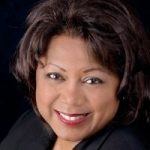
Roz-Lewis-GWBCRoz Lewis is President & CEO – Greater Women’s Business Council (GWBC®), a regional partner organization of the Women’s Business Enterprise National Council (WBENC) and a member of the WBENC Board of Directors.

Previous career roles at Delta Air Lines included Flight Attendant, In-Flight Supervisor and Program Manager, Corporate Supplier Diversity.

During her career she has received numerous awards and accolades. Most notable: Atlanta Business Chronicle’s 2018 Diversity & Inclusion award; 2017 inducted into the WBE Hall of Fame by the American Institute of Diversity and Commerce and 2010 – Women Out Front Award from Georgia Tech University.

She has written and been featured in articles on GWBC® and supplier diversity for Forbes Magazine SE, Minority Business Enterprise, The Atlanta Tribune, WE- USA, Minorities and Women in Business magazines. Her quotes are published in The Girls Guide to Building a Million Dollar Business book by Susan Wilson Solovic and Guide Coaching by Ellen M. Dotts, Monique A. Honaman and Stacy L. Sollenberger. Recently, she appeared on Atlanta Business Chronicle’s BIZ on 11Alive, WXIA to talk about the importance of mentoring for women.

In 2010, Lewis was invited to the White House for Council on Women and Girls Entrepreneur Conference for the announcement of the Small Business Administration (SBA) new Women Owned Small Business Rule approved by Congress. In 2014, she was invited to the White House to participate in sessions on small business priorities and the Affordable Care Act.

Roz Lewis received her BS degree from Florida International University, Miami, FL and has the following training/certifications: Certified Purchasing Managers (CPM); Certified Professional in Supplier Diversity (CPSD), Institute for Supply Management (ISM)of Supplier Diversity and Procurement: Diversity Leadership Academy of Atlanta (DLAA), Negotiations, Supply Management Strategies and Analytical Purchasing.

Connect with Roz on LinkedIn.

About GWBC

The Greater Women’s Business Council (GWBC®) is at the forefront of redefining women business enterprises (WBEs). An increasing focus on supplier diversity means major corporations are viewing our WBEs as innovative, flexible and competitive solutions. The number of women-owned businesses is rising to reflect an increasingly diverse consumer base of women making a majority of buying decision for herself, her family and her business. GWBC-Logo

GWBC® has partnered with dozens of major companies who are committed to providing a sustainable foundation through our guiding principles to bring education, training and the standardization of national certification to women businesses in Georgia, North Carolina and South Carolina.

Tagged With: men's grooming, natural products, skincare, wellness

Steve Bachman with Hi Tech Partners

April 30, 2020 by angishields

steve-bachman-hi-tech-partners
Atlanta Business Radio
Steve Bachman with Hi Tech Partners
Loading
00:00 /
RSS Feed
Share
Link
Embed

Download file

Onpay-blue

Brought to you by OnPay. Built in Atlanta, OnPay is the top-rated payroll and HR software anywhere. Get one month free at OnPay.com.

steve-bachman-hi-tech-partnersSteve Bachman is a 30+ year sales professional and serial entrepreneur whose experience spans sales and marketing, operations, product development, and executive management roles with startup and fast growth products and service companies. Steve’s companies have grown and been sold to McAfee, NetIQ, Computer Associates and others.

Steve is currently CEO Partner at Hi Tech Partners, a start-up accelerator and active angel investor and mentor. Steve is an advisor to, UScope, Advanced Claims Technologies, Image Analyzer, and Galaxkey.

Steve is a mentor at TechStars, ATV, ATDC, and Comcast NBCUniversal The Farm, and an advisor to EGL Holdings and EGL Ventures.

Steve is President of the Atlanta Innovation Forum, director of Executive Sales and Marketing Association, director of Atlanta Photography Group, and co-founder of the Technology Association of Georgia.

Connect with Steve on LinkedIn.

What You’ll Learn in This Episode

  • How Steve measures a business’s success
  • The qualities he looks for in entrepreneurs and salespeople
  • The biggest breakdown in the sales process
  • The difference in selling in today’s current environment
  • Advice Steve provides to his CEO clients

About Our Sponsor

OnPayOnPay-Dots is a fast-growing software company that offers small businesses and accountants the best payroll in the cloud backed up by a team of helpful, friendly experts. And as a payroll service provider with more than 30 years of experience, we know how to get it right.

Whether business owners have three employees or 1,000, OnPay makes payroll fast and easy. We also serve nonprofits, restaurants, religious organizations, and ag businesses without skipping a beat.

Follow OnPay on LinkedIn, Facebook and Twitter.

Tagged With: CEO, Entrepeneur, Growing, Sales, successful

BRX Pro Tip: Names, Names, Names

April 30, 2020 by angishields

BRXmic99
BRX Pro Tips
BRX Pro Tip: Names, Names, Names
Loading
00:00 /
RSS Feed
Share
Link
Embed

Download file

BRX-Banner

BRX Pro Tip: Names, Names, Names

Stone Payton: [00:00:02] And we are back with BRX Pro Tips, Lee Kantor and Stone Payton here with you. Lee, you said this again yesterday, you say it all the time, “Names, names, names.” Say more.

Lee Kantor: [00:00:13] Yeah, this is one of those things that in our job of interviewing people, we are giving the people we interviewed the biggest gift. Their favorite sound they like to hear is that of their own names. So, we’re using their name, we’re publishing their name, we’re sharing their name on social media. So, it’s important if we’re doing this to do it the right to ring the most juice out of that squeeze. And the way to do that is always double check the spelling of the names of your guests and the businesses before you publish.

Lee Kantor: [00:00:44] Always tag the people on your social media post. Don’t just list their names. Make sure your tagging them in order for those people to be aware that you’ve even mentioned them on the social media post because a lot of the times, in social media, if you’re not tagging them, then they’re not seeing their name, which is kind of defeating the purpose of sharing a post on social media if they don’t even know you’ve done that. So, be mindful about people’s names. They like to hear it. They appreciate reading it in print. And so, double check the spelling and tag them early and often.

Customer Experience Radio Welcomes: Jaida and Amie Burke with Kids Care Organization

April 30, 2020 by angishields

Kids-Care-Feature
Customer Experience Radio
Customer Experience Radio Welcomes: Jaida and Amie Burke with Kids Care Organization
Loading
00:00 /
RSS Feed
Share
Link
Embed

Download file

CXRadio-Kids-Care

CER

Jaida-Kids-CareKIDS CARE was started by mother-daughter duo, Jaida and Amie Burke. An 8-year-old girl wanted the world to know that KIDS do CARE. One day she made an acrostic poem for the word KIDS.

Without any help at all, she created Kindness In Doing Service for the word KIDS. And after a delicious discussion on kid’s community service, the mother/daughter duo created the second half of their name, CARE, which stands for Connecting And Respecting Everyone.

KIDS CARE was then born and Jaida’s missions are being heard and supported so that she can lead the way to serve the community in a way that a kid wants too. And what better way to do this than with other kids, families, and friends. Lead on KIDS! Lead on!

Follow KIDS CARE on Facebook and Instagram.

Transcript

Intro: [00:00:01] Broadcasting live from the Business RadioX studios in Atlanta, it’s time for Customer Experience Radio. Brought to you by Heineck & Company, real estate advisors specialized in corporate relocation. Now, here’s your host, Jill Heineck.

Jill Heineck: [00:00:18] Welcome to this very special edition of Customer Experience Radio. I’m your host, Jill Heineck, and I’m a business owner, real estate advisor and customer experience enthusiast. We have two very special guests on the show today. They are incredible people that I’ve come to know and adore as I’ve been fortunate to work with them during their relocation to Atlanta six years ago. I’m super excited to have 10-year-old Jaida Burke and her mom, Amie, on with us today. They are the founders of the non-profit organization KIDS CARE that was started because Jaida wanted the world to know that kids do care. KIDS stands for kindness in doing service and CARE stands for connecting and respecting everyone.

Jill Heineck: [00:01:04] Q99.7’s The Bert Show got wind of the good they were doing with their new initiative called The Kindness Cards, and had them on the show in April of this year. And I was just so impressed with Jaida and her passion behind it, I just had to have her on. Hi, guys.

Jaida Burke: [00:01:22] Hi.

Amie Burke: [00:01:22] Good morning, Jill.

Jill Heineck: [00:01:22] I’m so happy you’re here, and I cannot wait to dive in and talk about the fantastic program that you have rolling here. So, Jaida, why don’t you talk to us just a few minutes about how this all came about? I think you’re just eight years old when you decided that this is something you wanted to do. And that was exactly two years ago yesterday.

Jaida Burke: [00:01:46] Yeah. So, we were actually driving in the car, and I’m homeschooled. So, actually, my mom’s like, “Hey, why don’t you make an acrostic poem?” And I’m like, “Okay.” So, I chose the word kids, and I made kindness in doing service. And she was like-

Amie Burke: [00:02:00] Yes. And I almost had to pull a car over immediately. She told me that in about two minutes, and I had to ask her, what does that mean to you? What are you thinking as an eight-year-old? What does that mean? And so, we had a really great conversation about it. And then, she talked about how she wanted to get kids together in a club, so that we could do community service. And she wanted to come up with the ideas, and she wanted other children to come up with the idea. So, like I said, I gave her a high five and I said, “Let’s do it.”

Jill Heineck: [00:02:29] I love it. I love it.

Jaida Burke: [00:02:32] And then, later on, I came up with care.

Amie Burke: [00:02:34] Yeah. So, yes.

Jill Heineck: [00:02:35] So, what was like one of the first projects that you did?

Jaida Burke: [00:02:40] We did a book drive. We had some people go around their neighborhood, and we actually went around our entire neighborhood, knocked on every door and was like, “Hey, can you give us some books?” We gave them to, I think, five organizations.

Amie Burke: [00:02:53] Yeah, we did. And we got over a thousand books. And we were not a nonprofit at that point. We’re just kind of a little group. So, it was after that, the success of that project that I was like, “It worked. But we’re going to keep rocking success here. We’re going to just become a non-profit, so that we can get and give easily.” So, then, in January of 2019, we incorporated and have been doing goodness since.

Jill Heineck: [00:03:18] So, are you now a 503?

Amie Burke: [00:03:20] Yes, yes. Starting in January of 2019, we are. Yeah.

Jill Heineck: [00:03:23] Fantastic.

Amie Burke: [00:03:25] Yeah.

Jill Heineck: [00:03:25] So, what’s been your favorite part so far, Jaida?

Jaida Burke: [00:03:28] Well, I’m actually liking this a lot. It’s really nice. It feels good.

Amie Burke: [00:03:36] Yeah.

Jill Heineck: [00:03:36] So, now, talk to us a little bit about the Kindness Card Program that you’ve been working on, particularly during this really hard time we are during the pandemic. And who are you trying to bring this kindness to?

Jaida Burke: [00:03:48] The story behind this is we are actually sitting in this room and thinking, “What are we going to do?” And I’m like, ‘Well, we already did our kindness cards for the military troops overseas.” So, I’m like, “We already know how to do cards, so why don’t we do cards?” So-.

Amie Burke: [00:04:07] Yeah. And we had talked a lot about quarantine, and staying at home, and what that means; yet, there were people that couldn’t stay at home. And who were those people and what were they doing? So, when we were discussing that, she was like, “Kindness cards, for sure. We can do that.” That is something that we can safely do at home. And I managed to get a hold of someone at Kennestone Hospital, and they ensured us that bringing cards to them was not a safety issue. So, we decided or I decided, I was like, “Well, okay. If we do a drive-by-and-drop-off program, people can really just stay in their car, drop it in the box, and then we quarantine it for 24 hours. And then, we separate the cards into the different frontline workers, and deliver them from that point.” So, that has been working out really well.

Amie Burke: [00:04:51] But really, what kind of sparked it was talking about those frontline workers and things that they have to endure about being away from family, working overtime. It’s a stressful period for them. And we said, “You know what? Jaida was right.” Right from her heart, let’s make smiles. Let’s just make some smiles. That’s easy to do.” So I said, “Yeah, it is. Let’s do it. We know how to do that.” So, this is kind of what we’re doing now is trying to create some smiles and just send moments of encouragement to those who are working on the frontlines.

Jill Heineck: [00:05:21] So, tell us a little bit about who has been receiving these cards?

Jaida Burke: [00:05:27] Well, we are sending about all the first responders and frontline workers. So, we’ve got not only one dispatch, we’ve got police, we’ve got a fire, and we have a Kennestone Hospital, which is nurses and EMS, so.

Amie Burke: [00:05:43] Yeah. We, so far-

Jill Heineck: [00:05:43] fantastic.

Amie Burke: [00:05:47] Yeah, we’ve delivered— do you want to tell them how many we’ve delivered so far?

Jaida Burke: [00:05:50] So, so far, we’ve given 293 cards.

Amie Burke: [00:05:55] Yeah.

Jill Heineck: [00:05:57] Wow!

Jaida Burke: [00:05:57] And then, from our last drive, we have 102.

Amie Burke: [00:06:00] Yeah.

Jaida Burke: [00:06:00] So, we’ve got about 395.

Amie Burke: [00:06:03] Yeah. Tomorrow, we’re going to go-.

Jill Heineck: [00:06:04] That’s incredible!

Amie Burke: [00:06:06] … deliver about 102. So, yeah, we’re close to 400 cards. And I know with talking with Jaida, we don’t really like to stick to a number. We just kind of— though people ask us what our goal is, and we can throw a number out there, but, really, what we can do from our own kindness hearts is the best that we can do, and we ask that of the community as well. Like, “Can we get people to step forward and write some words of encouragement, color some pictures. These are simple kindness acts that we can do that really make a difference in somebody’s day.”

Jill Heineck: [00:06:39] Fantastic. So, what areas of the Atlanta market or area are you delivering to at the moment?

Amie Burke: [00:06:47] Right now, we’re mostly in Cobb County. However, we had someone reach out in Jackson, Georgia. And she has a nonprofit, and it’s called it’s called the Life Enrichment Team. And so, they were really inspired by what we’re doing, and they’re doing it now in Butts County. So, anyone in Butts County can look on our website at kids-care2018. org, and there’s information there. But, also, we’ve got East Cobb, West Cobb. Just breaking news, we got two new places that are due to pick up, drive by, and drop off – one in Woodstock and another one in Marietta, so.

Jill Heineck: [00:07:28] Nice.

Jaida Burke: [00:07:28] And Carol Wilson Fine Art Inc has reached out to us, and they have donated some actual, like, not handmade cards but-

Amie Burke: [00:07:36] Greeting cards.

Jaida Burke: [00:07:36] … greeting cards. And we have like 69 of them. And she’s willing to— she’s got an email right here, and she’s willing to have anyone send her an email with the note that they want to put in, and she’ll handwrite it in a card and send it to us.

Amie Burke: [00:07:57] That’s right.

Jill Heineck: [00:07:57] So, she must have beautiful handwriting.

Amie Burke: [00:08:02] And she has beautiful greeting cards that her and Jaida went through and picked out specific cards for the mission. And it’s an incredible offer that she’s doing. And that information is all up on our website as well. But from that, I think Jaida’s point was as we have gotten messages from people from all over the state, actually, from that information being passed out on The Bert Show and, hopefully, today on your show, more beautiful people is sending some messages. They don’t have to leave their home. Those messages will get delivered. We’re going to try to spread the love a little bit more as we’re getting more cards. We’ve donated quite a few to Kennestone Hospitals. So, I think we’re going to move on to another hospital. Same with when we deliver cards to the police and fire, we try to pick different departments and hand them out that way. So, it’s kind of a spur of the moment thing. At first, it was all planned out with this, this one, this one. But Jaida, do you want to tell him about what happened last Wednesday when we had to pick up?

Jaida Burke: [00:08:57] Oh yes. So, here’s the story. So, we were sitting in Laurel Park and a prisoners’ transportation truck went by, and I was like, “Uh-oh, we’re in trouble.” Just joking around a little. And then, he turns around and pulls up and we’re like, “Uh-oh, I think we’re actually in trouble.” And he comes up, and we’re like, “We got cards for you.”

Amie Burke: [00:08:57] Yeah, we said, “We got cards for you,” because we had a bag of like 30 cards that we were going to deliver to the police department that day. We were just waiting for a few more. And so, we had a really beautiful conversation with him. And that really led to a magical day, actually. We were there for our drive by and drop off. So, Jaida and I set up our table. And then, we go hang out on a blanket and we wait. And he drove by, and he stopped, and he said, “This is just really awesome what you all are doing. Thank you so much. It really means so much to us.” So, that was really cool. And he wanted to give us a donation out of his own pocket. He was trying to give us his last dollar. And we were like, “No, no, we’re supposed to givng to you.”

Jill Heineck: [00:08:57] Right.

Amie Burke: [00:10:02] Nice moment. And then, he said, “I’ll be right back. How long are you gonna be here?” So, we said about an hour. And so, he sent an email out. And then, 15 minutes later, we had another police officer show up. And he got out of his car and was like, “This is just so awesome. Thank you so much. We love the cards. It means so much.” And it was really need to be able to talk to him six feet apart, of course. We spoke to him, and he really told us about how the days are stressful, the days are long. It’s hard at work and it’s hard at home because they are exposed.

Amie Burke: [00:10:35] So, they have to go home. And sometimes, they don’t have an opportunity to quarantine in a separate part of the house because maybe houses aren’t that big. So, being at home is stressful for them. Being with the public who is stressed out can be stressful. So, he said, “We can get some things delivered to us, but words of encouragement are so special and they go right to our heart. So, thank you so much.” So, that was magical. He left. And then, we had another officer pull in and do the same thing. And it was so awesome. You want to tell them about the foot fives?

Jaida Burke: [00:11:09] Yeah. So, instead of the elbow five, because that like makes contact and you have to get all close, we came up with the foot five. So, this is one person’s foot, this is the other, and high five.

Amie Burke: [00:11:18] And you lean away from each other when you’re foot-fiving. So, we’ve got some foot fives with the officers, and we made them smile. And it wasn’t just us. It was the people that made the cards because we had that bag of 30 cards. That wasn’t just us. We definitely add some cards in there, but it’s the community that’s coming out and dropping cards, drop a  handful of cards, drop in two cards. Every card makes a difference. It really does.

Jill Heineck: [00:11:44] It’s such a phenomenal program. I love it so much. So, what I wanted you guys to tell us a little bit more about, so our listeners can engage wherever that they can, tell us a little bit about how someone can get involved either from just a writing card’s perspective, or wanting to be a drop off or pick up, or how can we help? And what are your needs at the moment?

Amie Burke: [00:12:13] Okay. Do you want to start about these cards, Jaida?

Jaida Burke: [00:12:18] You go.

Amie Burke: [00:12:18] Well, we need people to make cards. That’s our first one. We talked about this before we got on air and we said, “We need people to make cards.” And Jaida wrote down a couple things that she wanted to mention.

Jaida Burke: [00:12:32] I wrote down all kinds of cards we’ve had. We had watercolors. We’ve had crayons. We’ve had colored pencils. We’ve had stick me in portraits. The opportunities are endless. I mean, we’ve got glitter ribbons, pipe cleaners, glue, sharpies, pencils, anything.

Amie Burke: [00:12:51] So, making cards at home is an awesome thing. And even if you can get your neighborhood to do it and just put them in a drop box at the end of your driveway, or if you can organize any bit of collection as far as a personal person wanting to volunteer and help out gathering cards is kind of the thing that we need right now.

Amie Burke: [00:13:08] Also, sharing the information like you are doing so kindly for us, Jill. Sharing the information, so that way people understand what’s going on, and how to get those cards to us, so we can get them to the first responders. As far as any businesses that might be listening and want to help, becoming a drop off spot is awesome because the more we can get on that front, the more people can participate without having to drive too far to drop off the homemade cards. Also, we ask that the businesses possibly help share the word as well because spreading the word is going to create more kindness cards.

Jill Heineck: [00:13:45] What a great way that we could kind of tie that in from a business perspective is to maybe find a few restaurants that are doing curbside pickups.

Amie Burke: [00:13:56] Agreed, agreed.

Jill Heineck: [00:13:56] And see if there is a way that we can double back, right, and help everyone.

Amie Burke: [00:14:03] Right, right.

Jill Heineck: [00:14:04] That would be a fantastic way to do it. So, we can explore that for sure.

Amie Burke: [00:14:08] Yeah.

Jill Heineck: [00:14:09] I just love this. So, what you’re saying, Jaida, is that I can just be sitting at my desk, and I can just pull out my Crayolas and a piece of construction paper, and make a card, and you’ll accept it?

Jaida Burke: [00:14:24] Mm-hmm. Uh-huh (affirmative).

Jill Heineck: [00:14:24] Okay.

Jaida Burke: [00:14:24] Of course! It doesn’t take very long.

Jill Heineck: [00:14:30] Oh good because that’s probably all I got.

Amie Burke: [00:14:34] It really doesn’t take long. And we are actually-

Jill Heineck: [00:14:34] So, are you having a lot of— I mean, I’m guessing that your neighborhood’s very fully engaged with this knowing that they have a rock star in the neighborhood.

Jaida Burke: [00:14:49] No, not really, actually, but-

Amie Burke: [00:14:51] Not as much as we’d like.

Jaida Burke: [00:14:53] We’ve tried to put the word out. Well, I only had a couple people reach out.

Jill Heineck: [00:14:57] Okay.

Amie Burke: [00:14:59] Yeah.

Jill Heineck: [00:14:59] Okay. I mean, it does take time.

Jaida Burke: [00:15:00] You know, we tried.

Amie Burke: [00:15:00] Yeah, but we had-

Jaida Burke: [00:15:00] It does take time.

Amie Burke: [00:15:01] We had other neighborhoods and we’ve had people show up with a stack of 50 cards that they’ve gotten from their own neighborhood. So, yeah, it’s-

Jill Heineck: [00:15:11] That’s fantastic. So, now, is there any other ways that you’re getting out to try to get more cards and to let people know more about this? What other channels have you guys been kind of talking about your program?

Amie Burke: [00:15:27] Yeah. Through social media, for sure, on our social media assets. Also, I’ve got to— I’m sorry, I keep saying that. We’ve got it on Patch and we’ve also got it on the neighborhood as well. And I think that’s about what we’ve got right now. We’d like to keep trying to spread the word. We’d love to get some teachers involved, some scouts, some churches, youth groups, neighborhoods, classmates. So, if the word could get spread around that way, even through social media, that would help us a lot because, like we keep saying, the more cards we get, the more smiles that we’re making for those frontline workers who are there for us, and they’re there for our family, and they’re there for our community, and they’re working hard and tirelessly. And that’s the whole important part of this.

Jaida Burke: [00:16:10] And not only the people who get the cards feel good. The people who make the cards also feel good.

Amie Burke: [00:16:16] Yes.

Jaida Burke: [00:16:16] They’re spreading that.

Jill Heineck: [00:16:18] That’s true.

Jaida Burke: [00:16:19] Everyone is better.

Amie Burke: [00:16:21] Right.

Jill Heineck: [00:16:22] Jaida, so, what is your vision for Kindness Cards down the line? So, we’re in this time right now, and we probably will see— we’ll probably be like this maybe for another four to eight weeks potentially. So what happens after that?

Jaida Burke: [00:16:40] We, actually, are thinking about doing another book drive. We’ve had a couple people who reached out, like, “Hey, let’s still do it. Hey, we have books.” So, we might do another book drive and-

Amie Burke: [00:16:53] Yes. We also are talking about doing a sneaker run. We’re kind of thinking about this thing, a project called the Sneaker Run, where we collect donated sneakers and give them to a non-profit called Eco Sneakers, and they recycle them, and give them back out to people who need them. So, we’re kind of kicking around some new ideas. But right now, we’re elbow deep into the Kindness Cards and really trying to stir up some kindness. It’s just such an easy, free project for people to do. And I don’t just mean projects like that, but really, really raising the vibrations for people around you. It also gives you something to focus on positively and to share that with the frontline workers to lift their spirits. It’s so important.

Jill Heineck: [00:17:38] I love this so much. I think it’s such a phenomenal project. And I think you’re talking about raising vibrations and giving out good vibes, it’s-

Amie Burke: [00:17:49] Yeah.

Jill Heineck: [00:17:49] I could feel it through the Zoom call.

Amie Burke: [00:17:53] Oh, good. Look, I’ve got a quote I’d like to read for you, if you don’t mind.

Jill Heineck: [00:17:55] Sure.

Amie Burke: [00:17:55] Okay. And I made this quote. But it’s something that came to me earlier on in the project. And I think it’s really important. So, I’m going to read it. It says that, “We are all powerful. Our words, our body language, our thoughts, our actions, our hearts, all knowingly and unknowingly impacting those around us. Please remember to power up some kindness to those around you. Take time to care. And thank you to all that do.”

Jill Heineck: [00:18:25] Oh, I love that. Thank you so much-

Amie Burke: [00:18:28] Yeah.

Jill Heineck: [00:18:28] … Amie and Jaida. Thank you so, so much.

Jaida Burke: [00:18:32] [Crosstalk].

Amie Burke: [00:18:32] Yeah, Jaida wants to share hers.

Jaida Burke: [00:18:32]  Will you please tell us where everyone can find you? So, give us any social channel handles, and email, and web addresses, and all that.

Amie Burke: [00:18:47] Yes, ma’am. So, our website, kids-care2018.org. And there is a special section on that website for Kindness Cards. It’s got a drop down menu. It’s got all the locations, times, dates. It’s got the Free Handwritings service from Carol Wilson Fine Arts. And it’s got everything you need. It’s got Google Map Link. So, go to that website. Facebook, you can find us on Facebook at KIDS CARE 2018. You can find us on Instagram, @kc2018org. And you can email us at kc2018org@gmail.com.

Jill Heineck: [00:19:27] Awesome. I am so happy. I mean, this experience for our frontline workers is already very, very hard. And I think you’re making this a little bit easier for them. And it’s just such a special program. And I so appreciate you taking the time to talk with me about this. It’s very moving, and I love that you are so committed to it, and taking care of everybody around you. And I’m just honored to know you.

Amie Burke: [00:20:02] Yeah. Thank you, Jill. Thank you. It really is something positive for people to focus on. And it’s an easy action that people can do because a lot of people are still at home and we are at home, this is something we can do. This is something our neighbors can do. This is our families can do. And even if people say they’re in their family, and you have family members in another state, it’s something they can do as well actually. You can just drop the cards off and you can send them in mail. It’s just an easy program for people to participate, to feel good. And then, like Jaida says, it’s not just the one person making the card that feels good. It’s the people making it and the people receiving the card. It’s just a positive thing to focus on. And we all need to focus on positive and raise these vibrations in the spirits of everybody around us.

Jaida Burke: [00:20:51] And I’d like to say, my quote is everyone can be kind. It’s like having a superpower.

Jill Heineck: [00:20:51] That is fabulous. I absolutely adore that quote so much. I want you to send me an email with that quote in it, okay? I’m going to use that in every communication. And I’m going to quote Jaida Burke. You will, now, be famous. Well, again, thank you guys so much. And I just wanted to thank everyone for listening today and really taking the time out to hear about this fantastic program. I’m proud to share this show with you as these stories prioritize what people are doing in our community and helping to make this experience much more impactful for the frontline workers, as well as the people that they are serving. And this is really the heart of where our communities are. And we thank you so much. So, thanks, everyone, for listening. Have a great day.

Amie Burke: [00:21:57] Thank you.

Jaida Burke: [00:21:57] Thank you.

About Your Host

Jill-Heinick-Customer-Experience-RadioJill Heineck is a leading authority on corporate relocations, and is highly sought after for her real estate industry acumen and business insights. As a published author, frequent panelist and keynote speaker, Jill shares her experience and perceptions with people from around the globe.

Jill is a founding partner of Keller Williams Southeast, established in 1999, and the founder and managing partner of Heineck & Co. Her real estate practice specializes in corporate relocations, individual relocations, luxury residential, and commercial properties. Jill’s analytical approach to problem-solving, along with her expert negotiation skills and sophisticated marketing, deliver superior results to her clients. Her winning strategies and tenacious client advocacy have earned her a reputation for excellence among Atlanta’s top producers.

While Jill has received many accolades throughout her career, she is most gratified by the personal testimonials and referrals she receives from her clients. Jill’s unwavering commitment to the customer experience, and her focus on the unique needs of each client, serve as the foundation of her success.

Follow Jill Heineck on LinkedIn.

Tagged With: KIDS CARE

GWBC Radio: Hope White with HD White Logistics

April 29, 2020 by angishields

HD-White-Logistics
GWBC Radio
GWBC Radio: Hope White with HD White Logistics
Loading
00:00 /
RSS Feed
Share
Link
Embed

Download file

HopeWhitescreenshotHope White is the CEO of HD White Logistics and the Founder of Hope White Consulting.

As a Logistics Consultant, Hope helps companies improve operations and develop cost-effective solutions for supply chain, warehouse, material handling, and distribution issues.

As CEO of HD White Logistics, she is responsible for the operations and strategic direction of the company.

Follow HD White Logistics on LinkedIn and Facebook and Twitter.

Show Transcript

Intro: [00:00:04] Broadcasting live from the Business RadioX studios in Atlanta, Georgia, it’s time for GWBC Radio’s Open for Business. Now, here’s your host.

Lee Kantor: [00:00:18] Hey, Lee Kantor here. Another episode of Open for Business, GWBC Radio’s show, where we spotlight business owners doing amazing things that are part of the GWBC community. And this show will be no exception. We got today Hope White with HD White Logistics. Welcome, Hope.

Hope White: [00:00:38] Hi. How are you doing today?

Lee Kantor: [00:00:41] We are doing well. How about you? Tell us about HD White Logistics. How are you serving folks?

Hope White: [00:00:48] So, we are a third party logistics provider here out of McDonough. We provide trucking assets in the form of dry van, flatbed, and reefer. Since COVID-19, we have been supporting our small businesses and non-profit organizations with truck load services with some COVID supplies. So, that’s how we’ve been doing our part here with COVID-19.

Lee Kantor: [00:01:14] Yes. So, that has disrupted a lot of industries, a lot of organizations. Have you had to make any kind of drastic changes in your operation? Any pivots since this crisis began?

Hope White: [00:01:27] Yeah, definitely, we’ve done some pivot. So, we are working from home. We’re working virtually, which is working out pretty well because we can do everything from the internet as well. It did impact some of our marketing and sales piece because we did do a lot of conferences and networking events. So, we’ve had to turn to, of course, LinkedIn, and then set up Zoom calls of that nature. And then, from the sales perspective or business perspective, we were onboarding maybe three or four very large contracts. And when COVID hit, everything ceased. And we understand what happened, but we lost a great deal of sales there when COVID hit.

Lee Kantor: [00:02:13] Right. And that’s one of those things where it’s no fault of anybody, no fault of anything but the circumstance that we’re in. And then, a lot of businesses have had to adjust and create additional kind of revenue stream, some of them out of thin air. Do you have anything going on where you’re able to create revenue while not doing some of that work that you had already planned to do?

Hope White: [00:02:38] Absolutely, absolutely. So, one of my other revenue streams is training and consulting. And so, although COVID took our mainstream out, I was able to create a product of an online course, which I probably had been putting off for a little while, but our online course were training for people who were interested or companies that are currently in logistics and transportation understanding the industry. So, I actually launched online course, as well as a consulting piece to my business. So, that has picked up tremendously. We’ve actually done two other podcasts on large supply chain platforms. And so, that has really been driving us forward and keeping us afloat.

Lee Kantor: [00:03:28] And those are good lessons for business owners out there that some of those things that were on the back burner, you might want to move to the front burner, and then just kind of play it out and see. You never know because when this thing ends and it will end, that could be a part of your business going forward that maybe you had thought you’d like to do but is now just kind of an active part of your revenue streams.

Hope White: [00:03:53] Right. Definitely, definitely. Like really, just to be honest, I procrastinated on that online class forever. I put up all kind of blocks and fears, which we tend to do as entrepreneurs is we have all these blocks. But when COVID happened, and I had to scale back and sit down, per se, there was no other reason but to do it. And it actually took me about two weeks. My first launch was in Milwaukee. We had some challenges with the launch of the website but we all have time now. And so, we just went back. We built the site and they’ve been going successful now. So, yeah, definitely, we’ll be going up for a consistent piece of the business now – the consulting and the training team.

Lee Kantor: [00:04:44] Now, you mentioned that relationships are important in your work during normal times. And you mentioned maybe you’re active on different channels or maybe using them more, maybe more often or more frequently nowadays. Can you talk about maybe some tips for our listeners on how to kind of keep up those relationships and stay top of mind during this crisis?

Hope White: [00:05:09] So, part of my business, which is logistics, more of my business is logistics and transportation, msot people focus on sales – sales, sales, sales, sales, sales. I’ve always been at HP White Logistics a relationship person. And right now, what the world needs is relationship and empathy; not fake empathy, but true, genuine empathy. My clients are coming to me now or my students that I partner with now, I’ve just advised that in order to move your business forward during COVID and after COVID is to come with your arms extended out to your potential customers or those that are in need. Have your hands extended out with help, with the solution, and not necessarily add to the problem that’s currently going on. And so, we’ve been able to continue a lot of the relationship that we were already building because we’re now providing solutions to those customers in a way that they weren’t always prepared with COVID-19.

Intro: [00:06:17] Now, has this opened up maybe new partnerships or maybe looking at some kind of complementary business people that maybe you weren’t working with? Maybe, now, you introduced yourself and build a relationship around?

Hope White: [00:06:31] Absolutely. My business specialty is driving and freight, like retail, grocery, electronic, and some flatbeds. We had just gotten into heavy haul services, [indiscernible], which I know some people, that’s probably a little foreign, but that’s what we had taken on prior to COVID. Well, since COVID, when COVID hits, a lot of truckers or logistics industry pivoted towards the essential item, leaving the non-essential items available to still need work. And so, we have now stepped over into the pool of hazmat because you had all the chemical companies that were still needing that moved, the cargo moved, and we were there to assist. So, then, now we added a new specialty, which is hazmat.

Lee Kantor: [00:07:31] And that’s brand new to HD White Logistics, right? Like this is now an opportunity that you were able to kind of serve that market. And then, again, when this thing’s over, now, that’s another tool in your toolbelt, right?

Hope White: [00:07:45] Absolutely, absolutely. It’s another tool in our toolbelt. We’re going to season that tool and definitely push it forward after COVID as well. So, I know some people, not with the help side of it, but from a business perspective, some people have kind of been damned. And it’s because I feel like they weren’t prepared, and no one was really prepared. Let me not say that. But I want to encourage everyone to take the opportunity to pivot and look into those things that you have fear behind in your business, and those are actually the things that will help you sustain durign this time.

Lee Kantor: [00:08:28] Now, let’s talk about your training opportunity that you’ve opened up. You built this course. Who is the ideal kind of learner for this course?

Hope White: [00:08:38] Okay. So, my consulting is hopewhiteconsulting.com. An ideal clientele for my course is those who are currently in the industry. So, a driver; a supply chain corporate associate who’s wanting to come up the supply chain from logistics, and want to start their own logistics company, and not really understanding how it works on the entrepreneur side; or a family-run trucking company that they want to scale the business to the next level, take it maybe from the carrier side to the broker side or even warehousing or cross backing, but understanding that piece of the industry. So, we’re kind of diverse with our customers with maybe the entry level, maybe seasoned owner or operator in logistics transportation, and then your corporate entities that’s coming out of the corporate into their own business.

Lee Kantor: [00:09:36] And then, by taking this course, how will that help them either create additional revenue or maybe just give them more contacts in the business? Like what’s the benefit of taking the course? What can they expect?

Hope White: [00:09:50] So, my course, my background, let me give a little bit of background on me, I’m from supply chain. I worked with big-box retail for five years, actually, in logistics and transportation. And so, what I found my personal experience coming out trying to start my own business, particularly in freight brokering and transportation, on the private, information and education is limited. The resources, people weren’t so open to giving, I guess you could say, the tricks of the trade. With my course and with partnering with me, I actually have a genuine passion to help people understand the industry, so that, ultimately, we provide the end goals to the customer, which is the best service.

Hope White: [00:10:38] Coming from Home Dept, working for five years, in that role, I noticed that there were a lot of logistics providers that the dollar was the goal versus the service to the goal. So, coming and working with my organization and learning from me, you learn how to have a sustained long-term logistics business versus just chasing the dollar. And so, we provide the who, what, when, why and where of logistics, how to get started, what happens when your business gets started, who’s your target customer, specialized in your market, invoicing, sales. We go through everything. I even offer long-term consulting services after the course. So, it’s not a one-time just come learn the information and you’re done. For the life of the relationship, the student has access to our services to help them be successful in their business.

Lee Kantor: [00:11:35] Now, how long does it take to complete the course?

Hope White: [00:11:38] So, we offer two different course types. We offer online, and we offer in-person. The in-person course is a four-day course hosted here in Atlanta. It’s four days, eight hours, and five different instructors. And then, the online course, it’s four different packages. So, it depends on what the student this wanting. Some people already have some knowledge coming to us. We understand that, so we broke the packages out. But the online course, those are from two hours all the way up to a 16-hour online course that can be split across three or four days. It just depends on the student. It’s self-paced.

Lee Kantor: [00:12:17] So, you can go at your own pace. So, you can-

Hope White: [00:12:19] You can. It’s self-paced. So, you may take those 16 hours and turn them into eight. It’s up to you.

Lee Kantor: [00:12:26] Right. So, now, talk about GWBC. How have they helped you through this crisis and helped you grow your business?

Hope White: [00:12:34] Oh, wow. So, GWBC is probably one of the best decisions that I could have ever made for my business, becoming a member. GWBC, during this crisis, has kept me informed as far as the financial piece with the benefits of applying for the SBA loans, and grants, and awards that’s out there. Make sure that I’m keeping my brand facing forward for my customers or potential customers out there. And then, GWBC has given me this platform to have this interview today to get my brand further out there during this crisis when some small businesses are overlooked. GWBC provides that platform for a business like mine who was up against larger logistics competitors for clientèle to see me as a very viable logistics provider. So, I am so grateful for GWBC and, obviously, I will sing it praises from the rooftop.

Lee Kantor: [00:13:39] Now, how did you become aware of that? Because some companies, especially women-owned companies aren’t aware of them. How did you become aware of them? And if you could tell those women-owned businesses that aren’t familiar the importance of getting involved with a group like them?

Hope White: [00:13:58] So, I became aware of GWBC, of course, through my women-owned certification through WBENC, GWBC’s entity under WBENC. And so, last year, I had heard just through like people talking on social media about women-owned certification, women-owned certification. And so, I did my research to find different organizations that certify women-owned businesses. And GWBC stuck out to me with the things that they will offer and the corporate partners that they will partner with. There were definitely customers that I will targeting, and so I wanted to align myself with an organization that had those type contacts, and could grow me, or mentor me in the direction that I need to be to do business with these clientèle. And it has worked. Since me becoming a member of GWBC, I was recently awarded a large contract with Georgia Power for heavy haul services. So, again, I will forever sing the praises for GWBC off the rooftop.

Lee Kantor: [00:15:10] Now, for the people that aren’t familiar, this is one of the big benefits for the small to mid-sized company is they give you the tools and the connections to penetrate these large organizations that for the smaller firm, it’s difficult to know what’s what, and the strategies, and the techniques to kind of build relationships within these large companies, right?

Hope White: [00:15:37] Right.

Lee Kantor: [00:15:37] And they give you kind of like the secret map in, right, to how you kind of get through all the clutter and to stand out. And they really have a real shot at doing business with these larger firms.

Hope White: [00:15:50] Right. So, you hit the nail on the head. That has been one of the most comfortable things about me being a member of GWBC. When we have, say, the Tables of 8 or different networking events that GWBC have, if you’ve been targeting a specific customer, then you all are placed in the same room, and the environment is very natural. The conversation is very natural. You don’t forced. You just have to be prepared as a business owner to make that connection. Now, granted, you may not just find a contract or do business immediately then, but that relationship is formed with those type networks and events. So, through those type events with GWBC, I’ve been able to leverage those relationships, and then foster them to eventually get some business there.

Lee Kantor: [00:16:42] Right. It’s not the magic wand that you just show up and you get these contacts. But if you’re a good business person and you’re proactive, there’s a lot of opportunity at your fingertips if you just deliver on what you’re promising, right?

Hope White: [00:16:58] That’s right. That’s right. And that’s another piece with being a member of GWBC. They’re going to give you the platform, but what you do with it is very important. So, being a member of GWBC, yes, you’re gonna get that connect but you need to follow up as a small business owner. A lot of small business owners, we are intimidated sometimes by large corporations. So, once that initial contact comes in, we don’t know what to say. You have to keep that, you have to strike one at a time. You have to keep that card going. Send a card, or a lunch invite, or a thank you note, or something to let that corporate know and GWBC know that you’re grateful for that connection.

Lee Kantor: [00:17:42] Good stuff. Well, Hope, that-

Hope White: [00:17:44] So, that-

Lee Kantor: [00:17:44] Go ahead. I’m sorry.

Hope White: [00:17:45] Go ahead. I’m sorry.

Lee Kantor: [00:17:45] Well, Hope, it sounds like you are doing what good business people do. They figure out a way. They don’t say, “I’m just going to sit here and wait this out.” You just keep trying different things until you find things that work. And congratulations.

Hope White: [00:18:04] Thank you so much. I appreciate it.

Lee Kantor: [00:18:07] Now, if somebody wanted to learn more about HD White Logistics, whether it’d be your normal day job of doing logistics or if they want to take advantage of this training course, what is the website to find you?

Hope White: [00:18:19] So, my website is hdwhitelogistics.com. For consulting and training, it’s hopewhiteconsulting.com. And then, we also can be found at @hdwhitelogistics on IG, and as well as on Facebook and LinkedIn.

Lee Kantor: [00:18:36] Well, good stuff. Thank you so much for sharing your story today, Hope.

Hope White: [00:18:40] Thank you.

Lee Kantor: [00:18:41] All right. This is Lee Kantor. We will see you all next time on GWBC Radio

About Your Host

Roz-Lewis-GWBCRoz Lewis is President & CEO – Greater Women’s Business Council (GWBC®), a regional partner organization of the Women’s Business Enterprise National Council (WBENC) and a member of the WBENC Board of Directors.

Previous career roles at Delta Air Lines included Flight Attendant, In-Flight Supervisor and Program Manager, Corporate Supplier Diversity.

During her career she has received numerous awards and accolades. Most notable: Atlanta Business Chronicle’s 2018 Diversity & Inclusion award; 2017 inducted into the WBE Hall of Fame by the American Institute of Diversity and Commerce and 2010 – Women Out Front Award from Georgia Tech University.

She has written and been featured in articles on GWBC® and supplier diversity for Forbes Magazine SE, Minority Business Enterprise, The Atlanta Tribune, WE- USA, Minorities and Women in Business magazines. Her quotes are published in The Girls Guide to Building a Million Dollar Business book by Susan Wilson Solovic and Guide Coaching by Ellen M. Dotts, Monique A. Honaman and Stacy L. Sollenberger. Recently, she appeared on Atlanta Business Chronicle’s BIZ on 11Alive, WXIA to talk about the importance of mentoring for women.

In 2010, Lewis was invited to the White House for Council on Women and Girls Entrepreneur Conference for the announcement of the Small Business Administration (SBA) new Women Owned Small Business Rule approved by Congress. In 2014, she was invited to the White House to participate in sessions on small business priorities and the Affordable Care Act.

Roz Lewis received her BS degree from Florida International University, Miami, FL and has the following training/certifications: Certified Purchasing Managers (CPM); Certified Professional in Supplier Diversity (CPSD), Institute for Supply Management (ISM)of Supplier Diversity and Procurement: Diversity Leadership Academy of Atlanta (DLAA), Negotiations, Supply Management Strategies and Analytical Purchasing.

Connect with Roz on LinkedIn.

About GWBC

The Greater Women’s Business Council (GWBC®) is at the forefront of redefining women business enterprises (WBEs). An increasing focus on supplier diversity means major corporations are viewing our WBEs as innovative, flexible and competitive solutions. The number of women-owned businesses is rising to reflect an increasingly diverse consumer base of women making a majority of buying decision for herself, her family and her business. GWBC-Logo

GWBC® has partnered with dozens of major companies who are committed to providing a sustainable foundation through our guiding principles to bring education, training and the standardization of national certification to women businesses in Georgia, North Carolina and South Carolina.

Tagged With: Consultant, Distibution, Logistics, Manufacturing, Supply Chain, Transportation

Tim Sheehan with Greenlight

April 29, 2020 by angishields

Greenlight-logo
Atlanta Business Radio
Tim Sheehan with Greenlight
Loading
00:00 /
RSS Feed
Share
Link
Embed

Download file

Onpay-blue

Brought to you by OnPay. Built in Atlanta, OnPay is the top-rated payroll and HR software anywhere. Get one month free at OnPay.com.

Tim-Sheehan-GreenlightTim Sheehan is the Co-Founder and CEO of Greenlight. Greenlight is the safest way for parents to give their kids money, approve their spending, and prepare them for financial independence. Prior to Greenlight, Tim was the Lead Entrepreneur In Residence at Georgia Tech’s startup incubator, the Advanced Technology Development Center.

Earlier in Tim’s career he was Director of Yahoo! Finance and responsible for growing it to the #1 finance site in the world. Tim also served as SVP Products, Marketing and Strategy for Biller Solutions at Fiserv, was a Cofounder & CEO of Reachable, General Manager of Yodlee, and Senior Product Manager at E*Trade.

Follow Greenlight on LinkedIn, Facebook and Twitter.

What You’ll Learn in This Episode

  • Why Tim created Greenlight
  • Why it’s important to teach kids about money and saving money
  • The age parents should start discussing finances with their kids
  • Tips for parents who want to start teaching their kids about growing a savings account
  • Why it’s important to raise a financially smart generation

About Our Sponsor

OnPay’sOnPay-Dots payroll services and HR software give you more time to focus on what’s most important. Rated “Excellent” by PC Magazine, we make it easy to pay employees fast, we automate all payroll taxes, and we even keep all your HR and benefits organized and compliant.

Our award-winning customer service includes an accuracy guarantee, deep integrations with popular accounting software, and we’ll even enter all your employee information for you — whether you have five employees or 500. Take a closer look to see all the ways we can save you time and money in the back office.

Follow OnPay on LinkedIn, Facebook and Twitter.

Tagged With: Debit Card for Kids, Financial Literacy, Tim Sheehan

BRX Pro Tip: Marketing – Holding Clients Accountable

April 29, 2020 by angishields

BRXmic99
BRX Pro Tips
BRX Pro Tip: Marketing - Holding Clients Accountable
Loading
00:00 /
RSS Feed
Share
Link
Embed

Download file

BRX-Banner

BRX Pro Tip: Marketing – Holding Clients Accountable

Stone Payton: [00:00:02] And we are back with BRX Pro Tips. Lee Kantor and Stone Payton here with you. Lee, let’s talk a little bit about marketing and, specifically, this idea of holding the client accountable, not just ourselves.

Lee Kantor: [00:00:16] Right. Marketing is one of those things that, ultimately, the responsibility is of the person who is most invested in the project’s success. So, if your client invested in a show, ultimately, it is up to them, obviously, to bring in the right guests in order for it to work. But since you are responsible for your studio, then your client’s success becomes, ultimately, your responsibility. So, you should do everything you can do to help them make sure the right people are there. And that includes holding them accountable.

Lee Kantor: [00:00:52] So, that’s one of these kind of Russian nesting dolls. Obviously, ultimately, the client has to be personally accountable. But since it is your studio and they are your client, then you become personally accountable. So, you should be trying to do everything you can do, including kind of being that respectfully confrontive and saying, “Look, you’ve got to bring the right people in here. This is the only way that’s gonna work is if you’re asking the right guest to be in here.” And it’s not something that is going to happen by magic. They’re going to have to make calls. They’re going to have to send the emails. And then, you might have to help them too in order to show them that it’s possible, and  then it’s doable. So, that’s one of those things where whoever writes the check, ultimately, is responsible for marketing.

Stone Payton: [00:01:43] All right. Well, let’s talk just for a minute about why one of our clients might not invite enough of the right people on their show, and why wouldn’t they?

Lee Kantor: [00:01:52] They might not believe as much as we believe in the power that they could get that guest. They might not feel confident that their show is worthy for that guest to appear there, and they don’t want to risk looking silly. There’s a lot of fear. It’s always at the heart of it in some regard. It’s one of those things where whenever we’ve done a show, I know even when I started this from the very beginning, I always thought my show was important and worth being on. I’d never had a kind of inferiority complex about anything I produced. So, the client has to really believe it. And that’s, sometimes, difficult for some clients.

Stone Payton: [00:02:29] Yeah. And I think the other trap that can fall into as well is inviting kind of local or micro celebrities, people that are fun to talk about at the cocktail party that you had them on the show but don’t really fit that guest profile. That’s an easy trap for, particularly, new clients to fall into as well. Isn’t it?

Lee Kantor: [00:02:49] Right. And that becomes a distraction. And then, again, it’s your job to keep them focused on the objective, which is to get more clients. And that’s really the magic of the platform. It helps you get more clients if you ask the right people onto the show.
Stone Payton: [00:03:04] But sometimes, you really do have to just buck up and be professionally confrontive and say, “Look, let’s go back to the strategy that we outlined, and let’s make sure that we’re inviting a critical mass enough of the right kind of people on the show to fully leverage this platform.”

Stone Payton: [00:03:20] Yeah, and the beauty of this is that we show our work. So, everything they’ve done is out there. You can show pictures, and you can ask them point blank, “Hey, is this person gonna ever write your check? Is this person? You invited 10 people and none of them are gonna write you a check. Then, how do you expect this to be successful?”

GWBC Radio: Sara Webb with InTandem Promotions

April 28, 2020 by angishields

GWBC Radio
GWBC Radio
GWBC Radio: Sara Webb with InTandem Promotions
Loading
00:00 /
RSS Feed
Share
Link
Embed

Download file

Sara-Webb-InTandem Promotions

Ever since she can remember, Sara Webb has been a juggler. Juggling activities, career, family, friends, and volunteering. Sara has learned through all of this juggling that she can do it herself. But it’s far easier (not to mention more fun) to juggle with a partner. And it was on this premise that InTandem Promotions was born!

With over 20-years of experience in the promotional products industry and working with a wide range of companies and organizations building their brand stories, Sara is excited to build upon that experience and meet our clients’ needs. In 2013, InTandem Promotions open its doors. And from there, Sara has built the organization to over 12 employees, numerous online stores, national and international reach, fulfillment and warehousing, safety and recognition programs, and custom-designed products.

Sara received her undergraduate and graduate degree from Kennesaw State University in both Marketing and Finance (because one degree was not enough, neither was one major). Sara believes that only through continued education can she continue to develop not only herself but InTandem Promotions.

In 2017, Sara was awarded the CVS Supplier Diversity training (a 6-month mini master’s program) and in 2018, she was selected to participate in Launchpad2X for Women-Owned Businesses. In 2018, Sara was thrilled to receive the Trailblazer Award given by the Greater Women’s Business Council. Sara was awarded the 2019 Advocate of the Year Award.

Sara currently serves on the board of The Partnering Group. The Partnering Group is a buying group representing over $100MM in promotional sales. Additionally, she serves on the Marketing Committee of The Greater Women’s Business Council. She is also a member of EO – Entrepreneurs’ Organization.

Follow InTandem on LinkedIn and Facebook.

Show Transcript

Intro: [00:00:04] Broadcasting live from the Business RadioX studios in Atlanta, Georgia, it’s time for GWBC Radio’s Open for Business. Now, here’s your host.

Lee Kantor: [00:00:18] Lee Kantor here. Another episode of GWBC’s Open for Business. And this is gonna be a fun one. I have with me today Sara Webb with InTandem Promotions. Welcome, Sara.

Sara Webb: [00:00:30] Well, I am so excited to hear you and to be with you today.

Lee Kantor: [00:00:35] Well, before we get too far into things, tell us about InTandem Promotions. How are you serving folks?

Sara Webb: [00:00:40] I fell in love with this industry. So, we are a branding and communications company that delivers what people crave now and always, and especially now, in the midst of all of this unprecedented time, more of a personal connection. We are guided by the belief that emotions are at the heart of any memorable experience, even this one. And we create memorable and meaningful branding programs that connect people with companies that they care about. And we do that through the use of promotional products, online corporate stores, years of service, employee engagement services, direct mail and many more. And then, we also have in-house services that include custom embroidery, and heat transfer, and gift wrap, and warehousing, and fulfillment and program development. So, a really fun organization that is able to provide branding and communication services to our clients.

Lee Kantor: [00:01:41] Now, what size is a good client for you? What’s a typical kind of profile of an ideal client?

Sara Webb: [00:01:49] Absolutely. So, we enjoy working with clients that have multiple locations, or are hosting, or have multiple events, or are seeking ways to engage their employees or their customers. So, the range is— a good size is around 250 employees and up. We also work with clients that are both national and international. So, clients like Delta Airlines and Best Buy, and clients of that size where they have multiple locations that we can help serve.

Lee Kantor: [00:02:25] And then, what are some of the ways specifically like you would serve kind of a multinational company? You mentioned, like an online store. Would that be a place where any one of their employees can go, and then pick out maybe some materials that have the Delta logo on it, or the company logo on it, or T-shirts, or like what are some of the ways that you would serve those kind of large enterprise companies?

Sara Webb: [00:02:53] No, that’s exactly what we do. So, we’ll work with it an organization, and we’ll determine, first of all, what are their needs? What are their demographics? The whole purpose behind what we do is finding the product that is going to make an impact. Promotional products is the only form of advertising that engages all of the senses – sight, touch, down. You have all of the taste from great food offerings and gifts. But then, it’s also something that’s tangible, and it’s going to have that lasting effect.

Sara Webb: [00:03:24] So, as you mentioned, having the online store, our clients are able to have one location for their employees nationally and internationally to go and select product. It’s all warehoused here in our facility. But then, also, if you think about employee’s years of service or new hire kits, going ahead, and packing, and shipping out a new hire kit to an employee that is about to start, and they receive this gift a week before they come in that has all of their information, so they can go ahead and feel like they’re part of the family.

Sara Webb: [00:03:57] Or if you’re thinking about, especially right now, we’re doing a lot of work-from-home kits. One of the other fun things that we’re working on is people are on a ton of Zoom calls, and we get invitations on a regular basis. So, thinking of ways to send an employee or potential client a gift that they receive when they attend a Zoom call. So, any of that engagement, engaging and a showing appreciation, as well as opportunities to reduce the amount of space. Work space is now going to be a thing. So, we’re able to store and stock all that merchandise in our warehouse and ship that out, so it’s no longer in somebody’s branding closet or down to the basement somewhere that somebody has to pick, pack and ship.

Lee Kantor: [00:04:47] And then, in today’s kind of new normal, like you said, a lot of people are at home. They’re working. Sometimes, this is the first time they’ve ever worked from home. And for the organization to create that kind of engagement and connection, what better way of doing that by sending them kind of a goody bag or a care package to their home that has ways to help them be more effective in this kind of new remote world?

Sara Webb: [00:05:13] Absolutely. In this environment, workers are in an entirely new setting, and it’s not just working from home. A lot of people had flexible schedules before this, but it’s all of the other bits and components. Your kids are at home, your families at home. You’re stressed. You’re pulled in five different directions. And yet, as an employer, you need to keep your people engaged and make sure that they have the proper setup and that they are taking care of the necessary steps that need to happen to get their job done at home. So, whether that’s speakers or technology, we’ve done a lot of the ear pods, so that people can be on all of these Zoom calls while they’re working.

Sara Webb: [00:06:04] And then, now, as states are starting to slowly open up, a lot of the conversation is around, what does the coming back look like? So, preparing employers with we’re doing a lot of mousepad that have, look, this is what we have to do to keep our team safe. These are the steps. Washing your hands and things like that. So, everybody’s getting new mouse pads. antibacterial pens. People need to be thinking about the materials that they’re using on a regular basis in a different way. Hand sanitizers, and masks, all of those things. So, anything that you can think of to help remind, reinforce, and enable your team and employees to work better and more effectively is really our focus, especially right now.

Lee Kantor: [00:06:53] Could you talk about kind of what happened in your organization? Maybe share some advice and insight for our listeners that “Okay, now the crisis is happening. This is not something I’m reading about in the newspaper. This is real. Now, the government is telling me I have to change the way that we’ve always done business.” How did your team kind of react and adjust in handling this crisis?

Sara Webb: [00:07:19] Well, I think, the first couple of weeks— well, the first full week, I’m pretty sure that I was in shock and denial. I was trying to figure out, how are we going to pivot? How we’re going to move our team? During this time, there was a lot of events that were canceled. And a large part of our business is focused on trade shows, and events, and the swag that you get people to your booth, and the swag that you get for attending events. So, a lot of those were being canceled. So, when this happened in mid-March, we were finishing up a large-scale corporate project, and we finished that up, and we focused on the typical thing – cleaning up, invoicing, and closing out our month the way that we should.

Sara Webb: [00:08:11] And then, we started preparing our team to keep them safe. Making sure that we knew how to address and help support our clients even through a lot of this transition. We switched as an industry from selling branded promotional products to branded PPE or personal protection equipment. So, we have the masks and the gloves to keep teams safe and clients safe nationally and internationally. But I think the biggest thing that we have learned from this was keeping our team cross-trained, so that we could have a safe environment here. We had some team members in, and then some team members out of the office.

Sara Webb: [00:09:01] We were still doing a lot of embroidery in-house and warehousing. We support the construction industry, as well as the food service package industry, and then a lot of the medical organizations, and then all throughout manufacturing. And so, we needed to continue to make sure that we were able to supply them with the essential needs that they had to have. So, figuring out cross-training and where somebody was in sales, can they go in the back and easily pull, pack, and ship product that needed to go out that day?

Sara Webb: [00:09:34] I think one of the biggest things that has come out of this whole crisis was our ability as a team to come together to adjust. And I think that comes with an organization. Our industry is constantly evolving and changing. And so, being part of this in our makeup and in our DNA. And so, it was already inherent. It was something that we were used to. So, learning the safe way to to purchase some of this equipment was something that we had to do and change. But then, just keeping moving, and keeping the team engaged and active, and showing what the masterplan is, even if it was just for a day. So, that’s all we knew about was today. And then, building out what the next couple of weeks were.

Lee Kantor: [00:10:27] Now, going through this crisis has caused you probably to change some of the ways you’ve done things, or are doing or selling maybe some different things. Do you see any kind of silver lining at the end of this where you go, “When things kind of stabilize a little bit, we’ll be able to maybe use this and help our clients in this new way that we hadn’t done before”? Has there been any kind of surprises or any opportunity that’s bubbled up because you were forced to make some changes?

Sara Webb: [00:10:56] Now, I really appreciate you asking that. I think one of the biggest lessons that we’ve learned is having a strong supply chain. So, I love that we have access to over a million different products within our industry and that there is so much diversity within the industry. But having that strong supply chain partners and factories that are local has been a tremendous support. And then, also, us having control of our own supply chain. So, what I mean by that is that we do offer a lot of services in-house. So, when organizations and factories were closed, and many of the states that we were normally shipping out from, we had the product here. And whether it was in Georgia or in our warehouse, we had it here, so we could still continue to support locations that were in need of the services that we had.

Sara Webb: [00:11:59] And so, I think one of the biggest opportunities for us is recognizing and keeping a lot of services in-house, and then also continuing to strengthen our supply chain. Our manufacturers and factories that we’ve had this close relationship with, we’ve been in constant contact. What is going on? And what do you have coming in? And how can I help? Just managing that conversation, so that we could be more on the forefront instead of on the back end of receiving, and having to act and react based off of the information that was coming in.

Lee Kantor: [00:12:35] It sounds like that skill of being nimble and being able to juggle multiple challenges simultaneously has really paid off for you during this crisis. And, really, I’m sure a lot of your team members really have stepped up and maybe, I don’t want to say overachieve but maybe surprised you in some ways that they’ve been able to just kind of rise to the occasion.

Sara Webb: [00:13:01] Yeah, absolutely. It’s very easy to want to sit on the couch and just wait until this is over. And I know a lot of people that that’s what they’re doing. That’s their defense mechanism and that’s how they’re handling it. What has been amazing about the team here at InTandem is that it has always been future-focused. What do we need to do right now? And what do we need to do four hours from now? And what are we going to do 24 hours from now? Because to that end, the information that we’re receiving was changing minute by minute, day by day. And we, obviously, wanted to keep our team safe, top priority. But then, how do we keep the business moving and everybody employed?

Sara Webb: [00:13:48] And the team here recognized those needs, and we’ve figured out a schedule of what we could do in-house and what we needed to do while we were working from home. And everyone stepped up, and is taking care of things, and is doing things that is not in their “job description.” And that’s also the nature of our organization, but it was definitely more true during this pandemic than it has ever been. And the level of attentiveness, and care, and detail, and just supporting each other as we kind of work through this.

Lee Kantor: [00:14:25] Now, how has the GWBC been able to help you?

Sara Webb: [00:14:30] Oh, man. So, one of the biggest learnings from all of this is to have that strong network, and to have those conversations with good friends, and have people that you can rely and depend on. GWBC is a tremendous advocate for InTandem and I know four other women organizations, but having the resources available, who to reach out to. They were going out to large scale enterprises, and supporting the women-owned businesses, and sending out our contact information. These are people that can help. These are organizations that can support these larger enterprises because, again, they’re trying to source in a whole new way and find things.

Sara Webb: [00:15:19] But then, at the same time, knowing that I had friends and other organizations that are going through the same thing. We’re all trying to find out, how do we get funding? And how does this work? And having teh Zoom meetings and the conference calls and all of the information. They have a dedicated page that was just for COVID. So, without the GWBC,  it would have been a lot more difficult in getting through this crisis for sure. And that is definitely one of the key takeaways is take the time and invest in your relationships, invest in networking. Everybody has a busy day and a busy schedule. But if I didn’t have the strong foundation with my connections from GWBC, from WBENC, again, there were so many opportunities where the learnings were coming to me, and I wasn’t having to go out and find them, and figure it out on my own. I have never felt alone throughout this crisis. We’ve all been together. And the family and the network from BWGC has been vital to our success through this crisis.

Lee Kantor: [00:16:32] I think that’s great advice for business owners in general and, specifically, women business owners to really leverage that GWBC because it’s hard to lead an organization, small to midsize organizations especially. You think you are in this alone, and that there’s no one to turn to, and you don’t want to show weakness to your team, and not let them think that maybe you don’t know what you’re doing, and people have those kind of fears. But when you have an organization like GWBC that can kind of vet who the real people are, who’s the right information is, that takes a lot of weight off of you, so that you don’t have to worry about that at all, really. And then, you have access to somebody that’s kind of watching your back that is trying to advocate for you and trying to help you kind of hang in there. That’s invaluable during a crisis. But like you said, that should be foundational in just everyday.

Sara Webb: [00:17:31] Absolutely. They have so many events and so many opportunities. And as woman-owned organization, there’s different challenges. And having a safety net, but then having a safe environment so that I can say, “This is what’s going on. What would you recommend?” and not feeling as though I’m in the wrong, or I have to justify what is happening, those connections and those friendships have absolutely propelled us year over year over year. And it’s an investment that women-owned businesses that it’s worth the investment, it’s worth the time in building those, so that when a crisis does happen, and it will, this is not going to be the last, but, I mean, hopefully this is the last pandemic, for the love of God, but whatever comes next, I’ll be able to continue to lean on my friends and lean on the relationships that I’ve established with the GWBC to help, again, continue to move us through it, and over it, and onto the next.

Lee Kantor: [00:18:41] Now, in your organization, what is the pain that companies are having where they’re like, “You know what? We should call that InTandem team. They got their act together”? What are some of the things that they’re struggling with where you’re the right solution?

Sara Webb: [00:18:58] So, during the crisis itself, the biggest pain point is locating correctly sourced masks, and gloves, and the protection devices and equipment that is needed. So, a lot of things are being confiscated either at the borders through customs. There’s a lot of counterfeit merchandise that’s out there because, again, when you have an opportunity like this, there’s going to be a lot more opportunity for thieves out there. And so, with us having the strong supply chain and the supply network, we’re able to navigate through some of those scary points. None of our PPE has been confiscated. It’s all delivered directly to the clients when they’ve needed it. We’ve been able to source what has been needed. So, that has been a tremendous help to a lot of our large enterprise clients and locating what is necessary for them and their employees to keep them in business.

Sara Webb: [00:20:10] Outside of the crisis, our clients come to us because our focus is on branding with purpose. So, we’re not just going to say, “Here is a pen. And this fits within your price point.” Our focus is on what is going to be the ways that the product is going to make an impact and create that emotional connection between the company and the individual that they’re trying to reach out to or engage. One of the things that we say is we don’t believe in trick-or-treat marketing, which is if you’ve been to any trade show, and you have a whole lot of like a swag bag that’s right up front, people are just going from booth to booth picking up the swag. What do you want them to do when they get it back?

Sara Webb: [00:20:54] And the great thing about promotional products is it does not go in the trash. 89% percent of promotional products end up being either used by the individual or being passed on to somebody else that can use it. So, if I did not attend to show, and I picked up whatever item was was handed out, what do you want me who didn’t go to your booth to do with it next? And that’s why people call InTandem Promotions is that our focus is on ensuring that your brand, the connections that you’re trying to achieve, and that message is fully delivered to the client that you’re going after.

Lee Kantor: [00:21:36] Now, if somebody wants to learn more and have more substantive conversation with you, do you have a website?

Sara Webb: [00:21:41] I do. Definitely check us out online. It’s intandempromotions.com. Or they could reach out to us. We were on all of the social channels, including Facebook, and Instagram, and LinkedIn as well. And all of our contact and phone information is there.

Lee Kantor: [00:22:00] Well, Sara, thank you so much for sharing your story today and being a part of the show.

Sara Webb: [00:22:04] No, my pleasure. Thank you guys for having me.

Lee Kantor: [00:22:07] All right, this is Lee Kantor. We will see you all next time on GWBC Radio Open for Business.

About Your Host

Roz-Lewis-GWBCRoz Lewis is President & CEO – Greater Women’s Business Council (GWBC®), a regional partner organization of the Women’s Business Enterprise National Council (WBENC) and a member of the WBENC Board of Directors.

Previous career roles at Delta Air Lines included Flight Attendant, In-Flight Supervisor and Program Manager, Corporate Supplier Diversity.

During her career she has received numerous awards and accolades. Most notable: Atlanta Business Chronicle’s 2018 Diversity & Inclusion award; 2017 inducted into the WBE Hall of Fame by the American Institute of Diversity and Commerce and 2010 – Women Out Front Award from Georgia Tech University.

She has written and been featured in articles on GWBC® and supplier diversity for Forbes Magazine SE, Minority Business Enterprise, The Atlanta Tribune, WE- USA, Minorities and Women in Business magazines. Her quotes are published in The Girls Guide to Building a Million Dollar Business book by Susan Wilson Solovic and Guide Coaching by Ellen M. Dotts, Monique A. Honaman and Stacy L. Sollenberger. Recently, she appeared on Atlanta Business Chronicle’s BIZ on 11Alive, WXIA to talk about the importance of mentoring for women.

In 2010, Lewis was invited to the White House for Council on Women and Girls Entrepreneur Conference for the announcement of the Small Business Administration (SBA) new Women Owned Small Business Rule approved by Congress. In 2014, she was invited to the White House to participate in sessions on small business priorities and the Affordable Care Act.

Roz Lewis received her BS degree from Florida International University, Miami, FL and has the following training/certifications: Certified Purchasing Managers (CPM); Certified Professional in Supplier Diversity (CPSD), Institute for Supply Management (ISM)of Supplier Diversity and Procurement: Diversity Leadership Academy of Atlanta (DLAA), Negotiations, Supply Management Strategies and Analytical Purchasing.

Connect with Roz on LinkedIn.

About GWBC

The Greater Women’s Business Council (GWBC®) is at the forefront of redefining women business enterprises (WBEs). An increasing focus on supplier diversity means major corporations are viewing our WBEs as innovative, flexible and competitive solutions. The number of women-owned businesses is rising to reflect an increasingly diverse consumer base of women making a majority of buying decision for herself, her family and her business. GWBC-Logo

GWBC® has partnered with dozens of major companies who are committed to providing a sustainable foundation through our guiding principles to bring education, training and the standardization of national certification to women businesses in Georgia, North Carolina and South Carolina.

Tagged With: Branding with Purpose. Online Stores, Warehousing and Fulfillment

  • « Previous Page
  • 1
  • …
  • 431
  • 432
  • 433
  • 434
  • 435
  • …
  • 1320
  • Next Page »

Business RadioX ® Network


Our Most Recent Episode

CONNECT WITH US

  • Email
  • Facebook
  • LinkedIn
  • Twitter
  • YouTube

Our Mission

We help local business leaders get the word out about the important work they’re doing to serve their market, their community, and their profession.

We support and celebrate business by sharing positive business stories that traditional media ignores. Some media leans left. Some media leans right. We lean business.

Sponsor a Show

Build Relationships and Grow Your Business. Click here for more details.

Partner With Us

Discover More Here

Terms and Conditions
Privacy Policy

Connect with us

Want to keep up with the latest in pro-business news across the network? Follow us on social media for the latest stories!
  • Email
  • Facebook
  • Google+
  • LinkedIn
  • Twitter
  • YouTube

Business RadioX® Headquarters
1000 Abernathy Rd. NE
Building 400, Suite L-10
Sandy Springs, GA 30328

© 2025 Business RadioX ® · Rainmaker Platform

BRXStudioCoversLA

Wait! Don’t Miss an Episode of LA Business Radio

BRXStudioCoversDENVER

Wait! Don’t Miss an Episode of Denver Business Radio

BRXStudioCoversPENSACOLA

Wait! Don’t Miss an Episode of Pensacola Business Radio

BRXStudioCoversBIRMINGHAM

Wait! Don’t Miss an Episode of Birmingham Business Radio

BRXStudioCoversTALLAHASSEE

Wait! Don’t Miss an Episode of Tallahassee Business Radio

BRXStudioCoversRALEIGH

Wait! Don’t Miss an Episode of Raleigh Business Radio

BRXStudioCoversRICHMONDNoWhite

Wait! Don’t Miss an Episode of Richmond Business Radio

BRXStudioCoversNASHVILLENoWhite

Wait! Don’t Miss an Episode of Nashville Business Radio

BRXStudioCoversDETROIT

Wait! Don’t Miss an Episode of Detroit Business Radio

BRXStudioCoversSTLOUIS

Wait! Don’t Miss an Episode of St. Louis Business Radio

BRXStudioCoversCOLUMBUS-small

Wait! Don’t Miss an Episode of Columbus Business Radio

Coachthecoach-08-08

Wait! Don’t Miss an Episode of Coach the Coach

BRXStudioCoversBAYAREA

Wait! Don’t Miss an Episode of Bay Area Business Radio

BRXStudioCoversCHICAGO

Wait! Don’t Miss an Episode of Chicago Business Radio

Wait! Don’t Miss an Episode of Atlanta Business Radio