
BRX Pro Tip: How to Determine the Cost of Not Taking Action

BRX Pro Tip: How to Determine the Cost of Not Taking Action
Stone Payton: And we are back with Business RadioX Pro Tips, Stone Payton and Lee Kantor here with you. Lee, as business owners, as business people, we’re always evaluating cost, benefit. We’re trying to look at that equation consistently. But I don’t know, at least for myself, sometimes I feel like, you know, maybe I’m neglecting to really try to evaluate the cost of not taking action.
Lee Kantor: Yeah. When you’re in business and you’re selling somebody something, I think a lot of times when they don’t buy what you’re selling, you think that the client bought what somebody else is selling. But in reality, it’s way more likely that that person decided not to do anything and they decided not to take action.
Lee Kantor: So, it’s important when you’re kind of working with a client and you’re making a recommendation about what they should do and why they should choose you, you have to make it clear to them that they understand the cost of not taking action. And if you’re not doing this, then you’re really leaving money on the table, because this is really, probably, what the majority of the people who aren’t buying from you, they’re not going somewhere else. They’re just not doing anything.
Lee Kantor: So, if you can understand the cost of inaction and that it’s critical for making informed decisions, you’re going to be able to help your customer quantify the risks and the missed opportunities, staying with some stagnant system that they already have or delaying a decision in this area.
Lee Kantor: And here’s kind of a step-by-step guide to determine the cost of not taking action, and you should customize this for your own business, and I think you’re going to sell more stuff.
Lee Kantor: Number one, you have to identify missed opportunities. For example, here at Business RadioX, if you don’t partner with Business RadioX, if you’re a business coach listening and you say, “You know what? I’m not going to do Business RadioX. I’m going to just keep doing what I’m doing,” you’re missing out on revenue growth, market share expansion, a more effective sales prospecting, enhanced reputation in the community, and a lot more brand visibility. We have to make it clear to anybody working with us, this is the cost of not working with us. If they’re on their own, they’re not going to get all this stuff. And they got to make a call. Is that stuff worth, you know, paying for Business RadioX or not?
Lee Kantor: Number two, you want to compare the risks of action versus the risks of inaction because there is a risk of not taking action. So, if you can weigh the risk of taking action, okay, there’s a financial investment, there’s a time commitment, sure, those are risks. Second, against what is the risk of doing nothing. You know, what are they going to lose by doing nothing? They’re going to miss out on time of building funnel for sales prospecting. They’re going to miss out on time of their brand being seen by lots more people. All this stuff is delaying what they want ultimately.
Lee Kantor: And number three, create what if scenarios to visualize those outcomes. Visualize the best case scenario. What happens if you take action and succeed? Visualize the worst case scenario. What happens if you take action and fail? And then, visualize the inaction scenario. What happens if you do nothing? Something is going to happen. Let them know what it is and understand the pain they’re going to feel if they choose that choice. So, it’s important to factor in not taking action when it comes to selling.
BRX Pro Tip: The Planning Fallacy

BRX Pro Tip: The Planning Fallacy
Stone Payton: And we are back with Business RadioX Pro Tips, Lee Kantor and Stone Payton here with you. Lee, let’s talk a little bit about this thing called the planning fallacy.
Lee Kantor: Yeah. A lot of people are really focused in on planning and trying to kind of anticipate things in the future. And I think there is a place for planning. But there’s an old saying that my mother used to say to me when I was young, that people plan and God laughs. Meaning that you can plan all you want, but things are going to happen that are outside of your control.
Lee Kantor: So, a lot of times the planning fallacy kind of leads you to focus on maybe overly optimistic scenarios, or a potential obstacle that you didn’t anticipate bubbles up, or a setback that you didn’t see coming happen. So, here’s some tips to overcome that planning fallacy.
Lee Kantor: Number one, try to take an outside view if you can. And I know this is difficult because we’re all so immersed in our businesses. It’s difficult to kind of look at what you’re doing through the lens of an outsider, but it is useful to kind of say, okay, how does my competition look at what I’m thinking about doing or what I’m doing? Or what would somebody that’s in a totally different industry, how might they attack this? Or even get somebody, like you’re in a leadership position, but maybe get somebody that’s kind of your boots on the ground and get their feedback on what it looks like from their end.
Lee Kantor: Just try to look at what you’re planning to do through different lenses involving different people, and that kind of might give you some ideas, and it might give you some opportunities that you didn’t anticipate.
Lee Kantor: Another thing to do is to identify obstacles. And, again, you do this from a variety of viewpoints. You don’t just do it from your lens down. It’s important to look at obstacles through the lens of your leadership team, the boots on the grounds teams, your clients. You know, the more people’s perspectives you can take into account, the better the picture is going to be and the closer you’re going to get to good planning.
Lee Kantor: And then, number three is track your progress because it’s important to understand how long things take, the different outcomes that you actually achieved. All of these things are going to help you plan more effectively in the future.
Lee Kantor: And then, most importantly, number four and this is one of Business RadioX’s core philosophies, return the learning. Share what you learned to the rest of your team and even to your clients. Let as many people know as possible that could benefit from what you’ve learned and do this as quickly as possible.
Hip Hop Artist Dope Chris Taylor


When it comes to the music industry, there is no clear path to “making it”, but a common theme amongst those who have made it is their consistency and drive. Dope Chris Taylor, born in Suwanee, Ga, is a budding hip hop performer that is full of drive and is using music to inspire others to go after their own dreams.
Somewhat of an outlier, Dope Chris Taylor is distinct in his lyricism and his skillful ability with words. Opening his five track EP, Sessions with Censored, with a spoken word monologue, the artist’s wordplay is shown to be deeply rooted in poetry with a style he describes as self-reliant, thought provoking, and vibrant. Unlike the title of the EP suggests, Dope Chris Taylor is uncensored on the full-length project with standout tracks such as “LoveDrug” and “A Beautiful Struggle”.
Luckily, fans of Dope Chris Taylor have new music to look forward to with his newest EP, ‘The Lost Compass’, expected to release late January of 2022. The two years it took for Taylor to create this body of work was a whirlwind of an experience that led the rapper down a path of self-discovery.
He took this time to develop his artistry through writing camps and working closely with producer PANDA PURP to create a sound that would uniquely show his growth as a songwriter and artist. They would record over 25 records before narrowing it down to just four tracks for “The Lost Compass”, in which he recorded the final product at the Super Sound Studios with Recording Engineer Rosa Westfall. Each song on the EP is designed to show a different side of the artist while bringing forth a new sound, sonically.
Connect with Chris on Facebook, X and Instagram.
This transcript is machine transcribed by Sonix.
TRANSCRIPT
Intro: Broadcasting live from the Business RadioX Studios in Woodstock, Georgia, this is Fearless Formula with Sharon Cline.
Sharon Cline: Welcome to Fearless formula. I’m Business RadioX, where we talk about the ups and downs of the business world and offer words of wisdom for business success. I’m your host, Sharon Cline. And today in the studio, I have a very unique guy. He’s native to Suwanee, but he’s here in Atlanta making lots of big splashes with music. He is hip hop rapper and performer, Dope Chris Taylor. Thank you for coming to the studio.
Dope Chris Taylor: Yo appreciate. So appreciate you so much. You got me like super shy right now. I’m super excited. But no, I appreciate you for having me over here.
Sharon Cline: Of course. It’s really fun, actually, to talk to someone in the music industry because I speak a lot to actors, authors, business owners. But to have someone that kind of has a unique perspective on the entertainment world is going to be fun for my brain because I’m so curious about how it what it’s like to be you, and not just having your own brand and making a presence out there, but actually being in the Atlanta market, kind of competing against other artists for attention. I can’t imagine what that’s like, too. So yeah, let’s get into it. Native to Suwanee.
Dope Chris Taylor: Shout out to Suwanee. Yeah. Uh, yeah. So I grew up in Suwanee, uh, back in the day before, like Suwannee Festival, like Suwannee Day, like my family was like when I say like everywhere, like my aunt was my neighbor, my grandma was in walking distance. So, like, on the cool side, like, I get to see family all the time on the side. That sucks. If I get in trouble, I can imagine getting like three times the punishment with just, oh, you did this. I heard you did this. Oh.
Sharon Cline: Within five minutes, everyone.
Dope Chris Taylor: Within five minutes, everybody knows. So it’s just like, yeah, it’s a.
Sharon Cline: Small town feel, right?
Dope Chris Taylor: Small town feel. But hey, shout out to Suwanee. Like definitely like my home roots. Like it makes me smile. Like back in the day. Like I used to live in the pink house. Like that’s how, like, people know. Like where I used to stay at. They changed the color of the house now. But.
Sharon Cline: But it was the pink house.
Dope Chris Taylor: Oh, yeah. Pink house. That’s like made me smile.
Sharon Cline: Okay, so you went to school in Suwanee? Yeah. I saw a little bit about your history that you were part of the band and you learned how to play drums.
Dope Chris Taylor: Yeah, like drums was like one of my first loves. Like, it’s crazy because, uh, when I approached music, I kind of think of it from a what does the song need versus like, oh, you know, let me be the best rapper, like bar people up. So I kind of approach it from like, yeah, me be rhythmic. Let me make sure there’s variation so it won’t sound dull or even predictable. And uh, also learning like, hey, when do I need to speak and when do I don’t need to speak? When I need to let the instruments kind of speak for itself and just like, breathe like it’s it’s a cool little, like, for lack of better words, like a Tetris feel, just like, hey, can I put the pieces together to convey the vision that I want to convey?
Sharon Cline: Right. So here with the drums, you’re not trying to overpower, you’re not trying to, you’re just adding.
Dope Chris Taylor: Yeah, yeah.
Sharon Cline: It is like enhancing what’s already there.
Dope Chris Taylor: It’s like my voice is an instrument, and now I just need to make sure my voice fits in and play the position that needs to play. Like if there’s a solo for my voice, boom, let’s get it. But if there’s something where it’s just like, oh, hey, it’s time for, like, the guitar to, like, breathe. All right. Cool. Hey, let me be the background instrument. So. Yeah.
Sharon Cline: So, uh, who were your influences when you were growing up or when you were in school? Who kind of inspired you musically?
Dope Chris Taylor: Ooh, good question, good question. Um, influences I give a lot of props to people that are popping up in my mind. One of my one is my cousin. Uh, I know he did some rapping back in the day. Another is another cousin, uh, Jeanette. Like, she was an amazing singer. Like.
Sharon Cline: Do you have a musical family?
Dope Chris Taylor: Yeah, like it’s crazy because, like, the musical part was almost like the outcast part, because, like, a lot of my family was, like, known for sports. I was like the black sheep going like, oh, we’re gonna do music. And like, my brother played football. My older cousins play football like everybody did some type of sport where it’s just like I never did. No. Like collegiate. No, I was just straight up music. Like, even though drums was cool, it’s like, yeah, okay, cool. You’re doing drums, but it’s just not. Yeah. It was, uh, it was wild. But yeah, like people knew. I didn’t realize. I didn’t know my family was musical until, like, random situations. Like, I remember distinctly remember, like at grandma’s birthday party. I saw my mom, I think was with a clarinet. I didn’t know my mom was in the band. I didn’t know my mom was first chair. Like. She was like, good.
Speaker4: And like, where you got it from?
Dope Chris Taylor: Yeah. Like, I distinctly because I remember some I was like, I didn’t know this is where you get your musical talent. I was just like, I didn’t know that. Like, I asked her, I was just like, why didn’t you do the marching band? She’s like, oh, I don’t like the hot weather, which I get like, I’m not trying to be, well, I can’t that would be a lie. I was out in the sun getting yelled at, trying to make sure the music was perfect. But yeah, I get it. It’s not. It’s not sweet, but it’s the things you do for love.
Sharon Cline: Yeah, things you do for love. Well, you know, she. It’s interesting to think that she still had this musical inclination. She just didn’t want to display it in the same way. But do you all ever play together?
Dope Chris Taylor: No, like I don’t I don’t think I know anybody in the family or I take that back. I know currently my two younger cousins are doing music. One of them showed me their music, the other one I heard of doing music. He haven’t told me or showed me any tracks yet, but like his mom and his brother be like, oh, you know, you need to work with, you know, you need to work with him. I’m just like, all right, cool. Let’s see. I need to hear something. Yeah. But, uh. Yeah. No, it’s. I think I only worked with a few people in my family with music, but, uh, it’s also kind of cool to, for lack of better words, not be the. I’m not saying I’m a super music star, but it’s also kind of cool for them to look at me just like Chris. It’s just like, oh, this is the same cat that if we say, go take out the trash. All right. Cool. Or. Yeah, it’s like nothing.
Sharon Cline: You’re just a family member.
Dope Chris Taylor: Yeah, just a family, like. Quiet, Chris. Like, that’s. That’s literally who I am.
Sharon Cline: Well, I was thinking how interesting it is to be a person who’s got, like, a legacy in their family where everyone plays sports and you’re just sort of expected to do that. It takes such a, um, a surety about yourself to not do that, to go in a different way, a different direction, in order to do something that, you know, fills your soul, even if you think that you’re going to get kind of criticism for it.
Dope Chris Taylor: Oh, sure. It was a it was definitely a wasn’t that easy decision, I’ll tell you that. Like, I was good at sports, like my brother played defense. So in order to help him get better at defense, I would play offense like my uncle, which was also an interesting thing because he was a music manager. Uh, he also helped out with football. Like, he was kind of like helping me become like a tight end where it’s just like, alright, cool, hey, boom, boom, boom. But then just never committed. Also, ain’t gonna lie, unpopular opinion. I ain’t trying to get tackled like, yo. Like real spill. Like yo, that’s not sweet. Like let’s just put ego to the side. Yeah, that’s not fun.
Sharon Cline: A friend of mine was telling me that, um, after you get thrown down a whole bunch, it’s like, almost like your body sort of just expects it. But they have, like, long term effects of being thrown around so much that, oh yeah, I would hope that, you know, there’d be some kind of way to prevent some of the damage that happens. But, I mean, you’re smart to kind of continue your way.
Dope Chris Taylor: Yeah. Like it’s it’s it’s one of those things where I just try to I don’t mind the physical like activity or contact, but I’m a firm believer, just like not everybody’s gonna look out for your best interests, like, uh, even like random, like sister. Like I’m part of a boxing gym. And, uh, one of the things that we make sure like, hey, you spar to help your opponent get better, you don’t spar to, like, knock somebody out because we’re all on the same team. So, like, that’s why I’m a firm believer on it was just like, yeah, these people do not care about me. They are trying to take my head off. Nah. I’m good. Like, nah, like.
Sharon Cline: So when did you know that you were sort of musically talented?
Dope Chris Taylor: Oh, so I’m about to actually so personally I hot take Personally, I don’t think I’m really like musical talent. Musically talented. Not from a standpoint of like, oh, you know, like I’m not gifted. I think I do have some like background that like, flavor me. But, uh, one of my instructors, he don’t believe he’s musical talent either, and he’s. But the reason he say that because I think anybody can do this as long as they put like the energy and effort and the consistency. And it’s kind of crazy because what consistency looks like is not the whole like, oh, hey, you know, the linear motion just like, oh, you know, if I practice every day, I’m gonna get better every day. They’re going to be some days where you plateau. There might be some days where it’ll be like, yo, I’m getting worse. Like what is going on? So like, I don’t necessarily think I’m musically talented. I think I just haven’t quit yet. Like for some strange reason, I just haven’t quit. And then I just keep seeing myself, like, level up to the next stage and just like, let’s just keep going and see how far we can take it.
Sharon Cline: You must get a lot out of it, though, in order to continue to pursue whatever, you know, whatever your albums are going to be. I Know That You, your first five track album was called sessions with censored.
Dope Chris Taylor: Yeah.
Sharon Cline: Why don’t you tell me about that?
Dope Chris Taylor: Yo. So one of the things that for I remember sessions was censored. It’s a catalyst of me going to therapy. And I remember, uh, I was trying to figure out what I wanted to do with life. Like, I already had a career, but I wasn’t, like, fulfilled. So I remember there was a post-it note, like, I had, like, you know, HR lawyer, um, some other things. And I remember just crossing out. I was like, you know what? I always wanted to be like a rapper when I was like, young. But you can’t go tell your mom, hey, I want to be a rapper. Like, I don’t know how to pay bills. So, yeah. So sessions with sensor kind of like display like that journey of, like, hey, me going to therapy, uh, learning like some of the insecurities about myself and like, honestly, just finding the tools to improve. And when, uh, I distinctly remember it was a it was a beautiful moment because the sensor part was like the therapist’s name, but obviously for confidential reasons. I can’t just, like, put her on blast, but shout out to her. Um, I remember we listened to the whole tape together and like, she cried, I cried, we cried. It was beautiful. But yeah, that was like the catalyst because it’s like it was almost like a way to, like, let the inner child breathe. And then now hearing that other people are like, yo, I felt the same way. It was like, oh, I have a bigger purpose here. Not just like to, you know, feed my own ego, but, hey, to inspire others to like, you know, chase their dreams, you know, and like, be willing to, like, trust the process.
Sharon Cline: Was that the first time you really sort of felt that you were part of something bigger?
Dope Chris Taylor: Oh, yeah. No, I mean, it’s it’s crazy. From it was the first time I felt like my vision was part of something bigger, like being a part of marching band. I always knew, like, hey, sacrifice for the greater good. Like, definitely learned that a lot. But then when it was like, hey, this is like, hey, Chris, you’re driving. You’re driving the ship, you’re the captain. Now. It’s just like, oh, no, like you’re a lot more conscious of just like, oh, if I don’t execute, this is crazy. But then, you know, was it paralysis by Overanalysis? Yeah. Like, it’s it’s crazy where you start thinking about it. Then you just kind of freeze up, but then once you realize, like, hey, the community, the community that trusts you, they’re not looking for perfection. They’re just looking for you. So all you just need to do is show up. And sometimes it’s kind of hard to like, remember that?
Sharon Cline: Well, I suffer terribly with imposter syndrome.
Dope Chris Taylor: I feel you. We are twins right now. Because, man, like, even now, just be. Oh, yeah, this is like, this is dope and I love this at the same time. I’m just like, man, how did I get up here?
Sharon Cline: Like, I think the same thing. They still let me get in this building and everything. I’m like, at some point someone’s going to figure out that.
Dope Chris Taylor: Yeah, you still hear, like a knock on the door. Just like knock, knock. It’s like, oh, time’s up.
Sharon Cline: All this time we’ve let you in here, we didn’t even know who you were. Well, how did your album come about? Like, how did you find the way to make this music? In other words, you, you you have it all ready in your mind, like the melodies and the lyrics. But where did you go physically to make your first album?
Dope Chris Taylor: Yeah. So, uh, well, I can’t remember the studios, but it was actually up in Woodstock, actually. Oh, yeah. Uh, a friend, a music lawyer, uh, he recommended, recommended me to a friend, and we kind of recorded all up there, and, uh, it was weird because I didn’t have any experience recording. Like, I was recording off, like, a Blue Yeti microphone.
Sharon Cline: Um, that’s good enough, but I know what you mean.
Dope Chris Taylor: Yeah. It was. I mean, I didn’t know anything about, like, sound production or, like, gain and stuff like that. So. Like what? Like my first, like, song was just like, oh, like, the game was too high. Like it wasn’t crisp. Like I didn’t have the filter on. So you’re hearing the peas and the like. It was wild. So, like, going to a studio, I kind of, like, learned how to go about recording tracks and that was extremely helpful. It was like the recording process of it was like a learning thing, and it was just like a catalyst of like, all right, cool. Chris, do you want to continue to do this? And just like, yeah.
Sharon Cline: Did you think it was when you first went into the studio, when you were first recording it in a studio, what did that feel like?
Dope Chris Taylor: It was magic. It was. It was like a magical feeling, like it was one of those like. I mean, it’s one thing to see like videos behind the scenes of like, people recording. It’s another thing to be like, oh, it’s me. Like I’m the in the video, like it was. I would tell anybody like. And not only that, it was just cool because like on the album, I had my friend who pretended to be my therapist, kind of like talking to me. And so it was kind of cool to see, like my friends in the studio where it’s just like, yeah, they may not make music, but they contribute it to something that I hold in a very high regard, and that helped change the world. Like I tell them, like when I looked at the metrics one, the favorite tracks was a of a song or I’m Sorry album was like them speaking and like I said, like I’m trying to make sure like themed it out to be like a true therapist. But yeah, no, the studio I mean, studio is awesome. Like, I love the studio.
Sharon Cline: After you recorded those songs, or even in the process of writing them, did you feel like you did sort of process the trauma that you had?
Dope Chris Taylor: Yeah, no, it was very it was like it’s like journaling, like it’s almost just like it’s one thing to like, you know, oh, hey, be clever with like, words and rhyme schemes and stuff like that. But like, if you take away all the fluff and stuff like that and you look at like, it’s like, oh, like sometimes you can almost make like a self-fulfilling prophecy. And even now where you can ask some of my friends from like back in the day versus now, like I try to be more conscious of, like, hey, what do I speak into existence? Because if even if I’m like, oh, I’m having a bad day, I’ll probably have a bad day versus like, okay, cool. Hey, this one bad moment that took up 60s of my life. Yeah, sucked. But the rest of the day is fine. And yeah, like it definitely music. That whole process taught me like, hey, be conscious of like, hey, how much? Where’s your headspace is? Obviously you right off the bat. Like I’m not saying no, be positive go lucky all the time. But, uh, it’s definitely made me more conscious of like, hey, what? I’m speaking to existence.
Sharon Cline: I love that I think, um, the fact that you were able to write in a way that united other people to your story, and you realize that you’re not alone in whatever experience that you’ve had. I think that’s one of the most powerful moments that I’ve ever had, is knowing that as much as I think I’m a snowflake and so unique, but then we all are. So none of us are really unique. It’s just this feeling of if I have something that I’m processing out and I know someone else has, or at least can understand what it’s like. That feeling of not being alone, even just in my head, gives me courage.
Dope Chris Taylor: Yeah. For sure. Like, it’s it’s strength in numbers, like, sometimes. And that’s what I’m trying to get more, uh, proactive about. It’s just like sharing. Like the fears and the behind the scenes, the ugly parts of the win, the lowlights. Because it’s easy to be discouraged. Not even from, like, a musical standpoint, but just from a life standpoint. Just, oh, I should be doing more. I should be doing this. I should be doing that. And it’s just like, you don’t have time. Like it’s just like, oh, you know, somebody like I remember, like talking to my friend about this where just like, oh, how do you balance life out? I just like, I feel like I don’t like it’s a struggle, like. But at the same time, not trying to, like, you know, glorify the struggle just more so just like, hey, like a lot of people may not have it all together and that’s okay. Like it’s perfectly okay. I’m not saying stay there. I’m not saying like, oh, I’m just gonna crash out. But it’s just like, yeah, it’s okay to admit that it’s not okay. You know, find a community to help inspire you to be better. You know.
Sharon Cline: I often think people mistake, um, someone being vulnerable as a weak person. And it’s such the opposite, exact opposite, 1,000% comfortable with showing a part of you that you’re opening to potential criticism or, um, even just feeling like someone can make fun of what you’re like as a real human. There’s something about that that just really He bothers me to know that there’s there’s a belief that you. You’re not a strong man or something. If you are, if you’re showing your emotions where I actually think it, you have self-esteem if you do.
Dope Chris Taylor: Oh, yeah. Like, I kid you not, one of the phrases I like hate with a burning passion in my life.
Sharon Cline: That phrase I gotta make sure I don’t say that on the show.
Dope Chris Taylor: Oh, no. You’re good. It’s good. Like, because anytime I hear, like, the phrase like, man up, I’m just like, yo, I will, like, kick you in your chest. Like, just because. Just because, uh, and granted, I get from, like, hey, back in the times, like, you know, hey, we growing as a people in society, but it’s just like, dawg, there’s so many different ways a to be a man. And then B’s just like, yo, it’s cool to be like, oh, you know, tuck your emotions in and stuff like that. And I’m, I’m not gonna sit here and say, hey, I don’t like high, not high, but hey, I show my emotions in the appropriate situations, but to bury them alive and just be all right. Cool. I Cool. I never see you again. And just. Yeah. No. Like, it’s it’s cool to like. Hey, say, yo, I’m hurt by you doing this. Like, I may not be the best at it sometimes. Still kind of working on, but. Yeah. Now like to man up and just all I could show is anger. And I think that’s it. Like I think.
Sharon Cline: Yeah, just.
Dope Chris Taylor: Yeah, that’s all it is. Just like he’s angry. Cool. Everything else. Like. You mean like I can’t, like, be happy. Like I can’t smile. I have to mean mug. No.
Sharon Cline: Or be sad.
Dope Chris Taylor: Yeah. Like I can’t be sad. Can’t be hurt. Somebody can’t hurt my feelings like I’m sensitive. I’ll tell people off. I’m a sensitive soul like yo.
Sharon Cline: Yeah, I like that too. Because it’s like when people are like, you’re too sensitive. I always think, well, I am sensitive, so you have to watch what you say around me. If you want to be my friend. Like it’s a strength.
Dope Chris Taylor: Yeah. No, it’s it’s definitely. And I’ll be the first to say it took time for me to get to that. Like, that’s one of the main reasons where I started therapy, because I was just like, yo, I’m like a robot. Like I’m doing everything right. But it’s just like, I cool. Why don’t I feel like I’m winning even if I’m following x, y, z a, b, c, one two, three, yada yada yada. So yeah, no vulnerability is is real. Like it’s I think it’s what makes music music like it doesn’t matter if it’s like perfect or it sounds bad, but somebody being vulnerable and you can see them like singing their heart out. Like that’s why I think shower singing is like, awesome. Like it doesn’t matter if it’s like great or not, but it’s like you’re really feeling it.
Sharon Cline: So you’re singing your song.
Dope Chris Taylor: Yeah. Just singing your song. Whatever happens, happens. Like, yeah.
Sharon Cline: Okay. So you had the next album that you had, which came out in 2022. It’s called The Lost Compass.
Dope Chris Taylor: Yeah.
Sharon Cline: Can you tell me about that?
Dope Chris Taylor: So Lost Compass, uh, for lack of better words, like, I felt like after EP session was censored, you know, I’m making music and again, paralysis by Overanalysis. I’m just like, man, I want to make something like, I want to make sure my project shows like The Growth and me and like my producer Panda, like we were just like in the lab trying to figure out we were trying like a whole bunch of, like, genre bending, like between, like, all right, cool. What does drills sound like with R&B or cool? Hey, what does a folk sounds like with these, uh, pop drums behind it? Like, we was trying a whole bunch of stuff and, uh, for lack of better words, kind of felt lost. So, uh, when we got to like, hey, figuring out, like, what traps or what tracks to put on us, like, all right, cool. We know we like our, like, dirty South hip hop. Like, we got that. We got our fast paced, like, all right. Cool. Hey, let me show you some lyrical miracle stuff, like, hey, I can put bars together and be witty. Uh, let me make my quote unquote, like, love song for the radio. Uh, and then finally, like, let me make my song where I can be vulnerable and, uh. Yeah, with four songs. It was just each song had like a cardinal direction to it. So yeah, Lost Compass was a was a thing.
Sharon Cline: It was like an evolution of figuring it out.
Dope Chris Taylor: Yeah. Like it was because, yeah, I.
Sharon Cline: On the fly, you know.
Dope Chris Taylor: Literally on the fly. Like, I kid you not, because I remember just like sending him a hey, man, we’re gonna roll with this. And whatever happens, happens. And again, like, it’s crazy because the reception of it, everybody. And this was kind of like the purpose of Lost Compass. Like, people have songs they gravitate to where some people like shopping in Japan because it’s got that southern feel. It was a slower tempo. Some people loved the honesty of, uh, of somewhere away of just like, you know, like, hey, I want to cry, but I’m scared to cry in public. Or some people like the crazy talk of, uh, anywhere I reside, because it’s like it’s the cockiness. It’s the confidence. It’s like, yo, you put me anywhere on this earth, I’m going to thrive, or vice versa. Some people like the make me weak, where it’s just like you hear stuff that is, for lack of better words, crazy, but crazy in love, if you will. But yeah, it was just, like I said, just being lost in different directions. But at the same time, just knowing that we’re progressing.
Sharon Cline: How did you find your producer?
Dope Chris Taylor: Panda was who? This is going to be a story. So, uh, we reach out like we’d known each other since high school. Like he’s my brother’s best friend. I actually met him. Uh, I met him at a, like, college football rivalry from high schools. And, uh, there was a riot that broke out. And I remember, uh, my brother calling me to come pick him and Panda up. And so, like, picked him up, uh, tried to get out of there. Pop the tire. Cool. Yada yada. Uh, we didn’t really connect too much after that, but then years later, found out he was making music. And, uh. Yeah, Once we kind of, like, linked up, it was just like a yo, let’s just see how far we can go. Because I thought going back to the imposter syndrome, like, I thought like, oh, cool. His beats are way too good for me. Like, ah. And then when he heard me rap, he was just like, oh, he would never rap with me. So, like, it was cool to be, like, fans of each other. Like. Yeah. So like, we just became like one of those things where there’s like a certain list of, like, people where I’m just like, alright, cool. Like, hey, if I let’s just say for sake of argument, like, I make a living off music, I need to find some way to like, help bring them along. Or at least. Yeah, he’s like one of them because, uh, I joke around, he was rocking with me back when I tried to put like, 57 words in, like, one line, and I was mumbling and it was like, yeah, like, he saw the journey and he’s super patient and we’re patient with each other because we also we also understand we gotta live life. That’s like, not everything could be music 24 seven because then what else is there to talk about? You know?
Sharon Cline: True. So to balance yourself a little.
Dope Chris Taylor: Yeah. So, yeah. No, that’s how we met. We met at a high school, and then we’re still friends to this day. Like, we still making music. And we also encourage each other to, for lack of better words, just go outside of the genre. Like, because, I mean, for lack of better words, like, yo, if we trying to just like stay limited to like not necessarily not discrediting rap because rap is always going to be my foundation. But I know if I like country or pop or gospel or R&B or blues or folk music, why not have those influences in my music? Because that’s part of who I am. Same thing with, uh, Panda. Like that’s part of who he is. So it’s just like, hey, let’s just go to these extremes that we love, let’s make the music we want. And whatever happens, happens. You know.
Sharon Cline: I like it because we were talking before at an event. That’s where I met you, um, about the fact that all kinds of music is interesting to every different kind of genre has an interest in you. So you were saying that, um, what were we talking were we talking about Frank Sinatra? I can’t remember, but like, we were talking about.
Dope Chris Taylor: Oh, you’re talking about my my weird. Oh, yeah. My weird music theory. Yeah. The spider web.
Sharon Cline: Oh, yeah. Let’s talk about that a little bit.
Dope Chris Taylor: Yeah. No, I’m a firm believer. Like, hey, like, music is like a spider web where you got, like, your stream extreme genres on the outside. Like, you know, like your country classical, uh, you know, rap, uh, heavy metal. And, like, the closer you get to the middle, that’s where you start getting, like, those genre blending, like, you know, like hip hop or like all these other different things. And so, like, it’s almost weird now. It’s just like, I may not I may not know. Oh, hey, I like rock and roll, but hey, I might need an introduction to make me like rock and roll or same thing with, uh, blues, same thing with country, stuff like that. So it’s just like I try not to write off any genre because I know, hey, maybe this is not the gateway song to get me to go into this genre. And so like. Yeah. So I always like, be curious to like people’s like, oh hey, what do you listen to now from a standpoint like, oh, you listen to trash. It’s like, all right, cool. I kind of have an idea what might be your gateway song. And then. Yeah, like, I’m a firm believer, like, because most music, most music is personal. Like, that’s what’s so dope about music is just like you’re getting to see somebody’s personal. So that views their experiences. And then plus dog like it’s, you never know what you’re gonna find. Like it’s like hidden gems. So like yeah. So yeah, that’s my theory about, like, music, like it’s a spiderweb. It’s all connected. All I, all I can ask is just like, yeah, just be open to find the gateway to the next genre.
Sharon Cline: That’ll be your your next album. Name. Spiderweb. I’m just letting you know.
Dope Chris Taylor: Write it down the notes.
Sharon Cline: Writing it down seems like a natural fit. Um, but I was thinking, I’ve never heard hip hop before, and I’m, like, embarrassed to admit that.
Dope Chris Taylor: Yeah, it’s.
Sharon Cline: Okay. My vernacular ever. Yeah, I said it is.
Dope Chris Taylor: There’s a lot of genres that I’m not even gonna lie to you, I don’t know. And I think that’s also the cool thing about music. There’s, there’s we listen to a new song every hour on the hour. I’m still not going to listen to all the songs in the world. So like, it’s kind of crazy to like, see, like, hey, how do music, like, become one? Like, like I said, I don’t know. I can’t even tell you any hip hop songs because I know the genre. I just don’t know it. But like, even with one of the groups I am, I’m part of called the family name. Like that group consists of me and rapper, uh, a jazz singer and a folk artist who plays the banjo.
Sharon Cline: Oh my gosh. So interesting.
Dope Chris Taylor: Yes. But like, because, like, on paper, you’re just like, how did this how did this even happen? But like, yo, we already cut like three tracks where it’s just like, oh, yeah, like how fun. Yeah. Like, it’s, it’s one of those things where it’s just like, kind of going back to for me, like my personal goal is to say I want to make music with people I enjoy. Like, you don’t have to be like the biggest name or like most talented. Just like, can we actually hang out and do you have a good soul? If you got good soul and good character, yeah, let’s kick it. Like, let’s see what comes about, because it’s like, I’m not saying I want to make sure I’m very clear. I’m not saying disregard the money because like, I think if you want to make a living off like music or honestly any like any creative side, I think you need to understand the business side, but also don’t let the business side like mess up the creativity. Like, I think it’s like two hats or there’s like 50 hats. But for now, for this example, you have two hats where you have to fulfill. But yeah, like as far as like the creative side, you know, if we make cash cool, we make trash. Like it’s okay. Like we just have fun with the process and that’s dope.
Sharon Cline: So I think it’s neat the creative aspect of music or any media. There’s something so cool about making something that didn’t exist a little bit ago, you know, like before you showed up and then you wrote a song, and now this song is alive. It exists. And it didn’t before. There’s just something so special about that. And I’m wondering if that’s what it was like for you in writing the album The Lost Compass. And, um, I also actually wanted to ask you, for those who are listening, what is the style like? How can they how can you compare your style to someone’s. Ooh, it sounds different. Like it’s different. Yeah. The average.
Dope Chris Taylor: Yeah. Like so the way I would describe my style, like I like I’m a lyrical miracle baby meaning like, hey, I like to be witty. But as I grown as a songwriter, I look for lines that like, make an impact. Like, sometimes I don’t need to be like, oh, you know, there’s a, you know, quadruple meaning under this one line. It’s just like, all right, cool. I’m a rap nerd, so I love that. But at the same time, sometimes the biggest impacts can be like, yo! Um, you know, hey, you make me feel special whenever we talk. You mention your son like so. Some people might be like, why is that so special? But then, hey, if you are in, like, in a relationship with somebody, where or you’re pursuing somebody where, hey, they feel comfortable enough to bring their children to you. Like, that’s a really special moment. Or if you want to be, like, more lighthearted, like, I want you to want me like you want those Arby’s cheese sticks. Like there’s nothing like I remember somebody asking me about that. They were just like, yo, how did you come that you’re so creative. That’s clever. I was just like, nah, I was trying to court a girl. And her favorite snack was Arby’s cheesesteaks. And so, like, I was making a song to her. I was just like, I really just want you to want me. Like, you want Arby’s cheesesteaks. Like, it’s real. Like it’s personal. So, like, yeah, uh, it just comes to life in a whole weird way. Like, it’s.
Sharon Cline: How you go with the girl, by the way. Just.
Dope Chris Taylor: It did not.
Sharon Cline: Go. I’m really sorry.
Dope Chris Taylor: You wrote a.
Sharon Cline: Whole song and everything. Oh, man.
Dope Chris Taylor: It’s okay. It was, uh, fun fact, uh, I wrote the song, and it was wild because it was almost like a. Oh, man. Like I’m trying to make it work, but you’re not trying to make it work. All right. Cool. And then I distinctly remember I had a concert, and I did not plan for her to show up, and she showed up and to perform that song in front of her. And for the greater. I’m glad that, uh, she didn’t recognize some of the lines because, like, I’m sure she looked back and, like, listened to the song. She was like, you were talking about me. I’m glad she did not pick that up because, uh, yeah, that was, uh, when I saw her walk in. I was just like, ooh.
Sharon Cline: This could be a moment.
Dope Chris Taylor: This could be a moment. This is my first show. I’m already nervous. Yeah. And then walking her like, yeah, she didn’t like in the front, but she was like, within, like, distance. I’m just like, oh. All right. Cool. Chris, are we gonna cut the song or are we gonna ride with it? And yeah, we rolled with it and yeah, all is well.
Sharon Cline: What was it like to perform live?
Dope Chris Taylor: Yo! Performing live is like a man. It’s like a natural, like elevated feeling because it’s just like it almost becomes a conversation. Like when, like I try to be a student of the game, like, watch, like different performance, go to different concerts, see how people like, you know, just like, interact with the crowd and see, like what resonates with me. Like I’m a firm believer of like the storytelling, the process, just being human. So like whenever I do shows like, yeah, I kind of let people know, like, hey, here’s what I’m feeling. Like, hey, here’s the background to the song, like or like, yeah, like if you like if you just having a bad day, hey, let’s just leave that behind. Like, hey, like it’s cool. Like it’s really just to me. It’s just like, hey, I just want to see excitement. Some people voices. Sometimes it might be like a karaoke song where I might do a cover of a song just to have the crowd participate, because at the end of the day, it’s just like, yo, I’m a firm believer that everybody can do anything in the world right now. So like if somebody like spent especially spent money. Spent money. Come see me. Oh, yeah. No, I want to make sure you have a great time because. Yeah. Nah, you could have spent that money on food. You could spend that money on anything. Spend your time on anything. So. Yeah. So I just want to make sure, like I give, like a just a good hearted feeling. Just make sure people like, feel the same type of, like, happiness and experience. I do so like. Yeah. So like it’s just it just becomes like a cool event you know.
Sharon Cline: Mhm. How do you market yourself in an online presence. I saw on your website you’ve got all the socials and all the links to everything. Do you have, do you feel like you’ve got to promote yourself like with TikTok. Like where a lot of artists do. How do you how do you promote yourself?
Dope Chris Taylor: Yeah, that is that is the question for every artist content creator out there because, uh, yeah. So obviously with the social medias, uh, word of mouth merchandise, uh, dope. Chris Taylor. I gotta make sure I shout that out where you can get like, the Good People merch. Uh, a lot of merch. Honestly. Truthfully, just kind of come from things that I naturally say. So just like if you ask my like, people from, like my day job to hear me say, yo, yo, yo, what’s going on? Good people. So it’s just like, yeah, just things that resonate within me and then kind of find a way to like, merch that out. But, uh, yeah, just trying to make sure, like, the content, like, doesn’t be like, oh, hey, Chris is doing a backflip off the train. Yeah. No, I don’t even know how to do a backflip. That’s it. I’m like, you’re just.
Sharon Cline: You’re a musician.
Dope Chris Taylor: Yeah. Like it’s just like trying to make sure the things that I put out there, like, relate to the content. And then, uh, also kind of just find different ways to show people. Me. I think that’s the way I kind of go about marketing was just like, hey, I want to show people, like, not necessarily, oh, hey, here’s my address. You know, uh, one, two, three.
Sharon Cline: Main.
Dope Chris Taylor: Street. Yeah. Um, yeah. It’s not nothing like that. It’s just like, uh. All right. Cool. Let me just show you the. Hey, here’s the artist. Here’s the person. There are some things that obviously I want to keep private just because, uh, I realized that, hey, my life or the people in my life may not want as much attention, which is, you know, very understandable, because I get it.
Sharon Cline: Well, these days, there’s really no limit to what people can find. And it can be bullied online 24 over seven.
Dope Chris Taylor: That’s and that’s what’s kind of crazy. And that’s one of the things where the older I get, the more I kind of get conscious about as far as just like, all right, cool. Like, hey, and am I putting somebody’s even? Let’s just say for the sake of argument, like, if I’m writing a song to somebody, am I putting enough information out there for somebody can get like bullied or harassed or stuff like that? Even if I got like, I don’t have no bad blood with nobody, but, uh, let’s just say for the sake of argument, like I have like a girl. So somebody I’m not going to just be like, oh, yeah. Uh, this person, Jane Doe at one, two, three. Uh, Main Street is a horrible person. And then. No. First of all, that’s a lawsuit. Second of all, it’s just like, no. Because people sometimes, sometimes online can be like a blessing to be like, hey, can be uplifting, but sometimes it can be like a horrible place where people just kind of like, for lack of better words, want to see you fall, to be like, oh, hey, it’s my job to humble you. Is it really your job? I thought your job was a XYZ.
Sharon Cline: So, you know, it’s hard because I think, I mean to say it’s hard. It’s like too simplistic. But to try to strike a balance between being out there in a public way, but also to to not put yourself in a position to be targeted. But you also want to succeed and believe in yourself, which is very triggering for a lot of people who don’t, you know, in themselves. And they there’s a lot of jealousy, obviously, about and envy about people who are successful. I haven’t had to deal with that quite yet because it’s, you know, it’s just a small little radio show here in Woodstock, Georgia. But who knows what’ll come. I’m just saying, I don’t I don’t know how I would be able to manage trying to grow and not and also have a thick skin for that kind of thing and feel protective of my family.
Dope Chris Taylor: Yeah.
Sharon Cline: Um, that would be very difficult. I think for me, it’s hard. It’s it’s hard to know how how far and wide things go because they go viral and you don’t know, you could be on TikTok just saying one little thing, and the next thing you know, that’s what’s going around for 48 hours.
Dope Chris Taylor: Oh for sure. Like, it’s it’s crazy because like you said, just like, yo, I want to make sure, like, you know, the people that I care about are, like, safe as most like, as much as I can protect them. Uh, it’s weird because I had to. And granted, I know it’s definitely sensitive soul, but I had to train myself from a creative standpoint where when I do get feedback from, like, my loved ones or the people I trust to give me musical feedback, I’m like, hey, they’re coming from a place of love. They’re not coming from a hey, I’m trying to make sure you don’t get too big for your britches. But, uh, once, once I kind of go through the ringer with some of that stuff. I’ll be all right. Cool. Hey, I’ll throw it out there, and then whatever happens, happens. Like, someone might be like, oh, Chris, you talk with a mumble. Hey, you don’t enunciate all your words. All right. Cool. You’re right. And then, like, that’s it. Like it’s at the end of the day, it’s just like, hey, there’s some comments. That was like wild. Like, I remember, uh, I can’t remember the video, but there was like, somebody was just like, you don’t sound like, you know, you hit the education system or the. I was just like, dawg, I got like a college degree, like, what are we talking right now? Like. But I mean, at the same time, it’s like, I get it. I charge it to the game like it’s it’s one of those things where I try to double down on either I’m extremely invested or hey, or whatever happens that happens. And what I mean by that is like, hey, I really care about the people opinion, who I really care about. If it’s not somebody within that circle, then hey, I’m not going to let that opinion just, like, bother me because, hey, somebody’s just trying to make somebody else feel bad. And I get it like negative energy, like negative energy and misery loves company.
Sharon Cline: And we’re not doing that.
Dope Chris Taylor: Yeah, I like to be by myself being happy. We talking about like, oh, hey. So now I’m just trying to make sure that, hey, I got my circle around me. Uh, make sure to have the accountability there. Make sure I have the uplift in there. Go back to being mindful. The tongue. And then. Plus, I ain’t even trying to sound like cocky or confident. It’s just like dog. If you hear my, like, subject matter and you’re hating on me, I’m just like, dawg, like, what are we hating on? Like, I’m not, I’m not talking about, you know, embarrassing you. It’s just, hey, I’m just somebody that’s trying to have fun and at the same time, give some lessons out to people who can do it bigger and better than me.
Sharon Cline: What’s your big dream?
Dope Chris Taylor: Ooh. Good question. My big dream. Hmm. So, my big dream. I want to be the example, like, you know, like if you when you tell your kids you can be anything you want. I want to be an example for them. I don’t want them to be like, oh, hey, you can be anything you want. And they’d be like, but daddy, you’re not what you want. I’ll be like, ooh, life got real for me. But like, now, like I want to like, show my kids. Like, hey, like you can make. You can really do whatever you want. And let me be the example of that. So like, hey, I will show like the good, the bad and the ugly to them. Not from a standpoint of just like, oh yeah, you know, you got to grind it out. Just like, hey, there’s a lot of work that comes to this lifestyle that not even just music, but that creative lifestyle. But it can be so rewarding. Like it’s just like, oh, watching my, like, family come see me perform. Or like, I remember, uh, being at Cass Cafe and, like, seeing, like, a wave of people like, have like Chris dope Chris Taylor shirts on. Like, it was very nerve wracking. But at the same time it’s just like, yo, all these sacrifices were worth it. Like, So that’s my big dream. Like, I want to inspire people to chase their dreams and be willing to put in the work and trust the process as well as just like, aspire my own kids. Like, if I do that, I’m good. I’m good to leave this earth.
Sharon Cline: I heard like I wanted to, I don’t know, I was expecting you to say something like, well, you know, I really want to win a Grammy and blah, blah, blah, but that’s not at all what you said. You really want to be an inspiring person. You want to help other people feel they can do their own music. Which is why I think you’re such a great fit for Fearless Formula, because that is kind of the whole the whole goal of that is to, of the show is to have people kind of see someone else’s journey and maybe take courage and inspiration for their own. But yeah, I somehow thought, you know, you’re going to have this big story about, yeah, you know, I want to be play at with State Farm Arena, whatever. But you’re really like looking at it more from a spirit side.
Dope Chris Taylor: Yeah. Like it’s because I think I always go back to, like, what music did for me as a child, I always remember, like having, like certain songs on Pete and like, and I still say I’m weird for this, but like, I would listen to like one song, especially if, like, resonates with me, like for a whole day on repeat and like just nerd out about it. So like, I think about, like, all right, cool. Hey, I’m grateful for the artist, and especially if I have a chance to, like, see those artists in person. Yeah. Thank them. Even my friends that do music. Yeah. Like, I’ll listen to them on repeat just because it’s just like, yo, hey, they got something that’s touching. So yeah. Now, like, as dope as it now I want to make sure I’m on the record. Yeah. Hey, I want a Grammy state for all that. That’d be cool. I’m not gonna be like. No, like, no, like I.
Sharon Cline: Don’t get that big.
Dope Chris Taylor: Yeah. No. Yeah. No, I don’t want the million dollar checks or the yacht or the big houses. Oh, no, I’m not gonna say that. But yeah, like, if that comes with. That’s awesome. That’s great. But, uh, no. Like from a, like, truly, truly good point. Like, I just want to make music that, like, like feel good, like. I’m fortunate. Like, I got I got a great day job. They don’t hate me. Uh. They are. Yeah. They haven’t fired me yet. Like, they don’t hate me. They haven’t fired me. Uh, they’re super supportive of the music. Uh, they listen to me talk cash crazy. Uh, there was a funny story. Uh, I was at a conference out in Switzerland, and, uh, they found out, you know, I was a rapper, and I was like, yeah, you know, rap. And I ended up doing, like, an impromptu rap, like at the, uh, at our strategy meeting, which was super dope. And, uh, I remember we were going back to the, uh, restaurant and, you know, everybody was talking, you know, you got background music, and I’m just like, wait a minute. I realized somebody went to, like, the restaurant owner and said, hey, can you change it to this person’s music?
Sharon Cline: That was your music?
Dope Chris Taylor: Yeah. Like they started playing. I remember, like, first of all, I remember, uh, I was like, oh, this is cool. And then there’s one song I was just like, hey guys, I value my job. Can you skip this? You can listen to anything else, but I value my job enough to know, like, hey, ego is not getting in the way of this. I value my consistent paycheck. Like, it’s cool to pay some bills, but yeah, no, for the greater good, guys. Let’s, uh, let’s skip this, but. Yeah.
Sharon Cline: Oh, but how funny. And how what what was that like to be like in that restaurant environment and then, like, hear your own voice?
Dope Chris Taylor: It was so real because it was just like, uh, like it wasn’t like a. Oh, somebody told me like, oh, Chris, you’re on. It was just like, I’m, you know, you’re just having regular conversation. You’re just like, wow, this song sounded really familiar. And then like, when you actually, like, get through, like the noise, you’re like, oh, this is me. Like, this is like.
Sharon Cline: My.
Dope Chris Taylor: Song. Yeah. Like it’s not like, oh, I told the DJ, hey, man, can you put some like, somebody went out to request me cuz it’s not like, oh hey, I’m getting played on like VH1 on three or hot 1 or 7.9. It’s just like, oh, this is Also, I’m not in America right now. I’m in Europe. So it’s just like that’s.
Sharon Cline: What played in Europe.
Dope Chris Taylor: Yeah. Like so it’s just like, yo, it’s it was like a super surreal moment and, uh.
Sharon Cline: It’s a magical moment.
Dope Chris Taylor: Oh, yeah. No, I’m not gonna lie to you. That was hard to go to sleep that night because as much I was like, oh, you know, skip this one song in the back of my mind, I was like, yes, I’m just like, I’m doing everything because it was just like, yo. Like it’s almost just like, uh, there’s this book I love called The Alchemist and, uh, yeah, one of my favorite books, and it’s just like, hey, it’s almost like a to me. It was like, hey, this is a sign that you want to right track. It’s like there’s like little things that keep reminding me. Hey, just keep going. Hey, just keep going. Hey, there might be some times where you might feel like, hey, this is not it. Just keep going. Like, here’s your one little breadcrumb. I haven’t run out of breadcrumbs yet, so I’m just gonna keep going.
Sharon Cline: So that’s amazing.
Dope Chris Taylor: Yeah. So that was. Yeah, that was one of those like that was actually like a whole loaf of bread when that happened. I ain’t gonna lie to you. I was just I was eating good. I was eating good.
Sharon Cline: So what advice would you give someone who’s interested in in pursuing music?
Dope Chris Taylor: Yeah. Uh, the advice I would give like, hey, first of all, let the creative side be free. Let it be fun. Don’t move in with expectations. Like, I know this might be an unpopular opinion, but it’s okay to suck like it’s okay to suck. It’s okay to not be where you want. Matter of fact, I think that’s a good thing. Because if you’re not where you want from a oh, the execution standpoint, you can always improve the execution. Just keep putting up shots, keep showing up. And then when it comes to the business side, yeah, just, uh, be a student. I’m not saying you have to be like, oh, touching all bases, but yeah, like, understand the business, understand that, uh, networking horizontally is great and fantastic. Like, some of my friends that are in better positions than me are helping me grow and vice versa. Like, hey, there’s some people that are newer than me that I’m trying to give advice to as well. Like just be a student. If you’re a student forever. You’re never going to fail like so. I would just tell people, yeah, just enjoy the process. Enjoy the journey.
Sharon Cline: If there’s a way for people to get in touch with you, if they have any questions, what would be the best way?
Dope Chris Taylor: Best way would probably be my social media. I’m a dope. Chris Taylor all social media platforms. That’s Twitter or X formerly known as Twitter, Instagram, Facebook, uh, all of them. Uh.
Sharon Cline: You also have a Spotify, right?
Dope Chris Taylor: Yeah. Spotify, Apple Music, uh, all that good fun. I got a website. Dope. Chris taylor.com. Uh, yeah. I mean.
Sharon Cline: You’re doing all the things.
Dope Chris Taylor: All of the things. Like, if you really want to talk to me, there’s you can find me, like, just be like, oh, yeah. Hey. What’s up? And I’ll probably be like, oh, hey, what’s going on? And then, hey, let’s start a convo.
Sharon Cline: I can’t thank you enough for coming to the studio because we rescheduled and I normally don’t do that, but you were so kind to me about it, so thank you for that. But also being willing to talk about the music industry, not in terms of I want to conquer the world. It’s really more I want to enjoy what I’m experiencing. And that’s definitely a different take than what I’ve heard before.
Dope Chris Taylor: Yeah. No thank you. Like thank you for having me up here. Like it’s crazy because, uh, in my mindset, I know this is not the popular, like, road to take with music just to, hey, let’s make music that we enjoy. But that’s to me, that’s like the music that people love and remember. Like, you know, everybody likes to talk about the deep cuts. Then, hey, let me just make a deep cut, Chris. And yeah, here we are.
Sharon Cline: Well, what you’re saying is, in my mind, it feels like the journey is is what is considered or enjoying the journey is what is considered success.
Dope Chris Taylor: Yeah, yeah.
Sharon Cline: Because people define it differently. But like, yeah, yeah.
Dope Chris Taylor: Because at the end of the day, like, hey to me, you woke up, you chose to pursue what you want to do. That’s a win regardless of the results. Like my motto for 2025 and hopefully for the rest of my life is hey, we don’t celebrate the results, we celebrate the effort. So yeah.
Sharon Cline: I love it. There’s so many good quotes.
Dope Chris Taylor: Well, hey, the music artist popping.
Sharon Cline: Up there, it was. Well, I can’t thank you enough for coming. I’ve just so enjoyed chit chatting with you, and I’d love to kind of follow along where your journey takes you, because it’s kind of to me, it seems pretty unique. So please come back sometime and share more about what you’ve learned along the way. And um, and yeah, thank you. Thank you for being a really cool human.
Dope Chris Taylor: Yeah. No. Thank you. And hey, until next time.
Sharon Cline: Until next time. And thank you all for listening to Fearless Formula on Business RadioX. And again, this is Sharon Cline reminding you with knowledge and understanding we can all have our own fearless formula. Have a great day.
BRX Pro Tip: The Right Ways to Handle Conflict

BRX Pro Tip: The Right Ways to Handle Conflict
Stone Payton: Welcome back to Business RadioX Pro Tips, Lee Kantor and Stone Payton here with you. Lee, it doesn’t seem to come up a lot in the day-to-day of running the Business RadioX Network, but you and I joke sometimes that I’m in charge of conflict. But what are some things to keep in mind when it comes to managing conflict, because it is inevitable if you’re dealing with humans?
Lee Kantor: Yeah, I think there’s a right way and wrong way to handle conflict. And like you said, conflict is inevitable whenever you’re dealing with humans, whether it’s in your business or in your personal life. But it’s how you handle those things that can really impact a relationship. It can impact the productivity of that individual and it could also affect the outcome that you’re trying to accomplish.
Lee Kantor: So, one of the kind of the ways that we handle it here at Business RadioX is bad news fast. That’s a, you know, core value of our organization. And if there’s bad news, let’s deliver it face-to-face if that’s possible. You know, some people like to deal with conflict through text, that’s not optimal, especially if it’s affecting someone’s livelihood. I would recommend face-to-face if possible.
Lee Kantor: Number two, focus only on the issues. It shouldn’t be about placing blame or attacking people personally. This should just be about solving whatever the issue was. There’s no need to make things personal.
Lee Kantor: Number three, always try to lead with empathy and try to collaborate on a solution if possible. Number four, this is so important when it comes to accountability, you want to trust the person is going to do the right thing, but it’s important to verify, so trust but verify. Accountability is critical in any type of interpersonal relationship. You want people, especially in your business, that are delivering what they promise they’re going to deliver, and you really don’t have any gray area when it comes to that.
Lee Kantor: So, these types of approaches emphasize respect. They emphasize understanding and collaboration. And you’re trying to, at the same time, minimize any type of escalation. If you keep things just on point about the issues and less about the person and their personality, I think you’re going to be better served. Focus on clear communication, empathy, actionable solutions. Then, these conflicts can be transformed into opportunities for growth and stronger relationships down the road.
CertaPro Painters® Chief Brand Officer, Dawn Perry


Dawn Perry joined CertaPro Painters®, North America’s Most Referred Painting Company®, in August 2022 as the Chief Brand Officer. In this role, she leads the company’s brand strategy and marketing.
With more than 15 years of franchise marketing expertise and 30+ years of marketing experience, she has a proven track record of driving lead generation and delivering extraordinary brand experiences with a customer-centric approach. Prior to joining CertaPro Painters, Ms. Perry held two roles over 12 years at Anywhere Real Estate as Senior Vice President Cross Brand Marketing, and as Chief Marketing Officer at ERA Real Estate.
Previously, she held marketing management positions with Avis Budget Car Rental Group, Scholastic Book Club, and Time Inc. She also led her own Little Gym franchise for four years.
Ms. Perry has received several accolades for her innovative branding and marketing strategies with bottom-line impact, including being a recipient of the Consumer Marketing Achievement Award from Time Inc., the Alex Perriello Innovation Award, and the Realogy Round of Applause recognition.
She is currently a member of the American Marketing Association (AMA) and was previously a Forbes contributor. She also holds a master chef certificate from The French Culinary Institute.
Connect with Dawn on LinkedIn.
This transcript is machine transcribed by Sonix.
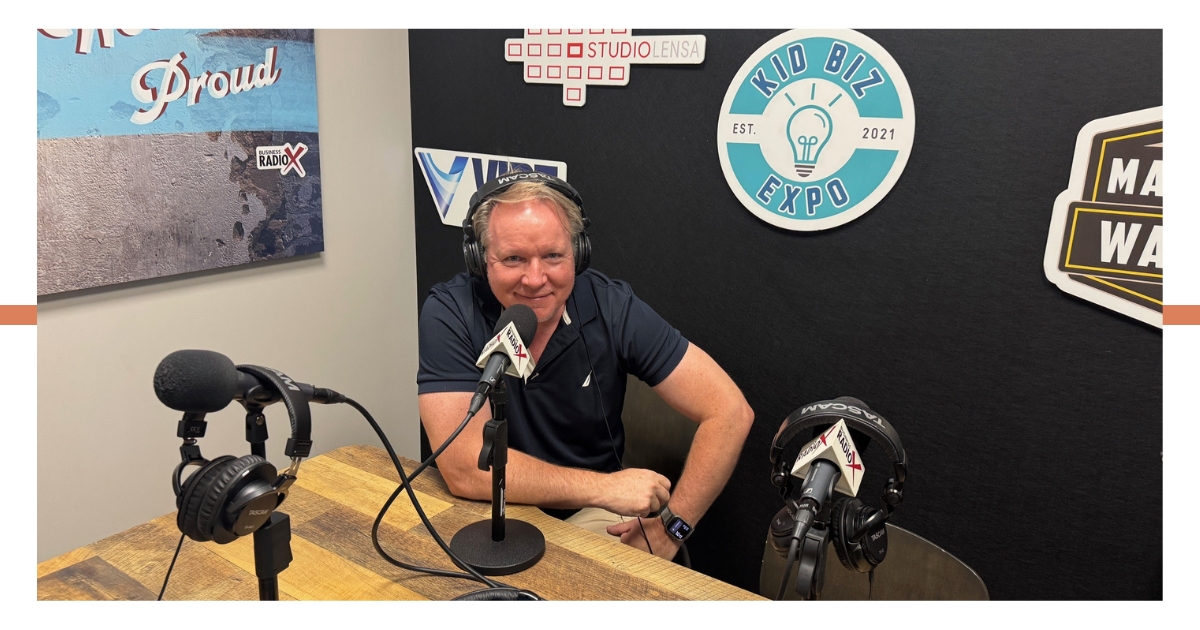
TRANSCRIPT
Intro: Coming to you live from the Business RadioX studio. It’s Franchise Marketing Radio. Ready to revolutionize your franchise with AI? Franchise now empowers franchises with advanced AI solutions, automatic processes, and enhanced marketing strategies. From personalized customer interactions to predictive analytics, we help you harness AI to drive growth and efficiency. Transform your franchise with the power of AI. Visit Franchise Now to learn more and take your business into the future. Now here’s your host.
Rob Gandley: Welcome, everybody. Welcome back to Franchise Marketing Radio, the podcast that dives deep into the story systems and strategies behind today’s leading franchise brands. I’m your host, Rob Ganley, and I am thrilled to welcome back to the show, a person that’s been helping lead transformation in the home services space. Her name is Dawn Perry, chief brand officer of Certapro Painters. Welcome back to the show, Dawn. It’s great to have you back.
Dawn Perry: Thank you. It’s great to be here.
Rob Gandley: Well, I love to tee up your your background as both a successful entrepreneur as well as a successful executive. And I think there’s a there’s a distinction and you maybe do a little of both at some point. But being that entrepreneur to being a founder as well, I just love that. So I would love to have the audience just again, I know you’ve been on the show, but if you could maybe introduce and tell us how you got to be to where you are today, a little bit of that journey.
Dawn Perry: Sure, I’d love to. Thanks again for having me. I really enjoyed our first conversation. I’m glad we get to chat again. Just a little bit about me, just for the audience as a refresher. So I started out in basic direct response advertising way back in the day. I worked for people magazine and what was once called Time life. And then it became a whole other things. Time. Time Inc. became Time Warner. Uh, so, uh, I started in true direct marketing. And when I say that and you’ll I know you’re going to laugh when I say it. This is where I actually mailed you something. And you had there was a postcard with prepaid postage on it that you would send back to me. It was true. Direct response. So, you know, nowadays we don’t have that luxury. We do direct mail, but we don’t expect anybody to mail us anything back. So, uh, it’s just that’s where my core, my roots were. Um, I just went from, uh, publishing went from there to Scholastic books. I ran 32 different book clubs for Scholastic Books. And for those, I think it’s a US only. But for those in the US, it’s it’s those book fairs and things that you get at your school growing up, um, you know, great brands like Clifford the Big Red dog and the Baby-Sitters club, right? So real fun, uh, branding exercise. And then I went to Avis Budget Car Rental. So I’ve gone through started with Avis we acquired as part of the Cendant Corporation back in the day. They acquired budgets. So I’ve done, uh, you know, basically a marriage of two brands.
Dawn Perry: And how do you keep them separate and all the different intricacies of managing two brands and two different, um, brand value propositions. Yet it’s the same thing. It’s car rental. Right? So that’s a whole other thing. Um, and then I decided I wanted to go out and, uh, be my own entrepreneur. And, you know, I did found something. I was a franchisee of the little gym. And, uh, I will say it’s a humbling experience to be a business owner, as you know. Right. It is. You think you’re really smart, and then you get in the trenches of local marketing and the day to day and you’re like, wow, there’s a lot I did not know. Um, and I did that for quite a few years. And then I wanted to go back to corporate America. So I’ve been able to leverage that, uh, you know, opportunity as an owner, as a franchisee to then help other franchise owners and other entrepreneurs. When I worked at ERA Real Estate, which is part of the Anywhere real estate brands, and now at Certapro painters. So I’ve just been, you know, I’ve had a bit of an eclectic career, but always in marketing and kind of bounced around. I also did a stint as a I went to cooking school. So I’m a also a chef. I certified chef, if you want to call it. So I’ve been kind of all over the place. And you would I? That’s a whole other podcast about the parallels between working in a hot kitchen and working in franchising. So we do that a different time. But I’m happy to be here today.
Rob Gandley: I love that, I love that that we could have a whole show of the parallels. I love like sports. I always think of sports. I compare sports to like business and things. But I never thought of that. I never I immediately thought of you becoming like you being a chef. I thought of how marketing campaigns are a little bit like that. Like these ingredients, like a little bit of this, maybe a little less of that. Let’s test this. You know, I could see where there’s some parallels with, with creating, uh, recipes and doing marketing campaigns. So anyway. Great.
Dawn Perry: Well, it’s funny, we’ve been talking about that. It’s ironic because I just has been using this the souffle metaphor at work, right where an integrated plan is like building a souffle, even if you have all the ingredients. You forget to do one thing correctly. Maybe you don’t whip the egg whites enough. You wind up with a pancake and not a souffle. So you know the importance of an integrated strategy. So yeah, I use those metaphors all the time.
Rob Gandley: And it’s just a little only a few details when we talk about digital marketing.
Dawn Perry: Exactly.
Rob Gandley: That’s crazy. Well, let’s talk about that. Let’s jump in and talk about digital marketing. Um, so for 2025, let’s get real about where we are now because things are evolving all the time. And now that is sort of the thing is, is just constant evolution. And you’re dealing with an iconic, I’d say, iconic brand. I know your name. I think most a lot of people know your name. Um, and you know how how do you keep your pulse and eye on things that can help your franchisees balancing it between, you know, running the kind of business that you’re running, which is a local painting service business and in the community. And it’s very it’s very people centered. Right. So you have that thought, but then there’s still this digital world that is constantly evolving. And us as people and consumers, we’re using it differently. So that always makes it a little different for you to think about what is worth putting energy behind what is moving the needle. So what are some of the ideas for expanding like? One of the things that I think most franchisees care about is continuing to grow and reach new audiences. So how do you reach an expanded audience with digital marketing in a in a model like a home services brand?
Dawn Perry: Yeah, it’s a really good question. You know, we could look at it a couple different ways. I was just having a conversation this morning. It was really quite funny because, look, it’s a it’s a Google world and we live in it. Right. And so remember I just used the souffle metaphor and you’ve got all the ingredients and you do everything right. But Google’s changing the temperature of the oven every ten minutes. Right. Like that is the problem we’re having. Right. So you could go crazy trying to really focus all your energy and time on digital, right? It is important you have to do it, but you cannot get, um, um, I guess waylaid by all of the all of the things that are constantly changing that are completely out of your control, all you can do is learn from them and move on. Right? So one of the things we’ve been telling our franchisees from a digital standpoint is it’s important to be in all channels, right? So even if you just think about, um, you know, we, uh, we promote an integrated full funnel marketing strategy, of course, which has some digital, some traditional, some what we call assertive marketing, which is extremely important in franchising, particularly in home services. And I’ll tell about that in a second. But ultimately, we want you to be doing local service ads if you’re in the US only. We have some Canadian franchisees. Local service ads are not part of their ecosystem yet. In Canada, you would need obviously paid search branded and unbranded. You need lsas. But now Google has the AI bot, right? That’s providing content. So it’s essentially important that you are constantly optimizing your websites for SEO. You’re adding content, you’re adding relevant content to your local market as well as to your business. Because then when the AI chat bots are looking for information, you are coming to the top in terms of your expertise and your value, you’re more likely to get picked up. And now that’s considered organic, right? So what we originally called organic. Now we’ve got AI in there. And I’m like really? That’s organic. But I guess it is right.
Rob Gandley: Yeah I think it’s brilliant what we just talked about. Like you just you just hit something that it just in my head, it’s still kind of new, like I’m, I’m learning with you. But I’ve noticed that for a lot of the work I do, I know, and again, the only thing that I can put an AI or the only thing I can connect it with. In other words, how do we show up in this new space of the AI output at the at the top of the search results, right. Which I dearly love, especially being a software person. I love the quick, the quick fixes the quick, the quick recipes.
Dawn Perry: Right?
Rob Gandley: Yeah yeah yeah. So but it’s like how do you how do you get get there. How do you know your brand is going to be the one. And I know it’s a lot to do with content. It’s about constant content marketing and relevance and personalization and quality. And I’ve been talking to franchises forever about telling stories like we’re doing right now. That’s exactly talking about the brand. We’re talking about marketing. We’re talking and it’s like, but you got to do constantly do it. I don’t think there’s a way to yet do it just a little bit or a certain amount. I think it’s just this idea of how do you do it perpetually and do it well, maybe everybody that’s a different amount. The bigger the brand, the bigger the website, the more you probably got to think about, right? So what a challenge there. But so tell me a little bit about social media then. So we’ve got this idea of Google which you’re right. Just to be clear, Google is is by far the biggest web presence, even way past Facebook. Right. And they own they own YouTube on top of that so that it is a Google world. I love that and gosh knows what their market cap is. It’s almost like you didn’t think a company could be that big, right?
Dawn Perry: Right.
Rob Gandley: Um, but anyway, so so tell me about social media then. So then you have this idea of Facebook and, you know, Instagram and some of these other platforms now gaining momentum. Even TikTok now is in the conversation for for traditional mainstream marketing versus just the kids using TikTok. Right. Yeah. Um, so tell me how how now do you and how does that relate to Google, the social presence, the content? Tell me a little more about how you’re balancing those ideas.
Dawn Perry: Yeah, I mean, you just hit on a lot of different things that are all related, right? So yeah, content is king. I didn’t I certainly didn’t coin that. I’m sure you’ve heard it. I forgot actually who did coin that phrase. But your ability to tell stories in a very relevant and meaningful, meaningful and authentic way about yourself and your business are essential to making a connection in your local customer. Local community. Right. I think one of the from franchising, it’s unique, right? We I am the steward of a a tremendous brand. Right. It has we we do all of the polished brand advertising, if you will. Right. But the it is essential for franchisees in a local market to come across and appear as local entrepreneurs. I hear this from franchisees all the time. Well, sometimes our marketing, we seem too big and people don’t want to work with us because we’re not local. Of course you’re local. You’re not only working there, but you’re hiring and employing people from that local community. And you are, and we encourage them in. Many are like, this is I we talked about this the first time. Franchising is a tremendous community of people that are giving back to their own local community. Right? They’re all entrenched in that. So just showing up in those type of ways really helps tell your story. Right. So then you asked about social media. It should be, you know, look, Facebook has the opportunity. You can do lead gen campaigns from there. Everybody’s interested about where’s the next lead coming from. That’s extremely important, but it allows you, whether it’s through Facebook or Instagram and now TikTok, depending on the the audience, you have the opportunity to tell a very authentic story about who you are, your expertise and why anybody would want to work with you. And it’s sometimes it’s not about the product, the output of the product, the paint on the wall for us, if you will. It’s how you show up and the, um, the commitment that you make to your customer and to their expectations. Yeah.
Rob Gandley: Yeah, yeah. So with the you mentioned community, right. And I know with local businesses, uh, obviously it’s key, right, to to not just think that you’re going to hide behind, uh, some digital presence and then get leads and work with people. Never interact with your community in a broader way, right? In fact. Well, you could, but it wouldn’t be a good idea. And let’s talk about why not, you know, so how do you integrate this idea of community outreach or events or interacting with other business owners, other organizations? How do you create opportunities for that through marketing programs? And then how does that then link back to what we just talked about, where you can connect the two. Like so you’re doing these local events. You’re doing some kind of outreach. You’re helping a cause, whatever it might be. And then you can take that and again create storytelling around it. And then it becomes more, um, dealing with a business that’s like a has a heart and is a person. And most of us, by relationships I know, like trust. And of course, you can’t just be triple the cost or, you know, be the worst reputation. One star reputation. Yes. But people do buy from people. They they feel like they know and they can relate to on a personal level. So tell me more about that. The idea of creating this community, and it’s so great to do it. I mean, like, it’s not that it doesn’t feel good, but it’s also a great marketing strategy. So tell me more about how that works for you guys.
Dawn Perry: No. Happy to. I I’ll tell a little story I had in my former life when I was in real estate. There was a real estate agent out of Charleston, South Carolina, and he did a phenomenal job. First, he was the when I met him, he was a rookie agent. He was his first year, and he built his whole business. On working with local, uh, restaurants and small businesses. And he would go and promote them. He’d stand in front of their office on social media and say, hey, I just worked with Bob over here at ABC restaurant, whatever it is. Um, and they’re doing a phenomenal things here. And guess what? I, you know, I’m bringing my whole team here on Thursday to do whatever. Right? So he was promoting them a little bit. It was not about him and what he does. He did of course say he was. He’s in his brand and he’s, you know, he’s a real estate agent. But, um, he was always giving back to them and promoting them on his channels, which of course they would either share or tag and do the same for him. So um, him, together with other local business owners, they were building like a little network of, uh, referral.
Dawn Perry: Right. The social is now the new town square. Right. What you might used to do at PTA meetings or rotary clubs or whatever, which still exist, of course. But you can do that now in these Facebook groups and other places in social media. That same agent now, you know, fast forward ten years, he actually now he’s moved into commercial real estate. I was just on vacation in Charleston, South Carolina. I saw him pop up again in my feed. He’s talking about all the development, real estate development that’s going on and you know how it’s going to impact the local community. Well, that makes him valuable not for his expertise in real estate, but for what he what the impact of all of this change is going to be on the local community. Right? So that’s the opportunity for you to work with others in your market to do that. Um, we also have a franchisee. Now back to Certapro. You know, we are focused on creating raving fans. And before I tell that story, I just want to share at our conference this year, I don’t know, have you ever met or worked with Brittany Hodak.
Rob Gandley: No. He wrote.
Dawn Perry: So what’s her book I wrote her. It’s it’s creating super creating super fans is her book. But she was our keynote. Yeah. At our speaker, um, keynote at our conference this year. And she, you know, basically, this is not going to be news to you or anybody who’s in marketing, right? The way that you create a raving fan is what you do, not what you give them. Right? So it’s not yes. You need obviously good quality work or, you know, product, but it’s the way you make them feel and not exactly what you do. Right. And so we tend in marketing get twisted up. And I need a referral program and I need to get a coupon for this. All of those things are important to your marketing strategy. But if you can create an extraordinary experience with your customer, they will talk about you. They will refer you. Just like I shared with that, that one real estate agent who I don’t, you know, I don’t keep in constant contact with. But I know the commitment he has to his community, and I know how well he is entrenched there. And I tell the story all the time. So that’s how you build real customer loyalty.
Rob Gandley: Yeah, yeah.
Dawn Perry: That is and you could do that on social. That was your question, right? Like how how does social interact that it’s a perfect platform for it.
Rob Gandley: Right? Right. And I love the idea. Like you, you said a lot in that. I mean, one thing that that and I and I see this strategy used over and over, but in any kind of service business or any kind of business at all, really, where you’re a local local owner, uh, the idea of interacting with other business is extremely valuable. We know that, um, there’s ideas around masterminds and, and consulting groups where you get ideas from different industries, different CEOs, different owners. We get that. But the idea of joint venture content marketing to help your community in a greater way, where both entities contribute. Right. And it’s and again, you’re just talking about how you’re going to help or what the impact is. And so you’re doing kind of what you’re saying. You’re making people feel a certain way. The assumption is, oh, you’re really good at real estate. Oh, you’re really good at it. It’s more about you’re a cool person and you’re helping our town, our our area. And I think that’s an immediate transfer of no, like, trust. Right. Which is the important thing. We’re going to assume that you’re good at what you do because you’re not good at what you do.
Dawn Perry: In.
Rob Gandley: Business.
Dawn Perry: Yes. Exactly. Yeah.
Rob Gandley: Yeah, yeah. But it is the feeling, right. Yeah. I you know, and if you think about that just for a minute, I know for me everything in my life has been influenced by what you said. Like if I really liked a company or an experience, it was because of how they made me feel. Yes, there was. The output was there, but if they made me feel good and made a couple mistakes and addressed them, still no problem. Still love them, right? I might like them a little better because they’re just everyday people trying to do their job, just like me. So. So anyway, very cool stuff. Um, so let’s talk about operations a little because you mentioned it early, earlier, um, where this you know, one thing about marketing today is it is so complex compared to, say, maybe 20 years ago, right, where you had less moving parts, let’s say, um, there’s a lot of details. You had said it with the souffle. It’ll it will be a pancake or not, you know, whatever. If one little thing. Right. Or Google’s always changing the temperature of the oven, there’s a lot of detail, which means operations when it comes to marketing has to be super tight. Everything has to flow well. And there’s a relationship between what you’re marketing and selling and how you’re delivering the experience, the feeling, like you said, right? Like we’re trying to make this work, but we’re not doing it over here. How does tell us more how you get that working in a big company? How what is that? First of all, why is that important? The relationship between ops and marketing, and how do you optimize that and what is that then what is the benefit.
Dawn Perry: Yeah. Um, so let me lead into this. You know, we talked a lot about marketing to start. Right. And the importance of this integrated plan. Right. And you can only throw so much money at things, right? There’s only so much money to be thrown at the problem, right? To try to generate leads. So many times. What you now then need to throw out is your time and your energy. So what we’re telling franchisees is, yes, you have to have a smart paid media plan, both digital and online and offline. We will support you with what we’re doing at the at the system wide level, but it is essential for you to build your brand locally. And the way you do that is being present in your marketplace. So, um, at certapro over the last two years, we’ve had two, two focuses. One was mastering the basics, and that’s just getting back to the core of what we do and doing it well. And then the other part of it is, um, just, um, increasing the opportunity to win business locally. Um, we call it self-generated leads, but it’s, there’s versions of that. Right. And that comes from all the things we talked about being present in your community, getting out, putting out yard signs, um, having your vehicles wrapped, all of those things that local franchisees do. So we aligned with operations pretty quickly about okay, these two things will drive value for our businesses. One, if you get back to basics and you are. So let me take a step back. Do you remember Covid? It seems like a long time ago now.
Rob Gandley: I love that question. Right. Do you.
Speaker4: Remember Covid? Yeah, it’s almost that. It’s almost that. Yeah.
Dawn Perry: Yeah. It was called Covid 19 at one point.
Speaker4: It was 18. 19.
Dawn Perry: Yes, exactly. Um, and when that happened in home services specifically, um, it happened in real estate as well. We had this influx of business that was pulled forward because in real estate at one point was considered essential workers. Same thing with painting and other things. So there was an opportunity. A lot of people couldn’t go anywhere. So they renovated their homes, they painted, they sold it, uh, bought new homes. And when that happens in any service industry, it it’s easy, right? It’s easy to take the order, do the job, move on to the next one. And you are still doing a great job, just like you and I talked about, right? If you weren’t good at it, you wouldn’t still be in business. However, now when it’s harder and there’s more competition and we’re all like, there’s only so much discretionary income in any particular, you know, household. So we’re all fighting for this in the home services market. It is essential. It’s essential that you are going back to the core of selling and what you were good at right before it was easy. And the and the fish were jumping in the boat. Now you actually have to go and create a plan and basically master the basics on how you win customers. Right. So that’s the focus. And so when we said that we sat with operations, said, okay, if this is our focus, well then how does marketing impact that. Like what can we be doing.
Dawn Perry: And the self-generated leads is part of that. Right. Building your brand in your local community. That’s and being assertive with your marketing locally that helps you win the customers. And then of course, if you’re executing the basics after that. And I find that when companies go wrong in this, when they’re not aligned with operations and you don’t have a singular goal or a singular focus, it’s look, it happens. It’s nobody’s fault. It’s not because of best of not intending to do well, but we’re all running a million miles an hour at different goals, and you’re never going to get to the end to the end point. Right? Because we have different, uh, perspectives. So it’s not easy to stay aligned. You have to spend time working together. We just actually got the operations and marketing team together, um, in February, right before the big spring season started and made sure we were aligned on our core goals. And we did some training together so that we can, you know, there’s a level of empathy that comes when you work together on a training exercise, because I don’t know what you do every day and you don’t know what I do every day. But we, we, we agree that we’re all moving towards the same goal. But wouldn’t it be great if we actually, you know, were working on it together? So those type of exercises really help strengthen the bond between marketing and operations.
Rob Gandley: I love that you made you made me laugh in a sense, because it’s like, it’s great to know you, but listen, my agenda is more important. Okay?
Dawn Perry: Right. You know.
Rob Gandley: Needs to fix themselves, right? It’s never us. It’s them. No kidding. Kidding. But that is. You can’t really get to that reality of understanding each other without that interaction. That was a great, great suggestion. But what? Yeah. Tell me. Like when you guys do that, you’ve been doing this a while. And what are some of the gaps you have identified. Like what what can other brands or people listening? What can they be looking for? What is the common pitfalls between ops and marketing strategies? Like what are the gaps and what are some of the things you’ve solved by by knowing by aligning better?
Dawn Perry: Yeah. So I think the biggest pitfall is, you know, when you’re measuring the goal, right. So if let’s just say let’s use a round number of 1000 leads, we’re all shooting for 1000 customers. Customer leads. Right. Well, you would think it’s all marketing’s problem to generate those leads. But if remember I just talked about all of this local marketing. We’re doing well. The operations team are speaking to our franchisees every day. So if they’re not reinforcing the message of. It’s equally important to buy, you know, spend your marketing dollars appropriately, but be present in your marketplace to earn the leads, then you’re not going to get to the thousand. So it depends on whether you’re measuring, okay, we’re just going to wait for the thousand, or if we’re all actively measuring the activities that will get you to the thousand. Marketing has activities. Operations has activities that can reinforce the message with the franchisees. Right. These are independently owned and operated people and that they have the opportunity to go their own way. So you can only help influence that. And when marketing and operations are aligned on that and on the goal and the activities that will get to the goal, then you have better success.
Rob Gandley: Yeah. So I like to ask this in every interview because I is obviously in our face all the time now, and I think a lot of us are probably tired. And the marketing in the marketing world, we’re just pelted with, yeah, with this. And but it is a reality as a technologist and someone who has a passion for it. I know it’s a real thing. It’s going to transform society for sure. Just a question of timing and how we all evolve with it. But I’m wondering, like from your view, like what are some of the thoughts you have on where that might play into the future for services kind of brand like you guys, and there’s are some things you’re doing now or what are you what are you thinking about in terms of AI and its capabilities and where it impacts marketing?
Dawn Perry: Wow. It’s a that’s a good question. It’s a big question.
Rob Gandley: Right?
Dawn Perry: Yeah. Well I’ll start with very high level. Right. Like AI is just the next new thing. It’s a very powerful thing. But there was a time when we didn’t have CRM automation. There was a time where we didn’t have email. I mean, now it really dated myself, right? There was a time where I mailed you something and you mailed it back, right? There is always going to be some technology or enhancement that makes it. It’s a different way of reaching your customer where you have to be thinking about. And I don’t have the answer. Certainly not is the next. So every franchise has their own target of who they’re trying to. Who is their ideal customer? Well, those customers age out and you get new customers who have different habits, different behaviors, and AI is going to be the norm by the time the Gen Z and Gen Alpha get to a place where they’re going to be looking for paint services, it’ll be a whole different landscape on how they consume media and where where they’re influenced to pick a brand, right. So I just think we just have to like, let’s not get excited yet, right? Like the world’s not coming to an end in terms of marketing. I will have a place, right?
Rob Gandley: Yeah.
Dawn Perry: But it’s a little scary right now because you’ve got you’ve got a balance with open AI. Is is could be dangerous to a particular brand, particularly if you have a competitive advantage. Right. You can’t if you just throw things into open AI. Well now it’s out there. Right. So there is no more secret sauce, if you will. Right. Um, it’s not like, uh, what is it like, uh, Heinz ketchup is not going to put their recipe out or put it in. Hey, how do I change the color of whatever for Saint Patrick’s Day, but use the same recipe if they throw that into ChatGPT. Now everybody knows what the secret sauce is for Heinz ketchup. So, um, we just have to be careful. You know, obviously the closed platforms are better. And then you also, as the person sitting in my seat as the chief brand officer, you are getting bombarded daily with, uh, new tools, new technology that utilizes AI. You have to be mindful from the, uh, from the corporate seat to make sure they’re following best practices and the policies before plugging in a vendor to work with. Um, and then you also have to balance that with every franchisee saying, just use AI to do it. Can you build me 25 ads and just use AI to do it? There’s a place for some of that. But no, like there is an expertise that you either leverage your own internal resources or your agency partners to help use Smart Data Insights to create the right messaging to create the right campaign. So we’re not there yet where you can push a button and it spits out a perfect campaign. Um, yeah. Will we get there? Maybe. But I’ll leave that for the agencies to figure out how we leverage that to their best success. Right?
Rob Gandley: Yeah. Right. Right, right. Yeah. No, that is that is true. And so with operations and marketing and I think obviously tech has a big influence of all of it. Um, but just in general we were talking about because the way, the way I see it is, is digital digital technology is. So as I said earlier, there’s so many moving parts. And if ops and marketing aren’t completely aligned, I just see constant friction. And I see it over and over. Yeah. Tell me some success stories. Let’s talk about like yeah, okay. That was an issue. And now we got on the same page. We aligned and boom look at that result. Like help us see that. What was some maybe some examples where marketing and ops got together through some of those exercises and you really saw the impact at the local level.
Dawn Perry: So okay, I’ll tell a story, but I think we’re missing somebody in this in this conversation. And that’s technology. So in some companies technology leverages ladders up to operations and other companies it’s a different pillar, right. And in this day and age, without technology, uh, you are pretty much sunk on a lot of your initiatives, right? So one of the things that we had done, oh, God, it was two years ago now, we noticed from a marketing standpoint that we had leads, abandoned the website. That’s not uncommon. People know how it is. We captured information up front. We had their name. We had, uh, probably either an email or a phone number, but they never. Our lead form for painting asks you a few questions about the property and and, you know, is it residential? Is it commercial? Um, if it’s residential, how many rooms? Whatever. If it’s a commercial, what type of property. And then you hit submit. So the submit button would to schedule an estimate. Or to schedule somebody to come do an estimate. That’s the lead right. That would be considered the lead. But we had all this information up front. And when they abandoned the form we had it, but we weren’t doing anything with it. And it doesn’t help. Yes, I could do nurture campaigns from where I sit for all of these people, but it’s better to get it in the hands of the franchisee because it was a person who had interest and probably just got the dog barked or something happened and they abandoned the cart.
Dawn Perry: Right. So we created this program, we noticed it, we shared it with operations like, well, hey, how about we just send those down to the sales agents, right? So we’ll have it as an unscheduled lead. So somebody had interest. They didn’t book an appointment. Let’s have them follow up. And we had much more success with a human in the local market following up, whether through text or email or whatever. Um, then we did from a broad based campaign. Right. It’s much more personable. It’s it can be closer to real time because someone’s reaching out the moment it abandons. So that was working with ops. Like, would the franchisees be open to this? Yes they would. How do we use technology? Then we got technology involved. How do I just deliver this to their dashboard so they can action it? And we’ve that was two years ago. And now it’s it’s part of the whole process. Right. It’s considered a lead. And many times we’re easy they’re easy to convert because like I said they just got distracted. They just wanted a quick answer. And they were tired with the form and they abandoned. And when they speak to a person, they get on the schedule and off we go. So that was one opportunity where we leveraged an insight, and we married it with operations expertise about how the franchisees actually work. Right? Because they’re they’re in the front line with them. And then we use technology to solve it.
Rob Gandley: I love that. I love that because it’s as simple. So like super simple. But this thing happens a billion times a month or whatever it is like. Yeah, over and over and over and thousands of times.
Dawn Perry: Yes.
Rob Gandley: Right. And so you just it’s a little it’s not to say that if it just happened once a year, it would be that impactful. Yeah. But your, your numbers then or you feel that you know in the revenue side it’s just like because you’ve implemented that and it’s just like now instead of converting x percent you move the needle up to a higher number and boom, it’s a massive impact because of that little tweak. That’s incredible. Yeah that’s great. So so just thinking about, you know, the future and and you have an interesting, uh, view of things because of one the brand you work with and, and your exposure to other brands, other your colleagues and the industry of franchising, which is some of the most I mean, you’re going to see some of the most advanced strategies in marketing in different brands. But what when you when we’re in 2025 right now, as you said, things have changed and things will continue to. What do you see right now? Is there anything you see as being common mistakes people are making or things that they they become bigger mistakes if they don’t pay attention. I know we kind of alluded to some things, but I’m kind of trying to zero in and say, what are the wrong things to do in 2025 versus the. And maybe that helps people realize, oh, wait, we’re not looking at this the right way, but how do you see that?
Dawn Perry: Yeah. So wow. Um, so for 2025 and beyond, I think the, the if I, if I could say anything or leave and this is again, this is not my mantra, but let’s just control what we can control. I think the biggest hurdle we have right now is all the uncertainty, right? I there’s things I can’t control. I can’t control wars in other countries or even the sentiment in the United States. I can’t control, um, you know, the stock market. I there’s things that I cannot control. Um, and as a small business owner, if you get so focused on my business is being impacted by these things, um, I it is occupying all my brain space. When you can’t control that, what you can control is that you’re out in your community talking to your customers. You could do customer appreciation events. You in in my business, right. We have, um, independently owned and operated franchisees. They have employees. Right. So it’s what you’re doing for your employees to make them feel good about what they do, to get them additional training to make sure that they’re working for every opportunity. But we also employ all of these other small business owners, which are painters, um, except in California, where they have to be employees.
Dawn Perry: But in most cases, these are subcontractors and you are fulfilling their life, um, and helping them build their, you know, net worth as a, as a family. So there’s so much you can do and can control in your own business. And if we get focused on all the things we can’t, it’s going to drive you crazy. So yes, you have to have a great integrated marketing plan. You have to spend the right amount on marketing. You can’t. That’s one of those things where everybody decides, oh, it’s a little tough right now. I’m going to pull back my marketing. Well, we all know that you when you do that, that has a longer term impact on your overall success, right. To the extent that you can keep your foot on the pedal from a marketing standpoint, um, both paid and earned right in your local market, that’s essential to your success. Don’t focus on the world when that’s going on around you that you can’t do anything about. And but it’s hard, right? I say this it’s easy for me to say it’s very hard for us to, to get out of get that out of our headspace.
Rob Gandley: Oh yeah. Exactly. It might the answer might be don’t look at the screens as much. Yeah, yeah, yeah.
Dawn Perry: Um, when I had my friend just real quick though, when I had my franchise. Right. That was when the housing market crashed, I. So I had a whole community of people that were losing their homes. Um, so Kids fitness was not the thing that they were focused on, right? So I couldn’t control any of that. All I could do was try to manage my business and maybe evolve my business to help the community. Um, so like I said, you can only can control what you can control.
Rob Gandley: Yeah, Exactly. Stay focused. Stay focused. Um, so with franchise development, how how does your role in this particular brand? Because I know all brands are sort of structured differently and certainly smaller brands, you know, they don’t have the teams that the larger brands have. Your role is as chief brand officer. How how does that impact how the brand markets the opportunity and how do you everything we just talked about is so vital. If I’m considering becoming a franchise owner, you know, obviously how you’re handling operations, technology and marketing is going to be really important to me to, to to signal to me that this is a great opportunity. So how do you take all that knowledge that you just kind of shared, and how do you connect that with franchise development and make sure that is represented in a consistent way. So when the franchisee comes in they they understand what they got to do. So it’s also understanding what their role is and all that. But how do you align that too? Because I know a lot of times you can kind of market something that’s not really what it is, right? Not maybe on purpose, but a lot of things you talked about needs to be embedded in how the opportunity is presented. So how’s that alignment work?
Dawn Perry: Well, it’s an interesting question. We spent a whole time talking about like how marketing and operations should be aligned. It’s essential for everybody to be aligned with franchise recruiting, right? Um, I’ve been at organizations in the past where kind of what they promised wasn’t necessarily what was being executed. Nobody’s fault. Right? But it was just sold in a way that it was, um, a little bit more forward thinking than what was actually happening on the street. Right? And you don’t want that to happen, because then that leads to a whole host of other problems. So, uh, I make sure that our brand messaging, our core values, everything that we say and do about ourselves is well represented and that we bring along the franchise recruiting team if there’s any change to be had. Uh, we’re not alone. I’m sure every franchise, whether they call it a VIP or a Discovery Day or whatever they call it, when you bring in franchise potential prospects, um, into the office to try to win them over to to buy a franchise, uh, we make sure that that is a really tight, uh, um, presentation. It flows. Well, it tells our story. Well, right. We talked we started out by saying the story is everything. And if I can’t tell a really great story about this brand and how it has evolved from a bunch of college guys who were entrepreneurs and started painting house exterior houses in Canada all the way to what it is today as a, you know, $1 million brand. It is, um, it’s essential that I can tell that story well, not only in what it means to me as the franchisor, but what it means to you as a potential small business owner. Um, and we’re aligned on that messaging, and we work hard to do that.
Rob Gandley: Yeah, yeah, you you do got to work hard, right? I mean, it’s constant communication. You can’t underplay the word communication. Yeah. Yeah. Well, I told you that.
Dawn Perry: Essential. I’m sorry to interrupt, but it’s, you know, it depends. All franchises are different. When I was in real estate, we didn’t use brokers to help sell franchises. It was. It’s a different, uh, animal over there. Um, but we do in, in for what we do in this type of business. So it’s also important that the people that are representing you, trying to find candidates also understand the brand story. So we take them through our our discovery day, make sure that they know what we’re presenting. And so that we’re all aligned on what the value is to a potential franchisee. So that’s helpful too.
Rob Gandley: Yeah. Now just just out of curiosity, your role, is it is it both sides or is there a counterpart that kind of considers the marketing for franchise development? Or is is you kind of handling that too, or how does that work in your brand?
Dawn Perry: So for my brand, uh, it is franchise recruiting is separate. There is a person who does marketing for them, and then there’s the head of franchise recruitment. Um, obviously I support them from my seat, but that’s just based on how our PhD defines how you use the general advertising fund. So it really just varies in that regard.
Rob Gandley: Yeah, but it’s so important. That’s the point is that you have to communicate well with that side so they understand what you’ve created. Right. Yeah. To bring them into the right thing and align that messaging. Yeah. Well that’s cool. And that’s very rare in a business, right. To have both sides like that, which is one of the frustrations I always have with with vendors that don’t understand franchisors. It’s like you’re not seeing it the right way. You’re just missing it. It’s hard to do unless you’re involved in franchising. So.
Dawn Perry: Well, it’s funny because you can bring in a vendor and they start to work with one franchisee and it’s great. Everybody’s happy. It’s wine and roses. And then they’re like, oh, I want to add franchisees. And you add 4 or 5 and then they totally overcapacity. They can’t scale correctly. Like you know, you’re also trying to marry your vendors who are also trying to grow. And they would like to, you know, work with more franchisees. And when that happens, the, the, the level of service they can provide is diminished because they just don’t have enough teams. So yeah, it’s a balance always.
Rob Gandley: It’s always a balance, yeah. So as we wrap things up, I know I want to make sure that we, uh, had plenty of time, but I also wanted to leave you a little time to just share. I mean, coming from your seat, I think a lot of times it becomes routine, the great things that you do and the accomplishments that you’re able to to, uh, to get through. And what if you could leave? Maybe your colleagues. Is there anything about the industry that you just wish was done a little differently? You know, at different brands or anything like that? Or what advice would you give other leaders like you in big brands? Because you’re you’re more in the big brand kind of side and there’s a lot of influence, like we have some big brands that affect the economy and, and so but is there anything as a leader that you wish other leaders embraced, or is there any advice that you might leave, even emerging brands that are going to become like you someday?
Dawn Perry: Yeah. Uh, wow. Um, do I wish we did things differently? Um, it’s hard to say, I’ll be honest with you, because every franchise network manages their brand fund. As, for lack of a better term, uh, how they use it, how it’s defined, how they can use it, um, how what what is the responsibility of a franchisee versus what we handle at the corporate level? Um, I would for it’s easier for me to tell about emerging if you’re emerging, um, brands and you’re small and you’re trying to grow your franchise network. Be very clear on, um, how, um, let’s just say the standard operating procedures of how people should be using their marketing dollars. Um, what happens is when you start little and you start growing and growing and growing, as an example, if you’re a small franchise, you might not have any co-op marketing, but as you build as a brand and you have, you know, dozens of franchisees and say the Atlanta DMA, well, then you can actually leverage your, you know, your dollars to buy media that you wouldn’t buy as an individual franchisee. Right. So if I am one franchisee in Atlanta, I’m not buying radio in Atlanta. I’m not on TV in Atlanta. I can’t afford that.
Dawn Perry: But if there’s 25 of us we possibly could pull pull our money. So that’s great. You start to create co-ops, but if you what I would encourage everybody to do is be consistent in how the co-ops are set up, how they’re run, make sure you have all these rules in the road, because as you some brands just accelerate growth significantly and then they start throwing these things together. And or you have franchisees that collaborate on their own, and then you try to put that in a different market. So I just would say be clear on your standard operating procedures, um, as you move forward with that standpoint. From my seat, though, look, I don’t think there’s something I can say for from a big brand that I wish we all did differently. I do think I would like to have more franchising marketing collaboration opportunities, right? When you go to some of the big events, they’re either about advertising in general. You might be looking at programmatic marketing, very specific niche type marketing conferences and conversations. But franchising is different. And even franchising con conferences are more about how to sell more franchises or how to work operationally. I would love for more franchising marketing leaders to get together.
Rob Gandley: Oh my goodness, that was that was an amazing thought. Yeah, because we just talked about how integration marketing or joint ventures. I mean, of course it’s at the community level and you’re talking other brands, but there’s a lot of franchisees in communities, and so why not brands need to collaborate more for, hey, how can we work together and make an impact across the whole again, the network effect. Right. But that’s not happening. You’re right. It’s not. I’m not seeing that collaboration happening, not at least at the national level where it might Right? Yeah. That’s pretty.
Dawn Perry: I mean, I was lucky enough to be at anywhere. Real estate brands had six real estate brands, so all the heads of marketing would collaborate right on. But that’s like, look, that’s a little ego. It’s a big it’s a big ecosystem, but it’s just real estate. Now I’m part of Firstservice brands right. So first Service Brands has floor coverings. International has California closets. Right. So we can collaborate. But again right. For franchising franchise marketing, we’re not really spending a lot of time, you know, digging into what’s successful and how we can all leverage and learn from each other.
Rob Gandley: Yeah. No, no. Exactly. There’s a but that’s so that’s interesting because the, the idea of a platform company is is definitely has picked up momentum in the last whatever ten years. Let’s say there’s I don’t know more than 100 that I know of and probably more than that. But but because of what you said. But it’s like but that’s that is there’s more to that. There’s the operation, there’s everything. You’re synergistic. But just the marketing side just saying, how can we collaborate? How can we do events, how can we do good works together? Right? I just think there’s more could be done there and that would be cool. Great thought. Yeah, great I love that. Yeah.
Dawn Perry: Maybe a little spin off. Maybe in your in your downtime you could you could build that.
Rob Gandley: Yeah.
Dawn Perry: Yeah that’d be great.
Rob Gandley: There’s a there’s a quick tip, you know, reduce your workload if you think you’re already doing too much. There you go. That’s it. Look at your list and whack half of it.
Dawn Perry: That’s it.
Rob Gandley: Yeah. Alright. Well, before before we do end the conversation, I wanted to first thank you for for sharing your innovation, as always, sharing your innovations and your strategies, your smart person. Thank you so much for being on the show. Uh, but let’s make sure everybody knows how to get Ahold of your brand. Even though I know the name Certapro painters, I think that’s pretty common. But how do they get Ahold of you? Maybe both ways. Consumer or if they’re interested, maybe in being part of the brand as an owner, what’s the best way to approach that?
Dawn Perry: Yeah, no, I’m happy to share. So, uh certapro comm. That’s Serta with a C, right? We have to say that because there’s others that start with an S, it’s right here. Well, you can see me. I’m on a podcast. Anyway, you can see me. And, um, if you want to reach me, you can certainly reach out on LinkedIn. Say that you heard, uh, heard of me, um, in this conversation. And I’ll connect with you. Um, you can also send a, a request if you’re interested in franchising, uh, through the website itself. Um, but also, you can just send me an email directly. I’m pretty open. It’s just my first initial D Perry last name@certapro.com. So I’m happy to, uh, hear from any of you.
Rob Gandley: That’s beautiful. Take advantage of that, folks, and thank you for listening. And listen. If you you find value in our show, please share it with others. We appreciate you guys for tuning in. And again, thank you, Don Perry, for being here.
Dawn Perry: Oh you’re welcome. It’s a great show. Everybody should listen I love it. Thank you for having me again. Appreciate it.
Rob Gandley: Very cool. Thank you.
BRX Pro Tip: Why You Should Build an Alumni Group for Your Business

BRX Pro Tip: Why You Should Build an Alumni Group for Your Business
Stone Payton: Welcome back to Business RadioX Pro Tips, Stone Payton and Lee Kantor here with you. Lee, why, in your opinion, is it a good move to create and continue to nurture an alumni group for your business?
Lee Kantor: Well, I think it’s important to just build as much community as possible, especially if you’re in a service-based business. So, building an alumni group for your business is kind of a strategic initiative that can actually foster long term relationships, it’ll help you build your brand, and it could drive growth by just making your company that much more valuable to the people that have been associated with it.
Lee Kantor: And here are some easy ways to at least begin the process if you’re considering to doing this. Number one, just start by collecting contact information from former employees, clients, or people who have participated in any type of workshop or webinar that you’ve been part of. I would cast a wide net when it comes to alumni. It doesn’t have to just be your employees. It could be anybody associated with the company.
Lee Kantor: Number two, offer benefits that give the alumni a reason to be engaged. Those things could be networking opportunities, it could be an exclusive event or special webinar, it might offer career resources like mentorship or let them post jobs. All of that stuff is important by just creating more and more value.
Lee Kantor: And number three is create an engagement opportunity through that network that you’re building. So, post regular content such as thought leadership, polls, updates, things like that. Host events, they could be virtual, they could be in person. All you’re trying to do is just create as much community and connections amongst the members of this group.
Lee Kantor: And why not have an alumni group? You know, a lot of universities have been doing this for years. A lot of businesses do this. There’s alumni groups for a lot of businesses on LinkedIn. Why not you?