
Business RadioX ®

  • Home
  • Business RadioX ® Communities
    • Southeast
      • Alabama
        • Birmingham
      • Florida
        • Orlando
        • Pensacola
        • South Florida
        • Tampa
        • Tallahassee
      • Georgia
        • Atlanta
        • Cherokee
        • Forsyth
        • Greater Perimeter
        • Gwinnett
        • North Fulton
        • North Georgia
        • Northeast Georgia
        • Rome
        • Savannah
      • Louisiana
        • New Orleans
      • North Carolina
        • Charlotte
        • Raleigh
      • Tennessee
        • Chattanooga
        • Nashville
      • Virginia
        • Richmond
    • South Central
      • Arkansas
        • Northwest Arkansas
    • Midwest
      • Illinois
        • Chicago
      • Michigan
        • Detroit
      • Minnesota
        • Minneapolis St. Paul
      • Missouri
        • St. Louis
      • Ohio
        • Cleveland
        • Columbus
        • Dayton
    • Southwest
      • Arizona
        • Phoenix
        • Tucson
        • Valley
      • Texas
        • Austin
        • Dallas
        • Houston
    • West
      • California
        • Bay Area
        • LA
        • Pasadena
      • Colorado
        • Denver
      • Hawaii
        • Oahu
  • FAQs
  • About Us
    • Our Mission
    • Our Audience
    • Why It Works
    • What People Are Saying
    • BRX in the News
  • Resources
    • BRX Pro Tips
    • B2B Marketing: The 4Rs
    • High Velocity Selling Habits
    • Why Most B2B Media Strategies Fail
    • 9 Reasons To Sponsor A Business RadioX ® Show
  • Partner With Us
  • Veteran Business RadioX ®

Small Business Fuel: Paul Wilson with SBDC

April 2, 2020 by angishields

SBDC-Feature
Atlanta Business Radio
Small Business Fuel: Paul Wilson with SBDC
Loading
00:00 /
RSS Feed
Share
Link
Embed

Download file

SBDC-logo

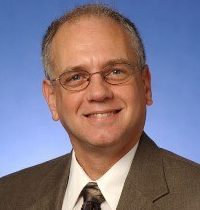
Paul-Wilson-SBDCPaul Wilson, Area Director with SBDC, has extensive industry experience that spans leadership roles in supply chain management, procurement, marketing, supplier diversity, and small business development.

His expertise includes strategic analysis, operational planning, leadership development, contract writing, video marketing, video production, training and curriculum development.

Having worked with Fortune 500 companies, small businesses, and educational institutions, Paul brings a diverse wealth of knowledge, perspective, and skills to the small business community.

Connect with Paul on LinkedIn and follow SBDC on LinkedIn, Twitter and Facebook and Instagram.

Transcript

Intro: [00:00:02] Broadcasting live from the Business RadioX studios in Atlanta, Georgia, it’s time for Atlanta Business Radio, spotlighting the city’s best businesses and the people who lead them.

Lee Kantor: [00:00:17] Lee Kantor here, special edition of Small Business Fuel. I got with me Paul Wilson, Area Director, SBDC. Welcome, Paul.

Paul Wilson: [00:00:27] Good to be here. Thank you.

Lee Kantor: [00:00:28] You know, we’ve been doing this show for a little bit. You’ve been hosting mostly, but under this crisis of, you know, Small Business Fuel, part of the fuel is financial. And there’s an exciting program that the Small Business Association and the government is providing for entrepreneurs and small business owners that maybe you can shed some light on.

Paul Wilson: [00:00:50] Yeah, absolutely, of course. You know, we’re in some unprecedented times, you know, with this whole virus situation that it’s caused some immediate, almost overnight negative economic impact for small businesses. And so, fortunately, the federal government actually acted pretty quickly to really create a disaster loan program that now has multiple offshoots. But let’s say, generally speaking, the disaster loan program to, again, respond to respond to the, again, immediate needs of small businesses.

Paul Wilson: [00:01:26] And then, the reason, you know, I say it’s unprecedented because typically, the SBA doesn’t loan money except for in disasters, but those disasters are usually kind of categorized as natural disasters, as a fire, flood, hurricane, tornado or something noted to that effect. And so, this is the first time in its history that they’ve actually credit a loan program that was specifically related to an economic disaster, if you will, for small businesses.

Lee Kantor: [00:01:51] Now, part of the uniqueness of this process, as I understand it and correct me if I’m wrong, is that typically when you get a loan from the Small Business Association, you’re actually getting a loan from a bank that it’s been guaranteed by the SBA. And this case, to expedite it, I guess, you’re going right to the SBA and they’re kind of loaning the money directly without the bank?

Paul Wilson: [00:02:14] Exactly. Yeah. And that’s one of the programs. And part of the initial program that was launched is called the Economic Injury Disaster Loan or EIDL, E-I-D-L. And again, yes. So, typically, again, in a normal what we call SBA loan, you would go to a bank and you would go through the bank’s process. You write to get a loan that’s backed by, I guess, you can call an insurance policy of the SBA to actually provide, you know, that backing for that loan.

Paul Wilson: [00:02:43] But in this case, because it is considered a disaster loan, you do go right to the SBA. And the easiest way probably to get there is sba.gov. And again, look for the link that says coronavirus, again, if you’re a small business. But again, that specific loan is, again, the EIDL loan directly from the SBA. And all the process and applications and information they’re asking for is going to be right on line as well as the submission process will be online also.

Lee Kantor: [00:03:14] And then, can you walk a business owner through some of the stuff they need to have handy in order to apply for this loan?

Paul Wilson: [00:03:23] Absolutely. And that’s, you know, a good point because as you get ready to do this, you know, to probably maybe save yourself some time and even some potential frustration, you want to have all your documents handy. And so, I’m going to actually pull up a document myself so I can look at it and just kind of read you some key pieces of information that are required for this loan. And again, and I’ll say that I’ll speak to some of the parameters as I’m giving you some of the details.

Paul Wilson: [00:03:54] So, that way, companies will know. So, the disaster loan piece, the EIDL is going to actually be, in terms of the amount, up to $2 million for borrowers as they go through that process. And again, that doesn’t mean everyone is going to get $2 million, but they’re going to look at things, you know, like your existing financials maybe in the last year or so, right? And they’re going to be looking at some key things as it relates to what were you already doing in business in terms of your revenue.

Paul Wilson: [00:04:28] So, if you made $100,000, let’s say, last year, that they’re not going to give you a million dollars this year, right? Because the goal is not to help you grow your business, the purpose is of just responding to the immediate issues that are happening right now. So, that’s, I think, a key element for just people to understand that there are some other other factors in play here that is not just, again, you being able to access all the money that you want at this time. It’s not quite a piggy bank if I can say it like that, but definitely some specific information.

Paul Wilson: [00:05:04] So, they’re going to be, of course, again, looking for your financials in addition to tax returns. If you haven’t completed your taxes of 2019, then they’ll be looking at some other financial documents, potentially, again, your, as I mentioned, your tax return, this is going to be a personal financial statement. And so, anyone who has more than 20% ownership in your business, so if you own the business 100% by yourself, then it’ll just be your information they’ll be asking for.

Paul Wilson: [00:05:31] But anybody who owns, again, 20% or more of that business, they’ll actually have to submit the information, too, just to make sure, again, all the business owners are included in that process. And so, those are, again, some of the key documents. There may be others, but those will get you started. And if there are other, they’ll actually let you know specifically if there’s some additional documentation that they may need based on what you provided initially.

Lee Kantor: [00:06:02] And then, they’re going to also need probably a hard pull of your credit as well, right?

Paul Wilson: [00:06:06] Absolutely. So, definitely, I’ve heard someone say, we use the term, it’s more of reflecting on your cash flow versus assets, right? So, your credit, yeah. So, it is going to be a hard credit pull from that standpoint. So, definitely, again, a part of that process and some of the documentation debt that they’re going to be accessing or the part of the process that they’re going to be accessing.

Lee Kantor: [00:06:31] And then, if you do qualify and you do get the money, it’s going to be pretty fast and they’re going to kind of dump it right in your bank, right?

Paul Wilson: [00:06:40] Well, there are two portions of that. Because the overall package in their evaluation, what you’re going to eventually get does have to be somewhat underwritten so that that’s not a quick process. And they’ve been careful to tell us what to tell people. So, we generally tell people two to four weeks, right? Just to stay on the safe side because, again, this is a national program that had to be rolled out really almost overnight.

Paul Wilson: [00:07:07] So, you think about all the small business in the country, how many of them maybe apply at all at one time that—and then, these applications are not being evaluated by a computer. They’re just spitting out an answer, but it’s a human being that has to review all of these applications, right? So, that really is what for people to—I know it’s hard to be patient right now, but to be patient, to know that they’re working as hard as they can, but again, as part of the process.

Paul Wilson: [00:07:34] There is a part of it that is immediate, that literally was just enacted once the people, I’ve heard maybe the term Corona Cares Act passed or the other term they’ve been using, the Paycheck Protection Program, once that that bill was passed, then there is an additional component that was actually added to the EIDL program, and that basically is a $10-000 advance. Now, that is what they’re saying actually on the SBA website right now, is a three-day turnaround in terms of your—as part of your application process for EIDL, it gives you the option to say, do you want a $10,000 advance?

Paul Wilson: [00:08:17] They’re calling it advance loan that’s part of your overall loan package. Now, that part of that $10,000 is what, again, the SBA website is saying, in three days, could be deposited in your bank account, let’s say, assuming that there’s no hiccups in that process. And so, that $10,000 advance is supposed to come within three days while they’re still evaluating your overall loan package.

Lee Kantor: [00:08:40] So, hypothetically, for business owners, say they have a business that is maybe last year did a quarter million dollars, say they apply for a loan for $100,000 and they get approved, the $100,000 might come within two to four weeks, but out of that $100,000, $10,000 of it might be released within three days if everything goes properly. Is that accurate?

Paul Wilson: [00:09:07] Yeah. That’s a good way to kind of describe it overall.

Lee Kantor: [00:09:12] And then, that way, they get some kind of relief pretty quickly if everything goes as planned. And then, they wait a little bit to get the rest of the money released. Now, this money, obviously, it’s not a grant, it’s a loan, what is the interest rate on it?

Paul Wilson: [00:09:29] A good question. So, right now, that interest rate is actually 3.75%. And there’s actually also with that a 12-month deferment. So, that loan will not have to be paid back immediately. Again, there’s a deferment period that is going to be applied to that. So, you have also some time. Yeah. And the goal is to help you get back up to running your business so that you don’t need—although it is a loan, again, you’re not having to pay that back immediately. There’s a little bit of space of time before those payments will be required to start.

Lee Kantor: [00:10:08] And then, at the heart of this loan is, like you said, this isn’t kind of an investment to help you grow, this is to help you weather the storm and to kind of stay alive so that you can exist as a business going forward, right?

Paul Wilson: [00:10:22] Yes. And that’s correct. And so, that is why, again, they’re looking at your financials and what you did, let’s say, you know, in 2019, and then what you’re projected to do in some way, shape or form in 2020, and the overall calculation is going to be based on that, like with their formula. So, that doesn’t just mean, like I said, made $150,000 in 2019, I’m automatically getting $150,000. No, that’s just one of the major factors they’ll be looking at. And again, to your point, it is not a growth loan like in a normal situation, but again, it is an opportunity to stabilize.

Paul Wilson: [00:11:05] And one of the other key things too is for a lot of people right now, it’s critical, let’s say, if a company has employees, to be able to help maintain those employees so that benefits not only the company to keep those employees, you know, employed, but also, of course, helps those employees themselves and their families from that standpoint. So, that’s all a key part of that process as it relates to, again, helping businesses right now stabilize and hopefully kind of fend off any, you know, closures and things or mass layoffs or things like that. That is going to help them maintain until we turn to at least some sense of normalcy in the marketplace.

Lee Kantor: [00:11:46] Now, you mentioned that the loan, the first payments deferred for around 12 months after you get it, what is the period of time you have to pay it back?

Paul Wilson: [00:11:57] So, with the EIDL disaster loan, it’s up to 30 years. And again, that’s going to be determined within the package that’s actually presented and offered to the borrower. So, there’s going to be flexibility in that. But again, that’s going to be up to the, I guess, formula that they use. But again, it literally could potentially be up to 30 years, is what’s in the guidance in the documentation that’s been provided to us.

Paul Wilson: [00:12:25] And the other thing is, too, you know, you don’t have to accept either any or all of it once they offer it to you. So, again, because there’s some other programs out there also that some people are worried, “Well, if I do this, can I not do the other one?” Well, actually, you can do a combination of at least two of the programs, but the key is it will get into the other program also, not using, let’s say, the same money for different—not using the same money for the same purposes, let’s put it like that.

Paul Wilson: [00:12:56] So, again, you just have to work with your CPA just to make sure that, again, as you are utilizing these funds, especially getting from multiple programs, that they’re utilizing the way that they were intended by the program. Because the other thing is, they want to make sure nobody’s, I use term double dipping or trying to take advantage of these programs. So, there’s some protection in there, you know, as it relates to, again, just making sure that the fund is being used for what they were intended.

Lee Kantor: [00:13:24] Now, is there any prepayment penalty if you say you accept a loan, you put it on that 30-year schedule and you’re like, okay, I’d like to pay this off in two years or five years. Is there a prepayment penalty or is it something that you can just pay it off whenever you’re ready to?

Paul Wilson: [00:13:40] No, there are no prepayment penalties for that. So, yeah, you can pay it off soon and quickly. And that would be a good thing if a business was able to do that.

Lee Kantor: [00:13:51] Now, you mentioned another program, why don’t you talk about that?

Paul Wilson: [00:13:55] Sure. So, the other one, which was kind of the second phase or second wave of the SBA programs that that were rolled out is connected to the, I call it the, basically, two-trillion-dollar economic stimulus package. Within that package, I believe there’s $350 million there set aside for small businesses. And that was actually called the kind of Corona Cares bill that was connected to that raw stimulus package. And part of that, there’s a provision called the PPP or the Paycheck Protection Program, right?

Paul Wilson: [00:14:36] So, this is a program that actually will go through the banks themselves. So, the banks are the lender in that case, and not the SBA. And it would be a 7(a) loan, is what this will be. But it’d be a little bit different, let’s say, than the traditional 7(a) loan. Because again, there are other provisions and they’re related to that a lot of people have heard in terms of forgiveness for portions of this loan. And so, I’ve kind of jumped to that because a lot of people have been asking about that or been talking about it and hearing about it in the news.

Paul Wilson: [00:15:16] And so, in terms of the maximum loan amount, it’s up to actually $10 million per business. And as the EIDL was $2 million for business in terms of the potential. For the PPP, it’s potentially up to $10 million. And again, it’s going to be based on the size of that company and the revenues and their payroll, what they were already doing up to this point. Now, again, both these programs, it really relates to companies that meet the SBA size standards.

Paul Wilson: [00:15:47] So, somebody is maybe listening to this, and, you know, they’re wondering, okay, who’s eligible because we didn’t talk about that before. So, the EIDL, again, you get to meet the SBA size standards as it relates to, again, their different industry codes have different sizes, where the SBA says under this level of employees or revenues, right? A company, you know, is still considered a small business and is eligible for their programs.

Paul Wilson: [00:16:12] For the PPP, it’s business less than 500 employees from that standpoint. And that’s in terms of the cap, now. And again, the forgiveness portion is related to payroll costs. In particular, it’s payroll cost that would be between February 15th and June 30th. So, let’s say, you know, a person, our company was able to—let’s say they were awarded $500,000 loan because they qualified for it and let’s say there are certain costs that are being forgiven, and specifically related to payroll, let’s say that number between February 15th and June 30th adds up to $250,000, let’s say, let’s make up a number.

Paul Wilson: [00:17:02] Well, once that period has passed and, you know, let’s say all those expenses are calculated correctly, and then submit it back to the lender, the lender will reduce that total loan amount that needs to be paid back. In this example, from $500,000 to $250,000. So, that’s really a very unique aspect of this loan that’s different than the EIDL. The EIDL doesn’t have a forgivable aspect of it. This PPP does.

Lee Kantor: [00:17:37] But this one is more conventional as it’s through a bank rather than the SBA directly?

Paul Wilson: [00:17:43] Yes, correct. So, it’s coming through a bank, but it is an SBA-backed loan and it has to be, of course, an SBA-approved lender. And in particular, a 7(a) loan-approved lender. So, most of your major banks are already that, hopefully, you know. And whatever bank that you’re banking with, ask them if they’re an SBA-approved lender for 7(a) loans and they should be able to tell you right off immediately if they are. They’ll know if they are or not.


Paul Wilson: [00:18:08] So, you would be able to get that information from them directly if you already have a relationship. If you don’t already have a relation with the bank or let’s say the bank you’re banking with is not an SBA-approved lender, you would have to identify a bank to work with that can help you. Because again, the application process will actually go through a bank, so you can’t apply directly to the SBA for this loan.

Lee Kantor: [00:18:33] So, now, what are you hearing from companies as they’re kind of battling to get through this? Are they just kind of hopeless at this point or feeling some that are just trying to survive by any means necessary? What are you hearing from kind of the businesses you’re working with?

Paul Wilson: [00:18:52] It is kind of a little of everything, you know. And a lot of it, I think, a lot of it, I think, depends on the industry that the business is in, right? At the end, if the business was completely dependent on, let’s say, people physically showing up in a location, of course, a restaurant is an obvious example or any other type of, you know, physical gathering business. I’ve heard, of course, a lot of co-working spaces are hurting right now, you know, and others, right?

Paul Wilson: [00:19:19] And especially if it’s also deemed that an essential business because of all of the, you know, government orders, you know, for social distancing and to stay out of, you know, congregation in terms of the number of people, and limiting that, right? So, any business that’s impacted directly by that, I think, is probably suffering the most right now. If they haven’t been able to, you know, let’s say, create an alternate way for the people to connect, the people, again, are still willing to invest in and pay for at that point in time.

Paul Wilson: [00:19:48] So, again, you think it’s industry by industry, but most industries have been impacted at least at some level. Again, some more than others. Again, in terms of, again, even hopelessness, I think it also again relates on a case-by-case basis. If a company was already in the strong cash position and they can kind of weather the short-term storm as they’re waiting maybe for some of these, you know, disaster loan proceeds to come in, you know, they’re in a little bit better place than maybe a company who has been struggling or at this point, they’re struggling immediately and doesn’t have the resources to even weather short-term storm before the, I say, reinforcements come. You know, they probably have different take.

Paul Wilson: [00:20:32] I think everyone right now is a little tense and a little concerned, right? Because it’s also the unknown. You know, we see what’s already happened. But also, again, I think the part of that unknown is how long is this going to last? How long is it going to take us to get through this? Again, like I said, get back to another side of normalcy. And, you know, will normal look like normal? Would there be a new normal, right? So, with anything, you know, the unknown is always the difficult challenge. But, you know, I say, generally speaking entrepreneurs are a resilient bunch. And oftentimes, you know, as we’ve seen in the past, you know, that the resilience of entrepreneurs oftentimes produces new opportunities even in the midst of challenging situations.

Lee Kantor: [00:21:18] Yeah. There’s been a lot of major companies started during the worst of times, so I’m sure this time will be no different.

Paul Wilson: [00:21:25] Absolutely.

Lee Kantor: [00:21:25] And this is a great time for people to get to know their SBDC, I would think, because right now is why it would have been a good time to have a relationship with the SBDC in order to help you kind of navigate these rough waters. And like they say, you know, the best time to plant an oak tree was 20 years ago, the second-best time is today. I would recommend a lot of business people to get to know the SBDC because there’s so much, so many resources that you can help a business with to give them kind of the insurance policy and the cash, the ability to weather storms like this to teach them kind of the right ways to run a business.

Paul Wilson: [00:22:13] Yeah, absolutely. You know, you’re exactly correct. And even if, you know, you didn’t come on board or work with SBDC before now, again, like you said, today is the next best time to plant that oak tree. You know, today is that next best time to reach out to your SBDC consultant, you know, in an area that it’s near you because again, we are here to assist businesses. And that’s exactly why we’re here. Whether it’s, you know, a time like this or just, you know, what we may call a normal operating, you know, situation.

Paul Wilson: [00:22:48] But the key is, you know, we’re here to help you hands-on, to walk with you through this process. And then, also overall, you know, not just looking at, you know what’s happening, you know, in this financial recovery situation, but what’s your business strategy overall? You know, what’s going to be your strategy that, you know, if something like this breaks out or any other type of situation that, you know, maybe severely hinders your revenues in the future, what’s your raw business strategy, you know, to have a pivot point to say, “Okay, well, this happened, so here’s our contingency plan to continue to move forward with our business.”

Paul Wilson: [00:23:26] And, you know, of course, hindsight is always 20/20. But, you know, probably most companies probably don’t have a, you know, kind of business continuity plan, right? You know, they do business as business comes and their continuity plan for many people is hope, I hope nothing bad happens. But it’s kind of like, you know, insurance, right? We all don’t like paying for it, but we’re also glad we have it, you know, when we need it.

Paul Wilson: [00:23:50] And that’s one of things, again, the SBDC can definitely assist you with. You know, right now, we know we’re trying to get through this situation, but on the other side of this, absolutely, I would say continue meeting with your SBDC consultant because again, if the goal is, okay, how do we help you start growing again? But then also, you know, if business continuity is one of your needs, we can assist you with putting that type of strategy together also.

Lee Kantor: [00:24:15] So, Paul, can you share the coordinates if somebody wants to get more information about the loan or apply for the loans that are available right now?

Paul Wilson: [00:24:23] Absolutely. So, definitely, you can go to—probably the easiest place to say is go to sba.gov and right on the front of their website, they definitely have easy access to get information to what’s happening with the disaster loans and the coronavirus. So, that’s probably a good starting point. But also, the SBDC, you go to our website, georgiasbdc.org, that’s georgiasbdc.org or just Google Georgia Small Business Development Center or UGA Small Business Development Center and that will get you to our website.

Paul Wilson: [00:25:02] And again, we have a lot of resources in addition to the financial resources. Again, in addition, let’s say, the directions to get because I want to clarify, we don’t have the financial resources, but we definitely have the directions on helping you get there as well as, again, some other resources related to your overall business, you know, operations and business strategy at this time. That’s available right there on the front page of our website also.

Paul Wilson: [00:25:26] So, again, we are here to help guide you through it, definitely help businesses navigate this time frame. Again, it’s new for all of us. But I’ll definitely say our organization is statewide and even definitely across the country because SBDC is a national network also. We’re definitely here in Georgia. Can’t speak for rest of the country, but definitely here in Georgia. We’ve definitely marshaled our resources together and to make sure that we can provide immediate and hands-on assistance for business owners as much as possible, you know, during this time.

Lee Kantor: [00:26:01] Yeah. I mean, your tax dollars have paid for this service, so business center’s time to kind of put those chips back on the table. So, I would highly recommend getting more information about those loans, sba.gov. It’s right there on the front page, how to apply or click the button to apply. This Economic Injury Disaster Loan is meant to keep small business people going. So, I would highly recommend taking advantage of it because we’re going to need the cash to get through this. And I don’t think any business really is immune from this.

Lee Kantor: [00:26:38] So, it’s right there, sba.gov. And just Click Here under Apply for an Economic Injury Disaster Loan. Take Paul’s advice and call your SBDC area director near you. They’re usually affiliated with universities in your area and they’re there to help. And then, again, no charge. There is no charge to work with the SBDC unless you’re doing some specialized classes or anything. But there are counselors ready to help. So, don’t be afraid to ask for help. This is a tough time for a lot of business people.

Paul Wilson: [00:27:10] Absolutely. And again, I’d just echo what you said there as we kind of wrap up, you know, SBDC is not going to charge you for the help that we provide on the consulting side. And because everything that you can do on your own in terms of applying for these loans, right? So, anyone who wants to charge you to help you, ask a whole lot of questions. But again, I would really question them if they’re charging you because again, you know, you can actually apply for all of these loans online, you know. And again, we’re here to help you do that. So, yeah. And just be careful of people who are maybe trying to use this as a time to take advantage of people who are not aware of that.

Lee Kantor: [00:27:52] Right. But the sba.gov website is the official government website for the Small Business Association.

Paul Wilson: [00:27:59] Yeah.

Lee Kantor: [00:27:59] And there’s a big yellow Click Here button that says Apply for an Economic Injury Disaster Loan. You don’t have to pay someone to apply for you, you can do it yourself. And entrepreneurs are proactive and we’re problem solvers. I think that it’s worth everybody’s time to at least get more information about it.

Paul Wilson: [00:28:19] Absolutely. Absolutely. So, thank you for having me on this interview. Again, feel free to definitely reach out to the SBDC. We’re here to help and help everyone navigate through this time. So, it has been a pleasure.

Lee Kantor: [00:28:33] All right. Thank you so much. Paul Wilson, Area Director, SBDC here in Georgia. This is Lee Kantor. We will see you all next time on Small Business Fuel.

Serve to Win: Who has Your Next Customer as Their Current Customer?

April 1, 2020 by angishields

Serve-to-win-feature

https://stats.businessradiox.com/30443.mp3

DOWNLOAD FILE

Stone Payton: [00:00:01] Welcome back to Business RadioX Pro Tips. Stone Payton and Lee Kantor here with you. Lee, one of the best questions I’ve ever heard you ask, who has your next customer as their current customer?

Lee Kantor: [00:00:14] Yeah. That’s very important to really kind of open your mind to thinking about, where is your current customer now? What are they involved with? What activities are they spending money in right now? So, think about it, in our business, your next customer could be, right now, sponsoring a business association. I would be looking at business association sponsors as potential sponsors of Business RadioX shows. Think about who is the luxury box owner of the local sports team, and that sports team doesn’t have to be major league sports team. It could be a minor league sports team. Who companies are paying money to have a luxury box in order to schmooze other people in those luxury boxes? Who are the people that are sponsoring the cultural and the arts in your market? Those sponsors are, obviously, looking to impress somebody, and they’re looking to get in front of certain types of people. Our shows will do that for them.

Lee Kantor: [00:01:16] Think about who would the sponsors at the country club. Which businesses do you see showing up to be sponsoring events at the country club? If they’re spending money sponsoring things at a country club, they can be getting the same or if not better results by sponsoring Business RadioX shows. So, think about it. Who has your next customer as their current customer? Figure it out. Get to know them. Invite them on a show.

Stone Payton: [00:01:41] It’s a fantastic question. And you’re being very gracious. I’m going to go ahead and mention because most of the people listening to this material know it to be a fact. Everything that Lee just mentioned, these other ways that people are investing their marketing dollars, they don’t work as well as what we do. So, yeah, people who are doing that, at least, need to know about what we’re doing and how we might be able to serve them. So, yes, fantastic question. Who has your next customer as their current customer?

Filed Under: Serve To Win

Serve to Win: Don’t Neglect Power Partners

April 1, 2020 by angishields

Serve-to-win-feature

https://stats.businessradiox.com/30119.mp3

DOWNLOAD FILE

Stone Payton: [00:00:01] And we are back with Business RadioX Pro Tips. Lee Kantor and Stone Payton here with you. Today, Lee, let’s talk about power partners and, specifically, don’t neglect power partners.

Lee Kantor: [00:00:13] Right. This is another area that we have a huge advantage over other business people in the market. We can be the friend to so many business groups and business associations in your community by inviting them on, by giving them a place to tell the story about their mission and their work. You are going to be networking at kind of a networking-on-steroids manner because each one of these business associations have members and have sponsors that can also be sponsors of your shows and studio.

Lee Kantor: [00:00:46] So, the more business associations and business groups you can meet and get them on the show, let them come on. After the show is over, go, “You know what? Your business group is awesome. I really want to support the work that you do. Why don’t you come back in on the show on a regular rhythm?” Maybe offer it every six months, maybe quarterly where they just come on your house show, and maybe they bring in one of their leaders, and talk about the work they’re doing. And then if that works out, maybe you expand it and offer them a series if you find that they’re really good partner and that you can really work well together.

Lee Kantor: [00:01:20] But this is an area that is underserved, and they appreciate the attention. And don’t be afraid to invite on a lot of these niche business groups. There is a business group for every underserved group out there. There’s women business groups. There’s veteran business group. There’s gay business groups, Hispanic, black. Every Asian, every community has a business group that serves their niche. You should be a friend to all of them.

Filed Under: Serve To Win

Serve to Win: Dream List

April 1, 2020 by angishields

Serve-to-win-feature

https://stats.businessradiox.com/30323.mp3

DOWNLOAD FILE

Stone Payton: [00:00:01] Welcome back to Business RadioX Pro Tips. Lee Kantor and  Stone Payton here with you this afternoon. Lee, let’s talk about the dream list.

Lee Kantor: [00:00:09] All right. This is an exercise that I think is critically important when you’re selling somebody something or broaching the idea of them having a radio show. A lot of people’s fear is that no one will be on a show because, who are they? They’re not a professional broadcaster. Their show doesn’t have any listeners. All these fears come up. So, they think it’s going to be very, very difficult to get guests. So, an easy way to allay the fear is to just start brainstorming. What—who are these guests? Who are they? Start naming them. Name the companies, name the people. Just start brainstorming the associations that serve this group. Start getting a list together. And if you can get a list together of 50 to 100 names of people, you’re going to be getting over one of the big hurdles of getting this person as a client because, now, there’s a big pile of guests.


Lee Kantor: [00:00:59] Now, the next challenge will be, will any of them come on the show? That’s an easy challenge, now, to manage because, now, you can just start inviting them. Now, you have a starting point. And then, when they start seeing the ratio of people that are saying yes to coming on the show, now, you’re that much closer to a sale because they’re going to see, “Hey, this is easy.” Most people that I ask, “Do you want to be a guest on my radio show?” say yes. When I was saying, “Hey, do you want to have a coffee with me, so I can tell you what a great CPA I am,” nobody was saying yes. So, doing this puts you on the road to success.

Filed Under: Serve To Win

ACG Atlanta President Melanie Brandt

April 1, 2020 by angishields

AGC-Atlanta
Atlanta Business Radio
ACG Atlanta President Melanie Brandt
Loading
00:00 /
RSS Feed
Share
Link
Embed

Download file

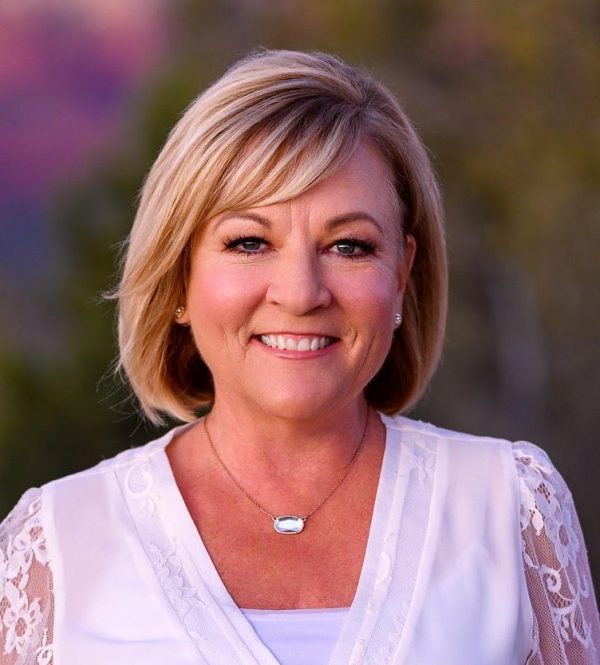
AGC-Atlanta-Melanie-BrandtMelanie Brandt is the President and CEO of the Association for Corporate Growth (ACG), Atlanta. ACG is the ultimate resource for corporate development, private equity, investment banking and other professionals involved in mergers and acquisitions.

Prior to ACG, Melanie was the COO of the Technology Association of Georgia (TAG), providing strategic leadership and management of TAG’s operations, including key initiatives, fundraising and staff management, and initiated several noteworthy projects as COO, such as the Where Georgia Leads maps, the TAG Social Media Council, and the annual S.T.E.M. Education Awards.

In 2018, Melanie was honored by the Association for Corporate Growth for leadership and excellence. She was recognized by the Atlanta Business Chronicle as a “40 under 40” Atlanta Business and Community Leader in 2010 and in 2015 as a Woman Who Means Business. She is an active member of Perimeter Church and serves as the President for the Autrey Mill Middle School PTA Board of Directors, among other volunteer activities.

Melanie’s expertise is growing complex membership organizations. She has a comprehensive understanding of the corporate growth process and ecosystem including funding sources, legislative issues, and strategic M&A. Her accomplishments include outstanding revenue growth and diversification success and and the vision and execution of extremely successful and profitable large initiatives and conferences. She has a demonstrated history of hiring, developing, motivating and retaining top talent and managing a large number of employees and volunteers and she maintains an extensive network of investor, VP and C-level relationships.

Melanie has an MBA from the Robinson College of Business at Georgia State University and an undergrad degree in Molecular, Cellular and Developmental Biology from the University of Colorado, Boulder.

Connect with Melanie on LinkedIn.

Find more information on the suspension of 2020 Georgia Fast 40 here.

Tagged With: ACG Atlanta

Adam Araujo with LeadWeb

April 1, 2020 by angishields

LeadWeb-Logo
High Velocity Radio
Adam Araujo with LeadWeb
Loading
00:00 /
RSS Feed
Share
Link
Embed

Download file

Adam-Araugo-LeadWebAdam Araujo cracked the code to lead generation and conversion. After using his system to help take his clients to the next level, Adam created the ultimate conversion assistance software LeadWeb, which helps eliminate response time to leads and eliminate access issues in the medical industry.

LeadWeb is a single sign-on Lead management app that pulls the leads from Facebook or other platforms and puts them in a centralized place.

Connect with Adam on LinkedIn and follow LeadWeb on LinkedIn and Facebook.

Tagged With: LeadWeb

Learning Insights Radio: Dov Z. Hirsch with Immersive Health Group

March 31, 2020 by angishields

DHirsch
Learning Insights
Learning Insights Radio: Dov Z. Hirsch with Immersive Health Group
Loading
00:00 /
RSS Feed
Share
Link
Embed

Download file

DHirschDov Z. Hirsch, with Immersive Health Group, is a Senior Executive with more than 20 years of experience in business development, strategy, marketing and product/service development. Deep experience in business transformation and delivering measurable growth in tech-enabled services, healthcare and wellness, and education.

Strengthens and optimizes teams to generate exponential growth through new business models, technology, and top-tier talent that cultivates strategic relationships, engages customers and opens new markets. Leadership strength acquired over a progressive career as an entrepreneur and executive for innovative and forward-thinking organizations.

Expertise from startup to scale-up, with experience in tech-enabled services, healthcare services, value-based healthcare, care management and population health.

Tagged With: Healthcare, Learning and Development, virtual reality, VR

BRX Pro Tip: Repurpose Your Work Again

March 31, 2020 by angishields

BRXmic99
BRX Pro Tips
BRX Pro Tip: Repurpose Your Work Again
Loading
00:00 /
RSS Feed
Share
Link
Embed

Download file

BRX-Banner

BRX Pro Tip: Repurpose Your Work Again 

Stone Payton: And we are back with BRX Pro Tips. Stone Payton Lee Kantor here with you this morning. Lee, our counsel is to re-purpose your work again.

Lee Kantor: Yeah. I think, this is another area that sometimes we forget that we have accumulated so much thought leadership and so much knowledge and we do so many good interviews that we take it for granted because you know what, tomorrow, we’re going to be doing another one. I think it’s important to periodically go back and then, maybe carve out the really good interviews that you’re really proud of. Maybe it’s with a high-profile person in the community. Maybe it’s for the thought leader. Maybe it’s with an author.

Lee Kantor: Get that thing transcribed, then place it in a variety of social media outlets that maybe you’re not leveraging right now. Obviously, one is LinkedIn. Make it a post at LinkedIn. I would suggest also the medium platform to re-purpose content. And then, Facebook obviously is another place where you can post this stuff. So, take the good content, transcribe it, you know, throw a nice photo in there and then, place it in LinkedIn medium or Facebook to just get more juice out of the squeeze.

Stone Payton: That’s well-put. I agree.

Franchise Marketing Radio: Lou Schager with Mosquito Joe

March 29, 2020 by angishields

Mosquito-Joe
Franchise Marketing Radio
Franchise Marketing Radio: Lou Schager with Mosquito Joe
Loading
00:00 /
RSS Feed
Share
Link
Embed

Download file

Brought To You By SEO SAMBA . . . Comprehensive, High Performing Marketing Solutions For Mature And Emerging Franchise Brands . . . To Supercharge Your Franchise Marketing, Go To SEO SAMBA.com

Lou-Schager-Mosquito-JoeAfter 27 years in the Navy as a Commanding Officer, Lou Schager leveraged his leadership skills in the franchising industry as Mosquito Joe’s Brand President.

For veterans returning to civilian life, the franchising industry provides a great way to build relationships, get involved with the community and utilize strategic decision-making skills. Before joining the Mosquito Joe team in 2017, Lou’s time in the Navy proved to be the perfect preparation for franchising. Lou was privileged to serve 27 years in the U.S. Navy, primarily flying F-14 and FA-18 aircraft for much of his career, graduated from the Navy’s Strike-Fighter Weapons School (TOPGUN), and served as the Commanding Officer of an FA-18 squadron.

Even though the military provides veterans with leadership skills and an entrepreneurial spirit, adjusting to civilian life can be difficult. Through exposure to the brand as a loyal customer, Lou was drawn to Mosquito Joe and knew it could be the perfect opportunity to take advantage of his military-inspired leadership skills, strategic thinking and a disciplined approach to following processes.

After leaving the Navy, Lou connected with the founders of Mosquito Joe and soon joined the corporate team as their Chief Operating Officer before being named Brand President of Mosquito Joe in 2017. As a new and emerging market, demand has always been high for mosquito control solutions – Mosquito Joe’s services bring a greater quality of life outdoors to families,  friends and their pets without worrying about mosquitoes, ticks and fleas. I

n addition, as seen when the Zika Virus scare was at its height, consumers are relying on our outdoor pest control services to add a line of defense against Eastern Equine Encephalitis, West Nile Virus and Lyme Disease. At Mosquito Joe, our franchisees are given a proven system to follow and are able to become an important part of their community by providing an essential service—the ideal opportunity for our nation’s heroes. Mosquito Joe is already breaking into new territories like California and Utah as part of its 2020 growth plans. Lou is excited about the growth and momentum the brand is currently experiencing and sees no signs in slowing down.

Follow Mosquito Joe on Facebook, Twitter, LinkedIn and Instagram.

  • « Previous Page
  • 1
  • …
  • 446
  • 447
  • 448
  • 449
  • 450
  • …
  • 1320
  • Next Page »

Business RadioX ® Network


Our Most Recent Episode

CONNECT WITH US

  • Email
  • Facebook
  • LinkedIn
  • Twitter
  • YouTube

Our Mission

We help local business leaders get the word out about the important work they’re doing to serve their market, their community, and their profession.

We support and celebrate business by sharing positive business stories that traditional media ignores. Some media leans left. Some media leans right. We lean business.

Sponsor a Show

Build Relationships and Grow Your Business. Click here for more details.

Partner With Us

Discover More Here

Terms and Conditions
Privacy Policy

Connect with us

Want to keep up with the latest in pro-business news across the network? Follow us on social media for the latest stories!
  • Email
  • Facebook
  • Google+
  • LinkedIn
  • Twitter
  • YouTube

Business RadioX® Headquarters
1000 Abernathy Rd. NE
Building 400, Suite L-10
Sandy Springs, GA 30328

© 2025 Business RadioX ® · Rainmaker Platform

BRXStudioCoversLA

Wait! Don’t Miss an Episode of LA Business Radio

BRXStudioCoversDENVER

Wait! Don’t Miss an Episode of Denver Business Radio

BRXStudioCoversPENSACOLA

Wait! Don’t Miss an Episode of Pensacola Business Radio

BRXStudioCoversBIRMINGHAM

Wait! Don’t Miss an Episode of Birmingham Business Radio

BRXStudioCoversTALLAHASSEE

Wait! Don’t Miss an Episode of Tallahassee Business Radio

BRXStudioCoversRALEIGH

Wait! Don’t Miss an Episode of Raleigh Business Radio

BRXStudioCoversRICHMONDNoWhite

Wait! Don’t Miss an Episode of Richmond Business Radio

BRXStudioCoversNASHVILLENoWhite

Wait! Don’t Miss an Episode of Nashville Business Radio

BRXStudioCoversDETROIT

Wait! Don’t Miss an Episode of Detroit Business Radio

BRXStudioCoversSTLOUIS

Wait! Don’t Miss an Episode of St. Louis Business Radio

BRXStudioCoversCOLUMBUS-small

Wait! Don’t Miss an Episode of Columbus Business Radio

Coachthecoach-08-08

Wait! Don’t Miss an Episode of Coach the Coach

BRXStudioCoversBAYAREA

Wait! Don’t Miss an Episode of Bay Area Business Radio

BRXStudioCoversCHICAGO

Wait! Don’t Miss an Episode of Chicago Business Radio

Wait! Don’t Miss an Episode of Atlanta Business Radio