
Business RadioX ®

  • Home
  • Business RadioX ® Communities
    • Southeast
      • Alabama
        • Birmingham
      • Florida
        • Orlando
        • Pensacola
        • South Florida
        • Tampa
        • Tallahassee
      • Georgia
        • Atlanta
        • Cherokee
        • Forsyth
        • Greater Perimeter
        • Gwinnett
        • North Fulton
        • North Georgia
        • Northeast Georgia
        • Rome
        • Savannah
      • Louisiana
        • New Orleans
      • North Carolina
        • Charlotte
        • Raleigh
      • Tennessee
        • Chattanooga
        • Nashville
      • Virginia
        • Richmond
    • South Central
      • Arkansas
        • Northwest Arkansas
    • Midwest
      • Illinois
        • Chicago
      • Michigan
        • Detroit
      • Minnesota
        • Minneapolis St. Paul
      • Missouri
        • St. Louis
      • Ohio
        • Cleveland
        • Columbus
        • Dayton
    • Southwest
      • Arizona
        • Phoenix
        • Tucson
        • Valley
      • Texas
        • Austin
        • Dallas
        • Houston
    • West
      • California
        • Bay Area
        • LA
        • Pasadena
      • Colorado
        • Denver
      • Hawaii
        • Oahu
  • FAQs
  • About Us
    • Our Mission
    • Our Audience
    • Why It Works
    • What People Are Saying
    • BRX in the News
  • Resources
    • BRX Pro Tips
    • B2B Marketing: The 4Rs
    • High Velocity Selling Habits
    • Why Most B2B Media Strategies Fail
    • 9 Reasons To Sponsor A Business RadioX ® Show
  • Partner With Us
  • Veteran Business RadioX ®

Carl Sharperson Jr. With Sharperson’s Executive Leadership

September 21, 2021 by Jacob Lapera

Coach The Coach
Coach The Coach
Carl Sharperson Jr. With Sharperson's Executive Leadership
Loading
00:00 /
RSS Feed
Share
Link
Embed

Download file

Carl Sharperson Jr. is a Leadership Innovation Strategist, speaker, author, and coach. He specializes in taking leaders from mediocre to maximizing their potential in work and personal life.

He transforms his audience and coaching clients through his proprietary Sharp Leadership coaching process as well as drawing from his unique experiences in the military, Corporate America and entrepreneurship.

A graduate of the United States Naval Academy and a former United States Marine Corps pilot with a BS in Engineering, Carl documented those experiences in his book, Sharp Leadership Overcome Adversity To Lead With Authenticity, which is a life-changing book.

Following his service, he went on to hold a number of senior sales and operational positions with Frito Lay, Procter & Gamble, and Colgate Palmolive. In fact, he was the Vice President of Manufacturing for an international sports company, when he felt the tug towards entrepreneurship.

He then launched Sharperson’s Executive Leadership in 2000, where he has worked with executives at companies including Harley Davidson, BMW, University of North Carolina, and Chick-fil-A, just to name a few.

As a speaker, Carl travels nationally and was trained by the Center for Creative Leadership in Greensboro, NC, as an adjunct trainer, where he specialized in executive coaching, leadership, and organizational development.

Carl recognizes the value of giving back and works on several communities and faith-based initiatives, serving as a mentor and a resource to maximize the potential of youth today. Carl and his wife make their home in the upstate of SC, and they are the proud parents of a son and a daughter.

Connect with Carl on Facebook and LinkedIn.

What You’ll Learn In This Episode

  • Addressing the work-life balance principle
  • Sharp Leadership – Life Changing Principles

This transcript is machine transcribed by Sonix

TRANSCRIPT

Intro: [00:00:02] Broadcasting live from the Business RadioX Studios in Atlanta, Georgia. It’s time for Coach the Coach radio brought to you by the Business RadioX Ambassador Program, the no cost business development strategy for coaches who want to spend more time serving local business clients and less time selling them. Go to brxambassador.com To learn more. Now here’s your host.

Lee Kantor: [00:00:32] Lee Kantor here, another episode of Coach the Coach Radio, and this is going to be a good one today on the show, we have Carl Sampson Jr. and he is with sharpersons executive leadership. Welcome, Carl.

Carl Sharperson Jr.: [00:00:44] Welcome. Thank you. Glad to be here.

Lee Kantor: [00:00:45] Lee, well, I am so excited to learn what you’re up to. Tell us a little bit about your practice. How are you serving, folks?

Carl Sharperson Jr.: [00:00:52] Well, I’ll start off with I’m the grandson of a Virginia tobacco sharecropper, and what I do is I basically use leadership principles to change cultures. That’s what it’s all about. The culture of an organization, be it church, be it Fortune 500 company, be at the military starts at the top and I work with leaders to change the culture to get better results.

Lee Kantor: [00:01:18] Now you made a point to share that you know your legacy is from the past of a sharecropper to where you are today. Is there anything when you look back at that lineage that says our folks were destined to the greatness that you’ve achieved?

Carl Sharperson Jr.: [00:01:36] Oh, I think it says that it doesn’t make any difference where you start, it’s where you end up. And if you have good people around you to surround you and you stay grounded in the truth that you can achieve whatever you want to achieve.

Lee Kantor: [00:01:54] So now in your journey, were there points where you were like forks in the road where you’re like, I can, you know, choose this path or that path? And then it seems like you’ve chosen the right path throughout, but maybe there were times where you went awry a little bit.

Carl Sharperson Jr.: [00:02:14] Well, one of the things that I’ve always done throughout my life is things would happen to me and I’d say, OK, what did I learn from that situation and how can I make it better to continuously improve? So I remember when I went out for football for the first time and never played tackle football before, and my coach, who was the third most influential person in my life, Coach Spark, said, You got your pass today. You don’t want to play tournament, no harm, no foul. But if you come back tomorrow, I need you to stay until the end of the season because quitters never win. And winners never quit. Is that if you quit my football team, you might quit school, quit school, get married, might quit your spouse, have kids, quit your kids because once you quit the first time, it’s easier to quit the next time. So at that point in time, I developed a mindset to never quit, and that has served me well.

Lee Kantor: [00:03:04] So now. So mindset is critically important and that that statement obviously left a mark. Was it because you knew people that quit and you were like, Well, the I have evidence that kind of backs that up? Or did you just kind of trusted this guy knew what he was talking about because he was a good coach?

Carl Sharperson Jr.: [00:03:22] Yeah, I pretty much believe the coach took him at his word and said, I’m going to, you know, that’s what I want to do. I want to play and I’m not going to quit.

Lee Kantor: [00:03:30] And then so then that decision kind of puts you on a journey that was probably hard and difficult and challenging, but you were able to overcome that and be successful there, and that led you to the next kind of step in your career.

Carl Sharperson Jr.: [00:03:44] Exactly. So I did not quit. At the time, I was five foot six hundred and three pounds ninth grade. I never played tackle football before. Fast forward, I stick out the season, my senior year. I’m the most valuable player of the team. My coach sent the recruiter to my high school to recruit me to play football at the Naval Academy, and I didn’t know what the Naval Academy was and it was only 90 miles up the road. If I had quit, that would have never happened.

Lee Kantor: [00:04:12] And then once you were in the Naval Academy, there was a lot of other leadership training happening there.

Carl Sharperson Jr.: [00:04:18] I’m sure exactly a lot of training, a lot of a lot of good relationships with good people with the best of the best, and it just sharpened me and helped me to become the person that I am.

Lee Kantor: [00:04:31] So now, having gone through the Naval Academy and and I interviewed business leaders all the time and a lot of them have that kind of same journey, yours in terms. Not exactly, obviously, but in terms of going through the military and then taking those leadership skills from the military into the business world. Why do you think that the military does such a great job developing leaders and none of we don’t kind of transfer any of that knowledge into like the public school system, like it’s part of the government and we have all this knowledge and have all this track record of success. But none of it is kind of trickling down to the little kids and those same lessons, I would think, would be just as meaningful.

Carl Sharperson Jr.: [00:05:19] Well, it sounds like you were in my conversation yesterday when I was meeting with some with a dean of a school that works with troubled middle schoolers and saying the same thing so the military gives. What does it give you? It gives you discipline. It lets you know exactly what you need to do to get rewarded. It’s physically challenging and it’s mentally challenging. Ok. Those same principles need to be applied in our school systems or any learning system, those exact same things. There are a multitude of young men in particular that went into the military and changed their life because of those elements and more than anything else, the structure and the discipline.

Lee Kantor: [00:06:04] Right. And in the military, they have kind of a machine to do this like that’s it’s kind of they’re not expecting like the highest achieving people to come into the military. This is built to help regular folks be successful.

Carl Sharperson Jr.: [00:06:19] Yeah, it’s designed to help anybody that comes in no matter what your intellectual level is, what your physical thing is, just some common elements that you go through that will allow you to maximize your potential, whatever that is.

Lee Kantor: [00:06:34] Now is the thing that makes the military an effective leadership teaching machine or training machine. The fact that people have to raise their hand and say, I have to sign a paper and say, I want to do this, whereas school, they’re just kind of put in it and then they’re just, you know, they don’t feel like maybe they chose this.

Carl Sharperson Jr.: [00:06:56] Well, I don’t think that that’s necessarily the differentiator because I’m a firm believer that everybody wants the same thing, no matter what your economic level is, no matter what your background is, no matter what your culture is, everybody wants the same thing. They want to be loved, they want to be respected and they want to be successful. So in any environment, I don’t care. You know, if you can identify those things in an individual, they will perform. If you do those things

Lee Kantor: [00:07:27] Right and then you just have to convince them that they really want that and that to to persuade them maybe to change some behaviors to help them get what they really want, not what they think they want.

Carl Sharperson Jr.: [00:07:40] Yeah, identify what they want, what they’re what they want, what their purpose is, and then allow them. You give them the tools to achieve that and they’re off to the races.

Lee Kantor: [00:07:52] Well, sorry for this kind of aside about this, because this to me is fascinating and it’s important to me. And it’s a it’s a hard problem that I think that we should all spend some energy trying to solve is to, you know, instill some of these leadership qualities in as many young people as possible, because I think without that, we’re going to have problems down the line. I agree. Now let’s talk about your executive leadership, how did you transition from the Naval Academy into business and then from business into, you know, kind of coaching other business leaders?

Carl Sharperson Jr.: [00:08:28] I think one of the things that I had in my body, soul or whatever was kind of a coach mentality. So when you think about what does a coach do, an athletic coach or business coach or military leader, you really you’re developing people, you’re developing leaders. So that was something that was always in me. I think military gave me some skills. I entered corporate America working for Procter and Gamble, which had one of the best organizational development team building, strategic planning, high performing work systems systems. I learn that system in Albany, Georgia, which transformed the community in a multicultural way and got the best results in the company’s history. So I got that learning. I went to Frito-Lay, which was an upper out organization, to learn how to deal in that organization and work for Colgate-Palmolive, a union facility. And then I decided to do my own thing. So I took the learnings from athletics, the military, Procter & Gamble Frito-Lay Union facility in Colgate-Palmolive. It said, OK, what works, what elements of this stuff works, so I just kind of parlayed that and started doing that. I went to some training at the Center for Creative Leadership to get quote unquote fixed. And I went through the training, which is one of the top leadership institutes that’s nonacademic, went through a program called the Looking Glass Experience. Twenty one executives come in on assimilation for a day and then you debrief how you impact the organization and how the organization impacts you.

Carl Sharperson Jr.: [00:10:06] At the end of that, they say, and that was the first time I really got accurate, timely and specific feedback. And I have an opportunity to work with a lot of individuals because I did that on an ongoing basis. So I’m working with high powered executives and all different disciplines, and one of the things I learned was everybody wants the same thing again. They want to be loved, respected and successful, and everybody has issues. I don’t care how much money you have, how much power you have. The question that I asked the executives when they got done was, what’s the one thing that you need to do to become a better leader? They would say this thing. I need to work on my work balance. They say I’m on my third wife and she just filed for divorce. I’m 60 pounds overweight, just had my third stent put in. I’ve got two kids, one doesn’t know me and the other one is on drugs. Ok, those were the things that high powered executives were saying, right? So I knew that I could coach executives and really anybody and everybody has the same thing. Everybody’s got issues just like I have. So that propelled me to go into coaching and consulting.

Lee Kantor: [00:11:15] And then was it a difficult transition having always been involved in kind of a a team enterprise like you’ve had been, whether it’s the military or in these large enterprise level organizations to now being OK, now it’s my show. You know, your team is you. When you started, I’m sure maybe you had a couple of other people around you, but it was basically kind of you and you didn’t have that kind of whole support of an organization around you. Was that a difficult transition?

Carl Sharperson Jr.: [00:11:46] It wasn’t one of the things that I did. Subconsciously, as I think about my career, is as I was picking up these skills, I was always trying to pick up some more know, not knowing what I was going to do with them. And then by the time I got ready to move geographically to be closer to family, I said, I don’t want to do my own thing and I’ve got the skills. I’ve got the ability and then I can look in the mirror every day and see whose fault it is if it’s not working.

Lee Kantor: [00:12:15] Now, when you when it is your own show, how do you kind of handle kind of the sales and marketing? Because not only is it you, the implementer and the leader, but you’re also kind of the marketer and the salesperson and the, you know, you’re all you’re wearing multiple hats here, Rick.

Carl Sharperson Jr.: [00:12:39] And I think that in all those environments that I’ve been in, one of the most important things to remember that I’ve learned is it’s all about relationships. Nobody gets to where they are without having good relationships in the military. People get promoted and get opportunities because of relationships that they have created. If you ask anybody that’s been in the job market for any length of time, say, how did you get this opportunity that you have with this job, that you’re 80 percent of the time? They’ll say somebody, I know a relationship that I had, you know, so that so I’m basically a relationship guy when I talk to people say these are skills, this is what I can offer, build relationships, and that’s kind of how I’ve got my business.

Lee Kantor: [00:13:23] And then as part of this show’s mission, we’re trying to help other coaches learn from each other, obviously by telling their story and then kind of sharing some of the lessons learned. Can you share maybe how you got your last client? Like, how did the last client come to you? So others can learn from your experience and maybe either replicate, replicated or, you know, might kind of spark something?

Carl Sharperson Jr.: [00:13:50] Yeah, the last client I got started out just with a reach out on LinkedIn. One of the things that I do is I’ll periodically look at LinkedIn and look at people that I think or have a commonality with me. And not only do I look at what they do. I look at what they do when they’re not getting paid. In other words, are they working for Boys and Girls Club? Are they working with United Way or are they on this board? You know, what do they do? What do they do outside of making work? You know, because I’m a firm believer that the whole person, the people that I want to spend time with, not only, you know, are successful at work, they’re also successful at home. They’re leaders in the community. So that’s kind of one of the that’s how I got my most recent client is conversation and relationship building. And how can I help you and how can you help me

Lee Kantor: [00:14:47] Now in your journey, you decided to write a book sharp leadership. Can you talk about what was kind of the catalyst for the idea and why was it important for you to kind of document your philosophy and your kind of life principles in a book form?

Carl Sharperson Jr.: [00:15:03] I went to some coaching myself about four years ago, and one of the things that the instructors said was that it helps if you have a book to give slash that talks about what you do. So I had an idea that I wanted to do it, but to me, it was intimidating to get the grammar right. That would flow have something people want to read. So my daughter, who’s 30 years old now, called me one day and said, Dad, are you serious about writing your book? I said, yes, she says. Are you committed to write in your book? I said yes, she says. If you’re committed to write in your book, she says, I found a book coach and I’ll pay for the services up through the manuscript. So that took away all the. Different excuses that I had. She connected me with a young book coach that was, at the time, thirty two years old. Ok, so if a 32 year old can understand what I’m saying, then that’s a pretty good check. And what I did was I wrote down some things I wanted to talk about in my life.

Carl Sharperson Jr.: [00:16:08] Send it to her, she says. What about this? What about this? I have a question about this and after about four months. It was ready, and I got a lawyer friend to write the acknowledgment or the forward. And a couple of people that I know do a book review in it. My daughter did the the back and I did a why I wrote it and the book popped out and I call it a manual for overcoming adversity in any environment, in any stage of life. I’ve had a 10 year old reading ninety nine year old great great grandmother, C.E.O.s, military leaders, community leaders, family ended up talking about my trials and tribulations, one of which 11 years ago I was diagnosed with stage four non-Hodgkin’s lymphoma. Right? I went to a prep school because I wasn’t academically prepared to go to the Naval Academy. I played football at the Naval Academy. You know, work for three Fortune 500 companies. So those journeys, I document that and what I learned from it. So it’s an easy read with a lot of nuggets in it.

Lee Kantor: [00:17:15] And then is it kind of theoretical or is there a kind of practical insights that a reader can take with them and implement in their business?

Carl Sharperson Jr.: [00:17:25] It’s all my experiences. It’s all my. It’s no theory. It’s all. It’s all examples of, you know, for example, one would be when I was looking for when I was in East Corp, one of the things I learned from, I guess, probably Tony Robbins of 20 30 years ago, Tony Robbins said, learn from the best of the best. You know, if you got something you want to do, learn from the best. So I applied that when I was in corporate America, when I was working for Procter and Gamble and I went to corporate headquarters. Michael Rowland goal was to meet with the best of the best, so I called up the president of the company. I called up several VP’s and I said, I want to meet with you. Ok, we get in the meeting. And I said I told him a little bit about myself. I said, I like for you to do the same. And then I want to find out from you what will be your advice for me to get to this certain level and they all talk to me. Nobody. I was never denied. Learn from the best of the best.

Lee Kantor: [00:18:20] Iron sharpens iron.

Carl Sharperson Jr.: [00:18:22] He does. That’s right.

Lee Kantor: [00:18:24] And and that’s a great lesson for young people to not be afraid to make that call. I have found that the same thing true in my life as well, that leaders are open to talking, especially to young people. And you don’t have to have this kind of really super creative, clever way to get in front of that. They want to give back and they want to share what they know. A lot of the times they’ll make time for a young person. Questions and passion.

Carl Sharperson Jr.: [00:18:54] You’re exactly right, and that’s that’s young people, that’s old people, because it’s a natural phenomenon or natural want and need for for people to help others. So what I tell people all the time, if young people know people, if you want to, if you if you’re doing something productive, there’s a ton of people that will help you. But you got to ask them for help.

Lee Kantor: [00:19:16] Right. I think a lot of folks just wait for that phone to ring and they just keep waiting and they can’t understand why other people’s phones are ringing. And it’s because the phone works two ways.

Carl Sharperson Jr.: [00:19:29] You’re exactly right.

Lee Kantor: [00:19:31] So now the types of companies you work with, are they those enterprise level companies that from your past or are you working with entrepreneurs who is your ideal client for coaching?

Carl Sharperson Jr.: [00:19:42] All of the above. I work with young entrepreneurs, old entrepreneurs, I work with Fortune 500 companies, nonprofits, school systems. One of the things that I have learned over time, Lee, is and I’ll ask this question, I’ll say, what does a general in the Marine Corps, a CEO of a Fortune 500 company, a very successful entrepreneur, a superintendent of a school system? What is the one thing that they all have income? The one thing they all have in common is they don’t have anybody they can talk to.

Lee Kantor: [00:20:19] And and that’s where why they hire you, because you become that sounding board.

Carl Sharperson Jr.: [00:20:23] That’s one of the major reasons. Ok. Everybody’s got blind spots. So no matter how smart you are and what you do, there’s some things you can’t see that you miss it. Ok, so what I found is that those that really understand that then they hire, they hire people or put people around them to cover their blind spots. And for an entrepreneur, there’s a ton of blind spots.

Lee Kantor: [00:20:47] Yeah. Now is there industries you work with? Is there a certain kind of symptom that your clients are having? Is it the the Work-Life Balance? Is that the kind of area where they’re struggling, where you’re your team is a good fit or is there, you know, does this work better in manufacturing over like creative services or professional services like? I would imagine it’s industry agnostic, but maybe the point of entry is something around work life balance? Or could it be something else?

Carl Sharperson Jr.: [00:21:19] Yeah, the point of entry normally is I find out what’s keeping them up at night. And so I focus on the organization. I focus on the leadership. So with that, it crosses all different types of industries, you know, so so that’s that’s what I have found. But the work life balance, what I do when I coach, I do a holistic approach and I look just at the business. I look at family. I have to look at family, family, career finances, social, intellectual and the whole holistic way of looking at act. Because when you when you’re talking to somebody or give an example, let’s say somebody calls me and they want me to help them get through something, OK? And then I found out, I found out after talking to them that, yeah, they have some business business things that need to be worked on. But the most important thing that they need to work on is this this child that they got at home is causing havoc. You know, so you know, so if that gets fixed, then the work becomes a whole lot easier.

Lee Kantor: [00:22:24] Right? Yeah. I mean, that’s really important to go layers deep and not they might come to you with, Hey, this is my problem, and then you have a conversation for a few minutes. You’re like, That’s that’s definitely a problem, but I don’t know if that’s the big problem. Let’s go. When you go a little deeper, that’s where you kind of uncover some stuff.

Carl Sharperson Jr.: [00:22:45] Exactly.

Lee Kantor: [00:22:46] Well, Karl, thank you so much for sharing your story today. If somebody wants to get a hold of the book or get a hold of you. What is the website?

Carl Sharperson Jr.: [00:22:54] It’s w w w got my first name. Last name J.R.. Carl Sharp Person, J.R. dot com. And if you just Google, my name stuff will pop up podcasts, website speeches, so I’m easy to get a hold up.

Lee Kantor: [00:23:12] Good stuff. Well, thank you again for sharing your story. You’re doing such important work and we appreciate you.

Carl Sharperson Jr.: [00:23:18] Thank you, sir, I appreciate that and my book Sharp Leadership Overcome Adversity to lead with authenticity. Amazon, Barnes Noble and on my website.

Lee Kantor: [00:23:27] Good stuff. Thank you again.

Carl Sharperson Jr.: [00:23:29] Thank you for having me.

Lee Kantor: [00:23:31] All right, this is Lee Kantor. We’ll see you all next time on Coach the Coach radio.

Tagged With: Carl Sharperson Jr, Sharperson's Executive Leadership

Anish Michael With Firmspace

September 20, 2021 by Jacob Lapera

Chicago Business Radio
Anish Michael With Firmspace
Loading
00:00 /
RSS Feed
Share
Link
Embed

Download file

Firmspace-sponsor-banner

Anish Michael serves as Firmspace‘s Chief Executive Officer. Firmspace is coworking private office space for discerning, achievement-driven professionals and executives

Anish joined Firmspace as its CEO in August 2019 after spending fifteen years as a legal advisor to public and private companies, including serving as Firmspace’s outside legal counsel since the company’s inception.

Anish brings his legal and business acumen to Firmspace in an effort to scale up the company’s niche professional workplace model. Anish manages company direction, growth, and strategy at Firmspace.

In his role as CEO, Anish works to share Firmspace’s strategy and vision with its members, strategic partners, and investors.

Connect with Anish on LinkedIn.

This transcript is machine transcribed by Sonix

TRANSCRIPT

Intro: [00:00:04] Broadcasting live from the Business RadioX studio in Chicago, Illinois, it’s time for Chicago Business Radio brought to you by Firm Space, your private sanctuary for productivity and growth. To learn more, go to Firmspace.com. Now here’s your host.

Max Kantor: [00:00:21] Hey everybody, and welcome to Chicago Business Radio. I’m your host, Max Kantor. And before we dove into the show today, I want to shout out our sponsor firm space without them. We couldn’t be highlighting and sharing these important stories and speaking of firm space. We actually have the CEO of firmspace on the show today. Please welcome Anish. Michael, welcome to the show, Anish.

Anish Michael: [00:00:44] Max, great to be here, thanks for having me.

Max Kantor: [00:00:46] Of course, let’s jump right in. Tell me a little bit about firm space, how you guys serve in the community.

Anish Michael: [00:00:52] Certainly, well, firm space is a flexible office provider for business professionals. We provide private environments that focus on exactly that, the privacy that our members need, the security and the support that they need to to run their businesses. We like to call our concept pro working. It’s really a professional co-working environment and it’s really focused on members that are achievement driven and maybe don’t have a lot of options when it comes to getting their work done and the distraction free environment. So our pro working model gives them that sense of security, privacy and support that they need to accomplish this type of tech work.

Max Kantor: [00:01:38] Now what makes firm SpaceX different from other shared office space companies?

Anish Michael: [00:01:44] Yeah, I would say typically other shared office you generally hear about co-working being from from a traditional standpoint, being a communal environment with open desks that allow for individuals to work that work in environment next to other individuals without much privacy and security. The way we are different is all of our memberships are based on a private office and it allows the professionals that we cater to to really have a distraction free and safe environment to get their work done.

Max Kantor: [00:02:24] It’s funny you say that because I have been in multiple shared office spaces and I feel like it’s always a party. You know, there’s like the ping pong table or the slide, but but what you guys doing are different, and I was looking through your website and to me, there’s almost a sophisticated feel to it. That’s what I felt from looking through your website. So can you share a little bit about your strategy of firm space and how the strategy came to be?

Anish Michael: [00:02:55] Yeah, I know absolutely it, and I’d first say like that. We certainly enjoy a party and getting getting to know others and networking and certainly our environment caters to a networking among our our members when the time is right and appropriate to do that. But we were really founded on the concept of developing a model that worked for the highest level of services from from some urban professionals, mainly lawyers and law firms. And the concept really was generated based on that, and lawyers need a sense of privacy and the ability to focus on their work and service. Their clients in an environment that is going to be distracting isn’t going to compromise the confidentiality of the work that they are working on and the formation that their clients are providing. So that was really the genesis for why we built a model like from space and when we were able to cater to the legal profession, it really allowed us to open the eyes of other professional services and build an environment where it’s sophisticated, it’s professional. It’s meant to keep a focus of getting work done and ultimately being an environment where our clients and our members worry less about the hassles of running the space and more about an environment that they can bring their clients and guests to and be really proud about.

Max Kantor: [00:04:40] So you mentioned lawyers, but what other industries would make good members for firm space?

Anish Michael: [00:04:47] Yeah, sure. In addition to to the to the legal profession financial services consulting real estate, there’s many industries that really fall into the category of needing an environment like ours.

Max Kantor: [00:05:03] You talked about how individuals and members can just bring clients to have a meeting at you guys as offices, and that’s what they focus on. So I’m assuming you have other amenities that kind of help take care of your members like reception areas and mail services, things like that.

Anish Michael: [00:05:21] Yes, we’re full service when it comes to that traditional concept of an office sharing environment. Mail services conference rooms will. Every location will have a board room type conference room that allows for large group gatherings. In addition, we’ll have other smaller conference rooms and hotel rooms that do allow for collaboration when when the when that’s necessary. So there is other amenities in addition to just having that private office environment and all the other basic amenities that you would want in an office environment such as refreshments, the coffee, obviously things of that nature, it’s really more about allowing our members to focus on their business and less about them worrying about the administrative hassles of running an office.

Max Kantor: [00:06:16] Totally, which is great. And you mentioned collaboration and the spaces for collaboration. Do you guys put on any events for your members and how do you support the members in the community?

Anish Michael: [00:06:30] Sure, Max, yeah, definitely want to do things to not only promote our members and their businesses, but also help in the community. Obviously we’re in the middle of challenging times, so we want to make sure we are adhering to the local requirements as it relates to the COVID pandemic. So we’ve done different things. We definitely in terms of our members providing weekly catering services for meals, things of that nature. We’ve even gone to the efforts of making sure we’re being sanitary as we try to provide those types of meals just to make sure everyone’s comfortable in how we do that. But we still want to continue to do that as being a benefit for our members as they come in on a regular basis. And then in terms of for the community, I think we’re new to Chicago or happy to be in a great metropolitan city like like Chicago, and we feel that we are getting our name out there and it’s being recognized over the the last few months since we’ve been open and we’re looking to partner with community partners that that really want to take, take, take initiative and bring in events and other type of formal gatherings to outer space when the time is right. For now, we’re certainly adhering to the COVID mandates that are in place locally, and we are working to provide an atmosphere where our members feel safe and comfortable. Really, the good thing about our environment compared to maybe traditional environments is that we were really built with that social distancing in mind because of the private offices. And so it gives our members comfort to be able to come into their offices, close their door and be able to focus on the task at hand and not worry about some of the some of the things that we all are facing in our daily lives today.

Max Kantor: [00:08:37] Yeah, I got to say you guys were social distancing before it was cool, before it was the cool thing to do. You were ahead of the game there with that one.

Anish Michael: [00:08:45] Yeah, that’s a good way to put it.

Max Kantor: [00:08:47] Is there anything special about the Chicago firm space location it compared to the other firm’s space locations?

Anish Michael: [00:08:54] Well, we it’s unique in the sense that we have three floors at the top of our building at one point forty five South Wales, and it’s great to be at the top of the building. We actually are contiguous with the amenity floor at the very top of the building, so it really gives our members the ability to enjoy their private office environment, but really have a really close step to being on the amenity level of the building, which comes with a workout facility, shower rooms, outdoor terrace when they want to go out and get a fresh breath of air and additional open areas to be able to collaborate with not only their colleagues but guests that they want to invite to the building. It also has a golf simulator up there, so if someone wants to go upstairs and take a quick break from from the daily grind, we think it’s just a great amenity for us and we’re glad to be a part of the building and so close to it.

Max Kantor: [00:09:58] Initially, it seems like you’re not only giving people private office spaces, it’s almost a lifestyle, I mean, you could spend an entire day at the firm space location.

Anish Michael: [00:10:08] Well, yeah, yeah, it’s funny that you say that I think the building and the great group of developers and the landlords that built that with had a really good understanding in mind. Tom Rogic, architects and company who helped develop the the the the building rosette industry. They they really put forth the thought and were able to think through what really makes sense in this part of town, what really is an amenity that people are longing for. They come from a background in building high rise condominiums. And it’s funny because it really does have a great feel, not only of a wonderful office space where where professionals can come and focus on the work, but it gives them the ability to do things that are attractive for everyday living.

Max Kantor: [00:11:10] And we’re talking about the Chicago firm space. But how where are your other firm space locations across the country?

Anish Michael: [00:11:18] Sure, yeah. Be happy to tell you, we currently have five locations at this point, Chicago being our most recent, but we also have locations in Austin, Denver, Houston and Atlanta.

Max Kantor: [00:11:32] And how did you guys end up picking those cities?

Anish Michael: [00:11:37] Well, you know what, it’s it’s a great question, and it’s something that we’re we are really particular about. We do a lot of research up front and make sure we are in cities that where we see a need for our particular concept, right? And that includes growing cities with professionals that have a desire to be in our environment. But it also needs to be in the right location with the ability for our professionals to have the additional amenities not only not only within our space, but not only within the building, but also in the surrounding area, the surrounding block to to really have a complete environment, if you will, for the type of things they want to do on a daily basis. So those things are important to us as we grow and expand, and those are some of the reasons why we’ve made the decisions to be in the cities where we’re currently at.

Max Kantor: [00:12:36] So if there’s a member in one city, say Chicago and they become a member of the Chicago firm space, do they get access to the other firm space locations as well?

Anish Michael: [00:12:47] Absolutely. It’s something that we’ve been wanting to have, and it’s a reason why we’re we’re spread out all over the country at this point in time. We’re wanting to build a network so that our members have the ability to access firm space wherever they may be. So if they happen to be a first base Chicago member and want to head to Denver for a couple of days if there is availability to have an office in the Denver location, our first base Chicago member is more than welcome to use it.

Max Kantor: [00:13:23] What are your different types of memberships for professionals?

Anish Michael: [00:13:28] Yes, it’s a great, great question, Max, because we’ve thought a lot about it with the way the work environment has changed through the pandemic. Our basic membership has been a private office membership where you can get a private office with how many guests are needed and that can range within our locations. But those private office memberships are typically based on a two month, six month or 12 month term. So there’s a lot of flexibility in terms of how long of a duration that our members want. And in addition to that private office, we have other products such as conference room, use day office use, even a firm space hybrid product which piggybacks our private office membership in the sense that we allow for up to three people to use the same office and desk so long as they’re just not working there at the same time. So we decided to bring out that hybrid product for a small fee. It’s always been a two to one ratio for us with our guest. We just bumped it up to a three to one ratio because we feel there’s a demand out there and people are longing for a hybrid work environment. And this is our way to say, Hey, we’re here to try to meet this desire and demand and give give companies a little bit more flexibility in how they want to staff their work environments.

Max Kantor: [00:15:09] Totally. And Aneesh, you sound very passionate about what you do. It sounds like you enjoy being the CEO of Firm Space. So for you, what’s the most rewarding part of the job?

Anish Michael: [00:15:20] Well, it’s great to be a part of a company that’s finding ways to innovate and bring new concepts and solutions to the commercial real estate industry. That’s been fun since day one, something that we’re trying to accomplish and and give people more solutions, more options. But I have to say just the day to day gratitude and fulfillment that I have is just working with my team and just growing something special. And you and I both know that, you know, a product is only good as the people that are around it and able to promote it and support it. And and at the end of the day, while we’re selling office space and giving people a place to work, we’re really here to support their their mission, their business, the things that they’re trying to accomplish. And that’s really at the at the end of the day, what firm space is all about. We are trying to enable people to achieve their very best and it just happens to be in a private office environment. But we’re also here to be an extension of their business and provide the support they need to excel in their day to day work.

Max Kantor: [00:16:39] And so for any professional that’s looking to achieve their very best or even to learn more about firm space in general, what’s the best way they can find you guys?

Anish Michael: [00:16:51] Absolutely the best way is go to our website at WW from Space.com. And for the folks in Chicago, please come check us out. We’re located at one point forty five South Wales in the central loop, right off of the Quincy Loop and in a great place. I think for for many professionals to want to continue and really rejuvenate their their their work, for sure.

Max Kantor: [00:17:20] Anish, thank you so much for being on the show today.

Anish Michael: [00:17:24] Thank you very much, I appreciate you having me.

Max Kantor: [00:17:26] And it’s not every day that I get to talk to the CEO of Firm Space, so I also got to say thank you so much for sponsoring the show. Thanks to firm SpaceX, we’ve been able to talk to amazing businesses across the Chicagoland area, from small theaters to restaurants to everything in between. So a very special thank you for for helping us out being able to highlight these local businesses.

Anish Michael: [00:17:49] You bet. Max, good luck to you.

Max Kantor: [00:17:51] Thank you so much and thanks everyone for listening to another great episode of Chicago Business Radio. I’m your host, Max Cantor, and we’ll see you next time.

Intro: [00:18:01] This episode is Chicago Business Radio has been brought to you by firm SpaceX, your private sanctuary for productivity and growth. To learn more, go to Firme Space.com.

Tagged With: Anish Michael, coworking space, Firmspace

Alan Reed With Chicagoland Food And Beverage Network

September 20, 2021 by Jacob Lapera

AlanReed
Chicago Business Radio
Alan Reed With Chicagoland Food And Beverage Network
Loading
00:00 /
RSS Feed
Share
Link
Embed

Download file

Firmspace-sponsor-banner

AlanReedAlan Reed is the Executive Director of Chicagoland Food & Beverage Network. Prior to this role, Alan was Executive Vice President, Strategy & Innovation at Dairy Management, Inc., and was responsible for creating and driving innovative strategies to grow dairy demand.

Alan has a degree in Telecommunications from Indiana University and an MBA in Management & Strategy from Northwestern University.

Follow Chicagoland Food & Beverage Network on Facebook, LinkedIn, and Twitter.

This transcript is machine transcribed by Sonix

TRANSCRIPT

Intro: [00:00:04] Broadcasting live from the Business RadioX studio in Chicago, Illinois, it’s time for Chicago Business Radio brought to you by FirmSpace, your private sanctuary for productivity and growth. To learn more, go to Firmspace.com. Now here’s your host.

Max Kantor: [00:00:21] Hey everybody, and welcome to Chicago Business Radio. I’m your host, Max Kantor. And before we dove in today, just want to give a shout out to our sponsor firmSpace. Without them, we couldn’t be sharing these important stories that we are so special thanks to firm SpaceX for sponsoring today’s show. On today’s show, we have the executive director of the Chicago Land, Food and Beverage Network, so please welcome to the show, Mr. Alan Reed. Alan, welcome to the show.

Alan Reed: [00:00:47] Thanks so much. Glad to be here.

Max Kantor: [00:00:48] So let’s jump right in. Tell me a little bit. What is the Chicagoland food and beverage network?

Alan Reed: [00:00:55] Well, we are a about four year old industry organization that brings together the food and beverage industry of the greater Chicagoland area to do great things. Sometimes just compare notes to network, but also talk about innovation and growth and how to make our industry better, how to make our communities better and everything in between.

Max Kantor: [00:01:18] So how big is the food and beverage industry in the city of Chicago?

Alan Reed: [00:01:23] It’s huge. Everyone knows us. Chicago is a is a food and beverage town. But there are, if you’re there are forty five hundred food and beverage companies. So not not just restaurants. We’re not counting restaurants in there, but these are the companies that actually manufacture, distribute and market food products. And over one hundred and fifty thousand people in the greater Chicagoland area work in food and beverage. So it’s an important industry for our economy here. We consider ourselves the Silicon Valley of food and beverage here. And again, we are a we are a food city and again full of just, I’ll say, terrific companies and terrific people who sort of make this amazing ecosystem work.

Max Kantor: [00:02:12] How did Chicago become such a hub for the food and beverage industry?

Alan Reed: [00:02:19] Wow. It goes back a long time. And actually back to the world’s fair back in while I think eighteen, seventy one and Chicago was sort of a showplace for what was happening in in the meatpacking and sort of the meat industry and some of the signs of the progress that we were showing, like we have these amazing trains so you can get the the processed meat all over the country and incredible sort of factory equipment, et cetera. And it really started started from there. A lot of the companies that call Chicago home had their had their origins around sort of this meatpacking industry that we were really leading the way in and have for a couple of hundred years.

Max Kantor: [00:03:10] Oh, that’s interesting. That’s a that’s a history I was not familiar with. So I found that very interesting that all all about that with the Chicago Land, Food and Beverage Network, like you talked about the history of the meatpacking industry in Chicago, now there’s so much more such a broad industry with all different types of people. So what type of members do you have in the Chicago land, food and Beverage Network?

Alan Reed: [00:03:33] Wow. So we have big members, small numbers and sort of everywhere in between. So some of our some of our large members are the are the names that people know. So the Kraft Heinz, Mars, Wrigley, Kellogg, Tyson, PepsiCo and then some of our we would call them emerging brands. Some of our emerging brands are they’re great, just innovative growing companies here like like Simple Mills and Farmer’s Fridge and Blake seed based snacks. And and so many more. I’m forgetting hundreds of them. And then we also have this, I’ll say amazing. Sort of only in Chicago do you call a company that that does a billion dollars in sales mid-size. But we have these mid-sized companies who are sort of like plus or right around a billion dollars in sales. And those are the Eli’s cheesecakes and mini meats and and and Toronto bakeries, et cetera. So it’s a really big, small and everywhere in between, which is part of what makes Chicago just such an exciting place to be in the food and beverage business.

Max Kantor: [00:04:52] Yeah, for sure. And it’s it’s really interesting how you have all these types of businesses and companies under this one network. So I have to know how do you help these smaller you mentioned emerging brands and even mid-sized brands, how do you help them learn from some of the bigger brands all within your network?

Alan Reed: [00:05:11] Well, so we would say that we want them to learn from each other. There are amazing things that are large global companies that they can do, that small companies cannot. And also, I’ll say knowledge and resources and consultants and contractors and others that large companies have access to. But I got to tell you those startups like they do amazing things, and I will tell you we hear this all the time that the big companies learn as much from the small companies as the small companies do, the big companies, they’re really again, I think it’s really what makes Chicago just such a vital, amazing place. Because, yeah, again, a a three year old company run by a 30 year old who’s never run a food business before stands toe to toe with executives from again. Some of our great members like like Adam.

Max Kantor: [00:06:10] Yeah, it’s a great atmosphere for collaboration. So with that collaboration, do you guys put on events to help companies get together to network and learn from each other?

Alan Reed: [00:06:23] Absolutely. It’s one of the things we we pride ourselves on and sort of built our organization around. So we go back pre-COVID, starting back in twenty nineteen. We put on 40 in-person events a year, and we don’t believe in going and putting those in sort of, let me say, windowless hotel ballrooms. We like to put them in exciting places around Chicago with great views or inside amazing companies or inside great agencies, or I mean, really so that people can not just network, but they can also see what is the rest of the industry doing and what does it look like and what’s exciting to me again, because we have so many great companies here that engage in food and beverage.

Max Kantor: [00:07:10] You mentioned COVID, and I’m sure COVID had a big impact on not only the events you were putting on, but your members of the network as well. I know how it impacted the restaurant industry and not just the restaurant industry, but the food and beverage industry at large. So how did you guys help companies within the food and beverage industry cope with COVID? And how did your events adjust to the pandemic?

Alan Reed: [00:07:35] Well, we very quickly switched all of our events for four, 20 20 into virtual. So that was the first step, and then we realized there was such a need for connection that we actually added events. We ended up doing over 60 events. So I mean, over one a week, if you can even wrap your head around that, sometimes you have trouble to do because so many questions were coming up so quickly. And it’s like, Hey, what are you doing about this? What are you doing about this? And like, what we really found is that people just needed a place to talk about, Hey, here’s what I’m facing. Are you facing the same thing? What are you doing about that? And it truly became a virtual sort of place for conversation or two to move these important topics forward and just keep the industry really up to speed on what others and industry were doing. And I’ll tell you, we actually change some of the way we do our events. We’re like, Wow, we don’t. No one knows what’s right or wrong. Let’s just let’s let people just talk and discuss and and ask questions. And it’s not necessarily about this is the right way. It’s about this. This is how we’re doing it.

Max Kantor: [00:08:53] Absolutely. And getting people together, you give them the opportunity, like you mentioned, to learn from one another and really start to identify kind of what were the old trends in the industry? What are the current trends? And hey, when we put our minds together, what could those future trends be? You know,

Alan Reed: [00:09:09] Absolutely. And I’ll also say giving people connections or companies connections to to resources they need to make their business better on things like the the PPP program. We have some terrific banking members, so we connected with some of our some of our corporate members so that they could actually tap into some of the resources that were being offered.

Max Kantor: [00:09:35] Now, speaking of resources, I know, you know, these networking events are just an amazing resource that we’ve been talking about what other resources are available to members in the Chicagoland food and beverage network?

Alan Reed: [00:09:48] Well, so we have quite a few things. So we we actually keep a virtual library of really all of the events and the contacts within there. We have a searchable database of all of our members. So if you’re looking for a particular person company or expertize, you can you can search by that. In addition, we have and it’s one of our more popular things. We have a co-packer database, so co-packers and co. manufacturers are people you can hire to package or manufacture your products for you. And again, a much, a much requested part of what we do. We also we also work hard to connect people. It’s like someone will have a member ask, Wow, do you know anybody that can do this? I’m like, I don’t just know one. I know. 10. Let me let me make sure introductions are made for you. So we do do an introduction service and we also do do some consulting. We have many companies who are interested in what noncompetitive companies are doing. So we again pre-COVID and we’re ramping this back up for before next year. But we also do. We also do sort of consulting and sort of innovation tours where you can literally see how others are are working in industry.

Max Kantor: [00:11:10] What trends are you seeing coming within the food and beverage industry?

Alan Reed: [00:11:16] Oh wow, there’s they’re all. It’s an odd moment just because there’s so much happening. I’d say the biggest trend right now is everybody is looking for additional suppliers where the big trend is we’re moving from. What we used to call sort of just in time, so you get your ingredients and have everything done just in time to make it and get it to the the retailer exactly when their customer needs it. And with all the disruptions in the supply chain sort of across the world and not just in food and beverage, but in lots of places, we’re now they’re calling it just in case. So now we’re we’re watching companies who used to be great at just in time, moving to having a little more inventory, making sure they’re they have their ingredients, making sure that that they they have the things that are absolutely critical to their business to service their customers needs. So I’d say that’s one big trend is just the world of the supply chain is changing in a really important way to really change the way the food and beverage industry works. And I’ll say the other is it’s this interesting balance between how much are people going to eat out at restaurants and how much are people going to eat at home and making sure that that as a food company, you’re you’re addressing both of those both of those segments. And and nobody knows exactly how it’s all going to play out. We’ve seen restaurants come back in a really strong way, but still not quite as strong as they were pre-pandemic. And grocery stores had a great year in twenty twenty. They’re down a little bit this year, but still up if they look at look back at twenty nineteen in most cases. So lots of exciting things, a lot of lots of exciting things going on.

Max Kantor: [00:13:11] Alan, you sound very passionate about what you do within the network. So what would you say is the most rewarding part of your job?

Alan Reed: [00:13:21] Oh, wow. So first, I love working with all of our members and just sort of being a part of this incredible industry overall. But I have to say, the thing that has been most rewarding, especially in the past year, is we we did a crazy little project where we asked a bunch of ingredient companies if they had ingredients they could donate and then we would turn that into something like manufactured and we donate it to to area food banks just based on what they sort of had lying around that that pilot project has led to something that we call the bigger table and bigger table basically works with ingredient companies, manufacturers, food scientists and others to literally formulate healthy product that we gather the ingredients for manufacture and then donate to area food banks. So last year, we donated five hundred and sixty five thousand servings of healthy food to Chicagoland area to food banks. This year, we’re on track to deliver one point five million servings of healthy food. Wow. And it’s just it’s a lot of hard work and it’s a crazy time to do anything like this. But there are hungry people who are really struggling through the pandemic, and it’s just it’s been so amazing to work with great companies willing to just roll up their sleeves, volunteer, donate and get an amazing project done.

Max Kantor: [00:14:53] That is amazing. And I mean, I can’t imagine the impact that that you’re having on these people’s lives. It’s so great what you’re doing. It’s just amazing for the community. So for anyone that is interested in becoming a member or becoming a sponsor, where can they learn more about the Chicagoland food and beverage network?

Alan Reed: [00:15:13] So easiest to go to our website. That’s W-w-what Chicagoland. Org or w-w-what bigger schlaug if they’re interested in our charitable mission?

Max Kantor: [00:15:26] Well, Alan, thank you so much for being on the show today. I can say that I am both a fan of food and beverage, so I think you’re doing a really great stuff for the community and the food and beverage industries in the Chicagoland area. So thank you for being on the show today. Thank you, Matt. And once again, thank you to firm SpaceX for sponsoring today’s episode. I’m your host, Max Cantor. This has been Chicago Business Radio and we will see you next time.

Intro: [00:15:57] This episode is Chicago. Business Radio has been brought to you by firm SpaceX, your private sanctuary for productivity and growth. To learn more, go to Firme Space.com.


Tagged With: Alan Reed, Chicagoland Food And Beverage Network

Alina Ugas With Final Step International Inc.

September 20, 2021 by Jacob Lapera

FinalStepInternationalInc
Coach The Coach
Alina Ugas With Final Step International Inc.
Loading
00:00 /
RSS Feed
Share
Link
Embed

Download file

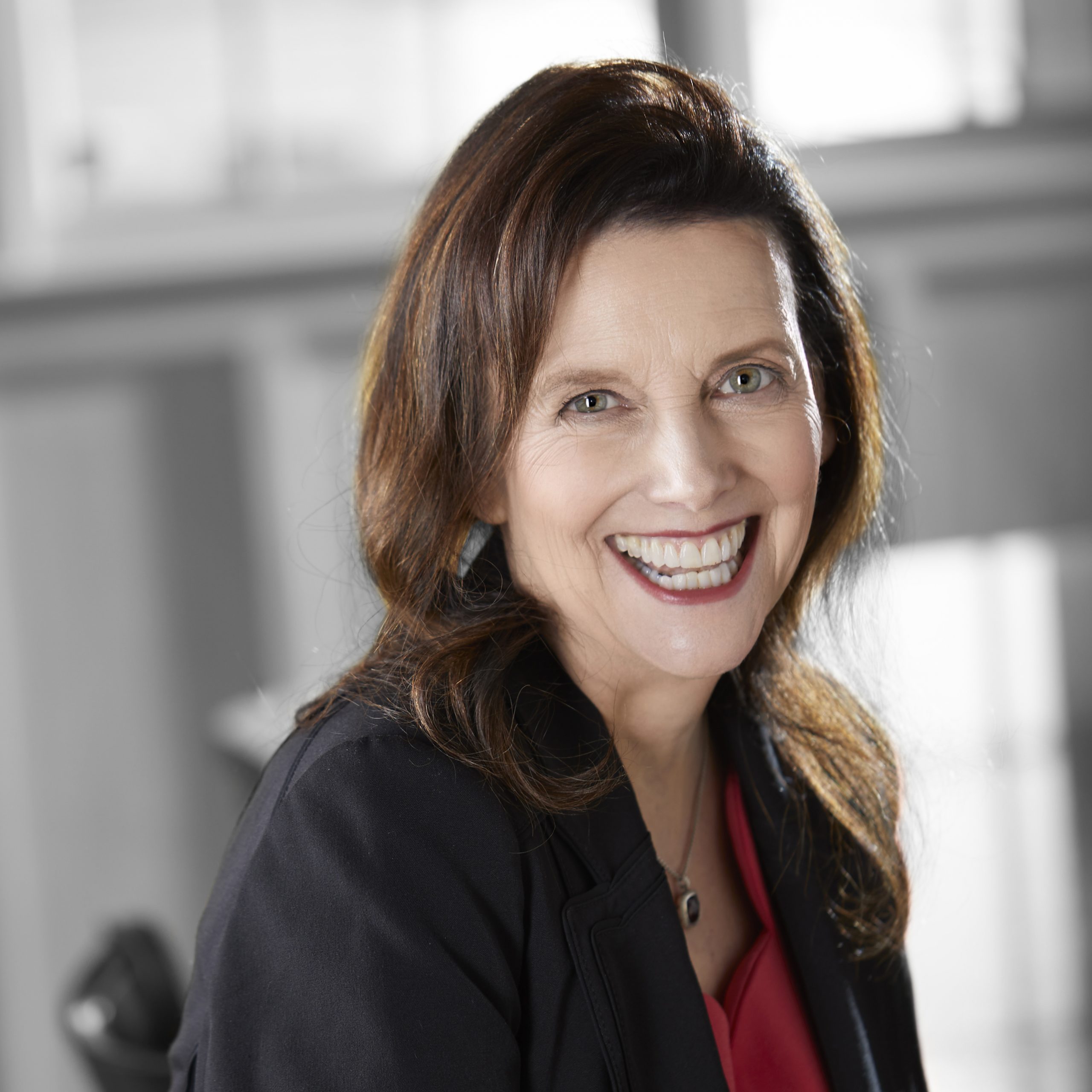
Alina Ugas is a Licensed Practitioner of Neuro-Linguistic Programming® (NLP®), Hypnotherapist, and Co-founder of Final Step International and its trademark technique, The Needs-Based Method® with over 35 years of experience in health care, mental health, and business entrepreneurship.

Alina is a certified Success Coach and Emotional Freedom Techniques Practitioner who is passionate about helping professional women develop the skills and self-assurance they need to take control of their working and personal lives.

With over 35 years of experience in health care, mental health, and business entrepreneurship Alina will help you open the door to your dream life today with a 7-Step System to Self-Discovery, Awareness, and Empowerment.

Follow Final Step International on Facebook and LinkedIn.

What You’ll Learn In This Episode

  • Empowering women for success
  • Overcoming self-doubt
  • Navigating career and motherhood
  • Assisting women to reach their full potential
  • The Needs-Based Method®
  • The advantage to the 7-Step System to Self-Discovery, Awareness, and Empowerment

This transcript is machine transcribed by Sonix

TRANSCRIPT

Intro: [00:00:02] Broadcasting live from the Business RadioX Studios in Atlanta, Georgia. It’s time for Coach the Coach radio brought to you by the Business RadioX Ambassador Program, the no cost business development strategy for coaches who want to spend more time serving local business clients and less time selling them. Go to brxambassador.com To learn more. Now here’s your host.

Lee Kantor: [00:00:33] Lee Kantor here, another episode of Coach the Coach Radio, and this is going to be a good one today on the show, we have Alina Ugas with final step international. Welcome, Alina.

Alina Ugas: [00:00:44] Thank you. Thank you, Lee, for having me on your show.

Lee Kantor: [00:00:46] Well, I’m excited to learn what you’re up to. Tell us a little bit about final step international. How are you serving, folks?

Alina Ugas: [00:00:54] Well, the final step we started back in twenty thirteen as a drug and alcohol communication education program, and that’s due to personal history, not history, but struggles with my family. And then we morphed it more into communications just, you know, communication skills. And now what we’re doing, one of the branches is we are working with women entrepreneurs and also women C-level executives who are looking to excel in their personal, professional and financial life.

Lee Kantor: [00:01:36] So now from serving people who are struggling personally with, I guess, addiction and things like that to now helping empower women and getting them on the track to success, they may seem, you know, very diametrically opposed in some ways. But I would imagine there’s a lot of kind of similar skills, isn’t there?

Alina Ugas: [00:01:59] Absolutely. One of the things that we did realize while the process of working with those who are struggling with addiction is that everybody’s story seemed to extend from childhood. And so that’s one of the things that we started focusing on and we realized within the first two years that we could actually our methodology could actually work for any circumstances in your life. And that’s again, through personal struggles, I realized that women are really not still to this day. We are not in a position where we should be working with side by side with men.

Lee Kantor: [00:02:43] So now for your client, is this something that how do they know that they’re they need your help? Like what are some symptoms that are maybe clues to help a woman, you know, partner up with you so you can assist them to to reach their whole full potential?

Alina Ugas: [00:03:02] Right. So what we’ve come across is women who are complaining about not being able to excel professionally or personally or financially. So women that are struggling in the man’s world, that’s what I call it. And that they’re always wondering, why is it that he gets the better promotions, better pay? So those women who are doubting that’s really is self doubt if they would really trust and believe in themselves, you know, we see tons of women that are in powerful positions. They would not be doubting themselves and a lot of them, which we’ve come across, are dealing with imposter syndrome. That whole, I don’t belong. I’m not good enough. So if you ever tell yourself, you know, negative chatter, I’m not good enough. I don’t belong. This job is not for me. That’s already a clue that you really need to work with a coach because that’s extending from somewhere.

Lee Kantor: [00:04:07] Now, do you find the average person struggles with that type of imposter syndrome? Is it something that affects, you know, the majority of folks and that it’s something that you’ve got to really nip in the bud if you really want to succeed?

Alina Ugas: [00:04:25] Absolutely, absolutely. You know, we all have I believe that it’s normal for us to have some doubt. But if that doubt persists for I want to say, you know, by the end of the day, then that’s a very letting you know that you are not able to work through that doubt on your own and that having a professional help you would really be beneficial to you.

Lee Kantor: [00:04:49] Now is that doubt something that is not a minor, just inconvenience, but it can really sabotage like you can do behaviorally things to sabotage your success that kind of just reinforce that imposter syndrome.

Alina Ugas: [00:05:05] Oh, absolutely. That’s where addiction comes in. And it’s not only addicted to drug and alcohol, you know, as women, one of the addictions that we have and that we help women work through is shoes, believe it or not, handbags. I don’t want to say I’m addicted, but I own well over forty five handbags and I only have two shoulders. So how many can I use at a time? So but that is just such such a feel good to me to be able to buy a handbag just because it’s pretty or whatever the case is. But then I realized prior to me, myself going through coaching, that was my way of satisfying that need that I had that I did not know what it was.

Lee Kantor: [00:05:54] So is that is the need something? It’s obviously not material, but it’s something there’s like a whole inside of you that you’re trying to fill with these materialistic objects.

Alina Ugas: [00:06:06] So the same thing with, again, with the drug, you know, you have a drink or you use whatever form of drugs, and it just makes you feel good for the moment. So it’s just like somebody that loves retail shopping. You know that you just go and buy, buy, buy and you really have no need for it, but you feel good in the moment that you’re doing it.

Lee Kantor: [00:06:29] So now so but that’s part of the challenge, right, that’s they don’t see it as a problem, I guess, like in drugs or alcohol, you know, you can look at yourself in the mirror and go, Wow, this probably isn’t great, but buying shoes or a handbag, you probably aren’t thinking, Wow, this is a problem, right? It’s not a big deal, right?

Alina Ugas: [00:06:50] You just know that you can’t pass up a pair of shoes, you can’t pass up a handbag. And then if you really ever stop to think, like, do I really need this when you realize that you have a closet full of boxes of shoes that you don’t wear, but just because it felt good in the moment? And then let’s not talk about looking at the credit card and realizing, no, I could not afford this. But though you still bought it because it felt good in that moment, but that is to it’s filling a hole that you have inside. You just can’t pinpoint what it is

Lee Kantor: [00:07:22] Now in your journey and your career of helping people at various stages of their life. Have you come up with kind of your own methodology to help these folks?

Alina Ugas: [00:07:32] Absolutely. Our methodology is called the needs based method and its trademark uniquely to us, and this is something that we’ve been working on to be able to train other coaches and even therapists and counselors in it. So what it is is to be able to identify the needs that you have in the moment. That doesn’t allow you to move forward, that the shoes are a perfect example, as a matter of fact, I just wanted to let you know that we did have a client that that was her addiction or shoes. But of course, it was a little bit more destructive. Know she was doing things that she wasn’t proud of in order to be able to afford the shoes. So that’s a perfect question for you to ask yourself, Is this a need or a want? Do I need it or do I just want this? And if you want it, why is it that you really want that? Whatever it is, if it’s a drugs, you know, the alcohol, the purse, the shoes? Why do I want it? And then once you start asking yourself and looking deep inside, then you’ll realize it’s filling a hole that you don’t even know what the hole is.

Alina Ugas: [00:08:40] Most of the time, I want to say 95 percent of the time is something that happened in childhood. It doesn’t have to be a traumatic experience because a lot of people believe that traumatic that trauma is something, you know, an abuse of rape, a death, whatever. Know, it could be something as simple as having a sibling being born, and you’re not knowing the uncertainty of how this new individual is going to impact your life. That’s the trauma. You know, I could honestly say that for years, that was the trauma that I had. My sister was born and I was born and raised part of my life in Cuba, and I didn’t know back then. They don’t tell you, parents don’t tell you anything. And so I didn’t know my mom was pregnant. She just showed up with this little bundle of hair and I was like, OK, cute, take her back, you know, because I was the only girl for five years. And believe it or not, that’s something that impact my life. I want to say for 40 years until I started seeking coaching, I didn’t realize that that was a childhood trauma, right?

Lee Kantor: [00:09:50] A lot of times people are kind of looking for that big trauma that’s, you know, a movie trauma that is horrific, but it can be just a disruption or how you perceived a threat when you know it’s not. Other people might not see that whatever that incident was as a threat, like your family didn’t see it as, Oh, I’m probably traumatizing Alina here by bringing this kid in, you know, they’re like the happiest day ever. And now we have two girls. We’re like.

Alina Ugas: [00:10:20] Right? Absolutely.

Lee Kantor: [00:10:24] So now when folks work with you or when women work with you, what does that look like? Does it? Is it always kind of one on one? Coaching is a group coaching. How do you kind of work with your clients?

Alina Ugas: [00:10:36] It’s one on one coaching. We have had coaching in the past, and we’re willing to do it again if there’s a need. Recently, there hasn’t been a need for a group coaching women really like that one on one that special attention. And one of the things that I do say that sets us a little apart from others other than our methodology that needs space method is the fact that they get two. For one, they get Michael, my business partner in myself. You know, they get Michael has a male perspective and then they get me as a female perspective. And then we work tenderly. We, you know, I’m a hypnotherapist and NLP practitioner, so we integrate a lot of other methodologies to be able to help the women achieve the goals that they’re looking for.

Lee Kantor: [00:11:27] And then now you’re looking for other kind of folks out there to be trained in the way that you do your work so that they can be helping other people in wherever they are.

Alina Ugas: [00:11:38] Absolutely. We have an 85 percent success rate. Michael, my business partner, has interviewed over 12000 individuals that are suffering from behavior issues. You know, drug alcohol addiction, sexual addiction, addiction, whatever. So and that’s what we realize that ninety five percent of them, believe it or not, come from a single parent household. It doesn’t matter what education level or social level that you’re in, the ones that are in a higher economy. Their issue is that their parent ignores them either to death, a doctor or an attorney, whatnot. The father’s not paying one on one attention, so those kids are equally as ignored as the ones that are living in a single parent household that the mom is always working.

Lee Kantor: [00:12:35] And then you help folks kind of just deal with that and how to manage it better and how to overcome it.

Alina Ugas: [00:12:43] Right? We teach them how to, first of all, become aware we have a seven step system that we put them through. So one of the biggest things is we teach them. Awareness that they don’t have step by step and then bring some clear understanding of their behavior and how to change or shift their mindset.

Lee Kantor: [00:13:06] And then once they have that awareness, then you give them kind of the tools to empower them to move forward.

Alina Ugas: [00:13:12] Absolutely. So actually, our seven step system is part of the tools that we use. We just have that copy written. And that’s something that if they go through all seven steps, sometimes you know, it does take about six months to a year, 18 months, depending on what is the original trauma. They will have that for the rest of their life. What they do is every situation to look at it, you know, they need to understand it. They need to become aware. Then what is the solution? So we give them all those tools to work with.

Lee Kantor: [00:13:44] And if somebody wants to learn more about your system, your programs and your certifications, what is the best way to get a hold of you in your team?

Alina Ugas: [00:13:55] It could either email me. We’re all over social media. Our new branch of the business is to be 60 mindset coaching. Our business is final step international. Like I said, they could email me at olina at Final Step International. We’re all over social media, so we’re pretty easy to access.

Lee Kantor: [00:14:18] Well, congratulations on all the success you’re doing. Important work and we appreciate you.

Alina Ugas: [00:14:23] Thank you, Lee. I really appreciate you for taking the time and having me on your show.

Lee Kantor: [00:14:27] All right, this is Lee Kantor. We will sail next time on Coach the Coach radio.
Tagged With: Alina Ugas, Final Step International Inc

Indrea Gordon With Quad Clothing Company

September 20, 2021 by Jacob Lapera

Atlanta Business Radio
Indrea Gordon With Quad Clothing Company
Loading
00:00 /
RSS Feed
Share
Link
Embed

Download file

Fashion Designer Indrea Gordon is the founder/C.E.O. of Quad Clothing Company, whose fashions are created to help women and girls feel confident and empowered. Her designs are known for their unique styles mixed with unusual fabrics and are worn by discerning fashionistas of all ages.

Indrea is motivated by the look in a customer’s eye when she knows what she’s wearing is flawless and suited just for her. The company’s focus is for every woman to make a statement without saying a word when she enters the room.

With a keen eye for detail, The Quad Clothing Company focuses on creating a high fashion red carpet statement, at a price point suitable for any customer’s budget.

Connect with Indrea on LinkedIn and follow Quad Clothing Company on Facebook.

What You’ll Learn in the Episode

  • About Quad Clothing Company
  • The Fashion Meets Food Experience
  • The Fashion Without Limitations program
  • About the non-profit Autumn’s Gift

About Our Sponsor

OnPay’sOnPay-Dots payroll services and HR software give you more time to focus on what’s most important. Rated “Excellent” by PC Magazine, we make it easy to pay employees fast, we automate all payroll taxes, and we even keep all your HR and benefits organized and compliant.

Our award-winning customer service includes an accuracy guarantee, deep integrations with popular accounting software, and we’ll even enter all your employee information for you — whether you have five employees or 500. Take a closer look to see all the ways we can save you time and money in the back office.

Follow OnPay on LinkedIn, Facebook, and Twitter

This transcript is machine transcribed by Sonix

TRANSCRIPT

Intro: [00:00:04] Broadcasting live from the Business RadioX Studios in Atlanta, Georgia. It’s time for Atlanta Business Radio brought to you by onpay Atlanta’s new standard in payroll. Now here’s your host.

Lee Kantor: [00:00:24] Lee Kantor here, another episode of Atlanta Business Radio, and this is going to be a fun one. But before we get started, it’s important to recognize our sponsor on pay. Without them, we couldn’t be sharing these important stories today on Atlanta Business Radio. We have Indrea Gordon with Quod Clothing Company. Welcome.

Indrea Gordon: [00:00:43] Thank you, thank you. How are you?

Lee Kantor: [00:00:45] I am doing well, I’m excited to learn what you’re up to. Tell us a little bit about Quad. How are you serving, folks?

Indrea Gordon: [00:00:51] Yeah. Quad clothing company is actually a designer brand. My focus is on women and girls, and I design formal wear, so basically custom clothing for women and girls.

Lee Kantor: [00:01:01] So what’s your back story? How did you get involved in the fashion industry?

Indrea Gordon: [00:01:06] You know, I’ve known since I was about nine years old that I wanted to be a fashion designer. My first sketch was in the fourth grade. I redesigned a poster that my teacher had in her room of Mickey Mouse in a wizard gown, and I thought it was just much too plain for me. So I redesigned it. And ever since ninth, fourth grade, nine years old, I’ve always known this is what I would do.

Lee Kantor: [00:01:27] So now how did you kind of continue on that path? Like, what were some of the activities you were doing? Were you designing your own clothes and actually creating them or drawing them and then started creating them

Indrea Gordon: [00:01:38] In in high school is when the journey actually kind of came to fruition? I started sewing at in home EC in high school and went to college f IDM as a matter of fact in San Francisco, and that’s where I did all of my schooling at. And from there it just kind of took off. I went into the hair and fashion industry and so I would do complete looks for my customers and that’s what I continue to do for today.

Lee Kantor: [00:02:04] So now what advice would you give a young person that, you know, maybe is enamored with fashion and they see it? You know, maybe they’re watching some of the shows, maybe like the Project Runway type shows where it seems almost out of reach for a regular person. What advice would you give them to, you know, just start experimenting and playing and just, you know, testing the waters.

Indrea Gordon: [00:02:26] You do just that. You take the jump. This is a rough industry and you’ll get more no’s than you get yeses. You’ll get more negativity than you do encourage encouragement. And so for a young person, I would just say, take the jump and start kind of dabbling in what you love to do. And it just so happens that once you take that jump and you dabble into what you love to do by accident, it tends to develop itself and it becomes a reality. And once you see things actually become a reality when they’re taken from a thought to paper and then from paper to an actual reality, then something else evolves in that in that moment, and once it becomes a reality, then you realize this is achievable. And so once you realize it’s achievable, the rest is just execution. But you have to first be brave enough to just take that jump and just start.

Lee Kantor: [00:03:15] Now, when did you start having clues that you know, this isn’t just something that you like, but you’re good at it?

Indrea Gordon: [00:03:22] I think that kind of happened a little bit later on in my career, I didn’t realize how good I was at it. You know, I used to always say I was trying to be a designer. And then my son, ironically, in the fourth grade, he had to write a report and he did a report on me. And in that report, he said, My mother is a designer. And I thought, Whoa, he sees me as a designer. And so at that point, it was almost his words validated that, OK, I’m pretty good at this because of the way he sees me. I’m like, I’m pretty good at this, and I started to change the way I thought about myself. And then once I realized how good I was, then the rest was history. I was able to embrace it.

Lee Kantor: [00:04:07] Now do you find that people who are in a creative industry like you are struggle with that a little bit that confidence or that imposter syndrome that maybe they are not good enough and that they need some outside person to kind of give them that confidence that to believe in themselves, maybe they believe in them more than the person believes themselves.

Indrea Gordon: [00:04:27] Right? Absolutely. You, you know, as creatives, we all deal with that. We get a little cold feet sometimes. And, you know, the industry is really competitive. So you do kind of have those fears that revolve around your creativity, but you have to just like like in anything, you have to find your lane. You have to realize that sometimes for designers, we think when we create, Oh my god, this has never been created before. This is the best sleeve in the world. This is the best color in the world. And then you do your research and you’re like, Dang, this collar was like created in eighteen hundreds, you know, so nothing is brand new in this industry. It’s just finding your lane and where you’re comfortable and honing in on that and not necessarily reinventing the wheel, but just making it niche based and really focusing in on how you can serve as that particular niche and those particular people that enjoy that niche.

Lee Kantor: [00:05:22] Now, when you were starting out, were you working for someone else and then you went out on your own with your own designs? Or were you always kind of working on your own designs?

Indrea Gordon: [00:05:32] I have always been an independent designer, and looking back when I was in college, I had an offer to go and work for Levi, and I thought, You know, Oh, I’m going to do my own. Being Levi is so boring, nothing changes except the color, it’s just jeans, and I passed up on that opportunity, and till this day, I wish that was an opportunity that I had taken advantage of because the road has been extremely rough as an independent designer. I would advise anyone in this industry to get under the direction of someone who knows the industry and get all the training that you could get at ground level because I kind of had to learn everything along the way and I was an extremely tough route to take.

Lee Kantor: [00:06:14] So now how did you kind of land in the niche that you are in now?

Indrea Gordon: [00:06:19] You know, I’ve always loved pretty dresses, right? And I actually was just critiquing all the gowns for the Met Gala. It was crazy, but I’ve always loved glam, old Hollywood glam, pretty dresses and all of that good stuff. But more so importantly, I love what feeling beautiful does for women and girls, and I’ve kind of taken that aspect of it and really developed how the garment makes makes a person feel. And so that’s what I specialize in. So although I love the pretty garments, it’s really about how it makes you feel when you’re wearing the garment. That’s what the empowerment piece takes place.

Lee Kantor: [00:07:01] And then once you kind of capture how you would like someone to feel, then you design towards that feeling or you design something and then you kind of work how they feel after you’ve got kind of a basic design, like how they how do you kind of marry those two concepts

Indrea Gordon: [00:07:18] In a consultation? Once you once I schedule a client, we have a consultation and I find out, of course, where the garment is going to be worn to ask questions like, What are you trying to achieve with this garment? How do you want to feel that night? Why? Why do you think this garment will be the garment that will help you achieve that feeling? So I kind of get to know my client and then I give them what they want, but I kind of tailor the design to what I know they really need. And you know, once you do that, once you understand your client and understand their desires and what they’re trying to achieve, the rest is just a matter of putting it to paper.

Lee Kantor: [00:07:55] Now you mentioned the Met second ago. How often are your designs kind of meant for an event like that?

Indrea Gordon: [00:08:06] That is what I specialize in. So if you have a special event for a clothing company, it’s definitely your go to person for that event. If you want to make a statement, you know, most of what I do is geared towards formal wear, the extravagant the make a statement without saying a word type pieces. So although we do have ready to wear things that you can wear to the office and transition into night where we really enjoy and tend to focus our efforts on Met Gala type designs.

Lee Kantor: [00:08:36] So now tell us about that. This upcoming fashion meets food experience.

Indrea Gordon: [00:08:42] I am super excited about that. Fashion meets food kind of came about because those are two essential elements. Everyone wears clothes, everyone eats food. So we figured for National Food Day, what an awesome way to bring those two industries together, but to create an event that caters to both. So I have a private chef and her name is Kendra Bates from Honey Sole. And what we did was we collaborated her dishes with my garments or else my garments with her dishes. So at fashion meets food, it’s going to be a full experience of those two, those two essential elements. So one could expect to come in and have have a gallery showing up all of the gowns and how the gowns relate to the food. So if she has, I don’t know, these chefs have all these fancy names, and so I can’t even pronounce the fancy names. But let’s just say we have, I don’t know, shrimp cocktail for lack of a better word that shrimp cocktail will match with my red gown and my red gown will have some elements of the of the shrimp, whether it be the cut of the garment or the color of the garment. Somehow they will translate and you’ll be able to merge the two together to see how they resemble each other. So it’s going to be really, really fun and really interesting to see.

Lee Kantor: [00:10:00] And when is that event

Indrea Gordon: [00:10:01] That is October 24th, which is National Food Day? It is a Sunday, October twenty four.

Lee Kantor: [00:10:09] Are there tickets left? Are there tickets available?

Indrea Gordon: [00:10:11] There are a few tickets left, and you can find those by logging into Quad Kumu Ayda’s and David Clothing Company. And you can purchase your tickets there now.

Lee Kantor: [00:10:22] If they go to the website, there’s other things to find like is your fashion without limit limitations program there as well.

Indrea Gordon: [00:10:29] There is. We actually always incorporate. I am really big on really including my special needs babies, and I always include someone who has some form of special need in whatever I do. And so on that night, I’ll have a couple of my babies who live with autism. I’ll have them walking for me that night. They come from a program called Autumn’s Gift, and that’s Autumn’s Gift Dawg. And so I’ll have a few of them modeling that night, and it’s going to be really fun for them and I’m excited to have them a part of it as well. But yes, there is information on the website about them as well.

Lee Kantor: [00:11:05] So now is the website the place like for everything, quod clothing. They can find any upcoming events they can find, maybe some some of your looks, just everything they. You’re up to is is found on that website.

Indrea Gordon: [00:11:22] Absolutely.

Lee Kantor: [00:11:23] And then and then the ideal person for you as a client is somebody that goes to events, big events that wants to make that wow statement.

Indrea Gordon: [00:11:33] Absolutely. But more importantly, someone who wants to discover their inner and outer beauty. You know, especially mothers. You know, we have a tendency to care for everyone, and we’re the last ones to to get taken care of. And so really, if you want to discover that that new you and really make a statement, that would be me.

Lee Kantor: [00:11:57] So it might be the person that’s never kind of work with the designer before they wants to, you know, kind of break out of their shell and just really stand out.

Indrea Gordon: [00:12:07] Absolutely.

Lee Kantor: [00:12:09] Well, congratulations on all the success and the story is amazing. And the way that you’re helping so many folks around you in your community is really outstanding. And kudos to you.

Indrea Gordon: [00:12:22] Thank you so much. Thank you for having me.

Lee Kantor: [00:12:24] And then that website again is quad colored clothing company. Thank you for sharing your story. You’re doing such important work, and we appreciate you.

Indrea Gordon: [00:12:34] No problem. Thank you for having me.

Lee Kantor: [00:12:36] All right, this is Lee Kantor. We will sail next time on that land of Business RadioX.


Tagged With: Indrea Gordon, Quad Clothing Company

Brett Baughman With The Brett Baughman Companies

September 17, 2021 by Jacob Lapera

BrettBaughman
Coach The Coach
Brett Baughman With The Brett Baughman Companies
Loading
00:00 /
RSS Feed
Share
Link
Embed

Download file

Brett Baughman is the Founder and CEO of the Brett Baughman Companies Inc. He has been a professional business, executive, and life coach for more than twenty years.

Voted the #1 Business Coach for six years running, Brett specializes in helping his clients to reach peak performance through his revolutionary program called The Ideal You.

Connect with Brett on Facebook, LinkedIn, and Twitter.

What You’ll Learn In This Episode

  • How to monetize your marketing and publicity to grow your business and credibility

This transcript is machine transcribed by Sonix

TRANSCRIPT

COACHTHECOACH_09152021_BrettBaughman_1.mp3
Intro: [00:00:02] Broadcasting live from the Business RadioX Studios in Atlanta, Georgia. It’s time for Coach the Coach radio brought to you by the Business RadioX Ambassador Program, the no cost business development strategy for coaches who want to spend more time serving local business clients and less time selling them. Go to brxAmbassador.com To learn more. Now here’s your host.

Lee Kantor: [00:00:32] Lee Kantor here, another episode of Coach the Coach Radio, and this is going to be a fun one today on the show, we have Bret Bauman and he is with the Bret Bauman companies. Welcome, Bret.

Brett Baughman: [00:00:44] Thank you, Lee. Great to be here.

Lee Kantor: [00:00:46] Well, I’m excited to learn what you’re up to. Tell us a little bit about your practice. How are you serving, folks?

Brett Baughman: [00:00:52] Yeah, you know, it’s been extremely busy and I feel very blessed over the past couple of years, especially with the economy and the things happening with COVID. You know, primarily, I work as a life coach and a business coach, but most of my work, I work with what I call overwhelmed and stressed or stuck entrepreneurs trying to help them keep their business doors open and help them keep growing and thriving during challenging times.

Lee Kantor: [00:01:14] So now, have you seen some commonality among your clients that they struggle in the same areas?

Brett Baughman: [00:01:20] Yeah. You know, it’s I would say it’s it’s usually there’s a theme between a couple of common things. I typically feel that it’s either people don’t build their brand the correct way. By that, what I mean is maybe they started from a scarcity point. Like, maybe they worked another career and jumped over to start something new or said, Hey, in general, I’d like to be a coach or a consultant or this person, and they just start kind of doing what everybody else is doing, which is to general. And the other thing is not believing in themselves and taking risks and challenging themselves to continue to grow, which keeps you stagnant and know again fear based thinking, which is not going to create prosperity for you in the end.

Lee Kantor: [00:01:56] So now any advice for that coach? Maybe it’s like you describe maybe they maybe they were kind of achieved a certain level of success working for a big corporation and then they get laid off, or maybe they retire, or maybe they just want to, you know, kind of do something different and shake up their life. But they said, OK, you know what? I’ve been doing this kind of work anyway. I’m going to now be a coach and I’m going to share what I’ve learned to new folks. And do you you find that there too general like there just instead of kind of maybe going after a niche there, just kind of trying to solve everybody’s problem?

Brett Baughman: [00:02:34] Yeah, absolutely. You know, my my my structure, my format that I approach with my coaching, I have a trademark process called the ideal view and the first step I take with any executive, any entrepreneur that’s working with people they want to get started is helping them understand that everything you build has to come from the inside out. And what typically people do, I see, is they look at what someone else is doing and try to copy it, or they say, Oh, I want to be a coach or consultant, let me do this thing. And they start modeling after someone else, which is fine to take the structure and say, Hey, here’s the box. Good to have a book. Good to have social media presence. Good to have a website, but then you’ve got to make it identifiable to yourself. It’s got to be your passion, purpose and speak to your specific target audience and brand. When you do that, what it does is you get in touch with what I call your your kind of core principles, the core drivers that make you who you are. And it’s not saying, you know, Oh, I want to be a coach, it’s like, what about coaching? How are you going to execute that? Like my my specific drive and my music is helping people determine that passion and that purpose so they can be fulfilled and therefore use that as a guiding, a guiding light for how they design their services are offering who their target audience is and how they develop content or monetize that down the road to grow.

Lee Kantor: [00:03:53] So now when they’re when it gets to the point where they’re going to market themselves, they obviously if they don’t have kind of a clear position and in the mind of their prospect, it’s going to be difficult to build marketing around that right. So that is a foundational element is kind of building this. This is who I am. This is what I stand for and this is who I am going to target. Absolutely right. You have to start there because everything else is then you’re just kind of burning money guessing.

Brett Baughman: [00:04:24] Yeah, and you become again, like, if you look online, that’s why when you go to look for stuff, there’s so many general information here. You look up a business coach, a life coach coaching anything. You’re going to find so much technical information about setting goals, getting started and you can find millions of things about that. What people don’t do is give their specific recipe formula or their weapon for why you would do that and how which differentiates you that way. Not only can people see, Oh, I see why you’re different, I specifically relate to this. This speaks to me, but it’s also how people find you. If people are searching just for coaching or help, it’s going to be very generic. But if somebody says, I need help to grow my business because of this or something, you’re going to find people are going to identify with you and say, this is exactly what I need, and it’s less that takes you away from selling and gets you more to executing the results.

Lee Kantor: [00:05:11] Now you mentioned early earlier about maybe sometimes people approach this with kind of a scarcity mentality or a fear based mentality. It’s almost like they’re they’re afraid that they’re going to leave money on the table or they’re going to miss an opportunity so they don’t want to exclude anybody. But I’m hearing you say. That the tighter the better like you, it’s better to start very granularly and expand out from there rather than trying to boil the ocean.

Brett Baughman: [00:05:43] Yeah, it goes back to that old saying, you know, Jack of all trades, master of none. You know, most people will will, like you said, be afraid of closing someone out, you know, missing a sector being too specific. But what happens is they’re thinking one track. They think, if I create this, everyone will read it, need it. But then what happens is what everybody’s doing. And then you’re competing against every other person in your industry. Whereas if you define yourself and your brand and get clear on what you specifically do and have how it differentiates, then people can look and say, Oh, that’s different, or that’s specifically what I need. And I now I understand how you would help me specifically versus just in general. And you’re not getting on the phone with someone that’s speaking to 10 other coaches or consultants and then weighing out, you know, basically how the conversation went versus your ability to produce.

Lee Kantor: [00:06:29] Now how do you help the folks kind of narrow it down? Like what’s too narrow? Like if I said, You know what? I am an expert at coaching fireman. Oh, that’s great. And then I’m like, No, I’m only good with redheaded firemen and I’m only good with redheaded firemen in Wisconsin, you know, like how how niche is too niche?

Brett Baughman: [00:06:49] Great question. You know, the way that I do that is it’s kind of reverse engineer to answer what I what I have my clients do as I have them determine who their audience is, who they want to help, what they want to do, and then go and do research as to specifically how that audience is looking for their help. Where are they going to what websites are they using? Are they using Forbes and Inc and entrepreneur? Or are they using something like Psychology Today or better help? Are they looking for therapeutic help for their mindset, or they’re looking for help to pivot a business and a strategy? And so if you find the keywords and the exact search phrases people are searching for, then you can determine this is how I’m going to speak to my audience and you can develop your content based on that so that everything you do is clearly answering a problem your audience already has. Instead of you trying to pick out what it is like. If you were to say fire with red hair, you’re coming up with that because that’s what you’re choosing to do. Your audience may not be that way.

Brett Baughman: [00:07:41] Maybe no firemen have red hair. You need to go out there and find out who are the firemen or what are they looking for. What’s the problem? The pain points and then answer those and then through a balance of back and forth creating content, putting it out and then running analytics to see how your responses are. It helps you refine the process and you can become more and more of that, but it really has to start with what your audience needs. And then the other part of that it’s important is what you want to do. I watch a lot of coaches build companies again based on what other people are doing, and they don’t want to be doing it. They want to be a coach, but they don’t necessarily want to be doing the services they create. And then what’s funny is the service you don’t want to do is the one you’ll be doing all the time and you get stuck doing it every day, every week, every month, and you’re miserable. So make sure what you’re going to do is what you’re passionate about and what your people are asking for

Lee Kantor: [00:08:28] Now is your go to market strategy usually includes some type of thought, leadership and content. Or is it something where you work? Is it better to have partnerships and kind of people working together, collaborating? How do you kind of determine the marketing plan?

Brett Baughman: [00:08:46] Yeah, great. Great question. It’s really a mix of all of that. So a d all the above, we, you know, in order to do it, I believe, especially if you’re starting out, if you’re well established in the business for a while, I got a good presence online. Collaborations are not as important. Collaborations are going to pull you up on the expertize of someone else and broaden your audience, so they’re always great to do. But if you’re established not as necessary for someone greener or starting out, that absolutely the more you can learn and grow with somebody and share their audience, the more that’ll give you more eyeballs on what you do. But you definitely need to start creating content. And the way I do it is I say your content should be made and translated to be for your art or your blog. You need to have social media and you should be looking for publications. And then also some some radio shows like this or podcast you can do and you want to again speak the same brand and be answering across the board all those same questions. This is my audience. This is their pain point. So when somebody reaches out, says, Hey, we have a show to do on this, you can say I can speak to this because this is what I do exactly. This is my niche. This is my my wheelhouse.

Lee Kantor: [00:09:52] Now, as part of the strategy, you mentioned publication, so having some effort in PR and being published yourself in more traditional publications is a strategy as well and in terms of building up your credibility.

Brett Baughman: [00:10:09] Absolutely. You know, there’s the there’s just the audience looking first of all, that’s going to build trust. It’s going to give that level of expertize. Basically, I look at this what you need to be your audience. The people are looking for your help, need to look at what you’re doing and read it and say, OK, I trust this person by listening to them. They’re clear and just in their conversation, you’re just reading this article. I can see that I’m already changing the way I think. On the other side, it’s important to look for things that are credible again. The more popular, the website, the show, the thing is, the more that’s going to build traffic and ranking for your website, which backs up the match between the content that shows this person’s talking about this and people are searching it and they’re finding things. So you’ve got the, you know, what’s happening in the mindset of your target audience and then what’s happening operationally and technologically online to grow your brand?

Lee Kantor: [00:11:03] Now, let’s go back in time to the beginning of your coaching career before you had a coaching client. What was the strategy to get that first client? What was that? Did you go through any of that imposter syndrome like, Hey, who am I to be coaching somebody? Did you have any of that kind of fear that, you know, we’re trying to help other people get through? Or was this something that you were just pretty confident and you just went boldly forward?

Brett Baughman: [00:11:29] You know, I was I was. Fortunately, I was confident. But here’s the thing. It’s because I grew it organically. I started out managing people. I was working in corporations, working at companies where I was managing people. I was a leader. I was a sales trainer. And so from inside, I was developing people and I started being asked by other companies to come and do the same. So I started working more and more with executives, more and more with managers, sales team from internal. And then what I realized was I wanted to do it also on my own so that I had more flexibility and structure, and therefore I could do. I could go into a company and work with them in that style, but I could also set my own frame and again develop the things I wanted, specifically my way. And therefore, and to kind of answer what I would suggest coaches do is determine an industry or two you’re good at. When I started, what I did was I was very good with mortgage insurance and I did a lot of stuff with car dealerships, and they’re always looking for people to come in and talk. They’ll give a forty five minute hour long talk and just talk to a bunch of people. You got anywhere from 10 to one hundred people in a room. This gives you practice. It starts building expertize. You can get a list. I had every single person give me a review of how I did give a testimonial. So now I’m building credibility and then out of every one of those experiences, I’d have one or two people start saying, Hey, if you do anything outside this and that would turn into people asking me to be a coach rather than me sitting at home going, OK, let me grab the yellow pages and start dialing. People were already coming. I started to see between the reviews, the experience and how many were contacted before I needed to adjust or refine.

Lee Kantor: [00:13:03] And then as you kind of expanded, you moved from coaching individuals to coaching companies like how are you discerning the difference between like training a company like you would like? If somebody brings you in to do a talk or a training to working with a specific individual, your your firm handles, you know, again, all of the above.

Brett Baughman: [00:13:24] Yeah. Well, so what I’ve done now, you know, it’s been an evolution. I’ve done this for twenty two years, so I’ve evolved through it. And, you know, it’s primarily been what I’ve wanted to do that I’ve adapted also the call of the wild, what’s been going on in the world. You have to kind of look at what’s that, what people are looking for again. And so basically, what I do right now is I primarily work with executives, so high level executives because I like taking on those high level strategic problems. So I will either work with an executive one on one and I’m guiding them through a whole life approach. So I never work with anybody just on one thing, because if you’re just focusing on business, the rest of your life is going to fall apart. So we kind of look at all that together to make sure that everything is support is supporting each other and creating a momentum to your future in all areas. But beyond that, based on the experience with that executive, typically they will want me to come into the company and start kind of either facilitating a role or helping solve problems. And I go end to end from either training and marketing, development, hiring all the way down to operations or executive coaching. And so my my kind of fix right now, my structure is primarily executive coaches working on leadership and peak performance. And then I will have a handful, maybe two or three companies that I’ll be consulting specifically or a broader scale to the whole companies approach and success.

Lee Kantor: [00:14:39] Now are you finding since you’ve been doing this a minute, that companies are getting more comfortable and more bought into the importance of coaching, not just for the senior leadership, but kind of trickling down to more more of the everyday employee?

Brett Baughman: [00:14:58] Absolutely, absolutely. You know, it’s great that no one there’s just there’s just so much information is becoming, you know, it’s becoming common knowledge that having a coach is a benefit. I mean, there’s I can’t find a single bit of information in the world anywhere. So somebody had a coach and they did worse, you know, any two heads together better than one. And so it’s the ideology. The methodology is becoming more popular and understood. But this is again where it’s important to make sure that you’re on brand with your message and know what you want to offer. Because then if you can build the credibility, I always tell everybody every single day you should put at least one gold brick in the road to your future. So every day I’m putting out an article, a podcast, something something I’m doing that is letting people know about what I’m doing. And it always has value, always building my credibility, but providing takeaway value immediately. That means when these companies look online, they’re finding information constantly that can help them so that when they look, it’s not just trying to sell somebody into the opportunity, it’s saying, Hey, here’s something you could take right now and you can use this and change your life. And so I think there’s enough of that out. Now, when people start to look, they go, wow, just in reading, this is starting to change my mind just in doing this, I see there is potential and that lowers the bar for people thinking the risk is too high to take the chance, and it’s become more and more more prevalent and easier to get in the door every place.

Lee Kantor: [00:16:18] Now, can you share a story where you had an impact that you were most proud? Maybe it doesn’t have to be the most dollar amount, necessarily, but the one that you’re most proud and the one that maybe took a company to a new level or took them to a place that they didn’t even dream possible?

Brett Baughman: [00:16:35] Yeah, yeah. Know I was about saying the company’s name, you know, several years back. This is back before 2008, the big gold market crash in the mortgage industry. I did a lot of stuff with mortgage companies working in them, owns couple, develop them and I worked at the very large subprime lender. And when I went into the company, I was brought in to do some sales, training and development. And so I was working with a couple of the executives on the management team and they just had a simple structure. You know, they had tons of calls coming in from leads and marketing being done all over the place. There was like seven hundred and fifty agents, but everybody was working individual and what I did was I did it doing a valuation of the whole company to structure the scripting experience from start to finish for a client coming on board a prospective client. And what I realized was, you know, everybody is not good at everything. And truthfully, I’m really into mindset and psychology, so I understand how behavior works and how your mind works. And somebody who’s a great salesperson is not commonly also good at the operational side, doing all the work, plugging the information, follow up, getting the paperwork.

Brett Baughman: [00:17:37] That’s where they fail. They’re charismatic and they’re great on the phone. It’s selling, but then they don’t do the work that needs to be done with paperwork, and I realize this is a hindrance. So I broke up the company into teams. They’d never done this before, and I said every team was going to be 10 people, 10 to 20 people with one team lead. You’re going to have an opener and closer. The opener starts to call, tosses it to a closer, and then that opener is going to be the first that basically conducts all the operational side. What we did is and within the first month, they grew by 20 percent. And I mean, after that, we went from people to people in there that were, you know, doing two three four five loans a month going up to like, you know, 15 to 20 the following month. So the company just grew incredibly. You probably doubled and tripled the size in the first six months

Lee Kantor: [00:18:18] Because again, in those kind of situations, if everybody is doing what they do and doing what they’re good at and what they don’t get frustrated, they’re doing more of it. So if you get people that are operationally minded doing operational stuff and people that are, you know, sales minded doing sales stuff, then everybody’s in their lane and everybody benefits.

Brett Baughman: [00:18:37] Absolutely no big thing that I like to do. But like one thing I’m proud of doing is I’ve worked on very long time, is trying to take, you know, big complex ideas and making them simple so that people can digest it and integrate it. Because, you know, how often do we learn something and don’t use it when we need to? And so a big part of this is that, you know, I look at thinking in two ways there is emotional thinking and there’s objective thinking. The more emotion you are, the worse decision you’re making. It’s not a good time to make them. Nobody ever says I’m so ticked off. Let me sit down and write a business plan, right? I’m so sad. I’m all right. My goals. You’ve got to get your head straight and get clear. And so like the example that business there, everyone was in emotional thinking because the people on the phone would do a great job selling and then were frustrated because they had to go and get all this paperwork or frustrated because it was taking time away from selling something else. The people who didn’t want to be on the phone were being pressured constantly. Where’s your numbers? How are you doing? What your sales get it up when they weren’t good at that? And once you alleviated the stress of something you didn’t want to be doing and put you right into your, into your, your zone and your expertize, then the people saw good stuff.

Lee Kantor: [00:19:38] Well, congratulations on all the success. If there’s someone out there that wants to learn more, have a more substantive conversation with you or somebody on your team. What’s the website?

Brett Baughman: [00:19:47] Just my name. Brett Baughman pretty be a you man. And if you search my name, pretty much find a bunch of stuff. Like I said, I’m trying to put gold bricks out there every day, so hopefully I can help people and they can find me easily.

Lee Kantor: [00:20:00] Well, thank you again for sharing your story, Brett. You’re doing important work and we appreciate you.

Brett Baughman: [00:20:05] Thank you. Thanks for having me on it. You as well. Love the show and wish you guys much continued success.

Lee Kantor: [00:20:10] All right, this is Lee Kantor will sail next time on Coach the Coach radio.

Tagged With: Brett Baughman, The Brett Baughman Companies

James Mayhew With James Mayhew Consulting

September 17, 2021 by Jacob Lapera

Coach The Coach
Coach The Coach
James Mayhew With James Mayhew Consulting
Loading
00:00 /
RSS Feed
Share
Link
Embed

Download file

James Mayhew is an expert on organizational culture and values-based leadership.

He was the chief culture officer for one of the fastest-growing privately held businesses in the country, leading the initiative to become one of the top workplaces in Iowa.

Today, James works with $4-40 million companies as a corporate trainer and executive coach to help build culture, improve communication, and boost engagement.

He is the creator of the Culture Mastery System – a customized framework that gives companies an unfair advantage over their competition by defining their core behaviors for operational excellence.

Connect with James on LinkedIn.

What You’ll Learn In This Episode

  • Organizational Culture, Core Values / Core Behaviors, Human Behavior & Communication, Customer Experience

This transcript is machine transcribed by Sonix

TRANSCRIPT

Intro: [00:00:02] Broadcasting live from the Business RadioX Studios in Atlanta, Georgia. It’s time for Coach the Coach radio brought to you by the Business RadioX Ambassador Program, the no cost business development strategy for coaches who want to spend more time serving local business clients and less time selling them. Go to brxambassador.com To learn more. Now here’s your host.

Lee Kantor: [00:00:32] Lee Kantor here, another episode of Coach the Coach Radio, and this is going to be a fun one today on the show, we have James Bayu and he is with James Meiyu Consulting. Before we get too far to things, tell us about your practice. How are you serving, folks?

James Mayhew: [00:00:46] Ali, thanks for having me here. Yes. So one of the things that I love to be able to do is to serve my clients in a way to build culture, to help them improve communication and boost engagement. And so we we do this through a number of different ways. But I wear a coaching hat, a consulting hat or a training hat, and those are different entry points for different types of customers, different sizes of businesses. And that is one of the wonderful ways that we just have that freedom to go in and serve clients where they’re at, at the level that they’re at.

Lee Kantor: [00:01:21] So now what’s your back story? How did you kind of develop this unique strategy? Because most folks kind of pick one of those lanes, and it sounds like that you’re using whatever tool you need to solve the problem you’re working on.

James Mayhew: [00:01:33] Yeah, it’s a great question. And so it’s a trial. It’s a baptism by fire kind of approach. A number of years ago, I was working for a company that in Iowa and my home state where we were an incredibly fast growing business. We weren’t necessarily a great place to work for, and I don’t know that any of us necessarily even realize that. And so when I started with the company, we were about 20 employees. I think I was number twenty one ish. If I remember right in September, November of 2009 and then we were always very, very fast growing. And so we learned that we knew how to make money. We learned that we knew how to grow, but we learned also that we weren’t very good necessarily at developing people and preparing them for the next steps. And I actually experienced that myself. It was, you know, Hey, just keep doing what you’re doing and you’ll be great. And we know from a leadership perspective that that’s not going to keep you in a leadership role. And so when when we would move people or person into a new role, we didn’t set them up necessarily for success. And so things that that we took for granted that people would know would be how to set expectations, how to cast a vision either for a project or for what our team was working on or for the company. How how do you communicate that? How do you get people engaged with what they do on a personal level that’s meaningful to the company’s vision, strategy and goals? And so through that process, I made a lot of mistakes and those mistakes were everything that I’ve named and many things that I haven’t named.

James Mayhew: [00:03:19] And quite honestly, it was it was a great experience. It was a humbling experience and it was over those six years. One of the greatest growth stages, probably the greatest growth stage in my life. Up to this point. And as a result of going through those things, we learned that we didn’t necessarily understand what our culture was. In fact, when I first started, you know, I had an entry level job in marketing. I moved up to a lead role. From there, I threw my hat in the ring, which is a longer story for maybe for a different time where I said, I want to do this. I don’t know if I’m the right guy, and that got me into a VP of mission and culture role. It was an experimental role. And from there, within about 18 months or so, we restructured again to support growth and all the initiatives that we were doing. And I ended up as chief culture officer. So we went from. We’d always been fast growing. We’re one of the fastest growing companies, actually, you know, privately held in the United States. But if we go back, it wasn’t a great place to work, and there was a number of factors that went into that, and when I took that VP role, we started to take an immersion into what our values were, what is our culture, what is culture? And we were always about performance, but we weren’t necessarily, like I said, great at prepping people and developing people, and that’s where we took it.

Lee Kantor: [00:04:52] Now what was happening internally, because to even have the self-awareness and introspection required to make that change or even see the need for the change, were there symptoms that were like, Hey, you know what? I’m not kind of really loving our culture here, and maybe there wasn’t a lot of thought until culture. But to me, culture and branding are two things where they’re happening. Whether you’re putting an effort to do them well or not, you know, things are happening and you have a culture, whether you decided to have one or not, it’s it’s forming. And the same with your brand. Your brand is forming. Whether you can, you know, do some work to kind of shape it. But if you’re not, it’s going to form anyway. So you might as well be a little proactive. What was happening where folks were like, Hey, you know what? Why don’t we try to fix the culture part of our organization, like where their symptoms were, their kind of telltale signs that maybe it looks good? Maybe in some ways. But we’re really, you know, heading into some danger if we don’t really get down and dirty when it comes to culture.

James Mayhew: [00:06:01] Yeah, this is such a great question. And, you know, symptoms. Let me just start there for a second. You’re so right in the way that you said if you’re not paying attention to it, it still exists. And we actually had a really great marketing team. We had a great branding team. But but we didn’t understand the connection from like the internal impact, the employee experience and how that would impact the customer experience. And so we were at times we were again, let me put this in a performance based area because that’s what I’m talking about when I’m talking about culture is in our sales team. We were a very transactional type of business. It was based in e-commerce, but we were selling some commodities. We were in a space where AECOM was was still kind of emerging. So we just were in the right place at the right time. But we were measuring and giving feedback to people on the sales team that was about volume and it was about transactions and the quantities. And so we were great at measuring metrics. But I think at times we were measuring the wrong metrics. The reason I bring that up is because that began to reveal why there were stresses that were happening on the team. So we had a company vision that was kind of going in one direction. But what we’re having internally was people not intentionally fighting against that, but not understanding what we were trying to achieve. So here’s some of the things that we would see people get frustrated. You go to lunch. We were in a rural area in Iowa, so we were we were right off the interstate, which is great location.

James Mayhew: [00:07:38] But the little town that was near us, there was a convenience store and outside of that, there really wasn’t. There was a bar. And so to go and get lunch was a time when people would complain, you know? You can just imagine some of those conversations that are happening in the car, you drive 10 minutes to go grab a lunch with somebody and there’s three or four people in the car and that’s when conversations start to emerge. All right. And that’s the toxic behavior that we would see happen at times. You would also see people that were saying one thing and doing another. There was hidden agendas. There was all sorts of things that that we all, you know, we’ve had enough work experience or leadership experience that make you go, Yeah, this isn’t right. And for me personally, I was in a really low spot at one point putting a resume out, and this is before taking that VP role. And coming back home are to the work. The office, I mean, we had a pretty nice facility, actually. And coming back with that, I was sitting in the back seat of a car with two other people and it dawned on me as we’re driving down the lane to go back after lunch that I don’t. I am not helping myself. I’m not helping my team, I’m not helping the company, the owners. I am contributing to the negativity. I am that person and I decided right then and there I wasn’t going to be.

James Mayhew: [00:09:04] It was an epiphany moment. The the flipping of of the switch, if you will. And I just I stopped going to lunch with certain people and we remained good work, you know, good working relationships, good work friendships. But I had to sever some of those ties because it wasn’t helpful. And so I guess one of those results is as we did our core values and we began to really define them and communicate them. There was a pruning that began to happen. Some of it was people just checked out and said, I don’t want to do this anymore, and they went to, you know, different opportunities on. Sometimes we helped them understand this is the wrong place for them and they were let go. And that was one of the biggest revelations when we revealed our core values. I revealed them to the to the owner. My team had been working on it. We as a leadership team had been working on it. We extended that into the management team. We had pulled a lot of people and we’re about 50 employees at the time. So we had we had grown fast. But I remember very distinctly the owner saying as he kind of stood with his hand on his chin. We’re going to lose people over these. And that was a very revealing moment for me, and I think I understood it. But when he spoke those words and it was kind of coming to me. It was, it was very obvious. And then those things happened.

Lee Kantor: [00:10:31] Now when you’re now helping your clients currently and having gone through that and having the scar tissue of that and seeing the impact that when a leader does step up and say, You know what, we’re building something amazing and on some levels, it’s we’re just killing it. And if an outsider looking in would see if I can show them this part of our business, they’d think that, you know, we hung the moon. But if I show them this other part, it would be kind of I don’t want to say embarrassing, but it wouldn’t be. I wouldn’t be as proud of that belief in the culture over kind of the numbers and really focusing on metrics that matter, not just metrics that you can count in there that are obvious and maybe easy, but maybe working on these other metrics that are at the heart or the mission or the true values of the company that true north. That takes courage and that takes true leadership. And what are some of the ways that you help your current clients understand the difference?

James Mayhew: [00:11:39] Hmm. Well, this is a great question, and I’ll take it back for a second because one of the advantages and I think one of the the biggest learning opportunities with this was that the CEO of the company that we did this with was the driver behind it. He was fully committed. He in fact, he was the one leading discussions leading up to this, driving this new position forward. And and it was when he said, I want this to be a leadership role that it really made me perk up. At that time, I had never volunteered for that. So now when I’m working with my clients, whether they’re a smaller business or a medium sized business, we’re talking about developing or shifting culture and harnessing it. What we’re talking about is it can start anywhere in the company, but one requirement is is that we have to have senior level buy in and senior levels all the way to the CEO or president. Whatever your structure is, has to be behind it because if they’re not, it’s not going to stick and other priorities will take over that priority. And so going through that, the scar tissue and remembering those things that we had to go through has made it so much more valuable because it’s not theory that I read in a textbook.

James Mayhew: [00:13:02] It was life experience that I went through, and that life experience gives you so much more well, like perspective in depth because when there’s tears involved, when they’re shouting involved at times, when there’s when there’s some, you know, somebody that you’ve recruited to come to the company and they’re being let go. I mean, it becomes very, very real. And so the what we’re working to now is to make sure that I’m setting up that scenario, that situation well with the people that I’m serving to say, Listen, you need to understand if you’re truly committed and serious to this about this, this is what you should be expecting. This is probably going to happen. And I want you to understand it’s maybe going to be a little painful in the short term, but from the long term is a massive benefit. It’s going to help you accelerate and it’s going to help you go further and faster than you would if we don’t do this. But but being able to set that up and be very real and honest to say this is a potential outcome. Here’s how we’re going to do it. And be prepared for that.

Lee Kantor: [00:14:08] And that’s why I like working with people who have that kind of experience, that kind of skin in the game. Because your examples aren’t some hypothetical case study that you read about you. You’ve seen the tears, you’ve heard the shouting, you’ve kind of lived through this so you understand viscerally what could happen and what may happen. And that means you can communicate that with somebody to say, Look, you know, you can read a case study of how to do something and then theoretically understand what may happen. I’m telling you, I saw with my eyes what happens. It’s a different level of belief. I think that you can convey and share. And because of that, I think it becomes that much more powerful. And I’m sure that that’s what spurred you to create this culture mastery system of yours, that this framework that’s built on, you know, actual blood, sweat and tears, not on a whiteboard somewhere and theoretically constructing it.

James Mayhew: [00:15:12] Absolutely. So, so the culture mastery system. Got it start in the company that we talked about, that’s the origin for it, and it’s it’s taken on multiple iterations since then or phases. I don’t really track it, but I would say it’s like fourth or fifth iteration now. And each time we get smarter about how to do it, we find new ways to do it. And and not only are we getting more efficient, but we’re getting more like better, more powerful results. I’m not a cookie cutter playbook kind of guy. We just don’t pull it out. Here’s what we did with Company A and and automatically just try to apply Company A to Company B. What we do is we have a system that has a framework, and so I love the concept of a system or or framework that says, here’s what we’re trying to do. Here’s what what we should expect to happen. These are some of the goals and milestones we’ll know along the way. But this is going to be tailored to you. It’s based on where you’re at, what your competitive advantage is, how you’ve gotten this far.

James Mayhew: [00:16:15] What’s your aspirational values are all of these elements need to come out and the beautiful thing. And this is the part that that you it’s hard to understand until you go through it. We just did this with a with a local nonprofit, and the revelation for them was what I’m going to tell you. And I tried to paint that picture ahead of time, which is this is going to be transformational for people because the entire time that we’re doing it, we’re starting conversations that need to happen, that don’t happen on their own. We don’t make time for them. And as a result, it’s going to create little pockets of coaching opportunities and mentoring. And somebody’s going to say, I don’t get it, I don’t like it, and we’re going to have to bring it back and we’re going to need to show them what we’re actually trying to do to pull them back in. That happened time and time again with this nonprofit that I did it with recently. Now go ahead. It was just a really, really powerful exercise for them to be part of, right?

Lee Kantor: [00:17:14] And that’s where I think that by using all of the tools in your toolkit, the coaching, the training, the consulting, you can really accelerate the learning and the transformation.

James Mayhew: [00:17:27] Absolutely, yeah, it is. I mean, that’s a great point that you make, because sometimes we enter into this where maybe I come in to do a training on feedback and I have a program called Feedback Mastery, how to receive it, how to give it. And and it can be a a one hour keynote through a day long training. But inevitably, what’s going to happen then is somebody is going to say, OK, I’ve got some new leaders or I have a seasoned leader. We’ll say an experienced leader that struggling mightily in this area. How do we help them? And so I can either work with them directly that person or I can work with the team to help them get there? And that’s that’s just the advantage of being able to do that. Each one has its own little nuance to it.

Lee Kantor: [00:18:10] Now do you have a sweet spot in terms of an ideal client? Is there a certain group that this really resonates with or this is the right kind of solution that they need?

James Mayhew: [00:18:19] Yeah. So if we’re talking about the culture mastery system, I have learned to stay in my lane and my lane is small to medium sized businesses. So I just kind of qualify it as like in that four million to 40 million range in revenue. When we get above a certain number of employees, you know, when we get into, say, the 200 count and and above, I don’t have the experience working there. I don’t know that I’m the right person to help them initiate culture change at that level. I can coach and train there. I can offer some consulting there. But the culture mastery is really great with a smaller to medium sized business because first of all, there’s not as much red tape, there’s not as much bureaucracy involved. And I don’t I don’t. I don’t really work well in that kind of environment because I’m a little bit faster paced. We want to see the change and that’s where where if a, you know, a large company was to say, Hey, we want you to do this, I would really want to sit with them and understand where they’re at and what those layers look like. Because if we’re just going to bump into layers, you know where people aren’t behind it or they’re doing something that’s counter to what we’re trying to do at the ground floor, then I mean, we have to call that out. And so sometimes that’s going to work and sometimes it’s not. So again, that sweet spot for me is that small to medium sized business in that four to four, $40 million range.

Lee Kantor: [00:19:47] Yeah, where it’s less time spent planning to plan and more time, you know, doing the

James Mayhew: [00:19:53] Work well said yes.

Lee Kantor: [00:19:56] Well, James, congratulations on all the success. I mean, it’s just a great story and a great testament to you and being kind of a lifelong learner and just keeping serving folks, I mean, just great job.

James Mayhew: [00:20:08] Well, thank you. And this is listen, I just try to live by essentially for personal values that we need to lead with confidence that’s covered by humility. We need to leave lead with courage that’s covered by empathy. And if we can do those four things, well, we’re serving others pretty well.

Lee Kantor: [00:20:29] Now, if somebody wants to learn more, have a more substantive conversation with you or somebody on your team, what’s the website?

James Mayhew: [00:20:36] The website’s James Mayhew. I’m very active on LinkedIn at James R. Mayhew. And then if somebody wants to contact, I love to use the phone. I’m a little old school that way, so I’m just going to give you my number here. It’s three one nine nine two nine two six zero four that’s going to go directly to me. So there’s not going to be somebody that you have to go through. I may not be able to take your calls. I may be working on some, you know, a project with someone, but those are the three best ways to to contact me.

Lee Kantor: [00:21:08] And that website is James Mayhew. Jm M A Y H e W. James. Thank you again for sharing your story. You’re doing important work and we appreciate you.

James Mayhew: [00:21:19] Thank you so much. This has been great. I appreciate the opportunity to share it.

Lee Kantor: [00:21:24] All right. This is Lee Kantor. We’ll sail next time on Coach the Coach radio.

 

Tagged With: James Mayhew, James Mayhew Consulting

Bonnie Buol Ruszczyk With BBR Companies

September 16, 2021 by Jacob Lapera

Atlanta Business Radio
Bonnie Buol Ruszczyk With BBR Companies
Loading
00:00 /
RSS Feed
Share
Link
Embed

Download file

bbrcompanies

BonnieBuolRuszczykBonnie Buol Ruszczyk, the president of BBR Companies, is a strategic marketing expert and outsourced marketing director with outstanding experience advising professional services firms on how to differentiate, market, and grow.

Secondly, she is a Cornell-certified Diversity & Inclusion professional who offers training and consulting for firms looking to start or advance diversity, equity & inclusion programs.

Finally, she co-founded (with Katie Tolin) and manages Rounds Rounds, mastermind groups for accounting marketers and partners. These small groups offer a blend of education, peer accountability, brainstorming, collaboration, and support in a safe environment with the ultimate goal of helping each member succeed and achieve their goals.

Connect with Bonnie on LinkedIn and follow BBR Companies on Facebook and Twitter.

What You’ll Learn In This Episode

  • Some reasons why companies should look at being more diverse
  • Advice for those at businesses that are just beginning their DEI journeys

About Our Sponsor

OnPay’sOnPay-Dots payroll services and HR software give you more time to focus on what’s most important. Rated “Excellent” by PC Magazine, we make it easy to pay employees fast, we automate all payroll taxes, and we even keep all your HR and benefits organized and compliant.

Our award-winning customer service includes an accuracy guarantee, deep integrations with popular accounting software, and we’ll even enter all your employee information for you — whether you have five employees or 500. Take a closer look to see all the ways we can save you time and money in the back office.

Follow OnPay on LinkedIn, Facebook, and Twitter

This transcript is machine transcribed by Sonix

TRANSCRIPT

Intro: [00:00:04] Broadcasting live from the Business RadioX Studios in Atlanta, Georgia. It’s time for Atlanta Business Radio brought to you by onpay Atlanta’s new standard in payroll. Now here’s your host.

Lee Kantor: [00:00:24] Lee Kantor here, another episode of Atlanta Business Radio, and this is going to be a fun one. But before we get started, it’s important to recognize our sponsor on pay. Without them, we couldn’t be sharing these important stories. Today, I’m Atlanta Business Radio is an old friend, Bonnie Buell Rusike with BBR Companies. Welcome, Bonnie.

Bonnie Buol Ruszcyk: [00:00:44] Hey, thank you, Lee. Good to see you. Well, or here you at least.

Lee Kantor: [00:00:48] Well, it’s great to catch up with you. Tell us what’s new at BBR companies.

Bonnie Buol Ruszcyk: [00:00:54] Yeah. So as you know, I am have been doing marketing for professional services firms now for about 12 years, believe it or not. And one of the things that I kind of goal I set for myself was every year I wanted to learn something new, take a course of some sort or something just to kind of keep abreast of what’s going on in the world. And just a little bit over a year ago, I decided that for 20 20, I wanted that to be getting certified in diversity, equity and inclusion consulting. So I jumped in with both feet and went through the Cornell program and got that certification back in November. So in addition to the marketing stuff I’m doing, I’m also adding in some diversity, equity and inclusion, training and consulting and working with clients and other firms out there to help them set goals, meet goals, create programs, whatever it is that they want to do, to try and make their workplace more diverse and more inclusive.

Lee Kantor: [00:02:07] So now how did D.I become such a priority for you? What attracted you to choosing that to learn more and get certified in?

Bonnie Buol Ruszcyk: [00:02:17] Well, you know, it’s always been something that I’ve I’ve felt was an important thing and part of. That’s just, I guess, the way I was raised in the part of Atlanta I live in and just being in Atlanta itself. I’ve always felt like, you know, my life was richer when it was when I was surrounded by people that weren’t necessarily exactly like me. And so, you know, I think a lot of us were hit by the murder of George Floyd and went, Wow, this is kind of definitely something. It was a turning point, I think, for society. And it kind of made me say, You know what? This is something I kind of want to pursue. And if I can do something to make the world a little bit better place, then I should do so.

Lee Kantor: [00:03:04] Now, were you seeing your clients or the people in the professional services industry? Was it kind of a hot button issue for them as well? Were they saying, You know what, we’ve got to lean into this a little more. We got to pay more attention to this. Maybe there are some unconscious bias or subconscious bias happening in our firm that we should kind of look at.

Bonnie Buol Ruszcyk: [00:03:25] Yeah, I mean, there was some certainly the clients that I tend to work with, which are, you know, professional services, accountants, attorneys, I.T. and others tend to be probably a little more conservative in nature than some other types of businesses. But they did recognize that there are opportunities to grow and expand and create workplaces, like I say, that are much more inclusive. And, you know, inclusive workplaces tend to keep employees to and with, you know, a shortage of particularly accountants out there. You know, there’s a battle hiring battle going on right now for just trying people trying to fill spots. So, you know, those that tend to be more open minded in their hiring practices and actually how they’re running, their firms are going to be more appealing, particularly to millennial generation and even Gen X now.

Lee Kantor: [00:04:31] What did you learn when it comes to diversity, equity and inclusion in the workforce, did you? Are there stats? Is there research that says, you know what? This is more than just kind of a a nice to have or something that we can, you know, put a certificate in the corner of our website. But there’s really a business reason that companies should look more at being more diverse and more inclusive. Are there stats that back that up or is this something that just sounds good and feels good?

Bonnie Buol Ruszcyk: [00:05:03] No, and I thought you might ask about that, because this is something I get asked a lot. And there are stats and I’m going to read them to you just to make sure I get them right. Having more diverse, inclusive, equitable, just more open minded workplaces. One encourages greater creativity, innovation and growth because diverse firms are 70 percent likelier to capture a new market and forty five percent more likely to report increased market share year after year. So definitely, you’re going to have much more likelihood of entering new markets and expanding the services you offer to. It increases employee engagement, mentioned millennials before. Eighty three percent of millennials report being actively engaged when they believe their organization fosters an inclusive workplace culture. Three. It supports better decision making teams that are inclusive make better decisions up to eighty seven percent of the time, which is pretty darn amazing if you ask me to more better financial performance that definitely interests the accountants. Ethnically diverse companies are 35 percent more likely to have financial returns above their respective national industry median, so they’re going to make more money than their competitors. Gender diverse companies are 15 percent more likely to outperform their competitors, and companies with more diverse leadership report 19 percent higher revenues. And finally, it attracts talent. Sixty seven percent of job seekers in all ages via diverse workplace as an important factor when evaluating companies and considering job offers. So not only is it, it’s a good thing to do. We want to be, you know, human beings that are supportive and inclusive of others and get to hear different viewpoints. There’s some really solid business and financial reasons behind moving toward a more diverse and equitable and inclusive workplace.

Lee Kantor: [00:07:30] So now when you’re working with your clients and educating them about this new offering, what does that conversation look like and how do you implement maybe some baby steps to get them thinking about how to improve their own firm?

Bonnie Buol Ruszcyk: [00:07:44] You know, it’s it’s all about baby steps. Know it’s not one of those kind of things where you’re going to flip a switch and everything is going. Everybody is going to be happy and everything’s going to be wonderful. I think one of the best places to start is to figure out where your business is in terms of DIY. And generally the best way to do that is to have an external resource. I can do this. There’s plenty of other people out there, too, that surveys your employees. And the reason I say an external resource is you want to make it in a way, do the survey in a way that people feel like they can be completely honest and safe in being honest. We all H.R. and all of our companies is a wonderful resource, but people sometimes just still don’t feel comfortable sharing their honest opinion. And so gathering that information, which typically what it’ll do, is it’ll uncover some areas that your employees see that need to be addressed and then also looking at best practices at businesses like yours or even others across the country or in Atlanta or wherever you’re located to kind of see how do you measure up against those other companies? How are you competing against them for employees or best places to work and those types of things? And then typically, with all of that information, what you can do is create a training program.

Bonnie Buol Ruszcyk: [00:09:22] A lot of businesses are actually smaller. Businesses are creating internal committees or councils that are dedicated to this larger companies or even in some cases, hiring somebody full time to be the in-charge of the diversity, equity and inclusion initiatives so that it’s weaved into everything that the company does and truly becomes a part of their culture. You know that that to me, is kind of some of the best places to start. I’ve also done some trainings for people, for things as simple as, you know, defining the terms that are used when people are talking. About D-I, not just diversity, equity, inclusion, but, you know, terms like microaggressions or unconscious bias, and there’s a lot of words that are thrown around and it helps just to understand what each of them means. And you know, I’ve also done a good deal of unconscious bias training because that’s kind of one of the places to start is by looking inside of ourselves. And we all have unconscious biases. It’s just it’s in everything that we do. And, you know, it’s all the media that we consume, how we were raised. So many different things create these. And just learning how to recognize it and overcome it in our own personal lives has a big impact on not just us, but on the businesses that we work for.

Lee Kantor: [00:10:52] Now, when you’re talking about something like unconscious bias, some people can get defensive about things like that since it’s unconscious. How do you kind of are you first working with leadership to, you know, they have to have kind of the. They have to have the belief and vulnerability to even have this conversation with you, so kudos to you for being able to do that, but is it something that you work with the leader first to kind of work through it with the leader and then it gets kind of disseminated throughout the rest of the staff? Or does it go, you know, do you start kind of at the bottom and then work your way up?

Bonnie Buol Ruszcyk: [00:11:33] You know, I think my experience has told me that unless an initiative like this is supported from the top, it’s not going to work. So, you know, and a lot of the businesses I work with have partner groups that manage them. And you may not have the absolute complete support of every partner within the organization, but you certainly need to have some that feel like this is important enough to put, you know, resources behind and to incorporate it into your culture. But you’re right, a lot of people, you know, one, we don’t think that we’re biased. You know, nobody wants to think that way. And most of us in our day to day lives really don’t feel like we are so well.

Lee Kantor: [00:12:21] I can make an argument. I can make an argument that the most biased person doesn’t think they’re biased, even if facts say otherwise, because they think they’re seeing the world in the right way. I mean, to them, it’s crystal clear and obvious.

Bonnie Buol Ruszcyk: [00:12:36] Yeah, and that’s that’s the biggest challenge that you know you kind of deal with in some ways is that, you know, it’s difficult to see that sort of thing about yourself. And, you know, but until you do, you’re not going to understand it in others and you’re not going to understand the impact it has on decisions that you make and you have to keep in mind. And I’ve done so much reading on this. It’s fascinating to me that that part of our brain, where our unconscious bias is live is actually in the in the amygdala, which is the same area where our fight or flight responses live. So it’s not something that we really think about. If you’re walking down, taking a hike and you see a big, scary snake, you know you’re not thinking about, well, what should I do? You don’t sit there and ponder and process. You either pick up a big stick or you run, you know, so it’s the same type of processing of information that happens within us, you know, for unconscious bias. So it’s it’s very difficult to kind of take a look at that and think about how it is that you approach things. And you know, when was the first time you had a female doctor or a person of color as a doctor in your life? You know, and that’s kind of and that’s just one example of many. But you know, that feeds how you see people in positions of leadership. I mean, I know from my perspective, you know, I didn’t have a doctor of color until I was probably well into my thirties, you know, so that you have to kind of think about that. And how do you view the people in your life and in positions of power? And how do we learn to kind of adjust that thinking a little bit so that we can see others that may not look like what we’re used to and even ourselves in those roles?

Lee Kantor: [00:14:45] Yeah. And I think it really that kind of unconscious bias really comes into play like in terms of recruiting new employees, like if historically you’ve always recruited from a certain group, maybe it was a fraternity or an athlete or certain groups of people were typically who you were looking at to hire, then they’re going to almost by definition, all have that in common. So you’re missing out on the rest of the planet who doesn’t participate in whatever that activity that you had deemed as the place where our employees come from. So it’s just a matter of sometimes just kind of going outside of your comfort zone and go, Hey, why don’t we do this experiment with this other group and see how that plays out? And just I find that when you look at things in terms of experiments, then it’s OK to fail and it’s OK. Do you understand that you’re trying something new and sometimes it’s easier to to do something that’s called an experiment than it is to make a policy change?

Bonnie Buol Ruszcyk: [00:15:46] I think you’re right. And you know that that actually reminds me of a conversation I had with a actually, it was an accounting firm and this was many. This was over a decade ago, and they were actually wondering, you know, why do we not have any, you know, black applicants for jobs? Or Why do you know they’re just not finding us? And you know? Ask the question, I’m like, well, where do you go to recruiting fairs? And it was they went to the schools that the partners had graduated from, so they went to University of Georgia. They went to the University of Alabama. They went, you know, places that they were familiar with. And I said, we have some of the best HBCUs in the city of Atlanta that have really tremendous accounting programs. Let’s go to those fairs too, right? And I’m not saying don’t go to the others, right?

Lee Kantor: [00:16:37] Include that in there. And it’s ironically, is that the campus of those are probably a lot closer to where they are than the campus of University of Georgia.

Bonnie Buol Ruszcyk: [00:16:45] Very true. And but you also have to keep in mind, too, and I want to comment on what you said about an experiment. I think that’s that’s a really interesting way to look at things. But one thing you kind of have to be careful of, too, is, you know, you can’t judge an entire group of people based on the performance or activities or how well one person works out. And I think that happens a lot of times, too, where you’ll judge you have your first. I’m just going to say gay hire, and it just didn’t work out to be a good fit for the firm. Well, one, what did you do to make that person feel included at the firm? Was it actually not that person as much as the culture of the firm itself? And to that one person, does it represent the entire gay population? So you have to be really careful not to extrapolate and make assumptions and just write off an entire group of people based on what one how well one person works out, right?

Lee Kantor: [00:17:50] So now, if somebody wants to kind of learn more about this side of your practice, what is the best way to find you?

Bonnie Buol Ruszcyk: [00:17:59] Well, you can find me. My website is BBR Companies. There’s a page on there all about the D.I services, and I love talking about this topic, as you can tell. So you can email me at Bonni, at BBR Consult CEO Insult or, you know, LinkedIn, Facebook, I’m out there. Just my name is so unique, but if you do a search for me, you will find many ways to find me.

Lee Kantor: [00:18:36] That’s a that’s a good branding tip, right? There you go. Well, Bonnie, thank you so much for sharing your story today. You’re doing such important work, and we appreciate you.

Bonnie Buol Ruszcyk: [00:18:47] Thank you so much. It’s great talking to you, Lee.

Lee Kantor: [00:18:50] All right. This is Lee Kantor. We’ll see you all next time on Atlanta Business Radio.

Tagged With: BBR Companies, bonnie buol ruszczyk

Edward Adams With Bloomberg Media Studios And Michael Matthews With Synchrony

September 15, 2021 by Jacob Lapera

Bloomberg-feature
Atlanta Business Radio
Edward Adams With Bloomberg Media Studios And Michael Matthews With Synchrony
Loading
00:00 /
RSS Feed
Share
Link
Embed

Download file

EdwardAdamsHeadshotEdward Adams is an editor at Bloomberg Media Studios. Prior to joining Bloomberg in 2012, Ed was editor and publisher of the ABA Journal, the American Bar Association’s flagship magazine.

His work at Bloomberg Media has been recognized by Adweek, the Native Advertising Institute, the Webby Awards, and several film festivals.

Connect with Edward on LinkedIn and Twitter.

Michael Matthews is Chief Diversity and Corporate Responsibility Officer at Synchrony, one of the nation’s premier consumer financial services companies that is recognized as one of the top employers for diversity.

In this role, he is responsible for strategy development and execution for Diversity &Inclusion and Corporate Responsibility & Citizenship including the synchrony Foundation.

Michael has played an integral role in shaping the company diversity & inclusion strategy and working to prioritize recruiting, developing, and advancing diverse talent through a focused, data-driven approach.

Connect with Michael on LinkedIn.

About Our Sponsor

OnPay’sOnPay-Dots payroll services and HR software give you more time to focus on what’s most important. Rated “Excellent” by PC Magazine, we make it easy to pay employees fast, we automate all payroll taxes, and we even keep all your HR and benefits organized and compliant.

Our award-winning customer service includes an accuracy guarantee, deep integrations with popular accounting software, and we’ll even enter all your employee information for you — whether you have five employees or 500. Take a closer look to see all the ways we can save you time and money in the back office.

Follow OnPay on LinkedIn, Facebook, and Twitter

This transcript is machine transcribed by Sonix

TRANSCRIPT

Intro: [00:00:04] Broadcasting live from the Business RadioX Studios in Atlanta, Georgia. It’s time for Atlanta Business Radio brought to you by onpay, Atlanta’s new standard in payroll. Now here’s your host.

Lee Kantor: [00:00:25] Lee Kantor here, another episode of Atlanta Business Radio, and this is going to be a good one. Today, we’re going to talk about a recent report that’s come out the road map to diversity learning from Atlanta’s small businesses. This report was put together by the folks at Synchrony and at Bloomberg Media Studios. Today from Synchrony, we have Michael Matthews and from Bloomberg we have Edward Adams. Welcome, gentlemen.

Edward Adams: [00:00:50] Thank you, thank you, Lee.

Lee Kantor: [00:00:51] Now, before we get too far into things, Michael, tell us about Synchrony mission purpose so our listeners can get an idea of why this was so important for you to get behind.

Michael Matthews: [00:01:01] Yeah, so Synchrony. We are a financial services company. We’ve been around six years, but we’ve have over 80 years of existence. We used to be part of General Electric GE Capital, and we’re located in Stamford, Connecticut, and we are into financial solutions, from credit cards to private label to medicines, medical procedures. We do it all. But one of the things that we are most proud of is our diversity, diversity and inclusion strategy. It’s an integral part of who we are, and I am the chief diversity officer here. So my job is to make sure that one hundred percent of our employees can bring one hundred percent of themselves to work. One hundred percent of the top 100 percent of the time. And in an environment where they’re not only just accept it, but they’re appreciated. And so that’s something that’s one of our core values and it’s in everything that we do. So I’m happy to be here.

Lee Kantor: [00:02:03] And Edward, can you talk a little bit about why Bloomberg decided to get behind this specific topic in the in the world of business and why specifically Atlanta?

Edward Adams: [00:02:14] Sure. Well, Bloomberg Media Studios is the branded content studio of Bloomberg Media and and our role is really to help our brand partners like Synchrony try and craft and disseminate the messages that are important to them. And secretly came to us and said, Look, we care about the small business diversity space. That’s a passion point of our company. It’s one of the principles that we’re founded on. We just need ways to sort of communicate that. And so we crafted this this roadmap to the diversity report and we focused in on Atlanta for a very specific reason, which is that Atlanta is been more successful at promoting small business diversity than any other city in the country. Among the nation’s 10 largest metro areas, Atlanta ranks first in terms of the percentage of black-owned employers, with about 6.6 percent that ranked second after Washington, D.C., in the percentage of female owned employers with 22 percent. And the vast majority of Atlanta’s women and minority owned businesses are small businesses, which we define as the as the U.S. government does as companies with 500 or fewer employees. So it seemed to us that Atlanta was the should be the focal point for us. And what we’ve tried to do in this report is craft something that all small businesses around the country can learn from from the lesson of Atlanta.

Lee Kantor: [00:03:44] So now were there any surprises?

Edward Adams: [00:03:48] Well, there were some we actually did an exclusive poll of small businesses, both employees and owners in the Atlanta area. We surveyed 100 of them and what we found was 87 percent. Almost all of them believe that diversity and inclusion is an important part of a business’s financial success. That’s something you hear a lot about when you talk about big businesses, how diversity helps large corporations earn more revenue, but you don’t often hear it about small businesses and something that we found to be true again and again in the course of our reporting. We also found that about 60 percent of the people we polled believe their own companies should be doing more to promote diversity and inclusion in their workforces. And I think that’s evidence that Atlanta’s long time work on this area has has been improving the diversity and inclusion metrics in the city.

Lee Kantor: [00:04:45] Now, Michael as Chief Diversity Officer, How does kind of in your job, how do you kind of build in diversity as part of the culture, diversity and inclusion specifically? And also, how does it permeate into the kind of the working relationship you have with your clients? Because I’m sure your clients represent that same diversity that you’re trying to, you know, kind of work on within the culture of your company.

Michael Matthews: [00:05:13] We’ll start with the second question first to your point, many of our clients are smaller businesses themselves, so we work with them not only in offering financial solutions, but also in a range of topics and supporting them in the range of areas to help change what’s possible for their businesses. We know that diversity isn’t just the right thing to do. It’s also a key economic driver, so there’s mutual interest on both sides. And so by partnering with organizations like Bloomberg, we can help provide some of these positive success stories and address some of the pain points they have. And because it is, to your point, woven into the fabric of what we do at Synchrony, a lot of the stuff is easily transferable. I’m an easy to partner with them on. So it at Synchrony, for example, we have a program which we call ADT, which is advancing diverse talent, which we look at. We do data analytics methodology to look at representation and the opportunities for our company on an annual basis, and that helps us create and execute strategies related to diversity. And so those are the types of methodologies and tactics that we share with some of our small business partners.

Lee Kantor: [00:06:39] Now you mentioned that diversity isn’t. Just the right thing to do, but it can also be an economic driver. Can you talk about specifically like, are there stats that back that up like everybody feels good and it sounds good and everybody, you know, has that mission statement on the wall? But is there a kind of data to support that fact that diversity is kind of a quality of those fast growing or growing companies?

Edward Adams: [00:07:09] I think there certainly is. We spoke to dozens and dozens of small businesses in the Atlanta area for this report. I’ll give you just a couple examples of ones where diversity paid off in terms of the bottom line. The High Museum of Art Back in 2005, their CFO established a fund to acquire works of art by black artists and really has made a name for that museum in the arena of art by black artists. And that brought in almost $2 million in donations to the museum over the subsequent years. Or there’s the Choke Construction Company, a small construction company in the Atlanta area. The training manager there launched an online course to teach managers Spanish so they could communicate with Spanish speaking crew members. Not only has that improved construction site safety, as you would expect it would, but it’s also reduced injury costs, and it’s certainly bolstered morale at the company. Those are just a couple of examples where I think we’ve seen that diversity isn’t just good for people and communities, but it’s also good for business.

Lee Kantor: [00:08:15] So now in the report, there’s the information is there kind of maybe some actionable next steps that companies can take?

Edward Adams: [00:08:26] There are a variety in each one of our articles. We always have some actionable steps that that readers can take to try and duplicate the successes of the small businesses that we speak to. I think that one of the things that we hear a lot from small business owners is that it’s hard to find qualified, diverse employees. A good example of that is we spoke to the founder of something called the Patrick Law Group, which is a seven attorney corporate transactions law firm in the Atlanta area. And the recommendations that we heard for her to try and overcome that challenge was to make her business more a part of the diverse community in Atlanta. In her case, it meant participating in events at the Majority Black Bar Association in Atlanta so that as as the advisor to her put it, so that you can show up where members of the diverse community are showing up. There was also a recommendation that she reach out to recruiters who specialize in placing candidates of color as another means to try and reach her goal. And those are things that any small business could do to try and find more qualified, diverse candidates.

Lee Kantor: [00:09:35] Now is there anything that companies can do to attract more diverse customers?

Edward Adams: [00:09:42] Sure. Absolutely. In fact, we spoke to a company called Classic Vision Care, it’s an optometry practice up in Marietta and Kennesaw, Georgia. And we had the diversity expert, Damon Williams, who’s the founder of the National Inclusive Excellence Leadership Academy in Atlanta. Give them some advice about how to reach a broader customer base, and he suggested connecting to diverse consumers in ways that make them feel valued in the case of the optometrist. He suggested doing free vision screenings in economically vulnerable schools, and he thought that could build brand equity as a company that’s concerned about diverse consumers.

Lee Kantor: [00:10:25] Now, Michael, can you give some advice to other maybe chief diversity officers out there? What are some things that folks can be doing to maybe open their eyes to some unconscious or subconscious biases that they might have as an organization?

Michael Matthews: [00:10:44] Of course, probably one of the main tools that we have in our toolbox is our we call them diversity networks or their employee resource groups, as they’re more commonly known. We have eight at Synchrony and they’re really the foundation of our culture with more of our more than 60 percent of our employees are engaged because that synchrony this we have the plus sign. So you don’t have to necessarily demographically fit into a box, but you can be have passion or want to be affiliated or support a group or be an ally of such. And so that allows you to participate. And us having strong partnerships with our diversity networks really helps us maintain that appropriate perspective and maintain relationships. They help drive and inform our diversity strategies in terms of what markets to touch base on and to plan and what kind of relationships we need to establish or maintain. So that’s probably one of the main pieces of advice that if they don’t have employee resource groups, establish them and if they do to invest in them

Lee Kantor: [00:11:58] Now, is there anything Synchrony does for their clients in terms of diversity when it comes to spotlighting some of their work or sharing best practices or even creating a community among themselves?

Michael Matthews: [00:12:10] Yeah, we’ve seen incredible examples of programs that are established by small businesses in the Pillars project. And so it’s an annual synchrony celebration of community leaders where they have the opportunity to come and highlight and spotlight some of the things that they’ve done. So like mattress retailers donating beds for families experiencing hardship or music repair shops, donating supplies to school to school music programs. And this not only provides the opportunity for some of our partners or these companies to do what’s right and to contribute to the community, but to also highlight some of their diverse focus and and show their commitment to these communities.

Lee Kantor: [00:12:57] So now large organizations like yours have a lot of resources. Is there any kind of low hanging fruit that the small business can can be doing in order to attract and maybe advance some diverse talent?

Michael Matthews: [00:13:13] Yeah, that’s a great question. When I think of small businesses, I think the one thing that they can focus on is making sure that they are hiring from the neighborhoods and the communities for which they serve, you know, and making sure that the employee population looks like the customer. They’re the customers in that population. So people naturally want to shop and want to do business with people who feel comfortable with them and who they feel comfortable with and who they feel represent them. So by making those types of investments that will help customers engage. This can also bring in new opportunities and address concerns of small businesses. A small business owner may not have seen otherwise from diverse, from diverse perspectives. Having that diversity in your employee base in forms like like I keep saying your diversity strategy and your overall company perspective

Lee Kantor: [00:14:08] Now, is there any advice of how your how our listeners or how the people who get their hands on this report, how to best use this report? Like how would you recommend they use the report once they get their hands on it?

Edward Adams: [00:14:25] I would recommend that they take a look through the reporting we have about, I think, about 20 pieces of content ranging from videos to audio reports to written reports, and take a look and look for the kinds of companies that represent them. We have a wide selection of small businesses in the Atlanta area represented in this report. I think if they see some of the kinds of small businesses that they are, they may also see some of the challenges that they face. Really, the the challenges that we’re faced by these Atlanta companies we talked to are not that different than the challenges faced by similar small businesses in in Iowa or Montana or California or New York. They’re really all the same, and I think that they’ll see some of themselves in this reporting.

Lee Kantor: [00:15:12] Now is this report a one off or is this something that’s going to be an annual affair?

Michael Matthews: [00:15:18] Michael? We’ll see. Right now, it looks like this has been such a successful endeavor and the partnership with Bloomberg that we’re definitely investigating future opportunities to have this occur again in the future.

Lee Kantor: [00:15:35] Well, if somebody wants to get their hands on the report, what’s the best way to do that?

Edward Adams: [00:15:39] Real simple, Lee, just go to Bloomberg.com. Roadmap to diversity. That’s Bloomberg.com roadmap roadmap to diversity.

Lee Kantor: [00:15:49] And Michael, if somebody wants to connect with Synchrony and learn more about their offerings, or I’m sure you’re always hiring, you know, if their talent and wants to get involved with Synchrony as there a website for Synchrony?

Michael Matthews: [00:16:04] Yeah, you can just go to Synchrony. It’s easy and you’ll see links to anything and everything that we’re involved in. So I just encourage and you are right. We’re always hiring and looking for good talent, especially good, diverse talent. So I encourage people to go to Synchrony Jobs dot com,

Lee Kantor: [00:16:22] And that’s S.Y. and R-N.Y.

Michael Matthews: [00:16:26] That’s correct.

Lee Kantor: [00:16:27] Good stuff. Well, Michael and Edward, thank you so much for sharing your story today. You’re doing important work and we appreciate you. Thank you for having us. All right, this Lee Kantor will sail next time on Atlanta Business Radio.


Tagged With: Bloomberg Media Studios, Edward Adams, Michael Matthews, Synchrony

  • « Previous Page
  • 1
  • …
  • 100
  • 101
  • 102
  • 103
  • 104
  • …
  • 116
  • Next Page »

Business RadioX ® Network


Our Most Recent Episode

CONNECT WITH US

  • Email
  • Facebook
  • LinkedIn
  • Twitter
  • YouTube

Our Mission

We help local business leaders get the word out about the important work they’re doing to serve their market, their community, and their profession.

We support and celebrate business by sharing positive business stories that traditional media ignores. Some media leans left. Some media leans right. We lean business.

Sponsor a Show

Build Relationships and Grow Your Business. Click here for more details.

Partner With Us

Discover More Here

Terms and Conditions
Privacy Policy

Connect with us

Want to keep up with the latest in pro-business news across the network? Follow us on social media for the latest stories!
  • Email
  • Facebook
  • Google+
  • LinkedIn
  • Twitter
  • YouTube

Business RadioX® Headquarters
1000 Abernathy Rd. NE
Building 400, Suite L-10
Sandy Springs, GA 30328

© 2025 Business RadioX ® · Rainmaker Platform

BRXStudioCoversLA

Wait! Don’t Miss an Episode of LA Business Radio

BRXStudioCoversDENVER

Wait! Don’t Miss an Episode of Denver Business Radio

BRXStudioCoversPENSACOLA

Wait! Don’t Miss an Episode of Pensacola Business Radio

BRXStudioCoversBIRMINGHAM

Wait! Don’t Miss an Episode of Birmingham Business Radio

BRXStudioCoversTALLAHASSEE

Wait! Don’t Miss an Episode of Tallahassee Business Radio

BRXStudioCoversRALEIGH

Wait! Don’t Miss an Episode of Raleigh Business Radio

BRXStudioCoversRICHMONDNoWhite

Wait! Don’t Miss an Episode of Richmond Business Radio

BRXStudioCoversNASHVILLENoWhite

Wait! Don’t Miss an Episode of Nashville Business Radio

BRXStudioCoversDETROIT

Wait! Don’t Miss an Episode of Detroit Business Radio

BRXStudioCoversSTLOUIS

Wait! Don’t Miss an Episode of St. Louis Business Radio

BRXStudioCoversCOLUMBUS-small

Wait! Don’t Miss an Episode of Columbus Business Radio

Coachthecoach-08-08

Wait! Don’t Miss an Episode of Coach the Coach

BRXStudioCoversBAYAREA

Wait! Don’t Miss an Episode of Bay Area Business Radio

BRXStudioCoversCHICAGO

Wait! Don’t Miss an Episode of Chicago Business Radio

Wait! Don’t Miss an Episode of Atlanta Business Radio