


Business RadioX ®

  • Home
  • Business RadioX ® Communities
    • Southeast
      • Alabama
        • Birmingham
      • Florida
        • Orlando
        • Pensacola
        • South Florida
        • Tampa
        • Tallahassee
      • Georgia
        • Atlanta
        • Cherokee
        • Forsyth
        • Greater Perimeter
        • Gwinnett
        • North Fulton
        • North Georgia
        • Northeast Georgia
        • Rome
        • Savannah
      • Louisiana
        • New Orleans
      • North Carolina
        • Charlotte
        • Raleigh
      • Tennessee
        • Chattanooga
        • Nashville
      • Virginia
        • Richmond
    • South Central
      • Arkansas
        • Northwest Arkansas
    • Midwest
      • Illinois
        • Chicago
      • Michigan
        • Detroit
      • Minnesota
        • Minneapolis St. Paul
      • Missouri
        • St. Louis
      • Ohio
        • Cleveland
        • Columbus
        • Dayton
    • Southwest
      • Arizona
        • Phoenix
        • Tucson
        • Valley
      • Texas
        • Austin
        • Dallas
        • Houston
    • West
      • California
        • Bay Area
        • LA
        • Pasadena
      • Colorado
        • Denver
      • Hawaii
        • Oahu
  • FAQs
  • About Us
    • Our Mission
    • Our Audience
    • Why It Works
    • What People Are Saying
    • BRX in the News
  • Resources
    • BRX Pro Tips
    • B2B Marketing: The 4Rs
    • High Velocity Selling Habits
    • Why Most B2B Media Strategies Fail
    • 9 Reasons To Sponsor A Business RadioX ® Show
  • Partner With Us
  • Veteran Business RadioX ®

Jay Jiggins With Finesse Corporate Wellness

August 24, 2022 by Jacob Lapera

South Florida Business Radio
Jay Jiggins With Finesse Corporate Wellness
Loading
00:00 /
RSS Feed
Share
Link
Embed

Download file

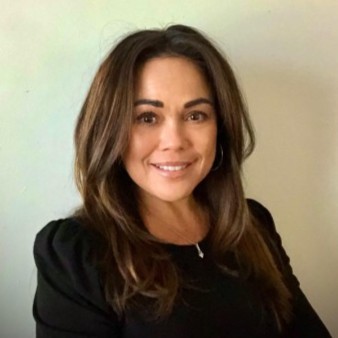
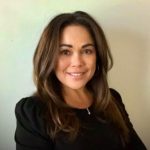
DTLLogo-Blue-Bannerv2Jay Jiggins, CEO of Finesse Corporate Wellness.

She was born and raised in London, England. She is a gym and hospitality management consultant, fitness expert, speaker, and entrepreneur. She has over 20 years in the fitness world and a significant background in the hospitality and real estate industry. She now specializes in curating unique guest experiences for upscale hotels/luxury residences and implementing health and wellness programs, and teambuilding initiatives for small and large businesses.

She co-founded Miami’s first ultra chic all-female fitness studio in 2010, IronFlower Fitness, with locations in South and North Miami, and went on to open Finesse Corporate Wellness, a fully outsourced partner for hotels and corporations. She graduated from the Goldman Sachs 10,000 Businesses Program in 2020 and expanded her geographical reach to all of South Florida, Inspired by her passion to create truly memorable experiences she has become a hospitality industry leader and the authority in Florida for creating unique guest events and wellness programs.

Connect with Jay on LinkedIn and follow Finesse Corporate Wellness on Facebook.

What You’ll Learn In This Episode

  • Mental and physical health in the workplace

This transcript is machine transcribed by Sonix

TRANSCRIPT

Intro: [00:00:01] Broadcasting live from the Business RadioX studios in South Florida. It’s time for South Florida Business Radio. Now here’s your host.

Lee Kantor: [00:00:14] Lee Kantor here another episode of South Florida Business Radio, and this is going to be a fun one. But before we get started, it’s important to recognize our sponsor, Diaz Trade Law, your customs expert. Today on South Florida Business Radio, we have Jay Jiggins with Finesse Corporate Wellness. Welcome, Jay.

Jay Jiggins: [00:00:33] Hi, Lee. Thank you for having me.

Lee Kantor: [00:00:35] I am so excited to learn what you have going on. Please share a little bit about finesse, corporate wellness. How are you serving folks?

Jay Jiggins: [00:00:42] Sure. What we serve is three or four types of clients. Really. We work with corporations and businesses doing employee fitness programs, and that can be anything from small businesses, like a five person law group, for example, that only has a conference room where we push everything back and do fitness classes right there to thousands of people in a business that has a wellness suite. So we do fitness for them and we also do team builders and wellness productivity workshops, etc. that clinics, that kind of thing. We also work with hotels, which is a huge demographic for us. We’re providing guest experiences for them. So the hotels contract us much like a cruise ship would. When you have all those fun things going on at cruise ships, we’re doing those fun things at hotels. Everything from fitness to fun games like blackjack in the pool or golf on the side of the pool, obstacle courses, etc. And then we do one on one personal training and fitness classes for individuals and luxury residences. We run their gyms and their community programing by the pool.

Lee Kantor: [00:01:45] So what was the genesis of the idea? How did this come about?

Jay Jiggins: [00:01:49] Well, I’ll give you a quick synopsis on my background, but when I was very young, I was in entertainment. I was a singer and dancer working on cruise ships. So there’s that component that brings all the fun stuff to the party. I then went on to open my own gyms, so I have ten years of owning gyms and 20 years in the fitness industry. And during my I’m from London. If you didn’t notice an accent and I came over here because of the cruise ships, but once I got to Miami, I intended once I actually landed here with with work in mind, I intended to open my own fitness business at the time, but I got recruited without kind of knowing, but by a company that runs pool and beach management for major hotels. And so I worked with them very much so in the hospitality industry and loved it. And what I really saw with the hospitality industry is it’s not the big chandelier that pulls someone in, but it’s the experience they have at the place. So the some of the smaller, more boutique hotels were doing better than some of the grand hotels, really, because they were giving a better experience. So I kind of combined all of my work life experience, the fun activities, the hospitality industry and the fitness and came up with something that worked for both corporations, creating an employee wellness program that really benefits people, people and makes them more productive. And also something for the hotels that creates this wonderful guest experience that keeps people coming back.

Lee Kantor: [00:03:11] So now as you expand, let’s talk a little bit about the corporate side. There’s a lot of research that says, you know, kind of corporate wellness programs are really beneficial in terms of employee retention, employee productivity. It sounds like you have kind of your own unique spin on how to really maximize that experience for the corporations. Is that a difficult sell for you or is that something that they’re already their mind is already open to the benefits of corporate wellness? So to hear, you know, you add your jazz hands element to the corporate wellness, is it something that’s an easy kind of thing for them to embrace?

Jay Jiggins: [00:03:51] It’s a good question. It’s definitely got easier in the last few years. Ten years ago, this was a much harder sell, so people weren’t investing in their teams and really it was all about bottom line and they didn’t see the benefits. But there is a huge financial benefit to the company to offer these type of things. When you take into account the sick days, the productivity. But more important than that, if your team are not, if your team members are not happy at work, they’re going to leave. And the cost, we all know, especially in this labor shortage, that we currently have the cost to hire people and to keep people is so expensive. We put all this money into hiring, then we train and then we lose them and then we start back in the beginning. Well, this kind of helps in two ways. First of all, they see this as a value, the employee sees us as a value and that their company is giving back, which retains them in a way that they feel committed to a company that’s giving back to them. But even more important than that, the fact that we have teams doing these things together, whether they’re fitness classes or employee wellness workshops that we do, which we have a ton of, it actually brings the teams together. And once you build friends in a place and people you actually enjoy working with and bond with them, you are much more likely to stay at a company.

Jay Jiggins: [00:05:07] So there’s all of those benefits, plus the fact that insurance companies. It reduces the. The company’s insurance costs. So they’re actually quids in and not actually losing any money. And now companies are starting to see that. So it definitely is helping is becoming much easier. So we have people coming to us much more frequently. I used to be cold calling these things and telling them of the benefits and insisting that this was a good thing. Now that’s not the case. Now we have people coming to us constantly saying, you know, not only do we see the benefit of having less sick staff or more productive staff, but the commitment level to the company is huge. And then we’re not just doing fitness, you know, we’re doing a lot of fun stuff that we’re doing, these team builders that really get them out twice a year or quarterly if they want them to, where they’re doing fun stuff that is physical and strategic and bonding and that. So we do a mixture of these companies. We do the employee fitness and these team builders and wellness retreats that really kind of bond the team to them. And I think I have to say, in my opinion, that’s really the magic of what we do for the company. It’s it’s keeping the team, you know, keeping them invested and not just coming in, clocking in and clocking out.

Lee Kantor: [00:06:18] Now, is is this attractive to a certain niche of industry? Like, you know, you hear about the startup community that loves this kind of stuff, maybe more of the creative folks at agencies, marketing firms. But is it also available? You know, our are like manufacturers and more kind of maybe less traditional places more open to this nowadays.

Jay Jiggins: [00:06:43] Yeah, 100%. I mean, I think it’s across the industries that it’s important because as I said, like, it’s not just about the physicality but about the bonding, but where we really lawyers companies is huge for us at lawyers attorneys offices because they’re very stressed, incredibly stressed. They’re stuck at desks, they’re leaning over computers, they’re working insane hours. And some of the companies we work with are doing something that I think is really wonderful. They’re mandating it into the day. So if their day is 8 to 5, ten or 11, you have to choose from three types of fitness class, but you have to go do one. And I think that’s amazing because, you know, some people are left a choice. They’ll just stay at the desk and they need it and they want it, but they want to get their work done. But when it comes from the company that we’re mandating this, you have to leave your desk at ten or 11 a.m. and go do something. You’ve got a choice of three different. So we’re doing six classes in those 2 hours and they can choose and they just go into these classes and then they feel better and they’re not worried about getting their fitness in after hours of work or cutting into their family time. And so we’re seeing a lot more of that. So people are really getting on board with it.

Lee Kantor: [00:07:50] And then when you have kind of that buy in from leadership and you and you see the leaders participating, it’s a lot easier to get kind of the rank and file employees to kind of go along exactly 100%.

Jay Jiggins: [00:08:02] It really does all of these things. They come from the top. It can’t be an initiative from a subcommittee that put it together and it’s got no backing, you know?

Lee Kantor: [00:08:10] Now when you’re working with the hotels, is this something that the hotels are doing to differentiate themselves from the other hotels, or is this something that is the same thing that’s happening in corporate wellness, that it’s just kind of these kind of experiences are just built into hotel experiences nowadays?

Jay Jiggins: [00:08:28] The answer to question is yes to both, actually. I mean, I just saw studies this past week at the Florida Restaurant and Lodging Association that 98% Hilton did a survey and 90%, 98% of travelers mentioned that they needed a wellness component to their vacation in order to decide on where to stay. So I think with people becoming much more health and wellness conscious. Hotels are saying that they have to provide something, number one. But number two, yes, it definitely differentiates a hotel from another. I mean, our market certainly here in Florida, but everywhere now that has hotels, you know, it’s flooded. There’s wherever there’s a hotel, there’s one next to you. And how do you make a decision on where you’re going to stay? The other thing that we do that’s pretty unique is we have a signature method of making sure we get a TripAdvisor review from the guest right after whatever activity is that we’re doing, which of course, people are reading reviews all the time now. And if you’re reading a review and it says a place is great and they’re doing all these fun stuff, of course you choose that place over the next. So it’s a great guest experience that is a memory in their brain that makes them come back to that property. It’s a great sales tactic because when someone sees the review, they choose that one over the other. So it builds occupancy. It also enables them to charge a higher room rates and resort fees. But it’s really a giveback that the guests become more loyal to. And if they’re looking for wellness anyway, it also serves that need.

Lee Kantor: [00:09:59] Does it also help the hotel kind of differentiate themselves from the Airbnbs and those kind of homes that are being rented for kind of a you know, if somebody wants just a bed, that’s different than the person that wants an experience.

Jay Jiggins: [00:10:15] 100%. And I think it’s also that thing that when people are price conscious and they’re looking at the Airbnb, for example, it really is why stay at a hotel? I could stay at an Airbnb for this amount of money. Well, this is why you stay at the hotel. This is what you get. You get all of this is not just about a hotel. Whereas if you’re not doing these kind of things and then it’s it’s a pool and a bed, so you can get that in an Airbnb. So absolutely. I think it’s what what helps to secure the hotel as a hotel and not a competition to the Airbnb.

Lee Kantor: [00:10:48] Now, do you have any advice for other folks that are kind of leading an organization like yours when they’re dealing with something that is the ROI of it is is there but it’s not maybe as obvious. So you have to kind of communicate the value, maybe using different language and then in a different way than a person would that has a more straightforward ROI. Can you explain how you’ve been able to communicate that value effectively?

Jay Jiggins: [00:11:23] Sure. I mean, I think that. The different types of clients we we work with, mostly with business to business, right? So business to business, the businesses have some kind of budget. It’s finding out what their pain point is, what is their headache, what can you serve them with? And really trying to do some homework before just trying to sell to them. And so often when we are talking to clients, we try to find out before we even try to sell our stuff. It’s, you know, what are you doing? What are the problems you’re running into? What would you want your business to do better, your hotel to do better, your whatever it is we’re speaking to? And you’d be surprised on what we can help you with. And once we find out what their pain point is, of course it’s selling straight to that. So the hotels is often, you know, we’re losing our business to our competitors or my front desk staff are insane because they have to keep giving back resort fees because people are not happy. They’re saying, What benefit am I getting for this resort fee? I don’t even drink the coffee in the morning or take the bottle of water for the corporations. Again, it’s we’re losing too many staff. Everybody’s sick, you know, no one’s bonding anymore because we have so many remote workers.

Jay Jiggins: [00:12:34] So it’s just really a case of listening to the problems of your customer and then seeing how you can serve them more than the return on investment for them. I think once you feed into their pain point, the budget kind of goes out of the window. And then of course, you can you can mention how we save your money. Definitely with the corporations, it’s easy to see. And with the hotels, it’s, you know, if they want to do this kind of guest experience, which more and more do, if they had an onsite recreation manager, not only would they be paying them a salary and dealing in a business, that’s not something they do. I mean, they’re in the business of running hotels, not running guest experiences, but they have to hire fire, pay the taxes on that person, worker’s comp, all of these kind of things, insurance, liability, none of that they have to worry about with us. We curate it. We take care of all of those things. Our company comes onsite, we do what we do, we leave and you don’t have to worry about it. So I think the lack of headache is is the big point.

Lee Kantor: [00:13:31] Now, can you share a story maybe from the corporate side of a company that came to you? And you don’t have to obviously name the name of the company, but explain what their challenge was, what they were frustrated with, and how you were able to help them get to a new level.

Jay Jiggins: [00:13:45] Yes, we had a company that had a new management team take over and they were a big company. They had lots of departments. None of the departments really were particularly knitted well before. But once the new management company came in, they had some new leaders, some new important people inside of the company along mixing with the old company. And there was just a general feeling of distrust and disharmony, I guess. So they rolled out. They started with these team builders that we did quarterly for them. And after we’d done two, two team builders, they brought us in to do an employee wellness and fitness program. So they had at least one fitness activity every day, Monday through Wednesday, and then they had two on Thursdays and Fridays, and we did very different ranges of activities. They started with just rolling it out where it was optional for anyone to to just jump in to these classes whenever they wanted to. And then they again, we’re not seeing so much buy in. So they mandated that everybody had to do three per week. And you know, often when you mandate anything, staff are like, oh my God, I have to do this. This is something new. We’re already kind of miserable with the new management, but what they found is once people started going into the classes that people started bonding and the management, the new management team and the old team started to have something that they were relating with and things just started to get easier. And so they were still working with that company. We’ve been with them for three years now and yeah, they say that we’re an integral part of keeping those teams as new people come in or people go out bonded and it’s quicker a quicker turnaround for new people to onboard, basically.

Lee Kantor: [00:15:28] Well, if somebody wants to learn more, have a more substantive conversation with you or somebody on your team, what is the coordinates to get a hold of you.

Jay Jiggins: [00:15:36] Well, our website is WW dot finesse corporate wellness dot com. On our website you can fill in the contact form you can Instagram us again it’s finance, corporate wellness, any of the social media finance, corporate wellness. But yeah, you can reach us. You can call us seven, eight, 64125380. But any of those mediums and we’re happy to talk to anyone. And the first thing we basically do is, as I said before, really find out what it is that your issue is and how we think we might be able to serve it. And if we think we’re a great fit for you, then, of course, we’ll give you an estimate for services.

Lee Kantor: [00:16:15] Well, Gerri, thank you so much for sharing your story today. You’re doing important work. We appreciate you.

Jay Jiggins: [00:16:20] Thank you, Lee. I appreciate you having us on.

Lee Kantor: [00:16:22] All right. This is Lee Kantor. We’ll see you next time on South Florida Business Radio.

Jay Jiggins: [00:16:27] Take me.

Tagged With: Finesse Corporate Wellness, Jay Jiggins

Leander Howard II With Spark Your Resume

August 23, 2022 by Jacob Lapera

Atlanta Business Radio
Leander Howard II With Spark Your Resume
Loading
00:00 /
RSS Feed
Share
Link
Embed

Download file

Leander Howard II believes in helping REAL people obtain REAL results. He is the Founder/CEO of Spark Your Resume, a full-service career development agency connecting top talent to top companies. He is the Host of Spark Your Success Podcast where he connects entrepreneurs to better business.

He started his career at Adobe as a Financial Analyst in August of 2020 and recently left to go full-time in his business in October of 2021. He is an alumnus of Georgia State University where he received a dual degree in Finance and Marketing through the J. Mack Robinson College of Business. During his time at Georgia State, he interned at Wells Fargo, Arthur M. Blank Foundation at Mercedes-Benz Stadium, served as the President of Alpha Kappa Psi Professional Business Fraternity (2019-2020), and was listed as a Forbes 30 Under 30 Scholar in 2019.

He has been featured on many platforms for his wealth of knowledge such as Typeform which is a form builder tool for his automation and digital marketing skills, Canvas which is a diversity recruiting platform where he taught a masterclass for Black History Month teaching students how to prepare for their next job interview, and Afro Tech by Blavity where he also taught the African American community “How to Prepare for an Interview During Afro Tech 2020”.

When Leander is not working, he enjoys reading, daily fitness, listening to podcasts, and spending time with loved ones.

Connect with Leander on LinkedIn, Facebook, and Twitter.

What You’ll Learn In This Episode

  • Finding clarity in career
  • Gaining traction with 3 Marketing Assets
  • Finding ideal role
  • Building meaningful relationships
  • Ace the interview

This transcript is machine transcribed by Sonix

TRANSCRIPT

Intro: [00:00:03] Broadcasting live from the Business RadioX studios in Atlanta, Georgia. It’s time for Atlanta Business Radio, brought to you by on pay. Built in Atlanta, on pay is the top rated payroll and HR software anywhere. Get one month free at on paycom. Now here’s your host.

Lee Kantor: [00:00:31] Lee Kantor here, another episode of Atlanta Business Radio. And this is a very special one. This is part of the GSU ENI series that we’ve been doing for some time now, and I’m so excited to be talking to our guest today, Leander Howard the second. And he is with Spark Your Resume. Welcome.

Leander Howard: [00:00:49] Hey, how’s it going? Lee Thanks for having me.

Lee Kantor: [00:00:51] I am so excited to learn what you’re up to. Tell us a little bit about Spark your resume. How are you serving folks?

Leander Howard: [00:00:56] Yeah, man, most definitely. So Spark your resume is a professional development agency connecting top talent to top companies. I actually started a business literally the semester before I graduated from Georgia State University. So April of 2020 was the year or the month. I started it and I started my business plan January 9th, 2020. Actually, a friend named Michael had told me that I should start a business because I was already helping people with their professional brand on campus. He was like, Man, you just don’t know how many people actually need this type of service in the world, right? You’re already doing it for people here and it’s working. How about you monetize it and actually start a business and help more people throughout their career? So that’s what really happened, man. That’s how I got started. Thanks to Georgia State, they taught me about entrepreneurship, marketing, sales, so and really Alpha Kappa PSI, professional business, fraternity. I was the president there from 2019 to 2020, which actually taught me how to run a successful business.

Lee Kantor: [00:01:56] Now, so the problem that you are trying to solve is to help folks either get their first job or get a new job and find kind of the right fit job for themselves.

Leander Howard: [00:02:08] Yes, sir. Pretty much so. We pretty much have a framework, man. You know, you want to first, how do I identify your gift and purpose? Right. I think that’s something that people need to start with because you need to know who you are and what you and what you don’t want before you enter the job market. Or else you’ll go in looking at everything and thinking everything aligns with what you want to do, right? Just like going to the grocery store and picking out everything on the shelf when you don’t need it. You’re applying for every job online and you’re not hearing any callbacks because you haven’t really taken a targeted approach to landing a new role. So we help with them. We help our clients identify the gift and purpose first, and then after that we build their marketing assets, which is the resume LinkedIn cover letter, and then a digital portfolio which we start we started implementing a few months ago to help people actually build a brand that pays them forever. Right? So really our focus is to help you build a brand and then the result of that is getting a new job or gaining new clients. Right. Because we’ve seen a lot of our clients dive into entrepreneurship or maybe solo partnership consulting, right? Because now they’re talking to people about what they know and people are gravitating towards them because of what they know, who they are. So your main job, man, is really to help people in your dream role in 90 days or less without applying for jobs online. So we also apply for jobs for people in our new and our new program. So that’s been going pretty well and helping them pretty much connect with people in their industry and recruiters and hiring managers all across the world.

Lee Kantor: [00:03:34] Now, does this work better for certain industries, like, say, I want to be a performer or something in the creative arts field? Is this going to work as effectively as if I want to be, you know, in finance or business analytics?

Leander Howard: [00:03:50] Yeah, I would say more so like general business sales, marketing, finance operations and then I.T. it’s like kind of our niche right now. Not really, you know, entertainment performers, things like that. Not trying to find them a job. They’re more gig workers, to be honest. So this is more like long term work. So full time employment and maybe we do a little bit of contract work depending on the client, but I would say mainly full time, full time workers.

Lee Kantor: [00:04:24] And then mainly kind of in the nuts and bolts of business is kind of the niche that you’re in.

Leander Howard: [00:04:30] Right.

Lee Kantor: [00:04:31] Now. You mentioned that aligning your passion and skills, that’s an important component of this. Do you ever find that when you’re working with someone, they have a degree like, say, in accounting, but they’re not you know, they start doing accounting. They’re like, I hate accounting. Like, why did I do this? And now, you know, I’ve got to kind of adjust a little bit and you’ve got to kind of aim using your accounting degree in a little different direction.

Leander Howard: [00:04:57] Yep. So what I tell people, man, is like, it’s more about your transferable skills because we’ve had clients that were teachers, right? And now they’re customer success managers, so. That you have to take your experience as being a teacher, and how does that relate to being a customer success manager? You’ve done a lot of things as a teacher, right? But all of those skills aren’t relatable to becoming a customer success manager, so we don’t need to highlight those skills on the resume. So our job is to paint a clear picture to the hiring manager and recruiter on why you should be qualified, why you should be interviewed for that specific position. Based on your previous experience and skills. So to transition from. A role that our position that has nothing to do with your current role. You have to be able to articulate the transferable skills that you’ve learned in that role and get someone to believe that you can actually do the things you say you can do.

Lee Kantor: [00:05:58] Now, how important is LinkedIn today? Is that kind of you have to be really good on LinkedIn in order to get a job in today’s world? Or is that something that’s just a nice to have? If you got that, then that’s great. But it’s not a big deal if you don’t.

Leander Howard: [00:06:15] In my opinion, man, I think LinkedIn is the best platform to be on. I wholeheartedly believe that if you’re not on LinkedIn, it does limit your chances to getting hired in today’s society. I know for a fact many recruiters are looking at people’s LinkedIn profile and how I look at it and the job search process. You’re doing yourself a major disservice if you’re not on LinkedIn because LinkedIn is a search engine. So and your résumé is very transactional, right? So if you’re applying if you’re, you know, your job search, you’re open to work, right? And nobody knows that you’re looking for a job if you’re only if you’re only submitting your resume. The resume is very transactional. I have to apply to this job to show them that I’m interested rather than on LinkedIn. I can put open the work on my profile, put up to five position titles on there, and recruiters and hiring managers can find me based on what I’m based on what I’m looking for. But if you’re not on LinkedIn, you have no visibility right to be found. So you’re doing yourself a major disservice if you’re not on LinkedIn and your in your profile is not keyword optimized to the point where people can find you based on keyword searches.

Leander Howard: [00:07:20] So it’s a platform called LinkedIn recruiter, right, that recruiters use daily to find qualified talent. If you’re like they’re looking up, they’re doing like this thing called Boolean search, right? So it’s very specific search. It’s like and or not filters that you can use to pretty much segment your audience or segment the type of people you’re looking for. Right. Once they conduct that search, if you don’t pop up, you won’t be found. And that’s why it’s so important to have a keyword optimized profile, right? So where people know who you are, what you’re doing, how you can help them so they can find you on LinkedIn. People have found me on LinkedIn because my, my, my profile is optimized. So you type in resume writing. People have literally messaged me and said, Bro, I found you on LinkedIn in search. I let that resume. Right. You’re the first person that popped up. My year old. That’s nice. That’s good. But it’s because the work I’ve done to build the profile to where now I’m position on LinkedIn as an expert in my field.

Lee Kantor: [00:08:16] And that’s what every individual should be doing when they’re in the job search, is to create those kind of keyword optimized profiles so that they can be seen as kind of the go to person for whatever job it is they’re looking for.

Leander Howard: [00:08:31] Exactly, exactly. That is what LinkedIn is for. Building your personal brand and connecting you with the right people. And LinkedIn algorithms work. They work on your behalf. So if you’re if your profile is not optimized the right way, LinkedIn algorithms will not work on your behalf. So, for example, I went to Georgia State University, right? If I go to my network tab on LinkedIn right now, it will literally show me people that went to Georgia State University that I should be connected to, like, hey, hey, check out these people that also went to Jack Robertson, College of Business. Right. They’re trying to they’re trying to connect you with people you’re affiliated with. And then also, if you’re searching for jobs on LinkedIn, if you’re looking at a specific company to apply to link them, will show you the company alumni. So it will tell you like, hey, you’re looking at Home Depot. It would tell you, hey, you got 212 people that went to your school that work at Home Depot. Don’t connect with him.

Lee Kantor: [00:09:23] Now it sounds like the people who are going to get jobs are not the people that just kind of are passive about it. They can’t just kind of even if they optimize their LinkedIn show, that will give them a better chance. But the people who are going to get jobs are or the people that you kind of alluded to are the people that go in see, oh, this company has, you know, ten people from my university in there. Why don’t I, you know, message them and say, hey, I want there, too, and I’m looking for a job? Look, you have to kind of be proactive about this, right? You can’t just sit back and hope the phone’s going to ring.

Leander Howard: [00:09:58] Most definitely. You hit it right on the nail, man. And searching for a job is a full time job. And the people that are going to get jobs, anybody can get a job. But the people that are going to get great jobs land their dream role are the people that’s proactive. There’s a difference. I can get a job right now. Maybe not a job that I like, maybe not a job that I want, but I can go get a job. It’s about the job that you actually want. The job is going to pay you what you’re worth. The job that you’re going to love, the culture, the benefits, the people that you’re working with. That’s what matters. It’s not just getting a job, it’s landing your dream role. And that’s why we changed that verbiage.

Lee Kantor: [00:10:39] So now when you’re looking for your ideal role, that is something that doesn’t happen by accident. You have to have taken that first step to really understand what it is you’re trying to, what outcome you desire, what is the right fit. And then you’ve got to find a match that is an organization that kind of is philosophically believes what you believe in and needs what you have.

Leander Howard: [00:11:05] Those are the.

Lee Kantor: [00:11:05] Research. Those are the kind of services that your company provides. Right. You help them really get strategic and really not waste time going on interviews in places they don’t even want to work.

Leander Howard: [00:11:21] Most dead. That’s our whole goal. Right. So like I said before, you got you have to first identify your gift and purpose. Point blank period. You can’t do anything until you do that. Your gift is something you do your absolute best with minimal effort. And what’s what’s going to fuel your fire to get up every single day and do that one thing. Regardless of how you may feel. Right? This is your family. You got kids, you got like I’m pretty sure we’ve all had days where we don’t feel like going to work. Well, we still do. What’s your purpose? What’s that? What’s that? Burning desire to help to make you want to do. Meaningful work every day. Because it has to be bigger than you. Right. So that’s why we take that so serious. That first step is so critical. It’s about building you, understanding who you are first. And then we can go into the job market because the job market is not in your control. It’s just like the stock market. It fluctuates every day. Every single day. It’s out of your control. But what is in your control is understanding who you are and what you do. Understanding what you’re going to accept and what you’re going to reject. So if this doesn’t apply, we’re not even looking at it. We’re only focused on these positions at these companies. We need to connect with these people. Let’s go all in here for the next 90 days and I guarantee you’ll see results. You will see results, but you got to stay focused. You have to stay focused because you can get lost. The Internet is crazy. You’ll get lost. Searching for jobs with distractions, ads. Youtube videos popping up like. It’s a lot of distractions. So you have to know who you are, what you do, so you can eliminate those distractions and focus on what really matters. And that’s what we do.

Lee Kantor: [00:13:14] And then how did you get involved with the Main Street Fund? How did that get on your radar?

Leander Howard: [00:13:20] So I think, yeah, actually one of the alumni from Georgia, the Mainstreet program, had reached out to me and she told me about it and that’s how I applied. And then I interviewed. They love the business and then got selected, man. So most definitely excited to be in this cohort. Some great others. Some other great entrepreneurs in there. Founders, CEOs doing some wonderful things. So excited to do demo day coming up in October and just thankful for the opportunity.

Lee Kantor: [00:13:51] So what part of the process has been most beneficial for you?

Leander Howard: [00:13:57] I think customer discovery, you know, we’re still like now I guess we’re testing the waters, you know, trying to find that perfect product market fit, right. So we tested, you know, we’ve done some partnerships with companies such as like rework training. They’re a immersive program helping people transition into sales development representative and business development representative, tech sales positions. So we’ve helped one of their cohorts build like their resume, LinkedIn, the cover letter and it went well, they loved it. So trying to finalize that partnership to where now we can help. We have consistent people that we’re helping on a every two month basis, right. Every cohort they have. We’ll be responsible for helping them build their brand and helping them land their new role after they get done learning how to become a BTR SDR. And that’s where I see. Honestly, the biggest bang for our buck in the market is as a business. It’s partnering with companies or bootcamps that are teaching people the education and the skills, but not necessarily mastering the career development side. Right. So we partner with these companies and boot camps to pretty much come up with a managed career services operations to where we can help them, help their students build their brand and actually teach them how to land their dream role after they’ve already learned the skills needed to actually do the job.

Lee Kantor: [00:15:26] Wow. That’s fantastic. Before we wrap, can you share a piece of advice for the folks that have gone through the gantlet? They, you know, optimized their resumes. They got their LinkedIn perfect, and now they’re going out on interviews. Is there any tips or advice you can give that person to help them get the job from the interview?

Leander Howard: [00:15:50] Yeah. So. Well, for interviewing, man, I would say treat it like. She’d like to meet somebody new. A lot of people overthink the word interview like interviews kind of has a negative connotation these days. I treat it as just another another opportunity to meet somebody new. Right. I’m learning more about them and honestly how I landed on my job because I recently worked at Adobe as a financial analyst coming out of college, that’s my first job. And Adobe doesn’t recruit at Georgia State, so I had to go get that job right. And it taught me the power of networking, building meaningful relationships, and then how to ask to interview me. And I just first being yourself, right? And then making it a conversation. That’s the best thing you could do because I went into the interview asking them questions and they forgot to ask me questions because 30 minutes passed by, we already had a whole conversation. Now they like me. You have to remember, people hire who they like, know and trust. You’re probably not going to get somebody to trust you in 30 minutes, but you can damn sure get somebody to like you.

Lee Kantor: [00:16:50] And that and that’s a really important point. Don’t forget to ask them questions. This isn’t just you being interrogated. You’re interrogating them, too. You want to make sure it’s the right fit for you?

Leander Howard: [00:17:03] Yep. It’s a two way street. Right. So that’s your opportunity to actually get insights from the company that you probably would never get if you didn’t have the interview. Because everybody is looking for an outside end. You don’t know what they’re doing. Every company is different, so the only way you’re going to know if a company is the right fit for you is by talking to the people that work there. Not looking at their blogs. What they put online is anybody can write that. Of course it’s going to look good. It’s going to sound great. It’s marketing. Everything comes down to marketing and sales. So when you’re interviewing, the job search process is literally marketing and sales, and that’s why people struggle with it because people don’t know how to market and sell themselves. Think about it, your resume LinkedIn cover there in your portfolio is your marketing assets. That’s why I call it your market for marketing assets. Your interviewing is your sales. You’re selling somebody on the opportunity of hiring you. And that’s why I’m really focused on right now treating professionals how to treat their career like a business. I’m teaching professionals how to treat their career like a business because it is one. Leigh I believe everybody is a freelancer, right? You have unique skills and capabilities, right, that you’re offering in exchange. To your client. Right. Which is your company? That’s your client. Right. In exchange for salary benefits, vacation time, PTO and stock options. You could take that same skill set, right? Because, you know, you know for a fact it’s a need. You have a job right now. They just hired you to do something at that company. You know, for a fact, your skills are in demand. If you have a job right now, your skills are in demand. Point blank period. You could take those same skills and go get another client. But people lack sales and marketing. They don’t know how to position themselves in the markets where people can like no one, trust them enough to hire them. And that’s where we come in.

Lee Kantor: [00:18:52] Yeah, it’s a mindset shift and they have to believe that they have value and that they’re worth it and that they should be the one doing the job, not somebody else. And, and it’s a mindset shift. And I think that your service can really help open some eyes and help people, you know, make their dreams come true.

Leander Howard: [00:19:13] Most that’s man, that’s the goal. That’s the goal, man. We’re almost at 1000 clients right now. So in the past two years. So we’re doing we’re doing some good things, man. I just you know, we had of course. And that’s why I always tell people just to start, too, man, because my business plan when I first started has nothing. It doesn’t even relate to what we’re doing today. Maybe the services, but that’s about it. Process, procedures. How is going? Nothing relatable, but I would have never learned if I didn’t start.

Lee Kantor: [00:19:45] Yep. Amen to that. So if somebody wants to learn more, get on your radar. Maybe have a conversation with you or somebody on your team. What’s the website? What’s the best way to get a hold of you?

Leander Howard: [00:19:54] Yeah, man. So Spark your Macomb is our website. I have, like, free trainings and stuff on there that you can sign up for. I have a free training. Teaching you how to land your dream role in 90 days or less. That’s actually been going really crazy. Like a lot of people love it. So I would say check that out. You can find it on a website. I think it’s under the resources tab and you can also connect with me on LinkedIn. That’s my number one platform. Shoot me a message on LinkedIn. Tell me that you watch the or listen to the interview. We’d love to chat with you and if we could maybe schedule a time to meet.

Lee Kantor: [00:20:26] Good stuff. Well, thank you so much for sharing your story today. You’re doing important work. We appreciate you.

Leander Howard: [00:20:31] No problem. And I appreciate you having me.

Lee Kantor: [00:20:33] All right. This is Lee Kantor. We’ll see you next time on GSU ENI Radio.

Intro: [00:20:41] Today’s episode of Atlanta Business Radio is brought to you by on pay. Built in Atlanta, on pay is the top rated payroll in HR software anywhere. Get one month free at on paycom.

About Our Sponsor

OnPay’sOnPay-Dots payroll services and HR software give you more time to focus on what’s most important. Rated “Excellent” by PC Magazine, we make it easy to pay employees fast, we automate all payroll taxes, and we even keep all your HR and benefits organized and compliant.

Our award-winning customer service includes an accuracy guarantee, deep integrations with popular accounting software, and we’ll even enter all your employee information for you — whether you have five employees or 500. Take a closer look to see all the ways we can save you time and money in the back office.


Follow OnPay on LinkedIn, Facebook, and Twitter

Tagged With: Leander Howard II, Spark Your Resume

Dr. Buddy Crum And Don Wales With The Wealth Builders Summit

August 22, 2022 by Jacob Lapera

TheWealthBuildersSummit
Atlanta Business Radio
Dr. Buddy Crum And Don Wales With The Wealth Builders Summit
Loading
00:00 /
RSS Feed
Share
Link
Embed

Download file

WBS-All-Speakers

Dr. Buddy CrumDr. W. Paul “Buddy” Crum, Jr is a visionary leader and author with a heart to empower God’s people for the marketplace. The author brings to the public a combination of education, empirical knowledge and experience in both the disciplines of business and as church leader. This unique combination and depth in both provide the ability to combine them into this authentic approach of understanding entrepreneurship.

Don A. Wales is a pastor, businessman, investor, entrepreneur, and consultant. He is a graduate of Oral Roberts University, where he earned his degree in Biblical Literature. He served in the United States Air Force and lived 6 years in the Netherlands (Holland). He has planted several churches and sits on the board of several ministries and businesses. He consults regularly to both businesses and churches.

Follow Life Center Ministries on Facebook and Twitter.

What You’ll Learn In This Episode

  • Solopreneur
  • So much diversity in the investment field

This transcript is machine transcribed by Sonix

TRANSCRIPT

Intro: [00:00:03] Broadcasting live from the Business RadioX studios in Atlanta, Georgia. It’s time for Atlanta Business Radio, brought to you by on pay. Built in Atlanta, on pay is the top rated payroll and HR software anywhere. Get one month free at on pay. Now here’s your host.

Lee Kantor: [00:00:31] Lee Kantor here, another episode of Atlanta Business Radio. And this is going to be a good one. But before we get started, it’s important to recognize our sponsor on pay. Without them, we couldn’t be sharing these important stories today on Atlanta Business Radio. We have Dr. Buddy Crum and Don Wales with The Wealth Builders Summit. Welcome, gentlemen.

Dr. Buddy Crum: [00:00:52] Thank you, Lee. Good to be on.

Lee Kantor: [00:00:55] Well, before we get too far into things, tell us about the Wealth Builder Summit. How are you serving, folks?

Dr. Buddy Crum: [00:01:01] Well, the Wealth Builders Summit is the coming together of people who are looking for opportunities to to grow a second income. We Don and I have both been in the business world for many years now in ministry. But I’ve never left the business world or investment world and was in the investment banking business for many years. So this is an opportunity for us to see people who want to grow and find multiple income. So we brought together many different diverse ways that people can can do that. So we’re looking forward to helping people find the direction they want to go based upon personality, aptitude, financial ability and stretch and from small to large.

Lee Kantor: [00:01:50] So this would be open to people that have maybe just an idea or yearning to have a business, and also somebody that’s a veteran business person that might have plateaued that’s looking to get to a new level.

Dr. Buddy Crum: [00:02:06] I think that’s correct. We know that 70% of the population in the United States is looking for alternative incomes besides their work income. So they are confused as to which way to do it. So some of them obviously are experienced people, but some are just looking for the opportunity to for where is the best place, for example, franchising, cryptocurrency, real estate, stock investments, you know, Airbnb, all of these will be at this summit that’s being held on in October.

Lee Kantor: [00:02:40] Now, there’s a variety of summits out there and events out there that speak to this kind of entrepreneur or aspiring entrepreneur. What is going to make this summit a little different?

Dr. Buddy Crum: [00:02:52] Don, you can give them some insights into that.

Don Wales: [00:02:55] Yeah, absolutely. And Hayley, it’s good to be with you today. Great. Great question, because that’s really a very accurate statement. There’s a lot of these and we when doing this, we ask the question, what’s going to make this different or unique so that we’re not just duplicating or doing something that’s already being done. And and the real answer that we came to is based on the relationships and the people that we’re having in. These are people who are not just considered experts, but really more than anything, they’re doing it real life, real world experience. They’ve done this. And then step two is they’re very excited and they all share a passion to help other people do this. So it’s a very practical how to conference at every level for the person that’s just looking to get in, whether it’s a franchise opportunity or some type of entrepreneur, or they want to know more about investing and different places to invest. As Dr. Crum mentioned, there’s crypto. We’re going to talk about behavioral economics, but but the real separation here, we believe, is these are people who want to help other people do it. You know, I said when I went to college, the greatest professors were not the ones when I left the classroom that I said they know their stuff. The greatest ones were the ones that I said, I know their stuff. And that’s what we’re looking to do here, is really empower people to be able to apply some of these things and walk away with some how to principles.

Lee Kantor: [00:04:26] Now, is the summit in person or is this a virtual summit?

Dr. Buddy Crum: [00:04:32] Good question. Thank you, Lee. It is both. It will be in person, like I say, at the precise conference center. But it’ll also be people be able to go virtual that want to see it that way.

Lee Kantor: [00:04:48] Now, what was the genesis of the idea? Like, what was the the kind of initial thinking when it said, okay, we want to share this information and a summit is the way to do that. Like were you exploring other ways to share this type of knowledge?

Dr. Buddy Crum: [00:05:06] Well, we thank you. We have other workshops going on and we have a continuum of working with entrepreneurs and small business owners under our sponsoring Marketplace Alliance group. But that’s what they do on a consistent basis. But to reach out beyond our own core group, our church and churches that are related to us, we want it to get a larger scope and allow people from other venues and other places to come. And it’s not church based. It is from our experience. Let me quickly say that Don and I both spent many years I was in the investment banking business and he was in when the wealth business and had over $2 billion under management, worked with people and we did over $1,000,000,000 a year of placing capital. So we saw a lot of prosperity in our background, but we both want to see people prosper. We want people to accumulate and build wealth and especially people that have a desire to do something positive with it.

Lee Kantor: [00:06:15] Now, is this something unusual that a ministry would be kind of involved in an event like this? Or is that something that is becoming more and more the place for this type of activity to occur?

Dr. Buddy Crum: [00:06:27] Well, Marketplace Ministry has been in effect for a number of years. It is not generally where you see these kinds of sponsorship. So that is one reason we’re holding it at the conference center in Cumming rather than at the church, because we don’t want people to feel that it is they’re coming to church. We want them to feel like they’re coming in, meeting with experience, successful business entrepreneurs. And quickly, let me interject. Don did such a beautiful job of explaining why it’s unique. But all of these people are not only successful, but they began small and grew their business to be quite sizable and profitable. So we say that to encourage people that say, well, that’s those are all experts. No, they’re real people who’ve done it the hard way but have all been successful.

Lee Kantor: [00:07:24] Now, is there any advice you could give the listener right now that maybe they can or can’t attend the summit, but they’re interested in business? Is there some kind of low hanging fruit that you have learned that can help them get started and maybe move their concept out of their head and into kind of a the real world?

Dr. Buddy Crum: [00:07:46] Don, do you want to respond to that, please?

Don Wales: [00:07:49] I would absolutely love to. One of the things that we tell people all the time is investing. While it can be very complicated, it can be very difficult. One of the things that we tell people is if you just start investing, find something, whether it’s a mutual fund, it’s not as important. What you invest in initially is that you get invested. And so we encourage them. Start having a conversation, talk to somebody, start investing. It’s a great way to build wealth. It’s just it’s one way. There’s many, but that’s an easy way. And we sometimes call it low hanging fruit because anybody can take $25 and put it to work and watch it grow. And of course, there’s ups and downs. But one of the things we do encourage people is start investing, start thinking like an investor today because it will change your life.

Dr. Buddy Crum: [00:08:43] And you might tell him a little about a little bit about Help me invest.

Don Wales: [00:08:50] Yeah. That is one of the things that we’ve done to help people is create a website called Help Me Invest Dotcom, where we take 30 minute Zoom meetings and help people. There’s no fee. We’re not selling anything. There’s there’s no agenda other than just trying to help people start investing. And so we we started that website as a way to give back, to help to get people and really to try to move the intimidation away from this this particular industry. Because there’s so much intimidation in investing. It’s overwhelming. People don’t know where to go. They don’t know what to do. So we’re trying to remove that and just get them investing because like anything, it’s we grow in it, but you’ve got to start to be able to do that. So help me invest. Dotcom is something that we’ve put in place. People can go make an appointment again. We’re not selling anything. There’s no fees. We’re just trying to literally serve them and help them to start investing.

Lee Kantor: [00:09:51] Now, do you find that in today’s world especially, that it’s almost impossible to create any amount of wealth without multiple revenue streams, that you have to have a variety of revenue coming in from a variety of places. You can’t rely on just your job anymore.

Dr. Buddy Crum: [00:10:17] Don’t you work with that a little more than me? You go.

Don Wales: [00:10:20] Ahead. Well, you’re absolutely right. 100%. Lee That is that is the challenge we run into and obviously we’re dealing with right now in this particular economy a very high inflation. And so that obviously erodes wealth very quickly.

Lee Kantor: [00:10:41] So. So your recommendation is to.

Don Wales: [00:10:44] Have your hire. People are paying more and they’re not seeing the salary increase to be commensurate with that. Go ahead.

Lee Kantor: [00:10:50] So so you’re not seeing that? Yeah. So they have to kind of explore other areas. And like you said, there are so many areas now because of technology. There are so many ways to have, whether you call it a side hustle or additional revenue streams or there’s a lot of ways that you can be generating income from a variety of places if you know about them.

Don Wales: [00:11:15] Yeah, no, you’re absolutely right. And that’s that’s a lot of what we’re doing at the wealth summit. The Wealth Building Summit is designed to help people identify some of those. I mean, obviously, we didn’t have Uber several years ago or Airbnb. And these are things that sometimes as a result of the Internet technology software that we’re finding, there’s a lot more places people can get involved and begin to build a second and third and fourth income and streams of income. And that’s what we want them to understand. We think if we can show them that some practical ways and they can get involved and begin to build their wealth in that regard.

Lee Kantor: [00:11:52] So now what are the kind of dates and times of the event and how much is it to attend?

Dr. Buddy Crum: [00:12:00] Yeah. It’s October 5th and six. And there. There is a website. It’s called the WBC. Org. Dot org. The w. B. S. Dot org. And it has the different levels of participation. We have VIP and then we that starts at 169. Then we have VIP virtual and then down to people who are obviously the the lowest tuition, if you want to call it that, or registration is virtual non VIP. So it explains on that website where they where they can register and how they can register. And there’s a lot of benefits to coming to this if a person can, such as enter in being able to talk to these people at a more informal way. And so that gives you a little idea of the Wealth Builders Conference on October 5th and sixth, since Wednesday, Thursday.

Lee Kantor: [00:13:04] And this is a situation where there’s going to be obviously a lot of education from a lot of smart people. But is there also you mentioned there’s even an opportunity to interact with some of these experts, but is there going to be an opportunity for these entrepreneurs to interact amongst themselves and network and kind of meet other kind of like minded people as well?

Dr. Buddy Crum: [00:13:25] Good point. Thank you. Yes, absolutely. That’s part of it is to make connections and making a network with other people that are also doing the same. And that is part of the agenda to provide time for that and direct people towards that. And, you know, and as Don has said just quickly, there are people that have passive investments and then those who want to be more actively involved. So there will be opportunities for people that say, well, I just have to start small, but I do want to build something slowly. And, you know, the side hustle sometimes and it has in some occasions developed into a full time job, so to speak, but that would be open to all. And they can interact with others and find that a lot of practical knowledge and it’s going to be very practical.

Lee Kantor: [00:14:16] And one more time the website for those who are interested in learning more about the summit.

Dr. Buddy Crum: [00:14:23] The WB as well Builders Summit dot org the WB dot org.

Lee Kantor: [00:14:31] Well, gentlemen, thank you so much for sharing your story today. You’re doing such important work and we appreciate you.

Dr. Buddy Crum: [00:14:39] We appreciate your putting the word out for us because we really want people to have the opportunity to learn and grow. So thank you so much, Ted.

Don Wales: [00:14:49] Thank you for your time. Thank you.

Lee Kantor: [00:14:51] You got it. All right. This is Lee Kantor. We’ll see you all next time on Atlanta Business Radio.

Intro: [00:15:00] Today’s episode of Atlanta Business Radio is brought to you by on pay. Built in Atlanta, on pay is the top rated payroll in HR software anywhere. Get one month free at on paycom.


About Our Sponsor

OnPay’sOnPay-Dots payroll services and HR software give you more time to focus on what’s most important. Rated “Excellent” by PC Magazine, we make it easy to pay employees fast, we automate all payroll taxes, and we even keep all your HR and benefits organized and compliant.

Our award-winning customer service includes an accuracy guarantee, deep integrations with popular accounting software, and we’ll even enter all your employee information for you — whether you have five employees or 500. Take a closer look to see all the ways we can save you time and money in the back office.

Follow OnPay on LinkedIn, Facebook, and Twitter

Tagged With: Don Wales, Dr. Buddy Crum, The Wealth Builders Summit

Norman Katz With Katzscan Inc.

August 19, 2022 by Jacob Lapera

South Florida Business Radio
Norman Katz With Katzscan Inc.
Loading
00:00 /
RSS Feed
Share
Link
Embed

Download file

DTLLogo-Blue-Bannerv2

Norman Katz is President of Katzscan Inc., a supply chain business operations and software consulting firm in South Florida founded in January 1996. Norman is a functional and technical expert in Enterprise Resource Planning (ERP) software, Electronic Data Interchange (EDI), and barcode labeling and scanning. Norman is a US national and international speaker (60+ presentations), writer (40+ articles), and author (3 business books).

Connect with Norman on LinkedIn.

What You’ll Learn In This Episode

  • ERP, EDI, and barcode come together in the supply chain?
  • Companies’ warehouses
  • So many companies are unhappy with their ERP systems
  • Supply chain requirements and technologies between industries

This transcript is machine transcribed by Sonix

TRANSCRIPT

Intro: [00:00:01] Broadcasting live from the Business RadioX studios in South Florida. It’s time for South Florida Business Radio. Now, here’s your host.

Lee Kantor: [00:00:14] Lee Kantor here another episode of South Florida Business Radio. And this is going to be a good one. But before we get started, it’s important to recognize our sponsor, DIA’s trade law, your customs expert. Today on South Florida Business Radio, we have Norman Katz with Katzscan. Welcome, Norman.

Norman Katz: [00:00:32] Thank you so much, Lee. It’s a pleasure to be here.

Lee Kantor: [00:00:34] Well, I’m excited to learn what you’re up to. Tell us a little bit about Katzscan. How you serving folks?

Norman Katz: [00:00:40] Well, Lee, I I’m celebrating my 26th year in business. I started January 1996, and I help companies with supply chain execution, from data to transactions to software to operations. I focus on multiple levels of supply chain performance and execution in helping companies internally and externally with their supply chain partners, whether they are customers or suppliers like third party logistics providers or or contract manufacturers. In helping my clients, the companies that I help improve and strengthen their relationships with their customers and their supply chain partners.

Lee Kantor: [00:01:27] So what drew you to this industry? Was this your whole career in this space?

Norman Katz: [00:01:33] Well, I started my career about 36 years ago as as a programmer. And then I progressed to a programmer, analyst, business analyst, IT manager, and I was primarily working for consumer product companies. I did work for a few traditional manufacturers, but I have pretty much stayed in the consumer product space my entire career. I’ve helped in some some other industries like pharmaceutical, medical products, electronics, book publishing, but primarily in the consumer product space. And so the 11 years that I was in corporate America really did provide a very, very good foundation for the consulting that I’ve been doing for the last for the last 26 and a half years.

Lee Kantor: [00:02:24] And then when you moved into, I guess, focusing in on supply chain over those years, it must have changed pretty dramatically with the advent of all the technology that we’re utilizing today.

Norman Katz: [00:02:35] Well, there are certainly additional technologies that are in use today, but the three core technologies that I specialize in, enterprise resource planning systems, electronic data interchange and the ubiquitous barcode are the same technologies that I started with 26 and a half years ago, and they’ve really been around since the 19, 1970s, 1980s. The science behind those technologies has has improved as those technologies have really remained resilient and consistent through their use in the supply chain. And so if you really want to participate in the supply chain today, you still have to rely on those technologies that are that are decades old. So the science behind those technologies has improved, but those three core supply chain systems or technologies are really the ones that are still utilized today in all major supply chains.

Lee Kantor: [00:03:37] So those foundational kind of, I guess software and operations are those things that is that good that they’re still around because then at least there’s a common language or is it kind of have they run its course, in your opinion?

Norman Katz: [00:03:52] Well, it is good in the sense that there are there are industry standards that are standards for retail standards for the electronics industry. Everybody knows the ubiquitous barcode, even as much as radio frequency ID has has its place in the supply chain. Radio frequency ID did not displace the ubiquitous barcode. Edi electronic data interchange is a data standard. It is not a data language, and EDI is maintained by a subgroup of the American National Standards Institute. So EDI is used to exchange business documents in an electronic format purchase orders, sales orders, invoices, ship notices, warehouse releases. And so even as much as EDI is is very, very flexible. And that flexibility, even within a standard, causes a lot of headaches. Edi Being a data standard does allow for a certain level of consistency within supply chain use.

Lee Kantor: [00:05:08] Now, what is the typical problem that your clients are having that CAT scan is the solution to?

Norman Katz: [00:05:15] Well, a lot of my a lot of my clients, especially in the consumer product realm, face what I wrote my second of three books about vendor compliance chargebacks. So when they sell to retail, if the retailer supply chain requirements, whether they are technical or operational and often they go hand in hand together, are not complied with 100%, the retailer will take money right off the invoice before the invoice is paid. So those financial penalties are called chargebacks, and the chargebacks can be so severe that they can wipe away a profit. Write off of write off of an order. So. Um, I happen to have a very, I think, unique niche in supply chain vendor compliance and I’ve been able to help companies really, really knock down tens of thousands, hundreds of thousands of dollars in supply chain, vendor compliance, chargebacks in the in the help that I have provided to them.

Lee Kantor: [00:06:28] So how did you stumble upon this niche? This niche?

Norman Katz: [00:06:32] Well, again, I have to credit the career that I had in corporate America with with providing the foundation that I have built my consulting practice on and just helping companies over the years in, in, in this specialty area. Erp, EDI and barcode labeling and scanning are part of not only the core supply chain technologies, but are significant players in keeping supply chain penalties. Chargebacks reduced. It comes down to certain good operational practices, good master data management between the company and not only their customers, but today, as outsourcing warehouse and distribution operations to third party logistics companies to contract manufacturers is more prevalent. It really, really takes a lot of coordination in your supply chain to make sure that everybody has a good understanding of what their responsibilities are, that your communication is accurate and timely with your supply chain partners, and that data and transactions are being communicated accurately and very, very timely to meet the very, very rigorous needs of your supply chain customers, especially if they’re retailers.

Lee Kantor: [00:08:11] Now, you mentioned chargebacks. Chargebacks. They’re the obvious kind of marker that something’s gone amiss. How do you kind of go back and find the breadcrumbs to where the real problem lies? Obviously, the the chargeback is the result, but there must be clues along the way that, hey, this is where we need to shore this up because their systems are so complex and there’s so many interweaving parts and so many different people touching everything.

Norman Katz: [00:08:42] Well, you’re correct. And the chargeback reasons provided by the retailers tend to be very vague and nondescript. So there is actually some detective work, investigative work, analysis work that I have to do in order to trace back the chargeback reasons to the operational and or technical sources as to why the chargebacks are happening. And fortunately, I’ve got I’ve got a lot of experience in doing this. And and it really does come down to understanding. What the chargeback reason is and being able to again trace it back. And I think that a lot of it has to do with just my experience in, in doing this for, for so long.

Lee Kantor: [00:09:35] Now, how have you seen kind of industry evolve? I mean, I guess with the advent of Amazon and so many other companies that are are selling direct to the consumer now and they’re bypassing stores. I know still a lot of people go into stores, but it just seems like so much stress on the system.

Norman Katz: [00:09:56] Well, the selling direct to consumer is a great business model and. You know, using companies like Amazon as a as a platform for for some folks that are looking to sell their products is a is a perfectly great way to go. A lot of people don’t know and and if we take Amazon as an example, Amazon actually is two different companies. One is their marketplace, which most people know is the more direct to consumer model. Amazon never really touches those goods. It just is the use of their software platform to connect a buyer and a seller. But Amazon also does have traditional fulfillment where Amazon does touch the goods that a vendor is looking to sell. And so in the more traditional fulfillment model where Amazon touches the goods, Amazon has the same rigorous supply chain standards that Target does, Wal-Mart does, Macy’s does, or or grocery stores do. And so. While the marketplace type model, again, is is a perfectly great way to go, I think that the brass ring for a lot of companies is to still sell in that fulfillment model through retail, because it certainly is a a more higher volume way to go. And the retailer is often involved in the promotion of the product.

Lee Kantor: [00:11:41] Okay. Now is supply chain. Supply chain. So it doesn’t really matter what industry you’re working in.

Norman Katz: [00:11:50] Well, that’s actually a very good point, and there is a lot of truth to that. I think that some industries have looked to other industries for for tips. As far as supply chain goes, a purchase order is a purchase order. I mean, the the definition of the business documents really don’t change. And an invoice is an invoice and what an invoice means. And one industry really does mean the same thing in another industry. So the definition of a supply of what a supply chain is really, I think, is agnostic from from one industry to another. Certainly the definition of the business documents are are the same from from one industry to another. The content of of a business document in one industry to another is going to be different depending on the nature of the industry and the and the requirements. But overall, the a supply chain in one industry is going to be effectively a a supply chain.

Lee Kantor: [00:13:03] Now, there are any if you were to educate a layperson about the supply chain and how would you like how would you describe it in terms of it? It’s not just moving goods from a ship to a shelf. There are so many moving parts. There are so many people who have to kind of communicate and get along and kind of help each other, you know, push that product all the way down to the consumers hands. How do you kind of describe the work that you’re doing in the industry that you’re in to folks who aren’t familiar?

Norman Katz: [00:13:41] Well, that’s a very good question. And from my standpoint, you know, where I help my my clients is I often act as a relationship champion. Sometimes I say I act as a marriage counselor between the companies I help and their software providers, their customers. They are contract manufacturers. They’re third party logistics providers. The. And I’ll go back to the fact that data has to flow consistently. Transactions have to flow consistently, and the data and transactions have to flow on a very, very timely basis. So what does that mean? That means that all the partners have to communicate clearly and communicate on a on a timely basis. And that’s really a very, very good foundation for what a successful relationship should be all about, timely and effective communication. And this is not always the case between supply chain partners. And so a lot of what I do is to ensure that timely and effective communication is being done between, again, the companies that I help, which tend to sit in the middle between their customers and their contract manufacturers and distributors.

Lee Kantor: [00:15:23] So what’s been the most rewarding part of the job for you? And, you know, obviously you must still have a passion for it for doing it for so many years.

Norman Katz: [00:15:31] Yes. I really, really do love what I do. And part of that is I get to help my clients solve some sometimes very, very sticky problems. And I, I do enjoy that very, very much. And it helps my clients grow and. I think that that’s those those are two great things about what I do for a living is that I, I really enable my clients to, to grow and I think become the companies that they that they really aspire to be. Li We, we live in a very, very commoditized world. And, and it’s and it’s just become more commoditized, I think. So supply chain execution is the real competitive edge, and I’m not sure that a lot of companies really understand this. And so they the company that does appreciate the fact that if they can out execute their competitors, they can win the day. They can retain their customers. They can. They can. They can get their products not just to their direct consumers, but they can get their products more solidified into the stores and out executing your your competitors. As long as quality is the same features and whatnot is really where companies should be focused. And so, again, timely and effective communications, whether it’s data, whether it’s transactions, this is this is where execution really, really needs to be focused on. And if I can help a company do that and become the company that they want to be. You know what? The employees are happier because they’re not fighting, you know, frustrating battles that make their jobs harder. Companies get to grow, hire more people. And it’s just a it’s a win win win for everybody.

Lee Kantor: [00:17:54] So you’re kind of reframing this like supply chain doesn’t have to be kind of a necessary evil. It can be a competitive advantage for kind of companies that look that way. Look at it that way.

Norman Katz: [00:18:05] Yes, absolutely. And I’ve I’ve said this for a long time, that as as difficult sometimes as the retailer requirements are. And I am the first to say that. Retailer or in other industries, customer requirements can sometimes be overly burdensome. There are there are certainly aspects of those requirements where implementing them makes a makes a vendor company a, a better run operation, better inventory control, better order fulfillment practices. Has a company step up and and even force it forcibly implement a. A more up to date ERP system or get rid of paper and utilize EDI or put barcodes on on things and have better inventory management and better better fulfillment management. And so know sometimes companies that were reluctant to update themselves are forced into it in order to be supply chain players. And if they look at it like an investment rather than a burden, they are they are better companies for it.

Lee Kantor: [00:19:34] So if somebody wants to learn more, have a more substantive conversation with you or somebody on your team, what’s the website?

Norman Katz: [00:19:41] Well, the website is easy Cats FC a CNN.com.

Lee Kantor: [00:19:48] Well, Norman, thank you so much for sharing your story today. You’re doing such important work when we appreciate you.

Norman Katz: [00:19:54] Leigh, thank you so much. It’s been an absolute pleasure to speak with you, and I appreciate the opportunity to to tell my tale a bit on on your show.

Lee Kantor: [00:20:04] All right. This is Lee Kantor. We’ll see you all next time on South Florida Business Radio.

Tagged With: Katzscan, Norman Katz

Joshua Malik With Joshua Tree Experts

August 19, 2022 by Jacob Lapera

Franchise Marketing Radio
Joshua Malik With Joshua Tree Experts
Loading
00:00 /
RSS Feed
Share
Link
Embed

Download file

Joshua Malik, CEO and Founder at Joshua Tree Experts.

Joshua has 29 years experience in the tree care industry. He is a member of the Tree Care Industry Association (TCIA) and a Member of the International Society of Arboriculture (ISA) and the Penn-Del Local Chapter. He holds numerous industry certifications and attends several seminars each year to expand his knowledge.

Most of his original hires remain with him today, growing Joshua Tree and furthering the vision that Joshua passionately and openly shares. He personally judges climbing competitions, sponsors community events, contributes to various charities, volunteers his time at schools, and has been involved with “Renewal & Remembrance” project at Arlington National Cemetery the past 12 years.

Connect with Joshua on LinkedIn.

What You’ll Learn In This Episode

  • The three biggest costs to running any sort of landscape business is fuel, labor and equipment – three things that have seen prices skyrocketing.

This transcript is machine transcribed by Sonix

TRANSCRIPT

Lee Kantor: [00:00:32] Lee Kantor here another episode of Franchise Marketing Radio and this is going to be a good one. Today on the show, we have Joshua Malik and he’s with Joshua Tree Experts. Welcome.

Joshua Malik: [00:00:43] Hey, Leigh. Thanks for having me on, brother.

Lee Kantor: [00:00:45] I am so excited to learn what you’re up to. Tell us a little bit about Joshua Tree experts. How are you serving folks?

Joshua Malik: [00:00:52] We continue to be in the tree sector, lawn care and pest control that involves doing pruning, removal of tree, insect and disease management spray and trees and shrubs fertilizing. We also have a department that does complete lawn care applications fertilizer, weed control, aeration and spraying. We do indoor outdoor pest control along with mosquito, flea and tick.

Lee Kantor: [00:01:17] So is this kind of a recession proof industry? Because some of it has to do with kind of safety and these are must have kind of needs that you’re kind of dealing with. Has that been the case?

Joshua Malik: [00:01:29] Yeah. You know, our mantra of making home environment safe, healthy and beautiful, even through the recession, you know, our target demographic type person, they want to continue to beautify their home. They definitely don’t want to have any incidents in regards to safety. A lot of them have younger kids themselves. Maybe they’re elderly. They need to have the type of work done that we service. So we you know, we’ve proven over the years the green industry alone. And when I say green industry, that’s what those three services fall under. They have been proven to be recession proof as we were an essential business during COVID. We continue to grow and build our brand during this recession.

Lee Kantor: [00:02:11] Now, what about kind of the ability to attract franchisees? Has that been growing as well?

Joshua Malik: [00:02:18] It has been. I think there’s been some issues in that sector all along, only because of recession and people holding on to money and some things that are happening in the market. We continue to gain tons of traction in the different states that we’re gaining. Those are the ones that we’re actually doing a lot of marketing in to continue to gain interest.

Lee Kantor: [00:02:37] Now, any advice for emerging franchisors out there when it comes to attracting the right franchisee? Is there anything you’ve learned? Have you cracked the code on how to find a pipeline for these folks?

Joshua Malik: [00:02:50] Man, I wish there was a code to crack on that. I think working with the right marketing firm, identifying that type of persona that you want in a franchisee, working with the right broker groups and having the right person represent you, that can really weed out the people that aren’t going to fit your values. And culture is probably going to be the most important thing. I think you’re going to see a wide variety of people that can come through that maybe are trying to chase a pipe dream with little effort involved in it. And you’re going to have those other people that are going to fit your values and really become that brand ambassador for you and represent the brand in the way that you expect them to do it.

Lee Kantor: [00:03:31] Now, have you figured out a way to kind of sort out those, too?

Joshua Malik: [00:03:35] You know, I think it’s true. You know, I like doing like this profile testing, finding out what their personality is, is like and really finding out what their values are and what attracted them to their brand to begin with. I think it’s really important to know when people want to join your brand and they really want to expand with you. Why is it them? Why is it now and why is it your brand? I think those are really important parts to cover.

Lee Kantor: [00:04:04] Now, are your franchisees having a difficult time with employees? Because I know a lot of the country is struggling in that space.

Joshua Malik: [00:04:14] You know, a good recruiting effort is really important, attracting the right people by being able to understand what your vision is, communicate that vision. Providing a clear career path for coworkers is important. That’s what we noticed is very effective in recruiting employees. For the for Joshua Tree, we have a really good we allocate funds just like marketing funds. We allocate funds to recruiting because we know it’s an ongoing effort. So keeping that door open at all times and when you see the right person make it happen.

Lee Kantor: [00:04:51] So now where are you at from a number standpoint? How many franchises do you have going on? Right now?

Joshua Malik: [00:04:57] We have five total units in place right now and we have about two dozen in the pipeline that we’re working with.

Lee Kantor: [00:05:04] Have you been focusing on a certain part of the country?

Joshua Malik: [00:05:09] You know, we like to start regionally where we’re focusing more in the Pennsylvania I’m in the Lehigh Valley of the north east of Philadelphia area is where we emerged. And we have gone nationwide recently and are really gaining traction in Texas, Florida, Georgia, Massachusetts and New Hampshire.

Lee Kantor: [00:05:34] Now, are the folks that are attracted to this, are they already doing kind of work around the home and they’re adding this to maybe their services that are offering or are they people that are, you know, hitting this for the first time and becoming entrepreneurs for the first time?

Joshua Malik: [00:05:50] We’re seeing more people that are becoming entrepreneurs for the first time. It’s really that corporate type mindset that is sitting down behind the desk wondering what they want to do. And, you know, why does everybody want to get into business? They want to grow their wealth. They want to be able to have more free time with the proper systems and processes in place that we’ve developed. We’re attracting that corporate type mindset to come in. We’ve had a lot of interest from other industry professionals in the landscape, not specifically the tree care, but the landscape where they can utilize this service as a as another offering to their current clientele, which is really smart to be able to build off of that. Most of the traction that we’re seeing, though, is more on that corporate type person that wants to get out from the desk, really be able to get into owning a business and growing that business.

Lee Kantor: [00:06:43] Now, is there a typical kind of first service that introduces Joshua Tree to the consumer, or is it something that it just depends on whatever their need is?

Joshua Malik: [00:06:54] Great question. I we do offer general tree care, plant health care. When you go back to the general tree care, it’s the pruning removal. It’s the type of equipment that we have selected that a franchisee, when they come on board, they launch with that type of equipment to provide that full service. And then we really focus on what they call plant health care. That’s the tree and shrub spray in the soil, health conditions of fertilizers, different types of systemic insecticides that you put in the soil. We like to focus on that because that’s the recurring revenue. We know the type of value of what recurring revenue does year over year. As you sell that service, you perform it. The year you sell it, you’re performing the following year. We know the average life cycle of that client and we know what type of value that brings. And not only does it bring value to to you immediately as a business, it brings it down the road for the overall value of the business. Green industry is really you get multiple earnings much higher than you would if you’re only doing a one off type of tree removal service. When you get into that preservation type service, that is when you really start building the value. Once you get to a certain KPI and we see that you’re hitting certain indicators and we’ll utilize a scorecard for that, that will lay out the three different functions of the business sales and marketing, operation, finance and admin. When you hit these certain numbers, then we want you to role in lawn care. Again, that’s all recurring revenue. You’re selling that this year to a client you’re repeating and again the following year and the year is after and then you go through another set of KPIs on that scorecard that’s going to have you hit that pest control and you’re just really growing the wealth in the business at that point.

Lee Kantor: [00:08:36] So they have to kind of earn their way up the ladder.

Joshua Malik: [00:08:39] Yeah, we do. You know, the one thing we really want to function on is growing the brand properly and we want to be able to to help develop franchisees and their business model in performing a service to the level that Joshua Tree performs at right now. And that is great client expectations. We want to over deliver under promise and we want to continue to help them build their staff that has a lot of retention on their employees that can represent the brand real well. And ultimately, that’s what really keeps very high client retention.

Lee Kantor: [00:09:19] Now, you mentioned I think you’re five in right now and have a bunch in the pipeline. Is there anything you’ve learned today, you know, based on having five up, up and running that has kind of changed things a bit? Or is it pretty baked at this point and you’re just kind of tweaking around the edges?

Joshua Malik: [00:09:38] We’re tweaking around the edges. Our systems and processes are so tight. Back in 2019, when we knew that we were going to get into franchising, I took on a full time co worker, employee at the time that became advanced up and we really developed on documenting all the processes and systems that we have. We have a full table of contents that are so well developed. I remember my consulting agency saying, you are so much more further along. On and franchisees that we’ve launched that’s been in the in the space for five years, we know as long as we can manage those systems and processes, the rest of it just follows right behind it.

Lee Kantor: [00:10:20] So now for the folks that are thinking about franchising their business, how did you go about that documentation? What made it so thorough?

Joshua Malik: [00:10:29] We’ve tested it. We’ve tested it at our home office that we have in Lehigh Valley. And it’s through that testing that we’ve done with our own clients, our own in-house processes that we knew as we documented and launched them through. That’s the way that we want to represent the brand. You know, when I talk about managing those systems, it’s going back and tweaking them just so lightly. When we see improvement and we see a little bit of an issue there, we want to identify that issue. We want to discuss it. We want to solve it. We want to improve that system, and then we want to roll it back out.

Lee Kantor: [00:11:02] Now, when you were doing the documentation, was that something you just told everybody, okay, I want everybody to document everything, or did you have a third party come in and kind of look over everybody’s shoulders to document it?

Joshua Malik: [00:11:14] Now, we knew when we talked about. Providing this for the Joshua Tree experts and going down this path. You know, when I decided to franchise, it wasn’t a very quick decision. It took me about a year and a half to do some research on it, really get us to the point where we could launch successfully. And one of the biggest things that I’ve learned through all that research was how are we going to be able to support franchisees and how are we going to be able to provide the training and. I wanted to do that in house. We’re a good sized company with 70 employees currently. I knew that we had the talent to do that in-house. One thing I really believe in is developing, having, providing professional development for my coworkers right now and moving up within the company. And this was a position where this one individual had a very unique ability on identifying and documenting, putting on paper in a way that could be organized and understood. And we ran with it in house. And I’ve got to be honest, I wouldn’t have done it any other way.

Lee Kantor: [00:12:25] So what do you need more of? How can we help?

Joshua Malik: [00:12:30] Well, I’ll tell you what. There’s if there’s anything that I’ve ever learned in here, it’s it’s again, it’s sticking to your own thought processes. Being being a trailblazer, I think within this industry, you can get a lot of static from a lot of different folks, which isn’t bad, but it can really confuse you or making some very, very important decisions. I probably would have started the marketing content much earlier than then than I did waiting until I was completely done and ready to launch, because marketing in this sector does take a little bit to start getting some traction. So those are some of the things that I have learned in my short stint so far.

Lee Kantor: [00:13:11] So what’s next? Are you focusing on certain regions now or the world, your oyster? You’ll take on all comers.

Joshua Malik: [00:13:21] We will. We’re going to we’re focusing across the country here and we’re just focusing on the right person. We want to get the right people to come in and represent us. We want them to be very goal oriented. We want them to have high emotional intelligence. Everything from communicating with us to communicating to to their employees and coworkers and vendors are really important. So as we continue to grow, we want to continue to to represent the brand the best that we can in our own region. We want to be able to say, hey, follow the system with what we’re doing, see how successful we are at the Home Office, and you can just be as successful yourself.

Lee Kantor: [00:14:02] Now it says tree experts in the name, but you need kind of people experts to be the franchisees, right? This is a people business, not necessarily a tree business.

Joshua Malik: [00:14:13] It is. You know, and I think anybody that’s a business owner, you know, gets to the point where they might comment to say they’re in the people business and not within the business sector that they’re actually in. You know, developing people is really important to me. And being able to identify the right people that you want to you want to work with. One of the biggest. Things that you have as a boss, as an owner, as you get to pick the people that you work with. You get the hire. Then you get to terminate them. Ultimately, though, it is up to you to be able to pick on who you work with and when you can identify. And that’s part of our training, identifying the right people, you know, being able to have those recruiting efforts in there that are going to allow you to grow, allow them to do their job properly, and help you continue to work on the business, not in the business. You know, that’s the developing that we want to provide and we want to be able to teach people.

Lee Kantor: [00:15:09] So if somebody wants to learn more, what’s the website?

Joshua Malik: [00:15:13] Jt Franchising dot com, that’s our franchise website. If you want to learn more about the the business the consumer that’s Joshua tree experts dot com.

Lee Kantor: [00:15:24] Well Joshua thank you so much for sharing your story today. You’re doing important work and we appreciate you.

Joshua Malik: [00:15:29] We appreciate the time, man. You have a good day, brother.

Lee Kantor: [00:15:32] All right. This is Lee Kantor. We’ll see you next time on Franchise Marketing Radio.

Tagged With: Joshua Malik, Joshua Tree Experts

Tim Swackhammer With Mold Medics

August 19, 2022 by Jacob Lapera

Franchise Marketing Radio
Tim Swackhammer With Mold Medics
Loading
00:00 /
RSS Feed
Share
Link
Embed

Download file

Tim Swackhammer, CEO and Founder of Mold Medics, after a long career in sales and franchise ownership with several other companies, is launching the brand’s franchise opportunity in the booming mold remediation industry.

Mold Medics has continued to show impressive momentum, reporting a 20% increase in revenue year over year. But the brand has humble beginnings. Swackhammer did not build a career in mold remediation, or even contracting. His interest in franchising started years ago. He, his father and his brother opened Swack Business Group, a company that has taken on numerous business ownership opportunities. The collective now owns 24 units of cell phone retailer Wireless Zone, and after building the family business, Swackhammer has also been able to build Mold Medics from a mom-and-pop shop to a full-scale franchise operation.

The mold remediation brand currently has a corporate location in Pittsburgh and one franchise location in Beaver County, PA. By 2025, Mold Medics seeks to have 50 franchise units up and running and is setting its sights on development in the Northeast and Midwest.

Connect with Tim on LinkedIn and follow him on Facebook.

What You’ll Learn In This Episode

  • Franchisee turned CEO launches Mold Medics Franchise opportunity with double digit revenue growth
  • Seeking to take the $200+ billion Mold Remediation Industry by storm

This transcript is machine transcribed by Sonix

TRANSCRIPT

Lee Kantor: [00:00:32] Lee Kantor here another episode of Franchise Marketing Radio, and this is going to be a good one. Today on the show, we have Tim Swackhammer with Mold Medics. Welcome, Tim.

Tim Swackhammer: [00:00:43] Hi. Thank you very much for having me.

Lee Kantor: [00:00:45] Well, I’m excited to learn what you’re up to. Tell us a little bit about mold medics. How are you serving folks?

Tim Swackhammer: [00:00:50] Yeah. So Mold Medics is a home service brand in the indoor air quality space. So our primary services are mold removal, mold remediation, cleaning, radon mitigation testing and other indoor air quality services.

Lee Kantor: [00:01:04] So what is the genesis of the idea? How did this come about?

Tim Swackhammer: [00:01:08] So really, I mean, I’ve been in franchising pretty much my whole professional life. It started a generation before me with my father. He was kind of a serial entrepreneur and heavily involved in franchising throughout his entire life. And really we were involved with a another home service brand. And basically while we were there, we saw that there was a large number of customers that were looking for solutions to mold and other indoor air quality problems that they just weren’t being serviced by the brands that were out there. Most of the kind of players in the mold remediation space were either large restoration companies whose primary work was with insurance companies and dealing with major water losses, fire losses, those kind of things. And they weren’t really that interested in the mold side of it, or it was companies that are jack of all trades, master of none, doing a variety of different things. And then, oh, they’ll come and raise some bleach on mold and kind of call it a day. So we saw a big opportunity here to really focus on kind of this niche and also bring my background, which is predominantly in sales and customer service, to really create a very customer focused brand. Because while there’s a lot of different excellent craftsmen out there in the home services and in the contracting space, a lot of it tends to be very lacking in that customer experience. So by making sure we have consistent, transparent communication, all of our software is in sync to provide that service. And really the entire experience is just very customer focused.

Lee Kantor: [00:02:46] Now having being a serial kind of entrepreneur and especially working in the in the franchising world, how do you kind of when you’re stress testing a concept or an idea like this, what are some of the things that you’re when you’re challenging kind of the concept? Okay, can this work is this niche have enough in there for us to make a go at it? Can you talk about how that looks and works? Like when you’re whiteboarding this out for the first time, when you say, hey, you know what? This might be an area where we might be able to kind of build a franchise brand around. Can you talk about how you discuss that and kind of stress test it?

Tim Swackhammer: [00:03:25] Yeah, absolutely. So what it was looking at, I mean, we’re active franchisees still in a few other brands as well. So we’ve got a lot of experience on the franchisee side and really kind of as we were building out mold medics, it was more just a consistent realization of the the processes that we’re putting in place to make this independent business really successful are a lot of the same things that we can build out and extrapolate and really. Make a franchise successful. We can we can bring these same our systematized services. We have custom software to handle the entire customer interaction, handle the bids for our clients, price them out, everything like that. Really as we were kind of building through that, it’s just like, okay, this makes a lot of sense for a franchise and just started really trying to operate our corporate territory as a franchise and as as we would if we were operating inside of an existing franchise brand and see how does that work, what do we need to do? And really, I mean, this is something that we’ve been working on for several years now to get a lot of the stuff internally really right. So that as we begin offering our franchise product, we’ve got something that definitely has some legs to it.

Lee Kantor: [00:04:46] So you had kind of the operations of a kind of home franchise baked already, and then it was just saying, okay, can we just adapt it to this niche of mold remediation?

Tim Swackhammer: [00:05:00] Yeah. It was as as we had as we grew more genetics, it was basically developing those into systems that worked for our individual business. But then, okay, we can really scale these, we can change them and have them work for a franchise support as well.

Lee Kantor: [00:05:16] Now when you have the concept and you go, okay, I think, okay, that’s the plan. This is how we’re going to attack it. When did you start getting kind of clues that, hey, we could be on to something? This could work really well.

Tim Swackhammer: [00:05:28] A lot of it came from customers. I mean, clients both inside our market and outside of our markets, people contacting us, saying that, hey, they’re looking for a company like ours, but not able to find it in their area. And do we know anybody that can do it? So there were some initial hints with some of those interactions. And then same thing with our existing customer base. They would go and relocate to another area and see if we can service several states over whatever area they’re in now. And recognizing that there’s there’s a need for more than just our individual market. And what we’re doing really isn’t being done most other places. So definitely saw that opportunity and really thought that we could wanted to try it and scale it and run it.

Lee Kantor: [00:06:13] Now, are the initial franchisees. Are they ones that have complementary businesses that they’re just adding this to a portfolio because they’re already working in the home anyway, and this is just another service they can add to it? Or are they people just starting out with mold medics and kind of branching out from there?

Tim Swackhammer: [00:06:30] So we definitely think that it could work in that that first scenario, somebody who has some other home service interests and wants to kind of add on additional services or additional operations because mean once you’re operating a home service brand, there’s a lot of similarities and a lot of overlap there. So I definitely think that could work. That being said, currently our franchisees are this is their business exclusively.

Lee Kantor: [00:06:56] And then so what’s it been like going to market? So how has it been how are people kind of are they grabbing, gravitating to this or is this a harder sell than you imagine, or is it something that’s easier than you imagined?

Tim Swackhammer: [00:07:11] So to be honest, we’ve really taken kind of a very slow, metered approach to bringing it to market. We have one franchisee currently up and running. He began operations in summer of last year, and he was somebody that we knew personally and really wanted to just basically make sure we start there, see how it goes, make sure everything’s going smoothly, see what we encounter. And really, as far as like marketing the franchise brand, we didn’t really start that until the summer was when we got the various media portals and advertisements running, all those kind of things. So it’s really been been an interesting process just to kind of get things going and really start the development side.

Lee Kantor: [00:08:01] Now, is this better suited like kind of is it a seasonal business? Is it better in some parts of the country and rather than others?

Tim Swackhammer: [00:08:11] Yeah. So there’s definitely some areas where it’s going to be unique geographically just based on where you’re at. Obviously, your coastal areas have a lot of different issues with hurricanes and things like that that can influence a little bit, but it’s definitely something that applies across the US as a whole. Even in people think like your desert areas don’t have problems like Arizona and whatnot. And the fact is they do. They have air conditioning that’s running consistently. It causes all kinds of leaks and issues that can really present themselves. They’re slightly different issues, but they’re definitely problems that would fit the fit the process and fit the brand in general. As far as the seasonality goes, that’s one of the things I really like about it. It is not a seasonal business. I mean, some of our services do have different seasonal ebbs and flows, just as any business really does. But it’s not something where we’re only operating during certain months of the year. I’ve done that in my past and it’s not something that I enjoy doing. The the constant yearly resetting of staff and everything is a it’s an exhausting process that I don’t want to do again.

Lee Kantor: [00:09:20] Now, do you envision this as kind of the owner, is the operator, or is this something that you’re going to quickly train someone to be out there in the homes?

Tim Swackhammer: [00:09:30] So I think it can definitely work both ways with Michael, our current franchisee. He started out as just sort of the man in the van and has since grown and he’s got an employee working for him now, doing a lot of the actual technical work, and he’s basically in more of that sales role. And that’s really where we picture a lot of our prospective franchisees coming in. And it’s a lot very similar to how I initially started it, sort of going out and filling all the roles initially. And then as we grew, as we grew our customer base and everything bringing on, okay, now we’re bringing on somebody to take over the technician role, bringing somebody else in to take over the sales role and continuing to scale from there to the point where ownership is completely out of the business. Now, somebody coming in better capitalized could do that more on the outset and we’re set up to support them as well.

Lee Kantor: [00:10:23] And then right now, are you selling individual units or are you selling territories or master franchises? What how are you kind of attacking this?

Tim Swackhammer: [00:10:31] Yeah, so it’s a territory based model. So geographic zip codes based on population and everything to really determine what the territory is. We are really actively looking for people who have potential for multi unit opportunities to take some of these good metro areas because nice thing as an emerging brand, we’ve got a lot of really good territory available and we want to make sure that that gets paired up with the right partner.

Lee Kantor: [00:11:00] Now, when you’re trying to identify the right partner, what are some of the qualities of that right partner?

Tim Swackhammer: [00:11:06] So a lot of it comes down to, I mean, work ethic, just general they’ve they’ve got to be willing to put in the work because obviously it is not unless you’re coming in very well capitalized and hiring on those initial rules. It is something that there will be some involvement on. And as any franchisee will tell you, building a business can be challenging at times. So definitely somebody who’s not really afraid of the work, somebody who understands people is probably the biggest factor.

Lee Kantor: [00:11:40] So they don’t have to have experience in mold remediation or kind of doing that kind of work at all. You’re going to train them on all that, right?

Tim Swackhammer: [00:11:47] Exactly. Not in the slightest. Yeah, I would I would really, to be honest, not overly interested in people that have a lot of experience in the industry just because we know our way and our process. And we’d much rather start with a clean slate with somebody who has customer service skills, has just a great personality, and is able to really take what we’ve done, learn it and implement it.

Lee Kantor: [00:12:12] Now is the opportunity for the franchisees only residential or does this work in commercial as well?

Tim Swackhammer: [00:12:18] So it’s primarily residential, but we definitely do work in the commercial space as well, mostly retail sort of light commercial settings.

Lee Kantor: [00:12:26] So if somebody is interested in learning more, what is the website, what are the coordinates?

Tim Swackhammer: [00:12:32] Yeah. So it’s more metrics. Franchising will take you right to information all about the franchise opportunity. Our regular consumer websites just Mediacom. So you can go and learn more about all of our different services and everything there.

Lee Kantor: [00:12:46] Well, Tim, thank you so much for sharing your story today. Congratulations on the momentum and best of luck in the future.

Tim Swackhammer: [00:12:54] Awesome. Thank you very much, Lee. I appreciate you having me.

Lee Kantor: [00:12:56] All right. This is Lee Kantor. We’ll see you next time on Franchise Marketing Radio.


Tagged With: Mold Medics, Tim Swackhammer

Kelley Rosequist With Dog Training Elite

August 19, 2022 by Jacob Lapera

Franchise Marketing Radio
Kelley Rosequist With Dog Training Elite
Loading
00:00 /
RSS Feed
Share
Link
Embed

Download file

Kelley Rosequist has grown with Dog Training Elite from office manager to corporate trainer to CEO over the past decade. During the pandemic, Kelley was able to shift our business model to respond, and as a result, she successfully awarded and opened a number of franchise territories during a time when most businesses were struggling. She is driven by the impact that Dog Training Elite can have on families and their canine friends, saying, “Every day, I am amazed at the relationships we forge between your average family and their dog.” She is passionate about training service dogs for DTE customers, as well as through our nonprofit organization, The Malinois Foundation, and is always ready to answer Franchise Owners’ questions about the business model, training principles, and more.

Connect with Kelley on LinkedIn and follow her on Facebook.

What You’ll Learn In This Episode

  • The booming pet care industry
  • Demand for pet care and dog training
  • Dog Training Elite’s rapid franchise expansion over the past few years
  • Dog Training Elite’s franchise development strategy
  • What’s the next 1 – 3 years looks like for Dog Training Elite

This transcript is machine transcribed by Sonix

TRANSCRIPT

Lee Kantor: [00:00:32] Lee Kantor here another episode of Franchise Marketing Radio and this is going to be a good one. Today on the show we have Kelley Rosequist with Dog Training Elite. Welcome, Kelly.

Kelley Rosequist: [00:00:44] Thank you so much for having me today. Lee, I appreciate it.

Lee Kantor: [00:00:46] Well, I’m excited to learn what you’re up to. Tell us a little bit about dog training elite. How are you serving folks?

Kelley Rosequist: [00:00:52] Absolutely. So dog training elite is a mobile dog training concept. We come to our clients homes, work with them in their home, and really include them in that dog training process. We cover everything from basic obedience up to therapy dogs and service dogs as well.

Lee Kantor: [00:01:10] So what was the kind of genesis of the idea? How did this come about?

Kelley Rosequist: [00:01:15] So we got to have to fast go backwards a little bit here. About 50 years, my father was training, hunting dogs and really those canine athletes that we see in the world, those top tier dogs. And we are noticing more and more families that we are training these dogs for really just wish their pets could be a more active part of their life, too, that they could walk their dog without pulling and they could enjoy a day at the park with their pets. And so that’s really how we began to shift, is understanding that, you know, a lot of people were really struggling with building this relationship with their dogs, having the freedom they wanted to have with their dogs. And so that’s when we really kind of shifted into that pet sector, and we haven’t turned back since.

Lee Kantor: [00:01:59] Now, what do you attribute this kind of evolution of the kind of care of dog and pets in general with the population? Because, like you said, 50 years ago, you were training a dog for a reason, like there was a compelling reason to do this. And now people are doing this because it feels like natural and they’re part of the family. And I want to, you know, kind of enhance the relationship.

Kelley Rosequist: [00:02:24] I would say one of the biggest shifts that we’ve noticed is people are really considering their dog to be a part of their family. It’s no longer, you know, maybe even an extension of their family. It’s an integral part of their families. So that’s a really big part of it. And people are really understanding the importance of investing in their dog’s life. On average, people have these dogs 13 to 15 years, and so you really don’t have to trudge through that. It should be an enjoyable experience, particularly right now though. Lee Post Pandemic. We’re seeing this continue to surge throughout that COVID period. And those lockdowns, people’s dogs really became a part of their life. They were home with their dogs more. They were hiking, camping, doing all of these things with their dogs. And it has become customary now. And so we’re seeing more people just wanting to involve their dogs in every aspect of their life.

Lee Kantor: [00:03:24] Now, is there some kind of tips you can share for dog owners that they can do some of this work on their own as there some low hanging fruit? Maybe you can share some advice if they have a dog that maybe needs some guidance that you can give them some tips.

Kelley Rosequist: [00:03:43] One of the top places that a lot of people it starts to unravel for them is early socialization. You know, during COVID, that was difficult. But, you know, exposing your dog to as many things as possible, as many places, as many people is is really a good way to start the dog on the right foot, right paw, if you will, you know. But so that early exposure, that socialization, exposing them to new things and consistency, that’s where most people fall apart, too. And that’s really what we provide. But people can do that on their own. You know, when you give your dog a command, whether it’s just come to me, sit down, follow through, make sure they do it before you give up and move on.

Lee Kantor: [00:04:28] Now, I had a friend that their dog seemed like it had a lot of anxiety. It was very fearful of a lot of different things. Is there a way to like if you run into a dog like that, is there a way to kind of make them more common, comfortable?

Kelley Rosequist: [00:04:43] There is. So we work with anxiety a lot, especially right now post COVID because so many dogs weren’t socialized well by no fault of the owners. Of course, one of the biggest things a lot of people are natural inclination when a dog is fearful of something is to remove them from that stimuli altogether and to kind of coddle that behavior when realistically having a lot more exposure to that in a positive way, if we can. I.e. your dog’s afraid of men in hats. Get as many men and hats as you can to interact with your dog, give them treats, whatever their reward system looks like. And it’s kind of that exposure therapy, right? We do that with people. The exact same thing works for dogs in those situations.

Lee Kantor: [00:05:27] Now what about how to. When you add like a family member, then you’re transitioning the dog from being maybe the center of attention. And now there’s another kid or there’s another pet. Is there are ways that they can kind of make that go smoothly, that transition?

Kelley Rosequist: [00:05:44] Absolutely. The biggest way is to just transition without making a big deal of it. We tend as people to want to kind of overthink that and spend maybe extra time two months before the babies being born. Right, playing ball five times a day to try to make up for the time the dog is going to lose. But when we do that, all we really do is set an entirely new expectation for the dog that we absolutely can’t maintain. So some structured training prior to that transition will help it. But realistically, just trying to keep life as normal as possible for the dog throughout that process is the best thing we can do.

Lee Kantor: [00:06:22] So now let’s pivot a little bit to the franchise. Who is that ideal franchisee? I mean, they have to like dogs. Is that, though, is that kind of a knockout blow if they’re not like a super dog person?

Kelley Rosequist: [00:06:37] You know, not necessarily. They absolutely have to like dogs and want to be around dogs. That’s important. But we’re actually in the people business. I mean, at the end of the day where people forward dog training company. So our passion, our drive is about improving the lives of people through dogs. And so, you know, our franchisees definitely have to be passionate about people and improving the quality of life for them.

Lee Kantor: [00:07:04] And then so the training of the dog part, is that something that the franchisee can hire someone to be the actual kind of person going into the homes and doing the training?

Kelley Rosequist: [00:07:15] Absolutely. And, you know, our owners are split about 5050 on that. We have some owners that are very active in the training themselves, particularly the service dog training aspect of it. And we have some that completely run their business work on growing and scaling their business and hire those trainers.

Lee Kantor: [00:07:34] So now when you made the transition to be a franchise, how did that go? Can you talk about some of the learning that happened when you were making that transition?

Kelley Rosequist: [00:07:45] Absolutely. So we started the process slow. When we first decided the franchise, we really made that choice because we recognized how fortunate we were to be able to be a family operating this business in a way that was able to impact our communities and improve the lives of people in their dogs. So we wanted to give other families that opportunity, but it was really important to us to make sure that our model was successful and a completely different market. So that’s why we first opened up in Phenix, Arizona, and waited five years before we started franchising. Outside of that, we wanted to make sure that we could pick up this model, drop it in a new city with no name recognition, no roots, because we are quite rooted here in Salt Lake City and succeed. And it turns out Phenix was an even better market. So at that point is when we decided to kind of open up to international expansion, started slow, making sure again that we were able to replicate our model in many different markets. And fast forward to where we are today across the country.

Lee Kantor: [00:08:50] So now when you expanded and you go into new markets and even internationally, do you have to make any kind of drastic changes on what it looks like in these different markets, or is it kind of baked? And it kind of is a just kind of rinse and repeat situation. Now.

Kelley Rosequist: [00:09:09] At this point, it is pretty much baked. We’re able to come in and especially all of our foundational packages, training methods and types of training are doing well in every market. There’s usually the only changes we make is if we’re adding something to a market. If a market is particularly outdoorsy, we’ll focus more on our adventure dog programs if there’s lots of weddings in that area or wedding dog packages. So we really have different enhancements in different markets. But the actual business itself is pretty much similar in all markets.

Lee Kantor: [00:09:46] Is it similar like even like if it’s a rural market versus an urban market.

Kelley Rosequist: [00:09:52] It is given the fact that we’re doing that in-home training. I will say some of our owners who are in some more urban markets are looking at also are starting to also add some small facility concepts to really get those inner city people involved. But the majority of our clientele definitely live in those in the suburbs and rural areas.

Lee Kantor: [00:10:14] So what is kind of the expansion program now? Is it just kind of the world is your oyster and just like, hey, we’ll take on all comers or are you targeting certain countries, certain regions where you’re putting a lot of emphasis?

Kelley Rosequist: [00:10:29] So currently we are just focused on the US. So 50 states, the first goal is to be in all 50 states before we look at any sort of international expansion options. And at this point we’ve focused a lot of growth in the Southeast, although that area is about just pretty close to sold out. So we’re starting to move more westward in our focus.

Lee Kantor: [00:10:55] And then is there any kind of learnings you could share with emerging franchises when it comes to doing the franchise development?

Kelley Rosequist: [00:11:06] Yes, and the biggest thing I would say for us was to hire someone that we trusted. So we.

Lee Kantor: [00:11:14] Delegate. So the first move is delegate because it’s a tricky thing, right? Franchise development.

Kelley Rosequist: [00:11:19] Is.

Lee Kantor: [00:11:20] It’s a different business.

Kelley Rosequist: [00:11:24] Go ahead, Lee.

Lee Kantor: [00:11:24] Sorry. It’s a different business than your business, right? The finding of new franchisees is really business 100%.

Kelley Rosequist: [00:11:34] And for us, bringing on the right person was really important. So we did interview lots of franchise development companies and ultimately what led us to make the decision we made was finding a company that understood our culture and how important it was for us to keep that. Finding a franchise development team that was okay if they invested months into a person. And then I said, No, I’m sorry. That’s not they’re not the right culture fit. That was really important that we had someone that understood the whys of why we were bringing on owners and that we weren’t just filling seats.

Lee Kantor: [00:12:09] Right. So that takes good communication and it has to be both sides are kind of managing each other’s expectations.

Kelley Rosequist: [00:12:17] Absolutely. Yeah. Our franchise development team, as far as I’m concerned, are part of our internal team. You know, they’re not a separate entity. They really help grow our business and kind of define the direction of it by who they’re bringing to us.

Lee Kantor: [00:12:33] Now, can you share a story with maybe a franchisee that maybe kind of went into this day? I’m sure they have to be enthused. They all have to be enthusiastic. But maybe this wasn’t when they were deciding which franchise. This wasn’t like, oh, this was a no brainer. Maybe they said, oh, they kind of discovered it. And then you were able to kind of get them going and then, you know, they became successful. Is there a story you can share that is kind of meaningful to you?

Kelley Rosequist: [00:12:59] Absolutely. We actually have one owner in particular that came on with a lot of business experience. They had run and sold multiple businesses very successfully, and when they first came on, they were a little bit, I want to say, apprehensive isn’t the right word, but we’re very service minded as an organization up to and including just giving back to our communities, being very involved in that. And so they they were trying to compare everything really to dollar and cents, which, you know, if that’s all you’re doing is building and selling businesses that absolutely make sense. So they were still struggling with figuring out the whys of our business a little bit. They saw the economics. They knew that it was worth it, but didn’t quite understand how that all went together. Fast forward now. They’re our most successful franchise owner and if you talk to them now, economics wise, they are our top performer. But they talk more now about how important it is that they’re able to give back in their communities and how passionate they are. And it’s really cool to see people who have been really successful business owners and have proven themselves in that world to actually find a passion in the business that they’re running. So I say that’s one of my favorite stories is is talking with that group.

Lee Kantor: [00:14:23] Now, is there any thing you can share about how to help kind of articulate that? Because a lot of people, they’ll give lip service to the why and the values and the mission. But they’re you know, they’re always looking at the bottom line of, look, is this going to make money or not? And and it sounds like in your culture, the why is that’s not a not that’s not negotiable. Right. Like they have to kind of buy into the mission and have the values. That’s no matter how much money they have, you’re looking for the right culture fit over everything.

Kelley Rosequist: [00:14:55] Right.

Lee Kantor: [00:14:56] So how do you identify the and help? Kind of I don’t want to say persuade, but at least open their mind to, hey, this is important too and don’t neglect this. Or is it something that you just say, you know what, if they don’t get it, then there they are. They’re kind of self-selecting out for this opportunity.

Kelley Rosequist: [00:15:14] So I’ve I’ve found in our business throughout the entire genesis of our business that we firmly believe if you do the right thing, then good things will happen. And so that is why we do we give back to our communities so much. That’s why we care so much about our clients and whom we’re working with. But for when we’re talking to owners about it, really, we want them to see the value. But we do that through sharing stories, by being able to show the impacts we’ve made in our community by them actually getting to meet some of the people that we’ve impacted. That’s a part of our Discovery Day process, then really understanding the impact that they get to have in the world. You know, at the end of the day, if they don’t care about that at all, that is a deal breaker for us. But we know if maybe they just don’t understand it because they haven’t had that before, that they’ll find it. You know, one of the biggest pushback things we get pretty regularly that I find is kind of ironic, you know, as people are, you shouldn’t train dogs to. Money. You should train dogs because you’re passionate about it, especially service, dog training. And you know, our philosophy is why can’t you have both? And so we truly believe the right owners will find both in our in our model.

Lee Kantor: [00:16:36] But you don’t spend a lot of time overly trying to persuade them the light bulb has to go off at some point. There’s nothing you can really I guess there are things you can say to help lead them down the path, but ultimately they have to kind of get there on their own.

Kelley Rosequist: [00:16:52] Absolutely. And we want them to you know, that that’s how true passion is ignited is when you feel it, you see it, you experience it. And that’s that’s definitely something that we want our owners to to find on their own.

Lee Kantor: [00:17:04] So if somebody wants to learn more, where do they go?

Kelley Rosequist: [00:17:08] Dog training elite dot com is our website. There’s a ton of amazing information on there. Also encourage anyone to follow any of our social media channels to see the good that we’re doing in our communities.

Lee Kantor: [00:17:21] Well, Kelly, thank you so much for sharing your story. You’re doing important work and we appreciate you.

Kelley Rosequist: [00:17:26] Thank you, Lee. I really appreciate you having me on today.

Lee Kantor: [00:17:29] All right. This is Lee Kantor. We’ll see you all next time on Franchise Marketing Radio.


Tagged With: Dog Training Elite, Kelley Rosequist

Kim Seals With The JumpFund

August 18, 2022 by Jacob Lapera

Kim-Seals
Startup Showdown Podcast
Kim Seals With The JumpFund
Loading
00:00 /
RSS Feed
Share
Link
Embed

Download file

KimSealsKim Seals, General Partner at The JumpFund

Kim is an investor in early-stage technology, health care, energy, fintech, and consumer products companies. Since 2013, The JumpFund has invested in more than 30 woman-led, Southeast-based companies across our two venture capital funds.

She has over twenty-five years of global expertise in human resource consulting, corporate and leadership roles. Kim’s experience includes leading M&A transactions, service delivery transformation, talent, compensation, benefits and recruiting program design, as well as technology development, selection and implementations.

Kim received a Bachelor of Science degree in Psychology from Louisiana State University.

Connect with Kim on LinkedIn.

What You’ll Learn In This Episode

  • Funding 101
  • The ROI of investing in women
  • Southeast entrepreneur ecosystem

This transcript is machine transcribed by Sonix

TRANSCRIPT

Intro: [00:00:04] Welcome back to the start of Showdown podcast where we discuss pitching, funding and scaling startups. Join us as we interview winners, mentors and judges of the monthly $120,000 pitch competition powered by Panoramic Ventures. We also discuss the latest updates in software Web3, Healthcare, Tech, FinTech, and more. Now sit tight as we interview this week’s guest and their journey through entrepreneurship.

Lee Kantor: [00:00:38] Lee Kantor here another episode of Startup Showdown, and this is going to be a fun one. Today on the show, we have Kim Seals and she is with the jump fund. Welcome, Kim.

Kim Seals: [00:00:49] Hi, Lee. How are you?

Lee Kantor: [00:00:51] I am doing well. I’m so excited to learn what you’re up to. Tell us a little bit about the jump fund.

Kim Seals: [00:00:56] Sure. Happy to do it. The junk bond is what we would call a micro VC, which means we’re a smaller size venture capital firm. We’re focused on investing in gender diverse women led startups here in the Southeast. We invest across all industries. So it’s really about are you headquartered in the southeast? Are you do you have a gender diverse leadership team? And then after that, it’s very traditional early stage startup metrics as we look to decide if we’ll make an investment or not. We started back in 2013, and in that time since then, we’ve invested in over 30 startups around the Southeast in just about every industry. So we are really excited about the progress we’ve made in our goal to get more capital in the hands of female entrepreneurs.

Lee Kantor: [00:01:46] Now, what’s your back story? How’d you get involved in this line of work?

Kim Seals: [00:01:49] It’s actually a little bit of a different path. I’m not I don’t have a background in finance or investment or anything like that. I actually have a background in HR and talent strategy. And back in 2013 I was at mercer and we mercer’s a large global h.r. Consulting firm. We were doing some work with the world economic forum at that point on the mission around keeping more women in the workforce on par with men. And as I was looking at some of the research that Mercer did in conjunction with the World Economic Forum and was showing the real economic imperative behind this, really the ability to affect the GDP of countries if you can get and keep women in the workforce rates on par with men. I started looking to see was anyone really solving this problem? Where were women going when they were leaving the work place? And what I saw pretty clearly was many of them were leaving to start their own businesses and becoming entrepreneurs, as maybe there were some frustration with what was happening in traditional corporate roles. Maybe they needed more flexibility to be calling their own shots, whatever it might be. But women were starting companies at rates even higher than men, but they weren’t getting the funding. And I started looking at how I could be a part of helping to solve that problem and sort of becoming doing investing on my own as an angel investor through Golden Seeds up in New York.

Kim Seals: [00:03:12] And it was there that I met one of my fellow jump from partners, Christina Montague, who was also looking to solve the same problem. And she was looking to start a fund here in the Southeast. So she asked me if I would get involved and invest some money in the fund, help take some of my HR background, help coach some of the entrepreneurs that we were investing in. Because one of the things we know is a lot of women entrepreneurs are first time founders. They don’t really know how to grow and scale a company. You do a lot of that through your people strategy who you hire. And it was just on from there. I mean, again, it was a very nontraditional path and to becoming an investor myself. But I really enjoyed it over the last what are we going on nine years now and and really have found that my background in HR and strategy has been an interesting add to our team as we look at the entrepreneurs that we’re investing in and then how do we coach them through the lifetime of our investment?

Lee Kantor: [00:04:09] Now, you mentioned that there was some research that was part of, I guess, the impetus for you to pursue this. Can you share a little bit about that and and share a little bit about the disparity about how many women own firms get funded versus men? Because I think it is eye opening and not everybody is aware of of those kind of statistics. You probably don’t have them all off the top of your head, but you probably have kind of a general ballpark idea of what they are.

Kim Seals: [00:04:39] Sure. Absolutely. In the last several years, there’s been a lot of even some more updated tracking since what I was talking about back in the day. And the numbers are still pretty grim, right. If you look at the total amount of venture capital dollars that get allocated, it’s still something disappointing. Like less than 3% of that money goes to women led organizations. And that’s that’s really the problem that we’ve been trying to solve. And we’re trying to help these female founders get access to capital in a way that they have not been able to do traditionally. If you look at angel investment dollars, the numbers are better, right? So maybe 20%, I think was the last number I saw, close to 20% of investment dollars of angels go to women led companies. But when you’re in more traditional VC, it’s still a very small number. And then when you add on the component of race and you look at black founders, the number is even smaller. Like I think it’s somewhere around 1%. So. We’re pretty passionate about helping to solve this problem and helping these founders find the capital they need. Because on the flip side, the data also shows that women led companies are outperforming and are very capable of becoming big, scalable startups that deserve this investment.

Lee Kantor: [00:05:54] And that’s where the rubber hits the road in this in the business, right? Where the ROI of investing in women is very good and really doesn’t warrant the lack of investment if people just go by the numbers.

Kim Seals: [00:06:08] That’s right. And part of the way to solve this problem is to get more women in check records, because we know that women get a more direct, more thorough look at their at their startup or investment when there are women in the mix that are helping to evaluate these companies, because not always, but many times women are solving problems and challenges that directly impact women. And what we see is if you don’t have women in there listening to your pitch, you may be missing that perspective of really how big is this problem? Who wants to pay you to solve this problem? How big is that total addressable market? So when you’re dealing with with some of that, you can get eliminate some of those biases of perhaps the audience you’re pitching to, not understanding your product solution company. And so I think certainly when we’re talking about companies that are solving problems that that target women, it’s certainly helpful to have women in the room listening to the pitch. Right. And to jump at the jump ball. We have invested in companies beyond that, we’ve invested in clean tech, energy, 3D printing, medical device. But again, it is a part of the problem that there aren’t enough women out there that our check writers.

Lee Kantor: [00:07:18] Right. I’ve had the pleasure to interview some women that are involved in the fem care and then they weren’t getting funding because it wasn’t on the radar of a guy. Like it was something that they don’t even want to think about it. And they said they’re just passing where a woman is like, Oh, that’s a real problem. This is something this like so obvious. Thank you for sharing. Like, it’s a big it’s a totally different way of looking at it, but the guy doesn’t have that perspective and the woman lives it. So that’s real. Like this is that’s why it’s important to have everybody in the room and have that representation.

Kim Seals: [00:07:54] Yeah. I’ll give you one more data point that really backs up what you’re saying, which is every BI decision in every household, at least 85 to 90% of the time is made by a woman. And when you’re talking about health care related decisions, that number goes up exponentially into the high nineties. So if women are your buyer, then you’ve got to know more about that perspective. And so it just tells you that we should be looking at how this money is getting allocated and are we missing the real opportunity for a big ROI on our investments if we were investing in more women led companies.

Lee Kantor: [00:08:30] Right. And it doesn’t it’s not it doesn’t have to be a oh, that’s a nice thing to do. It’s a good business thing to do. Like. Right. It’s it’s great that you have kind of a female led fund that’s all in in this. And that’s super important. But it should be it shouldn’t be unusual. It should be part of all funds.

Kim Seals: [00:08:51] It shouldn’t. And I’ll I’d say I think it’s probably close to now 85 to 90% of our LP base are actually women as well. So we went after a thesis that women would invest in this asset class and women would invest in other women as another way to also make that point, that you should be engaging more women as entrepreneurs, as investors, as LPs, that women are. They play an important part in this entrepreneurial ecosystem.

Lee Kantor: [00:09:22] Right. And it sounds like you’re taking kind of a big role in building out this community.

Kim Seals: [00:09:28] We have been we were, I think, one of the first funds to come in and focus exclusively on women. We are seeing more do that now. And it was but back when we were doing it in 2013, we were getting a lot of feedback that our focus was too narrow. We were cutting ourselves off from good deals by only looking at women led companies. We were told we wouldn’t find investors. So we’re pleased to be sitting here nine years later with exits under our belt and having successfully deploy capital across two different funds.

Lee Kantor: [00:10:00] Now, you mentioned some of the industries you’re in. Are you like kind of totally industry agnostic?

Kim Seals: [00:10:07] We are. There are some industries where we feel like we don’t have a lot of expertize like food and beverage. That’s one we kind of tend to stay away from. But if people want to go to our website, the jump fund, our portfolio companies are all out there. They can take a look at them and they can see we’re in fintech, health care, tech, energy, traditional software service, we’re in HR and talent type spaces. So we really have invested pretty broadly. Across many of the industries.

Lee Kantor: [00:10:38] So now when you’re talking to a founder, what are some of the kind of green lights and red lights and yellow lights like? What do you like to see? What is kind of a turn off for you where you’re like, Oh, this is not going to be a good fit? Can you share a little bit of that for the people who are founders that are listening? Sure.

Kim Seals: [00:10:58] You know, obviously, we want to see companies that can grow and scale to be bigger companies. So we do look at the market opportunity. We look at the market size, total addressable market. So we have very standard criteria around there. We want to see traction. We want to see some proof points that that the problem that you’re solving is one that people will pay you to solve. But but when we look at the founder and our team, we want to make sure that you have a coachable, capable leadership team. We want to make sure that you understand the numbers and the financial metrics around your business. One of the red flags for me is that we are talking to a founder who doesn’t understand the economics of their business. So when we say what is the business model, how will you make money? What do you think is happening with your expenses? What do you see as your forecast over the next couple of years? If we have a founder who who can’t speak in detail and with a level of confidence about those financial projections, that’s one of those red flags for us that would make us pause and say, is this the right entrepreneur for us to invest in now?

Lee Kantor: [00:12:04] Is that do you have as part of your community or your ecosystem, a place for that person who may be just isn’t ready for you but has their heart in the right place and has, you know, the desire, but maybe just isn’t there yet from a, you know, skill set in terms of ready to launch a business and have a conversation with investors.

Kim Seals: [00:12:25] Sure. I mean, if I think about just Atlanta alone, there are so many great resources here in Atlanta for someone who’s just starting out, who needs more coaching and needs to get ready to ta ta and learn more about their business before they’re ready to take outside investors. We are at the jump fund and investor in a in a fund called the Fearless Fund. And this Fearless Fund has a a program called Get Venture Ready. And that’s exactly what their purpose is, is to take in. And in fact, there’s specifically focused on women of color who have started businesses and helping them get the grounding business principles they need and learn more about how to grow and scale their business before they ever start taking on outside funding. So programs like that Atlanta Tech Village has programs. They have a whole summer school program that has a nice curriculum that helps you with some fundamentals as you’re looking to to start your business or grow your business at D.C.. The city of Atlanta has the Women’s Entrepreneurship Initiative, where they select 15 female entrepreneurs and put them in a 15 month cohort and help them learn some of the things they may not be as well versed in that they need to know to be to move from that founder to that CEO role. So a number of different resources that we will refer entrepreneurs to if we feel like they’re too early for us. And then we’ll track them. We’ll say, add us to your distribution list. Keep us posted on the progress of your company. And who knows, we might come back around again and be ready to make an investment later on.

Lee Kantor: [00:14:02] Now, how did you find out about Startup Showdown and Panoramic Ventures? How did that get on your radar?

Kim Seals: [00:14:10] We are co invested with panoramic in a couple of deals, so I know the team over there know one pretty well and they reached out and asked me if I would be a judge and one of their sessions, I believe it was late last year and it was a great experience and I was happy to do it.

Lee Kantor: [00:14:26] Now, any advice for a founder that’s going through an event like Startup Showdown or they’re kind of some do’s and don’ts you can recommend them for them?

Kim Seals: [00:14:35] You know, I think it’s really important that you take advantage of the opportunity to be in this in this program, because there’s some mentoring and coaching that happens as they are looking to select those top companies that actually make it to the startup showdown. So I think that’s important to to to do those mentoring sessions to learn at your meeting some really interesting people that have donated their time to to help coach you. So I really do encourage folks to do that. And the second thing I’ll encourage you is practice your pitch, because you’ve only got a very brief amount of time. You need to be really concise and thoughtful about what you’re saying when you’re up there pitching. And how do you convey the really the important details of what we need to know about your company so that you’re positioning yourself to win to win the startup showdown?

Lee Kantor: [00:15:22] Now, having you mentioned earlier that you’re coming from a kind of a nontraditional path into this world. Is there anything about your background that is maybe a superpower of yours that is different than some? The other folks that are in this industry?

Kim Seals: [00:15:38] Well, I think it’s the piece around HR and talent strategy and my ability to coach the entrepreneurs as they’re looking to bring on new talent. Many times we invest in this in these companies when they were much smaller, maybe 2 to 3 or four people. And we have some that have now grown to be over 50, 60 people. And we have and it’s been great along the way to really help help them think through their people strategy. When do they need to bring on new talent? What kind of new talent? How are they finding the best talent? How to navigate sometimes when you’re not able to pay market competitive salaries because you’re also giving equity in the company. So I think my superpower has been my ability to work with those entrepreneurs on their talent strategies as they’re thinking about hiring, growing and scaling their company through people. It’s one of the most important things they’ll do.

Lee Kantor: [00:16:26] Now for the jump fund. What do you need more of? How can we help?

Kim Seals: [00:16:32] We are currently focused on helping our existing portfolio get their next round of funding. So I would say if you take a look at our portfolio companies and listening and it goes out to our website and you think you can help make introductions to later stage venture capital? We’re we’re still trying to bust for those walls, if you will, and get more capital for our entrepreneurs as they continue to grow as they’re doing their series A and their series B. So that’s predominantly what our focus is right now, is we have a lot of companies out there continuing to raise money. We as an early stage investor, a lot of times we’re we’re out for some of those later rounds, like the B round or the C round. But we still want to support and help coach those entrepreneurs and make introductions for them as they’re looking for those later stage venture capital dollars.

Lee Kantor: [00:17:19] Now, can you share a story about a founder maybe that you’ve worked with that you help take to a new level that and maybe even it exceeded your expectations and there’s.

Kim Seals: [00:17:30] You know, there’s probably a few, but I think, again, it’s in terms of my personal impact, it really is around one of our companies just entirely replace their C-suite. So they the founder is still there, but over the last 12 to 18 months realized that what got them to the point they were at now was not what they needed for the future. And I really spent a lot of time with that founder thinking through what the new leadership team structure needed to be. What were the skills and capabilities that she needed to bring on in this new C-suite to bring in people who would complement her skills as the CEO? And I’m really proud of the work we did. And the team that that she has in place now is the team she needs to take her to that next level.

Lee Kantor: [00:18:14] Well, congratulations on all the success. If somebody wants to learn more about the jump fund, get on your calendar or your radar. What’s the website.

Kim Seals: [00:18:23] Ww Have you got the job for CNN.com or connect with me on LinkedIn and and send me a message there and we’ll make it happen.

Lee Kantor: [00:18:31] All right, Kim. Well, thank you again for sharing your story. You’re doing important work, and we appreciate you.

Kim Seals: [00:18:36] Thanks, Lee.

Lee Kantor: [00:18:37] All right. This is Lee Kantor. We’ll see you all next time on Startup Showdown.

Intro: [00:18:42] As always, thanks for joining us. And don’t forget to follow and subscribe to the Startup Showdown podcast. So you get the latest episode as it drops wherever you listen to podcasts to learn more and apply to our next startup Showdown Pitch Competition Visit Showdown Dot VC. That’s Showdown Dot VC. All right, that’s all for this week. Goodbye for now.

Tagged With: Kim Seals, The JumpFund

Mike Abdelsayed with the Comedy Clubhouse, The Titanic Players and One Group Mind

August 17, 2022 by Jacob Lapera

MikeAbdelsayed
Chicago Business Radio
Mike Abdelsayed with the Comedy Clubhouse, The Titanic Players and One Group Mind
Loading
00:00 /
RSS Feed
Share
Link
Embed

Download file

Firmspace-sponsor-banner

TheComedyClubhouse

MikeAbdelsayedMike Abdelsayed is the current Artistic Director of One Group Mind, a first-ever comedians union, The Titanic Players, the only 2-time winners of the National College Improv Tournament, and The Comedy Clubhouse, the highest rated comedy club in Chicago.

He was an iO coach, 6-year iO house team performer, an understudy for Keegan Michael-Key at Second City, and a member of Second City’s Outreach and Diversity Company. He is a 28-year veteran of the comedy industry and have coached over 3000 comedians, some for as long as 7 years.

Many of his students have continued successful careers in The Office, Community, Arrested Development, Saturday Night Live, Reno 911!, the Jimmy Kimmel Show, Cougartown, The Mindy Project, Man Seeking Woman, Last Man on Earth, Key and Peele, Parks and Recreation, the Late Show with Stephen Colbert, and the Ellen Degeneres show, to name just a few.

His original play, Wishin’ Control, was a critic’s pick in Performink. His comedy studio was a finalist for the Chicago Reader’s Best Venue for Stand-up in 2019. His show Toasted was the Chicago Reader’s Nine Places for Laughs in 2019 (and beyond) and a Must-See Show from The Torch. His studio was named a Best Comedy Club Near You by Urban Matters and a Top 13 Comedy Club by Time Out Chicago.

Follow the Comedy Clubhouse on Facebook.

This transcript is machine transcribed by Sonix

TRANSCRIPT

Intro: [00:00:04] Broadcasting live from the Business RadioX studio in Chicago, Illinois. It’s time for Chicago Business Radio. Brought to you by firm space, your private sanctuary for productivity and growth. To learn more, go to firmspace.com. Now here’s your host.

Max Kantor: [00:00:21] Hey, everybody, and welcome to another episode of Chicago Business Radio. I’m your host, Max Kantor. And before we get started today, today’s show is sponsored by firm space. Without them, we couldn’t be sharing these important stories. And we have a great guest today. Today’s guest is Mike Abdelsayed. He is the owner and artistic director of one group Mind The Titanic Players and the Comedy Clubhouse, which is the highest rated comedy club in Chicago. Welcome to the show, Mike.

Mike Abdelsayed: [00:00:48] Hi, Max. How are you.

Max Kantor: [00:00:49] Doing? I’m good. Thanks for being on today. Excited to talk about everything that you’re doing in the Chicago community. So let’s jump right in. Tell me a little bit about one group mind. What is that?

Mike Abdelsayed: [00:01:00] One group mind is the first ever developing comedians union. So we’re basically trying to rally comedians and organize ourselves so that we can get sort of basic protections and compensation. And so we have about 150 members that each pay monthly dues. And in exchange for that, we give them training performances and opportunity to get compensation. Career building resources will bring in SAG. We’re basically trying to eliminate the the middlemen in our industry that might be taking the compensation before it trickles down to the rest of us. And so, yeah, we had probably eight or nine different spaces in the past. And in 2015 we made the move to purchase our own space and that that sort of eliminated one of the biggest middlemen being the landlord. And so we’ve been able to take a lot of a lot of steps since then in that space is the comedy clubhouse that you mentioned earlier is highly rated and basically our current venue and we hope to expand somewhere down the line.

Max Kantor: [00:02:13] So you started with one group mind first and then came the comedy clubhouse in that order.

Mike Abdelsayed: [00:02:19] Actually, what started first was the Titanic players. They’re a collegiate organization. We started that back in 1994 and they have an incredible track record of success. If you’re familiar with Sarah Sherman or Sarah Squirm, who is the recent featured player on SNL, she’s from that organization. The Titanic players existed from 94 until 2001. 2002 was the first time one group mine sort of made its appearance. And then the Titanic players expanded to four teams on the Northwestern University campus and eventually expanded to eight other campuses from University of Minnesota to Madison, Milwaukee, U of I. We had DePaul, Columbia all the way down the steps in Florida. And so yeah and it kind of one good mind kind of grew from the, the graduates of the collegiate program that sort of saw a need in the professional industry to have a specific type of theory being taught. And so we were less at that time based off of a union that was more or less looking for rights and compensation at the time. We’re we were more or less just looking for an organization that’s sort of taught one consistent improv theory.

Max Kantor: [00:03:47] It’s interesting for me to hear you describe your story and all the organizations you’re a part of, because a lot of it is you creating kind of what you wanted, you know, you creating the Titanic players or you helping create the comedy clubhouse one group mind. So why is it important for someone in comedy or in improv to have that entrepreneurial spirit?

Mike Abdelsayed: [00:04:12] Well, I mean, anyone that’s enacting anyone that’s that’s going to be a performer, they’re generally their own business. They’re, you know, they’re marketing themselves as a product and they’re trying to brand themselves. That being said, I think my motivations to start these things were a lot more predicated on a lack of opportunity for put blank people with my skin color in the industry. And so just having to create my own opportunity as is par for the course.

Max Kantor: [00:04:53] And now you’ve been in the comedy world for a really long time. What were some key lessons that you’ve learned that helped you create over time? The Titanic players one group mind in the comedy clubhouse.

Mike Abdelsayed: [00:05:08] I mean, the lessons big one is take ownership for yourself. I think too many people walk into the comedy industry looking for validation, looking for someone who might have a lot of experience or a lot of time or they look up to and they’re looking for that person to come back and say, Hey, you’re good and you can keep doing this. And all those people, you know, at the end of the day, no one can really tell you that you’re good until you tell yourself that you’re good. And so, you know, those folks that are looking for that validation, they might not get it. And, you know, you have to validate yourself more than anything. And I tell my students at Northwestern all the time that, you know, that that truism of opportunity, meeting, preparation, too often people lament that they don’t have the opportunities. And the reality is, is the opportunity is there, even if it isn’t, when it presents itself, or are you ready to go or are you not just kind of looping back a few things here? You know, at the time I performed on a team called Valhalla for six years. We became a legendary team on the team with several Second City mainstage directors and performers. And, you know, there was a show that ran at Second City that ran for right after 911, that ran for two years, sold out, which is unheard of for a Second City revue.

Mike Abdelsayed: [00:06:42] And it starred Keegan-Michael Key. If you’ve ever seen Key and Peele, they pulled them from Detroit to do this incredibly complicated, diverse role. And I found out from one of my performing friends that, hey, you should go see this show. Keegan doesn’t have an understudy. And so I went and saw the show. I absolutely loved it. And I tried to see it as often as I could, but I just couldn’t afford it. So I would stand outside in the lobby and just listen through the doors. And eventually I got to know the box office staff. And one day, you know, one of them said, Hey, why don’t you sit in Keegan-Michael Keys, understudy chair. Nobody sits there. And so I sat there and, you know, eventually learned a lot about the show. And Keegan eventually connected with me and he gave me a VHS tape and said, Don’t tell anybody I gave you this. And I took it home and I memorized it. And I looked at all the the blocking. One night I even snuck in the back to write it down. And, you know, at the time I was never in Second City. I could never afford to do Second City classes or things like that. And one day, an accident, you know, had Keegan’s wife in Detroit and he had to fly out there.

Mike Abdelsayed: [00:07:53] And they were about to cancel four sold out shows. And the cast said, Well, what about his understudy? And Second City said, he doesn’t have an understudy. And they said, well, who’s been sitting in his chair? And so they they called me at 1:00 in the afternoon on a Friday, and I saw that that caller ID, you know, and knew exactly what was going on. And once she got. Pick up the phone. She said, This is Beth. You know, I know this sounds a little bit weird. And I right away said, Hey, it’s Keegan, okay? I didn’t know if something had happened to him. And she said, He’s fine, but someone said that you’ve been watching the show. And I go, Yeah, I’m ready to go. And I went in there, you know, four shows, they two shows on a Friday. They hired me Saturday morning and two shows on a Saturday. And so I kind of asked people, Are you ready for that call when you get it? I always tell my students, Hey, if you got that call, were you ready? Do you have that portfolio? Can you just grab it and hop in a in a car and hop on a plane and see who you need to see? So. Sorry to ramble on like that, but there you go.

Max Kantor: [00:08:56] Well, so what are you doing? Because I love you know, I love what you were saying. And I think the story is so important because, yeah, you’re absolutely right. You know, you can’t just sit around twiddling your thumbs hoping that one day Second City is going to go. You know who we should call, Mike? Because, you know, if you weren’t actively going there and studying and being interested, like that’s just not how it works. So what do you do for the students that walk in the door of the comedy clubhouse? What do you do to help them build their portfolio?

Mike Abdelsayed: [00:09:28] I mean, we have an extensive training program and it’s probably, in my opinion, the best and longest and most thorough in the country. It was developed because of our collegiate system where we would have these teams together for four years before they graduated. And then we were able to, you know, take a look at a laboratory experiment across eight universities at the same time and tweak it and see what was working and what wasn’t. So, you know, what I tell people and I tell students is that, you know, that last step before success or fame is your good, you know? And so, you know, what’s what’s worse to never get the call to write for SNL or to get the call and they send you back three months later. I argue the second one is worse because you just told all your friends you’re an SNL writer, you know, and you weren’t ready, you weren’t prepared. So we teach long form improv as the basis of just getting good and getting better and getting comfortable with your voice, you know? And then we teach it as a as a common language of creation so that when we collaborate on something like script or on video, we can use common terms, you know, to describe something to be funnier, more or less funny than something else.

Max Kantor: [00:10:48] So, Mike, my, my question I ask every guest is how I close out every interview. What is the most rewarding part about what you do?

Mike Abdelsayed: [00:11:00] That’s a tough one. So I’m in a unique position. I live above the comedy club and so so I’m able to be here all the time and just getting to know certain people and comedians and the people that you’re working with, you know, you hope that you can affect change, but sometimes change has to go through a few generations of people before something actually happens. So it’s, you know, the people, you know, they’re my family. So yeah.

Max Kantor: [00:11:33] And Mike, if there are any improvisers or aspiring comedians that are listening to this, how do they get involved at the comedy clubhouse? And also, if someone just wants to come watch some of your shows, how can they do that as well?

Mike Abdelsayed: [00:11:46] Oh, cool. Yeah. So, yeah, we if you ever want to see a show, you can go to the Comedy Club Hotels.com and purchase tickets there. And in fact, if you are an aspiring improviser or a standup comedian, you can let them know at the box office and you can get in for free provided that there’s, there’s seats and yeah, I’d recommend the main stage mic and the main stage improv ensemble. The mainstage improv ensemble features a team called Tricky Micky. That’s a two person team that uses some of the most complex techniques in the industry to produce as much as a team of eight or ten would do. And then if you ever want to learn how to do this, you know, most people when they join us, they don’t have prior experience. If people think that you need a performing background, that’s not the case either, you know, so every three or six months we’ll do an audition. And once you audition, you join one group mind. It’s not like you have to re audition, but you start as an apprentice and then you escalate to an ensemble member, then a House member, then an artist and a member. And at each stage you sort of get more perks and more opportunities.

Max Kantor: [00:12:57] Awesome. Well, Mike, thank you so much for being on the show today. It was great talking to you and all that you’re doing for the Chicago comedy community.

Mike Abdelsayed: [00:13:05] Thank you so much, Max. I appreciate it.

Max Kantor: [00:13:07] And thank you for listening to another episode of Chicago Business Radio. I’m your host, Max Cantor, and we’ll see you next time.

Intro: [00:13:15] This episode of Chicago Business Radio has been brought to you by firm space, your private sanctuary for productivity and growth. To learn more, go to firm Space.com.

Tagged With: Mike Abdelsayed, One Group Mind, The Comedy Clubhouse, The Titanic Players

  • « Previous Page
  • 1
  • …
  • 54
  • 55
  • 56
  • 57
  • 58
  • …
  • 116
  • Next Page »

Business RadioX ® Network


Our Most Recent Episode

CONNECT WITH US

  • Email
  • Facebook
  • LinkedIn
  • Twitter
  • YouTube

Our Mission

We help local business leaders get the word out about the important work they’re doing to serve their market, their community, and their profession.

We support and celebrate business by sharing positive business stories that traditional media ignores. Some media leans left. Some media leans right. We lean business.

Sponsor a Show

Build Relationships and Grow Your Business. Click here for more details.

Partner With Us

Discover More Here

Terms and Conditions
Privacy Policy

Connect with us

Want to keep up with the latest in pro-business news across the network? Follow us on social media for the latest stories!
  • Email
  • Facebook
  • Google+
  • LinkedIn
  • Twitter
  • YouTube

Business RadioX® Headquarters
1000 Abernathy Rd. NE
Building 400, Suite L-10
Sandy Springs, GA 30328

© 2025 Business RadioX ® · Rainmaker Platform

BRXStudioCoversLA

Wait! Don’t Miss an Episode of LA Business Radio

BRXStudioCoversDENVER

Wait! Don’t Miss an Episode of Denver Business Radio

BRXStudioCoversPENSACOLA

Wait! Don’t Miss an Episode of Pensacola Business Radio

BRXStudioCoversBIRMINGHAM

Wait! Don’t Miss an Episode of Birmingham Business Radio

BRXStudioCoversTALLAHASSEE

Wait! Don’t Miss an Episode of Tallahassee Business Radio

BRXStudioCoversRALEIGH

Wait! Don’t Miss an Episode of Raleigh Business Radio

BRXStudioCoversRICHMONDNoWhite

Wait! Don’t Miss an Episode of Richmond Business Radio

BRXStudioCoversNASHVILLENoWhite

Wait! Don’t Miss an Episode of Nashville Business Radio

BRXStudioCoversDETROIT

Wait! Don’t Miss an Episode of Detroit Business Radio

BRXStudioCoversSTLOUIS

Wait! Don’t Miss an Episode of St. Louis Business Radio

BRXStudioCoversCOLUMBUS-small

Wait! Don’t Miss an Episode of Columbus Business Radio

Coachthecoach-08-08

Wait! Don’t Miss an Episode of Coach the Coach

BRXStudioCoversBAYAREA

Wait! Don’t Miss an Episode of Bay Area Business Radio

BRXStudioCoversCHICAGO

Wait! Don’t Miss an Episode of Chicago Business Radio

Wait! Don’t Miss an Episode of Atlanta Business Radio