Business RadioX ®

  • Home
  • Business RadioX ® Communities
    • Southeast
      • Alabama
        • Birmingham
      • Florida
        • Orlando
        • Pensacola
        • South Florida
        • Tampa
        • Tallahassee
      • Georgia
        • Atlanta
        • Cherokee
        • Forsyth
        • Greater Perimeter
        • Gwinnett
        • North Fulton
        • North Georgia
        • Northeast Georgia
        • Rome
        • Savannah
      • Louisiana
        • New Orleans
      • North Carolina
        • Charlotte
        • Raleigh
      • Tennessee
        • Chattanooga
        • Nashville
      • Virginia
        • Richmond
    • South Central
      • Arkansas
        • Northwest Arkansas
    • Midwest
      • Illinois
        • Chicago
      • Michigan
        • Detroit
      • Minnesota
        • Minneapolis St. Paul
      • Missouri
        • St. Louis
      • Ohio
        • Cleveland
        • Columbus
        • Dayton
    • Southwest
      • Arizona
        • Phoenix
        • Tucson
        • Valley
      • Texas
        • Austin
        • Dallas
        • Houston
    • West
      • California
        • Bay Area
        • LA
        • Pasadena
      • Colorado
        • Denver
      • Hawaii
        • Oahu
  • FAQs
  • About Us
    • Our Mission
    • Our Audience
    • Why It Works
    • What People Are Saying
    • BRX in the News
  • Resources
    • BRX Pro Tips
    • B2B Marketing: The 4Rs
    • High Velocity Selling Habits
    • Why Most B2B Media Strategies Fail
    • 9 Reasons To Sponsor A Business RadioX ® Show
  • Partner With Us
  • Veteran Business RadioX ®

John Ainsworth With Data Driven Marketing

May 20, 2022 by Jacob Lapera

John
High Velocity Radio
John Ainsworth With Data Driven Marketing
Loading
00:00 /
RSS Feed
Share
Link
Embed

Download file

DataDrivenMarketing

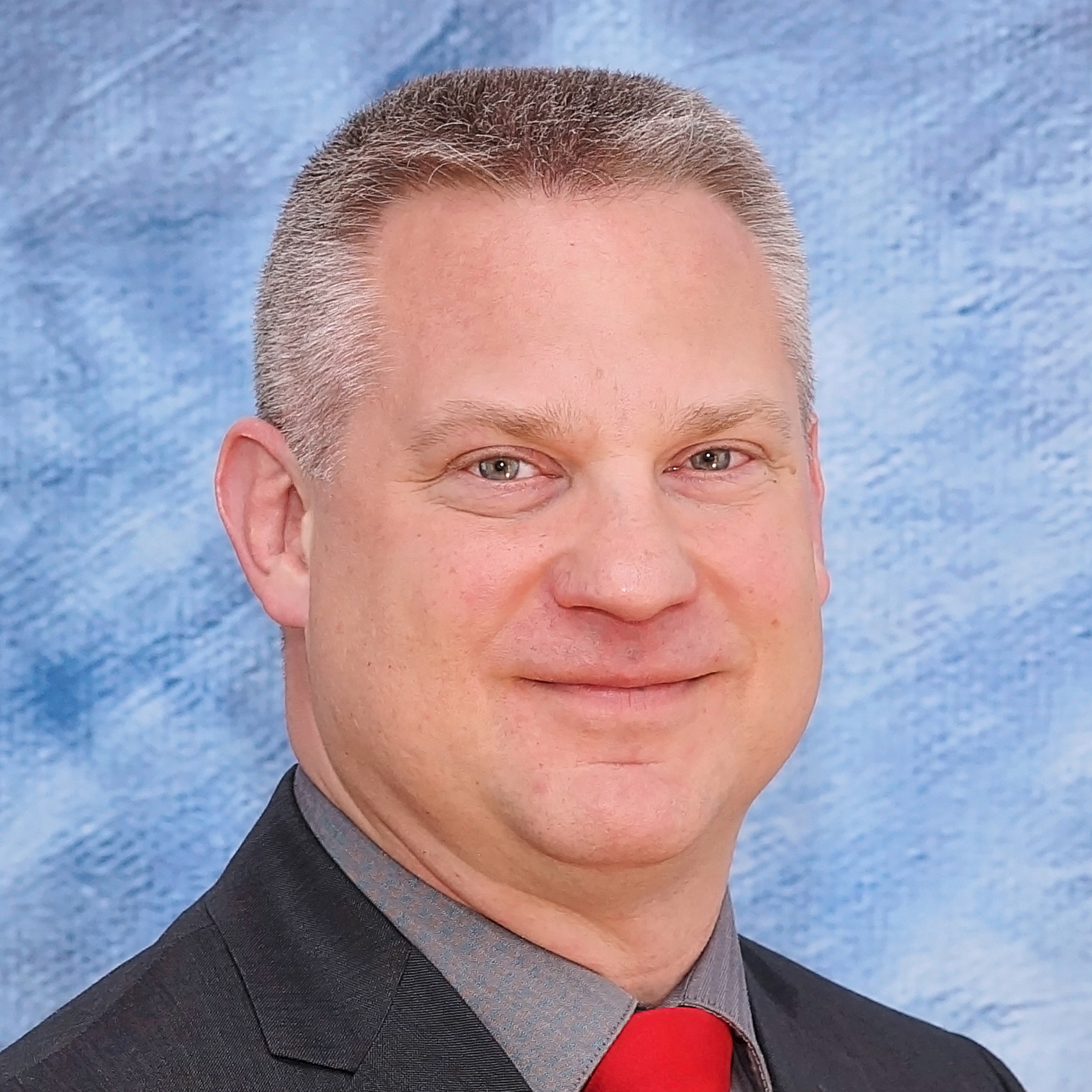
JohnJohn Ainsworth is the CEO and founder of Data Driven Marketing. They help online course creators increase revenue by 4.86x on average.

With 20 years of experience in building funnels and a degree in Mathematics, John has conducted extensive data analysis of hundreds of millions dollars of online business to create the field of Strategic Funnel Optimisation.

Data Driven Marketing has proven this process by helping dozens of online course creators 2x – 5x their revenue, and directly drives several million a year in revenue.

He’s a guest lecturer at Greenwich Business school and has been featured on Forbes.

Connect with John on Facebook and LinkedIn.

What You’ll Learn In This Episode

  • Businesses focus on content and driving traffic and most miss a crucial element of funnel optimization that makes all that work worthwhile
  • Three key funnel optimization strategies
  • Increase revenue per sale
  • Increase percentage of email subscribers who buy each month
  • Increase email subscribers

This transcript is machine transcribed by Sonix

TRANSCRIPT

Intro: [00:00:04] Broadcasting live from the Business RadioX studios in Atlanta, Georgia. It’s time for high velocity radio.

Lee Kantor: [00:00:13] Lee Kantor here, another episode of High Velocity Radio, and this is going to be a good one. Today on the show we have John Ainsworth and he is with data driven marketing. Welcome, John.

John Ainsworth: [00:00:25] Thank you very much. Glad to be here.

Lee Kantor: [00:00:27] Well, I’m excited to learn what you’re up to. Tell us a little bit about data driven marketing. How are you serving folks?

John Ainsworth: [00:00:33] What we do is we work with course creators who’ve already built an audience online that might be SEO traffic or a YouTube audience, something like that. And we help them convert people from in their audience to buying their courses.

Lee Kantor: [00:00:46] So how did you get into this line of work? What drew you to this crowd?

John Ainsworth: [00:00:51] I used to work in fitness marketing, and what we found was that we’d fill up all of our clients so we’d have kickboxing clubs or gyms or yoga classes and we’d get them full and they wouldn’t need us anymore. So I started looking. It kind of sucked because they don’t need you. They don’t pay you anymore. So I started looking for clients who would have unlimited capacity. So if we did an amazing job, we couldn’t fill them up when we found course creators. We’re just great to work with. They’re experts in their field. They love to share. They tend to have built up an audience through years of sharing free content, but they’re no good at the marketing funnel email marketing side of it, so they’re not making as much money as they deserve.

Lee Kantor: [00:01:29] So at what stage of a course creator do you typically work with? Is it somebody that maybe just left the corporate world and heard about this course creation kind of idea and said, Hey, I can do that? And I have an audience of, you know, me and my wife and, you know, my friends and I want to do this. Is that a prospect for you or is it somebody who’s already kind of been doing this for a minute?

John Ainsworth: [00:01:53] Yeah, someone has been doing it for a little while. There’s definitely a lot of people out there who work with people who are getting started. And there’s some great ones we don’t. We work with people who tend to have been doing it for a few years. They’ve been sharing videos every day, every week on YouTube, or they’ve been writing blog posts for years trying to build up their audience, and they’ve started making courses as well. And that’s the kind of point that someone will tend to be a good fit for us.

Lee Kantor: [00:02:15] And then what audience size is that point? Is it 100? Is it a thousand? Is a 10,000?

John Ainsworth: [00:02:21] We need someone to have an email list size of like ten or 20,000 to be a really good kind of fit to work with us. Some of our clients have got a bit less than that. Some of them have got hundreds of thousands. So in order to get that, they have to have an audience size effects on their website if maybe like 30,000 visitors a month, if it’s a YouTube channel, maybe they’ve got a few hundred thousand views a month. That kind of scale is the kind of people we work with.

Lee Kantor: [00:02:48] Now, do you have any advice for the people who aren’t ready for you yet but would like to be? Is there some things they could be doing to build to get to that level?

John Ainsworth: [00:02:58] I am not an expert in building an audience, but I do know that it’s a lot of work along a long, kind of hard process. One of the things I do know about it that’s a really big deal is choose really carefully what medium you’re going to use, you know? Do you like being seen? Do you like being on camera? In which case YouTube could be fantastic? Or do you hate it? In which case definitely don’t do that. And maybe you should be better off with a podcast, or maybe you love to write, or you really like that process of hiring writers, in which case blogging could be great. So if you want to get into a SEO side of things, build up an authority site, then go to Authority Hacker. They’ve got a great course about it. So like there’s different places to kind of start based on what style is going to fit for you.

Lee Kantor: [00:03:44] Now, early in your career, you mentioned you were able to fill up fitness centers. Did they already have an audience that you were able to just maximize or were you creating this filling them up from scratch?

John Ainsworth: [00:03:55] Yeah, there we were, filling out from scratch. So they already had great classes, but they didn’t have any kind of an audience, really. So what we do is Facebook ads and when you’re running a local business like an actual in-person, honest to God, somebody turns up in a specific place and something happens kind of business. Facebook ads in that area we found to be incredibly effective. So we could manage to fill up a kickboxing club, for example, with using Facebook ads, pointing people to make an inquiry tend to be for their kids. After they made an inquiry, it was somebody would text them and it tended to be in the evening because that was the time when the mums were around to look at what time their kids could do. Then they would get them to come in for a free session and then from there they would sign up. So there it was like we’re creating the whole thing from scratch. But it’s. It’s more expensive nowadays with Facebook ads, especially for selling courses.

Lee Kantor: [00:04:48] And a lot of these courses aren’t looking for a hyperlocal solution. They’re looking for a kind of worldwide solution.

John Ainsworth: [00:04:55] Absolutely. 100%. Yeah.

Lee Kantor: [00:04:57] So then the strategies have to obviously be different.

John Ainsworth: [00:05:00] Yeah. Yeah. All the principles in marketing always stay the same, but the actual strategies, the tactics, the details of it vary enormously depending on when it is. You know, ten years ago it was different to what it’s like now. And if you’re doing it for courses, it’s completely different if you’re doing it for an in-person business. All of those things vary enormously.

Lee Kantor: [00:05:17] So now when this established course creator is out there right now and then maybe like you said, they’re great at creating courses and they have really compelling information that more and more people should be paying attention to. What’s the pain they’re having? Do they even know they’re having a pain if things seem to be progressing, are they just or is this one of those situations where they could be doing better if they knew some things and they don’t have to settle for maybe the slow kind of growth that they’re experiencing?

John Ainsworth: [00:05:46] Yeah, exactly. So a lot of these people, they don’t realize that this work around funnels and email marketing is the thing that they they could be doing that would make this enormous difference. What they what they do realize is they’re not making as much money as they feel like they should be doing. They feel like something’s not quite right. They tend to have heard of this funnel idea and they know that email marketing is the thing that you probably should do, but they don’t really get how it would work. So what we’re tending to do with these people is show them this is the potential of what you could have. And it’s it’s not generally something in our market that people are searching for. We’re kind of having to explain to them this is the possibility, this is where you could get to.

Lee Kantor: [00:06:24] So that first the first must have in these situations or you have to have an email list at with whether you’re kind of wringing out as much juice from it as possible, you have to have it. And you’re feeling that they’re kind of under utilizing it.

John Ainsworth: [00:06:42] 100%, 100% until utilizing it. Yeah. And generally so we need people to have an email list. We will even help them to build it if they’ve got a big enough audience. So if they’ve got, let’s say, a YouTube channel with a few hundred thousand views a month but they’ve never built an email list will help them with that part. But the email list is where you make the money from these things. That’s where the money’s in the list. And this is a phrase that’s been around for a long time, but not everybody really understands how true it is. And so what most people do is if they even if they have a list, is they will send out a promotion two or three times a year. And when they do, they have a big spike in sales. But they worry that if they do that too often, then they’re going to have their email subscribers unsubscribe, be annoyed and not want to hear from them again. And so the trick is how do you make great email promotions that you can send out that people love to receive, that contain useful content, that are a fabulous, a helpful people like getting them and make sales at the same time. And if you can do that, then you can send up these promotions much more often and you can make a lot more money from your business.

Lee Kantor: [00:07:43] So you help them kind of create that kind of content, or you teach them how they do it themselves.

John Ainsworth: [00:07:51] Yeah, we do both. So we, we work on, we have a group coaching program where we, it’s like a done with you service where we will teach people how to do it and then they have a go at it. They do their best shot, we review it, we give them feedback, help them to improve. And then we also have a service where for bigger businesses, generally, people who are like $1,000,000 a year or something where we will actually do the whole service for them, we’ll write the emails, we’ll write the sales pages, we’ll set up the automation, all of those kinds of things on their behalf.

Lee Kantor: [00:08:20] And like, what’s your kind of personal best success story in terms of they were at X and then we got involved and they were at X plus.

John Ainsworth: [00:08:32] So a couple that come to mind, we had somebody recently who was making a few thousand a month from her co sales, but she had already had a big audience and had a big email list but wasn’t using it. And we got her up to an average of about $60,000 a month within, I guess, four months, something along those kind of lines. And we’ve had somebody else who was doing maybe 20,000 a month and we got them up to 170,000. So the increases are quite fun. You know, it’s quite a dramatic increase from what people are at before.

Lee Kantor: [00:09:03] So it’s just a matter sometimes of just kind of leveraging what you already have. Like you already have what you need. You’re just not communicating in an effective manner to get the most out of it.

John Ainsworth: [00:09:15] Yeah. If you’ve already spent years building an audience, you’ve built trust with them, you’ve made great courses, but you’re just not doing this fundamental bit in the middle of getting the people from your audience into your email list. Get the email list too, by offering them other things that they might want to buy as well. Then you’re leaving most of the money on the table. So those people and there’s lots of them out there, have already done a vast amount of the work, but they just aren’t they aren’t making the most of it.

Lee Kantor: [00:09:39] Now are they’re in this kind of funnel strategies, are there. Kind of some things you can teach the audience right now, or there are some must do’s. Is there some low hanging fruit that anybody could do right now to kind of maximize the funnel that they already have at their disposal?

John Ainsworth: [00:09:56] 100%, absolutely. And this is true. Whether somebody is in e commerce or the selling courses or they’re doing a software business, it even works to a certain extent in service businesses, too. And that’s to use two different tactics called order bumps and upsells. And I’m going to talk about it from a course point of view, but you can kind of translate this to work for other other areas. So the order bump is a checkout page thing. So someone’s on the checkout page, they’re putting their credit card details in. And at that stage you have a tick box on that page where someone can get something additional. So if you’re selling somebody a course, a good one to have is an additional workbook that goes with the course. So let’s say your course is $99. The workbook might be $37 something along those kinds of lines. And about 30 to 60% of people will buy the order bump if you do it right, which adds about another 10 to 20% revenue. To that sale. And you can do this across all of your. All of your different products and therefore you increase revenue of the whole business by 10 to 20% just from this one tactic, which is crazy, but it’s true, and virtually nobody does this. It’s built into almost all checkout software, but nobody uses it.

Lee Kantor: [00:11:11] And that. And so this is just something it’s just literally one line of text.

John Ainsworth: [00:11:16] Yeah. Like it might be three sentences, you know, probably three sentences about the most you would need here. And what you’re just saying is this work, would you like to get the workbook that goes with this? It is on discount right now, 40% off if you buy it as a bundle with the with the course that you’re getting. Only time you can buy it at this price. Like that’s not exact copy, but like that’s the kind of thing that you would be saying something along those kind of lines, you’re going to add another 10%, 20% to your revenue.

Lee Kantor: [00:11:46] And it could be something that’s already part of your course right now that you’re just throwing in for free, that you just charge for it.

John Ainsworth: [00:11:52] Yeah, absolutely. As long as it’s not something that’s integral to getting the result, but something that maybe makes it quick or easier or is a nice accompaniment, you could take it out as being a bonus and add it in as an order bump, and that will tend to work really well. Yeah.

Lee Kantor: [00:12:05] Now, you mentioned upsells. How does that differ?

John Ainsworth: [00:12:08] So upsells is the same basic concept, but it’s done in a different way and it’s important to understand which one is which, so that when you’re setting it up, you know what you’re doing. The order bump is on the checkout page, the upsell is on the confirmation page. So somebody has already put their credit card details in. They’ve clicked submit, maybe they got the order bump, maybe they didn’t. The next page that they see that confirmation page at the top of it, you will say your order has gone through. You’re going to have a great time with this course. It’s going to really help you to get the result that you’re after. The next step after that is going to be X. So let’s say they bought the beginner course. The, the next step is then the intermediate course. Would you like to get the intermediate course now as well? And then that is going to be a discount of 40% off right now. And it’s the only time you’ll see this offer. And about another ten or 20% of people will then buy that additional course. If you have a really good sales page and you’ve set the right offer up and all of those kind of details.

Lee Kantor: [00:13:07] So then so you’re not selling them the workbook, you’re selling them access to the next part of your roadmap for your your customer journey.

John Ainsworth: [00:13:17] Yeah. If you’re selling a membership and they’ve bought one month, you might sell them three months worth. If they’ve bought the basic course, you might sell on the intermediate one. If you’ve sold them a challenge that you do, then it might be buy three more challenges. It’s like whatever the next logical step is after what they’ve already got.

Lee Kantor: [00:13:35] So now as part of your service, it’s not only just kind of maximizing the revenue that you can possibly get from what you have, but it’s also increasing the amount of subscribers because that’s at the heart of this whole thing. Right. And I think this is an important note for the listeners. Your email list, you want to capture as many emails so you can have a personal relationship with all your people. If you’re leveraging a third party app like Facebook or LinkedIn or one of those other places, YouTube even. The relationship isn’t with you, really. I mean, it’s kind of with you, but you’ve got to move them off of that platform into your own in order to really kind of maximize the revenue you can make from these people.

John Ainsworth: [00:14:23] Yeah, 100%. Because if you have it, if you just rely on Facebook, at some point, Facebook is going to change their algorithm. And you’ve seen that many times over the last ten years, the reach that you used to have, you don’t have anymore. You could get kicked off some platform. But also email is where people make purchases from. They tend not to buy from somewhere on social. So it’s not like nobody does it, but it’s it’s a much lower percentage of people who will watch your YouTube video and then go buy something straight from that. But you can get them from the YouTube video onto your email list, the email list to the sales page and going to buy. And that that converts much better now.

Lee Kantor: [00:15:02] We know that these third parties change the rules when it suits them. Do you have any data to for the listener that doesn’t really understand this? Like if I’m on Facebook and it says I have whatever, 10,000 or whatever, 1000 friends or followers or whatever it is. In actuality, when I post something, a thousand people don’t see it. Do you know, like what percent would see anything I’m doing on that platform or LinkedIn or any of the other platforms?

John Ainsworth: [00:15:33] Yeah, I went on Facebook. It reduced and reduced and reduced and it’s an enormous thing. I think it went down from like 60% of people who were following. You would see it if they were on at the right time down to like 2 to 5%. I don’t know if those are the exact numbers, but it’s something in that kind of ballpark. It really is very small.

Lee Kantor: [00:15:54] And that’s the same for pretty much all of them. Linkedin, all those like like you could think that you’re like, Oh, I have all these followers and friends or fans or whatever, but in actuality only a minuscule amount is seeing anything you’re doing unless you pay that platform to get in front of more of your own people.

John Ainsworth: [00:16:13] Yeah, 100%. What they do to begin with is they make it work really, really well to get everybody on there and build the platform and grow the platform and make everybody want to use it. And then after a while they’re like, right when we need to start making money from it and they reduce the amount of people who are going to see your content and less you pay for it. And I think that LinkedIn is is not at the extreme that Facebook is at and, you know, different platforms at different stages with this. But everybody is you know, everybody gradually does go through that process.

Lee Kantor: [00:16:43] Right. It’s one of those examples that if you’re not paying for the service, then you are the product.

John Ainsworth: [00:16:49] Right. Yeah.

Lee Kantor: [00:16:51] So then you’re going to make you pay at some point for access to the the list that you’ve built within that platform. Unless you take it offline and take control of that yourself and then communicate to these people in the manner you want to when you want to.

John Ainsworth: [00:17:08] Yeah. And the email list is the one that you own. It’s like that belongs to you and not to Facebook and not to Google and not to Microsoft or anything like this. It’s like, that’s yours. So you control that and it’s really, really important.

Lee Kantor: [00:17:19] I think it’s critically important. And I think that’s a misstep that a lot of entrepreneurs make by relying on this third party because they think they’re killing it there, when in actuality they can change the rules whenever they feel like it.

John Ainsworth: [00:17:32] Yeah. Yeah. 100% affect clients who lost massive Instagram followings over some kind of a mix up, a mistake or what have you. And they had to start again from scratch. And now what obviously we do and we’re working with them is make sure we get more of those people off onto their email list so that they have Instagram and they hear from them in email.

Lee Kantor: [00:17:53] Now, do you have any advice for people who want to increase the amount of email subscribers they have on their list? And I’m sure that this advice is good for anybody, no matter the size of their email list is today. Even if you have none, these this kind of information could help them get more. So is there some advice you have like these? Okay. These are the top tips to get more email subscribers.

John Ainsworth: [00:18:15] Yeah, 100%. So what you want to have is some kind of a lead magnet. And the lead magnet is like a compelling offer that someone gets if they subscribe to your newsletter. And so it it should be something that people can get value from very quickly. So one of the best ones that we’ve seen with any of our clients was a company called Paintball, and they teach people digital painting techniques. And what they gave away was some free brushes for in Photoshop. So if you download it, you can just upload it into Photoshop. Now you’ve got the brushes, you can use them whenever you want. You don’t have to read the e-book. You don’t have to take the course to get the value. You get it immediately. So anything that you can come up with or anything that you’ve already got that is going to be useful and valuable to your to your potential subscribers. And they would want to subscribe to our newsletter and get that kind of resource. So that’s the first step. Once you’ve got that, you want to promote that all over your website and all over social media.

John Ainsworth: [00:19:07] So let’s say you’ve got you’ve got a website that’s got a decent amount of traffic coming through already. You will put that lead magnet on the home page and you’ll put it on your blog pages. And if it’s a long blog post, you’ll put it top, middle and bottom, and you’ll put it in the sidebar as well. So you’re putting it everywhere and saying to people, This is the next step to take. This is the thing that is going to be useful to you and is, is there’s a reason why you should subscribe and then you can make a few different graphics that you would then put up. And let’s say you’ve got an Instagram following every 10th post might be promoting that free resource that you’ve got, or maybe you’ve got a few free resources and you don’t just use the same post each time to promote it, but have like different benefits or angles or have you and you make some graphics up about that as well. So put that just in lots of different places. Have a great lead magnet, tell people about it and point to it constantly.

Lee Kantor: [00:19:58] So if you do that on a regular basis, then you’re going to build your list and then maybe you’ll get to the level where you can hire the data driven marketing folks, right?

John Ainsworth: [00:20:09] Exactly. Yeah.

Lee Kantor: [00:20:10] Now, the name of your company is data driven marketing. I’m sure that’s on accident. How important is it to analyze the data that every website is kind of generating and most people are probably not paying that much attention to it? Like, is there a way to use the data to really figure out what is my ideal customer? I might think it’s this person, but the data is going to maybe tell a different story and maybe I can use that data to help me communicate more effectively to the people that are resonating with my message.

John Ainsworth: [00:20:47] Yeah, the 100% is it’s not the simplest process to go through, but it’s very important. To understand this. So one of the things that we do and you don’t even have to do this from your your website’s a little easier to do it from your email list to send out surveys to people. So surveys to customers and surveys to potential customers and to different surveys we normally do. And what we’re looking to do is understand them, you know, what are their problems? What are their pain points, what are their desires? What is it that they if they bought something where they’re happy with it, what did they like about it? Did they tell other people about it and ask all these different questions? And from that, we build something called a customer avatar. And a customer avatar is a. Like a. Simplified version of your your ideal customer of the person, the most typical customer that you have. And it’s a summary of all of those different answers you have. You’re not trying to encapsulate every answer from every survey into the customer avatar. You’re trying to just create a version that allows you to think of this as a person. And then when you’re writing your emails or you’re creating your courses or you’re doing any marketing work in the future, you can imagine you’re talking to that one person. It’s much easier to imagine talking to one person than your whole audience. But if you’ve done the customer avatar, well then by talking to that one person, it will appeal to the whole audience.

Lee Kantor: [00:22:06] Now what is. Do you have an example of maybe the biggest kind of aha moment one of your clients had? Like maybe they thought, Oh, our audience is this type of person, and then you do these kind of surveys and they’re like, Well, yeah, there are a little of those, but there’s a lot more of these over here.

John Ainsworth: [00:22:24] I generally haven’t seen that. It’s much more nuanced with the kind of way that this has tended to work. What will what we’ll do in there is we’ll find out that the pain point that somebody they might understand who their audience is, but the pain point that they solve isn’t the one that they thought it was. What happens for a lot of people who are running businesses is they’re so close to the thing that they’re doing that they understand it so well that they think other people do as well. And really, other people aren’t trying to solve problem X, they’re trying to solve a deeper, more fundamental problem. So, for example, someone’s learning languages. The whole point for them is not getting better at the language. It’s, let’s say, being comfortable in a work environment when they have to travel or it’s being able to talk to the in-laws or it’s not feeling ashamed when they go to the supermarket and actually knowing the right words to say and fitting in. And that’s then the thing that actually matters to the prospect, the reason they actually buy. And once you understand that, then you can talk to that kind of pain point. You can discuss that. You can show how what you do is going to solve it, reassure the customer that you understand the situation they’re in and that you’re going to solve that problem for them. It tends to be that kind of level of stuff that people are learning now.

Lee Kantor: [00:23:38] I bet you got a lot of that insight when you had. We’re working with fitness centers because people don’t necessarily join a fitness center for the obvious reason. There are a lot more nuance to that experience.

John Ainsworth: [00:23:51] Yeah, 100%. So when we were working with trying to fill up those kickboxing classes, for example, what we’re looking at is it’s the moms who are actually doing the marketing, too. It’s not the kids who are going Now, what is it that the mom wants out of it? Why does the mom want the kid to go well, is it because they want the kid to stay fit? Is it wanting to lose weight? Be more confident? Is it they want to get them out of their hair for a little while? Like, what’s the thing that the parents are after in that situation? And that’s what you need to focus on. Is it that it’s a safe environment, that it’s going to be comfortable, you know, and so learning all of those kinds of things allows you to actually have the right message and then and then get the right kind of results from people.

Lee Kantor: [00:24:32] And it’s not asking, like, it’s not the obvious thing. A lot of times you have to go layers and layers deep and you have to ask why a few more times to get to the heart of this.

John Ainsworth: [00:24:43] Yeah, 100%. It’s. It’s really a. All of the top level stuff matters, but you need all of the deeper levels as well. You know, one of the things that we found I’d to work with getting cancer patients into physical activity and what the the technical reason like from a doctor’s point of view of why they should become more active was because if they got more active after they had got cancer, they were more likely to do well through the treatment, through the surgery, and they were more likely to prevent the cancer from coming back. But you couldn’t use that in your marketing for it because if you said to people. If you do physical activity, it’s a chance of it stopping the cancer from coming back. Then people interpreted that as, If I don’t do it, then it’s my then it’s my fault of the cancer comes back. And so it had a really negative kind of PR effect, so you couldn’t say these things. So instead what you had to do was you had to talk about the fact that it was going to make you feel better and give you more energy and some of the slightly lighter things. But you also couldn’t talk to people about doing it during treatment, even though that was the time when it was vitally important that people were active because everyone’s so tired during cancer treatment that they refused and they wouldn’t necessarily they wouldn’t hear it. So we would have to write to them two months after treatment finished and tell them we had some free support for them to come and get active. So all of these little nuances and details about like what actually is going to work for your audience is super important to understand so that you can talk to them in the right way.

Lee Kantor: [00:26:18] Well, if somebody wants to learn more, have a more substantive conversation with you or somebody on your team, what’s a website?

John Ainsworth: [00:26:24] So the best place to go is course profit i-report.com. And there’s a form there. And you fill in a few quick questions. And what we’ll do is we’ll figure out for you a personalized plan for your course business. We’ll figure out how much extra revenue you could make, what step to work on. First, we’ll send you training on how to do it. We’ll do a loom video where we talk you through the whole plan. So it’s not an automated thing someone from my team will go through and actually do that for you. It’s totally free. And then if you look like you’re a good fit to work with us, if you have the right kind of business and the right amount of traffic, etc., then we’ll drop you an email to say, let’s jump on a call and we can talk it through some more. And our whole service is based on only paid, based on results. So we, we’re quite picky about who will work with to make sure they’ve got the right kind of audience.

Lee Kantor: [00:27:11] Well, congratulations on all the success, and thank you so much for sharing your story today.

John Ainsworth: [00:27:17] Oh, thank you very much for having me on. I really appreciate it.

Lee Kantor: [00:27:19] All right. This is Lee Kantor. We’ll see you next time on High Velocity Radio.

Tagged With: Data Driven Marketing, John Ainsworth

Gerald Griffith With Guide to 575

May 19, 2022 by Jacob Lapera

CherokeeBusinessRadio051722pic
Cherokee Business Radio
Gerald Griffith With Guide to 575
Loading
00:00 /
RSS Feed
Share
Link
Embed

Download file

This Episode was brought to you by

The Innovation SpotAlma Coffee


guideto575

Gerald GriffithGerald Griffith is the founder of Guide to 575 and has lived in Cherokee County since 2009 with his wife and kids. Since that time, he’s operated a local media services company and had the opportunity to connect with people and businesses around the community.

Gerald had the idea of starting Guide to 575 during COVID-19 as a way to connect people around the community with events, jobs, and information and he’s excited to share it with everyone.

Follow Guide to 575 on Facebook, LinkedIn, and Twitter.

This transcript is machine transcribed by Sonix

TRANSCRIPT

Intro: [00:00:07] Broadcasting live from the Business RadioX studios in Woodstock, Georgia. It’s time for Cherokee Business Radio. Now, here’s your host.

Stone Payton: [00:00:23] Welcome to another exciting and informative edition of Cherokee Business Radio Stone Payton here with you this morning. Today’s episode is brought to you in part by Alma Coffee. Sustainably grown, veteran owned and direct trade, which of course means from seed to cup. There are no middlemen. Please go check them out at my alma coffee ecom and go visit their Roastery Cafe at 3448 Holly Springs Parkway in Canton. As for Harry or the brains of the outfit Leticia and please tell them that Stone sent you. You guys are in for such a treat this morning and please join me in welcoming to the broadcast with Guide to 575 Mr. Gerald Griffith. Good morning, sir.

Gerald Griffith: [00:01:10] Good morning, stone. And how are you?

Stone Payton: [00:01:11] I am doing well. It’s a delight to finally get you in the studio any time I traipse anywhere around Cherokee County for any event that is designed to support and celebrate the business community and the community at large. I see Gerald Griffith sometimes totally equipped with all of his toys to capture the moment, and sometimes he’s just there. And every time it’s a real, real joy to to see and hang out with you. This, this guide to 575 MAN What’s mission, purpose? What are you trying to accomplish with this?

Gerald Griffith: [00:01:50] Man Oh, I’ll tell you, some days I feel like I’m trying to put myself out of misery or something. But now the exciting part is, you know, this, this whole idea about the 575 is, is stemming from, you know, a desire to actually connect more with with what’s going on in this area, not just the city where I live, which is here in Woodstock or Canton or something like that. And so I started thinking, you know, how do I find out about other things that are happening up and down what I call the corridor? And the corridor runs the entire 575. That’s what the the name is all about, the interstate that we all share and and go up and down every single day. And so the guy was really, you know, the concept of creating a platform and space where you could now begin to learn and highlight and and connect with resources all up and down this area and know that they’re either physically located in this area or that the people running the business because there may be a home business or something. So they don’t have a retail location, but that that person not only services, but they are located within the area as well.

Stone Payton: [00:03:07] Well, it sounds like a noble pursuit. It also sounds to me like a lot of work. Where do you even start with with an effort like that?

Gerald Griffith: [00:03:17] Well, that’s the proverbial how to eat an elephant, right? So, you know, it’s one of those things. So, you know, by all accounts, we’re starting with the project. You know, it’s a new idea, a new concept. Initially, I’m looking for 250 businesses to put in our listing. But beyond just having a basic listing, we actually want to truly highlight these businesses. You know, I want to put their pictures in there, put their web, all their social media stuff in there, invite them into programs like this where they can talk and have that podcast and, you know, appreciate things like being able to embed that podcast into their listing so that they have something where people can actually learn more about the business.

Stone Payton: [00:04:00] Right there in the listing. They can listen in to to a media appearance, whether it’s on Business RadioX or maybe some other Oh, fantastic.

Gerald Griffith: [00:04:08] We can drop that in there. And because, you know, thing I could ask a lot of as well, you know, isn’t that something that Google or Yelp or some of the other things already do or aren’t there local magazines and things? And to me, they they they come at two opposite ends of the spectrum, right, where the Googles and the Yelps are very broad, but they can be very impersonal. You have the local magazines and things, they are offering more articles and things like that, but they’re more on the print side and they don’t necessarily have as much of a digital presence. So God, the 575 is a little bit of both of those.

Stone Payton: [00:04:42] Yeah.

Gerald Griffith: [00:04:42] And a lot more in terms of developing content and relationships with the businesses so that they have more reach. But they know that it’s targeted is very specific to the region because most people, if you’re a plumber, you don’t just service customers in Woodstock. Sure, you don’t just service them. Most of them, if you go to their website, they’re going to say, we do Marietta, Kennesaw, Acworth, Woodstock, Ball Ground, Holly Springs, Canton. Right. So God, 575 will be a platform where they can highlight their services and know that it’s regional focus.

Stone Payton: [00:05:15] So this is a great opportunity for me to plug my buddy and a guy I’ve come to trust and a great deal just to not. No red tail plumbing. But but but let’s play that out a little bit. So let’s say Justin becomes listed right in your directory. What are some some pro tips, if you will, for him to get the most out of his listing? Like, what should he do from there? Because I’m operating under the impression just putting yourself there is good, but there’s probably some other stuff you can do to kind of boost that in some in some way, like let people know you’re there.

Gerald Griffith: [00:05:51] Absolutely. Well well, that’s part of it, right? It’s like, you know, you can buy all the gym equipment you want and park it at your house, but it doesn’t get you in shape. Right. So you buy a website, it doesn’t automatically do something for you. And that’s what, you know, the guy aims to be a little different in terms of if your plumber contact there does a listing, we want to have a dialog with them to say, Hey, what is it you want your presence to do for you? Is it simply more customers? Is it more awareness? Is it more informative in nature? Do you want to be a subject matter expert? Maybe they want they write. So they might say, Well, hey, you know what? I’d love to submit some articles about plumbing or my experience or something like that so we can look for opportunities to highlight them and their service. Because to me, if all you’re doing is trying to give out 50,000 coupons a year, then yeah, that’s going to reach some people. But people also want to know that you care about your work because quality is a big thing right now that you’re going to show up on time, that you’re insured, that you’re all these different things and not be afraid to educate them on things, to not have them have emergency service calls all the time. So I would look for opportunities in addition to things like saying, hey, you know, did you already do your Business RadioX thing with stuff so that you can have a dialog like this? So we take his podcast, plug it into his page, list all his other social media things, and then also highlight who they are as much as what they do.

Stone Payton: [00:07:17] Well, I can see already that there’s a great deal more depth and breadth in in this kind of resource than your traditional garden variety directory, for example. And look, forgive me, I have a tendency to see everything through the Business RadioX lens, right? We’re going to solve world peace. But let’s say, Justin, we’re a client of ours. And one of the deliverables were that we set him up to do some commentary or like these protests around, you know, like just some stuff to be on the lookout for at your house, how to know when you need a plumber, whatever those things are. So if we were to capture that content here and then transcribe it and all that, to some extent we could at least, if not publish it on, on, on this resource, we could at least have something there that would point to where it is published.

Gerald Griffith: [00:08:06] Absolutely. Absolutely. We can.

Stone Payton: [00:08:08] Oh, wow.

Gerald Griffith: [00:08:08] We were making the thing shareable. We’ll be doing things like, you know, firing up our YouTube feed and things. So I may do something where it’s like, hey, you know what, Justin? Let’s set up a time where you can we can do a day in the life of or something, right? So we go out with you maybe on a few jobs. You can talk to us about what you’re doing, what you’re seeing, why you’re doing it, the customer relationships and things like that, and publish that out. We can even do some live stuff. So, you know, you know me from doing the live stream of different events in the area. Yeah. Yeah. So the more you can make it about who they are, how they work, versus here’s just another listing type of thing. Or on the flip side, people think, well, you know, I’m on social media. I’m like, okay, well, that’s great. Yes, I went there looking for a plumber, but I ended up spending a half an hour watching cat videos and arguing with some guy about the latest political spill. Right. So so I didn’t leave there feeling good. I left there kind of pissed off and defending 50 people. Right. So let’s let’s realize that not everyone is on the social media platform and not everybody wants to be on a social media platform. So how do we create a resource that’s accessible to people in this area? And they know that the resources there are focused on this area.

Stone Payton: [00:09:21] So at this stage of developing a resource like that, like this, is it a little bit of a chicken and an egg thing? Like, because once you get a certain degree of momentum, then more and more people just ought to start calling you. Right. But are you kind of in the early stages where you’re doing things like this? You’re you’re explaining it and you’re talking to the Justin’s and the stones of the world. Is there a little bit of that chicken? Absolutely.

Gerald Griffith: [00:09:44] Absolutely. Absolutely. And it’s one of those challenges in a way, because on one hand, you know, you need to be defined, but on the other, you need to maintain enough flexibility that you can adjust and pivot and change and speed up and slow down and things as you learn more things. So, for instance, because God at 575 is not city based. How do you define.

Stone Payton: [00:10:09] You.

Gerald Griffith: [00:10:09] Know, things about it, right? Because when I say the corridor, what does it mean to you? Well, it doesn’t naturally mean anything to people in this area until they catch on to the fact that when I say the corridor, it means everything from ball ground to Marietta.

Stone Payton: [00:10:25] Wow. That’s a that’s a lot of ground. But it’s but it still does have some focus.

Gerald Griffith: [00:10:29] Yes, it’s still it’s still focused because we all go up and down. 575, right?

Stone Payton: [00:10:33] Oh, yeah. I’m going to be in Canton tomorrow morning for a million cups thing and. Yeah, absolutely.

Gerald Griffith: [00:10:38] Exactly. I’ll be there as well. So so then and then we start to say, well, how do you how do you hone it down a little bit more? Right. So one of the things we’re developing and conceptualizing here is that there’s there’s a there’s a south which would be, say, four exit four down through Marietta. Then there’s Central, which would be maybe from exit four to to 12 or 14 or something. And then there’s north, so maybe everything north of 14. So now even when you start to work through it, you can say, well, hey, you know, that’s 575 North or central or south, but naturally we don’t think about it that way. So in addition to trying to put this resource together, you essentially have to create an entire ecosystem in which it exists because most people are used to thinking about things in terms of town, Lake Woodstock, Cherokee, right. Whereas 575 is North Cobb and Cherokee all combined and the city and the community and everything else. So you have to create an entirely new vernacular around how to talk about the space.

Stone Payton: [00:11:44] Yeah. So what are you finding the most rewarding? What are you enjoying the most so far about? About this project, the.

Gerald Griffith: [00:11:50] Lack of sleep. Now, I think for me, I think it’s a combination of things. One, I like meeting people, I like learning about their why, like why they do what they do, how they got there, what they find exciting. You know, some of it, some of the interviews like we’re doing here, but we’re out in the street, out in the field type of thing. And really also highlighting the fact that there are a lot of things that happen in this area.

Stone Payton: [00:12:20] Yeah.

Gerald Griffith: [00:12:20] And a lot of things, unfortunately, you don’t know about until well after it’s happened.

Stone Payton: [00:12:24] No, that happens to me way too often, man. I should have been there. Or in some cases I could have even been there and helped with a live broadcast or something. But in other cases, it would have just been cool to show up and be there.

Gerald Griffith: [00:12:34] Mm hmm. Yeah. And that’s. That’s what I found. Something like, you know, even, say, on the business side, so. Well, if you want to, you know, maybe you move to the area and you say, well, I want a network with some other businesses. Where do I go for some meetings? Well, most people can tell you about one or two, but there are probably about seven or eight at least or more that happen in the area, but there’s no central place to go find it. So if you go to got the 575, we actually have a business, you know, events type thing where it’ll show you a listing of all these different businesses.

Stone Payton: [00:13:09] Oh, that’s fantastic.

Gerald Griffith: [00:13:11] Happening in the area. You could even click on the Map View and it’ll show you where along the corridor those meetings take place.

Stone Payton: [00:13:17] Nice.

Gerald Griffith: [00:13:18] So there’s there’s that web piece of it. But eventually we’ll we’re going to start off with we’ll have a digital magazine version of it and then eventually we’ll probably have a print magazine version of it as well. Because the goal is that, you know, we well, I guess I look at it that those of us of a certain age, while we like technology, we also like being able to look through something peacefully. We like being able to hold something tangibly in our hands. And so all of these things kind of play together. And there was even one idea I was floating when I first started thinking about this over a year ago of even doing like an ongoing radio type program, you know, along the lines of Sirius or something like that where there was even music and different things playing, but it was all about stuff happening in this area. Maybe there was like talk shows or or things like that where it’s all highlighting businesses and maybe there’s, you know, particular day where you’re highlighting real estate and you’re just inviting in different real estate people or different businesses. Like I said, you know, business networks, you know, invite all the different leaders in and you’re doing ongoing talk throughout the day, just highlighting different groups. And people knew that any time you turn, turn to that or tuned into it, that it’s always about things happening within the area.

Stone Payton: [00:14:37] I can feel the passion, I can hear the vision. I got to know a little bit about the back story. How did you find yourself in this arena? Have you got a background in creating companies or projects? Tell us a little bit about about your career path, if that’s even the right word or you’re just your path?

Gerald Griffith: [00:14:59] Well, I I’m very much a people person. It probably has a lot to do with growing up. The nephew of a pastor spending most of your childhood in a church setting interacting with people. So I’ve always enjoyed working with groups of people in that regard, but I’ve worked in the media space and stuff and most people in this area know me have. Running a professional conference that I ran for ten years until this one, which is when I ended it for me, at least where I started with a simple meetup group. The idea there was to have ten people get together just because I was fairly new to the area at the time and said, Well, you know, if I could find some other people who are in the space and learn from them and grow. And that thing grew like crazy. You know, my goal of ten was blown away probably in the first day. Wow. And ten years later, I wrapped that thing up with with having nearly 1000 people coming in from from like, 20 different countries. And we were booking two full hotels down by the airport. And it was a great experience. Lots of ups down and you learn a lot about event planning and the ins and outs of working with groups. And so it was exciting, but for me a lot of it just still comes back to what does it mean to be a community, you know, what does it mean to actually be able to know what’s happening in that community? And I think the more people know about what’s happening in the world around them, the better.

Stone Payton: [00:16:31] Now do you envision above and beyond having your business listed? And I love that it’s more than just, you know, Stone Payton Cherokee Business Radio. Email LinkedIn link. I love the depth and breadth of it as we were talking about before, but do you also envision opportunities for businesses to sponsor somehow have some sort of sponsorship of the resource? Is that part of the equation or.

Gerald Griffith: [00:16:57] Yeah, there’ll be plenty of advertising and sponsorship opportunities there. I’m very sensitive to that in regards of I hate going to resources where you feel like it’s so ad driven that the content is just razor thin. You know, I think there has to be a balance because to me there’s there’s no bigger turnoff than right than going to something. And you feel like, oh my God, I can’t even find what I’m looking for because there’s 500 ads before I get to the first piece of content. So we’ll have some. But the goal is to make it more strategic in nature, make sure it always is, is adding value. And again, one of the catches with us versus some of the other platforms is that the business has to have a physical presence here or the people running the business have to physically be present.

Stone Payton: [00:17:48] Okay, now, now what compelled you to kind of draw those lines?

Gerald Griffith: [00:17:53] Well, because it’s got to 575 right now. Are there opportunities for things outside of that? Yeah, we have some banner ads that that people can can purchase. I don’t really have an interest. I don’t know if our will in the Google Sense and stuff because I think it just gets a little too broad with some of it, but. If you’re if you’re an advertiser and you just want to get a banner ad, you don’t necessarily have to be here because that’s more very strategically placed and they’re fairly limited. But most of it should be driven by organizations and resources that are specifically to this area.

Stone Payton: [00:18:29] Now, with your background and experience in events, are you thinking at all about tying in some events or visual events? I mean, I knew the ads I asked.

Gerald Griffith: [00:18:39] Oh, absolutely. Absolutely. In fact, the meeting I was at earlier, we were talking there were a couple of realtors there. And I said, see, you know, for me, there’s there’s different types of engagement. There’s an engagement where maybe I just sent someone a few questions. I answered back, and then there’s just a simple post, but then there’s maybe a podcast type thing where it’s a setting where maybe they come into a setting like this or, you know, I go and sit down with them and we just record a conversation about real estate. But then for me got 575 starts to take on more value when we coordinate maybe a quarterly town hall or something. And maybe that quarter we’re talking about real estate and we invite in four or five agents or brokers or something from all up and down the corridor to talk about the real estate market in the corridor, not just in one particular community, because they’ll all bring something different to the table.

Stone Payton: [00:19:31] Yeah. So a lot of entrepreneurs, a lot of aspiring entrepreneurs tap in to the business radio network, some of them to the Cherokee business radio show. And, you know, as an entrepreneur, I, I occasionally run out of steam, you know, I get fired up, but then I get a little burned out. And so I have my ways of kind of recharging places I go for inspiration. And it’s not necessarily a physical place. You know, it might be books or people or what where do you go when it’s time to recharge? Where do you go for for inspiration?

Gerald Griffith: [00:20:11] So the beach.

Stone Payton: [00:20:13] You’re a beach guy.

Gerald Griffith: [00:20:14] I’m a I’ll be more specific to to the beach. I like watching sunrises. Oh, at the beach. I find that it’s one of those places where when you look out over the ocean and you watch the sunrise, it’s the simplicity and the beauty of it that come together that that makes you just remember that no matter how much stuff is on the shore behind you, all the buildings and stuff. Yeah, yeah. That the world is actually a very beautiful place.

Stone Payton: [00:20:47] And that’s true.

Gerald Griffith: [00:20:48] So when I when I stand at the shore and I just look out over the ocean and I see the birds, I see the sand, I see the sun come up across the horizon. It just recharges me and I get excited by that. I take a lot of pictures of it, you know, after I kind of soak it up myself. But then.

Stone Payton: [00:21:06] You can go back to it, at least in a.

Gerald Griffith: [00:21:08] Way. Yeah. And I just find that there’s. There’s something about the beach that I just find refreshing.

Stone Payton: [00:21:16] So clearly your life learner and you have learned a lot of of what you know possibly from the school of hard knocks and experience. Did you have the benefit of any mentors along the way? And have you chosen to try to fill that role for other people at this at this stage of your life?

Gerald Griffith: [00:21:41] Yes and yes.

Stone Payton: [00:21:43] All right.

Gerald Griffith: [00:21:44] I’ve I’m the last of 11, so.

Stone Payton: [00:21:47] Wow, I’m surprised you’re this big Gerald’s Gerald’s full grown boy, but I’m surprised you had space at the trough, man.

Gerald Griffith: [00:21:55] Well, we’re pretty spread out. There’s 25 years between myself and my my oldest sister in the group, but I think I’ve learned something. I try to learn something from everyone and that someone coined the phrase once they said, everybody, everybody brings joy to a room. You know, someone they enter, someone they leave. I think you can learn something from everyone about that.

Stone Payton: [00:22:19] You’re going to hear that. You’re going to hear that again. And I’ll try to credit you. That’s fantastic. I love that quote.

Gerald Griffith: [00:22:25] So I do think you can learn a lot from people. And, you know, over the years I work a lot of odd jobs. Even when I served in the Army, I still have part time job rather or something. And I just loved being around people, dealing with them in different capacities. Sometimes it’s more fun than others, but in the end you find that all these different things you do along the way come back and they can serve you well. You just didn’t realize that it was, you know, 20 years earlier that you learned that lesson, that, yeah, 20 years later, that would be the very skill that you need to apply to that situation. But I try to share anywhere I go. I talk to a lot of businesses, business owners at these different meetings that you and I find ourselves at to talk to them about what what they need, what they’re trying to do, where they’re trying to go and really understand. Kind of where they are. More so from the. Mindset part of it a lot of times, because it’s not always the things people think that are holding businesses back. A lot of times it’s just that they haven’t really thought through a concept. They they’ve surrounded themselves with people who are. Yes. People or something like that. Or they’re just focused on one aspect of the business. But when they can have that conversation and know that it’s not about judging or anything like that, it’s just a conversation to try to find ways to help them grow.

Stone Payton: [00:23:49] Well, I’ll tell you, everybody. Gerald is quite sincere when he describes trying to help people and trying to help them think for themselves. I have thoroughly enjoyed attending the million cups since since I moved to town. And I enjoy hearing the entrepreneur and all that kind of thing. But the reason I show up as often as I do is I like to listen to Nick CARBERRY. And you ask questions because your questions are the kinds of questions that open the mind of the presenter and have them think about things differently. So I’m going to like the Gerald Nick meeting, and I just happened to have the added benefit of hearing of a new business idea or something. But, but no, you, you really do you you position questions in such a way that you’re not calling their baby ugly or anything, but you’re you’re having them sort of step out of the of the path they’re on and just and just take a little a little different perspective, a little bit of a different view. And it sounds like you’re offering that opportunity everywhere you go.

Gerald Griffith: [00:24:51] That’s right. And in fact, you touched on something there. Anytime I’m having a conversation with someone, the way I measure whether that conversation was was meaningful and effective or successful, as you might say, or something, as I listen for one phrase and that one phrase is this I’ve never thought about it like that before, because if you can get a person to think about it differently, you can get them to act about it differently. And if they can act on it differently, they can get different results than what they were getting before. So if they left that conversation thinking the same way, they’re probably going to act the same way and they’re probably going to get the same results. Right?

Stone Payton: [00:25:25] Amen.

Gerald Griffith: [00:25:26] So the conversation is never about winning anything. It’s about providing a perspective that they don’t possess.

Stone Payton: [00:25:33] Wow. I think we’re going to carve that little clip out and publish that separately. All right. So with regard to got to 575, what can we do to help? What should we be doing? Letting people know, talking to you? What can we do to help?

Gerald Griffith: [00:25:48] Well, right now, because we’re in this launch phase, I’m trying to find the first 250 businesses to just sign up for free premium account. It doesn’t cost them anything. It’s an entire year. If there’s no value at it, then it’ll just downgrade to a more basic level of it. But. But the goal is to not even have it have a cost or anything like that. I think I did have one thing where I put in a thing where if you signed up, it was like a $1 setup fee or something, even on the more more basic one. And that was only because spammers, you know, they always find a way to get in. So we were spending so much time eliminating people who were signing up from UK or Canada or something else. I don’t think they’re in our area. So usually people don’t want to put a credit card in, even if it’s for $1, if they’re just a spammer. Right. So we would have something like that in there. But the 250 people that we’re trying to put in there as businesses of all different types, we want to get to know them. We want to build up a great page for them. We want to make sure it looks amazing because the more amazing they look, the more amazing the resource looks, and then the easier it is to build. When people go to something and they know it’s thought out and it’s organized and it’s functional and we build on the enterprise platform. So this isn’t something that we just build over overnight and through together. No, this is this is an actual real platform that can support hundreds of thousands of users and things like that. So anything I work on, you know, the plus is that I give it 100% and then the minus is that I give it 110%. You know, it’s no, I just try to always put my best foot forward with it and put in the work and the time. And a lot of times that involves getting up real early, staying up late. But yeah, you know.

Stone Payton: [00:27:31] All right. So let’s leave our listeners with some coordinates that they’d like to reach out, have a conversation with you or somebody on your team, or if there’s some path that they can take to go ahead and get listed or at least learn about God to 575 whatever you think is appropriate, websites, emails, phone, whatever, whatever, LinkedIn, whatever works for you.

Gerald Griffith: [00:27:49] Okay, great. Well, one thing we are looking for as well is the listings are some content providers. We want some people who are in the area who write, who have some stories that they want to share or things they want to highlight because building that network is going to be super important as well. We want to make sure things are updated, but if they’re interested in that or they want to get a listing, they can visit the site. I believe that right now I don’t have a code set up for it, but I can put one in there that says Business RadioX and then they can get a free listing through that.

Stone Payton: [00:28:20] Mm hmm.

Gerald Griffith: [00:28:21] Or they can just email Gerald. Gerald at guide to 575. com. And that’s the guy the letter t05 75. com. And they can request one there. But otherwise we’re looking forward to getting this thing going and getting it ramped up. And you know, as much as right now, I’m like, we’ve got to get this built. I also realize that at a certain point I’ll be back in here meeting with you, like we’re trying to keep up with this stuff. But but that’s when, that’s when it gets exciting. And the most fun part is we start to highlight things that are happening in this area, which is an amazing amount of things that take place around here. And I can’t wait for people to start realizing like I never knew about that, you know, like I was saying, I never thought about that. I want people to start saying I never knew that was here. I never knew all those businesses were were in my area. I never knew all those restaurants were there. I never knew how those events took place. I never knew all those meetings were available because there is a tremendous amount of things out there up and down this corridor that we just don’t know about.

Stone Payton: [00:29:23] Yeah, well, keep up the good work, man. We’re going to continue to follow the story. Please don’t be a stranger. Let’s have you come back and periodically update us on things. And maybe, I don’t know. At some point we might even decide to build out some little series where we spotlight some of your premium members. There’s all kind of cool stuff we can do to work and play together.

Gerald Griffith: [00:29:41] That’s the fun of it.

Stone Payton: [00:29:43] All right. This is Stone Payton for our guest today, Gerald Griffith with Guide to 575 and everyone here at the Business Radio X family saying We’ll see you next time on Cherokee Business Radio.


Tagged With: Gerald Griffith, Guide to 575

Edgard Hernandez With Atlas Co.

May 19, 2022 by Jacob Lapera

EdgardHernandez
Association Leadership Radio
Edgard Hernandez With Atlas Co.
Loading
00:00 /
RSS Feed
Share
Link
Embed

Download file

AtlasCo.

EdgardHernandezEdgard A. Hernandez is the Executive Director of Atlas Co and VBLA. Excelsior Business Development Corporation (d.b.a. Atlas Co.) is a not-for-profit community development enterprise/organization focused on taking on the responsibility of developing, training, financing access, advocacy, and providing technical assistance to the underserved – Minorities, Women, Veterans, Emerging businesses to become successful and leaders in their industry.

By providing Mentor support services, businesses can then strive in the public and private marketplace. Mr. Hernandez understands the numerous complexities of operating a small business and the niche area of selling to the government.

Connect with Edgard on LinkedIn.

What You’ll Learn In This Episode

  • Work collectively in the business world
  • Private or Government Sector
  • The term “progressive” is viewed as a bad term in business
  • Trust but verify is truly important, especially when coming out of COVID-19
  • Grant vs. Loan business strategy
  • Veteran Business Leadership Association mission and strategic plan

This transcript is machine transcribed by Sonix

TRANSCRIPT

Intro: [00:00:02] Broadcasting live from the Business RadioX studios in Atlanta, Georgia. It’s time for Association Leadership Radio. Now, here’s your host.

Lee Kantor: [00:00:17] Lee Kantor here another episode of Association Leadership Radio, and this is going to be a fun one. Today on the show, we have Edgard Hernandez with Atlas Co. Welcome.

Edgard Hernandez: [00:00:27] Oh, thank you, Lee. Thank you for the opportunity.

Lee Kantor: [00:00:30] Well, I’m so excited to learn what you’re up to. Tell us a little bit about Atlas Collective. How are you serving folks?

Edgard Hernandez: [00:00:36] So one of the things that the the major part of our mission is that we’re taking on the responsibility of supporting and developing our small business community, especially minority women owned and veterans. So we we focus on the development side of of the business. And it’s something that we it’s a passion. It’s a love that we we it’s not just a job or just run the organization. It’s just we want to get this done for the community.

Lee Kantor: [00:01:08] So how did you get into this line of work? Were you always serving this small to midsize business owner, this minority business owner group?

Edgard Hernandez: [00:01:17] No, I’ve done it for over 13 years. I was also the LaGuardia Community College P-TECH director. P-tech is an organization, the Center Procurement Technical Assistance Center. So it’s also part of 97 other PE techs around the country in Puerto Rico, Guam and even in Hawaii. So I’ve been in this field for a very long time. It’s it’s something that I got into in 2008. And what we’ve been able to do with that program is we we did over $800 million worth in government contracts, especially during the pandemic. For example, we were supporting businesses that were pivoting into PPE, gear, mask and all the other stuff that was going along with the cleaning, janitorial and everything. So during that phase, we did over probably over $200 million worth of work. So it’s it’s a it’s a program that is designed to help businesses with the process of competing and governments in the government space.

Lee Kantor: [00:02:26] Now, are the folks that you’re serving, are they kind of first time entrepreneurs or these seasoned entrepreneurs that are just looking for additional revenue streams or maybe getting into government, government contracting?

Edgard Hernandez: [00:02:38] It could be. It could be. We, as long as they’re viable, is that they’re starting out. But they have an understanding because we want to focus on the folks that are really geared up, that they really want to succeed. Some of them, if we see that they don’t have sort of things in place, they’re just trying to figure out where they’re going. That’s not what we want to do. We we love to invest our time in folks that have some direction. They have they’re committed to to the process and to the development. And that’s what we work with.

Lee Kantor: [00:03:14] So is there any element that educates, like kind of maybe that aspiring entrepreneur with the skills it takes to be an entrepreneur or these are folks that have already kind of been around the block a little bit and they just need some help getting to a new level.

Edgard Hernandez: [00:03:28] It’s a it’s a great question. In most cases, it could be either way. I mean, all the let’s put it this way, not everyone, not every business owner knows everything. Right? Government changes, policies change, regulations change. We do a lot of business development from the early stages all the way through. So it just depends on the initiative or the needs of the business community. So we’re able to. One of the things that we do is that we actually adjust to the needs of the community at large.

Lee Kantor: [00:04:03] So say I have a consulting business and I’m like, You know what? I bet you there’s work to be had maybe in government. And I’ve only worked in the private sector and I’ve only had private sector clients. Is it possible for you to help educate me on the process, to maybe tap into some of these government opportunities that maybe I don’t have the skill to navigate that world? Because that’s a you know, you do one thing wrong there. You could be months behind. Like it takes some help kind of navigating those waters for most business owners.

Edgard Hernandez: [00:04:38] That is correct. So so in this case, let’s say, how do we take your your business experience and apply to the government? That’s what we are looking at. How do you sort of communicate that? How do you sort of form them in the way that the government speaks and understands? Right. And that’s that’s the that’s how we need to transition into that type of language. And then the the sort of the not that can we say handholding is going through that process 101 to sort of focus on understanding what you’re getting yourself into. But. One of the things that we’d like to do first is that do you have the capacity to compete? Do you have the understanding? Because there’s two terms in government, you have to be responsible, responsive and responsible. Do you meet those two criteria? If you do, then we can move forward. If not, we can say, let’s just do more development early on before you get into this. Why? Because time is money. We don’t want you to spend time on trying to go into government, work, spending all this out, all these hours, and then money goes along with it. Right. So we’d like to avoid that and focus on what you’re good at.

Lee Kantor: [00:05:53] So can can we play out a scenario like an example, like, okay, so my business is Business RadioX. We do this show called Association Leadership Radio. One of our superpowers is we’re able to do kind of podcasting at scale. So like we can go into your association and interview all your members, produce good content that is going to be distributed in all the podcast directories so that that’s a business line of ours. How would I frame that for a government? Opportunity? Is that something that you would say, okay, I understand, or I kind of understand what you do, let’s see where there’s opportunities there. Let me kind of go into a database and put podcast. I don’t even know how you would begin something like that.

Edgard Hernandez: [00:06:40] One thing one thing to point out is that the government is they are responsible for spending the tax dollars, tax dollars wisely. They are not. They just don’t throw it out. There’s always government spending that you can sort of questionable, but they are responsible for our dollars and the way. But in doing so, they have to play it out with the small business community or the community at large. The business community because competition brings down pricing, but it also brings out opportunities when there’s certifications. All right. So so there’s to diversity inclusion. Now, it’s a very big topic and it’s been for a while. But but you play those things out, but you have to go to market that that’s what the government is required to do. So there are websites, the federal websites, the offer for New York state. There’s the contract reporter for the city of New York. There is the city record for any county that you live in. I mean, in Georgia alone in Atlanta, there’s a lot of work coming out of there. Right. There’s also, for example, they’re building a new airport. Am I correct? The airport is getting redone after so many years. And but also there’s messaging for you, for your services. There’s messaging, right. How do we get the public to know about, let’s say, about the new airport modifications? How do we communicate that to the public, to you have about a viable community and you can actually pitch that to the government. You can say, I have a following of 10,000 listeners, right? That would play out and say, oh, wow, you know, we can actually contract out Lee and his team to do that kind of work for us because we want to make sure that we reach as many people as possible.

Lee Kantor: [00:08:37] Now, is it something that you’re you’re just saying, hey, Lee, here, go look in these four places, or is it something that I can go, hey, I want to partner with Atlas Collective. Are you going to go in there and do this for me? Like, is it a do it yourself is a do it for me is it do it with me? Like, how do you interact with your participants?

Edgard Hernandez: [00:08:57] We are doing it with you. We’re going to step by step. We’re reviewing the RFP. We are answering all your questions. We’re confirming you have everything in place to be responsible and responsive. Right. Do you have the right accounting system to keep track of your of your transactions with the government? Do you have the right insurance? So we’re sort of doing all this pre check before you get in. So because we don’t want you to waste your time, but once we check off all the major requirements, we can say we need to move forward. And it’s, it’s that’s when you can initiate and go and go with the opportunity.

Lee Kantor: [00:09:36] Now, do you help businesses get government grants or government loans? Because each of those has their own headaches when it comes to signing up for. And there’s a lot of I mean, there’s so much this is what I’ve heard. I mean, I haven’t pursued this really, but there’s so much documentation. There are so many opportunities for you to make a mistake in filling out the documentation. And if you make a mistake, in some cases, you’re like back to square one.

Edgard Hernandez: [00:10:06] Yeah, you’re so right. And that’s why, for example, we atlas are funded to support businesses with the New York State Recovery small. Is this recovery grant. Right. And we helped with the entire process. It’s a I mean, the state has done a great job of explaining what the requirements are. But not everyone and not every business understands that. And we deal with businesses from from just in from small to all the way, medium to large, up to $2.5 million in gross receipts. And we can see it throughout that, a lot of them still. It’s new sometimes it’s new jargon or they don’t understand how the government interprets the information. And that’s why we’ve been tapped to do that. And if for us, we’d like to explain that. So when we sort of go through this, you become more compliant or you’re in compliance for the next opportunity, either if it’s for a grant. The the SBA programs that are out. And there’s also confusion also with grants and loans. There are grants which don’t have to be paid back. And there are loans. And also grants are not. The the grants that are coming out are for viable and operating businesses, not for new businesses. So there’s this. Mr.. This is where we get into the weeds, right? We try to explain as best as we can in order for businesses to to move forward.

Lee Kantor: [00:11:47] So now if a business comes to you and says, I need help or I want to pursue this, what is the kind of how does the relationship unfold? Like what is an onboarding look like?

Edgard Hernandez: [00:11:58] The most simplest thing is that we ask you to fill out our registration form online and then we can get started immediately once we receive that application, because we need to confirm your location, your gross receipts. So we start doing all this pre assessment. So, so when we get into the conversation, we’re well versed and then we put all the pieces together.

Lee Kantor: [00:12:26] Now, as you mentioned, that this this is a it’s a nonprofit, right?

Edgard Hernandez: [00:12:31] That is correct.

Lee Kantor: [00:12:32] So how are you funded? Is this do I pay a fee for the service? Is this you have your own kind of funding source?

Edgard Hernandez: [00:12:41] None at this time. We are funded by New York State for this initiative, for the grant program or the TA program. And then we are moving into a subscription model for for a lot of our services based on gross receipts. Our mantra is to think collectively because we want to build a community of business owners that can perform in the private and government sector. That is part of our mission. So so we. So if you’re if you’re starting out, you can get all the services for a very nominal fee and you can have an advisor sit with you and go through this entire process. And then from there, if you’re growing the business, we also want to grow because we want to use those funds to reinvest back into the community. More programing, more resources. For example, we want to put together a loan program for businesses to have working capital. So when they have those small jobs that they really want to perform on, they can borrow that money and repay it back. So we are developing new programing, new initiatives, new opportunities to connect businesses.

Lee Kantor: [00:13:54] Now, right now, are you only serving businesses in New York State?

Edgard Hernandez: [00:13:58] Right now, in New York State, we’re looking once we build our our our our collective, we are going into New Jersey and probably several other states, but we are geared up for New York at this time.

Lee Kantor: [00:14:14] And is there any kind of industry that you’re looking at right now or is it kind of fair game across the board? Like, say, I have a cybersecurity business or I have a janitorial service? Either of those are both good fits for you or are there certain ones you want to stay away from? Or is it kind of anybody can, you know, at least inquire?

Edgard Hernandez: [00:14:35] It’s all it’s fair game. We are not industry specific. I’ve been doing this for a long time and never focused on one industry. If we get a grant or a fund to do that, yeah, we’ll do that. But we built an organization that is for everyone. And because right now you see a lot of organizations that are focused on research and development technology. But what about the other, the mom and pops? What about the small businesses? Where do we develop them? And that’s why we that’s why I started this organization is really to focus on that grassroots. From from bottom to up where we can develop them. And what that does is adds more jobs, increases payroll and and reduces the amount of businesses that closed. We want to that’s where we want to be, and we’re good at it.

Lee Kantor: [00:15:34] Now, do you think that business owner who has kind of explored getting into doing some government work is missing an opportunity that that most businesses should at least take a shot in this area.

Edgard Hernandez: [00:15:49] And they should look during COVID. And one of the things I said to my one of my colleagues in the business, in the field is that we’re battle tested. Right. What does that mean? Is that when we came on board in 2008, this is when I got started in the field, we were dealing with the with the financial crisis then after that Hurricane Sandy. And but now we’re dealing with COVID. But the government has it stopped, right. The government has to stop buying because they need to spend in order to keep us secure and to make sure that we have the viable services no matter what is going on. So the government is recession proof they should give it a shot. But is it? It’s all about timing. Are you ready for it? Because I’ve had businesses that want to go into this field and they’re going too fast. And then I then I pump the brakes and I’m like, You’re not ready for this. And they’re surprised that I’m telling them that. And I’m like, if you go into this now, you would fail and then you are out of money that you might not be able to recoup. And that’s the honesty that we bring to the table. So so just to just to make sure is that we want to this is where we do all the pre checks before you go in.

Lee Kantor: [00:17:14] So what is your kind of maybe the story, the most rewarding success story you have of of helping somebody maybe get into this and then it takes their business to a new level?

Edgard Hernandez: [00:17:29] You know, sometimes I just sometimes I don’t focus on the dollars I focus on. The effort, right. Did the person do the things that we talked about and they were able to succeed? But but just to touch on one we were able to take a business that. That one did that during the pandemic, didn’t really know how to deal with government. And was just really struggling to understand how that process worked with the federal government and. What we did is that we actually sat there and went through the entire process with them and also protected them from from making mistakes early on and their business. They generated over 100 and something million dollars and now they have expanded even and even at this time have expanded to a huge facility in the Brooklyn Navy Yard. And now they are actually doing all the gowns for the city of New York. So we took a garment business that wasn’t even focused in that field, and we’re able to really get them up to speed on government work so that that’s been very, very fruitful. And it always touches me because during the pandemic, I actually my wife would kill me because I’m actually working at late at night trying to answer questions on how to approach the government. And we were able to get that done.

Lee Kantor: [00:19:03] So what do you need more of? How can we help you?

Edgard Hernandez: [00:19:07] It’s just to get the word out. We want to. The collective is is to make sure that we bring partners from all levels, from big companies, large companies, small companies. We want people to understand that by working together, we can make our our economy stronger, we can make our nation stronger. And everyone want the goal of a small business is to get to that next level. So why can’t we? What we need to do is support each other.

Lee Kantor: [00:19:40] Amen to that. So if somebody wants to learn more, what is the website?

Edgard Hernandez: [00:19:44] W w w atlas collective. Dot org.

Lee Kantor: [00:19:48] Atlas Collective org.

Edgard Hernandez: [00:19:51] That is correct.

Lee Kantor: [00:19:52] And then what about like on LinkedIn? If somebody wants to connect with you.

Edgard Hernandez: [00:19:55] Linkedin is my name. Edgar Hernandez. It’s it’s it takes you straight a straight shot on Instagram. It’s a really it’s our mantra at think collectively. And if we need to get a phone call, it’s 5166361090.

Lee Kantor: [00:20:15] Well, thank you so much for sharing your story today. You’re doing important work and we appreciate you.

Edgard Hernandez: [00:20:19] Thank you very much, Lee. Keep up the great work. All right.

Lee Kantor: [00:20:24] All right. This is Lee Kantor. We will see you all next time on Association Leadership Radio.

Tagged With: Edgard Hernandez

Kyle Retter With Fitness Premier

May 19, 2022 by Jacob Lapera

KyleRetter
Franchise Marketing Radio
Kyle Retter With Fitness Premier
Loading
00:00 /
RSS Feed
Share
Link
Embed

Download file

Brought To You By SeoSamba . . . Comprehensive, High Performing Marketing Solutions For Mature And Emerging Franchise Brands . . . To Supercharge Your Franchise Marketing, Go To seosamba.com.

fitnesspremier

KyleRetterStarted working out since Kyle Retter was 16 when he was teased about his “kid” gut and haven’t stopped since. Joined the Airforce from 2006-2012 where he was an Avionics Technician on the F-16 platform, then worked IT & Security for a year. Spent the remainder of the years in the aviation world contracting for the Military in the US and overseas and now he works for Gulfstream.

Kyle currently owns and operates an IT/Access Control/Video Surveillance company that has focus in the Fitness Industry where they provide solutions to club owners and other SMB companies. He is pursuing a long dream of him to own a gym. Fitness Premier was the perfect fit and has provided back-end support for his dream. He believes he will open our first gym in 2022, then target multiple areas for expansion in 2023.

Follow Fitness Premier on Facebook.

What You’ll Learn In This Episode

  • Fitness Premier”s (FP) culture
  • Yearly Goals
  • What got you into the Fitness world

This transcript is machine transcribed by Sonix

TRANSCRIPT

Intro: [00:00:07] Welcome to Franchise Marketing Radio. Brought to you by SeoSamba comprehensive high performing marketing solutions for mature and emerging franchise brands. To supercharge your franchise marketing, go to seosamba.com. That’s seosamba.com.

Lee Kantor: [00:00:32] Lee Kantor here another episode of Franchise Marketing Radio and this is going to be a fun one. Today on the show we have Kyle Retter and he is with Fitness Premier. Welcome, Kyle.

Kyle Retter: [00:00:42] Hey, thanks for having me.

Lee Kantor: [00:00:43] Well, I’m excited to learn what you’re up to before we get too far into things, tell us about Fitness Premier Fitness premieres.

Kyle Retter: [00:00:51] We’re a fast growing group workout gym concept where we focus mainly for fitness groups, group classes. We focus highly on customer support and retain ability. We started our brand in 2016. Current locations are in Illinois and Indiana, which we’re obviously trying to venture into Georgia area as well.

Lee Kantor: [00:01:24] So you’re a franchisee. What drew you to this organization?

Kyle Retter: [00:01:31] Essentially, Jason and his team. I supported them with their I.T. work and I just fell in love with our whole backend team, our corporate team. And I just realized that they were I’ve always wanted to own my own gym and their atmosphere and the way they operate and help the franchisees through all their from step A to Z from just the beginning of signing up with them, opening locations, all that. They’re just always there for you, and they have a strategic model in place that is easy to follow. And I knew they were the right company for me, right? Franchise for me.

Lee Kantor: [00:02:21] Now, you were in the military, right?

Kyle Retter: [00:02:24] Yes, sir, I did. Air Force from 2012 to or sorry, 2006 to 2012. And then I contracted through the military for ten years after that. And then now I’m working on private jets.

Lee Kantor: [00:02:45] So you’re still doing your IT work?

Kyle Retter: [00:02:49] Yes, sir. I own my own company, I.T. Access, control of video surveillance. So I’m still doing that. And obviously, the goal is to move away from aviation and solely focus on gems and the side of things. I’ve focused my entire business to help gyms, actually. I know that there’s not there’s a lot of offerings that I can give, and I don’t. I believe that gyms don’t need a whole sophisticated system, but they need to be protected and helped out just as all small businesses do. So that’s where I focused my area, too.

Lee Kantor: [00:03:36] So you’ve been in it for your career. You were in the military as part of your career, but still playing in the IT space. And then you get out of the military, working it and targeting gyms. I guess as you’re offering serves the gym marketplace, you could have chosen any fitness center to partner with but somehow fitness premiere kind of got your attention. What what about fitness premier kind of was different than the other gyms that maybe you’ve experienced or worked with or worked out in over the years.

Kyle Retter: [00:04:12] Their allowance and their willingness to be open to the franchisee there. They give back in support as far as management training, the financial side, the real estate side, everything but the one thing that when I went and visited them and their the atmosphere of the gym itself, it’s it’s exactly what I wanted. And I used to live in Florida and the local gym there. That atmosphere was very similar for the member side and the the staff side. I would essentially just find myself in that gym for hours just hanging out because I love the atmosphere and being. Part of fitness Premier. They offer that same atmosphere, but they have the back end already in place. They they can help me because when I started it is everything by myself. I did the LC creation, the marketing, everything. It was a long road. I mean, I’m still learning stuff a year later and I just with fitness premier, they had everything I wanted in a gym from operational plus all the back end support as well. And it just it’s not. Like a cookie cutter gem, if you want to say that. It’s very flexible. And the franchisee. Can pretty much set up the gym. However they want to make an alter. If they want to focus toward. More toward some equipment that might CrossFit if they want or if they want to do the basic package. That is normally offered. You can do that. It’s a lot of flexibility that Jason and his team gives the franchisees.

Lee Kantor: [00:06:20] Now, when you started your own business and you didn’t have kind of that support around you and you were just kind of figuring out stuff on your own, you know, the there’s good and bad of that. Obviously, you took the risk to do something like that because you felt you had the skills and you had enough knowledge to be able to pull it off. Then you’re getting in the gym business and maybe that’s not you know, you haven’t been maybe, you know, went to the gym. But to have all of those kind of things that you used to worry about kind of taking care of, you could taken care of for you, makes you feel more comfortable and safe investing in a brand like fitness premier, right?

Kyle Retter: [00:06:57] It does. I mean. I mean, obviously with any business, there’s no guarantees. But they’ve created a create that sense of relief, I guess that you know, that you’re going to make it you’re going to take take all the help that they give you and create something for yourself. And they’re not going to let you fail. I mean, I’ve been told several times there’s no option for failure. Well, they’re going to make the franchisee and GM successful.

Lee Kantor: [00:07:34] So was there any kind of hesitation or was this something that you just believed in the culture, or was this something you went back and forth and you’re like, no, no. And then you talk to maybe your friends or family and you’re like, Hey, what do you think? Like what was kind of the there had to be a tipping point where all of a sudden you’re like, oh, this is you know, it’s not like an impulse buy where you’re like at the store and you’re like, Oh, I think I’ll buy that snicker bar. You know, like, this is a big decision.

Kyle Retter: [00:08:00] Yeah, it was. So, like I mentioned before, I knew what I’ve always wanted in a gym. I’ve been working out since I was 16, and I’ve been to a lot of gyms and I’ve been to good ones. I’ve been to bad ones, but. I knew it atmosphere in the operational style of Jim that I wanted. And as soon as I after meeting the whole team through the I.T. side of it, I. I get a further view of how they operated and kind of jumpstarted the whole idea of opening or franchising with them. But just looking at it, I just had I questioned them one day and just pinged them for some answers and inquiries about how they operate and stuff and what their gyms look like. I looked online and it wasn’t really any. I had no hesitations. I just knew that this was going to be the right fit and I knew I’d have the support that I needed from their teams and is a gym that I really wanted to work it and grow with them. And it was my goal is to my ten year goal is to open ten of these gyms. So it’s going to be a. Good journey ahead.

Lee Kantor: [00:09:26] So what were some of those questions when you were deciding? Because like you were in a unique position, right? Because you were doing work for them from a technical standpoint and you were kind of maybe singing some behind the scenes stuff that a typical franchisee wouldn’t see necessarily. You got to see them in real life and you got to see them, you know, going through a project together so you can see how do they behave? Are they really good people? Like you’re seeing a side of them that maybe a typical franchisee wouldn’t get to see because you were a contractor for them. Right. Doing some work on their behalf?

Kyle Retter: [00:09:57] Yes, sir. So some of the questions I asked them is how the process first would start. Like basically, how do I where do I start in becoming a franchisee? And then it just led on to like, I’m all about safeguarding myself and my family. So I pretty much always have a backup plan. So that was another question is I hey, what happens if if for some reason I do we do sell and what about and what would that process look like basically? They were so confident with their answer. It just made me feel like, all right, we’re not going to sell. There’s no option for this. Some other questions had were. Like the Maine was like has a real estate portion of it work and luckily Jason is. Certified real estate for commercial commercial real estate and that really. Relieves a lot of my anxiety or stress or I guess questions I had because I knew. I mean, he’s he’s he’s an all in one. They’re all in one team. They have a construction company. They have the real estate side of it. They have the marketing side of it.

Lee Kantor: [00:11:25] Was that a concern, the marketing or getting people in the gym? Because there’s there’s a million gyms out there, you know, like how do you find the number you need in order to be successful? Was that an issue for you? Or you just felt like, hey, I can do that part myself? I don’t need them necessarily.

Kyle Retter: [00:11:41] No, because I know how hard it is to market myself in it. So they have a great marketing platform and that’s another bonus and bonus that I really enjoyed from their offerings. They they’re obviously they’re all over the marketing side. I mean, I have I have even opened a gym and at least get an article we posted for, for myself and the future of, of this gym opening and obviously radio talks. And I just it’s been a great, great experience going down that road.

Lee Kantor: [00:12:33] So was there one fear over another that was like kind of the deciding point or once you felt confident, like once they kind of convince you like this is what got your back, then you were like, okay, let’s go boldly forward. And then it was now it’s just a matter of let’s get this thing going as fast as possible so I can get up to my ten that I want to get out of here.

Kyle Retter: [00:12:56] Yep. I say I knew the team already. Yeah. I do have that advantage over most because I was already contracting with them, but all I had was a few questions just to ease my mind and and just to make sure they were the right fit. But outside of that, I have no worries. It’s been a great adventure, has been all the processes are streamlined, the communication is there. So and we’re doing everything in our power to to get a location up. And I know it’s going to happen soon. So as I said again, I was there really wasn’t any hesitation. I just in my heart, I knew that this was the right way to go.

Lee Kantor: [00:13:46] So has there. So you don’t have the location. It’s not up and running yet?

Kyle Retter: [00:13:52] No, not yet. So we’re still in the I guess you want to call a phase one part of it or we have four or five prospects for locations. We’re looking at many different areas around Georgia and even a few in South Carolina that are close by because I’m right on the border in Savannah, Georgia, of South Carolina. So we’re basically we find locations and we vet them and we make sure the community size is where we want to be. We try to target the communities around 15 to 20000 in a population within that five mile radius. So we can make sure that we get the members and acquire the members to be successful. I mean, we don’t there’s a lot of vetting process through the location portion of it just because you don’t want to go somewhere with 3000. With a population of maybe 3 to 5000, and then you only get a small percentage of that. And that’s kind of where we don’t want to do because we know they have expressed through experience that just doesn’t work.

Lee Kantor: [00:15:11] So now the ideal gym member though, is, like you said, there has to be enough of them. What is the profile of the ideal gym member? Is that somebody that is a mom? Is it a, you know, a CrossFit person? Is it a, you know, super fit person? Is it an older person? Like, is there a profile for that ideal premier member?

Kyle Retter: [00:15:33] We cater to all well, no matter the age. What type of fitness you’re into CrossFit powerlifting. We just want to be that gym that can support everybody and we just don’t want to focus just on CrossFit or just on power lifters because it’s a small community. I mean, if you can if you can cater to all of them and create that customer relationship and then those services, whether it’s group classes, team team training or personal training, that’s our goal, is to cater to everybody and offer a service that everybody can use.

Lee Kantor: [00:16:24] So the gym offers all of those things. It offers a group fitness, it offers personal training. You know, if you want to work out on your own, there’s that opportunity. So it’s like, you know what if I need like helping, you know, nutrition, is there a nutritionist? Are there kind of people helping me with my whole holistic kind of fitness in health, or is it primarily fitness?

Kyle Retter: [00:16:48] So some trainers are well equipped for nutrition. I don’t think that we have a full nutrition program. I could be wrong, but if we don’t, that’s something that where we can expand and offer to the community as well. For the other part of the location or per franchisee to some of those decisions get made by them. And then we assess or assess the community as well to see what’s needed in that community. And obviously we offer like the massage tables, massage chairs, and then we have their guns, which can. Help with the muscle growth and just like a massager, a handheld massager for your muscles. And we offer training both as well. Also, all depends on location and the size and our average size or where we want to be is around 7500 square feet or more. That way we can offer everything all in one platform. But there are some communities where we have smaller sizes, so we’re limited to what we can offer.

Lee Kantor: [00:18:22] And you haven’t decided yet because you’re still looking for your spot.

Kyle Retter: [00:18:26] Right now, we’re I want to be in that realm of 7500 square foot or bigger. That way we can support everybody. It also allows you to have more equipment to be able to cater to all members, whether it’s CrossFit or. Power lifters. But the goal is I mean, we’re more of a. Well versed. Jim that. Isn’t focused on just one particular group.

Lee Kantor: [00:19:00] Right. You’re trying to you’re trying to have something for everybody that’s interested in fitness and wellness.

Kyle Retter: [00:19:06] Yes, sir.

Lee Kantor: [00:19:07] So if somebody wants to learn more, maybe get a hold of fitness. Premier, get a hold of you. Maybe talk to you about your experience. What is the best way to connect with them or you?

Kyle Retter: [00:19:20] Their website is the easiest way to connect with them and its premier clubs. There is a chat box that you can go straight to and just type in your questions and you can you can find their phone numbers as well. Or if you want to contact me, be happy. You can call me anytime. 8505859432. I’d love to chat and answer any questions.

Lee Kantor: [00:19:48] And then you’re looking. This location will be somewhere in the Savannah or South Carolina area.

Kyle Retter: [00:19:56] Yes. Savannah or any of the outskirts of Savannah which would be cooler. Springfield, Rincon. And then we’re also looking in Hilton Head, South Carolina and possibly Brunswick, Georgia as well.

Lee Kantor: [00:20:11] Wow. You can build that empire.

Kyle Retter: [00:20:15] That’s the goal.

Lee Kantor: [00:20:16] Well, Kyle, congratulations on all the success and best of luck in this adventure.

Kyle Retter: [00:20:22] All right. Thank you, Lee.

Lee Kantor: [00:20:23] All right. This is Lee Kantor. We’ll see you all next time on Franchise Marketing Radio.

Tagged With: Fitness Premier, Kyle Retter

Logan Havern With Datalogz

May 19, 2022 by Jacob Lapera

Logan-Havern
Startup Showdown Podcast
Logan Havern With Datalogz
Loading
00:00 /
RSS Feed
Share
Link
Embed

Download file

Datalogz

LoganHavernLogan Havern, Founder & CEO at Datalogz

Logan is an innovator in the data space, solving the biggest challenges with enterprise data management.

Currently, he is the CEO & Founder of Datalogz, building out their vision to help companies 5x their ROI on data and create the most robust metadata pipeline available on the market.

Initially, Logan experienced data confusion early in his career at JetBlue and was motivated to build a platform to solve it. He built the first version of Datalogz himself.

He studied engineering at Texas A&M, focusing on analytics, and is always open to conversations about data and entrepreneurship.

Connect with Logan on LinkedIn.

What You’ll Learn In This Episode

  • About Datalogz
  • The current state of the company
  • Fundraising updates/news

This transcript is machine transcribed by Sonix

TRANSCRIPT

Intro: [00:00:04] We’ll come back to the Startup Showdown podcast, where we discuss pitching, funding and scaling startups. Join us as we interview winners, mentors and judges of the monthly $120,000 pitch competition powered by Panoramic Ventures. We also discuss the latest updates in software web3, health care, tech, fintech and more. Now sit tight as we interview this week’s guest and their journey through entrepreneurship.

Lee Kantor: [00:00:38] Lee Kantor here another episode of Startup Showdown, and this is going to be a fun one. But before we get started, it’s important to recognize our sponsor Panoramic Ventures. Without them, we couldn’t be sharing these important stories. Today on Startup Showdown, we have Logan Havern with datalogz. Welcome, Logan.

Logan Havern: [00:00:56] Lee Thanks for having me here.

Lee Kantor: [00:00:57] Today. Well, I’m excited to learn what you’re up to. Tell us a little bit about data logs. How are you serving folks? Yeah.

Logan Havern: [00:01:04] So Data Logs is a B2B SAS platform. We help companies organize their data, so we sit on top of all of their relational databases by tools and provide one central discovery portal. So any business analyst data scientists can quickly find and understand data within a company.

Lee Kantor: [00:01:24] Now, can you explain just for the folks who aren’t as familiar about data, kind of what it is people talk about big data, and I would imagine that can kind of refer to lots and lots of things, but talk about data as an industry, and that’s an area of interest for you to solve a problem in that space.

Logan Havern: [00:01:46] Yeah, it’s a really good question. So big data as a whole is what drives a lot of decisions at different enterprises and companies. So right now, companies want to be more data driven. So if you think about an airline, for example, they might collect transactional data on each ticket, what flight delays happen, what staffing occur. So there’s all these different elements that a company would collect to have more and more data. And I actually got started in data by working at JetBlue, an airline based out of New York on the East Coast here in the US. And I was on an engineering team there. And so one of the big challenges of my job is my boss would come say, Hey, can you build a machine learning model to do something like predict flight delays? And to do this, I would have to go find data within JetBlue. This could take weeks, emails, talking to I.T. teams, asking around, hey, where does this data live? So that was kind of the problem and pain point I got started with while working on data logs.

Lee Kantor: [00:02:44] But when it comes to data, there’s all kinds of data and and how do you know which is the relevant data and which data is irrelevant to solving the problem that you’re working on?

Logan Havern: [00:02:57] Yeah, it’s a good question. So I think for any data person, the first step in a project or an analysis is figuring out what is that relevant data. And it’s going to be different to each project, whether it’s a relational database, structured, unstructured, and there’s a million different formats it could be in, but a company or a user at a company is going to have to go in and really try to understand what is the problem, trying to solve, what inputs do I need to solve that problem? And they’d have to go out and find and discover that data to make sure they solve that problem. So at data logs, we start by making it a very easy Google search component where you can easily discover any data within your company.

Lee Kantor: [00:03:40] So, so how does it work? So I’m a company out there and I have a lot of data. What is the exact problem that I’m having where data logs is going to help me, you know, either relieve this frustration or help me leverage the data in a more meaningful manner. Yeah.

Logan Havern: [00:03:58] So the problem that we’re solving is on average, 40% of a data user’s job is spent just trying to find the right data for their projects. So rather than having to dig through, send emails, phone calls, we make it as easy as a Google search to quickly find data within a company. So rather than spending 40% almost a few days every week, if you’re a data scientist or data analyst trying to find data, we serve you relevant results to your role instantly based on your project. So we cut down that data discovery time down to seconds and improve the productivity of any data analyst, data scientist, business analyst who needs data at a company.

Lee Kantor: [00:04:39] Now you mentioned you got your start in the airline industry. Were that is that where some of your first kind of beta test subjects came from?

Logan Havern: [00:04:48] Yes, we’re an industry agnostic solution. So actually when COVID hit, not many people were flying planes anymore. So I had a ton of free time on my hands. And so what I decided to do is, hey, I’ve been having this problem with my job in aviation. I’m going to build a solution to try to solve it. So I actually use a no code development platform called Bubble Hack Together, the first version, and put it online through a couple of Reddit posts as well as posting in some Facebook data science groups. We’ve got about 300 users in just two weeks on this original version, and so it came across quite a few different industries. There were some airline people trying it out, but airlines similar to the financial industry are highly regulated, a lot of data compliance rules. So as being a startup, we didn’t want to have a long sales cycle where it takes 6 to 8 months to close a deal because we need to close deals, get customers immediately. So most of our early customers have been more e commerce and the less regulated industry so far.

Lee Kantor: [00:05:50] Now, when did you start feeling like, hey, we’re starting to get some traction? I think this is really going to help some folks. This is a problem worth pursuing.

Logan Havern: [00:05:59] Yeah. So when I built that original MVP and put it online, we got that 300 users in just a few weeks, and that was the validation I needed. I’m getting these users, I’m getting their feedback, and people are telling me 100 reasons why they can’t use it at their job today, but what problems and how much it could help them? So that was kind of the initial feedback that I got on the platform. I was like, Okay, we’re really on to something here. People want this solution, but the version that I built lacked scalability and also security for enterprise IT teams. So I had to figure out, okay, how do I basically build that into the product? So we spent another nine months redesigning the platform from the ground up to solve these problems and make sure it is compatible with it. Regulations, compliance, and that big companies, regulated industries cannot use our product.

Lee Kantor: [00:06:48] So how did you hear about Startup Showdown?

Logan Havern: [00:06:52] Yeah. So actually I think I was scrolling on Twitter one day and I saw one of the founders of Panoramic Ventures tweet about it, one of the general partners there that I’d been following for some time. So that really piqued my interest. And then I ended up applying a few weeks later and it was in one of the, I think, second or third batches of startup showdown where it was still virtual at the time.

Lee Kantor: [00:07:15] And then has there been any part of going through that experience that’s been the most beneficial for you?

Logan Havern: [00:07:23] Yeah. So I think for me, one of the most beneficial parts of that was the Mentor Day. So being a part of a start up showdown and we got to meet with, I think in about 2 hours, four different industry mentors. Some had a bunch of experience in the startup space, others had more relevant experience in the sales space of selling enterprise software. So meeting those mentors and forming those connections was extremely valuable when we were an early stage startup, just trying to get our footing and get advice, get our place in the market. And the second piece that was really valuable was having the opportunity to pitch in front of a live panel of VCs in a live audience. So we had the chance to do that before. So it was great to get that feedback and understand, okay, how do we need to better tailor our pitch? Our presentation can explain our idea of data logs in a conformed understanding way for a larger audience.

Lee Kantor: [00:08:13] Now, as the founder was a difficult to build the team around you.

Logan Havern: [00:08:18] Yeah. Yeah, definitely. Definitely. So that’s been one of the most challenging pieces is how do we find the right technical talent to deliver a product that is very complex on the IT side? So we’re touching hundreds of different data warehouses by tools, which means dashboards that reporting plus additional tools in the data space. So finding that technical talent has definitely been a challenge for us, but we’ve been lucky to have some great partners from early on to help us source and find the right people for data logs.

Lee Kantor: [00:08:50] Now, any advice for other kind of founders out there on how to build a team that’s complementary and kind of shares the same vision?

Logan Havern: [00:09:00] Yeah. So I’d say never stop networking. So something we did early on that’s paid dividends now is just doing a lot of marketing and outreach on LinkedIn. So as first getting started with data logs, I’d basically add 100 relevant titles, leaders in the data space, a day message each one a personalize message individually, out of that 100, maybe five or ten people would get on a call with me just to kind of discuss what we’re building, share feedback. But through that process, I found some great mentors and that have helped us in these early stages. And now as we kind of grow and scale the company, they’re getting more involved. And eventually we love to have the opportunity to bring them on full time. And so I say my advice to other founders building is just network plays a very valuable role in your early stages of your startup, but that network you build initially can also impact later down the line as you are recruiting and raising funding and you never know who someone’s going to know.

Lee Kantor: [00:09:57] So how do you kind of vet these people, especially, you know, where everything is kind of virtual right now? How are you? Kind of. Checking out to make sure that they they are who they say they are and they can do what they say they can do.

Logan Havern: [00:10:14] Yes. So from a technical recruiting sense, we have pretty well put together a process around screening and understanding the technical skills of someone. I think there’s always a risk that maybe someone does great or has someone help them in that screening. But we normally start with kind of a four week trial period, paying someone before we bring them officially on full time. And that works has worked pretty well to make sure people who they are and can deliver on what they are saying are promising us. And then in terms of the mentor network and kind of fighting guidance and leadership for our startup, we’ve been fortunate we’re meeting people and as they invest more time with you, you can really see what is their interest in your company. Why are they helping out? Is this kind of a long term relationship? So just being consistent with those meetings and just meeting for someone four or five or six times, but really understanding why they’re interested and how they can help you and you can help them and how your interests align.

Lee Kantor: [00:11:13] So you mentioned that you built the first 1.0 version of this yourself. How has the kind of funding process gone for you right now? Is it still so? I know you’re working with the panoramic folks, but where are you at from a funding standpoint?

Logan Havern: [00:11:34] Yeah. So I guess to take you on kind of the full funding journey, initially I built that first version like we discussed myself, kind of packed it together in my spare time. After that, we grew to those users and then with that, I was able to raise us some small angel funding to help build out our enterprise version. So with that angel funding, we were able to basically find a pretty great initial team to start with. We worked with them the last nine months, building out our enterprise version of our product. So now after we had that ready, we did a couple POCs with some pretty massive companies, had them test, give feedback, figure out what it takes to convert them to a larger paying enterprise client. And then we actually just closed our PRE-SEED funding round and were accepted into an accelerator with Skydeck Berkeley. So our team is actually moving out to California this Saturday to continue working on data logs. So we just closed kind of our pre-seed round and then our targeting a larger seed round coming up in about six months.

Lee Kantor: [00:12:39] Exciting times. Exciting times. What do you think is your superpower as the leader of this organization?

Logan Havern: [00:12:48] Yeah, I’d say consistency is one of the biggest things. So building a startup is definitely going through a lot of ups and downs. Love one day five customers say, Hey, we want to go live on your platform, and then a few days later they might back out or whatever reasons they can’t. So I think staying positive, consistent, making sure everyone is aligned and on the same page with those overarching goals and not letting the day to day have major impacts on building our company. We have to always remember today, what is that long term vision? What are we working towards? What do we want to accomplish? So I think staying focused and maintaining that consistency of we’re not going to give up. We have the runway, we have the talent, the team to get there. We just need to keep driving and keep pushing. And I think we’ve done a great job of keeping our team motivated to be able to deliver on that in the future.

Lee Kantor: [00:13:37] Has there been a mentor or maybe another startup founder that has been kind of inspirational for you or has been kind of kind of showing you a path that maybe you’re trying to follow?

Logan Havern: [00:13:49] Yeah, that’s a really good question. So actually, to go back probably about five or six years ago, I was a college student at Texas A&M University, and I received a small grant from the National Science Foundation to begin working on kind of my first entrepreneurship idea. And with that, I was trying to build a biometrics compliance tool that I’m not going into the details of what I wanted to do, but it was a complicated idea. And this National Science Foundation grant basically allowed us to go talk to people and industry travel to conferences. And I met this one founder who was in his early stages there at the time. His name’s Panos. He runs a company called Zenas AI. And what they do is basically build smart cameras to track in retail stores or other areas people’s facial expressions, as well as things like happy, sad emotions where people are concentrating a store, what menu items are very advanced AI kind of vision technology. But he basically agreed from that initial project that I was working on to help us out be our mentor. And five, six years later, he’s still involved. I met with him just last week and to watch his journey from the early stages to now where he’s raising much larger amounts of money, building a team, building up products that’s extremely valuable, has been inspirational in my startup journey and. I was very lucky to find him kind of early on and have him stick through me now, five or six years later, where I’ve gone through a couple of iterations on products, ideas, but now I’m fully focused on data logs and Panos has been amazing to help me get there.

Lee Kantor: [00:15:27] Now, you mentioned that there’s been some, you know, ups and downs obviously throughout this process. But was there any time where you were at a kind of a go no go point where you were like, I don’t know if I can do this or, you know, this this challenge looks insurmountable. And then something happened that broke your way, that gave you the confidence to continue. Yeah, I’d.

Logan Havern: [00:15:50] Say we did have one of those moments probably about six months back. So I was working full time at JetBlue and I lost. All right. I left my job in August to focus on data logs full time and August 2021 and basically decided, okay, I’m going to give myself six months to close some enterprise clients. And around the five month mark, we had a lot of interest, but no one closing to actually move forward with those POCs. So that was kind of at a point where we were feeling, okay, we’re building this technology, getting interest, but no one’s closing. What do we do next? Ultimately, we need to make money to survive and continue kind of building this and kind of those last kind of two weeks that were like, okay, we have to make a decision coming up soon. We had one of our enterprise clients convert to a larger POC where they began testing using our product. And that was kind of that initial another area of validation we got. We’re like, okay, we’re really on to something here. We got to just keep pushing. There’s going to be more clients out there and then through more referrals, meeting more people, really glad that we stuck with it, didn’t falter and were able to keep our heads up and keep moving. Even though the sales cycle took much larger, longer and was a lot more challenging than we initially expected.

Lee Kantor: [00:17:03] Now that you’ve experienced kind of a bit of the entrepreneur life, a bit of the corporate life, is this entrepreneur life what you imagine is being a founder, what you imagined it would be?

Logan Havern: [00:17:17] Yeah, yeah. So I’d say it’s everything I imagined and more in terms of what I was expecting. I expected, of course, hard work, but really being able to make an impact and drive and create something and I think that’s what matters to me at the end of the day is I want to create a product that people want to use that adds real value and being able to see our work and our hard work and consistency to meet that and make that happen has been amazing. And from the start that was the goal and still is today is how can we build something useful to the most people?

Lee Kantor: [00:17:49] Now. Do you have any advice for other folks that are either thinking about becoming a startup founder or at maybe the early stages of their journey? Yeah.

Logan Havern: [00:18:03] So my advice would be just to get started and do whatever you can to kind of put your minimum viable product, your version 1.0 out there to the world. If I didn’t take kind of the time to build out our initial version, I use the no code platform bubble of drag and drop coding. Our journey never would have been started, and we never know how far we could potentially get. So I’d say, do everything you can to get that first version out to the world and then start talking to people, talk to customers, get feedback, figure out, Hey, would you pay for this? Yes. No, but sticking with it, because that journey to find product market fit takes time. So from your initial version to actually scaling your startup, I read articles that say this can take anywhere from six months to two and a half years, but just knowing in the back of your mind, Hey, I got started, I built this, I’m getting feedback, improving day over day and having that is the hardest part is just getting started.

Lee Kantor: [00:18:55] Yeah, you have to take action and you have to get it out of your head into the marketplace and let kind of the market help you shape it.

Logan Havern: [00:19:03] Exactly. Exactly.

Lee Kantor: [00:19:05] So what do you need more of? How can we help?

Logan Havern: [00:19:09] Yeah. So right now we’re just trying to get our platform out to the world. So we have a SAS version online. If you go to our website data logs, I would love for you to check it out or share with any data people you know who might be interested.

Lee Kantor: [00:19:24] And then who is that ideal profile for your, for the user of of data logs.

Logan Havern: [00:19:30] Yeah. So any data analyst, data scientist, business analyst who at their company has no central source for data documentation, we’re solving that problem. So we’re one cloud based location where you can document, discover and fully understand your data. So basically individual contributors on data teams are our ideal customer prospect that we’re targeting.

Lee Kantor: [00:19:53] And that’s data logs that IO catalogs dot IO.

Logan Havern: [00:19:59] Yes, correctly.

Lee Kantor: [00:20:01] Well, Logan, thank you so much for sharing your story today. You’re doing important work and we appreciate you.

Logan Havern: [00:20:07] Thank you. We really appreciate your time as well.

Lee Kantor: [00:20:09] All right. This is Lee Kantor. We’ll see y’all next time on Startup Showdown.

Intro: [00:20:14] As always, thanks for joining us. And don’t forget to follow and subscribe to the Startup Showdown podcast. So you get the latest episode as it drops wherever you listen to podcasts to learn more and apply to our next startup Showdown Pitch Competition Visit Showdown Dot VC. That’s Showdown Dot VC. That’s all for this week. Goodbye for now.

Tagged With: Datalogz, Logan Havern

Katrina Singletary, Kirsten Ford and Heidi Milton on Women In Business

May 17, 2022 by Jacob Lapera

WomenInBusiness051222pic2
Women In Business
Katrina Singletary, Kirsten Ford and Heidi Milton on Women In Business
Loading
00:00 /
RSS Feed
Share
Link
Embed

Download file

GroupPic2

This Episode is brought to you byAlpha and Omega

KatrinaSingletaryKatrina Singletary for County Commissioner

Katrina is a former candidate for State Representative House District 20. She worked with nonprofit/government organizations for most of her career. She is a professed government nerd and has always had a keen interest in how local and state government shapes a community. She loves a good long Committee meeting.

Connect with Katrina on LinkedIn.


KirstenFordKirsten Ford, Agent at Fathom Realty

There are more options than ever before for homeowners considering selling their home. Fathom Realty lays out all options so you can select the best path for your situation.

Connect with Kirsten on LinkedIn.


HeidiMiltonHeidi Milton, Owner / Professional Organizer at Operation Organization by Heidi

As a Professional Organizer based in Peachtree City, Georgia, Heidi provides practical aid and caring support to clients in pursuit of reducing clutter in their homes and offices. She helps create personalized organized systems for spaces and coaching for improved time management and general productivity. She has been organizing professionally since 2008.

Connect with Heidi on LinkedIn.


This transcript is machine transcribed by Sonix

TRANSCRIPT

Intro: [00:00:07] Broadcasting live From the Business RadioX studios In Woodstock, Georgia. Welcome to Women in Business Where we celebrate Influential women. Making a difference in our community. Now here’s your host.

Lori Kennedy: [00:00:29] Hello. This is Lori Kennedy and I’m your host today for Women in Business Powered by business Radio X Lee is our producer and he’s also in the studio with us today. And we’re grateful to have you tuned in today. Today, we are celebrating three influential women. We have Katrina Singletary, who is running for county commissioner for district four of Cherokee County. We have Kirsten Ford from Fathom Realty and we have Heidi Milton from Operation Organization by Heidi. So welcome our guests. And we’re going to start with Katrina. Katrina, why don’t you tell us about yourself and how long you’ve been in politics?

Katrina Singletary: [00:01:08] That’s a great question, because I don’t really want to be a politician, but yet here I am. I am from Woodstock, Georgia. We live in downtown Woodstock. We have three children, 16, 14 and nine high school, middle school, elementary school. So very spread out. I have been working in government for the last eight years at a staff level and the last job I held was managing the mayor’s office for the city of Roswell. So I have a bachelor’s degree in counseling and a master’s degree in public policy. So from a staffing perspective, I’ve been working in municipal government for the last eight years, but raising my hand now to run for county commission.

Lori Kennedy: [00:01:49] That is so impressive and I can’t imagine trying to fit that in with three children still wanting you around. So I’m sure that that is a topic of a discussion in your home is how to balance all that. Yeah.

Katrina Singletary: [00:02:03] Absolutely. Yes. And some days they are very excited to come with me on the campaign trail and bang doors and other days they are not. And I have to wheel and deal and bargain for their attention in time. But it’s a really wonderful opportunity to display what courage looks like, what endurance looks like, and what why hard work is just not a bad thing.

Lori Kennedy: [00:02:27] That’s awesome. I believe all generations need to know that. So that’s an amazing thing to teach for sure. Heidi, what about you? Tell us about your business, what the business name is, what you do, and how long you’ve been in business?

Heidi Milton: [00:02:39] Yes, my name. I’m Heidi Melton and my business is Operation Organization by Heidi. I work with folks in their residential homes doing professional organizing services. So what that means, as I’m helping them to declutter, to find their right size of belongings and how to manage it in an effective way if they’re living in an overwhelmed status, I’m hoping to help them find peace and productivity. If they’re living in a situation where they’re downsizing or just making a change in their life, I’m helping them make decisions for prioritizing that process as well, and sometimes just giving them that extra friend extra support to make changes in their life to hopefully make it better.

Lori Kennedy: [00:03:20] And how long have you been doing that?

Heidi Milton: [00:03:22] I started my business in 2009.

Lori Kennedy: [00:03:24] Okay. And what made you move in that direction? Like, how did you know that was what you were supposed to do?

Heidi Milton: [00:03:30] So I spent a lot of time investigating what I wanted, what I viewed to be my personal gifts and talents. And I read several books. One of them was Why You Can’t Be Anything You Want to be, but you’ll love being who God designs you to be, and that helps you identify what your motivated abilities patterns are. And came to see that I was very driven by task oriented ness, but also very relational and driven by a problem solving. So when I came across the industry, you know, I think in the Home and Garden Network, it became very clear like that is for me, I can do that.

Lori Kennedy: [00:04:04] That’s awesome. Well, Kirsten, what about you? Tell us about your business, what you do and how long you’ve been doing it.

Kirsten Ford: [00:04:11] Well, I am a realtor and I am with Fathom Realty, which is a nationwide it’s publicly traded company. It’s a wonderful place to work. It’s Internet based. We have the utmost, you know, impressive technology. You just have to kind of keep up with it all the time, which I enjoy learning new things, but I’ve been in real estate for going on my 18th year now. Absolutely love what I do. I think I was born to do this. I was a young child on the school bus looking at houses and architecture, and it’s just been a wonderful career. I can’t see me doing anything else.

Lori Kennedy: [00:04:48] Yeah, that’s awesome. Well, you’re kind of famous in the area because, you know, you’re on this big billboard right down at the corner of, what is it, Highway five and East Cherokee. Yes. Yeah. I’m like.

Kirsten Ford: [00:05:00] Oh.

Lori Kennedy: [00:05:01] There she is. That’s awesome. And so, yeah, you just always loved the housing market and and real estate and architecture and that sort of thing.

Kirsten Ford: [00:05:10] Always. Even when I travel, I try to do as much architecture tours as possible, whether I’m in, you know, like a Charleston or Savannah or even in Europe. I mean, I’m just I love architecture. I’d be an architect right now if I wasn’t a realtor.

Lori Kennedy: [00:05:25] Yeah, for sure. Well, tell us. What motivates or inspires you?

Kirsten Ford: [00:05:29] Well, I’m motivated by the people that I work with. I to me, it’s not work. It’s about building the relationships with everybody and again, being the problem solver. There’s lots of things that come up in real estate. Every transaction is different. You just have to learn how to make it a stress free as possible for your clients. And I don’t look at my clients. I look at them as friends. Everybody I work with, they’re going to get a new friend. That’s all there is to it. So I really enjoy working with people.

Lori Kennedy: [00:06:00] That’s great. Heidi, why don’t you tell us what motivates or inspires you?

Heidi Milton: [00:06:04] I get motivated by seeing people achieve their goals. And so that’s really exciting. You know, working with folks that know they want to change in their life but maybe are feeling a little stuck or intimidated or overwhelmed with how to do it. And so, you know, if I can, you know, observe them growing and lend a hand to help them get there, then that’s really exciting to me.

Lori Kennedy: [00:06:24] That’s awesome. Katrina, same question for you. Tell us what motivates or inspires you.

Katrina Singletary: [00:06:28] I am very inspired by powerful women. My biggest role model is Dolly Parton. I just love her. She’s fabulous. She’s the number one employer in Tennessee and one of the biggest philanthropists. And she is all female and all business at the same time. I also get really inspired by Nikki Haley, the former governor of South Carolina. Just women who can be themselves in their own skin but are making really positive changes for our country are just inspiring.

Lori Kennedy: [00:06:57] That’s awesome. Well, tell us. I feel like this question is like obvious, but then not so. I would like you to kind of be specific in how your the role that you’re running for affects people in this way. The question is, how do you use your influence in the community? So how I guess, how will this role influence individual people as you take it?

Katrina Singletary: [00:07:25] It’s it is that is a great question, because it’s not actually obvious how county commissioners influence our community. I think that as voters and as participants in our own community, we are always our attention is always getting people who are vying for our attention at the federal level and the state level. So we kind of are spent by the time it’s time to try to figure out who builds the roads and who builds the sidewalks and why does one corridor look like it’s designed really appropriately and beautifully in other quarters feel very sterile? And I don’t really want to live there or work there. So that’s how I’m going to leverage this influence over the community, is I’m going to be very focused on making certain that I’m being participated with the people I represent to create a picture of Cherokee County for 20 years down the road that we can all agree on. I want Cherokee to feel and to feel like home, to look like our home and to function like we want it to function in 20 years, which is going to take a lot of planning right now.

Lori Kennedy: [00:08:30] That’s awesome. Kirsten, tell us how you use your influence in the community.

Kirsten Ford: [00:08:35] Well, I’m constantly talking about real estate all the time. One thing that I do do on my off time is I am an advocate for animals, animal rescue, animals in need, that kind of thing. So I’m very involved with the animal control community and the Humane Society. I take donations constantly. Anything that might be needed at any given time, I’m just a voice for the animals.

Lori Kennedy: [00:09:04] Awesome. Heidi, what about you? How do you use your influence in the community?

Heidi Milton: [00:09:08] Well, I mean, honestly, it happens right there in my right there in my sessions because there’s really a compound effect when people are meeting a goal, even if it’s as simple in your home, it can, you know, manifest into other areas. Like some of my clients have gone on to lose a lot of weight after they’ve gotten their home in order. I have had some clients that have doubled their business because it’s a real big confidence booster. If they get, you know, accustomed to making decisions even on a very basic level, then that can grow into other areas that they, you know, just needed to build that up, that little muscle in their mind a little bit.

Lori Kennedy: [00:09:41] Feel like you need to add coach to your to your title as well. I feel like there’s some of that happening for sure.

Heidi Milton: [00:09:48] Yes, I actually do. On my on my site, I, I recognize both professional organizing and the residential realm as often also as family management coaching. So people are trying to figure out, you know, the best way to manage their home, particularly if they’re bringing new family members in that they weren’t there before, like babies or, you know, aging adults. Then things in the home need to shift.

Lori Kennedy: [00:10:10] All that makes so much sense. My 29 year old keeps moving home and every time he does, he brings more junk. And I got to figure out where to put it.

Kirsten Ford: [00:10:18] Well, I could sell my house, so.

Lori Kennedy: [00:10:20] There you go. Well, he’s a real estate agent as well, so. But he it’s not a good time to buy, so. Him anyway. Are you Kristen Kirsten or are you being mentored and are you mentoring others and what does that look like?

Kirsten Ford: [00:10:35] I am not being mentored. I have mentored new agents in the past and they have gone on to have very successful real estate careers. One of my favorite stories is a friend of mine who was my client, and now she is a top notch real estate agent. She’s been on it five years, but some people have it and some people don’t. This is not for everybody. You have to be able to a lot of disappointment, a lot of hand-holding, a lot of education. So it’s it’s been a great reward for me to be able to see other agents succeed.

Lori Kennedy: [00:11:10] Yeah. What kind of traits do you think, since you say that about, you know, it being successful for certain people, what kind of traits do you think are necessary for people to have if they want to be successful in real estate?

Kirsten Ford: [00:11:24] Well, number one, you have to be patient. You have you have to be a problem solver. You have to think all the time about the solution. And it’s always a constant coming up with a solution. Every transaction is different. People’s finances are different, the market is different. You just have to be on top of what’s going on with the market at all times. So and it’s constant evolving. It’s changing. It’s up and down every day. You just need to be able to explain it to people where they understand it and they feel comfortable with you and it not being a stressful situation. Moving can be a nightmare just in itself, you know what I’m saying? But going through the entire process of a contract too close can be stressful for people, so I try to keep it as stress free as possible. I’ll have organizer home stagers come in. Just make sure that it’s, you know, everybody is feels good about it. And, you know, we want success for everybody.

Lori Kennedy: [00:12:22] Yeah. Awesome. Heidi, tell us about mentoring for you. Are you mentoring anyone? Is anyone mentoring you like? What does that look like in your industry? Well, I.

Heidi Milton: [00:12:31] Have seen during transitionary times in my life, I’ve definitely sought out the advice or encouragement of a mentor. Like when I launched my business, I worked closely with someone who had been in the industry long before I had. And so it’s good to just bounce ideas off of her. And, you know, she gave me ideas I probably wouldn’t have thought of for myself and, you know, cheered me on when I was a little nervous about, you know, thinking about it in a different way. And then I went through a life transition and I reached out to, you know, other people in the community to kind of feel like, well, how is this going to shift, you know, my life right now. And so that was very profitable. And as far as who I’m mentoring right now, as they will allow the teenagers in my life.

Lori Kennedy: [00:13:14] As they will allow. That’s right. Keywords, for sure. Mm hmm. All right, Katrina, tell us for you, who are you mentoring and how does that look and who’s mentoring you?

Katrina Singletary: [00:13:26] I do have a couple of mentors. Well, advisors. My favorite one right now is Mr. George McClure, and he is one of the original developers of the Town Lake Community area. So he developed the town lake area and he’s just been in politics for a very long time, very blunt. And I love him. I love those voices that will just cut to the chase and say and tell you what no one else is telling you. It’s so valuable. But through this season of me running for office and us coming out of the pandemic and everything, I have had several female candidates reach out and ask for me to spend time with them and I left with my cup overflowing to be able to share my experiences, share what it’s like on a staff side and then on a non staff side. And I hope that after this chapter is over I can do more of that.

Lori Kennedy: [00:14:16] That’s awesome. Heidi, I’m going to go back to you and ask you to tell us who is in your household.

Heidi Milton: [00:14:22] So I have a blended household. We have four teenage boys under our supervision. But the the 19 year old is kind of partially launched. He’s working full time. So we’re very proud of him for that. But he still comes around a lot to get fed and visit the family dog. And then we have two in high school that are going to be a junior and senior next year. And then I have a rising freshman and he’s very excited to be on the ninth grade football team.

Lori Kennedy: [00:14:53] How do you.

Katrina Singletary: [00:14:54] Afford to feed them all?

Lori Kennedy: [00:14:57] Ways, right?

Heidi Milton: [00:14:57] Yes, we are. We are regulars at Costco. So thankfully, I have a husband who likes to go, you know, through the aisles and he’s a bargain hunter. And so together we make it work somehow. And meal planning makes a big difference.

Lori Kennedy: [00:15:10] Yeah. Kirsten, tell us about who’s in your household.

Kirsten Ford: [00:15:16] It’s just me and my husband, Mike. And we’ve been married 34 years. We have.

Lori Kennedy: [00:15:21] Two children.

Kirsten Ford: [00:15:22] Thank you. We have four dogs and a cat at home. They’re all rescued. Is I still will bring in a foster every now and again, even with our crazy schedule and, you know, the chaos of having so many animals all the time. Yeah, my children are grown and they live out of town. My son is a working musician in Nashville and my daughter is here based in Atlanta.

Lori Kennedy: [00:15:44] Okay, great. You guys have another family business, don’t you?

Kirsten Ford: [00:15:49] We do. We? My husband is in the restaurant business. He started off with some Japanese pizzas. He still has one, but he founded Keegan’s Irish Pub I it’s called Keegan’s Public House. So we currently own the one in Woodstock and then we own the Johnny’s out in Marietta.

Lori Kennedy: [00:16:08] Okay. Awesome. Awesome. Heidi, I’m going to skip to you for a second. Tell me about a mistake you’ve made in your business and what you learned from it.

Heidi Milton: [00:16:18] A mistake I’ve made in my business. I mean, there’s been a few along the way, but I think not setting strong expectations. You know, sometimes I felt myself, you know, fumbling to because every client has a different end result that they’re looking for. And, you know, so I like to go into a situation kind of knowing what their what their end result is, because some want, you know, just I want to feel like I live in a magazine. I want to feel like I’m Pinterest perfect. And, you know, some people have a very tight budget and so, you know, really asking the questions ahead of time. So I’m not in a situation where they’re like feeling like they’re not getting what they were hoping for, you know. So I’ve had, you know, just one one time I was working with a client and she had a particular vision of how it was going to go. And her husband had a completely different vision. And so, you know, if if there is a family, you know, cohesiveness going on, I try to involve everyone on the front end. So there’s not this kind of awkward well, what’s happening here? So communication, overcommunicate, if necessary, to meet what they’re looking for.

Lori Kennedy: [00:17:21] Yeah, that’s definitely good advice. Katrina, why don’t you tell us about a mistake that you have learned from in your life?

Katrina Singletary: [00:17:28] So in my twenties, I founded and started a nonprofit for teenage girls. And they all the girls went to a high school that has 60% dropout rate. And we were just trying to get them to graduate and then study the variables in which helps them graduate. So it was more of a research effort than anything else. And through that process, I just I was very sure of myself. I knew my my role and I assumed everyone else on the team were just as sure of themselves and knew their role. But I was the leader and I did not. I failed to recognize that I did not pour into them and I did not appreciate them. And I did not take the time to let them know what a great job they were doing, because we were all, you know, pounding the pavement and raising money and getting these girls across the line. I was just so focused on the goal crossing the finish line. I really was not the best leader to the other people on the team and that was very detrimental to the team. And it still haunts me today that I did not have that emotional IQ to look around the room and know that everyone wasn’t didn’t have their eyes on the goal the way I did. And that was more relational than anything. And a leadership failure for me.

Lori Kennedy: [00:18:37] Wow, I’m going through something like that right now. And so later I want to get together and and kind of like just learn from you as to how you navigated that. Because I’ve had some struggles in the same area where I’m I just want to make others feel seen. And I don’t always do that well. And I want to learn how other people have done that so that I can get better at it for sure.

Katrina Singletary: [00:19:05] I ate a lot of humble pie during that time of my life.

Lori Kennedy: [00:19:09] I hear you. So, Kirsten, tell us about a mistake that you’ve made in business and how you have what you did to correct it or learn from it.

Kirsten Ford: [00:19:19] Well, I think with any business, you have to set your boundaries for sure. Just going all in in the beginning, it’s not a very good time management solution. So what I do is I have to limit myself onto what I can say yes and what I can say. Now, if you say no, it’s okay. It’s okay to say no. People take a yes as graciously as they do it now. You know, so my thing is, is just being able to tell people what it is I do and what I can do and what I cannot do. I can’t make miracles happen. I can’t change your finances, I can’t change your credit. So I do my absolute best with what you give me and go from there. But I realized early on in my career that you have to set boundaries, you have to take care of yourself. If you don’t do that, you don’t. You’re not able to take care of other people.

Lori Kennedy: [00:20:12] Yeah, for sure. For sure. Do you have a message that’s for women specifically, Kirsten?

Kirsten Ford: [00:20:18] I would just say believe in yourself and go for your dreams. I mean, if you you know, if you have a passion for something, you’re going to be very well. To do very well. Don’t ever give up on anything. I think in this industry it’s an open territory for men and women. I see a lot of successful women in real estate. A lot? Sure. Yeah.

Lori Kennedy: [00:20:41] Heidi, do you have a message that’s for women specifically?

Heidi Milton: [00:20:44] Yeah, I would say do your best to always protect your mindset. You know, there’s going to be negative things coming at you sometimes and just circumstantial or people, you know, that are challenging and always carve out time for yourself to, you know, recenter, you know, what is most important to you?

Lori Kennedy: [00:21:04] What about you? Katrina, what’s your message for women?

Katrina Singletary: [00:21:07] I would love to encourage women to be confident with the season they’re in. Like be the best mom you can be when your kids are little and then be the best mom you can be when they’re teenagers. And then when it’s time to step back into your career, do that well, but feel confident that our season, our life is a multitude of seasons and they don’t have to all look the same. And it’s okay if you step out, it’s okay if you step in. Because the work of being a mom and a female and a wife and a homemaker is just as equally important as running for office and anything else.

Lori Kennedy: [00:21:41] Well, tell us, what are some misconceptions about running for office?

Katrina Singletary: [00:21:46] That’s such a good question. I think the misconception I personally had was that I was going to raise my hand and I was going to say out loud, Hey, can you guys tell me what it is? I don’t know. Or maybe another misconception was I was going to ask these same people, if we know I’m the better candidate, will you get behind me? And that was a complete misconception. So in politics, you are only a good investment once you win. So I have to go and knock. As of today, I have knocked on 3652 doors and I don’t have a ton of people behind me outwardly supporting me. I have a lot of people supporting me from their doorsteps, but I think that was a misconception that I was going to be able to lay out my resume and lay out all of this experience. And and people understand you’re a great candidate for this job. Thank you for stepping up to the plate. But that’s just not how it works. They’ll support you after you win.

Lori Kennedy: [00:22:39] So how how can people support you right now.

Katrina Singletary: [00:22:44] By calling their neighbors and calling their parents who live in District four? Who in District four is from downtown Woodstock all the way to 75? That encompasses Town, Lake and the Kellog Creek area. So if you know one person that is in that area, you could pick up the phone, you could shoot them an email, you could shoot them a text, remind them to vote and say, Hey, I ran into Katrina. Hey, I was hearing her speak. She would be a great candidate. People listen to other people.

Lori Kennedy: [00:23:13] Why would you be a great candidate?

Katrina Singletary: [00:23:17] That’s another great question. Thank you for asking. I think I’m going to be I am going to be a good candidate because I’ve already done this job. I managed the mayor’s office for the city of Roswell. And I was so passionate about picking up the phone and walking someone through a frustration and then finding a solution on the other side. That is exciting excitement to me. It is very the the the intersection where local government touches your life is the coolest thing for me. And I can think of no better way to spend the next four years than to work on that intersection in my own community.

Lori Kennedy: [00:23:55] Well, I will say personally that we’ve had a scenario where government is coming in and affecting one of our businesses in reference to taking some land. And you have helped tremendously me walk through that, which is going to be a long you’re going to be walking for a long time. You won’t be tired. But but I have been tremendously grateful for your insight and your wisdom and your assistance. And I’m going to cry if I look at you. So we are going to ask you, Heidi, what are some misconceptions about your industry?

Heidi Milton: [00:24:29] Misconceptions about my industry. There are few because, you know, in mainstream media right now, there is lots of different perceptions about what it means to be organized. And, you know, with the different shows that are available, you know, streaming and the magazines, it’s all about, oh, that’s so pretty. That looks so nice, you know? But it’s it’s so much more than that, you know, having an orderly space because you could you could shove a bunch of things in the cupboard and it would look nice on the outside. But on the inside, it’s still going to take you, you know, 30 minutes to cook dinner because you can’t find anything. And so it’s about, you know, creating a lifestyle more than just what’s more than just a pretty space. You know, like the phrase I’m more than just a pretty face. You know, your house is more than just a pretty space. It’s creating an environment that where you can thrive, where you can, you know, allow creativity to flow. And just, you know, just as we were talking about the different seasons of life, I mean, you have to create space for that to occur. You can get stuck. You can just hold on to things that really are not important, and then you’re causing yourself to not be able to move forward. So it’s more than just a pretty bin. It’s more than just, you know, matching canisters. You know, it’s really creating a lifestyle.

Lori Kennedy: [00:25:48] I love the concept because I think we do that in our own lives. We like, you know, shove things in the closets of our lives and slam the door and then we still have all that clutter in there. So I feel like that’s a great analogy to our hearts, you know, and to our lives and how we we live that out. Kirsten, what about you? What are some misconceptions about your industry?

Kirsten Ford: [00:26:11] Well, my industry, one of the misconceptions is that I can’t afford to buy a home. You know, it’s surprising to a lot of people and they realize that you’re paying somebody else’s mortgage and are in a rental situation and you’re not getting any equity. That’s so that’s one of the things that I would have to say about my industry. It’s very affordable to buy a house. It’s not an easy process, but I make it as easy as is possible as I can. And again, there’s certain things that the buyer and the seller would need to do in order with me to help, you know, buy the house or sell the house. So there’s.

Lori Kennedy: [00:26:55] Yeah. How has COVID impacted that?

Kirsten Ford: [00:26:57] Well, COVID. It was interesting because we sold a lot of houses. The market was really up during COVID. However, we weren’t doing a lot of open houses COVID. What we would do is we would have appointments and no back to back or overflow or people going overlapping on each other. So it was a it was very interesting. We had to prepare our clients for, you know, gloves, masks. We had to take care of everything. So it was a little scary in the beginning because we weren’t going to we weren’t sure where the market was going to go with all this. But it was surprising. It was very busy. We did a lot of sales. The market was up. So.

Lori Kennedy: [00:27:40] Wow. Okay. What about you, Heidi? What how did COVID impact what you were doing? I mean, you’re going into people’s homes and touching their things. So how did that affect you?

Heidi Milton: [00:27:51] Well, of course, early on there was no organizing happening. But then when, you know, everyone had a different threshold of being comfortable, you know, with being around people. And so I always made it my goal to just kind of meet people where they were at. You know, I always made a point to ask, you know, how protective are you in your home? You know, because I myself, you know, was very aware of how to be out in the world, you know, as far as wearing protective gear. But, you know, not everyone, you know, different people had different levels. And so, again, it goes back to that communication. So I just asked them questions and it was interesting, you know, of course. And when I wasn’t going into anyone’s home, there was no business happening. But then after people started feeling more comfortable, it was like I had a lot of interest because they had been at home staring at their walls and you know, for a long time. The excuse was if I only had more time, I would get organized. And then they’re like, If I haven’t done it now, I definitely need the help.

Lori Kennedy: [00:28:50] I think I said that about losing weight. But well, Katrina, how did Kovac how did COVID impact your race?

Katrina Singletary: [00:29:01] Well, I have only been in this race since January, but I was running a different race for office. I was running for office during COVID last time. I was running for state representative, and it impacted it completely. It shut us down. We could no longer knock on doors. I think we did a great job overcoming those obstacles. It was a five way primary open seat and we made it to the runoff. But lack of experience, lack of knowledge. And I think COVID got us in the end.

Lori Kennedy: [00:29:27] What is the difference between county commissioner and state representative?

Katrina Singletary: [00:29:32] State representative is going to affect policy on a statewide level, and that’s going to represent us at the state. And a county county seat is going to affect us very personally on a local level. We’re going to be building the roads, designing the corridors, partnering with economic forces to bring in the jobs. And at a state level, you’re kind of at the Capitol and in Atlanta representing our interests on a state level.

Lori Kennedy: [00:29:57] Quite a drive these days. Yeah, not used to that any longer. So why are you running for county commission?

Katrina Singletary: [00:30:05] I think I touched on it a little earlier. I just love public service. It’s really who I am and I really want to make a positive impact in my community over the next four years. I love where I live. Woodstock made our American dream come true, and I want my kids to feel that same excitement when they live here in 20 years. And that’s only going to happen if we put some very specific plans in place right now, which we lack at a county level.

Lori Kennedy: [00:30:34] Yeah, we’re growing pretty fast, aren’t we? Yes.

Kirsten Ford: [00:30:36] Yes, we are.

Lori Kennedy: [00:30:38] And one of the questions that I had for you, which I think you’ve touched on, but you may have some more to say about this, how do you find people to vote for you? I know you’ve you’ve knocked on, you know, the number 3005, 650.

Katrina Singletary: [00:30:51] Okay.

Lori Kennedy: [00:30:52] I had all the numbers I had. I’m out of order. I must be dyslexic. Anyway, are there other ways that you find people to vote for you besides knocking on doors or us telling our friends?

Katrina Singletary: [00:31:03] Absolutely. We put out a lot of yard signs, so we have a lot of signs. Expect more going up everywhere. We have fliers, direct mail going out. We have some lovely ladies making hundreds of phone calls every day. And I am just talking to as many people as I can get in front of for the next until May 24th. 12 more.

Lori Kennedy: [00:31:23] Days. Yeah. I was going to ask tell us what some of the deadlines are that that you have for different things like May 24th is what.

Katrina Singletary: [00:31:31] Is the is the primary. So you can go vote right now at any of the early voting locations and you’ll pull your primary. And my name will be on the Republican primary. So our county commissions are partizan races and I can see why that is. But I also might be supportive if it was a nonpartisan race as well. I could see the benefit to both. But for right now. Republican primary ticket. You can vote right now and you need to vote before May 24th or on May 24th.

Lori Kennedy: [00:32:03] And then right now, you are you are against another Republican, the incumbent.

Katrina Singletary: [00:32:10] Yes, I am challenging the incumbent.

Lori Kennedy: [00:32:12] And then once that happens, assuming you win, then what’s next?

Katrina Singletary: [00:32:17] Well, there is no democratic opposition. So whoever wins this primary will be the next county commissioner for district.

Lori Kennedy: [00:32:25] So May 24th is a big day for you.

Katrina Singletary: [00:32:28] It is. It is. And it’s exciting. We’re feeling good.

Lori Kennedy: [00:32:32] Well, how will you define success during your first term?

Katrina Singletary: [00:32:36] I personally am going to define success by implementing the plan that I would like to implement this countywide strategic comprehensive plan. It’s really going to be the the playbook in which we should be making our decisions. And that’s going to really bring a lot of transparency to how we’re making our decisions. And. To the people. And I would like to have a 100% response rate at the end of four years.

Lori Kennedy: [00:33:04] What does that mean?

Katrina Singletary: [00:33:05] That means if you reach out to me via email, text message, phone call, if you walk into my office, you will get a response from Katrina Singletary.

Lori Kennedy: [00:33:16] What are some details of that plan that you have.

Katrina Singletary: [00:33:20] Of the comprehensive plan? Well, one is design guidelines. The best way the best example I have is to the level of planning I’m trying to describe is the town light corridor was a plan to build community. So in the late eighties, early nineties, the County Commission planned all the infrastructure improvements for Town Lake. They plan the design guidelines, they plan the density. They set back the neighborhoods very far off the Town Lake Road. Our realtor is shaking her head. She knows exactly what I’m talking about and it aged really well. And it and it held its value and it’s still a great place to live. So we have to get back to that level of planning and we need to do that level of planning really on a countywide basis so that we can make certain that we’re preserving Alaska the way it needs to be preserved. And we’re developing the south area of the county the way it needs to be appropriately developed.

Lori Kennedy: [00:34:12] Okay. Awesome. What advice would you give to someone trying to get into your industry?

Kirsten Ford: [00:34:22] Kirsten My advice would be to just absorb as much information, get with a good mentor, like you said, somebody with experience. This is a textbook. Industry. It’s all by experience to of course you have a lot of continuing education. But my one thing that I would say to people is just believe that you can do it, believe that you can make a difference, and believe that you can help people and learn everything you can about your industry. Learn from other people, network. Never stop talking about it.

Lori Kennedy: [00:35:05] And tell me what. How does what who you are as a person reflect on what you do?

Kirsten Ford: [00:35:12] Well, I think me as a person I like, I’m a caretaker again, animals and humans. So again, I just want to try to make sure that everybody, you know, is is happy with where they are. And I just try to make everything as stress free as possible. And you just leave the worrying to me. I’ll take care of everything. So I just feel like being a caretaker, you know, putting other people in front of me, I tend to do that a lot, so I just make sure that everybody is well taken care of.

Lori Kennedy: [00:35:43] Awesome. Heidi, tell us what advice you would give to someone trying to get into your industry.

Heidi Milton: [00:35:49] I would say explore what your strengths are because there’s lots of different types of organizing and there’s lots of different ways of executing it. And, you know, I think, you know, there’s it’s my opinion that there’s enough business for everyone. And, you know, even if you have someone else in your same line of work, you know, one of you may be better suited for that for that particular project or that particular client and vice versa. And so just being confident in what you bring to the table for your personal strengths and not feel like you’re always looking around and wondering if you’re if you’re good enough, if you can execute the same. So I would say, you know, figure out where your strengths lie and celebrate that and continue to grow and learn. You know, there’s always something to learn for sure.

Lori Kennedy: [00:36:36] And how does who you are as a person reflect on what you do?

Heidi Milton: [00:36:40] I’m definitely a very naturally empathetic person, you know, so clients who are working with me are going to get someone who’s, you know, asking and inquiring and trying to figure out what’s going to best suit their particular lifestyle and understand, you know, where they’re coming from, like why they’re in the position they’re in. And, you know, oftentimes there’s a big life transition that’s happened, sometimes positive, sometimes negative. And Zillow’s to just having that safe space to kind of bounce ideas off of and decide, you know, sometimes they’re a sentimental clutter that you didn’t ask for that comes to you and you feel guilty and question, you know, the right thing to make. And sometimes you just need that permission. Like, I don’t need to hold on to this. It’s okay, you know? And sometimes just telling the story behind it kind of frees you to.

Lori Kennedy: [00:37:22] Yeah, for sure. Katrina, what advice would you give to someone trying to get in to politics?

Katrina Singletary: [00:37:31] I would say, well, depending on what agency. So federal, state or local, we’re just going to assume you’re saying how do you get into local politics? Because that’s my favorite.

Lori Kennedy: [00:37:40] Let’s do.

Katrina Singletary: [00:37:40] Local. And I think it’s the most important. I would say start attending your city council meetings and start attending your county commission meetings and get behind someone that resonates with you and and help them. There are many ways to get involved without actually running for office. You can support someone in a campaign. You could apply to be on a border commission. You could show up at a city council meeting and just say why you think an idea is good or bad. It is wild how little few people in our community actually do that. And I think that is so important. And I know that our elected representatives on a local level listen.

Lori Kennedy: [00:38:16] Yeah, I feel like I’ve never done that because I would be scared to do it. But you make it sound so easy just to show up. I can do that. Yeah, just show up. Well, how does who you are as a person reflect on what you do?

Katrina Singletary: [00:38:28] I am incredibly optimistic. I am super goal oriented and I my skin is very thick. So I think all of those things kind of make for a good political candidate.

Lori Kennedy: [00:38:40] Well, tell us how we can. Well, first of all, is there anything that you want to say or wrap up with and then tell us how to get in touch with you?

Katrina Singletary: [00:38:52] I am very grateful to be here. This has been a lot of fun. Being around other women is, gosh, it gets me really stirred up. I’m ready to go knock 1000 more.

Lori Kennedy: [00:39:01] Doors before the end of the day.

Katrina Singletary: [00:39:04] Before the end of the day. But what I want people to hear in my voice and what I want them to leave when I interact with them, is that I am sincerely here for the right reasons. I am not trying to be anybody else than who I am. I’m trying to be incredibly comfortable in my skin, which sometimes is hard to do in a man dominated world, wearing pants and with pockets and and ties. And there, you know, you know what I’m saying? It’s hard. And I’m a mother and I’ve got goldfish in my pockets. And I have to remember to pick my kid up at 430 from band practice. So things are different for me, but I think that is what’s resonating in other people is that I’m not trying to be anybody else but who I am.

Lori Kennedy: [00:39:47] I love that. I love that. Heidi, is there anything that you would love to leave us with and then let us know how to get in touch with you?

Heidi Milton: [00:39:53] Yes. I mean, I would always say, you know, never put yourself in a position that you feel like you can’t ask for help. You know, we are in a society that you feel like you need to pull yourself up by your bootstraps and you can figure this out and you have access to the information. You should be able to do it. You ought to be able to do it. And so, you know, wherever you’re feeling stuck, you know, whether it be in your home or whether it be in your community or, you know, trying to figure out what’s next where you live like, yeah, ask for help. Someone is there to to be able to do that for you so you don’t have to do it on your own.

Lori Kennedy: [00:40:26] And tell us how to get in touch with your business and with you.

Heidi Milton: [00:40:31] So I have a website operation organization by Heidi. And so all of the ways you can reach out to me are available on there. I’m on Facebook and Instagram. I have my email operation organization by Heidi at gmail.com. So and I’m also on Google my business, so lots of outlets to reach me.

Lori Kennedy: [00:40:52] Awesome. Okay, Kirsten, tell us, do you have anything that you would love to say to leave us with and then let us know how to get in touch with you?

Kirsten Ford: [00:41:02] Well, first off, thank you for having me. This was wonderful. And again, I feel very inspired being around a bunch of successful women. But I just want to leave with with this right now, just hanging in there with the market. It’s always evolving. It’s going up and down. If you have any questions, you can always reach out to me. You can reach me again. All the social media outlets. Kirsten Ford Realtor, Fathom Realty K Forward Homes. Or you can always email me at Kay Ford Homes at gmail.com. So you text me, call me. I still answer my phone. It’s 4045780559.

Lori Kennedy: [00:41:41] Awesome. Katrina, tell us how to get in touch with you. I skipped right over that. I’m so sorry.

Katrina Singletary: [00:41:45] That’s okay. It is. My website is Katrina for Cherokee, Macomb. I’m on Facebook, I’m on Instagram. Or you can call or text 7707010831. And that phone number is also on all of those outlets.

Lori Kennedy: [00:42:01] Awesome. Well, my name is Lori Kennedy and I am with Alpha and Omega Automotive. My husband and I own that business and we sponsor this program. We are grateful each of you have been here today, but I am going to leave us with a car care tip. I’m going to talk about cabin air filters today. Your vehicle has several types of different filters, but cabin air filters are the ones that deal specifically with the air that you breathe in your car. So the filter needs to be changed just like your filter in your HVAC system. And during this time of the year, you got a lot of pollen coming in your your into your car and it will also protect from odors and that sort of thing. So typically you would do that every 15 to 30000 miles, maybe once a year. If you are like Kirsten and you’re driving onto new job sites where you’re on gravel roads or dirt roads, you may want to look at that a little more often than once a year, but that is my car care tip for today. It may be time to check your cabin air filter. So I would just like to say thank you for joining us today on Women in Business Powered by Business RadioX. And until next time, this is Lori Kennedy reminding you to keep learning and growing.

Tagged With: Heidi Milton, Katrina Singletary, Kirsten Ford

Dana J. Murn With AMPED Association Management

May 17, 2022 by Jacob Lapera

DanaJ.Murn_
Association Leadership Radio
Dana J. Murn With AMPED Association Management
Loading
00:00 /
RSS Feed
Share
Link
Embed

Download file

DanaJ.Murn_Dana J. Murn, CAE, Associate Director/Progam Manager at AMPED Association Management

Dana has been a work-from-home adopter and advocate for over a decade.

She has broad-based knowledge of the overall workings of associations and nonprofit organizations as well as board and sub-board level communication along with specific expertise in membership and online education strategy, as well as strategic planning.

She is a highly-skilled problem solver with the unique ability to think strategically and follow through with implementation.

What You’ll Learn In This Episode

  • Women in Leadership
  • Managing Up
  • Working from home
  • Remote Teams/Culture
  • Timeboxing

This transcript is machine transcribed by Sonix

TRANSCRIPT

Intro: [00:00:02] Broadcasting live from the Business RadioX studios in Atlanta, Georgia. It’s time for Association Leadership Radio. Now, here’s your host.

Lee Kantor: [00:00:16] Lee Kantor here, another episode of Association Leadership Radio. And this is going to be a fun one. Today on the show, we have Dana Murn with Amped Association Management. Welcome, Dana.

Dana Murn: [00:00:27] Thanks, Lee. So happy to be here.

Lee Kantor: [00:00:29] Well, I’m excited to learn what you’re up to. Tell us a little bit about Amped. How are you serving folks?

Dana Murn: [00:00:35] Sure. So, you know, honestly, I’ll be completely transparent. I’m new to the association management space. I’ve got ten years of directly working for an association. So association management’s a little new, but I’m getting a chance to work with various clients now, and that’s pretty exciting. We work with a number of different associations in different spaces. We’ve got, you know, a headquarters in D.C. and a headquarters in Middleton. Our owner, Linda Patterson, is just really on fire. She’s doing some really amazing things in the association space. She’s actually the Treasurer on the assay board. So we’ve, we’ve got some movers and shakers over here.

Lee Kantor: [00:01:25] Now having worked in the association world in the sense that you were part of an association, was that your career path you went directly into associations or did you work in traditional businesses and then moved over to the association or nonprofit world?

Dana Murn: [00:01:39] You know, it’s funny, I think about my kind of stumble into associations and it really was just that I actually graduated like right during the time when the economy was not great and I was unlike a lot of my other peers who ended on ended up going on to some additional educational programs. I was like, I’m ready to get out there. So I took a job as an administrative assistant for a tax consulting firm, and I was working with individuals who had not paid their taxes in Wisconsin or to the IRS, which, to be completely honest, I was not aware that there were so many people that had been doing that, and it was a great learning experience. But I really it wasn’t ultimately in the cards for me, so I ended up looking for a different job and I stumbled into associations really just because I read this description online and I was like, That sounds like something I can do. And this sounds like an organization that’s doing some pretty cool things. And that’s how I ended up working with credit unions, actually.

Lee Kantor: [00:02:47] So then you saw kind of what that world is like. Were you a member kind of of any associations prior to that? Like, did you join the chamber or any kind of other groups?

Dana Murn: [00:02:58] No, honestly, that was my first soiree into associations. And I mean, as soon as I dipped a toe in, I was in all the way. Honestly, it just I’ve enjoyed every single person that I’ve come across working with associations. I’m now a member of the Wisconsin Society of Association Executives and I’m a member of RSA as well. I’ve done some other some other things with some other organizations, but those are really my two main associations that I’m a member of. And then honestly, I’ve gotten the chance to meet some really amazing individuals who work for all sorts of associations throughout the United States.

Lee Kantor: [00:03:40] And then now you’re worked with Amped. And I don’t know if everybody if this is common knowledge to everybody, but Amped is an organization that runs associations for a variety of associations. Right. Like the you know, they say there’s like it’s like Russian nesting dolls. Like there’s always another you know, there’s an association for associations. Associations. And it’s one of those things that a lot of folks may not realize that there’s professional association management companies that runs several different and it could be in the same office like, you know, next door could be one and then door down could be a totally different one.

Dana Murn: [00:04:15] Yes, yes, definitely. Yeah, that’s exactly and that’s exactly how we are. We are our company is actually built on we’re we’re an accredited association management company. So we have very high standards in terms of what we do for our clients. And then we also aside from actually like handling day to day operations for some associations, we also do some integrated services where we’ll come in and we’ll handle certain aspects as necessary, just depending on the scope that’s needed by a particular association.

Lee Kantor: [00:04:48] And that kind of service can really help a new or a smaller association really kind of have a bigger feel and a bigger kind of footprint because they can provide a bunch of services. There’s an economies of scale. In certain instances that help these smaller emerging associations really thrive?

Dana Murn: [00:05:06] Definitely. I mean, you know, I’ll the example I’ll give you is just marketing, marketing power in general. I mean, you know, typically if you really depending on the size of the association, you could have a pretty large either marketing department or need to be outsourcing marketing at a pretty high cost as well. And we’re actually able to keep a lot of those things in-house with our association management company, and that savings goes right on to our clients.

Lee Kantor: [00:05:33] Now, as part of your services, do you help them with kind of like annual conferences or galas or those kind of big events?

Dana Murn: [00:05:40] Yes, actually, for one of the clients that I’m I’m working on, we actually just wrapped up their annual conference that was virtual. And that was the second time that they’d done it. And it was it’s actually their virtual conference is is performing better than their annual conference was doing in person in 2019. So, you know, we’re getting into all sorts of different learning curves with our with our clients, which is awesome. You know, the the pandemic really changed up how a lot of them were doing their education and, and their events. And we did the we did the same thing. We switched up right along with them.

Lee Kantor: [00:06:20] And then I think another advantage of an organization like Amped is that you kind of can really see best practices and really share that knowledge across the board so that you can smooth out a lot of people’s learning curve and they don’t have to go through that kind of rough time of of learning something. You can say, oh, this is working well here. I wonder if it’ll work in this totally different, you know, not a competitor at all, but a different world. And a lot of times that’s so.

Dana Murn: [00:06:47] Definitely I mean, it’s really great to not have to reinvent the wheel if you’ve got a framework that you can look at and go, okay, this could possibly work for this client. It’s really nice to be able to say, okay, this, this worked for them. Let’s see what can work for about this framework for this client. And you’re not starting from ground zero every single time, which is it’s it’s great for the client and it’s great for us as associate directors and executive directors.

Lee Kantor: [00:07:14] So now was that a difficult transition to go from an association where you’re like heads down and you probably knew all the ins and outs and all the nuances of the the association you were working at. And then you come here and then it’s kind of like you get plugged in, played into a, you know, it could be a variety of experiences over the course of your career there.

Dana Murn: [00:07:33] You know. Li It’s funny you say that because while I was at a traditional association for I mean, I had been at two, I worked for a credit union association, and then I worked with I worked with cosmetic dentists the last five years while I was specifically in like the membership role at my at the American Academy of Cosmetic Dentistry, I actually was kind of all over the place at that association. I would I was helping out with anything and everything. So as much as I was like the head of membership, I was doing online education, I was doing, you know, strategic planning. I was doing all sorts of different things that were necessary, as we often do in association space when you need to wear all those hats. So honestly, the transition to association management hasn’t been as as big of a shock as I was worried it would be. It’s actually been pretty smooth and I’m very grateful for that. In fact, I’ve actually been able to take a lot of my direct association experience and apply it to association management, which is awesome.

Lee Kantor: [00:08:44] Now talk about women in leadership roles and associations. Is this something that you feel there is more women in leadership roles in the association world maybe compared to your pre association world life? Or is it something that, you know, we’re all trying to get better at? Like, how do you see women in leadership nowadays?

Dana Murn: [00:09:05] I think that honestly associate the association space is one of, from what I’ve seen, a better place where you see more women leaders. But I do think that we can definitely we can definitely be better all the time. There’s always room for improvement. I think that, you know, overall, it seems to me like the association space is fairly dominated by women, which don’t don’t get me wrong, that is not a bad thing all about I’m all about the girl power. But, you know, I think that when it gets up to those higher leadership positions, you know, it’s really important that we keep advocating for women when they make sense in those positions. I’ve been lucky enough to work not only for an executive director who was female at my last association, but I’ve been able to work. Associations that really did elevate women within the executive leadership team. And I always felt really blessed to work with associations that felt strongly about making sure that they were representative. And now I’m even more lucky because I’m working for for a woman run company now, too. So I’m all about women in leadership.

Lee Kantor: [00:10:22] Lee And what about the pandemic and culture of the organization? Pre-pandemic, you know, there was you know, it was traditional to that. You’re working at the office, we’re all coming in. And the pandemic kind of blew that up. And now all of a sudden, people are working remotely and then, you know, the remote sounds good on paper and it’s like now you can get the best of the best no matter where they are. But there’s something to be said by that. We’re all in the same place and we can bump into each other. I can look over your shoulder. I can kind of sneak into a meeting and then meet somebody. And those kind of accidental collisions where, you know, that that serendipity can occur is is harder to orchestrate when everyone’s virtual.

Dana Murn: [00:11:10] Definitely. It’s as someone who’s been working remotely on and off since I actually started my career, I started out being semi remote a couple of days a week. I continued that when I was working for my my association that worked with credit unions, I worked at least one day a week when I was from home, when I was working for cosmetic dentistry. And then I actually had an opportunity to move closer to family and I couldn’t pass it up. So I was actually thankfully still in driving distance. And it’s similar now with my new with my new company being with Amped, I’m within driving distance, but it’s far enough where you don’t want to make that commute every single day. There’s definitely something to be said, however, to being in the office. I love being remote. I get so I really do find that I am a very productive individual when I’m working from home, which I know not everybody can say. But I do agree with you that there’s a lot of there’s a lot of synergy that happens in person in the office that if you’re not there, you know, I would say, at least for me, a monthly or quarterly at the very least, I think that’s kind of important. I get it. If you’re if you’re getting the opportunity to move farther away and it’s a good life choice for you not being, you know, not having to miss out on an employee that is providing value. But I personally really like where I’m at from being able to work remotely. But when I need to be in the office, I can get into the office.

Lee Kantor: [00:12:48] Now when you are you mentioned your you’re very productive and you probably wherever you would be, you would be very productive. Do you have any tips for folks out there when it comes to productivity or there are some techniques you’re using or tactics that you’ve learned that help you be more productive?

Dana Murn: [00:13:05] I really have taken on an article that I read that was put out by the Harvard Business Review about time boxing. And that has really been something that’s changed how I work. I used to be one of those people. I mean, I’m still am I’m very much someone who manages a lot of their projects using my email inbox. I use color coding and flagging and all sorts of stuff to keep my inbox looking really organized. But at the end of the day, if I’m to in my email, I’m not getting my projects done. So I have found that being able to say, okay, I’m going to spend an hour on this project or 45 minutes on this project and really getting heads down and then coming up for some air and then going back down deep into a project has made me far more productive than I used to be, where I felt like I was kind of moving from project to project a little more aimlessly. That has been a huge game changer for me.

Lee Kantor: [00:14:03] Yeah, I agree with you 100%. I am a big fan of time boxing and I was telling my team people break promises to themselves all the time. You know, like you say this week, I’m going to do I’m going to exercise or whatever. Like you say all this stuff to yourself, your internal dialog, but when you put it in your calendar and it’s blocked and it’s like I’m exercising now at 2 p.m., then it’s like, you know, I make appointments, I don’t miss appointments. So that just, you know, ties into my personality. So if it’s in the calendar, I just show up, you know, I don’t think about it. I just show up.

Dana Murn: [00:14:39] And, you know, I think the other thing that I found that’s really important, too, and this was another Harvard Business Review article I was reading, was about like when you’re most productive, that was another game changer for me going, You know what? It’s okay that my, like my most productive hours are going to be from like 7 to 2. Like, that’s when my. Real brainpower needs to be added to a project. I can work on some of the other stuff after that time when my brain maybe isn’t firing at its highest level. But like, let’s let’s be let’s be cognizant of when we’re when our brain is being, like, the most active and when we’re firing at our best, rather than trying to be like, Oh, well, I got to hit a 9 to 5. I got to I got to make sure I’m productive that whole time equally. Like, that’s that’s not that’s not at all how things really are. We can all be honest about that. So let’s just, let’s be like, Hey, it’s cool. I know when I’m going to be getting my, my, my major project work done and I’m going to leave this stuff that doesn’t require as much of my brain power to the times when I know that I’m not going to be firing on all of my cylinders.

Lee Kantor: [00:15:48] Now, was that something you just self discovered, like on your own? Just, you know, because it sounds like you’re a lifelong learner, so you’re always reading and you just stumbled upon this. You’re like, Hey, this really resonates with me. Or Did you take part in some training where you learn this? Like, how did this kind of self knowledge come about?

Dana Murn: [00:16:05] So, I mean, I had read a couple articles about, you know, I’ve always been a person who’s believed that 9 to 5 is fairly rigid. So I’ve always been interested, as you say, as a lifelong learner, to read about kind of schedules and when people are most productive and things like that. I did actually attend a session in person where we did have a keynote speaker that talked about, you know, when when you’re most productive and how to utilize that best. And it totally resonated with me. I was like, why? Why do I keep trying to make myself work on like the projects that are really, really crucial to, to what I’m doing at times that are not when my brain is at its best, like, let’s reframe this and let’s make sure we’re, we’re putting our brainpower in the places that it makes sense. That helped me out so much when I kind of unlocked that and went, Hey, you know what? It’s okay. Like you’re going to ebb and flow on when your brain is at its best and that’s okay. Like that’s totally normal.

Lee Kantor: [00:17:08] Yeah. And that, and sadly some people don’t realize that and they get burned out, you know, they’re like, Oh yeah, they just are just trying to fit that round peg into this square hole and it’s not fitting and they don’t get it. And they’re just like, you know, I’ll work longer hours, you know, like they just keep making it worse.

Dana Murn: [00:17:24] Right? And I think that’s the hard part. You know, I think that’s one of the things like as much as the pandemic was really a game changer in some aspects, in a good way. And I totally know that it was not a game changer in some some bad ways, too. But I think from a from like a work perspective and scheduling and understanding and appreciating work life balance, the companies that I think are really getting it and understanding it are realizing that micromanaging the time of their employees and saying, if you’re not doing if you’re not working 9 to 5 with your butt in a chair, they’re losing out on the productivity that could be happening from those employees because there’s so much research out there that says there’s not it is not the right model to get the most productivity out of your employees by making them sit there in a 9 to 5 situation. Like, let’s understand that, that there’s a bit more of a continuum to when people can, can and do get their their job done. And that’s one of the cool things I like about Amped is we have some core hours set up where we go, you know what, you really need to be available between nine and three. But if you’re someone that work wants to get online at six and that’s okay and you’re still getting things handled for your client, that’s okay. Or if you’re someone that would prefer to work till six at night, like that’s fine to adjust your hours. Just make sure that you’re getting your work done. Like, that’s really the end. That’s the end goal.

Lee Kantor: [00:18:56] Right? And a lot of companies lose sight of what the real objective is. It’s not to work 9 to 5. It’s to get the job done and have happy clients.

Dana Murn: [00:19:05] Definitely. Well, happy clients and happy employees. Right. I mean, it’s it’s you want them both. You want it on both sides. So I think that’s the the cool thing about what’s happened now with this kind of revolution about where work is being done, how it’s being done. I think there’s a lot of really awesome things going on that make work life balance more achievable than it than it ever was.

Lee Kantor: [00:19:29] Yeah, I agree 100%. And and look, those companies that are really rigid are probably realizing by their turnover rate that maybe something’s amiss and they just aren’t connecting the dots, that it could be their rigid ness. That’s a problem.

Dana Murn: [00:19:44] Definitely. And that’s that’s a conversation that I know. I’ve got some friends who work for some more rigid companies, and some of them have have actually taken an even an even more harsh stance on what their expectations. Ah in terms of 9 to 5 people in seats like in the office. And those are the ones where you’re seeing a lot of turnover.

Lee Kantor: [00:20:07] Yeah, I was I heard some horror stories like they’re checking like keystrokes and you’ve got to move the mouse like so many times an hour, you know, because they’re, you know, it has to be like you’re working at all times. So, I mean, it’s just I mean, in today’s world, that seems so outdated.

Dana Murn: [00:20:24] Right. Especially when they’ve got way better tracking software out there. Li I mean, come on, keystrokes and mouse movements, there’s they know that there’s other stuff that can track what they’re doing. Like let’s not act like that’s the best way to do that.

Lee Kantor: [00:20:39] So now at AMP, what is kind of the ideal client profile like? What is an association that’s a great fit for AMP? Like what are some of the maybe the pain that they’re having or some of the, you know, goals that they’re having where amps can help them.

Dana Murn: [00:20:53] So amps can can really. So I’ll, I’ll let me step back. I think that Amped can be a good fit for associations that are looking for, you know, someone who an organization that’s looking to do something different. They’re poised to consider how they can do things differently. And they’re looking for an organization that can support that kind of change. You know, we do full I mean, we do full service association management. So we handle we can handle clients. You know, one of the clients I’m working with right now, they have just under 3000 members. We have other state associations where they’re much larger. We have an association that we manage that’s out in California. That’s pretty large, too. I mean, we we kind of, you know, we’ve got the gamut in terms of clients. I would say that a fit for us is really someone who’s looking for something full service, and they’re looking to make that change to a more innovative association management company that’s doing things differently. We’re applying creative solutions and new principles, and we’re working on making sure that our association clients are growing well.

Lee Kantor: [00:22:15] If somebody wants to learn more about the website.

Dana Murn: [00:22:19] Oh, sure, it’s manage associations dot com.

Lee Kantor: [00:22:23] That’s pretty straightforward.

Dana Murn: [00:22:25] It is.

Lee Kantor: [00:22:27] Well, Dana, thank you so much for sharing your story today. You’re doing important work and we appreciate you.

Dana Murn: [00:22:33] Thanks, Leigh. I appreciate your time and I appreciate the invitation to come on your podcast. It’s awesome.

Lee Kantor: [00:22:38] All right. This is Lee Kantor. We’ll see y’all next time on Association Leadership Radio.

Tagged With: AMPED Association Management, Dana J. Murn

Woodstock Arts Series: May 2022

May 16, 2022 by Jacob Lapera

CherokeeBusinessRadio051022pic1
Cherokee Business Radio
Woodstock Arts Series: May 2022
Loading
00:00 /
RSS Feed
Share
Link
Embed

Download file

This Episode was brought to you by
The Innovation SpotAlma Coffee


WoodstockArtsLogo

BrianGamelBrian Gamel, Managing Director of Woodstock Arts

Brian grew up in the Woodstock area and has loved this town ever since. After going off to get his undergraduate degree in Theatre from Florida State University he came back home and became a part of the Elm Street Cultural Arts Village’s team, now known as Woodstock Arts.

Connect with Brian on LinkedIn.

This transcript is machine transcribed by Sonix

TRANSCRIPT

Intro: [00:00:07] Broadcasting live from the Business RadioX studios in Woodstock, Georgia. It’s time for Cherokee Business Radio. Now, here’s your host.

Stone Payton: [00:00:23] Welcome to this very special edition of Cherokee Business Radio. It is time for our Woodstock Arts segment. And of course, we have with us Mr. Brian Gammel. Good morning, sir.

Brian Gamel: [00:00:36] Good morning, sir. How’s it going?

Stone Payton: [00:00:37] It’s going great. Good to have you back. And I got to tell you, you guys, many of you here locally anyway, know that I like hats. And in our studio we must have a dozen hats. And I’m going to have to get one of our other sponsors, Steele Interiors, in here to build me some more shelves so I can have more hats. But I inherited I was gifted a Woodstock arts hat today, so see me walking around town. I will have that hat on almost assuredly. And this is something that people can purchase at the Reeves house or in some of these events, right?

Brian Gamel: [00:01:10] Yes. Yeah. They’ll be able to purchase them at least at the Lantern series and the Reeves house. I think we’re still trying to figure it out for the theater, figure out where a merch station is going to go. But I’m definitely at the Lantern series and at the Reeves house.

Stone Payton: [00:01:19] Well, it’s a good looking hat. And when we publish this segment, we’ll make sure that we get get a good picture of it in there as well. Would it be inappropriate if if we were to share the latest news on the personal front? Man, what’s been happening in your life over the last few weeks?

Brian Gamel: [00:01:35] Well, I just came back from my honeymoon a little hot minute ago because I got married on the 22nd of April. So I accidentally made it Earth Day and we had a fantastic Earth Day. So, yeah, my wife and I, she is the general manager over at Pie Bar, both Marriott and Woodstock. So we just had a phenomenal wedding and just came back from Colorado and had a great trip.

Stone Payton: [00:01:57] That is fantastic. So I had not been to the Marietta paper, but we went and visited with my my cousin Zack, who’s getting ready to leave town and he’s a bartender a couple of doors down at, I don’t know, something with birds.

Brian Gamel: [00:02:13] Two birds. Two birds. Yeah.

Stone Payton: [00:02:14] Okay. And so so we strolled over into the pie bar there, and of course, they do every bit as great a job there as they do out here in in Woodstock. But, you know, our first love is Woodstock. We like Marietta. We love Marietta. But our first love is Woodstock course. All right. Get us caught up, man. What’s happening over there at Woodstock Arts this month and next?

Brian Gamel: [00:02:34] You know, things have not slowed down just because I was away. We this upcoming Sunday, we have art on the green, which is our twice a year arts market. We had a couple of discussions back and forth on the office where their biannual met once every other year or twice a year. So I’m just going to say twice a year arts market. But it’s on the green space, obviously completely free to attend. You’ll be able to see Vivien and Pie Bar there. They’re actually going to have some free samples for people to try and but we’ll have some live music. Obviously a bunch of great local artists. I believe we have almost 60/10 of hours that you can just go check out their work and hopefully support too.

Stone Payton: [00:03:16] So right there on the green.

Brian Gamel: [00:03:17] Right there on the green, directly across the street from Reformation.

Stone Payton: [00:03:20] And now we have even more and better golf cart parking. Yes, right. Oh, yeah. To the side. There’s some Astroturf out that way. Oh, I may have asked you this last time. Are there maybe we talked about this or there’s some plans maybe to Astroturf the the green or that’s just like a.

Brian Gamel: [00:03:35] There are plans. The funding is where that’s going to take at least a hot minute.

Stone Payton: [00:03:40] It’s always the money, right?

Brian Gamel: [00:03:42] Yeah. Especially with doing that large of a space in Astroturf. It’s, it’s not.

Stone Payton: [00:03:45] As cheap as you might want to bet. It’s not. So we have a little side yard here and we have a little patio home right there on the edge of town. We’re just past IPS in that neighborhood. And so we don’t have a lot. And so as I was watching them do that Astroturf close to the street, I was wondering if I could con them out of a strip, but I didn’t give it. But it looks beautiful.

Brian Gamel: [00:04:08] It’s great. They’ve done a great job, especially with the while I was gone on the honeymoon. It was funny that it feels like all the trees just have all the leaves on them again, so it’s nice and shady over there. It’s looking great over on that side of town.

Stone Payton: [00:04:19] So in these tents, what kind of art and vendors might we see?

Brian Gamel: [00:04:23] It varies tremendously. So you’ll see Madison and Dusty. I don’t know if you’re familiar with them, but they have stuff and made mercantile.

Stone Payton: [00:04:30] Okay. Well, you know who bars? Yeah. You see the Dirty Unicorn. Is that his moniker. So bars that made I’ve gotten to know him a little bit he made a custom leather tag for me for a Christmas thing that I did, but no, I don’t. What was their.

Brian Gamel: [00:04:46] Name? Madison and Dusty. So they Madison’s actually works with the city on Main Mercantile, so she does a lot of great work there and I know they’ll be there. Katie O’Connor has some of her prints that’ll be there. She has this like at home print. It’s just really cool. I actually got her to do a do something for Vivienne for Christmas. So a lot of really great artists with a large variety of different styles of artwork too. So we’re super excited to have that. Obviously some potters and pottery.

Stone Payton: [00:05:16] Yeah.

Brian Gamel: [00:05:18] Just the whole gamut really.

Stone Payton: [00:05:19] And we can nibble on some pie.

Brian Gamel: [00:05:21] Yeah, you can nibble on some pie too.

Stone Payton: [00:05:23] Fantastic. I love the green light. Even today, it’s such a beautiful day to day and I will find some time just to walk around. And I just love making that little walk right by the green, because sometimes I can hear that there’s a there’s a group of people who enjoy playing bluegrass and they’ll be playing in the backyard of reformation. But you can hear them all the way at the at the, you know, on the other side of the green where you’re sitting on the stage. Yeah. And grab you. Usually I’ll grab a beer or a tea or coffee there at Reeves house and then I’ll sit down on that stage. It’s just, and watch the kids play it. And it’s just, I mean, it’s it’s utopia. I love this place.

Brian Gamel: [00:06:02] Yeah. And the weather’s been beautiful recently, especially in the shade where it’s just like, let me. Let me feel that breeze and just listen to that bluegrass in the background. And, yeah, everything’s great. And honestly, we’re, we’re excited. So obviously, we recently had our season revival, which I don’t know if I think you might have actually been on your.

Stone Payton: [00:06:19] I think we were on our boat, right?

Brian Gamel: [00:06:20] Yeah. So we announced everything we’re doing. Our seasons run with the school calendar August through July. Okay. So we announced all the theater shows, at least almost all the theater shows, almost all the concerts and all the exhibits at the Reeves house. But there’s a couple of things we didn’t announce that are happening over at the green where, you know, we’re getting a brand new LED screen over there. So, yeah, yes. It’s it’s going to be bigger and better than the one we had before. Not much bigger, but definitely a lot better. Yeah. So we’re, we’re doing things like a film festival, movie nights, all those sorts of fun things that will, will be coming up. So make sure to mark your calendars once we get those officially announced. But so many great opportunities. We’re talking about video game tournaments out there just so much, so much to do so that that place is going to be definitely busy over the next year or so.

Stone Payton: [00:07:11] I love that idea. I’ve never actually attended a video game tournament, but I’ve seen like snippets of it on online and it looks like a really cool thing.

Brian Gamel: [00:07:21] Well, you know, it’s almost like I’ve seen people play sports games on the JumboTrons at the Dallas Cowboys Stadium. Right? Like, that’s so cool. The concept of that. So it’d be kind of similar, obviously nowhere near that big. But you could you could see them playing from reformation, right? They’re going to all feel that.

Stone Payton: [00:07:38] Yeah, right. Because it’s like huge. Yeah.

Brian Gamel: [00:07:40] Yeah. So I can only imagine playing super smash pros out there with a bunch of people and grabbing you some reformation beer and just having a great time.

Stone Payton: [00:07:49] Yeah. All right. And then we’re into our lantern series now. Yes.

Brian Gamel: [00:07:54] Yeah, we we are. We’ve still been in it a little bit. We had a big jam finally come after I booked him about four years ago and everyone knew they were coming about two years ago. Great, phenomenal concert we had. Wilder But just the duo come recently and that was fantastic. And then I believe I’m going to pull up that date real quick. It’s not this weekend, but the following or no? It’s the 28th, 28th of May. We have the Aditya Prakash Ensemble, which I’m super excited for. Yeah, it’s Carnatic Jazz, which I.

Stone Payton: [00:08:25] Don’t even have a clue what that.

Brian Gamel: [00:08:26] Means. Carnatic? Yeah, Carnatic music is a style of singing and India and the main guy idea. He focuses on trying to bridge that gap. So it’s really what the Lantern series is about of finding different styles of music and making them a lot of fun, making them approachable for an audience that might just hear Carnatic music go, That’s a word I don’t know. I’m not going to listen to it, but like give it that jazz element. And there’s these phenomenal moments where the saxophonist and Aditya, they they’re playing at the same time, the same tempo, like the same notes, and at this very high paced vol like speed. And it’s just so cool to listen to as a saxophonist, right? So. Right. It’s just the talent in this group is so amazing. And also just learning about a new culture. That’s what we’re all about.

Stone Payton: [00:09:20] Sure. Now, does that bump up against Memorial Day? That’s Memorial Day weekend.

Brian Gamel: [00:09:24] Maybe so, yeah. We want to give everyone something to do just for that time off. Did you that concert on Saturday night and enjoy your other two days?

Stone Payton: [00:09:31] Yeah. I can’t imagine it at this point that anyone in the greater Woodstock area wouldn’t wouldn’t know some of this stuff, but I don’t think it’ll hurt. To recap it, there’s there’s always beer and wine there. Yes. That is not like marked up crazy, you know, like when you go to a theater, $10 for a bucket of popcorn. And but you can you can bring some stuff, too, to nibble on like a.

Brian Gamel: [00:09:55] Picnic, of course. So because the beer and wine sold there, we legally can’t have you bring in your own. Sure, but we have it.

Stone Payton: [00:10:01] Therefore we want to support it, right?

Brian Gamel: [00:10:02] Of course. But we do highly recommend bringing in your food. I definitely recommend getting a table if you have, you know, you your significant other and maybe for other people that you can get together, just get a six top table. Because once you decorate that table, if you win the table decorating contest, you get another free table. So you get to just come and enjoy. Multiple concerts at that point. But also you can bring in some food. Just have a great night, you know, get there a little early, set up your picnic, get this table decorated, and then just enjoy a beautiful concert with sun setting right behind the stage. There’s nothing that can beat that view when the sun is setting and you’re listening to some fantastic music, you have your tableside wait staff coming up to you because you’ve got your table. You win your table decorating contest and you know you’re coming to the next one like it’s you know, it’s just a great evening.

Stone Payton: [00:10:49] It is it’s it was initially so much of the initial draw for Holly and I to move here. And it’s it’s just one of those things we brag about and and we try to incorporate whenever family comes to town. And we love to show off so many aspects of Woodstock, but Woodstock Gardens is typically the heart of that show and tell.

Brian Gamel: [00:11:13] Yeah, and we have a lot of great stuff coming up next season too, including a. A special called Croce plays Croce, where if you’re familiar with Jim Croce, his son A.J. Croce plays a lot of the songs from his father and shows some videos of himself growing up and playing with his dad. Obviously, his dad unfortunately died while he was super young. But there’s these family videos and he’ll play time in a bottle and talk about how much that song means to him now and how it connects him to his father. I got to see a snippet of it. That’s how we book these bands. We go to conferences and we see snippets of these maybe 15 minutes worth of a concert. And, you know, I had a tear brought to my eye just that, you know, relationship with a son and his father. And even though they didn’t get a long time of it together, he just it means everything to him. Right. So.

Stone Payton: [00:11:59] So as far as you, are you in the season of going out and doing that or is this the season of staying home and making sure it all gets executed?

Brian Gamel: [00:12:07] This is the season of staying home, making sure it all gets executed. That season’s closer in the fall or winter that way. Know normally once again, behind the scenes, a little bit next season, we’re going to announce our season reveal probably in March or April. I don’t remember the exact date off the top of my head. It’s somewhere in a piece of paper back in my office. But we within theory, we should have everything booked by February. So I know what we’re doing.

Stone Payton: [00:12:32] Right.

Brian Gamel: [00:12:32] Months ahead of anybody else knowing what we’re doing that way, you know, when we announce we can have everything planned out, everything’s schedule, all these beautiful designs made by Libby, our marketing manager, all these fantastic things. And the same thing with the theater. We want to have everything figured out in December and January so that we have time to get directors in place. And, you know.

Stone Payton: [00:12:50] Yeah.

Brian Gamel: [00:12:51] Other people just involve so.

Stone Payton: [00:12:52] So I have a meeting, a one on one, we call it because I’m part of the Woodstock Business Club with a lady at Reeds House today. So we’ll, we’ll, we’ll go sit like in that little area right in front that’s shaded and all that. So I’ll enjoy that as early as this afternoon. But there’s a relatively new exhibitor. It’s not the technical thing with the with the Heather Feathers we call, we’ve turned it over. Right. We’ve got a new exhibit. Yeah, let’s talk about that.

Brian Gamel: [00:13:21] Yeah, it’s the Stacy Rose exhibit. It’s a solo show and it’s just a lot of her work in this more abstract style. So you go from this very technology driven exhibit to this more abstract definitely paint on canvas style exhibit. So kind of taking it back to the roots of traditional art in that sense.

Stone Payton: [00:13:44] So I, I didn’t walk through there and invest a great deal of time. I probably will before or after my meeting today, but I did kind of just zip through there the other day. And I mean all of the exhibits. One of the things that I like about it is often it’s it’s a a style of art that I am not accustomed to seeing. You know, I’ve been blessed in had an opportunity to travel and see, you know, like the old museums. And I got to see some I learned you don’t say Van Gogh, it’s Van Gogh. But I saw like a Van Gogh museum on this last boat ride that we did. But I love the I love the diversity, I guess is, is the right word, the types of exhibits and the type of art that you get exposed to. And I just I love that.

Brian Gamel: [00:14:36] Yeah, I’ve told you before and once again, people might have heard this, but it’s not bad to to re say it. But part of the reason we have a coffee shop and the wine bar in the Reaves house is because, you know, a lot of people might not walk into an art gallery at first or an art museum. They’ll walk in and get their cup of coffee. We make that a habit for them and they go, Wait, that piece is really cool. Maybe I like art. We did our job right, you know? Right. And Nicole has curated a bunch of great stuff going into next season as well. She’s exhibit called Papercut. So if you were ever at the first exhibit and you saw that little paper living room that we did. Yeah, a lot more of stuff like that. There’s another exhibit that I’m really excited for called Off the Wall, because it’s literally pieces that come off and out of the wall towards you as a patron. So it’s super fun, the things that she’s looking at doing and they’re unique, like you said. And I love it when we can get different artists in their interpretations of these types of things, like how women’s work, you know, it was all traditionally women done forms of art, but they were all different styles of that art and different interpretations of that. So Nicole’s really great at curating a phenomenal exhibit.

Stone Payton: [00:15:43] And then you guys do so many other things out of that facility to support and celebrate other forms of art. Other great things come on going on around the community. I think I’ve been to a million cups presentation in that facility. My wife hung a quilt that my sister in law did at this quilt thing you had in the back. There was a there was a jazz night and Holly and I weren’t able to make, but it was definitely on our on our calendar. There’s a lot of cool stuff like that that’s happening virtually weekly, certainly more than. Mostly right.

Brian Gamel: [00:16:20] Yeah. So we have for sure three events that happen every month. One is locals night where in the studio space where you can take classes at. Right. We, we highlight a local artist and hang their artwork and they’re almost like a little mini exhibit and they’re in there for the month. We have art on the spot, which is local artists. Once again, they are making artwork right there in the time frame of the event and you can pay $5 for a raffle ticket and possibly win one of the artworks that’s made right there on the spot. Right? Almost like how we came up with a clever right. And then we do have a monthly jazz night. So that’s always the last Friday of the month.

Stone Payton: [00:16:53] And Jazz tonight is monthly.

Brian Gamel: [00:16:54] It’s completely free to the public to just come in, come out in the back, go ahead and grab yourself a bottle of wine and sit there for a while and listen to some great music by some local musicians.

Stone Payton: [00:17:04] Yeah. And sometimes at some of these other events there’s been I know one local musician, Greg Chadwick’s, who’s a good buddy of mine or has become a good buddy of mine, probably from that. Another great thing about this community, I didn’t realize how much I personally enjoyed live music until I moved here and can walk around and hear it.

Brian Gamel: [00:17:29] So yeah, live, live music is such a great thing and honestly, a great way to support local artists too. I mean, music we found even through the Lantern series is one of the lowest thresholds of artwork. Right. You know, people have these ideas of theater or they have these ideas of visual arts because they think of all the movies and media they’ve seen of, oh, well, the theater.

Stone Payton: [00:17:52] And the.

Brian Gamel: [00:17:53] Art gallery are hoity toity. Like, no, it’s we want to make everything accessible. You know, we might not be we want to be something for everyone as long as you want to be, you know, you want us to be that for you. So that’s like you were saying, every exhibit is different. It’s fun, it’s unique. Every theater show, you know, we just closed sister act. It was a lot of fun. And we on Saturday night, we had a very excited, loud I wouldn’t necessarily say rowdy because it wasn’t like they were ill behaved, but, you know, a rowdy almost crowd. And we had an actor ask us, you know, like, how do we as an organization feel about that? And honestly, we love it. I love the fact that people can come here, you know, whoop and holler, have a great time, feel excited and not feel that pressure of when you go to a hoity toity theater and everyone stares at you because you get super excited or you think a joke is so funny that you let out this guttural, you know, like you didn’t even realize you were going to laugh that hard or but it’s just so much fun. And to see people have such great fun and support artists and support each other, it’s just a cool thing.

Stone Payton: [00:18:58] So are we in that season of a regular rhythm of some theater productions as well.

Brian Gamel: [00:19:03] As we are? So the theater only at most has a couple of months off throughout a year. So right now we actually have the most time off that we normally do because it’s leading into the summer and we have two shows to close out this season. Both are family shows. One’s called Orphan The Book of Heroes, which is based off of Greek mythology. Orpheus Hades is in it. It’s a lot of fun. It’s basically a way for kids to understand that. And it’s goofy, it’s lighthearted, the music’s great. And then we close out our season in July with James and the Giant Peach, so that classic Ronald doll. And it’s just a very, once again, a very fun show and a great group of people that are on it. And then we start the next season in August.

Stone Payton: [00:19:44] Fantastic. All right. So let’s do this, Business RadioX. Let’s talk about local businesses who would like to to to support Woodstock arts, but also get the benefit of being seen as supporting and celebrating the, you know, the local business community and community at large. You have some opportunities to to do some sponsorship. And a lot of these we do.

Brian Gamel: [00:20:12] And something else that we don’t normally talk about that I’ll just plug in first real quick is we’ve had things businesses like Salesforce and other larger corporations too that haven’t sponsored, but their employees have gotten together to volunteer. And that’s a great way to get involved because we are a volunteer run organization. So they’ve come in and they’ve helped build out the set a little bit, right? Or they’ve helped paint something or you know, you don’t need to have all of this knowledge in the world. You could have never picked up a paintbrush before. We will accept you on the paint team because, you know, Katie Caldwell has actually been helping out a lot with that and she can help anyone pick up a roller and paint the stage black. It’s, you know, and then you can grow from there. But from a business standpoint, outside of the volunteerism aspect, we do have sponsorships. We’re about to start the renewal process. So if you’re currently a sponsor, we’ll be seeing you soon. But if you’re looking to sponsor something, we do the full season and there’s different levels. Obviously you can be the presenting sponsor. Those are so Black Airplane is our presenting sponsor for Lantern series. And then. We still have openings for both the Reeves house as well as the theater. And then you can be different levels of sponsors below that, but you get different perks.

Brian Gamel: [00:21:26] So if you’re a theater sponsor, if you’re a gold or presenting, you get one day where you can bring a certain number of people, whether they’re clients, whether they’re your employees, to a reception before the show. Talk to the director, talk to the artistic director, whoever kind of get that backstage tour a little bit to. Yeah, and then go see the show together and just have this great time where you can either get some prospective clients in there or you can just really appreciate your employees lantern series. Kind of the same way you have tables that you can have at each concert, and then with the Reeves house, you can do special appreciation events that will help you do so. If you want to have your own personal jazz night for your for your clients, or we can help you out with that. So there’s a bunch of different things and if you’re interested at all, we have a development manager now who is in charge of all of that, really say her name is Beth, so her email would be Beth at Woodstock Arts dot org. Super easy, but she does great work with all of those things and honestly wants to help you in whatever way you want to showcase your business.

Stone Payton: [00:22:31] So fantastic. And one thing I do not want to leave out because it’s such an important part of my lifestyle now, is at the Reeves house, you know, what, six or seven days a week you can go by there, you can get a coffee, a wine, a beer. You get there’s sandwich. I think maybe my buddy over at the Woodstock beer market maybe makes up some sandwiches periodically and brings sodas. Is that accurate?

Brian Gamel: [00:22:58] Yeah, he makes them, Danny Yeah, yeah. He does stuff periodically. And we also have started partnering with other local businesses too. So we used to buy our bagels from Kroger. No shame, but now we partner with a local bagel maker. Nagel’s Bagels.

Stone Payton: [00:23:12] Oh yeah. We had them in the.

Brian Gamel: [00:23:13] Studio and they’re fantastic. They actually in both sides of the bagel. So, you know, if you and your spouse are split in one, you don’t get the the bottom half of the bagel with no seasoning on it. But, you know, and we’ve started doing our own sandwiches with those types of things, too, some breakfast sandwiches, and we still have the waffles and all those fun things. But now the house is open seven days a week, Mondays, a little bit shorter hours, just because, you know, Mondays are relatively slow and we’re trying to build that staff, do all those fun things, but we’re constantly trying to pump out those events so that you guys have a lot of fun and something to do almost every day.

Stone Payton: [00:23:47] It’s not right.

Brian Gamel: [00:23:48] But yeah, it’s it’s always available. The coffee is fantastic. The tea is fantastic.

Stone Payton: [00:23:54] And it is. I like. I like what is the name? It’s the mint flavor.

Brian Gamel: [00:23:59] Oh, meant to be.

Stone Payton: [00:24:00] Meant to be.

Brian Gamel: [00:24:01] I’m a I’m a huge fan of the farmer’s market because it’s almost like a a hibiscus tea, but it has a little more of those fruity and herbal flavors to it.

Stone Payton: [00:24:10] And I’ll get that today.

Brian Gamel: [00:24:11] It’s really good. And I think we have a special right now with it where they throw a little bit of the ginger simple sirup in there. It’s nice and tasty, but yeah, no, they do a lot of great work over there. Riley, the manager over there now. She’s doing some awesome work. Liz and Marley, you’ll see over there as well. But yeah.

Stone Payton: [00:24:29] And is it is it the email that I get? I get do I get it from Libby?

Brian Gamel: [00:24:35] Libby. Yeah, that’s yeah. She is our marketing manager and she’s been she’ll send you out emails if you sign up for our email list and then you can also tailor what, what things you want from us. So if you’re just interested in the visual arts, you can sign up for that emailing list or lantern series or those things. But obviously we want everyone to know about everything. So if you have multiple interest, let’s get you on those paths. And one other thing I did want to mention, because new seasons up, people have been asking a lot of great questions. Subscriptions will be available soon. You can always fill out a form in person and give it to us and then we’ll we’ll put those into the system as soon as we get the brand new ticketing system that should be hitting us July 1st. All right. So the only way to get tickets at all up to this point is through a subscription. If you only like one event next season, then I’m so sorry for you. You should come to a lot more of them because you’ll like all of them. But if you’re like, Man, I really want tickets to just this one. Those don’t go live until July 1st at the earliest. So everything else is is available to get a full subscription. And that’s your best bang for your buck, too, especially at the theater, because we’re going to start doing tiered seating and the cheapest way to get the front row is through a subscription and it’s an insane deal. It’s so silly that people don’t take advantage of that. One more.

Stone Payton: [00:25:49] And the theater is over in the chambers building.

Brian Gamel: [00:25:52] In that building. So if you’re familiar with where rootstock or just rootstock where rootstock is, right, right behind that, that big building that looks like a church. Right? That’s us. So the city has the chambers in one half of it and we have our theater, our offices and everything else. And the other.

Stone Payton: [00:26:07] Half so fantastic. Okay, let’s wrap with with leaving our listeners with easy ways to find out more website. I think let’s mention Beth’s email again maybe for the.

Brian Gamel: [00:26:18] Yeah. Source websites Woodstock Arts dot org and worst case scenario, just always go back to the website Woodstock Arts dot org. You’ll have all the information you’ll need. But if you’re a business interested in a sponsorship that’s Beth Bette at Woodstock arts dot org email her there and then you can find us on all the normal social media channels Facebook, Instagram, we even have a Twitter, so.

Stone Payton: [00:26:40] Oh, fantastic. All right. Well, we will see you guys at any and all of those places that we described. We’re so blessed to have Woodstock arts here in this community and Brian Gammell coordinating things and captaining the ship. Thank you guys so much for what you’re doing, man.

Brian Gamel: [00:26:58] Thank you for everything you do.

Stone Payton: [00:26:59] Stone All right. This is Stone Payton for our guest today, Brian Gammel with Woodstock Arts and everyone here at the business radio family saying we’ll see you next time on Cherokee Business Radio.
Tagged With: Brian Gamel, Woodstock Arts

Lindsay Hinger With Gifting With Valor LLC

May 13, 2022 by Jacob Lapera

LindsayHinger
GWBC Radio
Lindsay Hinger With Gifting With Valor LLC
Loading
00:00 /
RSS Feed
Share
Link
Embed

Download file

GiftingWithValorLLC

LindsayHingerLindsay Hinger, Founder & CEO at Gifting With Valor LLC

Gifting with Valor fosters meaningful connections between their clients and their gift recipients while also supporting military entrepreneurs. They do this by being a certified woman-owned and Veteran-owned corporate gifting company that purchases products only from military spouse and veteran owned businesses.

They have established relationships with over 100 military suppliers to increase their sales, broaden their brand’s recognition, and establish long-term working relationships in which all of us can grow.

For three years, they have successfully delivered gift boxes and bags for real estate closings, special events, client appreciation programs, and much more. Our process starts with a consultation, and we handle everything through delivery. Our clients save money and time by relying on our expertise.

Connect with Lindsay on LinkedIn and Follow Gifting With Valor on Facebook.

TRANSCRIPT

Intro: [00:00:04] Broadcasting live from the Business RadioX studios in Atlanta, Georgia, it’s time for GWBC Radio’s Open for Business. Now, here’s your host.

Lee Kantor: [00:00:18] Lee Kantor here. Another episode of GWBC Open for Business. And this is going to be a fun one. Today on the show, we have Lindsay Hinger with Gifting with Valor. Welcome, Lindsay.

Lindsay Hinger: [00:00:30] Thank you so much, Lee. I really appreciate you having me.

Lee Kantor: [00:00:33] Well, I am so excited to learn what you’re up to. Tell us a little bit about Gifting with Valor. How are you serving folks?

Lindsay Hinger: [00:00:39] Well, we’ve found that organizations that pursue military causes need a way to honor and show appreciation to their stakeholders. And we also know that these gifts are much better received if they hold meaning to their recipients. So, what we’ve done at Gifting with Valor is we’ve created a corporate gifting service with a patriotic twist. So, we handle gift boxes and swag bags in bulk, all the way from product curation through delivery, and only source our products from veteran-owned or military-spouse-owned businesses. So, not only do we provide our clients a means to demonstrate their support of our military families, they also don’t have to lift a finger. So, it’s quite a good deal for our clientele.

Lee Kantor: [00:01:26] And it’s a righteous circle, right? Every step of the way, you’re serving those folks that you want to serve.

Lindsay Hinger: [00:01:33] That’s absolutely right. We keep the dollars in the military family, so that our military entrepreneurs can prosper after their service has ended.

Lee Kantor: [00:01:45] Now, what was the genesis of the idea? How did this idea come about?

Lindsay Hinger: [00:01:49] Well, actually, this is my second business. The first business I started was called MilSO Box, and that stood for Military Significant Other. It was a monthly subscription box for the female significant others of the military. And while I was doing that business, I thought it would just be a cool idea to only include military entrepreneurs, entrepreneur businesses for their products. And what turned into “Wouldn’t that just be cool?” turned into parlaying it into Gifting with Valor, which is a totally different target market. So, it had to be a different entity. But we turned it from, you know, wouldn’t this be cool to now having a brand promise of only sourcing for military spouses and veterans?

Lee Kantor: [00:02:40] So, the source of the products are people with military background, but the person who can buy the box could be anybody?

Lindsay Hinger: [00:02:48] That’s correct. Anyone can buy the boxes. We do in bulk though, so it has to be at least 25 boxes so that we can truly give value.

Lee Kantor: [00:02:57] And then, who is the typical buyer? Is this like kind of corporate gifts? Who is your ideal kind of customer prospect?

Lindsay Hinger: [00:03:05] So, our target market really are Fortune 500 military affairs personnel who have ERGs, you know, employee resource groups, who want to celebrate their employees through employee – excuse me – employee retention programs and appreciation programs. We also do client appreciation programs with small to medium-sized, veteran-owned businesses that want to just represent their military background and surprise and delight their clients with a really cool cause.

Lee Kantor: [00:03:48] Now, when you kind of pivoted, did you sell your first business or did this kind of evolve into – the second business kind of evolved naturally into from the first business?

Lindsay Hinger: [00:03:58] I actually did sell my first business a year after I started Gifting with Valor. So, I started MilSO Box in 2016 and sold it in 2019 to a military spouse who runs it today. And a year before that purchase, I started it in 2018 with Gifting with Valor.

Lee Kantor: [00:04:22] And then, with-

Lindsay Hinger: [00:04:22] So, it’s been almost four years.

Lee Kantor: [00:04:24] Now, when did you kind of first get the clue that, “Hey, this thing’s going to catch on. This is really working?”

Lindsay Hinger: [00:04:33] Well, I absolutely love the business model of Gifting with Valor because instead of working from business to consumer, like I was with MilSO Box, I’m working business to business. And so, I’ve really enjoyed working with clients in a more collaborative environment where we do a lot of customization, and every interaction can have a stronger margin and more profits versus the first business that I owned, which had pretty stringent margins, and the higher the volume, the better that business would do; whereas this one, we can have just a few clients with really high volumes and do very well.

Lee Kantor: [00:05:18] And then, so, like, no two boxes are the same. You’re customizing what’s in the box based on the desires of the client?

Lindsay Hinger: [00:05:26] That’s correct. We do total customization, but we are kind of turning towards a more preset situation, so that we can scale. So, our website is going to be updated soon with different mockups that we’ve done with the product samples that we’ve gotten from all these different suppliers that we work with. We work with over a hundred suppliers that qualify as military spouse and veteran-owned businesses.

Lee Kantor: [00:05:57] So, that must be the fun part, right, curating all of those products?

Lindsay Hinger: [00:06:01] It is. It’s so much fun. You know, of course, when we talk to a client, we want to make sure that we really capture the culture of their business, and we want to capture what they want their recipients to feel when they open the box. So, it’s very much a heightened – all of the senses need to be delighted. And so, we have a very well-rounded approach when it comes to curating and like to touch all the senses if we can. So, it is a lot of fun to work with our clients that way and to see the excitement as we build these boxes together.

Lee Kantor: [00:06:46] Now, what’s an example? Maybe don’t name the brands that were in the box, but what are the types of things that’s in a Given box?

Lindsay Hinger: [00:06:53] Oh, sure. There are home decor items, coffee, let’s say chocolate-covered espresso beans, journals, mugs, pens, bottle openers, coasters. I mean, really, all of the gifts that you can imagine that are universally accepted, because almost always, we have to do gender neutral and age neutral as well. So, we like to do gifts that are more on the patriotic side that appeal to everyone who is an American, who appreciates the military background of these suppliers.

Lee Kantor: [00:07:38] And is it typically like, you know, three to five items? Is it 10 items? About how many items go in a box?

Lindsay Hinger: [00:07:47] It really depends on the client and their budget and what they want. We have had as few as three items in a box and as many as ten. So, it really depends.

Lee Kantor: [00:07:59] And then — so, you said the commitment, if I have a company, I got to order like minimum around 25 in order to make this kind of work for both sides?

Lindsay Hinger: [00:08:11] Yes, sir. And the nice part about that minimum of 25 is that I actually work with the person who bought my first business, MilSO Box. She started a second business herself where she handles all quantities under 25 gift boxes. So, when someone comes to me and they want less than 25, I have an easy referral to her and she can take care of them.

Lee Kantor: [00:08:39] Well, it sounds like you’re always looking for ways to partner and create win-win situations with the people around you. How did that kind of philosophy come into play in your life? How did you kind of design your life to be such a generous person?

Lindsay Hinger: [00:08:55] Oh, well, thank you. I really believe in collaboration over competition, and I think it came from actually working for a pallet program management company, believe it or not. You know what pallets are? You know the wooden things you move things on with a forklift. In that business, I was just a customer service rep, but the whole philosophy of the business was to partner with the pallet suppliers and to build a relationships with them. Not to use and abuse them or just pay them and forget about them; it was to build a relationship so that we could all prosper. And I took that philosophy and I’ve applied it ever since. And it’s been extremely rewarding. And it’s part of the reason that I enjoy networking so much and connecting people to resources that they need.

Lee Kantor: [00:09:51] And the impact that you’re making is real because every time you have a sale, each one of those partners inside the box get a sale too?

Lindsay Hinger: [00:10:00] That’s absolutely right. And we encourage them to include marketing material as well in the boxes, so that they can get a little more advertisement out there.

Lee Kantor: [00:10:09] Right, because that could be – that’s their way of sampling their product to somebody who maybe have never heard of them before.

Lindsay Hinger: [00:10:15] That’s right. And we also – in every box, we place a packing list, which includes the client’s message to the recipient and also shows what each product is, where it came from, and where the person can get more if they want some.

Lee Kantor: [00:10:33] Now, you were in the military, right? That was-

Lindsay Hinger: [00:10:38] I was. I was in the Air Force.

Lee Kantor: [00:10:39] Now, when you left the military, did you think, “Oh, I’m going to be an entrepreneur”? Was that kind of your path? Or like how did you get into entrepreneurship?

Lindsay Hinger: [00:10:49] Actually, yes, I did think I was going to be an entrepreneur when I left the Air Force. I actually read Rich Dad, Poor Dad probably six months before I separated from the Air Force. And I thought being an entrepreneur, I had to do it, but I could not be in the military while I did it, which is absolutely not true. But it took ten years of trying and failing at different ventures until I finally started my first business, MilSO Box. So, it was a long road with lots of – it was a big adventure.

Lee Kantor: [00:11:27] Now, any advice for the listener out there who might be – maybe they are not in the military, but maybe they’re in a job that they’re in right now and they have these dreams of being an entrepreneur? Is there any kind of do’s and don’ts you can share to help them take the leap successfully?

Lindsay Hinger: [00:11:44] Sure. There are some really basic things that I like to tell people. And the number one thing is if you need help to have the entrepreneurial mindset or you don’t think that you can self-motivate, don’t do it because that’s the only way to be an entrepreneur is to self-motivate. Nobody, no outside forces are going to make you be accountable to yourself and to your business. And I know that because I have a hard time with accountability. And I know that because I have business coaches that I’ve used that have been very beneficial to me. So, I definitely advocate to be extremely self-aware before you go down that path. That’s one thing that I definitely advocate.

Lee Kantor: [00:12:35] And then, any lessons from the military that you’re using maybe every day in your business because the military does a great job of training and creating systems?

Lindsay Hinger: [00:12:44] Yeah, that’s definitely true. I have a keen sense of detail or – excuse me, what am I trying to say?

Lee Kantor: [00:12:56] The attention to detail?

Lindsay Hinger: [00:12:58] Thank you. Attention to detail, which I forgot the words of attention to detail, which is great, but attention to detail is a huge thing. Like, I’m a really good editor of any kind of copy. And then, in the military, you also have to kind of keep your emotions at bay when things go sideways. So, I’m pretty good in a crisis situation. I definitely credit that to the military as well.

Lee Kantor: [00:13:30] So, as you’re kind of living this entrepreneur life now, are you seeing similarities between the military life and entrepreneurship?

Lindsay Hinger: [00:13:41] Strength of character, for sure.

Lee Kantor: [00:13:46] And things go sideways in both cases. I mean, the stakes are lower. I mean, they’re still high, but it’s not usually life-or-death situations for sure.

Lindsay Hinger: [00:13:57] For sure, for sure. Having to try as hard as you can and not being able to hide, but I say that you can’t hide in the military, but that was because I was an officer, and officers are rare. So, really you can’t hide as an officer. And as an entrepreneur, you can’t hide either. You are the story behind your business if it’s a small business. That’s a huge lesson that I learned with my first business was that people buy the story. They don’t buy the product or the service; they buy you. Yeah. So, that’s been quite an interesting journey, having to open up as a person who really just wants to create and make a business succeed championing everyone else, not really wanting it to be focused on me, but having to do that.

Lee Kantor: [00:14:59] Now, how did you get involved with GWBC? How did that get on your radar?

Lindsay Hinger: [00:15:05] Well, you know that palette program management company that I spoke about, I actually helped the female owner become certified through WBENC, and that was like ten years ago. And then, through Gifting with Valor, I started working with Johnson & Johnson. They’re our biggest customer. And the military affairs lead over there personally asked if I would go ahead and become a certified woman-owned. So, I went ahead and did the certification through WBENC.

Lee Kantor: [00:15:41] And then, so that you had already seen the benefits of doing that at your previous job. And I guess it made perfect sense to do it now?

Lindsay Hinger: [00:15:50] It did. It did for sure. And we’ve done business with Johnson & Johnson for the past three years. And each year we’ve had their spend increase and had better and better results. So, it’s definitely been a good decision that we made.

Lee Kantor: [00:16:09] Yeah, I think that especially if you’re trying to get enterprise-level customers, it makes perfect sense to partner with GWBC and tap into that network because that can take your business to a whole new level pretty quickly.

Lindsay Hinger: [00:16:27] It sure can. And, you know, I’m not only a certified-woman owned, but I’m a veteran-owned business as well. So, we hit the supplier diversity requirements twofold, which is awesome. And so, we try to publicize that as much as possible.

Lee Kantor: [00:16:46] Now, in your work, you seem so service-minded and so collaborative. What feels better for you, to get a sale for yourself or know that, you know, there’s five businesses inside this box that are going to get a sale as well? Like, I mean, the ripple effect of your work is just amazing. You’ve designed an amazing, thoughtful business-

Lindsay Hinger: [00:17:12] Thank you.

Lee Kantor: [00:17:12] … that helps so many different people. It just must be so rewarding.

Lindsay Hinger: [00:17:16] Thank you. I really appreciate that. You know, I have to focus on the sales that we get at Gifting with Valor because if I focus too much on each individual brand that we’re representing and that we’re proposing in these gift boxes, then I think my heart would get in the way a little bit because when we’re curating for these boxes, we have to look at the packaging, and we have to consider the names of the products, and how they balance with the other products. And so, we have, let’s say, five or six coffee companies that we work with, and so I don’t want to say that they’re interchangeable, but I love Sally Jo’s coffee company, but I also love Tommy Smith’s coffee company, but I can’t favor any of them. I have to think only about what the client and their recipients will want, if that makes sense.

Lee Kantor: [00:18:23] Right. I mean, your client is the one you’re serving the most, and all these other people are part of that, the ability to serve them. And I guess you can’t just allow you feel, “Oh, here’s an up-and-comer. I really rooting for them. Let me give them kind of special, you know, access.” When it’s the customer that matters, you got to really serve them and do right by them.

Lindsay Hinger: [00:18:47] Right. And of course, our history with the suppliers matters a lot too because we have favorite suppliers that we turn to. And a lot of times, it’s the ease of ordering and, you know, just having good open lines of communication with some of the suppliers that makes them more preferred by us. But that always changes too, as people emerge and as we get to know our suppliers more and more. And speaking of that, that’s a part of the business I really want to develop more of is to actually help the suppliers because that’s what I do in my volunteer work is I mentor entrepreneurs through American corporate partners. So, being able to provide resources or any kind of advice to our suppliers would be, I think, really great. And to have that kind of community built would be a nice aspect to our business.

Lee Kantor: [00:19:51] So, what do you need more of? How can we help?

Lindsay Hinger: [00:19:54] Oh, just spreading the word is really how I need help and getting this concept in front of those military-facing organizations because there are so many of them that could benefit from something like this. We do events, VIP speaker boxes, we do closings for real estate companies, which is really cool. All they have to do is tell us the name and the address of someone who just closed on a house, and we send them a new gift box. And that’s usually for military-oriented areas. And yeah, so just spreading the word to those military-focused people is really what we need right now.

Lee Kantor: [00:20:50] And if somebody wants to learn more, what’s the website?

Lindsay Hinger: [00:20:53] Giftingwithvalor.com.

Lee Kantor: [00:20:56] Well. Lindsay, thank you so much for sharing your story today. You’re doing such important work and we appreciate you.

Lindsay Hinger: [00:21:02] Oh, thank you so much. I appreciate the time.

Lee Kantor: [00:21:05] All right. This is Lee Kantor. We’ll see y’all next time on GWBC Open for Business.

Tagged With: Gifting With Valor LLC, Lindsay Hinger

  • « Previous Page
  • 1
  • …
  • 66
  • 67
  • 68
  • 69
  • 70
  • …
  • 116
  • Next Page »

Business RadioX ® Network


Our Most Recent Episode

CONNECT WITH US

  • Email
  • Facebook
  • LinkedIn
  • Twitter
  • YouTube

Our Mission

We help local business leaders get the word out about the important work they’re doing to serve their market, their community, and their profession.

We support and celebrate business by sharing positive business stories that traditional media ignores. Some media leans left. Some media leans right. We lean business.

Sponsor a Show

Build Relationships and Grow Your Business. Click here for more details.

Partner With Us

Discover More Here

Terms and Conditions
Privacy Policy

Connect with us

Want to keep up with the latest in pro-business news across the network? Follow us on social media for the latest stories!
  • Email
  • Facebook
  • Google+
  • LinkedIn
  • Twitter
  • YouTube

Business RadioX® Headquarters
1000 Abernathy Rd. NE
Building 400, Suite L-10
Sandy Springs, GA 30328

© 2025 Business RadioX ® · Rainmaker Platform

BRXStudioCoversLA

Wait! Don’t Miss an Episode of LA Business Radio

BRXStudioCoversDENVER

Wait! Don’t Miss an Episode of Denver Business Radio

BRXStudioCoversPENSACOLA

Wait! Don’t Miss an Episode of Pensacola Business Radio

BRXStudioCoversBIRMINGHAM

Wait! Don’t Miss an Episode of Birmingham Business Radio

BRXStudioCoversTALLAHASSEE

Wait! Don’t Miss an Episode of Tallahassee Business Radio

BRXStudioCoversRALEIGH

Wait! Don’t Miss an Episode of Raleigh Business Radio

BRXStudioCoversRICHMONDNoWhite

Wait! Don’t Miss an Episode of Richmond Business Radio

BRXStudioCoversNASHVILLENoWhite

Wait! Don’t Miss an Episode of Nashville Business Radio

BRXStudioCoversDETROIT

Wait! Don’t Miss an Episode of Detroit Business Radio

BRXStudioCoversSTLOUIS

Wait! Don’t Miss an Episode of St. Louis Business Radio

BRXStudioCoversCOLUMBUS-small

Wait! Don’t Miss an Episode of Columbus Business Radio

Coachthecoach-08-08

Wait! Don’t Miss an Episode of Coach the Coach

BRXStudioCoversBAYAREA

Wait! Don’t Miss an Episode of Bay Area Business Radio

BRXStudioCoversCHICAGO

Wait! Don’t Miss an Episode of Chicago Business Radio

Wait! Don’t Miss an Episode of Atlanta Business Radio