Business RadioX ®

  • Home
  • Business RadioX ® Communities
    • Southeast
      • Alabama
        • Birmingham
      • Florida
        • Orlando
        • Pensacola
        • South Florida
        • Tampa
        • Tallahassee
      • Georgia
        • Atlanta
        • Cherokee
        • Forsyth
        • Greater Perimeter
        • Gwinnett
        • North Fulton
        • North Georgia
        • Northeast Georgia
        • Rome
        • Savannah
      • Louisiana
        • New Orleans
      • North Carolina
        • Charlotte
        • Raleigh
      • Tennessee
        • Chattanooga
        • Nashville
      • Virginia
        • Richmond
    • South Central
      • Arkansas
        • Northwest Arkansas
    • Midwest
      • Illinois
        • Chicago
      • Michigan
        • Detroit
      • Minnesota
        • Minneapolis St. Paul
      • Missouri
        • St. Louis
      • Ohio
        • Cleveland
        • Columbus
        • Dayton
    • Southwest
      • Arizona
        • Phoenix
        • Tucson
        • Valley
      • Texas
        • Austin
        • Dallas
        • Houston
    • West
      • California
        • Bay Area
        • LA
        • Pasadena
      • Colorado
        • Denver
      • Hawaii
        • Oahu
  • FAQs
  • About Us
    • Our Mission
    • Our Audience
    • Why It Works
    • What People Are Saying
    • BRX in the News
  • Resources
    • BRX Pro Tips
    • B2B Marketing: The 4Rs
    • High Velocity Selling Habits
    • Why Most B2B Media Strategies Fail
    • 9 Reasons To Sponsor A Business RadioX ® Show
  • Partner With Us
  • Veteran Business RadioX ®

Tim Dorr With Techstars

April 28, 2022 by Jacob Lapera

Tim-Dorr
Startup Showdown Podcast
Tim Dorr With Techstars
Loading
00:00 /
RSS Feed
Share
Link
Embed

Download file

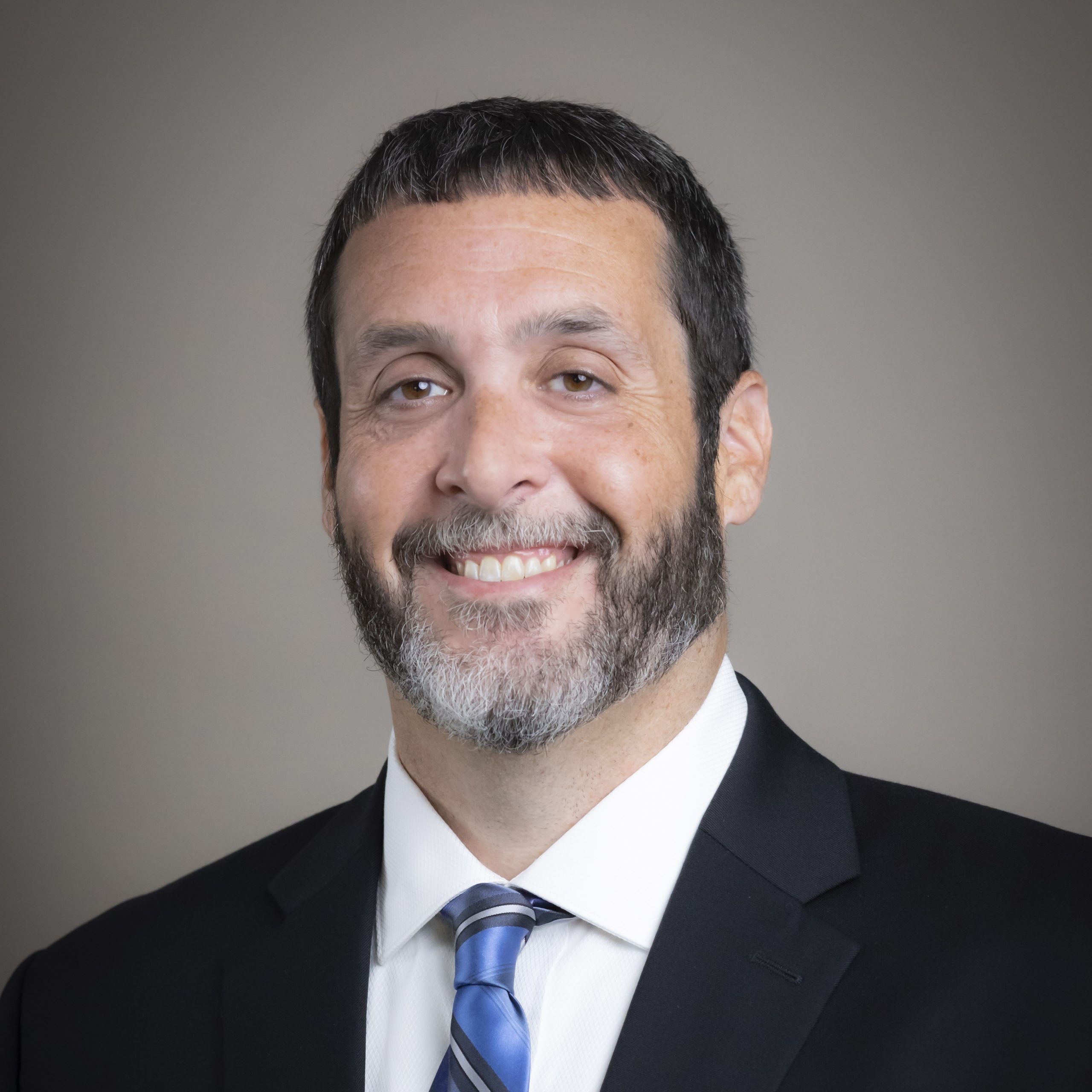
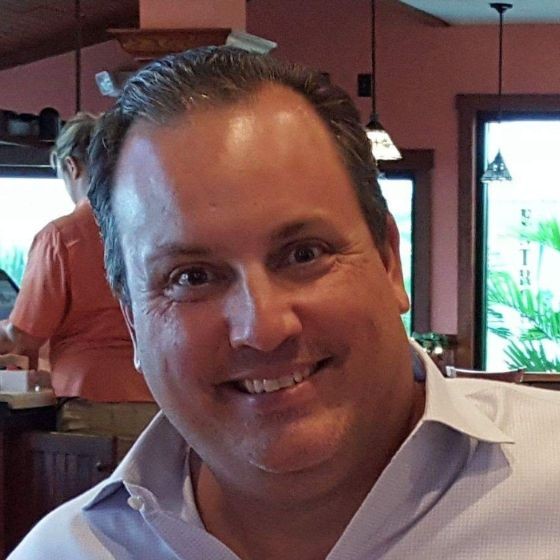
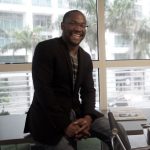
TimDorrTim Dorr is the Managing Director of Techstars Atlanta in partnership with Cox Enterprises. He is also a co-founder of Salesloft, one of the largest startups to come out of Atlanta, Georgia with a $2.3B valuation.

Prior to that, he created the first coworking space in Atlanta, Ignition Alley, was an entrepreneur-in-residence at the Advanced Technology Development Center (ATDC) at Georgia Tech, and has been an advisor at Atlanta Tech Village.

Connect with Tim on LinkedIn.

TRANSCRIPT

Intro: [00:00:04] Welcome back to the startup Showdown podcast where we discuss pitching, funding and scaling startups. Join us as we interview winners, mentors and judges of the monthly $120,000 pitch competition powered by Panoramic Ventures. We also discuss the latest updates in software Web3, Healthcare, Tech, FinTech, and more. Now sit tight as we interview this week’s guest and their journey through entrepreneurship.

Lee Kantor: [00:00:38] Lee Kantor here another episode of Startup Showdown, and this is going to be a good one. Today on Startup Showdown, we have Tim Dorr with techstars. Welcome, Tim. Tim, before we get too far into this, can you share with our listeners about the Atlanta rendition of Techstars? How did you get involved with it and what’s your mission? How you serving folks? Sure.

Tim Dorr: [00:00:59] I’m the new managing director of Techstars Atlanta in partnership with Cox. And I’m going to be managing the summer program coming up. I’m taking over for Dave Payne, who was the previous managing director. It’s a generalist program. We’re not really focused on any verticals or markets, really. What I’m hoping to do with the program, though, is find some more brand names for the Southeast. It’s definitely a big focus for me is to I’ve had a lot of success through the Atlanta specific startup ecosystem, and I’m sure we’ll get into that in a bit. But in having my own success, I want to see more success stories out there. It’s kind of my own personal thesis to go create a dozen more copies of me in whatever way makes sense for them. It doesn’t necessarily have to be financial, but I want to do that through Techstars and really what I want to do in particular is find some of these like large brand name companies, you know, kind of think like the ones we’ve already had success with here in Atlanta, like MailChimp, Greenlight, Counly, like everyone knows them. You know, they’re such strong brands and they’re really something we can rally around in the Southeast to draw the attention here that like we’re as viable a startup hub as the the coasts.

Tim Dorr: [00:02:33] Like, you don’t have to go out to the Bay Area or L.A. you don’t have to go to New York. There’s another option where the culture, the talent, the resources, the geography, everything is just so perfectly aligned to create amazing startups in. And I just want to use more of these brand name companies that can come out of Techstars as flags we can plant in the sand to really get the attention of folks like, Hey, come out here. There’s something something going on here. So that’s what I’m looking to do with the the Techstars Atlanta program. And actually, like, how I got into the role was actually through a former managing director, Michael Cone. I was talking with him just about general investing stuff. Him and Sean O’Brien who run over line and they were just giving me some advice on that that front. And Michael just mid-conversation had an idea, said, Hey, would you be interested in the MD role at Techstars? And I kind of paused for a second and said, Sure. And then that kicked off an email that kicked off a whole interview process. And here I am.

Lee Kantor: [00:03:46] Now, what are some of the qualities that those Atlanta based brands that you were holding up have in common, that other kind of aspiring or emerging brands can either emulate or model themselves after?

Tim Dorr: [00:04:03] I mean it definitely like male chimps case there’s a really strong just brand name to MailChimp if you remember that that serial podcast from several years ago there was an advertisement for MailChimp at the front of it and they did this kind of like man on the street interviews with folks and some lady was reading off a card and didn’t know how to pronounce MailChimp. She pronounce it as MailChimp, and that kind of became a little meme for a bit, but it was funny about that. In particular was that even though she mispronounced the name of the company, everyone still knew that she was talking about MailChimp and it was just that kind of like pervasive, strong brand that is of the same caliber is like, you know, like Disney or Coca-Cola, like, you know, these incredibly strong brands that like can cut through even like a mispronunciation to get people’s attention. I really think something like that is amazing that, you know, Ben and Dan have created over MailChimp in particular. So there’s definitely like the branding aspect of it and then really leveraging some of the unique properties of the Southeast. I mean, we have amazing talent here. You know, there are a lot of like really talented folks to work on things, you know, I know watching Tope build out Counly over Atlanta Tech Village because we were cohabitating there alongside Sales Loft, which I’m a co-founder on like watching him kind of make use of these amazing folks to like really build out a really strong company which didn’t take that many people to really reach the like pervasive level of being the de facto standard for, you know, online scheduling. You know, it’s pretty incredible how little it took to get to that worldwide success that they have now. And, you know, they’ve grown quite a bit since then, but now it’s definitely making use of those unique resources that we have here.

Lee Kantor: [00:06:09] Now, do you think that we have the density that the coasts might have where a person works in a startup and it doesn’t you know, it doesn’t go the way they planned and they can just jump to another startup and not kind of abandon the startup dream.

Tim Dorr: [00:06:25] Yeah. I mean, there’s so many opportunities for, you know, in particular, like the way I look at Techstars now coming into it is that we’re a piece of a larger puzzle. We’re not an island by which there’s a silo of activity happening. And it’s amazing for Techstars, but not amazing for anyone else. There are definitely programs and resources out there. We have hubs like Atlanta Tech Village, like I mentioned at DC, at Georgia Tech and at DC. There are various accelerator programs there. Like I’m not doing them as competitors. I’m viewing them as being a piece of the puzzle. Like you might go over to ATB and do the It Takes a village pre accelerator program is kind of a starting point to figure some things out and then kind of as you start to get the business going, you come over to me, go through Techstars and then maybe you have like a very enterprise specific play or you could make use of that. You go over to engage and Blake Payton’s program over there where they partner with various Fortune 50 companies in the southeast here in Atlanta. And you get access to like the C suite of like Chick fil A and UPS and Home Depot. These like incredibly large companies, you get direct access to the very top of it. These are all components which come together to really create a unique opportunity to create a startup. So there’s just so many opportunities to, you know, if you go through one, it doesn’t work out like you can get back on the the horse and try again. Whether it is either starting another thing yourself or joining one of the the many, many, many startups that exist in the Southeast, you know, just seeing the amazing opportunities that we have here, you know, there’s so much that you can get involved with very directly, very easily.

Lee Kantor: [00:08:29] Now, if you were to kind of create a startup ecosystem from scratch, what are the elements that were lacking here in Atlanta?

Tim Dorr: [00:08:41] I mean, the things that were lacking previously were particularly capital, but that’s actually been fixed. So, you know, the sponsor panoramic, they’re a very large fund that has established itself in the Southeast. I mentioned overlying earlier there’s Outlander Tech Square Ventures. I’m blanking on others, unfortunately, under the gun here. I do know a lot. I think the if I’m if I remember the numbers correctly, I believe $1,000,000,000 of new capital came into Atlanta last year. So there is a lot going on here that we have in terms of resources. Really, what’s happened in Atlanta over the past, say decade has been a transformation of the startup ecosystem from being a bunch of people kind of hanging out, wanting to do something to being a functioning, well-structured machine that just spits out great startups. And in particular, it’s starting to feed back into itself. And you have, you know, the leaders coming out of these amazing companies that are doing amazing things. So like I mentioned, Tope and Ben and Dan, a MailChimp top order. It sells loft. You know, they’re starting to because they’ve had success and I humbly include myself in this, you know, that feeding back into that ecosystem is starting to create that exponential growth where, you know, a dozen people come out of it in one cycle, contribute back whether that’s in just time or capital or whatever, back into the ecosystem to help it continue to grow. And then, you know, a couple dozen people come out and then a couple of hundred, you know, it starts to really feed back in itself very quickly. And we’re starting to see that like first cycle really happen. So. Yeah. I mean, like, I feel like the disadvantages are kind of gone at this point. It’s really just us continuing to hone and operate that machine that we’ve established here and continuing to just grow, grow, grow. Like we’re essentially. Atlanta is a growth stage startup now. We are no longer in the the product market fit. We’ve figured it out now. We just need to continue to scale up.

Lee Kantor: [00:11:06] Now, how do you feel we’re doing when it comes to underserved founders or founders from others or groups?

Tim Dorr: [00:11:16] There’s definitely a lot of work to be done there and I feel like we’ve been making great strides on that. For Techstars at least I can definitely speak to the fact that it’s something we care a lot about, and it’s not like we’re not trying to hit numbers here. Like that’s not the goal here. The goal is that we’re trying to fundamentally change how we source startups so that we can find those founders who are not being seen because it’s just frankly, it’s an injustice that we’re not doing that because like every time I run into somebody and they’ve never talked to anyone before or they, they’ve only just figured out that there’s a startup ecosystem here and they’re, they’re not getting seen by anyone. They have great ideas, they have really good ideas, and they have a ton of drive and passion like they absolutely want to get it done. Like I was talking with one startup who it’s her first time doing anything. She’s figuring everything out from scratch. And she was just a teacher last year. You know, she is brand new to this entire world and is somebody that may have gone overlooked in the past very easily and wouldn’t have gotten access to the resources that she needs to get the help to move forward as a founder in particular, but also for her particular idea.

Tim Dorr: [00:12:44] And yeah, I mean, for for Techstars, it’s important that we’re establishing systems where we can make sure we are both finding the kind of founders that are not getting seen yet. And we’re encouraging those founders to come out of the woodwork a bit and reach out to us like we want to make sure we’re being welcoming as well. We definitely have a lot of interest in whether it’s race, gender, age, disability status, veteran status, things like that. We want to make sure that we’re we’re being as accommodating and welcoming for those kinds of founders as possible so that they don’t have to have like as much as the the startup ecosystem might have biases against them. They also have biases against us which are well deserved. And we want to make sure we’re breaking those down as well so that they can feel welcome and included in the process. It’s definitely about inclusion and making sure that they have a seat at the table too.

Lee Kantor: [00:13:56] And I think it goes along with what you said earlier about having those brand names. If we can get the companies that are from underrepresented, folks that have kind of working towards a brand name or have a brand name to show what is possible and that they can aspire to do this. This is this is a dream that can come true and open their minds to this as a career path. I think that would help out as well.

Tim Dorr: [00:14:25] Absolutely.

Lee Kantor: [00:14:27] Now, what part of this process gets you fired up? Like, what do you enjoy about working with these early stage folks that, you know, get you up in the morning, get you excited to do what you do?

Tim Dorr: [00:14:41] It’s definitely about. You know, like the best founders that we have come through the door are the ones that are most amenable to change and the ones that want to learn and grow. And I love really like connecting with them on that level and helping them see maybe something from a different angle and a different perspective, but at the same time, like not instructing them to do something per se, you know, just exposing them to another way of thinking. So like one thing I always say about Techstars in particular is that like, well, we’re called an accelerator, quote unquote. We are actually going to slow you down for three months. And that’s because we’re asking you to, for those three months, really step off the gas of like the build, build, build mode of the startup. Because chances are you have your blinders on, you’re headed towards the target. You want to just hit that target no matter what. And, you know, if the thinking is if you get to that target, everything will be great. That’s your success point. And usually that’s not true. Usually you need to, course correct as you go, but it’s really hard to do that. That’s a skill that takes a lot of learning, a lot of a lot of failure to figure out like, that’s something you have to do. So what Techstars is going to do is, you know, really force you to break down that assumption. And that’s definitely where I can help the most is, you know, kind of structurally how we do it is we have a very mentor based program.

Tim Dorr: [00:16:19] And one thing we do upfront to connect you with mentors is we do this thing called Mentor Madness, and it’s basically a week long process. You’re meeting with all 100 mentors that we have. You’re doing these quick 15 minute meetings. They are just the most raw, honest, objective feedback you’ll ever get in your company. There’s no time to defend yourself, so you just got to listen and write things down as fast as you can and you’re going to hear a bunch of stuff. Some of it will be complete crap and bad advice, but you’re going to start hearing a lot of like the same thing over and over again from like, you know, ten different people in a row. And that forces you to start to say, hey, I keep hearing the same thing that maybe I need to be doing this thing that I haven’t been doing in my business. And that can start to break down that that stubbornness barrier of like, I think I know the right direction or I think this target is where we should be headed and really start to think, think about things differently for your business and realize maybe there are different perspectives on what I’m doing. And then we pair you with your mentors, and the ones that really resonated with you on that are the ones that are going to help you the most. And we run through the program and really the acceleration comes after the program where, you know, the demo day is over, kind of back to normal and you want to step back on that gas.

Tim Dorr: [00:17:40] But now you have a plan in place. You know, you’re headed in a better direction and you have that skill set to be able to stop and take a take a moment to say, okay, maybe we’re not headed in the exact right direction. Let’s course correct a little bit to the right. And you have your mentors like the one thing I will point out is like the mentors are mentors for life potentially. You know, we definitely encourage that. It’s not just limited to those 13 weeks, then we take them back. Like these mentors are mentors you can have forever and they can be advisors to your company, they can be investors in your company even. You know, these are definitely like long term relationships and you have them as a way as a sounding board potentially to say like, hey, are we actually headed in the right direction here? Or does your opinion differ and suggest that we should do something differently? So kind of going back like that’s where like I definitely prefer to help is when somebody comes in and says, hey, is this the right direction to go in or do we need to course correct and kind of working through with them like to figure out, okay, what is a better strategy here or what is a, an adjusted strategy? Or maybe we just need to pivot entirely and do something different. You know, kind of working through those challenges are definitely the most engaging for me.

Lee Kantor: [00:18:58] Now, what’s the biggest piece of advice you can share with a startup founder to even enter the Techstars program? What do they have to what’s something actionable they can be doing today that will give them a shot of getting into the Techstars program?

Tim Dorr: [00:19:14] I definitely say B considering. You know, again, kind of like doing this like course correction work comes down a lot to really being good at customer discovery. There’s a very good book on this topic called The Mom Test. It’s actually written by a local Atlanta native. I forget his name off top of my head, but it’s like ten bucks on Amazon. It’s really quick read. It’s very practical in this nature. Like, that’s the one thing I like about it. It’s not very like theoretical about customer discovery. It gives you like actual talk tracks that you can see both the things to ask and why to ask them. And really, like all customer discovery about is about is discovering what is the problem space that your customer lives in. Like, what are their issues? What are they dealing with? You know, kind of like working through that sort of thing. And if you’re doing a lot of customer discovery, that’s great. I’d love to hear that. Like you’re talking with dozens or hundreds or maybe even thousands of customers to really understand what is going wrong in their world. And you really strongly understand their problem space because that will just help you long term. Like as a business when it gets to like selling mode, when you switch to the other side of things because you understand the problem space so well, you understand where they are, where their head space is at. You can when you sit down and sell them.

Tim Dorr: [00:20:48] You’re not selling from the other side of the table. You’re selling on the same side of the table as them. You’re selling alongside them rather than to them. So I love to see that kind of like that’s to me is a traction metric. A lot of people come to Techstars and say like, Well, how much revenue do we need? Like, how many customers do we need? Like, No, that’s actually not the issue. Techstars is really wide open when it comes to the stage or companies that like anything from a back of the napkin idea up to like I’m about to raise my like second or third round of funding and anything in between. So like what matters more to me is just like when it comes to traction, quote unquote, it’s not so much the, the revenue numbers. It’s like how much have you connected to your your market space? And are you like actively working through talking with customers, understanding their needs and like setting yourself up for that kind of success when it comes to selling and actually obtaining customers? Because if you don’t understand your customers, maybe you have some revenue, but that might have just been dumb luck that got you that revenue. You know, if you’re actually listening to them and getting feedback, getting input, then the traction you have is more real in my mind. So I definitely look at like the kind of like work you’ve done to really understand your market in particular.

Lee Kantor: [00:22:15] Now, if somebody wants to learn more about the Techstars program, what’s the best way to do that?

Tim Dorr: [00:22:23] I mean, you can read the text. We have I think it’s roughly 50 different programs. We actually have a second program now in Atlanta as well. Melissa Peggy’s is the new managing director of the Techstars Atlanta, powered by Jp morgan program, which runs opposite of mine. So I’m runs in the summer. We also have the Cox Social Impact Program that runs in the winter. And then Melissa’s programs are running in the essentially the fall and the spring. So pretty much 24 seven. There’s something Techstars going on in Atlanta. And if you want to learn about any of those, head to Techstars dot com, you can go to the accelerators page. And one thing that’s really great there is that you can start to look through all of the programs we offer. Some of them are city based. Some of them are remote programs like Techstars anywhere. Some of them have corporate partners. Some of them do not. Some of them have a focus, like there’s a physical health accelerator in Fort Worth, Texas. There’s energy tech over in Birmingham. Some of them have a particular maybe a specific market that you’re in that you can get a lot of value out of. Like, you know, my summer program is very generalist, but if you go out to LA Matt, who runs the program out there, he has a space technology focus for one of his programs he’s actually running for, and he’s kind of nuts for doing that.

Tim Dorr: [00:23:59] But we love him. He’s he’s we’re lucky to have him. And I definitely would like look through all the accelerator programs we have, mainly when like evaluating like a Techstars accelerator, you definitely look at the, the resources being provided by that program and they’re going to be a bunch that are just not in fits entirely, but try to find ones that are close and like really examine them. And I would definitely encourage anyone who’s interested in Techstars to apply to multiple programs at the same time. There’s no disadvantage whatsoever for doing so. And on top of that, you just have more chances. Again, we have hundreds of applications for Techstars Atlanta this summer, and I’m only choosing ten companies, so the chances of anyone getting in is fairly low. So the more programs you apply to you, the more chances you have. And who knows? You might find one in there that you resonate with more than my program. For whatever reason, maybe you like the MD more or the corporate partner is a better fit for you. Whatever it is. I’m not offended by that, by the way. Feel free to to find the best program that works for your team and your needs. But yeah, consider them all and definitely apply to any that make sense. The more chances you have to get into a program, the better.

Lee Kantor: [00:25:16] Yeah, like you said, there’s a lot of resources now compared to five, ten, 15 years ago. So take advantage of them.

Tim Dorr: [00:25:24] Yes, absolutely.

Lee Kantor: [00:25:26] Well, Tim, thank you so much for sharing your story today. You’re doing important work and we appreciate you.

Tim Dorr: [00:25:31] Thank you. Definitely appreciate it.

Lee Kantor: [00:25:32] All right. This is Lee Kantor. We’ll see you all next time on Startup Showdown.

Intro: [00:25:38] As always, thanks for joining us. And don’t forget to follow and subscribe to the Startup Showdown podcast. So you get the latest episode as it drops wherever you listen to podcasts to learn more and apply to our next startup Showdown Pitch Competition Visit Showdown VC. That’s Showdown Dot VC. That’s all for this week. Goodbye for now.

Tagged With: Techstars, Tim Dorr

Spark Stories Episode 14

April 27, 2022 by Jacob Lapera

Spark Stories
Spark Stories
Spark Stories Episode 14
Loading
00:00 /
RSS Feed
Share
Link
Embed

Download file

IMG3981

Carla Moultrie is Author, and Autism Advocate.  She is a parent advocate for children with Autism and connects other parents to resources, education, and support. Ausome Girl shares the amazing world of a little girl named Camille who has Autism Spectrum Disorder and Sensory Processing Disorder.

This children’s story illustrates how Autism affects her and how her family, teachers, and friends support her. Ausome Girl shines a light on the characteristics of Autism while bringing awareness to the strengths that children with Autism have.

Carla’s hope is that the Ausome Girl series will aid children and adults with becoming more empathetic and understanding to their peers that may be different from them.

Carla is a proud alumnus of Florida Agricultural & Mechanical University, the University of Phoenix and is pursuing her Master of Business Administration degree at the prestigious Terry School of Business at the University of Georgia

This transcript is machine transcribed by Sonix

TRANSCRIPT

Intro: [00:00:02] Welcome to Spark Stories, where entrepreneurs and experts share their brand story and how they found their spark, the spark that started it all.

Dr. Clarissa J. Sparks: [00:00:13] Welcome to Spark Stories Live Business Radio brought to you by the Atlanta Business Radio Network. Every week, entrepreneurs and experts share the stories behind the brand who they are, what they do, and why their brands matter. I’m your host, Clarissa Jae Sparks. In our own series, we dove into the everyday operations of inspiring small business owners in our community. You can listen live on Saturdays or the rebroadcast at WW dot Business RadioX dot com. Today we’re going to talk about building a brand around causes you’re passionate about and why it’s important to build community that fosters a safe environment. Please allow me to introduce one of our amazing community leaders who owns it, Carla a Moultrie. She is a sister, wife, mother, professional encourager, author and autism advocate. She is a proud alumnus of Florida Agricultural and Mechanical University, the University of Phenix, and is pursuing her master of business administration at the prestigious Teri School of Business at the University of Georgia. She is a parent advocate for children with autism and connects other parents to resources, education and support. Through the many experiences she and her husband they thank, you have compiled navigating as parents with a special needs child. Her hope is that the Awesome Girl series will aid children and adults with becoming more empathetic and understanding their peers that may be different from them and how they can support them. Additionally, her hope is that those that live with autism and other differences will be embraced and will have more spaces created that would include them. Let’s welcome Carla Moultrie. Welcome, Carla.

Carla Moultrie: [00:01:59] Thank you. Thank you so much.

Dr. Clarissa J. Sparks: [00:02:02] You know, I’m so excited to have you here today to talk about your experience as an entrepreneur, as an author, as we read in your bio. You wear a lot of hats and the hat that you’re wearing today is this author. Yes. And we’re here to talk about autism and raise awareness around your awesome girl. So just tell our listeners who you are.

Carla Moultrie: [00:02:26] Okay. Well, I am Carla Moultrie. I am a native Floridian. I’m an alumnus of Florida A&M University, the University of Phenix. As I mentioned, I am pursuing an MBA at the University of Georgia. But mostly importantly, I am a wife and a mother to an amazing, awesome little girl, Camille.

Dr. Clarissa J. Sparks: [00:02:46] Oh, Camille, tell us a little bit about your journey with starting to author the book about Camille.

Carla Moultrie: [00:02:54] Camille now is eight years old. When Camille was two years old, she started displaying symptoms of autism. My husband and I had literally just moved here from New Jersey here to the metro Atlanta area from New Jersey. And we thought, you know, her her behaviors were just behaviors with being in a new environment. She was having some withdrawal symptoms, just pulling away, not really wanting to be around other kids. So we just we really initially thought it was about just the new environment. And shortly, maybe two or three weeks after being here, my husband started noticing that she wasn’t using her words as before. And he just mentioned she’s not using her words as much. And we found a pediatrician. We spoke to the pediatrician, and the pediatrician just said, oh, this is typical. She’s a little girl. She’ll probably just speak later. Don’t worry. Don’t worry. Waited another month or so. We just kept seeing, you know, very little communication, the no eye contact, just the withdrawal from people in general. And I started doing my own research, start Googling, and I kept seeing autism. Autism. And we got we got her into a developmental pediatrician. And they told us initially that she didn’t have enough symptoms to be diagnosed as autistic. And one thing that we found out in this process is that autism typically manifests differently in girls than it does little boys. One thing that we noticed is that we have found out is that girls typically are like shyer and quiet, where boys typically have a lot of the behavioral issues.

Carla Moultrie: [00:04:37] So girls get misdiagnosed or diagnosed a lot later than boys. So after about a year of constantly trying to, you know, getting first and second and third opinions, we finally got an autism diagnosis right before she turned three. We got the diagnosis. You know, they told us all these things that she would probably never do. We would they told us to prepare to. Ever hear her say mom or dad to prepare to potentially institutionalize her one day? Just prepare to just have a different life. Because children a lot of children with autism have challenges. And, you know, they don’t know. They don’t live typical lives. So obviously, I was devastated. I remember just just breaking down and crying in the doctor’s office. And my husband, being a minister, just said she’ll be okay. He just patted me on my shoulder. He’s like, she’ll be okay. He was extremely confident. He’s been confident since day one that she would be okay. And after about a month, I was really just devastated. I swung into action and started looking for different types of therapies. And for about the first year, we were just doing therapies. And she wasn’t really responding. She just was you know, we were just going through the motions. So when she turned about four, it just it was like a light just flipped.

Dr. Clarissa J. Sparks: [00:05:56] And she became her own timing.

Carla Moultrie: [00:05:58] And her own timing, she became this ball of energy. And just she’s she began to just really thrive. Her words begin to come back and just her attention, her eye contact, just the a lot of the things that we were told she wouldn’t do. She started doing wow. And it’s just been amazing to watch the last four, four and a half years of her just just thrive and just really, really go on. So that inspired me just to do a children’s book or a book that teach children and adults about autism. Because as I said earlier, a lot of times we’re told most times we’re told when we get the autism diagnosis is that our children will not be able to do a lot of the typical things. And I am here to say that she is defying the odds. She’s doing everything that she was said.

Dr. Clarissa J. Sparks: [00:06:53] That’s awesome.

Carla Moultrie: [00:06:54] That’s awesome. You know.

Dr. Clarissa J. Sparks: [00:06:55] Exactly. That is awesome. And, you know, it’s very interesting, like you said, to hear the diagnosis in the in the doctor’s office. And then you have to spring into action and you have to take first. You have to process. Yes. And then you have to come up with an action plan. And that’s part of the entrepreneurial journey as well, is knowing that even when you have a thought in mind, it’s something is, you know, raising a child. You have to learn how to pivot. Exactly. You have to learn to make adjustments. You have to learn to adapt. And as a woman of many hats, you are able to do that and you are able to find the resources and the education that you needed to help. Guide you and your husband through the process of raising an awesome girl.

Carla Moultrie: [00:07:43] Exactly.

Dr. Clarissa J. Sparks: [00:07:44] And what advice or words of encouragement would you give to someone who’s starting a business or they receive a bad diagnosis from their physician?

Carla Moultrie: [00:07:56] One one piece of advice I would give a person who has received a diagnosis, a bad diagnosis. Is that ta to to to look, to see, look, to see how that diagnosis can help others. Because that’s the one thing that I’ve learned in my life, is that everything that happens to us is not necessarily a bad thing. It’s really to help other people. And I thought about a way that I could help other people. And that’s why I said, you know, in particular the African American community. I found out that a lot of times we don’t talk about autism a lot and we are afraid to talk about it or we’re made to feel bad about it. And I wanted to show a little black girl who is brave, who is smart, who is intelligent, how she can be awesome, and how she can do just what anybody else can do. So I would encourage other persons who are who receive a bad diagnosis to think about the diagnosis is how they can help other people. I don’t think things happen to us just to happen to us. I believe things happen that maybe that may look like it’s a negative to always help somebody else. And that’s what this this book has done. I mean, literally all across the world, people have reached out to me wanting to share Awesome Girl this book. And it’s been, you know, a motivation to little girls. I mean, parents have emailed me saying, my little girl wants to be awesome girl. They want beads in their hair. So I’m looking at it from that vantage point and I’m seeing that it’s doing just exactly what I what I had purposed in my heart to do, and it’s to help other people.

Dr. Clarissa J. Sparks: [00:09:40] And that’s really good, too. So from that moment at two years old to around four, after you found she started becoming into her own and being even more awesome, you decided, I want to be able to impact others by sharing Camille’s story. Mm hmm. What was that process like? How did you say, you know what? Because there are a lot of ways that you can share your story. But what made you want to actually put pen to paper or come up with the book when you could have chose maybe something else?

Carla Moultrie: [00:10:13] You know, initially I had to get past the grieving process. I had to get past the process of potentially not doing typical things with my daughter. Like I remember I wanted we saw we noticed that she could tumble really well and do do tricks that look like gymnastics really well. So I wanted to get her in an adaptive gymnastic class. Well, we took her to the first class and she couldn’t follow directions. And I was just I had a meltdown, and my husband was like, she’s going to be okay. That’s that’s what he always says. And what what what what encouraged me was when I saw another friend of mine who who has a daughter with special needs, she has hearing loss. And we were talking about just, you know, how to journal our, you know, just journal to start writing. So I started journaling, you know, in my own private time, you know, about my experience with autism. And then I started looking, you know, just started wanting. My mother in law is a retired educator. She would always send me little books for little girls, you know, about the hair or any different little things. So I’m starting to look through all these little books that I’m receiving from my daughter, and I didn’t see anything that really looked like her or told her story. So I said, Well, let’s do a children’s book about a little girl who has autism. And my inspiration really was Superman. You know, Clark Kent is Superman. He turns into Superman. What kamille Moultrie turns into Awesome Girl. And and that’s that was my inspiration. And that’s what caused me to turn the table from being a little disappointed from grief to just joy.

Carla Moultrie: [00:11:53] You know, I know that my daughter is intelligent. She’s really smart. I remember the first time we had our IQ test that I was very shocked that on certain levels of the test, she was the first time she was five years old. We saw that she was always test. She tested three years ahead of herself. At five she was testing with eight year olds. We just had her tested about a month ago. She’s eight now. She’s testing on certain areas with an 11 year old. So that’s that’s so comforting to know that she’s still well able to do a lot of things just may look a little different for her in some cases. But she’s able and I would just encourage any other parent who is or a caregiver who is caring for a child with autism or any differences just to not lose hope. Expose, expose, expose, expose. Expose your child to different things. Like this morning my daughter started swim lessons. Oh, that’s great. And my husband was sending me pictures and just really excited. Just he’s like. She’s like a natural already out there in the pool, just just doing it. So I think that’s key to parents, you know, and caregivers of children with differences and autism just to expose, you know, find time for yourself, you know, reflect on how and be honest about how you feel. And from then on, just just expose your child, you know, find out what’s the what are their strengths and and help to strengthen those different things. And that’s what we’re doing with Camille.

Dr. Clarissa J. Sparks: [00:13:21] That’s good. One of the things that you mentioned, too, is that you start journaling, but that was a record through a recommendation from someone else who has a child with special needs. And I think what resonates with me is that that’s all about building community and having a support system so that when you’re starting something new or you are experiencing a new life circumstance, that you have community. So what is how important is community to you with this phase in your life?

Carla Moultrie: [00:13:53] Oh, community is absolutely essential. One of my friends who is also a Florida A&M alum, she she also has a daughter who’s autistic. And we’ve shared different different conversations about our experiences. We have another friend who also has a son who’s autistic. And, you know, they have both both of their children are older than my my daughter. And, you know, they’ve always given me tips, things to look for, you know, to remind me you are her advocate to help making sure I knew my rights and understood my rights as a parent of a special needs child. And matter of fact, one of the greatest communities that I found was a recommendation to a group on just social media. It was called Black Autism Moms. And I could not believe that when I joined this group about two years ago, I would be in a group of about 8000 women who share the same thing that I’m sharing. And we all have very similar stories. And it’s we share our triumphs. We share our disappointments. I mean, when one has a child that graduated and goes to college. Or does something great. We’re all excited together. If someone is having a challenge where we’re just there as a community to share resources, to tell them how they can get through this or some recommendations. So community is essential. And and I will say this, as a parent of an autistic child, we can you cannot do this alone. You absolutely cannot do this alone.

Dr. Clarissa J. Sparks: [00:15:21] Absolutely. And you know, during this process and use sharing and telling Camille’s story, what challenges did you face?

Carla Moultrie: [00:15:31] You know, initially, after I, you know, journaling, I knew that I was I wanted to write, but there was a part of me that wanted to protect her and didn’t know if it was necessarily even okay to share her story, since she couldn’t say yes, it’s okay, mom, to write a book about me. There was a part of me that was nervous about Do I want to share my child, her, her world with everybody? And I wrote the manuscript and I shared it with the publisher and she said, This is absolutely amazing. She shared that her and my illustrator had never they’ve done tons of children’s book books, but they’ve never done one with a special needs character. And as they began to tell me how they learned so much just by reading the manuscript, it’s a short 30 page book. They learn so much just about autism, things that they did not know, and it helped them just to see autism differently. And I knew then when they shared that to me, I knew that if it was a blessing to me and it was a blessing to them, I knew it would be a blessing to others. And in just the last two weeks that the book has been out, I mean, literally across the world, people have reached out and, you know, they purchased it on Kindle and they’ve gotten copies and their overwhelming response. Overwhelming. Yeah. It’s been it’s been a tremendous blessing. Yes, absolutely.

Dr. Clarissa J. Sparks: [00:16:52] And that you know, and that’s the blessing. And the blessing when you can create something that is going to impact the world and it’s bigger than you. And when you have that that brand or that brand promise and that is what are you going to commit to deliver time and time again to your readers, to the people who are impacted by autism? It’s bigger than you. Carla Yeah, and I think that it’s awesome that you have created a platform to share the story of a your child that can impact others, not only children with autism, but African American girls with autism. And how because representation matters. And to be able to go into a retail store or online and see someone who is as awesome as Camille is going to help them on their journey. So again, that’s a part of that brand promise and the community that you’re building with these other 8000 women, you’re sharing your story. And again, that just, just is a reminder to me that it is bigger than us. And when something is bigger and it gains the traction that you’ve gained, I mean, aren’t you the number one seller? Tell us about that.

Carla Moultrie: [00:18:22] Yes, I was the number one seller in my category the first week that the book has been out for two weeks. So I was the number one seller for the first week on Amazon and the categories for children’s books about disabilities. And and I’m just very I haven’t checked the ratings and the rankings this week, but I’m really excited about just being in two weeks, having that reaching that level of success. We’re already on book number two. This is this is going to be a series. I mean, our goal is to journal Camille’s life until she’s 18 years old. So she’s eight now, at least another ten books. Well, you will see another ten books talking about and sharing about her challenges, her development over the next 18 years. So I’m excited about this. I’m really, really excited about being able to share her growth and her development with everyone and just the world, because, as you said, representation does matter, just like other like African American women. A lot of times, you know, there’s their health disparities. A lot of times we don’t get the treatment that we are supposed to get. We’re often not taken seriously when we go into doctor’s offices. That happens also with little black girls. Right. And we saw that firsthand. It took almost a year to get a diagnosis. Three different opinions. And our daughter is clearly autistic. So, you know, we’re trying to bring awareness, not only just awareness about autism, but acceptance so that parents and people who engage other persons with autism and differences, they’re accepted. You know, I. I love the idea of the Special Olympics, but I also would like to see more spaces where we don’t have to exclude them if they’re if they are capable of engaging in other spaces. I would like to see more inclusivity in other spaces for our children.

Dr. Clarissa J. Sparks: [00:20:16] That’s a great point too. So that kind of takes me to vision. Having as the visionary of Awesome Girl. And you said you want to grow this over the next ten years and beyond. How can you help? What is going to be your greatest learning from your vision?

Carla Moultrie: [00:20:39] My greatest learning. I hadn’t thought about that.

Dr. Clarissa J. Sparks: [00:20:44] What have you learned so far through this process?

Carla Moultrie: [00:20:47] Well, one thing that I have learned is that you can never be prepared for the level of support that you can receive. I’ve literally had support come in from everywhere. I’m learning to manage it. Obviously, that that’s my my greatest learning is learning to manage it, trying to make sure that I take in the moment, you know, enjoy everything that’s happening. Enjoying the experience but also managing it, you know, interest, even vetting different opportunities because, you know, as every everyone wants to be associated with something great and something moving. That’s true. So, you know, just vetting those different opportunities as well. That’s probably my greatest learning experience right now.

Dr. Clarissa J. Sparks: [00:21:37] That’s really good, Carla. Like I said, you do have to be self aware. And, you know, like from your introduction to now, listening to your story, you do wear a lot of hats and you are in different communities. How do you manage? What is your self-care?

Carla Moultrie: [00:21:58] Oh, well, prior to launching the book, I had I had, you know, I had my typical massages once a month to my Mandy pedicures and going to the salon. But my husband literally told me two weeks ago, he’s like, Honey, we’re going to have to take probably every other weekend a Saturday, and just just pull back from everything. Just really just pull back because everyone is pulling I mean, everyone you’re having requests literally every day, right? All throughout the day. So we’ve decided that we’re going to take two Saturdays out of the month and we’re just going to just just pull back and just spend time with family. No social media.

Dr. Clarissa J. Sparks: [00:22:37] No social media, just, you know, just for that day. And I understand because it’s hard to pull away from the know social media, especially when you’re in the beginning phases of, you know, producing something great. You feel like you always have to show up. However, it is so important to be able to pull back and recognize what is important at the time. And so I think that is a great strategy that you and your husband have developed this saying, you know what, two days or two weekends out of the month, we owe that to ourselves so that we can continue to deliver on our brand promise. And if, you know, if we’re not recharged and re-energize, we cannot serve our community. So I think that it’s important to make sure that when you’re developing a plan of action, that you do incorporate self-care and managing and healing time to recharge so that you can continue on your life’s purpose.

Carla Moultrie: [00:23:36] And additionally, we are we’re looking to even just bring on some other additional support. You know, I’m looking to hire a virtual assistant, someone to assist me with some of these tasks that, you know, that I’m being pulled.

Dr. Clarissa J. Sparks: [00:23:48] Into and.

Carla Moultrie: [00:23:49] You know, even, you know, hiring more help with my daughter, you know, you know, currently I’m working remotely. So, you know, being at home has been been a blessing. But we we realize that even being at home, working remotely, picking her from school, we probably need some extra help now. Right? So looking into hiring a sitter, you know, to come a few days out of the week, you know, to be with her and to help support her as well, you know, while I while I can.

Dr. Clarissa J. Sparks: [00:24:17] While I live. Right, I’m curious to know. So what has been Camille’s response to all of the new gain attention?

Carla Moultrie: [00:24:24] You know, it’s so funny because when we first did the did the book and we were showing it to her and we were telling her that this was her, she just kept looking at it, just kept looking at it. And her teacher actually purchased a copy of it, and she didn’t say anything initially. And her teacher told me that when he showed her the copy of the book, she said, That’s me.

Dr. Clarissa J. Sparks: [00:24:46] That’s that’s me, that’s sweet.

Carla Moultrie: [00:24:48] So I was just like, wow. And every time she, you know, I have a copy of it on our kitchen table, on my dining room table, and she walks by every day. That’s me. That’s me. So she’s excited. I think she knows that she’s a little local celebrity.

Dr. Clarissa J. Sparks: [00:25:03] So she’s.

Carla Moultrie: [00:25:04] She’s excited. She a little girl at church came up to us last Sunday and said, I’m awesome girl, I’m awesome girl. And I have my book. So and Camille hugged the little girl and, you know, she’s that’s me. That’s me. So I’m excited. So I think she’s aware that she’s she’s getting some newfound attention.

Dr. Clarissa J. Sparks: [00:25:23] I know, you know, I look forward to logging in to social media and seeing the updates of her. I say Camille’s adventures. So now we’re going to look at the awesome girl adventures. I know that she has a a passion for Oreos. Oh, yes. So you’re in your series. You’re going to have to tell the Oreo stories.

Carla Moultrie: [00:25:45] Oh, yes. It’s so funny because we went to Publix last night on the way home from a little birthday party and, you know, Publix. I love you all. I really do. But when the Oreos are on sale, can we put them in the back of the store? Because every time we walk in when they’re on sale, like every other week, right. We walk in and she she sprints out and she looks back at me and she goes and grab her pack of Oreos. Oreos. I’m like, okay, let’s get a pack. And we probably have seven or eight packs of Oreos throughout the house hidden because she’ll eat a whole pack.

Dr. Clarissa J. Sparks: [00:26:18] Now, tell me it’s her favorite, the chocolate or the golden?

Carla Moultrie: [00:26:22] You know, the chocolate is her favorite, but she has. My mother in law just knew she would love the golden. So for a while she wouldn’t touch the golden. And then when she couldn’t find the chocolate, she, she just went to the golden. So she likes them both. But the chocolate is the favorite.

Dr. Clarissa J. Sparks: [00:26:37] Oh, that is awesome. I think. Like I said, I always look forward to see where the new hiding spots are for the Oreos. And then I think the other day the funny story was that you hit them in the oven, but then you preheated the oven. So now you have warm Oreos.

Carla Moultrie: [00:26:52] Yes. I completely forgot. My husband had hit him in the. And then I said, Why didn’t you tell me they were in the oven? You’re supposed to check the oven. You know, that’s a hot spot.

Dr. Clarissa J. Sparks: [00:27:01] So, yes, the the awesome stories of Camille. And I just think that it’s just such a blessing that you’re able to put a spotlight on. Ace a diagnoses or a subject that is, you know, sometimes often taboo and particularly in the African American community. And we we have our own perceptions around what special needs are. And for you to able to write a book that helps. Shine a light on how you can be awesome and how you can have. A diagnoses or disability, but still live. And you can still be the hero and you can still tell your story. So a lot of great things are going to come out of the Awesome Girl series and, you know, as entrepreneurs and future authors, as they hear the podcast and the rebroadcast of it, Just to be encouraged. And what advice would you give to someone who is probably they have a vision they don’t necessarily know how to implement because you’ve produced the book, you’ve become the number one best seller. But if they’re not as far as along on the journey as you are, how would you advise them?

Carla Moultrie: [00:28:25] I would advise them to do the research that one of the things that I did when I knew that I wanted to to write a children’s book and seeing with my mother in law sending me books, I was I started ordering books as well. I started learning how children read and understand. You know, that was my biggest thing. I said, I want it to be I want it to be very easy reading. I didn’t want it to be clinical because I did find some books about autism, some children’s book about books about autism. But to me, I thought they were either not representative of my daughter or they were a little bit too clinical for a seven or eight year old. I wanted it to be very easy reading. I wanted kids to be able to understand when they read the book, so they’ll say, Oh, that’s why Jane does this, or That’s why Tommy does that, so that they would understand. And doing doing your research, you will you won’t be able you won’t go wrong because you you will learn how to do what is whatever it is that you’re trying to do. And that’s why that’s one of the reasons I think that Awesome Girl has been such a success in this these last two weeks is that it’s easy reading.

Carla Moultrie: [00:29:40] You know, I’ve had medical professionals, clinicians, autism experts, ABA therapists, specialists, you know, ordered the book and said, this is absolutely amazing. This is absolutely amazing. And matter of fact, her nurse practitioner at the Marcus Autism Center has a copy of it and she says, we’re going to have to get multiple copies of this. This is amazing. You did an amazing job, you know, penning this you know, this is this is this is easy. This is easy. It helps people understand. And that’s what I wanted to do. And I think that’s what piece of advice I would give others who are in particular authors, you know, who are wanting to write a children’s book or any other book, you know, do your research that that will be key to your success. And and if you’re an entrepreneur, pace yourself. Don’t you know you’re not in a race against everybody else? You know, you don’t have to be number one tomorrow. You don’t have to feel like you’re you know, you’re competing with everybody else. Just race yourself. Yeah. And pace.

Dr. Clarissa J. Sparks: [00:30:40] Yourself. I always tell entrepreneurs, no matter how long you’ve been on the journey, you have to trust the process. And no matter what it looks like, be mentally prepared to pivot and to go with the flow and trust the process. And you know, here with she sparks and sparks stories, we are all about community as well. And Carl, I would like to know, how can we support you as a community?

Carla Moultrie: [00:31:10] Honestly, I think just educating yourself first on autism and what it is and what it is not. One of the things that I’ve learned about autism in particular is that years ago, autism was considered mental mental retardation. That’s that’s essentially what it was. We heard it growing up. I mean, I didn’t know many people that were considered mentally retarded when I was growing up, but I knew a couple of people, but I didn’t understand it. I just thought they were different. And one thing that I have learned in that we’ve learned as is is a world is that autism is not one dimensional. It really is a spectrum. It really is a spectrum. You can have a very, very low functioning person who will really need care and support their entire life. And then you have people who are very, very high functioning. Albert Einstein was autistic, you know, so and we’ll do great and wonderful things as we know. We’ve we’ve seen that there have been people who’ve gone to college who’ve earned law degrees, medical degrees, who are who indeed are autistic. And and that autism is definitely a spectrum. As I said, you can be very low functioning to very high functioning to somewhere in the middle. But at the end of the day, those people still are people. They deserve respect, they deserve empathy, they deserve dignity and find a way to support and encourage them and. Find a way to support and encourage their families as well. Right. Because it’s not it’s not an easy journey. We make a lot of adjustments to our our lives every day. Caring for children and adults with autism.

Dr. Clarissa J. Sparks: [00:32:57] Thank you. How can we find out more about Camille as an awesome girl?

Carla Moultrie: [00:33:03] Oc Well, you can follow her on social media. She’s on Facebook as awesome girl. She’s on Instagram as awesome girl books. And you can just follow me. Carla Moultrie. I’m. I’m Carla Moultrie. On Facebook, Instagram and Twitter. So you can follow me in all places on LinkedIn, you can follow me. And I’m sharing our journey on all of my platforms. So please follow the page. Awesome girl books on Instagram and Awesome Girl on Facebook or Carla Moultrie on all social media platforms.

Dr. Clarissa J. Sparks: [00:33:38] Well, Carla, thank you for sharing who you are, what you do, and why your brand matters. Again, here on Spark Stories, we celebrate business owners. And today and every day, listeners, please remember to support local businesses and express your support on their social media platforms. And again, thank you for tuning in.

Intro: [00:34:01] Thank you for listening to Spark Stories. If you’re looking for more help in gaining focus, come check out our website where you can find episode show notes, browse our archives and access free resources like worksheets, trainings, events and more. It’s all at WW she.


About Your Host

sparkstories2022

Dr. Clarissa J. Sparks is a personal brand strategist, trainer, mentor, and investor for women entrepreneurs. She is the founder of She Sparks, a brand strategy design consultancy.

Using her ten-plus years of branding & marketing experience, Dr. Sparks has supported over 4,000 women entrepreneurs in gaining clarity on who they are, what they do, and how they can brand, market, and grow their businesses. Using her Brand Thinking™ Blueprint & Action Plan she gives entrepreneurs the resources and support they need to become the go-to expert in their industry.

Follow Dr. Clarissa Sparks on LinkedIn, Twitter, Instagram and Facebook.

Tagged With: Carla Moultrie

Jennifer Andersen Smith With GROWTH Community, Yin Johnson With COUNTRY Financial, and Jessica Light With JJ Social Light

April 27, 2022 by Jacob Lapera

WomemInBusiness042122pic4
Women In Business
Jennifer Andersen Smith With GROWTH Community, Yin Johnson With COUNTRY Financial, and Jessica Light With JJ Social Light
Loading
00:00 /
RSS Feed
Share
Link
Embed

Download file

WIBapril212022

This Episode is brought to you byAlpha and Omega

1JenniferAndersenSmithJennifer Andersen Smith is a daughter, wife, mother, and grandmother. She has built herself a life full of joy and love. As someone who deals with depression but works hard to stay positive, Jen has done her best, with God’s help, to stay strong in the face of the lowest lows. Through her speaking and writing, Jen shares her own experiences of being emotionally well.

Jennifer and her husband Craig have a blended family of 9 children and 15 grandchildren. She loves interacting with each of them and enjoys watching them excel in achieving their individual goals. Jennifer believes that being part of a community of family and friends that celebrates people collectively and as a whole is the most important legacy. For relaxation, Jen loves to read, garden, and watch her favorite baseball team, the Chicago Cubs.

Connect with Jennifer on LinkedIn.


2YinJohnsonYin Johnson is an insurance agent at COUNTRY Financial, serving all of the state of Georgia by bettering people’s education about insurance.

She will help you cover the things that are important to you in home, auto, commercial, and life insurance by advising and walking you through the difficulties of insurance in a simple way to assure that your life is enriched in the COUNTRY Financial way!

Connect with Yin on LinkedIn.


3JessicaLightJessica Light began the business (along with her husband, Ryan) in much the same way that most business owners begin – with passion and interest. Then she did what all entrepreneurs do and turned her passion into expertise.

She refers to herself as a “project management aficionado” of the company. For you, that means that Jessica is your main point person for your website and social media project. She coordinates between designers, writers, and the SEM team on your behalf in order to make the process as simple and stress-free as possible.

Jessica lives with her family in the Atlanta suburbs and is a proud “Military Mom.”

Connect with Jessica on LinkedIn.


This transcript is machine transcribed by Sonix

TRANSCRIPT

Intro: [00:00:07] Broadcasting live from the Business RadioX studios in Woodstock, Georgia. Welcome to Women in Business, where we celebrate influential women making a difference in our community. Now here’s your host.

Lori Kennedy: [00:00:29] Hello. This is Lori Kennedy and I’m your host today for Women in Business Powered by Business RadioX Stone Payton. Our producer is also in the studio with us. And today we are grateful to have you tuned in with us. Today, we have three amazing women and we are going to get to meet them and hear more about them. First, we have Jennifer Anderson Smith and she will tell us about herself. She has an organization called Growth Community and Yin Johnson will tell us about her new endeavors with with the insurance world. And then we have Jessica Lyte, who is with J.J. socialite, and we will hear more about that as well. And Jessica, I am going to actually start with you. Why don’t you tell us your business name, what you do, how long you’ve been in business, and just what you what your business does?

Jessica Light: [00:01:20] Yeah. So I own founder of J.J. Socialite Marketing Company, and we’re out of Alpharetta. We serve mostly Fulton County, also Cherokee County. And then I have customers all throughout the US. We do web design, social media, graphic design ads, all the things. I love working with the small to midsize client and really just helping them grow and then kind of plug into the local community and figure out what we can do with them that will help them not only grow business wise, but also relationally like how they can help connect to their customer base.

Lori Kennedy: [00:02:02] That’s great. Didn’t you do something in Cherokee County that with a like a Facebook page or something? That became quite the thing.

Jessica Light: [00:02:12] Yeah. So I, I didn’t start a Josh Bagby started this Facebook group called Cherokee Connect, and I had known him a little bit and we kind of really started connecting and then COVID hit. And he I had this idea that he should create a website that would go with the Facebook group. Well, he also had the very same idea. So we were chatting and he was kind of nervous to pull the plug. But during COVID, we were really working with a lot of the restaurants, trying to do lots of posts about helping them get, you know, word out that they’re doing takeout all all the things. I said, Josh, let’s just do this. So I said, I’ll do it for free. And so I built a website and there was about 5000 people in the group, maybe 88,000. He’s broken the 50,000. It’s crazy group. And and I think there’s well over 800 businesses or close to it listed on the directory. So it’s a great piece tool for the local business owner as well as the community. So they can go on the group and find out, hey, you know, who do you know that does a really good insurance or I’m looking to to learn more about networking or whatever. And the community can collaborate. Business owners for $100 a year can put a listing on there. I mean, I’ve known so many people, their business has literally taken off just because of Cherokee connects. So yeah, I built the website for that and it’s just of course, Josh is great and he does amazing work with the community anyway, so it makes my work very, very easy. So, but it’s been neat. It’s been great for me and my business as well, and it’s neat to just be able to help because as a marketer, I really can’t help people, you know, I mean, AdWords charges so much, you know, you know, so not everybody has $5,000 a month to spend on marketing, but for 100 bucks, I mean, yeah, I can’t, I can’t get those kind of results at all. So for 100 bucks, it really helps, you know, people get out there.

Lori Kennedy: [00:04:15] Yeah, for sure. So in reference to the Facebook page, just just to just a curious question with that many people on there, I would think that there could be some negative talk.

Jessica Light: [00:04:30] About a lot of.

Lori Kennedy: [00:04:31] Manage that because I haven’t seen a lot of it at all on there. Most everything is amazingly positive. But how do you like keep an eye on that much that many people in that much happening.

Jessica Light: [00:04:43] Yeah it’s a lot. I mean Josh does a lot. I mean, he teases that he’s a part time babysitter for adults, you know? All right. Yeah. So you know there is that he actually even just posted you know we’re going to be starting to not ban people, but mute them if they can’t be nice and act like adults, you know.

Lori Kennedy: [00:05:04] So there is some of it.

Jessica Light: [00:05:05] It just is just doesn’t.

Lori Kennedy: [00:05:06] Come in my inbox because he’s on top of it.

Jessica Light: [00:05:08] Yeah, we try to be on top of it. But, you know, he’s a big advocate of free speech. You know, we’re not going to, you know, so, you know, it’s always the line you don’t want to like control the situation that we live in. This like nirvana, happy little community and there’s nothing negative going on that’s not the case. But it is this balance you’re always trying to. In a marketing in general, you’re always trying to balance. You know, not every customer is happy, you know, not you know, your husband owns an auto mechanic shop. I’m sure not everybody comes out of their super happy, you know, all the time things happen. So it really is indicative of life in business, that Facebook page and community and the diversity and, you know, all all of the things.

Lori Kennedy: [00:05:52] Yeah, for sure. Well, let’s talk to Jennifer. Okay. Tell us about who you are, what you do, your business, your company, whatever you want to tell us so that we can know who Jennifer is.

Jennifer Andersen Smith: [00:06:05] Well, I am the founder of Growth Community, which is really a safe space for you to be able to kind of come back to the person that you always wanted to be or you once were. But life has kind of gotten the way and you lost track of that, kind of lost your way and trying to figure out how to get back. So I am a speaker and an author and a mentor. I have published a book called So that for Relationships a couple of years ago, and that’s really a personal transformation memoir about my own life, starting with my childhood, some adverse experiences that I had there going into teenage pregnancy, and then a very early marriage that lasted 23 years and turned toxic. And then how I pulled myself out of all of that, and then the healing processes that I went through that I felt were the most beneficial for me to become the person that I am today, which I am a very happy, very blessed, very positive person. And I would say to you that ten years ago I would have never said any of those words to describe myself. But just by being aware of, you know, the things that happened in life and then the lessons that we can learn from them and then how we can take those lessons and share them with other people so very much at Pay It Forward concept, but it’s based on the so that principle which is actually found in the Bible in Corinthians. So but I just that’s how I’ve lived my life and I didn’t do it on purpose knowing this principle, it just kind of all fell together. And I thought, Well, I’m going to put a book together, and if that helps one other person out there have a better life, then I’ve done my job. So yeah, that’s awesome.

Lori Kennedy: [00:07:59] Do you have the scripture address memorized?

Jennifer Andersen Smith: [00:08:02] Yes. It’s second Corinthians one, three and four. I don’t have the whole verse memorized, but essentially to paraphrase, it says that God gives us comfort and mercy in our time of need so that we can share that with others in their time of need.

Lori Kennedy: [00:08:19] Oc oc i I’m familiar with that one.

Jennifer Andersen Smith: [00:08:22] There you go.

Lori Kennedy: [00:08:23] Awesome. All right. You can tell us about you, baby girl.

Yin Johnson: [00:08:28] All right. So Ian Johnson here, and I’ve been in the insurance world for like two years, going on two years now, past two years. Now, at this point, I started my own business, so I opened up Johnson Insurance Agency. So that’s what we’re looking at now. It’s still powered by country financial. So rock and roll in there. It’s been very interesting as a starting out business owner. I’m thankful though, having the networking groups, meeting all these people that are willing to support having the community inside of Cherokee Connect. And it’s just phenomenal, phenomenal having all the support and people that you can call and go to and ask questions because that’s what it is at the end of the day, is just laying down the ego, ego and just being humble and being able to ask people questions and figure out like, you’re not on your own on this. Everyone’s gone through this before, so learn, you know.

Lori Kennedy: [00:09:26] So, so when we started this process talking about coming on the show, you were with Country Financial, now you’re with Johnson Insurance Agency, powered by Country Financial. Can you help us understand what the difference is?

Yin Johnson: [00:09:42] So it’s a I’m an agency owner through country, so I own my own office. So everything is ran under me and. I’m rocking and rolling under myself.

Lori Kennedy: [00:09:56] So you were an agent before. Now you’re an agency and you will have agents.

Yin Johnson: [00:10:01] Yes.

Lori Kennedy: [00:10:02] Yes. Got it. That’s awesome. Yes. Congratulations.

Yin Johnson: [00:10:05] It’s exciting, but scary.

Lori Kennedy: [00:10:07] Yeah. Well, so where is your do you have to have a brick and mortar for that? And where is.

Yin Johnson: [00:10:12] That? Yes, I do have a brick and mortar. I am on Sixes Road. So where Shane’s rib shack and Verizon Wireless is right in front of one life fitness and stuff. So that’s where my office is.

Lori Kennedy: [00:10:24] Great. That’s awesome. Okay. I’m going to ask you the next question and we’re going to go around the room the other way. What motivates or inspires you in?

Yin Johnson: [00:10:35] Honestly, it’s the community. That’s really what’s inspiring and motivating. For me, just seeing people support each other, it makes you want to be supportive as well and being able to give back to the community that helped you. So like through Cherokee Connect, you know, you have all these shout outs, all these people that you’ve met, you definitely once you build a relationship, you know that you could trust them. And so it’s being able to shout them out, being able to support them and help their business grow as well, and then them doing the same.

Lori Kennedy: [00:11:08] And do you feel like we met in Woodstock Business Club? So you feel like that’s the same kind of concept that occurs in that location?

Yin Johnson: [00:11:15] Yes, absolutely.

Lori Kennedy: [00:11:17] Yeah. I think it’s an amazing group of people. Oh yes. Oc What motivates or inspires you?

Jessica Light: [00:11:23] Jessica Well, I mean, I originally started the business nine plus years ago. We moved to Atlanta. I had four kids at home and I’m just not really the PTA mom type. I mean, I’d probably get beer and pretzels for the party, you know, the school party watch movie.

Lori Kennedy: [00:11:42] I’m coming to that one.

Jessica Light: [00:11:43] Yeah. I mean, the parents would come, but, you know, anyway, so, you know, I had been a stay at home mom for pretty much most of my kids. And I started kind of just doing a little bit part time and I just really, really loved it and I kind of grew and grew my business. So really at first it was motivating, just something that I could do that was for me because as a mom, you know, everything’s always for your kids and your husband, everybody else. And I just really love it. And my business grew and grew and my husband has been amazingly supportive at first, you know, I mean, I was a stay at home mom and now I’m, you know, you know, I’m buying Costco dinners pre-made, you know, heated up. Heated up. Yeah. So that’s what initially got me going, you know, just kind of doing something for me. But now it’s been the community in the businesses I love, like getting to know everybody and getting to know the people. I am a boutique agency. I don’t take everybody that comes through my door has to be a good fit. I have to know that I can help them. I have to see that they’re willing to do their side of the work as well. And it has to be a business that I believe in also. So so there is some kind of vetting process, but now seeing them grow and just having those relationships with people in the community is just great. I love doing that. I just I could never really quit because I just did that. Just what feels me.

Lori Kennedy: [00:13:05] Yeah, you did a website for some of our really good friends. The blacks.

Jessica Light: [00:13:10] Yes. I love. I do t black hardscape. Yeah. By the way, they have done some work for me, they do hard scapes and they, they do just wonderful, wonderful work. Actually I just chatted with her the other day. She said they’re getting like 3 to 4 leads a week from their their website alone.

Lori Kennedy: [00:13:26] That is.

Jessica Light: [00:13:27] Awesome. I mean, it helps that they do fantastic work and Troy Justin.

Lori Kennedy: [00:13:31] Is.

Jessica Light: [00:13:31] Awesome. Yeah. He’s out there, you know, haul in the bricks with them, you know, he did. He did our thing. He’s out there with the guys. He just doesn’t show up, give you the invoice and leave. You know, he’s out there and making sure the work’s done right. Yeah. So I love seeing that, you know, that they had this website that was well in the top ten worst website I have seen. I could tell them that. So it’s not news to them, she said. It was like, you know, it was like inviting people over to your home. And it’s just such a mess. You’re just so embarrassed when people see it. And so anyway, I love seeing that. Like she just told me, I’m working so busy like 3 to 4 leads from the website alone. So if I can do that for someone. Yeah, you know that. I love.

Lori Kennedy: [00:14:14] That. Yeah. She’s definitely shouting your praises. Yeah, for.

Jessica Light: [00:14:17] Sure. Yeah.

Lori Kennedy: [00:14:18] Awesome. Okay, Jennifer, tell us what motivates or inspires you?

Jennifer Andersen Smith: [00:14:23] I love hearing people’s stories. So just like that, your story, you know, the different things about the different people in the community and hearing the stories of how people have transformed their lives. And I figured out a few years ago that what really gets me going every day is being able to help somebody, whether that’s through growth community or I also do mortgages for residential. So if it’s helping someone get a mortgage and buy a house and change their life that way, it’s. Really something that that is what gets me up every morning is knowing I can help somebody.

Lori Kennedy: [00:14:58] Now, this mortgage thing is a new job for you. Yes. And are you aren’t you serving a specific people group?

Jennifer Andersen Smith: [00:15:06] So a couple of things about that. I’ve actually been in the mortgage business for over 30 years. So, yes, this position is new. I work with Regions Bank and specifically I work with community mortgages. And while I can do a mortgage for anyone up or down the spectrum of mortgage world we do in the community section, we really try to find people who are low to moderate income borrowers who need maybe a little bit of help with their credit, or they need help with a specialized program and also a down payment assistance. And so we actually have an internal program at regions with a down payment assistance that we are able to help people. You know, you have to fall into certain criteria, but we able able to give them $5,000 to help with that down payment.

Lori Kennedy: [00:15:55] Oh, that’s so awesome.

Jennifer Andersen Smith: [00:15:56] Very, very rewarding.

Lori Kennedy: [00:15:58] Wow. I love that. So how does a person how does sorry, how does who you are as a person reflect in what you do?

Jennifer Andersen Smith: [00:16:07] Jennifer Well, that’s super easy because I mean, I wrote the book about myself, so there you go. But, you know, I butterflies are a big part of my symbolism in what I do. And as we I think all of us can say that a butterfly we know that that symbolizes new life. Right. And a new chance and a new experience. And that’s definitely what the transformation is about when you go from, you know, understanding, realizing that, hey, I’m in this dark pit where I can’t even see my hand in front of my face. I’m so lost. And then you start to hear someone at the top of that pit that you know, Oh, hey, maybe there is someone up there who can help me. And and that’s where I come in, is I’m that person that, you know, when you think about what do I need to do? How do I need to get there? You know, we don’t all have the answers. And that’s why I love, like, groups like this, like just this four ladies right here and shown you, too. But I just I love it because women need to be there for one another. You know, if you look back in biblical times, that is exactly what they did, you know? I mean, and if you we have gotten so far away from that in our world that we’re all competing and competing and striving against one another, when, you know, if we could just figure out how to lift each other up, it would actually lift all of us up. Yes and yes. That’s that’s definitely a theme in my life. Absolutely.

Lori Kennedy: [00:17:43] I’d love a couple of things you said, first of all, about the darkness, because I feel like when you when you compare that to the life of a butterfly, which of course, starts as a caterpillar, the darkness could signify some people look at darkness as difficult times, obviously. But could you be creating something new during that time? Could that be a cocooning period, so to speak? Because this is an interesting fact that I didn’t know for. I haven’t known for very long. But the DNA of a caterpillar is different than the DNA of a butterfly. It is a new created like it is a new creation. It’s a different creature. It’s a different type of creature. So who you are before you began, this process of darkness changes you into this new, beautiful thing at the end. I just think it’s so cool when you look at some of that, how that plays out in our lives.

Jennifer Andersen Smith: [00:18:35] Well, you know, that’s where transformation comes from. But quite honestly, even a stronger word that that fits that even better is transfiguration.

Jessica Light: [00:18:44] Hmm.

Lori Kennedy: [00:18:45] Wow. That’s awesome. Jessica, tell us how who you are as a person reflects in what you do.

Jessica Light: [00:18:53] Well, I mean, I. I like to get things done right. I don’t like to do things halfway. So I feel one of the biggest frustrations as a marketer in my business, I’ll get people that will call me. Actually, I just had someone call me that said I paid $15,000 for this website and I didn’t know that I was only renting it. So as soon as we didn’t, you know, and I was just I could not believe it. Or I’ll get, you know, I’ll see a website when we get in the back end. I won’t bore anybody with that. But it’s just such a mess that people took shortcuts. They didn’t think about that business known that they’re not going to be able to do these things going forward. They just did what they their little job that they get paid for. They didn’t take the time to inform the client of different options they have. That may not include you and that’s okay. Yeah. What’s the best for them? So that really kind of drives me to do it correctly and do. Do things right. What’s the best fit for the other person I just don’t like? And, of course, my kids. I mean, you’ve met my eldest son. He’s a marine. I was teased that it was easier for him to join the Marines and continue staying at home. I just don’t you know, I don’t like halfway. So, you know, I think that helps me be good at what I do.

Lori Kennedy: [00:20:15] Yeah. Yeah, that’s awesome. All right, Ian, what about you? What? How does who you are as a person reflect in what you do?

Yin Johnson: [00:20:22] I definitely agree with what Jessica said on doing things right. So in the insurance world, if you’re not covered correctly and something happens. It’s danger. So when if when an if a claim happens and their policy is not written correctly or if like they’re cutting corners on coverages just because it made the premium cheaper, you are not protected, you know? And so I like to take time with my clients or even prospects are just people that have questions. I like to educate and go over what they have currently, because if I could change your policy and what you have currently and you could stay, that’s great, because I could help you realize, like, okay, this is what you’re paying for, this is what you’re covered for. And I’m going to show you how to do it correctly. And I’ll like walk them through, like, okay, this is what this means. This is what that means. And just taking the time to do it correctly the first time and make sure that that person is protected, their family’s protected, because at the end of the day, I’ve, you know, seen houses like get burned down and they’re like, yeah, you’re not covered correctly or that house is not written as a house, you know, it’s just different things that, if not written correctly, your claim will get denied. And so definitely taking the time to go over all of that.

Lori Kennedy: [00:21:50] That feels scary.

Jessica Light: [00:21:51] Yes.

Lori Kennedy: [00:21:54] So tell us, how do you use your influence in the community? Let’s see.

Yin Johnson: [00:22:03] I’m still a newbie in Cherokee County, so. Being in the networking group, though, has definitely brought like a whole new light for me. Definitely in meeting all these people, getting to know them, building that relationship helps influence me and my character because then people realize, okay, she’s not just trying to sell, like sell someone on getting a policy. She’s trying to educate people and highlight their coverages and being like, okay, like this is what you need because insurance changes throughout your life. So I use that influence to educate and help people realize, okay, this is how you’re going to protect yourself correctly.

Lori Kennedy: [00:22:50] I was I had something else in mind for your answer, and that was, aren’t you doing trivia now?

Jessica Light: [00:22:56] Yes.

Yin Johnson: [00:22:59] So so do.

Lori Kennedy: [00:23:00] You have like trivia where you only ask insurance questions?

Yin Johnson: [00:23:03] No, unfortunately not. I think that would be scary for people. So, yeah, I actually do like I partner up with Mesmerize Media and so I help Tim and Jared out with running trivia over at the Woodstock beer market. So I do trivia and bingo night there and it’s is awesome getting to meet a whole bunch of people there as well and building relationships.

Lori Kennedy: [00:23:27] Yeah, that sounds fun.

Yin Johnson: [00:23:29] It is so fun.

Lori Kennedy: [00:23:31] Okay, Jessica, tell us, how do you use your influence in the community?

Jessica Light: [00:23:36] I think I just I just want to be helpful and inform people, even if it’s something I can tell them to do that’s free, you know, or help them learn to not pay $15,000 for a website that you’re going to rent, that you’re not going to own. You know, so I really just try to educate people and let them know what to look for. Even if you don’t go with me, these are the things you need to know and be aware of.

Lori Kennedy: [00:24:00] Yeah, I feel like as well, when you said yes to the Cherokee Connect thing for free, you had no idea how much influence that was going to have later on.

Jessica Light: [00:24:09] Yeah, no, it really was just spur of the moment. There’s another reason also I won’t go into that, but it was mostly because like, we’ve got to do something and I know I can help. You know, I can only order so much food to go. Yeah, you know, and, and then also I almost exclusively use only Cherokee connect people for services. So I always try since I am a moderator in a group, I always try to, you know, take a picture of what I’ve done and give them a shout what I’ve had done. Give them a shout out, hey, look what I just had tile done today. So I know the guy that’s done. He’s done a ton of work in my house. I’m always like, I tried to paint the tile. I thought I could just paint the tile. And they laughed at me. I’m like, Mike, you know? Oh, I gotcha, gotcha. So, you know, I mean, I’ll post that picture. Like, they came and helped me because I stupidly thought I could paint tile and do it very, very cheap. And it was.

Lori Kennedy: [00:25:09] Worth a.

Jessica Light: [00:25:09] Try. It was worth a try. My, my, my cheap and quick project came out very expensive and very long, so. Yeah. So anyway, what you planned. Yeah. It’s not what I had planned on too, but so and of course I’ve gotten plenty of work through Cherokee Connect, which I’m extremely grateful. That’s not why I did it. But you know, sometimes when you do things not expecting anything in return, it comes back. So that’s been great. But if I can turn around and then also help other people’s businesses. Hey, you know Jennifer Jennifer Jennifer hair. Yeah you know did help me with with my LinkedIn or help me you know you know some coaching and I can give that I can leverage my position in the group and help other people’s businesses.

Lori Kennedy: [00:25:52] Yeah, that’s awesome. All right, Jennifer, the same question for you. How do you use your influence in the community?

Jennifer Andersen Smith: [00:25:58] So first of all, I want to say for Cherokee Connect, technically I live in Cobb, although I’m closer to Woodstock than Marietta. But and I follow that group and we are actually hiring a guy to come and do some work in our yard because he was recommended when someone else asked a similar question. So it’s absolutely powerful and I know my daughter does custom cookies and she has gotten so much work off of that website. So, yes, very, very powerful.

Jessica Light: [00:26:28] I have a niece of cookies soon, I’m sure.

Jennifer Andersen Smith: [00:26:33] But for me, I mean, I built my own community also. So, you know, growth community is about having a safe space and very much the same way with Cherokee Connect. Right. You have the moderators and you have the website built the way you do so that people can feel comfortable talking about what they need to talk about and not get slammed for it like we are so quick to do in so many places. And so that’s I like to think that, you know, by just putting out a social post that says, you know, chin up today, you know, not every day has got to be a. I killed it today. Maybe some days. It’s just I got through it day, you know, just putting that out there for somebody who is having one of those days where it’s like, this sucks, you know, maybe maybe hearing that seeing that social post will help them feel like, you know what, it’s okay. I can have a day like that. Or, you know, the mom that’s just exhausted and tired because, you know, I think we’ve all been there or will be there maybe some day that you are just exhausted, you’re tired, you’re done. And giving yourself that permission to be exhausted and tired and done. And that’s okay. And even if my community just reaches into one person’s life at a time, it’s still a community and that’s what matters.

Lori Kennedy: [00:27:54] Well, one of the things that you mentioned is on my list to ask anyway, and that’s about mentorship. So are you being mentored and are you mentoring others and what does that look like?

Jennifer Andersen Smith: [00:28:04] I am currently searching for a mentor. This is something that, you know, I’m going to say my age, I’m 50.

Jessica Light: [00:28:11] And I.

Jennifer Andersen Smith: [00:28:13] Know I’m good with it now. But, you know, last year was rough, but I’m good now. But I realized a couple of years ago, actually about a year ago, as I’m approaching my 50th birthday, that that is something I missed out on. I never really got on the boat there with the mentoring or with coaching in my career. And I really do encourage people to do that because I think it can make a huge impact in in being able to figure out your career and your trajectory that way, but also in figuring out what your personal passion is. Because my life got so kind of skewed sideways that I didn’t even know what my own desires and passions were, what my dreams. I remember specifically being asked, What are your goals? And I said, I don’t know, I don’t have any goals. What are you talking about? And I was like 30 years old. I mean, what 30 year old doesn’t have goals? You should have goals, right? But so right now I’m searching for a mentor. So if you know anyone who’s looking for a mentee. But yes, I mean, actually, part of what I do, I don’t call it coaching, I call it mentoring. And the reason is because I think a mentor just kind of walks alongside you. You make all your own decisions. You choose to take the action steps or not. The mentor is just there to kind of be a sounding board more than anything. And if you’re going a little bit sideways, maybe help kind of get you back in that lane.

Jessica Light: [00:29:40] So yeah, yeah.

Lori Kennedy: [00:29:42] Understood. Jessica, who is mentoring you and how are you mentoring others?

Jessica Light: [00:29:46] Yeah, I would I would love to do both. I I’m originally from Seattle, so my husband and I, we lived in Seattle most of our while. I lived most of my life. My husband will not admit to any of that. Anyway, there’s a story. Yeah, there’s a story there. He says he lived in Seattle 19 years and it took him 20 years to get out. But in our church life and actually in business, we both had mentors, all our early marriage and we and if it wasn’t for them, we would not still be married. I know for a fact it was so vitally important. Personally, especially my husband actually is a coach now, so he is a coach for anxiety and depression and all that. Everything that was poured into him and us, he’s able to give back now. And I mean, I’m a huge advocate of it. I tried to even start a mentorship group in our church and it didn’t are old church here and it didn’t pan out. I find that sometimes people are just apprehensive to kind of get down and dirty, you know? So I think some people are just scared to do that. But I think it’s so, so important to have that.

Lori Kennedy: [00:31:00] Yeah, for sure. What about you again?

Yin Johnson: [00:31:03] I consider everyone in my networking group. So like Woodstock, Canton Ball Ground, everyone there are all my mentors. Like I love being able to sit down with someone and just ask them questions and just like try to figure my way around things, especially being a first time business owner. It’s just awesome having that that support. I also like I would love to mentor, I would love to mentor first time business owners as well and help them kind of figure out the steps and just kind of help guide them through as well because it’s terrifying. It’s absolutely terrifying. I am 27, so trying to figure out all of this is has been really interesting, but the mentorship that I’ve gotten from just the community and the people I’ve met and just even in my own industry, in the insurance industry, everyone that I’ve met insurance wise, like Josh Bagby and like Derrick Goode and everyone like that, they’ve just been able to support like I can just call them up and just be like, Hey. Quick question for you. Have you ever dealt with this, you know, or something like that? And they’ll help me out. They’ll meet with me, we’ll grab lunch and just talk it over. It’s phenomenal.

Lori Kennedy: [00:32:26] That’s awesome. Well, who is in your household? Tell us about your family.

Yin Johnson: [00:32:30] So my little household is just my husband and I. And we have two dogs.

Lori Kennedy: [00:32:36] Dogs? Yes. Tell me more.

Yin Johnson: [00:32:38] We’re a dog family, so I have a husky mix. So before Lock and I were dating, I adopted Ripley from the Blue Ridge Humane Society. And she’s a wonderful, wonderful dog. She is melted butter in dog form is what she is. She’s she’s amazing. She is like the most lovable creature. She just wants to cuddle with you. And that’s all she wants to do. Which is so interesting because Huskies are normally not like that. But she’s if she could get on the couch with you or have you have treats, she’s all about you. And then our youngest dog that we have is a blue heeler, full blood, and she’s a little psychotic. Like, I adore her. Like, she’s very intelligent, very intelligent. But she’s so intelligent that she knows that she could break your rules if you’re not watching her. She’s like, Och, och, you’re not watching me anymore. And then she’ll go do the things that she knows that she was not supposed to do.

Jessica Light: [00:33:47] So. Yeah.

Lori Kennedy: [00:33:48] All right, Jessica, who is in your household?

Jessica Light: [00:33:51] So my husband. So we’ve been married 23 years.

Lori Kennedy: [00:33:56] Congratulations.

Jessica Light: [00:33:57] Yeah. And I’ve got four kids, three older ones, and a little bonus one. So I have a 22 year old. This is how I remember how long I’ve been married. It’s one year after. So if he’s 22, we’ve been married 23 years. We just figured this out. This is how we. So this is how smart we are. So I’ve got a 22 year old that’s Marine. He just came home and I hadn’t seen him in almost three years, which was great. He was in Japan during COVID and stuff, so I didn’t get to visit him or do any of the things, which is very disappointing. I have a 20 year old and he is in the army and he’s stationed in El Paso. And then I have an 18 year old daughter who should be graduating this year and then a 12 year old little guy that pretty much runs a house and he does whatever he wants and he’s pretty much an adult already and you know, and he’s great. So and we have two dogs that are both psychotic and crazy. And I wish that yeah, I wish they were, like, better and they are not. I grew up in a dog family and these are not great dogs. And, you know. So anyway, I shall digress.

Lori Kennedy: [00:35:07] Well, thank you for keeping them and not kicking them out to the road.

Jessica Light: [00:35:11] Right? Oh, I won’t do that. And my kids would hate me for it, but. And I could never do that, honestly.

Lori Kennedy: [00:35:17] But. Who’s in your home?

Jennifer Andersen Smith: [00:35:19] So in my home, we are pretty quiet. It’s my husband and I for the most part. We have been married just under five years. So but we have a blended family that we have nine children and one of the youngest one of those does live with us kind of part time. He’s in the guard right now. So he’s 20. He’s trying to figure out what he’s doing all the time, which is great. I’m glad he’s trying to figure it out. And then we have 15 grandchildren, so.

Jessica Light: [00:35:50] Yeah. Oh, my.

Jennifer Andersen Smith: [00:35:51] So all but one of the children and two of the grandchildren live here in Georgia and are within easy driving distance. And and we have a couple that are out in the state of Washington. But yeah, so that was my Easter was I think we had just shy of 30 people in my house. Oh, so thank God it did not rain.

Lori Kennedy: [00:36:10] Oh, wow. Right. That way you could be outside some. Well, tell me about a mistake that you’ve made in your business and then how what you learned from it.

Jennifer Andersen Smith: [00:36:19] Oh, that’s easy. So, first of all, there’s a million of them. Right? But the. Biggest thing that jumps out immediately is not following my gut, you know, compromising on especially when you’re a writer or an artist, which all of us are creative beings. So, you know, I know that Jessica was what you do. You use your creativity every day. And then even though you’re in insurance, there’s still ways that you can use your creativity every day. And obviously being in this art form, Lori You can definitely users, but all of us are creative beings and so we have this desire to have things the way that we see them and perceive them and putting our best foot forward on that stuff. And the very first time that I published my book, I was kind of pushed by my author coach to publish it immediately. And so I did because I didn’t know better. And this time around, with the re formatting and adding 10,000 words and republishing, it should have been out like a couple of months ago. And I’m just making sure we do it right because I’m not going to do this one again. I’m ready to write the next book. So yeah, definitely. Go with your gut. Do not compromise.

Lori Kennedy: [00:37:34] Jessica, what about you?

Jessica Light: [00:37:36] Yeah, I would piggyback on that. Go with your gut. Just because I feel like I’ve done things that people pushed me to do or clients have pushed me to do, or maybe I’ve taken clients and they pushed boundaries. Maybe I can only get on that call at 9 p.m. at night, you know, because I’m busy during the day and I would do it, you know, and then and then I’m mad that they’re calling me on the weekend, so not setting proper boundaries and then I’m working all the time and then I love what I do. I found myself hating like Friday. I was just, like, dreading, you know, my what I was doing. So now I have boundaries and a schedule and, you know, I rarely go outside of that boundary just because I know what I can do and I want to be the most effective. But I think as women, we tend to feel guilty, like, you know, like maybe I should do this or we just let people push our boundaries. And we, I don’t know, we always kind of second guess ourselves. And, and I’ve just done things that I felt like I’m supposed to do. Yeah. And not just said no and yeah, I can say no. Very easy. And, you know, asking, you know, my family for whatever in business I had a hard time saying no and somebody wanted me to do a website, but they only had $500. And I would, you know, and it should have been 4000 and I would do it, you know. Okay, well, you know, maybe we’ll just do this and this and I would just do it. And then I’m resentful because I did all of this work and then they only paid me $500 and then they expected $5,000 worth of work. And, you know, the expectations were you paid. And I’m like, you paid 500 and they expected $5,000 worth of work and then no one’s happy. So now I just set those little like I like fences, lots of fences and proper expectations. And not everybody’s a good fit. And that’s okay. Yeah. Yeah.

Lori Kennedy: [00:39:31] And what about you? Mistakes and what you’ve learned?

Yin Johnson: [00:39:36] You can’t please everyone. That’s. That’s what I’ve come to realize pretty quickly. When I started in insurance, especially in the insurance field, you cannot make everyone happy. Premium changes are bound to happen. We all know this. We’ve all had insurance throughout our whole lives. That is probably the biggest thing, is just you can’t please everyone and don’t be sad if you’re told no. Yeah, yeah. Because you get told no a lot in the business world. But just taking that with stride and just keep going, it’s going to be fine. And just, just realize that with every no, there’s going to be a yes somewhere. And then the other part is yes, the boundaries. Yeah, laying out the boundaries where yeah, I’m not on work right now, I’m not on shift right now because I need me time realizing that also. And the last part is probably realizing that I cannot do everything by myself 24/7. I need to bring on a good like counterpart that’s able to support and also build the business.

Lori Kennedy: [00:40:58] That’s great. All right. We have just a couple more questions. This one I’m going to ask all of you, and then we’re going to talk about how to get in touch with your businesses. Do you have a message that is for women specifically? Jessica, I’ll start with you.

Jessica Light: [00:41:14] I always say go for. Don’t use competition. Always, always collaborate. So I’m big collaborator, not competition. I have many friends in the marketing industry and some. And we’re maybe direct competitors and we’re still friends. I still because sometimes, you know, maybe I can help them and maybe they can help me and we’ve shared clients or maybe I can do this. So I’m a big, you know, women sometimes negatively we see each other’s competition. And there’s no reason for that because I’m not for everybody. You’re not for everybody. And if we can help each other out so, you know, don’t look as everybody is competition, even if they’re direct competitors to you, you can still be friendly. And I think you can learn from each other. You know, there’s plenty of business out there. There’s no reason that you have to, you know, claw people to death and be not nice about it. So, yeah, you know, look, as people as not as competition, but potential collaborators.

Lori Kennedy: [00:42:17] Jennifer, what about you?

Jennifer Andersen Smith: [00:42:19] I just like to tell women you’re not alone. You know, you might feel like your story, the stuff you’re going through, no one else has ever gone through it or felt it or dealt with it. And if I’ve learned nothing else since I published a book, I have learned that that’s not true, and which is actually why I published it was because I wanted women to know that, you know, there’s parts of my story that probably resonate with every single person in this room. And quite honestly, every single person listening to this, there may not be the whole story, but there’s parts of it and just a little bit of kindness and compassion of thinking about that. You know, I don’t know what’s going on in Jen’s life after she leaves here today or what happened to Jessica this morning before she came in. But if I can, you know, if I can be a little bit kinder to her, then maybe she’ll turn around and be a little bit kinder the next person she deals with, you know. So it’s the same thing. It’s a collaboration as opposed to competition. You know, you’re not alone. None of us is an island and you definitely need to just extend a little bit more kindness. It’s nothing off of your nose to do that. So.

Lori Kennedy: [00:43:32] And what is your message for women today?

Yin Johnson: [00:43:34] Those are both really good ones that Jessica and Jennifer just gave. I mean, for me, it’s just. Realizing that, like, you can put your foot down if you feel uncomfortable in a situation business wise or personal life. If you feel uncomfortable, put your foot down. Say no. Like it’s if you don’t want to do it, don’t do it. Feel comfortable in that. You are not alone. There are some people that are going through the same thing and if you don’t feel comfortable, leave like leave the situation. It could be work life if you know you have a whole lot of stress and you’re not happy. Their mental health is really, really serious topic. Get out of it. Find something that fulfills you.

Lori Kennedy: [00:44:23] That’s great. All right. This is last one and that is tell us how to get in touch with your business.

Yin Johnson: [00:44:30] Well, for me, it’s very easy to get a hold of me. So I have a Facebook business page that a lot of people like to just go through, and it’s the easiest part because then it’ll pop up like a chat page and you could chat me and it’ll instantly pop up on my phone, my cell phone numbers on the page. So you could text me as well, call me with questions or anything. And I have a website like a business website landing page that some people go through that as well.

Lori Kennedy: [00:45:03] Okay. And what are those addresses?

Yin Johnson: [00:45:08] Oh, geez.

Lori Kennedy: [00:45:09] Look at this. What is your Facebook called?

Yin Johnson: [00:45:11] So the Facebook page is in Johnson Johnson Insurance Agency, LLC.

Lori Kennedy: [00:45:18] Okay. And you had said the other thing was a website.

Yin Johnson: [00:45:23] Yes, the website. The website will be Country Financial Companion.

Lori Kennedy: [00:45:30] And that’s spelled.

Yin Johnson: [00:45:32] Y i n dot q you oh CS and cat.

Lori Kennedy: [00:45:37] Awesome. Thanks, Ian. All right, Jessica, how can people get in touch with your business?

Jessica Light: [00:45:42] Just you can find me. I’m on Facebook, Instagram, all the things. Of course, you know, I do social media, so you’re supposed to do those things. And I have a website, so it’s JJ Social Lite and my last name is Light Like a Light Bulb. So it’s a little bit of play on words, so it’s social and then light lag. Hd So. Jj Socialite, if you want to book a free consult, I have a button right at the top. Right. That’s your highest converting section on the website, by the way. Top right? Yes.

Lori Kennedy: [00:46:12] Good to know.

Jessica Light: [00:46:12] Yeah. Take notes. Yeah. So take notes. Whatever you want the user to do, put it in the top. Right. So I have a book now you can book as a free zoom call right from there.

Lori Kennedy: [00:46:25] I’m writing that down along with the Corinthians scripture.

Jessica Light: [00:46:28] Yeah.

Lori Kennedy: [00:46:30] All right, Jennifer, tell us how to get in touch with you in your business. Sure.

Jennifer Andersen Smith: [00:46:34] So my website is my name, Jennifer Anderson Smith. Just FYI, it is Anderson with an E n because we are Danish. And so it’s Jennifer Anderson Smith. You can see my book on there. The book title is so that for relationships do not order the book right now, but definitely go to the website and get part B part of the community. Just jump in and do the little contact us form and then you can actually be on the list of people who hear about it first. So that’s the best way to get me. I am on Facebook and Instagram and all those places as well, but Jennifer Anderson Smith And that way you can click on all the links to go to all the places.

Lori Kennedy: [00:47:18] Awesome. Well, thank you, ladies, for being here today. And remember, if you already know everything you are sure to.

Tagged With: Country Financial, GROWTH Community, Jennifer Andersen Smith, Jessica Light, JJ Social Light, Yin Johnson

Damian McKinney With Stoli Group

April 26, 2022 by Jacob Lapera

rita-trehanfeatureimage-1500x1500
Daring to
Damian McKinney With Stoli Group
Loading
00:00 /
RSS Feed
Share
Link
Embed

Download file

Stolichnaya is a historic vodka brand. It has deep roots in the vodka industry, dating back to 1948, and was a standard bearer of Soviet/Russian vodka.

The rights to the Stolichnaya brand were acquired in 1999 by SPI Group, a private company chartered in Luxembourg, founded and owned by Russian businessman Yuri Shefler. The Russian government has disputed the legality of the sale of the Stolichnaya brand and vested those rights in a Russian state-owned company – FKP Sojuzplodoimport.

The upshot is that two different companies claim ownership of the Stolichnaya brand. Each operates in those countries where the local courts have upheld their ownership of the brand.

In the United States, the Stolichnaya brand is managed by the Stoli Group, a division of SPI Group.

DamianMcKinneyDamian McKinney brings an eclectic mix of skills and experiences to his role as the CEO of the Stoli Group. An officer in the Royal Marine Commandos, he operated in a variety of the world’s hot spots, including the Persian Gulf during the Gulf War, and received numerous awards for courage and distinguished service.

In 1999, he founded and built a global consultancy, McKinney Rogers, which was acquired by GP Strategies. McKinney has a formidable reputation as a business leader, transforming companies and brands to become the best in the world. He has worked across many industries and continents, achieving significant recognition, with a particular focus on the beverage alcohol industry.

TRANSCRIPT

Rita Trehan: [00:00:02] Welcome to Daring To, a podcast that finds out how CEOs and entrepreneurs navigate today’s business world, the conventions they’re breaking, the challenges they faced, and the decisions that they’ve made, and lastly, just what makes them different.

Rita Trehan: [00:00:19] Well, today is a real honor. I mean, I’m lucky enough to be interviewing Damian McKinney. He has a background in front of him, which is to do not only with the brand that he’s the CEO of, which is a vodka brand, so those of you that like vodka, make sure you do listen in, because there’s more to the brand than just the drink. And so, he’s the CEO of the Stoli Group. And behind him is a map, I guess, a very important sort of recognition of what’s going on in Ukraine.

Rita Trehan: [00:00:49] There is often a thought that when we think of vodka, we think of Russia. I’ve spent quite a lot of time in Ukraine myself in my former career and do like vodka, but yes, it does often think about Russia. And so, it’s quite an interesting time to be the CEO of a company where people might be misinformed about a brand’s origins and actually where it is today, so we are obviously going to talk about that.

Rita Trehan: [00:01:15] But actually, even more interesting, I think, is what you’re bringing to the CEO at this particular point in time, because your history isn’t really what I would call the traditional CEO route, is it, Damian? So, let’s start with that. Somebody that actually didn’t grow up in the UK, but like me, you probably don’t sound very American, but actually probably spend a lot of time in the US, but grew up in East Africa, is that right? And spent some time in Barbados. I think I want your life.

Rita Trehan: [00:01:48] Tell me a little bit about that. I mean, because it’s true, I think that early sort of childhood or early sort of experiences of going to, you’ve been really passionate right now about what’s going on in the world. It’s really important for CEOs to be making a stand on issues that go beyond their brand today, and you’re one of those kind of forefront. So you think that your early career, your early sort of childhood, and your influences around growing up globally has helped that experience?

Damian McKinney: [00:02:22] Rita, lovely to meet you and lovely to talk to you. Life is a full series of chapters, isn’t it? And so, your comment around shaping, there is no doubt. I was born in Kenya—I was born in Uganda, but I really grew up from the age of a-year-and-a-half in Kenya, just outside Nairobi, in a place called Limuru. And first of all, I’d say I look back and it was the most amazing childhood in many respects.

Damian McKinney: [00:02:56] I come from a single parent family as well, so it’s not all idyllic. There are some challenges there. But I think two things have always stood out in my mind. One is, in a sense, the geography and life. There is a lovely view in Kenya, which is every morning when the sun rises, particularly over the Rift Valley, and I’m sure you’ve seen movies, the colors are magnificent. I mean, it is just the smells, you just think, wow, life is amazing.

Damian McKinney: [00:03:29] And you look around you, and you have those big, lovely smiles that I remember as a child, and indeed, I’m going back in the summer, and I’ve been working there as well. So, you get this real sense of we could do anything. Then, as you go through the day, imagine this moment where you’re in the game reserve, and you see a pride of lions, and they look truly beautiful and magnificent, and they’re wandering around, but frankly, lazy. It’s a nice day.

Damian McKinney: [00:03:57] And then, behind them, not very far away, you’ll see the antelope, and the zebra, and the giraffe, and everybody is kind of minding their own business, and life is pretty good. And then, all of a sudden, the sort of the lion or lioness will stretch, and lick its mouth, and say, I feel a bit hungry. And then, there is this kind of madness of the chase. And then, there’s the violence, unfortunately, of the lion catching its prey.

Damian McKinney: [00:04:26] And then, the next minute is eating. And then, within minutes, life settles back down again. And then, at the end of the day, you get a beautiful sunset. And there’s this sense of, we used to call in Swahili, the story of Africa. These are the way things are, and you have to accept that that’s the world in which we live in. But the beauty about the sun setting is that it sets up for a sunrise the next morning, and therefore a chance of a better world and a better day.

Damian McKinney: [00:04:55] So, I think the first thing is I’d say I think I’ve grown up with this massive sense of optimism and this massive sense of belief in the world, understanding though a very practical, and that’s why I use my example of the lions, these things do happen. It’s number 1. The second thing about that, which has really, really stuck with me, is two words. One is respect and the other is explore. And I remember, again, as a very young—my brother was a year younger than me, but both of us were very young.

Damian McKinney: [00:05:28] I think I was six and he was five. And one of sort of the team on the farm, one day, this individual turned out, a lovely, old man, amazing man, and he had two sacks, two canvas sacks. And in one sack, he had a python snake. And he took it out, and said, “This is all about respect”, and he said, “When you’re on your way to market”, and you walk to market, typically, in bare feet, “If you see the python, it’s okay. Just walk around the python, don’t worry about it. Go to market. And when you come back in the dark, he’ll avoid you, you’ll avoid him, and everything’s okay.”

Damian McKinney: [00:06:11] And then, he took out of the other sack a cobra, and he said, “Now, this is different. You need to understand danger, you need to respect it. If you see this guy, then you need to take a very wide berth, and ideally, make sure you never come back near him again, because this one will bite”. And then, he didn’t say it, but what he then meant was respect, therefore, is listening to advice from people who’ve got the wisdom and that they represent the older ones. We live in a society where, to be honest, at times, the old people, ignore them, they don’t understand, we’re young, we know how to deal with the world.

Rita Trehan: [00:06:51] Seasoned. That’s the word I use to describe that, be seasoned.

Damian McKinney: [00:06:55] Yeah. And in that moment, I learned that respect. Now, the reason why I mentioned that, because that sets up my next chapter in my life as a Royal Marine Commando. But in a sense, those two words of respect, life, and enjoy it, respects danger, respect advice, but that once you understand all that, then this world is for you to explore and really push all the boundaries. So, in a sense, when it then came to what am I going to do with my life, there was this real sense of, I’d like to join the very best, I’d like to be part of this best.

Damian McKinney: [00:07:35] And I’d read a lot about the Royal Marine Commandos. They were an elite force, and I know in this world, you’ve got to be careful about the word elite, but elite represented the best of the best, of the best, and I thought I’d love to be part of that. And part of that is because, A, there’s a standard, but B, there’s a sense of performance, and can you live up to that level of performance, and can I deliver against that?

Damian McKinney: [00:07:58] So, I really want it. But here’s the second, like every youngster, I spent time going and looking at various different military and other occupations was a career drive. The thing that struck me about the Royal Marines was spending two days down at Commando Training Center at Lympstone, and I met some of the young officers who are going through commando training, and it is very, very intense as you’d expect. Night and day, they’re pushing you, they’re driving you, and so forth. I sat in the mess, met all these young officers, and you know what, there was one of them, there wasn’t a shadow of a doubt, or commentary, or other, that kind of throwaway comment that said, “I’m not sure why I’m here”.

Damian McKinney: [00:08:44] And these were individuals who’d only been in three months, let alone all the other, the instructors, those are full-timers. And I walked away clear that I wanted to join an organization where people really believed in the values, the DNA, and what they stood for, and that they were prepared to stand by very high standards and keep driving against those, but there was one extra little bit, which really impressed me, was it was not an officer exclusive training college now that we-

Rita Trehan: [00:09:17] Let’s talk a little bit about that. I’m just going to interrupt you for a minute there, actually, because the reason why is you’ve actually made like, I think, three really, really powerful statements that CEOs or potential CEOs of any business around the world should take note of. And the first is about this real sort of passion and belief in the DNA, and what it stands for and purpose. That’s never been more important. You see it just by what’s behind your background, right?

Rita Trehan: [00:09:47] Liberate Ukraine, Stand with Ukraine. I mean, the passion of the organization that says, we want to do something that’s bigger than us and help support that. So, that’s number 1. I think that’s a really important insight. The second that you say is around, but it wasn’t officer exclusive. This concept about that you mentioned earlier around in the explore and if you couple that with diversity, that understanding the differences, I think, really is important that you bring out, and that, I also think, is a very powerful message, so I encourage people to go back and listen to just your snippet of information.

Rita Trehan: [00:10:22] I will let you continue on it. But those two particularly, now, go back to the lion, the very first thing that you said when you were talking about the lion about kind of wake up, and you’re not quite sure what to do, and then like at the end of it, you see this glorious sunshine, but isn’t that a bit like being a CEO in some ways? You have all those high moments, then there’s really like stressful moments, but there’s something that makes you continue to do it.

Rita Trehan: [00:10:47] So, I think three really powerful nuggets, and we’re going to continue to talk about it, because a career in—I said like it was a really interesting career and you became a lieutenant colonel very early on. I mean, most people take a lot of time to get to that level. It didn’t take you that long. You’re clearly somebody that’s very, very passionate and I guess driven in some ways.

Rita Trehan: [00:11:18] So, tell me, like leaving, I mean, we’ll continue to talk about the army, but a business consultant, come on, like I was in the corporate world, and said, whatever I do next, it’s never going to be a business consultant, because all that business consultants do is that they’re not in there to like see what really happens. And then, I read that that’s kind of what you said, but here I am now as a business consultant eating my words, but tell me about that. Let’s talk about like your passion, your conviction, the things that you’ve talked about, the explore, what got you to be a business consultant? Come on.

Damian McKinney: [00:11:54] So, if I may, why did I become a business consultant? Well, because I loved being on operations and doing it for real in really simple terms. I joined the Royal Marine Commandos to go on operations and to participate. And I was fortunate enough, nobody will ever say they’re fortunate to go to war, but I was tested. Whether it was Northern Ireland, whether it was several years hunting down drug runners in Central America—drug lords, or whether it was the Gulf War, or subsequently, Bosnia, et cetera.

Damian McKinney: [00:12:30] I spent a lot of time on operations and actually wanting—because I love being on the front line. I love doing that. I think I was reasonably good, and in a way, what that points to, and if you were going to give advice to anybody, young people to start with, is do what you’re really passionate about. Your comment is exactly right. And I truly loved it. But why did I really love it? I just want to finish this point here, because it points, in a sense, the sort of organization that I would want to be part of, and therefore I’m CEO of today, which is an organization which is team-based in the first instance. I mean, I’m really talking about team.

Damian McKinney: [00:13:12] I’m talking about the diversity. People who join the Royal Marine Commandos, whether they join as a marine or as an officer, go through a selection. It is both physically demanding and mentally demanding. But what they’re looking for, and they often refer to it as a sort of 0.1%. They’re looking for people, frankly, from all backgrounds. I mean, it never ceases to amaze me how people came from, whether it was a grammar school, state school, or public school, came from the north, from the south, different, I mean, literally huge diversity, and yet we had a common view of life.

Damian McKinney: [00:13:51] And that common view of life was, number 1 was we wanted to be the best and perform at that level, but we wanted to do things that actually made a difference. So, just the idea of just going and doing an event, or participating in conflict for the sake of conflict, or otherwise, that was anathema, we want to know why we’re doing what we’re doing. So, there is this sort of concept of a just war in a way.

Damian McKinney: [00:14:18] We really were, the why was very important to us. But the second aspect of this team was it was led by people who were expected to, first of all, lead by example, and secondly, often, you had this term of servant leader, which was beautiful. So, at no time was anybody given any courtesy because they had the authority. They were given the courtesy because they had the responsibility. Very different.

Damian McKinney: [00:14:49] And the thing that shocked me most, if I sort of pivot across to the commercial world—I mean, by the way, I made the decision. I was a young, reasonably successful officer, who’d benefited because I was passionate. I had some amazing mentors who’d given me opportunities, and I think that’s a big thing. I look back at individuals who said, go on, why don’t you have a go at this? Why don’t you do this? Promoted in the field when I was in Iraq, just literally, suddenly, I was told, we’re promoting you.

Damian McKinney: [00:15:22] I think the conversation went along the lines of Colonel Graham Dunlop, who is the CF40 Commander, he said, “I’m under pressure to move and take over because this is such a big job. What do you think about that?” And I looked at him, and said, I can’t remember the exact language, but it was something like, no, leave me alone, because I would like to do this. And what was wonderful about him, and therefore many of the officers I served under, is they were secure leaders.

Damian McKinney: [00:15:47] So, they didn’t have egos. They didn’t have—so I’ll never forget that he said, “Okay, I thought that was the case. Go on, you do it. You could do this and be promoted.” So, I benefited from all of that. So, I literally, as a kind of 35-year-old, sat in a bar in Norfolk, Virginia, and just worked, just what am I going to do for the rest of my life? I love doing this, but I’ve been promoted quite quickly.

Damian McKinney: [00:16:11] I think I’ve got four more years of excitement, and then I’m probably going to end up very much sort of political leader in a big headquarters. That’s not to say that the generals don’t do a great job, but I never aspired to be a general. I just love the idea of being on operations. And I probably read too many Richard Branson-type books to think, well, wouldn’t it be great and cool to be an entrepreneur and be in business?

Damian McKinney: [00:16:36] So, that was it. I made a decision, I resigned the next day, and within six months, I was out, and I thought, well, I’ll be a consultant for a year focusing on business consulting, because I think I’ve designed strategies, and I’ve executed them, and so forth, and I had an initial business degree, and then I’ll get a real job. That was the plan. And then, six months in, I was working with a consulting, which at the time, I was finding very frustrating, because I couldn’t see the value that we were adding. Don’t forget, I come-

Rita Trehan: [00:17:10] Do you remember the thing that you said to them, because I did find that quite interesting the day you came out?

Damian McKinney: [00:17:15] Yeah. Well, I come from a very mission-orientated environment, and the comment was, you need to understand, it’s about a revenue stream, and I was shocked, I suppose, from a values perspective, but I thought the idea here was to deliver an effect. So, that was my sort of first warning bell. And then, the sort of second warning bell was there was a chap called Martin Akers, who was a director of corporate banking, who’s gone on to be a very good friend, but you knew you had these critical moments in your life where people give you advice.

Damian McKinney: [00:17:50] And I remember him saying, I was involved with the project and I remember him looking at me, and saying, “Damian, you look really frustrated. You look like something’s not right. You’re the sort of person who’s always smiling and happy.” I said, “You’re right.” I said, “I embarked on this new life thinking I’d be excited, we’d be entrepreneurial, we’d be taking the world on, and yet I’m bored.” And he said, “What do you mean?” I said, “Do you know what, it’s incremental.”

Damian McKinney: [00:18:17] I said, “Nobody is doing anything that’s really breakthrough. I hear all this, let’s be breakthrough, let’s break all, blah, blah, blah. But it’s all incremental. Frankly, you’re all stacking, making sure you’re delivering your bonuses. You’ve got a target of 7%. You’re at seven-and-a-half percent. There’s no risk. You’re all risk-averse”, et cetera. And you know what was amazing, he said to me, he said, “Damian, what do you think we could really do?”

Damian McKinney: [00:18:40] And I said, “Well, the first thing is, can we just start by saying, imagine what we could really deliver? Forget all this business as usual. Get a bunch of people together, and say, your team, and say, ‘Forget everything. What could we really achieve?'” And he said, “What do you think?” I said, “Well, you could at least do 18%.” And he said, “What, in a year?” I said, “No, in six months.” And he said, “Okay. Why don’t you work with me?”

Damian McKinney: [00:19:08] We did 32% increase in six months. And you know what, none of it’s complicated. Business is not complicated. Life’s not complicated. The first thing we did was put a stake in the ground, a bit like Kennedy’s, let’s put a man on the moon, and challenge ourselves, and say, wouldn’t it be great to achieve at least 18%? You’ve got to put that stake. And I find some of these statements which have no date in it as just dreams.

Damian McKinney: [00:19:33] No, we put it in. This was our commitment to ourselves. Secondly, it’s, okay, let’s work out a plan, because the second thing that—Royal Marines, they taught me so much. One of the big things they teach you is, frankly, you could be the fittest, strongest person in the world, and then get shot in the first 2 minutes, because you’re daft, you don’t think. So, the most powerful weapon you have is your brain, is your ability to not only think, but secondly, link all the other teammates together, and create a supercomputer.

Damian McKinney: [00:20:03] So, in that particular case, let’s really think through, what is our plan? What could we really achieve? Then, agree how we’re going to work basically, or culture. So, get a team together. You share a common culture, common way of working, you have a common destination, and you’re very clear on how you’re going to get there, because you worked it through together, and then just get on with it, track it, and inevitably, things are going to go wrong.

Damian McKinney: [00:20:28] We used to talk about no plan survives first contact with the enemy or that first bullet that flies. It all changes. It does change with the mission, doesn’t it? You adapt, you’re very dynamic. And again, how do we do that in business? We achieved 32%. Now, what that then led to was Martin saying, “Damian, why don’t you do this for real?” And that was the moment where I thought, okay, I’m going to set up a consultancy with a friend at the time and we’re going to set off.

Damian McKinney: [00:20:59] And I remember, literally, the May 1999, where we set off, somebody said to me, what’s your future? And I said, in 10 years’ time, we’ll be a truly global company and we’ll have offices around the world, and I’m bald, in those days, I had some hair. And I’m sure people—they kept patting me on the head and I’m sure that’s probably why I lost all my hair in the end, because people kept saying, yes, yes, good idea, but you’re never going to achieve it. It was obvious. But 10 years later, we did. We had offices all around the world. We had established a pretty good reputation. And I sold it four years ago to an American-listed company as a global company.

Rita Trehan: [00:21:42] And I mean, that successful career has continued. You became the CEO. You worked with Diageo. In fact, you took a whiskey brand, exactly one of my dad’s favorites, but it wasn’t performing very well, but if you know Indian community as well, you’ll know that Johnnie Walker, particularly Johnnie Walker Black Label, is one of their favorite whiskeys. My dad at 89, still one of his. You kind of turned that brand around.

Rita Trehan: [00:22:09] You’re now obviously with Stoli, and you were brought in. I’m going to ask you, like all the things that you’ve talked about right now, and there is a lot of, let’s just say like it’s probably a bit more than lip service, but people have been canceling out brands today in a heartbeat, because they are more driven about wanting to be associated with what they buy, and who they buy from, and what companies stand for.

Rita Trehan: [00:22:39] I mean, with the company that you’ve got right now, and it must have been very hard for the people, like we’ve seen a lot of people sort of react, obviously, to associations with Russia, the mindset that goes, well, this is a vodka, it must be Russian, therefore, like—you took a very bold decision, right? I mean, that’s a pretty massive decision that most CEOs, as you set—I won’t say most, many CEOs, I wouldn’t want to give up that comfort. I mean, rebrand, rebrand it.

Rita Trehan: [00:23:15] Like get clear about what you stand for, going out. And I think today or yesterday, you launched a commemorative bottle that really symbolized in the colors of Ukraine to really sort of recognize how supportive, and the money is going towards helping support people within Ukraine. I mean, I can’t even imagine what potential shareholders, investors, or the community at large would have had many different diverse opinions about, is this really a good idea?

Rita Trehan: [00:23:42] Should you really be putting yourself on the precipice? Yes, we want to say we’re supportive, but let’s be really careful about what we say and how we say. That doesn’t strike me as the kind of direction that you would take. I mean, it’s clear from what we can see behind us. But tell me what it’s been like for the company over the last several months, the last few months?

Damian McKinney: [00:24:01] Yeah. No, Rita, look, it’s a great point. And in a sense, and thank you for asking the question you asked earlier on, because we learn from our past. We definitely do. It shapes us. And in a sense, you get a chance. So, I feel a bit light with Stoli that I was given a chance in October 2020 by Yuri Shefler to take all of that, and how do you now transform an amazing company, an amazing brand into something really great?

Damian McKinney: [00:24:30] And in the first instance, the thing that I’ve—I’ve learned lots of things, but here’s another thought, which is, and to your point, there is a tension, people call that balance. I don’t think it’s a balance, because the trouble with the balance is you could unbalance it and make all the excuses, right? There is a tension and the balance is to maintain that tension. You can’t let any side down. And the tension is simple.

Damian McKinney: [00:24:54] How do I create a really well-performing business, generating profits and cash, because that’s the oxygen for further growth, and for your people and everything else, whilst, at the same time, doing it in the right way, in a good way, where you’re really making a difference? And many people refer to that right-hand side of the balance, what I call the tension in my case, is what many companies call corporate social responsibility, the life of corporate, sustainability, et cetera.

Damian McKinney: [00:25:28] And over the years, I’ve had many CEOs make grandiose speeches, but when it really comes down to it, and I think I mentioned this to somebody the other day, it’s a bit like soldiering. It’s really easy when it’s nice, warm weather to tell everybody how brave you are and how you would respond, to 3:00 in the morning when you’re freezing cold, and tired, and frightened, and everything else, it’s not quite the same. It really does.

Damian McKinney: [00:25:53] You’ve got to dig very, very deep in those situations. But you’ve got to better do it. You’ve got to better do it in order to deliver the mission. So, for me, when I started with the company, it was very clear that here was a company with a brand, frankly, I refer to as Sleeping Beauty. It was a company that, at early stages, when it was first acquired, had some greatness, but frankly, it declined. And what was it about this company?

Damian McKinney: [00:26:21] One, we lost sight of where we’re going. Human beings are pretty simple. Just tell me where we’re going. And that gives me some confidence, because at least, I can visualize it. We didn’t have that, is the honest truth. We didn’t really have a plan. So, that was easy. In a way, they were the easy bits. I think the Kennedy Congress speech in ’61 is not just the words, but it’s the fact that he said, in order for the United States and the nation now to feel more confidence, we need to give ourselves a challenge.

Damian McKinney: [00:26:50] That’s ultimately what a vision is. It’s a challenge to create confidence. So, that’s all I did. But the second then is you better have the right team on board with the right values. And for me, and I think it’s about getting capability. So, I had some great people in the past, and there have been great people in this company, so I don’t want to denigrate them in any shape or form. However, today, in the moment, I needed a team that was capable of winning the World Cup. I use the soccer analogy.

Rita Trehan: [00:27:22] Yeah, I always do that well.

Damian McKinney: [00:27:24] I’m not a soccer player, but if you want to be in the World Cup or you want to be in the Olympics, somebody said to me the other day, the Olympics is real. You don’t go there to experience the Olympics. It’s real, and it’s raw, and it’s competition. And therefore, when I looked at my team, I had a lot of Third XI, but nice people, but they were Third XI. They weren’t First XI. So, capability is really important.

Damian McKinney: [00:27:46] But the second piece in that tension is you need the most capable people, but I use the word care. I often said to people in an interview, and they looked at me strangely, and I’d say, but do you really care? Do you really care about the planet? Do you really care about this sustainability rubbish? Do you really care? I kind of played it like that. Do you really care about the team at the end of the day? Is it surely about you?

Damian McKinney: [00:28:11] You know what, there’s many—by the way, they’re not bad people. It’s just they decide, but no, you’re right, I don’t really at the end of the day, they make comments like that. And I was very honest, and said, yeah, but I’m looking for that 1%. I’m looking for people who really, really care, because it’s difficult. It’s really, really difficult.

Damian McKinney: [00:28:27] But if we’re truly going to make a difference and we’re truly going to be the company that we could be, then we need everybody really, really caring, because we’re going to make calls. So, we went to that stage. Now, in our first year, I think we did 38% growth and it’s going fine. We changed a lot of people, and a lot of people said, “You can’t keep changing people, Damian.” At this point, I kept saying, “I’m going to, I’ll change 100%.”

Rita Trehan: [00:28:52] Very brave. Good for you/

Damian McKinney: [00:28:54] “I need the right people.” But by the way, the one thing I really understood is if you get the right people, you can parachute them into the middle of the jungle and they can operate straight away. So, I’ve known that, again, back to our military. So, don’t worry, just be bold and go for it. Now, all of a sudden, imagine this little kind of PowerPoint stuff, then all of a sudden, on 24th of February, bang, there’s an invasion.

Damian McKinney: [00:29:17] Now, to be honest, most people knew it was coming. We may have gone into denial, but the fact is it was coming. And we definitely spent a little bit of time looking at it, thinking about it. But for me, on the 24th of February, when I walked across the office, and I’d had a conversation with my wife before this, and I said, look, I’m going to speak to the founder, I call him Yuri Shefler. He’s our kind of Steve Jobs of Stoli. He’s an amazing individual.

Damian McKinney: [00:29:44] And I said, I’m going to speak to him. Now, I know, and every conversation I ever had is he stands absolutely against Putin. But you know what, this is the moment. This really, really is the moment. And if there is any shadow of doubt in what he says, then I will resign. There’s no debate in my mind, because this is a moment where I’ve stood up long enough, we’ve all, as a team, stood up, and said that this is the moment, we now need to be starting to be counted.

Damian McKinney: [00:30:13] And frankly, when I spoke to him, he was even more vehement than I was, because I know he’s been fighting and he’s personally been involved at a very personal cost at times. And then, when I spoke to the broader team, we go to the town hall, there was zero debate because we brought those people together, really care. There was zero debate around us unequivocally standing against this invasion, and standing for Ukraine, and standing for these amazing human beings.

Damian McKinney: [00:30:38] So, in a way, as a CEO, whilst it may seem like a really tough decision to make, it actually was a really easy decision, because we’d already created, I’d suggest, the foundations for that decision to be made in the first place. Is there a cost when you make decisions like that? There’s always a cost, but there’s an upside. And here’s one other, I’m probably sort of full of stories, I apologize, but one of the things I learned very, very early on and continue to be repeated through my military career was there’s always the right decision.

Damian McKinney: [00:31:16] It’s a question of whether you’re prepared to make the right decision. And quite often, making the right decision has a cost, and a cost could be in morale. It could be financially. It could be a whole bunch of things. But at the end of the day, if ever you steer away from that, then you will end up—it will end up costing you later on. And if I just give you one, it’s a crazy example, but I’ll give you one.

Damian McKinney: [00:31:43] At the age of 13, I started a new school. It was a boarding school. And I remember turning to my year, and saying, look, we were all talking about how awful it was that the 18-year-olds were allowed to walk around in non-uniform on a Sunday and we had to wear uniform. Probably, many people kind of think about that conversation. Anyway, there we are, five years later, we are now the 18-year-olds, and I remember turning to the same group of people, and saying, this is our moment, we’re going to change it, we can change the world, we’re in a position now, we can do this.

Damian McKinney: [00:32:16] And you know what, they all said, all of them said, but it’s different, we didn’t understand. And so, one is kind of the sense of privilege, and it’s different because we want to enjoy this. And by the way, it’s too difficult a decision to make, et cetera. And I remember saying, we said it was wrong then, so why is it right now? It’s still wrong. And anyway, we managed to change it. But I’ve had moments like that through my life, and for me, this was one of those, and I did have a couple of other CEOs phone me up, and said, “Damian, look, I know you’re a relatively new CEO in this industry, but you know, there are implications to what you’re saying, for all of us, but let alone for you in business.” And I said, “No.”

Rita Trehan: [00:33:01] A massive kudos, I would say. Massive, massive kudos for you, and for the organization, and for everybody that’s—that ecosystem that around it, the stakeholders, the people that go out, and drink it, and buy it, and hopefully, they’re going out more so than ever now that I’m doing it obviously carefully, but contributing to where particularly this release of the bottle that you’ve done will go to. I think your comments are just so important right now at this point in time.

Rita Trehan: [00:33:32] Particularly, post-COVID, post-what we’re seeing around the world, we’re seeing right now as we go into the US, proxy season is hitting, we’re seeing shareholder and investors like going, we’re a bit tired of this box-ticking stuff that you guys do, like the sort of the rhetoric, like give us like the real deal if you really believe in this stuff, which you guys are showing in terms of like, you say you’re very purpose-driven, you say you’re very diverse, you say that you’re very into ESG, but are you really?

Rita Trehan: [00:34:03] And it’s voices like yours that we need to see and hear more of. And I think the lessons, the stories that you’ve actually shared are extremely powerful for people in executive positions today and even those seeking to be in those executive positions, because it’s a lonely position to be. And let’s not sugarcoat it and say like it’s great, look, you get all this money, and all the rest of it, and like all this glory, it’s actually quite lonely, isn’t it, at times?

Damian McKinney: [00:34:34] Of course, it is. You’re absolutely right. But it’s only as lonely as you want it to be. In terms of—again, lots of thoughts running through my head, and I’ll give you a couple. Number 1 is when I was doing the anti-narcotics work, I said to my wife, “Look, I don’t think I’ll ever get shot, because I’ve got this bizarre view that most people can’t shoot, so I should be okay, but I’m probably going to get set up, because I keep catching big people, and actually, the end of the day, no smoke without fire, they could slip it into my suitcase when I’m traveling and so forth, so I’m probably going to get set up.”

Damian McKinney: [00:35:15] So, I said to her, “So, look, don’t worry if I end up in jail somewhere, because as long as the Red Cross parcels keep coming through, I’ll be all right.” And she said, “Well, why?” And I said, “Because there are two jails. There’s a jail in your head, and then there’s the physical jail. The physical jail doesn’t worry me. It doesn’t worry me, because I’m not in jail in my head, and that, it’s your conscience that is really important.”

Damian McKinney: [00:35:42] And the reason I say that, therefore, is, look, I’ve made a lot of mistakes in my life. I genuinely have. And I regret those. And I’ve hopefully learned by them. And I’m a series of sort of hopefully, incrementally getting better, and I’m still trying to do that. I think the same is with us, as a company, we’re on a journey, we’re trying to embrace sustainability and so forth. But if I give you the example of LGBTQ+, we’ve been very active in this for a long time. We’ve got a fantastic global ambassador in Patrick.

Damian McKinney: [00:36:18] But my challenge to him and the rest of the team is, please, please don’t tell me that we’re doing everything we can by simply putting a label on a bottle and putting Harvey Milk on it. I said, That’s bad. I said, that’s not doing nearly. I’ve got to look at my own conscience, and I’ve got to be able to say, what am I really doing? What difference do I really make? The honest truth is I’m not sure. I don’t think I am really.

Damian McKinney: [00:36:44] And that’s really driven us to dig deeper, and say, what are we doing about it? And in a way, with the Ukraine situation, it was one thing to make a decision, but the question is, so what are you going to do about it? And that was why the very first instance, there were two very clear agendas. Number 1 is people, what are we doing about our people? I’m talking about our own employees. We had people on the ground who had families.

Damian McKinney: [00:37:13] What were we doing to at least get them out of harm’s way or at least support them in any shape or form, particularly those who are staying behind? What are we doing for our partners, our suppliers, and others on the ground? So, there was a whole agenda to do that. And then, the other part of it is, because I was involved in a refugee situation, I’ve seen the trauma of refugees who frankly have lost everything, everything.

Damian McKinney: [00:37:35] What are we doing to help them? And this is winter, by the way, and therefore, for me, trying to find the right partner, and it needed to be not just what I call satisfaction charity, where you hand over, you put your money in, and you walk away patting yourself on the back, and say, really wonderful, what are we doing to really help? And that’s why I love Jose Andres and the World Central Kitchen, because the way in which he does it, he thinks about nutrition, rather than just handing food over. He thinks about nutrition in the sense of morale as well as wellbeing, but he also thinks about the people providing it.

Damian McKinney: [00:38:12] So, what he’ll do is he’ll go to restaurateurs, who, by the way, don’t have a restaurant anymore, he’ll go to people, to supplies, and by the way, somehow, farmers always seem to just keep producing, and what he’ll do is he’ll pay them to actually provide. So, he’s maintaining one, their self esteem, and two, a market economy. So, he’s doing it in a very independent rather than dependent way. So, for me, that was a really big piece of helping the sort of people side of it. The other side of it was how do we keep, in a sense, Ukraine on the agenda, and how do we continue to support?

Damian McKinney: [00:38:48] And that’s what really, literally, I think it was—the invasion was on the Thursday, on the Sunday, I spoke to Tim, because I’m at a global innovation, said, Tim, can we get a bottle out within the next three weeks, where one, we obviously provide money to World Central Kitchen and support, but two, we also do it in a way which will keep the flag flying, because we also know that very quickly, it’ll be page three of the newspapers.

Damian McKinney: [00:39:14] Nothing will have changed fundamentally. People are still being bombed and killed as well. When we’re not careful, it goes off the agenda. We have a human responsibility to keep it that. So, absolutely that’s why we drove this. And then, frankly, the rebranding was an organic decision. The team and the rest us said, look, we need to put a bit of distance between us and Putin. Not the Russian people, and I’ve said that many, many times. I’ve got some lovely Russian friends.

Damian McKinney: [00:39:43] Our recipe for what I believe is truly best vodka in the world, I’m not going to give that up. In no way I’d ask anybody to give up their families, and where they come from, and what they stood for. Never. But what we can’t do is have any association with Putin, and his henchmen, and so forth. So, for me, it was very simple, with a founder decision, and with the rest of team, which was, let’s just take off the chnaya, let’s make it really clear and simple what we stand for and who we are, hence the rebranding against Stoli.

Rita Trehan: [00:40:13] Damian, I mean, I don’t know what to tell you, that so much like just warms my heart to hear of CEOs with the vision and the passion, and actually, the boldness and courage that you have, and showing servant leadership as it truly is. So, I hope that this goes viral, because this is one of the best, I think, of CEOs, potential CEOs, entrepreneurs, young, old, seasoned, whatever we want to call ourselves, to really listen to.

Rita Trehan: [00:40:42] And I will say it’s something I’ve learned from living in the US, which we haven’t tended to do in the UK, which is to say thank you for your service, because that is important. It’s always struck me how people in the US do thank people that have served in the forces in some way, because that’s a very important role. I would love to continue this conversation, we may get you back on to talk about loads of other things.

Rita Trehan: [00:41:09] There’s so much you could add and have got loads of other things that you should be doing. Like if you haven’t written a book, make sure you write one soon. But before you go, if people want to know more about Stoli, about what you’re doing, and as an organization, if they want to know more about you and about some of the efforts, what’s the best way they can get in contact with you?

Damian McKinney: [00:41:29] Well, two things. Just go to Stoli website. One of the thing is it’s all on there. I’ve made sure that we’ve sort of updated it all the way through. So, happily do that. And then, secondly, through the website, or frankly, through LinkedIn, just connect. I think, I’ll have alluded to, I’m the world’s luckiest person. I’ve had amazing people in the past who have tapped me on the shoulder and give me advice as I’ve gone along. I’m always happy to share and I wish everybody the very best of luck at their own endeavors, but please, please, let’s make this a better world.

Rita Trehan: [00:42:05] Yeah, hear, hear.

Damian McKinney: [00:42:05] And if I may say, the tragedy of Ukraine, sometimes, out of tragedy, the sun will emerge. And I’ve certainly reflected, I hope most people have reflected on, what does it take, particularly as leaders, and you’re focusing on CEOs, this is your moment, let’s not wait for governments to put sanctions on, and other people, politicians, to tell us what to do. We have the opportunity. We. If we behave in the right way and we deal with that tension in the right way, we have the opportunity to make this world an amazing place. That’s exciting.

Rita Trehan: [00:42:48] I’m speechless. It’s a great way to end. Thank you so much for giving up your time today. I know how busy you are and how much the company is doing, so we really appreciate you being on the show. Thank you very much.

Damian McKinney: [00:42:59] Thanks, Rita. Thank you. Lovely to meet you.

Rita Trehan: [00:43:01] Thanks for listening. Enjoy the conversation. Make sure you subscribe, so you don’t miss out on future episodes of Daring To. Also, check out our website, dareworldwide.com, for some great resources around business in general, leadership, and how to bring about change. See you next time.

Tagged With: Damian McKinney, Stoli Group

Jeffrey Gregor With OVHcloud US

April 26, 2022 by Jacob Lapera

JeffreyGregor
Atlanta Business Radio
Jeffrey Gregor With OVHcloud US
Loading
00:00 /
RSS Feed
Share
Link
Embed

Download file

ovhcloud

JeffreyGregorJeffrey Gregor is the General Manager of OVHcloud US and the President of the Board of Managers of OVH US LLC. He joined the company as one of its initial employees in March 2017 and was appointed to his current role in June 2019. Gregor brings with him over 27 years leadership and management experience across a wide range of roles and disciplines, including: engineering, operations, strategy, information technology, product management, and data analysis in both the military and technology sectors.

Gregor servers as the President of the Board of Directors for OpenIO, Inc. and as a board member on the Board of Managers for BuyDRM following the acquisitions of each company by OVHcloud.

Prior to joining OVHcloud, Gregor served as a commissioned officer in the US Navy for 20-years before retiring in 2014 and then worked in product management and e-commerce for Media Temple, a GoDaddy company.

Gregor holds a bachelor’s degree in Chemical Engineering with a minor in Biomedical Engineering from Carnegie Mellon University, a master’s degree in Naval Architecture and Marine Engineering from the Massachusetts Institute of Technology, and a master’s degree in Business Administration with a certificate in Entrepreneurship from the UCLA Anderson School of Management. During his career with the US Navy, he qualified as a Nuclear Engineer Officer in the US Navy’s Nuclear Propulsion Program.

Connect with Jeffrey on LinkedIn.

What You’ll Learn In This Episode

  • About OVHcloud US
  • types of companies and industries can OVHcloud services assist
  • OVHcloud helps companies across the United States
  • Data security is a large concern for individuals and businesses

This transcript is machine transcribed by Sonix

TRANSCRIPT

Intro: [00:00:04] Broadcasting live from the Business RadioX studios in Atlanta, Georgia. It’s time for Atlanta Business Radio brought to you by on pay Atlanta’s new standard in payroll. Now, here’s your host.

Lee Kantor: [00:00:24] Lee Kantor here, another episode of Atlanta Business Radio. And this is going to be a good one. But before we get started, it’s important to recognize our sponsor on pay. Without them, we couldn’t be sharing these important stories. Today on Atlanta Business Radio, we have Jeffrey Gregor with OVHcloud. Welcome, Jeffrey.

Jeffrey Gregor: [00:00:42] Oh, hi. It’s great to be here. Thanks for having me.

Lee Kantor: [00:00:45] Well, I’m excited to learn what you’re up to. Tell us a little bit about Cloud. How are you serving folks?

Jeffrey Gregor: [00:00:51] Yeah, so cloud is a cloud services provider. We are we see ourselves as an alternative in the market relative to the Hyperscalers, who you would know as us, Google, Microsoft, etc.. So we set ourselves apart from them, but also from other lower tier competitors in the market. We’ve been around for a long time, over 22 years in France. The company in the US has been active for about five years and we are currently the fastest growing segment or business unit in the company. Globally we’ve got over 1.6 million customers. We serve those customers in 140 countries. We have 33 data centers around the world, including two here in the US and another one in North America, in Canada, near Montreal. And what we do is we bring secure, trusted, open and sustainable cloud solutions to everyone from individual users and developers to small, medium, large and enterprise customers. And we do that at a fair and predictable price that allows them to really prepare and plan their business for their own growth.

Lee Kantor: [00:02:19] So now how do you separate yourself from the bigger players in terms of do you serve certain niches? Are you a better fit for certain organizations than others?

Jeffrey Gregor: [00:02:30] Well, we’ve we’ve in the US specifically, we’ve been very successful since we started about five years ago, offering disaster recovery solutions, especially for customers who are using VMware software on premise. So there’s three main use cases for what we call our private cloud, so they can extend their on premise data centers to have a cloud presence and give them more capacity and more resiliency and perhaps be closer to either their customers or remote offices. We’ve got a strong disaster recovery solution, which is something that not all companies or customers are always thinking about. So we’re always promoting that option. And we’ve been very successful, especially in this crowded market here in the US where we are not that well known yet because we’re somewhat new to the market. So we’re proving our value to customers with that disaster recovery solution. But really we have products for everybody. We are a pure cloud player and we offer all of the different cloud solutions, everything from bare metal cloud to public cloud and platform as a service offerings and the private cloud, which I just spoke about.

Lee Kantor: [00:03:53] So how do you help the CIOs and CTOs out there kind of choose over cloud, over their competitors? What are some of the kind of tools you could give them to champion your cause internally?

Jeffrey Gregor: [00:04:11] Yeah. So one one of them is the price predictability and also just the value for price. And we do that in a couple of ways. So we are vertically integrated. We do everything. And like I said, we’re a pure cloud player. So we’re not doing a lot of or we’re not doing any other things like some of the other providers are trying to do. This is our only business and we focused on it exclusively. Like I said, for 22 years, we do everything from building our own servers, starting with bending the sheet metal and putting the servers together with the motherboards and all the components. We build them into racks. We operate our own global data centers. Like I mentioned earlier, we also operate our own global 32 TERABITS per second fiber network. And then we package it, like I said, into these bare metal cloud, private cloud and public cloud offerings to give a wide variety of offers for our customers to use. So with that scale and vertical integration, we pass all those savings on to our customers. Additionally, another big area where we bring savings is we have our own proprietary water cooling technology that we use to cool the servers and components in our data centers. And that is in contrast to regular data centers where they use air conditioning to cool the servers and components. And the water cooling is much more efficient, it’s more ecologically friendly, and it saves a lot of money in power and electricity. And again, that’s something that we can use to pass on cost savings to our customers. Now, what very.

Lee Kantor: [00:06:04] What what about from a standpoint of data security? Is there any differentiator on that side as well?

Jeffrey Gregor: [00:06:11] Well, with cloud, we’re very transparent and the customers always know where their data is. They know exactly which servers or which data centers it’s in, and that’s under their control. We don’t take any operations to move or back up their data to somewhere that they’re not aware of. So they’re completely in control of their data. We’ve got great respect for the customer’s data and their personal information. We comply with, of course, all the regulations and GDPR regulations for European customers. But yeah, really the customer is completely in control of their data and that’s a key aspect of the company.

Lee Kantor: [00:07:00] So now how did how did Cloud land in Peachtree Corners? How did that get on your radar when you you know, obviously America is big, so you can land it anywhere. How did you land in Peachtree Corners?

Jeffrey Gregor: [00:07:16] Yeah. So we were made aware of Peachtree Corners and their Smart City initiative. And Cloud has always been at the forefront of technology and innovation. And in fact, our founder, Octave Club, you know, one of our slogans over the years has been innovation for Freedom. So we’re always looking to partner with innovative companies and in this case cities and local governments. And the smart city concept that they have going on there is a perfect fit for cloud. So we were able to come in and become a partner with them and the the many other partners that they have at Peachtree Corners, and we’re operating a startup program there. So we’re offering credits in conjunction with their Curiosity Lab, which is sort of an incubator that they have set up there, the city of Peachtree Corners, to allow companies and startups that are doing work in this smart city, technology and Internet of Things to come and get credits to use our cloud services to develop their technology and innovations to go to market.

Lee Kantor: [00:08:31] So now how has the launch in America gone for a client? How has it been?

Jeffrey Gregor: [00:08:39] Oh, yeah, it’s been fantastic. Like I said, we’re we’re the fastest growing business unit in the company. And it’s it’s a global company. 22 years in Europe, starting out in France and then expanding throughout France into Germany, United Kingdom, Spain, Italy, etc.. They’re they’re a household name of cloud as a household name in France and very well known throughout Europe. We’re also in Asia Pacific. We’ve got some data centers in Sydney and Singapore, and that’s the second biggest growing area for the company of Cloud decided to come to North America in the early 20 tens with an office and a data center outside of Montreal. And from there they began to serve us customers. But we knew to really address the US market, we needed to have a company in the United States and what data centers in the United States. So we have currently an East Coast data center in Vienna, Virginia, outside of Washington, D.C., and a West Coast data center in Hillsboro, Oregon, outside of Portland. So that’s what we’ve been using to serve customers with US data center needs for the past five years. We’re looking very soon to expand to a central data center in the US, but even the US company is a global company. About a third of our customers are from outside of the US and that’s because we can sell the servers and services in any of the global cloud data centers. And we have this other interesting technology called V Rack that allows customers to connect all these different types of cloud products from bare metal, private cloud or public cloud across a private network. Like I said, we operate our own high speed fiber network, and that allows them in a safe manner and a more efficient manner to transfer their data between data centers and also to run their applications and databases securely without having to connect across the public Internet.

Lee Kantor: [00:10:57] So any advice for other European firms that are thinking of coming into the United States? Any kind of suggestions from a good launch point and a good go to market strategy?

Jeffrey Gregor: [00:11:10] Well, that’s a that’s another area that we’ve leveraged with our partnership with Peachtree Corners and the Curiosity Lab. Through them, we’ve been introduced to and have partnerships also with the French American Chamber of Commerce in Atlanta and LA French Tech. And that is part of our strategy to work with them and help to bring French and other European companies who want to do business in the US and who need cloud services to allow them to get the the powerful services that they need for a fair and reasonable price, and also give them that predictable pricing so that they can plan their business, especially as they’re starting out. And maybe to tie something in to your previous question that I haven’t mentioned yet, which is another one of our key differentiators in the market against other competitors, is that our prices are predictable for among other reasons because in. Maybe just a few. There’s just a few exception cases, but we do not charge for ingress or egress bandwidth from our network and to our servers, and especially with the HYPERSCALERS. That’s where people and companies who move to the cloud get that sticker shock. They look at the very low price per hour or per minute for some of the public cloud services. And that’s great. But when you start moving some data around, that’s where you get the sticker shock at the end of the month with a huge bill for the the bandwidth and transit charges.

Lee Kantor: [00:12:59] That’s where you can kind of see you get those kind of surprises that maybe you didn’t anticipate.

Jeffrey Gregor: [00:13:06] Yeah. So it’s not it’s not really predictable. They’ve got a variable build month over month depending on how much traffic they or their customers are using. And we were able to flatten that out for them because it’s all included and they’ve got a very predictable price model to use to run their business.

Lee Kantor: [00:13:28] So what do you need more of? How can we help? Do you need more customers? You need more a brand awareness. You need more talent.

Jeffrey Gregor: [00:13:38] Yeah. I think like like I said earlier, unfortunately, although we are growing and becoming more well known and we actually have great retention and great reviews from our customers. So yes, we’re just trying to do everything that we can to get our name out there and let folks know that there are alternatives to the well known hyper scalar names. And like we’ve been talking about some of the advantages that we have relative to them. We also, like I’ve said, we’re a pure play cloud provider, so we’re not a managed service provider or a system integrator. So we provide the infrastructure and the platforms for the customers. So some customers need additional help to either operate the services that we provide or to get things up and going. So we’re always looking for great partners who are system integrators or managed service providers who can be along the value chain between us and some potential end customers. Now, of course, there’s lots of and customers that we serve directly that have their own I.T. departments or that are software providers or other service providers that can directly consume our cloud services. But yeah, certainly brand awareness and finding some additional partners would be would be a great boost for us.

Lee Kantor: [00:15:14] And you’re looking for them throughout North America, not just in the Atlanta area.

Jeffrey Gregor: [00:15:19] Yeah. Correct. Any. Anywhere. But we know that Atlanta is a big tech hub. And so we think there’s a lot of opportunities there. So that’s another reason that we’re there and partnered with Peachtree Corners. And in fact, there is a bit of a success story already to tie back a few of these things that we’ve been talking about. So we do have a managed service provider, a small company who has a French founder who we’ve been working with since we partnered with Peachtree Corners. So that’s that’s exactly what we’re looking to do, is find these partnerships, find new customers, get our name out there and continue to grow. Because I think we can really help a lot of people and customers on their cloud journey and really give them an alternative to maybe what they perceived were the only options in the market. And I think the other thing too is on the cloud journey, there’s still a lot of companies who have not moved to or taken advantage of the cloud as compared to having to buy their own hardware and operate it on premise. And also some to many companies have moved to some of the bigger providers and not really. Had the success that they hoped from their cloud migration because they weren’t really ready to modify and modernize all their applications. And so many are considering moving back to an on premise solution. But with our bare metal cloud and private cloud, especially operating on that VMware software stack that they’re familiar with, we can still give them the advantages and the promise that the cloud offers, even if they’re not ready to do that complete transformation yet. We offer a good step to get to the cloud in a familiar way.

Lee Kantor: [00:17:21] So if somebody wants to learn more about the cloud or get a hold of you and have a conversation with you or somebody on your team, what’s a website?

Jeffrey Gregor: [00:17:31] Yeah. So it’s us dot over cloud of icloud.com and yeah, you can see all of our products there. There are contact us forms for our sales team. We’ve got a chat feature. You can talk to our sales agents or support agents and yeah, we’d be we’d be very happy to get some inquiries from your listeners in Atlanta and around the country.

Lee Kantor: [00:18:02] All right. Well, Gregor, thank you so much for sharing your story today. You’re doing important work and we appreciate you.

Jeffrey Gregor: [00:18:08] Yeah, thanks for having me on. It was great. I hope maybe come back sometime in the future and tell you how this is all panned out for us in Atlanta.

Lee Kantor: [00:18:15] Sounds good. All right. This is Lee Kantor. We’ll see y’all next time on Atlanta Business Radio.

About Our Sponsor

OnPay’sOnPay-Dots payroll services and HR software give you more time to focus on what’s most important. Rated “Excellent” by PC Magazine, we make it easy to pay employees fast, we automate all payroll taxes, and we even keep all your HR and benefits organized and compliant.

Our award-winning customer service includes an accuracy guarantee, deep integrations with popular accounting software, and we’ll even enter all your employee information for you — whether you have five employees or 500. Take a closer look to see all the ways we can save you time and money in the back office.
Follow OnPay on LinkedIn, Facebook, and Twitter

Tagged With: Jeffrey Gregor, OVHcloud US

Brian Johnson With City of Peachtree Corners

April 26, 2022 by Jacob Lapera

BrianJohnson
Atlanta Business Radio
Brian Johnson With City of Peachtree Corners
Loading
00:00 /
RSS Feed
Share
Link
Embed

Download file

CityofPeachtreeCornersBrianJohnsonBrian L. Johnson is the current City Manager of Peachtree Corners, Georgia. As City Manager, he is the Chief Executive Officer of the city and is responsible for the management of all city departments and of all city affairs. He is currently one of only 1,379 local government management professionals worldwide to have earned the prestigious Credentialed Manager designation from the International City/County Management Association.

During Mr. Johnson’s current tenure, Peachtree Corners has gained international attention for its construction of Curiosity Lab at Peachtree Corners, a city-owned and operated 3-mile autonomous vehicle test facility and smart city living laboratory. He has presented nationally and internationally on the economic benefits of creating a public technology laboratory and has provided advisory assistance to numerous cities considering similar projects.

He is a frequent public speaker and has delivered remarks about Curiosity Lab from the main stage at transportation, smart city, and technology conferences around the world. Mr. Johnson’s professional career began in the military where he served as both a Cryptologist in the U.S. Navy and as an Infantry Officer in the U.S. Army. He has also previously served as City Manager of Garden City, Georgia and Anniston, Alabama.

Mr. Johnson holds a Bachelor of Arts degree in Political Science as well as a Master of Public Administration from the University of Georgia. He is a graduate of Harvard University’s Program for Senior Executives in State and Local Government as well as the Leadership Savannah, Leadership Gwinnett, and Leadership Georgia programs. He is a Georgia Trend 40 Under 40 “Best & Brightest” honoree and a two-time recipient of the Bronze Star Medal for Valor.

Connect with Brian on LinkedIn.

What You’ll Learn In This Episode

  • Peachtree Corners’ move towards developing into a smart city
  • The relationship between the City of Peachtree Corners and the Curiosity Lab
  • About Peachtree Corners’ smart city environment
  • The Curiosity Lab
  • Past and/or current projects going on at the Curiosity Lab

This transcript is machine transcribed by Sonix

TRANSCRIPT

Intro: [00:00:04] Broadcasting live from the Business RadioX studios in Atlanta, Georgia. It’s time for Atlanta Business Radio brought to you by on pay Atlanta’s new standard in payroll. Now here’s your host.

Lee Kantor: [00:00:24] Lee Kantor here, another episode of Atlanta Business Radio. And this is going to be a fun one. But before we get started, it’s important to recognize our sponsor on pay. Without them, we couldn’t be sharing these important stories. Today on Atlanta Business Radio, we have Brian Johnson and he’s the city manager for the city of Peachtree Corners. Welcome, Brian.

Brian Johnson: [00:00:44] Hey, Lee, how are you?

Lee Kantor: [00:00:45] I am doing well. I’m excited to learn what you’re up to for the folks who aren’t familiar. Talk a little bit about what a city manager does, and specifically for the city of Peachtree Corners.

Brian Johnson: [00:00:57] Well, in general, a city manager does for cities that have this type of government. We run the city on behalf of mayor and council, and by this time it kind of government. What I mean is this is cities in in this country basically have two options on how they run. They can either run by a strong mayor form of government. City of Atlanta is an example of that, where the mayor, when he or she is elected, they become the chief executive officer of the city. They run the city, but they are not a voting member of the governing lawmaking body called city council. And those meetings are run by the president of council. Or there’s the other model. And that’s really taken it’s the corporate model, more like corporate America, where the city council is the board of directors and the chairman of that board is the mayor, he or she. And this form of government does in fact vote on things, but he or she is not an employee of the city and has no individual roles, responsibilities or authority. And so that board of directors hires a CEO to run the organization on their behalf. And in this case, that position is called city manager. So I, the CEO of Peachtree Corners, I run the city on behalf of the mayor and Council, may write the laws and provide the guidance. And it’s actually the most common form of government in the US and certainly in metro Atlanta. I’m joined by cities like Sandy Springs, Johns Creek, you know, cities like that that are run it very similar to this one. So not not uncommon, but that is my job and that’s what I sometimes am amazed that I get paid to do it in other days. I’m amazed that I do this to get paid for the day.

Lee Kantor: [00:02:58] So now, you know, looking at the government or the city as a corporation, part of a corporation is the culture of the corporation. How does kind of your role help instill some culture or some true north of what you’re trying to accomplish in terms of what the city could be or and is?

Brian Johnson: [00:03:22] Well, certainly I’m the senior person that’s here day to day managing all the different departments and staff within there. So when it comes to what we’re learning, trends, what we’re capable of, what are best practices? Part of my job is to be an advisor to Mayor and Council on Emerging Trends Best Practices, and they of course, in turn are a conduit between the community and myself. So they’ll be telling me things that the community is kind of talking to them about is, hey, we should do more of this and more of that. So it’s a great what we call a healthy tug of war between the community and maybe the paid practitioners and the best practices there. So my job is to advise them on those kind of things. And so we’re no different here. I have certainly been talk to contemporaries, been to conferences, read professional periodicals about certain innovative things happening out there. And then I have I try to surround myself with a bunch of people who are way smarter than me, and I’ve been successful with that here and they do the same thing. And so they’ll come to me and say, hey, you know, we could do it a little bit different and we’ll kind of vet it at the staff level. And if it makes sense, we’ll push it to the mayor and council at a meeting and we’ll get together and say, Hey, is this a policy direction we need to take? Do we need to appropriate money for it? Do you guys like where this is headed? And it’ll be a value add to the community? And if mayor and council say yes, then will we do it? If not, then we continue going with what we had at the time. So that’s kind of how how we’ll we’ll both provide perspective that ultimately decides which direction the city is is moving and whether we’re in between the solid lines or in the ditch or not.

Lee Kantor: [00:05:22] So how did the Smart City initiatives take place? Like what? It sounds like a chicken and egg thing. Was that from leadership saying, hey, Peachtree Corner should be known as a smart city? That’s important. That’s a priority. We’re going to do certain things to be attractive to business, and we’re going to do certain things that make us move towards being a smart city. Or was that something that Petrie Corner’s already had that kind of bubbling up within it? And then then that kind of inspired the leaders to say, okay, let’s lean into this.

Brian Johnson: [00:05:55] Great question. So a little bit of both here. So I’ll tell you the organic part first organically, we do actually have maybe an advantage over a lot of cities when it comes to being smart and technology. And here’s why. Even though the city is actually from a government standpoint, from an actual or an official city with corporate limits and everything, as a city, we’re only ten years old, but we are really. This area of metro Atlanta started to get populated back in the late sixties when a guy named Paul Duke, a Georgia Tech graduate turned developer, decided to do something about at the time the brain drain that was happening in metro Atlanta, and that was Georgia Tech graduates not having enough technology jobs in metro Atlanta to stay here after they graduated. So he took inspiration from what was happening in North Carolina at the time and what ultimately has become research triangle, and that is commercial office parks being built and filled by companies that are within the same ecosystem. So like North Carolina started with a biomedical park. And so all these office buildings were all filled with biomedical companies. And there was this synergy and connectivity between these these these offices and these companies that were created. And so he decided to do the same thing here. So he came at way out here 20 miles from downtown. Of course, at the time in the late sixties, it probably was way, way out there.

Lee Kantor: [00:07:34] People thought, he’s crazy. Are you crazy moving out?

Brian Johnson: [00:07:38] That came out here. And he started buying up property and constructing commercial office building and only filling them with tech companies. He wanted to check and he built Metro Atlanta’s very first technology park and he aptly named it Tech Park, Atlanta. And over the decades since then, up until now, it has grown to over 500 acres. We’ve got 10,000 people who work in Tech Park, Atlanta. We’ve got over 2000 people who live in it. It’s a real ecosystem in and of itself, but it also has been very successful and creating a population that understands tech. Now, mind you, back in the day, technology park was it was actually where the modem was invented. I mean, the modem that helped create the Internet, the connectivity, the Hays modem was invented here in Tech Park Scientific Atlanta, which is now Cisco, was founded here in Tech Park. And so it has certainly provided its value to the evolution of technology. But because of that, as jobs grew here, people want to live close to where they work. And so our population grew. So as a municipality, we’re about 50,000 people and we have about 50,000 jobs. So we’re very unique in that regard. Jobs and people kind of population grew, but that was a long way of saying organically our population understands technology.

Brian Johnson: [00:09:12] They oftentimes work in it, they grew up in it, or plenty of people who grew up with parents who worked in Tech Park, Atlanta, and so they understand technology. So that’s a really advantageous position to be in as a city when you want to try to push the envelope on technology, because sometimes in other locations they don’t understand that. What they do is for every dollar you spend on technology, a conventional city can often population can oftentimes be like, why are you spending it on tech when you could be punching or excuse me, patching an additional pothole or adding an additional police officer, which are legitimate things to spend money on. But some communities don’t understand anything but that. So it’s a delicate balance. But anyway, that is one half of the equation. The other half is certainly leadership and an elected body who wants to use technology to look at ways to improve our community, whether it’s a direct value add to our residents or an indirect economic development value that technology can provide to our residents. And we can talk about that, how this is morphed in a second. But that is how the idea of pushing the envelope on tech to do make our community unique.

Brian Johnson: [00:10:42] Those are the ingredients that allowed us to do it. And I’ll add one last thing, and that is as a new city, we don’t have a lot of legacy costs, meaning old cities oftentimes at the. Beginning of a budget year are immediately moving money over to pay for things that were decisions made by city councils from decades or sometimes centuries ago. No city owns a golf course or an airport or 20 community centers, or on and on. Even if they’re no longer needed, it’s oftentimes hard to stop paying for it. So those legacy costs can add up and it can choke a budget down to where there’s not a lot of discretionary resources to play with. We don’t have that. And so as a result, we have opportunities to do things that other cities don’t and so much so that our we’re the second largest municipality in Georgia with no property tax. So we very much value our business climate and the fact that we don’t have those legacy costs. So all of those ingredients were thrown into that pot mix together and the result allowed us to do some of the things that we’re going to talk about in a second.

Lee Kantor: [00:12:00] Now in some cities and especially in the metro area. Obviously, there’s a lot of tech happening there. And because of that, there’s a lot of collaboration among a variety of different services, one being incubators. And Georgia Tech obviously has AC DC or is affiliated with DC is Peachtree Corners have some sort of a partnership with any entity that is an incubator slash kind of a place to birth startups.

Brian Johnson: [00:12:34] Without a doubt. In fact, just to that specific point, our own incubator, which is your right, is not uncommon anymore. And there are other tech parks in metro Atlanta, even though ours was the first. But our incubator, because of our partnership and we have a bunch of of unique partnerships with Georgia Tech, but one of them is as an ATC affiliate. So we are officially our incubator is an HRDC affiliate. So any of our company member companies in our incubator are also, by virtue of our affiliation with ATC, have the have the benefits or can utilize the benefits even at the ATC property down at at Tech Square. So partnerships are a big deal. Rising tide lifts all boats. Peachtree corners cannot be everything to everybody. No city can. But when you put them together, you ultimately can get certain things that happen, including there is you know, they’re starting to become a trending term based on some of our partnerships and collaborations with other companies and cities in north metro Atlanta. That this came from an analyst that was on a phone call with us to talk about Curiosity lab, and we were done talking about it. He was like, That’s amazing. You guys are doing stuff that I would have assumed were happening in Silicon Valley. But you guys are not Silicon Valley. You’re in Georgia where there are peach orchards. And so maybe you’re more like Silicon Orchard. And so that that is kind of starting to take off, just that we all have to collaborate. City of Alpharetta, city of Johns Creek, you know, other locations like the Ray down in south metro Atlanta, all these collaborations together form what is often being a driving force within tech coming to Metro Atlanta.

Lee Kantor: [00:14:39] And I think that that’s part of Atlanta’s secret sauce compared to some of these other markets, is that there is so much collaboration and people really do believe in helping each other out. And and as simple as connecting people and actually really connecting them, not just saying you’re going to connect this, you know, just kind of the basic blocking and tackling of relationship building. I think in the South and in Atlanta specifically, the metro Atlanta is really good at that. And it’s part of our DNA and part of our culture as a city in a market that we collaborate and work together.

Brian Johnson: [00:15:15] Well, we don’t have a choice in. You’re right, Lee, very much. We don’t have a choice here, because what most people don’t realize when they think Atlanta, they oftentimes think Atlanta is going to be like some of these other cities, like, say, a Chicago or LA or whatever, where the city itself has a massive population and the suburbs are not as integral of a part. Well, metro Atlanta as city of Atlanta does not have from a from a population standpoint, a lot of people I mean, not even a million. And that’s not that that’s pretty rare when it comes to big cities, at least big, you know, fighting above its weight class like Atlanta does. Atlanta is a metro. Atlanta is a conglomeration of a lot of suburbs working together. So I do think you’re right that we have learned very well, very early, that for all of us to benefit, we better play pretty well together. Or if not, we will not be able to fight in the weight class that we are. City of Atlanta cannot do it by itself, and none of the other suburbs certainly can’t either. We’ve got to work together and we do. I mean, a good example of that would be and this isn’t a city, but the Ray is the name of a nonprofit that is doing research down on a section of I 85 up near West Point, Georgia, from the Alabama state line, about 18 miles section of interstate.

Brian Johnson: [00:16:54] And they do some pretty unique stuff down there, some pretty innovative testing on the interstate system. But they actually had a partner who is doing solar roadways, creating creating solar roads by putting photovoltaic cells, solar panels on top of the existing pavement and creating a solar field, solar field that cars can drive over. And with the intent here of, hey, if you can put a solar field on a road or on top of a road, it’s not shaded all that much. If the weather is good, the only time it’s shaded is for that split second. Vehicle is over it. We could generate a lot of power. Well, one reason that there needs to be a partnership is despite them having doing some testing with this company. The company did not have permission to put it on the travel lanes of the interstate because Georgia Department of Transportation and the Federal Highway Administration don’t want it in the travel lanes yet because they don’t know enough about it. So the REA was kind of stuck with only doing something in the parking lot of the welcome center coming in from Alabama.

Brian Johnson: [00:18:10] And so our partnership with them is such that they said, hey, you guys in Curiosity lab on all the roads there, can you guys let this company come up and create a solar field up there and do the testing up there? And then maybe we can gather enough data that one day we can come back down and do it. We’re like, absolutely. And so as a result, we have some really bleeding edge testing going on in that area only because two organizations, Curiosity Lab and the REA got together and said, Hey, one of us can scratch the back of the other. And we are. And there are examples of it going the opposite way as well. But we we can’t afford not to do that in our area. It’s a cutthroat area. We’ve got to compete with some areas of this country that are doing some really awesome stuff as well. So we’ve got to join forces and really, like you said, really get into the blocking and tackling of what it takes to attract and retain and expand technology companies here. And I think we’re doing a decent job of it.

Lee Kantor: [00:19:15] Now, you mentioned Curiosity Lab. Can you tell our listeners what that is, how it works? And you mentioned one of the things that they’re involved with, but talk about kind of their mission and purpose.

Brian Johnson: [00:19:27] So Curiosity Lab is a result of Peachtree Corners, the city with those ingredients I talked about earlier about tech saying, you know what, maybe we can do something to leverage technology park Atlanta, Tech Park, Atlanta. And we ultimately did a bunch of research assessment and it came to it. We came to the conclusion or the realization is better word that the evolution of technology kind of had three steps. The first step was and of course, this is a little bit of an oversimplification, but essentially the first step is technology initially gets tested in a closed, controlled laboratory environment and you test all that tech, some of it passes, some of it you go back to the drawing board, but the ones that you are passing, all the tests that you can throw at it in a controlled environment at some point need to graduate from that to a living environment, one where there are people and there are variables you can’t control, because that’s ultimately the world that this tech will be scaled into. Well, you can’t go from a closed lab to, say, midtown Atlanta in one jump. And we notice that because of that, there were temporary arrangements that companies would have with the the public sector, a city or a county.

Brian Johnson: [00:20:44] And it would say, hey, we want to test this tech out in the public right of way. Will you let us do it for this period of time? And so these temporary arrangements would be set up, testing would happen, company would leave, shut it down, and it was accrued but effective. But the kind of square peg round hole thing. While it worked, we noticed that it wasn’t ideal and it occurred to us that maybe we can take Tech Park Atlanta and the right of way inside of Tech Park Atlanta, which the city owns in its entirety. And maybe we can leverage it and create a purpose built intermediate step so that technology could come to this living laboratory first, which is not as complicated, challenging and even go so far as safe, potentially unsafe of an environment as you would get if you try to go to, say, North Avenue in downtown Atlanta. Come here. Next, this being, say, the walk phase of crawl, walk, run. And if you can if your tech can get introduced to the public here and go to and graduate, you know, pass all the tests here, then maybe it really is ready for North Avenue. And so we created we decided to create a living laboratory, and we took a bunch of area within Tech Park, Atlanta.

Brian Johnson: [00:22:12] Then we created a three mile autonomous and advanced vehicle test track on an existing public road that humans are driving on. And then we created the city street of the future, where all of our infrastructure can talk to everything else, street lights can talk to, cars can talk to a video, cameras can talk to. Traffic signals can talk. To your phone if you’re walking on the sidewalk here. And we tied it all together in a 25,000 square foot building that has our incubator in it, but it also has a command and control center. It’s got, you know, corporate innovation space down to incubation space. And we created an ecosystem that’s a living laboratory, but that’s purpose built. And the result of that has been an unbelievable amount of economic development, which is the primary goal of this as a result of this ecosystem we’ve created, companies have been really companies from the US and overseas have been really interested and have moved and expanded here because of this ecosystem and this public infrastructure that we’ve created and made available to them. So that’s what Curiosity Lab is.

Lee Kantor: [00:23:28] And then you mentioned it’s now kind of a magnet for of interest for a lot of other folks. Was that something that has gone beyond your expectations, like this type of interest and this type of kind of attraction you’re now getting? I know that was probably the goal, but the amount of it was that surprising?

Brian Johnson: [00:23:49] Without a doubt. So within the first six months, it was only open for business, if you will, for six months till the pandemic hit. Even in that first six months, we had a number of global headquarters moved here because of Curiosity Lab, some biomedical companies, the professional organization for mechanical and HVAC engineers. Ray They said, we want to be a part of that. We want to be in there. And so it was playing pretty well. But then we have had some really big, if you want to call it, benefits from Curiosity lab. Two of note would be we were actually named one of six locations in the US by the French government to be a landing pad for French tech companies to come to the US in a program called LA French Tech. And while it’s theoretically metro, Atlanta, is the overall location, the exact location within metro Atlanta, these companies are landing is our is Curiosity lab. The French American Chamber moved their offices out of the French consulate into our innovation center here at the Curiosity lab. Because of that, because they’re like, we want to be at the exact point where these French companies are coming. So that was a win. And then the other one was about three, about four months ago, four or five months ago, we were announced as the location for the expansion or call it the they call it the East Coast headquarters of a company called Intuitive Surgical.

Brian Johnson: [00:25:32] They are a robotic assisted surgical manufacturer. They make The Da Vinci system, and that’s robotic assisted surgery. They’re headquartered out of Sunnyvale, and they are putting in a $600 million medical campus here, expanding it here in Peachtree Corners, creating over 5500 jobs. Average salary, 150,000. And they chose here. In fact, the final two is us in Durham, North Carolina, research triangle itself. We won for a lot of reasons. I won’t put it all just I’m curious. Curiosity lab for sure. The state was involved. The county was involved. The city government was involved. But what they said ultimately kind of potentially made that final push for them was Curiosity lab, our partners here, the activity that’s here, the fact they wanted to be close to something like that. So just think about the largest economic development project in Gwinnett County’s 200 plus year history. One of the largest medical ones in Georgia’s history was here is here. It’s underway right now for lots of reasons. But Curiosity Lab had a role. So long way of answering your question of yes, it has exceeded our economic development activity expectations. We created this sandbox for technology companies to come play. We put a bunch of toys in it. We got out of their way and we said, Come play. And man, have they have they been coming to play?

Lee Kantor: [00:27:09] Well, congratulations on all the success and thank you for your leadership on this so important. And the ripples are real, as you’re saying. I mean, it’s it’s you know, once you give people a place to play, they they kind of come and play and they do what you imagine they could. And at a level that it’s hard to even imagine, I’m sure you’re getting a lot of attention around the country from other people who would like to have a similar situation in their region or town. If somebody is an entrepreneur, I would imagine Curiosity Lab has a lot of events and a lot of opportunity for them to plug in. If you’re interested in this type of technology or just want to plug into this kind of ecosystem, is the can you share a website for Curiosity Lab and for Peachtree Corners?

Brian Johnson: [00:27:56] Absolutely. So the city and the city’s got a page and a link to Curiosity Lab. And mind you, Curiosity Lab is owned. The ecosystem is the city’s right of way. We own it, we constructed it. But we have a nonprofit that was created and it’s got an operating agreement to run it. So the Curiosity Lab is a separate organization in that. In that regard, the city’s website is Peachtree Corners. Gov. You can go to Curiosity lab from there or see our other economic development initiatives from that website. And then Curiosity Labs website is Curiosity lab etsy.com. And that’s directly to the the ecosystem and the nonprofit itself. Both are great. And again, we all win because all these jobs that we’re creating are not going to be the employees aren’t going to only live in Peachtree Corners, they’re not going to only spend money in Peachtree Corners. You know, they’re they’re going to spend money in metro Atlanta. They’re going to live in neighboring municipalities. They’re going to use all those services so that rising tide lifts all boats. Thing really is in play here as well.

Lee Kantor: [00:29:13] Well, Brian, thank you so much for sharing your story. You’re doing important work and we appreciate you.

Brian Johnson: [00:29:18] Lee. Thanks for having me.

Lee Kantor: [00:29:19] All right. This is Lee Kantor. We will see you all next time on Atlanta Business Radio.


About Our Sponsor

OnPay’sOnPay-Dots payroll services and HR software give you more time to focus on what’s most important. Rated “Excellent” by PC Magazine, we make it easy to pay employees fast, we automate all payroll taxes, and we even keep all your HR and benefits organized and compliant.

Our award-winning customer service includes an accuracy guarantee, deep integrations with popular accounting software, and we’ll even enter all your employee information for you — whether you have five employees or 500. Take a closer look to see all the ways we can save you time and money in the back office.
Follow OnPay on LinkedIn, Facebook, and Twitter

Tagged With: Brian Johnson, City of Peachtree Corners

Matt McConnell With Intradiem

April 25, 2022 by Jacob Lapera

MattMcConnell
Atlanta Business Radio
Matt McConnell With Intradiem
Loading
00:00 /
RSS Feed
Share
Link
Embed

Download file

Intradiem

MattMcConnellMatt McConnell is Chairman and CEO of Intradiem. He founded the company in 1995 with a vision of reinventing customer service through automation and artificial intelligence. Today, Intradiem is the leading provider of Intelligent Automation solutions for customer service teams.

Matt graduated from The Georgia Institute of Technology with a Bachelor of Science degree in Industrial and Systems Engineering.

What You’ll Learn In This Episode

  • History and main goals of Intradiem
  • People First policy
  • How the pandemic affects Intradiem
  • Remote first

This transcript is machine transcribed by Sonix

TRANSCRIPT

Intro: [00:00:04] Broadcasting live from the Business RadioX studios in Atlanta, Georgia. It’s time for Atlanta Business Radio brought to you by on pay Atlanta’s new standard in payroll. Now here’s your host. Hey, now, here’s your host.

Lee Kantor: [00:00:31] Lee Kantor are here. Another episode of Atlanta Business Radio. And this is going to be a good one. Today on the show, we have Matt McConnel with Notre Dame. Welcome, mat.

Matt McConnel: [00:00:41] Thanks for having me, lee.

Lee Kantor: [00:00:43] Before we get too far into things, tell us a little bit about Notre Dame. How are you serving folks?

Matt McConnel: [00:00:49] Injured Beam is an automation company. We provide automation for customer service teams. Lee The easiest way to think about intra beam and what our automation does is if you’ve right now, you can add anything you can think of. You can order off of a site like Amazon and it shows up at your door in 24 hours or less. Literally, anything you can think of but pick up that package and try to get service on it. And it’s a very different experience than that Amazon experience. Our goal and dream is to make that service experience as effortless and instantaneous as that product experience that you enjoy with Amazon today.

Lee Kantor: [00:01:32] Now the reason I think that Amazon services that way is it was critically important for them to behave in that manner. Are you finding that the reason the customer service isn’t have that same kind of experience is because it isn’t that big of a priority for firms?

Matt McConnel: [00:01:51] Well, it has become more of a priority. But when you look more closely at it, there’s a huge disparity. The average person in the developed world will spend 123 days of their lives on hold, in line or sitting at home waiting for a service tech. And it’s crazy that that’s true in 2022. So when you look at the product experience and the service experience and say, why is it so different? The that we see one glaring difference in how the two have matured. There was a tremendous investment in the 1980s and 1990s in manufacturing and warehousing and distribution in automation that makes that possible, where you can think of the most obscure part on your vacuum cleaner and order it off Amazon and get it in 24 hours. That’s amazing. And it’s all possible because of those huge investments right across manufacturing and warehousing and distribution and automation. When you look at service delivery in customer care, phone call centers and retail and field service, those investments in automation weren’t made. So entry beam is in the automation business and we bring the same automation that manufacturers enjoyed that was in the physical world, into the software world, in the sort of virtual productivity of service delivery.

Lee Kantor: [00:03:17] Now, does your software help a firm? P the firm’s people, because at some point there’s a human interaction. I mean. Or do you eliminate the human interaction and you’re able to give good customer service or help your clients have have better customer interaction and experience via software and automation? Or is it a tool that helps the human communicate better and more efficiently and effectively with the other human who is having whatever issue they’re having?

Matt McConnel: [00:03:52] It’s the latterly at inter m we believe in technology at the service of humans. And if you’ve interacted with a chat bot, you’ve very likely had a very bad experience like the rest of us. The fully automated service experience is a dream for the future. It’s I think we’ve companies have tried to deliver it and tried to push us into those channels. And it’s just not it doesn’t deliver. And I think that the service needs to be in the center of the service, that human needs to be at the center of the service experience. And so intra DM provides automation that makes those humans more productive in delivering significantly more productive in delivering that service.

Lee Kantor: [00:04:34] So what was the genesis of of the idea? I mean, people have been frustrated with this forever. What inspired you to say, okay, let’s figure this out?

Matt McConnel: [00:04:45] Yeah, it started many years ago. I’m an industrial engineer and an industrial engineering is all about making systems more productive, more effective. And I just had this burn under my saddle with just the service experience I was having. And when I really dug into it, I discovered that it’s really just a it’s an interesting math problem. And the problem that these brands have that we all do business with our banks are telecoms, our insurance companies is that they have the demand that you and I put on those brands as their customers is very dynamic and increasingly unpredictable. But the supply that’s used to meet that demand, these workforces, these humans in these workforces that are used to meet that demand, is, by comparison, pretty flat footed. And the easiest way to sort of visualize what we’re doing for these very large workforces that usually number in the tens of thousands. If you’ve ever been in a grocery store, when all the checkout lines were long, full of people and someone gets on the microphone and kind of calls all the cashiers to the front because the lines are so long. In essence, that’s what intra DMS doing at a massive scale. It’s adjusting the supply to meet the demand. So when the demand spikes unexpectedly, we can move these workforces to the demand. When the demand drops off unexpectedly, we can shift the supply to other areas of work that are or other queues that are higher demanded or send them home early. All of those are examples of just making that supply as dynamic as the demand delivers a huge increase in productivity for Adam’s clients.

Lee Kantor: [00:06:42] So now is your service, one of which you have a call center or you have a pile of humans at the ready to be deployed at where there’s a need. So if one if client a has a big need today, right this second, you can deploy the right number of people there. So it’s the right people at the right time. Or do you work with your clients existing call center with their people and you just train them better or you give them tools that make them more efficient.

Matt McConnel: [00:07:11] It’s the laterally intra dem does not provide staffing in. We’re a pure play cloud software company and fortunately these companies if you can sort of roll the tape back pre into them for our clients they had a choice to make in this supply demand equation. Either they could over staff because the supply was so flat footed when the demand came in, you just sort of had to staff all these extra people to try to meet these peaks in demand. Or you could just under staff and under serve your customers. And fortunately, I guess for all of us over the years, these companies overstaffed. And so when we bring our software, when the DMS software shows up at one of these big banks or big insurers or big telecoms, they’ve already got lots of staff. In fact, way too much staff. We make the staff more productive and they’ve got staff to spare, frankly. And so we don’t need to supply any staff. We just supply the technology that makes that staff more dynamic to meet that dynamic demand that these businesses have.

Lee Kantor: [00:08:20] So can you explain for the. Listener. What may be a day in the life is preacher demon a day in the life post intra diem with your solution for that person that is that front line person for this organization.

Matt McConnel: [00:08:35] Yeah. And let me give you a really specific example because there are dozens and dozens of what we refer to as use cases that intra diem software can deliver to make these workforces more productive. But a perfect example, a day in the life of a call center agent. Let’s say you’ve been working all morning and taking calls, your call center agent, and you’re 5 minutes from your break. It’s been a tough morning. You’ve taken 15 calls. And remember, people don’t call call centers because they want to tell you you’re doing a great job. So it’s a difficult job and you’re 5 minutes from a well-earned break. And but the cues that you’re serving, let’s say the average handle time is 9 minutes. And so, you know, as an agent, if you take that next call, you’re going to be late for your break. And and these workforces are so, so tightly managed that you not only are late for your break, but you have to fill out a form describing why you’re late for your break. It’s called being out of adherence. And so it’s insult to injury. And so what over the years, contact center agents have learned to do is play games so they don’t get that next call and they can go to their break on time.

Matt McConnel: [00:09:47] So it’s a big agent, dissatisfied people, you know, that they do the right thing. They’re late for their break. They kind of have to hide in the system. But it’s also for the company. They’re losing five, seven, eight, 10 minutes before every break, every lunch, every end of shift with these agents kind of gaming the system. And so as an example of a use case, intra dame can spot that situation where Matt is 5 minutes before his break. But as the cues he’s serving are 10 minutes on average automatically pull his brake forward, 5 minutes shift his state, as it’s called in the system to break, send a message to Matt and his supervisor. Nobody’s filling out paperwork. Matt gets his full break. Customers get served and it’s a big agent. Satisfied, but the company picks up five or 10 minutes of productivity for every agent before every break, every end of shift, and every lunch. And that use case alone in our customers, a big cable company or a big bank is millions and millions and millions of dollars saved. But everybody’s more productive and everybody’s more satisfied. So that’s just a really specific example. And there are dozens of those where you can apply automation into this workforce to make it significantly more productive.

Lee Kantor: [00:11:06] So what are some symptoms for the folks that aren’t aware of intra diem that maybe they should be aware of them? Like what are some of the kind of pain points that they’re having now where a call to you and your team might be the the best move?

Matt McConnel: [00:11:22] Yeah, I think right now, Lee, the symptom that is the most pronounced in our customers and our target, our target market customers that aren’t yet using them is because of the great resignation. There’s a big shortage of contact center agents and and so they’re having a difficult time hiring, but they also have very high attrition. And so high attrition is a symptom of agent dissatisfaction and challenges of just dealing with, you know, usually upset customers and a very rigid way of being managed and just constant pressure. And so intra them, you know, is a pressure relief valve. It really drives up agent satisfaction. So that’s one. The other one is just dwindling productivity. Our customers see handle times creeping up. They see all kinds of productivity measures going in the wrong direction. When you when you’re short on people, there’s this phenomenon that happens work handle times, as they call it, in contact centers tend to grow and so you end up with in a contact center world decreasing productivity. So that’s another symptom we see. So reducing agent satisfaction, decreasing productivity, and then of course decreasing customer satisfaction.

Lee Kantor: [00:12:55] Now is decreasing customer satisfaction. Is that an obvious kind of metric or is it something that can be hidden in other in other areas? And they may not kind of connect the dots.

Matt McConnel: [00:13:09] There are lots of measures that companies in with customer service teams look at to measure customer satisfaction. Things as simple as high abandonment rates. And I’m not I’m tired of sitting on hold. I’m going to you know, that’s called abandonment all the way through customer satisfaction surveys and and and customers churning, leaving that business because they’re so dissatisfied. So there’s a lot of measures that companies use to measure customer satisfaction that that are being affected by by just challenges in, as I mentioned earlier, this supply and demand imbalance that happens in in contact centers.

Lee Kantor: [00:13:50] Right. But is that a leading indicator or a lagging indicator?

Matt McConnel: [00:13:54] Well, some are leading and some are lagging. There’s a lot of you’ve probably experienced, as many people have. There’s a lot of surveying of customers that goes on. If you if you’ll hang on, you can do a customer satisfaction survey and tell us how your experience was after the call. There’s a lot of that that goes on, which is more of a leading indicator. And then of course, the lagging indicator is customers churning. So there are a variety of measures. Some are leads and some are lags.

Lee Kantor: [00:14:21] Now, is the call centers evolving into allowing their their the people that are on the front lines to work out of their own home to to be remote? Or is it still that these folks are going into an actual center and they’re all together in one place?

Matt McConnel: [00:14:38] Yeah, that’s a really good question, Leigh. As we entered the pandemic, if you think about a contact center, if you’ve ever seen one or seen a picture of one, people are sitting very close together. It is a petri dish for COVID 19. So as soon as the pandemic hit, these contact centers had to figure out very quickly how to get people to work from home. And for the most part, they’re still there. And a lot of companies have figured out they can deliver their their customer service with agents sitting in their homes. And many of our customers are going to stay that way or at least leave a large portion of their workforce and work from home mode.

Lee Kantor: [00:15:20] And your service can allow for that?

Matt McConnel: [00:15:24] Yes, it does. Prior to the pandemic, we were already cloud based and intra diem was a solution that could be deployed to call centers all over the all over the world and including work from home excuse me, work from home situations. And so that is that’s continued. But what we did see as a result of the pandemic is some shifting in the use cases that customers prioritized with Adam’s product. As I mentioned, there’s dozens of use cases available on our platform. And during the pandemic, as agents shifted to work from home, there became workforce shortages and things like that. So there’s a lot of pressure on agents. And so there were times during the pandemic where our customers prioritized use cases that were more agent satisfying. And there were times during the pandemic when I guess we’re still in it, but at the tail of it, I guess there were times in the pandemic where customers prioritize productivity, use cases. So it really depended on the situation. The architecture of a product sits in the cloud and we can serve people anywhere, work from home or in the office. But the flavor and mix of the use cases that they automation use, cases they deployed depended on what was going on in that moment in time for their contact centers.

Lee Kantor: [00:16:50] So what about Notre Dame? Were you forced to go remote for the pandemic?

Matt McConnel: [00:16:56] We were we we took a decision March 13th of 2020 to to shift to work from home. And and we have stayed that way ever since.

Lee Kantor: [00:17:11] And how has that was that a difficult transition to keep the culture of the organization while everybody was remote?

Matt McConnel: [00:17:20] You know, Lee, I thought it would be more difficult than it was. It was a pleasant surprise that in many ways it reinforced our culture. We’ve moved to what we call a remote first model, but and so we’ve stayed in this remote mode because it’s what our employees wanted. And we have sort of prioritized that into our the way we work because it has worked really well. So we shifted to it and didn’t miss a beat. And and it’s been it’s been really. A big agent status, a big employee, satisfy her for our employees.

Lee Kantor: [00:17:59] Now, how do you kind of thread the needle when it comes to now the world is your oyster, right? If you’re remote now, you can get employees from anywhere. How do you kind of keep everybody on the same page and buying into the culture? Because that to me is is a challenge moving forward as people embrace this remote first that people can be anywhere. So how do you keep them, you know, kind of making intra diem at the fore and and really immersing them in the culture of the organization?

Matt McConnel: [00:18:33] It’s a great question, Lee, and we’ve worked really hard on that. So there’s a number of different tactics. First thing I would say is there’s really no handbook because this is new for companies to be. There have not been in the history. A lot of companies that have this kind of fully remote or remote first model. And so we’re the company has pulled together with our employees to kind of invent and write the handbook, if you will, on being remote first. And, you know, there are some things you lose of just relationships. You build with people that you see in the office every day. But we before the pandemic, we probably had a third of our employees that were outside of our headquarters office to begin with. And now, as you mentioned, we’re hiring from everywhere. And I think by the end of this year, we’ll be 70 to 80% outside of Atlanta, where our headquarters office is, and as a result, where we were already moving towards a more remote model as a company. But communication is a big, important piece. We do these town halls every couple of weeks that that are really foundational for communication and culture building. But we’ve really worked hard on when you go to this fully remote model, the things that used to be is a great example, the things that used to be drop ins, you know, somebody would just drop by in your office and have a conversation.

Matt McConnel: [00:19:58] Those things turn into meetings and, and, and now you’ve got all these meetings on your calendar and you still have a job to do. And so we’ve had to establish norms for meetings and for communication tools. So different people have different expectations for if I send you a text, I might think it’s it’s, you know, I view that as an urgent thing, but you don’t. But you may view slack or email as it is urgent. And so we’ve had to establish norms for meetings and communication tools and hours and calendars and things like that. But what I would tell you is it’s working well. The data we had a record year last year, we have better retention than our the peers. We’re private equity funded. So the 20 or 30 companies that are in the same portfolio we are, we have the best retention in the portfolio of our employees and the employee satisfaction has never been higher. Our employee NPS scores are in the sixties now, which is a very high employee NPS score. And so we feel really good about what we’ve done. We’ve still got work to do. Intra diem has to. There are some things we’re still figuring out, but so far it’s it’s worked very, very well.

Lee Kantor: [00:21:17] So what do you need more of? How can we help? Do you need more clients, more talent?

Matt McConnel: [00:21:23] Yeah, I think it’s both. You know, we are we really believe in this. As I always say to people, okay, we’re not curing cancer. But if we can give everybody in the world 123 days of their lives back, it is an enormous lift for mankind. And so we really believe in this vision of of making the service experience effortless and instantaneous. And so we need both clients and and we also want employees.

Lee Kantor: [00:21:55] And regarding clients, what is the profile of an ideal client for you?

Matt McConnel: [00:22:01] Yeah, a typical client typically has hundreds or thousands, sometimes tens of thousands of customer service employees, contact center employees. And they’re typically, you know, the brands that you think of that your bank, your insurance company, your telecom, your cable company, those kinds of companies. And I think, you know, if you think about a bad customer experience you’ve had, those are great prospects for introduction. Similarly, on the employee side, people that are inspired to make change in the world, inspired to be in a company that cares about its employees and puts employees first. Those are the kinds of employees that really love to work at Introduce.

Lee Kantor: [00:22:48] Well, Matt, thank you so much for sharing your story today. If somebody wants to get a hold of you or somebody on your team, what’s a website?

Matt McConnel: [00:22:55] The website is intra dmk’s i n t r a d i m intra dms.

Lee Kantor: [00:23:04] All right. Well, thank you again for sharing your story. You’re doing important work, and we appreciate you.

Matt McConnel: [00:23:09] Thank you, Lee.

Lee Kantor: [00:23:11] All right. This is Lee Kantor. We’ll see you all next time on Atlanta Business Radio.

About Our Sponsor

OnPay’sOnPay-Dots payroll services and HR software give you more time to focus on what’s most important. Rated “Excellent” by PC Magazine, we make it easy to pay employees fast, we automate all payroll taxes, and we even keep all your HR and benefits organized and compliant.

Our award-winning customer service includes an accuracy guarantee, deep integrations with popular accounting software, and we’ll even enter all your employee information for you — whether you have five employees or 500. Take a closer look to see all the ways we can save you time and money in the back office.
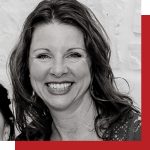
Follow OnPay on LinkedIn, Facebook, and Twitter

Tagged With: Intradiem, Matt McConnell

Amy Parrish With Rhythm Communications, LLC

April 25, 2022 by Jacob Lapera

AmyParrish
Atlanta Business Radio
Amy Parrish With Rhythm Communications, LLC
Loading
00:00 /
RSS Feed
Share
Link
Embed

Download file

rhythm

AmyParrishStarting as the youngest ever producer for NBC National News, Amy Parrish saw a missing link in both the PR industry and marketing industry as a whole. She began working in corporate PR to learn more about the business. After serving on the management team when the company went public, she seized the opportunity she had and launched the first firm of her own.

Amy has gone on to launch multiple agencies that were eventually sold to larger agencies. Always focusing on the clients, Amy ultimately realized communications were rapidly changing and there was an opportunity for integrated marketing in the new world. Amy believes that public relations firms need to think more strategically about positioning and leveraging themselves with what’s happening in the marketplace.

From strong relations with the media, pitching stories, strong web copy, email marketing, and strategic ad buys, Amy has helped position her firms to deliver exceptional results to clients from all different industries. Her clientele ranges from the entertainment and music industry, to Fortune 500 companies and everything in between.

Rhythm was the perfect environment to showcase that we are on the pulse of what the industry needs in the new connected age. While Rhythm may be smaller than some major firms, it has still been recognized as one of the top PR firms in all of Georgia two years in a row, and won’t be slowing down any time soon.

Connect with Amy on LinkedIn.

What You’ll Learn In This Episode

  • Integrated Marketing
  • Public Relations & Events
  • How the industry is recovering from COVID

This transcript is machine transcribed by Sonix

TRANSCRIPT

Intro: [00:00:04] Broadcasting live from the Business RadioX studios in Atlanta, Georgia. It’s time for Atlanta Business Radio brought to you by on pay Atlanta’s new standard in payroll. Now, here’s your host.

Lee Kantor: [00:00:24] Lee Kantor here, another episode of Atlanta Business Radio. And this is going to be a fun one. But before we get started, it’s important to recognize our sponsor on pay. Without them, we couldn’t be sharing these important stories. Today on the Land of Business Radio, we have Amy Parrish with Rhythm Communications. Welcome, Amy.

Amy Parrish: [00:00:41] Hi. How are you doing?

Lee Kantor: [00:00:43] I am doing well. Before we get too far into things, tell us a little bit about rhythm communications. How are you serving folks?

Amy Parrish: [00:00:50] So Rhythm Communications is a marketing firm that specializes in public relations, media relations. But we deliver fully integrated campaigns that range from not only the media relations component, but social media, which has become a crucial part of marketing today, as well as the print materials and event production. So we are pretty busy these days. There’s a lot going on in Atlanta and although we work across the country, probably 50% of our business is within the within the southeast.

Lee Kantor: [00:01:32] Now, can you share a little bit about maybe the evolution of marketing into this more integrated approach that folks are taking? At one point, there were just dedicated firms just in PR or just in advertising or just an event. And now it seems like there’s a blurring of the lines, especially when you toss in social media that kind of binds it all together.

Amy Parrish: [00:01:52] Yes, I think that’s true. In general, media relations is still a key component of the work that we do and that clients are seeking because using the media as your validation arm for any message that you want to convey still has a lot of power in the marketplace. However, individuals on social media channels and going direct to consumers from the brand have become a way to create the trust that you need. So although the media is still. Probably the primary source for those types of initiatives. You still need to be speaking or, as we would say, singing from the same sheet of music and being on the rhythm of the marketplace with whatever the trends are, whatever the trending topics are, and making sure that all of those initiatives are in sync. So out of necessity. I don’t know if a PR firm that wouldn’t be thinking about or shouldn’t be thinking about social media and direct email marketing channels to communicate with consumers in addition to their media strategy. I would say in the last couple of years with the pandemic, although no one wants to talk about it, it made that even more necessary because the trust in the media seemed to change. I don’t necessarily agree with with that because I am a big proponent of the media, but it did, in fact change. So being consistent in the marketplace, conveying the messages that you want to convey while the media is validating that message in that position is the most significant way to achieve your goal in marketing, in my opinion.

Lee Kantor: [00:03:57] So it’s critical to have all of these elements working hand in hand rather than just kind of this kind of pop gun approach of just, Oh, let’s do this for a little bit. Oh, I heard Tik Tok is a good one. Let’s go do something over there or hey, LinkedIn marketing seems hot. Let’s, let’s spend some money there. You think that it’s better to kind of coordinate everything in the and have everything kind of working harmoniously?

Amy Parrish: [00:04:22] That’s correct. And consistency is key. Now, the way in which you might communicate that message or the words that you might use, depending on the typical audience of that channel of communications, certainly that would change. So for instance, if you’re using Tik Tok to communicate a story and you’re using LinkedIn, as you can imagine, the messaging and the positioning might sound a little different, but at the core the attributes of the brand are the same. So as an example, we represent a very successful Tik Tok artist named Yung Homie Y V in G Homie, and he is a good, clean cut guy that is very successful on Tik Tok and he’s I believe, 19 years old. When we talk about young homie on, on sort of the channels that might be Tik Tok or on YouTube, as you can imagine, the messaging might be a little more youthful. Not that we don’t all use those channels, but the language is different. When we talk about him on LinkedIn, the positioning is the same of him as a professional, but we’re talking more about the fact that other brands can hire him instead of focusing on the fact that he he released a new dance move or that he’s currently doing an around the world dance similar to the moonwalk with Michael Jackson back in the day. So just very different a very different approach, but the same core message has to be conveyed.

Lee Kantor: [00:06:08] So now do you serve a specific niche or you’re kind of industry agnostic and you can help with strategy no matter what the client is or who they’re trying to reach.

Amy Parrish: [00:06:19] We’re we’re industry agnostic. We’re solution focused. So the solutions that we provide typically are led by media relations with other necessary support mechanisms in marketing to get that message conveyed as far as the industry experience we happen to have. By the very nature of being located in Georgia, we happen to have an emphasis in specific markets. That includes entertainment just because there’s a lot of it here. And so by the very nature of being a firm around for a long time, we certainly have the right goods, if you will, to deliver on an entertainment project, whether that’s film or sports. We represent sports celebrities, we represent film studios, etc. We also have a specialty in medical and health related brands and technologies, and that’s partially because of my background. I came originally through the through the background of an old company called Atom Software that spawned probably 30 plus CEOs that are out in the marketplace today. But back in the day, we were a small, little, scrappy software company led by two people. I really admire Greg Swaine and Bob Kramer, who are kind of known in the industry for health care technology solutions and investments today. So I would say health care, I would say entertainment. And frankly, we do a lot of work in larger nonprofits. Why? Because a lot of the bigger brands in Georgia sponsor nonprofits. And there aren’t a lot of firms that know how to do that work and help to position those properly.

Lee Kantor: [00:08:27] So now what is kind of a symptom that a firm might be struggling right now, where rhythm is a good fit to help them either kind of get out of that spiral or take them their brand to a new level.

Amy Parrish: [00:08:43] Hmm. That’s an interesting question. So I’m going to take the spiral first. So. We get brought into the spiral. Spiral a lot. Unfortunately, a lot of times companies are struggling and sort of run of the mill marketing and PR firms that are sort of smaller. They do the same thing the same way every time. We don’t believe in that. We believe in tailored solutions based on the need of the client. So a lot of times they’ve been burned by another firm. They bring us in and say, We need you to help us fix this problem, whether it’s a positioning problem, repositioning of a product or service, or they’ve run into a crisis. I hate that that can happen, but it certainly does. I think because we’re willing to get in and get our. Elbows dirty. And be part of the team to really understand their culture, understand their desires, and to mold it into into their. Team instead of trying to be a new team and displaced people that they trust. I think that has been our success. The first thing we do, though, is to spend a lot of time understanding what the challenges are and ask the right questions of all the executives and find out where there’s a disconnect. Even the largest companies in the world. You could put three executives in a room and they all have a different position. They need to all be on the same page to grow. So. I think our core of making sure that we’re all on the same page, we’re singing off the same sheet of music. The campaigns fall out from that.

Amy Parrish: [00:10:34] So we get brought in sometimes just to do a one day session to help them all get on the same page, and then they use their internal marketing people. We’re open to that. But crisis work is one of our specialties, and there aren’t a lot of firms in Atlanta that are comfortable with that work. And that’s because we are former journalists, most of us on the positive side of a company that wants to grow. I think a lot of times. You start your growth and you plateau because you don’t have that new or interesting thing to say. Sometimes it just takes having an outside party versus your internal marketing people to help you identify that aha moment that says, Hey, let’s either find the news that you’re forgetting exists because you’re living it day to day, or let’s help to create your own news so that there’s something interesting to say. So. We help them overcome that plateau by helping to identify what the great stories are to tell. And then we tell that story through multiple communications channels and to their desired customers direct. To make sure that everyone is being touched. Once that happens, if in fact, you have a solid. Product or service to offer. That momentum begins. And then you have to be consistent. You’ve got to be telling the next piece of news every month. You’ve got to be telling the next piece of positive information every day. Social media is key for that without frustrating people because they can decide if they check it out or not.

Lee Kantor: [00:12:20] Is there any advice for a firm that’s listening right now that wants to maybe attempt that exercise you just described? Like, a lot of times internally, you don’t know what you’re not seeing the same thing an outsider sees. You might, like you said, take things for granted and there could be news that you as a professional see, that’s obvious to you in 5 seconds, but to them they see it every day, so they stop seeing it. Is there any exercise you can recommend entrepreneurs or leaders right now to do to kind of open the curtain a little bit or to give them a glimpse of kind of maybe the reality that is, is there a way to do that or do you need outside eyes to do that?

Amy Parrish: [00:13:05] I think, you know, I’m never going to force an agency model on top of someone. Do I think it’s valuable? I do. But you can always go a different route. I mean, if you weren’t in a financial position to hire an outside consulting group like us. You know, you could bring in a couple of different targeted customers that you have not been able to resonate with and build their trust and say, hey, I’m not going to sell you anything. I want to find out why you’re not buying. And then you go in and you share with them your who, what, where, when, why, and how of your business. Those are the basics if you can’t do that. Who, what, where, when, why and how. If you can’t present that, then you can’t get to the next level of telling them the new news, the exciting news you want to share. So I would I would start there, make sure that you have that refined. Once you do, I would then pull in some major stakeholders, maybe it’s members of your board, maybe some of your investors. So those outside parties don’t have to be rhythm communications. I’d love for it to be, but I’m realistic that not everyone’s going to do that.

Amy Parrish: [00:14:22] But you have to listen to your market, and a good way to do that is to pull those stakeholders who want you to be successful, who may be a little distant from the day to day. I will give you an example of something that just happened. We were talking to one of our clients yesterday, and while we’re talking, we were going through what the news stories were and they’re like, well, you know, really the big news is coming in June. We’ve got all these tradeshows coming up. We can talk them. And I asked a simple question that may seem obvious. I said, Do you have any new technology updates coming up? New features and functionality? He goes, Yeah, we’ve got one coming up this week. And I laughed and I said, maybe we should be talking about that. So sometimes it’s just the obvious question that everyone forgot to ask because they’ve been working on that update for months. Right. So I think it’s good. I think, you know, board members want to share their knowledge. Board members are typically those people with gray hair, with great ideas that have been in the trenches. Use them. If they don’t have time to hop on a call, send them a survey.

Lee Kantor: [00:15:42] Now you mentioned part of your services events. How important are events in today’s world where, especially as we’re coming out of a pandemic, people are hungry for those kind of meaningful interactions with other people?

Amy Parrish: [00:15:56] It’s interesting you would ask that question. I would say that people coming out of the pandemic are either hungry or hesitant to interact. And so you still see a lot of that hesitancy. So every event that we’re producing right now has an in-person and a virtual component. And I actually think that maybe for the foreseeable future in our industry, that’s going to be a requirement. So so I would bring that up. I would also say that those who have come out of the pandemic, although they are hungry to be in public, they are overwhelmed and understaffed. So having that virtual component is also important so that if they aren’t able to attend in person. On their own time. They can play catch up, if you will, and and learn from that learn from that experience in some other way at a lower cost. Having said that, the events that we have produced and we’ve had ironically. A physical event. Every two weeks, every two weeks, probably four since December. And so the companies are hungry to get face to face with their customers. The virtual component, I think, is going to be required. And what I will say is that although we’re offering distance experiences, they’re excited to come and they’re coming in droves. I would also say that we will continue sort of the safety regulations around encouraging people. They don’t have to wear masks, but they can or maybe should.

Amy Parrish: [00:17:55] We’re going to continue to offer food and drink. That is not necessarily a shared item, but a handheld item in a separate served separately in a separate container of some sort. But I will say that it’s been really wonderful to plan events and see how people appreciate them so much. I actually feel that there’s not a single brand on the planet that wouldn’t benefit from the excitement of consumers today of any type to be able to come to an event. Most of our events have been business to business and CEOs are showing up, in fact. And for a while there, that was hard to do. In fact, we just did an event called the International Poverty Forum, and we had more C-level executives in the crowd than I think I’ve ever seen at any event in ten years. And it was because not only were they invested in the community and wanting to give to be present, they also wanted to give back. And I see a big trend with events that even if it is a for profit company with a for profit message, they’re offering a non profit contribution, a percentage of what’s raised fundraisers at their dances or concerts, silent auctions with donations to nonprofits. It’s been really interesting to see sort of the kinder, gentler economic model that I’m seeing today.

Lee Kantor: [00:19:38] So what do you need more of? How can we help? Are you looking for more clients or are you looking for more talent? What is kind of the most pressing need at rhythm?

Amy Parrish: [00:19:47] Thank you for saying that. How about all the above? We love meeting new talent. We’re always looking. We’re always interviewing. So send them our way. If anyone expressed expresses interest. We are certainly growing and we don’t want to stop that momentum. So if anyone is interested in talking to rhythm communications, send me an email. A parish at Rhythm Communications. And we are we’re open for business and excited. Our office is located in Buckhead and we work part of the week from home. But we’re glad to meet you face to face. So I hope you’ll keep us in mind. And it’s been a great honor to be here.

Lee Kantor: [00:20:35] Today and the website for Rhythm Communications.

Amy Parrish: [00:20:39] W WW dot rhythm communications dot com.

Lee Kantor: [00:20:42] Good stuff. Well, thank you so much for sharing your story. You’re doing important work and we appreciate you.

Amy Parrish: [00:20:47] Well, I appreciate you. I love what you guys do and I’m a fan, so if that helps.

Lee Kantor: [00:20:53] Thank you. All right. This is Lee Kantor Rochelle next time on the Atlanta Business Radio.


About Our Sponsor

OnPay’sOnPay-Dots payroll services and HR software give you more time to focus on what’s most important. Rated “Excellent” by PC Magazine, we make it easy to pay employees fast, we automate all payroll taxes, and we even keep all your HR and benefits organized and compliant.

Our award-winning customer service includes an accuracy guarantee, deep integrations with popular accounting software, and we’ll even enter all your employee information for you — whether you have five employees or 500. Take a closer look to see all the ways we can save you time and money in the back office.

Follow OnPay on LinkedIn, Facebook, and Twitter


Tagged With: Amy Parrish, Rhythm Communications

Dionna Collins With ComfiArt

April 25, 2022 by Jacob Lapera

DionnaCollins
Atlanta Business Radio
Dionna Collins With ComfiArt
Loading
00:00 /
RSS Feed
Share
Link
Embed

Download file

ComfiArt

DionnaCollinsHolding a Bachelor of Fine Arts in Graphic Design from the Art Institute of Atlanta and a Masters of Science in Internet Marketing from Full Sail University in Florida, Dionna Collins is a woman of all things creative. She is the Founder and CEO of ComfiArt, a visual arts incubator, one-stop resource hub, and advocacy source founded in 2016 to create an affordable way to bring unique art into the home space.

Collins empowers artists through Atlanta’s most inclusive community of resources for BIPOC entrepreneurs in the creative space. In addition to providing business tools, ComfiArt creates opportunities for artists to learn from other creatives who have successfully elevated their brands, through their signature Design & Muse Program, which serves as a yearly artist innovation masterclass.

Collins advocates for pay equity and strives to eliminate the notion of “starving artists.” She believes artist advocacy is a socio-economic empowerment tool and that local creatives add layers to the fabric of cultural communities. She hopes that ComfiArt and its community provide access to relationships and resources that expand artists’ audience reach while simultaneously closing equity gaps.

Connect with Dionna on Facebook, LinkedIn, and Twitter.

What You’ll Learn In This Episode

  • About ComfiArt
  • Advice for other female/BIPOC
  • Most impactful stories about ComfiArt

This transcript is machine transcribed by Sonix

TRANSCRIPT

Intro: [00:00:04] Broadcasting live from the Business RadioX studios in Atlanta, Georgia. It’s time for Atlanta Business Radio brought to you by on pay Atlanta’s new standard in payroll. Now, here’s your host.

Lee Kantor: [00:00:24] Lee Kantor here, another episode of Atlanta Business Radio. And this is going to be a good one. Today on the show, we have Dionna Collins with comfiart. Welcome.

Dionna Collins: [00:00:33] Thank you. Thank you for having me.

Lee Kantor: [00:00:35] Well, I’m excited to learn what you’re up to. Tell us a little bit about comfort. How are you serving folks?

Dionna Collins: [00:00:41] Yes. So comfy. Ah is an agency and a business incubator that provides visual artists with business resources and network opportunities through our four pillars, which are ecommerce, community events and partnerships.

Lee Kantor: [00:00:58] So how did you get involved with this? What was the genesis of the idea?

Dionna Collins: [00:01:04] Well, I’m originally from Boston, Massachusetts. I moved down to Atlanta when I was 11 years old. I always loved art, go into the Museum of Fine Arts, the Pops in Boston, and then moving here. I really love the you know, the community and the collaboration that Atlanta has. When I when I was younger, I went to the Art Institute of Atlanta and then went to Full Sail University for my Internet marketing and really was just so immersed in the arts and graphic design and stuff like that. So that’s where it really started with the love of art.

Lee Kantor: [00:01:56] So you started out with the love of art. Are you an artist as well or you’re an organizer of this incubator for artists?

Dionna Collins: [00:02:04] I am an artist myself. I love doing abstract art and also creating art like collages and all of that stuff. So me helping artists find their way through the business part of things was really a passion of mine because that’s something that I was always searching for.

Lee Kantor: [00:02:33] Do you find that a lot of artists might be good at their art, but they have a difficult time, you know, kind of making money from it and they, you know, fall into that trap of being a starving artist.

Dionna Collins: [00:02:43] Yes. And yeah, we don’t want to put that up in the air of starving artists. We really here at Coffee Art want to help them navigate through that. Like you said, we all know that some artists want to just focus on just the art, but not during COVID. I really saw that a lot of these artists weren’t prepared to get funding because they didn’t have their foundation. As far as like having that end have their business registered to the state and they really lost opportunities not having those foundational things to to help them through their their career and passion.

Lee Kantor: [00:03:27] So what happens if I’m an artist and I say, hey, I’m interested in comfy art? How does it work? Like, how do I get involved?

Dionna Collins: [00:03:34] Well, currently we have a membership, which is one of our four pillars where the artists can come on coffee art dot com and be part of our comfort community. It is free to apply where they can free to join, where they can come and get resources and different mentorships and have a lot of webinars that we have to help them guide them through their artistry and also help them with their entrepreneurship in art.

Lee Kantor: [00:04:14] So you can help take that struggling artist and really put them on a path to start making money and really kind of live that dream of being a successful artist.

Dionna Collins: [00:04:24] Yes, absolutely. We also work with partners, partners such as United Way and Ting Internet that is located in Canada, where we put them into opportunities with brands, where they create community incentives in their in their local areas that they serve.

Lee Kantor: [00:04:49] Now, having worked with artists for a little bit, can you share maybe some some advice for them so they can kind of get off on the right foot so they can give themselves the best chance of succeeding?

Dionna Collins: [00:05:03] Yes, absolutely. So as an artist myself, you know, there is a lot of resources out there that are community and nonprofit that they can join. I think that, one, you should always have some type of mentor to help you guide. And that’s also what we have here at Coffee Art. And then also, like myself, I like to go to do some free, you know, painting class or anything like that to get the juices going when I’m creating new art pieces.

Lee Kantor: [00:05:42] Now, what about any advice for budding entrepreneurs? Because being an artist, you’re an artist, but you’re also an entrepreneur, right?

Dionna Collins: [00:05:52] Yes. Yes. So with the entrepreneur, I think when you’re going to sell anything and it doesn’t mean it could be art, it could be, you know, your bags that you sell at vendors like. It’s really good to have your website, social media. A lot of the platforms that we have, like Shopify or Squarespace really have you to connecting to to those platforms for you to sell now. So those are the things that I would really focus on as an artist to start growing your connection with your own community online.

Lee Kantor: [00:06:37] Has there been a story you can share maybe the most rewarding story that has come about since you began doing this kind of work?

Dionna Collins: [00:06:46] Yes, I have an artist named Mariam Mama, and she has been with us for three years. We have a program called Design and Use that. We have an artist call which is now open if anyone wants to, to participate where they create their original artwork. And they and we put their artwork on all sorts of products, apparel, shoes, anything that you really think of, like plates, anything we can put art on. And with her being with us, we were able to mentor her and grow. And she’s been on. Her artwork has been on The Fresh Prince of Bel-Air new show. She’s been on cover magazines for her artwork. So she’s really has grown in our community and we’re so happy to see that with our help.

Lee Kantor: [00:07:55] So what do you need more of? How can we help you?

Dionna Collins: [00:08:00] Well, I mean, I would love everybody to just go to our website at WW Comfy Art or go to our social platforms with Under Coffee Art, ac0fiart and you can get more information and connect with us.

Lee Kantor: [00:08:21] So you’re looking for more artists, but you also need people that buy art, too, right?

Dionna Collins: [00:08:25] Right. Absolutely. With our Designer Muse program, we have new artwork every year and whatever you buy through us, it also the artist will also get their portion of the profits also throughout the year.

Lee Kantor: [00:08:47] And then what are you most looking forward to as you continue to grow this platform?

Dionna Collins: [00:08:53] I’m looking to build and expand into the United States and also international with our community and also connect with more brands to place some of our amazing artists on our in our community.

Lee Kantor: [00:09:10] Now, is the platform only virtual or is there an in real life place where people can see art?

Dionna Collins: [00:09:18] Well, we have our events where we do in the comfort zone, which is a panel event that we do in person and also stream live. We currently have two that we’re going to be doing next month, one in Charlottesville, Virginia, and then also a dinner, private dinner that we’re going to be doing at the end of the month for some key people.

Lee Kantor: [00:09:48] Well, congratulations on all the success. One more time. What’s the website?

Dionna Collins: [00:09:53] The website is wwwerc0mfiart.

Lee Kantor: [00:10:00] Well, thank you for sharing your story. You’re doing important work, and we appreciate you.

Dionna Collins: [00:10:05] Thank you. Thank you so much for having me.

Lee Kantor: [00:10:07] All right. This is Lee Kantor Cantu. Next time on Atlanta Business Radio.

About Our Sponsor

OnPay’sOnPay-Dots payroll services and HR software give you more time to focus on what’s most important. Rated “Excellent” by PC Magazine, we make it easy to pay employees fast, we automate all payroll taxes, and we even keep all your HR and benefits organized and compliant.

Our award-winning customer service includes an accuracy guarantee, deep integrations with popular accounting software, and we’ll even enter all your employee information for you — whether you have five employees or 500. Take a closer look to see all the ways we can save you time and money in the back office.

Follow OnPay on LinkedIn, Facebook, and Twitter


Tagged With: ComfiArt, Dionna Collins

  • « Previous Page
  • 1
  • …
  • 69
  • 70
  • 71
  • 72
  • 73
  • …
  • 116
  • Next Page »

Business RadioX ® Network


Our Most Recent Episode

CONNECT WITH US

  • Email
  • Facebook
  • LinkedIn
  • Twitter
  • YouTube

Our Mission

We help local business leaders get the word out about the important work they’re doing to serve their market, their community, and their profession.

We support and celebrate business by sharing positive business stories that traditional media ignores. Some media leans left. Some media leans right. We lean business.

Sponsor a Show

Build Relationships and Grow Your Business. Click here for more details.

Partner With Us

Discover More Here

Terms and Conditions
Privacy Policy

Connect with us

Want to keep up with the latest in pro-business news across the network? Follow us on social media for the latest stories!
  • Email
  • Facebook
  • Google+
  • LinkedIn
  • Twitter
  • YouTube

Business RadioX® Headquarters
1000 Abernathy Rd. NE
Building 400, Suite L-10
Sandy Springs, GA 30328

© 2025 Business RadioX ® · Rainmaker Platform

BRXStudioCoversLA

Wait! Don’t Miss an Episode of LA Business Radio

BRXStudioCoversDENVER

Wait! Don’t Miss an Episode of Denver Business Radio

BRXStudioCoversPENSACOLA

Wait! Don’t Miss an Episode of Pensacola Business Radio

BRXStudioCoversBIRMINGHAM

Wait! Don’t Miss an Episode of Birmingham Business Radio

BRXStudioCoversTALLAHASSEE

Wait! Don’t Miss an Episode of Tallahassee Business Radio

BRXStudioCoversRALEIGH

Wait! Don’t Miss an Episode of Raleigh Business Radio

BRXStudioCoversRICHMONDNoWhite

Wait! Don’t Miss an Episode of Richmond Business Radio

BRXStudioCoversNASHVILLENoWhite

Wait! Don’t Miss an Episode of Nashville Business Radio

BRXStudioCoversDETROIT

Wait! Don’t Miss an Episode of Detroit Business Radio

BRXStudioCoversSTLOUIS

Wait! Don’t Miss an Episode of St. Louis Business Radio

BRXStudioCoversCOLUMBUS-small

Wait! Don’t Miss an Episode of Columbus Business Radio

Coachthecoach-08-08

Wait! Don’t Miss an Episode of Coach the Coach

BRXStudioCoversBAYAREA

Wait! Don’t Miss an Episode of Bay Area Business Radio

BRXStudioCoversCHICAGO

Wait! Don’t Miss an Episode of Chicago Business Radio

Wait! Don’t Miss an Episode of Atlanta Business Radio