Business RadioX ®

  • Home
  • Business RadioX ® Communities
    • Southeast
      • Alabama
        • Birmingham
      • Florida
        • Orlando
        • Pensacola
        • South Florida
        • Tampa
        • Tallahassee
      • Georgia
        • Atlanta
        • Cherokee
        • Forsyth
        • Greater Perimeter
        • Gwinnett
        • North Fulton
        • North Georgia
        • Northeast Georgia
        • Rome
        • Savannah
      • Louisiana
        • New Orleans
      • North Carolina
        • Charlotte
        • Raleigh
      • Tennessee
        • Chattanooga
        • Nashville
      • Virginia
        • Richmond
    • South Central
      • Arkansas
        • Northwest Arkansas
    • Midwest
      • Illinois
        • Chicago
      • Michigan
        • Detroit
      • Minnesota
        • Minneapolis St. Paul
      • Missouri
        • St. Louis
      • Ohio
        • Cleveland
        • Columbus
        • Dayton
    • Southwest
      • Arizona
        • Phoenix
        • Tucson
        • Valley
      • Texas
        • Austin
        • Dallas
        • Houston
    • West
      • California
        • Bay Area
        • LA
        • Pasadena
      • Colorado
        • Denver
      • Hawaii
        • Oahu
  • FAQs
  • About Us
    • Our Mission
    • Our Audience
    • Why It Works
    • What People Are Saying
    • BRX in the News
  • Resources
    • BRX Pro Tips
    • B2B Marketing: The 4Rs
    • High Velocity Selling Habits
    • Why Most B2B Media Strategies Fail
    • 9 Reasons To Sponsor A Business RadioX ® Show
  • Partner With Us
  • Veteran Business RadioX ®

Jackie Bondanza With Hounds Town USA

March 24, 2022 by Jacob Lapera

JackieBondanza
Franchise Marketing Radio
Jackie Bondanza With Hounds Town USA
Loading
00:00 /
RSS Feed
Share
Link
Embed

Download file

Brought To You By SeoSamba . . . Comprehensive, High Performing Marketing Solutions For Mature And Emerging Franchise Brands . . . To Supercharge Your Franchise Marketing, Go To seosamba.com.

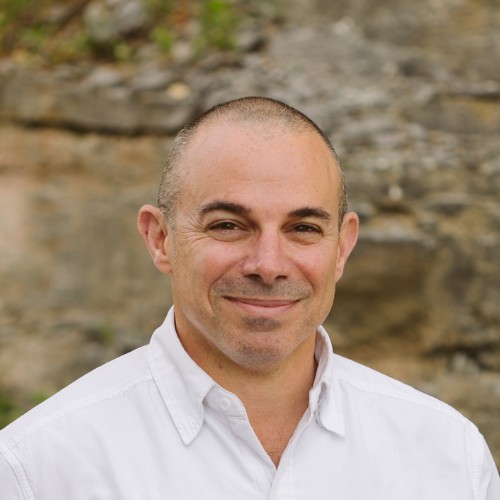
JackieBondanzaJackie Bondanza, CEO at Hounds Town USA

After studying business and communication at the University of Scranton and earning her Master’s degree in journalism, Jackie Bondanza was making a 5-hour round-trip commute every day for work. Even though she found a good job in the field she’d studied for, something was missing. Every day she’d come home and feel overly stressed and extremely unhappy with where she was. This inspired Jackie to make a series of big changes in her life, and dedicate her time to finding something she was passionate about.

After moving, Jackie was unsure of how to acclimate her dogs to her new surroundings. An internet search for dog daycares led Jackie to the nearby Hounds Town USA. When she walked in, she was immediately drawn to the simplicity and fun nature of the brand — and was impressed with Mike’s insight on her dogs, and his canine expertise in general.

She started to wonder why this brand wasn’t bigger or offering franchises. Over the next couple of years, Jackie learned from Mike and the team at Hounds Town USA, eventually becoming the company’s CEO. She saw the huge opportunity for the Hounds Town brand, and used her experience, education and drive to grow Hounds Town into a national franchise with over 100 locations!

Connect with Jackie on LinkedIn.

This transcript is machine transcribed by Sonix

TRANSCRIPT

Intro: [00:00:07] Welcome to Franchise Marketing Radio.Brought to you by SEO Samba comprehensive high performing marketing solutions for mature and emerging franchise brands. To supercharge your franchise marketing. Go to seosamba.com. That’s seosamba.com.

Lee kantor: [00:00:32] Lee Kantor here another episode of Franchise Marketing Radio and this is going to be a good one. Today on the show we have Jackie Bonds and she is with Hounds Town, USA. Welcome, Jackie.

Jackie Bondanza: [00:00:44] Great. Thanks for having me.

Lee kantor: [00:00:45] Well, I’m excited to learn what you’re up to before we get too far into things, tell us about Hounds Town. How are you serving folks?

Jackie Bondanza: [00:00:52] So Hounds Town USA is a fully interactive doggy day care boarding and grooming facility. And we we started over 20 years ago. So we’ve been at this for a pretty long time. And, you know, we we offer folks just accessible, affordable, down to earth pet care for a very reasonable price. And we’ve been doing that for for two decades now.

Lee kantor: [00:01:16] So what was the genesis of the idea? Was it built to be a franchise or was it something that just started locally and it’s just expanded organically?

Jackie Bondanza: [00:01:25] It started locally and just kind of has expanded organically over the last 20 years. We were founded by Mike Gould, who was one of the founding members of the New York City’s police department way back in the day. And he spent a good 25 years as a K-9 handler for various police departments. So when he retired over 20 years ago, he was young and still needed another career. And this was just sort of a natural extension of his extensive experience. And today what that means is, is everything we do at Hounds Town is about the dog first, which is our major differentiator. And yeah, just slowly over time, we started to expand. Mike never really intended on franchising this, but you know, after the first couple of years saw how well the couple of corporate stores he opened were doing, and just over time we started to franchise.

Lee kantor: [00:02:19] So you mentioned the differentiating by this kind of dog first methodology or philosophy. Can you talk about when he or you started kind of feeling like, hey, this is different and special and we are getting traction and this could probably be replicated.

Jackie Bondanza: [00:02:40] So I first came into the brand about ten years ago and I first learned of POUNDSTONE as a customer. So I used tempo for many years. I love them. They were a lifesaver for me when I lived in Manhattan, and I would drop my two dogs off there and head off to work. So when I moved all the way out to Ronkonkoma on Long Island, which is about an hour and a half from the city, I was that person on the train on the 638 train every morning, and I didn’t want to leave my dogs home. I couldn’t leave them home. So I found Hounds Town. And from the moment I walked in, I realized that there was something really special about the brand. And at the heart of that was the fact that Mike and the staff knew what they were doing with the dogs. And that’s not something I experienced in my other in my other experiences as a customer with other pet care facilities. They came close. But this was just kind of the whole the whole picture for me. And so from there, I just started talking to Mike about franchising, and I think he just didn’t have anybody come along that was interested in taking that ball and running with it. And so we spent the first couple of years, you know, we sold a few, but not that many. We didn’t really get much traction until a couple of years in, and we partnered with the Wright Development Team, and that’s really where it started rolling for us. But it’s been a slow ride and that has served us very well.

Lee kantor: [00:04:04] Now, any advice for those emerging franchisees out there that feel like, hey, maybe we can do it on our own, maybe share some of the the trade offs of doing it on your own versus partnering with a development team like you did.

Jackie Bondanza: [00:04:18] I would say we for the first two or three years, we tried to do it on our own and we sold a few we sold a few to a former customer, a former employee. And that really was the foundation of this, the next phase we needed to get to. We really needed to have three or four really great performing stores before we could get out there and say confidently, Hey, this model works in a lot of different markets. So that approach worked for us, but we needed to shift gears because it wasn’t scalable. So, you know, for us, it worked for us to do it ourselves in the beginning and then find a partner that could help really take it out of the gate and take it to the next level. So it was sort of a hybrid for us.

Lee kantor: [00:05:00] Now, when you do partner with somebody, what what are they doing differently than that you were doing?

Jackie Bondanza: [00:05:10] Marketing. So the company that we partner with Raintree, they specialize in emerging brands and we had looked at and even worked with a few other franchise development companies and the mist for us was that they didn’t understand emerging brands. They were used to working with big, successful franchise systems. There’s such a big difference between what they need and how they need to be marketed versus an emerging brand. And Raintree just understood how to market not only the business model but the the and the industry, but the type of stage that the business was in. And we just started getting a lot of traction about four years ago. They were just the right fit for us. But it took it took trying on a couple of different companies to find that right fit.

Lee kantor: [00:05:58] And then what was the clue that this was going to be the right fit? Was it all of a sudden now the volume of leads or the quality of the leads were just that much better?

Jackie Bondanza: [00:06:09] Yep. The quality of the leads were better. We started closing more deals, the pipeline got stronger. I really think their vetting process is was was fantastic. And we were seeing higher quality candidates that were really the right match for us instead of just kind of like working with the portals and just entertaining any lead that we got. These days, we have a much better understanding of what does a successful town franchisee look like, and we’re able to work backwards from that.

Lee kantor: [00:06:42] And then now, as the brand has kind of evolved. How has your life changed? You know, it’s one thing of having corporate owned and then a handful, and then now you’re on this kind of exciting, you know, journey where it’s really expanding pretty quickly. How has that changed, you know, kind of your day to day now? You’re less of a, you know, a hounds to Hounds Town USA, you know, kind of growing that individual store to now we’re really a training and sales organization correct.

Jackie Bondanza: [00:07:16] You know, and that’s an interesting question because it took me a while to realize that we were actually we’re actually running two businesses. We’re running our corporate stores. We’re running the doggy daycare, grooming, boarding business, hands down. And we’re also running a franchising company. And it was really challenging at times to move both of those along at the same time. Luckily, when I came along, Mike really had established the business model. There really wasn’t that much that needed to be changed or improved upon. But we did have to make some changes to our processes and our systems to make them scalable. So, you know, at times it was challenging to to, to, to wear both hats. Today, in the past 12 months, we’ve hired a team. So we went from Mike and I doing this seven years ago to now we have a team of 15 people and it’s life changing. I mean, it’s it just needed so much to to make sure that we scale properly and we owe that to our franchisees and our employees. So get the brand to a certain place of notoriety, and it’s exciting to see that that’s finally coming to fruition.

Lee kantor: [00:08:23] So now as the CEO of Hound Sound USA, what is kind of your superpower that you’re bringing to the table to help kind of maintain and continue the growth?

Jackie Bondanza: [00:08:33] So I think that speaking personally for myself about my superpower, I think that I come from a journalism background. I knew nothing about franchising when I first started doing this, but I am trained in research. So I went out and I just started making connections. I started asking people questions, I just started looking for information, and I relied on people who knew better than me. And I think that doing that is critical. And if one thinks they know everything, they’re not going to really get get that far in life. And so I just led with that approach. And it has really, I think, put the company in a great place now and again, hired a team of people who they all are, they all are are have a seat at the table because they’ve been successful in scaling, you know, franchise companies and just keeping keeping humility and gratitude. And those two things are, I think, huge for a CEO. Ten years ago, the qualities of a good CEO, I think, were being aggressive and dominant and, you know, sort of willing to crumble people to get somewhere. And I think that’s changed so much over the last decade, which I’m so happy to see. And it certainly served me well and I think served. Poundstone Well.

Lee kantor: [00:09:56] Has there been a setback or a pivot you had to make that you’ve learned from that you can share?

Jackie Bondanza: [00:10:03] Oh, gosh, there have been so many of them. You know, one of my favorite sayings, although it’s a little of a frustrating thing, but you don’t know what you don’t know. And when I brought Rob Flanagan in, who’s our president last year, he he said that. And it’s it’s so true. And so, you know, if we haven’t we hadn’t been through COVID before. Obviously, no one had. So every day was a new challenge, a new adventure. And, you know, same thing for when the housing market crashed for us in 2006. It’s these moments where things change quickly. And as the owners and the leadership team, we have to make sure our franchisees get through that those times successfully. So we’ve had a lot of setbacks, a lot of achievements, a lot of setbacks. We’ve struggled with construction and finding the right construction partners to keep our buildout costs as low as possible. That’s another one of our differentiators. So we just work through it every day and try to wake up the next day and improve upon what we’ve already built.

Lee kantor: [00:11:08] Now, it sounds like at the heart of hands down, you would say this culture and this philosophy of how to work with and care for animals is kind of at the heart of things. How do you kind of create a culture that can permeate into this kind of franchise system where, you know, these people like you, you know, they’re coming into this a lot of times, not with any kind of animal background or, you know, they’re learning to. So how do you kind of make sure from a culture standpoint you’re getting the right folks?

Jackie Bondanza: [00:11:43] Yeah, it’s definitely, I would say, front and center for us. We we hire for culture first on our corporate team. And if people have all the chops and all the skills and all the experience, but they’re not a good cultural fit. And we have a very defined deck on what that looks like. We don’t invite them on the team, and the same goes for our franchisees if we don’t get the vibe from them and vice versa. Honestly, if we feel that someone’s coming in and they’re just looking to make money and they’re not going to put their heart and soul into this, we have turned people down. And in the beginning it’s it’s hard to turn down money. But I always try to think of five years from now as a customer, how would I feel walking into this franchisee store if they seem apathetic at Discovery Day or they’re kind of like focused too heavily on numbers? We will we’ve always been very careful about trying to select the right people from day one. And that goes for our franchisees, our staff, our corporate staff, and even the staff at the store, you know, pet care. It’s such an emotional and personal thing for people. We have to be really conscious about us bringing on the people that represent and understand that the best.

Lee kantor: [00:12:57] So is the ideal franchisee someone who is kind of in the location and serving the customers, or can this be absentee or is it can this be a complimentary brand as part of a portfolio? Like how does that work?

Jackie Bondanza: [00:13:14] So for the most part, our franchisees are either semi active, meaning they’re not working in the business, but they’re there. They might be there a couple of hours a week. They’re overseeing staff. They’re getting some face time in with customers or they’re owner operators, meaning obviously they’re in the business, they’re working on a shift. We don’t really have franchisees that are completely absentee and living in another state or another country and doing this purely for an investment. We see and believe that some of our most successful franchisees, they need to feel like they have to put their heart and soul into the business. To some degree. That doesn’t mean they need to be there every day, but they need to feel a an attachment and an accountability to it, especially because there’s this emotional piece to it for the customers. And trust is such an important factor. So we don’t really entertain people who are who are looking to do this purely for the investment.

Lee kantor: [00:14:12] Now, was that intelligence gleaned from your own kind of gut feeling, or was this something that your partner said, hey, you know, we’ve done a few of these. This is what it looks like as you honed in on that ideal franchisee.

Jackie Bondanza: [00:14:26] I think it was more it’s more a gut feeling. And just looking at the 25 stores we have open now, who are our top performers? And, you know, I would say all of them have their they have a level of commitment to the business that goes above and beyond someone who would be absentee and was just looking to make a certain percentage. So we have to look, we’re very data driven. So I like to look at who are our top five performers and let’s get more of those people in the door. So I think it was a little bit of a combination. You know, we’re a family owned and operated business. So I think it’s. Kind of organically unfolded that way that a lot of people were attracted to us because they want to be involved in that culture.

Lee kantor: [00:15:11] Now, let’s talk a little bit about the philanthropy angle on this. Is this I know that you’ve teamed up with the campaign one at a time, a nonprofit. Was that something corporate did or is that something that the franchisee said, hey, this is a cause that we want to get behind?

Jackie Bondanza: [00:15:30] So that was something that came from me. I am on the board of Campaign One at a Time, which is a children’s cancer charity. It’s sort of like Make-A-Wish, but it’s much more personal. And I’m always passionate about helping other entrepreneurs build their businesses. And so I’ve known the founder for many years. I’ve seen him create this this charity from the ground up, and it’s just grown so much over the years. So what it made sense for us for Hounds Town to become a corporate sponsor. We went ahead and did that a couple of years ago and some people say, well, what’s the connection between dogs and kids there? Really, there really isn’t any. But we’re helping to spread the word. You know, the campaign, one at a time, word here on the East Coast, because it’s a West Coast brand. So one of our one of the campaigns we just did helped raise $10,000 for a girl named Sienna and her family to get a service dog. So Sienna had to have her leg amputated due to cancer a couple of years ago. And all she’s wanted is a service dog. So we were able to partner with Merlin’s kids to raise the money to do that. So there’s a little bit of a connection when there’s obviously a dog component to it.

Lee kantor: [00:16:47] So now what’s next? How do you see the next few years for Jamestown, USA?

Jackie Bondanza: [00:16:54] So we are set to open 25 to 30 more stores this year. So we’ve got a lot of work to do. So we’ll be at about 50, 55 stores open by the end of this year and another 3540 in the pipeline. So our ultimate goal is to be the biggest and the best pet care franchise out there. And we’re we’re pretty well on our way to doing that. So it’s an exciting year. We’ve been at this for a long time now, so it’s kind of our time to just get a bunch of stores open and continue awarding territories to people who who want to do something different with their lives and just to get to that 100 unit and then beyond.

Lee kantor: [00:17:35] So now are you targeting East Coast or is this now kind of the world is your oyster?

Jackie Bondanza: [00:17:41] The world is our oyster. We’ve never we’ve never targeted geographically. It’s we just decided not to do that from the get go because it’s it’s more pricey to do that. So instead, we thought we can spread out geographically and let’s be led by where are their quality franchisees. So it makes it a little more difficult for travel, of course. But we just weighed the pros and cons and decided that that was the way that we were going to go. Naturally, we’ve developed more stores in New York, New Jersey and Florida because we were founded in New York. So there’s some more interest in those particular markets because we’ve got a bunch there already. So I’m anticipating that that will start to happen once we get one or two stores open in all of these different markets.

Lee kantor: [00:18:28] Well, congratulations on all the success. If somebody wants to learn more, have a more substantive conversation with you or somebody on the team, what is the website?

Jackie Bondanza: [00:18:37] Sure. So we have Hounds Town franchise dot com is our franchising website and Hounds Town, U.S.A. is our consumer website. You can also see fun videos and photos and cute dog stuff on both websites, but the USA website would be best for that.

Lee kantor: [00:18:54] Well, thank you so much for sharing your story. You’re doing important work and we appreciate you.

Jackie Bondanza: [00:18:58] All right. Thank you.

Lee kantor: [00:18:59] All right. This is Lee Kantor will see next time on franchise marketing radio.

Tagged With: Hounds Town USA, Jackie Bondanza

Amy Williams With Good-Loop

March 23, 2022 by Jacob Lapera

rita-trehanfeatureimage-1500x1500
Daring to
Amy Williams With Good-Loop
Loading
00:00 /
RSS Feed
Share
Link
Embed

Download file

AmyWilliamsAmy Williams is on a mission to convert people’s attention into funds for good causes. She co-founded Good-Loop in 2016 after stints at advertising giant Ogilvy London, and a soup-kitchen in Argentina, to make ethical behaviour easier for consumers and more profitable for companies.

Today working with the likes of Nestlé, Unilever, the Co-Op, Coca-Cola and H&M, Amy’s ‘ethical ad platform’ rewards consumers who choose to watch an ad by donating to their chosen charity, whilst delivering better ROI for advertisers. It’s Yin Yang, win-win. Amy is one of Forbes Europe’s 30 under 30, eConsultancy’s Rising Star of 2019 and a face of the United Nations #SheInnovates global campaign.

Connect with Amy on LinkedIn.

TRANSCRIPT

Rita Trehan: [00:00:02] Welcome to Daring To, a podcast that finds out how CEOs and entrepreneurs navigate today’s business world. The conventions they’re breaking, the challenges they faced, and the decisions that they’ve made, and lastly, just what makes them different.

Rita Trehan: [00:00:19] Well, joining me today is Amy Williams. And she is known as The Woman. She is impossible to ignore. So, I dare you to not ignore her, because her story around the business that she has created over the last several years is something of interest, I think, that many people won’t really even thought about.

Amy Williams: [00:00:38] So, Amy, a woman that has been recognized as A Woman To Watch 2020 by Ad Age, Forbes 30 Under 30, the face of the UN She Innovates, #sheinnovates. I could go on. You have been nominated for numerous awards. A woman that is driving the tech industry, which is fabulous within itself because we need more women in tech.

Rita Trehan: [00:01:00] And here you are. I mean, you’re like, you know, young, have created this business, have traveled around the world. Let’s just actually talk about what this business is because, you know, you have a saying that I read, which is, “Eyeballs are a value.” So, let’s talk a little bit about what does eyeballs of value got to do with the business that you’ve created, Good-Loop, started in 2016. It’s basically an ethical platform for advertising that does good. Surely that’s not possible. I mean, that just can’t be possible, can it?

Amy Williams: [00:01:37] Yeah. An ethical advertising platform is a little bit of an oxymoron, I’m aware. But I’ve always worked in the industry. I’ve always worked in advertising. I find it a fascinating, brilliant, creative, strategic, challenging industry. And, fundamentally, what every advertiser is buying and selling is our attention. And there is this implicit value exchange in our industry.

Amy Williams: [00:02:02] When you stand at a bus shelter and it’s pissing down with rain, but your head is dry, that’s because the advert on that bus shelter have paid to keep your head dry. There is this value that society creates between an advertiser and a consumer. We will give you a little bit of our attention. And in exchange, you pay for stuff. So, the bus shelter is a really lovely example because it’s so physical, so tangible.

Amy Williams: [00:02:26] But, actually, when you think about the online world, when you think about every article you read, every site you visit, that is funded by advertisers. Your eyeballs are the thing that they are buying. And this value exchange is what I am fascinated by. This moment where an advertiser and a consumer agree to spend a little bit of time and a little bit of attention. And it’s a value exchange that has been broadly quite undermined and quite undervalued.

Amy Williams: [00:02:56] When we traverse the Internet, I think it’s fair to say that advertising is, at best annoying, at worst quite fraudulent and interruptive and intrusive, and can use our data in exploitative ways. It can really be quite unpleasant. You can try and read an article and you really can’t even see the article for all the adverts. So, that’s where the value exchange, in my opinion, has broken.

Amy Williams: [00:03:21] So, my business is about creating respectful, positive online advertising. Pure and simple. We work with global advertisers. We distribute ads across really premium publishers, like The Guardian, The New York Times, The Economist, Bloomberg. And if you choose to engage – it’s always a choice. We’d never force you to watch – if you choose to give that advertiser your precious eyeballs, then you’ll unlock a donation funded by the brand and you get to give it to a charity of your choice. So, the brand gets a moment of engagement and you get to do good for free.

Rita Trehan: [00:03:55] I mean, I’ve got to say, sheer brilliance, isn’t it? I mean, in a world today where people are more discerning, where there is a need for more trust and transparency, when you could argue is advertising digital space, is any kind of media a sort of a slave or a liberator. I mean, you’re making it a liberator, aren’t you? Because you’re letting people make the choice about what they do and how they choose those adverts, but enabling them to actually kind of connect to something that we’re seeing come to the forefront.

Rita Trehan: [00:04:28] You know, if it’s been heightened, it’s been raised even more since COVID about the meaning of trying to find meaning and social impact. We’ve seen lots of companies have platitudes around what they want to do around sort of social impact. But you’re actually helping them to think this through. Why is it taking a $500 billion industry this long to actually think about something that makes perfect sense, doesn’t it?

Amy Williams: [00:04:57] Well, it’s funny. I think there are so many people in our industry that are smart, and creative, and passionate, and also a little bit jaded. Like, there was a study came out from that advertising association a couple of years ago that found that advertising is now less trusted as an industry than banking and estate agents.

Rita Trehan: [00:05:21] We’re talking the low of the low, right?

Amy Williams: [00:05:25] A good place to be, to be honest, Rita. And I think that has really affected people’s confidence in this industry. And, of course, we’re seeing a huge loss of talent of The Great Resignation. We’re just seeing this real kind of absence of pride. And I think that it’s taking a little while because it’s taking a while for us to build back our confidence. And to know that advertising, it has an important role to play in society. Advertising doesn’t have to be that annoying, interruptive thing that gets in the way of your cat videos.

Amy Williams: [00:05:55] It can be something that funds free, independent journalism. That gives you access to a free Spotify account, that makes sure that journalists get paid their salaries. I think especially with the awful war in Ukraine and the way that the Kremlin has been using disinformation as a propaganda tool within this conflict, it has exaggerated and amplified how important and how valuable are free independent presses. And that’s thanks to advertising. So, we’ve just got to get a little bit more confident our industry again and start to find our place in society. And you mentioned that –

Rita Trehan: [00:06:34] Sorry, Amy. I interrupted you. But I do want to interrupt just a little bit, because that point about Ukraine, you’ve actually just given a speech recently or part of a discussion around this about misinformation in the media. But you’re sort of vision, clearly, is much wider than the impact of advertising. It sounds like it is really about helping people to understand the impact that advertising has on world events.

Rita Trehan: [00:07:02] I mean, it sounds like a movement that you are trying to help create sort of understanding around the value of advertising and its role in shaping world events in a purposeful and, I would say, fair and transparent way. Now, that’s a lofty goal.

Amy Williams: [00:07:24] And I’m under no illusions that advertising is one of the big things that got us into this mess. Like, I’m not blind to the role that our industry has played in creating quite damaging consumerism, and really degrading mental health of young people, and creating fake beauty standards, and really shutting down and silencing a lot of diverse voices.

Amy Williams: [00:07:51] Our industry has a lot of problems and our industry has a lot to be accountable for. But at the end of the day, you mentioned already, you know, it’s a $500 billion industry. And, actually, we are in the business of shaping desire. We are in the business of shaping consumer behavior, changing society.

Amy Williams: [00:08:08] So, just as we can encourage people to smoke cigarettes and use gas cookers, we can also encourage them to eat less meat and drive electric cars. And we can champion real beauty and challenge fake beauty standards. And we can get more diverse voices into T.V. screens and on the media. So, I think that our industry has a huge role to play. It has a huge influence in society, for better or for worse. It’s a tool that can be used either way.

Rita Trehan: [00:08:36] So, let’s talk about your journey into this business and Good-Loop’s future, because you’ve managed to not only sort of bring that passion to bear about the company, but you’ve managed to grow it. You know, you’ve raised several million pounds or dollars of funding and you’re expanding internationally. But, you know, you started your career in the sort of advertising industry.

Rita Trehan: [00:08:58] And you are known for saying that you were on a workshop talking about freshness and you said, “Oh. It doesn’t sound very interesting to me. I’d much rather talk about like how we can save water.” And with one of the clients that you were working with at the time, which I think was Unilever, who are actually very passionate about sort of social impact per person. And playing a role in global issues that we face today. And from there like, “Oh. Yeah. This isn’t really interesting me,” you go off and travel around the world. I mean, that’s pretty brave.

Rita Trehan: [00:09:34] But how did you have the courage to do that? Because there’ll be lots of people that maybe are sitting in a similar position as you were then thinking like, “You know, I’ve always wanted to do something of meaning. I know that I’ve got a passion for the industry but I want to do something different.” I mean, you went off to learn. So, talk a little bit about what that was like for you.

Amy Williams: [00:09:56] Yeah. I never felt brave at the time. It’s funny, people do say that, like, “Wow. That’s so brave.” And it’s such a lovely thing to say. Thank you for saying that. But it really doesn’t feel like that at the time. It feels terrifying and stupid.

Amy Williams: [00:10:13] Honestly, I had this incredible career at an amazing agency, and I just threw it all away. And I think it’s a bit of a double-edged sword. I have this personality type who as soon as something starts to feel a bit stale or a bit boring, I just have to shake things up. I have to break everything, which can be quite self-destructive. But in that moment, I looked ten rungs up the career ladder to where I was, and I thought, “I don’t think I want to be there. I don’t think that’s interesting enough. And I don’t think that’s inspiring me.” So, I just quit.

Amy Williams: [00:10:49] And I didn’t even have a plan. I just walked into that office one day and sort of in a daze, quit. I remember going home to my partner that night and saying, “I quit my job today.” And he was like, “What? Do you want to discuss it or anything?”

Rita Trehan: [00:11:04] “Do you want to go back and see if they’ll give it back to you.

Amy Williams: [00:11:08] “Maybe go back.” I just had this feeling, like, if you don’t break something then there’s no space for new ideas to grow. I love this idea of, like, a forest fire burning through a forest. And then, the fresh sheets. This idea of fire being quite healthy and important part of nature. You know, burning it all down to see what new, fresh ideas can grow. So, that was sort of the thing in my head. That was the big grand vision was just to burn it all down and see what happens.

Amy Williams: [00:11:39] And like you say, I went traveling. I think that’s a really healthy way to kind of break out of any staleness and any routine that you have is to just put yourself in entirely new context. And, for me, that was traveling to South America. I just always fancied seeing South America.

Amy Williams: [00:11:58] And, also, Chile in particular, has a really interesting program called Start-Up Chile. It’s funded by the government. It’s really modeled on Silicon Valley and about bringing a lot of the Silicon Valley values into Latin American culture. And so, I just thought that would be a really interesting combination of my two interests.

Amy Williams: [00:12:16] So, I sort of went down there. I went on a course in entrepreneurship. I met a ton of other entrepreneurs. And when you start to meet other people that have done it, it feels so much more realistic. You know, they say you can be what you can see. And it’s so true. It is. It’s so true when you’re thinking about diversity. But it’s also just when you’re thinking about changing your life, just go out and meet people who are already doing it because suddenly it doesn’t seem so scary.

Amy Williams: [00:12:42] So, that was a kind of life changing moment, really, was being out there and having that privilege and that opportunity to meet people like that. And I came back from that trip with the beginnings of the business plan that is today Good-Loop.

Rita Trehan: [00:12:55] Let’s talk a little bit about the beginnings of the business plan, because 2016, I’m a bit of a skeptic and I go and I look at all these companies, and I’m often advising them and saying, “Please don’t tell me that you’re really into social impact and that you’re a purpose-driven company. Because, you know, I can walk in and I can look around, I can feel the culture, I can touch it.” And, yeah, you’re trying to do a lot of the right things, but actually are you really if we look at it?

Rita Trehan: [00:13:22] And I can imagine, I mean, that’s today when companies are actually – all credit to them – now, I think, stepping up more than ever to sort of recognize that they have a role to play in global challenges, not just in running their companies. And that profit and and purpose go together. They’re not two extremes. They can actually work in balance together.

Rita Trehan: [00:13:49] But 2016, I don’t know, taking that idea to people and saying, “Hey, we’ve got this idea that you’re interested in getting as many people as you can to look at your adverts because you think that that’s the way to kind of attract them in. What we’re saying is, let them choose whether they want to watch it, but actually think about what they want, not what you want. And let’s give some of that money to charity as well.” Tell me about the challenges of convincing people of that. I mean, did you find they were all like, “Yeah. Amy, let’s do it.” Or were they like, “Hmm?”

Amy Williams: [00:14:27] Oh, man. You’re so right. All kind of internal thesis is to treat people like partners, not targets. And that is quite a challenging idea because, not only is it a new way of thinking about advertising, it’s also a criticism of the existing status quo. And so, going into any industry and saying what you’re doing is wrong, is a really, really difficult place to start.

Amy Williams: [00:14:50] So, I actually really underplayed that at the beginning. And I really focused instead on the trend, that you’ve perfectly articulated there, which is every business needs to do good. And we are a really easy way for you to start on that journey. You know, it’s such a simple little switch to say you’re already running ads on T.V. or on YouTube, why don’t you just run out with Good-Loop instead? And then, every time someone watches, you will fund a charity.

Amy Williams: [00:15:16] And to your point, you know, there’s so many businesses that say they want to do good. Well, let’s put some spend behind that. Let’s put some action behind those words. How about every time someone engages, you actually fund a self-esteem workshop or you build a well? Let’s put action behind your brand purpose. So, that was a much more uplifting and much less challenging entry point into the market.

Amy Williams: [00:15:37] Like, even just learning how to articulate the proposition and learning how to say it in a way that got people inspired rather than challenged. And challenging stuff along the way, but in a much more inclusive approach. And that is the biggest challenge, I think, is learning how to articulate the value proposition of what you’re building.

Amy Williams: [00:16:00] And, again, I’m building a business that does good. I’m building a B Corporation, a carbon neutral business that funds charities from our top line. We are a very, very social business, but I hardly mention that. I hardly mention the charity donation to any investor and, certainly, to any customer. I talk about performance. I talk about growth. I talk about heightened engagement. And how the advertiser is going to get better ROI. And the investor is going to get better returns because we’re doing something different in the industry. And the social impact is nice to have, a cherry on top.

Amy Williams: [00:16:31] In my heart, it’s the reason I get up every day, but it’s not the reason someone’s going to invest. And learning that is really tough. Like, learning that the thing you care about doesn’t matter to anyone else. It’s really, really tough.

Rita Trehan: [00:16:44] Are you seeing that today? Do you see that today? Do you really think that that’s still true today? That’s an interesting thought.

Amy Williams: [00:16:51] We’re not charities. Good-Loop isn’t a charity. We don’t donate to charity out of the goodness of our hearts. We donate to charity because it gives people a meaningful reason to engage with the advertiser, which gives the advertiser better results, which means that we win over our competition, which means that we grow.

Amy Williams: [00:17:11] So, even I can’t claim that the social good is the reason I do it. Like, owning up to this gray area where you do good, but you also have selfish goals, like you say purpose and profit, driving together. There’s a lot of awkwardness around this idea of benefiting from doing good or making a profit whilst building a social business. I don’t think we should be embarrassed about that. I think that’s a great thing. [Inaudible] change.

Rita Trehan: [00:17:34] Why do you think hat is? Why do you think that is? Surely, I mean, it makes sense that the two go together. It’s not like one is good and one is bad. Or if you only do profit, therefore, it’s actually a win-win. I think you described it as a win-win. Why do you think there is this sort of unease or discomfort about saying that you can do both?

Amy Williams: [00:18:03] I don’t know. Maybe it feels a bit disingenuous. I think so much of this responsibility for so many years has been so disingenuous. You see fossil fuel companies investing in solar energy whilst also lobbying governments to increase the reliance on fossil fuels. These layers of corporate philanthropy or CSR that are so paper thin that consumers have become rightly very cynical. And I think that’s absolutely the right trend. We should hold businesses to account. We should hold individuals to account. When you say that you stand for gender equality, you should also not have a gender pay gap. And if you do, I’m going to call you out for it.

Amy Williams: [00:18:47] Did you see that Twitter bot over International Women’s Day? Every time a brand used the hashtag, the Twitter bot would retweet with their gender pay gap, which was just really nice. So, I kind of embrace the cynicism as well. I think it’s healthy to have a dose of that when we’re talking about business philanthropy, because fundamentally these businesses are there for the benefit of their shareholders. Which means that they are exclusively existing to extract value from excite from society. We can’t get around that.

Amy Williams: [00:19:21] We really need to work with NGOs and governments to solve big systemic issues. And relying on businesses is relying on an emperor in new clothes. But embracing businesses that are trying to do both and letting them learn and take steps towards more positive business action. Perfection is the enemy of progress. And if every time a corporate did something wrong, we chastise them and we show them how badly it can go. And when they do something wrong, they’re never going to try. And I just think we’ve got to get these big businesses a bit braver about doing things with a social slant.

Rita Trehan: [00:19:58] So, how do you help companies do that? Because I don’t know, but I would imagine that they will either now, particularly after COVID, be saying like, “This is fabulous.” We recognize now that trust is really important. And, actually, we see our customers, or our prospective customers, or people that we want to engage with, we recognize that they’re looking to want to work with organizations that are doing something meaningful or have some sort of social responsibility or have some impact in areas.

Rita Trehan: [00:20:31] Do they then come to you thinking that you are going to kind of deliver it all? And, therefore, their expectations are sort of way out of reach from where they are? And if so, how do you manage that? Or do they become very nervous and kind of tentative around what they should be doing? And if it’s that and maybe it’s both, so you can talk about both, what do you do to kind of, like, show them the possibilities? So, I guess two, one is think you’re going to help solve all of their problems and generate masses of growth for them – which clearly you guys are doing – and those that are too tentative. How do you deal with those different types of clients?

Amy Williams: [00:21:15] Yeah. And we do absolutely get both. And I’ll first deal with the nervous ones because that’s probably the easier challenge. We do get a lot of businesses come to us that say, “With all of the Black Lives Matter protests, we feel that we should be doing something around black empowerment, but we don’t know what.” And that is a very sensitive topic. And there is a lot of ways that brands can get it wrong. And there is a lot of ways that big businesses can contribute, and help, and amplify a really important message. So, they shouldn’t be nervous. They should be excited. And they should be cautious.

Amy Williams: [00:21:53] So, what we would say is, “Where in your business are you already showing this through your actions?” firstly, because if there’s no evidence of that, then unfortunately we can’t work with you on this particular case. So, we have an internal filter that says we need evidence that this is an internal initiative, first and foremost, before we’ll help you promote it. Once we’ve got that evidence, then it passes our sort of internal ethical review process. And then, it’s a case of looking at where this business can have an authentic impact on an issue.

Amy Williams: [00:22:27] So, always start with what your business does for consumers. What is the benefit your business offers to consumers. And then, how do you amplify that to broader society. Because that’s how you’re going to find an authentic purpose.

Amy Williams: [00:22:38] So, a great example of this recently is Airbnb. Their product is a platform to help people find homes around the world. Their benefit to consumers is that they make you feel like you belong anywhere. You can go to a completely new city and you can feel like you belong there. So, to amplify that to a social good, to a societal good, they helped refugees find safety and home at a time of crisis.

Amy Williams: [00:23:03] So, that’s a brilliant execution from product through to social impact that feels fully authentic, really meaningful, and just really, really engaging, and amplifying for their brand and their business. You know, talking about that sort of selfish lens, more people are going to book Airbnb’s because of it, frankly. So, that’s how we deal with them.

Amy Williams: [00:23:26] And, often, the NGOs play a big part with those Nervous Nellies because the NGOs are the ones of the experts. So, they’ll help them with the language. They’ll make sure they add authenticity and credibility. And they’ll make sure that the money goes to the right people, to the communities that they wish to serve. So, partnering with NGOs is a really, really big part of getting it right.

Amy Williams: [00:23:46] On the other end of the scale where you’ve got brands coming in saying, “We’re going to solve the world’s problems,” I would say great, firstly. But also not every business has to have a big ostentatious goal. Not every business can authentically change the world.

Amy Williams: [00:24:07] And a great example of this is Unilever’s brand, PG Tips. They are teabags. That’s just a teabag. They’re not going to solve the world. They can’t end racial inequality, or create social mobility, or solve climate change. They can clean up their supply chain and they can make sure that they’re an inclusive employer.

Amy Williams: [00:24:30] But as a brand, their purpose is addressing loneliness. Because when you sit with a cup of tea and you go and visit a neighbor or you talk to your elderly relative and you make a cup of tea, you connect, you get off your screens and you talk to someone with eye contact, and then a meaningful amount of emotional connection. And that is a brand purpose that is never going to change the world, but it’s really authentic to who they are and what they do. So, I kind of love that as well. Like, scaling it back and thinking about where businesses, perhaps, can do smaller things, but still a meaning.

Rita Trehan: [00:25:03] They can do some great things. I know my niece works for them and she’s started working for them. And she comes home and she’s always passionate about just what they are really doing, like, from a social impact, from the packaging that they use, that they really do mean what they say. I mean, it’s great to see companies like that.

Rita Trehan: [00:25:21] And, you know, they were one of your early clients. So, you’ve got some big name clients that, I think, credit to your organization, to your company, for actually kind of reaching out to those because the bigger multinationals are harder to change sometimes and hard to accept. But, yet, you pick some very forward thinking organizations and/or they become more forward thinking through working with you. You know, it’s probably a bit of both.

Rita Trehan: [00:25:50] So, I have a question, so we’ve talked a lot about sort of like the advertising and how it can be a force for good, if you like, of have a purpose that does good as well as make a profit. As you think about the organizations, I can’t help wondering – we were talking about the gender pay gap was just an example. I get very passionate about that too – just the value propositions or the cultures that companies have, I mean, they’re often advertising who they are as a company for prospective employees. That’s advertising. That’s branding. That’s a messaging.

Rita Trehan: [00:26:26] I mean, how do you help them think about that? And do you guys think about that and you’re helping them think about advertising generally? Or is that an area that you think is, maybe, the next area that companies need to be thinking about at all?

Amy Williams: [00:26:42] Yeah. Well, you said it yourself with your niece, she comes home proud to work for an organization because of the things they do in their marketing, and their supply chain, and in their corporate governance. To me, it is a natural outcome of some of the work that businesses have to do internally, that their employees are proud to work at that organization and become advocates and become champions for that business.

Amy Williams: [00:27:09] So, it’s not something we work on explicitly, to be honest. We’re very laser focused on advertising. And when brands come to us, they’re often coming to us with three different pressure points to want to do good. One is consumers. Consumers are four times more likely to buy from a brand if they’ve taken a stance against climate change. Another is employees. Employees are so much more likely to stay at an organization if they feel that their work has purpose. And the third is shareholders. Shareholders are looking for sustainable ESG investments. The mention of ESG in SEC filings have tripled in the past month.

Amy Williams: [00:27:47] So, this sort of triple attack on organizations from consumers, from employees, and from shareholders, means that we are one of many solutions that they’re looking to, to kind of clean up their internal processes and, therefore, placate those key stakeholders.

Rita Trehan: [00:28:05] Let’s talk about some of the solutions that you’re working on, because one of them has to do with climate change and sort of ESG. And, again, I’m totally with you on this that we’re seeing this massive sort of uptake on sustainability reporting, and sustainability index, and ESG, and diversity inclusion, and equity. And you put all of those things in the mix. We’ve kind of been looking at them through all these different angles. Nobody is necessarily connecting them together. It sounds like you guys are doing that. You’re, like, kind of connecting the dots a little bit. So, tell us a little bit about what you’re doing in the area of that to help companies.

Amy Williams: [00:28:41] So, they started about a year ago. It started as an internal question. So, I’ve always said I want Good-Loop to be carbon neutral from inception. So, finger in the air, throwing some money at some trees, and said we’re carbon neutral. But we never really interrogated it properly. And it got to a point where we were like, “Okay. Right. This isn’t really good enough. We need to know the actual carbon cost of running adverts online.”

Amy Williams: [00:29:06] Which, I sort of assumed we could find. And then, months of research go by and there really wasn’t any answer. There really wasn’t anyone with that answer. No one had done that work. So, it started as an internal project to say, “Okay. What is the carbon cost of our ads? How do we offset what we deliver?”

Amy Williams: [00:29:26] So, we created a methodology, essentially mirroring a methodology that’s internationally recognized for website calculations. If you calculate the carbon cost of a website, you use a certain data transfer methodology. And we just nicked that, basically. And we looked at how we use data transfer to deliver adverts.

Amy Williams: [00:29:44] And that meant that we could then confidently say we were carbon neutral and start going out to our clients saying to update. We’ve now got this methodology, so don’t worry. Good-Loop is fully carbon neutral. And they go, “Wow. How’d you do that then? That sounds quite good.” So, it was sort of a bit of a start up pivot moment where we said, “Oh. We’ve actually built something here that other businesses could benefit from.” So, we spun it out to its own product.

Amy Williams: [00:30:09] And really simply, it’s just like a tracking tag that you append to your digital campaigns, like a viewability tag. It’s just a one by one pixel. It tracks data transfer and then it carbon offsets in real time. So, any advertiser can use it on any digital campaign. And it will mean that the full campaign is measured and offset. And the measurement piece is really important because offsetting is obviously the absolute minimum. What we should be doing is actually reducing our carbon emissions.

Amy Williams: [00:30:38] So, buying on publishers that use carbon neutral servers, buying at times of day when the electricity grid is more renewable, using lighter file sizes to reduce the data transmission and to reduce the electricity usage. So, this is the sort of insight that our dashboard can deliver back to clients so that they can offset what they have to use, but also reduce what they spend.

Rita Trehan: [00:31:01] So, I hope that as the listeners are listening to that piece, that they go back and play that again. Because there are a number of organizations out there right now that are feeling very nervous about their commitment to hit the targets of zero emissions. And I think you’ve just given them a really cool idea of how they can at least start or accelerate their work in that area. So, let’s hope that they go back and listen and replay that bit, particularly, because it is important.

Rita Trehan: [00:31:27] So, let’s talk about you as a leader. I mean, come on, 30 Under 30, Woman to Watch, like impossible to ignore. Tell us a little bit about you as a leader.

Amy Williams: [00:31:41] Oh, wow. How do I answer that?

Rita Trehan: [00:31:43] Did you always know? Like, when you were a young girl, were you at school going like, “You know what? I’m going to lead something one day. I just know that’s what I’m going to do.”

Amy Williams: [00:31:53] No. God, no. I was bullied awfully at school. I was so shy. I was so nerdy. You can’t see it on the podcast, but I’ve got big sticky out ears, and everyone used to call me Toby Jugs.

Rita Trehan: [00:32:06] I can see your ears, and you haven’t got big sticky out ears. Well, I can show you my calves if you want. I used to get called tree trunk legs. So, there you go.

Amy Williams: [00:32:16] We’ll start a self-help group. We’ll get each other through it. And I think the thread I pulled between that nerdy kid at school and today is that I loved theater. I was always the the main character in all the school plays and all the musicals. And, today, being a CEO, so much of it is about storytelling.

Amy Williams: [00:32:39] And being a leader is about making people feel a part of your story, making people want to join it, seeing their role within a broader story, and setting a vision for your business, and talking to investors and talking to customers. It’s the same story, but you’re just pulling at different threads and amplifying different parts depending on who you’re talking to, what your audience is.

Amy Williams: [00:33:01] So, that skillset I learned back on those stages when I was Fagin and Oliver Twist. Today, that still rings true. In terms of being a leader, my philosophy on it is, especially as a young entrepreneur – I mean, I started this business at 25 – I am under no illusions that I have very little of the answers. Like, so many of the people I’m bringing into my business are more experienced, more talented, more expert in their field.

Amy Williams: [00:33:33] And my job is to just bring in the best possible people, to give them a direction, to support them, and lead them. But, actually, be humble enough to acknowledge their expertise and to kind of let them bring something to the table. So, yeah, it’s less about leadership. It’s more just about galvanizing everyone in a certain direction.

Rita Trehan: [00:33:55] And did that change over COVID, do you think? Have you changed as your organization changed? Like, that two year period where we kind of like all disappeared, and all hunkered down, and tried to find who we were and where we were, and everything else in between?

Amy Williams: [00:34:14] Oh, man. It was a tough time. But I found it really, really difficult. As a leader, you look to the answers and I had none. And so, there was a lot of sort of radical transparency during that time where I had to say, we are working to preserve everyone’s jobs, we are working to keep everyone safe, but can’t guarantee anything. And that’s a horrible thing to have to say. And to try and be vulnerable with the team and to try and show a certain level of my own real experience was sort of the way I dealt with it.

Amy Williams: [00:34:45] I always think about there’s that parable about a sailor who he knows around this next bend is the most dangerous part of the sea. And in the first voyage, he says, “It’s going to be great. Don’t worry about it. Don’t worry. We’re going to nail it.” And then, the ship wrecks. And the second time he sails it, he tells the sailors, “This next corner is going to be the hardest thing you’ve ever done. But I’m here with you and I’m scared as well.” And then, they sail through it. Like, that was the thing that kept me going in COVID, that idea, so that was sort of my approach.

Amy Williams: [00:35:19] In terms of how it changed the business, I mean, as you’ve mentioned, every business suddenly stepped up. There was this huge swell of empathy and kindness from everyone, businesses to next door neighbors. So, we’ve got a ton of brands coming to us wanting to support food banks, and homeless shelters, and hygiene banks, and medical research. And that kept us all going, I think, was feeling like we really were helping. We funded half-a-million meals to families below the poverty line over Christmas.

Amy Williams: [00:35:48] And being a part of the solution is really empowering. And to your point, when everyone sat at home finding themselves and thinking about what’s the point of it all, well, we’ve got a point. So, I think everyone in my team felt like we had a purpose. We were doing something that mattered, and we could be proud of that. We didn’t lose anyone. I’m proud to say we kept everyone’s jobs. Nobody jumped ship to continue the metaphor. And I think we’ve just come out of it so much stronger.

Rita Trehan: [00:36:15] But to your point about, you know, people that feel that they’re really connected to something, and have that kind of trust and transparency with an organization are four times more likely to stay. It sounds like you’re doing a good job within your company to actually help connect people to something that’s very meaningful, and actually helping to create a difference.

Rita Trehan: [00:36:35] So, you’ve obviously made some great strides with organizations. But the advertising industry is a massive industry within itself. How do you get to some of those people that are actually on the advertising side that are running the other platform, say, or helping them to engage with those as well as the organizations around this concept of advertising with good, with a purpose to it, of doing some good?

Amy Williams: [00:37:06] Yeah. I think I would be very happy if more platforms copied us. I don’t tell my investors that.

Rita Trehan: [00:37:15] I didn’t hear that. I didn’t hear it.

Amy Williams: [00:37:16] I mean, our competitive advantage in the market is that we approach things from a more responsible, positive, and respectful perspective. I mentioned treating consumers like partners rather than targets. I wouldn’t be that bothered if YouTube also adopted that philosophy. I wouldn’t be that bothered if YouTube also decided to donate 50 percent of their turnover to charity.

Amy Williams: [00:37:39] If I can use Good-Loop as a vehicle to lift the industry up, then that’s something I’d be very, very happy with. And I think that’s part of our mission is engaging the industry in these conversations. So, we work really closely with several of the other ad tech companies. A lot of them use our Green Ad Tag to carbon offset, for example. And we work with them on making sure we find fantastic publishers to support, making sure that we’re relying on things like that.

Amy Williams: [00:38:14] So, yeah, it’s an industry wide change. We aren’t going to have all the solutions. And, actually, rising tide lifts all boats so I’m very engaged in the industry as a broader kind of part of our mission.

Rita Trehan: [00:38:28] And I think you will find a way to create that ecosystem just from the way that you kind of talk about it and think about it. It’s about how do you kind of create almost, like, that flywheel effect. If you’re all working together, it’s not about competing. It’s about combining those efforts and just imagine what we could all do from that perspective. I think you’re on to something there that I would wholeheartedly encourage you to continue.

Rita Trehan: [00:38:56] Well, a couple of last questions. I’d love to continue, but I’m also conscious that we’re going to run out of time. So, there’s two areas that I do really want to ask about. Around that sort of connecting and treating consumers as partners, there’s a massive, massive focus right now on diversity, equity, and inclusion. Lots of companies are trying to build that bridge about what does that really mean. You raised the point about Black Lives Matters, and how sensitive that can be and how it can either go well or not, depending on how you do it.

Rita Trehan: [00:39:29] But part of this transparency is how do we get organizations to actually reflect the customer population who they are actually serving, potentially, because very often they don’t reflect people, or the client, or the consumer, or the supplier that they are. So, how can this help to do that? I guess it can in a way, right? Like, having people sort of participate in there, giving a voice in a way to what they think is important.

Amy Williams: [00:40:03] It’s something I think about a lot because I think it’s one of the biggest responsibilities of our industry. If we’re going to spend $500 million, we have a responsibility to spread that wealth and to reach a diverse audience and to reflect back to them an image of society that is inclusive. So, yes, something I’ve been thinking about a lot. And it’s something actually a lot of our clients are coming to us asking about, especially in the U.S. In the U.S., I’d say it’s the number one thing clients talk to us about, which is awesome.

Amy Williams: [00:40:35] In terms of what we’re doing, there’s sort of two layers. The first is at the brand purpose and the charity level. So, an example of this, we work with P&G. They have a brand called Pantene and Pantene do a campaign called Hair Has No Gender. It’s a beautiful piece of creative. It’s all around celebrating trans and gender nonbinary people within the beauty industry.

Amy Williams: [00:41:00] And we worked with them to deliver a campaign. Every time someone engaged with that creative and watch that ad, they unlock a donation to Gendered Intelligence, which is a wicked charity that funds the gender nonbinary community. And as the consumer, when you watch the advert, you could choose to support a helpline, a mental health helpline, or work in schools with youth programs to educate and raise awareness.

Amy Williams: [00:41:24] So, that’s the first thing we do, is just using our technology to connect brands with NGOs and with the end consumer. Above and beyond that, the second layer is how your ad dollar is actually reinforcing the thing you say you stand for. If you say that you’re a pro-trans, pro-queer, LGBTQ+ empowering brand, but then you actively don’t buy on terms like gay and lesbian because you consider it brand unsafe, then you’re not supporting that community.

Amy Williams: [00:41:56] You know, magazines like Attitude, The Pink Times, Gay News, these sites often struggle to get advertisers to run because advertisers just sort of block those keywords. And Vice found that their coverage of the Black Lives Matter movement got 57 percent lower CPMs, which is the lower price, 57 percent lower price, because so few brands were buying that space. Because brands were just saying, “Oh, that’s a bit sticky and a bit awkward, so we just don’t want our ads appearing next to it.” Which is a completely wrong thing to do.

Amy Williams: [00:42:29] If you say you’re a brand that stands for these issues and represents these communities, be in those places, fund that journalism. So, that’s the second thing we do. It’s like, actually, if you’re going to run a campaign focusing on gender nonbinary communities, then we actually buy inventory on Attitude Magazine and The Pink Times, and similarly across all different kinds of issues.

Rita Trehan: [00:42:51] That’s awesome. You just give me some things to think about, about clients that I work with, and others that I know about how we can kind of push that message across because that’s really insightful.

Amy Williams: [00:43:04] It’s quite an easy win as well. This is the thing I love about what I do, what it does is it’s really simple little wins that help move the brand forwards, the incremental steps. You don’t have to overhaul your whole diversity recruitment strategy tomorrow. This is something you can do today.

Rita Trehan: [00:43:21] I love that. And by the way, the name Good-Loop, I can’t help thinking that – and maybe you didn’t think about this – it’s kind of the loop is combining the profit with the good, and the good is the good loop together. I don’t know, that’s what came into my head when I saw the name. Probably not what you meant but –

Amy Williams: [00:43:42] Actually, it is. It’s like a virtuous cycle, sort of. Using good to fuel business benefits. That’s what we’re all about.

Rita Trehan: [00:43:48] Well, it’s been fabulous to talk to you. You are an inspirational force. And I have no doubt that you’re going to continue to have an impact around the world. So, congratulations, obviously, on the funding that you’ve secured, more funding to kind of grow the business go out there and do it, particularly in the States, because there’s a lot of big companies out there that are crying out for the help in this area.

Rita Trehan: [00:44:13] So, my last question to you is – I always ask everybody – what’s your Daring To moment? A Daring To moment could be something that you dared to do in the past, something that you’re daring to do right now, or that you daringly want to do in the future. What would yours be, do you think?

Amy Williams: [00:44:29] I suppose in the past, my Daring To moment would be daring to break everything. And daring to be vulnerable to complete failure. And the way I got around that was defining success in a really, really small incremental way. So, in my mind, when I started Good-Loop, I was so afraid of failing because you’ve told everyone like, “I’ve quit this big job. I’m starting this company.” It’s really putting yourself out there.

Amy Williams: [00:45:03] And when you go to the pub and you meet your friends, the first thing they say – and it’s a complete habit. People don’t do it on purpose – is like, “What are you up to now? How’s the job going?” It’s the first thing. And when you’re in this early stage of starting a business, it’s your most vulnerable, most soul, shy, awkward part of your life. And, like, it’s the first opening question when you meet someone. So, that was a real dare to.

Amy Williams: [00:45:28] And the thing is, as soon as I started the company, that was a success. As soon as I raised our first £100 for charity, that was a success. As soon as I hired my first person, that was a success. So, it just felt less scary because the successes were quicker and easier to retain. So, that’s something I kind of try and carry with me is that idea of success not being an end goal, but being all these little steps along the way.

Rita Trehan: [00:45:49] That’s great advice for founders, people that have been CEOs for a long time, and people that are aspiring to be senior leaders anywhere in the world. And that’s a really insightful comment about it’s the small things that make the difference. That if you focus on what those successes are and value them, then you’d be surprised how much you can achieve.

Amy Williams: [00:46:10] So, Amy, thanks so much. If people want to know more about Good-Loop, understand more about how they can be part of this movement, I would call it, and want to know more about you and the company, how can they get in contact with you? Website, LinkedIn, Twitter, what’s the best way?

Amy Williams: [00:46:25] Yeah. So, our website is good-loop.com. And if you want to connect with me on LinkedIn, Amy Williams is a painfully common name. But if you put Amy Williams Good-Loop, then it should come up. And I’m always happy to grow my network and meet new people. If anything I said today inspires you or raises more questions, then please you get in touch. Like, I’m happy to help if it’s just bouncing around ideas for a new business, or if you have questions around green and sustainable media, whether it’s Good-Loop or not, it’s something I’m really passionate about, so I’m always happy to help.

Rita Trehan: [00:47:00] Well, I know you are somebody that is impossible to ignore, without a doubt. And I hope that people continue to actually listen and take the true sort of inspiration and work that you are doing forward. So, thank you very much. If you want to know more about DARE, then obviously you can find us on our website.

Rita Trehan: [00:47:22] But if you also want to find out about some of the work that we’ve been doing around inclusivity and why it’s not just about diversity, equity, and inclusion, but how you’re inclusive right across the board and to combine the profit with purpose, let’s move forward, then check it out on our website.

Rita Trehan: [00:47:38] Thanks very much for listening. If you liked it, then please make sure that you put some comments in and share the podcast. Because more people need to hear about what Amy doing and her organization, Good-Loop. Thanks very much.

Rita Trehan: [00:47:49] Thanks for listening. Enjoyed the conversation? Make sure you subscribe so you don’t miss out on future episodes of Daring To. Also, check out our website, dareworldwide.com, for some great resources around business, in general, leadership, and how to bring about change. See you next time.
Tagged With: Amy Williams, Good-Loop

Spark Stories Episode 11

March 21, 2022 by Jacob Lapera

Spark-Stories-2022
Spark Stories
Spark Stories Episode 11
Loading
00:00 /
RSS Feed
Share
Link
Embed

Download file

Spark-Stories-KM2SparkStoriesKMKristen Madison, leader of the award-winning FASTSIGNS of Sandy Springs, a family, minority, and woman-owned sign and graphics enterprise.

Kristen is also the Founder of The Madison Coaching Collaborative, a boutique coaching firm dedicated to coaching fantastic clients who leap from Corporate 9to5 roles into small business ownership, new business owners, and seasoned business owners seeking a business and life reset.

As a coach, she helps business owners discover what feeds their soul, honors their purpose, and enables them to feel accomplished and exhilarated.

This transcript is machine transcribed by Sonix

TRANSCRIPT

Intro: [00:00:02] Welcome to Spark Stories, where entrepreneurs and experts share their brand story and how they found their spark, the spark that started it all.

Dr. Clarissa J. Sparks: [00:00:13] Good morning. Welcome to live Atlanta Business Radio with Spark Stories. I am your host Clarissa Jae Sparks. I am the founder of Sparks and company known as She Sparks, a brand strategy design consultancy at the core. I am a personal brand strategist, trainer, mentor and investor for women entrepreneurs. I’m so excited to be here today to kick off the season too, with our new series Own It. It is a series where we dove into the everyday operations of inspiring small business owners in our local community. You can listen live on Saturdays at 10 a.m. or play the rebroadcast at Business RadioX. Com. Not only are we kicking off the season with on it, we are celebrating Women’s History Month. Entrepreneurship is one of the best ways for women to create sustainability and create a strong economic future. And if history has taught us anything it says with proper support, women can help other women jump over hurdles and face and shine. Listen, let’s start this month off with a reminder to support women entrepreneurs, whether it’s with a message, sharing this page on social media, making a purchase, a partnership, investing it doesn’t even matter. Just support women. Today I’m supporting one amazing woman entrepreneur. Her name here in the studio today. Her name is Kristen Madison. Kristen Madison is a small business owner and business coach. She is a leader of the award winning fast signs here in Sandy Springs. It’s family owned, minority and women on sign and graphics enterprise. Kristen is also the founder of the Madison Coaching Collaborative, a boutique coaching agency dedicated to coaching fantastic clients who leap from corporate 9 to 5 roles into small business ownership, where there’s new business owners, seasoned business owners. Kristen has helped pave the way. Kristen, welcome.

Kristen Madison: [00:02:18] Thank you. Clarissa, happy to be here.

Dr. Clarissa J. Sparks: [00:02:20] Oh, I’m so excited for you today. Kristen, I just want to say again, thank you for being such a pillar in our community and I’m excited to have a conversation with you today. I really only have three questions.

Kristen Madison: [00:02:33] Okay, let’s.

Dr. Clarissa J. Sparks: [00:02:33] Go. We want to know who you are, what you do, and why it matters. So tell us a little bit about yourself.

Kristen Madison: [00:02:40] So Kristen Madison, small business owners, small business coach I am what I affectionately call a corporate dropout. My background is in law practice and corporate HR practice. I started out as a government auditor.

Dr. Clarissa J. Sparks: [00:02:57] Oh, wow. Those terms scare us. Audit.

Kristen Madison: [00:03:01] Oh, right, right. Well, I was the auditor and then the law firm snapped me up to actually defend the audits. So there was a I guess I redeemed myself at some point. But I you know, I have been in the in the workforce for 20 plus years and jumped from role to role and did very well in each of the roles, had great mentors and advisors, friends along the way, and decided that at one one day decided, I’m not sure that this is what I want to do, that this is what I was destined to do. So it took me a couple of years to really figure out that I didn’t believe that corporate, you know, had my best interest at heart and that it was me that was going to have my best interests at heart. And so I really started researching the idea of small business ownership along with my brother.

Dr. Clarissa J. Sparks: [00:03:50] Along with your brother. The last great I know a lot of entrepreneurs do have that conflict in the beginning. Do I leave my job or do I step out into my destiny to fulfill my vision? So again, as you’re going through this self-discovery process, what made you finally take that leap?

Kristen Madison: [00:04:08] That’s a great question. So my brother and I for years had thought about working together in a small business, and we knew we had some good funding behind us. But I think what really pushed us over the edge is at some point this was in, you know, after 2010, corporate started downsizing and laying off people, mentor started retiring, friends, you know, jumped to other companies. And when you’re with a company for so long, you know, almost ten years, people leave. And so it was a different environment. It was it wasn’t so much fun anymore. So that kind of pushed me over the edge. I decided, you know, it’s time to go.

Dr. Clarissa J. Sparks: [00:04:47] I understood. Now, in your statement you made that interesting point. You said that you had funding.

Kristen Madison: [00:04:52] Yes. So capital of the capital. So what that means is I had saved a good amount of money. Personally. And then also, you know, I’m thankful enough to have a mom and dad who really wanted to see their kids shine. And I think you said shine earlier in in the intro. That’s my word of the year. So they really want us to do well and kind of carry on their legacy and do better than they did. So, you know, my dad chipped in a couple of bucks. I’m sure he will, listening to this say it was more than a couple of bucks.

Dr. Clarissa J. Sparks: [00:05:24] Thanks, Dad. Thanks, dad. Right.

Kristen Madison: [00:05:27] So that’s that’s what I meant.

Dr. Clarissa J. Sparks: [00:05:28] Okay. Understood. Now, what recommendations would you give for coming up with an exit strategy before you actually take the leap?

Kristen Madison: [00:05:36] That’s a great question. So as timing would have it, I have developed what’s called a corporate drop out 30 day checklist challenge. And the the checklist contains 30 steps that you can take if you if you know you want to leave and start your own business, but you have nowhere to start. Here are 30 actions that you can take to get you on that path. So it’s anything from researching how SBA grants work, how SBA loans work, talking to a friend who might be a small business owner about what their day in and day out life is like. Talking with your financial advisor about how you can start to save, you know, to inject your own cash into your business because you will have to do that. And just 30, you know, common sense, but not too heavy steps that you can take to move in.

Dr. Clarissa J. Sparks: [00:06:25] All right. Yeah, I think that’s very important to recognize that you do need an exit strategy before you take the leap, because entrepreneurship, there are so many highs and there are also a lot of lows. And I like you to be prepared in order for when those lows do come, that you can support yourself again. It’s about building a building a sustainable business. And so having that the resources in place and the actions in place is very important. In the foundational start of your business, how long have you been operating?

Kristen Madison: [00:06:56] Fast since we started in March of 2014. So we’re just about eight years.

Dr. Clarissa J. Sparks: [00:07:02] Oh, wow. So you are definitely in you’re on the journey.

Kristen Madison: [00:07:06] On the journey in it. Got the battle scars. Yes.

Dr. Clarissa J. Sparks: [00:07:09] Okay. Now, from my understanding, Fast Signs is a franchise correct organization. And so that gives you a little bit more structure and support than a startup. What was what was your decision on going the franchise route versus starting from scratch?

Kristen Madison: [00:07:27] Right. So one of the one of the steps on the challenge that I just mentioned is research what kind of business you’re interested in, you know, from the ground or franchise. That was a conscious decision we made. We attended tons of franchise trade shows and we looked at existing mom and pop businesses, but when it came down to it, we wanted the stability and support of a franchise. We didn’t want to start from square one. We wanted to start with a leg up with a franchise that had great training and support, notoriety. And then, you know, Sandy Springs came about because we wanted a business that was located in a thriving city, that was existing, that wasn’t a trendy business and was already making money. So we bought an existing business very good.

Dr. Clarissa J. Sparks: [00:08:15] And I think to having brand recognition in early on does help establish your your reputation, your perception within the community. So I think franchise is a great opportunity to explore. Yeah, oftentimes we like to, you know, a small business owner, we’d like to create things from the beginning, from our passion. But there are existing business models that are out there. Again, Kristen made a very great point. Do your research, do your research.

Kristen Madison: [00:08:43] And I will say the franchise was a great reason why we were able to keep our doors open during the pandemic. They really just were there for us.

Dr. Clarissa J. Sparks: [00:08:54] 24 seven Could you dove a little bit deeper into your experiences during, I guess, the life pre pandemic, during pandemic and now that we’re slowly coming out, what has been the trend?

Kristen Madison: [00:09:08] So right before the pandemic, we were having our best sales months and years possible. We you know, the sky was the limit. The curve was straight up for us. Once the pandemic hit, we definitely took a haircut in our sales, but we relied on our long term trusted customers to keep us through. They they stuck with us because they needed us. You know, the Fast Signs model obviously is based on a lot of entities who need signs. And the city of Sandy Springs is one of our largest customers and they needed to let their citizens know what was over and what was closed, you know. And so a lot of that involves signage, right? So a lot of communication to the public kept us of the need. I would say to communicate to the public is what kept customers ordering from us for safety reasons. Really.

Dr. Clarissa J. Sparks: [00:10:01] Oh, absolutely. That makes a lot of sense. So you weren’t working from home? You were working in the office?

Kristen Madison: [00:10:06] Yeah, we we were essential workers. I mean, the beauty of fast lines is that we have a great CEO who is very involved in lobbying on Capitol Hill. And so she lobbied hard for fast signs and the sign industry to be deemed an essential business. So we stayed open. I will say the first several weeks, you know, we would leave and go home at two. Normally we’re open 9 to 530, 9 to 5, but we would take calls in the afternoons from home. So we never stopped working. We worked a little less, but we were we were still open.

Dr. Clarissa J. Sparks: [00:10:35] Oh, well, thank you for your service. Keeping us safe with signage.

Kristen Madison: [00:10:39] Thank you. You welcome.

Dr. Clarissa J. Sparks: [00:10:43] That’s very good. Kristen, again, just like I said, you’ve been in business now about eight years. You took the franchise route and you’re encouraging those who want to leap out on faith to have an exit strategy, a 30 day plan. So once they’ve made the leap, they’ve gone through your checklist. They found the business that they want. What advice would you give to them?

Kristen Madison: [00:11:06] So what I would say is, number one, the advice is trust yourself, but understand that things around you will change. Seek out your peers. You’re now a business owner. You’re now a small business owner. You’re no longer a corporate employee. So your friends will change. Your colleagues will change. Seek out those people who are going through the same things that you’re experiencing. And that’s what brought me to be so engaged with the Sandy Springs Chamber, because at some point, you know, in the beginning I wasn’t necessarily seeking out a new peer group, but I also found that the people you know around me in the business that we owned, we weren’t speaking the same language. I was the owner. They were not the owner. I needed to find people who are speaking my language. And so that’s when I joined the chamber and started networking and interacting with other small business owners.

Dr. Clarissa J. Sparks: [00:11:54] Yeah, I think that’s important about building relationships, particularly in your local community, so that you can identify other individuals or organizations who can speak your language. I think that is very important in the early stages of business building, relationship building. So who else is in your network of business networking or have you created your own board of advisors?

Kristen Madison: [00:12:21] That’s a that’s a great question. So I will say early on. The Sandy Springs perimeter, the Sandy Spring perimeter chamber has a program called the Executive Roundtable. And so in the beginning that was a monthly meeting that I attended and they were my board of advisors. I’ve since moved on from the organization, but I would say my regular board of advisors are my financial advisor. My dad, my mom is kind of the Christine whisperer for the emotional part of it, but also other regular business owners who I see day in and day out. And after a while, I realized that, okay, yes, I need a actually, let me just say this. I also network with an organization called the Women’s Success Network based out of Roswell. It’s a close networking networking group with several seats of different businesses. And yes, I’m in the group for leads, but that group really provides the emotional support that I need as a small business owner and a female small business owner. So I would, you know, and then I have my, you know, regular friends and that kind of thing. But the closest people today are really related to business day to day.

Dr. Clarissa J. Sparks: [00:13:37] I think that’s very important. Now, you mentioned a couple of times emotional support. Let’s talk about the emotional component of being an entrepreneur.

Kristen Madison: [00:13:47] Oh, yes. The highs and lows, the rollercoaster. So I think primarily, you know, having a grasp on your emotions and really. Being able to understand what you’re going through as a business owner is a big deal. I go back to the notion that if you’re a business owner and you have friends who are not or you interacting regularly with people who are not, they really have no sense of what you’re going through. They really can’t understand that the material that you may need to complete a project that’s due tomorrow is, you know, isn’t coming in. The vendor doesn’t have it in stock or the customer is just so upset with you and wants a refund and it’s threatening to give you a bad review. Or your cash flow is not great right now. You know, the checks aren’t coming in as fast as you want. That creates so much emotional, emotional stress on business owners. And it’s I think at some point, probably two or probably two or three years in, I realized I needed to learn how to manage my emotions and care for myself while all this was going on. Because these are things that happen in business every day that is not going away.

Dr. Clarissa J. Sparks: [00:14:58] Right. So self-care is important. So is yeah. So it’s great that you do have a strong support system to support you. You called it a roller coaster. I like to call it a merry go round and the merry go round. Sometimes you have to eventually jump off so that you can find your place. And I think that’s very important to, again, put systems in place so that you can jump when you need to to take a step back, because it can be overwhelming consuming and you have to find that infamous work life balance.

Kristen Madison: [00:15:33] Yeah, I hate to sound cliche, but I did discover meditation early on in our ownership Reiki, you know, energy healing, that kind of thing. Beads, whatever.

Dr. Clarissa J. Sparks: [00:15:45] Works, say whatever sins, sin, assign. Right, right, right. Well, you know, like I said, I think, you know, whatever your choice of. Stepping back to reflect. I use journaling as a way of self-care and then, like I said, still trying to find that balance with family, friends and having an outlet. And so self-care again, is very important. So I’m glad that we were able to touch on the emotional components of entrepreneurship because excuse the way to say it ain’t easy.

Kristen Madison: [00:16:22] It is not in the least.

Dr. Clarissa J. Sparks: [00:16:24] It ain’t easy and it’s not for the faint of heart. So like I said, you will have those the highs and the lows and. But as women, we are fearless, we’re confident and we make it happen. And so we just again, on our journeys, whether it doesn’t matter what state you’re in, if you’re in the beginning stages, your mid business owner, seasoned business owner, you still have to have those systems in place for that strong the strong network and support.

Kristen Madison: [00:16:54] That’s right.

Dr. Clarissa J. Sparks: [00:16:56] So Kristen, what differentiates your business or. Yeah. From any other fast sign company?

Kristen Madison: [00:17:04] Thank you for that. So yes, fast science does have multiple franchise locations worldwide. There are ten plus here in the metro Atlanta area. But what I think distinguishes fast signs of Sandy Springs from from anybody else is that it has myself and my brother. We are a brother sister team. We are. Any day you come in the shop, you’ll see us there. We are involved in the community. We love the Sandy Springs community and we’re able to work with each other eight years in. I think that’s that’s pretty.

Dr. Clarissa J. Sparks: [00:17:36] That’s longer than eight years. It’s a lifetime.

Kristen Madison: [00:17:38] It is. It is. If you walk into any fast line, you’ll you’ll get a different response. But, you know, there there is not a a brother sister team in Atlanta. And, you know, we’re thriving in a community that really took us in. There was there was a previous owner, excuse me, who owned the business for years. And so we had to really turn that tide around and let the community know that, you know, yes, there are new owners, but we’re here also to partner and serve. So there’s only one. Kristen Madison There’s only one J.R. Madison. And you only get that at first. Signs of Sandy Springs.

Dr. Clarissa J. Sparks: [00:18:17] Very good. So what challenges did you and J.R. face or are facing? Well, when we first.

Kristen Madison: [00:18:29] Started. It was really about people coming in and asking for the former owner, the previous owner, and us having to say, you know, he’s no longer owner of the business, it’s us. How can we help you? And so we were challenged also to, you know, to let it be known that we were the new owners, but also we had some challenges with retaining existing customers. You know, there were some big corporate customers that he had that stuck with us, but we had to work to keep them there. There were no guarantees. So I would say those were the early challenges. What are the current challenges are? Not working so much in the business. The you know, we.

Dr. Clarissa J. Sparks: [00:19:10] We.

Kristen Madison: [00:19:12] Went down a person during the pandemic. And so it was my brother and I working heavily, heavily and still to this day in the business. So the challenge is trying to extract ourselves right now from that so that we can work more on growing the business.

Dr. Clarissa J. Sparks: [00:19:26] Do you have employ other employees?

Kristen Madison: [00:19:28] Yes, I have a full time graphic designer, full time production and installation person as well.

Dr. Clarissa J. Sparks: [00:19:36] So good. So facing those challenges. So what have been, I guess, that out of the challenges you’ve overcome? So what has been that learning lesson that you would like to share? Who?

Kristen Madison: [00:19:53] It’s a lesson I think that I would like to share is. Just to stay in your lane, focus on you, don’t necessarily worry about the competition because if you’re worrying about somebody else, you’re taking your eye off of your own business. You know, with there being so many fast signs in the area, I could be easily consumed by what everybody else is doing, what you know, what downtown is doing, what Norcross is doing, that kind of thing. But there’s enough work for everybody. If you work hard enough, the work is there for everybody.

Dr. Clarissa J. Sparks: [00:20:26] Yeah, I kind of subscribe to that as well. There is enough out here for everyone. If you differentiate yourself in the market and you position yourself. You will win. Yeah, you will thrive. And again, you keep your eye on your vision, on your goal, and be always mission focused.

Kristen Madison: [00:20:49] Yeah, I kind of liken it to dating the dating scene. Ooh.

Dr. Clarissa J. Sparks: [00:20:55] Do compare.

Kristen Madison: [00:20:56] All right. So. So there’s a lot of competition here in Atlanta. Yes. And at some point when I moved here in 2004, I quickly realized that, you know, Kristin, whoever is meant for you will find you just keep your head down and keep doing what you’re doing. And he will come and he eventually did. But, you know, it’s like the dating scene. I mean, a customer has a choice to go anywhere else for the product that they want. But you just have to have faith in yourself and believe in yourself. Yes, you need to do the business things that will set you up, set you apart. But at the end of the day, I’m a big believer in faith.

Dr. Clarissa J. Sparks: [00:21:29] Yeah, right. Faith, definitely. I think that is one of the key components that we should embrace as business owners, because it is. Again that high, the lows, the roller coaster, the merry go round, whatever you want to compare it to. You still have to believe in what you were told or what you see. And I think that is so important to. Never forget your why. Why am I doing this? Why? What gets me out of the bed every single morning to work these 14, 16 hour days and wearing the many hats of an entrepreneur is, again, especially in the early stages where you are the visionary, you’re the graphic artist, you’re the social media specialist. You are so many things to so many different people. So that does require faith.

Kristen Madison: [00:22:28] Yeah. And you’re also the janitor.

Dr. Clarissa J. Sparks: [00:22:30] Oh, you’re the janitor. You can’t forget about that, too. You do get your hands dirty. Yeah.

Kristen Madison: [00:22:34] There’s a humbleness that you have to have as well. Yes. I’m writing a blog for some of my readers that says I think the title is No One Cares About Your Degrees at some point. You know, I’m a lawyer. I’m a you know, I have a bachelor’s degree or whatever. But at the end of the day, that sometimes doesn’t matter to customers. They want what they want. And you have to be you have to be humble. All right.

Dr. Clarissa J. Sparks: [00:22:56] Now, you bring up an interesting point about education. A lot of entrepreneurs, if they kind of get that, what we like to call the imposter syndrome or they feel like they’re always lacking a skill or set, I am a lifelong learner. I think education is important to get the skills that you need in order to continue to grow. What advice would you give to an entrepreneur who wants to? I guess maybe halt or slow down the pace of the entrepreneurial journey to pursue education.

Kristen Madison: [00:23:37] So imposter syndrome is one of those things that comes up for a lot of business owners. I think it comes up when you’re doing good, when you’re stretching yourself, when you’re beyond where you thought you might be. You’re over your skis, but you’re still doing the thing. I would say. That impostor syndrome is one of those things that never goes away. It’s just, you know, it’s always on your shoulder whispering that you can’t or that you’re not good enough. But I will also say that imposter syndrome may also bring up a need for you to rethink maybe the things that you’re doing. As far as do I really need to be doing this, or do I have enough funding to bring on somebody who can do this for me, who can do it better than me? So there’s the kind of the subbing out of certain aspects of your business to a contract or something like that. But I would say that there’s always room for education. I am a lifelong learner as well. And I think in what was it, year six or so I, I decided to go to school for coaching and I believed in myself as a business owner that, you know, fast signs was stable at that point. So I said to myself, as a seasoned business owner, what’s next for me? And and some additional education for me was not a bad thing and it brought me into coaching. So I would say if there’s a, you know, little voice in the back of your head saying, hey, if you want to pursue this, go do it, then go do it. But just put your set yourself up smartly in your business to be able to step away, have the right people and processes in place so that you can step away.

Dr. Clarissa J. Sparks: [00:25:13] That goes you know, you set the word again, processes and systems in place. I think that is essential to sustainability so that you can step away and go from that owner operator to actually just, I guess the overseer. You can wear that badge of honor of CEO and direct from afar because you have the systems and the process is in place for you to go out. Because if you’re like me and most other entrepreneurs and small business owners, you’re multi passionate, right? And there’s so many things that you want to do all at the same time. So you have to find that balance in order to. I say you can have it all, just not all at the same time.

Kristen Madison: [00:26:02] I love that. I think you’re absolutely right. And for those of us who are overachievers, we want it all at once. But I think you have to know that you can’t have it all just in in seasons, if you will, in seasons.

Dr. Clarissa J. Sparks: [00:26:12] So now, you know, you’re you’re operating fast signs. You realize that you still had a passion to serve until you decided to do coaching.

Kristen Madison: [00:26:24] Yes.

Dr. Clarissa J. Sparks: [00:26:24] Tell us about coaching.

Kristen Madison: [00:26:26] So I had a coach I hired my own coach when I was still in corporate, probably around 2011, because I wasn’t at a high enough level, quote unquote, to be given a coach by the company. But I had a new challenge in front of me. I was I had been selected for a new job. And, you know, the word was given to me that you need to, you know, knock this job out of the park or.

Dr. Clarissa J. Sparks: [00:26:49] Else or else.

Kristen Madison: [00:26:50] So I hired my own coach and I said, you know, David, I’m not going to I’m not going to fail. Right. I will not fail. So I hired a coach and so the coach stuck with me. I, I, I knocked it out of the park, I continued in the job. And then when I left corporate, my coach followed me into small business. So he was with me, you know, coaching me through what is this thing, what is this new lifestyle? And, you know, eventually. Down the path. He said to me, You know, I got to the point where I started thinking, okay, what’s my next move? And I had thought about coaching. And he said to me, I think you’d be an excellent coach. And this is a coach who has been coaching for 20, 25 years. And to hear him say those words was all the permission that I needed. And that’s essentially what a coach does, right? You have the ability to affect whatever change you want in your life. A coach is there to sit alongside you and make it happen. So he gave me that permission.

Dr. Clarissa J. Sparks: [00:27:44] Yeah. And that permission is good. And that’s again, going back to the words we’ve echoed several times today and that support. Exactly. Every business owner needs a strong support system. Even if you have to go out and hire them. You can’t always rely on your family and your friends to understand your thought process. I think we entrepreneurs, we’re wired differently. And so I think that having that guided support to give you permission and most importantly give yourself permission to pursue whatever your passion is. So it sounds like coaching is a part of your why.

Kristen Madison: [00:28:23] It is. It is. You know, I look back at my transition from corporate to small business. And he he gave me that helping hand. He extended the hand to me of understanding, of support, of compassion for what I was experiencing and vision. He gave me vision. He made me shift, you know, not made me but he allowed me to shift my mindset into this new this new realm that I was entering.

Dr. Clarissa J. Sparks: [00:28:55] Well, welcome to the wonderful world of coaching.

Kristen Madison: [00:28:58] Thank you.

Dr. Clarissa J. Sparks: [00:29:00] That’s really good, Christine. You’ve definitely given us a lot of food for thought today. A part of being that lifelong learner and. What books or podcasts or resources would you recommend for us to read so that we can continue to grow?

Kristen Madison: [00:29:21] So my favorite book, business book, I will say that I that I read a couple of years ago that just totally took the blinders off for me was the one thing.

Dr. Clarissa J. Sparks: [00:29:31] The one.

Kristen Madison: [00:29:32] Thing what’s the one thing you can do right now that will make everything else unnecessary or easier? And once I saw that, I looked at my list of, you know, 25 daily things to do.

Dr. Clarissa J. Sparks: [00:29:42] Oh, the entrepreneurial checklist. Right.

Kristen Madison: [00:29:45] And I just realized. All right, so now I employ the concept, what’s the one thing I can do right now that will make all of this easier or unnecessary? So that is that’s a big book. But I will also say that I’m, you know, I, I read I read a lot of books, but I also listen to a lot of podcasts. I will listen to Amy Porterfield podcast. She’s big in email list, building and entrepreneurship and online courses. Gosh, there’s so many. I honestly will say I’ll read a lot of fiction books to kind of turn the entrepreneurial mind off. But the one thing I’ll just give it to the one thing, okay.

Dr. Clarissa J. Sparks: [00:30:23] The one thing. And who’s the, you know, the author.

Kristen Madison: [00:30:27] I know you’re going to ask me that, but I think that one or more of the authors is the founder of Keller Williams Realty.

Dr. Clarissa J. Sparks: [00:30:36] Okay.

Kristen Madison: [00:30:37] I have a friend of mine who is a realtor, and she actually we actually had a great conversation about the book, and they use that pretty heavily with their agents. So I’m sorry, the name. Name is escaping me.

Dr. Clarissa J. Sparks: [00:30:54] Gary Keller.

Kristen Madison: [00:30:55] Gary Keller.

Dr. Clarissa J. Sparks: [00:30:56] Yeah. And Jay.

Kristen Madison: [00:30:57] Patterson. Yes.

Dr. Clarissa J. Sparks: [00:30:59] All right.

Kristen Madison: [00:30:59] Yes.

Dr. Clarissa J. Sparks: [00:31:00] So that’s the one recommended book, The One Thing by Gary Keller. So I’ll definitely have to check that out because again, I’m always looking for inspiration and a little guidance. So that’s really good. And then, you know, like you said, there are so many podcasts out there can give you the inspiration or increase your skill set and your knowledge. So I definitely encourage people to tap in again with great books and podcast. Let’s see here, what can we do as a community to better support you?

Kristen Madison: [00:31:36] Wow. That’s really that’s really a great question. Thank you so much for asking that. So I would say the way you can help us is really to think about what needs you have as far as the signage, as far as the signage needs. So if you have an event coming up, whether it’s personal or professional, if you have friends who are in the construction business, the property management business, those are heavy core industries that we serve commercial real estate. If you think about any public place, you cannot navigate it without a sign.

Dr. Clarissa J. Sparks: [00:32:13] All right.

Kristen Madison: [00:32:14] So the property managers, the operations managers, the administrative assistant who make all the signage happen in the facilities that you either work in or visit on a daily basis, or those event planners, those are ideal customers.

Dr. Clarissa J. Sparks: [00:32:30] That’s very good. So, you know, in this conversation, you’ve told us who you are, what you do, and why it matters. Can you give one piece of advice to someone who may not be as far as long on their journey and may not have the same resources that you started out with?

Kristen Madison: [00:32:51] The one piece of advice I’ll give and it’s pretty simple, but it means a lot is to keep going. When you see that obstacle, find a.

Dr. Clarissa J. Sparks: [00:33:01] Way or.

Kristen Madison: [00:33:02] Ask somebody for help to get around it. There is a way around it. A lot of a lot of people in myself included, sometimes are afraid to ask for help or hesitant because it’ll make us look a certain way or people, you know, we think people might perceive us in a different way. But it’s important to ask for help, but just keep going. The only way, you know, people will get through a marathon is to keep going one step at a time. One foot over the other. Keep going. That’s what I say.

Dr. Clarissa J. Sparks: [00:33:29] Keep going. And as you were saying, keep going. I don’t know why Dory came to my head from Finding Nemo. Yeah, just keep swimming.

Kristen Madison: [00:33:38] You swimming?

Dr. Clarissa J. Sparks: [00:33:38] Just got to keep swimming and you’ll get there.

Kristen Madison: [00:33:41] You will get there. And you mentioned the name. The name Dory. Dory Tuggle was one of my biggest mentors when I worked at when I worked in corporate. And those people who want to see when are out there, you may not recognize them on a daily basis, but they’ve been there all along wanting to see you win. So mentors are are great advice givers.

Dr. Clarissa J. Sparks: [00:34:03] Yeah. Again, that’s about building your own support system through mentorship, through education, through, you know, just again, creating those needs and those boundaries that are going to keep you on the journey.

Kristen Madison: [00:34:18] Yeah. And going back to what you said earlier about corporate and how to, you know, what to do as far as research for landing in your small business, it is just important to get you to move into your small business. But how you leave your corporate job also is important. So there are mentors that you work with now who can help you make that exit, who can give you advice on, Oh, maybe you shouldn’t leave now. Finish that big project first. Right? It’ll help your resume look even better when you leave. So the exit. The exit of your corporate job tactfully is important.

Dr. Clarissa J. Sparks: [00:34:52] Thank you. That is a great reminder, again, for those who are, you know, either. Thinking of wanting to leave their corporate and to jump or leap into entrepreneurship again, establishing and maintaining the relationships that you’ve built in the corporate world, because they do follow you over into the world of entrepreneurship.

Kristen Madison: [00:35:16] They do. I have called on several mentors since I’ve left. They’ve helped me execute projects. They’ve given me business leads. And so mentorship, I believe, is lifelong. And you’ve got to you’ve got to get the right ones and pick the right one to, you know, who drive with you, so to speak. But you can’t do it alone.

Dr. Clarissa J. Sparks: [00:35:34] You can’t do it alone. For those who are listening, how would you. What advice would you give them to selecting a good mentor?

Kristen Madison: [00:35:43] So if you’re if you’re sitting in your corporate job right now, a possible mentor for you, is that that peer or that leader above you or maybe even a different department that you’ve always admired and respected from afar because of how they move and how they operate. And and that person also may be the person that gives you that advice that you need that you may have forgotten. But if you look back, they’ve given you advice all along. They want to see you win, too. So if you sit and just become quiet about who those people are in your business, that’s your mentor. And and, you know, that’s the person that you might want to approach. Now, I will say that when you do approach them and when they say, yes, it is your responsibility to to maintain the relationship. My mentors don’t call me, I call them. And so you’ve got to be prepared to maintain it.

Dr. Clarissa J. Sparks: [00:36:32] Very good. Very good. Lastly, Kristen, how can we continue to follow you on your journey? Where are you in the World Wide Web?

Kristen Madison: [00:36:43] Thank you. So my website is Madison coaching collaborative dot com and you can find me on Facebook and Instagram at Madison Coach Collab.

Dr. Clarissa J. Sparks: [00:36:54] Very good. So thank you for sharing who you are, what you do, and why your brand matters. Listeners, please remember to support women entrepreneurs. We just really want to give our hats off today for Kristen for sharing her experience. So go out to social media, tag a woman, small business owner, and express your support on her social media platform. Again, I want everyone to create a great day. Thank you for listening to Own It, one of our new series on Spark Stories here at Atlanta Business Radio. Have a great Saturday.

Intro: [00:37:30] Thank you for listening to Spark Stories. If you’re looking for more help in gaining focus, come check out our website where you can find episode show notes, browse our archives and access free resources like worksheets, trainings, events and more. It’s all at WW sparks. Com.


About Your Host

sparkstories2022

Dr. Clarissa J. Sparks is a personal brand strategist, trainer, mentor, and investor for women entrepreneurs. She is the founder of She Sparks, a brand strategy design consultancy.

Using her ten-plus years of branding & marketing experience, Dr. Sparks has supported over 4,000 women entrepreneurs in gaining clarity on who they are, what they do, and how they can brand, market, and grow their businesses. Using her Brand Thinking™ Blueprint & Action Plan she gives entrepreneurs the resources and support they need to become the go-to expert in their industry.

Follow Dr. Clarissa Sparks on LinkedIn, Twitter, Instagram and Facebook.

Tagged With: Kristen Madison, The Madison Coaching Collaborative

Valyn Lyons With The Cole Realty Group and Michele Calloway With EXIT Realty Quality Solutions

March 21, 2022 by Jacob Lapera

closingthegap
Atlanta Business Radio
Valyn Lyons With The Cole Realty Group and Michele Calloway With EXIT Realty Quality Solutions
Loading
00:00 /
RSS Feed
Share
Link
Embed

Download file

Valyn LyonsValyn Lyons is the CEO & Broker of the Cole Realty Group, one of Atlanta’s largest Black Female Owned Brokerages. In addition to her home office, Valyn has a second office in her home state of Florida, Orlando.  With ambition and vision, Valyn relocated to Atlanta, Ga in 2002. There she obtained her Real Estate License in 2006 and excelled as a full-time Realtor.

Valyn has a vast knowledge of the Real Estate market. As an agent, Valyn was in the top 5% of Atlanta’s Top Producing Agents. In addition to her personal Real Estate Investment portfolio, Valyn has sold New Construction, Resale Homes, and partnered in other real estate investments within the Greater Atlanta Area.

From her years of experience in real estate, coupled with her passion for helping others reach their full potential, Valyn changed roles. She focused her efforts on being the best, Broker. Her mentorship programs and leadership transform 1st-year agents into multi-million dollar TOP Producers. The Cole Realty Group agents benefit from first-hand in-depth training material and programs.  Her direct approach and strict business expertise further her success in markets nationally and internationally.  The all-inclusive culture of The Cole Realty Group inspires agents. By creating a comfortable yet professional environment, agents at TCRG thrive and see success they had not imagined.

MicheleCalloway-Headshot0322Michele Calloway is the Managing Broker of EXIT Realty Quality Solutions in Metro Atlanta, Georgia with two locations in Gwinnett and Cobb Counties.  Her real estate career spans over 19 years, including teaching, consulting and housing counseling. Michele is the Program Director and was instrumental in the development of a down payment assistance program for low to moderate income home buyers in Metro Atlanta. She is a community development consultant specializing in residential home ownership. Michele is a national trainer providing training for consumers, real estate and business professionals. Michele develops user-friendly and resourceful training materials for her students. Michele provides training live and across multiple platforms.  She has specialized in Distressed Properties for over a decade. She has worked with mortgage servicers as a REO/Foreclosure specialist. Michele provides leadership with Foreclosure Prevention through her assistance with Pre-foreclosure – Short Sales and Home Sustainability Loan Modification.

Michele is also the Founder and Director of The Institute for Community Pros fondly called The INSTITUTE, a real estate training company in Metro Atlanta, Georgia. Michele is a national real estate educator and speaker to Real Estate Professionals and Consumers. She has instructed for Five Star Institute Short Sale Certification Program. She develops and teaches market niche classes that instruct real estate professionals on real world applications for working First-time Home buyers, Military Personnel, Move-up sellers, Investors, Short Sales, Distressed Properties, and Community Development. Michele offers live and on-line homeownership education classes to consumers.

Early in her illustrious real estate career, Ms. Calloway realized the importance of being actively involved in professional organizations, as they provide her with the competitive advantages of being an informed, educated industry resource and build key relationships. She has been a member of the Empire Board of Realtists, the local Atlanta chapter of the National Association of Real Estate Brokers (NAREB), since 2002.  This esteemed organization is the oldest minority trade organization in the country and is committed to advocating for democracy in housing and to creating sustainable African American homeowners. Michele has served faithfully and effectively on the national and local level, as current Vice Chairman for NAREB National, immediate Past President of United Developers Council, a NAREB affiliate and the Empire Board of Realtist immediate past Chairman.

Michele is committed to Community Revitalization, Affordable Housing, Home Ownership and Democracy in Housing. Michele is an advent participant in multi-cultural programs and events locally and nationally. She focuses on offering outreach and homeownership services to the most culturally diverse communities Metro Atlanta, Georgia.  Michele is on Education Committees of a wide range of professional affiliations and associations.

This transcript is machine transcribed by Sonix

TRANSCRIPT

Intro: [00:00:04] Broadcasting live from the Business RadioX studios in Atlanta, Georgia. It’s time for Atlanta Business Radio brought to you by on pay Atlanta’s new standard in payroll. Now here’s your host.

Stone Payton: [00:00:24] Welcome to Atlanta Business Radio Stone Payton here with you this morning. And you guys are in for double the treat. Please join me in welcoming to the broadcast first. Ms. Valyn Lyons, CEO and broker of the Cole Realty Group, and Michele Calloway, managing broker of Exit Realty Quality Solutions. Good morning, ladies.

Michele Calloway: [00:00:48] Good morning. Good morning.

Stone Payton: [00:00:50] Well, it is a delight to have you join us on the show this morning, Val. And I’ll ask you first, just kind of an overview mission purpose. Tell us a little bit about what you and your organization are out there trying to trying to do for folks.

Valyn Lyons: [00:01:05] We are trying to close the gap. We are trying to bring awareness, education, knowledge, and just bring us all together in this industry and an overall understanding of what what’s needed to educate our our brokers are our agents and everyone in this industry to help them bring more homeowners to the table in the and provide more generational wealth.

Stone Payton: [00:01:35] Do you feel like you’ve made some progress in recent months or years on this gap that you’re talking about? Do you feel like you’ve got some momentum?

Valyn Lyons: [00:01:43] Absolutely. Absolutely. With Michel, Sharon and I, all of us together we have Ron included. We we’re helping our agents. We’re helping each other, our brokers. We have. We have.

Stone Payton: [00:01:57] So, Michelle, Michelle Callaway, tell us a little bit about about your work. And yeah, describe for us what what you’re hoping to accomplish.

Michele Calloway: [00:02:07] Right, right, right. So as Val said, we have come together several different brokerages and team leaders have come together so we can work collaboratively to achieve our mission of not only bringing along training new leaders in our community, in real estate, but also to be able to go out and perpetuate and grow this very, very big gap that we have in home ownership. I mean, it’s 30% disparity gap. And so we had to come together. There was no way we could do it one on one. So this is a phenomenon where you see several different companies that would typically people think being competition with one another, not being competition, because our main mission is to to narrow the black homeownership gap as well as to train up leaders that look like the folks that were trying to get homes for. So there’s a familiarity. So there’s an understanding. So we have we’re like minded in that mission and that is the goal.

Stone Payton: [00:03:09] Well, I think phenomenon is probably the right word. Right. I was a little surprised actually when I when I got some of the paperwork and was, you know, looking into doing this show with these guys. I mean, in one sense, they compete in the same space, in the same market. And you guys have not just found a way to collaborate. You’ve gone out of your way to collaborate having you.

Valyn Lyons: [00:03:35] Absolutely. It’s a $2 trillion industry. There is no reason why we we can’t help each other grow and we all sit at the table together.

Stone Payton: [00:03:44] So, Michelle, I’ll start with you, but I’m going to ask you both to kind of tap in on this. Is it say more about this gap? Because I don’t think the average layperson, you know, probably knows as much about it or certainly not the the cause and the potential solution set for this. So I’ll start with you, Michel.

Michele Calloway: [00:04:02] So I’ll talk about two facts. First, when we’re looking at the real estate professional, we know that in terms of black real estate agents, we occupy 6% of black real estate agents in the US and less than 1% of those are brokers. So you have a 94% disparity in the professional side is huge. Absolutely huge. And so when Val says that, you know, when we know how large this business is, well, there’s certainly room to increase that percentage of just the professionals. And then let me jump on the consumer side, the homeowner side, we are lower. We’re 45% home on black homeownership compared to the majority white home ownership is at over 71%. And so we have a 30% disparity in home ownership for the consumer, which is lower than back in 1968 when Fair Housing Act, the law was enacted. So the disparity of both the professional side and the home ownership for the consumer side is just unconscionable.

Stone Payton: [00:05:09] So so Val and I’m operating under the impression that this tracks very well with your with your experience as as well. Speaking of this gap, I mean, let’s talk causes. If we I mean, it’s it’s got to be more than just overt prejudice, right? There’s this more complicated than that. Yeah, right.

Valyn Lyons: [00:05:29] Yes, it is. And since Michel’s talking the numbers, I wanted to tell you what that looks like for myself coming in the industry as an agent. I literally I had a broker, but no one really was hands on and and showed me where to go. So for like a year, I think I sold one mobile home. Year two, maybe for homes.

Speaker5: [00:05:57] Mm hmm. Well.

Valyn Lyons: [00:05:58] As a broker, I had agents, but I didn’t really know what to do. So that’s what that that’s what those numbers look like when you’re in the business and you look like us. There’s no one out there helping us. And now as a homeowner, you’re buying a home. And let me tell you how amazing Sharon and Michelle Exit Realty are. So when you’re a homeowner and you get to the table and you don’t have enough funds, what do you have, Michelle? That you all.

Michele Calloway: [00:06:33] Created our gap fund, not the one on the on our title, but they.

Valyn Lyons: [00:06:37] Wrote a grant called The Gap Grant. And see, those are the things that we’re teaching brokers like ourselves to do that you’re able to write grants to help homeowners. When you get to the table and you’re short, you can have a gap grant to close that gap at the table. And so those are things that are out there that we’re able to do and teach. So homeowners come to the table and sometimes they’re short. And I’ve been an agent and had to find down payment assistance because you still want to buy a home, but sometimes you don’t have down payment. So that’s what those numbers look like, right?

Stone Payton: [00:07:17] Yeah. Yeah. Now, with all of this great work that you’re doing now, you know, just for our listeners who may trip over this thing, you know, three years from now, we’re just coming into the spring of 2022. From my perspective as a layperson, the real estate market is nuts. My my oldest is, you know, like been turned down like for eight or ten offers. And so has that impacted you guys in a in a good way, a bad way? Or is just that’s just part of the deal and you’re rocking right along.

Michele Calloway: [00:07:49] Well, let’s let’s pick up on what Alan was saying about gaps. It is even it is more exaggerated now in this market because of the fact, as you were saying, even in your family, your child has been beaten out by maybe eight deals. And so what happens is that let’s go back and tie some other things together about those numbers. So one of the challenges for many times for our homeowners in the black community is the down payment is value. And so they may be going for programs that are due, include a down payment assistance or some of those type of things. And it becomes increasingly difficult to compete in this market when you have specific type of programs that are needed to be able to buy your home because the homeowner is going with those who may have liquid cash to be able to add to the transaction and which is more difficult in our community. So when we tying all of that together, the market and our efforts with closing the gap and making sure we create more black leaders, brokers, team leaders is to show our agents how to work with the consumer in our community with the financial challenges and maybe even credit challenges that do affect their ability to compete in this very aggressive market, the seller’s market, as it were, that we have going on today. So all of those things tie together. You can’t really move that homebuyer to be competitive in our market if you don’t have the black real estate leaders learning how to help them make those changes and make those and compete, I was able to tie that together.

Stone Payton: [00:09:34] Well well, you know, it makes all the sense in the world. And again, you know, for the layperson or the person that doesn’t find themselves in that situation, I mean, this is you know, I hope it doesn’t frustrate you, but it’s new information, right? We just don’t think about that kind of thing. So this this Closing the Gap live thing, it sounds like a great topic for a for a conversation at the barbershop or over a drink. Hey, we ought to do this someday, but but getting it off the ground has to be a whole nother thing. Tell us a little bit about how you got this, how you how you got some some some energy behind this and got it launched. That must have been an interesting process.

Valyn Lyons: [00:10:15] Well, we we have we started a group of us, five of us. Ron Hutchinson is our mentor and he has a group of us that he coaches and trains. And then so that’s our initiative. That’s how our initiative started. And Sharon and show Exit Realty, Ron and I, we started that initiative with two years ago.

Michele Calloway: [00:10:38] Michel Yes. It’s going two years now.

Valyn Lyons: [00:10:40] Yes, that’s right. That’s our passion. This is that’s how it started. So Danny and I were talking about just having a network event and just bringing agents together to network and give them a little bit of this knowledge just a little bit. And then Ron is my bully. I remember the.

Valyn Lyons: [00:11:01] Bully has a bully.

Michele Calloway: [00:11:03] Yeah.

Michele Calloway: [00:11:05] The bully. Yes.

Valyn Lyons: [00:11:06] So I asked him to help me with this networking event that was supposed to be very small, a couple agents, and it took it and birthed a life of its own, out of passion from other people like myself. Danny Just everybody that was there, you, Kyra. Sherry Everybody that was on the stage and participated. Cheryl I mean, I just can’t go on and name I can’t even remember everybody that showed up, flew in and gave their time and their knowledge and their expertize. It really birthed a life of its own. I can’t tell. I stood on the stage, I looked around and I burst into tears because that’s what happened. When everyone heard what we were doing and what we were trying to share. They saw the need as well. It was aligned vision and they knew it. But yes, we started two years ago. The initiative was two years ago, but this was literally a networking event and all of our sponsors are all of our supporters saw it as well. It was much needed and it was it’s a movement.

Stone Payton: [00:12:18] Well, it certainly sounds like a movement. And you just mentioned sponsors. So you have found other entities, other individuals that are willing to to put some weight behind this as well. Yeah.

Michele Calloway: [00:12:30] Yeah, that’s absolutely true. Yeah. So one of the things don’t. It’s like Vallance said, like mindedness. It’s it’s a universal law that you begin to attract things and people that when you have a clear idea that think the same way and you know how it goes when you buy a car, you see that car everywhere in front of you. And it’s only because that’s now in your front, your front view, it’s no longer in your rear view. And so I think that’s what happened to all of us. It was that we all had a like mindedness and you just began to become like a magnet. When Ron was talking about Valens thought about having a networking thing. At the same time, I’m talking to him about we wanting to do a broker roundtable because I’m in an educational space and I’m like, We need education. He goes, Wait a minute. I have and at this time rally and I did not know each other. We just we were the conduit. The commonality was Ron Hutchinson and and he’s like, wait a minute, I have someone over here that’s thinking it may not be called the same thing, but you are moving in the same direction. And he was really instrumental of saying, We need to create a group that I can help. I’m helping all of you anyway. So why don’t we help each other and come together, bring your resources, bring your friends, other agents that may not be in our network at that moment, bring them into the network and let’s expand this. And and so, like I said, collaboratively in terms of vision, Ron is he is the vision business bully that. Will push you.

Michele Calloway: [00:14:22] Don’t talk. If you talk about it.

Valyn Lyons: [00:14:26] You’re gonna be very afraid.

Michele Calloway: [00:14:30] Yeah. So it’s a beautiful thing.

Michele Calloway: [00:14:33] It’s real, but it’s real. Stone It is real, really.

Stone Payton: [00:14:38] It sounds to me like we could all use a little, little bit of Ron Hutchinson in our lives. So shout out to.

Valyn Lyons: [00:14:44] Everybody needs needs a bully.

Stone Payton: [00:14:46] Yeah, it’s an interesting observation that you make and it’s it’s very consistent with my experience as well. When you do get a group of like minded people together and open your mind to a to a domain, a topic, a challenge, answers or potential answers really do just start to surface everywhere, don’t they?

Valyn Lyons: [00:15:09] Yes.

Stone Payton: [00:15:10] I loved. Okay. I want to back up a little bit and I’ll I’ll start with you, Michel. I’d love to hear a little bit about the back story. How did you find yourself in this career? What was that like, a straight path. And you were playing a real estate agent as a girl, or was it a little more circuitous than that?

Michele Calloway: [00:15:30] No, I had a twisted path. No, I didn’t go straight into real estate. It was a second career for me, actually. I came out of computer support, but it became, for me, a passion because I come from New York City and I was raised in the Bronx, New York, as an apartment dweller. So coming moving to Atlanta and back in 84, to start my adult life, I saw black folks really being able to own homes. It was a different landscape than coming from up north where most of the black community you’re. I’m not saying that you didn’t you didn’t have black community that owned homes, but it’s just a different kind of a metropolis. And you had mostly apartment dwellers. So to come to Atlanta and then you see this whole different lifestyle. I bought a home myself back then and I decided that I want to make sure that everyone who would want it home would be able to buy a home. And so I became connected with a group called the National Association of Real Estate Brokers, which is the Black Real Estate Trade Association. And it’s been around for 75 years. They’re called realtors. And that was because historically black agents could not become realtors, you know, in the past.

Michele Calloway: [00:16:50] And so they began to be my training ground, to be an advocate for homeownership, black homeownership. And that got me to becoming a real estate agent. And the rest is history. 20 plus years for me in real estate and to becoming a broker over ten, over ten years, 12 years, and to becoming a black. The first of two black franchise owners for Exit Realty Corp, which is an international franchise real estate company. So my, my, my road is very twisted, but it came from becoming from an apartment dweller to a homeowner, a first time home owner, and being led by that by a black real estate leader. So this is as valid says, you know, we tie it all together our history that it’s much. Easier to convert homeowners when they are talking to people that look like them. They say this can be done. It may be a little tough, but let me show you and take your hand and show you how to do it. And that just became what my whole passion has been about for the last 20 plus years.

Stone Payton: [00:17:53] So I am so glad I asked. That is interesting. So valid. How about how about your background?

Valyn Lyons: [00:17:59] Well, I wish I wish my road was so was as intentional. But I’m originally from Florida and I used to ride down Bayshore and look at the houses and I’m like, I want to get inside those houses. So I decided I wanted to sell them. So I got my real estate license originally in Florida, but I didn’t do much with it, so I moved to Atlanta. I’ve always been an entrepreneur. I modeled and did nails in Tampa, moved here, worked for an investment company. So at that investment company, they always talked about real estate, real estate, real estate. We did portfolio management. I started a Post-Construction cleaning company. Real estate was booming at that time, started it by my desk. So I was in those houses managing my my company and I’m like, I want to sell these houses, too. So I got my real estate license. I think it was 2006, 2006, I believe so started selling real estate at that time. But real estate was not booming anymore. It crashed. I crashed. It crashed, it crashed. I got my real estate. At the time it crashed, houses was $6,000. All of those beautiful houses that I sold were now vandalized and abandoned, and everything was a foreclosure or a short sale. It was a really, really, really tough time to be an agent. I was writing 25 offers for every client. Wow, I have to do. I fought through it. This is what I wanted to do. It was very, very, very hard. I thought I fought hard. I stayed in the game. I learned everything I could. I connected with everyone.

Valyn Lyons: [00:19:45] My now husband was my client and he was an investor. I learned how to flip property. I learned everything about investing and rehab. We we did everything together. I then moved into new construction. That’s when I started my own brokerage because I wanted to just keep my money. So I never intended to be a broker. I never intended to own my own brokerage. At that time, I had multiple communities. I was doing resale and I was flipping properties. I had like 35 properties. I was running all over Atlanta. So then I got out of new construction. After a few years after dominating that business and killing it, I was like, okay, did that. I met someone and she asked me to be her a mentor and saw that I could duplicate myself. And I was like, Wow, this is after being in business for about ten years in real estate, going through the short sale, foreclosure, dying during that hard time where everything was. They were birds and homes. I mean, it was bad. Bad. You guys know what I mean? I mean, I was selling 6000 duplexes, so I met someone. I duplicated myself in her and I was like, Wow, I know what I’m talking about. She’s my top producer. She’s sold 5 million in the first year, 8 million in the second year. I did it again and again and again. And I saw a need. I saw this became my mission and my purpose. And I fell in love with this. And from there I became this broker. It was my calling. And that’s that’s where the story is.

Stone Payton: [00:21:28] Well, I got to say, for both of you, I mean, you’re both such such a light and in over the airwaves, I’m sure, and certainly in this conversation, it’s clear. I mean, you guys have so much energy around this. You have so much passion for what you’re doing. Clearly, this is both of you are finding this to be incredibly rewarding work. I’d like I’d like to hear from both of you, and I’ll start with you, Val. What are you enjoying the most? What are you finding the most rewarding?

Valyn Lyons: [00:22:01] Most rewarding for me is to see my agents grow. I actually go back in their Instagram and look at them when they first started and now and I send it to them and I smile. And you know what I what else is rewarding when they send me text messages and they’re like, Ballon, do you know how much I sold and do you know? And they send those to me, or when they pick up their new car or they bought a house or they tell me how happy they they are. I love that like that is. My reward to see them grow and shine and how happy they are and what they do for their families and how I impact their lives and how I know they’re impacting the lives of others because they tell me the stories of their agents and I literally like I sit back and I watch it all and I know that I did that like I had I stuck in and I got the webs on my back and I carried the load and I did all the meetings, I did all the meetings.And. I did all the paperwork, and I did.

Valyn Lyons: [00:23:12] I did it.

Stone Payton: [00:23:13] Oh, that is great. How about you, Michelle?

Michele Calloway: [00:23:17] Yeah. There’s nothing like watching someone that was just coming out of school that knew that. Absolutely nothing. And you see them turn around and you’ve trained them. They’ve you’ve been able to provide programs that help them build, start building a career. They have production or someone. We’ve had several people who were part time agents working a full time job. That, through the efforts of what we’ve put together at our company, have been able to become full time and have a sustainable business model that they can look at supporting their family. And I have single mothers who work part time who are now full time agents and can count on what we provide for them to grow their business, to be able to take care of their their children. And I’m very, very big into education. So one of the things that was important to me that I get joy out of is to be able to have a business situation. I call it the umbrella. And I say to my agents, this is where your gas pump is and that you are built. You’re the CEO of your individual business, and we’re here to supply that gas line for you that you can keep coming to plug into, to pump, to keep going back out there, to do your mission.

Michele Calloway: [00:24:36] And your mission is to take care of your family first and to uplift the communities that you serve and be the trusted advisor. And I see this manifested. I just like Val and I really enjoy us moving into those leadership positions in our companies where we can provide those services that many, many other and I’m going to say other black companies don’t have the ability to do. And that’s what we’re trying to make sure that we’re able to do. And that gives me so much pleasure to be able to offer what I wasn’t even able to get. You know, when Val, our story started sounding similar in some ways because there are certain issues that happen in our community. So when we are able to step out. It just brings a peace of joy when you’re like, oh, my God, I, I took the welts on my back. I was there during the short sales and the foreclosures. I was there when people’s doors were closing during the pandemic. We made it, but it’s for our agents to be able to flourish and grow. And there’s nothing better than that in the world. It’s nothing better.

Stone Payton: [00:25:40] You know, we were talking a little bit earlier in the conversation about like minded people. And it it brings up for me this whole idea of ethos and value system and focusing on what’s important to us and metrics that matter, that that kind of thing, as I understand it, to be part of the pilot program for this, you know, Closing the Gap live thing. You had to already document or demonstrate that you were already both of you already involved in supporting nonprofits and good causes around town. Could each of you speak to that a little bit, but a little bit about, you know, what drove you to do that and some of that experience, but also why it was, you know, why it was so important to the organizers that you already sort of had had that under your belt.

Michele Calloway: [00:26:30] Yes, Don. So what’s really was important that not only you were about business because that’s one sided, but because part of Closing the gap well before it was closing the gap was that we wanted to make a difference in our whole community. And so for you to come to say, well, now, because there’s a business opportunity I’m interested in the community was a nonstarter. You had to already demonstrate that it wasn’t going to be just good talk to say, well, I want to help train up leaders and so they can make good in the community. You have to already demonstrate that. And then what the plan was and the exchange was, if you already had your your hands in your community and on your business, we’ll help you to increase that and do better with that. And so one of the phenomenons of that is that both of our companies and we’ve even collaborated together to even be more powerful to the nonprofits. But increasing your business model, how was that going to affect and be able to help us do more, give more back to the nonprofits that we were already helping before and add on which we have done very successfully? Doubled, tripled, quadrupled giving in the last six months to new to new nonprofits and the nonprofits we were already working with. So we already had to have our hands in the community so that we could only do more. We can show the ecosystem. And I want to put that word out there. We have a very big ecosystem and that includes the nonprofits and the for profit. So that means your mortgage companies, your attorneys, your inspectors, your movers, your landscapers and the nonprofit side so that just go ahead and hit someone. Our ecosystem. How that’s so important, what we’re developing.

Valyn Lyons: [00:28:22] Oh, my goodness. Yes. I mean, in terms of like even with like for me, I like to have my my clothes and attorneys, my my inspectors, everyone that we work with. It’s important that we build that strategically. Our color, our strategic partners are preferred lender lists are even down to the photographer that we work with, that we build that infrastructure and make sure that it’s strong and that we’re we’re referring that business throughout our community.

Stone Payton: [00:28:53] So I got to ask you guys and again, you both are just so bright and passionate and inspired. I mean, what a great way to spend a monday morning. But you’re human. So I’m going to ask each of you to share wisdom, Val, and I’ll I’ll start with you. But when where do you go for inspiration to to recharge the batteries? Is it reading? Is it travel? Part of the answer is probably Ron Hutchinson.

Valyn Lyons: [00:29:19] My inspiring I love to travel and I have these two little people that’s under two years old and they drive me insane. I had to keep one of them out of my bed so I can get on here this morning. So annoying. Let me tell you what she did to me last night. She took this power nap late in the middle of the day, so she wasn’t sleeping last night. So she just kept poking me in the eye and in the nose and in my mouth to like 1:00 in the morning, she would not let me sleep, so I had to turn my back on her. It was like, Leave me alone. My grandchildren are my absolute joy and I do love to travel. And I feel like once I get a taste of travel and I gave my my grandkids as much as they I feel like I’m so old when I have them because they’re so heavy and they wear me down. I do the airplane and everything, but yeah, I’m ready to do it all over again. Once I get ga ga in, I’m ready to do it all over again.

Stone Payton: [00:30:20] How about you, Michelle?

Michele Calloway: [00:30:24] Yeah. I also love to travel, you know? So what I do love about our business today, you can travel. And because of Zoom, internet and everything, you can be anywhere and still take care of what you need to do. So you never know where where we are. So I do get a lot of peace from that, but I have a niece that is a college student and she is my heart and joy. Because of her. We are actually putting together a Summer Youth in Real Estate Initiative and those kinds of things where I blend in what I do to be relaxed as along with my mission, like it melds into one that’s a relaxation for me because I just feel like everything just fits together. I don’t have to compartmentalize. It just all flows very seamlessly. And that just brings me a peace that’s like how I want to. That’s what I’ve been striving for and that’s the direction I want it to go. And like whatever I’m doing, wherever I touch it just, you know, can add a light to. To something at. The same time I’m enjoying myself. Vacation for vacation at the same time while I’m doing something good. Love it.

Stone Payton: [00:31:37] It sounds like your discipline is much more of an integrated lifestyle than achieving a balance or giving equal effort to these compartments. That’s.

Michele Calloway: [00:31:48] Yeah, that’s a lot of work. I think we just kind of let it all meld together. If that wins over in Europe, then she’s looking at, you know, she might be looking and putting some business deal together. But at the same time, she’s happy. You’re sitting.On the Riviera like. Let it all blend together.

Valyn Lyons: [00:32:03] Yes, I definitely work more in Europe because it’s 5 hours ahead. I realize when I come home I get nothing done here being on the same time. If you think about it, you can’t do much when you’re moving in the same time as the world, you know, 5 hours ahead. I get I get so much more done because you guys are 5 hours behind.

Michele Calloway: [00:32:22] Yeah.

Stone Payton: [00:32:24] Interesting perspective. I think that’s great. So I do have kind of this is a bit more of a tactical question, but I’m kind of from the sales and marketing world in the professional services business. How does the whole sales and marketing thing work for a real estate agent? Just occurs to me that it could be, you know, kind of a crowded, competitive space. How does the whole sales and marketing thing work for someone who’s out there in the trenches, you know, helping people buy and sell real estate?

Valyn Lyons: [00:32:56] In terms of.

Stone Payton: [00:32:57] Like is it a is it a lot of networking? Is it advertising? Is it relationships?

Michele Calloway: [00:33:05] I just it’s all of that. Is all of that.

Valyn Lyons: [00:33:10] You know, it hasn’t started from day one. I mean, everyone’s getting on social media, but I believe in Michelle. I don’t know if it’s the same for you when I think of like how we used to do it with mailers. And I always like to go back. I’m an old school girl. I’ve been over 14 years and I always when I teach my agents, I’m like, I like door knocking. I like when I have an open house to go with the neighbors. So I know everybody goes to social media and like to do a blast and do stuff like that. But I’m so old school, I like to knock on doors. That’s how I had 15, 15 people at my open houses.

Michele Calloway: [00:33:50] So we we do a combination, actually. That’s why I say all of it, because I’m teaching, you know, and what I say and I’m, you know, been out here a minute. I’m like and I say to them, do not. Because what happens is that your younger agents start thinking only social and then your older ones think only tactical. And so what I say is that let’s we have to do a happy medium. So it’s some of it all I’m teaching that, no, you cannot not do videos and no, you have to do some social media postings and you have to engage because that’s a force for me. That’s not natural. I have to make myself do it. But at the same time, guys, we’re getting out there. Like you said, Val, we’re door knocking. You’re making sure the whole street knows that you’re having an open house. You want to have an open house because you want to. There’s goals behind that. So really, I think the winning combination is when we start using all of those old school and new schools together, it’s not one or the other. Like, Oh yeah, you can only get that mix when you have people like us who have been in the business 15, 20, 25 years where we only had one way before, but now we’re in another world and we say we see the balance of the balance of bringing it together. Yeah, I think that’s when you see like because most of both of us have been in the business 15 plus years. So we’ve lived through, you know, doing both.

Stone Payton: [00:35:14] Well, the work that you, too, are doing is just it’s inspiring. It’s incredible. Please keep up the good work and and let us know. Let those of us in the business community and other people that would like to think that they are like minded, you know, let us know how we can help. And one of the things I want to do before we wrap, I want to make sure that our listeners have an easy path to go learn more about all this and to reach out if they ever want to have a conversation with with you or someone on your on your team. So let’s make sure we do that before we wrap it. And I’ll start with you, Val, and whatever you think is appropriate, whether it’s a, you know, website, email, whatever, let’s make sure that these folks can connect with you.

Valyn Lyons: [00:36:02] Yes. If they want to find out about our initiative, you are like minded. Follow us at Closing the Gap live dot com. That’s where you can find out about our mission, our next live event, where it will be located. And if you want to sponsor or join us or be a part of it. Closing the Gap Live. You can follow me or contact me at the realty group dot com that’s the co realty group dot com or I’m at Val in what am I am the real broker of ATL on Instagram. The real broker of ATL on Instagram.

Stone Payton: [00:36:34] Thank you. Fantastic. All right, Michelle, how can we connect with you?

Michele Calloway: [00:36:39] Yes, also, same closing the gap like dot com. And then specifically for me, you go to Exit Realty Quality Solutions within SE dot com and that’s Facebook is the same exit realty quality solutions and my IG is Exit Realty cuz. And you can find me in those ways. Oh, my. Phone number 7706726069.

Stone Payton: [00:37:09] And a group of people who may very well want to reach out and have a conversation that might include agents that are looking for a for a brokerage home. Is that accurate?

Michele Calloway: [00:37:18] Absolutely.

Stone Payton: [00:37:19] Okay. Fantastic. Well, it has been an absolute delight having both of you on the show. I hope you’ll come back some time and maybe, you know, give us an update on everything from the Closing the Gap live to what’s going on in your individual businesses. But you have made this a marvelous way to to invest on Monday morning. Thank you both.

Valyn Lyons: [00:37:40] Thank you for having us. Thank you.

Michele Calloway: [00:37:43] Been wonderful. We can’t wait to come back.

Valyn Lyons: [00:37:45] Yes.

Stone Payton: [00:37:46] All right. This is Stone Payton for our guests this morning and everyone here at the Business RadioX family saying we’ll see you next time on Atlanta Business Radio.

About Our Sponsor

OnPay’sOnPay-Dots payroll services and HR software give you more time to focus on what’s most important. Rated “Excellent” by PC Magazine, we make it easy to pay employees fast, we automate all payroll taxes, and we even keep all your HR and benefits organized and compliant.

Our award-winning customer service includes an accuracy guarantee, deep integrations with popular accounting software, and we’ll even enter all your employee information for you — whether you have five employees or 500. Take a closer look to see all the ways we can save you time and money in the back office.

Follow OnPay on LinkedIn, Facebook, and Twitter

Tagged With: EXIT Realty Quality Solutions, Michele Calloway, The Cole Realty Group, Valyn Lyons

Jud Waites With Waites Law Firm and Josh Nelson With Nelson Elder Care Law

March 21, 2022 by Jacob Lapera

Cherokee Business Radio
Jud Waites With Waites Law Firm and Josh Nelson With Nelson Elder Care Law
Loading
00:00 /
RSS Feed
Share
Link
Embed

Download file

CherokeeBusinessRadio_TrustedAdvisor_031722_pic2.2
waites logo
WaitesWhen life takes an unexpected turn for the worst, you need an attorney with experience and compassion to get you through those tough times. You will find those things at the Waites Law Firm. Jud Waites has been helping people since 1992.
Mr. Waites has always had a passion for justice and has developed a reputation for standing up for the rights of those who are treated unfairly by corporations, insurance companies, and even the government.
Mr. Waites attended college at Wake Forest University, where he was on the Dean’s List, a member of the Fellowship of Christian Athletes, and a defensive back on the varsity football team. He then attended law school at Mercer University, where he was on the Dean’s List. He has been a member of the State Bar of Georgia since 1992, and a member of the State Bar of Alabama since 1993. Mr. Waites is a member of Due West United Methodist Church. Mr. Waites is also a member of MENSA, a member of the Cherokee County Chamber of Commerce, and Vice President of the Blue Ridge Bar Association in Cherokee County.
nelson-logo
Nelson

Josh Nelson is an Attorney and Alliance Architect for Nelson Elder Care Law. He specializes in finance, banking, and insurance to compliment his specialty in elder law.

Josh is active in the community, building relationships with people and key businesses in the areas. He has developed strong alliances in the community to provide holistic solutions to our clients in order to secure their future and protect their loved ones.

He has a passion for protecting the assets of the people he serves through effective tax and financial strategies.


This transcript is machine transcribed by Sonix

TRANSCRIPT

Intro: [00:00:07] Broadcasting live from the Business RadioX studios in Woodstock, Georgia. It’s time for Cherokee Business Radio. Now, here’s your host.

Stone Payton: [00:00:23] Welcome to this very special edition of Cherokee Business Radio. It is time for our Trusted Advisor series, and today’s episode is brought to you in part by the Cherokee Business RadioX Community Partner Program. If you resonate with our mission and you are anywhere nearly as committed as we are to supporting and celebrating local business and community leaders here in Cherokee County, I hope you’ll consider becoming a community partner. If it’s an idea you’d like to pursue. Just shoot us a note at stone at Business RadioX dot com. All right. You guys are in for a real treat. Please join me in welcoming back to the Business RadioX microphone with Nelson Elder Care Law. Mr. Josh Nelson. How you been, man?

Josh Nelson: [00:01:10] Absolutely amazing. Thanks for having me back. Stone It’s always a pleasure to come down here and see you.

Stone Payton: [00:01:14] Yeah, we have a lot of fun in these conversations, so I can’t imagine anyone within the limits of Cherokee County not knowing Josh and not knowing about Nelson Elder care. But you know what? Let’s cover our bases, give them a little bit of an overview and a primer. I will say this, I was doing my extensive pre show research. As you know I am known for I love just right. As soon as you go to your website just front and center, protect the ones you love. I love a great job.

Josh Nelson: [00:01:42] You are too kind. But what we are is a law firm that specializes in helping people plan for their future and the future of their loved ones. We primarily work with people that are a little bit older, so generally 55 and up kind of our focus. And what we do is really walk everybody through not only what happens to you while you’re healthy and alive, but how that transitions to your spouse, your kids. Making sure that not only do you have a pretty binder on your shelf, but you have a plan that really works.

Stone Payton: [00:02:08] Marvelous. And you brought someone into with you today. Who did you bring with you?

Josh Nelson: [00:02:12] I did. I have a good friend and a fellow attorney here, Judd Waites, from the Waites law firm. He’s right here in Cherokee County, very active in the small business community. And what he brings to the table as far as knowledge on small business matters and also what we call civil litigation, is just mind blowing. So I wanted to bring him down here with us.

Stone Payton: [00:02:31] All right. Welcome, Judd. Weights, weights, law firm, delighted to have you. Now you are practicing law in a very different discipline than Josh and his team. Yes.

Jud Waites: [00:02:40] Yes. First of all, thank you, Josh, and thank you, Stone, for letting me join in today. I’m excited to be here. Yeah, I have a passion for fighting bullies, and that became a passion of mine when I was a kid growing up. I guess we all had those moments where we got bullied at some point in time, so it became my passion to help stop bullies because I like people and like people to be nice to each other. And I decided that that might be a good profession to get into. How can I make that a profession? So I became a trial lawyer where I can help make sure that fair results are obtained when there’s a dispute or disagreement, and I hope try to make sure that there’s some fairness to the to the end result. That’s the overview of why I became a trial lawyer so.

Stone Payton: [00:03:14] Well, let’s hear a little bit more about the back story. Did you like play lawyer while everybody else was playing cowboys and Indians, or was there a point in the development of another career that you took? A little, little different path?

Jud Waites: [00:03:24] Well, I’ve always been big into sports, and I was always fascinated with knowing the rules of the games so that I could try to get some kind of advantage that the other kids didn’t know about knowing the rules better than they did. So that became a fascination for laws as I got older. And so that kind of led into fed into my passion for making sure people treat each other nicely. And so it just became a natural pathway to law school for me.

Stone Payton: [00:03:46] So what are some kinds of cases or some types of challenges that your clients have that would give us a good window into what you what you do?

Jud Waites: [00:03:56] Yeah, I do three different areas of law. One of them is is very business oriented. But the other two areas first, I do a lot of work with personal injury and wrongful death cases, car wrecks. I’m a former motorcycle rider, so you’ll have a lot of motorcycle wrecks also. That’s a passion for mine. As a former former motorcyclist, slip and fall cases helping folks make sure they get compensated when someone else is negligent and causes them to be injured or, God forbid, lose the life of a loved one. A secondary I do a lot of work in is criminal defense, mostly misdemeanors, DUIs, traffic tickets, drug possessions, just making sure that they’re not punished unless the government proves their case, like the Constitution says they’re supposed to. And then the third area, which is very heavily involved in business, is contract and business disputes and can be anything between companies, individuals, employer employee non-compete agreements, collect and pass through accounts and this crazy real estate market. Now, I’m doing a lot of work for folks who have had a real estate purchase go south. And so they’re fighting over return of earnest money or they’re fighting to force the sale specific performance. So those are some examples of contract disputes that I handle.

Stone Payton: [00:05:01] So the name of the series is Trusted Advisor. I’d like to hone in on this idea of trust a little bit, and I’m going to ask both of you to maybe field some questions or participate in this part of the conversation. But I’ll start with you, Judd. It occurs to me that if I have some sort of problem in any of the areas that you describe, the level of trust. You must have to endear with a potential client. It must be incredible. How are you able to to engender that level of trust all the way from the sales and marketing communication all the way through to the early part of the relationship? What insight, if any, can you maybe offer on that front?

Jud Waites: [00:05:42] Yeah, it’s a great question.

Stone Payton: [00:05:43] In order for me, you know, I thought it was fantastic. It took me a minute to get it out, but I thought it was a marvelous question.

Jud Waites: [00:05:49] Well, for lawyers to do their job well, as Josh can attest, we have to know everything about you and your situation, which is why, you know, there’s attorney client privilege, right? It’s a statute that says what you tell your lawyer stays confidential. That way it increases the chances of the person actually being willing to share everything about the situation so that Josh can draft the proper estate documents for them, for example. And I can play in the proper trial strategy for them in my areas that I practice. So that trust is very important how you develop it. There’s really no magic formula for it. You just make sure you’re competent what you do. You make sure that you convey that to them when they come to you for advice. One thing that helps develop that trust faster is when someone’s referred to me by someone else that they know and they trust and that person knows me. And so by giving my name to to the person who needs some help, there’s already some built in trust there because they’ve been referred by someone that they trust as well. But having that trust is very important to not only put the client at ease, but also making sure that I do as good of a job for them as I can.

Stone Payton: [00:06:50] Yeah, I don’t think from my perspective, we can overstate how much gravity a referral in these situations means. If I’m already working with some some other professional advisor, or either just even someone I really know and trust well, and they say, Oh yeah, for that you need to talk to the judge, that that carries an incredible amount of weight. And I think sometimes those of us in the small business arena, sometimes we forget that.

Jud Waites: [00:07:15] But might well, you see, you know, people advertising for their businesses, which is which is fine and good and it should be done. And lawyers are not different. You see the billboards and the TV commercials and radio commercials, and that’s fine. But at the end of the day, when someone is needed in need of legal assistance, are they going to hire someone that they don’t know and that they have not heard about from someone else themselves that personally does know that person? Are they going to call the stranger behind the commercial or the billboard and hire someone that they’ve never met? So I always encourage folks, even when they call me and ask me for assistance, I always encourage them to contact other lawyers. Also, before you make a decision on who to hire. So you find someone that you feel comfortable with, whether it’s me or someone else, and they should do that regardless of who they get referred to, whether the personal reference or through a commercial, it’s important to make sure that you check out the options and find what’s best for you.

Stone Payton: [00:08:07] Wow. My my first instinct was to say that’s awfully gutsy. But then, as you’re saying that now, I trust you a little bit more just because you were willing to do that.

Jud Waites: [00:08:15] See, it’s working, isn’t it?

Stone Payton: [00:08:17] It is working. So, Josh and I expect there probably going to be some parallels in your answer, but how do you approach you and your team approach this whole this whole trust thing?

Josh Nelson: [00:08:26] I think we start with just the idea that nobody likes attorneys. Let’s just start from that base. Level.

Stone Payton: [00:08:33] For for my publishing team. That’s the caption. That’s the title of the episode.

Josh Nelson: [00:08:38] That’s the thumbnail right there. But just in general, our profession is thought of as scary. Most people, their first interaction is divorce, a DUI, some kind of tragic event. And so the way that we really build trust is by trying to knock down some of those barriers of intimidation that people have whenever they come and they think it’s going to be expensive, they think that they’re going to be talked down to. They think that we’re going to use words or laws that they don’t understand. And so what we do is always say, hey, no money down to get started with us. Let’s just sit down and talk, have a conversation, sort of like what we’re doing here and then talk to them in a way that you talk to a friend, explain principles to them that, yeah, they might be complicated, but how do we do that without using jargon or fancy words? A lot of lawyers want to puff themselves up and feel like the smartest guy in the room. And I think that goes to some of the distrust, because if you’re not communicating in a way that people understand, how are they going to make an educated decision? And so we want to allow people to make those decisions.

Josh Nelson: [00:09:43] We don’t really make decisions for people as lawyers if we’re doing it right. We want to make sure that people are making their own choices, their own decisions based on a complete picture of information. And so often, especially like in the small business owners world, whenever we Google something and we guess at it or whatever, we ask a friend of a friend, we just don’t know that that answer fits your situation. And then you don’t find out until a lot later that it’s wrong. I mean, we deal with so many people, unfortunately, on the probate side of things where they thought they had a plan in place and then it just wasn’t signed the right way or it didn’t have the right words in it. And it was. Your family’s thousands of bucks on the back side, whenever for a couple of hundred bucks and a conversation to start with. It could have just changed their whole legacy.

Stone Payton: [00:10:31] So this begins to sort of bump up against a conversation around the other aspect of the title advisor. There is some art and science and I suspect some best practices in how you provide advice, how you provide counsel, the way that you frame it, where you you create that that level of ease that that I think you’re apparently able to pull off.

Josh Nelson: [00:10:55] I think that’s why Judd’s not afraid to send his prospective clients to the competition first is because there’s a reason lawyers have the reputation they do. Unfortunately, it’s not always that advising. Sometimes it’s talking down to people. I mean, we have friends that do bankruptcy law that unfortunately look down on people that file bankruptcy. And it’s like, that’s crazy for that to be your calling and you to judge your client like that. A lot of times it’s medical stuff. A lot of times it’s just a bad hand of cards. But how do we go ahead and make sure that whenever people come in, they’re feeling like we’re on the same level and that they’re getting the truth and the confidence to make those right decisions.

Stone Payton: [00:11:35] So I’m sure you see a lot of patterns. What are some of the the gaps that you see over and over, even from maybe a couple comes in and they’ve got some version of some will or something written up or typed up or whatever. Are there some some gaps that you’re almost always know you’re going to see before you even walk into the conference room?

Josh Nelson: [00:11:54] Almost always the biggest thing we see is a lack of a plan, even in the presence of tools. So people think of an estate plan as a will or a power of attorney. I won’t throw anybody under the bus on your show here, but we just had a client that has a $5 million business come in. Two weeks ago, she had another attorney that gave her this big, beautiful, pretty binder full of legal stuff. And it wasn’t even signed right with the attorney, but not even that. It didn’t work with her business. It didn’t work with her finances. Her bank had never seen any of this paperwork. Her financial advisor have never seen any of this paperwork. And this is probably my pet peeve or the most common issue that I run into is people that thought they had a plan. And it was just a really poor plan because it doesn’t incorporate the people, the finances, it’s just paper in a book. And that’s probably the biggest issue we see.

Stone Payton: [00:12:55] Yeah. How about you? Do you do you see some of the same things over and over when alone your first initially beginning to get to know a client and then understand their situation? I don’t know. Misconceptions, myths, some holes that you just almost always are going to have to plug pretty early in those conversations.

Jud Waites: [00:13:11] Well, I guess focusing on the the business side of what I do with the contract disputes and all, I’ve been doing this this law thing for 30 years. This year, my 30th year.

Stone Payton: [00:13:19] Wow. You’ve held up well.

Jud Waites: [00:13:20] Well, well, you know, Flintstone vitamins are amazing, big proponent of Flintstone vitamins. But some of the things I see, I see a bunch of things, which is why they’re coming in to see me. But in contract disputes, it’s amazing to see how poorly drafted the contracts are upon which they’ve based this big, you know, financially huge deal or partnership or transaction. And yet they didn’t spend any time on having a contract drafted to cover all the possibilities of what could go wrong and how to address it if it does go wrong. I had a trial several years ago in Gwinnett County, where it was $1,000,000 lawsuit. My client was being sued for $1,000,000 in a business deal that went south, and it was short story. They were going into business together to basically try to sell to the country of Saudi Arabia, to be their representatives in front of the Olympic Committee and try to convince the Olympic Committee to award the Summer Games to Saudi Arabia some years down the road. So the plaintiff sued my client, the defendant. The plaintiff was the one who had the connections with Saudi Arabia. My client was one that had the money and access to the markets that could get the job done.

Jud Waites: [00:14:32] My client signed a check for $1 million to the plaintiff, his business partner, and they had a falling out. I had a disagreement about whether or not the plaintiff did what he was supposed to do in exchange for that $1 million to part of the sharing of the fees and all the deal went south. They did not get retained by Saudi Arabia, so the plaintiff tried to cash that check anyway, even though he had not done what he was supposed to have done to earn that $1 million. My client canceled stop payment on the check and a lawsuit ensued. We had a trial, so my client came in to see me and I said, Where’s the copy of the contract you guys are fighting over? He said, I don’t have it. I said, Well, does the plaintiff have it? He doesn’t have it either. We’ve lost it. I said, Did you have an attorney draft this for you? Said, No, we just scratched out some things on a piece of paper over dinner one night. Oh, mine. So, you know, and so my my catchphrase is you had a contract on a bar napkin, basically, is what we’re talking about here. So we had no no contract in writing to prove whose version of the events was correct, but.

Jud Waites: [00:15:31] The plaintiff had a copy of the check, so he had something in writing to show the jury. So we were very, very worried about. The only thing in writing that we know for sure is my guy was going to give him $1,000,000 if he did something. But we we did some good work preparing for the deposition of the plaintiff. And we took his deposition and asked him the tough questions. And we were able to get out of him during that deposition, his confirmation that, yes, I did do three things for that money. And then we were able to go back and show how he did not do those three things. And we got a verdict in favor of the defendant at that trial. But to answer the question, contracts that are poorly drafted or lost is a very common problem. And like Josh said a moment ago, if they had spent a few hundred dollars on the front end doing things properly, they could have saved themselves thousands of dollars later trying to resolve it. So I’m a big fan of the online forms that you can go buy for $25 because they’ll make me thousands of dollars. Later. When they have to go litigate over those poorly drafted contracts.

Stone Payton: [00:16:28] It reminds me of the I saw a billboard somewhere. I think it was here in town somewhere. We fix thousand dollar nose jobs or Something like that.

Josh Nelson: [00:16:36] There’s an overall Five Bells Ferry. There’s a break place that always puts up the sign right next to it. Just breaks that says we fix $99, break jobs directly across the street from the place that does $99 break jobs. And it just makes me chuckle every time I go.

Jud Waites: [00:16:51] By location, location, location.

Stone Payton: [00:16:54] So in some of these other disciplines, domains, I don’t know what the right word is, but there’s the personal injury stuff. Do you do in those cases? I’m operating under the impression that the answer is early or is better than later, but when should you reach out to get professional representation? But pretty quickly.

Jud Waites: [00:17:13] Yes, absolutely. When someone is injured or, you know, someone has lost the life of a loved one, if you’re injured, the first stop should be obviously getting some medical help to stop, start the healing process and trying to get better as best you can from the injuries you sustained in, let’s say, motorcycle wreck. So it’s very important to make sure you take care of you and your health first. But once that’s done, then yes, the next call should be to to an attorney who knows what they’re doing and can help advise you through the process of making sure that that evidence is preserved, that you have not been asked questions by the opposing person who may have caused the wreck or their insurance adjusters who are investigating it, or really anyone that may be asking questions about it while you’re in a state of pain and recovery. A lot of people who are not lawyers will say things that they think means A, B and C, but in fact, under the law it means X, Y and Z, and that can determine whether or not you win or lose your case. So getting counsel early on can help you avoid those potholes that you may not know. Are there?

Stone Payton: [00:18:13] Well, no, that’s a great pro tip, right? Because I suspect that you have had clients or potential clients come to you that have already done some things they hadn’t should not have done yet. And it makes your job that much harder. And yeah, you see that sometimes, right?

Jud Waites: [00:18:28] Absolutely. And for example, in a in a motor vehicle wreck, whether it’s car or truck or or motorcycle, if the injuries are significant, then the amount that the injured person who was not at fault may be entitled to that amount that they’re entitled to get maybe more than what the insurance coverage is for the person who caused the wreck. So then they have to hopefully they’ll have uninsured or underinsured motorist coverage on their own policy, which will kick in additional amounts to the injured person from the from their own insurance policy, as if it were insurance for the person who caused the wreck. So I always advise clients, get you in coverage added on to your own policy. So that will act as if it’s the insurance for the other driver who hits you one day and they’re at fault. It can pay you additional amounts. But I had a case where a client came to me after they had already tried to settle with the other driver’s insurance company on their own and didn’t want to incur attorney’s fees, which I’m a big fan of saving money too. I use my coupons like everybody else, but they tried to save having to pay an attorney to make sure they got top dollar. By doing so, they settled with the driver’s insurance company that caused the wreck in such a way that it prohibited them from being able to collect the additional amounts that they were entitled to on their own. Um, policy. So they cause himself a couple hundred thousand dollars because of trying to save some money and do things on their own in the front end.

Stone Payton: [00:19:47] And they probably didn’t even realize it. But by taking that action and signing off on something that precludes them from taking some further action.

Jud Waites: [00:19:55] And it’s not a matter of of the person not being a smart person. It’s simply a matter of that. These are complex legal questions that are governed by laws that change. Every time Georgia legislature gets together, they can change some laws and revise them. That’s why we have to go to continuing legal education every year to stay on top of these changes in the laws. And every day there are new cases that are being interpreted by the Court of Appeals and the Supreme Court of Georgia. That may be a different interpretation today than it was yesterday. So it’s not a matter of a person who’s injured in a wreck saying, I’m a smart person, I can handle this on my own. It’s not a matter of intelligence. It’s a matter of being on top of the changes that occur. On a regular basis and attorneys that know what they’re doing and do it the right way or on top of those things and can help you avoid, you know, signing a release that now prohibits you from getting additional moneys from your own insurance coverage on top of what you got in the first time.

Josh Nelson: [00:20:45] I want to go back to one thing that he said, though, because I think he glossed over the the uninsured motorist coverage. He came and spoke to my team and one of the ladies on my team took what he said to heart. She loves her insurance agent. He’s a great guy. But because of some cost prohibitive that she had, she was saving like six bucks a month by not having this coverage. And after Judd came and talked to her, she got it literally a couple of months later, she ends up getting hit by a guy that’s got no insurance. Wow. And without this, she would have just had her car totaled out, like, I mean, because she didn’t have full coverage, but she had this to kind of pick up the slack and it changed her life. And it’s not that her insurance guy wasn’t good. It’s not that he wasn’t doing what he was supposed to. But it’s just this simple stuff where you don’t know what you don’t know. And if your advisor isn’t telling you a stone, it’s worth the six bucks to make sure you got this covered. You’re like, Oh, well, I’m saving 72 bucks a year.

Jud Waites: [00:21:46] I love happy endings. I’m glad to hear that. And you in coverage is so dirt cheap. The main chunk of money you’re paying for auto insurance coverage is for the liability coverage when you’re at fault and cause the wreck. But to add on top of your own auto insurance policy, you know, the additional coverage is like, um, coverage. It’s so cheap. Everybody should have at least minimum 100,000, um, coverage, add on type coverage.

Stone Payton: [00:22:09] Holly That’s my wife. If you’re listening, please pull the insurance file. We have got to go look at it. It’s wonderful to to collect this kind of insight from people who this is their specialized expertize. And so if you ever want to get just just tons of great free consulting guys, get your own radio show, start, start your show and just invite people that know that know stuff. Speaking of education, I’ll ask you both. I’ll start with you. Josh, as you were deciding to pursue this path as a career, did it ever give you pause that that you were going to have to go get all this additional education because it’s quite a bit bit more education, right?

Josh Nelson: [00:22:48] Absolutely. I mean, I think that the problem is whenever you first start down the path, you don’t see how high the summit really is. And so I started in tax law. That’s really where I was passionate about and I loved doing it. But at the same time, what I didn’t realize was average people can’t afford to really hire an attorney to fight the IRS. It’s too expensive. Yeah. And so in order to help people, I had to transition. And that’s where I joined Cindy Nelson, my mother at Nelson Elder Care Law. And that was a whole shift of years of extra learning, a lot of extra courses. And sometimes it’s just going to the court and finding out. Unfortunately, what we do is pretty Google Proof. You can’t just type in to even like Google Scholar and find out this is what happens whenever you want to protect your assets for Medicaid. And so even up to last week, we’re back in the courts doing trials and testing the strategies that we do to make sure that these work for people. And so we’re undefeated in Medicaid cases taking a trial, and we do pretty aggressive plans. A lot of people will tell you if you don’t plan five years in advance, you’re going to lose everything. And we have some people that are able to save 60, 70, 90% of their stuff, even whenever they only know a couple of months in advance that their loved one’s going to the nursing home. And the only way we learn that is by having the fortitude to take it to trial.

Stone Payton: [00:24:19] I can see now clearly competency, if that’s the right word. It’s a moving target in your fields. I mean, you guys have got to consistently be up to date with all of these changes, and there’s no way the layperson could even begin to do that. I don’t think.

Josh Nelson: [00:24:36] Or want to.

Stone Payton: [00:24:37] Or want to. Amen. Amy No, I just mailed a tax package off because there’s no way I’m going to fire up one of those tax programs. No, it’s not going to happen. How about you? Did you take any pause at all before you just you went to this whole law school thing on the front end?

Jud Waites: [00:24:52] No, because I have a high tolerance for pain, apparently. But I come from a background of of, you know, learning and sports has been a big part of my life growing up. So you always learn, you know, a lot of life lessons from from being in sports, you know, and times get tough. You suck it up and you stay in there and you keep your nose down and keep to the grindstone and you keep working and you just you tough it out until you get to the to the end zone. But so, yeah, it wasn’t a daunting task for me because I knew that’s what I wanted to do. I had a passion for it. So after high school, four years of college, three years of law school. But but, yeah, as you said, it’s a it’s a continuing obligation to be competent at what we do to stay on top of those changes in the laws. And that’s why when people call me and say, you know, Judd, I need to have a well done and a special needs trust and there are different types of trusts out there as a legal term. And that’s not my area of law. I So you need to call Josh for that kind of expertize because there are more different areas of law than there are different areas of medicine. So you just you can’t be good at all areas of law. So. Right. So, you know, you can you can be on top of, you know, three or four areas, I feel like, you know, and stay on top of those changes, especially if you’ve been doing as long as I’ve been doing it, you can keep up with those types of changes. But if you start trying to be the master of all trades, then that’s a recipe for disaster for the client and and for the attorney trying to do that.

Stone Payton: [00:26:12] And just you had I think you mentioned earlier in the conversation you had Judd came in and spoke with your staff.

Josh Nelson: [00:26:18] Yeah. So we have a pretty big team right now. We’re up to about 30 people. And so we let other professional advisors, other people come in and kind of speak with our team. He works a lot with our marketing department just because, unfortunately, whenever you have like a wrongful death case or somebody that’s passed away, especially if they don’t have a plan in place in advance, they’ve got to go through a probate process to get access to those funds even after they win.

Stone Payton: [00:26:43] That’s the ugly word, right? Probate. We don’t we don’t want any more of that than we have to. Right. Or is it true?

Josh Nelson: [00:26:48] It’s something you definitely want to avoid. But even whenever somebody doesn’t pass, maybe they’re disabled to the point that they can’t work any longer. And so they qualify for some government benefits to help subsidize their cost of living. And then all of a sudden they get a settlement check that will take away those benefits if they don’t plan for it. And so we work a lot with Judd and different people that are trying to just get what’s just and sometimes those rules and regulations just aren’t written so that the normal person without some planning can make that happen.

Stone Payton: [00:27:19] Yeah. So how does and I’ll ask you about this, how does the whole sales and marketing thing work for a firm like yours? Do you do the billboard thing? Do you have people out there sort of shaking the bushes a little bit or is it, you know, folks like Judd steering people in the right direction or a little bit of all of that?

Josh Nelson: [00:27:36] I hear people tell me that radio’s the avenue to go.

Stone Payton: [00:27:39] Oh, absolutely. Particularly the kind we do hear business radio.

Josh Nelson: [00:27:44] But in all seriousness, we do all kinds of things. I mean, it’s everything from trying to advertise on social media and Facebook to going out in the community. We work with a lot of not nonprofit charities that help seniors in Cherokee County, like we don’t participate in like the big ALS Alzheimer’s Foundation stuff because the money doesn’t stay here local. So instead we work with like the Volunteer Aging Council who just recently rebranded and we were able to give them like thousands of rolls of toilet paper. Then they give to the community because even in a county like ours that has a median home price of over 300 grand, there’s people living in just despair and poverty. And unfortunately, a lot of them are seniors.

Stone Payton: [00:28:28] I got to say. Five Star Review on Nelson Elder care law involvement in the community, at least here in my backyard. Someone on your staff, Janet? I can’t begin to pronounce her last name, so I just call her Janet P. But any time I’m anywhere around town at any function, Janet’s there and she’s she’s not there dancing around and saying how great Nelson elder care law is. That’s not she’s she’s not. No. Oh, sorry, Janet. No, she represents you very well. And it’s very clear to everyone there that you guys are genuinely invested in the community.

Josh Nelson: [00:29:05] We aren’t trying to be a statewide firm. We don’t go down into Atlanta. Really, what we help is people from Cobb County, kind of that 75 up 575, 515 corridor. And that’s where we put back our resources. And so whenever we can give back, whenever we can help, we do a lot with veterans, even with different organizations that help seniors. They’re just always in need. I mean, it’s crazy to think that food stamps for a senior is 17 bucks a month. What are you going to buy for that? That’s just crazy.

Stone Payton: [00:29:40] Yeah. No, I had no idea it was that low out.

Josh Nelson: [00:29:43] Because you hear in the news that it’s like hundreds of dollars, and it’s just not for seniors.

Stone Payton: [00:29:48] I have a commitment to myself. I don’t watch the news. I’ve stopped.

Josh Nelson: [00:29:54] We find that by putting time back into it, rather than just going and spend it on billboards and things like that, we can get a better drive in the community with the kind of people we want to work with are the kind of people that appreciate that kind of return to where we live.

Stone Payton: [00:30:08] Yeah. Yeah. How about how about you, Judge? You’re not a billboard lawyer either, are you? Or is there a billboard or two around town?

Jud Waites: [00:30:16] No, there’s not a billboard or two around town. I’m it’s a it’s a moving target, you know, and lawyers are business owners like every other business owner. Yeah.

Stone Payton: [00:30:25] Above and beyond everything these guys were talking to you guys about, they have to run a business.

Jud Waites: [00:30:30] It’s a business. So we have the same concerns as every other business owner about overhead and marketing and so forth. So it’s, it’s it’s constantly being something that I always evaluate and reevaluate and come back to. But I kind of see it as a two, two sided coin. I want to, you know, get the name out there and grow my business like everybody else wants to grow their businesses as well. But I also want to give back to the community like like Josh and their firm do a great job of that. So by putting your heart in the right place and focusing on giving back, you get paid back just because of that effort. You impress people with your giving back and that’s not why you want to do it. But you get paid back nicely with referrals and people have who rely on you and trust you to help them when they have legal questions. Those those come about organically from just doing the right thing and trying to give back. So I’m active with fundraising each year for the Cherokee County Family Violence and Violence Center, and they do motorcycle rides to raise funds, and I’m a sponsor of that. Also try to stay involved professionally as well. I’m the current vice president of the Blue Ridge Bar Association, which is just what most folks would call the Cherokee County Bar Association, a group of lawyers and judges. And then I’m also heavily involved in the Cherokee County Chamber of Commerce. So I try to make sure I have a good mix of pure business entities to help myself and other business owners. We share experiences to grow together, but also giving back to those in need in the county.

Stone Payton: [00:31:56] That reminds me we’re going to have to come up with a different name for our bar association because it’s a different I know every bartender in town. And.

Stone Payton: [00:32:04] We probably have to come up with a different name.

Jud Waites: [00:32:06] Your membership dues may be a bit higher. Than what we’re paying. I’m just guessing.

Josh Nelson: [00:32:10] Either trying to structure it the same way. So once a month you run out of space, you get great food, have a couple of drinks.

Stone Payton: [00:32:16] There you go. I like it. I like it. I know it’s clear both of you really enjoy practicing your craft. You appreciate the the relationships that you build in doing your work and in serving the community. What are you finding that you enjoy the most at this point in your career? What what are you finding the most rewarding right now?

Jud Waites: [00:32:36] It really hasn’t changed since day one of you know what I call fighting the good fight, you know, trying to get what’s fair from my client. And a lot of people have this mindset. Unfortunately, over the past 20 years, especially, you know, we’ve heard the phrases, you know, tort reform. We need to change the laws regarding ability to go to court and stop people suing for no reason at all and just, you know, trying to be greedy. And that’s that’s just a misconception. There are already statutes and procedures in place that have been there since day one of our legal system that allow judges to see this case has no merit and then throw it out. And lawyers, you know, and I believe that most people and most professions are good and do it for the right reason and do a good job at it. But we all have those bad apples. But I believe that most attorneys are good people trying to do the right thing. So we ourselves ferret out and, you know, throw out those cases before they ever get to a courtroom. I’ll get a lot of phone calls from folks that are good people.

Jud Waites: [00:33:36] They just don’t know the answer to the questions. And when I give them the answer now, I understand why you’re upset about what you’re going through. But unfortunately, the law does not allow you to recover for that type of case. So unfortunately, I will not be able to help you out. So there’s already a great weeding out system in place that we’ve had since day one. So when people say, you know, oh, I don’t want to be the one that sues people in court, I’m not that type of person. Well, it takes two to tango. The reason you’re going to court is because the plaintiff and the defendants were not able to agree on what they thought would be a fair number to compensate the plaintiff, the injured person for what happened. So it’s not that the plaintiff is making us go to trial and drag people in to serve on a jury. It’s both sides of the case are causing people to have to come in and serve on the jury because they can’t agree on it. So we’re going to trust you, 12 people here in our community to decide it for us.

Stone Payton: [00:34:25] So now there’s a perspective you don’t get at the barbershop, right? You get it? Well, we need tort reform, but less than informed opinions, probably. Right.

Jud Waites: [00:34:34] And I’ll tell you, my barbershop.

Josh Nelson: [00:34:36] If you’re. I was using the word tort that’s. Blowing mine out of the water.

Stone Payton: [00:34:40] That’s automatic deaky right there. What’s the most fun for you, Josh?

Josh Nelson: [00:34:45] I think the biggest thing is just seeing the impact as we grow. And so our farm structure is a little different where we’re purposely trying to grow not just for revenue and profit, but we always measure our success and what we call number of families helped. And so inside of our firm, we don’t talk about revenue per month or revenue per year. We talk about how many families did we help this week, how many families are we going to help this month? Whenever our marketers go out, what their key performance indicator or KPI is, is how many people did we convert to help their family? We really do live and die by that idea of protecting you and your loved ones and doing it the right way. So rather than pushing just revenue, which is like put everybody in the most expensive plan possible, we get a lot of people that we do a lot of good for that pay us a couple hundred bucks. Sometimes all you need is somebody to walk you through something for an hour. You don’t need 1000 plan or a multi thousand plan. A lot of people do, and we need to make sure we educate them the right way. So being sure that as we grow we still feel small, that every family feels like they’re the only family we care about is probably my biggest win right now.

Stone Payton: [00:35:59] I got to tell you, man, that’s the metrics that matter. That’s that’s the phrase that comes to mind for me. The number of families served. I love it.

Josh Nelson: [00:36:06] Yeah. I think as business owners, we always struggle with what’s your what’s your one thing that matters, right? Like, how do you say at the end of the day, we did a great job. And so right now it’s really tracking how many families did we help? And so it’s not just the people. It helps culturally so that we’re not saying, oh, we brought on this many cases this month, right? It’s like now we worked with this many families this month.

Stone Payton: [00:36:31] So let’s go there a little deeper. Let’s kind of back to the business side of this conversation. It’s one thing for Josh Nelson to have this ethos, this value system, this behavioral pattern and judge as well. But when it comes to recruiting, selecting developing people, man, that’s got to be a hard row to hoe. How how do you inculcate that with your team?

Josh Nelson: [00:36:56] Absolutely. I mean, so even right now, whenever people are struggling to stay fully staffed and bring people on and let me not downplay the fact that we are as well. We brought on a lady who has years of experience just working with what we call people and culture. And so she’s truly her title is the director of People and Culture in my firm. We go through and make sure that we’re taking care of our team so that they can take care of the families because that’s where it all starts at. And whenever we hire people, we hire people based on their core values, aligning with our core values. And I think that sounds easier than it really is. Just determining your business’s core values is pretty hard. And yeah, we took up what’s called iOS or the entrepreneur operating system.

Stone Payton: [00:37:42] I’ve heard of that.

Josh Nelson: [00:37:43] And it has been transformative for us, where before we had some turnover, just because we were getting just like butts in the seat, we’d have people that, you know, your front desk person, your intake people, they all need to live and die by your core values. And we probably didn’t always execute on that. We had a lot of turnover just because we were like, Oh, I just need you to answer the phones or I just need you to seat and greet people whenever they come in. And once we started getting more particular about that and making sure that we had somebody on the team that was doing personality tests, so we do Colby tests for everybody that comes in. It’s a lot more expensive to hire somebody that way, but they last so much longer. And whenever you get people that know what they’re doing, that have been with the firm for a year, three years, seven years, it makes a world of difference in the client experience.

Stone Payton: [00:38:37] So it’s really expensive. Maybe not to hire them that way. It’s another way to look at it, right?

Josh Nelson: [00:38:41] I think it really is. And that’s why we look at like families health is our number one metric rather than revenue or profit. I tell you, I’ve made less money in the last two years than I did any of the years before, even though we helped more families. But I feel better about it because we helped more families.

Stone Payton: [00:39:00] John, I’m so sorry I asked Josh first. I don’t know how you’re going to follow that, but I’m willing to bet you have some insight on this front, too.

Jud Waites: [00:39:08] Well, when you have no good questions, you just tell the judge I don’t have for other questions for this. This may please, please dismiss the witness from the trial that I have. I’ll sit down now. No, that’s a great answer. As far as you know, I guess my law firm’s vision. I like staying small. I don’t want to grow and become, you know, the next big law firm that’s that’s not in the plans, at least not for right now. I’m a family first guy, you know, Jesus and kids. And then lawyer of the order of the. The things that mean the most to me. So I like the flexibility that being self employed, I own my own law firm, keeping it small. I like the flexibility that gives me to be able to go to kids games and take it in practices, you know, or go to this, you know, take the kids to this church camp or what have you. And so I’ve been vetting my cases more than I have in years past and not taking all the cases that I used to, which is scary. As a business owner, I’m going to say no to some business that I used to take. But by focusing more on the more severe cases, the more severe injuries or, you know, the more, I guess, long lasting relationships with companies that have unfortunately contract disputes come up a lot or fortunately want to have a lot of contracts reviewed because they’re doing a lot more business and they’re smart and they’re doing it on the front end. Just review this contract before we have to start carrying and executing it and before problems arise. So I’ve been focusing more and being a little bit more picky than usual than I used to be on who I am willing to take on as a client, because it allows me to give the same quality service I’ve been giving to my clients, but also maintain the flexibility that I that I want to have as a business owner and a family man.

Stone Payton: [00:40:45] So have you had one or more mentors along the way? And or do you find yourself sometimes mentoring other people, either in your discipline or in business in general?

Jud Waites: [00:40:58] Yeah, I met an attorney when I was in college who was a family friend, and he did real estate closings actually in South Georgia. But we we became friends. And I told him of my desire to go to law school one day. And so he was greatly encouraging me and telling me that you really should do that. And so he he was able to well, he went to Mercy Law School down in Macon, which is where I ended up going. So that tells you how much influence he had.

Stone Payton: [00:41:27] No kidding.

Jud Waites: [00:41:28] But I really enjoyed the experience down there going to Mercer Law School, smaller towns. Sometimes I wasn’t distracted, away from studying as much as I could have been in a bigger city. Right. But but he was a big mentor for me, Frank Horn, Junior. He had served in the legislature in Georgia for ten plus years, I think, back in the day. So he was one of the ones that helped really kind of add more fuel to my to my passion to want to go to law school. And this sounds corny, but it’s true. You know, the book To Kill a mockingbird. And then there’s the famous play, which I think Henry Fonda was in the movie 12 Angry Men. Those are stories about lawyers that really, really impacted.

Stone Payton: [00:42:10] Me early.

Jud Waites: [00:42:11] On in my life. And they’ve stuck with me. As a matter of fact, when I’m asked to speak at different engagements, I like to do a little who is paying attention and ask a question and whoever gets to answer correct. First, we’ll get a free copy for me of the play 12 Angry Men. Nice. But but those those, you know, those books really kind of impacted me as well. As far as me being a mentor to others, I like to think I’ve been a mentor to others, either by beating them in court and they learned how to do it the right way or tongue in cheek. Laugh out loud or by folks that may have been junior associates that were working underneath my supervision back in the days when I was working for law firms before I went solo in 1999. So hopefully I’ve been able to and I learned from other attorneys too, by going up against them. I see where I could have done something a little better on that issue or that motion. So it’s it’s kind of sharpening your your blade by constantly being in battle type type situation.

Stone Payton: [00:43:03] Yeah. How about you, Josh, mentors in your life or are you finding yourself doing some mentoring whether.

Josh Nelson: [00:43:10] Or not I’m a big fan of the idea of modeling. So finding somebody that can do or is that where you want to be at and just copying how they got there. Like you don’t have to figure out your own roadmap to get there. Yeah, it’s always been a big fan of like Tony Robbins and that kind of aspirational modeling that he does. So I work with a couple of coaching organizations as well that are nationwide ones actually based out of Atlanta here, once based out of Miami. And we go do like quarterly events where they help you just develop different business parts. So making sure that whenever you run your business, it’s by the numbers that you understand what the capacity is so that you’re not asking your staff to do crazy stuff and they’re burning out. And then ultimately our people and culture directors really helped us develop our own team. Not everybody’s going to be with you forever, and I think that’s an important thing for business owners to grasp. Let’s have a real conversation that if this isn’t your career path, how we can help move you in the direction. So I have a great young woman on my team right now who wants to get into politics. And because of the connections that we have with some of the nonprofits we do just being a lawyer in general and kind of our ties to the regulators, we can introduce her to people that will move that career path forward, even though right now she works as an admin on my team.

Josh Nelson: [00:44:30] And so helping people really have that conversation of don’t just surprise me with your two weeks notice. Let’s know that you’re leaving and leave on great terms and leave with you having a path. You know, I have a lot of people that start as like right now, I have a front desk person that wants to be in H.R.. Well, I have a two person HR team right now. I can help get her some experience so that whenever she wants to grow into that HR role, she’s going with a resume that shows definable real things that she’s done. So not just that resume fluff, but, hey, here’s what it’s like to put a job posting up. Here’s what it’s like to prep for an interview question. Here’s what it’s like to review those based on a rubric. If somebody came to that, even though they might not have been an HR person, but they have experience doing that, it’s going to give her an entry level HR job above any other candidates that are just coming, even like fresh out of school. I mean, we all know that sometimes school doesn’t set you up for the working world, right? And so that’s been one of the biggest things over the last year, is just making sure that we’re having those blunt and honest conversations about what people really want to do and then helping them go there.

Stone Payton: [00:45:36] So when you’re not lawyering, where do you go to to recharge? Is it reading? Is it travel? What what do you enjoy doing to kind of refresh yourself?

Josh Nelson: [00:45:46] I wish it was riding a bicycle and exercising, but that’s not the truth. I love working on cars, so I work on pre-World War Two Fords. So like right now I’m putting together a 1938 Ford business coop and just going and building it from the ground up, doing the mechanicals, doing the body work. I love painting cars. I know that it’s like cancer in a bag, but it’s it’s just been my hobby for over 20 years now.

Stone Payton: [00:46:15] I am so glad I asked that question. What? You just you never know what you’re going to learn about someone. How about you, judge.

Jud Waites: [00:46:22] That’s going to take away from today? Cancer in the bag. That’s catchphrase. It’s going to be at that song. I can’t get out of my head now. Thank you, Josh.

Josh Nelson: [00:46:27] Well, if you look at like all those auto like even like the aircraft paint remover used to be sold on the shelves and it’s not even sold anymore. It was always funny because on the back of it it says do not use on aircraft because it corrodes aluminum, but they don’t even sell it anymore because the it there were some mass tort cases where you find out it causes cancer.

Stone Payton: [00:46:48] But yeah. Yeah. So on that pleasant note, Judd, where do you go to recharge, man?

Jud Waites: [00:46:54] Let’s see. I like to I like to be with my kids and do things with my kids. So we’ll go outside and play sports together or go to the movies or I like to go out on the boat, you know, in the summertime and do some boating and all and spend time on the water. But I try to set aside time for myself, you know, at least once a week for just, you know, my time. And I find that hitting a tennis ball really hard helps take out some of the frustrations I may have had that week. So I’ve been playing tennis now in these different leagues they have available for the past year and a half or so. Before that, I was playing in a men’s baseball league, men’s senior baseball league Mzbel, which is a lot of fun. But as I got older, playing the game once a week from April through August in my thirties, I had lent for two days after the game. In the forties I lent for four days after the game. And then when I got to my fifties, I was limping for six days after the game. So really we felt good on the next game day. So I just said, I need to find a new sport where I’m, you know, you know, hurting my hamstrings like like this. I’m just not the man I used to be. So but getting outside, spending time outside with the kids and then playing some sports is fun for me.




Stone Payton: [00:47:54] How many kids do you have?

Jud Waites: [00:47:56] I’ve got two. I’ve got a ninth grader. She’s in lacrosse and a sixth grader who is finally convinced daddy using his excellent, lawyerly, persuasive argument skills to let him play tackle football this coming fall. So am I. So he finally won the arguments?

Speaker5: [00:48:09] Yeah.

Stone Payton: [00:48:09] How fun. All right, before we wrap, let’s if we can, let’s leave our listeners with a few basic tips in each of your domains. And, I don’t know, some some do’s and don’ts or, you know, just some things that they can what they need to do is get on the phone with you. But but, you know, short of that, what are some things we ought to just keep in mind are definitely do this or don’t do that when it comes to to your area?

Jud Waites: [00:48:34] I guess my three areas, maybe some quick bullet points would be in the if you’re ever injured because of someone else’s negligence or someone has lost their life, that’s that’s a family member. Just make sure you do what you need to do to get better physically and follow the doctor’s advice. A lot of folks out there have questions sometimes. Judie, you’re the lawyer for me. Should I go see a chiropractor or should I go see a special? Should I not? That’s not my field. You just follow what the medical experts are telling you and make the decision on what you think is best for you and and just get better. You focus on getting better. And let me worry about the legal issues and getting compensation for what happened to you. They try to handle too much and they ask great questions, but the answer is you just focus on getting better and let me handle the rest. As far as criminal defense is concerned, don’t break the law would be a good. Good tip they should do.

Jud Waites: [00:49:25] Or if you’re accused falsely of a breaking the law, you know, call me and I’ll help help you in that situation. But since we are on you a business radio some some tips real quick on the business side of it. I’ll have a written contract even when you have a family member that you’re doing business with. You should really have a contract even more so because of that. I can’t tell you how many times I’ve seen family businesses go south and one of the members has come to me for representation. And it’s it’s nasty. It gets sick, and it doesn’t just ruin the business relationship, but it also ruins the family relationship as well. So just get whatever deal you’re going to be doing with someone, get it in writing and sign off on it. Have a lawyer, look at it first to make sure it says what you want it to say and all the t’s are crossed and I’s are dotted. If you can’t get a written contract done, then at least confirm in writing what the agreement was. For example, let’s say you, Stone, and I had a deal where I was going to cut your grass. It was verbal. We did it. We talked about it in the street, you know, by the mailboxes. You’re going to pay me 20 bucks to cut your grass once a week. It’s not in writing. I’m going to send you a text or an email that says, Hey, Stone, great seeing you today by the mailbox. Listen, I really appreciate you letting me cut your grass once a week for 20 bucks signs. Just at least you have that as a writing, email, write or text. You can print that out and show the judge and jury if it’s ever a question. So at least send a confirmation letter, email or text confirming the terms of your agreement if you do not have a full fledged signed contract at least.

Stone Payton: [00:50:52] Excellent. All right. So if our listeners would like to reach out and have a conversation with you or someone in your circle, let’s leave them with some points of contact, whatever you think is appropriate. Website, email. What’s the best way for them to reach out?

Jud Waites: [00:51:04] Yeah, sure. Two things the website WW Dot Waits, dash law.com. It’s just my last name. Y t s law.com or my office number is 7704206566 and I’m in court half the time so it forwards automatically to my cell phone when you call me. But it does not accept text messages. I prefer email for various reasons, but 7704206566 will get me as well.

Stone Payton: [00:51:34] Fantastic. All right. Leave us with some tips. Josh, you got anything? We ought to just be thinking, have kind of in the front of our mind when it comes to this whole business of planning and.

Josh Nelson: [00:51:43] Absolutely. So first things first. I come from a family business. I’ve had plenty of entrepreneurs in my family. And so I just want to reiterate what Judd was saying there. Make sure you have it in writing. How many times other family businesses come to me and my mom and are like, How do you guys keep doing this? Through all the ups and downs is because it’s written out. It’s always better to make that agreement whenever things are good, because if you can’t get it agreed upon when things are going well, it’s not going to work whenever things are going bad. And then lastly, just a point from like the estate planning side where our focus is, make sure that you check your beneficiaries, that your life insurance, even your bank accounts like your checking account, have what’s called a pod or payable on death. Any deposit account you can skip probate with just by going and talking to your bank. Make sure that that beneficiary on your IRA doesn’t say the estate of Josh Nelson, that it actually says your wife, your kids, whoever you wanted to go to.

Stone Payton: [00:52:42] Excellent, excellent counsel from both of you. All right. This has been an absolute delight, incredibly informative and inspiring for me. Thank you, gentlemen, both of you, for coming in and hanging out with us and sharing your insight and perspective.

Josh Nelson: [00:52:56] Thanks so much for having us.

Jud Waites: [00:52:57] Stone Thank you.

Stone Payton: [00:52:57] Stone All right. This is Stone Payton for our guest today, Josh Nelson and Judd Waites and everyone here at the Business RadioX family saying we’ll see you next time on Trusted Advisor Radio.


Tagged With: Josh Nelson, Jud Waites, Nelson Elder Care Law, Waites Law Firm

Cory Yates With Recruiting Analytics LLC

March 21, 2022 by Jacob Lapera

Recruiting-Analytics-feature
Startup Showdown Podcast
Cory Yates With Recruiting Analytics LLC
Loading
00:00 /
RSS Feed
Share
Link
Embed

Download file

CoryYatesCory Yates, Co-founder & CEO at Recruiting Analytics LLC, is a passion-driven entrepreneur motivated by innovative problem-solving.

He is the Co-founder & CEO of Recruiting Analytics, a sports tech and data company that is reinventing how the sports industry identifies and evaluates talent in order to achieve a 99.9% hit rate by 2050.

Follow Recruiting Analytics on Twitter. Recruiting-Analytics-logo

What You’ll Learn In This Episode

  • Use case of data analytics in sports
  • Evolution of player tracking data in player evaluations
  • The role of player tracking data for fan engagement
  • Using performance data to predict future NFL players
  • Some sports teams slow to adopt player tracking data

This transcript is machine transcribed by Sonix

TRANSCRIPT

Intro: [00:00:08] Welcome back to the Startup Showdown podcast, where we discuss pitching, funding and scaling startups. Join us as we interview winners, mentors and judges of the monthly 120,000 pitch competition powered by Panoramic Ventures. We also discuss the latest updates in software Web three, health care, tech, fintech and more. Now sit tight as we interview our guest and explore their journey through entrepreneurship.

Lee Kantor: [00:00:45] Lee Kantor here another episode of Startup Showdown, and this is going to be a good one. But before we get too far into things, it’s important to recognize panoramic ventures. Without them, we couldn’t be sharing these important stories. Today on the show, we have Corey Yates and he is with Recruiting Analytics. Welcome, Corey.

Cory Yates: [00:01:04] Good afternoon. Thanks for having me.

Lee Kantor: [00:01:06] Well, I am so excited to hear about record recruiting analytics. I know you’re a recent winner at Startup Showdown at ATL in Atlanta. Talk about recruiting analytics. How are you serving folks?

Cory Yates: [00:01:21] Yeah. So we essentially are a sports technology and data company that analyzes video to measure athleticism, and we help coaches evaluate players more effectively.

Lee Kantor: [00:01:34] So what’s your backstory? How did you get involved in this line of work?

Cory Yates: [00:01:39] So essentially it started at 2019 is when when I founded the company and the company was inspired by the recruiting process that my son was going through at the time. And what I quickly realized was that the recruiting process for college football players or for high school players entering college had not changed since I was being recruited in the early nineties. It was subjective and it lacked data and there was very little technology involved in evaluating players and then also identifying players. So I felt that there was an opportunity there to fill a fill a need as it relates to leveraging technology and integrating data into the recruiting process. And that’s really what the inspiration was.

Lee Kantor: [00:02:29] So what’s your back story in terms of your technical background to kind of connect the dots between the data and the physical activity that’s being done that can be measured?

Cory Yates: [00:02:40] Yeah, sure. So my background, I spent 20 years in corporate America as a merchandizing, merchandizing executive running various businesses from consumer electronics to exterior paint to in-stock kitchens. And so as my role as a merchandizing executive, we used data and analytics in our decision making process. And so that’s that’s in my DNA. And what I quickly learned in 2019 was that there was just a lack of performance data that was being utilized to evaluate players. And that particular void led me to say, Hey, listen, why couldn’t we bring to the table new athleticism data to help these coaches not only identify players, but also to evaluate them accurately in a way that is consistent with how they traditionally measure athleticism, which is through the use of video. So what our technology does is we extract new athleticism data from video, and we serve that up to college coaches again to help them make informed, data driven decisions about the players ability to play at the next level.

Lee Kantor: [00:04:04] So when you were younger and growing up, you participated in athletics at a high level? I’m taking it.

Cory Yates: [00:04:11] Yeah. So aside from my 20 year stint in corporate America, I’m a former collegiate football player. I played at a small Division two program, so I was lightly recruited. I was one of those those players that had the ability to play at the collegiate level, but was lightly recruited primarily because of lack of awareness. So I walked on, had an opportunity to earn a scholarship, became a starter, and then after my playing days, went right into coaching. And so I coached at the collegiate level before I went into corporate America. So recruiting analytics is a perfect blend of my passion and experience as a former player, coach, parent and mentor as it relates to the recruiting process with my business analytics experience.

Lee Kantor: [00:05:03] Now, when you were in your kind of corporate job, where you still involved in athletics, were you like, you know, coaching or you were doing something on the side as maybe just for fun or still involved in sports? Or did you kind of pause for that period of time and really lean into your kind of work? And then just, you know, this all came back together when your kid was going through your process and the and then that kind of, you know, said, Hey, maybe I can make a business out of this.

Cory Yates: [00:05:31] Yeah, that’s a great question. You know, I stayed close to the sport even throughout my tenure as a corporate executive. So I did volunteer coaching at the youth level. I was a community coach at the high school level throughout those 20 years. I also am a board member of a nonprofit organization by the name of I Dare You, which is an organization based here in Atlanta, Georgia, that mentors and trains high school student athletes to help them achieve their goal of playing college football on scholarship. So far, it’s been a part of that program. We’ve helped over 300 student athletes earn athletic scholarships. So again, throughout that 20 years, I’ve been very close to the sport of football and very close to the recruiting process.

Lee Kantor: [00:06:27] Now, because of that, do you think that that really helped galvanize your thinking when it came to democratizing this kind of information? Because a lot of people. I would imagine, are not recruited because of maybe bias, maybe it’s subconscious bias, but they’re not being seen. But if you can give people a metric that matters or analytics that they can get behind, that kind of takes some of the subjectivity out of the process and it’ll give them a better outcome, which I think that’s what everybody would like at the end of the day.

Cory Yates: [00:07:02] Absolutely. Yeah. So, I mean, I’ve experienced kids who I know from experience, personal experience, having played and coached that had the talent to play on Saturday, but they could not get the traction from a recruiter because the big question was either lack of size or there is a speed deficiency. And so what we’re able to do is we’re able to verify these athletes play speed. So instead of relying on the 40 yard dash or maybe even 100 meter time, we’re able to verify how fast a player is in the context of a live game. And we serve that that unit of measure up in terms of miles per hour. And then we contextualize that that MPH data point to coaches by showing them where these athletes fall as it relates to their place B relative to their percentile. And so not only do they get the raw data in terms of the max speed miles per hour, but then they we also provide context in terms of where they fall from a percentile perspective among their peers.

Lee Kantor: [00:08:21] And that’s that’s the kind of the ironic part about this. Right. A lot of the way that they’re capturing data, they’re having the player do drills that aren’t really, you know, true football moves like a 40 yard dash. How often is a player running 40 yards, you know, without being touched in the in space? And how how useful is that information in a game when the person has to get off the line of scrimmage and make a move, you know, in a step or two.

Cory Yates: [00:08:53] Yeah, absolutely. I mean, if you think about how college programs measure athleticism and even to even at the NFL level to a large extent. But there are three basic tools, what I call the big three, the scale, the tape measure, and the stopwatch. Those three tools, if you think about if you go all the way back to the early 1900s, that those are the tools that are used to measure athleticism. And guess what? Lead today, those are the same three tools that are being used to measure athleticism. And so if you think about innovation and what’s change among those three things, that much is changed. But the athlete has changed over the years. Right. If you think about it, six, four, £200 athlete in the early 1900s, that athlete was typically the biggest and slowest player on an NFL team and played offense. Block. Well, today, an athlete that size. Metcalf Right. He is. Those athletes are now some of the biggest but also fastest and most athletic players on the field. So that’s how the athlete is evolved. The tools to measure that athleticism hasn’t evolved, and that’s where recruiting analytics comes into play because we’re able to unlock athletic data from video and help coaches understand, Hey.

Cory Yates: [00:10:17] I know how fast this kid plays because I have his miles per hour metric. I know what his max speed is. I know how quickly this receiver can get in and out of his brakes because I’ve got his transition time. And so we’re able to provide all of the ways that coaches would typically measure athleticism at a combined setting. A 40 yard dash. We have miles per hour max speed. Ten yard split. We have time to match speed. So we’re giving the coaches data that tells them how quickly they get up to Mach speed in a combined setting. They would typically use the shuttle or the three cone drill to predict their change of direction. Well, we take that guesswork out because we’re measuring transition time again. How quickly can that rod receiver get in and out of his brakes? How quickly does that defensive back get out of his break? So those are the some of the metrics that we’re able to provide to these coaches that, again, takes the guesswork out where they don’t have to rely on a combine or a drill to try to project if that’s going to translate to on the field.

Lee Kantor: [00:11:30] Now, does those kind of metrics translate into the ability to predict whether they’re going to be successful or not? Or is this just something that gives you a way to measure everybody so that everybody is kind of you’re able to look at everybody kind of equally?

Cory Yates: [00:11:47] Yeah, both. So so what it allows us to do is allows us to educate the coaches from a comp standpoint, right? So they can, they can take the 15 receivers that they’re considering. We can rack and stack those 15 receivers based on the some of the metrics that I mentioned, we even have position specific metrics like yards of separation so they can do it, do that from a perspective. But then we’re also able to project players their ability to the next level. And the way we’re able to do that is our technology. We’re able to reverse engineer successful players, so we’re able to take an NFL player or a collegiate player that had success and were able to break down his high school film and measure his athletic performance. And therein that allows us to create performance thresholds by which we measure the prospects against.

Lee Kantor: [00:12:47] So. So you’re able to give whoever this is, whether it’s a college recruiter or high school, I guess it could even trickle down to high school recruiting, college recruiting, even professional at this point, or you’re just targeting college.

Cory Yates: [00:13:01] Right. So the application is is. Level agnostic, meaning we can actually use this at the NFL level, the collegiate level and even high school level. And so right now we’re targeting college football programs, so we’re building a robust database around high school players. So that way, again, they can help we can help them identify and evaluate talent more effectively and efficiently. And then that data base will eventually be extremely valuable to NFL teams, because guess what? As they do their background checks and as they do their due diligence on draft prospects, one of the things that we know that they’re very interested in is they want to understand that that draft prospect’s athletic background. And so that’s where our tracking data, our high school tracking data, is going to be extremely valuable to NFL teams in that regard.

Lee Kantor: [00:14:03] Now, you mentioned that kind of the catalyst of the idea was when your kid was going through this process and you’re like, man, this hasn’t changed since I was a kid. When did you kind of feel the same way when it comes to getting traction for the for your company? So did something happen early on? You know, going from the idea of this could work to. Okay, now we have something. Let me see if the real world or the market is ready for this kind of solution.

Cory Yates: [00:14:33] Yeah, I would say that there were kind of two, two moments, right? So the first came in August of 2019 where I went to the Player Personnel Symposium, which is the industry conference, where all of the player evaluation executives attend mostly college, a few NFL and a few high school player executives, player personnel executives attend this conference. And so what I did was at that time we were still in customer discovery mode. So we had already talked to about 150 coaches about this concept of utilizing tracking data to help measure athleticism. And then we had wireframes of what this would look like in terms of a platform. And so I showed this wireframe to Drew Hughes, who is who at that time was the director of player personnel for the University of Tennessee, who is now a scout with the Jacksonville Jaguars. I showed him the wireframes and said, hey, what do you what do you think about this? Can you give me some feedback? I just need 2 minutes of your time. So that 2 minutes turned into 40 minutes. And then at the conclusion of the discussion, he wanted to fly us over to Knoxville and meet with Coach Pruitt, who was the head coach at the time. And I had to press pause and said, Wait a second, Drew. These are just wireframes. This is not this is this does not exist. We haven’t even developed an MVP yet. And so he said, well, let me tell you something. You guys are sitting on $1,000,000 idea if you guys can make this a reality. So at that point, we decided to make make the investment ourselves, Fonzo and my co-founder Alfonso Thurman.

Cory Yates: [00:16:23] We decided to make the investment ourselves. And then fast forward a few months later, we did our we launched our MVP at the AFC, the American Football Coaches Association. We launched it there in January of 2020 and again was met with tremendous positivity as it received extremely well. And what we did not what we did not anticipate was the appetite for this data to be consumed by high school programs. And so we had several high school coaches come by our booth and they wanted to know, hey, what’s what’s this buzz? What’s this here? Recruiting, analytics. You guys are able to measure speed, you know, show me. I want to see the demo. And first couple of times we kind of turned it and I was like, well, you know, this is kind of for college coaches, not necessarily high school coaches, and we continue to get interest from that space. And so we said, hey, well, help me understand what where do you see the value? How can we add value to their program? And I said we’d love it because it helps us do a few things. One, it’s a good benchmark to see how well our strength and conditioning program is working. Two, it helps us kind of level set expectation with both the athletes and the families, and help helps them focus their efforts and energy on what level that they potentially can play at on Saturdays, so that when they make their college tour schedule, they’re focusing on on the schools that are the best fit for them athletically.

Lee Kantor: [00:18:06] And this goes to the importance of this customer discovery phase of a startup. You learn some things that you probably didn’t anticipate learning, huh?

Cory Yates: [00:18:16] Absolutely. Yeah, absolutely. So. So that was a good thing. It was a great learning for us. You know, we continue to learn. I really we pride ourselves on having a culture of curiosity. So we’re always challenging ourselves and asking, what if? And that’s the only way we can continue to innovate and stay ahead of our competition.

Lee Kantor: [00:18:39] Now, as part of this startup journey, what has been the most rewarding part? Are you still working at your kind of corporate job, or are you kind of putting all the chips on the table for recruiting an analytics, recruiting, analytics.

Cory Yates: [00:18:54] We jumped in feet first and in July 2019. So July of 2019, I left corporate America after several years. And thank goodness I have a beautiful wife who supported the decision because obviously when you get into the startup space, it’s it’s a risky proposition. Right. And this is before COVID. So probably had I had been if I was privy to what was around the corner, I probably wouldn’t have made the leap of faith. But nonetheless, it was a good, good decision. We’ve we’ve got some really good traction, not only at the high school level and the collegiate level, but we’re now getting attention and inquiries at the NFL level. And it’s been all organic. We haven’t we haven’t done any marketing and advertising just yet. It’s all been through word of mouth and the buzz that we’ve been able to create through social media.

Lee Kantor: [00:19:56] Now, talk a little bit about your co-founder. How did you find your co-founder and how do your skills complement each other?

Cory Yates: [00:20:04] Yeah, sure. So Alfonzo Thurman and I, we met in 2005, so he and I both were recruited into a merchandizing leadership program here in Atlanta for for Home Depot. And that’s how he and I met. So we’ve known each other for several years now. We have similar backgrounds. He, too, is a former collegiate player. He played a Division one ball at Indiana University, was an All-Big ten linebacker, and even had the opportunity to play professionally in the CFL before he went out into corporate America. So he had a little bit more of a runway as it relates to playing playing the sport of football than I did. But but that’s his background from a sports standpoint. And then corporately, once he retired from football, he went into consumer packaged goods. And so he spent time as in the in the consumer packaged goods space at P&G and then also category management for for a grocery chain out in the West Coast before he eventually came over to to Home Depot. So his background is similar to mine. When we were both merchandizing executives, he ran very different businesses that required different decision trees as it relates to the products and services that we’re bringing to market. He likes to say he was in the sexy world of plumbing and repair as opposed to to my world of decor and paint.

Lee Kantor: [00:21:42] But both of you are kind of big believers in analytics, so that that’s where that comes together.

Cory Yates: [00:21:48] Absolutely. Yeah. I mean, everything we did as it relates to running those businesses, we it was it was all it was. It was data driven. Right. I mean, from our pricing strategy to how we to our our logistics strategy to product placement, the whole the whole line. So from concept to commercialization, every step of the way, we leveraged data to make sure that when we did launch a new product or service, that it was supported and rooted in data to make us successful so that we can kind of continue to take market share in the space, in the home improvement space at that particular time. And so that same that same strategy is kind of kind of how we operate today.

Lee Kantor: [00:22:41] Now, how did you hear about Startup Showdown and Panoramic Ventures?

Cory Yates: [00:22:46] All right. So I just heard about it through through his he had a he had a I think he had a former because he’s a he’s a two time father. I’m a I’m a first time father. And so someone that recommended to Alfonzo that we should look into this start up showdown and think about applying. And so we went for it. We had not participated in any pitch competition, so it was our first rodeo and it was a great experience.

Lee Kantor: [00:23:18] So what did you learn from going through that process? I mean, because that becomes a, you know, a job by itself doing those preparation for those pitch contests.

Cory Yates: [00:23:28] Yeah. So listen, I mean, we we learned how to succinctly state what it is that we do and do it in such a way that that if you’re not close to the space, you have a general understanding of who we are and what we do. So that was kind of point one and I think point to we we learned how to better articulate the opportunities in the marketplace so that the mentors that helped us prepare for the big event were fantastic. They gave us a ton of feedback that resonated and constructive feedback that was spot on that we thought to kind of help us crystallize how to better articulate our go to market strategy.

Lee Kantor: [00:24:16] Now, as part of any startup, there’s going to be some adapting to change and chaos. Have you had to do any kind of pivot or any type of shift in the either the thinking, the marketing, the appropriate customer? And if so, share how that came about and how you were able to kind of weather that storm?

Cory Yates: [00:24:39] Absolutely. So I think the 2020. Right, I think that’s the year of pivot is probably how I would describe it. So for us, we were building a platform and we were building tech at the same time. And so what we what we ended up having to do once, once COVID and the pandemic negatively impacted the budgets, the athletic budgets, I mean, these budgets were slashed. Close to 50% in some cases. And so and then there was uncertainty about when those budgets would go back to 2019 levels. And so what we had to do, because at that time, we we had onboarded or generated our first sale is we had to make a strategic decision on how we wanted to continue to invest in the company. And so what we weren’t going to do is we weren’t going to stop investing in the company, even even during the pandemic. So we made a strategic decision to shift our capital from the platform to the tech right. And we said, let’s place our bet on the tech and let’s continue to refine, improve the tech because it’s going to pay dividends once we come out of the pandemic. And that would that would give us a tremendous amount of tailwind to go into 2021. And that, fortunately, paid dividends for us. So by leaving it to the technology, pressing pause for now on the platform changed how we service and help our customers. So instead of instead of a subscription based model, we have a consultative service model whereby we help these coaches. They provide us their list of players that they want the player tracking data on, and we provide them with that service that way, as opposed to them subscribing to our platform, logging on and accessing the data. They provide us the list of names and then we perform our magic from there.

Lee Kantor: [00:26:58] Now, you mentioned earlier that one of the benefits of being part of the startup shutdown was access to these mentors. Can you talk about if there has been any other mentors in the you know, in this while you’ve been going through this adventure and or have there been any startup founders that are out there that in your ecosystem that’s helped inspire you or maybe at least bounce some ideas off of to help you get to a new level?

Cory Yates: [00:27:26] Yeah, absolutely. I mean, so first foremost, we’ve got a strong advisory board. So Dr. David Hahn, who heads up the School of Engineering at the University of Arizona, he’s a phenomenal advisor, my whole career who heads up the Sports Analytics Department at Texas A&M. He’s an industry thought leader in the computer vision space and the sports analytics space. He’s been a great partner and advisor. So without those two, we wouldn’t be where we are. And then we’ve also had a number of other folks who have helped us along the way. I mentioned Drew Hughes, who even after we met initially in August of 2019, we continued to leverage his expertize to make sure that we’re we’re thinking about certain metrics the right way and that they have value. We’ve also reached out to other startups that are in a similar space as ours. Mark branched out of tracking football. He’s been a great supporter. Craig Ridley Ridley of Route Analytics. He’s been a great supporter. And so, you know, those folks have also kind of helped us navigate the landscape of the college football space. And so for that, we’re thankful.

Lee Kantor: [00:28:47] Now as the leader of this organization, what’s your superpower? What is it about you or what is it that you bring to the table that’s going to make this company a success?

Cory Yates: [00:28:59] Innovation. So I would say that I’ve got a proven track record for driving innovation, and we’re going to continue to drive innovation and stay ahead of our competition.

Lee Kantor: [00:29:11] Now. Do you have any advice for other startup founders about launching, about, you know, just what? You would tell them if you were in their shoes of just you know, they haven’t pulled the trigger yet, but they’re thinking about it.

Cory Yates: [00:29:27] Pull the trigger. Be bold about it. If you’re passionate about it, you’re going to find success. That’s that’s worked for us. We found our passion and we’ve married our passion with our experience and expertize. And it’s been a perfect blend. But if you’ve got a passion for it, pull the trigger. You won’t regret it. There’s so much there’s so many resources out there that you can leverage and lean on to help you navigate this whole entrepreneurial landscape. Because, again, this is this is our first time I’ve been an entrepreneur but haven’t been an entrepreneur. So certainly leveraging resources and asking folks questions to help navigate some of the landmines that are out there now.

Lee Kantor: [00:30:14] What do you need more of? How can we help?

Cory Yates: [00:30:18] Spread the word. You know, I think we are certainly one of the things that we learn to talk about learning and startups and customer discovery. One of the things that we were also surprised about is just the the appetite to consume our data from a fan engagement standpoint. So we’ve got this vision of, hey, we want to make sure we help these coaches evaluate players more accurately. But at the same time, when we’re receiving this information on social media, we are getting tremendous amount of engagement around our data. And so what we quickly learned was these fans have a tremendous appetite to consume because they want to they want to be educated on on what it is that they’re that they’re watching. You think about the fantasy sports and the sports betting space, right. That is growing at a tremendous rate. And so these fans are wanting as much information as possible to get educated on the game, to get educated on the player so that they can make educated decisions around whether it’s fantasy or or legalized sports betting. And so that’s where we have a tremendous amount of opportunity to continue to grow the company and generate revenue from that particular channel.

Lee Kantor: [00:31:44] Well, Corey, congratulations on all the success. If somebody wants to connect with you or learn more about your company, can you share the website?

Cory Yates: [00:31:56] Sure. So our website is recruiting dash analytics dot com. You can follow us on Twitter. Our Twitter handle is at RS in Red As and Apple Analytics. There you can actually see on our Twitter handle our technology in action and you can see some of the some of the process videos and the data that we serve up that’s driving a lot of buzz in the marketplace.

Lee Kantor: [00:32:25] Good stuff. Well, thank you so much for sharing your story. You’re doing important work and we appreciate you.

Cory Yates: [00:32:30] Thanks a lot for having me. Take care.

Lee Kantor: [00:32:32] All right. This is Lee Kantor. We’ll see you all next time on Startup Showdown.

Intro: [00:32:44] As always, thanks for joining us. And don’t forget to follow and subscribe to the Start Up Showdown podcast so you get the latest episode as it drops. To learn more and apply to our next startup Showdown Pitch Competition Visit Showdown DC Goodbye for now.


Tagged With: Cory Yates

Tammy Cohen With InfoMart

March 18, 2022 by Jacob Lapera

GWBC Radio
GWBC Radio
Tammy Cohen With InfoMart
Loading
00:00 /
RSS Feed
Share
Link
Embed

Download file

infomart

Tammy Cohen (SHRM-CP, PHR), a background screening pioneer with three decades of experience, is a nationally honored entrepreneur, a successful businesswoman, and a recognized thought leader.

Founder and Chief Visionary Officer of InfoMart, one of the top 10 largest background check and identity screening companies in the industry, Cohen is known professionally as the Queen of Screen and was named among “Atlanta’s Top 20 Women-Owned Firms” and “Top 500 Women-Owned Businesses in the US.” Recently, she was recognized as a WBE Star, the Most Influential Woman in Background Screening, and “Maverick of the Year” by the Stevie Awards. She lends her expertise to renowned publications, including contributions to Forbes, Entrepreneur, HR Executive, and HR Technologist.

Driven by Tammy’s passion, InfoMart continues to be instrumental in the development of processes and technology that are now the industry standard. She is leading the charge in the development of a digital Career Wallet™ that will change the way people manage their career credentials. Tammy’s drive has modernized hiring and given her clients a competitive edge when recruiting top talent.

Connect with Tammy on Facebook, LinkedIn, and Twitter.

What You’ll Learn In This Episode

  • The company through the pandemic
  • Employee engagement program
  • Strategy for the upcoming WBENC National Conference
  • Advice for WBEs at the national conference
TRANSCRIPT

Intro: [00:00:04] Broadcasting live from the Business RadioX studios in Atlanta, Georgia. It’s time for GWBC Radio’s Open for Business. Now here’s your host.

Lee Kantor: [00:00:18] Lee Kantor here. Another episode of GWBC Open for Business and this is going to be a fun one. Today on the show we have Tammy Cohen and she is with InfoMart. Welcome, Tammy.

Tammy Cohen: [00:00:29] Thank you for having me.

Lee Kantor: [00:00:31] Well, I am so excited to get caught up with what you got going on. But for the few people out there who don’t know, tell us a little bit about InfoMart, how you’re serving folks.

Tammy Cohen: [00:00:41] So, InfoMart is a global background screening company. So, we do the typical background checks of criminal verifications, driving records, drug testing, but we also do third-party vendor screening as well as monitoring of your employees.

Lee Kantor: [00:00:56] So, you’ve been doing this for a minute. Can you talk a little bit about your backstory and how you got into this line of work?

Tammy Cohen: [00:01:04] So, yes, I have been doing it for a minute. So, a little bit over 33 years ago, I was an administrative assistant at a property management company and we did build a suit construction and we built the Glock handgun building and there were three of us on the team. And Glock gave over three handguns and the vice president gave one to the other guy and he kept one and he gave all the others away. And I didn’t get a handgun, which, you know, in the day that was Southern swag to get a handgun. So, I was only 25 and I reacted quickly, probably should have thought it through, but I just quit my job. So, I had a choice to go get another job or start a business that I’d been thinking of and that’s what I did.

Lee Kantor: [00:01:51] So, now where did you see kind of the opportunity that other people didn’t see? What did you notice that clued you in that there was an opportunity here in the screening and background checks?

Tammy Cohen: [00:02:03] So, we had hired a girl who came into our office and she had worked for like half-a-day and put out all her pictures on her desk, everything. And then, she worked one full day. The next day she came in and at lunch, she never came back. And all those pictures and everything she set out was gone. And so, I was like, this is weird. So, I started checking to, you know, is there somebody that can look into the background of somebody before you hire them. And at the time, Equifax was doing it, it was like $150 to do this background check. And come to find out this girl was on like three or four different states unemployment rolls. So, she was getting checks from multiple states because back in the day you could do that. And so, I had worked in banks and knew what credit was about and had worked in real estate so I knew about public records and I knew there was probably like $5 of work in that $150. So that’s where I came up with the idea to do background checks.

Lee Kantor: [00:03:01] And then, where did you see, kind of, your point of differentiation? Where did you see kind of the lever that you were going to use to separate yourself from the others?

Tammy Cohen: [00:03:10] So, at 25, I wasn’t that business savvy to be honest with you. I was more of just keep my nose to the grindstone and this thing’s going to make it.

Lee Kantor: [00:03:22] Okay. So, you said, okay, I can do this kind of work for other people, but then did you go, okay, like who did you start targeting at the beginning? Where did you think the most opportunity was?

Tammy Cohen: [00:03:33] So, back then, hardly anybody was doing background checks. I mean, when I went to go sell, I had to convince people that it was legal to do a background check. So, you know, I first started out with retail and fast food because there had been a lot of situations where there was one particular company that was one of my first accounts that I contacted that somebody had raped a girl and then was working on their line serving food, and she came in to have dinner and saw the guy who raped her. And, they had to close the store. They had so much bad media. So, that was a little bit of how I sort of focused on who I was going to contact.

Lee Kantor: [00:04:14] And then, at that point, part of it was just educating them that they were allowed to do it, number one. But also, there’s a benefit from doing it. There’s going to be an ROI if you do this.

Tammy Cohen: [00:04:27] Yes. Yes, definitely. And it took time. I mean, it was, you know, that I’m embarrassed, but yet I’m proud that people call me the queen of screen because I was in it so early. It was an industry in its infancy. You know, we didn’t have a [inaudible] code. It was just really unknown.

Lee Kantor: [00:04:48] So, now your title is Chief Visionary Officer. Can you talk about that? Is that because you saw this before anybody else did?

Tammy Cohen: [00:04:59] Well, I think yes. But over the years, InfoMart has always been quick to innovate. And I think there’s a benefit of starting a business in the day when there was no Internet or an email and everything was manual. And so, when the email came out and Internet and different types of technology, I’ve been able to be ahead of the game and innovate something that we’ve thought about doing and just having everything in place to be able to do that. So, it’s been a benefit being in business this long. It gives us great opportunities to innovate before anybody else.

Lee Kantor: [00:05:34] Now, are you seeing this kind of work now trickling into areas and industries that you couldn’t even have dreamt that it would get there? Or, did you see early on that this is something that everybody should be kind of leaning into getting this kind of information?

Tammy Cohen: [00:05:51] Well, over the years, I’ve seen it start from just basically retail and fast food and a nuclear power plant to, now, everybody does background checks. And now the differentiators would be, do you do it on your own management only or do you do it on only your hourly people? And then, what level of services that you do? And then, there’s legal compliance that’s really stepped in, that’s regulated industries to make them have certain type of background checks.

Tammy Cohen: [00:06:22] So, I think that over the years, what’s changed is the more of the level and amount of information. And then, what InforMart has done recently that’s really taken off is that after COVID, we have put in a continuous criminal monitoring on employees. So, like, an employer can get a message on Sunday morning that says one of their employees had a booking event and they had a DUI that evening before so they’re not caught off guard on Monday when they’re not in the office.

Tammy Cohen: [00:06:53] So, that’s been a really interesting new twist in our industry, is now looking at social media searches on your current employees, looking at that remote worker since you’re not getting to see them as often.

Lee Kantor: [00:07:06] Now, I saw that even some industries like even these dating apps are having a layer of this kind of screening in their apps.

Tammy Cohen: [00:07:15] Yes, but it’s different than doing an employer background check. So, their sites like been verified that a consumer or anybody can go on there and you put somebody’s name in their date of birth and it’s going to run and see if it finds a criminal history through a database. And those types of criminal record searches, you don’t always have to have a release from somebody. But for what I do, because it’s being used for the decision of employment, we’re regulated. So, anybody in my industry doing background checks for employers isn’t involved in doing dating apps or just random search of information without lots of legal releases.

Lee Kantor: [00:07:59] So, is your information more thorough and you have access to more information than some of these more superficial searches?

Tammy Cohen: [00:08:08] So, yes, the main difference is that courthouses run every county in the United States is like their own little business. That’s why you have some states that say DUI and some say DWI. They have their own lingo. So, we work with all 3000 counties. And because of that, we go directly to these courthouses or their online sites now to gather the data. So, we’re getting the point of entry. So, there’s no watering down or missing it because it’s been passed around or it’s not publicly available on a database.

Lee Kantor: [00:08:46] Now, in your work, as it evolved from you, I would imagine at the beginning you were the kind of main salesperson and also the researcher wearing many hats. But over the years, you’ve grown and built a culture that is, you know, kind of top of its class in terms of best and brightest places to work and this great kind of employee engagement activities that you’ve been doing. Can you talk about why that was important to you as you grew the business to really invest in the culture and invest in your people?

Tammy Cohen: [00:09:26] So, employee engagement is a very – it’s a very interesting science to your business, you know, developing that culture. Because when you’re small, you have completely different things that you’re able to do because you can get closer to your employees and you get your employees more committed. So, like I have employees that have been with me for over 30 years, 20 years. They stayed with me a long time because they were there in those early days when their engagement was very close and intimate.

Tammy Cohen: [00:09:54] But as you grow, you have to look at what’s really engaging to a lot of people. And what we came up with is what we call the IM teams. So, we had I am growing, I am celebrating, I’m living. And these teams are all employee-run not by managers and they had their own little business of running different types of events for employees and just keep them engaged. And it just has made a huge difference in keeping employees long-term, which develops experts which ends up getting you more accounts because you have really talented, experienced people in the organization. So, most everybody on our leadership teams or even in sales, client relations, they all started at the bottom, working in verifications, criminal searches. Everybody has hands-on experience, which is really very different for our industry.

Lee Kantor: [00:10:49] So if you were giving advice to an up-and-coming company, a leader of an up-and-coming company, what would be some things that they could do to lay the groundwork for developing the kind of culture that you’ve developed?

Tammy Cohen: [00:11:04] So, COVID has really changed employee engagement and I’ve really looked at it now as you’ve got to look at your employee experience because you can’t really engage them like you did when they were right there with you. But your experience makes the difference.

Tammy Cohen: [00:11:19] So, some of the things that we’ve done is like we had all of our employees come in and they got professional photos taken and those are – we use professional photos because we’re sort of like a banker. We need to look professional all the time. And then, there’s things like we play games like Rapid Fire called the Chairman Challenge, where basically I put out what are the key things a casino is looking for when they do a background check and nobody knows what the question is going to be and everybody has 5 minutes to give us everything from news services to what are their pain points. So, those end up being fun.

Tammy Cohen: [00:12:00] So, we just look at things like – we’ve really upped our employee meetings and any type of meeting we have where we try to make it like it’s a large conference. We’ve invested in that technology. We’re not investing in our office place. So, we’re investing in the technology of where we do connect with our employees. So, I think for anybody right now, it’s looking at that experience they’re having with your organization.

Lee Kantor: [00:12:25] Right. I think it’s so important to be mindful and intentional when it comes to this level of engagement because what you used to be able to get away with when everybody was in the same place and you’d bump into people with a certain level of frequency and you don’t have as much of that. Now, you really have to go out of your way to intentionally create those kind of serendipitous collisions.

Tammy Cohen: [00:12:48] You really do. We do have guidelines of your camera has to be on unless it’s a meeting where we don’t have cameras on. But most of the time we require it. We have an early morning meeting to make sure everybody is up and running. So, we’ve put a lot of parameters around to make sure – and it’s not to make sure people are necessarily working as much as it is to see each other’s faces and to be one-on-one with each other.

Lee Kantor: [00:13:15] Right. Because ultimately business is humans doing business with other humans. So, you know, you have to – you can’t ignore the human part of the equation. And even though a lot of businesses kind of lean on technology and automation, I think the successful ones really create that balance when it comes to human-to-human interaction.

Tammy Cohen: [00:13:36] Definitely. I mean, the long-term goal is to keep your employees committed and loyal to your organization. And it’s just not tenure. It’s giving ideas, it’s improvements. It’s just totally being involved. And that comes really from seeing people face-to-face.

Lee Kantor: [00:13:55] Now, speaking of involvement, you’re very actively involved with the GWBC. Can you talk about how that organization has impacted your business?

Tammy Cohen: [00:14:05] It is – it’s a very unique organization and it has really brought on large accounts for InfoMart. But I think one of the greatest things that InfoMart or I personally get out of it is a network of professionals that, or sort of in the same fight I am day after day just trying to build your business. So, it’s just sort of unique to be in that type of environment with your friends.

Lee Kantor: [00:14:37] Yeah. It’s very rewarding and it’s emotionally satisfying to know that you’re having an impact on all these other businesswomen that are out there grinding and battling and that you can share your expertise and wisdom and maybe some connections to help them get to a new level.

Tammy Cohen: [00:14:54] Yes. And, you know, and it’s a two-way street. You know, I like to tease that when we sit down together at any of our conferences, you know, some people might exchange recipes, but we’re exchanging new campaign, marketing campaign ideas or, you know, it’s just a different environment. But I even take away so much because just like a marketing company, there’s might be all kinds of things I’ve never thought of that somebody’s going to share that a company like I can do.

Tammy Cohen: [00:15:20] So, it’s very – the women that are involved, the women business owners, they’re very supportive of each other. I mean, I get emails and notices of events or RFPs that are happening that they find out and it’s just a very unique environment and how everybody is out to make each other successful.

Lee Kantor: [00:15:42] Now, there’s an upcoming WBENC National Conference. Can you talk about how you’re going to be involved with that and what you’re doing to kind of bring out the most value from attending?

Tammy Cohen: [00:15:57] So, you know, especially with the WBENC Conference, but any conference, you know, I always go to a conference with a strategy. I don’t look at it so much as I know I’m going to see my friends and I know I’m going to network, but I go in prepared and I think that to get the most out of WBENC for sure, you have to go in. You have to know your pitch. You have to know what is your capabilities, what is your differentiators. And they have to be on your tongue, ready, not rehearsed. You know, you have to be in the portals and be prepared for the questions you want to ask.

Tammy Cohen: [00:16:32] I think there’s just – sometimes we go to these conferences thinking that, oh, we’re going to see people and we’re going to walk around and grab swag. But I think that more than anything, the WBENC Conference is one that this is a great opportunity and you have to treat it like you’re a powerhouse, you know, attend every event. Just let no moment pass you by.

Lee Kantor: [00:16:54] Yeah. A lot of times people see these kinds of events, especially since it’s been a while since we’ve had these kinds of an event to this magnitude where they kind of winging it. They’re like, oh, I know what I know. And, I think I agree 100% with your strategy of you’ve got to prepare for this. Like this is, you know, this is your Super Bowl. This is – get ready to get the most because where else are you going to have this many people in one place?

Tammy Cohen: [00:17:19] Oh, exactly. I like the way you referred to that that it is the Super Bowl of women business owners. So, that’s a great example.

Lee Kantor: [00:17:28] So, is there anything that you can share with our listeners, with kind of the entrepreneurs out there that are out there grinding that keeps you motivated? Is there a favorite quote or a mantra that you use to keep you grinding every day?

Tammy Cohen: [00:17:45] Well, so, you know, I think that the main thing that I always have on the tip of my tongue is power, peace, and wisdom. You know, it’s what I pray for when I don’t know what to pray for. It’s what I pray for when I’m nervous. It’s what I pray for when, you know, I want a new account. And it just seems to be the foundation of everything I do is always looking for power, peace, and wisdom.

Lee Kantor: [00:18:11] And, is there any trend that’s kind of in your visionary view up ahead that we should be excited about or wary about?

Tammy Cohen: [00:18:21] Oh, I am really excited about the future. I look at right now similar to when Internet entered the industry. You know, before the Internet, we were faxing things back and forth between employers. And then, the Internet came about and we were able to do web applications. So, now, we at InfoMart, and just a few other background check companies in the world, are on the largest verifiable credential blockchain. And we’re working on a career wallet which would be similar to your financial app you have in your mobile device. But it would manage all your credentials, your driving record, your identity, your education degree.

Tammy Cohen: [00:19:04] But what’s really cool and different is that right now the way background checks happen is that the employer controls your data. They request you to give it to them, they send it to me. We do a background check. We send it back to the employer. But in the new way of doing background checks in a career wallet, the candidate would basically share their information with the employer. And then, the employer, we would do a background check and then we would offer back to that candidate to claim their credentials. So, it makes the process quicker. It really lowers the expense of doing a background check for an employer. But most of all, we all begin to own our own data, which to me is a huge – is just so important anymore that people have that ownership because we’ve lost all ownership of our information.

Lee Kantor: [00:19:52] Yeah. And that’s exciting that blockchain is helping in this area. We’ve been talking about blockchain a lot in maybe financial services and in other areas, but for it to enter your world and you to be kind of championing it and kind of seeing what you can do with it is exciting.

Tammy Cohen: [00:20:10] Oh, it really is. And, you know, we got into blockchain, Oh, gosh, I would say six or seven years ago. And even then, it just wasn’t quite ready. But over the last two years, it really is at a place now that and, too, it’s again like when we started InfoMart, it’s the learning curve to get people to understand it’s just not cryptocurrency. It’s completely different. It’s just a way of operating and securing data.

Lee Kantor: [00:20:38] Right. And, that’s where being a visionary like you are really helps because by getting in early when it’s in that chaotic, maybe unformed blob of information and possibility and you get involved and learn, by the time it kind of solidifies and becomes more, you know, standardized, you’ve already been doing it for years. You already kind of have the scar tissue and you already have a deeper understanding than something that just jumps in, you know, seven years later.

Tammy Cohen: [00:21:11] Oh, exactly. They call me an information junkie because I love to be spammed because I read it, you know, when I download information and I save trends year after year and I’m able to go back and look at the way things evolve. So, I think any entrepreneur once you get to a certain level with your organization, that is the most fun I’ve had being in business at all, is just constantly looking at what can be developed and innovated for the future. Some are great successes and you’re going to have failures, but that’s all what it’s about.

Lee Kantor: [00:21:50] Right. And that’s your ability to have this deep depth of knowledge in this industry and be able to then take in a new concept like a blockchain and go, okay, I can connect dots maybe in ways that other people can’t and they’re not seeing what I see because I have this deep depth of knowledge over here, and then I’ll bolt this on and let’s see how this plays out. I mean, that gives you a leg up and keeps you ahead of the game.

Tammy Cohen: [00:22:14] Well, Lee, I think you’re giving away my secrets [inaudible].

Lee Kantor: [00:22:19] But I think that that’s what makes you as successful as you are in your business, as, you know, successful as it is. So, congratulations on all the success. If somebody wants to learn more whether they’re an employee, a potential employee that wants to get on your radar and join the team, or a client that might be interested in using your services, what’s the website?

Tammy Cohen: [00:22:41] It’s backgroundscreening.com.

Lee Kantor: [00:22:45] backgroundscreening.com. Tammy Cohen, thank you so much for sharing your story. You’re doing such important work and we appreciate you.

Tammy Cohen: [00:22:52] Thank you. I appreciate you letting me on today.

Lee Kantor: [00:22:55] All right. This is Lee Kantor. We’ll see you next time on GWBC Open for Business.

Tagged With: InfoMart, Tammy Cohen

Dave Wescott With Transblue

March 18, 2022 by Jacob Lapera

DaveWescott
Franchise Marketing Radio
Dave Wescott With Transblue
Loading
00:00 /
RSS Feed
Share
Link
Embed

Download file

Brought To You By SeoSamba . . . Comprehensive, High Performing Marketing Solutions For Mature And Emerging Franchise Brands . . . To Supercharge Your Franchise Marketing, Go To seosamba.com.

transblue

DaveWescottDavid Wescott is the founder of Transblue. Transblue is a world-class general contractor franchise focused on high-end residential, government, multifamily, and commercial projects. David oversees the leadership team and focuses on strategic growth. He is passionate about being an angel investor in Native American Business and is driven by giving back.

Follow Transblue on LinkedIn.

What You’ll Learn In This Episode

  • Transblue’s founding story
  • Franchise opportunity
  • Transblue’s recent franchise growth.
  • Transblue’s philanthropy efforts
  • An ideal franchise candidate
  • Construction industry trends for 2022

This transcript is machine transcribed by Sonix

TRANSCRIPT

Intro: [00:00:07] Welcome to Franchise Marketing Radio. Brought to you by SeoSamba comprehensive high performing marketing solutions for mature and emerging franchise brands. To supercharge your franchise marketing, go to SeoSamba.com. That’s SeoSamba.com.

Lee Kantor: [00:00:32] Lee Kantor here another episode of Franchise Marketing Radio and this is going to be a good one. Today on the show, we have Dave Westcott with Trans Blue. Welcome, Dave.

Dave Wescott: [00:00:41] Good morning. How are you?

Lee Kantor: [00:00:42] I am doing great. I’m so excited to learn what you’re up to. Tell us a little bit about trans blue. How you serving folks?

Dave Wescott: [00:00:49] Yeah, thank you. We are in the construction industry, so we provide residential customers with outdoor living space experience. So anything from a pool to a patio to a deck or a covered, entertaining space on the residential side. And then on the on the multifamily commercial side, we focus on roofing, asphalt, paving, siding, painting, so on and so forth. So a little bit more hardened services on the commercial side, but that’s a little bit about what we do.

Lee Kantor: [00:01:19] Can you share how the the concept got started? Did it start as kind of a mom and pop that organically grew into a franchise, or was it built to be a franchise all along?

Dave Wescott: [00:01:29] Yeah, great question. So I was in the facility management construction industry for many, many years, and in doing that, we serviced just Fortune 500 brands and we worked with anywhere from 7500 subcontractors on a given day, doing millions and millions of dollars in facility management construction. And I happened to be at a snow conference and I was listening to a guest speaker, and he was sharing about the trouble that contractors had and the trouble that they had in business and getting started in business, even if they had been in business for 20 years, you know, they still struggled. They still weren’t doing well with the pal and weren’t doing well with the balance sheet, weren’t able to take vacations and working themselves to death. And I said, No, that’s not my life. That’s not the that’s not the life I live. And I’m in the construction industry and I’m in the building industry and my experience has been great. And so at that moment I said, I’m going to build something that can teach people who want to have their own business and want to be in the construction fields a better way to do things. And through some research and development, I found that franchising would be the the best thing for me to be able to make that happen. And that is what I’m sorry, man.

Lee Kantor: [00:02:55] No. Well, I’ll let you go with that. But the follow up question to that is, when you had this idea conceptually, how did you know that you’d be able to pull it off? Like what gave you confidence that you be able to kind of transfer this knowledge and training and have a kind of somebody execute it without your kind of vast knowledge and expertize?

Dave Wescott: [00:03:20] Yeah. So we’ve made it we’ve made the construction process very simple. You know, what we want to do is really rely on the subcontractor network on that network of expertize to enable the business owner and his team that he builds around him to be successful. For example, if I’ve got an asphalt paving project that’s coming up or a customer says I want to pave my driveway, you know, that owner doesn’t necessarily have to be an expert in every single piece of asphalt construction. But what they do need to do is align themselves with the correct partner. And so by aligning themselves with the correct partner, that partner can come in and properly do the demo and properly do the installation of the asphalt. And so that makes that makes that piece of the business very simple and very straightforward. And then you want to have hired a good staff. You know, I think that the right people in the right seats is something that you probably hear a lot about. But really having a project manager who has experience in the field, you know, helps to measure those KPIs that your subcontractors are working on for the different projects that they’re executing. Does that make sense?

Lee Kantor: [00:04:33] Yeah. So is your ideal franchise candidate and great project manager or do they have to be like kind of have a background in construction to know what’s what or is your training and ecosystem so robust that you have that knowledge? So I don’t have to necessarily know if this guy’s a rock star. You have tools or resources for me to vet this person to know if this guy really is a rock star.

Dave Wescott: [00:05:00] Yeah, that’s a great question. So primarily, we look for franchise owners who are outside of the construction field. We look for guys who have a good executive background. They’re good at managing people because that’s truly what this business is, is it’s managing people. And so once we find that right business owner, we want them to hire the right staff. And I think that’s consistent among all brands and all businesses. You need to put the right people in the right. Seems to be successful. I wouldn’t say that the business is dependent on the on the project manager or the sales person, but you want the right people in those seats so that they can execute properly. And then I would say that it’s 100% based on finding the right team of subcontractors to work with because they are the the backbone of your business. They’ve essentially replaced that front line worker in our brand.

Lee Kantor: [00:05:57] Right. So then this person, the boots on the ground in a given market, has to be able to align themselves with the right people that are doing the actual work, because they’re the ones in someone’s backyard. They’re the ones that are interacting with the owners of the house. So they’re they’re they’re kind of your brand in a lot of ways. So how do you kind of protect yourself from, you know, kind of horror stories that a lot of folks have when it comes to these type of workers, you know, when they’re going with just an individual worker to do a project?

Dave Wescott: [00:06:32] Yeah, great question. So, you know, you want to work with a reputable company and I believe that it all comes down to a culture of compliance. And I think it starts what we call the RFP process when we have a project and we’re and we’re going to take it out to bid, you know, it all comes down to how well did they fill out the paperwork? How well did they communicate with you along the process? Are they licensed, bonded, insured? Right. What is their online review say about them? How do they brand their business? You know, we want to partner in a line with the best companies on the market. And so by doing that, if we can identify from a compliance standpoint that they’re checking off all the boxes, we know that in the field they’re going to execute at a high level. And that is really what enables us to separate ourselves from more of the chuck in the truck versus an established business that’s there to grow and perform and provide excellent customer service.

Lee Kantor: [00:07:28] So you have kind of certain red flags, yellow flags, green flags, and they got to be pretty much all green for you to do business with them. That’s your recommendation to your franchisees?

Dave Wescott: [00:07:40] That’s right. We want to we really want to have all those lights turn green. We want to have you know, we really want them to focus on the compliance side and just make sure all the boxes are checked. You know, it’s easier to do it right the first time, then try to go back and fix it. So if we can conquer that and do that, that really works out well. And there’s a lot of amazing contractors out there doing amazing work. And so we really want to make sure we’re honing our skill and using the right partners in the field.

Lee Kantor: [00:08:09] Now, you mentioned earlier that the ideal franchise candidate isn’t necessarily someone in construction. Is it harder for you to find them because they’re not in construction, so they’re not even considering construction as a franchise? So how do you kind of identify them to even get into your funnel, to have a conversation with them to begin with?

Dave Wescott: [00:08:31] Yeah, I think that a lot of people look at the business that they want to be in and they say, Hey, what’s the best vehicle or what’s the best conduit for me to reach the goals that I want to achieve? What do I want to get to? And I think whether you’re looking at a restaurant, a restaurant or a restoration business or a construction business or whatever it might be, you want to look at that, you want to evaluate it, and you want to put yourself in the best position possible. And I think that we align strategically with a higher level thinker based on the fact that our business is asset light, meaning you don’t have to go out and purchase a bunch of construction equipment to do the work. It’s asset light. And the fact that you don’t have to hire, you know, 50 construction workers to start executing projects, right? You’re going to rely on a subcontractor network. So it keeps the cash flow at home. And the other thing is that it’s quick turn money, right? At the end of the day, you do a project, you collect a down payment and you work on a project. The project is over, you collect your cash. So it’s quick turn on the cash flow, which I think is really exciting for a lot of people. And I think when they’re evaluating the different business opportunities before them, they’re taking those things into consideration and they’re saying, What’s going to allow me to hit those those goals and dreams that I’ve put out before me? And I think trans blue ticks off those boxes for them. And I think that most people look at a variety of different brands when they’re making when they’re doing their due diligence and their research. And I think we’re a front runner for those type of individuals.

Lee Kantor: [00:10:13] Now, have you found a channel or a a a a kind of place to find these folks that’s working extremely well for you? Or is it kind of hit or miss and you’re just trying a lot of things in and, you know, the totality is what’s helping.

Dave Wescott: [00:10:29] Yeah. I mean, I would say that early on we definitely did the shotgun approach, right? Like, hey, let’s let’s join this portal, let’s be on this, let’s use this. I mean, you know, all of the different things. And I think that we had to learn and hone and and grow. And I think that we had to be honest. We had to learn who our ideal candidate was in the beginning, you know, and on day one, you kind of have an idea, but you don’t necessarily know, you know? And so I think we’ve done a good job at honing in on that. And I think that for the most part, we’re driving a lot of of of people through our website, through a lot of SEO work and a lot of work on LinkedIn. I would say that’s primarily the two generators that we’re using to find and locate our candidates.

Lee Kantor: [00:11:17] So how has your franchise growth been?

Dave Wescott: [00:11:22] It’s been good. We had, I think, year one, you know, we started off with three units and then year two we brought on 16 units. This year we’ve brought on three units. So we have a goal of 17 more for the year. So we’re excited of for the growth. You know, we’d love to hit 30 this year, but I think that realistically, you know, we hit that 20 mark and that’s that’s what we’re shooting for. That’s what we’re budgeting for. That’s what our trajectory looks like. So that’s where we’re moving towards.

Lee Kantor: [00:11:56] Now, as the founder, have you been surprised that the things that you’ve learned in this adventure, like has this having these now boots on the ground in multiple markets now, has that kind of helped you create even even better product from learning what they’re doing and what they’re successful at in their local market?

Dave Wescott: [00:12:19] Yeah. I think, you know, the things that we’ve really learned are really diving into the KPI’s. Understanding what they need, what the franchise needs from support, what they need in frequency of touches, what they need, and really trying to help fill those gaps and help them to be as successful as possible. I think that’s that’s the biggest learning lesson, is just putting those KPIs out there and also working with them on those KPIs so that they know, okay, we’re trending towards X this month, so we need to increase sales or maybe we need to back off sales a little bit, but just really helping them to identify where they need to be in their business I think has been a huge and the other thing that I’ve learned along the way is that, you know, they’re not employees, you know, they’re their own business owners. And so they’re going to make decisions a little bit different than they would if they were an employee of Trans Blue.

Lee Kantor: [00:13:20] And can you talk about the importance of giving back as part of trans blues culture and why that’s important and how that helps you maybe even identify the right franchisee?

Dave Wescott: [00:13:31] Yeah, no, that’s a great question. I believe that if you’re in business but nobody knows you’re in business or if if you’re were to close your doors tomorrow and nobody even knew that you existed, what would be the point in being in business? Absolutely. In my mind, no point. Right. So I believe that business has an obligation to make the communities that they’re in a better place. And since this business has been founded, started many years ago, that’s been something that’s been close to my heart and something that’s been very important to me. And I like to give to things that make a local impact so things that can bless the local economy of where we’re at. And and I like to hit a variety of different places. So, you know, we we like to look out for kids. So we support a lot of places that help kids who may have been abused. We serve a lot of places that maybe where women have been abused. We serve a lot of places that focus on drug and alcohol abuse, anything that can make the community better. We focus with a lot of food banks. We over the last, I would say three years, we’ve supported around 135 different organizations. And so that’s really an important thing that we can make that impact locally, nationally and then globally is also an important thing to us in business.

Dave Wescott: [00:15:06] And so that’s kind of the key metrics that I drive by. I think it’s important for company morale and team morale. It’s nice to say, hey, you know, we’re giving to something that’s bigger than just trans blue. I’m working for something that’s more important than just trans blue. Like we’re a business with a mission. And that’s that’s really where we go and what we believe in. And I think that our franchisees, you know, they like that, too. And I think that they’re like minded individuals and they want to make their communities and places better. And I think from a hiring perspective, you know, we’ve we’ve brought on some amazing individuals who work at trans blue who have joined because of how much we give back and because how involved in the community we are. And maybe we wouldn’t have had access to all of those individuals if we weren’t so prominent in our in our local markets. So it’s super important to me as a as a founder, as a business owner, I’ve got a big, hairy, audacious goal, as Jim Collins would say. And I want to put 100 million a year into charities, noble causes, things like that every single year. I may never hit that goal, but if I can work at it one step at a time, then. Then I feel like I’ve done my job.

Lee Kantor: [00:16:26] Yeah, that’s commendable. And I wish that more business owners and founders really embrace that bigger. Why? And really leaned into serving their community. Because I think like you’re finding that that’s really where it pays off. Your business does well. The community does well. Everybody wins.

Dave Wescott: [00:16:46] Yes, sir. It’s it’s very, very true. And you see it, right? You see the fruit of it. Yeah.

Lee Kantor: [00:16:54] And it trickles down. Forget about the money part. It trickles down to, like you said, your people and the people of the community, they root for you. And and business is it’s not easy. So you need all the help you can get.

Dave Wescott: [00:17:07] You know, man, it’s true. The comment that business is not easy is very true. You know, business is tough. And at the end of the day, you have disappointing days. We all do. Everybody every business has things they wish that would have gone better. But I’ll tell you that sometimes on those days, you know, you look at what you’ve given back to or you get a letter from somebody saying, hey, thanks for helping change my life. It makes all of that worthwhile. And it says, hey, man, this, you know, this is why I’m here. I’m glad that that was a tough moment, but this is making my life better and this is what I’m here for. And so giving and being charitable, whether it’s monetarily or whether we’re out there actually working on a property which which we do, you know, it makes you feel great. You know what I mean? It’s like it’s like instant shot of positivity. Right? Right. And so I love that.

Lee Kantor: [00:17:58] Yeah. And that’s why we’re all here. I mean, if we’re all here just to accumulate wealth, then I think that we’re missing something. You know, there has to be a bigger wide than that. And and I think that your goal of wanting to give back and having that that big, audacious, hairy goal of, you know, being able to help more and more people is. Admirable. I mean, the people you’re going to attract to this are people who believe the same thing and that’s what you want. And then everybody benefits by that.

Dave Wescott: [00:18:29] Yeah. You know, we got to have our own brand of crazy, right?

Lee Kantor: [00:18:31] That’s it. I mean, I’d rather have the crazy of helping people than destroying people. So I’m rooting for you. Now, is there any kind of industry trends coming up that gets you excited? That is kind of bullish for your brand and for your business?

Dave Wescott: [00:18:50] Yeah. I mean, you know, building, building and construction has just been it’s been awesome, you know? I mean, you know, going into the pandemic, I’m going to be 100% honest with you. You know, it was a little frightening, like, hey, what’s going to happen? What’s going to happen with construction? What’s going to happen with these mandates? And, you know, everybody went home, you know, and everybody was working from home. And and, you know, everybody said, hey, man, I got to get outside and I got to I got to get out of my house. And instead of spending that money on, you know, a trip to Vegas or a trip to Paris or whatever it might have been or whatever else they were doing outside, they started putting that money back inside their home on the inside and the outside. And, you know, I mean, the work on swimming pools, the work on outdoor living spaces, just extending their home into their backyard, you know, if you can pick up an extra 5500 square feet, if you can cover it and put a pool in it at a barbecue, a seating area, a fireplace, you know, and you can hang out there all summer long or the kids can hang out there and have some fun while you’re working inside. You know, it’s an extension of the home. And so that has been absolutely incredible for our business. I mean, the construction and the it just went through the roof like we’d never seen. And so that’s been exciting.

Dave Wescott: [00:20:08] And to be honest, it hasn’t stopped, you know, and you know, all of these brands that you see out there, Amazon, Google and all, you know, you’ve got all these folks working from home and they’re learning, Hey, man, we can work remote and we can live our life there. And so they’re I believe they’re investing in their properties. They’re investing in their homes. You’re seeing the housing prices increase. And so, you know, it’s been exciting. And when we look at the housing market and you look at the possibility of recession on the forecast, you know, we go back to 060708 when everybody said, hey, we’re in the bubble, we’re in the bubble, we’re in the bubble. You know? Well, you know, we don’t we don’t hear a lot about a bubble. Right. And a lot of this a lot of these investments in these homes are backed by cash. Right. You go into Amazon, someone’s making 350 K a year. Right. They can afford that mortgage. So I think that that’s I think that that’s really beneficial for us. And I think that that that investment in the home always pays off. It always increases the value. So for us, that’s that’s exciting. It’s good. And that’s where we see things going. We don’t we have an optimistic outlook on the future. You know, we’ve been through COVID. Now COVID is starting to wrap up. We’ve got some gas prices and some different things, but that will level out here. And I’m excited about the future.

Lee Kantor: [00:21:33] Amen to that. Now, if somebody wants to learn more about trans blue, about the opportunity, is there a website?

Dave Wescott: [00:21:39] Yeah, absolutely. Trans blue franchise dot com is is the best place to go and that’s got all the information about the business and and how to get ahold of us.

Lee Kantor: [00:21:51] Well, Dave, thank you so much for sharing your story today. You’re doing important work and we appreciate you.

Dave Wescott: [00:21:57] Hey, thank you, man. I appreciate it.

Lee Kantor: [00:21:59] All right. This is Lee Kantor will see you next time on Franchise Marketing Radio.

Tagged With: Dave Wescott, Transblue

Rahul Saxena With Georgia Tech CREATE-X

March 18, 2022 by Jacob Lapera

GeorgiaTechCREATE-X
Atlanta Business Radio
Rahul Saxena With Georgia Tech CREATE-X
Loading
00:00 /
RSS Feed
Share
Link
Embed

Download file

RahulSaxenaRahul Saxena, Associate Director at Georgia Tech CREATE-X

Rahul has a blend of deep technical and business experience that serve him well in his role as a Venture Capitalist. During undergrad at Georgia Tech, he conducted research by the age of 19 on mechanical heart valves that was later published and praised by the FDA. After Georgia Tech, he received a NATO Fellowship to pursue a European Master’s degree in Fluid Mechanics. After graduating, Rahul moved from Europe to Silicon Valley to be a mechatronic engineer for a VC-backed startup genetics instrumentation company called GeneMachines. The company was acquired in 2002 during the downturn.

In 2003, he began his MBA at Emory University’s Goizueta School of Business where he developed strong ties to the VC and entrepreneur community in Atlanta.

Rahul joined a pioneering hybrid angel/VC firm, Seraph Group, in 2005. At Seraph, he was the second full-time employee where he supported and was mentored by part-time investment partners that included the co-founder of Merrill Lynch’s VC firm, co-founder of Accenture’s Technology Fund who also started its BPO division, a member of the NASDAQ delisting committee, former CEO of Visa, co-founder of Apple Quicktime and WebTV, among others.

During his time with Seraph, the Board of a Seraph portfolio company asked Rahul to serve as interim CEO to help scale the SaaS business while working with Seraph part-time and then became full-time. The business was sold to Tyler Technologies, Inc (NYSE:TYL) where he currently serves as a consultant after transitioning it to them.

The experience of going from a VC to an operating role provides a unique background of seeing hundreds of companies and developing a pattern recognition to know what works in all the different scenarios entrepreneurs face. Rahul is currently leveraging his rich experience in mentoring young companies and entrepreneurs to help them understand the “ladder they’re climbing is on the right wall.”

Connect with Rahul on LinkedIn.

What You’ll Learn In This Episode

  • Entrepreneurship and investing
  • About Georgia Tech CREATE-X
TRANSCRIPT

Intro: [00:00:04] Broadcasting live from the Business RadioX studios in Atlanta, Georgia. It’s time for Atlanta Business Radio brought to you by on pay Atlanta’s new standard in payroll. Now here’s your host.

Lee Kantor: [00:00:24] Lee Kantor here, another episode of Atlanta Business Radio. And this is going to be a good one. But before we get started, it’s important to recognize our sponsor on pay. Without them, we can’t share these important stories today on the Atlanta Business Radio. We have Rahul Saxena with Georgia Tech’s Create X Program. Welcome, Rahul.

Rahul Saxena: [00:00:46] Hi. Thanks for having me.

Lee Kantor: [00:00:48] Well, I’m excited to learn what you’re up to. Tell us a little bit about critics.

Rahul Saxena: [00:00:53] Sure. Critics is Georgia Tech’s initiative to help students launch real startups. We actually have a twofold mission of instilling entrepreneurial confidence and launching real companies out of Georgia Tech. And we focus largely on what we say the students are doing in the dorm room.

Lee Kantor: [00:01:14] So how does this differ from all the other initiatives that Georgia Tech is working on that serves the startup community?

Rahul Saxena: [00:01:23] Sure. So where Georgia Tech is focused on is we there have been organizations like Venture Lab or Partner, which is one of our partner organizations at D.C. that have helped either mature companies or what has been largely Georgia Tech intellectual property related startups come out of Georgia Tech. What critics is focusing on is largely non Georgia Tech and IP. So these are what students are doing in the classrooms or ideas that they have that they want to launch on the side where they own all the IP and are interested in moving forward with it. There’s a lot of just great talent and just creative ideas to solve the problems that they face on a regular basis or that they see in their daily lives.

Lee Kantor: [00:02:15] So what was kind of the genesis of this idea to really cater to this group and to really kind of wall off how this is different than the other initiatives that are at Georgia Tech?

Rahul Saxena: [00:02:27] Sure. So I’m an alumni from the late nineties and I can say. From my experience and the experience of a lot of the alumni during those years, Georgia Tech didn’t emphasize as much on entrepreneurship in those early, early times. They the type of jobs that were available, the type of opportunities were largely with some of the larger companies that were established out there. And so in order to help facilitate just mindset of students saying, hey, I can do entrepreneurship, I can do a startup, it’s not a big deal to give it a shot. If it doesn’t work out, so be it. There’s no better time to do a startup than while you’re while you’re in school. Just to give it a give it a try. And that mindset wasn’t as available or prevalent on campus. This is why we have that twofold mission I talked about earlier about instilling entrepreneurial confidence. We want students to be able to say, Hey, this is a pretty neat idea. Look, this thing I’ve created really does solve a problem. How do I take it forward to the next step? And so create X was to help students have a pathway to figure that out, where it wasn’t always something that had deep intellectual property or deep, deep value, deep technology, I should say, based on research where millions of dollars of research that’s gone through but does solve a problem and there’s a market for it.

Lee Kantor: [00:04:04] Now, it’s interesting that you are kind of working in this space because historically at least the startup community is almost like a unicorn or bust mentality where if this thing doesn’t scale, if this doesn’t, you know, generate hundreds of millions of dollars, we failed. And I’ll just move on to the next thing. This sounds like you’re going after maybe more of the aspirational entrepreneur or the person that wants to maybe have gone from a side hustle to this or to open their mind that, hey, this may not be a unicorn, but it could still be a great lifestyle business, or it could even be a great business for you that just stays, you know, in the single million dollar range. And that’s okay.

Rahul Saxena: [00:04:50] Absolutely. So we want our students to think big and be untethered to kind of conventional limitations. We want them to go after big companies, be unicorns and so forth. But for us, we do want to just more get them exposed to the entrepreneurial mindset that that understanding of launching, failing, fast pivoting, trying new different types of ideas out there. And that is how we maintain from a from our academic initiative of helping students grow, getting them exposure to different aspects of entrepreneurship, where we’re helping them out, where we don’t need to from a BS, unlike an ABC, where you need every company to be this unicorn, we’re not doing it from an investment financial investment standpoint where we need these returns to justify our program. We’re doing it 1/1, student first. Hope the entrepreneurial. Just that environment, that ecosystem. That confidence that comes in and saying that. What’s the process of being an entrepreneur, of understanding who your customers are? What’s the problem that needs to be solved? And for us, what we find is that the students are coming in at a very raw stage in the sense that they have they may have a problem that they’re going after. And then giving them this pathway allows them to iterate, pivot when needed, and then they’ll evolve into a much broader market or broader business than they originally thought was applicable for what they were doing.

Lee Kantor: [00:06:39] So if if having your student not found the next unicorn, if that isn’t necessarily the thing that gets you all excited, to which I’m sure you would be excited if that happened. What are some of the outcomes that do get your team high fiving each other at the end of the week? What is those kind of breadcrumbs or clues that you’re doing some impactful work?

Rahul Saxena: [00:07:08] I think the. On one level, it’s getting students who understand the evidence based entrepreneurship side of doing a business. So back in the day. You probably heard the expression Entrepreneurs were born, not made. And what we’re showing is that we can produce entrepreneurs with a methodology. What the quote natural born entrepreneurs knew is, hey, talk to customers, know, find out from the customers. Do people want what you’re selling? Are you solving the problem? That is the problem that you want to solve, really a problem for them. And instilling that process can be applied to even if you’re going to a bigger company that’s trying to figure out innovation to doing a startup. Understanding and defining the problem first before jumping to a solution is, I think, one of the most important skill sets going forward, no matter what you want to do, the students who are exhibiting that, who go through and aren’t afraid of having 50 customer discovery calls where they’re defining the problem is a huge win. And we see a lot of those students are the most successful. It may be what we’ve seen in Create X during the we launched in about 2014. And since then we’ve launched 300 plus startups. We did 80 startups this past summer, 70 the year before that, and about 46 the year before that. And the startups that are the most successful are the ones who are talking to customers, pivoting when they need to, and just being scrappy, not tethered to any train of thought or what they think the solution should be. And we’ve seen some great outcomes come out of that.

Lee Kantor: [00:09:08] So what’s your background? How did you get involved with this?

Rahul Saxena: [00:09:11] Sure. I’m a Georgia Tech engineer with mechanical engineering from the late nineties. I did a European master’s and then moved out to the Bay Area right at the peak of the bubble and wrote it down and joined a startup there that it just raised some money in biotech area, worked with some really smart people, and so saw how a bunch of engineers can run a company into the ground, if you will, where you tend to over design put out a solution that you think is the right one and not what the market needs at the time and missile market as a result of it. So it was a great experience for me during that time frame. Couldn’t have gotten it any other way. I moved, came back to Atlanta to do some entrepreneurial stuff and then joined Emory to go to business school. And right after I got to know a lot of the entrepreneurial ecosystem during that time, made a special effort to really get to meet some of the venture capitalists and entrepreneurs here, and then joined a VC firm here in town called Seraph Group that was a brand new firm.

Rahul Saxena: [00:10:23] We were an entrepreneurial VC firm where we had to make sales as we were doing deals. 90% of our portfolio while I was there was on the West Coast, so got to see a lot of the innovation that was happening there and some compelling startups and then did that for a few years. And one of our portfolio companies went sideways and stepped in to do a turnaround. And once I got it sold to a public company called Tyler Technologies was looking for my next thing and saw this initiative that critics had already started with some colleagues of mine from the past and got really excited that Georgia Tech was addressing this issue. During my time on the West Coast, I was always frustrated that Georgia Tech, the students coming out of Georgia Tech, didn’t have this mindset of doing entrepreneurial, trying out startups, if you will. And during my time there, you had students coming out on their second or third startup, and I was like, Why can’t Georgia Tech do this? And now we’re seeing that with Create X and really wanted to be part of that story.

Lee Kantor: [00:11:36] Now can you share with our listeners, since you have been exposed to both coasts when it comes to this kind of an ecosystem that works? Can you talk about maybe some of the similarities between the Atlanta and the West Coast startup ecosystem and what maybe you wish Atlanta had that it’s lax.

Rahul Saxena: [00:11:57] You know, I think part of the reason Atlanta probably took a little bit longer to get here, it didn’t have a big body of water next to it. It’s one of those funny things that a city of this size shouldn’t exist without a big body of water, which somehow attracts a lot of the major city, bigger city resources. With all that said. There is this importance of. The community and the people in it. Identifying with other success stories in the Bay Area, you have so much success that’s happened that, you know, I can throw a rock down a sidewalk, I’ll hit a couple of entrepreneurs, will give me good advice. And that’s that’s relevant. And in Atlanta, it took a little bit longer for that ecosystem to happen. And I think a lot of the startups that were successful, some the founders didn’t as much go through that repeat cycle where you’re going on to sold one company. Let me start the next and as you saw that grow more sense over the last ten years in Atlanta and really over the last five years, we’re now you have multiple unicorns in town. You’ve had these founders that have been really successful.

Rahul Saxena: [00:13:16] I think a lot of people are looking at us like, oh, maybe I can do this, or I can relate to the story of how they started early on and they started getting that confidence that to give entrepreneurship a shot. That coupled with the fact that it’s never been more capital efficient to start a company you can do. You can launch a company or launch a product on a few, probably less than a few thousand, whereas in the past 15, 20 years ago, you needed several million dollars to do the same thing. And so the biggest thing that I see that’s different right now is just this ecosystem and some great mentors and ecosystem here where a lot of founders are giving back and mentoring some of the younger, newer founders that are coming in. These companies that are big and successful are creating a halo effect. Their employees are seeing it. They’re like, Oh, I have this idea. I want to move forward with it. And that halo effect is what’s really key and just basically fostering and building that ecosystem here in town.

Lee Kantor: [00:14:30] Yeah, I think that the West Coast, because of the density of startups that if one of them blew up, you could land somewhere else pretty easily. It wasn’t like, game over. And now we’re starting to get that here where if you want to stay in the startup community, you can bounce from one startup to the other or start a new one and get some other founders with you. The ecosystem is getting that level of density where that’s pretty easy if you really are inclined to do so.

Rahul Saxena: [00:15:02] That’s right. I think it’s that in just the pool of talent that’s here and the fact that we have such, I think there’s no better place to start to do a start up right now than Atlanta, just in the diversity of talent, the different types of industries that are here. And you have a city that’s really all in on growing this entrepreneurial ecosystem more now than ever before I’ve seen.

Lee Kantor: [00:15:28] So walk me through the creative process. So do I have to be a Georgia Tech student in order to participate, or is this open to anybody?

Rahul Saxena: [00:15:37] So we work with students at a really early stage. So we’ve taken in students from some of the local schools from Georgia State and Spelman too. We are largely Georgia Tech, where one co founder should be Georgia Tech affiliated. We never want to dictate who your co-founders are. You know, that’s a very personal decision. So we’ve had 20 to 30 schools around the country represented as their best friends or their sisters brothers. We’ve even had parents, mother, daughter, father, son, type of founders come through the program. Our biggest requirement is just one person is Georgia Tech affiliated. And then we’ve also made exceptions to the rule for some of the local schools like Spelman, Morehouse, where they’re just developing the program. And we see this talent that we want to help out and really believe are going to be building the next big thing they come through the program, the the accelerator portion of create X is a 12 week summer accelerator. You apply into it, we’ll will incorporate you over the summer. We have some great in-kind resources from law firms like Foley and Lardner and accounting services from Bennett and Thrasher that help incorporate you. We give some seed funding just five K and the whole goal of the summer is show product, market fit show that there’s some subset of customers that value what you what your product is and may be willing to pay you for it. But they believe that you’re solving their problem for them. It’s a fast summer. We want you to be talking to people and pivot as you’re learning every week. And the whole goal of it is by the end of the summer we’ll have a demo day where you’ll present historically has been at the Fox Theater when we weren’t in a pandemic where you get to present to 1000 plus people of investors and stakeholders and other students to learn about what you’re working on.

Lee Kantor: [00:17:50] And then every team is assigned a mentor.

Rahul Saxena: [00:17:55] That’s right. We we have coaches that are there that meet with meet with the founders every week. And then the beauty of Georgia Tech is that we have this rich ecosystem of really accomplished alumni or sponsor partners to just a whole vast array of resources that can help expedite and expedite your learnings every week, learn what their problems are, or talk to as many different people and open doors for them. So that’s a huge what we call an unfair advantage that we can provide to our students.

Lee Kantor: [00:18:35] Now, earlier, you mentioned that you’ve launched hundreds of startups. Can you share any of the successes?

Rahul Saxena: [00:18:42] Sure. This past fall was a a big win for us where we had several startups do well. So our most successful startup buy venture valuation is stored here in town, which is the supply chain management startup. Sean Henry came in as a freshman after his freshman year into our program. It was a great example of just they went after a consumer model and after a year had some success doing the consumer model and then saw the opportunity in solving this in the B2B level. They started growing their base out. They got great funding from West Coast investors like Kleiner Perkins and Founders Fund. And then with the pandemic accelerating things and the problem that they were solving became such bigger, they were able to raise a lot more money. They were just recently valued at 1.1 billion. We’ve had companies, startups that did online virtual school, which are developing a high school program for largely homeschooled students. They were launched in 2019. Also, the pandemic was able to accelerate the. The need and the market for parents looking for an alternative solution for their for their kids. They raised 19 $20 million and are valued a little above $90 million. Last I heard this was last fall and probably increased in value since then. And then our other startup Reframe, which is a company that helps you reduce alcohol consumption. They just recently closed a large round at the end of last year, valuing them over $100 million, too. So we’re seeing a lot of startups that. Address. They may start it off consumer, they may go to B2B, but finding really impactful ways to solve the problems that they’re trying to that they face.

Lee Kantor: [00:21:01] So what do you need more of? How can we help?

Rahul Saxena: [00:21:05] You know, we’re always looking for mentors and people who can look at the startups, provide guidance and give them just some direction, expose them to problems that that could be solved or there could be other uses for their for what they want to do. For us, we’re kind of a grassroots organization, and we’ll be looking for providing just the support, whether it’s financial or mentor or mentoring support. We grow through the partnerships that we have with different, different groups. So if you’re interested in partnering with us, go to our website, create x tech edu and reach out. We can see some of the startups that we’ve launched and just see who you’re willing, who if you see that they’re solving a problem that interests you to reach out to them, to some of our portfolio startups.

Lee Kantor: [00:22:05] Now, do you have any upcoming events?

Rahul Saxena: [00:22:08] Our next big event will be at the end of the summer. It’ll be our demo day event. It’ll be August 25th. We’re looking to have it in person if everything goes well, and that’s when you get to see. We’ll be launching 80 plus startups this summer, too, and you get to see just the latest class and some of the problems that they’re solving. And I think it’s a it’s a signature event for Georgia Tech that encourage everyone to see what kind of the next generation of founders are thinking about.

Lee Kantor: [00:22:43] And is it too late to apply?

Rahul Saxena: [00:22:47] We are extending the deadline today. Tonight is the application deadline and we’ll be extending it for another week or probably about another two weeks actually to bring in some founders. But we have just a great number of applications coming in that we’ll be serving. But no, it’s not too late to apply. And you can go on the website to submit an application.

Lee Kantor: [00:23:12] Well, congratulations on all the success. Once again, the website is create hyphen xigmatek hdd. You create x. Georgia Tech. Georgia Tech edu. Thank you so much for sharing your story today. You’re doing important work and we appreciate you.

Rahul Saxena: [00:23:33] Really appreciate the time and helping helping our students get the exposure out there. So enjoyed it.

Lee Kantor: [00:23:39] All right. This is Lee Kantor. We’ll see y’all next time on Atlanta Business Radio.

About Our Sponsor

OnPay’sOnPay-Dots payroll services and HR software give you more time to focus on what’s most important. Rated “Excellent” by PC Magazine, we make it easy to pay employees fast, we automate all payroll taxes, and we even keep all your HR and benefits organized and compliant.

Our award-winning customer service includes an accuracy guarantee, deep integrations with popular accounting software, and we’ll even enter all your employee information for you — whether you have five employees or 500. Take a closer look to see all the ways we can save you time and money in the back office.

Follow OnPay on LinkedIn, Facebook, and Twitter

Tagged With: Georgia Tech CREATE-X, Rahul Saxena

  • « Previous Page
  • 1
  • …
  • 74
  • 75
  • 76
  • 77
  • 78
  • …
  • 116
  • Next Page »

Business RadioX ® Network


Our Most Recent Episode

CONNECT WITH US

  • Email
  • Facebook
  • LinkedIn
  • Twitter
  • YouTube

Our Mission

We help local business leaders get the word out about the important work they’re doing to serve their market, their community, and their profession.

We support and celebrate business by sharing positive business stories that traditional media ignores. Some media leans left. Some media leans right. We lean business.

Sponsor a Show

Build Relationships and Grow Your Business. Click here for more details.

Partner With Us

Discover More Here

Terms and Conditions
Privacy Policy

Connect with us

Want to keep up with the latest in pro-business news across the network? Follow us on social media for the latest stories!
  • Email
  • Facebook
  • Google+
  • LinkedIn
  • Twitter
  • YouTube

Business RadioX® Headquarters
1000 Abernathy Rd. NE
Building 400, Suite L-10
Sandy Springs, GA 30328

© 2025 Business RadioX ® · Rainmaker Platform

BRXStudioCoversLA

Wait! Don’t Miss an Episode of LA Business Radio

BRXStudioCoversDENVER

Wait! Don’t Miss an Episode of Denver Business Radio

BRXStudioCoversPENSACOLA

Wait! Don’t Miss an Episode of Pensacola Business Radio

BRXStudioCoversBIRMINGHAM

Wait! Don’t Miss an Episode of Birmingham Business Radio

BRXStudioCoversTALLAHASSEE

Wait! Don’t Miss an Episode of Tallahassee Business Radio

BRXStudioCoversRALEIGH

Wait! Don’t Miss an Episode of Raleigh Business Radio

BRXStudioCoversRICHMONDNoWhite

Wait! Don’t Miss an Episode of Richmond Business Radio

BRXStudioCoversNASHVILLENoWhite

Wait! Don’t Miss an Episode of Nashville Business Radio

BRXStudioCoversDETROIT

Wait! Don’t Miss an Episode of Detroit Business Radio

BRXStudioCoversSTLOUIS

Wait! Don’t Miss an Episode of St. Louis Business Radio

BRXStudioCoversCOLUMBUS-small

Wait! Don’t Miss an Episode of Columbus Business Radio

Coachthecoach-08-08

Wait! Don’t Miss an Episode of Coach the Coach

BRXStudioCoversBAYAREA

Wait! Don’t Miss an Episode of Bay Area Business Radio

BRXStudioCoversCHICAGO

Wait! Don’t Miss an Episode of Chicago Business Radio

Wait! Don’t Miss an Episode of Atlanta Business Radio