
Business RadioX ®

  • Home
  • Business RadioX ® Communities
    • Southeast
      • Alabama
        • Birmingham
      • Florida
        • Orlando
        • Pensacola
        • South Florida
        • Tampa
        • Tallahassee
      • Georgia
        • Atlanta
        • Cherokee
        • Forsyth
        • Greater Perimeter
        • Gwinnett
        • North Fulton
        • North Georgia
        • Northeast Georgia
        • Rome
        • Savannah
      • Louisiana
        • New Orleans
      • North Carolina
        • Charlotte
        • Raleigh
      • Tennessee
        • Chattanooga
        • Nashville
      • Virginia
        • Richmond
    • South Central
      • Arkansas
        • Northwest Arkansas
    • Midwest
      • Illinois
        • Chicago
      • Michigan
        • Detroit
      • Minnesota
        • Minneapolis St. Paul
      • Missouri
        • St. Louis
      • Ohio
        • Cleveland
        • Columbus
        • Dayton
    • Southwest
      • Arizona
        • Phoenix
        • Tucson
        • Valley
      • Texas
        • Austin
        • Dallas
        • Houston
    • West
      • California
        • Bay Area
        • LA
        • Pasadena
      • Colorado
        • Denver
      • Hawaii
        • Oahu
  • FAQs
  • About Us
    • Our Mission
    • Our Audience
    • Why It Works
    • What People Are Saying
    • BRX in the News
  • Resources
    • BRX Pro Tips
    • B2B Marketing: The 4Rs
    • High Velocity Selling Habits
    • Why Most B2B Media Strategies Fail
    • 9 Reasons To Sponsor A Business RadioX ® Show
  • Partner With Us
  • Veteran Business RadioX ®

Jeff Richards With SnapNurse

March 15, 2022 by Jacob Lapera

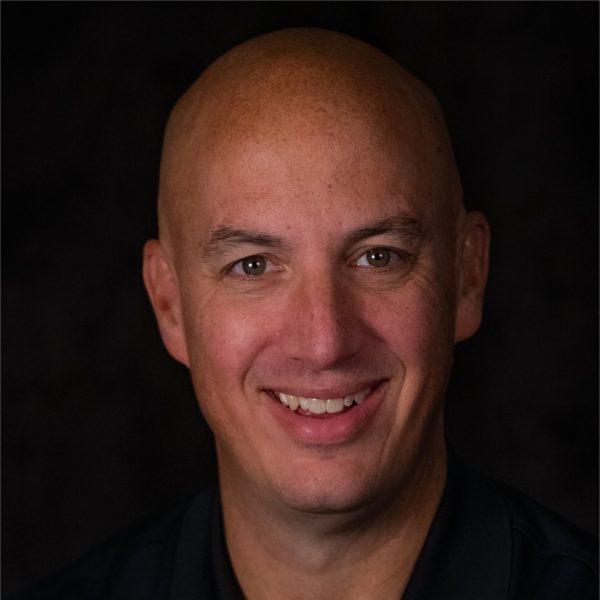
HeadShotAugust20212
Tech Talk
Jeff Richards With SnapNurse
Loading
00:00 /
RSS Feed
Share
Link
Embed

Download file

This episode is brought to you in part by our Co-Sponsor Trevelino/Keller

TKNewLogosv002-02

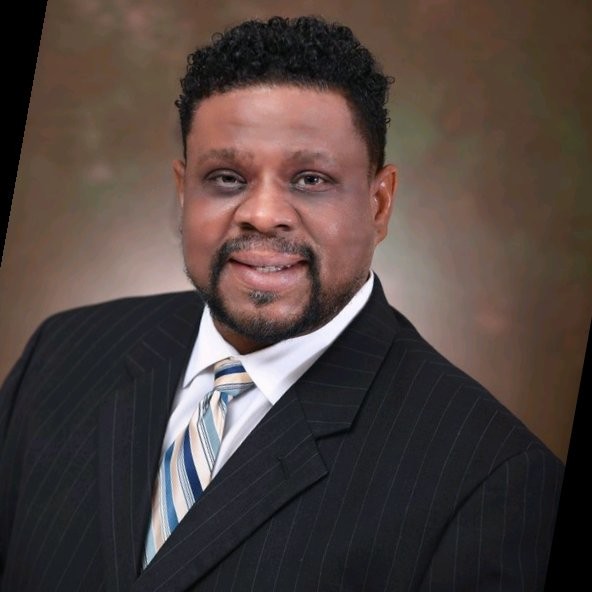
HeadShotAugust20212Jeff Richards is COO and co-founder of SnapMedTech, Inc dba as SnapNurse. 

Jeff attended Emory University School of medicine’s anesthesia program and received his Masters in Medical Science in Anesthesia in 1998.

Jeff spent 19 years working at Grady Health System, the largest Public Health Teaching and Trauma hospital in the Southeast.  Jeff was the Chief Anesthetist and Director of Anesthesia at Grady Hospital, working as a clinician, educator, and administrator until 2017.

In 2017 after receiving his MBA, Jeff joined Cherie Kloss to co-found SnapNurse a tech-enabled healthcare staffing platform, and has spent the last five years developing and growing the business to deploy thousands of healthcare providers all across the country.

SnapNurse has established itself as the largest and most successful digital staffing platform in the United States with over 300,000 healthcare providers on the platform.

This transcript is machine transcribed by Sonix

TRANSCRIPT

Intro: [00:00:07] Coming to you live from Atlanta, Georgia, it’s time for another episode of tech talk with your host Joey Kline.

Joey Kline: [00:00:17] All right. Good morning, everyone. Welcome to another episode of Tech Talk. I like to think that all of our episodes are great, but this one is with a really special company. This is, I think, the biggest company in Atlanta that has sort of come out of nowhere, seemingly to just make a huge impact. And I’m lucky enough to have the co-founder and chief operating officer of SnapNurse Jeff Richards with us today. Jeff, how are you doing?

Jeff Richards: [00:00:47] Doing great, Joey. Thanks so much for having me on the show. And thanks for letting me reschedule two or three times just because of my busy schedule. Appreciate that.

Joey Kline: [00:00:55] That’s OK. We’re here now. Better late than never. Exactly so. Snap Snap Nurse has gotten a lot of accolades in the past couple of years about its growth, its impact and your space loosely. You know, health care with a capital h is an often watched one. And I think the technology that you’re providing is. Has been really, really important over the past couple of years, and I think let’s just start with a broad view for anyone who has not heard of snap and elevator pitch. What a snap nurse do. And then we’re going to get into the nitty gritty of your technology and your journey as an entrepreneur.

Jeff Richards: [00:01:38] Sure. So Snapmare says the tech enabled health care staffing platform, like you said, founded here in Atlanta by my partner and I and Shree Kloss is our CEO and she was the original founder and reached out to me in Twenty Seventeen. And the idea was to create a marketplace where both clinicians, primarily nurses and facilities, could both find each other and have an easy onboarding, essentially. Nurses could rapidly on board see what jobs are available in the area. Facilities could log in, see the quality of the talent on the platform and look them either for short term or long term contracts. And so we spent two years from twenty seventeen to late 2019 building that software platform. And I should mention too, that very early on in our history, after raising seed capital, we very fortunately connected with Edward Marshall, who was the original CTO, founding CTO of the Intercontinental Exchange here in Atlanta. So this story of Snap versus a little bit of the story of Atlanta because it was the connection of two health care providers with a world class chief technology officer who had retired from the Intercontinental Exchange after they bought the New York Stock Exchange and was looking to help startups here in Atlanta. So that combination of world class technology, right, a team of developers that built the fastest trading platform in the world electronic trading platform basically helped us design and build this technology platform to match health care staff with facilities.

Joey Kline: [00:03:18] Ok, so we’re you’ve jumped ahead. We are going to talk about Atlanta. I want to put a pin in that. But but Atlanta is what I feel is that it was sort of important character in the background, almost the Greek chorus, if you will, of a lot of these conversations. Let’s talk about that technology for a second. So we gave an overview of what the technology does. Why was it necessary for those uninitiated and how hospitals and nurses generally connect? What’s the old way of doing things and why is why is that an issue?

Jeff Richards: [00:03:53] So I spent the majority of the 19 years of my career at Grady Hospital and the last 10 years I became the chief anesthetist and then the department director of anesthesia. So I went from being a clinician to an administrator, and I was constantly. There were times when I needed supplemental staff as well, and I had recruiters or account managers from staffing agencies reaching out to me. They would I would ask if they could provide me with candidates and they would fax me resumes. Now, even in twenty seventeen, I was getting blurry. Hard, hard to read faxes of resumes. I would explain that I was at a level one trauma center and that it was a very high acuity. And then I would get submission of candidates who’d been working in a GI facility for the last two years. The ability for me as the subject matter expert and knowing what I needed as a health care administrator was not there for me to easily look into a large talent pool and say, these are the four candidates I want and then send messages to them like you would.

Jeff Richards: [00:04:55] A little bit of an analogy would be the oversimplification is something like an Uber or Lyft. You have an urgent need. You go on your phone, you send out a request. It’s matching a driver who isn’t still with you and then they come pick you up. We wanted to build a platform that was curated for both sides of the health care world, which is essentially a facility that needs a pretty substantial amount of software to ensure that they’re matching their request to the acuity of the provider. And then a provider who can submit their information and get that matched up. That’s why it was necessary even today that you’re emailing documents back and forth between facilities and providers, or even some of them still faxing. And you see other technology enabled companies coming into this space because the need has been there, right? Some of them, like Nomad or Karev, they’ve been around even longer than we have, which, if anything, just yes, you see that you have competition, but it also validates that there’s a consensus in the marketplace that there’s a need for this.

Joey Kline: [00:06:03] Ok, so you as a practitioner yourself, have an issue in your day to day life getting talent you recognize there’s a problem. How does that turn from a complaint, a pain point into actually your. Jumping into an entrepreneurial journey.

Jeff Richards: [00:06:24] Yeah, so I mean, for me, she reached out to me. We went to school together, so both of us went to Emory University School of Medicine Anesthesia Assistant Program and in the late nineties, and then went in different directions for 19 years. I happened to have gone back in 2016 to get an MBA with thinking that I was going to go on to become a chief operating officer, a CEO of a hospital. And in my entrepreneurship class, I wrote a paper about a mobile healthcare staffing app because I had been experimenting with different apps in my department. One at the time was an app called Crew that allowed me to send out notifications to my techs to ensure that they got equipment to the various anesthesia rooms throughout the hospital and already saw the capacity of efficiency and just a smarter way of doing things inside the hospital. So when I look at staffing, which is the Achilles heel of any administrator, anybody listening right now and of course, who works in health care and would be extremely aware. And of course, you ripped from the headlines even this morning. As I drove in, there was a segment on NPR 15 minutes ago talking about the inability to get nurses into Pennsylvania and and onboard them through the state, which is another component of this is the ease of licensure across states.

Jeff Richards: [00:07:40] So it’s a well-known pain point that there’s not. Health care is focused on the technology to provide amazing cures, whether that’s in cancer or in surgical procedures, not the nuts and bolts of how you staff a hospital. And so it was begging for a solution like this. When I wrote the paper, I had that in mind. What I couldn’t have known is that a month after I wrote it, she reached out to me after 19 years and said, Hey, would you consider helping me out with my health care startup? And she plops it down and says it’s called Snap Nurse. It’s a tech enabled platform for booking nurses, and I said I I was not going to become an entrepreneur, but I already know this is a brilliant idea. Joined her right then ended up becoming the first investor. And that’s just started the journey of a lot of firsts, raising seed capital for the first time, hiring a whole new team of people, finding developers and getting into a marketplace and ensuring that we had success.

Joey Kline: [00:08:43] Well, that’s OK. So let’s talk about that attitude, right? Some entrepreneurs just have a risk averse attitude where it’s throw caution to the wind. Some are pushed into it by circumstances. Some, like yourself, just an idea comes along, but you can’t ignore. So you preface this saying I was not planning on becoming an entrepreneur. So is your general demeanor, your emotional and mental, you know, resting state? Is it one of someone who is a little bit less risk averse? And so you had to maybe counter that on this journey? Or you think there were already a lot of things in yourself that were, well, well placed to do this? It was just about finding the right idea.

Jeff Richards: [00:09:32] That’s a good question, I think sometimes America is all about reinventing yourself in many ways. But what I don’t know if it’s so much a reinvention is. There was a side of my life that is risk taking, it was more of my personal life because I did a ton of bike racing and triathlons and competed at a very high amateur level, traveled all over the country and and even outside the country racing where I was taking a ton of risk. Of course, we’re have crashes injuries, but that was my personal life and we sort of contained over here in my professional life. Yes, it was working in a large level one trauma hospital, but trauma by nature is wild and chaotic, and I wouldn’t have thought at the time that managing trauma and a department with its unpredictable all the time, the things they’re cruising along normally than a gunshot wound comes in in the middle of the day, you’re in the middle, you have staff who are doing a basically a lap Kohli. And then suddenly I’ve got to pull a different team and put them into a gunshot wound, which is also one of the challenges with staffing is I needed people that were that nimble and flexible and had a broad array of skill, and I wouldn’t have known at the time that that was as well suited to be an entrepreneur.

Jeff Richards: [00:10:48] Now that I’m down this journey and look back on it, they all all of those ingredients were there. I just thought that was a level of risk professionally that I would be willing to take until the idea was so incredibly right for its time. And I just was sure of that, that I became the first investor. And then, yes, a series of decisions, each of which are challenging emotionally that step away from your secure job and take risks like that to ask your own friends and family to give them money. If their money to you to invest in an idea and then feeling that excitement that they believe so much in the idea and in you that they’d actually put their own money into it. And then they have their trust in you and then, you know, you can’t fail.

Joey Kline: [00:11:34] Well, I think that’s an interesting point, right? Someone from the outside might look in and say, OK, you have a trained physician and hospital administrator, stable salary, stable job, right, jumps into entrepreneurship. That is a huge shift. And while there’s some degree of truth to that, the actual nature of what you’re dealing with in your job is extreme uncertainty in every way, shape and form. And so I think that that it’s that that that’s I think that’s a good point. Bringing that up. You can’t just make an assumption about someone based upon their salary. You know, you kind of have to look at what’s their day to day, what are you comfortable dealing with? Exactly. Yeah. Ok, one one thing that strikes me about your technology, and I think that this can be it can be a challenge for some entrepreneurs. I think your technology can apply to multiple different industries, right? Obviously, based upon the name of your company, you’re very focused on health care. But there are folks that have tried and are working on technology like this for retail workers, for logistics and warehouse workers. I don’t really think there’s been a clear winner yet anyone who’s perfected it. Is there a pull for you to use this technology for other industries or are you hyper focused on health care? And that’s it.

Jeff Richards: [00:13:00] Well, great question. We are currently focused on health care to to get ourselves to a place where our goal at the moment we have about five thousand five hundred nurses in the field and we want to get to twenty thousand. And some of the rationale for that is obviously we’ve gotten to a place of significant success that’s built on the software, a whole host of other things client acquisition, nurse acquisition and building a bigger and bigger marketplace and get that marketplace so big that then we have a bigger base to stand on to then reach out. But we are already thinking like what you just described. But one of the other industries that took off, especially during the pandemic, was trucking. And part of it because everybody stayed home. The demand for truckers exploded. Everybody’s that’s somewhat changing with returning to work. But trucking is still in an incredible supply demand imbalance, much like nursing is

Joey Kline: [00:13:57] And it has been for years before this

Jeff Richards: [00:14:00] And had this just so similar story, it was already in a shortage. And now it’s it’s a crazy shortage and the things that we do. So for nurses, it’s work where you want, when you want get paid at the end of the shift, that whole value proposition, ease of onboarding, getting matched and then taking a job, whether it’s multiple weeks or a single day and getting paid instantly is perfectly suited to trucking as well. And that would be probably the next likely industry for us to go into. As well as some of the others could be light industrial construction where you just basically you’ve got a significant imbalance of supply and demand. And if you have rapid onboarding, you’re going to be way ahead of the legacy companies that move. Slowly to attract talent and then match up with your clients,

Joey Kline: [00:14:45] It’s such a huge challenge. All of those I definitely see. You know, I mean, I’m inserting myself into your boardroom. I see multiple business lines in the future because it just it would be a shame to let this technology only be used for health care. It is so clearly applicable to so many other staffing issues.

Jeff Richards: [00:15:06] Yeah, we are in agreement. It’s really a timing thing and ensuring that we’ve. I put a really, really solid foundation in health care. Of course we have already with the success we’ve had. But taking it to that next level of twenty thousand nurses is where we want to be.

Joey Kline: [00:15:22] Yeah, OK. All right. So so look, obviously it’s it’s important for early. Of course, I call you early stage, right? And I guess they based upon years you’ve been in business. You could say that you’re really you’ve I think you’ve blown past that in terms of your success rate. But let’s just say I recognize it is necessary for early stage companies to really have a path and stay in it. So you have those goals. And then once you reach them, you can blossom into other industries from there.

Jeff Richards: [00:15:52] It’s true, it’s it’s. And we get told that all the time and you’re right, we did win the fastest growing business in Atlanta, and she got recognized as the Ernst Young entrepreneur of the year. All that happened in the last 10 months. So it’s it’s a crazy story because we blew past so many milestones so fast that it’s almost like we didn’t have time to go from early stage to, you know, we’re a big company that we have almost four hundred and fifty internal employees here in Atlanta. Well, they’re scattered around the country because of the nature of remote hiring during the last 18 months. But we have a significant footprint here in Atlanta with these offices here in Colony Square. And then we had in 2020, we had about fifteen thousand nurses on the platform and now we have over three hundred thousand and had maybe 50 working on any given day in February of twenty twenty. And now we have five thousand five hundred. It’s just a transformational scaling. And it just occurred in a very short period of time.

Joey Kline: [00:16:55] Well, let’s let’s OK. So so let’s talk about nursing and let’s talk about shortages and burnout. Ok, so we’re going to have to we’re going to have to get to the C word, OK, the COVID that has dominated our lives the past two years because it’s been a really big part of your story. I’m not so much interested in look, I think that everyone is listening to this is can connect the dots enough to understand why your service is valuable during COVID, when increased health care staffing and nurses are needed. I don’t think we need necessarily go into that. What I want to get into is. So we’ve been overburdening our health care system for twenty four months. We have been asking more of our health care providers and our nurses for twenty four months, understandably so. Just like retail workers, just like teachers, a lot of them are burnt out. And we already have shortages issues to begin with. So what? What is the sound? The alarm bells, if you will, please? What does the general public need to understand about what’s going on with the nursing community and what we should be expecting on the horizon? Because I mean, it seems a little bit scary to me, honestly.

Jeff Richards: [00:18:08] It is we’re in a very challenging period. The nurses are burned out and frustrated and and many of them are talking about quitting. And so a company like ours is definitely putting the nurses first, but we always have to think of the client at the same time, right? We have it’s a marketplace for both sides. The clients need the nurses, the nurses. If anything, they can have more control at the moment. Right. And that may only that control may only be that they can work in chunks of time and take breaks. Whereas, you know, by using a company like ours where they can take an assignment for four weeks or six weeks or eight weeks, and they might work 50 or 60 hours a week during that time and then take a break, which those breaks are critical to their mental health and preventing burnout. And so one of the other things we’re doing besides providing that platform that gives them the control of the flexibility, that’s one of the key things that they want is creating a new program where we’re reaching out to facilities to upskill nurses. So it’s there’s a shortage, but there’s a severe shortage of specialty skilled nurses in the ICU and the ED step down. Nick, you even L. And so there are the largest pool of nurses, essentially med search nurses and many facilities haven’t had the bandwidth at this time to offer training programs.

Jeff Richards: [00:19:29] So we’re partnering with facilities to upskill nurses and basically get them to training programs. This is early stage data, but we’re looking at the future. We’re not looking at the marketplace now. It’s severe shortage, supply and demand. Just being in the interchange of that is not part of the solution, it’s it’s part of it. But the bigger part of the solution is collectively, as an industry and as a country, we’ve got to educate more nurses, upskill nurses immediately. That’s something we can do quickly and putting that in place now to provide that a larger number of the specialty skilled nurses and then essentially, we’re going to have to partner with governments and educational institutions to educate more nurses. We probably need a million nurses right now. And so, you know, four years from now, when they’re done with school, we might need one point five million. So there needs to be state and probably a federal initiative that says this is a giant priority. And until then, we’re all at risk because you’re not going to have the number of nurses on staff and facilities that you need. And there may be some facilities that are and some that aren’t. We just need to be mindful of that.

Joey Kline: [00:20:39] Are what are you you personally spending most of your time on these days is are those initiatives something that you’re involved in? Is what, what, what? Obviously, look, as someone as a co-founder, you’ve got a lot on your plate, but walk me through somewhat of a normal day.

Jeff Richards: [00:20:56] And so we still are pretty deep into operations on managing and growing from 5500 to get to ten thousand to fifteen thousand. And so the day to day is certainly a significant amount of time is spent on that. The other is we are definitely I’m spending some of my time on that upskilling program to get it stood up and then looking to three, six, nine 12 months down the road. How to scale that. And so that’s that’s well underway. And then they’re early. But if a couple of weeks, we’ll have some announcements about some a couple strategic, super exciting partnerships that will open the door to new lines of business. It’s it’s building on what we’re doing, but the partnerships that can open doors that we can’t open the way we can now and probably a week or less, there’ll be a big announcement about that, which would be super exciting.

Joey Kline: [00:21:51] Well, that’s great. We will link to that as well. So you’re solving a very, very specific health care issue. Anyone who reads the paper regularly sees what percentage of health care spending is as relationship GDP. They see health care costs rising. They see issues with burnout of nurses and issues with doctors and their their own medical fields. If you could, you’re obviously working on something really important. Ok, let’s say the time and money were no. No issue whatsoever. If you could solve one other health care problem that you think would make the biggest difference to helping the lives of practitioners as well as patients. What would it be?

Jeff Richards: [00:22:46] Well, I kind of touched on the first of which is to do it would be the heaviest lift of all. So I’ll do the heaviest one. I’ll just kind of repeat it, but I’ll probably put it more stark terms. There have to be some kind of federal funding because they don’t pay the nurse educators enough money. And so they get pulled away because they want to do travel because you can make more money. So there aren’t enough schools, there aren’t enough nurse educators, so they don’t pay them enough. So you’d have to cobble together the federal and state coordination to fund the education of those nurses. Until we do that, we aren’t going to solve this problem. It’s just going to be nurses moving around. That’s one. A faster, shorter list is to. And this is the story that was on the news this morning in Pennsylvania. Many states have a compact license, and that means you can apply for one license then working 30 something states. But there’s still around 12 to 15 states that haven’t done that yet. And then you have to apply when you get in there. It turns out there’s one or two bureaucrats working in the Office of Licensing, and they because of the pandemic, they’re working remotely. They’re inaccessible. It can take weeks. So we’ve had deployments where we needed to put five hundred nurses into a state and then we run into a brick wall because we can’t get a license. So the thing that needs to happen and I think it’s just it’s fiefdoms that have within states that are saying, Well, we want to collect this one hundred and fifty dollars licensing fee. We have to figure out how to ensure that they collect the tax, whatever you want to call it, to get that license, but essentially remove that have a national license. Let’s get national standards for credentialing and licensure and create a frictionless movement of health care workers across state lines.

Joey Kline: [00:24:29] That’s right. I mean, look, I can. There are certain professions which I understand the need for different state licenses. An attorney, a real estate professional, right? Even there, there’s reciprocation, but there’s there’s different laws by state. Ok, that makes a little bit of sense, at least in the application process. Is being a trauma nurse in Georgia really different from being a trauma nurse in Massachusetts? The skill set would seem to be the same to me.

Jeff Richards: [00:24:54] Well, the thing is that you still have to have trauma skills and certifications. And you know, that’s acuity, that’s not licensure. So that’s that’s that kind of vetting is always there. The license, you don’t get licensed as a trauma nurse. You just licensed as a nurse. The capacity to practice, it’s probably closer to the, you know, it’s a little bit of a stretch. But the taxi medallions in New York versus Uber, where you know there’s a long line to get those medallions. And of course, Uber came in and crushed that. And some of that is a broken system that then got disrupted. But this isn’t quite to that level, but it’s literally just a barrier to entry. You take a national exam as a nurse and that’s accepted, but then you have too many of the states. Not all, because a lot of them are compact that you can move across state lines. They still don’t allow that. And some of those states have huge population like New York, where there’s still you can’t get in there and then there’s no there’s too few people working in the licensing office and it’s a ridiculous bottleneck in Pennsylvania.

Joey Kline: [00:25:57] Yeah, that just seems like sort of a leftover bureaucracy that is ripe for disruption. Yes. Ok, let’s talk about co-founders and that relationship. I’m always interested in the yin and yang of co-founders. You know, it’s I feel like, you know, if you if you read an entrepreneurship book, if you listen to podcasts with venture capitalists, you know, typically to talk about, it’s great for two co-founders. If you’re going to have two co-founders to have different sets of skills so that you can complement where the other might be deficient. And I’m curious how that works with you and Sheri. If there are certain areas where you yin and yang, or if you’re really you’re both just extremely aligned with similar skill sets.

Jeff Richards: [00:26:45] I think definitely personality wise, were two very different people. But then there’s a huge alignment about the way we see the industry and understand the problem. We both understood the problem, obviously at the same time, in the same way because we had the same idea independent of each other. Yeah, but Shari is one of those people who just, you know, an entrepreneur through and through that wasn’t high that I find myself, but she has always been that person just charging forward with an idea. And that is absolutely necessary. Obviously, that just driving energy that starts something. Then for myself, I think my forte is just remaining calm no matter what is happening and that maybe it was training. Maybe I was already matched for that with trauma. It doesn’t faze me to see things in a chaotic state and starting a business, founding a business, scaling a business is all about navigating chaos and not reacting. And so to have one person who’s visionary, creative, hard charging, the other person who’s extremely calm, no matter what is happening and believe me, there have been highs and lows in this business many, many times in in both regards, you can’t overreact to the highs or overreact to the lows. So I think that’s part of it. Some of it’s unquantifiable. There’s clearly some sort of special chemistry in our partnership that is part of the story of Stammers as well. But I do think that those two things are ways in which we balance each other out and together we’ve brought more to the table than we might have otherwise done alone.

Joey Kline: [00:28:27] I think what I call that is the swagger. Your reference to your generally calm demeanor call that existing in the emotional middle. And I think that it is something that is it’s something that I probably creates more than I practice, but it’s something that I strive to. I think it’s something again, whether you are a entrepreneur, whether you’re in a corporate setting, it can relate to being a spouse or being a parent. I think it’s something that we should all strive for, right? You can celebrate highs. Don’t let them cloud your vision too much. You can be upset about those. Don’t let them get you to down. Existing in that emotional middle, I think, is a place that if you can really perfect it, it’s extremely I think it’s extremely effective for your own nature. And I also think it’s contagious. It rubs off on other people. I think being a leader. People look to you to set the tone, and a calm leader in both good and bad times is a very, very important thing.

Jeff Richards: [00:29:37] Yeah, yeah, thank you. I mean, I had some sense of that before when we came here and did this when all the other noise of the people around me at other corporate setting, when I was working in the hospital, it became more apparent and the highs and lows were more extreme when you’re starting something from nothing. And so anyway, you’re right.

Joey Kline: [00:30:00] Yeah. Ok, so so let’s end and talk about Atlanta. As I said, Atlanta, I feel it’s part of the backdrop to every story that we tell on the show. Lots of different type of technology providers. Atlanta is the part of the engine behind them. So, so talk to me about why Atlanta has been such an important part of snappers.

Jeff Richards: [00:30:22] Yeah. Well, certainly we’re founded here. You know, the fact that the health care community here. So for the first two years, of course, treat, I had worked here and knew this health care community. It’s a very small world here. So we knew so many of the people we know all the hospitals, we know so many providers. And there’s a very robust health care community here. I mean, Grady itself is its own national, if not international story of a of a public health teaching hospital that was on the brink of bankruptcy. I had some familiarity with highs and lows when Grady nearly ran out of money in 2008, and then Pete Carroll came in with the Woodruff Foundation and then merged the Grady board with the Metro Atlanta Chamber of Commerce and changed that institution. And then afterwards, we went through like a rebirth, which for me was also an enormous professional education. Something almost crashed on the brink of crashing was saved. They brought in Mike Young, a CEO who turned it around. Definitely. Did a tremendous number of financial things to course correct that institution, and then John Alpert, he’s still there today, has just emphasized quality as well as proper billing and putting it all these institutional structures in place to ensure that it rose to a higher level overall.

Jeff Richards: [00:31:43] But that story of Grady, which is part of my story, is part of the story of Atlanta because the health care community needed that anchor point and Pete Carroll saw that merged the two boards and and transform that hospital and coming out of that. I was going through MBA school and wrote that paper, and then we had the perfect marketplace here. We had all these hospitals, we onboarded all these clinicians and Atlanta, and the way was our data that was the beta for two years of let’s build the technology, let’s make sure that we understand. Let’s listen to the clinicians. Of course we, as clinicians know, but things change and we need to hear everything we have to say about how the UI should work and the functionality. Is it important to get paid daily? It is. It’s very important they wanted that, so we had to build that out. That was not a small thing to build. And then, as well as the facilities, we created a particular demo environments for some of our hospitals here in Atlanta and partnered with them closely so that many ways some of the hospitals in Atlanta help us build snappers as we listen to them and through the data.

Jeff Richards: [00:32:49] And then you’re right, the c word. As the pandemic hit, suddenly everything changed and the needs. We had had orders for nurses of one or two or five or four nurses for four 12 weeks, but never an order for 50, which then turned to one hundred, which later turned into three thousand. And so orders came in that were unfathomable before, and we couldn’t have known at the time that what we built would withstand that right that there are there’s plenty of other health care staffing companies, but none of them grew forty thousand percent. And so we had an infrastructure and a technology platform that, when pointed it, orders like that we could ingest three thousand nurses in a day and then on board three hundred of them and do that over a period of 10 days and get three thousand nurses in the field now operationally. Yes, that was enormously stressful and challenging, but in many ways Atlanta allowed us it was the right place. It was like the whole city was our incubator to grow the platform, create the marketplace, prove the concept and get a really robust platform. And then, yes, one hundred year historic event occurred and we scaled in a way that was unimaginable.

Joey Kline: [00:34:04] Yeah, it’s really amazing. And the just the. Whatever you want to call it, fate, divine intervention, any other number of words, just you having the idea of Sherry coming to you at the right time. It’s it’s a great story. I think that you guys are the one part of a generation of the next great Atlanta technology companies. I’m just thrilled to see how well welcome. It’s a really, really great story.

Jeff Richards: [00:34:35] Awesome. Well, thanks, Joey, and it’s been a pleasure to be on here and I’d love to come back again and we’ll see if I get to twenty thousand nurses. I can tell you the story of how we did it.

Joey Kline: [00:34:44] Yeah, I look forward to that. Anyone who is listening, who wants to learn more about Snap knows how do they do it?

Jeff Richards: [00:34:50] Of course, you can go to our website, WW Snapmare. You can certainly look up the pace setter ward. So the Atlanta Business Chronicle recognized this last year in the April Twenty Twenty One as the fastest growing company in Atlanta. There’s some video stories about that. The websites probably easiest because we’ve captured stories on there from Pacesetter those awards, as well as the Ernst Young Entrepreneur of the Year award. And there’s a bunch of press on there where Lester Holt did an interview of our nurses back in May of Twenty Twenty One and referred to STAT vs. Operation Snap Nurse as if we are like a giant humanitarian relief organization. So let’s see the Lester Holt has given his blessing to what we’re up to.

Joey Kline: [00:35:30] What else do you need? All right. Well, Jeff, thanks a lot for sharing the story. Talk to you in a bit.

Jeff Richards: [00:35:35] All right. Thanks, Julie.

Tagged With: Jeff Richards, SnapNurse

Jon Bassford With Lateral Solutions

March 11, 2022 by Jacob Lapera

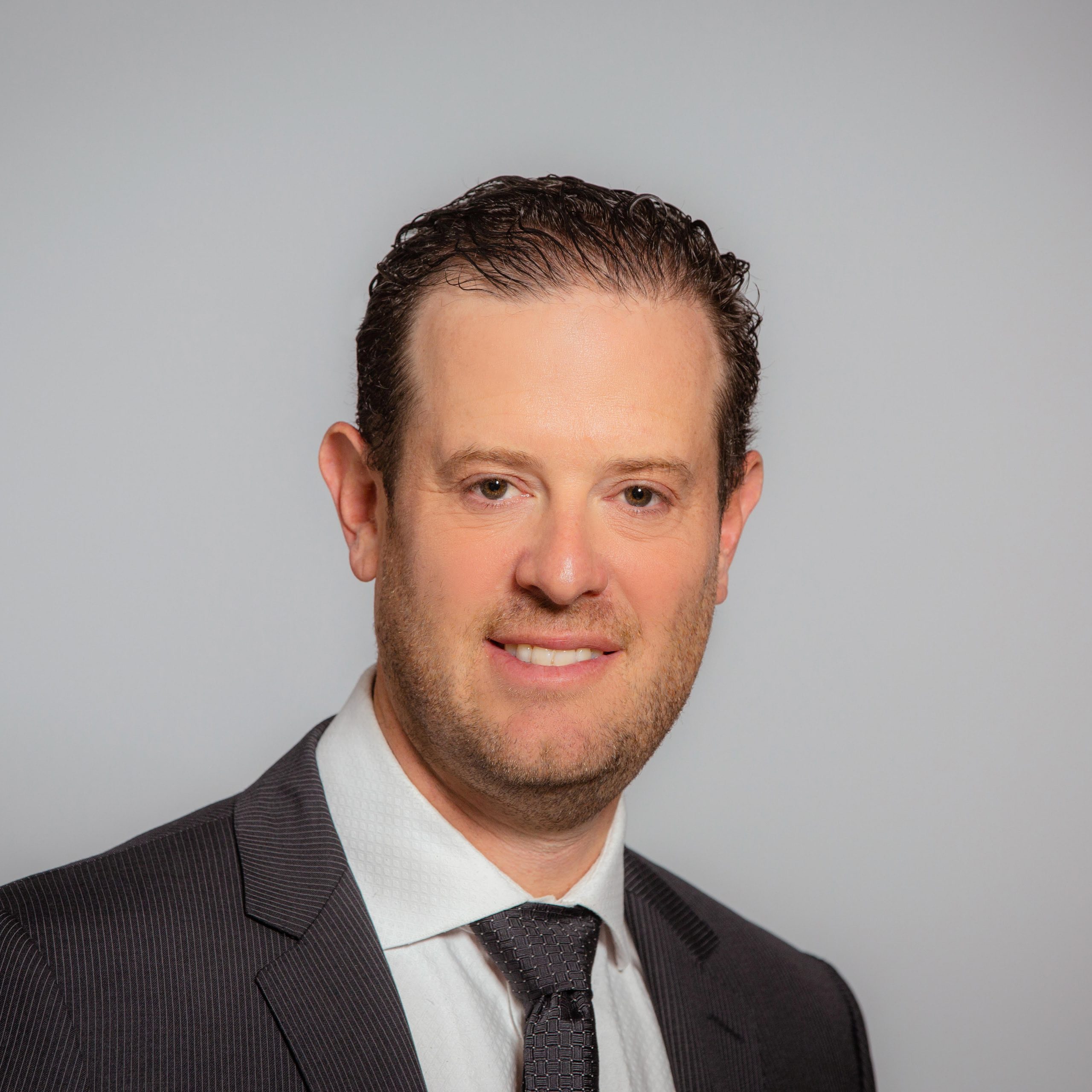
JonBassford
Association Leadership Radio
Jon Bassford With Lateral Solutions
Loading
00:00 /
RSS Feed
Share
Link
Embed

Download file

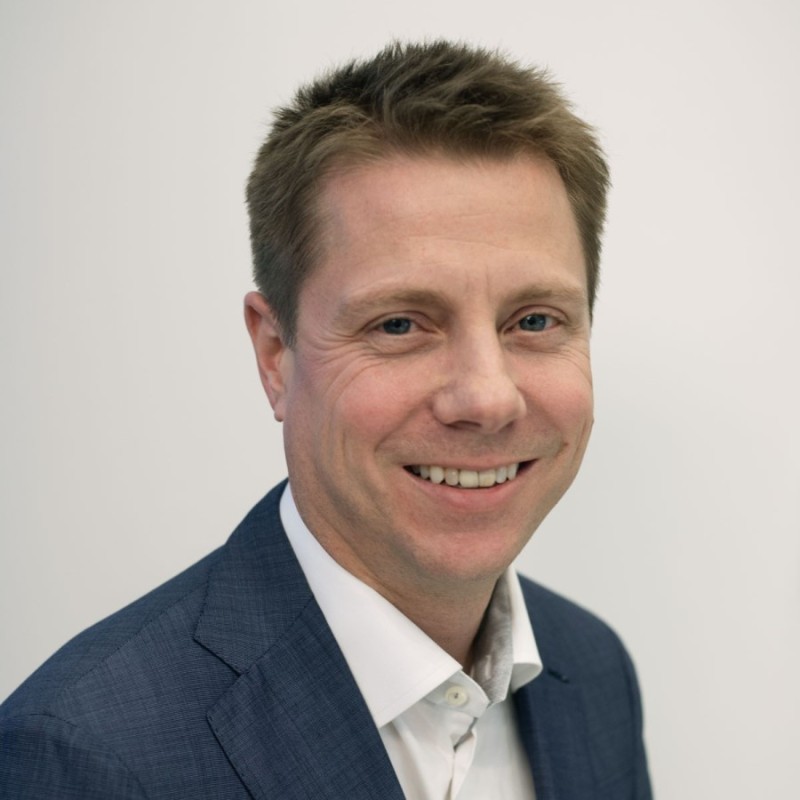
JonBassfordJon Bassford is the founder and principal of Lateral Solutions, an operations management and consulting company specializing in the launch and management of internal operations for startups and small businesses. As an operations executive and consultant, Jon’s direct leadership has led to the successful launch of more than a dozen organizations.

His systems and procedures focus on utilizing cloud-based tools and software to launch integrated systems that reduce administration and allow founders and owners to focus on their core business. Jon Bassford and Lateral Solutions are trusted partners to ensure operations are launched and managed with full compliance.

Connect with Jon on LinkedIn and Follow Lateral Solutions on Facebook and Twitter.

What You’ll Learn In This Episode

  • 3 Ways to Lighten the Load
  • Why associations are so resistant to change

This transcript is machine transcribed by Sonix

TRANSCRIPT

Intro: [00:00:00] Broadcasting live From the Business RadioX Studios in Atlanta, Georgia, it’s time for association leadership radio. Now here’s your host.

Lee Kantor: [00:00:17] Lee Kantor here, another episode of Association Leadership Radio, and this is going to be a good one today on the show, we have John Basford and he is with lateral solutions. Welcome, John.

Jon Bassford: [00:00:28] Thank you. Happy to be here.

Lee Kantor: [00:00:30] Well, I’m excited to learn what you’re up to. Tell us a little bit about lateral solutions. How are you helping, folks?

Jon Bassford: [00:00:35] Sure. So it’s an operations management company and what we do is is launch into operations for startups and non-profits for profits and really help them create streamlined, efficient and effective internal operations. Then it can also provide ongoing management through bookkeeping HR services, as well as CFO and CFO level strategy.

Lee Kantor: [00:01:01] So what’s your back story? How did you get involved in operations?

Jon Bassford: [00:01:05] Well, so I got started in associations as a whole, you know, not like a lot of people, not necessarily intentionally. I went to law school and I am one of those people who was leaving law school and did not know what I wanted to do with my law degree and with my life. And I started working for a legal organization. I was a member of in law school and that launched my career in association management. And when I was, you know, my my position grew with that organization, I took on a lot of operational duties and responsibilities, even though it wasn’t my core job. And when I was ready to move on and go to the next next position, I focus my my search on entire operations and have built a career around it.

Lee Kantor: [00:01:50] Now, having, I guess, worked with a lot of different types of organizations, do you see kind of similar challenges that maybe a non association firm would have, but an association firm doesn’t have and vice versa?

Jon Bassford: [00:02:07] You know, I say that the only the most part, the only major difference is taxes, right? Which nonprofit doesn’t pay taxes unless there are some, some? Not not to say that that never occurs with different business lines for an association, but for the most part, that’s the difference. At the end of the day, everyone is trying to deliver on their end goal, whether it’s to sell a product or deliver on their mission, and they’re trying to do that the best way possible with the resources they have. At the end of the day, you know, that’s what every company with a for profit nonprofit is trying to do from a business operations standpoint.

Lee Kantor: [00:02:50] Now, when you started getting into operations, was that something like you? You said it wasn’t kind of your initial goal, but you got into it. What made you think you were good at it? Like, what were some of the clues that you had where you’re like, Hey, you know what? You know, I can really make a difference in an organization by becoming kind of a ninja in this space?

Jon Bassford: [00:03:11] Yeah, a couple of things. One being, I am probably the definition of jack of all trades, master of none. You know, throughout my career, I have been involved in marketing. I have been involved in budgeting and finance. I have been involved in HR or legal events, management programs, programmatic management, volunteer management. And, you know, operations is really, to some degree where all that comes together and working for small organizations and small companies, it really allows me to utilize my diverse set of skills. Again, I have a lot of great, but I’m not a practicing attorney. I have an MBA, but I’m not a CPA, but I really have a broad knowledge in all of these areas and really have able to to hone those. The other part of the operations is that, you know, it takes, I think, a person who has problem solving skills and an analytical mind. And I think those are two areas where I really excel throughout my career and in my life.

Lee Kantor: [00:04:15] Now, is there any, any kind of actionable thing, an association leader right now while listening to you and your background about operations? Is there something they can do today that can help make their life easier?

Jon Bassford: [00:04:31] Yeah, I think this is true for all companies, but I think it’s even more true for associations. And my answer is to question everything, you know, the reason why I say that that that’s even more true for associations is because of the longevity that associations tend to have with their staff and being mission driven. And you know, everyone who works and works for or is involved in that organization loves and cares about what that organization does. They tend to fall in the trap of doing the same thing over and over again. And, you know, we’ve all we’ve all heard it before, like, what do you do? What do you do? It’s the way we’ve always done it. I think the biggest thing for association leaders to change with the times, with our digitally staff culture, whatever it may be, is to really question what it is you do and why you do it. And I think nothing should be left on the table. I think you should. You should question everything. Obviously, I’m not suggesting that you review your mission every week. That’s certainly done at the governance and board level, but your day to day transactional work and your tactics and why you’re doing it, questioning why you’re doing it, how you’re doing it and whether or not it’s delivering the results that you intend.

Lee Kantor: [00:05:47] Now, do you find that folks are hesitant to do that kind of an audit because they’re kind of afraid of what they might find? And when you bringing up these points where, hey, you know what? We’ve always done it this way. This is how it was done before I even got here. So why question, you know, if it isn’t broken, you know, why fix it? And people not realizing that sometimes you should be breaking some things because they have out kind of lived their usefulness?

Jon Bassford: [00:06:14] Yeah, it’s a good question. And obviously we’re talking broad here. So, you know, it’s always tough to kind of maybe narrow down some specifics. But you know, here’s one example it just how how life and the digital world everything has changed. You know, a colleague of mine who is a very similar job as a director of operations for a a quasi governmental organization and, you know, operates as a as a nonprofit association, if you will, to a certain degree, but gets funding from the government. And she runs payroll for four 30 people, and she spends two to four days a month entering, internalizing, reconciling, reconciling with benefits. She’s been two to four days a month on payroll, where clearly right now I handle payroll for five companies myself personally, not outsource anybody else. I personally run payroll for five companies. I spend less than 15 minutes a month on all five combined. Not for payroll, not per company combined. And the reason is is because I’ve I’ve stayed out there and watched and listened to to what new strategies, what new platforms are out there so we can streamline the process. And again, I realize that this is is one tiny little piece of the pie.

Jon Bassford: [00:07:36] But just think if you if an organization could get back two to four days a month that someone’s time, what much more could you do with that time in that money than having them sit there and enter manual payroll? And I think that can apply to a lot of areas, whether you’re marketing strategies or old school or your H.R. strategies, right? Are you a company that still? You know, has as a very manufacturer based PTO policy. And is that the best time to be using your staff’s time and counting hours and and book and PTO and someone on the back end managing all that? Or is it time to go to a more modern tactic and strategy with that and have an unlimited PTO policy? So there’s a lot of different ways, you know, that I think. Leaders need to be looking at. How are they using the most the most up to date technologies and strategies? And they’re for. Are they being as efficient and as effective as possible? And that’s and that’s the bottom line that they’re trying to get to right.

Lee Kantor: [00:08:47] And I think this is where having an outside person come in and shed some light to this is really important because the people in the organization just don’t know what they don’t know. And you need to have somebody with fresh eyes, especially that has deep depth of knowledge of some of these areas to be able to say, Hey, you know what? There’s a better way, and it’s not as scary or as hard as you think it might be to make this kind of a change. And the and the benefits can be dramatic. And especially like you’re saying, oh, a day or two here, a day or two there doesn’t matter. It seems minimal for the cost of change, but those things add up, you know, a day a day here, a day there becomes a week here. In a week there. Pretty quickly.

Jon Bassford: [00:09:36] Yeah. Another, you know, go back to your question about a difference between the for profit nonprofit world. I think another area that I see a big difference between my for profit and nonprofit clients is is outsourcing. You know, I think most associations, they tend to figure out the skill sets they need and build an entire team internally around that. And by no means is that for me to say that’s a good or bad strategy. But what it does to lend itself to is having people performing duties that they don’t have an expertize in. Whereas when you take a for profit startup, you know, that’s that’s just as lean just as just as as, you know, trying to scale and do the most it can with limited resources like most associations are, you know, they’re outsourcing the majority, their stuff and what they can do by that is is reduce their costs a lot of times because you’re not paying for that nine to five job and the benefits. But what they also, what they get instead is expertize in every single little area. If they have a campaign that that is direct mail, they hire a direct mail person. They have a campaign that social media that hire social media person. Whereas you take your normal association and it is one person who does all the marketing and all the communications across the entire organization. And if it’s not a specific area of expertize for them, you know, they just kind of have to figure it out. And again, you know, I came up that way in my career and it served me well. But at a certain point, our organizations getting the amount of expertize and skill they need for the amount of spending.

Lee Kantor: [00:11:23] Now can you share a story, maybe where an organization was struggling and you came in and help them maybe get to a new level, a level that maybe they didn’t even imagine what’s possible? You don’t have to name the organization, but just shared kind of the pain they were having and how you were able to intervene and and help them.

Jon Bassford: [00:11:44] Sure. So, you know, I’ve a lot of my clients when I moved to consulting side again, it’s been on the operations front, a lot of it, a lot of that has to do with with organizations that are completely startup, even for a nonprofit. You know, at some point they’re going to start from the ground up or an organization that was incubated under some kind of fund and that was branching off. And that’s actually where I’ve had a number of my nonprofit clients in the last three years, and a lot of that has to do with, again, kind of going back to this area of expertize. Most day to day functioning business people or operators, you know, again with their executive director for a for profit or nonprofit or your CEO for nonprofit, they don’t know the ins and outs of minutia of Inter operations. It’s not rocket science. People can figure that out, but often it’s something that needs to be ramped up quick. You don’t have time to figure that out, right? You know, you don’t. There’s only so many mistakes that you can make on accounting before it affects your taxes. There’s only so many mistakes you can make on an HR front and take it soon. And on top of that, do you know what insurance you need, right? So a lot of my clients have come to me and said, Hey, we’ve incorporated or we’ve branched off from this or we’ve done. We gotten to this point, but we have no idea where to go next. And what my company tends to do is to say, you know, and a four as a one stop shop, come in and say, we will do all of the internal operations and administrative functions that you need to take this from, you know, just a project or idea and turn it into a company because non-profits and associations, they are companies, they are incorporated and they need to make sure that the the operational processes and procedures that they are putting forth are in compliance with with local and federal laws and regulations and and really making sure that they are following the best industry standards in those areas.

Jon Bassford: [00:13:45] Because whether you are a for profit or not profit, accounting as accounting for the most part other than taxes that are legal is legal. Insurance is insurance for the most part, and you’ve got to make sure that you’re working with a partner that knows those areas to make sure that you’re doing this right because here’s what ends up happening. A lot of people convince themselves that they know enough or they care enough about the internal operations matters, that they’re going to stay on top of it. And I can’t tell you the number of times that I’ve been brought into a situation where books have not been reconciled for a year or, you know, having a client that doesn’t want to pay my company to do certain aspects. And so we don’t. But then we handle the reconciliation of the books or something down the line. And the amount of money that they spent for us to clean up their books and to make things right is what they would have spent. They would have had us do the entire thing all along and give themselves back that time and money.

Lee Kantor: [00:14:49] Yeah, it’s one of those things where you’re coming in to fix a problem that could have been prevented in the first place.

Jon Bassford: [00:14:56] Right. And a lot of times without any additional costs, usually usually, you know, for example, you know, when I when I first started out consulting, I had a just a few small clients. You know, I think at the time I had, I had five clients and it was just me at the time. And the the one person who did not want me to do their accounts payable, I would spend more time reconciling their books than the other four clients combined.

Lee Kantor: [00:15:26] Right, it’s because the system, the system isn’t good, then the the output of information is not going to be good, so. Correct. Correct. Now when you’re working with a new client, what is typically the pain? Are they in some sort of a crisis as something happened where they’re like, Hey, we better call John and his team because, you know, we screwed this up or something, you know, something isn’t. You know, I’m feeling some sort of a pain. Are you coming in in that kind of regard or are people proactive in trying to get ahead of things?

Jon Bassford: [00:15:59] You know, so because a lot of my work has begun at the startup phase, again, whether it’s true, start up from nothing or branching off the pain point is we’re incorporated and we don’t know what to do from here. Right. And so that’s that’s that’s certainly a big, big pain point that I’m feeling it is providing that expertize on all those different aspects that you need to to set up and start running. The other part, yeah, I would say, you know, more than any other area. Where the pain points become visible to the executive director of the owner, et cetera, is around accounting, you know, you can kind of fake it till there’s a problem, right? Business insurance you you don’t know that there is a problem to there is a problem, right? You don’t you don’t sit around thinking, Oh man, do I have enough insurance? But the accounting is something that is going to pop up all the time. Whether you’re doing the finances for a board meeting, you are getting ready for taxes. You are, you know, just trying to get to a point where you’re reviewing your own financial reports on a regular basis. You know, there’s a there’s there’s there’s several different flows of information that occur with accounting that at some point you’re going to be like, Oh, like, this isn’t right, and I don’t know how to fix this. And it’s usually because there aren’t the systems and processes in place. And you know, as much people are good intentioned on on stay on top of accounting. It’s an area that slides because it’s not an area of competency. And for most people, it’s not fun, right? It’s not what they enjoy doing. It’s not their core mission, it’s not their core business, and they tend to let it slide. So yeah, a lot of times we are brought in to say, come in and say, Hey, like we say, something is off on our books and we don’t know what it is you need. Can you come help us find it?

Lee Kantor: [00:18:03] And then so when you start an engagement, you’re coming in to maybe solve a specific problem like that or build a strong foundation. Is it something that you’re coming in to just kind of triage that situation or does this eventually turn into a Hey, Johns? I might as well just outsource this to John because he seems to know what he’s doing.

Jon Bassford: [00:18:25] Yeah. We occasionally do ad hoc work for problem solving, and I’d say that happens more on the association side for me more than anything, and it probably happens a little more outside the outskirts of operations. You know, one of my one of my clients is redoing their component relations handbook for their professional association, their professional chapters across the country. And it’s just one of those things that, again, it just falls to the wayside because it’s not the core job of the individuals. And so it just sits and sits and sits, and they’ve engaged me to say, Hey, look, you know, we need to revamp this and we want your skill and expertize on how to do that. So we certainly do that. Add how to work. But my goal is always with clients is to get my foot in the door with some kind of project and then from there provide ongoing services, whether it’s and sometimes it’s just from advisory standpoint, right? Maybe you have that person at your office that the EPA or the operations manager who handles all the transactional day to day work, you know, they make sure the bookkeeping is done. They make sure there’s business insurance. They respond to the emails and the inquiries when they come in that maybe they don’t have that high level view and experience on some of these areas. Or again, that’s an area where I can come in as a CEO or CFO advisor and really just kind of help quarterback the person, right? They can handle the transaction work, they can handle the day to day. But I can come in and provide them with some a little bit more expertize in helping make sure in a limited number of hours, you know, five or 10 hours a month. Making sure that that organization is is getting ahead of the future hurdles and making sure that they don’t get in that same place again.

Lee Kantor: [00:20:17] Yeah, a strong foundation is critical. And and just even like you said earlier, little tweaks can have a big impact over time. So get some of this stuff right at jump rather than kind of just accept certain levels of inefficiencies when you don’t have to.

Jon Bassford: [00:20:35] Yeah, and I have a great story. It’s not operation. It’s for my first, my first, very first role. But again, I think it kind of goes to a little bit of what we’ve been talking about with associations and change associations and evaluation and also the the end goal of making sure that what you’re doing on a day to day basis, weekly basis, monthly basis is driving the results that you intend. So I started my my new job with this legal organization and I done a a trip. It was it was a traveling field rep position where I was going around the country, visiting chapters at law schools and helping the ones that were struggling by training the officers, doing recruitment for them. And it really just kind of being that that in the field person to help these chapters grow and succeed. And I’d finish my my first training trip with a colleague and a couple of weeks in and I kept being told by by my boss, this is what we expect our chapters to do. You know, like it was very, very specific, right? Disney of our programs, this number of recruitment events. You know, they need to have an initiation every semester or at least once a year, you know, very, very specific requirements. And you know, I’m here, I’m training. I’m the new guy. And again, my mind is analytical. I’m always always thinking about what’s best and how things should work. And so I come to and I said, You know, you keep telling me that this is what chapter should do.

Jon Bassford: [00:22:02] Where does that exist? Where are we telling the chapters that other than me repeating the words? And the answer was, Oh, there’s this, there’s this document in the back of the district conference manual. So I’m sitting here thinking, I’m like, OK, it’s the back of this manual, I said, So what happens if if a if a chapter doesn’t kind of destroy confidence, do they see this document ever? No. Well, what if they leave their manual at the desk, a conference and leave and go home? Well, they see this again. The answer was no. So this entire organization’s chapter operations is really what a submission is all about. These chapters deliver on the organization’s mission, which is the the sole purpose of the organization and in the chapters. Doing these tasks on a semester annual basis is the whole is the whole point of what they’re doing to fulfill on that mission. And that instruction was buried in the back of a manual. So here’s what I did. Again, I didn’t make broad changes. I didn’t. I didn’t reinvent the wheel, but I took the these pages. I think at the time it was three pages and I I boiled it down to a two page document front and back, four, four printed out and two pages for digital. And I had that document be at the front of every single thing I did if I was emailing a chapter about initiation, I mentioned this document.

Jon Bassford: [00:23:24] If I email them about programing, I mentioned this document. Everything I did was geared around this around this document. And because of this kind of proactive approach of really putting out all the expectations on the chapters up front, here’s in my time there. I was there for six years during my time there, the organization, which was a 100 year old organization. So was it was it new like it wasn’t in a growth phase in the lorsqu’il department, we had a 20 percent increase in membership. We had probably, you know, sometimes hard, hard, hard to quantify, but a two or three times in programing from our chapters we had, we went from having about 15 chapters out of two hundred meeting these mental expectations to over 100. So really just really increasing that greatly. And here’s another big thing that with with utilizing this document and lioness expectations and communicating it proactively, the organization had an issue where they had a lot of times would have to subsidize people to go to their conventions to get the numbers that they wanted. And what we were able to do during my tenure is not only cut out those subsidies. We actually increased the the convention attendance. Year after year, why was there and it was all because of utilizing this document being proactive about it, laying out clear expectations for these chapters and communicating that proactively as well.

Lee Kantor: [00:24:51] Wow, that is a great story. And that shows being proactive on your part, enabled your client to really benefit and really just probably benefiting to this day.

Jon Bassford: [00:25:03] Yeah. Yeah, I mean, and there’s no doubt that that, you know, some of my bosses and people I worked with had started this process, right, like the organization was in a place of change and transition. I think, you know, five or seven years prior to a volunteer alumnus, kind of being the executive director of the organization to paid staff. So it had made some changes already, and it was certainly growing and making some progress. But but again, there’s this one little tweak. One little change of pulling this document out and really driving it home really made all the difference for that organization. They also started doing it more on that pre-law department, and they started seeing growth there. And there’s no doubt that I was. I was piggybacking on some of the great changes I had before me, and I’m sure that the, you know, the people following me took what I did and made it even continue to use the core of it. But what our continue to grow and expand that as well?

Lee Kantor: [00:26:04] Well, John, if somebody wants to learn more, have a more substantive conversation with you or somebody on your team, what’s the website?

Jon Bassford: [00:26:12] Yeah, you can go to WW Dot, think laterally

Lee Kantor: [00:26:18] Think and then the hyphen lateral. Correct? Yep. Well, John, thank you so much for sharing your story today. You’re doing important work and we appreciate you.

Jon Bassford: [00:26:27] Thank you very much. I appreciate it as well.

Lee Kantor: [00:26:29] All right. This is Lee Kantor. We’ll see you next time on association leadership radio.

Tagged With: Jon Bassford, Lateral Solutions

Woodstock Arts Series: March 2022

March 10, 2022 by Jacob Lapera

Cherokee Business Radio
Woodstock Arts Series: March 2022
Loading
00:00 /
RSS Feed
Share
Link
Embed

Download file

This Episode was brought to you by

The Innovation SpotAlma Coffee


WoodstockArtsLogo

BrianGamelBrian Gamel, Managing Director of Woodstock Arts

Brian grew up in the Woodstock area and has loved this town ever since. After going off to get his undergraduate degree in Theatre from Florida State University he came back home and became a part of the Elm Street Cultural Arts Village’s team, now known as Woodstock Arts.

Connect with Brian on LinkedIn.

This transcript is machine transcribed by Sonix

TRANSCRIPT

Intro: [00:00:07] Broadcasting live from the Business RadioX Studios in Woodstock, Georgia. It’s time for Cherokee Business Radio. Now here’s your host.

Stone Payton: [00:00:23] Welcome to this very special edition of Cherokee Business Radio, it is our Woodstock Arts series and you guys are going to get a chance to get an update and hear from our buddy Brian Gamel with Woodstock Arts. Welcome back, man.

Brian Gamel: [00:00:38] Hey, how’s it going, stone?

Stone Payton: [00:00:39] It is going well. I haven’t written down somewhere in a notebook, but your title? What are you like? Grand Poobah of Woodstock Arts

Brian Gamel: [00:00:48] Or something like that? The title is managing director officially, which means I get all the fun things like scheduling, budgeting and H.R., but also I. I am in charge of the concert series lantern series. So that is my department, my baby. But I get to keep my hands a little bit and everywhere else, and

Stone Payton: [00:01:04] I just love that lantern series. That is how we we being. Holly and I were introduced to Woodstock Arts before we ever came out here. I think it was a big part of why we eventually chose Woodstock instead of some other communities as we were looking to downsize for this, this chapter of our lives. I just love everything about it. Timing on that. That’s about to get cranked back up for too long.

Brian Gamel: [00:01:29] Yeah, that’s actually starting up March 19th with a with the concert I’ve been waiting for for years for our general public has been waiting to jam there. An Irish bluegrass group flying all the way in from Tullamore Ireland, which if you know anything about trying to get in stateside from outside of the country, it has been hard for the past two years, but they they’ll be joining us. St. Patty’s Day weekend, March 19 So

Stone Payton: [00:01:53] All right, well, color me and Holly there. Yeah, and anybody else? I can get my arms around and bring them over there. We’ll be there for you.

Brian Gamel: [00:01:59] And just so everyone knows that one because it has been, you know, postpone and postpone, it’s already close to being sold out. So OK, yeah, go ahead and get your table of six. Come and decorate it. Maybe want a chance to come to the next concert for free?

Stone Payton: [00:02:11] Sounds good. All right. So you’ve got you’ve got tables, you’ve got chairs. You’ve got you’ve got some different options there for ticketing, right?

Brian Gamel: [00:02:18] For yeah, for sure. We have tables of eight and six that are at different price points as well as just chairs. We sit out for you so that you can sit and enjoy if you don’t quite have six people to make a table full. But honestly, if there’s two of you at a table, it’s just a different experience. It’s so funny. We’ve we’ve seen a lot as a series started right where people were. Why would I pay for a concert and then, Oh, well, I’m going to pay. I’m just going to sit in the gold section. I’m just going to sit and it’s going to be me and my, my partner. We’re going to sit in the back and another, Oh, I have four friends coming. We have a table, we decorate it, we eat dinner. The experience is just different, you know, and it’s it’s so much fun to watch these people go from being bystanders and walking by and going, Oh, that kind of looks like fun, but I don’t know yet to being a subscriber, coming to every single concert, not knowing what they’re going to get into next month, what the genre is going to be, what what the style is. And then, you know, for us, it’s a total win. If they leave going, you know what? That was a lot of fun, not my style of music, but more often, not we get a ton of people going. That was so much fun. I never would have listened to Irish bluegrass or Afro Celtic funk or whatever it may be.

Stone Payton: [00:03:24] And for every Leonard series show, there’s always a second built in show that most people may not be aware of. It’s called the Black Airplane Show. Am I right?

Brian Gamel: [00:03:35] Yeah, they they are are presenting partner for that series is Black Airplane, and between David and Michael, they’re their owners and Michael being the mayor of Woodstock. They definitely make it a full show when when we think them there is, there is a full production that goes into them applauding for themselves. And also, if you’re lucky enough, you can see what their table decoration is, which more often than not is a bunch of phones put together to build a giant photo that’s embarrassing of myself or Christopher. It’s it’s always something,

Stone Payton: [00:04:08] And you’ll have you’ll have wine and beer there on site, right?

Brian Gamel: [00:04:11] Yes, we always have wine and beer on site. If you’re at the tables, you have tableside waitstaff, so you don’t even have to get up and miss any part of the concert they come to you. If you’re in those gold seats, we do ask if you walk over to the bar, we have station for you guys, but we’ll also have merchandise there. We’re hoping to get some Woodstock arts merchandise at this upcoming one. Yes. So we’re going to get that approved tonight at our board meeting, but we’re super excited to bring some Woodstock arts merchant to.

Stone Payton: [00:04:34] And so the three or four times that we’ve been we have we’ve brought some something to snack on, like will we’ll do like a fancy appetizer, eat stuff, bring some shrimp and stuff and that’s allowed.

Brian Gamel: [00:04:45] Yeah, you can bring anything that’s not alcohol, so you can even bring sodas, whatever, whatever suits you for drinking, that’s non alcoholic and food. We actually encourage food. We want you all to come in and have dinner. Enjoy the show.

Stone Payton: [00:04:56] Yeah, no. So it’s a marvelous experience. All right. So we’ve got that going on with the Lantern series. Always some great stuff happening over it at Reeves House.

Brian Gamel: [00:05:05] Yeah, the Reeves House recently opened Coded Realities is the name of the current exhibit. It is a intersection of art and technology. It’s a lot of fun. There are these really cool and unique pieces that I never thought I would see in Woodstock. I’m a lighting guy and there’s a couple of. He says where they use LEDs and frosted lenses, so where if you were looked behind that frosted lens, it’s just a bunch of, you know, glowing dots, but you put that frosted lens in front of it and it builds a picture, right? So it’s so cool with that. There’s one piece where when you first walk in, it’s tiles that there’s a camera that and it sees you and then whatever movements you’re doing, the tiles flip and it looks like almost shadow puppets in a way. The kids love that one. They’ll come in and stand in front of it for hours. And then we have this really cool piece. Once you go in and turn to the right by artist who is no longer with us. And he actually was an engineer and built every part of this piece. It’s a giant pink like feather piece that waves back at you. It’s a lot of fun. It almost reminds me of a giant flamingo, but it’s a it’s a lot of fun. I really enjoy this exhibit and we have some events coming up with that one as well. We’re going to have our first jazz night of the calendar year coming up at the very end of this month. This is the last Friday of this month. We’re back back with jazz nights completely free out on the back backyard of the Reeves house so soon.

Stone Payton: [00:06:26] So color us there for jazz night too, because I think that’s just before Holly and I and Uncle Howie and had Charlie go on our boat ride, we’re going to get to do that cruise. But I got to tell you, we had family in town this last weekend. We worked between, you know, family excursions seems to be the pattern. So the the pink feathered thing is now called Heather’s feathers. Because Heather came to town, Heather and Brad, Brad didn’t quite get it. He didn’t appreciate the feathers as much as he appreciated that thing. When you first walk in that you were talking about, but Heather just felt she must have spent like 30 minutes just in all watching this thing. Do you guys have got to see what we at the paint in the house call Heather’s feathers?

Brian Gamel: [00:07:07] Well, and what’s fun to? There’s always a piece or two that I feel like is underrated in an exhibit, right? So people get excited about the feathers or the tile flipping because they are. That’s completely warranted. Those are great pieces. I’m a data guy. I love looking at spreadsheets, and maybe I’m weird. I don’t know. But for you nerds out there along the wall where our bathrooms are, this this woman she like notated how she how talkative she was based off how many hours of sleep she got throughout the year and where she was. And it’s all like shown through these wooden blocks all across this giant wall, over by a restrooms. And I just love that piece. And it’s just really funny to look at and go, you were not talkative at the beginning of the year, and you know, there’s no correlation, but by the end of the year, you would not stop talking. So I don’t know what happened there, but it’s it’s really interesting to see the larger the wood blocks are, the more talkative she was that day and the smaller they were. At least, yeah, it’s very interesting.

Stone Payton: [00:08:03] It’s my definition of appreciation for art has expanded exponentially since moving here. I’d seriously it is. I’ve come to appreciate all these different what’s the right word media, the different, the different content areas and everything from amazingly talented kids, young people that have submitted some really interesting work to again. Holly, you know, really getting involved in the in the painting and all that also from the patent family. One of those visitors out of town visitors, Brian Mitchell. Apparently, it’s so interesting you learn more about the people with you when you put them in that context and you’d never know his name is Brian Mitchell. He is just such a fan of and apparently had some great experiences learning pottery. And so, you know, we went up to the Kish House and he he peered through the window, you know, for again, like 10 minutes. He was fascinated with all the work and talked about it.

Brian Gamel: [00:09:06] Yeah, I it’s it’s so much fun to see, especially because we we have the advantage of not being just a theater like we were for more than a decade. We we have all these different mediums of art. So there’s always, you know, we want to be able to have something for everyone, but not necessarily be for anyone, if that makes sense. So, you know, if pottery is not your thing, you’re probably not going to enjoy the Kish center because it’s a center for ceramics and pottery. But if you’re even interested at all, it’s a great place to go to take a class. Heather, who is our our studio manager over there, does a fantastic job not only teaching but also like taking care of that space, making it better for the students, making it better for the teachers. So she’s fantastic over there. Obviously, our staff over at the Reeves house and then we have the theater going on to, which has kick started back up pretty recently as well, right?

Stone Payton: [00:09:56] All right. So before you go there, yeah, say a little bit more about Jazz Night because I really think that’s going to work. Actually, I think again, we’re going to have Uncle Howard at Charlotte in, and I think that’s right before we go on our on our boat ride to, I feel like I don’t know if it was a jazz night or not, but we did something that we thoroughly enjoyed with the tent right behind the building. It was more of a wine tasting, I think was the last thing Holly and I did, but. The jazz night thing just sounds like a lot of fun, man.

Brian Gamel: [00:10:27] Yeah, yeah, so Jazz Night is on March twenty fifth. So that is the last Friday of this month. It’s normally on the last Friday of the month, but we normally have a jazz trio or quartet and they’re just playing music all night free. We’ll have the bar back there so you can get wine and beer, but you’re right, we do have to do wine tastings from time to time as well, right? But yeah, so jazz night is the is the the thing to close out the end of the month. But then also, I think you’re familiar with art on the spot. We have that coming up on March 18th. For those of you who are listening who don’t know what are on the spot is we. We have about three artists generally and they create artwork for you right then and there on the spot. Hence, the name and you can pay for a five dollar raffle ticket. And when you get a chance to win one of these pieces of artwork that are being created right there for you, so you can support these local artists very easily with five dollars and possibly take home a piece of artwork that is definitely worth more than $5.

Stone Payton: [00:11:21] Well, we we did the raffle thing for that, and I don’t think we won that well. I know we didn’t, but we bought some stuff there too. From there was a lady that was doing bookbinding, and it was just like the perfect little gift for for our oldest Katy. So speaking of tastings, I know that Zac got promoted out that I said last time we talked, you know what a waste. But one of the things that I loved was was these sirups and he was making out of beer. You haven’t you haven’t quashed that program. Have you can get a taste

Brian Gamel: [00:11:53] Of the beer? Oh yeah, no. Of course you can. We we our new coffee shop manager over there, Riley, she does a great job and she still has that same drive that Zach had of trying new things and experimenting with new flavors. So we’re super excited to have her. So kind of hinting at it. We we make all three of our simple sirups in-house. It’s really hard to get a hold of hazelnuts, so both hazelnut sirups are not made in-house and the crimped demand. It’s a very long and lengthy process, and it doesn’t create much better of a product, right? It involves alcohol and all these other different things, but every other sirup that we have, whether it’s the rosemary, the BlackBerry, you know, a bunch of different fun vanilla, obviously caramel, all the basic ones as well. But it’s so much fun to just be able to say, Hey, like, we made that and it’s special for you, our customers. And it honestly, the quality is just better to especially with fruits. A lot of times if you get a fruit sirup that’s store bought, it has that kind of cloyingly and just sour sweet like you’re not the same, it’s not the same. It’s just getting sugar. Water berries make it happen.

Stone Payton: [00:12:56] So, all right, I interrupted you earlier, but I want to talk about the theater.

Brian Gamel: [00:13:01] Yeah, and we can talk about Zach a little bit more. Ok. His talent is actually going to great use. You know, it’s not behind the coffee shop bar. He I don’t know if you knew this about him. He he got his masters in acting from the University of Alabama. I did not. So his background is theater. He applied for artistic director role and got it. Coincidentally, at the same time, he was going to be directing Sweat, which is the show that’s open right now. So his premiere as our artistic director and the new leader of the theater space is going live right now, the theater we just open this past weekend. People absolutely love the show. It is definitely one that has humor in it, but it’s a heavier, more serious piece. We do recommend it for ages 16 plus, so this isn’t one to necessarily bring the kids to you. There isn’t a lot of graphic anything. It’s more so just innuendo. Yeah, there is some strong language, especially some derogatory language as well towards certain parties. All of that you can find on our website, as well as as as well as warnings on the way into the theater. But we haven’t had obviously any negative issues with that one. If anything, people are just absolutely loving the show. Spencer Nix came by and that whole clan and they the bar on stage. He wants he. He absolutely loves it too. So it’s all set in a bar. We got volunteers to work on that. They did a phenomenal job. I’m lucky enough to be able to say that it was my design, but really it was between Zach and Meg who have been working really hard to get everything on that bar to make it feel like a small town, Pennsylvania Dove Bar, where there’s just crap all over the walls.

Stone Payton: [00:14:36] All right, so seats are available for that now.

Brian Gamel: [00:14:39] Yes, seats are completely available for that. We run Friday, Saturday evenings at seven, 30 Sundays at 2:30. But talking about the show, just a little bit more. It’s a beautiful piece written by Lynn Nottage. She’s a playwright that’s really hot right now, and it’s one I believe it won a Pulitzer Prize. It’s won quite a few awards. It was on Broadway fantastic show that really explores the a blue collar community while NAFTA was going through in the early two thousands. And it is a very good job of being a piece that talks about how those people were affected by decisions that were made in Washington and decisions that were made outside of their control, which I don’t, you know, everyone has opinions on how that goes. But it’s very good about just saying, Hey, we’re here to listen to us, we have our own lives and please help take care of us, right? And no one really listening to that, no matter what side of the aisle you’re on, it’s it does a very good job at exploring these people whose identity has been living in this town and working in this mill for their entire lives. And when that gets ripped away from you, who are you? Like what is left from that? And it’s it’s so, so strong, so powerful. But also it has its fun moments. There’s a moment where I think you might even know Camille, who’s on her staff. She’s actually in the show. Oh, yeah. Oh, neat. There’s a moment where it’s someone’s birthday and they come in singing Cher, you know, and it is a bar. So they do have a few too many and they there’s so much fun in the show to it. While it’s not lighthearted by any means, it allows you to take a breath every now and then in between these moments of just feeling for these characters, actually, every single one of them, no one’s the bad guy. They’re all just down on their luck, and some things happen to him and you just got to come see it. It is a beautiful, powerful piece.

Stone Payton: [00:16:26] And behind the scenes, I don’t think most realize I certainly didn’t. We started having conversations around these topics. I mean, this is something that’s been in the in the planning for some time. You, you or someone on your step has to go out and find these plays right.

Brian Gamel: [00:16:44] Actually, how does that work? It’s really funny that you should bring that up. We’re presenting our possible season to the board this evening, April 10th will be presenting what the season will be to the rest of everyone as part of our season. Reveal our season’s run August through July. So that’s why, you know, we have planned programing up through July and then people are going, Wait, are you not doing anything this December? You’re not doing Christmas Carol? No, we’re doing Christmas Carol. We just don’t announce it until a little bit later. Spoiler alert we are still doing Christmas Carol after 20 years. Wow. But we’re going into our 20th season next season and the way our our season selection goes, specifically for visual arts and for a theater. This this season, we have committees full of a couple of board members, not actually that many a couple of key staff members in those departments, but mostly volunteers and community members. So even we have some people that haven’t volunteered with us, but we just know have come to see one or two things and would have a unique perspective from our community so that we can say it’s not Oh, well, we think the community wants this. It’s the community actually wants these shows, right? So it’s a group of people who get together for the place.

Brian Gamel: [00:17:50] Specifically, we assign plays out, they read them, they do a book report, essentially talk, talk about why they loved it. Talk about why they didn’t love it so much. And we start narrowing it down and narrowing it down and seeing what fits together and what can go win. And how does this make sense? And OK, with this going on in the world, this would be a good plug or, oh, this would be a great one where we could partner up with Foxtail Bookshop and maybe we could do some engagement because it’s a great children’s book and we can get all of that going on. So there’s a lot that goes into it from the back end of it, for sure. But it’s also just so much fun to be able to get these community members in there and hear perspectives that we don’t hear on a daily basis among staff. You know, things that we’re like, Oh, I don’t know if if this is too edgy or I don’t know if this is too safe and people going, Oh no, this is a great show. And I think that I’m really excited to see it. Right.

Stone Payton: [00:18:41] So, yeah, so once you guys land on, yes, we want this one now, you’ve got to get back on the phone or back on the plane or whatever and nail it down, right?

Brian Gamel: [00:18:50] Yeah. So for theaters, a little bit easier because it’s it’s just licensing company. So a big one’s musical theater international, which has most, if not and most of the musicals that exist. So that that’s one where we just you apply for licensing through their websites and hopefully you get it. I would say about 90 percent of the time you do every now and then there’s if you ever want to get Christopher on a soapbox, go talk to him about licensing. It’s a fun one. But you know, there sometimes where another theater that’s that’s considered a professional theater, they they can get the rights over overwhelming your rights. But that’s that’s where that all gets a little dicey. But more often than not, when we’ve picked a season, we’ve said we want these shows and we’ve gotten those shows. So it’s it’s a great, great fun time that’s I’m now officially passing off to the theater staff that used to be part of my job because my job is calling agents and negotiating prices for concerts to come here. So. Right? It’s a very those are very different experiences because the licensing it’s this is this price and that’s what it is. And you signed the contract with the artist. It’s well, let’s let’s haggle a little bit. Let’s see if I can get another venue to come in on Friday, since we’ll have you on Saturday and maybe we’ll get cheaper for both of us, but you’ll get more money out of it. So it’s a full I can talk for hours on the negotiations and that entire side of both of these industries because it’s such a different, unique and fascinating world that people just don’t ever think about, much less.

Stone Payton: [00:20:18] See, thank goodness we have Brian and team, right? Are we going to do? We just hear about it, we go to the right place and we we make it happen and we get our seats. So before we wrap, let’s talk about path to participate, OK? Is it is it a kind of a central website place? And that’s where you start. And then you can do everything from buy a table at the Lantern series to maybe even sponsor something if you’re a business, right?

Brian Gamel: [00:20:43] Oh, for sure. Everything is very centralized on our website. Woodstock Arts dot org. You can also follow us on social media. I believe all the handles are with Stargardt’s G.A. because there are, believe it or not, a lot of Woodstock’s in the states. But we do have the domain name of Woodstock art, so that is us Woodstock Arts dot org. You can get tickets for any upcoming event, including sweat, which I, you know, I highly recommend you see this show. There’s a couple of community stakeholders that have already seen it, and I kid you not. There was one I don’t know if you’re familiar with Mary Coral. She works over at Foxtail Bookshop. Yeah, I love Mary to death. Yeah. She just could not stop raving over the show during intermission and after it. So if you need Mary the seal of approval, it’s right there. But it’s it’s a fantastic show. You can get tickets for that. You can sign up for our classes at the Kisch Center or for the Rees House or for our theater. That’s all online as well. We have art on the green coming up where if you’re an artist or a maker, you can sign up to have a booth for this arts festival. So that’s actually already live. That’s coming up in May, but you can just see all the different fun things we have going on there, and we really hope to see what some of them. And next time I’m here with stone, I’m definitely going to have some updates on Lantern series because, like I said, COVID has been a beast in that industry, so I think we’re almost finalized in making the rest of this season happen. And then we’ll see what happens in April when I’m announcing everything else.

Stone Payton: [00:22:08] But oh, we are so blessed to have Woodstock Arts here and people like you and Nicole and Zach and Christopher, what a what a blessing. And thanks so much for coming by and getting us and keeping us posted, man.

Brian Gamel: [00:22:22] Yes, sir. Thanks for having

Stone Payton: [00:22:22] Me. All right, this is Stone Payton for our guests this morning, Brian Gammel with Woodstock Arts and everyone here at the Business RadioX family saying, we’ll see you next time on the Woodstock art series.

Jamal Williams With Google Career Certificate Program

March 10, 2022 by Jacob Lapera

JamalWilliams
Atlanta Business Radio
Jamal Williams With Google Career Certificate Program
Loading
00:00 /
RSS Feed
Share
Link
Embed

Download file

JamalWilliamsJamal Williams grew up in Newark, New Jersey, and currently resides in Atlanta, Georgia. For the last 15 years, Jamal has enjoyed great success within the sales industry. Throughout this time, he has learned a great deal about himself and has picked up many skills along the way.

Jamal ran into a roadblock pursuing his goal for growth within the industry due to lack of a college degree. The instability of commission-based jobs and the inability to provide for his family was why he transitioned into the IT field.

Jamal has always loved working with computers, so it seemed like IT support was his calling. Jamal has received his Merit America & the Google IT Support Certificate, a program that allowed him to circumvent challenges from not having a four-year degree.

What You’ll Learn In This Episode

  • Google Career Certificate Fund
  • Earn-as-you-learn
  • Advice for others looking to upscale their skills or change careers
TRANSCRIPT

Intro: [00:00:04] Broadcasting live from the Business RadioX Studios in Atlanta, Georgia. It’s time for Atlanta Business Radio brought to you by on pay Atlanta’s new standard in payroll. Now here’s your host

Lee Kantor: [00:00:24] Lee Kantor here another episode of Atlanta Business Radio, and this is going to be a good one. But before we get started, it’s important to recognize our sponsor on pay. Without them, we couldn’t be sharing these important stories today on the Atlanta Business Radio. We have Jamal Williams, and Jamal is a recent beneficiary of something called the Google Career Certificate Fund. And he’s here to talk about that. Welcome, Jamal.

Jamal Williams: [00:00:51] Thank you for having me, Lee. It’s a pleasure and honor. Thank you.

Lee Kantor: [00:00:54] Well, before we get too far into things, tell us a little bit about Jamal. What are you doing and what’s your career been like? You know, prior to getting involved with the Google Career Certificate Fund?

Jamal Williams: [00:01:07] Well, you know, I am originally from Newark, New Jersey. And, you know, back in 2009, I, you know, migrated to Atlanta, Georgia. I’ve come from the cells industry. I have over 15 years of experience in cells, worked my way up through the industry, having some pretty good success all the way to having a role within the business development portion of it. And you know, I was enjoying myself, but you know, I was capped in regards to what I really wanted to achieve as well as provide for my family because I didn’t have a four year degree. Most of the jobs that I had obtained were commission only jobs because I did not have that degree, and thus I really didn’t have the ability to really, you know, have the stability that I wanted, not just from a career standpoint, but also from a financial standpoint to take care of my family. And so because of that uncertainty, I wanted to transition into a different industry, and I always was curious about the I.T. field because I have a lot of friends of mine, close friends of mine that are in the field, and they always encourage me to get into it. And you know, I was, you know, contemplating it for a while, but, you know, decided to take that step. And I’m now currently working for Liberty Mutual as a helpdesk analyst, and so I’m grateful for the opportunity that I have now, and it’s because of the Google IT Support Certificate and Merit America.

Lee Kantor: [00:02:38] Well, talk a little bit about these Google career certificates because a lot of people aren’t familiar and a lot of people have that the same line of thinking that you, you have like, Hey, I don’t have a college degree. So therefore I’m limited, and they may not be aware that there’s a lot of resources out there, including this Google certificate that offer some level of training that can help you get your career to a new level.

Jamal Williams: [00:03:09] Yeah, absolutely. It definitely does. The way I found it was, I was literally on Facebook just, you know, just doing some casual looking on there, checking out my timeline and a ad had popped up for married America. And you know, I saw what they were sharing with the information about the school and about the Google IT support certificate. And, you know, did some research on it, did some background information through Google and through YouTube to just try to see what it was all about. And you know, it was a lot that intrigued me about it, but a lot of uncertainty at the same time because I wasn’t familiar with the school nor the program. But the research that I did find about it was that the Google IT Support Certificate is comparable to the A-plus certification, which is widely known within the I.T. field. And, you know, but it’s still, you know, growing, you know, still wasn’t really, you know, known throughout the I.T. field. So, you know, I was a little concerned that I wasn’t able to really take that transition, as I mentioned earlier into the IT industry. But, you know, taking that leap of faith, I was happy because the overall template as well as the overall, you know, way is structured is directly related to it, to the A-plus certification and will help individuals such as myself transition from a different industry into the I.T. field. So, you know, it was really cool experience to be a part of because of what it all entailed just helping beginners, individuals who really didn’t know anything about it to help you understand the basics and concepts related to it.

Lee Kantor: [00:04:56] And this is something that a lot of listeners maybe don’t understand. The unemployment rate for people that have those kind of I.T. certificates in degree are pretty low. Those people get hired pretty quickly. There’s a high demand for folks with that kind of expertize.

Jamal Williams: [00:05:13] Yeah, and that’s what that’s what intrigued me, believe it or not, lead to want to get into it because a lot of times when you don’t have experience, it’s really hard for you to find jobs in a particular field. But within the I.T. field, you know, you know, the resources that are available for you that the that Google offered through this certification certificate program as well as Merit America, was really amazing because it provided you not just the foundation to get the technical skills, but also from a job placement standpoint. You had a lot of opportunities open and available for you that you probably never would have expected to be there. And so, you know, between LinkedIn and indeed and other job, you know, search engines that a lot of people use. You have those, but you also have connections that you’re able to gain by means of the program that allows you to be able to network. Even if you aren’t familiar with that, they teach you they help you to be able to do so. And you know, ironically, that networking allowed me to get the opportunity that I’m at now at Liberty Mutual. It was it was literally because of that networking that allowed me to be where I’m at now. So it’s definitely available for individuals.

Lee Kantor: [00:06:33] And it was one of those situations where as long as you had that certificate, that was kind of good enough for the employer to say, OK, they can probably do this kind of work. They weren’t saying, Oh, you need that certificate and a four year degree, the certificate was enough kind of validation and credibility and proof that you can really help them out in this area.

Jamal Williams: [00:06:56] Absolutely, and mainly the reason why is because from a from a entry level standpoint, they’re more looking at your customer service skills, you know, to help tie you into the technical skills that you learned through the certification of the program. Because a lot of times from a, you know, entry level, you’re going to be dealing with more customer based related issues and technical standpoint rather than the more integral parts of it. That’s where as you grow in the field, you get to that. So just having that foundational structure helps bridge that gap that a lot of people may not think would be needed in order for you to make that transition. And I’m grateful that that sort of certificate helped me learn the technical aspects of it. And then it married perfectly with what merit America was able to offer me from a more, you know, if you didn’t have those skills, the customer service base aspect of it, it helped make everything seem to be seamless and the transition a lot easier than you would expect it to be.

Lee Kantor: [00:08:02] Now is this something that you’ve got to be like a super math genius in order to do this stuff? Or can a person that is just OK in math you think could do well here?

Jamal Williams: [00:08:13] Hey, I can attest personally, I am not the greatest math student there is, you know, I did pretty average throughout my schooling, so it’s totally not required. I myself was thinking at myself. I thought it was going to be a lot of, you know, math and science overall. But but the way the program that the Google IT Support Certificate offers you, it’s pretty seamless because you really get to learn the nuances and just the basic understanding and language about computers, their components, whether it’s the hardware or the software, you know, seeing how it ties in, whether it’s a Windows based application or device, or if it’s a Mac or even a Linux, they help you literally from the very roots all the way to the more intricate things. And even the intricate things were more seamless in regards to understanding because it was like a ladder. You took the steps slowly and they helped you understand everything before they just threw you into it and said, Here, here’s a computer, take it apart and put it back together. They helped you really understand the foundational aspects which helped make that by the end of the program, understand more of the more intricate things that you would need in the field.

Lee Kantor: [00:09:30] So for you, what’s been the most rewarding part of having gone through this program?

Jamal Williams: [00:09:35] I think just being able to know that there is a program, but an overall structure to with that helps individuals regardless of your background, whether you have a work background or if you are literally coming out of high school, you have the ability and the the understanding that you are going to be taken care of, but it all starts with you yourself. You know, one thing that I share with a lot of new students at Merritt America who is taking the Google IT Support Certificate program that your greatest enemy is your inner me, meaning that you yourself is your biggest critic. You yourself is your biggest hurdle that will really show what you’re capable of in the field or just even getting through the program itself, you know, being able to understand that the resources are there for you. You yourself have to take advantage of them and just stick with it from an overall standpoint, you know, follow up with with them. Make yourself available if you do all those things. It would be a lot easier transition than you would expect it to be. And I myself am attest to that. You know, it wasn’t easy when I first finished a program. You know, I, you know, I didn’t find a job for the first three months after the program. And it’s not that I wasn’t looking because not that I didn’t have the resources. It’s just that it just didn’t. It didn’t happen as quickly as I would wanted it, but I stayed the course. I reached out to individuals that would help me, that were leaders of the program and along with their help and with my family, I’m able to be where I’m at today. So that’s what I would say. For them to just do is just trust the overall process and believe in yourself, and you will definitely need, you know, it will be worth your while to do so.

Lee Kantor: [00:11:30] Well, Jamal, thank you so much for sharing your story today. It’s an important lesson for others that there are resources out there, like the ones you went through with the Google Career Certificate you IRL to look for in terms of learning more about this program and other programs that Google has is grow grow. Google G.O.O.D, Glee if you go to. Rogo, Google, you’ll see information about this career certificates and other resources that can help you in your career, your business. There’s a lot of training available. So Jamal, thank you so much for sharing your story today.

Jamal Williams: [00:12:10] Thank you, Lee, for having me. I really had a lot of fun and you know, I appreciate you letting me have the opportunity to share on this platform what the certificate provides for individuals and to be able to share my story in regards to it. I appreciate

Lee Kantor: [00:12:23] It. Well, congratulations. You’re doing important work and we appreciate you. Thank you, Lee. All right. This is Lee Kantor. We’ll see you all next time on Atlanta Business Radio.

About Our Sponsor

OnPay’sOnPay-Dots payroll services and HR software give you more time to focus on what’s most important. Rated “Excellent” by PC Magazine, we make it easy to pay employees fast, we automate all payroll taxes, and we even keep all your HR and benefits organized and compliant.

Our award-winning customer service includes an accuracy guarantee, deep integrations with popular accounting software, and we’ll even enter all your employee information for you — whether you have five employees or 500. Take a closer look to see all the ways we can save you time and money in the back office.

Follow OnPay on LinkedIn, Facebook, and Twitter

Tagged With: Google Career Certificate Program, Jamal Williams

Edward V. Szofer With SenecaGlobal

March 10, 2022 by Jacob Lapera

EdSzofer
High Velocity Radio
Edward V. Szofer With SenecaGlobal
Loading
00:00 /
RSS Feed
Share
Link
Embed

Download file

senecaglobal

EdSzoferEdward V. Szofer is the president, chief executive officer and a co-founder of SenecaGlobal, where he leads strategic planning, corporate management, and operations. Under his leadership, SenecaGlobal has achieved consistent growth and built a reputation for creating high-quality solutions that solve complex technology challenges for its clients.

Ed is a proud, lifelong Chicagoan who began his career at Arthur Andersen & Co. (today’s Accenture) and has a long history of developing highly profitable national and global organizations. Previously, as president, chief operating officer and a member of the board of directors of Whittman-Hart (NASDAQ: WHIT), he helped take the company public. Within four years, the firm achieved revenues of nearly $500 million and grew to more than 5,000 employees worldwide.

He earned a bachelor’s degree in Business Administration from Loyola University in Chicago, Illinois, USA.

Follow SenecaGlobal on Facebook and LinkedIn.

What You’ll Learn In This Episode

  • New business ideas and disruptive technology innovations
  • SenecaGlobal helps companies accelerate innovation
  • Digital transformation

This transcript is machine transcribed by Sonix

TRANSCRIPT

Intro: [00:00:04] Broadcasting live from the Business RadioX Studios in Atlanta, Georgia, it’s time for high velocity radio.

Lee Kantor: [00:00:13] Lee Kantor here, another episode of High Velocity Radio, and this is going to be a good one today on the show we have Ed Szofer and he is with Seneca Global. Welcome Ed.

Edward Szofer: [00:00:23] Hey, good afternoon, Lee, how are you?

Lee Kantor: [00:00:25] I am excited to learn what you’re up to. Tell us a little bit about Seneca Global. How are you serving, folks? Yeah, I’m

Edward Szofer: [00:00:32] Very happy to do so. You know, send a global, in a nutshell is a software development engineering firm and bottom line. What we do for a living is to help companies innovate, write software and get technology to market faster all in the business world, so to speak. So nothing in academia or sciences, but pure business, consumer business to business stuff. So we we help companies write software at the end of the day or manage it.

Lee Kantor: [00:00:59] Now is this something that the companies can’t do themselves internally? They have to kind of get help from a firm like yours?

Edward Szofer: [00:01:08] Yeah, that’s a great question. The bottom line is there’s so much demand today for software. If you look at from your handheld device to your refrigerator to the automobile, you may drive all of those things have some kind of computer chip in it and somebody’s got to write that software. And the more they innovate with hardware or whether it’s Internet of Things or what have you, what you’ll see is more people have coming up with innovative ideas, new ways of doing business, more efficiency, more data, and somebody still has to manage and create that technology to be to make it come to life. And frankly, there’s just not enough engineers, software developers, testers in the world, not let alone the United States. So we try to fill that gap.

Lee Kantor: [00:01:55] And what was the catalyst of the idea? How did this come about, where you were like, Hey, you know what? There’s a gap here and that I can build a team that helps fill that.

Edward Szofer: [00:02:05] Yeah, it’s again. You know, if you look at the last 20 years, especially when the dot com bust hit back in 2000, there was a hesitancy for young people in the U.S. and around the world to get into technology. And as a result, the advent of mobile devices and all these technologies I mentioned a moment ago required more and more engineering and technology skills. And what happened was companies couldn’t avail themselves of the best tech talent. You know, either they work in Silicon Valley or in Boston, or what have you and people, you know, musical chairs with respect to people hanging on to good people, businesses hanging on to good people. And you know, we came up with a model that kind of helps clients. Our clients have teams that they can rely on for the long term.

Lee Kantor: [00:02:52] So then the teams are working for Santaco Global, but serving these kind of portfolio of clients.

Edward Szofer: [00:02:59] Yeah, exactly right. So what happens is you’re, you know, Lee Kantor Inc has a software thing and you got money from a venture firm or something and you want to bring it to market. Say it’s the next Facebook. You know, you’re going to have difficulty finding technology skills and architects who can help you bring that thing to life unless you’re going to pay a boatload of money. And there’s always a balance between the economy and getting things to market. So we’ve done is created a pool of engineers, which we do both in the U.S., but most of it offshore in India, where we develop a team. And now, in my example, Lee Kantor Inc can have a team that we build specifically for them. They work for Sinica the 100 percent employees, but they’re dedicated to you and you have the ability to where there’s a bigger labor market. Frankly, there’s still some cost arbitrage of doing it offshore. And now you have a team instead of in Atlanta of 10 15 developers. You have a team in India that are yours. And over the course of time, year over year, which is our general model. You know, we work with companies for many, many years. They just become transparent. And Seneca is a long term partner of these organizations,

Lee Kantor: [00:04:07] And the benefit to the enterprise organization is that your experts really can get deep depth of knowledge in a niche and then really kind of figure out the best practices to serve them, rather than me having to kind of start from square one to build this out and go through the learning curve.

Edward Szofer: [00:04:26] Yeah, part of that’s right, it depends on the nature or the maturity of the business. So if, in my example, Lee Kantor Inc was new and you had the great idea but weren’t necessarily a technologist, you’d rely on us for, you know, expertize and advice as to how you may want to build, maintain and grow that thing, you know, on the cloud, blah blah blah. Other companies partners just need us to augment what they’re already doing, meaning they’re already good technologists that got great architects and developers and people are putting this stuff out there. But as they grow, they need more and more help. Because the market is moving, they want to gain more competitive advantage, et cetera. And as a result, you know, they need just more bandwidth and we provide that for them.

Lee Kantor: [00:05:08] So it really doesn’t matter the need of the organization when it comes to this type of technologist, you have a way to service either either party.

Edward Szofer: [00:05:19] Yeah. You know, at the end of the day, it depends. You know, we can’t be all things to all people, but in mainstream technologies and certain areas of software development. And I should mention quickly that when you’re writing a software to be used to go to market, it’s a lot different than something you may be doing in-house to manage your business. You know, if you’re a traditional manufacturer, the systems you use are going to be a little bit differently constructed versus something that may be used by millions of people in the mobile areas or in the enterprises, et cetera, depending on the nature of the Beast. So having a knowledge of more complex, complex product development is different than pure application development in our world. So you need different types of skill sets in different thinking because, you know, if you’re familiar with your own phone, there’s chances are whether you’re an apple or an Android user, you’ll see an update every two or three weeks or six weeks. What have you? You know, somebody writing that stuff to be brought to the masses. So if you’re a Facebook or if you’re somebody else who’s big and there’s a million of these companies, they are constantly innovating their software, increasing it, improving it, fixing it. And that’s a different cycle versus a company who may be just counting widgets in their manufacturing facility.

Lee Kantor: [00:06:27] Now are you working with companies that are like building their own software from scratch where you help them execute that? Or they might have existing software that is maybe an off the rack software that needs to be customized and you can help them in that area as well.

Edward Szofer: [00:06:44] Actually, mostly, frankly, the the newer stuff, if you will. Things that are being brought to market are generally companies who are well-funded, have innovation, are either owned by private equity or venture people or the individuals themselves, and they want to get something to market. Many companies in the tech world start that way. And as I mentioned, they struggle, you know, maintaining a team to get that to the next level. And now they may have somebody, you know, they may have a chief technology architect, they may have a few people. But to scale, it’s more difficult for them. A company that’s already been around for many years and that’s many of our companies as well, have a little more maturity. We work side by side with their folks to enhance, develop or sometimes even just maintain stuff that’s older because they’re working on the new stuff. There are people here in the U.S., for instance, maybe doing that to keep them motivated and not leaving to the, you know, the Google next door, so to speak.

Lee Kantor: [00:07:35] So now are there any trends in the software development space and software management space that you’re seeing now that’s going to impact people in the next year or so?

Edward Szofer: [00:07:45] Yeah. Oh, there’s no question about it. If anybody is somewhat familiar here, a lot about cloud, you’ll see a lot. Of advertisements on TV, and you know, cloud is obviously a big thing, but people have a tendency to use that moniker and over extend it in a way. I mean, all a cloud is is somebody else’s computer. Meaning instead of you having it on your desktop or in your house or in your in your offices, you’re just giving it to an ad or a Google or Microsoft to put out there. And there is a difference, however, in the benefits of the cloud, which is going to continue and it’s been going on for a while now is the ability to scale it up. So if you have day one, only one hundred customers, if you’re selling software of some sort to help a health care company, you’ll see that once it gets to a ten thousand or a million and you’ve got more data, you can spin that up. It’s a lot more efficient and effective than adding servers into your server room or your computer room. That was the only way to do it back in the old days. The other thing you’ll see as a trend with Internet of Things. You know, that’s another cool phrase of just as I mentioned earlier, you know, a refrigerator or car or some device in your household may have, you know, a computer capability, of course, and that’s something that’s really growing like crazy because of all the use cases of if you think of your Alexa or your smart speaker or something like that, you know, all that stuff is now interfacing with actual machines, hence the term machine learning. And then after that, you’ll talk about artificial intelligence. But again, some of that is more advanced than others. We play in most of those areas, but it’s really nuts and bolts of just getting your current software. You’re developing your product to market or expanding it as it relates to competitive advantage.

Lee Kantor: [00:09:28] Now, when you’re working with folks, are you working in terms of the creativity or the kind of the buildout of the software that they’re working on? Are you working on aspects as like the cyber security elements or the privacy elements? Or, you know, some of the protection issues that you have to do that may not be as creative, but they’re just as valuable.

Edward Szofer: [00:09:52] Oh, you know, well said. You know, we specialize not in everything you know, like we don’t do defense stuff, but you know, security has got to be part of everything. Anything can be hacked. If you’re dealing in the health care industry, you know, our firm has to be hyper compliant so that we’re dealing with information on an individual, perhaps their medical records, et cetera. Another aspect might be if we’re working with financial services firm, we need to be PCI compliant or and then there’s this thing called ISO. If you’re familiar with that, where it’s all about security and and things of that nature, where you have to follow certain standards or your software can be vulnerable, which then becomes as you’ve seen many times, we all seen many times a business issue. When you get hacked and people get credit card information stolen or inventory information stolen, or, you know, it’s crazy. So security’s huge today, without a doubt, and you have to architect for that differently than you did in the old days, because now in many, in many cases, you know your information your software is dealing, it’s in the cloud. Now these big providers like IBM or IBM, of course, as sure Microsoft have many security protocols, but even then you have to architect differently. It’s like building a house not on old fashioned dirt, but now you’re building it on pylons over water. You need to have a different foundation. You need to know how to build that thing properly and then maintain it because they change that environment all the time. Therefore, you need to keep up with that. Otherwise you’re going be behind and release levels and things of that nature.

Lee Kantor: [00:11:17] Now, is that a kind of the catalyst for you getting new business if one of your clients has, or maybe not a client yet, but maybe a firm has been hacked or something bad has happened to them where they’re like, Hey, maybe we have to shore up this side and the folks at Seneca Global can help us.

Edward Szofer: [00:11:35] You know, we could do that, but that’s not normally not how we get our business. You know, normally what happens is companies are just struggling to find qualified people. And since we don’t deal with big companies, you know our our sweet spot as companies between, you know, 50 and a billion or $2 billion in sales on the technology side, those companies may be smaller because they may be earlier in their maturity. So they have difficulty and just getting that product out to market or maintaining it. And they want to excuse me, they want a firm who understands product development and all the things like security and things we mentioned earlier that go along with that. And to work in these areas of methodology regarding you hear of agile methodology, there’s ways to write software today, still for my skills, but luckily I have smart people in our company. You know how to do this thing. And therefore, you know, they’re working in tandem and getting a lot more productivity out of it, you know, and that’s a key thing. You know, time to market seems to be very important as well as, you know, not losing ground because somebody is hiring your individual developer down the street, stealing them from you. The bad news there is salaries are going up. The man creates, you know, more competitive nature out there from a labor market perspective, and that’s something everybody faces.

Lee Kantor: [00:12:47] So early on you, your firm was partnering. Offshore with India. Are you going into other countries or is that your primary source for the technology?

Edward Szofer: [00:12:57] First of all, it’s one company we are India, we here in the United States. The Seneca Global is is one company with Indian operations that are wholly owned by Seneca Global as well as a U.S. arm, of course. And most of our clients, we have a few off in Asia, but most of them are US based. I have teams of senior US based individuals here who work with our clients, and then they work with the teams in India that are dedicated to our clients. But we are not in any other countries right now. We chose only India because frankly, that’s my partners were there. I’ve done business there for a couple of decades and there’s a large labor pool there. And you know, at any company you see here in the U.S. that is technical related or large companies like Accenture and the Microsofts of the world, they all have facilities there for a lot of reasons, but don’t have to get into that now. But government there and they’ve invested in technology for the last four decades, I’d say, before way before Y2K, back in 99.

Lee Kantor: [00:13:52] Now, a phrase that people are talking about are digital transformation, can you talk a little bit about that, what that means, number one, and how your systems can help companies take advantage of that?

Edward Szofer: [00:14:05] Yeah, you know, digital transformation is one of those cool terms that can mean anything, in my opinion. In a nutshell, it takes, you know, we have we we have customers who are not all tech fliers and companies that have innovative ideas. We do have a good substantial 20 plus percent of our businesses with companies that are brick and mortar type companies, whether they’re food companies, et cetera. And they need to transform digitally because what happens is they have something I would term as technical debt. So if you’re a business, you’re running on an old set of software and it could be a big business, by the way, it could be a multi-billion bunch of plants, bunch of distribution centers and you’ve kind of been milking away at the old technology just to run your business. What’s happening is there’s not enough. There’s a lot more to be had with embracing new technology, specifically when it comes to data mobile technologies being able to take what assets you have in your business, whether it’s data or actually just information around, say, you’re building something a bricks or something. You know you want to get that on your salespeople hands.

Edward Szofer: [00:15:07] You want more mobile enablement, you want to have customers see inside your four walls. So there’s a lot that needs to be done there. And companies are transforming digitally to take what their old systems were that were proverbially proverbially sitting in their closet and moving it to the cloud or getting new software to help them get there and take advantage of all the tools. Plus, the old stuff costs more money to run, and you can’t find people necessarily to maintain it. So you know that’s what we call technical debt. If you haven’t invested, it’s like for anybody who’s old enough to remember the Fram oil guy. It’s like, Hey, you can pay me now or pay me later. But if you put this off forever, you’re going to have to really invest in tech to get digitally transformed, to work in today’s environment. Because some competitor down the street may be offering your customer a better way to buy medical supplies versus the way you used to. You had a catalog instead of some cool digital front end.

Lee Kantor: [00:15:59] Now, I’m sure for the listeners, it’s hard for them to really understand how that’s still possible in today’s day and time. What percentage of companies are in that situation where they haven’t invested into digital as much as maybe they should?

Edward Szofer: [00:16:16] Yeah, I’ll tell you what, I couldn’t give you exact numbers, but you know, the banking system is interesting. We don’t do a lot with banks, but I happen to know something about it. You know, a lot of banks have cool front end. You can transfer money, you can do Venmo, you can do sell, you can do all that. But their back office systems, in many cases, big banks. You’d be surprised how much of them are running on old mainframe. So what they do and they have to do this is put front ends on stuff, but the mechanics behind it. So it’s like putting a nice facade on a house that might be crumbling. It looks good from the outside, but inside you’re really maintaining it. The plumbing is starting to get old. You can’t find the right electrical wire, you can’t do this. And you know, in the cost is really the barrier to really take change the whole thing. So, you know, that’s that’s one challenge is that these companies find themselves a little behind the eight ball and maintaining something that costs them more every day. And because it’s a huge commitment to make a radical change

Lee Kantor: [00:17:12] Now, Seneca Global focused on certain niches. You’ve mentioned a few, but is this kind of industry agnostic, really? At the end of the day, a little bit.

Edward Szofer: [00:17:21] But you know, there is something to be said to have domain expertize. So, you know, we have a good presence in health care in manufacturing, distribution companies, financial services companies and companies that just write software. You know, maybe more, like you said, agnostic to something that you don’t have to be an expert on something that’s selling something and a b to sea level in terms of the software. But when you’re dealing with health care or financial services, it’s pretty good to know the terminology. You know, again, the compliance issues one may face understanding the rules and regs hospital works a lot different than a provider at a clinical level versus a insurance provider, right? But it’s sometimes all bundled as health care. The more domain expertize you have, the better. And frankly, if we don’t have them on staff, you know we find them or we work with the teams to educate them, you know, leads with tech first, but it’s much stronger to have somebody who understands your lingo.

Lee Kantor: [00:18:16] Now, do you also work with like private equity firms or VCs to help kind of scale up, you know, a funded company that has a good idea but just doesn’t have, you know, the talent needed to scale it to the extent that it maybe could? And these VCs are private equity firms can really benefit from that speed.

Edward Szofer: [00:18:36] Yeah, you know, we have a few private equity partners and they love our model for two reasons. One, we understand what it takes to innovate and move fast along the continuum of getting a product. So if you’re a private equity company, chances are you put a fair amount of money into. X y z en company x y z. Private equity guys and gals want to do what they want to make as much revenue as possible, make as much profit as possible, spend their money wisely. Development’s important product technology is important. All that’s important. But if you can, if you can do it more efficiently, you can take that money that you can’t spend in India. Through our firm, you can use more marketing and sales efforts, more branding. That stuff should be done here in the U.S. if you’re a U.S. based company and work with technology companies such as ourselves to leverage our model such that you can save some money there, use the money here to go to market faster. As I mentioned in the things that will give you that advantage and be more effective with your with your investment.

Lee Kantor: [00:19:37] So what do you need more of? How could we help? Are you looking for more talent or are you looking for more clients, more partnerships with like private equity firms? What do you need more of to grow in the coming years?

Edward Szofer: [00:19:48] You know, the simple answer is all the above, you know, you know, our our growth has been pretty strong, very strong. In fact, a lot of that is because of the demand we mentioned on the beginning of this interview. Frankly, people are hurt. You know, there there’s more demand and need than there is supply. My company has spent a lot of time and money on creating what we call it. It’s not, we call it, it’s actually a worldwide recognition of great place to work. If people ask me, you know, often, you know, how are you differential? Well, you know all the stuff I said earlier, great. It’s all cool. But you know, it’s all about the people and made sure they stick around and they want to work here versus, you know, the big player down the street. So we’ve invested heavily in career development, people, you know, culture and all that stuff. So we have some of the lowest attrition levels in the industry. We’re great place to work on a number of different levels, and that means a lot because everybody who’s a technologist today, whether you’re in the U.S. or India, probably and I don’t think I’m exaggerating, has three to five job offers. I mean, that’s how crazy this market is right now. Salary is one thing, but you know, when you’re, you know, when you’re competing, you know, they want to look at the whole thing and we’ve really pushed careers. So when you ask the question, what could I use, I could use more people. So if there’s people, you’re looking for a job, I’d love to have them love to talk to them who are good technicians and developers, et cetera, and certainly love to talk to all the companies who are needing technical help. You know, we’re pretty good at this for a long time, and I think we’re a model that really bodes well to that given, you know, the history we’ve got and the testimonials and customer history we’ve got.

Lee Kantor: [00:21:16] Well, before we wrap, can you give a piece of advice for other executives out there when it comes to culture, you’ve talked about it, you say that’s kind of your secret sauce. Can you talk about how obviously, as a leader of this company that was important to you and culture is one of those things. If you’re not mindful and intentional, it’s going to form either way. So you might as well pay some attention to it. Can you talk about something actionable a CEO can do to kind of create that culture they’re proud of that can attract people to them rather than scare them away?

Edward Szofer: [00:21:50] Yeah, no, that’s a great point. There’s two things. I mean, you know, we have a majority of our employees are in India, so I won’t belabor that because I’m sure the audience here is U.S. but when we talk to a potential client, they like to hear that we look after them. You know, we do a lot of things culturally and career wise. Yeah, small example. You know, technical skills are important anywhere. You know, once you get through that hoop, what’s the difference between working for Seneca Global or working for Google or Microsoft? The difference is, Hey, you know what? We really care, you know, in the sense that we concentrate on, you know what it means to you because everybody in my business, it’s not like they’re a shoe, a shoe machine that makes shoes every day. They can go and work any place they want. They can leave me any time they want, right? And so I’ve got to make sure that we outweigh our competition salary benefits. Culture education’s really big for us, especially in India, where we want these people to work on their soft skills almost as much as their technical skills, meaning that when they communicate their business writing skills so they can advance career wise to invest in themselves. And we’ll help them do that because if you only want to be a programmer for the rest of your life, great make a good living. But you know, if you want to get into other aspects of career development in technology companies, it’s management of programs, projects, sales, you name it. And you know, soft skills are important communication all that you know, in education. So, you know, you’ve got to compete really hard for the individuals, certainly here in the U.S. but I would say it’s even more relevant in India and some of the other upcoming technology based countries like the Eastern Europe, et cetera. So crazy

Lee Kantor: [00:23:23] Good stuff. Well, thank you so much for sharing your story today. If somebody wants to learn more about Seneca Global, whether it’s, you know, for a job or for an, you know, a partnership with your company to help them grow, what is the website?

Edward Szofer: [00:23:38] It’s Seneca Global. One word. It’s just like it sounds SCCA Global and you’ll you’ll find us there. We’d love to hear from you.

Lee Kantor: [00:23:47] Well, ed, thank you so much for sharing your story today. You’re doing important work when we. Appreciate you,

Edward Szofer: [00:23:52] Lee, thank you very much for your time. It’s a pleasure to get to meet you and be on this broadcast.

Lee Kantor: [00:23:56] All right, this is Lee Kantor. We’ll see you all next time on high velocity radio.

Tagged With: Edward V. Szofer, SenecaGlobal

Jeremy Gustafson With Intelligent Leadership Executive Coaching

March 10, 2022 by Jacob Lapera

JeremyGustafson
High Velocity Radio
Jeremy Gustafson With Intelligent Leadership Executive Coaching
Loading
00:00 /
RSS Feed
Share
Link
Embed

Download file

ilec

JeremyGustafsonJeremy Gustafson’s thirty years of experience in business leadership and management has established a proven track record of leading double digit growth for both his firms and his client’s firms. Curious & disruptive at his core, Jeremy brings deep passion and experience to the total picture of successful leadership, client satisfaction and talent development with measurable results. With specialties in strategy, marketing, business development, talent acquisition and change management, he has served in a variety of leadership roles in multiple successful start-ups, growth stage companies and large multinational firms.

Jeremy successfully led a global digital transformation engagement for NIKE, cutting product content go-to-market time by more than 900%, resulting in a large balance sheet win to their favor. Constantly innovating and working through massive ecommerce 1.0 and 2.0 disruption, he has had the privilege of helping enhance the way many top brands go to market and connect with customers.

Over a period of six years, he was part of a very small team that changed the way several top ten retailers bring their assortment to market. His tenure in retail and ecommerce has provided him with many opportunities to provide C-suite teams, marketing, technology and creative leaders with a deep perspective on strategy, implementation, talent and leading change.

With a degree in applied mathematics, Jeremy is no stranger to data and analytics that make today’s business world hum. An avid gardener, cook, watercolorist, collector of vinyl LPs and was voted the #1 Cub Fan (as published in their fan magazine), he is proudly and happily kept on his toes by his three growing daughters as a coach, cook, mentor, homework helper and cheerleader and whatever else they may ever need.

This transcript is machine transcribed by Sonix

TRANSCRIPT

Intro: [00:00:04] Broadcasting live from the Business RadioX Studios in Atlanta, Georgia, it’s time for high velocity radio.

Lee Kantor: [00:00:13] Lee Kantor here, another episode of High Velocity Radio, and this is going to be a fun one today on the show, we have Jeremy Gustafson and he is with intelligent leadership executive coaching. Welcome, Jeremy.

Jeremy Gustafson: [00:00:26] Thanks, Lee. Nice to see you again.

Lee Kantor: [00:00:28] Well, I’m excited to learn what you’re up to. Tell us about Ilic. How are you serving, folks?

Jeremy Gustafson: [00:00:35] Right. So our primary focus is in leadership coaching, so we do stay focused, although we do coach people at different levels. So C-suite and VP directors, but also my favorite group to work with our emerging leaders or people making or thinking about making a change in their career, either a wholesale change or moving up within their existing organization or similar.

Lee Kantor: [00:00:59] Now have you always been involved in coaching or is this kind of a second act for your career?

Jeremy Gustafson: [00:01:05] A bit of a second act, but I would say this in my twenty five years in business, largely leading marketing and creative firms. A huge part of my job and the part I enjoyed the most was coaching and mentoring the talent both acquisition, development and retention when it made sense, but also coaching people to to help them move on if that was the right time for them as well.

Lee Kantor: [00:01:31] Now is there a kind of a story you can share about where coaching made a difference in your career? Whether it’s you coaching someone and taking them to a new level? Or are you being coached yourself to help you grow?

Jeremy Gustafson: [00:01:42] I think I think both have occurred many times. The one that strikes me in terms of being coached was as a young executive, always feeling I had to know the right answer. Always tiptoeing around that and and having the the CEO of our holding firm say to me one day it’s OK to say, I don’t know. And those simple words I don’t know were so powerful and liberating and showing vulnerability, although I didn’t know what that was at the time, turns out to be one of the one of the key aspects of coaching and being coached. As far as as a coach in my last two years with I always have joined just about two years. It’ll be two years in coming up here in June. I would say the marked difference and those that are experienced huge growth versus more modest growth is is the decision to be vulnerable and really, truly look at themselves and and work work the system and our processes and the philosophy. And, you know, each each journey is unique and different, but that vulnerability concept is one that I see as the key to success.

Lee Kantor: [00:02:53] Now how have you seen the coaching profession evolve at the beginning of your career? It was probably only for a handful of folks, maybe the highest of the high performers, and now it seems like it’s trickling down to more and more people in the organization and they get to benefit right.

Jeremy Gustafson: [00:03:09] And part of what we do when a leader decides they’re perhaps wanting, wanting a coach to help become a better leader is, you know, they kind of they go public with that statement within their organization. And that engenders again shows vulnerability, but engenders a lot of pride within the ranks. Our leader wants to be better, and ultimately there’s interest that picks up and wants a higher level leader or manager goes through this. They will often ask us to come in and do one to one or even some group coaching, as well as leadership workshops. So it’s definitely trickled down. And like I said, my favorite group to work with these days have been that those emerging leaders because they’re just so ready and eager for the help. And it’s it’s really rewarding to see the growth and see what they’ve gone in. And now that I’ve been in the coaching practice long enough to keep up with some of the folks that I’ve worked with. I can say that it’s really made a huge difference in their career paths.

Lee Kantor: [00:04:08] Now can you talk about the decision you made? You were. You’ve had a career that, as you mentioned, was very robust and and touched a lot of different people and a lot of different places. And then at some point you said, you know what? I’m going to go out on my own as a coach. And then from that point, you could have just been Jeremy, the coach sharing what you’ve learned based on all your history and your work history and your career. But you said, No, I’m going to partner with the Intelligent Leadership Executive Coaching Program, and I want to kind of use their methodology and use their tools to help me be better at this coaching thing. What was the thought process there? Did you consider going out on your own or were you always looking for a partner in this regard?

Jeremy Gustafson: [00:04:54] You know, I did consider and in fact, I received two life coaching certifications prior to joining Alec and getting the master coach certification through them. So I did have some of that behind me and I was doing some coaching. What I like about ILC is that we’re all independent business. On Earth, there’s, I think, 13 of us now, it’s a fairly elite group at this point, two years in all of which have robust business, military and other lifetime backgrounds and experiences. But I wanted to be in business for myself, but I really enjoy the time with the clients, right? Finding clients, developing clients, coaching clients. And I’ve never been a big fan of the back office kinds of stuff. I’m kind of a marketer, strategic guy by trade. And so the fact that I’ve got a group that that really does handle a lot of the business aspects, administrate administrative aspects behind us, as well as, of course, the whole program, the philosophy, the process and the tools and the training that we’ve received. So it’s it was an interesting decision. I knew I wanted to be in business for myself after working really across four firms, either startups or roll ups, all of which recap successfully, I felt it was as part of that team. I really felt like it was time for me to be at the helm and. You know, and run my own business and enjoy the things that come from that flexibility, decision making, the responsibility and accountability and so on.

Lee Kantor: [00:06:31] Now you mentioned that you’re really enjoying working with emerging leaders. Did that? Was that kind of your first move of, hey, I’m going to work with emerging leaders? Or was that something that you kind of discovered over time after kind of working with the different, different groups of people?

Jeremy Gustafson: [00:06:48] Now that’s developed a little bit. Given my, my startup and roll up experience, I was fairly certain and you can’t know what you don’t know at the time. You enter a new gig that I would be working with a lot of executives, startups that mid stage startups, you know, at this stage, you’ve got some funding. It’s time to grow. And you know, they may have not received a lot of leadership training that might be brilliant technologists, brilliant strategists or brilliant creative people, but the leadership side might be a little bit underdeveloped in their case, just based on where they’ve been and what they’ve done. And so that really was where I saw my focus to begin with. But as that developed and talking with those folks as they’re bringing people on, you know, and putting them in their first management or leadership role, I prefer the word leadership over management, but both are necessary. They saw the need for coaching and development and really giving those folks the confidence, but also giving those leaders the confidence that their people are being trained in some of the best practices of leadership. And it’s been proven across now about 10000 executives over 10 years through the ILC parent.

Lee Kantor: [00:07:59] Now, when you’re working with these emerging leaders, you mentioned earlier the importance of vulnerability, maybe a little humility, and a lot of those folks didn’t get to where they are at that this moment by being humble and vulnerable in their minds, they got there because they were the smartest person in the room or they had stumbled upon something brilliant. How do you kind of open them up to the power of being vulnerable?

Jeremy Gustafson: [00:08:27] Well, you know, we we use a variety of fairly comprehensive assessments at the front end. Sometimes even pre engagement just to show people, you know, a little bit of a baseline where they are. And one of the things that we look at are natural abilities across nine different leadership traits. You’re born with these, these gifts and some are, you know, more developed and we’re all a mix of those. But also, we take a look at the maturity levels and those and often we see high natural ability, but without the corresponding maturity level. And I think once folks see that and I talk, get them talking about examples. And that’s what a coach will do. We don’t tell folks what to do. We get them talking, thinking and feeling their way through the process themselves. The vulnerability generally starts to emerge because most folks are surprised by some of the results in these assessments, but none of them deny. On my watch have denied. Yeah, that’s not me. They’ve always said, Yep, yep, that’s that’s me. That sounds right. And they’re admitting this to themselves in the mirror. As a coach, we basically act as a mirror for their own self discovery. And so it’s really wonderful to see how the system, the philosophy, the tools and the coaching experience brings that out in these folks. And you’re right, they did not get there by being humble or showing humility, and many of them feel that those are weaknesses. And as we know, servant leadership is probably the most one of the most powerful things in life, let alone business.

Lee Kantor: [00:10:02] Now for you personally, this transition into coaching, I would imagine there has to be some challenge in that. Having a career of somebody who has achieved all that you’ve achieved and rolled up your sleeves and made things happen and and, you know, created something out of nothing. A lot of times and then now you’re being the mirror and now you’re being the sherpa to help someone else succeed. Was that transition difficult or or did part of what I helped you with is kind of retrain yourself to be more of the person? That’s a guide rather than the doer?

Jeremy Gustafson: [00:10:38] I think more the latter, although I would tell you in getting into this business, I always did see myself developing a practice that was it may go beyond me, right? So a leadership practice under the ILC umbrella that you know where we were developing strategies for companies and which I’ve done my whole life. But if we don’t coach folks, you can hand them a new strategy and they’ll just fall back into their old gifts. And so I’m able to do some of that and work with different people in different roles. But as far as that, yeah, it was. I learned something new personally in every session and certainly in every journey with each person I coach about myself and about leadership, which has been a really phenomenal thing. So anything that I may have been missing from that side I found in in wonderful new gifts.

Lee Kantor: [00:11:34] So now you mentioned earlier that you had a story to share about a client that I guess was reentering the workforce, that they are transitioning into a new adventure. Can you share a little bit? Obviously, don’t name the name, but maybe the lesson behind the journey?

Jeremy Gustafson: [00:11:53] Yeah, it was really powerful. And this is someone I had worked with in the past, in fact, was my client and one of my marketing agencies has been watching my practice grow and we’ve stayed in touch over the years. But he was ready to after sabbatical and COVID and things, he was ready to reenter the workforce. He had a fortunate situation where all that was was OK for him and he really wanted some coaching and I think something was gnawing at him about that. And as we got into it and we took a look, indeed what I mentioned earlier, some of his natural abilities as a creative marketing person to the artist side, the thinker side and the creative side were were very high natural abilities, but very low maturity because he had spent 19 years in a marketing role inside a Fortune 50 company where he had to be a driver in an arbitrator most of the time. So while those weren’t clear runaway natural abilities, he’s pretty strong across the board, but those were lower than the ones I mentioned. His maturity levels through the roof on those things. But what that did was he really got to see himself as who he, you know, who he really was and and the things that he said as he went into these interviews and he was interviewing with CEOs of startups that were, you know, three or four hundred people growing fast, high pressure as well as, you know, some of the some of the large, you know, big four consulting firms and such. So a variety. But he said, as I go through this process and to work with you, I’m thinking completely differently. That being out of my comfort zone may actually be my true comfort zone, meaning his, you know, playing to his natural abilities.

Jeremy Gustafson: [00:13:33] He said his confidence was through the roof, and he knew at that point that he could just go take a safe job in a similar corporate marketing role. He said, I know, I know I want more and that I can do it. And he said, it really it really does work so well. We went down a leadership path because he’s run fairly large teams, you know, 40, 50, 60 people at times as a leader, being in that role in a corporation, you know it. He didn’t have a need to flex those creative muscles so much. But so as he went through these, he said he could hear our discussions in his interviews and he could see these people through some of the lenses that we had put him through. And he knew he had much higher confidence of who he might gel with versus not as he went through these interviews, and a lot of them were panels. Of course, he’d interview at his level five, six seven, folks. And so it really pushed him to think very differently by getting to know himself a lot better after. Twenty five years in the workforce, he’s still just getting to know himself, so in a way, he was emerging as a, you know, a creative and an artist talent within himself. But that was that was extremely rewarding and he ultimately did landed an excellent job. And I stay in touch with my clients. And after his first month or six weeks or so, he’s got a very objective view of of this new role and where he fits in and how and and where he can take it. So it was really interesting to see that that change in somebody who had been in a certain role for so long.

Lee Kantor: [00:15:22] Right. He had seen himself a certain way and you were able to kind of open his eyes to a new way. And once you see something, it’s hard to unsee it. And then that became kind of the truth that he really believed. It resonated and he he got the belief that maybe he needed that nudge to trust what probably he felt in his gut all along.

Jeremy Gustafson: [00:15:44] Exactly. He knew something was there. He just wasn’t sure quite what it was. So we were able to we were able to help him help him determine that through. Like I said, comprehensive tools and processes and exercise. It’s getting down to that core purpose. And what does he really want to really hard question to answer? I say that from personal experience and and watching people go through it as well. But once they do, like you said, it’s very hard to unsee something once. Once you see it about yourself

Lee Kantor: [00:16:14] Now, is there any advice you can give the listener right now, something that’s actionable that they could do right this second today that could help them open their eyes to maybe what is possible?

Jeremy Gustafson: [00:16:28] Sure. I mean, if someone’s thinking about that, you know, obviously talking with a coach and most of us, including me, we’ll do complimentary coaching sessions to see if there’s a fit and help people understand the processes and things like that better. So, you know, if they invest, you know, thirty forty five minutes in a conversation like that, they may have a better idea if that’s a path that they would want to pursue. And if so, what kind of coach, right? Whether it’s life, leadership, nutrition, there’s a I don’t know how many now, but there are a lot of coaches and a lot of types of coaches out there right now. But yeah, if they’ve got questions, there are a lot of quality organizations and a lot of a lot of quality coaches that I know would be willing to to talk with them to give them a better idea of what that could do for them. But I think if I could just say one thing, I think if they ask themselves, you know, what am I really good at? What do I really want to be doing and what do I really want, right? I think a lot of people are rethinking those things based on what we’ve all been through the past couple of years, and I’ve seen it. And as as they do that, you know, there are a lot of people are are surprising themselves with changes that they’re making in their life, in their careers.

Lee Kantor: [00:17:50] Yeah, I think a lot of times people are now not settling their, you know, kind of going for that brass ring and they’re not waiting. Maybe till the end they were taking action sooner and having a coach by your side can really accelerate things and smooth down that learning curve.

Jeremy Gustafson: [00:18:09] Yeah, that’s the key. There is just really, truly accelerate that and the work I did with the with the gentleman I was speaking about. You know, I think we probably had 12 or 14 sessions over a nine or 10 week period, which was about the length of his his job search, which is about pretty normal. And we compacted those up front and and truly move through this stuff. You can’t compress it. Not always. Things emerge on their own timeline, right? Not everybody’s ready to admit things right away, but there was a natural path for each person.

Lee Kantor: [00:18:45] Well, Jeremy, if there’s somebody out there that wants to learn more about your practice, what is the? Is there a website? Is there a way to get a hold of you to take advantage of that complimentary first session?

Jeremy Gustafson: [00:18:56] Yes, we go to my website, which is Gustafson coaching, Gustafsson coaching. And there you can book a meeting. I’ve got my calendar set up. Anyone can grab time on there. And it says complimentary session. Maybe do an assessment. Give them a better idea and see if see if it warrants further discussion.

Lee Kantor: [00:19:22] Good stuff, well, thank you so much for sharing your story today, you’re doing important work and we appreciate you.

Jeremy Gustafson: [00:19:28] Thanks, Lee. Great to talk with you.

Lee Kantor: [00:19:30] All right, this is Lee Kantor. We’ll see you next time on high velocity radio.

Tagged With: Intelligent Leadership Executive Coaching, Jeremy Gustafson

Scott A. Herceg With Northern Edge Consulting

March 9, 2022 by Jacob Lapera

ScottA.Herceg
Association Leadership Radio
Scott A. Herceg With Northern Edge Consulting
Loading
00:00 /
RSS Feed
Share
Link
Embed

Download file

NorthernEdgeConsultingLLC

ScottA.HercegScott A. Herceg, CAE is the Owner and Chief Consultant of Northern Edge Consulting, which specializes in providing Board Development and Operations Training to Non-Profit Organizations as well as expertise in Strategic Planning Facilitation, Staff Development Workshops, and Executive Coaching. Originally from Traverse City Michigan, Scott is a Certified Association Executive (CAE) with a Bachelor’s Degree in Management and Organizational Development from Spring Arbor University and is currently pursuing a Master’s Degree in Management and Leadership from Purdue University Global.

Scott has worked as a Non-Profit Executive for over 18 years for multiple Organizations and Professional Trade Associations, including the Boy Scouts of America, the Harbor Springs Area Chamber of Commerce, and the Home Builders Association of Northern Michigan. Most recently Scott was Executive Director of the Cheboygan Area Chamber of Commerce and Visitors Bureau in Cheboygan Michigan, which was recognized as the 2018 Most Outstanding Chamber in Michigan.

In addition to his education and professional credentials, Scott also has extensive professional development training including studying at The Center for Professional Development in Westlake, Texas; Institute for Organizational Management in Phoenix, Arizona; and Association Leadership Institute in St Louis, Missouri.

A self-proclaimed geek about membership organizations, Scott is the author of “The 5 M’s of Association Management / Non-Profit Administration©.” He has been a guest lecturer and instructor for multiple professional development programs with the Michigan Association of Chamber Professionals, Michigan Society of Association Executives, and North Central Michigan College in Petoskey. In November 2019 he was honored to be profiled in that month’s issue of Association Impact Magazine, in the article titled, “Great Scotts! How Two MSAE Members Turned Around Struggling Associations.”

Scott holds professional memberships with the Michigan Society of Association Executives, American Society of Association Executives, and the Michigan Chamber of Commerce.

Connect with Scott on LinkedIn, and Follow Northern Edge Consulting on Facebook.

What You’ll Learn In This Episode

  • The 5 M’s of Association Management / Non-Profit Administration©.

This transcript is machine transcribed by Sonix

TRANSCRIPT

Intro: [00:00:00] Public broadcasting live from the Business RadioX Studios in Atlanta, Georgia, it’s time for association leadership radio. Now here’s your host.

Lee Kantor: [00:00:16] Lee Kantor here, another episode of Association Leadership Radio, and this is going to be a good one today on the show, we have Scott A. Herceg with Northern Edge Consulting. Welcome.

Scott A. Herceg: [00:00:28] Thanks, Lee. Thanks for having me.

Lee Kantor: [00:00:30] Well, I am excited to learn what you’re up to. You have a lot of history in working with associations and nonprofits, and now you’ve got this consulting firm. So tell us a little bit about Northern Edge. How are you serving, folks?

Scott A. Herceg: [00:00:44] Well, Northern Edge Consulting started out as kind of a dream of mine. I had been running a nonprofit and associations and membership organizations for almost 20 years. And I just kind of wanted to go out on my own and and try and help people, which sounds like a real, cheesy way to get started, perhaps, but it’s very genuine. I found over my career that a lot of boards and a lot of professionals have the same issues over and over, and as I was talking to different colleagues, it was the same story over and over. They had issues on their board or they didn’t know how to do something as staff or whatever. And I had a lot of those answers and I was giving a lot of advice on the side and somebody told me one day they said, You know, you should really do this and you should start consulting and you know, we we’d pay you to come talk to us. And so that kind of got the got the ball rolling for me.

Lee Kantor: [00:01:50] Now your background is is kind of vast. You’ve worked in a lot of different organizations of different sizes and different kinds of niches. Can you? Were you finding the same problems that didn’t matter where you know you would be in your work? You would say, Oh, here we go again. This is just.

Scott A. Herceg: [00:02:10] That’s exactly right. I started out my career in nonprofit organization working for the Boy Scouts of America. Actually, I was one of, I think at the time, like 7000 professional staff that the Boy Scouts had across the country. And I had a I had a little footprint of the country that I was responsible for, but it was the same as any other nonprofit. I had a board of directors. We had money to raise. We had membership to recruit. We had a program to deliver. And so that really gave me a real good base to start from. And and then I left there and I went to work for. I went back to my home area in northern Michigan and worked for the Harbor Springs Chamber of Commerce. And it was the same thing, you know, board directors, we were raising money. We’re we’re producing programing. But it was it was an organization at the time that needed a lot of a lot of help they had. They had had some individuals come in that had the greatest of intentions, but didn’t have a whole lot of background as to how an association or a nonprofit or membership organization was supposed to run. And so they were going in some wrong directions. And so I was hired to kind of put them back on track. I did that and then I got a little bit burned out as as happens to a lot of us, and I took a year off and did some other things and then realized, No, you know, my heart is really in this line of work, you know, helping boards and budgets and bylaws and members and all that kind of stuff.

Scott A. Herceg: [00:03:58] And so I worked for a local chapter of the Homebuilders Association and and that was the same thing there. There was there was some great people involved, but they had gotten some incorrect advice somewhere down the road and they were having struggles. And so the same thing kind of rebuilt that one got them back on the ground running. And then I I ended up working at an absolutely fantastic position after leaving the homebuilders, the Sheboygan Area Chamber of Commerce in Sheboygan, Michigan, called and invited me to come over. And that was the best job that I had had. Yet in my career, they they were a good chamber of Commerce that just needed a little bit of tweaks and we did that. And man, we took off running and we were awarded Chamber of the Year for the State of Michigan in in twenty eighteen. And it was a it was a real huge sense of pride for us and it let us know we were doing the right thing and we were doing some really great stuff for the community of Sheboygan.

Lee Kantor: [00:05:15] Now when did you kind of start writing down all these, I guess, the framework that you built these five m’s of association management and nonprofit administration, when did that kind of start solidifying where you’re like, OK, I am seeing similar things. Let me codify some of this stuff. Let me get it down in the document that I can share, and then I can maybe use for marketing for myself and implement these things. Not only can I share the wisdom, I can actually help them execute in some of these areas.

Scott A. Herceg: [00:05:48] Sure. Well, and and like you said, kind of in your introduction of me, I’ve been around to a lot of different places and had a lot of different experiences and the same things kept happening over and over. And also the same focuses were necessary every place that I was at. You know, every place. Needed to raise money or understand their budget or have have a healthy financial situation, every place needed to have members, they need to have people as part of their organization. Every place had to tell a story so they, you know, they were doing their own marketing and they had they had great stories to tell in some places knew how to tell those better than others. They all had volunteers that were either running the organization or an integral part of the organization or volunteers that they needed to get in to further the organization. And then every single one of them had a mission, a reason for being. And so as I was going through my career, it probably started a little bit in the Boy Scouts. But as I was going, there were really five words that kind of kept coming up. So I started to kind of compile these together, and I was talking with friends and colleagues and mentors and things and kind of polishing these things over the years. So I eventually came up with this framework for management success of of nonprofit organizations and associations, and I’ve called it the five MS.

Scott A. Herceg: [00:07:38] The five MS of nonprofit administration and association management. And these are pretty much universal as far as least my experience in any organization. So mission, you know, what is the organization’s mission? What’s its reason for existence? Money, obviously. Are they being good stewards of the money that they’re given? That’s a key point. All of our organizations, whether it’s a pure nonprofit or whether it’s an association or whatever it is, we are all given money by other people to do something good with. So are we being good stewards with that money membership? Obviously, we’ve got to have we’ve got to have members, especially in the association side of nonprofits, and we’ve got to have members believing in what we’re doing or being a part of what we’re doing to move forward. And then you have manpower now. Manpower can be kind of a tricky word. It’s an M.. So it follows the pattern. But certainly, manpower does not just mean men. Manpower means having the right people in the right positions, doing the right jobs for the right reasons, for the right mission of the organization. And then you have marketing at the end telling the story. So mission, money, membership, manpower, marketing, you put those all together. And as long as you are an organization that is focusing on those five things. You are going to accomplish what you need to accomplish for for your membership

Lee Kantor: [00:09:17] Now in your experience, what are some symptoms of an association or a nonprofit that maybe are signals that things aren’t running optimally, that there’s maybe a hole in there swinging one of those areas?

Scott A. Herceg: [00:09:32] Yeah. Well, and really the the two real easy indicators are the money and membership. If you have declining membership, essentially if you’re not growing, you’re dying, if you have declining membership, then there is something wrong that that should tell. You should trigger that, Hey, we need to do something different. We need to survey our people. Are we are we doing what they want us to do? I don’t know. You better go find out money. If you’re if you’re bleeding money or, you know, not monitoring it. If you’re bored, can’t read your financials. If your staff, if your executive director, doesn’t exactly know where all the monies are, that’s a problem. Those are the two quick and easy ones that anybody can notice. But really, anywhere in those five, you can have problems on the manpower side of things. If you if you don’t work your nominating committee process correctly, you could end up with some leadership in your organization that takes you in a direction that you should not be going. That’s the problem and mission. You know, there’s mission creep, especially in the Chamber of Commerce, World Chambers of Commerce. Get asked to do all kinds of stuff that may or may not be what they’re supposed to be doing. And so you have mission creep. Well, we just we we did this. And so now we’re being asked to do this, and now we’re being asked to do this. And every step gets you farther away from what you’re really supposed to be doing. That’s a problem for organizations as well.

Lee Kantor: [00:11:24] Now the work that you’re doing when a group calls you and maybe ask for help, are you doing kind of consulting where you’re going in there, rolling up your sleeves and helping them solve that given problem? Are you just training people or are you just giving them information for them to execute? Like what’s typically your role when you’re engaging with one of these groups?

Scott A. Herceg: [00:11:47] It’s actually been a mix. I have an appointment this evening to talk with an organization that potentially is interested in bringing me on as an interim executive director. I could do that. Just yesterday, I was doing a strategic planning session with an organization here in the area, and we spent all day setting goals and targets and things based on the 5ms on on this coming Thursday and actually for several last several Thursdays and a couple of Thursdays yet to come. I’m teaching a class at North Central Michigan College and it’s all about its association management and nonprofit one on one. And so we’re we’re teaching and is in that class. There’s there’s board members, there’s staff people involved with different organizations around the area. So it’s it’s really a mix. There’s another organization that I just help them rewrite their bylaws. Associations and nonprofits need all kinds of different help and. And so if I can, if I can help them with one of those things or a couple of those things, hopefully that’ll that’ll get them on a good path.

Lee Kantor: [00:13:08] Now, part of the mission of this show is to educate and inspire those emerging leaders, those aspiring leaders. What advice would you give a young person who maybe hasn’t leaned into leadership at an association? A lot of folks, especially young people, know the importance of being part of an association, but they may not understand, you know, the how to get involved or or why they should take on leadership roles within the association. Can you talk to that a little bit and maybe based on your career share how that’s impacted your life and career by being involved with associations and leadership?

Scott A. Herceg: [00:13:54] Absolutely, and when you say leadership, I mean, you could be talking about volunteer leadership, getting on a board or on a committee or something, you could be talking about having a staff position, being hired on and getting getting paid to do all this. And it’s. It’s the same baseline in both places being involved in a nonprofit organization or an association. You have an opportunity to positively affect the world around you. You have an opportunity to make a difference. And what young person, no matter what generation they grew up in? It does not want to make a difference, every young person wants to make a difference, and non-profits associations are a great way to do that on the volunteer side of things. We are smack dab in the middle of a huge generational shift. The Baby Boomers generation are aging out, let’s say Gen X, what I’m I’m part of. We’re trying to come into some of those old baby boomer roles. You know, you’ve got the the millennials that are now coming up through and entering into leadership roles and then Gen Y I lose track after that, whatever the next generation is called after that. But there is. There’s a real shift in that. Associations have been dominated by the baby boomer generation for four decades, and as they age out, there are gaps and there are places for new people to to come in whatever generation you’re in and.

Scott A. Herceg: [00:15:55] Look, to be able to have to be able to be a part of that will come in the work of these organizations must go on because, like I said, they’re doing good stuff. If there’s no way to fill those roles, that work’s going to get dropped on the side of the road. So, you know, a volunteer position on a board or or in a committee. And one of the things that I teach my my clients is, you know, don’t have these committee positions for life that is not attractive to the current generations. If you’re on a committee or if you’re planning an event or whatever it is, make it a quick strike task force. Having come in, have them do their thing, have them plan the event or the project or the program or whatever, and then move on and get on with the rest of their lives. That’s going to be a lot more attractive to the upcoming generations than to put them on the Finance Committee for the next 20 years or whatever it is, but so important for upcoming generations to get involved because if they don’t. A lot of the good work of these organizations is not going to be able to get done.

Lee Kantor: [00:17:10] Now in your work, is there a story that you can share that has been the most rewarding where you saw you came in with a challenge? Maybe share whatever that challenge was and we’re able to really make an impact and make it different. Obviously, don’t name the name of the association, but maybe just talk generally in terms of they came in with this. This was an issue. This was a challenge. And then, you know, we were able to kind of get in there and help them get to a new level.

Scott A. Herceg: [00:17:41] Sure. Well, and actually, I’m thinking that the organization that I was just with yesterday doing their strategic planning. They’re not done yet, and my work with them is not done yet, but I’m thinking that is looking like it could be a really good transition and could get them on some really good footing. They they’re a local organization that has been around for 40 years and they’ve had your board of directors and they have a specific program that they offer and they had fallen into the trap of every year at their at their annual meeting, they put out a call, OK, who wants to be on the board? And that has caused them some stress because over the years you had some board members that came on for the best of intentions, but maybe didn’t understand what their what their role was or the board wasn’t properly trained or or are on board it or orientated when they when they came on. And so you’ve got some personal agendas and things that kind of rose to the top. And so they were they were in, they were in trouble. They had board members that were resigning. They had programing that was starting to to suffer. And so I had met their executive director through another means, and she asked me to come in and I went in and did a training session with them a few months ago. And the AHA moments that were happening are in that boardroom of, Oh my gosh, we’re supposed to be doing that. Oh, we never knew we were supposed to do that. Oh, we’re not supposed to be doing that. Oh no. It was those kind of things.

Scott A. Herceg: [00:19:39] And so. All of a sudden you saw this this shift in them going. Holy smokes, we need to really buckle down and learn this stuff and figure this out. So then yesterday, when I was with them doing the strategic planning, it was as we were walking through, you know, breaking down their gear before and then and then visioning what what the what they wanted to see in the future of their organization and then actually setting the goals that were going to get them there. It was fascinating. It was fun. It was exciting to watch them start to coalesce properly as a board. You know, the president was starting to really function in his role in the executive director was was was starting to function in her role in the board. Members were all saying, Well, if we do this and we do that, we can accomplish this. And I said, I said, OK. I said, Now you guys have got to do this as a team. This can’t just be great ideas and then dump it on the executive director. And every single board member goes, Yes, absolutely, absolutely. We’ve got to do. We’re a team. We’re ready to go. That was not an attitude that I saw in that organization three or four months ago when I when I did the training. So they’ve got some work to do yet, but I am excited. I think they’re on a really good path and I think they set some really good goals yesterday. And I’m interested to see how they how they how they do going forward. And I’m thinking that might be a really good success story in the making.

Lee Kantor: [00:21:13] Yeah, once they see something, it’s hard to unsee it. And, you know, the light bulb goes off and now the work begins. So congratulations. That’s a really important story that you shared that that’s so critical for folks out there to understand that a lot of times these people are just doing what was done and they’re not doing anything malicious or on purpose. They were just didn’t know there’s other ways. And then once they learn, then the sky’s the limit.

Scott A. Herceg: [00:21:44] Yep, absolutely.

Lee Kantor: [00:21:46] Now, if somebody wants to learn more about your practice and maybe get on your calendar to help them through a challenge, what’s the website?

Scott A. Herceg: [00:21:55] Sure. Yeah, well, it’s real easy. It’s Northern Edge Consulting and you get on there and there’s a couple of testimonials from some organizations that I’ve helped in the past. You know, there’s some information on the five M’s phone numbers, obviously on their emails on there. Give me a shout. Let’s chat. Let’s see if we can help you get on track.

Lee Kantor: [00:22:21] Well, Scott, thank you so much for sharing your story today. You’re doing important work and we appreciate you.

Scott A. Herceg: [00:22:26] Thanks, Leigh. I appreciate the time and the program.

Lee Kantor: [00:22:29] All right, this is Lee Kantor. We’ll tell next time on association leadership radio.

Tagged With: Northern Edge Consulting, Scott A. Herceg

Howard H. Prager With Advance Learning Group

March 9, 2022 by Jacob Lapera

HowardH.Prager
Association Leadership Radio
Howard H. Prager With Advance Learning Group
Loading
00:00 /
RSS Feed
Share
Link
Embed

Download file

HowardH.PragerHoward H. Prager, President at Advance Learning Group

Howard H. Prager is the author of the new popular book, Make Someone’s Day: Becoming a Memorable Leader in Work and Life. He is an author, leadership consultant, executive coach, facilitator, and lifelong association volunteer leader. Throughout his multi-faceted career he inspire, mentors and coaches leaders to higher levels of success.

Connect with Howard on Facebook and LinkedIn.

What You’ll Learn In This Episode

  • Be a memorable leader
  • Make Someone’s Day can inspire your board
  • We need more kindness today
  • The importance of volunteering for career growth

This transcript is machine transcribed by Sonix

TRANSCRIPT

Intro: [00:00:00] Public broadcasting live from the Business RadioX Studios in Atlanta, Georgia, it’s time for association leadership radio. Now here’s your host.

Lee Kantor: [00:00:16] Lee Kantor here, another episode of Association Leadership Radio, and this is going to be a good one today on the show, we have Howard Prager with Advanced Learning Group and the author of the new book Make Someone’s Day Becoming a Memorable Leader in Work and Life. Welcome, Howard.

Howard H. Prager: [00:00:33] Thank you. It’s so good to be here, Leigh.

Lee Kantor: [00:00:36] Well, I’m excited to learn what you’re up to, but before we get too far into things, tell us about Advance Learning Group. How are you serving, folks?

Howard H. Prager: [00:00:43] Yeah, thank you. So I’m a speaker. I’m an executive coach, I’m a leadership consultant and I’m a teacher. So I do all four of those things in advance. Learning Group helps organizations identify what do they need to grow themselves, their people and the organization, and I work to help them achieve that.

Lee Kantor: [00:01:06] Now what was the genesis of the idea of the new book?

Howard H. Prager: [00:01:11] The idea of the book is really the fact two things first of all, how important it is in whatever job on every part of life that we’re in to make someone’s day that that’s the best thing you can do for others, and that when they say you made my day, you’re getting the strongest affirmative compliment you can ever ask for. The second thing is how we all need memorable leaders. So the subtitle is becoming a memorable leader in work in life. And you know, there’s lots of leadership books out there, and they’re great books, great programs. But none of them talk about the fact of needing to be a memorable leader. And if you think back, lead to your most favorite leaders, I’ll bet you’ve got some that gave you some memorable moments that you cherish.

Lee Kantor: [00:02:06] Sure. And what what helped you connect the dots between those memorable moments and good leadership?

Howard H. Prager: [00:02:16] It’s a great question. You know, as I thought about it, I could tell. Let me just tell you the story where the where the idea came from, because that will then I can go back and tell you about how I thought that this took place so many areas of my life. I was commuting downtown, actually to an association job. I was working for the American Library Association at the time and was at the train for the early train commuting downtown Chicago. And a young woman came up to me with a clipboard and she said, Would you mind signing this petition? I said, Sure, what’s it for? And she said, we will need to get someone on the ballot for election. I said, OK, what’s the name of the person? And she told me I recognized the name. I said, I’m happy to sign and signed it and gave it back to her. Didn’t think anything of it. And when she took that clipboard back, she looked at me with the biggest of eyes and said, Oh my gosh, you made my day. Well, Leigh, I signed a petition. This is like one of the easiest things you could do. How did that make your day? And I thought about that the whole ride down and my day, and I’m normally a positive, optimistic person. I felt like I was on cloud nine just because she said, You made my day to me and it dawned on me that there’s something powerful here. And so as I look back through my life, through the jobs that I had through the bosses that I had, and I realize it’s the memorable ones that really made my day and made me a better, better worker, better employee, a better person.

Lee Kantor: [00:03:59] So then is the premise that if you just are mindful and intentional about making someone’s day, that activity is going to help you achieve your goals and not only make their day and make them, you know, exhibit this moment of kindness, but it’s also going to help further your cause, no matter what that is.

Howard H. Prager: [00:04:21] Absolutely. I’ve dubbed it the boomerang effect. Because what happens is when you’ve made someone’s day in that way and they say, you made my day your mirror neurons, I’ve got a chapter in the book on the neuroscience of Make Someone’s Day, your mirror neurons light up and you get, if not the same feeling, certainly very close to it of the person whose day you made. And so it benefits. It’s a real win win. It benefits both of you.

Lee Kantor: [00:04:53] So now in what ways do you see this being transferable to folks in that run associations where there are opportunities for an association leader to make someone’s day?

Howard H. Prager: [00:05:06] Oh my gosh. Every single moment association leaders focuses on serving their members and and they love serving their members and doing finding ways to do that. And so by being able to make someone’s day and making their members day, they will have more committed, supportive, enthusiastic and lifelong members. And that’s what are all associations, what we want to maintain and grow our membership. We don’t want to shrink it.

Lee Kantor: [00:05:42] Now do you find that the folks that run associations that they’re I don’t want to say take for granted, but they have a continued group that are maybe their volunteers, the people that they’re asking for them to do something out of, you know, from a place of generosity where if they can exhibit this kind of mentality of making someone’s day, that that’s something they can latch on to and really take their work to a new level,

Howard H. Prager: [00:06:09] You have that so right? Absolutely. And they love that. And I’m one of those people. I’ve been a part of a couple of nonprofit associations my whole career. And you know, they’ll ask me to do something and I’ll just drop and do it right. Like, I don’t know if I have time to review these awards, but I’ll take some time if you need the help right now. So I try to do that all the time when when my association comes calling now.

Lee Kantor: [00:06:41] But is it possible to take the kind of the methodology behind this book and really take that element of volunteering and and serving to a new level when you reframe it to? This isn’t just you volunteering because we need this task to be done, but if you do this in this way, you’ll be making someone’s day, you’ll be getting all of that kind of all of that neuroscience working in your favor.

Howard H. Prager: [00:07:07] Absolutely. So true. I’ve and I’ve written articles about this because as association, we are. So what’s the word we’re we’re so appreciative of our volunteers, of our members who volunteer time and time again in so many ways. And so in writing an article on the value of volunteering for your career, I talk all about how associations are great. Place to get started.

Lee Kantor: [00:07:39] Now, as part of the mission of this show, is to inspire and educate young people to the importance of leaning into associations and getting involved, and whether that’s like you to your point of volunteering and or just kind of earning your way up the ladder and becoming a leader yourself in these organizations, can you talk about maybe something that happened in your career where you saw the benefits and you decided, Hey, this is an area that I’m going to really lean into because I think it not only helps me personally, but it also helps the ecosystem that I’m trying to serve as a whole.

Howard H. Prager: [00:08:17] Yeah, absolutely. I can go story after story about this, but let me suffice it to say that when I was president or or chair of a group on the board, I focused on what I call our BMI return on board member involvement. What can I do? How can I thank people were serving on the board or the committee in a way that’s meaningful for them? And in doing that, I make their day, whether it’s meeting a speaker, getting to go to a location, being able to represent us elsewhere, or just simply to host people at the meetings that we’d have or conferences. People love that opportunity to be asked to be involved, to be part of things. So that’s a great way for that to be able to happen

Lee Kantor: [00:09:15] Now for the associations out there that maybe I don’t want to say they’re in a rut, but maybe they’re just do the same old, same old, you know, they’ve done it last year, so they’ll do it again this year. There are some places or ideas that you’ve had that are innovative and maybe outside the box thinking when it comes to demonstrating this type of kindness, like what are some creative ways you can make someone’s day that maybe doesn’t cost a lot of money, but it’s very appreciative.

Howard H. Prager: [00:09:43] Yeah. Well, let me share share a couple of brief examples with you because there are lots of ways this can happen. And you’re right, it doesn’t necessarily have to cost much money people love. Does it say the key is two things. Number one is to find out what, what the person, what inspires and motivates people you’re working with. Because whether they’re volunteers or staff, if you find out what they like, what gets them off, what they’re excited about and you can do things to help give them those types of opportunities, you will have someone who is loyal for life. And that’s that’s so true. And every time I moved up to a higher level that would require more time and effort on my part, I found that the relationships I made, the opportunities I had and the people that I met brought me in my career to a whole different level.

Lee Kantor: [00:10:49] Now, when it comes

Howard H. Prager: [00:10:50] To ways that this can happen,

Lee Kantor: [00:10:53] So if you were the leader of an association right now and you wanted to implement, this is the first thing you would do is just simply ask your people, what is the thing that they would like more of? Or is there some way to just kind of make educated guesses just by paying attention to what’s happening in their lives?

Howard H. Prager: [00:11:13] Yeah. So I came up with this model called the VIP model and who doesn’t want to be treated like a VIP right in an association world? We really know what that’s like and what that means. So the VIP model for Make Someone’s Day is first to view and observe what’s going on. What does the person need at this time? What might help them? What might help get them unstuck? What might help them get the work done? What might help them create a successful event? So that’s number one. Look at the view and observe what you see happening. And if you know the people, you’ve got a better instinct on for when they might be in trouble or need that help. The second is you want to identify and consider options for them. What might you want to do? What might you have the power to do? What might you need some support to do? So it’s something that probably has some capital expense to it. You probably need some support to be able to do that. If it’s something with giving people some time or resources or help, maybe that might be within your own empowerment to be able to do that. So that’s a second piece. So you view an observe, you identify and consider and then what’s left, you have to plan and act. And sometimes we need to plan and act quickly. In a sudden it’s an emergency or something needs to happen fast. The planning might be minuscule, might just be a few seconds of thought, but just something to take that breath in and ensure that what you’re doing is the right thing to do and then act on it. Other times it might be planning. You’re planning a future conference, an event at a future conference that I’ve done that, you know, you need more time to do the planning before the action actually takes place. So VIP view and observe, identify and consider and plan and act. That’s the simple model to use.

Lee Kantor: [00:13:25] Good stuff. Now, Howard, if there’s someone listening out there that might be interested in learning more about your work at Advanced Learning Group, is there a typical first engagement? Is there a typical pain that they’re having where advanced learning group is the solution?

Howard H. Prager: [00:13:44] Oh, thanks for asking that. There are a lot of lot of things if you’re trying to if you’ve got a project, if you’ve got, where do we get our next leaders from? And I don’t care if you’re a volunteer leader or a paid leader, you’re always trying to find where our next board members coming from. How do we increase our bench strength? How do we develop leaders so that that they’re able to lead in a way and a caring, proactive, positive way? Then someone who’s so task oriented that they totally missed the boat? The last thing we want to do is we don’t want to turn off members, and we certainly don’t want to turn off our staff. So being able to do that would be a huge win in a huge way that they’d want to contact me. The other thing is, if they want to create a culture, I’ve been having more and more people ask me about creating a culture of kindness. And you know, there’s so many challenges in life today that we need to go and be with people and places that support us and who we are. And so creating that culture of kindness where make someone’s day isn’t just a theme or slogan, but it’s how we live our culture and lives. That’s another thing that people might come and say, Hey, how can you help us create an organizational culture that’s so much more proactive and responsive?

Lee Kantor: [00:15:11] Well, Howard, congratulations on all the success, and thank you so much for sharing your story today. If somebody wants to learn more about Advance Learning Group and or get a hold of your new book, Make Someone’s Day, what is the best way to do that? Do you have a website?

Howard H. Prager: [00:15:27] I do. The best thing to do is go to Howard H Prager. That’s P R a g. When you do that and you just sign up for the mailing list, you’ll get a free chapter of the book, as well as a free worksheets that you can use to review and reflect. That’s the. Fourth part of the VIP model review and reflect on what you did, what the results were and how it felt and what you might want to do next time so you can get those worksheets for free and you can get that chapter for free just by signing up on my website. Howard Prager

Lee Kantor: [00:16:07] Good step. Well, thank you again for sharing your story. You’re doing important work and we appreciate you.

Howard H. Prager: [00:16:12] Thank you, Lee. Good to be here. Best of the association executives out there today.

Lee Kantor: [00:16:18] All right, this is Lee Kantor. We’ll sail next time on association leadership radio.

Tagged With: Advance Learning Group, Howard Prager

Nick Cavuoto With The Cavuoto Company

March 9, 2022 by Jacob Lapera

NickCavuoto
Coach The Coach
Nick Cavuoto With The Cavuoto Company
Loading
00:00 /
RSS Feed
Share
Link
Embed

Download file

NickCavuotoNIck Cavuoto, CEO at The Cavuoto Company

Nick is a people catalyst, brand strategist, and executive business consultant for today’s most influential brands. In addition to his accomplishments as a business consultant with Fortune 500 Companies like Verizon, Microsoft, and Paychex, Nick serves as an inspirational figure, activating the next generation of global leaders.

Connect with Nick on Facebook, LinkedIn, and Twitter.

What You’ll Learn In This Episode

  • Business, motivation, and success

This transcript is machine transcribed by Sonix

TRANSCRIPT

Intro: [00:00:02] Broadcasting live from the Business RadioX Studios in Atlanta, Georgia. It’s time for Coach the Coach radio brought to you by the Business RadioX Ambassador Program, the no cost business development strategy for coaches who want to spend more time serving local business clients and less time selling them. Go to brxambassador.com To learn more. Now here’s your host.

Lee Kantor: [00:00:33] Lee Kantor here, another episode of Coach the Coach Radio, and this is going to be a fun one today on the show, we have Nick Cavuoto with the Cavuoto Company. Welcome, Nick.

Nick Cavuoto: [00:00:42] Thanks so much for having me. Appreciate it, man. Glad to be here.

Lee Kantor: [00:00:45] Well, I’m excited to learn what you’re up to. Tell us a little bit about the Kabuto company. How are you serving, folks?

Nick Cavuoto: [00:00:51] Yeah. So I work basically in two capacities one as an investor in primary relationships where you have really high performing top one percent of the one percent of entrepreneurs, public figures and leaders in the world, and we serve to fulfill marketing objectives for them. And then outside of that, I coach and mentor entrepreneurs who are highly gifted and motivated to do something great in the world.

Lee Kantor: [00:01:14] So what’s your backstory? How did you get involved in this kind of business?

Nick Cavuoto: [00:01:19] Absolutely, man. Well, I actually started my professional career in vocational ministry, so I was a pastor first, which was a cool experience, growing a church from a thousand and ten thousand people every weekend. And it also invited spirituality into then what I believe are now business problems that I solve because it all comes from, I think, a unique place of intent and in the process of growing churches and building public figures. That’s where I learned the knack for number one being in alignment spiritually with what you want to accomplish in the world. But secondarily, it was the concept that was built around personal brands and a lot of my work that I do, it is for individuals who have companies. And so it’s the maximization maximization and also the activation of their greatest gifting. And that was a unique integral part and also where I both developed the confidence and the competence to get out into the world and do my greatest thing and get my greatest gift.

Lee Kantor: [00:02:14] So now do you feel having been around entrepreneurs in business for as long as you have that, having a personal brand is the secret sauce for success for most folks?

Nick Cavuoto: [00:02:28] Undoubtedly, you know, I, you know, I believe that people are the world’s most powerful brands. And, you know, if anybody for a moment disagrees and says no corporation, a corporate brand or logo carries so much more momentum. I mean, I just want you to look at the twenty sixteen presidential election. I mean, that was off of somebody who built their personal brand for 40 years. And Ellen, for example, Tesla would not be where Tesla is today if it wasn’t for Elon’s personal brand or for that of Steve Jobs or for Jeff Bezos, you know. So a lot of leaders truly are the ones who create, you know, momentum and also movement in an organization. And I just find way too many leaders hiding behind their logo, hiding behind their music, hiding behind, you know, truly their frameworks and not getting out in front and actually being that shining light in the world that they can be. And when they do, everything changes. It’s actually pretty incredible.

Lee Kantor: [00:03:21] So when you look back at your career, do you think back to the time of working with pastors and seeing this, this is the original personal brand, right? Every pastor is the brand for their church, for their people. They are the rock stars for their group. Everything kind of trickles back to that, doesn’t it?

Nick Cavuoto: [00:03:43] You know, everything trickles back to human behavior. And I believe that people, you know, trust people more than they do organizations. I mean, if you look at the concept of the oldest book written in history and we go back to the Bible for a second, you know, Jesus was known for who he was and for what he accomplished more than the movement that he created. And so it’s just one of those things in human behavior that we never escape, which is the concept that we trust people we buy from people, we trust people, you know, we find ourselves in most circumstances, you know, opposing, you know, the big ideas of large organizations and in corporate thought, even tribal identity. So it’s all about individualism and the power of a unique idea from from a unique person. And that’s why we create prominence around people like Elon Musk or like Albert Einstein or like Thomas Jefferson or, you know, whoever those influential people have been in history. That’s a lot of times it. I mean, it’s not all the time. It comes from their unique ideas and also the unique things they wanted to do accomplish in the world. And then they create a movement after.

Lee Kantor: [00:04:50] So do you think that if you were just kind of a random person is placed in front of you, could you help them develop a brand that would resonate and would get people catalyzed behind them?

Nick Cavuoto: [00:05:03] Absolutely 100 percent. You know, there’s seven keys to creating a highly profitable and meaningful personal brand that I created, and it starts with your story, your personal story, and it ends with the partnerships that you create in order to catalyze that movement. So, yeah, 100 percent.

Lee Kantor: [00:05:19] So just a random person, even a person may be down on their luck person that doesn’t have any like true business, but you can help them create what it would take for them to elevate themselves out of the situation that they’re in.

Nick Cavuoto: [00:05:32] Well, absolutely, because everything that I do inside of personal branding comes down to the concepts of psychology and human behavior. Well, it’s one of the things I figured out when I was in marketing doing, you know, a ton of work for Fortune 500 companies. I mean, my late 20s, I was at executive tables that, you know, I was a quarter, if not maybe half the age that the most of the people in the room. I mean, some of these corporations have people, you know, who are pushing 85, 90 years old inside the organization. And there I was, you know, bringing in these new concepts and ideas that were actually old ideas and old concepts because my grandfather is one who taught me business. And when you look at the ethics approach of an individual and how people make purchasing decisions, it always comes back to the person. So I believe that everyone has a unique and identified purpose and they have unique ideas, and I truly believe that you can learn from anyone and everyone. So if someone is looking to build a business or to create a movement off of their unique experiences or their unique perspective on the world? Absolutely. I will say this, though, because I think it’s really important. You can’t do epic things with basic people. So if someone is not complaining and or agitated because they want to do something great in the world and they’re just like, Hey, just help me do what I need to do, but I don’t want to do the work, then I just can’t help that person. You can’t help the unhelpful, but someone who’s up to something who wants to do something great. That’s raw talent I can work with, no doubt.

Lee Kantor: [00:06:54] So the desire has to be there and the ability to take action, not somebody that just whines and complains.

Nick Cavuoto: [00:07:02] Absolutely. And it comes from a parable, you know, for me of the pool of Bethesda, you know, where a man was laying on his mat feeling like, you know, for 38 years, he was told that he could receive help and people sold them snake oil and made promises that they couldn’t keep and try to perform miracles. They were not capable of performing. And yet he met somebody who said, you know, just pick up your mat and walk. And that was the freedom was just honestly the the prompting, but also the courage for someone who could actually make that promise to say, just get up and walk. I think there’s a lot of times in life where people, especially right now, are dealing with the psychological weight and the emotional weight and pressure of carrying the world on their shoulders like Atlas. And, you know, whether it’s to get up and walk or to set down the world and to just find yourself going like, what’s the next right step? I can absolutely, undoubtedly work with that. You bet, man.

Lee Kantor: [00:07:54] Now how do you find that this line of thinking works generationally because you have older folks who might be more humble and might think that they aren’t worthy of this influence? And then you have young people who believe that they are worthy and almost to a person that they deserve everything that they can dream of. How do you kind of work across generationally?

Nick Cavuoto: [00:08:22] Yeah, you know, most of my friends and the circles of influence that I’m in are are usually 20 years older than me, which is interesting because I’m kind of like the whiz kid who brings a new idea and concept. But I have the conversational tonality, and I’ve built the trust of the receipts that I can show on my success that allow people who maybe are in those later stages in life to to have the trust. But also, I have the lifestyle that, you know, people looking up to me who are maybe millennials going, I want to have a life like that. I also tell them the good stories, the stories of failure and the stories of challenge, as well as the ones of overcoming. But I think that it’s, you know, if you have two hands and you open them, why do you have the ability to give and also receive? And I think the messenger, you know, has to be responsible with the influence that they carry. And so for me, for somebody who’s young and entitled, the conversation is pretty simple. You know, in order to achieve the things that you want to achieve, you have to understand that generosity is the pathway and you will fail more times, even if you think right now I’m going to fall a thousand times. Multiply it times 10. And that’s the reality of the entrepreneur’s journey. And you have to be able to have the chutzpah and or the the gut strength to be able to persevere through really difficult circumstances and situations. I tell the story of how I lost a million dollars in two days when COVID hit. And you know, that usually is earthshaking for them, but it also gives them the encouragement and support on the other side of it to say you can accomplish anything you want as long as you don’t quit, but you’re entitled to nothing except for maybe the air you breathe, things that have been given through nature.

Nick Cavuoto: [00:09:53] God himself for you. Those are the things. You have gifts. You have abilities, you have talents, you know, but your success is not guaranteed and it’s certainly not entitled. And for those who are in the older generation, I think that the spin off comes that, like your best years are, are right now. You know that old saying, you know the best is yet to come. I don’t ever say that because I think the best is right now. Your best is right now, and it’s a decision making point to not say, Oh, poor me, right? The poor me story of, well, I’ve arrived to a certain level or I have achieved a certain amount of things. And who am I? It’s that’s just honestly rooted in the thoughts and opinions and judgments of other people. In fact, the conversations that I have with folks who are in there, maybe golden years of life or more seasoned in their experiences is to actually ask yourself the deep question that maybe you haven’t yet, which is what do you want another way to say that would be? You know what? Something that would be really good for me to have or to do. It’s another way to reframe the question. And I think that that’s one of the golden rules that I live by is to to treat yourself like someone you’re responsible for helping and not just helping the world. But what would a good life, a powerful life look like for you?

Lee Kantor: [00:11:09] And then how do you help them balance that dream with enough is enough, like when is enough enough?

Nick Cavuoto: [00:11:18] Well, I think for high performers, they don’t ever think enough is enough, it’s like kids on Halloween, like how do you tell a kid when you have enough candy, you have some kids who walk around with these, you know, the little, you know, jack o’ lantern style, you know, buckets to fill their candy with. And then you have other children who walk around with sleeping bags or with pillowcases, and they want to fill it all the way to the top. I think enough is when you reach a level, as Les Brown said of where you live a life and at the end you have exhausted all of your effort. You’ve left it all on the field that you actually find your final years being empty, not only empty of your the amount of effort you put in the world, but empty of regret so that you don’t sit there and say, I wish I could have you know and leave for me. I just imagine that one day in my latest years, my final day that I have to meet the version of me that would have had the courage to do the impossible. And so I try to live out every day knowing that I’m going to have to meet that person one day and hopefully it’s the same person.

Lee Kantor: [00:12:18] Now if there is someone out there that wants to learn more about the programs, maybe have you speak or maybe become part of your groups? I know you run mastermind and mentor mine groups. Can you talk about them? First of all and then how people can get involved?

Nick Cavuoto: [00:12:36] Absolutely. Absolutely. So Mentor Mine is a mash up between a mastermind and the mentorship program of where essentially I assemble 12 very powerful, high performing entrepreneurs, put them in a group and let them spur on valuable conversation, help let them help each other solve problems, allow the opportunity for them to bring in referral opportunities for different members in the group and on every call. It’s incredible because there’s over a million dollars worth of value dropped on every call. I’ve been doing this for years. And a lot of times people will buy a course to learn something or they’ll hire a coach. But a lot of times the coach has an isolated perspective or a consultant who uses their mind, but not their hands. Entrepreneurs are gritty. They want people who are willing to get in the mud with them and create something and or create an opportunity to give them a hand up and to help them to the next level. So I built it on the whole thesis that relationships are rocket ships. It truly matters to the people that you’re around. And also the energy that those people carry. It’s not just about the breakthroughs and the brilliant ideas, but it’s about the energy that can carry you from a challenging position and give you the inertia and momentum to solve 80 percent of the problems that you might face on a daily basis. So, yeah, if there’s any entrepreneurs out there who are a looking to be around other powerful people with a million dollars worth of value on every call, I mean, are you kidding me that most people can never afford a coach that seven figures, but you can through this program? And I would say secondarily, who want to build a business that’s based on their core identity and that’s based on their big ideas, their thoughts and want to build their personal brand in order to achieve what I believe a rocketship results. Then, yeah, visit Nick Cavuto, e-commerce mentor mind, and you can find more information.

Lee Kantor: [00:14:16] And is this something that it’s any industry b to C, B to B? It doesn’t matter as long as a personal brand is behind it.

Nick Cavuoto: [00:14:24] Absolutely. It can be in any industry and I do silo the groups out so that you’re never going to be in a group with someone who’s in the same vertical as you, because it’s my goal to create this as the unfair advantage for your business. I’ve had way too many people join the group and say, Is it bad that I don’t want to tell anyone about this? Because this is like my hidden secret advantage, and I said, Absolutely, you need to become more generous. It’s one of our rules. So share it with the world. And at the same time, you know, I do ensure, of course, that these are small, intimate groups of people who have diverse experience. Because I know the entrepreneurs, they solve problems better than anybody in the world. So if I can have you around other people who can help you solve your problems and unique challenges while at the same time not having the judgment, I’m telling you it’ll be one of the best decisions that you’ve ever made in business.

Lee Kantor: [00:15:10] Now, can you share a story? Don’t name the name, but an example of somebody who was a part of this group that was able to join and then take their business to a new level?

Nick Cavuoto: [00:15:20] Absolutely. I had a gentleman who ran an AI company and it was a lead generation company based on AI, and he was hiding behind the logo. You know, he created a glass ceiling for himself. You know, there’s a lot of personal conversation because in business, it’s personal and professional. Sometimes we need to work on our marketing, and the reality is we need to work on our marriage and if we improve our communication, is that interesting that both sides reward or receive the reward of the benefit? And so this gentleman was really struggling to communicate clearly to his audience and so got him around incredibly powerful people who all had shared experiences of unique challenges in different stages of growth. But we broke through the glass ceiling that he created for himself, and by doing so, he went from doing 30k a month to three hundred and fifty thousand dollars a month in his business in 90 days. And that was through the process of unlocking him. And that’s the unique benefit is a lot of times when we spend most amount, the most amount of time on problems that don’t exist. People think they needed a better brand. They need a different logo. They need to improve their messaging.

Nick Cavuoto: [00:16:23] And all of those things can be true. But I go off the philosophy that the target is never the problem. Whatever you want, your growth to be in your company, that is not the issue. You create problems that are not attached to that because when you see how much work it is to actually go solve that problem, you’re like, I don’t know if I’m up for the challenge. So I always say the target is not the problem. And so we focus on the ancillary elements of where there’s fractures that are in your consciousness. And then we say, OK, how do we handle some of those? And then magically, it seems that the glass ceiling is shattered and new opportunities come. So by allowing him really to unlock some of the challenges he was having in his personal life, all of a sudden his business started catalytic growing. He was starting to get more referrals. And that all came from what I believe are universal principles of the way that the world operates and had a lot. Less to do with the fact that he just needed to update his messaging. It was a part of it, but let’s say five percent, not ninety five percent.

Lee Kantor: [00:17:17] So what is something that’s actionable a person could take right now to unlock some of the things that are holding them back?

Nick Cavuoto: [00:17:26] I think the the first thing that comes to mind for me is to start comparing yourself to who you were yesterday, and don’t compare yourself to someone else that you think that you want to ascend, to be like or to look like or to sound like. I think that marginal growth, if you can make a one percent shift day after day in 90 days, you can have a completely new reality. And a lot of the times we want things from people who want the lifestyle that we have or the business that we have. And here we are trying to map to what they have. And people end up building a fake reality on a fake life, on a fake purpose of someone else. They don’t even realize it. So if you just focus on yourself and you’re not, you know, self-centered, you’re just self focused. It’s very interesting how you’ll start counting your wins and also start noticing your blind spots. So compare yourself to who you were yesterday. Nothing else. Nobody else. And just focus on that incremental growth.

Lee Kantor: [00:18:21] Well, Nick, thank you so much for sharing your story today.

Nick Cavuoto: [00:18:24] You’re so welcome and absolutely. Thanks for having me

Lee Kantor: [00:18:26] And the website. One more time.

Nick Cavuoto: [00:18:28] Nick Dotcom, Nick Cave. Like victory, you, Otto.

Lee Kantor: [00:18:34] Well, you’re doing important work and we appreciate you.

Nick Cavuoto: [00:18:37] Thank you, brother. All right, thank you. Thanks.

Lee Kantor: [00:18:39] All right. This is Lee Kantor. We’ll see you next time on Coach the Coach radio.


Tagged With: NIck Cavuoto

  • « Previous Page
  • 1
  • …
  • 76
  • 77
  • 78
  • 79
  • 80
  • …
  • 116
  • Next Page »

Business RadioX ® Network


Our Most Recent Episode

CONNECT WITH US

  • Email
  • Facebook
  • LinkedIn
  • Twitter
  • YouTube

Our Mission

We help local business leaders get the word out about the important work they’re doing to serve their market, their community, and their profession.

We support and celebrate business by sharing positive business stories that traditional media ignores. Some media leans left. Some media leans right. We lean business.

Sponsor a Show

Build Relationships and Grow Your Business. Click here for more details.

Partner With Us

Discover More Here

Terms and Conditions
Privacy Policy

Connect with us

Want to keep up with the latest in pro-business news across the network? Follow us on social media for the latest stories!
  • Email
  • Facebook
  • Google+
  • LinkedIn
  • Twitter
  • YouTube

Business RadioX® Headquarters
1000 Abernathy Rd. NE
Building 400, Suite L-10
Sandy Springs, GA 30328

© 2025 Business RadioX ® · Rainmaker Platform

BRXStudioCoversLA

Wait! Don’t Miss an Episode of LA Business Radio

BRXStudioCoversDENVER

Wait! Don’t Miss an Episode of Denver Business Radio

BRXStudioCoversPENSACOLA

Wait! Don’t Miss an Episode of Pensacola Business Radio

BRXStudioCoversBIRMINGHAM

Wait! Don’t Miss an Episode of Birmingham Business Radio

BRXStudioCoversTALLAHASSEE

Wait! Don’t Miss an Episode of Tallahassee Business Radio

BRXStudioCoversRALEIGH

Wait! Don’t Miss an Episode of Raleigh Business Radio

BRXStudioCoversRICHMONDNoWhite

Wait! Don’t Miss an Episode of Richmond Business Radio

BRXStudioCoversNASHVILLENoWhite

Wait! Don’t Miss an Episode of Nashville Business Radio

BRXStudioCoversDETROIT

Wait! Don’t Miss an Episode of Detroit Business Radio

BRXStudioCoversSTLOUIS

Wait! Don’t Miss an Episode of St. Louis Business Radio

BRXStudioCoversCOLUMBUS-small

Wait! Don’t Miss an Episode of Columbus Business Radio

Coachthecoach-08-08

Wait! Don’t Miss an Episode of Coach the Coach

BRXStudioCoversBAYAREA

Wait! Don’t Miss an Episode of Bay Area Business Radio

BRXStudioCoversCHICAGO

Wait! Don’t Miss an Episode of Chicago Business Radio

Wait! Don’t Miss an Episode of Atlanta Business Radio