
Business RadioX ®

  • Home
  • Business RadioX ® Communities
    • Southeast
      • Alabama
        • Birmingham
      • Florida
        • Orlando
        • Pensacola
        • South Florida
        • Tampa
        • Tallahassee
      • Georgia
        • Atlanta
        • Cherokee
        • Forsyth
        • Greater Perimeter
        • Gwinnett
        • North Fulton
        • North Georgia
        • Northeast Georgia
        • Rome
        • Savannah
      • Louisiana
        • New Orleans
      • North Carolina
        • Charlotte
        • Raleigh
      • Tennessee
        • Chattanooga
        • Nashville
      • Virginia
        • Richmond
    • South Central
      • Arkansas
        • Northwest Arkansas
    • Midwest
      • Illinois
        • Chicago
      • Michigan
        • Detroit
      • Minnesota
        • Minneapolis St. Paul
      • Missouri
        • St. Louis
      • Ohio
        • Cleveland
        • Columbus
        • Dayton
    • Southwest
      • Arizona
        • Phoenix
        • Tucson
        • Valley
      • Texas
        • Austin
        • Dallas
        • Houston
    • West
      • California
        • Bay Area
        • LA
        • Pasadena
      • Colorado
        • Denver
      • Hawaii
        • Oahu
  • FAQs
  • About Us
    • Our Mission
    • Our Audience
    • Why It Works
    • What People Are Saying
    • BRX in the News
  • Resources
    • BRX Pro Tips
    • B2B Marketing: The 4Rs
    • High Velocity Selling Habits
    • Why Most B2B Media Strategies Fail
    • 9 Reasons To Sponsor A Business RadioX ® Show
  • Partner With Us
  • Veteran Business RadioX ®

Wayne Schatzel With BizDevOne

January 13, 2022 by Jacob Lapera

WayneSchatzel
Coach The Coach
Wayne Schatzel With BizDevOne
Loading
00:00 /
RSS Feed
Share
Link
Embed

Download file

BizDevOne

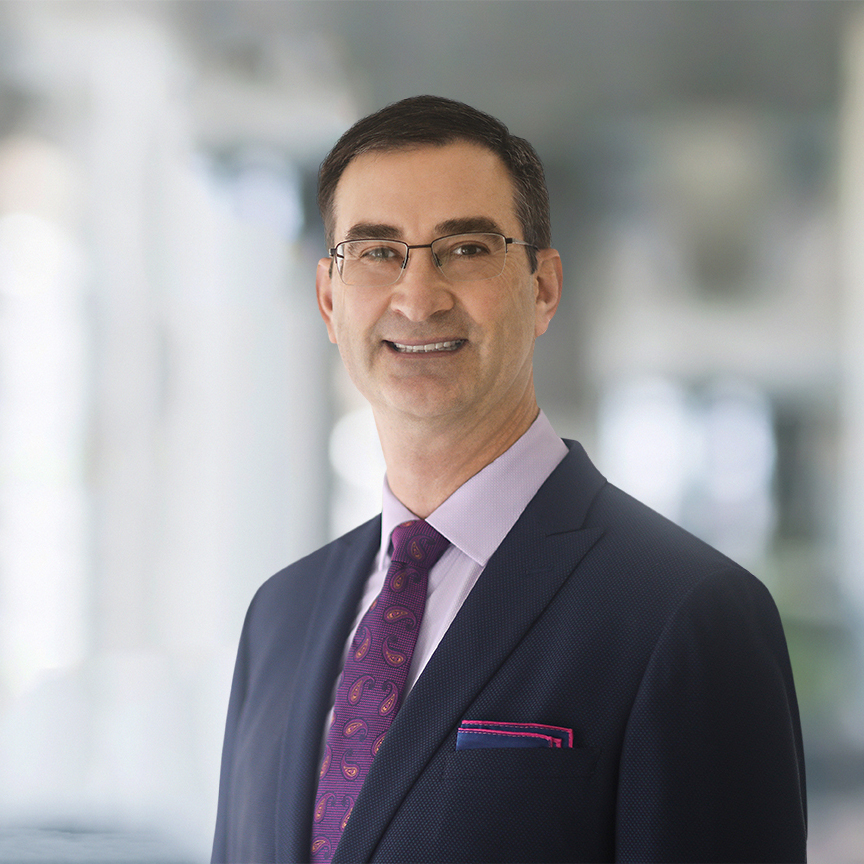
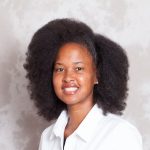
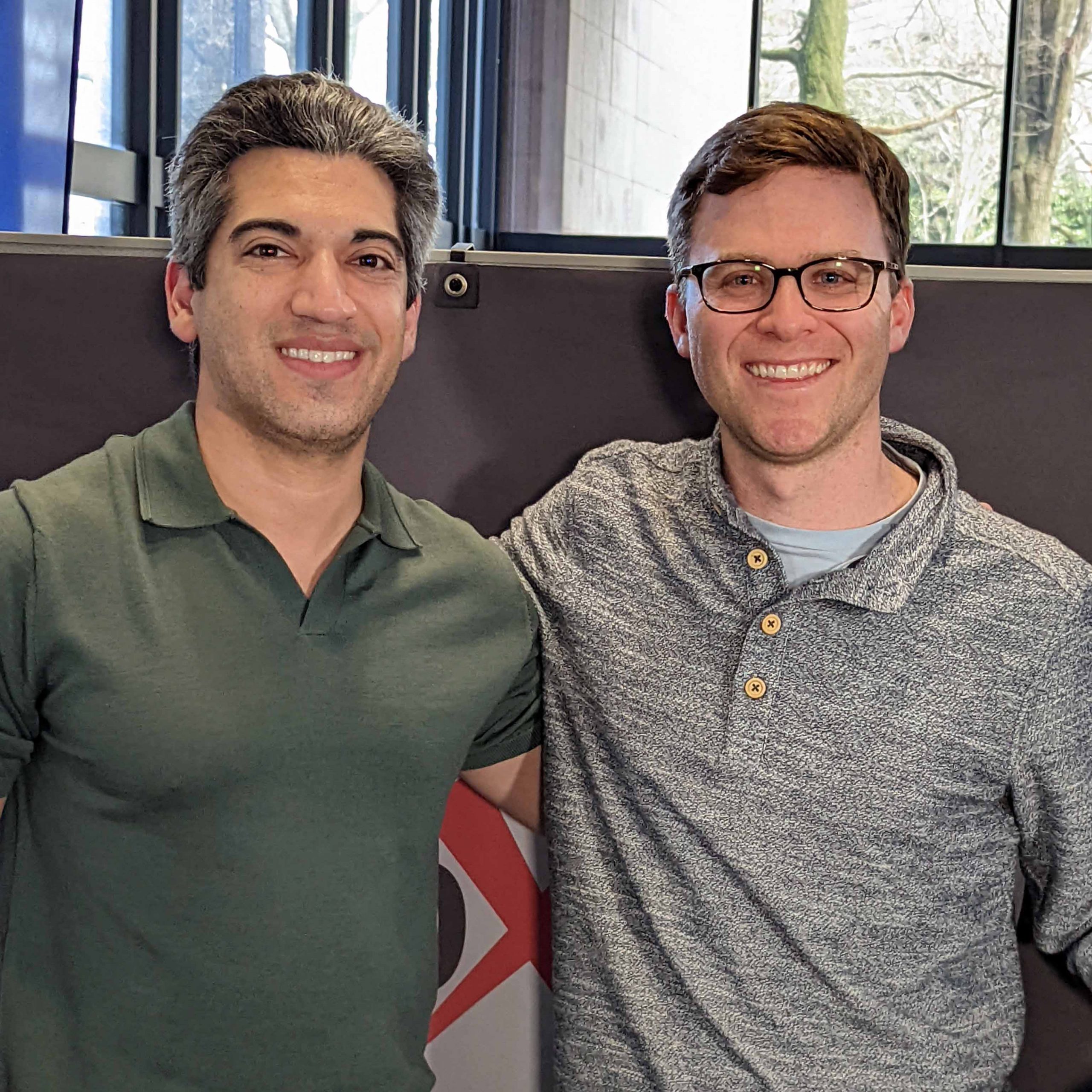
WayneSchatzelWayne Schatzel helps small business owners take control of their businesses and life.

Why small business?​

They often hear the phrase in business, “nothing personal, it’s just business.” However, the origins of that phrase is credited to Otto “Abbadabba” Berman who was an accountant for organized crime. Big business has adopted this same mindset and with it, they treat employees like numbers and their clients like transactions on a spreadsheet. Business should be personal.

The small business is the perfect David vs. Goliath underdog story. With a failure rate of 20% in the first year and only half making it to the 5-year mark and 30% making it to 10 years, the odds are against you.

The small business owner competes against a tremendous number of other small businesses, large corporations with seemingly unlimited resources, and governmental regulations and taxes that restrict revenue and opportunities. However, there is no better place to create the work and lifestyle that they want to spend their time doing. For him, it is personal. He help small business owners not only succeed but to flourish.

Business is about relationships, with your employees, vendors, and customers. It is creating a culture of success that everyone wants to be a part of. It is developing a strategy that matches your vision, creating processes that make running your business more efficient and delivering the products or services that your clients rave about. It’s not about him, it is about them and their business.

“I don’t do it for you, I do it with you.” – Wayne Schatzel

Connect with Wayne on LinkedIn.

What You’ll Learn In This Episode

  • The difference between consulting and coaching
  • Small business owners work in their business and not on their business
  • It is important to work with a coach to get better awareness and manage their mindset

This transcript is machine transcribed by Sonix
TRANSCRIPT

Intro: [00:00:02] Broadcasting live from the Business RadioX Studios in Atlanta, Georgia. It’s time for Coach the Coach radio brought to you by the Business RadioX Ambassador Program, the no cost business development strategy for coaches who want to spend more time serving local business clients and less time selling them. Go to brxambassador.com To learn more. Now, here’s your host.

Lee Kantor: [00:00:32] Lee Kantor here, another episode of Coach the Coach Radio, and this is going to be a fun one today on the show, we have Wayne Schatzel and he is with BizDevone. Welcome, Wayne.

Wayne Schatzel: [00:00:43] Hi, Lee. Nice. Nice to be here. Thanks. Thanks for asking me to join you.

Lee Kantor: [00:00:50] Well, I’m excited to learn what you’re up to. Tell us a little bit about Biz Dev one. How you serving, folks?

Wayne Schatzel: [00:00:57] Well, Biz Dev one, I’m a life coach and business consultant. So Biz Dev one is I work with small businesses and I help them kind of reevaluate some of their goals or even just create goals and, you know, achieve this success that they’re looking for.

Lee Kantor: [00:01:16] And what was kind of the genesis of the idea? What’s your back story?

Wayne Schatzel: [00:01:20] Well, my backstory was I worked in a lot of different businesses. I worked in sales, I worked in I.T., so I’ve always been a big proponent of business. I love what businesses can do for people. And when I became a life coach, I wanted to work with business owners in general. I saw that business owners, you know, we’re under a lot of stress. They wore all the hats. So basically, I figured I could help the business owner. I help a lot of people that work for them, their vendors, their customers, all that. It’s a bigger ripple.

Lee Kantor: [00:01:54] And when you’re dealing with especially small business owners, are they kind of look at the world a little differently than maybe somebody who’s kind of working in a corporate environment?

Wayne Schatzel: [00:02:05] Oh, yeah, a business owner. I mean, they’re taking it all on their own. A lot of times what I find is the business owners are it’s their their brainchild, their baby, so to speak. So they want to really control what goes on in the business. They want to control basically their life, their lifestyle. A lot of times people come in there to plan their own business to basically run their own life. But with that comes a lot of other things. We talk about life and work balance, but really, it’s just kind of developing a harmony, right?

Lee Kantor: [00:02:42] And it’s one of those things where when you go and become self-employed, you think, Oh, I’m getting rid of my boss that I hate, and now you realize I got 100 bosses. Every one of my clients is now my boss.

Wayne Schatzel: [00:02:53] Yeah. You go from if you had a company that you could just take a month off and it runs itself, that’s really a company. But basically, you’re you’re taking on a self-proclaimed job.

Lee Kantor: [00:03:07] And is that kind of an awakening for a lot of people? They they didn’t they didn’t realize that that’s what they were going to do.

Wayne Schatzel: [00:03:13] Yeah, I think so. You know, if you’re like a great mechanic and, you know, great at fixing cars and you don’t want to work for somebody else’s schedule, you decide on, you know, go into business for myself and they don’t realize, Oh, well, I got to deal with, you know, hiring people, HR issues, payroll, marketing, things like that that they didn’t have the expertize in. And now all of a sudden, they’re there to try and do all those jobs, which because that’s not their skill set. It takes them longer than they probably need to take on those those issues.

Lee Kantor: [00:03:47] Now, in your practice, you do both consulting and coaching a lot of folks, you know, pick a lane. Why was it important for you to do both?

Wayne Schatzel: [00:03:58] Well, I found what the small business owner, you know how you are one way. You are an always right. So there is no differentiating between work in your life as a small business owner because you’ll work late, you’ll work on weekends. So a lot of times the business owner is so focused on their business that they’re not paying attention to things that are going on in their own mindset. So what I find is very valuable is I can be working on a specific subject matter in their business, but it’s their own personal limitations that may be getting in the way. So I just kind of switch hats and I coach them through that, you know, that obstacle is that limiting belief. And then we move on to the problem at hand with the business

Lee Kantor: [00:04:48] Now is that usually the point of entry is more of the coaching standpoint and then getting into the nuts and bolts of the business or does it go the opposite where they have a problem they’re trying to serve with their business? I mean, your your firm’s called biz dev ones. I assume business development is a component of this.

Wayne Schatzel: [00:05:04] Yeah, it’s funny because I started out, you know, as a coach, you would think performance was the way I started with. But it’s most business owners are focused on their business. They’re not really thinking about themselves. And, you know, people understand that they, you know, coaches are helpful, but they don’t realize how it’s affecting them. So when I’m able to do both, that seems to be the the secret sauce for for what I do for my clients, right?

Lee Kantor: [00:05:31] But is the point of entry kind of the kind of the frustrations or is it that I need to get more sales?

Wayne Schatzel: [00:05:37] Yeah, it’s usually the problem with the business that’s going on, whether it’s, you know, their marketing or they’re having some problems where their business isn’t doing as well as they think they’re not sure about what they’re delivering for their business, those type of things. It’s usually a business issue that starts the conversation now.

Lee Kantor: [00:05:57] Is there any advice you can give to the listener here? That is, a lot of our listeners are coaches trying to learn and be better from this standpoint. Is there any kind of advice you can give them that they can do on their own to kind of maybe alleviate some of the frustrations they might be dealing with?

Wayne Schatzel: [00:06:14] Well, I think if if you’re talking to the coach, keep it simple. I think sometimes we have a tendency to overcomplicate things and sometimes the simplest answers is, are the best ones, you know, don’t you don’t have to dig far. The client, the business owner with the right questions is going to tell you exactly where the issue is.

Lee Kantor: [00:06:38] And so it’s just a matter of maybe kind of asking yourself some basic questions and really get clear of those priorities that maybe when you started have kind of drifted a little and maybe get back to a true north.

Wayne Schatzel: [00:06:50] Yeah, a lot of times, you know, the business owner now is doing something that they really didn’t have the passion for. So it’s just sometimes it’s just a reevaluation or even a reframing of what that task is and how that’s going to get them to their end goal.

Lee Kantor: [00:07:09] And do you find that a lot of business owners have trouble delegating like and what happens is all of the kind of work that they are not passionate about, it’s taking up the majority of their time and they kind of lose the passion that they had because they’re not doing the work they love and they’re doing all these kind of administrative or operational tasks that they were. They didn’t sign up for it to begin with.

Wayne Schatzel: [00:07:32] Yeah, you’re right on point with that. I’ve had clients where they didn’t want to let go of either the finances, right? So that might not be their strong suit, but they they feel like that’s something that they don’t want to reveal or whatever the case may be in their mind, but sometimes just having a bookkeeper taking that task off your hands frees up your headspace.

Lee Kantor: [00:07:57] And then sometimes they’re kind of penny wise and pound foolish when it comes to investing in something like that.

Wayne Schatzel: [00:08:02] Yeah, especially if they are, they’re struggling with their business. So they’re they’re they’re really trying to hold tight onto the purse strings, which makes a lot of sense. But it just sometimes they need to have that 36000 foot view to see what what this really is going to mean to the business. And when you’re when you’re in that lack mentality, a lot of times you’re working in the business and not necessarily on the business.

Lee Kantor: [00:08:29] Now do you ever find that business owners kind of are neglecting the ecosystem that’s around them? They’re not kind of getting as much out of their employees, their vendors, even their customers as they could be if they just asked.

Wayne Schatzel: [00:08:45] Yeah, there’s plenty of that, especially in the employees. I mean, there’s been many instances where they’re looking outside of their own company and somebody within their company has some expertize that they can just tap on the shoulder to get them through a particular hurdle. Or even that person might want to move into that kind of a position that could help the company.

Lee Kantor: [00:09:07] Now is that when you’re working with folks, is that where you’re helping them kind of maybe see the forest for the trees like you’re getting in there and with fresh eyes to see maybe kind of even assess like, OK, do you have a lot of assets here that you’re not really leveraging? And there’s a lot of opportunity just right in front of you and a lot of people look outward instead of inward. And there might be kind of there’s a book called like acres of Gold in your backyard that may not you may not be paying attention to because you’re looking, you know, down the road.

Wayne Schatzel: [00:09:37] Well, what I usually find when working with a business owner, that’s kind of in distress. They are. Their head is down there grinding it out. And what I try to do is I come in and I try to really get into their vision of what they wanted for their business. I kind of get in the box with them for a little bit and to see what their initial goals were, what they’re trying to accomplish. And then I try to take them out of the box and give them that 36000 foot view so they could see the forest and then they could see the direction they want to take the, you know, in the forest when they back down among the trees. So usually that that usually helps them a lot because it gives them some clarity that they were missing

Lee Kantor: [00:10:23] And those fresh eyes that I mean, that’s a good exercise for anybody at any stage of their business is to have somebody with fresh eyes. Just look at things that might kind of open up your mind to to opportunities you may not have considered.

Wayne Schatzel: [00:10:36] Yeah, that’s definitely true. And then after that, it’s once you you see that path, then you start taking those action steps and then spend. A lot of accountability comes into play there, but you have to take some action to that’s different than what you’re doing. You know, I guess it’s Einstein’s theory of insanity, so you need to have a when you get that, you know, 36000 foot view, you come back down, OK, what’s the plan? And then you got to start doing it right?

Lee Kantor: [00:11:06] And then does that part of your role also, that accountability partner?

Wayne Schatzel: [00:11:10] Yeah, absolutely. I helped them with the strategies, the strategies at that point, thinking about whether it’s a marketing strategy or even just processes to improve what they’re currently doing to make them more efficient. And then we set up, you know, milestones and we work to make sure that we’re hitting hitting those targets in a timely manner.

Lee Kantor: [00:11:29] And then when you do things like that, it’s amazing what can be accomplished?

Wayne Schatzel: [00:11:35] Yeah, it’s there. Surprised a lot of times the business owner surprised that it wasn’t as difficult as they made it out to be. But I mean, I think we all kind of do that. We make we tell a story that’s not true. And, you know, we base all our actions on that, that false narrative, right? But once they see the truth of that, then it be it becomes a lot lighter. The workload becomes a lot lighter.

Lee Kantor: [00:11:58] Right. Because now there’s steps that can be followed. It’s not this kind of ambiguous thing that you just imagining. It’s like, OK, I do these six things, and let’s see what happens rather than, I don’t know it could be. There’s a lot of uncertainty now. Can you share a story? Don’t name any names, but like where somebody came to you with a certain type of problem and then you were able to help them work through it and get their business to a new level?

Wayne Schatzel: [00:12:26] See, yeah, this I can talk about. I work with one client in particular that they’re they’re relatively new and they were working in an industry with low voltage wiring, and they have a person, another company that could mentor them, that you offered to help them. But they weren’t utilizing some of his knowledge and they weren’t positioning themselves in the industry. So like we were talking about before, just a few questions. You know, I asked, Did you do a SWOT analysis? Did you look at your competition? What’s what’s what’s your your biggest competitor doing? Why aren’t you setting regular meetings with the mentor and sitting down with the mentor and looking at things that maybe gaps that he can help you with? And it’s amazing, just those certain questions within four weeks. They totally changed their trajectory.

Lee Kantor: [00:13:34] Yeah, it’s it can happen that quickly. The right relationship and the right contact or connection can just it’s almost I don’t want to say it’s like magic, but it can happen like magic, where all of a sudden the door opens and now all your problems kind of go away because this this this person or company filled a gap that you needed.

Wayne Schatzel: [00:13:56] Mm-hmm. Yeah, it could be as simple as that. It’s it’s surprising.

Lee Kantor: [00:14:02] Now what is the way you work with your clients? Is it is it direct one on one coaching group coaching? Do you do mastermind groups like how do you serve your clients? How do you how do they work with you?

Wayne Schatzel: [00:14:12] I do one on one coaching, mostly with the business owners because I need to. Sometimes I’ll work with them and a group of people within their company. We could do a group mastermind just with their company. I do also a mastermind group with other business owners. But when I’m working with a business owner, I like to be one on one.

Lee Kantor: [00:14:32] And then so that’s like kind of a regular rhythm where you’re checking in and giving them homework and checking progress and holding them accountable.

Wayne Schatzel: [00:14:40] Yeah, we’ll meet once a week for an hour or two. I’ll give them some tasks, some assignments, things that they should be looking at working on. And then, you know, they could check with me through text message or a phone call during week. And then we, you know, we reconvene back a week later.

Lee Kantor: [00:14:58] Now, when you started your practice, what was kind of the first clue that you were on to something that you had a good thing going here and that you could really help a lot of folks?

Wayne Schatzel: [00:15:08] Well, well, the first time I was called a life coach, I wasn’t a life coach. I was just helping a friend work through her stage fright, giving me a speech for the Boys and Girls Club of America and just talk her through that whole process. And she started claiming I was a life coach for her, and you didn’t even know what that was. I started looking into it. And that was about 13 years ago. And then I looked into being life coach and I got certified from there.

Lee Kantor: [00:15:43] So she gave you the credential before you had the credential.

Wayne Schatzel: [00:15:46] Yeah. And I was scared to be called the life coach to look into this.

Lee Kantor: [00:15:51] So if somebody wants to learn more, get on your calendar to have a conversation with you. What is the best way to do that? You have a website.

Wayne Schatzel: [00:15:58] Yeah, Biz Dev one and you could just email me at Wayne at one.

Lee Kantor: [00:16:06] Good stuff when. Well, thank you so much for sharing your story today. You’re doing such important work and we appreciate you. Thanks, Leigh. All right, this is Lee Kantor juicio next time on Coach the Coach radio.

Tagged With: BizDevOne, Wayne Schatzel

Chris Walls With Go Mini’s

January 13, 2022 by Jacob Lapera

ChrisWalls
Franchise Marketing Radio
Chris Walls With Go Mini's
Loading
00:00 /
RSS Feed
Share
Link
Embed

Download file

Brought To You By SeoSamba . . . Comprehensive, High Performing Marketing Solutions For Mature And Emerging Franchise Brands . . . To Supercharge Your Franchise Marketing, Go To seosamba.com.

GoMinis

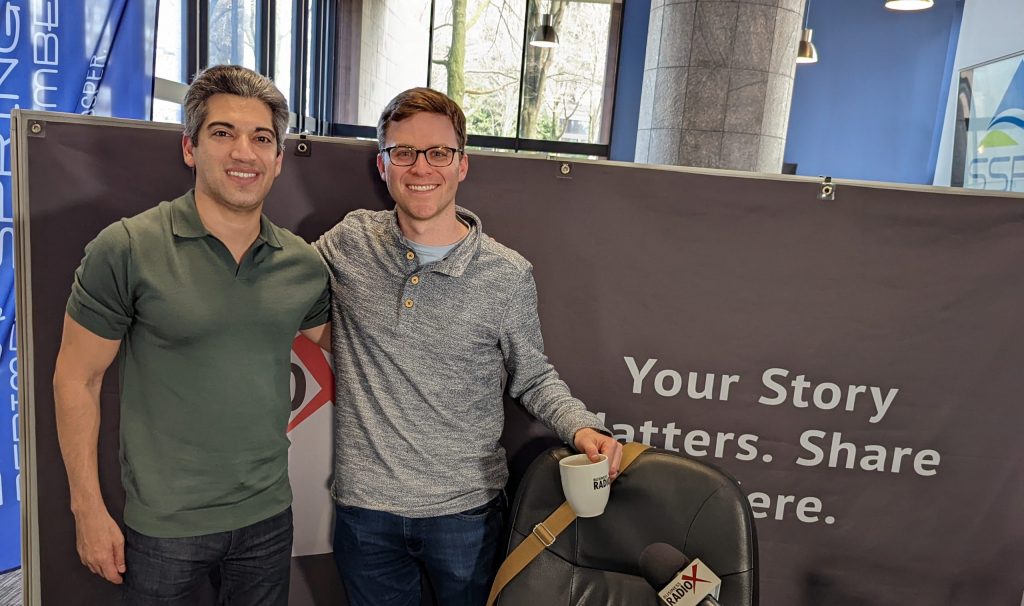
ChrisWallsChris Walls joined Go Mini’s as President and CEO in 2020. Chris has extensive business and legal experience having held both legal and operational roles in public and private companies. He worked with Real Media, Inc. as the digital advertising category established itself.

He was the General Counsel for e-commerce pioneer Outpost.com and helped lead them through a restructuring and eventual sale. Chris was also the CEO and General Counsel of OptiCare Health Systems, Inc., a public company that he restructured to profitability for an eventual transaction to a private company.

Chris was also the General Counsel for a technology manufacturer in the entertainment industry and closed the sale of the company to private equity investors. Chris has worked with several private equity and venture capital investors in both buy and sell transactions. Most recently he has held operational and legal roles with technology and adverting companies.

Chris holds a B.A. from the University of Dayton and a J.D. from Widener University School of Law.

Connect with Chris on LinkedIn.

What You’ll Learn In This Episode

  • Go Mini’s Moving & Portable Storage is the new way to move and store
  • Go Mini’s’ impressive YOY revenue growth
  • Business through networking, partnerships, and shared best practices
  • Opportunity to bring customers the convenience and control of renting, moving, and storing in the form of mobile storage container solutions

This transcript is machine transcribed by Sonix
TRANSCRIPT

Intro: [00:00:07] Welcome to Franchise Marketing Radio, brought to you by SeoSamba Comprehensive, high performing marketing solutions for mature and emerging franchise brands to supercharge your franchise marketing. Go to seosamba.com. That’s seosamba.com.

Lee Kantor: [00:00:32] Lee Kantor here, another episode of Franchise Marketing Radio, and this is going to be a fun one today on the show, we have Chris Walls with Go Mini’s. Welcome, Chris.

Chris Walls: [00:00:42] Welcome, Lee. Glad to be here!

Lee Kantor: [00:00:43] Well, I’m excited to learn what you’re up to. Tell us a little bit about Go Minis. How are you serving, folks?

Chris Walls: [00:00:50] I’m sorry, I didn’t hear you there for a second.

Lee Kantor: [00:00:53] Tell us a little bit about Go Minis.

Chris Walls: [00:00:56] Well, we are a portable storage company. We help people move and store their goods and it’s probably one of the most convenient solutions out there. So if you’re you need something, if you’re going to move, for example, we rent by the month. We can deliver the container to you, say, you know, the first of the month and you’re going to move on the 15th. You have two weeks to load it up. You give us a call. We can pick it up and move it across town for you to your new place. Drop it off in the driveway there and you could unload it and take two weeks to do that since we rent by the month. So it’s one of the most convenient and non stressful ways to move. And we also use it for storage. So if you have, you know, maybe you have pool furniture or you just have too much stuff around the house, you give us a call, we drop it off for you. You load it up, we can store it at your property, or we can take it and store it on our premises for you. When you need it, you just give us a call. We bring it back. So it’s a pretty convenient, a simple option for storage and a lot better than traditional self storage, where you have to rent a truck and load it up and then unload it and that sort of thing. So it really saves you a lot of time and a lot of frustration, frankly.

Lee Kantor: [00:01:58] Now what was the genesis of the idea? How did this come about?

Chris Walls: [00:02:03] Well, we were formed in 2002, and I think that the founder was a man by the name of Bill Norris, who’s still involved with the company and a shareholder. He has moved away from the day to day, obviously, but he saw what Pod’s was doing and thought he had a better idea. A more convenient idea is one of our major competitors, and our delivery system is much different than theirs. We have larger containers and but the idea itself was just a great idea, and he wanted to expand and make it what he thought was a little better. And I would agree that our system is a little better than all the competitors out there.

Lee Kantor: [00:02:40] So now is it that the container that I’m going to get, I can use it as my personal storage unit down the road, or I can just use it to transfer belongings from one place to another

Chris Walls: [00:02:52] So you can keep it for a long as long as you like. In fact, we have a number of people who do that years and years, which always surprises me. But yeah, you could. You could keep it for a few days if that’s all you needed it. We rent to rent by the month. You keep it for the month. You can keep it for two months, three months, several months.

Lee Kantor: [00:03:08] It doesn’t matter now if I’m going to have that on my property. Is that something that I have to worry about permitting or getting permission? Or is that something that it’s just like kind of a shed and they don’t care?

Chris Walls: [00:03:21] Generally, no. There are a few towns, primarily in California that have come up with some ordinances for how long they could be there. Or you may need a permit, but the vast majority ninety nine point five percent it’s a temporary structure. You don’t need any type of permitting or anything along those lines,

Lee Kantor: [00:03:39] Even though the temporary might be a year or two like

Chris Walls: [00:03:43] That. That’s correct. And I think that’s what’s happened right is that some people have kind of put it out there, Hey, that’s been there. You know, the code guy may go by. That’s been there for two years. We should probably look into that, that sort of thing or some neighbor may complain or something along those lines, but it could be for quite some time. But given that it’s not affixed to the ground, it’s our containers are actually on wheels. It’s pretty temporary.

Lee Kantor: [00:04:04] Now what does it look like from the franchisee standpoint? What kind of kind of background or a skills or, you know, career path had they been on prior to getting involved with you?

Chris Walls: [00:04:17] You know, that’s really good question. And they’re from all over. Initially, we had a lot of people who were in the in the moving business, so this wasn’t necessarily their primary business, and that’s changed a little bit. And we have them from from all different types. We have ex corporate folks. We have, you know, obviously the people that are moving, people that are just looking for their next endeavors and they look at the numbers and say, Hey, this really works, and it’s a relatively simple business to operate. So if I’m looking for someone you know the key franchisee, you need someone. I think that is just motivated to go out and market and become a member of their community. I mean, the folks, one of the things that we believe sets us apart is that we are local. We have the support of a franchisor who’s a national organization, but each one of our franchisees gets involved in the local community, donating containers when they can for food drives or for certain charity events. You know, a lot of our guys donate to local sports teams so they can use them to store their things and that sort of stuff, and that’s just being part of the community. And and we look for folks that are willing to do those types of thing. And, you know, the more knowledge they have about marketing, the better off they’re going to be. But we can certainly train them and teach them all the different techniques we have on the digital marketing side and that sort of stuff. But I’m a true believer in that. While you have to do the digital marketing day in and day out, there still is no substitute for actually meeting people, shaking hands and obviously in a COVID safe manner these days. But getting out in the community and getting people to know that you’re the local. They can supply these types of things, it really makes a big difference.

Lee Kantor: [00:05:53] Now is a consumer typically kind of that residential consumer or is it a B2B play as well where business people are using it, as well as kind of people that are just moving or just have a lot of stuff?

Chris Walls: [00:06:07] It’s both. We have about once you get established with a franchise, probably 25 to 30 percent of your business is going to be commercial and that could be a local builder. That could be a restoration company, that sort of thing. And then you do the residential side, which is moving and storage also restoration projects. Hey, I’m redoing my kitchen and I really don’t have a place to put a store everything. While you know, the new stuff came in early, I got to put that somewhere and I have to take delivery of it, or I have a place to put some of the old stuff. Or, you know, I don’t want everything to get dirty and that’s in the home and it’s going to be a mess. Let me throw all my furniture that I’m going to keep in there and that sort of thing, you know, redoing my floors and getting new carpets, that sort of stuff.

Lee Kantor: [00:06:49] So the franchisee, I would imagine, wants to become best friends with the real estate agent, the mortgage person like that whole kind of, you know, real estate mafia group of people that are kind of serving the community.

Chris Walls: [00:07:04] Absolutely. And we’ve had some really creative things done in that way where our franchisees have created a partnership with a local realtor, successful realtor and the realtor would actually offer a go mini as part of the listing. You know, some people use know they’re going to use them for staging, Hey, let’s get rid of the clutter. Where are we going to put it? You can put it in a go mini and we’ll we’ll work a deal with the realtor. They’ll deliver that and everybody’s happy along those lines. We’ve also had some guys who went out and actually had magnets made for some of the more successful realtors in their market. And when they put the Go Mini in the driveway, there’s a big almost billboard of that realtor provided by Joe Smith Realty, that sort of thing. So that’s worked out well. So yes, that’s actually one key area to to that. We encourage our franchisees to go out and try to explore and go to those realtor meetings and get to know the realtors who are doing well in the area.

Lee Kantor: [00:07:59] Now, in order to be the franchisee, is it something that I have to actually take possession of all of these storage units like do I have to have kind of a big space where I can hold dozens and dozens of storage units?

Chris Walls: [00:08:13] Yes, you do. And we recommend about an acre of land. You don’t need a building. Our containers are built so that they can withstand the weather, their air, their water tight, and they’re made of steel galvanized steel in most places, and they last quite a long time. Our containers lasts about 20 years to 25 years. They’re quite durable. But you would need, as we say, we recommend about an acre of land that’s fenced and has some security. The good thing is, most of our folks that rent our containers generally don’t come back to them. We bring them to them. So it’s not like you’re going to have a lot of trouble coming in and out like you would at a self-storage unit. It’s a little different model, but you do need you do need that land. And you know, and some of the more dense areas, you can put that outside of the community that you’re serving, so you can find land a little bit cheaper. That makes the economics of the franchise a little better as well.

Lee Kantor: [00:09:06] Now, when you’re buying the franchise, it’s something that, oh, I buy 50 or I buy 100. Is that how you sell this or is that how it sold? Or is it just like when you get a franchise that includes X number of units?

Chris Walls: [00:09:19] We sell the franchise based on the population in the franchise territory that you get your protected territory. So depending on the size of the territory and generally we like to start generally like to start about 400000 as their smallest that will sell. Now you’re going to need containers. If you add a 400000 person territory in your first year, you’re going to buy sixty eight containers and then as your territory, it gets bigger. Obviously, you buy more containers and then you have an obligation to buy containers every year until you reach a certain saturation point.

Lee Kantor: [00:09:51] So it’s something that it kind of you don’t have to go of buy it all on day one. You can grow into it as you as a as kind of your brand matures in that market.

Chris Walls: [00:10:02] That is exactly correct and it works out very well. We like to have people fully stocked when they start out so they can get out there and start putting them in the community. And maybe they have some extras and sometimes, like I say, they donate or they put them in a good spot so people can see them. Because one of our best ways of marketing is is

Lee Kantor: [00:10:17] The container, right?

Chris Walls: [00:10:19] It contains a big billboard in your neighbor and say, Hey, what’s that? It’s like, Oh, we’re redoing our floors and we put all our furniture. Hey, we’re doing that next month, too. That’s a great idea. Next thing you know, we have three containers in that neighborhood that was one of four that

Lee Kantor: [00:10:32] Were you kind of affected by that container shortage that you hear so much about with the supply chain disruption?

Chris Walls: [00:10:39] Very much so. I’m 2021 was a great year for us from a growth standpoint and our containers. We had a record number of containers ordered and we. A record number of containers get caught up in that shipping crisis. So it was it was very painful, quite frankly, as we’re having such a great year to have containers that used to take 10 weeks to get here. Now, taking months and months and months, we had some frustrated franchisees. I was very frustrated. But we work through it. And you know, one of the things that I’ve discovered through the crisis is there’s a difference between having vendors and partners and and our container providers, which we call Minis are many providers were our partners. You know, they informed us what was going on. They stepped up and they helped out. We went back to our franchisees and formed then what was going on. They stepped up and they helped out, and the franchisor were from the corporate office was able to help out because the cost went through the roof. We were seeing shipping that I was paying 5X the time, you know, 5x what I paid last year. It’s just crazy. And you know, we made a decision as a company, as a board that this is temporary and we can’t let this stop our growth. So that’s why we went out and we try to put everybody together and say it’s going to cost us more, but we’re going to split that cost up a little bit for this one year to try and get everybody the containers that they need as quickly as possible, and we were able to do that. We finally got them all delivered this year and we saw just phenomenal growth. The best it’s the best year we ever had. Twenty twenty one, we’re going to have close to 30 percent network growth this year. So I think we made the right decisions, even though it was a little costly for us.

Lee Kantor: [00:12:21] Now has that crisis abated or are you still kind of working your way through it?

Chris Walls: [00:12:27] We’re still working our way through it. It has abated somewhat. We saw some pricing come down here late in twenty twenty one and but nowhere near what it used to be. And the time frames have shortened as well, which is almost as important for us. And we expect that to come down as we move through 2022 and talking with I’m not a shipping expert, but I’ve become more and more than I would like to be honest with you, when in 2023, they do expect it to abate as new ships come online that had been building for the last two years or so and help relieve things. So it’s definitely getting better, but it’s still not good.

Lee Kantor: [00:13:05] And so what do you need more of like? Are you looking? Are you actively looking for franchisees in certain regions or like, how is your growth? But is it from kind of the west to the east? Or are you just taking them where they come?

Chris Walls: [00:13:18] We take them, where they come. We do have certain areas that we target that are available. We’re in 40 states right now. We’re going to we’re going to crest one hundred franchisees this year. We had we added 14 new franchisees last year, which is a record year for us. Wow. And and yeah, it was phenomenal. And what I love to see, very honestly, is a lot of the growth came from internal from folks that are already in the system.

Lee Kantor: [00:13:42] So they were just buying more territories.

Chris Walls: [00:13:44] Yeah, which to me is just OK. I really think this business is doing well for us going places. And we added a lot of things this year. What I’ve talked to the corporate staff about is how does the franchise or add value to the franchisee, how do we grow their business? So when we looked at different things this year, we did our first national television commercials. We did a couple and we went and had a studio do it and really came out spectacularly. We ran them for a couple of weeks in October. It really is a test run just to see which channels perform the best. And then we’re going to do in earnest in spring, which is our seasonality. When we start to get busy again or busier and run, you know, we’ll have a couple of months of running that commercial. So we’re doing things like that. We just did an animation, which I think if you if you watch any television and see advertisements, you’re seeing a lot more of the animation. We did that so and we had a broken down so our franchisees could use it on their local markets or if they wanted to do social media, we had it.

Chris Walls: [00:14:47] You know, it’s a it’s a one minute animation. It’s cut down to 30, cut down to 15, cut down to 10 and cut down to six so they can use it a lot of their social media part and some marketing folks to help them with their social media campaigns and and make sure everybody is up to snuff on that. We’ve come up. We revamped what we call our quote, end quote engine on the line, which is a the primary way that our franchisees get their business. And we’re actually in the middle of new operating system that we created internally. And it’s really from cradle to grave that it takes leads that come in from the quote engine, internalizes them, puts them right into the operating system, automatically gives our franchisees the ability to communicate with the customer, the potential customer via text via email if they’d like does the contract automatically with the signatures process with the credit cards does helps with the delivery. Text the client when we’re on our way, I mean, the system from soup to nuts is just phenomenal, and that’s only available to so many franchisees and no one else.

Lee Kantor: [00:15:47] Now I would imagine if some. He’s buying additional franchisees, buying additional territories. There is a lot of economies of scale in terms of if I got an A. I can just pop and get another half acre or another acre adjacent and then keep all the storage units together.

Chris Walls: [00:16:04] Absolutely. You can do that right there. You can stack the containers if you have a forklift for storage. And you know, the other side of the coin is if you have an acre on the west side of town and you want to expand the east side of town, you can get a smaller it’s got a half acre lot and get the economies there. And the beautiful thing about this franchise is it does not take a lot of employees to run and it scales so nicely as you grow. When you look at, you know, when you start out, you can do it with one person. One person could be driving the truck and and with our new system and could be entering potential clients and that sort of thing. Usually it’s two, but that grows when you start out at one hundred containers. Two people can handle that. Two hundred containers, that’s still two people. When you get over two hundred, maybe you’re going to add another truck. So now and that’ll take you maybe to four hundred containers. So you can you can really grow and you don’t have to add a lot of employees, which is we all know in today’s market. Yeah, that’s very difficult to find. So that’s it’s a big, big selling point for us and our largest franchisee only uses six employees.

Lee Kantor: [00:17:05] Now are you seeing this as kind of some folks doing it with like a parent and a child, like a recent graduate, this guy kind of gives them a family business that they can run together.

Chris Walls: [00:17:16] We’re seeing that. We’re seeing, you know, corporate refugees. We’re seeing people that have other businesses, and they started looking at this and say, Hey, this might not be a bad adjunct. For example, some of our best franchisees are actually self-storage owners and they’re maxed out. And for them to expand, sometimes it’s impossible. So when they look at this and said, Geez, I’m getting a lot of people here who need storage, maybe I can offer them a mobile storage, right?

Lee Kantor: [00:17:39] It’s just more options on their menu, right?

Chris Walls: [00:17:42] And they can go find a lot that’s going to be in another town that maybe is cheaper and they can do that. And the economies that they’re going to get from the mobile storage is going to be better than their self stores, which is a very good business in and of itself.

Lee Kantor: [00:17:53] Well, congratulations on all the success. If somebody wants to learn more about the opportunity, what’s the website

Chris Walls: [00:18:00] Website is w WW Go MINUSCA

Lee Kantor: [00:18:03] And that’s they can find out if they need storage and they can find out about the opportunity there.

Chris Walls: [00:18:07] Yep, we have a franchising website right off of that as well. You can click right through it.

Lee Kantor: [00:18:11] Well, thank you so much for sharing your story today, Chris. It was great chatting with you.

Chris Walls: [00:18:16] Same here, Lee. Nice meeting you.

Lee Kantor: [00:18:18] All right, this is Lee Kantor. We’ll see you next time on Franchise Marketing Radio.

Tagged With: Chris Walls, Go Mini's

Madan Kulkarni With The Matrix Club

January 12, 2022 by Jacob Lapera

Chicago Business Radio
Madan Kulkarni With The Matrix Club
Loading
00:00 /
RSS Feed
Share
Link
Embed

Download file

Firmspace-sponsor-banner

Thematrixclub

Madan Kulkarni is a Management Graduate with a passion for music, arts, literature, and sports.

He has been involved in conceptualizing and creating unique marketing and sales ventures in the field of Real Estate, Arts, and Consumer products. The Matrix Club encompasses his vision to provide a platform for his primary passions.

Follow The Matrix Club on Facebook, Instagram, and LinkedIn.

What You’ll Learn In This Episode

About The Matrix Club

  • The difference between The Matrix Club from other venues
  • Services of The Matrix Club provide for the community
  • The importance of adding a yoga and dance studio and an art gallery to the venue
  • Bringing together the global cultures

This transcript is machine transcribed by Sonix

TRANSCRIPT

Intro: [00:00:04] Broadcasting live from the Business RadioX studio in Chicago, Illinois. It’s time for Chicago Business Radio brought to you by Firmspace, your private sanctuary for productivity and growth. To learn more, go to Firmspace.com. Now here’s your host.

Max Kantor: [00:00:21] Hey everybody, and welcome to another episode of Chicago Business Radio. I’m your host, Max Cantor. But before we get started, I do want to thank today’s sponsor. Today’s show is sponsored by firm SpaceX. Thanks to two firm SpaceX, because without them, we couldn’t be sharing these important stories, and we have a great show today on the show. We have the principal and CEO of The Matrix Club, so please welcome to the show. Madan Kulkarni, welcome to the show, Madan.

Madan Kulkarni: [00:00:49] Hi, Max. Thank you for having me on.

Max Kantor: [00:00:52] So let’s jump right in. Tell me, what is The Matrix Club?

Madan Kulkarni: [00:00:58] The Matrix Club is a kind of a unique venture which will host a variety of things. First of all, it’s an event venue which will host all kinds of events right from weddings, shows, fashion shows, concerts, but it has got the latest in audio visuals. It has got a very flexible space. Along with this convention and banquet space, it also has its full service kitchens. It has got international fusion cuisine, restaurant, a world music and jazz lounge. It has got a little performing arts theater. It’s got an art gallery. It’s got dance and yoga studios. So it has got a bunch of things from the artistic side which are very synergistic to each other and which could be very unique for the community to come in and experience.

Max Kantor: [00:01:47] How did the idea for The Matrix Club come about?

Madan Kulkarni: [00:01:52] Well, this has come about after years of research. I’ve been involved in promoting of art, music and different kinds of things over the last 30 years, and I always wanted to collaborate with artistic kind of people to create some kind of a platform for global cultures to come together and express themselves. Along with that, provide services to a global community, which could enhance the understanding of different cultures and which could educate as well as entertain people. So The Matrix Club is kind of a result of years of, you know, thinking along these lines.

Max Kantor: [00:02:40] Now when did you start planning The Matrix Club?

Madan Kulkarni: [00:02:46] Matrix Club has been in the plans for the last over nearly two decades. It has been, you know, a plan of experimentation, a plan of putting things in together in, you know, starts and pieces. And then finally, this particular venue and this particular venture, which is being constructed currently and which should open in the next three or four months, is the culmination of all those, you know, ideas and outreaches. So once this place opens, I think we’ll be putting all these things in one place and people will see how all these things interact with each other.

Max Kantor: [00:03:30] So you talked about your emphasis on bringing together global cultures and and diverse global culture. So how are you building that community among various diverse communities?

Madan Kulkarni: [00:03:46] The simple fact is, when you provide a stimulating atmosphere, a place which welcomes artists, performers, as well as people who want to do events of different kinds into a place which will provide them with the flexibility or space, the conveniences of presenting their cultures in a way which they want it presented and in a way which they feel at home. But I think it kind of builds on its own. Like, I’ll just give you a simple example. We have our convention and banquet space, which is flexible enough to do a wedding or a concert. Now, for example, if you do a concert tomorrow and then we have, say, a Greek artist coming in from Greece now because of our full service kitchen and then the way how the banquet facility at the convention facility is laid out and then the huge stage which we have, it’s a 70 by 30 stage, which is inbuilt with the most modern sound and light systems by, you know, companies like Bose and RCF and Danley and show where we bring these people in. And then right from the basics, like, for example, the artists are provided with adequate, you know, the change rooms and all that they’re provided with the practice facilities. And then they are they are provided with the latest of sound and light systems and technicians who understand what they want. That’s what it’s all inbuilt within the place. So you don’t have to drag and sound from outside. You don’t have to drag it light from outside, but you see a system which is absolutely calibrated for this particular space, so it saves them a lot of trouble.

Madan Kulkarni: [00:05:32] And then from the audience perspective, you offered them free, complimentary parking, like if you go to the bigger venues, you pay anywhere from twenty five to twenty five dollars in parking, but here you get complimentary parking. And when they come in into the pre function areas, they are provided with concessions which are both Greek as well as mainstream American. So they get to have a taste of both their home and their homeland. So now it kind of stimulates. It makes them feel at home for the Greeks. It makes them feel that they are, you know, listening to a concert in Greece. For the Indians, it makes them feel that they are listening to a concert in India. Similarly, for the people here, it makes you feel that you are, you know, listening and enjoying a concert here. And apart from that, if you come into this venue, once the venue is ready, you are sitting on a space which is carpeted, which has got plush banquet chairs, which has got the screens and the LCD screens and all that, you know, designed and calibrated to the space. So it makes for a wholesome experience in a very cozy and comfortable atmosphere. And we can hold up to two thousand people. So I think we are we are really intrigued by what we can offer to the people here.

Max Kantor: [00:06:44] Totally. And I think what what makes you guys really unique is that no two people coming to your space will have the same exact experience, depending on what culture they’re from and what event they they go to. I mean, when I think of other event spaces, you go to multiple events, there could be the same feel every time. But what you guys are doing or what it sounds like is you want to make each experience as unique as possible. Is that fair to say?

Madan Kulkarni: [00:07:08] Absolutely. Absolutely. Like, for example, when I was just talking to you about a Greek concert or a Polish concert or an indoor concert, what is displayed on those LCD screens inside the space also? You could see scenes from Greece, you could see scenes from the Acropolis. And then at the same time, you could see, you know, artistically developed, you know, demonstrated food stalls outside which serve Greek food. So when people walk in there, they immediately identify with their culture in the context of this great country. So that’s the whole idea. So any and then you can always go for cross-cultural experience. Like, for example, somebody from Spain wants to take in an experience of, say, a Greek concert. The French people can walk in there and then get an idea of what the cuisine is and what the scene’s around there and what kind of music is being played. I think it would be a great cross-cultural experience for people also, and understanding each each other’s cultures, I think, is the best way of, you know, promoting understanding between places and people and countries.

Max Kantor: [00:08:12] Definitely. I mean, you’re taking something as fun as a concert and making it educational in a way as well, which is super cool.

Madan Kulkarni: [00:08:19] I would like to call it edutainment education, education as well as entertainment.

Max Kantor: [00:08:24] Yes, I love that. Yeah, that’s exactly what you guys are doing. Edutainment. That’s perfectly describes it. Now I know with when it comes to like COVID 19, you know, I’m sure event spaces in the industry, it took a hit. So how did you guys navigate during the pandemic and what are you doing moving forward?

Madan Kulkarni: [00:08:42] Well, we are taking some very sensible steps to protect our clients and consumers and all that we will be installing screens and we’ll be installing devices and then air fresheners and cleaners, which will recirculate air and all that. In consultation with our architects and the local municipalities. So we have an award winning architect, Tasmanian and company who is working very closely with us to put these things in place. And we are constantly on the lookout for different ways to make our clients and people more safe and to make, you know, the safety measures very accessible to them. At the same time, detect things which can possibly affect the performance or conduct of an event well in advance and take precautionary measures. So and then apart from that, we will also require daily screening of all our employees coming into our facility, which makes the place also very safe for people. So I think we can navigate through that. And then secondly, because of the size of the place, even if social distancing is mandated and the number of people let inside is mandated by, you know, whatever the demands of the situation are. I think we’ll be able to do that because we can seat about thirteen hundred people. So tomorrow, if there is a big, say, South-Asian wedding, which calls for a lot of people. So instead of having seven 800 people there, they could still get away by having 400, which is a substantial number of people in a space. Thirteen hundred people spaced, so there is enough social distancing in place. At the same time, they don’t feel that they have not invited some of their closest friends and family and all that, so we are able to fulfill those needs of the client as well.

Max Kantor: [00:10:33] Now, apart from pandemic related things and health related things, are there any trends that you’re seeing in your industry?

Madan Kulkarni: [00:10:42] Trends, the biggest thing which we are seeing is, look, when the pandemic hit and in the first few months, there is a lot of online events going on and online concerts or online events or online weddings and all that. But. Immediately in the second year, we have seen the trend turned around because there is no substitute to life, things happening, people meeting each other and greeting each other. We feel that online activities are good, but they are not a substitute for a real event happening with people congregating together and then exchanging greetings and the warmth which they normally have for each other. So. And then because of the lack of events and because of the shortening of these events or cut down of these events, we see a huge pent up demand which we feel is ready to explode in the next few years. So so far, as we find adequate deterrence to these newly forming mutants and stuff like that, I think the industry is poised to grow. Our industry is poised to, you know, accept the pent up demand which is going to be coming out.

Max Kantor: [00:11:57] Macdon Where is The Matrix Club located?

Madan Kulkarni: [00:12:01] The Matrix Club is located in the beautiful city of Naperville on Route fifty nine and a couple of blocks south or north of Ogden. It’s on Ogden and fifty nine in Maplewood.

Max Kantor: [00:12:20] And if one of our listeners was interested in booking an event with you guys, when is the earliest you guys are starting to book?

Madan Kulkarni: [00:12:31] We are starting to accept events from June of 2020 to better this year, so we already have several events booked starting in May, June onwards and it is going on. So we have bookings in 2020. The events are going on for, you know, the events have been booked for two thousand twenty three and twenty four also. So we have already started booking events.

Max Kantor: [00:13:00] And if people want to learn more about The Matrix Club, do you have a website you’d like to share?

Madan Kulkarni: [00:13:05] Yes, it’s a w w matrix venue dot com. W w w matrix venue dot com.

Max Kantor: [00:13:13] Well, MacDon, thank you so much for being on the show today. It’s been great talking to you about The Matrix Club and it sounds like you guys are are making edutainment at its finest.

Madan Kulkarni: [00:13:23] Thank you. Thank you.

Max Kantor: [00:13:23] Appreciate that and thank you all for listening to another episode of Chicago Business Radio. I’m your host, Max Lee Kantor, and we’ll see you next time.

Intro: [00:13:34] This episode is Chicago. Business Radio has been brought to you by firm SpaceX, your private sanctuary for productivity and growth. To learn more, go to Firme Space.com.


Tagged With: Madan Kulkarni, The Matrix Club

Jaime Zawmon With Titan CEO

January 12, 2022 by Jacob Lapera

JaimeZawmon
Atlanta Business Radio
Jaime Zawmon With Titan CEO
Loading
00:00 /
RSS Feed
Share
Link
Embed

Download file

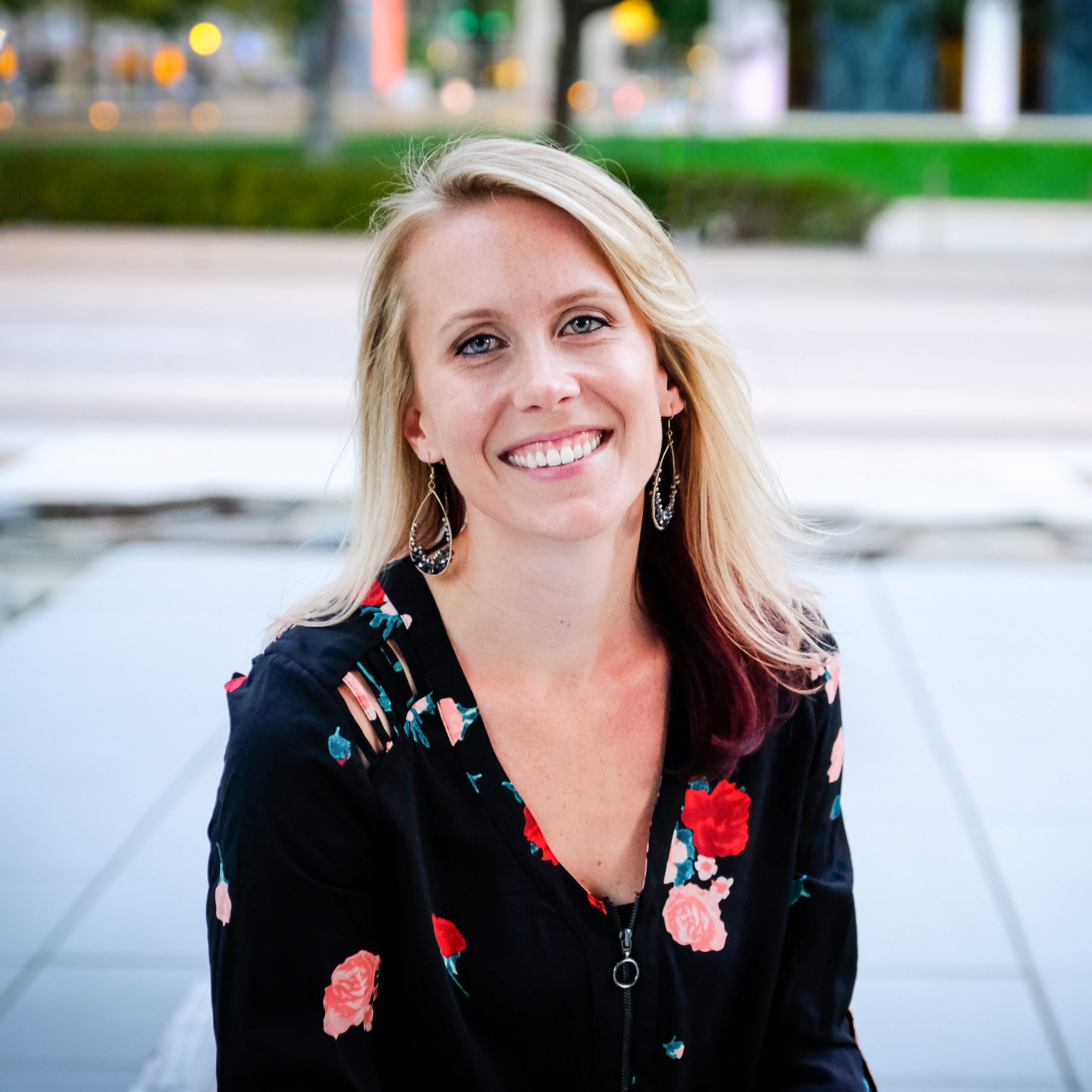
JaimeZawmonJaime Zawmon is a visionary executive that believes in the power of a strong community. Having spent over a decade in the publishing world as a former magazine Publisher and Division President, she has profiled thousands of CEOs throughout the Mid-Atlantic.

Interviewing the region’s most enterprising CEOs in print, on-camera and hosting many large-scale corporate events and private roundtables, Jaime has a proven track record of building communities of CEOs on the East Coast.

She has always surrounded herself with CEOs, entrepreneurs and Titans. Her vision is to build that same strong community across the country. The Titan 100 program will help connect Titan CEOs and C-level executives throughout the year at a multitude of events and private roundtable discussions.

These Titans will have the opportunity to build their professional networks, connect and learn from other visionary executives. They will be recognized as Titans and serve as an inspiration to the region’s entrepreneurs and business community.

Jaime is also the Founder & President of Titan CEO, a CEO peer group community in Colorado. She works with CEOs in group settings to help them build business valuation, work through business challenges, and grow as Titans of industry.

What You’ll Learn In This Episode

  • About Titan CEO
  • The genesis of Titan 100
  • Finding and identifying the appropriate titan
  • Inspiring the next generation of titans

This transcript is machine transcribed by Sonix
TRANSCRIPT

Intro: [00:00:04] Broadcasting live from the Business RadioX Studios in Atlanta, Georgia. It’s time for Atlanta Business Radio brought to you by onpay Atlanta’s new standard in payroll. Now here’s your host

Lee Kantor: [00:00:24] Lee Kantor here another episode of Atlanta Business Radio, and this is going to be a fun one. But before we get started, it’s important to recognize our sponsor on pay. Without them, we couldn’t be sharing these important stories today on the Land of Business Radio. We have Jaime Zawmon and she’s with Titan CEO. Welcome, Jaime.

Jaime Zawmon: [00:00:42] Thanks so much for having me, Lee.

Lee Kantor: [00:00:44] I am so excited to learn what you’re up to. Tell us a little bit about Titans CEO. How are you serving, folks?

Jaime Zawmon: [00:00:50] So Titans CEO is the organization that is putting on the program called the Titan one hundred. And essentially, this program is a platform to recognize one hundred CEOs and C-level executives. One hundred titans of industry. And it is through our open call for nominations that we identify these individuals within the Georgia metropolitan market, and we celebrate them as entrepreneurs, as titans of industry. We recognize them in a very large award scale program. And then we publish a book on these titans to tell their stories and we promote them to the business community as examples and models of how to be a leader, an industry maker in one’s field. And then we create a series of events that connect these incredible titans with each other multiple times over the course of the year. So that’s a little bit of what we do.

Lee Kantor: [00:01:59] Now what are some of the qualities that a titan of industry in a market like Georgia would have? Does that mean they are the kind of the CEO of the largest firms in town? Can they be a small or mid-sized company that are doing interesting things like how does somebody qualify and what are the qualities?

Jaime Zawmon: [00:02:18] So we? That’s a question I get asked often and for us know a titan of industry isn’t necessarily about being the biggest. It’s really about being the best. So it’s doing what you do better than anybody else does it. Oftentimes, we do see titans that make the list that are quite large in their organizations. Yes, there they are, the CEOs running, you know, billion dollar organizations. But we also recognize those CEOs that are running companies that are under a million and everything in between. It really depends on your industry. It depends on your vertical. It depends on who you are and what you do. We look for those that are visionaries. They are leaders. They are preeminent and distinguished in their field. And so those are the basic qualifications in our open call for nominations. We have sort of a four part series questionnaire that we ask, and the nomination form is what we use to write a lot of the editorial content that will appear on our titans. But we want to know what their entrepreneurial story was. We want to know what their journey, their path to accomplish, what they’ve accomplished. We also want to know what their vision looks like because I’ve never met a titan before in my life that didn’t have a strong vision. We want to know what they think makes them the best at what they do. So what is it that makes them that titan of industry? And then we also want to know what their accomplishments are. And for us, accomplishments aren’t just a bunch of accolades. One, they can be things like revenue growth or markets acquired or new products and new products or launches speaking opportunities, books publish. It’s whatever the individual deems as accomplishments. For some, it’s just surviving and growing through COVID.

Lee Kantor: [00:04:10] Right? Sure. Now is it something that I have to wait for someone to nominate me or can I self nominate?

Jaime Zawmon: [00:04:18] So we do allow for self nominations, absolutely as we continue to spread the word. We want to make sure that we’re connecting with everybody. We have a nomination committee that is also helping to nominate individuals, and they visit our website WW w Titan One Hundred Babies to find the Georgia Titan 100 page, and they can click right there to go to the website to fill out the application.

Lee Kantor: [00:04:46] Now what was the genesis of the idea? What got you interested in kind of spotlighting these titans of industry?

Jaime Zawmon: [00:04:55] So I started my career in the publishing world and I was publishing. A magazine back on the East Coast for roughly 15 years, and I saw firsthand the power of community. It’s one of the things that I believe any CEO, any sweet C-suite can possess, and that’s the power of a really strong community. And so when we started this program here in Colorado two years ago, we saw that there was a lack of community that existed around recognizing a titan and these titans and then bringing them together. And so this program has been successfully running here in Colorado for going on three years now, and this community has continued to grow and flourish. It’s something really special about bringing these titans of industry together and allowing them to build the networks with each other. And so we were approached by our headline sponsor with Lee to basically roll the program out across the country to multiple cities. And so St. Louis was our next market. Georgia is our third market. We’re also expanding to Phenix and then in 2020 to here, we’ll also see Philadelphia on the map. So we will be in five cities in twenty twenty two. And this program will essentially recognize five hundred titans of industry across the country.

Lee Kantor: [00:06:33] Now, the value to the Titan isn’t just the recognition. It’s also kind of being plugged into this community of people who kind of think like they do in terms of serving their community, wanting to build kind of strong ties within the community and maybe getting to know folks that they wouldn’t normally get to know in the course of their work in in a specific niche.

Jaime Zawmon: [00:06:56] Absolutely. That is one of the things that most of the Titans will say has been the biggest benefit for them. They will say that they thought that they came for the recognition and they were honored and humbled to be recognized as a titan in their industry. But what surprised them was the caliber, the quality and the opportunity to make some really long lasting relationships with other individuals that are also titans of industry.

Lee Kantor: [00:07:26] Now in your role, do you see it as much as being a community builder and nurture as it is, is just finding and identifying the appropriate titan?

Jaime Zawmon: [00:07:38] I think it’s about a combination of both, right? We want to make sure that we have a strong, diversified list of individuals that represent a multitude of industries that represent a multitude of size and scope of company and then tap into that community. The ability to say, Hey, I need to connect with someone who is in this industry or is in this market, and then also the depth and breadth of the experience that the Titans bring to the group. It’s pretty. It’s pretty powerful. Most successful entrepreneurs, CEOs see tweets that have been successful in their career have been successful in other platforms, multiple businesses that they’ve either run or grown. And so just really the experience and the powerful collective unit of these titans, that’s where the magic lies, and that’s what’s exciting to see and watch, to see them connect with each other and build those relationships. It’s super fun and we have a lot of fun doing it.

Lee Kantor: [00:08:54] And then some of the ways that you do those kind of meet ups, I guess, pre or during the pandemic or virtual. And now you’re kind of going back into real life where there are in-person events or is that on the calendar moving forward at some future point where that not only will they have the recognition, maybe at an award ceremony, but there also might be some roundtables and some private events together?

Jaime Zawmon: [00:09:18] Yes. So in fact, in twenty twenty, when we were in the very beginning stages or the middle of the pandemic, we did actually host a multitude of events. We did virtual as well as in-person, and we stayed within the state guidelines for the quantity of people that anyone could host in a room safely and doing so. And we are planning in twenty twenty one, we planned more events and we had more successful events just because the restrictions were lifted for us. And so in twenty twenty two, we plan to do the same exact thing tapping into both a hybrid if need be of virtual and in-person. We, in addition to the big awards program, which gathers all of the titans of industry under one roof for one night, which is a really powerful event. We create a series of subsequent events that are casual and more fun and atmospheric things like an event we did where we rented out a distillery and we took our titans on private tours through the malting process and the barrel, the opportunity for them to hear firsthand and taste the experiences of the distillery. We also at the same time took a portion of our titans and broke them into groups for roundtable discussions, and it allowed them under a facilitation to connect and learn and hear from our other titans with firsthand questions. And that’s incredibly powerful to not only network, but then have a portion of your evening where you’re learning from other titans and contributing to a powerful conversation. And so it’s those fun atmospheric events that we want to do that will build those deep relationships with those titans and allow them to have a ton of fun doing it.

Lee Kantor: [00:11:14] Now is there any learnings you can share for the listener here who might be there? Not a titan yet, but they aspire to be a titan. There are some things that you see that titans do or don’t do.

Jaime Zawmon: [00:11:27] Absolutely. There are many books, in fact, but you know, we ask a lot of our our titans things like, what’s your greatest leadership lesson? Learn, or how do you inspire the next generation of titans? You know, they will tell you time and time again that being humble is is quite important. Listening is one of the most important traits that a titan of industry can have. Leading from the front in times of challenge and being in the back seat when the when the organization is experiencing the most success so that you can allow your team and your employees to receive that recognition, it takes authentic leadership. It takes showing up for your people day in and day out. Our titans have certainly faced a ton of adversity in the last two years, and we know that the Georgia titans have as well. And so it it’s incredible to see how individuals have grown and persevered. Their mindset that is required to constantly remain that perpetual optimist, those are all characteristics and traits of a titan.

Lee Kantor: [00:12:47] Now for you personally, as you’ve kind of grown in your career, how did you know that this kind of had legs that that you were getting traction with this concept when you first started this?

Jaime Zawmon: [00:13:03] Well, you know, I think that if you believe in something. And you get enough people to see the vision that you have for something they can begin to take. What you have envisioned and and grow it and run with it and aspire to elevate it, and that’s kind of what happened here in Colorado. The program was incredibly successful year one more people wanted to get involved and support it. So it grew further into year two. And it’s not just my doing. There’s a whole community of people that believe in the power of community, and this is a special one. And so they’re the ones that are so focused on continuing to see it evolve and succeed and grow. And we do have a vision to expand it to 10 cities across the country and essentially build the Titan one thousand where we recognize one hundred CEOs and C-level executives in 10 cities across the country every year.

Lee Kantor: [00:14:16] So what do you need most right now? How can we help?

Jaime Zawmon: [00:14:19] Well, if you are a titan of industry, we encourage you to apply to nominate, if you know, a titan of industry. We encourage you to apply and nominate them. Nominations close very soon here for our Georgia market, and once they do, then they’ll go on to our independent selection and judging committee who will score, review and rank our titans so that we are able to publish our inaugural list here in Georgia. And we’re so excited to see the diversity and uniqueness that Georgia will bring as it represents Georgia.

Lee Kantor: [00:15:00] And it’s important for the budding or aspiring titan to not kind of self-select out too soon, right? Just throw your name in the hat and you just don’t know. You might not be too small. You might not be, you know, you could be just the right size. I don’t self-select out before you even start, right?

Jaime Zawmon: [00:15:21] Absolutely. It was Wayne Gretzky who said, you miss one hundred percent of the shots you don’t take.

Lee Kantor: [00:15:28] So be bold and apply, nominate yourself and that website one more time.

Jaime Zawmon: [00:15:34] W w w tighten one hundred duck biz

Lee Kantor: [00:15:38] And that’s tight. And the number one hundred one zero zero b i z.

Jaime Zawmon: [00:15:45] That’s correct.

Lee Kantor: [00:15:46] Well, Jamie, thank you so much for sharing your story today. You’re doing such important work and we appreciate you.

Jaime Zawmon: [00:15:51] Thank you so much, Leigh. It’s been my pleasure.

Lee Kantor: [00:15:54] All right, this is Lee Kantor. We’ll see, y’all next time on Atlanta Business Radio.

About Our Sponsor

OnPay’sOnPay-Dots payroll services and HR software give you more time to focus on what’s most important. Rated “Excellent” by PC Magazine, we make it easy to pay employees fast, we automate all payroll taxes, and we even keep all your HR and benefits organized and compliant.

Our award-winning customer service includes an accuracy guarantee, deep integrations with popular accounting software, and we’ll even enter all your employee information for you — whether you have five employees or 500. Take a closer look to see all the ways we can save you time and money in the back office.

Follow OnPay on LinkedIn, Facebook, and Twitter


Tagged With: Jaime Zawmon, Titan CEO

Ivy Kaminsky With Elevate! with Ivy

January 12, 2022 by Jacob Lapera

Coach The Coach
Coach The Coach
Ivy Kaminsky With Elevate! with Ivy
Loading
00:00 /
RSS Feed
Share
Link
Embed

Download file

IvyKaminskyIvy Kaminsky is a leadership and self-love coach with Elevate! With Ivy and a nonprofit founder. She is also a women’s empowerment champion, a Tarot Reader, and a leader by example.

Ivy’s passion for empowering women has led her to use her unique gifts to coach women to reach their highest potential by teaching practices of self-worth, self-love, and self-care while combining both practical and spiritual approaches and business strategy and mindset tools. As a natural relator, mentor, and teacher, Ivy incites continued discovery and development, personal growth, and new heights for her clients, and is a source of wisdom and encouragement for all.

Ivy has a Bachelor’s degree in Communications from the University of St. Thomas, a Master’s degree in Development Studies from the University of Kwa-Zulu Natal in Durban, South Africa, and she has traveled to 25 countries.

Follow Elevate! With Ivy on LinkedIn.

What You’ll Learn In This Episode

  • Self-worth, a key component in client’s transformations
  • Kind of transformations clients usually see

This transcript is machine transcribed by Sonix

TRANSCRIPT

Intro: [00:00:02] Broadcasting live from The Business RadioX Studios in Atlanta, Georgia. It’s time for Coach the Coach radio brought to you by the Business RadioX Ambassador Program, the no cost business development strategy for coaches who want to spend more time serving local business clients and less time selling them. Go to brxambassador.com To learn more. Now, here’s your host.

Lee Kantor: [00:00:33] Lee Kantor here, another episode of Coach the Coach Radio, and this is going to be a fun one today on the show we have Ivy Kaminsky and she is with Elevate with Ivy. Welcome, Evie.

Ivy Kaminsky: [00:00:44] Thank you so much. Happy to be here.

Lee Kantor: [00:00:46] Well, I’m excited to learn what you’re up to. Tell us about a little bit about your practice. How are you serving, folks?

Ivy Kaminsky: [00:00:52] Absolutely. So with my coaching business, I’ll leave it with Ivy. I am serving them a number of different ways. I have events. I have three months, six month and nine month coaching programs. I have. I do tarot readings and I also have an online course that I’m launching on the 17th of January called Foundations for greatness from self-limiting to self worth.

Lee Kantor: [00:01:22] Now how did you get into this leadership and self-love coaching?

Ivy Kaminsky: [00:01:27] Yeah. So my story, I was raised by an alcoholic mother who I like to say chose men poorly, and there was a something happened that was pretty pivotal. When I was about nine, my mom was fighting with my stepdad or they were fighting and he was he was abusing her and I decided to get in between them and tried to stop them. And I really just wanted to protect my mother, who I loved more than anything. And, you know, maybe not very smart, but that day, for whatever reason, I decided that no matter what, I would never let someone treat me that way. And it kind of led me on a journey to figure out why someone would settle for that kind of treatment. And what I realized is that my mom didn’t have any sense of worth or value, and she ultimately didn’t believe she deserved any better. And obviously, she couldn’t teach me what she didn’t possess. So I have really spent my entire life learning how to build my own sense of worth and choose myself and my well-being so that I can live fully in my power because I think I think we’re all on a journey of self-awareness, discovery and growth. And just far too often, especially as women, we are, I don’t know.

Ivy Kaminsky: [00:02:53] We base our value on external factors like how much money we make, where we went to school, how many followers you might have on social media, our relationship status, our weight, et cetera, fill in the blanks. And I, I know that true self-worth is about our innate value that we all just have because we’re human, just because we’re born. But truly feeling that solid sense of worthiness is not something that comes easily to most people, strictly based on the way that we’re all wired. So basically, we’re all walking around with a bunch of limiting beliefs that are holding us back, and we may not even know that or be aware of that. And so for myself, as a lifelong learner, I really love sharing all of my knowledge and my tools with the women I coach to help them feel a solid sense of worth because I know the difference that it makes in their lives. And when you have that true sense of worth and value, everything falls into place and really anything is possible. You can make more money and take better care of yourself. You can listen to your intuition and follow your purpose, have really clear boundaries, see your fear patterns or what keeps you small and learn how to move through them.

Lee Kantor: [00:04:11] Now, what do you think was the reason you were able to grow up? And kind of, I want to say, dysfunctional in the most positive way possible because you came out of it in a great way. How are you able to kind of feel a sense of self-worth to go on this type of journey when other people might be in the same situation? And maybe your mother was in a similar situation for herself and couldn’t? What what separates the people that can kind of become that lifelong learner and have the self-worth to kind of go on a journey that you’ve gone on?

Ivy Kaminsky: [00:04:48] Yeah, that’s a really great question. And I think it really comes down to choice and to, you know, not be a victim to to kind of choose something other than than blaming everybody else and everything else that happens to you. You know, the horrible things that happen to us late in life, you know, everybody has horrible things that happen to them, but it’s not about, you know, those things don’t necessarily define you. You get to define you. And the actions that you make in your life define you. So you can either blame those things and and feel like poor me. Or you can say, you know what? That’s just something that happened to me and I’m I’m going to make different choices so that I. Be the creator of my life rather than just being just reacting to things every day.

Lee Kantor: [00:05:37] Now do you think that that’s kind of the critical linchpin mindset shift that has to occur in order to kind of go on this journey of of self-worth and growth and growth?

Ivy Kaminsky: [00:05:49] Yeah, I mean, that’s one of the main ones. I also think you need to be open and open to learning. I think you need to be self-aware and kind of really be willing to take a hard and deep look at yourself and what you might want to change and if you need to change. I think it’s a combination of, you know, of choosing of being open to learning and of taking the actions to make change because just because you want something doesn’t mean it happens. You also have to be willing to put in the work and change your habits every day, and it doesn’t happen overnight. So it’s it’s all all those things combined, I think I think, ah, what kind of where the magic happens now?

Lee Kantor: [00:06:31] Do you work with a certain type of person, like do you work with entrepreneurs? You work with self-employed, primarily women. Is there a kind of a niche that you serve?

Ivy Kaminsky: [00:06:41] Absolutely. So I mostly work with what I call leaders, lady bosses and soul pioneers, and my clients are definitely usually women that are oftentimes burnt out, working too hard, maybe not taking care of themselves. Or they might be struggling to find more purpose in their life and their work. Sometimes they want to quit drinking or heal their relationship with food, and they know that it’s a deeper issue. Because of everything that I’ve been through, I feel like I can be a good example to others of what’s possible. And I’ve also had a lot of loss in my life, including the loss of a child at full term, which has really forced me to look at my life and see what was working and what wasn’t. And because of that loss, you know, I was kind of like. And it was, you know, I lost both parents and and a son, and I was like, Why? Why does this keep happening? Like, what is the lesson to be learned here? Because it’s I was kind of to the point of like, no more, please. I can’t take any more of this loss. So what is the lesson? And what I what I came to realize is that, you know, I mean, it’s kind of cliché, but life is just too short. And, you know, because of that, I really took a hard look and I decided to start a nonprofit so that I can have more fulfilling work. I got divorced and I really just continued to grow and push myself. So, yeah, I know the struggles that we all face, and I also know what it takes to overcome them.

Lee Kantor: [00:08:10] And what are some of the symptoms that your prospective clients are having where you’re a good fit to help them through it? Is it that they’re in some sort of a transition or they feel that kind of a sense of, I don’t want, say, desperation, but maybe a sense of things are getting out of control?

Ivy Kaminsky: [00:08:27] Yeah. I mean, it really depends on the person. Sometimes people just know, you know, they need, they want, just want their life to change, they just want to see something different and they’re just kind of feeling stuck and tired and. You know, want want more out of life, they want more purpose or or they just are tired of being sick and tired of being sick and tired, and they want they want to turn some things around. So it really kind of depends. But people just usually know when it’s time to make some big changes. And sometimes they have a kind of a catalyst, something big that happens like I did. And sometimes it’s just it’s just all the little things adding up.

Lee Kantor: [00:09:07] Now you shared the story of your transformation. Is there any transformation you can share of a client? Obviously, don’t name their name, but maybe share the before and after of what they were struggling with and how after working with you, they got to a new level.

Ivy Kaminsky: [00:09:22] Absolutely. So some of the different, you know, the transformations depend on the client, and they’re not all the same, but some a couple of the ones that come to mind. One of my one of my clients, I think, you know, maybe because of seeing me doing the same thing, but decided that they wanted to quit drinking and really basically do an overhaul of their entire life. And so after our working together in a lot of kind of trial and error and figuring out how to to be successful in that in everyday life, they’ve they’ve come to a place of much better health and well-being and better boundaries and just kind of seeing the reverberations across all areas of their life. I have another one who came to me feeling super burned out, kind of in a career transition and just not even knowing if they should stay in the same industry anymore, just being really frustrated and not being able to say no at work and working all kinds of hours and not getting paid very well. And then after working together, we she ended up getting recruited for a really awesome job where she was able to for the first time, negotiate a much higher salary and for less hours. So it really, really kind of depends on what kind of growth people are looking for, but those are a couple of them.

Lee Kantor: [00:10:57] Now do you find I like to? Maybe you can help our listeners that are struggling when you are kind of struggling with something and you do get help. Do you find that that person who goes through that process, all of a sudden opportunities to start presenting themselves and things become clearer because you’ve kind of eliminated some of this baggage or some of the friction or noise that’s in your life? And if you can remove some of that, then all of a sudden you start seeing the world a little differently in different things that may have always been there. You’re seeing them slightly differently, and they’re opening up different types of opportunities.

Ivy Kaminsky: [00:11:34] Absolutely that. That’s what I would call signs and synchronicities. And I think the more that we listen, the more that we tune in. Like first, you have to be open to it and then you have to be tuned in to it. But you know, listening to your intuition and then kind of feeling a sense of being part of something bigger than yourself and maybe having a relationship with with divine source or your higher power or whatever you might call that. I think all those things coming together when you’re really working on yourself, you start to see, you know, the signs, the symbols, the synchronicities and really starts working for you rather than against you. And those magic things happen. You start collaborating with people you’ve always wanted to. And I just think the universe comes to meet you where you’re at and because you’re at a, you know, maybe a better, more healthy place than just better things are happening. And that’s definitely a great part of it, a great benefit of it.

Lee Kantor: [00:12:38] Do you think that things are happening and you even if you’re not in a great place, they’re happening all around you, you’re just not seeing it or you’re not open to it. But it’s the fact that you’re kind of opening your eyes to this and and becoming more self-aware that all of a sudden now, you know, a rainbow of colors is around you that maybe have always been there. You just haven’t been recognizing.

Ivy Kaminsky: [00:12:59] Absolutely, absolutely. I think we’re always being kind of nudged in a certain direction in the direction of our purpose and our divine purpose in this life. But most of the time, we’re not listening. And so that stuff is always happening around you, but you have to be open to it and you have to be doing the work to to hear it and see it. And yeah, I definitely think that that it’s it’s there regardless. But the more you can tune in the.

Lee Kantor: [00:13:29] And the more you benefit from it, because it’s I believe it’s all there around you. It’s just a matter of you kind of being aware of it and going out and grabbing it instead of repelling it.

Ivy Kaminsky: [00:13:40] For sure, for sure. And that’s, you know, that’s the more you can be taking good care of yourself, you know, maybe meditating, doing yoga, like whatever, whatever taking care of yourself looks like for you. The more you can hear those nudges and the more you can tune into and tap into that inspiration and creativity that comes. You know, more magically, when you’re not really stuck in the basic necessities of life, you know, you’re worried about how you’re going to eat the next eat today, your basic needs, you can’t think of your higher aspirations, but but when you have that luxury like, it’s all around you if you can tune in and listen. And yeah, the more beautiful. I think synchronicities happen when you’re when you’re doing the work, when you’re open to it, when you’re listening, when you’re receptive.

Lee Kantor: [00:14:40] Well, I mean, thank you so much for sharing your story today. You’re doing such important work, and we appreciate you. If somebody wants to get on your calendar and learn about your courses or the stuff you have going on, is there a website they can go to?

Ivy Kaminsky: [00:14:52] Yeah. So my my website is under construction, but people can see all of my offerings at my scheduling site, which is Elevate with Ivy Dot BlockFi dot com. They can also connect with me on LinkedIn at Elevate with Ivy, and I’m doing a virtual event tomorrow at Four O’Clock Central called called Excuse Me, Call to Clarity. Twenty twenty two. And you can find that on Eventbrite.

Lee Kantor: [00:15:23] Good stuff. And then your main website when it gets working is Elevate with Iveco that there will be kind of the central location to get in contact with you down the road.

Ivy Kaminsky: [00:15:33] Absolutely. Yeah, not actually. Should be very, very soon. Yes.

Lee Kantor: [00:15:37] Good stuff. Well, thank you again for sharing your story today.

Ivy Kaminsky: [00:15:42] You are absolutely welcome. Thank you so much for having me.

Lee Kantor: [00:15:44] All right, this is Lee Kantor Lusail. Next time on Coach the Coach radio.

Tagged With: Elevate! with Ivy, Ivy Kaminsky

Daryl Sneed With SOUNDOFF

January 7, 2022 by Jacob Lapera

Chicago Business Radio
Daryl Sneed With SOUNDOFF
Loading
00:00 /
RSS Feed
Share
Link
Embed

Download file

Firmspace-sponsor-banner

DarylsneedDaryl Sneed, CEO/Co-Founder of SOUNDOFF

A recovering pre-med/biochem major, who found the light after getting his MBA right after undergrad, Daryl’s professional career with anchors in management consulting, health care, talent management and fashion/creative entrepreneur encompasses the idea of “moving experiences”.

Daryl spent his corporate life as a management consultant with two global consultancy organizations (Arthur Andersen, CSC) and as an executive with healthcare advisory and analytics firm, Sg2, and AVIA, the country’s leading healthcare digital innovation intelligence and consulting organization.

Hidden well beneath that science and math surface was the burgeoning desire to explore more creative avenues. Daryl put his consulting and project management skills to use by jumping headfirst into building a women’s modern heritage brand (ricorso) from the ground up while working full-time.

In 2016, Daryl set out to further explore his love of fashion and design weaving in his other passions including art, streetwear and social causes and co-founded the lifestyle design brand, SOUNDOFF.

What clearly drives Daryl is to have a foot planted in both creative and business worlds.

Follow SOUNDOFF on Facebook.

This transcript is machine transcribed by Sonix
TRANSCRIPT

Intro: [00:00:04] Broadcasting live from the Business RadioX studio in Chicago, Illinois, it’s time for Chicago Business Radio brought to you by FirmSpace, your private sanctuary for productivity and growth. To learn more, go to Firmspace.com. Now here’s your host.

Max Kantor: [00:00:20] Hey everybody, and welcome to another episode of Chicago Business Radio. I’m your host, Max Cantor. And before we jump into today’s show, I want to give a quick shout out to our sponsor. Today’s show is sponsored by firm SpaceX. Thanks to them because without them, we couldn’t be able to share these important stories and we have a great guest today. He is the CEO and co-founder of SoundOff Design. So please welcome to the show, Daryl Sneed. Welcome to the show, Darryl.

Daryl Sneed: [00:00:48] Thanks very much. Glad to be here.

Max Kantor: [00:00:50] So we’re going to jump right in. Tell me a little bit about sound off. What do you guys do?

Daryl Sneed: [00:00:55] So we are a lifestyle apparel brand based here in Chicago. We got started in 2016 in terms of kind of creating the foundation for the brand and really kind of took off, I’d say, in twenty eighteen twenty nineteen with, I would say, a collection of everything from T-shirts, sweatshirts, snap backs. So the category of items that would typically fall into lifestyle streetwear based garments and our design ethos is very much grounded in bringing bringing voice and statement to style and fashion. So we very much look at a lot of what’s happening in in our current landscape and how to translate that into graphic design and art and kind of married into lifestyle essentials.

Max Kantor: [00:01:44] Now has this been a passion your whole life? Or did something like an event or something in your life happened that made you get into this business?

Daryl Sneed: [00:01:54] No. So I would say sound off was a an opportunity that came about kind of haphazardly. So I my background is predominantly been in health care. So I started off actually as pre-med in college and then ended up going the route of MBA and ended up in management, consulting and health care, and then ended up in a couple of various different izak roles and professional advisory based companies in the health care space. I had always had a a passion and interest in more visual creative spaces, so I started a design brand of its style called Rick Corso back in 2012, which is very much it’s a women’s hire in luxury brand, and I had a break in 2015 in between health care careers and through a conversation with one of my co-founders, Drew Ferguson. We we decided this idea of there’s the space of in the T-shirt realm of T-shirts, graphic T-shirts that really didn’t really suit kind of more. I would say a thirty five and above crowd. So we decided to fill that space with a potential brand, and we brought on our third co-founder, Brett Grafton, who is the art director for the brand, and we decided to create a brand that filled the space of, you know, really having something that brought more visual statement and voice to modern issues and topics. And it was right also at the beginning point of the 2016 elections. So when Hillary Clinton and Donald Trump were running for president and we just saw such an increase in voice and statement and and just kind of like, you know, beginning to really put more emphasis on people finding their own voice. So it was kind of a good timing to create this brand ethos because we just saw culturally in in America, particularly during that time, people were looking for more statement oriented type of things so that what that’s kind of what what haphazardly kind of became the beginnings of the brand.

Max Kantor: [00:04:25] Gotcha. And I think that’s so cool that you all kind of identified a missing need in the market and then you filled that need. One of my favorite things about your designs as I went through your website is just the simplicity of it. I mean, the the sweatshirts, the hoodies with like just the singular mustache on it or a singular chess piece. Like, I thought they were so cool. So I got to know. How have your designs evolved since founding to now?

Daryl Sneed: [00:04:53] You know, it’s interesting. When we started the brand, I would say it was very honorific, very focused on. Reflecting on individuals icons that kind of paved the way for voice, so Malcolm X. Nina Simone and Josephine Baker, you know, individuals who we kind of always identify or figures. Joan of Arc, for example, you know who we identify as very much representative of voice. And then what we found through the first couple of years where people wanted to see themselves as having their own voice. So it’s like we always recognize Malcolm X as somebody who really, you know, paved the way and really does emulate this idea of sounding off and creating statement. So but people really kind of responded to emblems and icons of things that reflected who they were. So things like the mustache where it symbolizes the recognition of health promotion, health awareness is very much tied into the the November Mental Health Awareness Month. We moved more to graphics that really do augment people’s individual style and communicate something about themselves rather than just being, you know, I’m aware of T-shirt with Jack Kerouac on the front, which, you know, there are people who love Jack Kerouac and love that whole beat generation and love the movement and what that stood for. But I think, you know, in today’s world, people are much, much more akin to wanting to share something about themselves and wear something that’s visualized like, I have a voice and my voice is this. So that’s like, you know, I would say, that’s where our design ethos has really evolved to.

Max Kantor: [00:06:43] Definitely. And I like I said, I love the simplicity of it and hearing you talk now. It’s so interesting now that I’m thinking back to all the designs I saw I’m now seeing. Oh, all the subtext that is there with each design. So it’s super cool. So you did start, you know, this brand is totally original. You created it. What do you think the hardest thing about creating a brand is?

Daryl Sneed: [00:07:09] Finding audience, you know? You know, it’s funny, you know, when we when we started the brand and started the idea ideation of the brand at 15 and started putting some true concreteness to the brand in 16, it was still on the precipice of building. They will come in. In the online world because it was still online shopping. What’s what’s very much still in its beginning phases, but it had matured and it matured much faster than than as we kind of got our kind of anchors built into the brand. So, you know, the challenges today are very much still kind of similar. It’s like, you know, finding it on, it’s just because you have an online store and have access to a lot of people through paid campaign and Instagram and Facebook. You know, it’s still very much is like, who’s your audience? How do you find them? Because there’s just even more competition now. So the barriers are like having to build a store or having a storefront or less because you can do it in a much more economical fashion of building an online store. But the competition for that same person is even harder because we’re all inundated with ecommerce now and everyone’s very adept to buying online. So which is great, but it’s still very much. How do you how do you create your own ethos and voice and get in in front of enough people to make it more charitable to be a sustaining brand?

Max Kantor: [00:08:46] Now when did you all realize you were getting traction and people were really liking what you were putting out there?

Daryl Sneed: [00:08:53] You know, it’s been a combination of increasing some awareness through through through online and through the various different online levers. And it’s also having a bit of a physical space. So we have a studio space in Chicago. It predominantly sits, predominately situates as our, you know, where we where we where we ship out of where we design out of. And then in 20 late 19, 2020, we started to really kind of open on a regular basis on like weekends and Saturdays, as we have people who are like in particularly in Chicago and in our in our neighborhood who are, you know, hey, can I come over and try something on and I really love it. And the more frequent we’ve been able to do that and have kind of that live interaction and live conversation, you know, it really has begun to kind of help us really design much more to what people are reacting to when they see it and touch it. So it, you know, pure online, it’s great. But I think finding the hybrid in the middle of having something that is both still tactile, where people can still come in touch experience and just even get a conversation around the brand. I mean, the number of people who come into our studio on the weekends when we’re open and just ask like what sound off about and in that two minute spiel and when they look around, they get it. And, you know, in some instances, they become online customers because now they know the brand, they know the quality and they know what it is. Some they still like the store experience to being something they can tangibly kind of look at it and touch it. So, you know, we’ve seen a couple of different ways of how, you know, we’ve we’ve captured some audience and really beginning to build, build some headway in that space.

Max Kantor: [00:10:46] Now what kind of retailers are the best to carry your brand?

Daryl Sneed: [00:10:53] Ok. So retailers who we’ve talked to, we’ve we’ve predominantly still been solely through our online or store. But we’re beginning to expose ourselves into some of the wholesale space. I would say retailers that are much more akin to independent brands, you know, you know, brands that are not typically on Amazon. So you know, the the uniqueness of we have a very retail oriented product that people people love the feel of it. They love the the overall quality of the product and then they love the story behind it and they love the graphics. So you know, those stores and retailers where they can really kind of complement and be able to talk about like, here’s what this design is about. This whole brand is about this. You see it and not only the quality of the goods which peers us against, you know, very, very, you know, anchored brands in the streetwear space in terms of quality. But then also we have a very consistent design ethos in a very consistent voice and people really can see it come through. And I think that’s where retailers who have that consumer conversation in direct retail conversation has been really be something where this brand is going to really anchor more towards.

Max Kantor: [00:12:14] Now have reality TV shows that are fashion centric, like Project Runway making the cut. Have they affected your industry in any way?

Daryl Sneed: [00:12:27] Not I would say not, not directly on those those shows are, you know, if you talk about Project Runway in that genre, they’re much more geared to what I consider kind of more end to end. So from cutting so all the way through where sound off is much more anchored into the graphic and art and kind of design space. And you know, we tether into, you know, based product that that definitely fits our ethos. But we don’t we don’t have to compete on the nature of, you know, having to cut and sew and create the base design. So which is a very different, very different space if you’re going to get into into that part of brand development.

Max Kantor: [00:13:11] Do you have any advice for a young person who wants to get into the design industry?

Daryl Sneed: [00:13:17] Go to it. Go into it with open eyes. And I think we all tend to get very starry eyed of the success stories of the brand that, you know, they they overnight they became an instant success. Or, you know, the random opportunity where you get something on somebody like a Kardashian or an influencer and it becomes, you know, the immediate hot thing. And those are those are the one percent out of the ninety nine to convert to the 99 where it just takes it just takes a lot of hard work. And just kind of you have to keep pushing it and keep pushing and keep pushing it. And the brands that really do sustain are those that kind of like over time, build their audience, build their build, their build, their design ethos, continue to kind of build out their overall strategy and grow it. And if you find that anomaly where you do become that overnight, it can also be a challenge if you’re not operationally prepared. Because if you get dumped on a thousand orders and you don’t know how to get a thousand orders out, it could also be a big challenge, you know, sustainability as well. So it’s like go in, go in with as much open eyes as possible of if you get to spend 20 percent of your time doing the creative, which is the fun part. That’s a lot.

Max Kantor: [00:14:44] So, Darrell, if someone’s looking to start ripping sound off, how can they find you guys?

Daryl Sneed: [00:14:49] So obviously we’re online, so we have contact information on our website, sound off, design all of our social media handles Instagram, Facebook, Twitter, it’s at sound off design. And then, you know, direct. Our studio is in Chicago and the Edgewater neighborhood. So we’re we’re usually there on Saturday afternoons and then through me directly through my email, which is Darrell Sneed at Sound Design. Dot com.

Max Kantor: [00:15:19] Awesome. And you can get the same products at both your in-person store and online. Yes. Great. Well, Darrell, thank you so much for being on the show today. It’s been so fun talking to you about sound off. Like I said, I was going through your website and I was really impressed and I really liked what you guys are putting out there.

Daryl Sneed: [00:15:35] Great. Thank you. Thank you.

Max Kantor: [00:15:37] And thank you all again for listening to another episode of Chicago Business Radio. I’m your host, Max Cantor, and we’ll see you next time.

Intro: [00:15:47] This episode is Chicago. Business Radio has been brought to you by firm SpaceX, your private sanctuary for productivity and growth. To learn more, go to Firme Space.com.

Tagged With: Daryl Sneed, SOUNDOFF

Liku Amadi With Anasa Law Firm

January 7, 2022 by Jacob Lapera

Coach The Coach
Coach The Coach
Liku Amadi With Anasa Law Firm
Loading
00:00 /
RSS Feed
Share
Link
Embed

Download file

LikuMadoshiLiku Amadi is a Bay Area native and CA licensed attorney. Liku helps coaches and consultants establish a solid legal foundation for their online business with custom contracts.

Liku prides herself in not just delivering legal services, but educating her clients on the value and purpose behind the legal services they invest in.

Connect with Liku on LinkedIn.

What You’ll Learn In This Episode

  • The growing popularity of contract templates vs custom contracts
  • Misconceptions about doing business online
  • Three areas coaches/consultants should tread carefully
  • Why should coaches and consultants work with me vs other lawyers

This transcript is machine transcribed by Sonix

TRANSCRIPT

Intro: [00:00:02] Broadcasting live from the Business RadioX Studios in Atlanta, Georgia. It’s time for Coach the Coach radio brought to you by the Business RadioX Ambassador Program, the no cost business development strategy for coaches who want to spend more time serving local business clients and less time selling them. Go to brxambassador.com To learn more. Now here’s your host.

Lee Kantor: [00:00:33] Lee Kantor here, another episode of Coach the Coach Radio, and this is going to be a fun one today on the show, we have Liku Madoshi with a Anasa Law Firm. Welcome.

Liku Amadi: [00:00:45] Thank you so much, Lee. I’m excited to be here. Well, I’m

Lee Kantor: [00:00:48] Excited to learn what you’re up to. Tell us about your practice. How are you serving, folks?

Liku Amadi: [00:00:53] Yes, definitely. I am an attorney, California based attorney. I serve coaches and consultants by helping them establish a solid online business foundation when it comes to the legal aspects of their business. And specifically, that’s through entity formation and contracts.

Lee Kantor: [00:01:12] So can you share a little bit about your journey? How did you end up serving coaches like what drew you to that group?

Liku Amadi: [00:01:20] Yeah. So when I started my own practice, I was kind of just serving everyone. General legal practitioner kind of zeroed into business law and then started doing what we call anything down. And so I found that I like to work with coaches and consultants and draft contracts, which was deemed kind of boring in law school, but I found that I actually liked it. I like the research aspect of it. I like getting to know my clients and their businesses and figuring out how we can custom make their contracts based on those businesses and their experiences in those businesses. And so when it was time for me to, you know, get down further and just talk to one group of people, my target audience, if you will, that’s who I chose. And with that, just online coaches and consultants, specifically because with COVID, we’ve seen a boom of online businesses, but even with just time and technology advancing, a lot of businesses are online and it may seem easy to do business online, but there are still a lot of things that a lot of legal things I should say that we need to abide by. There’s still a lot of rules and regulations, and so I just want to make sure coaches and consultants can serve their clients by doing what’s right for them and having a solid legal foundation.

Lee Kantor: [00:02:44] Now I’ve interviewed hundreds, even probably close to thousands of coaches and consultants over the years and almost to a person. They are all kind of respectful of the law and want to abide by the law, but that’s an area they tend to skimp in when it’s their own business and they’ll kind of maybe go with something they found at the office supply store contract. That’s a template, you know, that’s just kind of a bare bones generic contract or go to the internet and Google search contract and then just kind of wing it on their own. Can you talk about kind of some of the dangers and pitfalls when you take that approach?

Liku Amadi: [00:03:27] Yeah, definitely. So, like I said, one of the reasons why I like working on contracts and working with my clients is because I can get to know their businesses. Every business is unique. You can have, you know, one person over here consulting about businesses and business structure and the same person over here doing the same thing. But they are doing it differently. They’re taking different approaches. Their experience with clientele is different. How they run their websites is different, their services are different, et cetera. And so the issue with contract templates, because I’ll back up and say first that they are really popular right now. You can easily google them and download one off. Google, like you said, you can go on Instagram or maybe even take talk all these social media sites and pay twenty seven or forty seven or ninety seven dollars for a contract template. And you know, it’s easy as that, right? You think that you have what you need in order to secure your business, but. Contract templates are good for those businesses who are starting out, right, because you don’t know what you don’t know, and that’s just it.

Liku Amadi: [00:04:35] So I applaud business owners who go and find those contracts because at least they have the knowledge that I do need some type of contract and legal protection in place. I’m supposed to have a contract for something that I’m doing in my business, so this is me going to do that, right? That is great. But when you reach a certain point in business, those templates will not serve you because after you start to have more client interactions and you deal with the issues regarding payments and resolving disputes and the specific services that you offer, your contract templates do not address those issues, nor do they address protections that you can have in your specific state, right? So custom contracts do that. They are tailored to your needs to your business needs. And the pitfall the main pitfall with custom I’m sorry with contract templates is that you won’t get that. You’ll just get something super generic that this consulting business can use. And also the bakery, you know, online bakery, running cookies or something like that as a holiday special can also use.

Lee Kantor: [00:05:40] Now you mentioned the preponderance of online coaches that have kind of bubbled up since, you know, combination the great resignation, the pandemic and all this kind of chaos that’s happening over the last few years. And a lot of folks said, Hey, I’m going to pull the rip cord and I’m going to go out on my own, and I might as well be a coach or consultant because I’ve been doing this work for 20 years. I can certainly help other people do a similar thing or help them through the same problems I’ve been solving for my corporation. How should they be protecting themselves when they are going online and serving people, maybe around the globe, whereas maybe in their business or previously they were working locally and maybe there were different rules in their state? But if now they’re crossing state lines, it sounds like they’re opening themselves up for some liability. They may not really fully understand or appreciate.

Liku Amadi: [00:06:33] Yeah, and so I would say generally you would want to protect yourself by forming an entity. It’s usually an LLC, right, so you can protect your personal assets number one and separate them from your business assets when you deal with the client who has a dispute, or, God forbid, you get sued. So you want to have that liability protection in place number one. And then just two generally again, is disclaimers to limit your liability. So if you put something out there, a lot of coaches and consultants have digital products, for example. So if you put a course out there or a PDF out there saying, you know, in five days, you can stop being depressed or something like that, you want to put a disclaimer out there that you are not a licensed mental health professional. You’re not making any diagnosis, that these techniques are something that works for you personally and you’re not recommending them or making any guarantees that people get results right. You want to make it clear that you’re just putting this out there for informational purposes and not for people to follow to the tee.

Liku Amadi: [00:07:37] So those two things generally are disclaimers and entity formation. But regarding crossing state lines, I think that’s starting to get trickier and trickier in the online space because now we got the metaverse and you know, this is going to keep getting more complicated. But generally you have a contract clause, which is a governing law clause saying that this contract is governed, for example, by California law, right? That it’ll be interpreted according to California law. However, people online business owners can still get sued if they’re serving clients. Let’s say, like in Florida or New York, and you know it may be appropriate that they’re sued in those states or some other location. Again, we can reach the globe being online, like you said, so it really depends is the best answer. And the typical lawyer answer, it depends on the situation, which again is it’s better that you have clear, concise, you know, specific contracts regarding what you’re doing. So it’s easier to resolve those disputes. And you don’t get to the point where you’re in Massachusetts serving clients all over the states and you might be sued somewhere else.

Lee Kantor: [00:08:49] Now in your work, is it is it feasible possible where I should look at my legal expenses? Not necessarily as an expense in terms of this is just costing me money. This is kind of insurance in case something bad happens. But is it is it possible to take some of my content and maybe have, you know, IP around it where I can use your services to help me create revenue and revenue opportunities?

Liku Amadi: [00:09:19] Yeah, definitely. So unfortunately, I think the perception around lawyers is, Oh my God, I’m in trouble or there’s trouble afoot and it’s expensive, right? But that’s that’s not where the advantage is. And so the advantage is when you can help people create assets or identify their assets where they can create additional income, like you said with intellectual property, find other ways where they can get ahead of the game and their industry again using contracts, entity formation and so with intellectual property, specifically, coaches and consultants should look at. And again, I’ll say it depends, right? Or it depends just on where you want to take your business and what you’re doing with the different services and products that you offer with your business, your vision and these things change. But from a general standpoint, we have a lot of courses again, courses, digital downloads. You might want to protect those via copyright and copyrights pretty much protect those things that you create those artistic, tangible things that you create. So again, courses, digital downloads, any videos, even social media content that you put out there. Trademarks protect the features of your brand, so there’s often confusion between LLCs and trademarks. And LLCs protect you when it comes from when it comes to liability and trademarks. Protect your brand so your business name should be protected by a trademark. Your business slogan should be protected by a trademark. Your business logo can be protected by a trademark. Those distinct features that when you go out there in the marketplace, in your arena of business, help you be distinguished from the competition. And so those are the main two things. You also have patents which protect inventions. That’s a whole nother ball game, but I would also just recommend business owners getting an IP audit and seeing how much they value the content and features of their business and what they can do to not only protect those, but then also license them out and use them as assets so they can generate more income for their businesses.

Lee Kantor: [00:11:31] Now, is there anything you can share? That’s actionable, I know. It depends as part of your business, and everything is kind of customized to the specific needs, but are there is there some low hanging fruit for imagine a person, a listener now that is working a corporate job and is thinking of taking the plunge and leaving? And or maybe they’re, you know, going to resign or they’re going to be downsized, whatever the case may be, but they’re thinking of pursuing being a coach or consultant. What is the kind of some actions they can take to, you know, get their practice off on the right foot? From a legal standpoint, some things they can be doing or thinking about other than call you to, you know, just make sure that they have the right kind of foundation to do this correctly.

Liku Amadi: [00:12:16] Yeah, that’s a great question, and I would start with why you’re at your job, check your employee handbook, because when we’re leaving our jobs, we’re usually working on our businesses, right? We have all these ideas we’re fleshing out. We’ve got to open our Microsoft Word document and we’re drafting things or creating things. And those things could become they could be subject to ownership by your employer, right? If you’re working on company time, using company resources or what you’re creating is related to the company’s business. So for example, if the business runs, let’s say they’re a practice where multiple therapists write, You’re a therapist and you want to go out and be a life coach. And some of the things that you’re creating, let’s say a PDF is related to things that are in your normal line of business. Like those people can look at what you’re creating if you show them and it can be like, Listen, this is actually arts. It’s like you created it on company time or company resources. This is what we’re talking about. You might be in competition with us, and so rightfully, we have ownership over this content, right? And so again, custom situations, different circumstances. But bottom line is check your employment agreements and your employee handbooks as to running other businesses or generating ideas and your activity with regard to your own business ventures. As it pertains to you being at the job because there could be certain restrictions and you don’t want to get caught up in that, I had a client who got caught up in that and actually lost something that they were creating because he told her company about it.

Liku Amadi: [00:13:54] They were super supportive of her going out. But at the end of the day, business is business and that was advantageous to them. So a number one, that number two, when it’s all said and done, you want to form your entity for sure. So your LLC should be something that you form again, so you’re protected from legal liability related to your business. You don’t want to get in trouble and have your family funds on the line. Your cars know other assets. Number two is definitely use custom contracts throughout your business, so this is why you’re working with clients. This is when you’re working with contractors, graphic designers, people who are building your websites and hiring employees. Any relationship that you have in business, there should be a contract that to outline that relationship, to make sure that everything is clear as to your duties, your responsibilities, payment, how you resolve disputes, et cetera, et cetera, et cetera, right? We want everything to be as clear as possible, so definitely contracts. And then lastly, it’s having that intellectual property audit just to know what your intellectual property is. Really. Talk to an attorney about where you see yourself taking this intellectual property in the future and strategize on how you can protect it. And then I would just say in general, after all, those three like for people listening here, they’re probably looking for legal information, right? And I’ll give a disclaimer here at the end that none of this has been legal advice.

Liku Amadi: [00:15:25] This is only legal information. There’s no attorney client privilege formed here from this podcast interview. And if you like to seek an attorney client relationship and you need to do so by signing an engagement letter, right? My little tidbit right there. But the last thing I’ll say is just finding that person or source of information that is trusted and vetted where you can get all your information from. Because with the internet, we have an overload of information so you can look up to how to form your LLC. And 10 resources will give you 10 different answers. And that’s just not helpful because with information overload, you don’t take any action. And when you don’t take action, you put things on the back burner and you open yourself up to risk. And not only that, but you’re prevented from taking those additional unnecessary steps in business to hire someone to get a contract that’s properly made to get your trademark because you’re just overflowed with information. So find an attorney that you can listen to all the time that you contact, all the time that you have questions with, or, you know, find a law firm that can help you just find that one resource that is on your team, even if they’re not full time, but that you just know when I have a legal question, that’s the person I’m going to type in with. So you’re not over here Googling like crazy and looking on social media for all these freebies and cheap downloads, which will not help you solve your problems.

Lee Kantor: [00:16:52] Yeah, I’m with you. I think it’s always better if you can afford it to hire a specialist, somebody who has depth and knowledge within that niche, rather than a generalist who just may never see this again or see something once or twice a year. So I think whenever you’re choosing any type of relationship with consultant, coach, a lawyer that you should always aim for a specialist because I think. You may pay a little more, but you’re going to get a lot more in terms of value and knowledge about the niche.

Liku Amadi: [00:17:24] Definitely, I agree.

Lee Kantor: [00:17:25] Now if somebody wants to learn more about your practice and get on your radar, get on your calendar, what is the website?

Liku Amadi: [00:17:32] Yes, yes. Yes. The website is a NASA law firm that is a NASA law firm. You can contact me there. You can reach out and book a consultation with me. We can strategize. I can help you with your contracts or entity formation. I am the lawyer for coaches and I’m happy to help. You can also follow me on Instagram, where I drop a lot of free legal information. Again, legal information, not legal advice, but my Instagram is a NASA law firm that is a NASA law firm, and there I always post information almost on a daily basis. I go live, I invite questions, so I’m more than happy to help from that standpoint. And lastly, I’ll say that I host the monthly webinars this one. This month is the first of the year excited about that. And so we’ll be hosting a webinar specifically for online coaches called Legalizing Your Online Coaching Business, where we’ll be getting into some of the things I already talked about, more specifically entity formation, custom client contracts, and also making sure that your website is in the proper legal condition in order for you to serve your client. So I I’m here to help. I’m here to talk and use me as a resource.

Lee Kantor: [00:18:49] Well, thank you so much for sharing your story today. You’re doing such important work and we appreciate you.

Liku Amadi: [00:18:55] Thank you so much for having me. This was this went by a little too fast, but I’m glad we did it, so thank you again.

Lee Kantor: [00:19:03] All right, this is Lee Kantor. We’ll see you next time on Coach the Coach radio.

Tagged With: Anasa Law Firm, Liku Amadi, Liku Madoshi

Tyler Buechler With Start IT Now

January 7, 2022 by Jacob Lapera

TylerBuechler
Coach The Coach
Tyler Buechler With Start IT Now
Loading
00:00 /
RSS Feed
Share
Link
Embed

Download file

TylerBuechlerTyler Buechler, Owner of Start IT Now

Tyler Buechler grew up in the middle of nowhere on a small dairy farm in North Dakota. There are more cows than people where he came from and in the winter the temperatures can fall as low as 30 degrees below zero. He started working a job doing concrete construction when he was 15 until he went to college and continued it during the summers there. All that is to say that he learned the value of working long hard hours and not taking things for granted. It also taught him to work smarter and not harder.

When he saw his entrepreneurial opportunity in college, he took it and ran headfirst toward his dreams. Of course, there were many bumps and bruises and lessons to be learned along the way. He struggled without having any previous business knowledge but he was motivated and determined to learn and wouldn’t give up no matter what. He enthusiastically plowed a path forward and learned with every win and every loss along the way.

With nearly 20 years of experience starting and growing companies, his passion is to help others to do the same and to give them the tools they need to be empowered to generate the success they are dreaming of. It’s difficult enough on his own with no experience and that’s where the value comes in from having a mentor that does have the experience. He has already navigated the pitfalls and made the mistakes so he can show others how to avoid them and do it right. He is also an expert in teaching others how to reprogram their subconscious to transform their mind into the entrepreneur they dream of being.

His greatest passion is to help others and see them become as successful as their dreams will take them. His unique talents and knowledge come from building multiple companies from the ground up and having nearly a hundred employees and tens of thousands of clients around the world with eight figures in annual revenue. His desire is to pass on that knowledge and experience to others so they can obtain that same success.

Connect with Tyler on Facebook and LinkedIn.

What You’ll Learn In This Episode

  • Build a 9-figure business from the ground up
  • Go strategically to grow yourself to become better
  • Subconscious to do with growing as an individual and an entrepreneur

This transcript is machine transcribed by Sonix

TRANSCRIPT

Intro: [00:00:02] Broadcasting live from the Business RadioX Studios in Atlanta, Georgia. It’s time for Coach the Coach radio brought to you by the Business RadioX Ambassador Program, the no-cost business development strategy for coaches who want to spend more time serving local business clients and less time selling them. Go to brxambassador.com To learn more. Now here’s your host.

Lee Kantor: [00:00:33] Lee Kantor here, another episode of Coach the Coach Radio, and this is going to be a fun one today on the show. We have Tyler Buechler with start iT now. Welcome, Tyler.

Tyler Buechler: [00:00:44] Thank you, Lee. Appreciate it.

Lee Kantor: [00:00:45] Well, before we get too far into things, tell us a little bit about Start it now. How are you serving, folks?

Tyler Buechler: [00:00:52] Well, I basically I’m taking my past 17 years of experience, of starting and growing companies from the ground up. And now I like to help work with other entrepreneurs and business owners and teach them how to do it, how to do what I did and try and accelerate it a lot for them. Help them figure out a lot of the messes that I went through personally and avoid a lot of the pitfalls so that they can grow up faster.

Lee Kantor: [00:01:15] Now are there is this kind of open to any kind of entrepreneur? There are certain entrepreneurs in certain industries. Is this like kind of manufacturing? Is it tech? Is it health care or could it be anybody?

Tyler Buechler: [00:01:28] You know, I like to always say that business is kind of universal. There are a lot of principles that know apply across all businesses, but my areas of expertize that I’ve got a lot of experience in are in the tech industry. Also within restaurants, food and beverage and a little bit of retail. But that’s the majority of where I’ve got my experience and so I can help those people most efficiently having that experience there.

Lee Kantor: [00:01:54] So in the restaurant or retail spaces is something that maybe there’s a mom and pop that wants to grow and then you help them get to a new level or maybe franchise or like, how do you help kind of somebody in that space grow?

Tyler Buechler: [00:02:09] Yeah, absolutely I can. I can definitely do both of those. A lot of people have some fantastic businesses and great ideas, and really, it’s just understanding what they need to do to execute in order to take that next step and to branch out. And so let’s say there was a mom and pop that wanted to expand. They wanted another location or a franchise, or they just simply want to grow their business and make more money, become more efficient. I’ve done all of those things with past businesses, and so that’s what I have to aim them to. Excuse me what I aim to help them do, be more efficient and continue to grow to better their business in their life.

Lee Kantor: [00:02:47] Now is your work typically around operations is around sales is around marketing like or do you help kind of holistically, you know, go over everything.

Tyler Buechler: [00:02:58] It’s kind of holistically over everything. Like a lot of entrepreneurs, when I began and started out in my businesses, you know, I did everything like a lot of business owners do. I wore every hat, as they say, did operations, did sales, did the accounting, did procedures and growth strategy, you name it, everything training’s creating all the training material. So having that experience, you know, I know what a lot of business owners are going through, and so I can bring that experience to help them understand where are they spending their time and where should they not be spending their time? One of the biggest things that I run into with a lot of business owners is that they see a problem or they see a perceived problem within their business, and they’re trying to fix it and they’re trying to do it all themselves. And really, it’s helping them understand what they need to let go of and let someone else help them with so that they can focus on the things that they’re really best at and continue to grow their business.

Lee Kantor: [00:03:51] Now what is an engagement look like? Are you typically coming in because there is a crisis with this business that they plateaued or they’re frustrated or something, you know, or they could be kind of in dire straits? Or is it something that they’re doing well and you’re just there to help them get to a new level?

Tyler Buechler: [00:04:09] Generally speaking, a lot of people that I’m working with are doing very well for themselves. It’s not exactly that. They’re, you know, two two months away from closing their doors or anything like that. It’s really just that they may have a business. They started it from the ground up. It’s their passion and their pride, and they’ve gotten it to a point where they’re making a living for themselves, but they feel completely overwhelmed. They’ve put so much into it, and they’ve been integrated themselves into the business so much that they are kind of their own, their own bottleneck, and they really just need some help understanding what they can do in order to actually rise above that and to really run their business and to grow it. You know, as they say, working on your business rather than working in it, being able to run things much more efficiently and distribute organizational skills and responsibilities within the business so that they can continue to grow it because of every piece of it needs their hands on it. They’re going to be limited at some point and they really can’t go beyond whatever their own capacity is now.

Lee Kantor: [00:05:12] Are there symptoms for people out there that might recognize themselves, that they are the bottleneck or their symptoms? That that you might be the bottleneck in your organization?

Tyler Buechler: [00:05:23] Absolutely. Just about any time that anyone is a business owner and you feel like and when I say you feel like if you think about it, everything. Then you say every day there’s a task or a series of tasks that you have to complete that you feel overwhelm you and are always taking all of your time. And you feel like those tasks are taking precedence over the other things that you think you should be doing. You’re recognizing a point in your business in which you are maxed out and you have created a situation in which you know you have to have your hand or your eyes on whatever that is coming through your business and you may not even need to. You may not even need to have that on there. It can actually function without you or someone else can take care of it. But it’s just a habit thing, right? We’re creatures of habit. And so they continue to do it without realizing that they are getting overwhelmed. They’re feeling stressed and they’re feeling more busy than they’ve ever been before, but they don’t recognize it on the balance sheet of their business. They don’t see it in the quality of their life because as the business tries to grow and demands more of them, they just willingly give their time rather than understand, how do I make this more efficient?

Lee Kantor: [00:06:29] Now is there any baby steps these people can take to kind of test the waters about delegating or moving things off of their plate into their others? Because it sounds like they might have trust issues or they might think like, Hey, I can get it done faster myself than telling somebody else. Like they can rationalize it a million different ways. But are there baby steps they could take today? They can, you know, offload some of these things to give them so selves, some more space and more breathing room and more time to think about, you know, the important things?

Tyler Buechler: [00:07:01] Yeah, absolutely. I think anybody can really take some baby steps towards it. It’s about letting go, delegating. It’s about figuring out what are the most important things to be done in your business and who can help accomplish those baby steps would be like sitting down and figuring out what is a task that you can you do every single day. And if you really think about it, let’s say this task didn’t get done or didn’t get done properly. What would be the compounding effect in your business? Would it be a huge deal or would it be a small deal? Well, it’s important it has to get done, but if it didn’t get done today, it wouldn’t be the end of the world. It just wouldn’t get done. Ok, start with one of those tasks that you don’t feel like. It’ll blow your whole world up if it doesn’t get done or gets done wrong. Start with one of those delegated to somebody and create a process for it. And, you know, prepare yourself for if it doesn’t get done, then what happens? Well, you need to train them a little bit further. Can you get someone else in that position of completing that task that simply takes your time and understanding what the consequences are and when it’s something that’s less stressful? Or, you know, they don’t feel like it’ll blow up their world. It’s an easy place to start. Rather than saying, Well, I’m just handing the the keys to the whole castle over to a manager, and I’m just going to step away and hope that the place doesn’t burn to the ground because that’s how people feel when they think about giving those tasks that they always complete over to somebody else.

Lee Kantor: [00:08:25] Now is there. How about you? This is kind of mindset. And how much is it just lack of knowledge?

Tyler Buechler: [00:08:35] You know, I would have to say that I believe it’s one hundred percent mindset, and the reason that I say that is because I think the most important knowledge that any of us have is our experiences. And so no one can actually have the knowledge of what it takes until they experience trying to do it right. You can hear about it from somebody else. You can know factual information, but to know how that actually feels, you have to go through it. And so I don’t slam anybody or putting anybody down saying, like, Well, you just don’t have the knowledge of what it takes. You just need the experience, you need to actually try it, you need to be able to let go. And so it is mindset. I do a lot of mindset coaching with people. I help them to understand and really organize their thoughts in their feelings from their subconscious mind. Your subconscious mind is a feeling center. It tells you how excited, how fearful, how anything you feel about any situation, in any experience and for so many people. For all of us, really, if we don’t know what the outcome will be of something, our brains will fear the worst, we will imagine the feeling of the worst possible scenario.

Tyler Buechler: [00:09:41] Handing that task over to an employee, it doesn’t get done in our world. Blows up won’t. Really, it won’t. So it’s being able to address that emotionally in that fear and then actually putting some practical steps in place. So, OK, let’s plan this out. You’re going to hand this over. You’re going to tell them how to do it. You’re going to document it. And then what are the things that could go wrong when you acknowledge those and actually quiet some of that fear. It helps people to understand, OK, what reality in reality, what could happen and what could go wrong? Well, if that does, how do I prepare for it? How do I get past it? Now it’s not as scary. You’re looking at it in the face. You’re not just throwing out there in the world of like, Oh, anything could happen, although this is what’s realistic, and it quiets that fear and gives people the courage and the ability to take those steps and actually start making those changes within their business that they need to in order to grow.

Lee Kantor: [00:10:31] Now, is there a story you can share of maybe a client you work with and share their challenge they came to you with and how you were able to take them to a new level? Obviously, don’t name the names or the company name, but just the the scenario.

Tyler Buechler: [00:10:44] Yeah, absolutely. To be honest, it been countless of them. One of the first ones that comes to my mind is a young man. There’s about 30 years old and he has his own gym. He’s fantastically brilliant, a great example of definitely not a lack of knowledge. He has multiple degrees and even a. When it comes to exercise science, the psychology of exercise mechanics of the body. He’s very well in all of his experience on himself with working out dieting and nutrition. He knows a lot. So he has a gym and he has. I think at the time, he had three or four personal trainers that worked under him in his gym, and he had several dozen clientele that paid for monthly subscriptions and then dozens others that were just members of his gym. A very successful business, but he wanted to grow. He wanted to be able to do more and make more money, expand and have multiple locations. But he was maxed out on his time. He couldn’t find another minute in the day. And so it was around those conversations of How do you do this? Well, a big part of it was he even told me a story one day when we were talking about how he has a piece of equipment in his gym that was old and needed to be replaced. This piece of equipment, he said, could be replaced by two new pieces of equipment that would take up the same amount of space, create more efficiency in his gym and actually be a better situation for all of his paying members.

Tyler Buechler: [00:12:08] But he had two clients out of nearly 70 clients that came to his gym to clients that had made comments to him about how they like that piece of equipment and they don’t want to see it go. That right there caused him to question his decision of should he get rid of that or not. And he spun his wheels literally for weeks, thinking about it and trying to mull over whether it was worth it to get rid of that one piece of equipment or not. It was simply about the experience of, look, you know, what’s best for your clients and you know, how to run your gym, do it. They probably don’t even realize how good it will be when these other two pieces of equipment are in there, and this is just a tiny little example. It can go as big as people that have hesitated on actually pulling the trigger and going and setting up a second location because they feared that they wouldn’t have the time to go and do that, even though they have managers in their business that were telling him, This is a great scenario. You should open a second location. I can help do this. This person can help do this. We can help you open a second location. But they didn’t have the comfort in their own mind that they could do it.

Lee Kantor: [00:13:13] So what kind of puts them over the edge that gives them the confidence to take that action, to take that risk or at least perceive risk in their mind?

Tyler Buechler: [00:13:23] When I work with people, I help them to address that and acknowledge it being able to actually speak directly to your subconscious and address those fears and then talk through it with yourself. And as I said, it’s creating a systematic approach to it, laying out your, your goals and your actual plan of what steps are you going to take? And then the biggest piece of it that really gets people over the edge is saying, Let’s go down the list and let’s create a list of all of the things that could go wrong if we do this. Because in your mind, you always think the world comes to an end. My whole business collapses. Well, is that realistic? What’s the most likely thing to actually happen? That’s probably not the most likely thing. That’s a once in a one in a million scenario out of what you’re trying to do. So let’s list the most likely things when you go and list those say top five or 10 things that could go wrong. It now prepares your mind, and your mind doesn’t fear them as much because it’s looking them right in the face. And it’s understanding, OK, well, if these things are the things that are most likely to go wrong, now I’m looking at it and I’m thinking about it and I’m prepared for it. If this goes wrong, if scenario one, three or five goes wrong, I can have an action plan of what I do to recover from that, and it’s really not that bad.

Lee Kantor: [00:14:37] So that’s that exercise, though, of kind of playing out, OK, what’s the worst case scenario? Write down all the worst things that could possibly happen. What’s the best case scenario? Write down all the best things that could possibly happen. And then just feeling comfortable with that reality of this is as good as I can imagine it. This is as bad as I can imagine it. The bad isn’t as scary, and the the good seems more likely.

Tyler Buechler: [00:15:05] Absolutely.

Lee Kantor: [00:15:06] And just that activity of writing it or speaking it or having a facilitated conversation around it by bringing it to the fore. And to your instead of your subconscious, all those fears that are, you know, kind of nagging at you and you don’t know what they are or where they come from there. But just getting them out of your system and into the real world, and now it’s no longer subconscious. It’s now in your conscious mind. Then it becomes manageable. And that’s where you help do with your clients. You help them kind of get a lot of that junk that’s in their mind, out of their mind and into, you know, get them into kind of a real world thinking so they can take action so they can make educated moves to help them grow their business.

Tyler Buechler: [00:15:49] Correct. That’s a great way of saying it.

Lee Kantor: [00:15:51] So now you mentioned that business is business is business. So are the people that you’re working with are they tend to be solopreneurs or their small firm owners, or it could be anybody. But it’s always the leadership. I would imagine somebody in a leadership role.

Tyler Buechler: [00:16:09] Yes, it’s always leadership role, but it can be anybody. I have worked with solopreneurs, I have worked with small organizations and I’ve worked with organizations that are, you know, 30 40 employees and fast growing. They all have their own unique problems at the different levels that they’re at. But really, it all comes down to kind of the same thing. It’s analyzing the situation. What are your goals? What action steps do you need? Do you think you need to take? And then assessing what are the risks and the rewards and then just being prepared for them. It’s having someone else kind of guide you and help you along with that to feel like you’re not alone in trying to figure these things out. That really gives a lot of comfort to it as well and makes it easier to address. What are the possible pitfalls and how much easier is it to actually navigate through those? When you’re addressing them, you’re giving it a face. It’s not just imaginary or ghost that you don’t know where it’s coming from. You’re looking right at it in the face. This is what could happen. All right, I’m ready for it.

Lee Kantor: [00:17:05] Now, if somebody wants to learn more, have a more substantive conversation with you or somebody on your team, what’s the website?

Tyler Buechler: [00:17:11] My website is w WW. Start it now. Dot net. And you can also email me at Tyler Beaker at Start it.Now Dot Net. And I realize Beachler is probably a tough one for a lot of people, but be Yui S.H. letter, and you can also reach out to me on LinkedIn or Facebook. I am Tyler Ziegler.

Lee Kantor: [00:17:34] Good stuff. Well, Tyler, thank you so much for sharing your story today. You’re doing important work and we appreciate you.

Tyler Buechler: [00:17:40] I appreciate that very much. Thank you, Lee.

Lee Kantor: [00:17:42] All right, this Lee Kantor. We’ll see, y’all next time on Coach the Coach radio.

Tagged With: Start IT Now, Tyler Buechler

Jeremy Morgan With WellBiz Brands

January 7, 2022 by Jacob Lapera

Franchise Marketing Radio
Jeremy Morgan With WellBiz Brands
Loading
00:00 /
RSS Feed
Share
Link
Embed

Download file

Brought To You By SeoSamba . . . Comprehensive, High Performing Marketing Solutions For Mature And Emerging Franchise Brands . . . To Supercharge Your Franchise Marketing, Go To seosamba.com.

JeremyMorganJeremy Morgan, CEO of WellBiz Brands, Inc.

Morgan leads the WellBiz portfolio and also oversees the Support Center’s shared services departments. Under Morgan’s leadership, this robust platform of shared services and infrastructure helps to accelerate the portfolio’s scalable and predictable revenue growth.

Previously, Morgan was the Senior Vice-President of Marketing and Consumer Insights for Smashburger, where he played a vital part in leading the company through unprecedented growth from 35 to 280 restaurants; obtaining various national accolades.

Follow WellBiz Brands on Facebook and LinkedIn.

What You’ll Learn In This Episode

  • Drybar’s new international expansion
  • The brand’s plans for further international growth
  • WellBiz portfolio moving forward in 2022

This transcript is machine transcribed by Sonix

TRANSCRIPT

Intro: [00:00:07] Welcome to Franchise Marketing Radio, brought to you by SeoSamba Comprehensive, high performing marketing solutions for mature and emerging franchise brands to supercharge your franchise marketing. Go to SeoSamba.com. That’s Seosamba.com.

Lee Kantor: [00:00:31] Lee Kantor here, another episode of Franchise Marketing Radio, and this is going to be a fun one today on the show, we have Jeremy Morgan with, well, biz brands welcome.

Jeremy Morgan: [00:00:42] Hey, there, it’s good to be here.

Lee Kantor: [00:00:43] Well, I’m excited to learn what you’re up to. But before we get started, tell us a little bit about, well, biz brands. How are you serving, folks?

Jeremy Morgan: [00:00:50] Yeah. Well, Miss Brands is a franchisor of five different wellness and beauty brands, including Drybar, Amazing Last Studio, Radiant Waxing Elements, Massage and fitness together. So across the portfolio, in the five brands we have, we have nearly nine hundred locations, about five hundred franchise owners and primarily serving a high end consumer female consumer and a membership model context. And it’s just a really, really fun group of concepts that we built together.

Lee Kantor: [00:01:20] Can you talk a little bit about how it got started? Was there a first brand or was this always kind of built as this kind of a conglomerate?

Jeremy Morgan: [00:01:28] Yeah, it’s our first brand started back in the nineties with fitness together, and it has been an M&A approach to bring these brands together under a common platform. All of our brands were founder started and they all all the founders were service providers in the various modalities that we do. So as an example, Ali Webb was a cosmetologist that more or less pioneered the idea of blowouts and built the Drybar brand. Similarly, Jessica Lea did that with eyelash extensions as an expedition in the eyelash extension category and so well busies just very uniquely positioned to take a brand that was started by a founder that got traction. Enfranchising has built a franchise community and really help it scale and take those brands to the next level.

Lee Kantor: [00:02:15] Now is your potential franchisee. Are they someone who’s looking at kind of the portfolio as a way to grow their own wealth? Or is it something that they go in as, Oh, I’m the fitness together person, and that’s what I’m going to kind of build a fitness together empire? Or are they kind of mix and match?

Jeremy Morgan: [00:02:35] It is mix and match. So we have a lot of a lot of franchise owners build their business empires within one brand and really get focused on one specific concept. And we’ll go and sign an initial agreement for maybe two or three units and build from there as we have added new concepts to the portfolio. Drybar we acquired in just over a year ago, radiant waxing we acquired back in the summer. Those were both added. This year we have started to see our franchisees in the elements and amazing fashion fitness together concepts latch on to building those as well within the same shopping centers. And so some folks really, really like the idea of having very close proximity have all the concepts in kind of all their back in their backyard and be able to work on those all together. It’s interesting, particularly the beauty brands use the same type of service providers Amazing Lash and Drybar. Both leverage cosmetologists, amazing lash and radiant waxing both leverage as petitions. And so there’s a lot of synergy that comes for some owners working across the portfolio with with multiple concepts.

Lee Kantor: [00:03:53] And also, I would imagine it’s a similar customer, so this same customer could be a customer for each of the brands.

Jeremy Morgan: [00:04:00] It is absolutely the same customer. So all of our concepts are incredibly female centric, drybar and amazing lash and are both effectively 100 percent radiant. Waxing is about eighty five percent female and elements massages about 70. And these are all kind of upper income, wellness and beauty conscious consumers that spend a lot of their wallet on how they how they take care of themselves and how they look. And it is absolutely a very common customer across the across the platform.

Lee Kantor: [00:04:31] Now is this when a franchisee is considering this? Is that something that is? I would imagine a great selling point is if you kind of bundle some of these together, the effort to get one customer is really you’re getting three, you know, they’re kind of going across three brands.

Jeremy Morgan: [00:04:48] Yeah, absolutely. So I’d say there’s a big part of the value proposition is that also, I think just from a from a well, business platform standpoint, overall, any franchisee that comes into any one of our concepts really is leverage being able to leverage the learning that we have across all concepts. We have a big digital marketing team that focuses on how we drive consumers into all of our concepts, and we operate as a nine hundred unit franchisor. And when you compare that to a a smaller franchisor that might have 50 radiant was a 50 unit concept as a standalone and the resources and expertize that we’re able to bring to bear both with. People and the amount of money we’re able to spend and the scale that comes from just cost efficiencies on the buying of digital and things like that are really pretty remarkable on what we’re able to bring to a franchise on any one of these concepts along the way.

Lee Kantor: [00:05:47] Now, can you share a little bit of insight of why being a membership based business is so effective in today’s world?

Jeremy Morgan: [00:05:54] So a membership based business is really helpful in a couple of ways. First of all, membership in general has and recurring revenue in general has just really taken off as a business model, whether it’s Peloton or Netflix or Amazon Prime or our concepts in elements massage and amazing drybar. So, you know, consumers have gotten very accustomed to a membership driven approach. One of the things that the membership does is it really encourages consumers to make the service that we’re offering a part of their regular routine. It’s the more that a consumer uses our service, the more likely they are to stick with their membership for a long time. And so that built in approach where, hey, I’m a member, I get a service every month. I need to come in and get that service. It reminds them how much they enjoy that service, that that the light they get from kind of taking care of themselves or treating themselves along the way. So that’s a big portion of it from a consumer value prop standpoint. And then for the business owner, of course, the the predictability of those recurring revenues is just incredible. Being able to rely on a certain amount of cash flow coming in every single month, irrespective of what’s going on with the weather, irrespective of what’s going on on the number of weekends in a month, irrespective of what’s going on with holidays, it really builds a more steady approach to your cash flow that allows you to more easily make your plans on how you’re going to pay rent, how you’re going to pay your teams, and it overall just builds the business more quickly.

Lee Kantor: [00:07:34] Now, if there’s any emerging franchise AWS listening to this, is there any advice you can give them on how to kind of position your business as being membership based or membership friendly?

Jeremy Morgan: [00:07:47] Well, I think that it starts with just really making sure that the service that you’re providing is make sense to be in a membership driven approach. And I do think that the vast majority of of retail concepts out there, there is probably a membership angle that can be taken, but it doesn’t necessarily have to be a monthly approach. I mean, we everyone pays for Amazon Prime once per year for their subscription. When you go into an element’s massage or a dry bar, you might pay $80 for one service every month. But in other concepts, it may make more sense to have a lower membership fee to access a suite of services as as an example. So I think part of this is constructing. It starts with consumer starting a membership program that makes sense to enhance a consumer value proposition. And if you can do that, you can sell memberships. And if you can sell memberships, then you can build this great flywheel ecosystem for your franchise business owners and help them make more money and be more successful on on on their cash flow.

Lee Kantor: [00:08:59] Now let’s talk a little bit about dry bar. Since taking that over. Now there’s a big international push. Can you talk about that?

Jeremy Morgan: [00:09:09] Absolutely. So Drybar has just been amazing acquisition for us. I mean, first of all, what a crown jewel of a brand in general. I think it’s about a 10 year old brand that really has captured the hearts and minds. It’s a premium beauty brand at a very accessible price point. We are very fortunate to be able to partner with them and bring them into the portfolio more broadly and and really be pushing for a broader franchise growth strategy and across the country and across the world. In the first year that we have owned it, we have sold over 50 franchise licenses, which is about triple what they had ever sold in previous years. And part of that is because of the international push. We just opened in the United Kingdom just in December. We sold a 10 or 12 unit agreement with Harrods. Probably the most well-known prestigious retailer in the United Kingdom agreed to strike a deal with us. It’s the first time they’ve done a franchise deal Drybar is now in, located in their flagship Knightsbridge location, which is just incredibly exciting. They’re selling drybar retail products in their beauty section, but they’re also providing services and really. Using blow outs to the UK. Uk consumer beyond that, Harrods IS has introduced a new retail concept called Beauty and Beauty for the U.S. listeners out there is somewhere between an Ulta Beauty and a Sephora in that general genre, but they also have services that are offered within those locations, and Harrods intention is to put Drybar into each one of those beauty locations that they build over the next several years. There are three of them that are opening here this month in January one in Edinburgh and Scott in Scotland, one in Lakeside in London, one in Milton Keynes, and there’s another couple that are going to open by mid-year. And so by mid-year, we should have six locations up and going in the United Kingdom broadly with plans to get another half dozen or so open over the coming years.

Lee Kantor: [00:11:28] Well, congratulations on that. That’s exciting. Was that the first time that you have ever kind of partnered with a brand like Harrods?

Jeremy Morgan: [00:11:35] It is. So it is a first for the Drybar Drive our concept, and it was the first for first for, well, business in general. Well, this has two locations in Vancouver outside of the US. These 900 locations we have are primarily U.S. domestic. And this is our first foray into Europe and our first time partnering with such a prestigious operator such as Harrods

Lee Kantor: [00:11:59] Now is do you see that as a future growth channel for you to go international with those kind of partnerships with your other brands?

Jeremy Morgan: [00:12:08] Potentially for sure. I think that we’re most when we look for franchise partners in general, we’re always seeking for the type of operators that understand how to how to execute the services we provide really, really well. That’s the most important to us. And you know, and we start with that versus a specific geography. So if an incredible franchise operator were to approach us in Australia, absolutely we would talk to them. If that came in Saudi Arabia, absolutely we would. We would engage in discussion, but they have to be willing to really, really embrace what has made drive our drybar or amazing, amazing lash and really work with us hand in hand on how we introduce these services to a new international consumer. What it means to get blowouts or eyelash extensions or massages is often different in other countries than what it means in the U.S. and we really want to be able to lean on those franchise partners to help educate the consumers on how these brands that we’ve spent so long developing can be brought to life in a new country.

Lee Kantor: [00:13:19] I would imagine that’s really an important component to a solid relationship is to understand culturally how the brand is going to fit in and how the consumer is going to interact with it. It’s probably going to be different than it is in the United States, but you can learn from the United States, so there has to be kind of a give and take from both sides.

Jeremy Morgan: [00:13:39] That’s absolutely right. And I think with with with Drybar in particular, we think that there is just an enormous opportunity to bring the brand globally. But part of what comes to that with with that is really making sure we’re being thoughtful about the different hair types that women have in in different markets. Textured hair has a different approach on how you want to achieve the various looks than than than what we have often in the U.S. And so it’s a approach that we really want to be thoughtful, that we have the right products, we have the right looks that we can do and we can really make sure that everything we’re doing is layering up to this idea of having our guests walk out of there feeling really confident, really happy about how they look and how they feel, right?

Lee Kantor: [00:14:28] So the outcome that your guest desires might be similar, but how you get there might be a little different and you have to kind of be open to listening and learning how what makes those different countries unique. And you might have to communicate a little different. It might be the same thing, but it might be just maybe communicated a little differently.

Jeremy Morgan: [00:14:47] Absolutely right. I’ve spent a lot of time developing brands and launching them in new markets over my career. And what you just said is absolutely just the the cornerstone of success. For any brand that looks to go international, you have to figure out the things that you absolutely have to stay true on for your brand and at the same time, remain flexible on the things that are really going to make it work and come to life in another market. And there’s no predetermined roadmap for what exactly what that looks like for any one brand or any one market that you go into. And I think having an open mind and finding the right franchise. Rumors that can help work with you, arm in arm on that, that you really trust, that really understand those consumers in those markets is really where the where the success lies.

Lee Kantor: [00:15:42] Yeah, and that’s why you’ve got to kind of wait for your pitch because there’s probably a lot of people clamoring to get involved with you, but you’ve got to make sure they’re the ideal fit.

Jeremy Morgan: [00:15:51] You are. You are absolutely right. There is no question if if I wanted to just simply sell Drybar to anyone who wanted to take the license rights, I could probably do that quite quickly. However, we’re really continuing to build the brand for the long term. We think it’s the second or third inning of a multi-decade phenomenon in beauty and wellness. We have really anchored on brands that we think are best in class on the services that they provide, and we’re willing to be very, very patient on finding the right franchisees that are able to bring those brands to life in the markets where where they operate.

Lee Kantor: [00:16:31] Well, congratulations again on this success and thank you so much for sharing your story. If somebody wants to learn more about the opportunities with Drybar and all the brands, can you share a website?

Jeremy Morgan: [00:16:43] Absolutely. So all of our brands broadly, the best entry portal is, well, biz brands. And if you are interested in Drybar specifically, go to drive our franchise. Inc.com.

Lee Kantor: [00:16:54] Well, Jeremy, thank you again for sharing your story. You’re doing important work, and we appreciate you.

Jeremy Morgan: [00:16:59] Thank you so much, Leigh.

Lee Kantor: [00:17:00] All right, this is Lee Kantor. We’ll see, y’all next time on Franchise Marketing Radio.

Tagged With: Jeremy Morgan, WellBiz Brands

  • « Previous Page
  • 1
  • …
  • 83
  • 84
  • 85
  • 86
  • 87
  • …
  • 116
  • Next Page »

Business RadioX ® Network


Our Most Recent Episode

CONNECT WITH US

  • Email
  • Facebook
  • LinkedIn
  • Twitter
  • YouTube

Our Mission

We help local business leaders get the word out about the important work they’re doing to serve their market, their community, and their profession.

We support and celebrate business by sharing positive business stories that traditional media ignores. Some media leans left. Some media leans right. We lean business.

Sponsor a Show

Build Relationships and Grow Your Business. Click here for more details.

Partner With Us

Discover More Here

Terms and Conditions
Privacy Policy

Connect with us

Want to keep up with the latest in pro-business news across the network? Follow us on social media for the latest stories!
  • Email
  • Facebook
  • Google+
  • LinkedIn
  • Twitter
  • YouTube

Business RadioX® Headquarters
1000 Abernathy Rd. NE
Building 400, Suite L-10
Sandy Springs, GA 30328

© 2025 Business RadioX ® · Rainmaker Platform

BRXStudioCoversLA

Wait! Don’t Miss an Episode of LA Business Radio

BRXStudioCoversDENVER

Wait! Don’t Miss an Episode of Denver Business Radio

BRXStudioCoversPENSACOLA

Wait! Don’t Miss an Episode of Pensacola Business Radio

BRXStudioCoversBIRMINGHAM

Wait! Don’t Miss an Episode of Birmingham Business Radio

BRXStudioCoversTALLAHASSEE

Wait! Don’t Miss an Episode of Tallahassee Business Radio

BRXStudioCoversRALEIGH

Wait! Don’t Miss an Episode of Raleigh Business Radio

BRXStudioCoversRICHMONDNoWhite

Wait! Don’t Miss an Episode of Richmond Business Radio

BRXStudioCoversNASHVILLENoWhite

Wait! Don’t Miss an Episode of Nashville Business Radio

BRXStudioCoversDETROIT

Wait! Don’t Miss an Episode of Detroit Business Radio

BRXStudioCoversSTLOUIS

Wait! Don’t Miss an Episode of St. Louis Business Radio

BRXStudioCoversCOLUMBUS-small

Wait! Don’t Miss an Episode of Columbus Business Radio

Coachthecoach-08-08

Wait! Don’t Miss an Episode of Coach the Coach

BRXStudioCoversBAYAREA

Wait! Don’t Miss an Episode of Bay Area Business Radio

BRXStudioCoversCHICAGO

Wait! Don’t Miss an Episode of Chicago Business Radio

Wait! Don’t Miss an Episode of Atlanta Business Radio