Business RadioX ®

  • Home
  • Business RadioX ® Communities
    • Southeast
      • Alabama
        • Birmingham
      • Florida
        • Orlando
        • Pensacola
        • South Florida
        • Tampa
        • Tallahassee
      • Georgia
        • Atlanta
        • Cherokee
        • Forsyth
        • Greater Perimeter
        • Gwinnett
        • North Fulton
        • North Georgia
        • Northeast Georgia
        • Rome
        • Savannah
      • Louisiana
        • New Orleans
      • North Carolina
        • Charlotte
        • Raleigh
      • Tennessee
        • Chattanooga
        • Nashville
      • Virginia
        • Richmond
    • South Central
      • Arkansas
        • Northwest Arkansas
    • Midwest
      • Illinois
        • Chicago
      • Michigan
        • Detroit
      • Minnesota
        • Minneapolis St. Paul
      • Missouri
        • St. Louis
      • Ohio
        • Cleveland
        • Columbus
        • Dayton
    • Southwest
      • Arizona
        • Phoenix
        • Tucson
        • Valley
      • Texas
        • Austin
        • Dallas
        • Houston
    • West
      • California
        • Bay Area
        • LA
        • Pasadena
      • Colorado
        • Denver
      • Hawaii
        • Oahu
  • FAQs
  • About Us
    • Our Mission
    • Our Audience
    • Why It Works
    • What People Are Saying
    • BRX in the News
  • Resources
    • BRX Pro Tips
    • B2B Marketing: The 4Rs
    • High Velocity Selling Habits
    • Why Most B2B Media Strategies Fail
    • 9 Reasons To Sponsor A Business RadioX ® Show
  • Partner With Us
  • Veteran Business RadioX ®

Rene DeLuca Eder With Yoga With Rene

January 7, 2022 by Jacob Lapera

Cherokee Business Radio
Rene DeLuca Eder With Yoga With Rene
Loading
00:00 /
RSS Feed
Share
Link
Embed

Download file

This Episode was brought to you by

The Innovation SpotAlma Coffee


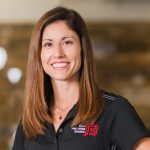
ReneDeLucaEderHeadshot2Rene DeLuca Eder, MPA, E-RYT-500, YACEP, Yoga Teacher at Yoga With Rene

For over 20 years, Rene has practiced, studied and taught yoga. A former police officer turned into a yogi and mother of two, she shares what she has experienced in hopes of inspiring others and raising collective vibration. She teaches classes, leads retreats and yoga teacher training programs.

Follow Yoga With Rene on Facebook.

This transcript is machine transcribed by Sonix


TRANSCRIPT

Intro: [00:00:07] Broadcasting live from the Business RadioX Studios in Woodstock, Georgia. It’s time for Cherokee Business Radio. Now here’s your host.

Stone Payton: [00:00:23] Welcome to another exciting and informative edition of Cherokee Business RadioX Stone Payton here with you this morning, and today’s episode is brought to you, in part by Alma Coffey, sustainably grown, veteran owned and direct trade, which means, of course, from seed to cup, there are no middlemen. Please go check them out at my alma coffee and go visit their Roastery Cafe at thirty four point forty eight Holly Springs Parkway in Canton. As for Harry or the brains of the outfit Leticia? And please tell them that Stone sent you. You guys are in for a real treat this morning. Please join me in welcoming to the podcast with yoga with Renee. The lady herself, Miss Rene DeLuca Eder, yoga teacher. Just all around. Good person business entrepreneur. Welcome to the show.

Rene DeLuca Eder: [00:01:17] Thank you so much stone for having me. It’s so great to finally meet you in person.

Stone Payton: [00:01:22] Well, it’s a delight to get a chance to visit with you. I’ve been blessed in so many ways, not the least of which is I’ve met a gentleman by the name of Dean Belmont.

Rene DeLuca Eder: [00:01:32] Oh, wonderful, wonderful man. I’m familiar. I’m familiar with

Stone Payton: [00:01:37] Him. Yes. Well, and Dean suggested that we connect. It’s been a while we were talking on the phone. It may have been two or three, two or three months ago. I’ve really been looking forward to this conversation. I am absolutely fascinated with this whole idea of yoga. I like to read about introspection and getting oneself sort of aligned with whatever is out there, and my knowledge base is virtually nonexistent. And so I’m excited to learn. I’m excited to hear you. Share your story. Let’s start, though, because this is a business for you. Mission purpose What in a nutshell, are you really out there trying to do for folks?

Rene DeLuca Eder: [00:02:23] I think bring a lot of awareness awareness around yoga and what it is and what it means. I like to think a lot about the goal or objective of yoga. If there is one, which I honestly don’t think that there is, but is to raise collective vibration so that everyone comes into a space where they are vibrating at their highest possible energy, doing all kinds of wonderful things, whether it’s continuing to practice yoga, becoming a yoga teacher or maybe it’s something different, maybe you want to be the best mom that you can be, or you want to be the best dentist that you can be? I think yoga is a space that allows you to expand your consciousness and expand into the greatest potential of what you of what you can be.

Stone Payton: [00:03:07] So is there an accepted definition of what yoga is that maybe just differentiates it from exercise or stretching or meditation? Is there some kind of general definition that it fits within?

Rene DeLuca Eder: [00:03:20] Well, one of the beautiful things about yoga is that it’s, you know, super old. And because of that, there’s a lot of different interpretations and ideas and meanings and symbology that go along with yoga. But a couple of things that stick out to me that I feel like really differentiate yoga from stretching is attention to breathing. So putting yourself in different shapes is beautiful and wonderful for a lot of different reasons. But when you really start to concentrate on your breath, which is a lot of what we do in a yoga practice that makes it feel different not only physically in your body, but also emotionally and spiritually, it’s that connection to breath that bridges the inner world as we connect to it and the outer world as we experience it. So yoga isn’t necessarily just the external or the physical practice. It’s something that encompasses all the different layers and aspects of being. And you know, another thing that I like that I probably is more of like my mantra when I think about teaching yoga in a more professional sense or a classic sense is going back to the ancient texts of Patanjali’s yoga sutras and particularly one of the sutras or one of the sentences there. Verses in the book is Yoga Chett Narrative Hatha Yoga Chit Ready Narrative, which means yoga ceases the fluctuations of the mind. So again, beyond the physical kind of connecting to that space within which allows your mind to calm down and you catch glimpses of inner peace and and who you really are? And so that’s a whole lot of information.

Stone Payton: [00:05:04] Again, I was being quite genuine. When I say, I find I find this whole idea fascinating, I personally find it difficult to get my mind. Still, the one place where I have found that my listeners will not be surprised. Is in the woods, you know, in a tree stand or fishing or just walking in the woods, that is where my mind is. The stylist and I feel very refreshed, and I can’t help but wonder if people who regularly practice yoga don’t achieve that or something well beyond what I’m feeling when I’m in the woods.

Rene DeLuca Eder: [00:05:41] I think it’s a very similar experience, and yoga doesn’t necessarily have to be, Oh, I have to go to a yoga studio. I have to buy certain clothing. I have to be at a certain level or practice a certain style or intensity of yoga. Yoga can be painting, it can be singing, it can be being out in the woods, it can be sitting and observing your breath. It can be being with a special person. It can be anything that kind of creates that same state that you’re describing. And yoga is just, you know, one way to get there. Another beautiful saying that was shared with me is the paths are many, but the truth is one. So whatever gets you there, you know, gets you to that, to that space. But but what you’re experiencing and being out in the woods and fishing, is that yoga? Absolutely. Absolutely.

Stone Payton: [00:06:28] Well, I’m delighted to hear you say that

Rene DeLuca Eder: [00:06:30] You’re an advanced practitioner. You didn’t even know it just like that, but not a stone way to go.

Stone Payton: [00:06:35] But but it’s so true, for example, fishing or hunting, which I enjoy both immensely. I really have a fantastic time, whether I harvest anything or not. I went fishing the other afternoon in a place I didn’t know, didn’t really know where to go or what to do when I got there, but I knew I was going to be near the water and I still. I just thoroughly it. Just it just it really just sort of helped me calm my mind. And actually, I think maybe it may be one of the sources of creativity and refreshment for me. So in your environment, do you find yourself teaching entire classes? Is it one on one? What’s what’s the mode for you?

Rene DeLuca Eder: [00:07:14] Well, I jokingly say I’m kind of a one stop shop for four yoga instruction. I’ve been teaching yoga since 2000, so this is my twenty second year of teaching yoga. So odds are, if there has been a yoga class or gathering of some kind, I’ve probably led it in one way or another. I so I do teach group classes all all over the place. A lot here in Cherokee County was specifically at lifetime fitness here in Woodstock, just off of Highway 92. Yeah, I’m also right around the corner from here at Jen Miller Fitness, which is right off of Mill Street, right near downtown Woodstock. Those are probably the the classes that I do.

Stone Payton: [00:07:58] So you’re in that studio? My buddies over at Mesmerize Media, they’re your name, right next door.

Rene DeLuca Eder: [00:08:03] Right next door. Yep. And I met those guys and they are lovely. They are a hoot. I toured their studio and it was just beautiful. And those guys, they said great things about about you. They said, Oh yeah, you’re going to see stuff. Oh yeah, he likes to come over and have a beer if he wants. And I’m like, All right,

Stone Payton: [00:08:20] Well, I’m out of beer, but you know, I live right here on the edge of town. I love walking to town. I’ll do a couple of calls and I’ll stop by the Woodstock beer market or daily draft or reformation. But when I’m low on a beer budget, then I run down to see Tim and Jerry and they got some of the refrigerator. But yeah, OK, so. So you teach there as well,

Rene DeLuca Eder: [00:08:37] I teach there as well. So see come and have a yoga class with me and Dean who introduced us will likely be in that yoga class. That’s how we met was through gin and then we can go have a beer next door

Stone Payton: [00:08:48] Mesmerize that is beautiful. I absolutely love it. I love it. I love it. So does that present a challenge, though? When you have a group of people I’m operating under, the impression they might be at different levels is the right word, but one might be more flexible than the other or have more experience. And that’s got to be you really got to be on top of your game to to give everyone the best experience, right?

Rene DeLuca Eder: [00:09:11] Absolutely, absolutely. So especially in larger, you know, group classes where you have, say, six to 10, 12, 15, 25, 30 people. Yeah, people are all going to come in and they’re going to have different energy. You know, some people, like you said, are going to be more flexible. Some people are going to be a lot stronger. Some people are dealing with illness or injury of some kind, and you need to be able to get to that place where you can lead everybody to connecting with their breath and connecting with their body. And if afterwards, they feel like they found a little bit of stillness and peace like they’re out in the woods, fishing or hunting, if they find that that place and find a little stillness for a little while, I feel like I’ve done. I’ve done my, my job, my job.

Stone Payton: [00:09:52] Mm hmm. So which leads me to to ask, even though I was, I played ball when I was young and I’m kind of active. I am the absolute antithesis of physically flexible. I’d like to think that in my business life, I’m flexible and try to accommodate, but no one I am. I am just, you know, like and my wife is very flexible. Sure. So for someone like me, there’s still a place in this arena. There’s still a path.

Rene DeLuca Eder: [00:10:18] There’s, oh, one hundred percent, you know,

Stone Payton: [00:10:20] You also show. In fact, which one in Woodstock already knows, but

Rene DeLuca Eder: [00:10:26] Oh, absolutely, yoga is for everyone, it doesn’t you, no matter if you look a certain way or your certain height or weight or anything like that, anybody can practice. You know, I hear that all the time people come to me, Renee. I don’t know if I can do yoga because I’m not flexible. Yeah. And if if you were flexible already, you probably wouldn’t be coming to yoga class, right? Or if I had a dollar for every time somebody came to me and said, Oh, you know, I would do yoga if I was more flexible. That’s the reason why you come to a yoga practice to begin with. And so I often say, if you can breathe, you can practice yoga. And as a matter of fact, you know, I work with people over the years that have been in different states of coming back from injury, and they might not have a whole lot of mobility. I’ve worked with people that are literally bedridden or who are in chairs and cannot stand up. Can those people practice yoga? They have beautiful, absolutely beautiful practices. And are there people that I work with that can tie themselves up in knots and do the splits and do handstands? Absolutely. There’s those people, too. And that’s one of the things that’s that’s beautiful about yoga is it really, truly reaches everyone. And not everyone, you know, necessarily wants to come to a group class and have that experience. You know, some people want to work one on one or with small groups or just with their spouse or just with their family members or just with a special person. And and I absolutely provide those experiences as well.

Stone Payton: [00:11:56] So, so what’s the back story? How did you get involved with this? You say when you said you started doing this.

Rene DeLuca Eder: [00:12:04] So I started teaching yoga in 2000. I actually discovered yoga the year before. So 1999, all the way last century. Wow. Now we both feel really

Stone Payton: [00:12:16] Old teaching yoga in two different centers.

Rene DeLuca Eder: [00:12:19] Oh, I know it makes me sound like I can live forever. Like some yogis can live forever. Maybe I’ll be one of those that spans into a third century. God willing, I don’t know. But yeah, so I and a lot of people find this kind of interesting. I used to be in law enforcement. I was a police officer for many, many years, 10 years, to be exact. And so obviously, law enforcement, even back then, I left in 04. But even back then, you know, it’s a stressful job for a lot of different reasons that we can all kind of relate to, I think, universally. And so my husband actually suggested that I try a yoga class to. Reduce stress. And I was like, what? Yoga, like what I what like I didn’t even know really what it was, you know, we have all these preconceived notions about what it is. And so I was kind of like, Oh, OK. And I ended up in what’s called a Bikram style yoga class, Bikram Yoga, which is a very hot, heated yoga, 104 degrees, 60 percent humidity. It’s a very intense physical, like, sweaty type practice. And so I was very skeptical, of course, going in because Juan, I’d never done yoga before and to I didn’t really like being hot. And so I was like, Oh, I was a newlywed and I was like, OK, honey, whatever you want to do? Sure, I’ll try it. And so I went, and within a very short time, I found that I was very drawn to the practice. You know, there’s a lot of focus, there’s a lot of breathing.

Rene DeLuca Eder: [00:13:54] There was a lot of intensity and I found that when I when I practiced yoga, that all the other thoughts in my mind went away, that I became very peaceful and very still in my mind, which helped me really recharge. And then I felt like I was better able to deal with all the stressors of, you know, just life in general, not only being a police officer, but all those vicissitudes of life just in general that come your way. And, you know, within just a couple of weeks, I was practicing quite a bit. I was going all the time. I was like, Oh, what time’s that meeting? I going to go, I have a yoga class. I got to go to. So all of a sudden I’m skipping meetings to go to yoga. But you know, other officers would come to me and say, Hey, you know, you smile more like you seem happier, like you look different, like what’s going on? And at first, I’d be like, I don’t know, because I was kind of embarrassed. I mean, I’ll be honest, you know, I wasn’t sure about how that was going to be received by others, particularly police officers. And then eventually, I kind of, you know, became comfortable with it. It was just like, Hey, I’m practicing yoga, and some people will be like. What like did you join a cult because that’s what some people thought it was, you know, it didn’t have quite the mainstream awareness that we have now. And and some people were like, Hey, can I join, you know, can I can I try it with you? And you know, it was just a wonderful way to connect to myself.

Rene DeLuca Eder: [00:15:20] And in time people would start to ask me to help them with flexibility or their back. You know, people are having back issues. Or, you know, at the time, officers had PT tests where we had to, you know, run a certain amount of time, you know, run a one point five miles in a certain amount of time. We had to do a certain amount of sit ups, a certain amount of push ups. And there’s also a flexibility test, a sit and reach where you had to sit on the floor, legs straight and reach forward and push your hands on this box and they would measure your flexibility. And that was a it was a test in order for you to get certified to become a police officer at the time. Oh wow. And so some people were were struggling with that, and they found out that I practiced yoga and all of a sudden people were asking me for advice. And that’s kind of how the whole yoga teacher, you know, journey started it. And back then, you know, you didn’t really need to be certified. People would be like, Oh, ask DeLuca. She knows something about yoga. She’ll make you more flexible. And you know, I started teaching at police academies and things like that. This was out west when I was still in Utah. And that’s kind of how my yoga teacher journey became official is that I just started teaching yoga to police. Officers were struggling with their PT tests.

Stone Payton: [00:16:33] I’m really glad I asked. I am a fascinating back story.

Rene DeLuca Eder: [00:16:38] Yeah, it’s unusual. I’d like to say that I, you know, was out in the mountains and someone picked me, you know, some kind of guru and all that stuff. It wasn’t. It was boring, really out of practical, practical reality and out of out of life. And and as time continued on, I realized that I’d rather be teaching yoga than working.

Stone Payton: [00:16:58] So OK, on the on the business side of things, how does the whole? And I ask all my most of my guests this because I’m a I’m a kind of a sales and marketing person. Oh yeah, great. So how does the whole sales and marketing thing work for a yoga practitioner? How do you get the new business?

Rene DeLuca Eder: [00:17:17] Well, you know, there’s lots of different ways to do it. Most of my business comes from people that have met me through group classes, so teaching at a larger space or a fitness place that maybe is a health and wellness place in a more general sense, but maybe they want to offer yoga to their to their clients. And so a lot of people, I meet that way and maybe they want to further their journey. They want to learn more. They want to work with me one on one or in a small group. And so I get a lot of my business. A lot of it’s through word of word of mouth, word of mouth, for sure. I have kind of started since, you know, the past year and a half and two years has made a lot of changes in business environments and my business is no different. I would never have thought, and I don’t speak in absolutes much, but I never would have thought to teach yoga virtually. To me, it’s always an in-person experience. That exchange of personal energy is really important, and being able to observe someone as they’re breathing in the postures is really important. But because of some of the things that happened, all of a sudden I’m looking at teaching virtually, you know, my my private clients still want to meet with me, but they don’t necessarily want to have me in their house. And, you know,

Stone Payton: [00:18:32] Not

Rene DeLuca Eder: [00:18:32] Not that they don’t like me anymore, but just for other reasons in their own readiness. And so all of a sudden, I’m pivoting into more of a virtual environment. You know, I’m getting a personal zoom room and things like that, learning to set up parts of my house so that I can teach virtually all these types of things. And it’s been a wonderful way to connect with people in an environment that I never would have. I never would have thought of. So teaching virtually has definitely helped him. But another like aspect to my to my business. Another area that I’ve really experienced a lot of growth, especially in the past year, is not only is that virtual environment, but yoga teacher training certifications. So I not only teach yoga classes, but I teach yoga teachers to teach and become certified and be able to carry on the the tradition. And, you know, especially in the past couple of years, you know, a lot of people have had changes in their own career and work environment for lots of different reasons. There’s been a lot more collective introspection, I think, because of, you know, people losing their jobs or things changing their working from home. Things are more flexible and.

Rene DeLuca Eder: [00:19:47] Some people have decided that they want to learn a lot more about a lot more about yoga and whether or not they want to teach yoga professionally or not, a lot of people come on the journey just to learn more, you know, to read the books, to learn about the philosophy, to go in deep and learn, you know, the finer points of of yoga. And so people can come to me. You know, I offer annual yoga teacher training programs right here in Woodstock. So if anyone’s interested in becoming a certified yoga teacher or just wants to learn more about yoga, they really enjoy their practice but want to go deeper. Yoga teacher training is, is really is really the next step is the next step. And another thing that I’m starting to offer in 2022 is things are starting to open up again is yoga retreats. So, yeah, super fun. So think about it like a little yoga vacation. So it’s like a vacation in a beautiful place with a lot of yoga involved. So you’d spend what I’m doing now are mostly self-care weekends. So with Elodie Retreat center up in just outside of Helen, Georgia, so these

Stone Payton: [00:20:57] Are our

Rene DeLuca Eder: [00:20:58] Local. You don’t need a passport, you don’t need to, you know, get on an airplane and all that stuff. But yeah, it’s just an amazing place near Mount Yona that has some amazing spaces, a lot of natural environment, as well as some beautiful, you know, a spa and facilities to facilitate a lot of meditation and yoga. And they have a beautiful meal service and all this stuff. And so you stay up there for a couple of days and, you know, kind of immerse yourself in a yoga experience. So it’s a beautiful way to connect as well.

Stone Payton: [00:21:31] And it strikes me that a couple of things you mentioned might work real well together, like a blended experience. So maybe go to the retreat and then we participate in some of the virtual for the ongoing and for the prep the or even if you have if you’re taking a class, but you still might want to supplement that with the virtual I mean, there’s it’s a both end world or it can be right.

Rene DeLuca Eder: [00:21:52] Absolutely, absolutely. Everyone’s journey is is unique and be able, you know, being able to tailor those experiences to what each person needs is is better. I have, you know, some clients that absolutely will not go to a yoga class with other people for for whatever reason. And I respect that and I have other people who like that environment. The more people, the better, like some people really like to practice in that environment. And so I think being able to pivot and offer both is, you know, it’s important, it’s important so that people can select and kind of personalize, personalize their journey and how they want to relate to the experience.

Stone Payton: [00:22:33] Ok, so tell me more about breathing. Let me tell you part of what precipitates this question. I’ve heard people over the years and talk about I’ve heard people actually specifically expressed the idea of doing breath work.

Rene DeLuca Eder: [00:22:50] Absolutely.

Stone Payton: [00:22:51] I have a soon to be son in law. Oh, wonderful. My youngest got engaged over Christmas.

Rene DeLuca Eder: [00:22:58] Oh, congratulations.

Stone Payton: [00:23:00] They are both health nuts, and I mean that in a very, you know, positive way. They live in Chattanooga. They’re in the perfect environment. Yeah, she got a real job. She fired me. She was helping me out. Oh what? She got a real job with Echelon. The you know, the bicycle. Oh wow. Yes, company. And they’re both, you know, they’re young and they’re cute and they’re fit and they eat right and all that stuff. And Matt, my soon to be son in law, he is beginning to do some breath work for a wellness outfit up there. Wonderful. And of course, we teased him about it. You know, I look, you work mostly on in or out, you know? Right? We tease a reference. But obviously this is this is a thing this. So it’s definitely more about breath work and breathing, if you would.

Rene DeLuca Eder: [00:23:47] It’s definitely, yeah, definitely a thing. You know, I mentioned earlier kind of bridges the internal and the external worlds, but by listening to your breath or becoming aware of your breath, it’s a metaphor for the way that you are experiencing the moment. It’s a way that you live. Your life is the quality of your breathing. So if you simply, you know, lower your eyes, you know, sit still and observe your inhales and exhales as they naturally occur. And you maybe think about some of the words or maybe the textures or the things that you’re experiencing, like what adjectives would you use to describe your breathing pattern, you know, in the moment? You use those same words to describe the way that you are experiencing and living your life in that moment. So it’s it’s central, it’s important, you know, not only to a yoga practice, but obviously we don’t breathe right and be around for real long. When you say like three minutes, you know about three minutes, most people will kind of transition to their next life without oxygen. But but it’s a way to turn your attention in inside a way to turn your attention inside. And when you start to connect to your breath and you start to connect to your body, which is what yoga encourages us, at least the physical practice of yoga encourages us, encourages us to do. We move into a place of truth. So. Your mind often lies, right, we have all these thoughts, some of them come true. Some of them are real. Some of them are are not. And actually, I would argue personally that most of the things that the mind conjures up are not real. They’re just things that we conjure up in our mind, their kind of stories that our mind tells us over and over and over again.

Rene DeLuca Eder: [00:25:31] But when you start to connect with your breath, your breath is the truth. You know, I am inhaling, I’m exhaling, my breath is fast, it is shallow, it’s deep, it’s rhythmic, it’s erratic, you know? That’s the reality of what you’re observing in the moment. And it’s a space. It’s a space of truth. And it’s the same thing with with your body. Again, your mind is often going to tell you stories about, Oh, this could happen or that could happen, or this is what a person is thinking of you, or that’s what a person is thinking of you. You know, all these external realities against which may or may not be true. But when you start to connect your breath with your body and experience what what, it’s what it’s feeling, you release all that clutter all that chatter from your mind and move into a place that is pure experience and pure reality exactly as it is without interference, without chatter from the mind, without all these mental constructs which may or may not be based in in reality. So by focusing on your breath and focusing on your body, you, you move beyond a space of delusion or illusion. And we call that Maya in the yoga world. So, you know, going through our daily routine, we might be doing this and doing that and thinking this and thinking that is it our true reality? Maybe, maybe not. But if we sit and notice our breath for a little bit of time and we get into our body for a little bit of time, we can release things whether or not they are true or not true and moving to a space of true experience through experience. Yeah.

Stone Payton: [00:27:03] And so there’s for the for the novice. Or maybe, maybe maybe for the expert,

Rene DeLuca Eder: [00:27:11] Probably for everybody

Stone Payton: [00:27:12] Is part of this having someone like guiding you through a series and like manipulating the breath a little bit just to get control of it? And then you sort of maybe go through an exercise. I’m going to do this kind of breathing for a little while. And is it structured?

Rene DeLuca Eder: [00:27:29] Sometimes it can be. Sometimes I mean, observing just your natural breath,

Stone Payton: [00:27:34] Just paying attention,

Rene DeLuca Eder: [00:27:34] Paying attention to your breath is the highest yoga practice that there is. It’s the most advanced yoga practice that there is is sitting and observing your breath exactly as it is. But you know, a lot of times what we think of in yoga, particularly in the West. And by that, I mean, the United States is we think about being able to do certain things with our body, which is a beautiful part of the practice, putting your body in different shapes and doing all those things. And that’s and that’s lovely. And but but another thing is we can use the breath itself in different ways, different breathing techniques in order to bring about certain energetic effects. So if we breathe in a certain way, we can boost our energy. If we breathe in a certain way, we can calm ourselves down. If we breathe in a certain way, we can become more balanced and focused. And so that can be helpful to have a teacher kind of guide you through those practices again to personalize the experience. But is it something that someone could learn a few tricks on their own by reading a book or going to a few classes or taking a few sessions and then maybe do on their own? Absolutely.

Rene DeLuca Eder: [00:28:39] You know, some people prefer always having that guidance. Some people are a bit more independent and are OK kind of working on their own. So, you know, breath work is an entire field upon its in and of itself. So as a matter of fact, there’s eight limbs in the practice of yoga. There’s eight limbs and one of the limbs is called pranayama pranayama, which is breathing techniques. So one of those eight areas are fields of study or experience. One entire branch is devoted just to breath work, and it’s central to the practice. And then, of course, another limb is Asana, which are the physical postures. So those are the two that most people think of. When they think of yoga, they think of the postures moving into different shapes and they think about, you know, breathing or there might not. But there’s still, you know, six others that are out there. And so that’s always been very interesting to me and a great thing to bring awareness to. A lot of people don’t think about it in those terms.

Stone Payton: [00:29:46] Well, what I’m beginning to love about this is there’s there’s a place here for the beginner. Mm hmm. And it looks like you never really you could never actually run out of getting better and getting more benefits. Right? There’s always another absolute level of,

Rene DeLuca Eder: [00:30:04] Yeah, there’s always another level of experience and you know, there’s lots of things out. There for people to try and experiment. I once read somewhere or someone told me in the source fails right now, but there’s 8.8 million yoga postures that have been documented in some way. Can I do them all? No. Can anybody do them all? Probably not. It will take most of us lifetimes to even catch a glimpse of what all that might be about. But again, it’s not only about, you know, the physical experience or being able to do certain things with your body. It’s really more about stilling and quieting the mind more than anything. And there’s many different ways to do that. Again, going back to your experience, being out in the woods, I mean, that’s that’s a form.

Stone Payton: [00:30:51] Well, now I’m going to be a lot more attentive to my breathing. You know, I try to be quiet when I’m hunting. Well, sure, I’m going to pay a lot more attention to my breathing. You? I will. Absolutely, yeah, look at that.

Rene DeLuca Eder: [00:31:02] How your yoga is going to inform your hunting experience. You think it’s not connected, but it’s all connected. Everything, it’s all connected.

Stone Payton: [00:31:10] It’s all connected. So before we go, though, let’s do offer a little bit of counsel. I don’t know to the to the novice or an intermediary or all the way through. But I guess my mind goes to the novice because of course, I represent that pack. You know, somebody listens to this. Sure. Here live today or maybe on demand, right? And maybe they hear it three months from now. What are some things that may be they can begin doing just to begin to get their arms around some of the benefits of of this of this kind of are there just a few things we could leave them with to something to start doing? Yeah, we’re not doing. Absolutely not.

Rene DeLuca Eder: [00:31:48] I always like to teach to inclusion, you know, not telling people what not to do. I like

Stone Payton: [00:31:53] To tell people what they what

Rene DeLuca Eder: [00:31:54] They should do. And I would just say, you know, start to explore what’s out there and maybe it is finding a teacher or going to a yoga class or, you know, a friend who has a friend that really likes yoga, you know, maybe learning from them a little bit about their experience or about the teachers that they that they, you know, have worked with. Another thing, too, and you kind of said you’ve done some reading yourself. I started as a self, you know, study, Yogi. I just found a few books about yoga and started reading about yoga and absolutely fell in love with the practice and the philosophy and all different parts of it just by finding some great, great books. And also, you know, especially and we touched upon it in our interviews in the past couple of years, there’s a lot more high quality virtual instruction that is out there that you can find, you know, for free or there are subscription services. There’s lots of different ways to connect with yoga, you know, very, very easily from the comfort of your own home or going out and experiencing it out in your environment. And so it doesn’t really matter how you get there, but just getting out there and starting to practice is, you know, a beautiful experience and everyone’s journey is entirely different. And so allowing it to unfold and doing those things that make you feel comfortable.

Stone Payton: [00:33:14] Yeah. All right. So let’s make sure that we leave our listeners with a way to connect with you. Oh, wonderful. And whatever fashion is appropriate, whether it’s email website, maybe you have some video stuff, but whatever would give them a chance to have a conversation with you or someone in your world?

Rene DeLuca Eder: [00:33:32] Oh, absolutely. Yeah, I would love to connect with anyone who wants to learn more about more about the practice. And you know, the best way to reach me is through my website. It’s yoga with Renee. So Renee is with one e yoga with Renee, one yoga with Renee. And there there’s lots of links to different things. Actually, just the last last week, I did some video stuff, so some video practices will be on there that will be available on the retreat. Information will be on their teacher training, information will be on there. And just this past Thanksgiving, I published my first book about yoga.

Stone Payton: [00:34:08] That was going to be my last question.

Rene DeLuca Eder: [00:34:10] And I knew it. I knew it.

Stone Payton: [00:34:12] I knew it. That you might be writing a book because I thought we talked about that. A couple. Yeah, so. So say more about the book.

Rene DeLuca Eder: [00:34:20] So, yeah, it’s now out. It’s a published. It was published right before Thanksgiving Thanksgiving holiday. It was the number one new release in yoga books on Amazon. The number one new release in e-books on Kindle and the number one Kindle release in exercise, dieting and health. Short reads. It’s called yoga your life, yoga your life and it’s a journey, a way that modern yogis can use the ancient wisdom of the eight limbs to bring peace and joy into their lives off of the mat. So it is a wonderful book talks about the classic eight limbs of yoga, but in a very approachable way. It’s a short read. There’s a lot of personal essays, some that have to do with being in a yoga class. Many. Would you have to do about just living life, you know, being a mom, being a pet owner, all different kinds of things that I’ve done in tying it into a yogic experience. And there’s a link there to the Amazon page that will get you to the book, but it is available on Amazon Amazon.com. Well?

Stone Payton: [00:35:26] Well, were you sold one copy anyway? Oh no.

Rene DeLuca Eder: [00:35:30] Oh, you are. Oh good. It’s out there in Kindle.

Stone Payton: [00:35:32] Carry so many books, right? You’re right, right? Right? No, that’s so. But I can get it on Kindle. Absolutely. Oh, fantastic. You have to. All right. So let’s leave him with those points of contact again.

Rene DeLuca Eder: [00:35:43] Then website all yoga with Renee. Easiest way to do it, you know? Sign up for my newsletter. There’s links to the information there, the different things that I do. And you know, if you’re interested in working one on one or with a small group or you want to look at my teaching schedule and join me somewhere out here and beautiful Woodstock, or you want to join me at a retreat up there in the mountains, or you want to pick up my book and read it, or you’re thinking about taking that next step and becoming a yoga teacher? Please check out my website. I would love to connect with the folks here in Cherokee County specifically.

Stone Payton: [00:36:15] Well, Renee DeLuca Etre Yoga Instructor, author, speaker, facilitator That’s so much fun. It is.

Rene DeLuca Eder: [00:36:24] I love talking about yoga. How much time do you have?

Stone Payton: [00:36:26] I love listening to you. Talk about yoga. It’s been an absolute delight in the studio.

Rene DeLuca Eder: [00:36:32] My pleasure? Absolutely.

Stone Payton: [00:36:34] All right. Until next time, this is Stone Payton for our guests today. Renee DeLuca, Etre yoga instructor at Yoga with Renee. Well, what about yoga with Renee?

Rene DeLuca Eder: [00:36:44] Si.com: works just

Stone Payton: [00:36:45] Fine. Yeah. And website one more time again,

Rene DeLuca Eder: [00:36:48] Yoga with Renee,

Stone Payton: [00:36:49] Yoga with Renee and everyone here at the Business RadioX family saying, We’ll see you next time on Cherokee Business Radio.

Tagged With: Rene DeLuca Eder, Yoga With Rene

Melissa Cantrell With CDH Partners

January 6, 2022 by Jacob Lapera

Melissa Cantrell1
Cherokee Business Radio
Melissa Cantrell With CDH Partners
Loading
00:00 /
RSS Feed
Share
Link
Embed

Download file

This Episode was brought to you by

The Innovation SpotAlma Coffee


HeadshotMelissaMelissa Cantrell is the President and CEO of CDH Partners, where she handles operations to establish short and long-term goals, plans and strategies, as well as resourcing, employee growth, and budgets.

When she is not deciding operational strategies, building a diverse, well-oiled team, or networking, she is the principal of CDH’s education studio – ensuring resources and managing designs.

As the Principal of our Education Studio, Melissa has built her career upon delivering innovative architectural design and master planning to public and private educational clients. Her comprehensive experience has equipped her with an expansive understanding of the challenges facing today’s educational facilities.

As the first female executive of CDH, Melissa moved the dial to garner more than 50% female ownership and leadership in less than two years in her position at CDH Partners – an often-unheard-of feat in a predominantly male-led industry.  With this move, she was able to create a more inclusive culture all while experiencing the disruptive pandemic.

Melissa has created an environment that is inclusive, forward-thinking, and familial. Our employee retention and tenure rates are exceptional for the industry – with most of our staff averaging 15 years with CDH. All staff are encouraged to pursue education and networking to grow themselves personally and professionally.

Melissa has had an eventful 12 months – taking over operations and creating a diverse ownership team and managing 30% of the projects and revenue for firm. She is a recognized Author, Speaker, and Thought Leader in the development of Future Ready Schools in the Georgia Education Market. She has won multiple design awards in this market segment.

Follow CDH Partners on Facebook and LinkedIn.


This transcript is machine transcribed by Sonix


TRANSCRIPT

Intro: [00:00:07] Broadcasting live from the Business RadioX Studios in Woodstock, Georgia. It’s time for Cherokee Business Radio. Now here’s your host.

Stone Payton: [00:00:23] Welcome to this very special edition of Cherokee Business Radio Stone Payton here with you this morning and today’s episode is brought to you in part by Bagshot shot video and photography. Of course, they specialize in real estate and architectural video and photography. Reach out to talk with Randall Beck at info at Bagshot or give him a call at five one six five zero nine six nine four three and tell them Stone since you, you guys are in for a real treat this morning. It’s our first broadcast of 2022. It’s our special design series and we have with US President and CEO of CDH Partners Miss Melissa Cantrell. How are you?

Melissa Cantrell: [00:01:06] I am great. Thanks for having me here, Stone.

Stone Payton: [00:01:09] Well, it’s absolutely my pleasure. And of course, we owe a debt of gratitude to Courtney Shand. Is that the right best saying that right chantry? All right. We owe a debt of gratitude to Courtney because she’s the one that coordinated this thing and put this thing together. But I’m looking forward to this for weeks. You’re the president and CEO of Seed Partners. Tell us a little bit of mission purpose. What are you out there trying to do for folks?

Melissa Cantrell: [00:01:33] Yeah, absolutely. So we are an architecture and interior design firm located in Atlanta, Georgia. We specialize in health, health care facilities, education worship and then also live work, which is corporate and some light industrial projects. We were established in 77

Stone Payton: [00:01:54] And we were five.

Melissa Cantrell: [00:01:55] Well, thank you. I was three

Stone Payton: [00:02:00] Seconds ago, you did good,

Melissa Cantrell: [00:02:05] But over the years have just allow the company to grow and mature. We have a great legacy that we carry with us and looking forward to a tremendous future.

Stone Payton: [00:02:15] So how does one find themselves in the position of president and CEO of a firm like this? Tell us a little bit about the backstory in the path.

Melissa Cantrell: [00:02:24] Sure. Well, for me, I became an architect because of a long history there. The family legend has it that we’re related to Buckminster Fuller, and I don’t know who who all out there knows who Buckminster Fuller is, but he developed the geodesic dome. So I grew up as a young child hearing about Buckminster Fuller and these amazing structures that he created. But I also had a tremendous influence from my mother. So not only is architecture and engineering in my blood, but my mother was a residential builder. During the the 80s, which was really unusual at that point in time to have a woman, a woman in construction, much less to own her own construction company. So I grew up on the job site, stepped on many nails over the years, so I carry my scars with me. But that’s really what allowed me to develop my love for the built environment. So growing into that, knowing that from a young age, I wanted to be an architect because I knew construction wasn’t for me.

Stone Payton: [00:03:32] That’s the value of experience like that. I knew I didn’t want to be a school teacher. I didn’t know what I was going to be, but I was going to be a basketball coach or a school team. There you

Melissa Cantrell: [00:03:39] Go. But really, knowing that I wanted to make an impact and architecture was a way for me to do that. So I went to Georgia Tech, grew through the program there, graduated and I was looking for a company that was going to allow me to fulfill my ambition and my desire to make that impact in our society and our communities. Talk to many firms, but seed age really encompassed everything that I was looking for. The the company itself was very family oriented. All the market sectors are ones in which we touch human lives. We impact them health care. We we, you know, heal the body worship, we heal the mind and spirit. And then in education, we really begin to develop the young souls that are going to really drive our society’s moving forward. And then even within our corporate environments, I mean, think about everything that you’re experiencing in the studio today. The acoustics, the lighting, everything impacts the way you thrive in your environment, in your business. So that really spoke to me. So developing within the company as a young intern, watching the ups and the downs and the ebbs and flows of the market and our communities really just began to build in me, and I began to take on more leadership roles within the company.

Stone Payton: [00:05:10] And voila, here you are. Here I am. So we do some work and you may be aware of this. We do at DC Radio. We haven’t been down there in a while with all the COVID craziness and all that we’ve. On some virtual stuff, we’ve continued to do that, but with their accelerator programs, we’ve got a few folks in that in that Georgia Tech, where what is it about Georgia Tech that is that produces such marvelous, successful, not just talent, but it seems like the people that I’ve had the good fortune of, of getting to know over the years that come from that ecosystem. They just they’re very invested in the community and the business community, the community at large, the most, they’re all. Everyone I’ve met is very successful, but they’re they’re very committed to this. This impact you speak of, aren’t they?

Melissa Cantrell: [00:05:58] We really are. And I say we because I do feel that the College of Architecture, specifically with the influence and emphasis on social impact, but across the board, I mean, we’re we’re trained, we’re taught the technical nuances of our specialties, but we’re also taught that everything we do has that impact and we’re taught different ways to contribute to our communities, whether that’s in our businesses, within political aspirations or even within the social giving that we’re we’re trained to participate in.

Stone Payton: [00:06:36] So what do you like the most? Well, let me back up, what did you like most about the I don’t even know what to call it, the rank and file work of being an architect, I guess. And then what do you like most about what you’re doing now?

Melissa Cantrell: [00:06:47] Yeah, absolutely. What did I like most about the rank and file would probably be touching those individuals working with our clients to to really establish what is their vision for what they look for at the end of the project. So they come to us with ideas. They don’t know really how what that looks like and to be able to take those thoughts and the aspirations that they have for those spaces and carve and shape it into something that really begins to establish their work environments or their their learning environments, their worship environments for the next 50 years. And then to see them the day that that facility opens, especially the students, the kids, when the doors open and they flood the space and just the oohs and ahs and the tears and the joy that they feel, especially in disadvantaged areas where schools are their safe place or worship facilities are their home, or even where the health care facilities really heal not just their bodies, but their families is just so impactful. And that is what brings me to work every day. It’s what drives me to do more and to do better. And then for me and my role today, it’s seeing that not just with any one particular market sector. My focus, my specialty is education. But to see as as the CEO and president to have that influence over all of our market sectors is really impactful. And to to be able to develop the leaders within our firm and the leaders in our communities is really soul fulfilling

Stone Payton: [00:08:42] The skill sets. This happens to me a lot. I get surprised more than I should, but I’m always surprised that people who have extreme technical competence and whatever their craft is. And then I find that that is there’s so much more that is required to that has brought them to where they are. I’ve seen that in other domains, people who who manage wealth, people who help you organize businesses, and it’s it’s occurring to me. I have to confess, I didn’t think of it that in your line of work. Yes, there’s the technical competence because there must be a thousand and one things that you should take into consideration if you’re trying to create an environment that’s conducive to educating a child. But there’s also this whole other side of things that you’re talking about to bring whomever’s vision to the to the for the first, well, maybe do individuals often possess both? Or is it a matter of finding individuals that possess one or the other and putting them together?

Melissa Cantrell: [00:09:44] So what we look for in our talent is those individuals who have those technical competencies, which I’ll be honest with you, that’s a given for

Stone Payton: [00:09:55] First like table stakes, its table

Melissa Cantrell: [00:09:57] Scale. It really

Stone Payton: [00:09:58] Is. You’ve got to have that

Melissa Cantrell: [00:09:59] Right, right? But when we look for employees, whether they’re in the production realm, where they’re going to be working with our clients or even in our operational aspects like Courtney here, we’re looking for individuals that seek a higher purpose where what we do means more than just. Creating a building because we have people we do have the the more technically geared individuals where. That is their love and their passion, and we need them, right? But the the individuals that are really going to take our firm and our buildings, our projects and our clients to that next level are those individuals that have that passion and that desire to to make an impact, to bring a building to a higher level and to provide spaces that are really going to drive success for our clients.

Stone Payton: [00:10:55] So the recruiting and development for you is critical. I mean, recruiting people that fit that fit those characteristics and then keeping them engaged motivated. But I mean, this is this is part of your job.

Melissa Cantrell: [00:11:11] It is. It is. And that’s been a huge part of the last few years for us. So I became president in 2019 and we went through a series of changes, not to mention this pandemic that we live in, that really actually in many ways escalated or expedited what my vision for the company was moving forward, allowing us to have a hybrid work environment, allowing us to provide more transparency to keep our employees engaged, which was admittedly relatively difficult in the pandemic. But we were one of the first in the industry to bring our employees back in a safe working environment a couple of days a week while allowing them to work in a hybrid environment outside of that. And we’ve continued that, but we’ve also brought back different opportunities within our organizational structure to to drive that engagement and to keep them involved and motivated and together.

Stone Payton: [00:12:12] So am I just being old fashioned, uninformed or is my instinct right? Is it still at this point, a little unusual to have a female in a position of this high leadership in this arena, this architectural?

Melissa Cantrell: [00:12:27] It really is. So there’s only 50 percent of the graduates from architectural programs are women. Only 20 percent of those are licensed professionals, and only 17 percent of our industry are actually executives or principals in leadership positions in architecture. It is a very unusual situation to have a female in a leadership position. But I do believe that that actually allows us to position ourselves even better with our clients and within the industry. Not because I’m a woman, not because of any, you know, the WB, although that does allow us some some opportunities within the federal arena. But really, because I think as women, we manage differently, we we try to be more engaged, we’re more connected. And for myself, it really allows me to connect with my employees a bit better and with the team. I try not to look at it as a hierarchy, but more as a unified approach. We do have a leadership team which actually is more than 50 percent women and where more than 50 percent women owned as well across our shareholder. So we’re we’re very proud of that fact. Our clients like that. It connects with them as well and allows us to provide more diversity within our approach.

Stone Payton: [00:13:59] As you were speaking, I was thinking Business RadioX the brains of the outfit. Holly Peyton, my wife, Abby Cantor, my business partners. Why we need to formalize that, probably because we’re like 100 percent as far as brain work run by. There you go. And I do the fun stuff, right? We come into the studio and chat with you guys and that kind of thing, or go out and do these conferences and trade shows and stuff. But make no mistake about it is if there’s anything you like about the Business RadioX network, you can thank our Abby and Holly. So, so you spoke to about change a few moments ago. Tell us a little bit more about what have you learned or discovered or has surprised you about managing an organization through changes like that?

Melissa Cantrell: [00:14:45] Wow, that’s a loaded question. When I when I took the position in July of nineteen, I had no idea what I was in for. You know, the pandemic aside, just the leadership of the the firm itself, looking at how we as architects because we are a creative group, which also means that we are also a bit more emotional and emotionally engaged than than other industries might be very. As I mentioned, very passionate about what we do and the company itself. The way we’re structured within the market sectors, somewhat siloed us, and over the last two years, I’ve taken a tremendous, tremendous focus on de siloing of pulling our leadership team together, pulling our studios together and creating opportunities for each of them to have their own identity as subject matter experts. But for all of us to also learn from the synergies of this market sectors and allow that subject matter expertize to flow into other arenas, for instance, looking at how our worship centers are structured for children’s ministries and using some of what we’ve learned from the higher education or the K-12 market to bring that synergy into it or for health care, bringing our expertize there into our higher ed world to begin to inform spaces for the the health sciences industries or markets. So really, looking at how those different markets, that knowledge that expertize those skill sets can drive the business and make us more impactful for our clients and for their projects?

Stone Payton: [00:16:42] Well, I am curious to understand how the whole sales and marketing thing works for a firm like yours, but I got to believe I got. I got to believe that having this, this knowledge and experience base of having designed these spaces that must really carry a lot of weight in the process. Yeah, but how does the whole sales of marketing thing work for you guys?

Melissa Cantrell: [00:17:06] It’s all relationships. I mean, it’s just it’s the same as business to business. You know how you market there. It’s it’s just about relationships, developing interpersonal connections with people like yourself who maybe one day you want to build your own studio.

Stone Payton: [00:17:25] Over incidentally.

Melissa Cantrell: [00:17:26] Awesome. Well, remember CBH Partners?

Stone Payton: [00:17:29] All right, you got it.

Melissa Cantrell: [00:17:31] But working with our clients, I mean, the path to a project may take years to develop to develop that, that connection with that individual or that business, to really define what’s important to them and to their industries, find out what their pain points are and work on solutions to solve those. That’s what drives us to get that next project. Our understanding and our mutual respect for our businesses is really the key to success when it comes to that.

Stone Payton: [00:18:05] It’s amazing. I can’t draw a stick figure as my wife knows, she teaches art classes on the side. You know, she’s got her first watercolor painting class. She’s incredibly artistic. I couldn’t draw a square if I had to, but I’m from the professional services world a long, long time ago when I had black hair. You know, it’s something closer to a religion. I come from the professional services, the consulting, training, speaking world and what you’re describing. That’s what makes a really good consultant, trainer, speaker or or successful relationship oriented, not far less transactional, right? Much more, much quicker to invest in the ecosystem or the or the community and focused on trying to get inside kind of almost projecting themselves into the to the mind or the other person and really understanding, you know, how they feel and what their. And now what I’m hearing you say is that’s what it is. That’s why you guys are at the top of your field in the architectural arena.

Melissa Cantrell: [00:19:06] That’s exactly what’s fascinating. Yeah. Listening is the key, right? Understanding what they need, understanding what you’re looking for. It it it is the key to success, and it’s unfortunately not something that they teach us in architecture school. But a lot of it is God, given a lot of it is training and a lot of it is observation and watching our predecessors and then also teaching that down to those who are going to be our successors.

Stone Payton: [00:19:34] So where are you thinking about taking this thing, you and you and you and Courtney and crew, where are you going to take this thing?

Melissa Cantrell: [00:19:41] What’s next? What is next? We are looking at some emerging markets or emerging markets for CD and really developing going broader and deeper in the markets that we’re in. We, as I mentioned within the health care studio market sector, we we categorize them as studios. It makes up about 60 percent of our revenue. And I mean, look around you as we are in the midst of a pandemic, the way in which the health care arena is modifying and changing to accommodate that. And I mean, lots of lessons learned there. And there was a tremendous loss of revenue for the health care industry during the height of the pandemic, when all of this broke in 2020. They didn’t know what to do there their hospitals were. Flooded with patients, and they couldn’t they had to redirect all of their assets, all of their resources to deal with that. And now they’ve begun to find that balance. I say that as Omicron begins to to take its hold on our communities. But you know, that really defined the direction that they were going to go. So going broader and deeper within those understanding what our clients need, how do we take our technical expertize and hire a consulting team that’s going to support that mission, to drive success, to make them whether who, whoever them is to, to have more ambition within their their revenue streams? That is also ours. We intend to grow. We are growing. We grew 15 percent last year.

Stone Payton: [00:21:28] Congratulations.

Melissa Cantrell: [00:21:29] Thank you. Not just in revenue, but also in staff. We were strategically adding key members of our team. And you know, recruiting is difficult right now, but it’s even more difficult when when I talk to you about what we’re looking for in key individuals, so we don’t hire just anybody, but growth is where we want to take this. We’re looking for a five to 10 percent growth this year and then looking at different markets where that can occur, you know, put a plug in. We’re looking for a great interior designer, OK, who can really begin to define our corporate environments? You know, that is coming back. It’s going to come back a little bit differently. Not sure if that’s going to be larger square footages or smaller square footages, but it certainly is going to mean that we work differently in the future. Hopefully, it doesn’t mean that we’re all in cubicles again because I sure do enjoy having an open office environment. But it definitely means that the work environment is going to be different and more creative in itself.

Stone Payton: [00:22:40] So you spoke to this a little while ago, listening how important that is, and you strike me as an individual. Your organization strikes me as the type of of entity that would probably go to some lengths to get clients and even potential clients together in some fashion to just get their input, get their opinion. Have you had a chance to do a little bit of that in some fashion? And if so, what have you learned? The reason I’m asked a reason I’m asking is I could see a hospital administrator and an assistant superintendent of a school system having some very similar ideas. And maybe maybe they could cross pollinate, right?

Melissa Cantrell: [00:23:21] Yeah, that’s a great idea.

Stone Payton: [00:23:24] You’re welcome. I’ll send you a bill. Thanks.

Melissa Cantrell: [00:23:27] Appreciate that. We we haven’t done that as formally. We do that with every project because it seems like every time we start a new project, there’s a new set of issues that we have to operate around opportunities within the design of that particular facility that we’re looking at, whether that’s a renovation or a new project. But no, we have not looked at that across the board as far as bringing those individuals together.

Stone Payton: [00:23:58] Well, I cheated a little bit. Those are two words that I have a little bit of on the periphery. My father was a school superintendent, a long, you know, four four. Well, they voted him in and then they voted him out. But my mom and dad were in the school system. And so anyway, I just thought about, Hey, you know, as like, I bet if he had any or he had any role in designing a new school, the so many of the considerations would not have even they would be thinking about a whole different set of things right now.

Melissa Cantrell: [00:24:29] They did. Yeah, absolutely. I mean, how large is a classroom? What’s the inner changes to keep that that positive airflow through the classrooms that came from health care? Right. So the the amount of air changes that a health care facility has to have to keep that air clean and ventilated and exhausted is now being input into the way schools are being designed within their mechanical systems. So again, that comes to the synergies between the market sectors and and to your point, how you know, the CDC has influenced the design of schools and OSHA as well.

Stone Payton: [00:25:14] Well, you’ll be delighted to know. I think the space we’re in, it’s so, it’s so new. We’ve got the gym jammie. I don’t know what to call it, but you’ll know what to call it, but the air scrubbing stuff or whatever, and they did that just, you know, because they, you know. This thing is only like a year old, so they built that out. Speaking of studios, I’ve enjoyed having this one. We’re in a co-working space called the innovation spot. I mean, right in the heart of Woodstock, like a mile from downtown, which I walk here a lot because I live on the edge of town. It’s a it’s a great space. I envision the innovation spot expanding like next door to the next building as well, and I love it. And one of our sponsors gave us this, this kind of wall that we’re looking at, and it’s got some of our community partners plastered plastered on it. We have studios all over the country here in the network, and I really love coming into this space. It’s just to me, it’s fun. You use the word studio earlier. What does studio mean in your world? Is it like a physical location or what is it?

Melissa Cantrell: [00:26:14] Well, so our the word studio in architecture actually comes from the bowel health movement back in the the 50s, actually before then. But it is just a group of individuals who are focused on a particular, in our case, market type. Ok, so we have we do cluster are team members in groups, but we also, as I mentioned, that open office environment have very low partitions, so everybody is really together. O ne allows for that collaboration, but for us, studio just specifically means that market focus

Stone Payton: [00:26:54] And what are they? Again, you mentioned them at the top of the show, but yeah, what are those those those major areas?

Melissa Cantrell: [00:26:59] So again, health and wellness, which is our health care facility, and that range is anywhere from small medical offices to new towers. We’re actually doing a replacement tower for well star right now. Oh, fun. Yeah, we’re excited about that. For our worship and community. It is everything from churches, so Mt. Power and Church of God apostles perimeter. We’ve done some work here in Woodstock and then also through community centers and actually working with some of the local municipalities, education and research. So we work with Kennesaw State University, Clayton State University, the local Cobb School System, Fulton DeKalb, Atlanta public, but then also in the research area. Adolescents, which is right down the road from here, did their new R&D facility and working with them right now on some warehousing space and some manufacturing area for them and then live work. So Walton on the Chattahoochee did an apartment complex for them. If you haven’t been down there as beautiful, do a lot of senior living facilities.

Stone Payton: [00:28:11] Oh, I didn’t even think about Wow, I bet that’s that’s not going anywhere.

Melissa Cantrell: [00:28:15] It is not going anywhere for a while there. It definitely slowed down. But the because the lending, but the lending is back and everybody’s building again, so.

Stone Payton: [00:28:26] So before we wrap, I’d love to get some council provides some counsel from you, if we could, on two fronts. And one is on any person, maybe particularly female. But I’m not going to confine the conversation to that. Who has an eye toward growing into a role of this nature, one that has this kind of impact, one that’s going to influence these kind of lives that maybe they want to be an executive, a leader of some kind. And I don’t know, maybe dos, don’ts lessons learned, you know, or any counts because because somewhere out there, whether it’s today live or, you know, they may hear this six months from now, you know, maybe if they heard a little something from from this Melissa Gal, who has accomplished so much and is getting a chance to play at this level. Any insight there on that front? Maybe.

Melissa Cantrell: [00:29:21] Oh, wow. I would say find a mentor. That was a really impactful move for me. My mentor, actually, I had several over my career and not all of them were in architecture. Of course, there was Bill Chetwynd, who was one of the founding partners of the company, who has made a tremendous impact on my career, could not be here without him and give a big shout out to him, but also to my my stepfather, Dennis Burnette, who was the CEO and president of a number of banks in our local area, and how he directed me from a non architectural perspective to really understand business and to make some key decisions also was very impactful. But finding that mentor that guide, I wish I had more female influence in my professional career growing through the industry. It just wasn’t set up that way, but that’s not the case today. There are so many talented strategic women out there that. These young women could could go to and lean on, but also for the young men not to exclude them.

Stone Payton: [00:30:41] Yeah, we can use a little help with the answer, but go find a woman, they could give

Melissa Cantrell: [00:30:47] You some, actually.

Stone Payton: [00:30:50] Look, I wouldn’t be here if it wasn’t for Payton.

Melissa Cantrell: [00:30:53] That’s right. But I do believe that that is key. Using your networks, I wish I had learned that earlier on or listened to that advice earlier on in my career and being not so humble as to accept help. Hmm.

Stone Payton: [00:31:13] Thank you. I’m glad I asked, because I think that’s marvelous counsel, and it’s a good reminder for people like me who have been blessed to have some mentors. And I don’t know that I really spent much energy seeking out that kind of support last year. And there’s no reason I shouldn’t continue to do that. Absolutely.

Melissa Cantrell: [00:31:30] I’m doing continuously every day.

Stone Payton: [00:31:36] And then from the other side of the desk advised on for a client or a potential client, what can what can we be doing so that we get the most out of our relationship? Well, I guess with any professional services provider, but particularly, you know, from somebody in your arenas, what could what could we be doing? What could we do to to get the most out of it and make it the richest experience possible?

Melissa Cantrell: [00:32:03] Yeah, that’s a great question.

Stone Payton: [00:32:05] It took me a minute to get it out, but I thought a fantastic question. That is a fantastic question.

Melissa Cantrell: [00:32:10] I think it really boils down to coming with an open mind. You know, bring your thoughts, your your vision, your dreams for what that project will be. Just vocalize it. But then also allow your architect or your designer to to shape that it may not be what you thought it was going to be. But more often than not, you’re going to be more pleased with the result. So allow the creatives to to do what we do. But but just, you know, come with that open mind that that thought process to really think differently. That’s what we’re trained to do. But it’s not always what we get to do.

Stone Payton: [00:33:00] What a fantastic way to launch our program for this year. Melissa Cantrell, President and CEO of Seeds Partners. I cannot thank you enough for coming in and visiting with us. Let’s make sure before we leave here that our listeners know where they can, where they can go. Learn more if they want to have a conversation where maybe somebody on your team or whatever you think is appropriate, the website, LinkedIn, whatever you think. Let’s make sure we have a way for them to connect.

Melissa Cantrell: [00:33:30] Yeah, absolutely. Our website is very simple. Its partners. That’s the best way to learn more about us. We’ll have a website relaunch here in the next few weeks, so

Stone Payton: [00:33:43] Courtney is nodding your head and smiling.

Melissa Cantrell: [00:33:45] It’s going to be amazing. We’re super excited about that. And then you can also call me. I’ll give you my direct line. Oh, my six seven eight seven eight four three four eight one. And you can reach out to me directly. I’d love to talk to you more about any projects you have, even help you with some thoughts and lead you in the right direction, even if that does not mean that you end up working with Seed H. My main goal is to make sure that our clients and prospective clients are successful moving forward.

Stone Payton: [00:34:17] What an absolute delight to have you in in the studio. Thank you so much for coming

Melissa Cantrell: [00:34:22] In and my pleasure, Stone. Thank you so much.

Stone Payton: [00:34:24] All right. Until next time, this is Stone Payton for our guest today and everyone here in the Business RadioX family saying we’ll see you next time on Cherokee Business Radio.

Tagged With: CDH Partners, Melissa Cantrell

Sean Glaze With Great Results Teambuilding

January 5, 2022 by Jacob Lapera

seanglaze
Cherokee Business Radio
Sean Glaze With Great Results Teambuilding
Loading
00:00 /
RSS Feed
Share
Link
Embed

Download file

This Episode was brought to you by

The Innovation SpotAlma Coffee


Sean GlazeSean Glaze, Author and Speaker at Great Results Teambuilding

Sean Glaze is an expert at helping leaders create exceptional team cultures. His programs inspire your people to laugh together so they can have more success working together. Sean’s four books, The Unexpected Leader, Rapid Teamwork, The 10 Commandments of Winning Teammates, and Staying Coachable are entertaining parables with powerful take-aways for building and leading great teams!

As a successful coach and educator for over 20 years, Sean gained valuable insights into how to develop winning teams – and founded Great Results Teambuilding to share those lessons with smart team leaders… Sean’s engaging conference keynotes and interactive teambuilding event programs equip and inspire the individuals on your team to be Winning Teammates!

SEAN-GLAZE-LOGOConnect with Sean on LinkedIn and Twitter.


This transcript is machine transcribed by Sonix


TRANSCRIPT

Intro: [00:00:07] Broadcasting live from the Business RadioX Studios in Woodstock, Georgia. It’s time for Cherokee Business Radio. Now here’s your host.

Stone Payton: [00:00:23] Welcome to Cherokee Business RadioX Stone Payton here with you this morning, and today’s episode is brought to you, in part by Alma Coffey, sustainably grown, veteran owned and direct trade, which of course means from seed to cup, there are no middlemen. Please go check them out at my alma coffee and go visit their Roastery Cafe at thirty four point forty eight Holly Springs Parkway in Canton. As for Harry or the brains of the outfit Leticia? And please tell them that Stone sent you this could to be a fantastic show, and I think we’re going to wrap the season with this show. We’ll go dark for a couple of weeks and enjoy family, but please join me in welcoming to the broadcast with great results Team building speaker, author, coach all around. Fantastic guy, Mr. Sean Glaze. How you been, man?

Sean Glaze: [00:01:18] I am fantastic, Stone. Glad to join you today and hope we can share some stuff that your audience can take away and implement with their teams.

Stone Payton: [00:01:24] Well, it’s so great to have you back on the Business RadioX microphone. We should have been doing this a lot more. It’s been too long. I’ve so been looking forward to to catching up. I want to ask you a little bit more about mission purpose of great results team building, and I want to talk about staying coachable. Sean’s got a new book out called Staying Coachable. But before we dove into that, yeah, give us a little bit of a primer man mission purpose. What are you out there trying to do for folks?

Sean Glaze: [00:01:53] Well, Woodstock is where I probably got the start. That should have been a better start. And my background for those that haven’t known great results, team building or have not had the opportunity to work with yet. My background is as a high school basketball coach, and that’s how I started working with teams and as a young basketball coach, you go in, you get that very first head coaching job and you’re full of excitement, enthusiasm and expectations. And man, I was pretty convinced I knew what I was doing until you take over a team that that hadn’t been super successful and then you end up having a far less successful season than you expect. And and that was despite all of this great stuff that I had. That was the X’s and O’s and the skill sessions, the individual improvement and all the strategy. And I realized with the help of an assistant coach that the problem that we were having in our basketball program is honestly what I’ve been working with leaders to help improve in their programs and organizations across the country in terms of corporate work. And that is so often team performance issues are something we try and address with strategy, and I extend owed myself into thinking that I was a really good coach. And it turns out being a great leader and leading a great program and a more positive, profitable organizational culture has very little to do with strategy and everything to do with those connections and the commitments that you can gain from getting people to be enrolled in and really engage with a mission and each other.

Stone Payton: [00:03:24] What an epiphany. And that’s a very different frame than I’m accustomed to. As you may remember, I grew up in my early years as the son of a high school basketball coach. So, I mean, if I’ve heard it once I’ve heard it a thousand times fundamentals, son fundamentals and a thousand other phrases like that. But what a marvelous frame that how how long did it take for you to to evolve into this pattern of thinking,

Sean Glaze: [00:03:51] Oh man, I probably was very full of what I thought was confidence for the first eight or 10 years. And you know, confidence is thinking you can help. Arrogance is thinking you don’t need help, and I think that for way too much of my early coaching career, I was through male ego or whatever else convinced that I had figured it out because I had focused so much upon that strategic part. Yeah. And it turns out as I figured out much later, and I’d like to admit that that culture will always determine how well your strategy is executed

Stone Payton: [00:04:27] So you’re not on the gym floor anymore. Or maybe you are at times I. But so but your career is invested in coaching consulting. So tell us about the work now. What’s the expression of the work now? Yeah.

Sean Glaze: [00:04:40] Well, I realized after I had some success focusing upon culture and seeing teams turn around, not because we change strategy, but because we changed the dynamics of our team culture and interactions and focused upon those values and what behaviors define those values and building expectations and standards and having one on one conversations and all the things that I think that sometimes as leaders, we find ways to neglect because we want to focus on the strategy. Yeah. And people will invest resources and time and strategic planning. And then that ends up being sabotaged because they’ve not focused on and invested in culture in those interactions and the communication and the collaboration that’s going to allow that strategy to succeed. And so when I figured out that what we were doing as an organization, as a basketball program. After we focused upon culture with so much more successful than when we had neglected it with my head in the sand thinking I had it all figured out. Then I started to to think about, Well, how can I help other people? Because ultimately, I think you and I and most of the business leaders that are listening. You know, when you find some success, the next step is significance. How can actually help to share these lessons with people who are on the path that I was on previously? And keep them from face planning? Excuse me, thinking about to sneeze?

Stone Payton: [00:06:07] No worries. This is a real interview. This is not but.

Sean Glaze: [00:06:12] But but then I started. I think that I sent quite possibly the most hideous flier that was ever created out to about 100 different basketball programs, you know, colleges and universities around the southeast and had some people reach back out and went and started working with athletic programs and basketball teams and soccer teams and volleyball teams. And then I realized, well, the same stuff that helped us in locker rooms and helped other coaches and their locker rooms would probably help people in conference rooms and boardrooms and classrooms. And so put together a pretty ugly website about 12 or 13 years ago and and did the same thing with fliers for, you know, some companies and and those half and full day team building events ended up being something that had a huge positive impact, not just on those teams for a few days, but obviously you kind of those lessons and and personal awareness kind of insights that help to improve their productivity and interactions and team culture, you know, for for an extended time. And so that’s how great results team building was, was actually hatched, was taken some of those lessons and then transferring them from our locker room into, you know, conference rooms and into organizations now get a chance to work across the country with leaders to help them to build more positive and profitable team cultures.

Stone Payton: [00:07:34] So I got to ask you because some execs, I believe this has been my impression and I’ve been one of them all, but roll our eyes sometimes when we hear the word team building. So the whole sales and marketing positioning like I have no doubt if you get to have the conversation with an exec that’s all handled, but that’s a challenge. Surely?

Sean Glaze: [00:07:55] Yes. Oh my goodness. You know, and a lot of the time, you know, and I’ve since transitioned and I’ll still do in the team. Building half or full day events are a catalyst opportunity to to build some awareness that you can then move forward because team building is an ongoing commitment, not just a one day activity. Yeah, but I was absolutely that guy because as a young teacher and coach, I remember the second year I was a teacher. The principal that I was working for brought in a couple of people who were under that umbrella of team building. And those of you that can’t obviously see, I’m used.

Stone Payton: [00:08:28] Yeah, we’ve got the air quotes going on here because

Sean Glaze: [00:08:30] Team building is this unbelievably nebulous umbrella of stuff that a lot of times has very little impact. And there is absolutely reason for people to cross their arms and roll their eyes. And when I work with organizations and do one of those events, I’ll oftentimes start, OK, when did you see on the agenda that you had team building? How many of you rolled your eyes and thought, Oh my goodness, what are we in for? Because I was that same guy, I was the one that was sitting back with his arms crossed. What have I gotten myself into? What are we going to do over the next few hours in terms of waste and time? I got other things to do, et cetera. And so my focus is always been and finding ways to make it far more relevant and impactful because I think that there’s two types of team building and what you and many other team leaders and organizational leaders have unfortunately experienced is recreational team building, which is let’s go spend a little bit of time together. Let’s have a little bit of fun. Let’s do something. But it very rarely has a lasting impact upon team performance and behaviors because culture is just repeated behaviors. So how do you change behaviors? We need to change people’s beliefs which lead to those behaviors, and our belief is always based upon our awareness. What we’ve experienced. And so if you want to change people’s behaviors, you start with giving them an experience that affects their awareness, that changes their belief because our behaviors are always going to be a result of our beliefs.

Sean Glaze: [00:09:55] So if you can give people a shared experience and change some of that awareness about how what they do impacts others and influences others in terms of the quality of interactions, then you do begin to see an impact. Because if I care about a goal and if I care about the people and get to know a little bit more about the people that I’m working with to achieve that goal, then the accountability that comes with keeping up my end of the expectations that a team sets, that accountability is almost always the result of the empathy I feel because I care about the goal and I care about those people. So there’s a huge difference between recreational team building, which is, let’s go bowling, let’s play laser tag. Let’s go do something in terms of building a bear, putting together bicycles, which are again. You positive and can add some value, but I think that intentional team building gives people a chance to experience activities that really focus upon specific issues that a team or organization are dealing with in terms of, you know, establishing and building and strengthening trust with coworkers and with clients. What does it mean to be more accountable? How do you actually build into your organization some feedback loops that actually really improve and help people to stay coachable? Those are the things that I think have had an impact that have resulted in a lot of referrals because it’s not what people expect.

Stone Payton: [00:11:13] I’ll bet. And so part of the solution, and I recognize that it’s far more complex than this, but it sounds like maybe a fundamental part of it is some sort of shared experience. But but want to hear you speak more directed at what’s actually going on in their world, not just a recreational shared experience?

Sean Glaze: [00:11:35] In any time you can get a group of people together and they can share an experience. You know, when I’ll have those initial conversations with a prospect who will call as a client, hey, we’re dealing with the situation and we know we need something. In most of those calls, 90 percent of the calls that I’ll get are emails that I’ll get. As far as an inquiry are people that know that they need something that their culture is missing something, but they don’t know what they need, right? And so they reach out. And again, I’m sure I’m one of those people and there’s a whole host of other people that operate under that umbrella of team building. And so when people reach out and not knowing necessarily what they need, but knowing that there’s a gap somewhere they really need to fill to change the productivity and results that their team are getting when they do happen upon great results, team building and have an opportunity to have those conversations. It really is about creating an experience and the team building activities are in the challenges and the whether it’s a paired situation or a group of or a whole group or even individual activity. You have and work through in the midst of those half or full day events are an opportunity for them to experience something that changes their awareness and understanding of how their behaviors impact others because there’s always a ripple effect. And that idea of once my awareness change, then my beliefs begin to change. And maybe that’s about understanding and appreciating the background and, you know, strengths and desires and circumstances of a teammate that I haven’t had the chance to connect with. And collaborations always going to improve when I’ve built a stronger relationship that’s going to allow us to to have a connection that’s strong enough to support the weight of truth when it matters.

Stone Payton: [00:13:15] Oh, I like that. You’re going to hear that again. I might repeat that, and I may or may not give you credit, John. I don’t know. I love that strong enough to support the weight of truth when it matters. Yeah, look for that in future stone publications. No, I’ll I’ll credit John. So you must surely and I realize every situation most is probably unique, but surely you must see some things over and over. Maybe some patterns over the years, some some common mistakes or blind spots. You don’t like me. I’m the number two guy in a pretty successful media company, and I run the studio here in Woodstock, Georgia. I’m sure there’s even though I might be well-intentioned, even though I’m fairly well-read on some of these topics and I get to interview experts like you, there’s got to be some blind spots and some things that you just see over and over to some of those come to mind just kind of make us more aware

Sean Glaze: [00:14:06] That, no, I’m thrilled the chance, because that’s something that I wouldn’t have understood early on when I first started working with teams a bit over time, over the last eight or 10 years, you realize that there really are those recurring issues and challenges that are the result of people being against teams or teams because they’re always made up of people. So whether it’s a basketball team or whether it’s a business, yeah, those teams are always going to experience one of probably five major issues and know again my website you’ll see you. There’s five things that you need to build a great team. They use that kind of cheesy acronym great because it helps people as leaders to walk through the process of what it means to build a really effective team culture. And if you’re looking, you kind of thinking about the word great there on your whiteboard g is going to be four goals. Have you defined the goal and the mission and the purpose and what it is we’re here to accomplish together? What is our compelling common? Why? And then the R is going to be for relationships. Have you actually taken the time to invest in relationships among your people in between your departments that allow the collaboration to occur when it needs to? And those are the two most important parts, because if you’ve established meaningful, compelling common goals and if you’ve built stronger connections and relationships that opens the door to the last three, which r e is going to be first setting expectations, what are our standards that we’re going to operate by? What is that new for the last 18 months? What is our digital communication? Plan, how are we actually going to commit to communicating with each other to make sure that we maintain connections and productivity? Yeah.

Sean Glaze: [00:15:41] And then after those expectations, you have accountability and accountability is a place where a lot of times people will call it. You know, we’re having an issue with feedback or people aren’t accountable. And again, I think accountability is almost always a result of a lack of empathy or a presence of empathy. And you build empathy by getting people to buy in to a compelling common goal and to building relationships. Because if I care about the goal and I care about my people, I’m going to live up to those commitments that I’ve made when expectations were established. So it really becomes a system and a process where you need to know why you’re there. You need to know who you’re with. You need to know what the expectations are. And that leads to far more positive accountability. And then finally, and I think sometimes what people end up forgetting about is to make sure you’re thinking people to make sure that people feel seen and valued. So you’ve got that acronym great in most every conversation I’ve had with a leader, whether it’s coaching or working with them to establish a program or a speaking engagement or a teamwork event has been an issue with one of those five parts of the puzzle.

Stone Payton: [00:16:45xGjpCYwjcFg8yytjgvE4iUzM7EZxqAUQT4c1bGz4uXUJKRrK3ZCac7zsfWbA6fdnHYDZDXpbo86LkfSrWmkWptV9fvM6z a while, and I think he may be a mutual friend who wrote a book on personal accountability the cube q, the guy by the name of John Miller. You’re nodding your head. So we both we both know

Sean Glaze: [00:17:01] John John is fantastic. He actually wrote one of the reviews for my most recent book. He’s just been wonderful. And again, I’m a huge fan of Cube. Q. The whole idea of personal accountability is so important to every organization.

Stone Payton: [00:17:14] So shout out to John Miller, author of Cube Q John. I’ll send you an invoice for the four for the end, but I’m having fun here visiting with Sean. We’ve got to get you on the air for too long, John. All right, so let’s talk about your book Staying Coachable A story with four questions to help you thrive and change. Keep climbing and enjoy relentless improvement. Not your first rodeo. This is your third fourth book.

Sean Glaze: [00:17:45xGjpCYwjcFg8yytjgvE4iUzM7EZxqAUQT4c1bGz4uXUJKRrK3ZCac7zsfWbA6fdnHYDZDXpbo86LkfSrWmkWptV9fvM6z leaders to really be more effective. The first one was rapid teamwork, which is really and they’re all parables. Rapid teamwork is really that framework of the great team culture and kind of walk in a group of people through that in the midst of kind of an adventure and experience that they’re having the most recent before staying coachable was the Ten Commandments of winning teammates. What does it mean to be a winning teammate? How do I become somebody that others want to work with that has more of a positive impact on my team? And we’ve all had those winning teammates we’ve worked with in the past. Who’s the best teammate you’ve ever had? When you think about that, there’s probably a person who’s not yet pops up and you think about the traits that they, you know, they showed. Those are the things that you really appreciate that other people want to see out of you. And obviously, you know, most recently, is staying coachable. My background as a basketball coach, stone is is something you can imagine that as a coach, not every player or athlete that I had the pleasure of trying to develop was always coachable. You know, they had they wanted to get better their way, not necessarily the right way. They wanted to do things. You know what? It was comfortable instead of making a commitment to actually do something differently. And so when I was having conversations with leaders across organizations throughout the country, that was one of those issues that came up not just in terms of accountability, but buy in.

Sean Glaze: [00:19:07] And you know, you might have noticed over the last 18 to 20 months, there’s been a pretty huge shift with Kobe, whether it’s remote workers or, you know, circumstances where people are having to change the way they do what they do. And that’s not comfortable for a lot of people. And there’s oftentimes been much like when I was trying to help somebody, you change how they’re shooting a free throw. Leaders have issues with people who are maybe you’re pushing back a little bit and resisting the changes that are necessary for their businesses and teams to succeed. And maybe that’s, you know, a merger and acquisition. Maybe that’s, you know, adopting a new type of platform or software that’s going to make us, you know, be able to move forward as a team or organization together. But when people resist, it’s largely because, like I did when I was a young coach, you have leaders who are commanding and controlling instead of connecting and staying curious. And I think that staying coachable is a book is really about that shift, which gives you so much more impact and influence of rather than commanding. Can you begin to stay curious? Can you begin to use questions to let that person you’re wanting to improve, not just recognize where they want to be and where they are? But once you create that gap to have that desire to improve themselves because they see the benefits of it.

Stone Payton: [00:20:30] I love that you quote C.S. Lewis right there in the beginning of the book. I’ll say that. Because I want you guys to get your hands on your own copy of this book, you chose to do this one in a story form. Yes. Each of my

Sean Glaze: [00:20:44] Books, each of my books has been a parable, and I think that there’s so much more digestible. They’re pretty easy reads, you know, one hundred and fifty two hundred and sixty pages, it’s easy something to pick up at a bookstore off Amazon and carry with you on a flight somewhere. Perhaps if you’re able to do that now, I know we’re just kind of getting started back.

Stone Payton: [00:21:00] Here’s a tip guys buy two copies if you really if you if you want, here’s what I do. I like to do. I like to buy two copies and I leave one on the plane. Now, for all I know, it’s, you know, it gets in some big pile at Delta, I don’t know, but I always felt like it was a way to pay it forward, right? I can guarantee you I’ve left some John Miller books like that.

Sean Glaze: [00:21:21] And giving away his gifts is always one. Yeah, but but the idea of learning in the midst of the story, some of the insights and takeaways and questions that you can use first with yourself and then with your team to help to move yourself forward and to not just, you know, survive and change, but how do you thrive? How do you really you create that clarity of where you want to be and where you are and where is the gap in between and create the humility and the really are kind of four different steps to that process of staying coachable. But it all comes under. And you’ll appreciate this. You know, staying coachable will be what does it mean to be coachable? Yeah. Well, being coachable, I think, includes two things wanting to be better and being willing to change. Now, when I talk with groups and I say, OK, who here wants to be better? Every hand goes up, everybody wants to be better, whether that’s athletes or businesspeople or salespeople or, you know, whatever the team is, wherever the organization is, where the industry is, we all want to be better. But it’s the second part of that definition that people get tripped up on. You know, when you ask them the second question, all right, raise your hand if you’re willing to change. We see fewer hands. And so that idea of seeing change as something that is positive and something to be enthusiastic about, and some of that’s going to help you to progress and to benefit from, I think, is where the four questions come in and these four questions that a father and son learn in the midst of kind of their correspondence with this wise mentor. The four questions that they learn help them to improve themselves by answering the questions and kind of leading themselves through that process.

Stone Payton: [00:23:01] Wow. So are we giving away too much if we bring up one of the questions just to give us some context for this?

Sean Glaze: [00:23:09] It will if the first part of any journey is hunger and I’ll use kind of for ages and its hunger and its honesty and its humility and then its habits, and each of the sets of questions are really based upon engendering a curiosity and answer for hunger, for honesty or humility, for habits. I think the first question that they are asked is the most important that very simply again, simple questions not always easy to answer, right? What specifically do you want? What do I want out of what this change is maybe making available? And I think that idea of clarifying what you want leads to the next set of questions, which largely are based upon where are you now? And I think that sometimes that’s the most difficult part, as we can sometimes identify what we want and what success is going to look like. The difficult part is looking in a clear mirror and instead of excusing away our numbers, you know, you’re kind of making you the mistake of blaming circumstances or other people. When we take that personal accountability and we really look at our numbers without excuse or explanation, and we realize here’s where I am now, it’s the gap between where we are now and where we want to be. That creates the opportunity for humility. And I think that, you know, the issue that I had as a young coach, the issue that a lot of people who may have hired a coach but aren’t always appreciating and applying those insights and ideas is largely because we’re not humble because ego gets in our way. Yeah.

Stone Payton: [00:24:45xGjpCYwjcFg8yytjgvE4iUzM7EZxqAUQT4c1bGz4uXUJKRrK3ZCac7zsfWbA6fdnHYDZDXpbo86LkfSrWmkWptV9fvM6z do people resist change, particularly when it’s like pretty logical? We need to move in that direction? There’s just something just so basic. I’m curious on your thoughts about why people resist change. I mean, why is it? Why is that just a natural reaction so often?

Sean Glaze: [00:25:11] I think that arrogance leads to those annoyed looks and the eye roll when you receive advice, and we’ve all received advice that we didn’t appreciate, right? And so recognizing that, you know, advice and feedback is always a gift. You know, we’re going into Christmas season now, and we will likely all of us have that, you know, kind of Uncle Louis who’s going to give us a gift that we know are not

Stone Payton: [00:25:38] To use,

Sean Glaze: [00:25:40] But when we receive the gift. The question is, how do you respond? And when Uncle Louis gives you that box and you know, it’s going to be the scarf you’ll never wear or the socks, they’re going to be hideous or whatever that thing is that you would never use, you’re still going to say thank you. And so receiving all feedback and advice and saying thank you, I think is important. The second part of that is to just like we recognize Uncle Louis may not be the best gift giver. There’s also somebody in your life that you know, has an understanding of who you are and where you want it to go and what you’ll appreciate. They give great gifts. And then when you say to thank you, you’re not just mean to get, but you’re not going to appreciate it, and then you’re probably going to apply it and use it. And I think that feedback and advice is much like that. You need to be very sure a of where you want to be. What does that destination or hunger? Part two, I think, is what inspires humility, and that is once I acknowledge where I really am, once we as a team acknowledge, here’s our numbers.

Sean Glaze: [00:26:45xGjpCYwjcFg8yytjgvE4iUzM7EZxqAUQT4c1bGz4uXUJKRrK3ZCac7zsfWbA6fdnHYDZDXpbo86LkfSrWmkWptV9fvM6zthis room. If I’ll accept and acknowledge this is what I am and where I’m at right now. Then you have to recognize that there is a gap between those two places and it’s the gap between where you want to be and where you are. That opens the door for people who would otherwise not be humble to recognize that they do have a weakness and they can’t necessarily get better their way because if they could get better doing what they’re doing, they would already be there. And so that’s what opens the door to those conversations about, you know, what do you need to do differently? What is it that is the weakness that you do need to acknowledge? And then when you acknowledge that weakness, then you can seek out the mentor that’s going to give you the gift that you really can apply.

Stone Payton: [00:27:27] So on this hunger thing, a couple ideas kind of surfaced for me as you’re just this is very helpful, by the way. By the way, guys, if you ever want like a good deal on books or sometimes free books and you want free consulting, get yourself a radio show, man. It’s a marvelous way. But now this this this idea of of hunger, a couple of ideas, a couple of things come to mind for me. One is in my my the example that’s coming to mind. I got a marketing degree and so I rarely went to class and I got pretty good at pool and really good at table tennis. Much better than you might think. Now when I say really good, I mean, really good for, you know, southern Alabama. You know what? I traveled to South Florida and some other places. I found out I wasn’t as good as I thought, but there was a transition where a gentleman, you know, I played with the old sandpaper paddle or whatever, he talked me into using a different type of some different equipment and taught me a completely different way to stroke the ball. Well, I was really good, you know, I thought and then when I started doing it his way, I was really not good for a while. And then I, you know, I kind of had this dip thing, but I wanted to be really, really good. Bad enough, I was willing. To be a bad for a while, can you can you speak to that? That’s part of this hunger

Sean Glaze: [00:28:53] Thing, right? I think that is such a tremendous example, and I wish I had a personal story like that that I could use in my keynotes because I think that that really does speak to the experience that most people have as they’re looking forward down that path of I want to go from good to better. I want to go from better to great. I want to go from great to better because better is always going to be, you know, that next step. And sometimes we get complacent. I think that’s when people stop being coachable is they become complacent, they get comfortable camping somewhere instead of climbing to the next summit. Hmm. And so the idea of, you know, what does it mean you to be willing to live through that dip before you can make that next rise to the summit? You know, I think that it’s really. Important as a leader and as a teammate to recognize that. You have to be willing to be bad long enough to be better. And I think that if you’re learning from a mentor who you know has been successful and lead people to summits previously and enjoyed those summits himself or herself previously, then that’s quality advice that you can follow and you can trust their previous results. But even somebody else’s previous results are going to lead you into that early dip before you begin to ascend. And you know, I remember when I was teaching my son, you had dribbling the basketball or whatever that might be in terms of the basketball analogy. Everything that I would talk to my players and athletes about is, again, you’ve got to be willing to be bad long enough to get better with, you know, when Steph Curry started shooting, he missed a lot of threes. Yeah, but he was willing to miss enough that he got better and started making. And I think that that idea of giving ourselves permission to be bad long enough to get better is what allows us to climb that next hill.

Stone Payton: [00:30:43] So I guess part B of that, so very helpful. It helps me process it from individual achievement, individual effort, how to approach change, make sure I really do want it that bad and if not, then OK, be honest about that with myself. Don’t pursue it. But if you’re really serious about this stone, you’ve got to kind of you’ve got to work yourself to the trough. So part B of that was my my second thought was as coaches of our organizations, as leaders of our organizations, we it would be helpful if we were more prepared to coach other people through that dip and not well. And because this has happened, I’ve seen don’t sell them on the idea that there won’t be a dip. That’s because I think it’s easy. Oh yeah. And until this is going to be great, right? Do you see that people try to sell them like there’s going to be no dip,

Sean Glaze: [00:31:32] It’s all going to be sunshine and 70 degrees and beautiful. And and sometimes there’s going to be a storm in the midst of, you know, those those experiences. And so, yeah, I think that as a leader and it starts with yourself, you know, every change initiative begins with a leader being willing to change. Yeah. And so I need to expect and be aware of it, acknowledge that I’m going to experience a dip and can I live through that and continue to stay consistent? And you know, oddly enough, that’s the fourth part of the book is, you know, if you’ve identified the hunger and if you have been honest about acknowledging a clear mirror of kind of where you are and you know, what is your current honest situation? Humility is the next step, because there’s going to be some Hillary recognizing the gap between those three, between those places of where you want to be and where you are. Well, once you’re humble and you get that advice and you find that mentor and you get the information that you know has been successful or will lead you to a better place.

Sean Glaze: [00:32:33] Knowing that doesn’t change anything as a leader, as an organization. Things only change when you do something differently. And so the last part of that is, you know, what are you going to do differently? What are those habits that you’re willing to commit to and stay? Because again, intensity is nice. But if I were to work out really hard for one day, that’s not going to change what I’m looking like. If that consistency over time and as a leader, we’ve got to be willing to commit to the things that we were humble enough to accept his advice. And once we’ve identified that path, we’ve got to walk it consistently instead of, you know, thinking that you. It’s going to be easy because I think that it is that process that’s going to be a dip and for us to not just acknowledge ourselves as leaders, but for us to make sure that our team understands and is given permission to be bad long enough to get better. There’s always that transition from what we’re doing now to what we want to do better.

Stone Payton: [00:33:25] So when I come across a book like this, I don’t just see a good, interesting read over the holidays, although it certainly will be. And, you know, if nothing else, I just act like I’m reading sort of some of the family to leave me alone. But no, I will thoroughly enjoy reading this over over the holiday. But this kind of book strikes me, if it’s used properly, that it could be a real strategic resource. It could be more of a more of a tool, a personal development tool and a leadership tool. Insights counsel on what? What can we do as leaders or as individuals to get the the most value out of the book is there are certain ways we should go about reading it and trying to apply it.

Sean Glaze: [00:34:04] And I think the the first and most important change occurs internally and again, all habits. This is one of the few quotes from part of the book. Habits are external evidence of internal commitments that we’ve made. And so as a leader, we need to demonstrate through our habits that we’ve made a commitment to move ourselves forward. But the next part of that is how do we get our team to buy in and to understand and to not resist that change that we might see is necessary for the next level of success in our organization? And that goes back to not commanding and controlling but asking questions. Questions are the way that you engage people. And if I can get you to digest this question and to come up with your own answer. That’s the power of the book is really introducing not just the process, but what are the questions you can use first with yourself and then with the people on your team to help them create the buy in internally that’s going to lead to their behavior change.

Stone Payton: [00:35:01] All right. So help me think this through because I absolutely screwed this up 20 years ago. A marvelous mentor of mine and John Miller, who we mentioned earlier, a gentleman by the name of Steve Brown wrote a great book called 13 Fatal Errors Managers Make and How to Avoid Them. Just, I mean, just chock full of good solid wisdom about about leading people. And the first time I had a team outside of the fortune group was the name of that company where I was leading. I just thought, Well, that’s the magic pill. I’m going to mail everybody a copy of Steve’s book. Well, when a book lands on your desk with no explanation and it says 13, failing that anyway, that didn’t go over well. But and I got to believe there must be some way like for my team I’ve got I’ve got one in twenty nine markets now. I got 19 studios, I got a dozen plus studio partners doing what we’re doing here and I’d love I’d love to to tap into and benefit from the power of something like this. But I’m getting the idea. If I do it right, don’t screw it up. We could all sort of dove into the book process. Yeah. Your thoughts on that?

Sean Glaze: [00:36:10] Yeah. And I think that that’s hopefully the power of the book and there is a great results team building. You can find the book, you can find the book on Amazon. But more importantly, on my website, there’s free downloadable application guide that you can use not just first individually, but then with your team when I speak on the book. Each member of the audience gets a card that has those questions for them to answer in the midst of the moment to go back, because I think it’s important first for people to have time to consider because again, you simple questions don’t always lead to easy answers, and so it takes a little bit of introspection and personal time to really be clear and thorough and honest about answering those questions for ourselves and then bringing that to a team conversation. And what does that mean to us collectively? Because I think absolutely that any change initiative is only going to be. And I think that there’s some research out in terms of change that 70 percent of change initiatives fail. And largely that’s

Stone Payton: [00:37:04] Because it doesn’t surprise me, but out

Sean Glaze: [00:37:07] Because the manager or the leader hasn’t done a really good job of creating. Buying and buying doesn’t always occur at the very first, you know, people will buy in at different points along that process once they’ve seen some results, once they’ve had the chance to process the questions that allow them to be a more engaged part of the change or wanting to create

Stone Payton: [00:37:26] Now this whole change thing. It’s a murky mess, right? You’re dealing with people they adopt or don’t at different rates. They see things differently. You’ve got to communicate differently. Some of them think it’s a marvelous idea and in reality hits. And, you know, and then some of them are pessimistic as hell, but then they get in there. I mean, this is this whole thing of managing change. It’s a big, hairy book.

Sean Glaze: [00:37:52] And I remember again, so much of my experience again, you hearken back to as a basketball coach, right? Right. And we’re going to do things this way, and this is what you need to do.

Stone Payton: [00:38:02] New sheriff in town.

Sean Glaze: [00:38:04] And and again, you’re talking about you. 15. Eighteen year old kids that even then as I was working, you would sometimes see some resistance and maybe it wasn’t outwardly like you’d get with you adults or people who are a little bit more willing to share their thoughts and concerns. Right, right. But they didn’t necessarily buy in. It was something that I realized as I became a better leader that when I would have those one on one conversations and we implemented that as part of our team culture, that for me to have those conversations once every couple of weeks with every member of our team. And you can’t do that with 300 people, but you can do that with 10 to 15 people every couple of weeks. You list your schedule 10 or 15 minute check in. Want to know what’s going on with you and your family? How can I help you? How can I support you? And then you can ask some of these questions because it’s through those conversations that you build trust and that you begin to get a better picture of what they’re experiencing. And if you can feel what their perceptions are and what their fears are and what their challenges are, then you as a leader can address them a little bit more effectively.

Stone Payton: [00:39:05] What incredibly rewarding work this has to be, you must really thoroughly enjoy the work now.

Sean Glaze: [00:39:12] Well, it’s when you have that opportunity to work with leaders who are struggling in some way and to give them a little bit of confidence and a little bit of a of a sense of the clarity of a process that they can follow, whether it’s in terms of building a culture, helping to implement some type of change. Again, it’s still something that, you know, people don’t like fog. And if you can give them the benefit of clearing away some fog because I had to live through fog and I had to make those mistakes myself. And you know, if I made a mistake as a basketball coach, we would lose a game or a few games, and there weren’t necessarily large stakes. We weren’t losing millions or billions of dollars that as an organization, if you’re implementing change or if you’re having issues with your culture, it absolutely affects livelihoods. And so to be able to give people that toolset or that set of insights that makes them more effective as leaders or teammates is something that I absolutely enjoy.

Stone Payton: [00:40:06] Well, you also I was going to say, strike me as that’s no. I know for a I just know I feel it in my bones. You’re the kind of guy that would take this book periodically, if not daily thumb through here. And you’re like, dead gunman. I’m really falling short on this. Like, it’s not like you feel like you’ve just totally conquered all this stuff, right? I mean, that’s part of it.

Sean Glaze: [00:40:27] No, I’ve got it all figured out because I’m sitting at the top of the mountain. Oh, goodness, no. And I think that that’s part of what comes with some maturity is a willingness to acknowledge, my goodness. What what a knucklehead, ignorant dude I am because I’m still in again. The more I can learn, the more hungry I am, the better I can be for the people that I serve.

Stone Payton: [00:40:45xGjpCYwjcFg8yytjgvE4iUzM7EZxqAUQT4c1bGz4uXUJKRrK3ZCac7zsfWbA6fdnHYDZDXpbo86LkfSrWmkWptV9fvM6z hands on the book and also if they’d like to have a conversation with you or somebody on your team to talk about some of these topics. Whatever, whatever you think is appropriate in terms of LinkedIn, email, whatever website, and let’s make sure they can get their hands on this book.

Sean Glaze: [00:45xGjpCYwjcFg8yytjgvE4iUzM7EZxqAUQT4c1bGz4uXUJKRrK3ZCac7zsfWbA6fdnHYDZDXpbo86LkfSrWmkWptV9fvM6zto do so. I’m available as a resource, whether it’s through email or you just you brief conversations you can. You set up via Counly that there’s a link on my website at Great Results Team building the book itself. I know we’re discussing staying coachable is something I’m very, very proud of. Just released back in end of October, it’s been doing really well and looking forward to sharing that with a number of teams across the country in the next few years.

Stone Payton: [00:41:35] Fantastic. Well, Shawn Glaze, it has been an absolute delight having you back on the Business RadioX microphone here in the studio. Let’s let’s don’t wait so long before we do the next one, huh?

Sean Glaze: [00:45xGjpCYwjcFg8yytjgvE4iUzM7EZxqAUQT4c1bGz4uXUJKRrK3ZCac7zsfWbA6fdnHYDZDXpbo86LkfSrWmkWptV9fvM6z I can be a resource or of any assistance, please don’t hesitate to reach out.

Stone Payton: [00:41:55] What a marvelous way to take us out of 2020. One. Have a great holiday, man.

Sean Glaze: [00:42:01] Merry Christmas. Happy New

Stone Payton: [00:42:02] Year! All right, until next time, this is Stone Payton for our guests today with great results. Team building Mr. Shawn Glaze and his new book Staying Coachable and everyone here at the Business RadioX Family saying We’ll see you next time on Cherokee Business Radio.

Tagged With: Great Results Teambuilding, Sean Glaze

Tamara Edwards With TE&CO.

December 23, 2021 by Jacob Lapera

TamaraEdward
Chicago Business Radio
Tamara Edwards With TE&CO.
Loading
00:00 /
RSS Feed
Share
Link
Embed

Download file

Firmspace-sponsor-banner

TamaraEdwardTamara Edwards is the Founder and Director of Communications at TE&Co. and is a sought after PR and Communications strategist, consultant, and advisor to visionary Business Leaders, Investors, Entertainment Professionals, and Aspiring Political Figures.

Her early career as an aide to a high profile member of the U.S. Congress accelerated her experience and interest in applying tactical PR and Communications solutions to ambitious business objectives.

Through TE&Co., Tamara has carefully curated a network of talented business and creative professionals to support her client’s interests that span industries such as Satellite and Spacefaring EO, International Development, Fintech, CPG, Blockchain, Manufacturing, Real Estate, Coaching, Entertainment, and more.

Connect with Tamara on LinkedIn.

This transcript is machine transcribed by Sonix

TRANSCRIPT

Intro: [00:00:04] Broadcasting live from the Business RadioX studio in Chicago, Illinois, it’s time for Chicago Business Radio brought to you by FirmSpace, your private sanctuary for productivity and growth. To learn more, go to Firmspace.com. Now here’s your host.

Max Kantor: [00:00:20] Hey everybody, and welcome to another episode of Chicago Business Radio. I’m your host, Max Kantor. And before we get started, a quick shout out to today’s sponsor. Today’s show is sponsored by firmspace. Thank you to firmSpace because without them, we couldn’t be sharing these important stories and we have a really great guest today. She is the founder and director of communications at TE&CO. Please welcome to the show, Tamara Edwards. Welcome to the show, Tamara.

Tamara Edwards: [00:00:48] Hey, thanks so much for having me, Max.

Max Kantor: [00:00:50] So let’s jump right in. Tell me a little bit about what te&co. is and how you guys serve, folks.

Tamara Edwards: [00:00:57] Yeah. So Tiangco is Tamara Edwards and Co. And quite literally, it’s the company I keep to support the strategies that we put out for our clients. But the history of our business in a very quick and personal story is I was working for a I’m from Chicago, but I moved to D.C. after college and pursued a career on Capitol Hill and found myself working for a very media driven congressman as his scheduler and on the communications team, and really quickly gained a lot of experience in campaign politics and managing crisis communications and building a personal brand. And my DC life was thriving and fantastic, but I’m from Chicago. My family’s here and I wanted to find a way to get back to Chicago. And so fast forward five years, a couple of inaugurations and a lot of fun stories in between. And I started a business. I started with the idea to service the personal brands of business leaders who want that clarity and visibility and crystallization of their message the same way that perhaps a member of Congress would enjoy. It’s really built into what they do. And so I think more and more now folks are thinking about their personal brands or how executive leadership makes their voice makes a difference. So we we service our clients in all kinds of ways. We do corporate communications. I, I stick with personal brands through their investment portfolios. We are sort of tagline is we can help raise the profile in a way that makes sense for your business goals. So it’s very strategic and targeted PR communications and personal branding.

Max Kantor: [00:02:51] One of the things that first stood out to me when I was reading through your back story was your time working in the U.S. Congress. I mean, because that’s such an interesting thing. And so now that you’re working with business people, what are some similarities and differences that you have found working with politicians and now working with business people?

Tamara Edwards: [00:03:10] Yeah, it’s funny because even some of my clients have political aspirations, but I really find and I think this is true for perhaps a lot of your guests or a lot of people listening. But a lot of people just really want to do good in their community or in a in a bigger picture. It’s not just I want to make money. I want to be a United States senator. It’s not these short term goals. Most people really at the end of the day want to help others, and there are so many ways to do that. And that’s that’s the the thread that keeps me super excited about what we’re doing and really getting behind the mission of our clients. And so we have clients that do things that members of Congress can’t do in their in their in their private practice. So the common thread really is is the interest and ability of doing doing good, whether it’s in your immediate community or in your industry. But we all want to be cutting edge and leading decisions, and the folks I work with are in fact doing that, whether they’re aspiring members of Congress or CEOs or ready for their next promotion.

Max Kantor: [00:04:31] So you started to talk about, you know, what some of your clients may be doing, but for you and T and Co., who are you guys? Is ideal client.

Tamara Edwards: [00:04:43] We so we actually have a really nice portfolio of clients right now, I have a a hair salon owner, which was newly added as a in November, and that was that was something I was really clear what I was taking that client on that I wanted to work with the CEO. It was really that the the jockey, so to speak. And but we have clients who do pressure and satellites. We’re in blockchains, we’re in manufacturing. And so the ideal client that we want to work with is not anybody in everybody, but individuals or companies or brands who are interested in communications and want to articulate themselves through PR, through communications, through things like having a clear social media strategy but aren’t sure exactly where to go. And what I found is they there’s it’s kind of there needs to be somebody not necessarily like me, but someone thinking the way that I do that, it’s really threading the needle between brand and what the marketing strategy is and what’s the what is the story that we’re telling as an organization? And so you can hire a brand agency to build you a beautiful logo. You can hire a photographer to take a great picture of you. But what are those individual pieces doing that all work towards the same goals? And I want people to think more about that. So whether they hire us today or tomorrow, or follow us on social media, we have a magazine coming out January one. We really want to help people get into that mindset. That streamlined, cohesive and comprehensive communications is pretty much the only way to go. And the fun part is the best part is not only does it work, but it actually makes the overwhelm of social media. And all of these daunting things kind of quell down when you have an actual plan in front of you.

Max Kantor: [00:06:40] Totally. And it is daunting. I mean, for someone who’s just starting out building their personal brand, all the checklist of items they have to do to build that up is an intimidating thing. So what are some tips to help somebody build their personal brand if they’re just starting out?

Tamara Edwards: [00:06:56] Yeah, I would. It’s a little bit of mind mapping, I’m actually in a few coaching programs with wonderful executive coaches here in Chicago. Shout out to O’Rourke of somewhere in between coaching, but really starts off like forget the tactical steps. Start with a strategy. And if you’re not sure what a strategy might look like for you, start off with your why and how and how am I going to show up the world is our oyster, right? So we can be very specific if you’re a consultant. How are you going to position yourself as a consultant or are you going to be very high touch, very buttoned up? I brand myself as a casual Midwesterner, and that’s how I my voice and tone comes across and all of the work that I do. And so starting off with those very clear, a little bit of again like by mapping a little bit of the will, who am I? What am I doing? Why does it matter who I want to help? And then I think from there you can start applying the tactical things so you can work towards a photo shoot as a as a first step. We love to do that as one of the early steps because it helps bring the brand to life.

Tamara Edwards: [00:08:03] It helps get everybody excited. But it’s not just again, that headshot photo shoot is, you know, we just did a shoot for. I mentioned Jen at a hair salon owner. Well, her unique positioning is she wants to make her salon more competitive, and it’s really her around the ecosystem running the place and they’re expanding into a new venue, a new location. So the way we structured the photo shoot, for example, is having her the team around her and her educating and her hands on with other women. And certainly we did photos, group shots. Everyone’s kind of in parallel, but some of those, a few of those shots, she was standing a few few feet a foot or so in front of everyone to make her the centerpiece. So that’s just one example of the many. But you want to get very clear about how you want to shell out who your audience is and how you’re going to market to them. And then you can apply the tactical things like a photo shoot, like a biography, like actually putting together a communication structure of what your message is going to be.

Max Kantor: [00:09:12] So can you share a story that illustrates maybe a person who came to you and you help them turn into a success story?

Tamara Edwards: [00:09:21] Oh, my gosh, yes. I love to talk about my first ever client, John DeBlasio, who is an incredible philanthropist and entrepreneur, and I actually known him from my days on Capitol Hill. The the story that we like to tell or I tell is here was this incredible, incredible foreign policy mind coming to Capitol Hill. And at the time I would, I would. If you can, if you can think back to if you’ve ever been to DC or been in the capital, the one side is the house, one side is the Senate. So us on the House side, we would take meetings and I was always really important to me to have numbers. Excuse me. It was really important to me to have folks from Illinois whenever they were in town that they could meet the Congressmen. And so that particular day, I took John to the steps of the steps of the Capitol, and I texted the other chiefs of staff and the delegation, and just about every member showed up. So here’s this person who came for a purposeful meeting. The day was a little hectic, so we moved the meeting outdoors and had great relationships, was really involved as an advisor, as a confidant, as a trusted member of the community for members of Congress. And I just always held him at a high regard. So fast forward to we’re having coffee in Chicago.

Tamara Edwards: [00:10:46] I just to catch up coffee and kind of starting this new venture, starting this new life wasn’t really anticipating pitching him. But long story short, he really didn’t have a Google presence. He didn’t have a LinkedIn. He didn’t have an up to date headshot, and he has big ambitions for himself. And the way that his sort of internet profile showed up didn’t really represent that. So I said, Hey John, give me six months. Let me test out some ideas. Within six months, we had a feature in Entrepreneur. We had beautiful new headshots. We had an op ed that was placed in national publications around at the time, what was happening on the the border of Donbass and Ukraine. He had been on Chicago tonight talking about some of at the time, some foreign policy pressing foreign policy issues, which is something that is very much his background. He’s a lieutenant colonel. So what we did was we started a newsletter. So lots of little tactical things that led up again within six months really had a transformational brand. And to date, he is now the CEO, and he is sort of one of those interim CEO, type of mentor, venture capitalists and investors. And his opportunities have expanded because we’re communicating consistently what he cares about LinkedIn. We’re not showing dollar signs. We’re not saying rah rah rah.

Tamara Edwards: [00:12:07] He’s giving away x amount of dollars. He’s a very, very good philanthropist. We’re not showboating all of the great things he’s doing. We’re more so very clear on. We’re celebrating the things that he’s excited about. We’re taking pictures of the things that he’s doing and communicating the message as to why. So one of the examples of something that we do very consistently is support and promote the emerging leaders program at the Chicago Council on Global Affairs, which right now through I think, mid-March, they’re accepting applications for their program. And John is a huge mouthpiece for them and through the power of social media and the power of just having your strong network in a brand and a following, you can really support and endorse these types of organizations. So, you know, I don’t have a dollar amount. I don’t have a I did this and thanks to me, he did it on his own. I just luckily was by his side to help storytelling integrate that into the avenues that we communicate. Right now, it’s LinkedIn and Twitter and say in 10 years, you know, we have a website for, but say in 10 years, it’s some, you know, maybe everybody’s on TikTok in 10 years. Maybe we go there. Maybe not, probably not. But but just to say, think about the channels that you’re communicating. And again, we have checks every few months where we go, what is our message? What is our message and what are we trying to convey? So that’s one example, but that really led to a lot of different corporate opportunities.

Tamara Edwards: [00:13:29] So another quick, quick, quick example is we have RCAF Artinian, who has a show on her YouTube channel and a really amazing Instagram CIAC, and the show is called Smart is sexy, so she wants. She sees herself as an Oprah type, and I know that sounds like super. Everybody wants to be like Oprah, but she has this incredible platform and very, very well-produced, beautiful videography. Beautiful imagery show where she goes around Chicago and meets with business owners and meets with nonprofit leaders and meets with women who aren’t just aren’t having a good season and tries to tell their story and sort of meet them halfway and lift them up and where we’re going. So one of the tactical things we did for her personal brand was, of course, we. We help underwrite the show and scripting and a little bit of the just day to day ops, but one of the things we’re doing for her personal brand for the past year and a half is really get her involved and make her story known in local media. So we’ve had top stories. We’ve had her feature on Chicago’s very own. I remember one day we were dropping off checks to business owners who were really affected by the looting and rioting last summer.

Tamara Edwards: [00:14:46] And regardless of your your opinion on where that all started, RCI wanted to step up and say, Look, this is just terrible. People can’t even pay for their new windows. So she wrote some checks and came down to the south side and particularly in that neighborhood we focused on. We worked with the Inglewood Chamber of Commerce and a few churches to get some ideas as to whom, and we shared that with the media and we had a top story in Chicago. We did things like that a few times. And now when she goes to the grocery store, people are excited and her viewership numbers are up. And yes, she’s not necessarily in the millions and millions and getting sponsored ads. The goal wasn’t to make her a social media influencer. The goal is to make her somebody who’s who’s setting the standard for how just an average person can be involved in their community and tell stories. So it was an extension of her. Smart is the new sexy show. So those are two really different examples just to show the range on how really thinking clear about how you can raise your profile can can have an impact on your business, on your life and your philanthropy. On your, on your, your community.

Max Kantor: [00:15:52] Totally. And it’s very interesting to hear about how you and t-e and co. kind of adjust and mold yourselves for whichever unique voice and story come to you. That’s really cool to hear you for two totally different clients. Tell me how you know you were able to help them succeed. And so in addition to all the stuff you’re doing for all your clients, can you tell me a little bit about T and Co magazine? What’s that all about?

Tamara Edwards: [00:16:15] Yeah, nice. So, you know, this all started actually a few months ago. There’s a multitude of things that sort of kicked off the thinking, right? One, I’ve never really marketed myself. It’s really we’ve been so lucky writing this wonderful wave of of of people who are just knocking on our door. I think my my clients are my marketing. And so we’ve been really lucky. And so looking ahead to twenty twenty two, I wanted to serve at a higher scale, not necessarily just cash in for my ideas. I love doing the work. I was a staffer on Capitol Hill. Always had that mindset. Truly. I mean, I I’m so involved in the day to day meetings like you do to you’re a CEO, you’re running our company and I’m like, No, we need to do it right. So. So all of that to say is we really wanted to serve and share our ideas and get people thinking. And I found that in a lot of my conversations with friends, with people who are perhaps shopping or exploring our services. We really got them thinking and they came back to us and wanted a strategy. And so I I just thought, if I could storytelling and showcase and share, you know, share some of the tactical things that led to success of X campaign or X project or X client.

Tamara Edwards: [00:17:34] Perhaps I can inspire other people’s right people to take it and run with it themselves. Maybe give us a call for a free 15 minute consultation. I’m always down for that. The other thing that really drove us to invest our time and energy and put our best ideas forward behind the magazine are I realized that PR is very expensive and we’ve never really skyrocketed our rates because we want to be approachable. We want to be affordable. We also know that takes a little bit of time to turn a brand around. So we actually have our clients on four and six month strategies. So I think about my style of comes as a ferris wheel is very low and slow, and smart and steady takes a little time to experience that shift. And we’ve kind of outdone a lot of our clients who have had big PR firms. And a few months ago, I took on a client in D.C. who we’re going to be launching a few satellites in a few years that’s called High Spec IQ, and we shopped for a few big, fancy expensive PR firms that were just sums that at this point, the startup that that high spec is, you know, wasn’t really ready to pay. So I’m talking twenty thousand a month beyond, and to me, that was a pretty shocking figure.

Tamara Edwards: [00:18:49] I could charge that right and still deliver, but I wasn’t willing to do that. And I think again, when you get to those big, expensive and fancy PR firms, it’s you’re paying for the zip code, you’re paying for the account managers and it’s very transactional. And I think that’s perfectly acceptable. That’s their business model. They probably have a yacht and I don’t. But. And that’s what works. And there’s a need for that when you when you are a big company. But what about everybody else? What about the small businesses? What about the the folks who are just getting started with their ideas? What about the personal? How do you attach? How do you attach a strategy to a personal brand as a PR firm? So I really wanted to kind of reset the way we think about PR, personal branding and communications in this new era where everybody does have a personal brand. If you have a LinkedIn profile, you have a personal brand. And how do we normalize this conversation about thinking about ourselves? I mean, I think every single person should have sort of their their their social media strategy or their campaign because people are inherently interested in each other. The example I talk about a lot is we watch each other more than we watch TV.

Tamara Edwards: [00:19:57] You probably scroll Instagram or Facebook or LinkedIn or TikTok more than you just scroll the channels, right? We all binge. We all have Netflix and things like that. But the first thing that we check in the morning, I think for most people is probably our phone and probably our social media. So give them something to look at, give them something to know. And that really is just going back to like really basic tactical steps. So to answer your question, it really was kind of cutting through the noise, but also us really put ducking our heads up and saying, Hey, we’re out here and we’re doing really fantastic things. Here’s what we’re doing. And again, 15 minute consultation calls are very, very welcome. I joke and say, I’m the best, worst salesperson because I really just want to help other people again. That staffer mentality, I came from a congressional office and a congressman who taught us to be in service. We were servant leaders, so I can’t turn that off. And so I really do see it as my responsibility to help sort of turn that tide and help people cross, cross over and be better at communicating what they’re doing, what they’re excited about, especially if they’re in service of others like, I’m so here for that.

Max Kantor: [00:21:11] Totally. And that is awesome. And if someone is looking at building their brand, trying to figure out how to tell their story or even wants to learn how to just get started on social media, anything like that, and they want to learn more about T and Co. How can I reach you guys?

Tamara Edwards: [00:21:27] Yeah, we have a nice and simple website. Tamara Edwards, CEO, Tamara Edwards, CEO. We have a magazine that’s going to come out several times a year, which I’m very excited about. And then there’s always an option you can email me at. Hello at Tamara Edwards, CEO, not for a free 15 minute consultation. I’d love to chat and hear from you.

Max Kantor: [00:21:54] Do you all have any social media as well?

Tamara Edwards: [00:21:57] We do. Yeah, we have an Instagram. Tamara Edwards, CEO and then my personal Instagram is a little bit of I’m a newlywed. A little bit of that, a little bit of PR tactics, a little bit of a little bit of everything. And it’s it’s Tamara Edwards, Edwards. That’s it. I just changed the handle, so I’m getting used to it. Tamara Edwards.

Max Kantor: [00:22:20] Awesome. Well, Tamara, it’s really been so great to hear how you’re impacting the community and how you’re really helping, folks. And it’s been great having you on the show tonight.

Tamara Edwards: [00:22:30] Thanks so much for having me. Max, really appreciate it.

Max Kantor: [00:22:32] And thanks to all of you for listening to another episode of Chicago Business Radio. I’m your host, Max Cantor, and we’ll see you next time.

Intro: [00:22:40] This episode is Chicago. Business Radio has been brought to you by firm SpaceX, your private sanctuary for productivity and growth. To learn more, go to Firme Space.com.

Austin Samuelson With Tacos 4 Life

December 23, 2021 by Jacob Lapera

Franchise Marketing Radio
Austin Samuelson With Tacos 4 Life
Loading
00:00 /
RSS Feed
Share
Link
Embed

Download file

Brought To You By SeoSamba . . . Comprehensive, High Performing Marketing Solutions For Mature And Emerging Franchise Brands . . . To Supercharge Your Franchise Marketing, Go To seosamba.com.

AustinSamuelsonAustin Samuelson is the co-founder and CEO of Tacos 4 Life, a restaurant that donates one meal to starving children around the world for every meal purchased at its locations. Austin founded Tacos 4 Life in 2014 with his wife, Ashton because they were inspired and driven by the need to help eliminate world hunger.

Prior to opening Tacos 4 Life, Austin graduated from Ouachita Baptist University with a degree in Finance. After college, Austin moved to California and worked in commercial real estate before joining the restaurant industry.

With Austin’s leadership, drive and vision, Tacos 4 Life has grown to 16 locations in five states across the United States. In partnership with Feed My Starving Children, Tacos 4 Life has donated over 13 million meals to starving children in third world countries. Austin and his team know that their jobs do not end in the kitchen or the office and travel to third world countries to deliver the meals guests raise to children in need.

Connect with Austin on LinkedIn and follow Tacos 4 Life on Facebook and Twitter.

What You’ll Learn In This Episode

  • About Tacos 4 Life and its mission
  • What makes this taco restaurant different from other restaurants?
  • What does the brand have planned for 2022?

This transcript is machine transcribed by Sonix

TRANSCRIPT

Intro: [00:00:07] Welcome to Franchise Marketing Radio, brought to you by SeoSamba Comprehensive, high performing marketing solutions for mature and emerging franchise brands to supercharge your franchise marketing. Go to SeoSamba.com. That’s SeoSamba.com.

Lee Kantor: [00:00:32] Lee Kantor here, another episode of Franchise Marketing Radio, and this is going to be a fun one today on the show we have Austin Samuelsson and he is with tacos 4 life. Welcome.

Austin Samuelson: [00:00:44] Hey, Lee. Thanks for having me on.

Lee Kantor: [00:00:45] Well, I am excited to learn what you’re up to. Tell us a little bit about tacos for life. How are you serving, folks?

Austin Samuelson: [00:00:52] Yeah. So tacos for life. We’re a restaurant. But really, what we are is we’re an organization that fights hunger. We we do that by serving really great tacos. We have over 14 chef inspired tacos on the menu. Everything from your traditional, you know, fajita chicken tacos, beef tacos, steak tacos, all those things to, you know, more fun and adventurous versions of tacos like a Korean barbecue, barbeque steak taco or a Hawaiian shrimp tacos. So we we sell great tacos, but we do that so that we can help be a part of fighting world hunger. Every taco salad rice bowl quesadilla that we sell, we donate a meal to a child in need to a third party organization called Feed My Starving Children. So that is that’s what we’re all about here at Tacos for life and what gets us excited every day.

Lee Kantor: [00:01:45] Now, how did that like? What’s the genesis of the idea of not only just selling great food, but also partnering where you can help other people in the manner that you do?

Austin Samuelson: [00:01:56] Yeah, absolutely. So really, it’s you know, if you if you rewound our story 12 years ago, my wife and I, Ashton, we we had 12 years ago, we had never worked in a restaurant, never, never had aspirations to own a restaurant, you know, just wasn’t on our radar. You know, we were living life. I was working in commercial real estate. She was teaching school, but we heard something one day back in two thousand nine. We heard a statistic then that 18000 children die every day from starvation. And you know, we knew hunger is a problem. We knew starvation as a problem. But for some reason when we heard that it just both struck a chord with us and we also heard. Rich Stearns was the CEO of World Vision, a very large organization. Does relief work all over the world? He was sharing these statistics at a church that we were attending. And he said two other things. He said, You know, our planet produces enough food to feed everyone. And then the third thing he said was this number of eighteen thousand children dying every day from starvation. It can be zero, but it’s going to take us doing something about it. And that’s really what started Ashton and I on this journey.

Austin Samuelson: [00:03:19] It didn’t happen immediately, but it started over the next couple of years, us really questioning, OK, how could we be a part of helping feed kids? How can we be a part of seeing a day when no child has to die from starvation? And it led us down this path to opening a restaurant? And really, it came about because at that time and still they’re very popular, but Toms shoes was was really taken off. We had a pair of shoes asking it to everybody, you know, seeing everybody’s talking about them, you know? And so here’s the funny part having never worked in a restaurant before we both we thought, Hey, if if a shoe company can donate a pair of shoes for every shoe they sell, how hard could it be for a restaurant to do that? You know, it can’t be that hard, right? And that’s that that whole question is what sparked this journey. We’ve since learned now, 10 years later, that it is a little bit hard to do, but it’s possible and and and it’s totally worth it. And we’re getting to be a part of helping feed kids all over the world. Take us for life now now.

Lee Kantor: [00:04:27] But what brought you to tacos like it could have been, you know, a fine dining and doing this like, well, how did you choose the kind of the the route you’ve chosen regarding this type of a restaurant and specifically tacos?

Austin Samuelson: [00:04:40] Yeah. So the the simplest answer is we love to eat tacos. We we we lived in Southern California for a time. We’re both from Arkansas. That’s where we’re based out of now. But we just love Mexican food. We love tacos. We love that with tacos. You can you can really. You can go any direction you want from a culinary flavor profile standpoint. You can do your traditional stuff, but then you can you can get pretty creative. And my wife, she’s a she’s a chef and she says, you know, hey, the tortilla is just a blank canvas, you know, and you can do a lot of fun things with it. And you know, we love tacos and tacos are popular. They’re a crowd pleaser, you know, so it’s worked really well. We did. Just to note, we did actually start with a pizza restaurant before tacos for life. That’s where we first tested the mission out and. And we transitioned over to tacos, really just trying to continue to tweak the model and see what would work, and we found that with with the taco concept, with tacos for life, there was just an excitement. It really met a need in Arkansas. There wasn’t a lot of taco concepts at the time when we first started in 2014 with tacos for life. And so those those kind of things all coming together is what brought us here.

Lee Kantor: [00:05:57] Now what was kind of the clue that you were on to something?

Austin Samuelson: [00:06:01] Oh my gosh. Well, you know, with the pizza restaurant, we had just a lot of a lot of support in the community and even around the state, people loving the idea of being able to donate a meal or being able to help participate in doing good, but that people talked about that. Ok, and we’re a restaurant, right? So the first day I remember after we opened tacos for life, we had a line out the door could just it never stopped all day. It poured as a thunderstorm, lightning and storms all day long, and the line just never went away and people were really raving about the food along with the mission. And I think that’s when we closed the doors that that night. I remember looking at Ashton and saying, OK, we can do something with this mission, and tacos for life is going to be it. And it just there’s just something about it. After that first day, just the response we got from the guest who was unlike anything we’d experienced at the pizza restaurant. And it was this great combination of just an excitement for the food just doing something unique there, along with a really tangible mission of getting to help other people.

Lee Kantor: [00:07:12] Now did you build this to franchise it? Was that always the the thing or did it start out of, Hey, we’ll start this one, maybe grow a little bit and see where it takes us? Or were you always did you always have your eye on being a franchise or no?

Austin Samuelson: [00:07:26] Yeah, franchising really came about after a few years in and and we really. So yeah, we started early. We didn’t have a big grand plan of what we were going to do. We just it’s kind of one day at a time and seeing how we could feed more kids and we knew if we opened more restaurants, we could feed more children. You know, every restaurant provides about a thousand meals a day. So. So there was a motivation to grow and open more restaurants. But I didn’t know anything about franchising. And, you know, opening more company restaurants was simple. You know, from that standpoint, franchising was this big thing. We just we didn’t really understand not having any experience with it. So. But after a couple of years, we we got to know some folks and some people that had a lot of experience with franchising. And we we kind of we did our first round of franchising and back in twenty seventeen and we got our PhD and got all the documents together. And we franchised three locations and in two of them went really well and one of them didn’t it? And we learned a whole lot and we really kind of pause there. We stop franchising. We, you know, we still had all the documents, still had everything together. We worked really hard with the two franchisees that remained and got great relationships with them.

Austin Samuelson: [00:08:43] They’re still on the team and talk to them multiple times a week. And they’re they’re great folks and great partners to the organization and the mission. But what we really did is we kept opening company restaurants and really what the mindset of like, OK, we really for this to work with this mission, we’ve got to get just we’ve got to get the model really locked in and we’ve got to get it nailed down for this to be something that that works from a franchising standpoint. So we continue to kind of watch our franchisees continue to talk to them, get feedback. We continue to improve the model as we get more efficient on the company restaurants and spent about three years doing that. And then last year, in 2020, right before this whole pandemic started, we decided, Hey, we’re ready to franchise. So obviously got had different plans then in that moment. But but that’s that’s kind of the full circle, the whole franchising. It was we started out and we we learned a lot of great things. And but now we’re all in and we’ve got eight franchise locations open and quite a few more on the in the pipeline. And it’s really the way that we see the mission being furthered, having kind of watched and learned from our first couple of franchisees.

Lee Kantor: [00:09:58] Now any advice for other emerging franchise owners when it comes to doing your due diligence, building the right systems and knowing when it’s the right time to pull the trigger to, you know, really put on a different hat, right? Because Tacos for Life operator is different than the Tacos for Life franchise or that’s training people to be successful in their market. It’s a little different kind of mission and objective from that standpoint.

Austin Samuelson: [00:10:25] Yeah, absolutely. I think you said it, you know, it’s it’s all about the systems and the processes. And it’s all about what what I had to learn as a founder was, OK, what what are the, you know, we call them strategic anchors, OK, but what are those like sacred cows? These are these are we don’t compromise in these areas. And what are the things that we’re going to be willing to move on? And then how do we also create a relationship so that we can learn from our franchisees? And that’s what I love most about franchising is this element of like, Hey, we’re we’re in this together and we’re a team that’s working to improve tacos for live together so that we can feed more kids so that they can bring more profit down to their restaurants. So it’s we’re fully aligned in that. And I think understanding that relationship on, Hey, what are we not going to compromise on and what are we willing to move and do? And then and then what’s the right format in relationship to to have a full cycle kind of feedback loop? You know, those three things I just have been incredibly important to us

Lee Kantor: [00:11:31] Now is the ideal franchisee different today than it was, you know, the first time he took a bite of this apple?

Austin Samuelson: [00:11:41] Yeah, absolutely. So the here’s what we say today. We say it’s a two part. It’s a two part formula for us with our franchisees or prospective franchisees. They have to be here because of the mission. They have to want to be with us for life because we have this, this, this opportunity to help and starvation, that’s got to be while they’re here. That’s going to be their motivating factor. But quite honestly, it can’t outweigh their desire to run a profitable, successful restaurant. So those have to match up fully. Where we’ve gotten ourselves in trouble or where we found there’s misalignment is when one outweighs the other. So, you know, obviously it’s easy to look at the profit side and say, Well, if someone is only concerned about, you know, bringing as much profit to the bottom line as possible, then the mission is going to get in the way of that right. So it’s easy to pick on that side of the equation. But we’ve also learned that it’s just as easy to pick on the other side. If if you’re all about the mission and you’re not, you’re not running your business as efficiently as possible. If you’re not constantly working every day to improve and to get better and to serve the guests better, then the mission will sputter as well. So for us, it’s a two part formula. You’ve got to be here because of the mission and you’ve got to be here because you want to run a really great restaurant.

Lee Kantor: [00:13:04] So but those are two equal like those aren’t one doesn’t take precedent over the other.

Austin Samuelson: [00:13:10] Yeah, exactly. Maybe when we first started, you know, we would say, OK, we’re going to tilt a little heavier towards the mission, you know? But the reality of it is so that we can feed kids. We have to be we have to run a very efficient business because that’s it’s taking a hit. When we donate a meal, every time we sell a taco, that’s coming right off the top line. We treat that as a cost of good. So, you know, you could say we’re operating a bit of a disadvantage compared to the competitors because of that extra cost in our in our P&L.

Lee Kantor: [00:13:40] And and now that you kind of the model is is more baked and it seems to be growing well. Is it easier to kind of identify people, though, when they when you have a mission at the top of, you know, as the true north or as part of the true north of the organization, do those people kind of present themselves to you in a little more efficient fashion than just somebody saying, Oh, I have a taco restaurant will take anybody that can, you know, fog a mirror and write a check, right?

Austin Samuelson: [00:14:11] Yeah. No, I actually think it does. I think, you know, I don’t know what the, you know, would be normal for everybody else, but we get a ton of applications in and we we talk to a lot of people. And the ratio of those that come in for an interview is there’s a lot of applications and very few people that come in. And it’s not because we’re being ultra picky, it’s just we’re able to both see and people select out when when they understand the impact of the mission, you know, and they say, you know, Oh, that sounds nice, but that’s that’s more than what I’m willing to invest, you know, to to make this mission thing possible. And then for us as well, we’re able to understand, hey, now this person’s motivation isn’t right. Or maybe they don’t have the skill set to run a restaurant and operate more competitively than they would a normal taco restaurant that doesn’t have, you know, a mission involved. So yeah, I think I think we have to talk to more people, perhaps. But I do think it makes it a little easier for us to see, OK, who is in it for the right reason and who’s not, you know, it’s not just who’s got the biggest checkbook in our, you know, where others might fill that way.

Lee Kantor: [00:15:19] So now we’ve talked a lot about the mission and how integral that is to the brand. But can you talk also about just the food part like you have to have good product and. Tacos that people like, so it seemed like you’re doing that as well.

Austin Samuelson: [00:15:34] Yeah, absolutely. And that was one of the big learnings we took out of our first our first restaurant in town. You know, the the mission is great. But if the food and the service isn’t equally as great, if we’re not the best in each community that we’re in, then the mission won’t. It’ll just be a nicety, you know? So yeah, we work very hard. We’re a. We make everything from scratch in our kitchens. We make everything to order. We put a ton of pride in that and we put a lot of effort into, you know, the doing the little things right when it comes to the food and really teaching, you know, young guys and girls how to come in and cook and do things that a lot of places don’t do. You know, we’re, as you know, maybe the guys down the street or cutting a plastic bag open and, you know, dumping it on a steam table where we’re making we’re making that beef from scratch. And it’s a long process. And it’s it’s the way you would, the way you’d want to do it at home, you know. We have a fried chicken taco, which is probably my favorite Taco Lee, and that is Ashton’s grandma’s fried chicken recipe, you know? And so that’s not just near and dear to our heart, and that’s not just special, but we cook it the way her grandma cooked it.

Austin Samuelson: [00:16:43] You know, we go that extra step and we we fry it the right way. And so that’s that is just so important. And then on the service side, too, we really pride ourselves and having that extra level, I think we get a leg up on the competition because of our mission. You know, there’s a kind of an extra something we get to talk with our guests about. We’re kind of, you know, we’re on the same side of the table. Our team members are with us because they’re excited about helping and starvation, our guests that understand the mission. You know, hopefully they get it right away. Hopefully, they know about it before they walk in the door. But if they don’t, you know, we’re working hard to tell them about it. And so there’s an extra level of connection that we get to have and and we talk about, Hey, how are we building relationships and providing really friendly service as opposed to just moving people through a line and making it transactional?

Lee Kantor: [00:17:30] So now what’s next for you? Obviously continued growth, but do you have any plans you can share for twenty twenty two?

Austin Samuelson: [00:17:39] Yeah. So, you know, like I mentioned earlier, we really kind of got geared back up on the franchising side of things in 2020 and then got a little bit distracted, as did everybody else. Did you know, for much of the year? But fortunately, we still had some success. We sold some franchise, brought some new partners in and opened a few locations, opened a couple more this year. And then we’ve really just been filling up the pipeline. So we’ll probably see 10 or so locations open next year. And we’ve got about 12 or so, I guess, on the books for twenty twenty three at this point. And we’re just we’re, you know, the thing for us, Lee, is we’re we still we still are taking it slow, you know, because we want we want each franchisee that we bring on board to. We want them to be successful and for them to this to be something that they’re proud of and that really makes sense for them and their families. So it’s a it’s a slower process, probably the most, but it’s a it’s a good process and and we work really hard to be intentional throughout. But yeah, for the next, we’re about to open location number 20 and then hopefully twenty four months from now, we’ve more than doubled that and we’re getting to feed a ton of kids every day. So this year will have provided a little over five million meals. So when you put that in perspective, it’s it’s just exciting to see every time we open a location, you know, every every three locations we open, we provide a million meals a year and that’s what that’s really what motivates us here.

Lee Kantor: [00:19:14] And have you kind of defined that ideal franchisee in terms of not only the mission, they have to obviously have a desire for the mission, but are they people who are transitioning out of a corporate job into this? Or are they, you know, owners of other complementary brands that are just adding tacos for life to their portfolio? Are you clear on who that ideal franchisee looks? You know what they look like?

Austin Samuelson: [00:19:41] Yeah, I think we’re we’re more of the folks that are transitioning in their careers into us. We don’t we don’t have a lot of other. We don’t have any franchisees or anybody that’s in the pipeline that has other concepts in their brand, in their portfolio, not because we’re not opposed to it, but because we’re we’re just a different animal than what you would get shopping on the franchise. You know, what else is out there franchising wise? So now our ideal person is someone that’s, you know, hey, they’re ready to either either they have been self-employed or they’re ready to take that leap and be their own boss and be in control of their future. But they also want to do something really meaningful with that through our mission and through the environment that they can create with. Their team, so we work hard on now we’re on the the SBA list for preferred partner with them, and so we work hard to, you know, if if someone needs some help on the funding side, but they have the the experience, they have the the passion. We work really hard to get them matched up from a banking and funding standpoint so that they can they can join and be part of this.

Lee Kantor: [00:20:55] And there are certain regions you’re targeting as you grow and kind of take over the world. Or are you? Is it kind of a free for all you’ll take anybody from wherever they are?

Austin Samuelson: [00:21:06] You know, right now we’re really focused on the southeast United States and a little bit into the lower Midwest. And what I mean by that is kind of Oklahoma to Kansas City, to St. Louis and then down throughout. We’re over in North Carolina and on down. So that’s that’s kind of our, of course, we’re in Arkansas here. So that’s kind of if you took a go across the United States from that standpoint, that’s that’s really where we’re focusing our efforts right now on growing

Lee Kantor: [00:21:35] Well, if somebody wants to learn more, is there a website for them to go and check you out?

Austin Samuelson: [00:21:40] Yeah, absolutely. So go to taco’s for life. We actually just updated the website a few months ago. It’s it is beautiful. A couple of fun things on there. You can learn all about our mission and understand really the dynamics of how it works. We work with a great organization called Feed My Starving Children. There’s they and us. We work really hard to provide really great transparency in how the giving works, so you can see all that there. You can track the milk counts per location. So all that is there. And then, of course, to learn about franchising. We have a great section there under the franchising tab, and you’re going to probably learn everything you need to know. And then we’re, of course, always available to talk so well.

Lee Kantor: [00:22:23] Thank you so much for sharing your story today. You’re doing such important work and we appreciate you.

Austin Samuelson: [00:22:29] Well, thanks for thanks for having me on.

Lee Kantor: [00:22:31] All right, this is Lee Kantor, we’ll see you all next time on Franchise Marketing Radio.

Tagged With: Austin Samuelson, Tacos 4 Life

Alinka Rutkowska With Leaders Press

December 23, 2021 by Jacob Lapera

LeadersPress
High Velocity Radio
Alinka Rutkowska With Leaders Press
Loading
00:00 /
RSS Feed
Share
Link
Embed

Download file

AlinkaRutkowskaAlinka Rutkowska is the CEO of Leaders Press, a USA Today and Wall Street Journal best-selling press, where she creates books for entrepreneurs from scratch and launches them to best-seller with a 100% success rate. She runs a hybrid publishing house with traditional distribution (via Simon & Schuster) through which more than 500 entrepreneurs have been able to share their stories with the world. 172 of Leaders Press authors have become USA Today and Wall Street Journal best-selling authors.

Alinka has been featured by Forbes, Entrepreneur Magazine, Entrepreneurs on Fire and numerous other outlets. Her mission is to help 10,000 entrepreneurs share their wisdom with the world by 2030.

Connect with Alinka on Facebook and LinkedIn.

What You’ll Learn In This Episode

  • Helping entrepreneurs write books
  • Business folks want books
  • The best way to get a book written and published
  • The most common mistakes new authors make when wanting to write a book
  • Leaders Press in helping people with their publishing dreams

This transcript is machine transcribed by Sonix

TRANSCRIPT

Intro: [00:00:04] Broadcasting live from the Business RadioX Studios in Atlanta, Georgia, it’s time for high velocity radio.

Lee Kantor: [00:00:13] Lee Kantor here, another episode of High Velocity Radio, and this is going to be a fun one today on the show, we have Alinka Rutkowska and she is with leaders press. Welcome.

Alinka Rutkowska: [00:00:25] Thank you, Lee. Excited to be here.

Lee Kantor: [00:00:27] Well, I’m excited to learn what you’re up to. Tell us about leaders press. How are you serving, folks?

Alinka Rutkowska: [00:00:32] Mm hmm. What we do is we help entrepreneurs get their books done, so we basically interview them, go write the book and launch it to the best seller list and get it into bookstores.

Lee Kantor: [00:00:44] So what’s your backstory? How did you get involved in this kind of work?

Alinka Rutkowska: [00:00:48] Well, I think that was my dream since I was a little girl because when I was in primary school, I created a school newspaper. So that was the editorial part, and I would also distribute it and sell it. So that was the business part. And now this is what I’m doing only, you know, real real life situation. So there was a school thing, then I did work at the at multinational company, so I had a corporate background, but I didn’t find that particular particularly fulfilling at a certain point. So I took a leap of faith left and created leaders press.

Lee Kantor: [00:01:27] So now the folks that you’re helping, are they primarily business folks that are trying to get a book out or do you do fiction as well?

Alinka Rutkowska: [00:01:37] Primarily business folks. But we also are able to help with fiction that would be the launch. If we want to help an entrepreneur or a business person write the book or ghostwrite it for them, then that would be have that would have to be in the business area.

Lee Kantor: [00:01:53] So now for folks out there who are business folks that are, you know, maybe in the back of their mind, they’re like, you know, I always wanted to write a book. You know, I feel like I could help more people if they knew more about what I knew and what I went through. Is that something you think that every entrepreneur is that a must have at this point where you have to be able to have a book that kind of gives you that credibility and authority?

Alinka Rutkowska: [00:02:20] Hmm. You know, it’s almost as if if you don’t have the book, you’re disadvantaged because let’s imagine a potential client considering working with two suppliers or consultants. And one of them is an author or a best selling author, and the other one doesn’t have a book. So if all the other factors are equal, they will. I’m pretty sure they will choose the author because of the authority that it brings. And there’s just so many other ways that a book is useful. It’s a it’s an enhanced business card, so imagine you’re talking to somebody that you’d like to do business with, and you can either leave them your business card or you can give them your book. Like how much more powerful will your introduction and presentation be when you’re able to give them your book 100 percent?

Lee Kantor: [00:03:12] Yeah, I’m a big fan of this strategy, and I agree with you 100 percent that this is something that if you’re serious about your business and growing your business, it becomes more of a must have than a nice to have. Hmm. Now let’s talk a little bit about the mechanics of this. You know, we’ve established that, OK, you’re a business person and you should have a book. So now how do you kind of know what is the right thing I should be writing about? What is the message that I should be trying to get across because of the goal of this is to give me authority and credibility. I can’t just write anything. I have to write something that is aligned with my values. It has to kind of align with my skill set and kind of bring out my superpower so that people understand why I’m different and why they should choose me.

Alinka Rutkowska: [00:04:04] Absolutely. You start by answering those questions, so you really want to make sure that your book fits in to a genre that readers are already interested and you want your book to stand out. So you want to give the reader a reason to pick your book and not the other ones on the bookshelf. That’s the way you start, and once you have that, you have your unique selling proposition. So you created that for your business. Now you need to create it for your book. And from that, from that place we can go and you can do your outline and then start writing your book or get interviewed to have it ghostwritten. But you start with imagining vividly where exactly the book will be on the bookshelf and why readers will pick yours now.

Lee Kantor: [00:04:52] You know, with the advent of online bookselling and e-books and audiobooks and things like that, ah, is it really a bookshelf that that people are going to put their book on or is it going to be, you know, in an online capacity where I got to have a cover that at least gets people to pay attention to it?

Alinka Rutkowska: [00:05:11] Hmm. It’s a great question, and it depends. It depends on how you’re going to publish your book. You can go the traditional way and try to find an agent, pitch your manuscript and then the agent will try to sell the manuscript to a publisher. It’s a long, long process. There are several pros like you’ll get an advance, but there are also several cons, such as small royalties and just super slow. So if you have two years on your hands, then you can do that that will get your book into the bookstores. That’s their main advantage. Then you can also self-publish your book. You can do everything yourself. You go to CDP, which is Amazon’s dashboard, to publish any book and you put it on the virtual bookshelf. You have zero traditional distribution, but you do have that power to do it. You know, obviously, if you don’t know how to do it, it’s probably going to be a poor end result. But it’s good to know that you do have the power. And then the third option is the hybrid publishing model, which is what we do. We help entrepreneurs get the books out on Amazon and all the online platforms, and we make sure they are best sellers. And through our distribution partnership with Simon and Schuster, that is the one of the largest publishers in the U.S. We’re able to distribute books into physical bookstores, and there is some lead time because we need to respect the traditional publishing timelines. But it’s much, much shorter than what happens when you’re going through the traditional publishing process. So both.

Lee Kantor: [00:06:53] So like, what is it? If I raise my hand and say, you know what? This I want to work with leaders press. So what happens now?

Alinka Rutkowska: [00:07:03] Right? So you’d probably go to our website and then you’ll end up talking to one of our team members who will see if we’re a good fit to work together because we won’t write, you know, just absolutely anything. We do have some, you know, ranges of topics and authors that we want to work with. But, you know, most probably most of the time we get serious, serious entrepreneurs and it is potentially is a good fit. Once we decide on what your goals are, what you want to achieve, you know, do you want to lead generation books to grow your business? Do you want to let us legacy book like we did for the co-founder of DHL International for DHL 50 50th Anniversary? Do you want a book to increase your authority? So depending on your goals on what type of bestseller list you want to hit? Amazon Bestseller. Wall Street Journal Bestseller. Usa Today bestseller. Whether you need help with the writing or not, how long you want your book to be, depending on all those things, we find the best solution for you. And then we get started. It starts with understanding what you want to achieve, and then it starts with that positioning that we described. So making sure your book fits and stands out. Then we do the outline, then the writing, then the editing. Then we publish it longitude bestseller. And then you can say you’re a best selling author. And use it to grow your business, to increase your authority, to give it away when you meet somebody and you want to make a really great impression and it’s now part of your toolbox.

Lee Kantor: [00:08:43] Now is it reasonable to think that the investment I make with leaders press I’m going to make back on the sales of the book? Or is it going to be more likely that I will make the money back on the sales of my service or just getting more business?

Alinka Rutkowska: [00:09:02] Great question. Whenever you have a business and your book is tied to that business, the royalties will only be a fraction of the revenue that you’re going to get from the book. So it’s always the back end that will help you generate your ROI quickly. And that’s why we like to work with the entrepreneurial types because you’re, you know, it’s so tangible. You start using the book as a lead down. You put it on Amazon, so people are able to find you. We have our lead generation book called Outsource Your Book, and that’s how the co-founder of DHL International found us because it’s impossible to reach out to him. He has so many gatekeepers. So he found us through the book. Now our Legion book really works as a lead gen, and then we did the book for him. And as as a result, we were able to provide a great service for him. If you’re looking to do a Legion book, you know it’s not just Amazon that acts as a search engine, right? And people are able to find you. You can also use it on your website to get people to opt in and then have a conversation with them. It’s a great lead conversion tool as well, because imagine you have a person in front of you on a sales call and they’ve already read your book. You’re you’re already the authority in their eyes. Their only questions are about their specific situation. They won’t be asking any, you know, generic questions like, So what do you guys do? They already know they read the book and you’re the expert. So it’s much easier to convert a reader to a customer than somebody who hasn’t read the book.

Lee Kantor: [00:10:49] So now, if that is my objective, a lead generation book that’s going to help me close sales faster, are you do you have somebody on your team that with a marketing background that’s helping me strategically go through that process? Or is that on me as the author and the expert in my industry to know, OK, in order to move a person through my funnel, I got to answer these 12 questions. And so those become the chapters of the book. And then basically that that’s kind of my sales funnel is the book.

Alinka Rutkowska: [00:11:23] So that’s a joint creation. The entrepreneur comes with their brain full of ideas, and our job is to get the best parts out, structure them, make sure it’s attractive for the reader to read and then to leave their email, you know, click on the call to action, either an email to start working with the author. So we work together in order to make it the best book possible.

Lee Kantor: [00:11:50] And then is it something that you give me assignment to go, OK? Next week, I need, you know, 2000 words for chapters one through three? Or is it something that I just talked to your expert? And they’re kind of creative. You know, they have a facilitated conversation with me and they’re, you know, either recording it and transcribing it and writing it down and then writing the book on my behalf. Like, How does that work?

Alinka Rutkowska: [00:12:17] Yeah. So it’s closer to the second option. Basically, you’re going to get a message saying next week we’ll be meeting and these are the 12 questions we’d like you to think about. So then you come to the meeting, you already know what the questions are. You’ve given them some thought and then you start answering them live. You’re talking to your interviewer and the interviewer asks, you follow up questions because you know, some things are so obvious to you as the expert, but not obvious at all to the reader. And the interviewer gives you a chance to to deliver a better product because they will ask questions that readers have. And you haven’t even thought of that. And once we have that interview, that’s all recorded and transcribed that then goes to the writer and the writer will write in your voice to produce a book that will be that you will be happy with, and that will sound extremely well. And no matter what your, you know, English writing skill is.

Lee Kantor: [00:13:22] And then what, like you mentioned that if I traditionally went to get an agent and get it published, like it could take two years plus, you know, what is the timeline from me raising my hand and saying leader’s press helped me to getting a book, you know, on the bestseller list?

Alinka Rutkowska: [00:13:40] Mm hmm. So if it’s a super short book that’s meant to be a Legion book and we’ll only launch it on Amazon. We’re able to get you situated within three months, you know, so the moment you come sign on, then your book comes out in three months. If it’s a big fat industry standard book and we’re looking to launch it into bookstores and on the USA Today or Wall Street Journal bestseller lists, we’re looking at about 10 months here.

Lee Kantor: [00:14:10] Wow. So let’s it. It could be a fraction of the time a traditional, traditionally published book, and there’s no guarantee. Just because you write a book or have a pitch to an agent, you may never get a publisher to even go for it, right?

Alinka Rutkowska: [00:14:25] Yeah, it’s very rare that you will get admitted and accept it. And when you do, you might not even get an advance like you’re hoping for. There are traditional publishers who will publish you. They don’t give you an advance and you know you still have to go through this long process. You don’t really have too much creative control, so you might not be able to have any say on your book cover, for example, or entire chapters will have to be rewritten. So you know you really want to evaluate what you want to do for your book in terms of what the benefits will be once it’s out. You know how fast you want it out. If you have a timely topic, you probably don’t want to wait two or three years looking for an agent. You probably want it out. If you’re a business person, I’m pretty sure you want to take things, you know, take matters in your own hands, in your own hands and get it done as quickly as productively as possible, so it’s important to know your options.

Lee Kantor: [00:15:26] So now, when people work with you, is there different levels of service like, say, I don’t want the ghostwriter, I want to try to write this myself and I only want certain services. Is it kind of an all or nothing thing? It has to be a turnkey or can I just buy services as I need them?

Alinka Rutkowska: [00:15:45] Well, you have a couple packages when you go to leaders press, it’s all there. We don’t do menus like I want, you know, write me one chapter, edit the other and, you know, launch half of the book. We do things that are requested. So our main thing is from idea to bestseller. But if there’s a manuscript that’s already written and the author comes in with their manuscript pretty much done, then we evaluate it. So we send it to our editors. We get an evaluation and a score of what we think we can do with it. If it meets our criteria, then we will invite the author to work with us. Alternatively, you can come in with an idea. We’ll help you with the outline and then you’ll be doing the writer, the writing and checking in at specific time points. Like you mentioned earlier, the scenario, we can do that as well. So it’s, you know, our main offer. But if you already come in with the manuscript done, then we meet you where you are to help you deliver the best possible book.

Lee Kantor: [00:16:52] And if somebody wants to learn more, have a more substantive conversation with you or somebody on your team, is there a website that explains you mentioned the website earlier? What is the kind of the the website URL?

Alinka Rutkowska: [00:17:06] The website is leaders press dot com. And if you’d like to find out what the best type of book for your goals is, we created a really neat quiz that you can do and it takes one minute and it’s at lieders press dot com slash discover. It will tell you whether you should write a short book or a long book, or, you know, launch online or launch in bookstores, all depending on your situation.

Lee Kantor: [00:17:32] And then so it’s leaders with an espresso presseye.com. Discover Great. Well, thank you so much for sharing your story today. You’re doing such important work, and we appreciate you.

Alinka Rutkowska: [00:17:45] Thank you, Lee. So excited to be here today.

Lee Kantor: [00:17:48] All right, this is Lee Kantor Wassail next time on high velocity radio.


Tagged With: Alinka Rutkowska, Leaders Press

Estie Rand With Strand Consulting

December 23, 2021 by Jacob Lapera

EstieRand
Coach The Coach
Estie Rand With Strand Consulting
Loading
00:00 /
RSS Feed
Share
Link
Embed

Download file

EstieRandEstie Rand from Stand Consulting, believes that every person can build a professional business doing what they love, earning buckets of money and having time for their life and family and proper marketing is the key that unlocks it all.

However, in today’s works, mastering is largely confusing and misunderstood. Join them as Estie breaks it down with clarity and direction so you never waste money on marketing again.

What You’ll Learn In This Episode

  • More money less headache
  • Most money on marketing wasted
  • Branding
  • People need less social media than they think they do
  • How can people get more reliable returns on their marketing investment

This transcript is machine transcribed by Sonix

TRANSCRIPT

Intro: [00:00:02] Broadcasting live from the Business RadioX Studios in Atlanta, Georgia. It’s time for Coach the Coach radio brought to you by the Business RadioX Ambassador Program, the no cost business development strategy for coaches who want to spend more time serving local business clients and less time selling them. Go to brxambassador.com To learn more. Now here’s your host.

Lee Kantor: [00:00:33] Lee Kantor here, another episode of Coach the Coach Radio, and this is going to be a good one, so I hope you have a pencil and paper with you because you’re going to learn a lot today. Today we have Estie Rand and she is with Strand Consulting. Welcome Estie.

Estie Rand: [00:00:49] Thank you. I’m excited to be here.

Lee Kantor: [00:00:51] Well, for folks who don’t know, can you share a little bit about Strand? How are you serving, folks?

Estie Rand: [00:00:57] Sure. So we will take pretty much any business and help it earn more money with less headache. That’s the essence of it. But it’s a full service consulting firm from microbusinesses. So anything you’d imagine that a Fortune 500 company gets from a Deloitte McKinsey. We do for a micro-business business strategy, expansion, marketing, specifically organic marketing strategy, staffing and hiring scalability. All the fun stuff.

Lee Kantor: [00:01:25] So how do you define micro-business?

Estie Rand: [00:01:28] To me, a micro business is anywhere from a solopreneur. It’s like a 20 person company typically earning under a million dollars a year and very often under $100000 a year. But that’s we work typically with people who are from like getting started up to the million dollar mark.

Lee Kantor: [00:01:46] So what’s your back story? How’d you get involved in this kind of work?

Estie Rand: [00:01:51] So about 2011, beginning of what is now the small business revolution? In my opinion, I was working as the CIO of a multinational nonprofit. I love my boss. I loved my job. I had flex time, which was really important to me. I had three little kids at the time. I now have five, not as little kids and I had this dream, but I wasn’t going to leave my job to pursue it until they hired this super toxic middle manager. I made my life utterly miserable and I left and I tried to pursue my dream, and my dream was to create a consultancy for small businesses. And in those days, I’ll just remind anyone who doesn’t remember 2011. That was before everyone in their brothers, sisters, dog walkers, best friend ran their own business, and no one did business consulting for small businesses, only for big ones. But I followed my dream and we did it saying we work with clients on six continents, staff and seven time zones. It’s a full service consultancy. It’s everything I wanted it to be.

Lee Kantor: [00:02:59] Now, when you’re dealing with those size companies, there’s a lot more of them, obviously, than the larger companies. But a lot of times they don’t have the resources to afford this kind of service. How were you able to kind of thread the needle and create a business model that gives them what they need to get that escape velocity and also pays you enough to make it worth your time to do the work?

Estie Rand: [00:03:22] Such a good question and something that I struggled with a lot as we grew up. And for that reason, the company has gone through a number of stages. So when I was just starting out, it was simple because I had my hourly rate, a bunch of different freelancers that I brought in upsell them a little bit and I made it work. And then as we grew as a company, it became a challenge. So I launched my first group online program like strategy creation program in January of 2019. And that’s helped a lot for me to keep costs down, working with people one too many as opposed one to one. Also moving now more into certification and vetting other designers and practitioners so that all the costs stay down. But all the small business owners get a comprehensive solution at a price they can afford.

Lee Kantor: [00:04:13] Now, were you finding that these micro business owners are kind of making similar mistakes? Or maybe they’re not the same mistake, but maybe they rhyme?

Estie Rand: [00:04:22] Yeah, no. After 12 years in the industry, so I started the company in 2011. I was doing it from two years prior. After this long, I definitely see a pattern and there are some very common errors. One of the most common errors I see is the, I call it, the Red Fire Bell. Yeah. So imagine God goes to a town long, long ago, even before there were smartphones. He travels for business, gets to this town, and while he’s there, there’s a fire. So he starts running. He’s like, Where’s the river? Like, Where’s your buckets? And they’re like, No, no, I’ve got something much better. You know, Guy pulls a little bell out of his pocket and he goes, Ring, ring, ring and all the people. They’ve got this whole system and they get this giant like, you know, pipe thing and they run it to the river and they run it to the place and they start pumping this whole thing. And the fire is out within like ten minutes. And he’s like, Oh my gosh, I need this in my town. We have all these fires. Great. And so before he leaves, he swipes the little red fire bell. And within a couple of weeks in his town, the fire springs up. Everyone starts running for the river. He’s like, Guys, no, wait. I’ve got something much better. And he’s like, Ring Ring Ring. And nothing happened. And he goes Ring, Ring, Ring, and nothing happens and the House burns down. And that is my example for the most common mistake that most small business owners make, which is that they see something that works and they have no idea what’s going on behind the scenes or what went into making it work.

Estie Rand: [00:05:47] They see a logo or an ad or a website, and they see a guy who’s just, you know, killing it and they’re like, Oh, OK, I’m going to copy that. I’m going to copy the externals. I’m going to also get a logo or a website. Or now it’s super trendy, so I’m going to have an online program. Yeah, I’ve been in the online info program space for over five years. It’s not a friend of mine recently said she’s like online programs are like, you know, the cool kid, the cool girl of like what MLMs used to be like. Come on, make an online program, make a million dollars. Be amazing. And and so you just copy, but you’re missing all the behind the scenes. That’s the biggest mistake to me. You’ve got to learn how business and marketing actually work. And then it works. And there’s a system. It’s a science and an art, but there’s a strategy and there’s a science to this. There are things you can do that work, and you can’t do the same things that big business does. There’s a very big difference in marketing to sell more of something that everyone already knows and marketing to sell some of something that no one’s ever heard of.

Lee Kantor: [00:06:46] Big difference and a lot and a lot of times when a small business starts copying a big business, they don’t know if that big business is just having an experiment and they can afford for it to fail miserably and, you know, catastrophically. But for a small business, they could be out of business if they make a mistake of that magnitude.

Estie Rand: [00:07:09] Totally. And not just that, some strategies only work at scale. Right? You can’t get one park bench and get the same results for like a movie, right as they do when they plaster a city. It’s not the same. It’s not the same, right? One print ad you can’t. Certain strategies don’t work scaled down. You can copy the concept, but you can’t copy the action on a smaller scale. So one ad once for something that very likely will do nothing unless you got the language, the imagery absolutely perfect and the exact right space. And and and like a lot of ads, most likely they’ll do nothing.

Lee Kantor: [00:07:53] So how do you educate your clients about the difference between branding and marketing, where a lot of people use those terms interchangeably?

Estie Rand: [00:08:04] So branding to me, so I actually have a graphic organizer I created. It’s got kind of the 12 steps to an organic marketing strategy, which is how you earn money without having to spend it. And branding is like the seed. It’s underground. It’s got the DNA of everything in your business. It digs its roots. Deep marketing is the flower shines its face to the sunlight and they interface. They feed each other right. The flower couldn’t grow without the seed, but the seed would wither and die if there was no flower getting sunlight and feeding it back down. And so they feed each other. You do your marketing and that strengthens your brand and your brand guides all of your marketing, and they are not the same, but they interface.

Lee Kantor: [00:08:45] So now, if you were counseling a new business person, a lot of our listeners, our coaches are thinking about becoming coaches and maybe they have a corporate gig and they are ready to make the leap into being their own, you know, business. Is that something they should spend a lot of time and energy is, is this brand or is it should they be doing other activities in order to kind of prepare the ground for their upcoming adventure?

Estie Rand: [00:09:13] So you really you need three things, right? The way I teach it a framework called the marketing map, which is again, a map is just the way to get some more strategies and map to get to your goal. So math helps you get there. You want to have branding, marketing and sales. If you’re missing any of those pieces, it’s not going to work. All right. If marketing is not working for someone, it’s either just incomplete or misaligned. So you spend some time on your brand. But the most important part of your brand is what’s unique about your business. It’s not the logo itself, that’s just a representation. So you spend some time, maybe a little money, and then move along to the quote unquote marketing piece, which is much more than advertising. It’s everything that you do to create and communicate value. So it’s your pricing is part of your marketing, your offer is part of your marketing, your presence is part of your marketing and your promotion, which is how you get attention and then you need to have an actual sales path. How do you turn this unique message, this unique presence, this unique you that you’re bringing to the space, especially as a coach, you are the brand and don’t mistake that for the brand is all of you. That’s not the same thing, and you’ve got this offer now. You’ve got to sell it and close deals. You want to make sure you cover all of that and don’t get lost in any of them.

Lee Kantor: [00:10:29] So how do you move a person through that funnel of kind of educating number one, that first you exist to some sort of a compelling offer where they’re actually saying, OK, you know, here’s my credit card.

Estie Rand: [00:10:45] So I have people leverage their swan strengths. Right, that’s that’s the piece in terms of getting attention. And Swan, I spell it S.W. o.n because everyone that I’ve worked with in all my years and it’s hundreds, probably thousands by now has at least one of these, if not more, that they can leverage to get people’s attention right? Is speaking W writing Oh one on one and networking. So that’s how you get attention. Then to move people through this quote unquote funnel, a funnel does not have to be an online funnel. A funnel is just a path. Right. So from when you get their attention, then they need to be interested. They need to have a space to evaluate. That could be a website. It could be social media, it could be a phone call, could be an in-person meeting. And then you want to have a negotiation that makes it worth it for them and then close your deal. And so there is some experimentation, but there are also tried and true paths, right? So for a coach or a consultant, you use your sworn strength to get attention.

Estie Rand: [00:11:43] If you’re a good speaker, find places to speak. If you’re a good writer, find things to write for. If you’re good at one on one, you’re leveraging your evangelists, your inner network, and if you’re a networker, well, you know, that’s the that’s the skill that everyone thinks you need, right? You got to get out there, meet everybody. I mean, everyone just thinks you need, you know, a good website logo and social media and poof business. No. So you leverage your skill, you meet people, you get their interest based on what you’re communicating, how it solves their problem. You’ve got to make sure you’re getting in front of people with problems you can solve. This is the essence of business. Business is an exchange of value for value, right? We trade money for services in this case, and the service is solving someone’s problem whose problems you solve when you tell them that you solve their problem. Great. Now I got to make sure that the offer makes sense and the price is right and that we signed the deal.

Lee Kantor: [00:12:33] Now, how do you help the person kind of work through this? Like, what is this coaching that you’re doing? You mentioned that you do group coaching. So what is this like for the person that raises their hand and says, Yeah, I’m interested in doing that? Is it something I get to go in there and say, OK, this is my challenge and then the group together with you or helping me kind of define some of those terms and make sure that my brand is true and my pricing is right. And you know, I’m doing the right activities every day.

Estie Rand: [00:13:07] Yeah. So there’s there’s some trainings, right? Because there’s a bunch of information that most business owners are just missing. Most business owners never went to business school, especially those who are coming from the corporate world. It’s not the same. You don’t run a small business like you run a corporation, and so there’s a certain training or retraining for some people. So there’s some training materials which include online videos, audios and also physical materials. And we’re currently updating and upgrading the training materials, and they are insane, cool. Like I’m working with an adult education expert, an experience expert. Don’t ask what I’m doing. We’ve been in this space for this long and you’ve seen it all. So you know, I’ve got to make it better. And then we meet every single week and people can ask the question of, OK, so I understand this concept and you know, either how do I apply to my business or this is how I think I would apply to my business? Does this make sense or I applied it to my business in this way and I got stuck with this now? What do I do? And so there’s a lot of it’s almost like an incubator, you know, the name for the last one we ran, we called the incubator. Now it’s more of a membership and taking people on that journey to that stable $10000 profit. It’s a journey. You understand it, you implement it, apply it and then you have to become it and we work through it until they’re there.

Lee Kantor: [00:14:23] Now, what do you tell the person out there that thinks that all they have to do is run some Facebook ads or LinkedIn ads or Google ads? And then, you know, the clients are just going to flock to them.

Estie Rand: [00:14:36] I say, I’ll see you in about six months to a year.

Lee Kantor: [00:14:40] So you don’t think that’s an effective strategy.

Estie Rand: [00:14:43] It’s not effective at all. But I do sometimes encounter people who are very dead set on the way they think things need to be done. And typically I will see them between six months to a year. They come back like, OK, you were right. I tried it. It didn’t work at all. I’m back now, so that’s what I actually legitimately say to them. But for someone who is more open, I would say that’s just the Red Fire bell. You’re missing everything that goes behind it. And if you throw a huge amount of money at something like that, then you should get results of some sort. But you’ll, I would say, ninety nine point nine nine nine nine nine nine nine percent not going to earn back your money and the only way to continue, you’re going to have to continue throwing money at it. So people do this right, they throw money. It’s like, Oh, look, it work, but they’re always throwing more money than they’re earning. And so when you build this properly from the foundation, you’ve got to build it properly. Foundation is your brand. What’s unique about you in the space? Why should someone work with you as opposed to anyone else and then go ahead and make the graphical representation of that? Create your name around that? It’s all good if you’re not using your actual name.

Estie Rand: [00:15:48] Now let’s develop our marketing, our offer, our price point, our positioning in the marketplace, our presence offline and online. What are our marketing materials going to be? Now let’s go get attention. Once we’ve got that in place now, let’s put them through a sales path and now let’s test and iterate an ROI. And now you’ve got a real business. Now you can rely on this thing. Again, I’m out here what I’m doing now. Our newest program is called 10K Months. Take your business from wherever you are to $10000 a month. Stable profit. I want to mint millionaires if they want to be, and if not, I’m happy to mint 100000 shares. All right. It’s got to work for your life. But like, make this thing real doesn’t have to be haphazard, so you run some Facebook ads. I’ll see you in six months to a year.

Lee Kantor: [00:16:36] Well, if if you don’t want them to run ads, do you want them to be doing some sort of activity on social media like LinkedIn? Is there something they should be doing every day on LinkedIn to help them with their marketing? Or is that that kind

Estie Rand: [00:16:50] Of if we’ve ascertained that LinkedIn makes sense for their strategy, then yes, you know, I actually have a program called LinkedIn 15 15 minutes a day for 15 days to leverage LinkedIn organically. For clients and customers, it’s like it’s like a toy of mine, right? Linkedin’s not the main thing I do. The main thing I do is the entire marketing business strategy and the journey. But if it made sense, if LinkedIn was a strategy, if you had your brand in place and you had your main marketing elements in place and you have a sales path in place, then LinkedIn is a great attention getting tool. It’s a great place to have your presence. It’s a great place to get new leads to put into your funnel. It’s a great place to build your name and reputation. There’s no one thing to do. There’s like five things to do every day on LinkedIn if you want to leverage it and really fully and properly, but you’ve got to make sure it’s the right tool and you’ve got to have in the context of a strategy. Does that make sense?

Lee Kantor: [00:17:48] Yeah, but I’m trying to get something actionable for somebody to do today or tomorrow.

Estie Rand: [00:17:53] I want to do today on LinkedIn or

Lee Kantor: [00:17:55] Just on anywhere like I’m just trying to get you to share something actionable that somebody could

Estie Rand: [00:18:00] Do. All actionable is leverage your sworn strength. That’s actionable and it’s not fluff. It means sit down and say, OK, you said there’s four. Which one am I the best in? Am I more of a speaker or writer, a one on one person or a networker? Great. So once I pick one of those now, how am I going to use that to get in front of people? If I like talking, where can I speak and don’t make your own event? Nobody knows you yet. Right? What event can I speak at? Where can I network? What conference can I speak at? What workshop can I speak on someone else’s social media channel they have in front of my audience? Can I do a live with somebody? Where can I speak that people will hear me speak and I could seed my services? If I’m a writer, where can I write? Not your own blog? Nobody knows you. It’s not two thousand one. No one’s finding your blog. Where can I write? Where can I write an article for? Can I write it for someone else’s blog who’s getting read? Can I write it on social media for a profile that already has watchers readers? Sorry, can I write for a magazine? Can write for a local publication again? How do I write to get in front of my people if I’m a one on one person? Can I call my top three friends and sit down with them for a nice dinner or conversation one on one each individually say, Hey, listen, this is what I’m doing now.

Estie Rand: [00:19:08] This is who I help. This is how I help them. This is what I’m going to do for them. Who do you know that either needs my help or could get me in front of or knows the people that need my help? And if you’re a networker, we’re back right. We’re back in person. There’s networking events online all the time. There are networking groups, get out there, meet people and start telling them your story of how you add value. That is the one thing I would have you do to day that will guarantee money in your pocket if you have the other things in place.

Lee Kantor: [00:19:38] So. What I’m hearing you say is not a build it and they will come strategy, but leverage others and let them know what you’re doing so that you can partner and work together and leverage their audience or their network.

Estie Rand: [00:19:53] That’s the superPAC. The superPAC in the beginning is piggybacking once you have an audience. Great. But when you don’t, right? How many people do you know? And I know and we both know who set up their own website and their own blog and their own event, and nobody comes. My first, when I first launched this again over 10 years ago, I put an ad in a local weekly was like workshop business building workshop. You know, so excited. I was sure, like the whole neighborhood was going to sign up because everyone was trying to run their own things. Two people signed up. All right. So, you know, we canceled it because that was pathetic. I was like, You know, yeah, sorry it be rescheduled. No one cared. Go where the people already are and tell them your offer. Yeah.

Lee Kantor: [00:20:34] And then when people are working with you, you help them kind of identify, OK. These are the group of people you should be reaching out to. This is an offer you can make them. That would be compelling enough for them to, you know, trust you in front of their audience.

Estie Rand: [00:20:48] Correct. And then with

Lee Kantor: [00:20:49] The right price and the right offer

Estie Rand: [00:20:51] On it individually. Ok, wait. But I have the sales call and it didn’t work and the person never called me back. Now what do I do? All right, I’m building out, but it’s so individualized again, I think one of the biggest problems is that so much business advice is given out. I’m a generalist, but my advice is specialized. All right. Part of how I’m able to give such specialized advice is because I know all the different moving parts and all the different marketing tools and hacks out there, and I learn more every day. You can’t give generalized advice to an individual. I can tell you this generalized right. Pick your swan strength and go out there. I can tell you that, but there’s a point that it’s got to apply to you. You are unique. Your strengths are unique. Your offers unique. So you plug into a framework, right? But there is no such thing as LinkedIn’s for everyone. It’s not. There’s no such thing as Instagrams for everyone. There is no one tactic that is for everyone. It’s one of the biggest fallacies that makes me crazy.

Lee Kantor: [00:21:45] And you help them identify what is the most efficient, effective path to help them get the outcome they desire.

Estie Rand: [00:21:53] Correct.

Lee Kantor: [00:21:55] And if somebody wants to learn more, get on your calendar or have more substantive conversation with you or somebody on the team, what’s the website?

Estie Rand: [00:22:02] Go to SD Randox. Free gift. Yes. Ht i r a and free gift spelled free gift. What’s there is actually a three day marketing success challenge at the moment. We change it up every once in a while. So depending when you hear this, there may be a different present for you, but that’s the best way to learn more. Start your journey toward the business and marketing that works for you, and you’ll see how to get a hold of me in my team. Be happy to chat.

Lee Kantor: [00:22:32] Well, aState, thank you so much for sharing your story today. You’re doing such important work and we appreciate you.

Estie Rand: [00:22:38] My pleasure, thank you so much for having me.

Lee Kantor: [00:22:40] All right, this is Lee Kantor, we will see you all next time on Coach the Coach radio.

Tagged With: Estie Rand, Strand Consulting

Josh Kim With 7a Accelerator

December 22, 2021 by Jacob Lapera

7a Accelerator
High Velocity Radio
Josh Kim With 7a Accelerator
Loading
00:00 /
RSS Feed
Share
Link
Embed

Download file

Josh KimJosh Kim, Principal at 7a Accelerator

Starting from nothing, Joshua Kim had a desire to purchase a small business, even at a young age.He discovered the world of SBA financing and after much trial and error, was able to finance his first business purchase with an SBA loan of $1.2M at 19 without family money, connections, or an ‘insider’ at the bank approving the loan. Subsequently he was able to get 2 more loans totalling another $1.3M+ to purchase 2 more businesses.

Connect with Josh on LinkedIn.

What You’ll Learn In This Episode

  • Overview about SBA financing
  • SBA loan, who can apply for it
  • About 7a Accelerator

This transcript is machine transcribed by Sonix

TRANSCRIPT

Intro: [00:00:04] Broadcasting live from the Business RadioX Studios in Atlanta, Georgia, it’s time for high velocity radio

Lee Kantor: [00:00:13] Lee Kantor hear another episode of High Velocity Radio, and this is going to be a good one today. On the show we have Josh Kim and he is with 7a accelerator. Welcome, Josh.

Josh Kim: [00:00:25] Afternoon, Lee. Great. Great to be on with you today.

Lee Kantor: [00:00:28] Well, I’m excited to learn what you’re up to. Tell us a little bit about 7:00 A.. How are you serving, folks?

Josh Kim: [00:00:33] Yeah. So we we specialize in helping business owners navigating what is otherwise a confusing process of seeking SBA financing. I’ve got a bit of a back story myself with leveraging these SBA loans for a couple of my own business ventures in the past, and I have found that a lot of people are just not aware of what you can actually get done with an SBA loan. So we help business owners by consulting them through the process and helping make sure they get paired up with a good bank that’s going to be able to help them get the financing needs that they have.

Lee Kantor: [00:01:09] So why don’t we share with the listeners kind of a primer on how to go about getting an SBA loan? Because there’s a lot of misconceptions that the SBA loan isn’t really a loan from the SBA, right? You have to partner with the bank and the government backs it, but the loan is through a bank, right?

Josh Kim: [00:01:28] Correct, that’s that’s one of the biggest points of confusion that most people have is that they think, Oh, well, am I not getting a loan from the SBA? And there’s more confusion around that right now. Just because we do have like the idle loans and some of these other disaster loans that are out there. And so that that does sometimes create confusion. But the loans that I help people with with seven accelerator are ones that are directly from banks and they are just guaranteed by the SBA.

Lee Kantor: [00:02:02] So now who is eligible for an SBA loan?

Josh Kim: [00:02:07] Any for-profit business here in the United States is going to be eligible for an SBA loan. So a lot of people, you know, a lot of people have questions about that. What kind of business is going to qualify you anything special? And you know, the answer is no, not really. So long as you’re a for profit company based in the United States, you will be eligible for an escape.

Lee Kantor: [00:02:29] Now, do you have to have a business that has something that’s tangibly collateral, realizable like real estate or equipment or things like that? Or can service industries take advantage of SBA loans as well?

Josh Kim: [00:02:43] Service businesses are just as capable of just as able to take advantage of SBA loans as as others. Obviously, if you have collateral in your business, it does make the process a little bit easier. But it is not. A hard and fast rule is not an absolute requirement. And the reason that SBA loans are often used and they’re very popular is because the SBA, the way it works is that the SBA guarantee seventy five percent of the loan. And so what that allows is for a business owner who doesn’t have collateral, who typically might have difficulties in getting this kind of financing. It allows them to still be able to get a loan because the SBA, because the government is guaranteeing that’s that’s effectively how the program works and why a lot of business owners are able to in fact, get financing by utilizing the SBA process.

Lee Kantor: [00:03:39] Now what are some things that a business owner has to have in order to get the or have a, you know, the best chance of getting the SBA loan? And what are some things that if you don’t have it, then don’t even bother.

Josh Kim: [00:03:54] So what I would generally tell people is that if you don’t have any like if you don’t have any historical cash flow or profits in your business, SBA financing is probably not going to be a good option for you. The main thing that lenders are looking at is historical profits of the business by looking at a tax return. And so if you don’t have that, it’s it’s still possible in some situations to get an SBA loan, but it obviously makes a lot more difficult. Right? I would also tell people that if you need to work on your credit first, going for an SBA loan is not going to be a fruitful effort. They do have credit score minimums that are set by the SBA. And if you don’t fall in those, if you don’t fall within those parameters, it’s going to be difficult to qualify for financing. So can you get an SBA loan if you don’t have good credit? It’s it’s it’s actually cut off by the SBA, so I would encourage you to go work on your credit score first before trying to apply for financing. That’s that’s really the only other qualifier we give people.

Lee Kantor: [00:04:54] And then for business owners who have an existing business, they think they might have been kind of being smart by not showing any profit, right? By just putting their salary or the money that they’re taking out of the business and kind of not hiding the profit, but maybe just reallocating it in a

Josh Kim: [00:05:13] Different but yeah, writing it all off, right? That’s that’s honestly, that’s the most common problem that I see with people is that they do just that. And it makes a lot of sense from a tax perspective, because why would you why would you report any more profit than you absolutely have to get taxed on it? That’s that’s how most people think. And while that is the correct way to think about things most of the time, you know, unfortunately for the for the purposes of getting an SBA loan, that is that is not how it works and you will actually be disadvantaged by that. So.

Lee Kantor: [00:05:51] And that’s one of those things where if you’re thinking about this, you better start planning for this because it’s hard to kind of make a rapid change, right? Like if all of a sudden you want to get the loan and you could have shown, put this profit, you know, for the last two years, the would have probably helped you get it or maybe even a bigger loan than you needed. But now you don’t. You didn’t do that. You’re going to have to kind of do it at some point, right?

Josh Kim: [00:06:23] Yeah, I mean it it makes it more difficult if you don’t have cash. I have seen some people like we had a client recently, he went back and actually amended a prior tax return as most prior year’s tax return to not be as aggressive with some of the write offs. And you know what I mean by that is he, you know, he didn’t write everything off, right? And he went back to his tax returns so he could do that. I’ve seen situations where that’s done, but that’s really kind of the only way you would otherwise get around it. You know, you would have to go in and and make an adjustment to your tax return to show. You know, the profits that your your business had, so, you know, it’s doable, that’s really the only way you can kind of get around it.

Lee Kantor: [00:07:07] So now SBA loans right now are available, right? Like if you have the qualifications, they’re not. These aren’t difficult to get if you know what you’re doing, but they are available. This isn’t a time when it’s difficult to really get them right.

Josh Kim: [00:07:24] Yeah, no. I mean, now it’s it’s arguably the easiest it’s ever been because the the SBA has. It’s kind of they’ve provided frameworks and guidance for lenders to say like, Hey, you know, we want to make it easier for businesses to access this money. And they’ve they’ve adjust some of the rules and regs that it is easier for businesses to get money just, for example. Last year, one of the main things that they were doing throughout COVID was they were they were reducing the they increase the guarantee. So right now, the guarantee of seventy five percent, that’s that’s how much of a loan is guaranteed by the SBA. They had actually adjusted it during COVID so that it was even higher than that. The the the the percentage of the loan guarantee is 90 percent. So the SBA has done different things such as that to make it easier for businesses to actually get this money because, you know, at the end of the day, they want businesses to be able to obtain this financing. They want them to be able to do this because it will make it easier for us to collectively economically recover if businesses have the money to be lending. Volume went from 30 billion to forty five billion last year on account of, you know, just on the main SBA lending programs, not the Idol and PPP that disaster programs just the main lending programs. It increased by a significant amount.

Lee Kantor: [00:08:51] And with historic low interest rates, there’s it’s a good time that even if you don’t kind of urgently need the money, it’s a nice time to have the money.

Josh Kim: [00:09:03] Correct, correct. Now is the best time to borrow money. And a lot of people are like, Oh, why would I pay six percent interest on money that I’m not using? Well, the reason is because inflation right now is over six percent. So if you’re able to borrow money at or equal to the inflation rate, you’re effectively borrowing the money for free. Right, right. So I’ve made that case to a couple of business owners, but they don’t they don’t think that way. Well, I, you know, I don’t want to pay more than two percent. It’s wild because if you have a business where you, you’re not making enough money. If you can borrow an infinite amount of money at two percent and still not make money, you have a bad business model. It’s not about how much money can you borrow. You fix your business loan.

Lee Kantor: [00:09:47] So now let’s talk about how seven a accelerator helps their clients. What? What is kind of your ideal client profile?

Josh Kim: [00:09:57] So our ideal client profile is someone who is and we don’t necessarily based on revenue. It’s more based on the cash flow that this cash flow is what’s going to determine how much you qualify for. Our ideal client avatar is someone who is netting over five hundred thousand dollars a year and once Capital Capital to scale their business, whether it be for a business acquisition or real estate purchase, whatever the case might be. That is our ideal client avatar and kind of like who is easiest for us to work with? We work with business owners by helping them navigate the loan process of banks so we can still help smaller businesses that aren’t at those revenue and profit numbers. It’s just obviously a lot easier if they’re if they’re bigger.

Lee Kantor: [00:10:46] So, so like, let’s assume that this this prospect is at that exact level. What is the process look like? So they come to you and they say, Hey, Josh, I’m thinking of getting a loan. Where do you come in and how do you help them? Like, why can’t they just go to their bank and say, Hey, I want an SBA loan?

Josh Kim: [00:11:07] Yeah, so that’s actually probably the most common question we get, and it’s and it’s a logical question, why would you go to someone else if you can just go to your bank? Unfortunately for for most business owners, most banks are not good at executing on SBA loans. They might advertise it. They might claim to do it. But when you dig into the weeds of what they’re really able to do, most SBA lenders are just flat out awful at doing loans. If you look at the loan data from the SBA, for example, Bank of America, most people are a lot of people bank with Bank of America. You might think, OK, well, they’re a big thing. They’re obviously going to do a lot of loans. If you look at the actual data on how many loans they actually do in the year, it’s a very low amount. Same thing with Chase and Wells Fargo. If you look at the actual dollar amounts are proving to, it’s all very low dollar amounts. If you need a million dollars, good luck getting it from Wells Fargo unless you have just as much collateral to pledge personally, right? So that’s really the main reason is that, you know, I have a unique network of lenders that really understand how the SBA loan program was designed to work right, not not requiring all this collateral and this and that. And so that’s that’s the main benefit that I can demonstrate that we bring people is that, hey, we work with banks that are not going to be difficult with you in getting the financing you need. They’re going to be able to help you actually get get the money you want from an SBA. So that’s how we help. We work with banks to understand the program and are not crazy sticklers like some of the other, some of the other banks out there might be.

Lee Kantor: [00:12:45] And so those banks may not be in the, you know, close proximity of the client, right? They could be anywhere in the country.

Josh Kim: [00:12:52] Yeah, most most banks that are good at doing SBA loans are actually not going to have any sort of physical proximity to the client. And that’s that’s one of the one of the biggest things that confuses people. They’re like, Oh, well, you know, my neighborhood bank advertises SBA loans, they might advertise it, but it doesn’t mean they’re any good at it. That’s that’s a dichotomy that a lot of people have a hard time reconciling that just because, hey, they claim they do, it doesn’t mean they’re any good at it.

Lee Kantor: [00:13:17] Now, are you actually helping them with the forms or is it something like, you’re like, Look, here’s the form, fill it out, and then I will get it to the right bank. Like, where? Where does your service begin and end?

Josh Kim: [00:13:30] Yeah. So we do help answer questions about how to fill out the forms of such. That’s really not the core of where our value add is because the forms are the forms are actually pretty self-explanatory. One of the biggest myths that I tell people is that SBA loans are not complicated. They don’t require, you know, they don’t require you to have a CFA license to be able to fill out the forms, right? They’re actually pretty, pretty straightforward so we can help answer questions as they come up. But really, we’re more of we’re at where we are. Adding value is by making sure that the business owner is getting paired up with the best bank for their business.

Lee Kantor: [00:14:13] Now is there a ratio based on profits or revenue, gross revenue that tells you how big of a loan you should go for? Like, what’s the kind of the the formula of deciding what’s the appropriate amount to to get a loan for?

Josh Kim: [00:14:31] Yeah, that’s that’s actually a pretty good question. And one I one we get often. Hey, how much how much money can I qualify for? I tell people that a good rule of thumb is going to be three times your your annual net income. That’s kind of a good ballpark range of how much you can qualify for based on a 10 year term loan at five and a half percent, which is where most of these SBA loans are coming, right? They’re panning out to be right now. So it also depends on what you need. If you don’t need that much money, there’s really not much of a point to to go apply for that much, right? You only need one hundred thousand dollars, but you can qualify for three hundred and you can only justify spending one hundred thousand dollars with what you need. You could try applying for three hundred thousand, but you might have a hard time justifying it to the bank as to why you need that full amount. And that’s that’s one of the things that I tell people is that you have to be able to justify the loan amount, not just show that you can cash flow it with the profits of your business, right?

Lee Kantor: [00:15:34] And then the way that you’re kind of going to justify it is you’re going to explain how you’re going to use the money or is it something that you have to be in the process of buying something?

Josh Kim: [00:15:46] No, no, no, no. Most of the loans that we help business owners out with are actually not loans for business acquisitions. I mean, we do business acquisitions, real estate, you know, real estate purchases. But a lot of the loans that we do are just for expansion capital like, Hey, I have a business that does X amount per year. I’m interested in getting financing to help expand the business here. So I’m. Money I need. So we run into a lot of situations like that, and so it’s not an absolute requirement that you per say, have a purchase or something you have to do. Know we do plenty of loans for people who do not have a business acquisition or something like that that they’re working on.

Lee Kantor: [00:16:28] So if somebody out there wants to learn more, have a more substantive conversation with you or somebody on the team, what is the website?

Josh Kim: [00:16:37] Best way to reach us is to the website at seven accelerators. And again, that’s seven the number seven accelerator. We have a we have a link there where you can just click Schedule Call. If you’d like to have a conversation, see if an SBA loan would be a good fit for you. Got a team of guys who take the calls and be happy to chat with you to see if it might be a good fit?

Lee Kantor: [00:17:00] And before we wrap, is there a story you can share? Maybe a success story about somebody you were able to help, you know without naming their name or anything?

Josh Kim: [00:17:08] Yeah. Well, we won one of the more recent success stories that we have that I was glad we were able to get done was for a it was a husband wife combo there. There they were trying to buy the accounting firm from their dad. And so they had gone to a bank for two before who turned them down. The dad was retiring. They needed about a million dollars to purchase the accounting firm from him, and we were able to get one of the lenders that we work with to to approve the deal for them. So they were able to take the keys and, you know, buy the business that they had been working at for multiple years. And so they were obviously very excited about that. Glad we were able to get it done for them. But that’s just one of the recent success stories that I can I can point out for you.

Lee Kantor: [00:17:57] And then also one of the benefits is not only the ability to match the right lender with the right client, but it’s also maybe you help with the speed of getting these deals done.

Josh Kim: [00:18:09] Right, and that’s that’s that’s why we refer to the business as an accelerator, a big, a big component of what we’re doing is helping the business owners get it done in a quicker fashion than they would otherwise. Because, you know, a lot of these business owners, could they have gotten the SBA loan on their own? Probably. But they just didn’t want to have to wait multiple months of back and forth and talking to multiple banks to figure out who’s actually going to be able to help them and who’s just kind of blowing smoke. So that’s that’s that’s a big aspect of what we do is helping them navigate who’s who’s legit, who’s going to help them and who’s not right.

Lee Kantor: [00:18:48] What’s your personal best in terms of getting a deal done?

Josh Kim: [00:18:53] I mean, my personal best is probably one of the deals that I did myself. I mean, I used SBA loans to buy some businesses when I was quite young, 19, 20 years old. And so one of the businesses that I bought was doing $3 million in revenue a year. I think that was probably my best deal because it was when I was able to get done on my own. But, you know, for a client, I think that that accounting firm purchase was definitely one of one of the more challenging ones that we’ve had to overcome. There was a lot of different issues with it that we had to work through. There was some financial issues with the historical performance of the business, and the buyers didn’t have perfect credit, but we were still able to get a lender on board and get the deal done. And really, that’s all that matters. So.

Lee Kantor: [00:19:40] Well, Josh, congratulations on all the success one more time.

Josh Kim: [00:19:43] The Website seven accelerator number seven accelerator cap.

Lee Kantor: [00:19:49] Good stuff. Well, thank you so much for sharing your story. You’re doing important work. We appreciate you.

Josh Kim: [00:19:54] Awesome. Good. Good talking with you guys and looking forward to talking again in the future.

Lee Kantor: [00:19:59] All right, this is Lee Kantor. We’ll sale next time on high velocity radio.

Tagged With: 7a Accelerator, Josh Kim

Brian K Haney With Brian K Haney, LLC

December 22, 2021 by Jacob Lapera

Brian K Haney
Coach The Coach
Brian K Haney With Brian K Haney, LLC
Loading
00:00 /
RSS Feed
Share
Link
Embed

Download file

Brian K HaneyBrian K Haney, Team Effectiveness Coach at Brian K Haney, LLC

Brian is a recovering Google engineer with a passion for empowering people. He has transitioned from “Empowering people with Google technology” to simply empowering people to “Make Work Better.”

Now Brian is bringing what he learned at Google to the rest of the world. He coaches teams and their leaders to explore better ways of working together.

Connect with Brian on LinkedIn and Twitter  and follow him on Facebook.

What You’ll Learn In This Episode

  • Google SRE practice psychology safety even in the midst of serious failures
  • The primary drivers of performance and worker engagement
  • People don’t need managers

This transcript is machine transcribed by Sonix

TRANSCRIPT

Intro: [00:00:02] Broadcasting live from the Business RadioX Studios in Atlanta, Georgia. It’s time for Coach the Coach radio brought to you by the Business RadioX Ambassador Program, the no cost business development strategy for coaches who want to spend more time serving local business clients and less time selling them. Go to brxambassador.com To learn more. Now here’s your host.

Lee Kantor: [00:00:33] Lee Kantor here, another episode of Coach the Coach Radio, and you’re in for a treat with this one today on the show, we have Brian K. Haney, who is a team effectiveness coach. Welcome, Brian. Hi, Lee. I am so excited to be chatting with you today. Before we get too far into things. Tell us about your practice, how you serve serving folks, and the journey you’ve been on to get to where you are today.

Brian K Haney: [00:00:59] Well, my practice right now is in the middle of a pivot. So let’s see, where do I start my story? Up until last December. December 20 20, I was a I worked at Google and there I was doing internal coaching. I did a little bit of external coaching too, just on the side. But when I was doing career and leadership coaching at Google until I left Google a year ago and I’ve been taking twenty twenty one as a sabbatical year, I am now at the point where I need to reboot my side business to become my primary occupation.

Lee Kantor: [00:01:37] So how’s the how’s the transition?

Brian K Haney: [00:01:40] Well, I’m experimenting with different brands and different branding ideas like you introduced me as a team, as a team effectiveness coach, that’s one of the emphases in my practice. I’m considering being a little more of a. Well, I I used to I was familiar with the pirate coach or a rebel coach. But what I really want to do is I want to focus on team leaders who want to kind of take their team to the next level of and do things in a way that might be a little unorthodox in the traditional organizational perspective.

Lee Kantor: [00:02:28] Now, in your past, you’ve worked a lot with self-managed teams at some.

Brian K Haney: [00:02:34] So that’s where he got started. I back in 2016, when I was at Google, my cloud support team of about 75 engineers and program managers. We started practicing Holacracy and we did that for a few months until until we had a larger reorganization that our and our new directors who are assigned to our to our team said. We don’t understand this. We don’t know why you’re doing it. We don’t want to do it anymore. So that was kind of my introduction to the culture was in that context because I was basically the became the in-house expert and I was I was coaching my peers and other leaders on the larger team to basically. Redefined their role because if they couldn’t be managers, what could they be? Well, there had to be leaders or they could be leaders. And so I was helping them transition from being managers to leaders.

Lee Kantor: [00:03:34] Now for those, can you explain a little bit about ocracy because I know a little bit about it and I’m kind of fascinated by it and especially to be talking to somebody who implemented or at least attempted to implement it. Can you talk about what you like about it, what you don’t like about it and kind of the the theory behind it?

Brian K Haney: [00:03:52] Well, what I like the most fun things I like most about it were it was a sense of autonomy, the sense of agency in my roles and every role in my opinion, should have a purpose that wasn’t acquired. But but if every role had a well-defined purpose that kind of gave focus for for what you would do to energize that role and that sense of of a clear direction and an agency, I found that rather intoxicating. It reminded me of when I first joined Google back in two thousand six and how I felt empowered and know that was in a corporate environment. I didn’t expect that.

Lee Kantor: [00:04:37] And then the basis of it is a very flat organization, right?

Brian K Haney: [00:04:41] Not necessarily. Not really. So it’s there’s still a hierarchy there, but it’s not a hierarchy of managers. It’s a hierarchy of circles. So there is a. There’s still a structure and the structure can’t it can’t be deep, but that that creates a what I would call latency in the organization, so it makes the organization respond slower or more slowly, I should say. But there’s no there’s still it’s not I wouldn’t really call it flat.

Lee Kantor: [00:05:15] But but the autonomy is really you’re empowering the your participant to be a leader rather than a manager because most of them are working on some sort of projects. So it’s a different structure from that standpoint, isn’t it?

Brian K Haney: [00:05:33] Yes. So in the sense that. There’s there are still, you know. Collections of people working together to accomplish a shared shared objective, and that is

Lee Kantor: [00:05:51] That’s like the true north of the organization, right? Like everybody’s clear on this is the big mission we’re trying to accomplish. But how we get that done? There’s a lot about autonomy.

Brian K Haney: [00:06:03] To do that well. So there’s the organization as a whole has a purpose, and then each circle inside the organization has a purpose in support of the higher purpose. So, for example, the support engineers might have a purpose to. Well, I make the customers successfully using Google Cloud platform, but the the support organization as a whole might phrase that a little differently to have a larger perspective.

Lee Kantor: [00:06:41] So now as you kind of get into your practice moving forward into twenty twenty two. How do you see yourself kind of identifying who is the right fit ideal client for you?

Brian K Haney: [00:06:55] My ideal client is a a tech team, a technical leader who has a either I.T. team or a software development team or some other team. Because being a recovering engineer myself, I know how to speak geek and they they want to engage more of their the whole person that’s coming to work. They want to have a shared sense of purpose, a shared values. They want to do more inviting of the team instead of pushing the team. And they want their team to be more engaged to have a greater sense of of of ownership and a greater stake in how how effective the team as a whole is. So that’s my ideal client. And then they I’ll come along, come alongside those those team leaders and help them to show them ways they can make that happen. Or if they want me to engage me as a consultant to to actually work with the team directly, I can do that, too.

Lee Kantor: [00:08:16] So now is some of the frustration that they might be having is that they’re not satisfied with the level of performance or the amount of worker engagement or those some of the issues that they’re struggling with right now that where you can help.

Brian K Haney: [00:08:32] Definitely. I’m sure people have seen the the reports in Inked Magazine and The Wall Street Journal about how the worker engagement is a fraction of what it should be. I can’t remember the numbers, but it’s something like twenty five percent or less of of workers around the world are engaged in the work the rest are, or I’m really looking for another job and to be able to. The key there, in my opinion, is to at least from the leaders perspective, is to help them to reinvent the work or for them to to to co-create a work environment that is more inviting and more engaging, and it has more intrinsic motivation. So work shouldn’t be just a job where it should be. You going to spend the vast majority of your waking hours doing work or at least, you know, be a part of it. So it shouldn’t be this thing where you’re just coasting and getting by and waiting for your paycheck.

Lee Kantor: [00:09:43] So how do you help them? Kind of. Repositioned in the mind of the worker, that is more than a job, like what are some of the things that you can be doing to to kind of instill more meaning?

Brian K Haney: [00:09:58] The first thing to do is to cultivate an environment of psychological safety. This is something that Google does internal research on and what makes for an effective team, and psychological safety came out far and away the most important characteristic of effective teams. And without that, hardly anything else matters, because if it’s not a safe place for me to let down my mask or to be authentic and genuine with my with my teammates, then. Nothing else is really going to. You’re not going to make any other practice or any other advances in creating a great work culture.

Lee Kantor: [00:10:40] But it’s psychological safety. Something is that in the eye of the beholder, is my psychological safety different than yours?

Brian K Haney: [00:10:48] Psychological safety is definitely a perception, but it’s something that it’s cultivated among people. So it’s it’s fundamentally do I feel safe enough that I could take reasonable risks? Um, and if if if my if I if I fail at a project, you know, as long as I’ve made a good faith effort is is that going to reflect poorly on my standing in the organization? Or can I can I make a mistake and feel like I can own up to it? Or can I? Can I push back on something that leadership says is is a way to a way to do it? And I say, can I say, wait a minute, did you consider this or I’m not sure you have all the facts, and so can I or I. The team’s plate is overloaded, but what do we need to let go of so we can take on this, this new project that you’re asking us to take on? So do they feel safe enough to do that? That that sort of thing, that’s that’s something is probably going to be shared among all the team members, at least all the team members that have been there for at least a few weeks now.

Lee Kantor: [00:12:14] When you’re doing something like that, how do you kind of. Create an environment that allows that to happen, but still not really, I don’t know if you want to, I don’t know if it encourages the right word, but you don’t want to have a room full of people second guessing every single call because they have an opinion. Also, I mean, you want to hear everybody, I guess, but you you can’t act on everybody’s vision of what is the next right move?

Brian K Haney: [00:12:48] Certainly. And that’s why in particular, is not a democracy. While people are empowered to take actions to fulfill their role and they could, they can object to a proposal to the extent that it detracts from their ability to to to energize the purpose of their own role or the purpose of the team. But just because they might have an opinion about about a proposal if they don’t have, if it doesn’t, it’s not going to affect any roles that they feel. They don’t have a voice.

Lee Kantor: [00:13:32] And but that’s that’s under the hypocrisy model, right? I mean, there is. So most companies aren’t practicing Holacracy.

Brian K Haney: [00:13:42] That’s true. That’s true. And so I’m kind of conflating things in psychological safety. The general tendency is that that unless people feel. A. Deeply impacted by something, but probably not going to speak up. There’s a built in tendency in the human psyche to let things ride without making waves. And it’s it’s not

Lee Kantor: [00:14:14] Just human behavior.

Brian K Haney: [00:14:16] Yeah, it is. It is. And. And so the the the the problem you propose that you’re proposing that everybody has a voice. We can’t act on all the voices. Well, those voices are generally very small. So, so it’s usually not an issue, right?

Lee Kantor: [00:14:35] Ok, now you mentioned also risk. Most organizations give lip service to wanting being OK with taking risks, but you can only fail so many times before they’re going to start going. Maybe you’re not the right person for the job.

Brian K Haney: [00:14:54] So there’s two things there. One is yes, organizations will have posters in the wall that encourage you to to

Lee Kantor: [00:15:03] Push the envelope, right? But think outside the box all of that stuff that they want you to do. But sometimes when you’re doing that, you’re going to fail miserably and dramatically. And it’s not going to work and don’t. Don’t you think that people are a little gun shy that they don’t want to be the one that keeps coming up with harebrained ideas that never work? But the only way you’re going to find those breakthroughs are, you know, when you are taking those kind of big swings.

Brian K Haney: [00:15:34] Probably the best way to illustrate a way of of managing risk is what what Google does, and Google is very they have the blameless postmortem. I wouldn’t call a protocol, but it’s a a system of handling large failures. So in a blameless postmortem after a failure has happened and if somebody pushed the wrong button, we’ll uncover that later on. But after the failure, there’s a. an analysis to see what were the events that led up to the failure and what was the sequence and how did how did we respond to the failure and how did we get things back to a stable state? And usually that or very often that that postmortem might be led by a. A team leader or might be led by the person who was on call at the time and had the most impact on making the failure a failure. So once they’ve collected all information, the whole idea there is first assume benign intent. Nobody on the team is trying to make the system fail. They’ll make that assumption. And because it’s not true, you have bigger problems, right? That means you have a saboteur.

Lee Kantor: [00:17:09] Yeah, that’s obvious. Good point.

Brian K Haney: [00:17:13] So let’s assume that nobody wants to make the system failure. So the only other reason the only the only two reasons to let somebody go is if they’re they’re malicious, which would be the saboteur or the completely incompetent. And that cannot be fixed. It cannot be reassigned to another job. They can’t trained. The vast majority of problems are systemic. Either the the tools to do the monitoring and detecting a of a situation and do a situational awareness were inadequate or the. Uh, were or the tools to to rectify the situation weren’t adequate or the documentation was poor or the metric the metrics were were poor or the training was poor or communication among the team or with other teams that were that had to be part of the scenario were poor. So these are all systemic problems, not personal problems. And so the question is what can we do now to tune our system to be to avoid or better respond to this kind of a failure in the future? So that’s something that that your organization can do or the team can do that really cultivates a sense of psychological safety is now we’re going to assume the best of intent and unless we’re proven, unless proven otherwise, we’re going to, we’re going to go with that.

Lee Kantor: [00:18:53] So now if there’s a company out there that wants to have a conversation with you or somebody on your team to improve their performance and maybe, you know, just drive better and more engaged workforce, what is the best way to get a hold of you? Is there a website?

Brian K Haney: [00:19:14] Probably the best way to reach out to me is on LinkedIn. My handle there is Brian Kahaani. My website is Brian K. Hanekom and my email address is I’m going to say this out loud at Brian K. Hanekom,

Lee Kantor: [00:19:30] And that’s Brian K. Haney is spelled BRACA and K. H. A and why?

Brian K Haney: [00:19:38] That’s it.

Lee Kantor: [00:19:39] Well, Brian, thank you so much for sharing your story today. It is an exciting journey for you and a lot of fun adventures ahead.

Brian K Haney: [00:19:47] I’m sure I’m looking forward to it.

Lee Kantor: [00:19:50] All right. Well, we appreciate you coming on and sharing your story. You’re doing important work and we appreciate you.

Brian K Haney: [00:19:56] It’s been a great conversation.

Lee Kantor: [00:19:57] All right, this is Lee Kantor. We’ll see you next time on Coach the Coach radio.


Tagged With: Brian K. Haney, BrianKHaney LLC

  • « Previous Page
  • 1
  • …
  • 84
  • 85
  • 86
  • 87
  • 88
  • …
  • 116
  • Next Page »

Business RadioX ® Network


Our Most Recent Episode

CONNECT WITH US

  • Email
  • Facebook
  • LinkedIn
  • Twitter
  • YouTube

Our Mission

We help local business leaders get the word out about the important work they’re doing to serve their market, their community, and their profession.

We support and celebrate business by sharing positive business stories that traditional media ignores. Some media leans left. Some media leans right. We lean business.

Sponsor a Show

Build Relationships and Grow Your Business. Click here for more details.

Partner With Us

Discover More Here

Terms and Conditions
Privacy Policy

Connect with us

Want to keep up with the latest in pro-business news across the network? Follow us on social media for the latest stories!
  • Email
  • Facebook
  • Google+
  • LinkedIn
  • Twitter
  • YouTube

Business RadioX® Headquarters
1000 Abernathy Rd. NE
Building 400, Suite L-10
Sandy Springs, GA 30328

© 2025 Business RadioX ® · Rainmaker Platform

BRXStudioCoversLA

Wait! Don’t Miss an Episode of LA Business Radio

BRXStudioCoversDENVER

Wait! Don’t Miss an Episode of Denver Business Radio

BRXStudioCoversPENSACOLA

Wait! Don’t Miss an Episode of Pensacola Business Radio

BRXStudioCoversBIRMINGHAM

Wait! Don’t Miss an Episode of Birmingham Business Radio

BRXStudioCoversTALLAHASSEE

Wait! Don’t Miss an Episode of Tallahassee Business Radio

BRXStudioCoversRALEIGH

Wait! Don’t Miss an Episode of Raleigh Business Radio

BRXStudioCoversRICHMONDNoWhite

Wait! Don’t Miss an Episode of Richmond Business Radio

BRXStudioCoversNASHVILLENoWhite

Wait! Don’t Miss an Episode of Nashville Business Radio

BRXStudioCoversDETROIT

Wait! Don’t Miss an Episode of Detroit Business Radio

BRXStudioCoversSTLOUIS

Wait! Don’t Miss an Episode of St. Louis Business Radio

BRXStudioCoversCOLUMBUS-small

Wait! Don’t Miss an Episode of Columbus Business Radio

Coachthecoach-08-08

Wait! Don’t Miss an Episode of Coach the Coach

BRXStudioCoversBAYAREA

Wait! Don’t Miss an Episode of Bay Area Business Radio

BRXStudioCoversCHICAGO

Wait! Don’t Miss an Episode of Chicago Business Radio

Wait! Don’t Miss an Episode of Atlanta Business Radio