
Business RadioX ®

  • Home
  • Business RadioX ® Communities
    • Southeast
      • Alabama
        • Birmingham
      • Florida
        • Orlando
        • Pensacola
        • South Florida
        • Tampa
        • Tallahassee
      • Georgia
        • Atlanta
        • Cherokee
        • Forsyth
        • Greater Perimeter
        • Gwinnett
        • North Fulton
        • North Georgia
        • Northeast Georgia
        • Rome
        • Savannah
      • Louisiana
        • New Orleans
      • North Carolina
        • Charlotte
        • Raleigh
      • Tennessee
        • Chattanooga
        • Nashville
      • Virginia
        • Richmond
    • South Central
      • Arkansas
        • Northwest Arkansas
    • Midwest
      • Illinois
        • Chicago
      • Michigan
        • Detroit
      • Minnesota
        • Minneapolis St. Paul
      • Missouri
        • St. Louis
      • Ohio
        • Cleveland
        • Columbus
        • Dayton
    • Southwest
      • Arizona
        • Phoenix
        • Tucson
        • Valley
      • Texas
        • Austin
        • Dallas
        • Houston
    • West
      • California
        • Bay Area
        • LA
        • Pasadena
      • Colorado
        • Denver
      • Hawaii
        • Oahu
  • FAQs
  • About Us
    • Our Mission
    • Our Audience
    • Why It Works
    • What People Are Saying
    • BRX in the News
  • Resources
    • BRX Pro Tips
    • B2B Marketing: The 4Rs
    • High Velocity Selling Habits
    • Why Most B2B Media Strategies Fail
    • 9 Reasons To Sponsor A Business RadioX ® Show
  • Partner With Us
  • Veteran Business RadioX ®

Donna Poudrier With Effective Speech Communications

October 4, 2021 by Jacob Lapera

DonnaPoudrier
Coach The Coach
Donna Poudrier With Effective Speech Communications
Loading
00:00 /
RSS Feed
Share
Link
Embed

Download file

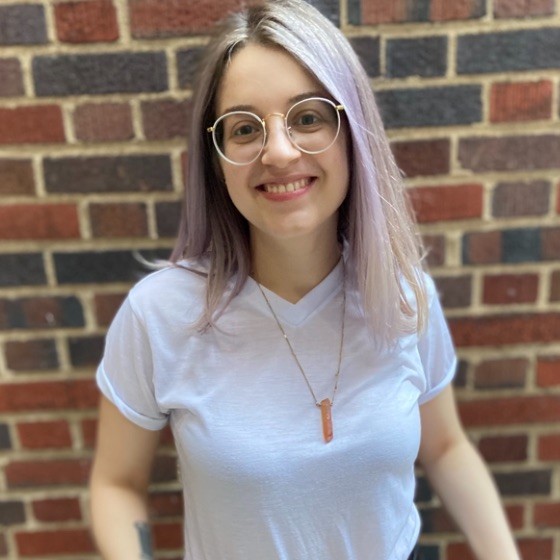
Donna Poudrier grew up in a sales-oriented household.

Her father and mentor was a salesman, sales mgr., sales trainer, speaker, author, etc.

She followed in his footsteps in sales, sales mgt. marketing & new business dev. with Nestle, Ore-Ida, Unilever, and General Foods.

She moved into teaching public speaking at the collegiate level, recruiting, and career coaching.

Connect with Donna on LinkedIn.

What You’ll Learn In This Episode

  • How to land the right job for you
  • Three key insights for today’s job seekers
  • 3 actions/takeaways a job seeker can use to land the right job for them

This transcript is machine transcribed by Sonix

TRANSCRIPT

Intro: [00:00:02] Broadcasting live from the Business RadioX Studios in Atlanta, Georgia. It’s time for Coach the Coach radio brought to you by the Business RadioX Ambassador Program, the no cost business development strategy for coaches who want to spend more time serving local business clients and less time selling them. Go to brxambassador.com To learn more. Now, here’s your host.

Lee Kantor: [00:00:33] Lee Kantor here, another episode of Coach the Coach Radio, and this is going to be a fun one today on the show, we have Donna Poudrier with effective speech communications. Welcome, Donna.

Donna Poudrier: [00:00:45] Hi Lee, how are you?

Lee Kantor: [00:00:46] I am doing great. I am so excited to learn what you’re up to. Tell us about effective speech communications. How are you serving, folks?

Donna Poudrier: [00:00:53] Thank you. I love that slogan. How am I serving, folks? Well, I think of myself as a people stager. If you’ve ever sold a home, or perhaps you have friends that are thinking about selling, we often stage our homes and I stage people and I help them present the very best version of themselves to then be able to speak well to a hiring manager or to an HR person to get the job they want. So I’m a career coach and I’m a recruiter. So that’s pretty much how I serve them.

Lee Kantor: [00:01:23] So what’s your back story? How’d you get in this line of work?

Donna Poudrier: [00:01:27] You know, it’s really interesting. We can never seem to. But don’t guarantee our our our linear view of where our career is going, I started out in sales and marketing and the reason being my father was all about the sale. He was a sales manager, a sales trainer. He wrote books on salesmanship. He was a public speaker about sales. So it’s no surprise around our dinner table. That’s all we ever talked about was how to close the sale. So of course, I started out in sales and I worked for a major blue chip corporations like Nestle, Unilever or Rita Hines, General Foods Barilla. All in sales, marketing and new business development. So what’s interesting about this is that I was spending my career creating products, selling them, marketing them, and now my client is my product, so I work with them the very best we can. Where a team approach in creating the best version of themselves with all of their marketing materials, their LinkedIn, their resume, the two minute pitch, their interview strategy and then, of course, to close the sale. So that’s kind of how I get started. It’s all about the sale and it still is right now.

Lee Kantor: [00:02:39] How how do your clients come to you? Like, are they at the beginning of a job search, like at the beginning of their career? Or are they kind of executives that are trying to get to a new level? Like, what? What is the pain they’re having, where Donna and her team are the right solution?

Donna Poudrier: [00:02:54] That’s a good question. I really work the entire spectrum. I work on my own as a career coach. I work with other career coaches in terms of helping college grads get hired and working with universities or just working with those grads on one on one. And then I also work with an outplacement company where I’m sure you’re aware of when companies are downsizing. They hire an outplacement company and then each of those people have a chance to relaunch their career. And I’m a coach for them so I can be with anyone from just starting out right out of college to executives that are making anywhere from 250 to half a million a year.

Lee Kantor: [00:03:30] Now, is there anything, say, a middle management person can be doing to get on the radar of a recruiter? I’ve always heard of some people are like, Oh, recruiters are calling me left and right, and then other people are like crickets. No one’s calling them about anything. What it kind of catches the eye of a recruiter and what kind of kind of a regular person be doing in order to kind of capture the attention of somebody that might help them land that dream job?

Donna Poudrier: [00:03:56] Ok, that’s a really great question. First of all, I think the number one mistake that everyone makes when we’re looking for a job these days is to kind of sit back. You might you might expect that recruiters are going to just reach out and find out about you through LinkedIn or what have you, but you’ve got to be proactive in your search. But if you want to be found out. Once a recruiter does find you, if you want to be within their radar and pursue opportunities within that firm, you’ve got to have a resume that really speaks to the potential job. Like the first third of the resume, the top third is the most important and average recruiter myself included. We’ll look at a resume anywhere from five to eight seconds. So in that top third of that resume, if it’s not jumping off the page as to who this person is, how many years experience, et cetera, what they could do for the potential company that I’m representing. And fortunately, it goes in the garbage, so you’ve got to be proactive and you have to have the right sales materials.

Lee Kantor: [00:04:54] So that’s the the first step to be found is to kind of kind of get your foundational assets ready.

Donna Poudrier: [00:05:02] You have to have your assets. And what I would say, the other mistake would be that so many people wait to be found or they’re just applying online. And what’s really interesting about this search one something that I learned when I crossed over from being a recruiter to a career coach and combine the two that over 80 percent of jobs right now are secured through networking and directly reaching out to hiring managers, believe it or not, over 80 percent. So if you are sitting at your computer all day and I’ve had people call me up and say I actually applied to 70 jobs today, you know, I can’t wait to hear back. Well, good luck, because no one. That’s not the way to find a job. That’s the smallest portion of the pie. It’s only 10 percent of jobs are secured through online. And secondly, if you’re applying online, you need to be using an applicant tracking system, which is a whole nother scenario. So you really have to be reaching out and networking. Use your network. That is how to get a job.

Lee Kantor: [00:05:58] Now, if when you advise people to, you know, in their career search, you mentioned just now that kind of applying. And people think they’re being proactive and they think, you know, they’re doing work. Obviously, it takes time to do all that and do those 70 applications and submissions. And you’re saying that it’s not. Maybe that’s not the best use of your time, but that is a use of your time. How would you go about if you were this kind of person that’s looking for a new job is your first move to just really identify the type of job first? Or do you identify the company first and then you kind of try to find who knows somebody within there because you mentioned the power of the network, and that’s really where you’ve got to get a friend of a friend to maybe refer you. How would you kind of go about this job hunt if you were putting aside what seems like the obvious and easiest is just making submissions in?

Donna Poudrier: [00:06:56] Right. Ok, so that’s a great question, and this is something that we all need to focus on when we’re trying to find a job. First of all, you got to have a list. If you just say to yourself, I believe your job for six months, my first question would be is, OK, well, you know, who have you applied to? Who your targets? Who do you know in your network? So you really have to have a good list of companies saying to yourself, All right, I’m in the medical device industry. I want to stay there as an example. And if I want to stay there, who are the companies specifically? I think I want to work for and make that list? Or perhaps you’re coming out of publishing as an example, and you know that the publishing industry isn’t doing very well. Well, publishing might be one category you’re looking at. And then what are the other areas? What are the transferable skills you have from publishing you could bring into another industry, so you might have two or three industries that you’re looking at with a list of companies?

Lee Kantor: [00:07:50] So is that that that’s where you really help your client, right? This is what I would imagine that you’re going to save them a ton of time and them kind of barking up the wrong tree or not even realizing they might have gold in their back pocket and not even know it, but.

Donna Poudrier: [00:08:05] Absolutely. They might know somebody that they didn’t think to contact. But the most important part of this is being proactive, as you said, and making that list so you can be checking them off. Because as you know, there’s so many people applying to jobs all the time for each job is probably more than two hundred and fifty applications. So you’ve got to have a lot of conversations going. So if you’re just having put all your baskets in one opportunity and that one falls apart, where does that leave you? So that’s number one. You’ve got to be proactive, then you always have to think about it as a sale. You have to have an approach, a demonstration and a close. You know, the approaches, who are you approaching the demonstration or all your sales materials, as well as your interviewing strategy? And then how are you going to go into that interview and close the sale? And how are you going to as part of your approach? How are you going to reach these people?

Lee Kantor: [00:08:51] And then I find that a lot of people get hung up on the right person, and I think that in when you’re networking within an organization, I don’t think the right. I mean, ideally you’d want to get as close to the right person as possible. But when you’re starting out, anybody in the organization could be the right person for you, whether you know them well or not, because they might know the next person and you’re going to be slowly getting closer to the right person.

Donna Poudrier: [00:09:15] That’s exactly right. I think, are you in this industry?

Lee Kantor: [00:09:19] No, but I mean, it’s just I’m in sales, so that makes sense to me. Like a lot of people get hung up with or if I don’t know the person with the golden ticket, why bother? It’s not. Everybody else is a waste of my time, and I’m like, I don’t think so. I think these kind of weak ties help you because they give you credibility, and then it helps you get one level closer to where you’re trying to go.

Donna Poudrier: [00:09:39] That’s exactly right. You never know where that break or the next job is going to come from. So here I’ve got a quick story about that and you want to hear it? Sure. Ok, so here’s an example of putting the referral opportunity and networking together. And one. This is a smart kid. He actually. We’re back talking about medical devices, actually. He was in the medical industry. He decided that he wanted to work more in the device aspect of it. And he didn’t really know anybody. So he starts going looking on LinkedIn. Now this is, I don’t know this person directly. I know my client, whom I talk about in the second. He’s looking on LinkedIn and he actually finds a client that I’m working with, and he sees that they have a lot of like minded interests. They’re young, they’re, you know, out of school a few years, both like sports. So this kid says to himself, I think I’m going to try to connect with him because he’s actually working at a company that I would love to work at. They don’t even know each other, so no one check off the first box, right, because he’s actually connecting, trying to connect with someone on LinkedIn.

Donna Poudrier: [00:10:40] So my client, of course, says, Yep, you can. I’ll connect with you. Next thing you know and pick up the phone, he says, Can I have a conversation and they have a conversation? They don’t know each other at all, by the way, they connect on the phone. They’re talking about sports teams and industry and sales, et cetera. And then the kid says to him, You know, do you think your company even has any openings? And my guy says, Well, I don’t know. And he says, Well, do you think if I sent you my resume, could you send it down to HR? You never know. Sure enough, sending the resume, my client sends it down to HR. He ends up getting hired. They end up being very good friends and my client gets a referral fee of like almost $3000. Wow. So you just never know. This is one they didn’t know each other from Adam. And then they turn out to be good friends. They’re both working for the same company. Wow. Very interesting.

Lee Kantor: [00:11:26] You never know. And it’s one of again for young people listening. I hope that you kind of can get up some nerve and some confidence to reach out to strangers in this manner because people want to help other people and and don’t be afraid to go maybe a few levels higher than you think you should, because when people are at higher levels, they want to give back and they’re excited to hear from a young person that’s hungry and that wants to learn, they’ll give you some time. So don’t be afraid of that. Take the shot because there are so many older people that want to help the younger person succeed. Because it’s good for their legacy. They feel good about themselves.

Donna Poudrier: [00:12:09] I agree completely. I have a real soft spot in my heart for new grads. My father was such a help and a mentor to me. Coming right out of school and showed me how to do it. And really, it hasn’t changed that much. And the other interesting point that you bring up when you start a little higher is that when you start a little higher on the totem pole in terms of where these people fall, for instance, a couple of different things. If you’re if you start in the middle management, suppose you end up being good friends with somebody like this. Like the story I just told you, if you’re referred in by someone in middle management as an example, you have a better than 50 percent chance of being hired. Like here we go back to the referral system, right? If it’s at the director level, it’s better than 90 percent. And if you start hire that person or that director, so to speak or VP, will trickle it down and their underlings will say, Well, I better interview this person. You know, this person, the VP told me that this person is good. So that’s great advice that you’re offering.

Lee Kantor: [00:13:06] Yeah, I think that people underestimate how much that it means for the the mentor or the, you know, the hire, the more seasoned executive that they want to make time for young people. I mean, they might be too busy or may today or this week or this month might not fit. But don’t be. Just keep trying because if you’re hungry and want to reach out, they’re going to make time for you in most cases. That’s how I’ve seen I. When I was younger, I had a lot of more seasoned veteran people make time to talk to me because I was hungry and relentless, and they saw that, and they want to know that that’s good for their business. You know, that could turn into an employee for them, and that’s who they want to have. Is that person that’s hungry and relentless?

Donna Poudrier: [00:13:53] Yeah, I totally agree with you, and I’m telling these kids that all the time, they have a hard time reaching out networking. It’s something we really need to work on with all of them.

Lee Kantor: [00:14:02] So now what is kind of the most rewarding part of your job? Is it the, you know, that moment when you get the call? Like, I did it, I got I got an interview, I got the job. Is that really where the joy comes in in your work?

Donna Poudrier: [00:14:16] It is with all levels, whether it be the college grad or the senior exec. Absolutely. And and I also think. Being on their timeline and working according to their plan, for instance, I have people call me and say, you know, I really need a job quickly. You know, I’ve been I had somebody recently. They were out of job. They were out of work for an entire year, which is not uncommon in these days and didn’t have a coach just pursuing it on his own decided to hire the coach. He and I work together, and he had a job within like two, two and a half months, which was record time because we we had a lot of the information. We just had to reposition it and retarget his efforts.

Lee Kantor: [00:14:58] And and that’s another thing for people who aren’t familiar with the way that kind of resumes or handles him processed. If you don’t have an expert advising you, you could be saying the right thing, but using the wrong words that it’s the machines aren’t going to know who you are or why they should speak with you. You’re not standing out, and there’s a lot of kind of advice and information out there. If you know how to do this, that you’re going to get a lot better result doing the same exact thing.

Donna Poudrier: [00:15:27] I know, and it’s really too bad that it’s come to that with applicant tracking systems because you could be very qualified for a position. But if you’re not using the correct keywords that have been included in that job description, you can immediately eliminate yourself when in fact, you might be the best person for the job. But you can’t get the interview

Lee Kantor: [00:15:46] Right now when when people see kind of all these places where you can submit resumes and it makes it seem like there’s thousands and thousands of jobs, and I would imagine there’s thousands and thousands of people submitting on all those places constantly. I. Is that like a lottery ticket? Like, are you really just, I mean, are people getting jobs that way or is that really kind of, like you said, the one out of 10 or one out of one hundred?

Donna Poudrier: [00:16:17] They do. They they absolutely do get jobs that way, but it requires the candidate to be even more focused, customize and tailoring their marketing materials. And of course, it helps if you know someone in the company as well, you might be applying online, but at the same time focusing on someone you might know in your network that works at that company say, Hey, I just happened to apply online. You could put in a good word for me or sending them an additional resume. Whatever you can do, like just one step sometimes is not enough, but I have seen it happen. Absolutely.

Lee Kantor: [00:16:51] Now, do you? Could you explain maybe to our listeners of if you’re in that chair of the I’m the HR person at ABC Big Company and I put an ad in, you know, Monster.com or something.

Donna Poudrier: [00:17:04] Mm hmm.

Lee Kantor: [00:17:04] What like, what’s it look like from my end? Like, what did I do to kind of find the right person and what’s going to happen like when I get all those thousands of people like, there’s no way a human being is looking at all the people that submitted. So I’m sure a machine is kind of getting rid of 90 percent of them. But how does it work so?

Donna Poudrier: [00:17:25] Well, just exactly how you said machine gets rid of about 90 percent of them, and maybe you’ve got, I don’t know, 50 or one hundred left. And then from there you begin with perhaps reaching out with an email, having a quick telephone conversation. If that goes well, then maybe it goes to a higher view where you’re not even actually meeting directly face to face. Then it might go to a Zoom interview and then it might go to personal one on one. There might be projects in the interim. It’s quite a long list. There can be,

Lee Kantor: [00:17:55] But is there? So in order to get past the machines, that’s the hardest part. That’s where they’re going to get rid of 90 percent of the the applicants is how do you know what the right keywords are? How do you know kind of how to position yourself in order to make it through that gantlet?

Donna Poudrier: [00:18:12] The way to make it through if you’re going to apply online, you need to be using an applicant tracking system. Now, one that I use frequently is called job scan, where you have the opportunity to take your resume and post it on their website. Of course, the names coming off, of course, and then also post the job description and you literally press a button scan and and it will tell you what percentage chance you have of getting an interview. And people generally start less than 20 percent and then it will tell you the soft skills and the hard skills that have you have not included on your resume that you should have based on the job description.

Lee Kantor: [00:18:49] And then that’s going to give you kind of an edge.

Donna Poudrier: [00:18:52] It’ll give you, well, it’ll give you a better chance. There’s no guarantee you’re right. But I tell my clients, if you can get yourself up to like 70 percent, 80 percent, you’re in a much better position, right?

Lee Kantor: [00:19:03] And that’s again, the power of a coach. I can’t emphasize enough that your time is worth something. And then when you hire a coach, you’re saving so much time. And if you’ve been out of work for a year, if somebody can, if you would have known at the beginning, oh, instead of a year, it’ll be nine months or six months. You would have taken that in two seconds. And it just you have to invest in yourself a lot of times in order to kind of accelerate your career.

Donna Poudrier: [00:19:33] You do. And you know, what’s good about this is that once you’ve invested the time and effort with a coach or a company or whoever is going to help you, this is really a lifelong lesson. This is not going to change the days of picking up the phone and saying, I’d like to apply for such and such a position. Those are way over, right? Right. So this is really good to learn.

Lee Kantor: [00:19:53] Right. And like you say, it is, it’s going to you’ll be able to help somebody else. You help your kids. You’ll be able to help lots of people with this information once you get it. So it’s definitely worth the investment. So when you’re working with companies, how is it different than individuals, like when a company hires you to find the right person? What does that look like?

Donna Poudrier: [00:20:15] Well, because I’ve done so much interviewing and worked with people so much as yourself and just speaking with them. I feel that I have a good sense of a candidate that might work. I spent a lot of upfront time with the company, first of all, trying to really understand the type of candidate that they want, looking at the personalities, the people involved, who the person would be working for, et cetera. In addition to the resume. So I spent a lot of time drilling these people to the point where I would know I would either I would hire them for the position. If I wouldn’t hire them personally from my company for that position, then I don’t send them on

Lee Kantor: [00:20:52] Because that’s a that’s an important consideration when you’re hiring the right person, the skills. That’s one part of it. But if they’re not the right culture fit, you’re going to have a problem, no matter how skilled they are.

Donna Poudrier: [00:21:04] Absolutely. And it goes the other way, too, for the potential potential individual looking for the job. I always say to them. Think of the when you’re speaking to the hiring manager and you’re going to the company or you’re online and zoom, whatever. How do you feel about them? Is this somebody you feel that you could work well with because as an individual and you want to be hired, you want to place yourself in the right position and set yourself up for success. And sometimes it’s not always a good fit.

Lee Kantor: [00:21:34] Right. And that’s I mean, the older I get, the more I realize all I care about a good fit. You know what? I’m looking for a partner, an employee, a client. I only want the perfect fit because life’s too short. It just it’s not worth it. A lot of times you think you force fit something because you have to and then you’re going to pay for it emotionally or in money, or in some ways you’re going to pay a price.

Donna Poudrier: [00:22:00] It’s not worth it. There is something else I’d like to mention and bring up is you can put all of the best marketing materials together and get yourself in front of the prospective hiring person for the interview. And you can do well in the interview. But there’s there’s a crucial part of the interview that people cringe. May I tell you a story about that, OK? And and I remember this even brings me back to when I just first got out of college, my father was coaching me and how to interview with companies. And I remember him saying to me, Donna, when you’re done and you both you and the interviewer are kind of looking at each other, you don’t know what to say and you think it’s over, but you don’t really sure know how to end it. You have to look at that perspective. Hiring manager and say, Tell me based on our conversation today, how do you feel about moving my candidacy ahead? Or what are my chances of getting this job or based on our conversation and the other people you’re interviewing? Where do I stand? And I remember cringing at that, but thinking, how could I ever? And today happens all the time. I talk to my clients and they’re like, No, I don’t want to ask that question, but it is so crucial and it’s crucial. As you and I both know, being like in a sales situation is that that’s what gives the job seeker the chance to overcome any potential objections. And it also is a signal to the hiring manager that you’re serious about this. Like I tell my clients, it’s funny. I say, like, would you go to a networking event? And just at the end of the conversation, you’re meeting somebody new. You don’t just walk away. You would say, Well, I really enjoyed meeting you. Let’s exchange cards or I’ll be in touch with you. There’s some type of ending, right? Does that make sense? Right.

Lee Kantor: [00:23:41] Well, there it has to. There has to be that call to action or or you have to close the sale. You have to ask for this.

Donna Poudrier: [00:23:50] That’s right. You’ve got to ask for it. So I’ve got a story here. A couple of stories interesting, like when people do this, what they find out. So I had one college grad, actually, that it was funny because he had he was just done with the job search. You know, he just he said, this is too much work. I just got to college. I just want a job. I just want to get over it like I know you do, but you have to find the right one. So he wanted to take a job actually selling. We’re going a kick out of this advertising space for a radio station. And I said, you know, I think that would be OK, but I think there’s other opportunities for you here. And you told me about this other company that expressed interest. Are you going to go for that interview? And he said, All right, you, I’ll go. So he goes for the interview. And he was on the cusp. He didn’t have that job offer yet for the radio station, but he knew he was going to get it, probably like the beginning of the next week. So here he is on a Friday interviewing with another company, and Airbnb is going really well, and at the end, he says to them, Tell me, you know, what are my chances of getting this job? Not that he really wanted it. And that was the signal to the company that he had a productive job search going on. In fact, maybe he had another job offer and they know, but they really liked him. And instead of telling them what his chances were, they said, Well, what’s your timeline? Because they knew this, they liked him and that he was serious. He said, Well, I’m making a decision on Tuesday because he’s wanted out. He wanted the whole thing over. He was in the parking lot. He left. They shook hands and said, Thank you, and we’ll be in touch right away. He was in the parking lot when they called him up and said, Could you come back down on Monday? And he ended up taking a job offer from them.

Lee Kantor: [00:25:20] Wow. It just goes to show you and and maybe having that other job in his pocket gave him the confidence to to say, OK, I’m going to play this out because I know I’m going to win no matter what, and I have a job that’s that’s so critical. And if you can, even if you can fake that confidence and be brave for those 20 seconds to ask for that, ask for ask for the sale or ask for what happens next like you described. That can make all the difference because you got to know.

Donna Poudrier: [00:25:52] And then I had another client. This interesting, you just have to have the it’s confidence, but it’s also I tell. I tell women, especially we’re not in the scenario so much now because it’s all online on Zoom. But think of I think a woman is a little bit different when they go in for an interview versus a guy. You know, you might get your hair done and your nails done, and you might buy a new outfit and get the get the new heels. What have you like, really? Go all out? Plus, all the preparations, you’ve put a lot of time and effort and you want to know where you stand. So I had a client with this woman, she goes in. She did a great job as a financial analyst position, really wanted the job. And then she said at the end, You know, where? How do you feel about moving my candidacy ahead? And his comment was, Well, I think you’d be a good candidate, but you’re right now, you’re number two. So she said, OK, I’m number two. Well, tell me, what does number one have you in a conversation? Sweet kind of tone. What do I have to do or what does number one have that? Perhaps I don’t right now? And he kindly, you know, was giving her the chance to overcome objection. And he said, I think she’s she. I think she has a little more analytical experience than you do. She could dig into more problems, a little more diagnostic quality, just more experience. And I’m not sure you’re there yet. Not to say you won’t get there, but I’m not sure you’re the right fit right now. So she took it in. We talked about it and I said, You know, you’ve got nothing to lose. Let’s write them an email and say, If you’re willing, I’d like to show you that I do have these qualities you’re looking for. If you give me a project, this was like at the end of the week, I will have it on your desk for you. Monday morning she did the project. She got the offer.

Lee Kantor: [00:27:27] Yeah, by being proactive, controlling what she could control and and being bold and asking for the order. I mean, that’s the I mean, you got to do that today. It’s a competitive landscape for those kind of high quality jobs.

Donna Poudrier: [00:27:42] It is it’s really it’s fascinating, though it seems so basic, just as in terms of sales, but we don’t always think of getting a job as closing a sale, but I’m a firm believer that it is.

Lee Kantor: [00:27:52] Yeah, and I think it’s serving you and your clients well. If somebody wants to learn more about your work, get on your calendar and maybe get some coaching or help a company find the right fit for their organization, what’s the best way to get a hold of you?

Donna Poudrier: [00:28:07] I think the best way is initially just to try to just not try to link in with me and tell me and a brief message why you want to get together or chat or what have you. You can also email me at DPU. I think you have my email at effective speech com to Ms Dot Net, and you can call me on my business line. Very easy two oh three two five nine one two three four

Lee Kantor: [00:28:33] And then and LinkedIn. It’s just your name spelled out. It is. Yeah. Ok, good stuff. Well, Donna, thank you so much for sharing your story today. You’re doing important work and we appreciate you.

Donna Poudrier: [00:28:45] Thank you. I really enjoyed chatting with you, and I look forward to speaking with you again soon.

Lee Kantor: [00:28:49] All right, this is Lee Kantor. We’ll see, y’all next time on Coach the Coach radio.

Tagged With: Donna Poudrier, Effective Speech Communications

Brian Radin With Fintwist Solutions

October 4, 2021 by Jacob Lapera

BrianRadin
High Velocity Radio
Brian Radin With Fintwist Solutions
Loading
00:00 /
RSS Feed
Share
Link
Embed

Download file

Fintwist

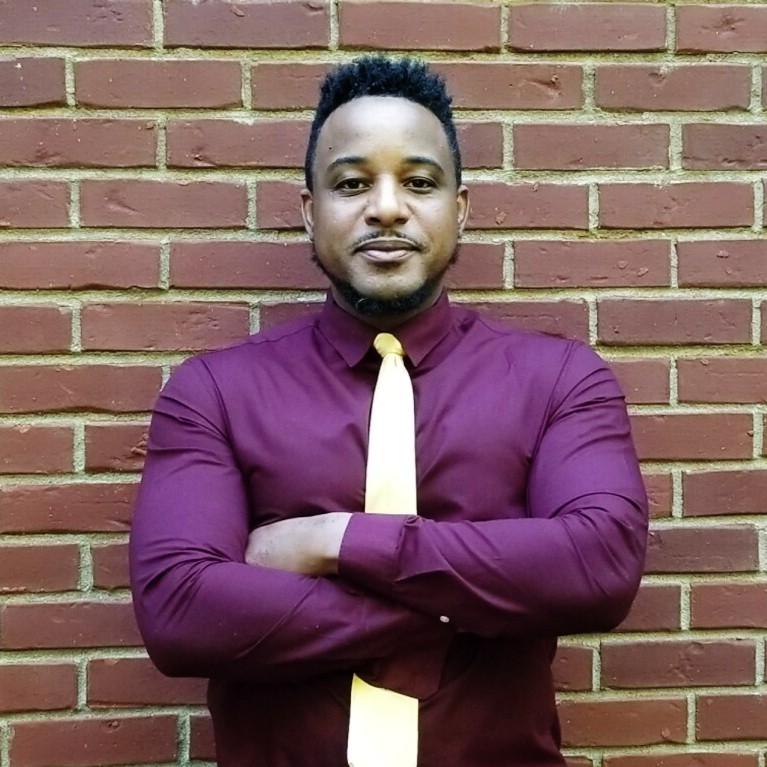
BrianRadinBrian Radin is the President of Comdata Prepaid. In his career, he has proven success with market leaders and start-ups across software, business services, human capital management, and finance industries.

He also has an impeccable record of maximizing the strategic business model, optimizing business processes, and creating innovative initiatives that facilitate sustainable growth, and generate traction in competitive markets.

Radin has been recognized for identifying/securing key partners and sales channels, raising capital, building strategic C-level relationships with the investment community, and for developing highly engaged leadership teams that increased revenue, profitability, and customer satisfaction.

To learn more, visit the Fintwist website.

Connect with Brian on LinkedIn and follow Comdata on LinkedIn.

What You’ll Learn In This Episode

  • How earned wage access (EWA) address some of the challenges many industries are facing with retaining and recruiting talent
  • How companies help financially empower their employees
  • How businesses step back and revisit their Human Capital Strategy
  • The critical shifts to make with regards to digital in the year ahead
  • How will FinTech companies influence this future

This transcript is machine transcribed by Sonix

TRANSCRIPT

Intro: [00:00:04] Broadcasting live from the Business RadioX Studios in Atlanta, Georgia, it’s time for high velocity radio

Lee Kantor: [00:00:13] Lee Kantor hear another episode of High Velocity Radio, and this is going to be a fun one today. On the show we have Brian Radin and he’s the president of Comdata prepaid. Welcome, Brian.

Brian Radin: [00:00:24] Hey, nice to be here. Thank you very much, Lee.

Lee Kantor: [00:00:26] Well, Brian, before we get too far into things, tell us about Comdata number one. And let’s also mention Finn Twist Solutions. Let’s let’s talk about how these two tie together.

Brian Radin: [00:00:38] Sure, absolutely so. Finn Twist is a is a brand and a product that Comdata launched a couple of years ago in the payment space, and Comm Data is a subsidiary of Fleet Corp., which, like you, is in Atlanta headquartered, which is a public payments company quite large, about a twenty two billion market cap as of today. Stock market and data itself was the originator of the pay card solution about thirty six years ago. So. Com Data subsidiary of Fleet Core. Finn Twist is the brand that I created with my team when I came to the company about four years ago, and that product covers a number of solutions, primarily payroll cards, but other prepaid type payments products that are in the market today.

Lee Kantor: [00:01:33] So now talk to us a little bit about the evolution of these kind of cards and and how maybe Finn twist came about. Like, what was the problem that you developed it to solve?

Brian Radin: [00:01:46] Well, the the origin of the Corp pay card goes back many years, as said back into the nineties, and really it started as a way for consumers or employees who didn’t have a bank account, didn’t have access to a bank account, didn’t know how to get a bank account to get paid by their employees employers. And so the cards really became at its simplest form when they started a place where money was loaded, pay payroll was loaded down onto the card in their early iterations. It literally was a card that you could take cash off of. Maybe you could use it as a debit card, and pretty much that was it. Over the years, the product has evolved broadly in the market and it data where it has become more of a payments platform and a solution. And while it’s still probably the majority of users are still in this call, underbanked community versus non bank community, the product is evolved into much more of a competitive payment solution, and Finn Twist is really the current evolution of that that we launched, as I said a couple of years ago, which allows our clients employees to use the product not just to get their pay loaded and take money from a cash machine or a bank, or use it a debit card. It’s a full credit rails with MasterCard. It has complete bill payment, P2P type payment solutions, other wellness and budgeting tools, and recently we launched our fin twist on demand, our earned wage access product on the Twist Pay Card. And so it’s become a much more robust product, and it’s I would say our product is is as good if not better than others that we compete with. But I would say in general, the industry has evolved that way from its origins as really being a way for the non-bank to get paid.

Lee Kantor: [00:03:50] Now in in this iteration, you’re working with the employer and this is helping them with their payroll.

Brian Radin: [00:03:58] Correct, so about 70 percent of Americans get their pay through a direct deposit, it’s probably how you do and how I do, but there is about 20 percent that use this pay card product across kind of across the workforce, both part time and and full time, and also even ten ninety nine gig workers. While it’s not payroll because they’re ten point ninety nine, they’re getting paid at a similar a lot of on a similar type product. And surprisingly, still, eight to 10 percent of people are getting checks, although that has dramatically been impacted during COVID. Obviously, it’s a lot harder to pay people that don’t come in or can’t have access. And so there was there’s been a bigger push to move to electronic payments, and we’ve tried to step in with our product. But but broadly, electronic payments have disrupted what’s left of the of the paying people by Czech market. And so we do work with the employer. We provide a program for free to them to offer this product to their to their employees. And again, initially it was for those low bank. The Underbank then then it broadened, and our product, we our typical employee is not somebody who is making purely minimum wage, they’re earning closer to fifty thousand a year. And a lot of the people that use our product also have a bank account as well and use ours as either a way to help plan budget and then use money at a later time. Some use it as a second second way to disburse funds to their others in the family, and still others use it to describe or to set aside money to make specific payments and put the rest of the money in their bank account. So it’s not. It’s not what it was many years ago in terms of this stepchild for Underbank, it’s really a payment platform that we believe into us competes with a lot of the consumer products that are in the market, as well as other pay cards that are being offered through competitors, through the employers themselves.

Lee Kantor: [00:06:01] Now, from the person that is not using Finn Twist yet, but our kind of the person that could use it when they’re banking the way that their banking doesn’t that don’t they suffer with a lot of fees that are maybe not obvious or not in the brochure of some of the other platforms that they’re using, that they’ll have to pay a lot of fees in order to get access to their money.

Brian Radin: [00:06:28] You know, its fees are an interesting discussion, both in the core banking world. At your bank, as well as other ways in which employees get their their money and then get access to their money, and there’s no question that a lot of the consumer products that you’re bombarded with through digital marketing or you see even on television or other advertising, there are definitely hidden fees. I think the question when we’re looking at it for the people that are not using our product that work for our clients and they’re at a bank, clearly they’re going to get hit with fees. There’s minimum deposit fees, their specific transaction fees, there’s out of out of network ATM fees. So while there are fees on our product, they are more nominal. And also, we feel like access to their money, their work, their payroll is much easier facilitated through using the Fentress Platform one, because obviously we’re working with their employer and to because we’ve launched this on demand or twist on demand, earn wage access product, which which allows them to actually get paid as they work, as opposed to getting paid when their employer processes their payroll, which would not be something that would work with their bank account.

Lee Kantor: [00:07:55] So educate us about the earned wage access. How does how does that work? And that means they get as they work there. It’s almost like in real time as they’re kind of earning the money. They have access to the money.

Brian Radin: [00:08:09] Yeah, you described it pretty well. The companies, I think right now, if I step back. We talked to a lot of HR leaders, business business leaders. Clearly, people in the payroll and operational side of companies, and it’s very clear that. Companies today are challenged by how do I recruit and retain workers? A lot of the types of clients that use our product tend to be in the industries that got hit very hard by COVID, whether it’s retail, hospitality, staffing. And so those companies now as the workforce is beginning to go back to work their challenge and many individuals are still slow to come back to work because they’re still getting unemployment benefits, even if the extra federal subsidies have recently ended. Obviously, there’s still a fear of COVID. We know what’s going on with the Delta variants, particularly in certain locations, and a lot of them have found different jobs. So instead of working in a restaurant, I can work in an office. It’s maybe a little less difficult kind of job, and they’re giving me greater work from home flexibility, which is clearly changed the dynamic between employers and employees. In the old days, the employer set the job, set the hours, set the pay. You came in and you didn’t want to get somebody else. Well, now that’s all been very disrupted and employees have an upper hand, frankly, on employers, so that that puts a lot of pressure on recruiting, particularly since today, recruiting isn’t Hey, we’re filling some new jobs or we’re growing. We need to get people in here to work the work, the manufacturing line or to work in the restaurant or we’re losing business.

Brian Radin: [00:09:54] So this is a pervasive issue for employers. It’s not an HR issue or a payroll issue, and Finn twist on demand is is one way in which companies can attract those employees. It’s not the only way, but with nearly 80 percent of Americans living paycheck to paycheck. And I think we’ve seen all kinds of numbers, but about 40 percent don’t even have enough money to cover a $400 expense. And in today’s health environment, that’s obviously critical. So they need their money when they work. And as you described it, well, it’s I work. I’ve accumulated a certain number of hours and in the old days I waited for my employer comp data, for example, to process my pay on a weekly or biweekly or semi monthly basis. Today with our platform, what happened simply is I work a certain number of hours. I’ve earned it. I go into our mobile. I say I want to get my earned wage access money or on demand, and they get their money, real time. And that’s really the difference between getting paid and a regular payroll structure and getting paid as you work. And we think that that in talking to our clients and just looking at a lot of research involving evolving in this area, that it does relieve stress because the financial stress that employees encounter is one of the most debilitating and clearly has an impact on their productivity at their job.

Lee Kantor: [00:11:24] Now you mentioned that there, I guess we’re at the beginning of doing this in this manner in terms of having any research to support that. But I would imagine just common sense wise that this is very attractive to the employee getting, you know, fast pay, make fast friends so they might stay more loyal. You might have better retention if they’re getting paid as rapidly as as you’re describing.

Brian Radin: [00:11:48] Yeah, I mean, there’s been there’s actually while two years ago there was less than something like two or three million in total transactions transactions. Today the number is in the multiple tens of millions. It’s grown incredibly fast over the last two years. And while a number of the providers, as well as people like Deloitte and others, have done research in this area, and what they’ve what they’ve concluded is that it’s a compelling part of a solution that you need to develop as an employer to attract and retain employees. And so, for example, they’ve done studies where I might give an offer of a five hundred dollar sign on bonus to come be a driver at UPS or another company. Or I’ll give you. On demand or an earned wage access option, and more people choose the earned wage access option than the one time five hundred dollars lump sum. So it’s it’s compelling. I would also say that this is only a part of what companies need to do, right? So we’re part of one element of a solution, but I definitely think they need to rethink their wages. They need to think about how do they provide more financial literacy education. So many people who are in the kinds of jobs that are living day to day that are living paycheck to paycheck don’t understand how to to really plan. So they’re not left holding the bag on a lot of expenses. I think better, better other benefits. Some traditional, whether it’s health care or other like employer sponsored benefits are important. I think all of those things have to be combined, and a lot of employers are rethinking it. Many of them cost more money. The good news about our solution is it’s free to our clients. It’s relatively simple, in some cases, very simple to implement, and it’s part of a core platform that we’re already delivering and have been delivering for for quite some time.

Lee Kantor: [00:14:07] So now when they’re working with you, is this something that this is what they’re getting? Whether, as you mentioned, this doesn’t cost them anything directly like you describe, but it’s still you’re helping them holistically solve a bigger problem and you’re helping their employees kind of become more educated so they can make more informed decisions with their money.

Brian Radin: [00:14:29] Absolutely, I mean, it’s you you asked and answered my friend. It’s really it is really that, you know, it can often be trite or sometimes a bit, maybe people who don’t buy into it. But for me personally and our team, we do have a mission and that mission is helping workers become more financially secure. And so that is part of what we’re doing across our broader set of initiatives within data, particularly in the in the Finn twist business, because we’re one of the singular businesses within com data and frankly, flea core that that really is directly in touch with the consumer. The consumer here is generally employees, but we also have, as I said, ten ninety nines and other individuals who are getting paid through our platform. And so when we’re putting those products into the market, we’re always trying to find ways to stay close to that mission. And so that means better ways for people to get access to their money. It means better education. And when I have the money, what do I do with it? Better ways to save it so that I’m not either paying big fees or that I’m truly able to think about the day after tomorrow and have some funds, either for myself or my kids. And how do I think about planning for that? All of those are our pieces of how we look at our constituency and we look at the employers in a way where we’re trying to help them, as you said, facilitate that communication to their employees. Some do it better than others. Frankly, some have a big investment in it. Others are just realizing that I better make that investment because COVID has stimulated this real disruption in the employer and employee relationship.

Lee Kantor: [00:16:25] So now looking into your crystal ball about how you see payroll going forward, is this kind of earned wage access? Is that going to be a must have rather than the nice to have that it is today?

Brian Radin: [00:16:39] Absolutely. And and let’s let’s start at the beginning if if the beginning was today with where technology is in the in the payments world, you would never build a payroll application that says, OK, I’m going to collect hours or I’m going to have salaried employees and over a period of time, I will pay them. Now some of this is clearly employers use that pay to do other things in their business. So if they’re paying out everything every day, it changes their cash flows. It changes their treasury. So I don’t know if we’ll ever see a consistent. Everybody gets paid every day because it has big impacts to the Treasury side of a business. What I do see is which which, frankly, is why it’ll probably never be, even though technology would allow it the way in which employers, particularly the people that are employing, let’s call it, 50 percent of the workforce. These are companies with more than one hundred employees there. They’re going to probably continue to offer the standard way to provide payroll, but I do think this will become one of those components that are part of why do I come to work here? And that’s today. Tomorrow will be if I don’t have it, it’s a reason why people won’t come to work here or we’ll think about going somewhere else. But I don’t think it’ll replace the way or the construct because that construct has financial implications to the businesses themselves, right?

Lee Kantor: [00:18:22] But it might be something that happens gradually, then suddenly. I mean, if there’s enough of a groundswell of people are going to be gravitating to companies that pay when they do the work, it’s going to be it’ll change and it has to change. Now for you, do you have.

Brian Radin: [00:18:39] I think I think. Go ahead. No, would just say, I think just to that point, I think it will change, I think people will offer it all. My point was only I don’t think it will be. I come to work and every day people are going to get paid for the work they’ve done because I mean, let’s let’s look at it this way. If if you could get paid today, tomorrow, on the next day and the money was put on to your fin twist card or your your wallet, or it was if you weren’t using fed to us into your bank account, you’d probably want that versus waiting until Friday or next Friday, because it’s better to have it in my hands than than my employer’s hands if I’ve done the work. And so I think that would be the way they would want it. I just understanding the corporate mentality and understanding how businesses are using cash and how they manage payroll. I think what you’ll see it is, is a very standard offering as part of the. The the the package in which I use to attract employees in my business, and if I don’t, to your point, if I don’t offer it, I will be at a disadvantage down the line as opposed to today, where it’s still at an early enough stage where it’s an advantage because not everybody is using it yet. And so I can use that as a as a leader in in trying to get through this very difficult time of getting employees. I think over time, as the world gets somewhat normal again, it’ll be part of the standard package, just not the standard way in which employers process payroll right now.

Lee Kantor: [00:20:20] Is there a certain niches that this is going to work better in certain industries that that they should know about this maybe sooner than other folks?

Brian Radin: [00:20:30] Well, I think it’s it starts at the top where if I need people? And those people tend to be hourly. I need a way to get people here working, and I’ve had these conversations with people that run manufacturing businesses and and and retail operations and large franchisees and such like that that are in that bind right now. So I think it probably leans more to the hourly worker and the worker that essentially are in industries where you have less salaried and a little less white collar. But but ironically, when I talk to let’s call more white collar businesses, whether they’re in technology or services. And then you ask the head of HR. Well, what you work for us look like? Well, we have, you know, 80 percent of the people here are really salaried managers professional and then 20 percent are more administrative, clerical. Oh, and do those people get paid salaries? Oh, no, they’re hourly workers. And many of those people are making the same or less than than the typical quote pay card a six or SIC codes, which are in the hospitality and and retail and staffing those traditional industries. So I think it has a broader appeal. Sometimes the mentality or the perception of the head of HR or people in HR or as they think about how the solution should be applied sometimes is a little bit disconnected from if I went and asked those secretaries or administrative assistants, would you like to get paid when you work? Many of them would have the same answer as the person who’s cleaning my hotel room. So I think, well leans a little more to the service based industries like hospitality, restaurants, a staffing and manufacturing more that way. I think there’s opportunities across the board, and it’s probably more around the hourly worker who’s getting paid near minimum wage versus just an SIC code.

Lee Kantor: [00:22:46] And then the ones that are the hungriest for employees and or the most frustrated by the turnover are the ones that are going to be attracted to this, I would think.

Brian Radin: [00:22:55] Correct. That’s exactly what’s happening. I had a conversation with a guy who runs, you know, a pretty large manufacturing business. They actually manufacture foam packaging. The business couldn’t be better, as you can imagine, with everybody ordering online, et cetera. He can’t keep up with his demand. He’s losing revenue because he has hundreds of open spots on his line that he can’t get people to come and work in the factory. He just doesn’t have the ability to bring them in. We’re launching this in several of his locations. He has eight locations around the country because he needs to find a way to get people on the job and working because he’s losing money. And as I said earlier, I think that is a real difference between when you talk about added benefits for companies, for their employees, some employers, they’re great. They love to add as much as they can. They think very highly. They want their employees to feel good about working there. But it was less of an economic imperative pre-COVID in most cases. Now the people that we talked to are beyond payroll and HR, the head of manufacturing, head of operations, because they see a correlation between the bottom line and getting people hired. And if this is something that’s working, which, as you said intuitively, it makes sense, but there’s now more data and other people are doing it. They’re saying, let’s do this. And frankly, even on the pay card side, where we think the core pay card solution is a great solution, it really has a lot of use cases and applications. It was more of one of those nice benefits that people want to offer and getting employers to embrace it and push it was a little more difficult because it typically was a payroll issue or it was HR issue. This is really a business issue, which I think has very broad implications to the penetration of the service and the long term legs that I think the business end solution will have.

Lee Kantor: [00:25:05] Yeah, I’m with you. I think that this is a great solution. And if you go anywhere, you see all these help wanted signs. I mean, people are desperate for good talent. And if you have a method that help them attract and retain, then you, you almost have to pay that price because it’s the you’re losing money because you can’t stay open, you can’t deliver all these other things are happening. So I mean, at some point, those companies are going to have to figure out a way to afford to pay people, you know, in real time.

Brian Radin: [00:25:40] No question, and again, because it’s not there’s no cost to it, so there’s not a there may be some level of implementation, and again, it depends on how they’re paying payroll today, what systems are using and so on. But some some can be done in a matter of a couple of days, so it may take a little bit longer. But look, in the end, I think as you as you look at the world, the landscape leaders of businesses have to look at the reality and you just described it in terms of help wanted signs. I live in New York City, there’s one. There’s help wanted signs everywhere. And right next to them are the casualties of COVID, where the storefronts empty store right?

Lee Kantor: [00:26:22] The the closed store.

Brian Radin: [00:26:24] Right. So in some ways you have this paradigm. Hey, here at one end is what’s happened here. The other end there’s a guy who’s got his restaurant bar and all he’s he’s handing out. When you go in for a drink, he’s got on his napkins. Do you know anybody who wants a job? I mean, that’s the kind of stuff that’s going on. And then when you take that same concept above just the neighborhood bar or restaurant and you think about it at a UPS or a FedEx or some of the really large staffing companies that we do business with, it’s just it’s a whole new set of realities, right? They have to rebuild their labor force. They’ve still got the public health crisis going on before the before COVID even hit, a lot of our clients were getting better and more efficient. So I think over time, businesses because of COVID and as I said it was happening, are going to hire less people. So they’re getting more efficient. How do I how do I then conduct business in that new environment? Obviously, every employee wants to work from home. How do you work from home? If you’re you’re running a manufacturing facility, very difficult. But there’s a lot of other businesses where people were always in an office and now they don’t want to go back. That’s another whole new reality that lots of businesses are grappling with, and it’s obvious to me that employees want better and more impactful benefits, and they really look to their employers, whether whether we philosophically agree that the employer is the paternalistic person, a paternalistic organization that it should be, whether it’s in delivering benefits or education. I mean, there’s a lot of people that don’t think that on the on the business side, but that’s where we are today, and employees look to their employers to provide them impactful benefits and ways to improve their life. And this is just one of those ways in which an employer can do it. But there are many others that they need to address, considering all the changes that are going on in the workforce today.

Lee Kantor: [00:28:28] And that’s why it’s good to have a partner like you that can help them look holistically and also strategically and tactically. Now, if somebody wants to learn more. Tell us the website if somebody wants to learn more about the Finn Twist Solutions.

Brian Radin: [00:28:46] Sure, it’s WW dot fin twist solutions. Simple as that, there’s a bunch of information on what it is, including the core twist product, how it works, the benefits of it, some of the other, some of the other things that we’ve done to help educate both our cardholders, but also potential clients of ours as well.

Lee Kantor: [00:29:12] All right. Well, Brian, thank you so much. You’re doing important work and we appreciate you.

Brian Radin: [00:29:17] Well, thanks for having me. I appreciate the time and again. I hope that people will respond. Employers will respond and step forward and help help their workforce.

Lee Kantor: [00:29:27] All right, this is Lee Kantor. We’ll see, y’all next time on high velocity radio.


Tagged With: Brian Radin, Comdata, Fintwist Solutions

Tina Weede With Peerless Performance

October 4, 2021 by Jacob Lapera

TinaWeede
GWBC Radio
Tina Weede With Peerless Performance
Loading
00:00 /
RSS Feed
Share
Link
Embed

Download file

PeerlessPerformance

TinaWeedeTina Weede is President, CEO of Peerless Performance and has more than 30 years of experience delivering award-winning and successful solutions that drive positive results.

Peerless Performance, is a woman-owned, WBENC certified Performance Improvement, Employee Engagement, Culture Engineering, and Incentive Agency.

The Peerless Performance design team constructs highly targeted strategies needed to address specific challenges and opportunities, from culture engineering and employee engagement to communications, rewards, recognition, incentive design, incentive travel, concierge travel, meetings and events, safety, and wellness programs.

Today Peerless has a focus on helping clients mitigate risk and bring people back together in a safe and compliant way, focusing on the overall well-being of companies and their employees. Creating safe environments for employees, customers, guests, and vendors is more important today than ever and holding onto your best employees is critical.

Tina served as VP of Research for The SITE Foundation for seven years and is Past President for Recognition Professionals International (RPI).

Connect with Tina on Facebook and LinkedIn.

What You’ll Learn In This Episode

  • How to manage the new OSHA ETS for vaccination and testing compliance
  • How to bring employees back into the office safely
  • How to mitigate risk and stay OSHA and HIPPA Compliant as a business owner
  • Services and tools available today that can help HR set and manage to new COVID-19 protocols
  • How to establish wellbeing and safety protocols

About GWBC

The Greater Women’s Business Council (GWBC®) is at the forefront of redefining women business enterprises (WBEs). An increasing focus on supplier diversity means major corporations are viewing our WBEs as innovative, flexible and competitive solutions. The number of women-owned businesses is rising to reflect an increasingly diverse consumer base of women making a majority of buying decision for herself, her family and her business. GWBC-Logo

GWBC® has partnered with dozens of major companies who are committed to providing a sustainable foundation through our guiding principles to bring education, training and the standardization of national certification to women businesses in Georgia, North Carolina and South Carolina.

TRANSCRIPT

Intro: [00:00:04] Broadcasting live from the Business RadioX Studios in Atlanta, Georgia, it’s time for GWBC Radio’s Open for Business. Now, here’s your host.

Lee Kantor: [00:00:18] Lee Kantor here. Another episode of GWBC Open for Business, and this is going to be a good one. Today on the show, we have Tina Weede with Peerless Performance. Welcome back, Tina.

Tina Weede: [00:00:30] Thank you, Lee. I’m just delighted to be here with you today. Thank you.

Lee Kantor: [00:00:35] Well, I am so excited to get updated. Tell us what’s new at Peerless Performance. And for those who don’t know, just kind of give us an elevator pitch for Peerless Performance.

Tina Weede: [00:00:45] Absolutely. Thank you again, Lee. Peerless Performance is a woman-owned performance, improvement, culture engineering, and incentive company. And we have had a huge pivot during COVID, which I am somewhat excited about. People would probably be somewhat surprised and I will tell you, I would be surprised if I would have told you five years ago that I would be doing what I’m doing today.

Tina Weede: [00:01:14] So, I’ve been in this industry going on 34 years. And our purpose statement is, every day we get to enhance the quality of people’s lives, and that’s what we do. So, when COVID happened, of course, the incentive side of our business and travel and meetings and events kind of went away. And so, we had to find new ways to enhance the quality of people’s lives, and so we’ve done that. And at the end of the day, it’s about creating safe environments where employees can prosper. And if your employees are prospering and you’re able to retain your high potential, high performing associates in a safe way, then they’ll stay longer.

Lee Kantor: [00:02:06] Now, that’s a great lesson for folks. While your tactics may have changed, your true north really hasn’t changed.

Tina Weede: [00:02:16] That’s right. Lee, it’s very important to us that we do not ever deviate from our purpose statement, the real big, lofty reason why we come to work, or our core values. Our core values are how we behave, and these are things that we help our clients establish. It’s interesting many times we go into businesses that their core values may have been something that is generated on the internet, or the leadership team sat around a table, or have lunch and decided what their core values would be.

Tina Weede: [00:02:50] Many times there’s a disconnect between leadership and the employee base with regard to how people are really living core values and also culture. A lot of times there’s a disconnect at the C-suite and the rest of the organization with regard to a culture. We all know that you have a culture, whether you like it or not, whether it’s a good one or bad.

Lee Kantor: [00:03:13] That’s right. That culture is going to happen. If you’re not intentional about it, believe me, it’s going to happen with or without your help, so you might as well encourage a good one.

Tina Weede: [00:03:23] Exactly. Because you’re going to get a bad one if you don’t encourage a good one.

Lee Kantor: [00:03:27] Now, as folks are kind of dealing with this, hopefully, post-pandemic, but they’re kind of creating these hybrid, like some remote, some not remote, coming back to the office, not coming back, how do you help folks bring people back to the office in a safe manner? Like, are there are some things you’ve learned on how to do this as smoothly as possible?

Tina Weede: [00:03:54] Absolutely, Lee. And part of that is partnering, really, with the best in the industry to provide the best solutions for our customers. If I were to come right out of the box and, you know, made the statement that I was an expert in safety or compliance, it would not have been believable, right?

Tina Weede: [00:04:17] So, what we did is we went out and we found the best partners who provide the best solutions in bringing people back in a very safe way. So, several of those partnerships we have formed, what we call, the safety shield. And it’s comprised of different products, but products that have been developed by the experts in their industries.

Tina Weede: [00:04:42] And so, for example, HB NEXT is the go-to in safety consulting and safety compliance. And they have amazing tools like Clear2 and the SafetyCloud. So, we’ve partnered with them to be able to provide technology that does self-attestation, could even do temperature checks. And, now, we can do the upload of a vaccination card or manage to a protocol for testing. And it’s very easy to use. The system is very well-established and used throughout many clients. So, that’s one partner.

Tina Weede: [00:05:26] Another partner is a company called Specialty and Safety, and they provide clean air solutions. And the clean air solutions are to a grade that is higher than the typical hospital grade. So, there’s UV opportunities, there’s HEPA opportunities, and the systems that they have actually monitor the air quality. We also have individual units that can go into hotel rooms, or go into cruise line cabins, or into work studios.

Tina Weede: [00:06:07] And then, we’ve also partnered with a company called MRS. And they have a full suite of products where, now, we can even do onsite testing. And this testing actually filters back into our Clear2 product, which allows people to come back to work and demonstrate that they’ve met the protocol in order to come to work that day.

Lee Kantor: [00:06:29] Now, having decided to partner with these other folks, can you share a little insight on how you were able to, number one, identify the appropriate partner? And maybe number two, how you’re able to build a relationship where it’s symbiotic?

Tina Weede: [00:06:48] Well, again, a lot of times it’s staying in your own way. Knowing what you’re really, really good at and then looking to compliment your partners, and all that does is make each other better. But, again, when you’re finding a partner or a strategic alliance, the most important thing to do is do your research, ensure that there will be a cultural alignment. Because the worst thing that you can do is bring companies together where you don’t have the same belief system and the same value system.

Tina Weede: [00:07:25] And I will say HB NEXT was the first in having conversations, and actually our conversations went back for years. And then, there’s another gentleman by the name of Paul Breslin, who is the managing director of Horwath Hospitality. He and I are now working with HB NEXT to bring these products into hospitality, because that’s Paul’s area of expertise and where he is focused for more than 40 years. So, even though these products work within manufacturing, and in construction, and in any type of corporate setting, an additional initiative that we have right now is launching it into the hospitality sector.

Lee Kantor: [00:08:19] So, now, what does an engagement look like when you have this kind of team behind you? Are you still the point person who is kind of establishing the relationship and understanding the needs and desires of the client? And then, you’re deploying whoever is appropriate depending on the outcome they desire?

Tina Weede: [00:08:37] Yes. So, the way we go to market with this product – and, of course, HB NEXT sells the same product through their channels – if we’re going through our channels and we are working as the marketing experts to bringing this out to the end user, it will come through Peerless. And the benefit to that, too, being a woman-owned business, we’ve been certified, very much involved with GWBC, there’s a benefit to our customers for this product to run through Peerless.

Tina Weede: [00:09:17] And so, what we do is we’re creating this atmosphere of whether you come through our door or you come through HB NEXT or Horwath Hospitality, or any of the others with safety or MRS, we want there to be a seamless solution for our clients. So, it doesn’t really matter which door you go in, you’re still going to get that exceptional experience, and that’s important. That user experience right now is important, whether we’re consulting you on your safety protocol, whether we’re consulting you on the new mandate, the OSHA emergency temporary standard that’s coming out, which will eventually become a permanent standard through OSHA.

Tina Weede: [00:10:10] We have the expertise now to be able to guide our clients to set the correct protocols so that we can mitigate risk. When we’re looking from a management standpoint, we want to mitigate risk, we want to make sure that you can have favorable insurance coverage and rates because you are meeting the protocol and standard that’s required from an OSHA standpoint. You can keep your employee safe.

Tina Weede: [00:10:36] Right now, we have such a hard time bringing employees back to work and keeping them. What a great way to show your employees that you truly care by creating a safe environment, physically but also from a privacy and security of data. We’re able to provide that privacy of data and the security of data as well through our systems. And then, you look at H.R., who’s thinking, “Oh, my goodness. How are we going to manage all these new protocols?” Well, now we have a global solution that helps manage it for you with notifications, employee confidentiality, and management to that protocol so that you always stay compliant.

Lee Kantor: [00:11:19] And then, these kind of services, these aren’t nice to have services anymore. These are must have. And someone has to stay on top of all these regulations, the compliance, you know, between OSHA, HIPAA. There are so many moving parts to this and you can’t afford to kind of get it wrong. So, you need a trusted adviser in your corner that’s kind of watching your back when it comes to this stuff.

Tina Weede: [00:11:43] That’s correct. And that’s why all of the alliance partners are so excited to be working together, because, one, we respect each other for being the best of the best within our own industries that we represent in our own sectors. So, we’re excited about bringing this to the marketplace. And when I look at companies that are kind of building their own homegrown type of solution to manage this, it may be a great solution. But wouldn’t you like to have a name like HB NEXT behind you with the reputation of over 20 years experience in workplace safety, consulting, and compliance?

Tina Weede: [00:12:26] And, now, with the best technology – and I’ve seen a lot of technology out there being on the meetings and events and travel side of the business as well for over 34 years, I understand what’s needed in bringing groups back together, and bringing people into hotels, and bringing people into large event arenas and conference spaces. So, that’s why it was so important as we all kind of came together that we vetted these relationships. The products are tried and true and tested, and we’re just extremely excited about this new solution.

Lee Kantor: [00:13:08] Now, has your kind of ideal customer changed with this pivot or is this something that it’s the similar customer just new services?

Tina Weede: [00:13:20] Well, you know, since we’re in the people business, we work with companies who hire people. And so, our business, really, it’s expanded not just to people who are running reward, recognition, and incentive programs, it’s now anyone who is an employer who wants to create a safe environment to bring their employees back. Again, it can be construction, it could be any vertical, it could be manufacturing, hospitality. Really, any employer is a potential client and relationship for us.

Lee Kantor: [00:14:01] Now, does the size matter? Is it like 50 or more employees, 200 or more, 1,000 or more?

Tina Weede: [00:14:09] No. It really doesn’t. Our products are very scalable. There’s an entry level within the technology, but it’s priced extremely moderately so that people can utilize this tool. I mean, what we want people to do is really use it. Like, the self-attestation tool for Clear2, for example, allows you to do a health screen before you come into the office. If you pass that health screen, and you have met the criteria of your vaccine and your testing protocol, whatever that is, you are able to get a clear to come to work.

Tina Weede: [00:14:59] And we also have the ability to scan QR codes so that we know where you’re going from building to building, or from what would be a safe room within a pharmaceutical manufacturing company, or in the back of the house and looking at manufacturing. So, it’s been put together.

Tina Weede: [00:15:20] And, again, this was not created for COVID. This was created not for the vaccine and the testing management. It was created when COVID first started, because HB NEXT had the need with their large building contractors to be able to have safe environments when people came to work. And so, they were one of the very first to meet this need in the marketplace. And, again, it is so scalable to be able to use front facing with employees or just back of the house for H.R. and just simply managing your vaccination and your testing protocol.

Lee Kantor: [00:16:01] What a tremendous service you’re providing to these folks. I mean, this is such chaotic time, and to have somebody kind of watching the ball as closely as you are is really a gift to your clients.

Tina Weede: [00:16:13] Well, I appreciate you saying that. And, of course, we love our clients. And I look at the relationship in my business of just how much we care about each other. We have now formed a second relationship with HB NEXT and look forward with hospitality as well as MRS and safety. And we’re doing this for the right reasons. At the end of the day, doing things that are tied to your purpose are going to be much more meaningful than just doing it because you see an opportunity to make more money or more revenue.

Tina Weede: [00:16:50] And I know the hearts of the people that we’re working with, and they are dedicated to making a difference in each of our individual industries and really making a difference in the world. Because to your point, people don’t know what to do. But if you have a group of trusted advisers, like what we have created with years and years of experience, I would much rather go in that direction than creating kind of a homegrown solution that might work or might not work.

Lee Kantor: [00:17:19] Amen to that. Now, speaking of kind of having a strong network, talk a little bit about GWBC, has that network helped you kind of navigate this pandemic?

Tina Weede: [00:17:33] Oh, goodness, yes. So, we have been certified through WBENC for the last four years and also as a WOSB. And I have made strong, strong relationships within the WeBe network from leadership throughout all of the WeBes. And I sit on a couple of committees, so I sit on the Voice Committee that is chaired by Tina Stevens. And I also sit on the Mentor Protege Committee with Lissa Miller for Truist Bank. And Sheryl Burk with GWBC. And I’m on this committee, but I’m also a mentor.

Tina Weede: [00:18:29] And I’ve always said in all the years that I’ve mentored young women, I get more out of it, I think, than they do. And I’m just very honored to be able to be part of that, to give back. You know, women sticking together can help change the world. And I’ve seen that and I am seeing this. And I would urge any woman-owned business to get certified to join this network of WBENC and GWBC, and others. But it has really been life-changing to me, and we have wonderful leaders within GWBC, like Roz Lewis.

Tina Weede: [00:19:15] And it’s just been a great opportunity for me and my staff. So, my staff joins in on a lot of the webinars that we have, and the training that we have, and the networking that we do. And we have a meeting tomorrow, that’s a very, very large manufacturer out of South Carolina that would drive in tomorrow. And that opportunity came specifically through the relationships with GWBC.

Lee Kantor: [00:19:46] Now, can you give some advice, maybe to younger people who maybe aren’t a member yet or new to GWBC, how to get the most out of a mentor-mentee relationship?

Tina Weede: [00:19:58] Oh, absolutely. So, the more you’re willing to share in a mentor protege type of relationship, the more you’re going to get out of it. And the more both of you, the mentor and the protege, will get out of this. And really being vulnerable. Sometimes it’s a little bit difficult sometimes to be vulnerable, especially with people that you might not know too well. But you have an opportunity with a mentor to really gain insight into how to grow your business, how to make changes within your business, and sometimes changes are the hardest thing to tackle. But look at it as having an expert or somebody that really cares about you wanting to help you reach your goals.

Tina Weede: [00:20:47] And what I’ve seen during this, is, a lot of times when we first start talking and we first meet, the goals of the protege tend to be much, much different than the goals when we end the program after a year. But a lot of times you just don’t focus on money. Money is a byproduct of something really good. If you’re making the revenues that you want, then you’re doing a lot of things right to increase those revenues or change you have to make. It’s not just hoping for more money. So, it’s looking at how do we help them reach their goals and even redefine what their goals may be.

Lee Kantor: [00:21:30] Well, congratulations on all the success. And thank you for all that you do for your profession and the community. If somebody wants to learn more about what you have going on, what’s the website?

Tina Weede: [00:21:43] Our website is www.peerlessperformance.net.

Lee Kantor: [00:21:50] Well, Tina, thank you again for sharing your story. You’re doing important work and we appreciate you

Tina Weede: [00:21:55] Well, Lee, I appreciate you. And I just appreciate you having me again, and the opportunity to advocate for women, and WeBes, and WBENC, and GWBC.

Lee Kantor: [00:22:07] Good stuff. Well, this is Lee Kantor. We will see you all next time on GWBC Open for Business.


Tagged With: Peerless Performance, Tina Weede

Mark Feinberg With OTHRStore

October 1, 2021 by Jacob Lapera

MarkFeinbergHeadshot
Atlanta Business Radio
Mark Feinberg With OTHRStore
Loading
00:00 /
RSS Feed
Share
Link
Embed

Download file

MarkFeinbergHeadshotA veteran investor and business leader, Mark Feinberg serves as CEO of OTHRStore, an e-commerce marketplace that curates and supports underrepresented brands and founders across retail categories.

His mission there is to help level the e-commerce landscape and elevate early-stage brands created by black, indigenous, and people of color (BIPOC), women, and LGBTQIA+ founders.

Markis also managing partner of Feinberg Capital Advisors, a boutique investment and advisory firm. In addition, he is an investor in and CEO of OTHRSource, a firm that provides a suite of on-demand and support services to emerging brands.

As an investor, Mark primarily focuses on business founders who exhibit strong community and human interest with revenue typically less than $1 million. He also focuses on consumer packaged goods (CPG) companies as an investor, along with food and beverage companies with unique product offerings. Mark’s flexible approach as an investor is tailored to serve the entrepreneur’s specific stage and goals.

Mark has previously held numerous board positions and also served as COO and CFO for High Road/Ciao Bella Ice Cream. Prior to becoming an investor and operator, he held senior-level roles with Ernst & Young and IBM. He holds a BBA in marketing from Emory University, as well as an MBA from the Goizueta business school at Emory.

Mark is a founding partner of the Dunwoody Chamber of Commerce and is a lead mentor at The Farm, a Comcast/NBC internal incubator. Mark is also a recent graduate of Leadership Atlanta, which he credits as having had a profound impact on his mission to help minorities.

Connect with Mark on LinkedIn and follow OTHRSource on Facebook.

What You’ll Learn In This Episode

  • OTHRStore
  • Challenges that are underrepresented brand owners faced with, on top of the normal set of challenges faced by brands
  • What does OTHRStore offer underrepresented brands?

About Our Sponsor

OnPay’sOnPay-Dots payroll services and HR software give you more time to focus on what’s most important. Rated “Excellent” by PC Magazine, we make it easy to pay employees fast, we automate all payroll taxes, and we even keep all your HR and benefits organized and compliant.

Our award-winning customer service includes an accuracy guarantee, deep integrations with popular accounting software, and we’ll even enter all your employee information for you — whether you have five employees or 500. Take a closer look to see all the ways we can save you time and money in the back office.

Follow OnPay on LinkedIn, Facebook, and Twitter

This transcript is machine transcribed by Sonix

TRANSCRIPT

Intro: [00:00:04] Broadcasting live from the Business RadioX Studios in Atlanta, Georgia. It’s time for Atlanta Business Radio brought to you by onpay Atlanta’s new standard in payroll. Now here’s your host.

Lee Kantor: [00:00:24] Lee Kantor here, another episode of Atlanta Business Radio, and this is going to be a fun one. But before we get started, it’s important to recognize our sponsor on pay. Without them, we could not be sharing these important stories today on the Atlanta Business Radio. We have Mark Feinberg with othrstore. Welcome, Mark.

Mark Feinberg: [00:00:43] Good to be here. Good to be

Lee Kantor: [00:00:44] Here. Well, I’m excited to learn what you’re up to. Tell us about other store. How are you serving, folks?

Mark Feinberg: [00:00:50] Yes. So other store actually spun out of another company that I’m involved in called other source, which actually spun out of another company called High Road Ice Cream, which you might be familiar with and some of the listeners in the audience might be familiar with. So I got involved with high road ice cream as an advisor in 2010, ended up on the board, ended up running the company or helping to run the company for a period of time. We created an internal in-store support mechanism to help stock shelves and do shelf management. I spun that out in twenty eighteen into a company that became other source, which was an in-store support company for smaller brands. And then last year, when COVID hit, we wanted to be in service to our emerging brand community and give them another place to sell from. Since everybody was very scared about the future and we quickly launched other store, which is a online platform for emerging food, beverage and now really any CPG category fashion accessories nutraceutical pet to sell their products on our platform and also receive a suite of support services to help them succeed. So it really came out of a need to be in service to our community last year when things were very murky, and it’s turned out to be extremely beneficial platform for a lot of smaller brands.

Lee Kantor: [00:02:42] Now, as part of the there kind of inclusion in this platform. Are they getting to kind of learn from, you know, the folks at High Road in terms of how they were able to gain shelf space and launch and grow because there’s a lot of platforms out there to put your stuff? But is there some consulting or some advice that comes with this?

Mark Feinberg: [00:03:10] Yeah, it’s a great question. So one of my frustrations and, you know, before I got involved operationally with High Road, I was an investor and I, you know, I ended up being being part of High Road and I just saw how hard it was to do everything. And a lot of cases, the big food companies made it even harder for these smaller upstarts to succeed. And a lot of it was like not knowing where to go for anything, really. Marketing services, sales services, how do you even get on the shelf at retail, you know, supply chain, raw materials, all of it. And you know, I kind of looked at this. I was just like, These are just amazing people. You know, the schroder’s at High Road, amazing people. Everybody who starts these products, for the most part, amazing people. Yet, it was just brutal in terms of creating a business when all they really wanted to do was bring amazing product to our bellies and to our families. And so when we launched other store, I said, Listen, what I’m not going to do is just be another platform where people list their products and it’s up to them to fend for themselves.

Mark Feinberg: [00:04:40] We’re we’re going to provide marketing services. We’re going to provide access to capital advisory services. We’re going to provide access to mentorship in their specific category. We’re going to provide access to supply chain consultants, fulfillment consultants. In our case, we built the centralized drop ship operation for them to benefit from. We built a proprietary digital influencer network, which now reaches a million plus consumers and growing right. So and we’re just going to continue to layer on those value added services because again, it’s hard for these companies to do what they’re doing. It’s hard to run any business, but especially in these categories. And I wake up every day and the team wakes up every day saying, OK, what could we layer on in terms of services to make? Their lives easier for them to focus on bringing new products. You know, let them dream about whatever the next flavor is or whatever the next product is and whatever their category is, and then we’ll help them do the rest. So. Great question and definitely an area that you know we’re leaning heavily in is to provide this these added value categories to all of these brands.

Lee Kantor: [00:06:11] And as you mentioned, it’s hard enough to just come up with a great idea or great flavor or a great product that stands out. That by itself is hard. Then you layer in all of these things that people don’t know or don’t even know that they don’t know yet, right? Because they come up with something that’s great that their friends and family are all fired up about. But just to take it from just that, you know, maybe Home Chef Home Cook level to then, you know, manufacturing it at scale to sell it to a store or at a festival or wherever else they’re selling it or on a platform like yours. There are so many unknowns just in the best case scenarios layer in these kind of underrepresented brand owners and the challenges they face. I mean, there’s definitely a lot of need for services like you’re describing.

Mark Feinberg: [00:07:03] Yeah, I mean, one hundred percent. I mean, it was I mean, again, I had been involved with a number of different businesses. I came from the tech world I invested in and ended up running a tech company, you know, investing in real estate. I ended up being part of a development organization. You know, I really had a lot of insight into a lot of different companies. And then when I showed up in the in the food and beverage industry and I saw just the sheer number of moving parts and just the barriers that were created. You know, Keith and Nicky, you know, Keith being a white male and Nicky being a white female hard enough for a lot of the brands that we represent on other store, their minority brands, their female owned brands, LGBTQ brands, you take all of the challenges, you know, of starting a new brand as a as a white male. And then you layer on some of the systemic barriers, which very often just it’s lack of access. It’s not having the same access to manufacturers, it’s not having the same access to the same companies that can help with marketing and help with getting you onto the shelf. Because a lot of those companies that help with these things right now are very white, male driven. I mean, the industry of retail is still it’s gotten better and it continues to get better, but is still very white, male dominated.

Mark Feinberg: [00:08:41] And you know, for us, you know, leveraging, you know, my privilege, leveraging, you know, I’m a white straight male and I have a lot of access and a lot of networks that I’ve built over the years. And a lot of it, you know, is is from being white male is is opening up those channels and trying to keep, you know, I see it. I had a conversation earlier this morning with a with a food entrepreneur. A lot of times they just don’t know where to go, and there’s a lot of bad apples out there and you end up in situations that could have been avoided. But again, it’s things that you might not know until it’s too late. So with other store, we’re just trying to provide that access that Good Housekeeping seal of approval in terms of partnerships and people who really care genuinely about, you know, supporting these underrepresented brands because people are out there, it’s just getting into those right streams of people. And that’s really what other store outside of just being a platform to sell to. It’s it’s really getting into that right group of people who are going to help you break through some of these systemic barriers that are unfortunately in place.

Lee Kantor: [00:10:06] So then walk me through what it’s like to like, say, I have a product and I want to raise my hand to say, Hey, my good fit for other store. How does it work to get a product into your store?

Mark Feinberg: [00:10:20] Yeah, so we’ve formed a partnership with a group called Range Me, Range Me, the easiest explanation for arranged me is, let’s say you’re a a brand and you want to be found by a retailer, whether it be traditional or online retailer, you list your products on range me and then groups like other store Publix, Wal-Mart, you know, they will go to arrange me and and go shopping, say, OK, well, I’m looking for this, these types of brands and these particular categories. So we’ve done is we formed a partnership with them, and brands that are interested in being on the other store platform can go to range me. They can say we’re interested in being on the other store platform. It lands into kind of our screening area dashboard. And then we have a category review team. So, you know, we’ll get hundreds of brands that submit and, you know, we’re being mindful again. We want to make sure that it falls into the especially the minority owned brands and the female owned brands and LGBTQ brands. We do have some folks that try to sneak in that don’t fall into those categories and the team works through those. We also just want to make sure we don’t end up with like five hundred versions of soap. You know, we’re OK with with 20, but 500 is a little much so. Our team goes through all that and they go through the process and then they reach out to the brands and then they start the process of onboarding. So that’s generally how the the process works. There’s a link that they go to. They fill out all their information that they’re interested and then it kicks off the the process with our category review and onboarding team.

Lee Kantor: [00:12:32] And then you mentioned, like some categories, maybe are fuller than others. Are there certain categories you wish you had more brands in or are there some that you’re looking to actively looking to fill categories in terms of number of brands?

Mark Feinberg: [00:12:47] Yeah. So we’re we’re definitely more food and beverage focused right now, but we’re expanding into pet fashion and accessories, nutraceuticals, how home goods, baby food and baby products. So those categories health and beauty, those are categories that I know the team is focused more on. With that said, still we’re not turning away from food and beverage brands. You know, I would say probably the beverage category is is particularly crowded right now, so we’re just being very selective on beverage. But those some of those other categories that I just mentioned are definitely where the team is is focused more on expansion. But I would I would say, you know, if there are brands out there listening or if people know of brand owners, I would encourage you and encourage them to submit because again, I know the team is is looking at it both from a a a product fit standpoint. But the story matters a lot to the the mission and the purpose. And just to give you an example, one of the brands that we’re working with, formerly incarcerated black man, started a a skincare product line for men. And you know, the whole story is just, you know, just unbelievable what he’s endured to get to this point. And we definitely put value on some of these stories. So even if it’s a category that we might be oversaturated and, you know, if the story is there, it’s very hard for us to walk away from.

Lee Kantor: [00:14:51] Now are you looking exclusively for Atlanta brands or at this point, they can come from anywhere,

Mark Feinberg: [00:14:59] They can come from anywhere. Of course, we love to have Atlanta brands and we do have a handful of Atlanta brands. But yeah, we’re we’re national at this point in terms of the the brand profile.

Lee Kantor: [00:15:12] And then is this something that a good fit for you? Is somebody that their brand is exclusive to your platform or. It can be on the other platforms as well.

Mark Feinberg: [00:15:22] No, I would I would never encourage any brand, you know, to be exclusive to any platform, you know, very similar like you would want to be in a public, a Kroger and a Whole Foods. You know, I encourage brands to be on multiple e-commerce platforms as well. You know, all of us are doing different things for marketing. You reach different audiences. Our digital influencer network and our reach is different than perhaps a thrive market. Again, very similar to how a Whole Foods reaches a different customer than a Publix or Kroger. So now we would I and we would never suggest there be any exclusivity that you should be on as many platforms as you can, especially when you’re a smaller brand. Because again, it’s all about eyeballs and reaching different audience sectors and all of the platforms that are out there. We’re all reaching different groups so highly encourage you be on multiple platforms.

Lee Kantor: [00:16:32] So what do you need more of at this point? How can we help you? Do you need more brands?

Mark Feinberg: [00:16:40] You know, we’re always looking for unique brands. There’s no shortage of brands, you know? So but again, you know, for us, it’s it’s about impact if there are brands out there that fall into those category underrepresented categories. We’d love to hear from them. I could say a couple of you know, obviously all of these brands need more sales. They are there to support their families. They’re there to grow. So shop on other store. There’s some pretty good promotions going on. You know, it’s OK. Our store all all one word on store. So shop on other store that ultimately helps the brands that we’re supporting. And again, that’s what we’re all about, and we’re about promoting them and helping them reach more consumers. And you know, for us, you know, if we get this right, it’s multigenerational change for a lot of these families that are first time entrepreneurs and obviously sales for them, as is everything. So shop on other store. That’s that’s the biggest that’s the biggest thing you can do to to help them. And that ultimately helps us and we’re here to help them ultimately.

Lee Kantor: [00:18:18] Right. So you want, but you want other store to be the go to place for these underrepresented brands and the people who want to support those folks?

Mark Feinberg: [00:18:26] Exactly, exactly. That’s right.

Lee Kantor: [00:18:29] And then that’s our store is the website.

Mark Feinberg: [00:18:33] Yep, that’s right. That’s right.

Lee Kantor: [00:18:36] Good stuff.

Mark Feinberg: [00:18:36] Mark, what was that? I’m sorry.

Lee Kantor: [00:18:40] Well, I was just thanking you for doing this kind of work because it’s important because, you know, for you to achieve what you’ve achieved and have the success that you’ve had and then feel the calling to give back and to help others up to so they don’t have to kind of go through the scar tissue and pain that you went through to get to where you are. That’s very generous and we appreciate that.

Mark Feinberg: [00:19:02] Yeah. Well, thanks for saying that. I can say that, you know, I’ve been on my own journey. Know, like a lot of us, early on, it was about asset accumulation. Warren Buffett was a childhood, call it idol. And he had this saying, he said, Well, I don’t I’m not really into material things, but you know, I use money to keep score. And, you know, I kind of adopted that and then I learned that that scorekeeping didn’t really fit well with me. You know, while the scoreboard was running up, you know, my soul wasn’t really aligned. So, you know, really just set out, you know, for a lot of soul searching and had made a lot of progress in terms of recognizing that impact is more of what drives me. And then I was fortunate enough to be in the leadership Atlanta class for 2020 and was in an amazing group of folks which included Bernice King, Martin Luther King’s daughter. And I still remember raising my hand and saying, You know, I do a lot in the community and around equal and social justice, but I never feel like I’m doing enough. And, you know, she kind of said, look back at me and she said, well, you know, I’m not going to solve that for you.

Mark Feinberg: [00:20:31] Like in a lot of ways, people who look like you created a lot of the issues that we’re dealing with. And I would put it back in your court to figure out like what it is you can do on top. And, you know, after getting over the kind of the ego blow of, you know, thinking I was raising my hand and trying to get help after I got over that initial response, I kind of got to work and I said, All right, good point. You know, what am I going to do? And other store is definitely an extension of that leadership. Atlanta definitely played a role in helping me get to more clarity in terms of what my purpose and mission is. And again, you know, I’m beyond privileged and fortunate. You know, I’ve been privileged and fortunate throughout my career, and I realized that my privilege of being a white straight male could be used to really help a lot of folks. So that’s that’s why I exist today. That’s what gets me up every single day in terms of how many people we can help break through these barriers. So that’s what keeps me going now.

Lee Kantor: [00:21:53] Amen to that. I mean, that’s where you want to be able to keep score on is the amount of ripples you’re making throughout the community. So congratulations again. Thank you again for the work you’re doing. And that’s our story. Mark Feinberg, thank you for sharing your story today.

Mark Feinberg: [00:22:10] Thank you for having me.

Lee Kantor: [00:22:11] All right, this is Lee Kantor. We’ll see, y’all next time on Atlanta Business Radio.

Tagged With: Mark Feinberg, OTHRStore

Dr. Joseph Pecoraro With Your Vibrant Life Now and Hearts Afire

October 1, 2021 by Jacob Lapera

Coach The Coach
Coach The Coach
Dr. Joseph Pecoraro With Your Vibrant Life Now and Hearts Afire
Loading
00:00 /
RSS Feed
Share
Link
Embed

Download file

Dr.JosephPecoraroDr. Joe Pecoraro is known throughout the world as “Dr. Joe.” He earned a BA in zoology, followed by an MD degree from the University of South Florida, and is board certified by the American Board of Surgery. While practicing general and vascular surgery, his articles appeared in numerous surgical publications.

Dr. Joe is a devoted husband, father, entrepreneur, and Christian leader. Both his interest in science and his desire to help relieve the suffering of people compelled him to become a surgeon.

Currently, Dr. Joe and his wife Rhonda are entrepreneurs, helping thousands of people to achieve both physical and financial health in their lives. He personally has lost more than 120 lbs and has maintained his current weight for 15+ years. As a Certified Health Coach, he mentors other coaches and this mode of business gives him the opportunity, in his “downtime,” for exercising, hiking mountains, and reading. He roasts his own coffee from organic beans that he obtains from the countries to which he travels with Hearts Afire.

His humanitarian drive expanded to the mission field and led him to become one of the three co-founders of Hearts Afire, Inc. Presently, he serves as a working CEO, President, and Chairman of the Board for Hearts Afire. On his first mission trip, Dr. Joe saw the hopelessness in the eyes of the people and realized that inspired by the compassion of God, he had the opportunity to help restore hope, both spiritually and through physical healing.

Tireless, visionary, and casual but focused, Dr. Joe is known everywhere as someone “who gets things done.” He has not only been the directing force on the fifty+ mission trips which he has led, but his cultural awareness brings comfort to the leaders in the nations in which Hearts Afire serves.

He is an author of Serving with Hearts Afire, has preached in nine different countries on four continents and has provided medical education in three countries. Most recently he’s been the driving force in building a hospital in a remote area of Kenya.

Connect with Dr. Joe on Facebook and LinkedIn.

What You’ll Learn In This Episode

  • Health Coaching
  • Hearts Afire

This transcript is machine transcribed by Sonix

TRANSCRIPT

Intro: [00:00:02] Broadcasting live from the Business RadioX Studios in Atlanta, Georgia. It’s time for Coach the Coach radio brought to you by the Business RadioX Ambassador Program, the no cost business development strategy for coaches who want to spend more time serving local business clients and less time selling them. Go to brxambassador.com To learn more. Now here’s your host.

Lee Kantor: [00:00:33] Lee Kantor here, another episode of Coach the Coach Radio, and this is going to be a fun one today on the show, we have Dr. Joe Pecoraro with your vibrant life now and hearts Afire. Welcome, Dr. Joe.

Dr. Joe Pecoraro: [00:00:47] Hey, thanks so much. Glad to be on Lee.

Lee Kantor: [00:00:49] Well, I’m excited to learn what you’re up to. Tell us about your practice. How are you serving, folks?

Dr. Joe Pecoraro: [00:00:54] Well, my practice is is long gone. I am a vascular and general surgeon by trade, but approximately 16 years ago, when I discovered a health program that empowered me to be able to lose one hundred and twenty pounds, my wife 20, it made life so much easier. And as our income began to grow, we really shifted our attention to health coaching full time. So now my wife and I worked full time as health coaches from home and business coaches. And it’s it’s a great life. It’s so much different than having surgery. Control your time and your income and so much third party payor control over your life.

Lee Kantor: [00:01:49] Now, was that a difficult transition since you know you invest so much time in becoming a doctor and surgeon to make that shift away from, I guess, kind of the the flywheel of medicine to the flywheel of coaching.

Dr. Joe Pecoraro: [00:02:04] I think the most difficult part was releasing my identity from my identity, being my profession to my identity, really being me. And when I began to also recognize that not everyone needs it needs surgery, but certainly at least ninety five percent of people in this country, and I would guess even higher around the world are looking for more income, and at least two thirds of our population is in need of better health. I realize that changing direction in life isn’t such a tragic thing as long as you’re still doing something of value and you’re adding value to others.

Lee Kantor: [00:02:46] So now when you kind of had that mindset shift, was that freeing or were you nervous? Like, like, what was it kind of like to go from? You know, you were probably part of a larger, much larger organization that was more complex to what you have now.

Dr. Joe Pecoraro: [00:03:03] Yeah, and all change is different and. I don’t know if I could say that it was necessarily difficult because some people don’t embrace change, but I have always embraced change. So for my wife, Rhonda and I, it was it was very exciting because we were looking at new and different adventures and most importantly, as the awareness of how valuable time is in our lives becomes. I begin to realize that you can always make more money, but you can never make more time. And what coaching did was it gave us the time freedom to be able to not necessarily make more time, but to be able to control the time that we do have.

Lee Kantor: [00:03:55] Now how has it kind of changed you in terms of how you relate to an individual client now?

Dr. Joe Pecoraro: [00:04:03] Well, I started out. Let’s look at where I was first is I was overworked and in a very changing environment that was controlling my income. And even though I had a high income with no control of time, physically, I was a mess. I was 120 pounds overweight. On couldn’t really get sleep, because when the alarm goes off in the middle of the night for a surgical emergency, you’re expected to be 100 percent on your game immediately. Whereas I was thinking the other day as I haven’t woken up to an alarm in close to 10 years, and that’s really a nice way to live. And when you realize that you’re doing well by helping other people do good things in their lives and improve their health and improve their finances and relieve them from stress and help them have an opportunity to work from anywhere. It’s it is liberating in the sense that you you always want to be able to do for other people what you can do for yourselves. And as we also have a nonprofit which we’ll talk about in a minute. But the issue is that the best way for me to explain it is that when I took my children fishing for the first time and they caught the fish, I was excited for them. I didn’t think to myself, Wow, I wanted to catch that fish because there’s so much value in helping other people be able to do for themselves. And that’s what coaching has done. I couldn’t do that in surgery. All I could do is remove body parts and help keep people alive longer. Whereas now what we’re doing is we’re giving people an opportunity to live a more abundant life and a healthier.

Lee Kantor: [00:06:01] So now when people are coming to you, what kind of state are they in?

Dr. Joe Pecoraro: [00:06:08] There’s the full spectrum, there’s people that are entrepreneurs that are just looking for an ideal business with a low investment. There’s people who are morbidly obese like I was, and they’re just looking to get healthy. There’s people that are looking for both. There’s women who are in the perimenopausal age that just need to lose about 10 or 20 pounds, but it’s been difficult for them to shake it. There’s people like I was who are on the roller coaster of gain weight, lose weight and don’t really have the tools like we do with a multi-pronged approach to be able to give people the opportunity to have lifelong transformation.

Lee Kantor: [00:06:50] So now just walk me through what it’s like that first conversation when someone reaches out to you or your team.

Dr. Joe Pecoraro: [00:06:58] And it’s it’s always interesting because people are thinking that we’re going to start them on a diet, and one of the first things I really try and help people understand is that if they’re thinking diet, which has a beginning and an end, and I tell them, think about what the first three letters in diet are die, that’s what most people feel like. I say that’s not us at all. So let’s find out what your health goals are. Let’s find out what you want to accomplish. And then we’ll share how our program works and see if it’s a fit. So we want to find out how people sleep. We want to find out what their daily activity is like, what their eating habits are like. Because what we’re going to do is we’re going to put together a program for them where while it will have a personalized nutritional plan, it also will address the issue of being in a healthy community that we can plug them into. It will address the issue of helping them learn how to change their habits. And it’ll give them a personal health coach to guide them through the process.

Lee Kantor: [00:08:07] So now, once they start and they get this kind of intellectual knowledge, is it that simple that once I know this, then I do. This isn’t the hard part, kind of the day to day sticking to it, part the support and accountability part.

Dr. Joe Pecoraro: [00:08:22] It is. And first and foremost, people need to be ready because timing is so critical. When I first got started, like I said, I was up and down my entire life. And then when I when I realized that it was impairing my opportunity to do mission work, my mindset was shifted in such a way that. If I saw something that was going to work and was going to help me full time, I was ready. But the value of the health coach is this the health coach doesn’t drive the car for you. What they do is they’re sitting in the passenger seat and they’re helping you by empowering you with the tools necessary for you to be able to learn how to control your own life and your own health through mindset shifts.

Lee Kantor: [00:09:13] So, but is it as simple as a mindset shift? I mean, you’re talking about I’m an intellectually by now. Most people have to understand the benefits of healthier eating, moving a little bit, you know, exercise. Don’t they know this? It’s like smoking. Like, everybody knows smoking is not good for you, but still lots of people smoke.

Dr. Joe Pecoraro: [00:09:34] Well, they do. And surprisingly, we generally encounter three different types of people, those who have tried everything and just feel like they haven’t been able to do it. And largely it’s because they don’t have the help. And I think that’s one of the big factors is the coach, because it’s always easier to change your program from day to day and to think if no one’s looking, there’s no accountability. But when you become accountable to someone else and you learn to become accountable to yourself. And in fact, many of our clients become coaches and then they’re accountable to their clients. It does change it a little bit, and there is a second subset of people that they just don’t care. They know that they’re unhealthy. They’re going to eat whatever they want, just like they’re going to smoke. They’re not even going to try and quit smoking some subset of people. But then there’s also those people that will while you and I recognize that the vast majority of people should know that eating healthy is important. A lot of people really have a skewed concept of what eating healthy really is.

Lee Kantor: [00:10:54] Now, people eat for a variety of reasons, and I would imagine if you look at the waistline that most people in America specifically, it isn’t just for fuel to get them through the day that there’s, you know, maybe some emotional components, psychological components that have to do with their eating is does. Is any of that address or is this as simple kind of mindset shift?

Dr. Joe Pecoraro: [00:11:21] Which is a yes. The mindset shift will lead people to us and we can show them the road. But what you’re talking about is is so important because, yeah, you can shift your mindset, but you still have to go through the motions. And that’s really where the coach comes in. Because oftentimes and you may have heard this phrase that people are overweight, not because of what they’re eating, but because of what’s eating their. Right, in many times that may have to do with just thinking that people don’t care and that they have no value. And so really what we also try to do is help people understand that we do care because we’ve experienced it. We have seen how other people’s lives have changed and we know how their life can change. So we do care. And oftentimes that’s enough to start moving people in the direction of. Caring more about themselves and then as they do care more about themselves and they see success, all these things more or less snowball and they develop momentum in their life in so many ways, including their personal development and being able to actually, in a sense, hold the pen that writes their health future.

Lee Kantor: [00:12:51] And then so once they’re on this kind of the healthier path, is there kind of like, is this am I like going, OK, now I need a coach for life or is it at some point, do I kind of own this? And then I get it now and then I have the priorities and I have the self-discipline, and I have that maybe greater why that is enabling me to do maybe make wiser choices on a regular basis or more often

Dr. Joe Pecoraro: [00:13:22] I would say any and all of those. In other words, we do have people that they come to us and they get empowered and they oftentimes either don’t need us anymore or they stay connected to the community. But more loosely, we have those that say, This is so awesome. My life has changed so much. I have to pay this forward and they become coaches and they start helping other people. And then there’s those that that we stay connected with, but it’s a different relationship, much the way that when you have children, you start out doing everything for them, then you do for them only what they can’t do. Then you teach them what to do and then you watch them do it. But you’re still there for them as a consultant, as someone who cares for them, as someone, as a guide. So really, we’re there for people at whatever, whatever level of need they have.

Lee Kantor: [00:14:29] And then that at some point this kind of goes beyond the health point and then it kind of affects their finances as well.

Dr. Joe Pecoraro: [00:14:38] Well, for those who choose to pursue health coaching themselves, number one, it gives them great accountability. Number two, it allows them to work not just from home, but from anywhere in the world. I mean, sometimes I’ve made calls from the top of mountains, from the middle of the Serengeti, from out kayaking in the ocean, and people say, Well, I don’t want to work like that and I say, I just do that so that you can see that we can do it from anywhere. But to be able to control your hours is also important. To be able to empower other people is also important to be able to develop a walk away type. Income is important to not have overhead and still be able to generate whatever income you’re willing to work towards without a ceiling is something that a lot of people desire. So, yeah, we do. We we help people that are ready to change their lives. Because let’s face it, when someone starts having great results and they have high energy and they look better and they feel better, and you can tell they just have that healthy glow about them, people want to know what they’re doing. And so we offer at that time to be able to take care of their friends and family as referrals. Or we show them how to coach themselves, and there’s really great value in that as well, because then we are able to see others succeed. Oftentimes people that don’t have any other way that they can achieve the type of incomes that are available for coaches who who have good work ethics.

Lee Kantor: [00:16:24] Now does the coaching take place one on one? Is it in group form? Is it kind of on demand like on an online basis?

Dr. Joe Pecoraro: [00:16:36] Most of the time it’s a one on one basis by phone. We connect with people by text Facebook Messenger. Rarely, there’s situations like sometimes in physicians offices, they’ll do group coaching, but people tend to share better as an individual. If if, if you’re in a room with even two or three other people and they’re talking about how great they did during the week and you had a little bit of a stumble, you probably don’t want to share that. But if you know that you’re connecting with a coach who cares about you and wants to see you succeed, you might be a little bit more willing to share knowing that they’re going to help you make the adjustments necessary in order for you to be able to proceed in a more effective manner.

Lee Kantor: [00:17:30] Now are are the people who go through the program and decide to be coaches? Are they typically people like you, former people in medicine? Or can this be a layperson like, do you need have to have special credentials in order to do this?

Dr. Joe Pecoraro: [00:17:46] Great question, because a lot of people, a lot of times people will say to me, Well, you’re at an advantage because I’m at a physician and I say, Well, you just prove that I’m at a disadvantage because if you think you have to be a physician to do this, then that really lowers the ability for people to see that you can do it. Whereas if somebody is in construction or they’re a choir director and they have success, then you know that anyone can do it. So absolutely do not have to be a health professional. Only about 20 percent of coaches in our organization are health professionals. Most of them are people who are just passionate about health. Passionate about helping others. They want more out of life. They’re willing to do what it takes to get more out of life without sacrificing morals, without sacrificing family time and without really having to do any of the things that so often the world associates with success.

Lee Kantor: [00:18:49] Now, do you find that in general, whether it’s your health coaching or your finance coaching, whatever the coaching may be, that really in order to have that mindset shift, there has to be kind of a true north or a mission that’s worth going on.

Dr. Joe Pecoraro: [00:19:06] Always, if a person, if they don’t know where they’re going, then any road will take them there, I think that might have been one a Yogi Bear is. But yeah, they have to know what they want because otherwise what you’re doing is you’re shooting arrows at a target that doesn’t exist. So that’s part of the what we call the health assessment when we sit down with them and and we find out what it is that they really want to achieve in their health and in their life. And oftentimes it takes some introspection and it takes some thought for people to really look into that because so many people think more about their two week vacation than they do about their health and their life.

Lee Kantor: [00:19:55] Now, share a little bit about, and I’m sure this organization is important to you, the hearts of fire that I’m sure contributes to your why you wake up in the morning every day.

Dr. Joe Pecoraro: [00:20:08] Oh no question. Hearts of Fire is a nonprofit Christian organization. My wife and I and another physician are co-founders, and we’re dedicated to meeting the physical, emotional and spiritual needs of under-resourced people worldwide. And so our our current hashtag, which is really what our goal is and it really spills over between our coaching business and our ministry or nonprofit, is that the hashtag is igniting a culture of selflessness. And so many people have heard Zig Ziglar, 101, that when you do, when you help help enough other people get what they want, you automatically get what you want and that is part of what hearts afire does. I mean, we’re out there and we’re we’re helping people with wells, sustainable projects. We built a hospital in Kenya that we’re still seeking full financing for during the pandemic. We were able to not only feed people, but we were able to help people start projects so that they can feed themselves. And this was not even a situation of teach a person to fish and they eat for a lifetime. This was more of a situation of given the fishing pole because they already know how to fish. They already want to, but they just need a little bit of a boost in resources. So we currently we’ve built wells around the world Peru, India, Swaziland, Kenya. Our current focus is Kenya, where we’re building a hospital. We’ve built schoolhouses there and in India, we’ve started a dairy project that’s self-sustaining, a poultry project, a flour mill. And all of these projects are not just to self sustain, but they’re all designed to give back as well.

Dr. Joe Pecoraro: [00:22:17] So, for instance, our dairy project provides milk for an orphanage with one hundred and eighty girls. Our poultry project teaches children in a nearby orphanage how to care for the poultry. And it also provides them the eggs and the and chicken for protein are our mill project provides flour, corn flour for widows and families at risk in the tribal Maasai area of Kenya. So our goal again, it’s it’s so parallel to what we do here in coaching in that we we really want to empower people to be able to do for themselves. But sometimes people just need a coach. They just need to know someone cares. And I don’t know who was that said, but you haven’t lived until you’ve done something for someone who can never repay you. And that really is the goal of what we do in hearts of fire as we’re not looking for accolades, we’re not looking for a pat on the back. What we’re looking to do is really follow the plan that God designed for us, which is to those who have more, they should do more. More is required of them. And if we’re given these resources, I think it’s our obligation to be able to help them to utilize those resources for other people. Because let’s face it. The view from the top of a mountain by yourself is really not the same as if it’s shared with other people. So what what value is it to put yourself on a pedestal and have people point towards you? It’s so much more rewarding to be able to see other people enriched in their lives.

Lee Kantor: [00:24:18] Now, part of the reason we do this show is for coaches to learn from each other. Do you mind sharing how you got your last client? How did the last client you got? How did they come to you?

Dr. Joe Pecoraro: [00:24:34] Right now, the most common way we get clients is either direct referrals, because so many people are so successful on our program or through social media. People see the lifestyle that we lead. They see the they see how healthy we are. And I mean, my wife and I are in our early 60s and it’s hard for a lot of people to really believe that because neither one of us. Is on medication. Neither one of us has ever been on medication and we lead an active lifestyle, and it’s easy to look at that and say I could never do that. But when they look back and see where we were at five, six and three hundred plus pounds, I was not climbing mountains. I was not in a kayak. I was not hiking or jogging. And I didn’t lose the weight because I do those things. I do those things because I lost the weight and got healthy.

Lee Kantor: [00:25:36] Good stuff. Well, if somebody wants to learn more, I have a more substantive conversation with you or somebody on your team. What’s the best website for them to connect with you?

Dr. Joe Pecoraro: [00:25:46] Well, they can from the ministry. They could go to WW hearts afire. That’s H.E.R. Rtx, a fiery, not US like United States for coaching. I mean, I don’t know if it’s OK for me to give my cell phone because that’s the best way for people to connect with me is nine four one seven one eight zero three four one, or they can go to Dr. Joe and Rhonda. That’s Joey and RH and A. Dot com.

Lee Kantor: [00:26:28] Good stuff, Dr. Joe, congratulations on all the success you’re doing, important work and we appreciate you.

Dr. Joe Pecoraro: [00:26:34] Hey, thanks so much. Great talking with you today, Lee.

Lee Kantor: [00:26:36] All right. All right. This is Lee Kantor. We’ll see you next time on Coach the Coach radio.


Tagged With: Dr. Joseph Pecoraro, Your Vibrant Life Now

Sheryl Guarniero With GreenHer Earth

September 30, 2021 by Jacob Lapera

GWBC Radio
GWBC Radio
Sheryl Guarniero With GreenHer Earth
Loading
00:00 /
RSS Feed
Share
Link
Embed

Download file

GreenHerEarth

At 31, Sheryl Guarniero died and had to be revived. She’d had two grand mal seizures and went into cardiac arrest.

This unexpected and life-altering event made her evaluate what her legacy was meant to be for her lifetime.

She realized it was time to step into the big life she is meant to live. To nurture a healthy connection between business and the planet which focuses on preserving the planet, the community, and their employees all while creating a highly profitable business.

With almost 20 years of experience as an Environmental Scientist and consultant and 12 years as a business owner, Sheryl knows how to help businesses flourish in this new environmentally and socially conscious world through measuring and improving their Impacts.

Connect with Sheryl on LinkedIn.

What You’ll Learn In This Episode

  • Reducing Your Carbon Footprint and Profiting
  • Embedding Sustainability Within Your Organization’s DNA
  • The Future of Business Within an Increasingly
  • Impactful & Sustainable World
  • Launching the Corporate Sustainability Unit
  • Your Organization’s Carbon Footprint
  • Managing Sustainability

About GWBC

The Greater Women’s Business Council (GWBC®) is at the forefront of redefining women business enterprises (WBEs). An increasing focus on supplier diversity means major corporations are viewing our WBEs as innovative, flexible and competitive solutions. The number of women-owned businesses is rising to reflect an increasingly diverse consumer base of women making a majority of buying decision for herself, her family and her business. GWBC-Logo

GWBC® has partnered with dozens of major companies who are committed to providing a sustainable foundation through our guiding principles to bring education, training and the standardization of national certification to women businesses in Georgia, North Carolina and South Carolina.

TRANSCRIPT

Intro: [00:00:04] Broadcasting live from the Business RadioX Studios in Atlanta, Georgia, it’s time for GWBC Radio’s Open for Business. Now, here’s your host.

Lee Kantor: [00:00:18] Lee Kantor here. Another episode of GWBC Open for Business, and this is going to be a fun one. Today on the show, we have Sheryl Guarniero with GreenHer Earth. Welcome, Sheryl.

Sheryl Guarniero: [00:00:31] Hi, Lee. Thank you so much for having me on.

Lee Kantor: [00:00:33] Well, I am so excited to learn what you’re up to. Tell us about GreenHer Earth. How are you serving folks?

Sheryl Guarniero: [00:00:39] GreenHer Earth, we are a sustainability firm. So, what we do and what that means, because sustainability has lots of definitions nowadays, is we’re working with businesses and companies to help them measure their impact on the planet and reduce their carbon footprint. And then, also, continue to improve that throughout the years and incorporate that, also weave it into what they do and how they do it, and really tell their story to the public and their employees. And if they have a board, their board.

Lee Kantor: [00:01:17] Now, how did you get into this line of work? What attracted you to sustainability?

Sheryl Guarniero: [00:01:21] Well, I’ve been in the environmental industry for, gosh, just under 20 years now. Originally, when I went to college, I was like, “I want to go save all the wild animals,” and very much that conservation space. And in the real world, that’s a volunteer position, which I very much still do volunteer work. But I got into the field of environmental consulting and a lot of it, up until recently, was mostly just kind of cleaning up other people’s messes, I call it.

Sheryl Guarniero: [00:01:56] You get some companies that were just irresponsible with the planet, and we’d have to come in and fix what they created a mess of. And then, while we were in there, we would start giving them tips and feedback and really helping them navigate the waters of being more proactive to prevent these messes later.

Sheryl Guarniero: [00:02:19] And as time has gone on, especially within the last two to three years, a lot of attention has come forward to climate change in our carbon footprint and being more responsible human beings, and that has really turned into its own space now. And that’s when I am feeling the push and pull now of individuals who don’t even know what this means are finally recognizing its importance.

Sheryl Guarniero: [00:02:45] So, now, it’s really time to let it spread its wings on its own and be what it needs to be to help them, you know, be more proactive. There’s a lot of companies now that want to be responsible and do the responsible thing ahead of time versus just let’s do what we can to make as much money and deal with the consequences later.

Sheryl Guarniero: [00:03:07] So, that’s really what caused me to pivot more into this individual sustainability piece, which was always there, but it never had a name because these larger companies didn’t see a monetary value behind it. And now they do, which is a great thing for us. But that’s really how I stepped into creating this space. And now I get to really work with some amazing individuals and companies who are here to do really, really good things

Lee Kantor: [00:03:37] Now, for the listener who isn’t as familiar with these terms as you are, can you share a little bit about how sustainability is a little different than just environmentally conscious? It kind of bleeds into socially conscious. So, if I think sustainability means environmental stuff that I can in my head go, “Well, I’m not manufacturing anything. So, really, does it pertain to me?” But, to me, sustainability is not just kind of environmental and maybe just carbon footprint. If you’re a services firm, you still can have a sustainability program.

Sheryl Guarniero: [00:04:19] Absolutely. Interestingly enough I like to throw in tidbits of statistics because I feel like they resonate really well with people and it’s easy to understand. So, for example, a lot of pushback I get is from firms that are remote or they’re like, “We don’t make anything, so we don’t really have any waste.” I mean, we all have waste, of course. But what I think a lot of individuals and companies even now don’t realize is the carbon footprint behind technology.

Sheryl Guarniero: [00:04:53] And that just within the last year, the carbon emissions that are associated with just using computers, and technology, and social media, and using the software and such to run your company, the emissions on that was higher than the airline industry. So, there’s this level of importance across the board that we all not only pay attention to our environmental footprint, you know, what you’re throwing away, or are you recycling, and all the basics that I think many of us know already.

Sheryl Guarniero: [00:05:32] But they’ve discovered and there’s been studies done by Yale and Harvard that the environmental piece, the social piece, and the environmental pieces are intricately interwoven with each other. So that you need to have both in order for them to really, truly work. You need to be taking care of your community and be taking care of the individuals that live there, whether they’re customers, clients, or employees. Because if somebody is worried about where their next meal is coming from or how they’re going to pay for their health insurance, they can’t possibly be concerned about their carbon footprint or what’s happening to the planet. And so, that’s a huge integral piece.

Sheryl Guarniero: [00:06:20] I will stop there because I’m sure we’ll get into it a little bit deeper. But it’s a huge benefit to companies, to their employees, to their retention rates, to a number of things. It’s a very big money saver and money maker being holistically sustainable, as I call it.

Lee Kantor: [00:06:39] And then, especially in today’s competitive environment when it comes to attracting talent, especially if your talent is young people, if you don’t have kind of a why associated or a mission that’s worth kind of being part of, it’s going to be hard to attract young people to be your employees. So, I think sustainability is an area where a lot of organizations maybe have underinvested in terms of attracting talent. And then, if you can kind of put a good sustainability story together for your company and really walk the walk, then attracting quality talent becomes a lot easier.

Sheryl Guarniero: [00:07:22] Definitely. There’s been a ton of studies done. One of the statistics that’s out there – and this one’s actually a little bit older, it’s a couple of years older, so this might have changed and become even a better number – employee retention rates on a company that focuses on their sustainability, and their mission, and their vision, and how they’re impacting the planet both environmentally and socially, they have a 98 percent retention rate of their employees. So, 98 percent of their employees stick around year over year versus a traditional business that isn’t focused on that. And you’re looking at that number anywhere from 80 to 85 percent.

Sheryl Guarniero: [00:08:08] So, to make it simple, as a business owner, if you’re spending $10,000 a year on training an employee, if two of those employees leave, that’s $20,000 out of your pocket. But if 15 of those employees leave, that’s $150,000 out of your pocket. So, you’re saving $130,000 just by focusing and growing your sustainability of your organization, both from an environmental impact as well as a social impact.

Lee Kantor: [00:08:45] Now, can you talk a little bit about how you work with organizations? Is this something that they have zero sustainability? Or they have kind of just a minimal and then you come in and say, “Okay. Where are areas we can really lean into this?” Or is it something that they’re already doing a decent job and they’re just trying to get to a new level?

Sheryl Guarniero: [00:09:04] I think most organizations now it’s pretty standard to have some kind of environmental policy, whether if it’s an office just recycling or purchasing somewhat responsibly through your standard supplier. So, I think most companies have this bare minimum basic foundation, which is fabulous. And something is always better than nothing.

Sheryl Guarniero: [00:09:29] But, yes, most of the companies that I come into, you know, the larger organizations depending on the industry, can have a pretty comprehensive – what they call – an environmental management system. And they are trying to do the right thing within the organization socially with making it diverse and making sure they’re paying well and such. But there’s always room for improvement, just like there’s always new technology coming out.

Sheryl Guarniero: [00:09:59] But most of the time, I want to say most of my clients, they’re doing basic stuff that they’ve read about. And they don’t realize a lot of the additional things they could be doing or how accessible things are. Because being sustainable and dealing with things like renewable energy, like solar panels, or updating fixtures within a building from a physical standpoint, it’s gotten much cheaper.

Sheryl Guarniero: [00:10:24] And especially even in the packing industry and shipping as well as the restaurant industry, a lot of those items that you’re using to mail things out, bubble wrap, the Styrofoam containers people are using, there’s still this old thought process around, “Well, anything sustainable, compostable, anything made of paper or anything like that, so it’s going to be more expensive.” And it’s actually not. It’s actually just as comparable in price or cheaper. And so, that’s a big thing coming in and kind of blowing these old myths out of the water that are still sticking around is a lot of what usually ends up happening on my end.

Sheryl Guarniero: [00:11:06] And from the governance perspective – governance meaning how you’re handling the internal company culture – that is a big one that I think a lot of my companies, especially right now with what was happening with cancel culture and a lot of things being very public with social media nowadays, it’s a huge piece of the puzzle that they just kind of stand there and, “I have no idea what to do. I don’t want to do anything because I don’t want to offend anybody. But I want to do something because I don’t want to look like I’m doing nothing.”

Lee Kantor: [00:11:40] That’s a tough balancing act.

Sheryl Guarniero: [00:11:44] Absolutely.

Lee Kantor: [00:11:45] Now, do you have a niche in terms of types of company you work with? Are they manufacturing? Are they kind of in supply chain? Like, do you have an area that you specialize in?

Sheryl Guarniero: [00:11:58] Interestingly enough, my niche is not necessarily specific, like a fashion company or a company that produces widgets and mails them out. It’s actually more around the individuals that own the company. So, my niche is around individuals who are owners who are ready to be responsible. They tend to be more forward thinking. They’re like, “All right. I don’t want the traditional corporation.” I know you and I had this conversation before we started recording. But they want to be out of the box. They don’t want that traditional corporate feel. They don’t want the traditional corporate offices.

Sheryl Guarniero: [00:12:37] And not to say that everyone can’t do this, but that tends to be the people that I work with and that seek me out are the ones that are ready for change. They’re ready to make the change. And they’re already there ready to think about working outside of the box. Because going through the process with me through, you know, an overall audit as well as progressing to a B Corp certification, if that’s something that they would like to do, it requires a lot of change and a lot of being open minded. Because maybe there’s hard things that need to happen, things that might require a little bit of investment.

Sheryl Guarniero: [00:13:22] So, you know, typically that is somebody who has the most success and usually who I tend to work more with. It kind of comes across like any other business. We get people from other areas coming in and going, “What are you doing? Can I be a part of that?” even if they’re not necessarily ready.

Lee Kantor: [00:13:42] So, now, let’s talk about what an engagement looks like. So, I can have any type of business. I could be a law firm. I could be an owner of a restaurant or six restaurants in my area. And I can say, “I want to do a better job. I am going to call Sheryl and her team.” Kind of what’s the initial conversations look like? And how do you kind of help me, you know, be the best me I can be?

Sheryl Guarniero: [00:14:12] So, initially, what I always start off with is just what I just said earlier, that, there’s going to be a lot of change happening. So, to to be prepared for that and step into it with an open mind. If there is more than one individual involved, for example, if there’s a board or something like that, I always request that everybody who’s going to be involved in making these decisions is present for this. And that we do have one person kind of like a champion within the company that once we get the ball rolling, I can communicate with so that we don’t have 85 cooks in the kitchen and then things get hung up and we don’t get anywhere.

Sheryl Guarniero: [00:14:53] But, typically, what I’ll do is I’ll come in and sit down and we’ll go through what you’re doing currently, how things are going, what they think their problem areas are, or what they feel they need assistance with. Because usually people do come to me, you know, as businesses, not just myself, but we provide solutions to problems. And so, we’ll kind of deep dive into that.

Sheryl Guarniero: [00:15:18] And then, typically, I ask them to walk me through their processes. So, what exactly is it that you do here? Law firms easy, “We’re just practicing law and we have offices here, here, and here.” Versus a manufacturing facility where they take in X and produce Y. But I need to understand the bigger picture of what exactly is happening on an operations level in order to take a look at that, as well as taking a look at the HR piece of it, so that dives a bit deeper.

Sheryl Guarniero: [00:15:51] But that’s something that we take a look at all of the policies that your organization has, which, again, it involves allowing your individual employees, not only to be paid well, but also to be able to go out into the community and give back and promoting that also. And then, looking at how they’re weaving what they’re doing into their company. Honestly, the biggest conversation I have to have with anyone that I speak to, regardless of how long they’ve been in business is, “What is your mission, what is your vision, and why are you doing this.”

Sheryl Guarniero: [00:16:29] And you’d be surprised, you know, sometimes people who are new feel like they’re behind the ball on that. And you’d be surprised at how many very well-established, not only experienced owners, but well- established businesses, don’t have a clear mission, vision, and why behind what they’re doing. And that then translates into everything across the company. And then, that allows me to ask, “Well, why do you want to work with me? Why do you want to do this for your company?” Because, truly, that is going to be the driving force behind everything we do.

Sheryl Guarniero: [00:17:07] The little ticking off the boxes, and the audits, and the checklists, and stuff that we do when we work together, you know, I can go through a company soup to nuts, and that’s all the how of what we get it done. The bigger picture is the why they’re doing that and making sure that they’re behind that. That the board is behind that. You’re all moving the ship in the right direction. And communicating that with, not only the employees, but also the customers and clients.

Lee Kantor: [00:17:36] Now, in order to work with you, is my firm have to be of a certain size? Can you do a startup? Or is this something you have to have like a million dollars in revenue or ten million? Is there kind of a financial investment that I have to be aware of that if I’m going to go down this path, I’m going to have to be prepared to invest, you know, a certain amount of money in order to solve this problem?

Sheryl Guarniero: [00:18:01] Absolutely. So, typically, from an operations standpoint, I’m working with companies from an employee size anywhere from five or more employees, that’s the tiniest. Two companies that I’ve worked with that have hundreds of employees. So, that’s more of we’re going to come in very in-depth piece of the puzzle and look at everything you’re doing and everything I just explained. I also have had startups come to me and just kind of go, “I want to do things right from the beginning,” so I can kind of guide them. I have content for that in such that I’ve created to help them get on the right track.

Sheryl Guarniero: [00:18:49] And then, depending on where they’re at, I’ve had people that have come to me who have had the revenue from another company. So, their current business that we’ve worked on and they’re like, “I want to start this other thing.” So, technically, it is a startup, but they want to get it right from the get-go so that they don’t have to backpedal and try and fix it later, and maybe potentially cost themselves a little bit more money than they anticipated trying to resolve the issues they’ve had.

Sheryl Guarniero: [00:19:15] But, generally, the companies that I’m working with have been well- established. They definitely have been in business for at least about two years and you’re looking at revenue not in the millions per se, but about, like, a quarter to a-half-a-million is about where a lot of this comes in and people start to feel like they have it. You know, they’re like, “I can’t manage this anymore. I’m not really sure where things are going.” So, generally, that’s where it’s at. But I don’t discourage startups from reaching out to me simply because it is better to do it right from the get-go. And I definitely have resources for them for that if they choose to go that route.

Lee Kantor: [00:20:00] Now, you mentioned benefits corporation, can you share a little bit for the people who aren’t aware what a B Corp is and how that is a kind of a nice thing to think about if you’re thinking about getting into, “This is important to you. If sustainability is important to you, then educating yourself about being a B Corp might help you do this.”

Sheryl Guarniero: [00:20:24] Yes. B Corp is my heart and soul. So, a B Corp, a simple way to put it, it’s a stamp for your company. So, it’s simply very similar to almost the organic stamp that they put on food. Or if you’re familiar with construction, like the lead stamp that they give you for a building showing you that building is doing all of the right environmental things and they’ve made it so that it’s very efficient and et cetera, et cetera. So, B Corp is that stamp of approval, very simply.

Sheryl Guarniero: [00:21:03] But when you dig a little deeper into it and the benefits to it, I mean, there’s lots of tangible benefits. But, really, it’s this amazing space where it is a form of an audit, but it is very well contained. So, they look at five different areas of your company, which is part of what I look at as well, your governance, your employees, your community, the environment, and your customers. And so, it’s making sure that you’re doing everything that you possibly can. And there’s scores involved around it, you have to meet a minimum score. B Lab is the one that helps run and audit this B Corp certification.

Sheryl Guarniero: [00:21:53] And there’s a beautiful community around it, some of the larger companies that are B Corp certified, like Patagonia, Allbirds, the shoe companies B Corp certified. I believe that Avon is going through their B Corp certification as we speak. So, there’s a lot of notable companies that are doing this. So, definitely, this isn’t just a passing phase. It’s going to stick around.

Sheryl Guarniero: [00:22:20] Part of being a B Corp that I think sometimes gets lost in communication, but is one of, I believe, the biggest benefits, is, there’s a legal status. So, most companies, you know, you’re either an LLC or C Corp or an S Corp, in order to be a business you have to have paperwork saying, “I’m a business.” So, part of being a B Corp is legal structure of a benefit corporation. So, that looks very similar to a regular corporation, whether you’re an S Corp or a C Corp.

Sheryl Guarniero: [00:22:53] So, a regular company, if your designation is not an LLC, but a corporation designation, the benefit of being a benefit corporation is that you’re allowed to preserve what you’ve created and make decisions around the company based on the company culture that you’ve built, or the benefits you provide, or the environmental sustainability from making sure that you’re using packaging that is biodegradable or compostable. All of those tiny details that you’ve poured your heart and soul into when you’ve created your company, those get to be preserved.

Sheryl Guarniero: [00:23:32] Because as a C Corp, if you’re going to sell or if you have a board, you have to follow the money. I like to call it follow the profit. So, they’ll do whatever they need to do as long as it’s focused towards the profit. You have to deliver the highest profits to your shareholders. Or if you’re going to sell, you have to sell to the highest bidder. And if those shareholders or that purchasing company or anything of that nature wants to gut your company and just use the brand, wants to fire everybody, wants to sell off to a larger corporation that is going to potentially deconstruct everything that you’ve just spent your life creating, you can’t do anything about it.

Sheryl Guarniero: [00:24:16] In fact, legally, as a regular corporation, if you try to, they can sue you and you can get into a lot of trouble. Versus this Benefit Corporation designation where you get to call the shots. And you get to say, “No, we’re not going to sell to that company.” Or, “We’re not going to do this board of shareholders because it’s detrimental to the planet, it’s detrimental to our employees within the company.” And there’s nothing they can really say to that. Nobody can sue you. And it’s a larger conversation that you get to have and no one can force anybody to do anything.

Sheryl Guarniero: [00:24:56] And so, the B Corp certification allows you to create that beautiful company, and also retain it, and hold it, and keep on to it, and make sure that it lives on as a legacy beyond you as an individual. So, it’s a very comprehensive certification.

Lee Kantor: [00:25:16] Right. But it’s not a nonprofit. You can be a for-profit business and be a B Corp.

Sheryl Guarniero: [00:25:21] Yes.

Lee Kantor: [00:25:21] Like, it’s different than a nonprofit. So, I think that’s an important distinction. And a lot of folks kind of lump them together. And it’s not the case. There’s no shame in making money or making a profit. It’s kind of where your heart is and your intentions, I think.

Sheryl Guarniero: [00:25:39] Yes. Actually, you cannot get B Corp certified if you are a nonprofit. They are for for-profit companies only. And if you want to kind of sum it up, it helps you make money responsibly. Make sure that you’re taking care of the planet and the people that are living on it. And you still get to make profits.

Sheryl Guarniero: [00:26:02] I mean, one of my clients, we cut their carbon footprint in half, literally in half. And in that same year, their sales and revenue increased 704 percent. So, they went from making a little over $100,000 a year within one year. Within that year, they made just over, I think, close to 1.1 million.

Lee Kantor: [00:26:29] Right. So, that’s why it’s important. You can do well and do good. Those aren’t mutually exclusive.

Sheryl Guarniero: [00:26:38] Yeah. Not at all.

Lee Kantor: [00:26:38] And that’s one of the things I think is important for business people to understand. And I’m sure that you help educate that with your help, they can kind of have it both ways. I mean, they could serve their community, they can serve their people, they can grow as an organization and a company, and be more profitable. So, it’s a win-win-win all the way around. And it’s, I think, really important for folks to understand that there is kind of a better way out there. And I’m sure with your help, you can really take companies to new levels that they didn’t even think was possible.

Sheryl Guarniero: [00:27:15] Yes. Yes. What we do helps provide, not only a lot of the things I mentioned, but it’s a level of security. It’s actually much more secure than the corporate model of for-profit all the time. I think we’ve all shifted out of that.

Sheryl Guarniero: [00:27:34] Back to the startups, like, I’ve had companies that in their kind of VC phases, you know, for tech companies, when you’re raising funds for investors and things like that, they do have employees at that point helping. Some might be working pro bono because they believe in the mission. But having a lot of these individual things set in place and you can be a pending B Corp, actually, and have a designation, have that stamp to show that you’re already starting to do the good things. You’re just not fully in business yet.

Sheryl Guarniero: [00:28:12] And having all of that spelled out and starting to implement it actually made them a better investment to VCs and investors who they were looking to get money from. These investors saw them as more secure, less of a liability, less of a risk. And they really, truly connected with what they were doing and had this amazing appreciation for everything they were starting to do.

Sheryl Guarniero: [00:28:36] So, whether you’re a startup looking to get that funding or you’re somebody who’s already established and looking to even get more money to infuse into the business to expand or grow, being a B Corp or even just instilling these items that I do within my audit when I come into companies, that’s a huge benefit as well being incredibly secure to the people that are going to invest in you.

Sheryl Guarniero: [00:29:04] And just for your own personal well-being, being able to look at your finances within your company and what’s going in and what’s coming out monetarily-wise. And knowing like, “Wow. I’m in a really great place and this is all working well.” And you can almost, in a way, set it and forget it for a little while. And then, you know, revisit and retool every once a year or once every two years once you’ve really got a solid foundation set in place.

Lee Kantor: [00:29:32] Now, we’re talking a lot about community collaboration, things like that at the heart of your work. Can you talk a little bit about why it was important for you and your firm to be part of the Greater Women’s Business Council? Was there something that you saw in that group that attracted you? I know you mentioned to me that you moved from the north to South Carolina. Now, can you talk about how getting involved with GWBC has helped your organization?

Sheryl Guarniero: [00:29:59] Oh, gosh. Well, it helped me immensely. I belong to many others, not necessarily women business focused, but just overall. In my years of business, I’ve joined groups and organizations. And the level of giving back that the organization does, there’s always, always some kind of event, whether it’s in person or virtual. Talking not only about a specific item in your business, whether if you’re a retail provider helping increase your retail sales, things like that, but they’re connecting you.

Sheryl Guarniero: [00:30:40] The biggest thing is the community, the connections I’ve received just through participating in events or virtual events, even just making these connections with individuals across the board. Not only are all the women I’ve met been wonderful in helping and collaborating and wanting to help, but also just the individuals coming in and teaching these courses that the organization is promoting, or the pop-up marketplaces, or the specific networking events. And that was a huge draw for me was that level of community, and support, and knowing. The resources were a huge bonus.

Sheryl Guarniero: [00:31:28] But when I originally saw all of the website and looking through everything and going, “Oh wow. I really want to join this organization. Let me make this happen.” You know, a big piece of it was that level of community that I was seeing that was there.

Lee Kantor: [00:31:43] Well, Sheryl, congratulations on all the success. If somebody wants to learn more about what you’re up to and get on your calendar or just kind of explore some of the resources you discussed, is there a website?

Sheryl Guarniero: [00:31:54] Yes. Absolutely. Actually, our website is greenher.earth. Which just worked out, I didn’t even know dot earth was an extension, but it is. That’s our website. And through there, you can contact me directly via email. And we also have links to our social media, too, if you’re a little bit more inclined to pop on Instagram and send a DM. I know I’ve gotten contacted that way quite a few times.

Sheryl Guarniero: [00:32:20] And, also, our social media, especially Instagram, we’re always updating it and not only providing tips and tricks and showing people new technology that’s coming out that’s really cool, but we’re also updating that and connecting people through through that. Featuring businesses that are doing good, we love to do features. And just really focusing on creating community there so that everybody who wants to be involved in this doesn’t feel like they’re doing it on their own.

Lee Kantor: [00:32:53] Well, thank you again for sharing your story. You’re doing important work and we appreciate you.

Sheryl Guarniero: [00:32:57] Thank you so much, Lee. Thank you for having me on.

Lee Kantor: [00:33:00] All right. This is Lee Kantor. We will see you all next time on GWBC Open for Business.

Tagged With: GreenHer Earth, Sheryl Guarniero

Andie Monet With Strategic Solutions & Development International Inc

September 30, 2021 by Jacob Lapera

AndieMonet
Coach The Coach
Andie Monet With Strategic Solutions & Development International Inc
Loading
00:00 /
RSS Feed
Share
Link
Embed

Download file

StrategicSolutionsDevelopmentInternationalInc

AndieMonetAngelica “Andie” Monet is a best-selling author, speaker and Business Optimization Expert who has advised Fortune 500 companies, foreign and domestic governments, and over 1,000 small businesses for over 3 decades, in 22 industries, and 10 countries.

The clients who have counted on her expertise include: Monster Energy Corp, Coca-Cola, Costco, United States Department of Defense, Berkshire Hathaway, and Hollywood actors & producers.

With humble beginnings, she started college and her first business at 16 years old, when her mother abandoned her and was left homeless. Yet despite many challenges, she teaches small business owners around the world how to explode their profits with her “Blow Up The Box” system, philosophy, and mindset.

When she’s not training for triathlons or serving at her church, Andie can be found building her non-profit to support youth leadership and entrepreneurship and indulging in sci-fi and adventure movies with her son Luke.

Connect with Andie on Facebook and LinkedIn.

What You’ll Learn In This Episode

  • Three strategies to tripe your profits
  • Difference between growth and scaling
  • Blow Up The Box strategy

This transcript is machine transcribed by Sonix

TRANSCRIPT

Intro: [00:00:02] Broadcasting live from the Business RadioX Studios in Atlanta, Georgia. It’s time for Coach the Coach radio brought to you by the Business RadioX Ambassador Program, the no-cost business development strategy for coaches who want to spend more time serving local business clients and less time selling them. Go to brxambassador.com To learn more. Now, here’s your host.

Lee Kantor: [00:00:33] Lee Kantor here, another episode of Coach the Coach Radio, and this is going to be a fun one today on the show, we have Andie Monet with strategic solutions and Development International. Welcome, Andie.

Andie Monet: [00:00:45] Thank you so much. Lee, I’m super excited to be here.

Lee Kantor: [00:00:48] Well, I’m excited to learn what you’re up to. Tell us about your practice. How are you serving, folks?

Andie Monet: [00:00:53] Oh gosh, I love it. That’s the best thing ever. I’m a business consultant. I’ve been doing it for 30 years. But you know the fun thing I know you didn’t ask me this, but the fun thing about what I do is there’s a passion to it and making knowing that you can make a difference in somebody’s life is so important. And I do that by really tailoring customized solutions for growing businesses where their revenues are growing, but their profit is not.

Lee Kantor: [00:01:23] So what’s your back story? How did you get involved in serving this kind of these folks that want to grow?

Andie Monet: [00:01:32] You know, it was by accident, and I feel like, you know, there’s a lot of people that actually happens to, but early on, I I actually my first business started at 16 years old because my single mother had abandoned me. And now all of a sudden, I had to figure out how to survive, right? And for some interesting reason, my solution to that situation was to start a business. And I don’t know if that would have been anyone’s response, but that was mine. And so I had to learn everything from scratch didn’t have support or mentorship or any kind of support. So I really learned the hard way, as they say. And you know, the the one thing in that process that I really value was because I didn’t have the answers and I really didn’t have a an option to fail. I had to create solutions. And the more solutions I created for myself, which really meant the more solutions I created for my clients, the faster the easier it became. To the point where I was improving operations, I was improving finances, I was improving marketing, I was improving processes, I was optimizing systems. And I didn’t realize until decades later that I actually have a really great gift for problem solving and seeing challenges that are not really obvious to the average person.

Lee Kantor: [00:03:08] Now how did you kind of evolve your practice from, you know, solving these maybe problems for yourself to then going out and helping the folks that you have? I mean, you’ve you’ve worked with thousands of companies from all different sizes, I mean, from smaller to the largest companies on the planet.

Andie Monet: [00:03:27] Yeah, it was. I started out in accounting and finance. Well, really accounting. And that was kind of I I’m a numbers person. So it’s a longer story which we don’t have time for is my original background and interest is in engineering and physics. And so I’m I’m good with numbers, I’m good with math problems, formulas, finding solutions. And so when it came to businesses when I was 16, I really only started, you know, in not actually not that at all, but more office stuff, you know, copying, printing and people slowly but surely gave me the opportunity to do more. And I say that because my mindset was more, I pretty much can do anything, give it to me and just give me a chance and I can do it. And so that just grew and grew and grew and into, you know, I was or by the time I was 20, I was an accountant for one of the big five CPA firms as a manager, which is almost unheard of. And it’s really part of that is is commitment and drive and confidence that I know I can do it. But.

Andie Monet: [00:04:39] What how it ended up becoming management consulting was, I would just notice things like, Hey, I noticed people are having problems with this or complaining about this or something takes three times longer to do and management wants it faster, as we all probably are familiar with. And so it’s finding ways where that wasn’t the case. And so, yeah, I’ve had several fortune five hundred clients where I can be streamlining that, streamlining their processes or giving them solutions that they like. You can’t think outside of your own box, right? You can’t. It’s that whole. Fourth for the trees thing, right? If you’re in this every single day and this is just what you do, it’s so much different when somebody who doesn’t do this day to day in that particular company comes in and says, I notice this and I notice this, and this is how you do things. But if we just move it around this way, it can make a really big impact. And that again comes from the from. Other people wanting either not liking the situation that they’re in or having troubles or challenges, whether it’s specifically

Lee Kantor: [00:05:49] And then having that framework of having good foundational financial structure helps you, I guess, identify these areas and then put it back into the business setting of, OK, now if you fix this here and solve this here, maybe move this piece here. Now we can really grow or scale the business.

Andie Monet: [00:06:10] Yeah. And you know, it’s really it’s hard for, I think, a lot of people to come to terms with that your financial statements and the metrics that come out of your company are a a result of something going on in the company, whether good or bad, right? It could be wonderful. It could be not wonderful, but it’s all a mirror of what the result is. It’s a symptom of something. And so if there’s it’s like, OK, well, if you grow an apple tree, you’re going to have apples. But if you’re trying to grow an apple tree and you get oranges, well, that’s something considerably deeper, right? And so how do you go from symptom backward into where can we make the biggest impact with the least amount of time and the least amount of cost, which is what is what I love to do?

Lee Kantor: [00:07:04] So then the way that you work with folks is that you have to kind of have a discovery period where you’re understanding the lay of the land. And then I would imagine with your background, things become obvious to you that maybe aren’t so obvious to the client.

Andie Monet: [00:07:20] Right, exactly. So the bigger the project, the more discovery there is, right, but there is a discovery in every project because you have to know what you’re working with, like if I say, Hey, let’s go to New York, but we’re in Los Angeles, that’s going to be a long journey. But if I’m in, let’s say, upstate New York and I’m going to, you know, Manhattan or whatever, that’s not the same trip, right? So you have to know where you’re starting and that’s starting point is the data that you have that exist in your business today. Doesn’t matter if it’s good, it doesn’t matter if it’s bad. It doesn’t matter how comprehensive it is or you barely have your systems in place. You’re always starting somewhere. And then where do we want to go from there?

Lee Kantor: [00:08:06] Now, when you since you have worked with such a variety of clients, can you share maybe some of the maybe low hanging fruit or some basic strategies that can help? Pretty much anybody or places to look if they want to increase their profits?

Andie Monet: [00:08:24] Yeah, absolutely. You know, one of the things that’s really easy to skip that I think is really powerful, but it takes discipline to to really dove in is your processes. And I say that because for one example, this one person solopreneur who had five contractors, he called me one day and he says, Hey, I need you to fix my excel worksheet. And I thought, Why on earth are you calling me to fix your Excel worksheet, right? And I said, Well, why don’t you tell me about this situation? He’s like, Well, I use this Excel worksheet to bill to bill my clients, and I said, OK, well, why don’t you start from the beginning and tell me more? And he said, Well, all my contractors are on site. They’re project managers for big hospital construction projects. They put in their time into this mobile app. The mobile app uploads to SharePoint, SharePoint downloads to excel, and then when Excel work, she goes into 17 Excel worksheets and then I build a client by our end person and all these things. And I said, And how long does that take you to build clients? And he said, three weeks. And I said, Well, let me tell you this, I’m not going to rebuild your Excel worksheet, but I will give you a better option. And instead of three weeks, it became two days and his income tripled within two months because now we had three more weeks plus to do business development, to find clients, to take on projects. And since he’s not actually on site himself, his revenue stream is almost limitless, obviously within his industry. And so something so small as billing your clients can make a big difference. And I did the same thing with Monster Beverage. In fact, although not billing, but they have only so many days report to SEC and you only have so many people in that department and you can’t just hire people one week out of the month regularly, right? So by streamlining their processes, we I saved them millions of dollars and thousands of hours just because I found better ways to improve their process to to do financial reporting.

Lee Kantor: [00:10:37] So how does like what’s a symptom of somebody who might have a bad process? Are there things that right now that our listeners or coaches and our business folks that are listening to this? Maybe they everybody has processes. It’s like one of those things where you know you have it might be clunky. It might be inefficient for you. Some things are getting done. How do you know that if your process isn’t as tight as it could be?

Andie Monet: [00:11:03] You know, I this is on my recommendation for people all the time is when you’re sick and tired, you will find an answer. So something that might work and I wanted to work for you. But as you grow and as you grow as a person and grow as a business and grow, you know, because of course, owning a business is a journey. As we all know who own a business, you find that you start getting constrained in certain areas that you just run out of time, run out of energy, run out of whatever. There’s always there’s always a catalyst and sometimes it’s fast and sometimes it’s slow. But the processes will at some point not work. It may not be today. Maybe it’s next year, but eventually they won’t work because your business grows. And when that happens, my question always is what is frustrating you the most and or what is taking you more time than you think it should? And I know that’s really vague, but that is a great place to start, because if you’re unhappy with something, there’s a solution to it. If you’re not unhappy, then it doesn’t need to be fixed today, but it may be it’ll be fixed next year. Or maybe there’s something else that is more of a priority to fix now than than one single process. Maybe it’s a different process.

Lee Kantor: [00:12:17] Now, say you’re frustrated, maybe by the speed of growth or that you’re not. You were growing and now you’ve stopped growing. You mentioned kind of coming in and being that fresh eyes on the situation. How does a company or a leader know if it’s time to not just think outside the box, but to blow up the box?

Andie Monet: [00:12:39] You know, I’m big on it starting internally because I can’t tell somebody when it’s time for them to do something. It’s more coming from them. So if they feel like it’s a problem, or why is something happening? And it’s really a critical question, right? Like, OK, well, I’ve been growing, what, five percent a year for the last five years. And now all of a sudden, I’m not. Well, if that’s something that you want to know about, there is a way to fix it, or at least to address it and understand why it’s happening and then a way to fix it. Because one of the things I love to do with with small businesses is give them ways to grow their business without any cost because as a small business owner, it’s really scary, right? You don’t know what to spend your money on. You don’t know who to trust. You don’t know if it’s going to work all these things because you have limited financial resources. And so there are many, many, many ways to grow your business without adding any marketing costs, without adding any new people and really building a really solid foundation. Because you’re not going to say, OK, well, I’m going to build a house and I’m going to get all the materials, and I have no instructions. And so I’m just going to let’s I know how to build a frame. Let me do that first. Well, you know, obviously that’s not going to last very long, but I only say that to say. Whatever is going on in the business, it doesn’t take too much effort to move you forward. You just have to have the right tools and the mindset to move you forward. And that’s why one of the reasons I love what I love because people have these. Hmm. These incorrect thoughts of how to grow a business incorrect in the sense of they’re limiting. And so once you get past that, it’s so much easier to feel confident about growing your business no matter where it is, whether it went down or it’s not going fast enough. There’s always ways.

Lee Kantor: [00:14:37] So now what are some of? Is there any kind of tactic or any exercise a listener can do right now that can help them kind of maybe change their mindset or kind of rethink their business?

Andie Monet: [00:14:52] Yeah, there’s a lot. But one of the things that I teach, which is hard to explain on the phone, I mean on the phone, on the radio is. That I have this system called a 10:10 mapping, and really it’s a it’s part of a brainstorming activity where you where you have your business and then you decide what are all the ways that. Not me specifically as a business, but me as an industry reach potential customers. For example, I had a client who custom made athletic gear for women. But they were they weren’t just any athletic gear they were they were geared towards. It’s called cause play, which is like costumes. But anyway, they I said, Well, what do you want to do? Do you want to grow? And she said, yes. I said, OK, well, we have to decide or you have to decide with, you know, the tools that I help you figure this out with is, do you want to be in in brick and mortar stores? Do you only want to do e-commerce? Do you want to do you know, joint partnerships with with local gymnasiums? Do you want like, there’s all of these things that you can do? And once you have them on paper and draw it out, not only does that help you open your mind to other opportunities because you have in the way I do and you have to do 10 and then you have to do 10 subcategories to the main category.

Andie Monet: [00:16:23] And part of that is just to open your mind up to opportunities. Whether you want to do them or not is not the point. The point is OK, well, let’s get you past your five feet in front of you. And then if you want to go further, there’s this. There’s this mathematical analysis that determines which ones you should focus on, but I think the brainstorming piece is really important. So no matter. For example, another if you’re if you do nails well, you can work with hair salons and you can work with massage masseuse and you can work with, you know, lots of different complementary industries. You can do them together or as bundles or as referral partners. And so there’s just a lot of opportunities, both for product and service industries.

Lee Kantor: [00:17:11] Now in your career, you decided to write a book in order to help, folks. Can you talk about why it was important for you to become an author?

Andie Monet: [00:17:22] Yes, I am super, super big on education. I’ve always been that way, I always feel like if you don’t know, you don’t know, and it’s such a cliche term, but I think it’s so important and then that owning a business is a journey, right? And I never had. If my my sense is I want to be the person that I didn’t have going through my businesses, which, you know, the first several failed until I figured out how to do what I do. But the book is one way that I can reach more people to have hope, to have inspiration, to have motivation, but also tools and tips on what they can use to grow their business. And so it was really a labor of love to tell people and show people all of the possibilities there are with your business to grow. And it took a long time. I mean, of course, but because it’s like, how do you reduce thirty five years of business experience into one, a few hundred page books? Right? So but I the whole purpose was that somebody somewhere is going to read this and really gain some really helpful knowledge.

Lee Kantor: [00:18:41] Now, in your career, you’ve been part of, sure, several maybe networks and groups that have helped you grow. Is there any kind of advice you would give leaders to choosing the right group and being part of the right community in order to grow?

Andie Monet: [00:19:01] You know, I didn’t have great success in the beginning with that, just because I didn’t I didn’t know what to expect and I didn’t know who would who. Which which groups were good or which ones were not a fit. But I. In a really vague answer, feel like if you find a group that you like, I think go with your gut. I know that I’ve done work with Benny before and they have a great organization. But every organ, every group has a different dynamic and sometimes even a different focus. Whereas some and groups are more professional like attorneys and lawyers and CPAs and other groups are more real, you know, personal business to consumer like hair stylist and real estate agents and those sorts of things. And then the personality of groups really make a difference, too. And so for me, which is a little counterintuitive, like I’m a little bit goofy and I don’t take myself seriously. And so it’s really uncomfortable for me to get into a group that’s all one hundred percent serious because it’s just not me, right? So building that relationship with people who are on a different personality basis makes it hard to to build a solid relationship. So be in a group that really supports you as a person and your industry as well. And there’s several there’s there’s little tip, which I think that they change their name. There’s be an I, there’s a Chamber of Commerce, there’s lots of organizations, and SBA score is a great resource as well.

Lee Kantor: [00:20:42] Now in your career, can you work with, like you said, you know, large companies like Monster and then smaller folks as well. Is there a story that kind of is the most rewarding that you can share that you helped maybe, entrepreneur? There was struggling, maybe frustrated that you came in and were able to take their business to a new level that you can share. Don’t name the name of the person or the organization, but just kind of illustrate the challenge that they had and how you were able to come in and help them maybe grow or scale their business.

Andie Monet: [00:21:17] Yeah, for sure. I actually have several, but one of them that was one of my favorites is there was a woman and she was retired and she had a little boutique in a really touristy area and she was literally going bankrupt. And I called her or she called me, and she’s like, I want to file bankruptcy. I said, Well, why are you calling me? She said, Anyway, that was a funny conversation. She got my phone number by accident. But. I said. Yeah, you know, shortening the story, of course, but I said, what, why did you start the business? And she said, Well, I’ve always wanted to own that little boutique. It’s near and dear to my heart. And when my husband died, I used all my retirement money and I created this business. So her entire life now is in this business and she’s, you know, over 60 years old. And I said, Is this still a dream of yours to have? And she said, yes. And I said, Well, if this is something you want to do and this is one of your hopes and dreams, why are you going to claim bankruptcy and then just let it die? She said, Because I don’t have I don’t have any idea what to do, and I don’t see any light at the end of the tunnel. And long story short, I said, OK, listen, I’m not going to charge you because obviously, if you’re claiming bankruptcy, you don’t have the money.

Andie Monet: [00:22:53] But let me help you build your business. Give me 30 days. And if you’re not happy in 30 days, you can just if you want to claim bankruptcy, go ahead. All I need is 30 days, and in the 30 days she went from not bankrupt to tripling her income and having many, many, many hundreds of people coming into her store. And she’s still in business today. Actually, she she passed away and and left it to her daughter, who I also know and and it’s been it’s been going wonderfully. But that was. And that takes a lot of work. And the reason I mentioned that particular story is because. Anything is fixable if you have the right tools in place, and more importantly, that it’s not just one thing in that particular instance, there’s multiple things going on and it was important to me to help her live her goals and her dreams that she wanted to live. And there’s always a way. There’s always a way. At least that’s what I have found with the clients that I’ve worked with. There’s always been a way, and I have had many of those clients where in the beginning where they were literally at the end of their rope and they had no idea what to do. And you know, we’re talking about homelessness and, you know, losing your business, not selling it, but losing it. Just lots of situations and all of those businesses are still opening and running today.

Lee Kantor: [00:24:26] Well, now part of the reason we do this show is to help coaches learn from each other. Can you share with our listeners how you got your last client?

Andie Monet: [00:24:37] Because I don’t do a lot of marketing, but what I do, there’s two things that I do every client that I have knew or not knew. I always say, Hey, this is the range of services that I offer. Feel free to send, you know, send people my information. Or if you want, I can give them a call because you know you don’t. I don’t think customers realize that you they can be a benefit to their friends and family, right? And so technically, it’s a referral, but you have to educate people that referrals are possible. And then there’s discounts for referrals, which I don’t usually do, but that works wonders. And for my last, I don’t. I have to think of who my last client new client was. But usually it’s Hey, do you know anybody got, hey, do you know anybody that has a small business or who has a small business? Do you know anybody who is having challenges with revenue? Do you have any clients who struggled during COVID, which, of course, that’s almost everybody. Do you have a do you have a you have a business owner friend who is in the same city, right? So narrowing down your question helps people to think of specific people not to say, you know, anybody who owns a business, but do you know anybody who owns a restaurant in the city of Los Angeles? You know, because specificity really makes a difference for referrals?

Lee Kantor: [00:26:13] Good stuff. Well, Andy, thank you so much for sharing your story today. If somebody wants to learn more about your practice and maybe get a hold of you or some of the resources you shared. What’s the website?

Andie Monet: [00:26:24] The website is W W W Dot S S D Hyphen A.L., which is the acronym for my company. But you can also find me at Andy Monico as well.

Lee Kantor: [00:26:42] Good stuff and its and i m o n e t yes.

Andie Monet: [00:26:47] Yes. Two slightly bizarre so names.

Lee Kantor: [00:26:52] Well, thank you again for sharing your story. You’re doing important work and we appreciate you.

Andie Monet: [00:26:56] Absolutely. Thank you so much for having me.

Lee Kantor: [00:26:59] All right, this is Lee Kantor. We’ll see you next time on Coach the Coach radio.

 

Tagged With: Andie Monet, Strategic Solutions & Development International Inc

Daniel Hadgu and Michael Gizachew With EthioPay

September 28, 2021 by Jacob Lapera

EthioPay2
Atlanta Business Radio
Daniel Hadgu and Michael Gizachew With EthioPay
Loading
00:00 /
RSS Feed
Share
Link
Embed

Download file

EthioPay

Ethiopay is a platform that meets the payment needs of Ethiopians in the diaspora. While other platforms are a one-size-fits-all, Ethiopay isn’t.

They support the unique payment needs of Ethiopians including payments for school fees, telecom, utility bills, and other needs that are close to your heart.

DanielHadguDaniel Hadgu is in charge of any financial piece of the companies as well as brand development.

Connect With Daniel Hadgu on LinkedIn.

MichaelGizachewMichael Gizachew is business strategies and international relations development in Ethiopay.

Connect With Michael on LinkedIn.

What You’ll Learn In This Episode

  • Mobile Money in Africa
  • Remittance in Africa
  • How FinTech is rapidly spreading into Africa

About Our Sponsor

OnPay’sOnPay-Dots payroll services and HR software give you more time to focus on what’s most important. Rated “Excellent” by PC Magazine, we make it easy to pay employees fast, we automate all payroll taxes, and we even keep all your HR and benefits organized and compliant.

Our award-winning customer service includes an accuracy guarantee, deep integrations with popular accounting software, and we’ll even enter all your employee information for you — whether you have five employees or 500. Take a closer look to see all the ways we can save you time and money in the back office.

Follow OnPay on LinkedIn, Facebook, and Twitter

This transcript is machine transcribed by Sonix

TRANSCRIPT

Intro: [00:00:04] Broadcasting live from the Business RadioX Studios in Atlanta, Georgia. It’s time for Atlanta Business Radio brought to you by onpay Atlanta’s new standard in payroll. Now here’s your host.

Lee Kantor: [00:00:24] Lee Kantor here, another episode of Atlanta Business Radio, but this is a very special one, because these are the ones we do with partnering with GSU ENI program at Georgia State University. And today on the show, we have Daniel Hadgu and Mike Gizachew with Ethiopay. Welcome, guys.

Michael Gizachew: [00:00:45] Thank you.

Lee Kantor: [00:00:46] Well, before we get too far into things, tell us about Ethiopia, how are you serving, folks?

Daniel Hadgu: [00:00:51] Yeah. So if you’ll pay is our platform that allows us to connect Ethiopian diasporas in the United States to Ethiopians in the Ethiopian. And we will directly allow users to invest in the US capital markets, directly pay bills, transfer funds and reload and redistribute airtime minutes and data.

Lee Kantor: [00:01:12] So this helps folks in Africa kind of get money in and out of Africa, from the United States, from their relatives or friends or family.

Daniel Hadgu: [00:01:21] Yeah. So we will say predominantly there, but as well as the diaspora here in the United States, we’re just trying to really kind of be the bridge that allows individuals to be able to support financially their loved ones in Ethiopia due to a lack of convenience, affordable options or just overall transparency.

Lee Kantor: [00:01:41] So how is it being done now? How are they dealing with it?

Daniel Hadgu: [00:01:45] Yes, I’ll say right now, at least the way it used to be. People would go to these long manual places like Western Union. You know, my mother and I and even Michael used to do it as well. You would have to stand in these lines. And so really, for my mom, especially with the pain in her knee, it was especially painful for her to stand in those long lines. And then you would have to deal with the individuals, you know, the agents at the, you know, respected entity like Western Union fill out the slip and then they ship it over. But that whole process can take close to hour and especially with your busy day or with paying your knee. It just makes it that much more painful to kind of go through. And so that’s how we kind of came up with this, a centralized platform that allows individuals to do it through a web application or mobile application, so you can do it from the click of a finger.

Lee Kantor: [00:02:39] So you could do it from your house and it will go to the house of the person in Ethiopia.

Daniel Hadgu: [00:02:44] Yeah. So either you can transfer through peer to peer and send it directly to the individual’s wallet or something that we’re bringing in, which is a unique feature, is we’re partnering up in the private sector and public sector. So instead of us just giving the recipient the money directly, you just tell us what your bill is. Give us your account number and we can just pay your bill.

Lee Kantor: [00:03:05] Oh, so like if they have a power bill or, you know, any type of bill in their home, you can pay it here from America.

Daniel Hadgu: [00:03:15] One hundred percent. And so that does allows, you know, that the individual bills get paid. So you get the confirmation, the statement and allows just for a more seamless process.

Lee Kantor: [00:03:26] And then I would imagine the the bill company doesn’t care. They’re happy to have it. They don’t care who’s paying it right?

Daniel Hadgu: [00:03:33] 100 percent, you know, at the end of the day, it’s what’s they just want to make sure that they’re getting paid each month. And I think when they can get it directly from the individuals that have the funds because majority of the times, the individuals that pay it and it’s the Opia are getting the funds from a diaspora such as Michael or myself. So it just makes the process easier for us to pay it directly for them.

Lee Kantor: [00:03:56] Now what stage are you at in this adventure?

Daniel Hadgu: [00:04:00] Yeah, so we’re pricey. But post product to the point that I said right now, we’re currently on a fundraising campaign to be able to raise our seed fund. However, we already have built out the first phase of our project, which is available on the web based application and mobile application so you can find in the iOS store or in the Google Store as well. And so. Right now, we’re just trying to kind of gain a little bit more traction so that we can show a little bit more solidity to our customers and to the individuals who are raising the capital from.

Lee Kantor: [00:04:37] So is it possible right now if I had a relative in Ethiopia that I could pay a bill today?

Daniel Hadgu: [00:04:44] From a technological standpoint, yes, the app does work and you could. However, it’s not that simple. I think when you’re dealing with mobile money, you know, legalities and regulatory things play a factor. So doing your due diligence on your customers through KYC, AML, SaaS, things that sort. And so right now, we’ve been consulting with various amount of law firms to make sure that we have all that together before we officially launch on the platforms and allow people to do that.

Lee Kantor: [00:05:16] Now, could I send money directly to someone in Ethiopia?

Daniel Hadgu: [00:05:22] You would be able to yes, that would be one of the features that we would have on our platform where you can send money over there and have instant deposit into their wallet. Yes.

Lee Kantor: [00:05:31] So is that available now or is that going through the same regulation

Daniel Hadgu: [00:05:36] That’s still going through the same regulations when you’re dealing with, you know, the moving of money, mobile money, things out of sorts?

Lee Kantor: [00:05:44] Ok, so anytime you’re moving money, I guess internationally, then there’s more regulations involved.

Daniel Hadgu: [00:05:51] Yeah. So like here in the states, you know, you have your money transfer licenses and things of that sort. But then even in Ethiopia, there’s a license that you need for any mobile money movement of banks. And so, you know, we’re kind of dealing with the legal side of of both of those, whether it’s domestically or internationally.

Lee Kantor: [00:06:11] But you have the technology to transfer the funds. It’s just all this regulations is kind of you want to make sure that you’re doing that all perfectly legit. So everybody feels comfortable with the transaction.

Daniel Hadgu: [00:06:22] One hundred percent to that point that you just said, on the technical side of things, things are up and running and ready to go.

Lee Kantor: [00:06:30] So like right now, could you use your. Could I use your? Could I pay you something right now if I wanted to? Like with your system, or it only works internationally?

Daniel Hadgu: [00:06:42] Yeah, no. You can do it here as well. And so we’re trying to build an ecosystem of sorts and offering a variety of products, not just to kind of do dashboards and, you know, in the states, to Ethiopians and Ethiopia, but we want to even have user engagement in the states. So similarly to Venmo or a cash app where you can do peer to peer transactions. That’s something that you would be able to do as well on our platform.

Lee Kantor: [00:07:05] Now what was the kind of I heard that you say that this was a pain your mom was having her, you were you felt felt there was a better way to do it based on what your mom was struggling with. That’s where the idea kind of started, I guess. But how did you move from having that idea to actually now having kind of a working app and then obviously now build a business around that concept?

Daniel Hadgu: [00:07:29] Yeah, and I think even Michael would have a better shot at this. You know, the pain with my mother and her knee, that was my reason for joining on. But even Michael, I think his the genesis of it came from his visit to Ethiopia. So Mike, if you want to jump in and tackle that question.

Michael Gizachew: [00:07:51] Yes, so to add on to what Daniel was saying essentially came from real life situations where we personally experienced the hardships of trying to financially assist or support loved ones in Ethiopia. And you know, there were stages for Ethiopia initially started off as a web browser or a web based application, and from there we transformed it into a mobile application, understanding the market over there. There were way more mobile phones available to people than actual computers, so we just try to match the product with the market and apply it in that sense where we want it to be as successful as possible for our market.

Lee Kantor: [00:08:35] And then once you started kind of playing around in this space, is that when you realize, hey, there’s a lot more regulation, it’s not just technology, there’s a lot of kind of regulatory hoops I’m going to have to jump through. I better get some expert help here.

Michael Gizachew: [00:08:49] Yes. Absolutely, right. There’s more. I mean, I guess what I’m trying to say is that the regulatory side is a little more complicated than the technology side because, like you said, we’re talking about moving money across international borders and not just from America to Ethiopia, but obviously across other markets as well where we want to offer our services. So there there’s Ethiopians that live all around the world, not just in America, and we’re trying to service all of them. So we want to make sure and with money, obviously it being such a serious matter when it comes to being able to track it. Every government wants to make sure that we’re doing it by the books because there’s so many other things that can be involved with moving money around if you’re not compliant in all their rules.

Lee Kantor: [00:09:33] So now how did kind of the GSU, any program help you with moving this from idea to an actual, you know, product?

Daniel Hadgu: [00:09:43] Yes, I’ll say, you know, when we joined any, we already kind of had a product built out, but with the funding that they were able to provide us and with the the mentorship that they constantly giving us allowed us to kind of scale to the next level. So with the funds, we were able to, you know, start phase two of our technology application. And then in terms of the the mentorship we’ve been getting, it kind of gave us a perspective on things that we didn’t necessarily think of, especially with these seasoned veterans in the entrepreneurship ecosystem. So it kind of gave us value on both sides.

Lee Kantor: [00:10:23] Now, have they helped you kind of with the fundraising because, you know, raising funds is a totally different business than, you know, building an app or even getting the regulatory issues taken care of.

Daniel Hadgu: [00:10:35] Yes, I think what they’re doing, you know, keeping the end goal in mind, my dad always says is, you know, the uncle was Demo Day and I think they’ve been prepping us from, you know, the beginning of the Main Street program up until this point and leading to Demo Day to be able to be ready to pitch to investors and have the opportunity to get that exposure. So I would say yes, they they have been contributing through this, you know, breeding us and making sure that we have the right store. We had the right material and then we have face time with these investors.

Lee Kantor: [00:11:09] Now what’s the most rewarding part of this adventure for you guys?

Daniel Hadgu: [00:11:14] Yeah, so I think it’s just the journey itself. I think that, you know. Just being able to kind of start from ideology and, you know, being able to get it to where we were going right now and having people believe in us and allowing us to join the program and keep on scaling, I think that’s been the most rewarding thing to me. So having people buy into your your story and walking this journey with you

Lee Kantor: [00:11:44] Now, has it been frustrating having a product that works and not being able to use it to see if you know, the public will buy into it?

Daniel Hadgu: [00:11:55] It could be a little bit, but, you know, to the point, it’s just part of the process. So I think when you know that in the back of your mind, that is part of the process. A lot of people, I had great ideas and they had to go through the journey. Then it kind of humbles you and just lets you know that you’re on the right track. Just keep on moving forward.

Lee Kantor: [00:12:18] Now, any advice for other maybe students in college or folks that are considering being an entrepreneur rather than go the more conventional route of getting a job and working somewhere?

Daniel Hadgu: [00:12:31] Yeah, I’ll say this. Dream big. I think honestly, the only barriers that are here in our everyday lives are the artificial barriers that we put on ourselves. I think if you I’m full believer, like manifestation and, you know, daily affirmation and rooting for yourself. So I think honestly, as long as you can dream big, you write it down. Be vocal about it speaking into existence. Anything and everything is possible. So, you know, take big chances.

Lee Kantor: [00:13:05] Now tell me about the folks your peers are. Do they have that same philosophy or are they kind of more conservative in taking a more? I don’t want to say safer, because in today’s world, any job you think you have meaning you may not have, so you know, the rather the more conventional route?

Daniel Hadgu: [00:13:26] Mm hmm. Yeah. So I’ll say that, you know, there’s different groups of friends. And so, you know, I have group of colleagues that, you know, work, you know, the Wall Street job or the corporate job and that perfectly, OK. You know, my parents done it, you know, I done it. So that’s fine. But I think there’s another group of people that, you know, have bigger aspirations for themselves, and we have that group of friends, too. So it’s kind of just having different groups of people that have different ideologies and and different beliefs, and you want to be able to hang out around them because you are who you hang out around. And I think most recently, I’ve been hanging out around a lot more entrepreneurs.

Lee Kantor: [00:14:10] And if somebody wants to learn more about your venture, I would imagine right now you’re open to having conversations about funding. You’re open to having conversations about help with the regulatory if somebody wants to learn more about your product and service. Is there a website that exists right now that maybe they can get on the wait list or maybe contact you?

Daniel Hadgu: [00:14:31] Yeah, 100 percent. So you can connect with us on our website, which is the OPay Center. You can also connect with Michael and myself through our email. So for me, it’s Daniel at Ethiope center, and Michael, it’s Michael at your pace intercom. And you can also connect with us on LinkedIn as well, which is our full full name as well. And we’re more than happy to have discussions, whether it’s funding everyday advice or just an overall good conversation.

Lee Kantor: [00:15:03] Well, congratulations on all of the success. You should be very proud of yourself. You’re doing important work and we appreciate you.

Daniel Hadgu: [00:15:10] Thank you so much. We really appreciate that.

Lee Kantor: [00:15:12] All right, this is Lee Kantor. We’ll see you all next time on GSU ENI radio.

Tagged With: Daniel Hadgu, Ethiopay, Michael Gizachew

Brittany Driscoll With Squeeze

September 28, 2021 by Jacob Lapera

Franchise Marketing Radio
Brittany Driscoll With Squeeze
Loading
00:00 /
RSS Feed
Share
Link
Embed

Download file

Brought To You By SeoSamba . . . Comprehensive, High Performing Marketing Solutions For Mature And Emerging Franchise Brands . . . To Supercharge Your Franchise Marketing, Go To seosamba.com.

Brittany Driscoll is the Co-Founder and Chief Executive Officer of Squeeze, a way better massage experience from the founders of Drybar.

She also Co-Founded and leads The Feel- Good Company, a service agency set out to transform the way people experience retail by building and scaling a collective of female-founded wellness brands dedicated to bettering the mind, body, and soul for good.

Brittany is also co-host of the Girlfriends & Business podcast.

Brittany spent four years running marketing for Drybar where she helped take the company from $30M to more than $100M, and prior to that Brittany spent over a decade in marketing and advertising.

As a female entrepreneur, cancer survivor, and wellness advocate, Brittany has a strong passion for supporting other women in business and has become a thought-leader in her community.

She believes in speaking up for what you believe in, empowering people to use their voice, and that we all have the ability to change the world for good.

Connect with Brittany on LinkedIn.

What You’ll Learn In This Episode

  • History behind Squeeze
  • Squeeze franchise opportunity
  • What the ideal franchise partner looks like
  • Current growth plans for the brand

This transcript is machine transcribed by Sonix

TRANSCRIPT

Intro: [00:00:07] Welcome to Franchise Marketing Radio, brought to you by SEO Samba Comprehensive, high performing marketing solutions for mature and emerging franchise brands to supercharge your franchise marketing. Go to seoSamba.com that’s SEOsamba.com.

Lee Kantor: [00:00:32] Lee Kantor here, another episode of Franchise Marketing Radio, and you listeners are in for a treat today on the show, we have Brittany Driscoll with Squeeze. Welcome Brittany.

Brittany Driscoll: [00:00:43] Hi, Lee, thanks so much for having me.

Lee Kantor: [00:00:45] Well, I’m so excited to talk to you. Tell us about Squeeze.

Brittany Driscoll: [00:00:50] Sure. So Squeeze is a new massage concept from the founders of Drybar. For those who don’t know Drybar, it is a blowout bar where women go in and get their hair washed and styled. There’s over one hundred and fifty locations around the country now. I helped run marketing for that brand for four years, taking the company from 30 million to over one hundred million, and I partnered with the founders to launch Squeeze. And so really, how we view ourselves within the overarching massage landscape is right in the middle on one. And we feel like the low end discount chains which made massage accessible to the masses lack a lot from a consumer experience standpoint, although they’re very affordable. And then on the flip side, there’s the high end hotels and stores, which have a lovely, luxurious, sophisticated experience but are often unattainable from both the time and financial standpoint for people. So what we’ve tried to do is bring in that luxurious, sophisticated feel, but at an affordable price point. So we like to say we sit in the affordable luxury category and in addition to that, the biggest differentiation of our business. And I would argue not just within the massage industry but within the retail services industry, is the fact that we’ve built out an end to end technology platform that enables our guests to do everything from book their appointments, that all of their personalized massage preferences through the app or online all the way through to like Uber and Postmates rating, tipping and reviewing after their massage.

Brittany Driscoll: [00:02:21] So there’s no actual transactions that take place in our location at all. We like to say our guests get to walk in and flow out. I get to stay in that relaxed state of mind. No clunky checkout lines or awkward tipping exchanges. And then the one other thing just to carry through that idea of convenience and personalization. When our guests get into our space itself, they can adjust lighting within their room. We have six different music playlists that people can choose from anything from a traditional Zen massage playlist to piano to reggae. We even have seasonal playlists for holiday. And then we’ve also added a ready button to the table. So you, as the guest, let the therapist know when you’re ready for them to reenter the room after you’ve gotten undressed and on the table. So really, we’ve just tried to eliminate a lot of the clunky experiences that exist today and just make it much better now.

Lee Kantor: [00:03:18] As part of the clunkiness is the ability to make this a regular part of my routine rather than a special occasion. Like, are there things in place that encourage kind of regular massages?

Brittany Driscoll: [00:03:30] Absolutely. We have a membership program and in fact, 50 percent of our revenue comes from memberships, and that was just within the first year alone. We launched in March of twenty nineteen, so we were open for 11 months before the world had different plans for us. But in any case, our membership program is twofold. There’s a 50 minute and an 80 minute option that guests can choose from. And yes, it’s a very popular one because most people know that the benefit of massage comes from a regular routine, so the majority of our guests are coming at least once a month.

Lee Kantor: [00:04:07] Now, do you mind if I pick your brain a little bit your marketing brain? We have a lot of listeners that are part of emerging franchises, and you’ve done an amazing job in kind of taking a franchise that at one level and taking them to a much higher level. Any advice for those emerging franchise laws out there that are trying to do the same thing? Or are there some do’s and don’ts you’ve learned over the years in order to kind of get that escape velocity?

Brittany Driscoll: [00:04:37] When I was at Drybar Running Marketing, I used to say that I was trying to work myself out of a job, and what I mean by that is I believe that the strongest marketing. Tactic is a great experience and what a great experience. Results in is organic word of mouth and people loving your brand so much that they can’t help but tell their friends. So I would say, first and foremost, you know, your energy and focus should be around creating an amazing brand, a beautiful brand that people can feel emotionally connected to. So there needs to be a really strong point of view on the tone of voice and the look and feel. It should be consistent across all channels and then the experience should be thoughtful. One of our values at Squeeze, which we call the feels since we’re obviously a feel good brand and experience is little things are big things. And so we place a lot of emphasis in just ensuring that every aspect of the consumer experience is whimsical and there’s surprise and delight moments throughout throughout it, which again, I always like to say that those little things, if they didn’t exist, people wouldn’t know that they weren’t there. But because they are again, it just resonates with people on a different level and it becomes memorable and something that stands out. So I would say, first and foremost to really focus on the brand and the experience and then in terms of really scaling. The most important thing, especially in franchising, but really in retail across the board, is strong systems and documentation for training and your operational protocols. You know, we always had the goal at Drybar and similar with squeeze. Like Starbucks, lattes taste the same in San Francisco as they do in New Orleans. You want to make sure that the experience is consistent across the board, and that just comes from really strong communication platforms and training systems that ensure people can adhere to them no matter where they are.

Lee Kantor: [00:06:47] Now, how do you recommend the training of the employees? I know that obviously as a franchise, those aren’t your employees, but you’re probably helping them identify who would make a good employee and maybe giving them the playbook to, you know, going to get the most out of their employee. So can you talk about how and especially in this kind of economic place where in regarding employees, how do you identify kind of good candidates and how do you kind of get them to deliver on that value proposition when it’s, you know, everybody kind of is doing their own thing their own way and it’s hard to really have that much control. Your business is so human on human, it’s not like making a latte. They’re like the whole process is is touching someone. So how do you get that kind of, you know, true replicable experience?

Brittany Driscoll: [00:07:41] Yeah, absolutely. I mean, to your original point, it does come down to having a playbook for each aspect of the recruiting and hiring and onboarding and training process, which we do and we document everything down to. We’ve got a cultural interview first and foremost, where we really try and get to know who people are, not just evaluate their skill set and their experience, but ensure that they’re aligning with our company values and they have the same perspective on the quality of our customer service experience. So we we definitely document all of that and make it a very, you know, important aspect of the the the franchisees training so that again, we’ve got that quality because to your point, we really are just selling people’s time. And then I think as it relates just to the landscape in general, from a hiring standpoint, what we’ve placed a lot of focus and value on in our company is our culture. And I know that’s an overused buzzword, but we really have incorporated our values and what we stand for as a company into all aspects of our daily operating operations and how the team communicates with each other. And really, what that does for the team is it makes everyone feel unified number one and number two a part of something bigger than just themselves.

Brittany Driscoll: [00:09:09] We have a vision at squeeze to transform communities for good, and we’re doing that through the thoughtfulness in our experience, not just in how we’re giving massage, but how we’re greeting guests. If we know someone’s having a hard day, the team will go above and beyond to ensure that person’s experiences is wonderful. In addition to, we’ve partnered with a philanthropic company called Canine Companions, and they’re the largest provider of service dogs to people, adults, children and veterans with disabilities. And for every membership that we sell, we’re helping to provide a day of canine support to a person with a disability. And you know, ultimately what that does is that it makes both the guest. And the team feel like not only are they making people feel good and or getting a feel good experience, but they’re also doing good. And so I think that if you can position your business and your brand as something that is purpose or purpose or mission driven, something bigger than just what you’re offering day to day, people want to be a part of that

Lee Kantor: [00:10:08] By helping them kind of focus on the bigger why like a truer North Star rather than just doing a massage or making a latte like you were saying.

Brittany Driscoll: [00:10:19] Exactly.

Lee Kantor: [00:10:21] Now, when it comes to to back to the hiring, I interviewed somebody in this regard and they work for a very large franchise. The franchise owner of a large fast food or QSR, and they said they only hire people who naturally smile. And they said that it’s easier to train a person that naturally smiles to be kind of that personable person rather than teaching non smiler person to smile. Yeah. Do you have any kind of little tips and tricks that you use when you identify, like, is there a certain red flags for you? Like to see a behavior or something that stands out for you when you’re trying to find a good team member?

Brittany Driscoll: [00:11:03] Yeah, I love that and I couldn’t agree more. You know, I think soft skills in our business is so imperative. You know, you can you can teach the the tactical things, but someone’s demeanor and just their general desire to create a feel good experience has to come from within them and who they ultimately are. So couldn’t agree more with that. You know, I would say our approach is to that notion is baked into our cultural interview process. So we really do have a two step process. We don’t evaluate anyone on their skill set until their second interview. The first interview has nine questions where again, we’re really digging into who they are, what’s motivating them, not only understanding their experience but understanding how they’ve treated customers in the past. We have role play scenarios that we ask people about, and it is very apparent, very quickly people’s natural inclination to providing a feel good experience and wanting to do so or feeling that it’s forced. So I would definitely say that that comes to light very quickly. And then we also have one of my favorite questions that we ask people is if you could see one thing changed in the world within your lifetime, what would it be and why? And that’s obviously a very big question, but it really does just get to who you are on a human level. And oftentimes, you know, people will talk about personal experiences or things that again motivate how they show up in the world. So, yeah, so you know, I couldn’t agree more with that notion. And I think we’ve we’ve got a unique way in how we try and get to the core of who people are through some of those initial questions.

Lee Kantor: [00:12:49] Now let’s talk a little bit about your ideal franchisee. Is that person somebody who has a complementary business and they’re adding this to a portfolio? You’re seeing a lot, a lot more kind of franchisees building portfolios of complementary brands, you know, targeting a similar customer. And that way they can kind of get more bang for their marketing buck when it comes in terms of marketing to somebody. Are you seeing that or is it that kind of the classic second act person that just got laid off or is looking for something in retirement to generate revenue?

Brittany Driscoll: [00:13:24] Yeah, we’re definitely it’s a mix of both, but I think what’s exciting for me, Squeeze is my first true entrepreneurial venture, even though I had the great fortune of being with Drybar through their rocket ship years and prior to that worked with great brands. We really love the idea of giving small business owners and or new entrepreneurs the chance to bring this special experience to their community. So we definitely are speaking with a lot of people who this is their second act, their corporate refugee, or they’re just really looking for something that they can take their own future into their own hands, type of thing, but definitely open to the larger players. As you were mentioning people who own fitness concepts or like minded businesses that can be very complimentary, for sure. So a mix of both. I mean, for us, it really does come down to someone’s desire to build a people centric business. We really, when we started, squeeze the insight not just on the consumer side, which I was mentioning earlier, but the insight in terms of our ability to scale comes down to the employer brand piece of the business and really how we’re treating our people. I always like to say we’re not in the service industry, we’re in the people industry. So that’s really what we’re looking for. First and foremost, in our operating partners, which which is what we call our franchisees, you know, and whether their experience comes from franchising or the business world, it doesn’t matter as much as their inclination to wanting to create a great experience in their community for both guests and their team.

Lee Kantor: [00:15:02] Now you have an interesting history in this in that you started pre-pandemic, then you had to deal with the pandemic. And now hopefully as we are leaving the pandemic, did anything happen during that kind of pause that had you, you know, stumble upon something new? You had to dress because of it, that’s going to kind of have legs after.

Brittany Driscoll: [00:15:24] Yeah, interesting is one way to put it, that’s for sure. You know, I think what’s exciting being on the other side of it now? Certainly, it was challenging in many ways, having to kind of put the business on hold. As I mentioned, we launched in March of twenty nineteen, so we were open for 11 months and being in Studio City in Los Angeles, you know, we were closed pretty much the entire year. There was a lot of opportunity that we had during that time to cross our t’s and dot our eyes on the documentation side of things. Again, just going back to systems being so important as you scale. So there’s always a silver lining, and I’m grateful for that. But I would say that I’m more excited and more bullish about our potential now than I was even pre-pandemic. Because if history is any indication post recession or something like this, franchising grows. The massage industry actually grows in terms of the number of therapists entering the market wanting to become massage therapists, which you know again, is the biggest win in this business. And then also, there’s so many staff out there which I’m sure you’ve seen and a lot of your listeners have as well, which is something like 80 percent of Americans are focusing more on their self-care post-pandemic. So I actually think we’re positioned being in the right place at the right time to scale this business.

Lee Kantor: [00:16:48] Now, do you have that kind of forward thinking of the financial element of the payment and things like that all happening on the app? Was that pre pandemic? Did that happen or was that something that during the pandemic you’re like, Hey, we can make this whole thing just live on the app? Why don’t we do that? And we have this time now to kind of really build that out in a transformative manner?

Brittany Driscoll: [00:17:09] No, that was our that was our go to market concept. I mean, that’s exactly how we built the business. So certainly we are very well positioned on that point alone post-pandemic. But our insight really there was again, just the clunkiness that existed within the current space of having to call multiple locations or not being able to read a therapist, bio or other guests ratings and reviews. You know, the great thing about our app is at the touch of a button, you can sign up for a membership, so there’s no sales team or paperwork. There’s again, it’s just, you know, we really tried to hone in on every aspect of what the experience was prior to squeeze and just, you know, really drill down to make, you know, every interaction as seamless and convenient and personalized as possible.

Lee Kantor: [00:17:54] Now are there certain territories that you’re kind of looking for growth in in the coming year? Or is it just kind of a free for all in America and beyond?

Brittany Driscoll: [00:18:05] I would definitely say there’s certain markets that we would love to be in, and I’m sure no surprise places like Dallas and Atlanta and Charlotte and New York and Chicago. We’ve got franchisees that are currently looking for a location in Scottsdale. We would love to continue to expand in California, Denver. But ultimately, again, you know, I think that our potential is between three hundred and 500 units over the next three to five years. That’s what we’re targeting in terms of scale and the real. The real thing that we’re looking for, particularly in our first 20 franchisees, is, again, that commitment to the feel good experience, really trying to differentiate the employer brand side of things first and foremost. So it’s going to come down to the people over the location for us.

Lee Kantor: [00:18:58] Good stuff. Well, congratulations on all the success, Britney. This must be such a fun ride for you to, you know, kind of run your own show now and take all that you’ve learned and put it into this new venture. Congratulations.

Brittany Driscoll: [00:19:12] Thank you so much. It is. It’s a very exciting place to be. I appreciate you giving me the chance to share more about it.

Lee Kantor: [00:19:19] And if somebody wants to learn more about the opportunity or just, you know, book a massage, maybe in a local market, what’s the coordinates?

Brittany Driscoll: [00:19:26] Absolutely. Squeeze massage franchising is where you can learn about franchising. We’ve got a great app on the iPhone. It’s just squeeze massage. And then you can also follow us on Instagram at Barclays.

Lee Kantor: [00:19:38] Good stuff. Well, thank you again for sharing your story. Today you’re doing important work and we appreciate you. Thanks, Lee. All right, this is Lee Kantor. We’ll see, y’all next time on Franchise Marketing Radio.


Tagged With: Brittany Driscoll, Squeeze

  • « Previous Page
  • 1
  • …
  • 97
  • 98
  • 99
  • 100
  • 101
  • …
  • 116
  • Next Page »

Business RadioX ® Network


Our Most Recent Episode

CONNECT WITH US

  • Email
  • Facebook
  • LinkedIn
  • Twitter
  • YouTube

Our Mission

We help local business leaders get the word out about the important work they’re doing to serve their market, their community, and their profession.

We support and celebrate business by sharing positive business stories that traditional media ignores. Some media leans left. Some media leans right. We lean business.

Sponsor a Show

Build Relationships and Grow Your Business. Click here for more details.

Partner With Us

Discover More Here

Terms and Conditions
Privacy Policy

Connect with us

Want to keep up with the latest in pro-business news across the network? Follow us on social media for the latest stories!
  • Email
  • Facebook
  • Google+
  • LinkedIn
  • Twitter
  • YouTube

Business RadioX® Headquarters
1000 Abernathy Rd. NE
Building 400, Suite L-10
Sandy Springs, GA 30328

© 2025 Business RadioX ® · Rainmaker Platform

BRXStudioCoversLA

Wait! Don’t Miss an Episode of LA Business Radio

BRXStudioCoversDENVER

Wait! Don’t Miss an Episode of Denver Business Radio

BRXStudioCoversPENSACOLA

Wait! Don’t Miss an Episode of Pensacola Business Radio

BRXStudioCoversBIRMINGHAM

Wait! Don’t Miss an Episode of Birmingham Business Radio

BRXStudioCoversTALLAHASSEE

Wait! Don’t Miss an Episode of Tallahassee Business Radio

BRXStudioCoversRALEIGH

Wait! Don’t Miss an Episode of Raleigh Business Radio

BRXStudioCoversRICHMONDNoWhite

Wait! Don’t Miss an Episode of Richmond Business Radio

BRXStudioCoversNASHVILLENoWhite

Wait! Don’t Miss an Episode of Nashville Business Radio

BRXStudioCoversDETROIT

Wait! Don’t Miss an Episode of Detroit Business Radio

BRXStudioCoversSTLOUIS

Wait! Don’t Miss an Episode of St. Louis Business Radio

BRXStudioCoversCOLUMBUS-small

Wait! Don’t Miss an Episode of Columbus Business Radio

Coachthecoach-08-08

Wait! Don’t Miss an Episode of Coach the Coach

BRXStudioCoversBAYAREA

Wait! Don’t Miss an Episode of Bay Area Business Radio

BRXStudioCoversCHICAGO

Wait! Don’t Miss an Episode of Chicago Business Radio

Wait! Don’t Miss an Episode of Atlanta Business Radio