Business RadioX ®

  • Home
  • Business RadioX ® Communities
    • Southeast
      • Alabama
        • Birmingham
      • Florida
        • Orlando
        • Pensacola
        • South Florida
        • Tampa
        • Tallahassee
      • Georgia
        • Atlanta
        • Cherokee
        • Forsyth
        • Greater Perimeter
        • Gwinnett
        • North Fulton
        • North Georgia
        • Northeast Georgia
        • Rome
        • Savannah
      • Louisiana
        • New Orleans
      • North Carolina
        • Charlotte
        • Raleigh
      • Tennessee
        • Chattanooga
        • Nashville
      • Virginia
        • Richmond
    • South Central
      • Arkansas
        • Northwest Arkansas
    • Midwest
      • Illinois
        • Chicago
      • Michigan
        • Detroit
      • Minnesota
        • Minneapolis St. Paul
      • Missouri
        • St. Louis
      • Ohio
        • Cleveland
        • Columbus
        • Dayton
    • Southwest
      • Arizona
        • Phoenix
        • Tucson
        • Valley
      • Texas
        • Austin
        • Dallas
        • Houston
    • West
      • California
        • Bay Area
        • LA
        • Pasadena
      • Colorado
        • Denver
      • Hawaii
        • Oahu
  • FAQs
  • About Us
    • Our Mission
    • Our Audience
    • Why It Works
    • What People Are Saying
    • BRX in the News
  • Resources
    • BRX Pro Tips
    • B2B Marketing: The 4Rs
    • High Velocity Selling Habits
    • Why Most B2B Media Strategies Fail
    • 9 Reasons To Sponsor A Business RadioX ® Show
  • Partner With Us
  • Veteran Business RadioX ®

Billy Potter, CEO, Snellings Walters Insurance Agency

March 15, 2022 by John Ray

Snellings Walters
North Fulton Business Radio
Billy Potter, CEO, Snellings Walters Insurance Agency
Loading
00:00 /
RSS Feed
Share
Link
Embed

Download file

Snellings Walters

Billy Potter, CEO, Snellings Walters Insurance Agency (North Fulton Business Radio, Episode 440)

Billy Potter is the newly named CEO of Snellings Walters Insurance Agency. He joined host John Ray to chart his ten-year history with Snellings Walters and celebrate the firm’s culture and evolution. Billy also discussed the firm’s embrace of EOS (Entrepreneurial Operating System) and how it has impacted their business, why he thinks his personal growth has been so positively influenced by his time at Snellings Walters, and much more. North Fulton Business Radio is broadcast from the North Fulton studio of Business RadioX® inside Renasant Bank in Alpharetta.

Snellings Walters Insurance Agency

Snellings Walters has been providing honest advice & protecting what you value most for more than 69 years. They are the smartest way to protect your business & family. They identify the critical issues facing your company. Survival of your business requires managing risks. In today’s environment, these risks are rapidly changing and becoming more complex. They have built a customizable platform to provide you with the security you need.

Company website | LinkedIn | Twitter 

Billy Potter, CEO, Snellings Walters Insurance Agency

Billy Potter, CEO, Snellings Walters Insurance Agency

Billy Potter’s career in insurance spans more than two decades. In 2011, he joined Snellings Walters to head the Employee Benefits Division and quickly proved to be an effective consultant. His superior consultation contributed to his winning various awards within the agency, and in 2018, he was nationally recognized as “Broker of the Year” by BenefitsPRO Magazine.

His reputation as both a top consultant and engaged team leader resulted in an invitation to become an owner at Snellings Walters in 2018. As Chief Sales Officer, Potter led his team to produce record sales for the agency. The combination of his knowledge, experience, character, and passion resulted in his transition to Chief Executive Officer in 2022.

In addition to his expertise and technical know-how, Billy’s personal philosophy aligns with the core values that drive the Snellings Walters vision: engagement, accountability, curiosity, and authenticity.

By cultivating and nurturing an agency culture that allows its employees to feel empowered and supported, Billy’s mission is to inspire the next generation of successful businesspeople at Snellings Walters and beyond.

LinkedIn

Questions and Topics in this Interview:

  • What is your background and how has it led to your new role?
  • What makes Snellings Walters stand out among other typical insurance agency environments?
  • Looking beyond the resume to provide opportunities to people who might not otherwise have a chance in the industry.
  • Talk about the value of investing in and empowering your employees.
  • What are your goals for the future of Snellings Walters?
  • How does your “values-based culture” fit into achieving those goals?

North Fulton Business Radio is hosted by John Ray and broadcast and produced from the North Fulton studio of Business RadioX® inside Renasant Bank in Alpharetta. You can find the full archive of shows by following this link. The show is available on all the major podcast apps, including Apple Podcasts, Spotify, Google, Amazon, iHeart Radio, Stitcher, TuneIn, and others.

RenasantBank


Renasant Bank has humble roots, starting in 1904 as a $100,000 bank in a Lee County, Mississippi, bakery. Since then, Renasant has grown to become one of the Southeast’s strongest financial institutions with over $13 billion in assets and more than 190 banking, lending, wealth management and financial services offices in Mississippi, Alabama, Tennessee, Georgia and Florida. All of Renasant’s success stems from each of their banker’s commitment to investing in their communities as a way of better understanding the people they serve. At Renasant Bank, they understand you because they work and live alongside you every day.


Special thanks to A&S Culinary Concepts for their support of this edition of North Fulton Business Radio. A&S Culinary Concepts, based in Johns Creek, is an award-winning culinary studio, celebrated for corporate catering, corporate team building, Big Green Egg Boot Camps, and private group events. They also provide oven-ready, cooked from scratch meals to go they call “Let Us Cook for You.” To see their menus and events, go to their website or call 678-336-9196.


Tagged With: A&S Culinary Concepts, Billy Potter, commercial insurance, EOS Model, insurance, insurance agency, North Fulton Business Radio, renasant bank, Snellings Walters, Snellings Walters Insurance Agency

LIVE from WORKBENCHcon 2022: Ron with Ronders Dot Com

March 15, 2022 by John Ray

Ronders Dot Com
North Fulton Studio
LIVE from WORKBENCHcon 2022: Ron with Ronders Dot Com
Loading
00:00 /
RSS Feed
Share
Link
Embed

Download file

Ronders Dot Com

LIVE from WORKBENCHcon 2022: Ron with Ronders Dot Com (Organization Conversation, Episode 6)

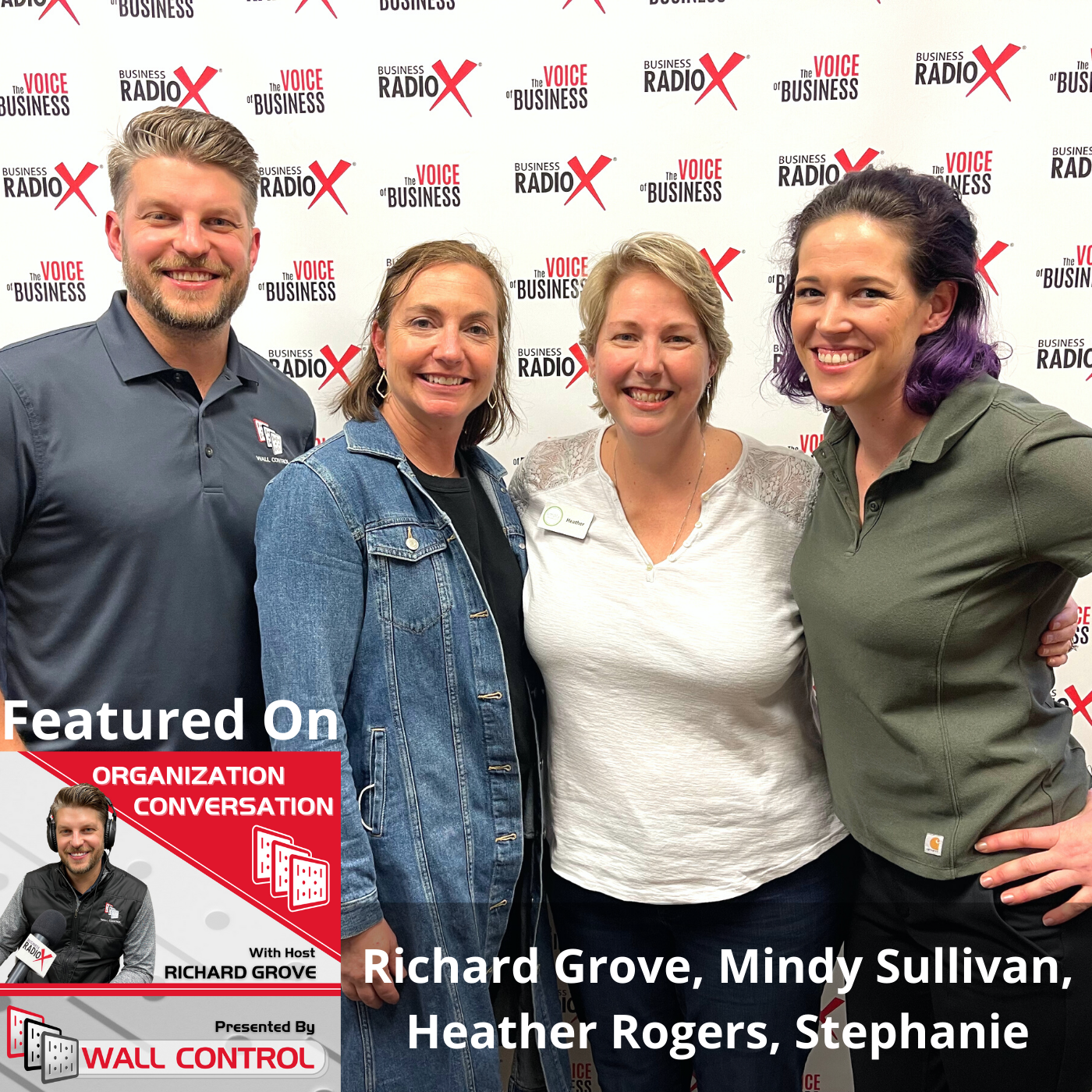
With deep knowledge and experience in both woodworking and metalworking, Ron with Ronders Dot Com combined them both (and his name) into Ronders Dot Com. Ron creates pieces of art from trees, trees which, as he says, he wants to “save from the chipper.” He and Richard Grove discussed how he got into the work, how he leverages his skills in the business, where he sells his work, and much more. Organization Conversation is broadcast from the North Fulton studio of Business RadioX® inside Renasant Bank in Alpharetta.

Ronders Dot Com

Ron with Ronders Dot Com makes wood and metal furniture using wood from local arborists. What started as a hobby to rebuild his physical stamina became an effort to reclaim and reuse the wood from the trees he was felling. He cuts down the trees and processes the wood into wall hanging bars and custom-made tables from a client’s tree.
His goal at Ronders Dot Com is to save trees from the chipper, encourage people to appreciate the trees on the land they live on, and show them the story that is living in the trees around them.
He has a lifelong history of woodworking and metalworking.
Connect with Ronders Dot Com:  Website | Instagram | Facebook | Etsy


About Organization Conversation

Organization Conversation features interviews with movers and shakers in storage and organization, from professional organizers to the creative and talented Brand Ambassadors who use Wall Control products every day. You’ll hear tips, tricks and how-tos for storage and organization, as well as receive first access to Wall Control promotions. We talk with our suppliers and partners to give you a behind the scenes look at how we operate, what makes our family-owned and operated brand tick, and some of the fun and interesting insights that go into making our business run. We love our guests, as they are engaging and entertaining with interesting experiences to share. By focusing on those guests and the amazing stories they tell, we hope you will be enriched and find your time listening to the Organization Conversation podcast as time well spent.

Organization Conversation is hosted by Richard Grove, and broadcast and produced from the North Fulton studio of Business RadioX® inside Renasant Bank in Alpharetta. You can find the full archive of shows by following this link. The show is available on all the major podcast apps, including Apple Podcasts, Spotify, Google, Amazon, iHeart Radio, and others.

About Richard Grove

Richard Grove, Host, Organization Conversation

Richard Grove‘s background is in engineering but what he enjoys most is brand building through relationships and creative marketing. Richard began his career with the Department of Defense as an engineer on the C-5 Galaxy Engineering Team based out of Warner Robins. While Richard found this experience both rewarding and fulfilling, he always knew deep down that he wanted to return to the small family business that originally triggered his interest in engineering.

Richard came to work for the family business, Dekalb Tool & Die, in 2008 as a Mechanical Engineer. At the time Wall Control was little more than a small ‘side hustle’ for Dekalb Tool & Die to try to produce some incremental income. There were no “Wall Control” employees, just a small warehouse with a single tool and die maker that would double as an “order fulfillment associate” on the occasion that the original WallControl.com website, which Richard’s grandmother built, pulled in an order.

In 2008, it became apparent that for the family business to survive they were going to have to produce their own branded product at scale to ensure jobs remained in-house and for the business to continue to move forward. Richard then turned his attention from tool and die to Wall Control to attempt this necessary pivot and his story with Wall Control began. Since that time, Richard has led Wall Control to significant growth while navigating two recessions.

Connect with Richard:

Instagram | Twitter | LinkedIn

About Wall Control

The Wall Control story began in 1968 in a small tool & die shop just outside Atlanta, Georgia. The first of three generations began their work in building a family-based US manufacturer with little more than hard work and the American Dream.

Over the past 50+ years, this family business has continued to grow and expand from what was once a small tool & die shop into an award-winning US manufacturer of products ranging from automobile components to satellite panels and now, the best wall-mounted tool storage system available today, Wall Control.

The Wall Control brand launched in 2003 and is a family-owned and operated business that not only produces a high-quality American Made product but sees the entire design, production, and distribution process happen under their own roof in Tucker, Georgia. Under that same roof, three generations of American Manufacturing are still hard at work creating the best tool storage products available today.

Connect with Wall Control:

Company website | Facebook | Instagram

Tagged With: Etsy, handmade furniture, maker, Metalworking, Organization Conversation, reclaimed wood, Richard Grove, ronders, ronders dot com, Wall Control, wood furniture, woodworking, WORKBENCHcon 2022

Lauren Marlow, Speechworks

March 14, 2022 by John Ray

Speechworks
Family Business Radio
Lauren Marlow, Speechworks
Loading
00:00 /
RSS Feed
Share
Link
Embed

Download file

Speechworks

Lauren Marlow, Speechworks (Family Business Radio, Episode 30)

Lauren Marlow, CEO of Speechworks, was Anthony Chen’s guest on this episode of Family Business Radio. As the social aspects of her work as an attorney withered during the pandemic, she realized she was ready for a change, and leaped at the opportunity to join Speechworks. Lauren discussed honoring one’s priorities, how Speechworks helps people develop the skills and ability to connect with an audience, the Persuasive Speaker’s Program, and much more.

In Anthony’s closing comments, he reflected on clarifying the quality of life you desire and planning for those choices. Family Business Radio is underwritten and brought to you by Anthony Chen with Lighthouse Financial Network.

Speechworks

Speechworks is a communications skills coaching firm.

Since 1986, Speechworks has helped countless professionals become better communicators and presenters through tried-and-true methods designed to help clients learn to:

● Organize simple, persuasive messages – delivering in formal presentations or impromptu situations when there is little to no time to prepare;

● Deliver messages in a style that connects – emphasizing good eye contact and authentic vocal, physical, and facial energy; and

● Embrace Q&A – answering questions in a way that inspires confidence and boosts credibility.

The Speechworks Difference

SUPPORTIVE LEARNING ENVIRONMENT – Speaking in front of a group can be stressful. So, they limit our workshops to small groups of 5 or 6 participants per coach. They create a friendly, fun setting that helps put people at ease. A relaxed, low-pressure approach creates a learning environment that yields rapid results.

PRACTICAL COACHING – Speechworks coaches will make your experience outstanding. Having worked with business people in many industry areas, their coaches quickly understand and adapt to the needs of your business situation. Clients are not boxed into a one-size-fits-all solution.

IMMEDIATE IMPACT – They video record each participant multiple times in each workshop. You will see yourself the way your audience sees you!  By reviewing your own performance, receiving feedback and focusing on a few key improvement areas, you will return to work with new skills you can use immediately.

Company website | LinkedIn | Facebook

Lauren Marlow, CEO, Speechworks

Lauren Marlow, CEO, Speechworks

Lauren is a dedicated coach and advisor for Speechworks’ clients, helping them to craft concise and persuasive messages, develop an engaging presentation style and cultivate an executive presence.

Lauren draws on her 15 years experience as a practicing business attorney to help clients refine their communication skills and content for a variety of scenarios, including condensing complicated information into simple and digestible talking points, presenting to boards, running meetings, making a pitch and handling impromptu speaking requests when there is little to no time to prepare.

Lauren is a Georgia native, but she lived in Boston, Germany, and Colorado before returning to Atlanta in 2010. Lauren spends her free time with her family, pottery throwing, studying philosophy, and exploring local museums and festivals. She is also a “people person”, loves adventure, and embraces diverse cultures, foods, music, and customs with an open heart and mind.

LinkedIn

Anthony Chen, Host of Family Business Radio

Anthony Chen, Lighthouse Financial, and Host of “Family Business Radio”

This show is sponsored and brought to you by Anthony Chen with Lighthouse Financial Network. Securities and advisory services offered through Royal Alliance Associates, Inc. (RAA), member FINRA/SIPC. RAA is separately owned and other entities and/or marketing names, products or services referenced here are independent of RAA. The main office address is 575 Broadhollow Rd. Melville, NY 11747. You can reach Anthony at 631-465-9090 ext 5075 or by email at anthonychen@lfnllc.com.

Anthony Chen started his career in financial services with MetLife in Buffalo, NY in 2008. Born and raised in Elmhurst, Queens, he considers himself a full-blooded New Yorker while now enjoying his Atlanta, GA home. Specializing in family businesses and their owners, Anthony works to protect what is most important to them. From preserving to creating wealth, Anthony partners with CPAs and attorneys to help address all the concerns and help clients achieve their goals. By using a combination of financial products ranging from life, disability, and long-term care insurance to many investment options through Royal Alliance. Anthony looks to be the eyes and ears for his client’s financial foundation. In his spare time, Anthony is an avid long-distance runner.

The complete show archive of “Family Business Radio” can be found at familybusinessradioshow.com.

Tagged With: Anthony Chen, Family Business Radio, Lauren Marlow, Lighthouse Financial Network, public speaking, quality of life, Speechworks

When Is It Time to Fire a Client?

March 14, 2022 by John Ray

When is it Time to Fire a Client?
North Fulton Studio
When Is It Time to Fire a Client?
Loading
00:00 /
RSS Feed
Share
Link
Embed

Download file

When is it Time to Fire a Client?

When Is It Time to Fire a Client?

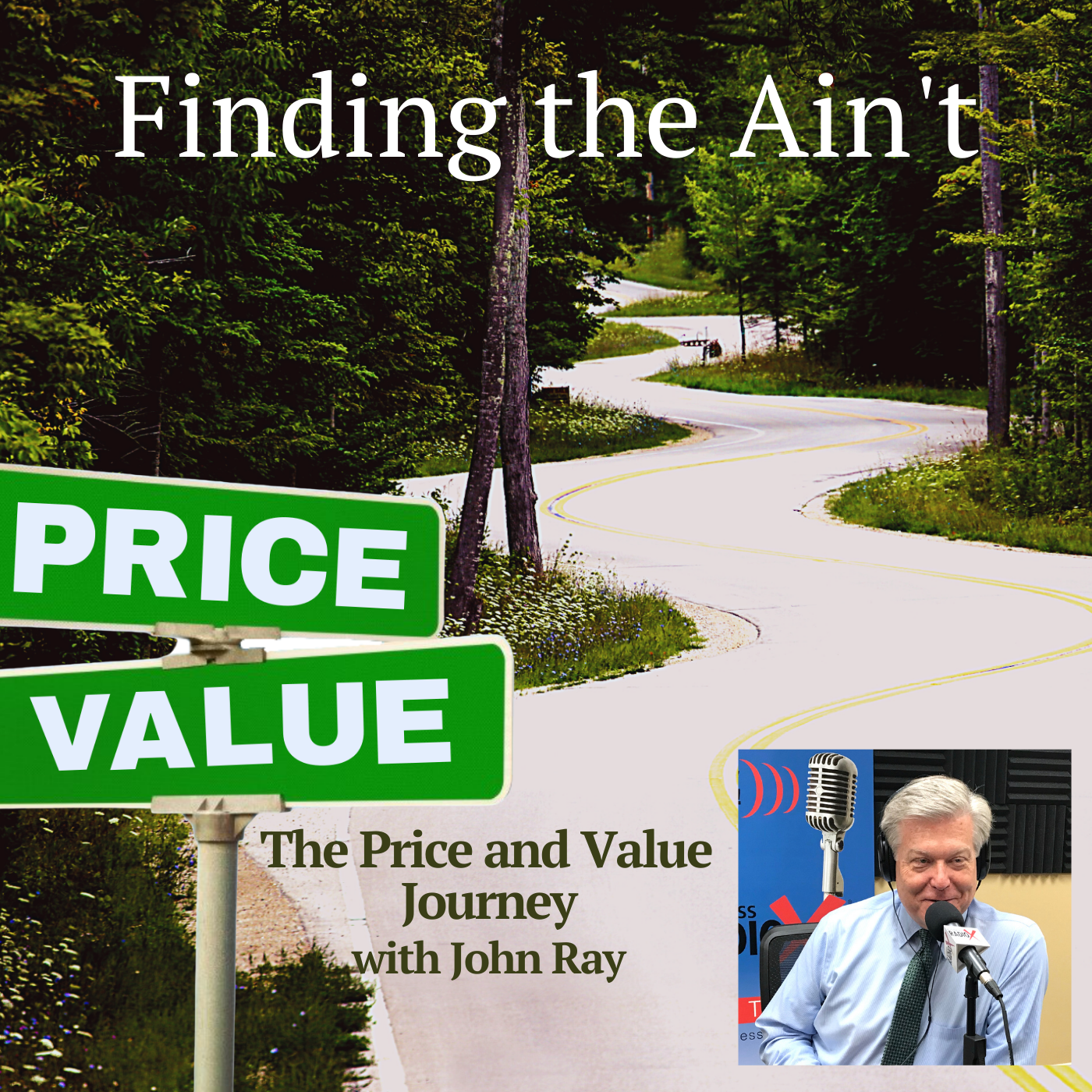
When is it time to fire a client? There are several factors to consider, and not all of them have to do with the client or whatever problems we think they’re causing for us and our practice. We must be honest:  some of the considerations on such a decision have to do with us. The Price and Value Journey is presented by John Ray and produced by the North Fulton studio of Business RadioX®.

TRANSCRIPT

John Ray: [00:00:00] Hello again. I’m John Ray on The Price and Value Journey. When is it time to fire a client? If you think the answer is never or you don’t want to address the question, that’s a sign of a problem in your professional services practice. Clients change and so do you. You must address these changes or your practice will get unwieldy or even unprofitable.

John Ray: [00:00:23] Here are a few factors you can use to determine whether a client should be invited to explore other options. First, unreasonable and repeated boundary violations. My personal favorite on this one is the guy who always called me on Sunday mornings because, according to him, that was the only quiet time he could talk. I told him bye-bye.

John Ray: [00:00:48] Two, change in their business. Maybe their business is changed in a way which makes them less of a fit for your practice. Now, this situation may be a positive for both of you. Both of you have grown in different directions, for example.

John Ray: [00:01:05] Three, change in your business. Because you’ve developed a special expertise, maybe you’ve decided to focus on left handed house painters, for example, and right handed window washers just aren’t a fit anymore. You’re doing both yourself and the client a favor by recognizing that the fit just isn’t there anymore.

John Ray: [00:01:28] Late payers. This one is self-explanatory, but it also raises the question of why you’re not billing and collecting in advance.

John Ray: [00:01:39] Number five, the shoe doesn’t fit anymore. You’ve grown to a point where those smaller clients aren’t a great fit and they can get better attention from another provider. Admit it, it’s better for the client and it’s better for you.

John Ray: [00:01:56] And then, finally, number six, you’ve just lost that loving feeling. Maybe the client has, too. It’s when you know in your gut that you’re just not in sync with your client. If you’re sensing it, the client is too.

John Ray: [00:02:12] These are a few factors. But here’s what I hope you’ll take away, that not all the reasons why we would disengage from a client have to do with the client themselves. Some of them, if we’re honest, have to do with us and how we’ve changed, and how it’s better for the client if we give them an opportunity to move on. It’s not just about us.

John Ray: [00:02:39] I’m John Ray on The Price and Value Journey. I’m honored that you joined me. And if you’d like to hear more of this series, go to pricevaluejourney.com to find the complete show archive or subscribe using your favorite podcast app. You can also email me directly, john@johnray.co. Thank you for joining me.


About The Price and Value Journey

The title of this show describes the journey all professional services providers are on:  building a services practice by seeking to convince the world of the value we offer, helping clients achieve the outcomes they desire and trying to do all that at pricing which reflects the value we deliver.

If you feel like you’re working too hard for too little money in your solo or small firm practice, this show is for you. Even if you’re reasonably happy with your practice, you’ll hear ways to improve both your bottom line as well as the mindset you bring to your business.

The show is produced by the North Fulton studio of Business RadioX® and can be found on all the major podcast apps. The complete show archive is here.

John Ray, Host of The Price and Value Journey

John Ray The Price and Value Journey
John Ray, Host of “The Price and Value Journey”

John Ray is the host of The Price and Value Journey.

John owns Ray Business Advisors, a business advisory practice. John’s services include advising solopreneur and small professional services firms on their pricing. John is passionate about the power of pricing for business owners, as changing pricing is the fastest way to change the profitability of a business. His clients are professionals who are selling their “grey matter,” such as attorneys, CPAs, accountants and bookkeepers, consultants, marketing professionals, and other professional services practitioners.

In his other business, John is a Studio Owner, Producer, and Show Host with Business RadioX®, and works with business owners who want to do their own podcast. As a veteran B2B services provider, John’s special sauce is coaching B2B professionals to use a podcast to build relationships in a non-salesy way which translate into revenue.

John is the host of North Fulton Business Radio, Minneapolis-St. Paul Business Radio, Nashville Business Radio, Alpharetta Tech Talk, and Business Leaders Radio. house shows which feature a wide range of business leaders and companies. John has hosted and/or produced over 1,100 podcast episodes.
Connect with John Ray:

Website | LinkedIn | Twitter

Business RadioX®:  LinkedIn | Twitter | Facebook | Instagram

Tagged With: fire a client, firing a client, John Ray, Price and Value Journey, pricing, professional services firms, professional services providers, solopreneurs, The Price and Value Journey, value

A Business Lesson from an Epidural

March 11, 2022 by John Ray

A Business Lesson from an Epidural
North Fulton Studio
A Business Lesson from an Epidural
Loading
00:00 /
RSS Feed
Share
Link
Embed

Download file

A Business Lesson from an Epidural

A Business Lesson from an Epidural

Can you derive a business lesson from an epidural? Yes, says John Ray, and it involves small pinch points which cause dysfunction in an entirely different part of our business. The Price and Value Journey is presented by John Ray and produced by the North Fulton studio of Business RadioX®.

TRANSCRIPT

John Ray: [00:00:00] Hello again. I’m John Ray on The Price and Value Journey. Is there a business lesson from an epidural? Okay. Here’s fair warning. If my medical history is more than you want to hear, now’s the time to skip to another podcast episode.

John Ray: [00:00:19] I’d been having some numbness and pain in my arm from my shoulder all the way down to my fingertips. And it got to the point where it was fairly constant and I was losing sleep over it. I’ll spare you the whole story, but the medical experts decided that the problem wasn’t in my arm. It was in the cervical spine, specifically a nerve problem in the neck bones. They decided I needed an epidural, which would involve an injection of medication between the vertebrae into a very small area.

John Ray: [00:00:55] In other words, the source of a big problem was centered in a very small spot, and that spot was nowhere near where the symptoms were evident. What occurs to me is that this metaphor applies to our businesses as well. Often when we suffer from some sort of pain or dysfunction in our business, the source of that pain is not located anywhere near the dysfunction itself. So, we don’t really connect the two. We don’t connect the pinch point, if you will, with the dysfunction.

John Ray: [00:01:32] We’re focused on the pain and irritation in the arm or leg of our business, and we think that we need to focus there, fix the pain there. But all we’re really doing is playing around with symptoms instead of administering a cure.

John Ray: [00:01:49] So, let me give you an example. One of the changes I made some time ago was removing notifications from a lot of apps I have on my phone, particularly social media apps. You know, those little red dots that scream at you and say, “Open me. Open me.” So, you can satisfy that psychological curiosity you have of what do I need to see now?

John Ray: [00:02:16] So, now, instead of being lured into scrolling on social media, which is exactly what the social media companies want you to do, when I have a few extra minutes standing in line or what have you, I spend it in my Kindle app on a book I’m reading. It’s a much more edifying way to spend my time than on the scroll patrol.

John Ray: [00:02:44] Now, there are other examples of this as well that may apply for you in your practice. Maybe you’ve always been doing the bookkeeping for your practice because you know what you’re doing and you’re pretty good at it.

John Ray: [00:02:57] Maybe you handle the social media or some other marketing task. But that takes up time, even if you know those tasks quite well and you know how to do that work and it’s effective. The time that you’re taking up in those tasks takes away from something which is much more valuable to your clients and your practice. And that’s the use of what’s between your ears to create value for clients and solve their problems.

John Ray: [00:03:32] So, if you’re spending time on this back office business task because you’re saving money, what you’re really doing is creating a pinch point that may cause pain elsewhere in your business. So, where does your practice need an epidural? Where is that pain in your practice? And can you trace the source of that pain or at least some of the source of that pain back to something else?

John Ray: [00:04:03] I’m John Ray on the Price and Value Journey. Past episodes of this podcast series can be found at pricevaluejourney.com or on your favorite podcast app. And I’d be honored if you’d subscribe and share the show with those that you think would benefit from it. If you’d like to connect with me directly, just email me john@johnray.co. Thank you for joining me.


About The Price and Value Journey

The title of this show describes the journey all professional services providers are on:  building a services practice by seeking to convince the world of the value we offer, helping clients achieve the outcomes they desire and trying to do all that at pricing which reflects the value we deliver.

If you feel like you’re working too hard for too little money in your solo or small firm practice, this show is for you. Even if you’re reasonably happy with your practice, you’ll hear ways to improve both your bottom line as well as the mindset you bring to your business.

The show is produced by the North Fulton studio of Business RadioX® and can be found on all the major podcast apps. The complete show archive is here.

John Ray, Host of The Price and Value Journey

John Ray The Price and Value Journey
John Ray, Host of “The Price and Value Journey”

John Ray is the host of The Price and Value Journey.

John owns Ray Business Advisors, a business advisory practice. John’s services include advising solopreneur and small professional services firms on their pricing. John is passionate about the power of pricing for business owners, as changing pricing is the fastest way to change the profitability of a business. His clients are professionals who are selling their “grey matter,” such as attorneys, CPAs, accountants and bookkeepers, consultants, marketing professionals, and other professional services practitioners.

In his other business, John is a Studio Owner, Producer, and Show Host with Business RadioX®, and works with business owners who want to do their own podcast. As a veteran B2B services provider, John’s special sauce is coaching B2B professionals to use a podcast to build relationships in a non-salesy way which translate into revenue.

John is the host of North Fulton Business Radio, Minneapolis-St. Paul Business Radio, Nashville Business Radio, Alpharetta Tech Talk, and Business Leaders Radio. house shows which feature a wide range of business leaders and companies. John has hosted and/or produced over 1,100 podcast episodes.

Connect with John Ray:

Website | LinkedIn | Twitter

Business RadioX®:  LinkedIn | Twitter | Facebook | Instagram

Tagged With: business lesson, epidural, John Ray, Price and Value Journey, pricing, professional services, professional services providers, solopreneurs, The Price and Value Journey, value

LIVE from WORKBENCHcon 2022: Curtis Schmidt, HangTime Store

March 11, 2022 by John Ray

HangTime Store
North Fulton Studio
LIVE from WORKBENCHcon 2022: Curtis Schmidt, HangTime Store
Loading
00:00 /
RSS Feed
Share
Link
Embed

Download file

HangTime Store

LIVE from WORKBENCHcon 2022: Curtis Schmidt, HangTime Store (Organization Conversation, Episode 5)

Curtis Schmidt with HangTime Store and host Richard Grove discussed the fantastic work HangTime does as exclusive decorator for Wall Control, as well as for clients wanting customized art on their pegboards for functional wall decor. Organization Conversation is broadcast from the North Fulton studio of Business RadioX® inside Renasant Bank in Alpharetta.

Curtis Schmidt, HangTime Store

HangTime® is an exclusive decorator of Wall Control Metal Pegboard panels. They offer exclusive stock designs that will help you bring a little pizzazz to your garage or any wall space that needs a splash of creativity coupled with organization and functionality.
If you don’t see a design that you like, they can print your artwork. Using their customization tool, you can be as creative as you want while making a unique piece that fits your wants.
Connect with Hangtime:  Website | Instagram | Facebook | Twitter | YouTube

About Organization Conversation

Organization Conversation features interviews with movers and shakers in storage and organization, from professional organizers to the creative and talented Brand Ambassadors who use Wall Control products every day. You’ll hear tips, tricks and how-tos for storage and organization, as well as receive first access to Wall Control promotions. We talk with our suppliers and partners to give you a behind the scenes look at how we operate, what makes our family-owned and operated brand tick, and some of the fun and interesting insights that go into making our business run. We love our guests, as they are engaging and entertaining with interesting experiences to share. By focusing on those guests and the amazing stories they tell, we hope you will be enriched and find your time listening to the Organization Conversation podcast as time well spent.

Organization Conversation is hosted by Richard Grove, and broadcast and produced from the North Fulton studio of Business RadioX® inside Renasant Bank in Alpharetta. You can find the full archive of shows by following this link. The show is available on all the major podcast apps, including Apple Podcasts, Spotify, Google, Amazon, iHeart Radio, and others.

About Richard Grove

Richard Grove, Host, Organization Conversation

Richard Grove‘s background is in engineering but what he enjoys most is brand building through relationships and creative marketing. Richard began his career with the Department of Defense as an engineer on the C-5 Galaxy Engineering Team based out of Warner Robins. While Richard found this experience both rewarding and fulfilling, he always knew deep down that he wanted to return to the small family business that originally triggered his interest in engineering.

Richard came to work for the family business, Dekalb Tool & Die, in 2008 as a Mechanical Engineer. At the time Wall Control was little more than a small ‘side hustle’ for Dekalb Tool & Die to try to produce some incremental income. There were no “Wall Control” employees, just a small warehouse with a single tool and die maker that would double as an “order fulfillment associate” on the occasion that the original WallControl.com website, which Richard’s grandmother built, pulled in an order.

In 2008, it became apparent that for the family business to survive they were going to have to produce their own branded product at scale to ensure jobs remained in-house and for the business to continue to move forward. Richard then turned his attention from tool and die to Wall Control to attempt this necessary pivot and his story with Wall Control began. Since that time, Richard has led Wall Control to significant growth while navigating two recessions.

Connect with Richard:

Instagram | Twitter | LinkedIn

About Wall Control

The Wall Control story began in 1968 in a small tool & die shop just outside Atlanta, Georgia. The first of three generations began their work in building a family-based US manufacturer with little more than hard work and the American Dream.

Over the past 50+ years, this family business has continued to grow and expand from what was once a small tool & die shop into an award-winning US manufacturer of products ranging from automobile components to satellite panels and now, the best wall-mounted tool storage system available today, Wall Control.

The Wall Control brand launched in 2003 and is a family-owned and operated business that not only produces a high-quality American Made product but sees the entire design, production, and distribution process happen under their own roof in Tucker, Georgia. Under that same roof, three generations of American Manufacturing are still hard at work creating the best tool storage products available today.

Connect with Wall Control:

Company website | Facebook | Instagram

Tagged With: Curtis Schmidt, custom printed pegboards, functional wall art, Hangtime Store, Richard Grove, steel pegboard, Wall Control

Anthonia Berry, Anthonia’s Strategy Academy, and Dr. Karl Haden, Academy for Advancing Leadership

March 10, 2022 by John Ray

Anthonio Berry
North Fulton Studio
Anthonia Berry, Anthonia's Strategy Academy, and Dr. Karl Haden, Academy for Advancing Leadership
Loading
00:00 /
RSS Feed
Share
Link
Embed

Download file

Anthonia Berry

Anthonia Berry, Anthonia’s Strategy Academy, and Dr. Karl Haden, Academy for Advancing Leadership (ProfitSense with Bill McDermott, Episode 30)

On this episode of ProfitSense with Bill McDermott, Bill was joined by Anthonia Berry, owner of Anthonia’s Strategy Academy and Dr. Karl Haden, CEO of Academy of Advancing Leadership. Anthonia is a Legal Business Development Strategist and she discussed with Bill the importance of a business development strategy in the direction and success of a law firm or solo practicing attorney. Dr. Haden talked with Bill about value and character-driven leadership, the elements of that style of leadership, thoughts on how to avoid burnout, and much more. Bill concluded the episode discussing the need for business owners to become fluent in the language of business.  ProfitSense with Bill McDermott is produced and broadcast by the North Fulton Studio of Business RadioX® in Alpharetta.

Anthonia’s Strategy Academy

Anthonia’s Strategy Academy is comprised of a series of business development strategies used to launch and relaunch law firms. The Academy allows DIY Attorneys to go through the interactive course online at their own place or the option to work directly with Anthonia on each of the pillars that make up the series within the academy. Each section of the Academy will build the cornerstones of the foundation needed to build, launch or relaunch a law practice and can be retrofitted to match any attorney that has a goal to generate business in a streamlined and strategic way.

Company website | LinkedIn | Facebook

Anthonia Berry, Legal BD Strategist, Anthonia’s Strategy Academy

Anthonia Berry, Legal BD Strategist, Anthonia’s Strategy Academy

Anthonia Berry is a Cayman Islands native who moved to Atlanta in 2014. Prior to Anthonia’s move to Atlanta she completed her bachelor’s degree at Florida International University and later her master’s degree at Nova Southeastern University. After completing her studies, Anthonia returned to the Cayman Islands where she embarked on her career and entered the corporate world of Strategic Business Development and Marketing with two major international law firms.

Anthonia relocated to Atlanta in 2014 and continued her career journey with a major national law firm and brought success in their practice, just as she had done in the past. In her capacity she was responsible for advising C-Suite personnel on business practices to develop their business areas with the use of strategic business development tactics. These tactics allowed them to win new business and maintain existing business relationships. Anthonia also participated in crafting responses to complex requests for proposals and pitches resulting in substantial growth and KPI results.

Anthonia’s expertise in strategic business development afforded her 17 years of success in the industry where she was able to help C-Suite executives scale their businesses, secure multi-million-dollar contracts and open global offices across the globe; including offices in Europe, Asia and Latin America. After spending 16 years in the corporate space as an executive Anthonia founded anthoniaberry.com where she offers her signature program, the Strategy Academy, offered exclusively to Lawyers and Law Firms across the United States. The Strategy Academy allows Anthonia to take her clients on a systematic journey to determine their strategy for the vital areas of their business, while laying out specific objectives and goals for each area. This exclusive program provides a One-on-One session with Anthonia for each segment, self-help videos and guided plans to complete each segment of the program.

Anthonia also offers One-on-One strategic business development services to qualified lawyers and law firms once they have been deemed eligible for her One-on-One service offerings. This area of Anthonia’s business allows her to utilize her expertise to help lawyers and law firms craft a tailored strategy for a specific subject that needs to be addressed and dealt with immediately or within the short-term future.


Her expertise has resulted in Lawyers and Law Firms scaling their business to unimaginable levels in a systematic and strategy-based way.

LinkedIn

Academy for Advancing Leadership (AAL)

Launched in 2005, the Academy for Advancing Leadership (AAL) is a consulting firm working primarily with institutions in health and higher education. With its home office in Atlanta and a national network of scholars, educational specialists, and consultants, AAL provides consulting, talent management, and professional development services to help leaders in business, not-for-profits, and academia pursue excellence, the application of new knowledge, the discovery of ideas, and the quest for lifelong learning.

Company website | LinkedIn | Facebook | Twitter 

Dr. Karl Haden, President and CEO, AAL

Dr. Karl Haden, President and CEO, AAL

Dr. Haden is President and CEO of AAL. Since AAL’s founding in 2005, Dr. Haden and AAL have worked with more than 200 U.S. and international higher education institutions, associations, and businesses through AAL’s professional development programs and consulting services.

Dr. Haden oversees ongoing leadership development initiatives for numerous organizations, as well as consulting projects in strategy, feasibility studies for new colleges and programs, improving senior team performance and other professional development.

Dr. Haden is not only an entrepreneur, he is a scholar. He has authored or coauthored more than 80 journal articles and monographs. He is the author, along with AAL Senior Fellow Rob Jenkins, of The 9 Virtues of Exceptional Leaders: Unlocking Your Leadership Potential (Deeds, 2015) and 31 Days with the Virtues (Deeds, 2020).

Dr. Haden is a Fellow (Hon.) of the American College of Dentists and a Fellow of the Center for the Study of the Great Ideas. In 2017, he was honored by the ADEAGies Foundation as recipient of the Gies Award for Achievement-Public or Private Partner. In 2019, he received the Professionalism and Ethics Award from the American College of Dentists.

He holds degrees in religious studies, humanities, and philosophy.

LinkedIn

About ProfitSense and Your Host, Bill McDermott

Bill McDermott
Bill McDermott

ProfitSense with Bill McDermott dives into the stories behind some of Atlanta’s successful businesses and business owners and the professionals that advise them. This show helps local business leaders get the word out about the important work they’re doing to serve their market, their community and their profession. The show is presented by McDermott Financial Solutions. McDermott Financial helps business owners improve cash flow and profitability, find financing, break through barriers to expansion and financially prepare to exit their business. The show archive can be found at profitsenseradio.com.

Bill McDermott is the Founder and CEO of McDermott Financial Solutions. When business owners want to increase their profitability, they don’t have the expertise to know where to start or what to do. Bill leverages his knowledge and relationships from 32 years as a banker to identify the hurdles getting in the way and create a plan to deliver profitability they never thought possible.

Bill currently serves as Treasurer for the Atlanta Executive Forum and has held previous positions as a board member for the Kennesaw State University Entrepreneurship Center and Gwinnett Habitat for Humanity and Treasurer for CEO NetWeavers. Bill is a graduate of Wake Forest University and he and his wife, Martha have called Atlanta home for over 40 years. Outside of work, Bill enjoys golf, traveling, and gardening.

Connect with Bill on LinkedIn and Twitter and follow McDermott Financial Solutions on LinkedIn.

Tagged With: AAL, Academy for Advancing Leadership, Anthonia Berry, Anthonias Strategy Academy, Bill McDermott, Business Development, character based leadership, Dr. Karl Haden, Lawyers, legal business development, ProfitSense with Bill McDermott, The Profitability Coach, virtue based leadership

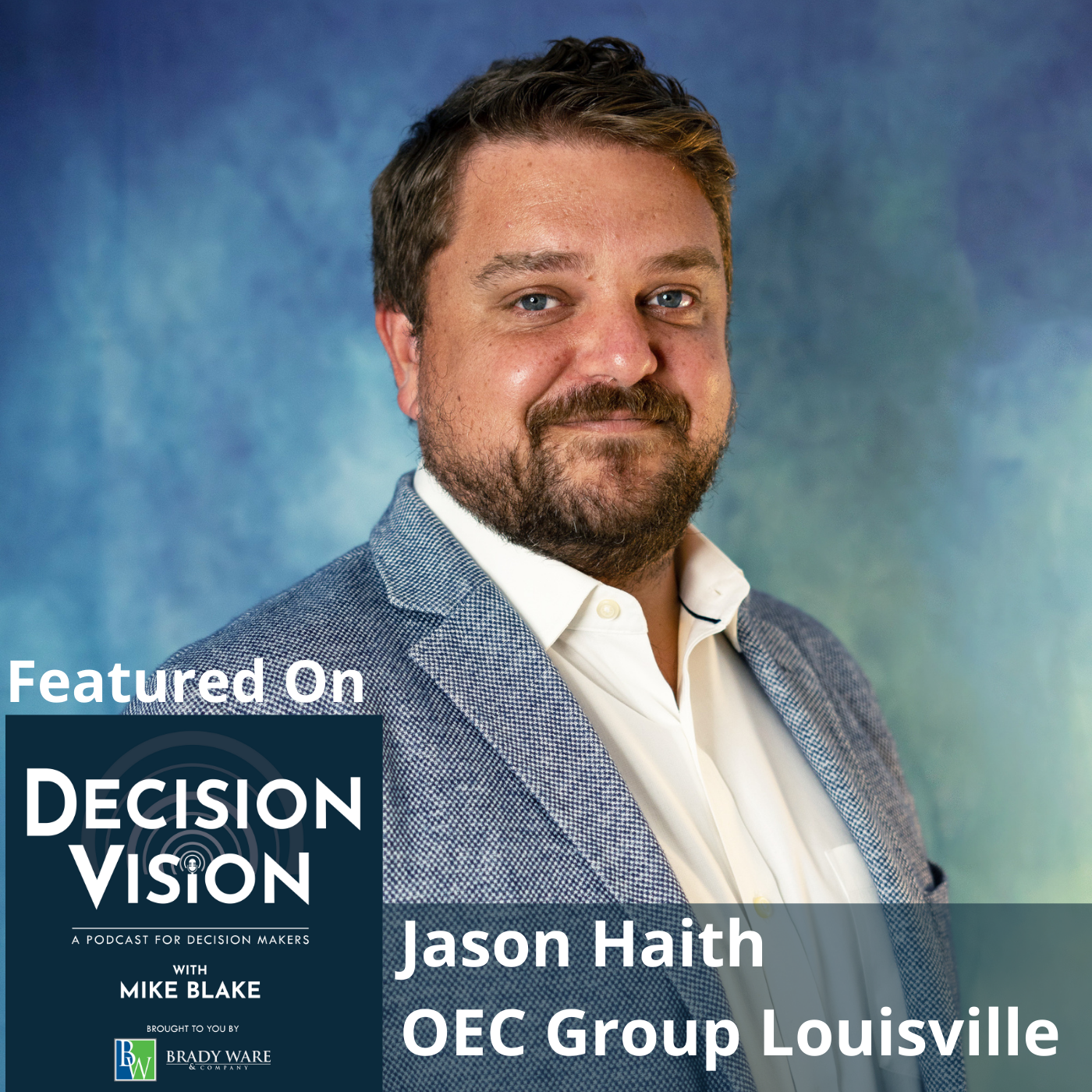
Decision Vision Episode 159: Should I Give My Employees More Autonomy? – An Interview with Kemy Joseph, F.E.A.R.S. Advantage

March 10, 2022 by John Ray

Kemy Joseph
Decision Vision
Decision Vision Episode 159: Should I Give My Employees More Autonomy? - An Interview with Kemy Joseph, F.E.A.R.S. Advantage
Loading
00:00 /
RSS Feed
Share
Link
Embed

Download file

Kemy Joseph

Decision Vision Episode 159: Should I Give My Employees More Autonomy? – An Interview with Kemy Joseph, F.E.A.R.S. Advantage

Kemy Joseph, CEO of F.E.A.R.S. Advantage, defines autonomy in the workplace as “the independence to do the work you’re hired to do with the freedom, trust and ownership in your role.” He and host Mike Blake discussed its role in career equity, how to structure it with systems, the resistance to it from leaders, helping organizations find the path forward to implement it, the element of trust, autonomy’s role in the evolving remote work environment, and much more.  Decision Vision is presented by Brady Ware & Company and produced by the North Fulton studio of Business RadioX®.

F.E.A.R.S. Advantage

F.E.A.R.S. Advantage is a DEI (Diversity, Equity, and Inclusion) Consulting Agency with team members around the globe.

They help organizations reframe Diversity, Equity, and Inclusion to go beyond HR, anti-racism, and the old version of “diversity” in the workplace.

They understand that successful DEI initiatives require active and engaged DEI leaders who cannot help their teams thrive without doing the internal work first.

They are on a mission to help 5 million leaders advance equity in their organizations by 2030 as part of our vision of a world where every human being lives safely and thrives.

They believe the distinctions of love, kindness, compassion, diversity, and inclusion shall become the norms inside company cultures across the world.

They train company leaders in the courage and vulnerability needed to manifest this vision.

Company website | LinkedIn | YouTube

Kemy Joseph, Co-Founder and CEO, F.E.A.R.S. Advantage

Kemy Joseph, Co-Founder and CEO, F.E.A.R.S. Advantage

Kemy Joseph helps business executives leverage equity as a pathway to prosperity to effectively lead their diverse teams through conflicts involving race, politics, and privilege. Raised in a single-parent household with nine siblings where poverty, violence, and racial inequity traumatized him at an early age. As an adult, he’s re-socialized himself into a healthy, educated black man who respects women, celebrates diversity, and advances equity for all people. He used negative experiences for positive change and learned the skills we need to treat others equitably.

LinkedIn

Mike Blake, Brady Ware & Company

Mike Blake, Host of the “Decision Vision” podcast series

Michael Blake is the host of the Decision Vision podcast series and a Director of Brady Ware & Company. Mike specializes in the valuation of intellectual property-driven firms, such as software firms, aerospace firms, and professional services firms, most frequently in the capacity as a transaction advisor, helping clients obtain great outcomes from complex transaction opportunities. He is also a specialist in the appraisal of intellectual properties as stand-alone assets, such as software, trade secrets, and patents.

Mike has been a full-time business appraiser for 13 years with public accounting firms, boutique business appraisal firms, and an owner of his own firm. Prior to that, he spent 8 years in venture capital and investment banking, including transactions in the U.S., Israel, Russia, Ukraine, and Belarus.

LinkedIn | Facebook | Twitter | Instagram

Brady Ware & Company

Brady Ware & Company is a regional full-service accounting and advisory firm which helps businesses and entrepreneurs make visions a reality. Brady Ware services clients nationally from its offices in Alpharetta, GA; Columbus and Dayton, OH; and Richmond, IN. The firm is growth-minded, committed to the regions in which they operate, and most importantly, they make significant investments in their people and service offerings to meet the changing financial needs of those they are privileged to serve. The firm is dedicated to providing results that make a difference for its clients.

Decision Vision Podcast Series

Decision Vision is a podcast covering topics and issues facing small business owners and connecting them with solutions from leading experts. This series is presented by Brady Ware & Company. If you are a decision-maker for a small business, we’d love to hear from you. Contact us at decisionvision@bradyware.com and make sure to listen to every Thursday to the Decision Vision podcast.

Past episodes of Decision Vision can be found at decisionvisionpodcast.com. Decision Vision is produced by John Ray and the North Fulton studio of Business RadioX®.

Connect with Brady Ware & Company:

Website | LinkedIn | Facebook | Twitter | Instagram

TRANSCRIPT

Intro: [00:00:02] Welcome to Decision Vision, a podcast series focusing on critical business decisions. Brought to you by Brady Ware & Company. Brady Ware is a regional, full-service, accounting and advisory firm that helps businesses and entrepreneurs make visions a reality.

Mike Blake: [00:00:22] Welcome to Decision Vision, a podcast giving you, the listener, clear vision to make great decisions. In each episode, we discuss the process of decision making on a different topic from the business owners’ or executives’ perspective. We aren’t necessarily telling you what to do, but we can put you in a position to make an informed decision on your own and understand when you might need help along the way.

Mike Blake: [00:00:43] My name is Mike Blake, and I’m your host for today’s program. I am a director at Brady Ware & Company, a full-service accounting firm based in Dayton, Ohio, with offices in Dayton; Columbus, Ohio; Richmond, Indiana; and Alpharetta, Georgia. My practice specializes in providing fact-based strategic risk management advice to clients that are buying, selling, or growing the value of companies and intellectual property. Brady Ware is sponsoring this podcast, which is being recorded in Atlanta per social distancing protocols.

Mike Blake: [00:01:11] If you would like to engage with me on social media with my Chart of the Day and other content, I am on LinkedIn as myself and @unblakeable on Facebook, Twitter, Clubhouse, and Instagram. I also recently launched a new LinkedIn group called Unblakeable’s Group That Doesn’t Suck, so please join that as well if you would like to engage. If you like this podcast, please subscribe on your favorite podcast aggregator and please consider leaving a review of the podcast as well.

Mike Blake: [00:01:38] Today’s topic is, Should I give my employees more autonomy? According to the Wellcome Trust Workplace Mental Health Report, low job autonomy is associated with anxiety and depression for young employees, with the data showing the strongest connection for employees under age 25. This conclusion was gleaned from 227 scholarly articles and from data sets covering over 150,000 employees by a firm named Robertson Cooper.

Mike Blake: [00:02:06] Joining us today to discuss this topic is Kemy Joseph, who is the CEO and Diversity, Equity, and Inclusion Strategist of F.E.A.R.S. Advantage. He is on a mission to help five million business leaders advance equity in their organizations by 2030 to create company cultures where people of all backgrounds can work safely and thrive. He holds a Bachelor’s Degree in Communication from the University of Miami, along with a Master’s Degree in Brain Based Teaching and Learning, as well as an Educational Specialist Degree in Leadership from Nova Southeastern University.

Mike Blake: [00:02:59] Over the past two decades, Kemy has served in several leadership roles in organizations, small and large, including working with multiple Nobel Peace Prize winners to inspire social justice initiatives in over 40 countries around the world. In 2012, he also led a 22,000 mile kindness tour across North America, which taught him the power of human connection to overcome our country’s divisions.

Mike Blake: [00:03:23] In a time where so many people are being defensive around race, politics, and privilege, he uses his real world experiences to lead difficult conversations in an uplifting way that removes shame and blame to foster true inclusion. So, today he is here to help us strengthen our understanding of DEI and to make it approachable, actionable, and even enjoyable in our organizations. Kemy Joseph, welcome to the program.

Kemy Joseph: [00:03:47] Thank you so much, Mike. Thanks for having me. Thanks for that powerful intro as well. I get fired up. I’m ready to dive in.

Mike Blake: [00:03:53] Great. So, when we talk autonomy – and, boy, as we record this show on March 3rd, 2022 – the notion of autonomy, thanks to events in Europe, has taken on a different, maybe an increased visibility in our lexicon. In terms of what we’re talking about today, what does autonomy mean to leaders?

Kemy Joseph: [00:04:20] Yeah. I appreciate that question, especially putting in the scope of the worldwide events. And it’s kind of wild how we’re being impacted by things happening all over the world simultaneously, as well as things happening in our backyard. And so, as we look at the DEI perspective around autonomy, it can mean so many pieces, including the autonomy of where you live, how you live, who you are.

Kemy Joseph: [00:04:43] I think as we talk about it in the workplace here, we define autonomy as the independence to do the work you’re hired to do with the freedom, trust, and ownership in your role. So, from a leadership perspective, a lot of the autonomous leadership is what are we doing to empower our team with the right authority making power as well as giving them the tools and the processes to actually do the jobs without having to come to us for everything.

Mike Blake: [00:05:10] And we’ll get into this later, but by giving employees autonomy, doesn’t that give us, as leaders, greater autonomy as well?

Kemy Joseph: [00:05:19] Absolutely. And seeing some leader’s conversation around autonomy and they’re like, “Wait. If I give my team more than means I have to work more.” And if they’re listening in the very first few minutes, yes, if we do this correctly, giving our teams more autonomy gives us more autonomy. And that’s a phenomenal way to just anchor the show.

Mike Blake: [00:05:39] So, is there a difference in terms of how leaders and employees perceive autonomy?

Kemy Joseph: [00:05:46] Yeah. I think that with the leaders, we’re kind of thinking about the systems we have to build and the decisions that we have to then kind of reverse engineer to prepare employees to make. I think for employees, they kind of see it more as time or job freedom instead of being micromanaged or trusted to do their jobs. I think for us, as leaders, were both experiencing the autonomy and building systems that allow for it to happen. Whereas, a lot employees will just kind of experience of benefit without necessarily having to build out the systems themselves for them to be a part of it.

Mike Blake: [00:06:20] And so, you know, you’ve done a lot of things, you’ve done a lot of very important work in diversity, equity, and inclusion, as well as the other spaces, why this topic? Why are you so interested in this topic today?

Kemy Joseph: [00:06:34] Well, autonomy is one of ten non-negotiable equities that we measure when we look at thrive leadership. So, if we look at the big picture – I’ll just say them out loud now so folks can know, but we will only be talking about autonomy today – we’re looking at what’s called career equities or the pathway for someone to actually thrive in their career. So, it goes from awareness of opportunities to access to those opportunities for the ability for people to participate, then their safety, belonging, resources, development, advancement, autonomy, and legacies.

Kemy Joseph: [00:07:05] So, autonomy is at the very top of this chart. If you think about kind of the hierarchy of needs in the workplace, the idea of having autonomy is very up there, including with legacy, the kind of purpose or what drives us to make an impact. And so, when we have been doing the CIO work over the last two years, especially, we found that many leaders were saying, “How can I give my team the belonging, the safety, the autonomy that they want when I don’t have it myself?”

Kemy Joseph: [00:07:35] And when we think about anchoring on autonomy out of those ten, it seems to be one that’s less polarizing, one that most people can say, “Yes, I want more of this.” And then, now, we start talking about what that might look like for the individual leader to have in order to give it to their team. So, that’s why it’s so important to me.

Mike Blake: [00:07:54] And you bring up an interesting point, I want to go off script for a second because I thought one thing that you said I think is really smart and that is, that if you don’t feel like you, yourself, have autonomy, that makes it hard to grant autonomy to others. And I think I understand the implications of that, but I don’t want to assume and you’d say it better anyway, so I’d like you to expand on that. What exactly does that mean?

Kemy Joseph: [00:08:24] One example in my life is, even over the last year, I was working 50 hour workweeks. And when I started my company with Brian and Sarah, who are my co-founders, they were very clear that that’s not the life that they want. They never want to be working 50 hour workweeks or killing ourselves to meet deadlines and all these things that we used to do in previous jobs. We say, “Hey, we’re building this company to be our freedom vehicle. So, why would we do this for ourselves?”

Kemy Joseph: [00:08:51] Again, that seemed fine in the beginning, and then we started getting inundated with lots of work. And I found myself working 50 to 60 hour weeks, and it was really intense for me to then support them taking time off or to not expect them to work at the same level. And so, as I think about me being the executive in that situation, if I wasn’t experiencing the autonomy, I felt very trapped. I felt trapped in a company that I was building with my partners. And so then, it was all of this resentment towards them and this idea that any time they asked for time off, I saw them as less than or I saw them as people who weren’t contributing the same.

Kemy Joseph: [00:09:28] So, part of what helped us shift that for me is we actually were measuring thriving in our organization and they saw I had the lowest autonomy scores of all of us as team members. So then, we could have a conversation that was more neutral because everything else I was, like, projecting on them was just baggage. Again, they never said they wanted to work as hard as I was or they were working hard just didn’t want the kind of lifestyle that I was living. I didn’t want it either. I just didn’t know a way out.

Kemy Joseph: [00:09:52] So, being able to measure it and then have this conversation allowed me to own my own feelings about it and then talk to them about what do we need to do in order for me to experience the same autonomy. And, you know, we’re about two months in after that conversation, I’m telling you, Mike, we’re working 30 hours a week across the board. And it is like a blessing to where I can actually take time off and they take their own time off. And there’s no more of the negative thought process or this baggage that I’m throwing at them. In fact, I actually feel like I’m more grounded and present to be with our team for those 30 hours a week.

Mike Blake: [00:10:27] You know, that’s really interesting. It dovetails nicely with some books I’ve been reading lately. I don’t know if you’re familiar at all with a concept called the Entrepreneurial Operating System.

Kemy Joseph: [00:10:37] Yeah. EOS. I love it.

Mike Blake: [00:10:38] Okay. So, you know EOS. So, I’ve just become acquainted with this. I’m now banging my head against the wall. I probably should have read this, like, 25 years ago.

Kemy Joseph: [00:10:45] Yes. Shoutout to them, for sure.

Mike Blake: [00:10:46] But these books by Gino Wickman are fascinating and I’m finishing – I should say – something called the EOS Life. And one of the exercises that the author, Gino Wickman, tells you to do in that book is, set your 100 percent. What does 100 percent mean to you? And to some people, it means 30 hours a week. To some people, it means 65. Others, it means ten minutes. You don’t even know. But the point is, know where that’s set.

Mike Blake: [00:11:18] And this actually does come back to your promise, you cannot do that without autonomy. If you feel like that’s all being driven down towards you, you can’t make that choice. And that emotionally unravels the entire operating system.

Kemy Joseph: [00:11:32] At 1,000 percent. I mean, there’s folks who are going to hear this podcast and say, “I don’t have the decision making power to support my autonomy,” we’ll talk about that. For everybody who’s at the very top of the organization and you have that power, please understand that making that one decision, you can help people in a way that is measurable and even immeasurable if we think about time being the one anchor that we all have to deal with. No matter how rich or poor, no matter your skin color, no matter whatever it is, we all have to deal with time.

Kemy Joseph: [00:12:04] So, for us, I want to give a real big shoutout to Nicole Pereira – who you’ll hear more about later – she’s been our coach guiding us through what she calls Time as a Benefit. And so, she has been doing this so well in her company that she’s teaching us how to do it so we can share that information with more folks who are engaging us for DEI services.

Kemy Joseph: [00:12:23] But from this perspective of doing 30 hour workweeks and the way that it’s set up, the short version is we end up giving people back 13 weeks of their year. So, imagine what you could do with 13 more weeks of your year back in your own hands and your own pockets. And I told her at the beginning, I was like, “I don’t even know what to do with myself if I’m not working.” She’s like, “Get a hobby, start another business, do whatever you want. Just don’t limit your work.”

Kemy Joseph: [00:12:47] So, for us, the 100 percent is the hours that we’re maxing out at 30 hours. But the amount of efficiency or the amount of exponential growth we’ve had just in limiting our time so we can come with fresh brains has been phenomenal.

Mike Blake: [00:13:04] So, the funny thing about autonomy is, everybody seems to think that it’s great. You know, I researched autonomy. I’ve never seen an article that says your employees are too free, bring them back. You never hear that. But we both know there are lots of organizations out there that don’t really live a culture of autonomy in the companies, in spite of the fact that literally everybody is saying autonomy is good. So, why isn’t every business doing this? What’s wrong with them?

Kemy Joseph: [00:13:40] Oh, I think it’s just so driven by fear. I mean, this is literally why we call our organization the F.E.A.R.S. Advantage. We want to help people to take those fears. Right now, some of the fears are, “If I give autonomy, people are just going to take advantage of me. They’re not going to do their work. I’m going to have to do all the work.” And if we’re being real, those are fears that are legitimate.

Kemy Joseph: [00:14:00] So, for us, F.E.A.R.S. stands for Fuel, Equitable, Actions, Relationships, and Systems. So, we say, “Okay. Great. If we were going to acknowledge the fear that we believe our team is going to take advantage of us or are going to underperform, let’s address that in a way that’s actually equitable by setting performance measures, by setting standards that are clearly communicated across the board. And then, taking the actions and building the relationships that allow that system to work.”

Kemy Joseph: [00:14:26] But it has to start with us acknowledging. And some folks don’t acknowledge it outright. They just say, “Oh, it doesn’t work,” and they can give us lots of examples that it’s not going to work. I say, “Okay. Well, it is working.” And to your point, there’s no articles that say don’t give autonomy. Some of them are saying, “Hey, give autonomy in this way.” There’s versions of it. Autonomy is not the same for every single person or every single organization.

Kemy Joseph: [00:14:50] So, I appreciate you giving us a chance just to talk about what’s preventing people. We would say it’s a fear of actually making things worse and more inefficient versus people having a tangible pathway forward.

Mike Blake: [00:15:03] And the flip side of that coin, I think, is also trust.

Kemy Joseph: [00:15:06] Yeah, 100 percent. And it’s one to ask people, “Do you trust your team or do they trust you?” And if we get into that, we talk about creating work environments where people live safely or can work safely and thrive, trust is at the baseline of this. And so many people dance around the trust conversation that until we bring it up and say, “Well, do you trust your team?” They were like, “Okay. Great.” They hesitated, then that’s going to prevent autonomy right out the gate.

Mike Blake: [00:15:38] I mean, you can’t have autonomy. But at least when you ask that question, you’re starting to get at the root cause. So, you mentioned this in passing, but I know you’re asked this question. It has to be, I’m sure. I know I’m asked this question, too. What do you say to somebody that says, “Well, if I give my employees too much autonomy, they’re going to be more inefficient.” I’m curious what your response to that is.

Kemy Joseph: [00:16:10] I would say, “First of all, again, thank you for sharing that that’s what you believe is the crux here.” And then, it would be interesting to find out how are they measuring efficiency right now. Because I think until we have a baseline of measurement, that wouldn’t be very hard to actually have a conversation beyond our fears.

Kemy Joseph: [00:16:29] So, assuming that they’re measuring efficiency, then be able to say, “Okay. Let’s start doing this in stages.” We’re not an all or nothing type of company. We’re very much, Mike, we call them micro-progressions. How do we progress on this journey? And I say this over and over because so many people don’t have performance measures or do performance reviews until something goes terribly wrong. They don’t have like an actual set up equitable system.

Kemy Joseph: [00:16:56] So, this is part of the reason they’re scared and they’re only thinking about the worst times because sometimes when things go really well, we don’t even clock that on our list of things that are happening in our organization. We only think about the times where people drop the ball. “Okay. Let’s actually have an equitable system to measure. And then, let’s start to think about where can we give autonomy first?”

Kemy Joseph: [00:17:18] And to that point of inefficiency, there is a transition period. Just like any new skill, there is a transition period where things may feel like you are doing a little bit more work to set the system up. But after you set the system up and you can make sure you’re monitoring and preparing the system, then it gives you a better sense to actually go forward.

Kemy Joseph: [00:17:39] And I’ll give you an example for our team. We have not been tracking time. So, we started – especially us three executives – like, we know we have to do what we need to do in order to get the business to be successful, which is a place a lot of people are in. And so, in order to do this Time as a Benefit and to get down to 30 hours, we actually have to put systems in place to track our time in different ways than we ever did before. We have to report on our time.

Kemy Joseph: [00:18:04] And of that two months, it took us about a month to figure out our transition of how do we start tracking our time, how do we report it back to our team, how do we check in when we are either above or below our benchmarks. And so, yes, that took an extra month, but now that part is done. So, at some point somebody might say, “Oh, that’s a little bit more inefficient because we have to build the system.” But, yeah, that’s how business systems work. We have to build a system that will then allow us to continue building upon it.

Mike Blake: [00:18:33] I mean, systems really are the crux, aren’t they? You know, my response to the autonomy versus efficiency question is, isn’t micromanaging the least efficient way you can do anything?

Kemy Joseph: [00:18:50] The least efficient, because then I’m not doing my job. If I’m micromanaging you, what am I up to?

Mike Blake: [00:18:55] That’s right. I’m literally doing the job somebody else is already doing. It’s being done twice. And in my terms, at a higher bill rate, basically, than it was ever budgeted for. But it all comes down to systems. And, therefore, it’s not just trusting your people, but also trusting your systems.

Kemy Joseph: [00:19:16] And being able to review them. Some folks, their systems are not built for autonomy right now. So, back to what we’re saying for the leader who is maybe a middle manager or a senior leader, but not the full executive, they might be saying, “Oh, some of our policies and our practices, including things around time off, some of these may be inefficient right now. It’s the norm.” Sometimes we get used to the norm, but the norm is actually inefficient. And there could be a different norm which would require us to really review what we have in place right now if we want to make a shift.

Mike Blake: [00:19:50] I’ll bet you, when a lot of companies start to make that transition, they may perceive inefficiency. What they’re experiencing is discomfort.

Kemy Joseph: [00:19:58] Yeah. Because there’s going to be a little bit of relaxing of control. And if you ask me if I want more control or autonomy, I would say I’ll find a balance between the two. Because we consider the opposite of thrive leadership to be controlling leadership. So, “Hey. I want to micromanage you. I have to make sure you’re reporting on this in this time.” And all these things that if we’re keeping ourselves so locked in on that piece, we may not realize we’re keeping ourselves controlled as well by trying to control other people.

Kemy Joseph: [00:20:31] So, some companies, when we started to look at the autonomy, start to then think about what our anchoring meetings that we all have to be at. Besides those anchoring meetings that we all have to be in, like the EOS, Level Ten meetings, and things that we all have to be at. Then, everything else, you can do on your own time based on how your organization is set up.

Kemy Joseph: [00:20:52] This is how we found that we operate. We have a couple of overlapping hours. And then, from there, we can work at our best hours. Sometimes for me that’s morning. Sometimes I’m a night owl and I’d rather just do it at 12:00 a.m. to make sure that I’m in my best zone, to be in my zone of genius, and be able to create what I can create.

Kemy Joseph: [00:21:08] So, I think there are ways where people can have the safety and the structure that they know. And this is going to be a challenge to expand what’s possible in their minds.

Mike Blake: [00:21:20] Are there some kinds of businesses that lend themselves better to autonomy than others?

Kemy Joseph: [00:21:27] Sure. I think as we talk about different types of autonomy, people kind of think about, “Oh, yeah. Work from home culture.” And then, they say, “Well, at a bank or at a brick and mortar, you can’t work from home. You have to be there.” So, I think work from home type of organizations are going to see some of the greatest versions of autonomy. There’s the autonomy of location, autonomy of time that you’re doing your work, autonomy of, I would say, the type of technology that has to be used to then do that.

Kemy Joseph: [00:21:59] I think with brick and mortar folks, you do have to have people show up at a certain time within your business hours. There’s not really autonomy of location because you’re all at the same location. Are we giving people an autonomy of how they’d be of service to our customers, so we can set a high level of excellence and quality for the customers? Are we allowing people to even have play wiggle room and how that looks? Or are we asking everybody do it the exact same way?

Kemy Joseph: [00:22:24] Back to the diversity, equity, and inclusion conversations, that would be minimizing folk’s ability to actually show up powerfully. Are we giving people who are back to the brick and mortar situation an ability to have kind of an autonomy of development, even how they do their learning and development and preparation to do their jobs? Not necessarily the standard kind of orientations, but allowing people to stagger it, and even understand how to grow in the company.

Kemy Joseph: [00:22:50] Those are just some examples that come to mind as I think about brick and mortar folks listening to this, like, I don’t think that autonomy is going to work. What if we also consider there’s different versions of autonomy beyond schedule autonomy?

Mike Blake: [00:23:06] Yeah. And I want to pause on that, because it brings to mind an observation. As a customer and as I look at my history of customer resolution events, the thing that frustrates me the most is when I’m dealing with somebody who has no autonomy. If my issue just conform to whatever policy was written somewhere, then you just can’t help me. And that’s frustrating, you know, to wait on hold for 45 minutes to talk to somebody that can’t help me. And going into a store, the same thing. Who wants to deal with people that can’t decide things for themselves?

Mike Blake: [00:24:00] If you do get together with your friends and your friends all the time had to ask somebody else if they could go out to a movie or to a ballgame or something, you’d start asking them less because it’s like, you know, I don’t need the three levels of administration to see if I can go to see a Hawks game.

Kemy Joseph: [00:24:20] Well, I love the customer service teams that give their folks some parameters. Like, if it’s in this parameter, great. For example, I think about calling my phone line – I won’t mention them – if I have an issue. And I’ve stuck with them for over ten years because what if I have an issue. There are times where I run into that same scenario you just said, like, I literally need to ask them for a manager because there’s nothing they’re going to be able to do. But when there’s a lot of minor pieces, they’ve been super helpful and like, “Oh, hey. We’ll give you this discount.” Or, “Hey, this promotion is available. We have that wiggle room to kind of make your experience better.”

Kemy Joseph: [00:25:01] I actually just ran into somebody today who was fundraising for an incredible earth initiative that I’m all about. They were asking me to make a decision of, like, signing up for a monthly contribution right there on the street. And I was like, “Hey, I just budgeted my money for the Ukraine for this month. So, can I get your information for next month? Totally, I’m happy to give.” And they basically said that it’s all or nothing. Like, in that interaction they can’t even give me their information to say, “Hey, I found out about this through this person on the street.” They can’t sign me up for a follow up. It just has to be all or nothing.

Kemy Joseph: [00:25:36] And I thought, what a very inequitable way to do fundraising, where this person, literally, has to, on the street, get people to make a decision to give them 20 bucks or whatever amount of money for however period of time. I was like that is a very poor way to fundraise, because that seems like it doesn’t give me, as a consumer, the option to make a choice that I want to make. I have to, like, make a choice based on their false urgency. So, I think we set up structures and we think this is the best way to manage our folks, and we actually might be setting them up for failure.

Mike Blake: [00:26:12] I’m curious what you think now, I’m sure you’ve been monitoring that now, I guess, we’re declaring victory over coronavirus. I don’t remember seeing the surrender papers being signed, but I guess that’s happening. And companies are now turned off as version three now, by my count. What’s your view on that? I mean, when you look at that and you see that Google wants people in the office three days a week – of all people, if there’s any company that should be geared to working remotely, it should be them. I mean, it makes me wonder about their other products – what do you think about that? When you see that, how do you react to that?

Kemy Joseph: [00:26:57] That has been a very interesting version of the DEI conversation as well, as people are seeking to be inclusive of different requests, different lifestyles, as well as trying to return to a version of what they thought was possible or what they thought was successful before. I can’t speak for every single company because I don’t know what is driving their decisions.

Kemy Joseph: [00:27:20] I would love some more transparency with what’s actually driving their decisions because some of what people have shared is driving their decision seems more like back to micromanaging. Especially there are companies whose teams have had better records being home, so those are the companies where I’m really struggling to understand that. If your team has actually performed better being at home, why not leave them there, especially the teams who have that kind of track record. I would say, for the teams who saw a dip in their performance and productivity, it can make a lot more sense to bring your team back.

Kemy Joseph: [00:27:55] So, I think there is multiple struggles back to the fears conversation, some folks are not even willing to share with their team the actual drivers. They start to say kind of blanket statements, and the employees we talked to are like, “Yeah, I can see right through that.” It just feels like mistrust and then the control.

Kemy Joseph: [00:28:11] So, from the outside looking in, I’m grateful that we’ve decided to stay virtual for our team, because we already seen the trust and efficiency that we can produce. For teams who are making that transition back, I would really think about who is most essential to be back and where is the wiggle room for those who would rather stay home if they’re going to be able to produce the same or better than they could in the office.

Mike Blake: [00:28:41] You know, I hadn’t thought of this angle until you brought it up, so I feel compelled to talk about it a little bit. I mean, there are a number of DEI angles in this. You know, we get back to fundamental things like access to transportation. And we get into fundamental things like access to health care – not health care. I’m sorry – access to child care. And, also, we get into things like presenteeism. There’s a growing body of evidence that employees that work remotely are in effect discriminated against because they’re perceived to be not as committed or, frankly, because they can’t schmooze in real time in the office the way that the people are present can.

Mike Blake: [00:29:28] And I can appreciate that some of that is human nature. But there are a lot of things about human nature that aren’t necessarily constructive. So, to me, that’s not an adequate explanation. You know, change human nature if it’s not working for us. And it is intertwined. The remote work thing, and it’s interesting how autonomy and work flexibility sort of do go hand in hand, but I think it’s important to understand they’re not identical. But, boy, I do wonder if kind of working from home or work from anywhere – I think is a better term – for a while it’s kind of been the great equalizer, hasn’t it?

Kemy Joseph: [00:30:09] Yeah. It’s giving people permission. I mean, some people have moved states finally. Some people finally say, “Oh, great. I can do my job really well from anywhere in the world.” I mean, the possibilities that it’s opened up has been so transformative. So, I think trying to close that late is going to be very difficult for employers who are saying, “Hey, we just want people back in the office.”

Kemy Joseph: [00:30:32] I love how you said that there is a difference between autonomy and work flexibility. I think some folks are saying, “Hey, we have a flexible work plan. You can come in three days and so on.” For us, the difference would be, what do you have to do to get the flexibility? Or some people have to jump through a lot of hoops, multiple approvals, all these things that are costing time and money versus having systems in place to say this is what autonomy looks like in our organization. Everybody has this. And then, from there, if you need some additional accommodations, that’s kind of different than here’s the baseline autonomy.

Kemy Joseph: [00:31:04] And as you started the question talking about all of the kind of access pieces, I mean, even if you have a car, some people were commuting more than an hour each way to work. And, now, they’re at home and their commute is from bedroom to their office.

Kemy Joseph: [00:31:19] Like, for me, bedroom to the office. I used to travel all over the place. I spent hours commuting to go to different client places. I can do that all here and it just gives me much more focus on what I’m actually here to do. And I’m spending less time with the decision fatigue around preparing, you said, childcare, preparing to be on the road, whatever I need to be at the client environment. Versus, this is the environment we’re in.

Kemy Joseph: [00:31:45] I’m not saying by any means that virtual replaces in-person, and this is where a lot of teams are struggling. Because there’s a bias towards people who are in-person and they’re spending more time arguing about getting everyone back into the office versus pausing and say what if we look at what ways can we bring in the virtual people in a more inclusive way? Or what are ways that we can actually build the relationships that let’s acknowledge are not going to be the same?

Kemy Joseph: [00:32:14] Some people are fine with that. Some people are like, “I don’t need to go to work. I don’t need to know all of y’all like that.” Some people are totally fine with that. It’s okay. It’s not going to be the same. But how do we make it as inclusive as possible for those of you who want to stay at home? A lot of companies are missing that conversation because they’re focusing on just trying to get everybody back in the office, which may not even be possible.

Mike Blake: [00:32:35] You know, if employees have been working in an environment for a long time with low autonomy, do you have to do some prep work to get them prepared? Or can you walk in one day and say, “Hey, you guys are all now free to do what you want.” Is it just like that, as easy as a switch? Or do you have to put in some groundwork so that when you do grant that autonomy, you actually gain benefits from it?

Kemy Joseph: [00:33:03] Yeah. I would say the latter. The idea of giving people access without education can be dangerous. If you just walk in and say, “Hey, everybody, do what you want.” And, again, that’s what I believe a lot of leaders think autonomy is. I will say again, our definition is, I have the independence to do the work I’m hired to do with the freedom, trust, and ownership in my role.

Kemy Joseph: [00:33:23] So, that means that the employees would then have to have a greater sense of ownership in their role, first and foremost. So then, say, “Hey, I have ownership, I can make relevant decisions.” If some folks believe autonomy means that everybody has to be involved in every decision, that’s still not true. We’re saying, the ones that are directly related to my job – back to the customer service metaphor we’re using earlier – can I help a customer who’s struggling with this problem? If I always have to check in with you, I don’t really have ownership in my role. I’m just a baton passer. All I’m doing is just passing it up to the next level.

Kemy Joseph: [00:33:58] And then, as we start to look at building the ownership that requires some processes and systems to be put in place and the trust to be built, I think the notice that I’m going backwards saying ownership trust and then you have the freedom. And most people want the freedom, and we’re seeing that globally where what’s happening is that people say, “Don’t tell me what to do. I’m done with these mask mandates. Don’t tell me to get vaccinated.” All these things, people want that freedom. But we’re not really talking about the personal ownership and the trust.

Kemy Joseph: [00:34:25] And so, for us, it would have to be all three of those together. And for anybody listening, I would be asking them to think about which one do they think they need to work on first for their team to build this out in phases.

Mike Blake: [00:34:38] That segues very nicely in the next question, and that is, how do leaders need to prepare for autonomy in the organization? What muscles do leaders need to build? What education do they need so that autonomy is workable?

Kemy Joseph: [00:34:57] Yeah. I appreciate that question. First, we always say this phrase, assess instead of make a mess. Check in on your own levels of autonomy as a leader. Because back to what we said before, there are some leaders who already stopped listening because they’re like, “I don’t have autonomy.” Like, they just shut it down already. So, they would need to check in on actually measuring their levels. And we’ll talk about a free self-assessment that we have that they can use to do that.

Kemy Joseph: [00:35:20] The idea is, first and foremost, check in on your own levels of autonomy and understand what has created the parts that you enjoy and what you believe is preventing you from having the autonomy, so we can work on it, so you can work on those pieces.

Kemy Joseph: [00:35:34] And the reason we call it Thrive Leadership in our programs, because we help leaders experience that and start to thrive. They give themselves more permission to give it to their team. Like, we found at the groundswell, bottom up approach, where employees are demanding autonomy with leaders who are not experiencing it. It’s not happening. It’s not going to happen. It’s been a stall. It’s been a stalemate kind of conversation.

Kemy Joseph: [00:35:58] So, instead, we’re saying, “Leaders, if you’re struggling because you don’t have this, let us help you have it, experience it in your current organization so you can give it to your team.” So, that would be the biggest mind shift, is, assess where they are and better understand what’s helping them have the autonomy or what’s preventing them so we can leverage those blocks in order to be able to actually support it in their organization because they get a sense of freedom along the way.

Mike Blake: [00:36:28] Autonomy may or may not necessarily be for everyone, or it may or may not be an adjustment that somebody can easily make. Does a company have to rethink, perhaps, even how they hire and onboard people so that that promotes a culture and a mindset of autonomy from day one? And if so, how do those things change?

Kemy Joseph: [00:36:52] Again, I’ll mention Nicole Pereira and her journey she takes. She says it takes people about nine months to kind of transition from the regular way of working to a more autonomous work, and that’s just for an individual employee. So, when she hires them, she then thinks about what’s the transition from getting someone prepared for their job?

Kemy Joseph: [00:37:13] So, for example, in her company, Remotish, somebody will start working 40 hour weeks when they first join. And their core competency, their core work is 30 hours of that, but they have ten hours of training until they can reach certain benchmarks. So, essentially, they pace themselves out of the 40 hour work week as they become more efficient in their job. And then, eventually, they are part of the rest of the group that is doing 30 hours.

Kemy Joseph: [00:37:37] And I love that approach because she also communicates that from the very beginning of the recruitment process, of the hiring process, that we are an autonomous organization. We know that’s not for everybody. We know some people want a different type of work environment, great, because that’s what we’re used to. Just know that this is not our place. Like, our place is, this is how we’re going to operate 30 hours a week. We have transition periods. We have supports in place. She creates incredible wiki articles to pretty much tell people how to do every single thing they need to do. And, again, there’s buffer time and buffer room for mistakes for people to transition.

Kemy Joseph: [00:38:16] But I think to your direct question, it’s the more you can communicate that up front, the better. It’s really interesting that right now a lot of hiring processes are kind of like lying contests. It’s almost like dating in the beginning. People are like, “Oh, this is who I am.” And then, the company is like, “This is our culture.” And then, you get to the next day, you’re like, “Oh, we both just lied to each other. This sucks.”

Mike Blake: [00:38:39] You don’t look the way you did on your Tinder profile.

Kemy Joseph: [00:38:41] “I look this way.” And I think that mismatch is what starts to create friction almost immediately and back to the lack of trust. So, I love what Nicole is doing in her team. And any organizations who are saying, “Here’s who we clearly are. And anybody who wants to be a part of that, then they know what they’re getting themselves into.”

Mike Blake: [00:39:03] And you brought up something that I think is important. My experience is that there are people in this world who don’t want autonomy. That they don’t want to have to engage their brain for whatever reason. I feel badly for those people, but they exist. Is that truly what they want? Or have they been so conditioned that they don’t strive for anything better?

Mike Blake: [00:39:32] And I guess the question I was ultimately going to get to is, if somebody has that mindset, is it worth the effort to try to change them into a mindset that embraces and really requires autonomy to thrive? Or is somebody like that kind of not likely to make it and you’re better off kind of helping them find their next thing? Am I being too cynical or is that a legitimate question?

Kemy Joseph: [00:40:00] I mean, it’s a legitimate question. I think, I wouldn’t feel bad for those folks, because that means we’d be judging their version of working is not our version. I think I just want to really promote a world where we can disagree again. That’s, for us, very important. Like, “Great. You can want to work 40 hours. Fantastic. That’s how you are. That’s great.”

Kemy Joseph: [00:40:24] For some people, I think a version of, “Hey, I go to work. I know exactly what I’m supposed to do. No one bothers me. I just do it and then I leave.” That, technically, is a version of autonomy. Or you think about the leaders, like ourselves, who are like, “Yeah. I go to work. I still work 30 hours, but I’m still thinking about my business and whatever. You know, if an emergency comes up, I’m available.” So, it’s freer to me than working 50, 60 hours a week.

Kemy Joseph: [00:40:46] So, I think it’s just better for the individual to understand what structure they thrive in the best and for the companies to be able to communicate that. Because that person who does the anchoring 40 hours a week, for example, in the coal structure, the 30 hours are spread across four weeks or for a month that has four weeks, that would be 120 hours. So, that means if I’m working 30 hours a week, I just spread that over four weeks. Great.

Kemy Joseph: [00:41:17] For that person who wants to work 40 hours a week, they might actually have a three week, month, and then they’re done. And it’s like you get a week off every month. I mean, they might just spread it out slightly different. And so, I love the idea of setting it up that way. I don’t think she gives people the ability to do that 40 hours. I think she wants to cap it, but there’s flexibility in that space.

Kemy Joseph: [00:41:40] And you can have Nicole on to flush this out a little bit further. But the idea being, there’s a way we can support those kind of folks, too, if they believe that’s their version of autonomy, they just have to be able to navigate within the systems. As long as they can do that, I’m fine with that.

Mike Blake: [00:41:58] It’s very interesting you bring this up. It’s interesting how timing works sometimes. So, I have a coach as well. And one of the things that he espouses and we’re adopting is a concept of a 12 week sprint. Now, there are only 12 of those in a 52 week year, even I can do that math. And then, the question is, what do you want to do with the other four weeks?

Mike Blake: [00:42:23] And one of the things I’ve tasked my team with is tell me what they want as a reward for hitting the goals after those 12 weeks. And for one, he basically said, “I want cash.” Like, “Okay. That’s fine. We’ll figure out the cash.” But for others, myself included, it might be a week sabbatical, it might be a special project, or just taking a week off.

Mike Blake: [00:42:49] And I don’t feel like that benefit has to or even should be the same for everybody on my team because everybody values something different. And it costs me nothing, almost nothing, to vary it for everybody. As long as I just keep a balance and it’s not something getting a disproportionate benefit, then you get into equity again. But I think we’re smart enough to manage that.

Kemy Joseph: [00:43:10] Great. Good job. I mean, you’re giving people a solid example, like autonomy of reward. Like, we don’t all even like to be appreciated the same way. How do we expect that everybody wants the same reward for working 12 weeks straight and doing the sprints?

Mike Blake: [00:43:26] You know what? That’s exactly right. And, again, a really smart comment that I want to pause on, you know, there are some people, for example, that love praise. If they do a great job, they would love it if you just sent an email throughout the entire company, “This person just did a great job and I want to show my appreciation and admiration for the job that they did.”

Mike Blake: [00:43:51] Another person may be an introvert and just hates public attention. They don’t want that. They don’t need that. They would much rather have an Outback Steakhouse gift card or something. And you’re right, I hadn’t even thought of that. See, now I’m getting free consulting from you, which is great on this podcast.

Kemy Joseph: [00:44:12] That’s how people make the decision, right?

Mike Blake: [00:44:14] Yeah. You know, let people pick the reward that’s meaningful to them. And I don’t know if you could do that if you’re a Microsoft. Maybe you can, I’m just not smart enough. But, certainly, with me running a six person organization, I certainly could.

Kemy Joseph: [00:44:28] I think even as you build the conversation, so from us back to talking about the hiring, one of my favorite interview questions is asking people, “How do you like to be appreciated for a job well done?” And most people, they actually struggle to answer that question because they’re not asked that, especially in an interview. And for us, it’s like, boom, we get to put it in our system when we know we may not be able to do every single thing they ask, like you said, we do have to pace ourselves based on how we’re growing and our income.

Kemy Joseph: [00:44:55] But the point is, people feel like they actually care about what I want and what’s important to me. And I think that’s why we love the autonomy conversation. It just broadens the perspective that, yeah, we started talking about time because we’re talking about system. Now, we’re talking about appreciation and really supporting the individuals on your team to do their best work. If we’re not doing that, what are we doing?

Mike Blake: [00:45:18] I’m talking with Kemy Joseph. And the topic today is, Should I give my employees more autonomy? You mentioned something a little while back that I want to come back to because I think it’s important. Is it reasonable to expect in the initial phases of increasing autonomy that we might see more mistakes being made?

Kemy Joseph: [00:45:41] It’s interesting as you describe mistakes, I would want to give a little bit more clarity on the mistakes. If people have been doing their jobs, and then now you’re saying, “Hey, we’re trying to give you some more decision making power,” the mistakes might come if there’s still lack of clarity around decisions.

Kemy Joseph: [00:45:57] Like, I had a client I was speaking to yesterday, and she mentioned that someone who asked to step up as a leader for this one RFP they were writing, and the person totally made mistakes. They just didn’t do it well. And as we were reflecting more, they hadn’t actually had a roadmap to teach that person what it takes to do a successful RFP. In fact, they were so good at making it look easy that this person thought it was easy. So then, there was a lot of mistakes that happened.

Kemy Joseph: [00:46:27] There wasn’t a fully communication of, “Here’s the stages that you need to go through. And let’s help your decision making process be aligned with ours. So, when we look at your work and we review it, we can get it closer to that same page.” And so, that’s what we spoke about yesterday to help her reframe like, “Hey, you actually did a really good job making it look easy.” And from that perspective, your team probably does not know what it takes to actually do what you do or to make those kind of decisions.

Kemy Joseph: [00:46:52] So, part of that will be, there may be an increase of mistakes. I would reframe it as, as you transition, make sure there’s an increase of clarity on how certain decisions or processes are done in order for people to then be able to follow along with less mistakes.

Mike Blake: [00:47:10] And, to me, that sounds like as much as anything process building and training. And the mistakes provided that are catastrophic can actually be quite informative. Because those mistakes are likely telling you that something has broken down or something was broken down all along that you’re able to cover up with excessive effort and micromanagement that you no longer have the luxury of doing, if you’re committed to gain the benefits of autonomy.

Kemy Joseph: [00:47:40] Yeah. If you’re committed. I mean, we hired somebody who is taking over some of our sales roles. And I realized, like, actually to pause and I did have to be kind of work double time to onboard her in the way that really she can take it over. And so, people kind of think about that time and like, “I have to work double.” It’s like, “Yeah, in the beginning.” But, now, she even coordinated this stage and there’s stages I’m on now that I’m like, “Oh, great. I didn’t even know. It’s just on my calendar now. Fantastic.” Versus, all the hours I would take to coordinate with stage hosts and all that.

Kemy Joseph: [00:48:14] And, to me, experiencing that autonomy was worth the extra time I had to put in to actually train her. But, again, that is required no matter what. If you’re not putting time to train people, we’re not leading them. We’re just setting them up for failure. And then, we’re going to get upset because we’re having to do the double work.

Mike Blake: [00:48:32] Yeah. I mean, you can put in some work now or a lot of work later over a long period of time. In our practice, almost all of our training is done via video. We’re having to redo some of them now because they’re getting out of date. But if our training process is done well and our video library is current, we should be able to tell any employee, “Here’s what we need you to do and go look at Videos 2, 5, 9, and 14. Come back to me if there are any questions.”

Kemy Joseph: [00:49:05] And then, start building on that. Yeah. Absolutely.

Mike Blake: [00:49:06] And employees love it. They love it because, one, employees don’t like to come back to a boss and ask questions, especially if they’re new. They want to feel perfect and they don’t want to look fallible in any way. And, again, in terms of autonomy, people keep different schedules. You may love to work at 6:00 in the morning. Well, I’d rather you not call me at 6:00 in the morning and ask me that question. But if you can look at that video on your phone, and you can stop, rewind it, pause it, whatever you want, that’s been a tool for us.

Mike Blake: [00:49:38] Anyway, the point is that it’s an illustration of how simply doubling down on training and your training processes can make autonomy so much more effective.

Kemy Joseph: [00:49:49] And then, people can actually, like, talk about, “Hey, I didn’t understand this part of the video.” And if you keep getting that feedback, great, go and change that video. If multiple people are saying this one video doesn’t make sense or I’m confused or it’s outdated, then we can just spot check that piece. One thing that’s coming to mind is to really communicate to folks of we’re investing in our autonomy. When we think about investing, we literally pay right now for future benefits. And, you know, the ROI, doesn’t have to take as long.

Kemy Joseph: [00:50:19] Except for our team, we’re experiencing it in about two months and we have a small team. You say you have six person team. The bigger the team, the longer it might take to fully feel that. But right now we’re asking people to invest in autonomy versus feeling they have to sacrifice and be a martyr. So, like, no, no, no. This is going to benefit you, too. You just have to invest in that autonomy.

Mike Blake: [00:50:40] This could be a client of yours or somebody you just watch from afar, but is there a company that in your mind has done really well with employee autonomy that sort of they’re exhibiting best practices in your mind?

Kemy Joseph: [00:50:55] Yeah. I would refer back to Nicole Pereira and Remotish. It’s been interesting to just be guided by her and just seeing the structure she built. Remotish is a HubSpot consultancy agency, and they do phenomenal work. I mean, just even their hiring and onboarding from us looking at it from a DEI perspective, like, wow, she’s been doing so many things without calling it DEI. But the idea of anchoring around autonomy – this is why I’ve been referring to examples from her – giving her team about a nine month runway and say, “Hey, if you’re coming in and you’ve never worked like this before, am I taking nine months to make that transition?”

Kemy Joseph: [00:51:33] So, clearly communicating that, but then having wiki articles, videos, or testimonials, things that allow their team to actually learn at their own pace. And as I mentioned, even setting benchmarks to say you can come down from 40 hours to 30 hours when you can prove you can do blank, blank, blank. So, the process is so mapped out that we have been talking about collaborating for how do we bring more of her information.

Kemy Joseph: [00:51:57] So, just a heads up, people who look at this, look at her company, how they operate. They’re not an agency doing this and saying, “Hey, we want to teach people about time and the benefits.” She’s choosing to teach us about that because we saw the way she operates and was like, “Wow, we’re super impressed.” As we measured autonomy, we looked around to try to find who’s helping companies do that. We have not found that many companies.

Kemy Joseph: [00:52:23] They talk about, you know, transitioning to remote. But, again, as we just discussed, some people are remote, but they’re not autonomous still. So, the idea of actually anchoring on autonomy, they, by far, at Remotish, done it the best we’ve ever seen. And we’re excited to bring those kind of tools, resources, and coaches to more folks.

Mike Blake: [00:52:44] I mean, we’re running up against our time limit, and I want to be respectful of your time. But it’s been a great conversation. We didn’t even get to a bunch of our questions, but that’s okay. But I’m sure that there are questions that either our listeners would have liked me to have asked, but didn’t or would have wished we spent more time on. If somebody wants to follow up with you on this question of employee and organizational autonomy, are they welcome to do so? And if so, what’s the best way for them to contact you?

Kemy Joseph: [00:53:12] Absolutely. I love how you did the plug for LinkedIn earlier. So, you can find me on LinkedIn. You can visit our site directly, fearsadvantage.com. And there is a Thrive Leadership Assessment, this is literally the first thing we’ll tell anybody to do. It’s a free assessment that gives you a chance to measure how much autonomy you currently have in relation to the other ten aspects of thriving that we mentioned earlier. And, to me, we’ve built it in a way that even if no one ever talks to us, they can get some insights on their own experience and then be able to share that with their team as a great level setting conversation. So, all of that is at fearsadvantage.com.

Mike Blake: [00:53:47] That’s going to wrap it up for today’s program. I’d like to thank Kemy Joseph so much for sharing his expertise with us.

Mike Blake: [00:53:54] We will be exploring a new topic each week, so please tune in so that when you’re faced with your next business decision, you have clear vision when making it. If you enjoy these podcasts, please consider leaving a review with your favorite podcast aggregator. It helps people find us that we can help them.

Mike Blake: [00:54:11] If you would like to engage with me on social media with my Chart of the Day and other content, I’m on LinkedIn as myself and @unblakeable on Facebook, Twitter, Clubhouse, and Instagram. Also, check out my new LinkedIn group called Unblakeable’s Group That Doesn’t Suck. Once again, this is Mike Blake. Our sponsor is Brady Ware & Company. And this has been the Decision Vision podcast.


Tagged With: autonomy, Brady Ware & Company, Decision Vision, DEI, diversity, equity, FEARS Advantage, inclusion, Kemy Joseph, Mike Blake

When Medicines Fight Back: Allergies and Anaphylaxis

March 10, 2022 by John Ray

Allergies
North Fulton Studio
When Medicines Fight Back: Allergies and Anaphylaxis
Loading
00:00 /
RSS Feed
Share
Link
Embed

Download file

Allergies

When Medicines Fight Back:  Allergies and Anaphylaxis (Episode 71, To Your Health with Dr. Jim Morrow)

On this episode of To Your Health, Dr. Jim Morrow, speaking from his own personal experience, covered allergies and anaphylaxis–a severe allergic reaction–caused by a reaction to medication. Dr. Morrow talked about the antibodies that create a response, not to take a “wait and see” approach, carrying epi-pens, substances that cause allergic reactions, asthma, how to prevent anaphylaxis, and much more. He and producer John Ray also announced that there is now a phone line listeners can use to call in questions for Dr. Morrow. The number is 404-530-9691. Leave your name and question, and Dr. Morrow will address it on the show. You can also leave ideas for show topics. To Your Health is brought to you by Morrow Family Medicine, a Member of Village Medical, which brings the care back to healthcare.

About Morrow Family Medicine, A Member of Village Medical

Morrow Family Medicine, a Member of Village Medical, is an award-winning, state-of-the-art family practice with offices in Cumming and Milton, Georgia. The practice combines healthcare information technology with old-fashioned care to provide the type of care that many are in search of today. Two physicians, three physician assistants and two nurse practitioners are supported by a knowledgeable and friendly staff to make your visit to Morrow Family Medicine, A Member of Village Medical one that will remind you of the way healthcare should be.  At Morrow Family Medicine, a Member of Village Medical, we like to say we are “bringing the care back to healthcare!”  The practice has been named the “Best of Forsyth” in Family Medicine in all five years of the award, is a three-time consecutive winner of the “Best of North Atlanta” by readers of Appen Media, and the 2019 winner of “Best of Life” in North Fulton County.

Village Medical offers a comprehensive suite of primary care services including preventative care, treatment for illness and injury, and management of chronic conditions such as diabetes, congestive heart failure, chronic obstructive pulmonary disease (COPD) and kidney disease. Atlanta-area patients can learn more about the practice here.

Dr. Jim Morrow, Morrow Family Medicine, and Host of To Your Health with Dr. Jim Morrow

Covid-19 misconceptionsDr. Jim Morrow is the founder and CEO of Morrow Family Medicine. He has been a trailblazer and evangelist in healthcare information technology, was named Physician IT Leader of the Year by HIMSS, a HIMSS Davies Award Winner, the Cumming-Forsyth Chamber of Commerce Steve Bloom Award Winner as Entrepreneur of the Year and he received a Phoenix Award as Community Leader of the Year from the Metro Atlanta Chamber of Commerce.  He is married to Peggie Morrow and together they founded the Forsyth BYOT Benefit, a charity in Forsyth County to support students in need of technology and devices. They have two Goldendoodles, a gaggle of grandchildren and enjoy life on and around Lake Lanier.

Facebook: https://www.facebook.com/MorrowFamMed/

LinkedIn: https://www.linkedin.com/company/7788088/admin/

Twitter: https://twitter.com/toyourhealthMD

The complete show archive of To Your Health with Dr. Jim Morrow addresses a wide range of health and wellness topics and can be found at www.toyourhealthradio.com.

Dr. Morrow’s Show Notes

Allergic Reactions

  • An allergy occurs when the body overreacts to an allergen or ‘trigger’ that is typically harmless to most people.
    • Examples of allergies include
      • hay fever,
      • asthma,
      • eczema,
      • hives
      • and food allergy.
      • Estimates suggest that about one person in four is allergic to something and roughly half of all allergy sufferers are children.
      • The symptoms of an allergy range from mild to severe.
      • The most severe type of allergic reaction is anaphylaxis, which may cause death without prompt medical attention.
      • In most cases, effective treatments are available to manage or treat allergy symptoms.

Symptoms of allergies

  • Symptoms depend on the allergy, but may include:
    • Swelling of lips, face, eyes.
    • Runny nose.
    • Red, watery and itchy eyes.
    • Wheeze or persistent cough.
    • Breathing problems.
    • Swelling tongue and tightness of throat.
    • Skin rash.
    • Stomach pains.
    • Vomiting and diarrhea.
  • Do not self-diagnose. The symptoms and signs of allergies are common to many other medical conditions. It is important to see your doctor for professional diagnosis and treatment.

Common allergens

  • A substance in the environment that can cause an allergic reaction in susceptible people is called an ‘allergen’.
    • There are many different allergens, but they all share one thing in common – protein.
    • Some allergens don’t contain protein to begin with, but bind with protein once inside the body to provoke the allergic reaction.
  • Common allergens include:
    • Food – such as crustaceans, eggs, fish, milk, peanuts, tree nuts (for example, almonds, cashews, pecans and walnuts), sesame and soy products.
    • Plants – pollen from grasses and plants.
    • Medicines – including prescription medications (such as penicillin), over-the-counter medicines (such as aspirin) and herbal preparations.
    • Insects – such as dust mites and the venom from bees, ticks, ants and wasps.
    • Molds – such as mushroom and mould spores.
    • Animal dander – such as the fur and skin flakes from domestic pets such as cats and dogs.
    • Chemicals – including industrial and household chemicals and chemical products such as latex rubber.

The immune system reaction

  • Allergy is the result of mistaken identity.
    • An allergen enters the body and is wrongly identified by the immune system as a dangerous substance.
    • In response, the immune system makes antibodies to attack the allergen. These are specific antibodies of the IgE (immunoglobulin E) class.
    • When an allergen is found, IgE antibodies trigger a cascade of immune system reactions,
      • including the release of chemicals known as mast cell chemicals.
      • These are substances that the body normally uses to destroy micro-organisms.
      • The most common of these is histamine.
        • In small amounts, histamine causes itching and reddening of the local area.
        • In large amounts, the nearby blood vessels become dilated and the area swells with accumulated fluid.
        • The immune system’s tendency to overreact to a harmless substance is thought to be genetic.
          • The term ‘atopy’ describes this genetic tendency.
          • Doctors describe a person who has an allergy as being ‘atopic’ – such people usually have raised levels of IgE in their blood.

What Is Anaphylaxis?

  • Anaphylaxis is a serious allergic reaction that is rapid in onset and may cause death.
  • Symptoms usually involve more than one organ system (part of the body), such as the skin or mouth, the lungs, the heart and the gut.
  • Some symptoms include:
  • Skin rashes, itching or hives
  • Swelling of the lips, tongue or throat
  • Shortness of breath, trouble breathing or wheezing (whistling sound during breathing)
  • Dizziness and/or fainting
  • Stomach pain, bloating, vomiting or diarrhea
  • Uterine cramps
  • Feeling like something awful is about to happen
  • Ask your doctor for a complete list of symptoms and an anaphylaxis action plan.
    • Anaphylaxis must be treated right away to provide the best chance for improvement and prevent serious, potentially life-threatening complications.

What Is the Treatment for Anaphylaxis?

  • Epinephrine is the most important treatment available.
    • Always carry two epinephrine auto-injectors so you can quickly treat a reaction wherever you are.
  • Promptly inject the medicine at the first sign of an anaphylactic reaction. 
    • Consider carrying your anaphylaxis action plan along with your auto-injectors.
  • Call 911 to go to a hospital by ambulance. You must seek medical care immediately– even if you feel better – because symptoms can recur.
  • You may need other treatments, in addition to epinephrine.

What Causes Anaphylaxis?

  • An allergy occurs when the body’s immune system sees something as harmful and reacts.
    • Your immune system tries to remove or isolate the trigger.
    • The result is symptoms such as vomiting or swelling.
    • The most common triggers of anaphylaxis are allergens.
    • Medicines, foods, insect stings and bites, and latex most often cause severe allergic reactions.
  • Medicines are the leading cause in adults
    Common culprits are penicillin and other antibiotics, aspirin and aspirin-related products and insulin.
  • Foods are the leading cause in children
    In the U.S., the most common food allergies are

    • peanuts,
    • tree nuts,
    • shellfish,
    • fish,
    • milk,
    • eggs,
    • soy
    • and wheat.
    • These are the “top 8 allergens.” In children, the most common food allergies are milk, eggs, peanuts, soy and wheat. In adults, the most common food allergies are shellfish, tree nuts and peanuts.
  • Insect stings and bites
    • Stinging insects such as bees, wasps, hornets, yellow jackets and fire ants can cause anaphylaxis.
    • Certain tick bites can cause a person to develop severe allergic reactions to meat.
  • Latex
    • Natural rubber latex may cause a mild skin irritation or it can trigger a severe allergic reaction.
      • Direct contact with latex items (latex gloves, condoms and balloons) can cause a reaction.
      • Inhaling small latex particles that have become airborne can trigger latex allergy.
      • Putting on and removing latex gloves can release small latex particles into the air.
    • Physical activity
      • Exercise-induced anaphylaxis is a rare allergic reaction that occurs after vigorous physical activity.
        • Temperature, seasonal changes, drugs, alcohol or eating certain foods before exercise may be co-factors.
        • In other words, both exercise and this other factor have to be present for a person to have the severe allergic reaction.
      • With proper evaluation, allergists identify most causes of anaphylaxis.
        • Some people have allergic reactions without any known exposure to common allergens.
          • If an allergist cannot identify a trigger, the condition is idiopathic anaphylaxis.

How Can I Tell the Difference Between

Anaphylaxis and Asthma?

  • People with asthma often have allergies as well.
    • This puts them at higher risk of developing anaphylaxis, which also can cause breathing problems.
    • For that reason, it is important to manage your asthma well.
    • Some of the symptoms of a severe allergic reaction or a severe asthma attack may seem similar.
    • A helpful clue to tell the these apart is that anaphylaxis may closely follow ingestion of a medication, eating a specific food, or getting stung or bitten by an insect.
  • If you are unsure if it is anaphylaxis or asthma:
  • Use your epinephrine auto-injector first (it treats both anaphylaxis and asthma).
  • Then use your asthma relief inhaler (e.g. albuterol).
  • Call 911 and go to the hospital by ambulance.

What Can I Do to Prevent Anaphylaxis?

  • Know your allergens.An accurate diagnosis is important. An allergist can help you create a plan to keep you safe.
  • Avoid your allergens.
    • If you have a drug allergy, be familiar with both the generic name and brand names of medicines that cause you to have a severe allergic reaction.
      • And be aware of ingredients in a combination product.
      • Become familiar with medicines that might cause a cross-reaction. Read drug information carefully.
    • If you have a food allergy, be careful about everything you eat.
      • Check ingredients on all food labels. Wash hands, and use clean surfaces and utensils to prepare food.
      • Ask restaurant staff how they prepare foods
    • If you react to insect stings or exercise, talk to your doctor about how to avoid these reactions.
  • Carry your epinephrine auto-injectors with you at all times.This is very important and can save your life or the life of a loved one.
  • Prepare with a plan.Have your doctor help you create an anaphylaxis action plan.
  • Talk to your doctor and caregivers.Make sure they know the names of any medications you are allergic to and what symptoms you had when you took them. Give them a list of every drug you take. Some common medicines, like beta-blockers, can worsen anaphylaxis.
  • Wear a medical ID bracelet or necklace.It lets others know of your allergy in an emergency. Also, keep a card in your wallet or purse that explains your allergy.

Who Is At Risk for Anaphylaxis? 

  • People who have experienced anaphylaxis before
  • People with allergies to foods, insect stings, medicine and other triggers

If you are at-risk:

  • Keep your epinephrine auto-injectors on-hand at all times and be ready to use them if an emergency occurs.
  • Talk with your doctor about your triggers and your symptoms. Your doctor may tell you to see an allergist. An allergist can help you identify your allergies and learn to manage your risk of severe reactions.
  • Ask your doctor for an anaphylaxis action plan. This will help you know what to do if you experience anaphylaxis.

Credit to www.aafp.org

Tagged With: allergens, allergic reactions, allergies, anaphylactic shock, anaphylaxis, Dr. Jim Morrow, immune system, To Your Health, Village Medical

  • « Previous Page
  • 1
  • …
  • 147
  • 148
  • 149
  • 150
  • 151
  • …
  • 276
  • Next Page »

Business RadioX ® Network


Our Most Recent Episode

CONNECT WITH US

  • Email
  • Facebook
  • LinkedIn
  • Twitter
  • YouTube

Our Mission

We help local business leaders get the word out about the important work they’re doing to serve their market, their community, and their profession.

We support and celebrate business by sharing positive business stories that traditional media ignores. Some media leans left. Some media leans right. We lean business.

Sponsor a Show

Build Relationships and Grow Your Business. Click here for more details.

Partner With Us

Discover More Here

Terms and Conditions
Privacy Policy

Connect with us

Want to keep up with the latest in pro-business news across the network? Follow us on social media for the latest stories!
  • Email
  • Facebook
  • Google+
  • LinkedIn
  • Twitter
  • YouTube

Business RadioX® Headquarters
1000 Abernathy Rd. NE
Building 400, Suite L-10
Sandy Springs, GA 30328

© 2025 Business RadioX ® · Rainmaker Platform

BRXStudioCoversLA

Wait! Don’t Miss an Episode of LA Business Radio

BRXStudioCoversDENVER

Wait! Don’t Miss an Episode of Denver Business Radio

BRXStudioCoversPENSACOLA

Wait! Don’t Miss an Episode of Pensacola Business Radio

BRXStudioCoversBIRMINGHAM

Wait! Don’t Miss an Episode of Birmingham Business Radio

BRXStudioCoversTALLAHASSEE

Wait! Don’t Miss an Episode of Tallahassee Business Radio

BRXStudioCoversRALEIGH

Wait! Don’t Miss an Episode of Raleigh Business Radio

BRXStudioCoversRICHMONDNoWhite

Wait! Don’t Miss an Episode of Richmond Business Radio

BRXStudioCoversNASHVILLENoWhite

Wait! Don’t Miss an Episode of Nashville Business Radio

BRXStudioCoversDETROIT

Wait! Don’t Miss an Episode of Detroit Business Radio

BRXStudioCoversSTLOUIS

Wait! Don’t Miss an Episode of St. Louis Business Radio

BRXStudioCoversCOLUMBUS-small

Wait! Don’t Miss an Episode of Columbus Business Radio

Coachthecoach-08-08

Wait! Don’t Miss an Episode of Coach the Coach

BRXStudioCoversBAYAREA

Wait! Don’t Miss an Episode of Bay Area Business Radio

BRXStudioCoversCHICAGO

Wait! Don’t Miss an Episode of Chicago Business Radio

Wait! Don’t Miss an Episode of Atlanta Business Radio